Month: August 2025

  • Strategic Report on Thrombophilia Market: Growth Opportunities and Emerging Challenges

    Strategic Report on Thrombophilia Market: Growth Opportunities and Emerging Challenges

    Claim your 30% discount on Global Market Reports with code ONLINE30. Limited time only.

    Claim your 30% discount on Global Market Reports with code ONLINE30. Limited time only.

    What Does the Forecast Indicate for the Thrombophilia Market From 2025 to 2029?

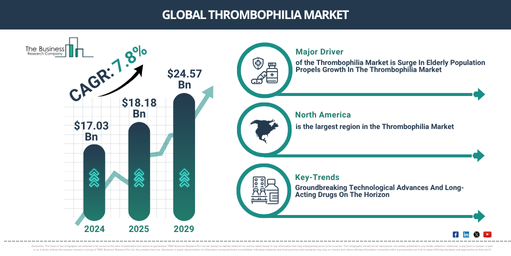
    Recent years have seen solid growth in the thrombophilia market size. It is anticipated to increase from $17.03 billion in 2024 to $18.18 billion in 2025, reflecting a compound annual growth rate (CAGR) of 6.7%. This growth during the historic period is linked with the rising awareness, research and development in anticoagulant therapies, an aging population cohort, advancements in genetic research, and an uptick in the prevalence of thrombotic disorders.

    The market for thrombophilia is anticipated to experience substantial expansion in the coming years. It is projected to escalate to $24.57 billion by 2029, with a Compound Annual Growth Rate (CAGR) of 7.8%. The swelling growth during this forecast period is attributed to factors such as personalized healthcare, the introduction of new therapies, the integration of artificial intelligence, healthcare regulations and policies, and enhanced patient education and autonomy. Leading trends in the forecasted duration are progress in technology, extended deployment of telemedicine, increasing incidence rates, advancements in biopharmaceuticals, and joint research endeavors.

    Download The Free Sample Report Here:

    https://www.thebusinessresearchcompany.com/sample.aspx?id=9439&type=smp

    What Elements Are Contributing To Growth In The Thrombophilia Market?

    The thrombophilia market’s growth is predicted to be spurred by an aging population. This group, defined as individuals aged 65 and older, forms a significant proportion of the dependent population, calculated as the total sum of seniors and youngsters relative to the entire population. As thrombophilic risk factors are prevalent among the elderly, they provide a means of recognizing individuals who might have unfavorable clinical outcomes. Therefore, an increase in the aged population will elevate the market by stimulating demand for thrombophilia medication. For example, as per figures provided by America’s Health Rankings, a US health outcomes evaluator, in 2022, there are approximately 56 million adults aged 65 and up, making up about 16.9% of the entire US populace. This figure is projected to rise to over 73.1 million by 2030. Thus, the growing senior population is fueling the thrombophilia market’s expansion.

    Which Segments Are Detailed In The Global Thrombophilia Market Report?

    The thrombophilia market covered in this report is segmented –

    1) By Type: Factor V Leiden, Prothrombin 20210, Antiphospholipid Syndrome, Other Type

    2) By Drugs: Heparin, Warfarin, Other Drugs

    3) By Route Of Administration: Oral, Parenteral, Other Route Of Administration

    4) By End-Users: Hospitals, Homecare, Specialty Centers, Other End Users

    Subsegments:

    1) By Factor V Leiden: Genetic Testing, Anticoagulant Therapy

    2) By Prothrombin 20210: Genetic Testing, Anticoagulant Therapy

    3) By Antiphospholipid Syndrome: Antiphospholipid Antibody Testing, Anticoagulant Therapy

    4) By Other Types: Protein C Deficiency, Protein S Deficiency, Antithrombin III Deficiency, Other Genetic Conditions

    Which Emerging Trends And Strategic Shifts Are Shaping The Thrombophilia Market?

    The thrombophilia market is seeing a surge in popularity due to technological advancements. The primary players in the market are focusing on creating innovative technologies to maintain their standing. For example, in May 2023, the University of California, San Diego’s researchers pioneered a revolutionary technology called Eloctate, which could alter the course of hemophilia treatment. This ingenious method employs a unique fusion protein increasing coagulation factors’ stability and half-life in the bloodstream. The aim is to combine this innovative technology with existing treatments to produce long-acting drugs needing less frequent dosages, thereby enhancing patient adherence and improving their life quality.

    Who Are The Key Contributors To Growth In The Thrombophilia Market?

    Major companies operating in the thrombophilia market include Pfizer Inc., F. Hoffmann-La Roche Limited, Changzhaou Qianhong Bio-pharma Co. Limited, Fresenius Kabi AG, Hebei Changshan Biochemical Pharmaceutical Co. Limited, Hikma Pharmaceuticals PLC., Novartis AG, Shanghai Fosun Pharmaceutical (Group) Co. Ltd., Shenzhen Hepalink Pharmaceutical Group Co. Limited, Teva Pharmaceutical Industries Limited, Yino Pharma Limited, Sanofi SA, Eisai Co. Limited, Boehringer Ingelheim GmbH, Instrumentation Laboratory SpA, Johnson & Johnson, Laurus Lab, Bristol-Myers Squibb, Roche, Abbott, C. H. Boehringer Sohn, Portola Pharmaceuticals, Daiichi Sankyo, Bayer Group, GlaxoSmithKline plc, CSL Behring

    Get The Full Report Here:

    https://www.thebusinessresearchcompany.com/report/thrombophilia-global-market-report

    Which Region Is Projected To Lead The Thrombophilia Market By 2025?

    North America was the largest region in the thrombophilia market in 2024. The regions covered in the thrombophilia market report are Asia-Pacific, Western Europe, Eastern Europe, North America, South America, Middle East, Africa

    Request For A Customized Report:

    https://www.thebusinessresearchcompany.com/customise?id=9439&type=smp

    About The Business Research Company:

    With over 15000+ reports from 27 industries covering 60+ geographies, The Business Research Company has built a reputation for offering comprehensive, data-rich research and insights. Armed with 1,500,000 datasets, the optimistic contribution of in-depth secondary research, and unique insights from industry leaders, you can get the information you need to stay ahead in the game.

    Get in touch with us:

    The Business Research Company: https://www.thebusinessresearchcompany.com/

    Americas +1 310-496-7795

    Asia +44 7882 955267 & +91 8897263534

    Europe +44 7882 955267

    Email us at info@tbrc.info

    Follow us on:

    LinkedIn: https://in.linkedin.com/company/the-business-research-company

    YouTube: https://www.youtube.com/channel/UC24_fI0rV8cR5DxlCpgmyFQ

    Global Market Model: https://www.thebusinessresearchcompany.com/global-market-model
  • Emerging Trends and Growth Drivers in the Quantitative Polymerase Chain Reaction (qPCR) Instruments Market Through 2029

    Emerging Trends and Growth Drivers in the Quantitative Polymerase Chain Reaction (qPCR) Instruments Market Through 2029

    Claim your 30% discount on Global Market Reports with code ONLINE30. Limited time only.

    Claim your 30% discount on Global Market Reports with code ONLINE30. Limited time only.

    What Does the Forecast Indicate for the Quantitative Polymerase Chain Reaction (qPCR) Instruments Market From 2025 to 2029?

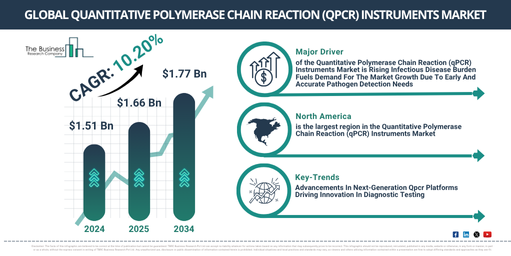
    In past years, the market size for quantitative polymerase chain reaction (qPCR) tools has seen notable expansion. It is anticipated to grow from $1.51 billion in 2024 to $1.66 billion in 2025, at a compound annual growth rate (CAGR) of 10.4%. This growth in the historical period is mainly due to an increased incidence of chronic illnesses, the growing use of qPCR in genetic and genome research, the rise in private and public investment in life sciences, the increasing acceptance of point-of-care diagnostic tools, and a rise in demand for high-efficiency testing systems.

    A rapid expansion in the quantitative polymerase chain reaction (qPCR) instruments market is expected in the upcoming years, projected to reach $2.45 billion by 2029 with a compound annual growth rate (CAGR) of 10.2%. Factors contributing to this surge during the forecast period include a higher incidence of infectious diseases, an increasing demand for personalized medical care, the growing application of qPCR in the field of oncology, the rising adoption of qPCR in clinical labs, and an intensified focus on early disease detection. Key trends for the forecast period include advancements in qPCR platforms, the incorporation of automation technologies, progress in microfluidics, the creation of multiplex qPCR technologies, and the inclusion of cloud-based data management systems.

    Download The Free Sample Report Here:

    https://www.thebusinessresearchcompany.com/sample.aspx?id=25890&type=smp

    What Elements Are Contributing To Growth In The Quantitative Polymerase Chain Reaction (qPCR) Instruments Market?

    The rise in infectious diseases is predicted to fuel the expansion of the quantitative polymerase chain reaction (qPCR) instruments market. Infectious diseases, triggered by harmful microorganisms like bacteria, viruses, fungi, or parasites, can spread directly or indirectly among people. The proliferation of these diseases is linked to the increase in global travel, which allows pathogens to swiftly move across boundaries. Quantitative polymerase chain reaction (qPCR) instruments help in fighting infectious diseases by permitting quick, sensitive, and accurate pathogen detection, which aids in immediate diagnosis and effective disease treatment. For example, GOV.UK, a UK-based government division, recorded that the count of tuberculosis (TB) incidences in England rose from 4,380 in 2022 to 4,850 in 2023. Consequently, the escalating prevalence of infectious diseases is propelling the growth of the quantitative polymerase chain reaction (qPCR) instruments market.

    Which Segments Are Detailed In The Global Quantitative Polymerase Chain Reaction (qPCR) Instruments Market Report?

    The quantitative polymerase chain reaction (qpcr) instruments market covered in this report is segmented –

    1) By Product Type: Quantitative Polymerase Chain Reaction Systems, Reagents And Consumables, Software

    2) By Instrument: 7500, Viia 7 Dx, Cobas 4800, Cfx96, Smartcycler, Genexpert, Rotor-Gene Q, Rotor-Gene Q 5plex Hrm System, Biofire Filmarray Systems, Other Instruments

    3) By Application: Gene Expression, Genotyping, Pathogen Detection, Diagnostics, Other Applications

    4) By End-Users: Diagnostic Laboratories, Hospitals And Clinics, Pharma And Biotech Companies, Other End-Users

    Subsegments:

    1) By Quantitative Polymerase Chain Reaction (qPCR) Systems: Real-Time Polymerase Chain Reaction Systems, Portable Or Compact qPCR Devices, Digital Polymerase Chain Reaction Systems

    2) By Reagents And Consumables: Master Mixes, Buffers And Enzymes, Primers

    3) By Software: Data Analysis Software, Cloud-Based Analytics Platforms, Instrument Control Software

    Which Trends Are Redefining The Future Landscape Of The Quantitative Polymerase Chain Reaction (qPCR) Instruments Industry?

    Major players in the quantitative polymerase chain reaction (qPCR) equipment industry are emphasizing on introducing innovative solutions, including next-gen qPCR systems, in order to enhance test accuracy, augment operational efficiency, and solidify their market status in the diagnostic sector. The term next-gen qPCR platform denotes an advanced molecular diagnostic mechanism aimed to offer high sensitivity, quicker processing, wider multiplexing, and more extensive automation, which leads to improved testing accuracy and precision. For example, Roche Holding AG, a pharmaceutical firm based in Switzerland, launched the LightCycler PRO System, which offers enhanced qPCR capabilities with better speed, accuracy, and automatic functions. It assures trustworthy, adaptable, and efficient real-time PCR outcomes for both clinical and research utilizations, armed with progressive multiplexing elements, easy-to-use software, and accurate temperature regulation for consistent outcomes. The system’s prominent advantages involve a swift amendment to evolving test requirements, optimized workflows with simplified data management, and a superior user interface encompassing a larger touchscreen and smooth system amalgamation.

    Who Are The Key Contributors To Growth In The Quantitative Polymerase Chain Reaction (qPCR) Instruments Market?

    Major companies operating in the quantitative polymerase chain reaction (qpcr) instruments market are F. Hoffmann-La Roche AG., Thermo Fisher Scientific Inc., Danaher Corporation, Becton, Dickinson and Company, Agilent Technologies Inc., Illumina Inc., Bio-Rad Laboratories Inc., QIAGEN N.V., Eppendorf SE, Cepheid Inc., Takara Bio Inc., bioMérieux SA, Analytik Jena GmbH, Standard BioTools Inc., Hangzhou Bioer Technology Co. Ltd., BioTeke Corporation, GeneReach Biotechnology Corp., Anitoa Systems LLC, Blue-Ray Biotech Corp., Chai Biotechnologies, Bio Molecular Systems Pty Ltd., Azure Biosystems Inc.

    Get The Full Report Here:

    https://www.thebusinessresearchcompany.com/report/quantitative-polymerase-chain-reaction-qpcr-instruments-global-market-report

    Which Region Is Projected To Lead The Quantitative Polymerase Chain Reaction (qPCR) Instruments Market By 2025?

    North America was the largest region in the quantitative polymerase chain reaction (qPCR) instruments market in 2024. Asia-Pacific is expected to be the fastest-growing region in the forecast period. The regions covered in the quantitative polymerase chain reaction (qpcr) instruments market report are Asia-Pacific, Western Europe, Eastern Europe, North America, South America, Middle East, Africa.

    Request For A Customized Report:

    https://www.thebusinessresearchcompany.com/customise?id=25890&type=smp

    About The Business Research Company:

    With over 15000+ reports from 27 industries covering 60+ geographies, The Business Research Company has built a reputation for offering comprehensive, data-rich research and insights. Armed with 1,500,000 datasets, the optimistic contribution of in-depth secondary research, and unique insights from industry leaders, you can get the information you need to stay ahead in the game.

    Get in touch with us:

    The Business Research Company: https://www.thebusinessresearchcompany.com/

    Americas +1 310-496-7795

    Asia +44 7882 955267 & +91 8897263534

    Europe +44 7882 955267

    Email us at info@tbrc.info

    Follow us on:

    LinkedIn: https://in.linkedin.com/company/the-business-research-company

    YouTube: https://www.youtube.com/channel/UC24_fI0rV8cR5DxlCpgmyFQ

    Global Market Model: https://www.thebusinessresearchcompany.com/global-market-model
  • Industry Trends Show Therapeutic BCG Vaccines Market Set to Expand at 6.3% CAGR Until 2029

    Industry Trends Show Therapeutic BCG Vaccines Market Set to Expand at 6.3% CAGR Until 2029

    Claim your 30% discount on Global Market Reports with code ONLINE30. Limited time only.

    Claim your 30% discount on Global Market Reports with code ONLINE30. Limited time only.

    How Much Is the Global Therapeutic BCG Vaccines Market Valued at Present and by 2029?

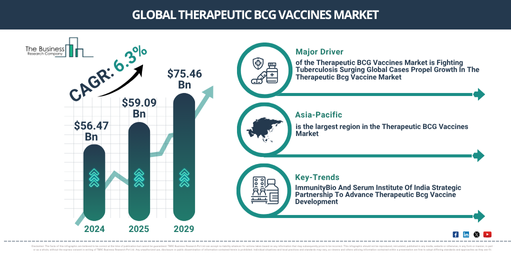
    In recent times, the bcg vaccines market has seen consistent growth in its therapeutic sector. Projected growth reveals an increase from $56.47 billion in 2024 to $59.09 billion in 2025, indicating a compound annual growth rate (CAGR) of 4.6%. The escalated growth during the historical period is linked to government-driven TB control initiatives, immune system modulation, worldwide immunization programs, bladder cancer treatment strategies, investments funneled into vaccine production, and the rise of drug-resistant TB strains.

    In the coming years, there is an anticipation of robust growth in the therapeutic bcg vaccines market. The market is projected to expand to $75.46 billion by 2029, demonstrating a compound annual growth rate (CAGR) of 6.3%. The expansion during the forecast period can be linked to the application to other indications, enhanced research in immunotherapy, worldwide initiatives against emerging infectious diseases, government backing for vaccine creation, and emphasis on eradicating tuberculosis. The forecast period is also expected to see major trends such as improvements in vaccine technology, optimization of supply chains, market mergers and collaborations, enhancing patient knowledge and awareness, alternative methods of delivery, and approaches to personalized medicine.

    Download The Free Sample Report Here:

    https://www.thebusinessresearchcompany.com/sample.aspx?id=9178&type=smp

    #What Drivers Are Influencing Growth In The Therapeutic BCG Vaccines Market?

    The global increase in tuberculosis (TB) cases is catalyzing the expansion of the therapeutic BCG vaccine market. TB is a potentially lethal infectious disease predominantly affecting the lungs. Transmission occurs when an infected individual expels tiny bacteria particles into the air through coughing or sneezing. BCG vaccines, while not capable of causing TB due to the weakness of the germs, are employed to bolster the immune system’s defense against infection. The vaccines prove consistently effective against perilous variants of TB, including adolescent TB meningitis. The ability of the BCG vaccine to combat TB infection has led to an augmentation in the utilization of therapeutic BCG vaccines. To illustrate, a UK Health Security Agency report from February 2024 revealed a 10.7% surge in TB cases in England in 2023, with 4,850 cases reported compared to the 4,380 in the previous year. Thus, the global escalation in TB cases is fostering the therapeutic BCG vaccine market’s growth.

    What Are The Main Segments Identified In The Therapeutic BCG Vaccines Market Research?

    The therapeutic bcg vaccines market covered in this report is segmented –

    1) By Type: Therapy BCG, Immune BCG

    2) By Demographics: Pediatrics, Adults

    3) By End Use: Hospitals, Clinics, Other End Users

    Subsegments:

    1) By Therapy BCG: Intravesical BCG, Injectable BCG

    2) By Immune BCG: BCG For Immune Enhancement, BCG For Allergy Treatment

    What Are The Leading Trends And Opportunities In The Therapeutic BCG Vaccines Sector?

    The rising prominence of strategic alliances is a significant trend observed in the therapeutic BCG vaccine market. The primary focus of prominent companies in this market is to maintain their market standing by establishing collaborations with other major players. To illustrate, ImmunityBio, an American biotech firm, formed a partnership with the Serum Institute of India, a biotech and biopharmaceutical company based in India, in May 2024. This aimed to ensure steady supply of the Bacillus Calmette-Guerin (BCG) vaccine for all types of cancer. The collaboration concentrates on producing the standard BCG (sBCG) sanctioned for usage outside America and a next-generation recombinant BCG (iBCG) that’s currently under examination. The iBCG is proposed for use in conjunction with ImmunityBio’s ANKTIVA (nogapendekin alfa inbakicept-PMLN) for approved and potential future regulations, subject to regulatory approvals.

    Which Companies Play A Key Role In The Development Of The Therapeutic BCG Vaccines Market?

    Major companies operating in the therapeutic bcg vaccines market include Merck & Co Inc., Sanofi Pasteur, Japan BCG Laboratory, China National Biotec Group, Serum Institute of India Pvt. Ltd., InterVax Ltd., GreenSignal Bio Pharma Limited, Statens Serum Institute, AJ Vaccines, Bul Bio-National Center of Infectious and Parasitic Diseases Ltd, Biomed Lublin S.A., Microgen, Taj Pharma Ltd., PT Bio Farma, Torlak Institute of Virology, Bacille Bilie Calmette-Guerin Laboratory, China Biotechnology Co Ltd., Bharat Biotech International Ltd., Biological E. Limited, Shanghai Institute of Biological Products Co. Ltd., Cipla Limited, Instituto Butantan

    Get The Full Report Here:

    https://www.thebusinessresearchcompany.com/report/therapeutic-bcg-vaccines-global-market-report

    What Are The Key Regional Developments Shaping The Therapeutic BCG Vaccines Market?

    Asia-Pacific was the largest region in the therapeutic BCG vaccines market in 2024. The regions covered in the therapeutic bcg vaccines market report are Asia-Pacific, Western Europe, Eastern Europe, North America, South America, Middle East, Africa

    Request For A Customized Report:

    https://www.thebusinessresearchcompany.com/customise?id=9178&type=smp

    About The Business Research Company:

    With over 15000+ reports from 27 industries covering 60+ geographies, The Business Research Company has built a reputation for offering comprehensive, data-rich research and insights. Armed with 1,500,000 datasets, the optimistic contribution of in-depth secondary research, and unique insights from industry leaders, you can get the information you need to stay ahead in the game.

    Get in touch with us:

    The Business Research Company: https://www.thebusinessresearchcompany.com/

    Americas +1 310-496-7795

    Asia +44 7882 955267 & +91 8897263534

    Europe +44 7882 955267

    Email us at info@tbrc.info

    Follow us on:

    LinkedIn: https://in.linkedin.com/company/the-business-research-company

    YouTube: https://www.youtube.com/channel/UC24_fI0rV8cR5DxlCpgmyFQ

    Global Market Model: https://www.thebusinessresearchcompany.com/global-market-model
  • 2025 Analysis: Opportunities and Risks in the Evolving Lyme Disease Testing Market

    2025 Analysis: Opportunities and Risks in the Evolving Lyme Disease Testing Market

    Claim your 30% discount on Global Market Reports with code ONLINE30. Limited time only.

    Claim your 30% discount on Global Market Reports with code ONLINE30. Limited time only.

    How Will the Lyme Disease Testing Market Evolve in Terms of Growth and Size by 2029?

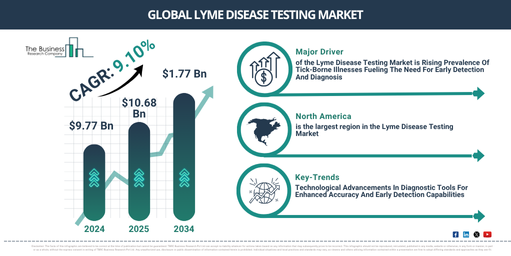
    There has been substantial growth in the market size for Lyme disease testing in the past few years. The market is projected to increase from $9.77 billion in 2024 to $10.68 billion in 2025, representing a compound annual growth rate (CAGR) of 9.3%. Factors contributing to the growth during the historic period include an escalating demand for early detection of diseases, an increase in the availability of sophisticated diagnostic tools, a surge in tick populations due to changes in climate, an increase in government funding directed towards controlling vector-borne diseases, and an expansion in healthcare infrastructure in both rural areas and endemic regions.

    The market size for testing lyme disease is anticipated to witness substantial expansion in the upcoming years, with projections indicating a growth to $15.11 billion by 2029, at a compound annual growth rate (CAGR) of 9.1%. This predicted growth during the forecasted period can be credited to a surge in travel to regions where the disease is prevalent, increased application of multiplex diagnostic technologies, a growing trend of outdoor recreational activities, a heightened demand for home-testing kits and an escalation in concerns related to co-infections from other tick-borne diseases. Key market trends projected for the forecast period encompass advances in molecular diagnostic techniques, breakthroughs in biomarker research, innovative technology in point-of-care testing devices, progress in lab-on-a-chip (microfluidic) technology, and improvements in immunoassay technologies.

    Download The Free Sample Report Here:

    https://www.thebusinessresearchcompany.com/sample.aspx?id=25817&type=smp

    What factors are expected to fuel Lyme Disease Testing market growth in the coming years?

    The lyme disease testing market is anticipated to grow owing to the increasing occurrence of tick-borne diseases. These diseases, spread to humans through bites from ticks, tiny parasites that thrive in grassy, remote, or forested areas, cause a surge in Lyme disease testing. Climate change, exacerbating the geographic spread of ticks, results in increased exposure and infection rates, fueling the demand for tick-borne illness treatments. Tick-borne illnesses, being the principal transmission method for Lyme disease, necessitate timely detection and diagnosis to efficiently manage the escalating infection cases. As an illustration, the Centers for Disease Control and Prevention, a federal public health agency based in the US, reported 71,346 cases of tick-borne disease in July 2024, a significant increase from 36,177 cases in 2021. Consequently, the growing incidence of tick-borne diseases is stimulating the expansion of the lyme disease testing market.

    What Are The Key Findings From The Segmentation Analysis Of The Lyme Disease Testing Market?

    The lyme disease testing market covered in this report is segmented –

    1) By Test Type: Serological Tests, Nucleic Acid Tests, Urine Antigen Tests, Other Test Types

    2) By Testing Methodology: Enzyme-Linked Immunosorbent Assay (ELISA), Weste Blot, Polymerase Chain Reaction (PCR), Immunofluorescence Assay (IFA), Other Emerging Technologies

    3) By Disease Stage: Early Lyme Disease, Disseminated Lyme Disease, Chronic Lyme Disease, Asymptomatic Lyme Disease Detection

    4) By Sample Type: Blood, Urine, Cerebrospinal Fluid(CSF), Other Blood Samples

    5) By End-User: Hospitals And Clinics, Diagnostic Laboratories, Home Care Settings, Research Institutions, Public Health Organizations

    Subsegments:

    1) By Serological Tests: Enzyme-Linked Immunosorbent Assay, Western Blot, Immunofluorescence Assay (IFA), Line Immunoassay (LIA)

    2) By Nucleic Acid Tests: Polymerase Chain Reaction (PCR), Loop-Mediated Isothermal Amplification (LAMP), Next-Generation Sequencing (NGS)

    3) By Urine Antigen Tests: Lateral Flow Assay, Enzyme Immunoassay (EIA), Immunoblot Urine Tests

    4) By Other Test Types: Culture-Based Tests, Tick-Borne Co-Infection Panels, Artificial Intelligence-Assisted Diagnostic Tools

    Which Trends Are Expected To Shape The Future Of The Lyme Disease Testing Market?

    A significant focus for leading companies in the Lyme disease testing market is the progression of innovative diagnostic tools. Their aim is to enhance the precision of tests, streamline the process, and facilitate early detection of the illness. Diagnostic tools encompass various medical devices, kits, or innovative technologies that can detect Lyme disease by identifying specific antibodies, antigens, or the genetic presence related to Borrelia burgdorferi bacteria. To illustrate, EpitogenX Ltd, a biotech company based in the UK, unveiled a state-of-the-art Lyme Disease Diagnostic Kit in August 2024. Developed using their unique EpitoGen platform, this ELISA-based assay includes approximately 120 unique Borrelia epitopes, ensuring high accuracy and sensitivity. It is specifically designed for research use (RUO) and offers early, strain-specific detection. Furthermore, it can be tailored to suit a variety of lab applications. With its intended use for research and diagnostic laboratories, it promises to augment detection precision and provide more comprehensive understanding of Lyme disease.

    What Are The Most Active Companies In The Lyme Disease Testing Market Today?

    Major companies operating in the lyme disease testing market are Roche Holding AG, Thermo Fisher Scientific Inc., Labcorp Holdings Inc., Quest Diagnostics Incorporated, Eurofins Scientific, BIOMÉRIEUX, Quidel Corporation, Bio-Rad Laboratories Inc., QIAGEN N.V., DiaSorin S.p.A, Meridian Bioscience, Everlywell, Trinity Biotech, T2 Biosystems, IGeneX, Viramed Biotech AG, Ceres Nanosciences, Galaxy Diagnostics, Novatein Biosciences, Lyme Diagnostics Ltd

    Get The Full Report Here:

    https://www.thebusinessresearchcompany.com/report/lyme-disease-testing-global-market-report

    Which Regional Markets Are Attracting The Most Investment In Lyme Disease Testing?

    North America was the largest region in the lyme disease testing market in 2024. Asia-Pacific is expected to be the fastest-growing region in the forecast period. The regions covered in the lyme disease testing market report are Asia-Pacific, Western Europe, Eastern Europe, North America, South America, Middle East, Africa.

    Request For A Customized Report:

    https://www.thebusinessresearchcompany.com/customise?id=25817&type=smp

    About The Business Research Company:

    With over 15000+ reports from 27 industries covering 60+ geographies, The Business Research Company has built a reputation for offering comprehensive, data-rich research and insights. Armed with 1,500,000 datasets, the optimistic contribution of in-depth secondary research, and unique insights from industry leaders, you can get the information you need to stay ahead in the game.

    Get in touch with us:

    The Business Research Company: https://www.thebusinessresearchcompany.com/

    Americas +1 310-496-7795

    Asia +44 7882 955267 & +91 8897263534

    Europe +44 7882 955267

    Email us at info@tbrc.info

    Follow us on:

    LinkedIn: https://in.linkedin.com/company/the-business-research-company

    YouTube: https://www.youtube.com/channel/UC24_fI0rV8cR5DxlCpgmyFQ

    Global Market Model: https://www.thebusinessresearchcompany.com/global-market-model
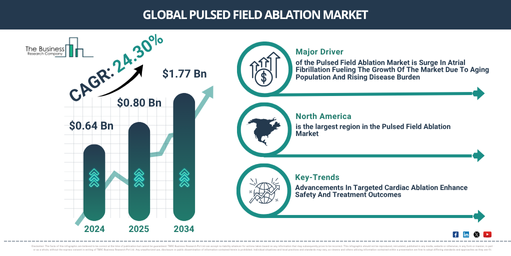
  • CAGR of 24.3% Projected for Pulsed Field Ablation Market From 2025 to 2029

    CAGR of 24.3% Projected for Pulsed Field Ablation Market From 2025 to 2029

    Claim your 30% discount on Global Market Reports with code ONLINE30. Limited time only.

    Claim your 30% discount on Global Market Reports with code ONLINE30. Limited time only.

    How Much Is the Global Pulsed Field Ablation Market Valued at Present and by 2029?

    The market size for pulsed field ablation has seen a significant surge in recent years. An impressive growth is projected, starting from $0.64 billion in 2024 up to $0.80 billion in 2025, with a 24.5% compound annual growth rate (CAGR). The mounting progression during the historic phase is a byproduct of factors including the escalated acceptance of minimal invasive heart procedures, growing instances of atrial fibrillation, greater understanding of advanced ablation technologies, increased financial commitments to research on cardiac electrophysiology, and the heightened demand for safer and quicker methods of ablation.

    The market size of pulsed field ablation is predicted to experience substantial growth over the next few years, expanding to a considerable value of $1.91 billion in 2029, with a compound annual growth rate (CAGR) of 24.3%. Several factors can account for this growth in the forecasted timeframe, including an increased acceptance of pulsed field ablation technology, a growing occurrence of cardiac arrhythmias, significant investment in R&D, enhanced knowledge within the healthcare provider community, and an increasing preference for minimally invasive cardiac treatments. The forecast period is also expected to witness key trends like advancements in pulsed field ablation tools, innovation in catheter structure, merging of imaging technologies with ablation systems, increased implementation of artificial intelligence for optimizing procedures, and the creation of compact and easy-to-use ablation platforms.

    Download The Free Sample Report Here:

    https://www.thebusinessresearchcompany.com/sample.aspx?id=25889&type=smp

    #What Drivers Are Influencing Growth In The Pulsed Field Ablation Market?

    The increasing incidence of atrial fibrillation is projected to boost the expansion of the pulsed field ablation market. Atrial fibrillation, a condition characterized by irregular and frequently fast heart rhythm, carries a heightened risk of stroke and heart-related issues. The growing number of individuals suffering from atrial fibrillation is related to the ageing population since the chances of having this heart rhythm disorder significantly escalate with age. Pulsed field ablation offers a solution to atrial fibrillation, utilizing directed electrical pulses to selectively eliminate heart tissue responsible for irregular rhythms. This approach provides a quicker, safer, and more accurate alternative to conventional ablation techniques. The Australian Institute of Health and Welfare reported in December 2024 that atrial fibrillation resulted in 2,600 deaths and contributed to an additional 15,500 in Australia in 2022. The death rates were 1.3 times higher in men and over 62% of the deaths occurred in those aged 85 or above, who had a risk that was 7.4 times higher than those in the 75–84 age group. Consequently, the escalating incidence of atrial fibrillation fuels the growth of the pulsed field ablation market.

    What Are The Main Segments Identified In The Pulsed Field Ablation Market Research?

    The pulsed field ablation market covered in this report is segmented –

    1) By Components: Catheters, Generators

    2) By Indication: Atrial Fibrillation, Non-Atrial Fibrillation

    3) By Source Of Ablation: Pulsed Field Energy, Pulsed Field And Radiofrequency Energy, Pulsed Field And Cryoablation Energy

    4) By Application Area: Ablation, Ablation And Mapping

    5) By End Use: Hospitals, Cardiac Catheterization Labs, Ambulatory Surgical Centers, Other End Uses

    Subsegments:

    1) By Catheters: Single-use Catheters, Reusable Catheters, Diagnostic Catheters, Therapeutic Catheters, Balloon Catheters, Mapping Catheters

    2) By Generators: Monopolar Generators, Bipolar Generators, Pulsed Power Generators, Radiofrequency Generators With Pulsed Field Ablation Capability, Portable Generators, Fixed Or Stationary Generators

    What Notable Trends Are Shaping The Direction Of The Pulsed Field Ablation Market?

    Leading firms in the Pulsed Field Abllation (PFA) market are directing their efforts towards technological advancements like selective tissue ablation. This aim is underpinned by the desire to improve procedural safety and effectiveness, minimizing harm to nearby healthy tissues, reducing healing periods, and enhancing enduring treatment results for patients suffering from cardiac arrhythmias. Selective tissue ablation involves specifically targeting and destroying disease-ridden cells or tissues, while keeping the adjacent healthy structures intact. For example, Abbott, a health company based in the US, obtained CE Mark approval for its Volt Pulsed Field Ablation System in March 2025. The system is designed to treat irregular heartbeats and perfectly links to Abbott’s EnSite X electrophysiology platform, improving procedural visualization and navigation. The unveiling of the Volt system marks a significant evolution in electrophysiology technology, as it offers superior procedural efficiency, precise imaging, and correct ablation for atrial fibrillation treatment. This cutting-edge device is expected to enhance patient outcomes and facilitate more efficient cardiac treatment.

    Which Companies Play A Key Role In The Development Of The Pulsed Field Ablation Market?

    Major companies operating in the pulsed field ablation market are Johnson & Johnson, Abbott Laboratories, Medtronic plc, Siemens Healthineers AG, Boston Scientific Corporation, ConMed, AtriCure Inc., AngioDynamics Inc., CardioFocus Inc., Galvanize Therapeutics Inc., Kardium Inc., Acutus Medical Inc., AtriAN Medical Ltd., Field Medical Inc., Thermedical Inc., Adagio Medical Inc., Arga Medtech Inc., Mirai Medical, Pulse Biosciences Inc., AccuPulse Medical Inc.

    Get The Full Report Here:

    https://www.thebusinessresearchcompany.com/report/pulsed-field-ablation-global-market-report

    What Are The Key Regional Developments Shaping The Pulsed Field Ablation Market?

    North America was the largest region in the pulsed field ablation market in 2024. Asia-Pacific is expected to be the fastest-growing region in the forecast period. The regions covered in the pulsed field ablation market report are Asia-Pacific, Western Europe, Eastern Europe, North America, South America, Middle East, Africa.

    Request For A Customized Report:

    https://www.thebusinessresearchcompany.com/customise?id=25889&type=smp

    About The Business Research Company:

    With over 15000+ reports from 27 industries covering 60+ geographies, The Business Research Company has built a reputation for offering comprehensive, data-rich research and insights. Armed with 1,500,000 datasets, the optimistic contribution of in-depth secondary research, and unique insights from industry leaders, you can get the information you need to stay ahead in the game.

    Get in touch with us:

    The Business Research Company: https://www.thebusinessresearchcompany.com/

    Americas +1 310-496-7795

    Asia +44 7882 955267 & +91 8897263534

    Europe +44 7882 955267

    Email us at info@tbrc.info

    Follow us on:

    LinkedIn: https://in.linkedin.com/company/the-business-research-company

    YouTube: https://www.youtube.com/channel/UC24_fI0rV8cR5DxlCpgmyFQ

    Global Market Model: https://www.thebusinessresearchcompany.com/global-market-model
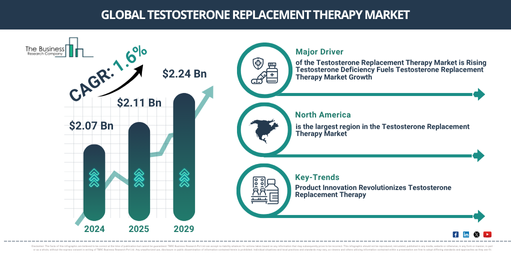
  • Competitive and Market Trend Analysis of Testosterone Replacement Therapy Industry Through 2029

    Competitive and Market Trend Analysis of Testosterone Replacement Therapy Industry Through 2029

    Claim your 30% discount on Global Market Reports with code ONLINE30. Limited time only.

    Claim your 30% discount on Global Market Reports with code ONLINE30. Limited time only.

    What Is the Current and Projected Market Size of the Testosterone Replacement Therapy Industry?

    In recent times, the market size of testosterone replacement therapy has seen a slight increase. The growth will continue from $2.07 billion in 2024 to $2.11 billion in 2025 with a compound annual growth rate (CAGR) of 1.9%. The historic period’s growth is connected to the rising cases of hypogonadism, extended life expectancy, transitions in lifestyle, widespread diabetes and metabolic syndrome, patient’s leaning towards non-invasive therapies, and increasing concerns over male infertility.

    In the coming years, the market size for testosterone replacement therapy is anticipated to witness modest expansion. The market is forecasted to reach a valuation of $2.24 billion by 2029, with a compound annual growth rate (CAGR) of 1.6%. Factors contributing to this growth during the forecast period include accuracy in medicine strategies, a growing market for male wellness, regulatory advocacy, health service globalization, plus health and fitness trends, as well as evolving societal views. Key trends during the forecast period encompass advancements in delivery systems, the rise of telemedicine and remote patient monitoring, personalized therapy plans, incorporation of nutritional and lifestyle methodologies, and research into combination therapies.

    Download The Free Sample Report Here:

    https://www.thebusinessresearchcompany.com/sample.aspx?id=9235&type=smp

    #Which Factors Are Currently Driving The Growth Of The Testosterone Replacement Therapy Market?

    The testosterone replacement therapy market is being propelled by the increasing cases of testosterone deficiency. This deficiency, also known as hypogonadism, occurs when the body cannot produce enough testosterone. A solution to elevate the body’s testosterone levels to a normal range and counteract the impacts of hypogonadism is testosterone replacement therapy. Symptoms such as diminished libido, erectile dysfunction, depression, anemia, muscle loss, and other issues can be addressed with this treatment. An example of this is the 2022 report from the Western Michigan Urological Associate, a US-based urology specialist organization, which indicates that about 13 million American men have low testosterone levels. This equates to 1 in every 4 males over the age of 30. Thus, the growing incidence of testosterone deficiency is propelling the testosterone replacement therapy market’s growth.

    How Is The Global Testosterone Replacement Therapy Market Structured In Terms Of Segments?

    The testosterone replacement therapy market covered in this report is segmented –

    1) By Product Type: Oral, Implants, Gel Or Creams, Patches, Buccal Adhesive, Parenteral, Other Products

    2) By Indication: Hypogonadism, Autoimmune Conditions, Genetic Disorders, Sex Organ Surgeries, Other Indications

    3) By Active Ingredient Type: Testosterone, Methyl Testosterone, Testosterone Undecanoate, Testosterone Enanthate, Testosterone Cypionate

    4) By End User: Hospitals, Clinics, Other End-User

    Subsegments:

    1) By Oral: Tablets, Capsules

    2) By Implants: Pellets

    3) By Gel Or Creams: Transdermal Gels, Transdermal Creams

    4) By Patches: Transdermal Patches

    5) By Buccal Adhesive: Buccal Tablets

    6) By Parenteral: Intramuscular Injections, Subcutaneous Injections

    7) By Other Products: Nasal Sprays, Other Delivery Forms

    What Trends Are Currently Influencing Growth In The Testosterone Replacement Therapy Market?

    Leading businesses in the testosterone replacement therapy (TRT) market are honing in on innovative treatment delivery techniques such as oral formulations and telemedicine services. Their aim is to offer accessible and potent treatment solutions to men struggling with low testosterone levels, ultimately improving their general health and well-being. The product ‘PRIME,’ an oral TRT product, is designed to offer a non-invasive solution to men with low testosterone levels, serving as an alternative to traditional injection-based treatments. In March 2024, Mangoceuticals Inc., a U.S.-based manufacturer specializing in men’s health and wellness products, introduced ‘PRIME’. This oral testosterone replacement therapy (TRT) was powered by Kyzatrex, a FDA-approved agent. Kyzatrex is essentially an oral version of testosterone undecanoate, specifically developed to treat adult males affected by hypogonadism. This development represents a notable breakthrough in the treatment of adult males affected by hypogonadism, a condition identified by low testosterone levels. It positions PRIME as a viable and convenient choice for those on the lookout for effective TRT alternatives.

    Who Are The Main Participants Shaping The Testosterone Replacement Therapy Market Landscape?

    Major companies operating in the testosterone replacement therapy market include AbbVie Inc., Acerus Pharmaceuticals Corporation, Antares Pharma Inc., Bayer Aktiengesellschaft, BioTE Medical LLC, Clarus Therapeutics Inc., Eli Lilly and Company, Endo International plc, Pfizer Inc., Teva Pharmaceutical Industries Limited, Acrux Limited, Actiza Pharmaceutical Inc., Aytu BioPharma Inc., Cipla Limited, Sun Pharmaceutical Industries Limited, Ferring Pharmaceuticals Holdings S.A., Mylan N.V., Bausch Health Companies Inc., Allergan plc, Sandoz International GmbH, Perrigo Company plc, Besins Healthcare

    Get The Full Report Here:

    https://www.thebusinessresearchcompany.com/report/testosterone-replacement-therapy-global-market-report

    Which Region Currently Holds The Largest Share In The Testosterone Replacement Therapy Market?

    North America was the largest region in the testosterone replacement therapy market in 2024. Asia-Pacific is expected to be the fastest-growing region in the testosterone replacement therapy market report during the forecast period. The regions covered in the testosterone replacement therapy market report are Asia-Pacific, Western Europe, Eastern Europe, North America, South America, Middle East, Africa

    Request For A Customized Report:

    https://www.thebusinessresearchcompany.com/customise?id=9235&type=smp

    About The Business Research Company:

    With over 15000+ reports from 27 industries covering 60+ geographies, The Business Research Company has built a reputation for offering comprehensive, data-rich research and insights. Armed with 1,500,000 datasets, the optimistic contribution of in-depth secondary research, and unique insights from industry leaders, you can get the information you need to stay ahead in the game.

    Get in touch with us:

    The Business Research Company: https://www.thebusinessresearchcompany.com/

    Americas +1 310-496-7795

    Asia +44 7882 955267 & +91 8897263534

    Europe +44 7882 955267

    Email us at info@tbrc.info

    Follow us on:

    LinkedIn: https://in.linkedin.com/company/the-business-research-company

    YouTube: https://www.youtube.com/channel/UC24_fI0rV8cR5DxlCpgmyFQ

    Global Market Model: https://www.thebusinessresearchcompany.com/global-market-model

  • In-Depth Lung Cancer Surgery Market Report: Business Trends, Growth Factors, and Forecast to 2029

    In-Depth Lung Cancer Surgery Market Report: Business Trends, Growth Factors, and Forecast to 2029

    Claim your 30% discount on Global Market Reports with code ONLINE30. Limited time only.

    Claim your 30% discount on Global Market Reports with code ONLINE30. Limited time only.

    What CAGR Is Anticipated for the Lung Cancer Surgery Market Through 2029?

    The market size for lung cancer surgery has been on a steady rise in the past years. It’s projected to increase from $5.07 billion in 2024 to $5.33 billion in 2025, with a compound annual growth rate (CAGR) of 5.1%. The historic growth has been fueled by factors such as high levels of smoking, an increase in lung cancer cases, development in hospital facilities, broadening insurance coverage, and an enhancement in the professional skills of surgeons.

    In the coming years, consistent growth is anticipated in the lung cancer surgery market, with an estimated rise to $6.43 billion in 2029, reflecting a compound annual growth rate (CAGR) of 4.8%. This growth trajectory over the forecast period could be a result of several contributing factors, such as the aging global demographic, soaring cases of non-small cell lung cancer, increasing awareness in developing nations, a proliferation of robotic surgery platforms, as well as increased investment in cancer care. Noteworthy trends for the forecast period encompass robotic-assisted thoracic surgery, the implementation of augmented reality in surgical procedures, the application of 3-dimensional printing in surgical simulation, the use of artificial intelligence in surgical planning, along with the evolution of smart surgical instruments.

    Download The Free Sample Report Here:

    https://www.thebusinessresearchcompany.com/sample.aspx?id=25816&type=smp

    What Market Forces Are Driving The Lung Cancer Surgery Sector In 2025 And Beyond?

    The rise in lung cancer cases is anticipated to boost the development of the lung cancer surgery market. Lung cancer, which is an unchecked proliferation of irregular cells in one or two lungs, disrupts normal lung function. This escalation in lung cancer cases is attributed to prolonged exposure to excellent particulate matter and air pollution, given that these minuscule particles can delve deep into the lungs, leading to inflammation, cell injury, and mutations that may instigate cancer. Lung cancer surgery can decrease lung cancer-related fatalities by facilitating early extraction of malignant tumors before they can advance or spread. For example, the Centers for Disease Control and Prevention, a US federal government agency, stated in June 2025 that lung cancer had caused 131,584 deaths in the United States in 2023, subsequent to 218,893 fresh cases reported in 2022. Consequently, the rise in lung cancer cases is fueling the development of the lung cancer surgery market.

    How Is The Global Lung Cancer Surgery Market Categorized By Segments?

    The lung cancer surgery market covered in this report is segmented –

    1) By Type: Minimally Invasive Surgeries

    2) By Procedure: Lobectomy, Segmentectomy, Pneumonectomy, Sleeve Resection, Extended Reserction

    3) By Product: Thoracoscopes, Mediastinoscopes, Bronchoscopes, Robotic-Assistes Thoracic Surgery Systems, Surgical Staplers, Surgical Energy Instruments, Advanced Energy Instruments, Advanced Bipolar Instruments, Ultrasonic Instruments

    4) By Distribution Channels: Direct Tender, Retail Sales, Online Sales, Other Channels

    5) By End User: Hospitals, Ambulatory And Surgical Centres, Academic And Research Institutes, Specialiaty Cancer Care Centre, Other End Users

    Subsegments:

    1) By Thoracotomy: Lobectomy, Pneumonectomy, Segmentectomy, Wedge Resection

    2) By Minimally Invasive Surgeries: Video-Assisted Thoracoscopic Surgery (VATS), Robotic-Assisted Surgery

    What Long-Term Trends Are Likely To Affect The Lung Cancer Surgery Market?

    Key players in the lung cancer surgery market are prioritizing the creation of groundbreaking technologies such as robotic-assisted surgeries. Their objectives include increasing surgical accuracy, minimizing recovery periods, and boosting patient results. Robotic-assisted surgeries are minimally invasive operations executed using robot systems under the control of surgeons, offering improved precision, fewer complications, and better patient recovery outcomes. Johnson & Johnson MedTech, an American medical devices and technology corporation, disclosed in March 2025 its regulatory approval of MONARCH QUEST under U.S. 510(k). The MONARCH QUEST robotic-assisted bronchoscopy platform provides an extended range and stability, enabling access to small, difficult-to-reach lung nodules, hence, improving early lung cancer detection. Its superior maneuverability coupled with the integration of imaging technologies lead to more precise biopsies while reducing patient discomfort. It is constructed to enhance procedural capabilities and simplify the workflow, providing greater clinical assurance and uniformity across many bronchoscopic procedures.

    Which Firms Are Considered Leaders In The Lung Cancer Surgery Market Space?

    Major companies operating in the lung cancer surgery market are Johnson & Johnson, Medtronic plc, Siemens Healthcare GmbH, Fujifilm Holdings Corporation, GE Healthcare Technologies Inc., B. Braun Melsungen AG, Olympus Corporation, Intuitive Surgical Inc., Teleflex Incorporated, Varian Medical Systems Inc., Karl Storz SE, Lepu Medical Technology (Beijing) Co. Ltd., Ambu A/S, Accuray Incorporated, KLS Martin Group, Richard Wolf GmbH, Ethicon Inc., AngioDynamics Inc., Ackermann Instrument GmbH, Scanlan International Inc., Sontec Instruments Inc., Covidien LLC

    Get The Full Report Here:

    https://www.thebusinessresearchcompany.com/report/lung-cancer-surgery-global-market-report

    What Role Do Regional Policies And Investments Play In Lung Cancer Surgery Market Expansion?

    North America was the largest region in the lung cancer surgery market in 2024. Asia-Pacific is expected to be the fastest-growing region in the forecast period. The regions covered in the lung cancer surgery market report are Asia-Pacific, Western Europe, Eastern Europe, North America, South America, Middle East, Africa.

    Request For A Customized Report:

    https://www.thebusinessresearchcompany.com/customise?id=25816&type=smp

    About The Business Research Company:

    With over 15000+ reports from 27 industries covering 60+ geographies, The Business Research Company has built a reputation for offering comprehensive, data-rich research and insights. Armed with 1,500,000 datasets, the optimistic contribution of in-depth secondary research, and unique insights from industry leaders, you can get the information you need to stay ahead in the game.

    Get in touch with us:

    The Business Research Company: https://www.thebusinessresearchcompany.com/

    Americas +1 310-496-7795

    Asia +44 7882 955267 & +91 8897263534

    Europe +44 7882 955267

    Email us at info@tbrc.info

    Follow us on:

    LinkedIn: https://in.linkedin.com/company/the-business-research-company

    YouTube: https://www.youtube.com/channel/UC24_fI0rV8cR5DxlCpgmyFQ

    Global Market Model: https://www.thebusinessresearchcompany.com/global-market-model
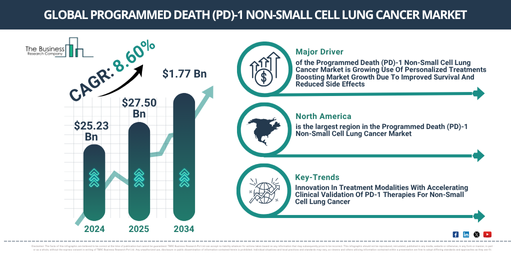
  • Industry Forecast: Programmed Death (PD)-1 Non-Small Cell Lung Cancer Market to Generate $38.26  Billion Revenue by 2029

    Industry Forecast: Programmed Death (PD)-1 Non-Small Cell Lung Cancer Market to Generate $38.26 Billion Revenue by 2029

    Claim your 30% discount on Global Market Reports with code ONLINE30. Limited time only.

    Claim your 30% discount on Global Market Reports with code ONLINE30. Limited time only.

    What Is the Current and Projected Market Size of the Programmed Death (PD)-1 Non-Small Cell Lung Cancer Industry?

    The market size of programmed death (PD)-1 non-small cell lung cancer has seen substantial growth in the past and it’s projected to continue on this upward trajectory. Starting at $25.23 billion in 2024, the market is expected to expand to $27.50 billion in 2025, representing a compound annual growth rate (CAGR) of 9.0%. The historic growth can be linked to a number of factors including an increase in non-small cell lung cancer cases, the growing use of immunotherapy in developed countries, increased public awareness regarding cancer screening, more approvals being granted for monoclonal antibodies, and the continued increase in healthcare spending.

    The market size for programmed death (PD)-1 non-small cell lung cancer is projected to grow robustly in the forthcoming years, reaching $38.26 billion in 2029 at a compound annual growth rate (CAGR) of 8.6%. This anticipated growth during the projection period is linked to the escalating investments in cancer-dedicated infrastructure, the broadening of patient access to biological therapies in developing markets, the growth of the global aging population, the increasing financial backing for immunotherapies, and the rising success rates of clinical trials of PD-1 inhibitors. Expected trends during this same forecast period involve advancements in biomarker testing technology, improvements in combined immunotherapy protocols, funding in personalized treatment approaches, R&D for new PD-1 inhibitors, and innovative practices in immune checkpoint blockade mechanisms.

    Download The Free Sample Report Here:

    https://www.thebusinessresearchcompany.com/sample.aspx?id=25888&type=smp

    #Which Factors Are Currently Driving The Growth Of The Programmed Death (PD)-1 Non-Small Cell Lung Cancer Market?

    The escalation in the use of customized therapies is predicted to fuel the growth of the programmed death (PD)-1 non-small cell lung cancer market. Customized therapies are medical strategies specifically designed to match a person’s genetic makeup, lifestyle, and acute disease features to achieve superior targeted results. The swelling demand for these treatments comes in the wake of expanded access to genomic profiling and biomarker testing. These innovative methods help in the identification of specific mutations and biomarkers, enabling medical professionals to choose therapies that are more apt to be effective for each person. These tailored treatments aid programmed death (PD)-1 non-small cell lung cancer (NSCLC) by adjusting therapies based on a patient’s genetic makeup, tumor specifics, and immune reaction. For example, in February 2024, the Personalized Medicine Coalition, a non-profit organization based in the US, declared that the US Food and Drug Administration (FDA) approved 16 new personalized treatments for rare diseases in 2023, a substantial increase from the 6 approved in 2022. Hence, the escalating use of personalized therapies is fueling the growth of the programmed death (PD)-1 non-small cell lung cancer sector.

    How Is The Global Programmed Death (PD)-1 Non-Small Cell Lung Cancer Market Structured In Terms Of Segments?

    The programmed death (pd)-1 non-small cell lung cancer market covered in this report is segmented –

    1) By Drug Type: Monotherapy, Combination Therapy

    2) By Line of Therapy: First-line Treatment, Second-line And Beyond

    3) By End User: Hospitals, Specialty Cancer Centers, Academic And Research Institutes, Other End Users

    Subsegments:

    1) By Monotherapy: Pembrolizumab (Keytruda), Nivolumab (Opdivo), Cemiplimab (Libtayo), Toripalimab, Tislelizumab, Camrelizumab, Dostarlimab, Other Monotherapy Drug Types

    2) By Combination Therapy: Programmed Death (PD)-1 Inhibitor And Chemotherapy, Programmed Death (PD)-1 Inhibitor And Cytotoxic T-Lymphocyte Associated Protein (CTLA)-4 Inhibitor, Programmed Death (PD)-1 Inhibitor And Vascular Endothelial Growth Factor (VEGF) Inhibitor, Programmed Death (PD)-1 Inhibitor And Targeted Therapy, Programmed Death (PD)-1 Inhibitor And Radiation Therapy, Triple Combination Therapy, Programmed Death (PD)-1 Inhibitor And Messenger Ribonucleic Acid (mRNA) Vaccine, Other Combination Drug Types

    What Upcoming Trends Are Expected To Impact The Programmed Death (PD)-1 Non-Small Cell Lung Cancer Market Globally?

    Leading organizations in the market for programmed death (PD)-1 non-small cell lung cancer are placing their efforts on executing clinical experiments of innovative treatments like monotherapy to enhance patient results. Monotherapy is a therapeutic approach that employs a single drug or treatment for a disease or condition. For example, Akeso, Inc., a biopharmaceutical firm based in China, revealed successful outcomes from its Phase III HARMONi-2 trial testing Ivonescimab (AK112) coupled with chemotherapy for the initial treatment of advanced non-small cell lung cancer (NSCLC) in March 2025. The trial reached its main objective by prominently extending progression-free survival compared to pembrolizumab, underscoring the therapeutic potential of the dual-targeted bispecific antibody.

    Who Are The Main Participants Shaping The Programmed Death (PD)-1 Non-Small Cell Lung Cancer Market Landscape?

    Major companies operating in the programmed death (pd)-1 non-small cell lung cancer market are F. Hoffmann-La Roche Ltd, Merck & Co. Inc., AbbVie Inc., Sanofi S.A., Novartis AG, GlaxoSmithKline plc, Regeneron Pharmaceuticals Inc., Incyte Corporation, Ono Pharmaceutical Co. Ltd., BeiGene Ltd., BioNTech SE, Shanghai Junshi Biosciences Co. Ltd., MacroGenics Inc., Akeso Inc., Arcus Biosciences Inc., Shandong Boan Biotechnology Co. Ltd., CStone Pharmaceuticals, iTeos Therapeutics Inc., Summit Therapeutics Inc., Shanghai Henlius Biotech Inc.

    Get The Full Report Here:

    https://www.thebusinessresearchcompany.com/report/programmed-death-pd-1-non-small-cell-lung-cancer-global-market-report

    Which Region Currently Holds The Largest Share In The Programmed Death (PD)-1 Non-Small Cell Lung Cancer Market?

    North America was the largest region in the programmed death (PD)-1 non-small cell lung cancer market in 2024. Asia-Pacific is expected to be the fastest-growing region in the forecast period. The regions covered in the programmed death (pd)-1 non-small cell lung cancer market report are Asia-Pacific, Western Europe, Eastern Europe, North America, South America, Middle East, Africa.

    Request For A Customized Report:

    https://www.thebusinessresearchcompany.com/customise?id=25888&type=smp

    About The Business Research Company:

    With over 15000+ reports from 27 industries covering 60+ geographies, The Business Research Company has built a reputation for offering comprehensive, data-rich research and insights. Armed with 1,500,000 datasets, the optimistic contribution of in-depth secondary research, and unique insights from industry leaders, you can get the information you need to stay ahead in the game.

    Get in touch with us:

    The Business Research Company: https://www.thebusinessresearchcompany.com/

    Americas +1 310-496-7795

    Asia +44 7882 955267 & +91 8897263534

    Europe +44 7882 955267

    Email us at info@tbrc.info

    Follow us on:

    LinkedIn: https://in.linkedin.com/company/the-business-research-company

    YouTube: https://www.youtube.com/channel/UC24_fI0rV8cR5DxlCpgmyFQ

    Global Market Model: https://www.thebusinessresearchcompany.com/global-market-model
  • Global Systemic Lupus Erythematosus Treatment Market Landscape: Trends and Market Share to 2029

    Claim your 30% discount on Global Market Reports with code ONLINE30. Limited time only.

    Claim your 30% discount on Global Market Reports with code ONLINE30. Limited time only.

    How Will the Systemic Lupus Erythematosus Treatment Market Evolve in Terms of Growth and Size by 2029?

    In recent times, the systemic lupus erythematosus treatment market has been expanding robustly. The market is anticipated to increase from $3.03 billion in 2024 to $3.31 billion in 2025, with a compound annual growth rate (CAGR) of 9.5%. The notable growth in the previous period can be associated with advancements in biologics and targeted therapies, improved comprehension of disease mechanisms, clinical trials and research efforts, government-led initiatives towards rare disease treatment, as well as heightened awareness and diagnostic procedures for lupus.

    Anticipated to witness substantial expansion in the forthcoming years, the systemic lupus erythematosus treatment market is predicted to swell to a valuation of $5.07 billion by 2029, demonstrating a compound annual growth rate (CAGR) of 11.2%. Various factors contributing to this anticipated growth within the forecast period include the introduction of biosimilars for lupus remedy, the incorporation of digital health services, emphasis on complementary and alternative medication, advances in immunomodulatory therapies, and the presence of patient advocacy and support groups. Notable trends projected for the forecast period encompass combinatorial treatments, customized medical methodologies, application of biosimilars in sle therapy, integration of telemedicine in sle management, patient education initiatives, and international alliances for lupus studies.

    Download The Free Sample Report Here:

    https://www.thebusinessresearchcompany.com/sample.aspx?id=9163&type=smp

    What factors are expected to fuel Systemic Lupus Erythematosus Treatment market growth in the coming years?

    The escalation in the prevalence of autoimmune disorders, which are conditions where a person’s immune system mistakenly attacks its own body, is anticipated to boost the progression of the systemic lupus erythematosus treatment market. These disorders happen when the immune system wrongly identifies parts of the body as foreign and releases proteins, known as autoantibodies, to attack healthy cells. Systemic lupus erythematosus is such an autoimmune condition that triggers the immune system to attack its own tissues, inciting widespread inflammation and damage to tissues in the affected organs including the joints, skin, brain, lungs, kidneys, and blood vessels. For example, University of Oxford research in May 2023 revealed that 10% of the global population has autoimmune disorders, breaking down to 13% of women and 7% of males. Consequently, the acceleration in autoimmune disorders is fuelling the expansion of the systemic lupus erythematosus treatment market.

    What Are The Key Findings From The Segmentation Analysis Of The Systemic Lupus Erythematosus Treatment Market?

    The systemic lupus erythematosus treatment market covered in this report is segmented –

    1) By Drug: Antimalarial Drugs, Non-Steroidal Anti-Inflammatory Drugs (NSAIDS), Corticosteroids, Immunosuppressive Drugs

    2) By Route Of Administration: Sub-Cutaneous, Oral, Intravenous

    3) By Application: Hospital Pharmacies, Retail Pharmacies, Online Sales

    Subsegments:

    1) By Antimalarial Drugs: Hydroxychloroquine, Chloroquine

    2) By Non-Steroidal Anti-Inflammatory Drugs (NSAIDs): Ibuprofen, Naproxen, Aspirin

    3) By Corticosteroids: Prednisone, Methylprednisolone

    4) By Immunosuppressive Drugs: Azathioprine, Mycophenolate Mofetil, Cyclophosphamide, Belimumab

    Which Trends Are Expected To Shape The Future Of The Systemic Lupus Erythematosus Treatment Market?

    Significant businesses in the Systemic Lupus Erythematosus (SLE) treatment market are escalating their investment in the research and development of cutting-edge therapeutics and biologics. The aim is to enhance patient results and address the unfulfilled needs in this multifaceted autoimmune disease sector. The development of pioneering treatments is a defining boundary in the journey to enrich therapeutic options and heal the patients battling severe health conditions. For example, in August 2024, an announcement was made by Noxopharm Limited. The Australia-based biotech organization launched the first human clinical trial of its drug contender, SOF-SKN. This drug focusses on the treatment of autoimmune illnesses, precisely cutaneous lupus erythematosus (CLE). SOF-SKN is a first-of-its-kind oligonucleotide TLR7/8 antagonist created to target the root causes of CLE rather than just treating the symptoms. This strategy marks a monumental change in treatment models for this autoimmune skin disease, which presently does not have a known cure and often necessitates continuous symptom control.

    What Are The Most Active Companies In The Systemic Lupus Erythematosus Treatment Market Today?

    Major companies operating in the systemic lupus erythematosus treatment market include GlaxoSmithKline plc, Aurinia Pharmaceuticals Inc., Pfizer Inc., Merck & Co Inc., AstraZeneca plc, Bristol-Myers Squibb Company Inc., F. Hoffmann-La Roche Ltd., ImmuPharma plc, Sanofi SA, Eli Lilly and Company, Johnson & Johnson Services Inc., Roche Holding AG, Bayer AG, Novartis International AG, Viatris Inc., Horizon Therapeutics plc, EMD Serono Inc., Hoth Therapeutics Inc., Kyowa Kirin Co. Ltd., AbbVie Inc., Takeda Pharmaceutical Company Limited

    Get The Full Report Here:

    https://www.thebusinessresearchcompany.com/report/systemic-lupus-erythematosus-treatment-global-market-report

    Which Regional Markets Are Attracting The Most Investment In Systemic Lupus Erythematosus Treatment?

    North America was the largest region in the systemic lupus erythematosus treatment market in 2024. The regions covered in the systemic lupus erythematosus treatment market report are Asia-Pacific, Western Europe, Eastern Europe, North America, South America, Middle East, Africa

    Request For A Customized Report:

    https://www.thebusinessresearchcompany.com/customise?id=9163&type=smp

    About The Business Research Company:

    With over 15000+ reports from 27 industries covering 60+ geographies, The Business Research Company has built a reputation for offering comprehensive, data-rich research and insights. Armed with 1,500,000 datasets, the optimistic contribution of in-depth secondary research, and unique insights from industry leaders, you can get the information you need to stay ahead in the game.

    Get in touch with us:

    The Business Research Company: https://www.thebusinessresearchcompany.com/

    Americas +1 310-496-7795

    Asia +44 7882 955267 & +91 8897263534

    Europe +44 7882 955267

    Email us at info@tbrc.info

    Follow us on:

    LinkedIn: https://in.linkedin.com/company/the-business-research-company

    YouTube: https://www.youtube.com/channel/UC24_fI0rV8cR5DxlCpgmyFQ

    Global Market Model: https://www.thebusinessresearchcompany.com/global-market-model

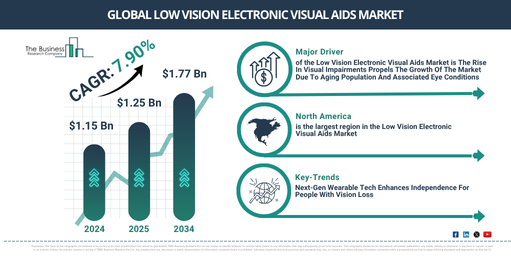
  • Low Vision Electronic Visual Aids Industry Poised for Rapid Expansion, Projected to Hit $1.69  Billion by 2029

    Low Vision Electronic Visual Aids Industry Poised for Rapid Expansion, Projected to Hit $1.69 Billion by 2029

    Claim your 30% discount on Global Market Reports with code ONLINE30. Limited time only.

    Claim your 30% discount on Global Market Reports with code ONLINE30. Limited time only.

    What Are the Latest Market Insights for the Low Vision Electronic Visual Aids Industry?

    The market size for electronic visual aids for low vision has experienced significant growth in the recent past. The projected growth is from $1.15 billion in 2024 to $1.25 billion in 2025, indicating a compound annual growth rate (CAGR) of 8.2%. The historic growth in this sector is due to factors like enhanced awareness of vision impairment, an increasing number of older people, escalating cases of chronic eye diseases, improved accessibility to eye care in metropolitan areas, an increased uptake of electronic magnifiers, and increased financial backing for research in the field of low vision.

    In the coming years, the market size for low vision electronic visual aids is projected to witness robust growth, escalating to $1.69 billion in 2029, with a compound annual growth rate of 7.9%. The key factors fuelling this growth trajectory are the rising use of advanced technology in supportive devices, increased demand for wearable equipment to improve vision, escalating instances of diseases such as diabetes and hypertension, a growing preference for home-based healthcare services, and a surge in online purchases of support devices. Major trends anticipated during this period include the development of customized user interfaces, integration with smart device ecosystems, the innovation of augmented reality applications, multi-sensory feedback innovation, and personalization of training algorithms.

    Download The Free Sample Report Here:

    https://www.thebusinessresearchcompany.com/sample.aspx?id=25815&type=smp

    What Forces Are Driving The Growth Of The Low Vision Electronic Visual Aids Industry?

    Anticipated expansion of the low vision electronic visual aids market is largely attributed to the increasing instances of vision loss. This term is applicable to an extensive array of vision issues, which can’t be completely addressed with regular eyeglasses, contacts, medications, or surgical procedures, causing a person’s vision clarity to be compromised. The main reason for this increasing trend is an aged population experiencing vision problems such as cataracts, macular degeneration, and glaucoma, commonly associated with aging. Electronic visual aids for low-vision individuals assist in improving whatever vision they still possess via magnification, digital image processing, and contrast adjustments. These aids positively impact their daily life by fostering enhanced self-reliance. The World Health Organization, a specialist UN agency based in Switzerland, reported in August 2023 that worldwide, a minimum of 2.2 billion people are affected by a near or far vision condition. Yet, it is projected that merely 36% of individuals affected by far vision issues due to refractive mistakes and a mere 17% of those suffering from sight problems because of cataracts have received proper medical care. As a consequence, the increasing instances of vision loss are stimulating the growth of the low vision electronic visual aids market.

    What Is The Overview Of Market Segmentation In The Low Vision Electronic Visual Aids Industry?

    The low vision electronic visual aids market covered in this report is segmented –

    1) By Type: Portable Electronic Magnifiers, Closed Circuit Television, Voice Readers, Other Types

    2) By Technology: Optical Devices, Electronic Magnifiers, Text-to-Speech Devices, Speech Recognition Systems

    3) By Application: Reading Assistance, Navigation Assistance, Social Interaction And Communication, Entertainment

    4) By Distribution Channel: Online Retail, Specialty Stores, Optical Stores, Other Distribution Channels

    5) By End-User: Individuals, Hospitals And Clinics, Rehabilitation Centers, Educational Institutions

    Subsegments:

    1) By Portable Electronic Magnifiers: Handheld Magnifiers, Stand Magnifiers, Wearable Magnifiers, Digital Magnifier Tablets

    2) By Closed Circuit Television: Desktop Closed Circuit Television Systems, Transportable Closed Circuit Television Systems, Wearable Closed Circuit Television Devices, Closed Circuit Television With Text-To-Speech Integration

    3) By Voice Readers: Screen Readers, Book Readers, Optical Character Recognition-Based Readers, Smart Audio Assistants For Reading

    4) By Other Types: Braille Notetakers, Smart Glasses, Screen Magnification Software, Navigation Aids

    What Future Market Trends Are Projected For The Low Vision Electronic Visual Aids Industry?

    The key players in the low vision electronic visual aids market are turning their attention to the creation of cutting-edge solutions, including AI-operated wearable smart glasses, in an effort to improve real-time visual comprehension and promote independent operation for users. These smart glasses are advanced electronic visual aids that utilize AI-based image analysis, object identification, and voice feedback to assist low vision individuals in better perceiving and interacting with their environment. For instance, in August 2024, Eyedaptic Inc., a US-based medical technology firm, introduced EYE6 with Ivy, a revolutionary wearable visual aid designed specifically for individuals suffering from age-related macular degeneration and other retinal issues. These compact smart glasses combine superior vision improvement technology with an AI-based assistant named Ivy, capable of reading texts, recognizing objects, describing environments, and supporting users in 99 different languages, thus enhancing their autonomy. With features such as full HD 1080p displays, hand-free voice control, and the ability for remote upgrades, EYE6 offers a smooth, personalized user experience for those living with low vision problems.

    Who Are The Primary Players Operating Across The Global Low Vision Electronic Visual Aids Market?

    Major companies operating in the low vision electronic visual aids market are Rehan Electronics Co. Ltd., Eschenbach Optik GmbH, Vispero, HumanWare Group, Freedom Scientific Inc., IrisVision Global Inc., VisionAid International Ltd., Zoomax Technology Co. Ltd., HIMS Inc., LS And S Products Inc., SHG Technologies LLC, Clarity Vision Limited, CTECH Low Vision And Blindness Solutions, Low Vision International AB, NuEyes Technologies Inc., Optelec U.S. Inc., Reinecker Vision GmbH, Quantum Reading Learning Vision, Optima Low Vision Services LTD, OrCam Technologies Ltd.

    Get The Full Report Here:

    https://www.thebusinessresearchcompany.com/report/low-vision-electronic-visual-aids-global-market-report

    Which Region Offers The Most Growth Potential For The Low Vision Electronic Visual Aids Market Through 2029?

    North America was the largest region in the low vision electronic visual aids market in 2024. Asia-Pacific is expected to be the fastest-growing region in the forecast period. The regions covered in the low vision electronic visual aids market report are Asia-Pacific, Western Europe, Eastern Europe, North America, South America, Middle East, Africa.

    Request For A Customized Report:

    https://www.thebusinessresearchcompany.com/customise?id=25815&type=smp

    About The Business Research Company:

    With over 15000+ reports from 27 industries covering 60+ geographies, The Business Research Company has built a reputation for offering comprehensive, data-rich research and insights. Armed with 1,500,000 datasets, the optimistic contribution of in-depth secondary research, and unique insights from industry leaders, you can get the information you need to stay ahead in the game.

    Get in touch with us:

    The Business Research Company: https://www.thebusinessresearchcompany.com/

    Americas +1 310-496-7795

    Asia +44 7882 955267 & +91 8897263534

    Europe +44 7882 955267

    Email us at info@tbrc.info

    Follow us on:

    LinkedIn: https://in.linkedin.com/company/the-business-research-company

    YouTube: https://www.youtube.com/channel/UC24_fI0rV8cR5DxlCpgmyFQ

    Global Market Model: https://www.thebusinessresearchcompany.com/global-market-model