Month: September 2025

  • 2025 Analysis: Opportunities and Risks in the Evolving At-Home Genetic Testing Market

    2025 Analysis: Opportunities and Risks in the Evolving At-Home Genetic Testing Market

    Claim your 30% discount on Global Market Reports with code ONLINE30. Limited time only.

    How Large Is the At-Home Genetic Testing Market Expected to Be in 2029?

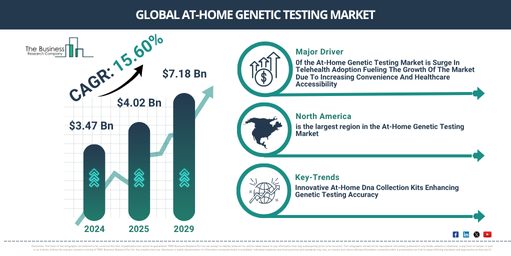
    The market size of at-home genetic testing has experienced swift expansion in the past years. The market is predicted to inflate from $3.47 billion in 2024 to $4.02 billion in 2025, with a compound annual growth rate (CAGR) of 15.9%. The notable growth during the historic period can be ascribed to a surge in the demand for pharmacogenomics, increase in company numbers, expansion in mobile applications, an amplified consumer preference for privacy, and a rise in investments in consumer genetic startups.

    The home-based genetic testing market is predicted to witness a swift escalation in the upcoming years, expanding to a value of $7.18 billion in 2029, ballooning at a Compound Annual Growth Rate (CAGR) of 15.6%. The surge during the forecast period can be ascribed to the increasing incidence of chronic ailments, heightened awareness about genetic testing, rising instances of genetic irregularities, increased healthcare spending, and a heightened consumer preference for personalized health insights. Principal trends during the forecast period encompass advancements in technology, the rise of artificial intelligence, progress in data analytics, telemedicine, and the emergence of pharmacogenomics.

    Download The Free Sample Report Here:

    https://www.thebusinessresearchcompany.com/sample.aspx?id=24473&type=smp

    What Are The Contributors To Demand In The At-Home Genetic Testing Market?

    The burgeoning use of telehealth is poised to spur the expansion of the at-home genetic testing market. Digital information and communication tools, such as computers, smartphones, and video conferencing, are the primary methods of providing and handling remote healthcare services under telehealth. Telehealth’s popularity stems from its convenience and its potential to enhance healthcare access, particularly for those in rural, remote, or underprivileged regions. At-home genetic testing augments telehealth by supplying personalized genetic data which healthcare practitioners can deploy during virtual consultations. This information allows doctors to customize treatment strategies, control chronic conditions, and impart accurate health advice from a distance. For instance, a survey in February 2023 by Rock Health, a company based out of the USA that is concentrated on digital health and healthcare innovation, found that 80% of the 8,014 respondents, polled from July to August 2022, reported using telemedicine at least once in the 2022 study. This signifies an increase of 8% from the previous 72% in 2021. Hence, the increasing use of telehealth facilitates the development of the at-home genetic testing market.

    What Segmentation Categories Are Included In The At-Home Genetic Testing Market Analysis?

    The at-home genetic testing market covered in this report is segmented –

    1) By Test Type: Ancestry Testing, Health And Wellness Testing, Disease Risk Assessment, Carrier Testing, Other Test Types

    2) By Sample Type: Saliva, Blood, Cheek Swab, Urine, Other Specimens

    3) By Technology: Next-Generation Sequencing, Polymerase Chain Reaction, Microarray, Other Technologies

    4) By Application: Personal Use, Clinical Use, Research Use, Pharmaceutical Use, Nutritional Use

    5) By Distribution Channel: Online Platforms, Retail Pharmacies, Other Distribution Channels

    Subsegments:

    1) By Ancestry Testing: Ethnicity Estimation, Genetic Heritage Mapping, Migration Pattern Analysis, Deep Ancestry Tracing

    2) By Health And Wellness Testing: Nutrigenomics, Fitness and Exercise Response, Sleep Pattern Analysis, Stress and Behavioral Traits, Skin and Aging Traits

    3) By Disease Risk Assessment: Cardiovascular Disease Risk, Cancer Risk Assessment, Neurological Disorder Risk, Autoimmune Disease Risk, Metabolic Disorder Risk

    4) By Carrier Testing: Cystic Fibrosis Carrier Screening, Tay-Sachs Disease Screening, Sickle Cell Anemia Carrier Testing, Thalassemia Carrier Testing, Fragile X Syndrome Screening

    5) By Other Test Types: Pharmacogenomics (Drug Response), Prenatal Genetic Testing, Pediatric Genetic Testing, Rare Disease Screening, Behavioral Trait Testing

    What Upcoming Trends Are Expected To Impact The At-Home Genetic Testing Market Globally?

    Key players in the at-home genetic testing market are striving to innovate by devising solutions like at-home DNA collection kits to heighten the precision of DNA samples. These kits serve as user-friendly solutions offering the ease of collecting DNA samples, typically from saliva or cheek swabs, in the comfort of one’s home, eliminating the need for a clinic visit. For example, in February 2022, DNALABS, a renowned Canadian biotech enterprise, introduced its version of at-home genetic testing assistance that facilitates DNA sample collection through a basic cheek swab kit. These kits aim to present individual-centric insights into health, wellness, and medication reaction based on one’s particular genetic composition. An ordinary kit comprises a cheek swab, a collection container, instructions for use, a consent form, and a prepaid return packet. Once the specimen reaches an authorized lab, users receive exhaustive reports that aid in making knowledgeable decisions about their health, dietary needs, physical fitness, and treatment initiatives.

    Who Are The Top-Ranked Companies In The At-Home Genetic Testing Market Today?

    Major companies operating in the at-home genetic testing market are Labcorp Holdings Inc., AncestryDNA, Myriad Genetics Inc., 23andMe Inc., LetsGetChecked, Helix OpCo LLC, Everlywell Inc., Genos Inc., Vitagene Inc., Orig3n Inc., Mapmygenome India Limited, CircleDNA, Alpha Biolaboratories Limited, EasyDNA Limited, African Ancestry Inc., Futura Genetics Ltd., Living DNA Ltd., Nebula Genomics Inc., TellmeGen S.L., Xcode Life Sciences Pvt. Ltd., Color Health Inc.

    Get The Full Report Here:

    https://www.thebusinessresearchcompany.com/report/at-home-genetic-testing-global-market-report

    How Is At-Home Genetic Testing Market Adoption Varying Across Different Regions And Sectors?

    North America was the largest region in the at-home genetic testing market in 2024. Asia-Pacific is expected to be the fastest-growing region in the forecast period. The regions covered in the at-home genetic testing market report are Asia-Pacific, Western Europe, Eastern Europe, North America, South America, Middle East, Africa.

    Request For A Customized Report:

    https://www.thebusinessresearchcompany.com/customise?id=24473&type=smp

    About The Business Research Company:

    With over 15000+ reports from 27 industries covering 60+ geographies, The Business Research Company has built a reputation for offering comprehensive, data-rich research and insights. Armed with 1,500,000 datasets, the optimistic contribution of in-depth secondary research, and unique insights from industry leaders, you can get the information you need to stay ahead in the game.

    Get in touch with us:

    The Business Research Company: https://www.thebusinessresearchcompany.com/

    Americas +1 310-496-7795

    Asia +44 7882 955267 & +91 8897263534

    Europe +44 7882 955267

    Email us at info@tbrc.info

    Follow us on:

    LinkedIn: https://in.linkedin.com/company/the-business-research-company

    YouTube: https://www.youtube.com/channel/UC24_fI0rV8cR5DxlCpgmyFQ

    Global Market Model: https://www.thebusinessresearchcompany.com/global-market-model
  • In-Depth Asthma And Chronic Obstructive Pulmonary Disease (COPD) Drugs Market Report: Business Trends, Growth Factors, and Forecast to 2029

    In-Depth Asthma And Chronic Obstructive Pulmonary Disease (COPD) Drugs Market Report: Business Trends, Growth Factors, and Forecast to 2029

    Claim your 30% discount on Global Market Reports with code ONLINE30. Limited time only.

    What Is the Outlook for the Asthma And Chronic Obstructive Pulmonary Disease (COPD) Drugs Market Heading Into 2029?

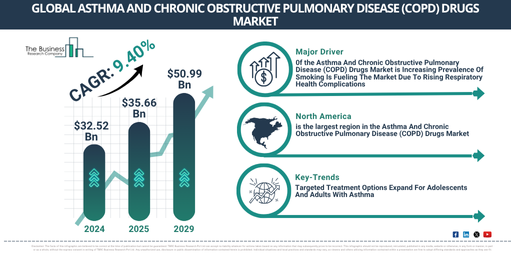
    In recent times, there has been substantial growth in the market size of asthma and chronic obstructive pulmonary disease (copd) drugs. The market, which is expected to climb from $32.52 billion in 2024 to $35.66 billion in 2025, will do so at a compound annual growth rate (CAGR) of 9.6%. Factors contributing to growth during the historic period include an increase in air pollution, escalated tobacco smoking rates, heightened awareness regarding respiratory illnesses, widespread use of corticosteroids and bronchodilators, and an increase in healthcare spending.

    In the next few years, the market size for asthma and chronic obstructive pulmonary disease (copd) medication is slated to experience robust growth. The market is predicted to reach $50.99 billion in 2029, boasting a compound annual growth rate (CAGR) of 9.4%. The spike in growth throughout the forecast period can be attributed to factors such as the surging demand for customized medicine, the rise in biologics and advanced therapies adoption, the increasing incidence of environmental allergies, escalating clinical trials and approvals, and the growing concern of non-communicable diseases. Key trends moving forward include the rise of technologically-advanced smart inhalers, the development of dual-action bronchodilators, the integration of electronic health records (EHR) and drug data, advancements in biopharmaceutical molecules and the incorporation of machine learning for drug discovery.

    Download The Free Sample Report Here:

    https://www.thebusinessresearchcompany.com/sample.aspx?id=24472&type=smp

    Which Factors Are Pushing The Asthma And Chronic Obstructive Pulmonary Disease (COPD) Drugs Market Forward?

    The soaring rates of tobacco usage are predicted to boost the expansion of the asthma and COPD drugs market in the future. The term smoking denotes the practice of using tobacco goods by inhaling the resultant smoke, and this can precipitate grave health conditions like lung cancer and heart disease. The surging rates of smoking are largely influenced by societal pressure, where peer influence, traditional norms, and social surroundings are prompting individuals to commence and maintain smoking. Drugs used to treat asthma and chronic obstructive pulmonary disease (COPD) work to lessen the respiratory impairment caused by smoking through the reduction of inflammation, the relaxation pulmonary muscles, and the enhancement of air circulation, thereby relieving symptoms and boosting lung functionality. For instance, a 2024 study on trends in smoking among younger individuals by the Switzerland-based non-profit entity, the European Respiratory Society (ERS), revealed a significant uptick in smoking rates, climbing from 22.5% of participating respondents in 2022 to 40.1% in 2024. Consequently, the rising rates of tobacco usage are fueling the expansion of the asthma and COPD drugs market.

    Which Segment Held The Largest Share In The Asthma And Chronic Obstructive Pulmonary Disease (COPD) Drugs Market In 2025?

    The asthma and chronic obstructive pulmonary disease (COPD) drugs market covered in this report is segmented –

    1) By Drug Class: Bronchodilators, Corticosteroids, Combination Drugs, Leukotriene Modifiers

    2) By Route Of Administration: Inhalation, Oral, Injection, Nasal, Other Route Of Administrations

    3) By Patient Group: Adult, Pediatric, Geriatric

    4) By Application: Asthma, Chronic Obstructive Pulmonary Disease, Allergic Rhinitis, Pulmonary Hypertension

    5) By Distribution Channel: Hospital Pharmacies, Retail Pharmacies, Online Pharmacies, Drug Stores

    Subsegments

    1) By Bronchodilators: Short-Acting Beta-2 Agonists (SABA), Long-Acting Beta-2 Agonists (LABA), Anticholinergics, Long-Acting Muscarinic Antagonists, Methylxanthines

    2) By Corticosteroids: Inhaled Corticosteroids (ICS), Oral Corticosteroids, Intravenous Corticosteroids

    3) By Combination Drugs: Long-Acting Beta-Agonist + Inhaled Corticosteroid, Long-Acting Beta-Agonist + Long-Acting Muscarinic Antagonist, Long-Acting Beta-Agonist + Long-Acting Muscarinic Antagonist + Inhaled Corticosteroid

    4) By Leukotriene Modifiers: Leukotriene Receptor Antagonists, Leukotriene Synthesis Inhibitors

    How Are Key Trends Driving Expansion In The Asthma And Chronic Obstructive Pulmonary Disease (COPD) Drugs Industry?

    The asthma and COPD drugs market is experiencing a shift as key players concentrate their efforts on creating novel arrangements such as fixed-dose combination (FDC) drugs, with the aim of enhancing patient compliance and medicinal effectiveness. FDC drugs contain multiple active constituents in a unified dose, and can contribute to managing asthma and COPD more effectively by coupling bronchodilators with anti-inflammatory agents, which optimizes symptom regulation and patient consistency. In June 2022, Glenmark Pharmaceuticals Limited, a pharmaceutical firm based in India, initiated the release of Indamet, an innovative FDC medication comprising Indacaterol, a long-term beta-agonist (LABA), and Mometasone Furoate, an inhaled corticosteroid (ICS), to treat unregulated asthma. Indamet represents the first FDC of its type to be sanctioned by India’s Drug Controller General (DCGI) for introduction into the Indian market. It comes in three potencies, i.e., Indacaterol 150 mcg combined with Mometasone 80 mcg, 160 mcg, or 320 mcg to be administered once a day. This concoction aims to enhance lung performance, better symptom management, lower occurrences of exacerbations, and uplift treatment adherence in adults and teenagers aged 12 years and above.

    Which Organizations Are Driving Progress In The Asthma And Chronic Obstructive Pulmonary Disease (COPD) Drugs Industry?

    Major companies operating in the asthma and chronic obstructive pulmonary disease (COPD) drugs market are Pfizer Inc., Johnson & Johnson, F. Hoffmann-La Roche Ltd. (Roche), Merck & Co. Inc., Sanofi, AstraZeneca Plc, Novartis AG, GlaxoSmithKline Plc (GSK), Eli Lilly and Company, Amgen, Teva Pharmaceutical Industries Ltd., Boehringer Ingelheim, Astellas Pharma, AptarGroup, Chiesi Farmaceutici S.p.A., Dr. Reddy’s Laboratories, Cipla Inc., Lupin Limited, Zydus Cadila, Glenmark Pharmaceuticals, Vectura Group, Aurobindo Pharma

    Get The Full Report Here:

    https://www.thebusinessresearchcompany.com/report/asthma-and-chronic-obstructive-pulmonary-disease-copd-drugs-global-market-report

    Which Region Is Expected To Experience The Highest Growth In The Asthma And Chronic Obstructive Pulmonary Disease (COPD) Drugs Industry?

    North America was the largest region in the asthma and COPD drugs market in 2024. Asia-Pacific is expected to be the fastest-growing region in the forecast period. The regions covered in the asthma and chronic obstructive pulmonary disease (COPD) drugs market report are Asia-Pacific, Western Europe, Eastern Europe, North America, South America, Middle East, Africa.

    Request For A Customized Report:

    https://www.thebusinessresearchcompany.com/customise?id=24472&type=smp

    About The Business Research Company:

    With over 15000+ reports from 27 industries covering 60+ geographies, The Business Research Company has built a reputation for offering comprehensive, data-rich research and insights. Armed with 1,500,000 datasets, the optimistic contribution of in-depth secondary research, and unique insights from industry leaders, you can get the information you need to stay ahead in the game.

    Get in touch with us:

    The Business Research Company: https://www.thebusinessresearchcompany.com/

    Americas +1 310-496-7795

    Asia +44 7882 955267 & +91 8897263534

    Europe +44 7882 955267

    Email us at info@tbrc.info

    Follow us on:

    LinkedIn: https://in.linkedin.com/company/the-business-research-company

    YouTube: https://www.youtube.com/channel/UC24_fI0rV8cR5DxlCpgmyFQ

    Global Market Model: https://www.thebusinessresearchcompany.com/global-market-model
  • Asperger Syndrome Industry Poised for Rapid Expansion, Projected to Hit $2.12 Billion by 2029

    Asperger Syndrome Industry Poised for Rapid Expansion, Projected to Hit $2.12 Billion by 2029

    Claim your 30% discount on Global Market Reports with code ONLINE30. Limited time only.

    What Does the Forecast Indicate for the Asperger Syndrome Market From 2025 to 2029?

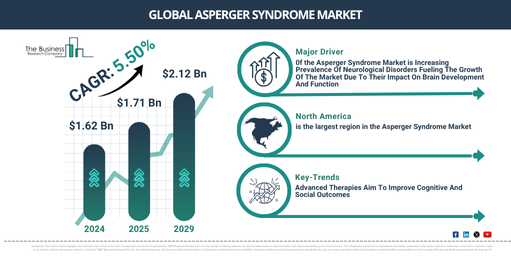
    The market for asperger syndrome has shown robust growth in the past few years. It is anticipated to surge from a value of $1.62 billion in 2024 to $1.71 billion in 2025, boasting a compound annual growth rate (CAGR) of 5.8%. The reasons for growth in the past include enhanced understanding of autism spectrum disorders, escalated funding for neurological studies, rising incidence rates, favorable policies by governments, improvement in mental health facilities, and increased advocacy by organizations associated with autism.

    The market size of Asperger syndrome is projected to notably increase in the forthcoming years, reaching $2.12 billion in 2029 with a compound annual growth rate (CAGR) of 5.5%. The predicted expansion throughout the forecast period is due to a surge in awareness about autism spectrum disorders, the growth in the use of early diagnostic tools, an increased accessibility to behavioral and developmental therapies, encouraging government initiatives and healthcare policies, a boom in telehealth and mental health services, and a higher prevalence of mental health issues. Noteworthy trends during the forecast period consist of improvements in early diagnostic tools facilitated by artificial intelligence (AI), the adoption of teletherapy services, advancements in personalized behavioral therapies, and the creation of wearable monitoring devices.

    Download The Free Sample Report Here:

    https://www.thebusinessresearchcompany.com/sample.aspx?id=24471&type=smp

    What Elements Are Contributing To Growth In The Asperger Syndrome Market?

    The escalating occurrence of neurological diseases is predicted to accelerate the expansion of the asperger syndrome marketplace in the future. These health issues, which affect the brain, spinal cord, and nerves, cause a variety of symptoms, including cognitive, motor, and sensory impairments. The upward trend in neurological issues is associated with the world’s aging population, as older age progressively weakens neuronal function, curtails brain flexibility, skyrocket oxidative stress, leading to the inception and progression of these diseases. These disorders can result in asperger syndrome by impinging on brain growth and functionality, especially in regions pertaining to social communication and interaction. They mold behavioral patterns, resulting in difficulties in interpreting social signals, repetitive movements, and concentrated interests that characterize the disorder. For example, data from the National Health Service, a government agency based in the UK, revealed that 487,432 people were diagnosed with dementia – a degenerative brain ailment affecting memory, thought processes, and everyday activities – by June 30, 2024, an additional 3,155 cases compared to May 31, 2024. Hence, the escalating occurrence of neurological diseases is propelling the asperger syndrome market’s expansion.

    Which Segments Are Detailed In The Global Asperger Syndrome Market Report?

    The asperger syndrome market covered in this report is segmented –

    1) By Type: Asperger Syndrome, Pervasive Developmental Disorder, Autistic Disorder, Disintegrative Disorder

    2) By Treatment: Drug Therapies, Antipsychotic Drugs, Selective Serotonin Reuptake Inhibitors (SSRIs), Stimulants, Sleep Medication

    3) By Diagnosis: Diagnostic And Statistical Manual Of Mental Disorders (DSM)-IV, Differential Diagnosis, Childhood Asperger Syndrome Test, Gilliam Asperger’s Disorder Scale (Gads), Krug Asperger’s Disorder Index (Kadi), Other Diagnosis

    4) By Age Group: Children, Adolescents, Adults

    5) By End-User: Hospitals, Clinics, Diagnostic Centres, Drug Stores, Pharmacies, Other End-Users

    Segmentation:

    1) By Asperger Syndrome: Mild Asperger Syndrome, Moderate Asperger Syndrome, Severe Asperger Syndrome

    2) By Pervasive Developmental Disorder: Pervasive Developmental Disorder-Not Otherwise Specified (PDD-NOS), Rett Syndrome, Childhood Disintegrative Disorder

    3) By Autistic Disorder: High-functioning Autism, Low-functioning Autism, Classic Autism

    4) By Disintegrative Disorder: Late-Onset Autism, Regressive Autism, Behavioral Disintegration Subtypes

    Which Emerging Trends And Strategic Shifts Are Shaping The Asperger Syndrome Market?

    Leading firms in the asperger syndrome market are focused on the development of advanced therapies like gene therapies. They aim to tackle inherent genetic causes, improve cognitive and social results, and allow for treatment methods personalized to the individual’s needs. Gene therapies are medical interventions that change or modify an individual’s genes for the prevention or treatment of a disease. To illustrate, Jaguar Gene Therapy, a biotechnology firm based in the U.S., secured U.S. Food and Drug Administration (FDA) approval for its innovative new drug (IND) application to test JAG201, a ground-breaking gene therapy, in January 2024. This gene therapy is specially designed for genetically-based autism spectrum disorder (ASD) and Phelan-McDermid syndrome (PMS). This authorization initiates clinical trials to test the capability of JAG201 to amend SHANK3 deficiency, a primary genetic source of these disorders. This further emphasizes Jaguar’s determination to create revolutionary treatments for severe neurodevelopmental disorders that have limited therapeutic options currently available.

    Who Are The Key Contributors To Growth In The Asperger Syndrome Market?

    Major companies operating in the asperger syndrome market are Pfizer Inc., Johnson & Johnson, F. Hoffmann-La Roche Ltd., AbbVie Inc., Bristol-Myers Squibb Company, Novartis AG, GSK plc, Takeda Pharmaceutical Company Limited, Eli Lilly and Company, Boehringer Ingelheim, Otsuka Pharmaceutical Co. Ltd., Sun Pharmaceutical Industries Ltd., Neurocrine Biosciences Inc., Acadia Pharmaceuticals Inc., PsychoGenics Inc., AdvaCare Pharma, Sage Therapeutics Inc., Curemark LLC, PaxMedica Inc., Yamo Pharmaceuticals

    Get The Full Report Here:

    https://www.thebusinessresearchcompany.com/report/asperger-syndrome-global-market-report

    Which Region Is Projected To Lead The Asperger Syndrome Market By 2025?

    North America was the largest region in the asperger syndrome market in 2024. The regions covered in the asperger syndrome market report are Asia-Pacific, Western Europe, Eastern Europe, North America, South America, Middle East, Africa.

    Request For A Customized Report:

    https://www.thebusinessresearchcompany.com/customise?id=24471&type=smp

    About The Business Research Company:

    With over 15000+ reports from 27 industries covering 60+ geographies, The Business Research Company has built a reputation for offering comprehensive, data-rich research and insights. Armed with 1,500,000 datasets, the optimistic contribution of in-depth secondary research, and unique insights from industry leaders, you can get the information you need to stay ahead in the game.

    Get in touch with us:

    The Business Research Company: https://www.thebusinessresearchcompany.com/

    Americas +1 310-496-7795

    Asia +44 7882 955267 & +91 8897263534

    Europe +44 7882 955267

    Email us at info@tbrc.info

    Follow us on:

    LinkedIn: https://in.linkedin.com/company/the-business-research-company

    YouTube: https://www.youtube.com/channel/UC24_fI0rV8cR5DxlCpgmyFQ

    Global Market Model: https://www.thebusinessresearchcompany.com/global-market-model
  • Global Artificial Intelligence (AI) In Orthopedic Surgery Market Forecast to Reach $0.68 Billion by 2029, Driven by 27.3% CAGR

    Global Artificial Intelligence (AI) In Orthopedic Surgery Market Forecast to Reach $0.68 Billion by 2029, Driven by 27.3% CAGR

    Claim your 30% discount on Global Market Reports with code ONLINE30. Limited time only.

    How Much Is the Global Artificial Intelligence (AI) In Orthopedic Surgery Market Valued at Present and by 2029?

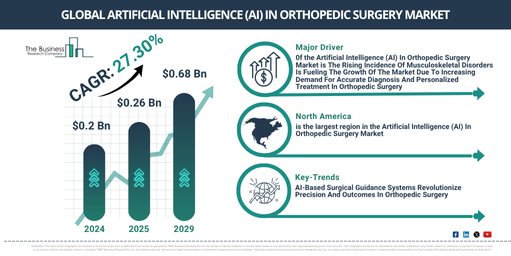
    In recent times, the market size for artificial intelligence (AI) in orthopedic surgery has seen significant growth. It is projected to expand from $0.2 billion in 2024 to $0.26 billion in 2025, demonstrating a compound annual growth rate (CAGR) of 27.7%. The substantial growth experienced in the past period can be accredited to the emergence of digital imaging technology, the increasing number of orthopedic surgeries performed, enhanced computational capacity, the growing accessibility to extensive datasets, and a rise in healthcare investment.

    In the upcoming years, the market size of artificial intelligence (ai) in orthopedic surgery is anticipated to witness significant growth, set to rise to $0.68 billion in 2029 at a compound annual growth rate (CAGR) of 27.3%. This expected growth during the prediction period can be credited to the increasing amalgamation of AI with robotic-assisted orthopedic operations, the expansion of personalized medicine, the emergence of real-time intraoperative AI analysis, the escalating employment of AI for predictive analytics, and the growing partnerships between AI developers. Among the future trends in the forecast period are progressions in imaging analysis, robotic-assisted procedures, AI-powered predictive structures, integration of virtual and augmented reality, and automated systems for patient monitoring.

    Download The Free Sample Report Here:

    https://www.thebusinessresearchcompany.com/sample.aspx?id=24470&type=smp

    #What Drivers Are Influencing Growth In The Artificial Intelligence (AI) In Orthopedic Surgery Market?

    The escalation in the occurrence of musculoskeletal disorders is anticipated to spur the growth of the artificial intelligence (AI) in orthopedic surgery market. A surge in these disorders, which include conditions influencing the muscles, bones, joints, tendons, or ligaments, is mostly caused by sedentary behaviors, leading to muscle weakness and joint strain. AI utilization in orthopedics assists in managing these disorders, by offering accurate early diagnosis through sophisticated image analysis and data patterns. It also provides personalized treatment programs and projects outcomes to improve patient care and recovery processes. In June 2024, data from the Australian Institute of Health and Welfare revealed that in 2022, 7.3 million individuals in Australia, which makes up 29% of the populace, were believed to be suffering from chronic musculoskeletal conditions. These conditions were responsible for or linked to 10,446 fatalities, equaling 40 deaths per 100,000 individuals, accounting for 5.5% of the total annual deaths. Consequently, the escalating prevalence of musculoskeletal disorders is powering the expansion of the artificial intelligence (AI) in orthopedic surgery market.

    What Are The Main Segments Identified In The Artificial Intelligence (AI) In Orthopedic Surgery Market Research?

    The artificial intelligence (AI) in orthopedic surgery market covered in this report is segmented –

    1) By Component Type: Software, Services, Hardware

    2) By Technology: Machine Learning, Natural Language Processing, Computer Vision, Context-Aware Computing

    3) By Anatomy: Knee, Hip, Spine, Other Anatomies

    4) By End-User: Hospitals, Orthopedic Clinics, Other End-Users

    Subsegments:

    1) By Software: Clinical Decision Support Systems (CDSS), Drug Interaction Software, Electronic Health Record (EHR) Integration Modules, Prescription Management Software, Patient Monitoring Software

    2) By Services: Consulting Services, Training and Education, Support and Maintenance, Implementation Services, Drug Distribution Services

    3) By Hardware: Robotic Surgical Systems, Handheld Navigation Devices, Wearable Monitoring Devices, Imaging Systems, Sensors and Actuators, Computing Infrastructure

    What Are The Leading Trends And Opportunities In The Artificial Intelligence (AI) In Orthopedic Surgery Sector?

    Leading enterprises in the AI orthopedic surgery market are shifting their focus towards cultivating advanced solutions such as AI-supported surgical direction systems, to boost surgical precision and enhance patient results. An AI-powered surgical direction system makes use of real-time information, imaging, and forecasting algorithms, offering surgeons accurate navigation and aiding their decision-making process during surgeries. This significantly elevates surgical accuracy and mitigates the possibilities of mistakes. For instance, Proprio, an American company that specializes in AI-driven surgical technology, introduced the Paradigm platform in April 2025, which secured clearance from the FDA. This platform facilitates real-time, three-dimensional, dynamic measurement and visualization of the anatomical structure during surgery. This pioneering step helps surgeons to instantly determine and quantify surgical results, thus removing the requirement of intraoperative X-rays or CT scans and reducing both the time lag and exposure to radiation. This technological advancement holds the potential to revolutionize surgical procedures, predominantly in spinal surgery, offering steady, data-based guidance and escalating patient results.

    Which Companies Play A Key Role In The Development Of The Artificial Intelligence (AI) In Orthopedic Surgery Market?

    Major companies operating in the artificial intelligence (AI) in orthopedic surgery market are Medtronic plc, Stryker Corporation, Zimmer Biomet Holdings Inc., Smith & Nephew PLC, Globus Medical Inc., Brainlab AG, Narayana Hrudayalaya Ltd, Proprio, Augmedics LTD, OrthAlign Inc., Caresyntax, Activ Surgical, THINK Surgical Inc., Perlove Medical, Pixee Medical, Formus Labs, Sensoria Health, Exer Labs Inc., PEEK HEALTH S.A., Monogram Technologies, Alexandra Hospital.

    Get The Full Report Here:

    https://www.thebusinessresearchcompany.com/report/artificial-intelligence-ai-in-orthopedic-surgery-global-market-report

    What Are The Key Regional Developments Shaping The Artificial Intelligence (AI) In Orthopedic Surgery Market?

    North America was the largest region in the AI in orthopedic surgery market in 2024. The regions covered in the artificial intelligence (AI) in orthopedic surgery market report are Asia-Pacific, Western Europe, Eastern Europe, North America, South America, Middle East, Africa.

    Request For A Customized Report:

    https://www.thebusinessresearchcompany.com/customise?id=24470&type=smp

    About The Business Research Company:

    With over 15000+ reports from 27 industries covering 60+ geographies, The Business Research Company has built a reputation for offering comprehensive, data-rich research and insights. Armed with 1,500,000 datasets, the optimistic contribution of in-depth secondary research, and unique insights from industry leaders, you can get the information you need to stay ahead in the game.

    Get in touch with us:

    The Business Research Company: https://www.thebusinessresearchcompany.com/

    Americas +1 310-496-7795

    Asia +44 7882 955267 & +91 8897263534

    Europe +44 7882 955267

    Email us at info@tbrc.info

    Follow us on:

    LinkedIn: https://in.linkedin.com/company/the-business-research-company

    YouTube: https://www.youtube.com/channel/UC24_fI0rV8cR5DxlCpgmyFQ

    Global Market Model: https://www.thebusinessresearchcompany.com/global-market-model
  • Outlook for Artificial Intelligence (AI) Facial Skin Analyzer Market: Key Developments and Future Strategies to 2029

    Outlook for Artificial Intelligence (AI) Facial Skin Analyzer Market: Key Developments and Future Strategies to 2029

    Claim your 30% discount on Global Market Reports with code ONLINE30. Limited time only.

    What Is the Current and Projected Market Size of the Artificial Intelligence (AI) Facial Skin Analyzer Industry?

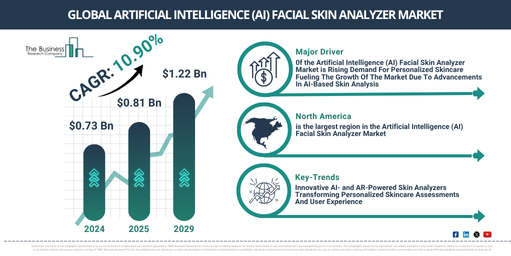
    In recent times, there has been a rapid increase in the size of the market for artificial intelligence (AI) facial skin analyzers. Projections suggest that it will expand from $0.73 billion in 2024 to $0.81 billion in 2025, resulting in a compound annual growth rate (CAGR) of 11.2%. The historic growth pattern can be traced back to factors such as increasing customer inclination towards personalized skincare, widespread usage in dermatology clinics, heightened awareness about skin health, the evolution of beauty tech in retail sectors, and the surge in smart device usage.

    In the coming years, the market size for AI facial skin analyzer is projected to witness swift growth, reaching $1.22 billion in 2029 with a 10.9% Compound Annual Growth Rate (CAGR). This growth projected in the forecast period is a result of factors such as the growing demand for custom skincare solutions, increased use of smart beauty gadgets, AI integration with teledermatology, the significant impact of social media on beauty trends, broadening of e-commerce platforms dealing with skincare tools, and increased consciousness regarding preventative skincare. Key trends within this forecasting period encompass improvements in deep learning algorithms, real-time mobile diagnosis, merging with virtual skincare consultations, custom product suggestions, multi-spectral imaging technology, cloud-based data interpretation, and the evolution in home beauty devices.

    Download The Free Sample Report Here:

    https://www.thebusinessresearchcompany.com/sample.aspx?id=24469&type=smp

    #Which Factors Are Currently Driving The Growth Of The Artificial Intelligence (AI) Facial Skin Analyzer Market?

    The anticipated surge in the artificial intelligence (AI) facial skin analyzer market can be attributed to the increasing need for personalized skincare solutions. Tailored skincare products and regimes catering to the distinct skin characteristics and problems of an individual fall under personalized skincare solutions. The usage of AI and skin examination technologies is augmenting in order to design products aiming at individual skin requirements. AI facial skin analyzers are pivotal in achieving personalized skincare regimes by precisely gauging individual skin conditions and providing data-informed, customised product and treatment suggestions. For instance, sales of skincare solutions escalated from 461.47 units in 2021 to 479.57 units in 2022, indicating consecutive yearly growth, as per the Connecticut Tree Protective Association, a non-profit organization based in the U.S. Hence, the elevated demand for personalized skincare solutions is fuelling the advancement of the artificial intelligence (AI) facial skin analyzer market.

    How Is The Global Artificial Intelligence (AI) Facial Skin Analyzer Market Structured In Terms Of Segments?

    The artificial intelligence (AI) facial skin analyzer market covered in this report is segmented –

    1) By Product Type: Portable, Desktop

    2) By Device Type: Mobile App, Web-Based Platform, Standalone Device

    3) By Technology: Artificial intelligence (AI)-Based, Machine Learning, Deep Learning

    4) By Application: Skincare, Aesthetic Treatments, Cosmetics, Medical Diagnosis

    5) By End User: Healthcare, Personal Care, Other End-Users

    Subsegments:

    1) By Portable: Handheld Skin Analyzers, Smartphone-Compatible Devices, Wearable Skin Analyzers

    2) By Desktop: Multi-Parameter Skin Analyzers, 3D Imaging Skin Analyzers, Clinical-Grade Skin Analyzers

    What Trends Are Currently Influencing Growth In The Artificial Intelligence (AI) Facial Skin Analyzer Market?

    Leading businesses in the AI facial skin analyzer market are prioritizing the development of innovative solutions, like AI and AR skin analyzers, to facilitate real-time, personalized skincare assessments, increase customer interaction, and improve accessibility in both consumer and professional categories. Using intelligent algorithms and enhanced visuals, these AI and AR analyzers evaluate skin health and demonstrate real-time skincare impact, empowering users to make knowledgeable decisions via personalized, interactive analyses. For example, in January 2024, Flipkart Private Limited, a commerce company based in India, launched the ModiFace Powered Skin Analyzer. This AI-based tool integrates effortlessly with Flipkart’s mobile platform, enabling users to execute a facial skin evaluation by simply snapping a selfie and responding to some basic queries. The technology examines crucial skin factors such as pores, wrinkles, pigmentation, acne, and firmness, utilizing sophisticated AI and AR. It then provides specific skincare suggestions customized to each user’s individual skin profile across seven phases, including cleanse, prepare, treat, moisturize, care, targeted, and protect.

    Who Are The Main Participants Shaping The Artificial Intelligence (AI) Facial Skin Analyzer Market Landscape?

    Major companies operating in the artificial intelligence (AI) facial skin analyzer market are Procter and Gamble, Johnson and Johnson, Unilever plc, L’Oréal S.A., Estée Lauder Companies Inc., Beiersdorf AG, Shiseido Company Limited, Amorepacific Corporation, JANUS Pro, Neutrogena Corporation, LUMINI LLC, FotoFinder Systems Inc., Oriflame Cosmetics S.A., Revieve Inc., Canfield Scientific Inc., DermaCompare, HiMirror, SkinVision B.V., Haut.AI, Skintelligent, LeongBeauty

    Get The Full Report Here:

    https://www.thebusinessresearchcompany.com/report/artificial-intelligence-ai-facial-skin-analyzer-global-market-report

    Which Region Currently Holds The Largest Share In The Artificial Intelligence (AI) Facial Skin Analyzer Market?

    North America was the largest region in the artificial intelligence (AI) facial skin analyzer market in 2024. Asia-Pacific is expected to be the fastest-growing region in the forecast period. The regions covered in the artificial intelligence (AI) facial skin analyzer market report are Asia-Pacific, Western Europe, Eastern Europe, North America, South America, Middle East, Africa.

    Request For A Customized Report:

    https://www.thebusinessresearchcompany.com/customise?id=24469&type=smp

    About The Business Research Company:

    With over 15000+ reports from 27 industries covering 60+ geographies, The Business Research Company has built a reputation for offering comprehensive, data-rich research and insights. Armed with 1,500,000 datasets, the optimistic contribution of in-depth secondary research, and unique insights from industry leaders, you can get the information you need to stay ahead in the game.

    Get in touch with us:

    The Business Research Company: https://www.thebusinessresearchcompany.com/

    Americas +1 310-496-7795

    Asia +44 7882 955267 & +91 8897263534

    Europe +44 7882 955267

    Email us at info@tbrc.info

    Follow us on:

    LinkedIn: https://in.linkedin.com/company/the-business-research-company

    YouTube: https://www.youtube.com/channel/UC24_fI0rV8cR5DxlCpgmyFQ

    Global Market Model: https://www.thebusinessresearchcompany.com/global-market-model
  • Key Market Drivers, Trends, and Forecast for the Global Arthroscopic Orthopedic Surgery Instrument Industry

    Key Market Drivers, Trends, and Forecast for the Global Arthroscopic Orthopedic Surgery Instrument Industry

    Claim your 30% discount on Global Market Reports with code ONLINE30. Limited time only.

    How Will the Arthroscopic Orthopedic Surgery Instrument Market Evolve in Terms of Growth and Size by 2029?

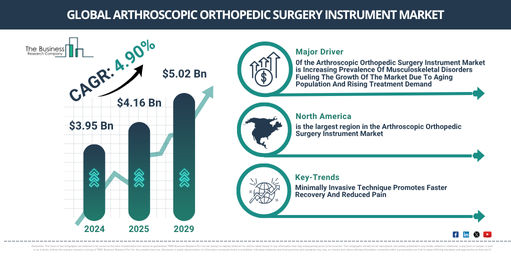
    In recent times, we’ve observed strong growth in the size of the arthroscopic orthopedic surgery instrument market. From $3.95 billion in 2024, the market is projected to expand to $4.16 billion in 2025, marking a compound annual growth rate (CAGR) of 5.1%. Factors that have contributed to this growth during the historic period include the increasing adoption of minimally invasive procedures, a surge in the elderly population, an increase in sports-related injuries and trauma cases, as well as heightened awareness about orthopedic health and rehabilitation.

    In the following years, the market size for arthroscopic orthopedic surgery instruments is projected to witness consistent growth, reaching to $5.02 billion by 2029 with a compound annual growth rate (CAGR) of 4.9%. This growth during the forecast period can be credited to an increased demand for ambulatory surgical procedures, escalating investments in healthcare infrastructure, and a rising prevalence of musculoskeletal conditions. Also, the expanding role of arthroscopy in orthopedic treatments has contributed to this growth. The forecast period is set to witness key trends like advancements in robotic-assisted arthroscopy, improved imaging technology, the introduction of innovative biodegradable arthroscopy instruments, advancements in wireless and smart surgical instruments, and the adoption of 3D printing for personalized tools.

    Download The Free Sample Report Here:

    https://www.thebusinessresearchcompany.com/sample.aspx?id=24468&type=smp

    What factors are expected to fuel Arthroscopic Orthopedic Surgery Instrument market growth in the coming years?

    The rise in musculoskeletal conditions is anticipated to stimulate the expansion of the arthroscopic orthopedic surgery instrument market. These disorders, which encompass issues affecting muscles, bones, joints, tendons, and ligaments, result in pain or hindered movement. The escalation of these disorders can be traced back to the aging population worldwide, given the natural progression of joint degeneration and diminishing bone density with time. Arthroscopic orthopedic surgery instruments contribute significantly to the treatment of these conditions. They allow for less invasive procedures, minimize tissue damage, and facilitate speedy recovery. The instruments also augment surgical accuracy, leading to enhanced patient results and increased efficiency in orthopedic care. For example, in January 2024, the Office for Health Improvement and Disparities, a UK-based government organization, reported that the prevalence of long-standing musculoskeletal conditions among self-reporting individuals aged 16 and above was 18.4% in 2023, a leap from 17.6% in 2022. Consequently, the rising prevalence of musculoskeletal disorders fuels the arthroscopic orthopedic surgery instrument market’s growth.

    What Are The Key Findings From The Segmentation Analysis Of The Arthroscopic Orthopedic Surgery Instrument Market?

    The arthroscopic orthopedic surgery instrument market covered in this report is segmented –

    1) By Type: Arthroscopic Shavers, Arthroscopic Scissors, Arthroscopic Probe, Arthroscopic Graspers, Arthroscopic Scalpels, Arthroscopic Cannulas

    2) By Product Design: Rigid Instruments, Flexible Instruments, Reusable Instruments, Single-Use Instruments

    3) By Application: Knee Surgery, Shoulder Surgery, Hip Surgery, Ankle Surgery, Elbow Surgery

    4) By End-User: Hospitals, Ambulatory Surgical Centers (ASCs), Orthopedic Clinics

    Subsegments:

    1) By Arthroscopic Shavers: Blade Shavers, Burr Shavers, Handpiece Shavers, Disposable Shavers, Reusable Shavers

    2) By Arthroscopic Scissors: Straight Scissors, Curved Scissors, Hook Scissors, Micro Scissors

    3) By Arthroscopic Probe: Straight Probes, Angled Probes, Calibrated Probes, Hook Probes

    4) By Arthroscopic Graspers: Straight Graspers, Curved Graspers, Rotating Graspers, Alligator Graspers, Punch Graspers

    5) By Arthroscopic Scalpels: Retractable Scalpels, Disposable Scalpels, Reusable Scalpels, Mini Scalpels

    6) By Arthroscopic Cannulas: Slotted Cannulas, Threaded Cannulas, Smooth Cannulas, Metal Cannulas, Plastic Cannulas

    Which Trends Are Expected To Shape The Future Of The Arthroscopic Orthopedic Surgery Instrument Market?

    Primary businesses in the arthroscopic orthopedic surgery equipment market, such as Arthrex, are concentrating their efforts on creating cutting-edge innovations. This includes minimally invasive procedures that provide quick recovery, boosting surgical accuracy, enhancing patient results, and thereby reducing the overall healthcare expenditures. Minimally invasive procedures with accelerated recovery are surgical practices that involve minor incisions and specific tools to mitigate tissue destruction. This results in less discomfort, decreased durations of hospital stays, and a more prompt return to regular activities. For example, in January 2024, Arthrex, an American company specializing in minimally invasive surgical technology, introduced TheNanoExperience.com, an online platform focused on the patient. The primary objective of this process is to alleviate pain and speed up recovery, allowing patients to get back to their normal activities quicker. Additionally, it offers comprehensive videos, testimonials, and procedural explanations to assist patients in making educated decisions regarding their healthcare.

    What Are The Most Active Companies In The Arthroscopic Orthopedic Surgery Instrument Market Today?

    Major companies operating in the arthroscopic orthopedic surgery instrument market are Johnson & Johnson, Medtronic plc, Stryker Corporation, Zimmer Biomet Holdings Inc., Olympus Corporation, Smith & Nephew plc, Shenzhen Mindray Bio-Medical Electronics Co. Ltd., Arthrex Inc., Globus Medical Inc., Karl Storz SE & Co. KG, Integra LifeSciences Holdings Corporation, CONMED Corporation, B. Braun Melsungen AG, Gauthier Biomedical Inc., Sklar Surgical Instruments Inc., GPC Medical Ltd., Medicon eG, Millennium Surgical Corp., Devesh Meditech Pvt. Ltd., Rudolf Medical GmbH + Co. KG, Genuine Medica Pvt. Ltd.

    Get The Full Report Here:

    https://www.thebusinessresearchcompany.com/report/arthroscopic-orthopedic-surgery-instrument-global-market-report

    Which Regional Markets Are Attracting The Most Investment In Arthroscopic Orthopedic Surgery Instrument?

    North America was the largest region in the arthroscopic orthopedic surgery instruments market in 2024. Asia-Pacific is expected to be the fastest-growing region in the forecast period. The regions covered in the arthroscopic orthopedic surgery instrument market report are Asia-Pacific, Western Europe, Eastern Europe, North America, South America, Middle East, Africa.

    Request For A Customized Report:

    https://www.thebusinessresearchcompany.com/customise?id=24468&type=smp

    About The Business Research Company:

    With over 15000+ reports from 27 industries covering 60+ geographies, The Business Research Company has built a reputation for offering comprehensive, data-rich research and insights. Armed with 1,500,000 datasets, the optimistic contribution of in-depth secondary research, and unique insights from industry leaders, you can get the information you need to stay ahead in the game.

    Get in touch with us:

    The Business Research Company: https://www.thebusinessresearchcompany.com/

    Americas +1 310-496-7795

    Asia +44 7882 955267 & +91 8897263534

    Europe +44 7882 955267

    Email us at info@tbrc.info

    Follow us on:

    LinkedIn: https://in.linkedin.com/company/the-business-research-company

    YouTube: https://www.youtube.com/channel/UC24_fI0rV8cR5DxlCpgmyFQ

    Global Market Model: https://www.thebusinessresearchcompany.com/global-market-model
  • Strategic Report on Appetite Control And Suppressants Market: Growth Opportunities and Emerging Challenges

    Strategic Report on Appetite Control And Suppressants Market: Growth Opportunities and Emerging Challenges

    Claim your 30% discount on Global Market Reports with code ONLINE30. Limited time only.

    What CAGR Is Anticipated for the Appetite Control And Suppressants Market Through 2029?

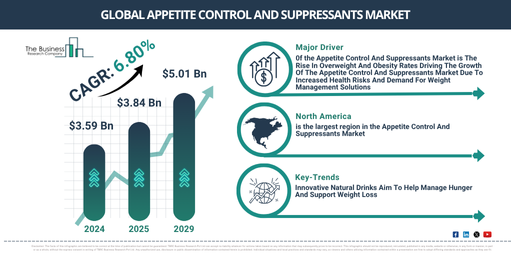
    The market size of appetite control and suppressants has significantly expanded lately. This sector will see an increase from $3.59 billion in 2024 to $3.84 billion in 2025, registering a compound annual growth rate (CAGR) of 7.1%. The impressive growth seen in the historical period is a result of heightened awareness of the health risks associated with obesity, the rising trend of natural and herbal supplements, the increasing occurrence of lifestyle diseases, augmented accessibility to over-the-counter weight loss aids, and the escalating inclination towards low-calorie diets and intermittent fasting.

    Anticipated robust growth is seen in the upcoming years in the appetite control and suppressants market, with an estimate of reaching around $5.01 billion by 2029. This translates to a compound annual growth rate (CAGR) of 6.8%. The surge during the projected period can be linked to the increased emphasis on preventive healthcare and weight control, escalating demand for bespoke nutrition and weight solutions, the adoption of vegan and keto diets, the rising trend of organic and clean-label products, along with the influential power of social media on body perceptions. Major trends for the projected period comprise the development of multi-target suppressants, the combination of appetite suppressants with behavioral therapy, incorporation with virtual health platforms, synthetic appetite suppressant innovations, and long-lasting formulation innovations.

    Download The Free Sample Report Here:

    https://www.thebusinessresearchcompany.com/sample.aspx?id=24467&type=smp

    What Market Forces Are Driving The Appetite Control And Suppressants Sector In 2025 And Beyond?

    The escalating incidences of overweight and obesity issues is anticipated to spur the expansion of the appetite control and suppressants market. Excessive body fat accumulating to levels harmful to health describes the conditions of overweight and obesity. The elevated levels of these conditions are a result of unhealthy eating habits rich in calories, sugars, and harmful fats, coupled with insufficient nutrient consumption. Appetite control and suppressants aid in managing these problems by curbing hunger signals, restricting calorie consumption, and promoting efficient weight regulation. For instance, data from the Centers for Disease Control and Prevention, a government agency in the US, indicated that in 2022, the country reported an adult obesity rate of 35% or more, which showed an increase from 19 in 2021. Consequently, the escalating rates of overweight and obesity problems are catalyzing the development of the appetite control and suppressants market.

    How Is The Global Appetite Control And Suppressants Market Categorized By Segments?

    The appetite control and suppressants market covered in this report is segmented –

    1) By Product Type: Prescription Appetite Suppressants, Over-The-Counter (OTC) Appetite Suppressants, Natural Or Herbal Appetite Suppressants, Meal Replacements And Shakes, Dietary Fiber Supplements

    2) By Form: Tablets And Capsules, Powders, Gummies And Chews, Liquids, Bars

    3) By Distribution Channel: Pharmacies And Drug Stores, Supermarkets And Hypermarkets, Online Retailers, Specialty Stores, Healthcare Providers And Clinics

    4) By End-User: Adults, Geriatric, Adolescents

    Subsegments

    1) By Prescription Appetite Suppressants: Phentermine, Lorcaserin (Belviq), Diethylpropion, Other Prescription Drugs

    2) By Over-The-Counter (OTC) Suppressants: Herbal Supplements, Fiber-Based Suppressants, Caffeine-Based Products, Meal Replacements

    3) By Natural or Herbal Appetite Suppressants: Green Tea Extract, Garcinia Cambogia, Glucomannan, Yerba Mate, Fenugreek, Conjugated Linoleic Acid

    4) Meal Replacements and Shakes: Protein Shakes, Meal Replacement Bars, Low-Calorie Shakes, High-Protein Smoothies, Keto Meal Replacements

    5) Dietary Fiber Supplements: Glucomannan, Psyllium Husk, Methylcellulose, Inulin, Beta-Glucan

    What Long-Term Trends Are Likely To Affect The Appetite Control And Suppressants Market?

    Key players in the appetite control and suppressants sector are prioritizing the creation of pioneering products like natural appetite suppressant beverages in a bid to provide safer and more efficient options for managing weight. These natural appetite suppressant drinks are concoctions derived from herbs, fruits, or fibers and can naturally temper hunger and manage cravings. An example is the introduction of Boost Pre-Meal Hunger Support, a natural appetite suppressant beverage, in December 2024 by Switzerland-based Nestlé S.A., a company renowned in the food and beverage industry. This product mimics the impact of weight reduction medications such as Ozempic and Wegovy. The drink, containing 45 calories and 10 grams of whey protein, is suggested to be taken 10 to 30 minutes prior to meals. The drink’s formula stimulates the body’s natural GLP-1 hormone response, reducing appetite and fostering feelings of fullness. It comprises quick-digesting peptides and whey protein microgels, prolonging satiety and thus making it perfect for individuals on weight reduction plans or those receiving GLP-1-based treatments.

    Which Firms Are Considered Leaders In The Appetite Control And Suppressants Market Space?

    Major companies operating in the appetite control and suppressants market are Nestlé S.A, Pfizer Inc., AbbVie Inc., Eli Lilly and Company, Amgen Inc., Novo Nordisk A/S, Herbalife Nutrition Ltd, Amway Corporation, GNC Holdings, Inc., Medifast Inc, Nature’s Sunshine Products, Inc., The Boots Company PLC, BPI Sports LLC, Grenade (UK) Limited, Currax Pharmaceuticals LLC, VIVUS Inc, Orexigen Therapeutics Inc, NOW Health Group Inc, Nutrabay Retail Private Limited, GAT Sport

    Get The Full Report Here:

    https://www.thebusinessresearchcompany.com/report/appetite-control-and-suppressants-global-market-report

    What Role Do Regional Policies And Investments Play In Appetite Control And Suppressants Market Expansion?

    North America was the largest region in the appetite control and suppressants market in 2024. Asia-Pacific is expected to be the fastest-growing region in the forecast period. The regions covered in the appetite control and suppressants market report are Asia-Pacific, Western Europe, Eastern Europe, North America, South America, Middle East, Africa.

    Request For A Customized Report:

    https://www.thebusinessresearchcompany.com/customise?id=24467&type=smp

    About The Business Research Company:

    With over 15000+ reports from 27 industries covering 60+ geographies, The Business Research Company has built a reputation for offering comprehensive, data-rich research and insights. Armed with 1,500,000 datasets, the optimistic contribution of in-depth secondary research, and unique insights from industry leaders, you can get the information you need to stay ahead in the game.

    Get in touch with us:

    The Business Research Company: https://www.thebusinessresearchcompany.com/

    Americas +1 310-496-7795

    Asia +44 7882 955267 & +91 8897263534

    Europe +44 7882 955267

    Email us at info@tbrc.info

    Follow us on:

    LinkedIn: https://in.linkedin.com/company/the-business-research-company

    YouTube: https://www.youtube.com/channel/UC24_fI0rV8cR5DxlCpgmyFQ

    Global Market Model: https://www.thebusinessresearchcompany.com/global-market-model
  • Industry Trends Show Antimetabolite Drug Market Set to Expand at 4.6% CAGR Until 2029

    Industry Trends Show Antimetabolite Drug Market Set to Expand at 4.6% CAGR Until 2029

    Claim your 30% discount on Global Market Reports with code ONLINE30. Limited time only.

    What Are the Latest Market Insights for the Antimetabolite Drug Industry?

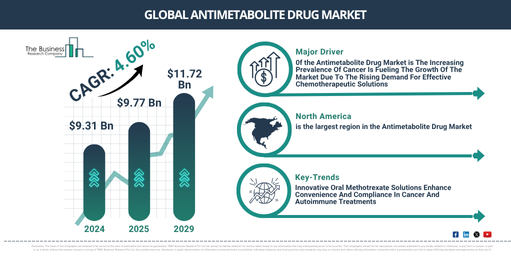
    In recent times, the market size of antimetabolite drugs has seen robust growth. The market which stood at $9.31 billion in 2024 is projected to expand to $9.77 billion in 2025, representing a compound annual growth rate (CAGR) of 5.0%. Factors causing this growth in the precedent period include the escalating cases of cancer, increased utilization of chemotherapy, broadening hospital infrastructure, government-led initiatives against cancer, and intensified efforts in early drug discovery.

    The market size for antimetabolite drugs is predicted to experience consistent expansion in the coming years, elevating to a value of $11.72 billion by 2029, with a Compound Annual Growth Rate (CAGR) of 4.6%. This anticipated growth during the forecast timeline can be credited to increasing acceptance of targeted therapies for cancer, advancement in personalized medication, expansion in the elderly population, government-subsidized healthcare expenditures, escalating rates of cancer screening and investment in the pharmaceutical sector. Crucial trends during the forecasted period comprise development in combination therapy, progress in formulations of oral antimetabolite, increased research and development in the field of oncology, the incorporation of immunotherapy, and a surge in telemedicine support for oncology.

    Download The Free Sample Report Here:

    https://www.thebusinessresearchcompany.com/sample.aspx?id=24466&type=smp

    What Forces Are Driving The Growth Of The Antimetabolite Drug Industry?

    The escalating occurrence of cancer is anticipated to drive the surge of the antimetabolite drug market in the future. Cancer, characterized by rapid, unchecked multiplication of abnormal cells that can harm surrounding tissues and organs, is on the rise mostly due to exposure to carcinogenic substances such as tobacco smoke. This leads to genetic mutations causing uncontrollable cell growth and formation of tumors. Antimetabolite drugs fight cancer by hindering DNA and RNA production, preventing the proliferation of cancer cells. They function by imitating natural metabolites to interrupt essential metabolic pathways, effectively putting a stop to tumor expansion. For example, the World Health Organization, an intergovernmental organization based in Switzerland, projected in February 2024 that by 2050, there would be over 35 million new cases of cancer, a 77% rise compared to the predicted 20 million cases in 2022. Thus, the escalating occurrence of cancer is contributing to the expansion of the antimetabolite drug market.

    What Is The Overview Of Market Segmentation In The Antimetabolite Drug Industry?

    The antimetabolite drug market covered in this report is segmented –

    1) By Type: Purine Analogues, Pyrimidine Analogues, Folic Acid Analogs, Other Types

    2) By Route Of Administration: Oral, Intravenous, Subcutaneous, Topical

    3) By Distribution Channel: Hospital Pharmacy, Retail Pharmacy, Online Pharmacy

    4) By Application: Cancer, Autoimmune Disorders, Organ Transplantation, Infectious Diseases

    5) By End-Use: Hospitals, Clinics, Homecare Settings

    Subsegments:

    1) By Purine Analogues: 6-Mercaptopurine (6-MP), Thioguanine (6-TG), Fludarabine, Cladribine, Pentostatin

    2) Pyrimidine Analogues: 5-Fluorouracil (5-FU), Capecitabine, Cytarabine (Ara-C), Gemcitabine, Decitabine

    3) By Folic Acid Analogs: Methotrexate, Pemetrexed, Raltitrexed, Pralatrexate

    4) By Other Types: Hydroxyurea, Trifluridine Or Tipiracil, Nelarabine, Azacitidine

    What Future Market Trends Are Projected For The Antimetabolite Drug Industry?

    Leading firms in the antimetabolite drug market are concentrating on the creation of sophisticated products like oral methotrexate solution, aiming to offer more flexible and effective cancer treatments. This liquid version of methotrexate simplifies swallowing and ensures precise dosage. It has applications in the treatment of both cancers and autoimmune conditions, inhibiting cell growth and altering the immune system’s functioning. Shorla Oncology, a pharmaceutical company based in Ireland, reported in October 2024 that they were extending Jylamvo, a product sanctioned by the US Food and Drug Administration, a U.S. governmental agency. It is tailored towards children suffering from acute lymphoblastic leukemia and polyarticular juvenile idiopathic arthritis, setting it apart as the sole liquid methotrexate that offers an easy-to-take and pleasing alternative for those battling with pill swallowing. Moreover, it provides an orange-flavored variant accompanied by a specialized dosing syringe for accurate measurement. It also boasts stability at room temperature for up to 90 days post-opening, eliminating the requirement for cooling, and an easy-to-use design making storage, preparation, and compliance simpler for both patients and caregivers.

    Who Are The Primary Players Operating Across The Global Antimetabolite Drug Market?

    Major companies operating in the antimetabolite drug market are Pfizer Inc., Johnson And  Johnson, F Hoffmann-La Roche Ltd., Merck & Co Inc., Bayer AG, Sanofi S.A., Bristol-Myers Squibb Company, AstraZeneca plc, Novartis AG, GlaxoSmithKline Plc, Eli Lilly and Company, Amgen Inc., Teva Pharmaceutical Industries, Fresenius Kabi AG, Aurobindo Pharma, Lupin Pharmaceuticals, Glenmark Pharmaceuticals, Torrent Pharmaceuticals, Natco Pharma, Shorla Oncology

    Get The Full Report Here:

    https://www.thebusinessresearchcompany.com/report/antimetabolite-drug-global-market-report

    Which Region Offers The Most Growth Potential For The Antimetabolite Drug Market Through 2029?

    North America was the largest region in the antimetabolite drug market in 2024. The regions covered in the antimetabolite drug market report are Asia-Pacific, Western Europe, Eastern Europe, North America, South America, Middle East, Africa.

    Request For A Customized Report:

    https://www.thebusinessresearchcompany.com/customise?id=24466&type=smp

    About The Business Research Company:

    With over 15000+ reports from 27 industries covering 60+ geographies, The Business Research Company has built a reputation for offering comprehensive, data-rich research and insights. Armed with 1,500,000 datasets, the optimistic contribution of in-depth secondary research, and unique insights from industry leaders, you can get the information you need to stay ahead in the game.

    Get in touch with us:

    The Business Research Company: https://www.thebusinessresearchcompany.com/

    Americas +1 310-496-7795

    Asia +44 7882 955267 & +91 8897263534

    Europe +44 7882 955267

    Email us at info@tbrc.info

    Follow us on:

    LinkedIn: https://in.linkedin.com/company/the-business-research-company

    YouTube: https://www.youtube.com/channel/UC24_fI0rV8cR5DxlCpgmyFQ

    Global Market Model: https://www.thebusinessresearchcompany.com/global-market-model
  • Competitive and Market Trend Analysis of Anti-Inflammatory Drugs Industry Through 2029

    Competitive and Market Trend Analysis of Anti-Inflammatory Drugs Industry Through 2029

    Claim your 30% discount on Global Market Reports with code ONLINE30. Limited time only.

    What Are the Forecasted Growth Rate and Market Size of the Anti-Inflammatory Drugs Market?

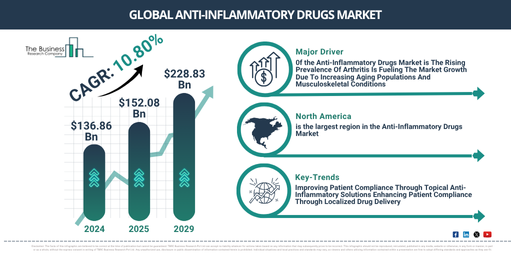
    The market size for anti-inflammatory drugs has seen a fast-paced growth lately. From $136.86 billion in 2024, the market is anticipated to expand to $152.08 billion in 2025, achieving a compound annual growth rate (CAGR) of 11.1%. The rapid growth seen in history can be associated with several factors including a growing senior population, a rising occurrence of chronic inflammation-related diseases, an increase in over-the-counter accessibility, heightened recognition of pain management, and the growth of overall healthcare infrastructure.

    The market for anti-inflammatory drugs is anticipated to experience substantial expansion in the coming years, reaching $228.83 billion by 2029 with a compound annual growth rate (CAGR) of 10.8%. The anticipated growth during this forecast period is attributed to factors such as the rising prevalence of autoimmune diseases, an increasing demand for individualized medicine, a growing elderly population, supportive governmental initiatives, and an increased preference for topical and targeted treatments. Future trends expected to impact the market during this period include innovations in biologic drugs, a shift towards biologics and biosimilars, telemedicine prescriptions, AI integration in drug discovery, research and development in new anti-inflammatory mechanisms, and advancements in targeted anti-inflammatory therapies.

    Download The Free Sample Report Here:

    https://www.thebusinessresearchcompany.com/sample.aspx?id=24465&type=smp

    Which Factor Is Shaping The Future Of The Anti-Inflammatory Drugs Market?

    The growth of the anti-inflammatory drugs market is expected to be stimulated by the rising prevalence of arthritis. Arthritis includes the inflammation of one or more joints, which can lead to pain, swelling, and stiffness that often intensifies with age. This increase in arthritis cases is primarily associated with an aging population since as people grow older, they naturally experience more wear and tear on their joints, which increases the risk of arthritis. Anti-inflammatory medications are crucial in addressing arthritis as they lessen joint inflammation and pain, improving patients’ mobility and making daily activities easier, thereby enhancing their overall life quality. For example, the Office for Health Improvement and Disparities, a UK-based government department, released data in March 2023 stating that in 2022, 17.6% of people aged 16 and above reported long-term musculoskeletal (MSK) conditions like arthritis or continuous back or joint problems. This was an increase from 17.0% in 2021. Consequently, the increasing occurrence of arthritis is fuelling the expansion of the anti-inflammatory drugs market.

    What Is The Segment-Wise Breakdown Of The Anti-Inflammatory Drugs Market?

    The anti-inflammatory drugs market covered in this report is segmented –

    1) By Drug Class: Steroids, Nonsteroidal Anti-Inflammatory Drugs (NSAIDs), Biologics And Biosimilars, Other Drug Classes

    2) By Route of Administration: Parenteral, Oral, Topical, Inhalation

    3) By Applications: Autoimmune Diseases, Respiratory Diseases, Other Diseases

    4) By Distribution Channel: Hospital Pharmacy, Retail Pharmacy, Online Pharmacy

    Subsegments:

    1) By Steroids: Corticosteroids, Mineralocorticoids

    2) By Nonsteroidal Anti-Inflammatory Drugs (NSAIDs): Non-Selective Nonsteroidal Anti-Inflammatory Drugs (NSAIDs), Selective Cyclooxygenase-2 (COX-2) Inhibitors

    3) By Biologics And Biosimilars: Tumor Necrosis Factor (TNF) Inhibitors, Interleukin (IL) Inhibitors, Janus Kinase (JAK) Inhibitors, Other Biologics And Biosimilars

    4) By Other Drug Classes: Disease-Modifying Anti-Rheumatic Drugs (DMARDs), Immunosuppressants, Antihistamines

    Which Trends Are Redefining The Future Landscape Of The Anti-Inflammatory Drugs Industry?

    The focus has shifted towards the creation of groundbreaking topical solutions within the anti-inflammatory drugs market, with numerous prominent firms endeavoring to enhance targeted delivery and patient adherence. A topical solution, which is a liquid-based medication applied right to the skin or affected region, streamlines the delivery of active elements of the anti-inflammatory drugs, reducing inflammation on-site while limiting the systemic side effects. In an illustrative case in December 2022, Lupin Limited, an Indian pharmaceutical firm, launched the authorized generic equivalent of PENNSAID (Diclofenac Sodium Topical Solution, 2% w/w) manufactured by Horizon Pharma Therapeutics, in the United States. This was aimed at boosting its U.S. generic range and augmenting the availability of reasonably priced anti-inflammatory remedies. This non-steroidal anti-inflammatory drug, meant to alleviate osteoarthritis-related knee pain, affords localized relief upon topical application and circumscribes systemic complications commonplace with orally administered NSAIDs.

    Which Companies Hold The Largest Market Share In The Anti-Inflammatory Drugs Sector?

    Major companies operating in the anti-inflammatory drugs market are Merck & Co. Inc., AbbVie Inc., Bayer AG, Novartis AG, Sanofi S.A., Bristol-Myers Squibb Company, AstraZeneca plc, Gilead Sciences Inc., Amgen Inc., Regeneron Pharmaceuticals Inc., Biogen Inc., Vertex Pharmaceuticals Inc., UCB S.A., Sun Pharmaceutical Industries Ltd., Aurobindo Pharma Limited, Dr. Reddy’s Laboratories, Cipla Limited, Cadila Pharmaceuticals, Samsung Bioepis, Lupin Limited

    Get The Full Report Here:

    https://www.thebusinessresearchcompany.com/report/anti-inflammatory-drugs-global-market-report

    How Does Regional Performance Compare Across The Anti-Inflammatory Drugs Industry?

    North America was the largest region in the anti-inflammatory drugs market in 2024. Asia-Pacific is expected to be the fastest-growing region in the forecast period. The regions covered in the anti-inflammatory drugs market report are Asia-Pacific, Western Europe, Eastern Europe, North America, South America, Middle East, Africa.

    Request For A Customized Report:

    https://www.thebusinessresearchcompany.com/customise?id=24465&type=smp

    About The Business Research Company:

    With over 15000+ reports from 27 industries covering 60+ geographies, The Business Research Company has built a reputation for offering comprehensive, data-rich research and insights. Armed with 1,500,000 datasets, the optimistic contribution of in-depth secondary research, and unique insights from industry leaders, you can get the information you need to stay ahead in the game.

    Get in touch with us:

    The Business Research Company: https://www.thebusinessresearchcompany.com/

    Americas +1 310-496-7795

    Asia +44 7882 955267 & +91 8897263534

    Europe +44 7882 955267

    Email us at info@tbrc.info

    Follow us on:

    LinkedIn: https://in.linkedin.com/company/the-business-research-company

    YouTube: https://www.youtube.com/channel/UC24_fI0rV8cR5DxlCpgmyFQ

    Global Market Model: https://www.thebusinessresearchcompany.com/global-market-model
  • Global Antibacterial Orthopedic Implant Market Landscape: Trends and Market Share to 2029

    Global Antibacterial Orthopedic Implant Market Landscape: Trends and Market Share to 2029

    Claim your 30% discount on Global Market Reports with code ONLINE30. Limited time only.

    What Is the Estimated Industry Valuation for the Antibacterial Orthopedic Implant Sector?

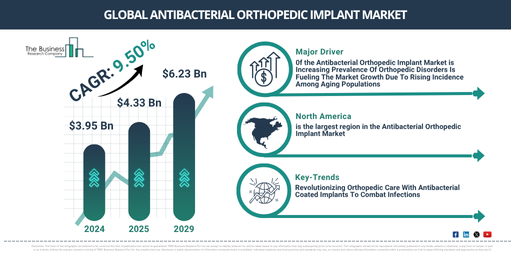
    The market for antibacterial orthopedic implants has expanded significantly in recent years. From a value of $3.95 billion in 2024, it is predicted to rise to $4.33 billion in 2025, reflecting a compound annual growth rate (CAGR) of 9.7%. This growth during the historical period is attributed to factors such as increased orthopedic injuries, a growing elderly population, an increased rate of post-surgical infections, a heightened demand for trauma fixation procedures, and the embrace of minimally invasive orthopedic procedures.

    The market for antibacterial orthopedic implants is anticipated to experience considerable growth in the coming years, with projections suggesting a worth of $6.23 billion by 2029, and a compound annual growth rate (CAGR) of 9.5%. The projected growth during this forecast period stems from the rising demand for implants resistant to infection, an increase in joint replacement procedures, heightened awareness around hospital-induced infections, governmental efforts to control infection, and the uptick in usage of silver-ion based implants. The trend forecast for this period indicates technological innovation in antibacterial coatings, progress in the materials used for implants, the addition of nanotechnology to implant procedures, a move towards biodegradable antibacterial coatings, and the creation of patient-specific 3d-printed implants.

    Download The Free Sample Report Here:

    https://www.thebusinessresearchcompany.com/sample.aspx?id=24464&type=smp

    What Forces Are Driving The Growth Of The Antibacterial Orthopedic Implant Market?

    The growth of the antibacterial orthopedic implant market is set to surge due to the rising prevalence of orthopedic conditions. These conditions, encompassing maladies affecting the musculoskeletal system such as bones, joints, muscles, tendons, and ligaments, are becoming increasingly common largely due to an aging population. Older individuals are naturally more susceptible to orthopedic disorders like osteoarthritis, osteoporosis and joint deterioration resulting from the gradual wear and tear on bones and joints. Antibacterial orthopedic implants can mitigate these issues by warding off post-surgery infections, facilitating a quicker recovery, and boosting the overall effectiveness of implant methods. In support of this, the Office for Health Improvement and Disparities, a government department in the UK, reported in March 2023 that 17.6% of people aged 16 and above disclosed having a chronic musculoskeletal condition like arthritis or consistent back/joint problems in 2022. This is a notable increase from the 17.0% recorded in 2021. Consequently, the escalating prevalence of orthopedic disorders is fueling the expansion of the antibacterial orthopedic implant market.

    How Is The Antibacterial Orthopedic Implant Industry Segmented Across Key Parameters?

    The antibacterial orthopedic implant market covered in this report is segmented –

    1) By Implant Type: Antibacterial Bone Cement, Antibacterial Bone Screws, Antibacterial Bone Plates, Antibacterial Joint Implants, Antibacterial Spinal Implants

    2) By Antibacterial Agent: Silver, Chlorhexidine, Triclosan, Iodine, Vancomycin

    3) By Material Type: Metallic Implants, Polymeric Implants, Ceramic Implants, Composites

    4) By Application: Joint Replacement, Trauma, Spine, Other Applications

    5) By End User: Hospitals, Ambulatory Surgical Centers, Clinics, Academic And Research Institutes, Defense And Military

    Subsegments:

    1) By Antibacterial Bone Cement: High-Viscosity Bone Cement, Low-Viscosity Bone Cement, Medium-Viscosity Bone Cement

    2) By Antibacterial Bone Screws: Titanium-Based Bone Screws, Stainless Steel-Based Bone Screws, Biodegradable Bone Screws

    3) By Antibacterial Bone Plates: Locking Compression Plates (LCP), Dynamic Compression Plates (DCP), Reconstruction Plates, Bone Fixation Plates

    4) By Antibacterial Joint Implants: Antibacterial Hip Implants, Antibacterial Knee Implants, Antibacterial Shoulder Implants, Antibacterial Elbow Implants

    5) By Antibacterial Spinal Implants: Spinal Fusion Implants, Spinal Rods And Screws, Intervertebral Discs, Spinal Spacer Implants

    What Notable Trends Are Shaping The Direction Of The Antibacterial Orthopedic Implant Market?

    Leading corporations within the antibacterial orthopedic implant market are channeling their resources towards producing innovative products like antibacterial coated implants, in an effort to minimize infection risks and enhance patient results. These antibacterial coated implants are essentially standard medical implants that have been coated with an antibacterial substance to inhibit bacterial propagation and decrease infection risks, thereby boosting healing rates and long-term efficacy. In April 2024, Onkos Surgical Inc., a medical equipment manufacturer based in the US, acquired approval from the U.S. Food & Drug Administration (FDA) for its Onkos Surgical antibacterial coated implants, a major achievement for the company. This endorsement allows the company to commercially distribute its technology developed to address the rising tide of bacterial contamination issues in orthopedic implants, particularly in high-risk fields like tumor and revision surgeries. The company’s exclusive coating has been confirmed to be bactericidal, achieving a kill rate of 99.999% in in-vitro tests, thus presenting a potential solution to circumvent critical complications like implant failure, infection, and amputation.

    Which Companies Currently Dominate The Competitive Landscape In The Antibacterial Orthopedic Implant Industry?

    Major companies operating in the antibacterial orthopedic implant market are Stryker Corporation, Zimmer Biomet Holdings Inc., Smith & Nephew plc, DePuy Synthes Inc., Exactech Inc., MicroPort Orthopedics Inc., Tegra Medical LLC, Implantcast GmbH, aap Implantate AG, Accentus Medical Ltd., Onkos Surgical Inc., BONESUPPORT AB, Heraeus Medical GmbH, Promimic AB, Silver Bullet Therapeutics Inc., TEKNIMED S.A.S., BioMedtrix LLC, BioGate AG, Tecres S.p.A., Kyocera Medical Technologies Inc.

    Get The Full Report Here:

    https://www.thebusinessresearchcompany.com/report/antibacterial-orthopedic-implant-global-market-report

    Which Geographic Regions Are Driving Demand In The Antibacterial Orthopedic Implant Market?

    North America was the largest region in the antibacterial orthopedic implant market in 2024. Asia-Pacific is expected to be the fastest-growing region in the forecast period. The regions covered in the antibacterial orthopedic implant market report are Asia-Pacific, Western Europe, Eastern Europe, North America, South America, Middle East, Africa.

    Request For A Customized Report:

    https://www.thebusinessresearchcompany.com/customise?id=24464&type=smp

    About The Business Research Company:

    With over 15000+ reports from 27 industries covering 60+ geographies, The Business Research Company has built a reputation for offering comprehensive, data-rich research and insights. Armed with 1,500,000 datasets, the optimistic contribution of in-depth secondary research, and unique insights from industry leaders, you can get the information you need to stay ahead in the game.

    Get in touch with us:

    The Business Research Company: https://www.thebusinessresearchcompany.com/

    Americas +1 310-496-7795

    Asia +44 7882 955267 & +91 8897263534

    Europe +44 7882 955267

    Email us at info@tbrc.info

    Follow us on:

    LinkedIn: https://in.linkedin.com/company/the-business-research-company

    YouTube: https://www.youtube.com/channel/UC24_fI0rV8cR5DxlCpgmyFQ

    Global Market Model: https://www.thebusinessresearchcompany.com/global-market-model