Month: September 2025

  • Global Skeletal Dysplasia Drugs Market Forecast to Reach $4.09 Billion by 2029, Driven by 5.4% CAGR

    Claim your 30% discount on Global Market Reports with code ONLINE30. Limited time only.

    What Is the Current and Projected Market Size of the Skeletal Dysplasia Drugs Industry?

    In recent times, we have seen significant growth in the market size for drugs used to treat skeletal dysplasia. The forecast estimates show that it will grow from $3.13 billion in 2024 to $3.31 billion in 2025, indicating a compound annual growth rate (CAGR) of 5.8%. This historical growth can be tied to various factors including heightened awareness of rare bone disorders, an increased occurrence of skeletal dysplasia, the popularization of enzyme replacement therapies, improved access to genetic testing, and an upswing in diagnosis rates at an early stage.

    Expectations suggest robust expansion of the skeletal dysplasia drugs market in the upcoming years, with a predicted valuation of $4.09 billion in 2029, thanks to a compound annual growth rate (CAGR) of 5.4%. This prospective growth within the forecast period could be credited to the escalations in rare disease research funding, the surging requirement for targeted therapies, the rise in personalized treatment availability, a growing emphasis on pediatric bone conditions, and increased collaborations amongst biotech companies. The forecast period is also likely to see pioneering advancements in gene editing technologies, creative improvements in enzyme replacement delivery methods, advancements in bone regeneration procedures, more extensive research and development in the field of rare skeletal disorders, and advancements in personalized therapy mechanisms.

    Download The Free Sample Report Here:

    https://www.thebusinessresearchcompany.com/sample.aspx?id=24699&type=smp

    #Which Factors Are Currently Driving The Growth Of The Skeletal Dysplasia Drugs Market?

    The surge in the instances of conditions affecting bone health is predicted to advance the expansion of the market for drugs treating skeletal dysplasia. Such bone conditions impact the strength, structure, or function of bones, leading to issues including structural abnormalities, pain, fractures, or compromised mobility. A primary cause for the rise in such disorders is a sedentary lifestyle, where a lack of physical activity depletes bone strength and density, thereby heightening the potential for fractures and degenerative diseases. Drugs used to treat skeletal dysplasia function by addressing the root genetic or molecular issues impacting bone growth and development, thereby increasing bone creation, strength, and structural integrity, and lessening symptoms like structural abnormalities, fractures, and compromised mobility. The National Library of Medicine, a reputable biomedical library based in the US, published in February 2023 that the number of total hip arthroplasty (THA) and total knee arthroplasty (TKA) procedures would increase by 719,364 and 1,222,988 respectively by the year 2040. Furthermore, by the year 2060, total TKAs are projected to reach 2,917,959 and total THAs are projected to reach 1,982,099. Therefore, the surge in bone health conditions contributes to the expansion of the skeletal dysplasia drugs market.

    How Is The Global Skeletal Dysplasia Drugs Market Structured In Terms Of Segments?

    The skeletal dysplasia drugs market covered in this report is segmented –

    1) By Treatment: Enzyme Replacement Therapy, Human Monoclonal Antibody, Other Treatments

    2) By Dysplasia Type: Morquio A Syndrome, X-Linked Hypophosphatemia, Hypophosphatasia, Achondroplasia, Fibrodysplasia Ossificans Progressive, Multiple Osteochondromas, Other Dysplasia Types

    3) By Distribution Channel: Hospital Pharmacies, Retail Pharmacies, Online Pharmacies

    Subsegments:

    1) By Enzyme Replacement Therapy (ERT): Alglucosidase Alfa, Idursulfase, Laronidase, Eliglustat, Other Enzyme Replacement Therapy (ERT) Drug

    2) By Human Monoclonal Antibody: Anti-FGF Receptor Antibodies, Anti-TNF-Alpha Antibodies, Anti-IL-6 Receptor Antibodies, Other Human Monoclonal Antibody

    3) By Other Treatments: Small Molecule Therapies, Gene Therapy, RNA-Based Therapies, Symptomatic Treatments, Supportive Therapies

    What Trends Are Currently Influencing Growth In The Skeletal Dysplasia Drugs Market?

    Leading corporations within the skeletal dysplasia drugs market are prioritizing the creation of novel solutions such as targeted biological therapies, which directly act on the molecular pathways causing irregular bone growth. This paves the way for more precise and safer treatments that cater to the inherent genetic abnormalities. These targeted biological therapies employ biologically sourced agents like peptides, proteins, or antibodies to interact specifically with molecular targets that contribute to the origin or development of a disease. The goal here is to adjust or halt abnormal biological activities with better accuracy and lesser adverse effects compared to conventional therapies. For example, BioMarin Pharmaceutical Inc., a biotech firm based in the US, introduced VOXZOGO (vosoritide) in October 2023. This offers children with achondroplasia a targeted therapy that encourages bone growth. Consequently, this helps to increase their height, reduce complications, and enhance their overall life quality.

    Who Are The Main Participants Shaping The Skeletal Dysplasia Drugs Market Landscape?

    Major companies operating in the skeletal dysplasia drugs market are Pfizer Inc., Merck KGaA, Amgen Inc., Regeneron Pharmaceuticals Inc., Mayo Clinic, The Johns Hopkins Hospital, BridgeBio Pharma Inc., UCLA Health, Kyowa Kirin Co. Ltd., BioMarin Pharmaceutical Inc., ARUP Laboratories, Alexion Pharmaceuticals Inc., Invitae Corporation, BridgeBio Pharma Inc., Tyra Biosciences Inc., Ascendis Pharma A/S, Blueprint Genetics Oy, Clementia Pharmaceuticals Inc., QED Therapeutics Inc. , InnoSkel SAS

    Get The Full Report Here:

    https://www.thebusinessresearchcompany.com/report/skeletal-dysplasia-drugs-global-market-report

    Which Region Currently Holds The Largest Share In The Skeletal Dysplasia Drugs Market?

    North America was the largest region in the skeletal dysplasia drugs market in 2024. Asia-Pacific is expected to be the fastest-growing region in the forecast period. The regions covered in the skeletal dysplasia drugs market report are Asia-Pacific, Western Europe, Eastern Europe, North America, South America, Middle East, Africa.

    Request For A Customized Report:

    https://www.thebusinessresearchcompany.com/customise?id=24699&type=smp

    About The Business Research Company:

    With over 15000+ reports from 27 industries covering 60+ geographies, The Business Research Company has built a reputation for offering comprehensive, data-rich research and insights. Armed with 1,500,000 datasets, the optimistic contribution of in-depth secondary research, and unique insights from industry leaders, you can get the information you need to stay ahead in the game.

    Get in touch with us:

    The Business Research Company: https://www.thebusinessresearchcompany.com/

    Americas +1 310-496-7795

    Asia +44 7882 955267 & +91 8897263534

    Europe +44 7882 955267

    Email us at info@tbrc.info

    Follow us on:

    LinkedIn: https://in.linkedin.com/company/the-business-research-company

    YouTube: https://www.youtube.com/channel/UC24_fI0rV8cR5DxlCpgmyFQ

    Global Market Model: https://www.thebusinessresearchcompany.com/global-market-model
  • Global Lennox Gastaut Syndrome Market Forecast to Reach $0.97 Billion by 2029, Driven by 7% CAGR

    Global Lennox Gastaut Syndrome Market Forecast to Reach $0.97 Billion by 2029, Driven by 7% CAGR

    Claim your 30% discount on Global Market Reports with code ONLINE30. Limited time only.

    How Much Is the Global Lennox Gastaut Syndrome Market Valued at Present and by 2029?

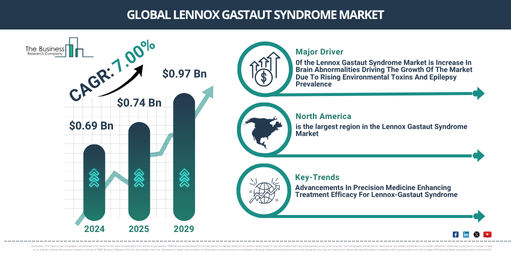
    The market size of Lennox Gastaut Syndrome has experienced considerable growth in the past few years. It’s projected to expand from a value of $0.69 billion in 2024 to $0.74 billion in 2025, reflecting a compound annual growth rate (CAGR) of 7.4%. The robust growth in the historical period is credited to the increased patient base due to enhanced diagnostic methods, government interventions and backing for epilepsy awareness, growth in the management of pediatric epilepsy, rising demand for epilepsy medications with lesser side-effects, improved healthcare infrastructure, and wider access to treatments.

    Expectations are high for robust expansion in the Lennox Gastaut syndrome market over the coming years. Projections indicate it will achieve a size of $0.97 billion by 2029, with a compound annual growth rate (CAGR) of 7.0% expected. Factors influencing this forecasted period of growth include an increased prevalence of brain abnormalities and neurological disorders, the global rise in epilepsy and LGS cases, a greater awareness of rare neurological disorders, more funding and investment being funneled into LGS and epilepsy research, and promising results from current clinical trials and studies. In terms of trends for the forecasted period, they include the development of new anti-seizure treatments, advances in precision medicine for individualized treatments, regulatory bodies approving new drugs, improvements in diagnostic technology for LGS, and an increase in collaborations between pharmaceutical companies and research institutions.

    Download The Free Sample Report Here:

    https://www.thebusinessresearchcompany.com/sample.aspx?id=24588&type=smp

    #What Drivers Are Influencing Growth In The Lennox Gastaut Syndrome Market?

    The escalating occurrence of brain irregularities is anticipated to further the expansion of the Lennox Gastaut syndrome market in the future. These irregularities pertain to structural or functional differences in the brain that deviate from the usual development or function. The uptick in such abnormalities is due to heightened exposure to environmental pollutants like air toxins and industrial waste, interfering with brain development and neurological functions, especially during the early years of life. Treatment for Lennox-gastaut syndrome (LGS) is critical in managing these abnormalities, as LGS triggers severe seizures resistant to drugs, leading to developmental lag, cognitive defects, and lasting neurologic harm if not properly attended to. For example, data from the Centers for Disease Control and Prevention, a US-based government body, in May 2024 stated that around 2.9 million individuals aged 18 and above in the US reported having active epilepsy in 2021 and 2022. This accounts for approximately 1% of all US adults. Consequently, the rise in brain irregularities is set to propel the growth of the Lennox Gastaut syndrome market.

    What Are The Main Segments Identified In The Lennox Gastaut Syndrome Market Research?

    The lennox gastaut syndrome market covered in this report is segmented –

    1) By Treatment: Antiepileptic Drugs, Vagus Nerve Stimulation, Ketogenic Diet, Cannabidiol, Cannabinoids

    2) By Epileptic Type: Atonic Seizures, Myoclonic Seizures, Tonic Seizures, Atypical Absence Seizures, Other Types

    3) By Age Group: Pediatric, Adult, Geriatric

    4) By Route of Administration: Oral, Parenteral

    5) By End-Users: Hospitals, Specialty Clinics, Other End Users

    Subsegments:

    1) By Antiepileptic Drugs: Valproate, Lamotrigine, Topiramate, Rufinamide, Clobazam, Felbamate, Levetiracetam, Other Antiepileptic Drugs

    2) By Ketogenic Diet: Classic Ketogenic Diet, Modified Atkins Diet, Medium Chain Triglyceride (MCT) Diet, Low Glycemic Index Treatment

    3) By Vagus Nerve Stimulation: Implantable Vagus Nerve Stimulation Devices, External Vagus Nerve Stimulation Devices

    4) By Cannabidiol: Epidiolex (FDA Approved), Other Prescription Cannabidiol Products

    5) By Cannabinoids: THC-based Products, Synthetic Cannabinoids, Combined THC or CBD Formulations

    What Are The Leading Trends And Opportunities In The Lennox Gastaut Syndrome Sector?

    Leading players in the lennox-gastaut syndrome market are striving to introduce innovative solutions, such as precision medicines, which aim to maximize treatment efficiency and personalize patient care. Precision medicine represents a healthcare strategy that tailors prevention, diagnosis, and therapy to an individual’s genetic make-up, environmental factors, and lifestyle. For example, UCB, a biopharmaceutical firm based in Belgium, declared in March 2022, that the U.S. Food and Drug Administration (FDA) had approved their FINTEPLA oral solution for the management of seizures associated with Lennox-Gastaut Syndrome (LGS) in patients aged two years and above. This endorsement stemmed from findings from an international Phase 3 randomized, placebo-controlled clinical trial with 263 participants, indicating a significant decline in the occurrence of drop seizures. FINTEPLA offers a novel therapeutic alternative for LGS, a rare, significant form of epilepsy starting in childhood characterized by treatment-resistant seizures and significant health issues, impacting an estimated 30,000 to 50,000 people in the United States.

    Which Companies Play A Key Role In The Development Of The Lennox Gastaut Syndrome Market?

    Major companies operating in the lennox gastaut syndrome market are Takeda Pharmaceutical Company Limited, Teva Pharmaceutical Industries Ltd., Bausch Health Companies Inc., UCB Pharma S.A., Eisai Co. Ltd., Jazz Pharmaceuticals plc, H. Lundbeck A/S, LivaNova PLC, Supernus Pharmaceuticals Inc., Harmony Biosciences Holdings Inc., Upsher-Smith Laboratories LLC, Catalyst Pharmaceuticals Inc., SK Life Science Inc., Aquestive Therapeutics Inc., NeuroPace Inc., Marinus Pharmaceuticals Inc., Stoke Therapeutics Inc., Xenon Pharmaceuticals Inc., Insys Therapeutics Inc., Ovid Therapeutics Inc.

    Get The Full Report Here:

    https://www.thebusinessresearchcompany.com/report/lennox-gastaut-syndrome-global-market-report

    What Are The Key Regional Developments Shaping The Lennox Gastaut Syndrome Market?

    North America was the largest region in the lennox gastaut syndrome market in 2024. The regions covered in the lennox gastaut syndrome market report are Asia-Pacific, Western Europe, Eastern Europe, North America, South America, Middle East, Africa.

    Request For A Customized Report:

    https://www.thebusinessresearchcompany.com/customise?id=24588&type=smp

    About The Business Research Company:

    With over 15000+ reports from 27 industries covering 60+ geographies, The Business Research Company has built a reputation for offering comprehensive, data-rich research and insights. Armed with 1,500,000 datasets, the optimistic contribution of in-depth secondary research, and unique insights from industry leaders, you can get the information you need to stay ahead in the game.

    Get in touch with us:

    The Business Research Company: https://www.thebusinessresearchcompany.com/

    Americas +1 310-496-7795

    Asia +44 7882 955267 & +91 8897263534

    Europe +44 7882 955267

    Email us at info@tbrc.info

    Follow us on:

    LinkedIn: https://in.linkedin.com/company/the-business-research-company

    YouTube: https://www.youtube.com/channel/UC24_fI0rV8cR5DxlCpgmyFQ

    Global Market Model: https://www.thebusinessresearchcompany.com/global-market-model
  • Future Demand and Leading Companies Shaping the Size Exclusion Chromatography (SEC) HPLC Column Market to 2029

    Future Demand and Leading Companies Shaping the Size Exclusion Chromatography (SEC) HPLC Column Market to 2029

    Claim your 30% discount on Global Market Reports with code ONLINE30. Limited time only.

    What Is the Outlook for the Size Exclusion Chromatography (SEC) HPLC Column Market Heading Into 2029?

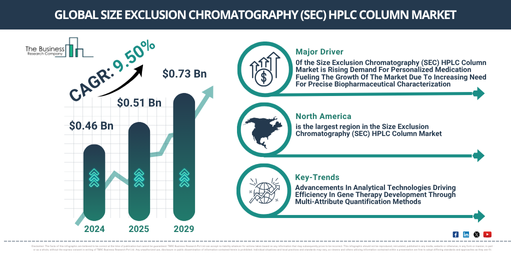
    The market for size exclusion chromatography (sec) hplc column has experienced considerable growth in the recent past. The market size, which was $0.46 billion in 2024, is expected to increase to $0.51 billion in 2025, witnessing a compound annual growth rate (CAGR) of 9.9%. The surge in the historical period can be linked to the growing acceptance of sec for determining molecular weight, an increased occurrence of chronic diseases driving drug discovery, the expanding use of sec in the food and beverage sector for quality control, escalating government funds for research and development, and the development of biopharmaceutical contract research organizations.

    The market for size exclusion chromatography (SEC) HPLC column is projected to experience robust growth in the approaching years, anticipated to reach $0.73 billion by 2029, expanding at a compound annual growth rate (CAGR) of 9.5%. Factors contributing to this expected growth during the forecast period include the rising need for protein purification in biopharmaceuticals, expansion of the biotechnology and pharmaceutical sectors, increased research activities in life sciences, the growing relevance of personalized medicine and biologics creation, and an ongoing emphasis on polymer characterization. Major trends anticipated during this forecast period encompass advancements in chromatographic technologies, technological innovations such as the use of ultra-high-pressure SEC columns, the growing use of multi-dimensional chromatography techniques that involve SEC, a rising demand for affordable yet dependable chromatography solutions, and a growing trend towards outsourcing analytical testing to specialist labs.

    Download The Free Sample Report Here:

    https://www.thebusinessresearchcompany.com/sample.aspx?id=24698&type=smp

    Which Factors Are Pushing The Size Exclusion Chromatography (SEC) HPLC Column Market Forward?

    The surge in the need for personalized medicine is predicted to spur the development of the size exclusion chromatography (SEC) HPLC column market. Personalized medicine is a practice of medical treatment adapted to a person’s genetic makeup, lifestyle and health condition to achieve the most beneficial and safe results. The increasing need for personalized medicine is driven by genetic advancements and the necessity for highly effective, customized treatments. Size exclusion chromatography (SEC) HPLC columns are vital in accurately determining the molecular size and aggregation state of therapeutic proteins, guaranteeing their safety and efficacy for tailored treatment. For example, in February 2024, the Personalized Medicine Coalition, a non-profit organization based in the US, reported that the US Food and Drug Administration (FDA) had approved 16 new personalized therapies targeted at rare diseases in 2023, marking a significant rise from the six approvals in 2022. As a result, the escalating demand for personalized medicine is set to enhance the growth of the size exclusion chromatography (SEC) HPLC column market.

    Which Segment Held The Largest Share In The Size Exclusion Chromatography (SEC) HPLC Column Market In 2025?

    The size exclusion chromatography (SEC) HPLC column market covered in this report is segmented –

    1) By Type: Standard Size Exclusion Chromatography (SEC) Column, High-Resolution Size Exclusion Chromatography (SEC) Column, Ultra-High-Performance Size Exclusion Chromatography (SEC) Column, 2D Size Exclusion Chromatography (SEC) Column

    2) By Material: Organic Solvents, Polymeric Materials, Silica-Based Materials, Modified Silica Particles

    3) By Application: Biopharmaceutical Analysis, Protein Purification, Nucleic Acid Analysis, Polymer Characterization

    4) By End-User: Pharmaceutical Industry, Academic And Research Institutions, Biotechnology Firms, Environmental Testing Laboratories

    Subsegments:

    1) By Standard Size Exclusion Chromatography (SEC) Column: Polymer-Based Columns, Silica-Based Columns, Composite Material Columns, Bio-based Columns

    2) By High-Resolution Size Exclusion Chromatography (SEC) Column: Narrow Pore Size Columns, Medium Pore Size Columns, Wide Pore Size Columns, Monodisperse Particle Columns

    3) By Ultra-High-Performance Size Exclusion Chromatography (SEC) Column: Sub-2 µm Particle Size Columns, Core-Shell Particle Columns, Superficially Porous Particle Columns, High Mechanical Strength Columns

    4) By 2D Size Exclusion Chromatography (SEC) Column: SEC × Reversed Phase Chromatography Columns, SEC × Ion Exchange Chromatography Columns, SEC × Affinity Chromatography Columns, SEC × Hydrophilic Interaction Chromatography (HILIC) Columns

    How Are Key Trends Driving Expansion In The Size Exclusion Chromatography (SEC) HPLC Column Industry?

    Leading firms in the size exclusion chromatography (SEC) high-performance liquid chromatography (HPLC) column industry are investing in crafting advanced solutions like multi-attribute quantification techniques to overcome significant obstacles in gene therapy research. These methodologies allow for the parallel assessment of multiple factors, thereby enhancing analytical accuracy and productivity. For example, Waters Corporation, an American lab instrument manufacturing entity, in August 2023 unveiled the XBridge Premier GTx BEH SEC columns tailored to improve the study and slash the expenses associated with gene therapies, particularly those in association with adeno-associated viral (AAV) vectors. The columns present considerable perks, including a reduction in sample needs by 3 to 10 times, doubling the speed of analysis, and boosting both sensitivity and resolution. Their ingenious layout makes them perfectly apt for procedure development, formulation analysis, regulatory evaluations, and quality assurance, enabling faster, more comprehendible, and affordable examination of AAVs and other sizeable biomolecules which in turn promotes the progress of gene therapy studies and its production.

    Which Organizations Are Driving Progress In The Size Exclusion Chromatography (SEC) HPLC Column Industry?

    Major companies operating in the size exclusion chromatography (SEC) HPLC column market are Merck & Co. Inc., Thermo Fisher Scientific Inc., Danaher Corporation, Agilent Technologies Inc., Sartorius AG, PerkinElmer Inc., Shimadzu Corporation, Waters Corporation, Bio-Rad Laboratories Inc., Malvern Panalytical Ltd., Buchi Labortechnik AG, Phenomenex Inc., Tosoh Bioscience LLC, Knauer, JASCO Inc., Sepax Technologies Inc., SIELC Technologies, Eprogen Inc., Wyatt Technology, MZ-Analysentechnik GmbH

    Get The Full Report Here:

    https://www.thebusinessresearchcompany.com/report/size-exclusion-chromatography-sec-hplc-column-global-market-report

    Which Region Is Expected To Experience The Highest Growth In The Size Exclusion Chromatography (SEC) HPLC Column Industry?

    North America was the largest region in the size exclusion chromatography (SEC) HPLC column market in 2024. Asia-Pacific is expected to be the fastest-growing region in the forecast period. The regions covered in the size exclusion chromatography (SEC) HPLC column market report are Asia-Pacific, Western Europe, Eastern Europe, North America, South America, Middle East, Africa.

    Request For A Customized Report:

    https://www.thebusinessresearchcompany.com/customise?id=24698&type=smp

    About The Business Research Company:

    With over 15000+ reports from 27 industries covering 60+ geographies, The Business Research Company has built a reputation for offering comprehensive, data-rich research and insights. Armed with 1,500,000 datasets, the optimistic contribution of in-depth secondary research, and unique insights from industry leaders, you can get the information you need to stay ahead in the game.

    Get in touch with us:

    The Business Research Company: https://www.thebusinessresearchcompany.com/

    Americas +1 310-496-7795

    Asia +44 7882 955267 & +91 8897263534

    Europe +44 7882 955267

    Email us at info@tbrc.info

    Follow us on:

    LinkedIn: https://in.linkedin.com/company/the-business-research-company

    YouTube: https://www.youtube.com/channel/UC24_fI0rV8cR5DxlCpgmyFQ

    Global Market Model: https://www.thebusinessresearchcompany.com/global-market-model
  • Outlook for Leiomyosarcoma Drug Market: Key Developments and Future Strategies to 2029

    Outlook for Leiomyosarcoma Drug Market: Key Developments and Future Strategies to 2029

    Claim your 30% discount on Global Market Reports with code ONLINE30. Limited time only.

    What Is the Current and Projected Market Size of the Leiomyosarcoma Drug Industry?

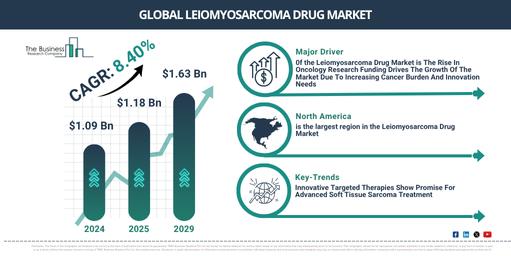
    In recent years, the market for leiomyosarcoma drugs has seen robust growth. The value is set to rise from $1.09 billion in 2024 to $1.18 billion in 2025, marking a compound annual growth rate (CAGR) of 8.6%. Factors contributing to growth during the historic period include a rise in incidents of uterine and soft tissue sarcomas, increased understanding of rare cancers among clinicians, more patients participating in early-phase clinical trials, a rise in off-label use of existing cancer drugs, and an uptick in the application of radiologic imaging in diagnosing cancer.

    The market for leiomyosarcoma drugs is poised to experience significant growth in the upcoming years, with projections estimating a size of $1.63 billion by 2029, reflecting a compound annual growth rate (CAGR) of 8.4%. Factors contributing to this forecasted growth span from the increased acceptance of drug candidates based on immunotherapy and the rising application of molecular and genomic profiling in the treatment of rare cancers, to the growing pipeline of orphan drugs and allied designations from regulatory authorities. Further impetus comes from the increasing preference towards personalized treatment methods and the expanding network of patient advocacy and support. Emerging trends expected in the forecast period encompass drug screening leveraging technology, the formulation of therapies aimed at multiple targets, the inclusion of genomic data in treatment strategies, the influx of multidisciplinary care models, and advancements in monoclonal antibody therapies.

    Download The Free Sample Report Here:

    https://www.thebusinessresearchcompany.com/sample.aspx?id=24587&type=smp

    #Which Factors Are Currently Driving The Growth Of The Leiomyosarcoma Drug Market?

    The leiomyosarcoma drug market is anticipated to grow due to the increasing investment in research related to oncology. Oncology research, which involves studies and research focused on the origins, development, diagnosis, treatment, and prevention of cancer, brings about this upsurge in the investment. The surging cancer cases, which necessitate advanced treatments for improved patient outcomes, primarily propel this growth. The development of leiomyosarcoma drugs fuels investment in oncology research through the promotion of innovation in targeted therapies as well as boosting funding for advancements in rare cancer treatments. For instance, in 2023, the National Institutes of Health (NIH), the recipient of a $51 billion budget, was reported by the American Society for Radiation Oncology (ASTRO) to have allocated $9.988 billion to the National Cancer Institute (NCI). This allotment signified a $2.7 billion elevation from the previous fiscal year. As such, the ballooning investment in oncology research is fueling the expansion of the leiomyosarcoma drug market.

    How Is The Global Leiomyosarcoma Drug Market Structured In Terms Of Segments?

    The leiomyosarcoma drug market covered in this report is segmented –

    1) By Drug Type: Chemotherapy Agents, Targeted Therapy, Immunotherapy, Radiation Therapy, Combination Therapy

    2) By Drug Class: Anthracyclines, Alkylating Agents, Antimetabolites, Other Drug Class

    3) By Route of Administration: Oral, Intravenous, Subcutaneous, Topical, Intramuscular

    4) By Distribution Channel: Hospital Pharmacies, Retail Pharmacies, Online Pharmacies, Other Distribution Channels

    5) By End User: Hospitals, Specialized Clinics, Research Laboratories, Homecare Settings, Pharmaceutical Companies

    Subsegments

    1) By Chemotherapy Agents: Anthracyclines, Alkylating Agents, Antimetabolites, Topoisomerase Inhibitors, Taxanes

    2) By Targeted Therapy: Deoxyribonucleic Acid Minor Groove Binders, Tyrosine Kinase Inhibitors, Mechanistic Target Of Rapamycin Inhibitors, Vascular Endothelial Growth Factor Inhibitors

    3) By Immunotherapy: Immune Checkpoint Inhibitors, Cancer Vaccines, Adoptive Cell Transfer

    4) By Radiation Therapy: External Beam Radiation Therapy, Stereotactic Body Radiation Therapy, Intensity-Modulated Radiation Therapy

    5) By Combination Therapy: Chemotherapy + Targeted Therapy, Chemotherapy + Radiation Therapy, Immunotherapy + Targeted Therapy

    What Trends Are Currently Influencing Growth In The Leiomyosarcoma Drug Market?

    Major corporations in the leiomyosarcoma drug market are prioritizing the creation of novel targeted treatments like lurbinectedin-based regimens to enhance treatment outcomes in patients with advanced or resistant tumors. Therapies based on lurbinectedin target leiomyosarcoma cells specifically to boost the effectiveness of the treatment. For example, in October 2023, Pharma Mar S.A., a company in Spain that specializes in pharmaceuticals, launched the SaLuDo Phase IIb/III clinical trial. This trial investigates the efficiency of Zepzelca (lurbinectedin) in combination with doxorubicin in the treatment of patients with metastatic leiomyosarcoma (LMS). It aims to explore whether this combination can yield better results compared to existing treatment methods for this difficult-to-treat cancer type. The focus is on assessing progression-free survival and overall survival to understand the potential benefits of the therapy. If the SaLuDo trial proves successful, it could provide a new standard of care and bring renewed optimism for patients suffering from metastatic leiomyosarcoma.

    Who Are The Main Participants Shaping The Leiomyosarcoma Drug Market Landscape?

    Major companies operating in the leiomyosarcoma drug market are Pfizer Inc., Johnson And Johnson, Merck And Co. Inc., Bayer AG, Bristol-Myers Squibb Company, AstraZeneca Plc, Novartis AG, GlaxoSmithKline plc, Eli Lilly And Co, Philogen S.p.A, Eisai Co. Ltd, Incyte Corp, PharmaMar SA, Karyopharm Therapeutics Inc., Taiho Pharmaceutical Co. Ltd., Agenus Inc., Adaptimmune Therapeutics plc, BioInvent International AB, Advenchen Laboratories LLC, Radiopharm Theranostics Limited.

    Get The Full Report Here:

    https://www.thebusinessresearchcompany.com/report/leiomyosarcoma-drug-global-market-report

    Which Region Currently Holds The Largest Share In The Leiomyosarcoma Drug Market?

    North America was the largest region in the leiomyosarcoma drug market in 2024. Asia-Pacific is expected to be the fastest-growing region in the forecast period. The regions covered in the leiomyosarcoma drug market report are Asia-Pacific, Western Europe, Eastern Europe, North America, South America, Middle East, Africa.

    Request For A Customized Report:

    https://www.thebusinessresearchcompany.com/customise?id=24587&type=smp

    About The Business Research Company:

    With over 15000+ reports from 27 industries covering 60+ geographies, The Business Research Company has built a reputation for offering comprehensive, data-rich research and insights. Armed with 1,500,000 datasets, the optimistic contribution of in-depth secondary research, and unique insights from industry leaders, you can get the information you need to stay ahead in the game.

    Get in touch with us:

    The Business Research Company: https://www.thebusinessresearchcompany.com/

    Americas +1 310-496-7795

    Asia +44 7882 955267 & +91 8897263534

    Europe +44 7882 955267

    Email us at info@tbrc.info

    Follow us on:

    LinkedIn: https://in.linkedin.com/company/the-business-research-company

    YouTube: https://www.youtube.com/channel/UC24_fI0rV8cR5DxlCpgmyFQ

    Global Market Model: https://www.thebusinessresearchcompany.com/global-market-model
  • 2025–2029 Sinus Tissue Resection Devices Market Outlook: Regional Trends and Growth Forecast

    2025–2029 Sinus Tissue Resection Devices Market Outlook: Regional Trends and Growth Forecast

    Claim your 30% discount on Global Market Reports with code ONLINE30. Limited time only.

    What Does the Forecast Indicate for the Sinus Tissue Resection Devices Market From 2025 to 2029?

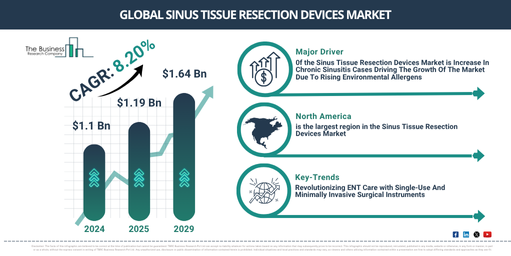
    In recent times, there has been a notable surge in the market size of sinus tissue resection devices. This sector is projected to expand from $1.1 billion in 2024 to $1.19 billion in 2025, reflecting a Compound Annual Growth Rate (CAGR) of 8.6%. The historic growth of this market is mainly due to an increase in outpatient ENT procedures, a high rate of reoccurrence of sinus infections necessitating repeated treatments, city pollution leading to respiratory and sinus problems, a rise in smoking and tobacco consumption, and changes in climate patterns impacting sinus health.

    Expectations are high for the sinus tissue resection devices market to experience a substantial surge in growth over the coming years, with projections seeing it reach a value of $1.64 billion in 2029 and an 8.2% compound annual growth rate (CAGR). This predicted surge within the forecast period is due to factors such as an increasing occurrence of chronic sinusitis and rhinosinusitis, a rise in allergic rhinitis and nasal polyps cases, a globally increasing number of ENT procedures, an aging demographic, and heightened awareness of sinus-related health issues. Trend forecasts for this period include advancements in endoscopic sinus surgery techniques, image-guided navigation systems development, surgical tools miniaturization for precise resection, the incorporation of robotics within ENT surgeries, and the increased safety and accuracy of powered instruments.

    Download The Free Sample Report Here:

    https://www.thebusinessresearchcompany.com/sample.aspx?id=24697&type=smp

    What Elements Are Contributing To Growth In The Sinus Tissue Resection Devices Market?

    The surge in cases of chronic sinusitis is projected to propel the growth of the sinus tissue resection devices market in the future. Chronic sinusitis, characterized by the long-term inflammation of the sinuses lasting more than 12 weeks, causes symptoms such as nasal blockage, facial discomfort, and a muted sense of smell. The growth in instances of chronic sinusitis has been linked to a rise in environmental allergens like pollen and pollution, which initiate inflammation and hamper the body’s full recovery, resulting in extended sinus infections. Sinus tissue resection devices are advantageous for chronic sinusitis sufferers as they permit the accurate removal of obstructive tissue, enhancing sinus drainage and diminishing inflammation, thereby relieving symptoms and preventing recurrent infections. For example, TGH Urgent Care powered by Fast Track, a US-based urgent care service provider, reported in December 2023 that nearly 29 million adults in the United States, which is 11.6% of the adult population, suffered from sinusitis in 2023, making it one of the most common reasons for doctor visits. Consequently, the surge in chronic sinusitis cases will bolster the sinus tissue resection devices market’s growth.

    Which Segments Are Detailed In The Global Sinus Tissue Resection Devices Market Report?

    The sinus tissue resection devices market covered in this report is segmented –

    1) By Product Type: Powered Instruments, Handheld Instruments, Endoscopic Instruments, Other Product Types

    2) By Distribution Channel: Direct Sales, Distributors, Online Retailers, Hospital Procurement Departments, Specialized Medical Supply Companies

    3) By Application: Sinus Surgery, Nasal Polypectomy, Chronic Sinusitis Treatment, Septoplasty, Other Applications

    4) By End Use: Hospitals, Specialty Clinics, Ambulatory Surgical Centers, Other End Users

    Subsegments:

    1) By Powered Instruments: Powered Microdebriders, Powered Suction Devices

    2) By Handheld Instruments: Forceps, Scalpels

    3) By Endoscopic Instruments: Endoscopes, Endoscopic Cameras

    4) By Other Product Types: Navigation Systems, Laser Systems

    Which Emerging Trends And Strategic Shifts Are Shaping The Sinus Tissue Resection Devices Market?

    Leading firms in the sinus tissue resection devices market are concentrating on the development of innovative solutions like single-use ENT instruments to boost procedure effectiveness and accessibility in ENT care through compact, minimally invasive surgical instruments. Sterilized, disposable medical tools meant for a single use during surgical or diagnostic ENT procedures are what constitute single-use ENT tools.These instrumental in ensuring patient safety, controlling infection risk, and negating the necessity of reprocessing. For example, Olympus Canada, a medical technology firm based in Canada, rolled out the CELERIS Single-Use Sinus Debrider and Celon Elite which incorporates the Celon ProBreath, in March 2024, augmenting its product range for ENT procedures. The CELERIS system sports a unique one-time-use design that comprises various tools, including a flexible tip, which enhances accuracy and decreases the requirement for multiple instrument swaps during processes. This introduction presents medical care providers with an effective, economical method for treating prevalent ENT issues like sinusitis in outpatient environments without the need for costly operating room equipment.

    Who Are The Key Contributors To Growth In The Sinus Tissue Resection Devices Market?

    Major companies operating in the sinus tissue resection devices market are Johnson & Johnson, Medtronic Plc, Stryker Corporation, Boston Scientific Corporation, B. Braun Melsungen AG, Olympus Corporation, Smith & Nephew plc, Cook Medical, Karl Storz GmbH & Co. KG, Integra LifeSciences Holdings Corporation, Meril Life Sciences Pvt. Ltd., Summit Medical Inc., PENTAX Medical, Bien-Air, STILLE AB, Entellus Medical Inc., Osteogenics Biomedical Inc., ClaroNav Kolahi Inc., Millennium Surgical Corp., Sinusys Corporation, Spiggle & Theis Medizintechnik GmbH, Hemostasis LLC, Beijing VCA Laser Technology Co. Ltd., InAccel Technologies Pvt. Ltd.

    Get The Full Report Here:

    https://www.thebusinessresearchcompany.com/report/sinus-tissue-resection-devices-global-market-report

    Which Region Is Projected To Lead The Sinus Tissue Resection Devices Market By 2025?

    North America was the largest region in the sinus tissue resection devices market in 2024. Asia-Pacific is expected to be the fastest-growing region in the forecast period. The regions covered in the sinus tissue resection devices market report are Asia-Pacific, Western Europe, Eastern Europe, North America, South America, Middle East, Africa.

    Request For A Customized Report:

    https://www.thebusinessresearchcompany.com/customise?id=24697&type=smp

    About The Business Research Company:

    With over 15000+ reports from 27 industries covering 60+ geographies, The Business Research Company has built a reputation for offering comprehensive, data-rich research and insights. Armed with 1,500,000 datasets, the optimistic contribution of in-depth secondary research, and unique insights from industry leaders, you can get the information you need to stay ahead in the game.

    Get in touch with us:

    The Business Research Company: https://www.thebusinessresearchcompany.com/

    Americas +1 310-496-7795

    Asia +44 7882 955267 & +91 8897263534

    Europe +44 7882 955267

    Email us at info@tbrc.info

    Follow us on:

    LinkedIn: https://in.linkedin.com/company/the-business-research-company

    YouTube: https://www.youtube.com/channel/UC24_fI0rV8cR5DxlCpgmyFQ

    Global Market Model: https://www.thebusinessresearchcompany.com/global-market-model
  • Key Market Drivers, Trends, and Forecast for the Global Laxatives Industry

    Key Market Drivers, Trends, and Forecast for the Global Laxatives Industry

    Claim your 30% discount on Global Market Reports with code ONLINE30. Limited time only.

    How Will the Laxatives Market Evolve in Terms of Growth and Size by 2029?

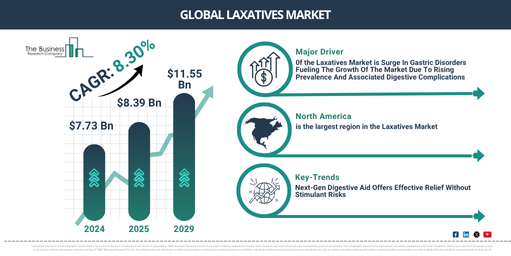
    The market size of laxatives has seen a robust growth in the past few years. It is projected to increase from $7.73 billion in 2024 to $8.39 billion in 2025 with a compound annual growth rate (CAGR) of 8.5%. The growth witnessed in the past can be credited to factors such as a heightened awareness regarding digestive health, a growing incidence of constipation, an increase in the elderly population, a surge in the demand for natural and herbal laxatives, and a rise in healthcare spending.

    In the coming years, the laxatives market size is predicted to experience robust growth, ballooning to $11.55 billion in 2029 with a compound annual growth rate (CAGR) of 8.3%. This growth within the projected period could be linked to an increasing occurrence of gastrointestinal ailments, a growing preference for over-the-counter laxatives, heightened consciousness about preventive health practices, a surge in demand for herbal and organic laxatives, as well as an amplified uptake of fiber-based laxatives. The forecast period is likely to see trends such as advancements in formulation technologies, improved delivery systems for enhanced effectiveness, innovation in natural and plant-based laxatives, the application of digital health in bespoke treatments, and progress in combination therapies.

    Download The Free Sample Report Here:

    https://www.thebusinessresearchcompany.com/sample.aspx?id=24586&type=smp

    What factors are expected to fuel Laxatives market growth in the coming years?

    The increasing frequency of gastric disorders is anticipated to drive the expansion of the laxatives market. Gastric disorders, which cause symptoms such as pain, indigestion, and inflammation, are medical conditions that impact the functionality and structure of the stomach. The frequency of these disorders is escalating due to the growing intake of processed and fast foods, which commonly damage gut health by inducing inflammation and acid imbalance. Laxatives facilitate the management of gastric disorders by promoting bowel movements, alleviating constipation, and minimizing discomfort from digestive blockages. For example, in February 2025, Cancer Australia, a government agency based in Australia, reported that in 2023 it was estimated that 2,576 new stomach cancer cases were diagnosed, with a lifetime diagnosis risk by age 85 of overall 0.85% (1.1% for males and 0.61% for females). Therefore, the elevation in the occurrence of gastric disorders is fueling the surge in the laxatives market.

    What Are The Key Findings From The Segmentation Analysis Of The Laxatives Market?

    The laxatives market covered in this report is segmented –

    1) By Type: Hypertonic Laxative, Lubricating Laxative, Stimulant Laxative, Volumetric Laxative, Swelling Laxative, Other Types

    2) By Formulation: Tablets, Powder, Liquid, Suppositories, Gels

    3) By Applications: Chronic Constipation, Irritable Bowel Syndrome (IBS), Post-Surgery Recovery, Weight Loss And Detox

    4) By End User: Hospitals, Clinics, Retail Pharmacies, Other End-Users

    Subsegments:

    1) By Hypertonic Laxative: Saline Laxatives, Osmotic Laxatives, Fleet Phospho-soda, Lactulose

    2) By Lubricating Laxative: Mineral Oil, Glycerin Suppositories, Emollient Enemas

    3) By Stimulant Laxative: Bisacodyl, Senna (Sennosides), Castor Oil, Sodium Picosulfate

    4) By Volumetric Laxative: Polyethylene Glycol (PEG), Magnesium Citrate, Sorbitol

    5) By Swelling Laxative: Psyllium Husk, Methylcellulose, Calcium Polycarbophil, Bran

    6) By Other Types: Enemas, Suppositories, Herbal Laxatives, Probiotic-Based Laxatives

    Which Trends Are Expected To Shape The Future Of The Laxatives Market?

    Leading firms in the laxatives market are concentrating on the creation of advanced formulas like osmotic laxatives, to enhance digestive health outcomes and match customers’ preference for safer, non-addictive alternatives. Osmotic laxatives are non-stimulant compounds that draw water into the intestines, making the stool softer and encouraging bowel movements. These usually include polyethylene glycol (PEG) or lactulose. For instance, Glenmark Pharmaceuticals, a pharmaceutical enterprise based in India, introduced an over-the-counter osmotic laxative called LaxaGo in June 2024. LaxaGo incorporates a polyethylene glycol (PEG) 3350 formula with balanced electrolytes for efficient yet mild relief. It offers improved palatability due to a neutral taste, increasing patient adherence, and a non-stimulant mechanism that inhibits dependency risks linked with extended use.

    What Are The Most Active Companies In The Laxatives Market Today?

    Major companies operating in the laxatives market are Pfizer Inc., The Procter & Gamble Company, Johnson & Johnson, Sanofi S.A., Abbott Laboratories, GlaxoSmithKline plc, Takeda Pharmaceutical Company Limited, Reckitt Benckiser Group plc, Bausch Health Companies Inc., Nestlé Health Science, Sun Pharmaceutical Industries Ltd., Aurobindo Pharma Limited, Dr. Reddy’s Laboratories Ltd., Zydus Lifesciences Limited, Glenmark Pharmaceuticals Ltd., Purdue Pharma L.P., Boiron S.A., Ironwood Pharmaceuticals Inc., Ferring Pharmaceuticals, C.B. Fleet Company Inc.

    Get The Full Report Here:

    https://www.thebusinessresearchcompany.com/report/laxatives-global-market-report

    Which Regional Markets Are Attracting The Most Investment In Laxatives?

    North America was the largest region in the laxatives market in 2024. Asia-Pacific is expected to be the fastest-growing region in the forecast period. The regions covered in the laxatives market report are Asia-Pacific, Western Europe, Eastern Europe, North America, South America, Middle East, Africa.

    Request For A Customized Report:

    https://www.thebusinessresearchcompany.com/customise?id=24586&type=smp

    About The Business Research Company:

    With over 15000+ reports from 27 industries covering 60+ geographies, The Business Research Company has built a reputation for offering comprehensive, data-rich research and insights. Armed with 1,500,000 datasets, the optimistic contribution of in-depth secondary research, and unique insights from industry leaders, you can get the information you need to stay ahead in the game.

    Get in touch with us:

    The Business Research Company: https://www.thebusinessresearchcompany.com/

    Americas +1 310-496-7795

    Asia +44 7882 955267 & +91 8897263534

    Europe +44 7882 955267

    Email us at info@tbrc.info

    Follow us on:

    LinkedIn: https://in.linkedin.com/company/the-business-research-company

    YouTube: https://www.youtube.com/channel/UC24_fI0rV8cR5DxlCpgmyFQ

    Global Market Model: https://www.thebusinessresearchcompany.com/global-market-model
  • Strategic Report on Lateral Epicondylitis Treatment Market: Growth Opportunities and Emerging Challenges

    Strategic Report on Lateral Epicondylitis Treatment Market: Growth Opportunities and Emerging Challenges

    Claim your 30% discount on Global Market Reports with code ONLINE30. Limited time only.

    What CAGR Is Anticipated for the Lateral Epicondylitis Treatment Market Through 2029?

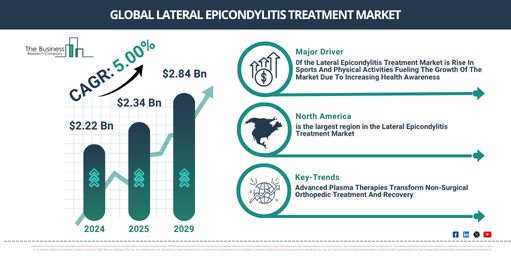
    The market for lateral epicondylitis treatment has experienced robust growth in the past few years. The market size, which stands at $2.22 billion in 2024, is expected to expand to a worth of $2.34 billion in 2025, showcasing a compound annual growth rate (CAGR) of 5.4%. This past growth can be attributed to several factors such as a rise in the number of lateral epicondylitis cases, an aging population susceptible to musculoskeletal disorders, a higher incident rate in athletes and manual workers, increased knowledge about repetitive strain injuries, and the sedentary urban lifestyle which often leads to muscle or joint strain.

    The market for lateral epicondylitis treatment is forecasted to undergo significant growth in the coming years, with a projected value of $2.84 billion in 2029, reflecting a compound annual growth rate (CAGR) of 5.0%. This growth during the forecast period can be credited to factors such as increased participants in tennis and other racquet sports, escalating risks in construction and manufacturing jobs, increased disposable income allowing access to treatment, a broader network of physical therapy and orthopedic clinics, and the heightened importance of sports medicine departments. Prominent trends expected within the forecast period encompass innovation in unintrusive treatment options, the evolution of regenerative medicine, advancements in robotics-assisted physical therapy, the expansion of wearable rehabilitation devices, and the growth of AI-powered diagnostics and personalized treatment.

    Download The Free Sample Report Here:

    https://www.thebusinessresearchcompany.com/sample.aspx?id=24585&type=smp

    What Market Forces Are Driving The Lateral Epicondylitis Treatment Sector In 2025 And Beyond?

    The advancement in the lateral epicondylitis treatment market is anticipated to be propelled by the rise in sports and physical activities. Sports and physical activities, whether structured or recreational, involve specific bodily movements aimed at enhancing physical fitness, preserving health, or participating in competitive or leisurely activities. This increase in active pursuits is a result of heightened health consciousness, with an emphasis on fitness to stave off illnesses and bolster physical and mental well-being. Lateral epicondylitis treatment aids sports and physical activities as it helps regain painless arm function, enabling individuals to execute actions like gripping and swinging without discomfort or hindrance. For example, the US-based trade association, the Sports and Fitness Industry Association (SFIA), shared in February 2024 that there was a 2.2% increase from the previous year in physical activity participation, with 78.8% of Americans, or 242 million people, engaging in at least one physical activity in 2023. Thus, the increase in sports and physical activities is fueling the progression of the lateral epicondylitis treatment market.

    How Is The Global Lateral Epicondylitis Treatment Market Categorized By Segments?

    The lateral epicondylitis treatment market covered in this report is segmented –

    1) By Treatment Type: Non-Surgical Treatment, Surgical Treatment

    2) By Age Group: Pediatric, Adult, Geriatric

    3) By Application: Athlete, Other Applications

    4) By End Use: Hospitals, Ambulatory Surgical Centers, Orthopedic Clinics, Homecare Settings, Other End Uses

    Subsegments:

    1) By Non-Surgical Treatment: Physical Therapy, Pharmacological Therapy, Orthotic Devices, Injections

    2) By Surgical Treatment: Open Surgery, Arthroscopic Surgery

    What Long-Term Trends Are Likely To Affect The Lateral Epicondylitis Treatment Market?

    Major firms involved in the lateral epicondylitis treatment market are working on creating new and innovative treatments, including plasma therapies. These new techniques aim to widen the scope of treatments available and provide advanced, non-surgical alternatives for patients with orthopedic ailments. Plasma therapies use elements of blood plasma, particularly antibodies or growth factors, in assisting the body’s healing processes and treating a variety of medical conditions. For example, Tree Top Hospital (TTH), a high-tech medical facility based in the Maldives, launched its platelet-rich plasma (PRP) treatments, a significant addition to its advanced orthopedic care services, in December 2023. This ground-breaking therapy uses the body’s natural ability to heal to address specific musculoskeletal issues like lateral epicondylitis (also known as tennis elbow), initial-stage knee arthritis, and tendon injuries associated with sports. TTH’s goal with the introduction of PRP therapy is to boost patient recovery with minimally invasive, scientifically supported regenerative treatments, reducing the reliance on surgical procedures.

    Which Firms Are Considered Leaders In The Lateral Epicondylitis Treatment Market Space?

    Major companies operating in the lateral epicondylitis treatment market are Merck & Co. Inc., 3M Company, Mayo Foundation for Medical Education and Research (MFMER), Cleveland Clinic, Chugai Pharmaceutical, Johns Hopkins Medicine, MedStar Health, Cipla Inc., Enovis Corporation, OttoBock HealthCare, Ossur Corporate, Max Healthcare, Seikagaku Corporation, Texas Orthopedic Specialists, Johari Digital, Mediheal Group of Hospitals, Scandinavian Physiotherapy Center, Veritas Health LLC, Folsom Orthopaedics & Sports Medicine, ReLiva Physiotherapy & Rehab, Molecular Pharmacology Limited

    Get The Full Report Here:

    https://www.thebusinessresearchcompany.com/report/lateral-epicondylitis-treatment-global-market-report

    What Role Do Regional Policies And Investments Play In Lateral Epicondylitis Treatment Market Expansion?

    North America was the largest region in the lateral epicondylitis treatment market in 2024. Asia-Pacific is expected to be the fastest-growing region in the forecast period. The regions covered in the lateral epicondylitis treatment market report are Asia-Pacific, Western Europe, Eastern Europe, North America, South America, Middle East, Africa.

    Request For A Customized Report:

    https://www.thebusinessresearchcompany.com/customise?id=24585&type=smp

    About The Business Research Company:

    With over 15000+ reports from 27 industries covering 60+ geographies, The Business Research Company has built a reputation for offering comprehensive, data-rich research and insights. Armed with 1,500,000 datasets, the optimistic contribution of in-depth secondary research, and unique insights from industry leaders, you can get the information you need to stay ahead in the game.

    Get in touch with us:

    The Business Research Company: https://www.thebusinessresearchcompany.com/

    Americas +1 310-496-7795

    Asia +44 7882 955267 & +91 8897263534

    Europe +44 7882 955267

    Email us at info@tbrc.info

    Follow us on:

    LinkedIn: https://in.linkedin.com/company/the-business-research-company

    YouTube: https://www.youtube.com/channel/UC24_fI0rV8cR5DxlCpgmyFQ

    Global Market Model: https://www.thebusinessresearchcompany.com/global-market-model
  • Industry Trends Show Laparoscopy And Endoscopy Devices Market Set to Expand at 6.1% CAGR Until 2029

    Industry Trends Show Laparoscopy And Endoscopy Devices Market Set to Expand at 6.1% CAGR Until 2029

    Claim your 30% discount on Global Market Reports with code ONLINE30. Limited time only.

    What Are the Latest Market Insights for the Laparoscopy And Endoscopy Devices Industry?

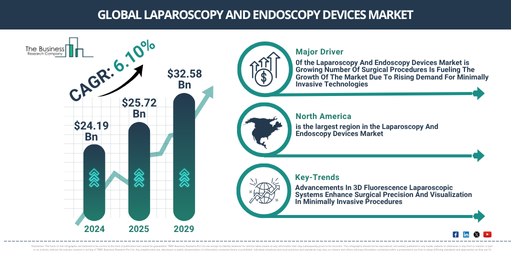
    In recent times, there has been a robust expansion in the market size of laparoscopy and endoscopy devices. The projections indicate a growth from $24.19 billion in 2024 to $25.72 billion in 2025, signifying a compound annual growth rate (CAGR) of 6.3%. The surge during the historic period is linked to the escalated preference for minimally invasive surgeries, increased knowledge amongst patients and surgeons about decreased recovery intervals, the uptrend in gastrointestinal and urological disorders, the enlargement of healthcare frameworks in emerging markets, coupled with a rising elderly demographic suffering from chronic illnesses.

    In the coming years, the laparoscopy and endoscopy devices market is projected to experience significant growth, expanding to $32.58 billion by 2029 with a compound annual growth rate (CAGR) of 6.1%. This anticipated growth during the forecast period is due to several factors: higher demand for image-guided systems, the growth of tele-endoscopy and remote surgery, increased surgical procedures following COVID-19 recovery, rising acceptance in emerging healthcare markets, and regulatory backing for minimally invasive devices. As we look towards the forecast period, we can see key trends developing, including the creation of compact, portable endoscopic systems, the inclusion of augmented reality (AR) in surgical visualization, a surge in demand for single-use and disposable endoscopy devices, a transition to hybrid operating rooms, and the application of artificial intelligence to provide instantaneous diagnostics.

    Download The Free Sample Report Here:

    https://www.thebusinessresearchcompany.com/sample.aspx?id=24584&type=smp

    What Forces Are Driving The Growth Of The Laparoscopy And Endoscopy Devices Industry?

    An upward trend in surgical procedures is anticipated to stimulate progress in the laparoscopy and endoscopy devices industry. Surgical interventions, which involve the use of operative techniques for diagnosing, managing, or treating various health conditions through physical adjustment of tissues or organs, are on the rise. This surge is linked to a growing incidence of chronic illnesses and an aging population, which necessitate more frequent and intricate medical procedures. Laparoscopy and endoscopy devices offer high-resolution, real-time imaging of internal organs during surgery, accessed via small cuts or natural orifices. This facilitates precise, minimally invasive surgeries, causing less trauma, decreased complications, and expedited patient healing. For example, as reported by the British Association of Aesthetic Plastic Surgeons, a UK-based surgical group, there were 31,057 cosmetic surgeries performed in 2022 in the UK, a noteworthy increase of 102% from last year. Thus, the increasing occurrence of surgical operations is bolstering the expansion of the laparoscopy and endoscopy devices sector.

    What Is The Overview Of Market Segmentation In The Laparoscopy And Endoscopy Devices Industry?

    The laparoscopy and endoscopy devices market covered in this report is segmented –

    1) By Product Type: Laparoscopy Devices, Endoscopy Devices

    2) By Technology: Conventional Endoscopy, Robotic-Assisted Endoscopy, Capsule Endoscopy

    3) By Application: Gastrointestinal Surgery, Cardiac Surgery, Gynecology Surgery, Orthopedic Surgery, Urologic Surgery, Neurological Surgery, Other Applications

    4) By End-User: Hospitals, Ambulatory Surgery Centers (ASCs), Other End-Users

    Subsegments:

    1) By Laparoscopy Devices: Laparoscopes, Trocars And Cannulas, Insufflators, Hand Instruments, Laparoscopic Suction Or Irrigation Systems, Closure Devices

    2) By Endoscopy Devices: Endoscopes, Visualization Systems, Endoscopic Ultrasound (EUS) Devices, Endoscopic Accessories

    What Future Market Trends Are Projected For The Laparoscopy And Endoscopy Devices Industry?

    Leading players in the laparoscopy and endoscopy devices marketplace are striving to innovate their product offerings by creating cutting-edge systems like the 3D fluorescence laparoscopic system. This technology aims to improve surgical accuracy and yield better results in less invasive procedures by combining 3D visualization with fluorescence imaging, thus improving tissue differentiation. For example, the Germany-based health technology firm, B. Braun SE, unveiled the AESCULAP EinsteinVision 3.0 FI in May 2023. This advanced system is built to promote precision in less invasive surgeries and incorporates real-time fluorescence imaging with indocyanine green (ICG) technology. This enables surgeons to vividly see anatomical structures such as blood vessels, bile ducts, and sentinel lymph nodes. The aim of the system, with its superior image quality, anti-fog feature, and high-resolution stereo endoscope, is to enhance intraoperative decision-making, decrease the duration of surgery, and enhance the results of a wide range of sophisticated procedures.

    Who Are The Primary Players Operating Across The Global Laparoscopy And Endoscopy Devices Market?

    Major companies operating in the laparoscopy and endoscopy devices market are Johnson & Johnson, Medtronic Plc, FUJIFILM Holdings Corporation, Stryker Corporation, Boston Scientific Corporation, Braun Melsungen AG, Olympus Corporation, Smith & Nephew plc, Shenzhen Mindray Bio-Medical Electronics Co. Ltd., STERIS plc, Arthrex Inc., Karl Storz GmbH & Co. KG, Cook Medical, CONMED Corporation, Ambu A/S, Richard Wolf GmbH, Pentax Medical, SonoScape Medical Corp., CapsoVision Inc., XION Medical GmbH

    Get The Full Report Here:

    https://www.thebusinessresearchcompany.com/report/laparoscopy-and-endoscopy-devices-global-market-report

    Which Region Offers The Most Growth Potential For The Laparoscopy And Endoscopy Devices Market Through 2029?

    North America was the largest region in the laparoscopy and endoscopy devices market in 2024. Asia-Pacific is expected to be the fastest-growing region in the forecast period. The regions covered in the laparoscopy and endoscopy devices market report are Asia-Pacific, Western Europe, Eastern Europe, North America, South America, Middle East, Africa.

    Request For A Customized Report:

    https://www.thebusinessresearchcompany.com/customise?id=24584&type=smp

    About The Business Research Company:

    With over 15000+ reports from 27 industries covering 60+ geographies, The Business Research Company has built a reputation for offering comprehensive, data-rich research and insights. Armed with 1,500,000 datasets, the optimistic contribution of in-depth secondary research, and unique insights from industry leaders, you can get the information you need to stay ahead in the game.

    Get in touch with us:

    The Business Research Company: https://www.thebusinessresearchcompany.com/

    Americas +1 310-496-7795

    Asia +44 7882 955267 & +91 8897263534

    Europe +44 7882 955267

    Email us at info@tbrc.info

    Follow us on:

    LinkedIn: https://in.linkedin.com/company/the-business-research-company

    YouTube: https://www.youtube.com/channel/UC24_fI0rV8cR5DxlCpgmyFQ

    Global Market Model: https://www.thebusinessresearchcompany.com/global-market-model
  • Competitive and Market Trend Analysis of Lactose Monohydrate Industry Through 2029

    Competitive and Market Trend Analysis of Lactose Monohydrate Industry Through 2029

    Claim your 30% discount on Global Market Reports with code ONLINE30. Limited time only.

    What Are the Forecasted Growth Rate and Market Size of the Lactose Monohydrate Market?

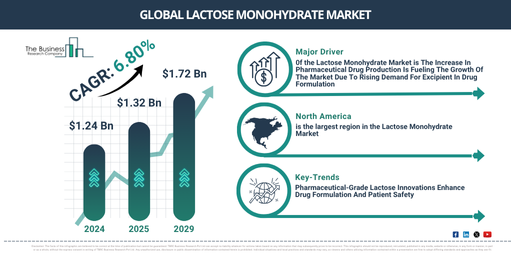
    In the recent years, there has been a significant growth in the lactose monohydrate market. It is expected to expand from a market value of $1.24 billion in 2024 to reach $1.32 billion in 2025, with a compound annual growth rate (CAGR) of 7.1%. The growth observed during the previous years can be linked to factors such as soaring demand for infant formula, wider utilization of pharmaceutical excipients, growth of the dairy processing sector, more frequent use of lactose in food applications, and the low-priced availability of key raw materials.

    There is a prediction of a robust growth for the lactose monohydrate market in the upcoming years, with the estimation to reach $1.72 billion by 2029 and having a compound annual growth rate of 6.8%. The growth trajectory in the projected period is mostly due to the rising acceptance of nutraceuticals, escalating demand for clean-label components, proliferation of lactose-free product innovations, expansion in generic pharmaceutical production, and advances in lactose processing technology. Key trends in the forecasted period involve the mounting demand for pharmaceutical-grade lactose, enhancement of lactose with better solubility, increasing utilization in infant formula and nutritional products, improvements in lactose purification methodologies, and escalating use in the food and beverage sectors.

    Download The Free Sample Report Here:

    https://www.thebusinessresearchcompany.com/sample.aspx?id=24583&type=smp

    Which Factor Is Shaping The Future Of The Lactose Monohydrate Market?

    The surge in pharmaceutical drug manufacturing is anticipated to accelerate the expansion of the lactose monohydrate market. The manufacturing process of pharmaceutical drugs entails meticulous production methods under stringent controls to ensure their efficacy, quality, and safety for medical treatments. The escalating population of elderly individuals is prompting an increase in pharmaceutical drug production due to heightened demand for enhanced treatments to deal with chronic diseases effectively. Lactose monohydrate plays a role in pharmaceuticals as a binder and filler, inducing even dispersion of active constituents. Its exceptional compressibility enables effective tablet production and consistent drug performance. For instance, the European Federation of Pharmaceutical Industries and Associations (EFPIA), a trade federation based in Belgium presenting the European pharmaceutical industry, reported in June 2023, the total pharmaceutical production in Europe was valued at $422,803 million in 2023, an increase from $393,857 million in 2022. Hence, the surge in pharmaceutical drug production underpins the expansion of the lactose monohydrate market.

    What Is The Segment-Wise Breakdown Of The Lactose Monohydrate Market?

    The lactose monohydrate market covered in this report is segmented –

    1) By Product Type: Crystalline Lactose Monohydrate, Amorphous Lactose Monohydrate

    2) By Purity: Food Grade, Pharmaceutical Grade

    3) By Distribution Channel: Online Stores, Supermarkets Or Hypermarkets, Specialty Stores, Other Distribution Channels

    4) By Application: Pharmaceuticals, Food And Beverages, Nutraceuticals, Cosmetics And Personal Care, Animal Feed

    Subsegments:

    1) By Crystalline Lactose Monohydrate: a-Lactose Monohydrate, ß-Lactose Monohydrate, Spray-Dried Crystalline Lactose, Milled Crystalline Lactose

    2) By Amorphous Lactose Monohydrate: Spray-Dried Amorphous Lactose, Co-Processed Amorphous Lactose, Glassy Lactose, Hygroscopic Amorphous Lactose

    Which Trends Are Redefining The Future Landscape Of The Lactose Monohydrate Industry?

    Leading corporations in the lactose monohydrate market are aiming to develop specialised products such as pharmaceutical-grade lactose, with the objective of enhancing patient safety and complying with rigorous regulatory requirements. Pharmaceutical-grade lactose is a meticulously purified form of lactose designed specifically for incorporation in medication formulations, providing safety, consistency and compatibility with APIs (Active Pharmaceutical Ingredients). As an example, Lactalis Ingredients, a dairy ingredient producer based in France, debuted Lactalpha in October 2023. This product range includes milled and sieved lactose monohydrate items, marking the company’s venture into the pharmaceutical sector from the edible lactose sector, providing perfectly monitored particle size and exceptional flowability. It is highly suitable for pharmaceutical applications such as tablets, capsules, and sachets.

    Which Companies Hold The Largest Market Share In The Lactose Monohydrate Sector?

    Major companies operating in the lactose monohydrate market are Kerry Group, Sigma-Aldrich, Fagron Group, Spectrum Chemical Mfg. Corp., DFE Pharma, Wako Pure Chemical Industries Ltd., SimSon Pharma Limited, MEGGLE GmbH & Co. KG, Gangwal Healthcare Private Limited, VIVAN Life Science, Lactose India Limited, Aurora Industry Co. Ltd, Glentham Life Sciences Limited, Lactalis Ingredients, Colorchem Industries Ltd., Duchefa Biochemie, Fengchen Group Co. Ltd, Hexon Laboratories Private Limited, International Ingredients & Excipients Pvt. Ltd., NR LIFE CARE.

    Get The Full Report Here:

    https://www.thebusinessresearchcompany.com/report/lactose-monohydrate-global-market-report

    How Does Regional Performance Compare Across The Lactose Monohydrate Industry?

    North America was the largest region in the lactose monohydrate market in 2024. Asia-Pacific is expected to be the fastest-growing region in the forecast period. The regions covered in the lactose monohydrate market report are Asia-Pacific, Western Europe, Eastern Europe, North America, South America, Middle East, Africa.

    Request For A Customized Report:

    https://www.thebusinessresearchcompany.com/customise?id=24583&type=smp

    About The Business Research Company:

    With over 15000+ reports from 27 industries covering 60+ geographies, The Business Research Company has built a reputation for offering comprehensive, data-rich research and insights. Armed with 1,500,000 datasets, the optimistic contribution of in-depth secondary research, and unique insights from industry leaders, you can get the information you need to stay ahead in the game.

    Get in touch with us:

    The Business Research Company: https://www.thebusinessresearchcompany.com/

    Americas +1 310-496-7795

    Asia +44 7882 955267 & +91 8897263534

    Europe +44 7882 955267

    Email us at info@tbrc.info

    Follow us on:

    LinkedIn: https://in.linkedin.com/company/the-business-research-company

    YouTube: https://www.youtube.com/channel/UC24_fI0rV8cR5DxlCpgmyFQ

    Global Market Model: https://www.thebusinessresearchcompany.com/global-market-model
  • Global Lactation Support Supplements Market Landscape: Trends and Market Share to 2029

    Global Lactation Support Supplements Market Landscape: Trends and Market Share to 2029

    Claim your 30% discount on Global Market Reports with code ONLINE30. Limited time only.

    What Is the Estimated Industry Valuation for the Lactation Support Supplements Sector?

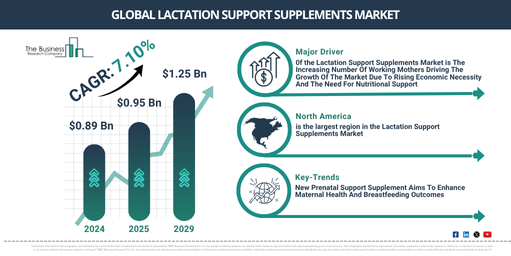
    The market for lactation support supplements has been experiencing notable growth in the past few years. It is projected to increase from $0.89 billion in 2024 to $0.95 billion in 2025, with a compound annual growth rate (CAGR) of 7.4%. Multiple factors are contributing to this growth during the historic period, including enhanced understanding of breastfeeding advantages among mothers, a growing preference for herbal and natural galactagogues, an increased occurrence of postpartum lactation complications, the expansion of e-commerce for health supplements and an increase in healthcare spending for maternity care.

    The market size for lactation support supplements is expected to experience robust growth in the coming years, with a projection of $1.25 billion by 2029 at a 7.1% compound annual growth rate (CAGR). Factors contributing to this growth within the forecast period include an increasing preference for personalized nutrition for mothers, demand for lactation supplements labeled as clean and organic, a rising trend towards plant-based and vegan lactation products, an expanded availability of beverages that enhance lactation, and a mounting adoption of subscription-based nutraceutical services. Key trends expected within the forecast period include the creation of probiotic blends, incorporation with digital health platforms, inclusion in postnatal care packages, innovation in vegan and allergen-free options, and collaborations with telehealth lactation services.

    Download The Free Sample Report Here:

    https://www.thebusinessresearchcompany.com/sample.aspx?id=24582&type=smp

    What Forces Are Driving The Growth Of The Lactation Support Supplements Market?

    The rise in the number of employed mothers is predicted to stimulate the lactation support supplements market’s expansion. Women who juggle career commitments with parenting and caregiving roles are what we refer to as working mothers, typically juggling responsibilities at home and the workplace. This rise in the number of working mothers can be attributed to economic requirements, as many families depend on dual incomes to keep up with escalating living costs, cater to family necessities, and uphold financial stability. Lactation support supplements assist working mothers by supplying vital nutrients that foster milk production, ensuring they can fulfil both their breastfeeding commitments and professional duties without risking their health or the nutritional needs of their newborn. For instance, as reported by the Department for Education, a government department in the UK, almost 73% of mothers with children aged between 0 and 14 were working in 2022, up from 71% in 2021. Hence, the rise in the number of working mothers is fuelling the growth of the lactation support supplements market.

    How Is The Lactation Support Supplements Industry Segmented Across Key Parameters?

    The lactation support supplements market covered in this report is segmented –

    1) By Product Type: Capsules, Tablets, Powders, Teas

    2) By Ingredient Type: Fenugreek, Moringa, Milk Thistle, Fennel, Oatmeal, Other Ingredient Types

    3) By Sales Channel: Online Sales Channel, Direct Sales Channel, Pharmacies Or Drug Stores, Other Offline Channels

    Subsegments

    1) By Capsules: Softgel Capsules, Hard Gel Capsules, Liquid Capsules

    2) By Tablets: Chewable Tablets, Regular Tablets, Effervescent Tablets

    3) By Powders: Single Serve Powders, Bulk Powders

    4) By Teas: Loose Leaf Teas, Tea Bags

    What Notable Trends Are Shaping The Direction Of The Lactation Support Supplements Market?

    Key players in the lactation support supplement market are shifting their attention towards the creation of novel products, such as prenatal support supplements, with the intent of improving maternal health and nursing results. Prenatal support supplements are specifically designed products that supply vital vitamins, minerals, and nutrients for the well-being of the expecting mother and the growing fetus during gestation. In October 2024, for example, Synevit, an American nutraceutical company, introduced Prenelact, a nutritional supplement tailor-made to assist women throughout their pregnancy and lactation periods. This supplement delivers an exact calibration of 19 crucial vitamins and minerals that are expertly designed to cater to the distinctive nutritional needs of pregnant and breastfeeding women. Each ingredient is present in clinically advised daily quantities to guarantee efficient absorption and safety, circumventing the dangers of deficiencies or surpluses.

    Which Companies Currently Dominate The Competitive Landscape In The Lactation Support Supplements Industry?

    Major companies operating in the lactation support supplements market are Nestlé S.A., Nature’s Way Products, LLC, Munchkin Inc., Traditional Medicinals Inc., Willow Innovations Inc, Pink Stork LLC, Boobie Superfoods, UpSpring Baby LLC, Motherlove Herbal Company, Earth Mama Organics LLC, Fairhaven Health LLC, Holistic Lactation LLC, Legendairy Milk LLC, Majka LLC, Maxi Health Research LLC, Milky Mama LLC, Nutrizoe Nutriifoods Private Limited, Oat Mama LLC, Rumina Naturals Inc, Vitalpax

    Get The Full Report Here:

    https://www.thebusinessresearchcompany.com/report/lactation-support-supplements-global-market-report

    Which Geographic Regions Are Driving Demand In The Lactation Support Supplements Market?

    North America was the largest region in the lactation support supplements market in 2024. Asia-Pacific is expected to be the fastest-growing region in the forecast period. The regions covered in the lactation support supplements market report are Asia-Pacific, Western Europe, Eastern Europe, North America, South America, Middle East, Africa.

    Request For A Customized Report:

    https://www.thebusinessresearchcompany.com/customise?id=24582&type=smp

    About The Business Research Company:

    With over 15000+ reports from 27 industries covering 60+ geographies, The Business Research Company has built a reputation for offering comprehensive, data-rich research and insights. Armed with 1,500,000 datasets, the optimistic contribution of in-depth secondary research, and unique insights from industry leaders, you can get the information you need to stay ahead in the game.

    Get in touch with us:

    The Business Research Company: https://www.thebusinessresearchcompany.com/

    Americas +1 310-496-7795

    Asia +44 7882 955267 & +91 8897263534

    Europe +44 7882 955267

    Email us at info@tbrc.info

    Follow us on:

    LinkedIn: https://in.linkedin.com/company/the-business-research-company

    YouTube: https://www.youtube.com/channel/UC24_fI0rV8cR5DxlCpgmyFQ

    Global Market Model: https://www.thebusinessresearchcompany.com/global-market-model