Month: September 2025

  • In-Depth Artificial Tears Market Report: Business Trends, Growth Factors, and Forecast to 2029

    In-Depth Artificial Tears Market Report: Business Trends, Growth Factors, and Forecast to 2029

    Claim your 30% discount on Global Market Reports with code ONLINE30. Limited time only.

    Claim your 30% discount on Global Market Reports with code ONLINE30. Limited time only.

    How Large Is the Artificial Tears Market Expected to Be in 2029?

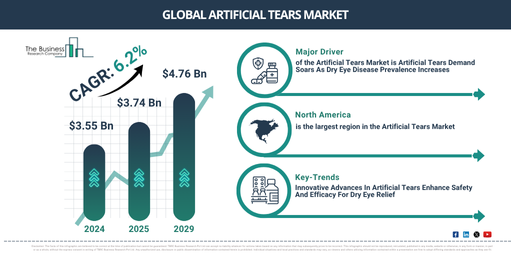
    The market size for artificial tears has significantly expanded in the past few years. The growth is expected to continue, rising from $3.55 billion in 2024 to $3.74 billion in 2025, with a compound annual growth rate (CAGR) of 5.5%. Factors such as an aging population, extended screen usage, healthcare spending, a move from prescription to over-the-counter options, and regulatory amendments have contributed to the growth seen in the historical period.

    The market for artificial tears is predicted to witness substantial expansion in the forthcoming years. The market expansion is projected to reach “$4.76 billion in 2029 with a compound annual growth rate (CAGR) of 6.2%.” The surge in the forecast timeframe is due to factors such as the rising incidence of dry eye syndrome, an increase in the use of contact lenses, global urbanization, escalating pollution, and the growth of e-commerce. Upcoming trends in the forecasted period encompass technological innovation, the incorporation of AI and technology, collaborations with healthcare providers, the inclusion of natural components, improvements in product formulation, sophisticated drug delivery systems, and the advent of sustainable and environment-friendly products.

    Download The Free Sample Report Here:

    https://www.thebusinessresearchcompany.com/sample.aspx?id=13799&type=smp

    What Are The Contributors To Demand In The Artificial Tears Market?

    The expanding incidence of dry eye disease (DED) is anticipated to fuel the growth of the artificial tear market. Insufficient or poor quality tear production, resultant in eye irritation and discomfort, characterizes this condition. To supplement the natural tear production and provide moistening relief to dry eyes, artificial tears are used. For instance, a survey conducted in March 2022 by Macquarie University in Australia, involving 5000 participants, revealed that 13% (15 out of 120) of individuals aged above 50 exhibited clinical symptoms of dry eye disease. The severity of the symptoms varied with 8.2% classified as mild, 2.5% moderate, and 1.6% severe. Moreover, according to Eyes On Eyecare, a U.S.-based digital news source for ophthalmology, the use of prescription and in-office dry eye disease treatments rose from 5.8% in 2021 to 7.56% in 2022, with a significant surge in the use of prescription treatments like topical steroids, from 0.9% to 9.1% over the same timeframe. Consequently, the escalating incidence of dry eye disease, amplifies the growth of the artificial tear market.

    The artificial tears market covered in this report is segmented –

    1) By Type: Glycerin Tears, Cellulose Tears, Oil-Based Emulsion Tears, Polyethylene Glycol-based Tears, Sodium Hyaluronate Based Artificial Tears, Propylene Glycol-based Tears

    2) By Dosage: Suspensions, Solution, Ointment, Emulsion, Gel, Spray

    3) By Indication: Dry Eye Syndrome, Allergies, Infections, UV And Blue Light Protection, Contact Lens Moisture Retention, Other Indications

    4) By Distribution: Retail Pharmacies, Hospital Pharmacies, Online Pharmacies, Ophthalmic Stores

    Subsegments:

    1) By Glycerin Tears: Preserved Glycerin Tears, Preservative-Free Glycerin Tears

    2) By Cellulose Tears: Hydroxypropyl Methylcellulose (HPMC) Tears, Carboxymethylcellulose (CMC) Tears

    3) By Oil-Based Emulsion Tears: Mineral Oil-based Tears, Castor Oil-based Tears

    4) By Polyethylene Glycol-based Tears: PEG 400 Tears, PEG 3350 Tears

    5) By Sodium Hyaluronate Based Artificial Tears: Low Molecular Weight Sodium Hyaluronate Tears, High Molecular Weight Sodium Hyaluronate Tears

    6) By Propylene Glycol-based Tears: Preserved Propylene Glycol Tears, Preservative-Free Propylene Glycol Tears

    What Trends Are Currently Influencing Growth In The Artificial Tears Market?

    Key players in the artificial tears market are advancing their offerings by integrating new technologies like patent-protected pureflow, which helps improve product safety and ease of use. Pureflow technology is a unique delivery system that utilizes a one-way valve to provide sterility during dispensing of eye drops without any preservatives, ensuring no contamination and preserving product integrity. Alcon Inc., a Swiss-based pharmaceutical and medical device corporation, recently introduced its new product, Systane Complete Preservative-Free Lubricant Eye Drops, in January 2022. Formulated with a particular focus on treating all major dry eye conditions including evaporative dry eye and aqueous tear deficiency, these advanced artificial tears deliver lasting relief for up to eight hours and hydrate and protect every layer of the tear film. These drops employ nano-droplet technology to quickly hydrate the surface of the eye, deter tear evaporation and provide immediate relief. Presented in a handy multi-dose bottle incorporated with PureFlow technology, the design helps prevent contamination, making it an ideal option for regular users and those with sensitive eyes.

    Who Are The Top-Ranked Companies In The Artificial Tears Market Today?

    Major companies operating in the artificial tears market report are Pfizer Inc., Johnson & Johnson, AbbVie Inc., Novartis AG, Abbott Laboratories, Otsuka Pharmaceutical Co. Ltd., Alcon, Bausch Health Companies Inc., Sun Pharmaceutical Industries Ltd., Dr Reddy’s Laboratories, Santen Pharmaceutical Co. Ltd., Lupin Limited, Rohto Pharmaceutical Co. Ltd., Prestige Consumer Healthcare Inc., Thea Pharma Inc., OPTIMA pharma GmbH, Sentiss Pharma Pvt. Ltd., VISUfarma B.V., OASIS Medical Inc., Hilco Vision, Similasan Corporation, Eyevance Pharmaceuticals LLC, Nicox S.A., I-MED Pharma Inc., Velocity Pharma LLC

    https://www.thebusinessresearchcompany.com/report/artificial-tears-global-market-report

    How Is Artificial Tears Market Adoption Varying Across Different Regions And Sectors?

    North America was the largest region in the artificial tears market in 2024. Asia-Pacific is expected to be the fastest-growing region in the forecast period. The regions covered in the artificial tears market report are Asia-Pacific, Western Europe, Eastern Europe, North America, South America, Middle East, Africa.

    Request For A Customized Report:

    https://www.thebusinessresearchcompany.com/customise?id=13799&type=smp

    About The Business Research Company:

    With over 15000+ reports from 27 industries covering 60+ geographies, The Business Research Company has built a reputation for offering comprehensive, data-rich research and insights. Armed with 1,500,000 datasets, the optimistic contribution of in-depth secondary research, and unique insights from industry leaders, you can get the information you need to stay ahead in the game.

    Get in touch with us:

    The Business Research Company: https://www.thebusinessresearchcompany.com/

    Americas +1 310-496-7795

    Asia +44 7882 955267 & +91 8897263534

    Europe +44 7882 955267

    Email us at info@tbrc.info

    Follow us on:

    LinkedIn: https://in.linkedin.com/company/the-business-research-company

    YouTube: https://www.youtube.com/channel/UC24_fI0rV8cR5DxlCpgmyFQ

    Global Market Model: https://www.thebusinessresearchcompany.com/global-market-model
  • Artificial Intelligence (AI) In Predictive Toxicology Industry Poised for Rapid Expansion, Projected to Hit $1.83 Billion by 2029

    Artificial Intelligence (AI) In Predictive Toxicology Industry Poised for Rapid Expansion, Projected to Hit $1.83 Billion by 2029

    Claim your 30% discount on Global Market Reports with code ONLINE30. Limited time only.

    Claim your 30% discount on Global Market Reports with code ONLINE30. Limited time only.

    What Is the Outlook for the Artificial Intelligence (AI) In Predictive Toxicology Market Heading Into 2029?

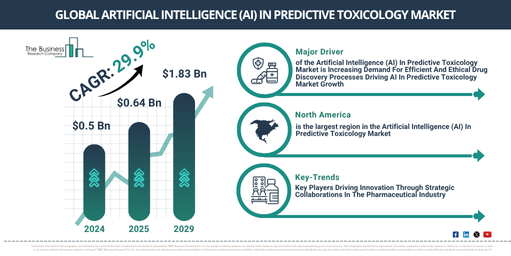
    The market size of artificial intelligence (AI) in predictive toxicology has seen immense growth of late. The market is expected to expand from $0.5 billion in 2024 to $0.64 billion in 2025, with a compound annual growth rate (CAGR) of 29.5%. Factors that have contributed to the growth in the historical period include increased regulatory expectations for toxicity evaluation, greater awareness regarding chemical safety risks, the presence of extensive datasets valuable for model training, growing expenses and ethical issues related to animal testing, and demand for more rapid, cost-efficient toxicity screening procedures.

    The growth projections for the artificial intelligence (AI) in predictive toxicology market are truly impressive. It is believed that the market will skyrocket to “$1.83 billion by the end of 2029, increasing at a compound annual growth rate (CAGR) of 29.9%.” Certain elements are propelling this surge, including the adoption of explainable AI in toxicology predictions, an increasing demand for individualized toxicity evaluations and the regulatory acceptance of AI-based toxicity predictions. This is in addition to the enlargement of AI applications in pharmaceutical research and the rise of predictive toxicology outsourcing services. Future trends likely to dominate this period are a shift to 3D cell culture methods for toxicity exams, an increase in federated learning approaches for shared toxicity predictions, and the uses of generative models in predicting chemical toxicity paths. Additionally, the integration of natural language processing for gleaning toxicity data from documentation, and the advancement of virtual screening platforms for choosing chemical testing, are also anticipated.

    Download The Free Sample Report Here:

    https://www.thebusinessresearchcompany.com/sample.aspx?id=14253&type=smp

    Which Factors Are Pushing The Artificial Intelligence (AI) In Predictive Toxicology Market Forward?

    Anticipated growth in the artificial intelligence (AI) in predictive toxicology market is largely due to the rising necessity for efficient and ethical drug discovery methods. Drug discovery is a multifaceted and evolving procedure involving the detailed study, production, and assessment of chemical compounds in order to unearth viable therapeutic agents for disease relief and general health improvement. This advanced and responsible approach to drug discovery is motivated by the growing prevalence of chronic illnesses, the emerging trend toward personalized medicine and an increase in age-related diseases. AI in predictive toxicology enhances drug discovery by proficiently examining extensive datasets to anticipate potential toxicological results, thus expediting the drug development process while upholding ethical practices. As an illustration, in June 2023, the pharmaceutical R&D expenditure in Europe was reported to be $49,500 million (€44,500 million), a roughly 6.45% increase from $46,500 million (€42,533 million) in 2021, according to the European Federation of Pharmaceutical Industries and Associations (EFPIA), a Belgium-based pharmaceutical industry trade association. This growing necessity for efficient and ethical drug discovery procedures, therefore, is fueling the rise of AI in predictive toxicology market.

    The artificial intelligence (ai) in predictive toxicology market covered in this report is segmented –

    1) By Component: Solution, Services

    2) By Technology: Machine Learning, Natural Language Processing, Computer Vision, Other Technologies

    3) By Toxicity Endpoints: Genotoxicity, Hepatotoxicity, Neurotoxicity, Cardiotoxicity, Other Toxicity Endpoints

    4) By End User: Pharmaceutical And Biotechnology Companies, Chemical And Cosmetics, Contract Research Organizations, Other End Users

    Subsegments:

    1) By Solution: Software Platforms, Data Analysis Tools, Predictive Modeling Solutions, Database And Information Systems

    2) By Services: Consulting Services, Training And Support Services, Data Management And Integration Services, Research And Development Services

    What Long-Term Trends Are Likely To Affect The Artificial Intelligence (AI) In Predictive Toxicology Market?

    Key players in the AI predictive toxicology sector are embracing tactical partnerships for innovation and expanding their market footprint. The objective is to leverage artificial intelligence and machine learning methodologies to enhance the prediction and evaluation of chemical and pharmaceutical toxicity. For instance, in January 2024, SyntheticGestalt, a UK-based firm specializing in AI research and development for drug discovery, inked a partnership with Enamine, a Ukraine-based supplier of chemical building blocks, screening components, and integrated drug discovery services. The partnership aims to create AI models that will streamline the creation of biologically active compounds that are synthetically accessible, optimizing their physicochemical and ADME or Tox attributes. These models will be utilized in SyntheticGestalt’s compound discovery ventures, providing services to both academic entities and pharmaceutical companies. Enamine has granted access to its comprehensive Enamine REAL database, which houses 38 billion molecules. SyntheticGestalt plans to incorporate this database into its Drug Discovery Service, using proprietary AI models to estimate the physicochemical and ADME or Tox attributes of compounds. The service will immediately propose superior alternatives for compounds with issues.

    Which Organizations Are Driving Progress In The Artificial Intelligence (AI) In Predictive Toxicology Industry?

    Major companies operating in the artificial intelligence (AI) in predictive toxicology market are Laboratory Corporation of America Holdings (LabCorp), Eurofins Scientific SE, Wuxi AppTec, Charles River Laboratories International, Medidata Solutions Inc., Certara Inc., Schrödinger, Merative L.P., Molecular Devices LLC, Envigo (Inotiv Inc.), Instem plc, Simulations Plus, Cyprotex, Recursion Pharmaceuticals, Exscientia PLC, BIOVIA Corporation, Lhasa Limited, Chemaxon Ltd., Insilico Medicine Inc., Algorithme Pharma, CiToxLAB, ArisGlobal, Benevolent AI, Berg Health, Cyclica Therapeutics Inc., Celsius Therapeutics, Biovista Inc., BioTeam Inc.

    https://www.thebusinessresearchcompany.com/report/artificial-intelligence-ai-in-predictive-toxicology-global-market-report

    Which Region Is Expected To Experience The Highest Growth In The Artificial Intelligence (AI) In Predictive Toxicology Industry?

    North America was the largest region in the artificial intelligence (AI) in predictive toxicology market in 2024. Asia-Pacific is expected to be the fastest-growing region in the forecast period. The regions covered in the artificial intelligence (AI) in predictive toxicology market report are Asia-Pacific, Western Europe, Eastern Europe, North America, South America, Middle East, Africa.

    Request For A Customized Report:

    https://www.thebusinessresearchcompany.com/customise?id=14253&type=smp

    About The Business Research Company:

    With over 15000+ reports from 27 industries covering 60+ geographies, The Business Research Company has built a reputation for offering comprehensive, data-rich research and insights. Armed with 1,500,000 datasets, the optimistic contribution of in-depth secondary research, and unique insights from industry leaders, you can get the information you need to stay ahead in the game.

    Get in touch with us:

    The Business Research Company: https://www.thebusinessresearchcompany.com/

    Americas +1 310-496-7795

    Asia +44 7882 955267 & +91 8897263534

    Europe +44 7882 955267

    Email us at info@tbrc.info

    Follow us on:

    LinkedIn: https://in.linkedin.com/company/the-business-research-company

    YouTube: https://www.youtube.com/channel/UC24_fI0rV8cR5DxlCpgmyFQ

    Global Market Model: https://www.thebusinessresearchcompany.com/global-market-model
  • Global Artificial Intelligence (AI) In Biopharmaceuticals Market Forecast to Reach $6.58 Billion by 2029, Driven by 33.0% CAGR

    Global Artificial Intelligence (AI) In Biopharmaceuticals Market Forecast to Reach $6.58 Billion by 2029, Driven by 33.0% CAGR

    Claim your 30% discount on Global Market Reports with code ONLINE30. Limited time only.

    Claim your 30% discount on Global Market Reports with code ONLINE30. Limited time only.

    What Does the Forecast Indicate for the Artificial Intelligence (AI) In Biopharmaceuticals Market From 2025 to 2029?

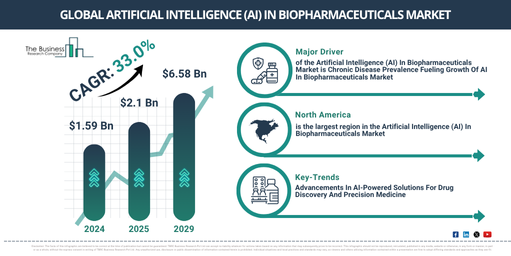
    The market size for artificial intelligence (AI) in biopharmaceuticals has witnessed a rapid expansion in the preceding years. The market is projected to escalate from $1.59 billion in 2024 to $2.1 billion in 2025, representing a compound annual growth rate (CAGR) of 32.2%. This surge in the historical period is contributable to growth strides in computational prowess, an outburst of biomedical data, the paradigm of precision medicine, coupled with regulatory backing and guidance.

    The AI in biopharmaceuticals sector is predicted to undergo extensive growth in the coming years, reaching a market size of $6.58 billion in 2029 with a Compound Annual Growth Rate (CAGR) of 33.0%. This potential boost during the projected period is credited to the evolution in computational biology, the fusion of multiple types of data, the intersection of AI with life sciences, regulatory endorsements and structures, and the principles of unbiased and ethical AI. The forecast period will also witness several prime trends such as the incorporation of multi-omics data, AI-powered drug conception and discovery, interpretive AI and regulatory approval, technological progress, regulatory shifts, and budding opportunities.

    Download The Free Sample Report Here:

    https://www.thebusinessresearchcompany.com/sample.aspx?id=14251&type=smp

    What Elements Are Contributing To Growth In The Artificial Intelligence (AI) In Biopharmaceuticals Market?

    The rise in chronic diseases is anticipated to fuel the expansion of the artificial intelligence (AI) in biopharmaceuticals market. Chronic illnesses are persisting conditions that usually advance gradually and can last for a number of years or even a lifetime. They are caused by lifestyle choices, an older demographic, hereditary factors, and environmental influences. AI in biopharmaceuticals is being increasingly utilized for the management of chronic illnesses due its capacity to process vast amounts of varied data sources, spot patterns, and customize treatment plans. For example, the Department of Health and Human Services reported in November 2023 that there was an 11 percent increase in newly reported cases of chronic Hepatitis B in 2022 compared to 2021, demonstrating the escalating prevalence of chronic diseases. This rise in chronic diseases is therefore propelling the growth of the artificial intelligence (AI) in biopharmaceuticals market.

    The artificial intelligence (ai) in biopharmaceuticals market covered in this report is segmented –

    1) By Offering: Hardware, Software, Services

    2) By Deployment: Cloud, On-Premises

    3) By Technology: Machine Learning, Natural Language Processing, Deep Learning, Other Technologies

    4) By Application: Business Process And Supply Chain, Drug Discovery, Medical Imaging And Diagnostics, Precision Medicine

    5) By End-Users: Manufacturers, Contract Research Organizations, Academic And Government Research Institutes

    Subsegments:

    1) By Hardware: High-Performance Computing Systems, AI-Enabled Laboratory Equipment, Data Storage Solutions

    2) By Software: Drug Discovery Platforms, Clinical Trial Management Software, Predictive Analytics Tools, Natural Language Processing Solutions

    3) By Services: Consulting Services, Implementation And Integration Services, Data Management And Analytics Services, Training And Support Services

    What Future Market Trends Are Projected For The Artificial Intelligence (AI) In Biopharmaceuticals Industry?

    Top corporations in the biopharmaceutical AI sector are concentrating their efforts on the creation of groundbreaking advancements like AI-empowered solutions for target and lead identification suites, which can expedite the process of drug discovery and precision medicine, thereby revolutionizing life sciences organizations. These innovative strategies cover a range of methods for creating new drugs and customizing treatments for individual patients. For example, in May 2023, Google LLC, a US-based cloud computing services provider, rolled out two new AI tools named target and lead identification suites. These tools are designed to assist researchers in predicting and understanding protein structures, a key element in drug development. Furthermore, these suites will enable researchers to consume, store, analyze, and distribute large volumes of genomic data, a vital component in precision medicine. These tools aim to simplify the drug discovery procedures, decrease expenses, and speed up the time it takes to bring new treatments to the marketplace. The tools offer effective data management, precise predictions of protein structures, and sophisticated genomic analysis capabilities, aiming to overhaul the process of drug development and enhance patient outcomes.

    Who Are The Key Contributors To Growth In The Artificial Intelligence (AI) In Biopharmaceuticals Market?

    Major companies operating in the artificial intelligence (AI) in biopharmaceuticals market are Apple Inc., Google LLC, Microsoft Corporation, Tencent Holdings Limited, Amazon Web Services Inc., International Business Machines Corporation, Exscientia Limited, NVIDIA Corporation, Amgen Inc., DeepMind Technologies Limited, Schrödinger Inc., XtalPi Inc., ConcertAI Inc., Insilico Medicine Inc., Recursion Pharmaceuticals, BenevolentAI, BioXcel Therapeutics, Atomwise Inc., BioAge Labs Inc., GNS Healthcare, Berg Health, Deep 6 AI Inc., Cloud Pharmaceuticals Inc., Numerate Inc., AI Therapeutics, Envisagenics, twoXAR Inc., Cyclica Inc.

    https://www.thebusinessresearchcompany.com/report/artificial-intelligence-ai-in-biopharmaceuticals-global-market-report

    Which Region Is Projected To Lead The Artificial Intelligence (AI) In Biopharmaceuticals Market By 2025?

    North America was the largest region in the artificial intelligence (AI) in biopharmaceuticals market in 2024. Asia-Pacific is expected to be the fastest-growing region in the forecast period. The regions covered in the artificial intelligence (AI) in biopharmaceuticals market report are Asia-Pacific, Western Europe, Eastern Europe, North America, South America, Middle East, Africa.

    Request For A Customized Report:

    https://www.thebusinessresearchcompany.com/customise?id=14251&type=smp

    About The Business Research Company:

    With over 15000+ reports from 27 industries covering 60+ geographies, The Business Research Company has built a reputation for offering comprehensive, data-rich research and insights. Armed with 1,500,000 datasets, the optimistic contribution of in-depth secondary research, and unique insights from industry leaders, you can get the information you need to stay ahead in the game.

    Get in touch with us:

    The Business Research Company: https://www.thebusinessresearchcompany.com/

    Americas +1 310-496-7795

    Asia +44 7882 955267 & +91 8897263534

    Europe +44 7882 955267

    Email us at info@tbrc.info

    Follow us on:

    LinkedIn: https://in.linkedin.com/company/the-business-research-company

    YouTube: https://www.youtube.com/channel/UC24_fI0rV8cR5DxlCpgmyFQ

    Global Market Model: https://www.thebusinessresearchcompany.com/global-market-model
  • Outlook for Antiparasitic Drugs Market: Key Developments and Future Strategies to 2029

    Outlook for Antiparasitic Drugs Market: Key Developments and Future Strategies to 2029

    Claim your 30% discount on Global Market Reports with code ONLINE30. Limited time only.

    Claim your 30% discount on Global Market Reports with code ONLINE30. Limited time only.

    How Much Is the Global Antiparasitic Drugs Market Valued at Present and by 2029?

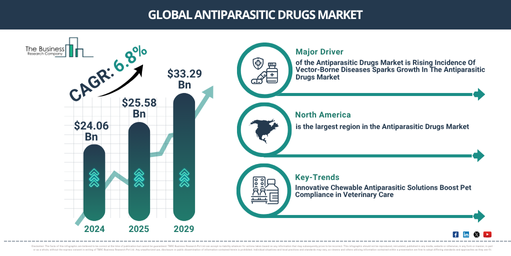
    Recent years have seen robust growth in the size of the antiparasitic drugs market. It is projected to expand from a value of $24.06 billion in 2024 to $25.58 billion in 2025, signifying a compound annual growth rate (CAGR) of 6.3%. This good performance for the market in the historic period can be credited to the high incidence of parasitic infections, the resistance observed towards currently available treatments, and worldwide health initiatives.

    The market for antiparasitic drugs is anticipated to witness solid expansion over the next few years, reaching a value of “$33.29 billion in 2029 with a compound annual growth rate (CAGR) of 6.8%“. The pronounced growth within the predicted timeframe can be linked to the rise in parasitic threats, changes in the climate, the emergence of vector-borne diseases, the heightened focus on worldwide health security, and improved healthcare access. The forecast period is also expected to see prominent trends such as advancements in the production of drugs, targeted treatment strategies, multipart therapies, collaborations between public and private entities, as well as the growth of telemedicine and remote diagnostic procedures.

    Download The Free Sample Report Here:

    https://www.thebusinessresearchcompany.com/sample.aspx?id=12927&type=smp

    #What Drivers Are Influencing Growth In The Antiparasitic Drugs Market?

    The surge in cases of diseases spread by vectors is anticipated to fuel the antiparasitic drugs market’s expansion. Diseases transmitted by vectors, such as mosquitoes, ticks, and flies, refer to infectious illnesses passed on to humans or other animals via the biting arthropods, the primary vectors. Illnesses like malaria, dengue, and yellow fever qualify as examples of vector-borne diseases. Antiparasitic medications play a vital part in curbing the spread of such diseases by targeting and eradicating the causing parasites. Several antiparasitic medications like chloroquine, doxycycline, and atovaquone-proguanil are frequently utilized for treating malaria. For instance, data from the Centers for Disease Control and Prevention, a Government agency from the United States, shows that from January to June 2024, dengue cases reported across the Americas exceeded 9.7 million, about two-fold increase from the 4.6 million cases recorded in 2023. Within the United States, Puerto Rico registered 1,498 dengue cases and 745 cases were detected among U.S. travelers returning from infected regions. Hence, the rising prevalence of vector-borne diseases instigates the growth of the antiparasitic drugs market.

    The antiparasitic drugs market covered in this report is segmented –

    1) By Product Type: Anthelmintics, Antiprotozoals, Ectoparasiticide, Other Products

    2) By Treatment: Avermectins, Bezimidazoles, Pyrimidines, Organophosphates, Imidazolesthiazoles

    3) By Route of Administration: Oral, Injectable, Topical

    4) By End User: Hospitals, Homecare, Specialty Clinics, Other End Users

    Subsegments:

    1) By Anthelmintics: Benzimidazoles, Ivermectin, Pyrantel Pamoate, Praziquantel

    2) By Antiprotozoals: Metronidazole, Tinidazole, Nitazoxanide, Pentamidine

    3) By Ectoparasiticides: Permethrin, Malathion, Lindane, Fipronil

    4) By Other Products: Combination Antiparasitic Drugs, Novel Antiparasitic Agents

    Which Trends Are Redefining The Future Landscape Of The Antiparasitic Drugs Industry?

    Top firms in the antiparasitic drugs market are prioritizing the creation of innovative offerings, like chewable veterinary goods, to enhance the ease of giving medication and boost pet compliance. These chewable veterinary products are flavored, easy-to-use tablets or treatments that deliver medicine to animals, making the treatment experience more palatable and less stressful for pets. For example, in April 2024, the German pharmaceutical company C.H. Boehringer Sohn AG and Co. KG launched NexGard Spectra to offer comprehensive parasite defense. NexGard SPECTRA is a tasty, soft chew capable of providing broad spectrum parasite protection for dogs—it handles fleas, ticks, heartworms, and several intestinal worms with just one monthly dose. It’s highly effective, killing fleas within a four-hour window after being given, and attaining over 99% efficacy against a range of parasites shortly thereafter.

    Which Companies Play A Key Role In The Development Of The Antiparasitic Drugs Market?

    Major companies operating in the antiparasitic drugs market are Pfizer Inc., Johnson & Johnson, Cadila Pharmaceuticals, Merck & Co.Inc., Bayer AG, Novartis AG, Sanofi S.A., GlaxoSmithKline PLC, Takeda Pharmaceutical Company Limited, Boehringer Ingelheim group, Zoetis Inc., Eisai Co. Ltd., Covetrus Inc., IDEXX Laboratories Inc., Dr. Reddy’s Laboratories, Intas Pharmaceuticals Ltd., Alkem Laboratories Ltd., Ceva Sante Animale S.A., Elanco Animal Health Incorporated, Phibro Animal Health Corporation, Norbrook Laboratories Ltd., Mankind Pharma, Neogen Corporation, Bimeda Inc., Indoco Remedies Ltd., ECO Animal Health, Lincoln Pharmaceuticals Ltd., Laboratorios Calier.

    https://www.thebusinessresearchcompany.com/report/antiparasitic-drugs-global-market-report

    What Are The Key Regional Developments Shaping The Antiparasitic Drugs Market?

    North America was the largest region in the antiparasitic drugs market in 2024. Asia-Pacific is expected to be the fastest-growing region in the forecast period. The regions covered in antiparasitic drugs market report are Asia-Pacific, Western Europe, Eastern Europe, North America, South America, Middle East and Africa.

    Request For A Customized Report:

    https://www.thebusinessresearchcompany.com/customise?id=12927&type=smp

    About The Business Research Company:

    With over 15000+ reports from 27 industries covering 60+ geographies, The Business Research Company has built a reputation for offering comprehensive, data-rich research and insights. Armed with 1,500,000 datasets, the optimistic contribution of in-depth secondary research, and unique insights from industry leaders, you can get the information you need to stay ahead in the game.

    Get in touch with us:

    The Business Research Company: https://www.thebusinessresearchcompany.com/

    Americas +1 310-496-7795

    Asia +44 7882 955267 & +91 8897263534

    Europe +44 7882 955267

    Email us at info@tbrc.info

    Follow us on:

    LinkedIn: https://in.linkedin.com/company/the-business-research-company

    YouTube: https://www.youtube.com/channel/UC24_fI0rV8cR5DxlCpgmyFQ

    Global Market Model: https://www.thebusinessresearchcompany.com/global-market-model
  • Future Demand and Leading Companies Shaping the Branded Generics Market to 2029

    Future Demand and Leading Companies Shaping the Branded Generics Market to 2029

    Claim your 30% discount on Global Market Reports with code ONLINE30. Limited time only.

    Claim your 30% discount on Global Market Reports with code ONLINE30. Limited time only.

    What CAGR Is Anticipated for the Branded Generics Market Through 2029?

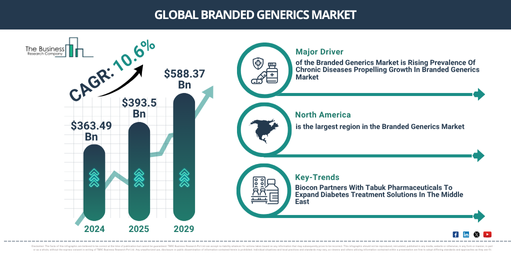
    The market size for branded generics has seen significant growth in the past few years. Its expansion is projected to continue, rising from $363.49 billion in 2024 to $393.5 billion in 2025, demonstrating a compound annual growth rate (CAGR) of 8.3%. Factors driving the growth during the historical period include affordability and cost savings, the expiration of patents, market outreach and expansion, government strategies and policies, as well as healthcare reforms.

    It is anticipated that the branded generics market will experience swift expansion in the upcoming years. The projected growth suggests that the value will escalate to “$588.37 billion in 2029, with a compound annual growth rate (CAGR) of 10.6%.” This predicted acceleration during the forecast period can be attributed to the increased demand for generic biologics along with the surge in chronic diseases, burgeoning markets, and emphasis on biosimilars. The future trends observed include strategic alliances, technological evolutions, concentration on chronic ailments, consolidation of the market, and a patient-centric approach.

    Download The Free Sample Report Here:

    https://www.thebusinessresearchcompany.com/sample.aspx?id=7186&type=smp

    What Market Forces Are Driving The Branded Generics Sector In 2025 And Beyond?

    The rising incidence of chronic diseases are projected to fuel the expansion of the branded generics market. Chronic diseases, often incurable yet manageable, are persistent in nature. Increasing tobacco consumption, inadequate nutrition, lack of physical activity, and excessive alcohol intake are some factors contributing to the rise of chronic diseases. Globally, consumers prefer branded generics for treating chronic diseases due to their lower price compared to conventional medications. For example, in September 2022, the World Health Organization (WHO) 2022 Highlights reported that 74% of all deaths worldwide, equating to 41 million fatalities, resulted from noncommunicable diseases (NCDs) or chronic diseases. This upsurge in chronic diseases is anticipated to drive the demand for branded generics in the forecast period.

    The branded generics market covered in this report is segmented –

    1) By Drug Class: Alkylating Agents, Antimetabolites, Hormones, Anti-Hypertensive, Lipid Lowering Drugs, Anti-Depressants, Anti-Psychotics, Anti-Epileptics, Other Drugs

    2) By Route Of Administration: Topical, Oral, Parenteral, Other Routes Of Administration

    3) By Application: Oncology, Cardiovascular Diseases, Diabetes, Neurology, Gastrointestinal Diseases, Dermatology Diseases, Analgesics And Anti-inflammatory, Other Applications

    Subsegments:

    1) By Alkylating Agents: Nitrogen Mustards, Ethylene Imine Compounds

    2) By Antimetabolites: Purine Analogues, Pyrimidine Analogues

    3) By Hormones: Corticosteroids, Thyroid Hormones

    4) By Anti-Hypertensive: ACE Inhibitors, Beta Blockers, Calcium Channel Blockers

    5) By Lipid Lowering Drugs: Statins, Fibrates

    6) By Anti-Depressants: SSRIs (Selective Serotonin Reuptake Inhibitors), SNRIs (Serotonin-Norepinephrine Reuptake Inhibitors)

    7) By Anti-Psychotics: Atypical Antipsychotics, Typical Antipsychotics

    8) By Anti-Epileptics: Sodium Channel Blockers, GABAergic Drugs

    9) By Other Drugs: Analgesics, Antibiotics, Antivirals

    Which Trends Are Redefining The Future Landscape Of The Branded Generics Industry?

    Strategic alliances are a significant trend in the branded generics market. Firms in the branded generics domain are forming partnerships with corresponding companies to utilize their resources mutually and penetrate new markets. E.g., Biocon Ltd., an Indian pharmaceutical firm, collaborated with Tabuk Pharmaceuticals in September 2024. Biocon will undertake the development and production of GLP-1 items, guaranteeing top-tier biopharmaceuticals designed specifically for diabetes care. Tabuk Pharmaceuticals, on the other hand, will have marketing authorization and will oversee the registration, importation, and promotion of these products predominantly in Saudi Arabia. The agreement also comprises stipulations for further expansion into other GLP products beyond the initial offerings, enabling a wider spectrum of diabetes therapies. This collaboration is designed to deliver bespoke health solutions that elevate the health of patients in Saudi Arabia and nearby regions, complementing both firms’ devotion to augmenting healthcare accessibility. Based in Saudi Arabia, Tabuk Pharmaceuticals commercializes branded and generic pharmaceutical goods.

    Which Firms Are Considered Leaders In The Branded Generics Market Space?

    Major companies operating in the branded generics market include Pfizer Inc., F. Hoffmann-La Roche AG, Sanofi SA, AstraZeneca plc, GlaxoSmithKline plc, Viatris Inc., Teva Pharmaceutical Industries Ltd., Alkem Laboratories Ltd., Mylan N.V., Sandoz International GmbH, Bausch Health Companies Inc., Sun Pharmaceutical Industries Ltd., Cipla Ltd., Aurobindo Pharma Ltd., Dr. Reddy’s Laboratories Ltd., Apotex Inc., Aspen Pharmacare Holdings Limited, Endo International plc, Towa Pharmaceutical Co. Ltd., Mankind Pharma, Glenmark Pharmaceuticals, Par Pharmaceuticals Inc., Unichem Laboratories Ltd., Torrent Pharmaceuticals Ltd., Wockhardt, Intas Pharmaceuticals Ltd., Novartis International AG, Novo Nordisk A/S, Zydus Lifesciences Ltd.

    https://www.thebusinessresearchcompany.com/report/branded-generics-global-market-report

    What Role Do Regional Policies And Investments Play In Branded Generics Market Expansion?

    North America was the largest region in the branded generics market in 2024. Asia-Pacific is expected to be the fastest-growing region in the forecast period. The regions covered in the branded generics market report are Asia-Pacific, Western Europe, Eastern Europe, North America, South America, Middle East, Africa.

    Request For A Customized Report:

    https://www.thebusinessresearchcompany.com/customise?id=7186&type=smp

    About The Business Research Company:

    With over 15000+ reports from 27 industries covering 60+ geographies, The Business Research Company has built a reputation for offering comprehensive, data-rich research and insights. Armed with 1,500,000 datasets, the optimistic contribution of in-depth secondary research, and unique insights from industry leaders, you can get the information you need to stay ahead in the game.

    Get in touch with us:

    The Business Research Company: https://www.thebusinessresearchcompany.com/

    Americas +1 310-496-7795

    Asia +44 7882 955267 & +91 8897263534

    Europe +44 7882 955267

    Email us at info@tbrc.info

    Follow us on:

    LinkedIn: https://in.linkedin.com/company/the-business-research-company

    YouTube: https://www.youtube.com/channel/UC24_fI0rV8cR5DxlCpgmyFQ

    Global Market Model: https://www.thebusinessresearchcompany.com/global-market-model
  • 2025–2029 Brain Tumor Drugs Market Outlook: Regional Trends and Growth Forecast

    2025–2029 Brain Tumor Drugs Market Outlook: Regional Trends and Growth Forecast

    Claim your 30% discount on Global Market Reports with code ONLINE30. Limited time only.

    Claim your 30% discount on Global Market Reports with code ONLINE30. Limited time only.

    What Are the Latest Market Insights for the Brain Tumor Drugs Industry?

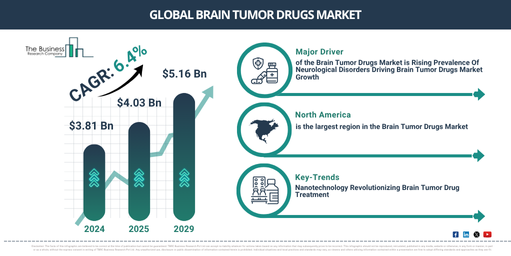
    The market size for brain tumor medications has seen a robust expansion in the past few years. Its growth is projected to escalate from $3.81 billion in 2024 to $4.03 billion in 2025, reflecting a compound annual growth rate (CAGR) of 5.8%. This growth over the historic period can be linked to the rise in the occurrence of neurological disorders, augmented healthcare expenditure, an upsurge in the approval of oncology (cancer) drugs, an increase in expenditures on pharmaceutical R&D, and advancements in cancer drug discovery.

    The market size for drugs treating brain tumors is predicted to experience robust growth in the upcoming years, escalating to “$5.16 billion in 2029 with a compound annual growth rate (CAGR) of 6.4%.” The predicted growth during the forecast period is due, in part, to an increasing rate of cancer occurrences, more spending in the healthcare sector, a growing aging population, a promising gamut of drugs in the pipeline, and updated FDA regulations that ease biologic drug development. Key trends for the forecast period encompass investing in a drug mix for treating brain tumors, resorting to the application of phase zero clinical trials to enhance effectiveness, adopting technology for drug delivery that optimizes the drug’s impact, emphasizing the broadening of cell and gene therapy, and executing tactical alliances and amalgamations.

    Download The Free Sample Report Here:

    https://www.thebusinessresearchcompany.com/sample.aspx?id=2588&type=smp

    What Forces Are Driving The Growth Of The Brain Tumor Drugs Industry?

    One of the main catalysts propelling the brain tumor drugs market’s growth is the escalating occurrence of Neurological Disorders across the globe. These disorders are amongst the most common, due to factors like extended life expectancy, higher exposure to infections, and inactive lifestyles. For instance, according to the National Brain Tumor Society, approximately 700,000 individuals in the United States are living with a primary brain tumor and about 86,000 new diagnoses are expected. The surge in patients diagnosed with neurological disorders, including brain tumors, is escalating the demand for drugs used in treatment and consequently, driving the growth of the brain tumor drugs market.

    The brain tumor drugs market covered in this report is segmented –

    1) By Drugs: Temozolomide, Bevacizumab, Other Drugs

    2) By End User: Hospital Pharmacies, Retail Pharmacies Or Drug Stores, Other End-Users

    Subsegments:

    1) By Temozolomide: Oral Formulation, Injectable Formulation

    2) By Bevacizumab: Monoclonal Antibody Therapy, Combination Therapy With Chemotherapy

    3) By Other Drugs: Carmustine, Lomustine, Etoposide, Irinotecan, Novantrone (Mitoxantrone)

    What Notable Trends Are Shaping The Direction Of The Brain Tumor Drugs Market?

    Firms in the brain tumor drugs market are shifting their focus towards the application of nanotechnology for therapy purposes. This approach utilizes tiny particles to transport a mix of drugs directly to the cancer cells or the tumor. Additionally, this innovation has contributed to a decrease in drug dosage, an extension in product shelf life, and a lowering of toxicity. Several nanodrugs have proven effective in breaching the blood-brain barrier, a major obstacle in brain tumor treatment. Examples are Liposomes nanoparticles that make drug delivery to the heart of cancer cells easier, and if covered with transferrin, they can even penetrate the blood-brain barrier. Notable companies like GE Healthcare, Sigma-Tau Pharmaceuticals Inc., Johnson & Johnson, Merck & Company Inc., Pfizer, Inc., and Celgene Corporation are embracing this ground-breaking technology to enhance existing medication procedures and treatments.

    Who Are The Primary Players Operating Across The Global Brain Tumor Drugs Market?

    Major companies operating in the brain tumor drugs market include F. Hoffmann-La Roche Ltd, Novartis AG, Amgen Inc., Pfizer Inc., Merck & Co. Inc., CordenPharma, Eisai Co., Ltd., Emcure Pharmaceuticals Limited, Y-mAbs Therapeutics, Roche India, Novartis Oncology, Arlak Biotech, Healthkind Labs Pvt. Ltd., SwisscheM Healthcare Pvt.Ltd, Apikos Pharma, Kolaz Biotech, CStone Pharma, CARsgen Therapeutics, JW Therapeutics, BeiGene, Astellas Pharma Inc, Otsuka Pharmaceutical Co., Ltd, Daiichi Pharmaceutical and Sankyo, AQVIDA GmbH, Baxter International Inc. (UK), AstraZeneca plc, GlaxoSmithKline plc, Veropharm, Biocad, Bristol-Myers Squibb, Celon Pharma, Celgene Corporation, Johnson & Johnson, Eli Lilly and Company, Sandoz AG, Eurofarma Laboratórios S.A., TUTEUR Argentina, The Takeda Pharmaceutical Company Limited, Pierre Fabre Group, Celnova Pharma, Pfizer S.R.L., Teva Pharmaceutical Industries Ltd., BIOPHARMA-MEA, NeoTX, AID Genomics Limited, Julphar, Sanofi, Novo Nordisk A/S, Bayer, Kitov Pharma Limited, CureTech Ltd., Neopharma, Eurolab, Aspen, Adcock Ingram.

    https://www.thebusinessresearchcompany.com/report/brain-tumor-drugs-global-market-report

    Which Region Offers The Most Growth Potential For The Brain Tumor Drugs Market Through 2029?

    North America was the largest region in the brain tumor drugs market in 2024. Middle East is expected to be the fastest-growing region in the global brain tumor drugs market share during the forecast period. The regions covered in the brain tumor drugs market report are Asia-Pacific, Western Europe, Eastern Europe, North America, South America, Middle East, Africa

    Request For A Customized Report:

    https://www.thebusinessresearchcompany.com/customise?id=2588&type=smp

    About The Business Research Company:

    With over 15000+ reports from 27 industries covering 60+ geographies, The Business Research Company has built a reputation for offering comprehensive, data-rich research and insights. Armed with 1,500,000 datasets, the optimistic contribution of in-depth secondary research, and unique insights from industry leaders, you can get the information you need to stay ahead in the game.

    Get in touch with us:

    The Business Research Company: https://www.thebusinessresearchcompany.com/

    Americas +1 310-496-7795

    Asia +44 7882 955267 & +91 8897263534

    Europe +44 7882 955267

    Email us at info@tbrc.info

    Follow us on:

    LinkedIn: https://in.linkedin.com/company/the-business-research-company

    YouTube: https://www.youtube.com/channel/UC24_fI0rV8cR5DxlCpgmyFQ

    Global Market Model: https://www.thebusinessresearchcompany.com/global-market-model
  • Strategic Report on Anti-Inflammatory Therapeutics Market: Growth Opportunities and Emerging Challenges

    Strategic Report on Anti-Inflammatory Therapeutics Market: Growth Opportunities and Emerging Challenges

    Claim your 30% discount on Global Market Reports with code ONLINE30. Limited time only.

    Claim your 30% discount on Global Market Reports with code ONLINE30. Limited time only.

    How Will the Anti-Inflammatory Therapeutics Market Evolve in Terms of Growth and Size by 2029?

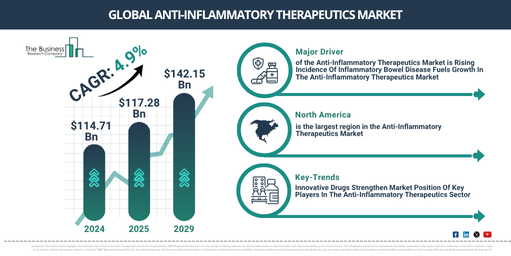
    The growth of the anti-inflammatory therapeutics market has been consistent over the past few years. It is projected to surge from $114.71 billion in 2024 to $117.28 billion in 2025, with a compound annual growth rate (CAGR) of 2.2%. Factors such as the widespread occurrence of chronic diseases, an aging population, heightened awareness, and government policies have contributed to this growth during the historic period.

    In the forthcoming years, the market for anti-inflammatory therapeutics is projected to experience a consistent growth. The market is set to expand to “$142.15 billion by 2029, with a compound annual growth rate (CAGR) of 4.9%. Factors contributing to the projected growth during this prediction period include the development of innovative therapies, rise in healthcare expenditure, emphasis on rare diseases, and the introduction of biologics and biosimilars. Upcoming trends within this predicted timeframe encompass advancements in immunotherapies, the application of artificial intelligence (AI) and machine learning (ML) in drug discovery processes, and broadening of indications.

    Download The Free Sample Report Here:

    https://www.thebusinessresearchcompany.com/sample.aspx?id=12861&type=smp

    What factors are expected to fuel Anti-Inflammatory Therapeutics market growth in the coming years?

    The growth of the anti-inflammatory therapeutics market is predicted to be fueled by the rising prevalence of inflammatory bowel disease. Characterized by chronic inflammation of the gastrointestinal tract, inflammatory bowel disease (IBD) is a persistent health condition. In the management of Crohn’s disease, anti-inflammatory therapeutics are significant as they mitigate inflammation, control disease symptoms, and lower the likelihood of surgical intervention. A July 2023 report from the Oxford University Press (OUP), the publication body of the University of Oxford, recorded IBD incidence at 10.9 per 100,000 person-years and prevalence at 721 per 100,000 individuals. Therefore, this rise in inflammatory bowel disease prevalence is triggering the expansion of the anti-inflammatory therapeutics market.

    The anti-inflammatory therapeutics market covered in this report is segmented –

    1) By Drug Class: Nonsteroidal Anti-Inflammatory Drugs (NSAIDs), Corticosteroids, Anti-Inflammatory Biologics

    2) By Indication: Arthritis, Respiratory Diseases, Multiple Sclerosis, Psoriasis, Inflammatory Bowel Diseases, Other Inflammatory Diseases

    3) By Distribution Channel: Retail Pharmacies, Hospital Pharmacies, Online Distribution

    Subsegments:

    1) By Nonsteroidal Anti-Inflammatory Drugs (NSAIDs): Ibuprofen, Aspirin, Naproxen, Diclofenac, Celecoxib, Indomethacin, Ketoprofen

    2) By Corticosteroids: Prednisone, Dexamethasone, Hydrocortisone, Methylprednisolone, Triamcinolone, Betamethasone

    3) By Anti-Inflammatory Biologics: Tumor Necrosis Factor (TNF) Inhibitors, Interleukin Inhibitors, Janus Kinase (JAK) Inhibitors, Monoclonal Antibodies, Recombinant Proteins, Fusion Proteins

    What Upcoming Trends Are Expected To Impact The Anti-Inflammatory Therapeutics Market Globally?

    Key players in the anti-inflammatory therapeutics industry are creating pioneering drugs to fortify their market standing. For example, Regeneron Pharmaceuticals Inc., an American biotech firm, together with Sanofi, a French pharmaceutical and healthcare company, introduced Kevzara (sarilumab) in February 2023. This is the first and only anti-inflammatory biologic recommended for adult patients with PMR, an inflammatory rheumatic disease, who either do not have a proper response to corticosteroids or are unable to tolerate corticosteroid tapering.

    What Are The Most Active Companies In The Anti-Inflammatory Therapeutics Market Today?

    Major companies operating in the anti-inflammatory therapeutics market are Pfizer Inc., Johnson and Johnson Limited, F. Hoffmann-La Roche Ltd., Merck and Co. Inc., AbbVie Inc., Bayer AG, Novartis AG, Sanofi-Aventis LLC., Bristol-Myers Squibb Company, AstraZeneca PLC, GlaxoSmithKline plc., Takeda Pharmaceutical Company Limited, Eli Lilly and Co Ltd., Amgen Inc., Boehringer Ingelheim International GmbH, Viatris Inc., Teva Pharmaceutical Industries Ltd., Regeneron Pharmaceuticals Inc., Astellas Pharma Inc., Biogen Inc., Daiichi Sankyo Company Limited, Eisai Co. Ltd., Sun Pharmaceutical Industries Limited, Otsuka Pharmaceutical Co. Ltd., Dr. Reddy’s Laboratories Ltd., Hikma Pharmaceuticals PLC, Cipla Inc., Zydus Lifesciences Ltd., Lupin Limited, Torrent Pharmaceuticals Ltd.

    https://www.thebusinessresearchcompany.com/report/anti-inflammatory-therapeutics-global-market-report

    Which Regional Markets Are Attracting The Most Investment In Anti-Inflammatory Therapeutics?

    North America was the largest region in the anti-inflammatory therapeutics market in 2024. Europe is expected to be the fastest-growing region in the forecast period. The regions covered in the anti-inflammatory therapeutics market report are Asia-Pacific, Western Europe, Eastern Europe, North America, South America, Middle East and Africa.

    Request For A Customized Report:

    https://www.thebusinessresearchcompany.com/customise?id=12861&type=smp

    About The Business Research Company:

    With over 15000+ reports from 27 industries covering 60+ geographies, The Business Research Company has built a reputation for offering comprehensive, data-rich research and insights. Armed with 1,500,000 datasets, the optimistic contribution of in-depth secondary research, and unique insights from industry leaders, you can get the information you need to stay ahead in the game.

    Get in touch with us:

    The Business Research Company: https://www.thebusinessresearchcompany.com/

    Americas +1 310-496-7795

    Asia +44 7882 955267 & +91 8897263534

    Europe +44 7882 955267

    Email us at info@tbrc.info

    Follow us on:

    LinkedIn: https://in.linkedin.com/company/the-business-research-company

    YouTube: https://www.youtube.com/channel/UC24_fI0rV8cR5DxlCpgmyFQ

    Global Market Model: https://www.thebusinessresearchcompany.com/global-market-model
  • Latest Market Developments in Bi-Specific MAbS Industry: Forecast 2025–2029

    Latest Market Developments in Bi-Specific MAbS Industry: Forecast 2025–2029

    Claim your 30% discount on Global Market Reports with code ONLINE30. Limited time only.

    Claim your 30% discount on Global Market Reports with code ONLINE30. Limited time only.

    What Are the Forecasted Growth Rate and Market Size of the Bi-Specific MAbS Market?

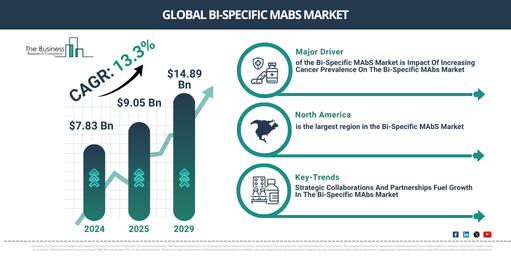
    The size of the bi-specific MAbS market has seen a rapid expansion in the past few years. An increase from $7.83 billion in 2024 to $9.05 billion in 2025, with a compound annual growth rate (CAGR) of 15.5% is projected. The amplified spending on healthcare, heightened funding and initiatives by the government are identified as key factors that contributed to this growth in the previous years.

    Expectations are high for the bi-specific MAbS market to experience rapid expansion in the coming years. The market is projected to surge to “$14.89 billion by 2029, growing at a compound annual growth rate (CAGR) of 13.3%. This significant growth during the forecast period can be attributed to the rising incidence of cancer, an ageing population, and escalating prevalence of chronic illnesses. Key trends anticipated throughout the forecast period include technological advancement, product innovation, increased reliance on artificial intelligence, investments in targeted and combined therapy, and the formation of strategic partnerships.

    Download The Free Sample Report Here:

    https://www.thebusinessresearchcompany.com/sample.aspx?id=3390&type=smp

    Which Factor Is Shaping The Future Of The Bi-Specific MAbS Market?

    The escalating incidence of cancer and other chronic illnesses is expected to fuel the expansion of the bispecific monoclonal antibodies market in the forecasted timeline. Bispecific monoclonal antibodies, designed to combat various cancers, infectious diseases, central nervous system disorders, and autoimmune disorders, are seen as more potent than monoclonal antibodies (moAbs) since they target multiple tumor antigens on the cells to halt cancer progression. For instance, the American Cancer Society (ACS), a volunteer health organization based in the US, predicts 609,820 cancer-related fatalities in the US in 2023, as stated in their 2023 Cancer Facts & Figures report. Consequently, an increasing prevalence of chronic illnesses, including cancer, is likely to drive demand for bi-specific MAbs as an effective treatment option.

    The bi-specific mabs market covered in this report is segmented –

    1) By Type: Catumaxomab (Removab), Blinatumomab, Duligotumab, Emicizumab, Amivantamab, Faricimab, Teclistamab

    2) By Product Type: In Vivo, In Vitro

    3) By Indication: Cancer, Haemophilia A, Ophthalmic

    4) By End Use: Hospitals, Research Institutes, Other End-Users

    Subsegments:

    1) By Catumaxomab (Removab): Cancer Therapy, Targeting EpCAM and CD3

    2) By Blinatumomab: Acute Lymphoblastic Leukemia (ALL) Treatment, Targeting CD19 and CD3

    3) By Duligotumab: Oncology Treatments, Targeting Epidermal Growth Factor Receptor (EGFR)

    4) By Emicizumab: Hemophilia A Treatment, Targeting Factor IXa and Factor X

    5) By Amivantamab: Non-Small Cell Lung Cancer (NSCLC) Therapy, Targeting EGFR And MET

    6) By Faricimab: Ophthalmology Treatment (Wet Age-related Macular Degeneration, Diabetic Macular Edema), Targeting Angiopoietin-2 And VEGF-A

    7) By Teclistamab: Multiple Myeloma Treatment, Targeting BCMA and CD3

    What Upcoming Trends Are Expected To Impact The Bi-Specific MAbS Market Globally?

    Bi-specific MAbs market players are ramping up investments in key strategic endeavours such as partnerships and collaborations, with an aim to widen their product range and enhance their global reach. Strategic collaboration typically involves two or more organizations working together to realise shared objectives or aims. An illustration of this was in October 2022 when Gilead Sciences and MacroGenics, both American biopharmaceutical companies, formed an exclusive partnership to develop MGD024, a bispecific antibody targeting CD123 and CD3, using MacroGenics’ DART platform, in addition to two other bispecific research programs. As part of this collaboration, Gilead has the sole option to license MGD024, which has the capability to treat an array of hematologic malignancies, such as acute myeloid leukemia (AML) and myelodysplastic syndromes (MDS). MGD024 is engineered to curb cytokine-release syndrome (CRS) and to facilitate intermittent dosing, which could lead to more patient-friendly treatments and better clinical results for AML and MDS patients.

    Which Companies Hold The Largest Market Share In The Bi-Specific MAbS Sector?

    Major companies operating in the bi-specific MAbS market include F. Hoffmann-La Roche AG, Amgen Inc, Johnson & Johnson, Sino Biological Inc, Kyowa Kirin, Zai Lab, Alphamab Oncology, Celldex Therapeutics, Biocon, EpimAb Biotherapeutics, ABL Bio, Takeda pharmaceuticals, Innovent Biologics, Merck & Co Inc, Eli Lilly Company Inc., AbbVie Inc, Bayer AG, Pfizer Inc, Novartis AG, GlaxoSmithKline, AstraZeneca, Cytiva, Bristol Myers Squibb, AbCellera, BioMarin Pharmaceuticals, Parexel, Sanofi S.A., Novo Nordisk A/S, BBI Solutions, Aspen Pharmacare, Amoun Pharmaceuticals CO Ltd, Baxter International, Cipla Medpro South Africa

    https://www.thebusinessresearchcompany.com/report/bi-specific-mab-global-market-report

    How Does Regional Performance Compare Across The Bi-Specific MAbS Industry?

    North America was the largest region in the bi-specific MAbs market in 2024. The regions covered in the bi-specific MAbs market report are Asia-Pacific, Western Europe, Eastern Europe, North America, South America, Middle East, Africa

    Request For A Customized Report:

    https://www.thebusinessresearchcompany.com/customise?id=3390&type=smp

    About The Business Research Company:

    With over 15000+ reports from 27 industries covering 60+ geographies, The Business Research Company has built a reputation for offering comprehensive, data-rich research and insights. Armed with 1,500,000 datasets, the optimistic contribution of in-depth secondary research, and unique insights from industry leaders, you can get the information you need to stay ahead in the game.

    Get in touch with us:

    The Business Research Company: https://www.thebusinessresearchcompany.com/

    Americas +1 310-496-7795

    Asia +44 7882 955267 & +91 8897263534

    Europe +44 7882 955267

    Email us at info@tbrc.info

    Follow us on:

    LinkedIn: https://in.linkedin.com/company/the-business-research-company

    YouTube: https://www.youtube.com/channel/UC24_fI0rV8cR5DxlCpgmyFQ

    Global Market Model: https://www.thebusinessresearchcompany.com/global-market-model
  • Industry Trends Show Antidotes Market Set to Expand at 10.3% CAGR Until 2029

    Industry Trends Show Antidotes Market Set to Expand at 10.3% CAGR Until 2029

    Claim your 30% discount on Global Market Reports with code ONLINE30. Limited time only.

    Claim your 30% discount on Global Market Reports with code ONLINE30. Limited time only.

    What CAGR Is Anticipated for the Antidotes Market Through 2029?

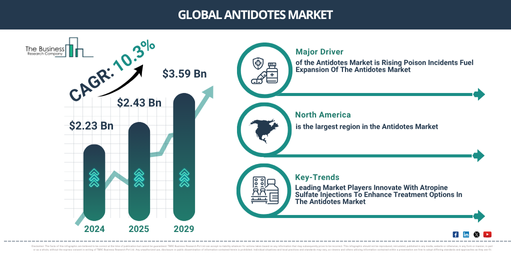
    Recent years have witnessed robust growth in the size of the antidotes market. This trend is set to continue with a projected increase from $2.23 billion in 2024 to $2.43 billion in 2025, marking a compound annual growth rate (CAGR) of 8.8%. The notable expansion in the historical period can be traced back to factors such as poison control centers, regulatory approvals, improved industrial and occupational safety, and advancements in education and training.

    The market size for antidotes is anticipated to witness significant expansion in the upcoming years. It is projected to escalate to “$3.59 billion by 2029, with an overall compound annual growth rate (CAGR) of 10.3%.” The surge during this forecast period could be due to factors like an increase in drug overdose incidents, the emergence of new toxins, supportive regulatory measures, advancements in telemedicine, and remote consultation services. The forecast period is likely to see a rise in trends like the development of combined antidotes, individualized poison management, digitalization of poison control, and antidotes for pediatrics.

    Download The Free Sample Report Here:

    https://www.thebusinessresearchcompany.com/sample.aspx?id=13029&type=smp

    What Market Forces Are Driving The Antidotes Sector In 2025 And Beyond?

    The rising number of poisoning incidents is anticipated to drive the expansion of the antidotes market. These incidents occur when individuals come into contact with, ingest, or are exposed to substances that are harmful or toxic to their well-being. The role of antidotes is pivotal in these situations due to their ability to neutralize, mitigate, or reverse the detrimental effects of the poison. For example, according to a report published by the U.S.-based multinational news channel and website, Cable News Network (CNN), in October 2023, there were 112,024 overdose deaths reported in May 2023, which was a 2.5% increase compared to the 109,261 cases in May 2022. Thus, the increasing incidents of poisoning are fueling the growth of the antidotes market.

    The antidotes market covered in this report is segmented –

    1) By Type: Chemical Antidotes, Physical Antidotes, Pharmacological Antidotes, Other Types

    2) By Route Of Administration: Injectable, Oral, Capsules And Tablets, Syrup

    3) By Application: Animal Bites, Heavy Metal Poisoning

    4) By End-User: Hospitals, Homecare, Specialty Clinics, Other End-Users

    Subsegments:

    1) By Chemical Antidotes: Chelating Agents, Oxidizing Agents, Reducing Agents

    2) By Physical Antidotes: Activated Charcoal, Gastric Lavage, Whole Bowel Irrigation

    3) By Pharmacological Antidotes: Opioid Antagonists, Benzodiazepine Antagonists, Cholinesterase Reactivators

    4) By Other Types: Supportive Therapies, Adjunctive Treatments

    How Are Key Trends Driving Expansion In The Antidotes Industry?

    Leading market entities are focusing on the development of novel products, such as atropine sulfate injections, in an effort to expand their market footprint and offer improved treatment solutions. Atropine sulfate injection is an anticholinergic drug that functions by blocking the effects of acetylcholine on the parasympathetic nervous system’s muscarinic receptors. For example, in August 2022, American Regent Inc., a USA-based pharmaceutical business specialising in sterile injectables for healthcare practitioners, launched a traditional injectable drug known as atropine sulfate injection, USP. This drug is used as an antisialagogue, a remedy for organophosphorus or muscarinic mushroom poisonings, and to manage bradyasystolic cardiac arrest. It is designed to momentarily block severe or potentially fatal muscarinic effects.

    Which Firms Are Considered Leaders In The Antidotes Market Space?

    Major companies operating in the antidotes market are Pfizer Inc., Johnson & Johnson, Merck & Co., Bayer AG, Novartis AG, Bristol Myers Squibb, Alexion Pharmaceuticals Inc., AstraZeneca PLC, Sanofi S.A., Eli Lilly and Company, Boehringer Ingelheim International GmbH, Baxter International Inc., Teva Pharmaceutical Industries Ltd., Mylan N.V., CSL Behring, Daiichi Sanko Inc., Fresenius Kabi AG, Aurobindo Pharma Limited, Dr. Reddy’s Laboratories Ltd., Hikma Pharmaceuticals PLC, Ferring B.V., Lupin Limited, Zydus Lifesciences Ltd., Mallinckrodt Pharmaceuticals Ltd., Nichi-Iko Pharmaceutical Co. Ltd., Akorn Incorporated, Meridian Medical Technologies Inc., Alvogen Pharma India Pvt. Ltd., Wockhardt Limited, ADAPT Pharma Inc.

    https://www.thebusinessresearchcompany.com/report/antidotes-global-market-report

    What Role Do Regional Policies And Investments Play In Antidotes Market Expansion?

    North America was the largest region in the antidotes market in 2024. Asia-Pacific is expected to be the fastest-growing region in the forecast period. The regions covered in antidotes market report are Asia-Pacific, Western Europe, Eastern Europe, North America, South America, Middle East and Africa.

    Request For A Customized Report:

    https://www.thebusinessresearchcompany.com/customise?id=13029&type=smp

    About The Business Research Company:

    With over 15000+ reports from 27 industries covering 60+ geographies, The Business Research Company has built a reputation for offering comprehensive, data-rich research and insights. Armed with 1,500,000 datasets, the optimistic contribution of in-depth secondary research, and unique insights from industry leaders, you can get the information you need to stay ahead in the game.

    Get in touch with us:

    The Business Research Company: https://www.thebusinessresearchcompany.com/

    Americas +1 310-496-7795

    Asia +44 7882 955267 & +91 8897263534

    Europe +44 7882 955267

    Email us at info@tbrc.info

    Follow us on:

    LinkedIn: https://in.linkedin.com/company/the-business-research-company

    YouTube: https://www.youtube.com/channel/UC24_fI0rV8cR5DxlCpgmyFQ

    Global Market Model: https://www.thebusinessresearchcompany.com/global-market-model
  • Emerging Trends and Growth Drivers in the Biosimilars Market Through 2029

    Emerging Trends and Growth Drivers in the Biosimilars Market Through 2029

    Claim your 30% discount on Global Market Reports with code ONLINE30. Limited time only.

    Claim your 30% discount on Global Market Reports with code ONLINE30. Limited time only.

    What Is the Estimated Industry Valuation for the Biosimilars Sector?

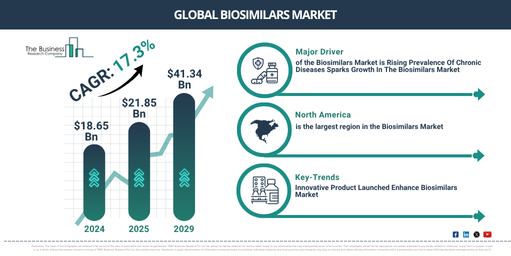
    The dimension of the biosimilars market has expanded swiftly over the recent years. The market is projected to catapult from $18.65 billion in 2024 to $21.85 billion in 2025, with a compound annual growth rate (CAGR) of 17.2%. Factors contributing to the growth during the historic period include the rising incidence of cancer, robust economic growth in developing markets, a boost in pharmaceutical R&D spending, elevated healthcare expenses, burgeoning governmental initiatives, a sturdy pipeline of medications, inexpensive biosimilars, and an uptick in patent expirations.

    The size of the biosimilars market is forecasted to witness swift expansion in the upcoming years. It is projected to escalate to “$41.34 billion in 2029, with a Compound Annual Growth Rate (CAGR) of 17.3%. Contributing factors to this growth during the predicted period include an increased incidence of cancer, the growing demand for prophylaxis with granulocyte colony-stimulating factor (G-CSF), escalation in healthcare spending, the high potential of developing economies, advancements in technology, widespread use of biological drugs, an aging populace and enhanced healthcare accessibility. The primary trends predicted for the forecast period involve enhanced emphasis on intensive R&D initiatives for generating efficacious and innovative medications, emphasis on growth strategies through mergers and acquisitions, interest in creating strategic partnerships, increased investment, and an emphasis on the use of artificial intelligence.

    Download The Free Sample Report Here:

    https://www.thebusinessresearchcompany.com/sample.aspx?id=2807&type=smp

    What Forces Are Driving The Growth Of The Biosimilars Market?

    An upswing in chronic conditions like arthritis, asthma, and cancer is envisioned to propel the biosimilars market. Factors such as lengthy work schedules, insufficient physical exertion, and poor diet and drinking patterns contribute to the pervasiveness of these chronic diseases. To counteract this, biosimilars are utilized more frequently as a remedy for these health problems. By stimulating the body’s immune response against cancer cells, biosimilars facilitate the removal of these damaging cells. A United Nations article states that by 2030, chronic diseases would account for 70% of worldwide mortality, and the global chronic disease rate is expected to rise to approximately 60%. Consequently, the escalating prevalence of chronic diseases boosts the demand for biosimilars, further energizing the biosimilars market.

    The biosimilars market covered in this report is segmented –

    1) By Type: Monoclonal Antibodies, Insulin, Erythropoietin, Granulocyte-Colony Stimulating Factor, Other Hormones, Others

    2) By Product: Recombinant Non-glycosylated Proteins, Recombinant Glycosylated Proteins

    3) By Application: Oncology, Chronic And Autoimmune Diseases, Growth Hormone Deficiency, Infectious Diseases, Other Applications

    Subsegments:

    1) By Monoclonal Antibodies: IgG Biosimilars, Non-IgG Biosimilars

    2) By Insulin: Rapid-Acting Insulin Biosimilars, Long-Acting Insulin Biosimilars, Premixed Insulin Biosimilars

    3) By Erythropoietin: Epoetin Alfa Biosimilars, Darbepoetin Alfa Biosimilars

    4) By Granulocyte-Colony Stimulating Factor (G-CSF): Filgrastim Biosimilars, Pegfilgrastim Biosimilars

    5) By Other Hormones: Growth Hormones, Hormonal Replacement Therapy Biosimilars

    6) By Others: Enzyme Biosimilars, Vaccines, Other Biologics

    How Are Key Trends Driving Expansion In The Biosimilars Industry?

    In the biosimilars market, leading firms are concentrating on creating innovative products to establish a competitive advantage. AMJEVITA has been introduced as the inaugural U.S. biosimilar to Humira, a drug used by over a million patients dealing with specific severe inflammatory diseases. For example, in January 2023, Amgen Inc., a biotech company based in the U.S. launched AMJEVITA (adalimumab-atto), a biosimilar to Humira (adalimumab), which is now accessible in the U.S. The list price (wholesale acquisition cost) of AMJEVITA (40 mg) is 55% less than the existing Humira list price. Additionally, AMJEVITA is available at a list price that is 5% less than the present Humira price.

    Which Companies Currently Dominate The Competitive Landscape In The Biosimilars Industry?

    Major companies operating in the biosimilars market include Amgen, Novartis AG, Samsung Bioepis Co., Ltd., Viatris, Celltrion, Inc., Coherus Biosciences, Eli Lilly and Company, Dr. Reddy’s Laboratories, Roche India Pvt Ltd, Abbott India Limited, bioMérieux India, Becton Dickinson Private Limited, Danaher Corporation, Wuxi biologics, shanghai Henlius biotech, Innovent Biologics, Hisun Pharma, 3SBio, Beijing ShuangLu Pharmaceuticals, Qilu Pharmaceutical, Kyowa Hakko Kirin, Takeda, Mitsubishi Tanabe, AGC Biologics, Bio-Thera, Sandoz Pty Ltd, Apotex Pty Ltd, Cadila Pharmaceuticals, BiosanaPharma, GlaxoSmithKline, AstraZeneca, Bayer, Merck, Boehringer Ingelheim, Sanofi, Fresenius Kabi, Napp Pharmaceuticals, Mundipharma Deutschland GmbH & Co. KG, Geropharm, Valenta, NovaMedica, SynBio, Rani Therapeutics, Johnson & Johnson, Biogen Inc., Aché, Eurofarma, Teva Pharmaceuticals, Oramed Pharmaceuticals, Entera Bio, Julphar, Hikma Pharmaceuticals, BIOPHARMA-MEA, NeoTX, AID Genomics Limited, Altis Biologics, Cipla Medpro South Africa, Next Biosciences, Viome, Inqaba Biotechnical Industries (Pty)

    https://www.thebusinessresearchcompany.com/report/biosimilar-global-market-report

    Which Geographic Regions Are Driving Demand In The Biosimilars Market?

    North America was the largest region in the global biosimilars market in 2024. Middle East is expected to be the fastest-growing region in the forecast period. The regions covered in the biosimilars market report are Asia-Pacific, Western Europe, Eastern Europe, North America, South America, Middle East, Africa

    Request For A Customized Report:

    https://www.thebusinessresearchcompany.com/customise?id=2807&type=smp

    About The Business Research Company:

    With over 15000+ reports from 27 industries covering 60+ geographies, The Business Research Company has built a reputation for offering comprehensive, data-rich research and insights. Armed with 1,500,000 datasets, the optimistic contribution of in-depth secondary research, and unique insights from industry leaders, you can get the information you need to stay ahead in the game.

    Get in touch with us:

    The Business Research Company: https://www.thebusinessresearchcompany.com/

    Americas +1 310-496-7795

    Asia +44 7882 955267 & +91 8897263534

    Europe +44 7882 955267

    Email us at info@tbrc.info

    Follow us on:

    LinkedIn: https://in.linkedin.com/company/the-business-research-company

    YouTube: https://www.youtube.com/channel/UC24_fI0rV8cR5DxlCpgmyFQ

    Global Market Model: https://www.thebusinessresearchcompany.com/global-market-model