Month: September 2025

  • Photodynamic Therapy Industry Poised for Rapid Expansion, Projected to Hit $1.93 Billion by 2029

    Photodynamic Therapy Industry Poised for Rapid Expansion, Projected to Hit $1.93 Billion by 2029

    Claim your 30% discount on Global Market Reports with code ONLINE30. Limited time only.

    Claim your 30% discount on Global Market Reports with code ONLINE30. Limited time only.

    What Does the Forecast Indicate for the Photodynamic Therapy Market From 2025 to 2029?

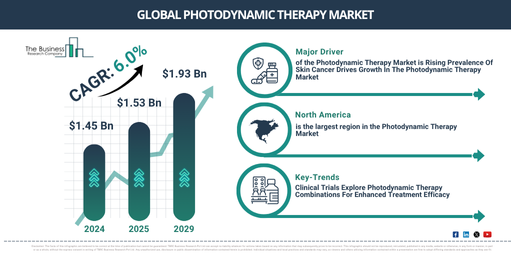
    Recent years have seen a powerful surge in the market size of photodynamic therapy. The market is projected to expand from $1.45 billion in 2024 to $1.53 billion in 2025, boasting a compound annual growth rate (CAGR) of 5.6%. Various factors have contributed to this growth during the historic period, including a growing aging population, the surge in cancer cases, an upswing in skin diseases, escalating pollution levels, an enhancement in healthcare expenditure, and an increase in the number of healthcare facilities.

    The photodynamic therapy market is projected to experience robust growth in the coming years, reaching a value of “$1.93 billion by 2029 with a compound annual growth rate (CAGR) of 6.0%.” The forecast period’s expansion is linked to factors like increased healthcare spending, insurance plans covering photodynamic therapy, untapped potential in developing economies, growing teenage and elderly demographics, a surge in cancer and chronic disease cases, and the emergence of infectious diseases. Key trends during this period are expected to include the launch of portable photodynamic therapy devices for at-home skin PDT treatments, investment in AI-driven PDT to enhance patient care, expanding product range in the cosmetic procedure sector, sustained investment in research and development, and an emphasis on introducing photoimmunotherapy devices and including photothermal therapy in the portfolio.

    Download The Free Sample Report Here:

    https://www.thebusinessresearchcompany.com/sample.aspx?id=5246&type=smp

    What Elements Are Contributing To Growth In The Photodynamic Therapy Market?

    The escalating occurrence of skin cancer is instrumental in driving the growth of the market for photodynamic therapy. Skin cancer is noted as the most prevalent amongst all forms of cancer. Melanoma, although constituting approximately just 1% of skin cancers, is associated with a significant number of skin cancer fatalities. Photodynamic therapy (PDT) leverages a light-sensitizing medication and intensive light to eradicate cancerous cells. The practitioner applies a lotion containing a light-sensitizing chemical to the skin cancer and the vicinity surrounding it. For example, in January 2024, the American Cancer Society, a professional organization based in the US, stated that skin cancer is the primary cancer in the US, with melanoma accounting for around 1% of cases, but responsible for most skin cancer deaths. Additionally, around 100,640 novel melanoma cases are anticipated to be diagnosed in 2024 in the US, of which roughly 59,170 are expected in men and 41,470 in women. Approximately 8,290 melanoma-associated deaths are also projected, which include around 5,430 men and 2,860 women. Consequently, the rising rates of skin cancer are foreseen to stimulate the growth of the photodynamic therapy market in the future years.

    The photodynamic therapy market covered in this report is segmented –

    1) By Product: Drugs, Devices

    2) By Application: Actinic Keratosis (AK), Cancer, Acne, Psoriasis, Other Applications

    3) By End-User: Cosmetics And Dermatology Clinics, Hospitals, Cancer Treatment Centers, Other End-Users

    Subsegments:

    1) By Drugs: Photosensitizers, Combination Drug Therapies, Novel Photosensitizer Formulations

    2) By Devices: Light Sources (Laser Systems, LED Systems), Delivery Devices (Fiber Optics, Handheld Devices), Treatment Systems (Portable Devices, Fixed Systems)

    What Notable Trends Are Shaping The Direction Of The Photodynamic Therapy Market?

    The photodynamic therapy market’s participants are paying increasing attention to clinical trials involving various drug combinations for PDT. Kintara Therapeutics, a biotech company based in the US, for instance, kick-started a clinical trial for their REM-001 therapy, aimed at cutaneous metastatic breast cancer, in February 2024. The clinical trial, NCT05374915, is an open-label study with 15 participants suffering from cutaneous metastatic breast cancer (CMBC). The trial, which evaluates the second-generation photodynamic therapy agent REM-001 with a dosage of 0.8 mg, is designed to enhance the study setup before a Phase 3 trial. The main focus is on the Best Overall Objective Response Rate (bORR) in the treatment areas within 24 weeks and the primary endpoint revolves around the measurement of complete and partial responses.

    Who Are The Key Contributors To Growth In The Photodynamic Therapy Market?

    Major companies operating in the photodynamic therapy market include Galderma S.A., Bausch Health, Lumenis Ltd., Sun Pharmaceutical Industries Ltd., Biofrontera, Modlight Inc., PhotoMedex Inc., Soligenix Inc., Quest PharmaTech Inc., Novartis AG, Theralase Technologies Inc., Quantel Medical, Axcan Pharma, Sihealth, MediGlobus, Steba Biotech, Ambicare Health, Nuovo Therapy, Pharmstandard, Rusatom Healthcare, Roche Latvija SIA, Hologic, Inc., Dusa Pharmaceuticals, PDT Pharma Indústria e Comércio de ProdutosFarmacêuticos, MMOptics Ltd, Global Healthcare Solutions Perú, DMC Equipmentos LTDA, Biolite, SyMed LLC, Alma Lasers, Candela Medica, Velt International Group Inc.

    https://www.thebusinessresearchcompany.com/report/photodynamic-therapy-global-market-report

    Which Region Is Projected To Lead The Photodynamic Therapy Market By 2025?

    North America was the largest region in the photodynamic therapy market in 2024. The regions covered in the photodynamic therapy market report are Asia-Pacific, Western Europe, Eastern Europe, North America, South America, Middle East, Africa.

    Request For A Customized Report:

    https://www.thebusinessresearchcompany.com/customise?id=5246&type=smp

    About The Business Research Company:

    With over 15000+ reports from 27 industries covering 60+ geographies, The Business Research Company has built a reputation for offering comprehensive, data-rich research and insights. Armed with 1,500,000 datasets, the optimistic contribution of in-depth secondary research, and unique insights from industry leaders, you can get the information you need to stay ahead in the game.

    Get in touch with us:

    The Business Research Company: https://www.thebusinessresearchcompany.com/

    Americas +1 310-496-7795

    Asia +44 7882 955267 & +91 8897263534

    Europe +44 7882 955267

    Email us at info@tbrc.info

    Follow us on:

    LinkedIn: https://in.linkedin.com/company/the-business-research-company

    YouTube: https://www.youtube.com/channel/UC24_fI0rV8cR5DxlCpgmyFQ

    Global Market Model: https://www.thebusinessresearchcompany.com/global-market-model
  • Global Warts Therapeutics Market Landscape: Trends and Market Share to 2029

    Global Warts Therapeutics Market Landscape: Trends and Market Share to 2029

    Claim your 30% discount on Global Market Reports with code ONLINE30. Limited time only.

    Claim your 30% discount on Global Market Reports with code ONLINE30. Limited time only.

    How Will the Warts Therapeutics Market Evolve in Terms of Growth and Size by 2029?

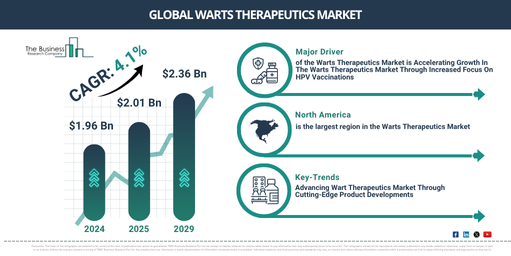
    The market size of warts therapeutics has experienced consistent growth over the past few years. Its projected growth will rise from $1.96 billion in 2024 to $2.01 billion in 2025, with a compound annual growth rate (CAGR) of 2.6%. Factors that contributed to this growth during the historic period include the utilization of salicylic acid, advancements in cryotherapy, progression in topical treatments, surgical interventions, and the advent of immunotherapy.

    In the coming years, the warts therapeutics market size is anticipated to witness consistent growth. The market is predicted to expand to “$2.36 billion by 2029 with a Compound Annual Growth Rate (CAGR) of 4.1%. This projected growth during the forecast period can be accredited to precision medicine targeting HPV, innovations in laser therapy, combination therapy methods, digital health advancements, and initiatives promoting accessibility to healthcare. Noteworthy trends over the forecast period will include an emphasis on targeted antiviral therapies, gene editing studies, the development of biodegradable delivery systems, and a focus on psychodermatology.

    Download The Free Sample Report Here:

    https://www.thebusinessresearchcompany.com/sample.aspx?id=11959&type=smp

    What factors are expected to fuel Warts Therapeutics market growth in the coming years?

    The growth of the wart therapeutics market is set to be propelled by the surging emphasis on warts vaccination. The concept of vaccination involves the introduction of a vaccine into the body to stimulate the development of antibodies against infections and associated diseases. Warts are the result of the human papillomavirus (HPV). Giving a prophylactic or therapeutic vaccine against HPV halts wart formation. As a result, growing attention towards wart vaccination ramps up the wart therapeutics market sales. For example, the World Health Organization, an international public health agency based in Switzerland, reported in July 2023 that in 2022, there was a reduction in the count of children who didn’t receive any vaccinations, often known as zero-dose children. This decreased from 18.1 million in 2021 to 14.3 million. In addition, global initiation dose coverage of the HPV vaccine for girls escalated from 16% in 2021 to 21% in 2022. Consequently, the soaring focus on warts vaccination is fueling the development of the wart therapeutics market.

    The warts therapeutics market covered in this report is segmented –

    1) By Type: Common Warts, Genital Warts, Flat Warts, Other Types

    2) By Treatment: Physical Destruction, Immunomodulation, Chemical Destruction

    3) By End User: Hospitals, Homecare, Specialty Clinics, Other End Users

    Subsegments:

    1) By Common Warts: Typically Appear On Hands, Fingers, And Elbows, Caused By Human Papillomavirus (HPV) Types 2 And 4

    2) By Genital Warts: Occur In The Genital And Anal Areas, Primarily Caused By HPV Types 6 And 11

    3) By Flat Warts: Smaller And Smoother Than Common Warts, Commonly Found On The Face, Neck, And Arms

    4) By Other Types: Includes Plantar Warts (On Feet) And Filiform Warts (Around The Mouth And Nose), Various HPV Types Can Cause These Warts

    What Notable Trends Are Shaping The Direction Of The Warts Therapeutics Market?

    The key trend that is gaining traction in the wart therapeutics market is product innovation. Firms working in the wart therapeutics market are concocting innovative therapies to maintain their market standing. For example, Verrica Pharmaceuticals Inc., a dermatology therapeutics business based in the United States, disclosed in February 2023 that its re-filed New Drug Application (NDA) for VP-102, a treatment for molluscum contagiosum (a wart variety), was approved by the FDA (The United States Food and Drug Administration) and allocated a Prescription Drug User Fee Act (PDUFA) number. VP-102 is a unique drug-device combo product that provides cantharidin (0.7% w/v) in a GMP-governed mixture using a single-use applicator for precise topical dosing and targeted administration.

    What Are The Most Active Companies In The Warts Therapeutics Market Today?

    Major companies operating in the warts therapeutics market include GlaxoSmithKline plc, Merck & Co. Inc., Verrica Pharmaceuticals Inc., Bausch Health Companies Inc., Dr. Reddy’s Laboratories Ltd, Cipla Inc., Prestige Consumer Healthcare Inc., Maruho Co. Ltd, Taro Pharmaceutical Industries Ltd, Aclaris Therapeutics Inc., Novan Inc, Scholl’s Wellness Co, AIM ImmunoTech Inc., Euro Vital Pharma GmbH, Koninklijke Utermöhlen NV, Nielsen BioSciences Inc., RXi Pharmaceuticals, Phio Pharmaceuticals Corp., MedCara Pharmaceuticals, KinoPharma Inc., pHion Therapeutics, Compound W, Duofilm, Curad Mediplast, Emblation Ltd.

    https://www.thebusinessresearchcompany.com/report/warts-therapeutics-global-market-report

    Which Regional Markets Are Attracting The Most Investment In Warts Therapeutics?

    North America was the largest region in the warts therapeutics market in 2024. Asia-Pacific is expected to be the fastest-growing region in the forecast period. The regions covered in the warts therapeutics market report are Asia-Pacific, Western Europe, Eastern Europe, North America, South America, Middle East, Africa.

    Request For A Customized Report:

    https://www.thebusinessresearchcompany.com/customise?id=11959&type=smp

    About The Business Research Company:

    With over 15000+ reports from 27 industries covering 60+ geographies, The Business Research Company has built a reputation for offering comprehensive, data-rich research and insights. Armed with 1,500,000 datasets, the optimistic contribution of in-depth secondary research, and unique insights from industry leaders, you can get the information you need to stay ahead in the game.

    Get in touch with us:

    The Business Research Company: https://www.thebusinessresearchcompany.com/

    Americas +1 310-496-7795

    Asia +44 7882 955267 & +91 8897263534

    Europe +44 7882 955267

    Email us at info@tbrc.info

    Follow us on:

    LinkedIn: https://in.linkedin.com/company/the-business-research-company

    YouTube: https://www.youtube.com/channel/UC24_fI0rV8cR5DxlCpgmyFQ

    Global Market Model: https://www.thebusinessresearchcompany.com/global-market-model
  • Global Pharmacovigilance Market Forecast to Reach $15.5 Billion by 2029, Driven by 12.6% CAGR

    Global Pharmacovigilance Market Forecast to Reach $15.5 Billion by 2029, Driven by 12.6% CAGR

    Claim your 30% discount on Global Market Reports with code ONLINE30. Limited time only.

    Claim your 30% discount on Global Market Reports with code ONLINE30. Limited time only.

    How Much Is the Global Pharmacovigilance Market Valued at Present and by 2029?

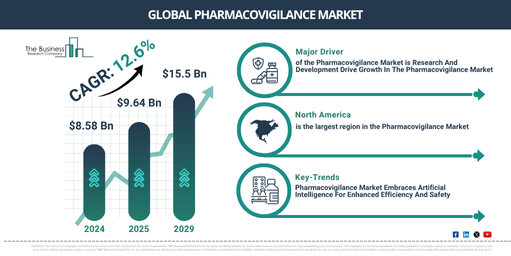
    In recent years, the size of the pharmacovigilance market has seen rapid expansion. It is predicted to increase from $8.58 billion in 2024 to $9.64 billion in 2025, exhibiting a compound annual growth rate (CAGR) of 12.4%. The past growth trend can be traced back to factors such as rising cases of adverse drug reactions (ADRs), heightened research and development (R&D) initiatives, increased rates of drug development, an intensified emphasis on personalized medicine, and a growing occurrence of chronic diseases.

    The market size of pharmacovigilance is projected to experience significant expansion in the upcoming years. The market is anticipated to escalate to “$15.5 billion by 2029 with a compound annual growth rate (CAGR) of 12.6%. This predicted growth within the forecast period can be credited to the escalating healthcare costs, additional government assistance, and the aging populace. The forecast period will also witness such major trends as increased investments, utilization of artificial intelligence, the employment of innovative platforms, the incorporation of innovative cloud-based systems, and tactical mergers and acquisitions.

    Download The Free Sample Report Here:

    https://www.thebusinessresearchcompany.com/sample.aspx?id=5928&type=smp

    #What Drivers Are Influencing Growth In The Pharmacovigilance Market?

    The pharmacovigilance market is being propelled by escalating activities in research and development. As pharmaceutical companies boost their R&D investment, they are better positioned to create innovative, safer drugs. Comprehensive preclinical and clinical evaluations during the drug creation process facilitate the early identification of possible safety risks, enabling the execution of suitable risk reduction strategies. Furthermore, advancements in adverse event observation, data scrutiny, and signal identification technologies aided by R&D efforts enable adverse drug effects to be detected promptly during the post-market phase. For instance, Llywodraeth Cymru Welsh Government, a UK government agency, reported in February 2024 that Wales invested £1.0 billion ($1.25 billion) in Business Expenditure on Research and Development (BERD) in 2022. This accounted for 1.9% of the entire UK expenditure in this field. Consequently, the growth of the pharmacovigilance market has been sustained by the increasing activities in research and development.

    The pharmacovigilance market covered in this report is segmented –

    1) By Type: Spontaneous Reporting, Intensified ADR Reporting, Targeted Spontaneous Reporting, Cohort Event Monitoring, EHR Mining

    2) By Service Provider: In-House, Contract Outsourcing

    3) By Process Flow: Case Data Management, Signal Detection, Risk Management System

    4) By Clinical Trial Phases: Preclinical, Phase I, Phase II, Phase III, Phase IV

    5) By End User: Hospitals, Pharmaceutical Companies, Other End Users

    Subsegments:

    1) By Spontaneous Reporting: Individual Case Safety Reports (ICSRs), Voluntary Reporting Systems, Case Reports From Healthcare Professionals

    2) By Intensified ADR Reporting: Active Surveillance Programs, Enhanced Monitoring In Clinical Trials, Risk Minimization Strategies

    3) By Targeted Spontaneous Reporting: Reporting For Specific Drug Classes, Condition-Specific Reporting, Focused Surveillance Programs

    4) By Cohort Event Monitoring: Prospective Cohort Studies, Retrospective Cohort Studies, Longitudinal Studies

    5) By EHR Mining: Data Extraction From Electronic Health Records, Signal Detection Through EHR Analysis, Integration Of EHR Data With Pharmacovigilance Systems

    What Upcoming Trends Are Expected To Impact The Pharmacovigilance Market Globally?

    Pharmaceutical companies in the pharmacovigilance market are turning their attention to artificial intelligence (AI) as a means to enhance efficiency. The use of AI can heighten the precision and effectiveness of pharmacovigilance activities, ultimately resulting in improved patient care. Integration of AI enables pharmaceutical firms to better optimize processes, enhance data management, and fast-track drug finding, all while slashing costs and augmenting safety. For instance, in August 2024, the Indian Government launched the Adverse Drug Reaction Monitoring System (ADRMS) software – a pharmacovigilance software pioneered by the Ministry of Health & Family Welfare and Ministry of Chemicals and Fertilizers. This software makes the process of gathering and interpreting adverse occurrences related to medicines and medical devices easier for consumers and healthcare professionals alike. This move significantly boosts India’s pharmacovigilance framework by assuring a more thorough collection of safety data and improving medication safety monitoring. The ADRMS is designed to enhance the efficiency of drug safety management and adherence to standards, granting India a leadership position in the international pharmaceutical sector.

    Which Companies Play A Key Role In The Development Of The Pharmacovigilance Market?

    Major companies operating in the pharmacovigilance market include IQVIA, Cognizant, ICON Plc, Accenture plc, PAREXEL International Corporation., United BioSource LLC, ArisGlobal, Quanticate, Wipro Limited, Linical Americas, Novotech CRO, Wuxi Apptec, Simcere Pharmaceutical Group, Lee’s Pharmaceutical Holdings, Luye Pharma Group, EXTEDO, Arriello, PrimeVigilance, Axios International, C3i Solutions, Alcon, Secure AI Labs, OmniSol dot Tech, Canna Call Company, Veripad, Prevnos Inc., Lifescient, Inc, BeiGene, QuintilesIMS, Labcorp Drug Development, Pharmaceutical Product Development Inc., PRA Health Sciences, Synowledge LLC, RAPAhub, illuminate health, Invenio Medical, ClinChoice Inc., MSD, Novasyte, Fortrea Holdings Inc, Syneos Health Clinical, Zoetis Inc., Telerx Marketing Inc., Gilead Sciences, Inc., Elanco, Abbott Laboratories, Spimaco, Teva Pharmaceutical Industries Ltd.

    https://www.thebusinessresearchcompany.com/report/pharmacovigilance-global-market-report

    What Are The Key Regional Developments Shaping The Pharmacovigilance Market?

    North America was the largest region in the pharmacovigilance market in 2024. Asia-Pacific is expected to be the fastest-growing region in the forecast region. The regions covered in the pharmacovigilance market report are Asia-Pacific, Western Europe, Eastern Europe, North America, South America, Middle East, Africa.

    Request For A Customized Report:

    https://www.thebusinessresearchcompany.com/customise?id=5928&type=smp

    About The Business Research Company:

    With over 15000+ reports from 27 industries covering 60+ geographies, The Business Research Company has built a reputation for offering comprehensive, data-rich research and insights. Armed with 1,500,000 datasets, the optimistic contribution of in-depth secondary research, and unique insights from industry leaders, you can get the information you need to stay ahead in the game.

    Get in touch with us:

    The Business Research Company: https://www.thebusinessresearchcompany.com/

    Americas +1 310-496-7795

    Asia +44 7882 955267 & +91 8897263534

    Europe +44 7882 955267

    Email us at info@tbrc.info

    Follow us on:

    LinkedIn: https://in.linkedin.com/company/the-business-research-company

    YouTube: https://www.youtube.com/channel/UC24_fI0rV8cR5DxlCpgmyFQ

    Global Market Model: https://www.thebusinessresearchcompany.com/global-market-model
  • Comprehensive Forecast: Viral Vector Manufacturing Market Share, Growth, and Opportunities Through 2029

    Comprehensive Forecast: Viral Vector Manufacturing Market Share, Growth, and Opportunities Through 2029

    Claim your 30% discount on Global Market Reports with code ONLINE30. Limited time only.

    Claim your 30% discount on Global Market Reports with code ONLINE30. Limited time only.

    What CAGR Is Anticipated for the Viral Vector Manufacturing Market Through 2029?

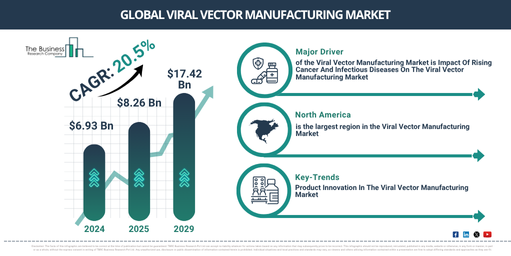
    The rapid expansion of the viral vector manufacturing market in recent years is significant. The market size is projected to rise from $6.93 billion in 2024 to $8.26 billion in 2025, displaying a compound annual growth rate (CAGR) of 19.1%. The historical growth of this sector can be linked to the expansion of the gene therapies pipeline, successful clinical trials and approvals, enhanced investment in biopharmaceuticals, and a rising incidence of genetic disorders.

    The market for viral vector manufacturing is anticipated to experience significant expansion in the forthcoming years. It is projected to escalate to “$17.42 billion in 2029 with a compound annual growth rate (CAGR) of 20.5%.” This anticipated surge during the forecast period can be credited to factors such as rising applicability in oncology, increased global cooperation in gene therapy research, use of viral vectors in vaccine development, ongoing clinical trials, and commercialization. The forecast period is expected to see key trends such as technological advancements in vector manufacture, the rise of next-generation vectors, regulatory adherence and standardization, collaborations and alliances, and worldwide development of manufacturing facilities.

    Download The Free Sample Report Here:

    https://www.thebusinessresearchcompany.com/sample.aspx?id=12398&type=smp

    What Market Forces Are Driving The Viral Vector Manufacturing Sector In 2025 And Beyond?

    The escalation of cancer and infectious disease occurrences is predicted to fuel the expansion of the viral vector manufacturing market in the future. Infectious diseases are typically caused by a virus or its poisonous byproduct and are spread to susceptible hosts through interaction with an infected individual, animal, or object. On the other hand, cancer is a term used to describe a variety of diseases that can manifest in any body organ or tissue when rogue cells multiply uncontrollably, breach their usual boundaries, intrude neighboring organs, and metastasize to other organs. Viral vectors facilitate the production of tumor antigens – proteins present in cancer cells – in order to activate the body’s anticancer immunity. These viral vectors have been used in pre-clinical and clinical experiments as vaccines for a wide range of infectious diseases. For instance, the Australian Institute of Health and Welfare reported in July 2024 that the number of diagnosed cancer cases in Australia escalated from 160,570 in 2022 to 164,694 in 2023 – a significant annual increase indicating the rising cancer prevalence in the country. Additionally, the UK Health Security Agency published data in August 2024 stating that England experienced an almost sevenfold increase in measles cases from 53 in 2022 to 368 in 2023, with the West Midlands and London responsible for 44% and 33% of the reported cases respectively. Consequently, the rising prevalence of cancer and infectious diseases is bolstering the growth of the viral vector manufacturing market.

    The viral vector manufacturing market covered in this report is segmented –

    1) By Type: Adenoviral Vectors, Adeno-Associated Viral Vectors, Lentiviral Vectors, Retroviral Vectors, Other Types

    2) By Disease: Cancer, Genetic Disorders, Infectious Diseases, Other Diseases

    3) By Workflow: Upstream Processing, Downstream Processing

    4) By Application: Gene And Cell Therapy Development, Vaccine Development, Biopharmaceutical And Pharmaceutical Discovery, Biomedical Research

    5) By End-User: Research Organizations, Biotech And Pharmaceutical Companies, Others End Users

    Subsegments:

    1) By Adenoviral Vectors: Serotype 5, Serotype 2, Serotype 26

    2) By Adeno-Associated Viral Vectors: AAV2, AAV5, AAV8, AAV9, Others

    3) By Lentiviral Vectors: HIV-1-Based Lentiviral Vectors, SIV-Based Lentiviral Vectors, Others

    4) By Retroviral Vectors: Moloney Murine Leukemia Virus (MoMLV), Gammaretroviral Vectors, Others

    5) By Other Types: Sendai Viral Vectors, Vesicular Stomatitis Virus (VSV)-Based Vectors, Measles Virus Vectors, Others

    What Upcoming Trends Are Expected To Impact The Viral Vector Manufacturing Market Globally?

    The trend of product innovation is increasingly becoming prominent in the viral vector manufacturing market as key companies introduce new products to maintain their market standing. For example, Merck KGaA, a science and technology company based in Germany, unveiled the VirusExpress 293 Adeno-Associated Virus (AAV) Production Platform in August 2022. This company is among the first Contract development and manufacturing organizations and technology inventors to offer a comprehensive viral vector manufacturing suite, which includes AAV, Lentiviral, CDMO, CTO, and process development. This innovative platform allows biopharmaceutical companies to reduce process development time and cost, facilitating a quicker progression to clinical production.

    Which Firms Are Considered Leaders In The Viral Vector Manufacturing Market Space?

    Major companies operating in the viral vector manufacturing market include Sanofi S.A., Thermo Fisher Scientific Inc., Merck Group, FUJIFILM Holdings Corporation, Lonza Group, Catalent Inc., Sartorius AG, Charles River Laboratories International Inc., AGC Biologics, Ultragenyx Pharmaceutical Inc., Novasep Holding SAS, Aldevron LLC, Oxford Biomedica plc, LakePharma Inc., Voyager Therapeutics Inc., Mustang Bio Inc., Regenxbio Inc., VGXI Inc., BioNTech IMFS GmbH, FinVector Oy, Vigene Biosciences Inc., Univercells Technologies, Sirion-Biotech GmbH, Cevec Pharmaceuticals GmbH, Batavia Biosciences BV.

    https://www.thebusinessresearchcompany.com/report/viral-vector-manufacturing-global-market-report

    What Role Do Regional Policies And Investments Play In Viral Vector Manufacturing Market Expansion?

    North America was the largest region in the viral vector manufacturing market in 2024. Asia-Pacific is expected to be the fastest-growing region in the forecast period. The regions covered in the viral vector manufacturing market report are Asia-Pacific, Western Europe, Eastern Europe, North America, South America, Middle East, Africa

    Request For A Customized Report:

    https://www.thebusinessresearchcompany.com/customise?id=12398&type=smp

    About The Business Research Company:

    With over 15000+ reports from 27 industries covering 60+ geographies, The Business Research Company has built a reputation for offering comprehensive, data-rich research and insights. Armed with 1,500,000 datasets, the optimistic contribution of in-depth secondary research, and unique insights from industry leaders, you can get the information you need to stay ahead in the game.

    Get in touch with us:

    The Business Research Company: https://www.thebusinessresearchcompany.com/

    Americas +1 310-496-7795

    Asia +44 7882 955267 & +91 8897263534

    Europe +44 7882 955267

    Email us at info@tbrc.info

    Follow us on:

    LinkedIn: https://in.linkedin.com/company/the-business-research-company

    YouTube: https://www.youtube.com/channel/UC24_fI0rV8cR5DxlCpgmyFQ

    Global Market Model: https://www.thebusinessresearchcompany.com/global-market-model
  • Outlook for Pharmaceutical Suppositories Market: Key Developments and Future Strategies to 2029

    Outlook for Pharmaceutical Suppositories Market: Key Developments and Future Strategies to 2029

    Claim your 30% discount on Global Market Reports with code ONLINE30. Limited time only.

    Claim your 30% discount on Global Market Reports with code ONLINE30. Limited time only.

    What Is the Current and Projected Market Size of the Pharmaceutical Suppositories Industry?

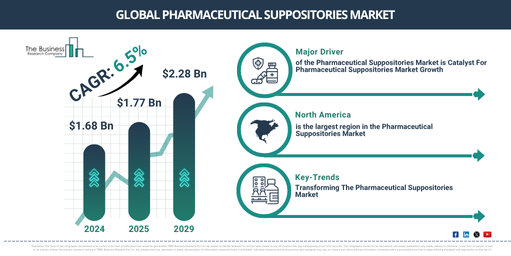
    The size of the pharmaceutical suppositories market has seen substantial growth in the past few years. It’s predicted to expand from $1.68 billion in 2024 to $1.77 billion in 2025, marking a compound annual growth rate (CAGR) of 5.2%. Various factors such as heightened healthcare spending, new marketing approvals for suppositories, government-backed initiatives, a surge in constipation cases, and an increase in disease prevalence, have contributed to the growth witnessed in the historic period.

    The market size for pharmaceutical suppositories is projected to experience robust expansion in the years to come. It is estimated to reach “$2.28 billion by 2029, progressing at a compound annual growth rate (CAGR) of 6.5%. The surge in growth in the prediction period is accredited to the rising occurrence of kidney deterioration or loss, and an escalation in the frequency of hemorrhoids. Key trends during the predicted period involve strategic alliances, technological progressions, product novelty, and an emphasis on patient comfort and compliance.

    Download The Free Sample Report Here:

    https://www.thebusinessresearchcompany.com/sample.aspx?id=8804&type=smp

    #Which Factors Are Currently Driving The Growth Of The Pharmaceutical Suppositories Market?

    The escalating occurrence of ailments is projected to drive the growth of the pharmaceutical suppositories market. The growing incidence of these conditions is largely due to elements such as climate and geography, as well as disease-carrying insects. Pharmaceutical suppositories are increasingly being used to treat the rising patient numbers resulting from this surge in disease prevalence. This type of medication provides an alternative way of administering drugs, by placing a small, cylindrical object into the body, generally via the rectum, which then dissolves or melts, thereby releasing the medication required to treat the illness. For example, chronic diseases are expected to be responsible for 70% of all deaths globally by 2030, according to an article by a US-based intergovernmental organization published by the United Nations. These chronic illnesses are predicted to account for nearly 60% of all global deaths. Therefore, the escalating occurrence of ailments is pushing the pharmaceutical suppositories market’s growth.

    The pharmaceutical suppositories market covered in this report is segmented –

    1) By Type: Rectal Suppositories, Vaginal Suppositories, Urethral Suppositories, Other Types

    2) By Base: Fatty Base, Water Miscible Bases, Emulsifying Bases

    3) By End-User: Hospitals And Clinics, Nursing Homes, Home Care, Other End Users

    Subsegments:

    1) By Rectal Suppositories: Laxative Suppositories, Analgesic Suppositories, Anti-inflammatory Suppositories

    2) By Vaginal Suppositories: Antifungal Suppositories, Hormonal Suppositories, Contraceptive Suppositories

    3) By Urethral Suppositories: Antimicrobial Suppositories, Analgesic Suppositories

    4) By Other Types: Pediatric Suppositories, Herbal Or Homeopathic Suppositories

    How Are Key Trends Driving Expansion In The Pharmaceutical Suppositories Industry?

    The adoption of modern technology is a notable evolving trend in the market for pharmaceutical suppositories. A number of prominent firms in the sector are leveraging cutting-edge tech to maintain their market standing. For instance, in August 2023, the India-based pharmaceutical firm Zydus Lifesciences acquired USFDA acceptance for its Indomethacin suppositories, accompanied by a Competitive Generic Therapy (CGT) label. This labeling speeds up the development process of non-branded drugs with fewer competitors, leading to more cost-effective treatments. The innovative formulation support efficient delivery and absorption. Zydus received a 180-day exclusivity duration that fosters innovation. Stringent testing validated that the product meets high thresholds for quality, safety, and effectiveness.

    Who Are The Main Participants Shaping The Pharmaceutical Suppositories Market Landscape?

    Major companies operating in the pharmaceutical suppositories market include Bayer AG, Pfizer Inc, Novartis International Ag, Sanofi S.A., Intas Pharmaceuticals Ltd,Unither Pharmaceuticals, Cosette Pharmaceuticals, Inc, Aenova Holding GmbH, Delpharm, Bliss GVS Pharma Ltd, JoinHub Pharma, Sun Pharmaceutical Industries Ltd, Cipla Ltd, Divis Laboratories Ltd, Dr. Reddys Laboratories Ltd, Apollo Hospitals Enterprise Ltd, Torrent Pharmaceuticals Ltd, Amgen, Bristol Myers Squibb, Chiesi Farmaceutici, CSPC Pharmaceutical Group, Esteve Química, Humanwell Healthcare (Group) Co, Jiangsu Hengrui Pharmaceutical, GlaxoSmithKline (GSK), Nordic Pharma Group, Phoenix Pharma Group, DocMorris, Medpex, AstraZeneca, Abbott Laboratories, Mylan, Zentiva, Merck & Co, Teva Pharmaceutical Industries Ltd, AbbVie Inc, Apotex, Gilead Sciences, Roche, EMS Pharma, Biolab Farmaceutica, Boehringer Ingelheim, JRS Pharma, Roquette, Odan Laboratories Ltd, Axantia, Kiara Health (Pty) Ltd, IBD Africa, Menarini Group, Padagis LLC

    https://www.thebusinessresearchcompany.com/report/pharmaceutical-suppositories-global-market-report

    Which Region Currently Holds The Largest Share In The Pharmaceutical Suppositories Market?

    North America was the largest region in the pharmaceutical suppositories market in 2024. Asia-Pacific is expected to be the fastest-growing region in the forecast period. The regions covered in the pharmaceutical suppositories market report are Asia-Pacific, Western Europe, Eastern Europe, North America, South America, Middle East, Africa.

    Request For A Customized Report:

    https://www.thebusinessresearchcompany.com/customise?id=8804&type=smp

    About The Business Research Company:

    With over 15000+ reports from 27 industries covering 60+ geographies, The Business Research Company has built a reputation for offering comprehensive, data-rich research and insights. Armed with 1,500,000 datasets, the optimistic contribution of in-depth secondary research, and unique insights from industry leaders, you can get the information you need to stay ahead in the game.

    Get in touch with us:

    The Business Research Company: https://www.thebusinessresearchcompany.com/

    Americas +1 310-496-7795

    Asia +44 7882 955267 & +91 8897263534

    Europe +44 7882 955267

    Email us at info@tbrc.info

    Follow us on:

    LinkedIn: https://in.linkedin.com/company/the-business-research-company

    YouTube: https://www.youtube.com/channel/UC24_fI0rV8cR5DxlCpgmyFQ

    Global Market Model: https://www.thebusinessresearchcompany.com/global-market-model
  • Future Demand and Leading Companies Shaping the Vaginitis Therapeutics Market to 2029

    Future Demand and Leading Companies Shaping the Vaginitis Therapeutics Market to 2029

    Claim your 30% discount on Global Market Reports with code ONLINE30. Limited time only.

    Claim your 30% discount on Global Market Reports with code ONLINE30. Limited time only.

    What Are the Latest Market Insights for the Vaginitis Therapeutics Industry?

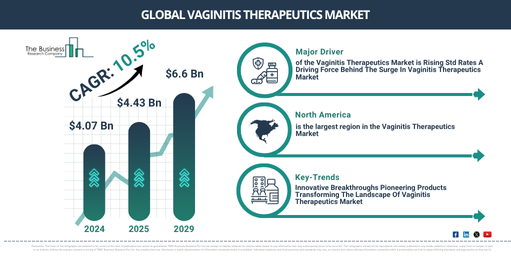
    There has been a robust expansion in the market size of vaginitis therapeutics in the past few years. The market is expected to increase from $4.07 billion in 2024 and reach $4.43 billion by 2025, growing at a compound annual growth rate (CAGR) of 8.7%. The surge in the market during the historical period can be ascribed to factors such as high occurrence rate of vaginal infections, increasing awareness about women’s health, modifications in lifestyle and hygiene habits, concerns about antibiotic resistance, and progress in pharmaceutical research and development.

    In the coming years, the market size for vaginitis therapeutics is anticipated to witness fast-paced growth. It’s projected to reach “$6.6 billion in 2029, marking a compound annual growth rate (CAGR) of 10.5%. The boost in growth during the forecast period is contributed to greater emphasis on individualized medication, improved access to healthcare, increased aging population, attention towards non-antibiotic treatments, and initiatives related to awareness and education. The projection period witnesses key trends such as integrated therapies for resistance scenarios, advancements in regulations and guidelines, the inclusion of digital healthcare tools, worldwide collaboration for research, and the creation of non-medicinal treatments.

    Download The Free Sample Report Here:

    https://www.thebusinessresearchcompany.com/sample.aspx?id=10794&type=smp

    What Forces Are Driving The Growth Of The Vaginitis Therapeutics Industry?

    The escalating rate of sexually transmitted diseases (STDs) is anticipated to stimulate the expansion of the vaginitis therapeutics market. STDs, which are infections transmitted through sexual activity between those carrying the disease and those without, often result in vaginitis which causes vaginal inflammation and discomfort. Therapies for vaginitis can alleviate the symptoms attributed to STDs in women, thus prompting greater use of vaginitis medications. As an example, the UK Health Security Agency, a government body in the UK, reported in July 2024 that there were 401,800 new STD diagnoses in 2023, marking a 4.7% rise from 2022 (383,789). As such, the climbing rate of STDs is predicted to intensify the growth of the vaginitis therapeutics market.

    The vaginitis therapeutics market covered in this report is segmented –

    1) By Drug Type: Nitroimidazole Compound, Lincosamide Antibiotics, Triazoles, Imidazoles

    2) By Route Of Administration: Oral, Cutaneous, Vaginal

    3) By Indication Type: Bacterial Vaginosis, Trichomoniasis, Vulvovaginal Candidiasis, Other Types

    3) By End Users: Hospitals, Ambulatory Surgical Centers, Specialized Gynecology Centers, Clinics

    Subsegments:

    1) By Nitroimidazole Compound: Metronidazole, Tinidazole

    2) By Lincosamide Antibiotics: Clindamycin

    3) By Triazoles: Fluconazole, Itraconazole

    4) By Imidazoles: Clotrimazole, Miconazole

    How Are Key Trends Driving Expansion In The Vaginitis Therapeutics Industry?

    The emergence of product innovation is a principal trend being observed in the vaginitis therapeutics market. Many major firms within this industry are concentrating on producing novel solutions to fortify their market position. A case in point is Duchesnay Inc., a pharmaceutical firm from Canada that is proficient in women’s health, which has introduced Vablys. This is the first prescription antiseptic and anti-infective treatment for bacterial vaginosis intended for women below the age of 55. With multiple modes of action, it offers anti-infective benefits against a range of pathogens. The treatment entails putting one tablet in the vagina before bed for six successive nights.

    Who Are The Primary Players Operating Across The Global Vaginitis Therapeutics Market?

    Major companies operating in the vaginitis therapeutics market include Pfizer Inc., Merck & Co Inc., Novartis AG, Bayer AG, Lupin Pharmaceuticals Inc., Symbiomix Therapeutics Inc., Mission Pharmacal Company, Teva Pharmaceutical Industries Ltd., Janssen Pharmaceuticals Inc., Lumavita AG, Abbott Laboratories Ltd., GlaxoSmithKline plc, Sanofi SA, Bristol-Myers-Squibb Co, Eli Lilly and Co, TherapeuticsMD Inc., Scynexis Inc., Sebela Pharmaceuticals Inc., Daré Bioscience Inc., Hologic Inc., Mylan N.V., Viamet Pharmaceuticals Inc., Matinas BioPharma Holdings Inc., Cidara Therapeutics Inc., Imprimis Pharmaceuticals Inc., Innovus Pharmaceuticals Inc., Evofem Biosciences Inc., Mycovia Pharmaceuticals, Perrigo Company plc, Mithra Pharmaceuticals, Ferring Pharmaceuticals, AstraZeneca plc, Biocon Limited, Pacira Pharmaceuticals Inc., The Medicines Company

    https://www.thebusinessresearchcompany.com/report/vaginitis-therapeutics-global-market-report

    Which Region Offers The Most Growth Potential For The Vaginitis Therapeutics Market Through 2029?

    North America was the largest region in the global vaginitis therapeutics market in 2024. The regions covered in the vaginitis therapeutics market report are Asia-Pacific, Western Europe, Eastern Europe, North America, South America, Middle East, Africa

    Request For A Customized Report:

    https://www.thebusinessresearchcompany.com/customise?id=10794&type=smp

    About The Business Research Company:

    With over 15000+ reports from 27 industries covering 60+ geographies, The Business Research Company has built a reputation for offering comprehensive, data-rich research and insights. Armed with 1,500,000 datasets, the optimistic contribution of in-depth secondary research, and unique insights from industry leaders, you can get the information you need to stay ahead in the game.

    Get in touch with us:

    The Business Research Company: https://www.thebusinessresearchcompany.com/

    Americas +1 310-496-7795

    Asia +44 7882 955267 & +91 8897263534

    Europe +44 7882 955267

    Email us at info@tbrc.info

    Follow us on:

    LinkedIn: https://in.linkedin.com/company/the-business-research-company

    YouTube: https://www.youtube.com/channel/UC24_fI0rV8cR5DxlCpgmyFQ

    Global Market Model: https://www.thebusinessresearchcompany.com/global-market-model
  • 2025–2029 Vaccine Adjuvants Market Outlook: Regional Trends and Growth Forecast

    2025–2029 Vaccine Adjuvants Market Outlook: Regional Trends and Growth Forecast

    Claim your 30% discount on Global Market Reports with code ONLINE30. Limited time only.

    Claim your 30% discount on Global Market Reports with code ONLINE30. Limited time only.

    What Are the Forecasted Growth Rate and Market Size of the Vaccine Adjuvants Market?

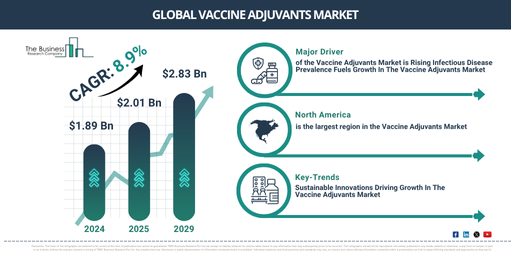
    The vaccine adjuvants industry has seen dynamic growth in the past years. The market is expected to rise from $1.89 billion in 2024 to $2.01 billion in 2025, with an annual compound growth rate (CAGR) of 6.6%. This notable growth during the previous period is largely due to the rise in vaccine development, the prevalence of infectious diseases, the initiation of government programs for immunization, investments in research and development, and the globalization of vaccine distribution.

    The market size of vaccine adjuvants is projected to experience robust growth in the upcoming years, escalating to $2.83 billion by 2029 with a compound annual growth rate (CAGR) of 8.9%. Factors contributing to this growth in the prediction period include readiness for pandemics, an increasing vaccine portfolio, international immunization objectives, collaborations, and strategic partnerships, and an emphasis on therapeutic vaccines. Trends expected during this prediction period are developments in adjuvant technologies, increased focus on improving immunogenicity, the use of combined adjuvants for heightened effectiveness, the need for safer and better-tolerated adjuvants, and the emergence of personalized vaccines and adjuvants.

    Download The Free Sample Report Here:

    https://www.thebusinessresearchcompany.com/sample.aspx?id=10121&type=smp

    Which Factor Is Shaping The Future Of The Vaccine Adjuvants Market?

    The escalating frequency of infectious diseases has the potential to boost the growth of the vaccine adjuvants market in the future. These diseases, induced by viruses, bacteria, fungi, or parasites, are treated with immunizations for conditions like hepatitis B (HBV), hepatitis C (HCV), HIV, malaria, syphilis, and brucellosis. To illustrate, the 2022 report from the World Health Organization (WHO) revealed that there were around 10.6 million global tuberculosis cases in 2021, resulting in 1.6 million deaths. Moreover, in the same year, 1.5 million people contracted HIV, and 650,000 people succumbed to the disease. Therefore, the increasing occurrence of infectious diseases will enhance the growth of the vaccine adjuvants market.

    The vaccine adjuvants market covered in this report is segmented –

    1) By Product Type: Adjuvant Emulsions, Pathogen Components, Particulate Adjuvants, Combination Adjuvants, Other Product Types

    2) By Route of Application: Human Vaccine Adjuvants, Veterinary Vaccine Adjuvants

    3) By Route of Administration: Oral, Intramuscular, Intranasal, Subcutaneous, Intradermal

    4) By Disease: Cancer, Infectious Diseases, Other Diseases

    Subsegments:

    1) By Adjuvant Emulsions: Oil-In-Water Emulsions, Water-In-Oil Emulsions

    2) By Pathogen Components: Bacterial Components, Viral Components

    3) By Particulate Adjuvants: Liposomes, Nanoparticles, Microparticles

    4) By Combination Adjuvants: Mixed Emulsions, Multiple Component Systems

    5) By Other Product Types: Synthetic Adjuvants, Natural Adjuvants

    Which Emerging Trends And Strategic Shifts Are Shaping The Vaccine Adjuvants Market?

    One of the main trends seen in the vaccine adjuvants market revolves around product innovation. Players in this market are strategically adopting innovative solutions to solidify their standing. Evonik Industries, a Germany-based company specializing in chemical manufacturing, for instance, rolled out PhytoSquene in December 2022. This plant-based product derived from amaranth oil is a sustainable substitute for the conventional shark-derived squalene, and is primed for usage in vaccine adjuvants as well as other pharmaceutical applications in order to augment vaccine effectiveness by catalyzing immune responses. This move underscores the growing focus on sustainability within the pharmaceutical industry.

    Which Companies Hold The Largest Market Share In The Vaccine Adjuvants Sector?

    Major companies operating in the vaccine adjuvants market include GlaxoSmithKline Plc., Novavax Inc., SPI Pharma Inc., Agenus Inc., CSL Limited, InvivoGen Limited., Brenntag Biosector A/S, Adjuvatis, Merck KGaA, Croda International Plc, Seppic Inc, OZ Biosciences, Avanti Polar Lipids Inc, Astellas Pharma Inc, Virometix AG, MPV Technologies Limited, Adjuvance Technologies Inc., Novartis AG, Vaxine Pty Ltd, SBI Biotech Co. Ltd., Statens Serum Institute, GSK Vaccines, VaxLiant LLC, VaxForm LLC, Serum Institute of India, Dynavax Technologies Corporation, Vaxcyte Inc., VBI Vaccines Inc., Medicago Inc., Aphios Corporation

    https://www.thebusinessresearchcompany.com/report/vaccine-adjuvants-global-market-report

    How Does Regional Performance Compare Across The Vaccine Adjuvants Industry?

    North America was the largest region in the vaccine adjuvants market in 2024.Asia-Pacific is expected to be the fastest-growing region in the global vaccine adjuvants market report during the forecast period. The regions covered in the vaccine adjuvants market report are Asia-Pacific, Western Europe, Eastern Europe, North America, South America, Middle East, Africa

    Request For A Customized Report:

    https://www.thebusinessresearchcompany.com/customise?id=10121&type=smp

    About The Business Research Company:

    With over 15000+ reports from 27 industries covering 60+ geographies, The Business Research Company has built a reputation for offering comprehensive, data-rich research and insights. Armed with 1,500,000 datasets, the optimistic contribution of in-depth secondary research, and unique insights from industry leaders, you can get the information you need to stay ahead in the game.

    Get in touch with us:

    The Business Research Company: https://www.thebusinessresearchcompany.com/

    Americas +1 310-496-7795

    Asia +44 7882 955267 & +91 8897263534

    Europe +44 7882 955267

    Email us at info@tbrc.info

    Follow us on:

    LinkedIn: https://in.linkedin.com/company/the-business-research-company

    YouTube: https://www.youtube.com/channel/UC24_fI0rV8cR5DxlCpgmyFQ

    Global Market Model: https://www.thebusinessresearchcompany.com/global-market-model
  • Latest Market Developments in Urea Cycle Disorders Treatment Industry: Forecast 2025–2029

    Latest Market Developments in Urea Cycle Disorders Treatment Industry: Forecast 2025–2029

    Claim your 30% discount on Global Market Reports with code ONLINE30. Limited time only.

    Claim your 30% discount on Global Market Reports with code ONLINE30. Limited time only.

    What Is the Estimated Industry Valuation for the Urea Cycle Disorders Treatment Sector?

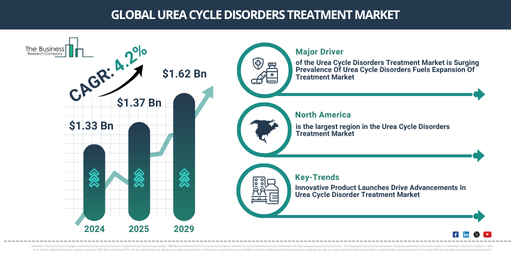
    In recent times, there has been consistent growth in the market size of urea cycle disorders treatment. The market is projected to expand from $1.33 billion in 2024 to $1.37 billion in 2025, with a compound annual growth rate (CAGR) of 2.9%. The market’s growth during the previous period was driven by factors such as increased awareness and education, advancements in newborn screening techniques, the creation of patient support networks, and the establishment of care standards guidelines.

    The market size for treating urea cycle disorders is predicted to undergo consistent expansion over the approaching years. It’s estimated that by 2029 it will reach “$1.62 billion, with a compound annual growth rate (CAGR) of 4.2%. Contributing factors to this growth during the forecast period include progress in enzyme replacement therapy, wider newborn screening initiatives, heightened collaboration in research, the extension of therapeutic alternatives, and advancements in telemedicine and remote care. Future trends that are expected to be prevalent during the forecast period are refinement in gene editing techniques, awareness and advocacy drives, breakthroughs in regenerative medicine, long-term effectiveness and security studies, and tailored nutritional therapies.

    Download The Free Sample Report Here:

    https://www.thebusinessresearchcompany.com/sample.aspx?id=12237&type=smp

    What Forces Are Driving The Growth Of The Urea Cycle Disorders Treatment Market?

    The growing number of urea cycle disorder cases are anticipated to boost the expansion of the treatment market for those disorders. Urea cycle disorder is an innate metabolic disorder which occurs due to a defect in one of the enzymes or transporter molecules required to eliminate ammonia from the body by the liver. This increase is motivated by genetic disorders. Once a urea cycle disorder (UCD), due to ammonia accumulation, is recognized, a personalized treatment plan combining dietary modification, medication, and surveillance can be executed to handle and diminish its adverse effects. For instance, StatPearls Publishing LLC, a medical education library based in the US, revealed in April 2023 that the incidence of urea cycle disorders due to ornithine transcarbamylase deficiency was 1 in 140,000 people. Additionally, in September 2022, Lecturio, a German digital medical education platform, stated that approximately 1 in every 35,000 global live births and 1 in 8,200 live births in the US experience urea cycle disorders (UCDs), resulting in about 113 new cases annually in the US and roughly 149 in Europe. Consequently, the escalating prevalence of urea cycle disorders is promoting the expansion of the urea cycle disorders treatment market.

    The urea cycle disorders treatment market covered in this report is segmented –

    1) By Treatment: Amino Acid Supplements, Sodium Phenylbutyrate, Glycerol Phenylbutyrate, Sodium Benzoate, Other Treatments

    2) By Enzyme Deficiency: Ornithine Transcarbamylase (OTC), Argininosuccinate Synthetase (AS), Arginase (AG), Argininosuccinate Lyase (AL), Carbamoyl Phosphate Synthase (CPS1)

    3) By Route of Administration: Oral, Injectables

    4) By Distribution Channel: Hospital Pharmacies, Retail Pharmacies, Online Pharmacies

    Subsegments:

    1) By Amino Acid Supplements: Arginine Supplements, Citrulline Supplements, Other Essential Amino Acids

    2) By Sodium Phenylbutyrate: Powder Form, Tablet Form

    3) By Glycerol Phenylbutyrate: Oral Solutions, Other Forms

    4) By Sodium Benzoate: Intravenous Solutions, Oral Formulations

    5) By Other Treatments: Liver Transplantation, Dietary Modifications, Enzyme Replacement Therapy, Other Supportive Therapies

    What Are The Leading Trends And Opportunities In The Urea Cycle Disorders Treatment Sector?

    Product innovation has been identified as a significant trend that is increasingly popular in the urea cycle disorder treatment market. Major players in this market are focusing on the development of innovative products to solidify their market presence. For instance, in September 2022, U.S. pharmaceutical company Medunik USA launched a distinctive and flavor-concealing formulation of sodium phenylbutyrate (NaPB) called Pheburane oral pellets. These are intended for the enduring management of specific urea cycle disorders. The product is a prescription medication used with a special diet to handle urea cycle disorders (UCDs) in adults and children related to deficiencies in carbamyl phosphate synthetase (CPS), ornithine transcarbamylase (OTC), or argininosuccinate synthetase (AS). The dosage is measured using a reusable, calibrated spoon that is included in the package; a unique feature of this product is that it doesn’t need to be mixed or ingested orally like other NaPB forms. Pheburane can be enjoyed with a meal or snack, or sprinkled onto a spoonful of apple sauce or carrot puree, accompanied by water, fruit juice, or protein-free infant formula.

    Which Companies Currently Dominate The Competitive Landscape In The Urea Cycle Disorders Treatment Industry?

    Major companies operating in the urea cycle disorders treatment market include Bausch Health Companies Inc., Recordati Rare Diseases, Eurocept Pharmaceuticals Holding (Lucane Pharma SA), Acer Therapeutics, Ultragenyx Pharmaceutical, Aeglea BioTherapeutics, Arcturus Therapeutics, Inc., Orpharma Pty Ltd., Selecta Biosciences, Inc., Abbott Laboratories, Mead Johnson & Company, LLC, Horizon Therapeutics Plc, Nestlé S.A., Danone S.A., Biophone, Relief Therapeutics Holding AG, TheraTriage, Genomatica, Protalix BioTherapeutics, Erytech Pharma, 4D Pharma, Synlogic, Amicus Therapeutics, Sobi, Astellas Pharma Inc., Chiesi Farmaceutici S.p.A., Medpace Holdings, Inc., Celerion, and PTC Therapeutics

    https://www.thebusinessresearchcompany.com/report/urea-cycle-disorders-treatment-global-market-report

    Which Geographic Regions Are Driving Demand In The Urea Cycle Disorders Treatment Market?

    North America was the largest region in the urea cycle disorders treatment market in 2024. The regions covered in the urea cycle disorders treatment market report are Asia-Pacific, Western Europe, Eastern Europe, North America, South America, Middle East, Africa.

    Request For A Customized Report:

    https://www.thebusinessresearchcompany.com/customise?id=12237&type=smp

    About The Business Research Company:

    With over 15000+ reports from 27 industries covering 60+ geographies, The Business Research Company has built a reputation for offering comprehensive, data-rich research and insights. Armed with 1,500,000 datasets, the optimistic contribution of in-depth secondary research, and unique insights from industry leaders, you can get the information you need to stay ahead in the game.

    Get in touch with us:

    The Business Research Company: https://www.thebusinessresearchcompany.com/

    Americas +1 310-496-7795

    Asia +44 7882 955267 & +91 8897263534

    Europe +44 7882 955267

    Email us at info@tbrc.info

    Follow us on:

    LinkedIn: https://in.linkedin.com/company/the-business-research-company

    YouTube: https://www.youtube.com/channel/UC24_fI0rV8cR5DxlCpgmyFQ

    Global Market Model: https://www.thebusinessresearchcompany.com/global-market-model
  • Emerging Trends and Growth Drivers in the Unit Dose Manufacturing Market Through 2029

    Emerging Trends and Growth Drivers in the Unit Dose Manufacturing Market Through 2029

    Claim your 30% discount on Global Market Reports with code ONLINE30. Limited time only.

    Claim your 30% discount on Global Market Reports with code ONLINE30. Limited time only.

    How Large Is the Unit Dose Manufacturing Market Expected to Be in 2029?

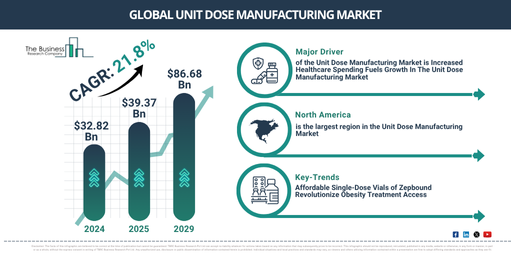
    In recent times, there has been a swift growth in the market size of unit dose manufacturing. It is predicted to expand from $32.82 billion in 2024 to $39.37 billion in 2025, reflecting a compound annual growth rate (CAGR) of 19.9%. The substantial growth witnessed during the historic phase can be credited to conventional pharmaceutical manufacturing methods, advancements in drug packaging regulations, increased desire for personalized medicine, the expanding aging population, and a surge in chronic diseases.

    The market size for unit dose manufacturing is predicted to witness a significant upsurge in the forthcoming years. The market is projected to expand to “$86.68 billion by 2029, showcasing a compound annual growth rate (CAGR) of 21.8%. The future growth can be credited to the integration of Industry 4.0 in the pharmaceutical manufacturing sector, the prioritization of accurate and personalized medicines, stringent regulatory focus on the safety and effectiveness of drugs, the broadening of pharmaceutical outsourcing, and the escalating demand for drug delivery centered around the patient. Key trends likely to shape the future of the sector include the incorporation of leading-edge automation in unit dose production, the inclusion of IoT in medicinal packaging, customization of unit dose packaging tailored to individual drugs, the uptake of sustainable and environment-friendly packaging materials, and the increasing use of 3D printing in the production of personalized drugs.

    Download The Free Sample Report Here:

    https://www.thebusinessresearchcompany.com/sample.aspx?id=12215&type=smp

    What Are The Contributors To Demand In The Unit Dose Manufacturing Market?

    The escalating expenditure on healthcare is predicted to fuel the expansion of the unit dose manufacturing market in the future. Healthcare spending encompasses all expenses in relation to delivering health services, conducting family planning activities, implementing nutritional programs, and providing emergency assistance that emphasizes health. A surge in investments in healthcare would contribute towards improving and expanding a range of health-focused services, including unit dose manufacturing, thereby fostering the growth of its market. For instance, the U.S. pharmaceutical industry, as stated by Cross River Therapy, a company based in the U.S that offers ABA therapy services, generated a revenue of $550 billion in September 2024. With Americans having invested $576.9 billion on drugs in 2021, the investment is predicted to witness a jump to between $605 and $635 billion by 2025. Hence, the upward trend in healthcare investment is catalyzing the expansion of the unit dose manufacturing market.

    The unit dose manufacturing market covered in this report is segmented –

    1) By Product: Liquid Unit Dose, Solid Unit Dose, Other Products

    2) By Sourcing: In-House, Outsourcing

    3) By End-User: Independent Pharmacies, Long Term Care Facility, Hospitals, Other End-Users

    Subsegments:

    1) By Liquid Unit Dose: Liquid Vials, Ampoules, Pre-filled Syringes

    2) By Solid Unit Dose: Tablets, Capsules, Powder Packs

    3) By Other Products: Transdermal Patches, Inhalation Doses, Creams And Ointments In Unit Dose Packaging

    What Trends Are Currently Influencing Growth In The Unit Dose Manufacturing Market?

    The rise of product advancement is a noteworthy pattern shaping the progression of the unit-dose manufacturing sector. Big players in the unit-dose manufacturing market are engrossed in the creation of innovative offerings to maintain their market dominance. For instance, in August 2024, Eli Lilly and Company, a firm rooted in the US medicine industry, made headlines by unveiling an option for self-pay patients containing Zepbound (tirzepatide) 2.5 mg and 5 mg single-dose vials, with an on-label prescription. They’ve tailored this move to accommodate growing demands and are presenting the vials at a markdown of half or even more when equated to the standard prices of trailing incretin (GLP-1) obesity treatments. This encouraging proposition opens affordable access to Zepbound for numerous adults dealing with obesity, such as those not qualifying for the Zepbound savings card, those lacking employer-sponsored coverage, and out-of-pocket payers devoid of insurance.

    Who Are The Top-Ranked Companies In The Unit Dose Manufacturing Market Today?

    Major companies operating in the unit dose manufacturing market include Nipro Corporation, Thermo Fisher Scientific Inc., Amcor plc, Berry Global, CCL Industries, Sealed Air Corporation, Huhtamäki Oyj, Catalent Inc., AptarGroup, Schott AG, West Pharmaceuticals Services Inc., Constantia Flexibles Group GmbH, Gerresheimer AG, RPC Group, Klöckner Pentaplast Group, Stevanato Group, Bemis Company, Corden Pharma GmbH, LTS Lohmann Therapie-Systeme AG, PCI Pharma Services, Comar LLC, Renaissance Lakewood LLC, Mikart LLC, Tapemark Company Inc., Bilcare Research, Medical Packaging Inc, American Health Packaging, Aphena Pharma Solutions

    https://www.thebusinessresearchcompany.com/report/unit-dose-manufacturing-global-market-report

    How Is Unit Dose Manufacturing Market Adoption Varying Across Different Regions And Sectors?

    North America was the largest region in the unit dose manufacturing market in 2024. The regions covered in the unit dose manufacturing market report are Asia-Pacific, Western Europe, Eastern Europe, North America, South America, Middle East, Africa.

    Request For A Customized Report:

    https://www.thebusinessresearchcompany.com/customise?id=12215&type=smp

    About The Business Research Company:

    With over 15000+ reports from 27 industries covering 60+ geographies, The Business Research Company has built a reputation for offering comprehensive, data-rich research and insights. Armed with 1,500,000 datasets, the optimistic contribution of in-depth secondary research, and unique insights from industry leaders, you can get the information you need to stay ahead in the game.

    Get in touch with us:

    The Business Research Company: https://www.thebusinessresearchcompany.com/

    Americas +1 310-496-7795

    Asia +44 7882 955267 & +91 8897263534

    Europe +44 7882 955267

    Email us at info@tbrc.info

    Follow us on:

    LinkedIn: https://in.linkedin.com/company/the-business-research-company

    YouTube: https://www.youtube.com/channel/UC24_fI0rV8cR5DxlCpgmyFQ

    Global Market Model: https://www.thebusinessresearchcompany.com/global-market-model
  • CAGR of 8.6% Projected for Tyrosine Kinase Inhibitors Market From 2025 to 2029

    CAGR of 8.6% Projected for Tyrosine Kinase Inhibitors Market From 2025 to 2029

    Claim your 30% discount on Global Market Reports with code ONLINE30. Limited time only.

    Claim your 30% discount on Global Market Reports with code ONLINE30. Limited time only.

    What Is the Outlook for the Tyrosine Kinase Inhibitors Market Heading Into 2029?

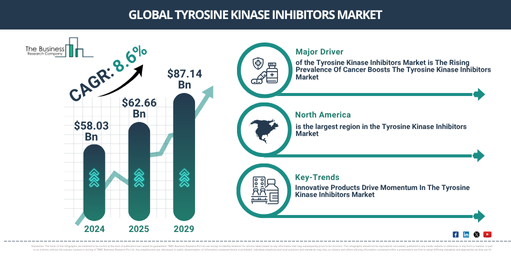
    In recent years, the market for tyrosine kinase inhibitors has seen robust expansion. The market, which sits at $58.03 billion in 2024, is forecasted to climb to $62.66 billion in 2025, boasting a compound annual growth rate (CAGR) of 8.0%. This growth trajectory seen over the historical period is owed largely to the identification of tyrosine kinases, comprehension of cancer-related signaling pathways, approval of imatinib (Gleevec), early clinical success with TKIs, and significant investment in research and development.

    The market size for tyrosine kinase inhibitors is projected to experience significant expansion in the upcoming years. Its projected growth rate will reach “$87.14 billion by 2029, with a compound annual growth rate (CAGR) of 8.6%. This expected surge during the forecast period is primarily due to the increased investments in healthcare, therapies based on biomarkers, advancements in drug delivery, the model of precision medicine, and an emphasis on pediatric oncology. The major market trends during this period are expected to be strategies to overcome resistance, development of tkis that can penetrate the central nervous system, applications beyond oncology, use of liquid biopsies for monitoring, and considerations of health economics.

    Download The Free Sample Report Here:

    https://www.thebusinessresearchcompany.com/sample.aspx?id=11957&type=smp

    Which Factors Are Pushing The Tyrosine Kinase Inhibitors Market Forward?

    The escalating rates of cancer are anticipated to stimulate the expansion of the tyrosine kinase inhibitors market in the forthcoming period. Cancer embodies a wide spectrum of diseases commencing in any organ or tissue within the body where irregular cells uncontrollably multiply, trespass their typical boundaries to infiltrate the adjacent body parts and disseminate to other organs. Tyrosine kinase inhibitors are employed in targeted therapy to aim and eradicate specific cancer cell varieties by obstructing tyrosine kinases that help in curtailing the proliferation of cancer cells. For example, in January 2023, the American Cancer Society, a nonprofit cancer advocacy organization based in the US, reported an increase in the number of cancer cases from 1,898,160 in 2021 to 1,958,310 in 2023, an augmentation of 3.16%. Consequently, the rising prevalence of cancer is fuelling the growth of the tyrosine kinase inhibitors market.

    The tyrosine kinase inhibitors market covered in this report is segmented –

    1) By Type: BCR-ABL Tyrosine Kinase Inhibitor, Epidermal Growth Factor Receptor (EGFR) Tyrosine Kinase Inhibitors, Vascular Endothelial Growth Factor Receptor (VEGFR) Tyrosine Kinase Inhibitors, Other Types

    2) By Distribution Channel: Hospital Pharmacy, Independent Pharmacies, Online Pharmacies

    3) By Application: Chronic Myeloid Leukemia (CML), Lung Cancer, Breast Cancer, Renal Cell Cancer, Other Applications

    Subsegments:

    1) By BCR-ABL Tyrosine Kinase Inhibitor: Imatinib, Dasatinib, Nilotinib, Bosutinib, Ponatinib

    2) By Epidermal Growth Factor Receptor (EGFR) Tyrosine Kinase Inhibitors: Gefitinib, Erlotinib, Afatinib, Osimertinib, Dacomitinib

    3) By Vascular Endothelial Growth Factor Receptor (VEGFR) Tyrosine Kinase Inhibitors: Sorafenib, Sunitinib, Pazopanib, Axitinib, Regorafenib

    4) By Other Types: Platelet-Derived Growth Factor Receptor (PDGFR) Inhibitors, RET Tyrosine Kinase Inhibitors, Fibroblast Growth Factor Receptor (FGFR) Inhibitors, Other Emerging Tyrosine Kinase Inhibitors

    What Long-Term Trends Are Likely To Affect The Tyrosine Kinase Inhibitors Market?

    A prevailing trend increasing in popularity in the tyrosine kinase inhibitor market is that of product innovations. To remain relevant in this market, leading companies are embracing novel technologies. For instance, Xspray Pharma AB, a pharmaceutical firm based in Sweden, partnered with EVERSANA, an American life sciences service company, in February 2023. This collaboration was established to support the U.S. debut and commercialization of their pioneering cancer treatment, Dasynoc, which is designed to treat chronic myeloid leukemia (CML) and acute lymphoblastic leukemia (ALL). Dasynoc provides a fresh and unique treatment approach for CML and ALL patients in the U.S. market for Tyrosine Kinase Inhibitors, a market worth $3.5 billion. This represents a substantial development for CML patients – as per the retrospective registry data shared at ASH 2022, the 5-year overall survival rate was found to be almost 79% for those treated with a combination of a tyrosine kinase inhibitor (TKI) and a proton pump inhibitor (PPI), such as omeprazole. This is compared to a survival rate of 94% for patients treated with TKI alone.

    Which Organizations Are Driving Progress In The Tyrosine Kinase Inhibitors Industry?

    Major companies operating in the tyrosine kinase inhibitors market include Pfizer Inc., Johnson And Johnson Private Limited., F. Hoffmann-La Roche AG, AbbVie Inc., Bayer AG, Novartis AG, Sanofi S.A., Bristol-Myers Squibb Company, AstraZeneca Plc., GlaxoSmithKline plc, Eli Lilly and Company, Amgen Inc., Boehringer Ingelheim International GmbH, Teva Pharmaceutical Industries Ltd., Regeneron Pharmaceuticals Inc., Astellas Pharma Inc., Eisai Co. Ltd, Incyte Corporation, Dr. Reddy’s Laboratories Ltd., Exelixis Inc., Glenmark Pharmaceuticals Ltd, Blueprint Medicines Corporation, Rigel Pharmaceuticals Inc., Deciphera Pharmaceuticals LLC, Epizyme Inc., Turning Point Therapeutics Inc., Kura Oncology Inc., ArQule Inc.

    https://www.thebusinessresearchcompany.com/report/tyrosine-kinase-inhibitors-global-market-report

    Which Region Is Expected To Experience The Highest Growth In The Tyrosine Kinase Inhibitors Industry?

    North America was the largest region in the tyrosine kinase inhibitors market in 2024. Asia-Pacific is expected to be the fastest-growing region in the forecast period. The regions covered in the tyrosine kinase inhibitors market report are Asia-Pacific, Western Europe, Eastern Europe, North America, South America, Middle East, Africa.

    Request For A Customized Report:

    https://www.thebusinessresearchcompany.com/customise?id=11957&type=smp

    About The Business Research Company:

    With over 15000+ reports from 27 industries covering 60+ geographies, The Business Research Company has built a reputation for offering comprehensive, data-rich research and insights. Armed with 1,500,000 datasets, the optimistic contribution of in-depth secondary research, and unique insights from industry leaders, you can get the information you need to stay ahead in the game.

    Get in touch with us:

    The Business Research Company: https://www.thebusinessresearchcompany.com/

    Americas +1 310-496-7795

    Asia +44 7882 955267 & +91 8897263534

    Europe +44 7882 955267

    Email us at info@tbrc.info

    Follow us on:

    LinkedIn: https://in.linkedin.com/company/the-business-research-company

    YouTube: https://www.youtube.com/channel/UC24_fI0rV8cR5DxlCpgmyFQ

    Global Market Model: https://www.thebusinessresearchcompany.com/global-market-model