Month: September 2025

  • Global Insights: Plant-Based Vaccines Market Expected to Surpass $2.72 Billion by 2029

    Global Insights: Plant-Based Vaccines Market Expected to Surpass $2.72 Billion by 2029

    Claim your 30% discount on Global Market Reports with code ONLINE30. Limited time only.

    Claim your 30% discount on Global Market Reports with code ONLINE30. Limited time only.

    What Are the Latest Market Insights for the Plant-Based Vaccines Industry?

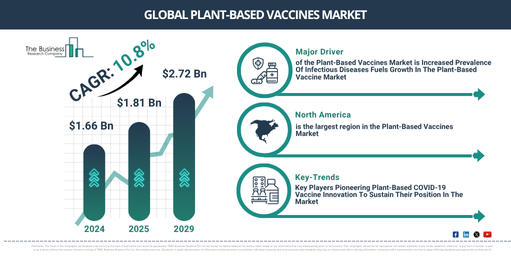
    In recent times, the plant-based vaccines market has experienced robust growth. The market size, which stood at $1.66 billion in 2024, is projected to increase to $1.81 billion in 2025, reflecting a compound annual growth rate (CAGR) of 8.9%. This significant growth during the historical period can be linked to issues related to traditional vaccine production, the demand for reasonably priced vaccine production, the advent of plant molecular farming, decreased allergenic potential, and the use of synthetic biology.

    The market for plant-based vaccines is predicted to experience swift expansion in the upcoming years. The market value is set to ascend to “$2.72 billion by 2029, with a compound annual growth rate (CAGR) of 10.8%. Factors contributing to the growth during the forecasted period include preparations for pandemics, enhancements in global health security, the broadening scope of vaccine usage, and the adoption of such technology by the pharmaceutical industry. Over the forecast period, key emerging trends include advancements in technology related to plant biotechnology, boosting environmental sustainability, incorporation of artificial intelligence, and the integration of machine learning.

    Download The Free Sample Report Here:

    https://www.thebusinessresearchcompany.com/sample.aspx?id=12144&type=smp

    What Forces Are Driving The Growth Of The Plant-Based Vaccines Industry?

    The rampant spread of infectious diseases is anticipated to boost the expansion of the plant-based vaccine market in the future. Infectious diseases are disorders caused by organisms such as bacteria, viruses, fungi, or parasites. Plant-based vaccines, used in both conventional and modern medicine for various diseases including infectious ones, can produce secure, efficient, stable, and reasonably costed preventative measures, vaccines, and drugs. For instance, the Global Tuberculosis Report provided by the World Health Organization, a global health institution based in Switzerland, reported in October 2022 that the worldwide occurrence of tuberculosis (TB) was estimated at 10.6 million cases, with a rate of 134 cases per 100,000 people. Southeast Asia accounted for 45% of TB cases, making it the hardest hit, followed by Africa at 23%. As a result, the widespread occurrence of infectious diseases is fueling the plant-based vaccine market’s growth.

    The plant-based vaccines market covered in this report is segmented –

    1) By Vaccine Type: Bacterial Vaccines, Viral Vaccines, Parasite Vaccines, Other Vaccine Types

    2) By Source: Tobacco Plant, Maize, Potato, Other Sources

    3) By Application: Influenza, Zika Virus, Ebola Virus, Poultry Disease, Other Applications

    Subsegments:

    1) By Bacterial Vaccines: Recombinant Bacterial Vaccines, Conjugate Bacterial Vaccines, DNA-Based Bacterial Vaccines

    2) By Viral Vaccines: Inactivated Viral Vaccines, Live Attenuated Viral Vaccines, Subunit Viral Vaccines

    3) By Parasite Vaccines: Recombinant Parasite Vaccines, DNA-Based Parasite Vaccines

    4) By Other Vaccine Types: Fungal Vaccines, Multivalent Vaccines, Toxin-Based Vaccines

    What Trends Are Currently Influencing Growth In The Plant-Based Vaccines Market?

    In the plant-based vaccine market, there is a growing trend towards product innovation. To keep their market position secure, prominent companies in this sector are concentrating on the creation of novel products. As an example, Medicago Inc., a biopharmaceutical firm from Canada, in conjunction with GSK PLC, a pharmaceutical and biotechnology firm from the UK, announced in February 2022 that Health Canada had sanctioned their COVID-19 vaccine, COVIFENZ. This vaccine, COVIFENZ, is the first of its kind, being a plant-based recombinant adjuvant vaccine that employs virus-like particles [VLP]. This is used specifically for the treatment of COVID-19 sufferers. The technology utilised by COVIFENZ is the COVID-19-like particle (CoVLP), with the vaccine consisting of recombinant spike (S) glycoproteins produced as virus-like particles (VLPs).

    Who Are The Primary Players Operating Across The Global Plant-Based Vaccines Market?

    Major companies operating in the plant-based vaccines market include Sanofi Pasteur SA, GlaxoSmithKline plc., British American Tobacco PLC, ICON Plc., Agenus Inc., Medicago Inc., Panacea Biotec Limited, Creative Biolabs Inc., InVitria, Fraunhofer USA Inc., Biodextris Inc., Intravacc B.V, Avesthagen Limited, Calyxt Inc., Zyus Life Sciences Inc., Mapp Biopharmaceutical Inc., Kentucky BioProcessing Inc., Planet Biotechnology Inc., Icon Genetics GmbH, PlantForm Corporation, LenioBio GmbH, iBio Inc., Lumen Bioscience Inc., Baiya Phytopharm Co. Ltd., Greenovation Biotech GmbH, Pevion Biotech AG

    https://www.thebusinessresearchcompany.com/report/plant-based-vaccines-global-market-report

    Which Region Offers The Most Growth Potential For The Plant-Based Vaccines Market Through 2029?

    North America was the largest region in the plant-based vaccines market in 2024. The regions covered in the plant-based vaccines market report are Asia-Pacific, Western Europe, Eastern Europe, North America, South America, Middle East, Africa.

    Request For A Customized Report:

    https://www.thebusinessresearchcompany.com/customise?id=12144&type=smp

    About The Business Research Company:

    With over 15000+ reports from 27 industries covering 60+ geographies, The Business Research Company has built a reputation for offering comprehensive, data-rich research and insights. Armed with 1,500,000 datasets, the optimistic contribution of in-depth secondary research, and unique insights from industry leaders, you can get the information you need to stay ahead in the game.

    Get in touch with us:

    The Business Research Company: https://www.thebusinessresearchcompany.com/

    Americas +1 310-496-7795

    Asia +44 7882 955267 & +91 8897263534

    Europe +44 7882 955267

    Email us at info@tbrc.info

    Follow us on:

    LinkedIn: https://in.linkedin.com/company/the-business-research-company

    YouTube: https://www.youtube.com/channel/UC24_fI0rV8cR5DxlCpgmyFQ

    Global Market Model: https://www.thebusinessresearchcompany.com/global-market-model
  • Strategic Report on Cell Therapy Market: Growth Opportunities and Emerging Challenges

    Strategic Report on Cell Therapy Market: Growth Opportunities and Emerging Challenges

    Claim your 30% discount on Global Market Reports with code ONLINE30. Limited time only.

    Claim your 30% discount on Global Market Reports with code ONLINE30. Limited time only.

    How Will the Cell Therapy Market Evolve in Terms of Growth and Size by 2029?

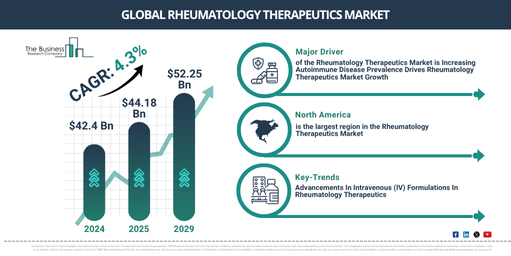
    In recent times, the rheumatology therapeutics market has witnessed a steady escalation in its size. The market, valued at $42.4 billion in 2024, is predicted to reach $44.18 billion in 2025, fueled by a compound annual growth rate (CAGR) of 4.2%. The historical growth in the market is due to the higher instances of rheumatologic disorders, an increase in the global aging population, enhanced awareness regarding treatment alternatives, advancements in biological therapies, and the extension of healthcare accessibility in developing markets.

    The market for rheumatology therapeutics is projected to experience consistent expansion in the upcoming years, reaching “$52.25 billion in 2029 with a compound annual growth rate (CAGR) of 4.3%. Prospective growth in this period is linked to the adoption of personalized medicine, increased use of biosimilars in rheumatology, a surge in research and development investments, the incorporation of digital healthcare tech, and the green light for new therapy alternatives. Core trends for this predicted period encompass the rise in telemedicine and remote patient monitoring solutions, the broadening of targeted treatments for particular rheumatic conditions, prioritization of patient-focused care strategies, enlargement of biologic therapies beyond monoclonal antibodies, and the uptake of value-driven pricing structures.

    Download The Free Sample Report Here:

    https://www.thebusinessresearchcompany.com/sample.aspx?id=17246&type=smp

    What factors are expected to fuel Cell Therapy market growth in the coming years?

    The surge in chronic diseases has contributed to the growth of the cell therapy market. The US Centers for Disease Control and Prevention (CDC) characterizes chronic disease as an illness lasting a year or more that necessitates medical care, hinders daily activities, or both. This includes conditions like heart disease, cancer, diabetes, and Parkinson’s disease. Stem cells have the potential to assist patients with conditions such as spinal cord injuries, type 1 diabetes, Parkinson’s disease, heart disease, cancer, and osteoarthritis. As an illustration, in July 2024, the Centers for Disease Control and Prevention (CDC), a national public health organization in the U.S., disclosed significant advancements in public health initiatives. Heart disease or stroke lead to the death of over 944,800 Americans annually, representing more than one-third of all deaths. In the U.S., yearly cancer diagnoses are approximately 1.7 million individuals, with over 600,000 ultimately succumbing to the disease, making it the second leading cause of death. Furthermore, over 38 million Americans have diabetes, and another 98 million adults are prediabetic, thus increasing their potential for developing type 2 diabetes. Diabetes can trigger serious complications like heart disease, renal failure, and blindness. Meanwhile, obesity affects 20% of children and 42% of adults, thereby increasing susceptibility to chronic diseases such as type 2 diabetes, heart disease, and certain cancers. The escalating prevalence of chronic diseases has intensified the need for cell therapies, thereby facilitating the expansion of the cell therapy market.

    The rheumatology therapeutics market covered in this report is segmented –

    1) By Drug Class: Disease Modifying Anti-Rheumatic Drugs, Nonsteroidal Anti-Inflammatory Drugs, Corticosteroids, Uric Acid Drugs, Other Drugs Classes

    2) By Distribution Channel: Hospital Pharmacy, Retail Pharmacy, Online Pharmacy

    3) By Disease Indication: Rheumatoid Arthritis, Osteoarthritis, Gout, Psoriatic Arthritis, Ankylosing Spondylitis, Other Disease Indications

    Subsegments:

    1) By Disease Modifying Anti-Rheumatic Drugs (DMARDs): Conventional Synthetic DMARDs, Biologic DMARDs, Targeted Synthetic DMARDs

    2) By Nonsteroidal Anti-Inflammatory Drugs (NSAIDs): COX-2 Inhibitors, Traditional NSAIDs

    3) By Corticosteroids: Oral Corticosteroids, Injectable Corticosteroids, Topical Corticosteroids

    4) By Uric Acid Drugs: Uric Acid Lowering Agents, Uricosuric Agents, Pegloticase

    5) By Other Drug Classes: Immunosuppressants, Biologic Therapies, Analgesics

    What Trends Are Currently Influencing Growth In The Cell Therapy Market?

    Top-tier firms in the rheumatology therapeutics market are focusing on the development of innovative solutions, such as intravenous (IV) formulations. This strategy is intended to boost treatment effectiveness and improve patient experience. IV formulations involve the direct administration of medication or substances into a vein using a needle or catheter. For example, in October 2023, the US Food and Drug Administration (FDA) granted approval to Cosentyx, an IV formulation from Novartis AG, a renowned pharmaceutical company based in Switzerland. This particular version of Cosentyx has the exclusive approval for treating adult patients with psoriatic arthritis (PsA), ankylosing spondylitis (AS), and non-radiographic axial spondyloarthritis (nr-axSpA). By specifically blocking interleukin-17A (IL-17A), it serves as the sole non-tumor necrosis factor alpha (TNF-a) IV treatment option for these diseases.

    What Are The Most Active Companies In The Cell Therapy Market Today?

    Major companies operating in the rheumatology therapeutics market are Pfizer Inc., Johnson & Johnson, Roche Holding AG, Merck & Co. Inc., AbbVie Inc., Sanofi SA, Bristol-Myers Squibb Company, AstraZeneca PLC, Novartis AG, Takeda Pharmaceutical Company Limited, Eli Lilly and Company, Amgen Inc., Boehringer Ingelheim International GmbH, Gilead Sciences Inc., Janssen Biotech, Regeneron Pharmaceuticals Inc., Biogen Inc., Vertex Pharmaceuticals, UCB S.A., Galapagos NV (GLPG), Genentech Inc.

    https://www.thebusinessresearchcompany.com/report/rheumatology-therapeutics-global-market-report

    Which Regional Markets Are Attracting The Most Investment In Cell Therapy?

    North America was the largest region in the rheumatology therapeutics market in 2024. Asia-Pacific is expected to be the fastest-growing region in the forecast period. The regions covered in the rheumatology therapeutics market report are Asia-Pacific, Western Europe, Eastern Europe, North America, South America, Middle East, Africa.

    Request For A Customized Report:

    https://www.thebusinessresearchcompany.com/customise?id=17246&type=smp

    About The Business Research Company:

    With over 15000+ reports from 27 industries covering 60+ geographies, The Business Research Company has built a reputation for offering comprehensive, data-rich research and insights. Armed with 1,500,000 datasets, the optimistic contribution of in-depth secondary research, and unique insights from industry leaders, you can get the information you need to stay ahead in the game.

    Get in touch with us:

    The Business Research Company: https://www.thebusinessresearchcompany.com/

    Americas +1 310-496-7795

    Asia +44 7882 955267 & +91 8897263534

    Europe +44 7882 955267

    Email us at info@tbrc.info

    Follow us on:

    LinkedIn: https://in.linkedin.com/company/the-business-research-company

    YouTube: https://www.youtube.com/channel/UC24_fI0rV8cR5DxlCpgmyFQ

    Global Market Model: https://www.thebusinessresearchcompany.com/global-market-model
  • 2025 Analysis: Opportunities and Risks in the Evolving Pharmaceutical Pellets Market

    2025 Analysis: Opportunities and Risks in the Evolving Pharmaceutical Pellets Market

    Claim your 30% discount on Global Market Reports with code ONLINE30. Limited time only.

    Claim your 30% discount on Global Market Reports with code ONLINE30. Limited time only.

    What Are the Forecasted Growth Rate and Market Size of the Pharmaceutical Pellets Market?

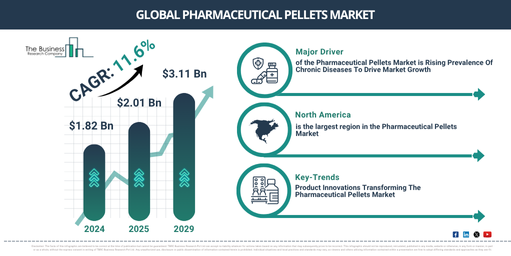
    The market size of pharmaceutical pellets has experienced swift expansion in the recent past. A surge from $1.82 billion in 2024 to $2.01 billion in 2025 is anticipated, equating to a compound annual growth rate (CAGR) of 10.1%. The significant advancement in the previous era can be traced back to the increase in the utilization of oral dosage forms, an emphasis on patient compliance, initiatives in pharmaceutical research, endeavors for taste-masking and stability, regulatory endorsements, and patents.

    The next few years are anticipated to witness a remarkable surge in the market size of pharmaceutical pellets, with expectations of it escalating to “$3.11 billion in 2029 at a compound annual growth rate (CAGR) of 11.6%”. Factors contributing to the growth during the predicted period include the escalating demand for pediatric dosage forms, multi-particulate dosage forms, development of combination therapy dosage forms, progression in continuous manufacturing, and an emphasis on geriatric dosage forms. Key trends projected to impact this period encompass the integration of 3D printing technologies, utilization in personalized nutrition, smart coatings facilitating real-time monitoring, orally disintegrating pellets, and biodegradable as well as eco-friendly pellets.

    Download The Free Sample Report Here:

    https://www.thebusinessresearchcompany.com/sample.aspx?id=12354&type=smp

    Which Factor Is Shaping The Future Of The Pharmaceutical Pellets Market?

    The growth of the pharmaceutical pellets market is anticipated to be fueled by the escalating occurrence of chronic illnesses. Chronic diseases are described as issues that persist for over a year, requiring continuous medical care or impeding daily activities, or both. Pharmaceutical pellets use is beneficial for chronic disease treatment, as they minimize digestive difficulties and boost drug absorption. For instance, the National Center for Biotechnology Information (NCBI), an American National Library of Medicine, reported in January 2023 that by 2050, there will be a 99.5% increase in people aged 50 or older living with at least one chronic condition – leaping from 71.522 million in 2020 to 142.66 million. Therefore, the growing prevalence of chronic diseases is fuelling the expansion of the pharmaceutical pellets market.

    The pharmaceutical pellets market covered in this report is segmented –

    1) By Technology: Extrusion, Fluid Bed Granulation, Dry Powder Layering, Solution And Suspension Layering, Spray Congealing, Spray Drying

    2) By Mechanism Of Action: Diffusion, Erosion, Osmosis

    3) By Technique: Direct, Melt, Wet, Dry

    4) By End-User: Pharmaceutical, Nutraceutical

    Subsegments:

    1) By Extrusion: Melt Extrusion, Solvent-Based Extrusion

    2) By Fluid Bed Granulation: Top-Spray Granulation, Bottom-Spray Granulation

    3) By Dry Powder Layering: Powder Layering On Inert Cores, Coating Techniques

    4) By Solution And Suspension Layering: Solution Layering, Suspension Layering

    5) By Spray Congealing: Hot Melt Spraying, Cooling Methods

    6) By Spray Drying: Single-Stage Spray Drying, Multi-Stage Spray Drying

    What Long-Term Trends Are Likely To Affect The Pharmaceutical Pellets Market?

    One rising trend in the pharmaceutical pellets market is product innovation. Firms in this market are concentrating their efforts on developing new products to maintain their market stance. For example, in May 2024, Schedio SA, a US-based engineering firm, introduced the High Potent Pilot Particle Engineering Platform. This cutting-edge platform, compatible with spray dryers and jet mills, can support up to 465 configurations and is aimed at improving particle engineering for high-potency compounds within the pharmaceutical field. With high containment, user-friendly controls and a design geared towards safety, precision, and regulatory conformity, it redefines the standards in pharmaceutical production processes.

    Which Companies Hold The Largest Market Share In The Pharmaceutical Pellets Sector?

    Major companies operating in the pharmaceutical pellets market include Abbott Laboratories, Takeda, Boehringer Ingelheim, Teva Pharmaceutical Industries Ltd., Eisai Co. Ltd., Colorcon Inc., Nordic Sugar AB, Pfizer, Merck & Co., Manus Aktteva Biopharma LLP, Thexa Pharma (P) Limited, Avanscure Lifesciences Private Limited, MB Sugars & Pharmaceuticals Limited, CIL Laboratories Pvt Ltd, Sainor Pharma Pvt Ltd, Umang Pharmatech Pvt Ltd, Nami Lifesciences Pvt Ltd, Lograns Pharma Private Limited, Rainbow Health Care Products, Chemit Laboratories, Concord Drugs Limited, Pharmaceuticals Private Limited, Nanjing Joyfulchem ??Co. Ltd., Praful International Corporation, Pellets Pharma Limited, A B Enterprises, Vision Pharmacoat Pvt Ltd, Spansules Pharma, Ravoos Laboratories Ltd

    https://www.thebusinessresearchcompany.com/report/pharmaceutical-pellets-global-market-report

    How Does Regional Performance Compare Across The Pharmaceutical Pellets Industry?

    North America was the largest region in the pharmaceutical pellets market in 2024. Asia-Pacific is expected to be the fastest-growing region in the forecast period. The regions covered in the pharmaceutical pellets market report are Asia-Pacific, Western Europe, Eastern Europe, North America, South America, Middle East, Africa

    Request For A Customized Report:

    https://www.thebusinessresearchcompany.com/customise?id=12354&type=smp

    About The Business Research Company:

    With over 15000+ reports from 27 industries covering 60+ geographies, The Business Research Company has built a reputation for offering comprehensive, data-rich research and insights. Armed with 1,500,000 datasets, the optimistic contribution of in-depth secondary research, and unique insights from industry leaders, you can get the information you need to stay ahead in the game.

    Get in touch with us:

    The Business Research Company: https://www.thebusinessresearchcompany.com/

    Americas +1 310-496-7795

    Asia +44 7882 955267 & +91 8897263534

    Europe +44 7882 955267

    Email us at info@tbrc.info

    Follow us on:

    LinkedIn: https://in.linkedin.com/company/the-business-research-company

    YouTube: https://www.youtube.com/channel/UC24_fI0rV8cR5DxlCpgmyFQ

    Global Market Model: https://www.thebusinessresearchcompany.com/global-market-model
  • Industry Trends Show Branded Generics Market Set to Expand at 19.7% CAGR Until 2029

    Industry Trends Show Branded Generics Market Set to Expand at 19.7% CAGR Until 2029

    Claim your 30% discount on Global Market Reports with code ONLINE30. Limited time only.

    Claim your 30% discount on Global Market Reports with code ONLINE30. Limited time only.

    What CAGR Is Anticipated for the Branded Generics Market Through 2029?

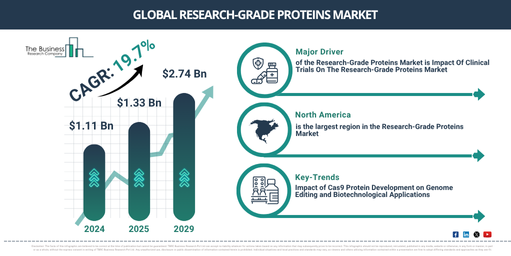
    The market size for research-grade proteins has seen an exceptional surge over the past few years. The market will move from a value of $1.11 billion in 2024, escalating to $1.33 billion in 2025, with a Compound Annual Growth Rate (CAGR) of 20.4%. The upward trend during the historical period can be sourced back to factors such as the rising number of research studies, increased research and development undertakings in the pharmaceutical and biotechnology fields, increasing demand for tailor-made medicine, elevated investments by governmental bodies and sundry academic institutions, and the strategic mergers and associations.

    The market size of research-grade proteins is anticipated to experience a swift expansion over the next few years. The anticipated growth will reach “$2.74 billion in 2029 with a compound annual growth rate (CAGR) of 19.7%. The predicted growth during the forecast period is credited to advancements in proteomics research, an increasing number of clinical trials, integration of artificial intelligence and data analytics, application of research-grade proteins in industrial usage, and escalating demand for cutting-edge research tools. Key trends during the forecast period will be the rising awareness of innovative technologies, advancing techniques in the biotechnology industry, developments in proteomics and genomics, widening applications in drug development, and sophisticated research tools in biotechnology and pharmaceutical sectors.

    Download The Free Sample Report Here:

    https://www.thebusinessresearchcompany.com/sample.aspx?id=15917&type=smp

    What Market Forces Are Driving The Branded Generics Sector In 2025 And Beyond?

    The rising incidence of chronic diseases are projected to fuel the expansion of the branded generics market. Chronic diseases, often incurable yet manageable, are persistent in nature. Increasing tobacco consumption, inadequate nutrition, lack of physical activity, and excessive alcohol intake are some factors contributing to the rise of chronic diseases. Globally, consumers prefer branded generics for treating chronic diseases due to their lower price compared to conventional medications. For example, in September 2022, the World Health Organization (WHO) 2022 Highlights reported that 74% of all deaths worldwide, equating to 41 million fatalities, resulted from noncommunicable diseases (NCDs) or chronic diseases. This upsurge in chronic diseases is anticipated to drive the demand for branded generics in the forecast period.

    The research-grade proteins market covered in this report is segmented –

    1) By Product: Cytokines And Growth Factors, Antibodies, Immune Checkpoint Proteins, Virus Antigens, Enzymes, Recombinant Regulatory Proteins, Hormones, Other Products

    2) By Host Cell: Mammalian Cells, Bacterial Cells, Fungi And Yeast, Insect Cells, Other Host Cells

    3) By End-Use: Pharmaceutical And Biotechnology Companies, Academic And Research Institute, Other End-Uses

    Subsegments:

    1) By Cytokines And Growth Factors: Interleukins, Interferons, Colony Stimulating Factors, Erythropoietin, Granulocyte Macrophage Colony-Stimulating Factor

    2) By Antibodies: Monoclonal Antibodies, Polyclonal Antibodies, Recombinant Antibodies, Conjugated Antibodies

    3) By Immune Checkpoint Proteins: PD-1 Inhibitors, PD-L1 Inhibitors, CTLA-4 Inhibitors

    4) By Virus Antigens: HIV Antigens, Hepatitis Antigens, Influenza Antigens, Hepatitis B Antigens

    5) By Enzymes: Restriction Enzymes, Proteases, Ligases, Kinases

    6) By Recombinant Regulatory Proteins: Transcription Factors, Regulatory Enzymes, Epigenetic Modifiers

    7) By Hormones: Insulin, Thyroid Hormones, Growth Hormones, Adrenaline

    8) By Other Products: Peptides, Serum Proteins, Antigen-Binding Proteins

    What Long-Term Trends Are Likely To Affect The Branded Generics Market?

    Leading enterprises in the market for research-grade proteins are working on the creation of Cas9 proteins, with an aim to boost their functionality and usefulness in genome editing and other biotech applications. Cas9 proteins contribute to genome editing by functioning as molecular scissors that can sever DNA at specific points determined by a guide RNA (gRNA). For instance, Thermo Fisher Scientific Inc., a biotechnology firm based in the US, launched an inventive GMP-manufactured Gibco CTS TrueCut Cas9 Protein in April 2022. This high-quality Cas9 protein, compliant with clinical standards and produced under Good Manufacturing Practice (GMP) conditions, is intended for genome editing applications. It offers superior purity and functionality specifically designed for precise CRISPR-based research, thus aiding progress in genetic engineering and therapeutic development.

    Which Firms Are Considered Leaders In The Branded Generics Market Space?

    Major companies operating in the research-grade proteins market are Thermo Fisher Scientific Inc., Bio-Rad Laboratories Inc., Bio-Techne, Stemcell Technologies Inc., Miltenyi Biotec, GenScript Biotech Corporation, Sino Biological Inc., ACROBiosystems, OriGene Technologies Inc., RayBiotech Inc., Rockland Immunochemicals Inc., Proteintech Group Inc., Novus Biologicals LLC, Active Motif, Aviva Systems Biology Corporation, StressMarq Biosciences Inc., Abnova Corporation, AnaSpec, Biomatik, Prospec-Tany Technogene Ltd., Cusabio Technology LLC, United States Biological, Laurus Bio, Boster Biological Technology, AMS Biotechnology Europe Ltd (AMSBIO)

    https://www.thebusinessresearchcompany.com/report/research-grade-proteins-global-market-report

    What Role Do Regional Policies And Investments Play In Branded Generics Market Expansion?

    North America was the largest region in the research-grade proteins market in 2024. Asia-Pacific is expected to be the fastest-growing region in the forecast period. The regions covered in the research-grade proteins market report are Asia-Pacific, Western Europe, Eastern Europe, North America, South America, Middle East and Africa.

    Request For A Customized Report:

    https://www.thebusinessresearchcompany.com/customise?id=15917&type=smp

    About The Business Research Company:

    With over 15000+ reports from 27 industries covering 60+ geographies, The Business Research Company has built a reputation for offering comprehensive, data-rich research and insights. Armed with 1,500,000 datasets, the optimistic contribution of in-depth secondary research, and unique insights from industry leaders, you can get the information you need to stay ahead in the game.

    Get in touch with us:

    The Business Research Company: https://www.thebusinessresearchcompany.com/

    Americas +1 310-496-7795

    Asia +44 7882 955267 & +91 8897263534

    Europe +44 7882 955267

    Email us at info@tbrc.info

    Follow us on:

    LinkedIn: https://in.linkedin.com/company/the-business-research-company

    YouTube: https://www.youtube.com/channel/UC24_fI0rV8cR5DxlCpgmyFQ

    Global Market Model: https://www.thebusinessresearchcompany.com/global-market-model
  • In-Depth Pharmaceutical Continuous Manufacturing Market Report: Business Trends, Growth Factors, and Forecast to 2029

    In-Depth Pharmaceutical Continuous Manufacturing Market Report: Business Trends, Growth Factors, and Forecast to 2029

    Claim your 30% discount on Global Market Reports with code ONLINE30. Limited time only.

    Claim your 30% discount on Global Market Reports with code ONLINE30. Limited time only.

    What Is the Estimated Industry Valuation for the Pharmaceutical Continuous Manufacturing Sector?

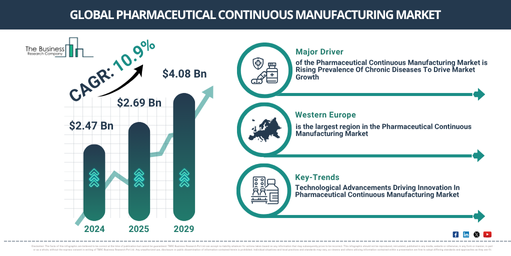
    The size of the pharmaceutical continuous manufacturing industry has seen robust growth recently. The industry, which would be worth $2.47 billion in 2024, is projected to grow to $2.69 billion by 2025, indicating a compound annual growth rate (CAGR) of 9.2%. The growth witnessed in the past is a result of enhancements in quality and efficiency, shorter market-entry time, reduced costs, operational efficiency, and regulatory support and guidelines. Alongside these, flexibility and scalability have also played significant roles.

    In the coming years, the size of the pharmaceutical continuous manufacturing market is anticipated to expand swiftly, predicted to reach “$4.08 billion in 2029,” escalating at a compound annual growth rate (CAGR) of 10.9%. The upswing during the forecast period can be credited to factors such as the escalation in generic drug production, the manufacturing of biopharmaceuticals, producing personalized medicine, along with a focus on patient-centric methodology. The forecast period will also witness major trends like the acceptance of continuous manufacturing, assimilation of process analytical technology, the utilization of advanced automation and robotics, forming strategic collaborations and partnerships along with the rise of digitalization and connectivity.

    Download The Free Sample Report Here:

    https://www.thebusinessresearchcompany.com/sample.aspx?id=12123&type=smp

    What Forces Are Driving The Growth Of The Pharmaceutical Continuous Manufacturing Market?

    The proliferation of various long-term diseases is projected to boost the advancement of the pharmaceutical continuous manufacturing market in the future. These chronic diseases, typically defined as conditions lasting for at least a year, requiring ongoing medical care and affecting daily activities, serve as a primary driver. Continuous manufacturing methods aid pharmaceutical firms in optimizing the production of medications, leading to improved efficiency and reduced expenses. Access to essential medicines is also broadened, crucial for managing chronic ailments necessitating long-term medication. For example, an April 2022 report from the National Association of Chronic Disease Directors (NACDD), a non-profit Public Health organization in the US committed to chronic disease initiatives, stated that nearly 60% of American adults have a minimum of one chronic disease. Around 40% of American adults have multiple chronic conditions (MCC), which are anticipated to cost the US economy $2 trillion every year, or $8,600 per person by 2030. As a result, the escalating occurrence of numerous chronic diseases will fuel the growth of the pharmaceutical continuous manufacturing market.

    The pharmaceutical continuous manufacturing market covered in this report is segmented –

    1) By Product: Integrated Continuous System, Control And Software, Semi-Continuous System

    2) By Therapeutics Type: Large Molecule, Small Molecule

    3) By Formulation: Solid Formation, Liquid And Semi-Solid Formation

    4) By Application: Final Drug Product Manufacturing, Active Pharmaceutical Ingredient (API) Manufacturing

    5) By End-Users: Pharmaceutical Companies, Contract Manufacturing Organization, Other End-Users

    Subsegments:

    1) By Integrated Continuous System: Continuous Mixer Systems, Continuous Granulation Systems, Continuous Tablet Press Systems, Continuous Coating Systems

    2) By Control and Software: Process Analytical Technology (PAT) Tools, Manufacturing Execution Systems (MES), Control Software for Automation, Data Management and Visualization Software

    3) By Semi-Continuous System: Batch-to-Continuous Transition Systems, Hybrid Systems, Semi-Continuous Granulation and Drying Systems

    What Future Market Trends Are Projected For The Pharmaceutical Continuous Manufacturing Industry?

    Advancements in technology are becoming an increasingly significant trend within the pharmaceutical continuous manufacturing sector. Mainstream corporations involved in the pharmaceutical continuous manufacturing industry are creating new products in order to maintain their market presence. For instance, in December 2022, The United States Pharmacopeia (USP), a nonprofit establishment based in the US that possesses both the trademark and copyright of the Pharmacopeia National Formulary (USP-NF), unveiled the USP Advanced Manufacturing Technology Lab by launching R&D analytical solutions. These analytical lab services are designed to assist pharmaceutical manufacturers in the deployment of cutting-edge manufacturing processes, like pharmaceutical continuous manufacturing (PCM), to expand their geographical presence in pharmaceutical production and bolster the resilience of the medicine supply chain. This will help outline materials and establish and certify methods to support and ensure the quality of PCM-derived medications.

    Which Companies Currently Dominate The Competitive Landscape In The Pharmaceutical Continuous Manufacturing Industry?

    Major companies operating in the pharmaceutical continuous manufacturing market include Pfizer Inc., Robert Bosch GmbH, Siemens AG, Novartis AG, Thermo Fisher Scientific Inc., GlaxoSmithKline Plc., Eli Lilly and Company, Corning Inc., Vertex Pharmaceuticals, Lonza Group Ltd., GEA Group AG, Catalent Inc., Mettler Toledo, Patheon, Cytiva, Samsung Biologics Co.Ltd., WuXi Biologics, Syntegon Technology GmbH, Coperion GmbH, Hosokawa Micron Group, FUJIFILM Diosynth Biotechnologies, Leistritz AG, Glatt GmbH, Freund-Vector Corp., SK biotek Co. Ltd., Gericke AG, GEBRÜDER LÖDIGE MASCHINENBAU GmbH, Munson Machinery Company Inc., L.B. Bohle Maschinen und Verfahren GmbH, KORSCH AG, Chemtrix BV

    https://www.thebusinessresearchcompany.com/report/pharmaceutical-continuous-manufacturing-global-market-report

    Which Geographic Regions Are Driving Demand In The Pharmaceutical Continuous Manufacturing Market?

    Western Europe was the largest region in the pharmaceutical continuous manufacturing market in 2024. Asia-Pacific is expected to be the fastest-growing region in the forecast period. The regions covered in the pharmaceutical continuous manufacturing market report are Asia-Pacific, Western Europe, Eastern Europe, North America, South America, Middle East, Africa.

    Request For A Customized Report:

    https://www.thebusinessresearchcompany.com/customise?id=12123&type=smp

    About The Business Research Company:

    With over 15000+ reports from 27 industries covering 60+ geographies, The Business Research Company has built a reputation for offering comprehensive, data-rich research and insights. Armed with 1,500,000 datasets, the optimistic contribution of in-depth secondary research, and unique insights from industry leaders, you can get the information you need to stay ahead in the game.

    Get in touch with us:

    The Business Research Company: https://www.thebusinessresearchcompany.com/

    Americas +1 310-496-7795

    Asia +44 7882 955267 & +91 8897263534

    Europe +44 7882 955267

    Email us at info@tbrc.info

    Follow us on:

    LinkedIn: https://in.linkedin.com/company/the-business-research-company

    YouTube: https://www.youtube.com/channel/UC24_fI0rV8cR5DxlCpgmyFQ

    Global Market Model: https://www.thebusinessresearchcompany.com/global-market-model
  • Competitive and Market Trend Analysis of Brain Tumor Drugs Industry Through 2029

    Competitive and Market Trend Analysis of Brain Tumor Drugs Industry Through 2029

    Claim your 30% discount on Global Market Reports with code ONLINE30. Limited time only.

    Claim your 30% discount on Global Market Reports with code ONLINE30. Limited time only.

    What Are the Latest Market Insights for the Brain Tumor Drugs Industry?

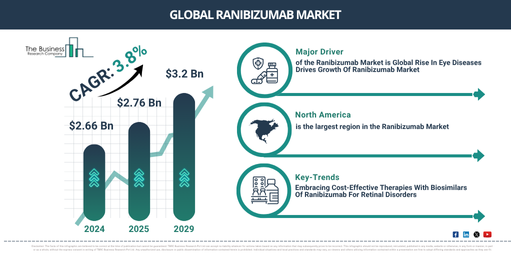
    The market for ranibizumab has seen consistent growth over the past several years. Projections show an enlargement from $2.66 billion in 2024 to $2.76 billion in 2025, indicating a compound annual growth rate (CAGR) of 3.6%. This growth during the historical period can be credited to the diversification of clinical trials within burgeoning markets, an increase in age-related macular degeneration (AMD) cases, heightened awareness about diseases impacting the retina, the high prevalence of diabetic retinopathy, governmental initiatives and funding, as well as rising expenditure in healthcare.

    The market for ranibizumab is projected to experience consistent expansion in the coming years, culminating in ” $3.2 billion in 2029 with a compound annual growth rate (CAGR) of 3.8%. The anticipated upturn during this forecast period is due to factors such as continued research and development, newly introduced biosimilars, escalating focus on combination treatments, the emergence of teleophthalmology, widening applications for ranibizumab, and accommodating reimbursement practices. Major forecast period trends encompass developments in biotechnology, technological progress in drug delivery systems, a shift towards individualized healthcare, increased application of artificial intelligence in ophthalmology, the formulation of longer-lasting solutions, and the growth of patient-focused care models.

    Download The Free Sample Report Here:

    https://www.thebusinessresearchcompany.com/sample.aspx?id=16172&type=smp

    What Forces Are Driving The Growth Of The Brain Tumor Drugs Industry?

    One of the main catalysts propelling the brain tumor drugs market’s growth is the escalating occurrence of Neurological Disorders across the globe. These disorders are amongst the most common, due to factors like extended life expectancy, higher exposure to infections, and inactive lifestyles. For instance, according to the National Brain Tumor Society, approximately 700,000 individuals in the United States are living with a primary brain tumor and about 86,000 new diagnoses are expected. The surge in patients diagnosed with neurological disorders, including brain tumors, is escalating the demand for drugs used in treatment and consequently, driving the growth of the brain tumor drugs market.

    The ranibizumab market covered in this report is segmented –

    1) By Product: Single Use Prefilled Syringe, Single Use Glass Vial

    2) By Application: Wet Age Related Macular Degeneration (AMD), Diabetic Retinopathy (DR), Diabetic Macular Edema (DME), Myopic Choroidal Neovascularization (MCNV), Retinal Vein Occlusion (RVO)

    3) By Distribution Channel: Hospital Pharmacies, Online Pharmacies, Other Distribution Channels

    Subsegments:

    1) By Single Use Prefilled Syringe: 0.3 Ml Syringe, 0.5 Ml Syringe, 1 Ml Syringe, Other Volume Variants

    2) By Single Use Glass Vial: 0.5 Mg Or 0.05 Ml Vial, 1.0 Mg Or 0.1 Ml Vial, 2.0 Mg Or 0.2 Ml Vial, Other Volume Variants

    What Future Market Trends Are Projected For The Brain Tumor Drugs Industry?

    Large businesses in the ranibizumab market are shifting their focus towards more affordable treatments such as ranibizumab biosimilars, aimed at treating and preventing vision loss due to retinal disorders. A ranibizumab biosimilar is a biologic drug that is essentially the same as the original ranibizumab but sold under a different brand name. These versions maintain similar safety and effectivity but are offered at a lower cost. For example, in April 2024, the German biotech company, Formycon AG, and the Swiss biopharmaceutical firm, Bioeq AG, launched FYB201, a biosimilar of Lucentis (Ranibizumab), in Canada and Switzerland. This was made possible by obtaining marketing authorization from Health Canada under the brand name Ranopto and Swissmedic under the brand Ranivisio. FYB201 emerges as a new, quality, effective and economically priced treatment for individuals stricken with severe retinal diseases. Already, it has proven to be a cost-saving treatment option for patients in the USA and various European regions.

    Who Are The Primary Players Operating Across The Global Brain Tumor Drugs Market?

    Major companies operating in the ranibizumab market are F. Hoffmann-La Roche AG, Bayer AG, Novartis AG, Teva Pharmaceutical Industries Ltd, Regeneron Pharmaceuticals Inc., Biogen Inc, Sun Pharmaceutical Industries Ltd., Stada Arzneimittel AG, Genentech Inc., Dr Reddy’s Laboratories Ltd, Cipla Limited, Samsung Biologics Co Ltd, Lupin Limited, Biocon Limited, Celltrion Healthcare Co Ltd, Glenmark Pharmaceuticals Limited, Enzene Biosciences Ltd, Coherus BioSciences Inc, Amman Pharmaceutical Industries, Formycon AG, Intas Pharmaceuticals Ltd, Alvotech, Xbrane Biopharma AB

    https://www.thebusinessresearchcompany.com/report/ranibizumab-global-market-report

    Which Region Offers The Most Growth Potential For The Brain Tumor Drugs Market Through 2029?

    North America was the largest region in the ranibizumab market in 2024. The regions covered in the ranibizumab market report are Asia-Pacific, Western Europe, Eastern Europe, North America, South America, Middle East, Africa.

    Request For A Customized Report:

    https://www.thebusinessresearchcompany.com/customise?id=16172&type=smp

    About The Business Research Company:

    With over 15000+ reports from 27 industries covering 60+ geographies, The Business Research Company has built a reputation for offering comprehensive, data-rich research and insights. Armed with 1,500,000 datasets, the optimistic contribution of in-depth secondary research, and unique insights from industry leaders, you can get the information you need to stay ahead in the game.

    Get in touch with us:

    The Business Research Company: https://www.thebusinessresearchcompany.com/

    Americas +1 310-496-7795

    Asia +44 7882 955267 & +91 8897263534

    Europe +44 7882 955267

    Email us at info@tbrc.info

    Follow us on:

    LinkedIn: https://in.linkedin.com/company/the-business-research-company

    YouTube: https://www.youtube.com/channel/UC24_fI0rV8cR5DxlCpgmyFQ

    Global Market Model: https://www.thebusinessresearchcompany.com/global-market-model
  • Global HPV Associated Disorders Market Landscape: Trends and Market Share to 2029

    Global HPV Associated Disorders Market Landscape: Trends and Market Share to 2029

    Claim your 30% discount on Global Market Reports with code ONLINE30. Limited time only.

    Claim your 30% discount on Global Market Reports with code ONLINE30. Limited time only.

    What Is the Estimated Industry Valuation for the HPV Associated Disorders Sector?

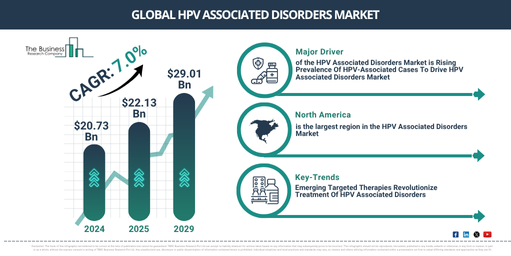
    In the past few years, the market size for HPV associated disorders has exhibited robust growth. It is projected to expand from $20.73 billion in 2024 to $22.13 billion in 2025, achieving a compound annual growth rate (CAGR) of 6.8%. The growth during the historic period can be linked to the increasing incidence of HPV-related disorders, enhanced awareness about HPV and related disorders, progress in diagnostic technologies, government-led initiatives for HPV vaccination programs, and a surge in demand for early screening and vaccination.

    The HPV-related disorders market is anticipated to witness robust growth in the forthcoming years, expanding to “$29.01 billion by 2029 with a compound annual growth rate (CAGR) of 7.0%. This growth over the forecast period can be credited to the endorsement of new HPV vaccines, escalating endeavors by governmental and private entities for early detection and immunization, increasing occurrences of cervical cancer, burgeoning demand for non-invasive diagnostic examinations, and the integration of HPV screenings in routine healthcare. Key trends projected for the forecast period encompass the development of next-generation HPV vaccines, adoption of point-of-care HPV testing, transition towards molecular methodologies in HPV identification, personalized strategies in HPV administration, and the inclusion of HPV testing in women’s health services.

    Download The Free Sample Report Here:

    https://www.thebusinessresearchcompany.com/sample.aspx?id=7777&type=smp

    What Forces Are Driving The Growth Of The HPV Associated Disorders Market?

    The HPV-associated disorders market is anticipated to be driven by the growing number of HPV-related instances. HPV-linked disorders range from benign verrucae vulgates and condylomas acuminata to malignancies of the cervix, vulva, anus, penis, anogenital warts, recurrent respiratory papillomatosis, anogenital, and oropharyngeal cancers. HPV infection is considerably prevalent globally, primarily among women. For example, Cancer.net reported in January 2022 that it’s estimated that 14,100 women in the United States will be diagnosed with invasive cervical cancer, while 604,127 women worldwide were diagnosed with cervical cancer in 2020. Moreover, it’s projected that 4,310 deaths from cervical cancer occurred in the United States in 2023. Consequently, the escalating prevalence of HPV instances is expected to fuel the growth of the HPV-associated disorders market.

    How Is The HPV Associated Disorders Industry Segmented Across Key Parameters?

    The hpv associated disorders market covered in this report is segmented –

    1) By Indication: Cervical Intraepithelial Neoplasia (CIN), Cervical Cancer, Anal Intraepithelial Neoplasia (AIN), Anal Cancer, Genital Warts, Other Indications

    2) By Therapy: Prevention, Treatment

    3) By Distribution Channel: Hospital Pharmacies, Retail Pharmacies, Online Pharmacies

    Subsegments:

    1) By Cervical Intraepithelial Neoplasia (CIN): CIN 1, CIN 2, CIN 3

    2) By Cervical Cancer: Squamous Cell Carcinoma, Adenocarcinoma

    3) By Anal Intraepithelial Neoplasia (AIN): AIN 1, AIN 2, AIN 3

    4) By Anal Cancer: Squamous Cell Carcinoma, Other Types

    5) By Genital Warts: Condylomata Acuminata

    6) By Other Indications: Oropharyngeal Cancer, Vulvar and Vaginal Cancers, Other HPV-Related Conditions

    Which Trends Are Redefining The Future Landscape Of The HPV Associated Disorders Industry?

    One key trend gaining momentum in HPV-associated disorders is the focus on targeted therapies. Leading companies are developing these specialized treatments for disorders associated with HPV such as cervical cancer and oropharyngeal cancer. These targeted therapies include drugs that work on vascular endothelial growth factor protein and tissue-factor (TF) protein found in cancer cells. INOVIO Pharmaceuticals, a U.S.-based biopharmaceutical firm, for example, announced in September 2023 that its investigational product, INO-3107, received Breakthrough Therapy designation from the U.S. Food and Drug Administration (FDA). This designation aids in speeding up the development and review process for treatments designed for serious conditions, particularly when preliminary data shows substantial improvement over current treatments. INO-3107 has been effective in triggering long-lasting immune responses against HPV types 6 and 11, stimulating both CD4+ and CD8+ T cells, which are key in targeting infected cells.

    Which Companies Currently Dominate The Competitive Landscape In The HPV Associated Disorders Industry?

    Major companies operating in the HPV associated disorders market include AstraZeneca plc, F. Hoffmann-La Roche Ltd, Biocon Ltd, GlaxoSmithKline plc, Merck & Co Inc., Pfizer Inc., Eli Lilly and Company, Sanofi S. A., Novartis AG, Bristol-Myers Squibb Company, Johnson & Johnson Inc., Takeda Pharmaceutical Company Limited, Amgen Inc., Biogen Inc., Celgene Corporation, Gilead Sciences Inc., Ipsen S. A., Bayer AG, Eisai Co. Ltd., Genentech Inc., Medtronic plc, Novo Nordisk A/S, Siemens Healthineers AG, Thermo Fisher Scientific Inc., Quest Diagnostics Incorporated, Lupin Limited

    Get The Full Report Here:

    https://www.thebusinessresearchcompany.com/report/hpv-associated-disorders-global-market-report

    Which Geographic Regions Are Driving Demand In The HPV Associated Disorders Market?

    North America was the largest region in the HPV associated disorders market in 2024.Asia-Pacific is expected to be the fastest-growing region in the forecast period. The regions covered in the HPV associated disorders market report are Asia-Pacific, Western Europe, Eastern Europe, North America, South America, Middle East, Africa

    Request For A Customized Report:

    https://www.thebusinessresearchcompany.com/customise?id=7777&type=smp

    About The Business Research Company:

    With over 15000+ reports from 27 industries covering 60+ geographies, The Business Research Company has built a reputation for offering comprehensive, data-rich research and insights. Armed with 1,500,000 datasets, the optimistic contribution of in-depth secondary research, and unique insights from industry leaders, you can get the information you need to stay ahead in the game.

    Get in touch with us:

    The Business Research Company: https://www.thebusinessresearchcompany.com/

    Americas +1 310-496-7795

    Asia +44 7882 955267 & +91 8897263534

    Europe +44 7882 955267

    Email us at info@tbrc.info

    Follow us on:

    LinkedIn: https://in.linkedin.com/company/the-business-research-company

    YouTube: https://www.youtube.com/channel/UC24_fI0rV8cR5DxlCpgmyFQ

    Global Market Model: https://www.thebusinessresearchcompany.com/global-market-model
  • PD-1 and PDL1 Inhibitors/ Immune Checkpoint Inhibitors Industry Poised for Rapid Expansion, Projected to Hit $89.62 Billion by 2029

    PD-1 and PDL1 Inhibitors/ Immune Checkpoint Inhibitors Industry Poised for Rapid Expansion, Projected to Hit $89.62 Billion by 2029

    Claim your 30% discount on Global Market Reports with code ONLINE30. Limited time only.

    Claim your 30% discount on Global Market Reports with code ONLINE30. Limited time only.

    How Large Is the PD-1 and PDL1 Inhibitors/ Immune Checkpoint Inhibitors Market Expected to Be in 2029?

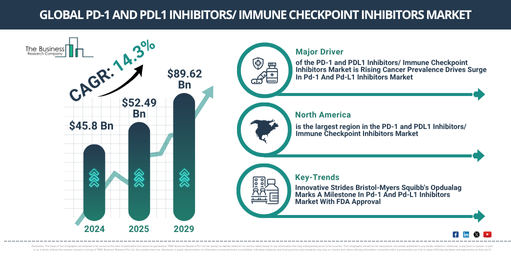
    Recent years have seen a swift expansion of the PD-1 and PDL1 inhibitors or immune checkpoint inhibitors market. The market is set to surge from $45.8 billion in 2024 to $52.49 billion in 2025, registering a compound annual growth rate (CAGR) of 14.6%. This remarkable growth during the historic period can be credited to breakthroughs in immunotherapy, heightened clinical success and approvals, a rising incidence of cancer, a paradigm shift in cancer treatment, and increasing collaboration and research investments.

    The market for PD-1 and PDL1 inhibitors/ immune checkpoint inhibitors is projected to experience substantial expansion in the upcoming years. The anticipated valuation of this market is “$89.62 billion in 2029, with an accelerated compound annual growth rate (CAGR) of 14.3%. Several factors contributing to the anticipated surge in the forecast period are extended applications, research in biomarkers and personalized medicine, clinical trials, and research partnerships, as well as development in global healthcare infrastructure. Key trends for the forecast period include emphasis on patient access and affordability, international collaborations in clinical trials, combinations of immunotherapy, patient-focused strategies, along with updated regulations and approvals.

    Download The Free Sample Report Here:

    https://www.thebusinessresearchcompany.com/sample.aspx?id=10788&type=smp

    What Are The Contributors To Demand In The PD-1 and PDL1 Inhibitors/ Immune Checkpoint Inhibitors Market?

    The escalation of cancer incidences is anticipated to boost the progression of the PD-1 and PDL1 Inhibitors/ Immune checkpoint inhibitors market. Cancer manifests when certain cells grow uncontrollably and disseminate to different body regions. PD-1 and PD-L1 inhibitors are utilized to combat cancer by tapping into the body’s immune resources to battle cancer cells. Consequently, the surge in cancer incidences underpins the growth of the PD-1 and PDL1 Inhibitors/ Immune checkpoint inhibitors market. As an example, the European Union Science Hub, a joint research center of the European Commission located in Belgium, indicated in October 2023 that there had been a 2.3% rise in new cancer incidences in the two years preceding 2022, totaling 2.74 million. Similarly, there was a 2.4% increase in cancer-related fatalities over the preceding two years. Thus, the increasing prevalence of cancer is set to stimulate the growth of the PD-1 and PDL1 Inhibitors/ Immune checkpoint inhibitors market.

    The pd-1 and pdl1 inhibitors/ immune checkpoint inhibitors market covered in this report is segmented –

    1) By Product: Nivolumab, Pembrolizumab, Atezolizumab, Avelumab, Durvalumab

    2) By Distribution Channel: Hospital pharmacies, Retail pharmacies, Online pharmacies

    3) By Application: Lung Cancer, Bladder Cancer, Melanoma, Hodgkin Lymphoma, Colorectal Cancer, Other Applications

    4) By End-Users : Hospitals, Specialty Clinics, Academic and Research Institutions

    Subsegments:

    1) By Nivolumab: Monotherapy, Combination Therapy

    2) By Pembrolizumab: Monotherapy, Combination Therapy

    3) By Atezolizumab: Monotherapy, Combination Therapy

    4) By Avelumab: Monotherapy, Combination Therapy

    5) By Durvalumab: Monotherapy, Combination Therapy

    Which Trends Are Redefining The Future Landscape Of The PD-1 and PDL1 Inhibitors/ Immune Checkpoint Inhibitors Industry?

    In the PD-1 and PDL1 Inhibitors/ immune checkpoint inhibitors market, product innovation is becoming increasingly popular as a leading trend. To consolidate their foothold in the market, major market players are focusing on the development of innovative products. For example, US-based pharmaceutical company Bristol-Myers Squibb received FDA approval in March 2022 for Opdualag, a fixed-dose combination of nivolumab (Opdivo) and relatlimab, a LAG-3 inhibitor. This made Opdualag the first LAG-3 inhibitor to gain approval from the FDA to treat metastatic melanoma patients. The objective of combining nivolumab and relatlimab in Opdualag is to boost the immune response against cancer cells.


    Regeneron Increases Its Global Reach in the PD-1 and PDL1 Inhibitor Market by Taking Over Full Control of Libtayo


    In order to strengthen their positions, major companies in the PD-1 and PDL1 inhibitor/immune checkpoint inhibitor market, like Regeneron Pharmaceuticals, Inc., are opting for strategic investments. Regeneron secured exclusive rights to develop, market, and produce Libtayo (cemiplimab) globally by acquiring Sanofi’s equity in their joint venture on Libtayo. To gain sole control of Libtayo, Regeneron’s plan was to pay Sanofi $900 million, in addition to royalties and any subsequent milestone payments. In June 2022, for instance, Regeneron Pharmaceuticals, a US-based pharmaceutical company, invested $900 million in exclusive authority to develop, market, and manufacture Libtayo, a fully human monoclonal antibody that targets the PD-1 immunological checkpoint receptor on T cells. Developed using Regeneron’s patented VelocImmune technology, Libtayo has been approved by the FDA and regulatory authorities in over 24 countries for a cemiplimab-rwlc monotherapy treatment for certain patients with advanced non-small cell lung cancer (NSCLC), advanced cutaneous squamous cell carcinoma (CSCC), and advanced basal cell carcinoma (BCC). Recognized as a standard of care, Libtayo is the first PD-1 inhibitor used to treat approved non-melanoma skin cancers. Sanofi S.A., a French pharmaceutical and healthcare company, was the previous owner of this share in Libtayo.

    Who Are The Top-Ranked Companies In The PD-1 and PDL1 Inhibitors/ Immune Checkpoint Inhibitors Market Today?

    Major companies operating in the PD-1 and PDL1 inhibitors/ immune checkpoint inhibitors market include Bristol-Myers Squibb Company, Merck and Company, F. Hoffmann-La Roche AG, Sanofi S.A., Amgen Inc., Gilead Sciences Inc., AstraZeneca plc, Novartis AG, Pfizer Inc., GlaxoSmithKline Plc, Regeneron Pharmaceuticals Inc., BeiGene Ltd, Shanghai Jhunsi Biosciences Ltd., Akeso Inc., Alphamab Oncology, Eli Lilly and Company, Boehringer Ingelheim, Xencor Inc., Taiga Biotechnologies Inc., Jiangsu Alphamab Biopharmaceuticals Co. Ltd, Dr. Reddy’s Laboratories Ltd., Laekna Therapeutics, Genentech Inc., Tracon Pharmaceuticals Inc., Celgene, Hangzhou Sumgen Co. Ltd, Agenus Inc., BioNTech SE, Celldex Therapeutics Inc., CytomX Therapeutics Inc.

    https://www.thebusinessresearchcompany.com/report/pd-1-and-pdl1-inhibitors-or-immune-checkpoint-inhibitors-global-market-report

    How Is PD-1 and PDL1 Inhibitors/ Immune Checkpoint Inhibitors Market Adoption Varying Across Different Regions And Sectors?

    North America was the largest region in the PD-1 and PDL1 inhibitors market in 2024. The regions covered in the pd-1 and pdl1 inhibitors/ immune checkpoint inhibitors market report are Asia-Pacific, Western Europe, Eastern Europe, North America, South America, Middle East, Africa

    Request For A Customized Report:

    https://www.thebusinessresearchcompany.com/customise?id=10788&type=smp

    About The Business Research Company:

    With over 15000+ reports from 27 industries covering 60+ geographies, The Business Research Company has built a reputation for offering comprehensive, data-rich research and insights. Armed with 1,500,000 datasets, the optimistic contribution of in-depth secondary research, and unique insights from industry leaders, you can get the information you need to stay ahead in the game.

    Get in touch with us:

    The Business Research Company: https://www.thebusinessresearchcompany.com/

    Americas +1 310-496-7795

    Asia +44 7882 955267 & +91 8897263534

    Europe +44 7882 955267

    Email us at info@tbrc.info

    Follow us on:

    LinkedIn: https://in.linkedin.com/company/the-business-research-company

    YouTube: https://www.youtube.com/channel/UC24_fI0rV8cR5DxlCpgmyFQ

    Global Market Model: https://www.thebusinessresearchcompany.com/global-market-model
  • Global Bi-Specific MAbS Market Landscape: Trends and Market Share to 2029

    Global Bi-Specific MAbS Market Landscape: Trends and Market Share to 2029

    Claim your 30% discount on Global Market Reports with code ONLINE30. Limited time only.

    Claim your 30% discount on Global Market Reports with code ONLINE30. Limited time only.

    What Are the Forecasted Growth Rate and Market Size of the Bi-Specific MAbS Market?

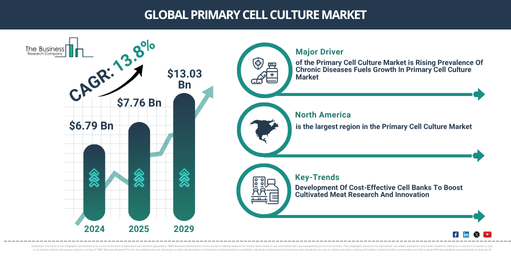
    The market size of primary cell culture has experienced rapid expansion lately. The market is projected to rise from $6.79 billion in 2024 to $7.76 billion in 2025, registering a Compound Annual Growth Rate (CAGR) of 14.2%. The phenomenal growth during the historic period was primarily driven by a rising demand for monoclonal antibodies, escalating need for novel therapeutics, an upsurge in interest towards personalized medicine as well as an increasing demand in the field of cell therapy research.

    In the coming years, a swift expansion is anticipated for the primary cell culture market, with an estimated market size of “$13.03 billion in 2029“, growing at a compound annual growth rate (CAGR) of 13.8%. The rise in cancer prevalence, growth in the pharmaceutical and biotech sectors, increased demand for customized medicine, and 3D cell culture model applications contribute to the market’s growth during the forecast period. Technological progress, innovation in products, partnerships, and research and development are noted as major trends for the forecast period.

    Download The Free Sample Report Here:

    https://www.thebusinessresearchcompany.com/sample.aspx?id=15903&type=smp

    Which Factor Is Shaping The Future Of The Bi-Specific MAbS Market?

    The escalating incidence of cancer and other chronic illnesses is expected to fuel the expansion of the bispecific monoclonal antibodies market in the forecasted timeline. Bispecific monoclonal antibodies, designed to combat various cancers, infectious diseases, central nervous system disorders, and autoimmune disorders, are seen as more potent than monoclonal antibodies (moAbs) since they target multiple tumor antigens on the cells to halt cancer progression. For instance, the American Cancer Society (ACS), a volunteer health organization based in the US, predicts 609,820 cancer-related fatalities in the US in 2023, as stated in their 2023 Cancer Facts & Figures report. Consequently, an increasing prevalence of chronic illnesses, including cancer, is likely to drive demand for bi-specific MAbs as an effective treatment option.

    The primary cell culture market covered in this report is segmented –

    1) By Product: Primary Cell, Reagents, Supplements, Media

    2) By Cell Type: Animal Cells, Human Cells

    3) By Separation And culture Techniques: Explant Method, Enzymatic Disaggregation, Mechanical Separation, Other Separation

    4) By Application: Tissue Culture and Tissue Engineering, Vaccine Production, Gene Therapy And Regenerative Medicine, Drug Screening And Toxicity Testing, Cancer Research, Virology, Strem Cell Therapy, Other Applications

    5) By End User: Pharmaceutical And Biotechnology Company And Contract Research Organizations, Academic And Research Institutes, Other End Users

    Subsegments:

    1) By Primary Cell: Human Primary Cells, Animal Primary Cells

    2) By Reagents: Enzymes, Buffers And Salts, Antibodies

    3) By Supplements: Growth Factors, Serum Supplements, Hormones

    4) By Media: Basal Media, Serum-Free Media, Specialty Media

    Which Trends Are Redefining The Future Landscape Of The Bi-Specific MAbS Industry?

    Significant players in the primary cell culture market, such as Extracellular, are working to construct cell banks that focus on primary cells designed for cultivated meat study, primarily to further the evolution of sustainable and ethically-produced meat technologies. The goal behind the Cell Bank project is not only to aid startup companies and researchers by supplying premium animal primary cells specifically tailored for cultivated meat research and development, but also to do so at a cost that is up to 90% less expensive than rival cell line suppliers, and devoid of any licensing boundaries. For example, in June 2023, Extracellular, a British CDMO (contract development and manufacturing organization), introduced affordable, license-free cell banks to aid the farmed meat market. The cell banks initially offer cells derived from various sources, such as the fat, muscle, and bone marrow of cows, pigs, and lambs. The essence of this initiative remains the collaborative nature, towards enhancing the growth of the cultivated meat industry in the UK, by making cell lines more accessible, and offering researchers and companies a way to pioneer new technologies without being hindered by licensing or commercial contracts.

    Which Companies Hold The Largest Market Share In The Bi-Specific MAbS Sector?

    Major companies operating in the primary cell culture market are Thermo Fisher Scientific Inc., Merck KGaA, FUJIFILM Holdings Corporation, GE HealthCare Technologies Inc., Corning Incorporated, Lonza Group Ltd., Sartorius AG, Miltenyi Biotec and CO.KG, STEMCELL Technologies Inc., Cyagen Biosciences Inc., Hi Media Laboratories Pvt. Ltd., PromoCell GmbH, AllCells LLC, BPS Bioscience Inc., MatTek Ltd., Axol Bioscience Ltd., Lifeline Cell Technology Corp., Neuromics Inc., Cell Biologics Inc., ZenBio Inc., Epithelix Sàrl, ReachBio LLC, AcceGen Biotechnology, Biopredic International, ixCells Biotechnologies

    https://www.thebusinessresearchcompany.com/report/primary-cell-culture-global-market-report

    How Does Regional Performance Compare Across The Bi-Specific MAbS Industry?

    North America was the largest region in the primary cell culture market in 2024. Asia-Pacific is expected to be the fastest-growing region in the forecast period. The regions covered in the primary cell culture market report are Asia-Pacific, Western Europe, Eastern Europe, North America, South America, Middle East and Africa.

    Request For A Customized Report:

    https://www.thebusinessresearchcompany.com/customise?id=15903&type=smp

    About The Business Research Company:

    With over 15000+ reports from 27 industries covering 60+ geographies, The Business Research Company has built a reputation for offering comprehensive, data-rich research and insights. Armed with 1,500,000 datasets, the optimistic contribution of in-depth secondary research, and unique insights from industry leaders, you can get the information you need to stay ahead in the game.

    Get in touch with us:

    The Business Research Company: https://www.thebusinessresearchcompany.com/

    Americas +1 310-496-7795

    Asia +44 7882 955267 & +91 8897263534

    Europe +44 7882 955267

    Email us at info@tbrc.info

    Follow us on:

    LinkedIn: https://in.linkedin.com/company/the-business-research-company

    YouTube: https://www.youtube.com/channel/UC24_fI0rV8cR5DxlCpgmyFQ

    Global Market Model: https://www.thebusinessresearchcompany.com/global-market-model
  • Comprehensive Forecast: Hepatitis Drugs Market Share, Growth, and Opportunities Through 2029

    Comprehensive Forecast: Hepatitis Drugs Market Share, Growth, and Opportunities Through 2029

    Claim your 30% discount on Global Market Reports with code ONLINE30. Limited time only.

    Claim your 30% discount on Global Market Reports with code ONLINE30. Limited time only.

    How Large Is the Hepatitis Drugs Market Expected to Be in 2029?

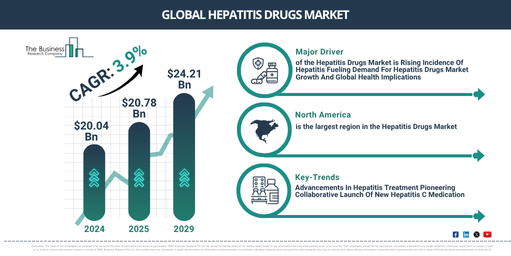
    The market for hepatitis drugs has seen consistent growth over the past few years. The market is projected to expand from a size of $20.04 billion in 2024 to $20.78 billion in 2025, registering a compound annual growth rate (CAGR) of 3.7%. The historical growth has been spurred on by factors such as the development of antiviral drugs specifically designed to combat hepatitis viruses, progress in hepatitis diagnostic technologies, growing understanding of global hepatitis prevalence, the expansion of hepatitis immunisation programs, and the creation of hepatitis therapies based on interferon.

    In the upcoming years, it’s anticipated that the hepatitis drugs market will experience consistent growth, ballooning to “$24.21 billion in 2029 at a compound annual growth rate (CAGR) of 3.9%”. This expected increase during the projected period is owed to several factors, such as the launch of innovative direct-acting antiviral medications, surging cases of hepatitis infections, escalated efforts by governments for preventing and treating hepatitis, advancements in personalized medicine for hepatitis, and enhanced accessibility to hepatitis drugs in developing nations. The period is also set to witness a shift from interferon-based to interferon-free treatments, the evolution of pan-genotypic antiviral drugs for hepatitis C, the adoption of non-invasive diagnostic techniques for assessing liver fibrosis, the exploration of combination treatments for hepatitis B, and an increased emphasis on eradicating viral hepatitis as a threat to public health.

    Download The Free Sample Report Here:

    https://www.thebusinessresearchcompany.com/sample.aspx?id=6889&type=smp

    What Are The Contributors To Demand In The Hepatitis Drugs Market?

    The surge in the incidence rate of various types of hepatitis is a significant factor propelling the hepatitis drug market’s growth. The requirement for distinct types of medication for different forms of hepatitis escalates the demand for hepatitis drugs. For example, the World Health Organization (WHO), an international public health entity based in Switzerland, reported in June 2022 that 296 million people suffered from chronic hepatitis B, with around 1.5 million new infections annually. This upward trend in hepatitis infections will inevitably heighten the requirement and usage of hepatitis drugs. Hence, the rise in different forms of hepatitis is anticipated to fuel the expansion of the hepatitis drug market in the predicted period.

    What Segmentation Categories Are Included In The Hepatitis Drugs Market Analysis?

    The hepatitis drugs market covered in this report is segmented –

    1) By Drug Class: Interferon Alphas, HIV NRTIs, Nucleotide Polymerase Or NS5A Inhibitor Combinations, Hepatitis C Protease Or NS5A Inhibitor Combinations, NS5A Inhibitors, Nucleotide Polymerase Inhibitors, Nucleoside Analogue Antivirals, Thrombopoiesis Stimulating Agents

    2) By Route Of Administration: Oral, Injection

    3) By Distribution Channel: Hospital Pharmacies, Retail Pharmacies, Online Pharmacies

    4) By Application: Hepatitis A, Hepatitis B, Hepatitis C, Hepatitis D, Hepatitis E

    Subsegments:

    1) By Interferon Alphas: Pegylated Interferon Alpha, Non-Pegylated Interferon Alpha

    2) By HIV NRTIs: Zidovudine, Lamivudine, Abacavir, Tenofovir

    3) By Nucleotide Polymerase Or NS5A Inhibitor Combinations: Sofosbuvir Or velpatasvir, Sofosbuvir Or ledipasvir

    4) By Hepatitis C Protease Or NS5A Inhibitor Combinations: Glecaprevir Or pibrentasvir, Paritaprevir Or ombitasvir Or dasabuvir

    5) By NS5A Inhibitors: Daclatasvir, Ledipasvir, Velpatasvir

    6) By Nucleotide Polymerase Inhibitors: Sofosbuvir, Dasabuvir

    7) By Nucleoside Analogue Antivirals: Adefovir, Entecavir, Lamivudine

    8) By Thrombopoiesis Stimulating Agents: Eltrombopag, Romiplostim

    What Notable Trends Are Shaping The Direction Of The Hepatitis Drugs Market?

    Significant enterprises operating within the hepatitis drugs market are concentrating on creating innovative drug formulations. The aim is to improve treatment effectiveness, patient adherence, reduce possible complications, and counter the various types of the hepatitis virus. The FDA Fast Track program is a specialized protocol engineered to speed up the evaluation and development of medications addressing severe medical conditions and those fulfilling unfulfilled health requirements. Medications receiving this recognition are geared towards helping patients access new treatments at a quicker pace, specifically for life-threatening or critical conditions. For example, in February 2024, Fast Track recognition was granted by The U.S. Food and Drug Administration (FDA) to GSK plc, a pharmaceutical company based in the UK, for their drug bepirovirsen, intended to treat chronic hepatitis B (CHB). This acknowledgment is of significance as it’s aimed to fast-track the evaluation and development of treatments that attend to unmet health necessities in serious situations.

    Who Are The Top-Ranked Companies In The Hepatitis Drugs Market Today?

    Major companies operating in the hepatitis drugs market include Gilead Sciences Inc., F. Hoffmann-La Roche Ltd, GlaxoSmithKline plc, Johnson & Johnson, Merck & Co. Inc., Abbott Laboratories, AbbVie Inc., Arbutus Biopharma Corporation, Aspen Pharmacare Holdings Limited, Aurobindo Pharma Limited, Beximco Pharmaceuticals Ltd., Biocon Limited, Bristol-Myers Squibb Company, Cadila Healthcare Limited, Cipla Limited, Dr. Reddy’s Laboratories Ltd., Enanta Pharmaceuticals Inc., Hetero Drugs Limited, Laurus Labs Limited, Lupin Pharmaceuticals Inc., Micro Labs Limited, Mylan N. V., Natco Pharma Limited, Novartis International AG, Roche Holding AG, Sun Pharmaceutical Industries Limited, Teva Pharmaceutical Industries Ltd., Zydus Cadila Healthcare Limited, Vir Biotechnology Inc., Genentech Inc., Eisai Pharmaceuticals India Pvt. Ltd.

    Get The Full Report Here:

    https://www.thebusinessresearchcompany.com/report/hepatitis-drugs-global-market-report

    How Is Hepatitis Drugs Market Adoption Varying Across Different Regions And Sectors?

    North America was the largest region in the hepatitis drugs market in 2024.Asia-Pacific is expected to be the fastest-growing region in the forecast period. The regions covered in the hepatitis drugs market report are Asia-Pacific, Western Europe, Eastern Europe, North America, South America, Middle East, Africa

    Request For A Customized Report:

    https://www.thebusinessresearchcompany.com/customise?id=6889&type=smp

    About The Business Research Company:

    With over 15000+ reports from 27 industries covering 60+ geographies, The Business Research Company has built a reputation for offering comprehensive, data-rich research and insights. Armed with 1,500,000 datasets, the optimistic contribution of in-depth secondary research, and unique insights from industry leaders, you can get the information you need to stay ahead in the game.

    Get in touch with us:

    The Business Research Company: https://www.thebusinessresearchcompany.com/

    Americas +1 310-496-7795

    Asia +44 7882 955267 & +91 8897263534

    Europe +44 7882 955267

    Email us at info@tbrc.info

    Follow us on:

    LinkedIn: https://in.linkedin.com/company/the-business-research-company

    YouTube: https://www.youtube.com/channel/UC24_fI0rV8cR5DxlCpgmyFQ

    Global Market Model: https://www.thebusinessresearchcompany.com/global-market-model