Month: September 2025

  • What Is The Forecast Valuation Of The Tacrolimus Market Projected To Reach $8.68 Billion By 2029?

    What Is The Forecast Valuation Of The Tacrolimus Market Projected To Reach $8.68 Billion By 2029?

    Claim 20% Off Global Market Reports With Code ONLINE20 – Insights on Tariff Effects, Global Trade, and Industry Disruptors

    What Is The Projected Valuation Of The Tacrolimus Market In The Coming Years?

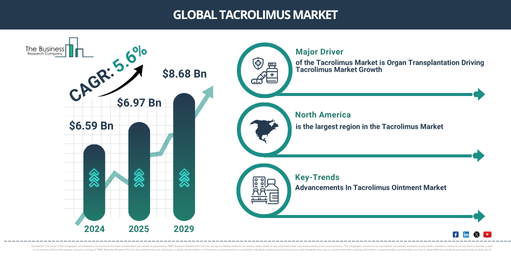
    The market size for tacrolimus has experienced robust growth in the last few years. This trend is projected to continue with an expected increase from $6.59 billion in 2024 to $6.97 billion in 2025, indicating a compound annual growth rate (CAGR) of 5.7%. The historic growth of this market can be credited to various factors including advancements in transplant medicine, increased frequency of organ transplant procedures, obtaining regulatory approvals, wider applications in the field of dermatology, rise in autoimmune diseases, increased allocation to research investments, and improvement in drug delivery technologies.

    In the near future, we can anticipate a robust upswing in the size of the tacrolimus market, which is predicted to reach “$8.68 billion by 2029 at a compound annual growth rate (CAGR) of 5.6%. This anticipated surge during the forecast period can be credited to the broadening of therapeutic applications, the granting of regulatory nods for new uses, escalated investments in R&D, heightened awareness and uptake of immunosuppressive treatments, burgeoning healthcare framework in emerging economies, and the development of updated treatment directives and protocols. Pertinent market trends predicted include the growing preference for personalized medical tactics, breakthroughs in medication delivery methods, widening application scope in autoimmune disorders, burgeoning demand in emerging markets, heightened focus on bioequivalence investigations, introduction of innovative drug formulations, and the incorporation of pharmacogenomics for effective dosage plans.

    Get A Free Sample Of The Report:

    https://www.thebusinessresearchcompany.com/sample.aspx?id=15679&type=smp

    What Underlying Factors Are Supporting The Tacrolimus Market Growth?

    The rise in organ transplant procedures is anticipated to fuel the tacrolimus market’s expansion. Organ transplantation involves the surgical addition of an organ or tissue from a donor to a recipient to replace a dysfunctional organ. Advances in medical technology, improvements in surgical techniques, increased awareness about organ donation, and improved post-transplant care are contributing to the growing demand for organ transplants. Tacrolimus plays an important role in this process by preventing the immune system from rejecting the transplanted organ through the inhibition of T-cell activation and the reduction of cytokine production. For instance, the US Department of Health and Human Services reported in January 2024 that transplants involving organs from both living and deceased donors totaled 46,632 in the United States. This represents an increase of 8.7% compared to 2022 and a 12.7% rise from 2021. As such, the swelling number of organ transplant procedures are propelling the growth of the tacrolimus market.

    How Is The Tacrolimus Market Segmented Across Key Categories?

    The tacrolimus market covered in this report is segmented –

    1) By Product Type: Tacrolimus Capsules And Tablets, Tacrolimus Ointment, Tacrolimus Injection, Tacrolimus Granules

    2) By Application: Immunosuppression, Dermatitis, Other Applications

    3) By End User: Organ Transplant Centers, Hospitals, Clinics, Other End Users

    Subsegments:

    1) By Tacrolimus Capsules And Tablets: Oral Capsules, Oral Tablets

    2) By Tacrolimus Ointment: Topical Ointment (0.03%), Topical Ointment (0.1%)

    3) By Tacrolimus Injection: Injectable Solution, Injectable Powder

    4) By Tacrolimus Granules: Oral Granules (For Suspension)

    What Key Trends Are Driving Growth In The Tacrolimus Market?

    Leading firms in the tacrolimus market are creating advanced drugs such as tacrolimus ointments, to cater to the increasing need for revolutionary dermatological treatments and improve patient care simultaneously. Tacrolimus ointment is a topical medication that contains tacrolimus, an immunosuppressive agent, mainly implemented for addressing inflammatory skin issues. For instance, Glenmark, a pharmaceutical corporation based in India, received approval from the United States Food and Drug Administration (US FDA) in August 2023, for Tacrolimus Ointment 0.03% which serves as the generic equivalent for Protopic Ointment 0.03%. Glenmark Pharmaceuticals will manage the distribution of this ointment throughout the United States. The medication is used for the treatment of moderate-to-severe atopic dermatitis, a skin disorder which leads to inflammation, redness, and itching.

    Which Firms Are Driving Innovation Within The Tacrolimus Market?

    Major companies operating in the tacrolimus market are Sinopharm Chuankang Pharmaceutical, F. Hoffmann-La Roche AG, Abbott Laboratories, Novartis AG, Viatris Inc., Teva Pharmaceutical Industries Limited, Astellas Pharma Inc., Sandoz Inc., Huadong Medicine Co Ltd., Dr. Reddy’s Laboratories Ltd., Cipla Limited, Hikma Pharmaceuticals, Lupin Limited, Zhejiang Hisun Pharmaceutical Co. Ltd., LEO Pharma A/S, Glenmark Pharmaceuticals Ltd., Torrent Pharmaceuticals Limited, Alembic Pharmaceuticals Limited, Wockhardt Limited, Biocon Ltd., Zydus Lifesciences Limited, Panacea Biotec, RPG Life Science, Sun Pharmaceutical Industries Limited, Tecoland Corporation

    Access The Complete Report Here:

    https://www.thebusinessresearchcompany.com/report/tacrolimus-global-market-report

    How Do Regional Dynamics Influence The Tacrolimus Market Performance?

    North America was the largest region in the tacrolimus market in 2024 and 2024. The regions covered in the tacrolimus market report are Asia-Pacific, Western Europe, Eastern Europe, North America, South America, Middle East, Africa.

    Customize Your Report Here:

    https://www.thebusinessresearchcompany.com/customise?id=15679&type=smp

    About The Business Research Company:

    With over 15000+ reports from 27 industries covering 60+ geographies, The Business Research Company has built a reputation for offering comprehensive, data-rich research and insights. Armed with 1,500,000 datasets, the optimistic contribution of in-depth secondary research, and unique insights from industry leaders, you can get the information you need to stay ahead in the game.

    Get in touch with us:

    The Business Research Company: https://www.thebusinessresearchcompany.com/

    Americas +1 310-496-7795

    Asia +44 7882 955267 & +91 8897263534

    Europe +44 7882 955267

    Email us at info@tbrc.info

    Follow us on:

    LinkedIn: https://in.linkedin.com/company/the-business-research-company

    YouTube: https://www.youtube.com/channel/UC24_fI0rV8cR5DxlCpgmyFQ

    Global Market Model: https://www.thebusinessresearchcompany.com/global-market-model
  • Hepatitis Drugs Market – Opportunities, Share, Growth and Competitive Analysis and Forecast 2029

    Hepatitis Drugs Market – Opportunities, Share, Growth and Competitive Analysis and Forecast 2029

    Claim 20% Off Global Market Reports With Code ONLINE20 – Insights on Tariff Effects, Global Trade, and Industry Disruptors

    What Is The Projected Valuation Of The Hepatitis Drugs Market In The Coming Years?

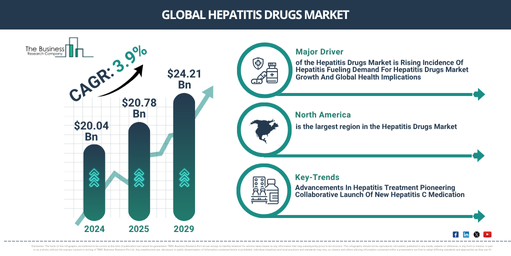
    The market size for hepatitis drugs has been progressively increasing over the years. It is expected to enlarge from $20.04 billion in 2024 to $20.78 billion in 2025, representing a compound annual growth rate (CAGR) of 3.7%. This growth trend during the historic period is thought to be the result of several factors. These include the discovery of antiviral drugs combating hepatitis viruses, advancements in hepatitis diagnostic technologies, a heightened awareness of the global impact of hepatitis, the roll-out of expanded hepatitis vaccination programs, and the advancement of interferon-based therapies for hepatitis.

    The market size for hepatitis medications is expected to experience stable growth in the coming years, reaching a value of “$24.21 billion by 2029 at a compound annual growth rate (CAGR) of 3.9%. This projected growth over the forecasted period is largely due to factors like the introduction of innovative direct-acting antiviral drugs, a rising prevalence of hepatitis infections, increased government strategies for preventing and treating hepatitis, advancements in personalized medical strategies, and greater access to hepatitis drugs in developing nations. Further factors influencing growth during the forecast period include a shift from interferon-based to interferon-free treatments, the creation of pan-genotypic antiviral drugs for hepatitis c, the utilization of non-invasive diagnosis methods for evaluating liver fibrosis, the exploration of combination therapies for hepatitis b, and an increasing emphasis on eliminating viral hepatitis as a public health risk.

    Get A Free Sample Of The Report:

    https://www.thebusinessresearchcompany.com/sample.aspx?id=6889&type=smp

    What Drivers Are Accelerating Expansion Of The Hepatitis Drugs Market?

    The rise in the count of various types of hepatitis cases is notably fueling the expansion of the hepatitis drug market. Each type of hepatitis demands distinct drugs for treatment, thereby escalating the need for hepatitis medication. To illustrate, as stated by the World Health Organization (WHO), a Switzerland based international health entity, in June 2022, there were 296 million chronic hepatitis B infectees, with approximately 1.5 million fresh infections each year. This escalating count of hepatitis infectees will inevitably augment the requirement and usage of hepatitis medication. Therefore, the escalating count of diverse types of hepatitis is projected to stimulate the expansion of hepatitis drugs in the forthcoming period.

    How Is The Global Hepatitis Drugs Market Broken Down By Segment?

    The hepatitis drugs market covered in this report is segmented –

    1) By Drug Class: Interferon Alphas, HIV NRTIs, Nucleotide Polymerase Or NS5A Inhibitor Combinations, Hepatitis C Protease Or NS5A Inhibitor Combinations, NS5A Inhibitors, Nucleotide Polymerase Inhibitors, Nucleoside Analogue Antivirals, Thrombopoiesis Stimulating Agents

    2) By Route Of Administration: Oral, Injection

    3) By Distribution Channel: Hospital Pharmacies, Retail Pharmacies, Online Pharmacies

    4) By Application: Hepatitis A, Hepatitis B, Hepatitis C, Hepatitis D, Hepatitis E

    Subsegments:

    1) By Interferon Alphas: Pegylated Interferon Alpha, Non-Pegylated Interferon Alpha

    2) By HIV NRTIs: Zidovudine, Lamivudine, Abacavir, Tenofovir

    3) By Nucleotide Polymerase Or NS5A Inhibitor Combinations: Sofosbuvir Or velpatasvir, Sofosbuvir Or ledipasvir

    4) By Hepatitis C Protease Or NS5A Inhibitor Combinations: Glecaprevir Or pibrentasvir, Paritaprevir Or ombitasvir Or dasabuvir

    5) By NS5A Inhibitors: Daclatasvir, Ledipasvir, Velpatasvir

    6) By Nucleotide Polymerase Inhibitors: Sofosbuvir, Dasabuvir

    7) By Nucleoside Analogue Antivirals: Adefovir, Entecavir, Lamivudine

    8) By Thrombopoiesis Stimulating Agents: Eltrombopag, Romiplostim

    Which Trends Are Likely To Redefine Growth Paths In The Hepatitis Drugs Market?

    Key players in the hepatitis drug market are concentrating on the innovation of drug formulations. These novel approaches are aimed at boosting effectiveness of treatments, decreasing side effects, improving patient adherence, and dealing with various strains of the hepatitis virus. The Fast Track designation, formed by the FDA, aims to accelerate the creation and scrutiny of drugs designed for serious conditions, also to fill a gap in the medical field. This designation grants quicker patient access to new therapies, specifically in life-threatening diseases. For example, GSK plc, a pharmaceutical company based in the UK, was awarded the Fast Track designation by The U.S. Food and Drug Administration (FDA) in February 2024, for their drug for chronic hepatitis B (CHB) treatment, bepirovirsen. This designation is a crucial advancement as it hastens the developmental and reviewal process of therapies attending to unfulfilled medical necessities in severe conditions.

    Which Firms Are Making The Biggest Impact In The Hepatitis Drugs Market?

    Major companies operating in the hepatitis drugs market include Gilead Sciences Inc., F. Hoffmann-La Roche Ltd, GlaxoSmithKline plc, Johnson & Johnson, Merck & Co. Inc., Abbott Laboratories, AbbVie Inc., Arbutus Biopharma Corporation, Aspen Pharmacare Holdings Limited, Aurobindo Pharma Limited, Beximco Pharmaceuticals Ltd., Biocon Limited, Bristol-Myers Squibb Company, Cadila Healthcare Limited, Cipla Limited, Dr. Reddy’s Laboratories Ltd., Enanta Pharmaceuticals Inc., Hetero Drugs Limited, Laurus Labs Limited, Lupin Pharmaceuticals Inc., Micro Labs Limited, Mylan N. V., Natco Pharma Limited, Novartis International AG, Roche Holding AG, Sun Pharmaceutical Industries Limited, Teva Pharmaceutical Industries Ltd., Zydus Cadila Healthcare Limited, Vir Biotechnology Inc., Genentech Inc., Eisai Pharmaceuticals India Pvt. Ltd.

    Access The Complete Report Here:

    https://www.thebusinessresearchcompany.com/report/hepatitis-drugs-global-market-report

    Which Geographic Regions Are Creating Strong Demand In The Hepatitis Drugs Market?

    North America was the largest region in the hepatitis drugs market in 2024.Asia-Pacific is expected to be the fastest-growing region in the forecast period. The regions covered in the hepatitis drugs market report are Asia-Pacific, Western Europe, Eastern Europe, North America, South America, Middle East, Africa

    Customize Your Report Here:

    https://www.thebusinessresearchcompany.com/customise?id=6889&type=smp

    About The Business Research Company:

    With over 15000+ reports from 27 industries covering 60+ geographies, The Business Research Company has built a reputation for offering comprehensive, data-rich research and insights. Armed with 1,500,000 datasets, the optimistic contribution of in-depth secondary research, and unique insights from industry leaders, you can get the information you need to stay ahead in the game.

    Get in touch with us:

    The Business Research Company: https://www.thebusinessresearchcompany.com/

    Americas +1 310-496-7795

    Asia +44 7882 955267 & +91 8897263534

    Europe +44 7882 955267

    Email us at info@tbrc.info

    Follow us on:

    LinkedIn: https://in.linkedin.com/company/the-business-research-company

    YouTube: https://www.youtube.com/channel/UC24_fI0rV8cR5DxlCpgmyFQ

    Global Market Model: https://www.thebusinessresearchcompany.com/global-market-model
  • Subcutaneous Immunoglobulin (SCIG) Market – Opportunities, Share, Growth and Competitive Analysis and Forecast 2029

    Subcutaneous Immunoglobulin (SCIG) Market – Opportunities, Share, Growth and Competitive Analysis and Forecast 2029

    Claim 20% Off Global Market Reports With Code ONLINE20 – Insights on Tariff Effects, Global Trade, and Industry Disruptors

    How Much Will The Subcutaneous Immunoglobulin (SCIG) Market Be Worth By 2029?

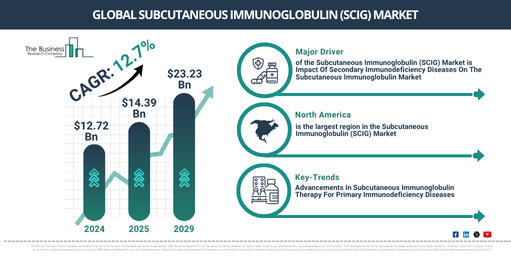
    The market for subcutaneous immunoglobulin (SCIG) has seen considerable growth in recent years, and its expansion will continue with the size increasing from $12.72 billion in 2024 to $14.39 billion in 2025. This represents a compound annual growth rate (CAGR) of 13.1%. Various factors have caused this historic growth, including a rise in cases of immunodeficiency disorders, a preference among patients for home-based care, improved therapeutic efficacy, increased awareness and diagnostic rates, and the growth of favorable reimbursement policies.

    In the coming years, significant expansion is anticipated in the subcutaneous immunoglobulin (SCIG) market. It’s projected to swell to $23.23 billion by 2029, with a compound annual growth rate (CAGR) of 12.7%. The surge during the estimated period can be linked to the growing incidence of neurological disorders, heightened occurrence of autoimmune diseases, increased awareness and acceptance of immunoglobulin therapy, and extending applications in neurology and dermatology, along with broadened healthcare facilities. Key trends during this projected period include progress in drug delivery systems, an escalated demand for home infusion therapies, advancements in antibody therapy, novel developments in formulations, and innovative forays in SCIG.

    Get A Free Sample Of The Report:

    https://www.thebusinessresearchcompany.com/sample.aspx?id=15935&type=smp

    Which Demand Drivers Are Strengthening The Subcutaneous Immunoglobulin (SCIG) Market?

    The surge in secondary immunodeficiency diseases is predicted to fuel the expansion of the subcutaneous immunoglobulin market in the future. Such diseases result in a weakened or compromised immune system owing to factors apart from the immune system itself. These diseases’ prevalence is influenced by various elements such as an aging population, administering immunosuppressive treatments, and exposure to environmental toxins. Subcutaneous immunoglobulin therapy aids the impaired immune system by supplying antibodies, especially in chronic disorders like HIV or autoimmune diseases. It aids in preventing infections and ensuring immunological functionality during treatment. For instance, in October 2023, the UK Health Security Agency, a governmental organization based in the UK, reported 3,805 new HIV diagnoses in England in 2022, showing a 22% increase from the prior year. Consequently, the surge in secondary immunodeficiency diseases prevalence is spurring the expansion of the subcutaneous immunoglobulin market.

    How Is The Global Subcutaneous Immunoglobulin (SCIG) Market Broken Down By Segment?

    The subcutaneous immunoglobulin (scig) market covered in this report is segmented –

    1) By Product Type: Immunoglobulin A (IgA), Immunoglobulin G (IgG), Immunoglobulin M (IgM)

    2) By Application: Primary Immunodeficiency Disorders, Autoimmune Diseases, Neurological Disorders, Other Applications

    3) By End-Use: Clinics, Hospitals, Homecare, Other End-Uses

    Subsegments:

    1) By Immunoglobulin A (IgA): IgA1, IgA2

    2) By Immunoglobulin G (IgG): IgG1, IgG2, IgG3, IgG4

    3) By Immunoglobulin M (IgM): Pentameric IgM, Hexameric IgM

    Which Trends Are Likely To Redefine Growth Paths In The Subcutaneous Immunoglobulin (SCIG) Market?

    Leading firms active in the subcutaneous immunoglobulin market are concentrating on the development of subcutaneous human-klhw. This unique blend contains human immune globulins (Ig) that boost the immune system. The use of subcutaneous human-klhw is primarily for subcutaneous application and has been designed to combat primary immunodeficiency diseases within the human body. For example, in March 2022, Grifols S.A., a pharmaceutical firm based in Spain, introduced XEMBIFY 20% subcutaneous immunoglobulin (SCIG), specially created to address primary immunodeficiency, catering to a substantial medical requirement for individuals with compromised immune systems. XEMBIFY, a ready-to-use formulation, has simplified the treatment procedure, thereby increasing patient ease. As it retains stability at room temperature for a duration of 24 months, there is no need for it to be refrigerated during storage and transit, making it particularly beneficial in numerous healthcare environments.

    Who Are The Most Influential Companies In The Subcutaneous Immunoglobulin (SCIG) Market?

    Major companies operating in the subcutaneous immunoglobulin (SCIG) market are Pfizer Inc., Johnson & Johnson, Prothena Corporation plc, GlaxoSmithKline plc, Takeda Pharmaceutical Company Limited, Amgen Inc., Baxter International Inc., CSL Behring, Lonza Group, Grifols S.A., Octapharma AG, Dr. Reddy’s Laboratories, Intas pharmaceutical Ltd., Emergent BioSolutions Inc., Kedrion Biopharma, LFB group, Biotest AG, Argenx SE, Bio Products Laboratory Ltd., ADMA Biologics Inc., Sino Biological Inc., Bharat Serums and Vaccines Limited (BSV), Kamada Pharmaceuticals, CinnaGen Co., Shire plc

    Access The Complete Report Here:

    https://www.thebusinessresearchcompany.com/report/subcutaneous-immunoglobulin-scig-global-market-report

    Which Geographic Regions Are Creating Strong Demand In The Subcutaneous Immunoglobulin (SCIG) Market?

    North America was the largest region in the subcutaneous immunoglobulin market in 2024. Asia-Pacific is expected to be the fastest-growing region in the forecast period. The regions covered in the subcutaneous immunoglobulin (SCIG) market report are Asia-Pacific, Western Europe, Eastern Europe, North America, South America, Middle East and Africa.

    Customize Your Report Here:

    https://www.thebusinessresearchcompany.com/customise?id=15935&type=smp

    About The Business Research Company:

    With over 15000+ reports from 27 industries covering 60+ geographies, The Business Research Company has built a reputation for offering comprehensive, data-rich research and insights. Armed with 1,500,000 datasets, the optimistic contribution of in-depth secondary research, and unique insights from industry leaders, you can get the information you need to stay ahead in the game.

    Get in touch with us:

    The Business Research Company: https://www.thebusinessresearchcompany.com/

    Americas +1 310-496-7795

    Asia +44 7882 955267 & +91 8897263534

    Europe +44 7882 955267

    Email us at info@tbrc.info

    Follow us on:

    LinkedIn: https://in.linkedin.com/company/the-business-research-company

    YouTube: https://www.youtube.com/channel/UC24_fI0rV8cR5DxlCpgmyFQ

    Global Market Model: https://www.thebusinessresearchcompany.com/global-market-model
  • Heparin Market Trends 2025–2029: Regional Outlook and Sizing Analysis

    Heparin Market Trends 2025–2029: Regional Outlook and Sizing Analysis

    Claim 20% Off Global Market Reports With Code ONLINE20 – Insights on Tariff Effects, Global Trade, and Industry Disruptors

    How Much Will The Heparin Market Be Worth By 2029?

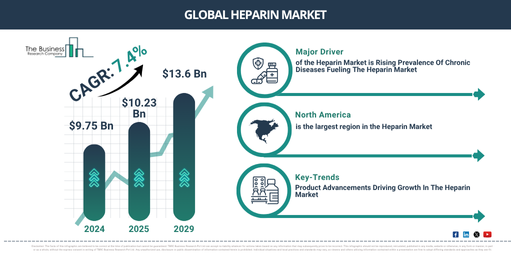
    The heparin market has been experiencing sustained growth in recent years. It is expected to expand from $9.75 billion in 2024 to $10.23 billion in 2025, with a compound annual growth rate (CAGR) of 5.0%. The historic growth can be accounted for by a higher incidence of cardiovascular diseases, advancements in anticoagulation-required surgical methods, an expanding aged population, an increase in deep vein thrombosis incidents, and extended applications in renal dialysis.

    In the upcoming years, strong growth in the heparin market size is anticipated, soaring to a figure of $13.6 billion by 2029 with a compound annual growth rate (CAGR) of 7.4%. The surge in this forecast period can be credited to the increased demand for low-molecular-weight heparin, wider scope of heparin usage in cancer treatments, a rising number of venous thromboembolism cases and the growth of biosynthetic heparin, along with the rise in emerging markets. Significant trends predicted for the forecast period include advancements in the technology used for heparin production, a focus on creating safer and more bioavailable heparin, the incorporation of digital technologies into heparin administration, approval of biosimilars, and the discovery of potential heparin alternatives and substitutes.

    Get A Free Sample Of The Report:

    https://www.thebusinessresearchcompany.com/sample.aspx?id=6684&type=smp

    Which Key Factors Are Fueling Growth In The Heparin Market?

    The surge in persistent diseases, with a length of over a year requiring constant medical care or specialized treatment via hospitalization, has notably contributed to the expansion of the heparin market. This increase is attributed to alterations in lifestyle, dietary patterns, mismanagement of body weight, and more reasons which are contributing to various chronic illnesses, including those that may eventually lead to cancer. The rising exposure to such diseases has bolstered the need for heparin, a substance frequently utilized for thinning blood during medical procedures and treatments. For example, figures from the World Health Organization (WHO) in April 2023 noted that about 537 million adults (aged 20-79) have diabetes globally, a figure projected to escalate to 643 million by 2030 and 783 million by 2045. Consequently, the escalating occurrence of these long-term health conditions will effectively spur the growth of the heparin market.

    Which Segmentation Factors Are Critical In The Heparin Market Analysis?

    The heparin market covered in this report is segmented –

    1) By Product: Unfractionated Heparin, Low Molecular Weight Heparin (LMWH), Ultra-Low Molecular Weight Heparin (ULMWH)

    2) By Source: Bovine, Porcine

    3) By Route of Administration: Intravenous, Subcutaneous

    4) By Application: Venous Thromboembolism, Atrial Fibrillation, Renal Impairment, Coronary Artery Disease, Other Applications

    5) By Distribution Channel: Hospital Pharmacies, Drug Stores And Retail Pharmacies, Online Pharmacies

    Subsegments:

    1) By Unfractionated Heparin: Injectable Formulations, Intravenous (IV) Solutions

    2) By Low Molecular Weight Heparin (LMWH): Enoxaparin, Dalteparin, Tinzaparin

    3) By Ultra-Low Molecular Weight Heparin (ULMWH): Specific Formulations For Specialized Therapies

    What Are The Dominant Trends Currently Seen In The Heparin Market?

    Substantial corporations in the heparin market are concentrating on creating innovative solutions designed to increase drug effectiveness, enhance safety aspects, minimize adverse effects, and investigate advanced delivery methodologies and biosimilar growth to satisfy the escalating international demand. Heparin Sodium Chloride Injection is a sterile concoction that merges heparin, a type of blood thinner, with sodium chloride, often used to stabilize and retain osmotic equilibrium in the solution. For example, B. Braun Medical Inc., a medical corporation based in the US, in February 2024, launched Heparin Sodium 2,000 Units in 0.9% Sodium Chloride Injection. This product, provided in a 1,000 mL EXCEL IV container at a concentration of 2 units/mL, is the fifth addition to B. Braun’s Heparin lineup and is aimed at fulfilling the varied needs of healthcare establishments for this vital anticoagulant medicine.

    Which Players Are Shaping The Competitive Landscape Of The Heparin Market?

    Major companies operating in the heparin market include Baxter International Inc., B. Braun Medical Inc., Dr. Reddy’s Laboratories Ltd., Fresenius SE & Co. KGaA, Leo Pharma A/S, Aspen Pharmacare plc, Bioiberica SA, Biomedical Foscama Group, Biovet SA, Changzhou Qianhong Bio-pharma Co. Ltd., CSPC NBP Pharmaceutical Co. Ltd., Intas Pharmaceuticals Ltd., Nanjing King-friend Biochemical Pharmaceutical Co. Ltd., Opocrin Pharmaceuticals Ltd., Pfizer Inc., Pharma Action Ltd., Rovi Pharma Industrial Services Ltd., Sagent Pharmaceuticals Inc., Sanofi S. A., Shenzhen Hepalink Pharmaceutical Co. Ltd., Sichuan Deebio Pharmaceutical Co. Ltd., Teva Pharmaceuticals Industries Ltd., VAV Life Sciences Inc., Viatris Inc., Wanbang Biopharmaceuticals Co. Ltd., Wockhardt Ltd., Xinbai Pharmaceuticals Co. Ltd., Yino Pharma Co. Ltd.

    Access The Complete Report Here:

    https://www.thebusinessresearchcompany.com/report/heparin-global-market-report

    Which Region Is Likely To Register The Fastest Growth In The Heparin Market?

    North America was the largest region in the heparin market in 2024. Asia-Pacific is expected to be the fastest-growing region in the forecast period. The regions covered in the heparin market report are Asia-Pacific, Western Europe, Eastern Europe, North America, South America, Middle East, Africa

    Customize Your Report Here:

    https://www.thebusinessresearchcompany.com/customise?id=6684&type=smp

    About The Business Research Company:

    With over 15000+ reports from 27 industries covering 60+ geographies, The Business Research Company has built a reputation for offering comprehensive, data-rich research and insights. Armed with 1,500,000 datasets, the optimistic contribution of in-depth secondary research, and unique insights from industry leaders, you can get the information you need to stay ahead in the game.

    Get in touch with us:

    The Business Research Company: https://www.thebusinessresearchcompany.com/

    Americas +1 310-496-7795

    Asia +44 7882 955267 & +91 8897263534

    Europe +44 7882 955267

    Email us at info@tbrc.info

    Follow us on:

    LinkedIn: https://in.linkedin.com/company/the-business-research-company

    YouTube: https://www.youtube.com/channel/UC24_fI0rV8cR5DxlCpgmyFQ

    Global Market Model: https://www.thebusinessresearchcompany.com/global-market-model
  • Spine Biologics Market Trends 2025–2029: Regional Outlook and Sizing Analysis

    Spine Biologics Market Trends 2025–2029: Regional Outlook and Sizing Analysis

    Claim 20% Off Global Market Reports With Code ONLINE20 – Insights on Tariff Effects, Global Trade, and Industry Disruptors

    What Is The Present And Forecasted Size Of The Spine Biologics Market?

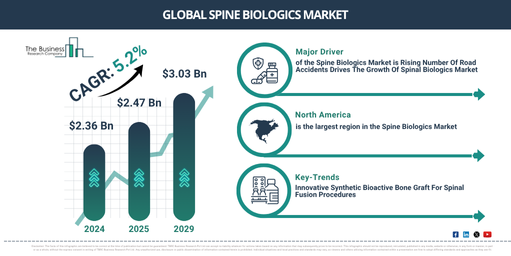
    In recent times, the spine biologics market has shown consistent growth. It is forecasted to rise from $2.36 billion in 2024 to $2.47 billion in 2025, indicating a compound annual growth rate (CAGR) of 4.8%. This growth throughout the historic period can be associated with progress in biotechnology, an older population, a substantial occurrence of spinal disorders, and a growing inclination towards minimally invasive processes. Increased knowledge about the importance of spine health, advancements in diagnosis methods, and enhanced healthcare structures also contribute to this surge.

    In the coming years, it is predicted that the spine biologics market will experience robust growth, expanding to “$3.03 billion in 2029 with a compound annual growth rate (CAGR) of 5.2%. The anticipated growth within the forecast period can be linked to advances in technology, higher acceptance of regenerative medicine, increased R&D investment, a rise in obesity and passive lifestyle prevalence, better healthcare accessibility in emerging markets, favorable regulatory approvals, and heightened industry collaborations and partnerships. Key trends to watch out for in the forecast period include the rise of new regenerative therapies, use of artificial intelligence in treatment preparation, growth of personalized medicine strategies, acceptance of 3D printing for tailor-made implants, and the creation of bioengineered scaffolds for improved tissue regeneration.

    Get A Free Sample Of The Report:

    https://www.thebusinessresearchcompany.com/sample.aspx?id=15928&type=smp

    What Growth-Enabling Forces Are Impacting The Spine Biologics Market?

    The anticipated growth of the spinal biologics market is largely attributed to the escalating instances of road accidents. Unplanned and sudden events involving vehicles on public roads, often referred to as road accidents, frequently result in severe spinal injuries. These conditions require complex medical procedures for effective healing and recovery. Various factors contribute to the growing rate of these accidents globally, including distracted driving, burgeoning traffic, inadequate road infrastructure, and substance impairments. Spinal biologics play a crucial part in enhancing patients’ outcomes by promoting spinal fusion, expediting the healing process, reducing surgical risks, augmenting pain management, and minimizing the need for subsequent surgeries. As an illustration, data from the National Highway Traffic Safety Administration, a government agency based in the US, estimated that road accidents claimed 42,915 lives in the US in May 2022. This marked a 10.5% increase from the 38,824 reported deaths in 2020. Consequently, the escalating number of road accidents is fueling progress in the spinal biologics market.

    Which Segmentation Factors Are Critical In The Spine Biologics Market Analysis?

    The spine biologics market covered in this report is segmented –

    1) By Product: Bone Allografts, Bone Graft Substitute, Platelet Rich Plasma, Bone Marrow Aspirate Therapy

    2) By Surgery Type: Anterior Cervical Discectomy And Fusion (ACDF), ??Posterior Lumbar Interbody Fusion (PLIF), Transforaminal Lumbar Interbody Fusion (TLIF), ??Anterior Lumbar Interbody Fusion (ALIF), ??Lateral Lumbar Interbody Fusion (LLIF), Other Surgery Types

    3) By Application: Spinal Fusion, Spinal Non-Union And Fracture Repair, Degenerative Disc Disease Treatment, Other Applications

    4) By End User: Hospitals, Spinal Surgery Centers, Orthopedic Clinics, Other End Users

    Subsegments:

    1) By Bone Allografts: Fresh Allografts, Freeze-Dried Allografts

    2) By Bone Graft Substitute: Synthetic Bone Grafts, Demineralized Bone Matrix (DBM), Calcium Phosphate-Based Grafts, Platelet Rich Plasma (PRP)

    3) By Bone Marrow Aspirate Therapy: Concentrated Bone Marrow Aspirate, Bone Marrow Concentrates

    What Are The Dominant Trends Currently Seen In The Spine Biologics Market?

    Prominent firms functioning in the spinal biologics market are introducing enhanced products like synthetic bioactive bone grafts to better cater to patients’ needs and establish themselves as market leaders. Synthetic bioactive bone grafts are artificially manufactured spine biologics designed to foster and accelerate bone healing and growth during spinal fusion surgeries. For example, Orthofix Medical Inc., a company based in the US, focused on spine and orthopedics, introduced Opus BA, an advanced synthetic bioactive bone graft, for cervical and lumbar spine fusion treatments, in February 2022. Available in putty and strip forms, it serves as a structure for bone growth and is reabsorbed, and replaced by native bone. The graft can be hydrated with autogenous bone marrow or autografted with saline. The Opus BA has a carbonate apatite bone mineral, bioactive glass, and Type 1 collagen-based osteoconductive matrix which stimulates bone growth and resorption.

    Who Are The Dominant Players In The Spine Biologics Market Today?

    Major companies operating in the spine biologics market are Johnson & Johnson Services Inc., Medtronic PLC, Stryker Corporation, Baxter International Inc., B. Braun Melsungen AG, Zimmer Biomet Holdings Inc., Arthrex Inc., Integra LifeSciences Corporation, Bone Biologics Corp., InVivo Therapeutics Corp., RTI Surgical Inc., Paragon 28 Inc., LifeNet Health Inc., Xtant Medical Holdings Inc., Kuros Biosciences A.G., CoreLink LLC, Spinal Elements Inc., Life Spine Inc., Innovasis Inc., Camber Spine Technologies LLC, SurGenTec LLC, ChoiceSpine LLC, Cerapedics Inc., Aziyo Biologics, Amedica Corporation

    Access The Complete Report Here:

    https://www.thebusinessresearchcompany.com/report/spine-biologics-global-market-report

    Which Region Is Likely To Register The Fastest Growth In The Spine Biologics Market?

    North America was the largest region in the spine biologics market in 2024. Asia-Pacific is expected to be the fastest-growing region in the forecast period. The regions covered in the spine biologics market report are Asia-Pacific, Western Europe, Eastern Europe, North America, South America, Middle East and Africa.

    Customize Your Report Here:

    https://www.thebusinessresearchcompany.com/customise?id=15928&type=smp

    About The Business Research Company:

    With over 15000+ reports from 27 industries covering 60+ geographies, The Business Research Company has built a reputation for offering comprehensive, data-rich research and insights. Armed with 1,500,000 datasets, the optimistic contribution of in-depth secondary research, and unique insights from industry leaders, you can get the information you need to stay ahead in the game.

    Get in touch with us:

    The Business Research Company: https://www.thebusinessresearchcompany.com/

    Americas +1 310-496-7795

    Asia +44 7882 955267 & +91 8897263534

    Europe +44 7882 955267

    Email us at info@tbrc.info

    Follow us on:

    LinkedIn: https://in.linkedin.com/company/the-business-research-company

    YouTube: https://www.youtube.com/channel/UC24_fI0rV8cR5DxlCpgmyFQ

    Global Market Model: https://www.thebusinessresearchcompany.com/global-market-model
  • E-Pharmacy Market 2025–2029: Unveiling Growth Developments with the Latest Updates

    E-Pharmacy Market 2025–2029: Unveiling Growth Developments with the Latest Updates

    Claim 20% Off Global Market Reports With Code ONLINE20 – Insights on Tariff Effects, Global Trade, and Industry Disruptors

    What Is The Present And Forecasted Size Of The E-Pharmacy Market?

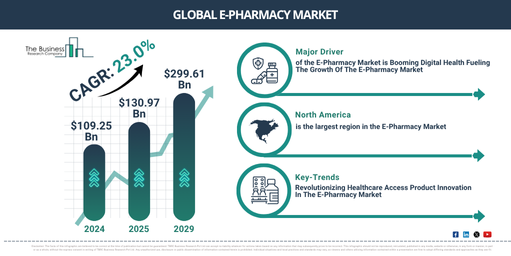
    The e-pharmacy industry has experienced swift expansion in the last few years. The market value will surge from $109.25 billion in 2024 to $130.97 billion in 2025, boasting a compound annual growth rate (CAGR) of 19.9%. This significant rise during the historic period is due to factors such as the increased access to the internet and the thriving e-commerce sector, a surge in chronic disease cases, an aging population with increasing healthcare needs, regulatory backing for e-pharmacies, and the convenience and time-saving benefits it offers to consumers.

    Expectations for the e-pharmacy market suggest exponential growth in the next few years. It is predicted to expand to “$299.61 billion in 2029” with a compound annual growth rate (CAGR) of 23.0%. The forecast growth can be credited to factors such as the increasing use of telemedicine, a heightened focus on healthcare access in rural and remote settings, the surge of online prescription services, an extended e-commerce infrastructures and the widening of e-pharmacy services in rural locations. Major anticipated trends during this time will include the joining up of virtual health consultations, the enlargement of prescription delivery services, the introduction of personalized medication management applications, the use of blockchain technology for a transparent supply chain, and international operations of e-pharmacies.

    Get A Free Sample Of The Report:

    https://www.thebusinessresearchcompany.com/sample.aspx?id=7076&type=smp

    Which Market Dynamics Are Playing A Critical Role In The Growth Of The E-Pharmacy Market?

    The surge in digital health is predicted to drive the expansion of the e-pharmacy market in the future. E-pharmacy services and digital health technologies utilize computing platforms, software, networks, and sensors for a range of health care and associated applications, such as mHealth, health information technology (IT), wearable devices, telemedicine, telehealth, and personalized medicine. These technologies have a wide range of uses, from promoting general health to managing medical equipment. For example, the Australian Digital Health Agency 2022, a government organization based in Australia, reported that between 13 March 2020 and 31 July 2022, 18 million patients were provided with 118.2 million telehealth services and over 95,000 practitioners availed telehealth services in 2022. Hence, the thriving digital health sector is fuelling the growth of the E-Pharmacy market.

    What Are The Key Segment Trends Observed In The E-Pharmacy Market?

    The e-pharmacy market covered in this report is segmented –

    1) By Drug Type: Prescription Drugs, Over-The-Counter (OTC) Drugs

    2) By Product Type: Skin Care, Dental, Cold And Flu, Vitamins, Weight Loss, Other Product Types

    3) By Payment Method: Cash on Delivery, Online Payment

    4) By Platform: App-Based, Web-Based

    Subsegments:

    1) By Prescription Drugs: Chronic Disease Medications, Acute Disease Medications, Specialty Drugs, Controlled Substances

    2) By Over-The-Counter (OTC) Drugs: Pain Relievers, Cold And Allergy Medications, Digestive Health Products, Vitamins And Supplements

    Which Disruptive Trends Are Driving Change Across The E-Pharmacy Market?

    Top-tier businesses within the E-Pharmacy industry are harnessing the power of digital technology to increase patient accessibility to medicines, through services such as home shipments, telehealth discussions, and personalized medication control for elevated patient care and adherence. A distinctive digital health care platform by Eli Lilly, LillyDirect, provides tailored disease management resources, telehealth services, and direct home medication delivery, geared towards making healthcare access easier for those living with chronic conditions, such as diabetes, obesity, and migraines. For example, in January 2024, US native pharmaceutical company Eli Lilly and Company introduced LillyDirect, a fresh digital healthcare journey for American patients suffering from diabetes, obesity and migraines. LillyDirect features an element named LillyDirect Pharmacy Solutions, enabling patients to purchase selected Lilly medicines online. Partnered online pharmacy fulfillment services deliver these medicines straight to the patient’s home, enhancing convenience for users.

    Who Are The Leading Companies Driving The E-Pharmacy Market?

    Major companies operating in the e-pharmacy market include Walgreen Company, Express Scripts Holding Company, CVS Health Corporation, DocMorris N. V, OptumRx Holdings LLC, PharmEasy, Tata 1mg, Netmeds, Amazon Inc., Apollo Pharmacy Ltd., Rowlands Phamacy, The Kroger Co., Wal-Mart Stores Inc., Medlife International Private Limited, MedPlus Health Services Private Limited, Medikabazaar Private Limited, MedPlusMart Private Limited, MedsIndia Limited, MedsOnCall Healthcare Private Limited, MedsSure Healthcare Private Limited, MedsDelight Healthcare Private Limited, MedsBazaar Healthcare Private Limited

    Access The Complete Report Here:

    https://www.thebusinessresearchcompany.com/report/e-pharmacy-global-market-report

    Which Region Is Forecasted To Lead The E-Pharmacy Market In The Coming Years?

    North America was the largest region in the e-pharmacy market in 2024. Asia-Pacific is expected to be the fastest-growing region in the forecast period. The regions covered in the e-pharmacy market report are Asia-Pacific, Western Europe, Eastern Europe, North America, South America, Middle East, Africa

    Customize Your Report Here:

    https://www.thebusinessresearchcompany.com/customise?id=7076&type=smp

    About The Business Research Company:

    With over 15000+ reports from 27 industries covering 60+ geographies, The Business Research Company has built a reputation for offering comprehensive, data-rich research and insights. Armed with 1,500,000 datasets, the optimistic contribution of in-depth secondary research, and unique insights from industry leaders, you can get the information you need to stay ahead in the game.

    Get in touch with us:

    The Business Research Company: https://www.thebusinessresearchcompany.com/

    Americas +1 310-496-7795

    Asia +44 7882 955267 & +91 8897263534

    Europe +44 7882 955267

    Email us at info@tbrc.info

    Follow us on:

    LinkedIn: https://in.linkedin.com/company/the-business-research-company

    YouTube: https://www.youtube.com/channel/UC24_fI0rV8cR5DxlCpgmyFQ

    Global Market Model: https://www.thebusinessresearchcompany.com/global-market-model
  • Skin Care Supplements Market 2025–2029: Unveiling Growth Developments with the Latest Updates

    Skin Care Supplements Market 2025–2029: Unveiling Growth Developments with the Latest Updates

    Claim 20% Off Global Market Reports With Code ONLINE20 – Insights on Tariff Effects, Global Trade, and Industry Disruptors

    How Big Is The Skin Care Supplements Market Today And What Is Its Future Size?

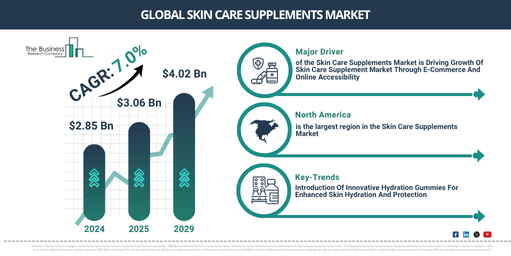
    In the past few years, there has been a solid growth in the size of the skin care supplements market. It is projected to expand from $2.85 billion in 2024 to $3.06 billion in 2025, with a Compound Annual Growth Rate (CAGR) of 7.2%. The remarkable growth during the historic period is mainly due to the inclination towards organic and natural products, the impact of celebrity endorsements and influencer marketing, lifestyle changes, environmental conditions, an increase in the senior citizen population, and a heightened interest in supplements.

    The market size for skincare supplements is forecasted to witness significant expansion in the coming years, ballooning to “$4.02 billion by 2029 with a compound annual growth rate (CAGR) of 7.0%. This projected growth within the forecast period is attributed to heightening consumer emphasis on general health, clear ingredient information, growing understanding of skincare problems, increasing disposable income, and the broadening of distribution channels. Persisting trends throughout the prediction period are expected to be improvements in formulation technologies, partnerships and takeovers, technological progress, celebrity associations and endorsements, and product innovations.

    Get A Free Sample Of The Report:

    https://www.thebusinessresearchcompany.com/sample.aspx?id=15669&type=smp

    Which Factors Are Steering Growth In The Skin Care Supplements Market?

    The advancement of e-commerce and enhanced online user experiences are predicted to fuel the expansion of the skin care supplement market in the future. The concept of e-commerce and online user-friendliness encompasses the designing of digital platforms to be accessible and easy-to-navigate for individuals with disabilities, thereby ensuring everyone has equal access to products and services online. This growing trend is driven by consumer’s shifting preference towards convenience and the broad adoption of digital tools for shopping purposes. E-commerce provides skin care supplement companies with the leverage to penetrate new markets and target specific consumer segments which may not have been reachable via conventional retail outlets. Internet platforms pave the way for these brands to heighten their presence through digital marketing approaches like social media promotions, collaborations with influencers, and search engine optimization. Case in point, the International Trade Administration, which is a division of the Department of Commerce in the US, reported in November 2023 that retail e-commerce revenue in Canada is forecasted to skyrocket to $40.3 billion by 2025, a steep rise from $2.34 billion in March 2022. Thus, the advancement of e-commerce and accessible online platforms contribute significantly to the expansion of the skin care supplements market.

    What Are The Key Segment Trends Observed In The Skin Care Supplements Market?

    The skin care supplements market covered in this report is segmented –

    1) By Product Type: Oral Supplements, Topical Supplements

    2) By Content Type: Organic, Chemical

    3) By Gender: Female, Male

    4) By Distribution Channel: Online, Offline

    5) By Application: Skin Aging, Skin Hydration, Acne And Blemishes, Skin Brightening, Other Applications

    Subsegments:

    1) By Oral Supplements: Collagen Supplements, Vitamins And Minerals, Antioxidant Supplements, Omega-3 And Essential Fatty Acids

    2) By Topical Supplements: Collagen Creams And Serums, Vitamin-Based Creams, Hyaluronic Acid Products, Antioxidant Creams And Serums

    Which Disruptive Trends Are Driving Change Across The Skin Care Supplements Market?

    In the skincare supplement market, leading enterprises are concentrating on groundbreaking solutions like hydration gummies in order to uphold their market standing. These hydration gummies are chewable supplements filled with electrolytes such as sodium and potassium, which are meant to restore essential body fluids and minerals, especially during physical exertion or dehydration periods. For example, Neutrogena, a cosmetics company based in the US, introduced Neutrogena Skin Hydration Gummies in November 2023. This supplement includes hydrating hyaluronic acid and potent antioxidants. These gummies not only boost skin’s ability to retain moisture, but also offer protection from environmental threats. They provide a tasty and easy-to-consume addition to skincare routines, helping to maintain a hydrated and glowing skin tone.

    Which Companies Are Contributing Significantly To The Skin Care Supplements Market Growth?

    Major companies operating in the skin care supplements market are Nestlé S.A., Johnson & Johnson Services Inc., Procter & Gamble Company, Unilever plc, Estée Lauder Companies Inc., Arbonne International LLC, Kao Corporation, Amway Corporation, Meiji Holdings Co. Ltd., LG Household & Health Care Ltd., Coty Inc., Avon Products Inc., Mary Kay Inc., Clarins Group, Nu Skin Enterprises Inc., Kose Corporation, Melaleuca Inc., Shaklee Corporation, Plexus Worldwide LLC, Nature’s Sunshine Products Inc., Murad LLC, Vitabiotics Ltd., Modere Inc., LifeVantage Corporation, Neutrogena Corporation, Mannatech Incorporated, Isagenix International LLC, Jeunesse Global Holdings LLC, TCH Inc.

    Access The Complete Report Here:

    https://www.thebusinessresearchcompany.com/report/skin-care-supplements-global-market-report

    Which Region Is Forecasted To Lead The Skin Care Supplements Market In The Coming Years?

    North America was the largest region in the skin care supplements market in 2024. Asia-Pacific is expected to be the fastest-growing region in the forecast period. The regions covered in the skin care supplements market report are Asia-Pacific, Western Europe, Eastern Europe, North America, South America, Middle East, Africa.

    Customize Your Report Here:

    https://www.thebusinessresearchcompany.com/customise?id=15669&type=smp

    About The Business Research Company:

    With over 15000+ reports from 27 industries covering 60+ geographies, The Business Research Company has built a reputation for offering comprehensive, data-rich research and insights. Armed with 1,500,000 datasets, the optimistic contribution of in-depth secondary research, and unique insights from industry leaders, you can get the information you need to stay ahead in the game.

    Get in touch with us:

    The Business Research Company: https://www.thebusinessresearchcompany.com/

    Americas +1 310-496-7795

    Asia +44 7882 955267 & +91 8897263534

    Europe +44 7882 955267

    Email us at info@tbrc.info

    Follow us on:

    LinkedIn: https://in.linkedin.com/company/the-business-research-company

    YouTube: https://www.youtube.com/channel/UC24_fI0rV8cR5DxlCpgmyFQ

    Global Market Model: https://www.thebusinessresearchcompany.com/global-market-model
  • Enzyme Inhibitor Market Emerging Trends and Growth Drivers Through 2029 | Reach USD $221.55 Billion

    Enzyme Inhibitor Market Emerging Trends and Growth Drivers Through 2029 | Reach USD $221.55 Billion

    Claim 20% Off Global Market Reports With Code ONLINE20 – Insights on Tariff Effects, Global Trade, and Industry Disruptors

    How Big Is The Enzyme Inhibitor Market Today And What Is Its Future Size?

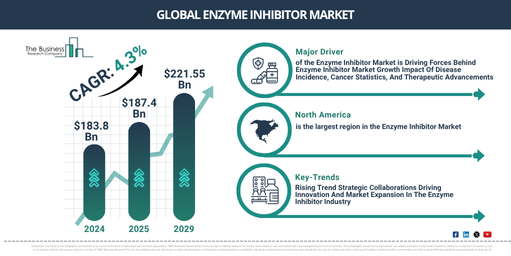
    The market size of enzyme inhibitors has seen a marginal increase in the past few years. From $183.8 billion in 2024, it is projected to reach $187.4 billion in 2025, representing a compound annual growth rate (CAGR) of 2.0%. The historical growth can be traced back to the rise in demand for enzyme inhibitors for treating different diseases, advances in drug discovery and development, an increasing occurrence of chronic diseases, a growing older population and heightened awareness of the advantages enzyme inhibitors provide.

    The market for enzyme inhibitors is predicted to experience gradual expansion in the coming years, rising to a worth of $221.55 billion by 2029, with a compound annual growth rate (CAGR) of 4.3%. The growth during the forecast period is credited to the increase in research and development funding, enhanced demand for personalized medicine, an increase in chronic diseases in developing markets, higher demand for enzyme inhibitors in cancer treatment, and broadening of applications in rare and genetic diseases. Key trends for the forecast period are the development of reversible and irreversible enzyme inhibitors, the discovery of natural products as a source for enzyme inhibitors, the utilization of computational methods for enzyme inhibitor discovery, the prioritization of personalized dosing and treatment plans, and the widening of enzyme inhibitor applications in oncology and neurodegenerative diseases.

    Get A Free Sample Of The Report:

    https://www.thebusinessresearchcompany.com/sample.aspx?id=6728&type=smp

    What External And Internal Drivers Are Influencing The Enzyme Inhibitor Market?

    The increase in cases of illness, particularly cancer, is anticipated to boost the enlargement of the enzyme inhibitor market. Enzymes, like telomerase active in majority of cancer cells, are employed for treating different types of cancers such as leukemia, and also for prevention of transformation of healthy adult cells into cancerous ones. As per the American Cancer Society, a US-based healthcare organization focusing on the eradication of cancer, averagely in 2022 on a daily basis in the US, about 1,670 people will succumb to cancer with an estimation of 1.9 million new diagnoses and 609,360 deaths. Hence, the growing prevalence of diseases like cancer is fueling the demand and contributing to the expansion of the enzyme inhibitor market.

    How Is The Enzyme Inhibitor Market Categorized Across Applications And Types?

    The enzyme inhibitor market covered in this report is segmented –

    1) By Type: Proton Pump Inhibitors (PPIs), Protease Inhibitors, Reverse Transcriptase Inhibitors, Aromatase Inhibitors, Kinase Inhibitors, Neuraminidase Inhibitors, Statins, Other Types

    2) By Disease Indication: Chronic Obstructive Pulmonary Disorders, Cardiovascular Disease, Gastrointestinal Disorders, Arthritis, Inflammatory Diseases, Other Disease Indications

    3) By Application: Chemotherapy, Antibiotics, Pesticides, Cardiovascular Treatments, Other Applications

    4) By End User: Pharmaceutical, Biotechnology, Food And Beverage, Other End Users

    Subsegments:

    1) By Proton Pump Inhibitors (PPIs): Omeprazole, Esomeprazole, Lansoprazole, Pantoprazole, Rabeprazole

    2) By Protease Inhibitors: Ritonavir, Lopinavir, Atazanavir, Saquinavir, Darunavir

    3) By Reverse Transcriptase Inhibitors: NRTIs (Nucleoside Reverse Transcriptase Inhibitors), NNRTIs (Non-Nucleoside Reverse Transcriptase Inhibitors)

    4) By Aromatase Inhibitors: Anastrozole, Letrozole, Exemestane

    5) By Kinase Inhibitors: BCR-ABL Inhibitors, EGFR Inhibitors, ALK Inhibitors, MEK Inhibitors

    6) By Neuraminidase Inhibitors: Oseltamivir, Zanamivir, Peramivir

    7) By Statins: Atorvastatin, Simvastatin, Rosuvastatin, Lovastatin

    8) By Other Types: Antifolates, Phosphodiesterase Inhibitors, Cyclooxygenase Inhibitors

    How Are Market Trends Influencing Competition In The Enzyme Inhibitor Market?

    Leading entities in the enzyme inhibitor sector are directing their efforts towards the development of novel therapies such as selective kinase inhibitors. Their goal is to enhance treatment alternatives and prognosis for a range of diseases. An example of such innovation is Jaypirca (pirtobrutinib), a highly selective, non-covalent Bruton’s tyrosine kinase (BTK) inhibitor. This drug, which has gained approval from the FDA, is designed to treat adult patients suffering from refractory mantle cell lymphoblastoma after they have undergone at least two prior systemic therapies. For instance, in January 2023, Loxo Oncology at Lilly, the oncology division of US-based pharmaceutical firm Eli Lilly and Company, introduced Jaypirca tablets. These are the first and single non-covalent (reversible) Bruton’s tyrosine kinase (BTK) inhibitor to receive validation from the Food and Drug Administration, a US health body. Such endorsement is a major step forward for patients with MCL who had fallen short of treatment options post the progression on existing therapies. Jaypirca presents a unique method of targeting the BTK pathway and may enhance the prognosis for this group of patients.

    Who Are The Global Leaders Steering The Enzyme Inhibitor Market Forward?

    Major companies operating in the enzyme inhibitor market include Abbott Laboratories, Amgen Inc., AstraZeneca plc, Bayer AG, F. Hoffmann-La Roche AG, Pfizer Inc., Takeda Pharmaceutical Company, Merck and Co. Inc., Eli Lilly and Company, Bristol-Myers Squibb Company, Cipla USA Inc., AbbVie Inc., Teva Pharmaceutical Industries Ltd., Janssen Pharmaceuticals, Acellera Ltd., Bioinfogate SL, BioSolveIT GmbH, Dassault Systèmes BIOVIA Corp., ChemAxon Ltd., Cheminformatics Tools and Services LLC, Cresset BioMolecular Discovery Ltd., Dotmatics Limited, Enamine Ltd., Forge Therapeutics Inc., Inte:Ligand GmbH, LeadIT, Molecular Forecaster Inc., Chemical Computing Group Inc., OpenEye Scientific Software Inc.

    Access The Complete Report Here:

    https://www.thebusinessresearchcompany.com/report/enzyme-inhibitor-global-market-report

    What Are The Emerging Regional Trends Driving The Enzyme Inhibitor Market?

    North America was the largest region in the enzyme inhibitor market in 2024.Asia-Pacific is expected to be the fastest-growing region in the forecast period. The regions covered in the enzyme inhibitor market report are Asia-Pacific, Western Europe, Eastern Europe, North America, South America, Middle East, Africa

    Customize Your Report Here:

    https://www.thebusinessresearchcompany.com/customise?id=6728&type=smp

    About The Business Research Company:

    With over 15000+ reports from 27 industries covering 60+ geographies, The Business Research Company has built a reputation for offering comprehensive, data-rich research and insights. Armed with 1,500,000 datasets, the optimistic contribution of in-depth secondary research, and unique insights from industry leaders, you can get the information you need to stay ahead in the game.

    Get in touch with us:

    The Business Research Company: https://www.thebusinessresearchcompany.com/

    Americas +1 310-496-7795

    Asia +44 7882 955267 & +91 8897263534

    Europe +44 7882 955267

    Email us at info@tbrc.info

    Follow us on:

    LinkedIn: https://in.linkedin.com/company/the-business-research-company

    YouTube: https://www.youtube.com/channel/UC24_fI0rV8cR5DxlCpgmyFQ

    Global Market Model: https://www.thebusinessresearchcompany.com/global-market-model
  • Semaglutides Market Emerging Trends and Growth Drivers Through 2029 | Reach USD $40.54 Billion

    Semaglutides Market Emerging Trends and Growth Drivers Through 2029 | Reach USD $40.54 Billion

    Claim 20% Off Global Market Reports With Code ONLINE20 – Insights on Tariff Effects, Global Trade, and Industry Disruptors

    How Will The Semaglutides Market Valuation Change Between Now And 2029?

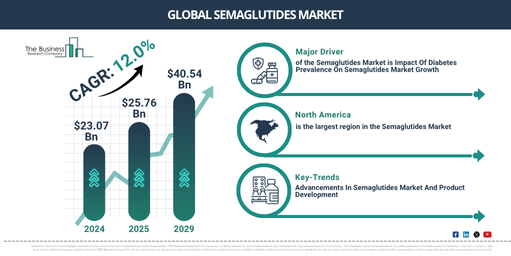
    The market for semaglutides has seen rapid expansion in the last few years. Projections for its growth estimate an increase from $23.07 billion in 2024 to $25.76 billion in 2025, equating to a compound annual growth rate (CAGR) of 11.7%. Factors contributing to this growth during the historic period include rising prevalence of diabetes due to lifestyle changes, increased funding for research and development, heightened healthcare spending, the strategic growth of pharmaceutical companies in developing areas, and the wider acceptance of injectable treatments.

    In the next few years, the semaglutides market is projected to undergo a notable expansion. The projected growth places its value to reach $40.54 billion by 2029, with a compound annual growth rate (CAGR) of 12.0%. The factors contributing to this growth during the forecasting timespan include an ascending global diabetes occurrence, heightened consciousness about diabetes management and treatment strategies, escalating demand for efficient therapies with minimal side effects, and supportive government regulations and initiatives for diabetes treatment. The forecast period will also witness major trends such as the incorporation of digital health, the inclusion of artificial intelligence and machine learning, the surging demand for telemedicine and remote monitoring services, the progress in wearable technology, the heightened demand for 3D printing, and the implementation of blockchain for efficient supply chain management.

    Get A Free Sample Of The Report:

    https://www.thebusinessresearchcompany.com/sample.aspx?id=18720&type=smp

    What Core Drivers Are Expected To Influence The Semaglutides Market?

    The semaglutide market is predicted to expand due to the escalating rate of diabetes. Diabetes is a long-term malady which is characterized by high blood sugar levels due to the body’s inefficiency in producing or utilizing insulin effectively. Factors like increasing obesity rates, inactive lifestyles, and unhealthy food consumption habits are contributing to a rise in diabetes cases. Semaglutide aids in managing diabetes by imitating the GLP-1 hormone, increasing insulin release, lessening the release of glucagon, and delaying gastric emptying. This in turn reduces blood sugar levels and assists in weight reduction. For instance, as per a non-profit organization, Diabetes Canada, approximately 2.4 million individuals in Canada were diagnosed with diabetes or prediabetes in 2023. This figure is anticipated to mount to 3 million by 2033. Hence, the upsurge in diabetes prevalence is spurring the growth of the semaglutide market.

    How Is The Semaglutides Market Categorized Across Applications And Types?

    The semaglutides market covered in this report is segmented –

    1) By Brands: Ozempic, Wegovy, Rybelsus

    2) By Route Of Administration: Oral, Injection

    3) By Application: Type 2 Diabetes, Obesity Management

    4) By End-User: Hospitals Pharmacies, Retail Pharmacies, Online Pharmacies

    Subsegments:

    1) By Ozempic: Pen Injection (Auto-Injector), Prefilled Pens (Dosages 0.25mg, 0.5mg, 1mg, 2mg)

    2) By Wegovy: Subcutaneous Injection (Auto-Injector), Prefilled Pens (Dosages 0.25mg, 0.5mg, 1mg, 1.7mg, 2.4mg)

    3) By Rybelsus: Oral Tablets (Dosages Of 3mg, 7mg, 14mg)

    How Are Market Trends Influencing Competition In The Semaglutides Market?

    Key players in the semaglutides market are placing a strong emphasis on product development, focusing specifically on GLP-1 receptor analogues. These innovations aim to bolster the effectiveness of diabetes and obesity treatments, foster better patient compliance, and minimize adverse effects by leveraging sophisticated delivery platforms and bespoke medical solutions. GLP-1 receptor analogues are artificial peptides engineered to replicate the impact of glucagon-like peptide-1 (GLP-1), which heightens insulin discharge and mediates glycemic levels in diabetes therapy. For example, Novo Nordisk India, a renowned pharmaceutical firm based in India, introduced oral semaglutide in January 2022, marking a significant leap in diabetes care. Semaglutide, being a GLP-1 receptor analogue (GLP-1 RA) used for diabetes management, has been traditionally administered as an injection. However, this is the debut of the medicine in an oral formulation. Oral semaglutide merges the GLP-1RA semaglutide with an absorption booster labeled SNAC. This composition protects semaglutide against stomach degradation, often a problem for peptides, while simultaneously enhancing its absorption.

    Who Are The Primary Market Leaders In The Semaglutides Market?

    Major companies operating in the semaglutides market are Pfizer Inc., Roche Holding AG, Merck & Co. Inc., AbbVie Inc., Sanofi S.A., Bristol-Myers Squibb Company, AstraZeneca PLC, Novartis International AG, Takeda Pharmaceutical Company Limited, GlaxoSmithKline Plc, Eli Lilly and Company, Amgen Inc., Boehringer Ingelheim International GmbH, Novo Nordisk A/S, Teva Pharmaceutical Industries Ltd., Cipla Limited, Dr. Reddy’s Laboratories Ltd., Biocon Limited, Hanmi Pharmaceutical Co. Ltd., Intarcia Therapeutics Inc., Adocia SA

    Access The Complete Report Here:

    https://www.thebusinessresearchcompany.com/report/semaglutides-global-market-report

    What Are The Emerging Regional Trends Driving The Semaglutides Market?

    North America was the largest region in the semaglutides market in 2024. Asia-Pacific is expected to be the fastest-growing region in the forecast period. The regions covered in the semaglutides market report are Asia-Pacific, Western Europe, Eastern Europe, North America, South America, Middle East, Africa.

    Customize Your Report Here:

    https://www.thebusinessresearchcompany.com/customise?id=18720&type=smp

    About The Business Research Company:

    With over 15000+ reports from 27 industries covering 60+ geographies, The Business Research Company has built a reputation for offering comprehensive, data-rich research and insights. Armed with 1,500,000 datasets, the optimistic contribution of in-depth secondary research, and unique insights from industry leaders, you can get the information you need to stay ahead in the game.

    Get in touch with us:

    The Business Research Company: https://www.thebusinessresearchcompany.com/

    Americas +1 310-496-7795

    Asia +44 7882 955267 & +91 8897263534

    Europe +44 7882 955267

    Email us at info@tbrc.info

    Follow us on:

    LinkedIn: https://in.linkedin.com/company/the-business-research-company

    YouTube: https://www.youtube.com/channel/UC24_fI0rV8cR5DxlCpgmyFQ

    Global Market Model: https://www.thebusinessresearchcompany.com/global-market-model
  • Sedative-Hypnotic Drugs Market Size, Share & Trends Analysis Report By Product | Forecast to 2029

    Sedative-Hypnotic Drugs Market Size, Share & Trends Analysis Report By Product | Forecast to 2029

    Claim 20% Off Global Market Reports With Code ONLINE20 – Insights on Tariff Effects, Global Trade, and Industry Disruptors

    What Are The Future Growth Projections For The Sedative-Hypnotic Drugs Market Size?

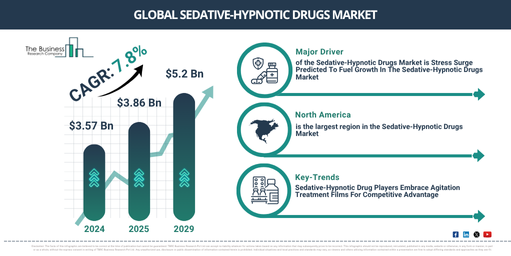
    In recent times, the market size of sedative-hypnotic drugs has seen robust growth. The market is projected to increase from $3.57 billion in 2024 to $3.86 billion in 2025, exhibiting a compound annual growth rate (CAGR) of 8.0%. The historic period’s expansion can be linked to factors such as an uptick in direct-to-consumer advertising, higher stress levels, a rising frequency of sleep disorders, an increase in direct-to-consumer advertising, and aging demographics.

    The market for sedative-hypnotic drugs is expected to witness significant growth in the forthcoming years and is predicted to rise to $5.2 billion by 2029, growing at a Compound Annual Growth Rate (CAGR) of 7.8%. This projected growth during the forecast period can be linked to the development of healthcare infrastructure, an increase in disposable income, a surge in lifestyle-related conditions, a heightened consumer interest in natural and herbal sleep aids, and the growth of telemedicine services. Upcoming trends in this period include an increased preference for non-benzodiazepine sedative-hypnotic drugs, advancements in drug delivery technologies, a heightened emphasis on personalized medicine, integration of digital health tools, and the emergence of benzodiazepines.

    Get A Free Sample Of The Report:

    https://www.thebusinessresearchcompany.com/sample.aspx?id=15666&type=smp

    Which Industry Forces Are Driving The Sedative-Hypnotic Drugs Market Forward?

    The expected escalation in stress levels is poised to fuel the expansion of the sedative-hypnotic drugs market. The term ‘stress levels’ denotes the mental or emotional strain individuals undergo due to inevitable or complex situations. Factors contributing to heightened stress encompass difficulty in maintaining a work-life balance, inefficient stress management strategies, and escalating work-related pressure among employees. Sedative-hypnotic drugs primarily serve as therapeutics, designed to invoke calmness, reduce anxiety, and relieve tension in individuals, typically via their calming effects on the central nervous system. For instance, a December 2022 survey by the American Psychiatric Association, a US-centric national medical specialty organization, involving 2,212 American adults, noted that more than 26% (more than one in four) expected heightened stress at the onset of 2023, representing an increase from the 20% previously reported. Consequently, these amplified stress levels are propelling the expansion of the sedative-hypnotic drugs market.

    Which Sub-Segments Are Driving Growth Within The Sedative-Hypnotic Drugs Market?

    The sedative-hypnotic drugs market covered in this report is segmented –

    1) By Drug Class: Benzodiazepines, Barbiturates, Antihistamines, Nonbenzodiazepine, Other Drug Classes

    2) By Route of Administration: Oral, Parenteral, Other Routes of Administration

    3) By Disease Type: Sleep Disorders, Anesthesia, Pain, Other Disease Types

    4) By Distribution Channel: Hospital Pharmacy, Retail Pharmacy, Online Pharmacy, Other Distribution Channels

    5) By End-Users: Hospitals, Specialty Clinics, Homecare, Other End-Users

    Subsegments:

    1) By Benzodiazepines: Diazepam, Lorazepam, Alprazolam

    2) By Barbiturates: Phenobarbital, Thiopental, Pentobarbital

    3) By Antihistamines: Diphenhydramine, Hydroxyzine

    4) By Nonbenzodiazepine: Zolpidem, Eszopiclone, Zaleplon

    5) By Other Drug Classes: Melatonin Receptor Agonists, Orexin Receptor Antagonists

    What Future-Focused Trends Are Anticipated In The Sedative-Hypnotic Drugs Market?

    Leading entities in the sedative-hypnotic drugs market are concentrating on broadening their product offerings by including items like innovative sublingual film for immediate treatment of restlessness, in order to gain market advantage. Sublingual films for acute agitation treatment are thin, soluble films containing medication that are placed under the tongue for quick absorption into the bloodstream. For example, in April 2022, BioXcel Therapeutics Inc., an American biopharmaceutical firm, released IGALMI. It’s a sublingual film created for the immediate handling of agitation associated with schizophrenia or bipolar I or II disorder in adults. It’s the first innovative solution for handling agitation related to schizophrenia or bipolar disorder in nearly 10 years, symbolizing a unique approach to aiding patients in managing this challenging and crippling symptom. The granting of approval for IGALMI sets a significant landmark, providing medical teams with a novel method for managing restlessness, thanks to its rapid onset of action and self-administrable film format.

    Which Organizations Are At The Forefront Of The Sedative-Hypnotic Drugs Market?

    Major companies operating in the sedative-hypnotic drugs market are Sun Pharmaceutical Industries Inc., Pfizer Inc., F. Hoffmann-La Roche Ltd., Merck And Co. Inc., Bayer AG, Novartis AG, Sanofi-Aventis AG, AstraZeneca Plc, Abbott Laboratories, GlaxoSmithKline plc, Takeda Pharmaceutical Company Limited, Boehringer Ingelheim International GmbH, Teva Pharmaceutical Industries Ltd., Mylan N.V., Fresenius Kabi AG, Eli Lilly and Co., Aurobindo Pharma Limited, Cipla Inc., Dr. Reddy’s Laboratories Ltd., Hikma Pharmaceuticals plc, Lupin Pharmaceuticals Inc., Allergan Pharmaceuticals Inc., Glenmark Pharmaceuticals Inc., Torrent Pharmaceuticals Ltd.

    Access The Complete Report Here:

    https://www.thebusinessresearchcompany.com/report/sedative-hypnotic-drugs-global-market-report

    Which Region Dominates The Sedative-Hypnotic Drugs Market Today?

    North America was the largest region in the sedative-hypnotic drugs market in 2024. The regions covered in the sedative-hypnotic drugs market report are Asia-Pacific, Western Europe, Eastern Europe, North America, South America, Middle East, Africa.

    Customize Your Report Here:

    https://www.thebusinessresearchcompany.com/customise?id=15666&type=smp

    About The Business Research Company:

    With over 15000+ reports from 27 industries covering 60+ geographies, The Business Research Company has built a reputation for offering comprehensive, data-rich research and insights. Armed with 1,500,000 datasets, the optimistic contribution of in-depth secondary research, and unique insights from industry leaders, you can get the information you need to stay ahead in the game.

    Get in touch with us:

    The Business Research Company: https://www.thebusinessresearchcompany.com/

    Americas +1 310-496-7795

    Asia +44 7882 955267 & +91 8897263534

    Europe +44 7882 955267

    Email us at info@tbrc.info

    Follow us on:

    LinkedIn: https://in.linkedin.com/company/the-business-research-company

    YouTube: https://www.youtube.com/channel/UC24_fI0rV8cR5DxlCpgmyFQ

    Global Market Model: https://www.thebusinessresearchcompany.com/global-market-model