Month: September 2025

  • Cough Syrups Industry Poised for Rapid Expansion, Projected to Hit $8.75 Billion by 2029

    Cough Syrups Industry Poised for Rapid Expansion, Projected to Hit $8.75 Billion by 2029

    Claim your 30% discount on Global Market Reports with code ONLINE30. Limited time only.

    How Large Is the Cough Syrups Market Expected to Be in 2029?

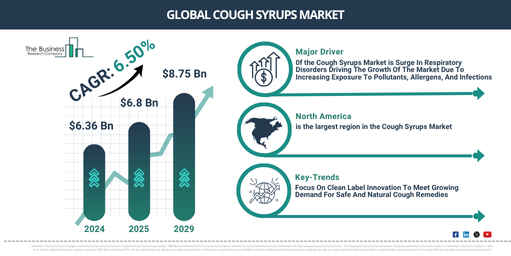
    There has been a notable expansion in the cough syrups market in past years. The market’s worth is projected to surge from $6.36 billion in 2024 to $6.8 billion in 2025, exhibiting a compound annual growth rate (CAGR) of 6.9%. The growth during the historic period is the result of a rise in respiratory infections, heightened consciousness about self-treatment, wider accessibility of over-the-counter (OTC) products, escalating pollution levels, and a growing elderly population.

    In the forthcoming years, the cough syrups market is predicted to experience robust growth, escalating to $8.75 billion in 2029 with a compound annual growth rate (CAGR) of 6.5%. This growth during the projected period is credited to the escalating demand for herbal and natural formulations, the growing preference for options free from sugar and alcohol, the expansion of online retail channels, surging disposable incomes in developing economies, and advanced formulation techniques in drugs. Key trends during this projected period comprise the incorporation of artificial intelligence in product development, the creation of personalized cough syrups, the innovation of eco-friendly packaging solutions, enhancements in digital health monitoring tools, and the development of formulations suitable for children.

    Download The Free Sample Report Here:

    https://www.thebusinessresearchcompany.com/sample.aspx?id=24513&type=smp

    What Are The Contributors To Demand In The Cough Syrups Market?

    The surge in respiratory diseases is anticipated to drive the development of the cough syrups market in the future. Such disorders impact the lungs and the rest of the respiratory system, disrupting normal breathing function. The escalation in respiratory illnesses is due to increasing exposure to pollutants, allergens and infections, thus creating a higher demand for quick-acting remedies that deliver fast, easy, and potent relief of symptoms. Cough syrups contribute to the management of respiratory symptoms, providing relief, calming the airways, and promoting better airflow by countering coughing, irritated throats, and mucus congestion. As an example, in February 2025, as per MedRxiv, a US-based, openly accessible online database and distribution server, hospital admissions connected to respiratory viruses rose from 9.3% during late December 2024 to 9.6% by late January 2025, a monthly increase of 3.1%. Hence, the rising occurrence of respiratory disorders is fueling the expansion of the cough syrups market.

    What Segmentation Categories Are Included In The Cough Syrups Market Analysis?

    The cough syrups market covered in this report is segmented –

    1) By Product: Expectorants, Cough Suppressants, Antihistamines, Combination Medications

    2) By Age Group: Pediatric, Adult

    3) By Ingredient Type: Dextromethorphan, Guaifenesin, Codeine, Other Ingredient Types

    4) By Distribution Channel: Pharmacies, Online Stores, Supermarkets Or Hypermarkets, Other Distribution Channels

    Subsegments:

    1) By Expectorants: Guaifenesin-Based Expectorants, Herbal Expectorants, Other Synthetic Expectorants

    2) By Cough Suppressants: Dextromethorphan-Based Suppressants, Codeine-Based Suppressants, Other Opioid And Non-Opioid Suppressants

    3) By Antihistamines: First-Generation Antihistamines, Second-Generation Antihistamines, Combination Antihistamine Formulations

    4) By Combination Medications: Expectorant + Cough Suppressant Combinations, Antihistamine + Expectorant Combinations, Multi-Ingredient Combinations

    What Upcoming Trends Are Expected To Impact The Cough Syrups Market Globally?

    In order to cater to the increasing demand for natural and risk-free solutions from consumers, primary businesses in the cough syrups market are channeling their efforts into creating breakthrough formulations like herbal cough syrups. These syrups are plant-based liquid treatments that incorporate natural constituents like tulsi, ginger, and licorice, aiming to provide relief from cough and soothe the throat without the use of artificial chemicals. For example, in August 2024, Avalon Pharma, a pharmaceutical company based in Saudi Arabia, introduced Co-pan, a pioneering herbal cough syrup. It’s the pioneer SFDA-approved product of its kind, which can be used by both adults and children over two years. This syrup, which is free of sugar and alcohol, is proven to be effective and highly tolerable, specifically for pediatric patients, and is provided with a kid-friendly dosage syringe. The introduction of Co-pan underscores Avalon Pharma’s dedication to broaden its varied product range and solidify its dominion in the respiratory and herbal medicine areas, in line with its ongoing expansion and innovation strategy in the healthcare sector of the Kingdom.

    Who Are The Top-Ranked Companies In The Cough Syrups Market Today?

    Major companies operating in the cough syrups market are Pfizer Inc., Johnson & Johnson Services Inc., The Procter & Gamble Company, Roche Holding AG, Merck & Co. Inc., Bayer Aktiengesellschaft, Sanofi S.A., Bristol-Myers Squibb Company, AstraZeneca PLC, GlaxoSmithKline plc, Teva Pharmaceutical Industries Limited, Boehringer Ingelheim GmbH, Sun Pharmaceutical Industries Ltd., Perrigo Company plc, Cipla Limited, Glenmark Pharmaceuticals Ltd., Dabur India Limited, Alkem Laboratories Ltd., Prestige Consumer Healthcare Inc., Mankind Pharma Limited, The Himalaya Drug Company, Acella Pharmaceuticals LLC

    Get The Full Report Here:

    https://www.thebusinessresearchcompany.com/report/cough-syrups-global-market-report

    How Is Cough Syrups Market Adoption Varying Across Different Regions And Sectors?

    North America was the largest region in the cough syrup market in 2024. Asia-Pacific is expected to be the fastest-growing region in the forecast period. The regions covered in the cough syrups market report are Asia-Pacific, Western Europe, Eastern Europe, North America, South America, Middle East, Africa.

    Request For A Customized Report:

    https://www.thebusinessresearchcompany.com/customise?id=24513&type=smp

    About The Business Research Company:

    With over 15000+ reports from 27 industries covering 60+ geographies, The Business Research Company has built a reputation for offering comprehensive, data-rich research and insights. Armed with 1,500,000 datasets, the optimistic contribution of in-depth secondary research, and unique insights from industry leaders, you can get the information you need to stay ahead in the game.

    Get in touch with us:

    The Business Research Company: https://www.thebusinessresearchcompany.com/

    Americas +1 310-496-7795

    Asia +44 7882 955267 & +91 8897263534

    Europe +44 7882 955267

    Email us at info@tbrc.info

    Follow us on:

    LinkedIn: https://in.linkedin.com/company/the-business-research-company

    YouTube: https://www.youtube.com/channel/UC24_fI0rV8cR5DxlCpgmyFQ

    Global Market Model: https://www.thebusinessresearchcompany.com/global-market-model
  • Global Continuous Glucose Monitoring Market Forecast to Reach $16.45 Billion by 2029, Driven by 14.9% CAGR

    Global Continuous Glucose Monitoring Market Forecast to Reach $16.45 Billion by 2029, Driven by 14.9% CAGR

    Claim your 30% discount on Global Market Reports with code ONLINE30. Limited time only.

    What Is the Outlook for the Continuous Glucose Monitoring Market Heading Into 2029?

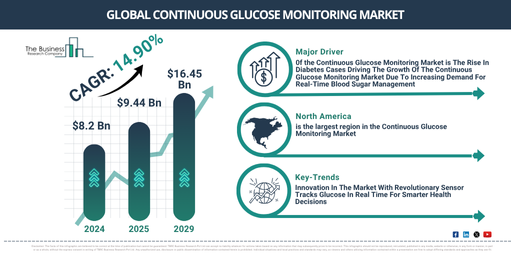
    The market size of continuous glucose monitoring has witnessed significant expansion in the past few years. It is projected to burgeon from $8.2 billion in 2024 to $9.44 billion in 2025, marking a compound annual growth rate (CAGR) of 15.2%. Factors such as heightened prevalence of diabetes, growing consciousness about diabetes control, surge in demand for real-time glucose monitoring systems, the burgeoning acceptance of minimally invasive technologies, and escalating healthcare spending in developed nations contribute to the growth witnessed during the historic period.

    The market for continuous glucose monitoring is projected to experience significant expansion in the coming years, with estimates predicting it to swell to $16.45 billion by 2029, reflecting a compound annual growth rate (CAGR) of 14.9%. This growth during the forecast period can be credited to an increased emphasis on personalized and precision medicine, a surge in the acceptance of telehealth and remote patient monitoring, a heightened focus on preventive healthcare and early diagnosis, a rising trend for at-home glucose monitoring, and deeper market penetration in emerging economies. Key trends expected during this period encompass the miniaturization of technology for implantable devices, the evolution of closed-loop insulin delivery systems, incorporation into electronic health records, compatibility with fitness trackers and smartwatches, and advancements in skin-adhesive materials.

    Download The Free Sample Report Here:

    https://www.thebusinessresearchcompany.com/sample.aspx?id=24512&type=smp

    Which Factors Are Pushing The Continuous Glucose Monitoring Market Forward?

    The continuous glucose monitoring market is anticipated to expand due to the increasing incidences of diabetes. Diabetes, a chronic health condition characterized by the body’s inability to produce sufficient insulin or to effectively utilize the insulin it produces, leads to high levels of sugar (glucose) in the bloodstream. The escalated cases of diabetes are largely attributed to unhealthy diets rich in sugars, fats, and processed foods, which play a significant role in obesity and insulin malfunction. Continuous glucose monitoring aids in managing diabetes by providing real-time blood sugar patterns, facilitating prompt decisions on diet, medication, and activity for enhanced glucose control. For example, as reported by the American Diabetes Association, a US-based non-profit organization, in November 2023, the number of people diagnosed with diabetes in the U.S. in 2022 was estimated at 25.5 million, accounting for 7.6% of the total population. This shows a 3% increase in comparison to previous years. As such, the escalating incidences of diabetes are fuelling the expansion of the continuous glucose monitoring market.

    Which Segment Held The Largest Share In The Continuous Glucose Monitoring Market In 2025?

    The continuous glucose monitoring market covered in this report is segmented –

    1) By Component: Transmitters, Sensors, Receivers

    2) By Age Group: Adults, Children

    3) By End Use: Hospitals, Home Care Settings, Diagnostic Centers And Clinics, Other End Uses

    Subsegments:

    1) By Transmitters: Reusable Transmitters, Disposable Transmitters, Rechargeable Transmitters

    2) By Sensors: Implantable Sensors, Transcutaneous Sensors, Disposable Sensors, Real-Time Sensors

    3) By Receivers: Standalone Receivers, Integrated Receivers, Wearable Display Devices

    How Are Key Trends Driving Expansion In The Continuous Glucose Monitoring Industry?

    Key players in the continuous glucose monitoring market are channeling their resources towards the creation of innovative products like sensor-based glucose monitors, to improve accuracy, real-time monitoring, and customer convenience. A sensor-based glucose monitor is a device that persistently measures glucose levels in the blood using a tiny sensor inserted just beneath the skin. For example, DexCom, Inc., an American healthcare firm, introduced Stelo in August 2024. This product is the first over-the-counter (OTC) continuous glucose monitor (CGM) specifically designed for adults who don’t use insulin. Stelo provides round-the-clock glucose readings via a small sensor positioned on the upper arm’s backside, transmitting data straight to a smartphone without the need for a prescription or fingersticks. The device offers custom insights and trend analysis, assisting consumers in understanding the influence of factors such as diet, physical activity, and sleep on their glucose levels, thus supporting intelligent lifestyle decisions. The sensor can last up to 15 days, syncs with health applications, and is an excellent choice for people with Type 2 diabetes who are not on insulin, individuals with prediabetes, or anybody keeping tabs on their blood sugar health.

    Which Organizations Are Driving Progress In The Continuous Glucose Monitoring Industry?

    Major companies operating in the continuous glucose monitoring market are Roche Diabetes Care, Abbott Laboratories, Medtronic plc, Texas Instruments Inc., Microchip Technology Inc., Dexcom Inc., Insulet Corporation, Tandem Diabetes Care Inc., Ypsomed AG, Nova Biomedical, Ascensia Diabetes Care, Zillion Technologies Inc., Bionime Corporation, Biolinq Inc., Beta Bionics Inc., AgaMatrix Inc., A. Menarini Diagnostics S.r.l, Senseonics Holdings Inc., Medtrum Technologies Inc., Nemaura Medical Inc.

    Get The Full Report Here:

    https://www.thebusinessresearchcompany.com/report/continuous-glucose-monitoring-global-market-report

    Which Region Is Expected To Experience The Highest Growth In The Continuous Glucose Monitoring Industry?

    North America was the largest region in the continuous glucose monitoring market in 2024. Asia-Pacific is expected to be the fastest-growing region in the forecast period. The regions covered in the continuous glucose monitoring market report are Asia-Pacific, Western Europe, Eastern Europe, North America, South America, Middle East, Africa.

    Request For A Customized Report:

    https://www.thebusinessresearchcompany.com/customise?id=24512&type=smp

    About The Business Research Company:

    With over 15000+ reports from 27 industries covering 60+ geographies, The Business Research Company has built a reputation for offering comprehensive, data-rich research and insights. Armed with 1,500,000 datasets, the optimistic contribution of in-depth secondary research, and unique insights from industry leaders, you can get the information you need to stay ahead in the game.

    Get in touch with us:

    The Business Research Company: https://www.thebusinessresearchcompany.com/

    Americas +1 310-496-7795

    Asia +44 7882 955267 & +91 8897263534

    Europe +44 7882 955267

    Email us at info@tbrc.info

    Follow us on:

    LinkedIn: https://in.linkedin.com/company/the-business-research-company

    YouTube: https://www.youtube.com/channel/UC24_fI0rV8cR5DxlCpgmyFQ

    Global Market Model: https://www.thebusinessresearchcompany.com/global-market-model
  • Outlook for Constrained Peptide Drugs Market: Key Developments and Future Strategies to 2029

    Outlook for Constrained Peptide Drugs Market: Key Developments and Future Strategies to 2029

    Claim your 30% discount on Global Market Reports with code ONLINE30. Limited time only.

    What Does the Forecast Indicate for the Constrained Peptide Drugs Market From 2025 to 2029?

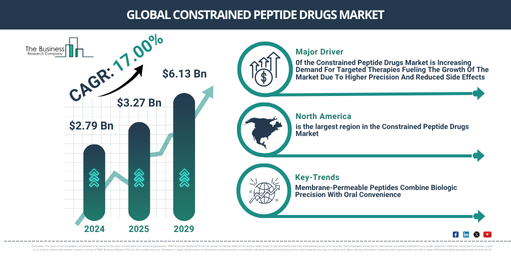
    The market size of constrained peptide drugs has experienced a swift expansion in the last few years. It is expected to escalate from $2.79 billion in 2024 to $3.27 billion in 2025, with a compound annual growth rate (CAGR) of 17.3%. The notable growth during the historic period is a result of the increasing incidence of chronic illnesses, surging demand for specific therapies, advancements in drug delivery systems, improved peptide stability through chemical alterations, and regulatory backing for new therapeutic options.

    The market size for constrained peptide drugs is projected to experience tremendous growth in the upcoming years, reaching a value of $6.13 billion in 2029, indicating a compound annual growth rate (CAGR) of 17.0%. Such growth within the forecast period can be linked to factors such as increasing demand for personalized and targeted treatments, superior binding aptitude and cellular intake of constrained peptides, rising government and private investment in peptide research, evolution of synthetic limiting techniques, and broader applications in treating oncology and metabolic disorders. The forecast period also foresees notable trends such as leaps in solid-phase and microwave-supported peptide synthesis, maturation of peptide stapling and macrocyclization methods, integration of machine learning and artificial intelligence in peptide design, embracement of eco-friendly chemistry for long-term peptide production, and the implementation of peptide-protein links and cell-penetrating peptides.

    Download The Free Sample Report Here:

    https://www.thebusinessresearchcompany.com/sample.aspx?id=24511&type=smp

    What Elements Are Contributing To Growth In The Constrained Peptide Drugs Market?

    The rise in demand for specific therapeutic treatments is predicted to fuel the expansion of the constrained peptide drugs market. These are medical methods that predominantly interrupt molecular pathways involved in disease proliferation and development. The escalating demand can be attributed to their enhanced accuracy and decreased adverse reactions when compared to traditional treatment approaches. These therapies assist in the development of constrained peptide drugs by concentrating on distinct molecular pathways, thus improving therapeutic precision. They bolster the effectiveness of the drug while mitigating side effects, making them perfect for targeted intervention in intricate diseases. For example, the American Society of Gene & Cell Therapy (ASGCT), a non-profit US-based medical and scientific organization, reported that the Food and Drug Administration (FDA) had greenlit six gene therapy products in 2023, an increase from five in 2022. Therefore, the rising demand for specific therapeutic treatments is propelling the growth of the constrained peptide drugs market.

    Which Segments Are Detailed In The Global Constrained Peptide Drugs Market Report?

    The constrained peptide drugs market covered in this report is segmented –

    1) By Drug Type: Linear Peptides, Cyclic Peptides, Stapled Peptides, Multivalent Peptides

    2) By Route Of Administration: Injectable, Intranasal, Transdermal, Oral

    3) By Application: Hospital, Institute Of Biology, Other Applications

    4) By Distribution Channel: Direct Sales, Third-Party Distributors, Online Pharmacies, Retail Pharmacies

    5) By End User: Hospitals, Pharmaceutical Companies, Research Laboratories, Specialty Clinics

    Subsegments:

    1) By Linear Peptides: Antimicrobial Peptides, Hormonal Peptides, Enzyme Inhibitors, Receptor Agonists

    2) By Cyclic Peptides: Natural Cyclic Peptides, Synthetic Cyclic Peptides, Disulfide-Bridged Peptides, Head-To-Tail Cyclized Peptides

    3) By Stapled Peptides: Alpha-Helix Stabilized Peptides, Hydrocarbon-Stapled Peptides, Double-Stapled Peptides, Backbone-Stapled Peptides

    4) By Multivalent Peptides: Bivalent Peptides, Trivalent Peptides, Tetravalent Peptides, Peptide-Drug Conjugates

    Which Emerging Trends And Strategic Shifts Are Shaping The Constrained Peptide Drugs Market?

    Prominent firms in the constrained peptide drugs market are directing their efforts towards producing innovative drug delivery techniques, such as oral macrocyclic peptides, to improve bioavailability, increase patient compliance, and address previously incurable conditions. Oral macrocyclic peptides are specifically structured recurrent peptide-based drugs that are designed for optimum stability and absorption when consumed orally, as opposed to being administered through injections. For example, in February 2024, US-based biotechnology company, Insamo, introduced its oral cyclic peptides. These are membrane-permeable macrocyclic peptides that are orally administered, that merge the high specificity of biologics with the ease of oral delivery. This platform utilizes machine learning-enabled molecular design, ultra-high-throughput molecular biology, and concurrent synthetic chemistry to swiftly detect preclinical candidates with desirable pharmacological properties, even for difficult drug targets.

    Who Are The Key Contributors To Growth In The Constrained Peptide Drugs Market?

    Major companies operating in the constrained peptide drugs market are AstraZeneca PLC, Novartis AG, Union Chimique Belge S.A. (UCB), CPC Scientific Inc., PeptiDream Inc., Protagonist Therapeutics Inc., Bicycle Therapeutics plc, Zealand Pharma A/S, Bio-Synthesis Inc., Encycle Therapeutics Inc., Circle Pharma Inc., Issar Pharmaceuticals Inc., Aileron Therapeutics Inc., Creative Peptides, Fierce Biotech, Lisata Therapeutics Inc., Pepscan Therapeutics B.V., Phylogica Ltd., Pepticom Ltd, Spexis AG.

    Get The Full Report Here:

    https://www.thebusinessresearchcompany.com/report/constrained-peptide-drugs-global-market-report

    Which Region Is Projected To Lead The Constrained Peptide Drugs Market By 2025?

    North America was the largest region in the constrained peptide drugs market in 2024. The regions covered in the constrained peptide drugs market report are Asia-Pacific, Western Europe, Eastern Europe, North America, South America, Middle East, Africa.

    Request For A Customized Report:

    https://www.thebusinessresearchcompany.com/customise?id=24511&type=smp

    About The Business Research Company:

    With over 15000+ reports from 27 industries covering 60+ geographies, The Business Research Company has built a reputation for offering comprehensive, data-rich research and insights. Armed with 1,500,000 datasets, the optimistic contribution of in-depth secondary research, and unique insights from industry leaders, you can get the information you need to stay ahead in the game.

    Get in touch with us:

    The Business Research Company: https://www.thebusinessresearchcompany.com/

    Americas +1 310-496-7795

    Asia +44 7882 955267 & +91 8897263534

    Europe +44 7882 955267

    Email us at info@tbrc.info

    Follow us on:

    LinkedIn: https://in.linkedin.com/company/the-business-research-company

    YouTube: https://www.youtube.com/channel/UC24_fI0rV8cR5DxlCpgmyFQ

    Global Market Model: https://www.thebusinessresearchcompany.com/global-market-model
  • Key Market Drivers, Trends, and Forecast for the Global Connected Medical Device Industry

    Key Market Drivers, Trends, and Forecast for the Global Connected Medical Device Industry

    Claim your 30% discount on Global Market Reports with code ONLINE30. Limited time only.

    How Much Is the Global Connected Medical Device Market Valued at Present and by 2029?

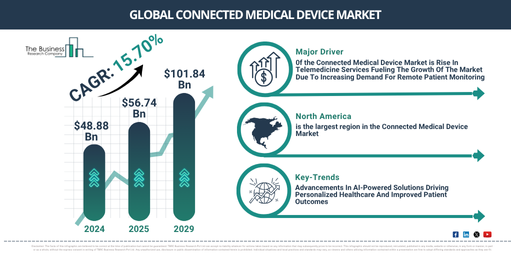
    In recent years, the size of the connected medical device market has seen significant growth. The market is projected to expand from $48.88 billion in 2024 to $56.74 billion in 2025, reflecting a compound annual growth rate (CAGR) of 16.1%. The notable growth witnessed in the past is due to a number of contributing factors. These include a rise in chronic disease prevalence, an increase in the global aging population, a surge in the demand for remote patient monitoring, a growing preference for wearable health devices, and a hike in healthcare expenditure.

    In the coming years, a significant increase is anticipated in the size of the connected medical device market, with projections pegging it to reach $101.84 billion in 2029, fueled by a compound annual growth rate (CAGR) of 15.7%. Factors expected to contribute to the surge during the estimated period include heightened awareness about health and fitness, growing incidence of cardiac diseases, escalated demand for on-the-spot health data analytics, government schemes endorsing digital health, and rising penetration of smartphones. Meanwhile, the major developments predicted during the forecast period include progress in wireless communication technologies, incorporation of artificial intelligence and machine learning into medical devices, increasing demand for cost-effective healthcare solutions, advancements in sensor technology, and heightened measures for data security and privacy.

    Download The Free Sample Report Here:

    https://www.thebusinessresearchcompany.com/sample.aspx?id=24510&type=smp

    #What Drivers Are Influencing Growth In The Connected Medical Device Market?

    The growth of the connected medical device market is expected to be propelled by the ascent of telemedicine services in the forthcoming years. Telemedicine, a system that employs technology to render medical assistance and advice from afar, bypassing the requirement for physical consultations, is increasing in demand. Its appeal lies in its ability to provide easy access to medical services, permitting patients to quickly engage with doctors from their residences, saving both time and travel expenses. The growth in telemedicine services bolsters the necessity for connected medical tools by facilitating remote patient tracking, necessitating the real-time transmission of data from patients to health service providers to guarantee precise diagnosis and prompt response in the absence of physical consultations. For instance, as per the survey executed with 8,014 participants from July to August 2022 by Rock Health, a US-centric firm committed to digital health and healthcare innovation, 80% of the participants confessed to having used telemedicine at least once in the survey of 2022, experiencing a rise of 8% from 72% in 2021. Thus, the surge in telemedicine services will stimulate the growth of the connected medical device market.

    What Are The Main Segments Identified In The Connected Medical Device Market Research?

    The connected medical device market covered in this report is segmented –

    1) By Product Type: Wearable Devices, Implantable Devices, Stationary Devices

    2) By Connectivity Technology: Bluetooth, Wi-Fi, Cellular, Other Connectivity Technologies

    3) By Application: Remote Patient Monitoring, Telemedicine, Clinical Decision Support, Chronic Disease Management, Fitness And Wellness, Other Applications

    4) By End-User: Hospitals And Clinics, Home Care Settings, Long-Term Care Facilities, Ambulatory Surgical Centers, Other End-Users

    Subsegments:

    1) By Wearable Devices: Fitness Trackers, Smartwatches, Continuous Glucose Monitors (CGM), Wearable ECG Monitors, Blood Pressure Monitors, Pulse Oximeters, Sleep Trackers

    2) By Implantable Devices: Cardiac Pacemakers, Implantable Cardioverter Defibrillators (ICDs), Neurostimulators, Cochlear Implants, Implantable Glucose Sensors, Drug Delivery Implants

    3) By Stationary Devices: Remote Patient Monitoring Stations, Telehealth Kiosks, Connected Imaging Devices, Connected Ventilators, Connected Dialysis Machines, Connected Infusion Pumps

    What Are The Leading Trends And Opportunities In The Connected Medical Device Sector?

    Leading corporations within the connected medical device sector are focusing on the creation of innovative solutions such as AI-powered platforms. These systems use artificial intelligence to analyse data, make decisions and automate tasks with minimal need for human interaction, gearing towards individual behaviors and preferences in real-time for personalized user interact. For example, ZS, a technology company based in the US, introduced the ZAIDYN Connected Health solution in October 2023. This unique solution delivers reliable, AI-driven insights to assist pharmaceutical firms, healthcare providers and payers in addressing unfulfilled medical requirements and improving patient outcomes. The health insights suite of ZAIDYN unravels care deficiencies and offers individualized recommendations for doctors, patients, and manufacturers to improve accessibility and coordination of treatment. The patient engagement suite targets individual patients’ needs, offering personalized assistance and boosting the success of patient programs. Connected research applies advanced digital engagement mechanisms to collect trustworthy evidence that helps healthcare institutions verify innovations and support strategic planning.

    Which Companies Play A Key Role In The Development Of The Connected Medical Device Market?

    Major companies operating in the connected medical device market are Cardinal Health Inc., Johnson And Johnson, Abbott Laboratories Inc., Medtronic plc, F. Hoffmann-La Roche Ltd., Siemens Healthineers AG, Fresenius Medical Care AG And Co. KGaA, Becton, Dickinson and Company, Koninklijke Philips N.V., Stryker Corporation, GE Healthcare Technologies Inc., Boston Scientific Corporation, Baxter International Inc., 3M Health Care, Zimmer Biomet Holdings Inc., Olympus Corporation, Terumo Corporation, Smith And Nephew plc, Garmin Ltd., Resmed Inc., Omron Healthcare Inc., Epitel Inc.

    Get The Full Report Here:

    https://www.thebusinessresearchcompany.com/report/connected-medical-device-global-market-report

    What Are The Key Regional Developments Shaping The Connected Medical Device Market?

    North America was the largest region in the connected medical device market in 2024. Asia-Pacific is expected to be the fastest-growing region in the forecast period. The regions covered in the connected medical device market report are Asia-Pacific, Western Europe, Eastern Europe, North America, South America, Middle East, Africa.

    Request For A Customized Report:

    https://www.thebusinessresearchcompany.com/customise?id=24510&type=smp

    About The Business Research Company:

    With over 15000+ reports from 27 industries covering 60+ geographies, The Business Research Company has built a reputation for offering comprehensive, data-rich research and insights. Armed with 1,500,000 datasets, the optimistic contribution of in-depth secondary research, and unique insights from industry leaders, you can get the information you need to stay ahead in the game.

    Get in touch with us:

    The Business Research Company: https://www.thebusinessresearchcompany.com/

    Americas +1 310-496-7795

    Asia +44 7882 955267 & +91 8897263534

    Europe +44 7882 955267

    Email us at info@tbrc.info

    Follow us on:

    LinkedIn: https://in.linkedin.com/company/the-business-research-company

    YouTube: https://www.youtube.com/channel/UC24_fI0rV8cR5DxlCpgmyFQ

    Global Market Model: https://www.thebusinessresearchcompany.com/global-market-model
  • Strategic Report on Connected Health Personal Medical Devices Market: Growth Opportunities and Emerging Challenges

    Strategic Report on Connected Health Personal Medical Devices Market: Growth Opportunities and Emerging Challenges

    Claim your 30% discount on Global Market Reports with code ONLINE30. Limited time only.

    What Is the Current and Projected Market Size of the Connected Health Personal Medical Devices Industry?

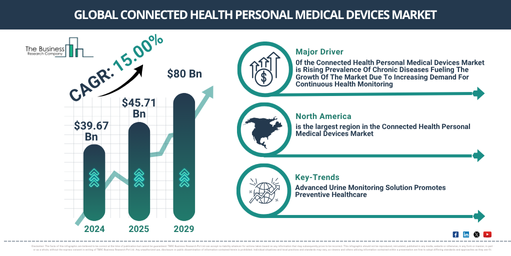
    The market size for connected health personal medical devices has seen fast-paced expansion in the last few years. It is projected to escalate from $39.67 billion in 2024 to $45.71 billion in 2025, indicating a compound annual growth rate (CAGR) of 15.2%. The surge in growth during the historic period is due to the increase in occurrences of chronic diseases, a swelling elderly population, enhanced smartphone usage, a rise in health app acceptance, and the need for remote patient surveillance.

    The market size for personal medical devices within the connected health sector is projected to experience significant growth in the coming years. It is estimated to reach an impressive $80 billion by 2029, with a compound annual growth rate (CAGR) of 15.0%. The growth during the forecasted timeline can be credited to the proliferation of telehealth services, increasing healthcare expenses promoting home-based care, the necessity for real-time health information, the deployment of the 5G network, regulatory backing for digital healthcare, and the heightened focus of consumers on tracking their wellness. Key trends during this forecast period encompass the miniaturization of health gadgets, bespoke health monitoring, subscription health platforms, artificial intelligence-enabled health analytics, and the storage of data on the cloud.

    Download The Free Sample Report Here:

    https://www.thebusinessresearchcompany.com/sample.aspx?id=24509&type=smp

    #Which Factors Are Currently Driving The Growth Of The Connected Health Personal Medical Devices Market?

    The escalation in chronic disease instances is anticipated to bolster the expansion of the connected health personal medical devices market. Chronic diseases, which evolve gradually and endure for a long duration, often need consistent medical care. Such diseases are increasing due to passive lifestyles where lack of physical movement and extended sitting periods heighten the likelihood of conditions like heart diseases and diabetes. Connected health personal medical devices facilitate tracking of these chronic diseases in real-time, making them preferable for managing conditions like hypertension and diabetes at home. The devices obviate the need for repetitive clinical visits by supplying constant data and instant alerts, enhancing patient results and comfort. For instance, The National Health Service, a UK-based governmental agency stated in June 2024, that diagnoses of non-diabetic hyperglycemia or pre-diabetes (a condition with raised blood sugar levels, but not to the extent constituting diabetes) registered with a general practitioner (GP), surged by 18% from 3,065,825 cases in 2022 to 3,615,330 individuals in 2023. Consequently, the escalating occurrence of chronic diseases propels the growth of the market for connected health personal medical devices.

    How Is The Global Connected Health Personal Medical Devices Market Structured In Terms Of Segments?

    The connected health personal medical devices market covered in this report is segmented –

    1) By Type: Healthcare IT, Health Information Exchange, Healthcare Analytics

    2) By Product: Insulin Pumps, Blood Pressure (BP) Monitors, Portable Global Positioning System (GPS) Personal Emergency Response System (PERS), Glucose Monitor, Personal Pulse Oximeter, Smart Pill Dispenser, Personal Electrocardiogram (ECG)

    3) By Connectivity: Bluetooth, Wi-Fi, Cellular, Other Connectivities

    4) By Application: Chronic Disease Management, Fitness And Wellness, Home Healthcare, Other Applications

    5) By End User: Hospitals, Clinics, Homecare Settings, Other End Users

    Subsegments:

    1) By Healthcare IT: Electronic Health Records (EHR), Telemedicine Solutions, Mobile Health (mHealth) Applications, E-Prescribing Systems

    2) By Health Information Exchange: Directed Exchange, Query-Based Exchange, Consumer-Mediated Exchange, Cloud-Based Health Information Platforms

    3) By Healthcare Analytics: Descriptive Analytics, Predictive Analytics, Prescriptive Analytics, Real-Time Analytics

    What Trends Are Currently Influencing Growth In The Connected Health Personal Medical Devices Market?

    Prominent firms in the connected health personal medical devices market are concentrating on developing innovative products like advanced in-home diagnostic systems, to enhance preventive healthcare and offer more comfort to the user. In-home diagnostic systems are applied as medical tools and devices that allow people to track, test, and control their health conditions from their homes without making a trip to a healthcare center. For example, in January 2023, Withings, a health tech firm founded in France, introduced U-Scan. This system, designed to be hands-free and fits inside a toilet bowl, offers in-home urine analysis. It involves the use of a changeable cartridge capable of executing daily tests for a period up to three months, examining crucial hydration and nutritional biomarkers. The gadget syncs with a mobile app, supplying users with instant data and tailored health suggestions. The U-Scan initiative strives to make regular health monitoring simple and non-invasive, thereby encouraging proactive wellness management.

    Who Are The Main Participants Shaping The Connected Health Personal Medical Devices Market Landscape?

    Major companies operating in the connected health personal medical devices market are Johnson & Johnson, F. Hoffmann-La Roche AG, Abbott Laboratories, Medtronic plc, Siemens Healthineers, Stryker Corporation, Becton, Dickinson and Company (BD), GE HealthCare, Philips Healthcare, Omron Healthcare India Private Limited, Zebra Technologies India Private Limited, Masimo Corporation, Oura Health Oy, Whoop Inc., Withings, Eko Health Inc., TytoCare Ltd., AliveCor Inc., DarioHealth Corp., iHealth Labs Inc., Levels Health Inc., Samsung Electronics Co. Ltd., Biostrap, Muse, Aktiia, Ava Science Inc., Bloomlife Inc., Lief Therapeutics, Movano Health, Oxitone Medical Ltd., Qardio Inc.

    Get The Full Report Here:

    https://www.thebusinessresearchcompany.com/report/connected-health-personal-medical-devices-global-market-report

    Which Region Currently Holds The Largest Share In The Connected Health Personal Medical Devices Market?

    North America was the largest region in the connected health personal medical devices market in 2024. Asia-Pacific is expected to be the fastest-growing region in the forecast period. The regions covered in the connected health personal medical devices market report are Asia-Pacific, Western Europe, Eastern Europe, North America, South America, Middle East, Africa.

    Request For A Customized Report:

    https://www.thebusinessresearchcompany.com/customise?id=24509&type=smp

    About The Business Research Company:

    With over 15000+ reports from 27 industries covering 60+ geographies, The Business Research Company has built a reputation for offering comprehensive, data-rich research and insights. Armed with 1,500,000 datasets, the optimistic contribution of in-depth secondary research, and unique insights from industry leaders, you can get the information you need to stay ahead in the game.

    Get in touch with us:

    The Business Research Company: https://www.thebusinessresearchcompany.com/

    Americas +1 310-496-7795

    Asia +44 7882 955267 & +91 8897263534

    Europe +44 7882 955267

    Email us at info@tbrc.info

    Follow us on:

    LinkedIn: https://in.linkedin.com/company/the-business-research-company

    YouTube: https://www.youtube.com/channel/UC24_fI0rV8cR5DxlCpgmyFQ

    Global Market Model: https://www.thebusinessresearchcompany.com/global-market-model
  • Industry Trends Show Computer-Aided Diagnosis Market Set to Expand at 9.4% CAGR Until 2029

    Industry Trends Show Computer-Aided Diagnosis Market Set to Expand at 9.4% CAGR Until 2029

    Claim your 30% discount on Global Market Reports with code ONLINE30. Limited time only.

    How Will the Computer-Aided Diagnosis Market Evolve in Terms of Growth and Size by 2029?

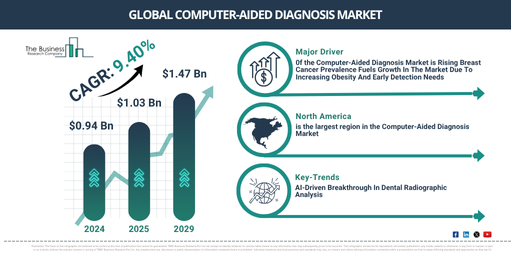
    In the past few years, there has been a substantial growth in the size of the computer-aided diagnosis market. Its worth is forecasted to rise from $0.94 billion in 2024 to $1.03 billion in 2025, representing a compound annual growth rate (CAGR) of 9.7%. Factors attributing to this growth during the historical period include augmented awareness of CAD benefits amongst clinicians, increasing governmental initiatives that endorse digital health, enhanced integration of CAD with imaging technologies, a growing emphasis on precision and personalized medicine, as well as escalating healthcare expenditure.

    Anticipations are high for the computer-aided diagnosis market, with projections pointing to significant expansion in the coming years. By 2029, it is expected that the market will reach $1.47 billion, with an impressive compound annual growth rate (CAGR) of 9.4%. Several factors are driving this projected growth, including the increasing integration of AI and machine learning in healthcare, an increased prevalence of chronic diseases necessitating early diagnosis, higher demand for efficient and rapid diagnostic methods, significant investment in the healthcare IT sector, and a greater need for diagnostic procedures due to an aging population. Key emerging trends during this prediction period include advancements in deep learning and artificial intelligence algorithms, the inception of highly advanced imaging techniques, technological strides in cloud-based data processing and storage, the design of real-time diagnostic and decision-making tools, and the creation of multi-modal imaging analysis platforms.

    Download The Free Sample Report Here:

    https://www.thebusinessresearchcompany.com/sample.aspx?id=24508&type=smp

    What factors are expected to fuel Computer-Aided Diagnosis market growth in the coming years?

    The escalating occurrence of breast cancer is anticipated to drive the expansion of the computer-aided diagnosis market. Breast cancer is characterized by the malignant proliferation of abnormal cells that begin in the breast tissue, usually in the milk ducts or lobules. Heightened rates of obesity boost the risk of breast cancer as surplus fat augments estrogen levels that stimulate tumor growth. The Computer-Aided Diagnosis (CAD) augments the precision and competence of tumor detection in medical imagery, assisting radiologists in the early and more trustworthy diagnosis of breast cancer. As per the findings of the National Center for Biotechnology Information, a US-based government agency in September 2022, it’s projected that by 2040 the yearly count of novel breast cancer diagnoses will surge by over 40%, touching around 3 million. Consequently, the escalating incident rate of breast cancer is fueling the expansion of the computer-aided diagnosis market.

    What Are The Key Findings From The Segmentation Analysis Of The Computer-Aided Diagnosis Market?

    The computer-aided diagnosis market covered in this report is segmented –

    1) By Imging Modalities: Mammography, Nuclear Imaging, Ultrasound Imaging, Magnetic Resonance Imaging, Other Imaging Modalities

    2) By Application: Breast Cancer, Lung Cancer, Prostate Cancer, Alzheimer’s Disease, Diabetic Retinopathy, Other Applications

    3) By End Use: Hospitals, Clinics, Medical Diagnstic Centers, Other End Uses

    Subsegments:

    1) By Mammography: Full-Field Digital Mammography (FFDM), Contrast-Enhanced Mammography, Digital Breast Tomosynthesis (DBT)

    2) By Nuclear Imaging: Positron Emission Tomography (PET), Single-Photon Emission Computed Tomography (SPECT)

    3) By Ultrasound Imaging: 2D Ultrasound, Doppler Ultrasound, 3D Or 4D Ultrasound

    4) By Magnetic Resonance Imaging: Brain Magnetic Resonance Imaging, Cardiac Magnetic Resonance Imaging, Breast Magnetic Resonance Imaging

    5) By Other Imaging Modalities: Computed Tomography (CT), Optical Imaging, X-ray Imaging

    Which Trends Are Expected To Shape The Future Of The Computer-Aided Diagnosis Market?

    Leading firms in the computer-aided diagnosis market are prioritizing the creation of technologically advanced products like AI-enabled computer-aided detection (CADe) software to amplify diagnostic precision and workflow productivity. This type of software represents smart systems utilizing artificial intelligence and machine learning to autonomously pinpoint and underscore potential anomalies or diseases in medical imagery, thereby aiding clinicians in prompt and accurate diagnosis. For example, in March 2025, Align Technology Inc., a manufacturing company based in the US, introduced Align X-ray Insights, an AI-fueled software-based computer-aided detection (CADe) solution. This solution employs automated analysis of 2D dental radiographs to aid clinicians in identifying dental and oral pathologies, simultaneously encouraging standardized assessments, optimized clinical workflows, and heightened patient participation. It enhances dental practice by automating radiographic analysis, standardizing diagnostics, enhancing workflow efficiency, and bettering patient communication and treatment acceptance.

    What Are The Most Active Companies In The Computer-Aided Diagnosis Market Today?

    Major companies operating in the computer-aided diagnosis market are Hitachi Ltd, International Business Machines Corporation (IBM), Median Technologies, Siemens Healthineers AG, Fujifilm Holdings Corporation, Koninklijke Philips N.V., GE Healthcare Technologies Inc., Nano-X Imaging Ltd, Hologic Inc., Agfa-Gevaert NV, ESAOTE S.p.A., Samsung Medison, Merge Healthcare Inc., Canon Medical Systems Corporation, iCAD Inc., THERAPIXEL S.A.S., Riverain Technologies LLC, Zebra Medical Vision Ltd, CureMetrix Inc., EDDA Technology Inc.

    Get The Full Report Here:

    https://www.thebusinessresearchcompany.com/report/computer-aided-diagnosis-global-market-report

    Which Regional Markets Are Attracting The Most Investment In Computer-Aided Diagnosis?

    North America was the largest region in the computer-aided diagnosis market in 2024. The regions covered in the computer-aided diagnosis market report are Asia-Pacific, Western Europe, Eastern Europe, North America, South America, Middle East, Africa.

    Request For A Customized Report:

    https://www.thebusinessresearchcompany.com/customise?id=24508&type=smp

    About The Business Research Company:

    With over 15000+ reports from 27 industries covering 60+ geographies, The Business Research Company has built a reputation for offering comprehensive, data-rich research and insights. Armed with 1,500,000 datasets, the optimistic contribution of in-depth secondary research, and unique insights from industry leaders, you can get the information you need to stay ahead in the game.

    Get in touch with us:

    The Business Research Company: https://www.thebusinessresearchcompany.com/

    Americas +1 310-496-7795

    Asia +44 7882 955267 & +91 8897263534

    Europe +44 7882 955267

    Email us at info@tbrc.info

    Follow us on:

    LinkedIn: https://in.linkedin.com/company/the-business-research-company

    YouTube: https://www.youtube.com/channel/UC24_fI0rV8cR5DxlCpgmyFQ

    Global Market Model: https://www.thebusinessresearchcompany.com/global-market-model
  • Competitive and Market Trend Analysis of Computer-Aided Detection Industry Through 2029

    Competitive and Market Trend Analysis of Computer-Aided Detection Industry Through 2029

    Claim your 30% discount on Global Market Reports with code ONLINE30. Limited time only.

    What CAGR Is Anticipated for the Computer-Aided Detection Market Through 2029?

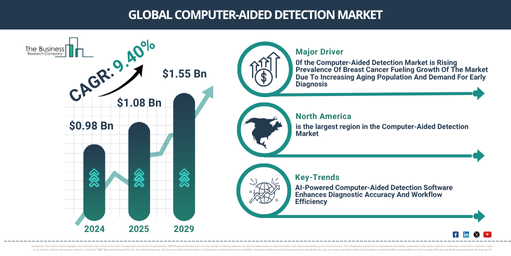
    In recent years, there has been a robust increase in the size of the computer-aided detection market. The market, which was worth $0.98 billion in 2024, is projected to reach $1.08 billion in 2025, representing a compound annual growth rate (CAGR) of 9.7%. Factors contributing to this growth during the historical period include a rise in cancer cases, expanding usage of medical imaging techniques, a growing shortage of radiologists, government-led screening initiatives, and an intensified emphasis on early detection.

    The size of the computer-aided detection market is predicted to experience significant expansion in the forthcoming years, reaching $1.55 billion in 2029 with a compound annual growth rate (CAGR) of 9.4%. The growth during the projection period can be credited to factors like an aging population, increased volumes of imaging data, the rise in telehealth and distance diagnostics, the growing significance of precision medicine, and improving health care infrastructure. Key trends for the forecast period involve the incorporation of deep learning, real-time decision assistance, the use of cloud-based CAD platforms, advancements in multimodal CAD systems, and synergy with natural language processing.

    Download The Free Sample Report Here:

    https://www.thebusinessresearchcompany.com/sample.aspx?id=24507&type=smp

    What Market Forces Are Driving The Computer-Aided Detection Sector In 2025 And Beyond?

    The computer-aided detection market is anticipated to grow due to the escalation in breast cancer instances. This type of cancer is a malignant tumor originating in the breast cells, typically in the ducts or lobules, and can infiltrate nearby tissues or other body parts if not detected and treated timely. Lifestyle changes like a surge in obesity, thereby increasing estrogen levels, is triggering breast cancer. The application of computer-aided detection (CAD) technology boosts breast cancer detection efficiency by scrutinizing medical images for any irregularities, allowing for more exact and early identification. This technology assists radiologists in identifying tumors that might be missed, thereby improving screening accuracy. The American Cancer Society reported in October 2024 that the number of invasive breast cancer cases among US women increased to roughly 310,720. Likewise, the cases of ductal carcinoma in situ (DCIS) jumped to 56,500. Moreover, in October 2022, the organization recorded an estimated 287,850 new invasive breast cancer cases and 51,400 DCIS cases in women throughout the United States. Therefore, the escalating incidence of breast cancer significantly contributes to the expansion of the computer-aided detection market.

    How Is The Global Computer-Aided Detection Market Categorized By Segments?

    The computer-aided detection market covered in this report is segmented –

    1) By Product: Mammography, Ultrasound Imaging, Magnetic Resonance Imaging, Tomosynthesis, Computed Tomography, Other Products

    2) By Application: Tuberculosis, Breast Cancer, Lung Cancer, Colon Cancer, Prostate Cancer, Liver Cancer, Bone Cancer, Neurological Indications

    3) By End-User: Hospitals, Clinics, Diagnostic Centres, Other End-Users

    Subsegments:

    1) By Mammography: Full-Field Digital Mammography (FFDM), Screen-Film Mammography (SFM), Three-Dimensional (3D) Mammography

    2) By Ultrasound Imaging: Automated Breast Ultrasound (ABUS), Handheld Ultrasound, Doppler Ultrasound, Elastography

    3) By Magnetic Resonance Imaging: Breast Magnetic Resonance Imaging (MRI), Brain Magnetic Resonance Imaging (MRI), Abdominal Magnetic Resonance Imaging (MRI), Musculoskeletal Magnetic Resonance Imaging (MRI)

    4) By Tomosynthesis: Breast Tomosynthesis, Chest Tomosynthesis, Orthopedic Tomosynthesis

    5) By Computed Tomography: Chest Computed Tomography (CT), Abdominal Computed Tomography (CT), Brain Computed Tomography (CT), Cardiac Computed Tomography (CT)

    6) By Other Products: Nuclear Medicine, X-Ray Imaging, Optical Imaging, Thermography

    What Long-Term Trends Are Likely To Affect The Computer-Aided Detection Market?

    Key companies in the computer-aided detection market are prioritizing the creation of advanced solutions including computer-aided detection (CADe) software driven by artificial intelligence (AI). These advancements aim to improve diagnostic accuracy, optimize image analysis, and facilitate early disease detection. AI-powered CADe software utilizes AI to review medical images for potential irregularities, thereby enhancing diagnostic accuracy and assisting in detecting diseases such as cancer at an early stage. For example, in March 2025, Align Technology, Inc., a Swiss firm specializing in digital orthodontics and corrective dentistry, introduced Align X-ray Insights for dental radiograph study. Utilizing AI, it amplifies the analysis of dental imaging leading to higher diagnostic accuracy. It augments workflow competence by offering immediate insights within existing imaging systems. The software is designed to assist dental healthcare providers in the EU and UK in delivering accurate and timely patient care.

    Which Firms Are Considered Leaders In The Computer-Aided Detection Market Space?

    Major companies operating in the computer-aided detection market are Hitachi Ltd., International Business Machines Corporation (IBM), Fujifilm Holdings Corporation, Siemens Healthineers AG, Koninklijke Philips N.V., GE Healthcare Technologies Inc., Hologic Inc., Canon Medical Systems Corporation, Agfa-Gevaert NV, Carestream Health Inc., ESAOTE S.p.A., Aidoc Medical Ltd., Median Technologies S.A., iCAD Inc., Riverain Technologies LLC, Nano-X Imaging Ltd., Zebra Medical Vision Ltd., CureMetrix Inc., EDDA Technology Inc., THERAPIXEL S.A.S.

    Get The Full Report Here:

    https://www.thebusinessresearchcompany.com/report/computer-aided-detection-global-market-report

    What Role Do Regional Policies And Investments Play In Computer-Aided Detection Market Expansion?

    North America was the largest region in the computer-aided detection market in 2024. Asia-Pacific is expected to be the fastest-growing region in the forecast period. The regions covered in the computer-aided detection market report are Asia-Pacific, Western Europe, Eastern Europe, North America, South America, Middle East, Africa.

    Request For A Customized Report:

    https://www.thebusinessresearchcompany.com/customise?id=24507&type=smp

    About The Business Research Company:

    With over 15000+ reports from 27 industries covering 60+ geographies, The Business Research Company has built a reputation for offering comprehensive, data-rich research and insights. Armed with 1,500,000 datasets, the optimistic contribution of in-depth secondary research, and unique insights from industry leaders, you can get the information you need to stay ahead in the game.

    Get in touch with us:

    The Business Research Company: https://www.thebusinessresearchcompany.com/

    Americas +1 310-496-7795

    Asia +44 7882 955267 & +91 8897263534

    Europe +44 7882 955267

    Email us at info@tbrc.info

    Follow us on:

    LinkedIn: https://in.linkedin.com/company/the-business-research-company

    YouTube: https://www.youtube.com/channel/UC24_fI0rV8cR5DxlCpgmyFQ

    Global Market Model: https://www.thebusinessresearchcompany.com/global-market-model
  • Global Clinical Laboratory Services Market Landscape: Trends and Market Share to 2029

    Global Clinical Laboratory Services Market Landscape: Trends and Market Share to 2029

    Claim your 30% discount on Global Market Reports with code ONLINE30. Limited time only.

    What Are the Latest Market Insights for the Clinical Laboratory Services Industry?

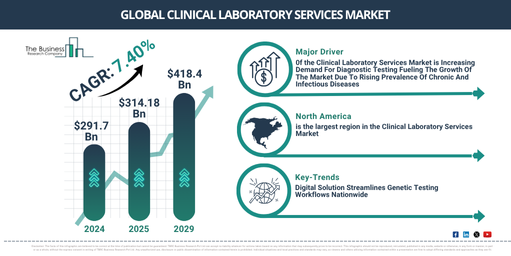
    In recent years, there has been robust expansion of the clinical laboratory services market. The market projected to rise from the value of $291.7 billion in 2024 to $314.18 billion in 2025, corresponding to a compound annual growth rate (CAGR) of 7.7%. The previous growth rate can be associated with factors such as escalating prevalence of chronic diseases, increasing aging population, the surge in personalized medicine, growth in clinical trials, and enhancement in automation of clinical labs.

    It is projected that the clinical laboratory services market will expand substantially in the coming years, achieving a size of $418.4 billion in 2029, with a Compound Annual Growth Rate (CAGR) of 7.4%. This growth during the projected period can be linked to a rise in diagnostic test demand, an increase in biochemistry test numbers, a surge in healthcare expenses, the growing acceptance of laboratory automation, and an escalation in the amount of testing samples. Cutting-edge trends expected to be evident in the forecast period comprise of artificial intelligence (AI) and digital technologies, revolutionary diagnostic technologies, leading-edge diagnostic technologies and state-of-the-art molecular techniques.

    Download The Free Sample Report Here:

    https://www.thebusinessresearchcompany.com/sample.aspx?id=24506&type=smp

    What Forces Are Driving The Growth Of The Clinical Laboratory Services Industry?

    The burgeoning need for diagnostic examinations is anticipated to drive the growth of the clinical laboratory services market. These tests, which are used to identify, verify or eliminate the occurrence of diseases or conditions in patients, has seen an upward trajectory due to the escalating prevalence of chronic and infectious diseases. The importance of accurate and timely diagnostic procedures is crucial for the early detection, effective cure, and management of diseases. The utility of clinical laboratory services lies in its ability to provide accurate and punctual analysis crucial to the early detection and management of diseases. By presenting accurate lab outcomes, they eliminate clinical uncertainties, enhance patient care and treatment decisions. A case in point, data from the National Health Service, a UK government department, showed that the number of diagnostic tests by activity escalated to 2,544,809 in 2024, marking an uptick from 2,312,030 in 2023. Hence, the burgeoning requirement for diagnostic examinations is fuelling the growth of the clinical laboratory services market.

    What Is The Overview Of Market Segmentation In The Clinical Laboratory Services Industry?

    The clinical laboratory services market covered in this report is segmented –

    1) By Test Type: Genetic Testing, Clinical Chemistry, Medical Microbiology Testing, Hematology Testing, Immunology Testing, Cytology Testing, Drug Of Abuse Testing, Other Test Types

    2) By Service Type: Hospital-Based Laboratories, Stand-Alone Laboratories, Clinic-Based Laboratories

    3) By Technology: Conventional Laboratory Technology, Automated Laboratory Technology, Point-Of-Care Testing

    4) By Application: Bioanalytical And Lab Chemistry Services, Toxicology Testing Services, Cell And Gene Therapy Related Services, Preclinical And Clinical Trial Related Services, Drug Discovery And Development Related Services, Other Clinical Laboratory Services

    5) By End User: Hospitals, Diagnostic Laboratories, Clinics, Research Institutions

    Subsegments:

    1) By Genetic Testing: Carrier Testing, Prenatal And Newborn Screening, Pharmacogenomics Testing, Predictive And Presymptomatic Testing, Diagnostic Genetic Testing, Forensic Genetic Testing, Ancestry And Genealogy Testing

    2) By Clinical Chemistry: Electrolyte Testing, Enzyme Testing, Lipid Panel, Blood Glucose Testing, Hormone Testing, Protein Testing, Metabolite Testing

    3) By Medical Microbiology Testing: Bacteriology, Virology, Mycology, Parasitology, Antimicrobial Susceptibility Testing, Molecular Microbiology, Culture And Sensitivity Testing

    4) By Hematology Testing: Complete Blood Count, Coagulation Testing, Bone Marrow Analysis, Blood Typing And Crossmatching, Erythrocyte Sedimentation Rate, Reticulocyte Count, Hemoglobin Electrophoresis

    5) By Immunology Testing: Autoimmune Testing, Allergy Testing, Immunoglobulin Testing, Complement System Testing, Cytokine Testing, Immunophenotyping, Vaccine Response Testing

    6) By Cytology Testing: Pap Smear, Fine Needle Aspiration Cytology, Body Fluid Cytology, Urine Cytology, Bronchial Brush Cytology, Exfoliative Cytology, Liquid Based Cytology

    7) By Drug Of Abuse Testing: Urine Drug Screening, Blood Drug Testing, Saliva Drug Testing, Hair Follicle Testing, Sweat Patch Testing, Confirmatory Testing, Point Of Care Testing

    8) By Other Test Types: Histopathology, Flow Cytometry, Molecular Diagnostics, Toxicology Testing, Point Of Care Testing, Nutritional Testing, Metabolic Testing

    What Future Market Trends Are Projected For The Clinical Laboratory Services Industry?

    Top businesses in the clinical lab services marketplace are prioritizing the development of innovative solutions like pharmaceutical genetic screening (PGx). Their goal is to augment individualized medical services, optimize patient results, and facilitate precise treatment options through genetic comprehension. The term pharmaceutical genetic screening (PGx) refers to a genetic test that investigates an individual’s DNA to predict their reaction to certain drugs. For instance, in July 2022, Apollo Health Group, an India-based healthcare corporation, formed a partnership with 1health.io Inc., a software company based in the US. Together, they introduced genetic testing services for healthcare practitioners, including both hereditary cancer genetic screening (CGx) and pharmaceutical genetic screenings (PGx). This partnership replaces complicated genetic testing processes with an online platform, ditching the conventional paper-based systems. This allows doctors all over America to register, place orders and receive results via the internet. The goal of the service is to simplify the order process, minimize delivery times, and ensure that healthcare providers can deliver timely, customized care to cancer-prone patients and those with other genetic conditions.

    Who Are The Primary Players Operating Across The Global Clinical Laboratory Services Market?

    Major companies operating in the clinical laboratory services market are Roche Diagnostics India Private Limited, Thermo Fisher Scientific Inc., Abbott Laboratories, Siemens Healthineers AG, IQVIA Laboratories, Labcorp , Quest Diagnostics Incorporated, Geisinger Health System, Eurofins Scientific, Sonic Healthcare Limited, Grifols S.A., BioMérieux SA, SYNLAB Group, Bio-Rad Laboratories Inc., OPKO Health Inc, NeoGenomics Laboratories, Ambry Genetics Corporation, Genova Diagnostics (GDX), Enzo Biochem Inc, Wildcat DX

    Get The Full Report Here:

    https://www.thebusinessresearchcompany.com/report/clinical-laboratory-services-global-market-report

    Which Region Offers The Most Growth Potential For The Clinical Laboratory Services Market Through 2029?

    North America was the largest region in the clinical laboratory services market in 2024. Asia-Pacific is expected to be the fastest-growing region in the forecast period. The regions covered in the clinical laboratory services market report are Asia-Pacific, Western Europe, Eastern Europe, North America, South America, Middle East, Africa.

    Request For A Customized Report:

    https://www.thebusinessresearchcompany.com/customise?id=24506&type=smp

    About The Business Research Company:

    With over 15000+ reports from 27 industries covering 60+ geographies, The Business Research Company has built a reputation for offering comprehensive, data-rich research and insights. Armed with 1,500,000 datasets, the optimistic contribution of in-depth secondary research, and unique insights from industry leaders, you can get the information you need to stay ahead in the game.

    Get in touch with us:

    The Business Research Company: https://www.thebusinessresearchcompany.com/

    Americas +1 310-496-7795

    Asia +44 7882 955267 & +91 8897263534

    Europe +44 7882 955267

    Email us at info@tbrc.info

    Follow us on:

    LinkedIn: https://in.linkedin.com/company/the-business-research-company

    YouTube: https://www.youtube.com/channel/UC24_fI0rV8cR5DxlCpgmyFQ

    Global Market Model: https://www.thebusinessresearchcompany.com/global-market-model
  • Comprehensive Forecast: Chronic Traumatic Encephalopathy Market Share, Growth, and Opportunities Through 2029

    Comprehensive Forecast: Chronic Traumatic Encephalopathy Market Share, Growth, and Opportunities Through 2029

    Claim your 30% discount on Global Market Reports with code ONLINE30. Limited time only.

    What Are the Forecasted Growth Rate and Market Size of the Chronic Traumatic Encephalopathy Market?

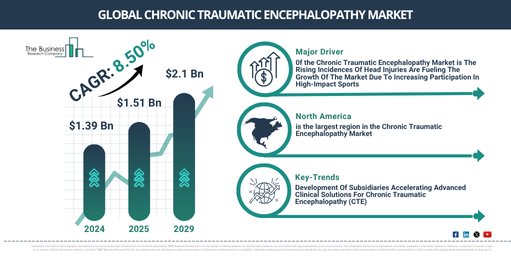
    Over the past years, the market size for chronic traumatic encephalopathy has shown a significant growth trend. The market value, expected to increase from $1.39 billion in 2024 to $1.51 billion in 2025, is projected to have a compound annual growth rate (CAGR) of 8.8%. The uptrend in the historical period can be linked to the growing consciousness about head injuries related to sports, escalated involvement in contact sports, an increase in traumatic brain injuries associated with the military, a surge in research regarding neurodegenerative diseases, and an enhanced accessibility of diagnostic technologies.

    Over the coming years, substantial growth is anticipated in the market for chronic traumatic encephalopathy, with forecasts predicting it will expand to $2.1 billion in 2029, reflecting a compound annual growth rate (CAGR) of 8.5%. This positive projection for the forecast period is due to a rise in neuroscience research funding, escalating demand for advanced diagnostic imaging, an increased emphasis on player safety regulations, extensive clinical studies into brain trauma, and heightened public anxiety regarding long-term brain health. Throughout the forecast period, notable trends include progression in biomarker-based diagnostics, advanced imaging techniques for early detection, the creation of disease-altering therapies, the introduction of wearable impact monitoring devices, and improvements in public awareness and athlete screening initiatives.

    Download The Free Sample Report Here:

    https://www.thebusinessresearchcompany.com/sample.aspx?id=24505&type=smp

    Which Factor Is Shaping The Future Of The Chronic Traumatic Encephalopathy Market?

    The growth of the chronic traumatic encephalopathy market is being spurred on by an increase in head injury incidents. Head injuries, defined as physical harm to the scalp, skull, or brain due to an external hit or force, have witnessed a rise mainly because of increasing participation in high-impact sports. This has escalated the risk of traumatic brain injuries resulting from accidents and collisions. Chronic traumatic encephalopathy (CTE), which arises from recurrent head injuries, is characterized by a pathological accumulation of tau protein in the brain. This buildup gradually damages brain cells, resulting in cognitive deterioration and emotional instability. The Tennessee Department of Health, a governmental entity in the US, reported in November 2024 that the number of patients that qualified for reporting to the traumatic brain injury (TBI) Registry in 2023 stood at 8,196, an increase of 2.4% from the prior year. Hence, the rising trend of head injuries is propelling the expansion of the chronic traumatic encephalopathy market.

    What Is The Segment-Wise Breakdown Of The Chronic Traumatic Encephalopathy Market?

    The chronic traumatic encephalopathy market covered in this report is segmented –

    1) By Treatment: Pharmacological Treatments, Rehabilitation Therapies, Psychological Support, Surgical Interventions, Alternative Therapies

    2) By Diagnosis Type: Imaging Tests, Neurological Exams, Biomarker Tests, Other Diagnosis Types

    3) By Disease Type: Early Stage Chronic Traumatic Encephalopathy (CTE), Advanced Stage Chronic Traumatic Encephalopathy (CTE)

    4) By End-User: Hospitals, Clinics, Research Institutes, Other End-Users

    Subsegments:

    1) By Pharmacological Treatments: Anti-Inflammatory Drugs, Neuroprotective Agents, Antidepressants, Antipsychotics, Cognitive Enhancers

    2) By Rehabilitation Therapies: Physical Therapy, Occupational Therapy, Speech Therapy, Cognitive Rehabilitation, Vestibular Therapy

    3) By Psychological Support: Cognitive Behavioral Therapy (CBT), Support Groups, Counseling Services, Stress Management Programs, Psychiatric Care

    4) By Surgical Interventions: Craniotomy, Decompressive Surgery, Ventriculoperitoneal Shunt, Deep Brain Stimulation (DBS), Neuroendoscopy

    5) By Alternative Therapies: Acupuncture, Herbal Medicine, Meditation And Mindfulness, Nutritional Therapy, Chiropractic Treatment

    Which Trends Are Redefining The Future Landscape Of The Chronic Traumatic Encephalopathy Industry?

    Numerous major corporations in the chronic traumatic encephalopathy market are reportedly intensifying their investment in sophisticated strategies, which include establishing sub-companies, to expedite clinical trials and deliver new diagnostic and therapeutic solutions in a more effective manner. A subsidiary, as a separate legal entity owned or overseen by a parent company typically possessing over half of its voting shares, allows for market expansion, risk reduction, and focus on specific areas like research and development (R&D) or geographic growth for the parent company. For example, CTE Biologics Inc. was launched in May 2023 by Therapeutic Solutions International, a biotech firm based in the United States. This facility was established to exploit the company’s clinical data and investigational new drug (IND) application for chronic traumatic encephalopathy (CTE) treatment using JadiCell universal adult stem cells. The focus of the subsidiary is to progress JadiCell therapies for CTE, a degenerative neurological disease common in athletes and veterans, using the existing clinical data and continued regulatory dialogues with the FDA, in hopes of starting official clinical trials for this currently incurable condition.

    Which Companies Hold The Largest Market Share In The Chronic Traumatic Encephalopathy Sector?

    Major companies operating in the chronic traumatic encephalopathy market are MedStar Health, NorthShore University Health System, Boston University, Mayo Foundation for Medical Education and Research, Craig Hospital, Quanterix Corporation, Life Molecular Imaging GmbH, Prothena Corporation plc, Annovis Bio Inc., Noveome Biotherapeutics Inc., Therapeutic Solutions International Inc., Kannalife Sciences Inc., Wund Healing Biopharmaceuticals, The Regents of The University of California, Novoron Bioscience Inc., FibroGenesis LLC, AgoneX Biopharmaceuticals Inc., Nexien Biopharma Inc., PresSura Neuro, The Stern Lab.

    Get The Full Report Here:

    https://www.thebusinessresearchcompany.com/report/chronic-traumatic-encephalopathy-global-market-report

    How Does Regional Performance Compare Across The Chronic Traumatic Encephalopathy Industry?

    North America was the largest region in the chronic traumatic encephalopathy market in 2024. Asia-Pacific is expected to be the fastest-growing region in the forecast period. The regions covered in the chronic traumatic encephalopathy market report are Asia-Pacific, Western Europe, Eastern Europe, North America, South America, Middle East, Africa.

    Request For A Customized Report:

    https://www.thebusinessresearchcompany.com/customise?id=24505&type=smp

    About The Business Research Company:

    With over 15000+ reports from 27 industries covering 60+ geographies, The Business Research Company has built a reputation for offering comprehensive, data-rich research and insights. Armed with 1,500,000 datasets, the optimistic contribution of in-depth secondary research, and unique insights from industry leaders, you can get the information you need to stay ahead in the game.

    Get in touch with us:

    The Business Research Company: https://www.thebusinessresearchcompany.com/

    Americas +1 310-496-7795

    Asia +44 7882 955267 & +91 8897263534

    Europe +44 7882 955267

    Email us at info@tbrc.info

    Follow us on:

    LinkedIn: https://in.linkedin.com/company/the-business-research-company

    YouTube: https://www.youtube.com/channel/UC24_fI0rV8cR5DxlCpgmyFQ

    Global Market Model: https://www.thebusinessresearchcompany.com/global-market-model
  • Future Demand and Leading Companies Shaping the Chronic Pain Treatment Market to 2029

    Future Demand and Leading Companies Shaping the Chronic Pain Treatment Market to 2029

    Claim your 30% discount on Global Market Reports with code ONLINE30. Limited time only.

    What Is the Estimated Industry Valuation for the Chronic Pain Treatment Sector?

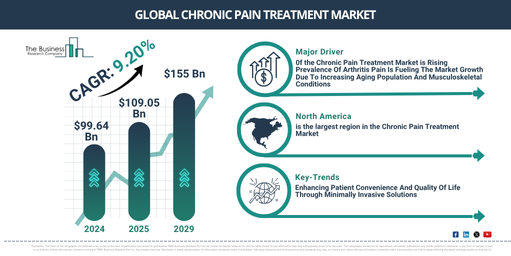
    In the past few years, the chronic pain treatment market has experienced significant growth. The market value is projected to increase from $99.64 billion in 2024 to $109.05 billion in 2025, signifying a compound annual growth rate (CAGR) of 9.4%. Factors contributing to the growth in this period include an aging population, increased occurrence of chronic diseases, a heightened understanding of pain management, the widespread use of prescription opioids, and the broadening of health insurance coverage.

    The market size for chronic pain treatment is anticipated to experience robust expansion in the coming years, with an estimated growth to reach $155 billion by 2029, showcasing a compound annual growth rate (CAGR) of 9.2%. The predicted growth during the forecasted period can be associated with an inclination towards non-opioid alternatives, heightened government investment in pain research, mounting demand for personalized medicine, increased uptake of digital tools for pain management, and the evolving implementation of Artificial Intelligence in diagnosing and planning pain treatment. Significant trends during the forecast period comprise progress in neuromodulation therapies, incorporation of telemedicine into pain care, the advent of cannabinoid-based therapies, emphasis on multidisciplinary treatment strategies, and the surge in wearable devices for pain monitoring.

    Download The Free Sample Report Here:

    https://www.thebusinessresearchcompany.com/sample.aspx?id=24504&type=smp

    What Forces Are Driving The Growth Of The Chronic Pain Treatment Market?

    The increasing instances of arthritis pain are set to drive the growth of the chronic pain treatment market in the future. This discomfort in the joints due to inflammation or degeneration from arthritis is what is referred to as arthritis pain. The increase in arthritis pain is mainly attributed to an aging population because the likelihood of experiencing joint wear and tear elevates naturally with age, leading to a higher occurrence of arthritis-related conditions. To alleviate arthritis pain, chronic pain treatment focuses on inflammation and nerve sensitivity, which lessens discomfort, improves joint function, and boosts the overall quality of life for those struggling with constant arthritis symptoms. For example, the Office for Health Improvement and Disparities, a UK-based government department, reported that in March 2023, in the previous year, 17.6% of people aged 16 and over revealed that they had a long-term musculoskeletal (MSK) ailment, such as arthritis or enduring back or joint problems, exhibiting an increase from 17.0% in 2021. Consequently, the increasing instances of arthritis pain are fueling the expansion of the chronic pain treatment market.

    How Is The Chronic Pain Treatment Industry Segmented Across Key Parameters?

    The chronic pain treatment market covered in this report is segmented –

    1) By Product Type: Drugs, Devices

    2) By Indication: Neuropathic Pain, Arthritis Pain, Chronic Back Pain, Cancer Pain, Migraine, Fibromyalgia, Other Indications

    3) By Distribution channels: Direct, Indirect

    4) By End-User: Hospitals, Clinics, Nursing Homes, Research Centers And Universities, Other End-Users

    Subsegments:

    1) By Drugs: Non-Steroidal Anti-Inflammatory Drugs (NSAIDs), Opioids, Antidepressants, Anticonvulsants, Muscle Relaxants, Topical Analgesics, Other Pain Relief Medications

    2) By Devices: Neuromodulation Devices, Transcutaneous Electrical Nerve Stimulation (TENS) Devices, Spinal Cord Stimulators, Peripheral Nerve Stimulators, Radiofrequency Ablation Devices, Implantable Drug Delivery Devices

    What Notable Trends Are Shaping The Direction Of The Chronic Pain Treatment Market?

    In the chronic pain treatment market, prominent businesses are prioritizing the innovation of sophisticated products like rechargeable spinal cord stimulators to heighten patient comfort and optimize lasting pain management results. A rechargeable spinal cord stimulator, which is a medical device placed close to the spine to emit electric pulses that obstruct pain signs, can be replenished externally without requiring surgery. It serves to control chronic pain by breaking off pain routes in the spinal cord and lowers pain perception in individuals with conditions like failed back surgery syndrome or neuropathic pain. For instance, Abbott Laboratories, a medical device firm from the US, introduced the Eterna spinal cord stimulation system in December 2022. The Eterna unit, smaller than an Apple AirPods case, is extremely neat and unobtrusive, providing a user-friendly solution for treating chronic pain. It offers significant pain relief, shown potential for decreasing dependence on opioid medications and is created for long-term, minimally intrusive use, ultimately improving daily operations and patients’ overall life quality.

    Which Companies Currently Dominate The Competitive Landscape In The Chronic Pain Treatment Industry?

    Major companies operating in the chronic pain treatment market are Pfizer Inc., Merck & Co. Inc., AbbVie Inc., Bayer AG, Sanofi S.A., Bristol-Myers Squibb Company, AstraZeneca plc, Abbott Laboratories, Novartis AG, GlaxoSmithKline plc, Medtronic plc, Eli Lilly and Company, Teva Pharmaceutical Industries Ltd., Boehringer Ingelheim International GmbH, Boston Scientific Corporation, Bausch Health Companies Inc., Sun Pharmaceutical Industries Ltd., Amneal Pharmaceuticals LLC, Mallinckrodt plc, Nevro Corp.

    Get The Full Report Here:

    https://www.thebusinessresearchcompany.com/report/chronic-pain-treatment-global-market-report

    Which Geographic Regions Are Driving Demand In The Chronic Pain Treatment Market?

    North America was the largest region in the chronic pain treatment market in 2024. Asia-Pacific is expected to be the fastest-growing region in the forecast period. The regions covered in the chronic pain treatment market report are Asia-Pacific, Western Europe, Eastern Europe, North America, South America, Middle East, Africa.

    Request For A Customized Report:

    https://www.thebusinessresearchcompany.com/customise?id=24504&type=smp

    About The Business Research Company:

    With over 15000+ reports from 27 industries covering 60+ geographies, The Business Research Company has built a reputation for offering comprehensive, data-rich research and insights. Armed with 1,500,000 datasets, the optimistic contribution of in-depth secondary research, and unique insights from industry leaders, you can get the information you need to stay ahead in the game.

    Get in touch with us:

    The Business Research Company: https://www.thebusinessresearchcompany.com/

    Americas +1 310-496-7795

    Asia +44 7882 955267 & +91 8897263534

    Europe +44 7882 955267

    Email us at info@tbrc.info

    Follow us on:

    LinkedIn: https://in.linkedin.com/company/the-business-research-company

    YouTube: https://www.youtube.com/channel/UC24_fI0rV8cR5DxlCpgmyFQ

    Global Market Model: https://www.thebusinessresearchcompany.com/global-market-model