Month: March 2026

  • Global Calcitonin Gene-Related Peptide (CGRP) Inhibitors Market Forecast to Hit $5.02 Billion by 2030 with 9.8% CAGR

    Global Calcitonin Gene-Related Peptide (CGRP) Inhibitors Market Forecast to Hit $5.02 Billion by 2030 with 9.8% CAGR

    The Business Research Company’s 2026 market reports include new capabilities such as market attractiveness scoring and analysis, total addressable market analysis, company scoring matrix, interactive excel data dashboard, improved supply chain analysis, upcoming startups in the market, and overview of key products, aimed at improving the depth, usability, and strategic value of the insights delivered.

    What Is The Forecasted Market Value Of The Calcitonin Gene-Related Peptide (CGRP) Inhibitors Market Across 2026–2030?

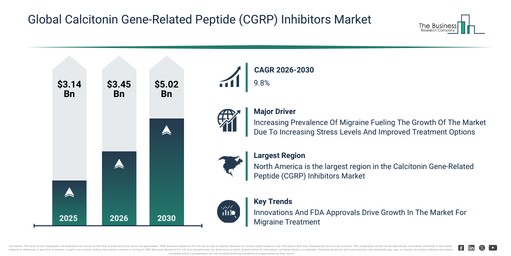
    The market for calcitonin gene-related peptide (cgrp) inhibitors has shown significant growth in recent years. It is anticipated to increase from $3.14 billion in 2025 to $3.45 billion in 2026, achieving a compound annual growth rate (CAGR) of 9.9%. This past growth can be attributed to a rising prevalence of migraine disorders, limitations associated with conventional migraine drugs, the growing clinical validation of the CGRP pathway, increased adoption by neurologists, and favorable reimbursement policies in developed markets.

    The calcitonin gene-related peptide (cgrp) inhibitors market is projected to experience substantial expansion over the upcoming years, reaching $5.02 billion by 2030, demonstrating a compound annual growth rate (CAGR) of 9.8%. This anticipated growth is fueled by factors such as a widening pool of chronic migraine patients, the ongoing development of oral CGRP inhibitors, a heightened need for sustained migraine prevention, enhanced patient compliance with specific treatments, and broadening market penetration in developing regions. Key developments expected during this period involve the increasing embrace of specialized migraine interventions, a growing focus on proactive migraine management, a stronger inclination towards non-opioid pain relief options, the proliferation of oral CGRP small molecule inhibitors, and improved recognition and diagnosis of chronic migraine.

    Download the Free Sample Report to Explore Key Market Insights:

    https://www.thebusinessresearchcompany.com/sample.aspx?id=24182&type=smp

    What Primary Drivers Are Shaping The Development Of The Calcitonin Gene-Related Peptide (CGRP) Inhibitors Market?

    The rising incidence of migraine is anticipated to fuel expansion in the calcitonin gene-related peptide (CGRP) inhibitors market in the coming years. Migraine, characterized by severe headaches often involving pulsating pain on one side of the head, frequently presents with symptoms like nausea, vomiting, and heightened sensitivity to light and sound. The growing occurrence of migraine can be attributed to elevated stress levels, as sustained stress triggers specific neural pathways. Calcitonin gene-related peptide (CGRP) inhibitors play a crucial role in managing migraine by providing a precise, preventive approach suitable for both acute and long-term treatment plans. They effectively diminish the frequency and intensity of headaches through efficient CGRP receptor blockade, thereby enhancing patients’ quality of life and daily activities. For example, a report from January 2023 by the National Library of Medicine, a US-based health information institution, indicated that the global prevalence of migraine ranges from 14% to 15%, accounting for 4.9% of the total global disease burden. Consequently, the increasing prevalence of migraine is stimulating the growth of the calcitonin gene-related peptide (CGRP) inhibitors market.

    What Segmentation Levels Are Considered In The Calcitonin Gene-Related Peptide (CGRP) Inhibitors Market?

    The calcitonin gene-related peptide (cgrp) inhibitors market covered in this report is segmented –

    1) By Type Of Inhibitor: Monoclonal Antibodies, Small Molecules, Peptides

    2) By Mechanism Of Action: Anti-Calcitonin Gene-Related Peptide (CGRP) Ligand, Calcitonin Gene-Related Peptide (CGRP) Receptor Antagonist

    3) By Route of Administration: Oral, Nasal, Intravenous

    4) By Treatment: Preventive Migraine Treatment, Acute Migraine Treatment

    5) By End User: Hospitals, Specialty Clinics, Mail Order Pharmacies, Retail Pharmacies

    Subsegments:

    1) By Monoclonal Antibodies: Erenumab (Aimovig), Eptinezumab (Vyepti), Fremanezumab (Ajovy), Galcanezumab (Emgality)

    2) By Small Molecules: Ubrogepant, Rimegepant, Atogepant, Zavegepant

    3) By Peptides: Calcitonin Gene-Related Peptide (CGRP) Antagonist Peptides, Modified Calcitonin Gene-Related Peptide (CGRP) Analogs, Intranasal Peptide Formulations, Peptide-Based Delivery Systems

    What Trends Are Projected To Affect The Calcitonin Gene-Related Peptide (CGRP) Inhibitors Market?

    Major companies in the calcitonin gene-related peptide (CGRP) inhibitors market are prioritizing the development of innovative products to gain approvals, such as calcitonin gene-related peptide (CGRP) receptor antagonists, aiming to enhance the effectiveness of migraine treatment, expand therapeutic uses, and introduce more convenient administration methods like oral and intranasal formulations. A calcitonin gene-related peptide (CGRP) receptor antagonist is a medication that works by inhibiting the calcitonin gene-related peptide (CGRP) receptor to block pain signaling linked to migraine. For instance, in April 2023, AbbVie Inc., a US-based biotech company, received approval from the U.S. Food and Drug Administration (FDA) for QULIPTA (atogepant) to treat chronic migraine in adults. QULIPTA is an oral calcitonin gene-related peptide (CGRP) receptor antagonist that functions by blocking calcitonin gene-related peptide (CGRP) receptors, which are involved in the pathophysiology of migraine, thereby assisting in the prevention of migraine attacks.

    Which Leading Firms Are Contributing To The Growth Of The Calcitonin Gene-Related Peptide (CGRP) Inhibitors Market?

    Major companies operating in the calcitonin gene-related peptide (cgrp) inhibitors market are Pfizer Inc., F. Hoffmann-La Roche AG, Merck & Co. Inc., AbbVie Inc., Bristol Myers Squibb Company, AstraZeneca plc, Novartis AG, Eli Lilly and Company, Amgen Inc., Otsuka Holdings Co. Ltd., Teva Pharmaceutical Industries Ltd., H. Lundbeck A/S, Kissei Pharmaceutical Co. Ltd., Shanghai Junshi Biosciences Co. Ltd., Shin Nippon Biomedical Laboratories Ltd., Sosei Group Corporation, Nuvie Bio Inc., Vaxxinity Inc., Acherx LLC, AfaSci Inc.

    Read the full calcitonin gene-related peptide (cgrp) inhibitors market report here:

    https://www.thebusinessresearchcompany.com/report/calcitonin-gene-related-peptide-cgrp-inhibitors-global-market-report

    How Does The Calcitonin Gene-Related Peptide (CGRP) Inhibitors Market Perform Across Major Global Regions?

    North America was the largest region in the calcitonin gene-related peptide (CGRP) inhibitors market in 2025. Asia-Pacific is expected to be the fastest-growing region in the forecast period. The regions covered in the calcitonin gene-related peptide (cgrp) inhibitors market report are Asia-Pacific, South East Asia, Western Europe, Eastern Europe, North America, South America, Middle East, Africa.

    Request A Tailored Calcitonin Gene-Related Peptide (CGRP) Inhibitors Market Research Report For Competitive Advantage:

    https://www.thebusinessresearchcompany.com/customise?id=24182&type=smp

    Browse Through More Reports Similar to the Global Calcitonin Gene-Related Peptide (CGRP) Inhibitors Market 2026, By The Business Research Company

    Peptide Therapeutics Market Report 2026

    https://www.thebusinessresearchcompany.com/report/peptide-therapeutics-global-market-report

    Peptide Based Metabolic Disorders Therapeutics Market Report 2026

    https://www.thebusinessresearchcompany.com/report/peptide-based-metabolic-disorders-therapeutics-global-market-report

    Cc Chemokine Receptor Type 5 Market Report 2026

    https://www.thebusinessresearchcompany.com/report/cc-chemokine-receptor-type-5-global-market-report

    Get in touch with us:

    The Business Research Company: https://www.thebusinessresearchcompany.com/

    Americas +1 310-496-7795

    Asia +44 7882 955267 & +91 8897263534

    Europe +44 7882 955267

    Email us at info@tbrc.info

    Follow us on:

    LinkedIn: https://in.linkedin.com/company/the-business-research-company

    YouTube: https://www.youtube.com/channel/UC24_fI0rV8cR5DxlCpgmyFQ

    Global Market Model: https://www.thebusinessresearchcompany.com/global-market-model

  • Calcineurin Inhibitors Market Outlook Suggests Growth to $13.78 Billion by 2030

    Calcineurin Inhibitors Market Outlook Suggests Growth to $13.78 Billion by 2030

    The Business Research Company’s 2026 market reports include new capabilities such as market attractiveness scoring and analysis, total addressable market analysis, company scoring matrix, interactive excel data dashboard, improved supply chain analysis, upcoming startups in the market, and overview of key products, aimed at improving the depth, usability, and strategic value of the insights delivered.

    What Market Size Increase Is Anticipated For The Calcineurin Inhibitors Market Over The 2026–2030 Period?

    The calcineurin inhibitors market has demonstrated robust expansion in recent years. Projections indicate this market will increase from $9.49 billion in 2025 to $10.23 billion in 2026, progressing at a compound annual growth rate (CAGR) of 7.8%. This historical growth can be attributed to an uptick in organ transplant procedures, the widespread clinical adoption of immunosuppressants, their long-term utilization in chronic autoimmune conditions, the expansion of hospital-based transplant centers, and the availability of branded formulations.

    The market for calcineurin inhibitors is projected to experience substantial expansion over the upcoming years. This market is anticipated to reach a valuation of $13.78 billion by 2030, demonstrating a compound annual growth rate (CAGR) of 7.7%. Factors contributing to this projected growth include longer transplant waiting lists, an increase in the prevalence of autoimmune diseases, the expansion of generic drug production, enhanced accessibility in developing markets, and advancements in drug delivery formulations. Key trends expected during this period involve their sustained application in organ transplant management, increasing acceptance for treating autoimmune conditions, a growing need for generic and biosimilar alternatives, expanded utilization of topical forms, and an emphasis on optimizing dosage and improving safety profiles.

    Download the Free Sample Report to Explore Key Market Insights:

    https://www.thebusinessresearchcompany.com/sample.aspx?id=23336&type=smp

    Which Major Factors Are Driving The Expansion Of The Calcineurin Inhibitors Market?

    A rise in the frequency of organ transplants is expected to boost the expansion of the calcineurin inhibitors market throughout the forecast period. Organ transplants involve a surgical operation where a malfunctioning or damaged organ is substituted with a healthy one from a donor. The prevalence of organ transplants is growing, mainly attributed to the increasing occurrence of chronic conditions like diabetes and hypertension, which cause organ failure and heighten the need for transplantation. Calcineurin inhibitors play a crucial role in organ transplantation by suppressing T-cell activation, thereby stopping the immune system from perceiving the new organ as an intruder and attacking it. This action lowers the chance of rejection and promotes the extended survival of the transplanted graft. For example, in January 2025, data from the Organ Procurement and Transplantation Network (OPTN), a US transplant information database, indicated that organ transplants exceeded 48,000 in 2024, representing a 3.3% rise from 2023. Consequently, the rising number of organ transplants is fueling the expansion of the calcineurin inhibitors market.

    How Is The Calcineurin Inhibitors Market Segmented Across Key Categories?

    The calcineurin inhibitors market covered in this report is segmented –

    1) By Product: Branded, Generic

    2) By Dosage: Tablets And Capsules, Ointments, Injections, Other Dosages

    3) By Indication: Organ Transplantation, Autoimmune Disease, Other Indications

    4) By End User: Hospitals, Homecare Settings, Pharmacies

    Subsegments:

    1) By Branded: Patented Drugs, Proprietary Formulations

    2) By Generic: Off-Patent Equivalents, Biosimilars

    Which Upcoming Trends Are Expected To Influence The Calcineurin Inhibitors Market?

    Leading companies within the calcineurin inhibitors market are prioritizing the creation of immunosuppressive treatments, including drugs for autoimmune conditions, aimed at managing heightened immune reactions, alleviating inflammation, and averting tissue harm. These medications for autoimmune diseases function by regulating the immune system, either by dampening overly active immune responses or by altering immune function to decrease inflammation and prevent tissue damage. Examples include corticosteroids, immunosuppressants, biologics, and disease-modifying antirheumatic drugs (DMARDs). As an illustration, in April 2024, the Indian biopharmaceutical firm Biocon Limited secured approval from the South African Health Products Regulatory Authority (SAHPRA) for its product, Tacrolimus. Tacrolimus, classified as a calcineurin inhibitor and immunosuppressant, is utilized to prevent the rejection of transplanted organs in patients. Its efficacy has led to its extensive application in renal transplant cases for over two decades. The mechanism of Tacrolimus involves binding to the immunophilin FKBP-12, thereby creating a complex that obstructs calcineurin activity. This suppression consequently hinders NF-AT dephosphorylation, resulting in diminished interleukin-2 (IL-2) production and T-cell proliferation, both of which are critical components of the immune response targeting transplanted organs.

    Who Are The Dominant Players Shaping The Calcineurin Inhibitors Market Landscape?

    Major companies operating in the calcineurin inhibitors market are Pfizer Inc., Roche Holding AG, Bristol-Myers Squibb Company, Novartis AG, Viatris Inc., Astellas Pharma Inc., Bausch Health Companies Inc., Huadong Medicine Co. Ltd., Sun Pharmaceutical Industries Ltd., Apotex Inc., Dr. Reddy’s Laboratories Ltd., Cipla Ltd., Lupin Pharmaceutical Inc., Zydus Cadila, Biocon Limited, Glenmark Pharmaceuticals Ltd., Accord Healthcare Ltd., Strides Pharma Science Limited, Harrow Inc., Panacea Biotec Ltd.

    Read the full calcineurin inhibitors market report here:

    https://www.thebusinessresearchcompany.com/report/calcineurin-inhibitors-global-market-report

    Which Region Currently Holds The Largest Share Of The Calcineurin Inhibitors Market?

    North America was the largest region in the calcineurin inhibitors market in 2025. Asia-Pacific is expected to be the fastest-growing region in the forecast period. The regions covered in the calcineurin inhibitors market report are Asia-Pacific, South East Asia, Western Europe, Eastern Europe, North America, South America, Middle East, Africa.

    Request A Tailored Calcineurin Inhibitors Market Research Report For Competitive Advantage:

    https://www.thebusinessresearchcompany.com/customise?id=23336&type=smp

    Browse Through More Reports Similar to the Global Calcineurin Inhibitors Market 2026, By The Business Research Company

    Enzyme Inhibitor Market Report 2026

    https://www.thebusinessresearchcompany.com/report/enzyme-inhibitor-global-market-report

    Calciphylaxis Treatment Market Report 2026

    https://www.thebusinessresearchcompany.com/report/calciphylaxis-treatment-global-market-report

    Tyrosine Kinase Inhibitors Market Report 2026

    https://www.thebusinessresearchcompany.com/report/tyrosine-kinase-inhibitors-global-market-report

    Get in touch with us:

    The Business Research Company: https://www.thebusinessresearchcompany.com/

    Americas +1 310-496-7795

    Asia +44 7882 955267 & +91 8897263534

    Europe +44 7882 955267

    Email us at info@tbrc.info

    Follow us on:

    LinkedIn: https://in.linkedin.com/company/the-business-research-company

    YouTube: https://www.youtube.com/channel/UC24_fI0rV8cR5DxlCpgmyFQ

    Global Market Model: https://www.thebusinessresearchcompany.com/global-market-model
  • C5 Complement Inhibitors Market Expected to Reach $14.93 Billion by 2030 at a CAGR of 13.7%

    C5 Complement Inhibitors Market Expected to Reach $14.93 Billion by 2030 at a CAGR of 13.7%

    The Business Research Company’s 2026 market reports include new capabilities such as market attractiveness scoring and analysis, total addressable market analysis, company scoring matrix, interactive excel data dashboard, improved supply chain analysis, upcoming startups in the market, and overview of key products, aimed at improving the depth, usability, and strategic value of the insights delivered.

    How Much Is The C5 Complement Inhibitors Market Expected To Grow In Terms Of Market Value Between 2026 And 2030?

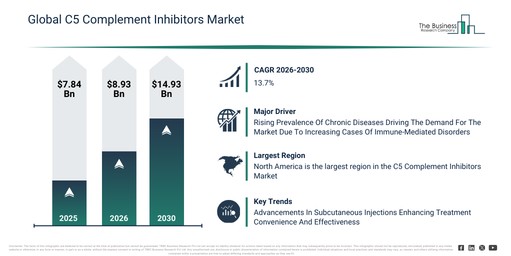
    In recent years, the c5 complement inhibitors market size has seen swift expansion. This market is projected to expand from $7.84 billion in 2025 to $8.93 billion in 2026, demonstrating a compound annual growth rate (CAGR) of 13.9%. Historically, this growth was driven by factors such as the approval of pioneering complement inhibitors, an increase in the diagnosis of rare hematological conditions, enhanced clinical understanding of complement pathways, the proliferation of specialized treatment facilities, and robust biologics development pipelines.

    The c5 complement inhibitors market size is anticipated to undergo substantial growth in the upcoming years. It is forecast to achieve a valuation of $14.93 billion by 2030, propelled by a compound annual growth rate (CAGR) of 13.7%. This expansion in the projected period can be attributed to the rising prevalence of autoimmune and rare diseases, the broadening scope of personalized medicine approaches, an expanding pipeline of next-generation inhibitors, increased biologics manufacturing capacity, and supportive regulatory frameworks for orphan drugs. Noteworthy trends for the forecast period include the increasing adoption of targeted immunotherapies, their growing application in rare complement-mediated disorders, a rising preference for long-acting formulations, the proliferation of combination treatment strategies, and an intensified focus on early diagnosis and intervention.

    Download the Free Sample Report to Explore Key Market Insights:

    https://www.thebusinessresearchcompany.com/sample.aspx?id=23334&type=smp

    What Key Drivers Are Influencing The Growth Of The C5 Complement Inhibitors Market?

    The projected expansion of the C5 complement inhibitors market is fueled by the rising incidence of chronic diseases. These are enduring health conditions characterized by gradual progression and prolonged duration, frequently necessitating ongoing medical care and supervision to avert complications. The growing occurrence of chronic diseases primarily stems from shifts in lifestyle, including inadequate nutrition, lack of physical activity, tobacco use, and stress, all of which lead to a gradual decline in health. C5 complement inhibitors assist individuals with chronic diseases by inhibiting the excessive activation of the complement system, which in turn diminishes inflammation, safeguards against tissue harm, and enhances patient results in conditions like PNH, aHUS, and other related disorders. For example, an April 2025 report from the International Diabetes Federation, a non-profit organization based in Belgium, indicated that in 2024, over 9.5 million individuals were affected by type 1 diabetes, a figure that included 1.9 million children and adolescents under 20. Projections suggest that the worldwide diabetes population will escalate to 853 million by 2050. Consequently, the rising occurrence of chronic illnesses is a key factor propelling the expansion of the C5 complement inhibitors market.

    What Major Segment Divisions Exist Within The C5 Complement Inhibitors Market?

    The c5 complement inhibitors market covered in this report is segmented –

    1) By Product: Long Acting C5 Inhibitors, Short Acting C5 Inhibitors

    2) By Drug: Eculizumab, Ravulizumab, Other Drugs

    3) By Route Of Administration: Intravenous, Subcutaneous

    4) By Distribution Channel: Hospital Pharmacies, Retail Pharmacies

    5) By Application: Paroxysmal Noctural Hemoglobuinuria, Atyptical Hemolytic Uremic Syndrome, Generalized Myasthenia Gravis, Neuromyelitis Optics Spectrum Disorder, Other Applications

    Subsegments:

    1) By Long Acting C5 Inhibitors: Crovalimab, Pozelimab, Tesidolumab, Other Long-Acting C5 Inhibitors

    2) By Short Acting C5 Inhibitors: Zilucoplan, Cemdisiran, Nomacopan, Other Short-Acting C5 Inhibitors

    How Are Trends Shaping The Direction Of The C5 Complement Inhibitors Market?

    Major companies operating in the C5 complement inhibitors market are concentrating on creating innovative therapies, including self-administered C5 inhibitors, to broaden the available treatment options for generalized myasthenia gravis. This kind of inhibitor serves as a targeted therapeutic agent that functions by blocking the complement C5 protein to mitigate inflammation and immune-mediated damage, and is designed for patient self-administration to address conditions such as paroxysmal nocturnal hemoglobinuria and atypical hemolytic uremic syndrome. An example of this occurred in October 2023, when Union Chimique Belge (UCB) SA, a Belgium-based biopharmaceutical company, revealed the approval of Zilbrysq (zilucoplan) by the Food and Drug Administration (FDA), a US-based government regulatory agency, for use in treating adults with generalized myasthenia gravis (gMG). This specific approval is applicable to patients identified as anti-acetylcholine receptor (AChR) antibody-positive, which is a common manifestation of the disease. Zilbrysq itself is a self-administered, once-daily, subcutaneous C5 complement inhibitor, thereby presenting a new therapeutic choice for gMG patients. The approval consequently enhances UCB’s neurology portfolio, extending the range of treatment choices for individuals affected by autoimmune neuromuscular disorders.

    Which Companies Are Leading Innovation In The C5 Complement Inhibitors Market?

    Major companies operating in the c5 complement inhibitors market are AstraZeneca plc, F. Hoffmann-La Roche AG, Chugai Pharmaceutical Co. Ltd., Swedish Orphan Biovitrum AB, Alnylam Pharmaceuticals Inc., BioCryst Pharmaceuticals Inc., Omeros Corporation, Dianthus Therapeutics Inc., Akari Therapeutics Plc, Regeneron Pharmaceuticals Inc., UCB Pharma SA, Astellas Pharma Inc., InflaRx NV, Alexion Pharmaceuticals Inc., Ra Pharmaceuticals Inc., ChemoCentryx Inc., Annexon Biosciences Inc., Iveric Bio Inc., Apellis Pharmaceuticals Inc., Kira Pharmaceuticals Inc.

    Read the full c5 complement inhibitors market report here:

    https://www.thebusinessresearchcompany.com/report/c5-complement-inhibitors-global-market-report

    Which Region Is Expected To Register The Fastest Growth In The C5 Complement Inhibitors Market?

    North America was the largest region in the C5 complement inhibitors market in 2025. Asia-Pacific is expected to be the fastest-growing region in the forecast period. The regions covered in the c5 complement inhibitors market report are Asia-Pacific, South East Asia, Western Europe, Eastern Europe, North America, South America, Middle East, Africa.

    Request A Tailored C5 Complement Inhibitors Market Research Report For Competitive Advantage:

    https://www.thebusinessresearchcompany.com/customise?id=23334&type=smp

    Browse Through More Reports Similar to the Global C5 Complement Inhibitors Market 2026, By The Business Research Company

    Cc Chemokine Receptor Type 5 Market Report 2026

    https://www.thebusinessresearchcompany.com/report/cc-chemokine-receptor-type-5-global-market-report

    Ace Inhibitors Market Report 2026

    https://www.thebusinessresearchcompany.com/report/ace-inhibitors-global-market-report

    Kinase Inhibitors Market Report 2026

    https://www.thebusinessresearchcompany.com/report/kinase-inhibitors-global-market-report

    Get in touch with us:

    The Business Research Company: https://www.thebusinessresearchcompany.com/

    Americas +1 310-496-7795

    Asia +44 7882 955267 & +91 8897263534

    Europe +44 7882 955267

    Email us at info@tbrc.info

    Follow us on:

    LinkedIn: https://in.linkedin.com/company/the-business-research-company

    YouTube: https://www.youtube.com/channel/UC24_fI0rV8cR5DxlCpgmyFQ

    Global Market Model: https://www.thebusinessresearchcompany.com/global-market-model
  • Budesonide Inhaler Market Anticipated to Grow Steadily, Approaching $10.25 Billion by 2030

    Budesonide Inhaler Market Anticipated to Grow Steadily, Approaching $10.25 Billion by 2030

    The Business Research Company’s 2026 market reports include new capabilities such as market attractiveness scoring and analysis, total addressable market analysis, company scoring matrix, interactive excel data dashboard, improved supply chain analysis, upcoming startups in the market, and overview of key products, aimed at improving the depth, usability, and strategic value of the insights delivered.

    What Market Value Is Expected For The Budesonide Inhaler Market At The End Of The 2026–2030 Forecast Period?

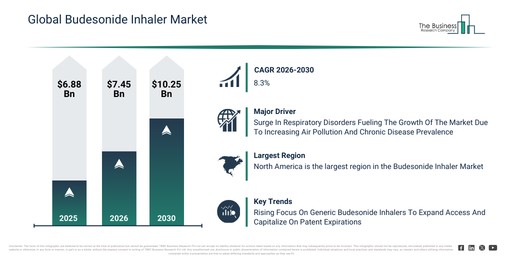
    The budesonide inhaler market size has seen significant expansion in recent years. Its valuation is set to increase from $6.88 billion in 2025 to $7.45 billion in 2026, advancing at a compound annual growth rate (CAGR) of 8.3%. The growth observed historically can be attributed to factors such as asthma prevalence growth, increased COPD diagnosis rates, corticosteroid inhaler adoption, the expansion of hospital respiratory care, and smoking-related respiratory disorders.

    The budesonide inhaler market is anticipated to observe robust expansion over the next few years. It is projected to climb to $10.25 billion by 2030, achieving a compound annual growth rate (CAGR) of 8.3%. This growth during the forecast period is largely attributable to the burden of chronic respiratory diseases, advancements in smart inhaler technology, the expansion of outpatient respiratory care, proactive asthma management strategies, and increasing demand from emerging markets. Prominent trends throughout the forecast period include a rising necessity for long-term respiratory control, increased adoption of combination inhalers, growth in homecare respiratory management, wider usage among pediatric and geriatric populations, and a strong focus on enhancing inhaler delivery efficiency.

    Download the Free Sample Report to Explore Key Market Insights:

    https://www.thebusinessresearchcompany.com/sample.aspx?id=24181&type=smp

    What Major Growth Drivers Are Shaping The Outlook Of The Budesonide Inhaler Market?

    The expanding prevalence of respiratory ailments is set to boost the budesonide inhaler market in the coming years. Respiratory disorders are medical conditions that affect the lungs and airways, making breathing difficult and often causing symptoms such as coughing, wheezing, and shortness of breath. These encompass conditions like asthma, chronic obstructive pulmonary disease (COPD), pneumonia, bronchitis, and various lung infections. The increase in respiratory disorders is primarily attributed to heightened air pollution, which elevates exposure to detrimental pollutants that irritate the airways and degrade lung function. Budesonide inhalers address respiratory disorders by directly delivering anti-inflammatory medication to the lungs, providing effective long-term control. Their compact design facilitates ease of use and portability, leading to a reduction in flare-ups and an improvement in respiratory health. For instance, in June 2025, Public Health Wales, a UK-based National Health Service organization in Wales, predicted that the number of patients on asthma and chronic obstructive pulmonary disease registers in Wales is projected to increase over the next 10 years. Additionally, asthma cases are expected to rise to over 256,000 registered cases from 237,400 cases in 2023-24, and chronic obstructive pulmonary disease cases are projected to increase to over 84,000 from 75,600 cases in 2023-24. Thus, the escalating incidence of respiratory disorders is a key driver for the growth of the budesonide inhaler market.

    What Segment Types Make Up The Budesonide Inhaler Market?

    The budesonide inhaler market covered in this report is segmented –

    1) By Product Type: Metered-Dose Inhalers (MDIs), Dry Powder Inhalers (DPIs), Nebulizers, Combination Inhalers

    2) By Dosage Form: Aerosols, Dry Powder, Suspension, Spray

    3) By Indication: Asthma, Chronic Obstructive Pulmonary Disease, Allergic Rhinitis

    4) By End User: Hospitals, Outpatient Clinics, Homecare Settings, Pharmacies

    Subsegments:

    1) By Metered-Dose Inhalers: Pressurized Metered-Dose Inhalers, Breath-Actuated Metered-Dose Inhalers, Spacer-Compatible Metered-Dose Inhalers, Hydrofluoroalkane Propellant-Based Metered-Dose Inhalers

    2) By Dry Powder Inhalers: Single-Dose Dry Powder Inhalers, Multi-Dose Dry Powder Inhalers, Capsule-Based Dry Powder Inhalers, Reservoir-Based Dry Powder Inhalers

    3) By Nebulizers: Jet Nebulizers, Ultrasonic Nebulizers, Mesh Nebulizers, Homecare Nebulizers, Hospital-Use Nebulizers

    4) By Combination Inhalers: Budesonide And Formoterol Inhalers, Budesonide And Salmeterol Inhalers, Budesonide, Glycopyrrolate, And Formoterol Inhalers, Budesonide And Vilanterol Inhalers

    Which Market Trends Are Creating New Opportunities In The Budesonide Inhaler Market?

    Key players in the budesonide inhaler market are increasingly concentrating on the development of novel offerings, particularly generic options, to improve affordability and broaden access to treatments for various respiratory conditions. Generic inhaled medications are defined as non-proprietary versions of inhaled drugs that provide the same active components, dosage, and therapeutic outcomes as their branded counterparts, typically at a reduced cost. A notable example occurred in July 2023, when Viatris Inc., a US-based pharmaceutical company, in partnership with Kindeva Drug Delivery L.P., a US-based pharmaceutical manufacturing company, unveiled Breyna (budesonide and formoterol fumarate dihydrate) inhalation aerosol. This product marked the initial Food and Drug Administration (FDA), a US-based federal agency-approved generic version of Symbicort. This combined drug-device solution is formulated to address both asthma and chronic obstructive pulmonary disease (COPD), operating by leveraging budesonide to lessen inflammation in the airways, while formoterol works to relax the muscles surrounding the airways, thereby providing patients with a more economical option.

    Who Are The Key Players Driving Competition In The Budesonide Inhaler Market?

    Major companies operating in the budesonide inhaler market are AstraZeneca plc, GSK plc, Takeda Pharmaceutical Company Limited, Viatris Inc., Teva Pharmaceutical Industries Ltd., Boehringer Ingelheim International GmbH, Sandoz International GmbH, Bausch Health Companies Inc., Sun Pharmaceutical Industries Ltd., Synmosa Biopharma Corporation, Chiesi Farmaceutici S.p.A., Aurobindo Pharma Limited, Cipla Limited, Hikma Pharmaceuticals PLC, Lupin Limited, Orion Corporation, Nephron Pharmaceuticals Corporation, Curia Global Inc., Kindeva Drug Delivery L.P., Minakem SAS, Axplora Group GmbH, Cosmo Pharmaceuticals N.V., Manus Aktteva Biopharma LLP, Tovec Pharma Pvt. Ltd., Nutra Respiro Healthcare Pvt. Ltd.

    Read the full budesonide inhaler market report here:

    https://www.thebusinessresearchcompany.com/report/budesonide-inhaler-global-market-report

    Which Regions Are Projected To Dominate The Budesonide Inhaler Market In The Coming Years?

    North America was the largest region in the budesonide inhaler market in 2025. Asia-Pacific is expected to be the fastest-growing region in the forecast period. The regions covered in the budesonide inhaler market report are Asia-Pacific, South East Asia, Western Europe, Eastern Europe, North America, South America, Middle East, Africa.

    Request A Tailored Budesonide Inhaler Market Research Report For Competitive Advantage:

    https://www.thebusinessresearchcompany.com/customise?id=24181&type=smp

    Browse Through More Reports Similar to the Global Budesonide Inhaler Market 2026, By The Business Research Company

    Albuterol Market Report 2026

    https://www.thebusinessresearchcompany.com/report/albuterol-global-market-report

    Smart Inhalers Market Report 2026

    https://www.thebusinessresearchcompany.com/report/smart-inhalers-global-market-report

    Respiratory Inhaler Devices Market Report 2026

    https://www.thebusinessresearchcompany.com/report/respiratory-inhaler-devices-global-market-report

    Get in touch with us:

    The Business Research Company: https://www.thebusinessresearchcompany.com/

    Americas +1 310-496-7795

    Asia +44 7882 955267 & +91 8897263534

    Europe +44 7882 955267

    Email us at info@tbrc.info

    Follow us on:

    LinkedIn: https://in.linkedin.com/company/the-business-research-company

    YouTube: https://www.youtube.com/channel/UC24_fI0rV8cR5DxlCpgmyFQ

    Global Market Model: https://www.thebusinessresearchcompany.com/global-market-model
  • Alcohol Wipes Market Global Report 2026 Market Growth Expected to Reach $1.53 Billion by 2030 with 9% CAGR

    Alcohol Wipes Market Global Report 2026 Market Growth Expected to Reach $1.53 Billion by 2030 with 9% CAGR

    The Business Research Company’s 2026 market reports include new capabilities such as market attractiveness scoring and analysis, total addressable market analysis, company scoring matrix, interactive excel data dashboard, improved supply chain analysis, upcoming startups in the market, and overview of key products, aimed at improving the depth, usability, and strategic value of the insights delivered.

    What Market Size Growth Is Projected For The Alcohol Wipes Market During The Forecast Period 2026–2030?

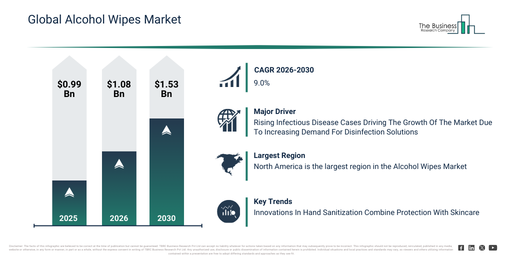
    The alcohol wipes market has shown robust growth in recent years. It is anticipated to expand from $0.99 billion in 2025 to $1.08 billion in 2026, achieving a compound annual growth rate (CAGR) of 9.3%. This historical growth can be linked to heightened awareness of infection control methods, the extensive use of disinfectants in healthcare, the expansion of personal hygiene habits, the development of hospital and clinical infrastructure, and the growing acceptance of pre-moistened wipes.

    The alcohol wipes market size is projected to experience substantial growth in the coming years, reaching $1.53 billion by 2030, with a compound annual growth rate (CAGR) of 9.0%. This expansion during the forecast period is primarily driven by factors such as the increasing demand for preventive healthcare hygiene products, a heightened focus on surface disinfection standards, the growth of home healthcare services, a rising preference for convenient hygiene solutions, and the increased development of eco-friendly wipe materials. Significant trends anticipated during this period include a greater demand for single-use hygiene products, the rising adoption of medical-grade disinfectant wipes, the expanding use of alcohol wipes in various healthcare settings, the proliferation of portable and travel hygiene solutions, and an enhanced emphasis on skin-safe disinfectant formulations.

    Download the Free Sample Report to Explore Key Market Insights:

    https://www.thebusinessresearchcompany.com/sample.aspx?id=24456&type=smp

    What Underlying Factors Are Accelerating The Growth Of The Alcohol Wipes Market?

    The rising occurrence of infectious diseases is projected to propel the expansion of the alcohol wipes market moving forward. These illnesses are caused by detrimental microorganisms that can spread between individuals or through environmental exposure. The increasing prevalence of infectious diseases is driven by urbanization, as dense urban populations lead to greater close contact and accelerate community transmission. Alcohol wipes contribute to preventing infectious diseases by effectively eradicating or deactivating harmful microorganisms such as bacteria, viruses, and fungi. Containing substantial concentrations of isopropyl or ethyl alcohol, typically 60–90%, they disrupt microbial cell membranes, resulting in their destruction. For instance, in March 2024, the Centers for Disease Control and Prevention, a US-based government agency, reported that the number of tuberculosis (an infectious disease) cases increased from 8,320 in 2022 to 9,615 in 2023, showing an increase of 1,295 cases. Therefore, the escalating incidence of infectious diseases is driving the growth of the alcohol wipes market.

    What Market Segments Are Evaluated Within The Alcohol Wipes Market?

    The alcohol wipes market covered in this report is segmented –

    1) By Product Form: Pre-Moistened Wipes, Dry Wipes

    2) By Fabric Material: Natural, Synthetic

    3) By Formulation Type: Isopropyl Alcohol Wipes, Ethyl Alcohol Wipes, Hydrogen Peroxide Wipe

    4) By Distribution Channels: Supermarkets And Hypermarkets, Convenience Stores, Specialty Stores, Online, Other Distribution Channels

    5) By End-Use: Personal And Household, Commercial

    Subsegments:

    1) By Pre-Moistened Wipes: Isopropyl Alcohol Wipes, Ethanol-Based Wipes, Benzalkonium Chloride Wipes, Multi-Surface Disinfecting Wipes, Skin Antiseptic Wipes, Equipment Cleaning Wipes, Medical Use Wipes, Personal Hygiene Wipes

    2) By Dry Wipes: Nonwoven Fabric Dry Wipes, Cotton-Based Dry Wipes, Spunlace Dry Wipes, Airlaid Dry Wipes, Refillable Alcohol Dry Wipes, Multipurpose Dry Sheets, Industrial Cleaning Dry Wipes, Medical-Grade Dry Wipes

    What Industry Trends Are Redefining The Alcohol Wipes Market?

    Leading companies in the alcohol wipes sector are prioritizing the integration of skin-friendly, clean, and wellness-oriented innovations, such as botanical-infused sanitizing wipes, to enhance user comfort, skin safety, and convenience, in addition to their disinfection efficacy. These botanical-infused sanitizing wipes combine alcohol-based germ protection with skincare components to offer both sanitization and hydration. For instance, in July 2025, Noshinku, Inc., a US-based personal care brand, unveiled its noshinku nourishing travel hand sanitizing wipes. This botanical-infused wipe is designed to sanitize hands while also moisturizing and soothing the skin during travel or daily activities. It features pharma grade sugar cane alcohol as the antiseptic agent, combined with hydrating aloe, green tea, and oat extracts, in a formulation free from dyes, parabens, artificial fragrances, and harsh antiseptics, presented in compact, travel-friendly packaging for on-the-go hygiene. This offering improves the user experience by delivering effective germ protection alongside gentle skincare benefits, thereby extending the appeal of the alcohol wipes market to wellness-focused consumers.

    Who Are The Top Market Participants Influencing The Alcohol Wipes Market?

    Major companies operating in the alcohol wipes market are Cardinal Health Inc., Medline Industries, Kimberly-Clark Worldwide Inc., Reckitt Benckiser, The Clorox Company, Unicharm, Diversey Holdings, Hartmann Group, Gojo Industries, Kirkland Signature, GAMA Healthcare Ltd., Diamond Wipes International Inc., Pal International Ltd., Zogics, High-Tech Conversions, GermX, Robinson Healthcare Ltd., Clarisan Ltd., Hocleans

    Read the full alcohol wipes market report here:

    https://www.thebusinessresearchcompany.com/report/alcohol-wipes-global-market-report

    Which Region Is Projected To Dominate The Alcohol Wipes Market During The Forecast Period?

    North America was the largest region in the alcohol wipes market in 2025. Asia-Pacific is expected to be the fastest-growing region in the forecast period. The regions covered in the alcohol wipes market report are Asia-Pacific, South East Asia, Western Europe, Eastern Europe, North America, South America, Middle East, Africa.

    Request A Tailored Alcohol Wipes Market Research Report For Competitive Advantage:

    https://www.thebusinessresearchcompany.com/customise?id=24456&type=smp

    Browse Through More Reports Similar to the Global Alcohol Wipes Market 2026, By The Business Research Company

    isopropyl alcohol global market report

    https://www.thebusinessresearchcompany.com/report/isopropyl-alcohol-global-market-report

    alcohol excipients global market report

    https://www.thebusinessresearchcompany.com/report/alcohol-excipients-global-market-report

    alcoholic beverage packaging global market report

    https://www.thebusinessresearchcompany.com/report/alcoholic-beverage-packaging-global-market-report

    Get in touch with us:

    The Business Research Company: https://www.thebusinessresearchcompany.com/

    Americas +1 310-496-7795

    Asia +44 7882 955267 & +91 8897263534

    Europe +44 7882 955267

    Email us at info@tbrc.info

    Follow us on:

    LinkedIn: https://in.linkedin.com/company/the-business-research-company

    YouTube: https://www.youtube.com/channel/UC24_fI0rV8cR5DxlCpgmyFQ

    Global Market Model: https://www.thebusinessresearchcompany.com/global-market-model
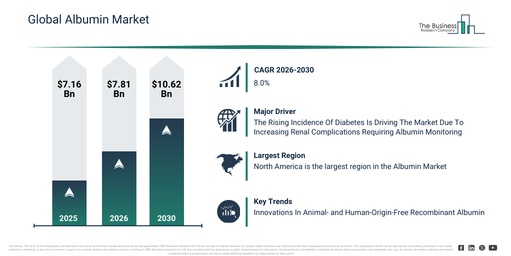
  • Albumin And Creatinine Tests Market Global Report 2026 Market Forecast 2026–2035 Reflecting Expansion Opportunities Across Industries

    Albumin And Creatinine Tests Market Global Report 2026 Market Forecast 2026–2035 Reflecting Expansion Opportunities Across Industries

    The Business Research Company’s 2026 market reports include new capabilities such as market attractiveness scoring and analysis, total addressable market analysis, company scoring matrix, interactive excel data dashboard, improved supply chain analysis, upcoming startups in the market, and overview of key products, aimed at improving the depth, usability, and strategic value of the insights delivered.

    How Will The Market Size Of The Albumin And Creatinine Tests Market Evolve From 2026 To 2030?

    The albumin and creatinine tests market has witnessed substantial expansion in recent years. This market is set to expand from $3.6 billion in 2025 to $4.4 billion in 2026, exhibiting a compound annual growth rate (CAGR) of 22.2%. The historical development in this sector can be linked to factors such as the limited availability of point-of-care testing devices, a continued reliance on manual urine dipstick tests, an increasing prevalence of kidney-related disorders, the expansion of hospital and diagnostic laboratory infrastructure, and growing awareness of kidney disease screening.

    The albumin and creatinine tests market is projected to experience substantial expansion over the upcoming years. By 2030, its valuation is anticipated to reach $9.65 billion, demonstrating a compound annual growth rate (CAGR) of 21.7%. Factors contributing to this growth during the projection period include progress in urine analyzers and cartridges technology, wider availability of automated laboratory solutions, a rise in the use of glycated albumin testing, increased capital inflow into diagnostic reagent innovation, and the incorporation of data analytics for prompt identification of kidney disease. Key developments anticipated in the forecast timeframe encompass the expanding utilization of point-of-care albumin and creatinine tests, a heightened need for automated urine analyzers, broader deployment of microalbumin test kits for initial kidney disease detection, increased application of colorimetric and immunoassay reagents, and improved precision achieved via standardized calibration and control solutions.

    Download the Free Sample Report to Explore Key Market Insights:

    https://www.thebusinessresearchcompany.com/sample.aspx?id=21091&type=smp

    Which Growth Drivers Are Contributing To The Progress Of The Albumin And Creatinine Tests Market?

    The increasing prevalence of chronic kidney diseases is anticipated to drive expansion in the albumin and creatinine tests market moving ahead. Chronic kidney disease (CKD) involves a progressive decline in kidney function, wherein the kidneys become inefficient at removing waste and surplus fluids from the bloodstream, resulting in toxin accumulation and potential issues across multiple bodily systems. This growing incidence of chronic kidney diseases is fueled by an increase in risk factors including diabetes, hypertension, and obesity. Albumin and creatinine tests are instrumental in diagnosing and tracking chronic kidney diseases, achieving this by quantifying protein levels like albumin in urine and evaluating kidney function via creatinine levels, thereby facilitating prompt identification and management of kidney damage. For example, a report released by Kidney Research UK, a non-profit organization based in the UK, indicated that in June 2023, approximately 7.2 million people in the UK, which represents over 10% of the population, were living with chronic kidney disease. Of these, 3.25 million individuals were in advanced stages, while 3.9 million were in early stages. Projections suggest that by 2033, the number of affected individuals will rise to 7.61 million. Consequently, the growing incidence of chronic kidney disease is a key driver for the expansion of the albumin and creatinine tests market.

    Which Segment Areas Are Covered In The Albumin And Creatinine Tests Market Analysis?

    The albumin and creatinine tests market covered in this report is segmented –

    1) By Product: Dipsticks And Kits, Analyzers, Cartridges, Reagents, Other Products

    2) By Test Parameter: Blood And Urine Creatinine, Urine Albumin

    3) By End-User: Hospital And Clinics, Diagnostic Laboratories, Research Laboratories And Institutes, Other End-User

    Subsegments:

    1) By Dipsticks And Kits: Urine Dipstick Tests, Microalbumin Test Kits, Point-of-Care Test Kits

    2) By Analyzers: Automated Urine Analyzers, Benchtop Analyzers, Handheld Analyzers

    3) By Cartridges: Single-Use Cartridges, Multi-Parameter Cartridges

    4) By Reagents: Colorimetric Reagents, Enzymatic Reagents, Immunoassay Reagents

    5) By Other Products: Control Solutions, Calibration Standards, Accessories And Consumables

    What Key Developments And Trends Are Impacting The Albumin And Creatinine Tests Market?

    Leading companies within the albumin and creatinine tests market are focusing on the development of advanced digital diagnostic solutions, such as smartphone-enabled uACR testing, to enhance the early detection of chronic kidney disease and broaden patient access to testing at home. Smartphone-enabled uACR testing leverages mobile phone cameras, AI-driven analysis, and test strips to measure the urine albumin-to-creatinine ratio, delivering swift and dependable results without necessitating visits to a clinic. For instance, in November 2024, Healthy.io, a digital diagnostics company based in Israel, showcased new clinical study findings at ASN Kidney Week 2024, illustrating that its smartphone-enabled Minuteful Kidney test provides accuracy comparable to laboratory analyzers for measuring uACR. The study indicated that the AI-powered test accurately identified elevated albumin levels and supported early CKD detection, thereby helping to diminish testing barriers and facilitate proactive kidney health management.

    Which Global Companies Are Actively Competing In The Albumin And Creatinine Tests Market?

    Major companies operating in the albumin and creatinine tests market are Siemens Healthineers Company, Roche Diagnostics GmbH, Thermo Fisher Scientific Inc., Abbott Laboratories, FUJIFILM Corporation, Laboratory Corporation of America Holdings, Sysmex Corporation, Ortho Clinical Diagnostics Inc., Randox Laboratories Ltd., Nova Biomedical Corporation, Eagle Biosciences Inc., Sekisui Diagnostics LLC, BTNX Inc., RayBiotech Life Inc., ARKRAY Inc., PromoCell GmbH, Arbor Assays Inc., Teco Diagnostics Inc., J. Mitra & Co. Pvt. Ltd., Anamol Laboratories Pvt. Ltd.

    Read the full albumin and creatinine tests market report here:

    https://www.thebusinessresearchcompany.com/report/albumin-and-creatinine-tests-global-market-report

    What Are The Leading Geographic Regions In The Albumin And Creatinine Tests Market?

    North America was the largest region in the albumin and creatinine tests market in 2025. Asia-Pacific is expected to be the fastest-growing region in the forecast period. The regions covered in the albumin and creatinine tests market report are Asia-Pacific, South East Asia, Western Europe, Eastern Europe, North America, South America, Middle East, Africa.

    Request A Tailored Albumin And Creatinine Tests Market Research Report For Competitive Advantage:

    https://www.thebusinessresearchcompany.com/customise?id=21091&type=smp

    Browse Through More Reports Similar to the Global Albumin And Creatinine Tests Market 2026, By The Business Research Company

    albumin excipient global market report

    https://www.thebusinessresearchcompany.com/report/albumin-excipient-global-market-report

    C reactive protein testing global market report

    https://www.thebusinessresearchcompany.com/report/c-reactive-protein-testing-global-market-report

    protein assays global market report

    https://www.thebusinessresearchcompany.com/report/protein-assays-global-market-report

    Get in touch with us:

    The Business Research Company: https://www.thebusinessresearchcompany.com/

    Americas +1 310-496-7795

    Asia +44 7882 955267 & +91 8897263534

    Europe +44 7882 955267

    Email us at info@tbrc.info

    Follow us on:

    LinkedIn: https://in.linkedin.com/company/the-business-research-company

    YouTube: https://www.youtube.com/channel/UC24_fI0rV8cR5DxlCpgmyFQ

    Global Market Model: https://www.thebusinessresearchcompany.com/global-market-model
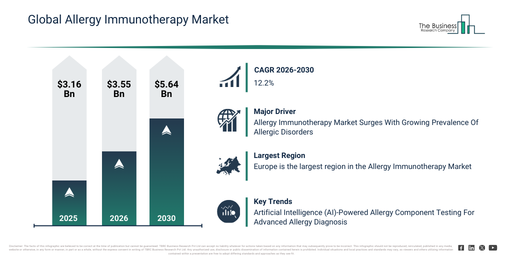
  • Allergy Immunotherapy Market Global Report 2026 Market Revenue Growth Expected to Reach $5.64 Billion by 2030 with 12.2% CAGR

    Allergy Immunotherapy Market Global Report 2026 Market Revenue Growth Expected to Reach $5.64 Billion by 2030 with 12.2% CAGR

    The Business Research Company’s 2026 market reports include new capabilities such as market attractiveness scoring and analysis, total addressable market analysis, company scoring matrix, interactive excel data dashboard, improved supply chain analysis, upcoming startups in the market, and overview of key products, aimed at improving the depth, usability, and strategic value of the insights delivered.

    What Is The Expected Market Size Of The Allergy Immunotherapy Market From 2026 To 2030?

    The allergy immunotherapy market has experienced substantial expansion in recent years. Projections indicate its value will escalate from $3.16 billion in 2025 to $3.55 billion in 2026, exhibiting a compound annual growth rate (CAGR) of 12.3%. Historically, this growth was primarily driven by several factors, including insufficient understanding of allergy immunotherapy, an increase in the occurrence of seasonal allergic rhinitis, reliance on hospital-centric treatment pathways, the use of conventional treatment approaches, and the granting of regulatory approvals for immunotherapy products.

    The allergy immunotherapy market is projected to experience substantial growth in the upcoming years. It is anticipated to reach $5.64 billion by 2030, exhibiting a compound annual growth rate (CAGR) of 12.2%. This expansion during the forecast period can be attributed to several factors, including the proliferation of personalized immunotherapy solutions, the increased use of online pharmacy platforms, the broadening of pediatric allergy treatments, escalating investment in immunotherapy research, and the creation of combination immunotherapy products. Furthermore, key trends shaping the forecast period encompass the greater embrace of subcutaneous and sublingual immunotherapy, the increasing incidence of allergic rhinitis and asthma, the broadening scope of treatments for food and venom allergies, a heightened emphasis on individualized allergy treatment plans, and improved awareness leading to earlier diagnosis of allergic conditions.

    Download the Free Sample Report to Explore Key Market Insights:

    https://www.thebusinessresearchcompany.com/sample.aspx?id=9416&type=smp

    What Drivers Are Influencing The Allergy Immunotherapy Market?

    The increasing occurrence of allergic disorders is anticipated to significantly boost the allergy immunotherapy market. Allergic disorders involve exaggerated immune responses to specific antigens, distinct from autoimmune diseases where the immune system inappropriately targets the body’s own components. Allergy immunotherapy offers treatment for atopic individuals experiencing conditions such as IgE-mediated allergic rhinitis and allergic asthma, triggered by inhaled allergens including pollens and house dust mites (HDMs). For instance, in August 2023, the Medicines and Healthcare Products Regulatory Agency (MHRA), a UK-based executive agency, reported that English hospitals recorded over 25,000 admissions for allergies and anaphylaxis in 2022-23, which was more than twice the number seen in the last twenty years. Furthermore, in May 2024, the Food Standards Agency, a UK-based government department, released its Patterns and Prevalence of Adult Food Allergy (PAFA) report, indicating that around 6% of adults in the UK, approximately 2.4 million individuals, are affected by food allergies. This rising prevalence of allergic disorders is thus driving the growth of the allergy immunotherapy market.

    Which Segments Are Included In The Analysis Of The Allergy Immunotherapy Market?

    The allergy immunotherapy market covered in this report is segmented –

    1) By Allergy Type: Allergic Rhinitis, Allergic Asthma, Food Allergy, Venom Allergy, Allergic Conjunctivitis, Environmental Allergies

    2) By Treatment: Subcutaneous Immunotherapy (SCIT), Sublingual Immunotherapy, Specific Immunotherapy (SIT)

    3) By Channel: Hospital Pharmacy, Retail Pharmacy

    Subsegments:

    1) By Allergic Rhinitis: Seasonal Allergic Rhinitis, Perennial Allergic Rhinitis

    2) By Allergic Asthma: House Dust Mite–Induced Allergic Asthma, Pollen-Induced Allergic Asthma, Animal Dander–Induced Allergic Asthma

    3) By Food Allergy: Peanut Allergy, Tree Nut Allergy, Milk Allergy, Egg Allergy, Other Food Allergies

    4) By Venom Allergy: Bee Venom Allergy, Wasp Venom Allergy, Hornet Venom Allergy, Other Insect Venom Allergies

    5) By Allergic Conjunctivitis: Seasonal Allergic Conjunctivitis, Perennial Allergic Conjunctivitis

    6) By Environmental Allergies: House Dust Mite Allergy, Pollen Allergy, Mold Allergy, Animal Dander Allergy

    Which Trends Are Impacting The Growth Of The Allergy Immunotherapy Market?

    Major companies within the allergy immunotherapy market are advancing technological products, such as artificial intelligence (AI)-powered allergy component testing, to uphold their market presence. This AI-powered allergy component testing is an innovative diagnostic platform based on component resolved diagnostics (CRD) for identifying various types of allergies. For instance, in May 2023, Metropolis Healthcare Limited, an Indian Medical laboratory company, launched its artificial intelligence (AI)-powered allergy component testing. This fourth-generation allergy testing technology leverages Artificial Intelligence (AI) to aid clinicians in their decision-making, providing significant insights for selecting and optimizing treatment approaches for allergic diseases. It can also predict the effectiveness of immunotherapy for allergy vaccinations.

    Which Key Industry Participants Are Active In The Allergy Immunotherapy Market?

    Major companies operating in the allergy immunotherapy market are LETI Pharma, Stallergenes Greer International AG, Allergy Therapeutics plc, ALK-Abelló A/S, HAL Allergy B.V., DBV Technologies, Circassia Pharmaceuticals Inc., Jubilant HollisterStier LLC, Allergopharma GmbH & Co. KG, Biomay AG, Anergis SA, HollisterStier Allergy, Desentum Oy, WOLW Pharma Limited, AllerGenics Inc., Greer Laboratories Inc., Aimmune Therapeutics Inc., Reliant Laboratories Inc., Mylan N.V., Adamis Pharmaceuticals Corporation, Endo Pharmaceuticals Inc., Sun Pharmaceutical Industries Ltd., Cipla Ltd.

    Read the full allergy immunotherapy market report here:

    https://www.thebusinessresearchcompany.com/report/allergy-immunotherapy-global-market-report

    Which Regions Are Expected To Experience Rapid Expansion In The Allergy Immunotherapy Market?

    Europe was the largest region in the allergy immunotherapy market in 2025. Asia-Pacific is expected to be the fastest-growing region in the allergy immunotherapy market report during the forecast period. The regions covered in the allergy immunotherapy market report are Asia-Pacific, South East Asia, Western Europe, Eastern Europe, North America, South America, Middle East, Africa.

    Request A Tailored Allergy Immunotherapy Market Research Report For Competitive Advantage:

    https://www.thebusinessresearchcompany.com/customise?id=9416&type=smp

    Browse Through More Reports Similar to the Global Allergy Immunotherapy Market 2026, By The Business Research Company

    allergy treatment global market report

    https://www.thebusinessresearchcompany.com/report/allergy-treatment-global-market-report

    allergy diagnostics global market report

    https://www.thebusinessresearchcompany.com/report/allergy-diagnostics-global-market-report

    cellulars immunotherapy global market report

    https://www.thebusinessresearchcompany.com/report/cellulars-immunotherapy-global-market-report

    Get in touch with us:

    The Business Research Company: https://www.thebusinessresearchcompany.com/

    Americas +1 310-496-7795

    Asia +44 7882 955267 & +91 8897263534

    Europe +44 7882 955267

    Email us at info@tbrc.info

    Follow us on:

    LinkedIn: https://in.linkedin.com/company/the-business-research-company

    YouTube: https://www.youtube.com/channel/UC24_fI0rV8cR5DxlCpgmyFQ

    Global Market Model: https://www.thebusinessresearchcompany.com/global-market-model
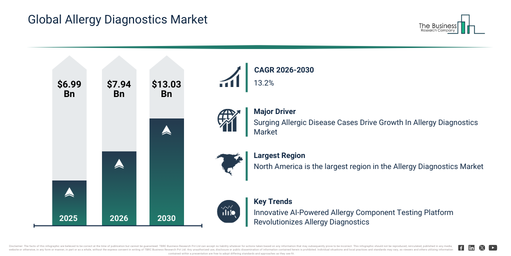
  • Allergy Diagnostics Market Global Report 2026 Market Expected to Record Steady Growth and Approach $13.02 Billion by 2030

    Allergy Diagnostics Market Global Report 2026 Market Expected to Record Steady Growth and Approach $13.02 Billion by 2030

    The Business Research Company’s 2026 market reports include new capabilities such as market attractiveness scoring and analysis, total addressable market analysis, company scoring matrix, interactive excel data dashboard, improved supply chain analysis, upcoming startups in the market, and overview of key products, aimed at improving the depth, usability, and strategic value of the insights delivered.

    What Market Valuation Is Forecasted For The Allergy Diagnostics Market By 2030 Starting From Its 2026 Size?

    The allergy diagnostics market has experienced substantial expansion in recent years. Its size is projected to increase from $6.99 billion in 2025 to $7.94 billion in 2026, achieving a compound annual growth rate (CAGR) of 13.5%. The historical growth of this market is attributable to factors such as the increasing global prevalence of allergies, the widespread adoption of skin prick and intradermal tests, the expansion of hospital-based laboratories, a rising awareness regarding allergy management, and the limited availability of advanced in-vitro kits.

    The allergy diagnostics market is projected to experience substantial expansion over the upcoming years. Its valuation is anticipated to reach $13.03 billion by 2030, exhibiting a compound annual growth rate (CAGR) of 13.2%. This projected increase during the forecast period stems from factors such as progress in component-resolved diagnostics, the incorporation of automation into allergy testing procedures, escalating investment in discovering new allergens, the proliferation of academic and diagnostic laboratory facilities, and the rising need for customized allergy management. Key developments expected throughout this period encompass an increasing need for precise allergy diagnostics, the expanding acceptance of in-vitro testing approaches, the broadening scope of food and drug allergen assessments, enhanced utilization of ELISA, RAST, and CRD kits, and a heightened emphasis on swift, point-of-care allergy identification methods.

    Download the Free Sample Report to Explore Key Market Insights:

    https://www.thebusinessresearchcompany.com/sample.aspx?id=5655&type=smp

    What Drivers Are Shaping The Future Growth Of The Allergy Diagnostics Market?

    The growing frequency of allergic conditions is expected to drive the expansion of the allergy diagnostics market. This increase in allergy ailments is linked to heightened environmental contamination stemming from vehicle emissions and various industrial activities. An allergic response is defined as an unusual reaction by the immune system when exposed to an allergen. Such conditions encompass anaphylaxis, allergic rhinitis (commonly known as ‘hay fever’), food allergies, skin allergies, and allergic asthma. For allergic disorders, the most crucial therapeutic approach involves avoiding the specific allergen. Consequently, an accurate allergy diagnosis becomes vital for successful allergy treatment. For example, data from September 2024, provided by Anaphylaxis UK, a charity based in the UK, indicates that 20% of food allergy incidents happen in educational settings. It was also noted that one in five children affected by food allergies face bullying, and one in five parents experience anxiety ranging from moderate to extreme. Furthermore, almost all parents of children with these allergies show symptoms of post-traumatic stress (PTSS), with the incidence being seven times greater for those whose children rely on adrenaline auto-injectors (AAIs). Therefore, the expanding prevalence of allergic conditions is set to further bolster the growth of the allergic diagnostics market.

    Which Segment Categories Define The Allergy Diagnostics Market?

    The allergy diagnostics market covered in this report is segmented –

    1) By Test Type: In-Vivo Allergy Tests, In-Vitro Allergy Tests

    2) By Allergen: Inhaled Allergens, Food Allergens, Drug Allergens

    3) By Products: Consumables, Instruments

    4) By End User: Diagnostics Laboratories, Hospital-based Laboratories, Academic and Research Institutes

    Subsegments:

    1) By In-Vivo Allergy Tests: Skin Prick Tests, Intradermal Tests, Patch Tests, Oral Food Challenge Tests

    2) By In-Vitro Allergy Tests: Enzyme-Linked Immunosorbent Assay (ELISA), Radioallergosorbent Test (RAST), Component-Resolved Diagnostics (CRD), Basophil Activation Tests (BAT)

    What Major Market Trends Are Driving Changes In The Allergy Diagnostics Market?

    Leading companies within the allergy diagnostics market are developing novel technologies, including AI-driven allergy component testing platforms, to boost their profitability. An AI-powered allergy component testing platform signifies an advanced technological system that utilizes artificial intelligence (AI) to analyze and interpret allergy testing outcomes. For example, in May 2023, Metropolis, an India-based pathology lab and diagnostic center, unveiled an artificial intelligence (AI)-powered platform for testing allergy components, which is proficient in identifying 127 respiratory allergens, 10 contact allergens, and 158 food allergens. This platform offers valuable understanding for determining and optimizing treatment approaches for an individual’s allergy condition, thereby supporting clinicians in making astute clinical decisions by integrating component-resolved diagnostics (CRD) and artificial intelligence (AI).

    Who Are The Top Companies Competing In The Allergy Diagnostics Market?

    Major companies operating in the allergy diagnostics market are bioMérieux SA, Danaher Corporation, HOB Biotech Group Corp. Ltd., HYCOR Biomedical, Lincoln Diagnostics Inc., Omega Diagnostics Group PLC, Siemens Healthineers AG, Thermo Fisher Scientific Inc., PerkinElmer Inc., R-Biopharm AG, Abbott Laboratories, HollisterStier Allergy, NEOGEN Corporation, AESKU.GROUP GmbH, ACON Laboratories Inc., Erba Group, Stallergenes Greer, HAL Allergy Group, INDOOR Biotechnologies Inc., MacroArray Technologies LLC, Phadia AB, Quest Diagnostics, Randox Laboratories Ltd., Eurofins Viracor Inc., VRL Laboratories

    Read the full allergy diagnostics market report here:

    https://www.thebusinessresearchcompany.com/report/allergy-diagnostics-global-market-report

    Which Geographic Regions Are Influencing Demand In The Allergy Diagnostics Market?

    North America was the largest region in the allergy diagnostics market in 2025. The regions covered in the allergy diagnostics market report are Asia-Pacific, South East Asia, Western Europe, Eastern Europe, North America, South America, Middle East, Africa.

    Request A Tailored Allergy Diagnostics Market Research Report For Competitive Advantage:

    https://www.thebusinessresearchcompany.com/customise?id=5655&type=smp

    Browse Through More Reports Similar to the Global Allergy Diagnostics Market 2026, By The Business Research Company

    allergy treatment global market report

    https://www.thebusinessresearchcompany.com/report/allergy-treatment-global-market-report

    allergy immunotherapy global market report

    https://www.thebusinessresearchcompany.com/report/allergy-immunotherapy-global-market-report

    immunoglobulin e ige allergy blood tests global market report

    https://www.thebusinessresearchcompany.com/report/immunoglobulin-e-ige-allergy-blood-tests-global-market-report

    Get in touch with us:

    The Business Research Company: https://www.thebusinessresearchcompany.com/

    Americas +1 310-496-7795

    Asia +44 7882 955267 & +91 8897263534

    Europe +44 7882 955267

    Email us at info@tbrc.info

    Follow us on:

    LinkedIn: https://in.linkedin.com/company/the-business-research-company

    YouTube: https://www.youtube.com/channel/UC24_fI0rV8cR5DxlCpgmyFQ

    Global Market Model: https://www.thebusinessresearchcompany.com/global-market-model
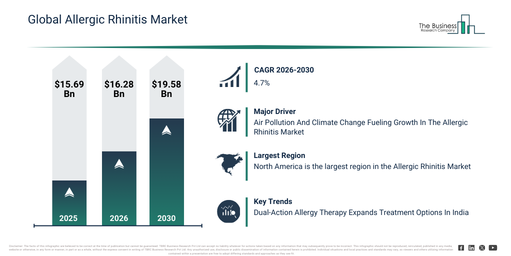
  • Allergic Rhinitis Market Global Report 2026 Industry Expansion Forecast Showing Market Size of $19.57 Billion by 2030 at 4.7% CAGR

    Allergic Rhinitis Market Global Report 2026 Industry Expansion Forecast Showing Market Size of $19.57 Billion by 2030 at 4.7% CAGR

    The Business Research Company’s 2026 market reports include new capabilities such as market attractiveness scoring and analysis, total addressable market analysis, company scoring matrix, interactive excel data dashboard, improved supply chain analysis, upcoming startups in the market, and overview of key products, aimed at improving the depth, usability, and strategic value of the insights delivered.

    How Is The Market Size Of The Allergic Rhinitis Market Expected To Change Between 2026 And 2030?

    The allergic rhinitis market has experienced consistent expansion in recent years. It is projected to increase from $15.69 billion in 2025 to $16.28 billion in 2026, exhibiting a compound annual growth rate (CAGR) of 3.8%. The growth observed in prior periods can be attributed to factors such as heightened awareness of allergies, increased exposure to environmental allergens, the adoption of traditional antihistamines and corticosteroids, the expansion of hospital pharmacy networks, and the evolution of diagnostic skin testing methods.

    The allergic rhinitis market is projected to experience consistent expansion in the upcoming years. This market is forecast to reach $19.58 billion by 2030, driven by a compound annual growth rate (CAGR) of 4.7%. This anticipated growth during the forecast timeframe stems from advancements in immunotherapy treatments, an escalating demand for tailored allergy management, the increasing embrace of online pharmacies, technological enhancements in ige rast and blood tests, and the broadening of global allergy treatment markets. Significant trends observed during this period encompass the escalating global prevalence of allergic rhinitis, greater utilization of immunotherapy and personalized treatment approaches, an uptick in the use of nasal corticosteroids and antihistamines, the broadening reach of online pharmacies and e-commerce distribution, and improved diagnostic testing methods, such as skin and ige rast tests.

    Download the Free Sample Report to Explore Key Market Insights:

    https://www.thebusinessresearchcompany.com/sample.aspx?id=12926&type=smp

    Which Economic Or Industry Drivers Are Impacting The Allergic Rhinitis Market?

    The allergic rhinitis market is anticipated to expand due to significant air pollution and climate change. Air pollution is defined as the existence of detrimental elements in the atmosphere that negatively impact human well-being, the environment, and air quality. Climate change denotes enduring shifts in global weather patterns, encompassing temperature, rainfall, and other climatic elements. There is growing acknowledgment that air pollution is a major environmental contributor to the rise and intensification of allergic rhinitis, underscoring the complex connection between ambient air conditions and respiratory wellness. As an illustration, the United States Environmental Protection Agency, a US-based Government body, reported in August 2024 that around 66 million tons of contaminants were emitted into the atmosphere throughout the United States in 2023. Consequently, elevated levels of air pollution and climate change serve as key drivers for the allergic rhinitis market.

    How Is The Allergic Rhinitis Market Structured Across Different Segments?

    The allergic rhinitis market covered in this report is segmented –

    1) By Type: Seasonal Allergic Rhinitis, Perennial Allergic Rhinitis, Occupational Allergic Rhinitis

    2) By Treatment: Antihistamines, Corticosteroids, Immunotherapy, Decongestants, Other Treatments

    3) By Test: Skin Test, IgE Radioallergosorbent (RAST) Test

    4) By Route Of Administration: Oral, Nasal, Other Route Of Administration

    5) By Distribution Channel: Hospital Pharmacies, Retail Pharmacies, Online Stores

    Subsegments:

    1) By Seasonal Allergic Rhinitis: Pollen Allergy, Mold Allergy

    2) By Perennial Allergic Rhinitis: Dust Mite Allergy, Pet Allergy, Mold Allergy

    3) By Occupational Allergic Rhinitis: Chemical Allergens, Biological Allergens

    Which Trends Are Shaping The Future Of The Allergic Rhinitis Market?

    Leading firms operating in the allergic rhinitis market are concentrating on developing novel products, specifically combination allergy therapies, to enhance multi-pathway symptom relief and improve the long-term management of allergic conditions. A combination allergy therapy represents a dual-action formulation that integrates different classes of active ingredients to deliver broader and more effective control of allergy-related inflammation. As an illustration, in October 2025, Cadila Pharmaceuticals, an India-based pharmaceutical manufacturer, introduced Dlorfast-M Tablets. This formulation combines Desloratadine and Montelukast to block both histamine- and leukotriene-mediated pathways, offering stronger and more comprehensive relief than either agent alone. Its once-daily dosing scheme improves treatment adherence while broadening therapeutic alternatives for patients dealing with allergic rhinitis and urticaria.

    Which Major Players Dominate The Allergic Rhinitis Market?

    Major companies operating in the allergic rhinitis market are Merck and Co. Inc., Bayer AG, Novartis AG, Sanofi-Aventis LLC., AstraZeneca PLC, GlaxoSmithKline plc., Boehringer Ingelheim International GmbH, Viatris Inc., Teva Pharmaceutical Industries Ltd., Regeneron Pharmaceuticals Inc., Sun Pharmaceutical Industries Limited, Menarini Group, Perrigo Company plc, Dr. Reddy’s Laboratories Ltd., Hikma Pharmaceuticals PLC, Cipla Limited, Zydus Lifesciences Ltd., Lupin Limited, Glenmark Pharma Ltd., Almirall S.A., Kyowa Kirin Co. Ltd., Hanmi Pharmaceutical Co. Ltd.

    Read the full allergic rhinitis market report here:

    https://www.thebusinessresearchcompany.com/report/allergic-rhinitis-global-market-report

    What Are The Top-Performing Regions Within The Allergic Rhinitis Market?

    North America was the largest region in the allergic rhinitis market in 2025. Asia-Pacific is expected to be the fastest-growing region in the forecast period. The regions covered in the allergic rhinitis market report are Asia-Pacific, South East Asia, Western Europe, Eastern Europe, North America, South America, Middle East, Africa.

    Request A Tailored Allergic Rhinitis Market Research Report For Competitive Advantage:

    https://www.thebusinessresearchcompany.com/customise?id=12926&type=smp

    Browse Through More Reports Similar to the Global Allergic Rhinitis Market 2026, By The Business Research Company

    allergic rhinitis drugs global market report

    https://www.thebusinessresearchcompany.com/report/allergic-rhinitis-drugs-global-market-report

    allergy diagnostics global market report

    https://www.thebusinessresearchcompany.com/report/allergy-diagnostics-global-market-report

    allergy treatment global market report

    https://www.thebusinessresearchcompany.com/report/allergy-treatment-global-market-report

    Get in touch with us:

    The Business Research Company: https://www.thebusinessresearchcompany.com/

    Americas +1 310-496-7795

    Asia +44 7882 955267 & +91 8897263534

    Europe +44 7882 955267

    Email us at info@tbrc.info

    Follow us on:

    LinkedIn: https://in.linkedin.com/company/the-business-research-company

    YouTube: https://www.youtube.com/channel/UC24_fI0rV8cR5DxlCpgmyFQ

    Global Market Model: https://www.thebusinessresearchcompany.com/global-market-model
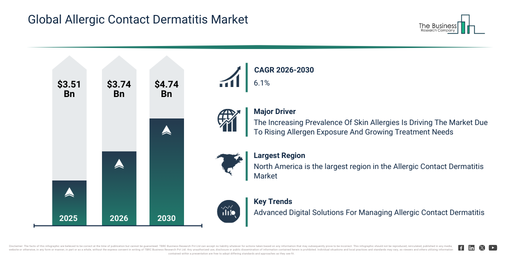
  • Allergic Contact Dermatitis Market Global Report 2026 Market Revenue Expected to Reach $4.74 Billion by 2030 with 6.1% CAGR

    Allergic Contact Dermatitis Market Global Report 2026 Market Revenue Expected to Reach $4.74 Billion by 2030 with 6.1% CAGR

    The Business Research Company’s 2026 market reports include new capabilities such as market attractiveness scoring and analysis, total addressable market analysis, company scoring matrix, interactive excel data dashboard, improved supply chain analysis, upcoming startups in the market, and overview of key products, aimed at improving the depth, usability, and strategic value of the insights delivered.

    What Is The Market Size Of The Allergic Contact Dermatitis Market In 2026 And What Value Is Projected For 2030?

    The allergic contact dermatitis market has experienced substantial growth in recent years. Projections indicate its expansion from $3.51 billion in 2025 to $3.74 billion in 2026, achieving a compound annual growth rate (CAGR) of 6.4%. This historical growth is attributable to factors such as increased exposure to metals and chemicals, limited awareness about skin allergens, the growing adoption of patch testing, rising dermatology research initiatives, and the increasing use of topical corticosteroids.

    The allergic contact dermatitis market size is expected to undergo significant expansion in the upcoming years. It is projected to reach $4.74 billion by 2030, exhibiting a compound annual growth rate (CAGR) of 6.1%. This growth during the forecast period can be attributed to several factors, including the advancement of immunomodulators, increasing awareness about hypoallergenic products, the expansion of personalized dermatology treatments, a rising prevalence of occupational skin allergies, and the integration of digital dermatology diagnostics. Major trends anticipated in this period include the global increase in allergic contact dermatitis prevalence, enhanced awareness and diagnosis through patch testing, a growing demand for topical corticosteroids and immunomodulators, the expansion of pediatric and geriatric dermatology care, and an increasing preference for natural and hypoallergenic products.

    Download the Free Sample Report to Explore Key Market Insights:

    https://www.thebusinessresearchcompany.com/sample.aspx?id=21092&type=smp

    What Major Drivers Are Influencing Demand In The Allergic Contact Dermatitis Market?

    The allergic contact dermatitis market is anticipated to expand due to the rising occurrence of skin allergies. These allergies manifest when the body’s immune system reacts excessively to specific allergens, leading to symptoms like redness, itching, swelling, and rashes. An uptick in skin allergy instances is primarily fueled by increased exposure to environmental allergens, cosmetic chemicals, and irritants, coupled with more individuals having sensitive skin and compromised skin-barrier function. Treatments for allergic contact dermatitis aim to manage these conditions by lessening inflammation, alleviating itching, stopping repeated reactions, and restoring the skin barrier, utilizing topical agents, antihistamines, and lifestyle adjustments to reduce allergen exposure. For example, data from April 2025 by the Asthma and Allergy Foundation of America (AAFA), a US-based suburban nonprofit organization, indicates that approximately 1 in 5 people are affected by skin and contact allergies, with eczema affecting 18.9 million adults and 8 million children in the U.S., underscoring a significant and growing disease burden. Consequently, the rising occurrence of skin allergies is a key factor propelling the expansion of the allergic contact dermatitis market.

    What Are The Key Segments Of The Allergic Contact Dermatitis Market?

    The allergic contact dermatitis market covered in this report is segmented –

    1) By Allergen Type: Metals, Chemicals, Latex, Fragrances, Preservatives

    2) By Diagnosis Method: Patch Testing, Clinical Evaluation

    3) By Treatment Type: Topical Corticosteroids, Immunomodulators, Oral Corticosteroids

    4) By Severity Level: Mild, Moderate, Severe

    5) By Patient Demographics: Children, Adults, Elderly

    Subsegments:

    1) By Metals: Nickel, Cobalt, Chromium

    2) By Chemicals: Pesticides, Solvents, Cleaning Agents

    3) By Latex: Natural Rubber Latex, Synthetic Latex

    4) By Fragrances: Synthetic Fragrances, Natural Fragrances

    5) By Preservatives: Parabens, Formaldehyde Releasers, Isothiazolinones

    What Key Trends Are Influencing The Development Of The Allergic Contact Dermatitis Market?

    Leading entities within the allergic contact dermatitis market are concentrating efforts on creating sophisticated web and mobile application-based solutions to enable remote consultations with medical experts. Such a solution refers to a digital platform accessible via websites and mobile applications, which provides tools, information, and interactive functionalities to cater to patient requirements, thereby improving patient self-care and compliance with treatment. An example is the American Contact Dermatitis Society, a US-based non-profit organization focused on diagnosing and treating dermatitis through education, research, and advocacy, which introduced the Contact Allergen Management Program (CAMP) 2.0 in November 2024 to help patients handle allergic contact dermatitis. This tool aids patients in identifying safe products by offering comprehensive product details and clear allergen information. Its features include an enhanced provider interface, an allergen search function, categorizations for cross-reactors, and automated allergen information sheets. Patients are able to recommend products, review experiences, submit reports, and scan UPC codes for immediate safety feedback. CAMP 2.0 also includes an expanded “unsafe” list that distinctly marks allergens in bold red and monitors the effect of allergic contact dermatitis on an individual’s quality of life.

    Who Are The Leading Companies Operating In The Allergic Contact Dermatitis Market?

    Major companies operating in the allergic contact dermatitis market are Bausch Health Companies Inc., GlaxoSmithKline plc, Pfizer Inc., Sanofi S.A., AbbVie Inc., Johnson & Johnson, LEO Pharma A/S, Novartis AG, Bayer AG, Eli Lilly and Company, Galderma SA, Astellas Pharma Inc., Ferrer Pharma, Stallergenes Greer International AG, HAL Allergy B.V., Hycor Biomedical Inc., HollisterStier Allergy, Dormer Laboratories Inc., Chemotechnique MB Diagnostics AB, Aesku.Diagnostics GmbH, AllergoTek

    Read the full allergic contact dermatitis market report here:

    https://www.thebusinessresearchcompany.com/report/allergic-contact-dermatitis-global-market-report

    Which Region Shows The Strongest Potential For Future Growth In The Allergic Contact Dermatitis Market?

    North America was the largest region in the allergic contact dermatitis market in 2025. Asia-Pacific is expected to be the fastest-growing region in the forecast period. The regions covered in the allergic contact dermatitis market report are Asia-Pacific, South East Asia, Western Europe, Eastern Europe, North America, South America, Middle East, Africa.

    Request A Tailored Allergic Contact Dermatitis Market Research Report For Competitive Advantage:

    https://www.thebusinessresearchcompany.com/customise?id=21092&type=smp

    Browse Through More Reports Similar to the Global Allergic Contact Dermatitis Market 2026, By The Business Research Company

    atopic dermatitis global market report

    https://www.thebusinessresearchcompany.com/report/atopic-dermatitis-global-market-report

    allergy conjunctivitis global market report

    https://www.thebusinessresearchcompany.com/report/allergy-conjunctivitis-global-market-report

    allergy treatment global market report

    https://www.thebusinessresearchcompany.com/report/allergy-treatment-global-market-report

    Get in touch with us:

    The Business Research Company: https://www.thebusinessresearchcompany.com/

    Americas +1 310-496-7795

    Asia +44 7882 955267 & +91 8897263534

    Europe +44 7882 955267

    Email us at info@tbrc.info

    Follow us on:

    LinkedIn: https://in.linkedin.com/company/the-business-research-company

    YouTube: https://www.youtube.com/channel/UC24_fI0rV8cR5DxlCpgmyFQ

    Global Market Model: https://www.thebusinessresearchcompany.com/global-market-model