Month: March 2026

  • T Cell CD3 Epsilon Chain Market 2026 growing with cell-based therapy developments

    T Cell CD3 Epsilon Chain Market 2026 growing with cell-based therapy developments

    The Business Research Company’s 2026 market reports include new capabilities such as market attractiveness scoring and analysis, total addressable market analysis, company scoring matrix, interactive excel data dashboard, improved supply chain analysis, upcoming startups in the market, and overview of key products, aimed at improving the depth, usability, and strategic value of the insights delivered.

    What Is The Forecasted Market Value Of The T Cell Surface Glycoprotein CD3 Epsilon Chain Market Across 2026–2030?

    The market size for t cell surface glycoprotein cd3 epsilon chain has experienced robust growth recently. This market is projected to expand from $1.23 billion in 2025 to $1.35 billion in 2026, demonstrating a compound annual growth rate (CAGR) of 9.8%. Historically, this expansion has been driven by factors such as the identification of the cd3 epsilon chain in t-cell signaling, the advancement of fundamental immunology research methodologies, the emergence of early monoclonal antibody technologies, an increase in academic investigations into t-cell functions, and the rising application of flow cytometry in laboratory settings.

    The t cell surface glycoprotein cd3 epsilon chain market is projected to experience robust expansion over the coming years. By 2030, this market is anticipated to achieve a valuation of $1.89 billion, advancing at a compound annual growth rate (CAGR) of 8.8%. This projected increase can be ascribed to advancements in translational and clinical research, the growing range of cancer immunotherapy applications, the development of recombinant antibodies and associated kits, rising investments in pharmaceutical and biotech R&D, and the integration of the cd3 epsilon chain into sophisticated disease modeling. Prominent trends for the forecast period include an increase in cancer immunotherapy research utilizing the cd3 epsilon chain, the growing adoption of monoclonal and recombinant antibodies in research, the expansion of flow cytometry and cell culture applications, an intensified focus on translational and clinical research, and the incorporation of the cd3 epsilon chain into studies of autoimmune and infectious diseases.

    Download the Free Sample Report to Explore Key Market Insights:

    https://www.thebusinessresearchcompany.com/sample.aspx?id=27430&type=smp

    What Drivers Are Shaping The Future Growth Of The T Cell Surface Glycoprotein CD3 Epsilon Chain Market?

    The T cell surface glycoprotein CD3 epsilon chain market is anticipated to expand due to the rising occurrence of autoimmune conditions. Autoimmune diseases are defined as disorders where the body’s immune system erroneously targets its own healthy cells and tissues. The escalating incidence of these diseases largely stems from greater exposure to environmental contaminants, which can impair immune system functionality and provoke immune assaults on the body’s own structures. The T cell surface glycoprotein CD3 epsilon chain improves the management of autoimmune diseases by moderating T cell activity, positioning it as a crucial target for therapeutic interventions. This mechanism assists in curbing excessive immune responses, thereby lessening tissue damage and enhancing patient results. For example, data from February 2024, provided by Arthritis Australia, an Australian non-profit organization, projects that approximately 562,378 Australians will be afflicted with RA in 2025, constituting 14% of all arthritis cases for that year. By 2040, this figure is predicted to increase by 33%, reaching 748,721 individuals. This signifies an additional 186,343 Australians suffering from RA in 2040 compared to 2025. Consequently, the expanding prevalence of autoimmune diseases is propelling the expansion of the T cell surface glycoprotein CD3 epsilon chain market.

    What Segmentation Levels Are Considered In The T Cell Surface Glycoprotein CD3 Epsilon Chain Market?

    The t cell surface glycoprotein cd3 epsilon chain market covered in this report is segmented –

    1) By Product Type: Antibodies, Reagents, Kits, Cell Lines

    2) By Technology: Monoclonal Antibodies Technology, Recombinant Deoxyribonucleic Acid Technology, Cell Culture Technology, Flow Cytometry Technology

    3) By Research Purpose: Basic Research, Translational Research, Clinical Research, Pharmacological Research

    4) By Application: Cancer Immunotherapy, Autoimmune Disease Treatment, Transplant Rejection, Infectious Disease Treatment, Research And Development

    5) By End-User: Pharmaceutical Companies, Biotechnology Firms, Research Institutes, Academic Institutions, Hospitals And Clinics

    Subsegments:

    1) By Antibodies: Monoclonal Antibodies, Polyclonal Antibodies, Recombinant Antibodies

    2) By Reagents: Blocking Reagents, Labeling Reagents, Detection Reagents, Isotype Controls

    3) By Kits: Enzyme Linked Immunosorbent Assay Kits, Flow Cytometry Kits, Western Blot Kits, Immunoprecipitation Kits

    4) By Cell Lines: Human Cell Lines, Mouse Cell Lines, Rat Cell Lines, Hybridoma Cell Lines

    What Trends Are Projected To Affect The T Cell Surface Glycoprotein CD3 Epsilon Chain Market?

    Key companies active in the T cell surface glycoprotein CD3 epsilon chain market are concentrating on the development of advanced therapies, such as bispecific antibodies, to enhance treatment effectiveness, improve patient outcomes, and address cancers that are difficult to treat. Bispecific antibodies are engineered molecules designed to simultaneously attach to two distinct antigens, for instance, CD3 on T cells and a tumor-specific antigen, thereby redirecting immune cells towards cancer cells. As an illustration, in August 2023, Janssen Pharmaceutical Companies of Johnson & Johnson, a US-based pharmaceutical company, secured accelerated approval from the US Food and Drug Administration (FDA) for TALVEY (talquetamab-tgvs). This drug is a first-in-class bispecific T-cell engaging antibody intended for adult patients suffering from relapsed or refractory multiple myeloma who have previously undergone at least four lines of therapy. TALVEY is administered via subcutaneous injection either weekly or biweekly, following an initial step-up dosing phase, which allows for flexibility in treatment regimens. It works by targeting both the CD3 epsilon chain on T cells and GPRC5D on myeloma cells, activating the immune system to attack cancer cells.

    Which Leading Firms Are Contributing To The Growth Of The T Cell Surface Glycoprotein CD3 Epsilon Chain Market?

    Major companies operating in the t cell surface glycoprotein cd3 epsilon chain market are Merck & Co. Inc., Becton Dickinson and Company, Bio-Techne Corporation, Abcam plc, Sino Biological Inc., MacroGenics Inc., ACROBiosystems Inc., ABclonal Technology Co Ltd., GeneTex Inc., Santa Cruz Biotechnology Inc., Novus Biologicals LLC, Bioss Antibodies Inc., MedChemExpress MCE LLC, Biorbyt Ltd., Boster Biological Technology Co Ltd., Abbexa Limited, Novatein Biosciences LLC, AssayPro LLC, ProteoGenix, Cloud-Clone Corp.

    Read the full t cell surface glycoprotein cd3 epsilon chain market report here:

    https://www.thebusinessresearchcompany.com/report/t-cell-surface-glycoprotein-cd3-epsilon-chain-global-market-report

    Which Geographic Regions Are Influencing Demand In The T Cell Surface Glycoprotein CD3 Epsilon Chain Market?

    North America was the largest region in the T cell surface glycoprotein CD3 epsilon chain market in 2025. Asia-Pacific is expected to be the fastest-growing region in the forecast period. The regions covered in the t cell surface glycoprotein cd3 epsilon chain market report are Asia-Pacific, South East Asia, Western Europe, Eastern Europe, North America, South America, Middle East, Africa.

    Request A Tailored T Cell Surface Glycoprotein CD3 Epsilon Chain Market Research Report For Competitive Advantage:

    https://www.thebusinessresearchcompany.com/customise?id=27430&type=smp

    Browse Through More Reports Similar to the Global T Cell Surface Glycoprotein CD3 Epsilon Chain Market 2026, By The Business Research Company

    Green Technology And Sustainability Market Report 2026

    https://www.thebusinessresearchcompany.com/report/green-technology-and-sustainability-global-market-report

    Renewable Energy Certificates Market Report 2026

    https://www.thebusinessresearchcompany.com/report/renewable-energy-certificates-global-market-report

    Management System Certification Market Report 2026

    https://www.thebusinessresearchcompany.com/report/management-system-certification-global-market-report

    Get in touch with us:

    The Business Research Company: https://www.thebusinessresearchcompany.com/

    Americas +1 310-496-7795

    Asia +44 7882 955267 & +91 8897263534

    Europe +44 7882 955267

    Email us at info@tbrc.info

    Follow us on:

    LinkedIn: https://in.linkedin.com/company/the-business-research-company

    YouTube: https://www.youtube.com/channel/UC24_fI0rV8cR5DxlCpgmyFQ

    Global Market Model: https://www.thebusinessresearchcompany.com/global-market-model

  • T Cell CD28 Market 2026–2035 advancing with targeted immune response strategies

    T Cell CD28 Market 2026–2035 advancing with targeted immune response strategies

    The Business Research Company’s 2026 market reports include new capabilities such as market attractiveness scoring and analysis, total addressable market analysis, company scoring matrix, interactive excel data dashboard, improved supply chain analysis, upcoming startups in the market, and overview of key products, aimed at improving the depth, usability, and strategic value of the insights delivered.

    What Market Size Increase Is Anticipated For The T Cell Specific Surface Glycoprotein CD28 Market Over The 2026–2030 Period?

    The market size for t cell specific surface glycoprotein cd28 has experienced robust growth in recent years. It is anticipated to expand from $1.62 billion in 2025 to $1.78 billion in 2026, exhibiting a compound annual growth rate (CAGR) of 10.0%. The historical period’s growth can be primarily attributed to the early identification of cd28 as a t-cell co-stimulatory receptor, expanding immunology research, a rising prevalence of autoimmune diseases, increasing cancer research initiatives, and the limited availability of monoclonal antibody therapies.

    The t cell specific surface glycoprotein cd28 market is poised for robust expansion over the coming years, with projections indicating it will attain a size of $2.58 billion by 2030, advancing at a compound annual growth rate (CAGR) of 9.7%. This anticipated growth during the forecast period is primarily attributable to several factors, including the ongoing development of lulizumab pegol and novel cd28 inhibitors, the broadening scope of preclinical and clinical trials, the integration of cd28-targeted therapies into both autoimmune and cancer treatment protocols, a surge in investment within biopharmaceutical research, and advancements in immunomodulation and monoclonal antibody engineering. Noteworthy trends anticipated in this period encompass the increasing adoption of flow cytometry and ELISA technologies, an uptick in applications across immunology and cancer research, the escalating development of innovative cd28 inhibitors and biobetters, an expansion in stem cell and autoimmune disease research efforts, and the incorporation of lulizumab pegol into preclinical and clinical studies.

    Download the Free Sample Report to Explore Key Market Insights:

    https://www.thebusinessresearchcompany.com/sample.aspx?id=27429&type=smp

    Which Economic Or Industry Drivers Are Impacting The T Cell Specific Surface Glycoprotein CD28 Market?

    The future expansion of the T cell-specific surface glycoprotein CD28 market is anticipated, driven by the increasing focus on personalized medicine. This medical strategy customizes treatments for individual patients, considering their unique genetic makeup, environmental influences, and lifestyle choices to achieve better results and enhance care quality. Advances in genomic technologies, allowing for exact identification of genetic differences and personalized therapies, are boosting the need for personalized medicine. By facilitating targeted immune modulation, T cell-specific surface glycoprotein CD28 plays a role in personalized medicine, leading to more accurate and potent therapies. It improves therapeutic results through fostering optimal T cell activation and refining immune responses specific to each patient. For example, data from February 2024, provided by the US-based nonprofit Personalized Medicine Coalition (PMC), indicates that the U.S. Food and Drug Administration (FDA) sanctioned 26 novel personalized medicines in 2023, marking a rise from the 12 approved in 2022. Consequently, the heightened focus on personalized medicine is a key factor propelling the expansion of the T cell-specific surface glycoprotein CD28 market.

    How Is The T Cell Specific Surface Glycoprotein CD28 Market Segmented Across Key Categories?

    The t cell specific surface glycoprotein cd28 market covered in this report is segmented –

    1) By Type: FPT 155, FR 104, Lulizumab Pegol, Other Types

    2) By Technology: Flow Cytometry, EnzymeLinked Immunosorbent Assay (ELISA), Polymerase Chain Reaction (PCR), Weste Blotting, Immunohistochemistry

    3) By Distribution Channel: Direct Sales, Distributors, Ecommerce, Retail Pharmacies, Wholesalers

    4) By Application: Immunology Research, Cancer Research, Autoimmune Diseases, Infectious Diseases, Stem Cell Research

    5) By End-User: Hospitals, Research Laboratories, Academic Institutions, Pharmaceutical Companies, Diagnostic Laboratories

    Subsegments:

    1) By FPT 155: Preclinical Studies, Clinical Trials, Oncology Applications, Licensing And Partnerships

    2) By FR 104: Autoimmune Disease Applications, Rheumatoid Arthritis Trials, Transplant Rejection Studies, Research Collaborations

    3) By Lulizumab Pegol: Systemic Lupus Erythematosus (SLE) Studies, Immunomodulation Research, Biopharmaceutical Development, Monoclonal Antibody Engineering

    4) By Other Types: Novel CD28 Inhibitors, Combination Therapies, Biosimilars And Biobetters, Emerging Research Compounds

    Which Upcoming Trends Are Expected To Influence The T Cell Specific Surface Glycoprotein CD28 Market?

    Leading entities within the T cell-specific surface glycoprotein CD28 market are concentrating on creating novel offerings, particularly combination immunotherapies, with the aim of improving T cell activation, bolstering anti-tumor effectiveness, and elevating patient treatment outcomes. These immunotherapies involve therapeutic strategies that merge several immune-centric methods to strengthen the body’s defensive capabilities against illness. An illustrative example is from February 2025, when Rondo Therapeutics Inc., a US-based biopharmaceutical firm, disclosed preclinical findings concerning RNDO 564, which is a new CD28 Nectin 4 costimulatory bispecific antibody developed for advanced bladder cancer. This antibody is designed to specifically activate CD28 present on T cells when it binds to tumor cells that express Nectin-4, thereby boosting T-cell-mediated destruction of tumors while simultaneously reducing unintended toxicity. The presented data showcased significant anti-tumor effectiveness in preclinical studies, providing a basis for its continued progression as a prospective treatment option for individuals suffering from metastatic urothelial carcinoma.

    Who Are The Dominant Players Shaping The T Cell Specific Surface Glycoprotein CD28 Market Landscape?

    Major companies operating in the t cell specific surface glycoprotein cd28 market are Gilead Sciences Inc., Johnson & Johnson, Novartis AG, Bristol-Myers Squibb Company, Takeda Pharmaceutical Company Limited, Becton Dickinson and Company, Regeneron Pharmaceuticals Inc., Bio-Techne Corporation, STEMCELL Technologies Inc., Miltenyi Biotec B.V. & Co. KG, Sino Biological Inc., Xencor Inc., ACROBiosystems Co. Ltd., Fate Therapeutics Inc., Medigene AG, Alpine Immune Sciences Inc., Adaptimmune Therapeutics plc, OSE Immunotherapeutics SA, Creative Biolabs Inc., Rondo Therapeutics Inc.

    Read the full t cell specific surface glycoprotein cd28 market report here:

    https://www.thebusinessresearchcompany.com/report/t-cell-specific-surface-glycoprotein-cd28-global-market-report

    What Are The Top-Performing Regions Within The T Cell Specific Surface Glycoprotein CD28 Market?

    North America was the largest region in the T cell-specific surface glycoprotein CD28 market in 2025. Asia-Pacific is expected to be the fastest-growing region in the forecast period. The regions covered in the t cell specific surface glycoprotein cd28 market report are Asia-Pacific, South East Asia, Western Europe, Eastern Europe, North America, South America, Middle East, Africa.

    Request A Tailored T Cell Specific Surface Glycoprotein CD28 Market Research Report For Competitive Advantage:

    https://www.thebusinessresearchcompany.com/customise?id=27429&type=smp

    Browse Through More Reports Similar to the Global T Cell Specific Surface Glycoprotein CD28 Market 2026, By The Business Research Company

    Monitor Market Report 2026

    https://www.thebusinessresearchcompany.com/report/monitor-global-market-report

    Display Monitor Market Report 2026

    https://www.thebusinessresearchcompany.com/report/display-monitor-global-market-report

    Holter Monitor Market Report 2026

    https://www.thebusinessresearchcompany.com/report/holter-monitor-global-market-report

    Get in touch with us:

    The Business Research Company: https://www.thebusinessresearchcompany.com/

    Americas +1 310-496-7795

    Asia +44 7882 955267 & +91 8897263534

    Europe +44 7882 955267

    Email us at info@tbrc.info

    Follow us on:

    LinkedIn: https://in.linkedin.com/company/the-business-research-company

    YouTube: https://www.youtube.com/channel/UC24_fI0rV8cR5DxlCpgmyFQ

    Global Market Model: https://www.thebusinessresearchcompany.com/global-market-model

  • TCR-Based Antibody Market Outlook 2026–2030 driven by immunotherapy innovations

    TCR-Based Antibody Market Outlook 2026–2030 driven by immunotherapy innovations

    The Business Research Company’s 2026 market reports include new capabilities such as market attractiveness scoring and analysis, total addressable market analysis, company scoring matrix, interactive excel data dashboard, improved supply chain analysis, upcoming startups in the market, and overview of key products, aimed at improving the depth, usability, and strategic value of the insights delivered.

    How Much Is The T Cell Receptor (TCR) Based Antibody Market Expected To Grow In Terms Of Market Value Between 2026 And 2030?

    The t cell receptor (tcr) based antibody market has experienced substantial expansion in its size over recent years. Forecasts indicate it will expand from $3.04 billion in 2025 to reach $3.58 billion by 2026, exhibiting a compound annual growth rate (CAGR) of 17.8%. Historically, this growth has been driven by factors such as restricted access to tcr-based antibody technologies, a prevalent dependence on conventional monoclonal antibody therapies, the increasing prevalence of cancer and autoimmune diseases, intensified research efforts in immunotherapy, and the granting of regulatory approvals for initial tcr antibody candidates.

    The t cell receptor (tcr) based antibody market is projected to experience substantial expansion in the coming years. This market is anticipated to reach $6.86 billion by 2030, exhibiting a compound annual growth rate (CAGR) of 17.7%. Factors contributing to this growth during the forecast period include the progress in bispecific and conjugated antibody development, the rising uptake of personalized and dual-targeting treatments, the enlargement of clinical trials for cancer and infectious diseases, increased partnerships between biotechnology firms and research institutions, and the incorporation of AI and digital technologies into antibody design and evaluation. Key trends observed over the forecast period encompass the evolution of tcr-based monoclonal and bispecific antibodies, the broadening use of cancer immunotherapy, the increase in dual-targeting and cytotoxic t-cell treatments, escalating investment in diagnostic testing and personalized medicine, and the creation of conjugated antibody therapeutics.

    Download the Free Sample Report to Explore Key Market Insights:

    https://www.thebusinessresearchcompany.com/sample.aspx?id=27428&type=smp

    What Major Drivers Are Influencing Demand In The T Cell Receptor (TCR) Based Antibody Market?

    The T-cell receptor-based antibody market is anticipated to grow significantly in the future, driven by the rising prevalence of cancer. Cancer prevalence refers to the total count of individuals, including both newly and previously diagnosed cases, who are alive with a history of cancer at a particular moment. This increase in cancer prevalence is attributed to lifestyle factors such as inadequate diet, smoking, alcohol consumption, and exposure to environmental pollutants, which elevate the risk of developing various cancers. T-cell receptor-based antibodies enhance cancer treatment by precisely targeting tumor cells, thereby boosting therapeutic accuracy. They enable the immune system to more effectively identify and destroy cancer cells, leading to improved treatment efficacy and reduced side effects. For instance, in January 2023, the American Cancer Society (ACS), a US-based non-profit organization, estimated 1,958,310 new cancer cases and 609,820 cancer-related deaths were expected in the United States during 2023. Consequently, the increasing prevalence of cancer is a key driver for the growth of the T-cell receptor-based antibody market.

    What Major Segment Divisions Exist Within The T Cell Receptor (TCR) Based Antibody Market?

    The t cell receptor (tcr) based antibody market covered in this report is segmented –

    1) By Type Of Antibody: Monoclonal Antibodies, Bispecific Antibodies, Conjugated Antibodies

    2) By Target Antigen: Tumor-Associated Antigens, Viral Antigens, Autoimmune Antigens, Other Target Antigens

    3) By Therapeutic Approach: Cytotoxic T-Cell Therapies, Regulator T-Cell Therapies, Dual-Targeting Therapies

    4) By Application: Cancer Immunotherapy, Infectious Diseases, Autoimmune Diseases, Transplant Rejection

    5) By End-Users: Hospitals, Research Institutes, Specialty Clinics, Other End-Users

    Subsegments:

    1) By Monoclonal Antibodies: Fully Human Antibodies, Humanized Antibodies, Chimeric Antibodies, Murine Antibodies

    2) By Bispecific Antibodies: Tandem Single Chain Variable Fragment Antibodies, Dual Variable Domain Immunoglobulin Antibodies, Bispecific T Cell Engager Antibodies, Dual Affinity Re-Targeting Antibodies

    3) By Conjugated Antibodies: Antibody Drug Conjugates, Radioimmunoconjugates, Immunotoxins, Fluorescent Conjugated Antibodies

    How Are Trends Shaping The Direction Of The T Cell Receptor (TCR) Based Antibody Market?

    Leading companies in the T Cell Receptor (TCR) Based Antibody market are prioritizing the development of innovative solutions, such as fully human TCR-mimic antibodies, to specifically target intracellular tumor antigens with high precision. These engineered antibodies function by mimicking T cell receptors to recognize peptide antigens presented by HLA molecules. This allows them to effectively target intracellular tumor antigens inaccessible to traditional antibodies, thereby boosting the accuracy and efficacy of cancer immunotherapy. For example, in December 2023, Biocytogen Pharmaceuticals (Beijing) Co., Ltd., a China-based biotechnology firm, showcased a fully human TCR-mimic antibody designed against NY-ESO-1/HLA-A02 at the SITC 2023 conference. This antibody, created using Biocytogen’s proprietary RenTCR-mimic mouse platform, exhibits high affinity and specificity in binding to the NY-ESO-1 peptide–HLA complex and induces targeted cytotoxicity in HLA-A02-positive, NY-ESO-1–expressing tumor cells. Key attributes of this antibody include its fully human sequence, which reduces immunogenicity; its capability to target intracellular tumor antigens, broadening the array of druggable targets; and its versatility for use in T-cell engagers, bispecifics, or CAR-T formats. Preclinical data confirmed the specific killing of NY-ESO-1+/HLA-A02+ cells, highlighting its promise as an advanced cancer immunotherapy.

    Which Companies Are Leading Innovation In The T Cell Receptor (TCR) Based Antibody Market?

    Major companies operating in the t cell receptor (tcr) based antibody market are Pfizer Inc., Bristol-Myers Squibb Company, Novartis AG, GSK plc, Amgen Inc., GenScript Biotech Corporation, Biocytogen Pharmaceuticals Co. Ltd., Immunocore Holdings plc, Xencor Inc., Fate Therapeutics Inc., Eureka Therapeutics Inc., TScan Therapeutics Inc., Alloy Therapeutics Inc., Affini-T Therapeutics Inc., Medigene AG, 3T Biosciences Inc., Nona Biosciences, Alithea Biotechnology GmbH, Nextera Therapeutics Inc., TCRCure Biopharma Ltd.

    Read the full t cell receptor (tcr) based antibody market report here:

    https://www.thebusinessresearchcompany.com/report/t-cell-receptor-tcr-based-antibody-global-market-report

    Which Region Shows The Strongest Potential For Future Growth In The T Cell Receptor (TCR) Based Antibody Market?

    North America was the largest region in the T cell receptor (TCR)-based antibody market in 2025. Asia-Pacific is expected to be the fastest-growing region in the forecast period. The regions covered in the t cell receptor (tcr) based antibody market report are Asia-Pacific, South East Asia, Western Europe, Eastern Europe, North America, South America, Middle East, Africa.

    Request A Tailored T Cell Receptor (TCR) Based Antibody Market Research Report For Competitive Advantage:

    https://www.thebusinessresearchcompany.com/customise?id=27428&type=smp

    Browse Through More Reports Similar to the Global T Cell Receptor (TCR) Based Antibody Market 2026, By The Business Research Company

    Steam Turbine Market Report 2026

    https://www.thebusinessresearchcompany.com/report/steam-turbine-global-market-report

    Steam Turbine Market Report 2026

    https://www.thebusinessresearchcompany.com/report/steam-turbine-global-market-report

    Steam And Air Conditioning Supply Market Report 2026

    https://www.thebusinessresearchcompany.com/report/steam-and-air-conditioning-supply-global-market-report

    Get in touch with us:

    The Business Research Company: https://www.thebusinessresearchcompany.com/

    Americas +1 310-496-7795

    Asia +44 7882 955267 & +91 8897263534

    Europe +44 7882 955267

    Email us at info@tbrc.info

    Follow us on:

    LinkedIn: https://in.linkedin.com/company/the-business-research-company

    YouTube: https://www.youtube.com/channel/UC24_fI0rV8cR5DxlCpgmyFQ

    Global Market Model: https://www.thebusinessresearchcompany.com/global-market-model

  • Increasing autoimmune disorders are fueling the Systemic Lupus Erythematosus Treatment Market 2026

    Increasing autoimmune disorders are fueling the Systemic Lupus Erythematosus Treatment Market 2026

    The Business Research Company’s 2026 market reports include new capabilities such as market attractiveness scoring and analysis, total addressable market analysis, company scoring matrix, interactive excel data dashboard, improved supply chain analysis, upcoming startups in the market, and overview of key products, aimed at improving the depth, usability, and strategic value of the insights delivered.

    What Market Value Is Expected For The Systemic Lupus Erythematosus Treatment Market At The End Of The 2026–2030 Forecast Period?

    The systemic lupus erythematosus treatment market has witnessed significant growth in recent years. It is anticipated to expand from $3.31 billion in 2025 to $3.68 billion in 2026, achieving a compound annual growth rate (CAGR) of 11.2%. The historical expansion of this market can be linked to the increasing prevalence of systemic lupus erythematosus, heightened awareness concerning autoimmune diseases, advancements in immunosuppressive medications, the broadened reach of hospital and retail pharmacy networks, and an uptick in chronic disease management programs.

    The systemic lupus erythematosus treatment market size is anticipated to undergo significant expansion in the coming years. It is projected to increase to $5.66 billion by 2030, demonstrating a compound annual growth rate (CAGR) of 11.3%. This projected growth is driven by the uptake of biologics and targeted therapies, the integration of AI and digital health tools, increased government and private funding for lupus research, the extension of telemedicine platforms, and advancements in personalized medicine and biomarker-driven treatment. Prominent trends expected in the forecast period include personalized immunosuppressive therapy, the development of biologic drugs for lupus, telemedicine and remote patient monitoring, programs for patient adherence and medication management, and advanced diagnostic and biomarker tools.

    Download the Free Sample Report to Explore Key Market Insights:

    https://www.thebusinessresearchcompany.com/sample.aspx?id=9163&type=smp

    Which Market Drivers Are Supporting The Expansion Of The Systemic Lupus Erythematosus Treatment Market?

    An increasing incidence of autoimmune disorders is anticipated to drive the expansion of the systemic lupus erythematosus treatment market in the future. Autoimmune diseases are conditions where a person’s immune system mistakenly targets and attacks their own body. They develop when the immune system perceives parts of the body as foreign invaders, leading the body to produce autoantibodies, proteins that then assault healthy cells. Systemic lupus erythematosus is specifically an autoimmune condition where the immune system attacks its own tissues, resulting in extensive inflammation and harm to various organs, including the joints, skin, brain, lungs, kidneys, and blood vessels. For example, data from May 2023, provided by the UK-based research institution, the University of Oxford, indicates that autoimmune disorders impact 10% of the world’s population, specifically affecting 13% of women and 7% of males. Consequently, the growing prevalence of autoimmune disorders is fueling the expansion of the systemic lupus erythematosus treatment market.

    What Segment Types Make Up The Systemic Lupus Erythematosus Treatment Market?

    The systemic lupus erythematosus treatment market covered in this report is segmented –

    1) By Drug: Antimalarial Drugs, Non-Steroidal Anti-Inflammatory Drugs (NSAIDS), Corticosteroids, Immunosuppressive Drugs

    2) By Route Of Administration: Sub-Cutaneous, Oral, Intravenous

    3) By Application: Hospital Pharmacies, Retail Pharmacies, Online Sales

    Subsegments:

    1) By Antimalarial Drugs: Hydroxychloroquine, Chloroquine

    2) By Non-Steroidal Anti-Inflammatory Drugs (NSAIDs): Ibuprofen, Naproxen, Aspirin

    3) By Corticosteroids: Prednisone, Methylprednisolone

    4) By Immunosuppressive Drugs: Azathioprine, Mycophenolate Mofetil, Cyclophosphamide, Belimumab

    Which Market Trends Are Creating New Opportunities In The Systemic Lupus Erythematosus Treatment Market?

    Leading companies within the systemic lupus erythematosus (SLE) treatment market are concentrating their investments on advanced therapies, including monoclonal antibodies and oral immunomodulators, to enhance treatment efficacy and address the unmet needs of patients dealing with this chronic autoimmune disease. These innovative treatments encompass biologics, small molecules, and other therapeutic modalities that specifically target pathways involved in immune dysregulation. For instance, in March 2023, NImmune Biopharma, a US-based biopharmaceutical company, launched NIM-1324. This therapy is designed to target the underlying immune dysregulation associated with Systemic Lupus Erythematosus (SLE), aiming to provide a more effective and targeted treatment for patients. NIM-1324, a Phase-2-ready oral therapeutic candidate, targets the LANCL2 pathway and enhances immunoregulatory functions, striving to offer a safer and more effective treatment option for Systemic Lupus Erythematosus (SLE) and Rheumatoid Arthritis (RA). The development of NIM-1324 is integrated into NImmune’s broader strategy to utilize advanced computational modeling and bioinformatics for streamlining drug discovery and development.

    Who Are The Key Players Driving Competition In The Systemic Lupus Erythematosus Treatment Market?

    Major companies operating in the systemic lupus erythematosus treatment market are GlaxoSmithKline plc, Pfizer Inc, Merck & Co Inc, Bristol-Myers Squibb Company Inc, Sanofi SA, Eli Lilly and Company, Johnson & Johnson Services Inc, Novartis International AG, AbbVie Inc, Viatris Inc, Horizon Therapeutics plc, EMD Serono Inc, Kyowa Kirin Co. Ltd, ImmuPharma plc, Aurinia Pharmaceuticals Inc, UCB Pharma, Amgen Inc, Anthera Pharmaceuticals Inc, Kezar Life Sciences, Vera Therapeutics Inc.

    Read the full systemic lupus erythematosus treatment market report here:

    https://www.thebusinessresearchcompany.com/report/systemic-lupus-erythematosus-treatment-global-market-report

    How Is The Systemic Lupus Erythematosus Treatment Market Distributed Across Key Geographic Regions?

    North America was the largest region in the systemic lupus erythematosus treatment market in 2025. The regions covered in the systemic lupus erythematosus treatment market report are Asia-Pacific, South East Asia, Western Europe, Eastern Europe, North America, South America, Middle East, Africa.

    Request A Tailored Systemic Lupus Erythematosus Treatment Market Research Report For Competitive Advantage:

    https://www.thebusinessresearchcompany.com/customise?id=9163&type=smp

    Browse Through More Reports Similar to the Global Systemic Lupus Erythematosus Treatment Market 2026, By The Business Research Company

    Systemic Lupus Erythematosus Treatment Market Report 2026

    https://www.thebusinessresearchcompany.com/report/systemic-lupus-erythematosus-treatment-global-market-report

    Lupus Therapeutics Market Report 2026

    https://www.thebusinessresearchcompany.com/report/lupus-therapeutics-global-market-report

    Cutaneous Lupus Erythematosus Market Report 2026

    https://www.thebusinessresearchcompany.com/report/cutaneous-lupus-erythematosus-global-market-report

    Get in touch with us:

    The Business Research Company: https://www.thebusinessresearchcompany.com/

    Americas +1 310-496-7795

    Asia +44 7882 955267 & +91 8897263534

    Europe +44 7882 955267

    Email us at info@tbrc.info

    Follow us on:

    LinkedIn: https://in.linkedin.com/company/the-business-research-company

    YouTube: https://www.youtube.com/channel/UC24_fI0rV8cR5DxlCpgmyFQ

    Global Market Model: https://www.thebusinessresearchcompany.com/global-market-model
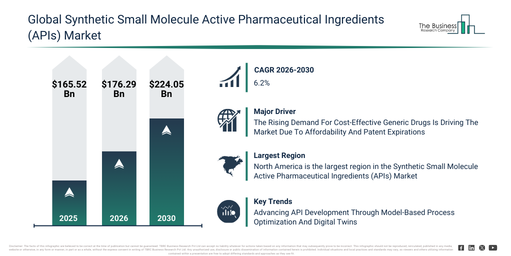
  • Digital and model-based innovations are transforming the Synthetic Small Molecule APIs Market 2026

    Digital and model-based innovations are transforming the Synthetic Small Molecule APIs Market 2026

    The Business Research Company’s 2026 market reports include new capabilities such as market attractiveness scoring and analysis, total addressable market analysis, company scoring matrix, interactive excel data dashboard, improved supply chain analysis, upcoming startups in the market, and overview of key products, aimed at improving the depth, usability, and strategic value of the insights delivered.

    What Is The Estimated Market Size Of The Synthetic Small Molecule Active Pharmaceutical Ingredients (APIs) Market During 2026–2030?

    The synthetic small molecule active pharmaceutical ingredients (APIs) market has witnessed strong growth in recent years. It is projected to increase from $165.52 billion in 2025 to $176.29 billion in 2026, demonstrating a compound annual growth rate (CAGR) of 6.5%. This historical expansion can be attributed to the growth of oral solid dosage formulations, the proliferation of generic pharmaceuticals, established chemical synthesis capabilities, the cost efficiency of small molecule drugs, and the increasing prevalence of chronic diseases.

    The synthetic small molecule active pharmaceutical ingredients (apis) market size is anticipated to experience substantial growth in the upcoming years. It is projected to expand to $224.05 billion by 2030, achieving a compound annual growth rate (CAGR) of 6.2%. This expected growth during the forecast period is attributable to several factors, including the increasing pipelines for oncology and CNS drugs, the adoption of advanced manufacturing technologies, a rising demand for high-potency apis, the broader scope of outsourced pharmaceutical manufacturing, and a heightened regulatory focus on supply chain transparency. Prominent trends throughout this period involve the surging demand for synthetic small molecule apis in chronic disease treatments, increased outsourcing of api manufacturing to contract manufacturers, the expanding embrace of continuous flow chemistry and biocatalysis, the growth in generic drug production coupled with patent expirations, and a strengthening regulatory emphasis on api quality and traceability.

    Download the Free Sample Report to Explore Key Market Insights:

    https://www.thebusinessresearchcompany.com/sample.aspx?id=25919&type=smp

    What Underlying Factors Are Accelerating The Growth Of The Synthetic Small Molecule Active Pharmaceutical Ingredients (APIs) Market?

    The increasing need for affordable generic medications is anticipated to boost the expansion of the synthetic small molecule active pharmaceutical ingredients (APIs) market in the future. These budget-friendly generic drugs are affordable medicines containing identical active ingredients and providing comparable therapeutic outcomes to their branded counterparts. The surge in demand for economical generic drugs stems from the rising occurrence of chronic conditions, necessitating ongoing and financially accessible treatment options. Synthetic small molecule active pharmaceutical ingredients (APIs) facilitate the production of cost-effective generic drugs by providing scalable and efficient manufacturing methods, thereby lowering production expenses while preserving their therapeutic effectiveness. For example, in September 2024, data from the Association for Accessible Medicines (AAM), a US-based trade association, indicated that savings from biosimilar utilization increased by over 30% to $12.4 billion in 2023. Concurrently, overall savings generated by generics and biosimilars collectively climbed by $37 billion, reaching $445 billion from $408 billion in 2022. Consequently, the increasing requirement for cost-effective generic drugs is fueling the expansion of the synthetic small molecule active pharmaceutical ingredients (APIs) market.

    How Are The Various Segments Of The Synthetic Small Molecule Active Pharmaceutical Ingredients (APIs) Market Categorized?

    The synthetic small molecule active pharmaceutical ingredients (apis) market covered in this report is segmented –

    1) By Type: Active Pharmaceutical Ingredients (APIs), Key Starting Materials (KSMs), Intermediates

    2) By Manufacturing Process: Synthetic Processes, Biocatalysis, Continuous Flow Chemistry, Batch Processing

    3) By Manufacturer: In-House, Outsourced

    4) By Application: Cardiovascular Diseases, Oncology, CNS And Neurology, Orthopedic, Endocrinology, Pulmonology, Gastroenterology, Nephrology, Ophthalmology, Other Applications

    Subsegments:

    1) By Active Pharmaceutical Ingredients (APIs): Anti-diabetic APIs, Antihypertensive APIs, Antihistamines, Anticoagulants

    2) By Key Starting Materials (KSMs): Benzene Derivatives, Pyridine Derivatives, Heterocyclic Compounds, Halogenated Compounds

    3) By Intermediates: Chiral Intermediates, Acylation Intermediates, Alkylation Intermediates, Amination Intermediates

    What Trends Are Affecting The Expansion Of The Synthetic Small Molecule Active Pharmaceutical Ingredients (APIs) Market?

    Leading entities within the synthetic small molecule active pharmaceutical ingredients (APIs) market are concentrating their efforts on creating sophisticated solutions, like model-based process optimization platforms, which aim to expedite the progression and enhance the operational effectiveness of API manufacturing procedures. Such a platform represents a digital innovation, combining predictive modeling with experimental design functionalities, to simplify and elevate chemical process development while significantly reducing the need for physical experiments. An illustrative example is Lonza Group, a Switzerland-based contract development and manufacturing organization (CDMO), which introduced Design2Optimize, a model-based process optimization platform, in May 2025. This particular platform employs a blend of physicochemical and statistical modeling techniques within an optimization framework, with the primary objective of decreasing the volume of physical experiments necessary throughout the process development phase. Through the creation of a digital twin for each process and by allowing virtual scenario testing, the platform supports the quicker and more efficient creation of intricate synthetic routes for small molecule active pharmaceutical ingredients.

    Which Major Firms Influence Developments In The Synthetic Small Molecule Active Pharmaceutical Ingredients (APIs) Market?

    Major companies operating in the synthetic small molecule active pharmaceutical ingredients (apis) market are Pfizer Inc., Johnson & Johnson, Hoffmann-La Roche Ltd., Merck & Co. Inc., AbbVie Inc., Sanofi S.A., Bristol-Myers Squibb Company, AstraZeneca plc, Novartis AG, Eli Lilly and Company, Boehringer Ingelheim International GmbH, Teva Pharmaceutical Industries Ltd., Daiichi Sankyo Co. Ltd., Dr. Reddy’s Laboratories Ltd., Curia Inc., Nanjing King-Friend Biochemical Pharmaceutical Co. Ltd., Accord Healthcare Ltd.

    Read the full synthetic small molecule active pharmaceutical ingredients (apis) market report here:

    https://www.thebusinessresearchcompany.com/report/synthetic-small-molecule-active-pharmaceutical-ingredients-apis-global-market-report

    Which Region Is Projected To Dominate The Synthetic Small Molecule Active Pharmaceutical Ingredients (APIs) Market During The Forecast Period?

    North America was the largest region in the synthetic small molecule active pharmaceutical ingredients (APIs) market in 2025. Asia-Pacific is expected to be the fastest-growing region in the forecast period. The regions covered in the synthetic small molecule active pharmaceutical ingredients (apis) market report are Asia-Pacific, South East Asia, Western Europe, Eastern Europe, North America, South America, Middle East, Africa.

    Request A Tailored Synthetic Small Molecule Active Pharmaceutical Ingredients (APIs) Market Research Report For Competitive Advantage:

    https://www.thebusinessresearchcompany.com/customise?id=25919&type=smp

    Browse Through More Reports Similar to the Global Synthetic Small Molecule Active Pharmaceutical Ingredients (APIs) Market 2026, By The Business Research Company

    Small Molecule Active Pharmaceutical Ingredient Market Report 2026

    https://www.thebusinessresearchcompany.com/report/small-molecule-active-pharmaceutical-ingredient-global-market-report

    Active Pharmaceutical Ingredients Market Report 2026

    https://www.thebusinessresearchcompany.com/report/active-pharmaceutical-ingredients-global-market-report

    Pharmaceuticals Market 2026

    https://www.thebusinessresearchcompany.com/report/pharmaceuticals-market

    Get in touch with us:

    The Business Research Company: https://www.thebusinessresearchcompany.com/

    Americas +1 310-496-7795

    Asia +44 7882 955267 & +91 8897263534

    Europe +44 7882 955267

    Email us at info@tbrc.info

    Follow us on:

    LinkedIn: https://in.linkedin.com/company/the-business-research-company

    YouTube: https://www.youtube.com/channel/UC24_fI0rV8cR5DxlCpgmyFQ

    Global Market Model: https://www.thebusinessresearchcompany.com/global-market-model

  • Advanced formulations are improving accessibility in the Synthetic Hormones Market 2026

    Advanced formulations are improving accessibility in the Synthetic Hormones Market 2026

    The Business Research Company’s 2026 market reports include new capabilities such as market attractiveness scoring and analysis, total addressable market analysis, company scoring matrix, interactive excel data dashboard, improved supply chain analysis, upcoming startups in the market, and overview of key products, aimed at improving the depth, usability, and strategic value of the insights delivered.

    What Market Size Expansion Is Predicted For The Synthetic Hormones Market Between 2026 And 2030?

    The synthetic hormones market has experienced steady expansion in recent years. It is projected to increase from $6.71 billion in 2025 to $7 billion in 2026, demonstrating a compound annual growth rate (CAGR) of 4.4%. The market’s growth during the past period can be ascribed to progress in chemical synthesis, the rising incidence of hormonal disorders, increased knowledge of hormone replacement therapy, the broadening reach of hospital and retail pharmacy networks, and the initial uptake of insulin and growth hormones.

    The synthetic hormones market is projected to experience consistent expansion in the coming years. Its value is anticipated to reach $8.34 billion by 2030, growing at a compound annual growth rate (CAGR) of 4.5%. This forecasted growth stems from factors such as the incorporation of AI into hormone therapy, the advancement of oral and non-invasive methods for hormone delivery, the rise of personalized medicine, the broadening reach of online pharmacy platforms, and breakthroughs in peptide and amino acid derivative hormones. Key developments expected during this period include the creation of personalized hormone therapies, sophisticated drug delivery mechanisms, novel synthetic hormone formulations, increased acceptance of hormone replacement therapy, and adherence to regulatory standards and quality benchmarks.

    Download the Free Sample Report to Explore Key Market Insights:

    https://www.thebusinessresearchcompany.com/sample.aspx?id=14515&type=smp

    Which Growth Drivers Are Contributing To The Progress Of The Synthetic Hormones Market?

    The growing occurrence of hormonal imbalances is projected to drive the expansion of the synthetic hormones market moving forward. Hormonal imbalances arise when the body produces either an excessive or insufficient amount of specific hormones, leading to disturbances caused by aging, stress, lifestyle factors, or underlying medical conditions. These imbalances frequently necessitate therapeutic intervention, and synthetic hormones serve a crucial function by supplementing or replacing deficient hormones to restore normal physiological activity and alleviate associated symptoms. The rising demand for hormone replacement therapy (HRT) reflects the increasing prevalence of these conditions. For instance, in January 2025, according to the World Health Organization, a Switzerland-based intergovernmental organization, polycystic ovary syndrome is a significant public health concern and one of the most common hormonal disorders among women of reproductive age, affecting an estimated 6–13%, with up to 70% of cases remaining undiagnosed. Therefore, the increasing incidence of hormonal imbalances is propelling the growth of the synthetic hormones market.

    Which Market Segments Are Examined In The Synthetic Hormones Market Study?

    The synthetic hormones market covered in this report is segmented –

    1) By Product Type: Steroid Hormones, Peptide Hormone, Amino Acid Derivatives, Other Product Types

    2) By Route of Administration: Oral, Nasal, Topical, Intravenous

    3) By Application: Growth Hormone Deficiency, Thyroid Hormone Deficiency, Menopause, Male Hypogonadism, Other Applications

    4) By End User: Hospital Pharmacies, Retail Pharmacies, Online Pharmacies

    Subsegments:

    1) By Steroid Hormones: Corticosteroids, Estrogens and Progesterone, Androgens, Progestins

    2) By Peptide Hormones: Insulin, Growth Hormones, Thyroid Stimulating Hormones, Leptin

    3) By Amino Acid Derivatives: Thyroxine (T4), Epinephrine (Adrenaline), Melatonin

    4) By Other Product Types: Vitamin D Derivatives, Prostaglandins, Gonadotropins

    Which Trends Are Influencing The Synthetic Hormones Market?

    Companies operating in the synthetic hormone market are actively developing innovative biosimilar formulations, such as high-concentration recombinant human growth hormone (rhGH), to meet the increasing demand for more accessible and affordable therapies for growth hormone deficiency and short stature. High-concentration rhGH refers to a synthetic growth hormone, typically somatropin, manufactured using recombinant DNA technology, which features a greater drug load per volume. This allows for smaller injection volumes, enhanced convenience, and potentially improved treatment adherence compared to conventional lower-concentration formulations. For instance, in May 2025, Sandoz AG, a Switzerland-based leader in generics and biosimilars, launched OMNITROPE in a new 15 mg / 1.5 mL concentration specifically for the Egyptian market. This particular formulation contains somatropin produced by recombinant DNA technology in bacteria, is functionally identical to human endogenous growth hormone, and is offered in a more concentrated form to reduce the burden of injections and minimize treatment interruptions. It is indicated for pediatric short stature (e.g., in Turner syndrome, small-for-gestational-age children, Prader–Willi syndrome) and adult GH deficiency, and is priced to expand access under Egypt’s Vision 2030 public-health initiative.

    Who Are The Primary Competitors In The Synthetic Hormones Market?

    Major companies operating in the synthetic hormones market are Pfizer Inc., Johnson & Johnson, AbbVie Inc., Bristol Myers Squibb Company, Sanofi SA, AstraZeneca PLC, Novartis AG, GlaxoSmithKline PLC, Boehringer Ingelheim International GmbH, Novo Nordisk A/S, Merck & Co. Inc, Teva Pharmaceutical Industries Ltd., Ferring B.V., Endo Pharmaceuticals Inc., Lupin Pharmaceuticals Inc., IBSA Institute Biochimique SA, American Regent Inc., McGuff Pharmaceuticals Inc., Anhui Anke Biotechnology Co.Ltd, Acerus Pharmaceuticals Corporation, Slayback Pharma LLC

    Read the full synthetic hormones market report here:

    https://www.thebusinessresearchcompany.com/report/synthetic-hormones-global-market-report

    What Are The Leading Geographic Regions In The Synthetic Hormones Market?

    North America was the largest region in the synthetic hormones market in 2025. Asia-Pacific is expected to be the fastest-growing region in the forecast period. The regions covered in the synthetic hormones market report are Asia-Pacific, South East Asia, Western Europe, Eastern Europe, North America, South America, Middle East, Africa.

    Request A Tailored Synthetic Hormones Market Research Report For Competitive Advantage:

    https://www.thebusinessresearchcompany.com/customise?id=14515&type=smp

    Browse Through More Reports Similar to the Global Synthetic Hormones Market 2026, By The Business Research Company

    Synthetic Hormones Market Report 2026

    https://www.thebusinessresearchcompany.com/report/synthetic-hormones-global-market-report

    Bioidentical Hormones Market Report 2026

    https://www.thebusinessresearchcompany.com/report/bioidentical-hormones-global-market-report

    Hormone Therapy Market Report 2026

    https://www.thebusinessresearchcompany.com/report/hormone-therapy-global-market-report

    Get in touch with us:

    The Business Research Company: https://www.thebusinessresearchcompany.com/

    Americas +1 310-496-7795

    Asia +44 7882 955267 & +91 8897263534

    Europe +44 7882 955267

    Email us at info@tbrc.info

    Follow us on:

    LinkedIn: https://in.linkedin.com/company/the-business-research-company

    YouTube: https://www.youtube.com/channel/UC24_fI0rV8cR5DxlCpgmyFQ

    Global Market Model: https://www.thebusinessresearchcompany.com/global-market-model
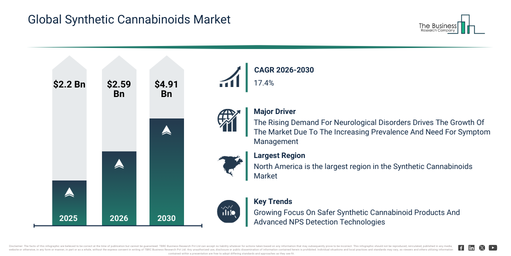
  • Enhanced safety focus is shaping the Synthetic Cannabinoids Market 2026

    Enhanced safety focus is shaping the Synthetic Cannabinoids Market 2026

    The Business Research Company’s 2026 market reports include new capabilities such as market attractiveness scoring and analysis, total addressable market analysis, company scoring matrix, interactive excel data dashboard, improved supply chain analysis, upcoming startups in the market, and overview of key products, aimed at improving the depth, usability, and strategic value of the insights delivered.

    How Large Is The Synthetic Cannabinoids Market Projected To Become By 2030 Based On Its 2026 Valuation?

    The synthetic cannabinoids market size has experienced rapid expansion in recent years. This market is projected to expand from $2.2 billion in 2025 to $2.59 billion in 2026, demonstrating a compound annual growth rate (CAGR) of 17.6%. Historically, this growth can be ascribed to several factors, including the limitations of plant-derived cannabinoids, the increasing demand for potency control, specific pharmaceutical research needs, the rise in pain management therapies, and the attainment of regulatory approvals in certain regions.

    The synthetic cannabinoids market is projected to undergo substantial expansion in the coming years. Its valuation is set to reach $4.91 billion by 2030, exhibiting a compound annual growth rate (CAGR) of 17.4%. This anticipated growth during the forecast period is primarily driven by factors such as the broadening of medical cannabis applications, the rise of controlled cannabinoid therapies, the increasing need for precision dosing, the scalability of synthetic active pharmaceutical ingredients (APIs), and increased pharmaceutical research and development investments. Furthermore, key trends expected during this period involve the wider availability of pharmaceutical-grade cannabinoids, enhanced research applications of synthetic cannabinoids, a surge in the requirement for high-purity formulations, a move towards regulated medical uses, and progress in controlled synthesis methodologies.

    Download the Free Sample Report to Explore Key Market Insights:

    https://www.thebusinessresearchcompany.com/sample.aspx?id=23536&type=smp

    What Primary Drivers Are Shaping The Development Of The Synthetic Cannabinoids Market?

    The increasing need for treatments for neurological disorders is anticipated to propel the expansion of the synthetic cannabinoids market going forward. Neurological disorders are diseases affecting the brain, spinal cord, and nerves that can impair movement, sensation, cognition, or overall body function. The growing prevalence of neurological disorders is primarily due to the global aging population, as conditions such as Alzheimer’s become more common with advancing age owing to brain aging and accumulated cellular damage. Synthetic cannabinoids specifically target cannabinoid receptors in the brain, aiding in the regulation of neurotransmitter activity and potentially mitigating symptoms linked to neurological disorders. For example, in September 2024, data from the European Brain Council, a health organization based in Belgium, indicated that 7 million people in Europe currently live with Alzheimer’s disease, a figure expected to reach 14 million by 2030 due to an aging population, thereby posing a substantial global public health challenge. Consequently, the rising demand for neurological disorder treatments is driving the growth of the synthetic cannabinoids market.

    What Segment Groups Are Identified Within The Synthetic Cannabinoids Market?

    The synthetic cannabinoids market covered in this report is segmented –

    1) By Product Type: High-Pure Synthetic Cannabinoids, Ultra-Pure Synthetic Cannabinoids

    2) By Formulation: Oil, Capsules, Edibles, Vapes, Topicals

    3) By Indication: Pain Management, Nausea Or Vomiting, Neurological Disorder Management, Other Indications

    4) By Application: Pharmaceuticals, Research, Recreational Use, Agriculture, Nutraceuticals

    5) By Distribution Channel: Hospital Pharmacies, Retail Pharmacies, Online Pharmacies

    Subsegments:

    1) By High-Pure Synthetic Cannabinoids: Pharmaceutical-Grade Cannabinoids, Research-Grade Cannabinoids, Industrial-Use Cannabinoids

    2) By Ultra-Pure Synthetic Cannabinoids: Medical-Grade Cannabinoids, Biotechnology-Grade Cannabinoids, Analytical-Standard Cannabinoids

    What Trends Are Advancing Progress In The Synthetic Cannabinoids Market?

    Major companies operating in the synthetic cannabinoids market are concentrating on creating safer, high-quality products, such as novel psychoactive substances, to mitigate health risks and bolster their competitive standing. Novel psychoactive substances refer to laboratory-engineered designer drugs that replicate the effects of conventional illicit substances but utilize altered chemical structures to bypass detection and regulation. For instance, in December 2023, Quest Diagnostics Inc., a US-based healthcare company, unveiled a new 88-compound Novel Psychoactive Substance (NPS) Test Panel to aid in more precisely identifying a broad spectrum of synthetic cannabinoids and other designer drugs. This advanced mass-spectrometry-based test offers clearer identification of emerging synthetic cannabinoids, enabling healthcare providers to better comprehend patient exposure and refine treatment decisions. The introduction of such sophisticated testing solutions emphasizes the increasing necessity for reliable monitoring tools as synthetic cannabinoids continue to evolve, ensuring enhanced safety, transparency, and regulatory compliance across the market.

    Which Companies Hold Significant Positions In The Synthetic Cannabinoids Market?

    Major companies operating in the synthetic cannabinoids market are Cayman Chemical, Cerilliant Corporation, Restek Corporation, Chiron AS, BayMedica, CB Therapeutics Inc., Skye Bioscience, Zynerba Pharmaceuticals Inc., Botanix Pharmaceuticals, Kannalife Sciences Inc., SciSparc Ltd., Tetra Bio-Pharma Inc., Canntab Therapeutics Ltd., BioVectra, Noramco Inc., Purisys LLC, Lygos Inc., Johnson Matthey, Almac Group, Cambrex Corporation

    Read the full synthetic cannabinoids market report here:

    https://www.thebusinessresearchcompany.com/report/synthetic-cannabinoids-global-market-report

    How Does The Synthetic Cannabinoids Market Perform Across Major Global Regions?

    North America was the largest region in the synthetic cannabinoids market in 2025. Asia-Pacific is expected to be the fastest-growing region in the forecast period. The regions covered in the synthetic cannabinoids market report are Asia-Pacific, South East Asia, Western Europe, Eastern Europe, North America, South America, Middle East, Africa.

    Request A Tailored Synthetic Cannabinoids Market Research Report For Competitive Advantage:

    https://www.thebusinessresearchcompany.com/customise?id=23536&type=smp

    Browse Through More Reports Similar to the Global Synthetic Cannabinoids Market 2026, By The Business Research Company

    Cannabinoids Market Report 2026

    https://www.thebusinessresearchcompany.com/report/cannabinoids-global-market-report

    Cannabis Capsule Market Report 2026

    https://www.thebusinessresearchcompany.com/report/cannabis-capsule-global-market-report

    Cannabis Extract Market Report 2026

    https://www.thebusinessresearchcompany.com/report/cannabis-extract-global-market-report

    Get in touch with us:

    The Business Research Company: https://www.thebusinessresearchcompany.com/

    Americas +1 310-496-7795

    Asia +44 7882 955267 & +91 8897263534

    Europe +44 7882 955267

    Email us at info@tbrc.info

    Follow us on:

    LinkedIn: https://in.linkedin.com/company/the-business-research-company

    YouTube: https://www.youtube.com/channel/UC24_fI0rV8cR5DxlCpgmyFQ

    Global Market Model: https://www.thebusinessresearchcompany.com/global-market-model

  • Personalized medicine demand is accelerating growth in the Sustained Release Excipients Market 2026

    Personalized medicine demand is accelerating growth in the Sustained Release Excipients Market 2026

    The Business Research Company’s 2026 market reports include new capabilities such as market attractiveness scoring and analysis, total addressable market analysis, company scoring matrix, interactive excel data dashboard, improved supply chain analysis, upcoming startups in the market, and overview of key products, aimed at improving the depth, usability, and strategic value of the insights delivered.

    What Market Value Is Anticipated For The Sustained Release Excipients Market Over The Period 2026–2030?

    The sustained release excipients market has experienced substantial growth in recent years. It is anticipated to increase from $1.51 billion in 2025 to $1.63 billion in 2026, achieving a compound annual growth rate (CAGR) of 8.2%. The historical expansion of this market can be attributed to several factors, including an increase in chronic disease prevalence, the growing adoption of modified release tablets, innovations in polymer chemistry, the expansion of generic drug manufacturing, and the regulatory acceptance of sustained release formulations.

    The sustained release excipients market is anticipated to experience robust expansion in the coming years. It is projected to reach $2.3 billion by 2030, demonstrating a compound annual growth rate (CAGR) of 8.9%. This growth during the projected period is attributable to several factors, including an increased demand for long-acting injectables, the expansion of biologics and specialty drugs, greater investment in drug delivery research and development, a call for patient-centric formulations, and the widening of pharmaceutical manufacturing operations in developing economies. Key trends anticipated within the forecast timeframe encompass an escalating demand for controlled drug delivery systems, the expanded application of polymers in sustained release formulations, a surge in the adoption of oral sustained release dosage forms, the advancement of microencapsulation and coacervation technologies, and an emphasis on enhancing patient compliance coupled with a reduction in dosing frequency.

    Download the Free Sample Report to Explore Key Market Insights:

    https://www.thebusinessresearchcompany.com/sample.aspx?id=10822&type=smp

    Which Major Factors Are Driving The Expansion Of The Sustained Release Excipients Market?

    The sustained-release excipients market is anticipated to expand due to the increasing need for personalized medicine. Personalized medicine, also known as personalized care, involves medical practitioners examining patients’ distinct genes, proteins, and other physiological elements to deliver and manage customized treatment through precision medicine. These excipients are vital in personalized medicine, facilitating the creation of drug formulations specifically adapted to each patient’s requirements. An example of this trend is seen in February 2024, when the Personalised Medicine Coalition, a US-based hospital and health care organization, reported that the FDA cleared 16 new personalized treatments for rare disease patients in 2023, an increase from 6 in 2022. Consequently, the rising demand for personalized medicine is fueling expansion in the sustained-release excipients market.

    How Is The Sustained Release Excipients Market Divided Into Its Major Segments?

    The sustained release excipients market covered in this report is segmented –

    1) By Product: Gelatin, Polymers, Minerals, Chitosan

    2) By Route of Administration: Oral, Intramuscular, Subcutaneous, Transdermal, Vaginal, Ophthalmic, Intravenous, Other Routes of Administration

    3) By Technology: Targeted Delivery, Micro Encapsulation, Wurster Technique, Transdermal, Implants, Coacervation

    Subsegments:

    1) By Gelatin: Type A Gelatin, Type B Gelatin

    2) By Polymers: Natural Polymers, Synthetic Polymers

    3) By Minerals: Calcium Compounds, Magnesium Compounds, Other Mineral Excipients

    4) By Chitosan: Low Molecular Weight Chitosan, High Molecular Weight Chitosan

    How Are Trends Transforming The Sustained Release Excipients Market Landscape?

    Leading companies in the sustained release excipients market are concentrating on developing advanced solutions, such as multifunctional polymer platforms, to enhance drug formulation efficiency, reduce delivery time, and support controlled-release profiles. These multifunctional polymer platforms refer to excipients that enable immediate, delayed, and sustained drug release while being compatible with formulation technologies like hot melt extrusion and solubility-enhancing spray drying. For instance, in September 2024, Evonik, a Germany-based company, commenced operations of a new spray drying facility at its Darmstadt site for EUDRAGIT polymers. This facility boosts production capacity, shortens delivery times, and integrates seamlessly with existing production networks. It leverages green electricity and steam from local waste incineration to decrease CO2 emissions by over 1,000 tons annually. Operating under IPEC-GMP pharmaceutical guidelines and directly connected to the production of aqueous dispersions, the facility minimizes transportation and streamlines the supply chain. The polymers manufactured there support immediate, delayed, and sustained release formulations, thereby strengthening Evonik’s global hub for oral drug delivery solutions and reinforcing its capability to efficiently support innovative pharmaceutical development.

    Who Are The Prominent Organizations Shaping The Sustained Release Excipients Market?

    Major companies operating in the sustained release excipients market are BASF SE, Ashland Global Holdings Inc, Colorcon Inc, Evonik Industries AG, Lubrizol Corporation, Merck KGaA, Roquette Freres, Shin Etsu Chemical Co Ltd, JRS Pharma GmbH Co KG, SPI Pharma Inc, Croda International Plc, Lonza Group AG, Chemische Fabrik Budenheim KG, Asahi Kasei Corporation, DuPont de Nemours Inc, Dow Chemical Company, Eastman Chemical Company, Gattefosse SAS, Balchem Corporation, Associated British Foods plc, Ransom Naturals Ltd, Cellulose Solutions Private Limited

    Read the full sustained release excipients market report here:

    https://www.thebusinessresearchcompany.com/report/sustained-release-excipients-global-market-report

    Which Region Currently Holds The Largest Share Of The Sustained Release Excipients Market?

    North America was the largest region in the global sustained release excipients market in 2025. Asia-Pacific is expected to be the fastest-growing region in the forecast period. The regions covered in the sustained release excipients market report are Asia-Pacific, South East Asia, Western Europe, Eastern Europe, North America, South America, Middle East, Africa.

    Request A Tailored Sustained Release Excipients Market Research Report For Competitive Advantage:

    https://www.thebusinessresearchcompany.com/customise?id=10822&type=smp

    Browse Through More Reports Similar to the Global Sustained Release Excipients Market 2026, By The Business Research Company

    Sustained Release Excipients Market Report 2026

    https://www.thebusinessresearchcompany.com/report/sustained-release-excipients-global-market-report

    Pharmaceutical Excipient Market Report 2026

    https://www.thebusinessresearchcompany.com/report/pharmaceutical-excipient-global-market-report

    Controlled Release Drug Delivery Market Report 2026

    https://www.thebusinessresearchcompany.com/report/controlled-release-drug-delivery-global-market-report

    Get in touch with us:

    The Business Research Company: https://www.thebusinessresearchcompany.com/

    Americas +1 310-496-7795

    Asia +44 7882 955267 & +91 8897263534

    Europe +44 7882 955267

    Email us at info@tbrc.info

    Follow us on:

    LinkedIn: https://in.linkedin.com/company/the-business-research-company

    YouTube: https://www.youtube.com/channel/UC24_fI0rV8cR5DxlCpgmyFQ

    Global Market Model: https://www.thebusinessresearchcompany.com/global-market-model
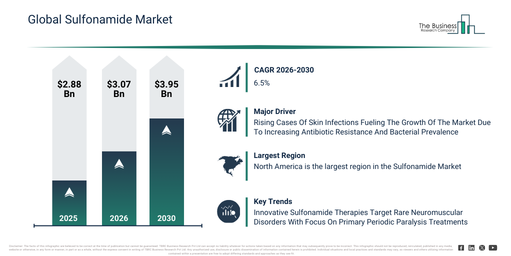
  • Rising antibiotic resistance and infection rates are influencing the SCIG Market 2026

    Rising antibiotic resistance and infection rates are influencing the SCIG Market 2026

    The Business Research Company’s 2026 market reports include new capabilities such as market attractiveness scoring and analysis, total addressable market analysis, company scoring matrix, interactive excel data dashboard, improved supply chain analysis, upcoming startups in the market, and overview of key products, aimed at improving the depth, usability, and strategic value of the insights delivered.

    What Is The Expected Market Size Of The Sulfonamide Market From 2026 To 2030?

    The sulfonamide market has shown significant expansion in recent years. It is anticipated to increase from $2.88 billion in 2025 to $3.07 billion in 2026, demonstrating a compound annual growth rate (CAGR) of 6.5%. The historical growth of this market can be attributed to factors such as early antibiotic development, its broad-spectrum efficacy, its use in hospital infection management, generic drug production, and its application in burn treatment.

    The sulfonamide market is projected to experience robust expansion in the coming years, anticipated to reach $3.95 billion by 2030, exhibiting a compound annual growth rate (CAGR) of 6.5%. This growth in the forecast period can be attributed to factors such as antibiotic stewardship programs, the increasing demand for combination therapies, the expansion of the generic market, the persistent burden of infectious diseases, and advancements in healthcare access. Key trends during this period include the continued application of sulfonamides in combination antibiotic therapy, their growing demand in resource-limited healthcare settings, the rise of generic sulfonamide drugs, their utility in dermatological and burn care, and a strong focus on cost-effective antimicrobial treatment.

    Download the Free Sample Report to Explore Key Market Insights:

    https://www.thebusinessresearchcompany.com/sample.aspx?id=24411&type=smp

    What Key Drivers Are Influencing The Growth Of The Sulfonamide Market?

    The future expansion of the sulfonamide market is anticipated to be driven by the rising occurrence of skin infections. These conditions arise from bacteria, viruses, fungi, or parasites invading the skin, leading to symptoms such as redness, swelling, pain, itching, or pus formation. The widespread nature of skin infections is attributed to an increase in antibiotic-resistant bacteria, which makes common infections more challenging to treat and more likely to spread. Sulfonamide effectively addresses skin infections by inhibiting bacterial growth and disrupting folic acid synthesis, rendering it potent against various susceptible bacteria. For instance, the American Academy of Dermatology, a US-based non-profit organization, reported in February 2025 that approximately 50 million Americans are affected by acne each year, making it the most prevalent skin ailment in the country. Therefore, the increasing prevalence of skin infections is a key driver for the growth of the sulfonamide market.

    Which Segments Are Included In The Analysis Of The Sulfonamide Market?

    The sulfonamide market covered in this report is segmented –

    1) By Product Type: Oral Sulfonamides, Topical Sulfonamides, Injectable Sulfonamides

    2) By Chemical Structure: Sulfanilamide, Sulfacetamide, Sulfamethoxazole

    3) By Application: Antibacterial, Antifungal, Antiviral, Diuretics, Antidiabetic, Other Applications

    4) By End-User: Hospitals, Clinics, Research Laboratories, Other End Users

    Subsegments:

    1) By Oral Sulfonamides: Sulfamethoxazole, Sulfisoxazole, Sulfadiazine, Sulfalene

    2) By Topical Sulfonamides: Sulfacetamide Sodium, Silver Sulfadiazine, Sulfamylon, Sulfadiazine Cream

    3) By Injectable Sulfonamides: Sulfamethoxazole, Sulfadiazine Sodium, Sulfamethoxypyridazine

    Which Trends Are Impacting The Growth Of The Sulfonamide Market?

    Leading companies within the sulfonamide market are concentrating their efforts on developing novel solutions, such as therapies for primary periodic paralysis (PPP), to broaden the therapeutic uses of sulfonamide-based medications and address existing gaps in treating rare neuromuscular disorders. Primary periodic paralysis (PPP) therapies specifically refer to interventions designed to manage a group of uncommon, inherited neuromuscular conditions characterized by episodes of muscle weakness or paralysis that are activated by shifts in blood potassium levels. As an illustration, in May 2024, Cycle Pharmaceuticals Limited, a pharmaceutical firm based in the UK, introduced the drug ORMALVITM (dichlorphenamide) as a treatment option for individuals experiencing hypokalemic periodic paralysis (HypoPP), hyperkalemic periodic paralysis (HyperPP), and related ailments. This FDA-approved therapy offers a specialized solution for patients dealing with these genetic conditions, which manifest as episodes of muscle weakness or paralysis linked to variations in potassium levels. A notable characteristic of this release is Cycle’s dedication to patient-centered care, intending to enhance both accessibility and adherence through customized support programs.

    Which Key Industry Participants Are Active In The Sulfonamide Market?

    Major companies operating in the sulfonamide market are Abbott Laboratories, Novartis AG, Teva Pharmaceutical Industries Limited, Intas Pharmaceuticals Limited, Cadila Pharmaceuticals Limited, Amneal Pharmaceuticals LLC, Lupin Limited, Bimeda Holdings PLC, Virchow Laboratories Limited, Hebei Veyong Bio-Chemical Co. Ltd., Interchemie Werken De Adelaar B.V., AdvaCare Pharma, VetOne, Zydus Cadila Healthcare Limited, Sun Pharmaceutical Industries Limited, Aurobindo Pharma Limited, Cipla Limited, Alkem Laboratories Limited, Torrent Pharmaceuticals Limited, Alembic Pharmaceuticals Limited, Glenmark Pharmaceuticals Limited, Hikma Pharmaceuticals PLC, Mylan N.V. (Viatris), Wockhardt Limited, Pfizer Inc.

    Read the full sulfonamide market report here:

    https://www.thebusinessresearchcompany.com/report/sulfonamide-global-market-report

    Which Region Is Expected To Register The Fastest Growth In The Sulfonamide Market?

    North America was the largest region in the sulfonamide market in 2025. Asia-Pacific is expected to be the fastest-growing region in the forecast period. The regions covered in the sulfonamide market report are Asia-Pacific, South East Asia, Western Europe, Eastern Europe, North America, South America, Middle East, Africa.

    Request A Tailored Sulfonamide Market Research Report For Competitive Advantage:

    https://www.thebusinessresearchcompany.com/customise?id=24411&type=smp

    Browse Through More Reports Similar to the Global Sulfonamide Market 2026, By The Business Research Company

    Sulfur Market Report 2026

    https://www.thebusinessresearchcompany.com/report/sulfur-global-market-report

    Naphthalene Sulfonate Market Report 2026

    https://www.thebusinessresearchcompany.com/report/naphthalene-sulfonate-global-market-report

    Vinyl Sulfone Market Report 2026

    https://www.thebusinessresearchcompany.com/report/vinyl-sulfone-global-market-report

    Get in touch with us:

    The Business Research Company: https://www.thebusinessresearchcompany.com/

    Americas +1 310-496-7795

    Asia +44 7882 955267 & +91 8897263534

    Europe +44 7882 955267

    Email us at info@tbrc.info

    Follow us on:

    LinkedIn: https://in.linkedin.com/company/the-business-research-company

    YouTube: https://www.youtube.com/channel/UC24_fI0rV8cR5DxlCpgmyFQ

    Global Market Model: https://www.thebusinessresearchcompany.com/global-market-model

  • Global SCIG Market 2026 evolving with immunotherapy advancements

    Global SCIG Market 2026 evolving with immunotherapy advancements

    The Business Research Company’s 2026 market reports include new capabilities such as market attractiveness scoring and analysis, total addressable market analysis, company scoring matrix, interactive excel data dashboard, improved supply chain analysis, upcoming startups in the market, and overview of key products, aimed at improving the depth, usability, and strategic value of the insights delivered.

    What Market Valuation Is Forecasted For The Subcutaneous Immunoglobulin (SCIG) Market By 2030 Starting From Its 2026 Size?

    The subcutaneous immunoglobulin (scig) market has experienced significant expansion recently. Its size is projected to increase from $14.39 billion in 2025 to $16.32 billion in 2026, demonstrating a compound annual growth rate (CAGR) of 13.4%. This historical growth can be linked to several factors, including the increasing diagnosis of primary immunodeficiency disorders, the limitations associated with intravenous immunoglobulin therapy, a growing demand for long-term immune support, the enhanced safety profile of scig, and patients’ increasing preference for at-home care.

    The market for subcutaneous immunoglobulin (scig) is projected to experience substantial expansion over the coming years, reaching a valuation of $25.71 billion by 2030, propelled by a compound annual growth rate (CAGR) of 12.0%. This anticipated growth during the forecast period stems from several factors, including the broadened applications of scig beyond immunodeficiency, a heightened emphasis on homecare solutions in healthcare, innovations in infusion technology, the increasing incidence of autoimmune and neurological conditions, and a greater need for treatment approaches centered around the patient. Key trends expected within this period encompass a noticeable transition from intravenous immunoglobulin (IVIG) to scig treatments, an uptick in the use of immunoglobulin therapy delivered at home, a growing inclination towards self-administering devices, the expanded utilization of scig for chronic immune conditions, and an elevated requirement for sustained immune replacement therapy.

    Download the Free Sample Report to Explore Key Market Insights:

    https://www.thebusinessresearchcompany.com/sample.aspx?id=15935&type=smp

    What Major Growth Drivers Are Shaping The Outlook Of The Subcutaneous Immunoglobulin (SCIG) Market?

    The rise in secondary immunodeficiency diseases is projected to boost the subcutaneous immunoglobulin market. These conditions involve a weakened or impaired immune system stemming from factors external to the immune system itself. Key drivers for the prevalence of secondary immunodeficiency diseases include an aging demographic, the use of immunosuppressive therapies, and exposure to environmental toxins. Subcutaneous immunoglobulin therapy delivers antibodies to reinforce the compromised immune system, particularly in long-term conditions like HIV or autoimmune diseases, thereby guarding against infections and assisting immunological function throughout treatment. For example, according to HIV i-Base in October 2024, new HIV diagnoses in 2023 rose by 36% for heterosexual men, from 445 in 2022 to 605, and by 30% for heterosexual women, increasing from 602 in 2022 to 780. Consequently, the growing occurrence of secondary immunodeficiency diseases is stimulating growth in the subcutaneous immunoglobulin market.

    Which Segment Categories Define The Subcutaneous Immunoglobulin (SCIG) Market?

    The subcutaneous immunoglobulin (scig) market covered in this report is segmented –

    1) By Product Type: Immunoglobulin A (IgA), Immunoglobulin G (IgG)

    2) By Application: Primary Immunodeficiency Disorders, Autoimmune Diseases, Neurological Disorders, Other Applications

    3) By End-Use: Clinics, Hospitals, Homecare, Other End-Uses

    Subsegments:

    1) By Immunoglobulin A (IgA): IgA1, IgA2

    2) By Immunoglobulin G (IgG): IgG1, IgG2, IgG3, IgG4

    What Major Market Trends Are Driving Changes In The Subcutaneous Immunoglobulin (SCIG) Market?

    Major companies within the subcutaneous immunoglobulin (SCIG) market are increasingly focused on developing advanced solutions, including ready-to-use prefilled formulations, to enhance the convenience of treatment, facilitate self-administration, and improve the overall patient experience. These ready-to-use SCIG formulations represent premeasured, stable immunoglobulin products specifically designed for subcutaneous delivery, enabling individuals with primary immunodeficiency and other immune disorders to administer their therapy more easily away from clinical environments. An illustrative instance occurred in April 2023, when the U.S. Food and Drug Administration (FDA) approved a 50 mL / 10 g prefilled syringe presentation of Hizentra (Immune Globulin Subcutaneous [Human] 20%), thereby providing patients with a simplified, ready-to-use option that supports more convenient home infusion and strengthens treatment adherence.

    Who Are The Top Companies Competing In The Subcutaneous Immunoglobulin (SCIG) Market?

    Major companies operating in the subcutaneous immunoglobulin (scig) market are CSL Behring, Grifols S.A., Octapharma AG, Kedrion Biopharma, LFB Group, Biotest AG, Bio Products Laboratory Ltd., ADMA Biologics Inc., Kamada Pharmaceuticals, Takeda Pharmaceutical Company Limited, Baxter International Inc., Bharat Serums and Vaccines Limited, Emergent BioSolutions Inc., Pfizer Inc., Johnson & Johnson, Lonza Group, Argenx SE, CinnaGen Co., Intas Pharmaceuticals Ltd., Dr. Reddy’s Laboratories Ltd.

    Read the full subcutaneous immunoglobulin (scig) market report here:

    https://www.thebusinessresearchcompany.com/report/subcutaneous-immunoglobulin-scig-global-market-report

    Which Regions Are Projected To Dominate The Subcutaneous Immunoglobulin (SCIG) Market In The Coming Years?

    North America was the largest region in the subcutaneous immunoglobulin market in 2025. Asia-Pacific is expected to be the fastest-growing region in the forecast period. The regions covered in the subcutaneous immunoglobulin (scig) market report are Asia-Pacific, South East Asia, Western Europe, Eastern Europe, North America, South America, Middle East, Africa.

    Request A Tailored Subcutaneous Immunoglobulin (SCIG) Market Research Report For Competitive Advantage:

    https://www.thebusinessresearchcompany.com/customise?id=15935&type=smp

    Browse Through More Reports Similar to the Global Subcutaneous Immunoglobulin (SCIG) Market 2026, By The Business Research Company

    Subcutaneous Immunoglobulin Scig Market Report 2026

    https://www.thebusinessresearchcompany.com/report/subcutaneous-immunoglobulin-scig-global-market-report

    Immunoglobulins Market Report 2026

    https://www.thebusinessresearchcompany.com/report/immunoglobulins-global-market-report

    Intravenous Immunoglobulin Market Report 2026

    https://www.thebusinessresearchcompany.com/report/intravenous-immunoglobulin-global-market-report

    Get in touch with us:

    The Business Research Company: https://www.thebusinessresearchcompany.com/

    Americas +1 310-496-7795

    Asia +44 7882 955267 & +91 8897263534

    Europe +44 7882 955267

    Email us at info@tbrc.info

    Follow us on:

    LinkedIn: https://in.linkedin.com/company/the-business-research-company

    YouTube: https://www.youtube.com/channel/UC24_fI0rV8cR5DxlCpgmyFQ

    Global Market Model: https://www.thebusinessresearchcompany.com/global-market-model