Month: March 2026

  • Targeted oncology approaches are transforming the Tubulin Inhibitors for Breast Cancer Market 2026

    Targeted oncology approaches are transforming the Tubulin Inhibitors for Breast Cancer Market 2026

    The Business Research Company’s 2026 market reports include new capabilities such as market attractiveness scoring and analysis, total addressable market analysis, company scoring matrix, interactive excel data dashboard, improved supply chain analysis, upcoming startups in the market, and overview of key products, aimed at improving the depth, usability, and strategic value of the insights delivered.

    How Is The Market Size Of The Tubulin Inhibitors For Breast Cancer Market Expected To Change Between 2026 And 2030?

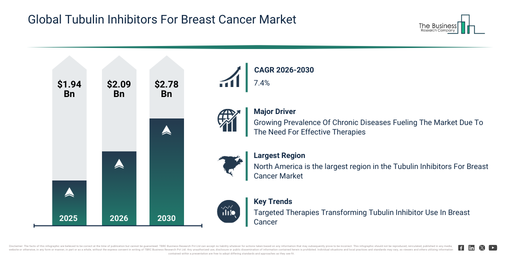
    The market for tubulin inhibitors in breast cancer treatment has shown significant expansion in recent years. It is anticipated to increase from $1.94 billion in 2025 to $2.09 billion in 2026, achieving a compound annual growth rate (CAGR) of 7.7%. This historic growth can be linked to factors like the limited supply of tubulin inhibitor drugs, a continued reliance on conventional chemotherapy, the rising prevalence of breast cancer, the expansion of hospital-based oncology treatments, and the adoption of standard treatment protocols.

    The market for tubulin inhibitors targeting breast cancer is anticipated to experience robust growth in the coming years. Its valuation is projected to reach $2.78 billion by 2030, demonstrating a compound annual growth rate (CAGR) of 7.4%. This expansion during the forecast period is driven by the development of new colchicine, taxanes, vinca alkaloids, and epothilones, the increasing application of neoadjuvant and adjuvant therapies, greater investment in personalized and targeted treatments, a rise in regulatory clearances for novel formulations, and the incorporation of digital health and clinical decision support tools. Key trends identified for the forecast period include the growing use of tubulin inhibitors in early-stage breast cancer, the evolution of combination and targeted therapeutic approaches, an uptick in clinical trials for innovative tubulin inhibitors, the embrace of personalized medicine strategies, and an increasing need for outpatient and clinic-based treatments.

    Download the Free Sample Report to Explore Key Market Insights:

    https://www.thebusinessresearchcompany.com/sample.aspx?id=24731&type=smp

    What Drivers Are Expected To Influence The Tubulin Inhibitors For Breast Cancer Market During The Forecast Period?

    The increasing prevalence of chronic diseases is anticipated to propel the growth of the tubulin inhibitors for breast cancer market going forward. Chronic diseases are long-term health disorders, such as breast cancer, characterized by uncontrolled cell proliferation and high recurrence rates that necessitate ongoing treatment measures. The rise in these conditions is largely driven by sedentary lifestyles, contributing to obesity, diabetes, and cardiovascular conditions. Tubulin inhibitors assist in managing chronic diseases by disrupting abnormal cell division, which can reduce inflammation, slow disease progression, and support the management of conditions linked to uncontrolled cellular proliferation. For instance, in April 2025, according to the National Breast Cancer Foundation, a US-based nonprofit organization, an estimated 316,950 women and 2,800 men are diagnosed with invasive breast cancer, and an additional 59,080 new cases of non-invasive (in situ) breast cancer are diagnosed. Therefore, the growing prevalence of chronic diseases is driving the expansion of the tubulin inhibitors for breast cancer market.

    How Is The Tubulin Inhibitors For Breast Cancer Market Structured Across Different Segments?

    The tubulin inhibitors for breast cancer market covered in this report is segmented –

    1) By Drug Class: Taxanes, Vinca Alkaloids, Epothilones, Other Drug Classes

    2) By Mechanism Of Action: Microtubule Destabilizers, Microtubule Polymerization Inhibitors, Modulators Of Tubulin Dynamics, Targeted Microtubule-Associated Proteins

    3) By Stage Of Breast Cancer: Early-stage Breast Cancer, Locally Advanced Breast Cancer, Metastatic Breast Cancer

    4) By Treatment Approach: Chemotherapy, Combination Therapy, Adjuvant Therapy, Neoadjuvant Therapy

    5) By Application: Hospital, Clinic, Drug Center, Other Applications

    Subsegments:

    1) By Taxanes: Paclitaxel, Docetaxel

    2) By Vinca Alkaloids: Vinorelbine, Vincristine, Vindesine

    3) By Epothilones: Ixabepilone, Epothilone B Derivatives

    4) By Other Drug Classes: Maytansinoids, Eribulin Mesylate, Cabazitaxel, Discodermolide

    Which Trends Are Shaping The Future Of The Tubulin Inhibitors For Breast Cancer Market?

    Leading companies in the tubulin inhibitors for breast cancer market are developing advanced treatment options, such as antibody-drug conjugates (ADCs), to enhance therapeutic accuracy and minimize unwanted side effects. ADCs that integrate tubulin inhibitors attach potent anti-mitotic drugs to monoclonal antibodies, which precisely identify and target breast cancer cells, allowing the medication to be delivered directly to the tumor. This focused technique increases the effectiveness of tubulin inhibitors while simultaneously lowering systemic toxicity. For example, in December 2023, Roche, a Switzerland-based pharmaceutical company, expanded the use of Kadcyla (ado-trastuzumab emtansine), a HER2-targeted ADC designed to deliver the tubulin inhibitor DM1 directly to HER2-positive breast cancer cells, thereby improving results in advanced breast cancer cases. This pioneering treatment leads to better outcomes for patients with advanced breast cancer by offering a more tailored, potent, and secure therapeutic approach.

    Which Major Players Dominate The Tubulin Inhibitors For Breast Cancer Market?

    Major companies operating in the tubulin inhibitors for breast cancer market are Pfizer Inc., F. Hoffmann-La Roche Ltd., Sanofi S.A., Novartis AG, Eli Lilly and Company, Eisai Co. Ltd., Sun Pharmaceutical Industries Limited, Genentech Inc., Luye Pharma Group Ltd., CSPC Pharmaceutical Group Limited, Jiangsu Hengrui Pharmaceuticals Co. Ltd., Natco Pharma Limited, Samyang Biopharmaceuticals Corporation, Qilu Pharmaceutical Co. Ltd., Beijing Biostar Pharmaceuticals Co. Ltd., Beijing Youcare Pharmaceutical Group Co. Ltd., Teva Pharmaceutical Industries Ltd., Fresenius Kabi AG, Dr. Reddy’s Laboratories Ltd., Cipla Ltd., Hikma Pharmaceuticals PLC, Aurobindo Pharma Ltd., Accord Healthcare Ltd., Baxter International Inc., Mylan N.V. (Viatris Inc.), Intas Pharmaceuticals Ltd., Zydus Lifesciences Ltd.

    Read the full tubulin inhibitors for breast cancer market report here:

    https://www.thebusinessresearchcompany.com/report/tubulin-inhibitors-for-breast-cancer-global-market-report

    Which Region Is Forecast To Lead The Tubulin Inhibitors For Breast Cancer Market In Terms Of Market Size?

    North America was the largest region in the tubulin inhibitors for breast cancer market in 2025. Asia-Pacific is expected to be the fastest-growing region in the forecast period. The regions covered in the tubulin inhibitors for breast cancer market report are Asia-Pacific, South East Asia, Western Europe, Eastern Europe, North America, South America, Middle East, Africa.

    Request A Tailored Tubulin Inhibitors For Breast Cancer Market Research Report For Competitive Advantage:

    https://www.thebusinessresearchcompany.com/customise?id=24731&type=smp

    Browse Through More Reports Similar to the Global Tubulin Inhibitors For Breast Cancer Market 2026, By The Business Research Company

    Breast Cancer Drugs Market Report 2026

    https://www.thebusinessresearchcompany.com/report/breast-cancer-drugs-global-market-report

    Lung Cancer Drugs Market Report 2026

    https://www.thebusinessresearchcompany.com/report/lung-cancer-drugs-global-market-report

    Cancer Diagnostics Market Report 2026

    https://www.thebusinessresearchcompany.com/report/cancer-diagnostics-global-market-report

    Get in touch with us:

    The Business Research Company: https://www.thebusinessresearchcompany.com/

    Americas +1 310-496-7795

    Asia +44 7882 955267 & +91 8897263534

    Europe +44 7882 955267

    Email us at info@tbrc.info

    Follow us on:

    LinkedIn: https://in.linkedin.com/company/the-business-research-company

    YouTube: https://www.youtube.com/channel/UC24_fI0rV8cR5DxlCpgmyFQ

    Global Market Model: https://www.thebusinessresearchcompany.com/global-market-model
  • mTOR-based therapies are advancing the Tuberous Sclerosis Drug Market 2026

    mTOR-based therapies are advancing the Tuberous Sclerosis Drug Market 2026

    The Business Research Company’s 2026 market reports include new capabilities such as market attractiveness scoring and analysis, total addressable market analysis, company scoring matrix, interactive excel data dashboard, improved supply chain analysis, upcoming startups in the market, and overview of key products, aimed at improving the depth, usability, and strategic value of the insights delivered.

    What Is The Market Size Of The Tuberous Sclerosis Drug Market In 2026 And What Value Is Projected For 2030?

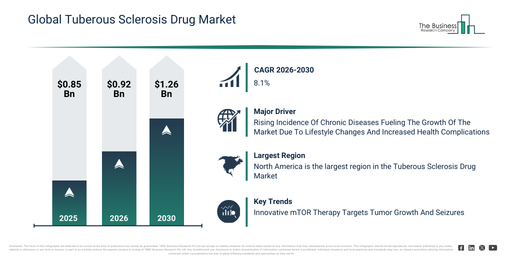
    The tuberous sclerosis drug market has experienced robust expansion over recent years. This market is projected to expand from $0.85 billion in 2025 to $0.92 billion in 2026, demonstrating a compound annual growth rate (CAGR) of 8.1%. Historically, this growth has been driven by factors such as increased rare disease awareness, advancements in genetic research, the availability of orphan drug incentives, enhanced hospital specialty care, and improved seizure disorder management.

    The market for tuberous sclerosis drugs is projected to experience robust expansion in the coming years. This market is anticipated to reach $1.26 billion by 2030, exhibiting a compound annual growth rate (CAGR) of 8.1%. Several factors are expected to fuel this growth during the forecast period, including the advancement of precision medicine, broader newborn screening initiatives, increased funding for orphan drugs, enhanced diagnostic capabilities, and the development of biologic therapies. Key trends shaping the market over this period encompass the rise of targeted mTOR inhibitor treatments, the broadening scope of rare disease drug development, a heightened emphasis on managing seizures, rising rates of genetic diagnoses, and the adoption of long-term strategies for symptom management.

    Download the Free Sample Report to Explore Key Market Insights:

    https://www.thebusinessresearchcompany.com/sample.aspx?id=24419&type=smp

    What Drivers Are Influencing The Tuberous Sclerosis Drug Market?

    The increasing occurrence of chronic illnesses is anticipated to drive the expansion of the tuberous sclerosis drug market in the future. These are defined as enduring health issues that generally advance gradually and necessitate continuous care, encompassing conditions such as diabetes, heart disease, hypertension, arthritis, chronic respiratory ailments, cancer, and obesity. The growing prevalence of chronic illnesses stems from shifts in lifestyle, notably unhealthy eating habits and insufficient physical activity, which lead to prolonged health complications. Tuberous sclerosis drugs assist in managing chronic diseases by addressing the root causes of conditions like tuberous sclerosis complex (TSC), providing effective therapies for tumor development and seizure regulation. These medications enhance patients’ quality of life through sustained symptom management and by lessening the necessity for frequent hospitalizations. For example, in June 2024, data from the National Health Service, a UK-based government department, revealed that 3,615,330 individuals registered with a general practitioner (GP) received a diagnosis of non-diabetic hyperglycemia or pre-diabetes in 2023. This represented an 18% rise from 3,065,825 cases recorded in 2022. Consequently, the increasing occurrence of chronic diseases is propelling the expansion of the tuberous sclerosis drug market.

    What Are The Key Segments Of The Tuberous Sclerosis Drug Market?

    The tuberous sclerosis drug market covered in this report is segmented –

    1) By Drug Class: Targeted Therapy, Immunotherapy, Symptomatic Treatment

    2) By Route Of Administration: Oral, Intravenous, Subcutaneous

    3) By Treatment Stage: Initial Diagnosis, Chronic Management, Recurrent Management

    4) By Distribution Channel: Hospital Pharmacies, Retail Pharmacies, Online Pharmacies

    5) By End-Users: Hospitals, Homecare, Specialty Clinics, Other End-Users

    Subsegments:

    1) By Targeted Therapy: Mammalian Target Of Rapamycin (mTOR) Inhibitors, Vascular Endothelial Growth Factor (VEGF) Inhibitors, Tyrosine Kinase Inhibitors

    2) By Immunotherapy: Monoclonal Antibodies, Cytokine Therapy

    3) By Symptomatic Treatment: Antiepileptic Drugs, Corticosteroids, Behavioral Therapy Medications

    What Key Trends Are Influencing The Development Of The Tuberous Sclerosis Drug Market?

    Major companies active in the tuberous sclerosis drug market are concentrating on creating advanced products, including mammalian target of rapamycin (mTOR) inhibitors, to effectively lessen tumor growth, control seizures, and target the fundamental molecular pathways of the condition. A mammalian target of rapamycin (mTOR) inhibitor represents a category of medications that impede the function of the mTOR protein, which is a key regulator of cell growth, proliferation, and survival. For example, in August 2024, Upsher-Smith Laboratories LLC, a US-based pharmaceutical company, launched TORPENZ (everolimus) tablets in 2.5 mg, 5 mg, 7.5 mg, and 10 mg strengths, for patients suffering from tuberous sclerosis complex (TSC). TORPENZ, an oral mammalian target of rapamycin (mTOR) inhibitor used for individuals with tuberous sclerosis complex (TSC), works by suppressing the hyperactive mammalian target of rapamycin (mTOR) pathway, which is responsible for uncontrolled cell growth in tuberous sclerosis complex (TSC), thereby aiding in the reduction of benign tumor size and the management of symptoms such as seizures.

    Who Are The Leading Companies Operating In The Tuberous Sclerosis Drug Market?

    Major companies operating in the tuberous sclerosis drug market are Novartis AG, Dr. Reddy’s Laboratories Ltd., Pfizer Inc., Teva Pharmaceutical Industries Ltd., Viatris Inc., Sun Pharmaceutical Industries Ltd., Cipla Limited, Aurobindo Pharma Ltd., Lupin Limited, Zydus Lifesciences Ltd., Glenmark Pharmaceuticals Ltd., Hikma Pharmaceuticals PLC, Alembic Pharmaceuticals Ltd., Torrent Pharmaceuticals Ltd., Intas Pharmaceuticals Ltd., Amneal Pharmaceuticals Inc., Alkem Laboratories Ltd., Wockhardt Ltd., Hetero Drugs Ltd., Mylan N.V., Accord Healthcare Ltd., Apotex Inc., Sandoz Group AG, Fresenius Kabi AG, Macleods Pharmaceuticals Ltd.

    Read the full tuberous sclerosis drug market report here:

    https://www.thebusinessresearchcompany.com/report/tuberous-sclerosis-drug-global-market-report

    Which Regions Are Expected To Experience Rapid Expansion In The Tuberous Sclerosis Drug Market?

    North America was the largest region in the tuberous sclerosis drug market in 2025. Asia-Pacific is expected to be the fastest-growing region in the forecast period. The regions covered in the tuberous sclerosis drug market report are Asia-Pacific, South East Asia, Western Europe, Eastern Europe, North America, South America, Middle East, Africa.

    Request A Tailored Tuberous Sclerosis Drug Market Research Report For Competitive Advantage:

    https://www.thebusinessresearchcompany.com/customise?id=24419&type=smp

    Browse Through More Reports Similar to the Global Tuberous Sclerosis Drug Market 2026, By The Business Research Company

    Cholinergic Drugs Market Report 2026

    https://www.thebusinessresearchcompany.com/report/cholinergic-drugs-global-market-report

    Neurological Disorder Drugs Market Report 2026

    https://www.thebusinessresearchcompany.com/report/neurological-disorder-drugs-global-market-report

    Lysosomal Disease Treatment Market Report 2026

    https://www.thebusinessresearchcompany.com/report/lysosomal-disease-treatment-global-market-report

    Get in touch with us:

    The Business Research Company: https://www.thebusinessresearchcompany.com/

    Americas +1 310-496-7795

    Asia +44 7882 955267 & +91 8897263534

    Europe +44 7882 955267

    Email us at info@tbrc.info

    Follow us on:

    LinkedIn: https://in.linkedin.com/company/the-business-research-company

    YouTube: https://www.youtube.com/channel/UC24_fI0rV8cR5DxlCpgmyFQ

    Global Market Model: https://www.thebusinessresearchcompany.com/global-market-model
  • Innovative clinical trials are shaping the Tuberculous Meningitis Treatment Market 2026

    Innovative clinical trials are shaping the Tuberculous Meningitis Treatment Market 2026

    The Business Research Company’s 2026 market reports include new capabilities such as market attractiveness scoring and analysis, total addressable market analysis, company scoring matrix, interactive excel data dashboard, improved supply chain analysis, upcoming startups in the market, and overview of key products, aimed at improving the depth, usability, and strategic value of the insights delivered.

    What Will Be The Estimated Market Valuation Of The Tuberculous Meningitis Treatment Market By The End Of 2030?

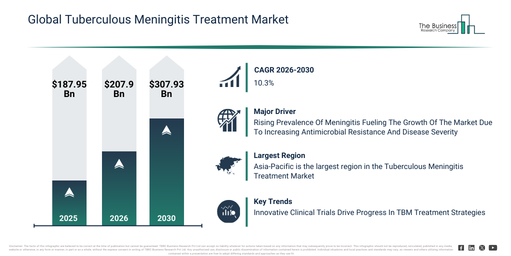
    The tuberculous meningitis treatment market has expanded rapidly in size over recent years. It is projected to grow from $187.95 billion in 2025 to $207.9 billion in 2026, at a compound annual growth rate (CAGR) of 10.6%. Historically, this growth can be attributed to factors such as the limited availability of effective anti-tuberculosis drugs, the high prevalence of TB meningitis in developing regions, a reliance on conventional hospital treatment protocols, inadequate early diagnosis and awareness, and restricted access to neurosurgical interventions.

    The tuberculous meningitis treatment market is projected to experience substantial expansion in the coming years. It is anticipated to reach $307.93 billion by 2030, exhibiting a compound annual growth rate (CAGR) of 10.3%. This growth during the forecast period is fueled by several factors, including the creation of new anti-tuberculosis treatments, the expansion of healthcare facilities in developing economies, the uptake of telemedicine and digital tools for patient monitoring, increased spending on clinical research and tailored medicine, and the incorporation of AI in diagnosis and treatment strategies. Key trends anticipated for this period encompass the growing utilization of both first-line and second-line anti-tuberculosis medications, a greater application of adjunctive corticosteroid therapy, the broadened scope of neurosurgical procedures for complex scenarios, the proliferation of treatment initiatives in hospitals and specialized clinics, and a heightened focus on continuous patient monitoring and customized care regimens.

    Download the Free Sample Report to Explore Key Market Insights:

    https://www.thebusinessresearchcompany.com/sample.aspx?id=24730&type=smp

    What Drivers Are Shaping The Future Growth Of The Tuberculous Meningitis Treatment Market?

    The expanding occurrence of meningitis is projected to stimulate the growth of the tuberculous meningitis treatment market. Meningitis, an inflammation of the protective membranes surrounding the brain and spinal cord, typically results from infections and necessitates prompt medical attention due to potential severe neurological complications. The increasing prevalence of this condition stems from growing antimicrobial resistance, which hinders effective bacterial infection treatment, leading to prolonged illnesses, higher transmission, and increased outbreak risks. Tuberculous meningitis treatment aids in managing meningitis by eliminating tuberculosis bacteria, reducing brain inflammation, and alleviating intracranial pressure to avert complications and enhance patient recovery. For example, Meningitis Now, a UK-based meningitis charity, reported 396 confirmed cases of invasive meningococcal disease in 2023, an increase from 205 cases in 2022. Consequently, the rising incidence of meningitis is propelling the expansion of the tuberculous meningitis treatment market. The increasing healthcare expenditure is anticipated to drive the expansion of the tuberculous meningitis treatment market. Healthcare expenditure encompasses all funds allocated to medical services, treatments, and health-related resources within a specific timeframe. This rise in spending is largely attributable to an predominantly aging population, which generates greater demand for medical services, long-term care, and age-specific treatments, thereby imposing a significant financial burden on healthcare systems. Increased healthcare spending supports tuberculous meningitis treatment through funding essential diagnostics, advanced medications, specialized care, and clinical research, ultimately leading to improved patient outcomes and a reduced disease burden. For instance, the American Medical Association reported that in 2023, health spending in the U.S. climbed by 7.5%, reaching $4.9 trillion, or $14,570 per person, a notable increase from the 4.6% growth recorded in 2022. Thus, the growing healthcare expenditure is fostering the development of the tuberculous meningitis treatment market.

    Which Segment Classifications Shape The Tuberculous Meningitis Treatment Market?

    The tuberculous meningitis treatment market covered in this report is segmented –

    1) By Treatment: Antibiotic Therapy, Adjunctive Corticosteroid Therapy, Neurosurgical Management

    2) By Distribution Channel: Hospital Pharmacy, Retail Pharmacy, Online Pharmacy

    3) By End User: Hospitals, Specialty Clinics, Other End Users

    Subsegments:

    1) By Antibiotic Therapy: First-Line Anti-Tuberculosis Drugs, Second-Line Anti-Tuberculosis Drugs

    2) By Adjunctive Corticosteroid Therapy: Dexamethasone, Prednisolone

    3) By Neurosurgical Management: Ventriculoperitoneal Shunt, External Ventricular Drainage (EVD), Surgical Removal Of Tuberculoma

    How Are Trends Impacting The Tuberculous Meningitis Treatment Market?

    Major companies operating in the tuberculous meningitis treatment market are prioritizing the advancement of therapies through ongoing clinical trials to enhance efficacy and improve patient outcomes. Clinical trials are defined as human research studies designed to assess the safety, effectiveness, and optimal use of medical treatments such as drugs, vaccines, or procedures. These trials are crucial for determining whether a new treatment works, identifying potential side effects, and comparing it to existing therapies before it can receive approval for widespread use. For instance, in December 2023, the AIDS Clinical Trials Group, a US-based HIV clinical trials organization, launched the IMAGINE-TBM (A5384) clinical trial. This is an international, randomized, open-label phase 2 study intended to evaluate a novel six-month treatment regimen for tuberculous meningitis (TBM). This regimen includes high-dose rifampicin, high-dose isoniazid, linezolid, and pyrazinamide, and it will be contrasted with the current nine-month standard of care. The trial will enroll 330 participants aged 15 and above, encompassing both HIV-positive and HIV-negative individuals from various high-TB-burden countries. The study aims to evaluate the safety and effectiveness of the shorter regimen to enhance treatment outcomes and reduce therapy duration for this life-threatening condition.

    Which Companies Are Expanding Their Footprint In The Tuberculous Meningitis Treatment Market?

    Major companies operating in the tuberculous meningitis treatment market are Merck & Co. Inc., Sanofi S.A., GlaxoSmithKline plc, Otsuka Pharmaceutical Co. Ltd., Sun Pharmaceutical Industries Limited, Aurobindo Pharma Limited, Cipla Limited, Cadila Pharmaceuticals Ltd., Amneal Pharmaceuticals Inc., Lupin Limited, Alkem Laboratories Limited, Macleods Pharmaceuticals Ltd., Torrent Pharmaceuticals Limited, Strides Pharma Science Limited, Ajanta Pharma Limited, Wockhardt Limited, Orchid Pharma Limited, Panacea Biotec Limited, Anuh Pharma Ltd., Rusan Pharma Ltd.

    Read the full tuberculous meningitis treatment market report here:

    https://www.thebusinessresearchcompany.com/report/tuberculous-meningitis-treatment-global-market-report

    Which Geographic Regions Are Influencing Demand In The Tuberculous Meningitis Treatment Market?

    Asia-Pacific was the largest region in the tuberculous meningitis treatment market in 2025. The regions covered in the tuberculous meningitis treatment market report are Asia-Pacific, South East Asia, Western Europe, Eastern Europe, North America, South America, Middle East, Africa.

    Request A Tailored Tuberculous Meningitis Treatment Market Research Report For Competitive Advantage:

    https://www.thebusinessresearchcompany.com/customise?id=24730&type=smp

    Browse Through More Reports Similar to the Global Tuberculous Meningitis Treatment Market 2026, By The Business Research Company

    Neutropenia Biologic Drug Treatments Market Report 2026

    https://www.thebusinessresearchcompany.com/report/neutropenia-biologic-drug-treatments-global-market-report

    Psoriatic Arthritis Treatments Market Report 2026

    https://www.thebusinessresearchcompany.com/report/psoriatic-arthritis-treatments-global-market-report

    Gastrointestinal Bleeding Treatment Devices Market Report 2026

    https://www.thebusinessresearchcompany.com/report/gastrointestinal-bleeding-treatment-devices-global-market-report

    Get in touch with us:

    The Business Research Company: https://www.thebusinessresearchcompany.com/

    Americas +1 310-496-7795

    Asia +44 7882 955267 & +91 8897263534

    Europe +44 7882 955267

    Email us at info@tbrc.info

    Follow us on:

    LinkedIn: https://in.linkedin.com/company/the-business-research-company

    YouTube: https://www.youtube.com/channel/UC24_fI0rV8cR5DxlCpgmyFQ

    Global Market Model: https://www.thebusinessresearchcompany.com/global-market-model
  • Trispecific Antibodies Market 2026 accelerating with precision medicine innovations

    Trispecific Antibodies Market 2026 accelerating with precision medicine innovations

    The Business Research Company’s 2026 market reports include new capabilities such as market attractiveness scoring and analysis, total addressable market analysis, company scoring matrix, interactive excel data dashboard, improved supply chain analysis, upcoming startups in the market, and overview of key products, aimed at improving the depth, usability, and strategic value of the insights delivered.

    What Market Size Growth Is Projected For The Trispecific Antibodies Market During The Forecast Period 2026–2030?

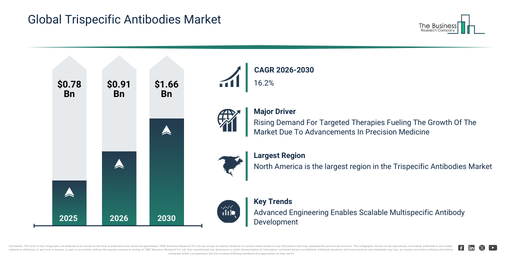
    The market for trispecific antibodies has experienced rapid expansion over recent years. It is projected to grow from $0.78 billion in 2025 to $0.91 billion by 2026, at a compound annual growth rate (CAGR) of 16.7%. Historically, this growth can be attributed to factors such as the limited availability of trispecific antibody platforms, early-stage research in oncology and autoimmune therapies, reliance on monoclonal antibody technologies, an increasing prevalence of targeted therapy approaches, and growing biotech and pharmaceutical R&D investments.

    The trispecific antibodies market is projected to experience substantial expansion in the coming years, with its value anticipated to reach $1.66 billion by 2030, exhibiting a compound annual growth rate (CAGR) of 16.2%. This growth during the projected period stems from progress in multivalent and synthetic protein scaffolds, an increasing need for personalized immunotherapy, the incorporation of dock-and-lock and tandem scFv technologies, the expansion of clinical trials worldwide, and stronger partnerships among pharmaceutical companies, biotechnology firms, and research organizations. Key trends anticipated during this period encompass the creation of trispecific antibodies for specific oncology treatments, broader applications in autoimmune and infectious conditions, the advancement of monoclonal and bispecific-trispecific antibody platforms, greater investment in fusion protein and synthetic antibody innovations, and growing collaborations between pharmaceutical companies and research institutions for novel antibody development.

    Download the Free Sample Report to Explore Key Market Insights:

    https://www.thebusinessresearchcompany.com/sample.aspx?id=27439&type=smp

    Which Economic Or Industry Drivers Are Impacting The Trispecific Antibodies Market?

    The increasing need for targeted treatments is projected to fuel the expansion of the trispecific antibodies market in the future. Targeted therapies encompass medical approaches that specifically aim to suppress molecular irregularities in conditions like cancer or other diseases, thereby enhancing treatment accuracy and minimizing damage to healthy cells. The growing emphasis on these therapies largely stems from developments in precision medicine, which facilitates tailored and more potent treatments based on unique genetic characteristics. Trispecific antibodies contribute to targeted therapies by simultaneously interacting with three different antigens, rendering them highly potent against intricate ailments such as cancer and viral infections. They further improve treatment accuracy through better immune cell involvement and by obstructing various disease pathways, leading to superior therapeutic results. For instance, in December 2024, data from the American Society of Gene & Cell Therapy (ASGCT), a US-based non-profit medical and scientific organization, indicated that the Food and Drug Administration (FDA) sanctioned 6 gene therapy products in 2023, an increase from 5 approvals in 2022. Consequently, the growing requirement for targeted therapies is propelling the growth of the trispecific antibodies market.

    What Market Segments Are Evaluated Within The Trispecific Antibodies Market?

    The trispecific antibodies market covered in this report is segmented –

    1) By Product Type: Monoclonal Trispecific Antibodies, Bispecific-Trispecific Antibodies, Other Product Types

    2) By Application: Oncology, Autoimmune Diseases, Infectious Diseases, Other Applications

    3) By End-User: Hospitals, Research Institutes, Pharmaceutical And Biotechnology Companies, Other End-Users

    Subsegments:

    1) By Monoclonal Trispecific Antibodies: Immunoglobulin G Based, Single Chain Variable Fragment Based, Dual Variable Domain Immunoglobulin Based

    2) By Bispecific-Trispecific Antibodies: Fusion Protein Based, Tandem Single Chain Variable Fragment Based, Dock And Lock Technology Based

    3) By Other Product Types: Multivalent Binding Molecules, Synthetic Protein Scaffolds, Engineered Antibody Fragments

    What Industry Trends Are Redefining The Trispecific Antibodies Market?

    Companies operating in the trispecific antibodies market are prioritizing the creation of advanced products, such as trispecific antibody engineering platforms, to bolster efficacy, broaden applications, and expedite biologics development. These engineering platforms denote sophisticated technologies crafted to develop antibodies that can simultaneously attach to three distinct targets, facilitating more accurate and potent treatment for intricate conditions like cancer and viral infections. For instance, in May 2025, Invenra Inc., a US-based biotechnology firm, unveiled its T-BODY platform with the aim of advancing next-generation trispecific therapeutic antibodies. This platform enables the scalable assembly of multispecific antibody constructs, resulting in superior immune cell engagement, optimized tumor targeting, and customizable functionality. The T-Body platform utilizes advanced molecular engineering to ensure stability, manufacturability, and improved pharmacokinetics, thereby supporting the development of innovative treatments.

    Who Are The Top Market Participants Influencing The Trispecific Antibodies Market?

    Major companies operating in the trispecific antibodies market are Johnson & Johnson, F. Hoffmann-La Roche AG, Merck & Co. Inc., AbbVie Inc., Sanofi S.A., AstraZeneca plc, Novartis AG, Biocytogen Pharmaceuticals (Beijing) Co. Ltd., Zymeworks Inc., Molecular Partners AG, Genor Biopharma Co. Ltd., Numab Therapeutics AG, GT Biopharma Inc., Ichnos Sciences Inc.

    Read the full trispecific antibodies market report here:

    https://www.thebusinessresearchcompany.com/report/trispecific-antibodies-global-market-report

    What Are The Top-Performing Regions Within The Trispecific Antibodies Market?

    North America was the largest region in the trispecific antibodies market in 2025. The regions covered in the trispecific antibodies market report are Asia-Pacific, South East Asia, Western Europe, Eastern Europe, North America, South America, Middle East, Africa.

    Request A Tailored Trispecific Antibodies Market Research Report For Competitive Advantage:

    https://www.thebusinessresearchcompany.com/customise?id=27439&type=smp

    Browse Through More Reports Similar to the Global Trispecific Antibodies Market 2026, By The Business Research Company

    Business Software Market Report 2026

    https://www.thebusinessresearchcompany.com/report/business-software-global-market-report

    Asset Finance Software Market Report 2026

    https://www.thebusinessresearchcompany.com/report/asset-finance-software-global-market-report

    Project Management Software Market Report 2026

    https://www.thebusinessresearchcompany.com/report/project-management-software-global-market-report

    Get in touch with us:

    The Business Research Company: https://www.thebusinessresearchcompany.com/

    Americas +1 310-496-7795

    Asia +44 7882 955267 & +91 8897263534

    Europe +44 7882 955267

    Email us at info@tbrc.info

    Follow us on:

    LinkedIn: https://in.linkedin.com/company/the-business-research-company

    YouTube: https://www.youtube.com/channel/UC24_fI0rV8cR5DxlCpgmyFQ

    Global Market Model: https://www.thebusinessresearchcompany.com/global-market-model
  • Treprostinil Sodium Market 2026 driven by rising health and wellness awareness, fueling growth through increased focus on nutrition and preventive healthcare.

    Treprostinil Sodium Market 2026 driven by rising health and wellness awareness, fueling growth through increased focus on nutrition and preventive healthcare.

    The Business Research Company’s 2026 market reports include new capabilities such as market attractiveness scoring and analysis, total addressable market analysis, company scoring matrix, interactive excel data dashboard, improved supply chain analysis, upcoming startups in the market, and overview of key products, aimed at improving the depth, usability, and strategic value of the insights delivered.

    How Will The Market Size Of The Trial Size Supplements Market Evolve From 2026 To 2030?

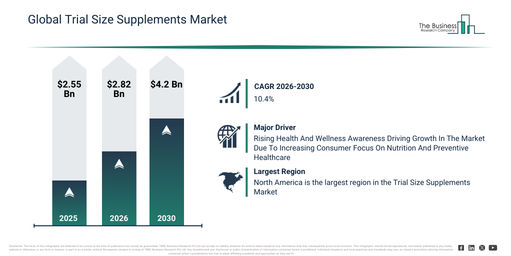
    The trial size supplements market has witnessed substantial growth in recent years. Its value is expected to rise from $2.55 billion in 2025 to $2.82 billion in 2026, achieving a compound annual growth rate (CAGR) of 10.7%. This historic expansion can be linked to factors such as the increasing number of health and wellness product introductions, growing consumer experimentation with supplements, the broadening scope of e-commerce retail channels, heightened brand competition in nutraceuticals, and the accessibility of flexible packaging solutions.

    The trial size supplements market is projected for substantial expansion over the coming years, with its size expected to reach $4.2 billion by 2030, demonstrating a compound annual growth rate (CAGR) of 10.4%. This growth throughout the forecast period is attributed to several factors, including a heightened focus on customer acquisition strategies, a rising demand for personalized supplement trials, the expansion of online wellness marketplaces, an increasing emphasis on sustainable packaging solutions, and the growing use of data-driven marketing. Key trends anticipated during this period involve the increasing adoption of trial packs for product sampling, a rising demand for travel-friendly supplement formats, the expansion of subscription-based sampling models, a growing uptake of eco-friendly packaging, and an enhanced focus on consumer trial and conversion strategies.

    Download the Free Sample Report to Explore Key Market Insights:

    https://www.thebusinessresearchcompany.com/sample.aspx?id=30422&type=smp

    What Major Drivers Are Influencing Demand In The Trial Size Supplements Market?

    The expanding consumer desire for health and wellness products is anticipated to fuel the future expansion of the trial-size supplements market. These products are designed to foster overall well-being, prevent illnesses, and boost physical and mental health. The heightened demand stems from growing consumer awareness regarding preventive healthcare, as individuals prioritize nutrition, fitness, and lifestyle choices to avoid diseases and sustain optimal well-being. As people increasingly seek personalized and convenient health solutions, trial-size supplements align with this trend by offering smaller, easy-to-use portions, enabling individuals to test new nutritional products, manage expenditures, and consistently adopt healthier habits. For example, in 2024, data from the International Food Information Council, a US-based nonprofit organization, indicated that the proportion of consumers aiming to boost their protein intake climbed steadily from 59% in 2022 to 67% in 2023 and 71% in 2024. This demonstrates a wider movement towards mindful eating and trying various supplement options, including smaller formats. Consequently, the rising demand for health and wellness products is a key factor driving the growth of the trial-size supplements market. Increased disposable incomes are projected to drive the growth of the trial-size supplements market moving forward. Disposable income refers to the funds an individual or household retains after tax payments, available for either spending or saving. The rise in disposable incomes is linked to improvements in economic growth and job opportunities, allowing people to earn and keep a greater portion of their post-tax earnings. A higher disposable income boosts consumers’ discretionary spending capacity, enabling them to purchase non-essential health and wellness items like trial-size supplements. These compact formats provide individuals with an accessible and affordable way to explore and experiment with new nutritional products before committing to full-sized purchases. For instance, in October 2024, Statistics Iceland, an Iceland-based government agency, reported that household gross disposable income in 2023 was estimated to have surged by 13.6% compared to the prior year. Therefore, the growth of the trial-size supplements market is being propelled by increasing disposable incomes.

    Which Segment Areas Are Covered In The Trial Size Supplements Market Analysis?

    The trial size supplements market covered in this report is segmented –

    1) By Product Type: Vitamins, Minerals, Herbal Supplements, Protein Supplements, Amino Acids, Enzymes, Probiotics, Other Nutritional Supplements

    2) By Form: Capsules, Tablets, Powder, Softgels, Liquids, Gummies

    3) By Packaging Type: Blister Packs, Pouches, Bottles, Boxes, Tubes

    4) By Distribution Channel: Online Retail, Pharmacies, Health And Wellness Stores, Supermarkets Or Hypermarkets, Direct Sales

    5) By End User: Adults, Children, Athletes, Elderly

    Subsegments:

    1) By Vitamins: Vitamin A, Vitamin B Complex, Vitamin C

    2) By Minerals: Calcium, Magnesium, Zinc

    3) By Herbal Supplements: Ginseng, Ashwagandha, Turmeric

    4) By Protein Supplements: Whey Protein, Casein Protein, Soy Protein

    5) By Amino Acids: Glutamine, L-Arginine, L-Tryptophan

    6) By Enzymes: Protease, Amylase, Lipase

    7) By Probiotics: Lactobacillus, Bifidobacterium, Saccharomyces boulardii

    8) By Other Nutritional Supplements: Omega-3 Fatty Acids, Coenzyme Q10, Fiber Supplements

    Which Global Companies Are Actively Competing In The Trial Size Supplements Market?

    Major companies operating in the trial size supplements market are Abbott Laboratories, Herbalife Ltd., GNC Holdings LLC, Myprotein, Swanson Health Products Inc., Iovate Health Sciences International Inc., Athletic Greens, Grenade (UK) Limited, Optimum Nutrition Inc., ProSupps USA LLC, Sunwarrior LLC, Isagenix International LLC, eFlow Nutrition LLC, German American Technologies (GAT Sport), HealthifyMe Wellness Private Limited, PEScience Inc., Sprout Living, VitaMist Ltd., ADDRA Labs, TravelVita

    Read the full trial size supplements market report here:

    https://www.thebusinessresearchcompany.com/report/global-trial-size-supplements-market-report

    Which Region Shows The Strongest Potential For Future Growth In The Trial Size Supplements Market?

    North America was the largest region in the trial size supplements market in 2025. Asia-Pacific is expected to be the fastest-growing region in the forecast period. The regions covered in the trial size supplements market report are Asia-Pacific, South East Asia, Western Europe, Eastern Europe, North America, South America, Middle East, Africa.

    Request A Tailored Trial Size Supplements Market Research Report For Competitive Advantage:

    https://www.thebusinessresearchcompany.com/customise?id=30422&type=smp

    Browse Through More Reports Similar to the Global Trial Size Supplements Market 2026, By The Business Research Company

    Clinical Trial Supplies Market Report 2026

    https://www.thebusinessresearchcompany.com/report/clinical-trial-supplies-global-market-report

    Weight Loss Supplements Market Report 2026

    https://www.thebusinessresearchcompany.com/report/weight-loss-supplements-global-market-report

    Dietary Supplement Testing Services Market Report 2026

    https://www.thebusinessresearchcompany.com/report/dietary-supplement-testing-services-global-market-report

    Get in touch with us:

    The Business Research Company: https://www.thebusinessresearchcompany.com/

    Americas +1 310-496-7795

    Asia +44 7882 955267 & +91 8897263534

    Europe +44 7882 955267

    Email us at info@tbrc.info

    Follow us on:

    LinkedIn: https://in.linkedin.com/company/the-business-research-company

    YouTube: https://www.youtube.com/channel/UC24_fI0rV8cR5DxlCpgmyFQ

    Global Market Model: https://www.thebusinessresearchcompany.com/global-market-model
  • Global Treprostinil Sodium Market 2026 evolving with pulmonary hypertension treatment demand

    Global Treprostinil Sodium Market 2026 evolving with pulmonary hypertension treatment demand

    The Business Research Company’s 2026 market reports include new capabilities such as market attractiveness scoring and analysis, total addressable market analysis, company scoring matrix, interactive excel data dashboard, improved supply chain analysis, upcoming startups in the market, and overview of key products, aimed at improving the depth, usability, and strategic value of the insights delivered.

    What Is The Forecasted Market Value Of The Treprostinil Sodium Market Across 2026–2030?

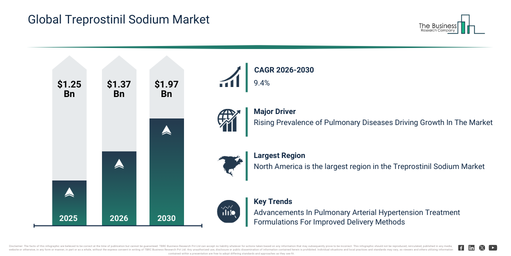
    The treprostinil sodium market has experienced substantial growth in recent years. It is anticipated to expand from $1.25 billion in 2025 to $1.37 billion in 2026, demonstrating a compound annual growth rate (CAGR) of 9.5%. Historically, this market’s expansion was fueled by the clinical effectiveness of prostacyclin therapy, the broader expansion of PAH diagnosis, hospital-based PAH treatment, the availability of limited alternative therapies, and enhanced survival outcomes.

    The treprostinil sodium market is anticipated to experience robust expansion over the coming years. This market is projected to reach a value of $1.97 billion by 2030, exhibiting a compound annual growth rate (CAGR) of 9.4%. Factors driving this growth during the forecast period include the increasing prevalence of PAH, greater adoption of long-term treatments, the expansion of inhalable and oral formulations, a growing presence of specialty clinics, and heightened awareness of PAH. Key trends anticipated in the same period involve a rising utilization of prostacyclin analog therapies, an intensified focus on pulmonary arterial hypertension, the expansion of home-based PAH treatment options, a growing embrace of multiple drug delivery routes, and an elevated demand for long-term PAH management.

    Download the Free Sample Report to Explore Key Market Insights:

    https://www.thebusinessresearchcompany.com/sample.aspx?id=21306&type=smp

    Which Market Drivers Are Supporting The Expansion Of The Treprostinil Sodium Market?

    The treprostinil sodium market is projected to grow as the number of pulmonary disease cases increases. Pulmonary diseases are conditions that impact the lungs and respiratory system, disrupting breathing and oxygen flow, with rising incidence linked to factors such as air pollution, smoking, environmental toxins, and a growing aging population. Treprostinil sodium, a vasodilator, functions by relaxing lung blood vessels, which reduces pressure, improves breathing, and provides adaptable treatment for these diseases. For example, in June 2025, the Office for Health Improvement & Disparities, a UK-based government agency, noted that emergency hospital admissions for respiratory diseases in England rose by 7% between the financial years ending 2023 and 2024. Thus, the increasing prevalence of pulmonary diseases is a key driver for the treprostinil sodium market’s expansion.

    What Segmentation Levels Are Considered In The Treprostinil Sodium Market?

    The treprostinil sodium market covered in this report is segmented –

    1) By Product Type: Injectable, Inhalable, Oral

    2) By Applications: Pulmonary Arterial Hypertension, Chronic Thromboembolic Pulmonary Hypertension, Other Applications

    3) By Distribution Channel: Hospitals, Specialty Clinics, Online Pharmacies, Retail Pharmacies

    Subsegments:

    1) By Injectable: Subcutaneous Injection, Intravenous Infusion

    2) By Inhalable: Inhalation Aerosol, Nebulizer Solution

    3) By Oral: Extended-Release Tablets, Oral Suspension

    What Trends Are Projected To Affect The Treprostinil Sodium Market?

    Companies actively engaged in the treprostinil sodium market are prioritizing the creation of advanced therapies for pulmonary arterial hypertension, specifically pulmonary vasodilator prostacyclin analogy injections, aimed at enhancing pulmonary hemodynamic control and improving symptom management for patients suffering from pulmonary arterial hypertension (PAH). A pulmonary vasodilator prostacyclin analog injection is a biologically synthesized form of prostacyclin or its equivalent, administered either intravenously or subcutaneously to dilate pulmonary arteries, thereby reducing pulmonary vascular resistance and improving blood flow in individuals with pulmonary arterial hypertension (PAH). As an illustration, in April 2023, Dr. Reddy’s Laboratories, an India-based pharmaceutical company, announced the introduction of Treprostinil Injection into the U.S. market, following approval by the Food and Drug Administration, a US-based government agency. Treprostinil injection is a therapeutically equivalent generic substitute for Remodulin (treprostinil) injection, belonging to a category of agents known as prostacyclin mimetics, which are prescribed for pulmonary arterial hypertension to alleviate symptoms associated with physical activity. It is offered in vials of 20 mg/20 mL, 50 mg/20 mL, 100 mg/20 mL, or 200 mg/20 mL.

    Which Leading Firms Are Contributing To The Growth Of The Treprostinil Sodium Market?

    Major companies operating in the treprostinil sodium market are United Therapeutics Corporation, Liquidia Corporation, Teva Pharmaceutical Industries Ltd., Sandoz International GmbH, Dr. Reddy’s Laboratories Ltd., Mylan Laboratories Limited, Alembic Pharmaceuticals Ltd., Euroapi SA, Cipla Limited, Lupin Limited, Sun Pharmaceutical Industries Ltd., Endo International plc, ChemWerth Inc., LGM Pharma, Simson Pharma Limited, YONSUNG Fine Chemicals Co. Ltd., Nuray Chemicals Private Limited, KPS Chemicals Pharmaceuticals, Farbe Firma Pvt. Ltd., Aurobindo Pharma Limited

    Read the full treprostinil sodium market report here:

    https://www.thebusinessresearchcompany.com/report/treprostinil-sodium-global-market-report

    How Is The Treprostinil Sodium Market Distributed Across Key Geographic Regions?

    North America was the largest region in the treprostinil sodium market in 2025. The regions covered in the treprostinil sodium market report are Asia-Pacific, South East Asia, Western Europe, Eastern Europe, North America, South America, Middle East, Africa.

    Request A Tailored Treprostinil Sodium Market Research Report For Competitive Advantage:

    https://www.thebusinessresearchcompany.com/customise?id=21306&type=smp

    Browse Through More Reports Similar to the Global Treprostinil Sodium Market 2026, By The Business Research Company

    Montelukast Sodium Market Report 2026

    https://www.thebusinessresearchcompany.com/report/montelukast-sodium-global-market-report

    Sodium Reduction Ingredients Market Report 2026

    https://www.thebusinessresearchcompany.com/report/sodium-reduction-ingredients-global-market-report

    Sodium Chloride Market Report 2026

    https://www.thebusinessresearchcompany.com/report/sodium-chloride-global-market-report

    Get in touch with us:

    The Business Research Company: https://www.thebusinessresearchcompany.com/

    Americas +1 310-496-7795

    Asia +44 7882 955267 & +91 8897263534

    Europe +44 7882 955267

    Email us at info@tbrc.info

    Follow us on:

    LinkedIn: https://in.linkedin.com/company/the-business-research-company

    YouTube: https://www.youtube.com/channel/UC24_fI0rV8cR5DxlCpgmyFQ

    Global Market Model: https://www.thebusinessresearchcompany.com/global-market-model

  • Travel Vaccines Market 2026 expanding with global mobility trends

    Travel Vaccines Market 2026 expanding with global mobility trends

    The Business Research Company’s 2026 market reports include new capabilities such as market attractiveness scoring and analysis, total addressable market analysis, company scoring matrix, interactive excel data dashboard, improved supply chain analysis, upcoming startups in the market, and overview of key products, aimed at improving the depth, usability, and strategic value of the insights delivered.

    What Market Size Increase Is Anticipated For The Travel Vaccines Market Over The 2026–2030 Period?

    The travel vaccines market has experienced substantial growth in recent years. This market is projected to expand from $5.09 billion in 2025 to $5.56 billion in 2026, achieving a compound annual growth rate (CAGR) of 9.2%. Historically, the growth can be attributed to several factors including limited access to vaccines in emerging markets, low public awareness of travel-related diseases, a continued reliance on traditional vaccination centers, regulatory approvals for mono vaccines, and the slow adoption of online booking platforms.

    The travel vaccines market is projected to experience substantial expansion in the upcoming years, with its size forecast to reach $8.16 billion by 2030, exhibiting a compound annual growth rate (CAGR) of 10.0%. This anticipated growth can be attributed to increasing global travel and mobility, advancements in biotechnology for combination vaccines, the growth of digital health and telemedicine services, rising awareness of preventive healthcare, and the expansion of international travel immunization programs. Major trends influencing this period include a rise in international tourism and business travel, increasing awareness of preventive healthcare for travelers, the expansion of online travel health services and booking platforms, the development of combination and multivalent travel vaccines, and the growth in public-private partnerships for global immunization programs.

    Download the Free Sample Report to Explore Key Market Insights:

    https://www.thebusinessresearchcompany.com/sample.aspx?id=11918&type=smp

    What Underlying Factors Are Accelerating The Growth Of The Travel Vaccines Market?

    The expanding domain of travel and tourism is anticipated to fuel the future expansion of the travel vaccine market. This sector encompasses the movement of individuals or objects, utilizing various modes of transport such as trains, boats, airplanes, and other conveyances, across different distant locations. Travel vaccines play a crucial role in safeguarding the health and well-being of tourists and travelers during their international journeys. As an illustration, UN Tourism, a Spain-based specialized agency dedicated to promoting responsible, sustainable, and universally accessible tourism, reported in May 2025 that over 300 million tourists undertook international travel within the first three months of 2025. This figure represents an increase of approximately 14 million compared to the corresponding period in 2024, signifying a 5% year-on-year rise. Consequently, the growing volume of travel and tourism activity is stimulating the expansion of the travel vaccine market.

    How Is The Travel Vaccines Market Segmented Across Key Categories?

    The travel vaccines market covered in this report is segmented –

    1) By Disease: Hepatitis A, Diphtheria, Pertussis, And Tetanus (DPT), Yellow Fever, Typhoid, Hepatitis B, Measles And Mumps, Rabies, Meningococcal, Other Diseases,

    2) By Composition: Mono Vaccines, Combination Vaccines

    3) By Booking Channel: Online Booking, In-Person Booking

    4) By Application: Domestic Travel, Outbound Travel

    Which Upcoming Trends Are Expected To Influence The Travel Vaccines Market?

    Major companies in the travel vaccine market are developing advanced vaccines to offer active immunity and prevent Hepatitis A, a common concern for travelers. A travel vaccine is specifically designed to protect individuals from infectious diseases prevalent in certain areas or countries, often recommended for those visiting such regions. For instance, in January 2024, Indian Immunologicals Ltd. (IIL), an India-based biotechnology company, introduced Havisure, India’s first indigenously developed Hepatitis A vaccine. Havisure is expected to be vital in safeguarding against the Hepatitis A virus, which primarily affects the liver. This vaccine is effective in preventing the disease and is recommended for children as part of their routine immunization. Additionally, it is advised for individuals at risk of exposure or those traveling to areas with high rates of Hepatitis A.

    Who Are The Dominant Players Shaping The Travel Vaccines Market Landscape?

    Major companies operating in the travel vaccines market are Pfizer Inc, Johnson and Johnson, Merck & Co. Inc, Sanofi SA, GlaxoSmithKline plc, Takeda Pharmaceutical Company Limited, Serum Institute of India Pvt. Ltd., Bavarian Nordic A/S, Valneva SE, Panacea Biotec, Bharat Biotech International Limited, Bio Farma, Novavax Inc, Emergent BioSolutions UK, Biological E. Limited, Vabiotech, Cadila Healthcare Limited, Zydus Lifesciences Ltd, Cipla Inc, Haffkine Biopharmaceutical Corporation Ltd

    Read the full travel vaccines market report here:

    https://www.thebusinessresearchcompany.com/report/travel-vaccines-global-market-report

    Which Region Is Projected To Dominate The Travel Vaccines Market During The Forecast Period?

    North America was the largest region in the travel vaccines market in 2025. Asia-Pacific is expected to be the fastest-growing region in the forecast period. The regions covered in the travel vaccines market report are Asia-Pacific, South East Asia, Western Europe, Eastern Europe, North America, South America, Middle East, Africa.

    Request A Tailored Travel Vaccines Market Research Report For Competitive Advantage:

    https://www.thebusinessresearchcompany.com/customise?id=11918&type=smp

    Browse Through More Reports Similar to the Global Travel Vaccines Market 2026, By The Business Research Company

    Travel Vaccines Market Report 2026

    https://www.thebusinessresearchcompany.com/report/travel-vaccines-global-market-report

    Vaccines Market Report 2026

    https://www.thebusinessresearchcompany.com/report/vaccines-global-market-report

    Vaccine Delivery Devices Market Report 2026

    https://www.thebusinessresearchcompany.com/report/vaccine-delivery-devices-global-market-report

    Get in touch with us:

    The Business Research Company: https://www.thebusinessresearchcompany.com/

    Americas +1 310-496-7795

    Asia +44 7882 955267 & +91 8897263534

    Europe +44 7882 955267

    Email us at info@tbrc.info

    Follow us on:

    LinkedIn: https://in.linkedin.com/company/the-business-research-company

    YouTube: https://www.youtube.com/channel/UC24_fI0rV8cR5DxlCpgmyFQ

    Global Market Model: https://www.thebusinessresearchcompany.com/global-market-model
  • Traumatic Brain Injury Biomarkers Market 2026 advancing diagnostic capabilities

    Traumatic Brain Injury Biomarkers Market 2026 advancing diagnostic capabilities

    The Business Research Company’s 2026 market reports include new capabilities such as market attractiveness scoring and analysis, total addressable market analysis, company scoring matrix, interactive excel data dashboard, improved supply chain analysis, upcoming startups in the market, and overview of key products, aimed at improving the depth, usability, and strategic value of the insights delivered.

    How Much Is The Traumatic Brain Injury Biomarkers Market Expected To Grow In Terms Of Market Value Between 2026 And 2030?

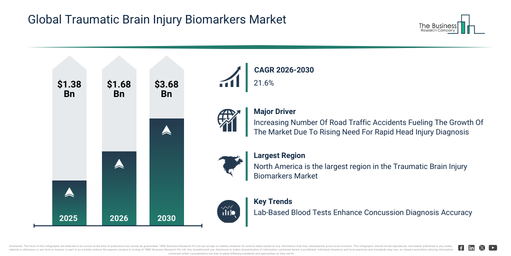
    The market size for traumatic brain injury biomarkers has experienced considerable expansion in recent years. Projections indicate an increase from $1.38 billion in 2025 to $1.68 billion in 2026, with a compound annual growth rate (CAGR) of 21.9%. This historical growth was driven by factors such as the restricted availability of standardized tbi biomarkers, a dependence on conventional imaging techniques, an expanding awareness of traumatic brain injury impacts, the proliferation of hospital-based diagnostic facilities, and nascent research into protein and genetic biomarkers.

    The traumatic brain injury biomarkers market size is projected to experience rapid expansion over the upcoming years. This market is set to reach a value of $3.68 billion by 2030, demonstrating a compound annual growth rate (CAGR) of 21.6%. Factors driving this growth during the forecast period include progress in high-sensitivity protein and genetic assays, the incorporation of metabolomic biomarkers into tbi assessment, the development of personalized monitoring and prognosis tools, increased adoption by hospitals and diagnostic labs, and greater investment in tbi biomarker research and clinical trials. Key trends anticipated for this period involve a greater uptake of blood-based and csf-based biomarker testing, an intensified focus on the early diagnosis and prognosis of traumatic brain injury, the creation of multiplex protein and genetic biomarker panels, an increase in monitoring tools for treatment response, and the incorporation of research-based biomarkers into standard clinical practice.

    Download the Free Sample Report to Explore Key Market Insights:

    https://www.thebusinessresearchcompany.com/sample.aspx?id=27438&type=smp

    Which Growth Drivers Are Contributing To The Progress Of The Traumatic Brain Injury Biomarkers Market?

    The traumatic brain injury biomarkers market is projected to expand in response to the growing incidence of road traffic accidents. These accidents are defined as unforeseen occurrences leading to injury, damage, or harm, frequently necessitating urgent medical intervention. The proliferation of road traffic accidents is attributed to the swift increase in private vehicle ownership, driven by trends in urbanization and motorization. Traumatic brain injury biomarkers facilitate care following road traffic accidents by allowing for quick and precise evaluation of head injuries. They assist in early detection through the identification of specific proteins in the bloodstream, thereby enabling medical professionals to make prompt treatment choices and enhance patient results in critical scenarios. For instance, in October 2025, according to a report published by the National Highway Traffic Safety Administration (NHTSA), a US-based national safety organisation, reported that the United States recorded 6,138,359 police-reported motor-vehicle crashes, resulting in 40,901 deaths and 2,442,581 injuries, highlighting a significant trauma burden. Consequently, the rising occurrence of road traffic accidents is fueling the expansion of the traumatic brain injury biomarkers market.

    What Major Segment Divisions Exist Within The Traumatic Brain Injury Biomarkers Market?

    The traumatic brain injury biomarkers market covered in this report is segmented –

    1) By Type: Protein Biomarkers, Genetic Biomarkers, Metabolomic Biomarkers

    2) By Sample Type: Blood-based, Cerebrospinal Fluid (CSF)-Based, Urine-Based

    3) By Application: Diagnosis, Prognosis, Monitoring Treatment Response

    4) By End Use: Hospitals And Clinics, Diagnostic Laboratories, Research Institutes

    Subsegments:

    1) By Protein Biomarkers: Glial Fibrillary Acidic Protein (GFAP), Ubiquitin C-Terminal Hydrolase L1 (UCH-L1), S100 Calcium Binding Protein B (S100B), Neuron-Specific Enolase (NSE)

    2) By Genetic Biomarkers: Apolipoprotein E (APOE) Genotyping, Brain-Derived Neurotrophic Factor (BDNF) Polymorphism, Interleukin-6 (IL-6) Gene Variants, Tumor Necrosis Factor-Alpha (TNF-α) Polymorphism

    3) By Metabolomic Biomarkers: Lactate, Creatine, Choline, N-Acetylaspartate (NAA)

    How Are Trends Shaping The Direction Of The Traumatic Brain Injury Biomarkers Market?

    Leading companies in the traumatic brain injury biomarker market are concentrating on developing innovative solutions, such as a laboratory-based blood test, to enhance the accuracy and speed of concussion evaluation and diagnosis. A laboratory-based blood test functions as a diagnostic tool that quantifies specific biomarkers in the blood to ascertain the presence and severity of brain injuries, thereby enabling earlier and more objective clinical decisions. For instance, in June 2025, Abbott Laboratories, a US-based healthcare company, introduced the Alinity i and Architect i1000SR lab tests. These tests are designed to measure two critical biomarkers, glial fibrillary acidic protein (GFAP) and ubiquitin carboxy-terminal hydrolase (UCH)-L1, to aid clinicians in evaluating suspected concussions within 12 hours of injury. Additionally, these provide lab results in just 18 minutes, facilitating quicker triage decisions in emergency settings and reducing the need for unnecessary CT scans. This innovation offers physicians a reliable method for identifying patients with potential traumatic brain injuries and also marks a significant advancement in extending access to faster, evidence-based care within emergency departments.

    Which Companies Are Leading Innovation In The Traumatic Brain Injury Biomarkers Market?

    Major companies operating in the traumatic brain injury biomarkers market are F. Hoffmann-La Roche Ltd, Thermo Fisher Scientific Inc., Abbott Laboratories, Siemens Healthineers AG, BioMérieux S.A., DiaSorin S.p.A., Abcam Limited, Fujirebio Inc., Meso Scale Diagnostics (MSD), Olink Holding AB, Quanterix Corporation, OriGene Technologies Inc., BioDirection Inc., BrainBox Solutions Inc., NeuroTrauma Sciences LLC, Banyan Biomarkers Inc.

    Read the full traumatic brain injury biomarkers market report here:

    https://www.thebusinessresearchcompany.com/report/traumatic-brain-injury-biomarkers-global-market-report

    What Are The Leading Geographic Regions In The Traumatic Brain Injury Biomarkers Market?

    North America was the largest region in the traumatic brain injury biomarkers market in 2025. Asia-Pacific is expected to be the fastest-growing region in the forecast period. The regions covered in the traumatic brain injury biomarkers market report are Asia-Pacific, South East Asia, Western Europe, Eastern Europe, North America, South America, Middle East, Africa.

    Request A Tailored Traumatic Brain Injury Biomarkers Market Research Report For Competitive Advantage:

    https://www.thebusinessresearchcompany.com/customise?id=27438&type=smp

    Browse Through More Reports Similar to the Global Traumatic Brain Injury Biomarkers Market 2026, By The Business Research Company

    Password Based Authentication Market Report 2026

    https://www.thebusinessresearchcompany.com/report/password-based-authentication-global-market-report

    Mobile User Authentication Market Report 2026

    https://www.thebusinessresearchcompany.com/report/mobile-user-authentication-global-market-report

    Identity Verification And Authentication Market Report 2026

    https://www.thebusinessresearchcompany.com/report/identity-verification-and-authentication-global-market-report

    Get in touch with us:

    The Business Research Company: https://www.thebusinessresearchcompany.com/

    Americas +1 310-496-7795

    Asia +44 7882 955267 & +91 8897263534

    Europe +44 7882 955267

    Email us at info@tbrc.info

    Follow us on:

    LinkedIn: https://in.linkedin.com/company/the-business-research-company

    YouTube: https://www.youtube.com/channel/UC24_fI0rV8cR5DxlCpgmyFQ

    Global Market Model: https://www.thebusinessresearchcompany.com/global-market-model
  • Global Trastuzumab Biosimilars Market 2026 surging to $24.48 billion by 2030

    Global Trastuzumab Biosimilars Market 2026 surging to $24.48 billion by 2030

    The Business Research Company’s 2026 market reports include new capabilities such as market attractiveness scoring and analysis, total addressable market analysis, company scoring matrix, interactive excel data dashboard, improved supply chain analysis, upcoming startups in the market, and overview of key products, aimed at improving the depth, usability, and strategic value of the insights delivered.

    What Market Value Is Expected For The Trastuzumab Biosimilars Market At The End Of The 2026–2030 Forecast Period?

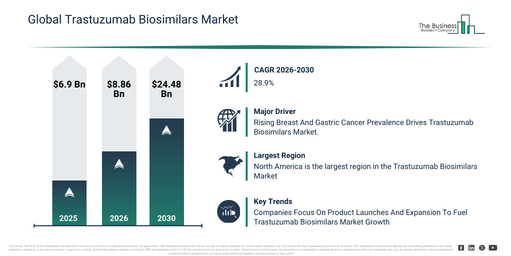
    The trastuzumab biosimilars market size has experienced significant expansion recently. Its valuation is projected to increase from $6.9 billion in 2025 to reach $8.86 billion in 2026, exhibiting a compound annual growth rate (CAGR) of 28.5%. This historical expansion can be linked to several factors including the elevated occurrence of HER2 positive breast cancer, the expiration of trastuzumab patent exclusivity, an increase in oncology drug expenses, established regulatory pathways for biosimilars, and the growing acceptance within hospital oncology departments.

    The trastuzumab biosimilars market is anticipated to experience substantial expansion over the upcoming years. This market is projected to reach $24.48 billion by 2030, exhibiting a compound annual growth rate (CAGR) of 28.9%. This forecasted growth stems from several factors, including the rising incidence of cancer, the extension of indications to include gastric cancer, supportive reimbursement policies for biosimilars, enhanced trust among physicians, and increased initiatives aimed at curbing healthcare costs. Key developments anticipated during this period encompass the swift adoption of oncology biosimilars, enhanced availability of HER2 targeted treatments, intense price rivalry within breast cancer therapy, broader application in hospital oncology settings, and increasing willingness to switch to biosimilars.

    Download the Free Sample Report to Explore Key Market Insights:

    https://www.thebusinessresearchcompany.com/sample.aspx?id=3400&type=smp

    What Primary Drivers Are Shaping The Development Of The Trastuzumab Biosimilars Market?

    The increasing occurrence of breast and gastric cancer has fueled the expansion of the trastuzumab biosimilars market. Trastuzumab biosimilar serves as a treatment for human epidermal growth factor receptor 2 (HER2) overexpressing breast cancer and metastatic gastric cancer. For instance, in September 2023, the American Cancer Society, a US-based voluntary health organization dedicated to eliminating cancer, reported that approximately 297,790 new cases of invasive breast cancer were anticipated to be diagnosed in women in 2023, with about 43,700 women expected to succumb to breast cancer in the same year. Additionally, Cancer India indicates that breast cancer is the most common cancer in women in India, constituting 14% of all female cancers. Consequently, the growing incidence of breast and gastric cancer boosts the demand for trastuzumab biosimilar, which offers a cost-effective alternative to expensive medicines, thereby propelling the trastuzumab biosimilars market.

    What Segment Types Make Up The Trastuzumab Biosimilars Market?

    The trastuzumab biosimilars market covered in this report is segmented –

    1) By Product: Ogivri, Herzuma, Ontruzant, Trazimera, Other Products

    2) By Indication: Adjuvant Breast Cancer, Metastatic Breast Cancer, Metastatic Gastric Cancer, Other Indications

    3) By Distribution Channel: Hospital Pharmacy, Online Pharmacy

    Which Market Trends Are Creating New Opportunities In The Trastuzumab Biosimilars Market?

    Leading industry participants are consistently focusing on introducing new products into unaddressed regions, a trend that is significantly shaping the market for trastuzumab biosimilars. Companies operating within the trastuzumab biosimilars market are undertaking various strategic endeavors, such as developing new products, forming partnerships, and expanding their geographical reach and product portfolios, all to maintain their competitive standing and better cater to customer requirements. For instance, in April 2024, Accord BioPharma Inc., a US-based pharmaceutical company, announced that the U.S. Food and Drug Administration (FDA) had approved HERCESSI (trastuzumab-strf), a biosimilar to Herceptin (trastuzumab), for the Treatment of Several Forms of HER2-Overexpressing Cancer. HERCESSI is prescribed for the adjuvant treatment of HER2-overexpressing breast cancer, metastatic breast cancer, and metastatic gastric or gastroesophageal junction adenocarcinoma. While generally aggressive, HER2-positive cancers typically respond effectively to targeted therapies. HERCESSI operates by binding to the HER2 receptor, thereby inhibiting its activity and slowing down the replication of cancer cells.

    Who Are The Key Players Driving Competition In The Trastuzumab Biosimilars Market?

    Major companies operating in the trastuzumab biosimilars market are Pfizer Inc., Amgen Inc., Teva Pharmaceutical Industries Ltd., Mylan NV, Fujifilm Kyowa Kirin Biologics Co. Ltd., Innovent Biologics Inc., STADA Arzneimittel AG, Apotex Inc., Samsung Bioepis Co. Ltd., Celltrion Inc., Zydus Lifesciences Limited, BIOCAD, Shanghai Henlius Biotech Inc., Biocon Limited, Alvotech Holdings S.A., Polpharma Biologics S.A, EirGenix Inc., Hetero Biopharma Limited, Mabion SA, ALTEOGEN Inc., Prestige BioPharma Limited, AryoGen Pharmed Co. Ltd., Intas Pharmaceuticals Limited, Glenmark Pharmaceuticals Ltd., Dr. Reddy’s Laboratories Limited, Torrent Pharmaceuticals Limited

    Read the full trastuzumab biosimilars market report here:

    https://www.thebusinessresearchcompany.com/report/trastuzumab-biosimilar-global-market-report

    How Does The Trastuzumab Biosimilars Market Perform Across Major Global Regions?

    North America was the largest region in the trastuzumab biosimilars market in 2025. Middle East is expected to be the fastest growing region in the trastuzumab biosimilars market report during the forecast period. The regions covered in the trastuzumab biosimilars market report are Asia-Pacific, South East Asia, Western Europe, Eastern Europe, North America, South America, Middle East, Africa.

    Request A Tailored Trastuzumab Biosimilars Market Research Report For Competitive Advantage:

    https://www.thebusinessresearchcompany.com/customise?id=3400&type=smp

    Browse Through More Reports Similar to the Global Trastuzumab Biosimilars Market 2026, By The Business Research Company

    Biosimilar Market Report 2026

    https://www.thebusinessresearchcompany.com/report/biosimilar-global-market-report

    Oncology Biosimilar Market Report 2026

    https://www.thebusinessresearchcompany.com/report/oncology-biosimilar-global-market-report

    Oral Biologics And Biosimilars Market 2026

    https://www.thebusinessresearchcompany.com/report/oral-biologics-and-biosimilars-market

    Get in touch with us:

    The Business Research Company: https://www.thebusinessresearchcompany.com/

    Americas +1 310-496-7795

    Asia +44 7882 955267 & +91 8897263534

    Europe +44 7882 955267

    Email us at info@tbrc.info

    Follow us on:

    LinkedIn: https://in.linkedin.com/company/the-business-research-company

    YouTube: https://www.youtube.com/channel/UC24_fI0rV8cR5DxlCpgmyFQ

    Global Market Model: https://www.thebusinessresearchcompany.com/global-market-model
  • Advanced conjugation technologies are shaping the Protein Labeling Market 2026

    Advanced conjugation technologies are shaping the Protein Labeling Market 2026

    The Business Research Company’s 2026 market reports include new capabilities such as market attractiveness scoring and analysis, total addressable market analysis, company scoring matrix, interactive excel data dashboard, improved supply chain analysis, upcoming startups in the market, and overview of key products, aimed at improving the depth, usability, and strategic value of the insights delivered.

    How Large Is The Protein Labeling Market Projected To Become By 2030 Based On Its 2026 Valuation?

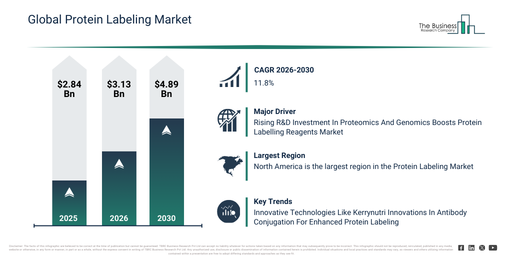
    The protein labeling market has seen rapid expansion in recent years. It is projected to increase from $2.84 billion in 2025 to $3.13 billion in 2026, demonstrating a compound annual growth rate (CAGR) of 10.1%. This historic growth can be attributed to several factors including the limited availability of specialized protein labels, a reliance on traditional fluorescent dyes, a growing demand for cell-based assays, increasing research in proteomics, and the adoption of enzyme-conjugated labeling techniques.

    The protein labeling market size is anticipated to experience substantial expansion over the next few years, reaching $4.89 billion by 2030, with a compound annual growth rate (CAGR) of 11.8%. This projected growth is attributed to the advancement of new fluorophore probes, increased utilization of recombinant and modified proteins, the rising adoption of automated labeling platforms, growth in proteomics and genomics research, and the growing integration of protein labeling with mass spectrometry and high-throughput assays. Significant trends expected during this forecast period include a surging demand for fluorescent and chemiluminescent protein labels, a greater use of recombinant and modified proteins for research, an increased embrace of in-vitro and in-vivo labeling techniques, the broadening of applications in cell-based assays and fluorescence microscopy, and the expanding incorporation of monoclonal antibodies in immunological techniques and protein micro assays.

    Download the Free Sample Report to Explore Key Market Insights:

    https://www.thebusinessresearchcompany.com/sample.aspx?id=3417&type=smp

    What Major Growth Drivers Are Shaping The Outlook Of The Protein Labeling Market?

    Elevated investment in the research and development (R&D) of proteomics and genomics is a primary factor driving the expansion of the protein labeling reagents market. Proteomics involves the comprehensive study of the entire protein content found within a cell, tissue, or organism. Crucially, protein labeling methods applied before separation and analysis are essential steps in proteomic profiling strategies. For example, in 2023, the Office for National Statistics, a UK-based, government agency, reported that the UK government’s net expenditure on research and development (R&D) climbed to £17.4 billion ($22.1 billion) in 2023. This figure represents an 8.2% increase from the £16.1 billion ($20.45 billion) allocated in 2022. Consequently, this rising spending on R&D in proteomics and genomics is a significant stimulant for the market.

    What Segment Groups Are Identified Within The Protein Labeling Market?

    The protein labeling market covered in this report is segmented –

    1) By Product: Reagents, Protein, Enzymes, Probes/ Tags, Monoclonal Antibodies

    2) By Labeling Method: In-vitro Labeling, In-vivo Labeling

    3) By Application: Cell Based-Assay, Fluorescence Microscopy, Immunological Techniques, Mass Spectrometry, Protein Micro Assay

    Subsegments:

    1) By Reagents: Fluorescent Dyes, Enzyme Labels, Chemiluminescent Reagents, Radioactive Labels

    2) By Protein: Recombinant Proteins, Native Proteins, Modified Proteins

    3) By Enzymes: Alkaline Phosphatase, Horseradish Peroxidase, Other Enzymatic Labels

    4) By Probes Or Tags: Biotin Labels, Antibody Tags, Fluorophore Probes, Affinity Tags

    5) By Monoclonal Antibodies: Primary Monoclonal Antibodies, Secondary Monoclonal Antibodies, Conjugated Monoclonal Antibodies

    What Trends Are Advancing Progress In The Protein Labeling Market?

    Leading companies in the protein labeling market are focused on developing innovative solutions such as the conjugation of antibodies to StarBright dyes to enhance detection sensitivity, multiplexing capabilities, and overall assay performance. StarBright dyes are bright, photostable fluorescent dyes specifically designed for high-performance labeling of antibodies and proteins. For example, in January 2025, Bio-Rad Laboratories Inc., a US-based life sciences company, launched the TrailBlazer Tag and TrailBlazer StarBright Dye Label Kits, enabling researchers to efficiently conjugate antibodies to StarBright dyes for advanced flow cytometry and imaging applications. These kits streamline the labeling process, improve signal clarity, and support complex multi-color experiments in biomedical research.

    Which Companies Hold Significant Positions In The Protein Labeling Market?

    Major companies operating in the protein labeling market are Thermo Fisher Scientific Inc., Merck KGaA, PerkinElmer Inc., GE HealthCare Technologies Inc., F. Hoffmann-La Roche AG, Agilent Technologies Inc., BIO-RAD LABORATORIES, LI-COR Inc., Promega Corporation, Eurogentec S.A., Luminex Corporation, New England Biolabs Inc., Abcam plc., TriLink BioTechnologies LLC., Waters Corporation, AMETEK Inc., HORIBA Ltd., Spectris plc., METTLER TOLEDO International Inc., Shimadzu Corporation, Hitachi High-Tech Corporation.

    Read the full protein labeling market report here:

    https://www.thebusinessresearchcompany.com/report/protein-labelings-global-market-report

    Which Regions Are Projected To Dominate The Protein Labeling Market In The Coming Years?

    North America was the largest region in the protein labeling market in 2025. The regions covered in the protein labeling market report are Asia-Pacific, South East Asia, Western Europe, Eastern Europe, North America, South America, Middle East, Africa.

    Request A Tailored Protein Labeling Market Research Report For Competitive Advantage:

    https://www.thebusinessresearchcompany.com/customise?id=3417&type=smp

    Browse Through More Reports Similar to the Global Protein Labeling Market 2026, By The Business Research Company

    Protein Expression Market Report 2026

    https://www.thebusinessresearchcompany.com/report/protein-expression-global-market-report

    Biostimulants Market Report 2026

    https://www.thebusinessresearchcompany.com/report/biostimulants-global-market-report

    Therapeutic Proteins Market Report 2026

    https://www.thebusinessresearchcompany.com/report/therapeutic-proteins-global-market-report

    Get in touch with us:

    The Business Research Company: https://www.thebusinessresearchcompany.com/

    Americas +1 310-496-7795

    Asia +44 7882 955267 & +91 8897263534

    Europe +44 7882 955267

    Email us at info@tbrc.info

    Follow us on:

    LinkedIn: https://in.linkedin.com/company/the-business-research-company

    YouTube: https://www.youtube.com/channel/UC24_fI0rV8cR5DxlCpgmyFQ

    Global Market Model: https://www.thebusinessresearchcompany.com/global-market-model