Month: March 2026

  • Strategic collaborations are accelerating the Personalized Gene Therapy Treatment Market 2026

    Strategic collaborations are accelerating the Personalized Gene Therapy Treatment Market 2026

    The Business Research Company’s 2026 market reports include new capabilities such as market attractiveness scoring and analysis, total addressable market analysis, company scoring matrix, interactive excel data dashboard, improved supply chain analysis, upcoming startups in the market, and overview of key products, aimed at improving the depth, usability, and strategic value of the insights delivered.

    What Market Value Is Anticipated For The Personalized Gene Therapy Treatment Market Over The Period 2026–2030?

    The personalized gene therapy treatment market has experienced substantial growth in recent years. Its size is anticipated to increase from $8.38 billion in 2025 to $10.11 billion in 2026, achieving a compound annual growth rate (CAGR) of 20.7%. This historical expansion can be linked to the rising occurrence of genetic disorders, progress in genomic sequencing technologies, early successful clinical trials of targeted gene therapies, the growth of specialized gene therapy research centers, and heightened investment in precision medicine.

    The personalized gene therapy treatment market size is projected to experience rapid expansion in the coming years. This market is set to reach $21.23 billion by 2030, exhibiting a compound annual growth rate (CAGR) of 20.4%. Factors driving this growth during the forecast period include a rise in regulatory approvals for personalized gene therapies, an escalating demand for tailored oncology treatments, the expansion of gene therapy manufacturing capacities, the growing incorporation of AI into therapy design, and the increasing uptake of pharmacogenomics-informed treatments. Key trends anticipated in the forecast period involve the wider adoption of gene editing-based therapies, a growing application of personalized treatment protocols, the increasing integration of companion diagnostics, the broader development of viral and non-viral vector platforms, and a heightened emphasis on precision oncology applications.

    Download the Free Sample Report to Explore Key Market Insights:

    https://www.thebusinessresearchcompany.com/sample.aspx?id=28293&type=smp

    Which Major Factors Are Driving The Expansion Of The Personalized Gene Therapy Treatment Market?

    The rising occurrence of genetic disorders is anticipated to fuel the expansion of the personalized gene therapy treatment market in the future. These disorders stem from DNA irregularities that interfere with typical bodily functions, and their incidence is increasing partly due to advancing parental age, which correlates with a higher likelihood of mutations in older reproductive cells being passed to descendants. Personalized gene therapy offers a solution by precisely rectifying the faulty genes causing these conditions, customizing treatment to an individual’s unique genetic profile for better effectiveness and fewer side effects. For example, in October 2024, data from the Cystic Fibrosis Trust, a UK-based charity supporting cystic fibrosis patients, indicated that in 2022, approximately 11,148 individuals with cystic fibrosis (a genetic disorder) were registered, a figure that climbed to 11,318 in 2023, showing a 1.5% year-over-year increase in patient registrations. Consequently, the increasing prevalence of genetic disorders is a key factor propelling the growth of the personalized gene therapy treatment market.

    How Is The Personalized Gene Therapy Treatment Market Divided Into Its Major Segments?

    The personalized gene therapy treatment market covered in this report is segmented –

    1) By Therapy: Targeted Treatments, Pharmacogenomics

    2) By Vector Type: Viral, Non-Viral

    3) By Distribution Channel: Hospitals, Clinics, Home Administration, Other Distribution Channels

    4) By Application: Oncology, Neurology, Hematological, Infectious Diseases, Ophthalmology, Other Applications

    Subsegments:

    1) By Targeted Treatments: Monoclonal Antibodies, Chimeric Antigen Receptor T-Cell Therapy (CAR-T), Small Interfering RNA (siRNA) Therapy, Antisense Oligonucleotides (ASO), Gene Editing Therapy

    2) By Pharmacogenomics: Companion Diagnostics, Drug Metabolism Enzyme Testing, Genetic Biomarker Analysis, Single Nucleotide Polymorphism (SNP) Profiling, Adverse Drug Reaction (ADR) Prediction

    How Are Trends Transforming The Personalized Gene Therapy Treatment Market Landscape?

    Leading companies within the personalized gene therapy treatment market are prioritizing the formation of strategic partnerships to enhance their technological capabilities and expedite the delivery of novel therapies to patients. These strategic partnerships represent cooperative agreements between entities, designed to harness their respective strengths and resources for collective advancement and a competitive edge, while also distributing both risks and rewards. An illustrative example occurred in May 2025, when Aldevron, a US-based firm specializing in DNA, RNA, and protein production, joined forces with Integrated DNA Technologies, a US-based provider of genomics solutions. Their collaboration resulted in the creation of the world’s inaugural mRNA-based personalized CRISPR therapy, intended to treat an infant suffering from urea cycle disorder (UCD), a rare and life-threatening genetic condition. This unique N of 1 therapy was conceived and brought to fruition in a mere six months, achieved through the development of a tailored guide RNA, an mRNA-encoded base editor, comprehensive off-target safety services, and a clinically validated lipid nanoparticle delivery mechanism. The creation of this therapy signifies a monumental achievement in the realm of personalized in vivo base-editing treatments.

    Who Are The Prominent Organizations Shaping The Personalized Gene Therapy Treatment Market?

    Major companies operating in the personalized gene therapy treatment market are Thermo Fisher Scientific Inc., Illumina Inc., Myriad Genetics Inc., BGI Genomics Co. Ltd., Invitae Corporation, Guardant Health Inc., GeneDx LLC, Ancestry Inc., Oxford Nanopore Technologies plc, Genomic Health Inc., 23andMe Holding Co., Color Health Inc., Helix OpCo LLC, Personalis Inc., Dante Genomics, Gene By Gene Ltd., Veritas Genetics Inc., Futura Genetics, Nebula Genomics Inc., Pathway Genomics Corporation

    Read the full personalized gene therapy treatment market report here:

    https://www.thebusinessresearchcompany.com/report/personalized-gene-therapy-treatment-global-market-report

    Which Region Currently Holds The Largest Share Of The Personalized Gene Therapy Treatment Market?

    North America was the largest region in the personalized gene therapy treatment market in 2025. The regions covered in the personalized gene therapy treatment market report are Asia-Pacific, South East Asia, Western Europe, Eastern Europe, North America, South America, Middle East, Africa.

    Request A Tailored Personalized Gene Therapy Treatment Market Research Report For Competitive Advantage:

    https://www.thebusinessresearchcompany.com/customise?id=28293&type=smp

    Browse Through More Reports Similar to the Global Personalized Gene Therapy Treatment Market 2026, By The Business Research Company

    Genes Therapy Market Report 2026

    https://www.thebusinessresearchcompany.com/report/genes-therapy-global-market-report

    Nucleic Acid Based Gene Therapy Market Report 2026

    https://www.thebusinessresearchcompany.com/report/nucleic-acid-based-gene-therapy-global-market-report

    Cell And Gene Therapy Clinical Trial Services Market Report 2026

    https://www.thebusinessresearchcompany.com/report/cell-and-gene-therapy-clinical-trial-services-global-market-report

    Get in touch with us:

    The Business Research Company: https://www.thebusinessresearchcompany.com/

    Americas +1 310-496-7795

    Asia +44 7882 955267 & +91 8897263534

    Europe +44 7882 955267

    Email us at info@tbrc.info

    Follow us on:

    LinkedIn: https://in.linkedin.com/company/the-business-research-company

    YouTube: https://www.youtube.com/channel/UC24_fI0rV8cR5DxlCpgmyFQ

    Global Market Model: https://www.thebusinessresearchcompany.com/global-market-model

  • Data-driven nutrition solutions are transforming the Personalized Dietary Supplements Market 2026

    Data-driven nutrition solutions are transforming the Personalized Dietary Supplements Market 2026

    The Business Research Company’s 2026 market reports include new capabilities such as market attractiveness scoring and analysis, total addressable market analysis, company scoring matrix, interactive excel data dashboard, improved supply chain analysis, upcoming startups in the market, and overview of key products, aimed at improving the depth, usability, and strategic value of the insights delivered.

    What Is The Expected Market Size Of The Personalized Dietary Supplements Market From 2026 To 2030?

    The personalized dietary supplements market has seen substantial growth in recent years. It is anticipated to expand from $9.36 billion in 2025 to $10.38 billion by 2026, demonstrating a compound annual growth rate (CAGR) of 10.9%. The historical expansion can be attributed to growing health consciousness, the increased expansion of dietary supplement usage, the rise of wellness and fitness culture, greater availability of online health services, and the growth of the nutraceutical industry.

    The personalized dietary supplements market is projected to experience substantial growth over the next few years, with its size anticipated to reach $15.72 billion by 2030, demonstrating a compound annual growth rate (CAGR) of 10.9%. This expansion during the forecast period is attributed to advancements in nutrigenomics, a growing demand for personalized healthcare solutions, the proliferation of subscription-based supplement models, an increasing prevalence of lifestyle diseases, and the ongoing development of digital health platforms. Prominent trends for the forecast period include the increasing adoption of personalized nutrition plans, a greater utilization of genetic and lifestyle data, a rising need for customized vitamin and mineral blends, the expansion of direct-to-consumer supplement platforms, and an enhanced focus on preventive healthcare.

    Download the Free Sample Report to Explore Key Market Insights:

    https://www.thebusinessresearchcompany.com/sample.aspx?id=24364&type=smp

    What Key Drivers Are Influencing The Growth Of The Personalized Dietary Supplements Market?

    The anticipated expansion of the personalized dietary supplement market is significantly influenced by the increasing occurrence of illnesses linked to modern lifestyles. These conditions are defined as health problems predominantly stemming from individual daily routines and decisions, encompassing ailments such as heart disease, type 2 diabetes, obesity, high blood pressure, specific forms of cancer, and various mental health concerns. The rise in lifestyle-related diseases is attributed to insufficient physical activity, which contributes to increased body weight, compromised cardiovascular health, and diminished insulin sensitivity, thereby elevating the likelihood of developing chronic illnesses. Consequently, these lifestyle-related health conditions create a demand for personalized dietary supplements, providing precise nutritional support aimed at addressing or averting particular health problems. Such customized formulations are capable of meeting unique individual requirements, rectifying nutritional shortcomings, and fostering overall wellness. A notable example, as reported by the National Health Service, a UK government body, in June 2024, showed that 3,615,330 people registered with a general practitioner (GP) were diagnosed with non-diabetic hyperglycemia or pre-diabetes in 2023. This represented an 18% surge from the 3,065,825 cases recorded in 2022. Thus, the growing incidence of lifestyle-related diseases is undeniably fueling the expansion of the personalized dietary supplement market.

    Which Segments Are Included In The Analysis Of The Personalized Dietary Supplements Market?

    The personalized dietary supplements market covered in this report is segmented –

    1) By Type: Vitamins, Minerals, Botanicals, Amino Acids, Enzymes, Probiotics

    2) By Dosage Forms: Tablets, Capsules, Powders, Liquids, Other Dosage Forms

    3) By Distribution Channel: Pharmacy, Super Market Or Hyper Market, Online, Health And Wellness Stores, Other Distribution Channels

    4) By Application: Additional Supplements, Medicinal Supplements, Sports Nutrition, Lifestyle Diseases, Inherited Diseases, Other Applications

    5) By End-Use: Hospitals, Clinics, Home Care, Wellness and Fitness Centers, Ambulatory Care, Other End-Uses

    Subsegments:

    1) By Vitamins: Vitamin A, Vitamin B Complex, Vitamin C, Vitamin D, Vitamin E, Vitamin K,

    2) By Minerals: Calcium, Magnesium, Zinc, Iron, Potassium, Selenium, Iodine

    3) By Botanicals: Ginseng, Turmeric, Green Tea Extract, Ashwagandha, Gingko Biloba, Echinacea, Milk Thistle

    4) By Amino Acids: Essential Amino Acids, Non-Essential Amino Acids, Branched-Chain Amino Acids, Collagen Peptides

    5) By Enzymes: Digestive Enzymes, Systemic Enzymes, Lactase, Bromelain, Papain

    6) By Probiotics: Lactobacillus species, Bifidobacterium species, Saccharomyces boulardii, Streptococcus thermophilus, Spore-forming probiotics.

    Which Trends Are Impacting The Growth Of The Personalized Dietary Supplements Market?

    Leading companies in the personalized dietary supplements market are concentrating on creating sophisticated products, such as custom vitamin supplements, to boost consumer involvement through nutrition solutions powered by data. Custom vitamin supplements are nutritional offerings formulated to align with an individual’s specific health requirements, lifestyle, and biological information, typically identified through questionnaires, DNA tests, or laboratory results. They deliver personalized nutrition based on distinct dietary and physiological needs. For instance, in December 2024, Bioniq, a UK-based provider of personalized nutritional support, unveiled Build Your Own, a hyper-personalized vitamin supplement. This product enables individuals with particular health conditions, including allergies, vitamin and mineral intolerances, or chronic illnesses, to develop custom supplement formulas by selecting from over 50 nutrients or following AI-driven recommendations derived from their health data.

    Which Key Industry Participants Are Active In The Personalized Dietary Supplements Market?

    Major companies operating in the personalized dietary supplements market are Viome Life Sciences Inc., Persona Nutrition, Bioniq Ltd., Rootine, Nourished, Metagenics Inc., Hum Nutrition Inc., Herbalife Nutrition Ltd., Amway Corporation, Abbott Laboratories, Bayer AG, Danone SA, Glanbia plc, Iovate Health Sciences International Inc., Reliance Vitamin Company Inc., Archer-Daniels-Midland Company (ADM), Nature’s Bounty, MusclePharm Corporation, Nutiva Inc., Pfizer Inc.

    Read the full personalized dietary supplements market report here:

    https://www.thebusinessresearchcompany.com/report/personalized-dietary-supplements-global-market-report

    Which Region Is Expected To Register The Fastest Growth In The Personalized Dietary Supplements Market?

    North America was the largest region in the personalized dietary supplements market in 2025. Asia-Pacific is expected to be the fastest-growing region in the forecast period. The regions covered in the personalized dietary supplements market report are Asia-Pacific, South East Asia, Western Europe, Eastern Europe, North America, South America, Middle East, Africa.

    Request A Tailored Personalized Dietary Supplements Market Research Report For Competitive Advantage:

    https://www.thebusinessresearchcompany.com/customise?id=24364&type=smp

    Browse Through More Reports Similar to the Global Personalized Dietary Supplements Market 2026, By The Business Research Company

    Personalized Nutrition Market Report 2026

    https://www.thebusinessresearchcompany.com/report/personalized-nutrition-global-market-report

    Personalized Medicine Market Report 2026

    https://www.thebusinessresearchcompany.com/report/personalized-medicine-global-market-report

    Nutritional Supplements Market Report 2026

    https://www.thebusinessresearchcompany.com/report/nutritional-supplements-global-market-report

    Get in touch with us:

    The Business Research Company: https://www.thebusinessresearchcompany.com/

    Americas +1 310-496-7795

    Asia +44 7882 955267 & +91 8897263534

    Europe +44 7882 955267

    Email us at info@tbrc.info

    Follow us on:

    LinkedIn: https://in.linkedin.com/company/the-business-research-company

    YouTube: https://www.youtube.com/channel/UC24_fI0rV8cR5DxlCpgmyFQ

    Global Market Model: https://www.thebusinessresearchcompany.com/global-market-model
  • Targeted mutation therapies are shaping the Personalized Cancer Vaccines Market 2026

    Targeted mutation therapies are shaping the Personalized Cancer Vaccines Market 2026

    The Business Research Company’s 2026 market reports include new capabilities such as market attractiveness scoring and analysis, total addressable market analysis, company scoring matrix, interactive excel data dashboard, improved supply chain analysis, upcoming startups in the market, and overview of key products, aimed at improving the depth, usability, and strategic value of the insights delivered.

    What Market Valuation Is Forecasted For The Personalized Cancer Vaccines Market By 2030 Starting From Its 2026 Size?

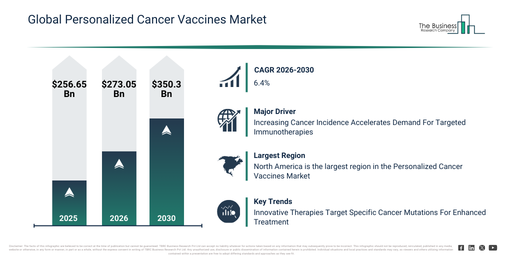
    The personalized cancer vaccines market size has demonstrated robust growth in recent years. It is anticipated to increase from $256.65 billion in 2025 to $273.05 billion in 2026, at a compound annual growth rate (CAGR) of 6.4%. This historical expansion can be attributed to advancements in cancer genomics, the unmet need in oncology treatments, the limitations of traditional cancer therapies, the surge in immunotherapy research, and heightened funding for cancer research.

    The personalized cancer vaccines market is projected to experience substantial expansion over the upcoming years. By 2030, its size is anticipated to reach $350.3 billion, demonstrating a compound annual growth rate (CAGR) of 6.4%. This projected growth during the forecast period is primarily driven by factors such as the wider adoption of personalized medicine, an increase in cancer incidence rates, advancements in neoantigen discovery, growing partnerships among biotech companies, and favorable regulatory environments. Key trends anticipated in this period encompass an elevated focus on personalized immunotherapy, the expanded application of genomic tumor profiling, the development of therapeutic cancer vaccines, increased integration with precision oncology, and a surge in clinical trial activities for cancer vaccines.

    Download the Free Sample Report to Explore Key Market Insights:

    https://www.thebusinessresearchcompany.com/sample.aspx?id=19136&type=smp

    What Major Growth Drivers Are Shaping The Outlook Of The Personalized Cancer Vaccines Market?

    The increasing occurrence of cancer is anticipated to fuel the expansion of the personalized cancer vaccine market in the future. Cancer refers to a variety of diseases marked by unregulated cell proliferation that can infiltrate adjacent tissues and spread throughout the body. The escalating prevalence of cancer is driven by aging demographics, evolving lifestyle patterns, environmental exposures, and advancements in diagnostic methods. The personalized cancer vaccine market supports cancer care by providing vaccines tailored to patient-specific tumor antigens, thereby strengthening the immune system’s ability to detect and eradicate cancer cells. For instance, in July 2024, according to the Australian Institute of Health and Welfare (AIHW), an Australia-based government agency, cancer diagnoses in Australia rose from 160,570 cases in 2022 to 164,694 cases in 2023, indicating a significant year-over-year increase. Consequently, the rising prevalence of cancer is a key factor driving the growth of the personalized cancer vaccine market.

    Which Segment Categories Define The Personalized Cancer Vaccines Market?

    The personalized cancer vaccines market covered in this report is segmented –

    1) By Treatment Type: Preventive Cancer Vaccines, Therapeutic Cancer Vaccines

    2) By Cancer Type: Lung Cancer, Breast Cancer, Colorectal Cancer, Leukemia, Prostate Cancer, Cervical Cancer, Glioblastoma

    3) By Mechanism Of Action: Tumor Associated Antigens (TAAs), Tumor Specific Antigens (TSAs), Somatic Mutations In Cancer Pharmacogenomics, Pharmacogenomics Towards Genomic Polymorphism, Other Mechanisms Of Action

    4) By Route Of Administration: Injectables, Other Routes Of Administration

    5) By End Use: Hospitals, Clinic, Other End Users

    Subsegments:

    1) By Preventive Cancer Vaccines: HPV Vaccines, Hepatitis B Vaccines, Combination Vaccines

    2) By Therapeutic Cancer Vaccines: Dendritic Cell Vaccines, Peptide-Based Vaccines, DNA Vaccines, RNA Vaccines, Whole Cell Vaccines

    What Major Market Trends Are Driving Changes In The Personalized Cancer Vaccines Market?

    Major companies operating in the personalized cancer vaccine market are focusing on developing advanced therapeutic solutions, such as personalized immunotherapy designed to target patient-specific tumor mutations, to enhance treatment precision and improve clinical outcomes. Personalized immunotherapy refers to customized cancer treatments that use a patient’s own genetic and tumor mutation profile often delivered through dendritic cell–based vaccines or neoantigen-targeted platforms to activate a tailored immune response against malignant cells. For instance, in August 2024, UCLA Health, a US-based healthcare organization, launched a first-of-its-kind clinical trial evaluating a personalized cancer vaccine that targets the H3 G34 mutation in diffuse hemispheric gliomas, using dendritic cells to stimulate immunity against the RNA disruptions caused by this aggressive mutation, offering a promising therapeutic option for adolescents and young adults who typically have limited treatment choices and poor survival rates.

    Who Are The Top Companies Competing In The Personalized Cancer Vaccines Market?

    Major companies operating in the personalized cancer vaccines market are Moderna Inc., CureVac AG, BioNTech SE, Genentech Inc., Merck & Co. Inc., GlaxoSmithKline plc, Achilles Therapeutics Plc, Evaxion Biotech AS, Geneos Therapeutics Inc., ISA Pharmaceuticals BV, VAXIMM GmbH, EpiVax Therapeutics Inc., Personalis Inc., Catalent Inc., Gritstone bio Inc., Neon Therapeutics Inc., Nouscom AG, Vaccitech plc, Agenus Inc., Transgene SA

    Read the full personalized cancer vaccines market report here:

    https://www.thebusinessresearchcompany.com/report/personalized-cancer-vaccines-global-market-report

    Which Regions Are Projected To Dominate The Personalized Cancer Vaccines Market In The Coming Years?

    North America was the largest region in the personalized cancer vaccines market in 2025. Asia-Pacific is expected to be the fastest-growing region in the forecast period. The regions covered in the personalized cancer vaccines market report are Asia-Pacific, South East Asia, Western Europe, Eastern Europe, North America, South America, Middle East, Africa.

    Request A Tailored Personalized Cancer Vaccines Market Research Report For Competitive Advantage:

    https://www.thebusinessresearchcompany.com/customise?id=19136&type=smp

    Browse Through More Reports Similar to the Global Personalized Cancer Vaccines Market 2026, By The Business Research Company

    Therapeutic Bcg Vaccines Market Report 2026

    https://www.thebusinessresearchcompany.com/report/therapeutic-bcg-vaccines-global-market-report

    Cervical Cancer Vaccine Market Report 2026

    https://www.thebusinessresearchcompany.com/report/cervical-cancer-vaccine-global-market-report

    Dendritic Cell Cancer Vaccine Market Report 2026

    https://www.thebusinessresearchcompany.com/report/dendritic-cell-cancer-vaccine-global-market-report

    Get in touch with us:

    The Business Research Company: https://www.thebusinessresearchcompany.com/

    Americas +1 310-496-7795

    Asia +44 7882 955267 & +91 8897263534

    Europe +44 7882 955267

    Email us at info@tbrc.info

    Follow us on:

    LinkedIn: https://in.linkedin.com/company/the-business-research-company

    YouTube: https://www.youtube.com/channel/UC24_fI0rV8cR5DxlCpgmyFQ

    Global Market Model: https://www.thebusinessresearchcompany.com/global-market-model
  • Rising cardiovascular disorders are fueling growth in the Peripheral Vasodilator Drugs Market 2026

    Rising cardiovascular disorders are fueling growth in the Peripheral Vasodilator Drugs Market 2026

    The Business Research Company’s 2026 market reports include new capabilities such as market attractiveness scoring and analysis, total addressable market analysis, company scoring matrix, interactive excel data dashboard, improved supply chain analysis, upcoming startups in the market, and overview of key products, aimed at improving the depth, usability, and strategic value of the insights delivered.

    How Is The Market Size Of The Peripheral Vasodilator Drugs Market Expected To Change Between 2026 And 2030?

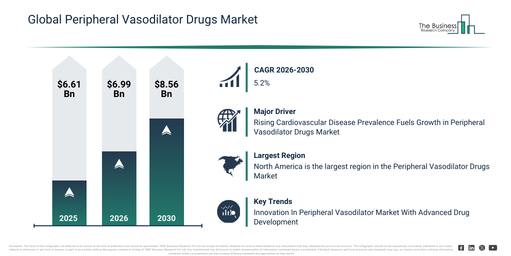
    The peripheral vasodilator drugs market has experienced substantial growth in recent years. It is anticipated to increase from $6.61 billion in 2025 to $6.99 billion in 2026, exhibiting a compound annual growth rate (CAGR) of 5.7%. This historic expansion can be linked to factors such as the rising prevalence of hypertension, an increased incidence of peripheral vascular diseases, the long-term clinical use of nitrates and calcium channel blockers, a growing cardiovascular disease burden, and the expansion of hospital-based cardiovascular treatment.

    The peripheral vasodilator drugs market size is projected to experience substantial expansion in the coming years. This market is anticipated to reach $8.56 billion by 2030, exhibiting a compound annual growth rate (CAGR) of 5.2%. Factors contributing to this growth during the forecast period include an aging worldwide demographic, an increase in heart failure and angina cases, a rising need for outpatient cardiovascular care, the greater acceptance of generic vasodilator medications, and enhanced diagnosis of peripheral circulation ailments. Key developments expected during this period encompass the expanding application of vasodilators in managing chronic hypertension, a heightened inclination towards combination cardiovascular treatments, the increasing uptake of extended-release vasodilator formulations, broader utilization of peripheral vasodilators in heart failure treatment, and a move towards products with enhanced safety and tolerability characteristics.

    Download the Free Sample Report to Explore Key Market Insights:

    https://www.thebusinessresearchcompany.com/sample.aspx?id=16508&type=smp

    What Drivers Are Expected To Influence The Peripheral Vasodilator Drugs Market During The Forecast Period?

    The rising occurrence of cardiovascular diseases (CVDs) is anticipated to fuel the expansion of the peripheral vasodilator drug market in the future. These conditions are a category of disorders impacting the heart and blood vessels, frequently resulting from atherosclerosis and manifesting as heart attacks, strokes, hypertension, and heart failure. Factors such as inactive lifestyles, unhealthy diets, an aging demographic, escalating obesity rates, and associated health issues like diabetes and hypertension are primary contributors to the rise in cardiovascular disease cases. Peripheral vasodilators are crucial in managing cardiovascular diseases by enhancing blood flow, lowering blood pressure, reducing the heart’s effort, and easing symptoms of conditions like peripheral arterial disease. For instance, data from October 2024, provided by the Centers for Disease Control and Prevention, a US-based government agency, revealed that in 2023, cardiovascular disease was responsible for 919,032 lives, representing one in every three deaths. Coronary heart disease continued to be the most widespread form of heart disease, with approximately one in 6 deaths from cardiovascular diseases occurring in adults younger than 65 years. Consequently, the growing prevalence of cardiovascular diseases is acting as a catalyst for the growth of the peripheral vasodilator drug market.

    How Is The Peripheral Vasodilator Drugs Market Structured Across Different Segments?

    The peripheral vasodilator drugs market covered in this report is segmented –

    1) By Drug Type: Calcium Channel Blockers, Direct-Acting Vasodilators, Alpha-Adrenergic Blockers, Potassium Channel Activators, Nitrates, Other Types

    2) By Indication: Hypertension, Angina, Heart Failure, Other Indications

    3) By Application: Hospital, Retail Pharmacies, Other Applications

    Subsegments:

    1) By Calcium Channel Blockers: Dihydropyridines, Non-Dihydropyridines

    2) By Direct-Acting Vasodilators: Hydralazine, Minoxidil, Nitroprusside

    3) By Alpha-Adrenergic Blockers: Prazosin, Doxazosin, Terazosin

    4) By Potassium Channel Activators: Nicorandil, Diazoxide

    5) By Nitrates: Nitroglycerin, Isosorbide Dinitrate, Isosorbide Mononitrate

    6) By Other Types: Phosphodiesterase Inhibitors, Endothelin Receptor Antagonists

    Which Trends Are Shaping The Future Of The Peripheral Vasodilator Drugs Market?

    Leading firms in the peripheral vasodilator drugs market are concentrating on developing medications that utilize triple-drug combination therapies to enhance treatment results and increase their presence in the cardiovascular therapeutics sector. This triple-drug combination therapy serves as an antihypertensive fixed-dose combination (FDC), intended for individuals whose blood pressure remains inadequately managed by dual-drug treatments or who cannot tolerate diuretic-containing combinations. As an illustration, in August 2023, Ajanta Pharma Limited, a pharmaceutical company based in India with a cardiology focus, launched Met XL AMT, an innovative triple-drug combination designed for hypertension management in Indian patients. This product combines three antihypertensive agents into a single fixed dose (FDC): Telmisartan, Amlodipine, and Metoprolol. Collectively, these agents function to reduce blood pressure through the relaxation of blood vessels, a hallmark action of peripheral vasodilators. The DCGI has granted specific approval for this drug’s use in addressing uncontrolled hypertension in conjunction with stable coronary artery disease, positioning it as the world’s premier fixed-dose combination (FDC) featuring metoprolol succinate (extended-release) 50 mg, amlodipine 5 mg, and telmisartan 40 mg.

    Which Major Players Dominate The Peripheral Vasodilator Drugs Market?

    Major companies operating in the peripheral vasodilator drugs market are Pfizer Inc., Bayer AG, Sanofi S.A., AstraZeneca PLC, Abbott Laboratories, Novartis AG, GSK plc, Takeda Pharmaceutical Company, Gilead Sciences Inc, Amgen Inc, Boehringer Ingelheim International GmbH, Merck & Co, Viatris Inc., Teva Pharmaceutical Industries, Astellas Pharma, Daiichi Sankyo Company Limited, Sun Pharmaceutical Industries, Mitsubishi Tanabe Pharma, Cipla Limited, Hikma Pharmaceuticals, Lupin Pharmaceuticals, Glenmark Pharmaceuticals Ltd, Torrent Pharmaceuticals, Ipca Laboratories, Alembic Pharmaceuticals

    Read the full peripheral vasodilator drugs market report here:

    https://www.thebusinessresearchcompany.com/report/peripheral-vasodilator-drugs-global-market-report

    Which Region Is Forecast To Lead The Peripheral Vasodilator Drugs Market In Terms Of Market Size?

    North America was the largest region in the peripheral vasodilator drugs market in 2025. The regions covered in the peripheral vasodilator drugs market report are Asia-Pacific, South East Asia, Western Europe, Eastern Europe, North America, South America, Middle East, Africa.

    Request A Tailored Peripheral Vasodilator Drugs Market Research Report For Competitive Advantage:

    https://www.thebusinessresearchcompany.com/customise?id=16508&type=smp

    Browse Through More Reports Similar to the Global Peripheral Vasodilator Drugs Market 2026, By The Business Research Company

    Peripheral Vasodilator Drugs Market Report 2026

    https://www.thebusinessresearchcompany.com/report/peripheral-vasodilator-drugs-global-market-report

    Vasodilators Market Report 2026

    https://www.thebusinessresearchcompany.com/report/vasodilators-global-market-report

    Gastroparesis Drugs Market Report 2026

    https://www.thebusinessresearchcompany.com/report/gastroparesis-drugs-global-market-report

    Get in touch with us:

    The Business Research Company: https://www.thebusinessresearchcompany.com/

    Americas +1 310-496-7795

    Asia +44 7882 955267 & +91 8897263534

    Europe +44 7882 955267

    Email us at info@tbrc.info

    Follow us on:

    LinkedIn: https://in.linkedin.com/company/the-business-research-company

    YouTube: https://www.youtube.com/channel/UC24_fI0rV8cR5DxlCpgmyFQ

    Global Market Model: https://www.thebusinessresearchcompany.com/global-market-model
  • Rising prevalence of autoimmune diseases leading to increased cases of heart inflammation is a key growth driver for the Pericarditis Drugs Market 2026

    Rising prevalence of autoimmune diseases leading to increased cases of heart inflammation is a key growth driver for the Pericarditis Drugs Market 2026

    The Business Research Company’s 2026 market reports include new capabilities such as market attractiveness scoring and analysis, total addressable market analysis, company scoring matrix, interactive excel data dashboard, improved supply chain analysis, upcoming startups in the market, and overview of key products, aimed at improving the depth, usability, and strategic value of the insights delivered.

    What Is The Market Size Of The Pericarditis Drugs Market In 2026 And What Value Is Projected For 2030?

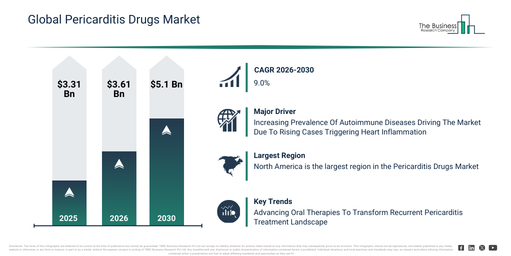
    The pericarditis drugs market has experienced substantial growth in recent times. It is projected to expand from $3.31 billion in 2025 to $3.61 billion in 2026, achieving a compound annual growth rate (CAGR) of 9.3%. This historical growth can be primarily attributed to increasing diagnosis rates of inflammatory cardiac conditions, the availability of established NSAID therapies, the expansion of cardiology care infrastructure, the growing use of colchicine-based treatments, and improved clinical guidelines.

    The pericarditis drugs market is set to experience significant expansion over the next few years. It is predicted to reach $5.1 billion in 2030, exhibiting a compound annual growth rate (CAGR) of 9.0%. This anticipated growth during the forecast period can be attributed to the increasing development of biologic and immunomodulatory drugs, a heightened focus on personalized cardiac care, the broadening of outpatient and homecare treatment models, growing investment in cardiovascular research, and a rise in awareness of rare inflammatory heart diseases. Prominent trends identified for the forecast period involve the increasing adoption of targeted anti-inflammatory therapies, a rising use of combination drug regimens, an intensified focus on recurrent pericarditis management, the expansion of hospital-based treatment protocols, and enhanced monitoring of treatment outcomes.

    Download the Free Sample Report to Explore Key Market Insights:

    https://www.thebusinessresearchcompany.com/sample.aspx?id=30351&type=smp

    What Drivers Are Influencing The Pericarditis Drugs Market?

    The expansion of the pericarditis drugs market is anticipated to be fueled by the growing occurrence of autoimmune diseases. These conditions involve the immune system erroneously targeting healthy cells and tissues within the body. The escalating frequency of autoimmune diseases is mainly attributed to environmental shifts that disrupt the immune system, leading it to attack healthy tissues by mistake. Pericarditis medications are vital due to the increasing incidence of autoimmune diseases because many such conditions can lead to pericarditis, which is the inflammation of the heart’s lining. These medications effectively reduce inflammation, alleviate symptoms, and avert complications, thus managing pericarditis stemming from autoimmune activity. For example, in September 2023, the Inflammatory Bowel Disease (IBD) Clinical and Research Centre, a Canada-based organization dedicated to enhancing the lives of patients with Crohn’s disease and ulcerative colitis, reported that over 320,000 people in Canada have inflammatory bowel disease (IBD), with a prevalence of 825 per 100,000 in 2023. This prevalence is projected to rise by 2.44% annually, estimating that 1.1% of the population, or 470,000 Canadians, will be living with IBD by 2035. Consequently, the rising prevalence of autoimmune diseases is stimulating the growth of the pericarditis drugs market.

    What Are The Key Segments Of The Pericarditis Drugs Market?

    The pericarditis drugs market covered in this report is segmented –

    1) By Drug Class: Nonsteroidal Anti-Inflammatory Drugs (NSAIDs), Colchicine, Corticosteroids, Other Drug Class

    2) By Route Of Administration: Oral, Intravenous, Intramuscular, Topical

    3) By Distribution Channel: Hospital Pharmacies, Retail Pharmacies, Online Pharmacies, Other Distribution Channels

    4) By Therapeutic Application: Acute Pericarditis Treatment, Recurrent Pericarditis Management, Post-Cardiac Surgery, Pericardial Effusion Management

    5) By End User: Hospitals, Homecare, Specialty Clinics, Other End Users

    Subsegments:

    1) By Nonsteroidal Anti-Inflammatory Drugs: Ibuprofen, Aspirin, Indomethacin, Naproxen, Diclofenac

    2) By Colchicine: Oral Colchicine, Intravenous Colchicine

    3) By Corticosteroids: Prednisone, Methylprednisolone, Hydrocortisone, Dexamethasone

    4) By Other Drug Class: Immunosuppressive Agents, Biologic Agents, Analgesics, Antibiotics

    What Key Trends Are Influencing The Development Of The Pericarditis Drugs Market?

    Leading companies in the pericarditis drugs market are concentrating on creating innovative products, including oral anti-inflammatory therapies, to improve treatment accessibility and lower recurrence rates for patients with recurrent pericarditis. An oral anti-inflammatory therapy is a small-molecule formulation crafted to modulate inflammatory pathways and prevent disease relapse through systemic, non-injectable administration. For instance, in April 2025, Cardiol Therapeutics Inc., a Canada-based clinical-stage life sciences company specializing in anti-inflammatory and anti-fibrotic treatments for heart diseases, commenced a Phase III clinical trial for CardiolRx. This investigational therapy aims to target inflammasome pathway activation, a core mechanism in pericarditis-related inflammation and fibrosis. Its development represents progress towards offering a convenient, oral, non-immunosuppressive treatment alternative that could expand therapeutic choices for recurrent pericarditis patients.

    Who Are The Leading Companies Operating In The Pericarditis Drugs Market?

    Major companies operating in the pericarditis drugs market are Merck & Co. Inc., Pfizer Inc., Bayer AG, Novartis AG, Bristol-Myers Squibb Company, Takeda Pharmaceutical Company Limited, Teva Pharmaceutical Industries Ltd., Sun Pharmaceutical Industries Ltd., Aurobindo Pharma Limited, Hikma Pharmaceuticals USA Inc., Zydus Lifesciences Limited, Kiniksa Pharmaceuticals, Camber Pharmaceuticals Inc., Scilex Holding Company, Solara Active Pharma Sciences, Alkaloids Bioactives Pvt. Ltd., Alchem International Pvt. Ltd., Sarv Biolabs Pvt. Ltd., Midas Pharma GmbH, AdvaCare Pharma, Actavis GmbH, Enomark LLC, Honour Lab Limited.

    Read the full pericarditis drugs market report here:

    https://www.thebusinessresearchcompany.com/report/global-pericarditis-drugs-market-report

    Which Regions Are Expected To Experience Rapid Expansion In The Pericarditis Drugs Market?

    North America was the largest region in the pericarditis drugs market in 2025. Asia-Pacific is expected to be the fastest-growing region in the forecast period. The regions covered in the pericarditis drugs market report are Asia-Pacific, South East Asia, Western Europe, Eastern Europe, North America, South America, Middle East, Africa.

    Request A Tailored Pericarditis Drugs Market Research Report For Competitive Advantage:

    https://www.thebusinessresearchcompany.com/customise?id=30351&type=smp

    Browse Through More Reports Similar to the Global Pericarditis Drugs Market 2026, By The Business Research Company

    Pericarditis Market Report 2026

    https://www.thebusinessresearchcompany.com/report/pericarditis-global-market-report

    Cardiovascular Drugs Market Report 2026

    https://www.thebusinessresearchcompany.com/report/cardiovascular-drugs-global-market-report

    Angina Pectoris Drugs Market Report 2026

    https://www.thebusinessresearchcompany.com/report/angina-pectoris-drugs-global-market-report

    Get in touch with us:

    The Business Research Company: https://www.thebusinessresearchcompany.com/

    Americas +1 310-496-7795

    Asia +44 7882 955267 & +91 8897263534

    Europe +44 7882 955267

    Email us at info@tbrc.info

    Follow us on:

    LinkedIn: https://in.linkedin.com/company/the-business-research-company

    YouTube: https://www.youtube.com/channel/UC24_fI0rV8cR5DxlCpgmyFQ

    Global Market Model: https://www.thebusinessresearchcompany.com/global-market-model
  • Global Pericarditis Market 2026–2030 growing with rising autoimmune disease cases

    Global Pericarditis Market 2026–2030 growing with rising autoimmune disease cases

    The Business Research Company’s 2026 market reports include new capabilities such as market attractiveness scoring and analysis, total addressable market analysis, company scoring matrix, interactive excel data dashboard, improved supply chain analysis, upcoming startups in the market, and overview of key products, aimed at improving the depth, usability, and strategic value of the insights delivered.

    What Will Be The Estimated Market Valuation Of The Pericarditis Market By The End Of 2030?

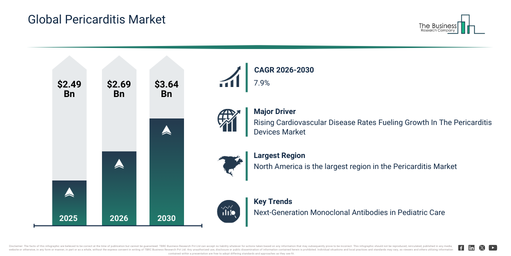
    The pericarditis market has experienced substantial growth in recent years. It is projected to increase from $2.49 billion in 2025 to $2.69 billion in 2026, demonstrating a compound annual growth rate (CAGR) of 7.9%. This historical growth can be linked to factors such as limited awareness of pericarditis, a reliance on traditional diagnostic methods, slow adoption of advanced imaging, restricted access to specialized cardiac care, and the prevalence of hospital-based treatment.

    The pericarditis market is projected to experience substantial growth in the coming years. It is anticipated to reach $3.64 billion by 2030, exhibiting a compound annual growth rate (CAGR) of 7.9%. This expansion during the forecast period is attributable to the increasing incidence of cardiovascular disorders, greater adoption of digital diagnostic tools, the proliferation of outpatient surgical centers, augmented investment in precision medicine, and the incorporation of artificial intelligence into cardiac care. Key trends anticipated during the forecast period encompass personalized approaches to pericarditis treatment, the development of minimally invasive surgical techniques, advancements in early diagnostics, the integration of wearable cardiac monitoring, and the broadening of outpatient cardiac care services.

    Download the Free Sample Report to Explore Key Market Insights:

    https://www.thebusinessresearchcompany.com/sample.aspx?id=9170&type=smp

    What Drivers Are Shaping The Future Growth Of The Pericarditis Market?

    The escalating prevalence of cardiovascular diseases is anticipated to drive the growth of the pericarditis market in the future. Cardiovascular diseases describe conditions affecting the heart or blood vessels, commonly linked to fatty deposits accumulating within arteries and an elevated risk of blood clotting. If left untreated, pericarditis can progress to various cardiovascular diseases or, in extreme scenarios, lead to death, thereby making the rising rates of cardiovascular diseases a significant market propellant. For instance, in January 2024, the American Heart Association, a US-based non-profit organization, reported that the age-adjusted death rate from cardiovascular disease climbed to 233.3 per 100,000 in 2024, marking a 4.0% increase from 224.4 per 100,000 in 2023. Thus, the increasing occurrence of cardiovascular diseases is a primary factor stimulating the expansion of the pericarditis devices market.

    Which Segment Classifications Shape The Pericarditis Market?

    The pericarditis market covered in this report is segmented –

    1) By Type: Acute Pericarditis, Chronic Pericarditis, Recurrent Pericarditis

    2) By Diagnosis And Treatment: Electrocardiogram (ECG), Echocardiogram, Computerized Tomography (Ct), X-Ray, Medication, Surgical Treatment

    3) By Application: Hospitals And Clinics, Medical Institutes, Ambulatory Surgical Centers, Research Organizations

    Subsegments:

    1) By Acute Pericarditis: Viral Pericarditis, Bacterial Pericarditis, Idiopathic Pericarditis

    2) By Chronic Pericarditis: Constrictive Pericarditis, Non-constrictive Chronic Pericarditis

    3) By Recurrent Pericarditis: Post-Acute Pericarditis Recurrences, Secondary Recurrent Pericarditis

    How Are Trends Impacting The Pericarditis Market?

    Leading firms within the pediatric market are actively creating advanced monoclonal antibodies with the aim of broadening treatment choices, boosting therapeutic effectiveness, and diminishing adverse reactions for children suffering from diverse health issues. These next-generation monoclonal antibodies are designed to deliver superior efficacy, precision, and safety when targeting diseases. An example of this is the introduction of LOQTORZITM by Coherus BioSciences, a US-based biotechnology company, in January 2024. LOQTORZITM finds application alongside cisplatin and gemcitabine as a primary treatment for adults diagnosed with metastatic or recurrent locally advanced nasopharyngeal carcinoma (NPC). Furthermore, it serves as a standalone therapy for individuals with recurrent, unresectable, or metastatic NPC who have shown progression following platinum-containing chemotherapy, irrespective of their PD-L1 status.

    Which Companies Are Expanding Their Footprint In The Pericarditis Market?

    Major companies operating in the pericarditis market are Pfizer Inc., AstraZeneca plc, Merck & Co. Inc., Novartis International AG, Johnson & Johnson Services Inc., Takeda Pharmaceutical Co. Ltd., Zydus Cadila Healthcare Ltd., Sun Pharmaceutical Ltd., Kiniksa Pharmaceuticals Ltd., Regeneron Pharmaceuticals Inc., Amgen Inc., Merck KGaA, Hikma Pharmaceuticals plc, AbbVie Inc., Bristol-Myers Squibb Company, Eli Lilly and Company, GlaxoSmithKline plc, Sanofi S.A., Teva Pharmaceutical Industries Ltd., Bayer AG, Roche Holding AG, Daiichi Sankyo Company Limited, Astellas Pharma Inc.

    Read the full pericarditis market report here:

    https://www.thebusinessresearchcompany.com/report/pericarditis-global-market-report

    Which Geographic Regions Are Influencing Demand In The Pericarditis Market?

    North America was the largest region in the pericarditis market in 2025. Asia-Pacific is expected to be the fastest-growing region in the pericarditis market report during the forecast period. The regions covered in the pericarditis market report are Asia-Pacific, South East Asia, Western Europe, Eastern Europe, North America, South America, Middle East, Africa.

    Request A Tailored Pericarditis Market Research Report For Competitive Advantage:

    https://www.thebusinessresearchcompany.com/customise?id=9170&type=smp

    Browse Through More Reports Similar to the Global Pericarditis Market 2026, By The Business Research Company

    Pericarditis Market Report 2026

    https://www.thebusinessresearchcompany.com/report/pericarditis-global-market-report

    Peptic Ulcer Market Report 2026

    https://www.thebusinessresearchcompany.com/report/peptic-ulcer-global-market-report

    Cardiac Valve Market Report 2026

    https://www.thebusinessresearchcompany.com/report/cardiac-valve-global-market-report

    Get in touch with us:

    The Business Research Company: https://www.thebusinessresearchcompany.com/

    Americas +1 310-496-7795

    Asia +44 7882 955267 & +91 8897263534

    Europe +44 7882 955267

    Email us at info@tbrc.info

    Follow us on:

    LinkedIn: https://in.linkedin.com/company/the-business-research-company

    YouTube: https://www.youtube.com/channel/UC24_fI0rV8cR5DxlCpgmyFQ

    Global Market Model: https://www.thebusinessresearchcompany.com/global-market-model

  • Performance Enhancing Drugs Market 2026 gaining attention with evolving regulatory and usage patterns

    Performance Enhancing Drugs Market 2026 gaining attention with evolving regulatory and usage patterns

    The Business Research Company’s 2026 market reports include new capabilities such as market attractiveness scoring and analysis, total addressable market analysis, company scoring matrix, interactive excel data dashboard, improved supply chain analysis, upcoming startups in the market, and overview of key products, aimed at improving the depth, usability, and strategic value of the insights delivered.

    How Will The Market Size Of The Performance Enhancing Drugs Market Evolve From 2026 To 2030?

    The performance enhancing drugs market has experienced substantial growth in recent years. Projections indicate its expansion from $11.42 billion in 2025 to $12.08 billion by 2026, demonstrating a compound annual growth rate (CAGR) of 5.7%. Historically, this market’s growth can be attributed to factors such as increasing competitiveness in professional sports, the widespread availability of anabolic steroids, the emergence of the bodybuilding subculture, limited awareness of long-term health risks, and weak regulatory enforcement in certain regions.

    The performance enhancing drugs market size is projected to experience substantial growth in the upcoming years. This market is expected to reach a value of $14.91 billion by 2030, demonstrating a compound annual growth rate (CAGR) of 5.4%. Several factors will contribute to this expansion during the forecast period, including the increasing adoption of peptide hormones and SARMs, a growing demand from amateur athletes and fitness enthusiasts, the proliferation of e-commerce distribution channels, advancements in drug formulation and delivery, and stronger anti-doping regulations stimulating product innovation. Prominent trends anticipated within this period include a heightened demand for performance optimization in competitive sports, the expanding use of cognitive and focus-enhancing substances, the increasing popularity of bodybuilding and fitness culture, the expansion of online and direct-to-consumer sales channels, and an intensified focus on faster recovery and endurance improvement.

    Download the Free Sample Report to Explore Key Market Insights:

    https://www.thebusinessresearchcompany.com/sample.aspx?id=24653&type=smp

    What Major Drivers Are Influencing Demand In The Performance Enhancing Drugs Market?

    An increasing enthusiasm for fitness activities is anticipated to drive the expansion of the performance enhancing drugs market in the future. Fitness activities encompass physical exercises or movements undertaken to enhance or preserve an individual’s health, strength, flexibility, or general physical state. This growing interest in fitness is largely fueled by heightened health consciousness, with more people acknowledging the crucial role of physical exercise in warding off chronic illnesses and sustaining overall well-being. Performance-enhancing drugs boost physical attributes like strength, endurance, and recovery, thus assisting individuals in attaining superior outcomes from their fitness regimens by speeding up muscle development, lessening tiredness, and facilitating longer, more rigorous training. For example, a November 2024 report by PureGym, a UK health firm, indicated that 48% of US citizens engaged in regular exercise in 2024, representing a 3% rise compared to 2023. Consequently, the increasing appeal of fitness activities is stimulating growth in the performance enhancing drugs market. A notable increase in sports participation is projected to spur the expansion of the performance enhancing drugs market moving forward. Sports participation denotes engaging in structured or casual physical activities or games, either alone or with a team. This rise in sports involvement primarily stems from growing awareness regarding the health advantages of physical activity, as more individuals understand that consistent exercise can enhance cardiovascular health, improve mental state, and decrease the likelihood of chronic illnesses. Performance-enhancing drugs support sports participation by refining physical abilities like strength, endurance, speed, and recovery periods, allowing athletes to train more rigorously, lessen tiredness, overcome physical barriers, and sustain optimal performance during competitions. For example, the Sports & Fitness Industry Association, a US non-profit, reported in October 2024 that team sports participation increased by approximately 8 million people in 2023 compared to the prior year, an 11% surge from 2022. Thus, the heightened involvement in sports is boosting the performance enhancing drugs market.

    Which Segment Areas Are Covered In The Performance Enhancing Drugs Market Analysis?

    The performance enhancing drugs market covered in this report is segmented –

    1) By Product Type: Stimulants, Anabolic Steroids, Peptide Hormones, Beta-2 Agonists, Other Product Types

    2) By Application: Athletes, Students, Militaries, Other Applications

    3) By Distribution Channel: Online Stores, Pharmacies, Specialty Stores, Fitness Centers, Direct Sales

    4) By End User: Professional Athletes, Amateur Athletes, Bodybuilders, Fitness Enthusiasts, Patients With Chronic Illnesses

    Subsegments:

    1) By Stimulants: Amphetamines, Ephedrine, Caffeine, Modafinil, Methylphenidate

    2) By Anabolic Steroids: Testosterone, Nandrolone, Stanozolol, Oxandrolone, Boldenone

    3) By Peptide Hormones: Erythropoietin (EPO), Human Growth Hormone (hGH), Insulin-Like Growth Factor (IGF-1), Gonadotropins, Corticotropins

    4) By Beta-2 Agonists: Clenbuterol, Salbutamol, Formoterol, Terbutaline

    5) By Other Product Types: Diuretics, Narcotics, Cannabinoids, Selective Androgen Receptor Modulators (SARMs), Anti-Estrogens

    Which Global Companies Are Actively Competing In The Performance Enhancing Drugs Market?

    Major companies operating in the performance enhancing drugs market are Alpha Pharma Healthcare, Balkan Pharmaceuticals, British Dragon, Geneza Pharmaceuticals, Hilma Biocare, Sciroxx, Organon Balkan, Magnus Pharmaceuticals, Pharmaqo Labs, Dragon Pharma, Kalpa Pharmaceuticals, Beligas Pharmaceuticals, ZPHC (Zhengzhou Pharmaceutical Co.), Aburaihan Pharmaceutical, Roussel Uclaf, Shree Venkatesh International, Aspen API, Taj Pharmaceuticals, Euro Pharmacies, Anabolic Pharma, Meditech Pharmaceuticals, Biogenetic Labs, Muscle Pharma, Ultima Pharmaceuticals, Swiss Remedies, Rohm Laboratories, Spectrum Pharma, International Labs, Watson Pharma, Alpha-Zeneca Labs

    Read the full performance enhancing drugs market report here:

    https://www.thebusinessresearchcompany.com/report/performance-enhancing-drugs-global-market-report

    Which Region Shows The Strongest Potential For Future Growth In The Performance Enhancing Drugs Market?

    North America was the largest region in the performance enhancing drugs market in 2025. Asia-Pacific is expected to be the fastest-growing region in the forecast period. The regions covered in the performance enhancing drugs market report are Asia-Pacific, South East Asia, Western Europe, Eastern Europe, North America, South America, Middle East, Africa.

    Request A Tailored Performance Enhancing Drugs Market Research Report For Competitive Advantage:

    https://www.thebusinessresearchcompany.com/customise?id=24653&type=smp

    Browse Through More Reports Similar to the Global Performance Enhancing Drugs Market 2026, By The Business Research Company

    Brain Tumor Drugs Market Report 2026

    https://www.thebusinessresearchcompany.com/report/brain-tumor-drugs-global-market-report

    Cervical Cancer Drugs Market Report 2026

    https://www.thebusinessresearchcompany.com/report/cervical-cancer-drugs-global-market-report

    Colorectal Cancer Drugs Market Report 2026

    https://www.thebusinessresearchcompany.com/report/colorectal-cancer-drugs-global-market-report

    Get in touch with us:

    The Business Research Company: https://www.thebusinessresearchcompany.com/

    Americas +1 310-496-7795

    Asia +44 7882 955267 & +91 8897263534

    Europe +44 7882 955267

    Email us at info@tbrc.info

    Follow us on:

    LinkedIn: https://in.linkedin.com/company/the-business-research-company

    YouTube: https://www.youtube.com/channel/UC24_fI0rV8cR5DxlCpgmyFQ

    Global Market Model: https://www.thebusinessresearchcompany.com/global-market-model
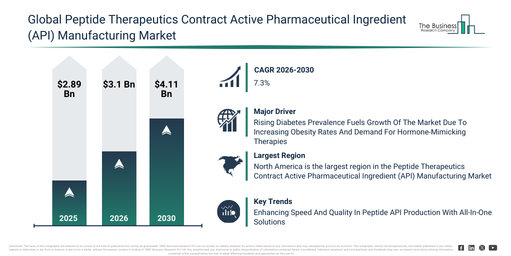
  • Peptide Therapeutics Contract API Manufacturing Market 2026 set to reach $4.11 billion by 2030, growing at a CAGR of 7.3%

    Peptide Therapeutics Contract API Manufacturing Market 2026 set to reach $4.11 billion by 2030, growing at a CAGR of 7.3%

    The Business Research Company’s 2026 market reports include new capabilities such as market attractiveness scoring and analysis, total addressable market analysis, company scoring matrix, interactive excel data dashboard, improved supply chain analysis, upcoming startups in the market, and overview of key products, aimed at improving the depth, usability, and strategic value of the insights delivered.

    What Is The Forecasted Market Value Of The Peptide Therapeutics Contract Active Pharmaceutical Ingredient (API) Manufacturing Market Across 2026–2030?

    The peptide therapeutics contract active pharmaceutical ingredient (api) manufacturing market size has experienced robust expansion in recent years. It is projected to increase from $2.89 billion in 2025 to $3.1 billion in 2026, demonstrating a compound annual growth rate (CAGR) of 7.3%. Historically, this growth was influenced by a restricted number of specialized peptide api manufacturers, the rising demand for peptide therapeutics, pharmaceutical companies’ reliance on in-house synthesis, necessary regulatory compliance, and a surge in preclinical and clinical trials.

    The market size for peptide therapeutics contract active pharmaceutical ingredient (api) manufacturing is set to demonstrate significant expansion over the forthcoming years. It is projected to achieve a value of $4.11 billion by 2030, progressing at a compound annual growth rate (CAGR) of 7.3%. This anticipated growth throughout the forecast period stems from factors such as the broadening of CMO capabilities for peptide API, escalating investments in advanced peptide synthesis technologies, the rise of personalized medicine and biologics, increased outsourcing by smaller and medium-sized pharmaceutical enterprises, and the implementation of digital manufacturing paired with AI-based process optimization. Key developments during this period are expected to feature a heightened demand for contract manufacturing of peptide APIs, a greater emphasis on GMP-grade production and adherence to regulations, an expansion in outsourced peptide synthesis for clinical trials, the proliferation of process optimization and tech transfer services, and the embracing of custom peptide synthesis for personalized treatments.

    Download the Free Sample Report to Explore Key Market Insights:

    https://www.thebusinessresearchcompany.com/sample.aspx?id=25870&type=smp

    Which Market Drivers Are Supporting The Expansion Of The Peptide Therapeutics Contract Active Pharmaceutical Ingredient (API) Manufacturing Market?

    An increasing occurrence of diabetes is projected to fuel the expansion of the peptide therapeutics contract active pharmaceutical ingredient (API) manufacturing market in the future. Diabetes is characterized as a chronic metabolic condition defined by high blood glucose levels, which results from the body’s inadequate insulin production or its impaired ability to utilize insulin efficiently. The expanding incidence of diabetes is largely driven by rising obesity rates, given that excessive body fat contributes to insulin resistance and interferes with blood sugar regulation. Peptide therapeutics utilize contract API manufacturing to facilitate the mass production of hormone-mimicking medications, thereby improving insulin secretion and glucose management in treating diabetes. For example, in March 2025, a report from the Office for Health Improvement and Disparities, a UK-based government department, indicated that the documented prevalence of type 2 diabetes among adults aged 17 and over in England reached 7.0% by March 2024, an increase from 6.8% in March 2023. Consequently, the increasing prevalence of diabetes is accelerating the growth of the peptide therapeutics contract active pharmaceutical ingredient (API) manufacturing market.

    What Segmentation Levels Are Considered In The Peptide Therapeutics Contract Active Pharmaceutical Ingredient (API) Manufacturing Market?

    The peptide therapeutics contract active pharmaceutical ingredient (api) manufacturing market covered in this report is segmented –

    1) By Scale Of Operation: Preclinical Or Clinical, Commercial

    2) By Synthesis Method: Non Chemical Synthesis, Chemical Synthesis

    3) By Enterprise Type: Large Enterprise, Small And Medium Enterprises

    Subsegments:

    1) By Preclinical Or Clinical: Discovery And Preclinical Development, Phase II Or III Manufacturing, Phase I Manufacturing

    2) By Commercial: Commercial-Scale Good Manufacturing Practice Manufacturing, Tech Transfer And Scale-up, Lifecycle Management Or Process Optimization

    What Trends Are Projected To Affect The Peptide Therapeutics Contract Active Pharmaceutical Ingredient (API) Manufacturing Market?

    Leading companies in the peptide therapeutics contract active pharmaceutical ingredient (API) manufacturing market are prioritizing the development of innovative solutions, such as the continuous flow synthesis platform, to streamline production and tackle the rising complexity in drug development. This continuous flow synthesis platform integrates multiple stages, including reaction, separation, concentration, and crystallization, into one unbroken process with real-time in-line measurement, enabling high-precision, non-destructive monitoring and efficient scale-up. For instance, in May 2023, SynCrest Inc., a Japan-based contract research, development, and manufacturing organization (CRDMO), announced the launch of its good manufacturing practice (GMP)-compliant Naruto Plant, equipped with a continuous flow synthesis platform for peptide and nucleotide API production. The platform allows for the rapid and high-quality manufacturing of over 100 types of non-natural amino acids and high-purity special amidites, significantly decreasing both lead times and production costs. This innovation is addressing the expanding market demand for advanced peptide-based therapeutics by offering scalable, efficient, and cost-effective API manufacturing solutions.

    Which Leading Firms Are Contributing To The Growth Of The Peptide Therapeutics Contract Active Pharmaceutical Ingredient (API) Manufacturing Market?

    Major companies operating in the peptide therapeutics contract active pharmaceutical ingredient (api) manufacturing market are Thermo Fisher Scientific Inc., Lonza Group AG., WuXi AppTec Co. Ltd., Cambrex Corporation, ChemPartner, GenScript Biotech Corporation, Bachem Group, CordenPharma International GmbH, Syngene International Limited, Ambiopharm Inc., CPC Scientific Inc., ScinoPharm Taiwan Ltd., Hybio Pharmaceutical Co. Ltd., CSBio Company Inc., Senn Chemicals AG., AnaSpec Inc., LifeTein LLC, Apex Biotechnology Corp., BCN Peptides S.A.

    Read the full peptide therapeutics contract active pharmaceutical ingredient (api) manufacturing market report here:

    https://www.thebusinessresearchcompany.com/report/peptide-therapeutics-contract-active-pharmaceutical-ingredient-api-manufacturing-global-market-report

    How Is The Peptide Therapeutics Contract Active Pharmaceutical Ingredient (API) Manufacturing Market Distributed Across Key Geographic Regions?

    North America was the largest region in the peptide therapeutics contract active pharmaceutical ingredient (API) manufacturing market in 2025. Asia-Pacific is expected to be the fastest-growing region in the forecast period. The regions covered in the peptide therapeutics contract active pharmaceutical ingredient (api) manufacturing market report are Asia-Pacific, South East Asia, Western Europe, Eastern Europe, North America, South America, Middle East, Africa.

    Request A Tailored Peptide Therapeutics Contract Active Pharmaceutical Ingredient (API) Manufacturing Market Research Report For Competitive Advantage:

    https://www.thebusinessresearchcompany.com/customise?id=25870&type=smp

    Browse Through More Reports Similar to the Global Peptide Therapeutics Contract Active Pharmaceutical Ingredient (API) Manufacturing Market 2026, By The Business Research Company

    Peptide Therapeutics Market Report 2026

    https://www.thebusinessresearchcompany.com/report/peptide-therapeutics-global-market-report

    Peptide Synthesis Market Report 2026

    https://www.thebusinessresearchcompany.com/report/peptide-synthesis-global-market-report

    Veterinary Active Pharmaceutical Ingredients Manufacturing Market Report 2026

    https://www.thebusinessresearchcompany.com/report/veterinary-active-pharmaceutical-ingredients-manufacturing-global-market-report

    Get in touch with us:

    The Business Research Company: https://www.thebusinessresearchcompany.com/

    Americas +1 310-496-7795

    Asia +44 7882 955267 & +91 8897263534

    Europe +44 7882 955267

    Email us at info@tbrc.info

    Follow us on:

    LinkedIn: https://in.linkedin.com/company/the-business-research-company

    YouTube: https://www.youtube.com/channel/UC24_fI0rV8cR5DxlCpgmyFQ

    Global Market Model: https://www.thebusinessresearchcompany.com/global-market-model
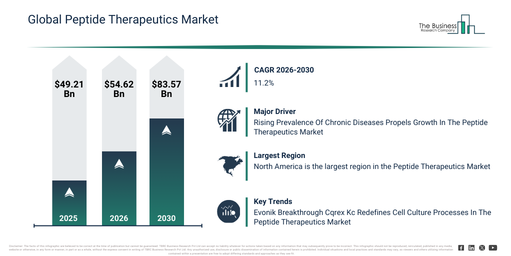
  • Peptide Therapeutics Market 2026 expected to reach $83.57 billion by 2030

    Peptide Therapeutics Market 2026 expected to reach $83.57 billion by 2030

    The Business Research Company’s 2026 market reports include new capabilities such as market attractiveness scoring and analysis, total addressable market analysis, company scoring matrix, interactive excel data dashboard, improved supply chain analysis, upcoming startups in the market, and overview of key products, aimed at improving the depth, usability, and strategic value of the insights delivered.

    What Market Size Increase Is Anticipated For The Peptide Therapeutics Market Over The 2026–2030 Period?

    The peptide therapeutics market size has seen significant expansion in recent years. It is forecast to rise from $49.21 billion in 2025 to $54.62 billion in 2026, achieving a compound annual growth rate (CAGR) of 11.0%. The expansion observed historically is attributed to the initial acceptance of peptide drugs, advancements in peptide synthesis techniques, a growing prevalence of chronic and rare diseases, progress in pharmacology and biochemistry, and the emergence of contract research organizations.

    The peptide therapeutics market size is projected to experience substantial expansion in the coming years. Its valuation is set to reach $83.57 billion by 2030, demonstrating a compound annual growth rate (CAGR) of 11.2%. This anticipated growth during the forecast timeframe stems from several factors, including the emergence of personalized medicine, augmented investment in peptide-based therapies, the incorporation of AI into drug discovery processes, the broadening of biologics manufacturing capabilities, and the expansion of healthcare solution markets in developing regions. Key trends anticipated over the same period encompass the development of targeted peptide drugs, advancements in peptide drug delivery, the creation of multi-functional peptide therapeutics, innovative methods for natural peptide extraction and synthesis, and the utilization of combination therapies involving peptides.

    Download the Free Sample Report to Explore Key Market Insights:

    https://www.thebusinessresearchcompany.com/sample.aspx?id=7216&type=smp

    What Underlying Factors Are Accelerating The Growth Of The Peptide Therapeutics Market?

    The increasing occurrence of chronic diseases is anticipated to propel the expansion of the peptide therapeutics market. Chronic diseases are persistent health conditions that often cannot be completely healed, though they can occasionally be managed and controlled. The rise in chronic diseases is attributed to factors like increased consumption of tobacco products, poor nutrition, lack of physical activity, excessive alcohol use, and more. Peptide therapeutics play a role in both the prevention and treatment of specific chronic diseases. For instance, in January 2023, according to the National Library of Medicine, a US-based agency, the population in the US aged 50 and older afflicted with at least one chronic condition is projected to increase by 99.5%, reaching 142.66 million, by 2050. Consequently, the escalating prevalence of chronic diseases is expected to drive the peptide therapeutics market during the forecast period.

    How Is The Peptide Therapeutics Market Segmented Across Key Categories?

    The peptide therapeutics market covered in this report is segmented –

    1) By Type: Generic, Branded

    2) By Route of Administration: Parenteral, Mucosal, Oral, Transdermal

    3) By Application: Cancer, Cardiovascular Diseases, Central Nervous Systems, Metabolic Disorders, Infections, Hematological Disorders, Gastrointestinal Disorders, Dermatology, Respiratory Disorders, Acromegaly, Other Applications

    Subsegments:

    1) By Generic: Generic Peptide Drugs, Biosimilars

    2) By Branded: Innovative Peptide Drugs, Patent-Protected Peptides

    Which Upcoming Trends Are Expected To Influence The Peptide Therapeutics Market?

    Leading companies operating within the peptide therapeutics market are concentrating on introducing advanced solutions, such as the cell culture process, to secure a competitive advantage. The cell culture process entails cultivating cells outside their natural surroundings under controlled conditions, which includes isolating target cells from living tissue and subsequently maintaining them. For instance, in June 2023, Evonik Industries AG, a German-based specialty chemicals company, unveiled cQrex KC. cQrex KC is a next-generation peptide for biopharma applications, specifically engineered for the cell culture process employed in manufacturing biological drugs. It allows cell culture process developers to optimize cystine supply and enhance cell culture productivity. cQrex KC further supports the development of vaccines, viral vectors, and cell therapies.

    Who Are The Dominant Players Shaping The Peptide Therapeutics Market Landscape?

    Major companies operating in the peptide therapeutics market are Pfizer Inc., Jhonson & Jhonson, Abbvie Inc., Novartis AG, Bristol-Myers Squibb Company, AstraZeneca plc, Sanofi SA, GlaxoSmithKline plc, Takeda Pharmaceutical Company Limited, Eli Lilly and Company, Amgen Inc., Novo Nordisk AS, Teva Pharmaceuticals Industries Ltd., Bachem Holding AG, PolyPeptide Laboratories BV, Arcus Biosciences Inc., Pepscan Therapeutics, Peptech Inc., Peptide Logic Inc., SELLAS Life Sciences Group, Ever Neuro Pharma GmbH, Zealand Pharma AG, PepGen Inc., Pepticom S.A., Peptide Technologies Corporation, SynPeptide Inc., Peptimmune Inc., Merck & Co Inc.

    Read the full peptide therapeutics market report here:

    https://www.thebusinessresearchcompany.com/report/peptide-therapeutics-global-market-report

    Which Region Is Projected To Dominate The Peptide Therapeutics Market During The Forecast Period?

    North America was the largest region in the peptide therapeutics market in 2025. Asia-Pacific is expected to be the fastest-growing region in the forecast period. The regions covered in the peptide therapeutics market report are Asia-Pacific, South East Asia, Western Europe, Eastern Europe, North America, South America, Middle East, Africa.

    Request A Tailored Peptide Therapeutics Market Research Report For Competitive Advantage:

    https://www.thebusinessresearchcompany.com/customise?id=7216&type=smp

    Browse Through More Reports Similar to the Global Peptide Therapeutics Market 2026, By The Business Research Company

    Peptide Therapeutics Market Report 2026

    https://www.thebusinessresearchcompany.com/report/peptide-therapeutics-global-market-report

    Peptide Synthesis Market Report 2026

    https://www.thebusinessresearchcompany.com/report/peptide-synthesis-global-market-report

    Peptide Based Metabolic Disorders Therapeutics Market Report 2026

    https://www.thebusinessresearchcompany.com/report/peptide-based-metabolic-disorders-therapeutics-global-market-report

    Get in touch with us:

    The Business Research Company: https://www.thebusinessresearchcompany.com/

    Americas +1 310-496-7795

    Asia +44 7882 955267 & +91 8897263534

    Europe +44 7882 955267

    Email us at info@tbrc.info

    Follow us on:

    LinkedIn: https://in.linkedin.com/company/the-business-research-company

    YouTube: https://www.youtube.com/channel/UC24_fI0rV8cR5DxlCpgmyFQ

    Global Market Model: https://www.thebusinessresearchcompany.com/global-market-model
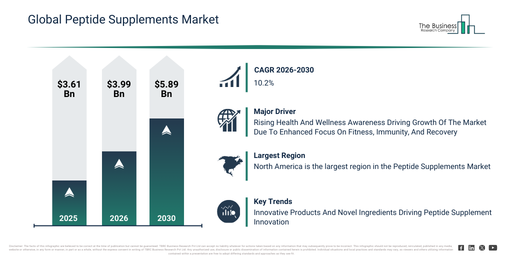
  • Peptide Supplements Market 2026 expanding to $5.89 billion by 2030

    Peptide Supplements Market 2026 expanding to $5.89 billion by 2030

    The Business Research Company’s 2026 market reports include new capabilities such as market attractiveness scoring and analysis, total addressable market analysis, company scoring matrix, interactive excel data dashboard, improved supply chain analysis, upcoming startups in the market, and overview of key products, aimed at improving the depth, usability, and strategic value of the insights delivered.

    How Much Is The Peptide Supplements Market Expected To Grow In Terms Of Market Value Between 2026 And 2030?

    The peptide supplements market size has experienced rapid growth in recent years. It is projected to increase from $3.61 billion in 2025 to $3.99 billion in 2026, at a compound annual growth rate (CAGR) of 10.5%. This historical expansion can be attributed to an elevated consumer focus on preventive health, the growth of sports nutrition markets, the broadening of beauty-from-within product categories, advancements in peptide synthesis technologies, and the wider retail availability of peptide supplements.

    The peptide supplements market is projected to experience swift expansion over the coming years. This market is forecast to reach $5.89 billion by 2030, exhibiting a compound annual growth rate (CAGR) of 10.2%. The anticipated growth during this period stems from factors such as the greater incorporation of peptides into personalized health regimens, the rising utilization of plant-sourced peptides, the broadening availability of clinical-grade peptide supplements, escalating financial commitments to peptide research, and the increasing consumer need for multi-functional nutritional items. Key trends identified for the forecast timeframe encompass the wider embrace of functional peptide formulations, a surge in the need for collagen and other bioactive peptides, an evolving inclination towards customized nutrition approaches, the broadening scope of peptide uses for skin and muscle well-being, and an intensified concentration on improving absorption effectiveness.

    Download the Free Sample Report to Explore Key Market Insights:

    https://www.thebusinessresearchcompany.com/sample.aspx?id=30350&type=smp

    Which Growth Drivers Are Contributing To The Progress Of The Peptide Supplements Market?

    The growing consciousness around health and wellness is anticipated to fuel the expansion of the peptide supplements market in the future. Health and wellness refers to a comprehensive lifestyle approach focused on maintaining robust physical health, energy, and overall welfare. This emphasis is intensifying as individuals experience longer lifespans and strive to preserve their quality of life by staying active, fit, and free from disease. Peptide supplements support health and wellness by fostering muscle development, improving skin elasticity, boosting immune system function, and enhancing overall body recovery, thereby contributing to improved physical fitness and vitality. For instance, in 2024, according to the International Food Information Council, a US-based nonprofit organization, the proportion of consumers aiming to increase their protein intake steadily rose from 59% in 2022 to 67% in 2023 and 71% in 2024, indicating a growing demand for protein-centric wellness solutions, including peptide supplements. Thus, the increasing awareness of health and wellness is a key driver for the growth of the peptide supplements market.

    What Major Segment Divisions Exist Within The Peptide Supplements Market?

    The peptide supplements market covered in this report is segmented –

    1) By Product Type: Bioactive Peptides, Collagen Peptides, Whey Protein Peptides, Muscle-Building Peptides, Anti-Aging Peptides, Immune-Enhancing Peptides

    2) By Functionality: Muscle Recovery, Weight Management, Cognitive Function, Skin Health, Immune Support, Anti-Inflammatory, Cardiovascular Health

    3) By Source : Animal-Derived, Plant-Derived, Synthetic Peptides

    4) By Product Format: Powder, Tablets Or Capsules, Chews Or Soft Gels, Liquid, Oral Strips

    5) By Distribution Channel: Online Retail, Pharmacies, Specialty Nutrition Stores, Supermarkets, Direct Sales, Healthcare Institutions

    Subsegments:

    1) By Bioactive Peptides: Antioxidant Peptides, Antimicrobial Peptides, Blood Pressure-Regulating Peptides

    2) By Collagen Peptides: Type I Collagen, Type II Collagen, Type III Collagen

    3) By Whey Protein Peptides: Hydrolyzed Whey Peptides, Whey Protein Isolate Peptides, Whey Protein Concentrate Peptides

    4) By Muscle-Building Peptides: Creatine Peptides, Branched-Chain Amino Acid Peptides, Growth Hormone-Releasing Peptides

    5) By Anti-Aging Peptides: Skin-Repair Peptides, Deoxyribonucleic Acid (DNA)-Repair Peptides, Telomere-Enhancing Peptides

    6) By Immune-Enhancing Peptides: Antiviral Peptides, Immunomodulatory Peptides, Anti-Inflammatory Peptides

    How Are Trends Shaping The Direction Of The Peptide Supplements Market?

    Major companies operating in the peptide supplements market are prioritizing the development of innovative products, such as low molecular weight peptide complexes, to improve absorption, potency, and overall health outcomes for consumers. Low molecular weight peptide complexes are preferred in supplements because their small size facilitates faster absorption and more efficient utilization by the body. For instance, in September 2025, Freemen Nutra Group, a US-based manufacturing company, partnered with RAWGA Inc., a South Korea-based food technology company, to launch VC-H1. This novel, plant-based collagen peptide ingredient, derived from organically grown hibiscus, targets skin health in North America. This innovative ingredient offers significant skin health benefits, including improved hydration, elasticity, firmness, and wrinkle reduction, making it a sustainable and effective alternative to traditional animal-sourced collagen.

    Which Companies Are Leading Innovation In The Peptide Supplements Market?

    Major companies operating in the peptide supplements market are BASF SE, Glanbia plc., GNC Holdings LLC, Gelita AG., Actus Nutrition, Rousselot B.V., NOW Foods Inc., Ingredia S.A., GL Biochem (Shanghai) Ltd., Weishardt International, Optimum Nutrition, Titan Biotech Ltd., Bulk Supplements.com Inc., AMCO Proteins Inc., Nitta Gelatin Inc., Atom Pharma, Cavendish Nutrition Inc., Hilmar Ingredients Company, Holista Colltech Ltd., Life Extension Foundation Inc., Koninklijke DSM N.V.

    Read the full peptide supplements market report here:

    https://www.thebusinessresearchcompany.com/report/global-peptide-supplements-market-report

    What Are The Leading Geographic Regions In The Peptide Supplements Market?

    North America was the largest region in the peptide supplements market in 2025. Asia-Pacific is expected to be the fastest-growing region in the forecast period. The regions covered in the peptide supplements market report are Asia-Pacific, South East Asia, Western Europe, Eastern Europe, North America, South America, Middle East, Africa.

    Request A Tailored Peptide Supplements Market Research Report For Competitive Advantage:

    https://www.thebusinessresearchcompany.com/customise?id=30350&type=smp

    Browse Through More Reports Similar to the Global Peptide Supplements Market 2026, By The Business Research Company

    Peptide Therapeutics Market Report 2026

    https://www.thebusinessresearchcompany.com/report/peptide-therapeutics-global-market-report

    Protein Supplements Market Report 2026

    https://www.thebusinessresearchcompany.com/report/protein-supplements-global-market-report

    Peptide Synthesis Market Report 2026

    https://www.thebusinessresearchcompany.com/report/peptide-synthesis-global-market-report

    Get in touch with us:

    The Business Research Company: https://www.thebusinessresearchcompany.com/

    Americas +1 310-496-7795

    Asia +44 7882 955267 & +91 8897263534

    Europe +44 7882 955267

    Email us at info@tbrc.info

    Follow us on:

    LinkedIn: https://in.linkedin.com/company/the-business-research-company

    YouTube: https://www.youtube.com/channel/UC24_fI0rV8cR5DxlCpgmyFQ

    Global Market Model: https://www.thebusinessresearchcompany.com/global-market-model