Month: March 2026

  • Non-Steroidal Anti-inflammatory Drugs Market Revenue Anticipated to Reach $29.96 Billion by 2030 at 6.5% CAGR

    Non-Steroidal Anti-inflammatory Drugs Market Revenue Anticipated to Reach $29.96 Billion by 2030 at 6.5% CAGR

    The Business Research Company’s 2026 market reports include new capabilities such as market attractiveness scoring and analysis, total addressable market analysis, company scoring matrix, interactive excel data dashboard, improved supply chain analysis, upcoming startups in the market, and overview of key products, aimed at improving the depth, usability, and strategic value of the insights delivered.

    What Is The Market Size Of The Non-Steroidal Anti-inflammatory Drugs Market In 2026 And What Value Is Projected For 2030?

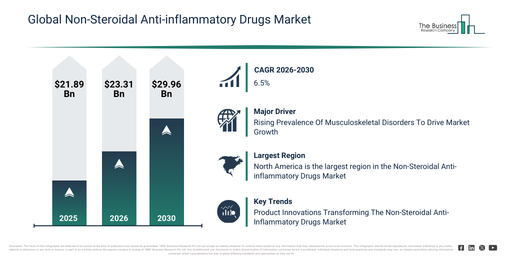
    The non-steroidal anti-inflammatory drugs market has experienced significant expansion in recent years. It is anticipated to increase from $21.89 billion in 2025 to $23.31 billion in 2026, registering a compound annual growth rate (CAGR) of 6.5%. This historical growth can be ascribed to factors including the escalating prevalence of arthritis and musculoskeletal disorders, enhanced understanding of pain management therapies, the expansion of the geriatric population, the proliferation of retail pharmacies, and innovations in drug formulation technologies.

    The market for non-steroidal anti-inflammatory drugs is projected to experience substantial expansion over the upcoming years. This market is anticipated to reach $29.96 billion by 2030, demonstrating a compound annual growth rate (CAGR) of 6.5%. Factors contributing to this growth during the forecast period include the increasing adoption of personalized medicine, the expansion of e-pharmacy platforms, heightened research and development efforts into innovative NSAID formulations, the growing prevalence of chronic inflammatory diseases, and the incorporation of digital health solutions for monitoring pain. Key trends anticipated during this period encompass personalized approaches to pain management, an increasing consumer demand for over-the-counter anti-inflammatory drugs, the creation of fast-acting formulations, a concentrated focus on managing chronic pain and arthritis, and the broadening of online pharmacy channels.

    Download the Free Sample Report to Explore Key Market Insights:

    https://www.thebusinessresearchcompany.com/sample.aspx?id=8023&type=smp

    Which Growth Drivers Are Contributing To The Progress Of The Non-Steroidal Anti-inflammatory Drugs Market?

    The increasing prevalence of musculoskeletal disorders (MSDs) is anticipated to propel the growth of the non-steroidal anti-inflammatory drug market. MSDs are a wide range of conditions affecting the musculoskeletal system, including muscles, bones, tendons, ligaments, and joints. Non-steroidal anti-inflammatory drugs (NSAIDs) are crucial for managing the pain and inflammation associated with ailments like arthritis, osteoarthritis, and rheumatoid arthritis. Contributing factors to this market expansion include an aging population, enhanced awareness and diagnosis of musculoskeletal disorders, orthopedic procedures, sports injuries, and the chronic nature of these conditions. For instance, according to GOV.UK in January 2024, 18.4% of individuals aged 16 and older in 2023 reported a long-term musculoskeletal (MSK) condition, showing an increase from the 17.6% prevalence noted in 2022. Therefore, the rising incidence of musculoskeletal disorders is driving the demand within the non-steroidal anti-inflammatory drugs market.

    What Are The Key Segments Of The Non-Steroidal Anti-inflammatory Drugs Market?

    The non-steroidal anti-inflammatory drugs market covered in this report is segmented –

    1) By Route Of Administration: Oral, Topical, Other Route Of Administration

    2) By Disease Indication: Arthritis, Migraine, Ophthalmic Diseases, Other Disease Indications

    3) By Distribution Channel: Hospital Pharmacy, Retail Pharmacy, Online Pharmacy

    Subsegments:

    1) By Oral: Tablets, Capsules, Liquids Or Solutions

    2) By Topical: Gels, Creams, Patches

    3) By Other Route Of Administration: Injectable (Intravenous And Intramuscular), Suppositories

    What Key Trends Are Influencing The Development Of The Non-Steroidal Anti-inflammatory Drugs Market?

    Major companies operating in the non-steroidal anti-inflammatory drugs (NSAIDs) market are concentrating on creating innovative solutions, including combination analgesic–gastroprotective formulations. This effort is driven by the increasing demand for effective pain management coupled with a reduction in gastrointestinal risks commonly associated with long-term NSAID usage. These dual-action technologies merge an NSAID with a protective agent to maintain anti-inflammatory efficacy while preventing stomach irritation, thus offering a more secure alternative to traditional single-agent NSAIDs. For instance, in March 2024, Endo International plc, an Ireland-based pharmaceutical company, launched ibuprofen-famotidine 800 mg/26.6 mg tablets, an advanced product that combines the analgesic and anti-inflammatory effects of ibuprofen with the gastroprotective action of famotidine. This tablet is specifically designed to alleviate pain while minimizing gastrointestinal side effects like ulcers or irritation that frequently accompany prolonged NSAID therapy, thereby enhancing safety and improving patient adherence.

    Who Are The Leading Companies Operating In The Non-Steroidal Anti-inflammatory Drugs Market?

    Major companies operating in the non-steroidal anti-inflammatory drugs market are Pfizer Inc., Bayer AG, Johnson & Johnson, Sun Pharmaceutical Industries Ltd., Assertio Therapeutics Inc., Iroko Pharmaceuticals Inc., Perrigo Company PLC, Hikma Pharmaceuticals PLC, Glenmark Pharmaceuticals Limited, Aspen Pharmacare Holdings Limited, Sagent Pharmaceuticals Inc., Advanced Pharma Inc., Akorn Operating Company LLC, Alembic Pharmaceuticals Limited, Torrent Pharmaceuticals Limited, Lupin Limited, Cipla Limited, Zydus Cadila Healthcare Limited, Aurobindo Pharma Limited, Sanofi S.A., GlaxoSmithKline PLC, Horizon Therapeutics PLC, Novartis AG, Roche Holding AG, AbbVie Inc., Bristol-Myers Squibb Company

    Read the full non-steroidal anti-inflammatory drugs market report here:

    https://www.thebusinessresearchcompany.com/report/non-steroidal-anti-inflammatory-drugs-global-market-report

    What Are The Leading Geographic Regions In The Non-Steroidal Anti-inflammatory Drugs Market?

    North America was the largest region in the non-steroidal anti-inflammatory drugs market in 2025. Asia-Pacific is expected to be the fastest-growing region in the non-steroidal anti-inflammatory drugs market during the forecast period. The regions covered in the non-steroidal anti-inflammatory drugs market report are Asia-Pacific, South East Asia, Western Europe, Eastern Europe, North America, South America, Middle East, Africa.

    Request A Tailored Non-Steroidal Anti-inflammatory Drugs Market Research Report For Competitive Advantage:

    https://www.thebusinessresearchcompany.com/customise?id=8023&type=smp

    Browse Through More Reports Similar to the Global Non-Steroidal Anti-inflammatory Drugs Market 2026, By The Business Research Company

    Non Steroidal Anti Inflammatory Drugs Market Report 2026

    https://www.thebusinessresearchcompany.com/report/non-steroidal-anti-inflammatory-drugs-global-market-report

    Anti Inflammatory Therapeutics Market Report 2026

    https://www.thebusinessresearchcompany.com/report/anti-inflammatory-therapeutics-global-market-report

    Rheumatoid Arthritis Drugs Market Report 2026

    https://www.thebusinessresearchcompany.com/report/rheumatoid-arthritis-drugs-global-market-report

    Get in touch with us:

    The Business Research Company: https://www.thebusinessresearchcompany.com/

    Americas +1 310-496-7795

    Asia +44 7882 955267 & +91 8897263534

    Europe +44 7882 955267

    Email us at info@tbrc.info

    Follow us on:

    LinkedIn: https://in.linkedin.com/company/the-business-research-company

    YouTube: https://www.youtube.com/channel/UC24_fI0rV8cR5DxlCpgmyFQ

    Global Market Model: https://www.thebusinessresearchcompany.com/global-market-model

  • Global Non-Opioid Pain Treatment Market Projected for Strong Growth, Reaching $84.36 Billion by 2030 at 8.7% CAGR

    Global Non-Opioid Pain Treatment Market Projected for Strong Growth, Reaching $84.36 Billion by 2030 at 8.7% CAGR

    The Business Research Company’s 2026 market reports include new capabilities such as market attractiveness scoring and analysis, total addressable market analysis, company scoring matrix, interactive excel data dashboard, improved supply chain analysis, upcoming startups in the market, and overview of key products, aimed at improving the depth, usability, and strategic value of the insights delivered.

    What Will Be The Estimated Market Valuation Of The Non-Opioid Pain Treatment Market By The End Of 2030?

    The non-opioid pain treatment market size has seen significant growth in recent years. It is projected to increase from $55.31 billion in 2025 to $60.32 billion in 2026, demonstrating a compound annual growth rate (CAGR) of 9.1%. Historically, this market expansion can be attributed to the rising prevalence of chronic pain conditions, growing awareness of opioid-related risks, the limited availability of non-opioid alternatives, an increase in orthopedic and musculoskeletal procedures, and the enhancing hospital and clinic infrastructure for pain management.

    The non-opioid pain treatment market is projected to experience substantial expansion over the coming years. This market is set to reach a value of $84.36 billion by 2030, demonstrating a compound annual growth rate (CAGR) of 8.7%. This anticipated growth during the forecast period is largely driven by factors such as the creation of advanced non-opioid therapeutics, the broadening use of digital health monitoring and telemedicine for pain, the increasing acceptance of combined therapies, heightened government efforts in pain management, and a surge in funding for individualized pain care and alternative approaches. Key developments expected in this period encompass the growing preference for non-opioid pain management solutions, an uptick in the utilization of medical cannabis and omega-3 fatty acid supplements, an increase in the availability of topical and injectable products for pain relief, the expansion of pain management services within hospitals and clinics, and the incorporation of non-pharmacological methods like acupuncture and TENS.

    Download the Free Sample Report to Explore Key Market Insights:

    https://www.thebusinessresearchcompany.com/sample.aspx?id=27366&type=smp

    What Primary Drivers Are Shaping The Development Of The Non-Opioid Pain Treatment Market?

    The increasing occurrence of sports-related injuries is projected to stimulate the growth of the non-opioid pain treatment market in the future. Sports-related injuries refer to physical harms incurred during or as a consequence of sports or exercise activities. This rising frequency of injuries stems from greater participation in high-intensity sports and recreational activities, which exposes athletes to an elevated risk of physical trauma. Non-opioid pain treatment offers utility for sports-related injuries by providing effective pain alleviation and reducing inflammation without the associated risks of opioid use, thereby facilitating faster recovery, improved function, and more secure long-term management. For instance, in October 2024, according to Howden Group Holdings Ltd, a UK-based insurance intermediary company, Europe’s top five leagues registered 4,123 injuries in the 2023-24 football season, marking a 4% increase compared to the previous season. Consequently, the growing incidence of sports-related injuries is driving the expansion of the non-opioid pain treatment market.

    Which Segment Classifications Shape The Non-Opioid Pain Treatment Market?

    The non-opioid pain treatment market covered in this report is segmented –

    1) By Product: Medical Cannabis, Menthol-Containing, Omega 3 Fatty Acid-Containing, Botulinum Toxins, Capsaicin-Derived, Other Products

    2) By Drug Class: Nonsteroidal Anti-Inflammatory Drugs (Nsaids), Acetaminophen, Local Anesthetics, Antidepressants, Anticonvulsants, Corticosteroids, Other Drug Classes

    3) By Route Of Administration: Oral, Topical, Injectable, Other Route Of Administrations

    4) By Distribution Channel: Hospitals Pharmacies, Retail Pharmacies, Drug Stores, Mail Order Pharmacies

    5) By Application: Orthopedic And Musculoskeletal Pain, Postoperative Pain, Cancer Pain, Neuropathic Pain, Other Applications

    Subsegments:

    1) By Medical Cannabis: Cannabidiol Based Products, Tetrahydrocannabinol Based Products, Combined Cannabinoid Products

    2) By Menthol Containing: Topical Creams, Gels, Sprays

    3) By Omega 3 Fatty Acid Containing: Fish Oil Derived Supplements, Algae Derived Supplements, Krill Oil Derived Supplements

    4) By Botulinum Toxins: Onabotulinumtoxin A, Abobotulinumtoxin A, Incobotulinumtoxin A

    5) By Capsaicin Derived: Low Concentration Creams, High Concentration Patches, Nasal Sprays

    6) By Other Products: Magnesium Based Products, Acupuncture Devices, Transcutaneous Electrical Nerve Stimulation Devices

    How Are Trends Impacting The Non-Opioid Pain Treatment Market?

    Major companies in the non-opioid pain treatment market are concentrating on advancements in drug formulations, such as non-opioid oral treatment, to deliver effective pain relief and reduce the dangers connected to opioid use and addiction. Non-opioid oral treatment refers to orally administered pain-relieving medications that do not contain opioids and function via different mechanisms, like decreasing inflammation, adjusting nerve signals, or acting on specific receptors, to manage pain without the potential for addiction or respiratory depression commonly associated with opioids. For example, in July 2025, Vertex Pharmaceuticals Incorporated, a US-based biotechnology company, introduced JOURNAVX, a pioneering non-opioid therapy offering effective relief for moderate-to-severe acute pain. This innovative non-opioid treatment operates through targeted modulation of pain pathways, provides a beneficial safety profile, and exhibits a rapid onset of action, facilitating strong pain control, reduced dependency potential, and enhanced patient well-being. It ensures precise pain management, decreases addiction risks, and supports quicker recovery and an improved quality of life for patients experiencing acute pain.

    Which Companies Are Expanding Their Footprint In The Non-Opioid Pain Treatment Market?

    Major companies operating in the non-opioid pain treatment market are Pfizer Inc., Johnson & Johnson Services Inc., AbbVie Inc, Novartis AG, GSK plc, Amgen Inc., Teva Pharmaceutical Industries Limited, Vertex Pharmaceuticals Incorporated, SUN PHARMACEUTICAL INDUSTRIES LIMITED, Perrigo Company Public Limited Company, Dr. Reddy’s Laboratories, HIKMA PHARMACEUTICALS PUBLIC LIMITED COMPANY, Pacira BioSciences Inc, Heron Therapeutics Inc, AFT Pharmaceuticals Limited, Vivozon Pharmaceutical Co. Ltd, Levicept Ltd, Algiax Pharmaceuticals GmbH, Latigo Biotherapeutics Inc, Hyloris Pharmaceuticals SA

    Read the full non-opioid pain treatment market report here:

    https://www.thebusinessresearchcompany.com/report/non-opioid-pain-treatment-global-market-report

    How Does The Non-Opioid Pain Treatment Market Perform Across Major Global Regions?

    North America was the largest region in the non-opioid pain treatment market in 2025. Asia-Pacific is expected to be the fastest-growing region in the forecast period. The regions covered in the non-opioid pain treatment market report are Asia-Pacific, South East Asia, Western Europe, Eastern Europe, North America, South America, Middle East, Africa.

    Request A Tailored Non-Opioid Pain Treatment Market Research Report For Competitive Advantage:

    https://www.thebusinessresearchcompany.com/customise?id=27366&type=smp

    Browse Through More Reports Similar to the Global Non-Opioid Pain Treatment Market 2026, By The Business Research Company

    Polyethylene Pipes Market Report 2026

    https://www.thebusinessresearchcompany.com/report/polyethylene-pipes-global-market-report

    Polyethylene Pipes Market Report 2026

    https://www.thebusinessresearchcompany.com/report/polyethylene-pipes-global-market-report

    Polyolefin Pipes Market Report 2026

    https://www.thebusinessresearchcompany.com/report/polyolefin-pipes-global-market-report

    Get in touch with us:

    The Business Research Company: https://www.thebusinessresearchcompany.com/

    Americas +1 310-496-7795

    Asia +44 7882 955267 & +91 8897263534

    Europe +44 7882 955267

    Email us at info@tbrc.info

    Follow us on:

    LinkedIn: https://in.linkedin.com/company/the-business-research-company

    YouTube: https://www.youtube.com/channel/UC24_fI0rV8cR5DxlCpgmyFQ

    Global Market Model: https://www.thebusinessresearchcompany.com/global-market-model
  • Non-Opioid Pain Patch Market Expected to Reach $4.69 Billion by 2030 at a CAGR of 5.5%

    Non-Opioid Pain Patch Market Expected to Reach $4.69 Billion by 2030 at a CAGR of 5.5%

    The Business Research Company’s 2026 market reports include new capabilities such as market attractiveness scoring and analysis, total addressable market analysis, company scoring matrix, interactive excel data dashboard, improved supply chain analysis, upcoming startups in the market, and overview of key products, aimed at improving the depth, usability, and strategic value of the insights delivered.

    What Market Size Growth Is Projected For The Non-Opioid Pain Patch Market During The Forecast Period 2026–2030?

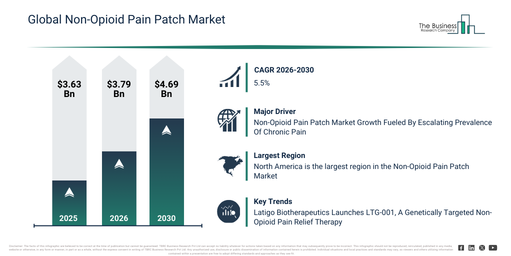
    The non-opioid pain patch market has experienced consistent growth in recent years. Its valuation is set to increase from $3.63 billion in 2025 to $3.79 billion in 2026, achieving a compound annual growth rate (CAGR) of 4.6%. This historical growth can be largely attributed to mounting concerns regarding opioid dependency, a rising prevalence of musculoskeletal disorders, an expanding aging demographic, the widening scope of retail pharmacy networks, and the preference among physicians for localized pain management solutions.

    The non-opioid pain patch market size is anticipated to experience robust expansion over the next few years. It is forecast to reach $4.69 billion by 2030, demonstrating a compound annual growth rate (CAGR) of 5.5%. This projected growth during the forecast period stems from factors such as an increasing prevalence of chronic pain, stronger regulatory endorsement for non-opioid treatments, progress in transdermal drug delivery technology, greater patient awareness regarding addiction-free alternatives, and the extension into neuropathic pain indications. Significant trends for the forecast period include a rising preference for non-addictive pain management, increasing adoption of topical and localized therapies, the expansion of over-the-counter and prescription hybrid patches, a heightened demand for chronic pain management solutions, and ongoing innovation in patch adhesion and drug delivery duration.

    Download the Free Sample Report to Explore Key Market Insights:

    https://www.thebusinessresearchcompany.com/sample.aspx?id=12230&type=smp

    Which Major Factors Are Driving The Expansion Of The Non-Opioid Pain Patch Market?

    The increasing incidence of chronic pain is anticipated to drive the future expansion of the non-opioid pain patch market. Chronic pain is defined as intense discomfort that persists for an extended duration or is linked to another health condition. Non-opioid pain patches are utilized for alleviating mild to moderate pain and for addressing conditions like headaches, muscle aches, arthritis, backaches, and other forms of pain. For instance, in November 2024, the Centers for Disease Control and Prevention, a US-based national public health agency, reported that an estimated 24.3% of adults experienced chronic pain in 2023. Of those affected, 8.5%, representing approximately one-third, reported high-impact chronic pain, with women showing a higher prevalence than men. As a result, the growing occurrence of chronic pain is propelling the non-opioid pain patch market.

    What Market Segments Are Evaluated Within The Non-Opioid Pain Patch Market?

    The non-opioid pain patch market covered in this report is segmented –

    1) By Patch: Lidocaine Patches, Diclofenac Patches, Capsaicin Patches, Ketoprofen Patches, Other Patches

    2) By Distribution Channel: Hospital Pharmacies, Retail Pharmacies, Other Distribution Channels

    3) By Indication: Musculoskeletal Pain, Neuropathic Pain

    Subsegments:

    1) By Lidocaine Patches: 5% Lidocaine Patch, Other Concentrations

    2) By Diclofenac Patches: 1.3% Diclofenac Patch, Other Concentrations

    3) By Capsaicin Patches: 8% Capsaicin Patch, Other Concentrations

    4) By Ketoprofen Patches: 5% Ketoprofen Patch, Other Concentrations

    5) By Other Patches: Combination Patches, Herbal Extract Patches, Other Non-Opioid Patches

    What Industry Trends Are Redefining The Non-Opioid Pain Patch Market?

    Leading companies in the non-opioid pain patch market are developing innovative products, including genetically validated targets medicine. This approach involves creating drugs that target biological pathways directly linked to disease, relying on strong genetic evidence. Such a strategy enhances treatment effectiveness and reduces the risk of side effects. For instance, in February 2024, Latigo Biotherapeutics Inc., a US-based biotechnology company, launched the LTG-001. This compound is a selective inhibitor of the Nav1.8 sodium channel, primarily expressed in peripheral nerve cells. By targeting this specific channel, LTG-001 aims to block pain signals at their source, potentially offering effective pain relief without affecting the central nervous system. Phase 1 clinical trial results indicated that LTG-001 has a Tmax (time to maximum concentration) of approximately 1.5 hours, suggesting a rapid onset of pain relief. This feature is particularly important for managing both acute and chronic pain. Furthermore, LTG-001 is designed for oral administration, making it more convenient for patients compared to injectable or topical treatments. This route of delivery can enhance compliance and ease of use.

    Who Are The Top Market Participants Influencing The Non-Opioid Pain Patch Market?

    Major companies operating in the non-opioid pain patch market are Hisamitsu Pharmaceutical Co. Inc., Teikoku Pharma USA Inc., Noven Pharmaceuticals Inc., Johnson & Johnson Services Inc., Pfizer Inc., Grünenthal GmbH, Mylan N.V., Teva Pharmaceutical Industries Ltd., Bayer AG, Iroko Pharmaceuticals LLC, Scilex Pharmaceuticals Inc., Zosano Pharma Corporation, Adynxx Inc., BioElectronics Corporation, NeuroMetrix Inc., Virpax Pharmaceuticals Inc., Novartis AG, DURECT Corporation, Eli Lilly and Company, Endo Pharmaceuticals Inc.

    Read the full non-opioid pain patch market report here:

    https://www.thebusinessresearchcompany.com/report/non-opioid-pain-patch-global-market-report

    Which Region Currently Holds The Largest Share Of The Non-Opioid Pain Patch Market?

    North America was the largest region in the non-opioid pain patch market in 2025. Asia-Pacific is expected to be the fastest-growing region in the non-opioid pain patch market report during the forecast period. The regions covered in the non-opioid pain patch market report are Asia-Pacific, South East Asia, Western Europe, Eastern Europe, North America, South America, Middle East, Africa.

    Request A Tailored Non-Opioid Pain Patch Market Research Report For Competitive Advantage:

    https://www.thebusinessresearchcompany.com/customise?id=12230&type=smp

    Browse Through More Reports Similar to the Global Non-Opioid Pain Patch Market 2026, By The Business Research Company

    Non Opioid Pain Patch Market Report 2026

    https://www.thebusinessresearchcompany.com/report/non-opioid-pain-patch-global-market-report

    Pain Patch Market Report 2026

    https://www.thebusinessresearchcompany.com/report/pain-patch-global-market-report

    Pain Management Drugs Market Report 2026

    https://www.thebusinessresearchcompany.com/report/pain-management-drugs-global-market-report

    Get in touch with us:

    The Business Research Company: https://www.thebusinessresearchcompany.com/

    Americas +1 310-496-7795

    Asia +44 7882 955267 & +91 8897263534

    Europe +44 7882 955267

    Email us at info@tbrc.info

    Follow us on:

    LinkedIn: https://in.linkedin.com/company/the-business-research-company

    YouTube: https://www.youtube.com/channel/UC24_fI0rV8cR5DxlCpgmyFQ

    Global Market Model: https://www.thebusinessresearchcompany.com/global-market-model

  • Non-injectable Insulin Market Forecast 2026–2035 Reflecting Growth Opportunities Across Industries

    Non-injectable Insulin Market Forecast 2026–2035 Reflecting Growth Opportunities Across Industries

    The Business Research Company’s 2026 market reports include new capabilities such as market attractiveness scoring and analysis, total addressable market analysis, company scoring matrix, interactive excel data dashboard, improved supply chain analysis, upcoming startups in the market, and overview of key products, aimed at improving the depth, usability, and strategic value of the insights delivered.

    How Will The Market Size Of The Non-injectable Insulin Market Evolve From 2026 To 2030?

    The non-injectable insulin market size has seen robust expansion in recent years. It is anticipated to increase from $2.14 billion in 2025 to $2.35 billion in 2026, achieving a compound annual growth rate (CAGR) of 9.9%. The market’s past growth can be attributed to the rising prevalence of diabetes, an increased patient preference for non-injective therapies, continuous advancements in insulin formulation, government initiatives aimed at fostering diabetes care, and heightened awareness concerning diabetes complications.

    The non-injectable insulin market is anticipated to show significant expansion over the next few years, with its valuation expected to reach $3.41 billion by 2030, growing at a compound annual growth rate (CAGR) of 9.8%. This projected growth is largely due to factors such as technological progress in oral and inhalable insulin, the adoption of digital health solutions, an aging global population, the expansion of healthcare infrastructure in developing economies, and tailored medicine approaches for diabetes care. Important trends foreseen in this period include the development of oral insulin delivery systems, pulmonary insulin inhalers, patient-centric diabetes management, non-invasive monitoring and dosing techniques, and innovative formulations aimed at improving bioavailability.

    Download the Free Sample Report to Explore Key Market Insights:

    https://www.thebusinessresearchcompany.com/sample.aspx?id=13888&type=smp

    What Key Drivers Are Influencing The Growth Of The Non-injectable Insulin Market?

    The increasing prevalence of obesity and diabetes is anticipated to fuel the expansion of the non-injectable insulin market in the coming years. Obesity involves the excessive buildup of body fat, typically stemming from an imbalance in energy consumption versus expenditure, whereas diabetes mellitus, commonly known as diabetes, describes metabolic conditions marked by persistently elevated blood sugar. Non-injectable insulin serves as a treatment for both diabetes and obesity, potentially enhancing management by overcoming obstacles to traditional insulin therapy, offering advantages for weight control, and delivering more user-friendly treatment alternatives. For instance, in June 2023, the Institute for Health Metrics and Evaluation, a US-based public health research institute, reported that over half a billion people globally were living with diabetes. This figure is projected to more than double, reaching 1.3 billion people by 2050. Consequently, the escalating concerns regarding obesity and diabetes are propelling the growth of the non-injectable insulin market.

    Which Segment Areas Are Covered In The Non-injectable Insulin Market Analysis?

    The non-injectable insulin market covered in this report is segmented –

    1) By Insulin Type: Oral Insulin, Inhaled Insulin, Nasal Insulin, Buccal Or Sublingual Insulin, Transdermal Insulin

    2) By Product: Pills, Sprays, Other Products

    3) By Distribution Channel: Hospital Pharmacies, Online Pharmacies, Drug Stores

    Subsegments:

    1) By Oral Insulin: Oral Insulin Tablets, Oral Insulin Capsules, Enteric-Coated Oral Insulin, Nanoparticle-Based Oral Insulin

    2) By Inhaled Insulin: Dry Powder Inhaled Insulin, Aerosolized Insulin, Pulmonary Insulin Delivery Systems

    3) By Nasal Insulin: Nasal Spray Insulin, Nasal Gel Insulin, Nasal Powder Insulin

    4) By Buccal Or Sublingual Insulin: Buccal Spray Insulin, Sublingual Insulin Films, Oral Mucosal Insulin Drops

    5) By Transdermal Insulin: Insulin Patches, Microneedle-Free Transdermal Systems, Iontophoresis-Based Insulin Delivery

    What Key Developments And Trends Are Impacting The Non-injectable Insulin Market?

    Leading companies in the non-injectable insulin market are concentrating on groundbreaking advancements in drug delivery systems, such as needle-free oral insulin sprays, to enhance the lives of individuals who manage their diabetes with multiple insulin injections. A needle-free insulin spray offers a painless and non-invasive way to regulate blood glucose, providing a convenient choice as doses can be sprayed directly into the mouth. For example, NiedlFree Technologies, an India-based technology platform, unveiled Ozulin, an oral insulin spray, in November 2023. This oral insulin spray aims to provide a more accessible solution for people with diabetes, especially those who find traditional injectable insulin methods difficult. If it gains approval, Ozulin could significantly change diabetes management by offering a more convenient and pain-free alternative to insulin injections.

    Which Global Companies Are Actively Competing In The Non-injectable Insulin Market?

    Major companies operating in the non-injectable insulin market are Novo Nordisk A/S, Eli Lilly and Company, Sanofi S.A., Pfizer Inc., Novartis AG, Merck & Co. Inc., AstraZeneca, Takeda Pharmaceutical, Abbott Laboratories, MannKind Corporation, Biocon Limited, Sun Pharmaceutical Industries Ltd., Dr. Reddy’s Laboratories Limited, Cipla Limited, Lupin Pharmaceuticals, Glenmark Pharmaceuticals, Torrent Pharmaceuticals, Wockhardt Limited, Teva Pharmaceutical Industries Ltd., F. Hoffmann-La Roche Ltd.

    Read the full non-injectable insulin market report here:

    https://www.thebusinessresearchcompany.com/report/non-injectable-insulin-global-market-report

    Which Region Is Expected To Register The Fastest Growth In The Non-injectable Insulin Market?

    North America was the largest region in the non-injectable insulin market in 2025. Asia-Pacific is expected to be the fastest-growing region in the forecast period. The regions covered in the non-injectable insulin market report are Asia-Pacific, South East Asia, Western Europe, Eastern Europe, North America, South America, Middle East, Africa.

    Request A Tailored Non-injectable Insulin Market Research Report For Competitive Advantage:

    https://www.thebusinessresearchcompany.com/customise?id=13888&type=smp

    Browse Through More Reports Similar to the Global Non-injectable Insulin Market 2026, By The Business Research Company

    Non Injectable Insulin Market Report 2026

    https://www.thebusinessresearchcompany.com/report/non-injectable-insulin-global-market-report

    Insuman Market Report 2026

    https://www.thebusinessresearchcompany.com/report/insuman-global-market-report

    Oem Insulation Market Report 2026

    https://www.thebusinessresearchcompany.com/report/oem-insulation-global-market-report

    Get in touch with us:

    The Business Research Company: https://www.thebusinessresearchcompany.com/

    Americas +1 310-496-7795

    Asia +44 7882 955267 & +91 8897263534

    Europe +44 7882 955267

    Email us at info@tbrc.info

    Follow us on:

    LinkedIn: https://in.linkedin.com/company/the-business-research-company

    YouTube: https://www.youtube.com/channel/UC24_fI0rV8cR5DxlCpgmyFQ

    Global Market Model: https://www.thebusinessresearchcompany.com/global-market-model

  • Global Non-Hormonal Contraceptives Market Analysis for 2026–2030 with Strategic Business Insights

    Global Non-Hormonal Contraceptives Market Analysis for 2026–2030 with Strategic Business Insights

    The Business Research Company’s 2026 market reports include new capabilities such as market attractiveness scoring and analysis, total addressable market analysis, company scoring matrix, interactive excel data dashboard, improved supply chain analysis, upcoming startups in the market, and overview of key products, aimed at improving the depth, usability, and strategic value of the insights delivered.

    What Is The Forecasted Market Value Of The Non-Hormonal Contraceptives Market Across 2026–2030?

    The non-hormonal contraceptives market has seen robust expansion in recent years. Its value is anticipated to rise from $25.47 billion in 2025 to $27.32 billion in 2026, advancing at a compound annual growth rate (CAGR) of 7.3%. The historical increase in this market can be linked to the previously limited supply of non-hormonal contraceptive options, a reliance on surgical sterilization, an increasing understanding of reproductive health, more initiatives focused on female healthcare, and the greater adoption of barrier devices in clinical environments.

    The non-hormonal contraceptives market size is anticipated to undergo significant expansion over the next few years. It is projected to grow to $35.8 billion in 2030, achieving a compound annual growth rate (CAGR) of 7.0%. This growth throughout the forecast period can be attributed to the advancement of sophisticated non-hormonal devices, increasing demand for reversible and minimally invasive sterilization, the broadening of family planning initiatives, greater awareness of safety and compliance standards, and the integration of smart contraceptive monitoring systems. Prominent trends for the forecast period include a rising preference for non-hormonal contraceptive methods, a growing adoption of barrier and mechanical devices, increased awareness about reversible sterilization choices, the expansion of minimally invasive contraceptive devices, and a strong focus on safety, compliance, and patient-centric design.

    Download the Free Sample Report to Explore Key Market Insights:

    https://www.thebusinessresearchcompany.com/sample.aspx?id=25849&type=smp

    What Major Growth Drivers Are Shaping The Outlook Of The Non-Hormonal Contraceptives Market?

    The increasing incidence of sexually transmitted diseases is projected to drive the growth of the non-hormonal contraceptives market in the future. Sexually transmitted diseases (STDs) are infections primarily disseminated through sexual contact, caused by bacteria, viruses, or parasites. The surge in these diseases largely stems from a decrease in condom utilization, thereby heightening the chance of infection during unprotected sexual encounters. Non-hormonal contraceptives, which encompass male and female condoms, play a crucial role in preventing the transmission of sexually transmitted diseases by forming a physical barrier that hinders the exchange of bodily fluids during sexual activity. For instance, in April 2025, data from the Minnesota Department of Health (MDH), a US-based state health agency, revealed that the percentage of HIV cases among males aged 35 to 39 climbed from 10% in 2023 to 17% in 2024. Thus, the escalating prevalence of sexually transmitted diseases is a key factor propelling the expansion of the non-hormonal contraceptives market.

    What Segmentation Levels Are Considered In The Non-Hormonal Contraceptives Market?

    The non-hormonal contraceptives market covered in this report is segmented –

    1) By Type: Devices, Sterilization, Other Product Types

    2) By Mechanism Of Action: Antagonist, Agonist, Inhibitor, Modulator

    3) By Route of Administration: Intramuscular, Intravaginal, Intravenous, Oral, Subcutaneous, Topical, Transdermal, Other Route Of Administrations

    4) By Purpose Of Therapy: Treatment Of Disease, Management Of Symptoms

    5) By Target Indication: Bacterial Vaginosis, Contraception, Endometriosis, Postmenopausal Osteoporosis, Uterine Fibroids, Vaginitis, Other Target Indications

    Subsegments:

    1) By Devices: Surgical Instruments, Ligation Clips, Tubal Rings

    2) By Sterilization: Permanent Sterilization, Reversible Sterilization, Mechanical Sterilization Devices

    3) By Other Product Types: Non-Surgical Barrier Devices, Implantable Plugs, Intrauterine Permanent Devices

    What Trends Are Projected To Affect The Non-Hormonal Contraceptives Market?

    Leading companies within the non-hormonal contraceptives market are concentrating on creating advanced solutions, particularly preloaded intrauterine device delivery systems, with the aim of streamlining insertion processes, boosting user convenience, and optimizing clinical effectiveness. Such a system, a preloaded intrauterine device (IUD) delivery system, denotes a device that is pre-assembled and ready for use, combining the preloaded intrauterine device with its inserter in one unit. This design serves to make the insertion process more efficient, cut down on preparation time, and lessen the chance of contamination or errors during handling. As an illustration, in September 2024, CooperSurgical Inc., a medical device and fertility company based in the US, unveiled its Paragard Single-Handed Inserter. This product is intended to improve insertion efficiency and increase patient comfort specifically during the placement of non-hormonal preloaded intrauterine devices. The Paragard inserter provides highly effective, long-term birth control, being over 99% effective for up to 10 years by inhibiting sperm from fertilizing an egg. Its primary advantages encompass immediate and reversible contraception, its suitability as a hormone-free option, and requiring minimal maintenance after insertion.

    Which Leading Firms Are Contributing To The Growth Of The Non-Hormonal Contraceptives Market?

    Major companies operating in the non-hormonal contraceptives market are Church & Dwight Co., Okamoto Industries, CooperSurgical Inc., PSI India Pvt Ltd., Karex Berhad, Fuji Latex Co. Ltd., PREGNA INTERNATIONAL LTD., Cupid Limited, Global Protection Corp., SMB Corporation of India, HLL Lifecare Limited, Contraline Inc.

    Read the full non-hormonal contraceptives market report here:

    https://www.thebusinessresearchcompany.com/report/non-hormonal-contraceptives-global-market-report

    Which Regions Are Projected To Dominate The Non-Hormonal Contraceptives Market In The Coming Years?

    North America was the largest region in the non-hormonal contraceptives market in 2025. Asia-Pacific is expected to be the fastest-growing region in the forecast period. The regions covered in the non-hormonal contraceptives market report are Asia-Pacific, South East Asia, Western Europe, Eastern Europe, North America, South America, Middle East, Africa.

    Request A Tailored Non-Hormonal Contraceptives Market Research Report For Competitive Advantage:

    https://www.thebusinessresearchcompany.com/customise?id=25849&type=smp

    Browse Through More Reports Similar to the Global Non-Hormonal Contraceptives Market 2026, By The Business Research Company

    Hormonal Contraceptives Market Report 2026

    https://www.thebusinessresearchcompany.com/report/hormonal-contraceptives-global-market-report

    Contraceptives Market Report 2026

    https://www.thebusinessresearchcompany.com/report/contraceptives-global-market-report

    Oral Contraceptive Pills Market Report 2026

    https://www.thebusinessresearchcompany.com/report/oral-contraceptive-pills-global-market-report

    Get in touch with us:

    The Business Research Company: https://www.thebusinessresearchcompany.com/

    Americas +1 310-496-7795

    Asia +44 7882 955267 & +91 8897263534

    Europe +44 7882 955267

    Email us at info@tbrc.info

    Follow us on:

    LinkedIn: https://in.linkedin.com/company/the-business-research-company

    YouTube: https://www.youtube.com/channel/UC24_fI0rV8cR5DxlCpgmyFQ

    Global Market Model: https://www.thebusinessresearchcompany.com/global-market-model

  • Non-Alcoholic Steatohepatitis Treatment Market Outlook 2026–2035 Driven by Key Growth Factors and Industry Forecasts

    Non-Alcoholic Steatohepatitis Treatment Market Outlook 2026–2035 Driven by Key Growth Factors and Industry Forecasts

    The Business Research Company’s 2026 market reports include new capabilities such as market attractiveness scoring and analysis, total addressable market analysis, company scoring matrix, interactive excel data dashboard, improved supply chain analysis, upcoming startups in the market, and overview of key products, aimed at improving the depth, usability, and strategic value of the insights delivered.

    What Market Size Increase Is Anticipated For The Non-Alcoholic Steatohepatitis Treatment Market Over The 2026–2030 Period?

    The non-alcoholic steatohepatitis treatment market has experienced rapid expansion in its size over recent years. Projections indicate it will expand from $3.57 billion in 2025 to $4.98 billion in 2026, demonstrating a compound annual growth rate (CAGR) of 39.6%. Factors contributing to its historical growth include the increasing prevalence of obesity, a rise in the incidence of type 2 diabetes, significant consumption of processed foods, insufficient awareness regarding liver health, and restricted treatment options available for early-stage nash.

    The market for non-alcoholic steatohepatitis (NASH) treatment is anticipated to experience substantial growth over the next few years, projected to reach $18.97 billion by 2030 with a compound annual growth rate (CAGR) of 39.7%. This growth during the forecast period is fueled by advancements in precision medicine, the development of innovative NASH drugs, the adoption of digital health monitoring tools, government initiatives aimed at preventing liver disease, and increased investment in liver disease research. Key trends expected in this period include personalized lifestyle and diet management, progress in non-invasive diagnostic methods, programs to raise awareness about fatty liver disease, home-based liver health monitoring, and the creation of novel pharmacological agents.

    Download the Free Sample Report to Explore Key Market Insights:

    https://www.thebusinessresearchcompany.com/sample.aspx?id=8595&type=smp

    What Drivers Are Expected To Influence The Non-Alcoholic Steatohepatitis Treatment Market During The Forecast Period?

    The non-alcoholic steatohepatitis treatment market is experiencing growth due to an increased prevalence of insulin resistance. Insulin resistance arises when muscle, fat, and liver cells do not respond effectively to insulin, thereby impeding the easy absorption of glucose from the blood and resulting in high blood sugar. This condition is linked to unhealthy lifestyles, excessive sugar consumption, and genetic factors. The utilization of non-alcoholic steatohepatitis treatment has risen because of the increased incidence of insulin resistance, often stemming from elevated diabetes and other liver-related issues. For example, in July 2025, PubMed, a US-based free biomedical literature database maintained by the U.S. National Library of Medicine, reported that the prevalence rates of general obesity, abdominal obesity, severe obesity, and insulin resistance significantly increased, moving from 34.9% to 41.4%, 62.5% to 67.0%, 5.2% to 11.5%, and 22.5% to 30.2% respectively. Therefore, the expanding prevalence of insulin resistance, driven by various liver and diabetes diseases, is set to drive the non-alcoholic steatohepatitis treatment market.

    How Is The Non-Alcoholic Steatohepatitis Treatment Market Segmented Across Key Categories?

    The non-alcoholic steatohepatitis treatment market covered in this report is segmented –

    1) By Drug Type: Vitamin E And Pioglitazone, Ocaliva, Elafibranor, Selonsertib And cenicriviroc, Obeticholic Acid, Other Drugs Types

    2) By Test Type: Blood Tests, Liver Biopsy, Imaging Procedures

    3) By End User: Hospital Pharmacies, Retail And Specialty Pharmacies, Other End Users

    Subsegments:

    1) By Vitamin E And Pioglitazone: Vitamin E Supplements, Pioglitazone-Based Formulations.

    2) By Ocaliva: Ocaliva (Obeticholic Acid) For NASH

    3) By Elafibranor: Elafibranor Monotherapy, Elafibranor Combination Therapy

    4) By Selonsertib And Cenicriviroc: Selonsertib Formulations, Cenicriviroc Formulations

    5) By Obeticholic Acid: Immediate-Release Obeticholic Acid, Extended-Release Obeticholic Acid

    6) By Other Drug Types: Novel Agents In Clinical Trials, Combination Therapies

    Which Upcoming Trends Are Expected To Influence The Non-Alcoholic Steatohepatitis Treatment Market?

    Major companies within the non-alcoholic steatohepatitis treatment market are creating innovative offerings, such as endogenous hormones, to attract wider customer bases, increase sales, and boost revenue. Endogenous hormones are substances naturally produced within the body by various glands, tissues, or organs, playing vital roles in regulating physiological processes. For instance, in September 2023, 89bio Inc., a US-based biotechnology company, announced that the U.S. Food and Drug Administration (FDA) granted Breakthrough Therapy Designation (BTD) for Pegozafermin for individuals diagnosed with nonalcoholic steatohepatitis (NASH). Pegozafermin is a distinct product due to its engineered glycoPEGylated analog of fibroblast growth factor 21. This specifically designed formulation is being developed to address non-alcoholic steatohepatitis (NASH) and severe hypertriglyceridemia (SHTG). Pegozafermin’s uniqueness stems from its use of specialized glycoPEGylated technology, which ensures an extended half-life while maintaining its potency. This innovative approach enhances the product’s effectiveness in modulating key factors associated with lipid metabolism, NASH, and hypertriglyceridemia, including triglyceride reduction, glycemic control, steatosis, inflammation, and fibrosis.

    Who Are The Dominant Players Shaping The Non-Alcoholic Steatohepatitis Treatment Market Landscape?

    Major companies operating in the non-alcoholic steatohepatitis treatment market are AstraZeneca PLC, Galmed Pharmaceuticals Ltd., Genfit S.A., Zydus Cadila Healthcare Limited, Bristol-Myers Squibb Company, Gilead Sciences Inc., Novo Nordisk A/S, Inventiva Pharma SA, NGM Biopharmaceuticals Inc., Galectin Therapeutics Inc., Madrigal Pharmaceuticals Corporation, Intercept Pharmaceuticals Inc., Cirius Therapeutics Inc., Viking Therapeutics Inc., Eli Lilly and Company, Terns Pharmaceuticals Inc., AbbVie Inc., Johnson & Johnson Private Limited, Sanofi S.A., F. Hoffmann-La Roche Ltd., C.H. Boehringer Sohn AG & Co. KG

    Read the full non-alcoholic steatohepatitis treatment market report here:

    https://www.thebusinessresearchcompany.com/report/non-alcoholic-steatohepatitis-treatment-global-market-report

    Which Region Is Forecast To Lead The Non-Alcoholic Steatohepatitis Treatment Market In Terms Of Market Size?

    North America was the largest region in the non-alcoholic steatohepatitis treatment market share in 2025. The regions covered in the non-alcoholic steatohepatitis treatment market report are Asia-Pacific, South East Asia, Western Europe, Eastern Europe, North America, South America, Middle East, Africa.

    Request A Tailored Non-Alcoholic Steatohepatitis Treatment Market Research Report For Competitive Advantage:

    https://www.thebusinessresearchcompany.com/customise?id=8595&type=smp

    Browse Through More Reports Similar to the Global Non-Alcoholic Steatohepatitis Treatment Market 2026, By The Business Research Company

    Non Alcoholic Steatohepatitis Treatment Market Report 2026

    https://www.thebusinessresearchcompany.com/report/non-alcoholic-steatohepatitis-treatment-global-market-report

    Non Alcoholic Steatohepatitis Treatment Market Report 2026

    https://www.thebusinessresearchcompany.com/report/non-alcoholic-steatohepatitis-treatment-global-market-report

    Non Alcoholic Steatohepatitis Biomarkers Market Report 2026

    https://www.thebusinessresearchcompany.com/report/non-alcoholic-steatohepatitis-biomarkers-global-market-report

    Get in touch with us:

    The Business Research Company: https://www.thebusinessresearchcompany.com/

    Americas +1 310-496-7795

    Asia +44 7882 955267 & +91 8897263534

    Europe +44 7882 955267

    Email us at info@tbrc.info

    Follow us on:

    LinkedIn: https://in.linkedin.com/company/the-business-research-company

    YouTube: https://www.youtube.com/channel/UC24_fI0rV8cR5DxlCpgmyFQ

    Global Market Model: https://www.thebusinessresearchcompany.com/global-market-model

  • Non-Alcoholic Steatohepatitis (NASH) Market Trends and Opportunities Across 2026–2030

    Non-Alcoholic Steatohepatitis (NASH) Market Trends and Opportunities Across 2026–2030

    The Business Research Company’s 2026 market reports include new capabilities such as market attractiveness scoring and analysis, total addressable market analysis, company scoring matrix, interactive excel data dashboard, improved supply chain analysis, upcoming startups in the market, and overview of key products, aimed at improving the depth, usability, and strategic value of the insights delivered.

    How Much Is The Non-Alcoholic Steatohepatitis (NASH) Market Expected To Grow In Terms Of Market Value Between 2026 And 2030?

    The non-alcoholic steatohepatitis (nash) market has seen substantial growth in size recently. It is anticipated to expand from $6.06 billion in 2025 to $8.04 billion in 2026, progressing at a compound annual growth rate (CAGR) of 32.7%. This historical growth can be linked to several factors, including insufficient awareness about nash, the absence of truly effective treatment options, a strong reliance on lifestyle modifications, the high prevalence of metabolic disorders, and a fragmented market landscape.

    The non-alcoholic steatohepatitis (NASH) market is projected for rapid expansion over the coming years. Its value is anticipated to reach $24.32 billion by 2030, demonstrating a compound annual growth rate (CAGR) of 31.9%. This forecasted increase stems from progress in targeted therapies, a rise in healthcare spending, the wider acceptance of non-invasive diagnostic methods, the growth of pharmaceutical development pipelines, and an increase in R&D collaborations. Key trends shaping this period encompass the growing incidence of obesity and type 2 diabetes, the creation of non-invasive diagnostic instruments, intensified research into liver fibrosis treatments, an uptick in personalized and targeted drug therapies, and the broadening of hospital and retail pharmacy infrastructures.

    Download the Free Sample Report to Explore Key Market Insights:

    https://www.thebusinessresearchcompany.com/sample.aspx?id=8805&type=smp

    What Drivers Are Influencing The Non-Alcoholic Steatohepatitis (NASH) Market?

    The escalating incidence of obesity is propelling the demand within the non-alcoholic steatohepatitis (NASH) market. Obesity is characterized by an abnormal or excessive accumulation of fat that presents a health risk, or a body weight exceeding what is considered healthy or typical for an individual’s height. As the global obesity pandemic continues to rise, the prevalence of non-alcoholic fatty liver disease has grown, positioning NASH to potentially become the primary cause of severe liver disease in the coming decades, thereby fueling the requirement for NASH treatments and related pharmaceutical products. For instance, data from May 2025, released by the Government Digital Service, a UK-based government body, indicated that in 2023 to 2024, the prevalence of being overweight (including obesity) in adults was higher among men (69.7%) compared to women (59.2%), while the prevalence of obesity specifically in adults was higher among women (26.9%) than men (26.2%). Consequently, the growing number of obesity cases is expected to stimulate the expansion of the non-alcoholic steatohepatitis (NASH) market.

    What Major Segment Divisions Exist Within The Non-Alcoholic Steatohepatitis (NASH) Market?

    The non-alcoholic steatohepatitis (nash) market covered in this report is segmented –

    1) By Dosage Form: Solid, Liquid

    2) By Product: Vitamin E and Pioglitazone, Ocaliva, Elafibranor, Selonsertib and Cenicriviroc, Other Products

    3) By Disease Cause: Hypertension, Heart Disease, High Blood Lipid, Type 2 Diabetes, Obesity

    4) By Sales Channel: Hospital Pharmacy, Retail Pharmacy, Online Provider

    5) By Application: Oral, Parenteral

    Subsegments:

    1) By Solid: Tablets, Capsules, Other Solid Dosage Forms

    2) By Liquid: Oral Solutions, Syrups, Injectable Solutions, Other Liquid Dosage Forms

    How Are Trends Shaping The Direction Of The Non-Alcoholic Steatohepatitis (NASH) Market?

    Leading companies within the non-alcoholic steatohepatitis (NASH) market are engaged in developing thyroid hormone receptor-beta (THR-beta) agonists, designed to enhance liver metabolism, mitigate liver fat accumulation, and improve liver function. These thyroid hormone receptor-beta (THR-beta) agonists are compounds that specifically activate the thyroid hormone receptor-beta subtype, a crucial receptor involved in regulating metabolism, growth, and development. For instance, in March 2024, the Food and Drug Administration, a US-based regulatory body, approved Rezdiffra (resmetirom), a thyroid hormone receptor-beta agonist, as the inaugural treatment for adults with noncirrhotic NASH featuring moderate to advanced liver scarring (fibrosis). By selectively activating the THR-beta receptor, Rezdiffra contributes to the regulation of lipid metabolism, thereby leading to a reduction in intrahepatic triglycerides and overall liver fat accumulation.

    Which Companies Are Leading Innovation In The Non-Alcoholic Steatohepatitis (NASH) Market?

    Major companies operating in the non-alcoholic steatohepatitis (nash) market are NGM Biopharmaceuticals Inc., Novartis AG, AstraZeneca plc., GlaxoSmithKline plc., F. Hoffmann-La Roche AG, The Takeda Pharmaceutical Company Limited, Gilead Sciences Inc., Novo Nordisk A/S, Genfit SA, Intercept Pharmaceuticals Inc., Enanta Pharmaceuticals Inc., Blade Therapeutics Inc., Galmed Pharmaceuticals Inc., Immuron Limited, Terns Pharmaceuticals Inc., Tobira Therapeutics Inc., Arena Pharmaceuticals Inc., Galectin Therapeutics Inc., Viking Therapeutics, Madrigal Pharmaceuticals Inc., Cirius Therapeutics, Akero Therapeutics Inc., Echosens

    Read the full non-alcoholic steatohepatitis (nash) market report here:

    https://www.thebusinessresearchcompany.com/report/non-alcoholic-steatohepatitis-nash-global-market-report

    Which Regions Are Expected To Experience Rapid Expansion In The Non-Alcoholic Steatohepatitis (NASH) Market?

    North America was the largest region in the non alcoholic steatohepatitis (NASH) market share in 2025. The regions covered in the non-alcoholic steatohepatitis (nash) market report are Asia-Pacific, South East Asia, Western Europe, Eastern Europe, North America, South America, Middle East, Africa.

    Request A Tailored Non-Alcoholic Steatohepatitis (NASH) Market Research Report For Competitive Advantage:

    https://www.thebusinessresearchcompany.com/customise?id=8805&type=smp

    Browse Through More Reports Similar to the Global Non-Alcoholic Steatohepatitis (NASH) Market 2026, By The Business Research Company

    Non Alcoholic Steatohepatitis Treatment Market Report 2026

    https://www.thebusinessresearchcompany.com/report/non-alcoholic-steatohepatitis-treatment-global-market-report

    Non Alcoholic Steatohepatitis Treatment Market Report 2026

    https://www.thebusinessresearchcompany.com/report/non-alcoholic-steatohepatitis-treatment-global-market-report

    Non Alcoholic Steatohepatitis Biomarkers Market Report 2026

    https://www.thebusinessresearchcompany.com/report/non-alcoholic-steatohepatitis-biomarkers-global-market-report

    Get in touch with us:

    The Business Research Company: https://www.thebusinessresearchcompany.com/

    Americas +1 310-496-7795

    Asia +44 7882 955267 & +91 8897263534

    Europe +44 7882 955267

    Email us at info@tbrc.info

    Follow us on:

    LinkedIn: https://in.linkedin.com/company/the-business-research-company

    YouTube: https://www.youtube.com/channel/UC24_fI0rV8cR5DxlCpgmyFQ

    Global Market Model: https://www.thebusinessresearchcompany.com/global-market-model
  • Global Non Hodgkin Lymphoma (NHL) Market Forecast 2026–2035 Presenting Long-Term Growth Insights

    Global Non Hodgkin Lymphoma (NHL) Market Forecast 2026–2035 Presenting Long-Term Growth Insights

    The Business Research Company’s 2026 market reports include new capabilities such as market attractiveness scoring and analysis, total addressable market analysis, company scoring matrix, interactive excel data dashboard, improved supply chain analysis, upcoming startups in the market, and overview of key products, aimed at improving the depth, usability, and strategic value of the insights delivered.

    What Market Value Is Expected For The Non Hodgkin Lymphoma (NHL) Market At The End Of The 2026–2030 Forecast Period?

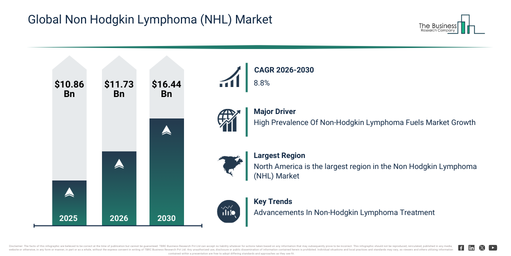
    The non-Hodgkin lymphoma (NHL) market has experienced substantial growth in recent years. Its value is projected to increase from $10.86 billion in 2025 to $11.73 billion in 2026, achieving a compound annual growth rate (CAGR) of 8.0%. The expansion observed in prior periods is attributable to several factors, including a global rise in NHL cases, advancements in chemotherapy treatments, increased healthcare spending, greater public understanding of lymphatic cancers, and the development of oncology hospital facilities.

    The non-Hodgkin lymphoma (NHL) market size is anticipated to undergo significant expansion in the coming years, projected to reach $16.44 billion by 2030, with a compound annual growth rate (CAGR) of 8.8%. This growth during the forecast period is attributable to the expanding pipeline of targeted therapies, a rise in biologic approvals, increasing adoption of personalized medicine, broadening access in emerging markets, and an uptick in stem cell transplant procedures. Key trends expected in this period include the rising uptake of immunotherapy and targeted therapy, more widespread use of combination treatment regimens, an increased focus on early and accurate diagnosis, the expansion of personalized treatment protocols, and a shift towards outpatient and home-based care models.

    Download the Free Sample Report to Explore Key Market Insights:

    https://www.thebusinessresearchcompany.com/sample.aspx?id=10676&type=smp

    What Drivers Are Shaping The Future Growth Of The Non Hodgkin Lymphoma (NHL) Market?

    The non-Hodgkin lymphoma market is expected to grow, primarily driven by the high prevalence of non-Hodgkin lymphoma. This cancer originates in the lymphatic system, which is an integral part of your immune system. The prevalence of non-Hodgkin lymphoma indicates the number of individuals in a population currently diagnosed with or living with the condition at a specific time. Treatments for non-Hodgkin lymphoma aid in improving outcomes for those already diagnosed by targeting and managing cancer cells. For instance, in January 2023, the American Cancer Society, a US-based cancer health organization, reported that non-Hodgkin lymphoma represents 4% of all cancers. Additionally, it is projected to affect around 80,550 Americans in 2023, consisting of 44,880 males and 35,670 females. The organization further estimates that 20,180 people will die in 2023 due to non-Hodgkin lymphoma. Therefore, the significant prevalence of non-Hodgkin lymphoma is a key factor driving the non-Hodgkin lymphoma market.

    What Segment Types Make Up The Non Hodgkin Lymphoma (NHL) Market?

    The non hodgkin lymphoma (nhl) market covered in this report is segmented –

    1) By Type: B-Cell Lymphoma, T-Cell Lymphoma

    2) By Treatment: Surgery, Stem Cell Transplant, Chemotherapy, Immunotherapy, Targeted Therapy, Radiation Therapy

    3) By Route of Administration: Oral, Parenteral, Other Routes of Administration

    4) By Distribution Channel: Hospital Pharmacy, Retail Pharmacy, Online Pharmacy, Other Distribution Channels

    5) By End-Users: Hospitals, Homecare, Specialty Centers, Other End Users

    Subsegments:

    1) By B-Cell Lymphoma: Diffuse Large B-Cell Lymphoma (DLBCL), Follicular Lymphoma, Chronic Lymphocytic Leukemia (CLL), Mantle Cell Lymphoma, Burkitt Lymphoma, Marginal Zone Lymphoma, Primary Mediastinal B-Cell Lymphoma

    2) By T-Cell Lymphoma: Peripheral T-Cell Lymphoma (PTCL), Anaplastic Large Cell Lymphoma (ALCL), Cutaneous T-Cell Lymphoma (CTCL), T-Cell Lymphoblastic Lymphoma, Adult T-Cell Leukemia/Lymphoma (ATLL)

    Which Market Trends Are Creating New Opportunities In The Non Hodgkin Lymphoma (NHL) Market?

    Major companies within the non-Hodgkin lymphoma market are increasingly concentrating on introducing advanced immunotherapies, such as Epcoritamab-bysp (EPKINLY), to achieve a competitive advantage. Epcoritamab-bysp (EPKINLY) is an investigational subcutaneous immunotherapy specifically designed to target CD20-expressing B-cell malignancies, demonstrating promising results in clinical trials, particularly in relapsed or refractory B-cell non-Hodgkin lymphoma. For example, in November 2023, AbbVie Inc., a US-based pharmaceutical company, secured a breakthrough therapy designation (BTD) from the United States Food and Drug Administration for Epcoritamab-bysp (EPKINLY). This approval was granted for the treatment of adult patients with relapsed or refractory (R/R) follicular lymphoma (FL) after two or more therapies. Additionally, the European Medicines Agency (EMA) has validated a Type II application for epcoritamab (TEPKINLY) for the same indication. These recent updates are substantiated by previously announced outcomes from the Phase 1/2 EPCORE NHL-1 clinical trial. The trial assessed the safety and preliminary efficacy of subcutaneous epcoritamab in 128 adult patients afflicted with relapsed, progressive, or refractory CD20+ mature B-cell non-Hodgkin’s lymphoma (NHL), including FL.

    Who Are The Key Players Driving Competition In The Non Hodgkin Lymphoma (NHL) Market?

    Major companies operating in the non hodgkin lymphoma (nhl) market are Bayer AG, Teva Pharmaceutical Industries Ltd., F. Hoffmann La Roche Ltd., Merck & Co. Inc., Eli Lilly and Co., Novartis AG, GlaxoSmithKline plc, AbbVie Inc., AstraZeneca plc, Takeda Pharmaceutical Company Limited, Bristol Myers Squibb Co., Pfizer Inc., Celgene Corporation, Sanofi S.A., Janssen Pharmaceuticals Inc., Johnson & Johnson, Boehringer Ingelheim GmbH, Eisai Co. Ltd., Gilead Sciences, Incyte Corporation, Karyopharm Therapeutics, Kite Pharma Inc., Kyowa Hakko Kirin Co. Ltd., MorphoSys AG, Nordic Nanovector ASA, Ono Pharmaceutical Co. Ltd., Seattle Genetics Inc., Spectrum Pharmaceuticals Inc.

    Read the full non hodgkin lymphoma (nhl) market report here:

    https://www.thebusinessresearchcompany.com/report/non-hodgkin-lymphoma-nhl-global-market-report

    Which Geographic Regions Are Influencing Demand In The Non Hodgkin Lymphoma (NHL) Market?

    North America was the largest region in the non-Hodgkin lymphoma (NHL) market in 2025. Asia-Pacific is expected to be the fastest-growing region in the global non-Hodgkin lymphoma (NHL) market report during the forecast period. The regions covered in the non hodgkin lymphoma (nhl) market report are Asia-Pacific, South East Asia, Western Europe, Eastern Europe, North America, South America, Middle East, Africa.

    Request A Tailored Non Hodgkin Lymphoma (NHL) Market Research Report For Competitive Advantage:

    https://www.thebusinessresearchcompany.com/customise?id=10676&type=smp

    Browse Through More Reports Similar to the Global Non Hodgkin Lymphoma (NHL) Market 2026, By The Business Research Company

    Non Hodgkin Lymphoma Nhl Market Report 2026

    https://www.thebusinessresearchcompany.com/report/non-hodgkin-lymphoma-nhl-global-market-report

    Non Hodgkin Lymphoma Nhl Market Report 2026

    https://www.thebusinessresearchcompany.com/report/non-hodgkin-lymphoma-nhl-global-market-report

    Non Hodgkin Lymphoma Nhl Market Report 2026

    https://www.thebusinessresearchcompany.com/report/non-hodgkin-lymphoma-nhl-global-market-report

    Get in touch with us:

    The Business Research Company: https://www.thebusinessresearchcompany.com/

    Americas +1 310-496-7795

    Asia +44 7882 955267 & +91 8897263534

    Europe +44 7882 955267

    Email us at info@tbrc.info

    Follow us on:

    LinkedIn: https://in.linkedin.com/company/the-business-research-company

    YouTube: https://www.youtube.com/channel/UC24_fI0rV8cR5DxlCpgmyFQ

    Global Market Model: https://www.thebusinessresearchcompany.com/global-market-model
  • Nocturnal Enuresis Medication Market Outlook 2026–2030 Highlighting Emerging Business Opportunities

    Nocturnal Enuresis Medication Market Outlook 2026–2030 Highlighting Emerging Business Opportunities

    The Business Research Company’s 2026 market reports include new capabilities such as market attractiveness scoring and analysis, total addressable market analysis, company scoring matrix, interactive excel data dashboard, improved supply chain analysis, upcoming startups in the market, and overview of key products, aimed at improving the depth, usability, and strategic value of the insights delivered.

    What Is The Estimated Market Size Of The Nocturnal Enuresis Medication Market During 2026–2030?

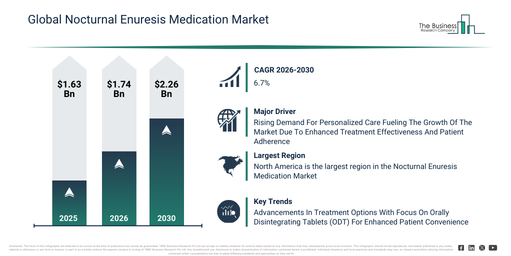
    The nocturnal enuresis medication market has experienced significant growth in recent years. It is anticipated to expand from $1.63 billion in 2025 to $1.74 billion in 2026, achieving a compound annual growth rate (CAGR) of 6.7%. This historic period’s growth can be linked to the high prevalence of pediatric nocturnal enuresis, the extensive use of desmopressin, improved access to pediatric healthcare services, the proliferation of retail pharmacy networks, and rising parental awareness.

    The nocturnal enuresis medication market is projected to experience robust expansion in the coming years. This market is set to attain a size of $2.26 billion by 2030, growing at a compound annual growth rate (CAGR) of 6.7%. The anticipated growth over this period stems from factors such as the development of pediatric urology care, an increasing demand for safer long-term therapeutic options, progress in drug formulations, enhanced diagnosis rates in adolescents and adults, and wider access through online pharmacies. Significant trends anticipated during the forecast period encompass a greater reliance on desmopressin-based therapies, an uptick in the adoption of combination drug treatments, improved awareness surrounding pediatric bedwetting management, the broader availability of extended-release formulations, and a heightened focus on ensuring the long-term safety of treatments.

    Download the Free Sample Report to Explore Key Market Insights:

    https://www.thebusinessresearchcompany.com/sample.aspx?id=24340&type=smp

    Which Economic Or Industry Drivers Are Impacting The Nocturnal Enuresis Medication Market?

    The growing need for individualized patient care is anticipated to stimulate expansion in the nocturnal enuresis medication market. This medical strategy involves customizing treatments and health plans based on a person’s distinct genetic makeup, way of life, preferences, and health issues, aiming for more precise and successful results. This heightened demand stems from technological progress in medicine, enabling medical professionals to customize therapies according to individual genetics, lifestyles, and health statuses, thereby delivering more efficient and focused treatment. For nocturnal enuresis medication, personalized care enhances therapeutic efficacy and patient compliance by adapting treatment regimens to a patient’s particular medical background, lifestyle, and root causes. For instance, in February 2024, according to the Personalized Medicine Coalition, a US-based non-profit organization, the Food and Drug Administration (FDA), a US-based federal agency, approved 16 new personalized treatments in 2023 for rare disease patients, up from 6 in 2022. Consequently, the rising requirement for personalized care is propelling the expansion of the nocturnal enuresis medication market.

    How Are The Various Segments Of The Nocturnal Enuresis Medication Market Categorized?

    The nocturnal enuresis medication market covered in this report is segmented –

    1) By Drug Class: Desmopressin, Imipramine, Oxybutynin, Combined Pharmacotherapy

    2) By Age Group: Children, Adolescents, Adults, Elderly

    3) By Formulation Type: Tablets, Liquid Solutions, Sprays, Patches, Extended-Release Formulations

    4) By Distribution Channel: Hospital Pharmacies, Retail Pharmacies, Online Pharmacies

    Subsegments:

    1) By Desmopressin: Oral Tablets, Nasal Sprays, Sublingual Tablets

    2) By Imipramine: Oral Tablets, Extended-Release Capsules

    3) By Oxybutynin: Immediate-Release Tablets, Extended-Release Tablets, Transdermal Patches, Syrups

    4) By Combined Pharmacotherapy: Desmopressin And Oxybutynin, Desmopressin And Imipramine, Oxybutynin And Imipramine

    What Trends Are Affecting The Expansion Of The Nocturnal Enuresis Medication Market?

    Leading companies in the nocturnal enuresis medication market are concentrating on developing advanced solutions, such as orally disintegrating tablets (ODT), to simplify administration. Orally disintegrating tablets (ODTs) are solid dosage forms designed to dissolve or break down quickly in the mouth without requiring water, making them ideal for patients experiencing swallowing difficulties. For example, in March 2024, Adalvo Limited, a Malta-based pharmaceutical company, introduced desmopressin orally disintegrating tablets (ODT) in Europe. Desmopressin ODT is specifically formulated for the treatment of primary nocturnal enuresis, providing a convenient and easy-to-use option that rapidly disintegrates in the mouth. This unique formulation is particularly advantageous for pediatric and elderly patients, along with individuals who have trouble swallowing traditional tablets. The launch emphasizes Adalvo’s dedication to offering high-quality, differentiated pharmaceutical products while improving patient access to crucial therapies through strategic industry collaborations.

    Which Major Firms Influence Developments In The Nocturnal Enuresis Medication Market?

    Major companies operating in the nocturnal enuresis medication market are Ferring Pharmaceuticals A/S, Serenity Pharmaceuticals LLC, Vantia Therapeutics Ltd., Pfizer Inc., Merck & Co. Inc., AbbVie Inc., Astellas Pharma Inc., Johnson & Johnson, Teva Pharmaceutical Industries Ltd., Sun Pharmaceutical Industries Ltd., Cipla Ltd., Dr. Reddy’s Laboratories Ltd., Zydus Lifesciences Ltd., Lupin Ltd., Torrent Pharmaceuticals Ltd., Mylan N.V., Sandoz Group AG, Endo International plc, Bausch Health Companies Inc., Hikma Pharmaceuticals PLC

    Read the full nocturnal enuresis medication market report here:

    https://www.thebusinessresearchcompany.com/report/nocturnal-enuresis-medication-global-market-report

    What Are The Top-Performing Regions Within The Nocturnal Enuresis Medication Market?

    North America was the largest region in the nocturnal enuresis medication market in 2025. Asia-Pacific is expected to be the fastest-growing region in the forecast period. The regions covered in the nocturnal enuresis medication market report are Asia-Pacific, South East Asia, Western Europe, Eastern Europe, North America, South America, Middle East, Africa.

    Request A Tailored Nocturnal Enuresis Medication Market Research Report For Competitive Advantage:

    https://www.thebusinessresearchcompany.com/customise?id=24340&type=smp

    Browse Through More Reports Similar to the Global Nocturnal Enuresis Medication Market 2026, By The Business Research Company

    Urinary Incontinence And Pelvic Organ Prolapse Devices And Equipment Market Report 2026

    https://www.thebusinessresearchcompany.com/report/urinary-incontinence-and-pelvic-organ-prolapse-devices-and-equipment-global-market-report

    Diuretics Drugs Market Report 2026

    https://www.thebusinessresearchcompany.com/report/diuretics-drugs-global-market-report

    Urinary Incontinence Market Report 2026

    https://www.thebusinessresearchcompany.com/report/urinary-incontinence-global-market-report

    Get in touch with us:

    The Business Research Company: https://www.thebusinessresearchcompany.com/

    Americas +1 310-496-7795

    Asia +44 7882 955267 & +91 8897263534

    Europe +44 7882 955267

    Email us at info@tbrc.info

    Follow us on:

    LinkedIn: https://in.linkedin.com/company/the-business-research-company

    YouTube: https://www.youtube.com/channel/UC24_fI0rV8cR5DxlCpgmyFQ

    Global Market Model: https://www.thebusinessresearchcompany.com/global-market-model
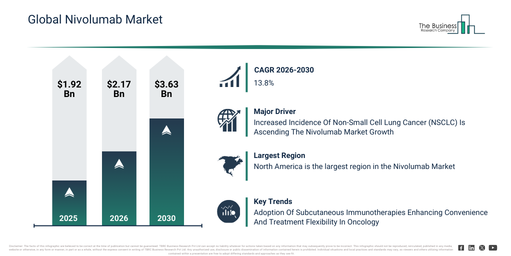
  • Global Nivolumab Market Report 2026–2035 Emphasizing Growth Outlook and Forecast Opportunities

    Global Nivolumab Market Report 2026–2035 Emphasizing Growth Outlook and Forecast Opportunities

    The Business Research Company’s 2026 market reports include new capabilities such as market attractiveness scoring and analysis, total addressable market analysis, company scoring matrix, interactive excel data dashboard, improved supply chain analysis, upcoming startups in the market, and overview of key products, aimed at improving the depth, usability, and strategic value of the insights delivered.

    What Market Size Expansion Is Predicted For The Nivolumab Market Between 2026 And 2030?

    The nivolumab market size has expanded rapidly in recent years. It is expected to grow from $1.92 billion in 2025 to $2.17 billion in 2026, achieving a compound annual growth rate (CAGR) of 12.9%. This historical growth can be attributed to the rising prevalence of melanoma and nsclc, early approvals of nivolumab for metastatic cancers, an increase in hospital infrastructure dedicated to oncology treatment, advancements in oncology research and clinical trials, and the adoption of monoclonal antibody therapies.

    The nivolumab market is projected to experience swift expansion over the upcoming years, with an anticipated growth to $3.63 billion by 2030, exhibiting a compound annual growth rate (CAGR) of 13.8%. This expansion during the forecast period is primarily driven by the broader range of nivolumab indications, the rising geriatric cancer demographic, its integration with combination therapies, increasing investment in biologics manufacturing, and the development of oncology infrastructure in emerging markets. Key trends expected within this period include advancements in immuno-oncology, the continued development of combination therapies, personalized cancer treatment approaches, the expansion of hospital-based oncology services, and the growing adoption of targeted therapies.

    Download the Free Sample Report to Explore Key Market Insights:

    https://www.thebusinessresearchcompany.com/sample.aspx?id=13012&type=smp

    What Major Drivers Are Influencing Demand In The Nivolumab Market?

    The escalating occurrence of non-small cell lung cancer (NSCLC) is anticipated to boost the Nivolumab market’s expansion moving forward. NSCLC refers to a form of lung cancer originating in the epithelial cells of the lungs. Nivolumab, an approved medication, is employed in the treatment of individuals suffering from advanced non-small cell lung cancer (NSCLC), owing to its proven efficacy. Illustratively, data from March 2023, provided by the American Society of Clinical Oncology, a professional US-based organization for oncologists, indicated an estimated 238,340 individuals (comprising 117,550 men and 120,790 women) are expected to receive a lung cancer diagnosis in the United States. Significantly, NSCLC constitutes the predominant type of lung cancer, accounting for 81% of all reported lung cancer cases. Consequently, the rising prevalence of non-small cell lung cancer (NSCLC) is propelling the Nivolumab market.

    Which Market Segments Are Examined In The Nivolumab Market Study?

    The nivolumab market covered in this report is segmented –

    1) By Type: Injection 4mL, Injection 10mL

    2) By Route Of Administration: Intravenous, Other Routes Of Administration

    3) By Application: Melanoma, Non-small Cell Lung Cancer (NSCLC), Malignant Pleural Mesothelioma, Classical Hodgkin Lymphoma (CHL), Squamous Cell Carcinoma Of The Head And Neck (SCCHN), Renal Cell Carcinoma (RCC), Other Applications

    4) By End-User: Clinic, Hospital, Other End-Users

    Which Trends Are Influencing The Nivolumab Market?

    Leading firms within the nivolumab market are concentrating their efforts on developing novel formulations and broadening the scope of treatment indications, aiming to improve patient ease of use and bolster their immuno-oncology product lines. An example of this is the Food and Drug Administration, a US-based federal agency, granting approval in December 2024 for Opdivo Qvantig, which is a subcutaneous version of nivolumab mixed with hyaluronidase-nvhy, to be utilized for all existing adult solid-tumor indications that were previously approved for intravenous nivolumab. This novel treatment alternative supports administration as a standalone therapy, ongoing maintenance after Opdivo plus Yervoy, or in conjunction with chemotherapy or cabozantinib. The basis for this approval comes from the Phase 3 CHECKMATE-67T trial, which revealed equivalent drug exposure, comparable safety profiles, and a marginally increased response rate compared to IV nivolumab among patients with advanced renal cell carcinoma. Featuring adaptable dosing regimens and sustained effectiveness, the subcutaneous variant presents a more practical choice for patients and enhances Bristol Myers Squibb’s immuno-oncology portfolio.

    Who Are The Primary Competitors In The Nivolumab Market?

    Major companies operating in the nivolumab market are Bristol-Myers Squibb Company, Ono Pharmaceutical Co. Ltd., Xbrane Biopharma AB, NeuClone Therapeutics Inc., Dr. Reddy’s Laboratories Ltd., Biocon Limited, Samsung Bioepis Co. Ltd., Celltrion Inc., Amneal Pharmaceuticals LLC, Lupin Ltd., Intas Pharmaceuticals Ltd., Hetero Biopharma Ltd., Reliance Life Sciences Pvt. Ltd., Zydus Lifesciences Limited, mAbxience, Shanghai Henlius Biotech Inc., Innovent Biologics Inc., WuXi Biologics, Lonza Group AG, Samsung Biologics

    Read the full nivolumab market report here:

    https://www.thebusinessresearchcompany.com/report/nivolumab-global-market-report

    Which Region Shows The Strongest Potential For Future Growth In The Nivolumab Market?

    North America was the largest region in the nivolumab market in 2025. The regions covered in the nivolumab market report are Asia-Pacific, South East Asia, Western Europe, Eastern Europe, North America, South America, Middle East, Africa.

    Request A Tailored Nivolumab Market Research Report For Competitive Advantage:

    https://www.thebusinessresearchcompany.com/customise?id=13012&type=smp

    Browse Through More Reports Similar to the Global Nivolumab Market 2026, By The Business Research Company

    Nivolumab Market Report 2026

    https://www.thebusinessresearchcompany.com/report/nivolumab-global-market-report

    Nitric Acid Market Report 2026

    https://www.thebusinessresearchcompany.com/report/nitric-acid-global-market-report

    Nitrobenzene Market Report 2026

    https://www.thebusinessresearchcompany.com/report/nitrobenzene-global-market-report

    Get in touch with us:

    The Business Research Company: https://www.thebusinessresearchcompany.com/

    Americas +1 310-496-7795

    Asia +44 7882 955267 & +91 8897263534

    Europe +44 7882 955267

    Email us at info@tbrc.info

    Follow us on:

    LinkedIn: https://in.linkedin.com/company/the-business-research-company

    YouTube: https://www.youtube.com/channel/UC24_fI0rV8cR5DxlCpgmyFQ

    Global Market Model: https://www.thebusinessresearchcompany.com/global-market-model