Month: March 2026

  • Lysosomal Disease Treatment Market Forecast 2026–2035 Showcasing Industry Insights and Data Patterns

    Lysosomal Disease Treatment Market Forecast 2026–2035 Showcasing Industry Insights and Data Patterns

    The Business Research Company’s 2026 market reports include new capabilities such as market attractiveness scoring and analysis, total addressable market analysis, company scoring matrix, interactive excel data dashboard, improved supply chain analysis, upcoming startups in the market, and overview of key products, aimed at improving the depth, usability, and strategic value of the insights delivered.

    How Is The Market Size Of The Lysosomal Disease Treatment Market Expected To Change Between 2026 And 2030?

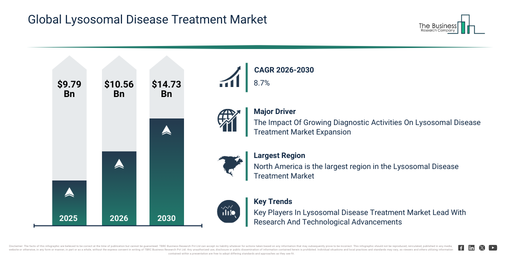
    The lysosomal disease treatment market size has experienced significant growth in recent years. It is projected to expand from $9.79 billion in 2025 to $10.56 billion in 2026, at a compound annual growth rate (CAGR) of 7.9%. The market’s historical growth is attributable to advancements in enzyme replacement therapies, increasing awareness of lysosomal storage disorders, the expansion of pediatric care infrastructure, government funding for rare disease research, and the emergence of diagnostic technologies.

    The lysosomal disease treatment market size is anticipated to experience substantial growth over the next few years, projected to reach $14.73 billion by 2030, at a compound annual growth rate (CAGR) of 8.7%. This expansion during the forecast period can be attributed to factors such as the broadening of personalized medicine, the increasing uptake of gene therapy, heightened investments in biotechnology, the development of healthcare infrastructure in emerging markets, and strategic partnerships for the development of rare disease drugs. Prominent trends for the forecast period include advancements in targeted enzyme replacement therapies, the broadening of diagnostic capacities for rare diseases, an increase in pediatric and adult treatment programs, a rise in personalized and precision medicine methods, and growing collaborations between pharmaceutical companies and research institutions.

    Download the Free Sample Report to Explore Key Market Insights:

    https://www.thebusinessresearchcompany.com/sample.aspx?id=10482&type=smp

    What Underlying Factors Are Accelerating The Growth Of The Lysosomal Disease Treatment Market?

    The expansion of diagnostic activities is anticipated to fuel the growth of the lysosomal disease treatment market. These activities encompass systematic processes and tests performed to identify and analyze problems, conditions, or diseases in individuals or systems, frequently involving the collection and interpretation of data to guide decision-making and treatment strategies. Several elements foster the expansion of diagnostic activities, such as progress in medical technology, a greater incidence of chronic conditions, a heightened need for preventive care, enhanced understanding and education regarding health concerns, and favorable government policies and financial support for healthcare projects. As diagnostic activities become more refined, they empower healthcare providers to identify lysosomal diseases with greater precision, which in turn leads to increased investment in specific therapies and treatments. For instance, in May 2023, data from the National Health Service (NHS), a UK-based publicly funded healthcare system, indicated that a total of 2,302,400 diagnostic tests were performed in March 2023, showing an increase of 223,100 tests compared to March 2022. By the end of March 2023, the number of patients awaiting a crucial diagnostic test reached 1,628,300, marking an increase of 59,400 from March 2022. Hence, the increasing diagnostic activities are propelling the growth of the lysosomal disease treatment market.

    How Is The Lysosomal Disease Treatment Market Structured Across Different Segments?

    The lysosomal disease treatment market covered in this report is segmented –

    1) By Disease Type: Mucopolysaccharidosis, Pompe Syndrome, Fabry Diseases, Gaucher’s Disease, Other Disease Types

    2) By Therapy: Substrate Reduction Therapy, Stem Cell Therapy, Enzyme Replacement Therapy, Other Therapies

    3) By Route Of Administration: Oral, Parenteral, Other Routes Of Administration

    4) By End User: Hospitals, Specialty Clinics, Homecare, Other End Users

    Subsegments:

    1) By Mucopolysaccharidosis: MPS I (Hurler Syndrome), MPS II (Hunter Syndrome), MPS III (Sanfilippo Syndrome), MPS IV (Morquio Syndrome), MPS VI (Maroteaux-Lamy Syndrome), MPS VII (Sly Syndrome)

    2) By Pompe Syndrome: Late-Onset Pompe Disease, Infantile-Onset Pompe Disease

    3) By Fabry Disease: Classic Fabry Disease, Late-Onset Fabry Disease

    4) By Gaucher’s Disease: Type 1 Gaucher Disease, Type 2 Gaucher Disease, Type 3 Gaucher Disease

    5) By Other Disease Types: Niemann-Pick Disease, Krabbe Disease, Tay-Sachs Disease

    Which Trends Are Shaping The Future Of The Lysosomal Disease Treatment Market?

    Leading companies within the lysosomal diseases treatment market are prioritizing progress in research and technology to enhance their standing in the industry. These advancements denote the continuous evolution and enhancements in scientific studies and technological proficiency. As an illustration, in September 2023, Amicus Therapeutics, a US-based biopharmaceutical company, disclosed that the U.S. Food and Drug Administration (FDA) granted approval for Pombiliti (cipaglucosidase alfa-atga) + Opfolda (miglustat) 65mg capsules to treat adult patients afflicted with late-onset Pompe disease (LOPD). Pombiliti + Opfolda functions as a 2-component therapy, comprising cipaglucosidase alfa-atga, a bis-M6P-enriched rhGAA which enables strong uptake via the M6P receptor, and miglustat, an oral enzyme stabilizer developed to minimize the reduction of enzyme activity in the bloodstream.

    Which Major Players Dominate The Lysosomal Disease Treatment Market?

    Major companies operating in the lysosomal disease treatment market are Eli Lilly and Company, Takeda Pharmaceutical Company Limited, Sanofi SA, Pfizer Inc., Novartis International AG, Johnson & Johnson Services Inc., Alexion Pharmaceuticals Inc., Amicus Therapeutics Inc., Actelion Pharmaceuticals Ltd., Sigilon Therapeutics Inc., BioMarin Pharmaceutical Inc., Merck & Co Inc., AstraZeneca PLC, Astellas Pharma Inc., Horizon Therapeutics plc, Leadient Biosciences Inc., Orphazyme A/S, Recordati Industria Chimica e Farmaceutica S.p.A., Valerion Therapeutics Llc, Viatris Inc., Chiese Farmaceutici SpA, Genzyme Corporation, Ultragenyx Pharmaceutical Inc., Sangamo Therapeutics Inc., Avrobio Inc., Axovant Gene Therapies Ltd., Regenxbio Inc., Krystal Biotech Inc., Homology Medicines Inc., Orchard Therapeutics plc, Sarepta Therapeutics Inc., Solid Biosciences Inc.

    Read the full lysosomal disease treatment market report here:

    https://www.thebusinessresearchcompany.com/report/lysosomal-disease-treatment-global-market-report

    Which Region Is Projected To Dominate The Lysosomal Disease Treatment Market During The Forecast Period?

    North America was the largest region in the lysosomal disease treatment market in 2025. Europe is expected to be the fastest-growing region in the global lysosomal disease treatment market report during the forecast period. The regions covered in the lysosomal disease treatment market report are Asia-Pacific, South East Asia, Western Europe, Eastern Europe, North America, South America, Middle East, Africa.

    Request A Tailored Lysosomal Disease Treatment Market Research Report For Competitive Advantage:

    https://www.thebusinessresearchcompany.com/customise?id=10482&type=smp

    Browse Through More Reports Similar to the Global Lysosomal Disease Treatment Market 2026, By The Business Research Company

    Lysosomal Disease Treatment Market Report 2026

    https://www.thebusinessresearchcompany.com/report/lysosomal-disease-treatment-global-market-report

    Exosome Diagnostic And Therapeutic Market Report 2026

    https://www.thebusinessresearchcompany.com/report/exosome-diagnostic-and-therapeutic-global-market-report

    Lysine Market Report 2026

    https://www.thebusinessresearchcompany.com/report/lysine-global-market-report

    Get in touch with us:

    The Business Research Company: https://www.thebusinessresearchcompany.com/

    Americas +1 310-496-7795

    Asia +44 7882 955267 & +91 8897263534

    Europe +44 7882 955267

    Email us at info@tbrc.info

    Follow us on:

    LinkedIn: https://in.linkedin.com/company/the-business-research-company

    YouTube: https://www.youtube.com/channel/UC24_fI0rV8cR5DxlCpgmyFQ

    Global Market Model: https://www.thebusinessresearchcompany.com/global-market-model

  • Lyophilized Injectable Drugs Market Outlook 2026–2030 Highlighting Key Drivers and Emerging Trends

    Lyophilized Injectable Drugs Market Outlook 2026–2030 Highlighting Key Drivers and Emerging Trends

    The Business Research Company’s 2026 market reports include new capabilities such as market attractiveness scoring and analysis, total addressable market analysis, company scoring matrix, interactive excel data dashboard, improved supply chain analysis, upcoming startups in the market, and overview of key products, aimed at improving the depth, usability, and strategic value of the insights delivered.

    What Is The Market Size Of The Lyophilized Injectable Drugs Market In 2026 And What Value Is Projected For 2030?

    The lyophilized injectable drugs market size has seen consistent growth in recent years. It is projected to expand from $4 billion in 2025 to $4.13 billion in 2026, achieving a compound annual growth rate (CAGR) of 3.4%. Historically, this market’s expansion was influenced by the increasing prevalence of chronic diseases, advancements in lyophilization technologies, growing awareness of injectable drugs, the development of hospital and clinic infrastructure, and the demand for stable drug formulations.

    The lyophilized injectable drugs market is anticipated to experience consistent expansion over the upcoming years. This market is projected to reach $4.87 billion by 2030, demonstrating a compound annual growth rate (CAGR) of 4.2%. Key drivers for this growth during the forecast period include the increasing availability of biologics and specialty drugs, the uptake of single-use vials and dual-chamber systems, expansion in developing markets, the incorporation of intelligent packaging solutions, and advancements in reconstitution device technology. Significant trends expected in the forecast timeframe encompass sophisticated drug stabilization methods, improved solutions for patient adherence, new formulation techniques, enhancements in cold chain management, and devices for quick reconstitution.

    Download the Free Sample Report to Explore Key Market Insights:

    https://www.thebusinessresearchcompany.com/sample.aspx?id=11896&type=smp

    Which Growth Drivers Are Contributing To The Progress Of The Lyophilized Injectable Drugs Market?

    The growing incidence of cardiac conditions is anticipated to stimulate the expansion of the lyophilized injectable drugs market in the coming years. Cardiac disorders refer to a broad spectrum of medical issues that affect the heart’s structure and functionality, encompassing its valves, chambers, blood vessels, electrical system, and general pumping action. Lyophilized injectable pharmaceuticals, including thrombolytic agents, antiarrhythmic medications, inotropic agents, and antihypertensive drugs, are employed in managing various cardiac disorders because they offer stability, convenience, flexibility, rapid reconstitution, improved bioavailability, and a reduced risk of contamination. As an illustration, according to information published in September 2024 by the British Heart Foundation, a UK-based cardiovascular research charity, about 7.6 million people in the UK suffer from heart and circulatory diseases, with approximately 4 million males and 3.6 million females living with these conditions. These diseases are responsible for roughly 27% of all fatalities in the UK, amounting to over 170,000 deaths each year, or around 480 deaths daily, which signifies one death every three minutes. Hence, the increasing prevalence of cardiac disorders is a significant driver for the growth of the lyophilized injectable drugs market during the forecast period.

    What Are The Key Segments Of The Lyophilized Injectable Drugs Market?

    The lyophilized injectable drugs market covered in this report is segmented –

    1) By Packaging Type: Specialty Packaging, Point-Of-Care Reconstitution, Single-Use Vials, Other Packaging Types

    2) By Type of Delivery: Single-Step Devices, Multi-Step Devices, Prefilled Diluent Syringes, Proprietary Reconstitution Devices

    3) By Indication: Infectious Diseases, Autoimmune Diseases, Metabolic Conditions, Other Indications

    4) By End-User: Hospitals, Ambulatory Surgery Centers (ASCs), Specialty Clinics, Other End-Users

    Subsegments:

    1) By Specialty Packaging: Dual-Chamber Systems, Prefilled Syringes

    2) By Point-Of-Care Reconstitution: Portable Reconstitution Devices, Ready-To-Use Kits

    3) By Single-Use Vials: Glass Vials, Plastic Vials

    4) By Other Packaging Types: Multi-Dose Vials, Blister Packs, Bulk Packaging Solutions

    What Key Trends Are Influencing The Development Of The Lyophilized Injectable Drugs Market?

    Major companies engaged in the lyophilized injectable drug market are prioritizing innovative technologies, notably non-invasive approaches, for developing lyophilized injectable drugs for the market. Non-invasive technology refers to any method or device that collects information or performs a task without puncturing the skin or entering a bodily orifice. For instance, in October 2023, COMSER Pharma, a Spain-based company offering compliance services and freeze-dry pharmaceutical solutions, announced the launch of LyoFlow, an innovative technology utilized for lyophilized injectable drug production. LyoFlow is a disruptive solution that facilitates the real-time, non-invasive extraction of the mass flow during a freeze-drying process. It offers easy integration into any lyophilization equipment and allows for monitoring product quality throughout the process.

    Who Are The Leading Companies Operating In The Lyophilized Injectable Drugs Market?

    Major companies operating in the lyophilized injectable drugs market are Pfizer Inc., Hoffmann-La Roche Ltd, Merck & Co Inc., Sanofi SA, Novo Nordisk A/S, Becton Dickinson and Company, Baxter International Inc., Sandoz, Nipro Corporation, B. Braun SE, Aurobindo Pharmaceuticals, Schott AG, Zydus Lifesciences, Recipharm AB, Vetter Pharma-Fertigung GmbH & Co. KG, Fresenius Kabi USA LLC, CordenPharma International, Aristopharma Limited., Accord Healthcare, Jubilant HollisterStier LLC, Ciron Drugs & Pharmaceuticals Pvt Ltd., MSN Laboratories, Qilu pharmaceutical Co Ltd., Genex Pharma

    Read the full lyophilized injectable drugs market report here:

    https://www.thebusinessresearchcompany.com/report/lyophilized-injectable-drugs-global-market-report

    What Are The Leading Geographic Regions In The Lyophilized Injectable Drugs Market?

    North America was the largest region in the lyophilized injectable drugs market in 2025. Asia-Pacific is expected to be the fastest-growing region in the forecast period. The regions covered in the lyophilized injectable drugs market report are Asia-Pacific, South East Asia, Western Europe, Eastern Europe, North America, South America, Middle East, Africa.

    Request A Tailored Lyophilized Injectable Drugs Market Research Report For Competitive Advantage:

    https://www.thebusinessresearchcompany.com/customise?id=11896&type=smp

    Browse Through More Reports Similar to the Global Lyophilized Injectable Drugs Market 2026, By The Business Research Company

    Lyophilized Injectable Drugs Market Report 2026

    https://www.thebusinessresearchcompany.com/report/lyophilized-injectable-drugs-global-market-report

    Small Molecule Injectable Drugs Market Report 2026

    https://www.thebusinessresearchcompany.com/report/small-molecule-injectable-drugs-global-market-report

    Injectable Drug Delivery Devices Market Report 2026

    https://www.thebusinessresearchcompany.com/report/injectable-drug-delivery-devices-global-market-report

    Get in touch with us:

    The Business Research Company: https://www.thebusinessresearchcompany.com/

    Americas +1 310-496-7795

    Asia +44 7882 955267 & +91 8897263534

    Europe +44 7882 955267

    Email us at info@tbrc.info

    Follow us on:

    LinkedIn: https://in.linkedin.com/company/the-business-research-company

    YouTube: https://www.youtube.com/channel/UC24_fI0rV8cR5DxlCpgmyFQ

    Global Market Model: https://www.thebusinessresearchcompany.com/global-market-model
  • A Major Driver of the Lymphocyte Activating Gene 3 (LAG3) Antibody Market Is Rising Cancer Incidence Due to Lifestyle Risk Factors

    A Major Driver of the Lymphocyte Activating Gene 3 (LAG3) Antibody Market Is Rising Cancer Incidence Due to Lifestyle Risk Factors

    The Business Research Company’s 2026 market reports include new capabilities such as market attractiveness scoring and analysis, total addressable market analysis, company scoring matrix, interactive excel data dashboard, improved supply chain analysis, upcoming startups in the market, and overview of key products, aimed at improving the depth, usability, and strategic value of the insights delivered.

    What Will Be The Estimated Market Valuation Of The Lymphocyte Activating Gene 3 (LAG3) Antibody Market By The End Of 2030?

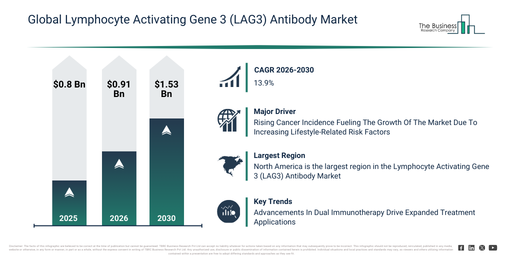
    The lymphocyte activating gene 3 (lag3) antibody market size has seen significant expansion in recent years. It is projected to increase from $0.8 billion in 2025 to $0.91 billion in 2026, achieving a compound annual growth rate (CAGR) of 13.8%. The historical growth in this market can be attributed to factors such as the limited availability of lag3 antibodies, a reliance on traditional monoclonal antibody therapies, an expanding oncology pipeline, heightened academic and clinical research, and regulatory approvals for early-stage antibodies.

    The lymphocyte activating gene 3 (lag3) antibody market is anticipated to experience significant expansion in the coming years. Projections indicate it will reach $1.53 billion by 2030, demonstrating a compound annual growth rate (CAGR) of 13.9%. This forecasted growth is attributable to several factors, including the advancement of bispecific and tandem scFv antibodies, the wider application of combination immunotherapies, increased use in treating autoimmune and infectious diseases, heightened investment in clinical trials and research and development, and the incorporation of personalized and precision medicine strategies. Key trends anticipated during this period encompass the growing acceptance of lag3 antibodies within cancer immunotherapy, the creation of combination therapies alongside other immune checkpoint inhibitors, a greater emphasis on applications for autoimmune diseases, an increase in clinical trials targeting infectious disease treatments, and the development of humanized and bispecific antibody platforms.

    Download the Free Sample Report to Explore Key Market Insights:

    https://www.thebusinessresearchcompany.com/sample.aspx?id=27332&type=smp

    What Primary Drivers Are Shaping The Development Of The Lymphocyte Activating Gene 3 (LAG3) Antibody Market?

    The increasing occurrence of cancer is anticipated to drive expansion within the lymphocyte activating gene 3 (LAG3) antibody market in the future. Cancer incidence is defined as the count of new cancer diagnoses within a particular demographic over a set duration. This rise in cancer cases stems from lifestyle factors like unhealthy eating habits, tobacco use, alcohol intake, and exposure to pollutants, which heighten the likelihood of diverse cancer types. Lymphocyte activating gene 3 (LAG3) antibodies assist in combating cancer by revitalizing fatigued T cells, thereby effectively boosting the immune system’s response to tumors. These antibodies lead to better therapeutic results through strengthened anti-tumor reactions, providing renewed optimism for individuals with advanced stages of cancer. For example, data from January 2024, released by the American Cancer Society, a US-based nonprofit organization advocating for cancer patients, indicated an increase in cancer cases to 2,001,140 from 1,958,310 in 2023, representing a 2.19% rise. Consequently, the escalating number of cancer occurrences is fueling the expansion of the lymphocyte activating gene 3 (LAG3) antibody market.

    Which Segment Classifications Shape The Lymphocyte Activating Gene 3 (LAG3) Antibody Market?

    The lymphocyte activating gene 3 (lag3) antibody market covered in this report is segmented –

    1) By Type Of Antibodies: Monoclonal Antibody, Polyclonal Antibody, Bispecific Antibodies

    2) By Drug Class: Monotherapy, Combination Therapy

    3) By Mechanism Of Action: Immune Checkpoint Inhibitors, Immunomodulatory Antibodies, Co-Stimulatory Antibodies

    4) By Application: Cancer Immunotherapy, Autoimmune Diseases, Infectious Diseases

    5) By End-User: Pharmaceutical And Biotechnology Companies, Academic Research Institutions, Diagnostic Laboratories

    Subsegments:

    1) By Monoclonal Antibody: Human Monoclonal Antibody, Humanized Monoclonal Antibody, Chimeric Monoclonal Antibody

    2) By Polyclonal Antibody: Rabbit Polyclonal Antibody, Goat Polyclonal Antibody, Mouse Polyclonal Antibody, Donkey Polyclonal Antibody

    3) By Bispecific Antibodies: Tandem ScFv Based Bispecific Antibody, Dual Variable Domain Based Bispecific Antibody, Bispecific T Cell Engager, Immunoglobulin G such as Bispecific Antibody

    How Are Trends Impacting The Lymphocyte Activating Gene 3 (LAG3) Antibody Market?

    Leading companies in the Lymphocyte Activating Gene 3 (LAG3) Antibody market are concentrating on conducting clinical trials to develop innovative products, such as next-generation monoclonal antibodies, aiming to enhance anti-tumor immune activation and overcome resistance to current immunotherapies. These next-generation monoclonal antibodies are advanced, engineered antibody therapies designed to more precisely bind immune targets like LAG-3 with higher specificity, stability, and functional potency, thereby boosting T-cell activation, improving anti-tumor responses, and addressing limitations observed with earlier antibody treatments. For example, in February 2025, Bristol-Myers Squibb Company, a US-based biopharmaceutical company, provided an update on its fixed-dose combination product Opdualag (nivolumab + relatlimab-rmbw), which is a first-in-class dual immunotherapy incorporating the LAG-3-blocking antibody relatlimab and the PD-1 inhibitor nivolumab. Opdualag comprises a humanised IgG4 monoclonal LAG-3 antibody (relatlimab) along with a PD-1 inhibitor (nivolumab), administered intravenously every 4 weeks; its mechanism involves blocking both the LAG-3–ligand interaction, thereby preventing T-cell exhaustion, and PD-1–ligand binding, which consequently promotes T-cell proliferation and cytokine secretion more vigorously than PD-1 monotherapy. Its unique features include its fixed-dose combination format (480 mg nivolumab + 160 mg relatlimab) and its distinction as the first approved therapy to target LAG-3 in combination; it is applicable for adult and paediatric (=12 yrs) patients with unresectable or metastatic melanoma, demonstrating an advantage over traditional PD-1 inhibitor alone in terms of progression-free survival.

    Which Companies Are Expanding Their Footprint In The Lymphocyte Activating Gene 3 (LAG3) Antibody Market?

    Major companies operating in the lymphocyte activating gene 3 (lag3) antibody market are F. Hoffmann-La Roche Ltd., Merck & Co. Inc., Novartis AG, Bristol-Myers Squibb Company, Regeneron Pharmaceuticals Inc., Daiichi Sankyo Company Limited, Ono Pharmaceutical Co. Ltd., Xencor Inc., Innovent Biologics Inc., Zai Lab Limited, MacroGenics Inc., Akeso Inc., Agenus Inc., Alphamab Oncology, AnaptysBio Inc., Crescendo Biologics Ltd., EpimAb Biotherapeutics Inc., Shanghai Henlius Biotech Inc., Immutep Limited

    Read the full lymphocyte activating gene 3 (lag3) antibody market report here:

    https://www.thebusinessresearchcompany.com/report/lymphocyte-activating-gene-3-lag3-antibody-global-market-report

    How Does The Lymphocyte Activating Gene 3 (LAG3) Antibody Market Perform Across Major Global Regions?

    North America was the largest region in the lymphocyte activating gene 3 (LAG3) antibody market in 2025. Asia-Pacific is expected to be the fastest-growing region in the forecast period. The regions covered in the lymphocyte activating gene 3 (lag3) antibody market report are Asia-Pacific, South East Asia, Western Europe, Eastern Europe, North America, South America, Middle East, Africa.

    Request A Tailored Lymphocyte Activating Gene 3 (LAG3) Antibody Market Research Report For Competitive Advantage:

    https://www.thebusinessresearchcompany.com/customise?id=27332&type=smp

    Browse Through More Reports Similar to the Global Lymphocyte Activating Gene 3 (LAG3) Antibody Market 2026, By The Business Research Company

    Online Fashion Retail Market Report 2026

    https://www.thebusinessresearchcompany.com/report/online-fashion-retail-global-market-report

    Retail E Commerce Market Report 2026

    https://www.thebusinessresearchcompany.com/report/retail-e-commerce-global-market-report

    Retail Market Report 2026

    https://www.thebusinessresearchcompany.com/report/retail-global-market-report

    Get in touch with us:

    The Business Research Company: https://www.thebusinessresearchcompany.com/

    Americas +1 310-496-7795

    Asia +44 7882 955267 & +91 8897263534

    Europe +44 7882 955267

    Email us at info@tbrc.info

    Follow us on:

    LinkedIn: https://in.linkedin.com/company/the-business-research-company

    YouTube: https://www.youtube.com/channel/UC24_fI0rV8cR5DxlCpgmyFQ

    Global Market Model: https://www.thebusinessresearchcompany.com/global-market-model

  • A Key Trend in the Lyme Disease Vaccine Market Is Positive Phase 2 Results Demonstrating Strong Immune Response and Safety

    A Key Trend in the Lyme Disease Vaccine Market Is Positive Phase 2 Results Demonstrating Strong Immune Response and Safety

    The Business Research Company’s 2026 market reports include new capabilities such as market attractiveness scoring and analysis, total addressable market analysis, company scoring matrix, interactive excel data dashboard, improved supply chain analysis, upcoming startups in the market, and overview of key products, aimed at improving the depth, usability, and strategic value of the insights delivered.

    What Market Size Growth Is Projected For The Lyme Disease Vaccine Market During The Forecast Period 2026–2030?

    The lyme disease vaccine market has demonstrated strong growth in recent years. This market is projected to expand from $1.12 billion in 2025 to $1.2 billion in 2026, exhibiting a compound annual growth rate (CAGR) of 7.3%. The historical expansion can be attributed to factors such as the increasing occurrence of lyme disease in endemic regions, past limitations of antibiotic-only treatment methods, early initiatives in vaccine research, a growing understanding of tick-borne infections, and improvements in public health surveillance.

    The lyme disease vaccine market is projected to experience substantial expansion in the coming years. It is anticipated to reach a valuation of $1.57 billion by 2030, demonstrating a compound annual growth rate (CAGR) of 7.0%. This projected growth during the forecast period is fueled by several factors, including the broadening of vaccination initiatives in regions where the disease is prevalent, a surge in funding for infectious disease prevention, the evolution of advanced vaccine platforms, the increasing use of combination vaccines, and an intensified worldwide emphasis on controlling zoonotic diseases. Key trends anticipated over this period encompass improvements in recombinant vaccine technologies, a heightened dedication to preventive immunization strategies, an expansion of clinical investigations into tick-borne illnesses, a greater focus on developing solutions for sustained immunity, and an increase in partnerships between public and private healthcare entities.

    Download the Free Sample Report to Explore Key Market Insights:

    https://www.thebusinessresearchcompany.com/sample.aspx?id=30317&type=smp

    Which Major Factors Are Driving The Expansion Of The Lyme Disease Vaccine Market?

    The rising occurrence of Lyme disease is anticipated to boost the expansion of the Lyme disease vaccine market in the future. Lyme disease, an infection transmitted by ticks caused by Borrelia bacteria, manifests as fever, tiredness, skin rash, and potentially severe joint, cardiac, or neurological issues if left untreated. This rise in Lyme disease cases is linked to climate change, as warmer weather and less severe winters extend the areas where ticks can live, leading to more human contact with infected ticks. Lyme disease vaccines contribute to prevention by educating the immune system to identify and combat Borrelia bacteria, thereby lowering infection risks. They streamline disease management through sustained protection, which enhances overall public health. For example, in March 2025, the Centers for Disease Control and Prevention, a US-based federal health agency, reported about 89,000 cases of Lyme disease in the United States in 2023, while alternative estimation methods suggest that around 476,000 people might be diagnosed and treated for Lyme disease annually. Consequently, the growing prevalence of Lyme disease is a key factor propelling the growth of the Lyme disease vaccine market. The increasing outlay on healthcare is also projected to stimulate the expansion of the Lyme disease vaccine market. Healthcare expenditure encompasses the total financial investment in medical services, treatments, facilities, research endeavors, and public health programs aimed at maintaining or improving population health. The heightened need for healthcare spending stems from the growing incidence of chronic conditions that demand extended and expensive care. Elevated healthcare expenditure facilitates the progress of Lyme disease vaccine development by ensuring greater financial support for research and clinical trials, thus speeding up innovation and manufacturing. It also backs advanced vaccine technologies, thereby improving their availability and efficacy for populations at risk. For instance, in May 2024, the Office for National Statistics, a UK-based government department, reported that total healthcare expenditure experienced a 5.6% rise in nominal terms in 2023, representing a 0.9% growth compared to 2022. Consequently, the upward trend in healthcare spending is a significant factor propelling the growth of the Lyme disease vaccine market.

    What Market Segments Are Evaluated Within The Lyme Disease Vaccine Market?

    The lyme disease vaccine market covered in this report is segmented –

    1) By Vaccine Type: Recombinant Vaccines, Subunit Vaccines, Live Attenuated Vaccines, Other Vaccine Types

    2) By Technology: Lymphocytic Transformation Test, Urine Antigen Testing, Immunofluorescent Staining Nucleic Acid Test, Serological Test

    3) By Age Group: Pediatric, Adult, Geriatric

    4) By Distribution Channel: Hospitals And Clinics, Pharmacies, Government Supply, Other Distribution Channels

    5) By End User: Hospitals, Clinical Laboratories, Other End Users

    Subsegments:

    1) By Recombinant Vaccines: Protein-Based Recombinant Vaccines, Vector-Based Recombinant Vaccines, Deoxyribonucleic Acid (DNA)-Based Recombinant Vaccines

    2) By Subunit Vaccines: Protein Subunit Vaccines, Polysaccharide Subunit Vaccines, Conjugate Subunit Vaccines

    3) By Live Attenuated Vaccines: Naturally Attenuated Vaccines, Genetically Attenuated Vaccines, Temperature-Sensitive Attenuated Vaccines

    4) By Other Vaccine Types: Toxoid Vaccines, Inactivated Vaccines, Vectored Vaccines

    What Industry Trends Are Redefining The Lyme Disease Vaccine Market?

    Leading companies active in the Lyme disease vaccine market are concentrating on advancing their product candidates in late-age development, such as booster vaccines, to address unmet medical requirements, improve immune defense, and simplify vaccination protocols. Booster vaccines represent additional doses administered after the initial immunization to re-establish or enhance long-term immunity. For instance, in September 2025, Valneva SE, a France-based biotechnology company, affirmed positive immunogenicity and safety findings from the ongoing Phase 2 study of its Lyme disease vaccine candidate, VLA15. This vaccine is multivalent, designed to train the immune system to produce antibodies against OspA proteins located on Borrelia bacteria. When a tick bites, these antibodies impede the bacteria inside the tick, thereby preventing human infection. The strong immune response and favorable safety profile observed after a third booster dose were in line with those reported after receiving prior annual booster doses, further indicating compatibility with the anticipated benefits of a yearly vaccination before each Lyme season. This booster strategy is intended to provide ongoing protection against Lyme disease, supporting the potential for an annual pre-exposure season booster to simplify protection for individuals facing risk.

    Who Are The Top Market Participants Influencing The Lyme Disease Vaccine Market?

    Major companies operating in the lyme disease vaccine market are Pfizer Inc., Merck & Co. Inc., Sanofi S.A., Boehringer Ingelheim GmbH, University of Pennsylvania, Elanco Animal Health Incorporated, Zoetis Inc., Emergent BioSolutions Inc., Bavarian Nordic A/S, Aegis Life Inc., Bioveta a.s., Dynavax Technologies Corporation, Valneva SE, MassBiologics of UMass Chan Medical School, Inovio Pharmaceuticals Inc., US Biologic Inc., Blue Lake Biotechnology Inc.

    Read the full lyme disease vaccine market report here:

    https://www.thebusinessresearchcompany.com/report/global-lyme-disease-vaccine-market-report

    Which Region Currently Holds The Largest Share Of The Lyme Disease Vaccine Market?

    North America was the largest region in the Lyme disease vaccine market in 2025. Asia-Pacific is expected to be the fastest-growing region in the forecast period. The regions covered in the lyme disease vaccine market report are Asia-Pacific, South East Asia, Western Europe, Eastern Europe, North America, South America, Middle East, Africa.

    Request A Tailored Lyme Disease Vaccine Market Research Report For Competitive Advantage:

    https://www.thebusinessresearchcompany.com/customise?id=30317&type=smp

    Browse Through More Reports Similar to the Global Lyme Disease Vaccine Market 2026, By The Business Research Company

    Vaccines Market Report 2026

    https://www.thebusinessresearchcompany.com/report/vaccines-global-market-report

    Dog Vaccines Market Report 2026

    https://www.thebusinessresearchcompany.com/report/dog-vaccines-global-market-report

    Therapeutic Bcg Vaccines Market Report 2026

    https://www.thebusinessresearchcompany.com/report/therapeutic-bcg-vaccines-global-market-report

    Get in touch with us:

    The Business Research Company: https://www.thebusinessresearchcompany.com/

    Americas +1 310-496-7795

    Asia +44 7882 955267 & +91 8897263534

    Europe +44 7882 955267

    Email us at info@tbrc.info

    Follow us on:

    LinkedIn: https://in.linkedin.com/company/the-business-research-company

    YouTube: https://www.youtube.com/channel/UC24_fI0rV8cR5DxlCpgmyFQ

    Global Market Model: https://www.thebusinessresearchcompany.com/global-market-model
  • A Significant Trend in the Lung Cancer Drugs Market Is the Integration of First-Line Chemotherapy-Free Targeted Therapies for EGFR-Mutated Cancer

    A Significant Trend in the Lung Cancer Drugs Market Is the Integration of First-Line Chemotherapy-Free Targeted Therapies for EGFR-Mutated Cancer

    The Business Research Company’s 2026 market reports include new capabilities such as market attractiveness scoring and analysis, total addressable market analysis, company scoring matrix, interactive excel data dashboard, improved supply chain analysis, upcoming startups in the market, and overview of key products, aimed at improving the depth, usability, and strategic value of the insights delivered.

    How Will The Market Size Of The Lung Cancer Drugs Market Evolve From 2026 To 2030?

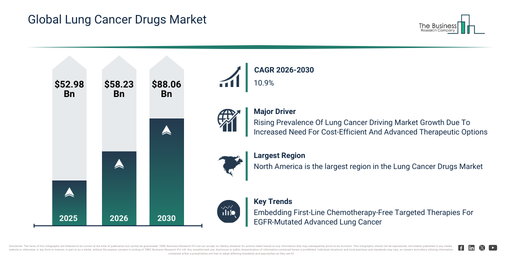
    The market for lung cancer drugs has experienced substantial expansion over recent years. Projections indicate it will expand from $52.98 billion in 2025 to $58.23 billion by 2026, achieving a compound annual growth rate (CAGR) of 9.9%. Historically, this expansion has been driven by factors such as high smoking prevalence, an increase in lung cancer cases, the broad adoption of chemotherapy, the proliferation of oncology hospitals, and greater access to generic cancer medications.

    The market size for lung cancer drugs is projected to experience substantial expansion over the upcoming years. By 2030, this market is anticipated to reach a valuation of $88.06 billion, demonstrating a compound annual growth rate (CAGR) of 10.9%. During the projected period, this expansion can be ascribed to several factors, including the proliferation of targeted and immunotherapy drugs, higher rates of lung cancer screening, escalating healthcare spending within oncology, a growing elderly demographic, and an increase in approvals for combination therapies. Key developments anticipated in the forecast timeframe encompass the wider acceptance of targeted lung cancer treatments, more frequent application of combination drug regimens, a heightened emphasis on addressing early-stage lung cancer, the broadening of personalized treatment approaches, and a rise in the hospital-based delivery of oncology medications.

    Download the Free Sample Report to Explore Key Market Insights:

    https://www.thebusinessresearchcompany.com/sample.aspx?id=2567&type=smp

    What Key Drivers Are Influencing The Growth Of The Lung Cancer Drugs Market?

    The increasing incidence of lung cancer is anticipated to propel the expansion of the lung cancer drugs market in the future. This serious malignancy, lung cancer, necessitates prompt and efficient treatment methods, such as chemotherapy, targeted therapies, immunotherapies, and various combination regimens, to enhance patient survival rates. The escalation in lung cancer occurrences mainly stems from environmental pollution and exposure to carcinogenic substances, coupled with genetic factors, which together lead to mutations in lung cells, even among individuals who do not smoke. The expanding prevalence of lung cancer underpins the lung cancer drugs sector by stimulating the need for more potent therapeutic solutions that can extend life expectancy, slow down tumor advancement, and elevate patients’ overall quality of life. To illustrate, the American Cancer Society, a US-based voluntary health organization dedicated to eliminating cancer, reported in January 2023 that an estimated 238,340 new cases of lung cancer (comprising 117,550 in men and 120,790 in women) and approximately 127,070 deaths attributed to lung cancer (with 67,160 in men and 59,910 in women) were projected for 2023. Consequently, the increasing prevalence of lung cancer is fueling the expansion of the lung cancer drugs market.

    Which Segment Areas Are Covered In The Lung Cancer Drugs Market Analysis?

    The lung cancer drugs market covered in this report is segmented –

    1) By Drugs: Gemzar, Paraplatin, Taxotere, Navelbine, Avastin, Tarceva, Iressa, Other Drugs

    2) By Disease Type: Small cell lung cancer (SCLC), Non-small cell lung cancer (NSCLC)

    3) By End User: Hospitals, Clinics, Other End-Users

    What Key Developments And Trends Are Impacting The Lung Cancer Drugs Market?

    Major companies within the lung cancer drugs market are concentrating on product innovation and new formulations, including chemotherapy-free combination therapies specifically targeting EGFR mutations. This approach is intended to improve treatment efficacy, mitigate systemic toxicity, and enhance the quality of life for patients diagnosed with advanced non-small cell lung cancer (NSCLC). These therapeutic strategies enable precision oncology, allowing for the targeted inhibition of particular molecular pathways that stimulate tumor growth. For example, Johnson & Johnson, a US-based pharmaceutical company, obtained U.S. FDA approval in August 2024 for Rybrevant plus Lazcluze as a first-line, chemotherapy-free treatment for individuals with EGFR-mutated advanced NSCLC. This combination therapy is designed to provide dual inhibition of the EGFR and MET pathways, offering augmented anti-tumor activity while minimizing the adverse effects associated with traditional chemotherapy. This approval signifies a growing shift in the lung cancer market towards personalized, targeted treatment regimens that improve patient outcomes and experience by reducing dependence on conventional chemotherapy.

    Which Global Companies Are Actively Competing In The Lung Cancer Drugs Market?

    Major companies operating in the lung cancer drugs market are Bristol-Myers Squibb Company, Merck & Co. Inc., F. Hoffmann-La Roche Ltd., Novartis AG, Pfizer Inc., GlaxoSmithKline plc, Sanofi S.A., Sun Pharmaceutical Industries Ltd., Celgene Corporation, Mylan N.V., Ono Pharmaceutical Co. Ltd., Teva Pharmaceutical Industries Ltd., Takeda Pharmaceutical Company Limited, Ziopharm Oncology Inc., Menarini Group, AstraZeneca PLC, AbbVie Inc., Bayer AG, Boehringer Ingelheim International GmbH, Daiichi Sankyo Company Limited, Eli Lilly and Company Inc., Johnson & Johnson, Amgen Inc., Array BioPharma Inc., Astellas Pharma Inc., Clovis Oncology Inc., Eisai Co. Ltd., Exelixis Inc., Genentech Inc., Gilead Sciences Inc., Incyte Corporation, Ipsen Biopharmaceuticals Inc., Kyowa Kirin Co. Ltd., Loxo Oncology Inc., MedImmune LLC

    Read the full lung cancer drugs market report here:

    https://www.thebusinessresearchcompany.com/report/lung-cancer-drugs-global-market-report

    Which Region Is Expected To Register The Fastest Growth In The Lung Cancer Drugs Market?

    North America was the largest region in the lung cancer drugs market in 2025. Middle East is expected to be the fastest-growing region in the lung cancer drugs market during the forecast period. The regions covered in the lung cancer drugs market report are Asia-Pacific, South East Asia, Western Europe, Eastern Europe, North America, South America, Middle East, Africa.

    Request A Tailored Lung Cancer Drugs Market Research Report For Competitive Advantage:

    https://www.thebusinessresearchcompany.com/customise?id=2567&type=smp

    Browse Through More Reports Similar to the Global Lung Cancer Drugs Market 2026, By The Business Research Company

    Lung Cancer Drugs Market Report 2026

    https://www.thebusinessresearchcompany.com/report/lung-cancer-drugs-global-market-report

    Non Small Cell Lung Cancer Nsclc Market Report 2026

    https://www.thebusinessresearchcompany.com/report/non-small-cell-lung-cancer-nsclc-global-market-report

    Non Small Cell Lung Cancer Nsclc Market Report 2026

    https://www.thebusinessresearchcompany.com/report/non-small-cell-lung-cancer-nsclc-global-market-report

    Get in touch with us:

    The Business Research Company: https://www.thebusinessresearchcompany.com/

    Americas +1 310-496-7795

    Asia +44 7882 955267 & +91 8897263534

    Europe +44 7882 955267

    Email us at info@tbrc.info

    Follow us on:

    LinkedIn: https://in.linkedin.com/company/the-business-research-company

    YouTube: https://www.youtube.com/channel/UC24_fI0rV8cR5DxlCpgmyFQ

    Global Market Model: https://www.thebusinessresearchcompany.com/global-market-model
  • A Notable Trend in the Lumbosacral Radicular Pain Management Market Is the Development of Non-Opioid Therapies Targeting Nav1.8

    A Notable Trend in the Lumbosacral Radicular Pain Management Market Is the Development of Non-Opioid Therapies Targeting Nav1.8

    The Business Research Company’s 2026 market reports include new capabilities such as market attractiveness scoring and analysis, total addressable market analysis, company scoring matrix, interactive excel data dashboard, improved supply chain analysis, upcoming startups in the market, and overview of key products, aimed at improving the depth, usability, and strategic value of the insights delivered.

    What Is The Forecasted Market Value Of The Lumbosacral Radicular Pain Management Market Across 2026–2030?

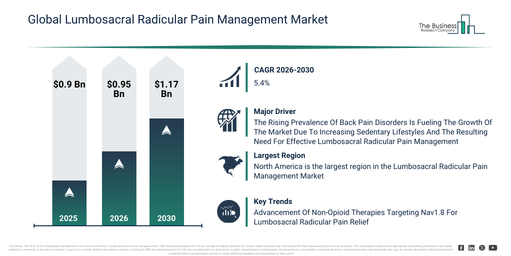
    The lumbosacral radicular pain management market size has seen robust growth in recent years. It is projected to expand from $0.9 billion in 2025 to $0.95 billion in 2026, exhibiting a compound annual growth rate (CAGR) of 5.7%. This growth witnessed in the past can be attributed to an increase in cases of spinal disc disorders, a reliance on pharmacological pain relief, the provision of hospital-based pain treatment, a rise in orthopedic consultations, and the development of physical therapy services.

    The lumbosacral radicular pain management market is projected to experience robust expansion over the coming years. This market is anticipated to reach $1.17 billion by 2030, exhibiting a compound annual growth rate (CAGR) of 5.4%. Key drivers for this growth during the projected period include the increasing aging population, a rising need for long-term pain management solutions, the uptake of non-invasive treatments, the expansion of home-based rehabilitation services, and innovations in pain diagnostics. Significant trends expected during this forecast span encompass a surging preference for multimodal pain management approaches, the greater embrace of non-opioid therapies, an increase in physical therapy-based interventions, the growing call for minimally invasive pain procedures, and the incorporation of personalized pain management strategies.

    Download the Free Sample Report to Explore Key Market Insights:

    https://www.thebusinessresearchcompany.com/sample.aspx?id=24592&type=smp

    What Major Growth Drivers Are Shaping The Outlook Of The Lumbosacral Radicular Pain Management Market?

    The increasing occurrence of back ailments is anticipated to fuel the expansion of the lumbosacral radicular pain management market moving ahead. These disorders encompass various conditions impacting the spine, its muscles, or nerves within the back, leading to unease or discomfort. The growing frequency of back pain issues stems from inactive lifestyles, which contribute to weakened back muscles, resulting in poor posture and ongoing pain. The goal of lumbosacral radicular pain management is to alleviate irritation of nerve roots in the lower back, thereby decreasing pain and inflammation. This management approach helps restore mobility and enhances the overall quality of life. As an illustration, in June 2024, data from the Australian Institute of Health and Welfare, a government agency located in Australia, indicated that in 2023, back issues constituted the third principal factor contributing to the disease burden in Australia, accounting for 4.3% of the country’s total disease burden. Consequently, the increasing incidence of back pain disorders is a key driver for the expansion of the lumbosacral radicular pain management market.

    What Segmentation Levels Are Considered In The Lumbosacral Radicular Pain Management Market?

    The lumbosacral radicular pain management market covered in this report is segmented –

    1) By Medication: Non-Steroidal Anti-Inflammatory Drugs, Opioids, Antidepressants, Anticonvulsants, Steroids

    2) By Physical Therapy: Manual Therapy, Exercise Therapy, Electrotherapy, Thermal Therapy, Hydrotherapy

    3) By Route Of Administration: Oral, Topical

    4) By End-User: Hospital Pharmacy, Retail Pharmacy, Online Pharmacy

    Subsegments:

    1) By Non-Steroidal Anti-Inflammatory Drugs: Ibuprofen, Naproxen, Diclofenac, Celecoxib, Etoricoxib

    2) By Opioids: Tramadol, Oxycodone, Morphine, Hydrocodone, Fentanyl

    3) By Antidepressants: Amitriptyline, Nortriptyline, Duloxetine, Desvenlafaxine, Venlafaxine

    4) By Anticonvulsants: Gabapentin, Pregabalin, Carbamazepine, Lamotrigine, Topiramate

    5) By Steroids: Dexamethasone, Methylprednisolone, Prednisone, Triamcinolone, Hydrocortison

    What Trends Are Projected To Affect The Lumbosacral Radicular Pain Management Market?

    Key companies operating in the lumbosacral radicular pain management market are prioritizing the development of advanced treatments, such as investigational oral NaV1.8 pain signal inhibitors, to deliver a non-opioid alternative for enduring pain relief. An investigational oral NaV1.8 pain signal inhibitor is a medication in its trial stage that specifically targets the NaV1.8 sodium channel, recognized as a primary pathway for pain transmission through sensory nerves. For instance, in December 2024, Vertex Pharmaceuticals, a US-based biotech firm, released the outcomes from its Phase 2 study of suzetrigine for painful lumbosacral radiculopathy (LSR). The study successfully achieved its primary endpoint, revealing a statistically significant and clinically meaningful reduction in pain from baseline in the suzetrigine group. Suzetrigine was generally well-tolerated, with no serious adverse events reported. Vertex intends to address the notable placebo response in subsequent Phase 3 trials to more accurately assess the drug’s efficacy.

    Which Leading Firms Are Contributing To The Growth Of The Lumbosacral Radicular Pain Management Market?

    Major companies operating in the lumbosacral radicular pain management market are Pfizer Inc., Johnson & Johnson Services Inc., Bayer AG, Sanofi SA, Bristol-Myers Squibb, AstraZeneca plc, Novartis AG, GSK plc, Medtronic plc, Eli Lilly and Company, Amgen Inc, Koninklijke Philips NV, Stryker Corporation, Teva Pharmaceutical Industries Ltd, Boston Scientific Corporation, Dr Reddy’s Laboratories Ltd, NuVasive Inc., Nobel Biocare Holdings AG, Ultradent Products Inc., Nevro Corp., Zynex Inc., Eliem Therapeutics, Vertebral Technologies Inc., Semnur Pharmaceuticals Inc.

    Read the full lumbosacral radicular pain management market report here:

    https://www.thebusinessresearchcompany.com/report/lumbosacral-radicular-pain-management-global-market-report

    Which Regions Are Projected To Dominate The Lumbosacral Radicular Pain Management Market In The Coming Years?

    North America was the largest region in the lumbosacral radicular pain management market in 2025. Asia-Pacific is expected to be the fastest-growing region in the forecast period. The regions covered in the lumbosacral radicular pain management market report are Asia-Pacific, South East Asia, Western Europe, Eastern Europe, North America, South America, Middle East, Africa.

    Request A Tailored Lumbosacral Radicular Pain Management Market Research Report For Competitive Advantage:

    https://www.thebusinessresearchcompany.com/customise?id=24592&type=smp

    Browse Through More Reports Similar to the Global Lumbosacral Radicular Pain Management Market 2026, By The Business Research Company

    Pain Management Drugs Market Report 2026

    https://www.thebusinessresearchcompany.com/report/pain-management-drugs-global-market-report

    Joint Pain Injections Market Report 2026

    https://www.thebusinessresearchcompany.com/report/joint-pain-injections-global-market-report

    Topical Pain Relief Market Report 2026

    https://www.thebusinessresearchcompany.com/report/topical-pain-relief-global-market-report

    Get in touch with us:

    The Business Research Company: https://www.thebusinessresearchcompany.com/

    Americas +1 310-496-7795

    Asia +44 7882 955267 & +91 8897263534

    Europe +44 7882 955267

    Email us at info@tbrc.info

    Follow us on:

    LinkedIn: https://in.linkedin.com/company/the-business-research-company

    YouTube: https://www.youtube.com/channel/UC24_fI0rV8cR5DxlCpgmyFQ

    Global Market Model: https://www.thebusinessresearchcompany.com/global-market-model

  • A Major Factor Driving the Lumbosacral Radicular Pain Market Is the Rising Incidence of Degenerative Spinal Conditions

    A Major Factor Driving the Lumbosacral Radicular Pain Market Is the Rising Incidence of Degenerative Spinal Conditions

    The Business Research Company’s 2026 market reports include new capabilities such as market attractiveness scoring and analysis, total addressable market analysis, company scoring matrix, interactive excel data dashboard, improved supply chain analysis, upcoming startups in the market, and overview of key products, aimed at improving the depth, usability, and strategic value of the insights delivered.

    What Market Size Increase Is Anticipated For The Lumbosacral Radicular Pain Market Over The 2026–2030 Period?

    The lumbosacral radicular pain market has experienced significant growth in recent years. It is anticipated to expand from $0.97 billion in 2025 to $1.02 billion in 2026, at a compound annual growth rate (CAGR) of 6.0%. The historical increase can be attributed to factors such as an aging population, the prevalence of spinal degenerative disorders, the methods used for opioid-based pain management, the role of hospital pain clinics, and the quantity of orthopedic surgery procedures.

    The lumbosacral radicular pain market is poised for significant expansion over the coming years. It is projected to reach $1.28 billion by 2030, exhibiting a compound annual growth rate (CAGR) of 5.7%. This anticipated growth during the forecast period stems from the increasing adoption of non-opioid pain therapy, a rise in outpatient pain procedures, the utilization of digital pain monitoring tools, advancements in minimally invasive spine technologies, and the expansion of rehabilitation programs. Prominent trends throughout this period include a greater emphasis on multimodal pain management, an increase in interventional spine procedures, a heightened call for non-opioid therapies, the enlargement of rehabilitation-based care, and the widespread use of minimally invasive pain treatments.

    Download the Free Sample Report to Explore Key Market Insights:

    https://www.thebusinessresearchcompany.com/sample.aspx?id=24591&type=smp

    What Drivers Are Expected To Influence The Lumbosacral Radicular Pain Market During The Forecast Period?

    The growing occurrence of degenerative spinal conditions is projected to boost the expansion of the lumbosacral radicular pain market. These conditions encompass ailments resulting from the progressive deterioration of the spine over a period. An increase in such conditions stems from an aging global populace and lifestyle choices that heighten spinal degeneration and nerve compression risks, thereby increasing the need for diagnostic and therapeutic services. This specific pain indicates irritation or compression of nerve roots, thereby aiding in the identification of underlying degenerative spinal issues and informing clinical assessment and care. For example, the University of Sydney, an Australian public university, reported in May 2023 that global back discomfort is expected to affect over 800 million people worldwide by 2050. Consequently, the increasing prevalence of degenerative spinal conditions acts as a significant catalyst for the growth of the lumbosacral radicular pain market.

    How Is The Lumbosacral Radicular Pain Market Segmented Across Key Categories?

    The lumbosacral radicular pain market covered in this report is segmented –

    1) By Treatment Type: Pharmacological Treatment, Non-Pharmacological Treatment, Interventional Procedures

    2) By Route Of Administration: Oral, Topical, Injectable, Implantable

    3) By Distribution Channel: Hospital Pharmacies, Retail Pharmacies, Online Pharmacies

    4) By End User: Hospitals, Specialty Clinics, Rehabilitation Centers, Homecare Settings

    Subsegments:

    1) By Pharmacological Treatment: Nonsteroidal Anti-Inflammatory Drugs, Opioids, Anticonvulsants, Antidepressants, Muscle Relaxants, Corticosteroids

    2) By Non-Pharmacological Treatment: Physical Therapy, Exercise And Rehabilitation Programs, Chiropractic Care, Acupuncture, Cognitive Behavioral Therapy, Heat And Cold Therapy

    3) By Interventional Procedures: Epidural Steroid Injections, Radiofrequency Ablation, Nerve Root Blocks, Spinal Cord Stimulation, Minimally Invasive Decompression, Intrathecal Drug Delivery Systems

    Who Are The Dominant Players Shaping The Lumbosacral Radicular Pain Market Landscape?

    Major companies operating in the lumbosacral radicular pain market are Medtronic plc, Boston Scientific Corporation, Nevro Corp., SPR Therapeutics, Saluda Medical Pty Ltd., Nalu Medical Inc., Abbott Neuromodulation, Stryker Corporation, Zimmer Biomet Holdings Inc., Globus Medical Inc., NuVasive Inc., Orthofix Medical Inc., B. Braun Melsungen AG, Teleflex Incorporated, Merit Medical Systems Inc., Avanos Medical Inc., Halyard Health Inc., Terumo Corporation, Baxter International Inc., Fresenius Kabi AG, Hikma Pharmaceuticals PLC, Pfizer CentreOne, Teva Pharmaceutical Industries Ltd., Mallinckrodt Pharmaceuticals, Sun Pharmaceutical Industries Ltd., Lupin Limited, Zydus Lifesciences Ltd., Cipla Ltd., Dr. Reddy’s Laboratories Ltd., Amneal Pharmaceuticals Inc., Perrigo Company plc

    Read the full lumbosacral radicular pain market report here:

    https://www.thebusinessresearchcompany.com/report/lumbosacral-radicular-pain-global-market-report

    Which Region Is Forecast To Lead The Lumbosacral Radicular Pain Market In Terms Of Market Size?

    North America was the largest region in the lumbosacral radicular pain market in 2025. The regions covered in the lumbosacral radicular pain market report are Asia-Pacific, South East Asia, Western Europe, Eastern Europe, North America, South America, Middle East, Africa.

    Request A Tailored Lumbosacral Radicular Pain Market Research Report For Competitive Advantage:

    https://www.thebusinessresearchcompany.com/customise?id=24591&type=smp

    Browse Through More Reports Similar to the Global Lumbosacral Radicular Pain Market 2026, By The Business Research Company

    Joint Pain Injections Market Report 2026

    https://www.thebusinessresearchcompany.com/report/joint-pain-injections-global-market-report

    Neuropathic Pain Market Report 2026

    https://www.thebusinessresearchcompany.com/report/neuropathic-pain-global-market-report

    Chronic Pain Market Report 2026

    https://www.thebusinessresearchcompany.com/report/chronic-pain-global-market-report

    Get in touch with us:

    The Business Research Company: https://www.thebusinessresearchcompany.com/

    Americas +1 310-496-7795

    Asia +44 7882 955267 & +91 8897263534

    Europe +44 7882 955267

    Email us at info@tbrc.info

    Follow us on:

    LinkedIn: https://in.linkedin.com/company/the-business-research-company

    YouTube: https://www.youtube.com/channel/UC24_fI0rV8cR5DxlCpgmyFQ

    Global Market Model: https://www.thebusinessresearchcompany.com/global-market-model

  • A Key Driver of the Local Anesthesia Drugs Market Is the Increasing Prevalence of Hypertension Supporting Market Growth

    A Key Driver of the Local Anesthesia Drugs Market Is the Increasing Prevalence of Hypertension Supporting Market Growth

    The Business Research Company’s 2026 market reports include new capabilities such as market attractiveness scoring and analysis, total addressable market analysis, company scoring matrix, interactive excel data dashboard, improved supply chain analysis, upcoming startups in the market, and overview of key products, aimed at improving the depth, usability, and strategic value of the insights delivered.

    How Much Is The Losartan Potassium Active Pharmaceutical Ingredient (API) Market Expected To Grow In Terms Of Market Value Between 2026 And 2030?

    The losartan potassium active pharmaceutical ingredient (api) market size has demonstrated significant expansion in recent years. It is anticipated to increase from $1.85 billion in 2025 to $1.97 billion in 2026, progressing at a compound annual growth rate (CAGR) of 6.5%. The historical growth of this market stemmed from factors including the rising occurrence of hypertension, the expiration of branded drug patents, the proliferation of generic pharmaceutical manufacturing, an increased need for cardiovascular drugs, and the expansion of global pharmaceutical supply chains.

    The losartan potassium active pharmaceutical ingredient (API) market is projected to experience substantial expansion in the coming years. This market is set to reach $2.54 billion by 2030, demonstrating a compound annual growth rate (CAGR) of 6.5%. Factors contributing to this anticipated growth include a rising prevalence of cardiovascular diseases, heightened demand from developing economies, innovations in API manufacturing processes, a greater emphasis on environmentally sound pharmaceutical production, and broader applications in chronic kidney disease treatment. Key developments expected during this forecast period encompass a surge in demand for generic losartan formulations, wider implementation of continuous flow API manufacturing, a growing pursuit of economical antihypertensive APIs, an increase in losartan API integration into combination therapies, and a heightened commitment to API production that adheres to regulatory standards.

    Download the Free Sample Report to Explore Key Market Insights:

    https://www.thebusinessresearchcompany.com/sample.aspx?id=24285&type=smp

    What Drivers Are Influencing The Losartan Potassium Active Pharmaceutical Ingredient (API) Market?

    The expanding occurrence of hypertension is anticipated to fuel the expansion of the losartan potassium active pharmaceutical ingredient (API) market in the future. Hypertension, characterized by continuously elevated blood pressure, increases the risk of heart ailments, strokes, and other serious medical issues. The rising frequency of hypertension is associated with diets high in sodium and processed items, contributing to fluid buildup and greater stress on the heart. Losartan potassium aids in managing hypertension by inhibiting angiotensin II, a hormone responsible for constricting blood vessels. This action allows vessels to relax and expand, thereby reducing blood pressure and alleviating the heart’s effort. As an illustration, in September 2025, the World Health Organization (WHO), a global health authority situated in Geneva, Switzerland, reported that approximately 1.4 billion adults aged 30–79 years experienced hypertension in 2024, a notable increase from the roughly 1.3 billion adults affected in 2022. Consequently, the increasing occurrence of hypertension is propelling the expansion of the losartan potassium active pharmaceutical ingredient (API) market.

    What Major Segment Divisions Exist Within The Losartan Potassium Active Pharmaceutical Ingredient (API) Market?

    The losartan potassium active pharmaceutical ingredient (api) market covered in this report is segmented –

    1) By Product Type: Tablet, Capsule, Other Product Types

    2) By Production Method: Synthetic Route, Continuous Flow Production

    3) By Distribution Channel: Online Pharmacies, Hospital Pharmacies, Retail Pharmacies, Other Distribution Channels

    4) By Application: Hypertension, Heart Failure, Chronic Kidney Diseases, Other Applications

    5) By End-User: Hospitals, Clinics, Pharmaceutical Companies

    Subsegments:

    1) By Tablet: Immediate-Release Tablets, Extended-Release Tablets, Film-Coated Tablets, Orally Disintegrating Tablets

    2) By Capsule: Hard Gelatin Capsules, Modified-Release Capsules

    3) By Other Product Types: Bulk Active Pharmaceutical Ingredient (API) Powder, Granules For Suspension, Pre-Formulated Intermediates

    How Are Trends Shaping The Direction Of The Losartan Potassium Active Pharmaceutical Ingredient (API) Market?

    Major companies operating within the losartan potassium active pharmaceutical ingredient (API) market are prioritizing the creation of innovative products and obtaining regulatory clearances, such as for losartan potassium oral suspension, to improve patient adherence and expand its therapeutic uses. Losartan potassium oral suspension represents a liquid form of the losartan potassium medication, designed for individuals who have trouble swallowing tablets. As an illustration, in March 2025, Scienture Holdings Inc., a US-based biopharmaceutical firm, secured Food and Drug Administration (FDA) approval for Arbli. Arbli is a ready-to-use liquid formulation indicated for hypertension, reducing the risk of stroke in hypertensive patients with left ventricular hypertrophy, and treating diabetic nephropathy in type 2 diabetes patients. It facilitates accurate dosing without requiring compounding and is offered as a 165 mL peppermint-flavored suspension (10 mg/mL), boasting an 18-month shelf life at room temperature.

    Which Companies Are Leading Innovation In The Losartan Potassium Active Pharmaceutical Ingredient (API) Market?

    Major companies operating in the losartan potassium active pharmaceutical ingredient (api) market are Teva Pharmaceutical Industries Ltd, Sun Pharmaceutical Industries Ltd, Aurobindo Pharma Ltd, Dr. Reddy’s Laboratories, Cadila Pharmaceuticals Ltd, Lupin Ltd, Zydus Lifesciences Ltd, Alkem Laboratories Ltd, IPCA Laboratories Ltd, Alembic Pharmaceuticals Ltd, Granules India Limited, Vasudha Pharma Chem Ltd, IOL Chemicals and Pharmaceuticals Limited, Unichem Laboratories Ltd, Global Pharma Tek, Hetero Drugs Ltd, Manus Aktteva Biopharma LLP, Wellona Pharma, Atom pharma, Sinoway Industrial Co. Ltd, Cerata Pharmaceuticals LLP

    Read the full losartan potassium active pharmaceutical ingredient (api) market report here:

    https://www.thebusinessresearchcompany.com/report/losartan-potassium-active-pharmaceutical-ingredient-api-global-market-report

    Which Regions Are Expected To Experience Rapid Expansion In The Losartan Potassium Active Pharmaceutical Ingredient (API) Market?

    North America was the largest region in the losartan potassium API market in 2025. Asia-Pacific is expected to be the fastest-growing region in the forecast period. The regions covered in the losartan potassium active pharmaceutical ingredient (api) market report are Asia-Pacific, South East Asia, Western Europe, Eastern Europe, North America, South America, Middle East, Africa.

    Request A Tailored Losartan Potassium Active Pharmaceutical Ingredient (API) Market Research Report For Competitive Advantage:

    https://www.thebusinessresearchcompany.com/customise?id=24285&type=smp

    Browse Through More Reports Similar to the Global Losartan Potassium Active Pharmaceutical Ingredient (API) Market 2026, By The Business Research Company

    Active Pharmaceutical Ingredients Market Report 2026

    https://www.thebusinessresearchcompany.com/report/active-pharmaceutical-ingredients-global-market-report

    Pharmaceuticals Market 2026

    https://www.thebusinessresearchcompany.com/report/pharmaceuticals-market

    Veterinary Active Pharmaceutical Ingredients Manufacturing Market Report 2026

    https://www.thebusinessresearchcompany.com/report/veterinary-active-pharmaceutical-ingredients-manufacturing-global-market-report

    Get in touch with us:

    The Business Research Company: https://www.thebusinessresearchcompany.com/

    Americas +1 310-496-7795

    Asia +44 7882 955267 & +91 8897263534

    Europe +44 7882 955267

    Email us at info@tbrc.info

    Follow us on:

    LinkedIn: https://in.linkedin.com/company/the-business-research-company

    YouTube: https://www.youtube.com/channel/UC24_fI0rV8cR5DxlCpgmyFQ

    Global Market Model: https://www.thebusinessresearchcompany.com/global-market-model

  • Global Local Anesthesia Drugs Industry Trends and Growth Forecast for 2026–2030

    Global Local Anesthesia Drugs Industry Trends and Growth Forecast for 2026–2030

    The Business Research Company’s 2026 market reports include new capabilities such as market attractiveness scoring and analysis, total addressable market analysis, company scoring matrix, interactive excel data dashboard, improved supply chain analysis, upcoming startups in the market, and overview of key products, aimed at improving the depth, usability, and strategic value of the insights delivered.

    What Market Value Is Expected For The Local Anesthesia Drugs Market At The End Of The 2026–2030 Forecast Period?

    The local anesthesia drugs market has seen robust expansion in recent years. Its value is projected to climb from $4.69 billion in 2025 to $4.95 billion in 2026, registering a compound annual growth rate (CAGR) of 5.6%. This historical upward trend is attributable to an increase in outpatient surgeries, a higher prevalence of musculoskeletal disorders, more dental procedures, the expansion of hospital infrastructure, and a growing understanding of pain management solutions.

    The local anesthesia drugs market is projected for significant expansion over the coming years, with its valuation set to reach $6.15 billion by 2030, exhibiting a compound annual growth rate (CAGR) of 5.6%. This projected increase during the forecast period stems from factors such as the uptake of sophisticated anesthetic formulations, the incorporation of robotics into surgical procedures, the expanding elderly demographic, the proliferation of ambulatory surgical centers, and advancements in sustained-release anesthetic technologies. Key trends anticipated during this period encompass the adoption of minimally invasive procedures, a surging need for outpatient surgeries, the innovation of long-acting local anesthetics, the expansion of pain management clinics, and an enhanced emphasis on patient safety and comfort.

    Download the Free Sample Report to Explore Key Market Insights:

    https://www.thebusinessresearchcompany.com/sample.aspx?id=8021&type=smp

    What Drivers Are Shaping The Future Growth Of The Local Anesthesia Drugs Market?

    The expanding occurrence of chronic illnesses is anticipated to boost the local anesthesia drugs market’s future growth. A chronic condition is defined as an ailment persisting for at least three months, with the potential to worsen over time. Such long-term health issues frequently necessitate surgical procedures, thereby elevating the need for local anesthesia medications. These medications are vital for managing pain during operations linked to chronic illnesses, ensuring patients’ comfort. Factors like an aging demographic, progress in surgical technologies, and a greater emphasis on outpatient operations further fuel the escalating demand for local anesthesia drugs. For example, data from January 2024, released by the American Cancer Society (ACS), a US-based non-profit dedicated to cancer research and awareness, forecasts approximately 2,001,140 new cancer cases and about 611,720 cancer fatalities in the United States in 2024, translating to roughly 1,680 deaths daily. Consequently, the growing prevalence of chronic diseases is a key driver for the expansion of the local anesthesia drugs market.

    What Segment Types Make Up The Local Anesthesia Drugs Market?

    The local anesthesia drugs market covered in this report is segmented –

    1) By Type: Bupivacaine, Lidocaine, Benzocaine, Ropivacaine, Prilocaine, Chloroprocaine, Other Types

    2) By Mode Of Administration: Injectable, Surface Anesthetic

    3) By Distribution Channel: Hospital Pharmacy, Pharmacy Stores, Other Channels

    Which Market Trends Are Creating New Opportunities In The Local Anesthesia Drugs Market?

    Companies operating within the local anesthesia drugs market are focused on creating dual-acting local anesthetics to uphold their market position. A dual-acting local anesthetic offers pain relief by numbing an area through sensory nerve blockade and concurrently providing anti-inflammatory benefits or extended numbing. This combination renders them highly effective for surgical interventions and acute pain management. As an illustration, in January 2024, Heron Therapeutics, Inc., a US-based biotechnology firm, launched its FDA-approved product, ZYNRELEF. This solution integrates bupivacaine with a low dose of meloxicam to deliver enhanced pain relief. According to Phase 3 studies, it notably reduces both pain and the need for opioids in patients for up to 72 hours following surgery.

    Who Are The Key Players Driving Competition In The Local Anesthesia Drugs Market?

    Major companies operating in the local anesthesia drugs market are Hikma Pharmaceuticals PLC, Fresenius SE & Co. KGaA, Glenmark Pharmaceuticals Limited, B. Braun Melsungen AG, Pacira BioSciences Inc., Pfizer Inc., Septodont, Teva Pharmaceutical Industries Limited, Aspen Pharmacare Holdings Limited, Sagent Pharmaceuticals Inc., Mylan N.V., Akorn Operating Company LLC, Endo International PLC, Abbott Laboratories, Anesiva Inc., Baxter International Inc., Dentsply Sirona Inc., Jiangsu Hengrui Medicine Co. Ltd., Johnson & Johnson, Lannett Company Inc., Lupin Limited, Alembic Pharmaceuticals, Torrent Pharmaceuticals, Cadila Healthcare, Indoco Remedies, Jubilant Life Sciences, Zydus Cadila, Wockhardt Ltd., Par Pharmaceutical, West-Ward Pharmaceuticals Corp.

    Read the full local anesthesia drugs market report here:

    https://www.thebusinessresearchcompany.com/report/local-anesthesia-drugs-global-market-report

    Which Geographic Regions Are Influencing Demand In The Local Anesthesia Drugs Market?

    North America was the largest region in the local anesthesia drugs market in 2025. Asia-Pacific is expected to be the fastest-growing region in the local anesthesia drugs market report during the forecast period. The regions covered in the local anesthesia drugs market report are Asia-Pacific, South East Asia, Western Europe, Eastern Europe, North America, South America, Middle East, Africa.

    Request A Tailored Local Anesthesia Drugs Market Research Report For Competitive Advantage:

    https://www.thebusinessresearchcompany.com/customise?id=8021&type=smp

    Browse Through More Reports Similar to the Global Local Anesthesia Drugs Market 2026, By The Business Research Company

    Local Anesthesia Drugs Market Report 2026

    https://www.thebusinessresearchcompany.com/report/local-anesthesia-drugs-global-market-report

    Anesthetics Market Report 2026

    https://www.thebusinessresearchcompany.com/report/anesthetics-global-market-report

    Anesthesia Circuits And Regional Anesthesia Disposables Market Report 2026

    https://www.thebusinessresearchcompany.com/report/anesthesia-circuits-and-regional-anesthesia-disposables-global-market-report

    Get in touch with us:

    The Business Research Company: https://www.thebusinessresearchcompany.com/

    Americas +1 310-496-7795

    Asia +44 7882 955267 & +91 8897263534

    Europe +44 7882 955267

    Email us at info@tbrc.info

    Follow us on:

    LinkedIn: https://in.linkedin.com/company/the-business-research-company

    YouTube: https://www.youtube.com/channel/UC24_fI0rV8cR5DxlCpgmyFQ

    Global Market Model: https://www.thebusinessresearchcompany.com/global-market-model
  • Liver Health Supplements Market Outlook Showing Demand Growth Across 2026–2030

    Liver Health Supplements Market Outlook Showing Demand Growth Across 2026–2030

    The Business Research Company’s 2026 market reports include new capabilities such as market attractiveness scoring and analysis, total addressable market analysis, company scoring matrix, interactive excel data dashboard, improved supply chain analysis, upcoming startups in the market, and overview of key products, aimed at improving the depth, usability, and strategic value of the insights delivered.

    What Is The Estimated Market Size Of The Liver Health Supplements Market During 2026–2030?

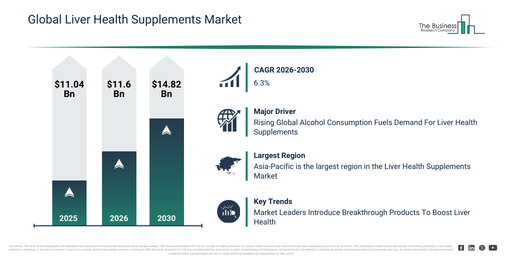
    The liver health supplements market has shown significant expansion in recent years. It is forecast to rise from $11.04 billion in 2025 to $11.6 billion in 2026, at a compound annual growth rate (CAGR) of 5.1%. The growth observed in previous periods stems from increasing awareness of liver diseases, a greater uptake of herbal supplements, an escalation in lifestyle-related liver disorders, the broadening network of retail pharmacies, and the availability of diverse supplement forms.

    The market for liver health supplements is projected to experience robust expansion in the coming years. This market is anticipated to reach $14.82 billion by 2030, demonstrating a compound annual growth rate (CAGR) of 6.3%. Factors contributing to this growth over the forecast period include an increasing demand for personalized liver health supplements, the integration of these products with digital health platforms, a rise in the adoption of preventive healthcare practices, expanding e-commerce penetration for supplements, and ongoing innovation in functional ingredients. Key trends anticipated during the forecast period encompass a stronger focus on liver detoxification, a shift towards natural and herbal supplement adoption, the emergence of personalized nutrition and supplementation, the integration of immune support, and an emphasis on functional health and wellness.

    Download the Free Sample Report to Explore Key Market Insights:

    https://www.thebusinessresearchcompany.com/sample.aspx?id=12953&type=smp

    Which Economic Or Industry Drivers Are Impacting The Liver Health Supplements Market?

    The increasing consumption of alcohol is anticipated to boost the Liver Health Supplements Market going forward. Alcohol consumption involves the intake of alcoholic beverages, which contain ethanol as an active component. Liver health supplements offer support to the liver, the organ responsible for toxin removal, which can be beneficial for individuals with high alcohol consumption. Supplements with ingredients such as milk thistle, dandelion root, and kudzu root contribute to liver function by aiding detoxification and decreasing inflammation. For example, in February 2024, the Australian Institute of Health and Welfare, an Australia-based government agency, reported that in 2022–2023, approximately 31% of people aged 14 and older, or 6.6 million individuals, consumed alcohol in a way that posed a risk to their health. Therefore, the escalating consumption of alcohol is a key driver for the growth of the Liver Health Supplements Market. Liver Health Supplements Market Driver: Rising Prevalence Of Chronic Liver Diseases Fuels Growth Of Liver Health Supplements Market

    How Are The Various Segments Of The Liver Health Supplements Market Categorized?

    The liver health supplements market covered in this report is segmented –

    1) By Product: Vitamin And Minerals, Herbal Supplements, Other Products

    2) By Nature: Organic, Conventional

    3) By Form: Dry, Tablets, Powder, Liquid

    4) By Distribution Channel: Hospital Pharmacies, Retail Pharmacies, Online Pharmacies

    Subsegments:

    1) By Vitamin And Minerals: Vitamin E, Vitamin C, B-complex Vitamins, Minerals

    2) By Herbal Supplements: Milk Thistle, Dandelion Root, Turmeric, Artichoke Extract

    3) By Other Products: Amino Acids, Probiotics, Fatty Acids

    What Trends Are Affecting The Expansion Of The Liver Health Supplements Market?

    Key players in the liver health supplements market are introducing novel products to secure their market presence. Innovations in these supplements are on the rise, as they facilitate the development of new liver cells, contributing to enhanced liver function. For example, in March 2023, Evogen Nutrition, a US-based healthy lifestyle nutrition company, released Evogen Liver Longer, a new dietary supplement that aids the liver. This supplement aims to comprehensively support liver health and features several liver-benefiting ingredients, including tauroursodeoxycholic acid (TUDCA), siphons, and milk thistle extract. These elements offer strong antioxidant support to safeguard and boost liver function.

    Which Major Firms Influence Developments In The Liver Health Supplements Market?

    Major companies operating in the liver health supplements market are Amway Corp., Balchem Corporation, Himalaya Wellness Company, NOW Foods Inc., Metagenics Inc., Aker BioMarine ASA, Enzymedica Inc., Jarrow Formulas Inc., Garden of Life, Designs for Health Inc., Nature’s Way Products LLC, Swanson Healthcare Products Inc., Irwins Natural, Integria Healthcare Pty Ltd., Integrative Therapeutics Inc., Premier Research Labs, Gaia Herbs Inc., Pure Encapsulations Inc., Solgar Inc., Renew Life, NutraBio, Nature’s Bounty Inc., Nutralife Health Products Inc., Organifi, Terry Naturally Vitamins, Natures Craft, Source Naturals Inc., America’s Finest Inc.

    Read the full liver health supplements market report here:

    https://www.thebusinessresearchcompany.com/report/liver-health-supplements-global-market-report

    What Are The Top-Performing Regions Within The Liver Health Supplements Market?

    Asia-Pacific was the largest region in the liver health supplements market in 2025. North America is expected to be the fastest-growing region in the forecast period. The regions covered in the liver health supplements market report are Asia-Pacific, South East Asia, Western Europe, Eastern Europe, North America, South America, Middle East, Africa.

    Request A Tailored Liver Health Supplements Market Research Report For Competitive Advantage:

    https://www.thebusinessresearchcompany.com/customise?id=12953&type=smp

    Browse Through More Reports Similar to the Global Liver Health Supplements Market 2026, By The Business Research Company

    Liver Health Supplements Market Report 2026

    https://www.thebusinessresearchcompany.com/report/liver-health-supplements-global-market-report

    Liver Diseases Therapeutics Market Report 2026

    https://www.thebusinessresearchcompany.com/report/liver-diseases-therapeutics-global-market-report

    Digestive Health Supplements Market Report 2026

    https://www.thebusinessresearchcompany.com/report/digestive-health-supplements-global-market-report

    Get in touch with us:

    The Business Research Company: https://www.thebusinessresearchcompany.com/

    Americas +1 310-496-7795

    Asia +44 7882 955267 & +91 8897263534

    Europe +44 7882 955267

    Email us at info@tbrc.info

    Follow us on:

    LinkedIn: https://in.linkedin.com/company/the-business-research-company

    YouTube: https://www.youtube.com/channel/UC24_fI0rV8cR5DxlCpgmyFQ

    Global Market Model: https://www.thebusinessresearchcompany.com/global-market-model