Month: March 2026

  • Head And Neck Cancer Therapeutics Market Analysis Highlighting Growth Drivers and Opportunities Through 2030

    Head And Neck Cancer Therapeutics Market Analysis Highlighting Growth Drivers and Opportunities Through 2030

    The Business Research Company’s 2026 market reports include new capabilities such as market attractiveness scoring and analysis, total addressable market analysis, company scoring matrix, interactive excel data dashboard, improved supply chain analysis, upcoming startups in the market, and overview of key products, aimed at improving the depth, usability, and strategic value of the insights delivered.

    What Market Size Expansion Is Predicted For The Head And Neck Cancer Therapeutics Market Between 2026 And 2030?

    The head and neck cancer therapeutics market size has witnessed significant expansion in recent years. This market is anticipated to grow from $1.88 billion in 2025 to $2.07 billion in 2026, achieving a compound annual growth rate (CAGR) of 10.1%. The increase observed in the past can be linked to the rising occurrence of head and neck cancers, the limited availability of specialized targeted therapies, the continued use of conventional chemotherapy and radiation methods, enhanced awareness leading to earlier diagnosis, and the establishment of more hospital-based treatment centers.

    The market for head and neck cancer therapeutics is anticipated to experience substantial expansion over the upcoming years. This market is projected to reach $3.13 billion by 2030, exhibiting a compound annual growth rate (CAGR) of 10.8%. Such growth during the forecast period stems from the advancement of targeted immunotherapies, the incorporation of AI-powered diagnostics, an increase in outpatient and precision treatment facilities, augmented investment in biotechnology research, and the embrace of personalized medicine strategies. Key trends anticipated for this period encompass the uptake of precision proton therapy, wider application of immunotherapy, the use of multimodal treatment strategies, advancements in minimally invasive surgical methods, and the integration of personalized medicine.

    Download the Free Sample Report to Explore Key Market Insights:

    https://www.thebusinessresearchcompany.com/sample.aspx?id=12426&type=smp

    Which Growth Drivers Are Contributing To The Progress Of The Head And Neck Cancer Therapeutics Market?

    The rising occurrence of head and neck cancer is anticipated to stimulate the expansion of the head and neck cancer therapeutics market in the future. Head and neck cancer is defined as a condition where cells begin to multiply without control within the tissues of the head and neck area. The growing number of cases necessitates enhanced diagnostic methods and treatments to address genetic mutations and abnormal cancer cells. For example, in 2023, data from Cancer Research UK, a UK-based independent cancer research organization, indicates that the incidence of head and neck cancer in the UK is forecast to climb by 3% between 2023 and 2025, concurrently, fatalities attributable to head and neck cancers are predicted to grow by 12% during the same 2023 to 2025 period. Consequently, the rising occurrence of head and neck cancer is a key factor propelling the head and neck cancer therapeutics market.

    Which Market Segments Are Examined In The Head And Neck Cancer Therapeutics Market Study?

    The head and neck cancer therapeutics market covered in this report is segmented –

    1) By Type: Programmed Cell Death (PD) Inhibitors, Microtubule Inhibitors, Epidermal Growth Factor Receptor (EGFR) Inhibitors

    2) By Route Of Administration: Injectable, Oral

    3) By Distribution Channel: Retail And Specialty Pharmacies, Hospital Pharmacies, Online Pharmacies

    4) By Application: Surgery, Radiation Therapy, Chemotherapy, Immunotherapy, Other Applications

    Subsegments:

    1) By Programmed Cell Death (PD) Inhibitors: PD-1 Inhibitors, PD-L1 Inhibitors

    2) By Microtubule Inhibitors: Taxanes, Vinca Alkaloids

    3) By Epidermal Growth Factor Receptor (EGFR) Inhibitors: Monoclonal Antibodies, Tyrosine Kinase Inhibitors

    Which Trends Are Influencing The Head And Neck Cancer Therapeutics Market?

    Leading firms within the head and neck cancer therapeutics market are focusing their endeavors on developing novel drug therapies for individuals afflicted with head and neck cancer. A drug treatment involves the application of pharmaceutical agents or medicines to confront, control, or ease health issues, illnesses, or indicators in people. As an illustration, Coherus BioSciences Inc., a biopharmaceutical firm based in the US, declared in October 2023 that its newest medication, ‘Loqtorzi’, had received FDA clearance. Also known as toripalimab-tpzi, this approval permits its use alongside cisplatin and gemcitabine as a primary course of action for adults suffering from metastatic or recurrent, locally advanced nasopharyngeal carcinoma. During the clinical trial, undesirable side effects were observed in less than 20% of patients, whether the therapy was employed as an initial treatment or given as a standalone agent.

    Who Are The Primary Competitors In The Head And Neck Cancer Therapeutics Market?

    Major companies operating in the head and neck cancer therapeutics market are Pfizer Inc., F. Hoffmann-La Roche Ltd., Merck & Co. Inc., AbbVie Inc., Bayer AG, Novartis AG, Sanofi Aventis LLC, Bristol-Myers Squibb Company, AstraZeneca PLC, GlaxoSmithKline plc., Takeda Pharmaceutical Company Limited, Eli Lilly and Company, Amgen Inc., Boehringer Ingelheim International GmbH, Teva Pharmaceutical Industries Ltd., Astellas Pharma Inc., Daiichi Sankyo Company Limited, Eisai Co. Ltd., Sun Pharmaceutical Industries Ltd., Incyte Corporation, Ono Pharmaceutical Co. Ltd., Kyowa Kirin Co. Ltd., Ligand Pharmaceuticals, Acceleron Pharma Inc., Taiho Pharmaceutical Co. Ltd., AB Science SA

    Read the full head and neck cancer therapeutics market report here:

    https://www.thebusinessresearchcompany.com/report/head-and-neck-cancer-therapeutics-global-market-report

    What Are The Leading Geographic Regions In The Head And Neck Cancer Therapeutics Market?

    North America was the largest region in the head and neck cancer therapeutics market in 2025. Asia-Pacific is expected to be the fastest-growing region in the forecast period. The regions covered in the head and neck cancer therapeutics market report are Asia-Pacific, South East Asia, Western Europe, Eastern Europe, North America, South America, Middle East, Africa.

    Request A Tailored Head And Neck Cancer Therapeutics Market Research Report For Competitive Advantage:

    https://www.thebusinessresearchcompany.com/customise?id=12426&type=smp

    Browse Through More Reports Similar to the Global Head And Neck Cancer Therapeutics Market 2026, By The Business Research Company

    Head And Neck Cancer Therapeutics Market Report 2026

    https://www.thebusinessresearchcompany.com/report/head-and-neck-cancer-therapeutics-global-market-report

    Head And Neck Cancer Diagnostics Market Report 2026

    https://www.thebusinessresearchcompany.com/report/head-and-neck-cancer-diagnostics-global-market-report

    Laryngeal Cancer Therapeutics Market Report 2026

    https://www.thebusinessresearchcompany.com/report/laryngeal-cancer-therapeutics-global-market-report

    Get in touch with us:

    The Business Research Company: https://www.thebusinessresearchcompany.com/

    Americas +1 310-496-7795

    Asia +44 7882 955267 & +91 8897263534

    Europe +44 7882 955267

    Email us at info@tbrc.info

    Follow us on:

    LinkedIn: https://in.linkedin.com/company/the-business-research-company

    YouTube: https://www.youtube.com/channel/UC24_fI0rV8cR5DxlCpgmyFQ

    Global Market Model: https://www.thebusinessresearchcompany.com/global-market-model
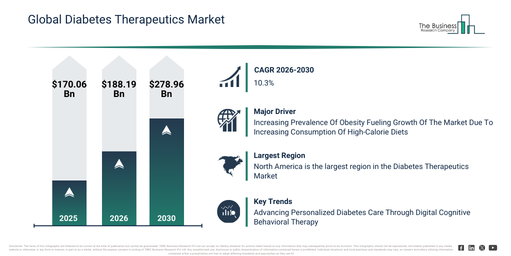
  • Diabetes Therapeutics Market 2026 expanding toward $278.96 billion by 2030

    Diabetes Therapeutics Market 2026 expanding toward $278.96 billion by 2030

    The Business Research Company’s 2026 market reports include new capabilities such as market attractiveness scoring and analysis, total addressable market analysis, company scoring matrix, interactive excel data dashboard, improved supply chain analysis, upcoming startups in the market, and overview of key products, aimed at improving the depth, usability, and strategic value of the insights delivered.

    What Is The Estimated Market Size Of The Diabetes Therapeutics Market During 2026–2030?

    The diabetes therapeutics market has expanded swiftly in recent years. It is anticipated to increase from $170.06 billion in 2025 to $188.19 billion in 2026, exhibiting a compound annual growth rate (CAGR) of 10.7%. The expansion observed historically can be linked to the limited access to advanced therapeutic options, a reliance on conventional oral anti-diabetic drugs, inadequate awareness of preventive healthcare, restricted distribution channels, and the increasing burden of type 2 diabetes.

    The diabetes therapeutics market size is projected to undergo significant expansion in the upcoming years. It is expected to reach $278.96 billion by 2030, demonstrating a compound annual growth rate (CAGR) of 10.3%. This anticipated growth can be attributed to several factors including the development of novel insulin analogs, the increasing availability of combination therapies, the widespread adoption of digital diabetes management tools, enhancements in healthcare infrastructure for diabetes care, and the integration of telemedicine and remote monitoring services. Prominent trends observed during this forecast period include the rising global prevalence of diabetes, the increasing uptake of glp-1 receptor agonists and sglt-2 inhibitors, the broadening reach of online and retail pharmacies, an intensified focus on personalized diabetes management, and improved awareness regarding preventive care and early diagnosis.

    Download the Free Sample Report to Explore Key Market Insights:

    https://www.thebusinessresearchcompany.com/sample.aspx?id=25749&type=smp

    Which Economic Or Industry Drivers Are Impacting The Diabetes Therapeutics Market?

    The growing occurrence of obesity is projected to boost the expansion of the diabetes therapeutics market in the future. Obesity, characterized by an unhealthy excess of fat, poses a significant health hazard and stands as a primary risk factor for type 2 diabetes. The heightened incidence of obesity stems from a greater intake of high-calorie foods, as more individuals consume processed and fast foods rich in sugar and fat, coupled with reduced physical activity, resulting in substantial weight gain. Diabetes therapeutics aid in the management of obesity by enhancing blood sugar regulation and assisting with weight loss, utilizing medications like GLP-1 receptor agonists that diminish appetite and decelerate digestion, thereby improving the overall metabolic health of obese individuals. For example, a report released in May 2024 by the Office for Health Improvement and Disparities, a UK-based government department, indicated that from 2022 to 2023, roughly 64% of adults aged 18 and above were categorized as overweight or obese, representing an increase from the 63.8% recorded in the preceding year. Consequently, the rising occurrence of obesity is fueling the growth of the diabetes therapeutics market.

    How Are The Various Segments Of The Diabetes Therapeutics Market Categorized?

    The diabetes therapeutics market covered in this report is segmented –

    1) By Drug: Oral Anti-Diabetic Drugs, Insulin, Non-Insulin Injectable Drug, Combination Drug

    2) By Type: Diabetes 1, Diabetes 2

    3) By Route Of Administration: Oral, Subcutaneous, Intravenous

    4) By Distribution Channel: Online Pharmacies, Hospital Pharmacies, Retail Pharmacies

    5) By Application: Preventive, Treatment Or Care

    Subsegments:

    1) By Oral Anti-Diabetic Drugs: Biguanides, Sulfonylureas, DPP-4 Inhibitors, SGLT-2 Inhibitors, Thiazolidinediones, Meglitinides, Alpha-Glucosidase Inhibitors

    2) By Insulin: Rapid-Acting Insulin, Short-Acting Insulin, Intermediate-Acting Insulin, Long-Acting Insulin, Premixed Insulin

    3) By Non-Insulin Injectable Drug: GLP-1 Receptor Agonists, Amylin Analogs

    4) By Combination Drug: Oral Combination Therapies, Oral and Injectable Combination Therapies

    What Trends Are Affecting The Expansion Of The Diabetes Therapeutics Market?

    Leading companies within the diabetes therapeutics market are prioritizing the development of innovative approaches, such as cognitive behavioral therapy (CBT), to enhance customized diabetes care and improve glycemic control for individuals with type 2 diabetes. Cognitive behavioral therapy (CBT) is defined as a structured, empirically supported psychological intervention that assists people in recognizing and altering detrimental thought processes and actions. An illustrative example occurred in October 2023, when Better Therapeutics Inc., a digital therapeutics company based in the US, introduced AspyreRx, a digital application designed for diabetes therapy. AspyreRx, which secured FDA authorization for addressing type 2 diabetes, delivers personalized cognitive behavioral therapy (CBT) to patients 18 and older to encourage behavioral modifications that enhance diabetes management. Previously known as BT-001, AspyreRx showed statistically and clinically notable, lasting decreases in A1c when compared to standard care, alongside improvements in blood pressure, weight, mood, and overall quality of life during a randomized controlled trial.

    Which Major Firms Influence Developments In The Diabetes Therapeutics Market?

    Major companies operating in the diabetes therapeutics market are Pfizer Inc., Merck & Co Inc., Novartis AG, Sanofi S.A., AstraZeneca PLC, Takeda Pharmaceutical Company Limited, Eli Lilly and Company, Novo Nordisk A/S, Boehringer Ingelheim International GmbH, Biocon Biologics Limited, MannKind Corporation, Lexicon Pharmaceuticals Inc., Adocia S.A., Oramed Pharmaceuticals Inc.

    Read the full diabetes therapeutics market report here:

    https://www.thebusinessresearchcompany.com/report/diabetes-therapeutics-global-market-report

    What Are The Top-Performing Regions Within The Diabetes Therapeutics Market?

    North America was the largest region in the diabetes therapeutics market in 2025. Asia-Pacific is expected to be the fastest-growing region in the forecast period. The regions covered in the diabetes therapeutics market report are Asia-Pacific, South East Asia, Western Europe, Eastern Europe, North America, South America, Middle East, Africa.

    Request A Tailored Diabetes Therapeutics Market Research Report For Competitive Advantage:

    https://www.thebusinessresearchcompany.com/customise?id=25749&type=smp

    Browse Through More Reports Similar to the Global Diabetes Therapeutics Market 2026, By The Business Research Company

    Antidiabetics Market Report 2026

    https://www.thebusinessresearchcompany.com/report/antidiabetics-global-market-report

    Non Insulin Therapies For Diabetes Market Report 2026

    https://www.thebusinessresearchcompany.com/report/non-insulin-therapies-for-diabetes-global-market-report

    Antidiabetics Market Report 2026

    https://www.thebusinessresearchcompany.com/report/antidiabetics-global-market-report

    Get in touch with us:

    The Business Research Company: https://www.thebusinessresearchcompany.com/

    Americas +1 310-496-7795

    Asia +44 7882 955267 & +91 8897263534

    Europe +44 7882 955267

    Email us at info@tbrc.info

    Follow us on:

    LinkedIn: https://in.linkedin.com/company/the-business-research-company

    YouTube: https://www.youtube.com/channel/UC24_fI0rV8cR5DxlCpgmyFQ

    Global Market Model: https://www.thebusinessresearchcompany.com/global-market-model

  • Global Hand Cream and Hand Lotion Market Expected to Reach $16.96 Billion by 2030 at 12.8% CAGR

    Global Hand Cream and Hand Lotion Market Expected to Reach $16.96 Billion by 2030 at 12.8% CAGR

    The Business Research Company’s 2026 market reports include new capabilities such as market attractiveness scoring and analysis, total addressable market analysis, company scoring matrix, interactive excel data dashboard, improved supply chain analysis, upcoming startups in the market, and overview of key products, aimed at improving the depth, usability, and strategic value of the insights delivered.

    How Large Is The Hand Cream and Hand Lotion Market Projected To Become By 2030 Based On Its 2026 Valuation?

    The hand cream and hand lotion market has experienced rapid expansion in its size over recent years. It is projected to grow from $9.33 billion in 2025 to $10.49 billion in 2026, demonstrating a compound annual growth rate (CAGR) of 12.3%. Historically, this growth can be attributed to increasing awareness of skin hydration and hand hygiene, growth of personal care and cosmetics industry, rising exposure to harsh working conditions, expansion of retail and pharmacy distribution networks, and the influence of beauty and skincare trends.

    The hand cream and hand lotion market is anticipated to undergo significant expansion over the coming years. It is projected to achieve a size of $16.96 billion by 2030, demonstrating a compound annual growth rate (CAGR) of 12.8%. This projected growth during the forecast period is fueled by an increasing consumer demand for clean label and organic product formulations, expanding e-commerce engagement within the personal care industry, a heightened focus on skin repair and protection, ongoing product innovation in multifunctional hand care solutions, and the broadening of market segments for baby and sensitive skin products. Prominent trends for the forecast period include a rising inclination towards deep moisturizing and repair formulations, a growing consumer preference for natural and organic hand care items, the increased adoption of barrier and protective hand lotions, the strategic move towards premiumization through anti-aging and specialized hand crèmes, and the further expansion of online and direct-to-consumer sales channels.

    Download the Free Sample Report to Explore Key Market Insights:

    https://www.thebusinessresearchcompany.com/sample.aspx?id=3454&type=smp

    What Primary Drivers Are Shaping The Development Of The Hand Cream and Hand Lotion Market?

    The hand cream and hand lotion market is anticipated to be driven by an increasing emphasis on personal care and well-being. These terms refer to activities and routines that support physical, mental, and emotional health, alongside general self-care. Hand creams and lotions offer crucial skin hydration, contributing to overall hand health and comfort. For example, data from September 2024, sourced from the Bureau of Labor Statistics, a US-based government agency, indicated a 9.7% rise in spending on personal care products and services between 2022 and 2023, with their proportion of total annual expenditures holding consistent at 1.2% across both years. Consequently, the expanding recognition of personal care and well-being is fueling the expansion of the hand cream and hand lotion market.

    What Segment Groups Are Identified Within The Hand Cream and Hand Lotion Market?

    The hand cream and hand lotion market covered in this report is segmented –

    1) By Type: Moisturizing Hand Lotion, Protective Hand Lotion, Repair Hand Crème, Other Types

    2) By Application: Adult, Baby

    3) By Distribution Channel: Supermarket/Hypermarket, Specialty Store, Beauty Salon, Pharma & Drug Store, Online Store

    Subsegments:

    1) By Moisturizing Hand Lotion: Hydrating Lotions, Daily Moisturizers, Lightweight Formulas

    2) By Protective Hand Lotion: Barrier Lotions, Anti-Bacterial Lotions, SPF-Infused Lotions

    3) By Repair Hand Crème: Intensive Repair Crèmes, Healing Crèmes For Damaged Skin, Crèmes For Cracked Or Dry Hands

    4) By Other Types: Anti-Aging Hand Lotions, Scented Hand Lotions, Natural Or Organic Hand Lotions

    What Trends Are Advancing Progress In The Hand Cream and Hand Lotion Market?

    Companies within the hand cream and hand lotion market are prioritizing the development of sophisticated body care solutions, which include natural ingredients, innovative moisturizing technologies, and eco-friendly packaging, to meet the growing consumer demand for effective and sustainable skincare products. Advanced body care solutions are defined as cutting-edge skincare items that move beyond basic hydration to address a variety of skin health concerns. Such solutions frequently utilize advanced components, including hyaluronic acid, ceramides, and antioxidants, to boost skin hydration, elasticity, and general appearance. For instance, in February 2023, The Vitamin Shoppe, a US-based omnichannel retailer, unveiled TrueYou Beauty, an innovative body care range featuring body washes, scrubs, lotions, and body butter specifically formulated to cater to women’s distinct skincare requirements. This collection aims to inspire self-care and empower women. This introduction aligns with an evolving trend where consumers view beauty through a holistic wellness lens, integrating skincare with their overall health.

    Which Companies Hold Significant Positions In The Hand Cream and Hand Lotion Market?

    Major companies operating in the hand cream and hand lotion market are Johnson & Johnson, Procter & Gamble Company, Unilever plc, L’Oréal SA, Henkel AG & Co. KGaA., Colgate-Palmolive Company., Estée Lauder Companies Inc., Kao Corporation, Beiersdorf Ag, Amway Corporation, Shiseido Company Limited, Natura & Co Holding SA, LG Household & Health Care Ltd., Coty Inc., Galderma SA, Amorepacific Corporation, Avon Products Inc., Mary Kay Inc., Yves Rocher International, Revlon Inc., Jahwa Group Co. Ltd., Oriflame Holding AG, Body Shop International Limited, Weleda AG, Burt’s Bees Inc., Clarins Group, Jurlique International Pty Ltd., Crabtree & Evelyn Ltd., Aveeno, O’Keeffe’s Company

    Read the full hand cream and hand lotion market report here:

    https://www.thebusinessresearchcompany.com/report/hand-cream-and-hand-lotions-global-market-report

    How Does The Hand Cream and Hand Lotion Market Perform Across Major Global Regions?

    North America was the largest region in the hand cream and hand lotion market in 2025. The regions covered in the hand cream and hand lotion market report are Asia-Pacific, South East Asia, Western Europe, Eastern Europe, North America, South America, Middle East, Africa.

    Request A Tailored Hand Cream and Hand Lotion Market Research Report For Competitive Advantage:

    https://www.thebusinessresearchcompany.com/customise?id=3454&type=smp

    Browse Through More Reports Similar to the Global Hand Cream and Hand Lotion Market 2026, By The Business Research Company

    Antibacterial Products Market Report 2026

    https://www.thebusinessresearchcompany.com/report/antibacterial-products-global-market-report

    Toiletries Market Report 2026

    https://www.thebusinessresearchcompany.com/report/toiletries-global-market-report

    Face Creams Market Report 2026

    https://www.thebusinessresearchcompany.com/report/face-creams-global-market-report

    Get in touch with us:

    The Business Research Company: https://www.thebusinessresearchcompany.com/

    Americas +1 310-496-7795

    Asia +44 7882 955267 & +91 8897263534

    Europe +44 7882 955267

    Email us at info@tbrc.info

    Follow us on:

    LinkedIn: https://in.linkedin.com/company/the-business-research-company

    YouTube: https://www.youtube.com/channel/UC24_fI0rV8cR5DxlCpgmyFQ

    Global Market Model: https://www.thebusinessresearchcompany.com/global-market-model
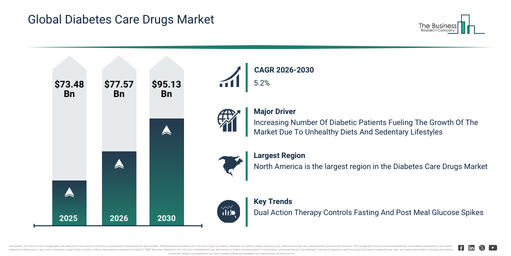
  • Diabetes Care Drugs Market 2026 expected to reach $95.13 billion by 2030 with 5.2% CAGR

    Diabetes Care Drugs Market 2026 expected to reach $95.13 billion by 2030 with 5.2% CAGR

    The Business Research Company’s 2026 market reports include new capabilities such as market attractiveness scoring and analysis, total addressable market analysis, company scoring matrix, interactive excel data dashboard, improved supply chain analysis, upcoming startups in the market, and overview of key products, aimed at improving the depth, usability, and strategic value of the insights delivered.

    What Market Size Expansion Is Predicted For The Diabetes Care Drugs Market Between 2026 And 2030?

    The diabetes care drugs market size has experienced significant expansion in recent years. It is projected to increase from $73.48 billion in 2025 to $77.57 billion in 2026, exhibiting a compound annual growth rate (CAGR) of 5.6%. The historical growth of this market stemmed from factors such as the limited availability of advanced insulin formulations, growing awareness of diabetes management, rising healthcare infrastructure, a reliance on oral antidiabetic drugs, and an increasing incidence of type 2 diabetes.

    The diabetes care drugs market size is anticipated to experience substantial expansion in the coming years. It is projected to climb to $95.13 billion in 2030, demonstrating a compound annual growth rate (CAGR) of 5.2%. This expected growth during the forecast period is driven by the emergence of new GLP-1 receptor agonists, the increasing use of SGLT-2 inhibitors, a wider array of injectable and inhalable drug choices, the rise of home-based diabetes care solutions, and the incorporation of digital health monitoring systems. Significant developments characterizing this period include the escalating global prevalence of diabetes, a greater embrace of combination treatment approaches, advancements in personalized diabetes management, the enlargement of specialty pharmacies and hospital distribution networks, and a concentrated effort on developing extended-release and more patient-friendly drug formulations.

    Download the Free Sample Report to Explore Key Market Insights:

    https://www.thebusinessresearchcompany.com/sample.aspx?id=25748&type=smp

    What Major Drivers Are Influencing Demand In The Diabetes Care Drugs Market?

    A growing population of individuals with diabetes is projected to fuel the expansion of the diabetes care drugs market in the foreseeable future. These are individuals diagnosed with diabetes mellitus, a chronic condition impacting the body’s ability to process blood sugar, or glucose. This rise in diabetic patients is primarily attributable to unhealthy dietary habits and inactive lifestyles, which contribute to obesity and insulin resistance. Diabetes care drugs are crucial for effective management of blood glucose levels in these patients, thereby playing a vital role in controlling both type 1 and type 2 diabetes. By stabilizing sugar levels, these medications help prevent complications, enhance overall health, and improve quality of life. For instance, data from June 2024, provided by the UK-based government department, the National Health Service, indicated that 3,615,330 individuals registered with a general practitioner (GP) were identified with non-diabetic hyperglycemia or pre-diabetes in 2023. This represented an 18% increase from the 3,065,825 cases recorded in 2022. Consequently, the growing population of diabetic patients is stimulating the expansion of the diabetes care drugs market.

    Which Market Segments Are Examined In The Diabetes Care Drugs Market Study?

    The diabetes care drugs market covered in this report is segmented –

    1) By Drug Class: Insulin, Biguanides, Sulfonylureas, Dipeptidyl Peptidase (DPP)-4 Inhibitors, Sodium-Glucose Co-Transporter (SGLT)-2 Inhibitors, Glucagon-Like Peptide (GLP)-1 Receptor Agonists, Thiazolidinediones, Alpha-Glucosidase Inhibitors

    2) By Formulation Type: Tablets, Injections, Solutions, Gels, Extended-Release Formulations

    3) By Administration Route: Oral, Injectable, Inhalable

    4) By Condition: Diabetes Type 1, Diabetes Type 2

    5) By Distribution Channel: Hospital Pharmacies, Specialty Pharmacies

    Subsegments:

    1) By Insulin: Rapid-acting insulin, Short-acting insulin, Intermediate-acting insulin, Long-acting insulin, Pre-mixed insulin

    2) By Biguanides: Metformin Immediate Release (IR), Metformin Extended Release (ER)

    3) By Sulfonylureas: First-generation sulfonylureas, Second-generation sulfonylureas

    4) By Dipeptidyl Peptidase (DPP)-4 Inhibitors: Sitagliptin, Saxagliptin, Linagliptin, Alogliptin

    5) By Sodium-Glucose Co-Transporter (SGLT)-2 Inhibitors: Canagliflozin, Dapagliflozin, Empagliflozin, Ertugliflozin

    6) By Glucagon-Like Peptide (GLP)-1 Receptor Agonists: Exenatide, Liraglutide, Dulaglutide, Semaglutide, Lixisenatide

    7) By Thiazolidinediones (TZDs): Pioglitazone, Rosiglitazone

    8) By Alpha-Glucosidase Inhibitors: Acarbose, Miglitol

    Which Trends Are Influencing The Diabetes Care Drugs Market?

    Leading firms in the diabetes care drugs market are prioritizing the creation of innovative treatments, including fixed-ratio combination therapies, with the goals of improving glycemic management, boosting patient compliance, and streamlining treatment protocols. These fixed-ratio combination therapies are defined as medicines that integrate two synergistic antidiabetic agents into a singular injection, presenting a more convenient and efficacious method for diabetes management. As an illustration, in April 2024, Sanofi SA, a pharmaceutical firm based in France, introduced Soliqua, a once-daily fixed-ratio blend of insulin glargine and lixisenatide, specifically formulated for adults suffering from type 2 diabetes and obesity. Soliqua integrates long-acting insulin glargine, which ensures consistent fasting glucose regulation, with lixisenatide, a GLP-1 receptor agonist. This formulation improves glucose-dependent insulin release, inhibits glucagon generation, and decelerates gastric emptying, leading to lower post-meal blood sugar levels and thus providing thorough daily glycemic oversight. The introduction of Soliqua seeks to simplify the management of diabetes, optimize glycemic control, and strengthen patient adherence by reducing the necessity for numerous daily injections and mitigating possible adverse effects like hypoglycemia and weight gain.

    Who Are The Primary Competitors In The Diabetes Care Drugs Market?

    Major companies operating in the diabetes care drugs market are Johnson & Johnson, Merck & Co. Inc., Bayer AG, Sanofi S.A., Bristol-Myers Squibb Company, AstraZeneca plc, Eli Lilly and Company, Teva Pharmaceuticals Limited, Astellas Pharma Inc., Sun Pharmaceutical Industries Ltd., Aurobindo Pharma Limited, Dr. Reddy’s Laboratories, Cipla Limited, Lupin Limited, Takeda Pharmaceutical Company Limited, Biocon Limited, Glenmark Pharmaceuticals Limited, Torrent Pharmaceuticals Ltd., Hanmi Pharmaceutical Limited, Wockhardt, Mitsubishi Tanabe Pharma, Gan & Lee Pharmaceuticals, Apotex.

    Read the full diabetes care drugs market report here:

    https://www.thebusinessresearchcompany.com/report/diabetes-care-drugs-global-market-report

    Which Region Shows The Strongest Potential For Future Growth In The Diabetes Care Drugs Market?

    North America was the largest region in the diabetes care drugs market in 2025. Asia-Pacific is expected to be the fastest-growing region in the forecast period. The regions covered in the diabetes care drugs market report are Asia-Pacific, South East Asia, Western Europe, Eastern Europe, North America, South America, Middle East, Africa.

    Request A Tailored Diabetes Care Drugs Market Research Report For Competitive Advantage:

    https://www.thebusinessresearchcompany.com/customise?id=25748&type=smp

    Browse Through More Reports Similar to the Global Diabetes Care Drugs Market 2026, By The Business Research Company

    Antidiabetics Market Report 2026

    https://www.thebusinessresearchcompany.com/report/antidiabetics-global-market-report

    Diabetes Care Devices Market 2026

    https://www.thebusinessresearchcompany.com/report/diabetes-care-devices-market

    Antidiabetics Market Report 2026

    https://www.thebusinessresearchcompany.com/report/antidiabetics-global-market-report

    Get in touch with us:

    The Business Research Company: https://www.thebusinessresearchcompany.com/

    Americas +1 310-496-7795

    Asia +44 7882 955267 & +91 8897263534

    Europe +44 7882 955267

    Email us at info@tbrc.info

    Follow us on:

    LinkedIn: https://in.linkedin.com/company/the-business-research-company

    YouTube: https://www.youtube.com/channel/UC24_fI0rV8cR5DxlCpgmyFQ

    Global Market Model: https://www.thebusinessresearchcompany.com/global-market-model

  • Halal Empty Capsules Market Outlook Indicating Growth Toward $1.89 Billion by 2030

    Halal Empty Capsules Market Outlook Indicating Growth Toward $1.89 Billion by 2030

    The Business Research Company’s 2026 market reports include new capabilities such as market attractiveness scoring and analysis, total addressable market analysis, company scoring matrix, interactive excel data dashboard, improved supply chain analysis, upcoming startups in the market, and overview of key products, aimed at improving the depth, usability, and strategic value of the insights delivered.

    What Market Value Is Anticipated For The Halal Empty Capsules Market Over The Period 2026–2030?

    The halal empty capsules market has demonstrated robust expansion over recent years. It is projected to increase from $1.34 billion in 2025 to $1.44 billion in 2026, experiencing a compound annual growth rate (CAGR) of 7.3%. Historically, this growth stemmed from factors such as limited availability of halal-certified capsules, reliance on bovine gelatin, increasing awareness of religious compliance, the expansion of pharmaceutical and nutraceutical industries, and the adoption of traditional distribution channels.

    The halal empty capsules market is poised for significant expansion over the next few years. It is projected to expand to $1.89 billion by 2030, demonstrating a compound annual growth rate (CAGR) of 7.1%. This growth throughout the forecast period stems from factors such as the development of plant-based capsule alternatives, the expansion of e-commerce and specialty stores, a rising global halal consumer base, increasing regulatory guidelines for halal certification, and innovation in pullulan and starch-based capsules. Prominent trends expected during the forecast period involve a rising demand for halal-certified pharmaceutical and nutraceutical products, an increasing preference for plant-based and non-gelatin capsules, the expansion of online and specialty distribution channels, a growing adoption in dietary supplements and functional foods, and an enhanced focus on regulatory compliance and quality standards.

    Download the Free Sample Report to Explore Key Market Insights:

    https://www.thebusinessresearchcompany.com/sample.aspx?id=27299&type=smp

    Which Major Factors Are Driving The Expansion Of The Halal Empty Capsules Market?

    The anticipated surge in demand for dietary supplements is poised to propel the growth of the halal empty capsules market in the foreseeable future. Dietary supplements are ingestible items formulated to deliver nutrients or other beneficial components that might be deficient or insufficient in an individual’s regular diet. The increasing consumption of dietary supplements is spurred by greater awareness of preventive healthcare, as people strive to enhance their nutrition and lessen the risk of chronic diseases. Halal empty capsules support dietary supplements by offering a permissible and plant-based alternative that aligns with religious and ethical dietary specifications. For instance, in September 2024, HerbalGram, a US-based nonprofit organization, stated that the total annual sales of herbal dietary supplements in the US climbed from $12.018 billion in 2022 to $12.551 billion in 2023, representing a growth of 4.4%. Therefore, the escalating demand for dietary supplements is fostering the expansion of the halal empty capsules market.

    How Is The Halal Empty Capsules Market Divided Into Its Major Segments?

    The halal empty capsules market covered in this report is segmented –

    1) By Type: Gelatin, Non-Gelatin

    2) By Distribution Channel: Online Stores, Pharmacies, Specialty Stores, Other Distribution Channels

    3) By End-User: Pharmaceutical Companies, Nutraceutical Companies, Research Organizations, Other End Users

    Subsegments:

    1) By Gelatin: Bovine Gelatin, Fish Gelatin

    2) By Non-Gelatin: Hydroxypropyl Methylcellulose(Hpmc), Starch-Based Capsules, Pullulan Capsules

    How Are Trends Transforming The Halal Empty Capsules Market Landscape?

    Within the halal empty capsules market, leading companies are concentrating on creating novel solutions, including plant-derived and plasticizer-free premixes. This effort aims to boost product safety, ensure adherence to halal certification criteria, and attract health-aware consumers. Such premixes represent clean-label compositions derived entirely from plants, free of chemical plasticizers, and are utilized in the manufacturing of halal-certified empty capsules. An illustration of this trend occurred in May 2024, when the French food enterprise Roquette Frères introduced Lycagel Flex, presented as an advanced plant-based capsule solution. This innovation provides manufacturers with the capability to tailor formulations, enables rapid processing (with a 5-minute degassing time), and results in robust, stable capsules that resist sticking or leakage, even after extended storage periods. Its primary goal is to serve as an effective, vegan substitute for traditional gelatin capsules across both nutraceutical and pharmaceutical sectors, thereby addressing varied consumer preferences and manufacturing demands.

    Who Are The Prominent Organizations Shaping The Halal Empty Capsules Market?

    Major companies operating in the halal empty capsules market are Lonza Group, ACG Group, Gelita AG, Aenova Group, Nitta Gelatin Inc., Qualicaps, Zhejiang Huili Capsules Co. Ltd., Sterling Biotech Ltd., India Gelatine & Chemicals Ltd., Capscanada Corporation, Natural Capsules Limited, Fortcaps Healthcare Ltd., Erawat Pharma Limited, Sunil Healthcare Limited, SaintyCo Group, Dah Feng Capsule Co. Ltd., Bright Pharma Caps GmbH, HealthCaps India Ltd.

    Read the full halal empty capsules market report here:

    https://www.thebusinessresearchcompany.com/report/halal-empty-capsules-global-market-report

    Which Region Currently Holds The Largest Share Of The Halal Empty Capsules Market?

    North America was the largest region in the halal empty capsules market in 2025. Asia-Pacific is expected to be the fastest-growing region in the forecast period. The regions covered in the halal empty capsules market report are Asia-Pacific, South East Asia, Western Europe, Eastern Europe, North America, South America, Middle East, Africa.

    Request A Tailored Halal Empty Capsules Market Research Report For Competitive Advantage:

    https://www.thebusinessresearchcompany.com/customise?id=27299&type=smp

    Browse Through More Reports Similar to the Global Halal Empty Capsules Market 2026, By The Business Research Company

    Pool Cleaning And Maintenance Services Market Report 2026

    https://www.thebusinessresearchcompany.com/report/pool-cleaning-and-maintenance-services-global-market-report

    Mobile Value Added Services Market Report 2026

    https://www.thebusinessresearchcompany.com/report/mobile-value-added-services-global-market-report

    Restaurants And Mobile Food Services Market Report 2026

    https://www.thebusinessresearchcompany.com/report/restaurants-and-mobile-food-services-global-market-report

    Get in touch with us:

    The Business Research Company: https://www.thebusinessresearchcompany.com/

    Americas +1 310-496-7795

    Asia +44 7882 955267 & +91 8897263534

    Europe +44 7882 955267

    Email us at info@tbrc.info

    Follow us on:

    LinkedIn: https://in.linkedin.com/company/the-business-research-company

    YouTube: https://www.youtube.com/channel/UC24_fI0rV8cR5DxlCpgmyFQ

    Global Market Model: https://www.thebusinessresearchcompany.com/global-market-model

  • Hair Removal Devices Market Revenue Forecast to Reach $4.36 Billion by 2030 at 14% CAGR

    Hair Removal Devices Market Revenue Forecast to Reach $4.36 Billion by 2030 at 14% CAGR

    The Business Research Company’s 2026 market reports include new capabilities such as market attractiveness scoring and analysis, total addressable market analysis, company scoring matrix, interactive excel data dashboard, improved supply chain analysis, upcoming startups in the market, and overview of key products, aimed at improving the depth, usability, and strategic value of the insights delivered.

    What Is The Expected Market Size Of The Hair Removal Devices Market From 2026 To 2030?

    The hair removal devices market size has seen substantial growth over the past few years. It is expected to expand from $2.26 billion in 2025 to $2.58 billion in 2026, demonstrating a compound annual growth rate (CAGR) of 14.2%. Historically, this growth can be ascribed to several factors, including the increasing number of cosmetic procedures, heightened awareness of personal appearance, greater availability of laser devices, the expansion of beauty clinics, and technological advancements in hair removal methods.

    The hair removal devices market is projected to experience swift expansion over the coming years, with its valuation anticipated to reach $4.36 billion by 2030, demonstrating a compound annual growth rate (CAGR) of 14.0%. This projected growth can be linked to several factors, including the increasing desire for non-invasive cosmetic procedures, higher levels of disposable income, advancements in portable device technology, the proliferation of home-based beauty tech, and the expanding market for male grooming. Key developments expected during this period involve a greater uptake of energy-based hair removal methods, a surge in demand for at-home hair removal solutions, a rising inclination towards enduring hair reduction options, the multiplication of aesthetic and beauty clinics, and a heightened consumer emphasis on personal appearance.

    Download the Free Sample Report to Explore Key Market Insights:

    https://www.thebusinessresearchcompany.com/sample.aspx?id=24229&type=smp

    What Key Drivers Are Influencing The Growth Of The Hair Removal Devices Market?

    The hair removal devices market is projected to grow as the emphasis on aesthetic appearance increases. Aesthetic appearance refers to an individual’s visual characteristics that contribute to their overall physical attractiveness, encompassing aspects such as skin texture, hair grooming, and body shape, all of which are influenced by personal care and cosmetic treatments. The widespread use of social media and digital culture has amplified beauty ideals, leading to a heightened focus on aesthetic appearance. Hair removal devices assist in maintaining an aesthetic appearance by providing smooth, hair-free skin through convenient, long-lasting, and non-invasive treatments. For instance, data from the International Society of Aesthetic Plastic Surgery (ISAPS) shows that total aesthetic (surgical + non-surgical) procedures increased from 33.84 million in 2022 to 34.99 million in 2023, representing a 3.4% rise. Therefore, the expanding focus on aesthetic appearance is propelling the growth of the hair removal devices market.

    Which Segments Are Included In The Analysis Of The Hair Removal Devices Market?

    The hair removal devices market covered in this report is segmented –

    1) By Product: Energy-Based Devices, Laser Devices, Intense Pulsed Light (IPL) Devices, Other Products

    2) By Distribution Channel: Supermarkets And Hypermarkets, Drug-Stores, Online

    3) By Application: Facial Hair Removal, Legs, Hands, Other Applications

    4) By End-Users: Dermatology Clinics, Beauty Clinics, Home Use, Other End-Users

    Subsegments:

    1) By Energy-Based Devices: Radiofrequency Devices, Ultrasound-Based Devices, Infrared-Based Devices

    2) By Laser Devices: Diode Laser Devices, Nd:YAG Laser Devices, Alexandrite Laser Devices, Ruby Laser Devices

    3) By Intense Pulsed Light (IPL) Devices: Handheld IPL Devices, Professional IPL Systems

    4) By Other Products: Razor Devices, Epilators, Waxing Devices, Threading Devices

    Which Trends Are Impacting The Growth Of The Hair Removal Devices Market?

    Leading companies in the hair removal devices market are focusing on developing sophisticated products, such as dual-wavelength laser devices, to enhance the effectiveness and versatility of professional hair removal treatments. A dual-wavelength laser device is a laser system that emits light at two distinct wavelengths, allowing it to effectively target different chromophores or tissue depths in the skin for improved treatment adaptability and efficacy. For instance, in April 2025, Lumenis Be Ltd., an Israel-based medical technology company, expanded its portfolio by introducing the LightSheer INFINITY and LightSheer DESIRE laser hair removal systems, thereby strengthening its flagship offerings in the aesthetic treatment sector. These advanced devices incorporate diode laser technology, providing effective and comfortable hair removal solutions suitable for various skin types and hair colors. Notably, the LightSheer INFINITY offers dual-wavelength capabilities, enabling practitioners to customize treatments for individual patient needs, while the LightSheer DESIRE emphasizes user-friendly operation and efficient performance, consequently improving patient satisfaction and clinic throughput.

    Which Key Industry Participants Are Active In The Hair Removal Devices Market?

    Major companies operating in the hair removal devices market are Procter & Gamble Company, Panasonic Corporation, Koninklijke Philips N.V., Lumenis Be Ltd., Cynosure Inc., Solta Medical, Cutera Inc., Lutronic Corp., Venus Concept, Sciton Inc., Syska, Silk’n – Home Skinovations Ltd., Tria Beauty, CosBeauty, Iskin, Lynton Lasers Ltd., iluminage Beauty Inc., LASERBIO OPTOTECH LLP, Dermacell Pvt. Ltd., SmoothSkin.

    Read the full hair removal devices market report here:

    https://www.thebusinessresearchcompany.com/report/hair-removal-devices-global-market-report

    Which Region Is Expected To Register The Fastest Growth In The Hair Removal Devices Market?

    North America was the largest region in the hair removal devices market in 2025. Asia-Pacific is expected to be the fastest-growing region in the forecast period. The regions covered in the hair removal devices market report are Asia-Pacific, South East Asia, Western Europe, Eastern Europe, North America, South America, Middle East, Africa.

    Request A Tailored Hair Removal Devices Market Research Report For Competitive Advantage:

    https://www.thebusinessresearchcompany.com/customise?id=24229&type=smp

    Browse Through More Reports Similar to the Global Hair Removal Devices Market 2026, By The Business Research Company

    Hair Removal Products Market Report 2026

    https://www.thebusinessresearchcompany.com/report/hair-removal-products-global-market-report

    Laser Hair Remover Market Report 2026

    https://www.thebusinessresearchcompany.com/report/laser-hair-remover-global-market-report

    Hair Removal Spray Market Report 2026

    https://www.thebusinessresearchcompany.com/report/hair-removal-spray-global-market-report

    Get in touch with us:

    The Business Research Company: https://www.thebusinessresearchcompany.com/

    Americas +1 310-496-7795

    Asia +44 7882 955267 & +91 8897263534

    Europe +44 7882 955267

    Email us at info@tbrc.info

    Follow us on:

    LinkedIn: https://in.linkedin.com/company/the-business-research-company

    YouTube: https://www.youtube.com/channel/UC24_fI0rV8cR5DxlCpgmyFQ

    Global Market Model: https://www.thebusinessresearchcompany.com/global-market-model
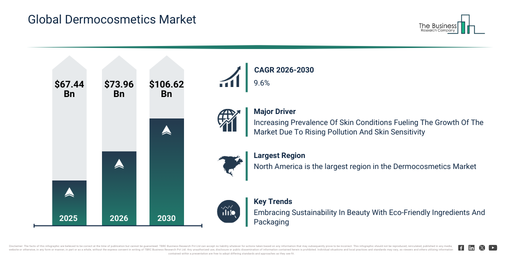
  • Dermocosmetics Market 2026 steadily approaching $106.62 billion by 2030

    Dermocosmetics Market 2026 steadily approaching $106.62 billion by 2030

    The Business Research Company’s 2026 market reports include new capabilities such as market attractiveness scoring and analysis, total addressable market analysis, company scoring matrix, interactive excel data dashboard, improved supply chain analysis, upcoming startups in the market, and overview of key products, aimed at improving the depth, usability, and strategic value of the insights delivered.

    How Large Is The Dermocosmetics Market Projected To Become By 2030 Based On Its 2026 Valuation?

    The dermocosmetics market has demonstrated significant expansion in recent years. Its valuation is set to increase from $67.44 billion in 2025 to $73.96 billion in 2026, progressing at a compound annual growth rate (CAGR) of 9.7%. This historical upward trend can be ascribed to a heightened consumer focus on skin health, the backing of dermocosmetics by dermatologists, the growth of skincare services offered by pharmacies, an uptick in cases of acne and eczema, and greater disposable income among consumers.

    The dermocosmetics market is projected to experience substantial expansion over the upcoming years. This market is anticipated to reach $106.62 billion by 2030, demonstrating a compound annual growth rate (CAGR) of 9.6%. Factors contributing to this growth during the projected period include an aging worldwide demographic, a rise in skin conditions linked to pollution, a growing inclination towards skincare products with clinical evidence, the expansion of online dermatology services, and the need for lasting skin health solutions. Key trends expected throughout this forecast span are an escalating demand for therapeutic skincare items, wider adoption of formulations endorsed by dermatologists, the development of anti-aging and skin repair treatments, an increase in offerings for sensitive and atopic skin conditions, and greater incorporation of cosmeceutical components.

    Download the Free Sample Report to Explore Key Market Insights:

    https://www.thebusinessresearchcompany.com/sample.aspx?id=23367&type=smp

    Which Market Drivers Are Supporting The Expansion Of The Dermocosmetics Market?

    The rising incidence of skin ailments is projected to boost the expansion of the dermocosmetics market going forward. These health issues impact the skin’s look, feel, or operation, leading to symptoms such as redness, itching, dryness, rashes, or infections. Common examples encompass acne, eczema, psoriasis, rosacea, dermatitis, melasma, warts, fungal infections, shingles, hives, and skin cancers like melanoma. The surge in skin conditions is attributable to escalating pollution, where exposure to environmental toxins and chemicals compromises the skin’s protective barrier, resulting in irritation, dryness, acne, and premature aging. Dermocosmetics alleviate skin issues through scientifically developed formulations, making them suitable for delicate and problematic skin types. These products target concerns like aging, acne, and pigmentation, thereby enhancing skin health and appearance with solutions endorsed by dermatologists. For example, in 2023, Cancer Australia, an Australian government body, reported roughly 8,257 new diagnoses of melanoma of the skin (a form of skin cancer arising in melanocytes). This figure indicates a rise from the 15,628 new cases documented in 2019. Consequently, the growing occurrence of skin conditions is a significant catalyst for the expansion of the dermocosmetics market.

    What Segment Groups Are Identified Within The Dermocosmetics Market?

    The dermocosmetics market covered in this report is segmented –

    1) By Product Type: Skincare, Haircare, Lip Care, Other Product Types

    2) By Indication: Dry Skin, Atopic Skin Eczema, Hyperpigmentation, Scar And Acne, Psoriasis, Deep Wrinkles, Other Indications

    3) By Distribution Channel: Pharmacies And Drugstores, Online Stores, Supermarkets And Hypermarkets, Other Distribution Channels

    4) By End User: Hospitals, Specialty Clinics, Medical Spas, Other End Users

    Subsegments:

    1) By Skincare: Anti-Aging Creams And Serums, Moisturizers And Hydrating Creams, Sunscreens And UV Protection, Acne Treatment Products, Skin Brightening And Depigmentation Products, Sensitive Skin Care Solutions

    2) By Haircare: Anti-Dandruff Shampoos, Hair Loss Treatments And Serums, Scalp Treatment Products, Repairing And Nourishing Conditioners, Heat And Color Protection Sprays

    3) By Lip Care: Hydrating And Moisturizing Lip Balms, Anti-Aging Lip Treatments, Lip Sun Protection Products, Lip Scrubs And Exfoliators

    4) By Other Product Types: Eye Creams And Serums, Body Lotions And Creams, Hand And Foot Care Products, Stretch Mark And Scar Treatments, Dermatological Face Masks

    What Trends Are Advancing Progress In The Dermocosmetics Market?

    Major companies in the dermocosmetics market are increasingly focusing on utilizing sustainable materials in their production processes. This effort aims to mitigate environmental impact and cater to consumer demand for eco-friendly skincare solutions. Sustainable materials are defined as those manufactured, used, and disposed of in an environmentally safe manner, designed for long-term use without harming nature. These materials contribute to safer dermocosmetics by supplying environmentally conscious ingredients and packaging that protect both skin health and the environment. For instance, in April 2024, Dow Inc., a US-based materials science company, launched a suite of advanced skin and hair wellness solutions featuring skin microbiome-friendly certified ingredients. These innovations include multifunctional components intended to boost hydration, scalp health, and overall skin vitality, thereby addressing the growing need for sustainable and high-performance personal care products. Through this launch, Dow seeks to furnish formulators with cutting-edge solutions that align with consumer expectations for clean beauty, effectiveness, and environmental sustainability.

    Which Companies Hold Significant Positions In The Dermocosmetics Market?

    Major companies operating in the dermocosmetics market are Johnson & Johnson, Procter & Gamble Company, L’Oréal Group, Hindustan Unilever Limited, Coty Inc., Galderma SA, Pierre Fabre SA, ISDIN S.A., NAOS Group, Sesderma Laboratories, Sinerga S.p.A., La Roche-Posay Laboratoire Dermatologique, Teoxane, Farmeco S.A., Valquer Laboratorios SLU, Directa Lab S.r.l, Thépenier Pharma & Cosmetics (TP&C), Gruppo FarmaImpresa, FLOSLEK Cosmetic Laboratory, Kanebo Cosmetics Inc., Uriage Eau Thermale, HCP Wellness Private Limited

    Read the full dermocosmetics market report here:

    https://www.thebusinessresearchcompany.com/report/dermocosmetics-global-market-report

    How Is The Dermocosmetics Market Distributed Across Key Geographic Regions?

    North America was the largest region in the dermocosmetics market in 2025. Asia-Pacific is expected to be the fastest-growing region in the forecast period. The regions covered in the dermocosmetics market report are Asia-Pacific, South East Asia, Western Europe, Eastern Europe, North America, South America, Middle East, Africa.

    Request A Tailored Dermocosmetics Market Research Report For Competitive Advantage:

    https://www.thebusinessresearchcompany.com/customise?id=23367&type=smp

    Browse Through More Reports Similar to the Global Dermocosmetics Market 2026, By The Business Research Company

    Oral Transmucosal Drugs Market Report 2026

    https://www.thebusinessresearchcompany.com/report/oral-transmucosal-drugs-global-market-report

    Dermal Filler Market Report 2026

    https://www.thebusinessresearchcompany.com/report/dermal-filler-global-market-report

    Dermatoscopes Market Report 2026

    https://www.thebusinessresearchcompany.com/report/dermatoscopes-global-market-report

    Get in touch with us:

    The Business Research Company: https://www.thebusinessresearchcompany.com/

    Americas +1 310-496-7795

    Asia +44 7882 955267 & +91 8897263534

    Europe +44 7882 955267

    Email us at info@tbrc.info

    Follow us on:

    LinkedIn: https://in.linkedin.com/company/the-business-research-company

    YouTube: https://www.youtube.com/channel/UC24_fI0rV8cR5DxlCpgmyFQ

    Global Market Model: https://www.thebusinessresearchcompany.com/global-market-model

  • Hair Loss Treatment Products Market Expected to Show Steady Growth, Approaching $4.06 Billion by 2030

    Hair Loss Treatment Products Market Expected to Show Steady Growth, Approaching $4.06 Billion by 2030

    The Business Research Company’s 2026 market reports include new capabilities such as market attractiveness scoring and analysis, total addressable market analysis, company scoring matrix, interactive excel data dashboard, improved supply chain analysis, upcoming startups in the market, and overview of key products, aimed at improving the depth, usability, and strategic value of the insights delivered.

    What Market Valuation Is Forecasted For The Hair Loss Treatment Products Market By 2030 Starting From Its 2026 Size?

    The hair loss treatment products market size has experienced significant expansion in recent years. This market is set to grow from $2.74 billion in 2025 to $2.97 billion in 2026, achieving a compound annual growth rate (CAGR) of 8.2%. The progress observed in the past can be linked to the increasing prevalence of alopecia conditions, the widespread use of minoxidil products, the expansion of dermatology clinics, a rise in consumer grooming awareness, and the broader availability of otc hair care solutions.

    The hair loss treatment products market is projected to experience significant expansion in the coming years, with its size expected to reach $4.06 billion by 2030, exhibiting a compound annual growth rate (CAGR) of 8.2%. This growth during the forecast period is driven by various factors such as the rise of personalized hair care products, increasing consumer demand for plant-based formulations, the widening reach of e-commerce sales channels, a rise in stress-related hair loss cases, and innovations in non-invasive hair treatments. Concurrently, major trends anticipated in this period include a growing demand for topical hair regrowth solutions, an increasing adoption of nutritional supplements for hair health, a rising preference for natural and herbal products, the expansion of at-home hair loss treatment options, and greater awareness regarding hair loss linked to stress and hormonal factors.

    Download the Free Sample Report to Explore Key Market Insights:

    https://www.thebusinessresearchcompany.com/sample.aspx?id=24228&type=smp

    What Major Growth Drivers Are Shaping The Outlook Of The Hair Loss Treatment Products Market?

    Future expansion of the hair loss treatment products market is anticipated due to escalating stress levels. These stress levels denote the psychological or emotional pressure an individual undergoes. A primary contributor to these elevated stress levels is increasing work-related pressures, with employees confronting extended work hours, stricter deadlines, and heightened performance demands within challenging professional settings. This surge in stress directly results in more instances of hair loss, causing a greater number of individuals to look for treatment options. Such escalating worries are consequently boosting the demand for hair loss treatment products. For instance, in May 2024, according to the American Psychiatric Association, a US-based organization, in 2024, 43% of U.S. adults reported feeling more anxious compared to the previous year, up from 37% in 2023 and 32% in 2022, highlighting a steady rise in anxiety levels over the past three years. Thus, the upward trend in stress levels is a significant factor propelling the expansion of the hair loss treatment products market.

    Which Segment Categories Define The Hair Loss Treatment Products Market?

    The hair loss treatment products market covered in this report is segmented –

    1) By Product Type: Shampoo And Conditioner, Supplements And Vitamins, Serum And Oil, Other Product Types

    2) By Disease Type: Alopecia Areata, Cicatricial Alopecia, Traction Alopecia, Alopecia Totalis, Alopecia Universalis, Other Disease Types

    3) By Distribution Channel: Supermarkets And Hypermarkets, Convenience Stores, Specialist Retailers, Pharmacies Or Drugstores, Online Retail, Medical Or Pharmacy Stores, E-Commerce, Departmental Stores, Other Distribution Channels

    4) By End-User: Hospitals, Home Healthcare Settings, Dermatology Centres, Other End-Users

    Subsegments:

    1) By Shampoo And Conditioner: Anti-Dandruff Shampoo, Thickening Or Volumizing Shampoo, Sulfate-Free Shampoo, Hair Regrowth Conditioner, Herbal Or Natural Shampoo And Conditioner

    2) By Supplements And Vitamins: Biotin Supplements, Multivitamins, Iron Supplements, Collagen Supplements, Omega-3 Fatty Acids

    3) By Serum And Oil: Minoxidil-Based Serums, Herbal Hair Serums, Essential Oil Blends, Argan Oil-Based Products, Castor Oil-Based Treatments

    4) By Other Product Types: Hair Masks, Hair Sprays and Mists, Scalp Exfoliators, Leave-In Treatments, Laser Hair Growth Devices

    What Major Market Trends Are Driving Changes In The Hair Loss Treatment Products Market?

    Leading companies within the hair loss treatment products market are prioritizing the development of innovative offerings, such as anti-hair loss systems, to boost effectiveness and meet diverse consumer demands. An anti-hair loss system, which combines various products or treatments to prevent hair thinning and stimulate growth, assists in hair loss management by nourishing the scalp, strengthening hair follicles, and reducing hair shedding. For example, in July 2024, Aveda Corporation, a US-based cosmetics company, unveiled the Invati Ultra Advanced Collection. This collection is designed to lessen hair loss and strengthen delicate hair using plant-derived technology. The range includes a shampoo, conditioner, and scalp serum, all formulated with botanical ingredients. Its goal is to deliver visibly thicker, fuller hair with consistent application. Additionally, the product line supports a healthy scalp environment, encouraging sustained hair vitality.

    Who Are The Top Companies Competing In The Hair Loss Treatment Products Market?

    Major companies operating in the hair loss treatment products market are Pfizer Inc., Johnson & Johnson Services Inc., Unilever PLC, Bayer Aktiengesellschaft, L’Oréal S.A., The Estée Lauder Companies Inc., Kao Corporation, Shiseido Company Limited, Galderma S.A., Dr. Reddy’s Laboratories Ltd., Taisho Pharmaceutical Holdings Co. Ltd., Revlon Inc., Merz Pharma GmbH & Co. KGaA, Hims & Hers Health Inc., Pierre Fabre S.A., Roman Health Ventures Inc, Aclaris Therapeutics Inc., HUM Nutrition Inc., OMI Industries Inc., Thirty Madison Inc., ULO LLC, TYPEBEA Inc.

    Read the full hair loss treatment products market report here:

    https://www.thebusinessresearchcompany.com/report/hair-loss-treatment-products-global-market-report

    Which Regions Are Projected To Dominate The Hair Loss Treatment Products Market In The Coming Years?

    Asia-Pacific was the largest region in the hair loss treatment products market in 2025. North America is expected to be the fastest-growing region in the forecast period. The regions covered in the hair loss treatment products market report are Asia-Pacific, South East Asia, Western Europe, Eastern Europe, North America, South America, Middle East, Africa.

    Request A Tailored Hair Loss Treatment Products Market Research Report For Competitive Advantage:

    https://www.thebusinessresearchcompany.com/customise?id=24228&type=smp

    Browse Through More Reports Similar to the Global Hair Loss Treatment Products Market 2026, By The Business Research Company

    Hair Removal Products Market Report 2026

    https://www.thebusinessresearchcompany.com/report/hair-removal-products-global-market-report

    Natural Hair Care Products Market Report 2026

    https://www.thebusinessresearchcompany.com/report/natural-hair-care-products-global-market-report

    Hair Growth Supplement And Treatment Market Report 2026

    https://www.thebusinessresearchcompany.com/report/hair-growth-supplement-and-treatment-global-market-report

    Get in touch with us:

    The Business Research Company: https://www.thebusinessresearchcompany.com/

    Americas +1 310-496-7795

    Asia +44 7882 955267 & +91 8897263534

    Europe +44 7882 955267

    Email us at info@tbrc.info

    Follow us on:

    LinkedIn: https://in.linkedin.com/company/the-business-research-company

    YouTube: https://www.youtube.com/channel/UC24_fI0rV8cR5DxlCpgmyFQ

    Global Market Model: https://www.thebusinessresearchcompany.com/global-market-model
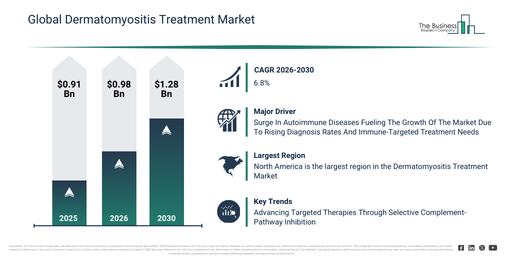
  • Dermatomyositis Treatment Market 2026 forecast to hit $1.28 billion by 2030 at 6.8% CAGR

    Dermatomyositis Treatment Market 2026 forecast to hit $1.28 billion by 2030 at 6.8% CAGR

    The Business Research Company’s 2026 market reports include new capabilities such as market attractiveness scoring and analysis, total addressable market analysis, company scoring matrix, interactive excel data dashboard, improved supply chain analysis, upcoming startups in the market, and overview of key products, aimed at improving the depth, usability, and strategic value of the insights delivered.

    What Market Value Is Anticipated For The Dermatomyositis Treatment Market Over The Period 2026–2030?

    The dermatomyositis treatment market has experienced robust expansion in recent years. It is projected to increase from $0.91 billion in 2025 to $0.98 billion in 2026, exhibiting a compound annual growth rate (CAGR) of 7.2%. The historical growth witnessed in this market can be ascribed to factors such as improved recognition of autoimmune diseases, the availability of corticosteroids, the expansion of rheumatology clinics, the implementation of hospital-based immunotherapy, and the ongoing development of supportive care.

    The market for dermatomyositis treatments is projected to experience robust expansion over the coming years. This market is anticipated to reach $1.28 billion by 2030, demonstrating a compound annual growth rate (CAGR) of 6.8%. Factors contributing to this growth during the forecast period include the expansion of biologic pipelines, advancements in precision immunology, enhanced early autoimmune screening, the development of personalized treatment protocols, and the proliferation of specialty clinics. Key trends identified for the forecast period encompass a heightened utilization of biologic therapies, an increasing dependence on immunosuppressive medications, the broadening of combination treatment strategies, a greater uptake of long-term physical therapy, and advancements in early diagnosis and disease monitoring.

    Download the Free Sample Report to Explore Key Market Insights:

    https://www.thebusinessresearchcompany.com/sample.aspx?id=24519&type=smp

    What Underlying Factors Are Accelerating The Growth Of The Dermatomyositis Treatment Market?

    The escalating occurrence of autoimmune diseases is anticipated to drive the expansion of the dermatomyositis treatment market in the coming years. Autoimmune diseases are conditions where the body’s immune system mistakenly targets its own healthy cells and tissues. This increase in prevalence is attributed to advancements in diagnostic techniques, heightened awareness, and environmental factors, resulting in higher rates of detection and more reported cases. Dermatomyositis treatment is instrumental in managing the rising prevalence of autoimmune diseases by providing targeted therapies that mitigate harmful immune responses and improve the quality of life for patients. For instance, in February 2024, data from the Autoimmune Institute, a US-based nonprofit organization, indicated that autoimmune diseases collectively affect 5–10% of the population in industrialized nations. Therefore, the growing prevalence of autoimmune diseases is propelling the growth of the dermatomyositis treatment market.

    How Is The Dermatomyositis Treatment Market Divided Into Its Major Segments?

    The dermatomyositis treatment market covered in this report is segmented –

    1) By Treatment Type: Pharmacological Treatments, Immunosuppressants, Corticosteroids, Biologics, Physical Therapy

    2) By Route Of Administration: Oral, Intravenous, Subcutaneous

    3) By Patient Demographics: Age Group, Gender

    4) By Distribution Channel: Hospital Pharmacy, Online Pharmacy, Retail Pharmacy

    5) By End User: Hospitals, Homecare, Specialty Clinics, Other End Users

    Subsegments:

    1) By Pharmacological Treatments: Antimalarials, Antiviral Agents, Muscle Relaxants, Analgesics

    2) By Immunosuppressants: Methotrexate, Azathioprine, Mycophenolate Mofetil, Cyclophosphamide

    3) By Corticosteroids: Prednisone, Methylprednisolone, Hydrocortisone, Dexamethasone

    4) By Biologics: Rituximab, Intravenous Immunoglobulin (IVIG), Tocilizumab, Abatacept

    5) By Physical Therapy: Stretching Exercises, Strength Training, Aerobic Conditioning, Occupational Therapy

    How Are Trends Transforming The Dermatomyositis Treatment Market Landscape?

    Leading companies in the dermatomyositis treatment market are concentrating on developing advanced solutions, such as selective complement-pathway inhibitors. This effort aims to satisfy the growing need for more targeted, safer therapies that avoid the broad immunosuppression associated with traditional treatments. These selective inhibitors specifically obstruct components of the complement cascade responsible for driving inflammation in dermatomyositis, offering a more precise mechanism than conventional immunosuppressive agents which can broadly dampen immune function. For instance, in February 2025, NovelMed Therapeutics Inc., a US-based clinical-stage biotech company, received U.S. Food and Drug Administration (FDA) clearance to commence a Phase II trial of Ruxoprubart (NM8074). This therapy is a highly selective blocker of the alternative complement pathway designed to target Factor Bb. Ruxoprubart has demonstrated its ability to modulate immune response by reducing key inflammatory drivers while preserving essential immune functions such as opsonization and bacterial clearance, thus potentially minimizing risks compared to broader complement blockers. This innovative therapy is currently being evaluated for its efficacy and safety in dermatomyositis.

    Who Are The Prominent Organizations Shaping The Dermatomyositis Treatment Market?

    Major companies operating in the dermatomyositis treatment market are Pfizer Inc., F. Hoffmann-La Roche Ltd, Merck & Co. Inc., Bristol-Myers Squibb Company, AstraZeneca plc, Novartis AG, GlaxoSmithKline plc, Eli Lilly and Company, Amgen Inc., Fresenius SE & Co. KGaA, Bausch Health Companies Inc., Biotest AG, Galapagos NV, argenx SE, Roivant Sciences Ltd., Kymera Therapeutics Inc., Cabaletta Bio Inc., ImmunoForge Inc., NovelMed Therapeutics Inc., Corbus Pharmaceuticals Holdings Inc.

    Read the full dermatomyositis treatment market report here:

    https://www.thebusinessresearchcompany.com/report/dermatomyositis-treatment-global-market-report

    Which Region Is Projected To Dominate The Dermatomyositis Treatment Market During The Forecast Period?

    North America was the largest region in the dermatomyositis treatment market in 2025. Asia-Pacific is expected to be the fastest-growing region in the forecast period. The regions covered in the dermatomyositis treatment market report are Asia-Pacific, South East Asia, Western Europe, Eastern Europe, North America, South America, Middle East, Africa.

    Request A Tailored Dermatomyositis Treatment Market Research Report For Competitive Advantage:

    https://www.thebusinessresearchcompany.com/customise?id=24519&type=smp

    Browse Through More Reports Similar to the Global Dermatomyositis Treatment Market 2026, By The Business Research Company

    Dermatophytosis Treatment Market Report 2026

    https://www.thebusinessresearchcompany.com/report/dermatophytosis-treatment-global-market-report

    Atopic Dermatitis Market Report 2026

    https://www.thebusinessresearchcompany.com/report/atopic-dermatitis-global-market-report

    Dermatitis Drugs Market Report 2026

    https://www.thebusinessresearchcompany.com/report/dermatitis-drugs-global-market-report

    Get in touch with us:

    The Business Research Company: https://www.thebusinessresearchcompany.com/

    Americas +1 310-496-7795

    Asia +44 7882 955267 & +91 8897263534

    Europe +44 7882 955267

    Email us at info@tbrc.info

    Follow us on:

    LinkedIn: https://in.linkedin.com/company/the-business-research-company

    YouTube: https://www.youtube.com/channel/UC24_fI0rV8cR5DxlCpgmyFQ

    Global Market Model: https://www.thebusinessresearchcompany.com/global-market-model

  • H2 Receptor Antagonist Industry Forecast Indicating Market Size of $5.5 Billion by 2030 at 5.2% CAGR

    H2 Receptor Antagonist Industry Forecast Indicating Market Size of $5.5 Billion by 2030 at 5.2% CAGR

    The Business Research Company’s 2026 market reports include new capabilities such as market attractiveness scoring and analysis, total addressable market analysis, company scoring matrix, interactive excel data dashboard, improved supply chain analysis, upcoming startups in the market, and overview of key products, aimed at improving the depth, usability, and strategic value of the insights delivered.

    How Is The Market Size Of The H2 Receptor Antagonist Market Expected To Change Between 2026 And 2030?

    The h2 receptor antagonist market size has demonstrated significant expansion in recent years. It is projected to expand from $4.28 billion in 2025 to $4.5 billion in 2026, achieving a compound annual growth rate (CAGR) of 5.2%. During the historical period, this growth was influenced by factors such as the high prevalence of acid-related disorders, widespread use of ranitidine and famotidine, expansion of hospital pharmacy networks, increased diagnosis of gerd, and growth in peptic ulcer treatments.

    The h2 receptor antagonist market size is predicted to experience significant expansion in the coming years. It is projected to reach $5.5 billion by 2030, demonstrating a compound annual growth rate (CAGR) of 5.2%. This anticipated growth can be attributed to several factors such as the increasing demand for affordable acid suppressants, the expansion of generic drug production, a rise in self-medication practices, the development of online pharmacy channels, and an aging population experiencing digestive disorders. Dominant trends during this forecast period include the sustained use of h2 blockers in acid suppression therapy, a growing preference for oral acid-reducing medications, the proliferation of generic h2 receptor antagonists, consistent demand in gastrointestinal disorder management, and improved availability through retail and online pharmacies.

    Download the Free Sample Report to Explore Key Market Insights:

    https://www.thebusinessresearchcompany.com/sample.aspx?id=24227&type=smp

    What Drivers Are Expected To Influence The H2 Receptor Antagonist Market During The Forecast Period?

    The H2 receptor antagonist market is anticipated to expand in the future, driven by the rising occurrence of gastrointestinal illnesses. These diseases encompass various conditions impacting the digestive system, such as infections, inflammatory states, and dysfunctions of the stomach and intestines. The surge in gastrointestinal ailments stems from poor eating habits and greater intake of processed foods, which can impair gut well-being and result in a range of digestive issues like acid reflux, irritable bowel syndrome (IBS), and ulcers. H2 receptor antagonists provide relief for gastrointestinal conditions by inhibiting histamine receptors in the stomach, thereby decreasing acid secretion and easing symptoms like acid reflux, ulcers, and gastritis. As an illustration, data from January 2023, published by the American Cancer Society (ACS), a professional organization based in the US, indicated that gastrointestinal cancer cases in the United States saw a 3.18% increase, escalating from 338,090 in 2022 to 348,840 in 2023. Consequently, the growing prevalence of gastrointestinal diseases is fueling the expansion of the H2 receptor antagonist market.

    How Is The H2 Receptor Antagonist Market Structured Across Different Segments?

    The h2 receptor antagonist market covered in this report is segmented –

    1) By Drug Class: Cimetidine, Ranitidine, Famotidine, Nizatidine

    2) By Route of Administration: Oral, Intravenous, Intramuscular

    3) By Indication: Gastroesophageal Reflux Disease (GERD), Peptic Ulcers, Zollinger-Ellison Syndrome, Other Indications

    4) By Distribution Channel: Hospital Pharmacies, Retail Pharmacies, Online Pharmacies, Other Distribution Channels

    5) By End-User: Hospitals, Clinics, Home Care Settings

    Subsegments:

    1) By Cimetidine: Standard-Dose Formulations, Low-Dose Maintenance Therapy, Hospital-Use Injectable Formulations

    2) By Ranitidine: Oral Solid Dosage Forms, Injectable Ranitidine Formulations, Short-Term Acid Suppression Therapy

    3) By Famotidine: Low-Dose OTC Formulations, Prescription-Strength Formulations, Injectable Famotidine Preparations

    4) By Nizatidine: Oral Capsule Formulations, Oral Liquid Formulations, Maintenance Acid-Reduction Therapy

    Which Trends Are Shaping The Future Of The H2 Receptor Antagonist Market?

    Leading companies active in the H2 receptor antagonists market are concentrating on product innovations, such as NSAID–H2RA fixed-dose combination tablets, to improve therapeutic convenience and ensure gastrointestinal safety. NSAID–H2RA fixed-dose combination tablets are single-tablet formulations that combine a nonsteroidal anti-inflammatory drug with an H2 receptor antagonist to offer pain relief while simultaneously reducing the danger of gastric and duodenal ulcers induced by NSAIDs. For instance, in March 2024, Endo International plc, a U.-based specialty pharmaceutical company, released Ibuprofen-Famotidine Tablets 800 mg/26.6 mg, the generic version of DUEXIS. This launch features a high-strength ibuprofen dosage suitable for chronic pain management, integrated gastroprotection through famotidine, and an affordable generic alternative designed to enhance accessibility for long-term therapy.

    Which Major Players Dominate The H2 Receptor Antagonist Market?

    Major companies operating in the h2 receptor antagonist market are Pfizer Inc., Sanofi S.A., Abbott Laboratories, Novartis AG, GlaxoSmithKline plc, Takeda Pharmaceutical Company Limited, Eli Lilly and Company, Viatris Inc., Teva Pharmaceutical Industries Limited, Boehringer Ingelheim International GmbH, Sun Pharmaceutical Industries Limited, Apotex Inc., Aurobindo Pharma Limited, Dr. Reddy’s Laboratories Limited, Cipla Limited, Hikma Pharmaceuticals plc, Lupin Ltd., Zydus Lifesciences Limited, Torrent Pharmaceuticals Limited, Accord Healthcare Limited

    Read the full h2 receptor antagonist market report here:

    https://www.thebusinessresearchcompany.com/report/h2-receptor-antagonist-global-market-report

    Which Region Is Forecast To Lead The H2 Receptor Antagonist Market In Terms Of Market Size?

    North America was the largest region in the H2 receptor antagonist market in 2025. Asia-Pacific is expected to be the fastest-growing region in the forecast period. The regions covered in the h2 receptor antagonist market report are Asia-Pacific, South East Asia, Western Europe, Eastern Europe, North America, South America, Middle East, Africa.

    Request A Tailored H2 Receptor Antagonist Market Research Report For Competitive Advantage:

    https://www.thebusinessresearchcompany.com/customise?id=24227&type=smp

    Browse Through More Reports Similar to the Global H2 Receptor Antagonist Market 2026, By The Business Research Company

    Dopamine Agonists Market Report 2026

    https://www.thebusinessresearchcompany.com/report/dopamine-agonists-global-market-report

    Glp 1 Receptor Agonist Market Report 2026

    https://www.thebusinessresearchcompany.com/report/glp-1-receptor-agonist-global-market-report

    G Protein Coupled Receptors Market Report 2026

    https://www.thebusinessresearchcompany.com/report/g-protein-coupled-receptors-global-market-report

    Get in touch with us:

    The Business Research Company: https://www.thebusinessresearchcompany.com/

    Americas +1 310-496-7795

    Asia +44 7882 955267 & +91 8897263534

    Europe +44 7882 955267

    Email us at info@tbrc.info

    Follow us on:

    LinkedIn: https://in.linkedin.com/company/the-business-research-company

    YouTube: https://www.youtube.com/channel/UC24_fI0rV8cR5DxlCpgmyFQ

    Global Market Model: https://www.thebusinessresearchcompany.com/global-market-model