Month: March 2026

  • Advancements and innovation trends continue to redefine the Drugs for Immunotherapy Market 2026

    Advancements and innovation trends continue to redefine the Drugs for Immunotherapy Market 2026

    The Business Research Company’s 2026 market reports include new capabilities such as market attractiveness scoring and analysis, total addressable market analysis, company scoring matrix, interactive excel data dashboard, improved supply chain analysis, upcoming startups in the market, and overview of key products, aimed at improving the depth, usability, and strategic value of the insights delivered.

    What Market Size Growth Is Projected For The Drugs for Immunotherapy Market During The Forecast Period 2026–2030?

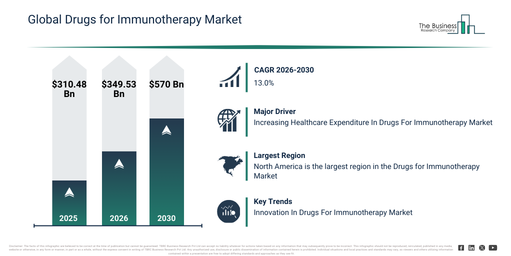
    The size of the drugs for immunotherapy market has expanded rapidly in recent years. It is projected to increase from $310.48 billion in 2025 to $349.53 billion in 2026, at a compound annual growth rate (CAGR) of 12.6%. This historical growth can be attributed to factors such as limited immunotherapy options, a reliance on conventional cancer treatments, the growing incidence of cancer and autoimmune diseases, an increase in clinical trials for monoclonal antibodies, and rising healthcare infrastructure.

    The market size for immunotherapy drugs is anticipated to witness substantial growth over the next few years. It is projected to expand to $570 billion by 2030, demonstrating a compound annual growth rate (CAGR) of 13.0%. The expansion during the forecast period can be ascribed to the creation of bispecific and conjugated antibodies, the widening reach of personalized immunotherapy, the increasing embrace of checkpoint inhibitors, growing investments in therapeutic vaccine research, and the incorporation of digital patient monitoring and AI-guided immunotherapy. Significant trends expected in this period include a rising acceptance of monoclonal antibodies and checkpoint inhibitors, progress in cancer immunotherapy and autoimmune disease treatments, intensified development of therapeutic and preventive vaccines, the broadening application of t-cell receptor and cytokine-based therapies, and the integration of immunotherapy into both ambulatory and hospital care.

    Download the Free Sample Report to Explore Key Market Insights:

    https://www.thebusinessresearchcompany.com/sample.aspx?id=2559&type=smp

    Which Economic Or Industry Drivers Are Impacting The Drugs for Immunotherapy Market?

    Rising healthcare spending is anticipated to propel the growth of the drugs for immunotherapy market going forward. Healthcare expenditure refers to the entire sum of money dedicated to healthcare goods and services within a specific region or country over a given period, including outlays for doctor visits, hospital stays, surgeries, diagnostic procedures, and various treatments. These financial resources, constituting health care expenditure, are allocated by individuals, healthcare providers, insurance companies, and government agencies to cover the costs linked to drugs for immunotherapy and other treatments. For instance, in December 2024, the Centers for Medicare & Medicaid Services, a US-based agency responsible for administering the Medicare and Medicaid programs, reported that in 2023, U.S. health care expenditures increased by 7.5%, climbing to $4.9 trillion, or roughly $14,570 for each individual. Therefore, the increasing healthcare expenditure is driving the growth of the drugs for immunotherapy market.

    What Market Segments Are Evaluated Within The Drugs for Immunotherapy Market?

    The drugs for immunotherapy market covered in this report is segmented –

    1) By Type: Monoclonal Antibodies, Interferons, Interleukins, Vaccines, Checkpoint Inhibitors, Other Types

    2) By Therapy Area: Cancer, Autoimmune & Inflammatory Diseases, Infectious Diseases, Other Therapy Areas

    3) By End User: Hospitals & Clinics, Ambulatory Surgical Centers, Other End Users

    Subsegments:

    1) By Monoclonal Antibodies: Naked Monoclonal Antibodies, Conjugated Monoclonal Antibodies, Bispecific Monoclonal Antibodies

    2) By Interferons: Interferon Alfa, Interferon Beta, Interferon Gamma

    3) By Interleukins: Interleukin-2 (IL-2), Interleukin-6 (IL-6), Interleukin-12 (IL-12)

    4) By Vaccines: Preventive Vaccines, Therapeutic Vaccines

    5) By Checkpoint Inhibitors: PD-1 Inhibitors, PD-L1 Inhibitors, CTLA-4 Inhibitors

    6) By Other Types: Cancer Cell Therapies, Cytokine Therapy, T-Cell Receptor Therapy

    What Industry Trends Are Redefining The Drugs for Immunotherapy Market?

    Leading companies in the drugs for immunotherapy market are prioritizing the creation of innovative products, such as Keytruda (pembrolizumab), to deliver reliable services to customers. Keytruda (pembrolizumab) is an immunotherapy that incorporates a targeted therapy drug known as an immune checkpoint inhibitor, intended for adult patients. For instance, in January 2023, Merck & Co., Inc., a pharmaceutical company based in the US, introduced Keytruda (pembrolizumab) after receiving approval from the Food and Drug Administration, a US federal agency. Keytruda (pembrolizumab) immunotherapy functions by collaborating with the immune system to assist in fighting cancer cells, thereby treating various types of cancer. Furthermore, KEYTRUDA (pembrolizumab) is approved for use as an adjuvant treatment for non-small cell lung cancer (NSCLC). This marks a crucial progression in cancer treatment and is projected to have a favorable effect on the healthcare industry.

    Who Are The Top Market Participants Influencing The Drugs for Immunotherapy Market?

    Major companies operating in the drugs for immunotherapy market are F. Hoffmann-La Roche Ltd., Novartis AG, Merck & Co. Inc., UbiVac, Bayer AG, Celgene Corporation, Incyte Corporation, Juno Therapeutics Inc., Bluebird bio, Celldex Therapeutics, BeiGene, BioNTech AG, CytomX Therapeutics, Eisai Co. Ltd., Flexus Biosciences Inc., Genscript Biotech Corporation, Harpoon Therapeutics Inc., Heptares Therapeutics Ltd., Ignyta Inc., Immatics Biotechnologies, Jounce Therapeutics Inc.

    Read the full drugs for immunotherapy market report here:

    https://www.thebusinessresearchcompany.com/report/drugs-for-immunotherapy-global-market-report

    What Are The Top-Performing Regions Within The Drugs for Immunotherapy Market?

    North America was the largest region in the immunotherapy market in 2025. Middle East is expected to be the fastest growing region in the drug for immunotherapy market report during the forecast period. The regions covered in the drugs for immunotherapy market report are Asia-Pacific, South East Asia, Western Europe, Eastern Europe, North America, South America, Middle East, Africa.

    Request A Tailored Drugs for Immunotherapy Market Research Report For Competitive Advantage:

    https://www.thebusinessresearchcompany.com/customise?id=2559&type=smp

    Browse Through More Reports Similar to the Global Drugs for Immunotherapy Market 2026, By The Business Research Company

    Immunosuppressant Market Report 2026

    https://www.thebusinessresearchcompany.com/report/immunosuppressant-global-market-report

    Immunoglobulins Market Report 2026

    https://www.thebusinessresearchcompany.com/report/immunoglobulins-global-market-report

    Immunofluorescence Assay Market Report 2026

    https://www.thebusinessresearchcompany.com/report/immunofluorescence-assay-global-market-report

    Get in touch with us:

    The Business Research Company: https://www.thebusinessresearchcompany.com/

    Americas +1 310-496-7795

    Asia +44 7882 955267 & +91 8897263534

    Europe +44 7882 955267

    Email us at info@tbrc.info

    Follow us on:

    LinkedIn: https://in.linkedin.com/company/the-business-research-company

    YouTube: https://www.youtube.com/channel/UC24_fI0rV8cR5DxlCpgmyFQ

    Global Market Model: https://www.thebusinessresearchcompany.com/global-market-model

  • Innovation in postmenopausal care is shaping the Drugs For Hormonal Replacement Therapy Market 2026

    Innovation in postmenopausal care is shaping the Drugs For Hormonal Replacement Therapy Market 2026

    The Business Research Company’s 2026 market reports include new capabilities such as market attractiveness scoring and analysis, total addressable market analysis, company scoring matrix, interactive excel data dashboard, improved supply chain analysis, upcoming startups in the market, and overview of key products, aimed at improving the depth, usability, and strategic value of the insights delivered.

    How Will The Market Size Of The Drugs For Hormonal Replacement Therapy Market Evolve From 2026 To 2030?

    The market size for drugs used in hormonal replacement therapy has shown consistent expansion over recent years. It is anticipated to grow from $14.37 billion in 2025 to $14.89 billion in 2026, exhibiting a compound annual growth rate (CAGR) of 3.6%. The historical increase can be ascribed to several factors, including health requirements related to menopause, various hormone deficiency disorders, the widespread clinical acceptance of hrt, endocrinology services provided by hospitals, and the ready availability of oral hormone drugs.

    The drugs for hormonal replacement therapy market is projected to experience consistent expansion in the coming years. By 2030, its value is anticipated to reach $17.77 billion, demonstrating a compound annual growth rate (CAGR) of 4.5%. This forecasted growth stems from factors such as an aging global populace, increased recognition of hormone imbalances, advancements in bioidentical hormones, wider availability of outpatient endocrinology services, and enhancements in diagnostic methods. Key developments expected during this period involve a surge in demand for menopause management, an increase in testosterone replacement therapy, the spread of customized hormone treatments, greater adoption of transdermal therapies, and an emphasis on the enduring safety of hormone treatments.

    Download the Free Sample Report to Explore Key Market Insights:

    https://www.thebusinessresearchcompany.com/sample.aspx?id=2575&type=smp

    What Major Drivers Are Influencing Demand In The Drugs For Hormonal Replacement Therapy Market?

    The growing demographic of older and postmenopausal women is anticipated to fuel the expansion of the drugs for hormonal replacement therapy market. These are females who frequently encounter lower estrogen and progesterone levels, resulting in symptoms like hot flashes, mood fluctuations, decreased bone density, and sleep disturbances. This increase in the postmenopausal female demographic stems mainly from longer life expectancies and a globally aging female populace, leading to a greater number of women living well past menopause. The expanding postmenopausal demographic boosts the hormonal replacement therapy market by boosting the need for treatments designed to re-establish hormonal equilibrium, avert chronic conditions like osteoporosis, and improve general health. As an illustration, in May 2025, a report from Impacts of Menopause, a worldwide women’s health research program, projected that by 2030, the number of women aged 45 to 55 will approach 500 million, signifying that around 6 percent of the global populace will be experiencing menopause. Consequently, the expanding population of aging and postmenopausal women is propelling the development of the drugs for hormonal replacement therapy market.

    Which Segment Areas Are Covered In The Drugs For Hormonal Replacement Therapy Market Analysis?

    The drugs for hormonal replacement therapy market covered in this report is segmented –

    1) By Therapy Type: Estrogen Replacement Therapy, Human Growth Hormone (HGH) Replacement Therapy, Thyroid Replacement Therapy, Testosterone Replacement Therapy

    2) By Distribution Channel: Hospital Pharmacies, Retail Pharmacies, Online Pharmacies

    3) By Application: Hypothyroidism, Male Hypogonadism, Growth Hormone Deficiency, Menopause, Other Applications

    Subsegments:

    1) By Estrogen Replacement Therapy: Oral Estrogen Therapy (Estradiol, Conjugated Estrogens), Transdermal Estrogen Therapy (Estradiol Patches), Estrogen Implants, Vaginal Estrogen Therapy (Creams, Tablets, Rings)

    2) By Human Growth Hormone (HGH) Replacement Therapy: Recombinant Human Growth Hormone (Somatropin), Synthetic Growth Hormone Preparations, HGH Injections

    3) By Thyroid Replacement Therapy: Levothyroxine Sodium (Synthetic T4), Liothyronine Sodium (Synthetic T3), Combination Therapy (T4 and T3), Natural Desiccated Thyroid (Armour Thyroid)

    4) By Testosterone Replacement Therapy: Injectable Testosterone (Testosterone Enanthate, Testosterone Cypionate), Transdermal Testosterone (Patches, Gels), Oral Testosterone (Testosterone Undecanoate), Buccal Testosterone, Testosterone Implants

    What Key Developments And Trends Are Impacting The Drugs For Hormonal Replacement Therapy Market?

    Major companies operating within the hormonal replacement therapy market are increasingly directing their efforts towards creating technologically advanced solutions, such as novel hormone replacement therapies tailored for postmenopausal women who have a uterus. New Hormone Replacement Therapy (HRT) refers to innovative therapeutic approaches designed to replenish or regulate hormones in the body, typically when natural hormone levels decrease due to aging or specific medical conditions. For example, in June 2023, Pfizer, a pharmaceutical industry company based in the US, introduced DUAVEE (conjugated estrogens/bazedoxifene) for the management of moderate to severe vasomotor symptoms associated with menopause, including hot flashes, and for preventing postmenopausal osteoporosis. A distinguishing characteristic of DUAVEE is its formulation, which combines conjugated estrogens with bazedoxifene, a selective estrogen receptor modulator (SERM), rather than a progestin. This unique combination helps to mitigate the risk of endometrial hyperplasia, a potential side effect of estrogen-alone therapies, thereby offering a more secure option for women with a uterus experiencing menopausal symptoms.

    Which Global Companies Are Actively Competing In The Drugs For Hormonal Replacement Therapy Market?

    Major companies operating in the drugs for hormonal replacement therapy market are Novo Nordisk AS, Eli Lilly and Company, Pfizer Inc., Abbott Laboratories, Bayer AG, Novartis AG, Teva Pharmaceutical Industries Ltd., Mylan N.V., Viatris Inc., Orion Pharma AB, Allergan Plc, Wyeth Ltd., Amgen Inc., Genentech USA Inc., TherapeuticsMD Inc., GlaxoSmithKline plc, Sanofi S.A., Johnson & Johnson Services Inc., Takeda Pharmaceutical Company Limited, Hisamitsu Pharmaceutical Co. Inc.

    Read the full drugs for hormonal replacement therapy market report here:

    https://www.thebusinessresearchcompany.com/report/drugs-for-hormonal-replacement-therapy-global-market-report

    Which Region Shows The Strongest Potential For Future Growth In The Drugs For Hormonal Replacement Therapy Market?

    North America was the largest region in the drugs for hormonal replacement therapy market in 2025. The Middle East is expected to be the fastest-growing region in the drugs for hormonal replacement therapy market during the forecast period. The regions covered in the drugs for hormonal replacement therapy market report are Asia-Pacific, South East Asia, Western Europe, Eastern Europe, North America, South America, Middle East, Africa.

    Request A Tailored Drugs For Hormonal Replacement Therapy Market Research Report For Competitive Advantage:

    https://www.thebusinessresearchcompany.com/customise?id=2575&type=smp

    Browse Through More Reports Similar to the Global Drugs For Hormonal Replacement Therapy Market 2026, By The Business Research Company

    Drugs For Hormonal Replacement Therapy Market Report 2026

    https://www.thebusinessresearchcompany.com/report/drugs-for-hormonal-replacement-therapy-global-market-report

    Hormone Therapy Market Report 2026

    https://www.thebusinessresearchcompany.com/report/hormone-therapy-global-market-report

    Testosterone Replacement Therapy Market Report 2026

    https://www.thebusinessresearchcompany.com/report/testosterone-replacement-therapy-global-market-report

    Get in touch with us:

    The Business Research Company: https://www.thebusinessresearchcompany.com/

    Americas +1 310-496-7795

    Asia +44 7882 955267 & +91 8897263534

    Europe +44 7882 955267

    Email us at info@tbrc.info

    Follow us on:

    LinkedIn: https://in.linkedin.com/company/the-business-research-company

    YouTube: https://www.youtube.com/channel/UC24_fI0rV8cR5DxlCpgmyFQ

    Global Market Model: https://www.thebusinessresearchcompany.com/global-market-model

  • Combination capsule innovations gaining momentum across the Drugs For Erectile Dysfunction Market 2026

    Combination capsule innovations gaining momentum across the Drugs For Erectile Dysfunction Market 2026

    The Business Research Company’s 2026 market reports include new capabilities such as market attractiveness scoring and analysis, total addressable market analysis, company scoring matrix, interactive excel data dashboard, improved supply chain analysis, upcoming startups in the market, and overview of key products, aimed at improving the depth, usability, and strategic value of the insights delivered.

    What Is The Forecasted Market Value Of The Drugs For Erectile Dysfunction Market Across 2026–2030?

    The market size for erectile dysfunction drugs has shown slight growth in recent years. This market is projected to expand from $4.15 billion in 2025 to $4.2 billion by 2026, exhibiting a compound annual growth rate (CAGR) of 1.0%. Historically, this expansion has been driven by several factors, including the rising incidence of erectile dysfunction among older males, heightened awareness regarding sexual health, the proliferation of hospital and retail pharmacies, the expiration of patents for significant medications, and enhanced research and development efforts in erectile dysfunction treatments.

    The market for drugs addressing erectile dysfunction is projected to see marginal growth in the coming years, with its size anticipated to reach $4.51 billion by 2030, reflecting a compound annual growth rate (CAGR) of 1.8%. This growth during the forecast period can be attributed to advancements in personalized medicine, the increasing adoption of combination therapies, the expansion of telemedicine and online pharmacies, rising investments in biotech and precision medicine, and growing male reproductive health awareness campaigns. Major trends expected in this period include personalized erectile dysfunction therapy, minimally invasive drug delivery systems, heightened male reproductive health awareness, combination therapy approaches, and the continued expansion of online pharmacies.

    Download the Free Sample Report to Explore Key Market Insights:

    https://www.thebusinessresearchcompany.com/sample.aspx?id=2443&type=smp

    Which Market Drivers Are Supporting The Expansion Of The Drugs For Erectile Dysfunction Market?

    The market for erectile dysfunction drugs is propelled by the significant rise in chronic diseases. These enduring health conditions, which generally advance gradually and necessitate ongoing care instead of rapid, temporary interventions, are predominantly escalating due to increasingly sedentary lifestyles. Such lifestyles contribute to obesity and metabolic concerns, thereby heightening long-term health risks. Erectile dysfunction medications assist in managing chronic diseases by enhancing blood flow and vascular function, offering benefits for conditions like hypertension, circulatory issues linked to diabetes, and various cardiovascular problems. For example, the Centers for Disease Control and Prevention (CDC), a US federal agency, reported in April 2025 that in 2023, around 194 million U.S. adults, representing 76.4% of the population, had at least one chronic condition. The incidence was recorded as 59.5% among young adults, 78.4% among midlife adults, and 93.0% among older adults. Consequently, the considerable growth in chronic disease cases is expected to fuel the erectile dysfunction drug market.

    Drugs For Erectile Dysfunction Market Driver: Increased Prevalence Of Hypertension Fuels Growth In Erectile Dysfunction Drug Market

    What Segmentation Levels Are Considered In The Drugs For Erectile Dysfunction Market?

    The drugs for erectile dysfunction market covered in this report is segmented –

    1) By Drugs: Sildenafil Citrate, Mirodenafil, Vardenafil

    2) By Mode Of Administration: Oral, Topical, Injections

    3) By End Users: Hospital Pharmacies, Retail Pharmacies, Online Pharmacies

    Subsegments:

    1) By Sildenafil Citrate: Brand Names (Viagra), Generic Forms, Dosage Forms (Tablets, Chewables)

    2) By Mirodenafil: Brand Names (Mvix), Dosage Forms, Combination Products

    3) By Vardenafil: Brand Names (Levitra, Staxyn), Dosage Forms, Administration Routes (Oral, Dissolvable)

    What Trends Are Projected To Affect The Drugs For Erectile Dysfunction Market?

    Leading companies within the drugs for erectile dysfunction market are intensifying their efforts to release combination capsules, such as therapy capsules, with the goal of boosting market revenue. A notable combination is Tamsulosin and Tadalafil, which serves as a medication for both benign prostatic hyperplasia (BPH) and erectile dysfunction. As an illustration, in September 2023, Akums Drugs & Pharmaceuticals Ltd., an India-based pharmaceutical firm, introduced a therapy capsule into the Indian market, targeting the treatment of erectile dysfunction and enlarged prostate. This capsule features a blend of Tamsulosin and Tadalafil, a combination proven to significantly enhance outcomes in BPH (Benign Prostatic Hyperplasia) and the Erectile Dysfunction Index. Furthermore, this dual medication substantially alleviates overall, voting, and other BPH-related symptoms. The introduction of this therapy capsule is anticipated to offer an innovative treatment choice for individuals experiencing both ailments.

    Which Leading Firms Are Contributing To The Growth Of The Drugs For Erectile Dysfunction Market?

    Major companies operating in the drugs for erectile dysfunction market are Pfizer Inc., Eli Lilly and Company, Bayer AG, Viatris Inc., Teva Pharmaceutical Industries Ltd., Futura Medical plc, Zydus Cadila, Lupin Limited, Cipla Limited, Dong-A Pharmaceutical Co., Ltd., Aurobindo Pharma Ltd., Alembic Pharmaceuticals Ltd., Lupin Limited, Glenmark Pharmaceuticals Ltd., Sun Pharmaceutical Industries Ltd., AvKARE Inc., Endo Pharmaceuticals Inc., Teva Pharmaceutical USA, Aurobindo Pharma USA, Hims & Hers Health Inc., Antares Pharma Inc., Acrux Limited, Mankind Pharma Ltd., Futura Medical plc, Adamis Pharmaceuticals Corporation

    Read the full drugs for erectile dysfunction market report here:

    https://www.thebusinessresearchcompany.com/report/drugs-for-erectile-dysfunction-global-market-report

    How Is The Drugs For Erectile Dysfunction Market Distributed Across Key Geographic Regions?

    North America was the largest region in the drugs for erectile dysfunction market in 2025. Middle East is expected to be the fastest-growing region in the global drugs for erectile dysfunction market during the forecast period. The regions covered in the drugs for erectile dysfunction market report are Asia-Pacific, South East Asia, Western Europe, Eastern Europe, North America, South America, Middle East, Africa.

    Request A Tailored Drugs For Erectile Dysfunction Market Research Report For Competitive Advantage:

    https://www.thebusinessresearchcompany.com/customise?id=2443&type=smp

    Browse Through More Reports Similar to the Global Drugs For Erectile Dysfunction Market 2026, By The Business Research Company

    Drugs For Erectile Dysfunction Market Report 2026

    https://www.thebusinessresearchcompany.com/report/drugs-for-erectile-dysfunction-global-market-report

    Erectile Dysfunction Devices Market Report 2026

    https://www.thebusinessresearchcompany.com/report/erectile-dysfunction-devices-global-market-report

    Epilepsy Drugs Market Report 2026

    https://www.thebusinessresearchcompany.com/report/epilepsy-drugs-global-market-report

    Get in touch with us:

    The Business Research Company: https://www.thebusinessresearchcompany.com/

    Americas +1 310-496-7795

    Asia +44 7882 955267 & +91 8897263534

    Europe +44 7882 955267

    Email us at info@tbrc.info

    Follow us on:

    LinkedIn: https://in.linkedin.com/company/the-business-research-company

    YouTube: https://www.youtube.com/channel/UC24_fI0rV8cR5DxlCpgmyFQ

    Global Market Model: https://www.thebusinessresearchcompany.com/global-market-model
  • Drugs For Benign Prostatic Hypertrophy Market 2026 expanding due to higher prevalence of prostate conditions and demand for effective treatments

    Drugs For Benign Prostatic Hypertrophy Market 2026 expanding due to higher prevalence of prostate conditions and demand for effective treatments

    The Business Research Company’s 2026 market reports include new capabilities such as market attractiveness scoring and analysis, total addressable market analysis, company scoring matrix, interactive excel data dashboard, improved supply chain analysis, upcoming startups in the market, and overview of key products, aimed at improving the depth, usability, and strategic value of the insights delivered.

    What Market Size Increase Is Anticipated For The Drugs For Benign Prostatic hypertrophy Market Over The 2026–2030 Period?

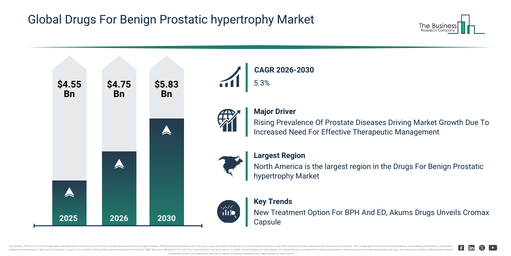
    The market size for drugs treating benign prostatic hypertrophy has shown steady growth in recent years. This market is expected to expand from $4.55 billion in 2025 to $4.75 billion in 2026, at a compound annual growth rate (CAGR) of 4.4%. The historical growth of this market can be attributed to factors such as the increasing aging population, sustained long-term alpha blocker usage, specialized hospital-based urology care, the availability of oral therapies, and improvements in diagnostic tools.

    The drugs for benign prostatic hypertrophy market size is anticipated to undergo significant expansion over the next few years. It is forecast to grow to $5.83 billion by 2030, at a compound annual growth rate (CAGR) of 5.3%. This projected growth can be attributed to several factors, including an increase in male life expectancy, improved access to healthcare, advancements in combination drugs, the proliferation of outpatient urology clinics, and various lifestyle-related risk factors. Prominent trends expected in the forecast period involve a rising demand from the aging male population, greater adoption of combination therapies, the development of minimally invasive drug treatments, an expansion in the availability of generic BPH drugs, and enhanced awareness regarding early diagnosis.

    Download the Free Sample Report to Explore Key Market Insights:

    https://www.thebusinessresearchcompany.com/sample.aspx?id=2594&type=smp

    What Underlying Factors Are Accelerating The Growth Of The Drugs For Benign Prostatic hypertrophy Market?

    The future expansion of the drugs for benign prostatic hypertrophy market is anticipated due to the rising occurrence of prostate diseases. Prostate diseases encompass various medical conditions impacting the prostate gland, which is a male reproductive organ situated beneath the bladder. The increased incidence of these diseases largely stems from aging, along with metabolic and inflammatory factors linked to conditions such as benign prostatic hyperplasia (BPH) and prostate cancer. Medications for benign prostatic hypertrophy (BPH) play a crucial role in managing and easing urinary issues tied to prostate diseases, offering comfort by diminishing prostate gland swelling and enhancing urine flow. As an illustration, in August 2024, Cancer Therapy Advisor, a US-based medical information provider, reported that approximately 299,010 new prostate cancer cases were predicted for diagnosis in the country in 2024, representing 14.9 percent of all new cancer diagnoses, with over 35,000 fatalities forecasted. Consequently, the escalating occurrence of prostate diseases is propelling the expansion of the drugs for benign prostatic hypertrophy market.

    How Is The Drugs For Benign Prostatic hypertrophy Market Segmented Across Key Categories?

    The drugs for benign prostatic hypertrophy market covered in this report is segmented –

    1) By Type: Alpha Blocker, 5-alpha Reductase Inhibitor, Phosphodiesterase-5 Inhibitor, Other Types

    2) By Distribution Channel: Hospital Pharmacies, Retail Pharmacies, Online Pharmacies

    3) By End User: Hospital Pharmacies, Retail Pharmacies, Other End-Users

    Subsegments:

    1) By Alpha Blocker: Tamsulosin, Alfuzosin, Doxazosin, Terazosin, Silodosin

    2) By 5-alpha Reductase Inhibitor: Finasteride, Dutasteride

    3) By Phosphodiesterase-5 Inhibitor: Tadalafil, Sildenafil

    4) By Other Types: Anticholinergics, Herbal Supplements (Saw Palmetto), Combination Therapy Drugs (Alpha Blocker + 5-alpha Reductase Inhibitor)

    Which Upcoming Trends Are Expected To Influence The Drugs For Benign Prostatic hypertrophy Market?

    Major companies operating in the drugs for benign prostatic hypertrophy market are concentrating on developing technologically advanced solutions, such as new medication for both enlarged prostate (benign prostatic hyperplasia, BPH) and erectile dysfunction, to secure a competitive advantage. Benign Prostatic Hyperplasia (BPH) is defined as a non-cancerous enlargement of the prostate gland, whereas erectile dysfunction (ED) signifies the inability to achieve or maintain an erection suitable for sexual activity. For instance, in September 2023, Akums Drugs and Pharmaceuticals Ltd., an Indian-based pharmaceutical contract manufacturer also involved in paint and coating manufacturing, unveiled the Tamsulosin + Tadalafil Capsule. This launch aimed to expand its product offerings within the pharmaceutical sector, particularly addressing common men’s health issues. This innovative product, Cromax, presents unique features, including a dual-action formulation that combines Tamsulosin, which targets smooth muscle relaxation in the prostate and urethra to enhance urine flow, and Tadalafil, which improves blood flow to the penis to facilitate erections. This combination therapy not only provides a more convenient treatment option for men suffering from both benign prostatic hyperplasia (BPH) and erectile dysfunction but also demonstrates significant improvements in the International Prostate Symptom Score (IPSS).

    Who Are The Dominant Players Shaping The Drugs For Benign Prostatic hypertrophy Market Landscape?

    Major companies operating in the drugs for benign prostatic hypertrophy market are Astellas Pharma Inc., Boehringer Ingelheim International GmbH, GlaxoSmithKline plc, Teva Pharmaceutical Industries Limited, Sanofi S.A., Pfizer Inc., Ipsen S.A., Novartis International AG, Bayer AG, Merck & Co. Inc., Endo Pharmaceuticals Inc., Impax Laboratories Inc., Kissei Pharmaceutical Co. Ltd., Abbott Laboratories, Eli Lilly and Company, Bausch Health Companies Inc., Aurobindo Pharma Limited, Sun Pharmaceutical Industries Ltd., Zydus Lifesciences Ltd., Cipla Ltd

    Read the full drugs for benign prostatic hypertrophy market report here:

    https://www.thebusinessresearchcompany.com/report/drugs-for-benign-prostatic-hypertrophy-global-market-report

    Which Region Is Projected To Dominate The Drugs For Benign Prostatic hypertrophy Market During The Forecast Period?

    North America was the largest region in the drugs for benign prostatic hypertrophy market in 2025. Middle East is expected to be the fastest-growing region in the drugs for benign prostatic hypertrophy market. The regions covered in the drugs for benign prostatic hypertrophy market report are Asia-Pacific, South East Asia, Western Europe, Eastern Europe, North America, South America, Middle East, Africa.

    Request A Tailored Drugs For Benign Prostatic hypertrophy Market Research Report For Competitive Advantage:

    https://www.thebusinessresearchcompany.com/customise?id=2594&type=smp

    Browse Through More Reports Similar to the Global Drugs For Benign Prostatic hypertrophy Market 2026, By The Business Research Company

    Drugs For Benign Prostatic Hypertrophy Market Report 2026

    https://www.thebusinessresearchcompany.com/report/drugs-for-benign-prostatic-hypertrophy-global-market-report

    Benign Prostatic Hyperplasia Bph Treatment Devices And Equipment Market Report 2026

    https://www.thebusinessresearchcompany.com/report/benign-prostatic-hyperplasia-bph-treatment-devices-and-equipment-global-market-report

    Prostate Cancer Drugs Market Report 2026

    https://www.thebusinessresearchcompany.com/report/prostate-cancer-drugs-global-market-report

    Get in touch with us:

    The Business Research Company: https://www.thebusinessresearchcompany.com/

    Americas +1 310-496-7795

    Asia +44 7882 955267 & +91 8897263534

    Europe +44 7882 955267

    Email us at info@tbrc.info

    Follow us on:

    LinkedIn: https://in.linkedin.com/company/the-business-research-company

    YouTube: https://www.youtube.com/channel/UC24_fI0rV8cR5DxlCpgmyFQ

    Global Market Model: https://www.thebusinessresearchcompany.com/global-market-model
  • Rising age-related neurological disorders are accelerating growth in the Drug Repositioning Service Market 2026, supported by increasing life expectancy

    Rising age-related neurological disorders are accelerating growth in the Drug Repositioning Service Market 2026, supported by increasing life expectancy

    The Business Research Company’s 2026 market reports include new capabilities such as market attractiveness scoring and analysis, total addressable market analysis, company scoring matrix, interactive excel data dashboard, improved supply chain analysis, upcoming startups in the market, and overview of key products, aimed at improving the depth, usability, and strategic value of the insights delivered.

    How Much Is The Drug Repurposing Market Expected To Grow In Terms Of Market Value Between 2026 And 2030?

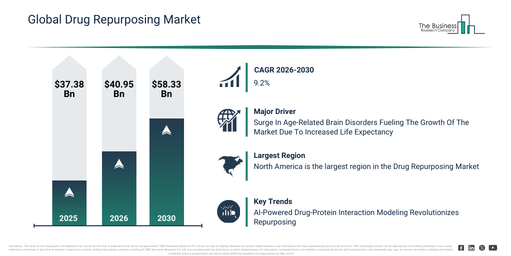
    The scale of the drug repurposing market has experienced significant expansion recently. This market is projected to expand from $37.38 billion in 2025 to reach $40.95 billion by 2026, exhibiting a compound annual growth rate (CAGR) of 9.6%. Historically, this growth can be ascribed to factors such as the considerable expense and duration involved in conventional drug discovery, a rising count of unsuccessful drug candidates, the escalating occurrence of chronic and rare illnesses, restricted treatment choices for new diseases, and the early incorporation of computational approaches for drug repositioning.

    The drug repurposing market size is projected to experience significant expansion in the upcoming years. It is anticipated to grow to $58.33 billion by 2030, demonstrating a compound annual growth rate (CAGR) of 9.2%. This expected growth is largely attributed to the integration of AI and machine learning in drug repurposing, increasing investment in biotech and pharma research, the expanding capabilities of contract research organizations (CROs), a rising demand for more affordable therapies, and supportive regulatory frameworks for repurposed drug approvals. Throughout the forecast period, major trends are expected to include an intensifying focus on phenotypic and target-based screening, the growing adoption of structure-based drug repositioning, advancements in approaches for identifying off-target activity, the expansion of drug repurposing applications for rare and infectious diseases, and the shortening of drug development timelines by leveraging existing molecules.

    Download the Free Sample Report to Explore Key Market Insights:

    https://www.thebusinessresearchcompany.com/sample.aspx?id=25758&type=smp

    Which Growth Drivers Are Contributing To The Progress Of The Drug Repurposing Market?

    The increasing occurrence of neurodegenerative diseases is projected to stimulate the expansion of the drug repurposing market moving forward. These disorders are characterized by a progressive loss of structure or function in neurons, leading to their eventual demise. The surge in neurodegenerative conditions such as Alzheimer’s dementia is attributed to enhanced life expectancy, as aging stands as the primary risk factor contributing to the gradual decline of neuronal function over time. Drug repurposing assists in combating neurodegenerative diseases by identifying existing medications with established safety profiles that can be redirected to target specific disease pathways, thereby accelerating the development of effective treatments. For instance, in March 2023, the Alzheimer’s Association, a US-based nonprofit voluntary health organization, reported that about 6.7 million Americans aged 65 and older were living with Alzheimer’s dementia, with projections suggesting an increase to 13.8 million by 2060. Therefore, the growing prevalence of neurodegenerative diseases is a key factor propelling the growth of the drug repurposing market.

    What Major Segment Divisions Exist Within The Drug Repurposing Market?

    The drug repurposing market covered in this report is segmented –

    1) By Type: Disease-Centric, Target-Centric, Drug-Centric

    2) By Drug Molecules: Biologics, Small Molecule

    3) By Therapeutic Area: Oncology, Neurology, Infectious Diseases, Cardiovascular Diseases, Autoimmune Disorders

    4) By Route Of Administration: Oral, Intravenous, Topical, Inhalation, Intramuscular

    5) By End-User: Pharmaceutical Companies, Research And Academic Institutes, Contract Research Organizations

    Subsegments:

    1) By Disease-Centric: Phenotypic Screening, Epidemiological Analysis, Clinical Observation-Based Repurposing

    2) By Target-Centric: Protein Target Modulation, Pathway Modulation, Biomarker-Based Targeting

    3) By Drug-Centric: Off-Target Activity Identification, Structure-Based Drug Repositioning, Adverse Effect-Based Repurposing

    How Are Trends Shaping The Direction Of The Drug Repurposing Market?

    Major companies operating in the drug repurposing market are prioritizing the creation of advanced technologies, like artificial intelligence (AI)-powered drug-protein interaction modeling, to accelerate the identification of new therapeutic uses for existing drugs. This AI-powered drug-protein interaction modeling leverages artificial intelligence and machine learning to predict how drugs interact with proteins throughout the human proteome, utilizing expansive datasets to enhance accuracy and confidence. As an illustration, in July 2025, Cosmos Health Inc., a US-based healthcare company, unveiled Cloudscreen 2.0, an advanced AI platform designed for drug repurposing. This next-generation system is engineered to process datasets over 100 times larger than before, enabling comprehensive analysis of drug-protein interactions. By incorporating mutagenesis data and tools for analyzing disordered proteins, the platform targets diseases such as cancer, obesity, and diabetes. Additionally, graphics processing unit (GPU)-based cloud computing empowers scalable processing, making the platform a critical innovation in accelerating research and development pipelines for drug repurposing across multiple therapeutic areas.

    Which Companies Are Leading Innovation In The Drug Repurposing Market?

    Major companies operating in the drug repurposing market are F. Hoffmann-La Roche Ltd , Bayer AG, Takeda Pharmaceutical Company Limited, Amgen Inc., Teva Pharmaceutical Industries Limited, Astellas Pharma Inc., UCB S.A., Eisai Co Ltd., Celltrion Inc., Evotec SE, BenevolentAI Limited, Insilico Medicine Inc., Recursion Pharmaceuticals Inc., Pharnext S.A., Healx Ltd., Algernon Pharmaceuticals Inc., BioXcel Therapeutics Inc.

    Read the full drug repurposing market report here:

    https://www.thebusinessresearchcompany.com/report/drug-repurposing-global-market-report

    What Are The Leading Geographic Regions In The Drug Repurposing Market?

    North America was the largest region in the drug repurposing market in 2025. Asia-Pacific is expected to be the fastest-growing region in the forecast period. The regions covered in the drug repurposing market report are Asia-Pacific, South East Asia, Western Europe, Eastern Europe, North America, South America, Middle East, Africa.

    Request A Tailored Drug Repurposing Market Research Report For Competitive Advantage:

    https://www.thebusinessresearchcompany.com/customise?id=25758&type=smp

    Browse Through More Reports Similar to the Global Drug Repurposing Market 2026, By The Business Research Company

    Pharmacy Repackaging Systems Market Report 2026

    https://www.thebusinessresearchcompany.com/report/pharmacy-repackaging-systems-global-market-report

    Music Therapy Market Report 2026

    https://www.thebusinessresearchcompany.com/report/music-therapy-global-market-report

    Personal Development Market Report 2026

    https://www.thebusinessresearchcompany.com/report/personal-development-global-market-report

    Get in touch with us:

    The Business Research Company: https://www.thebusinessresearchcompany.com/

    Americas +1 310-496-7795

    Asia +44 7882 955267 & +91 8897263534

    Europe +44 7882 955267

    Email us at info@tbrc.info

    Follow us on:

    LinkedIn: https://in.linkedin.com/company/the-business-research-company

    YouTube: https://www.youtube.com/channel/UC24_fI0rV8cR5DxlCpgmyFQ

    Global Market Model: https://www.thebusinessresearchcompany.com/global-market-model

  • Global Drug Repositioning Service Market 2026 driven by increasing age-related neurological disorders

    Global Drug Repositioning Service Market 2026 driven by increasing age-related neurological disorders

    The Business Research Company’s 2026 market reports include new capabilities such as market attractiveness scoring and analysis, total addressable market analysis, company scoring matrix, interactive excel data dashboard, improved supply chain analysis, upcoming startups in the market, and overview of key products, aimed at improving the depth, usability, and strategic value of the insights delivered.

    What Market Value Is Expected For The Drug Repositioning Service Market At The End Of The 2026–2030 Forecast Period?

    The drug repositioning service market size has demonstrated robust growth in recent years. It is forecast to expand from $34.2 billion in 2025 to $36.19 billion in 2026, reflecting a compound annual growth rate (CAGR) of 5.8%. This historical growth can be attributed to escalating pharmaceutical research and development costs, the abundance of extensive legacy drug data, a growing number of unsuccessful clinical trials, the increasing demand for expedited drug development cycles, and the early adoption of computational approaches in drug discovery.

    The drug repositioning service market size is anticipated to undergo significant growth in the coming years. It is projected to expand to $45.92 billion by 2030, achieving a compound annual growth rate (CAGR) of 6.1%. This projected growth can be attributed to several factors, including increasing demand for cost-efficient drug development, the rising adoption of AI-driven discovery tools, a growing focus on rare and orphan diseases, the expansion of data-driven clinical research, and increasing regulatory acceptance of repurposed drugs. Key trends expected in the forecast period encompass the increasing use of AI-based drug repurposing platforms, a heightened focus on the re-evaluation of failed clinical drugs, the growing integration of real-world evidence in drug discovery, the expansion of precision medicine-oriented repositioning, and enhanced collaboration between pharmaceutical companies and CROs.

    Download the Free Sample Report to Explore Key Market Insights:

    https://www.thebusinessresearchcompany.com/sample.aspx?id=29040&type=smp

    What Primary Drivers Are Shaping The Development Of The Drug Repositioning Service Market?

    The drug repositioning service market’s growth is projected to be propelled by an increase in healthcare expenditures. Healthcare expenditures refer to the entire sum of money allocated to health services, which includes preventative measures, treatment, rehabilitation, and administrative costs. This escalation in healthcare spending is primarily a result of rising medical expenses, influenced by technological advancements and the growing demand for healthcare provisions. Greater healthcare expenditure benefits drug repositioning services by making more funding available for clinical trials and research, which in turn accelerates the identification of new therapeutic applications for existing drugs. For example, in May 2024, the Office for National Statistics, a UK-based Government department, reported that total healthcare expenditure saw a notable rise of 5.6% in nominal terms from 2022 to 2023. Thus, the increasing healthcare expenditures are a key driver for the expansion of the drug repositioning service market.

    What Segment Types Make Up The Drug Repositioning Service Market?

    The drug repositioning service market covered in this report is segmented –

    1) By Type: Generic Drugs, Clinical Trial Failed Drugs

    2) By Therapeutic Area: Oncology, Neurology, Infectious Diseases, Cardiovascular Diseases, Other Therapeutic Area

    3) By End-User: Pharmaceutical Companies, Biotechnology Firms, Contract Research Organizations (CROs), Academic Research Institutions, Hospitals And Ambulatory Surgical Centers.

    Subsegments:

    1) By Generic Drugs: Small Molecule Drugs, Biologics, Biosimilars, Peptide-Based Drugs

    2) By Clinical Trial Failed Drugs: Phase I Failed Drugs, Phase II Failed Drugs, Phase III Failed Drugs, Safety-Related Failed Drugs, Efficacy-Related Failed Drugs

    Which Market Trends Are Creating New Opportunities In The Drug Repositioning Service Market?

    Leading firms in the drug repositioning service market are emphasizing the integration of artificial intelligence (AI) into drug repositioning, including the use of computational drug repositioning systems that systematically uncover novel therapeutic uses for existing medications through AI-powered analysis of scientific literature and biological information. Such a system is a technology-based platform that leverages artificial intelligence, machine learning, and data mining techniques to systematically examine existing drugs, compounds, and biological datasets. An example of this is the co-creation project launched in November 2024 by UBE and FRONTEO, two companies based in Japan. This collaborative framework combines the specialized knowledge of both UBE and FRONTEO, aiming to improve drug repositioning initiatives. It facilitates smooth collaboration between data analysis (dry research) and biological testing (wet research), thereby streamlining the progression from forming hypotheses to validating them experimentally. Utilizing FRONTEO’s AI-powered Drug Discovery AI Factory and KIBIT technology, the project systematically uncovers previously unrecorded connections between various diseases and molecules.

    Who Are The Key Players Driving Competition In The Drug Repositioning Service Market?

    Major companies operating in the drug repositioning service market are Recursion Pharmaceuticals Inc., Excelra, LifeArc, Cosmos Health Inc., Fios Genomics, Insilico Medicine Inc., Melior Discovery, Delta4, Acubiosys, VeriSIM Life, BioXcel Therapeutics Inc., Pharnext S.S., NuMedii, GVK Biosciences, Plex Research, Paradigm Biopharmaceuticals, BenevolentAI Limited

    Read the full drug repositioning service market report here:

    https://www.thebusinessresearchcompany.com/report/drug-repositioning-service-global-market-report

    How Does The Drug Repositioning Service Market Perform Across Major Global Regions?

    North America was the largest region in the drug repositioning service market in 2025. Asia-Pacific is expected to be the fastest-growing region in the forecast period. The regions covered in the drug repositioning service market report are Asia-Pacific, South East Asia, Western Europe, Eastern Europe, North America, South America, Middle East, Africa.

    Request A Tailored Drug Repositioning Service Market Research Report For Competitive Advantage:

    https://www.thebusinessresearchcompany.com/customise?id=29040&type=smp

    Browse Through More Reports Similar to the Global Drug Repositioning Service Market 2026, By The Business Research Company

    Drug Discovery Services Market Report 2026

    https://www.thebusinessresearchcompany.com/report/drug-discovery-services-global-market-report

    Controlled Substance Market Report 2026

    https://www.thebusinessresearchcompany.com/report/controlled-substance-global-market-report

    Behavioral Rehabilitation Market Report 2026

    https://www.thebusinessresearchcompany.com/report/behavioral-rehabilitation-global-market-report

    Get in touch with us:

    The Business Research Company: https://www.thebusinessresearchcompany.com/

    Americas +1 310-496-7795

    Asia +44 7882 955267 & +91 8897263534

    Europe +44 7882 955267

    Email us at info@tbrc.info

    Follow us on:

    LinkedIn: https://in.linkedin.com/company/the-business-research-company

    YouTube: https://www.youtube.com/channel/UC24_fI0rV8cR5DxlCpgmyFQ

    Global Market Model: https://www.thebusinessresearchcompany.com/global-market-model
  • Global Drug Repositioning Service Market 2026 driven by increasing age-related neurological disorders

    The Business Research Company’s 2026 market reports include new capabilities such as market attractiveness scoring and analysis, total addressable market analysis, company scoring matrix, interactive excel data dashboard, improved supply chain analysis, upcoming startups in the market, and overview of key products, aimed at improving the depth, usability, and strategic value of the insights delivered.

    What Market Value Is Expected For The Drug Repositioning Service Market At The End Of The 2026–2030 Forecast Period?

    The drug repositioning service market size has demonstrated robust growth in recent years. It is forecast to expand from $34.2 billion in 2025 to $36.19 billion in 2026, reflecting a compound annual growth rate (CAGR) of 5.8%. This historical growth can be attributed to escalating pharmaceutical research and development costs, the abundance of extensive legacy drug data, a growing number of unsuccessful clinical trials, the increasing demand for expedited drug development cycles, and the early adoption of computational approaches in drug discovery.

    The drug repositioning service market size is anticipated to undergo significant growth in the coming years. It is projected to expand to $45.92 billion by 2030, achieving a compound annual growth rate (CAGR) of 6.1%. This projected growth can be attributed to several factors, including increasing demand for cost-efficient drug development, the rising adoption of AI-driven discovery tools, a growing focus on rare and orphan diseases, the expansion of data-driven clinical research, and increasing regulatory acceptance of repurposed drugs. Key trends expected in the forecast period encompass the increasing use of AI-based drug repurposing platforms, a heightened focus on the re-evaluation of failed clinical drugs, the growing integration of real-world evidence in drug discovery, the expansion of precision medicine-oriented repositioning, and enhanced collaboration between pharmaceutical companies and CROs.

    Download the Free Sample Report to Explore Key Market Insights:

    https://www.thebusinessresearchcompany.com/sample.aspx?id=29040&type=smp

    What Primary Drivers Are Shaping The Development Of The Drug Repositioning Service Market?

    The drug repositioning service market’s growth is projected to be propelled by an increase in healthcare expenditures. Healthcare expenditures refer to the entire sum of money allocated to health services, which includes preventative measures, treatment, rehabilitation, and administrative costs. This escalation in healthcare spending is primarily a result of rising medical expenses, influenced by technological advancements and the growing demand for healthcare provisions. Greater healthcare expenditure benefits drug repositioning services by making more funding available for clinical trials and research, which in turn accelerates the identification of new therapeutic applications for existing drugs. For example, in May 2024, the Office for National Statistics, a UK-based Government department, reported that total healthcare expenditure saw a notable rise of 5.6% in nominal terms from 2022 to 2023. Thus, the increasing healthcare expenditures are a key driver for the expansion of the drug repositioning service market.

    What Segment Types Make Up The Drug Repositioning Service Market?

    The drug repositioning service market covered in this report is segmented –

    1) By Type: Generic Drugs, Clinical Trial Failed Drugs

    2) By Therapeutic Area: Oncology, Neurology, Infectious Diseases, Cardiovascular Diseases, Other Therapeutic Area

    3) By End-User: Pharmaceutical Companies, Biotechnology Firms, Contract Research Organizations (CROs), Academic Research Institutions, Hospitals And Ambulatory Surgical Centers.

    Subsegments:

    1) By Generic Drugs: Small Molecule Drugs, Biologics, Biosimilars, Peptide-Based Drugs

    2) By Clinical Trial Failed Drugs: Phase I Failed Drugs, Phase II Failed Drugs, Phase III Failed Drugs, Safety-Related Failed Drugs, Efficacy-Related Failed Drugs

    Which Market Trends Are Creating New Opportunities In The Drug Repositioning Service Market?

    Leading firms in the drug repositioning service market are emphasizing the integration of artificial intelligence (AI) into drug repositioning, including the use of computational drug repositioning systems that systematically uncover novel therapeutic uses for existing medications through AI-powered analysis of scientific literature and biological information. Such a system is a technology-based platform that leverages artificial intelligence, machine learning, and data mining techniques to systematically examine existing drugs, compounds, and biological datasets. An example of this is the co-creation project launched in November 2024 by UBE and FRONTEO, two companies based in Japan. This collaborative framework combines the specialized knowledge of both UBE and FRONTEO, aiming to improve drug repositioning initiatives. It facilitates smooth collaboration between data analysis (dry research) and biological testing (wet research), thereby streamlining the progression from forming hypotheses to validating them experimentally. Utilizing FRONTEO’s AI-powered Drug Discovery AI Factory and KIBIT technology, the project systematically uncovers previously unrecorded connections between various diseases and molecules.

    Who Are The Key Players Driving Competition In The Drug Repositioning Service Market?

    Major companies operating in the drug repositioning service market are Recursion Pharmaceuticals Inc., Excelra, LifeArc, Cosmos Health Inc., Fios Genomics, Insilico Medicine Inc., Melior Discovery, Delta4, Acubiosys, VeriSIM Life, BioXcel Therapeutics Inc., Pharnext S.S., NuMedii, GVK Biosciences, Plex Research, Paradigm Biopharmaceuticals, BenevolentAI Limited

    Read the full drug repositioning service market report here:

    https://www.thebusinessresearchcompany.com/report/drug-repositioning-service-global-market-report

    How Does The Drug Repositioning Service Market Perform Across Major Global Regions?

    North America was the largest region in the drug repositioning service market in 2025. Asia-Pacific is expected to be the fastest-growing region in the forecast period. The regions covered in the drug repositioning service market report are Asia-Pacific, South East Asia, Western Europe, Eastern Europe, North America, South America, Middle East, Africa.

    Request A Tailored Drug Repositioning Service Market Research Report For Competitive Advantage:

    https://www.thebusinessresearchcompany.com/customise?id=29040&type=smp

    Browse Through More Reports Similar to the Global Drug Repositioning Service Market 2026, By The Business Research Company

    Drug Discovery Services Market Report 2026

    https://www.thebusinessresearchcompany.com/report/drug-discovery-services-global-market-report

    Controlled Substance Market Report 2026

    https://www.thebusinessresearchcompany.com/report/controlled-substance-global-market-report

    Behavioral Rehabilitation Market Report 2026

    https://www.thebusinessresearchcompany.com/report/behavioral-rehabilitation-global-market-report

    Get in touch with us:

    The Business Research Company: https://www.thebusinessresearchcompany.com/

    Americas +1 310-496-7795

    Asia +44 7882 955267 & +91 8897263534

    Europe +44 7882 955267

    Email us at info@tbrc.info

    Follow us on:

    LinkedIn: https://in.linkedin.com/company/the-business-research-company

    YouTube: https://www.youtube.com/channel/UC24_fI0rV8cR5DxlCpgmyFQ

    Global Market Model: https://www.thebusinessresearchcompany.com/global-market-model
  • Global X-Ray Systems Devices And Equipment Market Set for Strong Expansion Reaching $22.37 Billion by 2030 at 6.6% CAGR

    Global X-Ray Systems Devices And Equipment Market Set for Strong Expansion Reaching $22.37 Billion by 2030 at 6.6% CAGR

    The Business Research Company’s 2026 market reports include new capabilities such as market attractiveness scoring and analysis, total addressable market analysis, company scoring matrix, interactive excel data dashboard, improved supply chain analysis, upcoming startups in the market, and overview of key products, aimed at improving the depth, usability, and strategic value of the insights delivered.

    What Market Valuation Is Forecasted For The X-Ray Systems Devices And Equipment Market By 2030 Starting From Its 2026 Size?

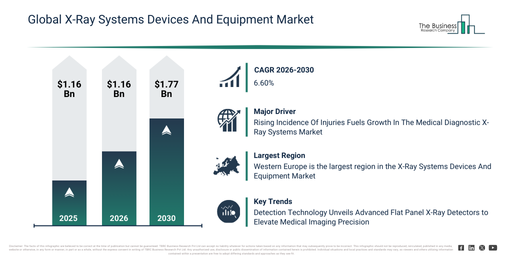
    The x-ray systems devices and equipment market has demonstrated consistent expansion in recent years. Its valuation is set to rise from $16.71 billion in 2025 to $17.35 billion in 2026, achieving a compound annual growth rate (CAGR) of 3.8%. This historical growth can be attributed to several factors including the increasing incidence of chronic and acute conditions, improvements in diagnostic imaging infrastructure, heightened hospital investments in imaging devices, broader application of x-ray systems in emergency medical care, and the technological evolution from analog to digital x-ray.

    The x-ray systems devices and equipment market is set for robust expansion over the next few years. It is projected to climb to $22.38 billion in 2030, achieving a compound annual growth rate (CAGR) of 6.6%. This anticipated growth during the forecast period can be attributed to several factors, including an increasing need for advanced diagnostic accuracy, the rising adoption of AI-assisted radiology workflows, the expansion of outpatient imaging centers, growing investments in portable imaging solutions, and an increasing focus on optimizing radiation safety. Key trends expected throughout this period involve the increasing uptake of digital radiography systems, the rising use of portable and mobile x-ray devices, the growing integration of AI-based image analysis, the expansion of 3D and 4D imaging capabilities, and an enhanced focus on low-dose imaging technologies.

    Download the Free Sample Report to Explore Key Market Insights:

    https://www.thebusinessresearchcompany.com/sample.aspx?id=3810&type=smp

    What Drivers Are Shaping The Future Growth Of The X-Ray Systems Devices And Equipment Market?

    The global increase in injuries is a key factor propelling the medical diagnostic X-ray systems, devices, and equipment market. This uptick in injuries is predominantly attributed to heightened human activity and greater exposure to hazards, leading to a surge in accidents and trauma cases. X-ray systems, devices, and equipment play a crucial role in managing injuries by offering precise internal imaging, which in turn facilitates accurate diagnosis and detailed treatment planning, thus promoting swift and efficient recovery. For example, in May 2025, data released by the Department for Transport, a UK-based government agency, indicated an estimated 1,633 road fatalities in Great Britain during 2024, representing a 1% increase from 2023. Notably, motorcyclists recorded the most significant rise in fatalities, with a 9% increase compared to 2023. Consequently, the growing global prevalence of injuries continues to fuel the expansion of the medical diagnostic X-ray systems, devices, and equipment market.

    Which Segment Categories Define The X-Ray Systems Devices And Equipment Market?

    The x-ray systems devices and equipment market covered in this report is segmented –

    1) By Mobility: Portable Type, Stationary Type

    2) By Product Type: Computed Tomography, Mobile X-Ray Devices, C-Arm Devices, Dental X-Ray, Mammography, Other Product Types

    3) By Image Type: 2D images, 3D images, 4D images

    4) By Technology: Analog X-Ray Machine, Digital X-Ray Machine

    5) By Application: Cardiovascular, Respiratory, Mammography, Dental, Orthopedics, Other Applications

    Subsegments:

    1) By Portable Type: Mobile X-Ray Systems, Handheld X-Ray Devices, Veterinary X-Ray Systems

    2) By Stationary Type: Conventional X-Ray Systems, Computed Radiography (CR) Systems, Digital Radiography (DR) Systems, Fluoroscopy X-Ray Systems

    What Major Market Trends Are Driving Changes In The X-Ray Systems Devices And Equipment Market?

    Leading companies within the x-ray systems devices and equipment market are prioritizing innovations such as high-frame-rate, high-resolution flat panel detectors utilizing a-Si (amorphous silicon) and IGZO (indium gallium zinc oxide) TFT designs. These advancements aim to enhance image quality, minimize radiation dose, and broaden applicability across numerous medical uses. These High-Frame-Rate, High-Resolution Flat Panel Detectors facilitate quick image acquisition with superior spatial precision and a broad dynamic range, making them useful for image-guided surgery, fluoroscopy, CBCT, oncology, dental imaging, and portable radiography. An example is when, in November 2024, Detection Technology, a medical imaging solutions company based in Finland, introduced a range of 20 advanced flat panel X-ray detectors at RSNA 2024. These included the X-Panel 2121a FDM, featuring a 200 µm a-Si-TFT pixel, and the X-Panel 3030z FDM-TG-X, which has a 99 µm IGZO-TFT pixel and a 10 G Ethernet interface. These new detectors offer high-speed 40 fps imaging capability and diverse application compatibility, thereby improving accuracy in diagnoses and operational effectiveness across hospitals and imaging centers.

    Who Are The Top Companies Competing In The X-Ray Systems Devices And Equipment Market?

    Major companies operating in the x-ray systems devices and equipment market are Siemens Healthcare, Carestream Health, Philips Healthcare, Hitachi Medical, GE Healthcare, Shimadzu Corporation, Fujifilm Holdings, Toshiba Medical Systems Corporation, Canon Inc., Agfa HealthCare N.V., Hologic Inc., Konica Minolta, Samsung, Analogic Corporation, Summit Industries, Swissray International Inc., Ziehm Imaging GmbH, RMS India, KUB Technologies Inc., Source Ray Inc., Allengers Medical Systems, MinXray Inc., Varian Medical Systems, Angell Technology, Control-X Medical, DMS Imaging, Esaote, IAE SPA, Infimed Sp. z o.o., Medonica Healthcare Private Limited, PerkinElmer Inc., Planmed Oy

    Read the full x-ray systems devices and equipment market report here:

    https://www.thebusinessresearchcompany.com/report/x-ray-systems-devices-and-equipment-global-market-report

    Which Geographic Regions Are Influencing Demand In The X-Ray Systems Devices And Equipment Market?

    Western Europe was the largest region in the global X-ray devices and equipment market in 2025. North America was the second-largest region in global X-ray devices and equipment market share. The regions covered in the x-ray systems devices and equipment market report are Asia-Pacific, South East Asia, Western Europe, Eastern Europe, North America, South America, Middle East, Africa.

    Request A Tailored X-Ray Systems Devices And Equipment Market Research Report For Competitive Advantage:

    https://www.thebusinessresearchcompany.com/customise?id=3810&type=smp

    Browse Through More Reports Similar to the Global X-Ray Systems Devices And Equipment Market 2026, By The Business Research Company

    Patient Derived Xenograft Pdx Models Market Report 2026

    https://www.thebusinessresearchcompany.com/report/patient-derived-xenograft-pdx-models-global-market-report

    Xylitol Market Report 2026

    https://www.thebusinessresearchcompany.com/report/xylitol-global-market-report

    Varenicline Market Report 2026

    https://www.thebusinessresearchcompany.com/report/varenicline-global-market-report

    Get in touch with us:

    The Business Research Company: https://www.thebusinessresearchcompany.com/

    Americas +1 310-496-7795

    Asia +44 7882 955267 & +91 8897263534

    Europe +44 7882 955267

    Email us at info@tbrc.info

    Follow us on:

    LinkedIn: https://in.linkedin.com/company/the-business-research-company

    YouTube: https://www.youtube.com/channel/UC24_fI0rV8cR5DxlCpgmyFQ

    Global Market Model: https://www.thebusinessresearchcompany.com/global-market-model
  • Xerosis Treatment Market Growth Expected to Reach $12.12 Billion by 2030 with 5.2% CAGR

    Xerosis Treatment Market Growth Expected to Reach $12.12 Billion by 2030 with 5.2% CAGR

    The Business Research Company’s 2026 market reports include new capabilities such as market attractiveness scoring and analysis, total addressable market analysis, company scoring matrix, interactive excel data dashboard, improved supply chain analysis, upcoming startups in the market, and overview of key products, aimed at improving the depth, usability, and strategic value of the insights delivered.

    How Is The Market Size Of The Xerosis Treatment Market Expected To Change Between 2026 And 2030?

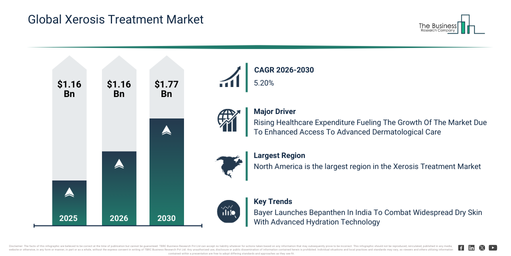
    The xerosis treatment market size has seen robust expansion in recent years. It is projected to increase from $9.4 billion in 2025 to $9.9 billion in 2026, demonstrating a compound annual growth rate (CAGR) of 5.3%. The historical period’s growth can be attributed to factors such as the limited availability of specialized xerosis treatments, the growing prevalence of dry skin conditions, increasing hospital and clinic skincare initiatives, reliance on traditional medications, and low consumer awareness of advanced moisturizers.

    The xerosis treatment market is projected to experience robust expansion over the next few years. It is expected to swell to $12.12 billion in 2030, demonstrating a compound annual growth rate (CAGR) of 5.2%. This projected growth throughout the forecast period can be attributed to factors such as the advancement of innovative emollients and humectants, the broadening reach of dermatology and homecare facilities, an increasing geriatric and pediatric demographic, a rising preference for multi-symptom care products, and the incorporation of digital skincare monitoring systems. Significant trends anticipated during this period include a surging demand for moisturizers and emollients, an increase in at-home skincare routines, greater public awareness regarding skin hydration and maintenance, the expansion of fragrance-free and sensitive skin product lines, and the integration of products offering relief for multiple symptoms.

    Download the Free Sample Report to Explore Key Market Insights:

    https://www.thebusinessresearchcompany.com/sample.aspx?id=24432&type=smp

    Which Economic Or Industry Drivers Are Impacting The Xerosis Treatment Market?

    The xerosis treatment market is projected to grow due to the escalation in healthcare expenditure. This expenditure represents the cumulative funds allocated by individuals, governments, and organizations for health services, including disease prevention, diagnosis, treatment, and ongoing management. Advances in medical technology are escalating healthcare costs, as the development, implementation, and continuous patient care for novel diagnostic tools and therapies often incur higher expenses. Enhanced healthcare spending improves access to dermatological services, thereby enabling early detection and consistent handling of xerosis through expert guidance and advanced treatment alternatives. For instance, according to the Office for National Statistics in May 2024, total healthcare spending climbed by 5.6% in 2023, and long-term health and social care expenditure increased by 2.8% in real terms in 2022. Thus, the rising healthcare expenditure is fostering the expansion of the xerosis treatment market.

    How Is The Xerosis Treatment Market Structured Across Different Segments?

    The xerosis treatment market covered in this report is segmented –

    1) By Type: Medication, Personal Care Products

    2) By Form: Tablets, Lotion, Cream, Ointment, Shower Forms, Other Forms

    3) By Symptoms: Roughness, Tightness, Itching, Flaky Skin

    4) By End Users: Hospitals, Clinics, Homecare Settings, Other End Users

    Subsegments:

    1) By Medication: Topical Corticosteroids, Oral Antihistamines, Immunomodulators, Antibacterial Agents, Antifungal Agents

    2) By Personal Care Products: Moisturizers, Emollients, Humectants, Bath Additives, Cleansers

    Which Trends Are Shaping The Future Of The Xerosis Treatment Market?

    Key companies operating within the xerosis treatment market are prioritizing the development of technological advancements, such as dexpanthenol, to improve skin hydration and repair. Dexpanthenol, a compound derived from pantothenic acid (vitamin B5), aids in moisturizing and repairing the skin. It readily absorbs into the skin, fostering healing and regeneration. As an illustration, in October 2024, Bayer, a German pharmaceutical and biotechnology firm, introduced Bepanthen in India, intending to boost skin hydration and facilitate the recovery of dry or damaged skin. Bayer’s release of Bepanthen in India underscored its efforts to address widespread dry skin, affecting nearly half of the population. The product is formulated to offer profound hydration, bolster skin barrier mending, and encourage natural skin regeneration, making it apt for routine skincare.

    Which Major Players Dominate The Xerosis Treatment Market?

    Major companies operating in the xerosis treatment market are Pfizer Inc., The Procter & Gamble Company, Johnson & Johnson, Unilever PLC, Bayer AG, Sanofi S.A., L’Oréal S.A., GlaxoSmithKline plc, Bausch Health Companies Inc., Sun Pharmaceutical Industries Ltd., Galderma S.A., Dr. Reddy’s Laboratories Ltd., LEO Pharma A/S, Arcutis Biotherapeutics Inc., Neutrogena, Aveeno, CeraVe, La Roche-Posay, Nivea, Cetaphil.

    Read the full xerosis treatment market report here:

    https://www.thebusinessresearchcompany.com/report/xerosis-treatment-global-market-report

    What Are The Top-Performing Regions Within The Xerosis Treatment Market?

    North America was the largest region in the xerosis treatment market in 2025. Asia-Pacific is expected to be the fastest-growing region in the forecast period. The regions covered in the xerosis treatment market report are Asia-Pacific, South East Asia, Western Europe, Eastern Europe, North America, South America, Middle East, Africa.

    Request A Tailored Xerosis Treatment Market Research Report For Competitive Advantage:

    https://www.thebusinessresearchcompany.com/customise?id=24432&type=smp

    Browse Through More Reports Similar to the Global Xerosis Treatment Market 2026, By The Business Research Company

    Digital Xray Devices Market Report 2026

    https://www.thebusinessresearchcompany.com/report/digital-xray-devices-global-market-report

    Medical X Ray Equipment And Imaging Software Market Report 2026

    https://www.thebusinessresearchcompany.com/report/medical-x-ray-equipment-and-imaging-software-global-market-report

    X Ray Detectors Market Report 2026

    https://www.thebusinessresearchcompany.com/report/x-ray-detectors-global-market-report

    Get in touch with us:

    The Business Research Company: https://www.thebusinessresearchcompany.com/

    Americas +1 310-496-7795

    Asia +44 7882 955267 & +91 8897263534

    Europe +44 7882 955267

    Email us at info@tbrc.info

    Follow us on:

    LinkedIn: https://in.linkedin.com/company/the-business-research-company

    YouTube: https://www.youtube.com/channel/UC24_fI0rV8cR5DxlCpgmyFQ

    Global Market Model: https://www.thebusinessresearchcompany.com/global-market-model

  • Wound Debridement Market Forecast 2026–2035 Reflecting Expansion Opportunities Across Industries

    Wound Debridement Market Forecast 2026–2035 Reflecting Expansion Opportunities Across Industries

    The Business Research Company’s 2026 market reports include new capabilities such as market attractiveness scoring and analysis, total addressable market analysis, company scoring matrix, interactive excel data dashboard, improved supply chain analysis, upcoming startups in the market, and overview of key products, aimed at improving the depth, usability, and strategic value of the insights delivered.

    What Is The Market Size Of The Wound Debridement Market In 2026 And What Value Is Projected For 2030?

    The wound debridement market size has experienced strong growth in recent years. It is projected to increase from $5.49 billion in 2025 to $5.92 billion in 2026, at a compound annual growth rate (CAGR) of 7.8%. This historical growth can be linked to factors such as the rising prevalence of chronic wounds, an increasing incidence of diabetes-related ulcers, the expansion of hospital-based wound care services, a growing geriatric population, and improved availability of specialized wound care products.

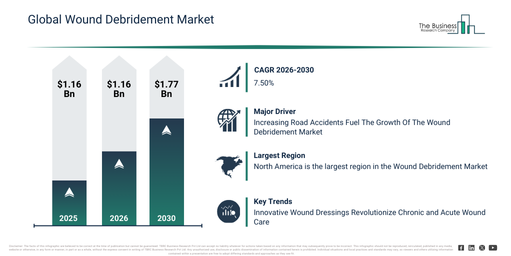
    The wound debridement market is projected to experience substantial expansion over the coming years, reaching $7.91 billion by 2030, demonstrating a compound annual growth rate (CAGR) of 7.5%. This anticipated growth during the forecast period is fueled by several factors, including the greater uptake of sophisticated wound management techniques, an escalating need for less invasive debridement choices, the proliferation of outpatient wound care facilities, a heightened emphasis on achieving quicker wound healing, and increased spending on chronic wound care within healthcare. Key trends identified for this period encompass the wider acceptance of enzymatic and autolytic debridement products, an increase in the deployment of ultrasonic debridement devices, a growing inclination towards non-surgical debridement approaches, the broadening of advanced wound care protocols, and a stronger emphasis on results related to infection control.

    Download the Free Sample Report to Explore Key Market Insights:

    https://www.thebusinessresearchcompany.com/sample.aspx?id=6575&type=smp

    What Major Drivers Are Influencing Demand In The Wound Debridement Market?

    The escalating count of road accidents is projected to stimulate growth within the wound debridement market in the foreseeable future. These incidents are defined as unexpected crashes or occurrences involving vehicles, pedestrians, or other road users, leading to injury, death, or property damage, frequently caused by human error, substandard road conditions, or vehicle malfunctions. The surge in road accidents primarily stems from imprudent driving, such as speeding, abrupt lane switching, and disregarding traffic regulations, which elevates the probability of collisions and exposes both drivers and pedestrians to greater peril. Wound debridement assists road accident victims by removing necrotic or infected tissue, thereby promoting quicker recovery, diminishing the likelihood of infection, and improving overall healing outcomes. For instance, in December 2023, a report issued by the World Health Organization, a Switzerland-based intergovernmental organization, indicated that around 1.19 million people lose their lives annually due to road traffic accidents, while an additional 20 to 50 million sustain non-fatal injuries, many of which lead to long-term disabilities. Thus, the increasing occurrence of road accidents is propelling the wound debridement market.

    What Are The Key Segments Of The Wound Debridement Market?

    The wound debridement market covered in this report is segmented –

    1) By Product: Enzymatic Debridement Products, Autolytic Debridement Products, Gels, Ointments, Mechanical Debridement Products, Ultrasonic Debridement Products, Other Products

    2) By Method: Surgical Method, Enzymatic Method, Mechanical Method, Autolytic Method, Other Methods

    3) By Wound Type: Venous Leg Ulcers, Diabetic Foot Ulcers, Pressure Ulcers, Surgical and Traumatic Wounds, Other Wound Types

    4) By End User: Hospitals, Clinics, Other End Users

    Subsegments:

    1) By Enzymatic Debridement Products: Proteolytic Enzymes, Collagenase-Based Products

    2) By Autolytic Debridement Products: Hydrocolloid Dressings, Transparent Film Dressings

    3) By Gels: Hydrogels, Alginate Gels

    4) By Ointments: Antimicrobial Ointments, Antibiotic Ointments

    5) By Mechanical Debridement Products: Debridement Scissors, Wound Irrigation Devices

    6) By Ultrasonic Debridement Products: Ultrasonic Devices, Ultrasonic Wound Cleaners

    7) By Other Products: Surgical Debridement Instruments, Non-contact Thermal Devices

    What Key Trends Are Influencing The Development Of The Wound Debridement Market?

    Leading companies in the wound debridement market are developing innovative products, such as new wound dressings, to meet the varied requirements of chronic and acute wound care. A wound dressing functions as a sterile material applied to a wound to protect it from infection, absorb excess fluid, promote healing, and foster an optimal environment for tissue regeneration. These dressings are effective in preventing contamination, regulating moisture levels, and can also deliver medications to assist the healing process. For example, in September 2024, Solventum, a US-based healthcare company, introduced the V.A.C. Peel and Place Dressing. This convenient dressing and drape can be applied in under two minutes and worn for up to seven days. Unlike older negative pressure wound therapy dressings, which demand extensive application and multiple steps, this all-in-one design streamlines the procedure. It also features a perforated, non-adherent layer to minimize tissue ingrowth and make removal less painful.

    Who Are The Leading Companies Operating In The Wound Debridement Market?

    Major companies operating in the wound debridement market are Smith & Nephew plc, B. Braun Melsungen AG, Coloplast A/S, ConvaTec Group PLC, Lohmann & Rauscher International, Integra LifeSciences Corporation, Arobella Medical LLC, Medline Industries Inc., Acelity L.P. Inc., DeRoyal Industries Inc., Advanced Medical Solutions Group, Söring GmbH, Mölnlycke Healthcare, Advancis Medical, Sanara MedTech Inc., Derma Sciences Inc., 3M Company, Misonix Inc., BSN medical GmbH, BioMonde Ltd., Celleration Inc., Covallon Technologies Ltd.

    Read the full wound debridement market report here:

    https://www.thebusinessresearchcompany.com/report/wound-debridement-global-market-report

    Which Region Shows The Strongest Potential For Future Growth In The Wound Debridement Market?

    North America was the largest region in the wound debridement market in 2025. Asia-Pacific is expected to be the fastest-growing region in the forecast period. The regions covered in the wound debridement market report are Asia-Pacific, South East Asia, Western Europe, Eastern Europe, North America, South America, Middle East, Africa.

    Request A Tailored Wound Debridement Market Research Report For Competitive Advantage:

    https://www.thebusinessresearchcompany.com/customise?id=6575&type=smp

    Browse Through More Reports Similar to the Global Wound Debridement Market 2026, By The Business Research Company

    Chronic Wound Care Market Report 2026

    https://www.thebusinessresearchcompany.com/report/chronic-wound-care-global-market-report

    Biomaterial Wound Dressing Market Report 2026

    https://www.thebusinessresearchcompany.com/report/biomaterial-wound-dressing-global-market-report

    Advanced Wound Care Market Report 2026

    https://www.thebusinessresearchcompany.com/report/advanced-wound-care-global-market-report

    Get in touch with us:

    The Business Research Company: https://www.thebusinessresearchcompany.com/

    Americas +1 310-496-7795

    Asia +44 7882 955267 & +91 8897263534

    Europe +44 7882 955267

    Email us at info@tbrc.info

    Follow us on:

    LinkedIn: https://in.linkedin.com/company/the-business-research-company

    YouTube: https://www.youtube.com/channel/UC24_fI0rV8cR5DxlCpgmyFQ

    Global Market Model: https://www.thebusinessresearchcompany.com/global-market-model