Month: March 2026

  • Alzheimer’s Disease Treatment Market expected to reach $9.51 billion by 2030 at 6.6% CAGR

    Alzheimer’s Disease Treatment Market expected to reach $9.51 billion by 2030 at 6.6% CAGR

    The Business Research Company’s 2026 market reports include new capabilities such as market attractiveness scoring and analysis, total addressable market analysis, company scoring matrix, interactive excel data dashboard, improved supply chain analysis, upcoming startups in the market, and overview of key products, aimed at improving the depth, usability, and strategic value of the insights delivered.

    What Is The Estimated Market Size Of The Alzheimer’s Disease Treatment Market During 2026–2030?

    The alzheimer’s disease treatment market size has seen significant growth in recent years. It is anticipated to increase from $6.94 billion in 2025 to $7.37 billion in 2026, demonstrating a compound annual growth rate (CAGR) of 6.2%. The expansion observed historically can be linked to factors like the rising prevalence of alzheimer’s disease, the aging global population, the restricted availability of effective treatments, increasing understanding of cognitive disorders, and improvements in healthcare infrastructure for neurological conditions.

    The alzheimer’s disease treatment market size is projected for substantial expansion over the coming years. This market is set to reach $9.51 billion by 2030, exhibiting a compound annual growth rate (CAGR) of 6.6%. The expansion during the prediction period stems from several factors, including the progress in beta-amyloid targeted immunotherapies, the broader availability of monoclonal antibody treatments, an uptick in the use of combination therapies, the rise in home care and telemedicine services for alzheimer’s sufferers, and financial commitments towards early detection methods and diagnostic biomarkers. Key developments anticipated in the forecast period encompass increased funding for immunotherapy and monoclonal antibodies, a greater embrace of combination drugs addressing various disease pathways, the wider availability of early diagnosis and biomarker-driven treatments, an increasing emphasis on maintaining cognitive function and enhancing memory, and the incorporation of home-based care and remote monitoring for individuals with alzheimer’s.

    Download the Free Sample Report to Explore Key Market Insights:

    https://www.thebusinessresearchcompany.com/sample.aspx?id=3409&type=smp

    Which Major Factors Are Driving The Expansion Of The Alzheimer’s Disease Treatment Market?

    Government initiatives are anticipated to boost the expansion of the Alzheimer’s disease treatment market. A government initiative is a strategy or measure undertaken by a government to resolve a particular problem or concern, potentially funded by various sources such as taxes, grants, and donations. In the context of Alzheimer’s disease treatment, government initiatives are utilized to support research projects, including clinical trials for new drugs and treatments. For instance, in April 2025, according to the American Medical Association, a US-based Professional organizations, U.S. health spending in 2023 climbed 7.5% to $4.9 trillion, or $14,570 per capita, surpassing the 4.6% increase recorded in 2022. Therefore, government initiatives are a driving force behind the growth of the Alzheimer’s disease treatment market.

    How Are The Various Segments Of The Alzheimer’s Disease Treatment Market Categorized?

    The alzheimer’s disease treatment market covered in this report is segmented –

    1) By Drug Class: Cholinergic, Memantine, Combined Drug, AChE inhibitors, Immunoglobulins

    2) By Drug Type: Cholinesterase Inhibitors, NMDA Receptor Antagonists

    Subsegments:

    1) By Cholinergic: Donepezil, Galantamine, Rivastigmine

    2) By Memantine: Memantine Hydrochloride, Extended-Release Memantine

    3) By Combined Drug: Donepezil and Memantine Combination

    4) By AChE Inhibitors: Tacrine, Physical Inhibitors

    5) By Immunoglobulins: IVIG (Intravenous Immunoglobulin), Monoclonal Antibodies

    What Trends Are Affecting The Expansion Of The Alzheimer’s Disease Treatment Market?

    Leading companies operating in the Alzheimer’s disease treatment market are prioritizing regulatory approvals to gain a competitive advantage and enhance their product offerings. These regulatory approvals signify the formal authorization granted by government agencies, such as the U.S. Food and Drug Administration (FDA) or the European Medicines Agency (EMA), enabling a product to be marketed and sold to the public. For instance, in July 2024, Eli Lilly and Company, a US-based pharmaceutical company, secured FDA approval for its Alzheimer’s treatment, Kisunla (donanemab-azbt), which is indicated for adults with early symptomatic Alzheimer’s disease, including those with mild cognitive impairment and mild dementia. This drug is administered through monthly intravenous infusion and has demonstrated efficacy in slowing the progression of the disease in clinical trials. The approval underscores its potential impact, having received Fast Track, Priority Review, and Breakthrough Therapy designations.

    Which Major Firms Influence Developments In The Alzheimer’s Disease Treatment Market?

    Major companies operating in the alzheimer’s disease treatment market are Pfizer Inc., F. Hoffmann-La Roche Ltd., AbbVie Inc., Bayer AG, Novartis AG, Bristol-Myers Squibb Company, AstraZeneca plc, Merck Sharp & Dohme Corp., Takeda Pharmaceutical Company Limited, Eli Lilly and Company, Amgen Inc., Teva Pharmaceutical Industries Ltd., Biogen Inc., UCB S.A., Eisai Co. Ltd., Forest Laboratories LLC, Ono Pharmaceutical Co. Ltd., H. Lundbeck A/S, Allergan plc, Luye Pharma Group, Avanir Pharmaceuticals Inc., Denali Therapeutics Inc., Athira Pharma Inc., ProMIS Neurosciences Inc., AC Immune SA, vTv Therapeutics Inc., AB Science SA, TauRx Pharmaceuticals Ltd., Alzheon Inc.

    Read the full alzheimer’s disease treatment market report here:

    https://www.thebusinessresearchcompany.com/report/alzheimer-disease-treatment-global-market-report

    Which Region Currently Holds The Largest Share Of The Alzheimer’s Disease Treatment Market?

    North America is the largest region in the Alzheimer’s disease treatment market in 2025. Middle East is expected to be the fastest growing region in the Alzheimer’s disease treatment market share during the forecast period. The regions covered in the alzheimer’s disease treatment market report are Asia-Pacific, South East Asia, Western Europe, Eastern Europe, North America, South America, Middle East, Africa.

    Request A Tailored Alzheimer’s Disease Treatment Market Research Report For Competitive Advantage:

    https://www.thebusinessresearchcompany.com/customise?id=3409&type=smp

    Browse Through More Reports Similar to the Global Alzheimer’s Disease Treatment Market 2026, By The Business Research Company

    Neurodegenerative Disorder Therapeutic Market Report 2026

    https://www.thebusinessresearchcompany.com/report/neurodegenerative-disorder-therapeutic-global-market-report

    Alzheimer Disease Treatment Market Report 2026

    https://www.thebusinessresearchcompany.com/report/alzheimer-disease-treatment-global-market-report

    Medical Foods Market Report 2026

    https://www.thebusinessresearchcompany.com/report/medical-foods-global-market-report

    Get in touch with us:

    The Business Research Company: https://www.thebusinessresearchcompany.com/

    Americas +1 310-496-7795

    Asia +44 7882 955267 & +91 8897263534

    Europe +44 7882 955267

    Email us at info@tbrc.info

    Follow us on:

    LinkedIn: https://in.linkedin.com/company/the-business-research-company

    YouTube: https://www.youtube.com/channel/UC24_fI0rV8cR5DxlCpgmyFQ

    Global Market Model: https://www.thebusinessresearchcompany.com/global-market-model
  • Alpha Methyldopa Market Forecast 2026–2035 reflecting expansion opportunities across sectors

    Alpha Methyldopa Market Forecast 2026–2035 reflecting expansion opportunities across sectors

    The Business Research Company’s 2026 market reports include new capabilities such as market attractiveness scoring and analysis, total addressable market analysis, company scoring matrix, interactive excel data dashboard, improved supply chain analysis, upcoming startups in the market, and overview of key products, aimed at improving the depth, usability, and strategic value of the insights delivered.

    What Market Size Expansion Is Predicted For The Alpha Methyldopa Market Between 2026 And 2030?

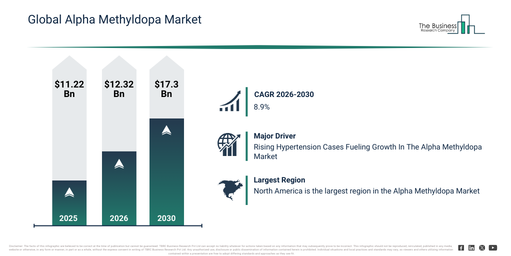
    The alpha methyldopa market has experienced robust growth in recent years. It is projected to expand from $11.22 billion in 2025 to $12.32 billion in 2026, achieving a compound annual growth rate (CAGR) of 9.8%. This historical growth can be attributed to factors such as limited treatment options for hypertension, a rising incidence of preeclampsia, the adoption of conventional oral antihypertensive therapies, increasing awareness of hypertension management, and the expansion of hospital and clinical infrastructure.

    The alpha methyldopa market is projected to experience substantial expansion over the upcoming years. By 2030, its valuation is anticipated to reach $17.3 billion, exhibiting a compound annual growth rate of 8.9%. This projected growth during the forecast timeframe stems from factors such as advancements in high-purity alpha methyldopa tablets and injectables, greater acceptance within maternal healthcare, a growing preference for oral dosage formats, its incorporation into telemedicine for hypertension monitoring, and the broadening of worldwide hypertension treatment initiatives. Key trends anticipated during this period encompass the global increase in hypertension cases, augmented application of alpha methyldopa for conditions linked to pregnancy, a shift towards oral administration rather than injectable methods, the expansion of hypertension management programs in hospitals and clinics, and the creation of high-purity alpha methyldopa formulations.

    Download the Free Sample Report to Explore Key Market Insights:

    https://www.thebusinessresearchcompany.com/sample.aspx?id=17059&type=smp

    What Key Drivers Are Influencing The Growth Of The Alpha Methyldopa Market?

    The alpha methyldopa market is projected to expand due to an increasing number of hypertension cases. Hypertension, characterized by persistently high blood pressure against artery walls, is on the rise, attributed to factors such as poor diet, insufficient physical activity, obesity, and elevated stress levels. Alpha methyldopa functions by decreasing specific chemicals in the blood, leading to the relaxation and widening of blood vessels, thereby lowering blood pressure. For example, the Heart Foundation, an Australia-based charity, reported in January 2024 that approximately 1 in 4 Australian adults (23%) suffer from high blood pressure. The condition is more common in men, affecting 25%, compared to 22% of women. Consequently, the growing incidence of hypertension is anticipated to boost the a-methyldopa market. The escalating preference for generic drugs is set to drive the growth of the alpha methyldopa market. Generic medications are engineered to match brand-name drugs in their dosage, strength, administration method, quality, performance, and intended purpose. Their increasing adoption stems from their cost-effectiveness and equivalence to their branded counterparts. a-Methyldopa stands out as a valuable generic treatment for hypertension, particularly for patient demographics like pregnant women, owing to its affordability and established safety record in clinical use. Illustratively, data from the U.S. Food and Drug Administration (FDA) in 2023 indicated that the U.S. had the highest generic drug utilization rate, with generics accounting for roughly 90% of the prescription drug market by volume. Other nations exhibiting substantial generic drug usage included the U.K. at 85%, Australia and China each at 84%, and Germany at 81%. Thus, the expanding preference for generic pharmaceuticals is expected to stimulate the alpha methyldopa market.

    Which Market Segments Are Examined In The Alpha Methyldopa Market Study?

    The alpha methyldopa market covered in this report is segmented –

    1) By Type: Oral, Intravenous Drip

    2) By Purity Type: Purity: =98%, Purity:=99%

    3) By Application: Parkinsonism, Hepatic Coma

    Subsegments:

    1) By Oral: Tablets, Capsules

    2) By Intravenous Drip: Injectable Solutions, Pre-filled Syringes

    Who Are The Primary Competitors In The Alpha Methyldopa Market?

    Major companies operating in the alpha methyldopa market are Pfizer Inc., Merck & Co. Inc., Bayer AG, Novartis International AG, Abbott Laboratories, GlaxoSmithKline plc, Teva Pharmaceutical Industries Ltd., Dr. Reddy’s Laboratories Ltd., Mylan N.V., Bausch Health Companies Inc., Intas Pharmaceuticals Ltd., Apotex Inc., Glenmark Pharmaceuticals Ltd., Alkem Laboratories Ltd., Torrent Pharmaceuticals Ltd., Alembic Pharmaceuticals Ltd., Wockhardt Ltd., Laboratories Confab, Globela Pharma Pvt. Ltd., Pro Doc Ltée, AA Pharma inc., LGM Pharma

    Read the full alpha methyldopa market report here:

    https://www.thebusinessresearchcompany.com/report/alpha-methyldopa-global-market-report

    Which Region Is Expected To Register The Fastest Growth In The Alpha Methyldopa Market?

    North America was the largest region in the alpha methyldopa market in 2025. The regions covered in the alpha methyldopa market report are Asia-Pacific, South East Asia, Western Europe, Eastern Europe, North America, South America, Middle East, Africa.

    Request A Tailored Alpha Methyldopa Market Research Report For Competitive Advantage:

    https://www.thebusinessresearchcompany.com/customise?id=17059&type=smp

    Browse Through More Reports Similar to the Global Alpha Methyldopa Market 2026, By The Business Research Company

    Tnf Alpha Inhibitor Market Report 2026

    https://www.thebusinessresearchcompany.com/report/tnf-alpha-inhibitor-global-market-report

    Alphas Mannosidosis Market Report 2026

    https://www.thebusinessresearchcompany.com/report/alphas-mannosidosis-global-market-report

    Alpha Mannosidosis Market 2026

    https://www.thebusinessresearchcompany.com/report/alpha-mannosidosis-global-market

    Get in touch with us:

    The Business Research Company: https://www.thebusinessresearchcompany.com/

    Americas +1 310-496-7795

    Asia +44 7882 955267 & +91 8897263534

    Europe +44 7882 955267

    Email us at info@tbrc.info

    Follow us on:

    LinkedIn: https://in.linkedin.com/company/the-business-research-company

    YouTube: https://www.youtube.com/channel/UC24_fI0rV8cR5DxlCpgmyFQ

    Global Market Model: https://www.thebusinessresearchcompany.com/global-market-model
  • Global Alpha Mannosidosis Market Analysis 2026–2030 providing strategic insights for businesses

    Global Alpha Mannosidosis Market Analysis 2026–2030 providing strategic insights for businesses

    The Business Research Company’s 2026 market reports include new capabilities such as market attractiveness scoring and analysis, total addressable market analysis, company scoring matrix, interactive excel data dashboard, improved supply chain analysis, upcoming startups in the market, and overview of key products, aimed at improving the depth, usability, and strategic value of the insights delivered.

    How Large Is The Alpha Mannosidosis Market Projected To Become By 2030 Based On Its 2026 Valuation?

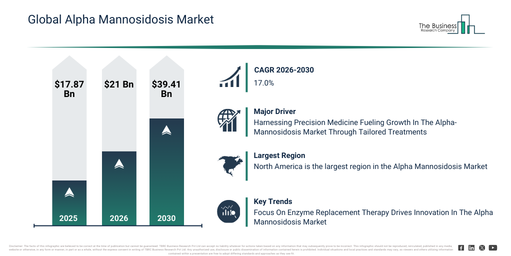
    The alpha mannosidosis market has experienced substantial growth in its size over recent years. It is projected to expand from $17.87 billion in 2025 to $21 billion in 2026, demonstrating a compound annual growth rate (CAGR) of 17.5%. The expansion witnessed in the historic period can be attributed to limited diagnostic infrastructure, low disease awareness, reliance on conventional therapies, fragmented treatment guidelines, and restricted R&D funding.

    The alpha mannosidosis market size is anticipated to undergo substantial expansion in the upcoming years. It is forecast to achieve a valuation of $39.41 billion by 2030, progressing at a compound annual growth rate (CAGR) of 17.0%. This projected growth over the forecast period is influenced by factors such as enhanced investment in gene therapies, the rising uptake of enzyme replacement therapies, the development of healthcare infrastructure, innovations in diagnostic technologies, and regulatory support for rare diseases. Prominent trends for the forecast duration encompass early genetic screening initiatives, the creation of orphan drugs, tailored enzyme replacement therapy, the proliferation of rare disease clinics, and cooperative research endeavors.

    Download the Free Sample Report to Explore Key Market Insights:

    https://www.thebusinessresearchcompany.com/sample.aspx?id=4093&type=smp

    What Major Growth Drivers Are Shaping The Outlook Of The Alpha Mannosidosis Market?

    The increasing demand for precision medicine is anticipated to propel the expansion of the alpha mannosidosis market. This tailored approach to healthcare accounts for individual variations in patients’ genes, environments, and lifestyles to optimize treatment and prevention strategies. Progress in genomic technologies and data analytics, which facilitate more precise identification of genetic variations and their impact on health, is driving the growth of precision medicine. Additionally, the heightened need for personalized treatment options, alongside a growing understanding of the limitations of conventional, one-size-fits-all methods, has stimulated interest in customized healthcare solutions. Precision medicine aids in the creation of targeted therapies specifically designed for the genetic mutations and patient profiles associated with this rare disorder. For instance, in February 2024, data from the Personalized Medicine Coalition (PMC), a US-based nonprofit organization, reported that in 2023 FDA approved 16 new personalized treatments for rare diseases, marking a substantial increase from just six approvals in 2022. Consequently, the rising demand for precision medicine is fostering the growth of the alpha mannosidosis market.

    What Segment Groups Are Identified Within The Alpha Mannosidosis Market?

    The alpha mannosidosis market covered in this report is segmented –

    1) By Therapy Type: Bone Marrow Transplant (BMT), Enzyme Replacement Therapy (ERT), Other Therapies

    2) By Indication: Type I, Type II, Type III

    3) By End-User: Hospitals, Speciality Clinics

    Subsegments:

    1) By Bone Marrow Transplant (BMT): Autologous BMT, Allogeneic BMT

    2) By Enzyme Replacement Therapy (ERT): Recombinant Enzymes, Long-acting Enzyme Formulations

    3) By Other Therapies: Symptomatic Treatments, Gene Therapy, Supportive Care

    What Trends Are Advancing Progress In The Alpha Mannosidosis Market?

    Leading companies in the alpha mannosidosis market are concentrating on developing enzyme replacement therapy for this rare condition. This therapy works by introducing exogenous alpha-mannosidase, which helps to mitigate the buildup of mannose-rich oligosaccharides in various tissues and organs. Such accumulation is a defining characteristic of alpha-mannosidosis and contributes to its pathological effects. For example, in February 2023, Chiesi Global Rare Diseases, a US-based pharmaceutical company, introduced Lamzede (velmanase alfa), marking it as the first enzyme replacement therapy authorized in the United States for treating alpha-mannosidosis, a rare genetic condition characterized by the absence of the alpha-mannosidase enzyme in the body, and its non-central nervous system manifestations. Lamzede restores normal cellular activity in patients by mimicking the function of the human body’s alpha-mannosidase enzyme. Patients receive an injection of 10 mg of Lamzede once per week.

    Which Companies Hold Significant Positions In The Alpha Mannosidosis Market?

    Major companies operating in the alpha mannosidosis market are Chiesi Farmaceutici S.p.A., Cipla, Daiichi Sankyo Company, Ultragenyx Pharmaceutical Inc, Mitsubishi Tanabe Pharma, Zymenex A/S, Albumedix Ltd, Freeline Therapeutics, Avectas, DiNAQOR AG, Vivet Therapeutics, Herantis Pharma Plc, PTC Therapeutics, Biocad, Sanofi, Orchard Therapeutics, Shire Pharmaceuticals, Amicus Therapeutics, BioMarin Pharmaceutical Inc, Genzyme

    Read the full alpha mannosidosis market report here:

    https://www.thebusinessresearchcompany.com/report/alphas-mannosidosis-global-market-report

    Which Regions Are Projected To Dominate The Alpha Mannosidosis Market In The Coming Years?

    North America was the largest region in the alpha mannosidosis market in 2025. Asia-Pacific is expected to be the fastest-growing region in the forecast period. The regions covered in the alpha mannosidosis market report are Asia-Pacific, South East Asia, Western Europe, Eastern Europe, North America, South America, Middle East, Africa.

    Request A Tailored Alpha Mannosidosis Market Research Report For Competitive Advantage:

    https://www.thebusinessresearchcompany.com/customise?id=4093&type=smp

    Browse Through More Reports Similar to the Global Alpha Mannosidosis Market 2026, By The Business Research Company

    Alpha Mannosidosis Market 2026

    https://www.thebusinessresearchcompany.com/report/alpha-mannosidosis-global-market

    Mannan Oligosaccharide Market Report 2026

    https://www.thebusinessresearchcompany.com/report/mannan-oligosaccharide-global-market-report

    Immunoassay Market Report 2026

    https://www.thebusinessresearchcompany.com/report/immunoassay-global-market-report

    Get in touch with us:

    The Business Research Company: https://www.thebusinessresearchcompany.com/

    Americas +1 310-496-7795

    Asia +44 7882 955267 & +91 8897263534

    Europe +44 7882 955267

    Email us at info@tbrc.info

    Follow us on:

    LinkedIn: https://in.linkedin.com/company/the-business-research-company

    YouTube: https://www.youtube.com/channel/UC24_fI0rV8cR5DxlCpgmyFQ

    Global Market Model: https://www.thebusinessresearchcompany.com/global-market-model

  • Alpha Glucosidase Inhibitors Market Outlook 2026–2035 driven by key growth factors and projections

    Alpha Glucosidase Inhibitors Market Outlook 2026–2035 driven by key growth factors and projections

    The Business Research Company’s 2026 market reports include new capabilities such as market attractiveness scoring and analysis, total addressable market analysis, company scoring matrix, interactive excel data dashboard, improved supply chain analysis, upcoming startups in the market, and overview of key products, aimed at improving the depth, usability, and strategic value of the insights delivered.

    What Market Value Is Anticipated For The Alpha Glucosidase Inhibitors Market Over The Period 2026–2030?

    The alpha glucosidase inhibitors market has experienced robust expansion in recent years. It is projected to increase from $4.84 billion in 2025 to $5.19 billion in 2026, at a compound annual growth rate (CAGR) of 7.2%. This historical growth can be ascribed to the escalating prevalence of type 2 diabetes, a rising geriatric population, governmental initiatives for diabetes awareness, the limited availability of advanced therapies in emerging markets, and enhanced research into alpha-glucosidase inhibitors.

    The alpha glucosidase inhibitors market is projected to experience robust expansion over the coming years. This market is set to reach $7.05 billion by 2030, exhibiting a compound annual growth rate (CAGR) of 8.0%. Key drivers for this anticipated growth include innovations in drug formulation technology, the growing uptake of combination therapies, enhanced funding for digital health monitoring, the broadening reach of online pharmacy platforms, and the emergence of precision medicine solutions. Prominent trends expected during the forecast timeframe encompass personalized diabetes management tools, the creation of therapies that integrate low-glycemic diets, a heightened emphasis on medications that minimize hypoglycemia risk, the proliferation of combination therapy strategies, and the widespread adoption of patient-focused digital health platforms.

    Download the Free Sample Report to Explore Key Market Insights:

    https://www.thebusinessresearchcompany.com/sample.aspx?id=11880&type=smp

    What Drivers Are Expected To Influence The Alpha Glucosidase Inhibitors Market During The Forecast Period?

    The increasing global occurrence of diabetes is projected to fuel the expansion of the alpha-glucosidase inhibitors market in the foreseeable future. This chronic metabolic disorder is characterized by elevated blood glucose (or blood sugar) levels, potentially causing severe long-term damage to the heart, blood vessels, eyes, kidneys, and nerves. Alpha-glucosidase inhibitors work by impeding carbohydrate absorption in the small intestine, thereby preventing a surge in post-meal blood glucose levels and aiding in diabetes management. For example, data from June 2024, provided by the National Health Service, a UK government department, revealed that in 2023, the NHS identified more than half a million (549,000) new individuals in England facing a risk of developing type 2 diabetes. This elevated the total count of those with non-diabetic hyperglycemia, or pre-diabetes, registered with a GP, to 3,615,330. This figure marks a substantial rise from 3,065,825 recorded in 2022, indicating an increase of nearly 20%. Consequently, the growing global prevalence of diabetes is propelling the expansion of the alpha-glucosidase inhibitors market.

    How Is The Alpha Glucosidase Inhibitors Market Divided Into Its Major Segments?

    The alpha glucosidase inhibitors market covered in this report is segmented –

    1) By Type: Dumping Syndrome, Type 2 Diabetes

    2) By Drug Class: Acarbose, Miglitol, Voglibose

    3) By Constituent: Glucoamylase, Isomaltase, Maltase, Sucrase

    4) By Distribution Channel: Online Pharmacies, Retail Pharmacies, Hospital Pharmacies

    Subsegments:

    1) By Dumping Syndrome: Post-Gastric Surgery Management, Symptomatic Treatment

    2) By Type 2 Diabetes: Monotherapy, Combination Therapy

    How Are Trends Transforming The Alpha Glucosidase Inhibitors Market Landscape?

    Major companies operating in the type 2 diabetes market are concentrating on developing innovative therapies to improve glycemic control and patient outcomes. SGLT2 inhibitors function by promoting glucose excretion through urine, which helps reduce blood sugar levels in patients with type 2 diabetes. For instance, in January 2023, TheracosBio, a US-based pharmaceutical company, received approval from the U.S. Food and Drug Administration (FDA) for Brenzavvy (bexagliflozin) for the treatment of adults with type 2 diabetes. Brenzavvy is a distinct oral inhibitor of sodium-glucose cotransporter 2 (SGLT2). It is suggested as a supplement to diet and exercise to assist people with type 2 diabetes in better regulating their blood sugar levels by prompting the kidneys to excrete sugar through urine.

    Who Are The Prominent Organizations Shaping The Alpha Glucosidase Inhibitors Market?

    Major companies operating in the alpha glucosidase inhibitors market are Bayer AG, Merck & Co., Alkem Laboratories Ltd., Cipla Limited, Dr. Reddy’s Laboratories Ltd., Emcure Pharmaceuticals Ltd., Lupin Ltd., Novartis AG, Sanofi SA, Sun Pharmaceutical Industries Ltd., Takeda Pharmaceutical Company, Torrent Pharmaceuticals Ltd., Unichem Laboratories Ltd., Pfizer Inc., Boehringer Ingelheim International GmbH, AstraZeneca PLC, Mitsubishi Tanabe Pharma Corporation, Eli Lilly and Company, Johnson & Johnson, Bristol-Myers Squibb, Teva Pharmaceutical Industries Ltd., Hanmi Pharmaceuticals Co. Ltd., Eisai Co. Ltd., Biocon Limited, Cadila Pharmaceuticals Ltd

    Read the full alpha glucosidase inhibitors market report here:

    https://www.thebusinessresearchcompany.com/report/alpha-glucosidase-inhibitors-global-market-report

    Which Region Is Forecast To Lead The Alpha Glucosidase Inhibitors Market In Terms Of Market Size?

    North America was the largest region in the alpha glucosidase inhibitors market in 2025. Middle-East is expected to be the fastest-growing region in the forecast period. The regions covered in the alpha glucosidase inhibitors market report are Asia-Pacific, South East Asia, Western Europe, Eastern Europe, North America, South America, Middle East, Africa.

    Request A Tailored Alpha Glucosidase Inhibitors Market Research Report For Competitive Advantage:

    https://www.thebusinessresearchcompany.com/customise?id=11880&type=smp

    Browse Through More Reports Similar to the Global Alpha Glucosidase Inhibitors Market 2026, By The Business Research Company

    Alpha Glucosidase Inhibitors Market Report 2026

    https://www.thebusinessresearchcompany.com/report/alpha-glucosidase-inhibitors-global-market-report

    Enzyme Inhibitor Market Report 2026

    https://www.thebusinessresearchcompany.com/report/enzyme-inhibitor-global-market-report

    Ace Inhibitors Market Report 2026

    https://www.thebusinessresearchcompany.com/report/ace-inhibitors-global-market-report

    Get in touch with us:

    The Business Research Company: https://www.thebusinessresearchcompany.com/

    Americas +1 310-496-7795

    Asia +44 7882 955267 & +91 8897263534

    Europe +44 7882 955267

    Email us at info@tbrc.info

    Follow us on:

    LinkedIn: https://in.linkedin.com/company/the-business-research-company

    YouTube: https://www.youtube.com/channel/UC24_fI0rV8cR5DxlCpgmyFQ

    Global Market Model: https://www.thebusinessresearchcompany.com/global-market-model
  • Alopecia Treatment Market developments and growth opportunities across 2026–2030

    Alopecia Treatment Market developments and growth opportunities across 2026–2030

    The Business Research Company’s 2026 market reports include new capabilities such as market attractiveness scoring and analysis, total addressable market analysis, company scoring matrix, interactive excel data dashboard, improved supply chain analysis, upcoming startups in the market, and overview of key products, aimed at improving the depth, usability, and strategic value of the insights delivered.

    What Is The Expected Market Size Of The Alopecia Treatment Market From 2026 To 2030?

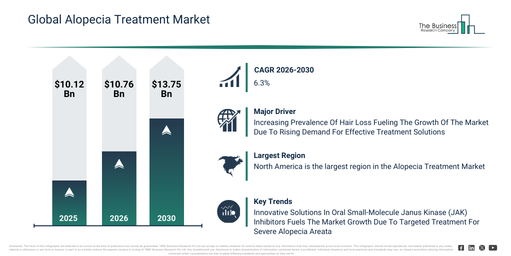
    The alopecia treatment market has exhibited strong growth in recent years. It is anticipated to expand from $10.12 billion in 2025 to $10.76 billion in 2026, progressing at a compound annual growth rate (CAGR) of 6.3%. The market’s historical growth can be linked to several factors, including the rising demand for cosmetic treatments, advancements in alopecia areata diagnosis, increased use of topical therapies, the expansion of dermatology services, and growing aesthetic awareness.

    The alopecia treatment market is expected to experience robust expansion over the coming years. Its valuation is set to reach $13.75 billion by 2030, growing at a compound annual growth rate (CAGR) of 6.3%. This projected growth can be attributed to advancements in autoimmune research, the approval of biologic drugs, wider adoption of minimally invasive therapies, an increase in medical tourism, and the development of personalized dermatology solutions. Key trends during this period include the rising use of janus kinase inhibitors, an increase in hair transplant procedures, a greater demand for non-invasive treatments, the proliferation of dermatology clinics, and a concentrated effort on managing autoimmune alopecia.

    Download the Free Sample Report to Explore Key Market Insights:

    https://www.thebusinessresearchcompany.com/sample.aspx?id=24140&type=smp

    What Drivers Are Influencing The Alopecia Treatment Market?

    The alopecia treatment market is anticipated to grow in the future, driven by the escalating occurrence of hair loss. Hair loss is characterized by an individual experiencing partial or complete hair loss from the scalp or other body areas. Its increasing prevalence is linked to rising stress levels, which can disrupt the natural hair growth cycle and lead to conditions like telogen effluvium, causing excessive hair shedding. As more people seek effective ways to manage and reverse hair loss, the need for advanced and accessible alopecia treatments is expanding. For instance, in October 2024, the American Academy of Dermatology, a US-based professional medical association focused on dermatology, reported that 80 million Americans were affected by hair loss, including 50 million men and 30 million women. Thus, the growing prevalence of hair loss is a significant impetus for the alopecia treatment market’s expansion.

    Which Segments Are Included In The Analysis Of The Alopecia Treatment Market?

    The alopecia treatment market covered in this report is segmented –

    1) By Dosage Form: Drug Therapy, Hair Transplant Services, Low-Level Laser Therapy

    2) By Route of Administration: Topical, Injectable, Oral

    3) By Indication: Alopecia Areata, Alopecia Totalis, Alopecia Universalis, Alopecia Barbae, Chemotherapy Induced Alopecia, Other Indications

    4) By Gender Type: Male, Female

    5) By End User: Hospitals And Physicians Offices, Dermatology Clinics, Other End Users

    Subsegments:

    1) By Drug Therapy: Topical Solutions, Oral Medications, Injectable Treatments, Immunosuppressants, Janus Kinase Inhibitors

    2) By Hair Transplant Services: Follicular Unit Transplantation (FUT), Follicular Unit Extraction (FUE), Robotic Hair Transplantation, Direct Hair Implantation (DHI)

    3) By Low-Level Laser Therapy (LLLT): Laser Helmets, Laser Combs, Laser Caps, In-Clinic Laser Devices

    Which Trends Are Impacting The Growth Of The Alopecia Treatment Market?

    Leading companies within the alopecia treatment market are prioritizing the creation of advanced therapies, such as oral small-molecule Janus kinase (JAK) inhibitors, to improve therapeutic efficacy, accelerate hair regeneration, and deliver targeted treatment for patients experiencing severe or resistant forms of alopecia areata. Oral small-molecule Janus kinase (JAK) inhibitors constitute a category of targeted pharmaceutical drugs engineered to obstruct the activity of one or more Janus kinase enzymes (JAK1, JAK2, JAK3, and TYK2). As a relevant example, in July 2024, Sun Pharmaceutical Industries Limited, an India-based pharmaceutical company, obtained US Food and Drug Administration (FDA) approval for LEQSELVI, an oral Janus kinase (JAK) inhibitor, intended for the treatment of adults with severe alopecia areata. This compound functions as a selective inhibitor of JAK1 and JAK2 enzymes, which are implicated in the immune system’s attack on hair follicles in this autoimmune disorder. The suggested dosage is 8 mg taken orally twice daily, independent of food intake. This approval for LEQSELVI introduces a new, effective treatment avenue for individuals battling this condition, which can profoundly affect physical, emotional, and social well-being.

    Which Key Industry Participants Are Active In The Alopecia Treatment Market?

    Major companies operating in the alopecia treatment market are Pfizer Inc., Eli Lilly and Company, Sun Pharmaceutical Industries Inc., Incyte Corporation, Hims & Hers Health Inc., Bosley Inc., Hair Club Co., Dermavant Sciences Inc., Histogen Inc., Capillus llc, Aclaris Therapeutics Inc., Nutrafol, Alvi Armani Co, Rogaine, Theradome Inc., Viviscal Ltd, Cassiopea SA, Follica Inc., RepliCel Life Sciences Inc., HairClone Ltd, Revian Inc., Nioxin.

    Read the full alopecia treatment market report here:

    https://www.thebusinessresearchcompany.com/report/alopecia-treatment-global-market-report

    Which Regions Are Expected To Experience Rapid Expansion In The Alopecia Treatment Market?

    North America was the largest region in the alopecia treatment market in 2025. Asia-Pacific is expected to be the fastest-growing region in the forecast period. The regions covered in the alopecia treatment market report are Asia-Pacific, South East Asia, Western Europe, Eastern Europe, North America, South America, Middle East, Africa.

    Request A Tailored Alopecia Treatment Market Research Report For Competitive Advantage:

    https://www.thebusinessresearchcompany.com/customise?id=24140&type=smp

    Browse Through More Reports Similar to the Global Alopecia Treatment Market 2026, By The Business Research Company

    Androgenetic Alopecia Treatment Market Report 2026

    https://www.thebusinessresearchcompany.com/report/androgenetic-alopecia-treatment-global-market-report

    Alopecia Market Report 2026

    https://www.thebusinessresearchcompany.com/report/alopecia-global-market-report

    Alopecia Areata Market Report 2026

    https://www.thebusinessresearchcompany.com/report/alopecia-areata-global-market-report

    Get in touch with us:

    The Business Research Company: https://www.thebusinessresearchcompany.com/

    Americas +1 310-496-7795

    Asia +44 7882 955267 & +91 8897263534

    Europe +44 7882 955267

    Email us at info@tbrc.info

    Follow us on:

    LinkedIn: https://in.linkedin.com/company/the-business-research-company

    YouTube: https://www.youtube.com/channel/UC24_fI0rV8cR5DxlCpgmyFQ

    Global Market Model: https://www.thebusinessresearchcompany.com/global-market-model

  • Global Allogeneic T Cell Therapies Market Forecast 2026–2035 outlining long-term growth insights

    Global Allogeneic T Cell Therapies Market Forecast 2026–2035 outlining long-term growth insights

    The Business Research Company’s 2026 market reports include new capabilities such as market attractiveness scoring and analysis, total addressable market analysis, company scoring matrix, interactive excel data dashboard, improved supply chain analysis, upcoming startups in the market, and overview of key products, aimed at improving the depth, usability, and strategic value of the insights delivered.

    What Market Valuation Is Forecasted For The Allogeneic T Cell Therapies Market By 2030 Starting From Its 2026 Size?

    The allogeneic t cell therapies market has shown robust growth over recent years. It is anticipated to expand from $1.26 billion in 2025 to $1.38 billion in 2026, at a compound annual growth rate (CAGR) of 9.4%. This historical growth can be attributed to various factors, including the limitations of autologous therapies, the initial success of CAR-T treatments, an increase in cancer prevalence, progress in immunotherapy research, and the widening reach of hospital-based oncology.

    The allogeneic t cell therapies market is anticipated to experience robust expansion over the coming years, reaching a valuation of $1.98 billion by 2030, exhibiting a compound annual growth rate (CAGR) of 9.4%. This projected increase is primarily driven by factors such as the rising demand for cost-effective cell therapies, the expanding array of oncology pipelines, advancements in donor matching techniques, ongoing regulatory encouragement for cell therapies, and the proliferation of specialty cancer centers. Key developments expected during this timeframe encompass a notable shift towards off-the-shelf cell therapy solutions, an increase in oncology-related clinical trials, a heightened emphasis on scalable cell manufacturing processes, greater investment in cell engineering innovations, and the further establishment of specialized treatment facilities.

    Download the Free Sample Report to Explore Key Market Insights:

    https://www.thebusinessresearchcompany.com/sample.aspx?id=18952&type=smp

    What Drivers Are Shaping The Future Growth Of The Allogeneic T Cell Therapies Market?

    The future expansion of the allogeneic T cell therapies market is anticipated to be driven by the rising incidence of cancer. Cancer is defined as a collection of illnesses marked by the unregulated proliferation and dissemination of atypical cells throughout the body. The uptick in cancer diagnoses can be attributed to several factors including extended lifespans, evolving lifestyles, exposure to environmental agents, various infections, inherited genetic predispositions, and shifts in reproductive behaviors, all of which together lead to a greater occurrence and identification of the condition. In cancer treatment, allogeneic T cell therapies are employed to pinpoint and eliminate malignant cells through the introduction of genetically modified donor T cells, which are designed to identify particular tumor antigens. As an example, the National Cancer Institute, a US-based government agency, reported approximately 18.1 million cancer survivors in the United States in May 2024. This count is predicted to climb to 22.5 million by 2032. Furthermore, by 2040, annual new cancer diagnoses are projected to hit 29.9 million, alongside an estimated increase in cancer-related fatalities to 15.3 million. Consequently, the expanding prevalence of cancer acts as a primary catalyst for the allogeneic T cell therapies market.

    Which Segment Categories Define The Allogeneic T Cell Therapies Market?

    The allogeneic t cell therapies market covered in this report is segmented –

    1) By Product Type: Chimeric Antigen Receptor (CAR) T Cell Therapies, T Cell Receptor (TCR) Therapies

    2) By Antigen Type: CD 19, CD 20, Egfrvlll, GD2, CD22, CD30, CD33, Meso, HER1, Other Antigen Types

    3) By Therapeutics Indications: Cancer, Autoimmune Diseases, Infectious Diseases, Other Therapeutics Indications

    4) By End-User: Hospitals, Specialty Clinics, Research Institutes, Other End-Users

    Subsegments:

    1) By Chimeric Antigen Receptor (CAR) T Cell Therapies: CD19-targeted CAR T Therapies, BCMA-targeted CAR T Therapies, CD22-targeted CAR T Therapies

    2) By T Cell Receptor (TCR) Therapies: Neoantigen-targeted TCR Therapies, Viral Antigen-targeted TCR Therapies

    What Major Market Trends Are Driving Changes In The Allogeneic T Cell Therapies Market?

    Leading companies operating in the allogeneic T cell therapies market are prioritizing the development of advanced products, such as gene-edited donor-derived CAR-T and TCR T cell therapies, aiming to gain a competitive edge. These gene-edited donor-derived T cell therapies involve immune-effector T cells sourced from healthy donors that are genetically manipulated (e.g., by knocking out T cell receptor (TCR) and HLA genes, inserting CAR/TCR constructs, and integrating safety switches) to create universal off-the-shelf products. These products can be manufactured in bulk, cryopreserved, and administered rapidly without requiring patient-specific manufacture. For instance, in January 2024, Allogene Therapeutics, a US-based cell therapy company, announced its 2024 platform vision centered on ALPHA3, which is the industry’s first pivotal trial for an allogeneic CAR-T program that utilizes gene-editing technologies to eliminate graft-versus-host disease (GvHD) risk and enable rapid donor-based delivery. The product’s features include donor-derived T cells edited to remove endogenous TCR and HLA molecules, thereby reducing host immune rejection and GvHD. It also incorporates a chimeric antigen receptor targeting a tumor antigen to allow prompt anti-cancer activity, and it is provided in a cryopreserved ready-to-infuse format to shorten the time to treatment when compared to autologous therapies.

    Who Are The Top Companies Competing In The Allogeneic T Cell Therapies Market?

    Major companies operating in the allogeneic t cell therapies market are Allogene Therapeutics Inc., Cellectis SA, Fate Therapeutics Inc., Poseida Therapeutics Inc., Atara Biotherapeutics Inc., Autolus Therapeutics Plc, Adaptimmune Therapeutics Plc, Immatics NV, Medigene AG, Celyad Oncology SA, Bristol-Myers Squibb Company, Novartis AG, Gilead Sciences Inc., Sangamo Therapeutics Inc., MaxCyte Inc., Tessa Therapeutics Pte Ltd., Cell Medica Inc., Bellicum Pharmaceuticals Inc., Enlivex Therapeutics Ltd., Sorrento Therapeutics Inc.

    Read the full allogeneic t cell therapies market report here:

    https://www.thebusinessresearchcompany.com/report/allogeneic-t-cell-therapies-global-market-report

    Which Geographic Regions Are Influencing Demand In The Allogeneic T Cell Therapies Market?

    North America was the largest region in the allogeneic T cell therapies market in 2025. The regions covered in the allogeneic t cell therapies market report are Asia-Pacific, South East Asia, Western Europe, Eastern Europe, North America, South America, Middle East, Africa.

    Request A Tailored Allogeneic T Cell Therapies Market Research Report For Competitive Advantage:

    https://www.thebusinessresearchcompany.com/customise?id=18952&type=smp

    Browse Through More Reports Similar to the Global Allogeneic T Cell Therapies Market 2026, By The Business Research Company

    Allogeneic Cell Therapy Market Report 2026

    https://www.thebusinessresearchcompany.com/report/allogeneic-cell-therapy-global-market-report

    Cells Therapy Market Report 2026

    https://www.thebusinessresearchcompany.com/report/cells-therapy-global-market-report

    Cell Therapy Technologies Market Report 2026

    https://www.thebusinessresearchcompany.com/report/cell-therapy-technologies-global-market-report

    Get in touch with us:

    The Business Research Company: https://www.thebusinessresearchcompany.com/

    Americas +1 310-496-7795

    Asia +44 7882 955267 & +91 8897263534

    Europe +44 7882 955267

    Email us at info@tbrc.info

    Follow us on:

    LinkedIn: https://in.linkedin.com/company/the-business-research-company

    YouTube: https://www.youtube.com/channel/UC24_fI0rV8cR5DxlCpgmyFQ

    Global Market Model: https://www.thebusinessresearchcompany.com/global-market-model
  • Allergy Conjunctivitis Market Outlook 2026–2030 exploring new business prospects

    Allergy Conjunctivitis Market Outlook 2026–2030 exploring new business prospects

    The Business Research Company’s 2026 market reports include new capabilities such as market attractiveness scoring and analysis, total addressable market analysis, company scoring matrix, interactive excel data dashboard, improved supply chain analysis, upcoming startups in the market, and overview of key products, aimed at improving the depth, usability, and strategic value of the insights delivered.

    How Is The Market Size Of The Allergy Conjunctivitis Market Expected To Change Between 2026 And 2030?

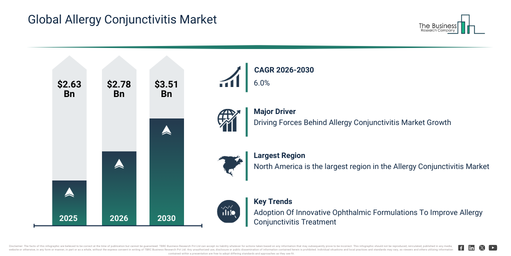
    The allergy conjunctivitis market has experienced robust expansion over recent years. Forecasts indicate it will expand from $2.63 billion in 2025 to $2.78 billion in 2026, exhibiting a compound annual growth rate (CAGR) of 5.9%. Historically, this growth has been driven by factors such as the rising incidence of allergic conditions, inadequate understanding of advanced treatment options, the strong presence of traditional antihistamines, inequities in healthcare access across regions, and a dependence on hospital-based pharmacies.

    The allergy conjunctivitis market is anticipated to show significant expansion over the coming years, with projections indicating a rise to $3.51 billion by 2030, exhibiting a compound annual growth rate (CAGR) of 6.0%. This growth during the forecast period can be attributed to several factors, including the increasing integration of biologics and immunotherapies, the development of telemedicine and digital health platforms, the widening reach of e-commerce in the pharmaceutical industry, enhanced governmental focus on eye care, and breakthroughs in patient-specific drug delivery. Key trends expected in this timeframe include the rising occurrence of seasonal allergies, a growing need for non-steroidal treatments, the proliferation of online pharmacy channels, a greater emphasis on eye health awareness and preventive care, and the expansion of allergy care services for both pediatric and geriatric demographics.

    Download the Free Sample Report to Explore Key Market Insights:

    https://www.thebusinessresearchcompany.com/sample.aspx?id=8806&type=smp

    Which Economic Or Industry Drivers Are Impacting The Allergy Conjunctivitis Market?

    The widespread occurrence of eye disorders is anticipated to propel the growth of the allergy conjunctivitis market. An eye disorder refers to any condition or abnormality that affects the structure or function of the eyes, leading to impaired vision or other symptoms related to eye health. Allergy conjunctivitis plays a significant role in the spectrum of eye disorders, particularly in cases where the condition is triggered by allergic reactions. This form of conjunctivitis is characterized by inflammation of the conjunctiva, the thin membrane covering the eye surface, and is commonly induced by exposure to allergens such as pollen, dust, or pet dander. The rise in environmental pollutants and chemicals has contributed to an increase in allergic conjunctivitis cases. For instance, in August 2023, the World Health Organization, a Switzerland-based specialized agency of the United Nations, published an article according to which globally, at least 2.2 billion people have a near or distance vision impairment, and among these 1 billion people, the main conditions causing distance vision impairment or blindness are cataracts (94 million), refractive error (88.4 million), age-related macular degeneration (8 million), glaucoma (7.7 million), and diabetic retinopathy (3.9 million). Therefore, the prevalence of eye disorders is driving the allergy conjunctivitis market.

    How Is The Allergy Conjunctivitis Market Structured Across Different Segments?

    The allergy conjunctivitis market covered in this report is segmented –

    1) By Drug Class: Antihistamines And Mast Cell Stabilizers, Corticosteroids, Other Drug Classes

    2) By Disease Type: Mild, Severe

    3) By Distribution Channel: Hospital Pharmacies, Drug Stores And Retail Pharmacies, Online Pharmacies

    Subsegments:

    1) By Antihistamines And Mast Cell Stabilizers: Topical Antihistamines, Oral Antihistamines, Mast Cell Stabilizers

    2) By Corticosteroids: Topical Corticosteroids, Systemic Corticosteroids

    3) By Other Drug Classes: Non-Steroidal Anti-Inflammatory Drugs (NSAIDs), Combination Therapy, Immunotherapy, Leukotriene Receptor Antagonists

    Which Trends Are Shaping The Future Of The Allergy Conjunctivitis Market?

    Major companies are active in the allergy conjunctivitis market, focusing on developing technological advancements such as eyelid-applied cream formulations to improve drug delivery, enhance patient compliance, and reduce the frequency of administration. An eyelid-applied cream formulation is applied to the eyelids rather than directly into the eyes, allowing for the sustained release of antihistamines while minimizing irritation and improving adherence compared to traditional eye drops. For instance, in May 2024, Santen Pharmaceutical, a Japan-based ophthalmology company, launched Alesion Eyelid Cream 0.5%, designed for patients with allergic conjunctivitis. This product delivers epinastine hydrochloride via the eyelids, significantly reducing itching and redness, offers a once-daily application, and provides a favorable safety profile over long-term use.

    Which Major Players Dominate The Allergy Conjunctivitis Market?

    Major companies operating in the allergy conjunctivitis market are Allergan PLC, AbbVie Inc., Ajanta Pharma Limited, Akron Operating Company LLC, Alcon Inc., Alembic Pharmaceuticals Ltd., Atopix Therapeutics Ltd., Auven Therapeutics Management LLLP, Bausch & Lomb, Cipla Ltd., Grevis Pharmaceutical Private Limited, Indoco Remedies Ltd., Jabs Biotech Pvt. Ltd., JAWA Pharmaceuticals Pvt. Ltd., Novartis AG, Ocular Therapeutix Inc., Santen Pharmaceutical Co. Ltd., Sun Pharmaceutical Industries Ltd., Laboratoires Thea SAS, Aciex Therapeutics Inc., Bausch Health Companies Inc., C.H. Boehringer Sohn AG & Co. KG, Eyevance Pharmaceuticals LLC, Johnson & Johnson Services Inc., Mylan N.V., Nicox S.A., Omeros Corporation, Otsuka Pharmaceutical Co. Ltd., Pfizer Inc., Regeneron Pharmaceuticals Inc., Shire PLC, Teva Pharmaceutical Industries Ltd., Zydus Cadila

    Read the full allergy conjunctivitis market report here:

    https://www.thebusinessresearchcompany.com/report/allergy-conjunctivitis-global-market-report

    What Are The Top-Performing Regions Within The Allergy Conjunctivitis Market?

    North America was the largest region in the allergy conjunctivitis market share in 2025. The regions covered in the allergy conjunctivitis market report are Asia-Pacific, South East Asia, Western Europe, Eastern Europe, North America, South America, Middle East, Africa.

    Request A Tailored Allergy Conjunctivitis Market Research Report For Competitive Advantage:

    https://www.thebusinessresearchcompany.com/customise?id=8806&type=smp

    Browse Through More Reports Similar to the Global Allergy Conjunctivitis Market 2026, By The Business Research Company

    Allergy Conjunctivitis Market Report 2026

    https://www.thebusinessresearchcompany.com/report/allergy-conjunctivitis-global-market-report

    Conjunctivitis Treatment Market Report 2026

    https://www.thebusinessresearchcompany.com/report/conjunctivitis-treatment-global-market-report

    Bacterial Conjunctivitis Market Report 2026

    https://www.thebusinessresearchcompany.com/report/bacterial-conjunctivitis-global-market-report

    Get in touch with us:

    The Business Research Company: https://www.thebusinessresearchcompany.com/

    Americas +1 310-496-7795

    Asia +44 7882 955267 & +91 8897263534

    Europe +44 7882 955267

    Email us at info@tbrc.info

    Follow us on:

    LinkedIn: https://in.linkedin.com/company/the-business-research-company

    YouTube: https://www.youtube.com/channel/UC24_fI0rV8cR5DxlCpgmyFQ

    Global Market Model: https://www.thebusinessresearchcompany.com/global-market-model
  • Global Allergic Rhinitis Drugs Market Report 2026–2035 presenting expansion outlook and opportunities

    Global Allergic Rhinitis Drugs Market Report 2026–2035 presenting expansion outlook and opportunities

    The Business Research Company’s 2026 market reports include new capabilities such as market attractiveness scoring and analysis, total addressable market analysis, company scoring matrix, interactive excel data dashboard, improved supply chain analysis, upcoming startups in the market, and overview of key products, aimed at improving the depth, usability, and strategic value of the insights delivered.

    What Is The Market Size Of The Allergic Rhinitis Drugs Market In 2026 And What Value Is Projected For 2030?

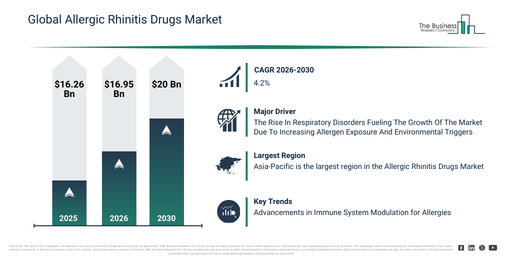
    The allergic rhinitis drugs market size has shown steady expansion in recent years. It is anticipated to grow from $16.26 billion in 2025 to $16.95 billion in 2026, achieving a compound annual growth rate (CAGR) of 4.2%. The past growth can be attributed to an increasing prevalence of seasonal and perennial allergic rhinitis, insufficient awareness and accessibility to allergy treatments, the reliance on conventional antihistamines and corticosteroids, rising environmental allergens and pollution levels, and a growing urban population with heightened exposure to allergens.

    The allergic rhinitis drugs market is projected to experience consistent expansion over the upcoming years. This market is anticipated to reach a valuation of $20 billion by 2030, exhibiting a compound annual growth rate (CAGR) of 4.2%. Several factors are driving this anticipated growth, including breakthroughs in biologics and immunotherapy, the increasing integration of digital health platforms for managing allergies, intensified research and development efforts in pediatric and precision medicine, the expansion of e-commerce and online pharmacy routes, and a surge in government programs designed to raise awareness and facilitate early diagnosis of allergies. Key trends expected during this period involve the emergence of customized allergy treatments, an increase in biologic-derived allergic rhinitis medications, the proliferation of online and e-pharmacy platforms, a heightened emphasis on managing allergic rhinitis in children, and the implementation of non-steroidal anti-inflammatory treatment approaches.

    Download the Free Sample Report to Explore Key Market Insights:

    https://www.thebusinessresearchcompany.com/sample.aspx?id=18218&type=smp

    What Major Drivers Are Influencing Demand In The Allergic Rhinitis Drugs Market?

    The escalating burden of respiratory conditions is projected to fuel the expansion of the allergic rhinitis drug market moving forward. These conditions, exemplified by asthma, are chronic ailments impacting the lungs and airways, with their incidence increasing due to factors such as deteriorating air quality, elevated levels of airborne allergens, and climate-induced environmental shifts. The surge in respiratory illnesses is specifically driven by rising air pollution, which damages lung tissue and triggers persistent respiratory problems, resulting in a higher global occurrence of diseases like asthma and COPD. Allergic rhinitis medications aid in managing respiratory disorders by lessening nasal inflammation and congestion, thereby improving airflow and making breathing easier, which in turn prevents lower respiratory tract complications. For instance, a report from the Centers for Disease Control and Prevention (CDC), a US-based federal agency, revealed that approximately 81.7% of U.S. adults had current asthma in January 2025, based on data from the 2023 Behavioral Risk Factor Surveillance System Asthma Call-Back Survey (ACBS). Hence, the rising prevalence of respiratory disorders is a key driver for the growth of the allergic rhinitis drug market.

    What Are The Key Segments Of The Allergic Rhinitis Drugs Market?

    The allergic rhinitis drugs market covered in this report is segmented –

    1) By Disease: Seasonal Allergic Rhinitis, Perennial Allergic Rhinitis, Occupational Allergic Rhinitis

    2) By Treatment: Antihistamines, Immunotherapy, Corticosteroids, Decongestants, Other Treatments

    3) By Route Of Administration: Oral, Nasal, Intraocular

    4) By Distribution Channel: Retail Pharmacies, Hospital Pharmacies, Online Channel

    Subsegments:

    1) By Seasonal Allergic Rhinitis: Hay Fever, Pollen Allergy, Spring And Summer Allergies

    2) By Perennial Allergic Rhinitis: Dust Mite Allergy, Pet Dander Allergy, Mold Allergy

    3) By Occupational Allergic Rhinitis: Chemical Exposure Allergies, Occupational Dust And Fume Allergies, Allergies Related To Specific Work Environments

    What Key Trends Are Influencing The Development Of The Allergic Rhinitis Drugs Market?

    Major companies within the Allergic Rhinitis Drugs market are increasingly focusing on developing innovative products, such as novel probiotics, to effectively enhance immune responses and reduce allergy symptoms. Novel probiotics are being investigated for their capability to modulate the immune system and alleviate allergic rhinitis symptoms. By fostering a balanced gut microbiome, they offer a potential natural alternative to traditional treatments. For instance, in March 2024, Entod Pharma, an India-based pharmaceutical company, launched Lactoshield RH for the management of nasal allergies, including allergic rhinitis. This product integrates clinically evaluated probiotic strains designed to stabilize intestinal flora and modulate immune responses, thereby potentially easing symptoms associated with nasal allergies.

    Who Are The Leading Companies Operating In The Allergic Rhinitis Drugs Market?

    Major companies operating in the allergic rhinitis drugs market are Pfizer Inc., Johnson & Johnson, Merck & Co., Bayer AG, Sanofi SA, AstraZeneca plc, Novartis AG, GlaxoSmithKline PLC, Boehringer Ingelheim International GmbH, Viatris Inc., Teva Pharmaceutical Industries Ltd., Regeneron Pharmaceuticals Inc., Bausch Health Companies Inc., Sun Pharmaceuticals Industries Ltd., Perrigo Company plc, Dr. Reddy’s Laboratories, Apotex Inc., Meda AB, Amneal Pharmaceuticals Inc., Glenmark Pharmaceuticals Ltd, ALK-Abelló A/S, Stallergenes Greer plc, Himalaya Wellness Company, Aytu BioPharma Inc., Allergy Therapeutics PLC

    Read the full allergic rhinitis drugs market report here:

    https://www.thebusinessresearchcompany.com/report/allergic-rhinitis-drugs-global-market-report

    Which Region Shows The Strongest Potential For Future Growth In The Allergic Rhinitis Drugs Market?

    Asia-Pacific was the largest region in the allergic rhinitis drugs market in 2025. The regions covered in the allergic rhinitis drugs market report are Asia-Pacific, South East Asia, Western Europe, Eastern Europe, North America, South America, Middle East, Africa.

    Request A Tailored Allergic Rhinitis Drugs Market Research Report For Competitive Advantage:

    https://www.thebusinessresearchcompany.com/customise?id=18218&type=smp

    Browse Through More Reports Similar to the Global Allergic Rhinitis Drugs Market 2026, By The Business Research Company

    Allergic Rhinitis Drugs Market Report 2026

    https://www.thebusinessresearchcompany.com/report/allergic-rhinitis-drugs-global-market-report

    Allergic Rhinitis Market Report 2026

    https://www.thebusinessresearchcompany.com/report/allergic-rhinitis-global-market-report

    Asthma Drugs Market Report 2026

    https://www.thebusinessresearchcompany.com/report/asthma-drugs-global-market-report

    Get in touch with us:

    The Business Research Company: https://www.thebusinessresearchcompany.com/

    Americas +1 310-496-7795

    Asia +44 7882 955267 & +91 8897263534

    Europe +44 7882 955267

    Email us at info@tbrc.info

    Follow us on:

    LinkedIn: https://in.linkedin.com/company/the-business-research-company

    YouTube: https://www.youtube.com/channel/UC24_fI0rV8cR5DxlCpgmyFQ

    Global Market Model: https://www.thebusinessresearchcompany.com/global-market-model
  • Alkylating Agents Market Growth Outlook 2026–2030 focusing on innovation trends and competition

    Alkylating Agents Market Growth Outlook 2026–2030 focusing on innovation trends and competition

    The Business Research Company’s 2026 market reports include new capabilities such as market attractiveness scoring and analysis, total addressable market analysis, company scoring matrix, interactive excel data dashboard, improved supply chain analysis, upcoming startups in the market, and overview of key products, aimed at improving the depth, usability, and strategic value of the insights delivered.

    What Will Be The Estimated Market Valuation Of The Alkylating Agents Market By The End Of 2030?

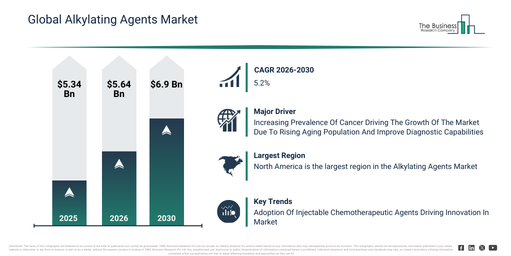
    The alkylating agents market size has observed substantial expansion in recent years. It is projected to climb from $5.34 billion in 2025 to $5.64 billion in 2026, achieving a compound annual growth rate (CAGR) of 5.5%. The historical growth of this market can be attributed to several factors including cancer prevalence, established hospital oncology protocols, the widespread adoption of chemotherapy, the ready availability of alkylating drugs, and continuous oncology research.

    The alkylating agents market is projected to demonstrate significant expansion in the upcoming years. It is foreseen to reach $6.9 billion by 2030, growing at a compound annual growth rate (CAGR) of 5.2%. This growth during the forecast period is primarily driven by the expanding oncology drug pipeline, the increased availability of biosimilars, the adoption of combination therapies, an aging global population, and widespread cancer screening programs. Noteworthy trends for the forecast period include their sustained application in chemotherapy regimens, a rising demand in treating hematological malignancies, the development of combination cancer therapies, the proliferation of generic oncology drugs, and a heightened focus on refining toxicity management.

    Download the Free Sample Report to Explore Key Market Insights:

    https://www.thebusinessresearchcompany.com/sample.aspx?id=24457&type=smp

    Which Market Drivers Are Supporting The Expansion Of The Alkylating Agents Market?

    The increasing occurrence of cancer is anticipated to drive the expansion of the alkylating agents market. Cancer is defined as the uncontrolled growth and spread of abnormal cells throughout the body, which can invade or damage healthy tissue. It can develop in almost any organ or tissue and potentially spread to other body parts via the blood and lymph systems. The rising prevalence of cancer is primarily due to aging populations, as the risk significantly increases with age; older individuals have had more prolonged exposure to risk factors, leading to the accumulation of genetic mutations in their cells over time. Alkylating agents aid in cancer treatment by attaching alkyl groups to the deoxyribonucleic acid of cancer cells, thereby disrupting their ability to replicate, causing cancer cell death, and slowing tumor growth. For instance, according to the National Health Service (NHS), a UK-based government health agency, there were 354,820 new cancer diagnoses in 2023, averaging 972 per day, as reported in October 2025. This figure is 8,605 higher than in 2022. Therefore, the growing prevalence of cancer is propelling the growth of the alkylating agents market.

    Which Segment Classifications Shape The Alkylating Agents Market?

    The alkylating agents market covered in this report is segmented –

    1) By Type: Nitrogen Mustards, Nitrosoureas, Aziridines, Ethylenimines, Triazines, Alkyl Sulfonates

    2) By Route Of Administration: Oral, Intravenous, Other Route Of Administrations

    3) By Application: Oncology, Hematology, Other Applications

    4) By End-Users: Hospitals, Specialty Clinics, Homecare, Other End-Users

    Subsegments:

    1) By Nitrogen Mustards: Mechlorethamine, Cyclophosphamide, Ifosfamide, Melphalan, Chlorambucil

    2) By Nitrosoureas: Carmustine, Lomustine, Streptozocin, Semustine

    3) By Aziridines: Thiotepa, Mitomycin C

    4) By Ethylenimines: Hexamethylmelamine (HMM), Altretamine

    5) By Triazines: Dacarbazine, Temozolomide

    6) By Alkyl Sulfonates: Busulfan, Sulfur Mustard

    How Are Trends Impacting The Alkylating Agents Market?

    Major companies within the alkylating agents market are focusing on creating novel products, such as injectable chemotherapeutic agents, to improve their transportability and simplify use in diverse healthcare settings. These injectable chemotherapeutic agents are drugs administered intravenously or by injection to deliver cancer-fighting compounds directly into the bloodstream or tissues, enabling swift absorption and precise treatment of tumors. For instance, in January 2024, Avenacy Inc., a US-based company specializing in pharmaceutical manufacturing, launched Melphalan Hydrochloride, a well-known alkylating agent employed in chemotherapy to address cancers. This product includes a 50 mg vial of lyophilized melphalan and a 10 mL vial of sterile diluent, formulated for room-temperature storage to enhance its transportability and availability in clinical environments. Melphalan Hydrochloride provides proprietary packaging and labeling to ensure accurate medication selection as a therapeutic equivalent generic to Alkeran for Injection, specifically indicated for the palliative care of multiple myeloma patients when oral therapy is unsuitable.

    Which Companies Are Expanding Their Footprint In The Alkylating Agents Market?

    Major companies operating in the alkylating agents market are Pfizer Inc., Merck KGaA, AstraZeneca PLC, Novartis AG, Fresenius Kabi AG, Teva Pharmaceuticals USA Inc., Baxter Healthcare Corporation, Apotex Inc., Jiangsu Hengrui Pharmaceuticals Co. Ltd., Dr. Reddy’s Laboratories Ltd., Hikma Pharmaceuticals PLC, Cipla Limited, Aspen Pharmacare Holdings Limited, Zydus Lifesciences Limited, Emcure Pharmaceuticals Ltd., KRKA d. d. Novo mesto, Sagent Pharmaceuticals Inc., Debiopharm International SA, Accord Healthcare Ltd., NextSource Biotechnology LLC

    Read the full alkylating agents market report here:

    https://www.thebusinessresearchcompany.com/report/alkylating-agents-global-market-report

    How Is The Alkylating Agents Market Distributed Across Key Geographic Regions?

    North America was the largest region in the alkylating agents market in 2025. Asia-Pacific is expected to be the fastest-growing region in the forecast period. The regions covered in the alkylating agents market report are Asia-Pacific, South East Asia, Western Europe, Eastern Europe, North America, South America, Middle East, Africa.

    Request A Tailored Alkylating Agents Market Research Report For Competitive Advantage:

    https://www.thebusinessresearchcompany.com/customise?id=24457&type=smp

    Browse Through More Reports Similar to the Global Alkylating Agents Market 2026, By The Business Research Company

    Automated Algo Trading Market Report 2026

    https://www.thebusinessresearchcompany.com/report/automated-algo-trading-global-market-report

    Wholesale Electronic Markets And Agents And Brokers Market Report 2026

    https://www.thebusinessresearchcompany.com/report/wholesale-electronic-markets-and-agents-and-brokers-global-market-report

    Geomarketing Market Report 2026

    https://www.thebusinessresearchcompany.com/report/geomarketing-global-market-report

    Get in touch with us:

    The Business Research Company: https://www.thebusinessresearchcompany.com/

    Americas +1 310-496-7795

    Asia +44 7882 955267 & +91 8897263534

    Europe +44 7882 955267

    Email us at info@tbrc.info

    Follow us on:

    LinkedIn: https://in.linkedin.com/company/the-business-research-company

    YouTube: https://www.youtube.com/channel/UC24_fI0rV8cR5DxlCpgmyFQ

    Global Market Model: https://www.thebusinessresearchcompany.com/global-market-model

  • Alkaloid Based Drugs Market Forecast 2026–2035 highlighting market patterns and industry insights

    Alkaloid Based Drugs Market Forecast 2026–2035 highlighting market patterns and industry insights

    The Business Research Company’s 2026 market reports include new capabilities such as market attractiveness scoring and analysis, total addressable market analysis, company scoring matrix, interactive excel data dashboard, improved supply chain analysis, upcoming startups in the market, and overview of key products, aimed at improving the depth, usability, and strategic value of the insights delivered.

    What Market Size Growth Is Projected For The Alkaloid Based Drugs Market During The Forecast Period 2026–2030?

    The market size for alkaloid-based drugs has seen significant expansion in recent years. It is forecast to grow from $3.14 billion in 2025 to $3.42 billion in 2026, with a compound annual growth rate (CAGR) of 9.0%. This historical growth can be linked to the traditional utilization of alkaloid compounds, the clinical affirmation of alkaloid-derived medications, an increase in cancer treatment alternatives, a rising need for analgesics, and the availability of natural source materials.

    The alkaloid based drugs market size is projected to experience substantial growth in the upcoming years. It is predicted to expand to $4.8 billion by 2030, achieving a compound annual growth rate (CAGR) of 8.8%. This growth during the forecast period can be attributed to several factors, including an increase in phytopharmaceutical research, the rising demand for drugs originating from natural sources, innovations in extraction and purification technologies, the escalating global burden of cancer, and the expansion of regulations governing herbal drugs. Notable trends expected in the forecast period include a growing demand for plant-derived therapeutics, their increasing application in oncology and pain management, the broader development of natural product drugs, an increasing preference for bioactive compounds, and enhanced research into techniques for alkaloid extraction.

    Download the Free Sample Report to Explore Key Market Insights:

    https://www.thebusinessresearchcompany.com/sample.aspx?id=23302&type=smp

    What Underlying Factors Are Accelerating The Growth Of The Alkaloid Based Drugs Market?

    The rising incidence of infectious diseases is set to drive the expansion of the alkaloid-based drugs market. These conditions are caused by pathogenic microorganisms such as bacteria, viruses, parasites, or fungi, which can spread directly or indirectly between individuals. The increase in infectious diseases is attributed to greater global travel, enabling pathogens to disseminate rapidly across regions and continents, leading to more frequent and widespread outbreaks. Alkaloid-based drugs are crucial for combating infectious diseases because they possess potent bioactive compounds capable of effectively inhibiting or killing pathogens, thereby assisting in infection management and eradication. For instance, a report from the World Health Organization (WHO), a Switzerland-based agency, published in December 2024, estimated 263 million malaria cases and 597,000 related deaths globally in 2023. This figure represented an increase of approximately 11 million cases compared to 2022, with the number of deaths largely unchanged. Therefore, the growing prevalence of infectious diseases will stimulate the growth of the alkaloid-based drugs market.

    What Market Segments Are Evaluated Within The Alkaloid Based Drugs Market?

    The alkaloid based drugs market covered in this report is segmented –

    1) By Type: True Alkaloids, Protoalkaloids, Pseudoalkaloids

    2) By Route Of Administration: Oral, Intravenous, Other Routes Of Administration

    3) By Application: Analgesic, Antimalarial, Antibacterial, Anticancer, Cholinomimetic, Antiasthma, Antiarrhythmic, Vasodilatory, Antihyperglycemic

    4) By End User: Clinic, Hospital, Other End Users

    Subsegments:

    1) By True Alkaloids: Indole Alkaloids, Isoquinoline Alkaloids, Pyrrolizidine Alkaloids, Tropane Alkaloids, Quinolizidine Alkaloids

    2) By Protoalkaloids: Phenethylamine Alkaloids, Purine Alkaloids, Imidazole Alkaloids

    3) By Pseudoalkaloids, Terpenoid Alkaloids, Steroidal Alkaloids, Peptide Alkaloids

    What Industry Trends Are Redefining The Alkaloid Based Drugs Market?

    Key companies in the alkaloid-based drugs market are increasingly focusing on strategic financial commitments to align with their long-term objectives, such as using equity investments to foster strategic collaboration and expand their regional market presence. Equity investment involves a company dedicating capital to another entity in exchange for ownership stakes or shares, often with the goal of establishing strategic partnerships, achieving market expansion, or gaining access to new technologies. For example, in October 2024, Alkaloid AD Skopje, a US-based manufacturer of alkaloid-based drugs, allocated $1 million to Rophibio, a South Korea-based research and development company, to facilitate the introduction of biosimilar drugs to the market. ALKALOID AD’s USD 1 million investment in South Korea provides it with an ownership stake and first refusal rights for licensing products in the region. This move strengthens ALKALOID AD’s standing within the biopharmaceutical sector, granting it access to innovative drug development through Rophibio, which is actively advancing in biosimilar drug development. This partnership effectively supports ALKALOID AD’s strategic aims, accelerating its growth and improving its competitiveness in emerging markets.

    Who Are The Top Market Participants Influencing The Alkaloid Based Drugs Market?

    Major companies operating in the alkaloid based drugs market are Pfizer Inc., Johnson & Johnson, Bayer AG, Novartis AG, Sanofi SA, Bristol-Myers Squibb Company, GlaxoSmithKline Plc, Eli Lilly and Company, Merck Group, Boehringer Ingelheim, Mylan NV, Astellas Pharma Inc., Sun Pharmaceutical Industries Ltd., Cipla Limited, Zydus Cadila, Lupin Limited, Alchem International Pvt. Ltd., Verve Health Care LTD., AdvaCare Pharma, Vital Laboratories Pvt Ltd

    Read the full alkaloid based drugs market report here:

    https://www.thebusinessresearchcompany.com/report/alkaloid-based-drugs-global-market-report

    Which Region Is Projected To Dominate The Alkaloid Based Drugs Market During The Forecast Period?

    North America was the largest region in the alkaloid-based drugs market in 2025. Asia-Pacific is expected to be the fastest-growing region in the forecast period. The regions covered in the alkaloid based drugs market report are Asia-Pacific, South East Asia, Western Europe, Eastern Europe, North America, South America, Middle East, Africa.

    Request A Tailored Alkaloid Based Drugs Market Research Report For Competitive Advantage:

    https://www.thebusinessresearchcompany.com/customise?id=23302&type=smp

    Browse Through More Reports Similar to the Global Alkaloid Based Drugs Market 2026, By The Business Research Company

    Morphine Drugs Market Report 2026

    https://www.thebusinessresearchcompany.com/report/morphine-drugs-global-market-report

    Pain Management Drugs Market Report 2026

    https://www.thebusinessresearchcompany.com/report/pain-management-drugs-global-market-report

    Alexipharmic Drugs Market Report 2026

    https://www.thebusinessresearchcompany.com/report/alexipharmic-drugs-global-market-report

    Get in touch with us:

    The Business Research Company: https://www.thebusinessresearchcompany.com/

    Americas +1 310-496-7795

    Asia +44 7882 955267 & +91 8897263534

    Europe +44 7882 955267

    Email us at info@tbrc.info

    Follow us on:

    LinkedIn: https://in.linkedin.com/company/the-business-research-company

    YouTube: https://www.youtube.com/channel/UC24_fI0rV8cR5DxlCpgmyFQ

    Global Market Model: https://www.thebusinessresearchcompany.com/global-market-model