Month: March 2026

  • Anti-Cancer MAbs Market expected to grow steadily and reach $112.41 billion by 2030

    Anti-Cancer MAbs Market expected to grow steadily and reach $112.41 billion by 2030

    The Business Research Company’s 2026 market reports include new capabilities such as market attractiveness scoring and analysis, total addressable market analysis, company scoring matrix, interactive excel data dashboard, improved supply chain analysis, upcoming startups in the market, and overview of key products, aimed at improving the depth, usability, and strategic value of the insights delivered.

    What Market Value Is Expected For The Anti-Cancer MAbS Market At The End Of The 2026–2030 Forecast Period?

    The anti-cancer mabs market has experienced significant expansion in recent years. Its valuation is forecast to increase from $71.25 billion in 2025 to $78.12 billion in 2026, progressing at a compound annual growth rate (CAGR) of 9.6%. This historical growth can be attributed to factors such as a rise in global cancer prevalence, the proven clinical effectiveness of monoclonal antibodies, substantial investment in oncology research and development, numerous regulatory approvals for biologics, and enhanced patient survival rates in cancer therapy.

    The market for anti-cancer monoclonal antibodies (mAbs) is projected to experience significant expansion in the coming years. It is forecast to achieve a size of $112.41 billion by 2030, growing at a compound annual growth rate (CAGR) of 9.5%. This growth throughout the forecast period can be attributed to several factors, including the advancement of personalized cancer medicine, the increased availability of biosimilar mAbs, a rise in oncology healthcare spending, breakthroughs in antibody engineering, and improved access to biologic therapies. Furthermore, major trends expected during this period include the rising acceptance of targeted immunotherapies, the development and expansion of humanized and bispecific antibodies, a growing reliance on combination cancer therapies, an increased focus on precision oncology, and better manufacturing scalability for mAbs.

    Download the Free Sample Report to Explore Key Market Insights:

    https://www.thebusinessresearchcompany.com/sample.aspx?id=9041&type=smp

    What Drivers Are Shaping The Future Growth Of The Anti-Cancer MAbS Market?

    The global rise in cancer cases is anticipated to boost the anticancer mAbs market. Cancer is defined as a group of diseases marked by uncontrolled cell proliferation, capable of invading and harming healthy body tissues. This growing incidence of cancer is attributed to an aging global population, evolving lifestyles, environmental exposures, and advancements in diagnostic tools leading to higher detection rates. Anticancer monoclonal antibodies (mAbs) are genetically engineered versions of the immune system’s antibodies designed to attach to specific proteins on cancer cells, targeting and destroying them. Consequently, the increasing prevalence of cancer fuels demand for the anticancer mAbs market. For example, in February 2024, accroding to the World Health Organization (WHO), a Switzerland-based United Nations agency, projected new cancer cases to exceed 35 million by 2050, representing a 77% increase compared to the estimated 20 million cases in 2022. Thus, the escalating global prevalence of cancer is a key driver for the growth of the anticancer mAbs market.

    What Segment Types Make Up The Anti-Cancer MAbS Market?

    The anti-cancer mabs market covered in this report is segmented –

    1) By Type: Murine Antibodies, Chimeric Antibodies, Humanized Antibodies, Other Types

    2) By Application: Blood Cancer, Breast Cancer, Lung Cancer, Melanoma, Colorectal Cancer, Liver Cancer, Other Applications

    3) By End User: Hospitals, Research Institutes, Other End Users

    Subsegments:

    1) By Murine Antibodies: Murine IgG, Murine IgM, Other Murine Isotypes

    2) By Chimeric Antibodies: Chimeric IgG, Chimeric IgM, Other Chimeric Isotypes

    3) By Humanized Antibodies: Humanized IgG, Humanized IgM, Other Humanized Isotypes

    4) By Other Types: Fully Human Antibodies, Bispecific Antibodies, Conjugated Antibodies, Other Novel Formats

    Which Market Trends Are Creating New Opportunities In The Anti-Cancer MAbS Market?

    Leading companies in the anti-cancer monoclonal antibodies (mAbs) market are focusing on developing innovative solutions, such as early-phase clinical trials, to advance novel therapeutic candidates and strengthen their competitive position. Clinical trials are defined as structured research studies conducted in human participants to evaluate the safety, dosing, and therapeutic effectiveness of new medical interventions, including targeted antibodies and radioimmunotherapies. For instance, in April 2023, Y-mAbs Therapeutics Inc., a US-based clinical biopharmaceutical company, launched a Phase I clinical trial evaluating GD2-SADA, a pre-targeted radioimmunotherapy designed for GD2-positive solid tumors such as small cell lung cancer, sarcoma, and malignant melanoma. The therapy operates through a two-step mechanism where the SADA protein first selectively binds to GD2-expressing tumor cells, followed by administration of the radioactive ligand 177Lu-DOTA which attaches to the SADA protein to deliver targeted radiation, aiming to maximize tumor cell destruction while minimizing radiation exposure to healthy tissues.

    Who Are The Key Players Driving Competition In The Anti-Cancer MAbS Market?

    Major companies operating in the anti-cancer mabs market are Amgen Inc., Bristol Myers Squibb Company, Eli Lilly and Company, F. Hoffmann-La Roche Ltd., GlaxoSmithKline plc, Johnson & Johnson, Novartis AG, Merck & Co. Inc., Spectrum Pharmaceuticals Inc., AstraZeneca plc., Pfizer Inc., Gilead Sciences Inc., Bayer HealthCare, ImmunoGen Inc., Genentech Inc., AbbVie Inc., Takeda Pharmaceuticals, Seattle Genetics, Regeneron Pharmaceuticals, Celgene, Ipsen, Daiichi Sankyo, ADC Therapeutics, MacroGenics Inc., Zymeworks Inc.

    Read the full anti-cancer mabs market report here:

    https://www.thebusinessresearchcompany.com/report/anti-cancer-mabs-global-market-report

    Which Geographic Regions Are Influencing Demand In The Anti-Cancer MAbS Market?

    North America was the largest region in the anti-cancer MAbS market in 2025. Asia-Pacific is expected to be the fastest-growing region in the anti-cancer MAbS market during the forecast period. The regions covered in the anti-cancer mabs market report are Asia-Pacific, South East Asia, Western Europe, Eastern Europe, North America, South America, Middle East, Africa.

    Request A Tailored Anti-Cancer MAbS Market Research Report For Competitive Advantage:

    https://www.thebusinessresearchcompany.com/customise?id=9041&type=smp

    Browse Through More Reports Similar to the Global Anti-Cancer MAbS Market 2026, By The Business Research Company

    Anti Cancer Mabs Market Report 2026

    https://www.thebusinessresearchcompany.com/report/anti-cancer-mabs-global-market-report

    Monoclonal Antibodies Market Report 2026

    https://www.thebusinessresearchcompany.com/report/monoclonal-antibodies-global-market-report

    Monoclonal Antibodies Market Report 2026

    https://www.thebusinessresearchcompany.com/report/monoclonal-antibodies-global-market-report

    Get in touch with us:

    The Business Research Company: https://www.thebusinessresearchcompany.com/

    Americas +1 310-496-7795

    Asia +44 7882 955267 & +91 8897263534

    Europe +44 7882 955267

    Email us at info@tbrc.info

    Follow us on:

    LinkedIn: https://in.linkedin.com/company/the-business-research-company

    YouTube: https://www.youtube.com/channel/UC24_fI0rV8cR5DxlCpgmyFQ

    Global Market Model: https://www.thebusinessresearchcompany.com/global-market-model
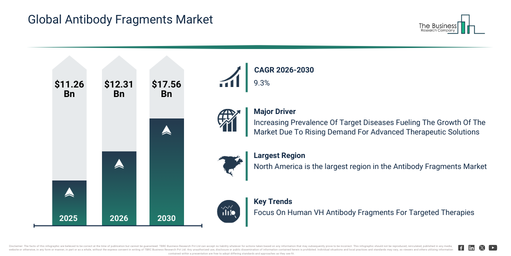
  • Antibody Fragments Industry forecast indicating growth to $17.56 billion by 2030 at 9.3% CAGR

    Antibody Fragments Industry forecast indicating growth to $17.56 billion by 2030 at 9.3% CAGR

    The Business Research Company’s 2026 market reports include new capabilities such as market attractiveness scoring and analysis, total addressable market analysis, company scoring matrix, interactive excel data dashboard, improved supply chain analysis, upcoming startups in the market, and overview of key products, aimed at improving the depth, usability, and strategic value of the insights delivered.

    What Is The Estimated Market Size Of The Antibody Fragments Market During 2026–2030?

    The antibody fragments market size has shown significant expansion in recent times. It is predicted to increase from $11.26 billion in 2025 to $12.31 billion in 2026, achieving a compound annual growth rate (CAGR) of 9.3%. The previous period’s growth stemmed from factors including advancements in monoclonal antibody technologies, the clinical efficacy of antibody-derived treatments, a rise in cancer biologics research, expanded applications of diagnostic antibodies, and heightened investment in biologics R&D.

    The antibody fragments market is set for significant expansion in the next few years. It is projected to grow to $17.56 billion by 2030, at a compound annual growth rate (CAGR) of 9.3%. This anticipated growth can be attributed to the rise in targeted cancer therapies, the expansion of antibody fragment pipelines, increasing demand for precision biologics, a growing use in companion diagnostics, and innovation in recombinant antibody engineering. Major trends foreseen during this period include the increasing adoption of fragment-based biologics, their expanded application in oncology and targeted therapies, a rising demand for high-penetration antibody formats, the broadening of diagnostic applications, and an increased focus on treatments that offer reduced immunogenicity.

    Download the Free Sample Report to Explore Key Market Insights:

    https://www.thebusinessresearchcompany.com/sample.aspx?id=23307&type=smp

    Which Economic Or Industry Drivers Are Impacting The Antibody Fragments Market?

    The expanding occurrence of target diseases is projected to drive the growth of the antibody fragments market. Target diseases are specific illnesses or health conditions that a medicine, treatment, or medical research seeks to prevent, manage, or cure. Prominent target diseases include cancer, infectious diseases, and bacterial infections. This increasing prevalence of target diseases primarily stems from unhealthy lifestyles and pollution, which weaken the body’s defenses and lead to chronic conditions. Antibody fragments offer highly specific, targeted, and versatile options for treating various diseases, often with reduced side effects compared to traditional therapies. Their ability to be customized and engineered for specific targets makes them an increasingly valuable tool in modern medicine. For instance, in January 2025, a report published by the American Cancer Society, a US-based non-profit organization, indicated that the United States is expected to report 2,041,910 new cancer cases and 618,120 cancer deaths in 2025, an increase from 2,001,140 new cases and 611,720 deaths in 2024. Therefore, the rising prevalence of target diseases is a significant driver for the growth of the antibody fragments market.

    How Are The Various Segments Of The Antibody Fragments Market Categorized?

    The antibody fragments market covered in this report is segmented –

    1) By Type: F(ab) Fragments, F(ab’)2 Fragments, Single-Chain Variable Fragments (scFvs), Single Domain Antibody Fragments (sdAbs), Other Types

    2) By Specificity: Monoclonal Antibody, Polyclonal Antibody

    3) By Delivery Method: Intravenous (IV), Subcutaneous (SC)

    4) By Application: Cancer, Immunodeficiencies, Other Applications

    5) By End User: Pharmaceutical Companies, Biotechnology Companies, Research Institutions, Diagnostic Laboratories, Contract Research Organizations (CROs)

    Subsegments:

    1) By F(ab) Fragments: Recombinant F(ab) Fragments, Enzymatically Derived F(ab) Fragments

    2) By F(ab’)2 Fragments: Pepsin-Derived F(ab’)2 Fragments, Recombinant F(ab’)2 Fragments

    3) By Single-Chain Variable Fragments (scFvs): Bacterial-Produced Single-Chain Variable Fragments (scFvs), Mammalian Cell-Produced Single-Chain Variable Fragments (scFvs), Yeast-Produced Single-Chain Variable Fragments (scFvs)

    4) By Single Domain Antibody Fragments (sdAbs): Camelid-Derived Single Domain Antibody Fragments (sdAbs), Shark-Derived Single Domain Antibody Fragments (sdAbs), Synthetic Single Domain Antibody Fragments (sdAbs)

    5) By Other Types: Bispecific Antibody Fragments, Multispecific Antibody Fragments, Fusion Protein Antibody Fragments

    What Trends Are Affecting The Expansion Of The Antibody Fragments Market?

    Leading companies within the antibody fragments market are concentrating on conducting clinical trials aimed at developing innovative products, such as human VH antibody fragments, to improve the effectiveness of targeted therapy and decrease immunogenicity in the treatment of cancers, autoimmune disorders, and infectious diseases. A human VH antibody fragment is defined as the variable domain of a human antibody’s heavy chain, capable of independently binding to antigens. It plays a vital role in forming antibody fragments by serving as the essential antigen-binding region, frequently utilized alone or fused with other molecules to create small, stable, high-affinity therapeutic or diagnostic antibodies. For instance, in May 2024, Zai Lab Limited, a China-based pharmaceutical company, launched a global Phase 2 clinical trial to evaluate the efficacy and safety of ZL-1102. ZL-1102 is a novel human VH antibody fragment (Humabody) specifically designed to target IL-17. It is currently being developed as a topical therapy for mild-to-moderate chronic plaque psoriasis, seeking to enhance treatment precision while simultaneously reducing systemic side effects and immunogenic responses.

    Which Major Firms Influence Developments In The Antibody Fragments Market?

    Major companies operating in the antibody fragments market are Pfizer Inc., Johnson & Johnson Services Inc., F. Hoffmann-La Roche AG, AbbVie Inc., Sanofi S.A., AstraZeneca PLC, Novartis AG, GSK plc, Eli Lilly and Company, Amgen Inc., Boehringer Ingelheim International GmbH, Regeneron Pharmaceuticals Inc., Biogen Inc., UCB S.A., Bio-Rad Laboratories Inc., Genmab A/S, WuXi Biologics Co. Ltd., Abcam plc, MacroGenics Inc., Harbour BioMed, Creative Biolabs Inc.

    Read the full antibody fragments market report here:

    https://www.thebusinessresearchcompany.com/report/antibody-fragments-global-market-report

    What Are The Top-Performing Regions Within The Antibody Fragments Market?

    North America was the largest region in the antibody fragments market in 2025. Asia-Pacific is expected to be the fastest-growing region in the forecast period. The regions covered in the antibody fragments market report are Asia-Pacific, South East Asia, Western Europe, Eastern Europe, North America, South America, Middle East, Africa.

    Request A Tailored Antibody Fragments Market Research Report For Competitive Advantage:

    https://www.thebusinessresearchcompany.com/customise?id=23307&type=smp

    Browse Through More Reports Similar to the Global Antibody Fragments Market 2026, By The Business Research Company

    Antibody Discovery Market Report 2026

    https://www.thebusinessresearchcompany.com/report/antibody-discovery-global-market-report

    Polyclonal Antibodies Market Report 2026

    https://www.thebusinessresearchcompany.com/report/polyclonal-antibodies-global-market-report

    Research Antibodie And Reagent Market Report 2026

    https://www.thebusinessresearchcompany.com/report/research-antibodie-and-reagent-global-market-report

    Get in touch with us:

    The Business Research Company: https://www.thebusinessresearchcompany.com/

    Americas +1 310-496-7795

    Asia +44 7882 955267 & +91 8897263534

    Europe +44 7882 955267

    Email us at info@tbrc.info

    Follow us on:

    LinkedIn: https://in.linkedin.com/company/the-business-research-company

    YouTube: https://www.youtube.com/channel/UC24_fI0rV8cR5DxlCpgmyFQ

    Global Market Model: https://www.thebusinessresearchcompany.com/global-market-model

  • Antibody Drug Conjugates Contract Manufacturing Market expected to reach $16.5 billion by 2030 at 9.6% CAGR

    Antibody Drug Conjugates Contract Manufacturing Market expected to reach $16.5 billion by 2030 at 9.6% CAGR

    The Business Research Company’s 2026 market reports include new capabilities such as market attractiveness scoring and analysis, total addressable market analysis, company scoring matrix, interactive excel data dashboard, improved supply chain analysis, upcoming startups in the market, and overview of key products, aimed at improving the depth, usability, and strategic value of the insights delivered.

    What Market Size Expansion Is Predicted For The Antibody Drug Conjugates Contract Manufacturing Market Between 2026 And 2030?

    The size of the Antibody Drug Conjugates Contract Manufacturing Market has demonstrated strong growth over recent years. The market is anticipated to expand from $10.45 billion in 2025 to $11.45 billion in 2026, achieving a compound annual growth rate (CAGR) of 9.5%. Factors contributing to its historical expansion include the rise in targeted cancer therapies, the intricate process of ADC production, restricted in-house manufacturing capabilities, initial successful clinical outcomes of ADCs, and the necessity for regulatory compliance.

    The antibody drug conjugates contract manufacturing market is anticipated to experience robust expansion in the upcoming years, with its size projected to reach $16.5 billion by 2030, driven by a compound annual growth rate (CAGR) of 9.6%. This growth during the forecast period is fueled by an expanding pipeline of oncology treatments, an increase in approvals for ADC therapies, a rising demand for commercial-scale manufacturing, strategic investments in specialized manufacturing facilities, and the establishment of long-term CDMO partnerships. Prominent trends for this period include an increase in the outsourcing of complex biologic manufacturing, a growing need for oncology-focused CDMO services, a heightened focus on handling high-potency payloads, the expansion of clinical-stage ADC manufacturing capabilities, and a greater adoption of advanced conjugation technologies.

    Download the Free Sample Report to Explore Key Market Insights:

    https://www.thebusinessresearchcompany.com/sample.aspx?id=18954&type=smp

    What Major Drivers Are Influencing Demand In The Antibody Drug Conjugates Contract Manufacturing Market?

    The expanding biopharmaceutical industry is projected to drive the growth of the antibody-drug conjugates contract manufacturing market moving forward. This industry segment focuses on developing, producing, and commercializing drugs derived from biological sources, employing biotechnology and molecular biology to create innovative therapies and treatments. The biopharmaceutical industry is expanding due to rapid advancements in biotechnology, increasing demand for personalized medicine, and rising investments in research and development for new therapies and treatments. Antibody-drug conjugates (ADCs) contract manufacturing supports the biopharmaceutical sector by providing specialized production services that facilitate the development and commercialization of these advanced therapies. This enables biopharmaceutical companies to efficiently scale up production and maintain high-quality standards while concentrating on their core areas of research and development. For instance, in June 2023, the European Federation of Pharmaceutical Industries and Associations (EFPIA), a Belgium-based trade association representing the pharmaceutical industry in Europe, reported that total pharmaceutical production in Europe reached €390,000 million ($422,803 million) in 2023, an increase from €363,300 million ($393,857 million) in 2022. Therefore, the expanding biopharmaceutical industry is a key driver for the growth of the antibody-drug conjugates contract manufacturing market.

    Which Market Segments Are Examined In The Antibody Drug Conjugates Contract Manufacturing Market Study?

    The antibody drug conjugates contract manufacturing market covered in this report is segmented –

    1) By Type: Immunoglobulin G1(Igg1), Immunoglobulin G4(Igg4)

    2) By Linker: Cleavable Linker, Non-Cleavable Linker

    3) By Condition: Myeloma, Lymphoma, Breast Cancer, Other Conditions

    4) By Phase: Clinical, Commercial

    Subsegments:

    1) By Immunoglobulin G1 (IgG1): High-Effector Function ADCs, Fc-Mediated Cytotoxicity-Enabled ADCs, Stable Conjugation IgG1 ADCs, Oncology-Targeted IgG1 ADCs

    2) By Immunoglobulin G4 (IgG4): Reduced Effector Function ADCs, Low Immunogenicity IgG4 ADCs, Site-Specific Conjugation IgG4 ADCs, Precision-Targeted IgG4 ADCs

    Which Trends Are Influencing The Antibody Drug Conjugates Contract Manufacturing Market?

    Prominent firms within the antibody-drug conjugates contract manufacturing market are prioritizing the creation of novel products, including single-use reactors, designed to boost production adaptability, mitigate contamination hazards, and optimize the manufacturing workflow. This ultimately elevates the efficiency and scalability of ADC production. These single-use reactors are transforming antibody-drug conjugates (ADCs) contract manufacturing, presenting a versatile, effective, and aseptic solution for the fabrication of these intricate biologics. As an illustration, in September 2024, MilliporeSigma, a US-based life science company, introduced the Mobius ADC Reactor, a specialized single-use reactor. The Mobius ADC Reactor is purpose-built for the streamlined production of antibody-drug conjugates (ADCs). It incorporates sophisticated mixing and control technologies that simplify conjugation, increase scalability, and ensure greater product uniformity. This advanced reactor facilitates superior yields and more robust quality control in ADC manufacturing, thereby addressing the increasing global need for targeted cancer treatments that offer enhanced safety and effectiveness.

    Who Are The Primary Competitors In The Antibody Drug Conjugates Contract Manufacturing Market?

    Major companies operating in the antibody drug conjugates contract manufacturing market are Lonza Group AG, Catalent Inc., Recipharm AB, Curia, KBI Biopharma, Alcami Corporation, BioVectra Inc., Axplora, Abzena PLC, Cerbios-Pharma SA, Aurigene Pharmaceutical Services Ltd., Sterling Pharma Solutions, Formosa Laboratories, Avid Bioservices Inc., EirGenix Inc., Creative Biolabs, Sartorius AG, Sigma-Aldrich, ImmunoGen Inc., Eli Lilly and Company

    Read the full antibody drug conjugates contract manufacturing market report here:

    https://www.thebusinessresearchcompany.com/report/antibody-drug-conjugates-contract-manufacturing-global-market-report

    Which Region Shows The Strongest Potential For Future Growth In The Antibody Drug Conjugates Contract Manufacturing Market?

    North America was the largest region in the antibody drug conjugates contract manufacturing market in 2025. Asia-Pacific is expected to be the fastest-growing region in the forecast period. The regions covered in the antibody drug conjugates contract manufacturing market report are Asia-Pacific, South East Asia, Western Europe, Eastern Europe, North America, South America, Middle East, Africa.

    Request A Tailored Antibody Drug Conjugates Contract Manufacturing Market Research Report For Competitive Advantage:

    https://www.thebusinessresearchcompany.com/customise?id=18954&type=smp

    Browse Through More Reports Similar to the Global Antibody Drug Conjugates Contract Manufacturing Market 2026, By The Business Research Company

    Antibody Contract Manufacturing Market Report 2026

    https://www.thebusinessresearchcompany.com/report/antibody-contract-manufacturing-global-market-report

    Antibody Drug Conjugates Market Report 2026

    https://www.thebusinessresearchcompany.com/report/antibody-drug-conjugates-global-market-report

    Topical Drugs Contract Development And Manufacturing Organization Cdmo Market Report 2026

    https://www.thebusinessresearchcompany.com/report/topical-drugs-contract-development-and-manufacturing-organization-cdmo-global-market-report

    Get in touch with us:

    The Business Research Company: https://www.thebusinessresearchcompany.com/

    Americas +1 310-496-7795

    Asia +44 7882 955267 & +91 8897263534

    Europe +44 7882 955267

    Email us at info@tbrc.info

    Follow us on:

    LinkedIn: https://in.linkedin.com/company/the-business-research-company

    YouTube: https://www.youtube.com/channel/UC24_fI0rV8cR5DxlCpgmyFQ

    Global Market Model: https://www.thebusinessresearchcompany.com/global-market-model

  • Global Antibody Drug Conjugates Market projected for strong growth, reaching $46.95 billion by 2030 at 23.3% CAGR

    Global Antibody Drug Conjugates Market projected for strong growth, reaching $46.95 billion by 2030 at 23.3% CAGR

    The Business Research Company’s 2026 market reports include new capabilities such as market attractiveness scoring and analysis, total addressable market analysis, company scoring matrix, interactive excel data dashboard, improved supply chain analysis, upcoming startups in the market, and overview of key products, aimed at improving the depth, usability, and strategic value of the insights delivered.

    How Large Is The Antibody Drug Conjugates Market Projected To Become By 2030 Based On Its 2026 Valuation?

    The antibody drug conjugates market size has seen remarkable growth in recent years. It is anticipated to increase from $16.53 billion in 2025 to $20.28 billion in 2026, exhibiting a compound annual growth rate (CAGR) of 22.7%. The expansion observed in the past can be attributed to the increasing prevalence of cancer, advancements in monoclonal antibody technology, a growing adoption of targeted therapies, an increase in clinical trials for oncology drugs, and supportive regulatory frameworks.

    The antibody drug conjugates market is projected to experience rapid expansion in the coming years. By 2030, this market is anticipated to reach a valuation of $46.95 billion, expanding at a compound annual growth rate (CAGR) of 23.3%. Factors driving this growth during the forecast period include an increasing need for personalized medicine, the creation of innovative ADCs with enhanced safety, the incorporation of artificial intelligence into drug discovery, market expansion into developing regions, and collaborations between biotechnology and pharmaceutical firms. Key trends expected over the forecast horizon involve optimizing targeted drug delivery, innovating new linkers and payloads, employing combination therapies alongside immunotherapy, broadening the scope of oncology applications, and devising personalized approaches to cancer treatment.

    Download the Free Sample Report to Explore Key Market Insights:

    https://www.thebusinessresearchcompany.com/sample.aspx?id=2569&type=smp

    Which Market Drivers Are Supporting The Expansion Of The Antibody Drug Conjugates Market?

    A rise in clinical trial studies is anticipated to drive growth in the antibody drug conjugates market in the foreseeable future. Clinical trials are defined as research investigations where individuals voluntarily participate to evaluate novel treatments, interventions, or diagnostic tests aimed at preventing, detecting, treating, or managing diverse diseases or health conditions. Antibody-drug conjugates have become a prominent class of anti-cancer medicines, with a rapidly expanding number of them currently undergoing clinical trials for addressing both blood-related cancers and solid tumors. For example, data from December 2024, provided by the Association of the British Pharmaceutical Industry (ABPI), a UK trade body, indicates an increase in the total number of industry clinical trials launched in the UK, rising from 411 trials in 2022 to 426 in 2023. Consequently, the expanding volume of clinical trial studies is a key driver for the antibody drug conjugates market.

    What Segment Groups Are Identified Within The Antibody Drug Conjugates Market?

    The antibody drug conjugates market covered in this report is segmented –

    1) By Type: Monoclonal Antibodies, Linker, Drug/Toxin, Other Types

    2) By Product Brand: Adcertis, Kadcyla, Other Product Brands

    3) By Technology: Immunogen Technology, Seattle Genetics Technology, Immunomedics Technology, Other Technology

    4) By Application: Blood Cancer, Breast Cancer, Ovarian Cancer, Lung Cancer, Brain Tumor, Other Applications

    5) By End User: Hospital, Clinics, Other End Users

    Subsegments:

    1) By Monoclonal Antibodies: IgG-based Monoclonal Antibodies, IgM-based Monoclonal Antibodies, Bispecific Antibodies

    2) By Linker: Cleavable Linkers, Non-cleavable Linkers, Stable Linkers

    3) By Drug/Toxin: Cytotoxic Drugs, Chemotherapeutic Agents, Radioisotopes

    4) By Other Types: Enzyme-Targeted ADCs, Antibody-Drug Conjugates with Immune Modulators

    What Trends Are Advancing Progress In The Antibody Drug Conjugates Market?

    Leading companies involved in antibody-drug conjugate production are introducing innovative breakthrough conjugates, such as the first single-use reactor specifically designed for manufacturing antibody-drug conjugates (ADCs). This inaugural single-use reactor, crafted for ADC manufacturing, enables faster, more flexible, and contamination-free production of these targeted cancer treatments by eliminating the need for cleaning and sterilization between batches. For instance, in September 2024, Merck & Co., Inc., a US-based pharmaceutical company, launched the Mobius ADC reactor. Addressing the growing need for enhanced efficiency and safety in ADC manufacturing processes, this novel reactor tackles the specific challenges of ADC production, delivering a 70% boost in efficiency while considerably lowering the risks of cross-contamination and the labor-intensive cleaning associated with traditional stainless steel or glass reactors. The Mobius ADC Reactor utilizes Ultimus Film technology, which improves bag strength, durability, and leak resistance, thereby ensuring superior product quality.

    Which Companies Hold Significant Positions In The Antibody Drug Conjugates Market?

    Major companies operating in the antibody drug conjugates market are Pfizer Inc., F. Hoffmann-La Roche Ltd., AbbVie Inc., AstraZeneca plc, Takeda Pharmaceutical Company Limited, Millennium Pharmaceuticals Inc., Gilead Sciences Inc., Daiichi Sankyo Company Limited, Sorrento Therapeutics Inc., Astellas Pharma Inc., Seagen Inc., Synthon BV, Genentech Inc., ImmunoGen Inc., Nordic Nanovector ASA, ADC Therapeutics SA, Immunomedics Inc., Mersana Therapeutics Inc., Heidelberg Pharma AG, Celldex Therapeutics Inc., Oxford BioTherapeutics, Concortis Biotherapeutics Corp., Antikor BioPharma Ltd., Eisai Co. Ltd., Merck KGaA

    Read the full antibody drug conjugates market report here:

    https://www.thebusinessresearchcompany.com/report/antibody-drug-conjugates-global-market-report

    How Is The Antibody Drug Conjugates Market Distributed Across Key Geographic Regions?

    North America was the largest region in the antibody-drug conjugates (ADCs) market in 2025. The Middle East is expected to be the fastest-growing region in the global antibody drug conjugates market share during the forecast period. The regions covered in the antibody drug conjugates market report are Asia-Pacific, South East Asia, Western Europe, Eastern Europe, North America, South America, Middle East, Africa.

    Request A Tailored Antibody Drug Conjugates Market Research Report For Competitive Advantage:

    https://www.thebusinessresearchcompany.com/customise?id=2569&type=smp

    Browse Through More Reports Similar to the Global Antibody Drug Conjugates Market 2026, By The Business Research Company

    Antibody Drug Conjugates Market Report 2026

    https://www.thebusinessresearchcompany.com/report/antibody-drug-conjugates-global-market-report

    Next Generation Antibody Therapeutics Market Report 2026

    https://www.thebusinessresearchcompany.com/report/next-generation-antibody-therapeutics-global-market-report

    Conjugate Vaccine Market Report 2026

    https://www.thebusinessresearchcompany.com/report/conjugate-vaccine-global-market-report

    Get in touch with us:

    The Business Research Company: https://www.thebusinessresearchcompany.com/

    Americas +1 310-496-7795

    Asia +44 7882 955267 & +91 8897263534

    Europe +44 7882 955267

    Email us at info@tbrc.info

    Follow us on:

    LinkedIn: https://in.linkedin.com/company/the-business-research-company

    YouTube: https://www.youtube.com/channel/UC24_fI0rV8cR5DxlCpgmyFQ

    Global Market Model: https://www.thebusinessresearchcompany.com/global-market-model
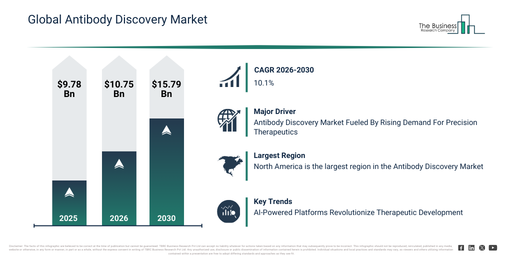
  • Antibody Discovery Market expected to reach $15.79 billion by 2030 at 10.1% CAGR

    Antibody Discovery Market expected to reach $15.79 billion by 2030 at 10.1% CAGR

    The Business Research Company’s 2026 market reports include new capabilities such as market attractiveness scoring and analysis, total addressable market analysis, company scoring matrix, interactive excel data dashboard, improved supply chain analysis, upcoming startups in the market, and overview of key products, aimed at improving the depth, usability, and strategic value of the insights delivered.

    What Market Value Is Anticipated For The Antibody Discovery Market Over The Period 2026–2030?

    The antibody discovery market has observed significant expansion in recent years. It is anticipated to grow from $9.78 billion in 2025 to $10.75 billion in 2026, exhibiting a compound annual growth rate (CAGR) of 9.8%. The historical increase in this market can be attributed to factors such as augmented research and development investments in antibody discovery, the rising occurrence of infectious and chronic illnesses, advancements in hybridoma technology, government financial support for biotechnology research, and collaborations established between academic institutions and pharmaceutical entities.

    The antibody discovery market is projected to experience substantial expansion in the coming years. This market is anticipated to reach $15.79 billion by 2030, showing a compound annual growth rate (CAGR) of 10.1%. Several factors will drive this growth during the forecast period, including the increasing demand for personalized medicine, the incorporation of AI and ML into drug discovery, the expanding biologics market, the adoption of high-throughput screening platforms, and an intensified focus on immunotherapy and targeted therapies. Key trends expected over this period involve high-throughput screening methodologies, innovations in monoclonal antibodies, the development of personalized antibody therapeutics, the creation of multi-specific antibodies, and advances in synthetic antibody engineering.

    Download the Free Sample Report to Explore Key Market Insights:

    https://www.thebusinessresearchcompany.com/sample.aspx?id=13783&type=smp

    What Underlying Factors Are Accelerating The Growth Of The Antibody Discovery Market?

    The escalating demand for precision therapeutics is anticipated to boost the expansion of the antibody discovery market in the coming years. Also known as personalized therapeutics, precision therapeutics involves tailoring medical treatment strategies and interventions to align with the unique characteristics of each patient. Within precision therapeutics, antibody discovery plays a crucial role by facilitating the creation of targeted treatments, such as monoclonal antibodies. These are engineered to interact with disease-specific molecules or cells with high specificity and accuracy, leading to more effective and individualized patient care. A relevant illustration of this trend is the report from IQVIA Holdings Inc., a US-based provider of advanced analytics, technology solutions, and clinical research services for the life sciences and healthcare industries, which stated in March 2024 that global expenditure on cell and gene therapies reached $5.9 billion in 2023, reflecting a 38% increase compared to 2022. Consequently, the heightened requirement for precision therapeutics is expected to fuel the growth of the antibody discovery market.

    How Is The Antibody Discovery Market Divided Into Its Major Segments?

    The antibody discovery market covered in this report is segmented –

    1) By Methods: Phage Display, Hybridoma, Other Methods

    2) By Antibody Type: Humanized Antibody, Human Antibody, Chimeric Antibody, Murine Antibody

    3) By End Users: Pharmaceutical And Biotechnology Industry, Research Laboratory, Academic Laboratory

    Subsegments:

    1) By Phage Display: Selection And Screening Techniques, Optimization Methods

    2) By Hybridoma: Monoclonal Antibody Production, Screening And Selection Processes

    3) By Other Methods: Transgenic Mouse Technology, B-Cell Engineering, Single-Cell Sorting Techniques

    How Are Trends Transforming The Antibody Discovery Market Landscape?

    Leading entities within the antibody discovery market are advancing cutting-edge technologies, including AI-driven computational platforms for antibody drug discovery, aiming to enhance the efficacy and accuracy of antibody development. An AI-based computational platform for antibody drug discovery employs artificial intelligence and computational methods to accelerate the discovery and refinement of therapeutic antibodies. For instance, in October 2023, SwiftPharma BV, a Belgium-based firm specializing in recombinant proteins from a unique plant-based system, unveiled an AI-powered antibody discovery platform. This innovative instrument integrates AI, big data, machine learning, and phage display methods to swiftly forecast highly specific and strong antibody-antigen interactions. This methodology, comparable to natural language processing, produces a wide array of antibody variations, empowering SwiftPharma to construct exhaustive antibody libraries effectively. Ultimately, this sophisticated system significantly speeds up the identification of promising antibody drug candidates.

    Who Are The Prominent Organizations Shaping The Antibody Discovery Market?

    Major companies operating in the antibody discovery market are Charles River Laboratories, WuXi Biologics, Genmab A/S, Evotec, ChemPartner, Aragen Life Science Pvt. Ltd., GenScript Technology Corporation, Biocytogen, Twist Bioscience, BioDuro-Sundia, Fairjourney Biologics S.A., Harbour BioMed, Rockland Immunochemicals, Creative Biolabs, Synbio Technologies, ImmunoPrecise, Ablexis, Myrio Therapeutics, Antibody Solutions, MabSilico

    Read the full antibody discovery market report here:

    https://www.thebusinessresearchcompany.com/report/antibody-discovery-global-market-report

    Which Region Is Projected To Dominate The Antibody Discovery Market During The Forecast Period?

    North America was the largest region in the antibody discovery market in 2025. Asia-Pacific is expected to be the fastest-growing region in the forecast period. The regions covered in the antibody discovery market report are Asia-Pacific, South East Asia, Western Europe, Eastern Europe, North America, South America, Middle East, Africa.

    Request A Tailored Antibody Discovery Market Research Report For Competitive Advantage:

    https://www.thebusinessresearchcompany.com/customise?id=13783&type=smp

    Browse Through More Reports Similar to the Global Antibody Discovery Market 2026, By The Business Research Company

    Antibody Discovery Market Report 2026

    https://www.thebusinessresearchcompany.com/report/antibody-discovery-global-market-report

    Research Antibodie And Reagent Market Report 2026

    https://www.thebusinessresearchcompany.com/report/research-antibodie-and-reagent-global-market-report

    Next Generation Antibody Therapeutics Market Report 2026

    https://www.thebusinessresearchcompany.com/report/next-generation-antibody-therapeutics-global-market-report

    Get in touch with us:

    The Business Research Company: https://www.thebusinessresearchcompany.com/

    Americas +1 310-496-7795

    Asia +44 7882 955267 & +91 8897263534

    Europe +44 7882 955267

    Email us at info@tbrc.info

    Follow us on:

    LinkedIn: https://in.linkedin.com/company/the-business-research-company

    YouTube: https://www.youtube.com/channel/UC24_fI0rV8cR5DxlCpgmyFQ

    Global Market Model: https://www.thebusinessresearchcompany.com/global-market-model
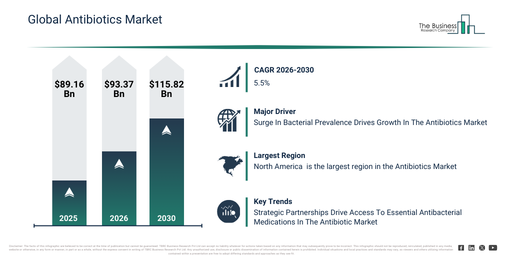
  • Antibiotics Market Forecast 2026–2035 reflecting expansion opportunities across industries

    Antibiotics Market Forecast 2026–2035 reflecting expansion opportunities across industries

    The Business Research Company’s 2026 market reports include new capabilities such as market attractiveness scoring and analysis, total addressable market analysis, company scoring matrix, interactive excel data dashboard, improved supply chain analysis, upcoming startups in the market, and overview of key products, aimed at improving the depth, usability, and strategic value of the insights delivered.

    What Is The Expected Market Size Of The Antibiotics Market From 2026 To 2030?

    The antibiotics market has demonstrated consistent expansion in its size over recent years. It is anticipated to grow from $89.16 billion in 2025 to $93.37 billion in 2026, achieving a compound annual growth rate (CAGR) of 4.7%. This expansion in the historic period is attributable to factors such as the rising incidence of bacterial infections, increased demand for broad-spectrum antibiotics, the development of hospital infrastructure, progress in generic drug manufacturing, and government health initiatives.

    The antibiotics market is projected for substantial expansion in the coming years, with its size expected to reach $115.82 billion by 2030, exhibiting a compound annual growth rate (CAGR) of 5.5%. This anticipated growth during the forecast period is primarily attributed to factors such as increasing antibiotic resistance, a rising focus on precision medicine, the development of personalized healthcare, technological advancements in drug delivery, and the expansion of emerging markets. Key trends influencing this period include antibiotic resistance management, the development of novel antibiotics, personalized antibiotic therapy, the broadening of hospital and retail distribution networks, and an increase in outbreak and infection control measures.

    Download the Free Sample Report to Explore Key Market Insights:

    https://www.thebusinessresearchcompany.com/sample.aspx?id=11923&type=smp

    Which Growth Drivers Are Contributing To The Progress Of The Antibiotics Market?

    The increasing occurrence of bacterial infections is projected to stimulate the antibiotics market moving ahead. These infections, stemming from pathogenic bacteria, can cause grave ailments such as cholera, typhoid, and sepsis, all of which demand effective antibiotic therapy to avert complications and fatalities. Antibiotics are highly advantageous in both treating and preventing bacterial diseases by hindering bacterial growth. For instance, in December 2023, information from the World Health Organization (WHO), a Switzerland-based intergovernmental organization, stated that as of 15 November 2023, preliminary statistics from Member States demonstrated that the volume of reported cases had surpassed that of 2022, registering over 610,000 cases and 3,500 deaths, which resulted in a case fatality rate (CFR) of 0.6%. Thus, the expanding prevalence of bacterial infections is propelling the growth of the antibiotics market.

    Which Segments Are Included In The Analysis Of The Antibiotics Market?

    The antibiotics market covered in this report is segmented –

    1) By Drug Class: Penicillin, Cephalosporin, Aminoglycosides, Tetracycline, Macrolides, Fluoroquinolones, Sulfonamides, Other Classes

    2) By Spectrum Of Activity: Broad-spectrum Antibiotic, Narrow-spectrum Antibiotic

    3) By Route Of Administration: Oral, Intravenous, Other Routes

    4) By Distribution Channel: Hospital Pharmacy, Retail Pharmacy, Online Pharmacy

    5) By Application: Skin Infections, Respiratory Infections, Urinary Tract Infections, Septicemia, Ear Infections, Gastrointestinal Infections, Other Applications

    Subsegments:

    1) By Penicillin: Natural Penicillins, Aminopenicillins, Penicillinase-resistant Penicillins, Extended-spectrum Penicillins

    2) By Cephalosporin: First-generation, Second-generation, Third-generation, Fourth-generation, Fifth-generation

    3) By Aminoglycosides: Gentamicin, Tobramycin, Amikacin, Neomycin

    4) By Tetracycline: Tetracycline, Doxycycline, Minocycline, Oxytetracycline

    5) By Macrolides: Erythromycin, Azithromycin, Clarithromycin

    6) By Fluoroquinolones: Ciprofloxacin, Levofloxacin, Moxifloxacin, Ofloxacin

    7) By Sulfonamides: Sulfamethoxazole, Sulfadiazine, Sulfasalazine

    8) By Other Classes: Glycopeptides, Lipopeptides, Streptogramins, Polymyxins

    Which Trends Are Impacting The Growth Of The Antibiotics Market?

    Leading firms within the antibiotics market are employing a strategy of forming alliances to facilitate the availability of new antibacterial medications. Such alliances involve businesses utilizing their respective advantages and assets to gain shared advantages and successful outcomes. An example is the announcement in June 2024 by Orchid Pharma Limited, an India-based pharmaceutical firm, of an alliance with Cipla Limited, also an India-based pharmaceutical firm, aimed at the effective introduction and dissemination of Cefepime-Enmetazobactam across India. This collaboration merges Orchid Pharma’s inventive drug development expertise with Cipla’s broad distribution channels for the release of Cefepime-Enmetazobactam, an antibiotic cleared for addressing complicated urinary tract infections and pneumonia. Its goal is to improve the availability of this vital medicine throughout India, concurrently tackling the increasing issue of antimicrobial resistance (AMR) and encouraging appropriate antibiotic management among medical professionals.

    Which Key Industry Participants Are Active In The Antibiotics Market?

    Major companies operating in the antibiotics market are Pfizer Inc., Johnson & Johnson, F. Hoffmann-La Roche AG, Merck & Co Inc., AbbVie Inc., Bayer AG, Novartis AG, Sanofi SA, Bristol Myers Squibb (BMS), AstraZeneca plc, Abbott Laboratories, GlaxoSmithKline plc (GSK), Eli Lilly and Company, Gilead Sciences Inc., Boehringer Ingelheim, Viatris Inc, Teva Pharmaceutical Industries Ltd., Astellas Pharma Inc., Daiichi Sankyo Company, Sun Pharmaceutical Industries Limited, Cipla Ltd., Ferring Pharmaceuticals, Hikma Pharmaceuticals plc, Lupin Pharmaceuticals Inc., Torrent Pharmaceuticals Ltd., Glenmark Pharmaceuticals Limited, Basilea Pharmaceutica Ltd., Paratek Pharmaceuticals Inc., Spero Therapeutics Inc., Nabriva Therapeutics Plc

    Read the full antibiotics market report here:

    https://www.thebusinessresearchcompany.com/report/antibiotics-global-market-report

    What Are The Leading Geographic Regions In The Antibiotics Market?

    North America was the largest region in the antibiotics market in 2025. Asia-Pacific is expected to be the fastest-growing region in the forecast period. The regions covered in the antibiotics market report are Asia-Pacific, South East Asia, Western Europe, Eastern Europe, North America, South America, Middle East, Africa.

    Request A Tailored Antibiotics Market Research Report For Competitive Advantage:

    https://www.thebusinessresearchcompany.com/customise?id=11923&type=smp

    Browse Through More Reports Similar to the Global Antibiotics Market 2026, By The Business Research Company

    Antibiotics Market Report 2026

    https://www.thebusinessresearchcompany.com/report/antibiotics-global-market-report

    Veterinary Antibiotics Market Report 2026

    https://www.thebusinessresearchcompany.com/report/veterinary-antibiotics-global-market-report

    Peptide Antibiotics Market Report 2026

    https://www.thebusinessresearchcompany.com/report/peptide-antibiotics-global-market-report

    Get in touch with us:

    The Business Research Company: https://www.thebusinessresearchcompany.com/

    Americas +1 310-496-7795

    Asia +44 7882 955267 & +91 8897263534

    Europe +44 7882 955267

    Email us at info@tbrc.info

    Follow us on:

    LinkedIn: https://in.linkedin.com/company/the-business-research-company

    YouTube: https://www.youtube.com/channel/UC24_fI0rV8cR5DxlCpgmyFQ

    Global Market Model: https://www.thebusinessresearchcompany.com/global-market-model

  • Global Antibacterial Silver Spray Market Analysis 2026–2030 offering strategic insights for businesses

    Global Antibacterial Silver Spray Market Analysis 2026–2030 offering strategic insights for businesses

    The Business Research Company’s 2026 market reports include new capabilities such as market attractiveness scoring and analysis, total addressable market analysis, company scoring matrix, interactive excel data dashboard, improved supply chain analysis, upcoming startups in the market, and overview of key products, aimed at improving the depth, usability, and strategic value of the insights delivered.

    What Market Valuation Is Forecasted For The Antibacterial Silver Spray Market By 2030 Starting From Its 2026 Size?

    The market for antibacterial silver spray has experienced significant expansion in recent years. Its valuation is expected to rise from $1.42 billion in 2025 to $1.61 billion in 2026, achieving a compound annual growth rate (CAGR) of 13.3%. This historical growth can be attributed to factors such as the increasing application of silver in wound management, the broadening of infection control practices within healthcare settings, the widespread availability of colloidal and ionic silver technologies, a rise in veterinary and medical usage, and a growing public awareness of antimicrobial resistance.

    The antibacterial silver spray market size is projected to experience significant expansion over the coming years. This market is forecast to reach $2.63 billion by 2030, driven by a compound annual growth rate (CAGR) of 13.0%. Factors contributing to this growth during the forecast period include a rising demand for sophisticated antimicrobial solutions, increased investments in healthcare products utilizing nanotechnology, the broadening scope of personal care and hygiene uses, a heightened emphasis on infection control methods not reliant on antibiotics, and ongoing advancements in silver-based application technologies. Key trends identified for the forecast timeframe encompass the expanding utilization of silver-based antimicrobial solutions, a surging need for advanced wound care items, wider acceptance in both medical and personal hygiene sectors, the proliferation of nano silver product formulations, and an intensified focus on providing durable antimicrobial defense.

    Download the Free Sample Report to Explore Key Market Insights:

    https://www.thebusinessresearchcompany.com/sample.aspx?id=28118&type=smp

    What Primary Drivers Are Shaping The Development Of The Antibacterial Silver Spray Market?

    The increasing occurrence of hospital-acquired infections is anticipated to propel the expansion of the antibacterial silver spray market moving forward. Hospital-acquired infections (HAIs), also referred to as nosocomial infections, are those that patients contract while receiving medical care in a healthcare facility, which were not present or incubating at the time of their admission, encompassing conditions such as surgical site infections (SSIs) and catheter-associated urinary tract infections (CAUTIs). The rise in hospital-acquired infections stems from the overuse and misuse of antibiotics, leading to the emergence of antibiotic-resistant bacteria that are harder to treat and spread more readily in clinical environments. Antibacterial silver spray offers a solution to hospital-acquired infections by delivering strong antimicrobial protection on crucial surfaces. It enhances hygiene protocols within healthcare settings, thereby promoting safer conditions for both patients and personnel. For example, in November 2024, data from the Centers for Disease Control and Prevention (CDC), a US-based government agency, showed that surgical site infections (SSIs) associated with combined surgical care improvement project (SCIP) procedures increased by 3% from 2022 to 2023, including an 8% rise specifically in surgical site infections (SSIs) following abdominal hysterectomy procedures. Thus, the escalating prevalence of hospital-acquired infections is a significant factor driving the growth of the antibacterial silver spray market.

    Which Segment Categories Define The Antibacterial Silver Spray Market?

    The antibacterial silver spray market covered in this report is segmented –

    1) By Product Type: Colloidal Silver Spray, Ionic Silver Spray, Nano Silver Spray, Other Product Types

    2) By Distribution Channel: Online Stores, Pharmacies, Supermarkets Or Hypermarkets, Other Distribution Channels

    3) By Application: Wound Care, Personal Care, Surface Disinfection, Medical Devices, Other Applications

    4) By End-User: Hospitals And Clinics, Households, Veterinary, Other End-Users

    Subsegments:

    1) By Colloidal Silver Spray: Oral Care Spray, Wound And Skin Healing Spray, Immune Support Spray, Pet Care Spray, Household Disinfectant Spray

    2) By Ionic Silver Spray: Nasal Spray, Throat Spray, Surface Sanitizer Spray, Veterinary Use Spray, Dietary Supplement Spray

    3) By Nano Silver Spray: Medical And Healthcare Spray, Textile And Fabric Protection Spray, Food Packaging Spray, Air And Surface Disinfectant Spray, Cosmetic And Personal Care Spray

    4) By Other Product Types: Silver Gel Spray, Silver-Based Mouth Freshener Spray, Silver Deodorizing Spray, Agriculture Spray, Industrial Antimicrobial Spray

    What Major Market Trends Are Driving Changes In The Antibacterial Silver Spray Market?

    Major companies operating in the antibacterial silver spray market are concentrating on developing advanced innovative solutions, such as silver-ion-based toilet cleaners, with the goal of enhancing hygiene standards and expanding their product portfolios. Silver-ion–based toilet cleaners refer to cleaning products that incorporate silver ions, providing robust antimicrobial action and long-lasting protection against harmful microorganisms on toilet surfaces. For instance, in February 2025, Lion Corporation, a Japan-based manufacturing company, launched the LOOK Plus whole toilet antibacterial and deodorizing fogger. This product operates as a fumigant-type cleaner, utilizing a silver-ion fog to disinfect the entire toilet chamber, including challenging areas like walls, ventilation fans, and behind cisterns. It eliminates odor-causing bacteria to prevent the development of new odors for up to one month and helps avert black mold stains on toilet surfaces. The fogger offers a new method of toilet cleaning by allowing users to simply place the product in water to release the antibacterial fog, delivering comprehensive deodorizing and antibacterial protection throughout the toilet chamber.

    Who Are The Top Companies Competing In The Antibacterial Silver Spray Market?

    Major companies operating in the antibacterial silver spray market are Medline Industries L.P., Welland Medical Limited, Nano Alvand Arad, American Elements Inc., UMAX-TECH Technology Co. Ltd., MS Schippers, Nanoshel LLC, A C M Global Bio Tech Sdn. Bhd., Elegant Cosmed Private Limited, Kanak Biotech, Ntl Pharma, Pure Bioscience Inc., Safe & Sound, VetOne, Anson Bio-Technology Co. Ltd., Heenrgybiotech, NU Alter Remedies, Shri Zelco Foods Private Limited, Silver Mtn Solutions, Unosil

    Read the full antibacterial silver spray market report here:

    https://www.thebusinessresearchcompany.com/report/antibacterial-silver-spray-global-market-report

    How Does The Antibacterial Silver Spray Market Perform Across Major Global Regions?

    North America was the largest region in the antibacterial silver spray market in 2025. Asia-Pacific is expected to be the fastest-growing region in the forecast period. The regions covered in the antibacterial silver spray market report are Asia-Pacific, South East Asia, Western Europe, Eastern Europe, North America, South America, Middle East, Africa.

    Request A Tailored Antibacterial Silver Spray Market Research Report For Competitive Advantage:

    https://www.thebusinessresearchcompany.com/customise?id=28118&type=smp

    Browse Through More Reports Similar to the Global Antibacterial Silver Spray Market 2026, By The Business Research Company

    Fabric Antibacterial Spray Market Report 2026

    https://www.thebusinessresearchcompany.com/report/fabric-antibacterial-spray-global-market-report

    Antibacterial Products Market Report 2026

    https://www.thebusinessresearchcompany.com/report/antibacterial-products-global-market-report

    Antimicrobial Plastics Market Report 2026

    https://www.thebusinessresearchcompany.com/report/antimicrobial-plastics-global-market-report

    Get in touch with us:

    The Business Research Company: https://www.thebusinessresearchcompany.com/

    Americas +1 310-496-7795

    Asia +44 7882 955267 & +91 8897263534

    Europe +44 7882 955267

    Email us at info@tbrc.info

    Follow us on:

    LinkedIn: https://in.linkedin.com/company/the-business-research-company

    YouTube: https://www.youtube.com/channel/UC24_fI0rV8cR5DxlCpgmyFQ

    Global Market Model: https://www.thebusinessresearchcompany.com/global-market-model

  • Anti-Tumor Drugs Market Forecast Highlighting Size Expansion and Demand Trends from 2026–2030

    The Business Research Company’s 2026 market reports include new capabilities such as market attractiveness scoring and analysis, total addressable market analysis, company scoring matrix, interactive excel data dashboard, improved supply chain analysis, upcoming startups in the market, and overview of key products, aimed at improving the depth, usability, and strategic value of the insights delivered.

    What Market Size Increase Is Anticipated For The Anti-Tumor Drugs Market Over The 2026–2030 Period?

    The anti-tumor drugs market size has seen rapid expansion in recent years. It is forecast to grow from $206.81 billion in 2025 to $229.63 billion in 2026, at a compound annual growth rate (CAGR) of 11.0%. The expansion observed in the historic period can be attributed to the limited availability of targeted therapy drugs, reliance on conventional cytotoxic drugs, growing incidence of major cancers, development of basic hospital pharmacy infrastructure, and increasing awareness of cancer treatment options.

    The anti-tumor drugs market size is projected to experience swift expansion in the upcoming years. This market is forecast to reach a value of $345.02 billion by 2030, exhibiting a compound annual growth rate (CAGR) of 10.7%. Key drivers for this growth during the projection period include progress in gene therapy and immunotherapy, the broadening of precision medicine programs, increasing investments in pharmaceutical R&D, the rising embrace of online pharmacies, and the creation of innovative drug delivery methods. Significant trends anticipated in the forecast timeframe encompass the growing acceptance of personalized cancer treatments, enhanced investment in immunotherapy and targeted interventions, the broadening availability of injectable and oral anti-tumor drug formulations, the expansion of hospital and oncology clinic pharmacies, and a heightened emphasis on drug safety, adherence, and pharmacovigilance.

    Download the Free Sample Report to Explore Key Market Insights:

    https://www.thebusinessresearchcompany.com/sample.aspx?id=25697&type=smp

    What Underlying Factors Are Accelerating The Growth Of The Anti-Tumor Drugs Market?

    The rising occurrence of cancer is projected to stimulate expansion in the anti-tumor drugs market in the future. Cancer encompasses a range of illnesses defined by the unchecked proliferation and dissemination of atypical cells within the body, capable of invading adjacent tissues and potentially migrating to other regions via the bloodstream and lymphatic systems. This growing incidence of cancer primarily stems from unhealthy lifestyle choices, including inadequate nutrition, insufficient physical exercise, tobacco use, heavy alcohol intake, and extended exposure to environmental contaminants, all of which substantially elevate the likelihood of developing diverse forms of cancer. Anti-tumor medications aid in fighting cancer by specifically targeting and eradicating cancerous cells, hindering tumor development, and impeding the advancement of the disease. For example, in October 2025, according to the National Health Service (NHS), a UK-based government health agency, there were 354,820 new cancer diagnoses in 2023, averaging 972 daily, a figure 8,605 higher than in 2022. Consequently, the escalating prevalence of cancer is propelling the expansion of the anti-tumor drug market.

    How Is The Anti-Tumor Drugs Market Segmented Across Key Categories?

    The anti-tumor drugs market covered in this report is segmented –

    1) By Drug Type: Cytotoxic Drugs, Targeted Therapy Drugs, Hormonal Therapy Drugs, Immunotherapy Drugs, Other Drug Types

    2) By Cancer Type: Lung Cancer, Breast Cancer, Colorectal Cancer, Prostate Cancer, Other Cancer Types

    3) By Route of Administration: Oral, Injectable, Other Routes Of Administration

    4) By Distribution Channel: Hospital Pharmacies, Retail Pharmacies, Online Pharmacies, Other Distribution Channels

    Subsegments:

    1) By Cytotoxic Drugs: Alkylating Agents, Antimetabolites, Plant Alkaloids, Antitumor Antibiotics, Other Cytotoxic Drugs

    2) By Targeted Therapy Drugs: Monoclonal Antibodies, Tyrosine Kinase Inhibitors, Mechanistic Target Of Rapamycin Inhibitors, Poly Polymerase Inhibitors, Other Targeted Therapy Drugs

    3) By Hormonal Therapy Drugs: Selective Estrogen Receptor Modulators, Aromatase Inhibitors, Luteinizing Hormone-Releasing Hormone Agonists, Anti-Androgens, Other Hormonal Therapy Drugs

    4) By Immunotherapy Drugs: Checkpoint Inhibitors, Chimeric Antigen Receptor T-Cell Therapy, Cancer Vaccines, Cytokines, Other Immunotherapy Drugs

    5) By Other Drug Types: Gene Therapy Drugs, Anti-Angiogenic Agents, Radioisotope-Based Drugs, Photodynamic Therapy Agents

    Which Upcoming Trends Are Expected To Influence The Anti-Tumor Drugs Market?

    Key companies in the anti-tumor drugs market are prioritizing the creation of innovative treatments, such as specialized breast cancer therapies, to elevate therapeutic effectiveness in hormone receptor-positive metastatic instances. Targeted breast cancer treatment employs precise therapies designed to specifically act on cancer cell proliferation pathways, thereby minimizing damage to healthy cells and enhancing patient tolerance. For example, in January 2023, Sun Pharmaceutical Industries Ltd., an Indian pharmaceutical firm, introduced Palbociclib, a new anti-cancer drug for managing advanced breast cancer in India. Palbociclib is a highly selective oral inhibitor of cyclin-dependent kinases 4 and 6 (CDK4/6), which are vital in regulating cell cycle progression. By obstructing the shift from the G1 to S phase, the drug induces cell cycle arrest, consequently suppressing tumor growth. Its main use is for hormone receptor-positive, HER2-negative advanced breast cancer, aiming to control the excessive multiplication of cancer cells.

    Who Are The Dominant Players Shaping The Anti-Tumor Drugs Market Landscape?

    Major companies operating in the anti-tumor drugs market are Pfizer Inc, Johnson And Johnson, Roche Holding AG, Merck And Co. Inc., AbbVie Inc., Bayer AG, Sanofi S.A., Bristol-Myers Squibb Company, AstraZeneca PLC, Novartis AG., GlaxoSmithKline plc, Eli Lilly And Company, Gilead Sciences Inc., Amgen Inc., Boehringer Ingelheim GmbH, Astellas Pharma Inc., Incyte Corporation, BeOne Medicines Inc., Getwell Oncology Pvt Ltd., Shanghai Haihe Pharmaceutical Co. Ltd.

    Read the full anti-tumor drugs market report here:

    https://www.thebusinessresearchcompany.com/report/anti-tumor-drugs-global-market-report

    Which Region Is Projected To Dominate The Anti-Tumor Drugs Market During The Forecast Period?

    North America was the largest region in the anti-tumor drugs market in 2025. Asia-Pacific is expected to be the fastest-growing region in the forecast period. The regions covered in the anti-tumor drugs market report are Asia-Pacific, South East Asia, Western Europe, Eastern Europe, North America, South America, Middle East, Africa.

    Request A Tailored Anti-Tumor Drugs Market Research Report For Competitive Advantage:

    https://www.thebusinessresearchcompany.com/customise?id=25697&type=smp

    Browse Through More Reports Similar to the Global Anti-Tumor Drugs Market 2026, By The Business Research Company

    Oncology Drugs Market 2026

    https://www.thebusinessresearchcompany.com/report/oncology-drugs-market

    Oncology Drugs Market 2026

    https://www.thebusinessresearchcompany.com/report/oncology-drugs-market

    Brain Tumor Drugs Market Report 2026

    https://www.thebusinessresearchcompany.com/report/brain-tumor-drugs-global-market-report

    Get in touch with us:

    The Business Research Company: https://www.thebusinessresearchcompany.com/

    Americas +1 310-496-7795

    Asia +44 7882 955267 & +91 8897263534

    Europe +44 7882 955267

    Email us at info@tbrc.info

    Follow us on:

    LinkedIn: https://in.linkedin.com/company/the-business-research-company

    YouTube: https://www.youtube.com/channel/UC24_fI0rV8cR5DxlCpgmyFQ

    Global Market Model: https://www.thebusinessresearchcompany.com/global-market-model

  • Anti-Thyroid Drugs Market insights highlighting opportunities and growth drivers through 2030

    The Business Research Company’s 2026 market reports include new capabilities such as market attractiveness scoring and analysis, total addressable market analysis, company scoring matrix, interactive excel data dashboard, improved supply chain analysis, upcoming startups in the market, and overview of key products, aimed at improving the depth, usability, and strategic value of the insights delivered.

    How Much Is The Anti-Thyroid Drugs Market Expected To Grow In Terms Of Market Value Between 2026 And 2030?

    The anti-thyroid drugs market has experienced a modest expansion in its scale during recent years. Its valuation is projected to rise from $2.49 billion in 2025 to $2.54 billion in 2026, exhibiting a compound annual growth rate (CAGR) of 2.0%. The historical growth of this market can be attributed to the high prevalence of hyperthyroidism, the availability of oral therapies, widespread diagnostic testing, established endocrine care, and its use in radiation protection.

    The anti-thyroid drugs market size is projected to experience consistent expansion over the upcoming years. This market is anticipated to reach $2.85 billion by 2030, demonstrating a compound annual growth rate (CAGR) of 2.9%. Several factors contribute to this projected growth, including an increase in autoimmune thyroid diseases, enhanced screening initiatives, greater availability of healthcare, advancements in thyroid regulation treatments, and a growing elderly demographic. Key developments expected during this period involve a surge in the diagnosis of thyroid disorders, an increasing adoption of thionamide-based medications, the broadening scope of outpatient thyroid care, more rigorous monitoring of hormone levels, and enhancements in the safety profiles of drugs.

    Download the Free Sample Report to Explore Key Market Insights:

    https://www.thebusinessresearchcompany.com/sample.aspx?id=3401&type=smp

    Which Growth Drivers Are Contributing To The Progress Of The Anti-Thyroid Drugs Market?

    The expanding occurrence of thyroid cancer is anticipated to propel the growth of the anti-thyroid drugs market in the foreseeable future. Thyroid cancer is a medical condition affecting the thyroid gland, a structure located near the base of the throat that generates hormones regulating body temperature, heart rate, blood pressure, and weight. The heightened prevalence of this cancer is largely attributed to increased exposure to medical radiation and environmental carcinogens. Anti-thyroid drugs contribute to the early detection of thyroid cancer, which can significantly enhance treatment outcomes. For instance, in August 2023, the American Society of Clinical Oncology, a US-based organization for oncologists and surgeons, indicated that in the United States, approximately 43,720 adults (including 12,540 men and 31,180 women) received a thyroid cancer diagnosis in 2023, and an estimated 2,120 deaths (970 men and 1,150 women) from this ailment were projected for the same year. As a result, the growing prevalence of thyroid cancer is a key factor driving the anti-thyroid drugs market.

    What Major Segment Divisions Exist Within The Anti-Thyroid Drugs Market?

    The anti-thyroid drugs market covered in this report is segmented –

    1) By Drug Type: Thionamides (Inhibition Of Hormone Synthesis), Iodides (Inhibition Of Hormone Release)

    2) By Route of Administration: Oral, Intravenous, Other Route Of Administration

    3) By Distribution Channel: Wholesaler Or Distributors, Retail Chain, Online Distribution, Other Distribution Channels

    Subsegments:

    1) By Thionamides (Inhibition Of Hormone Synthesis): Methimazole, Propylthiouracil

    2) By Iodides (Inhibition Of Hormone Release): Potassium Iodide, Lugol’s Iodine Solution

    How Are Trends Shaping The Direction Of The Anti-Thyroid Drugs Market?

    Leading companies within the anti-thyroid drugs market are prioritizing product innovation, particularly with monoclonal antibodies, to enhance patient outcomes, mitigate adverse effects, and reinforce their competitive standing. Monoclonal antibodies are laboratory-engineered proteins designed to specifically target certain molecules in the body, thus facilitating more effective disease treatment. Illustratively, in March 2025, Innovent Biologics, Inc., a China-based biotechnology company, announced that China’s National Medical Products Administration (NMPA) had approved SYCUME, an anti-IGF-1R monoclonal antibody, for the treatment of thyroid eye disease (TED). SYCUME holds significance as the first drug of its kind to be approved in China and the second worldwide, presenting an effective new treatment option that considerably reduces proptosis and inflammation, while also improving patients’ quality of life. This approval was based on positive clinical trial results, which demonstrated SYCUME’s capacity to fulfill the unmet needs of TED patients, providing a safer and more accessible alternative to existing therapies.

    Which Companies Are Leading Innovation In The Anti-Thyroid Drugs Market?

    Major companies operating in the anti-thyroid drugs market are Mylan N.V., Abbott Laboratories, GlaxoSmithKline plc, Merck & Co., Pfizer Inc., Allergan plc, RLC LABS Inc., Lannett Company Inc., Sanofi S.A., Novartis AG, Teva Pharmaceutical Industries Ltd., Aspen Pharmacare Holdings Limited, Aurobindo Pharma Limited, Dr. Reddy’s Laboratories Ltd., Sun Pharmaceutical Industries Ltd., Cipla Inc., Lupin Limited, Cadila Healthcare Limited, Torrent Pharmaceuticals Ltd., Alkem Laboratories Ltd., Akorn Inc.

    Read the full anti-thyroid drugs market report here:

    https://www.thebusinessresearchcompany.com/report/anti-thyroid-drugs-global-market-report

    What Are The Leading Geographic Regions In The Anti-Thyroid Drugs Market?

    North America was the largest region in the anti-thyroid drugs market in 2025. The Middle East is expected to be the fastest-growing region in the anti-thyroid drugs market during the forecast period. The regions covered in the anti-thyroid drugs market report are Asia-Pacific, South East Asia, Western Europe, Eastern Europe, North America, South America, Middle East, Africa.

    Request A Tailored Anti-Thyroid Drugs Market Research Report For Competitive Advantage:

    https://www.thebusinessresearchcompany.com/customise?id=3401&type=smp

    Browse Through More Reports Similar to the Global Anti-Thyroid Drugs Market 2026, By The Business Research Company

    Anti Thyroid Drugs Market Report 2026

    https://www.thebusinessresearchcompany.com/report/anti-thyroid-drugs-global-market-report

    Thyroid Cancer Drugs Market Report 2026

    https://www.thebusinessresearchcompany.com/report/thyroid-cancer-drugs-global-market-report

    Anti Infective Drugs Market 2026

    https://www.thebusinessresearchcompany.com/report/anti-infective-drugs-market

    Get in touch with us:

    The Business Research Company: https://www.thebusinessresearchcompany.com/

    Americas +1 310-496-7795

    Asia +44 7882 955267 & +91 8897263534

    Europe +44 7882 955267

    Email us at info@tbrc.info

    Follow us on:

    LinkedIn: https://in.linkedin.com/company/the-business-research-company

    YouTube: https://www.youtube.com/channel/UC24_fI0rV8cR5DxlCpgmyFQ

    Global Market Model: https://www.thebusinessresearchcompany.com/global-market-model

  • Global Antispasmodics Drugs Market projected to reach $23.47 billion by 2030 at 9.5% CAGR

    The Business Research Company’s 2026 market reports include new capabilities such as market attractiveness scoring and analysis, total addressable market analysis, company scoring matrix, interactive excel data dashboard, improved supply chain analysis, upcoming startups in the market, and overview of key products, aimed at improving the depth, usability, and strategic value of the insights delivered.

    What Market Value Is Expected For The Antispasmodics Drugs Market At The End Of The 2026–2030 Forecast Period?

    The antispasmodics drugs market size has experienced significant expansion over recent years. It is projected to increase from $14.93 billion in 2025 to $16.34 billion in 2026, achieving a compound annual growth rate (CAGR) of 9.5%. Historically, this market’s growth is attributable to the increasing incidence of IBS and stomach cramps, the expanding hospital pharmacy infrastructure, the uptake of oral antispasmodic tablets, enhanced awareness concerning gastrointestinal health, and advancements in drug formulation technologies.

    The antispasmodics drugs market is projected to experience robust expansion in the coming years. Its valuation is set to reach $23.47 billion by 2030, demonstrating a compound annual growth rate (CAGR) of 9.5%. This expansion during the forecast period is driven by factors such as advancements in precision medicine, the development of injectable and liquid antispasmodics, the proliferation of online pharmacy platforms, an expanding geriatric and pediatric patient population, and the integration of digital health monitoring systems. Defining trends for this period include personalized antispasmodic therapy, advanced drug delivery systems, the increasing prevalence of gastrointestinal disorders, growing adoption of homecare medication, and a rising focus on pediatric and geriatric patients.

    Download the Free Sample Report to Explore Key Market Insights:

    https://www.thebusinessresearchcompany.com/sample.aspx?id=9414&type=smp

    What Primary Drivers Are Shaping The Development Of The Antispasmodics Drugs Market?

    The antispasmodic drug market is anticipated to expand due to a growing elderly population. Individuals aged 65 and above are classified as elderly and frequently experience numerous physical and psychological health problems. Antispasmodic drugs offer benefits to this demographic by helping manage symptoms from conditions causing muscle spasms or cramping, including irritable bowel syndrome (IBS), gastroesophageal reflux disease (GERD), interstitial cystitis, and uterine cramping. For example, the UK Parliament’s House of Commons Library reported in July 2024 that 12.7 million people in the UK were 65 or older in 2022. This figure is predicted to reach 22.1 million by 2072, making up 27% of the total population. Consequently, the expansion of the elderly demographic will boost the antispasmodic drug market.

    What Segment Types Make Up The Antispasmodics Drugs Market?

    The antispasmodics drugs market covered in this report is segmented –

    1) By Drug: Dicyclomine Hydrochloride, Loperamide Hydrochloride, Other Drugs

    2) By Indication: Irritable Bowel Syndrome, Stomach Cramps, Other Indications

    3) By Route Of Administration: Oral, Parenteral, Other Modes Of Administrations

    4) By Distribution Channel: Hospital Pharmacy, Online Pharmacy, Retail Pharmacy

    5) By End-User: Hospitals, Homecare, Specialty Clinics, Other End-Users

    Subsegments:

    1) By Dicyclomine Hydrochloride: Oral Tablets, Injectable Formulations

    2) By Loperamide Hydrochloride: Oral Tablets, Liquid Formulations

    3) By Other Drugs: Hyoscine Butylbromide (Scopolamine), Peppermint Oil, Atropine, Other Antispasmodics

    Which Market Trends Are Creating New Opportunities In The Antispasmodics Drugs Market?

    Prominent companies operating in the antispasmodics drugs market are introducing new products to secure their market position. For example, in January 2023, Lupin Limited, an Indian pharmaceutical company, launched Fesoterodine Fumarate, which received approval from the Food and Drug Administration (FDA), a US-based federal government agency. Fesoterodine fumarate is a generic antispasmodic medication prescribed for certain bladder issues, including overactive bladder and neurogenic detrusor overactivity. This drug, Fesoterodine fumarate, falls under the antispasmodic class and operates by relaxing the bladder muscles. It is offered in the form of extended-release tablets.

    Who Are The Key Players Driving Competition In The Antispasmodics Drugs Market?

    Major companies operating in the antispasmodics drugs market are Daiichi Sankyo Company Limited, Fresenius Kabi AG, Hikma Pharmaceuticals plc, Johnson & Johnson Services Inc., Pfizer Inc., Shanghai Fosun Pharmaceutical Co. Ltd., Takeda Pharmaceutical Company Limited, Akorn Inc., Aurobindo Pharma Limited, Lannett Company Inc., Nexus Pharmaceuticals Inc., Actiza Pharmaceutical Private Limited, Blue Cross Laboratories Pvt. Ltd., Dr. Reddy’s Laboratories Ltd., Lexicare Pharma Pvt. Ltd., Solitaire Pharmacia Private Limited, Strides Pharma Science Limited, Wellona Pharma Private Limited, SunGen Pharma LLC, GlaxoSmithKline plc, Novartis AG, Sanofi SA, AstraZeneca plc, Merck & Co. Inc., Bayer AG, Teva Pharmaceutical Industries Ltd., Endo Pharmaceuticals Inc., Sun Pharmaceutical Industries Ltd., Cipla Ltd., Lupin Ltd.

    Read the full antispasmodics drugs market report here:

    https://www.thebusinessresearchcompany.com/report/antispasmodics-drugs-global-market-report

    How Does The Antispasmodics Drugs Market Perform Across Major Global Regions?

    North America was the largest region in the antispasmodics drugs market in 2025. Asia-Pacific is expected to be the fastest-growing region in the antispasmodics drugs market report during the forecast period. The regions covered in the antispasmodics drugs market report are Asia-Pacific, South East Asia, Western Europe, Eastern Europe, North America, South America, Middle East, Africa.

    Request A Tailored Antispasmodics Drugs Market Research Report For Competitive Advantage:

    https://www.thebusinessresearchcompany.com/customise?id=9414&type=smp

    Browse Through More Reports Similar to the Global Antispasmodics Drugs Market 2026, By The Business Research Company

    Antispasmodics Drugs Market Report 2026

    https://www.thebusinessresearchcompany.com/report/antispasmodics-drugs-global-market-report

    Antiparasitic Drugs Market Report 2026

    https://www.thebusinessresearchcompany.com/report/antiparasitic-drugs-global-market-report

    Anticoccidial Drugs Market Report 2026

    https://www.thebusinessresearchcompany.com/report/anticoccidial-drugs-global-market-report

    Get in touch with us:

    The Business Research Company: https://www.thebusinessresearchcompany.com/

    Americas +1 310-496-7795

    Asia +44 7882 955267 & +91 8897263534

    Europe +44 7882 955267

    Email us at info@tbrc.info

    Follow us on:

    LinkedIn: https://in.linkedin.com/company/the-business-research-company

    YouTube: https://www.youtube.com/channel/UC24_fI0rV8cR5DxlCpgmyFQ

    Global Market Model: https://www.thebusinessresearchcompany.com/global-market-model