Month: March 2026

  • Global Vision Care Devices And Equipment Industry Trends and Market Growth Forecast for 2026–2030

    Global Vision Care Devices And Equipment Industry Trends and Market Growth Forecast for 2026–2030

    The Business Research Company’s 2026 market reports include new capabilities such as market attractiveness scoring and analysis, total addressable market analysis, company scoring matrix, interactive excel data dashboard, improved supply chain analysis, upcoming startups in the market, and overview of key products, aimed at improving the depth, usability, and strategic value of the insights delivered.

    What Market Valuation Is Forecasted For The Vision Care Devices And Equipment Market By 2030 Starting From Its 2026 Size?

    The vision care devices and equipment market has experienced rapid expansion in recent years. This market is projected to grow from $26.62 billion in 2025 to $29.6 billion in 2026, achieving a compound annual growth rate (CAGR) of 11.2%. The historical increase in market size is due to the rising prevalence of vision impairment disorders, higher volumes of cataract surgeries, the expansion of ophthalmology clinics, improvements in diagnostic imaging tools, and a wider availability of eye care services.

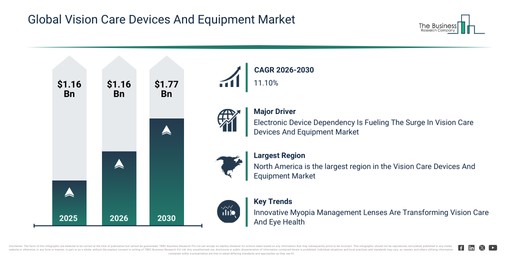
    The vision care devices and equipment market is projected to experience substantial expansion in the coming years. It is set to reach $45.06 billion in 2030, demonstrating a compound annual growth rate (CAGR) of 11.1%. This anticipated growth during the forecast period is fueled by several factors, including a globally expanding elderly demographic, increased embrace of premium intraocular lenses, a surging requirement for laser-based eye surgeries, broader availability of outpatient ophthalmic care, and heightened financial commitments in cutting-edge eye care innovations. Key trends anticipated during this period encompass a greater uptake of sophisticated intraocular lens technologies, an uptick in the deployment of laser-assisted vision correction systems, an escalating need for devices addressing glaucoma, an increase in minimally invasive ophthalmic procedures, and a stronger emphasis on precision diagnostics.

    Download the Free Sample Report to Explore Key Market Insights:

    https://www.thebusinessresearchcompany.com/sample.aspx?id=2426&type=smp

    What Major Growth Drivers Are Shaping The Outlook Of The Vision Care Devices And Equipment Market?

    The expanding adoption of electronic devices is projected to stimulate the growth of the vision care devices and equipment market. These devices, which utilize electrical circuits and semiconductor technologies for information and energy management, are seeing increased usage due to swift technological progress and rising consumer reliance on interconnected smart digital products. Vision care solutions play a crucial role in accommodating this trend by aiding in the prevention, detection, and treatment of eye strain, dryness, and other vision problems linked to extended screen exposure. For example, the Japan Electronics and Information Technology Industries Association, a Japan-based trade association, indicated that in May 2023, consumer electronics production reached $204.67 million (¥32,099 million), representing a 127% rise from the previous year. Consequently, the increasing use of electronic devices is a significant catalyst for the vision care devices and equipment market. The increasing occurrence of eye disorders is anticipated to stimulate the expansion of the vision care devices and equipment market. An eye disorder, also known as an ocular condition, denotes any medical issue or anomaly impacting the eye’s structure or function, resulting in visual impairment or discomfort. As the number of individuals afflicted by eye disorders rises, so does the need for vision care products and services, such as eyeglasses, contact lenses, and surgical procedures, thereby propelling the market for these devices and equipment. For instance, a report by the World Health Organization (WHO), a Sweden-based intergovernmental organization, in August 2023, revealed that a minimum of 2.2 billion people globally experience near- or distance vision impairment. Approximately 1 billion of these instances, or nearly half, involved vision loss that could have been averted or is still treatable. Among these 1 billion individuals, cataracts (94 million cases), refractive error (88.4 million cases), age-related macular degeneration (8 million cases), glaucoma (7.7 million cases), and diabetic retinopathy (3.9 million cases) are the primary causes of distance vision impairment or blindness. Presbyopia, affecting 826 million people, is the predominant condition leading to close vision difficulties. Hence, the growing prevalence of eye disorders is a key driver for the vision care devices and equipment market.

    Which Segment Categories Define The Vision Care Devices And Equipment Market?

    The vision care devices and equipment market covered in this report is segmented –

    1) By Type: Intraocular Lens, Ophthalmic Lasers, Glaucoma Drainage Devices, Contact Lenses, Other Types

    2) By Aplication: Vision Care, Diagnosis, Surgery

    3) By End User: Hospitals, Ambulatory Surgery Centers, Optical Centers, Other End Users

    Subsegments:

    1) By Intraocular Lens (IOL): Monofocal IOLs, Multifocal IOLs, Toric IOLs, Accommodating IOLs, Phakic IOLs

    2) By Ophthalmic Lasers: Excimer Lasers, Femtosecond Lasers, YAG Lasers, Diode Lasers, Argon Lasers

    3) By Glaucoma Drainage Devices: Shunt Implants, Tube Drainage Implants, Cyclodestructive Procedures, Valved Drainage Devices

    4) By Contact Lenses: Soft Contact Lenses, Rigid Gas Permeable Lenses, Toric Lenses, Scleral Lenses, Hybrid Contact Lenses

    5) By Other Types: Retinal Implant Devices, Corneal Implants, Vision Correction Devices, Eye Examination Equipment

    What Major Market Trends Are Driving Changes In The Vision Care Devices And Equipment Market?

    Major companies operating in the vision care devices and equipment market are introducing novel products like myopia management lenses to cater to broader customer bases, drive more sales, and elevate revenue. Myopia management lenses are specialized corrective eyeglasses or contact lenses specifically designed to slow the progression of myopia (nearsightedness) in individuals, particularly among children and adolescents. For example, in April 2023, HOYA Vision Care, an eyeglass lens manufacturer based in Thailand, debuted MiYOSMART Sun Spectacle Lenses, which integrate myopia control with protection from intense sunlight. The unique technology within these non-invasive MiYOSMART clear spectacle lenses has been shown to reduce the growth of myopia in children aged 8 to 13 by 60%. Additionally, the photochromic and polarized spectacle lenses MiYOSMART Chameleon and MiYOSMART Sunbird were developed to impede the advancement of myopia in young people through the use of Defocus Incorporated Multiple Segments (DIMS).

    Who Are The Top Companies Competing In The Vision Care Devices And Equipment Market?

    Major companies operating in the vision care devices and equipment market are Essilor International, Johnson & Johnson, Carl Zeiss AG, The Cooper Companies, Novartis AG, Bausch & Lomb, Nidek Co.Ltd., Valeant Pharmaceuticals International Inc., Luxottica Group SpA, Escalon Services, Tomey Corporation, CIBA Vision Corporation, Visionix Ltd., Potec, LuxVisions Innovation Limited, Heine Optotechnik, Luneau Technology Operations SAS, Heidelberg Engineering Inc., Huvitz Technologies, STAAR Surgical Company, Swiss Advanced Vision, Visioneering Technologies Inc., Rayner Intraocular Lenses Limited, Jiangsu Hongchen Optical Co. Ltd., Alcon, Hoya Corporation, Topcon Corporation, Carl Zeiss Meditec AG, Lumenis Ltd., Ellex Medical Pty Ltd., Abbott Medical Optics, Canon Medical Systems, Haag-Streit AG, Optovue Inc., Quantel Medical SAS, VisionCare Devices LLC, Med-Logics Inc., Advanced Vision Science Inc., Eyenovia Inc., HumanOptics Holding AG, Clearside Biomedical Inc.

    Read the full vision care devices and equipment market report here:

    https://www.thebusinessresearchcompany.com/report/vision-care-devices-and-equipment-global-market-report

    Which Regions Are Projected To Dominate The Vision Care Devices And Equipment Market In The Coming Years?

    North America was the largest region in global vision care devices and equipment market in 2025. Asia-Pacific was the second-largest region in the vision care devices and equipment market share. The regions covered in the vision care devices and equipment market report are Asia-Pacific, South East Asia, Western Europe, Eastern Europe, North America, South America, Middle East, Africa.

    Request A Tailored Vision Care Devices And Equipment Market Research Report For Competitive Advantage:

    https://www.thebusinessresearchcompany.com/customise?id=2426&type=smp

    Browse Through More Reports Similar to the Global Vision Care Devices And Equipment Market 2026, By The Business Research Company

    Cataract Surgery Devices And Equipment Market Report 2026

    https://www.thebusinessresearchcompany.com/report/cataract-surgery-devices-and-equipment-global-market-report

    Night Vision Devices Market Report 2026

    https://www.thebusinessresearchcompany.com/report/night-vision-devices-global-market-report

    Ophthalmic Devices Market Report 2026

    https://www.thebusinessresearchcompany.com/report/ophthalmic-devices-global-market-report

    Get in touch with us:

    The Business Research Company: https://www.thebusinessresearchcompany.com/

    Americas +1 310-496-7795

    Asia +44 7882 955267 & +91 8897263534

    Europe +44 7882 955267

    Email us at info@tbrc.info

    Follow us on:

    LinkedIn: https://in.linkedin.com/company/the-business-research-company

    YouTube: https://www.youtube.com/channel/UC24_fI0rV8cR5DxlCpgmyFQ

    Global Market Model: https://www.thebusinessresearchcompany.com/global-market-model
  • Virtual Reality Therapy Hardware Market Size Outlook and Demand Growth Across 2026–2030

    Virtual Reality Therapy Hardware Market Size Outlook and Demand Growth Across 2026–2030

    The Business Research Company’s 2026 market reports include new capabilities such as market attractiveness scoring and analysis, total addressable market analysis, company scoring matrix, interactive excel data dashboard, improved supply chain analysis, upcoming startups in the market, and overview of key products, aimed at improving the depth, usability, and strategic value of the insights delivered.

    How Is The Market Size Of The Virtual Reality Therapy Hardware Market Expected To Change Between 2026 And 2030?

    The virtual reality therapy hardware market has seen substantial expansion in its size recently. It is projected to grow from $1.87 billion in 2025 to $2.24 billion in 2026, achieving a compound annual growth rate (CAGR) of 19.9%. Historically, this expansion was driven by factors such as an increasing mental health burden, a rise in demand for rehabilitation therapy, reductions in VR hardware costs, the implementation of clinical pilot programs, and the validation of digital therapies.

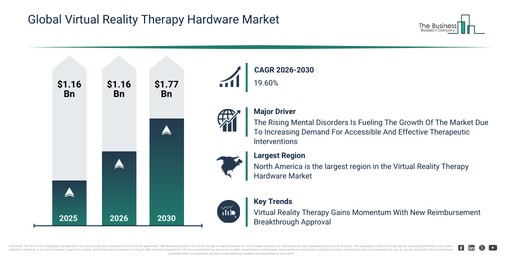
    The virtual reality therapy hardware market is anticipated to experience substantial expansion in the coming years. This market is projected to reach $4.59 billion by 2030, driven by a compound annual growth rate (CAGR) of 19.6%. Factors contributing to this growth during the forecast period include the expansion of telehealth, personalization of VR content, broader insurance coverage, the rehabilitation requirements of an aging population, and continuous hardware innovation. Key trends expected within this period encompass VR therapy for mental health, gamification in physical rehabilitation, therapy focused on pain distraction, the delivery of remote therapy sessions, and the creation of personalized therapy environments.

    Download the Free Sample Report to Explore Key Market Insights:

    https://www.thebusinessresearchcompany.com/sample.aspx?id=28358&type=smp

    What Drivers Are Expected To Influence The Virtual Reality Therapy Hardware Market During The Forecast Period?

    The anticipated expansion of the virtual reality therapy hardware market is fueled by the increasing prevalence of mental health conditions. These disorders encompass states that impact an individual’s cognition, emotions, actions, or disposition, often significantly impeding daily activities and overall well-being. A connection exists between the rise in mental disorders and increased social isolation, which in turn intensifies stress and anxiety, negatively affecting emotional health and initiating various mental health problems. The escalating prevalence of mental health conditions stimulates the need for virtual reality therapy hardware because these immersive tools offer efficient and easily reachable therapeutic options, facilitating exposure therapy, mindfulness instruction, and other interventions within controlled virtual settings. For example, data from May 2024, published by the American Psychiatric Association, a professional body of psychologists based in the US, revealed that 43% of adults reported heightened anxiety. This figure marks an increase from 37% in 2023 and 32% in 2022, demonstrating a steady upward trend in anxiety levels. Consequently, the growth of the virtual reality therapy hardware market is fundamentally propelled by the increase in mental disorders.

    How Is The Virtual Reality Therapy Hardware Market Structured Across Different Segments?

    The virtual reality therapy hardware market covered in this report is segmented –

    1) By Product Type: Head-Mounted Displays, Motion Tracking Devices, Haptic Feedback Devices

    2) By Distribution Channel: Direct Sales, Online Retail, Specialty Stores, Other Distribution Channels

    3) By Application: Mental Health, Physical Rehabilitation, Pain Management, Phobia Treatment, Other Applications

    4) By End-User: Hospitals And Clinics, Rehabilitation Centers, Research And Academic Institutes, Other End-Users

    Subsegments:

    1) By Head-Mounted Displays (HMDs): Standalone Head-Mounted Displays (HMDs), Tethered Head-Mounted Displays (HMDs), Mixed Reality Head-Mounted Displays (HMDs)

    2) By Motion Tracking Devices: Optical Motion Trackers, Inertial Motion Trackers

    3) By Haptic Feedback Devices: Gloves With Haptic Feedback, Suits With Haptic Feedback, Handheld Haptic Controllers, Exoskeleton-based Haptic Devices

    Which Trends Are Shaping The Future Of The Virtual Reality Therapy Hardware Market?

    Major companies active in the virtual reality therapy hardware market are prioritizing the creation of innovative advancements, such as VR therapeutic devices, to improve patient access to clinically validated, non-pharmacological treatment methods. A VR therapeutic device is a medical-grade virtual reality system designed to provide structured therapeutic interventions through immersive digital environments. For instance, in March 2023, AppliedVR, a US-based immersive therapeutics company, announced that its RelieVRx system had been granted a unique Healthcare Common Procedure Coding System Level II code. This system integrates virtual reality–based cognitive behavioral therapy with a dedicated device platform to offer an at-home, prescription treatment solution for individuals experiencing chronic lower back pain. Its formal classification as durable medical equipment establishes a clearer reimbursement pathway, representing a significant stride toward the broader clinical adoption of virtual reality therapeutic hardware.

    Which Major Players Dominate The Virtual Reality Therapy Hardware Market?

    Major companies operating in the virtual reality therapy hardware market are Apple Inc, Meta Platforms Inc, HTC Corporation, Sony Group Corporation, Samsung Electronics Co Ltd, Microsoft Corporation, Varjo Technologies Oy, Pico Interactive Inc, Magic Leap Inc, MindMaze SA, XRHealth Inc, AppliedVR Inc, MyndVR Inc, NuEyes Technologies Inc, Looxid Labs Inc, OpenBCI Inc, Karuna Labs Inc, HaptX Inc, bHaptics Inc, Virtuix Holdings Inc, Teslasuit Inc, Ultraleap Ltd

    Read the full virtual reality therapy hardware market report here:

    https://www.thebusinessresearchcompany.com/report/virtual-reality-therapy-hardware-global-market-report

    Which Region Is Forecast To Lead The Virtual Reality Therapy Hardware Market In Terms Of Market Size?

    North America was the largest region in the virtual reality therapy hardware market in 2025. The regions covered in the virtual reality therapy hardware market report are Asia-Pacific, South East Asia, Western Europe, Eastern Europe, North America, South America, Middle East, Africa.

    Request A Tailored Virtual Reality Therapy Hardware Market Research Report For Competitive Advantage:

    https://www.thebusinessresearchcompany.com/customise?id=28358&type=smp

    Browse Through More Reports Similar to the Global Virtual Reality Therapy Hardware Market 2026, By The Business Research Company

    Virtual Reality In Healthcare Market Report 2026

    https://www.thebusinessresearchcompany.com/report/virtual-reality-in-healthcare-global-market-report

    Virtual Reality Software Market Report 2026

    https://www.thebusinessresearchcompany.com/report/virtual-reality-software-global-market-report

    Virtual Reality Vr In Medical Simulation Market Report 2026

    https://www.thebusinessresearchcompany.com/report/virtual-reality-vr-in-medical-simulation-global-market-report

    Get in touch with us:

    The Business Research Company: https://www.thebusinessresearchcompany.com/

    Americas +1 310-496-7795

    Asia +44 7882 955267 & +91 8897263534

    Europe +44 7882 955267

    Email us at info@tbrc.info

    Follow us on:

    LinkedIn: https://in.linkedin.com/company/the-business-research-company

    YouTube: https://www.youtube.com/channel/UC24_fI0rV8cR5DxlCpgmyFQ

    Global Market Model: https://www.thebusinessresearchcompany.com/global-market-model
  • Virtual Biopsy Market Insights Highlighting Opportunities and Drivers Supporting Growth to 2030

    Virtual Biopsy Market Insights Highlighting Opportunities and Drivers Supporting Growth to 2030

    The Business Research Company’s 2026 market reports include new capabilities such as market attractiveness scoring and analysis, total addressable market analysis, company scoring matrix, interactive excel data dashboard, improved supply chain analysis, upcoming startups in the market, and overview of key products, aimed at improving the depth, usability, and strategic value of the insights delivered.

    What Is The Market Size Of The Virtual Biopsy Market In 2026 And What Value Is Projected For 2030?

    The virtual biopsy market has experienced rapid expansion in recent years. It is projected to increase from $0.71 billion in 2025 to $0.79 billion in 2026, achieving a compound annual growth rate (CAGR) of 11.9%. The market’s past growth can be attributed to factors such as continued reliance on traditional biopsy procedures, limited imaging technology capabilities, the increasing prevalence of chronic diseases, the expansion of hospital and diagnostic infrastructure, and a rising demand for accurate cancer diagnostics.

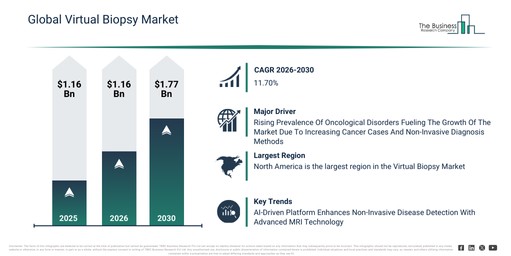
    The virtual biopsy market is poised for significant expansion in the coming years, with projections indicating a rise to $1.23 billion by 2030, exhibiting a robust compound annual growth rate (CAGR) of 11.7%. This anticipated growth stems from several factors, including ongoing advancements in imaging algorithms and AI analytics, the broadening of diagnostic applications in oncology and neurology, greater uptake in treating cardiovascular and ophthalmological conditions, its incorporation into personalized medicine strategies, and increasing investments directed towards research institutions and diagnostic facilities. Key developments anticipated during this period encompass a wider acceptance of non-invasive diagnostic methods, a heightened need for early disease identification, the fusion of sophisticated imaging techniques with predictive analytics, an extension of virtual biopsy’s utility across various therapeutic fields, and an increased emphasis on patient well-being and faster recuperation.

    Download the Free Sample Report to Explore Key Market Insights:

    https://www.thebusinessresearchcompany.com/sample.aspx?id=24424&type=smp

    What Drivers Are Influencing The Virtual Biopsy Market?

    The increasing occurrence of cancer-related conditions is anticipated to boost the expansion of the virtual biopsy market in the future. Oncological disorders encompass various cancer types where atypical cells proliferate and disseminate throughout the body. The uptick in these disorders is largely attributable to evolving lifestyle habits, including inadequate nutrition, sedentary routines, smoking, and greater exposure to environmental contaminants. Virtual biopsy technology supports the diagnosis and oversight of oncological conditions by offering non-invasive, immediate imaging data, thereby decreasing the necessity for conventional tissue sampling while simultaneously elevating diagnostic precision and patient well-being. For example, in January 2023, a report from Rock Health, a U.S.-based digital health research firm, indicated a projection of 1,958,310 new cancer cases in the U.S. for 2023, representing an increase from approximately 1.9 million new cases recorded in 2022. Consequently, the growing incidence of oncological disorders is a key factor propelling the virtual biopsy market forward.

    What Are The Key Segments Of The Virtual Biopsy Market?

    The virtual biopsy market covered in this report is segmented –

    1) By Target Thrapeutic Areas: Oncological Disorders, Neurological Disorders, Cardiovascular Disorders, Ophthalmological Disorders, Endocrine Disorders, Gastrointestinal Disorders, Other Target Therapeutic Areas

    2) By Cancer Targeted: Solid Malignancies, Breast Cancer, Lung Cancer, Prostate Cancer, Colorectal Cancer, Brain Cancer, Other Cancer Targeteds

    3) By Imaging Technologies: Magnetic Resonance Imaging, Computed Tomography, X-Ray, Ultrasound, Other Imaging Technologies

    4) By End Users: Hospitals And Clinics, Research Institutes And Diagnostic Centers, Other End Users

    Subsegments:

    1) By Oncological Disorders: Lung Cancer, Breast Cancer, Prostate Cancer, Colorectal Cancer, Liver Cancer, Brain Tumors, Other Cancers

    2) By Neurological Disorders: Alzheimer’s Disease, Parkinson’s Disease, Multiple Sclerosis, Epilepsy, Brain Injuries, Stroke, Other Neurological Conditions

    3) By Cardiovascular Disorders: Coronary Artery Disease, Heart Failure, Arrhythmias, Aortic Aneurysm, Valvular Heart Disease, Myocardial Infarction, Other Cardiovascular Conditions

    4) By Ophthalmological Disorders: Age-Related Macular Degeneration, Diabetic Retinopathy, Glaucoma, Retinal Vein Occlusion, Cataracts, Other Eye Disorders

    5) By Endocrine Disorders: Diabetes Mellitus, Thyroid Disorders, Adrenal Gland Disorders, Pituitary Gland Disorders, Parathyroid Disorders, Other Endocrine Conditions

    6) By Gastrointestinal Disorders: Inflammatory Bowel Disease, Colorectal Polyps, Gastric Ulcers, Liver Cirrhosis, Pancreatic Disorders, Hepatitis, Other Gastrointestinal Conditions

    7) By Other Target Therapeutic Areas: Musculoskeletal Disorders, Renal Disorders, Pulmonary Disorders, Hematologic Disorders, Dermatological Disorders, Infectious Diseases, Other Miscellaneous Conditions

    What Key Trends Are Influencing The Development Of The Virtual Biopsy Market?

    Major enterprises operating within the virtual biopsy market are concentrating on creating technologically sophisticated solutions and securing necessary approvals, such as for the magnetic resonance spectroscopy (MRS) platform. This effort aims to elevate non-invasive diagnostic precision and offer real-time analysis for the prompt identification of diseases and tailored therapeutic approaches. Magnetic resonance spectroscopy (MRS) serves as a non-invasive imaging method that supports virtual biopsy by supplying comprehensive molecular data about tissues, thereby facilitating accurate, real-time disease identification and ongoing monitoring without requiring intrusive procedures. For example, in November 2023, the U.S. Food and Drug Administration (FDA) granted approval to the artificial intelligence (AI)-driven BrainSpec platform, developed by BrainSpec Inc., a healthtech firm based in the US. This technology employs sophisticated artificial intelligence (AI) analysis of MR spectroscopy data to quantify brain metabolites, including 2-hydroxyglutarate, thereby enabling non-invasive virtual biopsies for diagnosing conditions such as gliomas, alzheimer’s, and multiple sclerosis. The system is designed to integrate smoothly with standard magnetic resonance imaging (MRI) scanners, automate data processing, and yield results in just minutes. Furthermore, it leverages a reference database of brain chemistry to enhance diagnostic accuracy.

    Who Are The Leading Companies Operating In The Virtual Biopsy Market?

    Major companies operating in the virtual biopsy market are Siemens Healthineers AG, GE Healthcare, Canon Medical Systems, Philips Healthcare, Fujifilm Healthcare, Esaote SpA, Samsung Medison, Perspectum Ltd, QUIBIM SL, ImageBiopsy Lab GmbH, Deep Bio Inc, BrainSpec Inc, Oncoustics Inc, AI Metrics LLC, Zebra Medical Vision, Arterys Inc, Aidoc Medical, Viz ai, Subtle Medical, Gleamer AI

    Read the full virtual biopsy market report here:

    https://www.thebusinessresearchcompany.com/report/virtual-biopsy-global-market-report

    Which Regions Are Expected To Experience Rapid Expansion In The Virtual Biopsy Market?

    North America was the largest region in the virtual biopsy market in 2025. Asia-Pacific is expected to be the fastest-growing region in the forecast period. The regions covered in the virtual biopsy market report are Asia-Pacific, South East Asia, Western Europe, Eastern Europe, North America, South America, Middle East, Africa.

    Request A Tailored Virtual Biopsy Market Research Report For Competitive Advantage:

    https://www.thebusinessresearchcompany.com/customise?id=24424&type=smp

    Browse Through More Reports Similar to the Global Virtual Biopsy Market 2026, By The Business Research Company

    Virtual Clinical Trials Market Report 2026

    https://www.thebusinessresearchcompany.com/report/virtual-clinical-trials-global-market-report

    Biopsy Devices Market Report 2026

    https://www.thebusinessresearchcompany.com/report/biopsy-devices-global-market-report

    Biopsy Devices Market Report 2026

    https://www.thebusinessresearchcompany.com/report/biopsy-devices-global-market-report

    Get in touch with us:

    The Business Research Company: https://www.thebusinessresearchcompany.com/

    Americas +1 310-496-7795

    Asia +44 7882 955267 & +91 8897263534

    Europe +44 7882 955267

    Email us at info@tbrc.info

    Follow us on:

    LinkedIn: https://in.linkedin.com/company/the-business-research-company

    YouTube: https://www.youtube.com/channel/UC24_fI0rV8cR5DxlCpgmyFQ

    Global Market Model: https://www.thebusinessresearchcompany.com/global-market-model
  • Global Viral Diagnostic Test Kits Market Expected to Reach $24.86 Billion by 2030 with 7.1% CAGR

    Global Viral Diagnostic Test Kits Market Expected to Reach $24.86 Billion by 2030 with 7.1% CAGR

    The Business Research Company’s 2026 market reports include new capabilities such as market attractiveness scoring and analysis, total addressable market analysis, company scoring matrix, interactive excel data dashboard, improved supply chain analysis, upcoming startups in the market, and overview of key products, aimed at improving the depth, usability, and strategic value of the insights delivered.

    What Will Be The Estimated Market Valuation Of The Viral Diagnostic Test Kits Market By The End Of 2030?

    The viral diagnostic test kits market size has demonstrated strong growth in recent years. It is expected to expand from $17.48 billion in 2025 to $18.88 billion in 2026, achieving a compound annual growth rate (CAGR) of 8.0%. The past growth in this market stems from recurrent outbreaks of viral infections, the proliferation of clinical diagnostic laboratories, increased utilization of PCR-based testing, a heightened demand for early disease detection, and improvements in laboratory infrastructure.

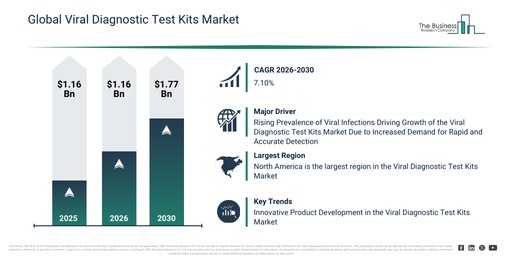
    The viral diagnostic test kits market size is projected to experience robust growth over the next few years. It is forecasted to expand to $24.87 billion in 2030, achieving a compound annual growth rate (CAGR) of 7.1%. This projected growth can be attributed to heightened preparedness for future pandemics, an increasing demand for decentralized testing, rising investments in molecular diagnostics, the expansion of home-based testing solutions, and technological advancements enhancing assay sensitivity and speed. Significant trends anticipated during the forecast period include the increasing adoption of rapid diagnostic test kits, a growing reliance on molecular-based viral detection, the expanding demand for point-of-care testing solutions, the development of multiplex viral assays, and an amplified focus on high-sensitivity diagnostic accuracy.

    Download the Free Sample Report to Explore Key Market Insights:

    https://www.thebusinessresearchcompany.com/sample.aspx?id=16821&type=smp

    What Drivers Are Shaping The Future Growth Of The Viral Diagnostic Test Kits Market?

    The increasing incidence of viral infections is anticipated to boost the expansion of the viral diagnostic test kits market in the future. These infections result from tiny viruses entering and multiplying within host cells, potentially causing anything from minor sickness to severe, life-threatening ailments. Several factors contribute to the surge in viral infections, including worldwide travel, increased urbanization, unsafe injection methods, and insufficient access to prompt diagnosis and medical care. Essential for identifying infections, informing treatment choices, and managing outbreaks, viral diagnostic test kits work by detecting viral nucleic acids (RNA or DNA), antigens, or antibodies present in biological samples like blood or swabs. As an illustration, in April 2025, data from the Centers for Disease Control and Prevention (CDC), a US federal agency, indicated 2,214 new acute hepatitis B cases in 2023, which translates to an estimated 14,400 infections when underreporting is considered, alongside 17,650 newly reported chronic hepatitis B cases. This same report further revealed 4,966 new acute hepatitis C cases and 101,525 new chronic hepatitis C cases in 2023. Consequently, the increasing prevalence of viral infections serves as a primary driver for the expansion of the viral diagnostic test kits market.

    Which Segment Classifications Shape The Viral Diagnostic Test Kits Market?

    The viral diagnostic test kits market covered in this report is segmented –

    1) By Testing Approach: Traditional Tests, Rapid Test

    2) By Test Type: Direct Fluorescent Antibody (DFA) Test, Immunochromatographic Assay, Reverse Transcriptase Polymerase Chain Reaction (RT-PCR) Based Test, Agglutination Assay, Solid Phase Assay, Flow Through Assay, Other Test Types

    3) By End-User: Research Laboratories, Clinics, Hospitals, Other End Users

    Subsegments:

    1) By Traditional Tests: Enzyme-Linked Immunosorbent Assay (ELISA), Polymerase Chain Reaction (PCR) Tests, Western Blot, Viral Culture Testing

    2) By Rapid Test: Lateral Flow Assays (LFA), Immunochromatographic Strip Tests, Reverse Transcription Loop-Mediated Isothermal Amplification (RT-LAMP), Rapid Antigen Tests

    How Are Trends Impacting The Viral Diagnostic Test Kits Market?

    Leading companies in the viral diagnostic test kits market are actively developing innovative products, such as virus detection kits, to maintain their market standing. A virus detection kit serves as a diagnostic tool specifically designed to identify the presence of particular viruses in biological samples, providing quick and precise results essential for effective disease monitoring and management. Illustrating this, in August 2024, BlueStain Global Ltd, a UK-based company, launched its MPox virus detection kit. The Bluestain MPox virus detection kit operates as a rapid diagnostic test, engineered to detect the mpox virus with significant speed and accuracy, delivering results in just 15 to 30 minutes. This groundbreaking kit aims to strengthen public health responses by facilitating the early detection and containment of mpox outbreaks, especially in resource-limited settings.

    Which Companies Are Expanding Their Footprint In The Viral Diagnostic Test Kits Market?

    Major companies operating in the viral diagnostic test kits market are F. Hoffmann-La Roche Ltd., Thermo Fisher Scientific Inc., Abbott Laboratories, Danaher Corporation, Siemens Healthineers AG, Becton Dickinson and Company, Quest Diagnostics Incorporated, Grifols S.A., Hologic Inc., PerkinElmer Inc., bioMérieux SA, Quidel Corporation, Bio-Rad Laboratories Inc., QIAGEN N.V., Ortho Clinical Diagnostics, Seegene Inc., OraSure Technologies Inc., Meridian Bioscience Inc., DiaSorin S.p.A., Trinity Biotech plc

    Read the full viral diagnostic test kits market report here:

    https://www.thebusinessresearchcompany.com/report/viral-diagnostic-test-kits-global-market-report

    Which Geographic Regions Are Influencing Demand In The Viral Diagnostic Test Kits Market?

    North America was the largest region in the viral diagnostic test kits market in 2025. Asia-Pacific is expected to be the fastest-growing region in the forecast period. The regions covered in the viral diagnostic test kits market report are Asia-Pacific, South East Asia, Western Europe, Eastern Europe, North America, South America, Middle East, Africa.

    Request A Tailored Viral Diagnostic Test Kits Market Research Report For Competitive Advantage:

    https://www.thebusinessresearchcompany.com/customise?id=16821&type=smp

    Browse Through More Reports Similar to the Global Viral Diagnostic Test Kits Market 2026, By The Business Research Company

    Covid 19 Rapid Test Kits Market 2026

    https://www.thebusinessresearchcompany.com/report/covid-19-rapid-test-kits-market

    Infectious Disease Diagnostics Testing Market Report 2026

    https://www.thebusinessresearchcompany.com/report/infectious-disease-diagnostics-testing-global-market-report

    Hospital Acquired Infections Testing Kits Market Report 2026

    https://www.thebusinessresearchcompany.com/report/hospital-acquired-infections-testing-kits-global-market-report

    Get in touch with us:

    The Business Research Company: https://www.thebusinessresearchcompany.com/

    Americas +1 310-496-7795

    Asia +44 7882 955267 & +91 8897263534

    Europe +44 7882 955267

    Email us at info@tbrc.info

    Follow us on:

    LinkedIn: https://in.linkedin.com/company/the-business-research-company

    YouTube: https://www.youtube.com/channel/UC24_fI0rV8cR5DxlCpgmyFQ

    Global Market Model: https://www.thebusinessresearchcompany.com/global-market-model
  • Vial Adaptors For Reconstitution Drug Market Future Outlook Showing Expansion Toward $3.32 Billion by 2030

    Vial Adaptors For Reconstitution Drug Market Future Outlook Showing Expansion Toward $3.32 Billion by 2030

    The Business Research Company’s 2026 market reports include new capabilities such as market attractiveness scoring and analysis, total addressable market analysis, company scoring matrix, interactive excel data dashboard, improved supply chain analysis, upcoming startups in the market, and overview of key products, aimed at improving the depth, usability, and strategic value of the insights delivered.

    What Market Size Growth Is Projected For The Vial Adaptors For Reconstitution Drug Market During The Forecast Period 2026–2030?

    The market size for vial adaptors used in drug reconstitution has experienced rapid growth in recent years. This market is projected to expand from $2 billion in 2025 to $2.22 billion in 2026, reflecting a compound annual growth rate (CAGR) of 10.9%. Historically, this expansion can be attributed to factors such as the reliance on conventional vial reconstitution techniques, the limited availability of single-use vial adaptors, the expanding injectable drug market, increasing adoption in oncology and autoimmune therapies, and a growing demand for contamination prevention.

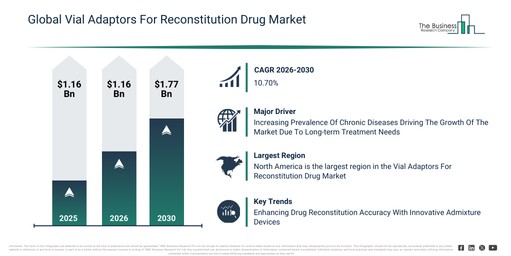
    The vial adaptors for reconstitution drug market is projected to experience substantial expansion in the upcoming years. This market is set to reach $3.33 billion by 2030, showing a compound annual growth rate (CAGR) of 10.7%. Factors driving this growth during the forecast period include the creation of advanced polycarbonate and silicon adaptors, an increase in multi-use and customized vial adaptors, the escalating production of biologics and specialty drugs, stricter regulatory compliance and sterility requirements, and the adoption of automated drug preparation systems. Key trends anticipated for this period encompass a growing need for single-use vial adaptors, greater use of customized vial adaptors designed for specific medications, market expansion within oncology and autoimmune disease applications, a stronger emphasis on precision and preventing contamination, and the proliferation of pharmaceutical and contract manufacturing organizations.

    Download the Free Sample Report to Explore Key Market Insights:

    https://www.thebusinessresearchcompany.com/sample.aspx?id=24422&type=smp

    Which Economic Or Industry Drivers Are Impacting The Vial Adaptors For Reconstitution Drug Market?

    The growing occurrence of chronic illnesses is anticipated to propel the expansion of the vial adaptors for the reconstitution drug market going forward. Chronic diseases are long-lasting health conditions that persist for a minimum of one year and necessitate ongoing medical attention. The increasing prevalence of these conditions is linked to higher consumption of processed foods and sedentary behavior, factors that compromise the body’s natural defenses and foster persistent health complications. Vial adaptors for reconstitution drugs are employed in the context of chronic diseases to safely and efficiently reconstitute and administer biologic or lyophilized medications, which are frequently required for long-term treatment. For instance, in July 2023, The Health Foundation, a UK-based independent charitable organization, projected that by 2040, 9.1 million individuals in England will be living with a major illness, representing an increase of 2.5 million people. Consequently, the rising prevalence of chronic diseases will stimulate the growth of the vial adaptors for the reconstitution drug market.

    What Market Segments Are Evaluated Within The Vial Adaptors For Reconstitution Drug Market?

    The vial adaptors for reconstitution drug market covered in this report is segmented –

    1) By Product Type: Single-Use Vial Adaptors, Multi-Use Vial Adaptors, Customized Vial Adaptors

    2) By Material Type: Polycarbonate, Silicon, Polyethylene, Other Materials

    3) By Application: Oncology, Autoimmune Diseases, Infectious Diseases, Genetic Disorders, Hormonal Replacement

    4) By End Use: Pharmaceutical Companies, Contract Manufacturing Organizations, Research Institutions, Hospitals, Retail Pharmacies

    Subsegments:

    1) By Single-Use Vial Adaptors: Luer Lock Single-Use Vial Adaptors, Non-Luer Lock Single-Use Vial Adaptors

    2) By Multi-Use Vial Adaptors: Luer Lock Multi-Use Vial Adaptors, Non-Luer Lock Multi-Use Vial Adaptors

    3) By Customized Vial Adaptors: Vial Adaptors For Specific Drug Types, Vial Adaptors For Specific Administration Systems, Vial Adaptors For Specific Therapeutic Areas

    What Industry Trends Are Redefining The Vial Adaptors For Reconstitution Drug Market?

    Leading companies active in the vial adaptors for reconstitution drug market are concentrating on creating innovative products, like admixture devices. These developments aim to improve drug reconstitution accuracy, minimize potential contamination, and enhance overall efficiency in medication preparation and administration. An admixture device serves as a medical instrument designed to enable the safe and precise mixing or reconstitution of medications, particularly biologics or lyophilized drugs, through combining a drug with a diluent before it is administered. For example, in December 2023, West Pharmaceutical Services, Inc., a U.S.-based provider of advanced, high-quality injectable drug delivery systems and packaging components, announced the FDA 510(k) clearance and commercial launch of its Vial2Bag Advanced 13mm admixture device. This new addition expands West’s product line by complementing the existing 20mm version, offering healthcare providers flexible, needle-free choices for drug reconstitution and transfer utilizing either 13mm or 20mm vials together with IV bags. Equipped with a dual-channel design for efficient fluid pathways and a robust vial spike for a secure vial connection, the device boosts safety and simplifies use in clinical environments.

    Who Are The Top Market Participants Influencing The Vial Adaptors For Reconstitution Drug Market?

    Major companies operating in the vial adaptors for reconstitution drug market are Medline Industries LP, Becton Dickinson and Company, Baxter International Inc., B. Braun SE, Nipro Corporation, West Pharmaceutical Services Inc., Stevanato Group S.p.A., Miltenyi Biotec B.V. & Co. KG, Vygon SA, Helapet Limited, Union Plastic S.A.S., MedXL Inc., Amsino International Inc., Simplivia Healthcare Ltd., Yukon Medical LLC, Corvida Medical Inc., Dedecke GmbH, Medtec Medical Inc., APG Pharma B.V., Conserva UK Limited.

    Read the full vial adaptors for reconstitution drug market report here:

    https://www.thebusinessresearchcompany.com/report/vial-adaptors-for-reconstitution-drug-global-market-report

    What Are The Top-Performing Regions Within The Vial Adaptors For Reconstitution Drug Market?

    North America was the largest region in the vial adaptors for reconstitution drug market in 2025. The regions covered in the vial adaptors for reconstitution drug market report are Asia-Pacific, South East Asia, Western Europe, Eastern Europe, North America, South America, Middle East, Africa.

    Request A Tailored Vial Adaptors For Reconstitution Drug Market Research Report For Competitive Advantage:

    https://www.thebusinessresearchcompany.com/customise?id=24422&type=smp

    Browse Through More Reports Similar to the Global Vial Adaptors For Reconstitution Drug Market 2026, By The Business Research Company

    Pharmaceutical Packaging Equipment Market Report 2026

    https://www.thebusinessresearchcompany.com/report/pharmaceutical-packaging-equipment-global-market-report

    Injectable Drug Delivery Devices Market Report 2026

    https://www.thebusinessresearchcompany.com/report/injectable-drug-delivery-devices-global-market-report

    Drug Delivery Devices Market Report 2026

    https://www.thebusinessresearchcompany.com/report/drug-delivery-devices-global-market-report

    Get in touch with us:

    The Business Research Company: https://www.thebusinessresearchcompany.com/

    Americas +1 310-496-7795

    Asia +44 7882 955267 & +91 8897263534

    Europe +44 7882 955267

    Email us at info@tbrc.info

    Follow us on:

    LinkedIn: https://in.linkedin.com/company/the-business-research-company

    YouTube: https://www.youtube.com/channel/UC24_fI0rV8cR5DxlCpgmyFQ

    Global Market Model: https://www.thebusinessresearchcompany.com/global-market-model
  • Veterinary Orthopedic Implants Market Revenue Growth Expected to Reach $0.39 Billion by 2030 with 7.2% CAGR

    Veterinary Orthopedic Implants Market Revenue Growth Expected to Reach $0.39 Billion by 2030 with 7.2% CAGR

    The Business Research Company’s 2026 market reports include new capabilities such as market attractiveness scoring and analysis, total addressable market analysis, company scoring matrix, interactive excel data dashboard, improved supply chain analysis, upcoming startups in the market, and overview of key products, aimed at improving the depth, usability, and strategic value of the insights delivered.

    How Will The Market Size Of The Veterinary Orthopedic Implants Market Evolve From 2026 To 2030?

    Significant growth has been observed in the veterinary orthopedic implants market in recent years, and it is projected to expand from $0.28 billion in 2025 to $0.3 billion in 2026, demonstrating a compound annual growth rate (CAGR) of 7.9%. Factors contributing to this historical expansion include the rising incidence of animal orthopedic conditions, an increase in pet ownership, innovations in veterinary surgical techniques, the proliferation of veterinary hospitals and specialized clinics, and a heightened demand for enhanced post-operative recuperation.

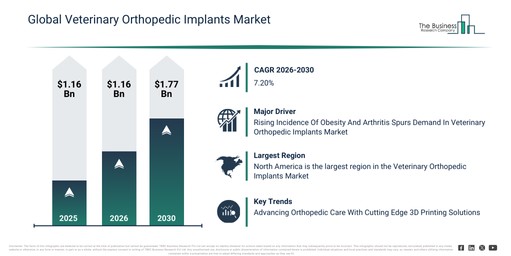
    The veterinary orthopedic implants market is anticipated to show robust expansion in the coming years. It is predicted to reach $0.4 billion by 2030, growing at a compound annual growth rate (CAGR) of 7.2%. This growth over the forecast period is attributable to the increasing development of 3D-printed and patient-specific implants, the incorporation of AI into surgical planning, the integration with telehealth platforms for subsequent care, the rising implementation of veterinary robotic surgery, and a growing understanding of advanced pet care. Significant trends for this period involve 3D-printed customized implants, AI-driven surgical planning, the use of biocompatible and bioabsorbable materials, robotic-assisted veterinary procedures, and telemedicine for remote post-operative monitoring.

    Download the Free Sample Report to Explore Key Market Insights:

    https://www.thebusinessresearchcompany.com/sample.aspx?id=2830&type=smp

    What Major Drivers Are Influencing Demand In The Veterinary Orthopedic Implants Market?

    The rising occurrence of obesity and arthritis drives up the demand within the veterinary orthopedic implants market. Obesity is a state where a pet’s weight negatively impacts its health, leading to weakened bones, while arthritis in pets results in a decrease in bone strength. Both obesity and arthritis can also lead to fractures and other bone-joint issues, adversely affecting the pet’s general health and potentially shortening its lifespan. For instance, in March 2023, the World Heart Foundation, a Switzerland-based non-government global cardiovascular community, reported that approximately 2.3 billion adults and children are obese or overweight, with the number of individuals living with obesity projected to reach 2.7 billion by 2025. Therefore, the increase in pet health conditions impacting bones, such as obesity and arthritis, positively influences the growth of the veterinary orthopedic market.

    Which Segment Areas Are Covered In The Veterinary Orthopedic Implants Market Analysis?

    The veterinary orthopedic implants market covered in this report is segmented –

    1) By Product Type: Advanced Locking Plate System, Tibial Plateau Leveling Osteotomy Implants, Tibial Tuberosity Advancement Implants, Total Elbow Replacement, Total Hip Replacement, Total Knee Replacement, Trauma Fixations

    2) By Animal: Dog, Cat, Other Animals

    3) By End-User: Veterinary Hospitals, Veterinary Clinics, Veterinary Surgical Centers

    Subsegments:

    1) By Advanced Locking Plate System: Locking Compression Plates (LCP), Locking Distal Plates

    2) By Tibial Plateau Leveling Osteotomy (TPLO) Implants: TPLO Plates, TPLO Jigs And Instruments

    3) By Tibial Tuberosity Advancement (TTA) Implants: TTA Plates, TTA Screws

    4) By Total Elbow Replacement: Elbow Prostheses, Surgical Instruments For Elbow Replacement

    5) By Total Hip Replacement: Hip Prostheses, Surgical Instruments For Hip Replacement

    6) By Total Knee Replacement: Knee Prostheses, Surgical Instruments For Knee Replacement

    7) By Trauma Fixations: Intramedullary Pins, Bone Screws, External Fixators

    What Key Developments And Trends Are Impacting The Veterinary Orthopedic Implants Market?

    Leading companies in the veterinary orthopedic implants market are concentrating on developing advanced solutions, such as patient-specific anatomical models, to enhance the precision and outcomes of surgical procedures. These patient-specific anatomical models utilize a pet’s unique imaging data to create exact replicas of bone structures and deformities, which aids surgeons in more effective planning of complex procedures and in reducing intraoperative risks. For example, in October 2024, VCA Animal Hospitals, a US-based veterinary care provider, launched a 3D printing lab at its Northwest Veterinary Specialists centre, specifically dedicated to creating orthopedic implants and surgical guides for pets. This laboratory produces custom-fit implants and guides tailored to each animal’s anatomy, enabling surgeons to simulate operations on precise 3D models, improve the accuracy of implants, and optimize recovery. The facility addresses conditions such as hip dysplasia, elbow dysplasia, and angular limb deformities by generating accurate surgical guides, facilitating pre-operative planning, and ultimately reducing surgical complexity and associated risks. This method assists VCA in delivering more personalized and effective orthopedic care, thereby improving the quality of life and surgical success for its patients.

    Which Global Companies Are Actively Competing In The Veterinary Orthopedic Implants Market?

    Major companies operating in the veterinary orthopedic implants market are KYON Pharma Inc., Veterinary Orthopedic Implants Inc., BioMedtrix LLC, IMEX Veterinary Inc., Orthomed Ltd., Securos Surgical, B.Braun Vet Care, BlueSAO, MWI Veterinary Supply Co., New Generation Devices, Scil Animal Care Company, SophiaTech, Fusion Implants, GPC Medical Ltd., Narang Medical Limited, D4 Surgicals (India) Pvt. Ltd., Uteshiya Medicare Private Limited., Bonetech Medisys Pvt. Ltd., Integra LifeSciences Corporation, GerMedUSA Inc., Everost Inc., Arthrex Vet Systems, Ortho Max Mfg. Co. Pvt. Ltd., Auxein Medical, Vimian Group, Innoplant Medizintechnik GmbH

    Read the full veterinary orthopedic implants market report here:

    https://www.thebusinessresearchcompany.com/report/veterinary-orthopedic-implants-global-market-report

    Which Region Shows The Strongest Potential For Future Growth In The Veterinary Orthopedic Implants Market?

    North America was the largest region in the veterinary orthopedic implants market in 2025. Western Europe was the second-largest region in the global veterinary orthopedic implants market share. The regions covered in the veterinary orthopedic implants market report are Asia-Pacific, South East Asia, Western Europe, Eastern Europe, North America, South America, Middle East, Africa.

    Request A Tailored Veterinary Orthopedic Implants Market Research Report For Competitive Advantage:

    https://www.thebusinessresearchcompany.com/customise?id=2830&type=smp

    Browse Through More Reports Similar to the Global Veterinary Orthopedic Implants Market 2026, By The Business Research Company

    Veterinary Healthcare Market Report 2026

    https://www.thebusinessresearchcompany.com/report/veterinary-healthcare-global-market-report

    Veterinary Services Market Report 2026

    https://www.thebusinessresearchcompany.com/report/veterinary-services-global-market-report

    Orthopedic Braces And Support Devices And Equipment Market Report 2026

    https://www.thebusinessresearchcompany.com/report/orthopedic-braces-and-support-devices-and-equipment-global-market-report

    Get in touch with us:

    The Business Research Company: https://www.thebusinessresearchcompany.com/

    Americas +1 310-496-7795

    Asia +44 7882 955267 & +91 8897263534

    Europe +44 7882 955267

    Email us at info@tbrc.info

    Follow us on:

    LinkedIn: https://in.linkedin.com/company/the-business-research-company

    YouTube: https://www.youtube.com/channel/UC24_fI0rV8cR5DxlCpgmyFQ

    Global Market Model: https://www.thebusinessresearchcompany.com/global-market-model
  • Vertebroplasty Needles Market Expected to Record Steady Growth and Approach $1.95 Billion by 2030

    Vertebroplasty Needles Market Expected to Record Steady Growth and Approach $1.95 Billion by 2030

    The Business Research Company’s 2026 market reports include new capabilities such as market attractiveness scoring and analysis, total addressable market analysis, company scoring matrix, interactive excel data dashboard, improved supply chain analysis, upcoming startups in the market, and overview of key products, aimed at improving the depth, usability, and strategic value of the insights delivered.

    What Is The Forecasted Market Value Of The Vertebroplasty Needles Market Across 2026–2030?

    The vertebroplasty needles market has observed swift growth in recent years. It will grow from $1.12 billion in 2025 to $1.26 billion in 2026 at a compound annual growth rate (CAGR) of 12.9%. The expansion witnessed in prior periods stems from factors such as a rise in osteoporotic spinal fractures, increased implementation of minimally invasive spinal procedures, an expanding elderly demographic, broader access to fluoroscopy-guided techniques, and the proliferation of hospital-based spine treatment facilities.

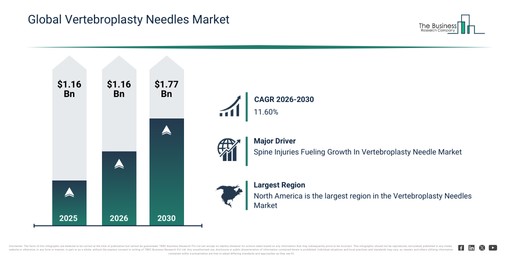
    The vertebroplasty needles market is anticipated to experience substantial expansion in the coming years. It is projected to achieve a valuation of $1.95 billion by 2030, demonstrating a compound annual growth rate (CAGR) of 11.6%. This growth during the forecast period is primarily driven by a heightened emphasis on outpatient spine procedures, a rising demand for advanced kyphoplasty techniques, increasing investments in precision surgical instruments, the global expansion of the aging population, and technological advancements in cement delivery systems. Prominent trends observed in the forecast period include the increasing adoption of single-use vertebroplasty needles, a growing demand for image-guided cement delivery systems, a stronger preference for minimally invasive spine procedures, the ongoing expansion of precision-engineered needle designs, and an enhanced focus on procedural safety and accuracy.

    Download the Free Sample Report to Explore Key Market Insights:

    https://www.thebusinessresearchcompany.com/sample.aspx?id=17292&type=smp

    Which Market Drivers Are Supporting The Expansion Of The Vertebroplasty Needles Market?

    The Vertebroplasty Needles market is expected to experience growth due to an increase in spine injuries. Spine injuries involve any harm or trauma to the spinal cord, vertebrae, or surrounding tissues, which can lead to pain, restricted movement, or paralysis. These injuries are becoming more prevalent, influenced by factors such as aging populations, increased participation in sports, and the frequency of motor vehicle accidents. Vertebroplasty needles are essential for stabilizing spine injuries by precisely injecting bone cement into fractured vertebrae to relieve pain and restore the strength of the vertebrae. For example, in May 2024, the Spinal Injuries Association, a US-based organization specializing in spinal cord injury care, reported approximately 4,400 new cases of spinal cord injury annually in the UK, resulting in someone becoming paralyzed every two hours, with an estimated total prevalence of 105,000 spinal cord injuries in 2024. Thus, the rising number of spine injuries is driving the Vertebroplasty Needles market.

    What Segmentation Levels Are Considered In The Vertebroplasty Needles Market?

    The vertebroplasty needles market covered in this report is segmented –

    1) By Product Type: Bone Cement Needles, Aspiration Needles

    2) By Needle Size: 2.5×100, 2.5×130, 3.2×100, 3.2×130

    3) By Procedure Type: Percutaneous Vertebroplasty, Kyphoplasty

    Subsegments:

    1) By Bone Cement Needles: Straight Bone Cement Needles, Curved Bone Cement Needles

    2) By Aspiration Needles: Small Gauge Aspiration Needles, Medium-Gauge Aspiration Needles, Large-Gauge Aspiration Needles

    What Trends Are Projected To Affect The Vertebroplasty Needles Market?

    Which Leading Firms Are Contributing To The Growth Of The Vertebroplasty Needles Market?

    Major companies operating in the vertebroplasty needles market are Medtronic plc, Stryker Corporation, DePuy Synthes Inc., Cook Medical LLC, Merit Medical Systems Inc., Globus Medical Inc., Argon Medical Devices Inc., OptiMed GmbH, Tecres S.p.A, Zavation Medical Products LLC, Auxein Medical Pvt Ltd, Captiva Spine Inc., Laurane Medical LLC, Osseon Technologies, Adroit Manufacturing Co., Surtech Medical Inc., TAEYEON Medical Co. Ltd., Teknimed S A SP, Becton Dickinson and Company, BIOPSYBELL S.R.L.

    Read the full vertebroplasty needles market report here:

    https://www.thebusinessresearchcompany.com/report/vertebroplasty-needles-global-market-report

    How Is The Vertebroplasty Needles Market Distributed Across Key Geographic Regions?

    North America was the largest region in the vertebroplasty needles market in 2025. Asia-Pacific is expected to be the fastest-growing region in the forecast period. The regions covered in the vertebroplasty needles market report are Asia-Pacific, South East Asia, Western Europe, Eastern Europe, North America, South America, Middle East, Africa.

    Request A Tailored Vertebroplasty Needles Market Research Report For Competitive Advantage:

    https://www.thebusinessresearchcompany.com/customise?id=17292&type=smp

    Browse Through More Reports Similar to the Global Vertebroplasty Needles Market 2026, By The Business Research Company

    Vertebroplasty And Kyphoplasty Market Report 2026

    https://www.thebusinessresearchcompany.com/report/vertebroplasty-and-kyphoplasty-global-market-report

    Minimally Invasive Vertebral Compression Fracture Treatment Market Report 2026

    https://www.thebusinessresearchcompany.com/report/minimally-invasive-vertebral-compression-fracture-treatment-global-market-report

    Needle Market Report 2026

    https://www.thebusinessresearchcompany.com/report/needle-global-market-report

    Get in touch with us:

    The Business Research Company: https://www.thebusinessresearchcompany.com/

    Americas +1 310-496-7795

    Asia +44 7882 955267 & +91 8897263534

    Europe +44 7882 955267

    Email us at info@tbrc.info

    Follow us on:

    LinkedIn: https://in.linkedin.com/company/the-business-research-company

    YouTube: https://www.youtube.com/channel/UC24_fI0rV8cR5DxlCpgmyFQ

    Global Market Model: https://www.thebusinessresearchcompany.com/global-market-model
  • Venturi Mask Industry Expansion Forecast Showing Market Size of $6.12 Billion by 2030 at 8.5% CAGR

    Venturi Mask Industry Expansion Forecast Showing Market Size of $6.12 Billion by 2030 at 8.5% CAGR

    The Business Research Company’s 2026 market reports include new capabilities such as market attractiveness scoring and analysis, total addressable market analysis, company scoring matrix, interactive excel data dashboard, improved supply chain analysis, upcoming startups in the market, and overview of key products, aimed at improving the depth, usability, and strategic value of the insights delivered.

    What Market Size Increase Is Anticipated For The Venturi Mask Market Over The 2026–2030 Period?

    The venturi mask market size has experienced robust expansion over recent years. This market is projected to expand from $4.08 billion in 2025 to $4.43 billion in 2026, demonstrating a compound annual growth rate (CAGR) of 8.5%. Historically, this growth has been driven by factors such as the increasing incidence of respiratory ailments, the enlargement of hospital critical care facilities, the growing adoption of oxygen therapy, the broader availability of respiratory care equipment, and the development of emergency medical services.

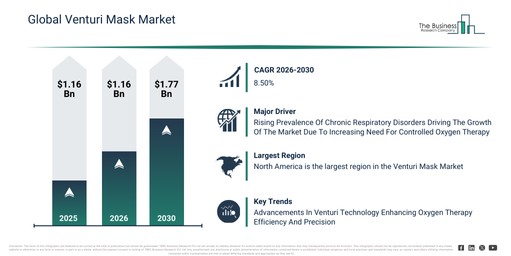
    The venturi mask market size is projected to experience substantial expansion over the coming years. Its value is anticipated to reach $6.13 billion by 2030, demonstrating a compound annual growth rate (CAGR) of 8.5%. Key factors contributing to this growth during the forecast period include the escalating demand for home-based oxygen therapy, the expanding aging population suffering from chronic respiratory conditions, the broadening scope of ambulatory respiratory care, an increased emphasis on preventing infections, and the growing uptake in emerging healthcare systems. Prominent trends identified for the same period encompass an increased need for precise oxygen delivery devices, the escalating utilization of disposable venturi masks, their wider integration into COPD management strategies, the expansion of hospital respiratory care infrastructure, and a heightened focus on designs that aid in infection control.

    Download the Free Sample Report to Explore Key Market Insights:

    https://www.thebusinessresearchcompany.com/sample.aspx?id=23566&type=smp

    What Underlying Factors Are Accelerating The Growth Of The Venturi Mask Market?

    The rising occurrence of chronic respiratory disorders is anticipated to stimulate the expansion of the venturi mask market throughout the forecast period. These are enduring lung conditions characterized by persistent breathing difficulties and diminished lung capacity, often resulting from inflammation, tissue scarring, or obstructions. The incidence of chronic respiratory disorders is continually growing, influenced by evolving global health trends and improved detection and diagnosis. Venturi masks play a vital role in managing chronic respiratory disorders by delivering a precise oxygen concentration, which is critical for conditions such as COPD, where excessive oxygen can suppress the body’s inherent urge to breathe. For example, in December 2023, a report released by the National Library of Medicine, a US-based biomedical library, estimated that worldwide COPD cases among individuals 25 years and older could approach 600 million by 2050, marking a 23% rise from 2020. The same report additionally indicated that instances among females might increase by 47.1%, in contrast to only 9.4% in males, with low- and middle-income regions projected to observe over double the number of cases compared to high-income regions. Consequently, the increasing prevalence of chronic respiratory disorders will drive the growth of the venturi mask market.

    How Is The Venturi Mask Market Segmented Across Key Categories?

    The venturi mask market covered in this report is segmented –

    1) By Product Type: Single Venturi Masks, Multi-Venturi Masks, Adjustable Flow Venturi Masks, Pediatric Venturi Masks, Adult Venturi Masks

    2) By Material Type: Plastic Venturi Masks, Silicone Venturi Masks, Rubber Venturi Masks, Disposable Venturi Masks, Re-Usable Venturi Masks

    3) By Oxygen Flow Rate: Low Flow Rate (1-6 L/min), Medium Flow Rate (6-12 L/min), High Flow Rate (12-15 L/min), Variable Flow Rate

    4) By Application: Chronic Obstructive Pulmonary Disease (COPD), Asthma, Pneumonia, Myocardial Infarction, Respiratory Distress Syndrome

    5) By End-User: Hospitals And Clinics, Homecare, Ambulatory Surgery Centers

    Subsegments:

    1) By Single Venturi Masks: Low-Flow Single Venturi Masks, High-Flow Single Venturi Masks

    2) By Multi-Venturi Masks: Fixed Multi-Venturi Masks, Adjustable Multi-Venturi Masks

    3) By Adjustable Flow Venturi Masks: Low-Flow Adjustable Venturi Masks, High-Flow Adjustable Venturi Masks

    4) By Pediatric Venturi Masks: Pediatric Low-Flow Venturi Masks, Pediatric High-Flow Venturi Masks

    5) By Adult Venturi Masks: Adult Low-Flow Venturi Masks, Adult High-Flow Venturi Masks

    Which Upcoming Trends Are Expected To Influence The Venturi Mask Market?

    Leading firms within the venturi mask market are creating sophisticated systems, including venturi adapters, to ensure an accurate and steady oxygen concentration. These adapters manage oxygen delivery by blending it with ambient air, guaranteeing patients get the precise concentration required for their therapy. As an illustration, in April 2024, Sunset Healthcare, a US-based manufacturer focused on respiratory products, launched the Lynx Venturi System, a groundbreaking oxygen delivery solution. The Lynx Venturi System simplifies oxygen therapy through the use of one mask featuring an adjustable high or low flow setting, removing the necessity for several venturi adapters. This system provides accurate FiO2 for diverse oxygen needs, facilitating seamless transitions across EMS, ED, ICU, and other healthcare settings. Its integrated architecture minimizes waste, decreases component consumption, and enhances both clinical and economic effectiveness. User-friendly adapters demand minimal instruction, allowing respiratory therapists to concentrate on intricate care while also permitting early detection of hypoxemia via precise PaO2 or FiO2 monitoring.

    Who Are The Dominant Players Shaping The Venturi Mask Market Landscape?

    Major companies operating in the venturi mask market are Intersurgical, Polymed Medical Devices, GaleMed Corporation, Suzhou Sunmed, Medilivescare Manufacturing Pvt. Ltd., Angiplast Pvt Ltd., Greetmed, Narang Medical Ltd., Manish Enterprises, Forca Healthcare, Life-O-Line Technologist, WEGO Medical, Forlong Medical Co. Ltd., Supertech Surgical Company, Airways Surgical Pvt. Ltd., APEX MEDICAL DEVICES, Hangzhou Shanyou Medical Equipment Co. Ltd., Yash Care Life Scieneces, Welco Lifecare Private Limited, Goldenwell

    Read the full venturi mask market report here:

    https://www.thebusinessresearchcompany.com/report/venturi-mask-global-market-report

    Which Region Is Projected To Dominate The Venturi Mask Market During The Forecast Period?

    North America was the largest region in the venturi mask market in 2025. Asia-Pacific is expected to be the fastest-growing region in the forecast period. The regions covered in the venturi mask market report are Asia-Pacific, South East Asia, Western Europe, Eastern Europe, North America, South America, Middle East, Africa.

    Request A Tailored Venturi Mask Market Research Report For Competitive Advantage:

    https://www.thebusinessresearchcompany.com/customise?id=23566&type=smp

    Browse Through More Reports Similar to the Global Venturi Mask Market 2026, By The Business Research Company

    Masks N95 Respirators And Other Surgical Masks Market 2026

    https://www.thebusinessresearchcompany.com/report/masks-n95-respirators-and-other-surgical-masks-market

    Surgical Masks Market Report 2026

    https://www.thebusinessresearchcompany.com/report/surgical-masks-global-market-report

    High Flow Ventilators Market Report 2026

    https://www.thebusinessresearchcompany.com/report/high-flow-ventilators-global-market-report

    Get in touch with us:

    The Business Research Company: https://www.thebusinessresearchcompany.com/

    Americas +1 310-496-7795

    Asia +44 7882 955267 & +91 8897263534

    Europe +44 7882 955267

    Email us at info@tbrc.info

    Follow us on:

    LinkedIn: https://in.linkedin.com/company/the-business-research-company

    YouTube: https://www.youtube.com/channel/UC24_fI0rV8cR5DxlCpgmyFQ

    Global Market Model: https://www.thebusinessresearchcompany.com/global-market-model
  • Ventricular Fibrillation Market Revenue Expected to Reach $8.56 Billion by 2030 with 5.5% CAGR

    Ventricular Fibrillation Market Revenue Expected to Reach $8.56 Billion by 2030 with 5.5% CAGR

    The Business Research Company’s 2026 market reports include new capabilities such as market attractiveness scoring and analysis, total addressable market analysis, company scoring matrix, interactive excel data dashboard, improved supply chain analysis, upcoming startups in the market, and overview of key products, aimed at improving the depth, usability, and strategic value of the insights delivered.

    How Much Is The Ventricular Fibrillation Market Expected To Grow In Terms Of Market Value Between 2026 And 2030?

    The market size for ventricular fibrillation has demonstrated significant expansion in recent years. This market is anticipated to expand from $6.51 billion in 2025 to $6.92 billion in 2026, achieving a compound annual growth rate (CAGR) of 6.2%. The historical growth of this market segment can be attributed to factors such as an increasing incidence of sudden cardiac arrest, the broadening of emergency medical services, greater availability of defibrillation devices, enhancements in cardiopulmonary resuscitation techniques, and the development of hospital-based cardiac care facilities.

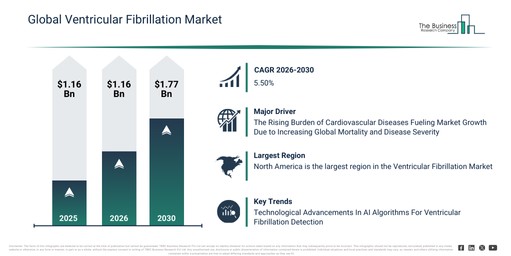
    The ventricular fibrillation market is projected to experience substantial expansion over the upcoming years. Its value is anticipated to reach $8.56 billion by 2030, exhibiting a compound annual growth rate (CAGR) of 5.5%. This projected growth is driven by several factors, including the expanded deployment of public access defibrillators, increased investments in cardiac monitoring innovations, the spread of minimally invasive cardiac procedures, the escalating integration of AI-powered arrhythmia detection, and a heightened emphasis on enhancing survival outcomes. Key developments expected during this forecast timeframe encompass the wider adoption of advanced defibrillation methods, a surge in the utilization of automated external defibrillators, greater incorporation of real-time cardiac monitoring, the enlargement of emergency cardiac care facilities, and a more pronounced focus on efficient rapid response mechanisms.

    Download the Free Sample Report to Explore Key Market Insights:

    https://www.thebusinessresearchcompany.com/sample.aspx?id=16818&type=smp

    Which Growth Drivers Are Contributing To The Progress Of The Ventricular Fibrillation Market?

    The increasing incidence of cardiovascular diseases (CVD) is anticipated to fuel the expansion of the ventricular fibrillation market in the future. These diseases encompass various conditions impacting the heart and blood vessels, such as coronary artery disease, high blood pressure, heart failure, and severe arrhythmias like ventricular fibrillation. Contributing factors to the rise in CVD instances include inactive lifestyles, inadequate nutrition, excess weight, tobacco use, psychological strain, and demographic shifts towards older populations. Ventricular fibrillation stands as a critical complication of CVD, frequently resulting in sudden cardiac arrest and substantially elevating the danger of death. As an illustration, the American Heart Association, a US non-profit, reported in January 2024 that the age-adjusted mortality rate for cardiovascular disease climbed to 233.3 per 100,000 in 2024, representing a 4.0% rise from 224.4 per 100,000 in 2023. Consequently, the escalating impact of cardiovascular diseases is boosting the growth of the ventricular fibrillation market.

    What Major Segment Divisions Exist Within The Ventricular Fibrillation Market?

    The ventricular fibrillation market covered in this report is segmented –

    1) By Treatment: Cardiopulmonary Resuscitation (CPR), Defibrillation, Medication, Catheter Ablation, Left Cardiac Sympathetic Denervation

    2) By Diagnostic Techniques: Electrocardiogram, Electrophysiology Study

    3) By End-User: Hospitals, Ambulatory Surgical Centers, Specialty Clinics, Other End-users

    Subsegments:

    1) By Cardiopulmonary Resuscitation (CPR): Manual Chest Compressions, Mechanical Chest Compressions

    2) By Defibrillation: Automated External Defibrillators (AEDs), Implantable Cardioverter Defibrillators (ICDs), External Defibrillators

    3) By Medication: Antiarrhythmic Drugs, Beta-Blockers, Vasopressors

    4) By Catheter Ablation: Radiofrequency Ablation, Cryoablation, Laser Ablation

    5) By Left Cardiac Sympathetic Denervation: Surgical Procedure for Sympathetic Denervation, Endoscopic Denervation Techniques

    How Are Trends Shaping The Direction Of The Ventricular Fibrillation Market?

    Leading companies operating within the ventricular fibrillation market are focusing their efforts on creating groundbreaking technologies, such as sophisticated artificial intelligence (AI) algorithms, to boost the precision and effectiveness of cardiac diagnostic procedures. These AI algorithms function as instructions that enable machines to analyze data, execute tasks, and make informed decisions. This significantly enhances the accuracy of atrial fibrillation (AF) detection, a major precursor to stroke, by improving the specificity and sensitivity of consumer ECG devices. For example, in January 2024, PulseAI, an Ireland-based medical technology company, developed a cutting-edge AI algorithm aimed at improving the accuracy and efficiency of ECG diagnostics. This novel technology leverages machine learning to examine electrocardiogram readings, capable of identifying even subtle patterns and anomalies that might indicate cardiovascular disease or other health conditions. By optimizing the analysis process and reducing errors in interpretation, PulseAI’s algorithm intends to enhance patient outcomes and revolutionize the domain of cardiac care.

    Which Companies Are Leading Innovation In The Ventricular Fibrillation Market?

    Major companies operating in the ventricular fibrillation market are Abbott Laboratories, Medtronic plc, GE HealthCare Technologies Inc., Boston Scientific Corporation, Philips Healthcare, St. Jude Medical Inc., Mindray Medical International Limited, ZOLL Medical Corporation, Biotronik, Nihon Kohden Corporation, LivaNova, Fukuda Denshi Co. Ltd., Laerdal Medical Corporation, Schiller AG, Physio-Control, Cardiac Science Corporation, CU Medical Systems Inc., Defibtech LLC, Progetti Srl, HeartSine Technologies

    Read the full ventricular fibrillation market report here:

    https://www.thebusinessresearchcompany.com/report/ventricular-fibrillation-global-market-report

    What Are The Leading Geographic Regions In The Ventricular Fibrillation Market?

    North America was the largest region in the ventricular fibrillation market in 2025. The regions covered in the ventricular fibrillation market report are Asia-Pacific, South East Asia, Western Europe, Eastern Europe, North America, South America, Middle East, Africa.

    Request A Tailored Ventricular Fibrillation Market Research Report For Competitive Advantage:

    https://www.thebusinessresearchcompany.com/customise?id=16818&type=smp

    Browse Through More Reports Similar to the Global Ventricular Fibrillation Market 2026, By The Business Research Company

    Atrial Fibrillation Market Report 2026

    https://www.thebusinessresearchcompany.com/report/atrial-fibrillation-global-market-report

    Cardiac Valve Market Report 2026

    https://www.thebusinessresearchcompany.com/report/cardiac-valve-global-market-report

    Cardiac Biomarkers Market Report 2026

    https://www.thebusinessresearchcompany.com/report/cardiac-biomarkers-global-market-report

    Get in touch with us:

    The Business Research Company: https://www.thebusinessresearchcompany.com/

    Americas +1 310-496-7795

    Asia +44 7882 955267 & +91 8897263534

    Europe +44 7882 955267

    Email us at info@tbrc.info

    Follow us on:

    LinkedIn: https://in.linkedin.com/company/the-business-research-company

    YouTube: https://www.youtube.com/channel/UC24_fI0rV8cR5DxlCpgmyFQ

    Global Market Model: https://www.thebusinessresearchcompany.com/global-market-model
  • Global Ventricular Assist Device Market Set for Strong Expansion Reaching $4.34 Billion by 2030 at 12.8% CAGR

    Global Ventricular Assist Device Market Set for Strong Expansion Reaching $4.34 Billion by 2030 at 12.8% CAGR

    The Business Research Company’s 2026 market reports include new capabilities such as market attractiveness scoring and analysis, total addressable market analysis, company scoring matrix, interactive excel data dashboard, improved supply chain analysis, upcoming startups in the market, and overview of key products, aimed at improving the depth, usability, and strategic value of the insights delivered.

    What Market Value Is Expected For The Ventricular Assist Device Market At The End Of The 2026–2030 Forecast Period?

    The ventricular assist device market size has seen rapid growth in recent years. This market is expected to expand from $2.37 billion in 2025 to $2.69 billion in 2026, achieving a compound annual growth rate (CAGR) of 13.3%. Historically, this growth can be attributed to several factors including the rising prevalence of end-stage heart failure, the scarcity of donor hearts, progress in mechanical circulatory support technologies, increasing clinical acceptance of LVAD therapy, and enhanced surgical outcomes.

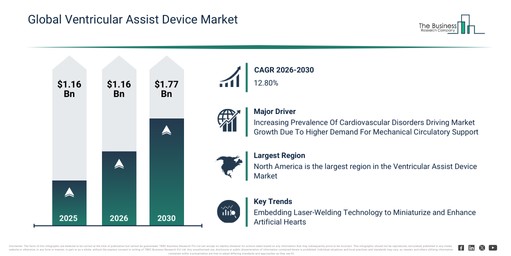
    The ventricular assist device market size is projected for swift expansion in the upcoming years. It is anticipated to reach $4.34 billion by 2030, exhibiting a compound annual growth rate (CAGR) of 12.8%. This expansion during the forecast period is fueled by an increasing elderly demographic suffering from cardiac conditions, a rise in the use of long-term mechanical assistance, innovations in device robustness, broader implementation of in-home patient oversight, and increased funding for advanced cardiac treatment facilities. Key developments expected in this period encompass progress in miniature implantable pump designs, wider acceptance of continuous-flow technologies, incorporation of remote patient surveillance functionalities, enhanced use of biocompatible materials, and an increase in destination therapy applications.

    Download the Free Sample Report to Explore Key Market Insights:

    https://www.thebusinessresearchcompany.com/sample.aspx?id=6680&type=smp

    What Primary Drivers Are Shaping The Development Of The Ventricular Assist Device Market?

    The growing occurrence of cardiovascular disorders is propelling the expansion of the Ventricular Assist Device Market. These heart conditions stem from factors such as elevated blood pressure, smoking, high cholesterol, and sedentary lifestyles. Additionally, the rising prevalence of cardiovascular disorders is linked to non-communicable diseases like diabetes, chronic respiratory illnesses, and heart attacks caused by hypertension. This notable rise in heart-related ailments is anticipated to amplify the need for ventricular assist devices, which serve as crucial life support for critically ill heart patients. For example, data from the Centers for Disease Control and Prevention, a US-based public health institute, indicated in October 2024 that in 2023, approximately 1 out of every 6 deaths attributed to cardiovascular diseases occurred in adults under 65 years old, with a total of 919,032 individuals succumbing to cardiovascular disease, accounting for 1 in every 3 deaths. Consequently, the increasing prevalence of cardiovascular disorders is projected to fuel demand within the Ventricular Assist Device Market. Increased understanding of heart failure treatment is anticipated to stimulate expansion in the Ventricular Assist Device Market. Heart failure is a condition where the heart becomes weak or rigid, leading to less efficient blood pumping. It signifies the heart’s inability to supply sufficient blood to the body, often resulting from coronary artery disease, heart attacks, high blood pressure, or damage to the heart muscle. Enhanced public awareness concerning heart failure therapies is projected to increase the deployment of ventricular assist devices for managing this condition. For instance, in September 2025, the British Heart Foundation, a UK-based nonprofit organization, projected that by 2030, the number of individuals living with cardiovascular disease in the UK might climb by approximately 1 million, and by 2040, this figure could grow by about 2 million beyond current levels. Therefore, the heightened awareness of heart failure treatment is expected to drive the growth of the Ventricular Assist Device Market.

    What Segment Types Make Up The Ventricular Assist Device Market?

    The ventricular assist device market covered in this report is segmented –

    1) By Product: Left Ventricular Assist Devices (LVADs), Right Ventricular Assist Devices (RVADs), Biventricular Assist Devices (BIVADs)

    2) By Flow Mechanism: Pulsatile Flow, Continuous Flow

    3) By Design: Transcutaneous Ventricular Assist Devices, Implantable Ventricular Assist Devices

    4) By Application: Bridge-To-Transplant (BTT) Therapy, Destination Therapy, Bridge-To-Recovery (BTR) Therapy, Bridge-To-Candidacy (BTC) Therapy

    5) By End Users: Hospital, Ambulatory Surgical Centres, Cardiology Centres

    Subsegments:

    1) By Left Ventricular Assist Devices (LVADs): Implantable LVADs, Temporary LVADs

    2) By Right Ventricular Assist Devices (RVADs): Implantable RVADs, Temporary RVADs

    3) By Biventricular Assist Devices (BIVADs): Full Support BIVADs, Hybrid BIVADs

    Which Market Trends Are Creating New Opportunities In The Ventricular Assist Device Market?

    Leading companies in the ventricular assist device (VAD) market are concentrating on technological advancements, such as laser-welding technology, to decrease the size and weight of implantable devices, improve biocompatibility, and enhance structural integrity. Utilizing precise laser welding enables manufacturers to produce lighter, more compact pumps without compromising durability, ultimately making the devices more appropriate for a broader spectrum of patients and improving long-term outcomes. For example, in March 2024, Evaheart Medical, a China-based artificial heart company, introduced its EVA-Pulsar ventricular assist device, which weighs only 262 grams, a benefit of laser-welding technology. This lightweight construction helps to closely simulate natural pulse pressure (20–30 mmHg) and supports more physiological cardiac output, thereby reducing risks associated with continuous-flow devices. The EVA-Pulsar has also received regulatory approval in Japan, and clinical trials are currently ongoing in the U.S., indicating its potential worldwide.

    Who Are The Key Players Driving Competition In The Ventricular Assist Device Market?

    Major companies operating in the ventricular assist device market are Abiomed, Abbott Laboratories, Medtronic, LivaNova PLC, Terumo Corporation, Berlin Heart GmbH, Cirtec, Jarvik Heart Inc., SynCardia Systems LLC, Calon Cardio-Technology Ltd, Huadong Medicine Co. Ltd, Shenzhen Hexin Zondan Medical Equipment Co. Ltd, Sun Medical Technology Research Corp., CorWave SA, CH Biomedical (USA) Inc, Evaheart Inc, BiVACOR Inc, ReliantHeart Inc, Cardiac Assist Inc, Heart Ware International, Braile Biomedica Ltd

    Read the full ventricular assist device market report here:

    https://www.thebusinessresearchcompany.com/report/ventricular-assist-device-global-market-report

    How Does The Ventricular Assist Device Market Perform Across Major Global Regions?

    North America was the largest region in the ventricular assist device market in 2025. Asia-Pacific is expected to be the fastest-growing region in the forecast period. The regions covered in the ventricular assist device market report are Asia-Pacific, South East Asia, Western Europe, Eastern Europe, North America, South America, Middle East, Africa.

    Request A Tailored Ventricular Assist Device Market Research Report For Competitive Advantage:

    https://www.thebusinessresearchcompany.com/customise?id=6680&type=smp

    Browse Through More Reports Similar to the Global Ventricular Assist Device Market 2026, By The Business Research Company

    Left Ventricular Assist Devices Market Report 2026

    https://www.thebusinessresearchcompany.com/report/left-ventricular-assist-devices-global-market-report

    Cardiac Assist Devices And Equipment Market Report 2026

    https://www.thebusinessresearchcompany.com/report/cardiac-assist-devices-and-equipment-global-market-report

    Heart Pump Devices Market Report 2026

    https://www.thebusinessresearchcompany.com/report/heart-pump-devices-global-market-report

    Get in touch with us:

    The Business Research Company: https://www.thebusinessresearchcompany.com/

    Americas +1 310-496-7795

    Asia +44 7882 955267 & +91 8897263534

    Europe +44 7882 955267

    Email us at info@tbrc.info

    Follow us on:

    LinkedIn: https://in.linkedin.com/company/the-business-research-company

    YouTube: https://www.youtube.com/channel/UC24_fI0rV8cR5DxlCpgmyFQ

    Global Market Model: https://www.thebusinessresearchcompany.com/global-market-model