Month: March 2026

  • Brain Mapping Instruments Market Revenue Forecast to Reach $3.33 Billion by 2030 with 6.6% CAGR

    Brain Mapping Instruments Market Revenue Forecast to Reach $3.33 Billion by 2030 with 6.6% CAGR

    The Business Research Company’s 2026 market reports include new capabilities such as market attractiveness scoring and analysis, total addressable market analysis, company scoring matrix, interactive excel data dashboard, improved supply chain analysis, upcoming startups in the market, and overview of key products, aimed at improving the depth, usability, and strategic value of the insights delivered.

    What Market Size Expansion Is Predicted For The Brain Mapping Instruments Market Between 2026 And 2030?

    The brain mapping instruments market size has experienced strong expansion in recent years. It is anticipated to grow from $2.42 billion in 2025 to $2.58 billion in 2026, displaying a compound annual growth rate (CAGR) of 6.6%. The market’s historical growth can be attributed to several factors, including the increasing number of neurological disorder diagnosis programs, the rising adoption of EEG and CT-based brain mapping systems, the early integration of neuroimaging tools in hospital and research centers, the broadening application of brain activity monitoring in clinical neurology, and augmented investment in neuroscience research infrastructure.

    The brain mapping instruments market size is projected for significant expansion in the coming years, reaching $3.33 billion by 2030, demonstrating a compound annual growth rate (CAGR) of 6.6%. This anticipated growth stems from several factors, including the increasing demand for fMRI and PET-based functional brain mapping, the greater adoption of hybrid and high-resolution imaging systems, increased use of non-invasive mapping solutions in ambulatory settings, the growing incorporation of multimodal brain analysis tools, and the broadening application of brain mapping in precision medicine and neurotherapeutics. Key trends throughout the forecast period involve the rising implementation of advanced neuroimaging and brain activity monitoring technologies, an expanding role for brain mapping instruments in clinical diagnosis and treatment planning, the broadening of brain mapping applications within neuroscience and cognitive research, a growing preference for non-invasive and patient-friendly brain mapping procedures, and a concentrated effort on improving imaging accuracy, data quality, and diagnostic efficiency.

    Download the Free Sample Report to Explore Key Market Insights:

    https://www.thebusinessresearchcompany.com/sample.aspx?id=18270&type=smp

    Which Growth Drivers Are Contributing To The Progress Of The Brain Mapping Instruments Market?

    The increasing incidence of neurological disorders is projected to propel the expansion of the brain mapping instrument market moving forward. These disorders are conditions that impact the brain, spinal cord, and nerves, leading to symptoms such as problems with movement, cognitive decline, and sensory issues, including examples like Alzheimer’s, Parkinson’s, epilepsy, multiple sclerosis, and stroke. The rising prevalence of neurological disorders is attributed to population aging, urbanization, changes in lifestyle, advancements in diagnostic capabilities, and various environmental and infectious risk factors. Brain mapping instruments are vital in both clinical practice and research, offering deeper understanding of neurological disorders and assisting in the formulation of personalized treatment strategies. For example, in March 2023, data from the Alzheimer’s Association, a US-based non-profit voluntary health organization, indicated that an estimated 6.7 million Americans aged 65 and older in the United States were living with Alzheimer’s dementia, which is a neurological disorder. Furthermore, it is projected that by 2060, the number of individuals aged 65 and older with Alzheimer’s dementia will climb to 13.8 million. Therefore, the growing prevalence of neurological disorders is a driving force for the growth of the brain mapping instrument market.

    Which Market Segments Are Examined In The Brain Mapping Instruments Market Study?

    The brain mapping instruments market covered in this report is segmented –

    1) By Product: Computed Axial Tomography (CAT), Positron Emission Tomography, Electroencephalography (EEG), Functional Near-Infrared Spectroscopy (FNIRS), Functional Magnetic Resonance Imaging (FMRI), Other Products

    2) By Procedure: Devices For Invasive Procedures, Devices For Non-invasive Procedures

    3) By End User: Hospitals, Ambulatory Centers

    Subsegments:

    1) By Computed Axial Tomography (CAT): Conventional CT Scanners, High-Resolution CT Scanners, Portable CT Scanners

    2) By Positron Emission Tomography (PET): PET Scanners (Standalone), Hybrid PET/CT Scanners, PET/MRI Scanners

    3) By Electroencephalography (EEG): Digital EEG Systems, Ambulatory EEG Systems, Video EEG Monitoring Systems

    4) By Functional Near-Infrared Spectroscopy (FNIRS): Continuous Wave Fnirs Systems, Frequency Domain Fnirs Systems, Hybrid Fnirs Systems

    5) By Functional Magnetic Resonance Imaging (FMRI): Resting-State Fmri, Task-Based Fmri, High-Field MRI Systems

    6) By Other Products: Magnetoencephalography (MEG) Systems, Near-Infrared Spectroscopy (NIRS) Devices, Transcranial Magnetic Stimulation (TMS) Systems

    Which Trends Are Influencing The Brain Mapping Instruments Market?

    Leading companies operating in the brain mapping instruments market are concentrating on sensing-enabled adaptive neuromodulation, such as BrainSense-enabled closed-loop deep brain stimulation (DBS), which incorporates real-time brain signal detection to customize stimulation therapy. BrainSense technology serves as a neuro-interface embedded within DBS systems, recording local field potentials (LFPs) from specific brain regions, processing these signals, and dynamically adjusting electrical stimulation based on a patient’s neural activity to optimize therapeutic effects and minimize side effects. For instance, in February 2025, Medtronic, a US-based medical-technology company, introduced its BrainSense Adaptive DBS system following FDA approval. This system offers features including real-time self-adjusting stimulation, a BrainSense Electrode Identifier to quickly determine the optimal electrode contact, and personalized closed-loop therapy that adapts in both clinical settings and a patient’s daily life.

    Who Are The Primary Competitors In The Brain Mapping Instruments Market?

    Major companies operating in the brain mapping instruments market are Siemens Healthineers, GE Healthcare, Philips Healthcare, Elekta AB, Nihon Kohden Corporation, Brainlab AG, Natus Medical Incorporated, Hitachi Medical Systems, Canon Medical Systems Corporation, Compumedics Limited, Medtronic PLC, Magstim Company Limited, EB Neuro S.p.A., Brain Products GmbH, Soterix Medical Inc., Rogue Research Inc., NIRx Medical Technologies LLC, Neurosoft, Artinis Medical Systems, Gowerlabs Ltd.

    Read the full brain mapping instruments market report here:

    https://www.thebusinessresearchcompany.com/report/brain-mapping-instruments-global-market-report

    What Are The Leading Geographic Regions In The Brain Mapping Instruments Market?

    North America was the largest region in the brain mapping instruments market in 2025. Asia-Pacific is expected to be the fastest-growing region in the forecast period. The regions covered in the brain mapping instruments market report are Asia-Pacific, South East Asia, Western Europe, Eastern Europe, North America, South America, Middle East, Africa.

    Request A Tailored Brain Mapping Instruments Market Research Report For Competitive Advantage:

    https://www.thebusinessresearchcompany.com/customise?id=18270&type=smp

    Browse Through More Reports Similar to the Global Brain Mapping Instruments Market 2026, By The Business Research Company

    Brain And Neuroimaging Devices Market Report 2026

    https://www.thebusinessresearchcompany.com/report/brain-and-neuroimaging-devices-global-market-report

    Brain Monitoring Market Report 2026

    https://www.thebusinessresearchcompany.com/report/brain-monitoring-global-market-report

    Brain Health Supplements Market Report 2026

    https://www.thebusinessresearchcompany.com/report/brain-health-supplements-global-market-report

    Get in touch with us:

    The Business Research Company: https://www.thebusinessresearchcompany.com/

    Americas +1 310-496-7795

    Asia +44 7882 955267 & +91 8897263534

    Europe +44 7882 955267

    Email us at info@tbrc.info

    Follow us on:

    LinkedIn: https://in.linkedin.com/company/the-business-research-company

    YouTube: https://www.youtube.com/channel/UC24_fI0rV8cR5DxlCpgmyFQ

    Global Market Model: https://www.thebusinessresearchcompany.com/global-market-model

  • Brain Imaging Modalities Market Anticipated to Grow Steadily and Approach $18.54 Billion by 2030

    Brain Imaging Modalities Market Anticipated to Grow Steadily and Approach $18.54 Billion by 2030

    The Business Research Company’s 2026 market reports include new capabilities such as market attractiveness scoring and analysis, total addressable market analysis, company scoring matrix, interactive excel data dashboard, improved supply chain analysis, upcoming startups in the market, and overview of key products, aimed at improving the depth, usability, and strategic value of the insights delivered.

    How Large Is The Brain Imaging Modalities Market Projected To Become By 2030 Based On Its 2026 Valuation?

    The brain imaging modalities market has experienced significant expansion in recent years. Projections indicate it will expand from $13.9 billion in 2025 to reach $14.76 billion by 2026, demonstrating a compound annual growth rate (CAGR) of 6.2%. Historically, this market’s expansion was primarily driven by factors such as the restricted availability of advanced brain imaging devices, the considerable expense of initial imaging equipment, heightened awareness regarding neurological disorders, a dependency on fixed imaging systems, and an increasing count of diagnostic centers.

    The brain imaging modalities market size is projected for significant expansion in the coming years. This market is predicted to reach $18.55 billion by 2030, demonstrating a compound annual growth rate (CAGR) of 5.9%. The growth anticipated during the forecast period can be attributed to technological advancements in fMRI and PET systems, the rising adoption of portable and research-oriented imaging devices, growing investment in neuroimaging research, increasing integration of AI and big data analytics, and the expansion of hospitals and diagnostic facilities. Major trends identified for the forecast period include the rising adoption of advanced MRI and CT imaging techniques, increasing use of portable and point-of-care brain imaging systems, a growing demand for pediatric and infant brain imaging solutions, the integration of image processing software and patient monitoring systems, and the expansion of functional brain imaging for research and clinical applications.

    Download the Free Sample Report to Explore Key Market Insights:

    https://www.thebusinessresearchcompany.com/sample.aspx?id=19347&type=smp

    What Primary Drivers Are Shaping The Development Of The Brain Imaging Modalities Market?

    The rising occurrence of neurological conditions is anticipated to fuel the expansion of the brain imaging modality market. Neurological disorders are medical conditions that impact the nervous system, including the brain, spinal cord, and nerves, leading to problems with movement, sensation, cognition, or behavior. Their increase is linked to factors such as an aging population, improved diagnosis, chronic diseases, genetic factors, environmental changes, and lifestyle choices. Brain imaging modalities are employed to diagnose and monitor neurological disorders by providing intricate images of the brain’s structure and function, thereby assisting in effective treatment planning. For instance, in January 2025, the European Brain Council, a Belgium-based non-profit organization, reported that 7 million people in Europe were living with Alzheimer’s disease, with estimates suggesting this figure is projected to rise to 14 million by 2030. Consequently, the growing prevalence of neurological disorders is a key driver for the expansion of the brain imaging modality market.

    What Segment Groups Are Identified Within The Brain Imaging Modalities Market?

    The brain imaging modalities market covered in this report is segmented –

    1) By Product: Devices, Accessories, Usability

    2) By Imaging Type: Computed Tomography (CT), Positron Emission Tomography (PET), Magnetic Resonance Imaging (MRI), Single Photon Emission Computed Tomography (SPECT)

    3) By Modalities: Stand-Alone Functional Brain Imaging Systems, Portable Functional Brain Imaging Systems

    4) By Patient Type: Adults, Pediatrics, Infants

    5) By End-User: Hospitals, Diagnostic Centers, Research Institutes

    Subsegments:

    1) By Devices: Magnetic Resonance Imaging (MRI) Machines, Computed Tomography (CT) Scanners, Positron Emission Tomography (PET) Scanners, Electroencephalography (EEG) Devices, Functional MRI (fMRI) Systems, Single Photon Emission Computed Tomography (SPECT) Scanners

    2) By Accessories: Contrast Agents, MRI Coils, EEG Electrodes, Image Processing Software, Patient Monitoring Systems

    3) By Usability: Portable Brain Imaging Devices, Stationary Brain Imaging Systems, Point-Of-Care Brain Imaging Solutions, Research-Oriented Brain Imaging Equipment

    What Trends Are Advancing Progress In The Brain Imaging Modalities Market?

    Companies operating within the brain imaging modalities market are concentrating on developing advanced technologies, such as neuroimaging technologies, to secure a competitive position. Neuroimaging technologies are sophisticated medical instruments utilized to capture detailed visuals of the brain’s internal structure and functional activity. For instance, in February 2024, Koninklijke Philips N.V., a technology company based in the Netherlands, partnered with SyntheticMR, a software company from Sweden, to launch Smart Quant Neuro 3D. This product features automated 3D quantification of neuroimaging data, real-time visualization of brain structures, and artificial intelligence integration for enhanced diagnostic accuracy. This particular innovation aims to simplify workflows and shorten the duration required for image analysis, ultimately benefiting both healthcare providers and patients.

    Which Companies Hold Significant Positions In The Brain Imaging Modalities Market?

    Major companies operating in the brain imaging modalities market are Hitachi Ltd, Siemens AG, Toshiba Corporation, FUJIFILM Corporation, Koninklijke Philips N.V, GE HealthCare Technologies Inc., Shenzhen Mindray Bio-Medical Electronics Co. Ltd., Shimadzu Corporation, Canon Medical Systems Corporation, Neusoft Corporation, Agfa-Gevaert N.V., Carestream Health, Brainlab AG, Esaote SpA, NeuroLogica Corp., Swissray International Inc., Xoran Technologies LLC., Allengers Medical Systems Ltd., Konica Minolta Healthcare Americas Inc., Hi-Tech Medical Imaging

    Read the full brain imaging modalities market report here:

    https://www.thebusinessresearchcompany.com/report/brain-imaging-modalities-global-market-report

    How Does The Brain Imaging Modalities Market Perform Across Major Global Regions?

    North America was the largest region in the brain imaging modalities market in 2025. Asia-Pacific is expected to be the fastest-growing region in the forecast period. The regions covered in the brain imaging modalities market report are Asia-Pacific, South East Asia, Western Europe, Eastern Europe, North America, South America, Middle East, Africa.

    Request A Tailored Brain Imaging Modalities Market Research Report For Competitive Advantage:

    https://www.thebusinessresearchcompany.com/customise?id=19347&type=smp

    Browse Through More Reports Similar to the Global Brain Imaging Modalities Market 2026, By The Business Research Company

    Brain And Neuroimaging Devices Market Report 2026

    https://www.thebusinessresearchcompany.com/report/brain-and-neuroimaging-devices-global-market-report

    Brain Monitoring Market Report 2026

    https://www.thebusinessresearchcompany.com/report/brain-monitoring-global-market-report

    Brain Computer Interface Market Report 2026

    https://www.thebusinessresearchcompany.com/report/brain-computer-interface-global-market-report

    Get in touch with us:

    The Business Research Company: https://www.thebusinessresearchcompany.com/

    Americas +1 310-496-7795

    Asia +44 7882 955267 & +91 8897263534

    Europe +44 7882 955267

    Email us at info@tbrc.info

    Follow us on:

    LinkedIn: https://in.linkedin.com/company/the-business-research-company

    YouTube: https://www.youtube.com/channel/UC24_fI0rV8cR5DxlCpgmyFQ

    Global Market Model: https://www.thebusinessresearchcompany.com/global-market-model
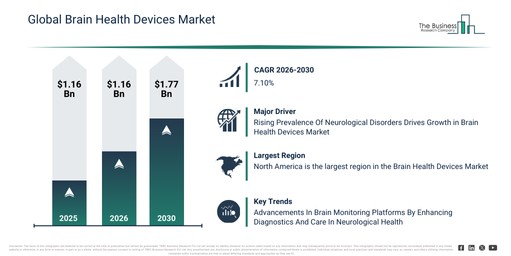
  • Brain Health Devices Market Expansion Forecast Showing Market Size of $16.83 Billion by 2030 at 7.1% CAGR

    Brain Health Devices Market Expansion Forecast Showing Market Size of $16.83 Billion by 2030 at 7.1% CAGR

    The Business Research Company’s 2026 market reports include new capabilities such as market attractiveness scoring and analysis, total addressable market analysis, company scoring matrix, interactive excel data dashboard, improved supply chain analysis, upcoming startups in the market, and overview of key products, aimed at improving the depth, usability, and strategic value of the insights delivered.

    What Market Value Is Anticipated For The Brain Health Devices Market Over The Period 2026–2030?

    The market for brain health devices has experienced robust expansion in recent years. This market is projected to expand from $11.9 billion in 2025 to $12.79 billion in 2026, demonstrating a compound annual growth rate (CAGR) of 7.5%. Factors contributing to its historical growth include the restricted access to advanced neuroimaging devices, a rise in the incidence of neurological disorders, the expansion of hospital and clinic infrastructure, a dependence on traditional diagnostic methods, and increased understanding of cognitive health management.

    The brain health devices market is expected to demonstrate significant expansion in the upcoming years. Its valuation is set to reach $16.84 billion in 2030, growing at a compound annual growth rate (CAGR) of 7.1%. This projected growth can be attributed to several factors during the forecast period, such as advancements in wearable brain health devices, the integration of AI and machine learning algorithms, an increasing uptake of telehealth and remote monitoring services, a rise in government and private funding for neurotechnology, and the development of portable and cost-effective brain health solutions. Prominent trends expected in this period include the growing adoption of non-invasive brain monitoring devices, an increased emphasis on the early detection of neurological disorders, the integration of wearable cognitive tracking devices, a rising demand for home-based brain health solutions, and the expansion of brain training and neurostimulation applications.

    Download the Free Sample Report to Explore Key Market Insights:

    https://www.thebusinessresearchcompany.com/sample.aspx?id=20519&type=smp

    Which Major Factors Are Driving The Expansion Of The Brain Health Devices Market?

    The expanding occurrence of neurological conditions is anticipated to fuel the expansion of the brain health devices market in the future. These medical conditions impact the nervous system, encompassing the brain, spinal cord, and nerves, resulting in diverse cognitive, motor, and sensory impairments. The rising incidence of neurological disorders is primarily due to an aging demographic and the growing rates of chronic illnesses like diabetes and hypertension. Furthermore, environmental aspects, lifestyle choices, improvements in diagnostic methods, and genetic predispositions all contribute to the increasing number of reported cases. Brain health devices are used to observe brain activity and provide specific treatments to alleviate symptoms, boost cognitive abilities, and enhance patient results. For instance, in January 2025, according to the European Brain Council, a Belgium-based non-profit organization, 7 million people in Europe are living with Alzheimer’s disease, with estimates suggesting this number is projected to rise to a staggering 14 million by 2030. Consequently, the increasing prevalence of neurological disorders is propelling the growth of the brain health devices market.

    How Is The Brain Health Devices Market Divided Into Its Major Segments?

    The brain health devices market covered in this report is segmented –

    1) By Device Type: Magnetic Resonance Imaging, Magneto Encephalogram, Computed Tomography, Transcranial Doppler Device, Other Device Types

    2) By Procedure: Invasive, Non-Invasive

    3) By Application: Sleep Disorders, Accidental Injuries, Alzheimer’s Disease, Epilepsy, Stroke, Other Applications

    4) By End-User: Hospitals And Clinics, Diagnostic Imaging Centers, Homecare Settings, Assisted Living Facilities, Other End-Users

    Subsegments:

    1) By Magnetic Resonance Imaging (MRI): Functional MRI (fMRI), Diffusion Tensor Imaging (DTI), MRI Spectroscopy

    2) By Magnetoencephalogram (MEG): Whole-Head MEG Systems, Cooled MEG Systems

    3) By Computed Tomography (CT): Standard CT Scanners, CT Angiography, High-Resolution CT Scanners

    4) By Transcranial Doppler Device: Handheld Transcranial Doppler Devices, Portable Transcranial Doppler Devices

    5) By Other Device Types: Electroencephalogram (EEG) Devices, Positron Emission Tomography (PET) Scanners, Near-Infrared Spectroscopy (NIRS) Devices

    How Are Trends Transforming The Brain Health Devices Market Landscape?

    Leading companies in the brain health monitoring market are prioritizing the creation of innovative products, like passive smartphone-based monitoring platforms, to continuously track changes in cognitive and motor functions without requiring active patient participation or wearable devices. This passive monitoring approach leverages daily keyboard interactions, motion, and general device usage to discreetly generate clinically relevant neurological insights. For instance, in May 2025, Neurocast, a Netherlands-based provider of digital health and brain health monitoring solutions, launched its FDA-registered Neurocast platform in the U.S. This platform analyzes routine smartphone interactions such as keystrokes, motion patterns, and usage behaviors to detect subtle neurological changes, facilitating early identification of cognitive or motor decline in patients with conditions including multiple sclerosis, Alzheimer’s disease, ADHD, and depression. Key features of Neurocast include continuous data collection through everyday phone use, a privacy-centered design that requires no active input or wearables, GDPR compliance, ISO 27001 certification, and real-world clinical validation from European studies involving hundreds of patients. The launch enables U.S. healthcare providers to access scalable, unobtrusive, and data-driven insights for proactive brain health management, marking a significant step forward in remote neurological care.

    Who Are The Prominent Organizations Shaping The Brain Health Devices Market?

    Major companies operating in the brain health devices market are Johnson & Johnson Services Inc., Medtronic plc, Siemens Healthineers AG, Koninklijke Philips N.V., GE HealthCare Technologies Inc., Boston Scientific Corporation, electroCore Inc., Masimo Corporation, Integra LifeSciences Corporation, LivaNova plc, Natus Medical Incorporated, Cadwell Industries Inc., NeuroSky Inc., Neuropace Inc., Compumedics Limited, Magstim Co. Ltd., Mindmaze SA, Brain Products GmbH, Emotiv Inc., Electrical Geodesics Inc., BrainScope Company Inc., Soterix Medical Inc., Advanced Brain Monitoring Inc., Bio-Signal Group Corp., Cognionics Inc

    Read the full brain health devices market report here:

    https://www.thebusinessresearchcompany.com/report/brain-health-devices-global-market-report

    Which Region Currently Holds The Largest Share Of The Brain Health Devices Market?

    North America was the largest region in the brain health devices market in 2025. Asia-Pacific is expected to be the fastest-growing region in the forecast period. The regions covered in the brain health devices market report are Asia-Pacific, South East Asia, Western Europe, Eastern Europe, North America, South America, Middle East, Africa.

    Request A Tailored Brain Health Devices Market Research Report For Competitive Advantage:

    https://www.thebusinessresearchcompany.com/customise?id=20519&type=smp

    Browse Through More Reports Similar to the Global Brain Health Devices Market 2026, By The Business Research Company

    Brain Computer Interface Market Report 2026

    https://www.thebusinessresearchcompany.com/report/brain-computer-interface-global-market-report

    Brain Health Supplements Market Report 2026

    https://www.thebusinessresearchcompany.com/report/brain-health-supplements-global-market-report

    Non Invasive Brain Trauma Monitoring Devices Market Report 2026

    https://www.thebusinessresearchcompany.com/report/non-invasive-brain-trauma-monitoring-devices-global-market-report

    Get in touch with us:

    The Business Research Company: https://www.thebusinessresearchcompany.com/

    Americas +1 310-496-7795

    Asia +44 7882 955267 & +91 8897263534

    Europe +44 7882 955267

    Email us at info@tbrc.info

    Follow us on:

    LinkedIn: https://in.linkedin.com/company/the-business-research-company

    YouTube: https://www.youtube.com/channel/UC24_fI0rV8cR5DxlCpgmyFQ

    Global Market Model: https://www.thebusinessresearchcompany.com/global-market-model

  • Brain Disease Device And Software Market Revenue Projected to Reach $25.21 Billion by 2030 with 10% CAGR

    Brain Disease Device And Software Market Revenue Projected to Reach $25.21 Billion by 2030 with 10% CAGR

    The Business Research Company’s 2026 market reports include new capabilities such as market attractiveness scoring and analysis, total addressable market analysis, company scoring matrix, interactive excel data dashboard, improved supply chain analysis, upcoming startups in the market, and overview of key products, aimed at improving the depth, usability, and strategic value of the insights delivered.

    What Is The Expected Market Size Of The Brain Disease Device And Software Market From 2026 To 2030?

    The brain disease device and software market has experienced significant expansion recently. It is projected to increase from $15.59 billion in 2025 to $17.2 billion in 2026, demonstrating a compound annual growth rate (CAGR) of 10.3%. The historical growth in this sector can be attributed to a range of factors, including the scarcity of effective brain disease diagnostic tools, a rising incidence of neurological disorders, the development of hospital and clinic infrastructure, the initial implementation of telemedicine solutions, and a reliance on conventional brain imaging techniques.

    The brain disease device and software market size is forecast to experience substantial expansion in the coming years. It is projected to reach $25.21 billion by 2030, exhibiting a compound annual growth rate (CAGR) of 10.0%. This projected growth is driven by advancements in wearable and AI-enabled brain disease devices, heightened investment in neurorehabilitation technologies, the increasing availability of home care and remote monitoring solutions, a rising need for brain data management software, and expanding research in neuroinformatics and cognitive assessment technologies. Prominent trends expected during this period involve the growing adoption of neurostimulation and brain monitoring devices, the integration of telemedicine and remote patient monitoring, the development of cognitive assessment and neurofeedback software, an increasing focus on personalized brain disorder treatment, and the expansion of neuroimaging and data analytics solutions.

    Download the Free Sample Report to Explore Key Market Insights:

    https://www.thebusinessresearchcompany.com/sample.aspx?id=27230&type=smp

    What Key Drivers Are Influencing The Growth Of The Brain Disease Device And Software Market?

    The rising occurrence of neurological conditions is anticipated to stimulate the expansion of the brain disease device and software market in the future. Neurological disorders are health issues impacting the brain, spinal cord, and nerves, resulting in various signs such as cognitive, motor, and sensory difficulties. The growing frequency of these disorders is attributed to the aging global populace, since aging progressively hinders neuronal function, diminishes brain plasticity, and heightens oxidative stress, thereby fostering the onset and advancement of these conditions. Brain disease devices and software assist in managing neurological disorders by allowing for early detection and ongoing observation. They facilitate prompt action via advanced AI and data analytics, thereby enhancing patient care and improving treatment results. For instance, in July 2024, the National Health Service, a UK-based government agency, reported 487,432 patients diagnosed with dementia (a progressive brain disorder affecting memory, thinking, and daily activities) by June 30, 2024, which represented an increase of 3,155 cases compared to May 31, 2024. Consequently, the increasing prevalence of neurological disorders is fueling the development of the brain disease device and software market.

    Which Segments Are Included In The Analysis Of The Brain Disease Device And Software Market?

    The brain disease device and software market covered in this report is segmented –

    1) By Type: Brain Disease Device, Brain Disease Software

    2) By Technology: Wearable Technology, Telemedicine Solutions, Artificial Intelligence And Machine Learning, Mobile Health Applications, Neuroimaging Technologies

    3) By Application: Alzheimer’s Disease, Parkinson’s Disease, Epilepsy, Other Applications

    4) By End-User: Hospitals And Clinics, Home Care Settings, Rehabilitation Centers, Research and Academic Institutions, Diagnostic Laboratories

    Subsegments:

    1) By Brain Disease Device: Neurostimulation Devices, Brain Imaging Devices, Brain Monitoring Devices, Brain-Computer Interface Devices, Neurorehabilitation Devices

    2) By Brain Disease Software: Brain Imaging Analysis Software, Cognitive Assessment Software, Neurofeedback Software, Brain Data Management Software, Neurological Disorder Diagnostic Software

    Which Trends Are Impacting The Growth Of The Brain Disease Device And Software Market?

    Major companies within the brain disease device and software market are increasingly adopting advanced technologies, such as artificial intelligence (AI)-driven brain imaging analytics, to enhance the timely and precise identification, observation, and treatment of neurodegenerative disorders including Alzheimer’s disease and dementia. These AI-powered brain imaging analytics utilize sophisticated software platforms that apply machine-learning models to MRI and other neuroimaging data. This allows for the detection of subtle microstructural changes in brain tissue that traditional volumetric imaging might not discern, thereby facilitating earlier and more sensitive diagnoses. For example, in January 2025, Oxford Brain Diagnostics Ltd., a medtech company based in the UK, obtained U.S. Food and Drug Administration (FDA) 510(k) clearance before introducing CDM Insights. This cloud-native software solution, built on its exclusive Cortical Disarray Measurement (CDM) technology, processes standard 1.5 T and 3 T MRI scans to produce new measurements of cortical thickness and microstructural disarray within grey matter, offering objective, measurable indicators of neurodegeneration. Subsequent to these regulatory approvals, the company initiated its commercial deployment across healthcare systems in the US and UK, assisting clinicians with early diagnosis, disease monitoring, and guiding treatment strategies.

    Which Key Industry Participants Are Active In The Brain Disease Device And Software Market?

    Major companies operating in the brain disease device and software market are Medtronic plc, Insightec Ltd., Cadwell Industries Inc., NeuroPace Inc., Synchron Inc., Compumedics Ltd., Neuronetics Inc., BrainsWay Ltd., The Magstim Company Ltd., Paradromics Inc., Linus Health Inc., MagVenture A/S, Neurophet Inc., Neuroelectrics Corporation, BrainScope Company Inc, Blackrock Neurotech LLC, Neurable Inc., NeuroSigma Inc., Cognixion Inc., Brightmind.AI

    Read the full brain disease device and software market report here:

    https://www.thebusinessresearchcompany.com/report/brain-disease-device-and-software-global-market-report

    Which Region Is Expected To Register The Fastest Growth In The Brain Disease Device And Software Market?

    North America was the largest region in the brain disease device and software market in 2025. Asia-Pacific is expected to be the fastest-growing region in the forecast period. The regions covered in the brain disease device and software market report are Asia-Pacific, South East Asia, Western Europe, Eastern Europe, North America, South America, Middle East, Africa.

    Request A Tailored Brain Disease Device And Software Market Research Report For Competitive Advantage:

    https://www.thebusinessresearchcompany.com/customise?id=27230&type=smp

    Browse Through More Reports Similar to the Global Brain Disease Device And Software Market 2026, By The Business Research Company

    Building Insulation Materials Market Report 2026

    https://www.thebusinessresearchcompany.com/report/building-insulation-materials-global-market-report

    Technical Insulation Market Report 2026

    https://www.thebusinessresearchcompany.com/report/technical-insulation-global-market-report

    Building Thermal Insulation Market Report 2026

    https://www.thebusinessresearchcompany.com/report/building-thermal-insulation-global-market-report

    Get in touch with us:

    The Business Research Company: https://www.thebusinessresearchcompany.com/

    Americas +1 310-496-7795

    Asia +44 7882 955267 & +91 8897263534

    Europe +44 7882 955267

    Email us at info@tbrc.info

    Follow us on:

    LinkedIn: https://in.linkedin.com/company/the-business-research-company

    YouTube: https://www.youtube.com/channel/UC24_fI0rV8cR5DxlCpgmyFQ

    Global Market Model: https://www.thebusinessresearchcompany.com/global-market-model

  • Global Brain And Neuroimaging Devices Market Expected to Expand to $59.26 Billion by 2030 at 6.1% CAGR

    Global Brain And Neuroimaging Devices Market Expected to Expand to $59.26 Billion by 2030 at 6.1% CAGR

    The Business Research Company’s 2026 market reports include new capabilities such as market attractiveness scoring and analysis, total addressable market analysis, company scoring matrix, interactive excel data dashboard, improved supply chain analysis, upcoming startups in the market, and overview of key products, aimed at improving the depth, usability, and strategic value of the insights delivered.

    What Market Valuation Is Forecasted For The Brain And Neuroimaging Devices Market By 2030 Starting From Its 2026 Size?

    The brain and neuroimaging devices market size has recently shown strong growth. This market is anticipated to expand from $44.1 billion in 2025 to $46.7 billion in 2026, achieving a compound annual growth rate (CAGR) of 5.9%. Historically, this expansion has been propelled by factors including the rising occurrence of neurological disorders, the proliferation of diagnostic imaging centers, the integration of advanced MRI and CT technologies, the development of neurological research programs, and an increasing reliance on EEG-based diagnostics.

    The brain and neuroimaging devices market size is projected to experience robust expansion over the coming years, anticipated to reach $59.26 billion in 2030 at a compound annual growth rate (CAGR) of 6.1%. This growth during the forecast period can be attributed to factors such as increasing demand for early detection of brain disorders, the expansion of precision neurology applications, growing investments in neuroimaging research, the rising adoption of hybrid imaging systems, and increasing integration of imaging with digital health platforms. Major trends expected in this period involve the increasing adoption of AI-assisted neuroimaging analysis, the rising use of high-resolution brain imaging modalities, the growing integration of multimodal imaging techniques, the expansion of functional brain mapping applications, and an enhanced focus on early neurological diagnosis.

    Download the Free Sample Report to Explore Key Market Insights:

    https://www.thebusinessresearchcompany.com/sample.aspx?id=3290&type=smp

    What Major Growth Drivers Are Shaping The Outlook Of The Brain And Neuroimaging Devices Market?

    An increasing incidence of traumatic brain injuries is expected to drive the expansion of the Brain and Neuroimaging Devices Market. Traumatic brain injury (TBI) is defined as harm or damage inflicted upon the brain due to an abrupt external impact or trauma, leading to consequences across an individual’s physical, cognitive, emotional, and behavioral capacities. Brain and neuroimaging devices are instrumental in the diagnosis, evaluation, and treatment of TBI, aiding medical professionals in detecting hemorrhage, fractures, or structural irregularities. For example, data from the Neural Regeneration Research, a China-based peer-reviewed academic journal specializing in neuroscience, particularly neural regeneration and neuroprotection, indicated in October 2023 that an estimated 69 million individuals globally experience traumatic brain injury (TBI) annually. Consequently, the growing frequency of traumatic brain injuries is a key factor propelling the Brain and Neuroimaging Devices Market.

    Which Segment Categories Define The Brain And Neuroimaging Devices Market?

    The brain and neuroimaging devices market covered in this report is segmented –

    1) By Imaging Type: Functional Magnetic Resonance Imaging (FMRI), Computed Tomography (CT), Positron Emission Tomography (PET), Electroencephalography (EEG), Magneto Encephalography (MEG), Other Imaging Types

    2) By Application: Parkinson’s Disease, Traumatic Brain Injury, Epilepsy, Dementia, Sleep Disorders, Other Applications

    3) By End-User: Hospitals, Diagnostic Centres, Research Institutes And Neurology Clinics

    Subsegments:

    1) By Functional Magnetic Resonance Imaging (FMRI): Resting-State FMRI, Task-Based FMRI, Diffusion Tensor Imaging (DTI) With FMRI

    2) By Computed Tomography (CT): X-ray CT, Positron Emission Tomography (PET) Or CT Hybrid Imaging, Multi-Slice CT

    3) By Positron Emission Tomography (PET): PET Or CT, PET Or MRI

    4) By Electroencephalography (EEG): Conventional EEG, Ambulatory EEG, High-Density EEG

    5) By Magnetoencephalography (MEG): Whole-Head MEG, Electromagnetic Source Imaging (ESI) With MEG

    6) By Other Imaging Types: Near-Infrared Spectroscopy (NIRS), Transcranial Magnetic Stimulation (TMS), Functional Near-Infrared Brain Imaging Systems

    What Major Market Trends Are Driving Changes In The Brain And Neuroimaging Devices Market?

    Key companies within the brain and neuroimaging device market are concentrating on developing technology infused with artificial intelligence (AI), exemplified by Neuro Suite, to establish a competitive edge. This artificial intelligence-enabled Neuro Suite is conceptualized to deliver extensive solutions as a brain and neuroimaging device for neurological disorders. For example, in April 2023, TeraRecon, Inc., a US-based company focused on medical imaging equipment development, introduced the Neuro Suite. The Neuro Suite serves as an artificial intelligence (AI)-assisted clinical suite solution addressing neurology diseases like neuro-oncology, multiple sclerosis, and dementia. This capability provides radiologists access to diverse artificial intelligence (AI)-powered neuroimaging modalities.

    Who Are The Top Companies Competing In The Brain And Neuroimaging Devices Market?

    Major companies operating in the brain and neuroimaging devices market are GE HealthCare, Siemens AG, Koninklijke Philips, Canon Medical Systems Corporation, Hitachi Medical Systems, EB Neuro S.p.A., Neurosoft, MinFound Medical Systems Co. Ltd., Elekta, Toshiba Corporation, Shimadzu Corporation, Bruker Corporation, PerkinElmer Inc., Carl Zeiss Meditec AG, Fujifilm Holdings Corporation, Nihon Kohden Corporation, Natus Medical Incorporated, RIMED Ltd., Advanced Brain Monitoring Inc., Compumedics Limited

    Read the full brain and neuroimaging devices market report here:

    https://www.thebusinessresearchcompany.com/report/brain-and-neuroimaging-devices-global-market-report

    Which Regions Are Projected To Dominate The Brain And Neuroimaging Devices Market In The Coming Years?

    Western Europe was the largest region in the brain and neuroimaging devices market in 2025. North America was the second-largest region in the global brain and neuroimaging devices market report. Africa. was the smallest region in the brain and neuroimaging devices market. The regions covered in the brain and neuroimaging devices market report are Asia-Pacific, South East Asia, Western Europe, Eastern Europe, North America, South America, Middle East, Africa.

    Request A Tailored Brain And Neuroimaging Devices Market Research Report For Competitive Advantage:

    https://www.thebusinessresearchcompany.com/customise?id=3290&type=smp

    Browse Through More Reports Similar to the Global Brain And Neuroimaging Devices Market 2026, By The Business Research Company

    Neurology Devices Market Report 2026

    https://www.thebusinessresearchcompany.com/report/neurology-devices-global-market-report

    Electroencephalography Devices Market Report 2026

    https://www.thebusinessresearchcompany.com/report/electroencephalography-devices-global-market-report

    Brain Mapping Instruments Market Report 2026

    https://www.thebusinessresearchcompany.com/report/brain-mapping-instruments-global-market-report

    Get in touch with us:

    The Business Research Company: https://www.thebusinessresearchcompany.com/

    Americas +1 310-496-7795

    Asia +44 7882 955267 & +91 8897263534

    Europe +44 7882 955267

    Email us at info@tbrc.info

    Follow us on:

    LinkedIn: https://in.linkedin.com/company/the-business-research-company

    YouTube: https://www.youtube.com/channel/UC24_fI0rV8cR5DxlCpgmyFQ

    Global Market Model: https://www.thebusinessresearchcompany.com/global-market-model
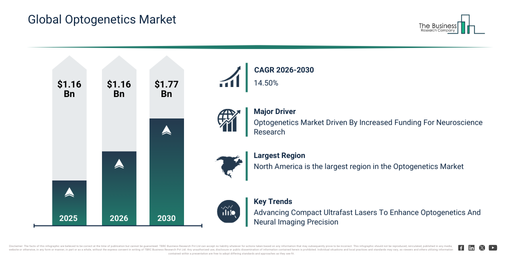
  • Optogenetics Market Developments and Growth Opportunities Across 2026–2030

    Optogenetics Market Developments and Growth Opportunities Across 2026–2030

    The Business Research Company’s 2026 market reports include new capabilities such as market attractiveness scoring and analysis, total addressable market analysis, company scoring matrix, interactive excel data dashboard, improved supply chain analysis, upcoming startups in the market, and overview of key products, aimed at improving the depth, usability, and strategic value of the insights delivered.

    How Will The Market Size Of The Optogenetics Market Evolve From 2026 To 2030?

    The optogenetics sector has experienced swift expansion recently. Projections indicate a rise from $40.9 billion in 2025 to $47.13 billion in 2026, showing a compound annual growth rate (CAGR) of 15.2%. This historical expansion is largely due to several factors, including developments in genetic engineering instruments, a surge in funding for neuroscience research, the implementation of optical stimulation methods, an increase in academic and laboratory studies, and enhancements in optical sensor precision.

    The optogenetics market is projected to experience swift expansion over the coming years. It is set to reach $81.05 billion in 2030, exhibiting a compound annual growth rate (CAGR) of 14.5%. This anticipated growth during the forecast period stems from factors such as the expanding application of optogenetics in disease research, increased funding for brain research endeavors, the broadening scope of translational neuroscience investigations, the evolving integration with AI-driven data analysis, and the ongoing progress in developing sophisticated optical actuators. Key trends identified for the forecast period encompass a greater embrace of light-driven neural control methodologies, increased utilization of genetically encoded optical sensors, closer integration of optogenetics within neuroscience studies, an expansion of research into behavioral and neural circuit mapping, and a heightened emphasis on precise neuromodulation.

    Download the Free Sample Report to Explore Key Market Insights:

    https://www.thebusinessresearchcompany.com/sample.aspx?id=9009&type=smp

    Which Growth Drivers Are Contributing To The Progress Of The Optogenetics Market?

    Enhanced financial support for neuroscience studies is driving the expansion of the optogenetics market. Neuroscience research involves the scientific examination and analysis of the nervous system, encompassing the brain, spinal cord, and peripheral nerves. As an advanced method within neuroscience research, optogenetics employs light to accurately regulate and alter the activity of particular neurons in living tissues, transforming the field and offering scientists a robust instrument for deciphering the complexities of neural circuits. For example, data from March 2023, provided by the National Institutes of Health (NIH) – a US government body dedicated to carrying out and backing medical research – revealed that neuroscience funding reached around $11.3 billion in fiscal year 2022. Forecasts suggest this funding is anticipated to rise to $12.1 billion in 2023. Consequently, the growing financial investment in neuroscience research is set to accelerate the expansion of the optogenetics market in the future.

    Which Segment Areas Are Covered In The Optogenetics Market Analysis?

    The optogenetics market covered in this report is segmented –

    1) By Product: Lasers, Actuators, Sensors

    2) By Application: Neuroscience, Behavioral Tracking, Retinal Disease Treatment, Other Applications

    3) By End User: Hospitals And Clinics, Diagnostics Centers, Research Centers, Other End Users

    Subsegments:

    1) By Lasers: Continuous Wave Lasers, Pulsed Lasers, Fiber-Coupled Lasers

    2) By Actuators: Channelrhodopsins, Halorhodopsins, Opto-xRs

    3) By Sensors: Calcium Sensors, Voltage Sensors, Genetically Encoded Indicators

    What Key Developments And Trends Are Impacting The Optogenetics Market?

    Key companies operating in the optogenetics market are concentrating on developing innovative products, such as compact femtosecond lasers, to enhance imaging resolution, improve experimental control, and support advanced optogenetics applications. Femtosecond lasers are ultrafast laser systems designed to deliver extremely short pulses, which enables precise stimulation and high-resolution imaging of neural tissue without causing thermal damage. For instance, in June 2025, Coherent, Inc., a US-based photonics company, introduced the Osprey, a compact femtosecond laser engineered for uses including optogenetics, microsurgery, and medical device manufacturing. The Osprey provides up to 5 µJ pulse energy with pulse widths below 350 fs, offering excellent beam quality, pointing stability, and a durable design suitable for incorporation into advanced microscopy and medical instruments.

    Which Global Companies Are Actively Competing In The Optogenetics Market?

    Major companies operating in the optogenetics market are Elliot Scientific Ltd., Shanghai Laser & Optics Century Co. Ltd., GenSight Biologics, Coherent Inc., Thorlabs Inc., Prizmatix Ltd., Bruker Corporation, Merck KGaA, The Jackson Laboratory, Applied Genetic Technologies Corporation, Circuit Therapeutics Inc., Bionic Sight LLC, Teledyne Photometrics, Campden Instruments, Nanoscope Therapeutics Inc., Laserglow Technologies, Hubner Group, Physical Sciences Inc., Ray Therapeutics, OptoGenTech, opto biolabs, Neurolux, Ugenex Therapeutics, Scientifica, Cobolt Inc., Inscopix, Mightex Systems

    Read the full optogenetics market report here:

    https://www.thebusinessresearchcompany.com/report/optogenetics-global-market-report

    What Are The Leading Geographic Regions In The Optogenetics Market?

    North America was the largest region in the optogenetics market in 2025. The regions covered in the optogenetics market report are Asia-Pacific, South East Asia, Western Europe, Eastern Europe, North America, South America, Middle East, Africa.

    Request A Tailored Optogenetics Market Research Report For Competitive Advantage:

    https://www.thebusinessresearchcompany.com/customise?id=9009&type=smp

    Browse Through More Reports Similar to the Global Optogenetics Market 2026, By The Business Research Company

    Optoelectronics Market Report 2026

    https://www.thebusinessresearchcompany.com/report/optoelectronics-global-market-report

    Aseptic Isolators Market Report 2026

    https://www.thebusinessresearchcompany.com/report/aseptic-isolators-global-market-report

    Biopreservation Market Report 2026

    https://www.thebusinessresearchcompany.com/report/biopreservation-global-market-report

    Get in touch with us:

    The Business Research Company: https://www.thebusinessresearchcompany.com/

    Americas +1 310-496-7795

    Asia +44 7882 955267 & +91 8897263534

    Europe +44 7882 955267

    Email us at info@tbrc.info

    Follow us on:

    LinkedIn: https://in.linkedin.com/company/the-business-research-company

    YouTube: https://www.youtube.com/channel/UC24_fI0rV8cR5DxlCpgmyFQ

    Global Market Model: https://www.thebusinessresearchcompany.com/global-market-model
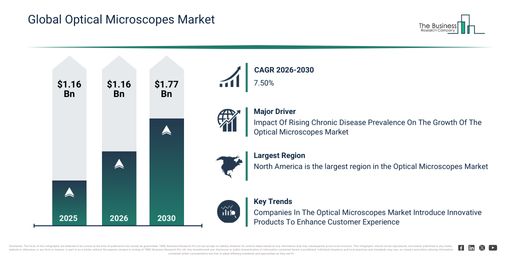
  • Global Optical Microscopes Market Forecast 2026–2035 Presenting Long-Term Industry Expansion Insights

    Global Optical Microscopes Market Forecast 2026–2035 Presenting Long-Term Industry Expansion Insights

    The Business Research Company’s 2026 market reports include new capabilities such as market attractiveness scoring and analysis, total addressable market analysis, company scoring matrix, interactive excel data dashboard, improved supply chain analysis, upcoming startups in the market, and overview of key products, aimed at improving the depth, usability, and strategic value of the insights delivered.

    What Is The Forecasted Market Value Of The Optical Microscopes Market Across 2026–2030?

    The optical microscopes market has shown significant expansion in recent years. Its valuation is predicted to rise from $3.18 billion in 2025 to $3.45 billion in 2026, achieving a compound annual growth rate (CAGR) of 8.4%. The factors contributing to its historical growth include the broadening of medical diagnostics, an increase in academic research pursuits, the growing deployment of microscopy in clinical settings, the accessibility of affordable optical systems, and developments in lens manufacturing technologies.

    The optical microscopes market size is projected to witness significant expansion over the coming years. It is forecast to reach $4.61 billion in 2030, exhibiting a compound annual growth rate (CAGR) of 7.5%. This growth during the forecast period is primarily driven by factors such as augmented investments in life sciences research, a surging demand for digital pathology solutions, the enlargement of clinical diagnostics infrastructure, the increasing incorporation of AI-based image analysis, and a heightened focus on precision diagnostics. Noteworthy trends anticipated in this period include the rising uptake of digital optical microscopes, a growing requirement for high-resolution imaging, the enhanced integration of image analysis software, the broader application in laboratory and clinical settings, and an intensified emphasis on ergonomic microscope design.

    Download the Free Sample Report to Explore Key Market Insights:

    https://www.thebusinessresearchcompany.com/sample.aspx?id=15883&type=smp

    What Primary Drivers Are Shaping The Development Of The Optical Microscopes Market?

    The increasing occurrence of chronic illnesses is anticipated to boost the expansion of the optical microscope market. A chronic disease is defined as a health ailment or condition that remains persistent or has long-term effects, typically extending for three months or more, and potentially deteriorating over time. The escalation of chronic diseases is influenced by lifestyle elements like inadequate nutrition, insufficient physical activity, and elevated stress levels. Optical microscopes find application in chronic disease investigation for examining and evaluating alterations at the cellular and tissue levels. For instance, in February 2024, the World Health Organization, an intergovernmental body based in Switzerland, forecast that by 2050, more than 35 million new cancer cases would be reported, marking a 77% increase from the approximately 20 million cases estimated in 2022. Consequently, the growing incidence of chronic conditions is fueling the expansion of the optical microscope market.

    What Segmentation Levels Are Considered In The Optical Microscopes Market?

    The optical microscopes market covered in this report is segmented –

    1) By Product: Digital Microscopes, Stereo Microscope, Inverted Microscopes, Other Products

    2) By Application: Aerospace, Construction, Power Industry, Medical, Other Applications

    3) By End-User: Hospitals And Clinics, Academic And Research Institutes, Diagnostics Laboratories, Other End Users

    Subsegments:

    1) By Digital Microscopes: Handheld Digital Microscopes, USB Digital Microscopes, Laboratory Digital Microscopes

    2) By Stereo Microscope: Trinocular Stereo Microscopes, Binocular Stereo Microscopes, Zoom Stereo Microscopes

    3) By Inverted Microscopes: Research Inverted Microscopes, Routine Inverted Microscopes

    4) By Other Products: Monocular Microscopes, Compound Microscopes, Polarizing Microscopes

    What Trends Are Projected To Affect The Optical Microscopes Market?

    Leading companies operating in the optical microscopes market are developing innovative products, such as multiphoton confocal microscopes, to provide customers with advanced features. This advanced form of optical microscope utilizes multiphoton excitation for high-resolution imaging deep inside thick specimens, causing minimal damage. The technique proves especially beneficial for detailed observation of live tissues and cells, holding significant value for biomedical research, including studies of chronic conditions. As an illustration, in July 2023, Nikon Corporation, a Japan-based manufacturer of optical instruments, launched the AX R MP, which incorporates an NSPARC super-resolution multiphoton confocal microscope, enabling highly sensitive array detection and super-resolution imaging in deep areas of substantial living specimens. This innovation is expected to improve comprehension of neurological disorders like Alzheimer’s and Parkinson’s, alongside assisting in drug discovery initiatives.

    Which Leading Firms Are Contributing To The Growth Of The Optical Microscopes Market?

    Major companies operating in the optical microscopes market are Thermo Fisher Scientific Inc., Danaher Corporation, Carl Zeiss AG, Keyence Corporation, Olympus Corporation, VWR International Inc., Sunny Optical Technology (Group) Company Limited, Nikon Corporation, Leica Microsystems GmbH, Motic (Xiamen) Electric Group Co. Ltd., Meiji Techno Co. Ltd., Celestron LLC, Prior Scientific Instruments Ltd., Levenhuk Inc., Labomed Inc., Euromex Microscopen BV, ACCU-SCOPE Inc., Hirox Co. Ltd., AmScope LLC, Swift Optical Instruments, Optec Instrumentation (Shanghai) Co. Ltd.

    Read the full optical microscopes market report here:

    https://www.thebusinessresearchcompany.com/report/optical-microscopes-global-market-report

    How Does The Optical Microscopes Market Perform Across Major Global Regions?

    North America was the largest region in the optical microscopes market in 2025. Asia-Pacific is expected to be the fastest-growing region in the forecast period. The regions covered in the optical microscopes market report are Asia-Pacific, South East Asia, Western Europe, Eastern Europe, North America, South America, Middle East, Africa.

    Request A Tailored Optical Microscopes Market Research Report For Competitive Advantage:

    https://www.thebusinessresearchcompany.com/customise?id=15883&type=smp

    Browse Through More Reports Similar to the Global Optical Microscopes Market 2026, By The Business Research Company

    Microscope Market Report 2026

    https://www.thebusinessresearchcompany.com/report/microscope-global-market-report

    Ophthalmic Microscope Market Report 2026

    https://www.thebusinessresearchcompany.com/report/ophthalmic-microscope-global-market-report

    Surgical Microscopes Market Report 2026

    https://www.thebusinessresearchcompany.com/report/surgical-microscopes-global-market-report

    Get in touch with us:

    The Business Research Company: https://www.thebusinessresearchcompany.com/

    Americas +1 310-496-7795

    Asia +44 7882 955267 & +91 8897263534

    Europe +44 7882 955267

    Email us at info@tbrc.info

    Follow us on:

    LinkedIn: https://in.linkedin.com/company/the-business-research-company

    YouTube: https://www.youtube.com/channel/UC24_fI0rV8cR5DxlCpgmyFQ

    Global Market Model: https://www.thebusinessresearchcompany.com/global-market-model
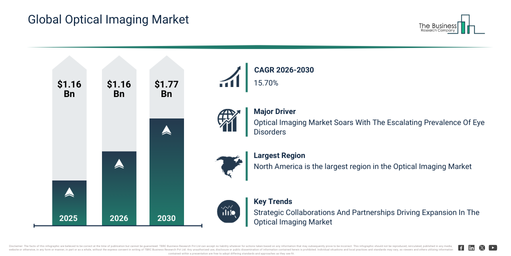
  • Optical Imaging Market Outlook 2026–2030 Exploring New Business Opportunities

    Optical Imaging Market Outlook 2026–2030 Exploring New Business Opportunities

    The Business Research Company’s 2026 market reports include new capabilities such as market attractiveness scoring and analysis, total addressable market analysis, company scoring matrix, interactive excel data dashboard, improved supply chain analysis, upcoming startups in the market, and overview of key products, aimed at improving the depth, usability, and strategic value of the insights delivered.

    What Market Size Increase Is Anticipated For The Optical Imaging Market Over The 2026–2030 Period?

    The optical imaging market size has experienced rapid expansion in recent years. This market is projected to expand from $2.65 billion in 2025 to $3.07 billion in 2026, demonstrating a compound annual growth rate (CAGR) of 16.0%. Historically, this growth was driven by factors such as the increasing application of optical imaging in research, the broadening scope of clinical diagnostic imaging, innovations in photon-based imaging technologies, the rise in pathological imaging applications, and a growing need for non-invasive imaging techniques.

    The optical imaging market size is projected to experience substantial expansion in the coming years. It is anticipated to reach $5.5 billion by 2030, exhibiting a compound annual growth rate (CAGR) of 15.7%. This growth over the forecast period can be attributed to several factors, including the increasing embrace of precision medicine diagnostics, greater investments in biomedical research imaging, the broader application of intraoperative visualization tools, the rising integration of AI-driven image analysis, and ongoing advancements in optical sensor technologies. Key trends influencing the market during this period encompass the wider acceptance of advanced optical imaging systems, an uptick in the utilization of multispectral and hyperspectral imaging, the deepening integration of imaging software and analytics, the broadening of intraoperative optical imaging applications, and an intensified focus on cellular and molecular imaging.

    Download the Free Sample Report to Explore Key Market Insights:

    https://www.thebusinessresearchcompany.com/sample.aspx?id=8360&type=smp

    Which Major Factors Are Driving The Expansion Of The Optical Imaging Market?

    The increasing incidence of eye disorders is poised to fuel the expansion of the optical imaging market in the foreseeable future. Eye disorders refer to a range of conditions and diseases that disrupt the normal functioning of the eye, leading to diminished vision or other related problems. Optical imaging technologies, characterized by their high-resolution capabilities and non-invasive approach, provide detailed views of the eye’s structures, thereby assisting in the diagnosis and ongoing management of various eye conditions. For instance, in August 2023, the World Health Organization, a Switzerland-based intergovernmental organization, reported that at least 2.2 billion people worldwide were experiencing near or distance vision impairment, with 1 billion of these cases being either preventable or untreated. Therefore, the rising prevalence of eye disorders is expected to drive the growth of the optical imaging market.

    How Is The Optical Imaging Market Segmented Across Key Categories?

    The optical imaging market covered in this report is segmented –

    1) By Product: Imaging Systems, Cameras, Software, Other Products

    2) By Application: Pathological Imaging, Intra-operative Imaging

    3) By End-User: Academic and Research Institutes, Pharmaceutical and Biotechnology Companies, Contract Research Organizations (CROs), Neuroscience and Behavioral Research Laboratories, Clinical Research Centers and Specialized Hospitals, Other End Users

    Subsegments:

    1) By Imaging Systems: Fluorescence Imaging Systems, Multispectral Imaging Systems, Hyperspectral Imaging Systems

    2) By Cameras: CCD Cameras, CMOS Cameras, Scientific Cameras

    3) By Software: Image Analysis Software, Visualization Software, Processing Software

    4) By Other Products: Light Sources, Optical Filters, Lenses And Accessories

    Which Upcoming Trends Are Expected To Influence The Optical Imaging Market?

    Leading corporations are proactively forging alliances and joint ventures with startups and mid-sized enterprises within the optical imaging market to augment their product and service offerings. Such strategic collaborations and agreements are instrumental in assisting companies to enlarge their existing product catalogs and expand their geographical footprint. As an illustration, in January 2023, Canon Medical Systems, the US-based commercial subsidiary of Canon Medical Systems Corporation, renowned for innovative diagnostic, optical imaging technology, formed a partnership with ScImage, Inc. This strategic collaboration involving ScImage and Canon Medical Systems USA is intended to directly broaden and advance Canon Medical Systems’ outreach in hemodynamics using the Fysicon QMAPP Hemo portfolio (with Fysicon being a Canon Medical subsidiary). ScImage, a US-based company, supplies Cloud-native enterprise image management, PACS and image exchange solutions for the healthcare industry.

    Who Are The Dominant Players Shaping The Optical Imaging Market Landscape?

    Major companies operating in the optical imaging market are PerkinElmer Inc., Carl Zeiss Meditec AG, Koninklijke Philips N.V., Topcon Corporation, Bioptigen Inc., Canon Inc., Heidelberg Engineering Inc., Optovue Inc., Headwall Photonics Inc., Agfa-Gevaert N.V., Hamamatsu Photonics K.K., Hitachi Medical Corporation, Imalux Corporation, Infraredx Inc., Bruker Corporation, ChemImage Corporation, Cytoviva Inc., Leica Biosystems Nussloch GmbH, Michelson Diagnostics Ltd., Raytheon ELCAN Optical Technologies, Santec Corporation, Danaher Corporation, Thorlabs Inc., Tomophase Corporation, Ziemer Ophthalmic Systems AG, Axsun Technologies, Bioptics Inc., Andor Technology Ltd., Abberior Instruments GmbH

    Read the full optical imaging market report here:

    https://www.thebusinessresearchcompany.com/report/optical-imaging-global-market-report

    Which Region Currently Holds The Largest Share Of The Optical Imaging Market?

    North America was the largest region in the optical imaging market in 2025. The regions covered in the optical imaging market report are Asia-Pacific, South East Asia, Western Europe, Eastern Europe, North America, South America, Middle East, Africa.

    Request A Tailored Optical Imaging Market Research Report For Competitive Advantage:

    https://www.thebusinessresearchcompany.com/customise?id=8360&type=smp

    Browse Through More Reports Similar to the Global Optical Imaging Market 2026, By The Business Research Company

    Commercial Satellite Imaging Market Report 2026

    https://www.thebusinessresearchcompany.com/report/commercial-satellite-imaging-global-market-report

    Optical Instrument And Lens Market Report 2026

    https://www.thebusinessresearchcompany.com/report/optical-instrument-and-lens-global-market-report

    Optical Instrument And Lens Market Report 2026

    https://www.thebusinessresearchcompany.com/report/optical-instrument-and-lens-global-market-report

    Get in touch with us:

    The Business Research Company: https://www.thebusinessresearchcompany.com/

    Americas +1 310-496-7795

    Asia +44 7882 955267 & +91 8897263534

    Europe +44 7882 955267

    Email us at info@tbrc.info

    Follow us on:

    LinkedIn: https://in.linkedin.com/company/the-business-research-company

    YouTube: https://www.youtube.com/channel/UC24_fI0rV8cR5DxlCpgmyFQ

    Global Market Model: https://www.thebusinessresearchcompany.com/global-market-model

  • Global Optical Coherence Tomography (OCT) For Healthcare And Life Science Market Report 2026–2035 Highlighting Expansion Outlook and Forecast Opportunities

    Global Optical Coherence Tomography (OCT) For Healthcare And Life Science Market Report 2026–2035 Highlighting Expansion Outlook and Forecast Opportunities

    The Business Research Company’s 2026 market reports include new capabilities such as market attractiveness scoring and analysis, total addressable market analysis, company scoring matrix, interactive excel data dashboard, improved supply chain analysis, upcoming startups in the market, and overview of key products, aimed at improving the depth, usability, and strategic value of the insights delivered.

    How Much Is The Optical Coherence Tomography (OCT) For Healthcare And Life Science Market Expected To Grow In Terms Of Market Value Between 2026 And 2030?

    The optical coherence tomography (oct) for healthcare and life science market size has experienced swift growth in recent years. It is forecast to expand from $2.26 billion in 2025 to $2.63 billion in 2026, achieving a compound annual growth rate (CAGR) of 16.1%. The historical market expansion is attributable to the increasing prevalence of eye disorders, the broadening scope of ophthalmic diagnostic procedures, continuous technological advancements in optical imaging, the rise of specialty eye clinics, and its early integration into research applications.

    The optical coherence tomography (oct) for healthcare and life science market is anticipated to experience significant expansion over the coming years. Projections indicate it will reach a valuation of $4.77 billion by 2030, demonstrating a compound annual growth rate (CAGR) of 16.1%. This projected growth during the forecast period is primarily driven by factors such as a surge in demand for point-of-care diagnostics, greater integration into cardiology and dermatology practices, the broadening of tele-ophthalmology services, increased capital expenditure on imaging technology advancements, and a heightened emphasis on the early detection of diseases. Key developments anticipated in this period encompass the wider implementation of AI-assisted image analysis, a heightened need for high-resolution non-invasive imaging solutions, the expanding deployment of portable and handheld OCT devices, the extension of OCT’s utility beyond ophthalmology, and improved integration with digital health platforms.

    Download the Free Sample Report to Explore Key Market Insights:

    https://www.thebusinessresearchcompany.com/sample.aspx?id=19130&type=smp

    What Key Drivers Are Influencing The Growth Of The Optical Coherence Tomography (OCT) For Healthcare And Life Science Market?

    The expanding occurrence of ocular diseases is anticipated to fuel the advancement of optical coherence tomography (OCT) within the healthcare and life science market. Ocular disorders are conditions impacting the eyes and their adjacent structures, often resulting in vision loss or total blindness. The increase in these diseases is primarily linked to the aging global populace and the growing prevalence of long-term health issues like diabetes. Optical coherence tomography (OCT) serves as a vital tool, offering intricate, cross-sectional views of the retina and optic nerve, thereby assisting in the identification and tracking of ocular conditions. For example, a report from the Review of Optometry, a US publication focused on eye care, indicates that approximately 80 million individuals worldwide suffer from glaucoma, with open-angle glaucoma (OAG) representing 95% of these instances. In the U.S. alone, over three million people are currently affected by this condition, and this figure is projected to surpass 111 million by 2040. Consequently, the escalating incidence of ocular diseases is set to propel the expansion of the optical coherence tomography (OCT) market for healthcare and life science.

    What Major Segment Divisions Exist Within The Optical Coherence Tomography (OCT) For Healthcare And Life Science Market?

    The optical coherence tomography (oct) for healthcare and life science market covered in this report is segmented –

    1) By Type: Catheter Based Optical Coherence Tomography (OCT) Devices, Doppler Optical Coherence Tomography (OCT) Devices, Handheld Optical Coherence Tomography (OCT) Devices, Tabletop Optical Coherence Tomography (OCT) Devices

    2) By Technology: Time Domain Oct (TdOct), Frequency Domain Oct (FdOct), Other Technologies

    3) By Application: Ophthalmology, Cardiology, Dermatology, Gastroenterology, Other Applications

    4) By End Users: Hospitals, Specialty Clinics, Research Institutes, Other End Users

    Subsegments:

    1) By Catheter Based Optical Coherence Tomography (OCT) Devices: Intravascular OCT (IV-OCT), Endoscopic OCT, Other Catheter-Based Devices

    2) By Doppler Optical Coherence Tomography (OCT) Devices: Speckle-Tracking Doppler OCT, Phase-Resolved Doppler OCT

    3) By Handheld Optical Coherence Tomography (OCT) Devices: Portable Handheld OCT Systems, Compact Handheld Devices

    4) By Tabletop Optical Coherence Tomography (OCT) Devices: Standalone Tabletop Systems, Modular Tabletop Devices

    How Are Trends Shaping The Direction Of The Optical Coherence Tomography (OCT) For Healthcare And Life Science Market?

    Prominent companies operating within the optical coherence tomography (OCT) market for healthcare and life sciences are concentrating on developing advanced solutions, such as ophthalmic diagnostic devices, to improve clinical efficiency. Ophthalmic diagnostic devices are instruments crafted to assess the eyes and identify or track vision and eye-related health concerns. For example, in July 2025, Huvitz, a South Korea-based producer of ophthalmic and dental equipment, introduced the OCTavius ophthalmic diagnostic device. This versatile 5-in-1 OCT system consolidates several vital eye-diagnostic functions into one unit, thereby reducing the necessity for multiple instruments. It boosts workflow efficiency by delivering quick scans and sharp imaging, supporting more streamlined clinical operations. The device captures intricate structural details of the macula and choroid, facilitating thorough, layer-specific evaluations. These capabilities position it as a distinctive tool for early detection and accurate clinical judgment in ophthalmology.

    Which Companies Are Leading Innovation In The Optical Coherence Tomography (OCT) For Healthcare And Life Science Market?

    Major companies operating in the optical coherence tomography (oct) for healthcare and life science market are Abbott Laboratories, Canon Inc., Carl Zeiss Meditec AG, Leica Microsystems GmbH, Thorlabs Inc., Edmund Optics Inc., Huvitz Co. Ltd., Santec Corporation, Topcon Medical Systems Inc., OPTOPOL Technology SA, NinePoint Medical, Wasatch Photonics Inc., Perimeter Medical Imaging AI Inc., Nidek Co. Ltd., Novacam Technologies Inc., DermaLumics, BaySpec Inc., Imalux Corporation, Lumedica, Heidelberg Engineering GmbH

    Read the full optical coherence tomography (oct) for healthcare and life science market report here:

    https://www.thebusinessresearchcompany.com/report/optical-coherence-tomography-oct-for-healthcare-and-life-science-global-market-report

    Which Region Is Expected To Register The Fastest Growth In The Optical Coherence Tomography (OCT) For Healthcare And Life Science Market?

    North America was the largest region in the optical coherence tomography (OCT) for healthcare and life science market in 2025. Asia-Pacific is expected to be the fastest-growing region in the forecast period. The regions covered in the optical coherence tomography (oct) for healthcare and life science market report are Asia-Pacific, South East Asia, Western Europe, Eastern Europe, North America, South America, Middle East, Africa.

    Request A Tailored Optical Coherence Tomography (OCT) For Healthcare And Life Science Market Research Report For Competitive Advantage:

    https://www.thebusinessresearchcompany.com/customise?id=19130&type=smp

    Browse Through More Reports Similar to the Global Optical Coherence Tomography (OCT) For Healthcare And Life Science Market 2026, By The Business Research Company

    Optical Imaging Market Report 2026

    https://www.thebusinessresearchcompany.com/report/optical-imaging-global-market-report

    Optical Measurement Market Report 2026

    https://www.thebusinessresearchcompany.com/report/optical-measurement-global-market-report

    Single Photon Emission Computed Tomography Spect Market Report 2026

    https://www.thebusinessresearchcompany.com/report/single-photon-emission-computed-tomography-spect-global-market-report

    Get in touch with us:

    The Business Research Company: https://www.thebusinessresearchcompany.com/

    Americas +1 310-496-7795

    Asia +44 7882 955267 & +91 8897263534

    Europe +44 7882 955267

    Email us at info@tbrc.info

    Follow us on:

    LinkedIn: https://in.linkedin.com/company/the-business-research-company

    YouTube: https://www.youtube.com/channel/UC24_fI0rV8cR5DxlCpgmyFQ

    Global Market Model: https://www.thebusinessresearchcompany.com/global-market-model

  • Optical Coherence Tomography Market Growth Prospects 2026–2030 with Innovation Trends and Competitive Landscape

    Optical Coherence Tomography Market Growth Prospects 2026–2030 with Innovation Trends and Competitive Landscape

    The Business Research Company’s 2026 market reports include new capabilities such as market attractiveness scoring and analysis, total addressable market analysis, company scoring matrix, interactive excel data dashboard, improved supply chain analysis, upcoming startups in the market, and overview of key products, aimed at improving the depth, usability, and strategic value of the insights delivered.

    What Market Value Is Expected For The Optical Coherence Tomography Market At The End Of The 2026–2030 Forecast Period?

    The optical coherence tomography market size has experienced rapid growth in recent years. It is anticipated to expand from $2.1 billion in 2025 to $2.4 billion in 2026, achieving a compound annual growth rate (CAGR) of 14.2%. The market’s historic growth can be attributed to an increasing prevalence of retinal disorders, the expansion of ophthalmic diagnostic procedures, a rising adoption of minimally invasive imaging techniques, the growth of cardiovascular imaging applications, and technological advancements in optical imaging systems.

    The optical coherence tomography market size is anticipated to experience significant expansion in the coming years. It is projected to grow to $4.04 billion in 2030, demonstrating a compound annual growth rate (CAGR) of 14.0%. This growth during the forecast period can be attributed to factors such as the increasing demand for early disease detection, the expanding use of OCT in oncology and dermatology, the broader implementation of point-of-care diagnostic imaging, the growing integration of AI-based image analysis, and ongoing improvements in imaging resolution and speed. Key trends expected in the forecast period include the rising adoption of high-resolution OCT systems, an increased demand for portable and handheld OCT devices, enhanced integration of OCT with advanced imaging software, the broadening of OCT applications beyond ophthalmology, and a stronger focus on real-time diagnostic imaging.

    Download the Free Sample Report to Explore Key Market Insights:

    https://www.thebusinessresearchcompany.com/sample.aspx?id=8231&type=smp

    What Major Growth Drivers Are Shaping The Outlook Of The Optical Coherence Tomography Market?

    The expanding incidence of diabetes is projected to fuel the future expansion of the optical coherence tomography market. With diabetes gaining greater global prevalence, the likelihood of developing diabetic retinopathy, an eye ailment linked to diabetes, significantly increases. This escalating need for prompt detection and continuous tracking of diabetic retinopathy drives up the demand for sophisticated diagnostic instruments such as optical coherence tomography (OCT), thereby fostering the growth of the OCT market. As an illustration, the World Health Organization, a specialized United Nations agency situated in Switzerland, reported 2.0 million diabetes-related fatalities in September 2023. Consequently, the rising occurrence of diabetes is acting as a catalyst for the growth within the optical coherence tomography market.

    What Segment Types Make Up The Optical Coherence Tomography Market?

    The optical coherence tomography market covered in this report is segmented –

    1) By Type: Catheter-Based OCT Devices, Doppler OCT Devices, Handheld OCT Devices, Tabletop OCT Devices

    2) By Technology: Time Domain OCT (TDOCT), Frequency Domain OCT (FD-OCT), Spatial Encoded Frequency Domain OCT

    3) By Application: Ophthalmology, Cardiovascular

    Subsegments:

    1) By Catheter-Based OCT Devices: Intracoronary OCT, Intravenous OCT

    2) By Doppler OCT Devices: Time-Domain Doppler OCT, Frequency-Domain Doppler OCT

    3) By Handheld OCT Devices: Portable Retinal OCT, Portable Cardiovascular OCT

    4) By Tabletop OCT Devices: Optical Coherence Tomography Angiography (OCTA), High-Resolution OCT For Research Applications

    Which Market Trends Are Creating New Opportunities In The Optical Coherence Tomography Market?

    Leading companies in the optical coherence tomography (OCT) market are increasingly prioritizing the development of innovative solutions, such as artificial intelligence-enhanced intravascular imaging platforms, to enhance diagnostic accuracy and streamline clinical decision-making. These advanced artificial intelligence-enhanced intravascular imaging platforms integrate high-resolution OCT imaging with machine-learning algorithms to automatically analyze vessel structures and plaque characteristics, assisting clinicians in making quicker and more precise treatment decisions by minimizing manual interpretation and refining stent planning. For instance, in October 2023, Abbott Laboratories, a US-based medical device company, introduced its newest vascular imaging platform, which includes the Ultreon 1.0 Software, in India. This software seamlessly combines optical coherence tomography (OCT) with artificial intelligence (AI), offering physicians a thorough evaluation of blood flow and obstructions within coronary arteries. The advanced imaging software is equipped to automatically distinguish between calcified and non-calcified blockages, evaluate the severity of calcium-based obstructions, and measure vessel diameter. Furthermore, it supports physicians in guiding precise stent deployment, ensuring optimal expansion and apposition, with real-time result displays for improved accuracy during coronary stenting procedures. Abbott’s OCT technology employs near-infrared light to achieve high-definition, precise imaging within blood vessels, enabling physicians to capture detailed information even in intricate patient anatomies.

    Who Are The Key Players Driving Competition In The Optical Coherence Tomography Market?

    Major companies operating in the optical coherence tomography market are Carl Zeiss Meditec AG, Heidelberg Engineering GmbH, Imalux Corporation, Michelson Diagnostics Limited, Novacam Technologies Inc., OPTOPOL Technology Sp. z o.o., Topcon Healthcare Solutions Inc., Conavi Medical Inc., ZD Medical Inc., Thorlabs Inc., NIDEK Co. Ltd., Leica Microsystems IR GmbH, Optovue Inc., Canon Inc., Santec Corporation, Tomophase Corporation, LightLab Imaging Inc., Infraredx Inc., NinePoint Medical Inc., Optiscan Pty Ltd., AOT AG

    Read the full optical coherence tomography market report here:

    https://www.thebusinessresearchcompany.com/report/optical-coherence-tomography-global-market-report

    Which Regions Are Projected To Dominate The Optical Coherence Tomography Market In The Coming Years?

    North America was the largest region in the optical coherence tomography market in 2025. Asia-Pacific is expected to be the fastest-growing region in the forecast period. The regions covered in the optical coherence tomography market report are Asia-Pacific, South East Asia, Western Europe, Eastern Europe, North America, South America, Middle East, Africa.

    Request A Tailored Optical Coherence Tomography Market Research Report For Competitive Advantage:

    https://www.thebusinessresearchcompany.com/customise?id=8231&type=smp

    Browse Through More Reports Similar to the Global Optical Coherence Tomography Market 2026, By The Business Research Company

    Optical Imaging Market Report 2026

    https://www.thebusinessresearchcompany.com/report/optical-imaging-global-market-report

    Optical Measurement Market Report 2026

    https://www.thebusinessresearchcompany.com/report/optical-measurement-global-market-report

    Ophthalmic Medical Lasers Market Report 2026

    https://www.thebusinessresearchcompany.com/report/ophthalmic-medical-lasers-global-market-report

    Get in touch with us:

    The Business Research Company: https://www.thebusinessresearchcompany.com/

    Americas +1 310-496-7795

    Asia +44 7882 955267 & +91 8897263534

    Europe +44 7882 955267

    Email us at info@tbrc.info

    Follow us on:

    LinkedIn: https://in.linkedin.com/company/the-business-research-company

    YouTube: https://www.youtube.com/channel/UC24_fI0rV8cR5DxlCpgmyFQ

    Global Market Model: https://www.thebusinessresearchcompany.com/global-market-model