Month: March 2026

  • Small Volume Parenteral Market Insights Highlighting Opportunities and Drivers Supporting Growth to 2030

    Small Volume Parenteral Market Insights Highlighting Opportunities and Drivers Supporting Growth to 2030

    The Business Research Company’s 2026 market reports include new capabilities such as market attractiveness scoring and analysis, total addressable market analysis, company scoring matrix, interactive excel data dashboard, improved supply chain analysis, upcoming startups in the market, and overview of key products, aimed at improving the depth, usability, and strategic value of the insights delivered.

    How Much Is The Small Volume Parenteral Market Expected To Grow In Terms Of Market Value Between 2026 And 2030?

    The small volume parenteral market has experienced robust expansion over recent years. Its projected growth will take it from $191.36 billion in 2025 to $207.18 billion in 2026, demonstrating a compound annual growth rate (CAGR) of 8.3%. Factors contributing to its historical growth include the increased adoption of injectable therapies, broader hospital-based drug administration, the availability of glass ampule packaging, a rise in acute care treatments, and the growing need for parenteral nutrition.

    The small volume parenteral market is anticipated to experience substantial growth in the upcoming years, with its size projected to reach $275.99 billion by 2030, exhibiting a compound annual growth rate (CAGR) of 7.4%. This expected expansion during the forecast period is primarily driven by factors such as escalating demand for biologics and vaccines, the increasing adoption of self-injectable therapies, an enlargement of aseptic manufacturing capacity, a heightened emphasis on advanced drug delivery systems, and amplified investments in sterile packaging technologies. Key trends throughout this forecast timeframe include the growing preference for prefilled syringe formats, a rising requirement for sterile injectable drugs, wider utilization of single-dose parenterals, an expansion in the administration of vaccines and biologics, and an intensified commitment to ensuring drug safety and stability.

    Download the Free Sample Report to Explore Key Market Insights:

    https://www.thebusinessresearchcompany.com/sample.aspx?id=15925&type=smp

    What Drivers Are Influencing The Small Volume Parenteral Market?

    The small-volume parenteral market is expected to grow as the number of surgeries increases. Surgery is a medical discipline that uses operative methods to examine or treat pathological conditions like disease or injury, enhance bodily function or appearance, or mend undesirable ruptured areas. The incidence of surgeries is rising due to advancements in medical technology and an aging demographic, which elevates the demand for surgical interventions. Small-volume parenteral solutions are utilized during surgeries to accurately deliver medications, electrolytes, and nutrients straight into the bloodstream. For instance, in June 2024, data from the American Society of Plastic Surgeons, a US-based non-profit organization, showed that minimally invasive procedures grew by 7% in 2023, exceeding the growth rate of surgical procedures by 2%. Hand surgeries, such as those for carpal tunnel, arthritis, and trigger finger, amounted to 207,887 procedures, marking a 2% increase from 2022. Therefore, the expanding number of surgeries is propelling the growth of the small-volume parenteral market.

    What Major Segment Divisions Exist Within The Small Volume Parenteral Market?

    The small volume parenteral market covered in this report is segmented –

    1) By Type: Ampules, Vials, Prefilled Syringes

    2) By Dose Type: Single Dose, Multiple Dose

    3) By Indication Type: Pain Management, Cancer Care, Malnourishment, Gastrointestinal Disorders, Diabetes, Other Indications

    4) By Application: Local Anesthetics, Vaccines, Other Applications

    5) By End User: Hospitals, Clinics, Ambulatory Surgical Center, Other End Users

    Subsegments:

    1) By Ampules: Glass Ampules, Plastic Ampules

    2) By Vials: Glass Vials, Plastic Vials, Single-dose Vials, Multi-dose Vials

    3) By Prefilled Syringes: Glass Prefilled Syringes, Plastic Prefilled Syringes

    How Are Trends Shaping The Direction Of The Small Volume Parenteral Market?

    Major companies engaged in the small-volume parenteral market are directing their efforts toward creating advanced solutions, including prefilled, ready-to-use injectable formulations. These innovations are designed to improve dosing accuracy, reduce the risk of contamination, and enhance patient safety. Prefilled, ready-to-use injectable formulations are medical preparations already measured within a sterile syringe or vial, enabling direct administration by healthcare providers without requiring additional preparation. An example of this trend occurred in June 2025, when Gland Pharma Limited, an India-based generic injectable-focused pharmaceutical company, obtained approval from the U.S. Food and Drug Administration (USFDA) for its Abbreviated New Drug Application (ANDA) for Angiotensin II Acetate Injection 2.5 mg/mL. This injection is prescribed for rapidly elevating blood pressure in adults suffering from septic or distributive shock when standard therapies are inadequate. It operates by binding to vascular smooth muscle receptors, which triggers vasoconstriction and stimulates aldosterone release, with a quick onset that generally achieves target blood pressure within five minutes. Administered intravenously, the dose is precisely titrated to maintain the desired blood pressure, offering vital support for patients who remain hypotensive despite receiving fluid resuscitation and vasopressor therapy.

    Which Companies Are Leading Innovation In The Small Volume Parenteral Market?

    Major companies operating in the small volume parenteral market are Pfizer Inc., AbbVie Inc., Bayer AG, Sanofi S.A., Bristol-Myers Squibb Company, Novartis AG, GlaxoSmithKline plc, Eli Lilly and Company, Baxter International Inc., Teva Pharmaceutical Industries Ltd., Fresenius Kabi AG, Sun Pharmaceutical Industries Ltd., Boehringer Ingelheim GmbH, Viatris Inc, Intas Pharmaceuticals Ltd., Aurobindo Pharma Limited, Dr. Reddy’s Laboratories Ltd., Cipla Limited, Hikma Pharmaceuticals PLC, Lupin Limited, Biocon Limited, Torrent Pharmaceuticals Ltd., Zydus Cadila, Alembic Pharmaceuticals Ltd., Wockhardt Ltd.

    Read the full small volume parenteral market report here:

    https://www.thebusinessresearchcompany.com/report/small-volume-parenteral-global-market-report

    Which Regions Are Expected To Experience Rapid Expansion In The Small Volume Parenteral Market?

    North America was the largest region in the small volume parenteral market in 2025. Asia-Pacific is expected to be the fastest-growing region in the forecast period. The regions covered in the small volume parenteral market report are Asia-Pacific, South East Asia, Western Europe, Eastern Europe, North America, South America, Middle East, Africa.

    Request A Tailored Small Volume Parenteral Market Research Report For Competitive Advantage:

    https://www.thebusinessresearchcompany.com/customise?id=15925&type=smp

    Browse Through More Reports Similar to the Global Small Volume Parenteral Market 2026, By The Business Research Company

    Parenteral Nutrition Market Report 2026

    https://www.thebusinessresearchcompany.com/report/parenteral-nutrition-global-market-report

    Small Volume Parenteral Market Report 2026

    https://www.thebusinessresearchcompany.com/report/small-volume-parenteral-global-market-report

    Large Volume Parenteral Lvp Market Report 2026

    https://www.thebusinessresearchcompany.com/report/large-volume-parenteral-lvp-global-market-report

    Get in touch with us:

    The Business Research Company: https://www.thebusinessresearchcompany.com/

    Americas +1 310-496-7795

    Asia +44 7882 955267 & +91 8897263534

    Europe +44 7882 955267

    Email us at info@tbrc.info

    Follow us on:

    LinkedIn: https://in.linkedin.com/company/the-business-research-company

    YouTube: https://www.youtube.com/channel/UC24_fI0rV8cR5DxlCpgmyFQ

    Global Market Model: https://www.thebusinessresearchcompany.com/global-market-model

  • Spinal Surgery Devices And Equipment Market Expected to Record Steady Growth and Approach $14.3 Billion by 2030

    Spinal Surgery Devices And Equipment Market Expected to Record Steady Growth and Approach $14.3 Billion by 2030

    The Business Research Company’s 2026 market reports include new capabilities such as market attractiveness scoring and analysis, total addressable market analysis, company scoring matrix, interactive excel data dashboard, improved supply chain analysis, upcoming startups in the market, and overview of key products, aimed at improving the depth, usability, and strategic value of the insights delivered.

    What Will Be The Estimated Market Valuation Of The Spinal Surgery Devices And Equipment Market By The End Of 2030?

    The spinal surgery devices and equipment market has experienced steady expansion in recent years. It is anticipated to increase from $11.17 billion in 2025 to $11.69 billion in 2026, with a compound annual growth rate (CAGR) of 4.7%. This historical growth can be attributed to the rising prevalence of spinal disorders, an expanding aging population, the establishment of more specialty spine care centers, the increasing adoption of minimally invasive procedures, and the availability of advanced surgical instruments.

    The spinal surgery devices and equipment market is anticipated to experience substantial growth over the next few years. It is projected to reach $14.3 billion in 2030, showing a compound annual growth rate (CAGR) of 5.2%. This expected expansion during the forecast period can be attributed to factors such as the increasing demand for robotic-assisted spine surgeries, rising investments in precision surgical technologies, the expansion of outpatient spine surgery facilities, a growing emphasis on improved patient outcomes, and the increased use of navigation-enabled equipment. Major trends anticipated in this period include the rising adoption of minimally invasive spinal surgery tools, the escalating use of computer-assisted navigation systems, an increasing demand for advanced spinal implants, the broadening of image-guided surgical platforms, and an enhanced focus on surgical precision and safety.

    Download the Free Sample Report to Explore Key Market Insights:

    https://www.thebusinessresearchcompany.com/sample.aspx?id=2402&type=smp

    What Major Growth Drivers Are Shaping The Outlook Of The Spinal Surgery Devices And Equipment Market?

    The future expansion of the spinal surgery devices and equipment market is anticipated to be fueled by the growing occurrence of road accidents. These incidents, defined as events taking place on roadways involving vehicles, pedestrians, cyclists, or other road users, are on the rise primarily due to increasing driver distraction. This distraction is largely caused by the use of mobile phones and in-vehicle infotainment systems, which significantly diminish drivers’ attention and reaction capabilities. Spinal surgery devices and equipment play a crucial role in these accident scenarios, enabling precise diagnosis of spinal injuries, reducing potential risks and damage, improving pain management, accelerating recovery, and enhancing patients’ overall quality of life. For example, data released in April 2025 by the National Highway Traffic Safety Administration, a United States federal agency overseeing road safety, indicated a rise in injuries. The estimated number of individuals injured on roadways climbed to 2.44 million in 2023, an increase of 2.5% from 2.38 million in 2022. Similarly, police-reported traffic crashes saw a 3.5% increase, rising from 5.93 million in 2022 to 6.14 million in 2023. Consequently, the increasing frequency of road accidents is a significant factor propelling the growth of the spinal surgery devices and equipment market.

    Which Segment Classifications Shape The Spinal Surgery Devices And Equipment Market?

    The spinal surgery devices and equipment market covered in this report is segmented –

    1) By Product Type: Non-Fusion Devices, Fusion Devices, Equipment

    2) By Type Of Surgery: Open Surgery And Minimally Invasive Surgery (MIS)

    3) By End User: Hospitals, Ambulatory Surgical Centers, Specialty Orthopedic And Spine Centers

    Subsegments:

    1) By Non-Fusion Devices: Dynamic Stabilization Devices, Interspinous Spacers, Artificial Discs

    2) By Fusion Devices: Spinal Fusion Cages, Bone Grafts And Substitutes, Pedicle Screws And Rods

    3) By Equipment: Surgical Instruments, Imaging Equipment, Navigation Systems For Spinal Surgery

    How Are Trends Impacting The Spinal Surgery Devices And Equipment Market?

    Leading companies in the spinal surgery devices and equipment market are concentrating on technological advancements, such as integrating active robotics technology into their surgical platforms. This focus aims to enhance precision, improve workflow customization, and lessen surgeon exhaustion. Active robotics provides real-time guidance with robotic assistance customized to a surgeon’s distinct style, while seamlessly integrating with standalone navigation systems, offering both adaptability and control. For instance, in August 2024, DePuy Synthes, a US-based orthopaedics company of Johnson & Johnson MedTech, introduced its VELYS Active Robotic-Assisted System (VELYS SPINE), developed in partnership with eCential Robotics. The system supports spinal fusion procedures spanning the cervical, thoracolumbar, and sacroiliac spine, and holds FDA 510(k) clearance. VELYS SPINE offers pathology-specific workflows, including VELYS Adaptive Tracking Technology and Trajectory Assistance, allowing surgeons to modify the surgical guidance based on their individual preferences.

    Which Companies Are Expanding Their Footprint In The Spinal Surgery Devices And Equipment Market?

    Major companies operating in the spinal surgery devices and equipment market are Medtronic plc, Johnson & Johnson, Stryker Corporation, NuVasive Inc., Zimmer Biomet Holdings Inc., Globus Medical Inc., Orthofix Medical Inc., SeaSpine Holdings Corporation, RTI Surgical, B. Braun Melsungen AG, Atlas Surgical, Teijin Nakashima Medical Co, Anatomics, New Zealand Spine (NZOA), Amedica Corporation, Evispine, SpineGuard, Alphatec Holdings Inc., Integra Life Sciences, Benvenue Medical, DePuy Snythes, OSTEOMED Implantes, Osimplant, Tria Spine, SASpine, iSpine, GE Healthcare

    Read the full spinal surgery devices and equipment market report here:

    https://www.thebusinessresearchcompany.com/report/spinal-surgery-devices-and-equipment-global-market-report

    Which Regions Are Projected To Dominate The Spinal Surgery Devices And Equipment Market In The Coming Years?

    North America was the largest region in global spinal surgery devices and equipment market in 2025. Western Europe was the second-largest region in global spinal surgery devices and equipment market. The regions covered in the spinal surgery devices and equipment market report are Asia-Pacific, South East Asia, Western Europe, Eastern Europe, North America, South America, Middle East, Africa.

    Request A Tailored Spinal Surgery Devices And Equipment Market Research Report For Competitive Advantage:

    https://www.thebusinessresearchcompany.com/customise?id=2402&type=smp

    Browse Through More Reports Similar to the Global Spinal Surgery Devices And Equipment Market 2026, By The Business Research Company

    Minimally Invasive Spine Surgery Devices Market Report 2026

    https://www.thebusinessresearchcompany.com/report/minimally-invasive-spine-surgery-devices-global-market-report

    Spine Implants Market Report 2026

    https://www.thebusinessresearchcompany.com/report/spine-implants-global-market-report

    Neurosurgery Devices And Equipment Market Report 2026

    https://www.thebusinessresearchcompany.com/report/neurosurgery-devices-and-equipment-global-market-report

    Get in touch with us:

    The Business Research Company: https://www.thebusinessresearchcompany.com/

    Americas +1 310-496-7795

    Asia +44 7882 955267 & +91 8897263534

    Europe +44 7882 955267

    Email us at info@tbrc.info

    Follow us on:

    LinkedIn: https://in.linkedin.com/company/the-business-research-company

    YouTube: https://www.youtube.com/channel/UC24_fI0rV8cR5DxlCpgmyFQ

    Global Market Model: https://www.thebusinessresearchcompany.com/global-market-model
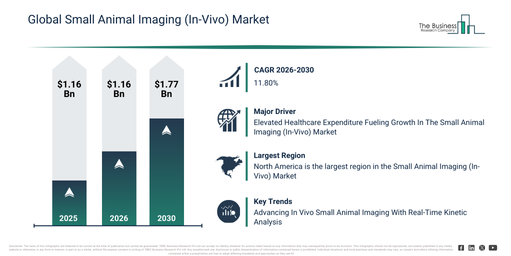
  • Global Small Animal Imaging (In-Vivo) Market Expected to Reach $5.53 Billion by 2030 with 11.8% CAGR

    Global Small Animal Imaging (In-Vivo) Market Expected to Reach $5.53 Billion by 2030 with 11.8% CAGR

    The Business Research Company’s 2026 market reports include new capabilities such as market attractiveness scoring and analysis, total addressable market analysis, company scoring matrix, interactive excel data dashboard, improved supply chain analysis, upcoming startups in the market, and overview of key products, aimed at improving the depth, usability, and strategic value of the insights delivered.

    What Market Value Is Expected For The Small Animal Imaging (In-Vivo) Market At The End Of The 2026–2030 Forecast Period?

    The small animal imaging (in-vivo) market has experienced rapid expansion in recent years. This market is set to expand from $3.15 billion in 2025 to $3.54 billion in 2026, at a compound annual growth rate (CAGR) of 12.4%. During the preceding period, this expansion was driven by several factors, including the rise in preclinical research activities, increased investments in drug discovery, growth in academic research funding, a greater reliance on animal models for disease investigations, and the introduction of advanced imaging modalities.

    The small animal imaging (in-vivo) market is projected for significant expansion in the coming years. This market is forecast to reach $5.53 billion by 2030, exhibiting a compound annual growth rate (CAGR) of 11.8%. Contributing factors to this growth include a rise in demand for precision medicine research tools, increased investments in translational research, an expansion of oncology and neurological studies, greater adoption of AI-assisted diagnostics, and a heightened focus on real-time biological imaging. Key trends anticipated during this period involve a surge in the adoption of multimodal imaging systems, increased utilization of non-invasive in vivo imaging techniques, expanding integration of AI-based image analysis, a broadening of longitudinal disease monitoring studies, and a stronger emphasis on high-resolution imaging capabilities.

    Download the Free Sample Report to Explore Key Market Insights:

    https://www.thebusinessresearchcompany.com/sample.aspx?id=7303&type=smp

    What Drivers Are Shaping The Future Growth Of The Small Animal Imaging (In-Vivo) Market?

    Increased spending within the healthcare sector is projected to drive the expansion of the small animal imaging (in vivo) market. Healthcare expenditure encompasses the total public and private costs of healthcare relative to GDP. The upward trend in healthcare spending, coupled with greater health awareness, fosters self-care management practices that utilize PET equipment in methods like small animal imaging. Small animal imaging (in vivo) supports the healthcare industry by allowing real-time, noninvasive visualization of biological processes, accelerating drug development, enhancing disease comprehension, and aiding in the creation of more effective treatments. As an illustration, a May 2024 report by the UK-based Office for National Statistics indicated that healthcare spending in the UK grew by 5.6% in nominal terms in 2023, with long-term health and social care expenditure seeing a 2.8% increase in real terms in 2022. Consequently, the rising expenditure in the healthcare sector is a key driver for the small animal imaging (in-vivo) market’s growth.

    What Segment Types Make Up The Small Animal Imaging (In-Vivo) Market?

    The small animal imaging (in-vivo) market covered in this report is segmented –

    1) By Component: Micro-MRI, Optical Imaging, Nuclear Imaging, Other Components

    2) By Application: Monitoring Treatment Response, Bio Distribution, Determining Drug or Target Engagement, Cancer Cell Detection, Biomarkers, Longitudinal Studies, Epigenetics

    3) By End User: Veterinary Clinics, Veterinary Hospitals, Veterinary Institutes and Research Centers

    Subsegments:

    1) By Micro-MRI: High-Field Micro-MRI Systems, Low-Field Micro-MRI Systems, MRI Contrast Agents

    2) By Optical Imaging: In Vivo Fluorescence Imaging Systems, Bioluminescence Imaging Systems, Optical Coherence Tomography Systems

    3) By Nuclear Imaging: Positron Emission Tomography (PET) Scanners, Single Photon Emission Computed Tomography (SPECT) Systems, Radioactive Tracers

    4) By Other Components: X-Ray Imaging Systems, CT Imaging Systems, Ultrasound Imaging Systems

    Which Market Trends Are Creating New Opportunities In The Small Animal Imaging (In-Vivo) Market?

    Leading firms within the small animal imaging (In-Vivo) market are dedicating more attention to sophisticated in vivo imaging software platforms, including real-time kinetic analysis modules, to address the growing need for more precise, quantifiable, and high-volume preclinical research in areas such as oncology and neuroscience. These platforms facilitate the continuous acquisition and automated evaluation of dynamic bioluminescent (BLI) signals across durations, contrasting with conventional static, single-timepoint images. This approach results in more comprehensive kinetic curves, enhanced reproducibility, and superior identification of peak signal stages. An example of this trend occurred in April 2024, when Spectral Instruments Imaging, a US-based company specializing in preclinical imaging technology, released Aura 4.5, its newest iteration of in vivo imaging software. Aura 4.5 incorporates a Kinetics mode, enabling the automated, real-time collection of bioluminescent signals across their entire time course, encompassing the rise, plateau, and decay phases. Subsequently, the software pinpoints and reports the maximum bioluminescent intensity, assisting researchers in optimizing sensitivity and biological precision. Furthermore, it optimizes data collection and lessens the need for manual input, thereby improving workflow efficiency for longitudinal research. This enhanced upgrade, rich in features, proves particularly beneficial for longitudinal, time-critical investigations like those involving pharmacokinetics, gene expression, or infection models.

    Who Are The Key Players Driving Competition In The Small Animal Imaging (In-Vivo) Market?

    Major companies operating in the small animal imaging (in-vivo) market are Bruker Corporation, PerkinElmer Inc., Mediso Ltd., Aspect Imaging Ltd., Spectral Instruments Imaging LLC, Bioscan Inc., Gamma Medica-Ideas Inc., LI-COR Biosciences, Scanco Medical AG, TriFoil Imaging Inc., MR Solutions Ltd., MILabs B.V., Trifoil Imaging Inc., VisualSonics Inc., Fujifilm VisualSonics Inc., Sedecal S.A., Kubtec Medical Imaging, Carestream Health Inc., Thermo Fisher Scientific Inc., Rigaku Corporation

    Read the full small animal imaging (in-vivo) market report here:

    https://www.thebusinessresearchcompany.com/report/small-animal-imaging-in-vivo-global-market-report

    Which Geographic Regions Are Influencing Demand In The Small Animal Imaging (In-Vivo) Market?

    North America was the largest region in the small animal imaging (in-vivo) market in 2025. Europe is expected to be the fastest-growing region in the forecast period. The regions covered in the small animal imaging (in-vivo) market report are Asia-Pacific, South East Asia, Western Europe, Eastern Europe, North America, South America, Middle East, Africa.

    Request A Tailored Small Animal Imaging (In-Vivo) Market Research Report For Competitive Advantage:

    https://www.thebusinessresearchcompany.com/customise?id=7303&type=smp

    Browse Through More Reports Similar to the Global Small Animal Imaging (In-Vivo) Market 2026, By The Business Research Company

    Veterinary Imaging Market Report 2026

    https://www.thebusinessresearchcompany.com/report/veterinary-imaging-global-market-report

    Veterinary Imaging Equipment Market Report 2026

    https://www.thebusinessresearchcompany.com/report/veterinary-imaging-equipment-global-market-report

    Preclinical Imaging Market Report 2026

    https://www.thebusinessresearchcompany.com/report/preclinical-imaging-global-market-report

    Get in touch with us:

    The Business Research Company: https://www.thebusinessresearchcompany.com/

    Americas +1 310-496-7795

    Asia +44 7882 955267 & +91 8897263534

    Europe +44 7882 955267

    Email us at info@tbrc.info

    Follow us on:

    LinkedIn: https://in.linkedin.com/company/the-business-research-company

    YouTube: https://www.youtube.com/channel/UC24_fI0rV8cR5DxlCpgmyFQ

    Global Market Model: https://www.thebusinessresearchcompany.com/global-market-model

  • Spinal Surgery Devices Industry Expansion Forecast Showing Market Size of $17.68 Billion by 2030 at 5.7% CAGR

    Spinal Surgery Devices Industry Expansion Forecast Showing Market Size of $17.68 Billion by 2030 at 5.7% CAGR

    The Business Research Company’s 2026 market reports include new capabilities such as market attractiveness scoring and analysis, total addressable market analysis, company scoring matrix, interactive excel data dashboard, improved supply chain analysis, upcoming startups in the market, and overview of key products, aimed at improving the depth, usability, and strategic value of the insights delivered.

    What Market Size Growth Is Projected For The Spinal Surgery Devices Market During The Forecast Period 2026–2030?

    The spinal surgery devices market size has experienced robust growth in recent years. The market size is projected to increase from $13.37 billion in 2025 to $14.15 billion in 2026, demonstrating a compound annual growth rate (CAGR) of 5.9%. This historical expansion can be primarily attributed to several factors including an increase in spinal disorders, a rise in trauma cases, the proliferation of orthopedic surgery centers, an aging global population, and enhanced surgeon familiarity with fusion techniques.

    The spinal surgery devices market is poised for significant expansion in the foreseeable future, with its size projected to reach $17.68 billion in 2030, exhibiting a compound annual growth rate (CAGR) of 5.7%. This anticipated growth during the forecast period is fueled by factors such as the increasing adoption of robot-assisted spine surgery, the rise in outpatient spine procedures, continuous technological innovation in implants, the demand for quicker recovery solutions, and the ongoing expansion of healthcare infrastructure. Prominent trends expected in this period include the widespread application of minimally invasive spine procedures, the growing embrace of motion preservation devices, the advancement of image-guided spine surgery, a surge in the utilization of spinal biologics, and an increasing demand for patient-specific implants.

    Download the Free Sample Report to Explore Key Market Insights:

    https://www.thebusinessresearchcompany.com/sample.aspx?id=22151&type=smp

    What Drivers Are Expected To Influence The Spinal Surgery Devices Market During The Forecast Period?

    The increasing incidence of back problems is expected to propel the growth of the spinal surgery devices market. Back problems refer to a range of conditions causing pain, discomfort, or restricted mobility in the upper, middle, or lower back, stemming from structural, muscular, or nerve-related issues. The rise in back problems is largely due to a sedentary lifestyle, as prolonged sitting, poor posture, and lack of movement place excessive strain on the spine, weaken core muscles, and accelerate disc degeneration, leading to chronic pain and mobility challenges. Spinal surgery devices assist patients suffering from back problems by providing structural stability, relieving nerve compression, restoring spinal alignment, and enhancing mobility, thereby reducing pain, improving function, and enhancing overall quality of life. For instance, in January 2024, according to a report published by the Office for Health Improvement and Disparities, a UK-based government department, in 2023, 18.4% of individuals aged 16 and over self-reported having a long-term musculoskeletal (MSK) condition, marking an increase from 17.6% in 2022. Therefore, the growing prevalence of back problems drives the spinal surgery devices market.

    What Market Segments Are Evaluated Within The Spinal Surgery Devices Market?

    The spinal surgery devices market covered in this report is segmented –

    1) By Device Type: Spinal Decompression, Spinal Fusion, Fracture Repair Devices, Arthroplasty Devices, Non-Fusion Devices

    2) By Disease Indication: Degenerative Disc Disease, Complex Deformity, Traumas And Fractures

    3) By Technology: Fusion, Non-Fusion, Vertebral Compression Fracture, Spine Biologics, Spinal Decompression

    4) By End-Users: Hospitals And Ambulatory Surgery Centers, Specialty Clinics, Orthopedic And Spine Specialty Hospitals

    Subsegments:

    1) By Spinal Decompression Device Type: Cervical Decompression, Lumbar Decompression, Thoracic Decompression

    2) By Spinal Fusion Device Type: Anterior Cervical Discectomy and Fusion (ACDF), Posterior Lumbar Interbody Fusion (PLIF), Transforaminal Lumbar Interbody Fusion (TLIF), Lateral Lumbar Interbody Fusion (LLIF), Interbody Fusion Devices

    3) By Fracture Repair Device Type: Pedicle Screws, Vertebroplasty Devices, Kyphoplasty Devices

    4) By Arthroplasty Device Type: Cervical Arthroplasty Devices, Lumbar Arthroplasty Devices

    5) By Non-Fusion Device Type: Artificial Discs, Dynamic Stabilization Devices

    What Industry Trends Are Redefining The Spinal Surgery Devices Market?

    Leading firms in the spinal surgery devices market are placing a high priority on sophisticated intraoperative navigation technologies, such as freehand navigation platforms. Their aim is to elevate implant accuracy, diminish the need for fluoroscopy, and optimize surgical efficiency. Freehand navigation systems facilitate real-time visualization of instruments and implants relative to a patient’s anatomical structure, thereby ensuring precise implant placement while potentially decreasing intraoperative radiation exposure. As an example, on November 22, 2024, Globus Medical, a US-based musculoskeletal solutions company, introduced ExcelsiusHub. This navigation system expands the existing Excelsius ecosystem, providing support for freehand navigation across the range from the cervical spine to the sacrum, and it incorporates features like real-time patient array monitoring, tissue-sparing drills, diverse registration workflows, and full compatibility with Globus instruments and implants.

    Who Are The Top Market Participants Influencing The Spinal Surgery Devices Market?

    Major companies operating in the spinal surgery devices market are Johnson & Johnson, Medtronic plc, Stryker Corporation, NuVasive Inc., SeaSpine Holdings Corporation, Globus Medical Inc., Orthofix Medical Inc., Aesculap Inc., Alphatec Holdings Inc., Innovasis Inc., Nexus Spine, Spinal Elements Inc., Spineart SA, B. Braun Melsungen AG, SpineWave Inc., Centinel Spine LLC, Life Spine Inc., Camber Spine Technologies, Captiva Spine Inc., Aurora Spine Corporation

    Read the full spinal surgery devices market report here:

    https://www.thebusinessresearchcompany.com/report/spinal-surgery-devices-global-market-report

    Which Region Is Forecast To Lead The Spinal Surgery Devices Market In Terms Of Market Size?

    North America was the largest region in the spinal surgery devices market in 2025. Asia-Pacific is expected to be the fastest-growing region in the forecast period. The regions covered in the spinal surgery devices market report are Asia-Pacific, South East Asia, Western Europe, Eastern Europe, North America, South America, Middle East, Africa.

    Request A Tailored Spinal Surgery Devices Market Research Report For Competitive Advantage:

    https://www.thebusinessresearchcompany.com/customise?id=22151&type=smp

    Browse Through More Reports Similar to the Global Spinal Surgery Devices Market 2026, By The Business Research Company

    Minimally Invasive Spine Surgery Devices Market Report 2026

    https://www.thebusinessresearchcompany.com/report/minimally-invasive-spine-surgery-devices-global-market-report

    Neurosurgery Devices And Equipment Market Report 2026

    https://www.thebusinessresearchcompany.com/report/neurosurgery-devices-and-equipment-global-market-report

    Spine Implants Market Report 2026

    https://www.thebusinessresearchcompany.com/report/spine-implants-global-market-report

    Get in touch with us:

    The Business Research Company: https://www.thebusinessresearchcompany.com/

    Americas +1 310-496-7795

    Asia +44 7882 955267 & +91 8897263534

    Europe +44 7882 955267

    Email us at info@tbrc.info

    Follow us on:

    LinkedIn: https://in.linkedin.com/company/the-business-research-company

    YouTube: https://www.youtube.com/channel/UC24_fI0rV8cR5DxlCpgmyFQ

    Global Market Model: https://www.thebusinessresearchcompany.com/global-market-model
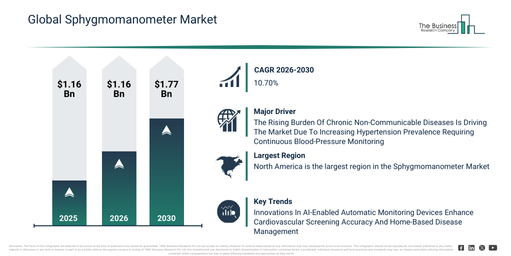
  • Sphygmomanometer Market Forecast 2026–2035 Reflecting Expansion Opportunities Across Industries

    Sphygmomanometer Market Forecast 2026–2035 Reflecting Expansion Opportunities Across Industries

    The Business Research Company’s 2026 market reports include new capabilities such as market attractiveness scoring and analysis, total addressable market analysis, company scoring matrix, interactive excel data dashboard, improved supply chain analysis, upcoming startups in the market, and overview of key products, aimed at improving the depth, usability, and strategic value of the insights delivered.

    How Much Is The Sphygmomanometer Market Expected To Grow In Terms Of Market Value Between 2026 And 2030?

    The sphygmomanometer market size has seen rapid growth in recent years. It is expected to expand from $3.2 billion in 2025 to $3.53 billion in 2026, achieving a compound annual growth rate (CAGR) of 10.3%. The growth observed in the past can be attributed to a higher incidence of hypertension, the historical widespread utilization of mercury-based devices, increased screening activities in clinical environments, the development of primary healthcare facilities, and the adoption of manual and aneroid devices.

    The sphygmomanometer market size is anticipated to undergo significant expansion over the next few years. Its valuation is projected to reach $5.31 billion in 2030, exhibiting a compound annual growth rate (CAGR) of 10.7%. This projected growth during the forecast period is driven by factors such as the increasing need for remote patient monitoring, the growing acceptance of connected healthcare devices, the expansion of telemedicine services, a heightened focus on preventive cardiovascular care, and the progressive replacement of mercury-based devices. Prominent developments expected in this period include the wider adoption of digital blood pressure monitoring devices, a surging demand for monitoring solutions used at home, the increasing integration of data connectivity functionalities, the development of more portable and wearable configurations, and an enhanced commitment to measurement accuracy and ease of use.

    Download the Free Sample Report to Explore Key Market Insights:

    https://www.thebusinessresearchcompany.com/sample.aspx?id=10396&type=smp

    What Major Drivers Are Influencing Demand In The Sphygmomanometer Market?

    The increasing prevalence of chronic non-communicable diseases (NCDs) is anticipated to drive the expansion of the sphygmomanometer market in the future. These enduring health conditions, particularly hypertension and cardiovascular disease, are characterized by gradual progression and necessitate continuous oversight and treatment. As a significant worldwide health issue and a key contributor to cardiovascular complications, hypertension underscores the critical need for routine blood pressure checks to ensure prompt diagnosis and successful therapy. The rising occurrence of these conditions is fueled by lifestyle elements like an aging global populace, poor nutritional habits, lack of physical activity, and increasing obesity, all of which contribute to elevated blood pressure irregularities globally. Sphygmomanometers play a vital role in patient management, facilitating prompt diagnosis, ongoing surveillance, and enhanced cardiovascular risk mitigation across both clinical and at-home care environments. For example, in September 2025, the World Health Organization (WHO), a United Nations agency based in Switzerland, highlighted the significant global impact of hypertension, reporting that an estimated 1.4 billion adults aged 30–79 were affected in 2024—constituting 33 percent of this demographic—with two-thirds living in low- and middle-income countries. Additionally, approximately 600 million individuals (44 percent) were undiagnosed, while about 630 million (44 percent) had received a diagnosis and treatment. Consequently, the increasing prevalence of chronic NCDs is propelling the expansion of the sphygmomanometer market.

    What Major Segment Divisions Exist Within The Sphygmomanometer Market?

    The sphygmomanometer market covered in this report is segmented –

    1) By Product: Electronic Sphygmomanometer, Aneroid Sphygmomanometer, Mercury Sphygmomanometer

    2) By Configuration: Portable, Desk Mounted, Floor Standing, Wall Mounted

    3) By Operation: Electric, Manual, Automatic, Semi-automatic

    4) By End User: Hospitals, Ambulatory Surgical Centers And Clinics, Home Healthcare, Other End Users

    Subsegments:

    1) By Electronic Sphygmomanometer: Upper Arm Electronic Sphygmomanometer, Wrist Electronic Sphygmomanometer, Finger Electronic Sphygmomanometer

    2) By Aneroid Sphygmomanometer: Manual Aneroid Sphygmomanometer, Digital Aneroid Sphygmomanometer

    3) By Mercury Sphygmomanometer: Standard Mercury Sphygmomanometer, Portable Mercury Sphygmomanometer

    How Are Trends Shaping The Direction Of The Sphygmomanometer Market?

    Major companies operating in the sphygmomanometer market are prioritizing the development of advanced automatic blood pressure monitoring solutions, integrating AI-driven diagnostic features to enhance measurement accuracy, support the early identification of cardiovascular abnormalities, and improve the convenience of home-based health monitoring. These AI-enabled automatic blood pressure monitors utilize machine-learning algorithms to analyze pulse-wave signals during cuff inflation, which enables the device to detect irregular heart rhythms like atrial fibrillation (AFib) while concurrently providing reliable systolic and diastolic readings. For instance, in November 2024, OMRON Healthcare, a Japan-based health equipment, software, and service provider, secured FDA De Novo authorization for its next-generation home blood pressure monitor. This device is equipped with IntelliSense AFib, an AI-powered AFib detection algorithm that evaluates more than 300 pulse-wave indices and demonstrates high diagnostic accuracy, with clinical performance showing 95% sensitivity and 98% specificity. This innovation underscores how automatic oscillometric devices are evolving from simple blood-pressure measurement tools into comprehensive cardiovascular screening technologies that support early detection, continuous monitoring, and improved clinical decision-making.

    Which Companies Are Leading Innovation In The Sphygmomanometer Market?

    Major companies operating in the sphygmomanometer market are A&D Company Ltd., American Diagnostic Corporation, Omron Healthcare Inc., Microlife Corporation, Beurer GmbH, CIGA Healthcare Ltd., Rossmax International Ltd., Rudolf Riester GmbH, Welch Allyn Inc., Koninklijke Philips N.V., Paul Hartmann AG, Spengler, Holtex Ltd., Timesco Healthcare Ltd., Bremed Ltd., iHealth Labs Inc., Contec Medical Systems Co. Ltd., SunTech Medical Inc., General Electric Company, Amico Group of Companies, HEINE Optotechnik GmbH and Co. KG, Hill-Rom Services Inc., Halma plc

    Read the full sphygmomanometer market report here:

    https://www.thebusinessresearchcompany.com/report/sphygmomanometer-global-market-report

    Which Region Shows The Strongest Potential For Future Growth In The Sphygmomanometer Market?

    North America was the largest region in the sphygmomanometer market in 2025. Asia-Pacific is expected to be the fastest-growing region in the global sphygmomanometer market during the forecast period. The regions covered in the sphygmomanometer market report are Asia-Pacific, South East Asia, Western Europe, Eastern Europe, North America, South America, Middle East, Africa.

    Request A Tailored Sphygmomanometer Market Research Report For Competitive Advantage:

    https://www.thebusinessresearchcompany.com/customise?id=10396&type=smp

    Browse Through More Reports Similar to the Global Sphygmomanometer Market 2026, By The Business Research Company

    Digital Or Electrical Sphygmomanometer Market Report 2026

    https://www.thebusinessresearchcompany.com/report/digital-or-electrical-sphygmomanometer-global-market-report

    Spirometer Market Report 2026

    https://www.thebusinessresearchcompany.com/report/spirometer-global-market-report

    Bone Densitometer Market 2026

    https://www.thebusinessresearchcompany.com/report/bone-densitometer-market

    Get in touch with us:

    The Business Research Company: https://www.thebusinessresearchcompany.com/

    Americas +1 310-496-7795

    Asia +44 7882 955267 & +91 8897263534

    Europe +44 7882 955267

    Email us at info@tbrc.info

    Follow us on:

    LinkedIn: https://in.linkedin.com/company/the-business-research-company

    YouTube: https://www.youtube.com/channel/UC24_fI0rV8cR5DxlCpgmyFQ

    Global Market Model: https://www.thebusinessresearchcompany.com/global-market-model

  • Spinal Osteosynthesis Units Market Revenue Expected to Reach $6.28 Billion by 2030 with 7% CAGR

    Spinal Osteosynthesis Units Market Revenue Expected to Reach $6.28 Billion by 2030 with 7% CAGR

    The Business Research Company’s 2026 market reports include new capabilities such as market attractiveness scoring and analysis, total addressable market analysis, company scoring matrix, interactive excel data dashboard, improved supply chain analysis, upcoming startups in the market, and overview of key products, aimed at improving the depth, usability, and strategic value of the insights delivered.

    How Will The Market Size Of The Spinal Osteosynthesis Units Market Evolve From 2026 To 2030?

    The market for spinal osteosynthesis units has experienced robust expansion in recent times. This market is projected to expand from a valuation of $4.48 billion in 2025 to $4.79 billion by 2026, demonstrating a compound annual growth rate (CAGR) of 7.1%. The historical growth can be linked to factors such as the increasing occurrence of degenerative spinal conditions, a higher number of spinal fusion operations, improvements in spinal implant design, the wider use of pedicle screw systems, and the growth of hospital-based spine surgery initiatives.

    The spinal osteosynthesis units market is anticipated to experience robust expansion over the coming years. Its valuation is projected to reach $6.28 billion in 2030 at a compound annual growth rate (CAGR) of 7.0%. This projected expansion can be linked to factors such as an expanding elderly demographic facing spinal issues, a heightened call for minimally invasive spinal procedures, increased capital directed towards sophisticated spinal implant technologies, the broadened application of customized spinal fixation options, and the growing uptake of spinal systems designed for motion preservation. Key developments expected during this period involve a greater embrace of minimally invasive spinal fixation devices, increased utilization of advanced biocompatible implant substances, a rising inclination towards modular and adaptable fixation components, the proliferation of motion preservation and dynamic stabilization apparatus, and a stronger emphasis on surgical exactness and alignment accuracy.

    Download the Free Sample Report to Explore Key Market Insights:

    https://www.thebusinessresearchcompany.com/sample.aspx?id=23524&type=smp

    What Drivers Are Influencing The Spinal Osteosynthesis Units Market?

    An increasing occurrence of road accidents is anticipated to boost the expansion of the spinal osteosynthesis units market in the future. These accidents are defined as unforeseen vehicular collisions or impacts leading to injuries or deaths, frequently necessitating medical treatment. The escalation in road accidents stems from heightened traffic density and hazardous driving practices. Spinal osteosynthesis units aid patient care by facilitating the surgical stabilization of spinal trauma resulting from these incidents, thereby enhancing recovery and lessening enduring disability. As an illustration, figures from October 2025, supplied by the Road Safety Data Hub – an Australia-based government program providing a centralized repository for road safety information – indicate that the national road fatality rate for the year concluding in October 2025 reached 4.9 deaths per 100,000 population, marking a 5.2% year-on-year rise compared to the previous similar period. Consequently, the increased frequency of road accidents is fueling the expansion of the spinal osteosynthesis units market.

    Which Segment Areas Are Covered In The Spinal Osteosynthesis Units Market Analysis?

    The spinal osteosynthesis units market covered in this report is segmented –

    1) By Product Type: Thoracolumbar Osteosynthesis Unit, Lumbar Spinal Osteosynthesis Unit, Lumbosacral Osteosynthesis Unit, Thoracolumbosacral Osteosynthesis Unit, Occipitocervicothoracic Osteosynthesis Unit, Cervical Thoracic Lumbo Sacral Osteosynthesis Unit

    2) By Surgical Approach: Posterior, Anterior, Lateral

    3) By Application: Adult, Pediatric

    4) By End User: Hospital, Specialty Clinic, Other End Users

    Subsegments:

    1) By Thoracolumbar Osteosynthesis Unit: Pedicle Screw Systems, Rod And Plate Systems, Interbody Fusion Devices

    2) By Lumbar Spinal Osteosynthesis Unit: Lumbar Interbody Fusion Cages, Lumbar Pedicle Screws And Rods, Dynamic Stabilization Devices

    3) By Lumbosacral Osteosynthesis Unit: Sacroiliac Joint Fixation Devices, Lumbosacral Interbody Fusion Cages, Iliac Screws And Rod Systems

    4) By Thoracolumbosacral Osteosynthesis Unit: Multilevel Fixation Systems, Spinal Deformity Correction Devices, Hybrid Stabilization Systems

    5) By Occipitocervicothoracic Osteosynthesis Unit: Occipital Plate And Rod Systems, Cervicothoracic Fusion Implants, Posterior Cervical Fixation Devices

    6) By Cervical Thoracic Lumbo Sacral Osteosynthesis Unit: Full-Spine Fixation Systems, Motion Preservation Devices, Vertebral Body Replacement Implants

    What Key Developments And Trends Are Impacting The Spinal Osteosynthesis Units Market?

    Major companies operating within the spinal osteosynthesis market are prioritizing the development of innovative products, such as advanced spinal fixation systems, to enhance surgical outcomes, accelerate patient recovery times, and provide more effective solutions for treating spinal fractures, deformities, and instability. A spinal fixation system is a medical device utilized in spine surgery to stabilize and align the vertebrae in the spine following an injury, deformity, or surgical procedure. It commonly incorporates components like screws, rods, plates, and other hardware that are implanted into the spine to hold fractured or displaced vertebrae in place as they heal. For example, in October 2023, ulrich medical USA, a US-based medical technology company, introduced its Momentum MIS Posterior Spinal Fixation System. This system, designed for minimally invasive surgery (MIS), showcases a streamlined, versatile design with a narrow profile, extended screw tabs, and compatibility with Medtronic’s StealthStation for navigation. It delivers a percutaneous solution with augmented support and integrated reduction, building upon the successful Momentum platform.

    Which Global Companies Are Actively Competing In The Spinal Osteosynthesis Units Market?

    Major companies operating in the spinal osteosynthesis units market are Johnson & Johnson, Medtronic plc, Stryker Corporation, Zimmer Biomet Holdings Inc., NuVasive Inc., Globus Medical Inc., MicroPort Scientific Corporation, Orthofix Medical Inc., Aesculap Implant Systems LLC, Alphatec Spine Inc., RTI Surgical Inc., B Braun Melsungen AG, Xtant Medical Holdings Inc., Autocam Medical Devices LLC, Ulrich GmbH & Co. KG, Spinal Elements Inc., ChoiceSpine LLC, Königsee Implantate GmbH, GS Medical LLC, Neuro France Implants, HPI Implants GmbH

    Read the full spinal osteosynthesis units market report here:

    https://www.thebusinessresearchcompany.com/report/spinal-osteosynthesis-units-global-market-report

    Which Regions Are Expected To Experience Rapid Expansion In The Spinal Osteosynthesis Units Market?

    North America was the largest region in the spinal osteosynthesis units market in 2025. Asia-Pacific is expected to be the fastest-growing region in the forecast period. The regions covered in the spinal osteosynthesis units market report are Asia-Pacific, South East Asia, Western Europe, Eastern Europe, North America, South America, Middle East, Africa.

    Request A Tailored Spinal Osteosynthesis Units Market Research Report For Competitive Advantage:

    https://www.thebusinessresearchcompany.com/customise?id=23524&type=smp

    Browse Through More Reports Similar to the Global Spinal Osteosynthesis Units Market 2026, By The Business Research Company

    Spine Implants Market Report 2026

    https://www.thebusinessresearchcompany.com/report/spine-implants-global-market-report

    Spinal Surgery Devices And Equipment Market Report 2026

    https://www.thebusinessresearchcompany.com/report/spinal-surgery-devices-and-equipment-global-market-report

    Spine Biologics Market Report 2026

    https://www.thebusinessresearchcompany.com/report/spine-biologics-global-market-report

    Get in touch with us:

    The Business Research Company: https://www.thebusinessresearchcompany.com/

    Americas +1 310-496-7795

    Asia +44 7882 955267 & +91 8897263534

    Europe +44 7882 955267

    Email us at info@tbrc.info

    Follow us on:

    LinkedIn: https://in.linkedin.com/company/the-business-research-company

    YouTube: https://www.youtube.com/channel/UC24_fI0rV8cR5DxlCpgmyFQ

    Global Market Model: https://www.thebusinessresearchcompany.com/global-market-model

  • Global Spectrum Therapy Instrument Market Analysis for 2026–2030 with Strategic Forecast Insights for Businesses

    Global Spectrum Therapy Instrument Market Analysis for 2026–2030 with Strategic Forecast Insights for Businesses

    The Business Research Company’s 2026 market reports include new capabilities such as market attractiveness scoring and analysis, total addressable market analysis, company scoring matrix, interactive excel data dashboard, improved supply chain analysis, upcoming startups in the market, and overview of key products, aimed at improving the depth, usability, and strategic value of the insights delivered.

    What Market Value Is Expected For The Spectrum Therapy Instrument Market At The End Of The 2026–2030 Forecast Period?

    The spectrum therapy instrument market size has seen strong expansion in recent years. Its value is expected to rise from $1.2 billion in 2025 to $1.29 billion in 2026, progressing at a compound annual growth rate (CAGR) of 7.8%. The growth observed historically can be linked to skin disorder prevalence, the expansion of dermatology clinics, increased awareness of phototherapy, demand for cosmetic treatments, and adoption by hospitals.

    The spectrum therapy instrument market is projected to experience substantial expansion in the coming years. It is forecasted to reach a valuation of $1.73 billion by 2030, exhibiting a compound annual growth rate (CAGR) of 7.5%. This anticipated growth during the forecast period is largely due to factors such as increased home therapy adoption, the burgeoning wellness industry, a rising demand for chronic pain management solutions, advancements in dermatology, and the expansion of outpatient care services. Key developments expected in the forecast timeframe encompass the increasing application of non-invasive light therapies, the proliferation of home-based phototherapy devices, wider integration into dermatology treatments, a growing need for alternative pain management methods, and the expansion of wellness and aesthetic applications.

    Download the Free Sample Report to Explore Key Market Insights:

    https://www.thebusinessresearchcompany.com/sample.aspx?id=19716&type=smp

    Which Market Drivers Are Supporting The Expansion Of The Spectrum Therapy Instrument Market?

    The increasing occurrence of skin conditions is anticipated to drive the expansion of the spectrum therapy instrument market in the future. These conditions encompass a range of issues impacting the skin, such as infections, inflammatory responses, and specific disorders like acne, eczema, or psoriasis. A primary cause of skin ailments is heightened environmental pollution, which worsens skin irritation and triggers allergic reactions. Frequently employed in phototherapy, spectrum therapy instruments employ particular light wavelengths to address diverse skin conditions. This therapy functions by allowing specific light spectrums to permeate the skin, affecting cellular processes to achieve therapeutic outcomes. As an illustration, data from January 2024, provided by Cancer Australia, an Australia-based government agency, projected that in 2023, approximately 18,257 new diagnoses of melanoma of the skin would occur, consisting of 10,639 cases in males and 7,618 in females. Consequently, the growing frequency of skin diseases is propelling the expansion of the spectrum therapy instrument market.

    What Segment Types Make Up The Spectrum Therapy Instrument Market?

    The spectrum therapy instrument market covered in this report is segmented –

    1) By Type: Light Emitting Diode (LED) Spectrum Therapy Instrument, Carbon-Light Spectrum Therapy Instrument

    2) By Technology: Low Level Laser Therapy, Pulsed Electromagnetic Field Therapy

    3) By Patient Demographics: Adults, Pediatrics

    4) By Distribution Channel: Direct Sales, Distributors

    5) By Application: Hospitals, Beauty Salon, Home

    Subsegments:

    1) By Light Emitting Diode (LED) Spectrum Therapy Instrument: Red LED Therapy, Blue LED Therapy, Infrared LED Therapy

    2) By Carbon-Light Spectrum Therapy Instrument: Carbon Dioxide Therapy, Carbon Laser Therapy

    Which Market Trends Are Creating New Opportunities In The Spectrum Therapy Instrument Market?

    Leading companies in the spectrum therapy instrument market are developing red light therapy devices with the aim of improving therapeutic effectiveness, expanding available treatment choices, and making advanced, non-invasive therapy more accessible to a wider patient population. A red light therapy device works by emitting red and infrared light, which penetrates the skin to support healing, reduce inflammation, and alleviate pain. For instance, in January 2024, Lumaflex, a US-based therapy device manufacturing company, launched Lumaflex Essential. This device employs red and near-infrared light, functioning as a spectrum therapy, to stimulate cellular activity, thus promoting natural healing processes and pain relief. The device offers several health benefits, including pain relief, enhanced energy levels, faster injury recovery, and support for muscle growth. It is a portable, waterproof red light therapy device suitable for home, gym, or travel use, optimized for rapid, 10-minute sessions. Its design prioritizes ease of use, enabling users to target specific body areas for effective treatment.

    Who Are The Key Players Driving Competition In The Spectrum Therapy Instrument Market?

    Major companies operating in the spectrum therapy instrument market are BTL Industries Inc., Beurer GmbH, Cutera Inc., Syneron Candela, BioPhotas Inc., LightStim Inc., Verilux Inc., BioLight Technologies LLC, Hooga Health LLC, Joovv Inc., LED Technologies Inc., Mito Red Light LLC, Red Therapy Co Ltd, TheraLight LLC, Trophy Skin Inc., GembaRed LLC, Rouge Red Light Therapy Inc., Erchonia Corporation, Vielight Inc., Lumenis Ltd, PlatinumLED Therapy Lights LLC, Red Light Rising Ltd, Apira Science Inc, KONINKLIJKE PHILIPS N.V., Northern Light Technologies, HAIRMAX, Ultralux Health, ClearlightRed, Daavlin, Eleve Health

    Read the full spectrum therapy instrument market report here:

    https://www.thebusinessresearchcompany.com/report/spectrum-therapy-instrument-global-market-report

    How Is The Spectrum Therapy Instrument Market Distributed Across Key Geographic Regions?

    North America was the largest region in the spectrum therapy instrument market in 2025. Asia-Pacific is expected to be the fastest-growing region in the forecast period. The regions covered in the spectrum therapy instrument market report are Asia-Pacific, South East Asia, Western Europe, Eastern Europe, North America, South America, Middle East, Africa.

    Request A Tailored Spectrum Therapy Instrument Market Research Report For Competitive Advantage:

    https://www.thebusinessresearchcompany.com/customise?id=19716&type=smp

    Browse Through More Reports Similar to the Global Spectrum Therapy Instrument Market 2026, By The Business Research Company

    Minimally Invasive Surgical Instruments Market Report 2026

    https://www.thebusinessresearchcompany.com/report/minimally-invasive-surgical-instruments-global-market-report

    Handheld Surgical Instruments Market Report 2026

    https://www.thebusinessresearchcompany.com/report/handheld-surgical-instruments-global-market-report

    Life Science And Chemical Instrumentation Market Report 2026

    https://www.thebusinessresearchcompany.com/report/life-science-and-chemical-instrumentation-global-market-report

    Get in touch with us:

    The Business Research Company: https://www.thebusinessresearchcompany.com/

    Americas +1 310-496-7795

    Asia +44 7882 955267 & +91 8897263534

    Europe +44 7882 955267

    Email us at info@tbrc.info

    Follow us on:

    LinkedIn: https://in.linkedin.com/company/the-business-research-company

    YouTube: https://www.youtube.com/channel/UC24_fI0rV8cR5DxlCpgmyFQ

    Global Market Model: https://www.thebusinessresearchcompany.com/global-market-model
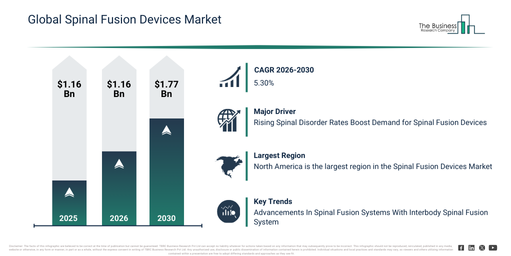
  • Global Spinal Fusion Devices Market Set for Strong Expansion Reaching $10.78 Billion by 2030 at 5.3% CAGR

    Global Spinal Fusion Devices Market Set for Strong Expansion Reaching $10.78 Billion by 2030 at 5.3% CAGR

    The Business Research Company’s 2026 market reports include new capabilities such as market attractiveness scoring and analysis, total addressable market analysis, company scoring matrix, interactive excel data dashboard, improved supply chain analysis, upcoming startups in the market, and overview of key products, aimed at improving the depth, usability, and strategic value of the insights delivered.

    What Is The Forecasted Market Value Of The Spinal Fusion Devices Market Across 2026–2030?

    The spinal fusion devices market has experienced significant growth in recent years. This market is expected to increase from $8.31 billion in 2025 to $8.77 billion in 2026, at a compound annual growth rate (CAGR) of 5.6%. Historically, its growth can be attributed to several factors including degenerative spine disorders, trauma incidents, innovations in surgery, the expansion of orthopedic departments in hospitals, and an aging global population.

    The spinal fusion devices market is projected to experience substantial expansion in the coming years. It will grow to $10.78 billion in 2030 at a compound annual growth rate (CAGR) of 5.3%. This projected increase over the forecast period is due to factors such as the adoption of minimally invasive techniques, the rise in outpatient surgeries, advancements in spinal deformity treatments, the desire for quicker recovery times, and increasing orthopedic specialization. Key trends anticipated during this period encompass the expansion of minimally invasive spine surgery, a growing reliance on non metallic implants, heightened demand for lumbar fusion devices, innovations in implant design technology, and the proliferation of outpatient spine surgeries.

    Download the Free Sample Report to Explore Key Market Insights:

    https://www.thebusinessresearchcompany.com/sample.aspx?id=20648&type=smp

    What Drivers Are Shaping The Future Growth Of The Spinal Fusion Devices Market?

    The increasing occurrence of spinal disorders is anticipated to propel the growth of the spinal fusion devices market moving forward. Spinal disorders refer to various medical conditions affecting the spine and its surrounding structures, including the vertebrae, intervertebral discs, spinal cord, nerves, and ligaments. The rising incidence of these disorders is attributed to factors such as an aging population, sedentary lifestyles, and improved diagnostic capabilities. Spinal fusion devices assist in managing the increasing incidence of spinal disorders by stabilizing the spine, alleviating pain, and enhancing function through surgical intervention. For instance, in February 2024, according to the National Spinal Cord Injury Statistical Center (NSCISC), a US-based research organization, in 2023, the annual incidence of traumatic spinal cord injury (tSCI) was approximately 54 cases per million people, resulting in around 18,000 new tSCI cases each year. Therefore, the growing incidence of spinal disorders is driving the growth of the spinal fusion device market.

    What Segmentation Levels Are Considered In The Spinal Fusion Devices Market?

    The spinal fusion devices market covered in this report is segmented –

    1) By Type: Cervical Fusion Device, Thoracic Fusion Device, Lumbar Fusion Device

    2) By Material: Metallic Devices, Non Metallic Devices

    3) By Surgery: Open Spine Surgery, Minimally Invasive Spine Surgery

    4) By Disease Type: Degenerative Disc, Complex Deformity, Trauma And Fractures, Other Disease Types

    5) By End-User: Hospital, Ambulatory Service Centers, Orthopedic Centers, Other End-Users

    Subsegments:

    1) By Cervical Fusion Device: Anterior Cervical Discectomy And Fusion (ACDF) Devices, Cervical Plates And Screws, Cervical Interbody Fusion Devices (IBFDs), Minimally Invasive Cervical Fusion Devices

    2) By Thoracic Fusion Device: Thoracic Interbody Fusion Devices, Thoracic Plates And Screws, Anterior Thoracic Fusion Devices, Posterior Thoracic Fusion Devices

    3) By Lumbar Fusion Device: Lumbar Interbody Fusion Devices (LIFDs), Lumbar Pedicle Screws And Rods, Expandable Interbody Fusion Devices, Minimally Invasive Lumbar Fusion Devices

    What Trends Are Projected To Affect The Spinal Fusion Devices Market?

    Major companies operating in the spinal fusion devices market are concentrating on developing innovative products, such as interbody spinal fusion systems, with the aim of improving surgical precision, optimizing implant stability, and enhancing overall patient outcomes. Interbody spinal fusion systems are medical devices employed in spinal surgeries to stabilize the spine and facilitate fusion between vertebrae. As an illustration, in October 2023, NovApproach Spine, a US-based medical technology company, launched OneLIF. This is an interbody spinal fusion system designed to increase the precision and efficiency of spinal fusion procedures by offering advanced instrumentation and implant technology that supports optimal alignment, stability, and fusion rates in the lumbar spine. It is utilized in the treatment of lumbar spinal disorders, including degenerative disc disease and spinal stenosis, enabling minimally invasive surgeries intended to reduce recovery times and improve patient outcomes.

    Which Leading Firms Are Contributing To The Growth Of The Spinal Fusion Devices Market?

    Major companies operating in the spinal fusion devices market are Johnson & Johnson, Medtronic plc, Stryker Corporation, Zimmer Biomet Holdings Inc., NuVasive Inc., Globus Medical Inc., Medacta International SA, Orthofix Medical Inc., Exactech Inc., Paradigm Corp, SeaSpine Holdings Corporation, Xtant Medical Holdings Inc., Spinal Elements Inc., Surgalign Holdings Inc., Precision Spine Inc., Spine Wave Inc., SpineFrontier Inc., Zavation Medical Products, Aurora Spine Corporation, Nexxt Spine LLC, Camber Spine Technologies LLC, Captiva Spine Inc., Viseon Inc.

    Read the full spinal fusion devices market report here:

    https://www.thebusinessresearchcompany.com/report/spinal-fusion-devices-global-market-report

    Which Geographic Regions Are Influencing Demand In The Spinal Fusion Devices Market?

    North America was the largest region in the spinal fusion devices market in 2025. Asia-Pacific is expected to be the fastest-growing region in the forecast period. The regions covered in the spinal fusion devices market report are Asia-Pacific, South East Asia, Western Europe, Eastern Europe, North America, South America, Middle East, Africa.

    Request A Tailored Spinal Fusion Devices Market Research Report For Competitive Advantage:

    https://www.thebusinessresearchcompany.com/customise?id=20648&type=smp

    Browse Through More Reports Similar to the Global Spinal Fusion Devices Market 2026, By The Business Research Company

    Cerebrospinal Fluid Management Csf Devices And Equipment Market Report 2026

    https://www.thebusinessresearchcompany.com/report/cerebrospinal-fluid-management-csf-devices-and-equipment-global-market-report

    Spinal Imaging Market Report 2026

    https://www.thebusinessresearchcompany.com/report/spinal-imaging-global-market-report

    Spinal Cord Stimulation Market Report 2026

    https://www.thebusinessresearchcompany.com/report/spinal-cord-stimulation-global-market-report

    Get in touch with us:

    The Business Research Company: https://www.thebusinessresearchcompany.com/

    Americas +1 310-496-7795

    Asia +44 7882 955267 & +91 8897263534

    Europe +44 7882 955267

    Email us at info@tbrc.info

    Follow us on:

    LinkedIn: https://in.linkedin.com/company/the-business-research-company

    YouTube: https://www.youtube.com/channel/UC24_fI0rV8cR5DxlCpgmyFQ

    Global Market Model: https://www.thebusinessresearchcompany.com/global-market-model
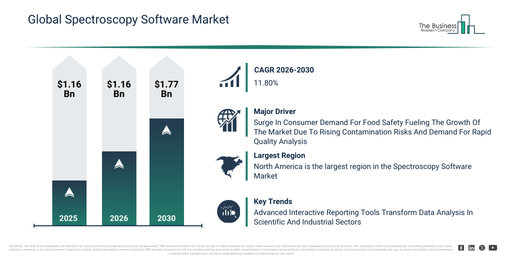
  • Spectroscopy Software Market Outlook 2026–2035 Driven by Key Growth Factors and Industry Projections

    Spectroscopy Software Market Outlook 2026–2035 Driven by Key Growth Factors and Industry Projections

    The Business Research Company’s 2026 market reports include new capabilities such as market attractiveness scoring and analysis, total addressable market analysis, company scoring matrix, interactive excel data dashboard, improved supply chain analysis, upcoming startups in the market, and overview of key products, aimed at improving the depth, usability, and strategic value of the insights delivered.

    What Is The Estimated Market Size Of The Spectroscopy Software Market During 2026–2030?

    The spectroscopy software market has experienced substantial expansion in recent years. This market is projected to expand from $1.49 billion in 2025 to $1.67 billion in 2026, demonstrating a compound annual growth rate (CAGR) of 12.1%. Historically, this growth has been driven by factors such as the increasing integration of spectroscopy in pharmaceutical applications, heightened requirements for quality assurance in food sectors, wider deployment in environmental analysis, innovations in UV-Vis and IR spectroscopy software, and the proliferation of analytical laboratories.

    The spectroscopy software market size is poised for significant expansion over the next few years. It is projected to reach $2.61 billion by 2030, demonstrating a compound annual growth rate (CAGR) of 11.8%. This anticipated growth can be attributed to factors such as the integration of AI and machine learning into spectroscopy software, the increasing adoption of cloud-based and hybrid software deployments, growing demand in forensic science applications, rising automation within pharmaceutical and biotech laboratories, and the expansion of remote and collaborative research platforms. Noteworthy trends during this forecast period include the automation of spectral data processing, integration with Laboratory Information Management Systems (LIMS), real-time instrument monitoring, advanced visualization and reporting tools, and remote and collaborative analysis capabilities.

    Download the Free Sample Report to Explore Key Market Insights:

    https://www.thebusinessresearchcompany.com/sample.aspx?id=25910&type=smp

    What Underlying Factors Are Accelerating The Growth Of The Spectroscopy Software Market?

    The growing consumer requirement for food safety is anticipated to boost the expansion of the spectroscopy software market in the future. Food safety encompasses the procedures and environmental factors that maintain food quality, thereby preventing contamination and illnesses from foodborne sources. Worries about food safety are escalating due to the increasing global reach of the food supply chain, which elevates the chances of contamination during its production, processing, and distribution phases. Spectroscopy software plays a crucial role in guaranteeing food safety by facilitating quick, non-damaging analysis of food items to identify contaminants, confirm ingredient genuineness, and oversee quality standards across the entire supply chain. As an illustration, in April 2024, the Public Interest Research Group (PIRG), a US-based nonprofit, reported that food and beverage recalls in the United States rose by 8% in 2023, up from 6% in 2022. Consequently, the rising consumer demand for food safety is propelling the growth of the spectroscopy software market.

    How Are The Various Segments Of The Spectroscopy Software Market Categorized?

    The spectroscopy software market covered in this report is segmented –

    1) By Type Of Spectroscopy: Ultraviolet-Visible Spectroscopy Software, Infrared Spectroscopy Software, Nuclear Magnetic Resonance Spectroscopy Software, Mass Spectrometry Software, Fluorescence Spectroscopy Software

    2) By Deployment Type: On-Premise Software, Cloud-Based Software, Hybrid Software

    3) By Functionality: Data Acquisition, Data Analysis, Data Management, Reporting And Visualization, Instrument Control

    4) By Application: Food Testing, Environmental Testing, Forensic Science, Pharmaceuticals, Other Applications

    5) By End-User: Pharmaceuticals And Biotechnology Industries, Forensics, Food Industries, Polymers And Organic Chemistry Industries

    Subsegments:

    1) By Ultraviolet-Visible Spectroscopy Software: Single-Beam Ultraviolet-Visible Software, Double-Beam Ultraviolet-Visible Software, Array-Based Ultraviolet-Visible Software, Portable Ultraviolet-Visible Software

    2) By Infrared Spectroscopy Software: Near-Infrared (NIR) Spectroscopy Software, Mid-Infrared (MIR) Spectroscopy Software, Far-Infrared (FIR) Spectroscopy Software, Fourier-Transform Infrared (FTIR) Software

    3) By Nuclear Magnetic Resonance Spectroscopy Software: 1D Nuclear Magnetic Resonance (NMR) Software, 2D Or 3D Nuclear Magnetic Resonance (NMR) Software, Solid-state Nuclear Magnetic Resonance (NMR) Software, High-Resolution Nuclear Magnetic Resonance (NMR) Software

    4) By Mass Spectrometry Software: Gas Chromatography-Mass Spectrometry Software, Liquid Chromatography-Mass Spectrometry Software, Matrix-Assisted Laser Desorption Or Ionization Software, Tandem Mass Spectrometry Software

    5) By Fluorescence Spectroscopy Software: Steady-State Fluorescence Software, Time-Resolved Fluorescence Software, Fluorescence Lifetime Imaging Software, Forster Resonance Energy Transfer (FRET) Software

    What Trends Are Affecting The Expansion Of The Spectroscopy Software Market?

    Leading companies in the spectroscopy software market are concentrating on developing innovative solutions, such as interactive reports, to enhance data visualization, facilitate in-depth analysis, and provide customizable insights that support quicker and more informed decision-making for users across scientific and industrial applications. Interactive reports are defined as dynamic, user-friendly digital tools that enable users to explore, filter, and visualize spectroscopy data in real time. For instance, in June 2023, Mirion Technologies, Inc., a US-based technology and manufacturing company, launched Genie 4.0, a significant update to its flagship spectroscopy software. Genie 4.0 offers an improved user experience with interactive reports, enhanced accuracy through advanced algorithms, and greater automation via Python-based scripting. It is designed for both new and long-time users, ensuring a smooth transition while increasing flexibility. The update also introduces new subscription and perpetual licensing options, allowing users to select cost-effective models that suit their needs. Genie 4.0 is expected to be available for download in mid-July.

    Which Major Firms Influence Developments In The Spectroscopy Software Market?

    Major companies operating in the spectroscopy software market are Thermo Fisher Scientific Inc., Danaher Corporation, Agilent Technologies Inc., PerkinElmer Inc., Mettler-Toledo International Inc., Shimadzu Corporation, Waters Corporation, Bruker Corporation, HORIBA Ltd., JEOL Ltd., Anton Paar GmbH, Renishaw plc, Metrohm AG, Genedata AG, HunterLab Europe GmbH, Avantes B.V.Renishaw plc, JASCO Corporation, Wasatch Photonics Inc., Lablicate GmbH, StellarNet Inc.

    Read the full spectroscopy software market report here:

    https://www.thebusinessresearchcompany.com/report/spectroscopy-software-global-market-report

    Which Region Is Projected To Dominate The Spectroscopy Software Market During The Forecast Period?

    North America was the largest region in the spectroscopy software market in 2025. Asia-Pacific is expected to be the fastest-growing region in the forecast period. The regions covered in the spectroscopy software market report are Asia-Pacific, South East Asia, Western Europe, Eastern Europe, North America, South America, Middle East, Africa.

    Request A Tailored Spectroscopy Software Market Research Report For Competitive Advantage:

    https://www.thebusinessresearchcompany.com/customise?id=25910&type=smp

    Browse Through More Reports Similar to the Global Spectroscopy Software Market 2026, By The Business Research Company

    Process Spectroscopy Market Report 2026

    https://www.thebusinessresearchcompany.com/report/process-spectroscopy-global-market-report

    Atomic Spectroscopy Market Report 2026

    https://www.thebusinessresearchcompany.com/report/atomic-spectroscopy-global-market-report

    Spectrum Analyzers Market Report 2026

    https://www.thebusinessresearchcompany.com/report/spectrum-analyzers-global-market-report

    Get in touch with us:

    The Business Research Company: https://www.thebusinessresearchcompany.com/

    Americas +1 310-496-7795

    Asia +44 7882 955267 & +91 8897263534

    Europe +44 7882 955267

    Email us at info@tbrc.info

    Follow us on:

    LinkedIn: https://in.linkedin.com/company/the-business-research-company

    YouTube: https://www.youtube.com/channel/UC24_fI0rV8cR5DxlCpgmyFQ

    Global Market Model: https://www.thebusinessresearchcompany.com/global-market-model
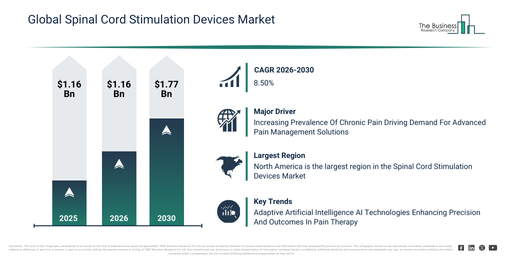
  • Spinal Cord Stimulation Devices Market Growth Expected to Reach $4.46 Billion by 2030 with 8.5% CAGR

    Spinal Cord Stimulation Devices Market Growth Expected to Reach $4.46 Billion by 2030 with 8.5% CAGR

    The Business Research Company’s 2026 market reports include new capabilities such as market attractiveness scoring and analysis, total addressable market analysis, company scoring matrix, interactive excel data dashboard, improved supply chain analysis, upcoming startups in the market, and overview of key products, aimed at improving the depth, usability, and strategic value of the insights delivered.

    What Market Size Increase Is Anticipated For The Spinal Cord Stimulation Devices Market Over The 2026–2030 Period?

    The spinal cord stimulation devices market has shown significant expansion in recent years. This market is expected to increase from $2.97 billion in 2025 to $3.23 billion in 2026, achieving a compound annual growth rate (CAGR) of 8.7%. During the past period, this growth was primarily driven by a rise in chronic pain cases, the widespread occurrence of failed back surgery syndrome, the need for opioid alternatives, the expansion of neurology procedures, and the growing acceptance of implantable devices.

    The spinal cord stimulation devices market is projected to experience substantial expansion over the upcoming years. It is anticipated to reach $4.47 billion in 2030, demonstrating a compound annual growth rate (CAGR) of 8.5%. This projected growth stems from several factors, including the emergence of AI-powered stimulation algorithms, an increase in wearable stimulator usage, the proliferation of pain management clinics, wider embrace of long-term pain therapies, and remote monitoring capabilities for devices. Key developments expected during this period involve tailored pain management solutions, rechargeable neurostimulation devices, less invasive neuromodulation techniques, wireless programming systems, and multi-lead stimulation technology.

    Download the Free Sample Report to Explore Key Market Insights:

    https://www.thebusinessresearchcompany.com/sample.aspx?id=20964&type=smp

    Which Economic Or Industry Drivers Are Impacting The Spinal Cord Stimulation Devices Market?

    The escalating incidence of chronic pain is projected to fuel the expansion of the spinal cord stimulation devices market in the future. Chronic pain is characterized by persistent discomfort lasting 12 weeks or more, often stemming from conditions such as arthritis, neuropathy, or low back pain. The increase in these cases can be attributed to factors like an aging population, lifestyle changes, chronic health conditions, and injury or trauma. Spinal cord stimulation (SCS) devices work by altering pain signals with electrical impulses, providing relief for these enduring conditions. For instance, in November 2024, the Centers for Disease Control and Prevention, a US-based government agency, reported that in 2023, 24.3% of adults experienced chronic pain, with 8.5% enduring high-impact chronic pain, which constituted 34.9% of those with chronic pain. Therefore, the rising prevalence of chronic pain cases is directly driving the growth of the spinal cord stimulation devices market.

    How Is The Spinal Cord Stimulation Devices Market Segmented Across Key Categories?

    The spinal cord stimulation devices market covered in this report is segmented –

    1) By Device Configuration: Implantable Spinal Cord Stimulators, Non-Implantable Spinal Cord Stimulators

    2) By Product Type: Rechargeable Devices, Non-Rechargeable Devices

    3) By Application: Failed Back Surgery Syndrome, Complex Regional Pain Syndrome, Degenerative Disc Disease, Unsuccessful Disk Surgery, Other Applications

    4) By End User: Hospitals, Ambulatory Surgical Centers, Neuro Clinics

    Subsegments:

    1) By Implantable Spinal Cord Stimulators: Rechargeable Spinal Cord Stimulators, Non-Rechargeable Spinal Cord Stimulators, Multi-Lead Implantable Spinal Cord Stimulators

    2) By Non-Implantable Spinal Cord Stimulators: External Spinal Cord Stimulators, Wearable Spinal Cord Stimulators, Transcutaneous Spinal Cord Stimulators

    Which Upcoming Trends Are Expected To Influence The Spinal Cord Stimulation Devices Market?

    Leading companies in the spinal cord stimulation devices market are increasingly focusing on advanced technologies, such as AI-driven personalization, to enhance therapy responsiveness, enable adaptive pain control, and provide more precise, patient-specific treatment for individuals with chronic pain. AI-powered spinal cord stimulation (SCS) systems utilize machine-learning models trained on data generated by both devices and patients to adjust stimulation parameters in near real time, with the goal of maintaining optimal pain relief while simultaneously reducing the burden of clinician programming. For example, on September 24, 2024, Nevro Corp., a US-based medical device company, launched HFX iQ with HFX AdaptivAI, an AI-enabled SCS platform that leverages millions of data points and adaptive algorithms to personalize 10 kHz therapy and facilitate remote clinician monitoring. This platform is engineered to automatically adjust stimulation parameters based on patient-specific responses, thereby improving pain relief outcomes and decreasing the need for frequent in-person programming sessions. By integrating real-time insights and remote management capabilities, HFX iQ aims to boost treatment precision, streamline clinician workflows, and offer a more consistent and effective therapy experience for patients dealing with chronic pain.

    Who Are The Dominant Players Shaping The Spinal Cord Stimulation Devices Market Landscape?

    Major companies operating in the spinal cord stimulation devices market are Abbott Laboratories, Medtronic plc, Boston Scientific Corporation, Nevro Corp., Bluewind Medical, NeuroPace Inc., Vertos Medical Inc., SPR Therapeutics Inc., Saluda Medical Pty Ltd., Stimwave Technologies Inc., Nuvectra Inc., Soterix Medical Inc., Synapse Biomedical, ONWARD Medical NV, NeuroSigma Inc., Nalu Medical Inc., Neurostim Technologies, SpineX Inc., Aleva Neurotherapeutics SA, GTX Medical BV

    Read the full spinal cord stimulation devices market report here:

    https://www.thebusinessresearchcompany.com/report/spinal-cord-stimulation-devices-global-market-report

    What Are The Top-Performing Regions Within The Spinal Cord Stimulation Devices Market?

    North America was the largest region in the spinal cord stimulation devices market in 2025. Asia-Pacific is expected to be the fastest-growing region in the forecast period. The regions covered in the spinal cord stimulation devices market report are Asia-Pacific, South East Asia, Western Europe, Eastern Europe, North America, South America, Middle East, Africa.

    Request A Tailored Spinal Cord Stimulation Devices Market Research Report For Competitive Advantage:

    https://www.thebusinessresearchcompany.com/customise?id=20964&type=smp

    Browse Through More Reports Similar to the Global Spinal Cord Stimulation Devices Market 2026, By The Business Research Company

    Electrical Stimulation Devices Market Report 2026

    https://www.thebusinessresearchcompany.com/report/electrical-stimulation-devices-global-market-report

    Sacral Nerve Stimulation Devices Market Report 2026

    https://www.thebusinessresearchcompany.com/report/sacral-nerve-stimulation-devices-global-market-report

    Spinal Surgery Devices And Equipment Market Report 2026

    https://www.thebusinessresearchcompany.com/report/spinal-surgery-devices-and-equipment-global-market-report

    Get in touch with us:

    The Business Research Company: https://www.thebusinessresearchcompany.com/

    Americas +1 310-496-7795

    Asia +44 7882 955267 & +91 8897263534

    Europe +44 7882 955267

    Email us at info@tbrc.info

    Follow us on:

    LinkedIn: https://in.linkedin.com/company/the-business-research-company

    YouTube: https://www.youtube.com/channel/UC24_fI0rV8cR5DxlCpgmyFQ

    Global Market Model: https://www.thebusinessresearchcompany.com/global-market-model