Month: March 2026

  • Kidney Stone Retrieval Devices Market Insights Highlighting Opportunities and Drivers Supporting Growth to 2030

    Kidney Stone Retrieval Devices Market Insights Highlighting Opportunities and Drivers Supporting Growth to 2030

    The Business Research Company’s 2026 market reports include new capabilities such as market attractiveness scoring and analysis, total addressable market analysis, company scoring matrix, interactive excel data dashboard, improved supply chain analysis, upcoming startups in the market, and overview of key products, aimed at improving the depth, usability, and strategic value of the insights delivered.

    What Is The Market Size Of The Kidney Stone Retrieval Devices Market In 2026 And What Value Is Projected For 2030?

    The market for kidney stone retrieval devices has experienced robust growth recently. This market is projected to expand from $2.96 billion in 2025 to $3.14 billion in 2026, demonstrating a compound annual growth rate (CAGR) of 5.9%. Historically, this expansion has been driven by factors such as an escalating incidence of kidney stone disease, enhanced access to endourology procedures, the broadening of urology departments within hospitals, the uptake of shock wave lithotripsy, and the proliferation of specialty clinics.

    The kidney stone retrieval devices market is anticipated to experience substantial expansion in the coming years, reaching $4.03 billion in 2030 at a compound annual growth rate (CAGR) of 6.5%. This growth during the forecast period is propelled by factors such as the increasing occurrence of lifestyle-related conditions, a growing need for outpatient stone removal, the proliferation of ambulatory surgery centers, improvements in urology technology, and a heightened emphasis on shortening procedure and recovery times. Key developments expected in the forecast timeframe encompass the wider adoption of minimally invasive stone retrieval methods, increased utilization of flexible and single-use retrieval instruments, greater incorporation of sophisticated imaging and navigation technologies, the expansion of laser-assisted stone management, and an elevated commitment to patient comfort and operational effectiveness.

    Download the Free Sample Report to Explore Key Market Insights:

    https://www.thebusinessresearchcompany.com/sample.aspx?id=12444&type=smp

    Which Growth Drivers Are Contributing To The Progress Of The Kidney Stone Retrieval Devices Market?

    An increasing number of older people is anticipated to boost the kidney stone retrieval device market’s expansion in the future. This demographic shift signifies a greater or rising count of senior citizens within a given population or community. Kidney stone retrieval devices provide various advantages for seniors, including efficient and less invasive treatment solutions for kidney stones, shorter recovery periods, and the ability to tackle health issues particular to aging. As an illustration, the United States Census Bureau, a US-based government agency, reported in June 2025 that the senior population in the U.S. expanded by 3.1% from 2023 to 2024, totaling 61.2 million individuals who are 65 and over. Consequently, the rising demographic of aging individuals is fueling the growth of the kidney stone retrieval device market.

    What Are The Key Segments Of The Kidney Stone Retrieval Devices Market?

    The kidney stone retrieval devices market covered in this report is segmented –

    1) By Product: Lithotripters, Stone Removal Baskets, Ureterorenoscopes, Ureteral Stents, Other Products

    2) By Technology: Extracorporeal Shock Wave Lithotripsy (ESWL) Devices, Percutaneous Nephrolithotripsy Devices, Intracorporeal Ureteroscopy Devices

    3) By End-User: Hospitals And Clinics, Ambulatory Surgery Centers, Specialty Clinics

    Subsegments:

    1) By Lithotripters: Extracorporeal Shock Wave Lithotripters (ESWL), Laser Lithotripters

    2) By Stone Removal Baskets: Flexible Stone Removal Baskets, Rigid Stone Removal Baskets, Retrieval Baskets With Additional Features

    3) By Ureterorenoscopes: Semi-Rigid Ureterorenoscopes, Flexible Ureterorenoscopes

    4) By Ureteral Stents: Double-J Stents, Single-Pigtail Stents, Specialized Stents

    5) By Other Products: Nephroscopes, Access Sheaths, Guidewires And Dilators

    What Key Trends Are Influencing The Development Of The Kidney Stone Retrieval Devices Market?

    Major companies operating in the kidney stone retrieval device market are developing robotic-assisted systems to increase their profitability within the market. A robotic-assisted system for kidney stone retrieval involves using robotic technology to assist and enhance the process of removing kidney stones from a patient’s urinary system. For instance, in February 2023, Ethicon Inc., a US-based MedTech company and a subsidiary of Johnson & Johnson, developed the MONARCH platform. The MONARCH platform, recognized as the first flexible robotic system cleared for both bronchoscopy and urology procedures, provides precise kidney access for urologists. Introduced at UCI Health, it aims to improve outcomes by means of a clinical study showcasing enhanced navigation and control in mini-PCNL procedures. This product has FDA clearance and offers potential benefits including achieving stone-free patients in a single procedure, while the platform also minimizes radiation exposure by 80%, presenting a safer and more efficient approach to kidney stone removal.

    Who Are The Leading Companies Operating In The Kidney Stone Retrieval Devices Market?

    Major companies operating in the kidney stone retrieval devices market are Siemens Healthineers AG, Becton Dickinson and Company, Stryker Corporation, Quanta System, Boston Scientific Corporation, Olympus Corporation, C.R. Bard Inc., Coloplast Corp., Cook Medical LLC, Lumenis, Richard Wolf GmbH, Pentax Medical, Dornier MedTech GmbH, EDAP TMS, Shenzhen Huikang Medical Apparatus Co. Ltd., Storz Medical AG, Allengers Medical Systems Limited, DirexGroup, Medispec Ltd., Convergent Laser Technologies, TaeWoong Medical Co. Ltd., NOVAmedtek, Pro-Med (Pro-Med Instruments), Walz Elektronik GmbH, Elmed Medical Systems Inc, Inceler Medikal, Karl Storz SE & Co. KG

    Read the full kidney stone retrieval devices market report here:

    https://www.thebusinessresearchcompany.com/report/kidney-stone-retrieval-devices-global-market-report

    What Are The Leading Geographic Regions In The Kidney Stone Retrieval Devices Market?

    North America was the largest region in the kidney stone retrieval devices market in 2025. Asia-Pacific is expected to be the fastest-growing region in the forecast period. The regions covered in the kidney stone retrieval devices market report are Asia-Pacific, South East Asia, Western Europe, Eastern Europe, North America, South America, Middle East, Africa.

    Request A Tailored Kidney Stone Retrieval Devices Market Research Report For Competitive Advantage:

    https://www.thebusinessresearchcompany.com/customise?id=12444&type=smp

    Browse Through More Reports Similar to the Global Kidney Stone Retrieval Devices Market 2026, By The Business Research Company

    Urinary Stone Treatment Devices And Equipment Market Report 2026

    https://www.thebusinessresearchcompany.com/report/urinary-stone-treatment-devices-and-equipment-global-market-report

    Nephrology And Urology Devices Market Report 2026

    https://www.thebusinessresearchcompany.com/report/nephrology-and-urology-devices-global-market-report

    Urology Surgical Instruments Market Report 2026

    https://www.thebusinessresearchcompany.com/report/urology-surgical-instruments-global-market-report

    Get in touch with us:

    The Business Research Company: https://www.thebusinessresearchcompany.com/

    Americas +1 310-496-7795

    Asia +44 7882 955267 & +91 8897263534

    Europe +44 7882 955267

    Email us at info@tbrc.info

    Follow us on:

    LinkedIn: https://in.linkedin.com/company/the-business-research-company

    YouTube: https://www.youtube.com/channel/UC24_fI0rV8cR5DxlCpgmyFQ

    Global Market Model: https://www.thebusinessresearchcompany.com/global-market-model
  • Global Joint Reconstruction Devices And Equipment Market Expected to Reach $36.01 Billion by 2030 with 6% CAGR

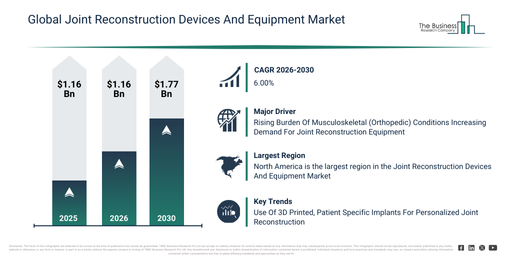
    Global Joint Reconstruction Devices And Equipment Market Expected to Reach $36.01 Billion by 2030 with 6% CAGR

    The Business Research Company’s 2026 market reports include new capabilities such as market attractiveness scoring and analysis, total addressable market analysis, company scoring matrix, interactive excel data dashboard, improved supply chain analysis, upcoming startups in the market, and overview of key products, aimed at improving the depth, usability, and strategic value of the insights delivered.

    What Will Be The Estimated Market Valuation Of The Joint Reconstruction Devices And Equipment Market By The End Of 2030?

    The joint reconstruction devices and equipment market has demonstrated robust growth in recent years. This market is projected to expand from $26.98 billion in 2025 to $28.49 billion in 2026, at a compound annual growth rate (CAGR) of 5.6%. The historical growth can be attributed to an increasing incidence of osteoarthritis, the expansion of orthopedic surgical procedures, continuous improvements in implant materials, the growth of the aging population, and the wider availability of joint reconstruction surgeries.

    The joint reconstruction devices and equipment market is projected to experience robust expansion over the coming years. By 2030, this market is anticipated to reach a valuation of $36.02 billion, exhibiting a compound annual growth rate (CAGR) of 6.0%. This anticipated growth during the forecast period is attributable to several factors, including the escalating demand for motion-preserving implants, the increasing integration of robotic-assisted surgical techniques, the expansion of outpatient orthopedic interventions, continuous advancements in biomaterials, and rising investments within the orthopedic healthcare infrastructure. Key trends expected within this period encompass the growing uptake of sophisticated joint replacement implants, a heightened demand for minimally invasive joint reconstruction methods, the increasing utilization of personalized and patient-specific implants, the wider implementation of robotic-assisted orthopedic surgeries, and a reinforced emphasis on the durability and biocompatibility of implants.

    Download the Free Sample Report to Explore Key Market Insights:

    https://www.thebusinessresearchcompany.com/sample.aspx?id=2436&type=smp

    What Primary Drivers Are Shaping The Development Of The Joint Reconstruction Devices And Equipment Market?

    The increasing incidence of orthopedic conditions is projected to boost the expansion of the breakfast cereal market in the future. Orthopedic conditions, also known as musculoskeletal conditions, encompass various medical issues affecting the musculoskeletal system. The rising occurrence of orthopedic conditions plays a crucial role in the expansion of joint reconstruction devices and equipment, which are designed to treat diverse orthopedic ailments, thereby alleviating pain, enhancing mobility, and restoring joint function. For example, in January 2024, the Office for Health Improvement & Disparities, a UK-based government agency, reported that in 2023, 18.4% of individuals aged 16 and above confirmed experiencing a long-term musculoskeletal (MSK) condition, marking an increase from 17.6% in 2022. Consequently, the increasing prevalence of orthopedic conditions is propelling the growth of the joint reconstruction devices and equipment market.

    Which Segment Classifications Shape The Joint Reconstruction Devices And Equipment Market?

    The joint reconstruction devices and equipment market covered in this report is segmented –

    1) By Product Type: Knee Reconstruction Devices, Hip Reconstruction Devices, Extremity Reconstruction Devices

    2) By Application: Arthrodesis, Joint Replacement Surgery, Osteotomy, Resurfacing Surgery, Small Joint Surgery

    3) By End User: Hospitals, Orthopedic Clinics, Ambulatory Surgical Centers

    Subsegments:

    1) By Knee Reconstruction Devices: Total Knee Replacement (TKR) Implants, Partial Knee Replacement Implants, Knee Revision Implants

    2) By Hip Reconstruction Devices: Total Hip Replacement (THR) Implants, Hip Resurfacing Implants, Hip Revision Implants

    3) By Extremity Reconstruction Devices: Shoulder Reconstruction Devices, Ankle Reconstruction Devices, Elbow Reconstruction Devices, Wrist And Hand Reconstruction Devices

    How Are Trends Impacting The Joint Reconstruction Devices And Equipment Market?

    Leading companies within the joint reconstruction market are increasingly dedicated to developing individualized patient solutions, such as 3D printed implants. These advancements are intended to heighten surgical precision, optimize the stability of implants, and conserve bone tissue, especially in complex medical situations. By utilizing patient imaging and simulation data, 3D printed implants are customized to perfectly match each individual’s distinct anatomy, which contributes to more reliable clinical outcomes. For instance, in March 2023, Exactech, a US-based medical device company, announced a partnership with Materialise to integrate Glenius 3D printed shoulder implants into its product range. These implants are precisely tailored for each patient’s unique anatomy using 3D imaging and planning, thereby enhancing fixation and maximizing bone preservation in difficult glenoid defect cases. This collaboration grants surgeons in Europe and Australia access to highly personalized implants, with the goal of achieving more predictable clinical results for patients experiencing severe shoulder defects.

    Which Companies Are Expanding Their Footprint In The Joint Reconstruction Devices And Equipment Market?

    Major companies operating in the joint reconstruction devices and equipment market are Stryker Corporation, Zimmer Biomet, Johnson & Johnson, Smith & Nephew, Globus Medical, DJO Global Inc., Aesculap Implant Systems LLC, CONMED Corporation, Össur, Allegra Orthopedics, DePuy Synthes, Tornier Inc., Corin Group Plc., Exactech Inc., United Orthopedic Corporation, AAP Implantate AG, Waldemar Link GmbH & Co. KG, Amplitude SAS, Sanatmetal Ltd, Medin a.s.

    Read the full joint reconstruction devices and equipment market report here:

    https://www.thebusinessresearchcompany.com/report/joint-reconstruction-devices-and-equipment-global-market-report

    How Does The Joint Reconstruction Devices And Equipment Market Perform Across Major Global Regions?

    North America was the largest region in the global joint reconstruction devices and equipment market in 2025. Asia-Pacific is expected to be the fastest-growing region in the forecast period. The regions covered in the joint reconstruction devices and equipment market report are Asia-Pacific, South East Asia, Western Europe, Eastern Europe, North America, South America, Middle East, Africa.

    Request A Tailored Joint Reconstruction Devices And Equipment Market Research Report For Competitive Advantage:

    https://www.thebusinessresearchcompany.com/customise?id=2436&type=smp

    Browse Through More Reports Similar to the Global Joint Reconstruction Devices And Equipment Market 2026, By The Business Research Company

    Electronic And Precision Equipment Repair And Maintenance Market Report 2026

    https://www.thebusinessresearchcompany.com/report/electronic-and-precision-equipment-repair-and-maintenance-global-market-report

    Orthopedic Imaging Equipment Market Report 2026

    https://www.thebusinessresearchcompany.com/report/orthopedic-imaging-equipment-global-market-report

    Search And Rescue Sar Equipment Market Report 2026

    https://www.thebusinessresearchcompany.com/report/search-and-rescue-sar-equipment-global-market-report

    Get in touch with us:

    The Business Research Company: https://www.thebusinessresearchcompany.com/

    Americas +1 310-496-7795

    Asia +44 7882 955267 & +91 8897263534

    Europe +44 7882 955267

    Email us at info@tbrc.info

    Follow us on:

    LinkedIn: https://in.linkedin.com/company/the-business-research-company

    YouTube: https://www.youtube.com/channel/UC24_fI0rV8cR5DxlCpgmyFQ

    Global Market Model: https://www.thebusinessresearchcompany.com/global-market-model

  • Joint Pain Injections Market Future Outlook Showing Expansion Toward $10.95 Billion by 2030

    Joint Pain Injections Market Future Outlook Showing Expansion Toward $10.95 Billion by 2030

    The Business Research Company’s 2026 market reports include new capabilities such as market attractiveness scoring and analysis, total addressable market analysis, company scoring matrix, interactive excel data dashboard, improved supply chain analysis, upcoming startups in the market, and overview of key products, aimed at improving the depth, usability, and strategic value of the insights delivered.

    What Market Size Growth Is Projected For The Joint Pain Injections Market During The Forecast Period 2026–2030?

    The joint pain injections market size has experienced swift expansion in recent years. It is projected to grow from $6.12 billion in 2025 to $6.89 billion in 2026, achieving a compound annual growth rate (CAGR) of 12.5%. The historical growth of this market can be attributed to the escalating prevalence of arthritis and joint disorders, the aging global population, a rising demand for minimally invasive pain treatments, increasing awareness of regenerative therapies, and the expansion of orthopedic specialty care.

    The joint pain injections market size is anticipated to undergo significant expansion in the coming years, with projections indicating it will attain a value of $10.96 billion by 2030, exhibiting a compound annual growth rate (CAGR) of 12.3%. This growth during the forecast period is propelled by factors such as the increasing integration of biologic pain therapies, a rising emphasis on personalized medicine, the enlargement of sports injury management, heightened investments in regenerative medicine, and a growing inclination towards non-opioid pain management techniques. Noteworthy trends for this period encompass a rise in the adoption of non-surgical pain management interventions, increased application of hyaluronic acid and PRP injections, a burgeoning demand for tailored pain treatment strategies, the expansion of regenerative medicine-based injectable solutions, and an enhanced focus on outpatient pain relief methods.

    Download the Free Sample Report to Explore Key Market Insights:

    https://www.thebusinessresearchcompany.com/sample.aspx?id=6482&type=smp

    Which Major Factors Are Driving The Expansion Of The Joint Pain Injections Market?

    The increasing occurrence of arthritis and musculoskeletal disorders is set to boost the expansion of the joint pain injections market. Globally, musculoskeletal disorders represent the leading cause of disability, with low back pain alone being the most frequent source of impairment across 160 nations. Individuals often receive injections to manage pain and alleviate inflammatory conditions. Illustratively, in August 2023, the Institute for Health Metrics and Evaluation (IHME), a U.S.-based independent health research organization, indicated that close to 1 billion individuals are anticipated to suffer from osteoarthritis by 2050. Consequently, the growing prevalence of arthritis and musculoskeletal disorder acts as a key driver for the joint pain injections market.

    What Market Segments Are Evaluated Within The Joint Pain Injections Market?

    The joint pain injections market covered in this report is segmented –

    1) By Type Of Injection: Steroid Joint Injection, Hyaluronic Acid Injections

    2) By Joint Type: Hip Joint, Knee And Ankle, Shoulder And Elbow, Facet Joints Of The Spine, Other Joint Types

    3) By Distribution channel: Hospital Pharmacies, Retail Pharmacies

    Subsegments:

    1) By Steroid Joint Injection: Corticosteroid Injections, Combination Steroid Injections

    2) By Hyaluronic Acid Injections: Single-Dose Hyaluronic Acid Injections, Multi-Dose Hyaluronic Acid Injections

    What Industry Trends Are Redefining The Joint Pain Injections Market?

    Major companies in the joint pain injections market are concentrating on developing innovations, such as single-injection formulations, which prioritize patient convenience. A single-injection formulation is defined as a drug delivery system designed to administer a precise medication dose in one injection, delivering sustained therapeutic effects over an extended period without requiring multiple doses. For instance, in July 2024, LG Chem Ltd., a chemicals company based in South Korea, launched Synovian, a new treatment for knee osteoarthritis in China that features a convenient single-injection formulation, making it the first of its kind in the country. This product aims to penetrate a significant market estimated at around KRW 200 billion (approximately USD 150 million). Developed using its proprietary technology, it demonstrates innovation in meeting patient needs. The emphasis is on delivering effective relief with minimal administration effort.

    Who Are The Top Market Participants Influencing The Joint Pain Injections Market?

    Major companies operating in the joint pain injections market are Seikagaku Corporation, Anika Therapeutics Inc., Bioventus Inc., Flexion Therapeutics Inc., Ferring Pharmaceuticals Inc., Sanofi S.A., AbbVie Inc., Pfizer Inc., Teva Pharmaceutical Industries Limited, Merck & Co. Inc., Johnson & Johnson, Sun Pharmaceutical Industries Ltd., Zydus Lifesciences Limited, Wockhardt Ltd., Mallinckrodt Pharmaceuticals Ltd., Mylan N.V., Bayer AG, Eli Lilly and Company, Ipsen SA, Takeda Pharmaceutical Company Limited, AstraZeneca plc

    Read the full joint pain injections market report here:

    https://www.thebusinessresearchcompany.com/report/joint-pain-injections-global-market-report

    Which Region Currently Holds The Largest Share Of The Joint Pain Injections Market?

    North America was the largest region in the joint pain injections market in 2025. The regions covered in the joint pain injections market report are Asia-Pacific, South East Asia, Western Europe, Eastern Europe, North America, South America, Middle East, Africa.

    Request A Tailored Joint Pain Injections Market Research Report For Competitive Advantage:

    https://www.thebusinessresearchcompany.com/customise?id=6482&type=smp

    Browse Through More Reports Similar to the Global Joint Pain Injections Market 2026, By The Business Research Company

    Pain Management Drugs Market Report 2026

    https://www.thebusinessresearchcompany.com/report/pain-management-drugs-global-market-report

    Bone And Joint Health Supplements Market Report 2026

    https://www.thebusinessresearchcompany.com/report/bone-and-joint-health-supplements-global-market-report

    Non Opioid Pain Patch Market Report 2026

    https://www.thebusinessresearchcompany.com/report/non-opioid-pain-patch-global-market-report

    Get in touch with us:

    The Business Research Company: https://www.thebusinessresearchcompany.com/

    Americas +1 310-496-7795

    Asia +44 7882 955267 & +91 8897263534

    Europe +44 7882 955267

    Email us at info@tbrc.info

    Follow us on:

    LinkedIn: https://in.linkedin.com/company/the-business-research-company

    YouTube: https://www.youtube.com/channel/UC24_fI0rV8cR5DxlCpgmyFQ

    Global Market Model: https://www.thebusinessresearchcompany.com/global-market-model

  • Ischemic Stroke Aspiration Systems Market Revenue Growth Expected to Reach $1.36 Billion by 2030 with 10% CAGR

    Ischemic Stroke Aspiration Systems Market Revenue Growth Expected to Reach $1.36 Billion by 2030 with 10% CAGR

    The Business Research Company’s 2026 market reports include new capabilities such as market attractiveness scoring and analysis, total addressable market analysis, company scoring matrix, interactive excel data dashboard, improved supply chain analysis, upcoming startups in the market, and overview of key products, aimed at improving the depth, usability, and strategic value of the insights delivered.

    How Will The Market Size Of The Ischemic Stroke Aspiration Systems Market Evolve From 2026 To 2030?

    The size of the ischemic stroke aspiration systems market has demonstrated robust growth in recent years. It is projected to increase from $0.85 billion in 2025 to $0.93 billion in 2026, at a compound annual growth rate (CAGR) of 9.4%. Historically, this growth has been driven by factors such as the limited availability of advanced aspiration devices, a reliance on manual aspiration techniques, a rising incidence of ischemic stroke, the expansion of hospital stroke intervention programs, and the standardization of endovascular procedures.

    The ischemic stroke aspiration systems market is set to experience substantial expansion in the coming years. It is projected to achieve a valuation of $1.36 billion by 2030, exhibiting a compound annual growth rate (CAGR) of 10.0%. This anticipated growth during the forecast period can be attributed to several factors, including the advancement of large-bore and dual-lumen aspiration catheters, the adoption of electric and high-flow vacuum pumps, an increased reliance on minimally invasive stroke intervention techniques, a rise in awareness and early diagnosis of acute ischemic stroke, and the integration with smart surgical and imaging technologies. Furthermore, significant trends expected over this period involve the increasing uptake of the direct aspiration first pass technique (ADAPT), a growing deployment of large-bore aspiration catheters, the incorporation of portable and battery-operated aspiration pumps, a heightened focus on safety and anti-reflux canister systems, and an expansion in rescue therapy and thrombectomy-assisted aspiration procedures.

    Download the Free Sample Report to Explore Key Market Insights:

    https://www.thebusinessresearchcompany.com/sample.aspx?id=27321&type=smp

    What Key Drivers Are Influencing The Growth Of The Ischemic Stroke Aspiration Systems Market?

    The increasing incidence of stroke risk is projected to fuel the expansion of the ischemic stroke aspiration systems market in the foreseeable future. Stroke risk denotes the chance or probability that an individual will suffer a stroke, determined by existing medical conditions, lifestyle choices, and inherited susceptibilities. The growing occurrence of stroke risk stems from an aging demographic, whose propensity for stroke naturally rises with age owing to physiological shifts and an increased likelihood of developing ailments like hypertension, atrial fibrillation, and atherosclerosis. Ischemic stroke aspiration systems aid in mitigating stroke-associated risks by facilitating the quick and efficient extraction of blood clots, consequently lessening brain damage and enhancing patient outcomes for those at high risk of stroke. As an illustration, data from October 2024 by the Centers for Disease Control and Prevention (CDC), a US-based government organisation, reveals that one person dies every 34 seconds from cardiovascular disease in the United States; in 2023, this accounted for 919,032 deaths (roughly one in every three deaths); furthermore, approximately 805,000 people in the U.S. experience a heart attack annually, with 605,000 being first-time occurrences and 200,000 happening to individuals who have previously had one. Consequently, the increasing prevalence of stroke risk is propelling the expansion of the ischemic stroke aspiration systems market.

    Which Segment Areas Are Covered In The Ischemic Stroke Aspiration Systems Market Analysis?

    The ischemic stroke aspiration systems market covered in this report is segmented –

    1) By Product Type: Aspiration Catheters, Aspiration Pumps, Tubing And Canisters, Accessories

    2) By Application: Acute Ischemic Stroke Intervention, Large Vessel Occlusion (LVO) Treatment, Thrombectomy Assisted Aspiration, Rescue Therapy After Failed Stent Retriever Use, Direct Aspiration First Pass Technique (ADAPT)

    3) By End User: Hospitals, Ambulatory Surgical Centers, Specialty Clinics, Other End Users

    Subsegments:

    1) By Aspiration Catheters: Mechanical Aspiration Catheters, Large-Bore Aspiration Catheters, Distal Access Catheters, Guide Catheters, Dual-Lumen Aspiration Catheters

    2) By Aspiration Pumps: Manual Aspiration Pumps, Electric Aspiration Pumps, Portable Aspiration Units, Battery-Operated Pumps, High-Flow Vacuum Pumps

    3) By Tubing And Canisters: Disposable Tubing Sets, Reusable Tubing Systems, Fluid Collection Canisters, Overflow Protection Canisters, Anti-Reflux Canister Systems

    4) By Accessories: Catheter Introducers, Aspiration Syringes, Guidewires, Connectors And Valves, Cleaning Brushes

    What Key Developments And Trends Are Impacting The Ischemic Stroke Aspiration Systems Market?

    Major companies operating in the ischemic stroke aspiration systems market are focusing on developing advanced solutions, such as initial mechanical thrombectomy techniques, to enhance procedural efficiency, improve patient outcomes, and accelerate the speed of clot retrieval in acute ischemic stroke treatment. Initial mechanical thrombectomy techniques refer to the primary or first method used to remove a blood clot from a blocked artery in the brain during an acute ischemic stroke. For instance, in July 2025, Microvention, Inc., a US-based provider of catheter-based technologies, launched the SOFIA aspiration system as a first-line technique in treating acute ischemic stroke, aiming to set the standard for over 10 years with renowned trackability, speed, and proven clinical performance. The SOFIA Aspiration System offers several unique features that enhance its clinical performance. It combines exceptional trackability and flexibility with a large inner lumen, allowing for efficient navigation through tortuous cerebral vessels and effective clot aspiration. The system’s soft distal tip reduces the risk of vessel trauma, while its optimized catheter design supports rapid recanalization with minimal device exchanges. These attributes make SOFIA particularly suitable for aspiration-first approaches, enabling faster and safer clot removal in time-critical stroke interventions.

    Which Global Companies Are Actively Competing In The Ischemic Stroke Aspiration Systems Market?

    Major companies operating in the ischemic stroke aspiration systems market are Johnson & Johnson, Medtronic Plc, Stryker Corporation, Terumo Corporation, MicroPort Scientific Corporation, MicroVention Inc., Penumbra Inc., Imperative Care Inc., Balt Extrusion S.A.S., Acandis GmbH, Rapid Medical Ltd., Zylox-Tonbridge Medical Technology Co. Ltd., S3V Vascular Technologies Limited, Vesalio LLC, Wallaby Medical Inc., Kaneka Medix Corporation, Insera Therapeutics Inc., Boston Scientific Corporation, Abbott Laboratories, Cook Medical, Asahi Intecc Co Ltd, Nipro Corporation, Phenox GmbH, Merit Medical Systems Inc., Cardinal Health Inc., Teleflex Incorporated, Integer Holdings Corporation

    Read the full ischemic stroke aspiration systems market report here:

    https://www.thebusinessresearchcompany.com/report/ischemic-stroke-aspiration-systems-global-market-report

    Which Region Is Expected To Register The Fastest Growth In The Ischemic Stroke Aspiration Systems Market?

    North America was the largest region in the ischemic stroke aspiration systems market in 2025. Asia-Pacific is expected to be the fastest-growing region in the forecast period. The regions covered in the ischemic stroke aspiration systems market report are Asia-Pacific, South East Asia, Western Europe, Eastern Europe, North America, South America, Middle East, Africa.

    Request A Tailored Ischemic Stroke Aspiration Systems Market Research Report For Competitive Advantage:

    https://www.thebusinessresearchcompany.com/customise?id=27321&type=smp

    Browse Through More Reports Similar to the Global Ischemic Stroke Aspiration Systems Market 2026, By The Business Research Company

    Hard Surface Flooring Market Report 2026

    https://www.thebusinessresearchcompany.com/report/hard-surface-flooring-global-market-report

    Commercial Flooring Market Report 2026

    https://www.thebusinessresearchcompany.com/report/commercial-flooring-global-market-report

    Industrial Flooring Market Report 2026

    https://www.thebusinessresearchcompany.com/report/industrial-flooring-global-market-report

    Get in touch with us:

    The Business Research Company: https://www.thebusinessresearchcompany.com/

    Americas +1 310-496-7795

    Asia +44 7882 955267 & +91 8897263534

    Europe +44 7882 955267

    Email us at info@tbrc.info

    Follow us on:

    LinkedIn: https://in.linkedin.com/company/the-business-research-company

    YouTube: https://www.youtube.com/channel/UC24_fI0rV8cR5DxlCpgmyFQ

    Global Market Model: https://www.thebusinessresearchcompany.com/global-market-model
  • Irradiation Apparatus Market Expected to Record Steady Growth and Approach $7.83 Billion by 2030

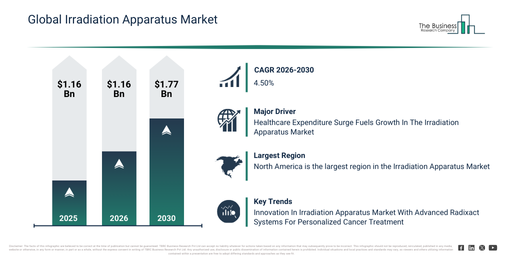
    Irradiation Apparatus Market Expected to Record Steady Growth and Approach $7.83 Billion by 2030

    The Business Research Company’s 2026 market reports include new capabilities such as market attractiveness scoring and analysis, total addressable market analysis, company scoring matrix, interactive excel data dashboard, improved supply chain analysis, upcoming startups in the market, and overview of key products, aimed at improving the depth, usability, and strategic value of the insights delivered.

    What Is The Forecasted Market Value Of The Irradiation Apparatus Market Across 2026–2030?

    The irradiation apparatus market size has demonstrated consistent growth in recent years. It is anticipated to increase from $6.3 billion in 2025 to $6.58 billion in 2026, showing a compound annual growth rate (CAGR) of 4.5%. The expansion witnessed in the past can be ascribed to the broadening of diagnostic imaging infrastructure, the escalating application of radiation in cancer treatment, growing requirements for medical equipment sterilization, the implementation of irradiation in food preservation, and the enlargement of research laboratories.

    The irradiation apparatus market is anticipated to exhibit consistent growth in the coming years, reaching $7.83 billion in 2030 at a compound annual growth rate (CAGR) of 4.5%. This projected expansion is driven by the escalating demand for advanced cancer treatments, augmented investments in medical imaging technologies, the broadening scope of industrial irradiation applications, a heightened emphasis on radiation safety systems, and technological advancements in beam control and monitoring. Significant trends emerging during this forecast period encompass the wider implementation of sophisticated radiation therapy systems, a growing uptake of sterilization and medical irradiation equipment, the expanding application of industrial irradiation technologies, the proliferation of portable and compact irradiation devices, and a heightened focus on precise radiation control.

    Download the Free Sample Report to Explore Key Market Insights:

    https://www.thebusinessresearchcompany.com/sample.aspx?id=13869&type=smp

    What Major Growth Drivers Are Shaping The Outlook Of The Irradiation Apparatus Market?

    Increased spending on healthcare is anticipated to stimulate the expansion of the irradiation apparatus market in the future. Healthcare expenditure denotes the aggregate financial outlay on health-related goods and services over a defined timeframe, including expenses for medical treatment, pharmaceuticals, hospital stays, preventative initiatives, and the development of healthcare infrastructure. Elevated healthcare spending plays a crucial role for irradiation apparatus, largely due to radiation treatment’s demands for significant resources, capital, and technology, especially concerning the setup and maintenance of radiation therapy facilities. As an illustration, the Centers for Medicare & Medicaid Services, a US-based government agency, reported in December 2024 that the nation’s total health-care spending climbed to $4.9 trillion in 2023, an increase from $4.6 trillion in 2022. Consequently, the increased expenditure on healthcare is fueling the expansion of the irradiation apparatus market.

    What Segmentation Levels Are Considered In The Irradiation Apparatus Market?

    The irradiation apparatus market covered in this report is segmented –

    1) By Type: X-Rays, High Speed Neutrons, Electrons, Gamma Rays, Alphabeta Particles

    2) By Usage: Diagnostic Purposes, Therapeutic Purposes, Dental Purposes, Chiropractic Diagnostic Purposes, Industrial And Research Applications

    3) By Application: Hospital, Industry, Laboratory, Other Applications

    Subsegments:

    1) By X-Rays: Diagnostic X-Ray Machines, Therapeutic X-Ray Systems, Portable X-Ray Devices, Fluoroscopy Systems

    2) By High Speed Neutrons: Neutron Generators, Neutron Radiography Systems, Neutron Activation Analysis Systems

    3) By Electrons: Electron Beam Accelerators, Electron Therapy Systems, Industrial Electron Beam Processors

    4) By Gamma Rays: Gamma Irradiators, Gamma Cameras, Gamma Ray Spectroscopy Systems

    5) By Alphabeta Particles: Alpha Particle Irradiators, Beta Particle Irradiators, Combined Alpha-Beta Radiation Sources

    What Trends Are Projected To Affect The Irradiation Apparatus Market?

    Leading companies in the irradiation apparatus market are actively developing innovative products with sophisticated technologies, such as advanced Radixact Systems, to secure a competitive advantage. The Radixact System serves as an irradiation device and an advanced TomoTherapy platform, delivering precise and personalized radiation therapy for cancer treatment. For instance, in October 2023, Koninklijke Philips N.V., a Netherlands-based medical device company, demonstrated its latest progress in MR-guided radiotherapy and the Spectral CT 7500 scanner at the ASTRO 2023 conference. These innovations are designed to assist radiation oncologists in achieving more accurate tumor targeting for radiation therapy, particularly for head-and-neck cancer. The Spectral CT 7500 provides unique incremental spectral information in a single scan, thereby enhancing the visibility of tumor boundaries and internal physiology. This improvement facilitates better dose calculation and tumor targeting, ultimately reducing the number of scans or modalities required for effective radiation therapy planning.

    Which Leading Firms Are Contributing To The Growth Of The Irradiation Apparatus Market?

    Major companies operating in the irradiation apparatus market are Hitachi Ltd., Siemens Healthcare Private Ltd., Fujifilm Holdings Corporation, GE Healthcare, Philips Healthcare, Ametek Inc., Shimadzu Corporation, Varian Medical Systems Inc., Agfa-Gevaert, Carestream Health Inc., Toshiba America Medical Systems Inc., Steris PLC, Comet Yxlon GmbH, KaVo Dental, PROTEC GmbH & Co. KG, Canon Medical Systems Corporation, Ziehm Imaging Inc., Techno-Aide, Allengers Infotech, Narang Medical Limited, Xoran Technologies Inc., Control-X Medical Ltd.

    Read the full irradiation apparatus market report here:

    https://www.thebusinessresearchcompany.com/report/irradiation-apparatus-global-market-report

    Which Regions Are Projected To Dominate The Irradiation Apparatus Market In The Coming Years?

    North America was the largest region in the irradiation apparatus market in 2025. Asia-Pacific is expected to be the fastest-growing region in the forecast period. The regions covered in the irradiation apparatus market report are Asia-Pacific, South East Asia, Western Europe, Eastern Europe, North America, South America, Middle East, Africa.

    Request A Tailored Irradiation Apparatus Market Research Report For Competitive Advantage:

    https://www.thebusinessresearchcompany.com/customise?id=13869&type=smp

    Browse Through More Reports Similar to the Global Irradiation Apparatus Market 2026, By The Business Research Company

    Medical Irradiation Market Report 2026

    https://www.thebusinessresearchcompany.com/report/medical-irradiation-global-market-report

    Irradiation Sterilization Services Market Report 2026

    https://www.thebusinessresearchcompany.com/report/irradiation-sterilization-services-global-market-report

    Radiation Dose Management Market Report 2026

    https://www.thebusinessresearchcompany.com/report/radiation-dose-management-global-market-report

    Get in touch with us:

    The Business Research Company: https://www.thebusinessresearchcompany.com/

    Americas +1 310-496-7795

    Asia +44 7882 955267 & +91 8897263534

    Europe +44 7882 955267

    Email us at info@tbrc.info

    Follow us on:

    LinkedIn: https://in.linkedin.com/company/the-business-research-company

    YouTube: https://www.youtube.com/channel/UC24_fI0rV8cR5DxlCpgmyFQ

    Global Market Model: https://www.thebusinessresearchcompany.com/global-market-model

  • Iron Oxide Nanopowders Industry Expansion Forecast Showing Market Size of $2.77 Billion by 2030 at 12.8% CAGR

    Iron Oxide Nanopowders Industry Expansion Forecast Showing Market Size of $2.77 Billion by 2030 at 12.8% CAGR

    The Business Research Company’s 2026 market reports include new capabilities such as market attractiveness scoring and analysis, total addressable market analysis, company scoring matrix, interactive excel data dashboard, improved supply chain analysis, upcoming startups in the market, and overview of key products, aimed at improving the depth, usability, and strategic value of the insights delivered.

    What Market Size Increase Is Anticipated For The Iron Oxide Nanopowders Market Over The 2026–2030 Period?

    The iron oxide nanopowders market size has seen rapid growth in recent years. It is anticipated to increase from $1.51 billion in 2025 to $1.71 billion in 2026, demonstrating a compound annual growth rate (CAGR) of 13.1%. The expansion observed historically can be linked to several factors, including the scarcity of large-scale nanopowder production technologies, the significant cost of early-stage synthesis methods, initial adoption primarily within niche biomedical applications, a reliance on traditional iron oxide pigments, and the limited regulatory standards applicable to nanomaterials.

    The iron oxide nanopowders market size is anticipated to experience substantial growth over the coming years. It is projected to grow to $2.77 billion in 2030 at a compound annual growth rate (CAGR) of 12.8%. This expansion during the forecast period can be linked to improvements in scalable synthesis techniques, escalating demand in healthcare and biomedical applications, increased industrial integration in the energy and electronics sectors, expanding environmental and catalytic uses, and intensified research and development into multifunctional nanomaterials. Significant developments expected in this period encompass the rising utilization of iron oxide nanopowders in biomedical imaging and drug delivery, the enlargement of catalyst and energy storage applications, a growing need in paints, coatings, and anti-corrosion applications, their deployment in environmental remediation and wastewater treatment, and the advancement of sophisticated nanostructured materials for electronics and sensors.

    Download the Free Sample Report to Explore Key Market Insights:

    https://www.thebusinessresearchcompany.com/sample.aspx?id=27320&type=smp

    What Drivers Are Expected To Influence The Iron Oxide Nanopowders Market During The Forecast Period?

    The continued expansion of the electronics industry is anticipated to fuel the advancement of the iron oxide nanopowders market in the future. This industry encompasses the design, production, and distribution of electronic devices and parts utilized across consumer, industrial, and telecommunication technologies. This expansion stems from the escalating demand for consumer electronics, largely spurred by increasing digitalization and the widespread adoption of smart devices. Iron oxide nanopowders play a supportive role in the electronics sector, providing distinct magnetic and conductive characteristics that render them crucial for sensors, data storage units, and various electronic components. They improve device performance through miniaturization capabilities and enhanced energy efficiency, thereby fostering innovation in contemporary electronics. As an illustration, in July 2024, the Semiconductor Industry Association, a US-based trade association, reported that worldwide semiconductor industry sales hit $49.1 billion in May 2024, representing a 19.3% rise from $41.2 billion in May 2023. Consequently, the expanding electronics industry is a primary driver for the growth of the iron oxide nanopowders market.

    How Is The Iron Oxide Nanopowders Market Segmented Across Key Categories?

    The iron oxide nanopowders market covered in this report is segmented –

    1) By Product Type: Magnetite, Hematite, Wüstite, Other Product Types

    2) By Form: Dry Form, Wet Form

    3) By Size: Below 50 Nanometer (NM), 50-100 Nanometer (NM), Above 100 Nanometer (NM)

    4) By Application: Electronics, Catalysts, Paints And Coatings, Energy Storage, Environmental Remediation, Biomedical, Agriculture

    5) By End-User Industry: Construction, Automotive, Aerospace, Healthcare, Consumer Goods

    Subsegments:

    1) By Magnetite: Magnetic Resonance Imaging Contrast Agents, Targeted Drug Delivery Systems, Magnetic Data Storage Devices, Ferrofluids For Cooling Applications, Wastewater Treatment Adsorbents

    2) By Hematite: Photocatalysts For Water Splitting, Anti-Corrosion Pigment Coatings, Gas Sensor Components, Lithium Ion Battery Electrodes, Ceramic And Glass Colorants

    3) By Wüstite: Steel Manufacturing Additives, High Temperature Catalysts, Fuel Cell Electrode Materials, Iron-Based Nanocomposites, Ceramic Sintering Aids

    4) By Other Product Types: Maghemite For Magnetic Imaging, Iron Oxide Nanorods, Coated Iron Nanoparticles, Iron Oxide Quantum Dots, Doped Iron Oxide Nanoparticles

    Which Upcoming Trends Are Expected To Influence The Iron Oxide Nanopowders Market?

    Leading companies operating in the iron oxide nanopowders market are increasingly adopting strategic partnerships to enhance technology integration and expand their market reach. Such partnerships typically signify a collaborative relationship where two or more organizations combine their resources, expertise, and efforts to achieve common goals. For example, in January 2024, LANXESS AG, a Germany-based specialty chemicals company, collaborated with IBU-tec advanced materials AG, a Germany-based specialty materials manufacturing company. This partnership led to the development of innovative iron oxides aimed at optimizing the performance of lithium iron phosphate (LFP) battery cathode materials. The collaboration seeks to leverage LANXESS’s expertise in high-performance iron oxide production and IBU-tec’s advanced material processing technologies to improve the efficiency, sustainability, and scalability of LFP battery materials. Furthermore, this alliance also focuses on optimizing iron oxide nanopowders to enhance battery performance, including aspects like energy density, cycle life, and cost-effectiveness, thereby meeting the growing demand for next-generation energy storage solutions.

    Who Are The Dominant Players Shaping The Iron Oxide Nanopowders Market Landscape?

    Major companies operating in the iron oxide nanopowders market are American Elements Corporation, Inframat Corporation, NN-LABS LLC, PlasmaChem GmbH, CDH Fine Chemical, Nanoshel LLC, Skyspring Nanomaterials Inc., Nano Research Elements Inc., Nanostructured & Amorphous Materials Inc., MKNano Inc., US Research Nanomaterials Inc., BASF SE, Evonik Industries AG, Merck KGaA, Toda Kogyo Corporation, Nanoiron s.r.o., Nanophase Technologies Corporation, Promethean Particles Ltd, Magnacol Ltd, FerroTec Corporation, Materials and Electrochemical Research Corporation

    Read the full iron oxide nanopowders market report here:

    https://www.thebusinessresearchcompany.com/report/iron-oxide-nanopowders-global-market-report

    Which Region Is Forecast To Lead The Iron Oxide Nanopowders Market In Terms Of Market Size?

    North America was the largest region in the iron oxide nanopowders market in 2025. Asia-Pacific is expected to be the fastest-growing region in the forecast period. The regions covered in the iron oxide nanopowders market report are Asia-Pacific, South East Asia, Western Europe, Eastern Europe, North America, South America, Middle East, Africa.

    Request A Tailored Iron Oxide Nanopowders Market Research Report For Competitive Advantage:

    https://www.thebusinessresearchcompany.com/customise?id=27320&type=smp

    Browse Through More Reports Similar to the Global Iron Oxide Nanopowders Market 2026, By The Business Research Company

    Superconducting Materials Market Report 2026

    https://www.thebusinessresearchcompany.com/report/superconducting-materials-global-market-report

    Aluminum Wires Market 2026

    https://www.thebusinessresearchcompany.com/report/aluminum-wires-market

    Medicated Personal Care Products Market Report 2026

    https://www.thebusinessresearchcompany.com/report/medicated-personal-care-products-global-market-report

    Get in touch with us:

    The Business Research Company: https://www.thebusinessresearchcompany.com/

    Americas +1 310-496-7795

    Asia +44 7882 955267 & +91 8897263534

    Europe +44 7882 955267

    Email us at info@tbrc.info

    Follow us on:

    LinkedIn: https://in.linkedin.com/company/the-business-research-company

    YouTube: https://www.youtube.com/channel/UC24_fI0rV8cR5DxlCpgmyFQ

    Global Market Model: https://www.thebusinessresearchcompany.com/global-market-model
  • Iron Fortified Infant Formula Market Revenue Expected to Reach $3.33 Billion by 2030 with 6.3% CAGR

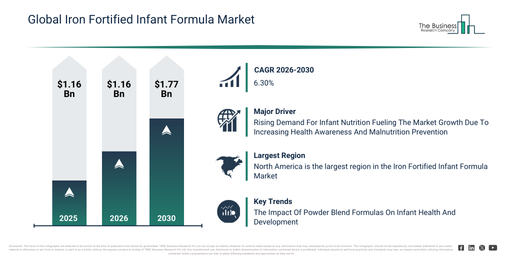
    Iron Fortified Infant Formula Market Revenue Expected to Reach $3.33 Billion by 2030 with 6.3% CAGR

    The Business Research Company’s 2026 market reports include new capabilities such as market attractiveness scoring and analysis, total addressable market analysis, company scoring matrix, interactive excel data dashboard, improved supply chain analysis, upcoming startups in the market, and overview of key products, aimed at improving the depth, usability, and strategic value of the insights delivered.

    How Much Is The Iron Fortified Infant Formula Market Expected To Grow In Terms Of Market Value Between 2026 And 2030?

    The iron fortified infant formula market size has shown robust growth in recent years. It is projected to increase from $2.45 billion in 2025 to $2.61 billion in 2026, demonstrating a compound annual growth rate (CAGR) of 6.5%. The expansion witnessed in the historic period can be ascribed to factors such as increasing infant nutrition awareness, the growth of urban working parent populations, a rise in packaged infant food consumption, enhanced access to pediatric healthcare guidance, and the rising prevalence of infant iron deficiency.

    The iron fortified infant formula market is anticipated to experience substantial growth over the coming years. This market is projected to reach $3.34 billion by 2030, demonstrating a compound annual growth rate (CAGR) of 6.3%. Key drivers for this expansion during the forecast period include a rising demand for high-quality infant nutrition products, a growing inclination towards convenient feeding solutions, the expansion of online platforms for infant nutrition sales, heightened regulatory attention on nutrient standards, and advancements in fortified formula compositions. Noteworthy trends expected over the forecast period encompass an escalating demand for organic and clean-label iron fortified infant formula, a greater adoption of optimized iron fortification blends, the proliferation of ready-to-use iron fortified infant formula formats, an intensified focus on digestibility and nutrient absorption, and increased investments in quality and safety assurance.

    Download the Free Sample Report to Explore Key Market Insights:

    https://www.thebusinessresearchcompany.com/sample.aspx?id=24267&type=smp

    What Drivers Are Influencing The Iron Fortified Infant Formula Market?

    The escalating need for infant nutrition is anticipated to propel the growth of the iron-fortified infant formula market going forward. Infant nutrition refers to the provision of suitable nutrients to newborns and young children aged birth to two years, promoting healthy physical growth, brain development, immune system function, and overall well-being. This rising demand for infant nutrition is primarily attributed to increased parental awareness regarding the significance of early childhood nutrition for sound growth and development. Iron-fortified infant formula plays an essential role in infant nutrition by delivering key nutrients that foster healthy growth and development, especially when breastfeeding is not possible or adequate. For instance, in 2023, a report from the United Nations International Children’s Emergency Fund, a US-based humanitarian aid organization, revealed that the United Nations International Children’s Emergency Fund (UNICEF) supplied nearly 480 million vitamin A capsules to 71 countries, enabling more than 320 million children to receive two doses of Vitamin A Supplementation (VAS). This marked a 26% increase compared to previous years. Therefore, the expanding demand for infant nutrition is driving the growth of the iron-fortified infant formula market.

    What Major Segment Divisions Exist Within The Iron Fortified Infant Formula Market?

    The iron fortified infant formula market covered in this report is segmented –

    1) By Product Type: Powdered Iron-Fortified Infant Formula, Liquid Concentrates, Ready-To-Use Liquids

    2) By Feeding Method: Breastfeeding Supplement, Exclusive Formula Feeding, Combination Feeding

    3) By Packaging Type: Tin Cans, Plastic Containers, Pouches, Single-Serve Sachets

    4) By Age Group: Newborn, Infants (1-6 Months), Crawlers (6-12 Months), Toddlers (12+ Months)

    5) By Distribution Channel: Online Retail, Supermarkets Or Hypermarkets, Pharmacies, Specialty Stores

    Subsegments:

    1) By Powdered Iron-Fortified Infant Formula: Cow Milk-Based Powder, Soy-Based Powder, Specialty Powder, Organic Powder

    2) By Liquid Concentrates: Cow Milk-Based Concentrate, Soy-Based Concentrate, Specialty Concentrate, Organic Concentrate

    3) By Ready-To-Use Liquids: Cow Milk-Based Ready-To-Use, Soy-Based Ready-To-Use, Specialty Ready-To-Use, Organic Ready-To-Use

    How Are Trends Shaping The Direction Of The Iron Fortified Infant Formula Market?

    Leading companies within the iron-fortified infant formula market are concentrating on developing innovative products, such as powder blends, to enhance nutrient absorption and improve infant health. These powder blends, defined as uniform mixtures of powdered ingredients, assist in iron-fortified infant formula by ensuring the even distribution of iron and other nutrients, thereby improving stability, absorption, and consistent nutritional value in every serving. For instance, in July 2023, Danone S.A., a France-based food company, introduced Danone’s dairy and plant milk powder blend for infants, combining 60% dairy protein sourced from whey and casein with 40% non-genetically modified organism (GMO) soy protein. This innovative formula was specifically designed to cater to the rising demand for plant-based products while guaranteeing comprehensive nutritional support for young children. The product is fortified with key micronutrients, including zinc, iron, folate, and vitamins A, B6, B12, C, and D, to support immune system function. Ultimately, the formula addresses parents’ increasing desire for plant-based diets for their children without compromising on the essential nutrients required for infant and toddler development.

    Which Companies Are Leading Innovation In The Iron Fortified Infant Formula Market?

    Major companies operating in the iron fortified infant formula market are Nestlé S.A., Abbott Nutrition Manufacturing Inc., Groupe Danone, FrieslandCampina, Meiji Holdings Co. Ltd., Perrigo Company plc, Morinaga Milk Industry Co. Ltd., The a2 Milk Company, HiPP GmbH & Co. Vertrieb KG, Synutra International Inc., ByHeart, Bubs Australia Limited, Bellamy’s Organic, Bobbie Baby Inc., Arla Foods amba, Kendamil, Holle Baby Food GmbH, Beingmate Baby & Child Food Co. Ltd., Hero AG, Reckitt Benckiser Group plc, Feihe International Inc., Ausnutria Dairy Corporation Ltd., Yili Group, Danone Nutricia

    Read the full iron fortified infant formula market report here:

    https://www.thebusinessresearchcompany.com/report/iron-fortified-infant-formula-global-market-report

    Which Regions Are Expected To Experience Rapid Expansion In The Iron Fortified Infant Formula Market?

    North America was the largest region in the iron fortified infant formula market in 2025. Asia-Pacific is expected to be the fastest-growing region in the forecast period. The regions covered in the iron fortified infant formula market report are Asia-Pacific, South East Asia, Western Europe, Eastern Europe, North America, South America, Middle East, Africa.

    Request A Tailored Iron Fortified Infant Formula Market Research Report For Competitive Advantage:

    https://www.thebusinessresearchcompany.com/customise?id=24267&type=smp

    Browse Through More Reports Similar to the Global Iron Fortified Infant Formula Market 2026, By The Business Research Company

    Supplements And Infant Milk Formula For Travel Retail Market Report 2026

    https://www.thebusinessresearchcompany.com/report/supplements-and-infant-milk-formula-for-travel-retail-global-market-report

    Infant Nutrition Market Report 2026

    https://www.thebusinessresearchcompany.com/report/infant-nutrition-global-market-report

    Iron Deficiency Injectable Market Report 2026

    https://www.thebusinessresearchcompany.com/report/iron-deficiency-injectable-global-market-report

    Get in touch with us:

    The Business Research Company: https://www.thebusinessresearchcompany.com/

    Americas +1 310-496-7795

    Asia +44 7882 955267 & +91 8897263534

    Europe +44 7882 955267

    Email us at info@tbrc.info

    Follow us on:

    LinkedIn: https://in.linkedin.com/company/the-business-research-company

    YouTube: https://www.youtube.com/channel/UC24_fI0rV8cR5DxlCpgmyFQ

    Global Market Model: https://www.thebusinessresearchcompany.com/global-market-model

  • Global Iron Deficiency Anemia Treatment Market Set for Strong Expansion Reaching $16.17 Billion by 2030 at 12.8% CAGR

    Global Iron Deficiency Anemia Treatment Market Set for Strong Expansion Reaching $16.17 Billion by 2030 at 12.8% CAGR

    The Business Research Company’s 2026 market reports include new capabilities such as market attractiveness scoring and analysis, total addressable market analysis, company scoring matrix, interactive excel data dashboard, improved supply chain analysis, upcoming startups in the market, and overview of key products, aimed at improving the depth, usability, and strategic value of the insights delivered.

    What Market Value Is Expected For The Iron Deficiency Anemia Treatment Market At The End Of The 2026–2030 Forecast Period?

    The iron deficiency anemia treatment market has witnessed substantial expansion in recent years. Its valuation is set to climb from $8.83 billion in 2025 to $9.98 billion in 2026, achieving a compound annual growth rate (CAGR) of 13.0%. The upward trend observed historically can be attributed to several factors including the rising incidence of iron deficiency disorders, more frequent diagnoses of anemia in patients with chronic diseases, the expansion of hospital-based treatment protocols, the widespread availability of oral iron supplements, and increased public awareness concerning anemia management.

    The iron deficiency anemia treatment market is anticipated to experience substantial growth in the coming years, projected to reach $16.17 billion in 2030, expanding at a compound annual growth rate (CAGR) of 12.8%. This expansion is primarily driven by factors such as the increasing vulnerability of the geriatric population, a rising demand for rapid iron repletion therapies, the broader use of injectable iron, a greater focus on patient-centric treatment models, and continuous advancements in iron formulation technologies. Key trends expected throughout the forecast period include the increasing adoption of intravenous iron therapies, a rise in the use of high-bioavailability iron formulations, an expanding focus on personalized anemia treatment approaches, the growth of outpatient and home-based iron therapy, and enhanced patient monitoring and compliance tools.

    Download the Free Sample Report to Explore Key Market Insights:

    https://www.thebusinessresearchcompany.com/sample.aspx?id=24266&type=smp

    What Drivers Are Shaping The Future Growth Of The Iron Deficiency Anemia Treatment Market?

    The rising incidence of chronic kidney disease is anticipated to drive the expansion of the iron deficiency anemia treatment market moving ahead. Chronic kidney disease (CKD) is characterized by a progressive decline in kidney function over a period. The surge in chronic kidney disease (CKD) prevalence can be attributed to increasing diabetes rates, since sustained elevated blood sugar levels harm renal blood vessels, compromising their waste-filtering capacity. Treating iron deficiency anemia assists individuals with chronic kidney disease (CKD) by enhancing oxygen transport to tissues, alleviating tiredness, and boosting overall quality of life; it may also potentially support better kidney function by managing the anemia frequently stemming from diminished erythropoietin production in CKD. As an illustration, a report released by AstraZeneca, a pharmaceutical firm based in the UK, in April 2024, forecasts that by 2032, up to 16.5% of the populace across eight countries, specifically the United States, Brazil, the United Kingdom, Spain, Germany, the Netherlands, China, and Australia, will suffer from chronic kidney disease (CKD), experiencing a notable rise of up to 59.3% in advanced disease stages. Consequently, the expansion of chronic kidney disease cases is propelling the growth within the iron deficiency anemia treatment market.

    What Segment Types Make Up The Iron Deficiency Anemia Treatment Market?

    The iron deficiency anemia treatment market covered in this report is segmented –

    1) By Treatment Type: Medications, Blood Transfusions, Other Treatment Types

    2) By Drug Type: Ferrous Sulfate, Iron Carbohydrates, Other Drug Types

    3) By Therapy Areas: Inflammatory Bowel Disease, Oncology, Other Therapy Areas

    4) By Route Of Administration: Oral, Injectable

    5) By End User: Hospitals, Clinics, Home Care Settings, Pharmacies

    Subsegments:

    1) By Medications: Oral Iron Supplements, Intravenous Iron Therapy, Iron-Based Injections, Erythropoiesis-Stimulating Agents

    2) By Blood Transfusions: Packed Red Blood Cells Transfusion, Whole Blood Transfusion

    3) By Other Treatment Types: Dietary Modifications, Iron Infusion Therapy, Long-Term Maintenance Iron Therapy

    Which Market Trends Are Creating New Opportunities In The Iron Deficiency Anemia Treatment Market?

    Major companies active in the iron deficiency anemia treatment market are concentrating on creating next-generation solutions, such as iron injections, to improve treatment effectiveness, safety, and patient convenience. An iron injection denotes a novel or significantly enhanced injectable iron therapy that represents a substantial leap in the management of iron deficiency or iron deficiency anemia. For instance, in March 2024, Cadila Pharmaceuticals, an India-based pharmaceutical enterprise, introduced Redshot FCM, an intravenous iron therapy employing ferric carboxymaltose to address iron deficiency anemia (IDA). It provides distinct characteristics, including an advanced ferric carboxymaltose formulation for swift iron replenishment, a very low anaphylaxis risk, high-dose single-infusion delivery for quick correction, and suitability for pediatric patients (ages 1 and above) alongside adult usage. This therapy accelerates hemoglobin restoration and is directed at high-risk populations, including pregnant women and cancer patients, offering excellent tolerability.

    Who Are The Key Players Driving Competition In The Iron Deficiency Anemia Treatment Market?

    Major companies operating in the iron deficiency anemia treatment market are Sanofi SA, Fresenius SE & Co. KGaA, Amgen Inc., Teva Pharmaceutical Industries Ltd., Sandoz Group AG, Daiichi Sankyo Company Limited, Lupin Limited, Zydus Lifesciences Limited, Alkem Laboratories Ltd., Pharmascience Inc., American Regent Inc., PharmaNutra S.p.A., Rockwell Medical Inc., Keryx Biopharmaceuticals Inc., Pharmacosmos A/S, AdvaCare Pharma USA LLC, Apotex Inc., Shield Therapeutics plc, CSL Vifor AG, Abbott Laboratories, Bayer AG, Pfizer Inc., Cipla Limited, Dr. Reddy’s Laboratories Ltd.

    Read the full iron deficiency anemia treatment market report here:

    https://www.thebusinessresearchcompany.com/report/iron-deficiency-anemia-treatment-global-market-report

    Which Geographic Regions Are Influencing Demand In The Iron Deficiency Anemia Treatment Market?

    North America was the largest region in the iron deficiency anemia treatment market in 2025. Asia-Pacific is expected to be the fastest-growing region in the forecast period. The regions covered in the iron deficiency anemia treatment market report are Asia-Pacific, South East Asia, Western Europe, Eastern Europe, North America, South America, Middle East, Africa.

    Request A Tailored Iron Deficiency Anemia Treatment Market Research Report For Competitive Advantage:

    https://www.thebusinessresearchcompany.com/customise?id=24266&type=smp

    Browse Through More Reports Similar to the Global Iron Deficiency Anemia Treatment Market 2026, By The Business Research Company

    Hemochromatosis Iron Overload Disease Treatment Market Report 2026

    https://www.thebusinessresearchcompany.com/report/hemochromatosis-iron-overload-disease-treatment-global-market-report

    Anemia And Other Blood Disorder Drugs Market Report 2026

    https://www.thebusinessresearchcompany.com/report/anemia-and-other-blood-disorder-drugs-global-market-report

    Chemotherapy Induced Anemia Market Report 2026

    https://www.thebusinessresearchcompany.com/report/chemotherapy-induced-anemia-global-market-report

    Get in touch with us:

    The Business Research Company: https://www.thebusinessresearchcompany.com/

    Americas +1 310-496-7795

    Asia +44 7882 955267 & +91 8897263534

    Europe +44 7882 955267

    Email us at info@tbrc.info

    Follow us on:

    LinkedIn: https://in.linkedin.com/company/the-business-research-company

    YouTube: https://www.youtube.com/channel/UC24_fI0rV8cR5DxlCpgmyFQ

    Global Market Model: https://www.thebusinessresearchcompany.com/global-market-model

  • Iron Deficiency Anemia Therapy Market Growth Expected to Reach $6.91 Billion by 2030 with 7.6% CAGR

    Iron Deficiency Anemia Therapy Market Growth Expected to Reach $6.91 Billion by 2030 with 7.6% CAGR

    The Business Research Company’s 2026 market reports include new capabilities such as market attractiveness scoring and analysis, total addressable market analysis, company scoring matrix, interactive excel data dashboard, improved supply chain analysis, upcoming startups in the market, and overview of key products, aimed at improving the depth, usability, and strategic value of the insights delivered.

    What Is The Estimated Market Size Of The Iron Deficiency Anemia Therapy Market During 2026–2030?

    The iron deficiency anemia therapy market has demonstrated strong growth over recent years. Its value is set to rise from $4.78 billion in 2025 to $5.15 billion in 2026, achieving a compound annual growth rate (CAGR) of 7.8%. The expansion observed in the past can be attributed to the increasing occurrence of iron deficiency anemia, heightened awareness regarding anemia management, the proliferation of hospital-based treatment approaches, the rising adoption of oral iron supplements, and advancements in diagnostic screening for anemia.

    The iron deficiency anemia therapy market is anticipated to show significant expansion over the next few years. It is predicted to reach a value of **$6.92 billion by 2030, progressing at a compound annual growth rate (CAGR) of 7.6%**. This growth during the forecast period is propelled by the escalating demand for rapid anemia correction, the increasing occurrence of chronic conditions that cause anemia, the proliferation of specialized anemia clinics, a rising focus on maternal and pediatric anemia care, and ongoing advancements in iron formulation technologies. Prominent trends expected in this period include the wider acceptance of intravenous iron therapies, a growing need for targeted anemia treatments, an intensified focus on customized patient therapy regimens, the development of more oral and parenteral combination therapies, and an increased emphasis on treatment efficacy and safety.

    Download the Free Sample Report to Explore Key Market Insights:

    https://www.thebusinessresearchcompany.com/sample.aspx?id=24265&type=smp

    Which Economic Or Industry Drivers Are Impacting The Iron Deficiency Anemia Therapy Market?

    The rising prevalence of chronic diseases is anticipated to drive the expansion of the iron deficiency anemia therapy market moving forward. Chronic diseases are defined as long-term medical conditions that typically last for a year or more. This increase in chronic illnesses can be attributed to the growing incidence of unhealthy lifestyles, including poor diet, lack of physical activity, and smoking, which contribute to conditions such as obesity, diabetes, and heart disease, resulting in prolonged health complications. Chronic conditions can heighten the demand for iron deficiency anemia therapy by impairing the body’s proper iron absorption, thereby elevating the risk of iron deficiency and necessitating supplementation or medical intervention to restore iron levels. For instance, in June 2024, according to the National Health Service, a UK-based government department, 3,615,330 individuals registered with a GP were diagnosed with non-diabetic hyperglycemia in 2023, or pre-diabetes, marking an 18% increase from 3,065,825 cases in 2022. Consequently, the increasing cases of chronic diseases are propelling growth in the iron deficiency anemia therapy market.

    How Are The Various Segments Of The Iron Deficiency Anemia Therapy Market Categorized?

    The iron deficiency anemia therapy market covered in this report is segmented –

    1) By Product Type: Ferrous Sulphate, Ferrous Gluconate, Ferrous Fumerate, Ferric Hydroxide

    2) By Therapy Type: Parenteral Iron Therapy, Oral Iron Therapy, Red Blood Cell Transfusion, Other Therapy Types

    3) By Therapy Areas: Inflammatory Bowel Diseases, Renal Diseases, Obstetrics and Gynecology, Congestive Heart Failure, Oncology

    4) By Distribution channel: Hospital Pharmacy, Drug Stores And Retail Pharmacies, Online Pharmacies

    5) By End User: Hospitals, Speciality Clinics, Home Care Setting, Other End Users

    Subsegments:

    1) By Ferrous Sulphate: Oral Ferrous Sulphate Tablets, Oral Liquid Ferrous Sulphate, Intravenous Ferrous Sulphate, Extended Or Delayed Release Formulations

    2) By Ferrous Gluconate: Oral Tablets, Chewable Tablets, Liquid Solutions, Pediatric Formulations

    3) By Ferrous Fumarate: Oral Tablets Or Capsules, Prenatal Supplements, Multivitamin with Iron Formulations, Pediatric Drops Or Syrups

    4) By Ferric Hydroxide: Intravenous Iron Therapy, Ferric Hydroxide Polymaltose Complex, Dialysis-Specific Iron Therapy, Hospital-Based Injectable Formulations

    What Trends Are Affecting The Expansion Of The Iron Deficiency Anemia Therapy Market?

    Leading companies in the iron deficiency anemia therapy market are concentrating on advancing treatment methods, particularly through injectable formulations, to boost effectiveness and availability. An injectable formulation is defined as a recently developed or altered medication designed for administration through injection. For example, in May 2023, Emcure Pharmaceuticals Ltd., an Indian pharmaceutical firm, introduced Orofer FCM 750. This product is a ferric carboxymaltose (FCM) formulation intended for treating both iron deficiency and iron deficiency anemia (IDA). Key advantages include better patient adherence, as it requires less frequent dosing than oral supplements. Its primary goal is to provide effective treatment for iron deficiency anemia, particularly for patients unable to tolerate oral iron. This 750 mg/15 ml injectable ferric carboxymaltose received approval from India’s DCGI for treating iron deficiency anemia (IDA) in patients who do not respond to oral iron. It is particularly recommended for pregnant women with hemoglobin <10 g/dl and weight 35–70 kg, providing a 15-minute infusion (when diluted in saline) and aligning with Anemia Mukt Bharat guidelines as a first-line therapy for severe instances.

    Which Major Firms Influence Developments In The Iron Deficiency Anemia Therapy Market?

    Major companies operating in the iron deficiency anemia therapy market are Sanofi SA, Fresenius SE & Co. KGaA, GlaxoSmithKline plc, Sun Pharmaceutical Industries Ltd, CSL Vifor AG, Zydus Lifesciences Limited, Alkem Laboratories Ltd., Luitpold Pharmaceuticals Inc., Covis Pharma GmbH, Pharmacosmos Therapeutics Inc., AFT Pharmaceuticals Ltd., Rockwell Medical Inc., Otsuka Pharmaceutical Co. Ltd., AdvaCare Pharma USA LLC, Apotex Inc., KYE Pharmaceuticals Inc., Emcure Pharmaceuticals Limited, Shield Therapeutics plc, Abbott Laboratories, Bayer AG, Pfizer Inc., Lupin Limited, Cipla Limited, Dr. Reddy’s Laboratories Ltd.

    Read the full iron deficiency anemia therapy market report here:

    https://www.thebusinessresearchcompany.com/report/iron-deficiency-anemia-therapy-global-market-report

    What Are The Top-Performing Regions Within The Iron Deficiency Anemia Therapy Market?

    North America was the largest region in the iron deficiency anemia therapy market in 2025. Asia-Pacific is expected to be the fastest-growing region in the forecast period. The regions covered in the iron deficiency anemia therapy market report are Asia-Pacific, South East Asia, Western Europe, Eastern Europe, North America, South America, Middle East, Africa.

    Request A Tailored Iron Deficiency Anemia Therapy Market Research Report For Competitive Advantage:

    https://www.thebusinessresearchcompany.com/customise?id=24265&type=smp

    Browse Through More Reports Similar to the Global Iron Deficiency Anemia Therapy Market 2026, By The Business Research Company

    Hemochromatosis Iron Overload Disease Treatment Market Report 2026

    https://www.thebusinessresearchcompany.com/report/hemochromatosis-iron-overload-disease-treatment-global-market-report

    Anemia And Other Blood Disorder Drugs Market Report 2026

    https://www.thebusinessresearchcompany.com/report/anemia-and-other-blood-disorder-drugs-global-market-report

    Chemotherapy Induced Anemia Market Report 2026

    https://www.thebusinessresearchcompany.com/report/chemotherapy-induced-anemia-global-market-report

    Get in touch with us:

    The Business Research Company: https://www.thebusinessresearchcompany.com/

    Americas +1 310-496-7795

    Asia +44 7882 955267 & +91 8897263534

    Europe +44 7882 955267

    Email us at info@tbrc.info

    Follow us on:

    LinkedIn: https://in.linkedin.com/company/the-business-research-company

    YouTube: https://www.youtube.com/channel/UC24_fI0rV8cR5DxlCpgmyFQ

    Global Market Model: https://www.thebusinessresearchcompany.com/global-market-model

  • In-vivo Prime Editing Platform Market Forecast 2026–2035 Reflecting Expansion Opportunities Across Industries

    In-vivo Prime Editing Platform Market Forecast 2026–2035 Reflecting Expansion Opportunities Across Industries

    The Business Research Company’s 2026 market reports include new capabilities such as market attractiveness scoring and analysis, total addressable market analysis, company scoring matrix, interactive excel data dashboard, improved supply chain analysis, upcoming startups in the market, and overview of key products, aimed at improving the depth, usability, and strategic value of the insights delivered.

    What Market Size Expansion Is Predicted For The In-vivo Prime Editing Platform Market Between 2026 And 2030?

    The in-vivo prime editing platform market has experienced significant expansion in recent years. This market is anticipated to expand from $1.26 billion in 2025 to $1.63 billion by 2026, demonstrating a compound annual growth rate (CAGR) of 29.4%. Historically, the market’s growth can be attributed to factors such as the discovery of CRISPR technologies, increased research into genetic disorders, a rise in biotech funding, academic work in genome editing, and the initial successes of gene therapies.

    The in-vivo prime editing platform market is projected to experience substantial expansion in the coming years. Its valuation is anticipated to reach $4.52 billion by 2030, exhibiting a compound annual growth rate (CAGR) of 29.1%. Key drivers for this expansion over the forecast period include the clinical application of prime editing, the proliferation of in-vivo gene therapies, regulatory backing for genetic interventions, collaborations between biotechnology and pharmaceutical firms, and breakthroughs in delivery vector technologies. Significant trends expected during this period encompass progress in precise genome editing, an increase in gene therapy investigations, an intensifying focus on therapies for rare diseases, the creation of enhanced delivery mechanisms, and a rise in both preclinical and clinical research activities.

    Download the Free Sample Report to Explore Key Market Insights:

    https://www.thebusinessresearchcompany.com/sample.aspx?id=28252&type=smp

    What Major Drivers Are Influencing Demand In The In-vivo Prime Editing Platform Market?

    The increasing requirement for precise and efficient genome editing solutions is projected to fuel the expansion of the in-vivo prime editing platform market. Precise and efficient genome editing entails making accurate, targeted alterations to DNA (deoxyribonucleic acid), the molecule containing genetic information in cells, while minimizing off-target modifications and unintended consequences. This growing demand for such solutions is driven by the need for targeted therapies that reduce errors and achieve lasting clinical outcomes. The in-vivo prime editing platform meets this demand by enabling highly accurate, targeted DNA corrections within living tissues, leading to reduced off-target effects and the potential for long-term therapeutic benefits. For instance, according to the World Economic Forum, a Switzerland-based international non-profit organization, over 2,000 gene therapies were in development worldwide, which was double the number from just three years earlier. Therefore, the heightened demand for precise and efficient genome editing solutions is a significant catalyst for the growth of the in-vivo prime editing platform market.

    Which Market Segments Are Examined In The In-vivo Prime Editing Platform Market Study?

    The in-vivo prime editing platform market covered in this report is segmented –

    1) By Product Type: Prime Editing Enzymes, Guide Ribonucleic Acids, Delivery Systems, Other Product Types

    2) By Application: Genetic Disease Treatment, Oncology, Rare Diseases, Research And Development

    3) By Delivery Method: Viral Vectors, Non-Viral Methods, Lipid Nanoparticles, Other Delivery Method Types

    4) By End-User: Pharmaceutical And Biotechnology Companies, Academic And Research Institutes, Contract Research Organizations, Other End-Users

    Subsegments:

    1) By Prime Editing Enzymes: Cas9 Nickeas, Reverse Transcriptase, Engineered Variants

    2) By Guide Ribonucleic Acids: pegRNA (Prime Editing Guide RNA), sgRNA (Single Guide RNA), Optimized Synthetic RNAs

    3) By Delivery Systems: Viral Vectors (AAV, Lentivirus), Non-Viral Vectors (Lipid Nanoparticles, Electroporation, Physical Methods), Exosomes

    4) By Other Product Types: Screening Tools, Assay Kits, Supporting Reagents

    Which Trends Are Influencing The In-vivo Prime Editing Platform Market?

    Key players in the in-vivo prime editing platform market, including prominent companies and research organizations, are concentrating their efforts on enhancing delivery systems, such as lipid nanoparticles, viral vectors, and engineered extracellular vesicles, to secure a competitive edge. These sophisticated carriers, like lipid nanoparticles, enclose prime editing elements such as Cas9 nickase, reverse transcriptase, and pegRNAs. This encapsulation safeguards these components from breakdown and facilitates their effective delivery into specific cells, concurrently boosting their absorption and targeting precision within tissues. For example, in September 2023, Moderna, a US-based biotechnology firm, showcased that refined lipid nanoparticle formulations are capable of precisely transporting prime editing machinery to liver and muscle tissues in animal models, leading to specific genome alterations with minimal unintended effects. These advancements highlight how novel delivery approaches bolster the efficacy, accuracy, and prospective therapeutic utility of in-vivo prime editing treatments.

    Who Are The Primary Competitors In The In-vivo Prime Editing Platform Market?

    Major companies operating in the in-vivo prime editing platform market are AstraZeneca PLC, Danaher Corporation, Regeneron Pharmaceuticals Inc., Moderna Inc., Integrated DNA Technologies Inc., Beam Therapeutics Inc., CRISPR Therapeutics AG, Maravai LifeSciences Holdings Inc., Sangamo Therapeutics Inc., Editas Medicine Inc., Precision BioSciences Inc., Metagenomi Inc., Tessera Therapeutics Inc., Mammoth Biosciences Inc., Arbor Biotechnologies Inc., Intellia Therapeutics Inc. (NTLA), Caribou Biosciences Inc., Scribe Therapeutics Inc., EGENESIS INC., Prime Medicine Inc., Cellectis S.A.

    Read the full in-vivo prime editing platform market report here:

    https://www.thebusinessresearchcompany.com/report/in-vivo-prime-editing-platform-global-market-report

    Which Region Shows The Strongest Potential For Future Growth In The In-vivo Prime Editing Platform Market?

    North America was the largest region in the in-vivo prime editing platform market in 2025. Asia-Pacific is expected to be the fastest-growing region in the forecast period. The regions covered in the in-vivo prime editing platform market report are Asia-Pacific, South East Asia, Western Europe, Eastern Europe, North America, South America, Middle East, Africa.

    Request A Tailored In-vivo Prime Editing Platform Market Research Report For Competitive Advantage:

    https://www.thebusinessresearchcompany.com/customise?id=28252&type=smp

    Browse Through More Reports Similar to the Global In-vivo Prime Editing Platform Market 2026, By The Business Research Company

    Endotracheal Tubes Market Report 2026

    https://www.thebusinessresearchcompany.com/report/endotracheal-tubes-global-market-report

    Enteral Feeding Tube Equipment Market Report 2026

    https://www.thebusinessresearchcompany.com/report/enteral-feeding-tube-equipment-global-market-report

    Industrial Tubes Market Report 2026

    https://www.thebusinessresearchcompany.com/report/industrial-tubes-global-market-report

    Get in touch with us:

    The Business Research Company: https://www.thebusinessresearchcompany.com/

    Americas +1 310-496-7795

    Asia +44 7882 955267 & +91 8897263534

    Europe +44 7882 955267

    Email us at info@tbrc.info

    Follow us on:

    LinkedIn: https://in.linkedin.com/company/the-business-research-company

    YouTube: https://www.youtube.com/channel/UC24_fI0rV8cR5DxlCpgmyFQ

    Global Market Model: https://www.thebusinessresearchcompany.com/global-market-model