Month: March 2026

  • Global Tissue Engineering Market Report 2026: Emerging Trends and Growth Scenarios

    Global Tissue Engineering Market Report 2026: Emerging Trends and Growth Scenarios

    Uncover key drivers, emerging technologies, and competitive movements shaping the tissue engineering market from 2026–2035 with trusted insights from The Business Research Company

    What is the estimated market size of the Tissue Engineering Market by the end of 2030?

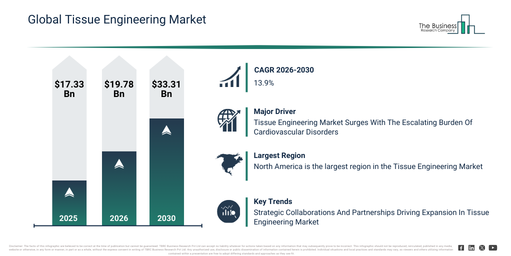
    The tissue engineering market has experienced significant expansion in recent years. It is projected to grow from $17.33 billion in 2025 to $19.78 billion in 2026, reflecting a compound annual growth rate (CAGR) of 14.1%. The increase observed in previous periods is attributable to advancements in biomaterial science, the expansion of academic tissue engineering research, a rising demand for organ repair solutions, the availability of biocompatible scaffold materials, and the growth of clinical regenerative studies.

    The tissue engineering market is projected to experience substantial expansion over the coming years. Its valuation is anticipated to reach $33.31 billion by 2030, exhibiting a compound annual growth rate (CAGR) of 13.9%. This projected expansion during the forecast period is primarily driven by escalating investments in regenerative medicine, the growing embrace of personalized tissue therapies, the broadening clinical application of engineered tissues, the increasing incorporation of AI-driven tissue design, and a heightened need for sophisticated organ replacement solutions. Key developments anticipated in this period encompass a greater uptake of advanced scaffold materials, a strengthened emphasis on regenerative medicine applications, the wider integration of 3D bioprinting technologies, an increase in cell-based tissue therapies, and a deeper commitment to restoring tissue functionality.

    Access Your Free Sample Report for In-Depth Market Insights:

    https://www.thebusinessresearchcompany.com/sample.aspx?id=9535&type=smp

    What Drivers Are Shaping Future Opportunities In The Tissue Engineering Market?

    An increasing prevalence of cardiovascular disorders is anticipated to propel the growth of the tissue engineering market moving forward. These conditions, also known as cardiovascular diseases (CVD), encompass a range of medical ailments affecting the heart and blood vessels. In tissue engineering, cardiovascular disorders present promising avenues for the repair and regeneration of damaged cardiac and vascular tissues. For example, in January 2024, information from the American Heart Association, a US-based non-profit organization, reported that the age-adjusted death rate from cardiovascular disease rose to 233.3 per 100,000 in 2024, representing an increase of 4.0% from 224.4 per 100,000 when compared to 2023. Thus, the escalating incidence of cardiovascular disorders is indeed driving the expansion of the tissue engineering market.

    Which Segment Groups Are Influencing The Tissue Engineering Market?

    The tissue engineering market covered in this report is segmented –

    1) By Type: Synthetic Scaffold Material, Biologically Derived Scaffold Material, Other Types

    2) By Application: Orthopedics And Musculoskeletal, Neurology, Cardiovascular, Skin And Integumentary, Dental, Other Applications

    3) By End-User: Hospitals And Clinics, Ambulatory Facilities

    Subsegments:

    1) By Synthetic Scaffold Material: Polymeric Scaffolds, Ceramic Scaffolds, Composite Scaffolds

    2) By Biologically Derived Scaffold Material: Natural Polymers, Decellularized Tissues, Hydrogels

    3) By Other Types: Self-Healing Scaffolds, Smart Scaffolds

    What Trends Are Driving The Growth Trajectory Of The Tissue Engineering Market?

    Leading companies are strategically forging partnerships and collaborations with start-ups and mid-sized enterprises within the tissue engineering market to broaden their array of products and services. These strategic collaborations and partnership agreements facilitate companies in expanding their current product portfolios and increasing their geographical reach. For example, in June 2023, Regen Lab, a Swiss-based commercial-stage medical technology company specializing in the research, development, registration, manufacturing, and commercialization of proprietary tissue engineering products, formalized a collaboration agreement with Long Island University (LIU) and the Dassault Systèmes Group (3DS). Pursuant to the agreement’s terms, LIU and RegenLab USA will pool resources to establish an industrial innovation accelerator, which will function as a new center of excellence dedicated to regenerative medicine and tissue engineering. Long Island University is a US-based university, and the Dassault Systèmes Group is a France-based software corporation.

    Who Are The Prominent Global Companies Shaping The Tissue Engineering Market Landscape?

    Major companies operating in the tissue engineering market are Medtronic plc, Zimmer Biomet, Organogenesis Holdings Inc., Integra LifeSciences, Stryker Corporation, DePuy Synthes Companies, RTI Surgical Inc., Vericel Corporation, Athersys Inc., Tissue Regenix Group plc, Xeltis AG, Prellis Biologics, Bit Bio, Be Biopharma Inc., TELA Bio Inc., Orthocell Limited, Organovo Holdings Inc., EpiBone, TissueLabs, CollPlant Biotechnologies Ltd., Osiris Therapeutics Inc.

    Access The Complete Report For Deeper Market Insights:

    https://www.thebusinessresearchcompany.com/report/tissue-engineering-global-market-report

    Which Region Currently Holds The Largest Share Of The Tissue Engineering Market?

    North America was the largest region in the tissue engineering market in 2025. Asia-Pacific is expected to be the fastest-growing region in the tissue engineering market during the forecast period. The regions covered in the tissue engineering market report are Asia-Pacific, South East Asia, Western Europe, Eastern Europe, North America, South America, Middle East, Africa.

    Request Your Customized Tissue Engineering Market Research Report for Competitive Advantage:

    https://www.thebusinessresearchcompany.com/customise?id=9535&type=smp

    Browse Through More Reports Similar to the Global Tissue Engineering Market 2026, By The Business Research Company

    Soft Tissue Repair Market Report 2026

    https://www.thebusinessresearchcompany.com/report/soft-tissue-repair-global-market-report

    Medical Engineered Materials Market Report 2026

    https://www.thebusinessresearchcompany.com/report/medical-engineered-materials-global-market-report

    Biomaterials Market Report 2026

    https://www.thebusinessresearchcompany.com/report/biomaterials-global-market-report

    Get in touch with us:

    The Business Research Company: https://www.thebusinessresearchcompany.com/

    Americas +1 310-496-7795

    Asia +44 7882 955267 & +91 8897263534

    Europe +44 7882 955267

    Email us at info@tbrc.info

    Follow us on:

    LinkedIn: https://in.linkedin.com/company/the-business-research-company

    YouTube: https://www.youtube.com/channel/UC24_fI0rV8cR5DxlCpgmyFQ

    Global Market Model: https://www.thebusinessresearchcompany.com/global-market-model
  • Tissue Engineered Skin Substitute Market Forecast 2026: Where the Industry Is Headed

    Tissue Engineered Skin Substitute Market Forecast 2026: Where the Industry Is Headed

    Uncover key drivers, emerging technologies, and competitive movements shaping the tissue engineered skin substitute market from 2026–2035 with trusted insights from The Business Research Company

    What was the valuation of the Tissue Engineered Skin Substitute Market in 2026, and what figure is it projected to hit by 2030?

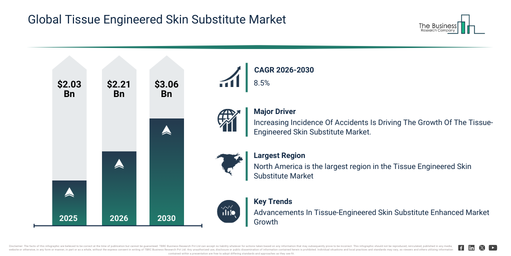
    The tissue engineered skin substitute market has seen substantial expansion in recent years. It is forecast to rise from $2.03 billion in 2025 to $2.21 billion in 2026, indicating a compound annual growth rate (CAGR) of 8.8%. This historical growth can be connected to the increasing incidence of chronic wounds and burns, the expansion of reconstructive surgery procedures, the rising adoption of biologic wound care products, growth in clinical research on skin regeneration, and the availability of advanced biomaterials.

    The tissue engineered skin substitute market size is projected to experience substantial growth over the next few years. It is anticipated to expand to $3.06 billion by 2030, demonstrating a compound annual growth rate (CAGR) of 8.5%. This growth in the forecast period is primarily driven by an increasing aging population with specific wound care requirements, a rising demand for regenerative medicine solutions, the expansion of personalized tissue engineering applications, growing investment in bioprinting technologies, and a heightened focus on achieving faster healing and reducing scarring. Major trends expected during this period include the increasing adoption of 3D bioprinted skin constructs, a rising use of stem cell-based skin substitutes, the growing integration of advanced biomaterials, the expansion of personalized wound healing solutions, and an enhanced focus on rapid skin regeneration technologies.

    Access Your Free Sample Report for In-Depth Market Insights:

    https://www.thebusinessresearchcompany.com/sample.aspx?id=20664&type=smp

    Which Drivers Are Affecting Market Participation In The Tissue Engineered Skin Substitute Market?

    The tissue-engineered skin substitute market is anticipated to expand going forward, driven by the rising frequency of accidents. This growing occurrence of accidents can be attributed to factors such as increased traffic volumes, distracted driving, poor road upkeep, and a surge in mobile device usage while operating vehicles. Tissue-engineered skin substitutes offer assistance by serving as a functional and biocompatible replacement for injured skin, thereby encouraging quicker recovery and minimizing issues like infections and scarring. As an illustration, the National Highway Traffic Safety Administration (NHTSA), a US-based government agency, reported in November 2025 that estimated injuries from traffic crashes in 2023 increased to 2,442,581, marking a 2.5% rise from the 2.38 million individuals injured in 2022. Consequently, the escalating number of accidents is fueling the expansion of the tissue-engineered skin substitute market.

    What Segment Classifications Make Up The Tissue Engineered Skin Substitute Market?

    The tissue engineered skin substitute market covered in this report is segmented –

    1) By Product: Acellular Skin Substitutes, Biologic Skin Substitute, Cellular Skin Substitutes, Synthetic Skin Substitutes

    2) By Material: Synthetic, Natural

    3) By Technology: Laser Assisted Bio-Printing, Robotic Technology, Other Technologies

    4) By Application: Chronic Wounds, Acute Wounds, Other Applications

    5) By End User: Hospital, Specialty Clinics, Ambulatory Surgical Centers, Research Laboratory

    Subsegments:

    1) By Acellular Skin Substitutes: Decellularized Dermis, Collagen-Based Scaffolds, Amniotic Membrane

    2) By Biologic Skin Substitutes: Living Cell-Containing Substitutes, Allogeneic Skin Grafts, Xenogeneic Skin Grafts

    3) By Cellular Skin Substitutes: Cultured Epithelial Autografts (CEA), Dermal Substitutes with Cells, Stem Cell-Derived Skin Constructs

    4) By Synthetic Skin Substitutes: Polymer-Based Scaffolds, Biodegradable Scaffolds, Hydrogel-Based Substitutes

    What Upcoming Trends Are Likely To Define The Future Path Of The Tissue Engineered Skin Substitute Market?

    Leading companies within the tissue-engineered skin substitute market are concentrating on developing innovative laser technologies with enhanced wavelengths, such as advanced biofabricated dermo-epidermal graft systems, to secure a competitive advantage. A bio-fabricated dermo-epidermal graft system combines living skin cells with a scaffold to generate full-thickness skin substitutes that accurately mimic human skin structure and support successful integration after grafting. For example, in July 2024, CUTISS AG, a Switzerland-based regenerative medicine company, unveiled DenovoSkin, a next-generation personalized bioengineered skin graft. This system utilizes a small biopsy from the patient to cultivate a large dermo-epidermal skin substitute, resulting in improved donor-site conservation, enhanced graft integration, and reduced scarring. This innovation provides faster healing and better cosmetic outcomes. The broader adoption of advanced wound care and reconstructive therapies is supported by this trend, though cost and manufacturing scale continue to pose challenges.

    Which Key Players Are Driving Competition In The Tissue Engineered Skin Substitute Market?

    Major companies operating in the tissue engineered skin substitute market are Stryker Corporation, DePuy Synthes, Smith & Nephew Plc, ConvaTec Group PLC, Mallinckrodt Pharmaceuticals plc, Integra LifeSciences Holdings Corporation, Gunze Limited, Organogenesis Inc., LifeNet Health Inc., MiMedx Group Inc., Vericel Corporation, AlloSource Inc., Sientra Inc., PolyNovo Limited, Avita Medical Limited, Tissue Regenix Group, PolarityTE, Promethean LifeSciences Inc., Regenicin Inc., Kerecis Ltd.

    Access The Complete Report For Deeper Market Insights:

    https://www.thebusinessresearchcompany.com/report/tissue-engineered-skin-substitute-global-market-report

    How Does The Tissue Engineered Skin Substitute Market Perform Across Major Global Regions?

    North America was the largest region in the tissue engineered skin substitute market in 2025. The regions covered in the tissue engineered skin substitute market report are Asia-Pacific, South East Asia, Western Europe, Eastern Europe, North America, South America, Middle East, Africa.

    Request Your Customized Tissue Engineered Skin Substitute Market Research Report for Competitive Advantage:

    https://www.thebusinessresearchcompany.com/customise?id=20664&type=smp

    Browse Through More Reports Similar to the Global Tissue Engineered Skin Substitute Market 2026, By The Business Research Company

    Double Sided Masking Tapes Market Report 2026

    https://www.thebusinessresearchcompany.com/report/double-sided-masking-tapes-global-market-report

    Organic Skincare Market Report 2026

    https://www.thebusinessresearchcompany.com/report/organic-skincare-global-market-report

    Dna Based Skin Care Products Market Report 2026

    https://www.thebusinessresearchcompany.com/report/dna-based-skin-care-products-global-market-report

    Get in touch with us:

    The Business Research Company: https://www.thebusinessresearchcompany.com/

    Americas +1 310-496-7795

    Asia +44 7882 955267 & +91 8897263534

    Europe +44 7882 955267

    Email us at info@tbrc.info

    Follow us on:

    LinkedIn: https://in.linkedin.com/company/the-business-research-company

    YouTube: https://www.youtube.com/channel/UC24_fI0rV8cR5DxlCpgmyFQ

    Global Market Model: https://www.thebusinessresearchcompany.com/global-market-model
  • Tinea Pedis Treatment Industry Growth Insights: Revenue Forecast to 2030

    Tinea Pedis Treatment Industry Growth Insights: Revenue Forecast to 2030

    Uncover key drivers, emerging technologies, and competitive movements shaping the tinea pedis treatment market from 2026–2035 with trusted insights from The Business Research Company

    What are the forecasted starting (2026) and ending (2030) market sizes for the Tinea Pedis Treatment Market?

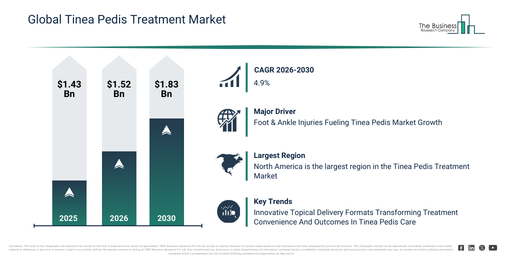
    The tinea pedis treatment market has seen substantial growth in recent years. It is projected to expand from $1.43 billion in 2025 to $1.52 billion in 2026, achieving a compound annual growth rate (CAGR) of 5.7%. This historical expansion can be attributed to factors such as an increasing occurrence of fungal skin infections, the prevalent use of occlusive footwear, the availability of topical antifungal medications, the expansion of retail pharmacy networks, and a heightened awareness of personal hygiene practices.

    The tinea pedis treatment market is projected to experience consistent expansion over the upcoming years. By 2030, its value is anticipated to reach $1.83 billion, advancing at a compound annual growth rate (CAGR) of 4.9%. This expansion during the forecast period is fueled by several factors, including a rise in demand for quick-acting antifungal solutions, the broadening of online pharmaceutical distribution channels, an increased emphasis on combination treatment approaches, the growing acceptance of preventative antifungal measures, and a stronger consumer inclination towards self-medication alternatives. Key trends anticipated in the forecast period involve a heightened demand for topical antifungal remedies, an increasing favorability towards combination drug products, the expanding accessibility of over-the-counter therapies, the broadening of e-commerce platforms for pharmaceuticals, and a greater concentration on adherence to treatment regimens.

    Access Your Free Sample Report for In-Depth Market Insights:

    https://www.thebusinessresearchcompany.com/sample.aspx?id=15684&type=smp

    What Drivers Are Supporting Technological Adoption In The Tinea Pedis Treatment Market?

    The rising occurrence of foot and ankle injuries is anticipated to fuel the expansion of the tinea pedis treatment market. These injuries involve any harm or trauma to the bones, ligaments, tendons, muscles, or other tissues in the foot or ankle area, frequently resulting from accidents, sports, or repetitive stress. Contributing factors include changes in lifestyle, greater participation in sports and physical activities, unsuitable footwear, incorrect training methods, susceptibility to falls, and degenerative conditions. Furthermore, higher rates of obesity and chronic illnesses like diabetes intensify the risk of foot and ankle complications. Such injuries can worsen tinea Pedis by creating suitable environments for fungal development and extending periods of immobility. For example, in November 2023, Howden Group Holdings Ltd., a UK-based insurance intermediary company, reported that the severity of ankle injuries in the English Premier League saw a 170% increase from October 2022 to January 2023 following the FIFA World Cup Qatar 2022. Consequently, the increasing incidence of foot and ankle injuries is a key driver for the tinea pedis treatment market. The escalating prevalence of fungal infections is projected to propel the development of the tinea pedis treatment market in the coming years. Fungal infections are illnesses caused by fungi that can affect various parts of the body. Several factors contribute to the widespread occurrence of fungal infections, including compromised immune systems, environmental conditions conducive to fungal growth, exposure to fungi, underlying health issues, occupational exposure, and personal hygiene practices. The primary objective of tinea pedis treatment is to eliminate the fungal infection and alleviate its associated symptoms. For instance, in 2023, the Uk Health Security Agency, a UK-based government agency, indicated that the rate of yeast-related bloodstream infections throughout England increased by 4% compared to 2022. Thus, the growing prevalence of fungal infections is a significant driving force for the tinea pedis treatment market.

    What Segment Types Are Examined In The Tinea Pedis Treatment Market?

    The tinea pedis treatment market covered in this report is segmented –

    1) By Drug Class: Antifungals, Combinations

    2) By Route of Administration: Oral, Topical

    3) By Disease Indication: Interdigital Tinea Pedis, Plantar Tinea pedis, Vesicular Tinea Pedis

    4) By Distribution Channel: Hospital Pharmacies, Retail Pharmacies, E-commerce

    Subsegments:

    1) By Antifungals: Topical Antifungal Drugs, Oral Antifungal Drugs

    2) By Combinations: Antifungal And Corticosteroid Combinations, Antifungal And Antiseptic Combinations

    Which Trends Are Shaping Activity Within The Tinea Pedis Treatment Market?

    Major companies operating in the tinea pedis treatment market are prioritizing the creation of innovative topical delivery methods, such as dry stick applicators and nano-formulated sprays, to secure a competitive edge. Dry stick applicators represent solid topical treatments that allow for smooth application without any liquid or mess, thereby ensuring ease and cleanliness during use. For instance, in September 2025, Propedix, a US-based dermatology firm, launched Dryello, introducing the first dry-stick antifungal treatment specifically for Athlete’s Foot, signifying a notable advancement in topical dermatology. This product, formulated with tolnaftate 1%, utilizes the company’s exclusive DryStik Technology Platform to provide medication in a clean, portable, and mess-free stick format that applies and stays dry, in contrast to conventional creams and sprays. Developed in collaboration with dermatologists, Dryello aims to enhance patient adherence and improve treatment results. Clinical trials demonstrated that 90% of users achieved a cure within four weeks, with most also reporting a decrease in foot sweating. As Propedix’s initial commercial offering from its DryStik platform, Dryello suggests a broader array of advanced anti-infective dermatology solutions in development.

    Who Are The Top-Performing Companies In The Tinea Pedis Treatment Market In Recent Years?

    Major companies operating in the tinea pedis treatment market are Pfizer Inc., Bayer AG, GlaxoSmithKline plc, Sandoz International GmbH, Perrigo Company plc, Aurobindo Pharma, Dr. Reddy’s Laboratories Ltd., Cipla Ltd., Lupin Limited, Glenmark Pharmaceuticals Ltd., Almirall S.A., Taro Pharmaceutical Industries Ltd., Ego Pharmaceuticals Pty. Ltd., Fougera Pharmaceuticals Inc., Sun Pharmaceutical Industries Ltd., Blueberry Therapeutics Ltd., Johnson & Johnson, Merck & Co. Inc., Sanofi S.A., Teva Pharmaceutical Industries Ltd., Astellas Pharma Inc.

    Access The Complete Report For Deeper Market Insights:

    https://www.thebusinessresearchcompany.com/report/tinea-pedis-treatment-global-market-report

    Which Region Is Anticipated To See The Fastest Growth In The Tinea Pedis Treatment Market?

    North America was the largest region in the tinea pedis treatment market in 2025. Asia-Pacific is expected to be the fastest-growing region in the forecast period. The regions covered in the tinea pedis treatment market report are Asia-Pacific, South East Asia, Western Europe, Eastern Europe, North America, South America, Middle East, Africa.

    Request Your Customized Tinea Pedis Treatment Market Research Report for Competitive Advantage:

    https://www.thebusinessresearchcompany.com/customise?id=15684&type=smp

    Browse Through More Reports Similar to the Global Tinea Pedis Treatment Market 2026, By The Business Research Company

    Dermatophytosis Treatment Market Report 2026

    https://www.thebusinessresearchcompany.com/report/dermatophytosis-treatment-global-market-report

    Dermatology Otc Medications Market Report 2026

    https://www.thebusinessresearchcompany.com/report/dermatology-otc-medications-global-market-report

    Condyloma Acuminata Treatment Market Report 2026

    https://www.thebusinessresearchcompany.com/report/condyloma-acuminata-treatment-global-market-report

    Get in touch with us:

    The Business Research Company: https://www.thebusinessresearchcompany.com/

    Americas +1 310-496-7795

    Asia +44 7882 955267 & +91 8897263534

    Europe +44 7882 955267

    Email us at info@tbrc.info

    Follow us on:

    LinkedIn: https://in.linkedin.com/company/the-business-research-company

    YouTube: https://www.youtube.com/channel/UC24_fI0rV8cR5DxlCpgmyFQ

    Global Market Model: https://www.thebusinessresearchcompany.com/global-market-model
  • Global Tildrakizumab Market Performance Report: Global Trends 2026–2030

    Global Tildrakizumab Market Performance Report: Global Trends 2026–2030

    Uncover key drivers, emerging technologies, and competitive movements shaping the tildrakizumab market from 2026–2035 with trusted insights from The Business Research Company

    What upper market value could the Tildrakizumab Market reach by 2030 starting from 2026 levels?

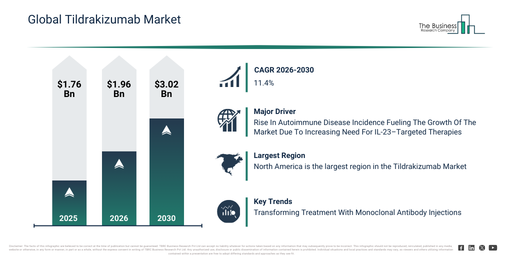
    The tildrakizumab market has shown substantial growth in recent years. Its value is projected to increase from $1.76 billion in 2025 to $1.96 billion in 2026, achieving a compound annual growth rate (CAGR) of 11.7%. Historically, this expansion has been driven by the rising incidence of plaque psoriasis, the established clinical efficacy of biologics, the proliferation of specialized dermatology clinics, increasing patient acceptance of injectable biologics, and the availability of reimbursement support for biologic therapies.

    The tildrakizumab market is predicted to undergo significant expansion in the upcoming years. It is forecast to achieve a valuation of $3.02 billion by 2030, growing at a compound annual growth rate (CAGR) of 11.4%. The impetus for this growth throughout the forecast period stems from the increasing need for personalized autoimmune treatments, the widening scope of biologic pipeline indications, a greater emphasis on sustained disease management, the growing acceptance of at-home biologic administration, and heightened investment in immunology research. Noteworthy trends during this period involve the rising application of targeted biologic therapies, an increasing embrace of IL-23 inhibitors, a developing preference for long-acting injectable treatments, the expansion of specialized distribution networks for biologics, and a heightened focus on patient-centered treatment approaches.

    Access Your Free Sample Report for In-Depth Market Insights:

    https://www.thebusinessresearchcompany.com/sample.aspx?id=21301&type=smp

    Which Drivers Are Influencing Long-Term Growth In The Tildrakizumab Market?

    The rising prevalence of autoimmune diseases is anticipated to fuel the expansion of the tildrakizumab market in the future. Autoimmune conditions involve the immune system mistakenly attacking the body’s own healthy tissues. The increase in these diseases is attributed to growing environmental triggers such as pollution and chemical exposure. Tildrakizumab offers treatment by inhibiting the IL-23 pathway, thereby alleviating inflammation and managing symptoms. A notable example occurred in August 2024, when Public Health Scotland, a national organization based in Scotland, reported that the Scottish Multiple Sclerosis Register (SMSR) recorded 455 new MS diagnoses in 2023. Consequently, the increasing occurrence of autoimmune diseases is propelling the growth of the tildrakizumab market. Enhanced healthcare facilities are projected to stimulate the growth of the tildrakizumab market in the coming years. Healthcare facilities encompass institutions such as hospitals, clinics, and diagnostic centers, which provide medical services and care to treat and support patients. Improvements in these facilities stem from factors including increased investment in healthcare infrastructure, a focus on patient-centric care, population growth, and an aging demographic. Better healthcare infrastructure expands patient access to advanced biologic treatments, streamlines diagnoses and specialist referrals, ensures effective cold chain management for biologics, and raises awareness among healthcare providers, all of which support the adoption and effectiveness of tildrakizumab for chronic inflammatory conditions such as psoriasis. For example, the American Hospital Association, a US-based non-profit organization, stated that in 2024, the United States had 6,120 hospitals, an increase from 6,093 hospitals in 2022. Thus, the advancement of healthcare facilities is driving the expansion of the tildrakizumab market.

    Which Segments Are Driving Activity In The Tildrakizumab Market?

    The tildrakizumab market covered in this report is segmented –

    1) By Indication: Plaque Psoriasis, Psoriatic Arthritis, Other Indications

    2) By Dosage Form: Injectable, Oral

    3) By Distribution Channel: Hospital Pharmacies, Retail Pharmacies, Online Pharmacies

    4) By End-User: Hospitals, Specialty Clinics, Homecare

    Subsegments:

    1) By Plaque Psoriasis: Moderate Plaque Psoriasis, Severe Plaque Psoriasis, Treatment-Resistant Plaque Psoriasis

    2) By Psoriatic Arthritis: Peripheral Psoriatic Arthritis, Axial Psoriatic Arthritis, Enthesitis-related Psoriatic Arthritis

    3) By Other Indications: Inflammatory Skin Disorders, Off-Label Autoimmune Conditions, Emerging Therapeutic Applications

    Which Trends Are Influencing The Development Of The Tildrakizumab Market?

    Leading companies within the tildrakizumab market are concentrating on developing innovative formulations, such as monoclonal antibody injections, to enhance the effectiveness of treatment and improve patient outcomes. A monoclonal antibody injection involves administering laboratory-produced antibodies specifically designed to target certain antigens in the body for therapeutic or preventive applications. For example, in May 2023, Sun Pharmaceutical Industries Ltd., an India-based pharmaceutical company, obtained approval from the Chinese health authority, National Medical Products Administration (NMPA), for its tildrakizumab injection, intended for treating plaque psoriasis. This injection operates by targeting interleukin-23 (IL-23), a cytokine that plays a role in the inflammatory response causing psoriasis. By targeting IL-23, tildrakizumab assists in reducing inflammation and slowing down excessive skin cell growth, leading to an improvement in symptoms like redness, scaling, and plaque formation.

    Which Leading Companies Dominate The Tildrakizumab Market Share?

    Major companies operating in the tildrakizumab market are Almirall S.A., Sun Pharmaceutical Industries Ltd., Novartis, Pfizer, Eli Lilly, Bristol Myers Squibb, Roche, Merck & Co, Janssen Biotech (Johnson & Johnson), Amgen, GSK, AbbVie, Sanofi, AstraZeneca, Innovent Biologics, Boehringer Ingelheim, LEO Pharma, Kyowa Kirin, Takeda Pharmaceutical, Regeneron Pharmaceuticals, Biocon Ltd.

    Access The Complete Report For Deeper Market Insights:

    https://www.thebusinessresearchcompany.com/report/tildrakizumab-global-market-report

    Which Region Is Anticipated To See The Fastest Growth In The Tildrakizumab Market?

    North America was the largest region in the tildrakizumab market in 2025. Asia-Pacific expected to be the fastest-growing region in the forecast period. The regions covered in the tildrakizumab market report are Asia-Pacific, South East Asia, Western Europe, Eastern Europe, North America, South America, Middle East, Africa.

    Request Your Customized Tildrakizumab Market Research Report for Competitive Advantage:

    https://www.thebusinessresearchcompany.com/customise?id=21301&type=smp

    Browse Through More Reports Similar to the Global Tildrakizumab Market 2026, By The Business Research Company

    Dulaglutide Market Report 2026

    https://www.thebusinessresearchcompany.com/report/dulaglutide-global-market-report

    Fishmeal Market Report 2026

    https://www.thebusinessresearchcompany.com/report/fishmeal-global-market-report

    Sukuk Market Report 2026

    https://www.thebusinessresearchcompany.com/report/sukuk-global-market-report

    Get in touch with us:

    The Business Research Company: https://www.thebusinessresearchcompany.com/

    Americas +1 310-496-7795

    Asia +44 7882 955267 & +91 8897263534

    Europe +44 7882 955267

    Email us at info@tbrc.info

    Follow us on:

    LinkedIn: https://in.linkedin.com/company/the-business-research-company

    YouTube: https://www.youtube.com/channel/UC24_fI0rV8cR5DxlCpgmyFQ

    Global Market Model: https://www.thebusinessresearchcompany.com/global-market-model
  • Tick Borne Encephalitis Market Future Outlook 2026: Key Drivers and Growth Potential

    Tick Borne Encephalitis Market Future Outlook 2026: Key Drivers and Growth Potential

    Uncover key drivers, emerging technologies, and competitive movements shaping the tick borne encephalitis market from 2026–2035 with trusted insights from The Business Research Company

    What level of CAGR-driven expansion is anticipated in the Tick Borne Encephalitis Market between 2026 and 2030?

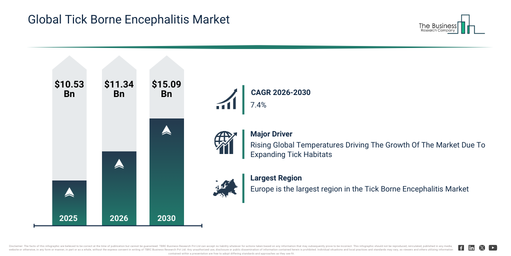
    The market size for tick borne encephalitis has demonstrated significant growth over recent years. It is anticipated to expand from $10.53 billion in 2025 to $11.34 billion in 2026, achieving a compound annual growth rate (CAGR) of 7.7%. This historic growth is largely attributable to factors such as the expansion of tick habitats due to climate change, the rising incidence of vector-borne infections, the availability of tbe vaccines in endemic regions, the growth of public health awareness campaigns, and the expansion of diagnostic testing capabilities.

    The market for tick-borne encephalitis is anticipated to experience robust expansion in the coming years. By 2030, this market is projected to reach $15.09 billion, demonstrating a compound annual growth rate (CAGR) of 7.4%. Factors contributing to this growth during the forecast period include greater financial commitments to vaccine research and development, an uptick in demand for travel-related immunization, the broadening of early diagnostic screening initiatives, increased implementation of integrated disease monitoring platforms, and an elevated emphasis on preventing infectious diseases. Key developments expected over the forecast horizon encompass a wider uptake of preventative vaccination programs, a heightened need for rapid diagnostic testing, increasing public understanding of tick-borne diseases, the broadening of integrated disease surveillance systems, and a stronger emphasis on readiness for public health emergencies.

    Access Your Free Sample Report for In-Depth Market Insights:

    https://www.thebusinessresearchcompany.com/sample.aspx?id=23542&type=smp

    What Drivers Are Affecting Demand-Supply Dynamics In The Tick Borne Encephalitis Market?

    The increasing climate change is projected to drive the expansion of the tick-borne encephalitis market in the future. Climate change signifies long-term shifts in global temperatures and weather patterns, predominantly caused by human activities such as the burning of fossil fuels and deforestation. The intensification of climate change is attributed to the excessive combustion of fossil fuels, which releases significant volumes of greenhouse gases like carbon dioxide and methane into the atmosphere, thereby trapping heat and contributing to rising global temperatures. Climate change stimulates demand for tick-borne encephalitis treatment by expanding the habitats of disease-carrying ticks due to warmer temperatures and milder winters, leading to increased infection rates and a greater necessity for diagnostics, vaccines, and antiviral treatments. As an illustration, the World Meteorological Organization (WMO), a Switzerland-based specialized agency of the United Nations, stated in November 2024 that the global mean surface air temperature from January to September 2024 was 1.54°C above the pre-industrial average (±0.13°C margin of uncertainty), influenced by a warming El Niño event. Therefore, the growing climate change is fueling the growth of the tick-borne encephalitis market.

    How Is The Tick Borne Encephalitis Market Organized Into Various Segments?

    The tick borne encephalitis market covered in this report is segmented –

    1) By Product Type: Tick-Borne Encephalitis (TBE) Vaccines, Tick Repellents, Diagnostic Tests, Antiviral Drugs

    2) By Virus Type: European Tick Borne Encephalitis Virus, Siberian Tick Borne Encephalitis Virus, Far Eastern Tick Borne Encephalitis Virus

    3) By Route of Administration: Parenteral, Other Routes Of Administration

    4) By Distribution Channel: Online, Offline

    5) By End-User: Travelers, Outdoor Enthusiasts, Healthcare Providers, Research Institutions

    Subsegments:

    1) By Tick-Borne Encephalitis (TBE) Vaccines: Inactivated (Killed) Vaccines, Live Attenuated Vaccines

    2) By Tick Repellents: DEET-Based Repellents, Picaridin-Based Repellents, Natural Or Plant-Based Repellents, Permethrin-Treated Clothing And Gear

    3) By Diagnostic Tests: ELISA (Enzyme-Linked Immunosorbent Assay), PCR (Polymerase Chain Reaction), Rapid Diagnostic Tests (RDTs), Neutralization Tests

    4) By Antiviral Drugs: Nucleoside Analogs, Interferons, Immunoglobulin Therapy, Supportive Therapy (Symptomatic Treatment)

    Who Are The Major Companies Operating In The Tick Borne Encephalitis Market?

    Major companies operating in the tick borne encephalitis market are Pfizer Inc., Sanofi Pasteur, Novartis AG, GlaxoSmithKline (GSK) Plc, Bavarian Nordic, Valneva SE, Microgen, DIESSE Diagnostica Senese S.p.A., QED Bioscience Inc., Serion Immunologics, Chumakov Federal Scientific Center, Merck & Co. Inc., AstraZeneca Plc, Johnson & Johnson (Janssen Pharmaceuticals), CSL Limited, Takeda Pharmaceutical Company Limited, Serum Institute of India Pvt Ltd, BioNTech SE, Zydus Cadila, Bharat Biotech International Limited, Walvax Biotechnology Co Ltd

    Access The Complete Report For Deeper Market Insights:

    https://www.thebusinessresearchcompany.com/report/tick-borne-encephalitis-global-market-report

    Which Global Regions Are Shaping The Competitive Landscape Of The Tick Borne Encephalitis Market?

    Europe was the largest region in the tick borne encephalitis market in 2025. North America is expected to be the fastest-growing region in the forecast period. The regions covered in the tick borne encephalitis market report are Asia-Pacific, South East Asia, Western Europe, Eastern Europe, North America, South America, Middle East, Africa.

    Request Your Customized Tick Borne Encephalitis Market Research Report for Competitive Advantage:

    https://www.thebusinessresearchcompany.com/customise?id=23542&type=smp

    Browse Through More Reports Similar to the Global Tick Borne Encephalitis Market 2026, By The Business Research Company

    Hepatic Encephalopathy Market Report 2026

    https://www.thebusinessresearchcompany.com/report/hepatic-encephalopathy-global-market-report

    Tick Repellent Market Report 2026

    https://www.thebusinessresearchcompany.com/report/tick-repellent-global-market-report

    Encephalitis Treatment Market Report 2026

    https://www.thebusinessresearchcompany.com/report/encephalitis-treatment-global-market-report

    Get in touch with us:

    The Business Research Company: https://www.thebusinessresearchcompany.com/

    Americas +1 310-496-7795

    Asia +44 7882 955267 & +91 8897263534

    Europe +44 7882 955267

    Email us at info@tbrc.info

    Follow us on:

    LinkedIn: https://in.linkedin.com/company/the-business-research-company

    YouTube: https://www.youtube.com/channel/UC24_fI0rV8cR5DxlCpgmyFQ

    Global Market Model: https://www.thebusinessresearchcompany.com/global-market-model
  • Thyroid Function Test Market Trends and Insights: Global Forecast to 2030

    Thyroid Function Test Market Trends and Insights: Global Forecast to 2030

    Uncover key drivers, emerging technologies, and competitive movements shaping the thyroid function test market from 2026–2035 with trusted insights from The Business Research Company

    What long-term size projections exist for the Thyroid Function Test Market covering 2026–2035?

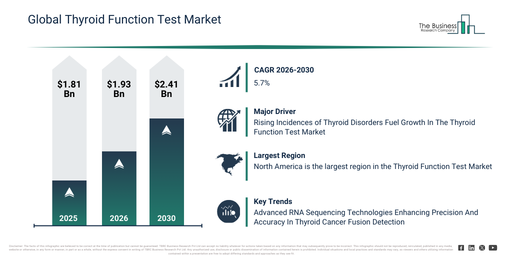
    The thyroid function test market size has demonstrated significant expansion in recent years. It is projected to grow from $1.81 billion in 2025 to $1.93 billion in 2026, exhibiting a compound annual growth rate (CAGR) of 6.5%. The market’s historic growth can be linked to the increasing occurrence of thyroid disorders, greater public awareness of endocrine health, the broadening reach of diagnostic laboratory networks, the accessibility of standardized thyroid assays, and the regular incorporation of TSH testing into routine health check-ups.

    The thyroid function test market size is anticipated to experience substantial growth in the coming years. This market is projected to reach $2.41 billion by 2030, advancing at a compound annual growth rate (CAGR) of 5.7%. The expansion during the forecast period stems from factors such as the increasing embrace of personalized medicine methods, a surge in demand for point-of-care thyroid testing, the broadening of automated laboratory procedures, a heightened emphasis on detecting diseases early, and the growing incorporation of digital diagnostics. Key trends anticipated during this period involve the increasing uptake of high-sensitivity immunoassays, a heightened call for early screening of thyroid disorders, the expanding utilization of automated diagnostic platforms, the broadening of comprehensive thyroid test panels, and an improved focus on precision and standardization in diagnostics.

    Access Your Free Sample Report for In-Depth Market Insights:

    https://www.thebusinessresearchcompany.com/sample.aspx?id=16553&type=smp

    Which Drivers Are Impacting The Competitive Landscape Of The Thyroid Function Test Market?

    The increasing occurrence of thyroid disorder incidences is projected to propel the expansion of the thyroid function test market moving forward. Thyroid disorders are health conditions impacting the functionality of the thyroid gland, which is a butterfly-shaped organ located at the front of the neck. These disorders are escalating due to factors like dietary alterations, radiation exposure, hormonal shifts, environmental influences, and autoimmune diseases. Thyroid function tests are crucial for both diagnosing and managing thyroid disorders by supplying vital data regarding thyroid hormone levels and antibody presence, thereby guiding treatment decisions, overseeing therapy effectiveness, and averting complications. For instance, in April 2024, as per the Journal of Global Health (JoGH), a UK-based non-profit organization, the number of thyroid cancer incidence cases is anticipated to reach approximately 305,078 by 2030. Therefore, the widespread incidence of thyroid disorders is a key driver for the growth of the thyroid function test market.

    What Segments Are Identified Within The Structure Of The Thyroid Function Test Market?

    The thyroid function test market covered in this report is segmented –

    1) By Test Type: Thyroid Stimulating Hormone (TSH), Triiodothyronine (T3), Thyroxine (T4), Free Triiodothyronine (FT3), Free Thyroxine (FT4)

    2) By Indication: Hypothyroidism, Hyperthyroidism, Thyroid Cancer, Other Indications

    3) By End User: Clinics, Research Organizations, Diagnostic Laboratories, Hospitals

    Subsegments:

    1) By Thyroid Stimulating Hormone (TSH): TSH Assay (Immunoassay, Electrochemiluminescence), TSH-Based Diagnostic Kits

    2) By Triiodothyronine (T3): Total T3, Free T3, T3-Based Diagnostic Kits

    3) By Thyroxine (T4): Total T4, Free T4, T4-Based Diagnostic Kits

    4) By Free Triiodothyronine (FT3): FT3 Immunoassay, FT3 Electrochemiluminescence (ECL), FT3-Based Diagnostic Kits

    5) By Free Thyroxine (FT4): FT4 Immunoassay, FT4 Electrochemiluminescence (ECL), FT4-Based Diagnostic Kits

    Which Trends Are Guiding The Evolution Of The Thyroid Function Test Market?

    Major companies operating in the thyroid function test market are creating innovative solutions, such as RNA sequencing tests, to enhance the precision of cancer fusion detection across various solid tumors, including thyroid cancer. RNA sequencing (RNA-Seq) is a high-throughput technique that facilitates the analysis of the amount and sequence of RNA in a sample, offering insights into gene expression and the complete transcriptome. For instance, in May 2024, Foundation Medicine, Inc., a US-based biotechnology company, announced the U.S. launch of FoundationOne RNA, a tissue-based RNA sequencing test developed to detect cancer-related gene fusions across 318 genes. This test provides fusion reporting for all solid tumors and may prove particularly beneficial in identifying fusions in cancers like non-small cell lung cancer (NSCLC), sarcoma, pancreatic cancer, thyroid cancer, cholangiocarcinoma, and bladder cancer.

    Which Major Firms Are Strengthening Their Position In The Thyroid Function Test Market?

    Major companies operating in the thyroid function test market are F. Hoffmann-La Roche Ltd., Abbott Laboratories Inc., Thermo Fisher Scientific Inc., Danaher Corporation, Siemens Healthineers AG, Merck KGaA, BioMérieux Inc., WerfenLife SA, DiaSorin SpA, Beckman Coulter Life Sciences, Autobio Diagnostics Co. Ltd., Quidel Corporation, Boditech Med Inc., Cortez Diagnostics, Qualigen Inc., Ortho Clinical Diagnostics, Bio-Rad Laboratories Inc., Sysmex Corporation, Randox Laboratories Ltd., Tosoh Corporation, Fujirebio

    Access The Complete Report For Deeper Market Insights:

    https://www.thebusinessresearchcompany.com/report/thyroid-function-test-global-market-report

    Which Regions Are Poised For Strategic Growth In The Thyroid Function Test Market?

    North America was the largest region in the thyroid function test market in 2025. Asia-Pacific is expected to be the fastest-growing region in the forecast period. The regions covered in the thyroid function test market report are Asia-Pacific, South East Asia, Western Europe, Eastern Europe, North America, South America, Middle East, Africa.

    Request Your Customized Thyroid Function Test Market Research Report for Competitive Advantage:

    https://www.thebusinessresearchcompany.com/customise?id=16553&type=smp

    Browse Through More Reports Similar to the Global Thyroid Function Test Market 2026, By The Business Research Company

    Anti Thyroid Drugs Market Report 2026

    https://www.thebusinessresearchcompany.com/report/anti-thyroid-drugs-global-market-report

    Thyroid Cancer Diagnostics Market Report 2026

    https://www.thebusinessresearchcompany.com/report/thyroid-cancer-diagnostics-global-market-report

    Endocrine Testing Market Report 2026

    https://www.thebusinessresearchcompany.com/report/endocrine-testing-global-market-report

    Get in touch with us:

    The Business Research Company: https://www.thebusinessresearchcompany.com/

    Americas +1 310-496-7795

    Asia +44 7882 955267 & +91 8897263534

    Europe +44 7882 955267

    Email us at info@tbrc.info

    Follow us on:

    LinkedIn: https://in.linkedin.com/company/the-business-research-company

    YouTube: https://www.youtube.com/channel/UC24_fI0rV8cR5DxlCpgmyFQ

    Global Market Model: https://www.thebusinessresearchcompany.com/global-market-model
  • Global Thyroid Eye Disease (TED) Market Report 2026–2030: Data-Driven Growth Insights

    Global Thyroid Eye Disease (TED) Market Report 2026–2030: Data-Driven Growth Insights

    Uncover key drivers, emerging technologies, and competitive movements shaping the thyroid eye disease (ted) market from 2026–2035 with trusted insights from The Business Research Company

    What total market size is anticipated for the Thyroid Eye Disease (TED) Market in 2030?

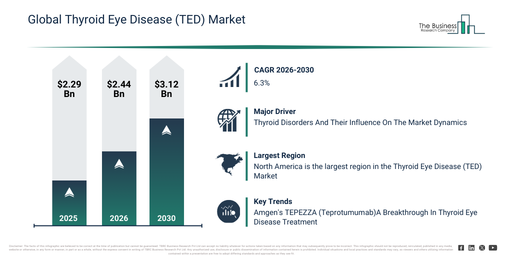
    The market size for thyroid eye disease (ted) has shown considerable growth in recent years. It is anticipated to increase from $2.29 billion in 2025 to $2.44 billion in 2026, at a compound annual growth rate (CAGR) of 6.6%. The expansion observed historically can be linked to factors like the rising occurrence of autoimmune thyroid disorders, enhanced clinical detection of ted symptoms, more widespread adoption of corticosteroid therapies, the extension of ophthalmology services, and an uptick in referral rates from endocrinology clinics.

    The market for thyroid eye disease (TED) is projected to experience substantial expansion over the upcoming years, with its valuation anticipated to reach $3.12 billion by 2030, demonstrating a compound annual growth rate (CAGR) of 6.3%. This projected growth during the forecast period can be attributed to several factors, including the increasing integration of new biologic treatments like teprotumumab, heightened investments in research for autoimmune diseases, the wider availability of minimally invasive surgical procedures, an escalating emphasis on enhancing patients’ quality of life, and a surging need for individualized TED therapies. Furthermore, key trends observed during this period will encompass a greater uptake of targeted biologic remedies, an increased application of combined treatment methods, an intensified focus on intervening early in the disease progression, the broadened reach of specialized ophthalmic services, and the development of more sophisticated patient-centric care models.

    Access Your Free Sample Report for In-Depth Market Insights:

    https://www.thebusinessresearchcompany.com/sample.aspx?id=21300&type=smp

    What Drivers Are Influencing Production Trends In The Thyroid Eye Disease (TED) Market?

    The thyroid eye disease (TED) market is anticipated to expand due to an increase in thyroid disorders. These disorders are medical conditions impacting the thyroid gland’s function, causing hormone production imbalances, which manifest as hypothyroidism, hyperthyroidism, goiter, and thyroid eye disease. The increase in thyroid disorders stems from factors like heightened iodine consumption, autoimmune conditions, genetic susceptibility, and enhanced awareness contributing to better diagnostic rates. Thyroid Eye Disease (TED) itself adds to the growing number of thyroid disorder cases, being a frequent and severe complication of Graves’ disease, thereby elevating the total impact and recognition of thyroid-related conditions. As an illustration, the Canadian Cancer Society, a Canada-based non-profit, community-based organization, reported in May 2024 that an estimated 6,600 new thyroid cancer diagnoses are anticipated in Canada in 2024, alongside a projection of approximately 280 deaths. Consequently, the surge in thyroid disorders is a key impetus for the expansion of the thyroid eye disease (TED) market.

    Which Segments Are Gaining Traction In The Thyroid Eye Disease (TED) Market?

    The thyroid eye disease (ted) market covered in this report is segmented –

    1) By Treatment Type: Medical, Surgical, Combination Of Medical And Surgical

    2) By Disease Severity: Mild, Moderate, Severe

    3) By Drug Type: Biologics, Small Molecules, Other Drug Types

    4) By Route Of Administration: Oral, Intravenous, Subcutaneous

    5) By End User: Hospitals, Clinics, Other End Users

    Subsegments:

    1) By Medical: Corticosteroids, Teprotumumab, Antithyroid Medications

    2) By Surgical: Orbital Decompression Surgery, Eyelid Surgery, Strabismus Surgery

    3) By Combination Of Medical and Surgical: Combination of Corticosteroids and Orbital Decompression, Combination of Teprotumumab and Eyelid Surgery

    What Trends Are Projected To Support The Growth Of The Thyroid Eye Disease (TED) Market?

    Leading companies in the thyroid eye disease (TED) market are concentrating on advanced solutions, like monoclonal antibody therapies, to create more potent, precise treatments aimed at diminishing inflammation, ameliorating proptosis, and elevating overall patient well-being. Monoclonal antibody therapies are medical interventions utilizing lab-created antibodies that replicate the immune system’s capacity to identify and neutralize particular pathogens or abnormal cells. A notable example occurred in September 2024, when Amgen Inc., a US-based biotechnology firm, disclosed that Japan’s Ministry of Health, Labour and Welfare (MHLW) granted approval for TEPEZZA (teprotumumab) to treat active thyroid eye disease (TED), a rare autoimmune condition that can threaten vision. This therapy stands as the pioneering and sole FDA-approved treatment specifically for TED, delivering a focused approach to alleviate inflammation, swelling, and other severe symptoms linked to the ailment. The sanction holds particular significance for patients in Japan, presenting a novel, efficacious choice to address TED, a rare and worsening disorder characterized by severe eye bulging, visual impairment, and ocular discomfort.

    Who Are The Primary Competitors In The Global Thyroid Eye Disease (TED) Market?

    Major companies operating in the thyroid eye disease (ted) market are Viridian Therapeutics Inc, Tourmaline Bio Inc, Sling Therapeutics Inc, Immunovant Inc, Hoffmann-La Roche AG, H Lundbeck A S, Alumis Inc, Changchun GeneScience Pharmaceutical Co Ltd, Minghui Pharmaceutical Inc, Amgen Inc, Crinetics Pharmaceuticals Inc, Ollin Biosciences Inc, Lycia Therapeutics Inc, Inflammasome Therapeutics Inc, Novartis Pharmaceuticals Corp, AdvanceCOR Inc, Worg Pharmaceuticals Inc, AV7 Limited, EVOQ Therapeutics Inc, ValenzaBio Inc, Regeneron Pharmaceuticals Inc, Santen Pharmaceutical Co Ltd, Sanofi SA, Alexion Pharmaceuticals Inc, Septerna Corporation

    Access The Complete Report For Deeper Market Insights:

    https://www.thebusinessresearchcompany.com/report/thyroid-eye-disease-ted-global-market-report

    Which Regions Are Projected To Dominate The Thyroid Eye Disease (TED) Market In The Coming Years?

    North America was the largest region in the thyroid eye disease (TED) market in 2025. Asia-Pacific is expected to be the fastest-growing region in the forecast period. The regions covered in the thyroid eye disease (ted) market report are Asia-Pacific, South East Asia, Western Europe, Eastern Europe, North America, South America, Middle East, Africa.

    Request Your Customized Thyroid Eye Disease (TED) Market Research Report for Competitive Advantage:

    https://www.thebusinessresearchcompany.com/customise?id=21300&type=smp

    Browse Through More Reports Similar to the Global Thyroid Eye Disease (TED) Market 2026, By The Business Research Company

    Thyroid Cancer Diagnostics Market Report 2026

    https://www.thebusinessresearchcompany.com/report/thyroid-cancer-diagnostics-global-market-report

    Eye Melanoma Market Report 2026

    https://www.thebusinessresearchcompany.com/report/eye-melanoma-global-market-report

    Thyroid Function Test Market Report 2026

    https://www.thebusinessresearchcompany.com/report/thyroid-function-test-global-market-report

    Get in touch with us:

    The Business Research Company: https://www.thebusinessresearchcompany.com/

    Americas +1 310-496-7795

    Asia +44 7882 955267 & +91 8897263534

    Europe +44 7882 955267

    Email us at info@tbrc.info

    Follow us on:

    LinkedIn: https://in.linkedin.com/company/the-business-research-company

    YouTube: https://www.youtube.com/channel/UC24_fI0rV8cR5DxlCpgmyFQ

    Global Market Model: https://www.thebusinessresearchcompany.com/global-market-model
  • Thyroid Cancer Diagnostics Market Dynamics 2026: Future Outlook and Key Insights

    Thyroid Cancer Diagnostics Market Dynamics 2026: Future Outlook and Key Insights

    Uncover key drivers, emerging technologies, and competitive movements shaping the thyroid cancer diagnostics market from 2026–2035 with trusted insights from The Business Research Company

    What is the expected shift in the Thyroid Cancer Diagnostics Market’s size between 2026 and 2030?

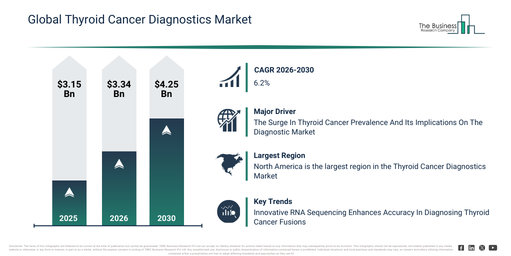
    The thyroid cancer diagnostics market has shown robust growth in recent years. It is anticipated to expand from $3.15 billion in 2025 to $3.34 billion in 2026, reflecting a compound annual growth rate (CAGR) of 6.0%. This past growth can be attributed to an increased prevalence of thyroid nodules, enhanced availability of ultrasound imaging, refined biopsy techniques, the expansion of cancer diagnostic laboratories, and heightened clinical awareness concerning thyroid cancers.

    The thyroid cancer diagnostics market size is anticipated to experience substantial expansion in the coming years. Its valuation is projected to reach $4.25 billion by 2030, growing at a compound annual growth rate (CAGR) of 6.2%. This growth during the forecast period is attributable to factors such as the increasing integration of AI-assisted imaging diagnostics, a growing need for personalized oncology diagnostics, the broadening of molecular testing panels, increased funding for early cancer screening, and a heightened emphasis on precision diagnostics. Key trends foreseen in this period encompass the escalating utilization of molecular diagnostic techniques, greater acceptance of imaging-based screening, the deepening integration of genetic testing, the expansion of early detection initiatives, and improvements in diagnostic accuracy and speed.

    Access Your Free Sample Report for In-Depth Market Insights:

    https://www.thebusinessresearchcompany.com/sample.aspx?id=12030&type=smp

    Which Drivers Are Shaping Strategic Decisions In The Thyroid Cancer Diagnostics Market?

    The escalating occurrence of thyroid cancer is propelling the expansion of the thyroid cancer diagnostic market going forward. Thyroid cancer refers to a condition affecting the thyroid gland, which is situated near the base of the throat and generates hormones vital for regulating bodily functions such as body temperature, heart rate, blood pressure, and weight. Thyroid cancer diagnostics aid in its early discovery, which can lead to improved treatment outcomes. Consequently, the rising incidence of thyroid cancer boosts the demand for the diagnostic market. For instance, in September 2023, according to a report published by the American Cancer Society, a US-based non-profit organization, there are anticipated to be approximately 43,720 new cases of thyroid cancer, with 12,540 occurring in men and 31,180 in women in 2023. The projected number of deaths from thyroid cancer in the same year is around 2,120, with 970 in men and 1,150 in women. Therefore, thyroid cancer’s increasing prevalence is fueling the thyroid cancer diagnostic market.

    What Segment Categories Are Covered In The Thyroid Cancer Diagnostics Market?

    The thyroid cancer diagnostics market covered in this report is segmented –

    1) By Technique Type: Imaging Test, Blood Test, Biopsy, Other Test Types

    2) By Disease Type: Papillary Carcinoma, Follicular Carcinoma, Other Diseases

    3) By End-User: Hospital Laboratories, Cancer Diagnostic Centers, Research Institutes, Other End-Users

    Subsegments:

    1) By Imaging Test: Ultrasound Imaging, Computed Tomography (CT) Scans, Magnetic Resonance Imaging (MRI), Positron Emission Tomography (PET) Scans, Radioactive Iodine Scans

    2) By Blood Test: Thyroid Function Tests, Tumor Marker Tests, Genetic Testing For Thyroid Cancer

    3) By Biopsy: Fine Needle Aspiration (FNA) Biopsy, Core Needle Biopsy, Surgical Biopsy

    4) By Other Test Type: Molecular Diagnostics, Immunohistochemistry Tests, Histopathological Analysis

    Which Trends Are Influencing The Performance And Direction Of The Thyroid Cancer Diagnostics Market?

    Leading companies in the thyroid cancer diagnostic market are developing advanced solutions, such as RNA sequencing tests, to improve the accuracy of detecting cancer fusions across various solid tumors, including thyroid cancer. RNA sequencing (RNA-Seq) is a high-throughput method that allows for the analysis of RNA quantity and sequence in a sample, offering insights into gene expression and the overall transcriptome. For example, in May 2024, Foundation Medicine, Inc., a US-based biotechnology company, announced the U.S. launch of FoundationOne RNA, a tissue-based RNA sequencing test designed to identify cancer-related gene fusions across 318 genes. This test provides fusion reporting for all solid tumors and could be especially valuable for detecting fusions in cancers such as non-small cell lung cancer (NSCLC), sarcoma, pancreatic cancer, thyroid cancer, cholangiocarcinoma, and bladder cancer.

    Which Key Market Players Are Investing In Expansion And Innovation Within The Thyroid Cancer Diagnostics Market?

    Major companies operating in the thyroid cancer diagnostics market are General Electric, F. Hoffmann-La Roche AG, Thermo Fisher Scientific Inc., Abbott Laboratories, Toshiba Corporation, Siemens Healthcare GmbH, FUJIFILM Holdings Corporation, Koninklijke Philips N.V., Agilent Technologies Inc., Hologic Inc., Illumina Inc., BioMérieux SA, Bio-Rad Laboratories Inc., Quest Diagnostics Inc., Qiagen N.V., Cepheid, Veracyte Inc., DiaSorin S.p.A., Myriad Genetics Inc., Interpace Biosciences, Guardant Health, BillionToOne, Canon Inc., Beckman Coulter Inc.

    Access The Complete Report For Deeper Market Insights:

    https://www.thebusinessresearchcompany.com/report/thyroid-cancer-diagnostics-global-market-report

    Which Region Is Expected To Experience The Fastest Growth In The Thyroid Cancer Diagnostics Market?

    North America was the largest region in the thyroid cancer diagnostics market in 2025. Asia-Pacific is expected to be the fastest-growing region in the forecast period. The regions covered in the thyroid cancer diagnostics market report are Asia-Pacific, South East Asia, Western Europe, Eastern Europe, North America, South America, Middle East, Africa.

    Request Your Customized Thyroid Cancer Diagnostics Market Research Report for Competitive Advantage:

    https://www.thebusinessresearchcompany.com/customise?id=12030&type=smp

    Browse Through More Reports Similar to the Global Thyroid Cancer Diagnostics Market 2026, By The Business Research Company

    Thyroid Cancer Drugs Market Report 2026

    https://www.thebusinessresearchcompany.com/report/thyroid-cancer-drugs-global-market-report

    Thyroid Function Test Market Report 2026

    https://www.thebusinessresearchcompany.com/report/thyroid-function-test-global-market-report

    Cancer Diagnostics Market Report 2026

    https://www.thebusinessresearchcompany.com/report/cancer-diagnostics-global-market-report

    Get in touch with us:

    The Business Research Company: https://www.thebusinessresearchcompany.com/

    Americas +1 310-496-7795

    Asia +44 7882 955267 & +91 8897263534

    Europe +44 7882 955267

    Email us at info@tbrc.info

    Follow us on:

    LinkedIn: https://in.linkedin.com/company/the-business-research-company

    YouTube: https://www.youtube.com/channel/UC24_fI0rV8cR5DxlCpgmyFQ

    Global Market Model: https://www.thebusinessresearchcompany.com/global-market-model
  • Thrombotic Thrombocytopenic Purpura (TTP) Market Research: Growth Projections and Trends 2030

    Thrombotic Thrombocytopenic Purpura (TTP) Market Research: Growth Projections and Trends 2030

    Uncover key drivers, emerging technologies, and competitive movements shaping the thrombotic thrombocytopenic purpura (ttp) market from 2026–2035 with trusted insights from The Business Research Company

    What growth pattern is forecast for the Thrombotic Thrombocytopenic Purpura (TTP) Market size between 2026 and 2035?

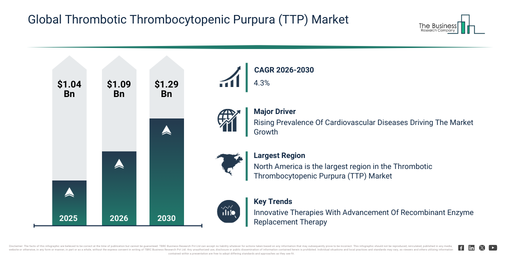
    The market for thrombotic thrombocytopenic purpura (ttp) has experienced steady growth in recent times. It is projected to increase from $1.04 billion in 2025 to $1.09 billion in 2026, achieving a compound annual growth rate (CAGR) of 4.4%. This historical expansion can be attributed to better recognition of rare hematologic disorders, the widespread availability of plasma exchange therapy, higher survival rates due to early therapeutic interventions, the expansion of intensive care services within hospitals, and the evolution of rituximab-based treatments.

    The thrombotic thrombocytopenic purpura (TTP) market size is anticipated to experience consistent expansion in the coming years, with projections indicating it will reach $1.29 billion by 2030, driven by a compound annual growth rate (CAGR) of 4.3%. This forecasted increase can be attributed to several factors, including the increasing adoption of caplacizumab therapy, rising investments in rare disease research, the expansion of genetic testing for ADAMTS13 deficiency, a growing focus on early relapse prevention, and the increasing establishment of specialized TTP treatment centers. Prominent trends expected during this forecast period include the increasing use of targeted biologic therapies, rising adoption of plasma exchange innovations, a growing emphasis on rapid diagnostic protocols, the expansion of specialized treatment centers, and enhanced patient monitoring technologies.

    Access Your Free Sample Report for In-Depth Market Insights:

    https://www.thebusinessresearchcompany.com/sample.aspx?id=21299&type=smp

    Which Drivers Are Impacting Market Performance In The Thrombotic Thrombocytopenic Purpura (TTP) Market?

    The growing incidence of cardiovascular diseases is anticipated to fuel the expansion of the thrombotic thrombocytopenic purpura (TTP) market. Cardiovascular diseases encompass various disorders affecting the heart and blood vessels, including conditions like coronary artery disease, heart failure, and stroke. The increasing prevalence of these diseases stems from factors such as an aging population, unhealthy diets, lack of physical activity, obesity, smoking, excessive alcohol intake, and heightened stress levels. Thrombotic thrombocytopenic purpura (TTP) contributes to cardiovascular diseases by inducing widespread microvascular thrombosis, endothelial dysfunction, and systemic inflammation, which in turn heighten the risk of hypertension, myocardial infarction, and other cardiovascular complications. As an illustration, the American Heart Association, a US-based non-profit organization, reported in January 2024 that the age-adjusted death rate from cardiovascular disease climbed to 233.3 per 100,000 in 2024, representing a 4.0% increase from 224.4 per 100,000 in 2023. Thus, the escalating prevalence of cardiovascular diseases is a key driver for the growth of the thrombotic thrombocytopenic purpura (TTP) market.

    Which Segments Are Contributing To The Growth Of The Thrombotic Thrombocytopenic Purpura (TTP) Market?

    The thrombotic thrombocytopenic purpura (ttp) market covered in this report is segmented –

    1) By Type: Inherited Thrombotic Thrombocytopenic Purpura (TTP), Acquired Thrombotic Thrombocytopenic Purpura (TTP)

    2) By Treatment: Plasma Exchange, Corticosteroids, Rituximab, Caplacizumab, Other Treatment Types

    3) By End-Users: Hospitals, Speciality Centres, Other End Users

    Subsegments:

    1) By Inherited Thrombotic Thrombocytopenic Purpura (TTP): Congenital ADAMTS13 Deficiency, Upshaw-Schulman Syndrome

    2) By Acquired Thrombotic Thrombocytopenic Purpura (TTP): Immune-Mediated TTP, Secondary TTP

    What Long-Term Trends Are Expected To Shape The Future Of The Thrombotic Thrombocytopenic Purpura (TTP) Market?

    Major companies operating in the thrombotic thrombocytopenic purpura (TTP) market are prioritizing the development of innovative therapies, such as recombinant enzyme replacement therapy, to enhance treatment effectiveness and patient outcomes. Recombinant enzyme replacement therapy refers to a medical approach involving the administration of synthetic or bioengineered enzymes to patients suffering from enzyme deficiency disorders, aiming to restore normal metabolic function. For instance, in November 2023, Takeda Pharmaceutical Company Limited, a Japan-based pharmaceutical company, announced the approval of ADZYNMA by the U.S. Food and Drug Administration (FDA), a US-based government agency. ADZYNMA is a recombinant ADAMTS13 enzyme replacement therapy and represents the first and only treatment for congenital thrombotic thrombocytopenic purpura (cTTP) in both adult and pediatric patients. Congenital thrombotic thrombocytopenic purpura (cTTP) is an ultra-rare blood clotting disorder resulting from a deficiency in the ADAMTS13 enzyme. Clinical trials supporting this approval confirmed that ADZYNMA effectively lowered the risk of acute TTP events, and it is now available in the U.S. for both preventive and on-demand treatment.

    Who Are The Core Companies Influencing Trends In The Thrombotic Thrombocytopenic Purpura (TTP) Market?

    Major companies operating in the thrombotic thrombocytopenic purpura (ttp) market are Pfizer Inc., Takeda Pharmaceutical Company, Sanofi S.A., Baxter International Inc., Octapharma AG, Omeros Corporation, Rigel Pharmaceuticals Inc., Biocryst Pharmaceuticals Inc., TargED Biopharmaceuticals B.V., Carelon Research, Archemix Corp., Eisai Inc., Shionogi & Co. Ltd., Global Blood Therapeutics, Beijing InnoCare Pharma, Gilead Sciences, Merck & Co. Inc., AstraZeneca, Janssen Pharmaceutical Companies, F Hoffmann-La Roche Ltd, CSL Behring

    Access The Complete Report For Deeper Market Insights:

    https://www.thebusinessresearchcompany.com/report/thrombotic-thrombocytopenic-purpura-ttp-global-market-report

    Which Geographic Areas Are Emerging As Strong Markets For The Thrombotic Thrombocytopenic Purpura (TTP) Market?

    North America was the largest region in the thrombotic thrombocytopenic purpura (TTP) market in 2025. Asia-Pacific is expected to be the fastest-growing region in the forecast period. The regions covered in the thrombotic thrombocytopenic purpura (ttp) market report are Asia-Pacific, South East Asia, Western Europe, Eastern Europe, North America, South America, Middle East, Africa.

    Request Your Customized Thrombotic Thrombocytopenic Purpura (TTP) Market Research Report for Competitive Advantage:

    https://www.thebusinessresearchcompany.com/customise?id=21299&type=smp

    Browse Through More Reports Similar to the Global Thrombotic Thrombocytopenic Purpura (TTP) Market 2026, By The Business Research Company

    Deep Vein Thrombosis Market Report 2026

    https://www.thebusinessresearchcompany.com/report/deep-vein-thrombosis-global-market-report

    Antithrombotic Drugs Market 2026

    https://www.thebusinessresearchcompany.com/report/antithrombotic-drugs-market

    Venous Thromboembolism Market Report 2026

    https://www.thebusinessresearchcompany.com/report/venous-thromboembolism-global-market-report

    Get in touch with us:

    The Business Research Company: https://www.thebusinessresearchcompany.com/

    Americas +1 310-496-7795

    Asia +44 7882 955267 & +91 8897263534

    Europe +44 7882 955267

    Email us at info@tbrc.info

    Follow us on:

    LinkedIn: https://in.linkedin.com/company/the-business-research-company

    YouTube: https://www.youtube.com/channel/UC24_fI0rV8cR5DxlCpgmyFQ

    Global Market Model: https://www.thebusinessresearchcompany.com/global-market-model
  • Global Thrombocytopenia Industry Insights: Key Trends and Growth Estimates

    Global Thrombocytopenia Industry Insights: Key Trends and Growth Estimates

    Uncover key drivers, emerging technologies, and competitive movements shaping the thrombocytopenia market from 2026–2035 with trusted insights from The Business Research Company

    How much larger will the Thrombocytopenia Market be in 2030 compared with 2026?

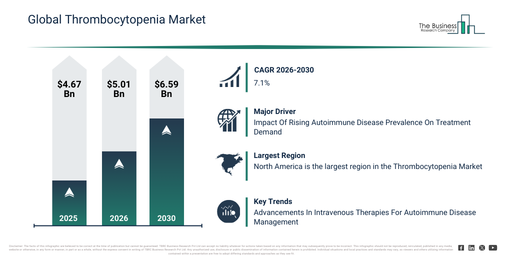
    The thrombocytopenia market has seen significant expansion over recent years. It is anticipated to increase from $4.67 billion in 2025 to $5.01 billion in 2026, exhibiting a compound annual growth rate (CAGR) of 7.2%. This historical growth can be linked to factors such as the growing occurrence of autoimmune disorders, increased reliance on chemotherapy treatments, enhanced diagnostic abilities for platelet disorders, heightened clinical understanding of bleeding conditions, and the broadening of hospital-based hematology services.

    The thrombocytopenia market is anticipated to experience substantial growth in the upcoming years. Its valuation is projected to reach $6.59 billion by 2030, exhibiting a compound annual growth rate (CAGR) of 7.1%. This expansion during the forecast period is fueled by factors such as the increasing creation of new thrombopoietin receptor agonists, a growing embrace of personalized medicine strategies, the broadening of outpatient treatment availability, rising investments in therapies for rare diseases, and a heightened emphasis on early intervention techniques. Key developments expected during this period involve the increasing uptake of targeted drug treatments, a surge in the application of immunomodulatory therapies, a stronger focus on diagnosing diseases early, the broadening of tailored treatment plans, and improved surveillance of platelet disorders.

    Access Your Free Sample Report for In-Depth Market Insights:

    https://www.thebusinessresearchcompany.com/sample.aspx?id=21298&type=smp

    What Drivers Are Guiding Growth Patterns In The Thrombocytopenia Market?

    An anticipated increase in autoimmune disease cases is projected to fuel expansion within the thrombocytopenia market moving ahead. These conditions arise when the body’s immune system erroneously targets its own healthy cells and tissues, perceiving them as external dangers. Such an irregular reaction results in inflammation and harm across different organs and bodily systems. The escalating incidence of autoimmune disorders is associated with genetic vulnerabilities, environmental influences, shifts in lifestyle, and improved diagnostic capabilities stemming from greater awareness. Autoimmune conditions contribute to thrombocytopenia by prompting the immune system to target and eliminate the body’s platelets, or by hindering their formation within the bone marrow. As an illustration, information from Public Health Scotland, a national organization based in Scotland, indicated in August 2024 that the Scottish Multiple Sclerosis Register (SMSR) documented 455 newly identified MS patients in 2023. Consequently, the increasing occurrence of autoimmune diseases is propelling the expansion of the thrombocytopenia market.

    How Is The Thrombocytopenia Market Divided Into Segments?

    The thrombocytopenia market covered in this report is segmented –

    1) By Type: Idiopathic Thrombocytopenic, Thrombotic Thrombocytopenic, Drug-Induced Thrombocytopenia

    2) By Drugs: Danazol, Intravenous Immune Globulin, Rituximab, Eltrombopag, Romiplostim, Splenectomy, Corticosteroid, Other Drugs

    3) By Route Of Administration: Oral, Parenteral, Other Routes Of Administration

    4) By End User: Hospitals, Specialty Clinics, Homecare, Other End Users

    Subsegments:

    1) By Idiopathic Thrombocytopenic (ITP): Acute ITP, Chronic ITP

    2) By Thrombotic Thrombocytopenic (TTP): Congenital TTP (Hereditary ADAMTS13 Deficiency), Acquired TTP (Immune-Mediated)

    3) By Drug-Induced Thrombocytopenia (DITP): Heparin-Induced Thrombocytopenia (HIT), Chemotherapy-Induced Thrombocytopenia

    Which Market Trends Are Opening Growth Opportunities In The Thrombocytopenia Market?

    Major companies operating in the thrombocytopenia market are prioritizing advancements, including the development of intravenous therapy, to improve treatment effectiveness, accelerate response time, enhance patient adherence, and meet unmet medical needs. Intravenous therapy in thrombocytopenia offers rapid platelet count improvement, ensuring quick symptom relief and reducing the risk of bleeding complications. It also enhances treatment precision, providing controlled and effective platelet support for patients with severe or chronic cases. For instance, in March 2024, Argenx SE, a Netherlands-based biotechnology company, received approval from Japan’s Ministry of Health, Labor, and Welfare (MHLW) for VYVGART for intravenous use in adults with primary immune thrombocytopenia (ITP). This approval represents a major advancement, offering a targeted treatment with rapid effectiveness and sustained platelet response, addressing unmet needs in autoimmune disease management.

    Which Major Industry Participants Are Leading The Thrombocytopenia Market Growth?

    Major companies operating in the thrombocytopenia market are Pfizer Inc., Johnson & Johnson, Bayer AG, Sanofi S.A., Novartis AG, GSK Plc, Takeda Pharmaceutical Company Limited, Eli Lilly and Company, Amgen Inc., Merck & Co. Inc., Swedish Orphan Biovitrum AB, Argenx SE, GC Pharma, Biotest AG, UCB Biopharma, Rigel Pharmaceuticals, Keros Therapeutics Inc., Dova Pharmaceuticals (Sobi), F Hoffmann-La Roche Ltd, Eisai Co Ltd, Biogen Inc, Bristol-Myers Squibb Company

    Access The Complete Report For Deeper Market Insights:

    https://www.thebusinessresearchcompany.com/report/thrombocytopenia-global-market-report

    Which Region Is Projected To Lead The Thrombocytopenia Market During The Forecast Period?

    North America was the largest region in the thrombocytopenia market in 2025. Asia-Pacific is expected to be the fastest-growing region in the forecast period. The regions covered in the thrombocytopenia market report are Asia-Pacific, South East Asia, Western Europe, Eastern Europe, North America, South America, Middle East, Africa.

    Request Your Customized Thrombocytopenia Market Research Report for Competitive Advantage:

    https://www.thebusinessresearchcompany.com/customise?id=21298&type=smp

    Browse Through More Reports Similar to the Global Thrombocytopenia Market 2026, By The Business Research Company

    Antithrombotic Drugs Market 2026

    https://www.thebusinessresearchcompany.com/report/antithrombotic-drugs-market

    Venous Thromboembolism Market Report 2026

    https://www.thebusinessresearchcompany.com/report/venous-thromboembolism-global-market-report

    Deep Vein Thrombosis Market Report 2026

    https://www.thebusinessresearchcompany.com/report/deep-vein-thrombosis-global-market-report

    Get in touch with us:

    The Business Research Company: https://www.thebusinessresearchcompany.com/

    Americas +1 310-496-7795

    Asia +44 7882 955267 & +91 8897263534

    Europe +44 7882 955267

    Email us at info@tbrc.info

    Follow us on:

    LinkedIn: https://in.linkedin.com/company/the-business-research-company

    YouTube: https://www.youtube.com/channel/UC24_fI0rV8cR5DxlCpgmyFQ

    Global Market Model: https://www.thebusinessresearchcompany.com/global-market-model