Month: March 2026

  • Vasopressor Sector Forecast Shows Robust Momentum, Climbing to $5.12 Billion With 6.6% CAGR

    Vasopressor Sector Forecast Shows Robust Momentum, Climbing to $5.12 Billion With 6.6% CAGR

    Uncover key drivers, emerging technologies, and competitive movements shaping the vasopressor market from 2026–2035 with trusted insights from The Business Research Company

    What level of CAGR-driven expansion is anticipated in the Vasopressor Market between 2026 and 2030?

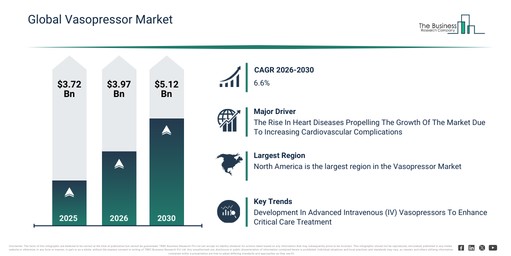
    The vasopressor market has shown significant expansion in recent years. It is anticipated to grow from $3.72 billion in 2025 to $3.97 billion in 2026, achieving a compound annual growth rate (CAGR) of 6.7%. The historical growth of this market can be linked to several factors, including the increasing incidence of septic shock cases, the expansion of critical care infrastructure, widespread adoption of catecholamine therapies, improved emergency response systems, and growing ICU admission rates.

    The vasopressor market size is expected to experience significant growth over the next few years. It is projected to reach $5.12 billion by 2030, expanding at a compound annual growth rate (CAGR) of 6.6%. This growth during the forecast period can be attributed to the increasing development of next-generation vasopressors, a growing focus on precision critical care medicine, an expansion of emergency medical services capacity, the increasing integration of digital ICU systems, and a rising demand for rapid hemodynamic stabilization therapies. Major trends expected in this period include the increased use of advanced vasopressor formulations, an escalating focus on protocol-driven critical care management, the growing adoption of combination vasopressor therapies, expanded ICU monitoring integration, and an enhanced emphasis on rapid-response treatment strategies.

    Access Your Free Sample Report for In-Depth Market Insights:

    https://www.thebusinessresearchcompany.com/sample.aspx?id=23562&type=smp

    What Drivers Are Affecting Demand-Supply Dynamics In The Vasopressor Market?

    An anticipated increase in heart diseases is poised to fuel the expansion of the vasopressor market in the future. Heart conditions encompass various ailments impacting the heart’s structure and operational capabilities, such as coronary artery disease, irregular heartbeats (arrhythmias), heart failure, and birth defects of the heart. Growing prevalence of inactive lifestyles contributes to obesity and suboptimal cardiovascular well-being, considerably elevating the likelihood of developing heart disease. Vasopressors assist in managing heart disease by narrowing blood vessels, consequently raising blood pressure and enhancing circulation to essential organs, thus supporting cardiac function in severe situations. As an illustration, data from October 2024, provided by the Centers for Disease Control and Prevention (CDC), a federal public health agency based in the US, revealed that cardiovascular diseases were responsible for 919,032 deaths within the United States, constituting roughly one in every three fatalities across the nation. Consequently, the escalating incidence of heart disease stimulates the growth of the vasopressor market.

    What Segments Are Included Within The Vasopressor Market?

    The vasopressor market covered in this report is segmented –

    1) By Type: Catecholamines, Non-Catecholamines, Vasopressin

    2) By Route Of Administration: Intravenous (IV), Intraosseous, Inhalational

    3) By Applications: Hypotension Management, Septic Shock Treatment, Cardiogenic Shock Support, Post-Surgical Management, Other Critical Care Applications

    4) By End Users: Hospitals, Ambulatory Surgical Centers, Emergency Medical Services, Home Care Settings

    Subsegments:

    1) By Catecholamines: Norepinephrine, Epinephrine, Dopamine, Isoproterenol

    2) By Non-Catecholamines: Phenylephrine, Angiotensin II

    3) By Vasopressin: Vasopressin, Terlipressin, Selepressin

    Which Trends Are Expected To Influence The Vasopressor Market In The Upcoming Years?

    Leading firms within the vasopressor market are prioritizing the creation of sophisticated solutions, including intravenous (IV) vasopressors, aimed at bettering blood pressure management and elevating patient results. These intravenous (IV) vasopressors function by narrowing blood vessels and raising blood pressure for individuals experiencing severe hypotension or shock, thereby guaranteeing sufficient blood supply to essential organs. An example of this is when, in June 2023, Fresenius Kabi AG, a pharmaceutical company based in Germany, introduced Vasopressin Injection, USP, which is a generic version of Vasostrict, within the United States, thereby extending its critical care product range. The specific use for this medicine is for adults suffering from vasodilatory shock who continue to have low blood pressure even after receiving fluids and catecholamines. It is supplied in a single-dose vial that contains 20 units per 1 mL.

    Who Are The Major Companies Operating In The Vasopressor Market?

    Major companies operating in the vasopressor market are Pfizer Inc., Merck And Co Inc., Novartis AG, Baxter International Inc., Fresenius Kabi AG, Dr. Reddy’s Laboratories Limited, Hikma Pharmaceuticals PLC, Endo Inc., Amphastar Pharmaceuticals Inc., American Regent Incorporated, Celon Laboratories Ltd., Sagent Pharmaceuticals Inc., Civica Rx, Eton Pharmaceuticals Inc., Amomed Pharma GmbH, Health Biotech Limited, Samarth Life Sciences Pvt. Ltd, Pace Biotech Limited

    Access The Complete Report For Deeper Market Insights:

    https://www.thebusinessresearchcompany.com/report/vasopressor-global-market-report

    Which Global Regions Are Shaping The Competitive Landscape Of The Vasopressor Market?

    North America was the largest region in the vasopressor market in 2025. Asia-Pacific is expected to be the fastest-growing region in the forecast period. The regions covered in the vasopressor market report are Asia-Pacific, South East Asia, Western Europe, Eastern Europe, North America, South America, Middle East, Africa.

    Request Your Customized Vasopressor Market Research Report for Competitive Advantage:

    https://www.thebusinessresearchcompany.com/customise?id=23562&type=smp

    Browse Through More Reports Similar to the Global Vasopressor Market 2026, By The Business Research Company

    Mechanical Ventilator Market 2026

    https://www.thebusinessresearchcompany.com/report/mechanical-ventilator-market

    Vasodilators Market Report 2026

    https://www.thebusinessresearchcompany.com/report/vasodilators-global-market-report

    Excavator Market Report 2026

    https://www.thebusinessresearchcompany.com/report/excavator-global-market-report

    Get in touch with us:

    The Business Research Company: https://www.thebusinessresearchcompany.com/

    Americas +1 310-496-7795

    Asia +44 7882 955267 & +91 8897263534

    Europe +44 7882 955267

    Email us at info@tbrc.info

    Follow us on:

    LinkedIn: https://in.linkedin.com/company/the-business-research-company

    YouTube: https://www.youtube.com/channel/UC24_fI0rV8cR5DxlCpgmyFQ

    Global Market Model: https://www.thebusinessresearchcompany.com/global-market-model
  • Vasomotor Menopausal Symptoms (VMS) Treatment Market Anticipated to Record Steady Gains, Advancing to $26.47 Billion by 2030

    Vasomotor Menopausal Symptoms (VMS) Treatment Market Anticipated to Record Steady Gains, Advancing to $26.47 Billion by 2030

    Uncover key drivers, emerging technologies, and competitive movements shaping the vasomotor menopausal symptoms (vms) treatment market from 2026–2035 with trusted insights from The Business Research Company

    What long-term size projections exist for the Vasomotor Menopausal Symptoms (VMS) Treatment Market covering 2026–2035?

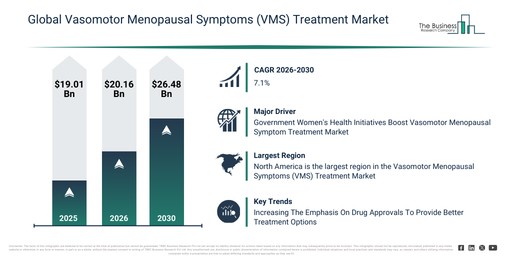
    The vasomotor menopausal symptoms (vms) treatment market size has seen robust expansion in recent years. This market is projected to climb from $19.01 billion in 2025 to $20.16 billion in 2026, registering a compound annual growth rate (CAGR) of 6.0%. The market’s historical growth can be attributed to an increasing prevalence of menopausal symptoms, the widespread adoption of hormone replacement therapy, expanding clinical research into neurotransmitter-based treatments, the development of women’s health services, and improved access to specialty clinics.

    The vasomotor menopausal symptoms (vms) treatment market is anticipated to show significant expansion over the next few years, with its size expected to reach $26.48 billion by 2030, exhibiting a compound annual growth rate (CAGR) of 7.1%. This growth during the forecast period stems from factors such as increasing demand for non-hormonal treatment alternatives, heightened awareness regarding menopause-related health management, growing investments in women’s health research, the expansion of telemedicine-based treatment delivery, and the development of next-generation VMS therapeutics. Major trends during this period are projected to include the accelerating development of non-hormonal therapies, the increasing adoption of personalized menopause treatment plans, a rising reliance on digital health platforms for symptom management, the expansion of combination drug therapies, and an enhanced focus on long-term safety profiles.

    Access Your Free Sample Report for In-Depth Market Insights:

    https://www.thebusinessresearchcompany.com/sample.aspx?id=13051&type=smp

    Which Drivers Are Impacting The Competitive Landscape Of The Vasomotor Menopausal Symptoms (VMS) Treatment Market?

    Government-led initiatives concerning women’s health during menopause are anticipated to stimulate the expansion of the vasomotor menopausal symptom’s treatment market. These governmental programs for menopausal health include financial support for innovative studies on menopausal transition, illness prevention, and research encompassing pharmacological, clinical, and epidemiological facets. These efforts are integral to wider women’s health initiatives designed to address diverse concerns. For instance, in January 2023, the Government of New South Wales, an Australia-based government agency, reported that it allocated $40.3 million over four years (2022-2023 to 2025-2026) to establish up to 16 new programs for women experiencing severe menopausal symptoms. Thus, the government’s initiatives for women’s health in menopause are actively driving the growth of the vasomotor menopausal symptom’s treatment market.

    What Leading Segments Are Studied In The Vasomotor Menopausal Symptoms (VMS) Treatment Market?

    The vasomotor menopausal symptoms (vms) treatment market covered in this report is segmented –

    1) By Drug Class: Antidepressants, Fluoxetine, Paroxetine, Sertraline, Hormone Therapy, Anticonvulsant, Other Drug Classes

    2) By Distribution Channel: Hospital Pharmacy, Retail Pharmacy, Online Pharmacy, Other Distribution Channels

    3) By End-User: Hospitals, Specialty Clinics, Homecare, Other End-Users

    Subsegments:

    1) By Antidepressants: SSRIs (Selective Serotonin Reuptake Inhibitors), SNRIs (Serotonin-Norepinephrine Reuptake Inhibitors), TCAs (Tricyclic Antidepressants), MAOIs (Monoamine Oxidase Inhibitors), Atypical Antidepressants

    2) By Fluoxetine: Depression, Obsessive-Compulsive Disorder (OCD), Panic Disorder, Generalized Anxiety Disorder (GAD), Post-Traumatic Stress Disorder (PTSD), Social Anxiety Disorder, Premenstrual Dysphoric Disorder (PMDD)

    3) By Paroxetine: Depression, Obsessive-Compulsive Disorder (OCD), Panic Disorder, Generalized Anxiety Disorder (GAD), Post-Traumatic Stress Disorder (PTSD), Social Anxiety Disorder, Premenstrual Dysphoric Disorder (PMDD)

    4) By Sertraline: Depression, Obsessive-Compulsive Disorder (OCD), Panic Disorder, Post-Traumatic Stress Disorder (PTSD), Social Anxiety Disorder, Premenstrual Dysphoric Disorder (PMDD)

    5) By Hormone Therapy: Estrogen Replacement Therapy (ERT), Progestin Therapy, Combined Hormonal Therapy (CHT), Testosterone Replacement Therapy (TRT)

    6) By Anticonvulsant: Hydantoins, Barbiturates, Benzodiazepines, Valproates, Succinimides, Carboxylic Acid Derivatives

    7) By Other Drug Classes: Antibiotics, Analgesics, Antidiabetics, Antihypertensives, Anticoagulants, Immunosuppressants, Antipsychotics, Antihistamines

    What Trends Are Driving The Growth Trajectory Of The Vasomotor Menopausal Symptoms (VMS) Treatment Market?

    Leading companies in the vasomotor menopausal symptoms treatment market are actively developing products, such as Veozah, and securing regulatory approvals to introduce new therapeutic choices and address patients’ unmet medical needs. The authorization of novel medications for menopause offers superior efficacy and safety when compared to existing treatments. For instance, in May 2023, Astellas Pharma Inc, a Japan-based pharmaceutical company, obtained approval for Veozah (fezolinetant) 45 mg once daily from the Food and Drug Administration (FDA), a US-based federal agency, for the management of menopausal vasomotor symptoms (VMS), which vary from mild to severe. This represents the first nonhormonal neurokinin 3 (NK3) receptor antagonist to receive authorization for treating menopausal-related VMS. It functions as a hormone-free solution by blocking a specific pathway in the brain that helps control these symptoms. Veozah provides an alternative treatment option for women experiencing these symptoms, particularly those who are unable to use or prefer to avoid hormone therapy. The approval of Veozah underscores its significance as a new drug for managing menopausal symptoms.

    Which Major Firms Are Strengthening Their Position In The Vasomotor Menopausal Symptoms (VMS) Treatment Market?

    Major companies operating in the vasomotor menopausal symptoms (vms) treatment market are Pfizer Inc., Abbvie Inc., Novartis AG, Teva Pharmaceutical Industries Ltd., Mylan N.V., Sun Pharmaceutical Industries Ltd., Aurobindo Pharma Limited, Kyowa Kirin Co. Ltd., Dr. Reddy’s Laboratories Ltd., Alembic Pharmaceuticals Limited Inc., Apotex Inc., Hikma Pharmaceutical plc, Endo Pharmaceuticals plc, Amneal Pharmaceuticals LLC, Mundipharma International Ltd., Lupin Limited, Glenmark Pharmaceuticals Ltd., Hisamitsu Pharmaceutical Co. Inc., Emcure Pharmaceuticals Limited, Wockhardt Pvt. Ltd., QuatRx Pharmaceuticals Company, Bionovo Inc., Mithra Pharmaceuticals SA, EndoCeutics Inc., Zydus Group, Edgemont Pharmaceuticals LLC, MenoGeniX Inc., Agile Therapeutics Inc

    Access The Complete Report For Deeper Market Insights:

    https://www.thebusinessresearchcompany.com/report/vasomotor-menopausal-symptoms-vms-treatment-global-market-report

    Which Regions Are Poised For Strategic Growth In The Vasomotor Menopausal Symptoms (VMS) Treatment Market?

    North America was the largest region in the vasomotor menopausal symptoms (VMS) treatment market in 2025. The regions covered in the vasomotor menopausal symptoms (vms) treatment market report are Asia-Pacific, South East Asia, Western Europe, Eastern Europe, North America, South America, Middle East, Africa.

    Request Your Customized Vasomotor Menopausal Symptoms (VMS) Treatment Market Research Report for Competitive Advantage:

    https://www.thebusinessresearchcompany.com/customise?id=13051&type=smp

    Browse Through More Reports Similar to the Global Vasomotor Menopausal Symptoms (VMS) Treatment Market 2026, By The Business Research Company

    Vulvodynia Treatment Market Report 2026

    https://www.thebusinessresearchcompany.com/report/vulvodynia-treatment-global-market-report

    Menopausal Hot Flashes Market Report 2026

    https://www.thebusinessresearchcompany.com/report/menopausal-hot-flashes-global-market-report

    Menopause Market Report 2026

    https://www.thebusinessresearchcompany.com/report/menopause-global-market-report

    Get in touch with us:

    The Business Research Company: https://www.thebusinessresearchcompany.com/

    Americas +1 310-496-7795

    Asia +44 7882 955267 & +91 8897263534

    Europe +44 7882 955267

    Email us at info@tbrc.info

    Follow us on:

    LinkedIn: https://in.linkedin.com/company/the-business-research-company

    YouTube: https://www.youtube.com/channel/UC24_fI0rV8cR5DxlCpgmyFQ

    Global Market Model: https://www.thebusinessresearchcompany.com/global-market-model
  • Vasoactive Intestinal Peptide Tumor Industry Poised for Rapid Growth, Forecast to Touch $2.14 Billion by 2030 at 6% CAGR

    Vasoactive Intestinal Peptide Tumor Industry Poised for Rapid Growth, Forecast to Touch $2.14 Billion by 2030 at 6% CAGR

    Uncover key drivers, emerging technologies, and competitive movements shaping the vasoactive intestinal peptide tumor market from 2026–2035 with trusted insights from The Business Research Company

    What total market size is anticipated for the Vasoactive Intestinal Peptide Tumor Market in 2030?

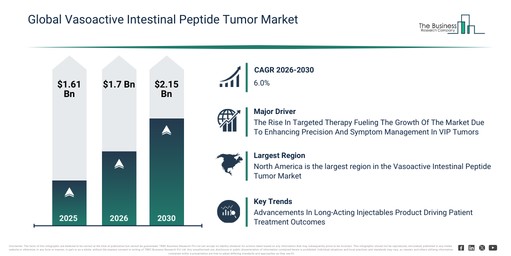
    The vasoactive intestinal peptide tumor market size has demonstrated robust growth in recent years. This market is projected to expand from $1.61 billion in 2025 to $1.7 billion in 2026, achieving a compound annual growth rate (CAGR) of 6.2%. The expansion witnessed in the historic period is attributable to improved detection of neuroendocrine tumors, increased availability of specialized oncology centers, the growing application of imaging-based diagnostics, the early adoption of somatostatin analog therapies, and advancements in pancreatic surgery techniques.

    The market size for vasoactive intestinal peptide tumors is anticipated to experience substantial growth over the upcoming years, expanding to $2.15 billion by 2030, driven by a compound annual growth rate (CAGR) of 6.0%. This projected expansion during the forecast period can be attributed to several factors, including rising research investments dedicated to rare cancers, the increasing development of novel targeted drugs, a growing adoption of precision medicine approaches, the expansion of specialized cancer care infrastructure, and increasing awareness of rare endocrine disorders. Furthermore, major trends expected in the forecast period involve the increasing adoption of targeted therapy approaches, a rising use of advanced imaging techniques for early diagnosis, a growing focus on personalized treatment protocols, the expansion of minimally invasive surgical techniques, and an enhanced integration of multidisciplinary care models.

    Access Your Free Sample Report for In-Depth Market Insights:

    https://www.thebusinessresearchcompany.com/sample.aspx?id=23561&type=smp

    What Drivers Are Influencing Production Trends In The Vasoactive Intestinal Peptide Tumor Market?

    The vasoactive intestinal peptide tumor market is anticipated to expand due to the increasing prevalence of targeted therapy. These therapies are designed to concentrate on particular molecules or pathways critical to disease progression, especially in cancer, allowing them to precisely eliminate abnormal cells while sparing healthy ones. The expansion of targeted therapies is largely influenced by precision medicine, which boosts effectiveness by addressing specific genetic mutations and simultaneously reducing adverse effects. In the context of VIP tumors, targeted treatments function by inhibiting vital pathways that contribute to tumor growth and hormone secretion. This action aids in decreasing VIP levels, thereby alleviating symptoms like severe diarrhea and decelerating the disease’s advancement. For example, the American Society of Gene and Cell Therapy (ASGCT), a US-based professional membership organization, reported in July 2024 that 76 gene therapy trials were initiated in the second quarter of 2024, representing a 25 % increase from the preceding quarter. Hence, the increasing application of targeted therapy is a key factor propelling the growth of the vasoactive intestinal peptide tumor market.

    Which Segment Groups Are Influencing The Vasoactive Intestinal Peptide Tumor Market?

    The vasoactive intestinal peptide tumor market covered in this report is segmented –

    1) By Treatment: Surgical Intervention, Radiotherapy, Chemotherapy, Targeted Therapy

    2) By Diagnosis: Imaging Techniques, Biopsy, Endoscopic Ultrasound

    3) By Therapeutic Approach: Palliative Care, Curative Treatment, Adjuvant Treatment

    4) By End-User: Hospitals, Cancer Specialty Clinics, Diagnostic Laboratories

    Subsegments:

    1) By Surgical Intervention: Tumor Resection, Debulking Surgery, Minimally Invasive Surgery

    2) By Radiotherapy: External Beam Radiation Therapy (EBRT), Stereotactic Body Radiation Therapy (SBRT), Proton Therapy

    3) By Chemotherapy: Cytotoxic Chemotherapy, Combination Chemotherapy, Adjuvant And Neoadjuvant Chemotherapy

    4) By Targeted Therapy: Somatostatin Analog Therapy, Tyrosine Kinase Inhibitors (TKIs), Monoclonal Antibodies

    What Upcoming Trends Are Likely To Define The Future Path Of The Vasoactive Intestinal Peptide Tumor Market?

    Major companies engaged in the vasoactive intestinal peptide tumor market are directing their attention towards developing advanced offerings, such as long-acting injectable suspensions, to improve treatment effectiveness, enhance patient adherence, and ensure sustained symptom relief. Long-acting injectable suspensions are pharmaceutical formulations designed to gradually release their active ingredients over an extended timeframe, thereby reducing the need for frequent dosing. For instance, in October 2024, Teva Pharmaceutical Industries Ltd., a US-based pharmaceutical company, launched the first and only generic version of Sandostatin LAR Depot (octreotide acetate for injectable suspension) in the U.S. This medication is utilized for long-term maintenance therapy in acromegaly patients who did not adequately respond to surgery or radiotherapy. It also addresses severe diarrhea and flushing associated with metastatic carcinoid tumors and VIP-secreting tumors. The introduction highlights Teva’s expertise in complex generic products and supports its aim of maintaining a strong presence in the generic pharmaceuticals market.

    Who Are The Primary Competitors In The Global Vasoactive Intestinal Peptide Tumor Market?

    Major companies operating in the vasoactive intestinal peptide tumor market are Pfizer Inc., Novartis AG, Mayo Clinic, Mount Sinai Hospital, Cleveland Clinic Laboratories, Penn Medicine, Stanford Health Care, UCSF Health, ARUP Laboratories, Dr. Lal PathLabs, Cancer Research UK, Medicover Hospitals, Ganesh Diagnostic, Ipsen Pharma SA, F Hoffmann-La Roche Ltd, Eli Lilly and Company, Boehringer Ingelheim International GmbH, Bristol-Myers Squibb Company, Merck & Co

    Access The Complete Report For Deeper Market Insights:

    https://www.thebusinessresearchcompany.com/report/vasoactive-intestinal-peptide-tumor-global-market-report

    Which Regions Are Projected To Dominate The Vasoactive Intestinal Peptide Tumor Market In The Coming Years?

    North America was the largest region in the vasoactive intestinal peptide tumor market in 2025. The regions covered in the vasoactive intestinal peptide tumor market report are Asia-Pacific, South East Asia, Western Europe, Eastern Europe, North America, South America, Middle East, Africa.

    Request Your Customized Vasoactive Intestinal Peptide Tumor Market Research Report for Competitive Advantage:

    https://www.thebusinessresearchcompany.com/customise?id=23561&type=smp

    Browse Through More Reports Similar to the Global Vasoactive Intestinal Peptide Tumor Market 2026, By The Business Research Company

    Gastrointestinal Stromal Tumor Market Report 2026

    https://www.thebusinessresearchcompany.com/report/gastrointestinal-stromal-tumor-global-market-report

    Glucagon Like Peptide 1 Market Report 2026

    https://www.thebusinessresearchcompany.com/report/glucagon-like-peptide-1-global-market-report

    Peptide Therapeutics Market Report 2026

    https://www.thebusinessresearchcompany.com/report/peptide-therapeutics-global-market-report

    Get in touch with us:

    The Business Research Company: https://www.thebusinessresearchcompany.com/

    Americas +1 310-496-7795

    Asia +44 7882 955267 & +91 8897263534

    Europe +44 7882 955267

    Email us at info@tbrc.info

    Follow us on:

    LinkedIn: https://in.linkedin.com/company/the-business-research-company

    YouTube: https://www.youtube.com/channel/UC24_fI0rV8cR5DxlCpgmyFQ

    Global Market Model: https://www.thebusinessresearchcompany.com/global-market-model
  • Vascular Tissue Matrix Market Performance Outlook 2026–2030: Revenue to Hit $1.89 Billion at 7.7% CAGR

    Vascular Tissue Matrix Market Performance Outlook 2026–2030: Revenue to Hit $1.89 Billion at 7.7% CAGR

    Uncover key drivers, emerging technologies, and competitive movements shaping the vascular tissue matrix market from 2026–2035 with trusted insights from The Business Research Company

    What is the expected shift in the Vascular Tissue Matrix Market’s size between 2026 and 2030?

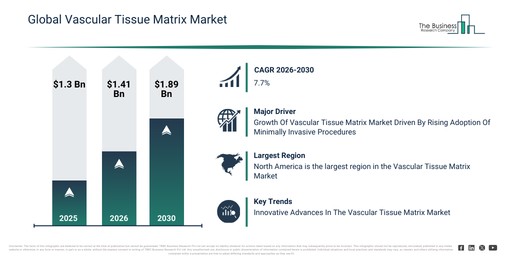
    The vascular tissue matrix market has experienced robust growth in recent years. Projections indicate it will expand from $1.3 billion in 2025 to $1.41 billion in 2026, exhibiting a compound annual growth rate (CAGR) of 8.1%. This historical expansion is attributed to factors such as the increasing prevalence of cardiovascular diseases, the expansion of reconstructive surgical procedures, advancements in biomaterial science, the growth of regenerative medicine research, and the availability of tissue processing technologies.

    The vascular tissue matrix market is projected to experience substantial expansion over the upcoming years, with its valuation anticipated to reach $1.89 billion by 2030, demonstrating a compound annual growth rate (CAGR) of 7.7%. This projected increase during the forecast period stems from factors such as a surge in demand for vascular regeneration solutions, increased capital allocation towards tissue engineering, the broader application of personalized medicine approaches, the expanding utilization of advanced biomaterials, and continuous advancements in scaffold fabrication technologies. Key trends anticipated during this period encompass the growing integration of biologic vascular scaffolds, heightened demand for regenerative cardiovascular therapies, the expanding deployment of decellularized tissue matrices, an increase in tissue engineering applications, and a reinforced emphasis on both biocompatibility and long-term integration.

    Access Your Free Sample Report for In-Depth Market Insights:

    https://www.thebusinessresearchcompany.com/sample.aspx?id=19746&type=smp

    Which Drivers Are Shaping Strategic Decisions In The Vascular Tissue Matrix Market?

    The increasing preference for minimally invasive procedures is projected to boost the expansion of the vascular tissue matrix market in the future. These medical or surgical interventions necessitate only minor or no incisions. The growing demand for such procedures is attributed to their advantages, including shorter recovery periods, reduced risks of complications, and less postoperative pain compared to traditional surgeries. A vascular tissue matrix is employed in these minimally invasive techniques to support and facilitate the regeneration of blood vessels without extensive surgical requirements. For example, in January 2024, Intuitive Surgical Inc., a US-based manufacturer of robotic products, announced the placement of 415 da Vinci surgical systems (robotic surgical systems utilizing a minimally invasive approach) during the fourth quarter of 2023, which signifies a 12% increase over 2022. Thus, the proliferation of minimally invasive procedures is a significant force propelling the growth of the vascular tissue matrix market.

    What Segment Classifications Make Up The Vascular Tissue Matrix Market?

    The vascular tissue matrix market covered in this report is segmented –

    1) By Type: Biologic Matrix, Synthetic Matrix

    2) By Therapeutic Area: Orthopedics, Dermatology, Cardiology, Neurology, Other Therapeutics

    3) By Application: Hospital, Clinic, Other Applications

    Subsegments:

    1) By Biologic Matrix: Allograft Matrix, Xenograft Matrix, Autograft Matrix, Decellularized Matrix

    2) By Synthetic Matrix: Polymer-Based Matrix, Hydrogel Matrix, Nanofiber Matrix

    Which Trends Are Shaping Activity Within The Vascular Tissue Matrix Market?

    Major companies operating in the vascular tissue matrix market are increasingly concentrating on developing innovative products, such as tissue matrices derived from human umbilical cord extracellular matrix (ECM), to gain a competitive advantage. A tissue matrix sourced from the human umbilical cord extracellular matrix serves as a scaffold composed of the structural proteins and molecules found within the umbilical cord’s extracellular matrix. For instance, in February 2024, StimLabs LLC, a US-based biotechnology company, announced that the U.S. Food and Drug Administration (FDA) granted 510(k) clearance for its novel wound care device, Corplex P. This device, representing the first graft derived from human umbilical cord ECM, is designed to treat both acute and chronic wounds. It contains connective tissue matrix components, including collagens and glycosaminoglycans like hyaluronic acid, which create a porous scaffold to support cellular infiltration and tissue regeneration. Corplex P is intended for the management of various wound types, including partial- and full-thickness wounds, pressure ulcers, diabetic ulcers, surgical wounds, and trauma wounds.

    Which Key Market Players Are Investing In Expansion And Innovation Within The Vascular Tissue Matrix Market?

    Major companies operating in the vascular tissue matrix market are Abbott Laboratories, Medtronic PLC, Baxter International Inc., Boston Scientific Corporation, Terumo Corporation, Edwards Lifesciences Corporation, W. L. Gore & Associates Inc., Getinge Group, Integra LifeSciences Corporation, Artivion Inc., CryoLife Inc., LeMaitre Vascular Inc., Cook Medical Inc., Humacyte Inc., BioCardia Inc., Organogenesis Holdings Inc., AxoGen Inc., Collagen Matrix Inc., ACell Inc., Reva Medical Inc.

    Access The Complete Report For Deeper Market Insights:

    https://www.thebusinessresearchcompany.com/report/vascular-tissue-matrix-global-market-report

    Which Region Is Expected To Experience The Fastest Growth In The Vascular Tissue Matrix Market?

    North America was the largest region in the vascular tissue matrix market in 2025. The regions covered in the vascular tissue matrix market report are Asia-Pacific, South East Asia, Western Europe, Eastern Europe, North America, South America, Middle East, Africa.

    Request Your Customized Vascular Tissue Matrix Market Research Report for Competitive Advantage:

    https://www.thebusinessresearchcompany.com/customise?id=19746&type=smp

    Browse Through More Reports Similar to the Global Vascular Tissue Matrix Market 2026, By The Business Research Company

    Vascular Access Devices Market Report 2026

    https://www.thebusinessresearchcompany.com/report/vascular-access-devices-global-market-report

    Vascular Endothelial Growth Factor Inhibitors Market Report 2026

    https://www.thebusinessresearchcompany.com/report/vascular-endothelial-growth-factor-inhibitors-global-market-report

    Vascular Stent Market Report 2026

    https://www.thebusinessresearchcompany.com/report/vascular-stent-global-market-report

    Get in touch with us:

    The Business Research Company: https://www.thebusinessresearchcompany.com/

    Americas +1 310-496-7795

    Asia +44 7882 955267 & +91 8897263534

    Europe +44 7882 955267

    Email us at info@tbrc.info

    Follow us on:

    LinkedIn: https://in.linkedin.com/company/the-business-research-company

    YouTube: https://www.youtube.com/channel/UC24_fI0rV8cR5DxlCpgmyFQ

    Global Market Model: https://www.thebusinessresearchcompany.com/global-market-model
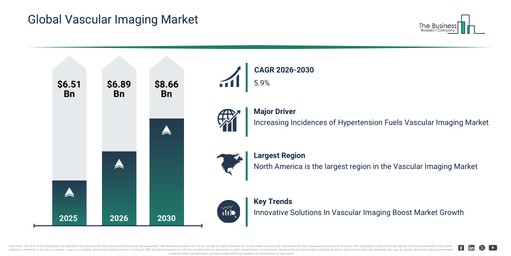
  • Global Vascular Imaging Market Set for Strong Expansion, Reaching $8.66 Billion With 5.9% CAGR by 2030

    Global Vascular Imaging Market Set for Strong Expansion, Reaching $8.66 Billion With 5.9% CAGR by 2030

    Uncover key drivers, emerging technologies, and competitive movements shaping the vascular imaging market from 2026–2035 with trusted insights from The Business Research Company

    What growth pattern is forecast for the Vascular Imaging Market size between 2026 and 2035?

    The vascular imaging market has shown strong growth over recent years. It is forecast to expand from $6.51 billion in 2025 to $6.89 billion in 2026, reflecting a compound annual growth rate (CAGR) of 6.0%. The expansion observed in the past can be ascribed to the development of diagnostic imaging infrastructure, the increasing occurrence of cardiovascular diseases, a rise in the use of angiography procedures, improved access to sophisticated imaging equipment, and a heightened clinical requirement for accurate diagnostic methods.

    The vascular imaging market is projected to experience robust expansion over the coming years. This market is anticipated to reach $8.66 billion by 2030, exhibiting a compound annual growth rate (CAGR) of 5.9%. Factors driving this growth during the forecast period include greater investments in precision diagnostics, a rise in the use of AI-driven imaging software, the broadening of outpatient diagnostic imaging centers, an intensified focus on early disease detection, and enhanced integration of imaging technologies with treatment planning. Key trends expected within this period encompass the increased adoption of sophisticated vascular imaging modalities, a surge in the application of AI-assisted image analysis, heightened demand for high-resolution diagnostic imaging, the spread of non-invasive vascular assessment methods, and improved integration of multimodal imaging systems.

    Access Your Free Sample Report for In-Depth Market Insights:

    https://www.thebusinessresearchcompany.com/sample.aspx?id=16564&type=smp

    Which Drivers Are Impacting Market Performance In The Vascular Imaging Market?

    The escalating prevalence of hypertension is projected to boost the expansion of the vascular imaging market in the foreseeable future. Hypertension, or high blood pressure, describes a condition where the force of blood against artery walls remains consistently elevated, posing risks for severe health issues such as heart disease and stroke. This rise in hypertension stems from lifestyle factors like inadequate diet, lack of physical activity, and stress, in addition to increasing rates of obesity and an aging global population. Vascular imaging plays a vital role in addressing hypertension by assessing vascular structure and function, which is instrumental in diagnosing and managing underlying vascular abnormalities that contribute to high blood pressure. For instance, data from March 2024, provided by the Centers for Disease Control and Prevention, a US-based national public health agency, revealed that hypertension prevalence was notably higher among men (33.2%) compared to women (27.0%). It was also more pronounced in adults aged =65 years (60.6%) than in those aged 18–44 years (14.5%) and 45–64 years (40.3%). Furthermore, black adults experienced a higher prevalence (40.2%) than Asian adults (22.7%), and individuals with less than a high school education (33.8%) showed a greater incidence than those with some college (31.2%) or a college degree or higher education (25.5%). Therefore, the increasing occurrences of hypertension are significantly driving the growth of the vascular imaging market.

    What Segment Types Are Examined In The Vascular Imaging Market?

    The vascular imaging market covered in this report is segmented –

    1) By Technique: Magnetic Resonance Imaging, Ultrasound, Computed Tomography, Nuclear Imaging, X-Ray

    2) By Procedure: Coronary Angiography, Peripheral Angiography, Neurovascular Angiography, Vascular Ultrasound Procedures, Micro Angiography, Other Procedures

    3) By Application: Diagnostic Applications, Therapeutic Applications

    4) By End User: Hospitals, Diagnostic Imaging Centers, Other End-Users

    Subsegments:

    1) By Magnetic Resonance Imaging: Magnetic Resonance Angiography (MRA), Contrast-Enhanced MRI, 3D MRI Imaging For Vascular Analysis

    2) By Ultrasound: Doppler Ultrasound, Color Doppler Ultrasound, 3D Or 4D Ultrasound Imaging, Elastography For Vascular Imaging

    3) By Computed Tomography: Computed Tomography Angiography (CTA), Contrast-Enhanced CT Imaging, 3D CT Vascular Imaging

    4) By Nuclear Imaging: Positron Emission Tomography (PET), Single-Photon Emission Computed Tomography (SPECT), Hybrid Imaging (PET Or CT, PET Or MRI)

    5) By X-Ray: Conventional X-Ray, Digital Subtraction Angiography (DSA), Fluoroscopy For Vascular Imaging

    Which Trends Are Influencing The Development Of The Vascular Imaging Market?

    Key players within the vascular imaging market are prioritizing the creation of novel solutions, like wireless ultrasound imaging systems, to improve diagnostic capacity and elevate patient care. Wireless ultrasound imaging systems describe portable ultrasound devices capable of wirelessly transmitting imaging data, thus offering enhanced flexibility and mobility in clinical environments. For example, in August 2023, GE HealthCare Technologies Inc., a US-based medical technology firm, introduced Vscan Air SL, a handheld, wireless ultrasound imaging system specifically designed for quick cardiac and vascular examinations at the point of care, assisting clinicians in speeding up diagnosis and treatment strategy. As an advancement to the Vscan range, Vscan Air SL incorporates GE Healthcare’s SignalMax and XDclear technology, yielding superior imaging quality marked by impressive penetration, resolution, and sensitivity, all driven by advanced single-crystal transducer technology.

    Who Are The Core Companies Influencing Trends In The Vascular Imaging Market?

    Major companies operating in the vascular imaging market are Hitachi Ltd., Siemens AG, General Electric Company, Abbott Laboratories, Toshiba Corporation, FUJIFILM Corporation, Koninklijke Philips N.V., Stryker Corporation, Konica Minolta Inc., Terumo Corporation, Hologic Inc., Mindray Medical International Limited, Shimadzu Corporation, Canon Medical Systems Corporation, Samsung Medison Co. Ltd., Esaote SpA, BK Medical Holding Company Inc., Lumedx Corp, Alpinion Medical Systems Co. Ltd., CorVascular Diagnostics LLC

    Access The Complete Report For Deeper Market Insights:

    https://www.thebusinessresearchcompany.com/report/vascular-imaging-global-market-report

    Which Geographic Areas Are Emerging As Strong Markets For The Vascular Imaging Market?

    North America was the largest region in the vascular imaging market in 2025. The regions covered in the vascular imaging market report are Asia-Pacific, South East Asia, Western Europe, Eastern Europe, North America, South America, Middle East, Africa.

    Request Your Customized Vascular Imaging Market Research Report for Competitive Advantage:

    https://www.thebusinessresearchcompany.com/customise?id=16564&type=smp

    Browse Through More Reports Similar to the Global Vascular Imaging Market 2026, By The Business Research Company

    Angiography Equipment Market Report 2026

    https://www.thebusinessresearchcompany.com/report/angiography-equipment-global-market-report

    Vascular Imaging Devices Market Report 2026

    https://www.thebusinessresearchcompany.com/report/vascular-imaging-devices-global-market-report

    Medical Imaging Market Report 2026

    https://www.thebusinessresearchcompany.com/report/medical-imaging-global-market-report

    Get in touch with us:

    The Business Research Company: https://www.thebusinessresearchcompany.com/

    Americas +1 310-496-7795

    Asia +44 7882 955267 & +91 8897263534

    Europe +44 7882 955267

    Email us at info@tbrc.info

    Follow us on:

    LinkedIn: https://in.linkedin.com/company/the-business-research-company

    YouTube: https://www.youtube.com/channel/UC24_fI0rV8cR5DxlCpgmyFQ

    Global Market Model: https://www.thebusinessresearchcompany.com/global-market-model
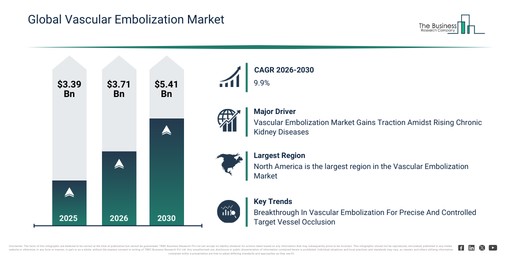
  • Vascular Embolization Market Growth Projection: Expected to Surpass $5.41 Billion by 2030 at 9.9% CAGR

    Vascular Embolization Market Growth Projection: Expected to Surpass $5.41 Billion by 2030 at 9.9% CAGR

    Uncover key drivers, emerging technologies, and competitive movements shaping the vascular embolization market from 2026–2035 with trusted insights from The Business Research Company

    How much larger will the Vascular Embolization Market be in 2030 compared with 2026?

    The size of the vascular embolization market has experienced robust growth in recent years. This market is projected to expand from $3.39 billion in 2025 to $3.71 billion in 2026, demonstrating a compound annual growth rate (CAGR) of 9.4%. Historically, this growth can be attributed to several factors, including the expansion of interventional radiology practices, the increasing prevalence of vascular disorders, a rise in cancer treatment procedures, enhanced access to catheter-based technologies, and growing physician expertise in embolization.

    The vascular embolization market size is projected to undergo significant expansion in the upcoming years, with its value expected to reach $5.41 billion by 2030, exhibiting a compound annual growth rate (CAGR) of 9.9%. This growth throughout the forecast period stems from factors such as increasing demand for targeted therapies, rising investments in interventional oncology, the expansion of outpatient embolization procedures, the growing adoption of advanced imaging integration, and an increasing focus on patient-centric treatment options. Prominent trends anticipated in the forecast period include the increasing adoption of minimally invasive embolization procedures, a rising use of advanced embolic materials, growing demand for image-guided interventions, the expansion of oncology-related embolization applications, and an enhanced emphasis on procedure precision and safety.

    Access Your Free Sample Report for In-Depth Market Insights:

    https://www.thebusinessresearchcompany.com/sample.aspx?id=12660&type=smp

    What Drivers Are Guiding Growth Patterns In The Vascular Embolization Market?

    The rising incidence of chronic kidney diseases is anticipated to drive the expansion of the vascular embolization market moving ahead. Chronic Kidney Disease (CKD) describes a condition where the kidneys sustain progressive and irreversible damage over a period. In the context of chronic kidney disease (CKD), vascular embolization offers a method to halt hemorrhage from renal tumors, arteriovenous malformations (AVMs), or issues arising from kidney biopsies or transplants, thereby eliminating the need for open surgery and its inherent dangers, especially for individuals with impaired kidney function. A notable example is data from June 2023 by ZS Associates, a UK-based Kidney Research Commission, which indicated that kidney disease in the UK is projected to impact 7.19 million individuals in 2023, representing over 10% of the populace. This figure is predicted to climb to 7.61 million by 2033, with the percentage of patients in advanced stages of the illness growing from 45% to 51%. Consequently, the widespread occurrence of chronic kidney diseases is fueling the expansion of the vascular embolization market.

    Which Segments Are Driving Activity In The Vascular Embolization Market?

    The vascular embolization market covered in this report is segmented –

    1) By Product: Embolic Agents, Embolization Devices

    2) By Embolization Technique: Coiling Devices, Non-Coiling Devices

    3) By Application: Peripheral Vascular Diseases, Oncology, Urology, Neurology, Other Applications

    4) By End Users: Hospitals, Specialty Clinics, Ambulatory Surgical Centers, Diagnostic Centers

    Subsegments:

    1) By Embolic Agents: Particle Embolic Agents, Liquid Embolic Agents, Coil Embolic Agents, Gelatin Sponge Embolic Agents

    2) By Embolization Devices: Balloon Occlusion Devices, Catheters, Thrombin Injection Systems

    What Trends Are Expected To Impact The Competitive Landscape Of The Vascular Embolization Market?

    Leading companies operating in the vascular embolization market are actively developing innovative products, such as embolic systems, to enhance their market profitability. An embolic system refers to the combination of embolic agents and delivery devices designed to intentionally block blood vessels. Vascular embolization is a medical procedure in which these embolic systems are employed to occlude or reduce blood flow to specific areas of the body. For instance, in October 2023, Sirtex Medical, a US-based medical device company, launched the Lava liquid embolic system (LES). Lava, with its 2-mL and 6-mL volume options, offers a versatile solution for controlled target vessel occlusion within the peripheral vasculature. Its varied viscosity options enable effective distal embolization, particularly for small, hard-to-reach vessels. The FDA approved the Lava LES based on its safety and efficacy demonstrated in the single-arm LAVA Study, a prospective, multicenter trial evaluating acute peripheral arterial hemorrhages.

    Which Major Industry Participants Are Leading The Vascular Embolization Market Growth?

    Major companies operating in the vascular embolization market are Abbott Laboratories, Medtronic Plc., Stryker Corporation, Boston Scientific Corporation, B. Braun Melsungen AG, Kaneka Corporation, Terumo Corporation, W. L. Gore & Associates Inc., Teleflex Inc., Cook Group Incorporated, Merit Medical Systems Inc., Penumbra Inc., MicroPort Scientific Corporation, MicroVention Inc., Medikit Co Ltd., Silk Road Medical Inc., Galt Medical Corporation, Neuravi Ltd., Phenox GmbH, Spartan Micro Inc., EndoShape Inc., Shape Memory Medical Inc., Balt Group, Vascular Solutions Inc.

    Access The Complete Report For Deeper Market Insights:

    https://www.thebusinessresearchcompany.com/report/vascular-embolization-global-market-report

    Which Region Is Projected To Lead The Vascular Embolization Market During The Forecast Period?

    North America was the largest region in the vascular embolization market in 2025. Asia Pacific is expected to be the fastest-growing region in the forecast period. The regions covered in the vascular embolization market report are Asia-Pacific, South East Asia, Western Europe, Eastern Europe, North America, South America, Middle East, Africa.

    Request Your Customized Vascular Embolization Market Research Report for Competitive Advantage:

    https://www.thebusinessresearchcompany.com/customise?id=12660&type=smp

    Browse Through More Reports Similar to the Global Vascular Embolization Market 2026, By The Business Research Company

    Transcatheter Embolization And Occlusion Devices Market Report 2026

    https://www.thebusinessresearchcompany.com/report/transcatheter-embolization-and-occlusion-devices-global-market-report

    Pulmonary Embolism Market Report 2026

    https://www.thebusinessresearchcompany.com/report/pulmonary-embolism-global-market-report

    Neurovascular Embolization Devices Market Report 2026

    https://www.thebusinessresearchcompany.com/report/neurovascular-embolization-devices-global-market-report

    Get in touch with us:

    The Business Research Company: https://www.thebusinessresearchcompany.com/

    Americas +1 310-496-7795

    Asia +44 7882 955267 & +91 8897263534

    Europe +44 7882 955267

    Email us at info@tbrc.info

    Follow us on:

    LinkedIn: https://in.linkedin.com/company/the-business-research-company

    YouTube: https://www.youtube.com/channel/UC24_fI0rV8cR5DxlCpgmyFQ

    Global Market Model: https://www.thebusinessresearchcompany.com/global-market-model
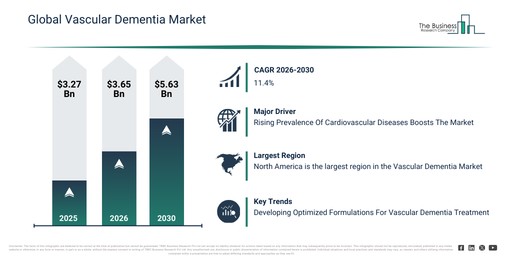
  • Vascular Dementia Market Forecast 2026–2035: How to Leverage Market Growth

    Vascular Dementia Market Forecast 2026–2035: How to Leverage Market Growth

    Uncover key drivers, emerging technologies, and competitive movements shaping the vascular dementia market from 2026–2035 with trusted insights from The Business Research Company

    Starting from its 2026 valuation, what market size is the Vascular Dementia Market expected to reach by 2030?

    The vascular dementia market size has experienced rapid growth in recent years. It is anticipated to expand from $3.27 billion in 2025 to $3.65 billion in 2026, demonstrating a compound annual growth rate (CAGR) of 11.8%. This growth observed in the historic period can be attributed to the increasing incidence of stroke-related cognitive decline, a rising prevalence of hypertension and diabetes, the expansion of neurological research programs, improved diagnostic awareness, and the growth in hospital-based dementia care.

    The market for vascular dementia is anticipated to experience significant expansion over the coming years. This market is projected to reach a valuation of $5.63 billion by 2030, demonstrating a compound annual growth rate (CAGR) of 11.4%. Factors contributing to this growth during the projected period include an expanding elderly demographic, increased funding for neurological drug discovery, wider uptake of digital tools for health monitoring, the broadening scope of precision medicine, and a heightened emphasis on managing cognitive health over the long term. Key developments expected during the forecast timeframe encompass a greater emphasis on detecting cognitive disorders early, the increased incorporation of digital tools for cognitive assessment, expanding research into neurodegeneration linked to vascular issues, the broadening of individualized treatment methods, and a stronger focus on preventive care initiatives.

    Access Your Free Sample Report for In-Depth Market Insights:

    https://www.thebusinessresearchcompany.com/sample.aspx?id=20998&type=smp

    What Drivers Are Driving Adoption Within The Vascular Dementia Market?

    The increasing incidence of cardiovascular disease is projected to fuel the vascular dementia market moving forward. Cardiovascular diseases encompass a spectrum of conditions affecting the heart and blood vessels, including coronary artery disease, heart failure, arrhythmias, and hypertension. The escalating prevalence of these diseases is influenced by elements such as unhealthy lifestyles, inadequate dietary practices, physical inactivity, heightened stress levels, an aging global population, and a surge in risk factors like obesity, diabetes, and hypertension. Cardiovascular disease elevates the risk of vascular dementia by impeding blood flow to the brain, leading to cognitive impairment and damage to brain cells due to insufficient oxygen and nutrient supply. For example, in September 2024, data published by the British Heart Foundation, a UK-based cardiovascular research charity, revealed that in the UK, approximately 7.6 million people are affected by heart and circulatory diseases, with around 4 million males and 3.6 million females living with these conditions. These diseases are responsible for about 27% of all deaths in the UK, equating to over 170,000 deaths annually, or roughly 480 deaths each day, which means one death occurs every three minutes. Thus, the growing prevalence of cardiovascular diseases is a key driver for the vascular dementia market.

    How Is The Vascular Dementia Market Organized Into Various Segments?

    The vascular dementia market covered in this report is segmented –

    1) By Product: Small Molecules / Drugs, Lifestyle And Nutraceutical Interventions, Rehabilitation Therapies

    2) By Distribution Channel: Hospital Pharmacy, Retail Pharmacy, Online Pharmacy

    3) By End User: Hospitals And Clinics, Rehabilitation Centers, Specialty Clinics

    Subsegments:

    1) By Small Molecules Or Drugs: Antihypertensives, Anti-diabetic agents, Lipid-lowering agents, Anti-inflammatory agents, Neuroprotective small molecules

    2) By Lifestyle And Nutraceutical Interventions: Vitamins & Supplements, Omega-3 Or DHA formulations, Antioxidants

    3) By Rehabilitation Therapies: Cognitive enhancers, Physical therapy programs, Occupational therapy aids

    Which Trends Are Guiding The Evolution Of The Vascular Dementia Market?

    Leading companies within the vascular dementia market are concentrating on creating innovative treatments, such as multimodal therapies, to maintain their market standing. Multimodal therapies encompass the integration of various treatment methods, like medications, physical therapy, and psychological interventions, to provide comprehensive care for a condition. For instance, in January 2023, Moleac, a Singapore-based biopharmaceutical company, introduced CognivAiD, an evidence-based treatment specifically formulated for vascular dementia (VaD), a condition where therapeutic choices are scarce. This product incorporates active extracts from ginkgo, ginseng, and saffron, which have demonstrated significant efficacy in slowing cognitive decline among VaD patients. CognivAiD’s distinct multimodal action targets essential mechanisms of vascular dementia, including vascular protection, vasoregulation, and neuroinflammation. Backed by extensive clinical trials and a strong safety profile, CognivAiD offers a hopeful new treatment option for individuals affected by VaD.

    Who Are The Prominent Global Companies Shaping The Vascular Dementia Market Landscape?

    Major companies operating in the vascular dementia market are Charsire Biotechnology Corp, ProNeurogen Therapeutics, Resverlogix Corp, Cyclerion Therapeutics Inc, CSPC-NBP Pharma, Johnson & Johnson Services Inc, Materia Medica Holding, Eisai Co Ltd, Shineway Pharmaceutical, Merz Pharma, Ever Neuro Pharma GmbH, Zhejiang Otsuka Pharma, Pfizer Inc, Biogen Inc, Novartis AG, Aurobindo Pharma, Sun Pharmaceutical Industries Ltd, Teva Pharmaceuticals, Zydus Cadila, Eli Lilly and Company

    Access The Complete Report For Deeper Market Insights:

    https://www.thebusinessresearchcompany.com/report/vascular-dementia-global-market-report

    Which Region Currently Holds The Largest Share Of The Vascular Dementia Market?

    North America was the largest region in the vascular dementia market in 2025. The regions covered in the vascular dementia market report are Asia-Pacific, South East Asia, Western Europe, Eastern Europe, North America, South America, Middle East, Africa.

    Request Your Customized Vascular Dementia Market Research Report for Competitive Advantage:

    https://www.thebusinessresearchcompany.com/customise?id=20998&type=smp

    Browse Through More Reports Similar to the Global Vascular Dementia Market 2026, By The Business Research Company

    Vascular Imaging Market Report 2026

    https://www.thebusinessresearchcompany.com/report/vascular-imaging-global-market-report

    Peripheral Artery Disease Market Report 2026

    https://www.thebusinessresearchcompany.com/report/peripheral-artery-disease-global-market-report

    Peripheral Arterial Disease Market Report 2026

    https://www.thebusinessresearchcompany.com/report/peripheral-arterial-disease-global-market-report

    Get in touch with us:

    The Business Research Company: https://www.thebusinessresearchcompany.com/

    Americas +1 310-496-7795

    Asia +44 7882 955267 & +91 8897263534

    Europe +44 7882 955267

    Email us at info@tbrc.info

    Follow us on:

    LinkedIn: https://in.linkedin.com/company/the-business-research-company

    YouTube: https://www.youtube.com/channel/UC24_fI0rV8cR5DxlCpgmyFQ

    Global Market Model: https://www.thebusinessresearchcompany.com/global-market-model
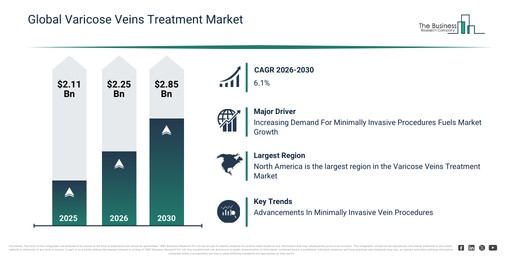
  • Global Varicose Veins Treatment Market 2026–2030: Forecast Insights for Business Planning

    Global Varicose Veins Treatment Market 2026–2030: Forecast Insights for Business Planning

    Uncover key drivers, emerging technologies, and competitive movements shaping the varicose veins treatment market from 2026–2035 with trusted insights from The Business Research Company

    Across 2026–2030, what is the expected market valuation path of the Varicose Veins Treatment Market?

    The varicose veins treatment market has experienced significant growth in recent years. Its valuation is forecast to increase from $2.11 billion in 2025 to $2.25 billion in 2026, progressing at a compound annual growth rate (CAGR) of 6.4%. The expansion observed in the past can be ascribed to an increasing prevalence of venous disorders, a heightened awareness of vascular health, the expansion of specialized vein clinics, improved availability of ablation technologies, and a rising demand for cosmetic procedures.

    The varicose veins treatment market is projected to experience substantial expansion over the upcoming years. Its valuation is set to reach $2.85 billion by 2030, exhibiting a compound annual growth rate (CAGR) of 6.1%. Factors contributing to this expansion during the projection period include a progressively older demographic, a greater uptake of non-invasive therapies, heightened investment in infrastructure for vascular care, the proliferation of ambulatory surgical facilities, and an intensified emphasis on prompt diagnosis and intervention. Key trends anticipated during this period encompass the wider acceptance of minimally invasive treatment methods, an escalating demand for laser ablation technologies, a stronger inclination towards outpatient care environments, the broadening availability of aesthetic vein treatment options, and an elevated commitment to patient recovery and overall comfort.

    Access Your Free Sample Report for In-Depth Market Insights:

    https://www.thebusinessresearchcompany.com/sample.aspx?id=20997&type=smp

    Which Drivers Are Supporting The Rise Of The Varicose Veins Treatment Market?

    The expanding need for minimally invasive procedures is projected to fuel the future expansion of the varicose veins treatment market going forward. These procedures involve surgical methods employing small cuts and specialized tools to conduct operations, leading to less tissue harm, decreased pain, quicker healing periods, and minimal scarring, unlike conventional open surgery. The rising call for minimally invasive interventions stems from elements like quicker recovery, better patient results, and an expanding elderly demographic, all of which jointly boost patient safety, contentment, and healthcare effectiveness. For varicose veins, minimally invasive techniques, including endovenous laser therapy (EVLT) or sclerotherapy, offer effective treatment with little discomfort, faster recovery, and a lower incidence of complications. As an illustration, in June 2024, the American Society of Plastic Surgeons, a US based nonprofit professional association, reported that almost 25.4 million cosmetic minimally invasive procedures were carried out in 2023, marking a 7 percent rise from the prior year. Consequently, the escalating requirement for minimally invasive procedures is propelling the expansion of the varicose veins treatment market.

    What Segments Are Identified Within The Structure Of The Varicose Veins Treatment Market?

    The varicose veins treatment market covered in this report is segmented –

    1) By Product: Ablation Devices, Radiofrequency Ablation Devices, Laser Ablation Devices

    2) By Procedure: Injection Sclerotherapy, Endovenous Ablation, Surgical Ligation Or Stripping

    3) By End-User: Hospitals, Specialized Clinics, Ambulatory Surgical Centers, Other End-Users

    Subsegments:

    1) By Ablation Devices: Endovenous Laser Therapy (EVLT) Devices, Sclerotherapy Devices

    2) By Radiofrequency Ablation Devices: Radiofrequency Catheters, RF Ablation Systems

    3) By Laser Ablation Devices: Laser Fiber Optic Devices, Laser Venous Ablation Systems

    What Trends Are Projected To Support The Growth Of The Varicose Veins Treatment Market?

    Leading companies in the varicose veins treatment market are concentrating on developing creative solutions like anesthesia-free treatment to improve patient outcomes, streamline monitoring, enhance accessibility to care, and offer personalized therapeutic strategies. Anesthesia-free treatment involves conducting medical procedures without using anesthesia, which provides better safety, faster recovery, and increased patient comfort. For instance, in April 2024, VVT MEDICAL Ltd., an Israel-based medical device firm, secured approval from South Korea’s Ministry of Food and Drug Safety for its ScleroSafe platform, an advanced solution for minimally invasive varicose vein treatment. This platform employs a nonthermal, nontumescent (NT-NT) approach, eliminating the requirement for heat or tumescent anesthesia, thereby ensuring a painless, anesthesia-free procedure. Designed for both medical and aesthetic applications, it prioritizes patient comfort and efficacy. The platform has acquired various regulatory approvals, including CE Mark certification and FDA 510(k) clearance, and complies with Good Manufacturing Practices (GMP), positioning ScleroSafe as a revolutionary innovation in varicose vein management.

    Which Key Players Are Driving Competition In The Varicose Veins Treatment Market?

    Major companies operating in the varicose veins treatment market are Medtronic PLC, Becton Dickinson and Company, Boston Scientific Corporation, BTG Limited, Merit Medical Systems Incorporated, AngioDynamics Incorporated, Medi USA Limited Partnership, Dornier MedTech GmbH, Sciton Incorporated, Invera Medical Limited, Biolitec AG, Alma Lasers Limited, Won Tech Company Limited, F Care Systems S.A., Vascular Solutions Incorporated, Theraclion S.A., Lumenis Ltd, Syneron Medical Ltd, Quanta System S.p.A, Energist Group, LSO Medical

    Access The Complete Report For Deeper Market Insights:

    https://www.thebusinessresearchcompany.com/report/varicose-veins-treatment-global-market-report

    How Does The Varicose Veins Treatment Market Perform Across Major Global Regions?

    North America was the largest region in the varicose veins treatment market in 2025. Asia-Pacific is expected to be the fastest-growing region in the forecast period. The regions covered in the varicose veins treatment market report are Asia-Pacific, South East Asia, Western Europe, Eastern Europe, North America, South America, Middle East, Africa.

    Request Your Customized Varicose Veins Treatment Market Research Report for Competitive Advantage:

    https://www.thebusinessresearchcompany.com/customise?id=20997&type=smp

    Browse Through More Reports Similar to the Global Varicose Veins Treatment Market 2026, By The Business Research Company

    Central Venous Catheters Market Report 2026

    https://www.thebusinessresearchcompany.com/report/central-venous-catheters-global-market-report

    Deep Vein Thrombosis Market Report 2026

    https://www.thebusinessresearchcompany.com/report/deep-vein-thrombosis-global-market-report

    Retinal Vein Occlusion Treatment Market Report 2026

    https://www.thebusinessresearchcompany.com/report/retinal-vein-occlusion-treatment-global-market-report

    Get in touch with us:

    The Business Research Company: https://www.thebusinessresearchcompany.com/

    Americas +1 310-496-7795

    Asia +44 7882 955267 & +91 8897263534

    Europe +44 7882 955267

    Email us at info@tbrc.info

    Follow us on:

    LinkedIn: https://in.linkedin.com/company/the-business-research-company

    YouTube: https://www.youtube.com/channel/UC24_fI0rV8cR5DxlCpgmyFQ

    Global Market Model: https://www.thebusinessresearchcompany.com/global-market-model
  • Variable Refrigerant Flow (VRF) systems Market Outlook 2026–2035: Growth Drivers and Industry Forecast

    Variable Refrigerant Flow (VRF) systems Market Outlook 2026–2035: Growth Drivers and Industry Forecast

    Uncover key drivers, emerging technologies, and competitive movements shaping the variable refrigerant flow (vrf) systems market from 2026–2035 with trusted insights from The Business Research Company

    What size range is anticipated for the Variable Refrigerant Flow (VRF) systems Market from 2026 to 2030?

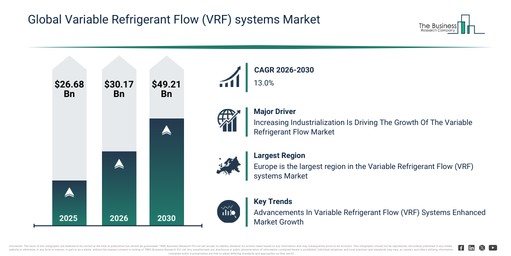
    The variable refrigerant flow (vrf) systems market has experienced significant expansion in recent years. This market is projected to expand from $26.68 billion in 2025 to $30.17 billion in 2026, demonstrating a compound annual growth rate (CAGR) of 13.1%. Historically, this growth has been driven by factors such as the increase in commercial construction, a heightened need for energy-efficient HVAC technologies, escalating urbanization, the proliferation of mixed-use building projects, and the shift away from traditional HVAC systems.

    The variable refrigerant flow (vrf) systems market size is poised for substantial expansion over the next few years. It is projected to climb to $49.21 billion by 2030, exhibiting a compound annual growth rate (CAGR) of 13.0%. This anticipated growth is largely due to escalating investments in smart building infrastructure, a heightened emphasis on reducing carbon emissions, the increasing uptake of intelligent climate control systems, the proliferation of green building certifications, and the growing retrofitting of commercial HVAC installations. Significant trends identified for this forecast period include the increasing adoption of energy-efficient vrf systems, their rising deployment in large commercial structures, the deepening integration of advanced control and monitoring systems, the expansion of multi-zone temperature management solutions, and an enhanced focus on flexible HVAC configurations.

    Access Your Free Sample Report for In-Depth Market Insights:

    https://www.thebusinessresearchcompany.com/sample.aspx?id=20995&type=smp

    What Drivers Are Affecting Demand In The Variable Refrigerant Flow (VRF) systems Market?

    The expanding industrialization is anticipated to stimulate the future growth of the variable refrigerant flow (VRF) systems market. Industrialization denotes the transformation of societies from agricultural and manual labor-based economies to ones primarily driven by industrial activities and machine production. This rise in industrialization stems from economic expansion, technological progress, and the need for mass-produced items, collectively promoting urban development and global commerce. VRF systems contribute to industrialization through their provision of energy-efficient, adaptable, and flexible climate management solutions. These solutions improve operational effectiveness, minimize energy expenses, and cater to the changing demands of industrial settings, thus fostering sustainable progress and boosting overall productivity. As an illustration, a report released in July 2023 by the Federal Reserve Board of Governors, a governmental organization based in the US, indicated that industrial production in the United States saw a 1.0% year-over-year increase in 2023, with manufacturing output increasing by 1.2%. Consequently, the ongoing surge in industrialization is propelling the expansion of the variable refrigerant flow market.

    Which Segments Are Gaining Traction In The Variable Refrigerant Flow (VRF) systems Market?

    The variable refrigerant flow (vrf) systems market covered in this report is segmented –

    1) By System Type: Heat Pump Systems, Heat Recovery Systems

    2) By Component: Outdoor Units, Indoor Units, Control Systems And Accessories

    3) By Capacity: Up To 10 Tons, 11 To 18 Tons, 19 To 26 Tons, Above 26 Tons

    4) By End-User: Commercial, Residential, Other End-Users

    Subsegments:

    1) By Heat Pump Systems: Single-Zone Heat Pump Systems, Multi-Zone Heat Pump Systems, Residential Heat Pump Systems, Commercial Heat Pump Systems

    2) By Heat Recovery Systems: Single-Zone Heat Recovery Systems, Multi-Zone Heat Recovery Systems, Commercial Heat Recovery Systems, Industrial Heat Recovery Systems

    Which Trends Are Influencing The Performance And Direction Of The Variable Refrigerant Flow (VRF) systems Market?

    Leading companies in the variable refrigerant flow (VRF) systems market are concentrating on developing advanced VRF solutions to boost energy efficiency and occupant comfort across various commercial applications. A variable refrigerant flow (VRF) system is a sophisticated heating, ventilation, and air conditioning (HVAC) technology that delivers efficient, customizable, and flexible climate control for buildings. For example, in August 2024, Trane Technologies plc, a US-based provider of climate solutions, launched its new GEN Elite C Series VRF system to enhance efficiency and comfort in Asia-Pacific markets. This system incorporates unique features like high energy efficiency, boasting a COP of 4.87 W/W, dynamic output adjustment achieved through advanced DC inverter technology, a broad operating temperature range from -5°C to 52°C, improved reliability via a 6-stage oil return control system, double backup functionality for continuous operation, and quiet performance with noise levels as low as 24 dB(A) for indoor units.

    Who Are The Top-Performing Companies In The Variable Refrigerant Flow (VRF) systems Market In Recent Years?

    Major companies operating in the variable refrigerant flow (vrf) systems market are Samsung Electronics Co. Ltd., Hitachi Ltd., LG Electronics Inc., Panasonic Corporation, Midea Group Co. Ltd., Mitsubishi Electric Corporation, Daikin Industries Ltd., Gree Electric Appliances Inc., Toshiba Corporation, Johnson Controls International plc, Carrier Global Corporation, Trane Technologies plc, Fujitsu General Limited, Lennox International Inc., Rheem Manufacturing Company, Voltas Limited, Blue Star Limited, Swegon AB, Nortek Global HVAC LLC, Airwell Group

    Access The Complete Report For Deeper Market Insights:

    https://www.thebusinessresearchcompany.com/report/variable-refrigerant-flow-vrf-systems-global-market-report

    Which Region Is Anticipated To See The Fastest Growth In The Variable Refrigerant Flow (VRF) systems Market?

    Europe was the largest region in the variable refrigerant flow (VRF) systems market in 2025. Asia-Pacific is expected to be the fastest-growing region in the forecast period. The regions covered in the variable refrigerant flow (vrf) systems market report are Asia-Pacific, South East Asia, Western Europe, Eastern Europe, North America, South America, Middle East, Africa.

    Request Your Customized Variable Refrigerant Flow (VRF) systems Market Research Report for Competitive Advantage:

    https://www.thebusinessresearchcompany.com/customise?id=20995&type=smp

    Browse Through More Reports Similar to the Global Variable Refrigerant Flow (VRF) systems Market 2026, By The Business Research Company

    Refrigerated Transport Market Report 2026

    https://www.thebusinessresearchcompany.com/report/refrigerated-transport-global-market-report

    Hvac And Commercial And Industrial Refrigeration Equipment Market Report 2026

    https://www.thebusinessresearchcompany.com/report/hvac-and-commercial-and-industrial-refrigeration-equipment-global-market-report

    Refrigerants Market Report 2026

    https://www.thebusinessresearchcompany.com/report/refrigerants-global-market-report

    Get in touch with us:

    The Business Research Company: https://www.thebusinessresearchcompany.com/

    Americas +1 310-496-7795

    Asia +44 7882 955267 & +91 8897263534

    Europe +44 7882 955267

    Email us at info@tbrc.info

    Follow us on:

    LinkedIn: https://in.linkedin.com/company/the-business-research-company

    YouTube: https://www.youtube.com/channel/UC24_fI0rV8cR5DxlCpgmyFQ

    Global Market Model: https://www.thebusinessresearchcompany.com/global-market-model
  • Tendonitis Treatment Market Future Outlook: Strong Growth Expected Toward $293.75 Billion by 2030

    Tendonitis Treatment Market Future Outlook: Strong Growth Expected Toward $293.75 Billion by 2030

    Uncover key drivers, emerging technologies, and competitive movements shaping the tendonitis treatment market from 2026–2035 with trusted insights from The Business Research Company

    By how much is the Tendonitis Treatment Market expected to grow between 2026 and 2030?

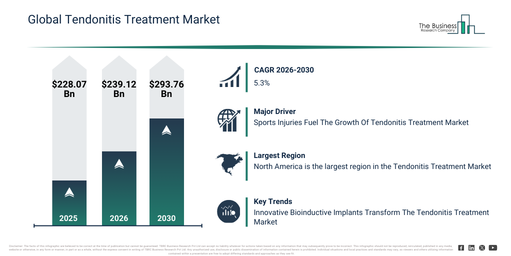
    The tendonitis treatment market has consistently expanded in size over recent years. It is projected to expand from $228.07 billion in 2025 to $239.12 billion in 2026, reflecting a compound annual growth rate (CAGR) of 4.8%. This historical growth can be attributed to a higher incidence of sports-related injuries, an increasing prevalence of repetitive strain conditions, enhanced awareness of musculoskeletal disorders, broader availability of physical therapy services, and the adoption of non-invasive pain relief methods.

    The tendonitis treatment market is anticipated to show significant expansion in the coming years, with its size projected to reach $293.76 billion by 2030, exhibiting a compound annual growth rate (CAGR) of 5.3%. This growth during the forecast period is attributable to an escalating demand for biologic therapies, an intensified focus on personalized musculoskeletal care, the increasing adoption of home-based rehabilitation solutions, the broadened scope of advanced imaging-guided treatments, and higher investment in outpatient orthopedic services. Notable trends expected throughout the forecast period encompass the increasing integration of regenerative therapies, a rising preference for minimally invasive treatment approaches, a growing inclination towards non-surgical pain management, the expansion of individualized rehabilitation programs, and an enhanced emphasis on early intervention strategies.

    Access Your Free Sample Report for In-Depth Market Insights:

    https://www.thebusinessresearchcompany.com/sample.aspx?id=10634&type=smp

    Which Drivers Are Influencing Market Acceleration In The Tendonitis Treatment Market?

    The increasing occurrence of sports injuries is anticipated to drive the expansion of the tendonitis treatment market moving forward. A sports injury refers to any harm or trauma sustained during athletic activities or other physical exertion, impacting muscles, tendons, ligaments, bones, and joints. Treatment for tendonitis stemming from sports injuries commonly includes a combination of rest, pain management, and physical therapy to aid the injured tendon’s recovery, reduce swelling, and support the affected area. For instance, in November 2023, according to Howden Group Holdings Ltd, a UK-based insurance intermediary company, the severity of ankle injuries in the English Premier League saw a significant increase of 170% between October 2022 and January 2023, with calf/shin injuries rising by 200% and hamstring injuries by 130%, following the FIFA World Cup Qatar 2022. Therefore, the growing prevalence of sports injuries is a key factor stimulating the growth of the tendonitis treatment market.

    What Segments Are Identified Within The Structure Of The Tendonitis Treatment Market?

    The tendonitis treatment market covered in this report is segmented –

    1) By Treatment Type: Therapeutic Treatment, Hot And Cold Therapy, Physical Therapy, Shockwave Therapy, Surgical Treatment

    2) By Condition Type: Tennis Elbow, Golfer’s Elbow, Pitcher’s Elbow, Jumper’s Knee, Swimmer’s Shoulder, Achilles Tendonitis

    3) By End-Users: Hospitals, Specialty Clinics, Home Healthcare, Other End-Users

    Subsegments:

    1) By Therapeutic Treatment: Nonsteroidal Anti-Inflammatory Drugs (NSAIDs), Corticosteroid Injections, Platelet-Rich Plasma (PRP) Therapy

    2) By Hot And Cold Therapy: Heat Packs, Ice Packs, Contrast Therapy

    3) By Physical Therapy: Stretching Exercises, Strengthening Exercises, Manual Therapy

    4) By Shockwave Therapy: Radial Shockwave Therapy, Focused Shockwave Therapy

    5) By Surgical Treatment: Tendon Repair Surgery, Tenotomy, Arthroscopy

    What Trends Are Driving The Growth Trajectory Of The Tendonitis Treatment Market?

    Key companies operating in the tendonitis treatment market are increasingly focusing on introducing innovative implants, such as bioinductive implants, to gain a competitive advantage. A bioinductive implant is a medical device crafted to stimulate the body’s inherent healing processes by offering a scaffold or framework that encourages tissue regeneration. For example, in July 2023, Smith & Nephew PLC, a UK-based medical equipment manufacturing company, launched the REGENETEN bioinductive implant in India for the repair of rotator cuffs. This implant is engineered to bolster the body’s natural healing response, facilitating the growth of new tendon-like tissue and altering the progression of rotator cuff disease. It consists of type 1 collagen and provides an advanced healing solution for biological tendon regeneration across the entire spectrum of rotator cuff disease, from partial-thickness to massive tears. The implant is roughly the size of a postage stamp and is delivered arthroscopically through a small incision. Within six months, the implant dissolves and induces the growth of new tendon-like tissue and the proper orientation of collagen, suggesting functional loading.

    Which Key Market Players Are Investing In Expansion And Innovation Within The Tendonitis Treatment Market?

    Major companies operating in the tendonitis treatment market are Merck & Co. Inc., Bayer AG, Boehringer Ingelheim GmbH, Pfizer Inc., Almatica Pharma Inc., Teva Pharmaceutical Industries Ltd., Smith & Nephew plc, Stryker Corporation, Zimmer Biomet Holdings Inc., Össur hf, Tynor India Ltd., Arthrex Inc., CONMED Corporation, TendoMed Inc., BioPro Inc., AstraZeneca plc, GlaxoSmithKline plc, Johnson & Johnson, Medtronic plc, Wright Medical Group N.V., Breg Inc., Mueller Sports Medicine Inc., Bauerfeind AG, BSN medical GmbH

    Access The Complete Report For Deeper Market Insights:

    https://www.thebusinessresearchcompany.com/report/tendonitis-treatment-global-market-report

    Which Region Is Expected To Experience The Fastest Growth In The Tendonitis Treatment Market?

    North America was the largest region in the tendonitis treatment market in 2025.Asia-Pacific is expected to be the fastest-growing region in the global tendonitis treatment market report during the forecast period. The regions covered in the tendonitis treatment market report are Asia-Pacific, South East Asia, Western Europe, Eastern Europe, North America, South America, Middle East, Africa.

    Request Your Customized Tendonitis Treatment Market Research Report for Competitive Advantage:

    https://www.thebusinessresearchcompany.com/customise?id=10634&type=smp

    Browse Through More Reports Similar to the Global Tendonitis Treatment Market 2026, By The Business Research Company

    Urinary Tract Infection Treatment Market Report 2026

    https://www.thebusinessresearchcompany.com/report/urinary-tract-infection-treatment-global-market-report

    Muscle Pain Treatment Market Report 2026

    https://www.thebusinessresearchcompany.com/report/muscle-pain-treatment-global-market-report

    Orthopedic Soft Tissue Repair Market Report 2026

    https://www.thebusinessresearchcompany.com/report/orthopedic-soft-tissue-repair-global-market-report

    Get in touch with us:

    The Business Research Company: https://www.thebusinessresearchcompany.com/

    Americas +1 310-496-7795

    Asia +44 7882 955267 & +91 8897263534

    Europe +44 7882 955267

    Email us at info@tbrc.info

    Follow us on:

    LinkedIn: https://in.linkedin.com/company/the-business-research-company

    YouTube: https://www.youtube.com/channel/UC24_fI0rV8cR5DxlCpgmyFQ

    Global Market Model: https://www.thebusinessresearchcompany.com/global-market-model