Month: March 2026

  • Global Stem Cell Umbilical Cord Blood Market 2026–2030: Forecast Insights for Business Planning

    Global Stem Cell Umbilical Cord Blood Market 2026–2030: Forecast Insights for Business Planning

    Uncover key drivers, emerging technologies, and competitive movements shaping the stem cell umbilical cord blood market from 2026–2035 with trusted insights from The Business Research Company

    Across 2026–2030, what is the expected market valuation path of the Stem Cell Umbilical Cord Blood Market?

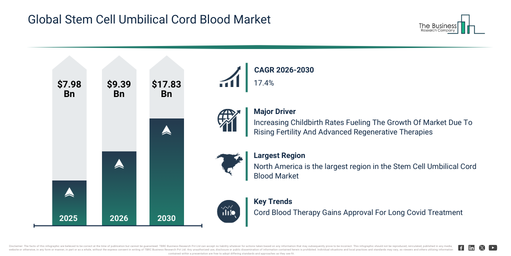
    The stem cell umbilical cord blood market size has seen significant growth in recent years. This market is projected to expand from $7.98 billion in 2025 to $9.39 billion in 2026, achieving a compound annual growth rate (CAGR) of 17.7%. Historically, this expansion has been driven by an elevated use of stem cell transplants, the proliferation of public cord blood banks, advancements in hematological treatments, increased public awareness of stem cell therapies, and enhancements in neonatal healthcare infrastructure.

    The stem cell umbilical cord blood market is expected to experience significant growth in the coming years. It is projected to expand to $17.83 billion by 2030, demonstrating a compound annual growth rate (CAGR) of 17.4%. This anticipated growth during the forecast period is attributable to an increasing demand for personalized regenerative therapies, rising investments in cell therapy research, the expansion of treatments for neurological and immune disorders, the growing adoption of hybrid banking models, and advancements in stem cell expansion technologies. Major trends observed in the forecast period include the increasing adoption of advanced cryopreservation technologies, the rising utilization of stem cells in regenerative medicine, the growing expansion of private cord blood banking services, an enhanced focus on cell quality and viability preservation, and the expansion of hybrid cord blood storage models.

    Access Your Free Sample Report for In-Depth Market Insights:

    https://www.thebusinessresearchcompany.com/sample.aspx?id=24715&type=smp

    Which Drivers Are Supporting The Rise Of The Stem Cell Umbilical Cord Blood Market?

    Increasing childbirth rates are anticipated to fuel the expansion of the stem cell umbilical cord blood market. Childbirth rates are defined as the count of live births per 1,000 individuals within a population over a designated timeframe, typically a year. The rise in these rates can be attributed to enhanced accessibility and reduced costs of fertility treatments, empowering more families to have children. Umbilical cord blood stem cells hold significant value for infants because they possess hematopoietic stem cells, which are effective in treating diverse blood, immune, and genetic conditions. These cells offer an exact genetic match for the infant and can also be beneficial for siblings or other family members. For instance, in April 2025, the U.S. Centers for Disease Control and Prevention, a U.S.-based federal agency, reported that the number of births in the USA rose from 3,596,017 in 2023 to 3,622,673 in 2024, indicating a 1% increase. Consequently, the rising childbirth rates are a key factor propelling the growth of the stem cell umbilical cord blood market.

    What Segments Are Identified Within The Structure Of The Stem Cell Umbilical Cord Blood Market?

    The stem cell umbilical cord blood market covered in this report is segmented –

    1) By Product Type: Cord Blood Stem Cells, Cord Tissue Stem Cells

    2) By Technology: Cryopreservation, Stem Cell Expansion, Cell Separation

    3) By Storage Services: Public Cord Blood Banks, Private Cord Blood Banks, Hybrid Cord Blood Banks

    4) By Application: Hematological Disorders, Metabolic Diseases, Immune System Disorders, Neurological Disorders, Other Applications

    5) By End-User: Hospitals, Research Institutes, Biotechnology Companies, Other End-Users

    Subsegments:

    1) By Cord Blood Stem Cells: Hematopoietic Stem Cells, Mesenchymal Stem Cells, Endothelial Progenitor Cells, Regulatory T Cells, Natural Killer Cells, Dendritic Cells

    2) By Cord Tissue Stem Cells: Mesenchymal Stem Cells, Epithelial Cells, Fibroblasts, Neural Progenitor Cells

    Which Competitive Trends Are Impacting The Structure Of The Stem Cell Umbilical Cord Blood Market?

    Leading companies in the stem cell umbilical cord blood market are concentrating on developing innovative treatments and securing approvals, such as cord blood cell therapy, to address rare genetic disorders, enhance immune system recovery, and support regenerative medicine applications. Cord blood cell therapy involves using stem cells derived from umbilical cord blood to treat various diseases by repairing or regenerating damaged blood, immune, and other tissue systems. For instance, in October 2024, StemCyte, a US-based biotechnology company, received the regenerative medicine advanced therapy designation from the U.S. Food and Drug Administration (FDA) for hematopoietic progenitor cell cord blood therapy (HPC Cord Blood) for the treatment of Long COVID-19 syndrome. This specific cord blood cell therapy utilizes stem cells from umbilical cord blood to encourage healing and diminish inflammation. It has demonstrated potential in treating immune-related and degenerative conditions, providing a non-invasive, ethically sourced option for advanced regenerative treatments.

    Which Key Players Are Driving Competition In The Stem Cell Umbilical Cord Blood Market?

    Major companies operating in the stem cell umbilical cord blood market are Global Cord Blood Corporation, Vita 34 AG, Cordlife Group Limited, StemLife Berhad, MediPost Co Ltd, Smart Cells International Ltd, StemCyte Inc, Celularity Inc, Next Biosciences Pty Ltd, Esperite NV, Cryo Cell International Inc, FamiCord Group, Cells4Life Group LLP, Cryoviva Biotech Pvt Ltd, Americord Registry LLC, ViaCord LLC, China Cord Blood Corporation, CBR Systems Inc, Cord Blood Registry, LifeCell International Pvt Ltd, CryoSave India Pvt Ltd

    Access The Complete Report For Deeper Market Insights:

    https://www.thebusinessresearchcompany.com/report/stem-cell-umbilical-cord-blood-global-market-report

    Which Region Is Projected To Lead The Stem Cell Umbilical Cord Blood Market During The Forecast Period?

    North America was the largest region in the stem cell umbilical cord blood market in 2025. Europe is expected to be the fastest-growing region in the forecast period. The regions covered in the stem cell umbilical cord blood market report are Asia-Pacific, South East Asia, Western Europe, Eastern Europe, North America, South America, Middle East, Africa.

    Request Your Customized Stem Cell Umbilical Cord Blood Market Research Report for Competitive Advantage:

    https://www.thebusinessresearchcompany.com/customise?id=24715&type=smp

    Browse Through More Reports Similar to the Global Stem Cell Umbilical Cord Blood Market 2026, By The Business Research Company

    Stem Cell Assay Market Report 2026

    https://www.thebusinessresearchcompany.com/report/stem-cell-assay-global-market-report

    Stem Cell Market Report 2026

    https://www.thebusinessresearchcompany.com/report/stem-cell-global-market-report

    Stem Cells Therapy Market Report 2026

    https://www.thebusinessresearchcompany.com/report/stem-cells-therapy-global-market-report

    Get in touch with us:

    The Business Research Company: https://www.thebusinessresearchcompany.com/

    Americas +1 310-496-7795

    Asia +44 7882 955267 & +91 8897263534

    Europe +44 7882 955267

    Email us at info@tbrc.info

    Follow us on:

    LinkedIn: https://in.linkedin.com/company/the-business-research-company

    YouTube: https://www.youtube.com/channel/UC24_fI0rV8cR5DxlCpgmyFQ

    Global Market Model: https://www.thebusinessresearchcompany.com/global-market-model
  • Surgical Site Infection Control Market Outlook 2026–2030: Key Business Drivers and Trends

    Surgical Site Infection Control Market Outlook 2026–2030: Key Business Drivers and Trends

    Uncover key drivers, emerging technologies, and competitive movements shaping the surgical site infection control market from 2026–2035 with trusted insights from The Business Research Company

    What are the forecasted starting (2026) and ending (2030) market sizes for the Surgical Site Infection Control Market?

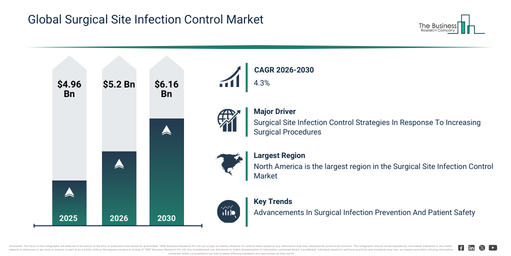
    The surgical site infection control market has consistently demonstrated growth in recent years. This market is anticipated to expand from $4.96 billion in 2025 to $5.2 billion in 2026, achieving a compound annual growth rate (CAGR) of 4.9%. Historically, this expansion can be ascribed to an increase in surgical procedure volumes, a heightened awareness of healthcare-associated infections, the development of hospital infrastructure, broader access to antiseptic and disinfectant products, and the enhancement of clinical hygiene standards.

    The surgical site infection control market size is anticipated to demonstrate consistent expansion in the coming years, projected to reach $6.16 billion by 2030, with a compound annual growth rate (CAGR) of 4.3%. This expansion during the forecast period is fueled by several factors, including escalating investments in infection control technologies, stricter regulatory enforcement of infection prevention guidelines, the broadening reach of digital hospital monitoring systems, an amplified focus on patient safety outcomes, and the increasing uptake of antimicrobial surgical solutions. Prominent trends for this period encompass the rising adoption of extensive infection prevention protocols, greater utilization of advanced sterilization products, enhanced integration of digital SSI monitoring systems, the growing availability of disposable surgical consumables, and a heightened commitment to reducing post-operative infections.

    Access Your Free Sample Report for In-Depth Market Insights:

    https://www.thebusinessresearchcompany.com/sample.aspx?id=17271&type=smp

    What Drivers Are Supporting Technological Adoption In The Surgical Site Infection Control Market?

    The increasing volume of surgical operations is anticipated to drive expansion in the surgical site infection control market in the future. This surge in surgical procedures is attributed to technological progress, the growing senior demographic, and a rising prevalence of chronic illnesses. Measures for surgical site infection control, encompassing sterilization, antibiotic prophylaxis, and aseptic practices, are crucial during operations to avert infections, lessen complications, and enhance patient recovery. An illustrative example comes from September 2023, when the National Library of Medicine, a US-based federal government source, reported that by 2023, 7,733 robotic surgical systems had been globally deployed, facilitating over 10 million robotic surgeries. Consequently, the escalating volume of surgical interventions is propelling the expansion of the surgical site infection control market.

    What Segment Types Are Examined In The Surgical Site Infection Control Market?

    The surgical site infection control market covered in this report is segmented –

    1) By Product: Surgical Scrubs, Hair Clippers, Surgical Drapes, Surgical Irrigation, Skin Preparation Solution, Medical Nonwovens, Surgical Gloves, Manual Reprocessor Solution, Disinfectants, Other Products

    2) By Type Of Infection: Superficial Incisional Surgical Site Infection (SSI), Deep Incisional Surgical Site Infection (SSI), Organ Or Space Surgical Site Infection (SSI)

    3) By Surgery Type: Cesarean Section, Gastric Bypass, Cataract Surgery, Dental Restoration, Other Surgery Types

    4) By End-user: Hospitals, Ambulatory Surgical Centers, Other End Users

    Subsegments:

    1) By Surgical Scrubs: Antimicrobial Surgical Scrubs, Non-Antimicrobial Surgical Scrubs

    2) By Hair Clippers: Corded Hair Clippers, Cordless Hair Clippers

    3) By Surgical Drapes: Sterile Surgical Drapes, Disposable Surgical Drapes, Reusable Surgical Drapes

    4) By Surgical Irrigation: Sterile Irrigation Fluids, Antiseptic Irrigation Solutions, Non-Antiseptic Irrigation Solutions

    5) By Skin Preparation Solution: Alcohol-Based Skin Preparations, Chlorhexidine-Based Skin Preparations, Povidone-Iodine-Based Skin Preparations

    6) By Medical Nonwovens: Surgical Gowns, Surgical Masks, Sterile Sponges And Pads

    7) By Surgical Gloves: Latex Surgical Gloves, Nitrile Surgical Gloves, Vinyl Surgical Gloves, Powdered Surgical Gloves, Powder-Free Surgical Gloves

    8) By Manual Reprocessor Solution: Enzyme-Based Reprocessing Solutions, Chemical-Based Reprocessing Solutions

    9) By Disinfectants: Alcohol-Based Disinfectants, Chlorine-Based Disinfectants, Hydrogen Peroxide-Based Disinfectants

    10) By Other Products: Wound Care Products, Sterilization Equipment, Antiseptic Towelettes

    Which Trends Are Shaping Activity Within The Surgical Site Infection Control Market?

    Leading companies within the surgical site infection control market are prioritizing the creation of advanced solutions to lower infection rates, bolster patient safety, and improve post-surgical outcomes in clinical settings. Surgical site infection control involves various strategies, products, and practices aimed at preventing infections at the point of a surgical incision, thereby decreasing complications after surgery and improving patient recovery. For example, in November 2025, BD (Becton, Dickinson and Company), a US-based medical technology company, introduced BD Surgiphor to the European market. This device is engineered to elevate surgical safety by reducing contamination risks during procedures, fostering sterile practices, and lessening the frequency of surgical site infections. Through this product launch, BD seeks to reinforce its surgical safety offerings, promote the adoption of cutting-edge infection control solutions, and enhance patient results in operating rooms across Europe.

    Who Are The Major Companies Operating In The Surgical Site Infection Control Market?

    Major companies operating in the surgical site infection control market are Johnson and Johnson, Thermo Fisher Scientific Inc., 3M Company, Kimberly-Clark Corporation, Becton Dickinson and Company, Owens & Minor Inc., B. Braun Melsungen AG, Smith & Nephew plc, Hartmann Group, ConvaTec Inc., Ansell Limited, Mölnlycke Health Care, Halyard Health Inc., DeRoyal Industries Inc., Excelsior Medical LLC, Precept Medical Products Inc., Cantel Medical Corp, Medline Industries LP, Cardinal Health Inc., Terumo Corporation, Stryker Corporation, Philips Healthcare

    Access The Complete Report For Deeper Market Insights:

    https://www.thebusinessresearchcompany.com/report/surgical-site-infection-control-global-market-report

    Which Region Is Anticipated To See The Fastest Growth In The Surgical Site Infection Control Market?

    North America was the largest region in the surgical site infection control market in 2025. The regions covered in the surgical site infection control market report are Asia-Pacific, South East Asia, Western Europe, Eastern Europe, North America, South America, Middle East, Africa.

    Request Your Customized Surgical Site Infection Control Market Research Report for Competitive Advantage:

    https://www.thebusinessresearchcompany.com/customise?id=17271&type=smp

    Browse Through More Reports Similar to the Global Surgical Site Infection Control Market 2026, By The Business Research Company

    Infection Control Supplies Market Report 2026

    https://www.thebusinessresearchcompany.com/report/infection-control-supplies-global-market-report

    Infection Control Market Report 2026

    https://www.thebusinessresearchcompany.com/report/infection-control-global-market-report

    Hospital Acquired Infection Control Market Report 2026

    https://www.thebusinessresearchcompany.com/report/hospital-acquired-infection-control-global-market-report

    Get in touch with us:

    The Business Research Company: https://www.thebusinessresearchcompany.com/

    Americas +1 310-496-7795

    Asia +44 7882 955267 & +91 8897263534

    Europe +44 7882 955267

    Email us at info@tbrc.info

    Follow us on:

    LinkedIn: https://in.linkedin.com/company/the-business-research-company

    YouTube: https://www.youtube.com/channel/UC24_fI0rV8cR5DxlCpgmyFQ

    Global Market Model: https://www.thebusinessresearchcompany.com/global-market-model
  • Global Surgical Instrument Tracking Systems Market Report 2026: Emerging Trends and Growth Scenarios

    Global Surgical Instrument Tracking Systems Market Report 2026: Emerging Trends and Growth Scenarios

    Uncover key drivers, emerging technologies, and competitive movements shaping the surgical instrument tracking systems market from 2026–2035 with trusted insights from The Business Research Company

    What upper market value could the Surgical Instrument Tracking Systems Market reach by 2030 starting from 2026 levels?

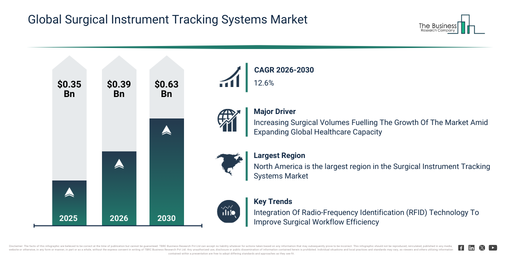
    The surgical instrument tracking systems market size has experienced rapid growth in recent years. It is projected to expand from $0.35 billion in 2025 to $0.39 billion in 2026, at a compound annual growth rate (CAGR) of 12.9%. The historical growth in this market can be attributed to increasing surgical procedure volumes, a rise in incidents of instrument loss and errors, the adoption of barcode-based tracking systems, growing regulatory requirements for traceability, and the expansion of centralized sterile processing departments.

    The surgical instrument tracking systems market is projected to experience swift expansion over the coming years. This market is anticipated to reach $0.63 billion by 2030, exhibiting a compound annual growth rate (CAGR) of 12.6%. Several factors contribute to this growth during the forecast period, including increased funding for digital hospitals, a greater need for workflow automation in healthcare, the proliferation of cloud-based healthcare IT solutions, an intensified emphasis on patient safety programs, and the rising uptake of AI-powered analytics in surgical procedures. Key developments anticipated during this period encompass the greater use of RFID-based instrument tracking, a surge in the deployment of cloud-based tracking platforms, increasing integration with hospital information systems, the expansion of real-time location tracking within operating rooms, and a heightened emphasis on ensuring compliance and traceability.

    Access Your Free Sample Report for In-Depth Market Insights:

    https://www.thebusinessresearchcompany.com/sample.aspx?id=30416&type=smp

    Which Drivers Are Influencing Long-Term Growth In The Surgical Instrument Tracking Systems Market?

    The future expansion of the surgical instrument tracking systems market is projected to be driven by increasing surgical volumes. Surgical volumes refer to the total number of surgical procedures performed within a defined population or healthcare system over a given period. These volumes are rising due to the global expansion of healthcare infrastructure, which broadens access to surgical care and permits more procedures annually. Surgical instrument tracking systems assist healthcare facilities in managing higher surgical volumes by streamlining instrument workflows, improving traceability, and boosting turnaround efficiency to guarantee the timely availability of surgical sets for each procedure. For instance, in June 2024, according to the International Society of Aesthetic Plastic Surgery (ISAPS), a US-based professional organization for aesthetic medicine and surgery, the total number of surgical and non-surgical aesthetic procedures globally increased by 3.4% in 2023, reaching about 34.9 million. Consequently, the increasing surgical volumes are propelling the growth for the surgical instrument tracking systems market.

    Which Segments Are Driving Activity In The Surgical Instrument Tracking Systems Market?

    The surgical instrument tracking systems market covered in this report is segmented –

    1) By Component: Hardware, Software, Services

    2) By Deployment Mode: On-premise, Cloud Or Software As A Service (SaaS)

    3) By Application: Inventory Management, Asset Management, Sterilization Tracking, Other Applications

    4) By End User: Hospitals, Ambulatory Surgical Centers, Other End-Users

    Subsegments:

    1) By Hardware: Barcode Scanners, Radio Frequency Identification Readers, Radio Frequency Identification Tags, Antennas, Printers, Cabinets, Racks

    2) By Software: Inventory Management Software, Asset Tracking Software, Workflow Management Software, Sterilization Management Software, Compliance Management Software, Data Analytics Software, Integration Software

    3) By Services: Implementation Services, Training And Education Services, Maintenance And Support Services, Consulting Services, Managed Services, Upgradation Services, Validation Services

    Which Trends Are Influencing The Development Of The Surgical Instrument Tracking Systems Market?

    Leading companies in the surgical instrument tracking systems market are prioritizing the integration of technological advancements like radio-frequency identification (RFID) to boost efficiency, facilitate real-time oversight, and ensure traceability throughout procedural workflows. RFID is a wireless data-capture method that employs electromagnetic fields to automatically identify and track tagged items, enabling functions such as automated inventory control, location monitoring, and usage analytics. For example, in July 2024, Mobile Aspects, a US-based healthcare technology firm specializing in surgical and supply tracking solutions, introduced SurgiCart. This RFID-enabled mobile inventory management system is designed to streamline the tracking and movement of surgical supplies and implants across various procedural areas. The system incorporates real-time RFID scanning, wireless integration with hospital information systems, and multi-department mobility, providing continuous visibility and accountability for critical items. SurgiCart enhances operational efficiency, minimizes manual errors, and improves supply chain transparency, thereby assisting hospitals in optimizing procedural readiness and patient safety.

    Which Major Firms Are Strengthening Their Position In The Surgical Instrument Tracking Systems Market?

    Major companies operating in the surgical instrument tracking systems market are Becton Dickinson and Company, Avery Dennison Corporation, Fortive Corporation, STERIS plc, Getinge AB, Syrma SGS Technology Limited, Case Medical Inc., Xerafy, Mobile Aspects Inc., ReadySet Surgical, Bio Enable Technologies Pvt Ltd, ScanCARE, Haldor Advanced Technologies Ltd., NB Automation Inc., SpaTrack Medical Limited, Caretag, NuTrace, ASANUS Medizintechnik GmbH, Ternio Group, HealthTech Pivot LLP

    Access The Complete Report For Deeper Market Insights:

    https://www.thebusinessresearchcompany.com/report/global-surgical-instrument-tracking-systems-market-report

    Which Region Is Anticipated To See The Fastest Growth In The Surgical Instrument Tracking Systems Market?

    North America was the largest region in the surgical instrument tracking systems market in 2025. Asia-Pacific is expected to be the fastest-growing region in the forecast period. The regions covered in the surgical instrument tracking systems market report are Asia-Pacific, South East Asia, Western Europe, Eastern Europe, North America, South America, Middle East, Africa.

    Request Your Customized Surgical Instrument Tracking Systems Market Research Report for Competitive Advantage:

    https://www.thebusinessresearchcompany.com/customise?id=30416&type=smp

    Browse Through More Reports Similar to the Global Surgical Instrument Tracking Systems Market 2026, By The Business Research Company

    Handheld Surgical Devices And Equipment Market Report 2026

    https://www.thebusinessresearchcompany.com/report/handheld-surgical-devices-and-equipment-global-market-report

    Hand Held Surgical Instruments Market Report 2026

    https://www.thebusinessresearchcompany.com/report/hand-held-surgical-instruments-global-market-report

    Minimally Invasive Surgical Instruments Market Report 2026

    https://www.thebusinessresearchcompany.com/report/minimally-invasive-surgical-instruments-global-market-report

    Get in touch with us:

    The Business Research Company: https://www.thebusinessresearchcompany.com/

    Americas +1 310-496-7795

    Asia +44 7882 955267 & +91 8897263534

    Europe +44 7882 955267

    Email us at info@tbrc.info

    Follow us on:

    LinkedIn: https://in.linkedin.com/company/the-business-research-company

    YouTube: https://www.youtube.com/channel/UC24_fI0rV8cR5DxlCpgmyFQ

    Global Market Model: https://www.thebusinessresearchcompany.com/global-market-model
  • Stem Cell Therapy For Multiple Sclerosis Market Outlook 2026–2035: Growth Drivers and Industry Forecast

    Stem Cell Therapy For Multiple Sclerosis Market Outlook 2026–2035: Growth Drivers and Industry Forecast

    Uncover key drivers, emerging technologies, and competitive movements shaping the stem cell therapy for multiple sclerosis market from 2026–2035 with trusted insights from The Business Research Company

    What size range is anticipated for the Stem Cell Therapy For Multiple Sclerosis Market from 2026 to 2030?

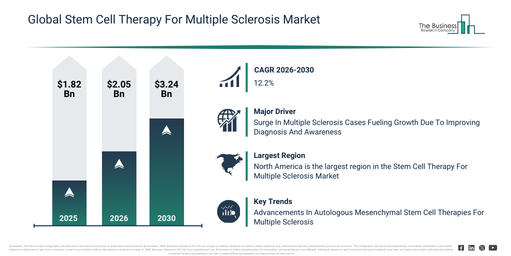
    The market size for stem cell therapy used in treating multiple sclerosis has experienced significant expansion over recent years. This market is projected to expand from $1.82 billion in 2025 to $2.05 billion in 2026, achieving a compound annual growth rate (CAGR) of 12.4%. The historic expansion can be linked to several factors, including developments in multiple sclerosis treatment research, an increase in the diagnosis rates of autoimmune disorders, the broader implementation of stem cell clinical trials, more refined patient selection protocols, and the expanding presence of specialized neurology centers.

    The stem cell therapy for multiple sclerosis market is anticipated to experience substantial growth in the upcoming years, with projections indicating it will reach $3.24 billion by 2030, growing at a compound annual growth rate (CAGR) of 12.2%. This projected growth can be attributed to factors such as accumulating long-term efficacy data for stem cell therapies, an increasing demand for disease-modifying treatments, the expansion of personalized neurology care, rising investments in neuro-regenerative research, and enhanced collaboration between hospitals and research institutions. Prominent trends expected during this period include the increased adoption of autologous hematopoietic stem cell transplants, a growing focus on immune system reset therapies, the rising application of mesenchymal stem cells, more frequent use of targeted delivery methods, and improved clinical monitoring and outcome tracking.

    Access Your Free Sample Report for In-Depth Market Insights:

    https://www.thebusinessresearchcompany.com/sample.aspx?id=30409&type=smp

    What Drivers Are Affecting Demand In The Stem Cell Therapy For Multiple Sclerosis Market?

    The increasing occurrence of multiple sclerosis (MS) is projected to contribute significantly to the expansion of the stem cell therapy for multiple sclerosis market going forward. Multiple sclerosis is a chronic autoimmune disorder affecting the central nervous system by damaging the protective myelin sheath surrounding nerve fibers, which impairs communication between the brain and body, causing symptoms such as fatigue, muscle weakness, and vision problems. The rising incidence of MS is largely attributed to improved diagnostic capabilities, as advancements in medical imaging and heightened awareness enable more accurate and earlier identification of cases, leading to higher reported numbers. Stem cell therapy for multiple sclerosis helps in repairing compromised myelin, modulating abnormal immune responses, and promoting nerve cell regeneration, thereby aiding in the reduction of symptoms and potentially slowing disease progression. For instance, in May 2024, according to a report published by the MS Trust, a UK-based organization, approximately 2.9 million people worldwide are affected by multiple sclerosis, including over 150,000 individuals living with the condition in the UK. Therefore, the increasing prevalence of multiple sclerosis is anticipated to drive the growth of the stem cell therapy for multiple sclerosis market.

    Which Segments Are Gaining Traction In The Stem Cell Therapy For Multiple Sclerosis Market?

    The stem cell therapy for multiple sclerosis market covered in this report is segmented –

    1) By Type Of Stem Cell: Embryonic Stem Cells, Adult Stem Cells, Induced Pluripotent Stem Cells, Mesenchymal Stem Cells, Hematopoietic Stem Cells

    2) By Treatment Approach: Autologous Stem Cell Therapy, Allogeneic Stem Cell Therapy

    3) By Delivery Method: Intravenous Injection, Intrathecal Injection, Direct Intraspinal Administration

    4) By Application: Relapsing-Remitting Multiple Sclerosis (RRMS), Primary Progressive Multiple Sclerosis (PPMS), Secondary Progressive Multiple Sclerosis (SPMS), Progressive Relapsing Multiple Sclerosis (PRMS)

    5) By End-User: Hospitals, Specialty Clinics, Research Institutes, Other End-Users

    Subsegments:

    1) By Embryonic Stem Cells: Inner Cell Mass Cells, Blastocyst Derived Cells, Totipotent Stem Cells

    2) By Adult Stem Cells: Bone Marrow Stem Cells, Neural Stem Cells, Tissue Specific Stem Cells

    3) By Induced Pluripotent Stem Cells: Reprogrammed Somatic Cells, Patient Derived Cells

    4) By Mesenchymal Stem Cells: Adipose Derived Stem Cells, Umbilical Cord Derived Stem Cells, Bone Marrow Derived Stem Cells

    5) By Hematopoietic Stem Cells: Peripheral Blood Stem Cells, Bone Marrow Stem Cells, Umbilical Cord Blood Stem Cells

    What Industry Trends Are Transforming The Stem Cell Therapy For Multiple Sclerosis Market?

    Leading companies in the stem cell therapy for multiple sclerosis market are concentrating on developing innovative products, such as adipose-derived mesenchymal stem cells, to improve the effectiveness, safety, and regenerative capacity of treatments for patients with relapsing-remitting and progressive forms of multiple sclerosis. Adipose-derived mesenchymal stem cells (ADMSCs) are multipotent stem cells sourced from adipose (fat) tissue, capable of differentiating into various cell types and displaying regenerative and immunomodulatory traits beneficial for treating autoimmune and neurodegenerative conditions like multiple sclerosis. For example, in August 2025, Hope Biosciences, LLC, a US-based biopharmaceutical firm, launched its HB-adMSCs therapy, which uses adipose-derived mesenchymal stem cells administered through high-dose infusions and repeat dosing over a 32-week period. This therapy integrates immunomodulatory and neuroregenerative mechanisms, holding the potential to decelerate disease progression and repair myelin damage, thereby distinguishing it from conventional immunosuppressive treatments.

    Who Are The Top-Performing Companies In The Stem Cell Therapy For Multiple Sclerosis Market In Recent Years?

    Major companies operating in the stem cell therapy for multiple sclerosis market are Sana Biotechnology Inc., Century Therapeutics Inc., Reelabs Private Limited, PlacidWay LLC, MedAccess Guarantee Ltd, Celltex Therapeutics Corporation, CELLTEX THERAPEUTICS CORP, BrainStorm Cell Therapeutics Ltd., Athersys Inc., Advancells Dermaceuticals Private Limited, ImStem Biotechnology Inc., NeuroGenesis Bio Inc., Stem Cell Medicine Ltd., Biotherapy International, R3 Stem Cell, Hope Biosciences LLC, FibroBiologics Inc., Global Institute of Stem Cell Therapy and Research Inc., ProgenCell, Stemwell

    Access The Complete Report For Deeper Market Insights:

    https://www.thebusinessresearchcompany.com/report/global-stem-cell-therapy-for-multiple-sclerosis-market-report

    Which Region Currently Holds The Largest Share Of The Stem Cell Therapy For Multiple Sclerosis Market?

    North America was the largest region in the stem cell therapy for multiple sclerosis market in 2025. Asia-Pacific is expected to be the fastest-growing region in the forecast period. The regions covered in the stem cell therapy for multiple sclerosis market report are Asia-Pacific, South East Asia, Western Europe, Eastern Europe, North America, South America, Middle East, Africa.

    Request Your Customized Stem Cell Therapy For Multiple Sclerosis Market Research Report for Competitive Advantage:

    https://www.thebusinessresearchcompany.com/customise?id=30409&type=smp

    Browse Through More Reports Similar to the Global Stem Cell Therapy For Multiple Sclerosis Market 2026, By The Business Research Company

    Autologous Stem Cell And Non Stem Cell Based Therapies Market Report 2026

    https://www.thebusinessresearchcompany.com/report/autologous-stem-cell-and-non-stem-cell-based-therapies-global-market-report

    Human Embryonic Stem Cells Market Report 2026

    https://www.thebusinessresearchcompany.com/report/human-embryonic-stem-cells-global-market-report

    Stem Cell Manufacturing Market Report 2026

    https://www.thebusinessresearchcompany.com/report/stem-cell-manufacturing-global-market-report

    Get in touch with us:

    The Business Research Company: https://www.thebusinessresearchcompany.com/

    Americas +1 310-496-7795

    Asia +44 7882 955267 & +91 8897263534

    Europe +44 7882 955267

    Email us at info@tbrc.info

    Follow us on:

    LinkedIn: https://in.linkedin.com/company/the-business-research-company

    YouTube: https://www.youtube.com/channel/UC24_fI0rV8cR5DxlCpgmyFQ

    Global Market Model: https://www.thebusinessresearchcompany.com/global-market-model
  • Surgical Fluid Waste Management System Market Forecast 2026: Where the Industry Is Headed

    Surgical Fluid Waste Management System Market Forecast 2026: Where the Industry Is Headed

    Uncover key drivers, emerging technologies, and competitive movements shaping the surgical fluid waste management system market from 2026–2035 with trusted insights from The Business Research Company

    What level of CAGR-driven expansion is anticipated in the Surgical Fluid Waste Management System Market between 2026 and 2030?

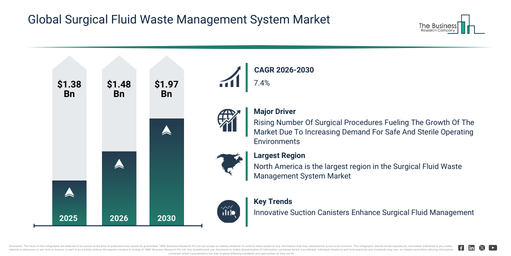
    The surgical fluid waste management system market has seen substantial growth recently. It is forecast to increase from $1.38 billion in 2025 to $1.48 billion in 2026, achieving a compound annual growth rate (CAGR) of 7.2%. This historical growth can be linked to a worldwide increase in surgical procedures, greater awareness regarding operating room safety, the implementation of fluid management guidelines, the expansion of hospital surgical infrastructure, and the accessibility of portable waste management systems.

    The surgical fluid waste management system market is projected to witness robust expansion in the near future, with its size expected to climb to $1.97 billion in 2030, demonstrating a compound annual growth rate (CAGR) of 7.4%. This anticipated growth during the forecast period is propelled by a heightened emphasis on infection prevention technologies, increasing demand for automated operating room equipment, the ongoing expansion of ambulatory surgical centers, a greater embrace of sustainable medical waste solutions, and continuous technological advancements in fluid handling systems. Additionally, major developments expected in this period include the wider adoption of closed fluid collection systems, a surging demand for touchless fluid disposal solutions, an intensified focus on infection control compliance, the broadening of single-use waste management accessories, and enhanced integration of automated suction systems.

    Access Your Free Sample Report for In-Depth Market Insights:

    https://www.thebusinessresearchcompany.com/sample.aspx?id=25915&type=smp

    What Drivers Are Affecting Demand-Supply Dynamics In The Surgical Fluid Waste Management System Market?

    The increasing volume of surgical operations is anticipated to boost the expansion of the surgical fluid waste management system market. Surgical procedures are defined as medical interventions that utilize manual or instrumental methods to address illnesses, injuries, or deformities. The rise in these procedures is attributed to an aging global population, as elderly individuals are more susceptible to chronic conditions necessitating surgical intervention. Surgical fluid waste management systems play a crucial role in these operations by ensuring the secure and effective collection of fluids, thereby preserving a sterile environment within operating theaters. These systems decrease the manual handling of biohazardous materials, consequently lowering the risk of infection and improving the efficiency of surgical workflows. For example, the UK Government, a federal agency based in the UK, reported in October 2025 that surveillance data from 135,619 operations in 2023–2024 revealed an 8.4% increase in the number of submitted surgical procedures compared to the prior year. Consequently, the growing frequency of surgical procedures is propelling the growth of the surgical fluid waste management system market.

    How Is The Surgical Fluid Waste Management System Market Organized Into Various Segments?

    The surgical fluid waste management system market covered in this report is segmented –

    1) By Installation Configuration: Mobile, Wall-Mounted

    2) By Product Type: Surgical Fluid Waste Containers, Fluid Collection Systems, Fluid Disposal Systems, Filters And Waste Management Accessories

    3) By Application: General Surgery, Orthopedic Surgery, Plastic And Reconstructive Surgery, Cardiovascular Surgery, Other Applications

    4) By End Use: Hospitals, Specialty Clinics, Ambulatory Surgical Centers, Other End Users

    Subsegments:

    1) By Mobile: Trolley-Based Systems, Canister-Based Mobile Units, Battery-Operated Mobile Units, Mobile Suction Units With Inbuilt Fluid Solidifiers

    2) By Wall-Mounted: Direct-To-Drain Wall Systems, Wall-Mounted Canister-Based Units, Fixed Vacuum-Assisted Wall Units, Modular Wall Suction Stations

    What Trends Are Expected To Impact The Competitive Landscape Of The Surgical Fluid Waste Management System Market?

    Major companies engaged in the surgical fluid waste management system market are dedicating efforts to developing innovative solutions, such as suction canisters, aimed at improving safety, efficiency, and compliance within operating rooms. Suction canisters are medical containers designed for collecting and storing bodily fluids, including blood or irrigation fluids, during surgical or medical procedures. They connect to suction systems and are crucial for maintaining a clean and safe operating environment by effectively managing fluid waste. For example, in April 2024, Typenex Medical LLC, a US-based medical device company, unveiled fluid fighter suction canisters and liners as part of its expanded fluid waste management portfolio, offering a comprehensive solution for fluid waste retention and disposal in clinical settings. This new product line encompasses reusable suction canisters, disposable liners, trolleys, wall mounts, solidifiers, and various auxiliary accessories, all engineered for compatibility with leading brands and seamless integration into existing workflows. These canisters and liners boast superior durability and advanced hydrophobic filtration, ensuring secure and reliable fluid waste containment in demanding clinical environments.

    Who Are The Primary Competitors In The Global Surgical Fluid Waste Management System Market?

    Major companies operating in the surgical fluid waste management system market are Cardinal Health Inc., Medtronic Plc, Stryker Corporation, Ecolab Inc., Smith & Nephew Plc, Baxter International Inc., B. Braun Melsungen AG, Olympus Corporation, Stericycle Inc., Hartmann Group, CONMED Corporation, Amsino International Inc., Veolia Environmental Services, BioMedical Waste Solutions LLC, Serres Oy, IndoSurgicals Private Limited, Getinge AB, STERIS plc, Metrex Research LLC, Medela AG, Rocket Medical plc, Laerdal Medical

    Access The Complete Report For Deeper Market Insights:

    https://www.thebusinessresearchcompany.com/report/surgical-fluid-waste-management-system-global-market-report

    Which Global Regions Are Shaping The Competitive Landscape Of The Surgical Fluid Waste Management System Market?

    North America was the largest region in the surgical fluid waste management system market in 2025. Europe is expected to be the fastest-growing region in the forecast period. The regions covered in the surgical fluid waste management system market report are Asia-Pacific, South East Asia, Western Europe, Eastern Europe, North America, South America, Middle East, Africa.

    Request Your Customized Surgical Fluid Waste Management System Market Research Report for Competitive Advantage:

    https://www.thebusinessresearchcompany.com/customise?id=25915&type=smp

    Browse Through More Reports Similar to the Global Surgical Fluid Waste Management System Market 2026, By The Business Research Company

    Waste Management And Recovery Services Market Report 2026

    https://www.thebusinessresearchcompany.com/report/waste-management-and-recovery-services-global-market-report

    Medical And Surgical Drainage System Market Report 2026

    https://www.thebusinessresearchcompany.com/report/medical-and-surgical-drainage-system-global-market-report

    Waste Management Software Market Report 2026

    https://www.thebusinessresearchcompany.com/report/waste-management-software-global-market-report

    Get in touch with us:

    The Business Research Company: https://www.thebusinessresearchcompany.com/

    Americas +1 310-496-7795

    Asia +44 7882 955267 & +91 8897263534

    Europe +44 7882 955267

    Email us at info@tbrc.info

    Follow us on:

    LinkedIn: https://in.linkedin.com/company/the-business-research-company

    YouTube: https://www.youtube.com/channel/UC24_fI0rV8cR5DxlCpgmyFQ

    Global Market Model: https://www.thebusinessresearchcompany.com/global-market-model
  • Surgical Dressing Industry Growth Insights: Revenue Forecast to 2030

    Surgical Dressing Industry Growth Insights: Revenue Forecast to 2030

    Uncover key drivers, emerging technologies, and competitive movements shaping the surgical dressing market from 2026–2035 with trusted insights from The Business Research Company

    What long-term size projections exist for the Surgical Dressing Market covering 2026–2035?

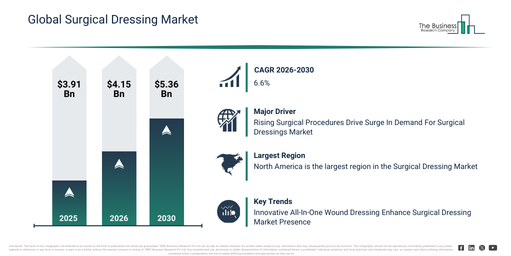
    The surgical dressing market size has demonstrated robust growth in recent years. It is projected to expand from $3.91 billion in 2025 to $4.15 billion by 2026, at a compound annual growth rate (CAGR) of 6.3%. The historical period’s growth can be attributed to an increasing volume of surgical procedures, a rising incidence of chronic wounds, a growing aging population, improved access to surgical care facilities, and wider adoption of sterile wound management practices.

    The surgical dressing market is poised for substantial expansion over the next few years. It is expected to reach $5.36 billion by 2030, growing at a compound annual growth rate (CAGR) of 6.6%. This projected growth is driven by factors such as the increasing demand for advanced wound care materials, a rising focus on infection prevention, the expansion of outpatient and home healthcare services, growing investments in innovative dressing technologies, and the increasing use of value-based healthcare models. Key trends anticipated in this period include a heightened demand for advanced absorbent dressings, the rising adoption of antimicrobial wound care products, a growing utilization of hydrocolloid and foam dressings, the expansion of home-based wound care solutions, and an enhanced focus on achieving faster wound healing outcomes.

    Access Your Free Sample Report for In-Depth Market Insights:

    https://www.thebusinessresearchcompany.com/sample.aspx?id=9972&type=smp

    Which Drivers Are Impacting The Competitive Landscape Of The Surgical Dressing Market?

    An increase in surgical procedures is anticipated to fuel the expansion of the surgical dressing market in the future. Surgeries are defined as the medical field dealing with the treatment of illnesses and injuries through manual or operative interventions. The growing elderly demographic and the higher occurrence of chronic ailments are contributing to a rise in the volume of surgical operations conducted. Surgical dressings constitute a vital part of post-operative wound management, playing a crucial role in averting infections and facilitating recovery. These dressings serve to cover and safeguard surgical cuts, absorb surplus fluids, and act as a shield against bacteria and other impurities. Consequently, the growing frequency of surgeries elevates the demand within the surgical dressing market. For example, data from September 2023, provided by the National Library of Medicine, a US-based federal government entity, indicated that by 2023, 7,733 robotic surgical systems had been deployed globally, with over 10 million robotic operations performed. Thus, the increasing volume of surgeries is indeed propelling the expansion of the surgical dressing market.

    What Segments Are Identified Within The Structure Of The Surgical Dressing Market?

    The surgical dressing market covered in this report is segmented –

    1) By Product: Primary Dressing, Secondary Dressing, Other Products

    2) By Application: Diabetes Based surgeries, Cardiovascular Disease, Ulcers, Burns, Transplant Sites, Other Applications

    3) By End-Use: Hospitals, Specialty Clinics, Home Healthcare, Ambulatory Surgery Centers, Other End-Uses

    Subsegments:

    1) By Primary Dressing: Adhesive Bandages, Gauze Pads, Hydrocolloid Dressings, Transparent Films, Foam Dressings

    2) By Secondary Dressing: Adhesive Tapes, Retention Bandages, Compression Wraps

    3) By Other Products: Antimicrobial Dressings, Alginate Dressings, Silicone Dressings, Hydrogel Dressings

    Which Trends Are Guiding The Evolution Of The Surgical Dressing Market?

    Leading companies in the surgical dressing market are concentrating on developing innovative, all-in-one, extended-wear wound dressings to improve healing rates and enhance patient care in healthcare settings. An all-in-one, extended-wear wound dressing is defined as a singular, comprehensive wound care product that integrates multiple functions typically provided by separate components, designed for long-term use. For instance, in September 2024, Solventum Corporation, a US-based healthcare company, introduced V.A.C. Peel and Place Dressing, an integrated dressing that can be applied in less than two minutes and worn by patients for up to seven days. This dressing marks the next evolution in V.A.C. Therapy, featuring an all-in-one dressing and drape design that simplifies application and reduces the time and training needed for dressing application and changes.

    Which Key Market Players Are Investing In Expansion And Innovation Within The Surgical Dressing Market?

    Major companies operating in the surgical dressing market are 3M Company, Smith & Nephew plc, Mölnlycke Health Care AB, Convatec Group Plc., Johnson & Johnson, Coloplast Corp, Medline Industries LP, Advancis Medical, B. Braun SE, Baxter International Inc., Derma Sciences Inc., Organogenesis Holdings Inc., Essity Aktiebolag, BSN Medical GmbH, DeRoyal Industries Inc., Lohmann & Rauscher GmbH & Co. KG, Paul Hartmann AG, Winner Medical Co. Ltd., McKesson Medical-Surgical Inc., Hollister Incorporated, Integra LifeSciences Corporation, DermaRite Industries LLC

    Access The Complete Report For Deeper Market Insights:

    https://www.thebusinessresearchcompany.com/report/surgical-dressing-global-market-report

    Which Regions Are Poised For Strategic Growth In The Surgical Dressing Market?

    North America was the largest region in the surgical dressing market in 2025. Asia-Pacific is expected to be the fastest-growing region in the surgical dressing market report during the forecast period. The regions covered in the surgical dressing market report are Asia-Pacific, South East Asia, Western Europe, Eastern Europe, North America, South America, Middle East, Africa.

    Request Your Customized Surgical Dressing Market Research Report for Competitive Advantage:

    https://www.thebusinessresearchcompany.com/customise?id=9972&type=smp

    Browse Through More Reports Similar to the Global Surgical Dressing Market 2026, By The Business Research Company

    Wound Contact Layer Dressing Market Report 2026

    https://www.thebusinessresearchcompany.com/report/wound-contact-layer-dressing-global-market-report

    Dredging Market Report 2026

    https://www.thebusinessresearchcompany.com/report/dredging-global-market-report

    Interactive Wound Dressing Market Report 2026

    https://www.thebusinessresearchcompany.com/report/interactive-wound-dressing-global-market-report

    Get in touch with us:

    The Business Research Company: https://www.thebusinessresearchcompany.com/

    Americas +1 310-496-7795

    Asia +44 7882 955267 & +91 8897263534

    Europe +44 7882 955267

    Email us at info@tbrc.info

    Follow us on:

    LinkedIn: https://in.linkedin.com/company/the-business-research-company

    YouTube: https://www.youtube.com/channel/UC24_fI0rV8cR5DxlCpgmyFQ

    Global Market Model: https://www.thebusinessresearchcompany.com/global-market-model
  • Stem Cell Therapy For Infertility Market 2026–2030: Emerging Trends and Forecast Opportunities

    Stem Cell Therapy For Infertility Market 2026–2030: Emerging Trends and Forecast Opportunities

    Uncover key drivers, emerging technologies, and competitive movements shaping the stem cell therapy for infertility market from 2026–2035 with trusted insights from The Business Research Company

    How is the Stem Cell Therapy For Infertility Market size predicted to change over the forecast window of 2026–2035?

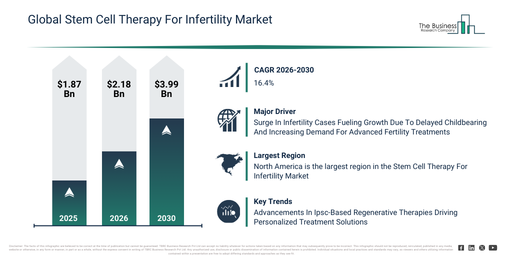
    The stem cell therapy for infertility market has experienced substantial growth in recent years. It is projected to expand from $1.87 billion in 2025 to $2.18 billion in 2026, exhibiting a compound annual growth rate (CAGR) of 16.6%. This historical development can be attributed to factors such as the increasing prevalence of infertility conditions, the global proliferation of fertility clinics, advancements in reproductive biology research, a growing demand for alternative infertility treatments, and the expansion of assisted reproductive procedures.

    The stem cell therapy for infertility market is projected for significant expansion over the coming years, reaching a valuation of $3.99 billion by 2030, driven by a compound annual growth rate (CAGR) of 16.4%. This expansion is primarily driven by factors such as the increasing clinical validation of stem cell infertility treatments, escalating investments in reproductive regenerative medicine, the growing acceptance of personalized fertility solutions, an expansion of clinical trials in reproductive health, and enhanced collaboration between fertility clinics and research institutions. Key trends anticipated during this period encompass a heightened focus on ovarian and testicular regeneration therapies, an increased adoption of autologous stem cell treatments, greater integration with assisted reproductive technologies, the expansion of personalized fertility treatment protocols, and intensified clinical research in reproductive regeneration.

    Access Your Free Sample Report for In-Depth Market Insights:

    https://www.thebusinessresearchcompany.com/sample.aspx?id=30408&type=smp

    Which Drivers Are Contributing To The Expansion Of The Stem Cell Therapy For Infertility Market?

    The increasing instances of infertility are projected to substantially contribute to the expansion of the stem cell therapy for infertility market moving forward. Infertility describes a couple’s inability to conceive after 12 months or more of regular unprotected sexual intercourse. The growing occurrence of infertility is largely due to individuals delaying childbearing, as many choose to have children later in life, leading to a reduction in fertility stemming from the natural decrease in reproductive potential with age, particularly among women. Stem cell therapy for infertility offers promising solutions by regenerating damaged reproductive tissues, enhancing ovarian and testicular function, and improving the chances of conception. For example, in April 2023, according to a report published by the World Health Organization (WHO), a Switzerland-based intergovernmental organization, infertility affects approximately 17.5% of the adult population, or about 1 in 6 people globally, emphasizing the increasing necessity to broaden access to affordable and high-quality fertility care. Therefore, the rising cases of infertility are expected to fuel the growth of the stem cell therapy for infertility market.

    What Segment Categories Are Covered In The Stem Cell Therapy For Infertility Market?

    The stem cell therapy for infertility market covered in this report is segmented –

    1) By Type: Male Infertility Treatment, Female Infertility Treatment

    2) By Treatment Type: Autologous Stem Cell Therapy, Allogeneic Stem Cell Therapy, Combination Therapy

    3) By Cell Source: Embryonic Stem Cells, Adult Stem Cells, Induced Pluripotent Stem Cells

    4) By Application: Ovarian Insufficiency, Uterine Infertility, Genetic Disorders

    5) By End User: Hospitals, Specialty Clinics, Research Institutes

    Subsegments:

    1) By Male Infertility Treatment: Surgical Sperm Retrieval, Hormonal Therapy, Stem Cell Transplantation, Assisted Reproductive Techniques

    2) By Female Infertility Treatment: Ovarian Stem Cell Therapy, Endometrial Regeneration Therapy, Hormonal Therapy, In Vitro Fertilization Enhancement

    What Trends Are Reshaping The Dynamics Of The Stem Cell Therapy For Infertility Market?

    Leading companies in the stem cell therapy for infertility market are concentrating on advancements in stem cell technologies, such as induced pluripotent stem cells (iPSCs), to improve personalized regenerative treatments, enhance patient-specific outcomes, and expand the variety of treatable reproductive conditions. Induced pluripotent stem cells are adult somatic cells genetically reprogrammed into an embryonic-like pluripotent state, allowing them to differentiate into almost any cell type in the body. For example, in January 2025, Gameto Inc., a US-based biotechnology company, launched a pivotal Phase III clinical trial for its iPSC-derived fertility therapy, Fertilo, following Investigational New Drug (IND) clearance from the U.S. Food and Drug Administration (FDA). This trial, involving approximately 15 sites across the U.S., aims to evaluate egg maturation outside the body with engineered ovarian support cells, potentially shortening IVF cycles and reducing hormonal stimulation by up to 80%. If successful, this would be the first late-stage clinical program for an in-vitro matured egg therapy derived from induced pluripotent stem cells for the treatment of infertility.

    Which Leading Companies Dominate The Stem Cell Therapy For Infertility Market Share?

    Major companies operating in the stem cell therapy for infertility market are PlacidWay LLC, New Life India Fertility Clinic Private Limited, Jeevan Mithra Fertility Centre Private Limited, Equipo IVI S.L., Hope Fertility & Stem Cell Centre Pvt. Ltd., Bioscience Institute SpA, Advancells Dermaceuticals Private Limited, GIOSTAR INDIA PRIVATE LIMITED, Shree IVF Clinic Private Limited, Stem Cells Care (india) Private Limited, GenCell Ltd., StemRx BioScience Solutions Private Limited., Kiran Infertility Centre Private Limited, R3 Stem Cell LLC., Bavishi Fertility Institute Private Limited, Seragen Biotherapeutics Private Limited, Esha IVF Fertility Centre Private Limited, Embryonic Tissue Center EmCell, InoCells B.V., Vega Stem Cell Clinic Co. Ltd.

    Access The Complete Report For Deeper Market Insights:

    https://www.thebusinessresearchcompany.com/report/global-stem-cell-therapy-for-infertility-market-report

    How Does The Stem Cell Therapy For Infertility Market Perform Across Major Global Regions?

    North America was the largest region in the stem cell therapy for infertility market in 2025. Asia-Pacific is expected to be the fastest-growing region in the forecast period. The regions covered in the stem cell therapy for infertility market report are Asia-Pacific, South East Asia, Western Europe, Eastern Europe, North America, South America, Middle East, Africa.

    Request Your Customized Stem Cell Therapy For Infertility Market Research Report for Competitive Advantage:

    https://www.thebusinessresearchcompany.com/customise?id=30408&type=smp

    Browse Through More Reports Similar to the Global Stem Cell Therapy For Infertility Market 2026, By The Business Research Company

    Fertility Treatments Market Report 2026

    https://www.thebusinessresearchcompany.com/report/fertility-treatments-global-market-report

    Stem Cells Therapy Market Report 2026

    https://www.thebusinessresearchcompany.com/report/stem-cells-therapy-global-market-report

    Fertility Drugs Market Report 2026

    https://www.thebusinessresearchcompany.com/report/fertility-drugs-global-market-report

    Get in touch with us:

    The Business Research Company: https://www.thebusinessresearchcompany.com/

    Americas +1 310-496-7795

    Asia +44 7882 955267 & +91 8897263534

    Europe +44 7882 955267

    Email us at info@tbrc.info

    Follow us on:

    LinkedIn: https://in.linkedin.com/company/the-business-research-company

    YouTube: https://www.youtube.com/channel/UC24_fI0rV8cR5DxlCpgmyFQ

    Global Market Model: https://www.thebusinessresearchcompany.com/global-market-model
  • Global Surgery Management System Market Performance Report: Global Trends 2026–2030

    Global Surgery Management System Market Performance Report: Global Trends 2026–2030

    Uncover key drivers, emerging technologies, and competitive movements shaping the surgery management system market from 2026–2035 with trusted insights from The Business Research Company

    What total market size is anticipated for the Surgery Management System Market in 2030?

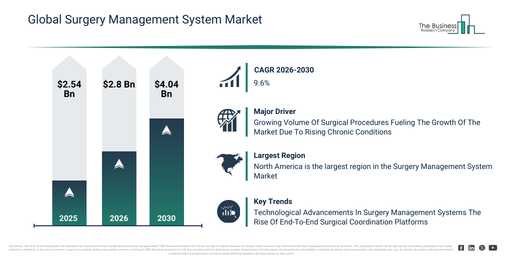
    The surgery management system market has experienced significant expansion in recent years. It is projected to grow from $2.54 billion in 2025 to $2.8 billion in 2026, at a compound annual growth rate (CAGR) of 10.2%. This historical growth can be primarily attributed to factors such as rising surgical procedure volumes, the increasing complexity of operating room workflows, the adoption of electronic health record systems, the need for improved resource utilization, and the expansion of hospital IT infrastructure.

    The size of the surgery management system market is projected to experience robust expansion over the coming years. This market is anticipated to reach $4.04 billion by 2030, exhibiting a compound annual growth rate (CAGR) of 9.6%. This projected growth is driven by factors such as increased investments in intelligent operating rooms, a rising need for predictive analytics in surgical procedures, the expansion of interconnected healthcare systems, an intensified focus on optimizing patient safety, and the uptake of sophisticated surgical data platforms. Key trends during this period encompass the growing embrace of cloud-hosted surgery management solutions, an uptick in the integration of AI-powered scheduling mechanisms, the broadening of real-time operating room analytical capabilities, a heightened focus on automating and coordinating workflows, and an increased reliance on data-informed surgical decision support.

    Access Your Free Sample Report for In-Depth Market Insights:

    https://www.thebusinessresearchcompany.com/sample.aspx?id=27426&type=smp

    What Drivers Are Influencing Production Trends In The Surgery Management System Market?

    The expanding number of surgical procedures is anticipated to fuel the future growth of the surgery management system market. Surgical procedures involve medical interventions, utilizing incisions or manipulations, to treat various diseases, injuries, or abnormalities. This increasing volume of surgical procedures is propelled by the rising prevalence of chronic diseases, which frequently necessitate surgical intervention. Surgery management systems support surgical operations by streamlining preoperative planning, optimizing operating room schedules, coordinating surgical teams, and ensuring real-time access to patient data, all of which enhance efficiency, minimize errors, and improve overall surgical outcomes. For instance, in June 2024, a report from the International Society of Aesthetic Plastic Surgery (ISAPS), a US-based professional non-governmental organization, revealed that in 2023, the total number of surgical and non-surgical procedures increased by 3.4%, reaching 34.9 million, compared to the previous year. Thus, the growing volume of surgical procedures is a key driver for the growth of the surgery management system market.

    Which Segments Are Gaining Traction In The Surgery Management System Market?

    The surgery management system market covered in this report is segmented –

    1) By Component: Software, Services

    2) By Deployment Type: On-Premise, Cloud-Based, Hybrid

    3) By Functionality: Scheduling, Inventory Management, Patient Management, Billing And Payments, Reporting And Data Analysis

    4) By Application: Preoperative Management, Intraoperative Management, Postoperative Management, Reporting and Analytics

    5) By End-User: Hospitals, Ambulatory Surgical Centers, Clinics, Research Institutions, Other End-Users

    Subsegments:

    1) By Software: Surgical Scheduling Software, Operating Room (OR) Management Software, Surgical Workflow Automation Software, Patient Tracking And Monitoring Software, Electronic Health Record (EHR) Integration Software, Analytics And Reporting Software, Inventory And Resource Management Software, Compliance And Regulatory Management Software

    2) By Services: Preoperative Services, Intraoperative Services, Postoperative Services, Surgical Scheduling And Coordination, Patient Management Services, Documentation And Reporting Services, Training And Support Services

    What Trends Are Projected To Support The Growth Of The Surgery Management System Market?

    Leading companies operating in the surgery management system market are prioritizing the creation of advanced solutions, such as comprehensive surgical coordination platforms, to boost surgical workflow efficiency, enhance patient outcomes, and optimize resource utilization. An end-to-end surgical coordination platform represents a complete system that oversees every aspect of surgery, from patient scheduling and pre-operative preparations to the execution of the operation. For instance, in June 2025, LeanTaaS Inc., a US-based provider of analytical software, launched iQueue for Surgical Clinics to foster improved patient access, increase surgical volume, and enable more intelligent operations. This platform incorporates features including real-time data analytics and AI-driven predictive algorithms, which streamline scheduling by balancing surgical demand with available resources. It improves coordination among surgeons, anesthesiologists, and nursing staff, thereby reducing delays and cancellations. Additionally, it offers automated capacity management, allowing clinics to maximize operating room efficiency without overburdening staff. Furthermore, iQueue integrates seamlessly with existing electronic health records (EHR) systems, providing a unified view of surgical operations that enhances transparency and supports better decision-making.

    Who Are The Core Companies Influencing Trends In The Surgery Management System Market?

    Major companies operating in the surgery management system market are GE HealthCare, Epic Systems Corporation, Getinge AB, CompuGroup Medical SE & Co. KGaA, Barco N.V., Medical Information Technology Inc., Veradigm LLC, Greenway Health LLC, Nexus AG, Surgical Information Systems Inc. (SIS), iQueue Health Inc., Provation Medical Inc., Picis Clinical Solutions Inc., Caresyntax GmbH, HST Pathways Inc., Buddy Healthcare Ltd., Surgimate Inc., OeHealth Software, Ortech Systems Inc., Nimble Solutions Inc.

    Access The Complete Report For Deeper Market Insights:

    https://www.thebusinessresearchcompany.com/report/surgery-management-system-global-market-report

    Which Regions Are Projected To Dominate The Surgery Management System Market In The Coming Years?

    North America was the largest region in the surgery management system market in 2025. Asia-Pacific is expected to be the fastest-growing region in the forecast period. The regions covered in the surgery management system market report are Asia-Pacific, South East Asia, Western Europe, Eastern Europe, North America, South America, Middle East, Africa.

    Request Your Customized Surgery Management System Market Research Report for Competitive Advantage:

    https://www.thebusinessresearchcompany.com/customise?id=27426&type=smp

    Browse Through More Reports Similar to the Global Surgery Management System Market 2026, By The Business Research Company

    Coffee Machines Market Report 2026

    https://www.thebusinessresearchcompany.com/report/coffee-machines-global-market-report

    Specialty Foods Market Report 2026

    https://www.thebusinessresearchcompany.com/report/specialty-foods-global-market-report

    Coffee Franchise Market Report 2026

    https://www.thebusinessresearchcompany.com/report/coffee-franchise-global-market-report

    Get in touch with us:

    The Business Research Company: https://www.thebusinessresearchcompany.com/

    Americas +1 310-496-7795

    Asia +44 7882 955267 & +91 8897263534

    Europe +44 7882 955267

    Email us at info@tbrc.info

    Follow us on:

    LinkedIn: https://in.linkedin.com/company/the-business-research-company

    YouTube: https://www.youtube.com/channel/UC24_fI0rV8cR5DxlCpgmyFQ

    Global Market Model: https://www.thebusinessresearchcompany.com/global-market-model
  • Surface Plasmon Resonance Market Future Outlook 2026: Key Drivers and Growth Potential

    Surface Plasmon Resonance Market Future Outlook 2026: Key Drivers and Growth Potential

    Uncover key drivers, emerging technologies, and competitive movements shaping the surface plasmon resonance market from 2026–2035 with trusted insights from The Business Research Company

    What is the expected shift in the Surface Plasmon Resonance Market’s size between 2026 and 2030?

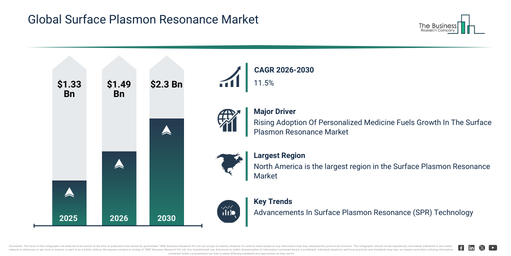
    The surface plasmon resonance market has seen rapid expansion in recent years. It is forecast to increase from $1.33 billion in 2025 to $1.49 billion in 2026, achieving a compound annual growth rate (CAGR) of 11.8%. This growth observed historically is due to the expansion of pharmaceutical and biotech research activities, the increased application of biomolecular interaction studies, growth in academic life science research, a rising demand for analytical precision tools, and the availability of advanced optical sensing technologies.

    The surface plasmon resonance market is projected to experience substantial expansion over the upcoming years. This market is set to reach $2.3 billion by 2030, exhibiting a compound annual growth rate (CAGR) of 11.5%. Key drivers for this projected growth include escalating investment in the development of biologics and biosimilars, a heightened need for high-throughput screening instruments, the broadening scope of personalized medicine research, wider acceptance of biosensors in diagnostic applications, and an increased emphasis on real-time molecular analytics. Significant trends anticipated during the forecast period encompass the increasing use of high-sensitivity SPR imaging systems, a growing need for label-free biomolecular analysis, greater incorporation of SPR technology into drug discovery processes, the proliferation of portable and multi-channel SPR sensors, and a heightened focus on analyzing interactions in real-time.

    Access Your Free Sample Report for In-Depth Market Insights:

    https://www.thebusinessresearchcompany.com/sample.aspx?id=20655&type=smp

    Which Drivers Are Shaping Strategic Decisions In The Surface Plasmon Resonance Market?

    The future expansion of the surface plasmon resonance market is anticipated to be fueled by the growing embrace of personalized medicine. This medical approach involves customizing healthcare strategies, including treatments and prevention, based on an individual’s unique genetic makeup, environmental influences, and lifestyle choices. Its increasing prevalence stems from progress in genomics, the development of targeted therapies, and a rising need for more accurate and potent medical solutions. Surface plasmon resonance contributes to personalized medicine through its capacity for real-time analysis of biomolecular interactions, facilitating the identification of specific biomarkers and the optimization of drug treatments for individual patients. As an illustration, the Personalized Medicine Coalition, a US-based hospital and health care entity, reported in February 2024 that the FDA sanctioned 16 novel personalized treatments for rare disease patients in 2023, marking an increase from 6 approvals in 2022. Among these new personalized treatments approved in 2023 were also seven drugs for cancer and three for various other diseases and conditions. Consequently, the expanding implementation of personalized medicine is a key catalyst for the growth of the surface plasmon resonance market.

    What Segment Categories Are Covered In The Surface Plasmon Resonance Market?

    The surface plasmon resonance market covered in this report is segmented –

    1) By Product Type: Imaging System, Sensor System, Reagents

    2) By Technology: Prism-Based Surface Plasmon Resonance (SPR), Grating-Based Surface Plasmon Resonance (SPR), Other Technologies

    3) By Application: Drug Discovery, Drug Formulation, Controlled Drug Release, Drug Cell Interaction, Material Science, Biosensors

    4) By End-User: Academic And Research Institutes, Food And Beverage Industry, Biopharmaceutical Companies, Contract Research Organizations (CROs), Other End-Users

    Subsegments:

    1) By Imaging System: 2D Imaging Systems, 3D Imaging Systems, High-Resolution Imaging Systems

    2) By Sensor System: Optical Sensor Systems, Portable Sensor Systems, Multi-channel Sensor Systems

    3) By Reagents: Binding Reagents, Sample Preparation Reagents, Stabilizing Reagents

    Which Trends Are Influencing The Performance And Direction Of The Surface Plasmon Resonance Market?

    Leading firms within the surface plasmon resonance market are concentrating efforts on creating sophisticated biomolecular analysis technologies, including high-throughput SPR biosensor platforms, to secure a competitive edge. This technique, SPR, leverages an optical phenomenon occurring at metal–dielectric interfaces for real-time detection of binding events, eliminating the need for labels. As an illustration, Carterra, a US-based biotechnology instrumentation company, unveiled its high-throughput SPR platform, the LSA^XT, in February 2023. This new offering provides enhanced sensitivity, significantly boosted sample throughput, and lowered sample consumption, facilitating the effective screening of membrane proteins, small molecules, and kinetic interactions. These advanced, sensitive, and high-throughput SPR systems empower pharmaceutical and biotech organizations to expedite drug discovery processes and biologics characterization. Nevertheless, this evolution simultaneously places greater demands on instrument suppliers to guarantee reproducibility and handle expanded data volumes.

    Which Major Industry Participants Are Leading The Surface Plasmon Resonance Market Growth?

    Major companies operating in the surface plasmon resonance market are GE HealthCare Technologies Inc., Sartorius AG, Cytiva, Bio-Rad Laboratories Inc., Bruker Corporation, HORIBA Ltd., Quanterix Corporation, Jubilant Biosys Limited, Quantum Design Inc., Reichert Inc., NanoSPR Devices, Creative BioMart Inc., Biocompare, Carterra Inc., NICOYA AB, Biosensing Instrument Inc., Plexera LLC, Insplorion AB, BioNavis Ltd., Affinité Instruments, IBIS Technologies B.V.

    Access The Complete Report For Deeper Market Insights:

    https://www.thebusinessresearchcompany.com/report/surface-plasmon-resonance-global-market-report

    Which Region Is Expected To Experience The Fastest Growth In The Surface Plasmon Resonance Market?

    North America was the largest region in the surface plasmon resonance market in 2025. The regions covered in the surface plasmon resonance market report are Asia-Pacific, South East Asia, Western Europe, Eastern Europe, North America, South America, Middle East, Africa.

    Request Your Customized Surface Plasmon Resonance Market Research Report for Competitive Advantage:

    https://www.thebusinessresearchcompany.com/customise?id=20655&type=smp

    Browse Through More Reports Similar to the Global Surface Plasmon Resonance Market 2026, By The Business Research Company

    Artificial Intelligence In Magnetic Resonance Imaging Mri Market Report 2026

    https://www.thebusinessresearchcompany.com/report/artificial-intelligence-in-magnetic-resonance-imaging-mri-global-market-report

    Magnetic Resonance Imaging Systems Devices And Equipment Market Report 2026

    https://www.thebusinessresearchcompany.com/report/magnetic-resonance-imaging-systems-devices-and-equipment-global-market-report

    Magnetic Resonance Imaging Coils Market Report 2026

    https://www.thebusinessresearchcompany.com/report/magnetic-resonance-imaging-coils-global-market-report

    Get in touch with us:

    The Business Research Company: https://www.thebusinessresearchcompany.com/

    Americas +1 310-496-7795

    Asia +44 7882 955267 & +91 8897263534

    Europe +44 7882 955267

    Email us at info@tbrc.info

    Follow us on:

    LinkedIn: https://in.linkedin.com/company/the-business-research-company

    YouTube: https://www.youtube.com/channel/UC24_fI0rV8cR5DxlCpgmyFQ

    Global Market Model: https://www.thebusinessresearchcompany.com/global-market-model
  • Global Stem Cell Services Market Forecast 2026–2035: Long-Term Growth Insights

    Global Stem Cell Services Market Forecast 2026–2035: Long-Term Growth Insights

    Uncover key drivers, emerging technologies, and competitive movements shaping the stem cell services market from 2026–2035 with trusted insights from The Business Research Company

    What market expansion outlook does the Stem Cell Services Market show for the 2026–2030 period?

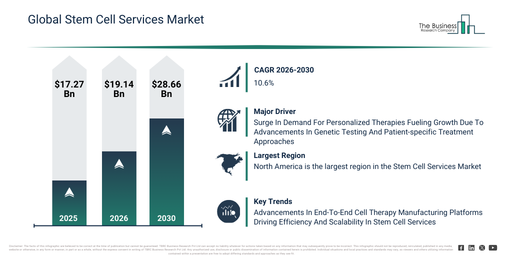
    The stem cell services market has experienced rapid expansion in recent years. This market is projected to expand from $17.27 billion in 2025 to $19.14 billion in 2026, demonstrating a compound annual growth rate (CAGR) of 10.8%. Historically, this growth has been driven by the expansion of stem cell research activities, the increasing application of cell-based assays in drug development, a rising demand for long-term stem cell storage, the growth of biopharmaceutical R&D pipelines, and increasing regulatory standardization.

    The stem cell services market is projected to experience substantial expansion over the coming years. By 2030, its size is anticipated to reach $28.66 billion, demonstrating a compound annual growth rate (CAGR) of 10.6%. This projected growth throughout the forecast period stems from factors such as increased investments in personalized medicine services, a surging demand for IPSC-based research solutions, the broadening scope of regenerative medicine applications, the rising tendency of pharmaceutical companies to outsource stem cell services, and the greater embrace of digital laboratory platforms. Key developments expected during this period involve a wider acceptance of advanced stem cell banking services, an increasing need for tailored stem cell processing, the growing use of high-throughput cell screening services, the greater incorporation of data-driven cell analytics, and a heightened emphasis on quality and regulatory compliance.

    Access Your Free Sample Report for In-Depth Market Insights:

    https://www.thebusinessresearchcompany.com/sample.aspx?id=30407&type=smp

    What Drivers Are Shaping The Development Of The Stem Cell Services Market?

    The growing demand for personalized therapies is expected to contribute significantly to the growth of the stem cell services market. Personalized therapies refer to medical treatments tailored to an individual’s genetic makeup, lifestyle, and specific disease characteristics, aiming to maximize effectiveness and minimize side effects by targeting each patient’s unique biological profile. The increasing demand for personalized therapies is driven by advancements in genetic testing and molecular diagnostics, which enable treatments to be customized to an individual’s specific biological and genetic characteristics, improving therapeutic outcomes and reducing adverse effects. Stem cell services support the development of personalized therapies by providing patient-specific stem cells and customized regenerative solutions, enabling precise and targeted treatment strategies that align with each individual’s biological profile. For instance, in April 2024, according to a report published by the Personalized Medicine Coalition (PMC), a U.S.-based advocacy organization for personalized healthcare, the U.S. Food and Drug Administration’s (FDA) Center for Drug Evaluation and Research (CDER) approved 50 new molecular entities (NMEs) in 2024, of which 18 or approximately 38% were classified as personalized medicines by the PMC. Therefore, the growing demand for personalized therapies is expected to drive the expansion of the stem cell services market.

    Which Segments Are Contributing To The Growth Of The Stem Cell Services Market?

    The stem cell services market covered in this report is segmented –

    1) By Type: Customize Service, Stem Cell Differentiation, Assay Development, Screening, Other Types

    2) By Type Of Stem Cells: Embryonic Stem Cells, Adult Stem Cells, Induced Pluripotent Stem Cells (iPSCs)

    3) By Therapy Type: Autologous Stem Cell Therapy, Allogenic Stem Cell Therapy

    4) By Application: Regenerative Medicine, Stem Cell Banking, Cell-Based Assays, Drug Discovery And Development

    5) By End User: Hospitals, Research Institutes, Pharmaceutical Companies, Biotechnology Companies

    Subsegments:

    1) By Customize Service: Personalized Protocol Design, Tailored Culture Conditions, Patient Specific Cell Processing, Custom Analytical Reporting

    2) By Stem Cell Differentiation: Mesenchymal Lineage Differentiation, Neural Lineage Differentiation, Hematopoietic Lineage Differentiation, Cardiac Lineage Differentiation

    3) By Assay Development: Functional Assay Design, Cellular Assay Optimization, Biomarker Assay Development, High Throughput Assay Design

    4) By Screening: Small Molecule Screening, Drug Candidate Screening, Gene Editing Screening, Toxicity Screening

    5) By Other Types: Cell Banking Services, Quality Control Testing, Process Development Support, Bioinformatics Analysis

    How Are New Market Trends Shaping The Landscape Of The Stem Cell Services Market?

    Companies operating within the stem cell services market are increasingly concentrating on technological advancements, such as single-use consumable systems, to boost operational efficiency, mitigate contamination risks, and streamline the entire process of cell therapy manufacturing. A single-use consumable system denotes a production methodology where equipment that interfaces with biological materials is engineered for one-time utilization, thereby significantly reducing the potential for contamination and elevating overall production effectiveness. As an example, in March 2025, Limula SA, a life science tools company based in Switzerland, unveiled LimONE, a groundbreaking platform designed for comprehensive cell therapy manufacturing. This system is crafted to automate and integrate intricate, previously fragmented processes into a unified, uninterrupted workflow. By consolidating multiple individual operations into a single closed consumable, LimONE reduces the need for extensive labor, equipment, and infrastructure, while also ensuring process standardization, scalability, and expedited production timelines for highly personalized cell therapies.

    Who Are The Major Companies Operating In The Stem Cell Services Market?

    Major companies operating in the stem cell services market are Thermo Fisher Scientific Inc., FUJIFILM Holdings Corporation, Lonza Group AG, WuXi AppTec Co. Ltd., Charles River Laboratories International Inc., Miltenyi Biotec B.V. & Co. KG, AGC Biologics Inc., GenScript Biotech Corporation, Vericel Corporation, LifeCell International Private Limited, Cryo-Cell International Inc., Reelabs Private Limited, Medipost Co. Ltd., Celltex Therapeutics Corporation, Kangstem Biotech Co. Ltd., CellThera Ltd., Anterogen Co. Ltd., Healios K.K., Sanpower Group Co. Ltd., InoCells Co. Ltd.

    Access The Complete Report For Deeper Market Insights:

    https://www.thebusinessresearchcompany.com/report/global-stem-cell-services-market-report

    Which Region Is Anticipated To See The Fastest Growth In The Stem Cell Services Market?

    North America was the largest region in the stem cell services market in 2025. Asia-Pacific is expected to be the fastest-growing region in the forecast period. The regions covered in the stem cell services market report are Asia-Pacific, South East Asia, Western Europe, Eastern Europe, North America, South America, Middle East, Africa.

    Request Your Customized Stem Cell Services Market Research Report for Competitive Advantage:

    https://www.thebusinessresearchcompany.com/customise?id=30407&type=smp

    Browse Through More Reports Similar to the Global Stem Cell Services Market 2026, By The Business Research Company

    Stem Cell Manufacturing Market Report 2026

    https://www.thebusinessresearchcompany.com/report/stem-cell-manufacturing-global-market-report

    Human Embryonic Stem Cells Market Report 2026

    https://www.thebusinessresearchcompany.com/report/human-embryonic-stem-cells-global-market-report

    Stem Cell Assay Market Report 2026

    https://www.thebusinessresearchcompany.com/report/stem-cell-assay-global-market-report

    Get in touch with us:

    The Business Research Company: https://www.thebusinessresearchcompany.com/

    Americas +1 310-496-7795

    Asia +44 7882 955267 & +91 8897263534

    Europe +44 7882 955267

    Email us at info@tbrc.info

    Follow us on:

    LinkedIn: https://in.linkedin.com/company/the-business-research-company

    YouTube: https://www.youtube.com/channel/UC24_fI0rV8cR5DxlCpgmyFQ

    Global Market Model: https://www.thebusinessresearchcompany.com/global-market-model