Month: March 2026

  • Global Post Operative Pain Management Market Forecast 2026–2035: Long-Term Growth Insights

    Global Post Operative Pain Management Market Forecast 2026–2035: Long-Term Growth Insights

    Uncover key drivers, emerging technologies, and competitive movements shaping the post operative pain management market from 2026–2035 with trusted insights from The Business Research Company

    What market expansion outlook does the Post Operative Pain Management Market show for the 2026–2030 period?

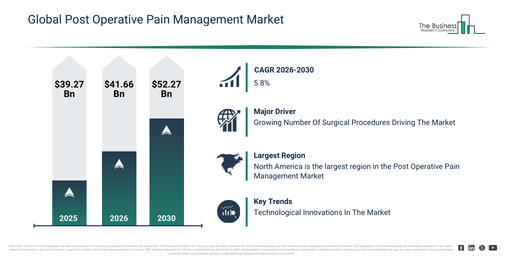
    The post operative pain management market has experienced significant expansion in recent years. This market is projected to expand from $39.27 billion in 2025 to $41.66 billion in 2026, demonstrating a compound annual growth rate (CAGR) of 6.1%. Historically, this expansion has been driven by factors such as a rise in surgical procedures, the broad adoption of opioid-based pain relievers, the establishment of more hospital-based pain management programs, the accessibility of injectable pain treatments, and an increased understanding of post-surgical care protocols.

    The post operative pain management market is projected to experience substantial expansion over the upcoming years. By 2030, its valuation is anticipated to reach $52.27 billion, demonstrating a compound annual growth rate (CAGR) of 5.8%. This projected increase during the forecast period is driven by several factors, including a heightened need for pain management strategies that minimize opioid use, the increasing integration of digital tools for monitoring pain, the broader implementation of enhanced recovery protocols following surgery, an intensified focus on patient-centered pain care, and greater investments in innovative analgesic treatments. Key developments expected within this period involve the wider acceptance of multimodal pain management techniques, a rise in the application of patient-controlled analgesia systems, a stronger emphasis on non-opioid pain relief options, the development of individualized post-surgical pain management plans, and more comprehensive monitoring of recovery after operations.

    Access Your Free Sample Report for In-Depth Market Insights:

    https://www.thebusinessresearchcompany.com/sample.aspx?id=21259&type=smp

    What Drivers Are Shaping The Development Of The Post Operative Pain Management Market?

    The increasing volume of surgical interventions is projected to stimulate the expansion of the postoperative pain management market moving forward. Surgical procedures involve medical operations conducted by trained surgeons to diagnose, treat, or manage various diseases, injuries, or conditions. The escalation in surgical procedures is influenced by an aging populace, a rise in chronic illnesses, progress in medical technology, enhanced access to healthcare, and a growing desire for elective surgeries. Postoperative pain management plays a vital role in improving recovery, lessening complications, boosting patient comfort, and supporting better surgical outcomes through effective pain control and faster rehabilitation. For instance, in December 2023, as reported by the UK Health Security Agency, a UK-based government agency, coronary artery bypass graft surgeries rose in 2023 with 27,524 surgeries when compared to preceding years. Therefore, the rising number of surgical procedures is a key driver for the growth of the postoperative pain management market.

    Which Segments Are Contributing To The Growth Of The Post Operative Pain Management Market?

    The post operative pain management market covered in this report is segmented –

    1) By Pain Type: Acute Pain, Moderate Pain, Severe Pain

    2) By Drug Class: Opioids, Non-steroidal anti-inflammatory drugs (NSAIDs), Cyclooxygenase-2-selective inhibitors (COX-2 inhibitors), Other Drug Classes

    3) By Route Of Administration: Injectable, Oral, Topical, Other Routes Of Administration

    4) By Distribution Channel: Hospital Pharmacies, Retail Pharmacies, Other Distribution Channels

    5) By Application: Cancer Pain, Arthritic Pain, Neuropathic Pain, Musculoskeletal Pain, Post-Surgical Pain Syndromes

    Subsegments:

    1) By Acute Pain: Non-Opioid Analgesics, Opioid Analgesics, Local Anesthetics, Other Acute Pain Treatments

    2) By Moderate Pain: NSAIDs, Acetaminophen, Weak Opioids, Combination Therapies, Other Moderate Pain Treatments

    3) By Severe Pain: Strong Opioids, Patient-Controlled Analgesia (PCA), Epidural Analgesia, Nerve Blocks, Other Severe Pain Treatments

    Which Market Trends Are Opening Growth Opportunities In The Post Operative Pain Management Market?

    Leading companies within the post-operative pain management market are emphasizing the development of technological advancements like cryoablation probes to effectively mitigate pain by targeting nerves with controlled cooling. A cryoablation probe serves as a medical instrument designed to freeze and destroy specific nerve tissues or abnormal cells, primarily for managing pain or treating tumors. For instance, in October 2024, AtriCure Inc., a US-based medical device company, launched the cryoSPHERE MAX. This probe improves postoperative pain management by temporarily blocking pain through the targeted freezing of peripheral nerves. Its advanced design shortens freeze times and enhances tissue contact, thereby ensuring more efficient and effective pain relief. This next-generation device incorporates enhancements in insulation, Nitrous Oxide gas utilization, tactile tissue feedback, and real-time temperature monitoring.

    Who Are The Major Companies Operating In The Post Operative Pain Management Market?

    Major companies operating in the post operative pain management market are Johnson & Johnson, Merck & Co. Inc., Bayer AG, Novartis AG, Sun Pharmaceutical Industries Ltd., Cipla Inc., Hikma Pharmaceuticals PLC, Mallinckrodt plc, Pacira BioSciences Inc, Endo International plc, Heron Therapeutics Inc., Cara Therapeutics Inc., Scilex Pharmaceuticals Inc., Taiwan Liposome Company Ltd, Durect Corporation, Trevena Inc., Teikoku Pharma USA Inc, AFT Pharmaceuticals Limited, Allay Therapeutics Inc, Virpax Pharmaceuticals Inc.

    Access The Complete Report For Deeper Market Insights:

    https://www.thebusinessresearchcompany.com/report/post-operative-pain-management-global-market-report

    Which Region Is Anticipated To See The Fastest Growth In The Post Operative Pain Management Market?

    North America was the largest region in the postoperative pain management market in 2025. Asia-Pacific is expected to be the fastest-growing region in the forecast period. The regions covered in the post operative pain management market report are Asia-Pacific, South East Asia, Western Europe, Eastern Europe, North America, South America, Middle East, Africa.

    Request Your Customized Post Operative Pain Management Market Research Report for Competitive Advantage:

    https://www.thebusinessresearchcompany.com/customise?id=21259&type=smp

    Browse Through More Reports Similar to the Global Post Operative Pain Management Market 2026, By The Business Research Company

    Veterinary Pain Management Market Report 2026

    https://www.thebusinessresearchcompany.com/report/veterinary-pain-management-global-market-report

    Non Opioid Pain Patch Market Report 2026

    https://www.thebusinessresearchcompany.com/report/non-opioid-pain-patch-global-market-report

    Joint Pain Injections Market Report 2026

    https://www.thebusinessresearchcompany.com/report/joint-pain-injections-global-market-report

    Get in touch with us:

    The Business Research Company: https://www.thebusinessresearchcompany.com/

    Americas +1 310-496-7795

    Asia +44 7882 955267 & +91 8897263534

    Europe +44 7882 955267

    Email us at info@tbrc.info

    Follow us on:

    LinkedIn: https://in.linkedin.com/company/the-business-research-company

    YouTube: https://www.youtube.com/channel/UC24_fI0rV8cR5DxlCpgmyFQ

    Global Market Model: https://www.thebusinessresearchcompany.com/global-market-model
  • Positron Emission Tomography (PET) Nuclear Medicine Market 2026–2030: Forecasting Business Opportunities Ahead

    Positron Emission Tomography (PET) Nuclear Medicine Market 2026–2030: Forecasting Business Opportunities Ahead

    Uncover key drivers, emerging technologies, and competitive movements shaping the positron emission tomography (pet) nuclear medicine market from 2026–2035 with trusted insights from The Business Research Company

    What level of growth is expected in the Positron Emission Tomography (PET) Nuclear Medicine Market between 2026 and 2030?

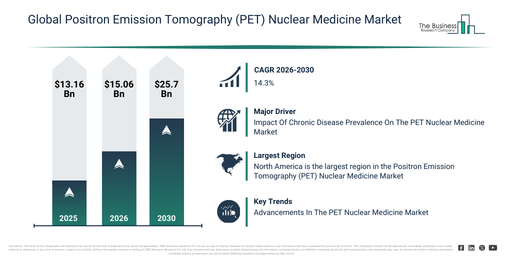
    The positron emission tomography (pet) nuclear medicine market has witnessed substantial expansion in recent years. Its valuation is anticipated to climb from $13.16 billion in 2025 to $15.06 billion in 2026, reflecting a compound annual growth rate (CAGR) of 14.5%. This growth observed in the past can be credited to various elements, such as rising cancer diagnosis rates, the expansion of nuclear medicine facilities, the widespread application of f-18 radiotracers, an increase in cardiology imaging uses, and enhancements in radiopharmaceutical production.

    The positron emission tomography (PET) nuclear medicine market is anticipated to experience swift expansion over the next few years. It is projected to reach $25.7 billion by 2030, with a compound annual growth rate (CAGR) of 14.3%. This projected growth can be attributed to increased investments in molecular imaging, escalating demand for personalized medicine diagnostics, the widening scope of neurological imaging applications, progress in radiotracer development, and the increasing adoption of hybrid imaging systems. Significant trends expected during this period include the broader acceptance of advanced radiotracers, the expanding application of PET imaging in oncology, increasing integration of PET with CT and MRI systems, the diversification of precision diagnostic imaging applications, and a heightened focus on early disease detection.

    Access Your Free Sample Report for In-Depth Market Insights:

    https://www.thebusinessresearchcompany.com/sample.aspx?id=19151&type=smp

    Which Drivers Are Expected To Impact The Positron Emission Tomography (PET) Nuclear Medicine Market During The Forecast Period?

    The positron emission tomography (PET) nuclear medicine market is expected to grow due to the increasing prevalence of chronic diseases. A chronic disease is characterized as a long-term health condition that typically lasts for three months or more, potentially requiring ongoing medical attention or restricting daily activities. The escalation in chronic diseases is attributed to factors such as an aging population, inadequate physical activity, poor eating habits, and environmental risks. PET nuclear medicine supports the management of chronic diseases by offering advanced imaging methods that enable their early detection, precise diagnosis, and continuous monitoring. For instance, in February 2024, the World Health Organization, a Switzerland-based intergovernmental organization, projected over 35 million new cancer cases by 2050, which signifies a 77% increase compared to the estimated 20 million cases in 2022. Therefore, the rising prevalence of chronic diseases acts as a driving force for the positron emission tomography (PET) nuclear medicine market’s growth.

    How Is The Positron Emission Tomography (PET) Nuclear Medicine Market Divided Into Segments?

    The positron emission tomography (pet) nuclear medicine market covered in this report is segmented –

    1) By Type: F-18, Rb-82, Other Types

    2) By Procedure: Diagnostic Procedures, Hybrid PET CT Procedures, Positron Emission Tomography Procedures, Therapeutic Procedures, Beta Emitter Procedures, Alpha Emitter Procedures, Targeted Radiopharmaceutical Therapy

    3) By Application: Oncology, Cardiology, Neurology, Other Applications

    4) By End User: Hospitals, Diagnostic Centers, Research Institutes

    Subsegments:

    1) By F-18 (Fluorine-18): F-18 FDG (Fluorodeoxyglucose), F-18 NaF (Sodium Fluoride), F-18 Fluorocholine

    2) By Rb-82 (Rubidium-82): Rb-82 for Myocardial Perfusion Imaging, Rb-82 for Cardiac PET Stress Testing, Rb-82 for Other Cardiac Applications

    3) By Other Types: C-11 (Carbon-11), N-13 (Nitrogen-13), O-15 (Oxygen-15), Ga-68 (Gallium-68)

    How Are Emerging Trends Affecting The Progression Of The Positron Emission Tomography (PET) Nuclear Medicine Market?

    Leading companies in the positron emission tomography (PET) nuclear medicine market are developing sophisticated products, such as PET slice scanners, to provide highly detailed images of metabolic functions. A PET slice scanner is a medical imaging device that combines positron emission tomography (PET) with advanced computing methods to create intricate, cross-sectional images of metabolic processes within the body, facilitating the detection and monitoring of diseases, especially cancer. For example, in July 2024, Positron Corporation, a US-based nuclear medicine firm, launched the NeuSight PET-CT 3D 64-slice scanner. The NeuSight PET-CT 3D 64-slice scanner establishes a new standard in imaging and diagnostic accuracy, integrating advanced technology with patient comfort and operational efficiency. It is designed to transform cardiac PET imaging and offers exceptional value and performance at an unparalleled price point, making it an ideal choice for cardiology and oncology clinical studies. Equipped with superior data acquisition and innovative identification technology, the NeuSight PET-CT improves scanning speed and precision, delivering comprehensive anatomic and functional imaging for studies of the heart, tumors, and brain across numerous molecular imaging applications.

    Which Major Firms Are Strengthening Their Position In The Positron Emission Tomography (PET) Nuclear Medicine Market?

    Major companies operating in the positron emission tomography (pet) nuclear medicine market are Siemens Healthineers AG, GE HealthCare Technologies Inc., Koninklijke Philips N.V., Canon Medical Systems Corporation, Fujifilm Holdings Corporation, Shimadzu Corporation, Toshiba America Medical Systems Inc., Mediso Medical Imaging Systems Ltd., Lantheus Holdings Inc., Jubilant DraxImage Inc., Advanced Accelerator Applications, Eckert & Ziegler Strahlen- und Medizintechnik AG, Cardinal Health, NorthStar Medical Radioisotopes LLC, Bruker Corporation, Digirad Corporation, Neusoft Medical Systems Co. Ltd., Agfa HealthCare NV, Bayer AG, Positron Corporation

    Access The Complete Report For Deeper Market Insights:

    https://www.thebusinessresearchcompany.com/report/positron-emission-tomography-pet-nuclear-medicine-global-market-report

    Which Region Is Anticipated To See The Fastest Growth In The Positron Emission Tomography (PET) Nuclear Medicine Market?

    North America was the largest region in the positron emission tomography (PET) nuclear medicine market in 2025. Asia-Pacific is expected to be the fastest-growing region in the forecast period. The regions covered in the positron emission tomography (pet) nuclear medicine market report are Asia-Pacific, South East Asia, Western Europe, Eastern Europe, North America, South America, Middle East, Africa.

    Request Your Customized Positron Emission Tomography (PET) Nuclear Medicine Market Research Report for Competitive Advantage:

    https://www.thebusinessresearchcompany.com/customise?id=19151&type=smp

    Browse Through More Reports Similar to the Global Positron Emission Tomography (PET) Nuclear Medicine Market 2026, By The Business Research Company

    Nuclear Medicine Market Report 2026

    https://www.thebusinessresearchcompany.com/report/nuclear-medicine-global-market-report

    Nuclear Medicine Diagnostics Market Report 2026

    https://www.thebusinessresearchcompany.com/report/nuclear-medicine-diagnostics-global-market-report

    Poc Medical Imaging Market Report 2026

    https://www.thebusinessresearchcompany.com/report/poc-medical-imaging-global-market-report

    Get in touch with us:

    The Business Research Company: https://www.thebusinessresearchcompany.com/

    Americas +1 310-496-7795

    Asia +44 7882 955267 & +91 8897263534

    Europe +44 7882 955267

    Email us at info@tbrc.info

    Follow us on:

    LinkedIn: https://in.linkedin.com/company/the-business-research-company

    YouTube: https://www.youtube.com/channel/UC24_fI0rV8cR5DxlCpgmyFQ

    Global Market Model: https://www.thebusinessresearchcompany.com/global-market-model
  • Cervical Spondylosis Treatment Sector Forecast Shows Robust Momentum, Climbing to $8.73 Billion With 6.8% CAGR

    Cervical Spondylosis Treatment Sector Forecast Shows Robust Momentum, Climbing to $8.73 Billion With 6.8% CAGR

    Uncover key drivers, emerging technologies, and competitive movements shaping the cervical spondylosis treatment market from 2026–2035 with trusted insights from The Business Research Company

    What long-term size projections exist for the Cervical Spondylosis Treatment Market covering 2026–2035?

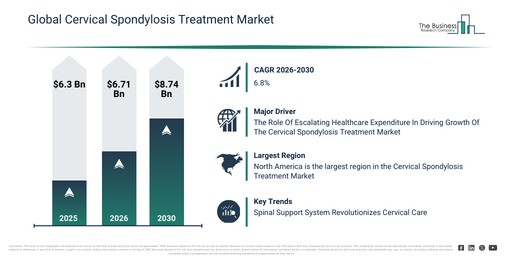
    The cervical spondylosis treatment market has demonstrated significant expansion in recent years. It is anticipated to increase in value from $6.3 billion in 2025 to $6.71 billion in 2026, registering a compound annual growth rate (CAGR) of 6.5%. The market’s past growth is attributable to an expanding aging population, a greater incidence of degenerative spine disorders, enhanced accessibility of imaging diagnostics, increased utilization of physical therapy interventions, and the proliferation of orthopedic care facilities.

    The cervical spondylosis treatment market is anticipated to experience substantial expansion over the upcoming years. By 2030, its value is projected to reach $8.74 billion, demonstrating a compound annual growth rate (CAGR) of 6.8%. This projected growth during the forecast period stems from factors such as heightened investments in spinal surgery advancements, an increasing emphasis on non-opioid approaches to pain management, the broader availability of outpatient spine care services, a surge in the embrace of digital tools for posture correction, and more effective rehabilitation results. Key trends anticipated for the forecast period encompass a greater reliance on non-surgical pain management therapies, an uptick in the adoption of sophisticated physical therapy methods, an escalating demand for minimally invasive surgical interventions, the broadening of personalized spine care initiatives, and a stronger focus on early detection and preventative measures.

    Access Your Free Sample Report for In-Depth Market Insights:

    https://www.thebusinessresearchcompany.com/sample.aspx?id=12220&type=smp

    Which Drivers Are Impacting The Competitive Landscape Of The Cervical Spondylosis Treatment Market?

    The cervical spondylosis treatment market is expected to grow due to increasing healthcare expenditure in the coming years. Healthcare expenditure refers to the total costs involved in providing health services, family planning, nutrition, and emergency aid, all centered on health. Greater healthcare spending contributes to improved patient awareness, earlier detection, and comprehensive management of cervical spondylosis. For example, in December 2024, as reported by the Centers for Medicare & Medicaid Services, a US-based organization responsible for managing the Medicare and Medicaid programs, U.S. health care expenditures expanded by 7.5% in 2023, reaching $4.9 trillion, which is approximately $14,570 for each individual. Therefore, the expanding healthcare expenditure is a key driver for the cervical spondylosis treatment market.

    What Leading Segments Are Studied In The Cervical Spondylosis Treatment Market?

    The cervical spondylosis treatment market covered in this report is segmented –

    1) By Type Of Treatment: Medications, Physical Therapy, Surgery

    2) By Application: Youth, Elderly

    3) By End User: Hospitals, Ambulatory Surgical Centers, Homecare Settings

    Subsegments:

    1) By Medications: Analgesics, Non-Steroidal Anti-Inflammatory Drugs (Nsaids), Muscle Relaxants, Corticosteroids, Neuropathic Pain Medications

    2) By Physical Therapy: Manual Therapy, Exercise Therapy, Traction, Electrotherapy, Posture Training

    3) By Surgery: Discectomy, Cervical Fusion, Laminectomy, Foraminotomy, Artificial Disc Replacement

    Which Trends Are Influencing The Development Of The Cervical Spondylosis Treatment Market?

    Major companies operating in the cervical spondylosis market are actively focusing on developing advanced products, such as spinal support systems, to address changing patient needs and technological advancements. A spinal support system is specifically designed to provide essential support, stability, and immobilization for the cervical spine. For instance, in October 2023, Aspen Medical Products, a US-based provider of pain and mobility management solutions, launched the VRTX System. This innovative spine support system is engineered to cover the entire spine, from the cervical region to the sacrum, with the aim of redefining acute spinal care. Its user-friendly prefabricated design, combined with easily adjustable sizing, enables healthcare professionals to promptly fit patients and stabilize their spines. This ready-to-use solution is anticipated to contribute to shorter hospital stays and a reduction in the risk of complications, while also streamlining hospital operations by enhancing time and inventory management. Comprising prefabricated components like CTO, TLSO, LSO, and CTLSO, each element within the VRTX System ensures optimal motion restriction and can be customized to suit individual patient needs. This modular strategy facilitates the standardization of products and services within hospitals, thereby optimizing staff efficiency and enhancing the overall quality of patient care.

    Which Major Industry Participants Are Leading The Cervical Spondylosis Treatment Market Growth?

    Major companies operating in the cervical spondylosis treatment market are Johnson & Johnson, Medtronic PLC, Stryker Corporation, B. Braun SE, Zimmer Biomet Holdings Inc., Integra LifeSciences, NuVasive Inc., Globus Medical Inc., Orthofix Medical Inc., Aesculap Implant Systems LLC, Titan Spine Inc., Exactech Inc., SeaSpine Inc., RTI Surgical, Xtant Medical Holdings Inc., Zavation Medical Products LLC, Wenzel Spine Inc., Life Spine Inc., Spineology Inc., VGI Medical LLC, Dynamic Spine Inc., Synthes Holding AG, ZygoFix Ltd.

    Access The Complete Report For Deeper Market Insights:

    https://www.thebusinessresearchcompany.com/report/cervical-spondylosis-treatment-global-market-report

    Which Region Is Expected To Experience The Fastest Growth In The Cervical Spondylosis Treatment Market?

    North America was the dominant region in the cervical spondylosis treatment market in 2025. The regions covered in the cervical spondylosis treatment market report are Asia-Pacific, South East Asia, Western Europe, Eastern Europe, North America, South America, Middle East, Africa.

    Request Your Customized Cervical Spondylosis Treatment Market Research Report for Competitive Advantage:

    https://www.thebusinessresearchcompany.com/customise?id=12220&type=smp

    Browse Through More Reports Similar to the Global Cervical Spondylosis Treatment Market 2026, By The Business Research Company

    Cervical Total Disc Replacement Device Market Report 2026

    https://www.thebusinessresearchcompany.com/report/cervical-total-disc-replacement-device-global-market-report

    Ankylosing Spondylitis Market Report 2026

    https://www.thebusinessresearchcompany.com/report/ankylosing-spondylitis-global-market-report

    Axial Spondyloarthritis Axspa Market Report 2026

    https://www.thebusinessresearchcompany.com/report/axial-spondyloarthritis-axspa-global-market-report

    Get in touch with us:

    The Business Research Company: https://www.thebusinessresearchcompany.com/

    Americas +1 310-496-7795

    Asia +44 7882 955267 & +91 8897263534

    Europe +44 7882 955267

    Email us at info@tbrc.info

    Follow us on:

    LinkedIn: https://in.linkedin.com/company/the-business-research-company

    YouTube: https://www.youtube.com/channel/UC24_fI0rV8cR5DxlCpgmyFQ

    Global Market Model: https://www.thebusinessresearchcompany.com/global-market-model
  • Global Portal Hypertension Management Market Report 2026–2035: Key Forecasts and Growth Areas

    Global Portal Hypertension Management Market Report 2026–2035: Key Forecasts and Growth Areas

    Uncover key drivers, emerging technologies, and competitive movements shaping the portal hypertension management market from 2026–2035 with trusted insights from The Business Research Company

    How much is the Portal Hypertension Management Market valued at in 2026, and what valuation is forecast for 2030?

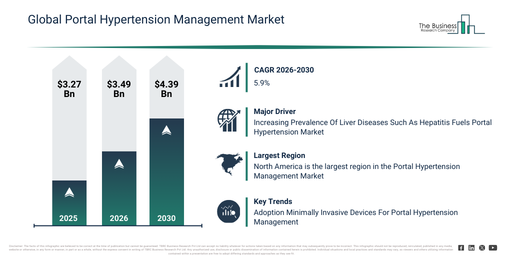
    The portal hypertension management market has demonstrated significant expansion in recent years. It is projected to increase from $3.27 billion in 2025 to $3.49 billion in 2026, achieving a compound annual growth rate (CAGR) of 6.8%. This historic growth can be attributed to several factors including the rising prevalence of liver cirrhosis, an increasing incidence of alcohol-related liver disease, the availability of beta-blocker therapies, the growing adoption of endoscopic treatment procedures, and the expansion of specialized hepatology care.

    The portal hypertension management market is anticipated to experience robust growth over the next few years, reaching a valuation of $4.39 billion by 2030, driven by a compound annual growth rate (CAGR) of 5.9%. This expansion during the forecast period is primarily due to the increasing demand for advanced liver disease management, the growing adoption of TIPS procedures, a heightened focus on preventing complications, the expansion of specialized liver clinics, and increased investment in precision hepatology treatments. Key trends in the upcoming period include a rise in minimally invasive treatment approaches, broader use of endoscopic variceal management techniques, an amplified emphasis on early intervention strategies, the diversification of combination drug therapies, and improved monitoring of portal pressure levels.

    Access Your Free Sample Report for In-Depth Market Insights:

    https://www.thebusinessresearchcompany.com/sample.aspx?id=16515&type=smp

    What Drivers Are Influencing The Growth Of The Portal Hypertension Management Market?

    The anticipated expansion of the portal hypertension management market is directly linked to the rising incidence of liver diseases. Liver disease encompasses diverse conditions that impair the liver’s structure or function, often manifesting with symptoms such as jaundice, fatigue, and abdominal pain. Its origins include alcohol consumption, viral hepatitis infections, metabolic disorders, and obesity-related fatty liver disease. The management of portal hypertension in cases of liver disease focuses on decreasing pressure within the portal vein system, an intervention that helps to mitigate complications like variceal bleeding, ascites, and hepatic encephalopathy, thereby enhancing patient outcomes. A notable illustration comes from July 2023, when the World Health Organization (WHO), a Switzerland-based health agency, reported that the Western Pacific Region is experiencing an increasing prevalence of liver diseases. Specifically, 116 million individuals were afflicted with hepatitis B and 10 million with hepatitis C in 2023. Despite an annual addition of 3 million new infections, diagnostic and treatment rates continue to be low, contributing to the rising incidence of liver cirrhosis and liver cancer. Consequently, the growing occurrence of liver diseases is a key factor propelling the portal hypertension management market.

    What Segments Are Included Within The Portal Hypertension Management Market?

    The portal hypertension management market covered in this report is segmented –

    1) By Treatment Type: Medications, Non-Surgical Procedures, Surgery

    2) By Procedure Type: Transjugular Intrahepatic Portosystemic Shunt (TIPS), Other Procedure Types

    3) By End-User: Hospitals, Specialty Clinics, Other End-Users

    Subsegments:

    1) By Medications: Beta-Blockers, Vasodilators, Diuretics, Antibiotics, Other Medications

    2) By Non-Surgical Procedures: Endoscopic Variceal Ligation (EVL), Endoscopic Sclerotherapy, Transjugular Intrahepatic Portosystemic Shunt (TIPS), Balloon Occlusion

    3) By Surgery: Liver Transplantation, Portosystemic Shunt Surgery, Surgical Decompression Of Portal Vein, Other Surgical Procedures

    Which Innovation Trends Are Advancing Developments Within The Portal Hypertension Management Market?

    Major companies in the portal hypertension management market are increasingly employing advanced minimally invasive devices to enhance treatment outcomes and mitigate procedural risks. Minimally invasive devices are medical instruments or tools designed to carry out procedures with minimal disruption to surrounding tissues, typically through small incisions or natural body openings. For instance, in November 2023, Medtronic Plc, a US-based medical device manufacturer, obtained approval from the U.S. Food and Drug Administration (FDA) for Symplicity Spyral renal denervation (RDN), a minimally invasive device for addressing hypertension. This innovative procedure utilizes radiofrequency energy to target nerves near the kidneys, effectively calming them to manage hypertension.

    Who Are The Primary Competitors In The Global Portal Hypertension Management Market?

    Major companies operating in the portal hypertension management market are Pfizer Inc., AbbVie Inc., Bayer AG, Sanofi SA, Bristol-Myers Squibb Company, AstraZeneca PLC, Novartis AG, GlaxoSmithKline plc, Eli Lilly and Company, Gilead Sciences Inc., Merck & Co., Boehringer Ingelheim International GmbH, Amneal Pharmaceuticals LLC, Lupin Ltd., Daiichi Sankyo, Dr. Falk Pharma GmbH, Cumberland Pharmaceuticals Inc., Ono Pharmaceutical Co. Ltd., Takeda Pharmaceutical Company Limited, Ipsen Pharma, Eisai Co. Ltd., Johnson & Johnson

    Access The Complete Report For Deeper Market Insights:

    https://www.thebusinessresearchcompany.com/report/portal-hypertension-management-global-market-report

    Which Global Regions Are Shaping The Competitive Landscape Of The Portal Hypertension Management Market?

    North America was the largest region in the portal hypertension management market in 2025. The regions covered in the portal hypertension management market report are Asia-Pacific, South East Asia, Western Europe, Eastern Europe, North America, South America, Middle East, Africa.

    Request Your Customized Portal Hypertension Management Market Research Report for Competitive Advantage:

    https://www.thebusinessresearchcompany.com/customise?id=16515&type=smp

    Browse Through More Reports Similar to the Global Portal Hypertension Management Market 2026, By The Business Research Company

    Captive Portal Market Report 2026

    https://www.thebusinessresearchcompany.com/report/captive-portal-global-market-report

    Patient Portal Market Report 2026

    https://www.thebusinessresearchcompany.com/report/patient-portal-global-market-report

    Ocular Hypertension Treatment Market Report 2026

    https://www.thebusinessresearchcompany.com/report/ocular-hypertension-treatment-global-market-report

    Get in touch with us:

    The Business Research Company: https://www.thebusinessresearchcompany.com/

    Americas +1 310-496-7795

    Asia +44 7882 955267 & +91 8897263534

    Europe +44 7882 955267

    Email us at info@tbrc.info

    Follow us on:

    LinkedIn: https://in.linkedin.com/company/the-business-research-company

    YouTube: https://www.youtube.com/channel/UC24_fI0rV8cR5DxlCpgmyFQ

    Global Market Model: https://www.thebusinessresearchcompany.com/global-market-model
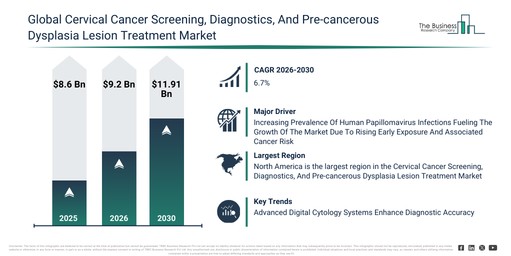
  • Cervical Cancer Screening, Diagnostics, And Pre-cancerous Dysplasia Lesion Treatment Market Anticipated to Record Steady Gains, Advancing to $11.91 Billion by 2030

    Cervical Cancer Screening, Diagnostics, And Pre-cancerous Dysplasia Lesion Treatment Market Anticipated to Record Steady Gains, Advancing to $11.91 Billion by 2030

    Uncover key drivers, emerging technologies, and competitive movements shaping the cervical cancer screening, diagnostics, and pre-cancerous dysplasia lesion treatment market from 2026–2035 with trusted insights from The Business Research Company

    What total market size is anticipated for the Cervical Cancer Screening, Diagnostics, And Pre-cancerous Dysplasia Lesion Treatment Market in 2030?

    The cervical cancer screening, diagnostics, and pre-cancerous dysplasia lesion treatment market has experienced significant expansion in recent years. It is projected to increase from $8.6 billion in 2025 to $9.2 billion in 2026, achieving a compound annual growth rate (CAGR) of 7.0%. Historically, this growth has been driven by the expansion of cervical cancer screening initiatives, increased awareness of women’s health, the availability of diagnostic technologies, the growth of public health programs, and improved access to gynecological services.

    The cervical cancer screening, diagnostics, and pre-cancerous dysplasia lesion treatment market size is anticipated to experience robust expansion in the coming years. Its valuation is projected to reach $11.91 billion by 2030, demonstrating a compound annual growth rate (CAGR) of 6.7%. This projected growth is primarily driven by the heightened adoption of national screening guidelines, a surge in demand for point-of-care diagnostic solutions, the broader integration of digital pathology, an escalating emphasis on preventative oncology, and greater financial commitments to women’s healthcare infrastructure. Key developments anticipated during this timeframe involve the wider embrace of HPV-centric screening initiatives, an uptick in the application of AI-powered diagnostic imaging, a strengthened emphasis on prompt diagnosis and prevention strategies, the broadening availability of less invasive therapeutic approaches, and improved incorporation of digital health platforms for screening.

    Access Your Free Sample Report for In-Depth Market Insights:

    https://www.thebusinessresearchcompany.com/sample.aspx?id=27250&type=smp

    What Drivers Are Influencing Production Trends In The Cervical Cancer Screening, Diagnostics, And Pre-cancerous Dysplasia Lesion Treatment Market?

    A rising occurrence of human papillomavirus infections is projected to fuel the expansion of the cervical cancer screening, diagnostics, and pre-cancerous dysplasia lesion treatment market in the future. Human papillomavirus infections describe a category of widespread viral diseases stemming from the human papillomavirus, capable of impacting the skin and mucous membranes, potentially resulting in ailments like warts or, in certain instances, cervical and other cancers. The incidence of human papillomavirus infections is on the rise, attributed to the earlier commencement of sexual activity, which heightens the likelihood of viral exposure among younger individuals. Interventions such as cervical cancer screening, diagnostics, and precancerous dysplasia lesion treatment aid in diminishing the impact of human papillomavirus infections through facilitating prompt identification and swift action, thereby averting the development of human papillomavirus infection-associated cellular irregularities into cervical cancer. As an illustration, in July 2024, data from the Centers for Disease Control and Prevention (CDC), a U.S.-based federal health agency, indicated that more than 42 million Americans are presently affected by HPV strains that can cause illness, and around 13 million individuals, encompassing teenagers, acquire the virus annually. Consequently, the growing occurrence of human papillomavirus infections is a primary impetus for the expansion of the cervical cancer screening, diagnostics, and precancerous dysplasia lesion treatment market.

    Which Segment Groups Are Influencing The Cervical Cancer Screening, Diagnostics, And Pre-cancerous Dysplasia Lesion Treatment Market?

    The cervical cancer screening, diagnostics, and pre-cancerous dysplasia lesion treatment market covered in this report is segmented –

    1) By Type: Cervical Cancer Screening, Cervical Cancer Diagnostics, Pre-Cancerous Lesion Treatment

    2) By Indication: Cervical Intraepithelial Neoplasia (CIN) 1 (Mild Dysplasia), Cervical Intraepithelial Neoplasia (CIN) 2 (Moderate Dysplasia), Cervical Intraepithelial Neoplasia (CIN) 3 (Severe Dysplasia), Invasive Cervical Cancer

    3) By Age Group: 21–29 Years, 30–65 Years, Above 65 Years

    4) By End-User: Hospitals, Diagnostic Laboratories, Specialty Gynecology Clinics, Ambulatory Surgical Centers, Academic And Research Institutes

    Subsegments:

    1) By Cervical Cancer Screening: Pap Smear Test, Human Papillomavirus Deoxyribonucleic Acid Test, Visual Inspection With Acetic Acid, Liquid-Based Cytology

    2) By Cervical Cancer Diagnostics: Colposcopy Examination, Cervical Biopsy, Endocervical Curettage, Loop Electrosurgical Excision Procedure

    3) By Pre-Cancerous Dysplasia Lesion Treatment: Cryotherapy Treatment, Laser Therapy Treatment, Cold Knife Conization, Loop Electrosurgical Excision Procedure Treatment

    What Trends Are Expected To Impact The Competitive Landscape Of The Cervical Cancer Screening, Diagnostics, And Pre-cancerous Dysplasia Lesion Treatment Market?

    Leading companies engaged in the cervical cancer screening, diagnostics, and precancerous dysplasia lesion treatment market are focusing on developing advanced products, such as digital cytology systems, to enhance diagnostic accuracy, reduce human error, and improve the early detection of abnormal cervical cells. These digital cytology systems are sophisticated diagnostic tools that utilize high-resolution imaging and artificial intelligence to analyze cervical cell samples for abnormalities, providing faster and more accurate results than traditional manual microscopy. For instance, in February 2024, Hologic Inc., a US-based health technology company, secured clearance from the U.S. Food and Drug Administration (FDA) for its Genius Digital Diagnostics System, a digital cytology system specifically for cervical cancer screening. This artificial intelligence-powered platform integrates high-resolution imaging with deep learning algorithms to enhance the identification of abnormal cervical cells, offering superior sensitivity and fewer false negatives compared to traditional manual microscopy. The system further streamlines workflow by directing cytologists’ attention to targeted cells and facilitating remote case reviews, signifying a notable progression over conventional methods. It is expected to improve accuracy, efficiency, and collaboration in cervical cancer screening.

    Who Are The Prominent Global Companies Shaping The Cervical Cancer Screening, Diagnostics, And Pre-cancerous Dysplasia Lesion Treatment Market Landscape?

    Major companies operating in the cervical cancer screening, diagnostics, and pre-cancerous dysplasia lesion treatment market are F. Hoffmann-La Roche Ltd, Thermo Fisher Scientific Inc., Abbott Laboratories, Siemens Healthineers AG, Becton Dickinson and Company, Quest Diagnostics Incorporated, Hologic Inc., QIAGEN N.V., BGI Genomics Co. Ltd., CooperSurgical Inc., Fujirebio Holdings Inc., Sansure Biotech Inc., Pregna International Ltd., Arbor Vita Corporation, DYSIS Medical Ltd., Guided Therapeutics Inc., Femasys Inc., Cepheid Inc., Seegene Inc., Roche Diagnostics International Ltd.

    Access The Complete Report For Deeper Market Insights:

    https://www.thebusinessresearchcompany.com/report/cervical-cancer-screening-diagnostics-and-pre-cancerous-dysplasia-lesion-treatment-global-market-report

    Which Geographic Areas Are Emerging As Strong Markets For The Cervical Cancer Screening, Diagnostics, And Pre-cancerous Dysplasia Lesion Treatment Market?

    North America was the largest region in the cervical cancer screening, diagnostics, and pre-cancerous dysplasia lesion treatment market in 2025. The regions covered in the cervical cancer screening, diagnostics, and pre-cancerous dysplasia lesion treatment market report are Asia-Pacific, South East Asia, Western Europe, Eastern Europe, North America, South America, Middle East, Africa.

    Request Your Customized Cervical Cancer Screening, Diagnostics, And Pre-cancerous Dysplasia Lesion Treatment Market Research Report for Competitive Advantage:

    https://www.thebusinessresearchcompany.com/customise?id=27250&type=smp

    Browse Through More Reports Similar to the Global Cervical Cancer Screening, Diagnostics, And Pre-cancerous Dysplasia Lesion Treatment Market 2026, By The Business Research Company

    Ready Mix Concrete Market Report 2026

    https://www.thebusinessresearchcompany.com/report/ready-mix-concrete-global-market-report

    Concrete Materials Market Report 2026

    https://www.thebusinessresearchcompany.com/report/concrete-materials-global-market-report

    Polished Concrete Market Report 2026

    https://www.thebusinessresearchcompany.com/report/polished-concrete-global-market-report

    Get in touch with us:

    The Business Research Company: https://www.thebusinessresearchcompany.com/

    Americas +1 310-496-7795

    Asia +44 7882 955267 & +91 8897263534

    Europe +44 7882 955267

    Email us at info@tbrc.info

    Follow us on:

    LinkedIn: https://in.linkedin.com/company/the-business-research-company

    YouTube: https://www.youtube.com/channel/UC24_fI0rV8cR5DxlCpgmyFQ

    Global Market Model: https://www.thebusinessresearchcompany.com/global-market-model
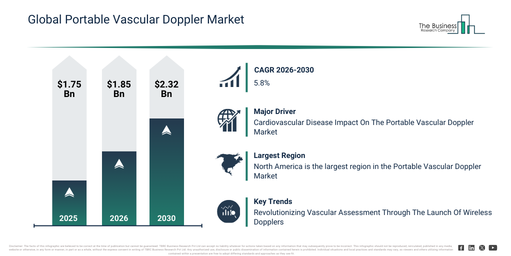
  • Portable Vascular Doppler Market 2026–2030: Forecast, Innovation, and Competitive Trends

    Portable Vascular Doppler Market 2026–2030: Forecast, Innovation, and Competitive Trends

    Uncover key drivers, emerging technologies, and competitive movements shaping the portable vascular doppler market from 2026–2035 with trusted insights from The Business Research Company

    By how much is the Portable Vascular Doppler Market expected to grow between 2026 and 2030?

    The portable vascular doppler market size has shown robust growth in recent years. It is anticipated to expand from $1.75 billion in 2025 to $1.85 billion in 2026, achieving a compound annual growth rate (CAGR) of 5.9%. The historical progression of this market can be linked to the increasing prevalence of vascular disorders, widespread use of doppler ultrasound technology, growth in outpatient diagnostic procedures, rising demand for fetal monitoring devices, and the availability of compact ultrasound components.

    The portable vascular doppler market size is projected to experience robust expansion in the coming years. It is expected to grow to $2.32 billion by 2030, achieving a compound annual growth rate (CAGR) of 5.8%. The increase during the forecast period can be attributed to the rising adoption of point-of-care diagnostic tools, a heightened focus on early vascular disease detection, the expansion of portable diagnostics into home healthcare, technological advancements in signal processing, and the growing demand for cost-effective diagnostic devices. Significant trends in the forecast period include the increasing use of handheld doppler devices, the growing integration of visual and audio flow displays, a rising demand for point-of-care vascular diagnostics, the broader application of portable devices in primary care settings, and an enhanced focus on non-invasive blood flow monitoring.

    Access Your Free Sample Report for In-Depth Market Insights:

    https://www.thebusinessresearchcompany.com/sample.aspx?id=18436&type=smp

    Which Drivers Are Influencing Market Acceleration In The Portable Vascular Doppler Market?

    The rising occurrence of cardiovascular conditions is anticipated to drive expansion in the portable vascular doppler market in the future. Cardiovascular diseases (CVD) encompass a range of ailments impacting the heart and blood vessels. Globally, the consumption of unhealthy processed foods and insufficient intake of fruits and vegetables contribute to the escalation of CVD. Furthermore, inactive lifestyles, suboptimal dietary selections, and high obesity rates play a substantial role in cardiovascular issues. These portable vascular doppler devices boost diagnostic capabilities for healthcare professionals, facilitating early detection and effective management of cardiovascular ailments, which, in turn, enhances patient results and lessens the likelihood of complications tied to vascular conditions. As an illustration, in January 2024, the American Heart Association, a US-based nonprofit organization, reported that cardiovascular disease-related deaths totaled 931,578, surpassing the 928,741 recorded in 2023. Moreover, the age-adjusted mortality rate from cardiovascular disease also experienced a slight rise, reaching 233.3 per 100,000, indicating a 4.0% increase from the prior year’s rate of 224.4 per 100,000. Consequently, the growing incidence of cardiovascular diseases is propelling the portable vascular doppler market.

    What Leading Segments Are Studied In The Portable Vascular Doppler Market?

    The portable vascular doppler market covered in this report is segmented –

    1) By Type: Type I, Type II

    2) By Disease Type: Atherosclerosis, Peripheral Artery Disease (PAD), Carotid Artery Disease, Venous Thromboembolism And Deep Vein Thrombosis Assessment, Collagen Vascular Disease, Cerebrovascular Disease, Other Disease Types

    3) By Application: Hospital, Clinic, Other Applications

    Subsegments:

    1) By Type I: Handheld Vascular Doppler, Single-Channel Vascular Doppler, Doppler With Audio And Visual Display

    2) By Type II: Multi-Channel Vascular Doppler, Doppler With Advanced Imaging Features, Doppler With Enhanced Signal Processing, Vascular Doppler With Integrated Pulse Oximetry

    Which Competitive Trends Are Impacting The Structure Of The Portable Vascular Doppler Market?

    Key players in the portable vascular doppler market are concentrating on developing handheld innovations, such as wireless handheld vascular doppler devices, to enhance diagnostic ease and accuracy, ultimately increasing market presence and securing customer commitment. These wireless handheld vascular Doppler devices are convenient, user-friendly instruments that utilize Doppler ultrasound technology to assess and track blood flow in the vascular system, providing real-time information through wireless connectivity. For example, in February 2025, Nurodata Inc., a medical device company from Taiwan, obtained FDA 510(k) clearance for its NUSONO handheld ultrasound scanners (NUSONO-C35, NUSONO-L75, NUSONO-P25). These devices are categorized under 21 CFR 892.1550 as Ultrasonic Pulsed Doppler Imaging Systems (Class II), allowing their sale in the U.S. because they are substantially equivalent to legally marketed predicate devices.

    Which Key Market Players Are Investing In Expansion And Innovation Within The Portable Vascular Doppler Market?

    Major companies operating in the portable vascular doppler market are Siemens Healthineers, GE HealthCare Technologies Inc., CooperSurgical Inc., Natus Medical Incorporated, Schiller AG, Edan Instruments Inc., Meditech Equipment Co. Ltd., CHISON Medical Technologies Co. Ltd, Huntleigh Healthcare Ltd., Medistim ASA, Compumedics Limited, LRE Medical GmbH, Perimed AB, Nicolet Vascular Inc, Parks Medical Electronics Inc., Koven Technology Inc., Sifin Diagnostics GmbH, Hadeco Inc., D.E. Hokanson Inc., Advanced Instrumentations Inc., ELCAT GmbH, Multigon Industries Inc., Newman Medical LLC, SonoSite Inc., Viasonix Ltd.

    Access The Complete Report For Deeper Market Insights:

    https://www.thebusinessresearchcompany.com/report/portable-vascular-doppler-global-market-report

    Which Regions Are Poised For Strategic Growth In The Portable Vascular Doppler Market?

    North America was the largest region in the portable vascular doppler market in 2025. Asia-Pacific is expected to be the fastest-growing region in the forecast period. The regions covered in the portable vascular doppler market report are Asia-Pacific, South East Asia, Western Europe, Eastern Europe, North America, South America, Middle East, Africa.

    Request Your Customized Portable Vascular Doppler Market Research Report for Competitive Advantage:

    https://www.thebusinessresearchcompany.com/customise?id=18436&type=smp

    Browse Through More Reports Similar to the Global Portable Vascular Doppler Market 2026, By The Business Research Company

    Doppler Ultrasound Market Report 2026

    https://www.thebusinessresearchcompany.com/report/doppler-ultrasound-global-market-report

    Vascular Access Devices Market Report 2026

    https://www.thebusinessresearchcompany.com/report/vascular-access-devices-global-market-report

    Peripheral Vascular Devices And Equipment Market Report 2026

    https://www.thebusinessresearchcompany.com/report/peripheral-vascular-devices-and-equipment-global-market-report

    Get in touch with us:

    The Business Research Company: https://www.thebusinessresearchcompany.com/

    Americas +1 310-496-7795

    Asia +44 7882 955267 & +91 8897263534

    Europe +44 7882 955267

    Email us at info@tbrc.info

    Follow us on:

    LinkedIn: https://in.linkedin.com/company/the-business-research-company

    YouTube: https://www.youtube.com/channel/UC24_fI0rV8cR5DxlCpgmyFQ

    Global Market Model: https://www.thebusinessresearchcompany.com/global-market-model
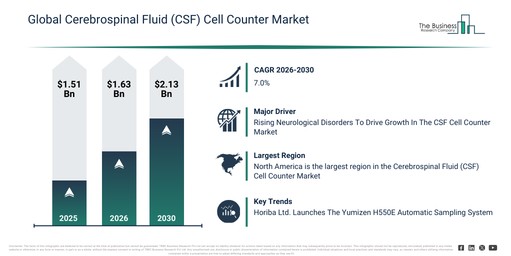
  • Cerebrospinal Fluid (CSF) Cell Counter Industry Poised for Rapid Growth, Forecast to Touch $2.13 Billion by 2030 at 7% CAGR

    Cerebrospinal Fluid (CSF) Cell Counter Industry Poised for Rapid Growth, Forecast to Touch $2.13 Billion by 2030 at 7% CAGR

    Uncover key drivers, emerging technologies, and competitive movements shaping the cerebrospinal fluid (csf) cell counter market from 2026–2035 with trusted insights from The Business Research Company

    What is the expected shift in the Cerebrospinal Fluid (CSF) Cell Counter Market’s size between 2026 and 2030?

    The cerebrospinal fluid (csf) cell counter market size has experienced strong growth in recent years. It is forecast to grow from $1.51 billion in 2025 to $1.63 billion in 2026, exhibiting a compound annual growth rate (CAGR) of 7.3%. This historical growth can be attributed to several factors, including the increasing prevalence of neurological disorders, the rising volumes of hospital diagnostic testing, the expanded use of csf analysis in clinical diagnostics, the ongoing expansion of laboratory automation, and the increased availability of advanced diagnostic instruments.

    The market for cerebrospinal fluid (csf) cell counters is anticipated to experience substantial expansion in the coming years. This market is projected to reach $2.13 billion by 2030, demonstrating a compound annual growth rate (CAGR) of 7.0%. Key factors contributing to this growth during the projected period include a heightened need for swift neurological diagnostics, the growing uptake of point-of-care testing solutions, the broader integration of digital pathology, an increased emphasis on detecting diseases early, and greater financial commitments to sophisticated clinical diagnostics. Significant trends expected during this forecast timeframe encompass the increasing implementation of automated csf cell counting systems, a growing requirement for portable and point-of-care counters, the expanding incorporation of digital imaging and analysis software, the development of high-throughput diagnostic workflows, and a stronger emphasis on the precision of diagnostics.

    Access Your Free Sample Report for In-Depth Market Insights:

    https://www.thebusinessresearchcompany.com/sample.aspx?id=19365&type=smp

    Which Drivers Are Shaping Strategic Decisions In The Cerebrospinal Fluid (CSF) Cell Counter Market?

    The increasing prevalence of neurological disorders is anticipated to propel the growth of the cerebrospinal fluid (CSF) cell counter market going forward. Neurological disorders are conditions affecting the brain, spinal cord, and nerves, encompassing diseases such as Alzheimer’s, Parkinson’s, epilepsy, and multiple sclerosis, which lead to various physical and cognitive challenges. The rise in neurological disorder prevalence is attributed to factors like infections, traumatic injuries, environmental toxins, aging, and underlying medical conditions such as diabetes or hypertension. Cerebrospinal fluid (CSF) cell counters are utilized for neurological disorders to analyze cell counts and characteristics in cerebrospinal fluid, thereby assisting in the diagnosis, monitoring, and management of conditions including infections, tumors, and neurodegenerative diseases. For instance, in October 2023, the World Federation of Neurology (WFN), a UK-based international nonprofit neurological organization, stated that more than 40% of the global population were living with a neurological condition, and the overall neurological disease burden was projected to nearly double by 2050. Consequently, the growing prevalence of neurological disorders is driving the expansion of the cerebrospinal fluid (CSF) cell counter market.

    What Segment Classifications Make Up The Cerebrospinal Fluid (CSF) Cell Counter Market?

    The cerebrospinal fluid (csf) cell counter market covered in this report is segmented –

    1) By Device Configuration: Fixed Type, Portable Type, Other Types

    2) By Product: Instruments, Consumables And Accessories, Software

    3) By Application: Hospitals And Diagnostic Laboratories, Pharmaceutical & Biotechnology, Research Institutes, Other Applications

    Subsegments:

    1) By Fixed Type: Laboratory-Based CSF Cell Counters, High-Throughput Fixed CSF Cell Counters, Automated Fixed Cell Counters, Microscopic Fixed CSF Cell Counters, Flow Cytometry-Based Fixed CSF Cell Counters

    2) By Portable Type: Handheld CSF Cell Counters, Compact, Battery-Operated CSF Cell Counters, Point-of-Care Portable CSF Cell Counters, Wireless Or Bluetooth-Enabled Portable Counters

    3) By Other Types: Semi-Automated CSF Cell Counters, Manual CSF Cell Counting Devices, Multi-Functional Cell Counters, Optical-Based CSF Cell Counters

    Which Trends Are Guiding The Evolution Of The Cerebrospinal Fluid (CSF) Cell Counter Market?

    Companies prominently featured in the cerebrospinal fluid (CSF) cell counter market are prioritizing the development of innovative solutions, such as hematology analyzers, to improve the accuracy and efficiency of cell counting. A hematology analyzer specifically for cerebrospinal fluid (CSF) cell counting is a specialized instrument engineered to quantify and examine cell counts within CSF. This category of analyzer yields comprehensive data on both the types and quantities of cells in the CSF, which is vital for the identification and ongoing observation of various neurological disorders. For example, in June 2024, Horiba Ltd., a Japan-based company known for scientific and analytical instruments, introduced the Yumizen H550E, a compact hematology analyzer. This instrument is capable of performing complete blood count (CBC), white blood cell differential (DIFF), and erythrocyte sedimentation rate (ESR) tests using whole blood in only 60 seconds. The versatility of this device allows for its use in critical care, oncology, infectious disease care, blood banks, satellite laboratories, and health centers.

    Which Key Players Are Driving Competition In The Cerebrospinal Fluid (CSF) Cell Counter Market?

    Major companies operating in the cerebrospinal fluid (csf) cell counter market are Merck KGaA, Thermo Fisher Scientific Inc., Abbott Laboratories, Danaher Corporation, Corning Incorporated, Agilent Technologies Inc., Olympus Corporation, Eppendorf, Bio-Rad Laboratories Inc., Sysmex Corporation, Tecan Group, Natus Medical Incorporated, Advanced Instruments, ChemoMetec A/S, NanoEntek Inc., Logos Biosystems, Oxford Optronix Ltd., Nexcelom Bioscience, DeNovix Inc., Cypress Diagnostics

    Access The Complete Report For Deeper Market Insights:

    https://www.thebusinessresearchcompany.com/report/cerebrospinal-fluid-csf-cell-counter-global-market-report

    Which Region Is Projected To Lead The Cerebrospinal Fluid (CSF) Cell Counter Market During The Forecast Period?

    North America was the largest region in the cerebrospinal fluid (CSF) cell counter market in 2025. The regions covered in the cerebrospinal fluid (csf) cell counter market report are Asia-Pacific, South East Asia, Western Europe, Eastern Europe, North America, South America, Middle East, Africa.

    Request Your Customized Cerebrospinal Fluid (CSF) Cell Counter Market Research Report for Competitive Advantage:

    https://www.thebusinessresearchcompany.com/customise?id=19365&type=smp

    Browse Through More Reports Similar to the Global Cerebrospinal Fluid (CSF) Cell Counter Market 2026, By The Business Research Company

    Chimeric Antigen Receptor T Car T Cells Market Report 2026

    https://www.thebusinessresearchcompany.com/report/chimeric-antigen-receptor-t-car-t-cells-global-market-report

    Stem Cell Assay Market Report 2026

    https://www.thebusinessresearchcompany.com/report/stem-cell-assay-global-market-report

    Thin Film Solar Cell Market Report 2026

    https://www.thebusinessresearchcompany.com/report/thin-film-solar-cell-global-market-report

    Get in touch with us:

    The Business Research Company: https://www.thebusinessresearchcompany.com/

    Americas +1 310-496-7795

    Asia +44 7882 955267 & +91 8897263534

    Europe +44 7882 955267

    Email us at info@tbrc.info

    Follow us on:

    LinkedIn: https://in.linkedin.com/company/the-business-research-company

    YouTube: https://www.youtube.com/channel/UC24_fI0rV8cR5DxlCpgmyFQ

    Global Market Model: https://www.thebusinessresearchcompany.com/global-market-model
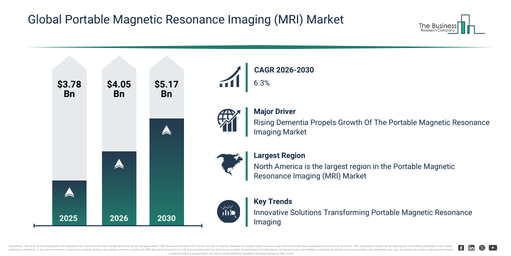
  • Portable Magnetic Resonance Imaging (MRI) Market Forecast 2026–2035: Data Trends and Industry Insights

    Portable Magnetic Resonance Imaging (MRI) Market Forecast 2026–2035: Data Trends and Industry Insights

    Uncover key drivers, emerging technologies, and competitive movements shaping the portable magnetic resonance imaging (mri) market from 2026–2035 with trusted insights from The Business Research Company

    What is the estimated market size of the Portable Magnetic Resonance Imaging (MRI) Market by the end of 2030?

    The portable magnetic resonance imaging (MRI) market has experienced robust expansion in recent years. It is projected to grow from $3.78 billion in 2025 to $4.05 billion in 2026, at a compound annual growth rate (CAGR) of 7.1%. Historically, this growth can be attributed to several factors, including an escalating demand for sophisticated diagnostic imaging, the inherent limitations of conventional fixed MRI systems, a heightened emphasis on critical care diagnostics, the expanding need for emergency and trauma imaging, and the early development of low-field MRI technologies.

    The market for portable magnetic resonance imaging (MRI) is projected to experience substantial expansion in the coming years. This market is anticipated to reach a valuation of $5.17 billion by 2030, demonstrating a compound annual growth rate (CAGR) of 6.3%. This expansion during the projection period stems from several factors, including the increasing acceptance of decentralized healthcare models, heightened investments in mobile diagnostic tools, a greater need for imaging services in isolated and neglected areas, innovations in compact magnet technology, and the development of point-of-care diagnostic facilities. Key trends anticipated over the forecast timeframe involve the growing integration of bedside and point-of-care MRI units, an escalating requirement for small, portable imaging equipment, wider utilization of low-field MRI technologies, broadened availability of MRI in distant and urgent care environments, and a sharpened emphasis on swift diagnostic imaging.

    Access Your Free Sample Report for In-Depth Market Insights:

    https://www.thebusinessresearchcompany.com/sample.aspx?id=16769&type=smp

    What Drivers Are Shaping Future Opportunities In The Portable Magnetic Resonance Imaging (MRI) Market?

    The projected increase in dementia cases is anticipated to drive expansion in the portable magnetic resonance imaging market. Dementia refers to a collection of progressive brain disorders marked by a deterioration in cognitive abilities, impacting memory, thought processes, conduct, and the capacity to carry out everyday tasks. The growing incidence of dementia is linked to an aging global demographic and advancements in diagnostic methods, facilitating earlier and more accurate identification of the condition. Portable magnetic resonance imaging (MRI) serves in dementia management by offering convenient, on-location brain scans to evaluate structural alterations and assist in both the diagnosis and ongoing surveillance of the condition across diverse environments like clinics and care homes. For example, data from March 2024 by the Australian Institute of Health and Welfare, an Australia-based government entity, indicated that approximately 411,100 Australians lived with dementia in 2023, a figure projected to more than double by 2058. Consequently, the escalating number of dementia cases is fueling the expansion of the portable magnetic resonance imaging market.

    Which Segment Groups Are Influencing The Portable Magnetic Resonance Imaging (MRI) Market?

    The portable magnetic resonance imaging (mri) market covered in this report is segmented –

    1) By Product: Superconducting-Magnet-Based Portable Magnetic Resonance Imaging (MRI), Electromagnet-Based Portable Magnetic Resonance Imaging (MRI), Permanent-Magnet-Based Portable Magnetic Resonance Imaging (MRI)

    2) By Application: Neurology, Musculoskeletal, Gastroenterology, Other Applications

    3) By End User: Hospitals, Diagnostic Centers, Ambulatory Surgery Centers, Other End Users

    Subsegments:

    1) By Superconducting-Magnet-Based Portable MRI: High-Field Superconducting MRI, Low-Field Superconducting MRI, Compact Superconducting MRI Systems, Superconducting MRI For Neurological Imaging, Superconducting MRI For Musculoskeletal Imaging

    2) By Electromagnet-Based Portable MRI: Low-Field Electromagnet MRI Systems, Medium-Field Electromagnet MRI Systems, Electromagnetic MRI For Point-Of-Care Use, Electromagnet MRI For Diagnostic Imaging, Portable Electromagnet MRI For Emergency Settings

    3) By Permanent-Magnet-Based Portable MRI: High-Resolution Permanent Magnet MRI, Low-Field Permanent Magnet MRI, Compact Permanent Magnet MRI Systems, Permanent Magnet MRI For Field Use, Permanent Magnet MRI For Bedside Human Imaging

    What Industry Trends Are Transforming The Portable Magnetic Resonance Imaging (MRI) Market?

    Companies operating in the portable magnetic resonance imaging market are concentrating on developing mobile imaging solutions to elevate diagnostic swiftness and patient outcomes, particularly for neurological patients who are critically ill. Portable MRI systems are engineered to provide high-quality imaging directly at the point of care, thereby lessening the requirement to transport patients to specialized imaging suites and supporting rapid clinical decision-making. For instance, in February 2024, neuro42 Inc., a US-based medical technology company specializing in MRI and robotic systems for brain-related diagnosis and treatment, was granted 510(k) clearance from the U.S. Food and Drug Administration (FDA) for its portable diagnostic MRI scanner. The neuro42 MRI System is designed to deliver timely, high-resolution imaging at the bedside, improving the speed of diagnosis and facilitating enhanced treatment outcomes in emergency and acute care environments.

    Who Are The Core Companies Influencing Trends In The Portable Magnetic Resonance Imaging (MRI) Market?

    Major companies operating in the portable magnetic resonance imaging (mri) market are Siemens Healthineers AG, Koninklijke Philips N.V., Alliance HealthCare Services Inc., Akumin Inc., Esaote SpA, Meridian Group International Inc., JMP Medical Ltd, DMS Health Pvt. Ltd, Cobalt Health, Aurora Imaging Technology Inc., Kings Medical Group Inc., Hyperfine Inc., Burgess Diagnostics Ltd, Interim Diagnostic Imaging Ltd, PrizMED Imaging Solution Inc., Radiology Management Solutions Ltd, Medco Blue LLC, Odulair LLC, Lamboo Medical Ltd, Advanced Mobility & Shelter Technologies LLC

    Access The Complete Report For Deeper Market Insights:

    https://www.thebusinessresearchcompany.com/report/portable-magnetic-resonance-imaging-mri-global-market-report

    Which Regions Are Projected To Dominate The Portable Magnetic Resonance Imaging (MRI) Market In The Coming Years?

    North America was the largest region in the portable magnetic resonance imaging (MRI) market in 2025. Asia-Pacific is expected to be the fastest-growing region in the forecast period. The regions covered in the portable magnetic resonance imaging (mri) market report are Asia-Pacific, South East Asia, Western Europe, Eastern Europe, North America, South America, Middle East, Africa.

    Request Your Customized Portable Magnetic Resonance Imaging (MRI) Market Research Report for Competitive Advantage:

    https://www.thebusinessresearchcompany.com/customise?id=16769&type=smp

    Browse Through More Reports Similar to the Global Portable Magnetic Resonance Imaging (MRI) Market 2026, By The Business Research Company

    Mri Contrast Media Market Report 2026

    https://www.thebusinessresearchcompany.com/report/mri-contrast-media-global-market-report

    Magnetic Resonance Imaging Systems Devices And Equipment Market Report 2026

    https://www.thebusinessresearchcompany.com/report/magnetic-resonance-imaging-systems-devices-and-equipment-global-market-report

    Magnetic Resonance Imaging Coils Market Report 2026

    https://www.thebusinessresearchcompany.com/report/magnetic-resonance-imaging-coils-global-market-report

    Get in touch with us:

    The Business Research Company: https://www.thebusinessresearchcompany.com/

    Americas +1 310-496-7795

    Asia +44 7882 955267 & +91 8897263534

    Europe +44 7882 955267

    Email us at info@tbrc.info

    Follow us on:

    LinkedIn: https://in.linkedin.com/company/the-business-research-company

    YouTube: https://www.youtube.com/channel/UC24_fI0rV8cR5DxlCpgmyFQ

    Global Market Model: https://www.thebusinessresearchcompany.com/global-market-model
  • Population Screening Market Outlook 2026–2030: Key Business Drivers and Trends

    Population Screening Market Outlook 2026–2030: Key Business Drivers and Trends

    Uncover key drivers, emerging technologies, and competitive movements shaping the population screening market from 2026–2035 with trusted insights from The Business Research Company

    What was the valuation of the Population Screening Market in 2026, and what figure is it projected to hit by 2030?

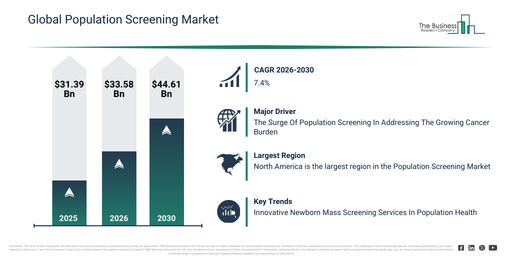
    The population screening market size has experienced robust growth in recent years. This market is projected to expand from $31.39 billion in 2025 to $33.58 billion in 2026, demonstrating a compound annual growth rate (CAGR) of 7.0%. Historically, this expansion can be linked to the broadening of public health screening initiatives, the presence of laboratory testing infrastructure, heightened disease awareness programs, the expansion of diagnostic laboratory networks, and the implementation of early detection strategies.

    The population screening market is projected to experience substantial expansion in the coming years. By 2030, its value is anticipated to reach $44.61 billion, exhibiting a compound annual growth rate (CAGR) of 7.4%. This projected growth during the forecast period stems from several factors, including heightened investments in precision screening technologies, the expanded application of population-level health analytics, the broadening of national screening initiatives, the increasing incorporation of digital diagnostics, and a heightened emphasis on preventive healthcare approaches. Key trends expected during this period encompass the greater utilization of genomic screening programs, the surging adoption of AI-driven risk assessment tools, the widening scope of preventive health screening, the seamless integration of sophisticated diagnostic technologies, and improved capabilities for data interpretation.

    Access Your Free Sample Report for In-Depth Market Insights:

    https://www.thebusinessresearchcompany.com/sample.aspx?id=12587&type=smp

    Which Drivers Are Affecting Market Participation In The Population Screening Market?

    The increasing occurrence of cancer is anticipated to drive expansion within the population screening market moving ahead. Cancer is characterized by the uncontrolled proliferation of particular cells within the human body, which can metastasize to other regions, creating serious health hazards. Early detection of cancer is facilitated by population screening, leading to better treatment results and patient outlook. As an illustration, in February 2024, the World Health Organization, an intergovernmental body based in Switzerland, reported a projection of over 35 million new cancer cases by 2050. This signifies a 77% surge when contrasted with the approximate 20 million cases in 2022. Consequently, the escalating incidence of cancer is a key factor propelling the expansion of the population screening market.

    What Segment Classifications Make Up The Population Screening Market?

    The population screening market covered in this report is segmented –

    1) By Product: Hardware Equipment, Testing Or Lab, Analytics Or Interpretation

    2) By Gender: Male, Female

    3) By Age: Ages Less Than 15, 15-65, Ages 65 And Above

    4) By Business: Hospitals, Research Institutes, Diagnostic Labs

    Subsegments:

    1) By Hardware Equipment: Diagnostic Devices, Sample Collection Devices, Imaging Equipment

    2) By Testing Or Lab: Laboratory Testing Kits, Point-Of-Care Testing, Blood And Urine Testing Services

    3) By Analytics Or Interpretation: Software Solutions For Data Analysis, Interpretation Services, Reporting Tools

    What Trends Are Reshaping The Dynamics Of The Population Screening Market?

    Major companies operating in the population screening market are pioneering advanced services, such as newborn mass screening, to improve early detection and enhance health outcomes for infants. Newborn mass screening is a public health initiative designed to test newborns shortly after birth for a variety of genetic, metabolic, hormonal, and functional disorders that may not be evident at birth but can lead to severe health complications if left untreated. For instance, in May 2024, Shimadzu Techno-Research Inc., a contract analysis firm and a subsidiary of Japan-based precision instruments manufacturer Shimadzu Corporation, launched a new contract service offering polymerase chain reaction (PCR) testing for expanded newborn mass screening. This service will identify combined immunodeficiency (SCID), B-cell deficiency (BCD), and spinal muscular atrophy (SMA), conditions that presently affect a small percentage of newborns but require immediate intervention upon diagnosis.

    Which Major Industry Participants Are Leading The Population Screening Market Growth?

    Major companies operating in the population screening market are F. Hoffmann-La Roche Ltd., Thermo Fisher Scientific Inc., Abbott Laboratories, Siemens Healthineers AG, Quest Diagnostics Incorporated, Eurofins Scientific SE, Agilent Technologies Inc., Sonic Healthcare Limited, Illumina Inc., SYNLAB International GmbH, Quidel Corporation, Bio-Rad Laboratories Inc., Unilabs, Qiagen N.V., Exact Sciences Corporation, ARUP Laboratories Inc., LGC Limited, OPKO Health Inc., Natera Inc., Cerba HealthCare S.A.S, Invitae Corp, Amedes Holding GmbH, Grail, Luminex Corporation, Novogene Co. Ltd., Trinity Biotech, Gene by Gene Ltd., Innova Medical Group Inc., LabPLUS

    Access The Complete Report For Deeper Market Insights:

    https://www.thebusinessresearchcompany.com/report/population-screening-global-market-report

    Which Region Is Expected To Experience The Fastest Growth In The Population Screening Market?

    North America was the largest region in the population screening market in 2025. Asia-Pacific is expected to be the fastest-growing region in the forecast period. The regions covered in the population screening market report are Asia-Pacific, South East Asia, Western Europe, Eastern Europe, North America, South America, Middle East, Africa.

    Request Your Customized Population Screening Market Research Report for Competitive Advantage:

    https://www.thebusinessresearchcompany.com/customise?id=12587&type=smp

    Browse Through More Reports Similar to the Global Population Screening Market 2026, By The Business Research Company

    Drug Screening Market Report 2026

    https://www.thebusinessresearchcompany.com/report/drug-screening-global-market-report

    Security Screening Market Report 2026

    https://www.thebusinessresearchcompany.com/report/security-screening-global-market-report

    Blood Screening Market Report 2026

    https://www.thebusinessresearchcompany.com/report/blood-screening-global-market-report

    Get in touch with us:

    The Business Research Company: https://www.thebusinessresearchcompany.com/

    Americas +1 310-496-7795

    Asia +44 7882 955267 & +91 8897263534

    Europe +44 7882 955267

    Email us at info@tbrc.info

    Follow us on:

    LinkedIn: https://in.linkedin.com/company/the-business-research-company

    YouTube: https://www.youtube.com/channel/UC24_fI0rV8cR5DxlCpgmyFQ

    Global Market Model: https://www.thebusinessresearchcompany.com/global-market-model
  • Cerebral Palsy Virtual Reality Therapy Market Performance Outlook 2026–2030: Revenue to Hit $3.46 Billion at 15.7% CAGR

    Cerebral Palsy Virtual Reality Therapy Market Performance Outlook 2026–2030: Revenue to Hit $3.46 Billion at 15.7% CAGR

    Uncover key drivers, emerging technologies, and competitive movements shaping the cerebral palsy virtual reality therapy market from 2026–2035 with trusted insights from The Business Research Company

    What growth pattern is forecast for the Cerebral Palsy Virtual Reality Therapy Market size between 2026 and 2035?

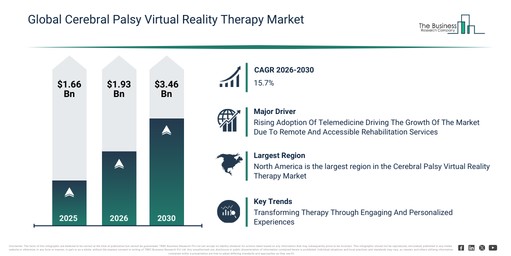
    The cerebral palsy virtual reality therapy market size has experienced rapid expansion in recent years. This market is projected to expand from $1.66 billion in 2025 to $1.93 billion in 2026, demonstrating a compound annual growth rate (CAGR) of 16.0%. Historically, this growth has been driven by several factors, including the expansion of pediatric rehabilitation services, the rising prevalence of cerebral palsy diagnoses, the early embrace of virtual therapy tools, an escalating demand for engaging rehabilitation approaches, and improvements in VR hardware accessibility.

    The cerebral palsy virtual reality therapy market is set for significant expansion over the next few years, with its valuation expected to climb to $3.46 billion by 2030, demonstrating a compound annual growth rate (CAGR) of 15.7%. This anticipated rise is driven by factors including the increasing demand for home-based pediatric therapy, a surge in investments towards immersive healthcare technologies, the expansion of tele-rehabilitation models, a growing emphasis on personalized neurorehabilitation, and the increased adoption of VR in clinical practice. Prominent developments anticipated during this timeframe involve the greater integration of immersive rehabilitation environments, a rising uptake of gamified therapy programs, the growing inclusion of motion tracking sensors, the proliferation of home-based VR therapy solutions, and an enhanced focus on neuroplasticity-driven training approaches.

    Access Your Free Sample Report for In-Depth Market Insights:

    https://www.thebusinessresearchcompany.com/sample.aspx?id=28163&type=smp

    Which Drivers Are Impacting Market Performance In The Cerebral Palsy Virtual Reality Therapy Market?

    The growing integration of telemedicine is anticipated to fuel the expansion of the cerebral palsy virtual reality therapy market moving forward. This involves delivering medical consultations and health services remotely via digital tools like video calls, mobile applications, and online platforms. Its increasing uptake stems from its capacity to offer accessible, prompt, and distant healthcare, thereby minimizing the necessity for physical appointments. Within telemedicine, cerebral palsy virtual reality therapy facilitates remote, interactive rehabilitation experiences, enabling children to refine motor and cognitive abilities under expert supervision without attending a physical clinic. A relevant illustration is provided by the Australian Bureau of Statistics (ABS), Australia’s national statistical agency, which reported in September 2024 that in 2023–24, 83.5% of males utilized telehealth services, marking an increase from 78.6% in 2022–23. Consequently, the heightened adoption of telemedicine is propelling the growth of the cerebral palsy virtual reality therapy market.

    What Segment Types Are Examined In The Cerebral Palsy Virtual Reality Therapy Market?

    The cerebral palsy virtual reality therapy market covered in this report is segmented –

    1) By Therapy Type: Motor Skills Training, Pain Management, Cognitive Rehabilitation, Other Therapy Types

    2) By Technology: Non-Immersive Virtual Reality (VR), Semi-Immersive Virtual Reality (VR), Fully Immersive Virtual Reality (VR)

    3) By End-User: Hospitals, Rehabilitation Centers, Homecare Settings, Other End-Users

    Subsegments:

    1) By Motor Skills Training: Gait Training, Balance Training, Upper Limb Rehabilitation, Fine Motor Skills Development

    2) By Pain Management: Distraction-Based Therapy, Immersive Relaxation Environments, Virtual Reality (VR)-Based Mind-Body Therapy, Sensory Modulation Programs

    3) By Cognitive Rehabilitation: Memory Enhancement Exercises, Attention And Focus Training, Problem-Solving Simulations, Social And Communication Skills Training

    4) By Other Therapy Types: Psychological Support & Stress Reduction, Speech And Language Therapy Support, Virtual Recreational Therapy, Occupational Therapy Support

    What Trends Are Projected To Support The Growth Of The Cerebral Palsy Virtual Reality Therapy Market?

    Companies operating within the cerebral palsy virtual reality therapy market are prioritizing technological advancements, such as robotic-assisted pediatric gait trainers. This focus aims to enhance motor function recovery, improve patient engagement, and deliver more personalized rehabilitation experiences for children with cerebral palsy. A robotic-assisted pediatric gait trainer is defined as a technology-enabled rehabilitation device that combines robotics, often with virtual reality, to assist children with cerebral palsy or other mobility impairments in practicing and improving their walking abilities. For instance, in January 2025, Genrobotics Innovations Private Limited, an India-based technology company, introduced the G-Gaiter Paediatric, its first robotic-assisted pediatric gait trainer, in Kerala, marking a significant breakthrough in pediatric rehabilitation. This device is designed for children with conditions like cerebral palsy, muscular dystrophy, and spinal cord injuries, integrating advanced robotics with virtual reality and interactive gaming to provide engaging, personalized therapy. It enables children to relearn motor skills, enhance muscle coordination, and develop natural walking patterns with precision support. The solution not only improves clinical outcomes but also boosts patient motivation and accessibility. This innovation positions Genrobotics at the forefront of pediatric rehabilitation technology in India.

    Who Are The Top-Performing Companies In The Cerebral Palsy Virtual Reality Therapy Market In Recent Years?

    Major companies operating in the cerebral palsy virtual reality therapy market are Evolv Rehabilitation Technologies S.L., MIRA Rehab Limited, Neofect Co. Ltd., XRHealth USA Inc., Tyromotion GmbH, MotusAcademy Ltd., Floreo Inc., Gait Up, Neuro Rehab VR Inc., Rehametrics S.L., Cognihab Private Limited, GaitBetter Ltd, CUREosity GmbH, Eodyne Systems S.L., Viribus VR Labs, KineQuantum SAS, Jintronix Inc., GestureTek Health Inc., Firsthand Technology Inc., VAST.Rehab sp. z o.o.

    Access The Complete Report For Deeper Market Insights:

    https://www.thebusinessresearchcompany.com/report/cerebral-palsy-virtual-reality-therapy-global-market-report

    Which Region Currently Holds The Largest Share Of The Cerebral Palsy Virtual Reality Therapy Market?

    North America was the largest region in the cerebral palsy virtual reality therapy market in 2025. Asia-Pacific is expected to be the fastest-growing region in the forecast period. The regions covered in the cerebral palsy virtual reality therapy market report are Asia-Pacific, South East Asia, Western Europe, Eastern Europe, North America, South America, Middle East, Africa.

    Request Your Customized Cerebral Palsy Virtual Reality Therapy Market Research Report for Competitive Advantage:

    https://www.thebusinessresearchcompany.com/customise?id=28163&type=smp

    Browse Through More Reports Similar to the Global Cerebral Palsy Virtual Reality Therapy Market 2026, By The Business Research Company

    Bells Palsy Treatment Market Report 2026

    https://www.thebusinessresearchcompany.com/report/bells-palsy-treatment-global-market-report

    Virtual Rehabilitation Market Report 2026

    https://www.thebusinessresearchcompany.com/report/virtual-rehabilitation-global-market-report

    Virtual Reality Vr In Medical Simulation Market Report 2026

    https://www.thebusinessresearchcompany.com/report/virtual-reality-vr-in-medical-simulation-global-market-report

    Get in touch with us:

    The Business Research Company: https://www.thebusinessresearchcompany.com/

    Americas +1 310-496-7795

    Asia +44 7882 955267 & +91 8897263534

    Europe +44 7882 955267

    Email us at info@tbrc.info

    Follow us on:

    LinkedIn: https://in.linkedin.com/company/the-business-research-company

    YouTube: https://www.youtube.com/channel/UC24_fI0rV8cR5DxlCpgmyFQ

    Global Market Model: https://www.thebusinessresearchcompany.com/global-market-model