Month: March 2026

  • A Significant Growth Driver for the Candida Infection Testing Market Is the Rising Yeast Infection Rates Drive Growth In Candida Testing Market

    A Significant Growth Driver for the Candida Infection Testing Market Is the Rising Yeast Infection Rates Drive Growth In Candida Testing Market

    The Business Research Company’s 2026 market reports include new capabilities such as market attractiveness scoring and analysis, total addressable market analysis, company scoring matrix, interactive excel data dashboard, improved supply chain analysis, upcoming startups in the market, and overview of key products, aimed at improving the depth, usability, and strategic value of the insights delivered.

    How Much Is The Candida Infection Testing Market Expected To Grow In Terms Of Market Value Between 2026 And 2030?

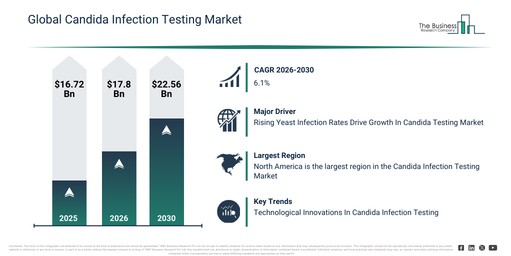
    The candida infection testing market size has experienced robust growth in recent years. This market is set to expand from $16.72 billion in 2025 to $17.8 billion in 2026, exhibiting a compound annual growth rate (CAGR) of 6.4%. Historically, the market’s expansion can be ascribed to several factors including the increasing incidence of fungal infections, the growing number of immunocompromised patient populations, the broadening of hospital diagnostic services, the adoption of culture-based fungal testing, and heightened awareness of antifungal resistance.

    The candida infection testing market is projected for substantial growth in the upcoming years. By 2030, its valuation is anticipated to reach $22.56 billion, advancing at a compound annual growth rate (CAGR) of 6.1%. This anticipated expansion throughout the forecast period stems from several factors, including a heightened demand for swift fungal diagnostic tools, the growing acceptance of molecular and microbiome testing, the broadening availability of point-of-care fungal assessments, escalating investments in diagnostics for infectious diseases, and an intensified concentration on tailored antifungal treatments. Key developments during this period are characterized by the wider uptake of molecular methods for candida detection, an increase in the application of rapid NAAT-based testing, the progressing incorporation of microbiome analysis, the proliferation of hospital-based fungal diagnostic services, and a heightened emphasis on identifying fungal infections at an early stage.

    Download the Free Sample Report to Explore Key Market Insights:

    https://www.thebusinessresearchcompany.com/sample.aspx?id=19356&type=smp

    What Drivers Are Influencing The Candida Infection Testing Market?

    A rise in yeast infection cases is anticipated to fuel the expansion of the candida infection testing market. Yeast infections are fungal conditions stemming from excessive candida growth, typically impacting the mouth, genitals, and skin, frequently leading to symptoms like itching, redness, and discomfort. The main cause of yeast infections is an abundance of the candida fungus, often triggered by disruptions in the body’s natural bacterial balance, compromised immunity, or shifts in hormone levels. Candida infection testing is employed in cases of yeast infections to precisely identify candida overgrowth, thereby assisting medical professionals in confirming the infection and directing suitable treatment. For example, in May 2025, data from the UK Health Security Agency, a UK-based government public health body, indicated that bloodstream infections attributed to yeast in England increased by 4% in 2024 compared to 2023, rising from 2,170 to 2,247 reported cases, with the incidence rate climbing from 3.8 to 3.9 per 100,000 population during that identical timeframe. Consequently, the rising occurrence of yeast infections is set to stimulate the expansion of the candida infection testing market.

    What Major Segment Divisions Exist Within The Candida Infection Testing Market?

    The candida infection testing market covered in this report is segmented –

    1) By Type: Invasive Candidiasis, Candidemia

    2) By Test Type: Vaginal pH Test, Nucleic Acid Amplification Testing (NAAT), Microbiome Test

    3) By Application: Hospital, Laboratory

    Subsegments:

    1) By Invasive Candidiasis: Tissue Biopsy Testing, Urine Culture Testing, Blood Culture Testing

    2) By Candidemia: Blood Tests, Serological Testing, Molecular Testing

    How Are Trends Shaping The Direction Of The Candida Infection Testing Market?

    Leading companies in the candida infection testing market are concentrating on developing technologically advanced solutions, such as completely automated PCR rapid tests for detecting candida, to enhance diagnostic precision and improve patient outcomes. A fully automated PCR rapid test for detecting candida refers to a sophisticated diagnostic tool that employs polymerase chain reaction (PCR) technology to quickly and accurately identify the presence of Candida species in clinical samples. For example, in May 2024, Bosch Healthcare Solutions GmbH, a Germany-based medical technology manufacturer, introduced a PCR test for candida auris detection on the Vivalytic platform, providing fully automated, rapid testing within an hour at the point of care. This advanced test enables prompt screenings and stands in contrast to traditional culture methods, which typically take one to three days in centralized labs, thus delaying diagnosis and treatment. Designed for clinical environments, the test is especially advantageous for high-risk patients, facilitating timely diagnosis and treatment to combat the serious health risks associated with C. auris infections.

    Which Companies Are Leading Innovation In The Candida Infection Testing Market?

    Major companies operating in the candida infection testing market are Thermo Fisher Scientific Inc., Abbott Laboratories, Siemens Healthineers AG, Laboratory Corporation of America Holdings, Quest Diagnostics Incorporated, Hologic Inc., bioMérieux SA, Bio-Rad Laboratories Inc., Bruker Corporation, QIAGEN N.V., Cepheid, Randox Laboratories Ltd., Meridian Bioscience Inc., DiaSorin S.p.A., Sekisui Diagnostics LLC, Enzo Biochem Inc., T2 Biosystems Inc., Aidian Oy, SafeCare LLC, CHROMagar, HK Biotek Inc., Health Testing Centers LLC, Accesa Labs LLC, Private MD Labs LLC

    Read the full candida infection testing market report here:

    https://www.thebusinessresearchcompany.com/report/candida-infection-testing-global-market-report

    Which Regions Are Expected To Experience Rapid Expansion In The Candida Infection Testing Market?

    North America was the largest region in the candida infection testing market in 2025. The regions covered in the candida infection testing market report are Asia-Pacific, South East Asia, Western Europe, Eastern Europe, North America, South America, Middle East, Africa.

    Request A Tailored Candida Infection Testing Market Research Report For Competitive Advantage:

    https://www.thebusinessresearchcompany.com/customise?id=19356&type=smp

    Browse Through More Reports Similar to the Global Candida Infection Testing Market 2026, By The Business Research Company

    Cancer Profiling Global Market Report

    https://www.thebusinessresearchcompany.com/report/cancer-profiling-global-market-report

    Cancer Biomarker Global Market Report

    https://www.thebusinessresearchcompany.com/report/cancer-biomarker-global-market-report

    Cancer Diagnostics Global Market Report

    https://www.thebusinessresearchcompany.com/report/cancer-diagnostics-global-market-report

    Get in touch with us:

    The Business Research Company: https://www.thebusinessresearchcompany.com/

    Americas +1 310-496-7795

    Asia +44 7882 955267 & +91 8897263534

    Europe +44 7882 955267

    Email us at info@tbrc.info

    Follow us on:

    LinkedIn: https://in.linkedin.com/company/the-business-research-company

    YouTube: https://www.youtube.com/channel/UC24_fI0rV8cR5DxlCpgmyFQ

    Global Market Model: https://www.thebusinessresearchcompany.com/global-market-model
  • Global Cancer Tumor Profiling Industry Trends and Market Growth Forecast for 2026–2030

    Global Cancer Tumor Profiling Industry Trends and Market Growth Forecast for 2026–2030

    The Business Research Company’s 2026 market reports include new capabilities such as market attractiveness scoring and analysis, total addressable market analysis, company scoring matrix, interactive excel data dashboard, improved supply chain analysis, upcoming startups in the market, and overview of key products, aimed at improving the depth, usability, and strategic value of the insights delivered.

    What Market Value Is Expected For The Cancer Tumor Profiling Market At The End Of The 2026–2030 Forecast Period?

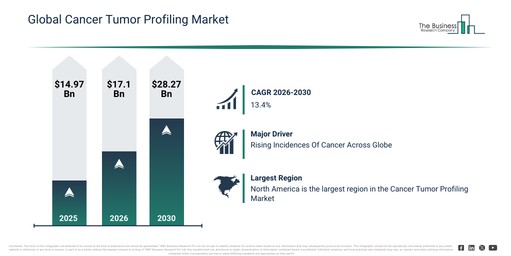
    The cancer tumor profiling market has demonstrated rapid expansion in recent years. It is projected to increase from $14.97 billion in 2025 to $17.1 billion in 2026, exhibiting a compound annual growth rate (CAGR) of 14.3%. This historical growth can be linked to several factors including the increased adoption of tumor biopsy testing, the expansion of oncology research programs, the early clinical application of molecular stratification, the proliferation of hospital-based profiling services, and the enhanced availability of sophisticated laboratory infrastructure.

    The cancer tumor profiling market is projected to undergo significant expansion in the coming years. It is forecast to achieve a valuation of $28.27 billion by 2030, demonstrating a compound annual growth rate (CAGR) of 13.4%. This projected growth throughout the forecast period stems from factors such as the increasing necessity for precision oncology decision-making, the broadening scope of personalized cancer therapies, rising investments in translational research, the increasing adoption of advanced sequencing technologies, and an elevated focus on predictive oncology diagnostics. Noteworthy trends anticipated during this period include a greater deployment of multi-omics tumor profiling, a surge in the uptake of targeted sequencing panels, the expanding integration of AI-powered biomarker analysis, the wider implementation of personalized treatment planning, and an intensified emphasis on prognostic profiling.

    Download the Free Sample Report to Explore Key Market Insights:

    https://www.thebusinessresearchcompany.com/sample.aspx?id=6053&type=smp

    What Drivers Are Shaping The Future Growth Of The Cancer Tumor Profiling Market?

    The rising global prevalence of cancer is anticipated to fuel the expansion of the cancer and tumor profiling market in the future. Cancer is characterized by the uncontrolled proliferation and dissemination of certain body cells. With the increasing occurrence of cancer, there is a corresponding surge in the need for cancer tumor profiling, a method used by medical professionals to assess disease progression. For example, in 2024, the American Cancer Society, a US-based professional organization, documented 2 million new cancer diagnoses in the US, an increase from 1.9 million new cases in 2023. Consequently, the growing global incidence of cancer is a key driver for the cancer and tumor profiling market. Cancer Tumor Profiling Market Driver: Growing Incidence Of Stomach Cancer

    The escalating occurrence of stomach cancer is set to boost the expansion of the cancer and tumor profiling market in the foreseeable future. Stomach cancer involves the unregulated division and spread of cancerous cells within the stomach’s inner lining. While gastrointestinal stromal tumors (GISTs) can manifest in the stomach, they are a separate condition from stomach cancer. Patients with GISTs have shown a heightened propensity for developing other cancers, such as small bowel adenocarcinoma, when two distinct tumors converge. Cancer and tumor profiling offers crucial data on stomach cancer progression, aiding in more effective treatment strategies. For instance, Cancer Research UK, an independent cancer research body based in the UK, anticipates a 12% reduction in stomach cancer incidence in the UK, dropping to 8 cases per 100,000 people annually on average, between the periods of 2023-2025 and 2038-2040. Consequently, the rising incidence of stomach cancer fuels the growth of the cancer and tumor profiling market.

    What Segment Types Make Up The Cancer Tumor Profiling Market?

    The cancer tumor profiling market covered in this report is segmented –

    1) By Cancer Type: Lung Cancer, Breast Cancer, Colorectal Cancer, Prostate Cancer, Melanoma, Ovarian Cancer, Stomach Cancer, Pancreatic Cancer, Thyroid Cancer, Other Cancer Types

    2) By Technology: Next-Generation Sequencing (NGS), Polymerase Chain Reaction (PCR), Immunohistochemistry (IHC), In Situ Hybridization (ISH), Microarray, Other Technologies

    3) By Process Type: Genomics, Proteomics, Epigenetics, Other Types

    4) By Application: Personalized Medicine, Diagnostics, Biomarker Discovery, Prognostics, Research Applications

    Subsegments:

    1) By Lung Cancer: Non-Small Cell Lung Cancer (NSCLC), Small Cell Lung Cancer (SCLC)

    2) By Breast Cancer: Hormone Receptor-Positive, Triple-Negative Breast Cancer, HER2-Positive Breast Cancer

    3) By Colorectal Cancer: Colon Cancer, Rectal Cancer

    4) By Prostate Cancer: Localized Prostate Cancer, Advanced Prostate Cancer

    5) By Melanoma: Cutaneous Melanoma, Non-Cutaneous Melanoma

    6) By Ovarian Cancer: Epithelial Ovarian Cancer, Non-Epithelial Ovarian Cancer

    7) By Stomach Cancer: Gastric Adenocarcinoma, Gastrointestinal Stromal Tumors (GISTs)

    8) By Pancreatic Cancer: Exocrine Pancreatic Cancer, Neuroendocrine Tumors

    9) By Thyroid Cancer: Papillary Thyroid Cancer, Follicular Thyroid Cancer, Medullary Thyroid Cancer

    10) By Other Cancer Types: Kidney Cancer, Bladder Cancer, Liver Cancer, Esophageal Cancer

    Who Are The Key Players Driving Competition In The Cancer Tumor Profiling Market?

    Major companies operating in the cancer tumor profiling market are F. Hoffmann-La Roche Ltd., Caris Life Sciences, Thermo Fisher Scientific Inc., Illumina Inc., Qiagen, HTG Molecular Diagnostics Inc., NanoString Technologies Inc., NeoGenomics Laboratories Inc., Lucence Health Inc., ACT Genomics Co. LTD, Strand Life Sciences, Exact Sciences Corporation, Guardant Health, Foundation Medicine Inc., Agilent Technologies Inc., Myriad Genetics Inc., Personal Genome Diagnostics Inc., Tempus Labs Inc., ArcherDX Inc., Natera Inc., Bio-Rad Laboratories Inc., Genetron Health, NantHealth Inc., Resolution Bioscience, OncoDNA, Strata Oncology Inc., RareCyte Inc., Inivata Limited, Cepheid

    Read the full cancer tumor profiling market report here:

    https://www.thebusinessresearchcompany.com/report/cancer-tumor-profiling-global-market-report

    Which Geographic Regions Are Influencing Demand In The Cancer Tumor Profiling Market?

    North America was the largest region in cancer and tumor profiling market in 2025. Asia-Pacific is expected to be the fastest-growing region in the forecast period. The regions covered in the cancer tumor profiling market report are Asia-Pacific, South East Asia, Western Europe, Eastern Europe, North America, South America, Middle East, Africa.

    Request A Tailored Cancer Tumor Profiling Market Research Report For Competitive Advantage:

    https://www.thebusinessresearchcompany.com/customise?id=6053&type=smp

    Browse Through More Reports Similar to the Global Cancer Tumor Profiling Market 2026, By The Business Research Company

    Community Oncology Services Global Market Report

    https://www.thebusinessresearchcompany.com/report/community-oncology-services-global-market-report

    Oncology Drugs Market

    https://www.thebusinessresearchcompany.com/report/oncology-drugs-market

    Cancer Supportive Care Drugs Global Market Report

    https://www.thebusinessresearchcompany.com/report/cancer-supportive-care-drugs-global-market-report

    Get in touch with us:

    The Business Research Company: https://www.thebusinessresearchcompany.com/

    Americas +1 310-496-7795

    Asia +44 7882 955267 & +91 8897263534

    Europe +44 7882 955267

    Email us at info@tbrc.info

    Follow us on:

    LinkedIn: https://in.linkedin.com/company/the-business-research-company

    YouTube: https://www.youtube.com/channel/UC24_fI0rV8cR5DxlCpgmyFQ

    Global Market Model: https://www.thebusinessresearchcompany.com/global-market-model
  • Cancer Treatment Facilities Market Size Outlook and Demand Growth Across 2026–2030

    Cancer Treatment Facilities Market Size Outlook and Demand Growth Across 2026–2030

    The Business Research Company’s 2026 market reports include new capabilities such as market attractiveness scoring and analysis, total addressable market analysis, company scoring matrix, interactive excel data dashboard, improved supply chain analysis, upcoming startups in the market, and overview of key products, aimed at improving the depth, usability, and strategic value of the insights delivered.

    What Is The Estimated Market Size Of The Cancer Treatment Facilities Market During 2026–2030?

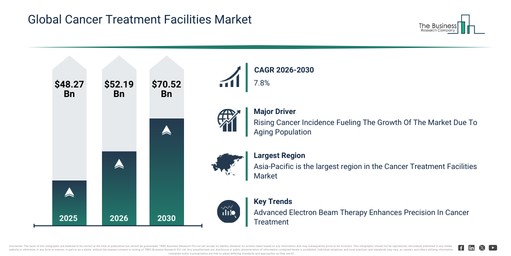
    The cancer treatment facilities market has seen substantial expansion in recent years. This market is projected to expand from $48.27 billion in 2025 to $52.19 billion in 2026, exhibiting a compound annual growth rate (CAGR) of 8.1%. The historic period’s growth can be attributed to factors such as rising global cancer incidence rates, the enlargement of hospital oncology departments, the broader availability of chemotherapy and radiation technologies, increased awareness of early cancer detection, and an increase in trained oncology professionals.

    The market size for cancer treatment facilities is projected to experience substantial expansion over the upcoming years. This market is anticipated to reach $70.52 billion by 2030, demonstrating a compound annual growth rate (CAGR) of 7.8%. Factors contributing to this growth during the forecast period include greater investments in cancer research infrastructure, the increasing acceptance of immunotherapy and targeted therapies, the broadening of personalized medicine techniques, the expanded application of digital health within oncology care, and a rising need for integrated cancer treatment services. Key trends for the forecast period encompass a wider embrace of precision oncology treatments, the increasing incorporation of advanced diagnostic technologies, a growing utilization of multidisciplinary care models, the establishment of more specialized cancer centers, and a heightened emphasis on patient-centric care.

    Download the Free Sample Report to Explore Key Market Insights:

    https://www.thebusinessresearchcompany.com/sample.aspx?id=25716&type=smp

    Which Economic Or Industry Drivers Are Impacting The Cancer Treatment Facilities Market?

    The expanding prevalence of cancer is projected to boost the growth of the cancer treatment facilities market moving forward. Cancer itself encompasses various diseases characterized by the unchecked proliferation and spread of abnormal cells within the body. The rise in cancer cases is largely attributed to the world’s aging population, which increases the number of older individuals who face a significantly higher risk of developing the disease. These treatment facilities are instrumental in addressing the growing cancer burden by offering vital services such as early detection, advanced therapeutic options, and continuous care, all of which are crucial for improving patient survival rates and quality of life. For instance, data from September 2025, provided by the American Association for Cancer Research (AACR), a US-based professional body dedicated to the prevention and cure of cancer, reported an estimated 20 million new cancer cases and over 10.3 million cancer-related deaths globally in 2025. Furthermore, approximately 53.5 million people were living at least 5 years after a cancer diagnosis. Hence, the increasing incidence of cancer serves as a primary driver for the expansion of the cancer treatment facilities market.

    How Are The Various Segments Of The Cancer Treatment Facilities Market Categorized?

    The cancer treatment facilities market covered in this report is segmented –

    1) By Cancer Type: Blood Cancer, Breast Cancer, Prostate Cancer, Gastrointestinal Cancer, Colorectal Cancer, Lung Cancer, Other Cancer Types

    2) By Treatment Type: Cancer Surgery, Chemotherapy, Radiation Therapy, Immunotherapy, Bone Marrow Transplantation, Other Treatment Types

    3) By Provider: Hospitals, Cancer Centers

    Subsegments:

    1) By Blood Cancer: Leukemia, Lymphoma, Multiple Myeloma, Myelodysplastic Syndromes (MDS), Myeloproliferative Neoplasms (MPNs)

    2) By Breast Cancer: Hormone Receptor Positive (HR+), HER2-Positive Breast Cancer, Triple-Negative Breast Cancer (TNBC), Inflammatory Breast Cancer, Male Breast Cancer

    3) By Prostate Cancer: Localized Prostate Cancer, Advanced Or Metastatic Prostate Cancer, Castration-Resistant Prostate Cancer (CRPC), Hormone-Sensitive Prostate Cancer (HSPC)

    4) By Gastrointestinal Cancer: Stomach (Gastric) Cancer, Esophageal Cancer, Liver Cancer (Hepatocellular Carcinoma), Pancreatic Cancer, Bile Duct Cancer (Cholangiocarcinoma)

    5) By Colorectal Cancer: Colon Cancer, Rectal Cancer, Early-Stage Colorectal Cancer, Metastatic Colorectal Cancer, Familial Adenomatous Polyposis (FAP)-Associated Cancer

    6) By Lung Cancer: Non-Small Cell Lung Cancer (NSCLC), Small Cell Lung Cancer (SCLC), EGFR Mutation-Positive Lung Cancer, ALK-Positive Lung Cancer, PD-L1 Expressing Lung Cancer

    7) By Other Cancer Types: Skin Cancer, Bladder Cancer, Cervical Cancer, Ovarian Cancer, Kidney (Renal Cell) Cancer, Head And Neck Cancer, Thyroid Cancer, Brain Tumors

    What Trends Are Affecting The Expansion Of The Cancer Treatment Facilities Market?

    Leading firms within the cancer treatment facilities market are prioritizing sophisticated treatment technologies, including electron beam therapy, to improve the accuracy and efficacy of cancer care. This electron beam therapy utilizes high-energy electrons to address cancer by targeting tumors located near the body’s surface. A notable example occurred in October 2024, when Aster DM Healthcare Limited, a healthcare firm based in the UAE, introduced intraoperative electron radiation therapy (IOeRT) specifically for cancer care treatment facilities. IOeRT presents distinct advantages, involving the delivery of a high-dose, single-fraction electron beam directly to the tumor site during surgical procedures. This approach leverages direct visualization to accurately target remaining cancer cells while simultaneously protecting or moving healthy tissues. The application of high-energy electrons (typically between 4–12 MeV) guarantees a rapid dose reduction, thereby restricting radiation exposure to deeper tissue layers.

    Which Major Firms Influence Developments In The Cancer Treatment Facilities Market?

    Major companies operating in the cancer treatment facilities market are Kaiser Permanente, HCA Healthcare Inc., CommonSpirit Health, Ascension Health, Trinity Health Corporation, Tenet Healthcare Corporation, Adventist Health System Sunbelt Healthcare Corporation, Universal Health Services Inc., Community Health Systems Inc., Ramsay Health Care Limited, Sutter Health, Stanford Health Care, Netcare Limited, Allegheny Health Network, IHH Healthcare Berhad, Fortis Healthcare, LifePoint Health Inc., Aster DM Healthcare Limited, Prime Healthcare Services Inc., Providence Health & Services.

    Read the full cancer treatment facilities market report here:

    https://www.thebusinessresearchcompany.com/report/cancer-treatment-facilities-global-market-report

    What Are The Top-Performing Regions Within The Cancer Treatment Facilities Market?

    Asia-Pacific was the largest region in the cancer treatment facilities market in 2025, and it is expected to be the fastest-growing region in the forecast period. The regions covered in the cancer treatment facilities market report are Asia-Pacific, South East Asia, Western Europe, Eastern Europe, North America, South America, Middle East, Africa.

    Request A Tailored Cancer Treatment Facilities Market Research Report For Competitive Advantage:

    https://www.thebusinessresearchcompany.com/customise?id=25716&type=smp

    Browse Through More Reports Similar to the Global Cancer Treatment Facilities Market 2026, By The Business Research Company

    Exterior Wall Systems Global Market Report

    https://www.thebusinessresearchcompany.com/report/exterior-wall-systems-global-market-report

    Electric Control Panel Global Market Report

    https://www.thebusinessresearchcompany.com/report/electric-control-panel-global-market-report

    Wood Based Panel Global Market Report

    https://www.thebusinessresearchcompany.com/report/wood-based-panel-global-market-report

    Get in touch with us:

    The Business Research Company: https://www.thebusinessresearchcompany.com/

    Americas +1 310-496-7795

    Asia +44 7882 955267 & +91 8897263534

    Europe +44 7882 955267

    Email us at info@tbrc.info

    Follow us on:

    LinkedIn: https://in.linkedin.com/company/the-business-research-company

    YouTube: https://www.youtube.com/channel/UC24_fI0rV8cR5DxlCpgmyFQ

    Global Market Model: https://www.thebusinessresearchcompany.com/global-market-model
  • Cancer Stem Cells Market Insights Highlighting Opportunities and Drivers Supporting Growth to 2030

    Cancer Stem Cells Market Insights Highlighting Opportunities and Drivers Supporting Growth to 2030

    The Business Research Company’s 2026 market reports include new capabilities such as market attractiveness scoring and analysis, total addressable market analysis, company scoring matrix, interactive excel data dashboard, improved supply chain analysis, upcoming startups in the market, and overview of key products, aimed at improving the depth, usability, and strategic value of the insights delivered.

    What Market Size Expansion Is Predicted For The Cancer Stem Cells Market Between 2026 And 2030?

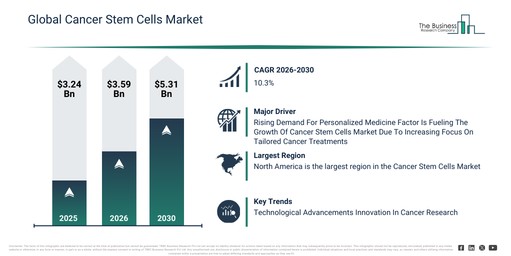
    The cancer stem cells market has seen rapid expansion in its size over recent years. This market is projected to expand from $3.24 billion in 2025 to $3.59 billion by 2026, exhibiting a compound annual growth rate (CAGR) of 10.6%. Historically, this growth has been driven by factors such as advancements in stem cell biology research, the successful identification of cancer stem cell populations, an increase in oncology research funding, the expansion of preclinical cancer models, and a rise in academic-industry collaborations.

    The cancer stem cells market is projected to experience swift expansion over the coming years. This market is anticipated to reach $5.31 billion by 2030, demonstrating a compound annual growth rate (CAGR) of 10.3%. This projected growth during the forecast period is driven by several factors, including a heightened demand for long-lasting cancer treatments, increased investment in targeted oncology research, the broader adoption of personalized cancer treatment approaches, a greater emphasis on preventing metastasis, and the expanding incorporation of csc research into clinical oncology practices. Key trends expected during this period involve a heightened emphasis on developing therapies against drug-resistant cancer cells, an increase in research dedicated to csc-specific pathways, the ongoing development of csc biomarkers, an expansion of both translational and clinical csc research, and an improved integration of csc models within drug discovery processes.

    Download the Free Sample Report to Explore Key Market Insights:

    https://www.thebusinessresearchcompany.com/sample.aspx?id=27235&type=smp

    What Major Drivers Are Influencing Demand In The Cancer Stem Cells Market?

    The cancer stem cells market is projected to expand due to the increasing need for personalized medicine. Personalized medicine refers to treatment strategies designed specifically for each patient, considering their genetic makeup, tumor biology, and individual response patterns, all aimed at achieving superior effectiveness and fewer side effects. The demand for such tailored treatments is escalating because genomic sequencing technologies are becoming more accessible and affordable, and their use is widespread in oncology research and clinical care. Personalized medicine addresses cancer stem cells (CSCs) by customizing therapies based on the unique molecular and genetic characteristics of a patient’s tumor. This involves initially analyzing tumors for mutations, signaling pathways, and surface markers distinct to their CSC population, which guides clinicians in selecting treatments that inhibit critical pathways. For instance, in February 2024, the Personalized Medicine Coalition, a US-based hospital and health care organization, announced that the Food and Drug Administration (FDA) had approved 16 new personalized treatments for rare disease patients in 2023, a rise from six in 2022. Ultimately, the growing requirement for real-time risk assessment and mitigation solutions is propelling the growth of the cancer stem cells market.

    Which Market Segments Are Examined In The Cancer Stem Cells Market Study?

    The cancer stem cells market covered in this report is segmented –

    1) By Type: Solid Tumor Stem Cells, Hematopoietic Stem Cells, Breast Cancer Stem Cells, Colorectal Cancer Stem Cells, Brain Cancer Stem Cells, Leukemia Stem Cells

    2) By Cancer Forms: Breast, Blood, Lung, Brain, Colorectal, Pancreatic, Bladder, Liver, Other Cancer Forms

    3) By Mode Of Action: Targeted Cancerous Stem Cells (Cscs), Stem Cell-Based Cancer Therapy

    4) By Research Type: Basic Research, Clinical Research, Preclinical Research, Translational Research

    5) By End User: Pharmaceutical And Biotechnology Companies, Research And Academic Institutions, Hospitals And Laboratories, Contract Research Organizations (CROs)

    Subsegments:

    1) By Solid Tumor Stem Cells: Lung Cancer Stem Cells, Liver Cancer Stem Cells, Pancreatic Cancer Stem Cells, Prostate Cancer Stem Cells, Ovarian Cancer Stem Cells

    2) By Hematopoietic Stem Cells: Myeloid Stem Cells, Lymphoid Stem Cells, Erythroid Stem Cells, Megakaryocytic Stem Cells, Granulocytic Stem Cells

    3) By Breast Cancer Stem Cells: Triple Negative Breast Cancer Stem Cells, Hormone Receptor Positive Breast Cancer Stem Cells, Human Epidermal Growth Factor Receptor 2 Positive Breast Cancer Stem Cells, Metastatic Breast Cancer Stem Cells, Inflammatory Breast Cancer Stem Cells

    4) By Colorectal Cancer Stem Cells: Adenocarcinoma Colorectal Cancer Stem Cells, Mucinous Colorectal Cancer Stem Cells, Signet Ring Cell Colorectal Cancer Stem Cells, Metastatic Colorectal Cancer Stem Cells, Serrated Colorectal Cancer Stem Cells

    5) By Brain Cancer Stem Cells: Glioblastoma Stem Cells, Medulloblastoma Stem Cells, Astrocytoma Stem Cells, Oligodendroglioma Stem Cells, Ependymoma Stem Cells

    6) By Leukemia Stem Cells: Acute Myeloid Leukemia Stem Cells, Chronic Myeloid Leukemia Stem Cells, Acute Lymphoblastic Leukemia Stem Cells, Chronic Lymphocytic Leukemia Stem Cells, Mixed Phenotype Acute Leukemia Stem Cells

    Which Trends Are Influencing The Cancer Stem Cells Market?

    Companies operating in the cancer stem cells market are increasingly focused on technological advancements, including pre-analytical immunomagnetic sorting systems, to improve cell enrichment and diagnostic accuracy. These advanced pre-analytical tools utilize magnetic particles coated with antibodies to precisely isolate specific cancer stem cell populations from complex biological samples, thereby enhancing sensitivity and reproducibility in subsequent assays. As an illustration, in March 2024, STEMCELL Technologies, a Canada-based biotechnology company, launched its EasySep Human Bone Marrow CD138 Positive Selection Kit. This kit is noteworthy as the first hematopoietic cell enrichment product to receive FDA de novo classification as a Class II in vitro diagnostic device. It works by enriching CD138+ plasma cells from bone marrow samples to improve the detection of multiple myeloma-related abnormalities. The product ensures higher sensitivity, reproducibility, and diagnostic accuracy, ultimately leading to improved patient outcomes in multiple myeloma care. The primary objective of this product is to strengthen the pre-analytical phase of cancer diagnostics by providing high-purity cell populations, which enables more reliable downstream testing.

    Who Are The Primary Competitors In The Cancer Stem Cells Market?

    Major companies operating in the cancer stem cells market are MacroGenics Inc., Novartis AG, Bristol-Myers Squibb Company, Eli Lilly and Company, Amgen Inc., Lonza Group AG, A. Menarini Industrie Farmaceutiche Riunite S.r.l., Bio-Techne Corporation, Zymeworks Inc., Kura Oncology Inc., GeneTex Inc., YZY Biopharma Co. Ltd., Abnova Taiwan Corporation, BioView Ltd., ScienCell Research Laboratories Inc., Boster Biological Technology Co. Ltd., AAT Bioquest Inc., Celprogen Inc., Actinium Pharmaceuticals Inc., OncoMed Pharmaceuticals Inc., Fate Therapeutics Inc., Verastem Oncology Inc.

    Read the full cancer stem cells market report here:

    https://www.thebusinessresearchcompany.com/report/cancer-stem-cells-global-market-report

    Which Region Shows The Strongest Potential For Future Growth In The Cancer Stem Cells Market?

    North America was the largest region in the cancer stem cells market in 2025. Asia-Pacific is expected to be the fastest-growing region in the forecast period. The regions covered in the cancer stem cells market report are Asia-Pacific, South East Asia, Western Europe, Eastern Europe, North America, South America, Middle East, Africa.

    Request A Tailored Cancer Stem Cells Market Research Report For Competitive Advantage:

    https://www.thebusinessresearchcompany.com/customise?id=27235&type=smp

    Browse Through More Reports Similar to the Global Cancer Stem Cells Market 2026, By The Business Research Company

    Cancer Tumor Profiling Global Market Report

    https://www.thebusinessresearchcompany.com/report/cancer-tumor-profiling-global-market-report

    Cancer Biomarker Global Market Report

    https://www.thebusinessresearchcompany.com/report/cancer-biomarker-global-market-report

    Cancer Diagnostics Global Market Report

    https://www.thebusinessresearchcompany.com/report/cancer-diagnostics-global-market-report

    Get in touch with us:

    The Business Research Company: https://www.thebusinessresearchcompany.com/

    Americas +1 310-496-7795

    Asia +44 7882 955267 & +91 8897263534

    Europe +44 7882 955267

    Email us at info@tbrc.info

    Follow us on:

    LinkedIn: https://in.linkedin.com/company/the-business-research-company

    YouTube: https://www.youtube.com/channel/UC24_fI0rV8cR5DxlCpgmyFQ

    Global Market Model: https://www.thebusinessresearchcompany.com/global-market-model
  • Global Cancer Profiling Market Expected to Reach $25.62 Billion by 2030 with 11.3% CAGR

    Global Cancer Profiling Market Expected to Reach $25.62 Billion by 2030 with 11.3% CAGR

    The Business Research Company’s 2026 market reports include new capabilities such as market attractiveness scoring and analysis, total addressable market analysis, company scoring matrix, interactive excel data dashboard, improved supply chain analysis, upcoming startups in the market, and overview of key products, aimed at improving the depth, usability, and strategic value of the insights delivered.

    How Large Is The Cancer Profiling Market Projected To Become By 2030 Based On Its 2026 Valuation?

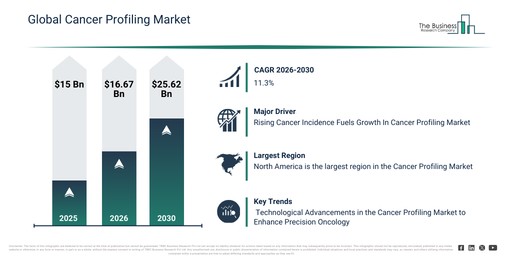
    The cancer profiling market size has experienced rapid growth in recent years. It is anticipated to expand from $15 billion in 2025 to $16.67 billion in 2026, demonstrating a compound annual growth rate (CAGR) of 11.1%. The increase observed in the historic period stems from escalating cancer incidence rates, the proliferation of molecular diagnostics laboratories, the early embrace of genomic testing in oncology, an uptick in research-based cancer profiling, and the growing accessibility of diagnostic platforms.

    The cancer profiling market size is anticipated to undergo swift expansion in the next few years. This market is projected to reach $25.62 billion by 2030, expanding at a compound annual growth rate (CAGR) of 11.3%. The expansion during the forecast period is primarily driven by several factors, including the escalating demand for precision medicine approaches, the broader application of companion diagnostics, the rising utilization of liquid biopsy technologies, increasing investments in oncology diagnostics, and the growing incorporation of profiling into routine clinical workflows. Key trends anticipated in the forecast period involve the increasing adoption of NGS-based cancer profiling, the expanding use of comprehensive genomic panels, the growing integration of AI in data interpretation, the wider availability of personalized oncology diagnostics, and a heightened emphasis on early molecular detection.

    Download the Free Sample Report to Explore Key Market Insights:

    https://www.thebusinessresearchcompany.com/sample.aspx?id=9912&type=smp

    Which Market Drivers Are Supporting The Expansion Of The Cancer Profiling Market?

    The expanding occurrence of cancer is projected to boost the growth of the cancer profiling market in the foreseeable future. Cancer incidence refers to the count of new cancer cases identified within a particular population over a specified duration. The heightened incidence of cancer is attributable to factors such as urbanization, an expanding elderly demographic, evolving lifestyle choices, alongside environmental and genetic influences. Cancer profiling serves to identify specific molecular or genetic alterations in a tumor, such as gene mutations or other changes in tumor DNA, which is advantageous throughout the cancer treatment cycle. For example, in July 2024, the Australian Institute of Health and Welfare, an Australia-based government agency, stated that an estimated 165,000 Australians received a new cancer diagnosis in 2023, equating to over 450 cases daily, with males making up approximately 55% of these diagnoses. Hence, the rising incidence of cancer is propelling the growth of the cancer profiling market.

    What Segment Groups Are Identified Within The Cancer Profiling Market?

    The cancer profiling market covered in this report is segmented –

    1) By Technology: Immunoassays, PCR (Polymerized Chain Reaction), NGS (Next-Generation Sequencing), Microarrays, In-Situ Hybridization

    2) By Biomarker Type: Genomic Biomarkers, Protein Biomarkers

    3) By Cancer Type: Breast Cancer, Lung Cancer, Colorectal Cancer, Prostate Cancer, Melanoma Cancer, Other Cancers

    4) By Application: Research Applications, Clinical Applications, Diagnostics, Prognostics, Other Applications

    Subsegments:

    1) By Immunoassays: Enzyme-Linked Immunosorbent Assay (ELISA), Western Blotting, Luminex xMAP Technology

    2) By PCR (Polymerase Chain Reaction): Quantitative PCR (qPCR), Digital PCR (dPCR), Reverse Transcription PCR (RT-PCR)

    3) By NGS (Next-Generation Sequencing): Whole Genome Sequencing (WGS), Whole Exome Sequencing (WES), Targeted Sequencing, RNA Sequencing (RNA-Seq)

    4) By Microarrays: DNA Microarrays, RNA Microarrays, SNP Arrays

    5) By In-Situ Hybridization: Fluorescence In-Situ Hybridization (FISH), Chromogenic In-Situ Hybridization (CISH)

    What Trends Are Advancing Progress In The Cancer Profiling Market?

    Leading companies within the cancer profiling market are increasingly concentrating on technological advancements, such as simultaneous whole-exome sequencing (WES) and whole-transcriptome sequencing (WTS) assays. These innovations aim to deliver more exhaustive, tissue-conservative, and clinically relevant molecular diagnostics essential for precision oncology. These assays integrate DNA (exome) and RNA (transcriptome) analysis into a single workflow, allowing for the detection of genomic variants including SNVs, indels, and copy-number alterations, alongside gene expression or fusion events, distinguishing them from traditional NGS tests that typically require separate assays or limited gene panels. For example, in November 2024, Caris Life Sciences, a US-based precision medicine company, received FDA approval for MI Cancer Seek. This NGS in vitro diagnostic performs WES and WTS concurrently. The assay uses total nucleic acid (TNA) from FFPE tumor tissue to detect single-nucleotide variants, insertions or deletions across 228 genes, microsatellite instability (MSI), tumor mutational burden (TMB), and copy-number amplifications in breast cancer. Through the integration of DNA and RNA profiling into one test, it preserves tissue, offers clinically actionable companion diagnostic (CDx) indications across multiple tumor types, and speeds up therapy selection by providing a unified genomic blueprint.

    Which Companies Hold Significant Positions In The Cancer Profiling Market?

    Major companies operating in the cancer profiling market are Illumina Inc., Qiagen NV, NeoGenomics Inc., Sysmex Corporation, HTG Molecular Diagnostics Inc., Caris Life Sciences, NanoString Technologies Inc., Guardant Health Inc., Foundation Medicine Inc., Roche Diagnostics Corporation, F. Hoffmann-La Roche Ltd., Thermo Fisher Scientific Inc., Genscript Biotech Corporation, Tempus Labs Inc., Hologic Inc., Predictive Oncology Inc., Abbott Laboratories, Agilent Technologies Inc., PerkinElmer Inc., Siemens Healthineers, Genomic Health Inc., Natera Inc., ArcherDX Inc., Personal Genome Diagnostics Inc., Enzo Biochem Inc., Cancer Genetics Inc., OncoDNA SA, Ribomed Biotechnologies Inc., Biocartis Group NV, N-of-One Inc., Cynvenio Biosystems Inc., Inivata Ltd., Burning Rock Biotech Limited, PathAI Inc., GENEWIZ Inc., Genoptix Inc., OmniSeq Comprehensive, Resolution Bioscience, OncoCyte Corporation

    Read the full cancer profiling market report here:

    https://www.thebusinessresearchcompany.com/report/cancer-profiling-global-market-report

    How Is The Cancer Profiling Market Distributed Across Key Geographic Regions?

    North America was the largest region in the cancer profiling market in 2025. The regions covered in the cancer profiling market report are Asia-Pacific, South East Asia, Western Europe, Eastern Europe, North America, South America, Middle East, Africa.

    Request A Tailored Cancer Profiling Market Research Report For Competitive Advantage:

    https://www.thebusinessresearchcompany.com/customise?id=9912&type=smp

    Browse Through More Reports Similar to the Global Cancer Profiling Market 2026, By The Business Research Company

    Hydraulics Global Market Report

    https://www.thebusinessresearchcompany.com/report/hydraulics-global-market-report

    Smart Elevators Global Market Report

    https://www.thebusinessresearchcompany.com/report/smart-elevators-global-market-report

    Hydraulic Pumps Global Market Report

    https://www.thebusinessresearchcompany.com/report/hydraulic-pumps-global-market-report

    Get in touch with us:

    The Business Research Company: https://www.thebusinessresearchcompany.com/

    Americas +1 310-496-7795

    Asia +44 7882 955267 & +91 8897263534

    Europe +44 7882 955267

    Email us at info@tbrc.info

    Follow us on:

    LinkedIn: https://in.linkedin.com/company/the-business-research-company

    YouTube: https://www.youtube.com/channel/UC24_fI0rV8cR5DxlCpgmyFQ

    Global Market Model: https://www.thebusinessresearchcompany.com/global-market-model
  • Cancer In Vitro Diagnostics (IVD) Market Future Outlook Showing Expansion Toward $19.85 Billion by 2030

    Cancer In Vitro Diagnostics (IVD) Market Future Outlook Showing Expansion Toward $19.85 Billion by 2030

    The Business Research Company’s 2026 market reports include new capabilities such as market attractiveness scoring and analysis, total addressable market analysis, company scoring matrix, interactive excel data dashboard, improved supply chain analysis, upcoming startups in the market, and overview of key products, aimed at improving the depth, usability, and strategic value of the insights delivered.

    What Market Value Is Anticipated For The Cancer In Vitro Diagnostics (IVD) Market Over The Period 2026–2030?

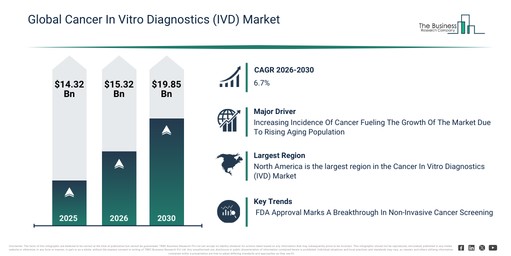
    The cancer in vitro diagnostics (ivd) market has experienced significant expansion in recent years. This market is set to expand from $14.32 billion in 2025 to $15.32 billion in 2026, exhibiting a compound annual growth rate (CAGR) of 7.0%. The growth observed in prior periods is attributable to factors such as the development of hospital diagnostic infrastructure, an increase in biomarker-based testing, the integration of PCR and immunoassay technologies, the proliferation of cancer screening programs, and advancements in laboratory automation.

    The cancer in vitro diagnostics (ivd) market is expected to experience robust growth over the next few years. It is forecast to grow to $19.85 billion in 2030, exhibiting a compound annual growth rate (CAGR) of 6.7%. The expansion during the forecast period can be attributed to factors such as an increasing demand for personalized oncology diagnostics, rising investments in genomic sequencing, the broadening of point-of-care cancer testing, the growing integration of cloud-based diagnostic platforms, and a heightened focus on precision medicine. Key trends anticipated in this period include the increasing adoption of molecular and genomic cancer testing, a rising use of companion diagnostics, the growing integration of AI-driven data analysis, the expansion of liquid biopsy applications, and an enhanced focus on early cancer detection.

    Download the Free Sample Report to Explore Key Market Insights:

    https://www.thebusinessresearchcompany.com/sample.aspx?id=27234&type=smp

    What Underlying Factors Are Accelerating The Growth Of The Cancer In Vitro Diagnostics (IVD) Market?

    The increasing prevalence of cancer is anticipated to boost the expansion of the cancer in vitro diagnostics (IVD) market in the future. Cancer is characterized by the uncontrolled multiplication and dissemination of abnormal cells within the body, which can infiltrate adjacent tissues and develop into tumors. The heightened incidence of cancer is attributed to an aging demographic, where increased life expectancy and decreased mortality from infectious diseases result in a larger elderly population more susceptible to developing the disease. Cancer in vitro diagnostics (IVD) plays a crucial role in combating cancer by facilitating early and precise detection, ongoing monitoring, and effective management of the condition via laboratory analyses conducted on patient specimens, thereby enabling prompt treatment choices and enhancing patient prognoses. As an illustration, in January 2023, the American Cancer Society, a US-based professional organization dedicated to eliminating cancer, reported that 1,958,310 new cancer cases and 609,820 cancer deaths are projected to occur in 2023 in the United States. Consequently, the rising occurrence of cancer is a key factor propelling the growth of the cancer in vitro diagnostics (IVD) market.

    How Is The Cancer In Vitro Diagnostics (IVD) Market Divided Into Its Major Segments?

    The cancer in vitro diagnostics (ivd) market covered in this report is segmented –

    1) By Product Type: Reagents And Kits, Instruments, Software And Services

    2) By Technology: Clinical Chemistry, Immunochemistry Or Immunoassays, Hematology, Coagulation And Hemostasis, Cytogenetics Or Liquid Biopsy Technologies, Molecular Diagnostics, Other Technology

    3) By Cancer Type: Breast Cancer, Lung Cancer, Prostate Cancer, Colorectal Cancer

    4) By End-Users: Hospitals, Laboratories, Academics, Point-Of-Care Testing, Specialty Oncology Diagnostic Centers, Other End Users

    Subsegments:

    1) By Reagents And Kits: PCR Reagents And Kits, NGS Reagents And Kits, Immunoassay Reagents And Kits, In Situ Hybridization (ISH) Reagents And Kits, Others

    2) By Instruments: PCR Instruments, NGS Instruments, Immunoassay Analyzers, ISH Instruments, Others

    3) By Software And Services: Data Analysis Software, Laboratory Information Management Systems, Cloud-Based Data Management, Instrument Integration Software, Support And Maintenance Services

    How Are Trends Transforming The Cancer In Vitro Diagnostics (IVD) Market Landscape?

    Major companies operating in the cancer in vitro diagnostics market are prioritizing innovation in cancer screening, specifically through blood-based colorectal cancer (CRC) screening, to offer convenient, non-invasive, and accurate early detection of colorectal cancer. Blood-based CRC screening entails identifying cancer-associated molecular alterations, such as circulating tumor DNA (ctDNA), within a patient’s blood sample to detect colorectal cancer in average-risk individuals. For instance, in July 2024, Guardant Health, Inc., a U.S.-based precision oncology company, obtained U.S. Food and Drug Administration (FDA) approval for the Guardant Shield blood test as a primary option for colorectal cancer screening. The test functions by analyzing a blood sample for specific ctDNA methylation patterns and other tumor-derived markers; its distinct features include noninvasive collection, high analytical accuracy, and integration with clinical workflows for primary screening; its applications cover colorectal cancer early detection in average-risk adults; benefits encompass improved patient adherence, earlier detection of malignancy, potential reduction in late-stage diagnoses, and eligibility for Medicare reimbursement, thereby broadening population access to screening.

    Who Are The Prominent Organizations Shaping The Cancer In Vitro Diagnostics (IVD) Market?

    Major companies operating in the cancer in vitro diagnostics (ivd) market are F. Hoffmann-La Roche Ltd, Thermo Fisher Scientific Inc., Abbott Laboratories, Danaher Corporation, Siemens Healthineers AG, Hologic Inc., Illumina Inc., Sysmex Corporation, Exact Sciences Corporation, Bio-Rad Laboratories Inc., QIAGEN N.V., Autobio Diagnostics Co Ltd., Transasia Bio-Medicals Ltd., NanoString Technologies Inc., Genetron Holdings Limited, Cancer Diagnostics Inc., J. Mitra & Co. Pvt Ltd., Tulip Diagnostics Pvt Ltd., Guardant Health Inc., Agilent Technologies Inc., BGI Genomics

    Read the full cancer in vitro diagnostics (ivd) market report here:

    https://www.thebusinessresearchcompany.com/report/cancer-in-vitro-diagnostics-ivd-global-market-report

    Which Region Is Projected To Dominate The Cancer In Vitro Diagnostics (IVD) Market During The Forecast Period?

    North America was the largest region in the cancer in vitro diagnostics (IVD) market in 2025. Asia-Pacific is expected to be the fastest-growing region in the forecast period. The regions covered in the cancer in vitro diagnostics (ivd) market report are Asia-Pacific, South East Asia, Western Europe, Eastern Europe, North America, South America, Middle East, Africa.

    Request A Tailored Cancer In Vitro Diagnostics (IVD) Market Research Report For Competitive Advantage:

    https://www.thebusinessresearchcompany.com/customise?id=27234&type=smp

    Browse Through More Reports Similar to the Global Cancer In Vitro Diagnostics (IVD) Market 2026, By The Business Research Company

    Commercial Fan And Air Purification Equipment Market

    https://www.thebusinessresearchcompany.com/report/commercial-fan-and-air-purification-equipment-market

    Commercial Fan And Air Purification Equipment Market

    https://www.thebusinessresearchcompany.com/report/commercial-fan-and-air-purification-equipment-market

    Farm Equipment Rental Global Market Report

    https://www.thebusinessresearchcompany.com/report/farm-equipment-rental-global-market-report

    Get in touch with us:

    The Business Research Company: https://www.thebusinessresearchcompany.com/

    Americas +1 310-496-7795

    Asia +44 7882 955267 & +91 8897263534

    Europe +44 7882 955267

    Email us at info@tbrc.info

    Follow us on:

    LinkedIn: https://in.linkedin.com/company/the-business-research-company

    YouTube: https://www.youtube.com/channel/UC24_fI0rV8cR5DxlCpgmyFQ

    Global Market Model: https://www.thebusinessresearchcompany.com/global-market-model
  • Cancer Gene Therapy Market Revenue Growth Expected to Reach $8.9 Billion by 2030 with 16.1% CAGR

    Cancer Gene Therapy Market Revenue Growth Expected to Reach $8.9 Billion by 2030 with 16.1% CAGR

    The Business Research Company’s 2026 market reports include new capabilities such as market attractiveness scoring and analysis, total addressable market analysis, company scoring matrix, interactive excel data dashboard, improved supply chain analysis, upcoming startups in the market, and overview of key products, aimed at improving the depth, usability, and strategic value of the insights delivered.

    What Is The Expected Market Size Of The Cancer Gene Therapy Market From 2026 To 2030?

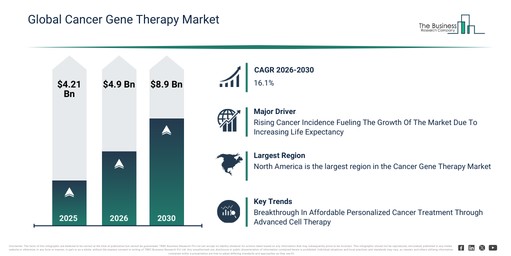
    The cancer gene therapy market size has seen rapid expansion in recent years. It is anticipated to expand from $4.21 billion in 2025 to $4.9 billion in 2026, demonstrating a compound annual growth rate (CAGR) of 16.4%. The historical rise in this market can be linked to advancements in molecular oncology research, an increase in clinical trials for gene therapy, elevated investment in biopharmaceutical research and development, regulatory endorsements of early gene therapies, and improved vector manufacturing capabilities.

    The cancer gene therapy market size is anticipated to experience significant growth in the coming years. It is projected to expand to **$8.9 billion** by **2030**, achieving a compound annual growth rate (**CAGR**) of **16.1%**. This expansion during the forecast period is fueled by a heightened demand for personalized cancer treatments, increased investment in cell and gene therapy manufacturing, the wider deployment of next-generation viral vectors, an intensified focus on combination oncology therapies, and the growing embrace of precision oncology approaches. Noteworthy trends for the forecast period involve the accelerated development of targeted gene therapy platforms, the rising adoption of CAR-T and TCR therapies, a concentrated effort on optimizing viral vectors, the broadening availability of personalized cancer gene treatments, and enhanced integration of biomarker-guided therapy selection.

    Download the Free Sample Report to Explore Key Market Insights:

    https://www.thebusinessresearchcompany.com/sample.aspx?id=27233&type=smp

    Which Growth Drivers Are Contributing To The Progress Of The Cancer Gene Therapy Market?

    The rising occurrence of cancer is anticipated to boost the expansion of the cancer gene therapy market in the future. Cancer is defined as a condition marked by the unchecked proliferation of abnormal cells, capable of invading and spreading throughout the body, originating in diverse tissues and organs, and categorized by its cell or tissue type of origin. The increase in cancer cases is linked to longer life expectancies, as the probability of developing cancer rises with age. Cancer gene therapy offers a treatment approach by altering or substituting defective genes to halt cancer cell development or improve the immune system’s capacity to eliminate them. For example, in August 2024, Macmillan Cancer Support, an organization located in the UK, stated that over 3 million individuals in the UK are currently living with cancer. This number is predicted to reach 3.5 million by 2025, 4 million by 2030, and 5.3 million by 2040. Consequently, the growing incidence of cancer is propelling the growth of the cancer gene therapy market.

    Which Segments Are Included In The Analysis Of The Cancer Gene Therapy Market?

    The cancer gene therapy market covered in this report is segmented –

    1) By Therapy: Gene Induced Immunotherapy, Oncolytic Virotherapy, Gene Transfer

    2) By Indication: Large B-Cell Lymphoma, Multiple Myeloma, Acute Lymphoblastic Leukemia (ALL), Melanoma (lesions), Other Indications

    3) By Vector Type: Lentivirus, RetroVirus And Gamma RetroVirus, Adeno-Associated Virus (AAV), Modified Herpes Simplex Virus, Adenovirus, Other Vector Types

    4) By End-User: Hospitals, Research Institutes, Biopharma Companies, Cell Therapy Manufacturing Centers, Other End Users

    Subsegments:

    1) By Gene Induced Immunotherapy: CAR-T Cell Therapy, TCR (T-Cell Receptor) Therapy, Tumor-Infiltrating Lymphocyte (TIL) Therapy, Dendritic Cell-Based Gene Therapy, NK Cell Gene Therapy

    2) By Oncolytic Virotherapy: Adenoviruses, Herpes Simplex Virus (HSV), Reovirus, Vaccinia Virus, Newcastle Disease Virus (NDV)

    3) By Gene Transfer: Viral Gene Transfer, Non-Viral Gene Transfer

    Which Trends Are Impacting The Growth Of The Cancer Gene Therapy Market?

    Leading companies in the cancer gene therapy market are concentrating on creating advanced treatments, such as CAR-T cell therapy, to improve the precision of treatment, enhance patient results, and target cancer cells more efficiently while minimizing harm to healthy tissues. CAR-T therapy is a sophisticated immunotherapy where a patient’s immune cells are genetically modified to better detect and eliminate cancer cells by incorporating special receptors. For example, in April 2024, ImmunoACT, an India-based biotechnology firm, introduced NexCAR19 (actalycabtagene autoleucel), which is India’s first domestically developed CAR-T cell therapy for cancer. Specifically designed to treat B-cell lymphomas and leukemias, NexCAR19 functions by reprogramming a patient’s own T cells to identify and eradicate cancer cells. Leveraging advanced chimeric antigen receptor (CAR) technology, this therapy is manufactured locally, making it more affordable and accessible than imported options. This launch represents a significant milestone in India’s entry into the global cancer gene therapy domain, underscoring notable progress in domestic innovation and personalized cancer treatment.

    Which Key Industry Participants Are Active In The Cancer Gene Therapy Market?

    Major companies operating in the cancer gene therapy market are Bristol Myers Company, Novartis AG, GSK plc., Gilead Sciences Inc., Amgen Inc., Orchard Therapeutics Plc, AGC Biologics, Adaptimmune Limited, Sibiono, Elevate Bio Inc., Bluebird Bio Inc., Uniqure N.V., Shanghai Sunway Biotech Co. Ltd., Anges Inc., Gensight Biologics, Genelux Corporation, Cellectis, Abeona Therapeutics Inc., Kite Pharma Inc., Janssen Biotech Inc., Mustang Bio Inc., Intellia Therapeutics Inc., CRISPR Therapeutics AG, Caribou Biosciences Inc.

    Read the full cancer gene therapy market report here:

    https://www.thebusinessresearchcompany.com/report/cancer-gene-therapy-global-market-report

    What Are The Leading Geographic Regions In The Cancer Gene Therapy Market?

    North America was the largest region in the cancer gene therapy market in 2025. Asia-Pacific is expected to be the fastest-growing region in the forecast period. The regions covered in the cancer gene therapy market report are Asia-Pacific, South East Asia, Western Europe, Eastern Europe, North America, South America, Middle East, Africa.

    Request A Tailored Cancer Gene Therapy Market Research Report For Competitive Advantage:

    https://www.thebusinessresearchcompany.com/customise?id=27233&type=smp

    Browse Through More Reports Similar to the Global Cancer Gene Therapy Market 2026, By The Business Research Company

    Cyclin Dependent Kinase Cdk 4 Or 6 Inhibitor Drugs Global Market Report

    https://www.thebusinessresearchcompany.com/report/cyclin-dependent-kinase-cdk-4-or-6-inhibitor-drugs-global-market-report

    Tyrosine Kinase Inhibitors Global Market Report

    https://www.thebusinessresearchcompany.com/report/tyrosine-kinase-inhibitors-global-market-report

    Janus Kinase Jak Inhibitors Global Market Report

    https://www.thebusinessresearchcompany.com/report/janus-kinase-jak-inhibitors-global-market-report

    Get in touch with us:

    The Business Research Company: https://www.thebusinessresearchcompany.com/

    Americas +1 310-496-7795

    Asia +44 7882 955267 & +91 8897263534

    Europe +44 7882 955267

    Email us at info@tbrc.info

    Follow us on:

    LinkedIn: https://in.linkedin.com/company/the-business-research-company

    YouTube: https://www.youtube.com/channel/UC24_fI0rV8cR5DxlCpgmyFQ

    Global Market Model: https://www.thebusinessresearchcompany.com/global-market-model
  • Cancer CDK Inhibitors Market Expected to Record Steady Growth and Approach $12.38 Billion by 2030

    Cancer CDK Inhibitors Market Expected to Record Steady Growth and Approach $12.38 Billion by 2030

    The Business Research Company’s 2026 market reports include new capabilities such as market attractiveness scoring and analysis, total addressable market analysis, company scoring matrix, interactive excel data dashboard, improved supply chain analysis, upcoming startups in the market, and overview of key products, aimed at improving the depth, usability, and strategic value of the insights delivered.

    What Market Valuation Is Forecasted For The Cancer CDK Inhibitors Market By 2030 Starting From Its 2026 Size?

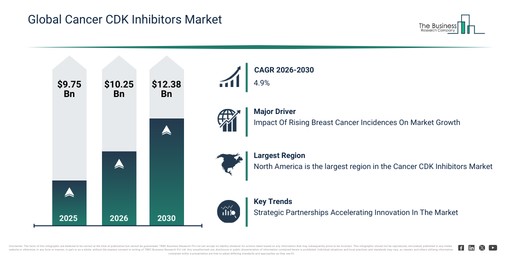
    The cancer cdk inhibitors market size has observed substantial growth in recent years. It is anticipated to increase from $9.75 billion in 2025 to $10.25 billion in 2026, exhibiting a compound annual growth rate (CAGR) of 5.1%. This historical expansion can be attributed to several factors including the rising occurrence of hormone-driven cancers, favorable clinical outcomes in breast cancer therapy, a broader range of oncology drug developments, an increase in hospital pharmacy dispensing, and swift regulatory approvals for CDK inhibitors.

    The cancer cdk inhibitors market size is anticipated to undergo consistent growth in the coming years. It is projected to expand to $12.38 billion by 2030, achieving a compound annual growth rate (CAGR) of 4.9%. This projected growth throughout the forecast period stems from factors such as an increase in clinical trials for new CDK targets, a heightened demand for targeted cancer treatments, the extension of applications into solid tumor indications, the growing incorporation of biomarkers into treatment decisions, and a rise in global oncology drug approvals. Significant trends identified for this period encompass the greater adoption of selective cdk4/6 inhibitors, the expanding use across multiple cancer indications, the accelerating development of next-generation cdk inhibitors, enhanced implementation of combination oncology therapies, and improved strategies for patient stratification.

    Download the Free Sample Report to Explore Key Market Insights:

    https://www.thebusinessresearchcompany.com/sample.aspx?id=20722&type=smp

    What Primary Drivers Are Shaping The Development Of The Cancer CDK Inhibitors Market?

    The increasing occurrence of breast cancer is anticipated to fuel the expansion of the cancer CDK inhibitors market in the future. Breast cancer is characterized by the unregulated multiplication of abnormal cells within breast tissue, frequently resulting in a mass or tumor, which may spread to other areas of the body if not addressed quickly. The rise in breast cancer diagnoses is linked to factors such as aging, shifts in lifestyle, genetic predispositions, and improved screening methods. Cancer CDK inhibitors work by stopping unchecked tumor cell growth and enhancing the efficacy of other treatments for breast cancer. As an illustration, data from the American Cancer Society Facts and Figures, a professional organization based in the US, indicates that the projected new breast cancer cases in the United States are predicted to climb from 300,590 in 2023 to 313,510 in 2024. Consequently, the increasing prevalence of breast cancer is stimulating the expansion of the cancer CDK inhibitors market.

    Which Segment Categories Define The Cancer CDK Inhibitors Market?

    The cancer cdk inhibitors market covered in this report is segmented –

    1) By Drug Type: Selective CDK Inhibitors, Non-Selective CDK Inhibitors

    2) By Cancer Type: Breast Cancer, Lung Cancer, Prostate Cancer, Colorectal Cancer, Other Cancer Types

    3) By Application: Hospital Pharmacies, Specialty Pharmacies, Oncology Clinics & Cancer Centers

    Subsegments:

    1) By Selective CDK Inhibitors: CDK4/6 Inhibitors, CDK7 Inhibitors, CDK9 Inhibitors

    2) By Non-Selective CDK Inhibitors: CDK1 Inhibitors, CDK2 Inhibitors, CDK5 Inhibitors

    What Major Market Trends Are Driving Changes In The Cancer CDK Inhibitors Market?

    Leading companies in the cancer CDK inhibitors market are forming strategic alliances to create groundbreaking CDK2 Inhibitors. These strategic partnerships in the Cancer CDK Inhibitors market accelerate research and development, innovation, and commercialization by pooling resources and expertise, extending market reach, and reaching new patient groups. Such collaborations are crucial for hastening the introduction of new therapies to market by utilizing the distinct strengths of different organizations. For example, in November 2023, BeiGene Ltd., a US-based biotechnology company, established a partnership with Ensem Therapeutics Inc., a US-based biotechnology company. Through this alliance, BeiGene and Ensem Therapeutics have combined their efforts to develop a novel CDK2 inhibitor for treating cancer. The collaboration leverages BeiGene’s expertise and Ensem’s Kinetic Ensemble platform to expedite the development of innovative oncology therapies.

    Who Are The Top Companies Competing In The Cancer CDK Inhibitors Market?

    Major companies operating in the cancer cdk inhibitors market are Pfizer Inc., Johnson & Johnson, Merck & Co. Inc., Bayer Aktiengesellschaft (Bayer AG), AstraZeneca PLC, Novartis AG, Eli Lilly and Company, Amgen Inc., Genentech Inc. (A subsidiary of Roche), Incyte Corporation, Exelixis Inc., BeiGene Ltd., MEI Pharma Inc., Syros Pharmaceuticals Inc., Tiziana Life Sciences PLC, Kronos Bio Inc., Cyclacel Pharmaceuticals Inc., Carrick Therapeutics Ltd., Qurient Co. Ltd., BioTheryX Inc.

    Read the full cancer cdk inhibitors market report here:

    https://www.thebusinessresearchcompany.com/report/cancer-cdk-inhibitors-global-market-report

    How Does The Cancer CDK Inhibitors Market Perform Across Major Global Regions?

    North America was the largest region in the cancer CDK inhibitors market in 2025. Asia-Pacific is expected to be the fastest-growing region in the forecast period. The regions covered in the cancer cdk inhibitors market report are Asia-Pacific, South East Asia, Western Europe, Eastern Europe, North America, South America, Middle East, Africa.

    Request A Tailored Cancer CDK Inhibitors Market Research Report For Competitive Advantage:

    https://www.thebusinessresearchcompany.com/customise?id=20722&type=smp

    Browse Through More Reports Similar to the Global Cancer CDK Inhibitors Market 2026, By The Business Research Company

    Chemotherapy Global Market Report

    https://www.thebusinessresearchcompany.com/report/chemotherapy-global-market-report

    Cancer Diagnostics Global Market Report

    https://www.thebusinessresearchcompany.com/report/cancer-diagnostics-global-market-report

    Cancer Biomarker Global Market Report

    https://www.thebusinessresearchcompany.com/report/cancer-biomarker-global-market-report

    Get in touch with us:

    The Business Research Company: https://www.thebusinessresearchcompany.com/

    Americas +1 310-496-7795

    Asia +44 7882 955267 & +91 8897263534

    Europe +44 7882 955267

    Email us at info@tbrc.info

    Follow us on:

    LinkedIn: https://in.linkedin.com/company/the-business-research-company

    YouTube: https://www.youtube.com/channel/UC24_fI0rV8cR5DxlCpgmyFQ

    Global Market Model: https://www.thebusinessresearchcompany.com/global-market-model
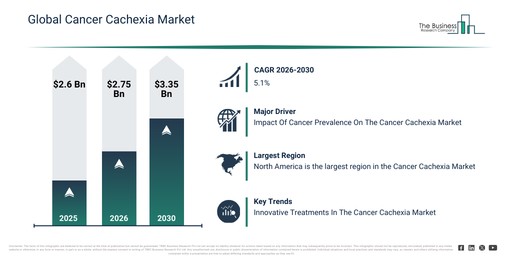
  • Cancer Cachexia Industry Expansion Forecast Showing Market Size of $3.35 Billion by 2030 at 5.1% CAGR

    Cancer Cachexia Industry Expansion Forecast Showing Market Size of $3.35 Billion by 2030 at 5.1% CAGR

    The Business Research Company’s 2026 market reports include new capabilities such as market attractiveness scoring and analysis, total addressable market analysis, company scoring matrix, interactive excel data dashboard, improved supply chain analysis, upcoming startups in the market, and overview of key products, aimed at improving the depth, usability, and strategic value of the insights delivered.

    How Is The Market Size Of The Cancer Cachexia Market Expected To Change Between 2026 And 2030?

    The cancer cachexia market size has shown robust expansion in recent years. It is expected to rise from $2.6 billion in 2025 to $2.75 billion in 2026, achieving a compound annual growth rate (CAGR) of 5.8%. The expansion observed historically is due to factors like an increasing occurrence of late-stage cancer diagnoses, greater clinical understanding of cachexia management, expanding hospital pharmacy distribution networks, the early acceptance of anabolic agents, and the widespread development of supportive oncology care.

    The cancer cachexia market is anticipated to experience robust expansion over the coming years. It is projected to reach $3.35 billion by 2030, growing at a compound annual growth rate (CAGR) of 5.1%. This growth during the forecast period is attributable to the increasing need for personalized cachexia treatments, a surge in clinical research investigating novel mechanisms, the broadening of outpatient oncology services, the rising adoption of digital patient monitoring instruments, and an elevated focus on quality-of-life outcomes. Significant trends expected in this period encompass the greater utilization of combination drug regimens, an intensified focus on muscle preservation therapies, the wider embrace of nutritional supplementation strategies, the expansion of anti-inflammatory cachexia treatments, and more effective monitoring of cachexia progression.

    Download the Free Sample Report to Explore Key Market Insights:

    https://www.thebusinessresearchcompany.com/sample.aspx?id=15527&type=smp

    Which Major Factors Are Driving The Expansion Of The Cancer Cachexia Market?

    The rising incidence of cancer is anticipated to stimulate expansion within the cancer cachexia market moving forward. Cancer is defined as a disease where abnormal cells multiply unchecked within the body, forming masses and impairing normal bodily functions. The increase in cancer cases can be attributed to several elements, including shifts in lifestyle, environmental influences, an aging population, genetic predispositions, enhanced diagnostic techniques enabling earlier detection, and increased public consciousness prompting more individuals to seek medical attention. Advances in medical technology and a more comprehensive understanding of cancer and its associated complications are leading to a higher frequency of cancer cachexia diagnoses and reporting. Healthcare professionals are enhancing their capability to identify cachexia symptoms, thereby facilitating earlier interventions and the initiation of treatment. For instance, in July 2024, data from the Australian Institute of Health and Welfare, an Australia-based government agency, indicated that an estimated 165,000 Australians were newly diagnosed with cancer in 2023, which translates to over 450 cases each day, with males constituting approximately 55% of these diagnoses. Therefore, the increasing prevalence of cancer is a key driver for the growth of the cancer cachexia market.

    How Is The Cancer Cachexia Market Structured Across Different Segments?

    The cancer cachexia market covered in this report is segmented –

    1) By Therapeutics: Progestogens, Corticosteroids, Combination Therapies, Other Therapeutics

    2) By Mechanism Of Action: Appetite Stimulators, Weight Loss Stabilizers, Other Mechanisms Of Actions

    3) By Distribution Channel: Hospital Stores, Retail Pharmacy Stores, Online Pharmacies

    Subsegments:

    1) By Progestogens: Megestrol Acetate, Medroxyprogesterone Acetate

    2) By Corticosteroids: Dexamethasone, Prednisolone, Methylprednisolone

    3) By Combination Therapies: Progestogens + Corticosteroids, Progestogens + Anabolic Agents, Corticosteroids + Anabolic Agents

    4) By Other Therapeutics: Anabolic Agents, Appetite Stimulants, Anti-inflammatory Drugs

    Which Trends Are Shaping The Future Of The Cancer Cachexia Market?

    Leading companies operating within the cancer cachexia market are developing innovative medications, such as monoclonal antibodies for cachexia, with the goal of creating a targeted treatment for cancer cachexia, intended to improve body weight, muscle mass, and the overall quality of life for affected patients. A monoclonal antibody for cachexia works by targeting and inhibiting the factors responsible for muscle and weight loss. For instance, in September 2024, Pfizer Inc., a US-based pharmaceutical company, announced favorable results from its Phase 2 study of Ponsegromab, a monoclonal antibody specifically targeting GDF-15, in patients afflicted with cancer cachexia. The study showcased a significant increase in body weight and improvements in muscle mass, appetite, and physical activity, with the 400 mg dose yielding the most robust outcomes. Based on these promising findings, Pfizer plans to begin registration-enabling studies in 2025 to further explore Ponsegromab’s potential in treating cancer cachexia.

    Which Major Players Dominate The Cancer Cachexia Market?

    Major companies operating in the cancer cachexia market are Pfizer Inc., Merck & Co. Inc., AbbVie Inc., Bayer AG, Sanofi SA, Bristol Myers Squibb Company, AstraZeneca plc, Novartis International AG, Fresenius SE & Co. KGaA, GlaxoSmithKline plc, Takeda Pharmaceutical Company, Eli Lilly and Company, Boehringer Ingelheim International GmbH, Teva Pharmaceutical Industries Ltd., Astellas Pharma Inc., Daiichi Sankyo Company Limited, Sun Pharmaceutical Industries Ltd., Perrigo Company plc, Kyowa Kirin Co. Ltd., Hikma Pharmaceuticals plc, Endo International plc, Aspen Pharmacare Holdings Limited, Lupin Limited, Mallinckrodt plc, Akorn Inc., Aeterna Zentaris, XBiotech Inc.

    Read the full cancer cachexia market report here:

    https://www.thebusinessresearchcompany.com/report/cancer-cachexia-global-market-report

    Which Region Currently Holds The Largest Share Of The Cancer Cachexia Market?

    North America was the largest region in the cancer cachexia market in 2025. Asia-Pacific is expected to be the fastest-growing region in the forecast period. The regions covered in the cancer cachexia market report are Asia-Pacific, South East Asia, Western Europe, Eastern Europe, North America, South America, Middle East, Africa.

    Request A Tailored Cancer Cachexia Market Research Report For Competitive Advantage:

    https://www.thebusinessresearchcompany.com/customise?id=15527&type=smp

    Browse Through More Reports Similar to the Global Cancer Cachexia Market 2026, By The Business Research Company

    Skin Cancer Drugs Global Market Report

    https://www.thebusinessresearchcompany.com/report/skin-cancer-drugs-global-market-report

    Pancreatic Cancer Drugs Global Market Report

    https://www.thebusinessresearchcompany.com/report/pancreatic-cancer-drugs-global-market-report

    Breast Cancer Drugs Global Market Report

    https://www.thebusinessresearchcompany.com/report/breast-cancer-drugs-global-market-report

    Get in touch with us:

    The Business Research Company: https://www.thebusinessresearchcompany.com/

    Americas +1 310-496-7795

    Asia +44 7882 955267 & +91 8897263534

    Europe +44 7882 955267

    Email us at info@tbrc.info

    Follow us on:

    LinkedIn: https://in.linkedin.com/company/the-business-research-company

    YouTube: https://www.youtube.com/channel/UC24_fI0rV8cR5DxlCpgmyFQ

    Global Market Model: https://www.thebusinessresearchcompany.com/global-market-model
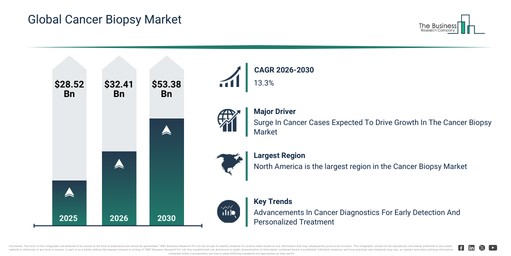
  • Cancer Biopsy Market Revenue Expected to Reach $53.38 Billion by 2030 with 13.3% CAGR

    Cancer Biopsy Market Revenue Expected to Reach $53.38 Billion by 2030 with 13.3% CAGR

    The Business Research Company’s 2026 market reports include new capabilities such as market attractiveness scoring and analysis, total addressable market analysis, company scoring matrix, interactive excel data dashboard, improved supply chain analysis, upcoming startups in the market, and overview of key products, aimed at improving the depth, usability, and strategic value of the insights delivered.

    What Is The Market Size Of The Cancer Biopsy Market In 2026 And What Value Is Projected For 2030?

    The market size for cancer biopsies has observed rapid expansion in recent years. This market is forecasted to grow from $28.52 billion in 2025 to $32.41 billion in 2026, achieving a compound annual growth rate (CAGR) of 13.6%. The historical growth can be ascribed to the escalating global incidence of cancer, the broadening of diagnostic imaging facilities, the widespread adoption of tissue biopsy as a standard diagnostic procedure, the expansion of pathology laboratory networks, and continuous improvements in biopsy device technologies.

    The cancer biopsy market is projected to experience substantial expansion in the coming years. Its valuation is anticipated to reach $53.38 billion by 2030, demonstrating a compound annual growth rate (CAGR) of 13.3%. This surge is primarily driven by heightened demand for precise oncology diagnostics, the growing embrace of liquid biopsy testing, the broadening scope of personalized cancer treatment strategies, increased investments in molecular diagnostics, and a sharper focus on screening for early-stage cancer. Key developments during this period are expected to encompass the wider implementation of liquid biopsy methods, an uptick in image-guided biopsy procedures, the increasing incorporation of molecular pathology testing, the proliferation of minimally invasive biopsy devices, and an intensified emphasis on discovering cancer at its initial stages.

    Download the Free Sample Report to Explore Key Market Insights:

    https://www.thebusinessresearchcompany.com/sample.aspx?id=19355&type=smp

    What Key Drivers Are Influencing The Growth Of The Cancer Biopsy Market?

    The growing incidence of cancer is anticipated to boost the expansion of the cancer biopsy market in the future. Cancer constitutes a complex collection of diseases defined by the irregular proliferation and spread of cells. The rise in cancer prevalence is attributed to multiple factors, such as lifestyle alterations and urbanization, environmental pollution, tobacco and alcohol intake, and access to healthcare and awareness. A cancer biopsy is utilized to diagnose and assess the cancer type, stage, and spread by extracting and analyzing tissue or cells from a suspicious region. For example, in February 2024, the World Health Organization, a Switzerland-based intergovernmental organization, projected over 35 million new cancer cases by 2050, marking a 77% increase relative to the estimated 20 million cases in 2022. Therefore, the increasing prevalence of cancer acts as a driving force for the cancer biopsy market.

    What Are The Key Segments Of The Cancer Biopsy Market?

    The cancer biopsy market covered in this report is segmented –

    1) By Type: Tissue Biopsies, Liquid Biopsies, Other Types

    2) By Application: Breast Cancer, Colorectal Cancer, Cervical Cancers, Lung Cancers, Prostate Cancers, Skin Cancers, Blood Cancers, Kidney Cancers, Other Applications

    3) By End User: Hospitals, Diagnostic Laboratories, Other End Users

    Subsegments:

    1) By Tissue Biopsies: Core Needle Biopsies, Fine Needle Aspiration (FNA) Biopsies, Incisional Biopsies, Excisional Biopsies

    2) By Liquid Biopsies: Circulating Tumor Cell (CTC) Analysis, Circulating Tumor DNA (ctDNA) Testing, Plasma Biomarker Testing

    3) By Other Types: Bone Biopsies, Endoscopic Biopsies, Brush Biopsies, Skin Biopsies

    What Key Trends Are Influencing The Development Of The Cancer Biopsy Market?

    Major companies operating in the cancer biopsy market are focused on developing liquid biopsy techniques. These advancements aim to facilitate non-invasive, early detection and monitoring of cancer, improve patient outcomes, and enable more personalized treatment strategies. Liquid biopsy is an advanced, non-invasive diagnostic method that identifies and analyzes genetic material from a blood sample, including circulating tumor DNA (ctDNA), RNA, exosomes, and other biomarkers. For example, in May 2023, Labcorp, a US-based company specializing in the manufacturing of cancer biopsies, introduced Labcorp Plasma Focus, a plasma-centric liquid biopsy designed to detect cancer-related biomarkers. The Plasma Focus test analyzes circulating cell-free DNA (cfDNA) released from tumor cells into the bloodstream, allowing for the construction of a genomic profile of the patient’s tumor and the identification of mutations across 33 genes linked to various cancers, such as non-small cell lung cancer, colorectal cancer, breast cancer, esophageal cancer, and melanoma.

    Who Are The Leading Companies Operating In The Cancer Biopsy Market?

    Major companies operating in the cancer biopsy market are Thermo Fisher Scientific Inc., Danaher Corporation, Becton Dickinson and Company, Roche Diagnostics GmbH, Hologic Inc., Illumina Inc., Bio-Rad Laboratories Inc., QIAGEN N.V., Exact Sciences Corporation, Myriad Genetics Inc., Guardant Health Inc., Veracyte Inc., GRAIL Inc., Freenome Holdings Inc., Biodesix Inc., Chronix Biomedical Inc., Biocept Inc., Personal Genome Diagnostics Inc., Agena Bioscience Inc., Oncimmune Holdings plc, Exosome Diagnostics Inc., Epigenomics AG, Genesystems Inc., Lucence Diagnostics Pte. Ltd., ANGLE plc

    Read the full cancer biopsy market report here:

    https://www.thebusinessresearchcompany.com/report/cancer-biopsy-global-market-report

    Which Region Is Expected To Register The Fastest Growth In The Cancer Biopsy Market?

    North America was the largest region in the cancer biopsy market in 2025. Asia-Pacific is expected to be the fastest-growing region in the forecast period. The regions covered in the cancer biopsy market report are Asia-Pacific, South East Asia, Western Europe, Eastern Europe, North America, South America, Middle East, Africa.

    Request A Tailored Cancer Biopsy Market Research Report For Competitive Advantage:

    https://www.thebusinessresearchcompany.com/customise?id=19355&type=smp

    Browse Through More Reports Similar to the Global Cancer Biopsy Market 2026, By The Business Research Company

    Anorectal Disorders Treatment Global Market Report

    https://www.thebusinessresearchcompany.com/report/anorectal-disorders-treatment-global-market-report

    Oncology Nutrition Global Market Report

    https://www.thebusinessresearchcompany.com/report/oncology-nutrition-global-market-report

    Progressive Ataxia And Weakness Disorders Global Market Report

    https://www.thebusinessresearchcompany.com/report/progressive-ataxia-and-weakness-disorders-global-market-report

    Get in touch with us:

    The Business Research Company: https://www.thebusinessresearchcompany.com/

    Americas +1 310-496-7795

    Asia +44 7882 955267 & +91 8897263534

    Europe +44 7882 955267

    Email us at info@tbrc.info

    Follow us on:

    LinkedIn: https://in.linkedin.com/company/the-business-research-company

    YouTube: https://www.youtube.com/channel/UC24_fI0rV8cR5DxlCpgmyFQ

    Global Market Model: https://www.thebusinessresearchcompany.com/global-market-model