Month: March 2026

  • Lyophilized Injectable Drugs Market Dynamics 2026: Future Outlook and Key Insights

    Lyophilized Injectable Drugs Market Dynamics 2026: Future Outlook and Key Insights

    Uncover key drivers, emerging technologies, and competitive movements shaping the lyophilized injectable drugs market from 2026–2035 with trusted insights from The Business Research Company

    What long-term size projections exist for the Lyophilized Injectable Drugs Market covering 2026–2035?

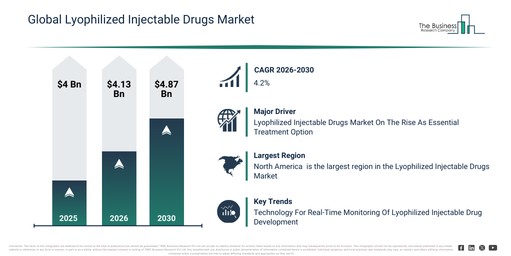
    The lyophilized injectable drugs market has shown consistent growth over recent years. It is anticipated to expand from $4 billion in 2025 to $4.13 billion in 2026, registering a compound annual growth rate (CAGR) of 3.4%. Historically, this growth can be attributed to the increasing prevalence of chronic diseases, advancements in lyophilization technologies, rising awareness regarding injectable drugs, the expansion of hospital and clinic infrastructure, and the demand for stable drug formulations.

    The lyophilized injectable drugs market is projected to experience consistent expansion in the coming years, with its size anticipated to reach $4.87 billion by 2030, exhibiting a compound annual growth rate (CAGR) of 4.2%. This growth is primarily driven by factors such as the increasing development of biologics and specialty drugs, the uptake of single-use vials and dual-chamber systems, expansion within emerging markets, the incorporation of smart packaging solutions, and advancements in reconstitution device technology. Concurrently, major trends expected during this period encompass sophisticated drug stabilization methods, improved solutions for patient compliance, innovative formulation technologies, optimization of the cold chain, and the development of rapid reconstitution devices.

    Access Your Free Sample Report for In-Depth Market Insights:

    https://www.thebusinessresearchcompany.com/sample.aspx?id=11896&type=smp

    Which Drivers Are Impacting The Competitive Landscape Of The Lyophilized Injectable Drugs Market?

    The increasing occurrence of cardiac conditions is anticipated to drive the expansion of the lyophilized injectable drugs market in the future. Cardiac disorders encompass a broad spectrum of ailments impacting the heart’s structure and function, specifically its valves, chambers, blood arteries, electrical system, and overall pumping capability. Lyophilized injectable pharmaceuticals, including thrombolytic agents, antiarrhythmic medications, inotropic agents, and antihypertensive medications, are employed in managing diverse cardiac conditions due to their benefits such as stability, convenience, flexibility, quick reconstitution, enhanced bioavailability, and diminished contamination risk. For example, data released by the British Heart Foundation, a UK-based cardiovascular research charity, in September 2024, indicated that approximately 7.6 million individuals in the UK suffer from heart and circulatory diseases, comprising around 4 million males and 3.6 million females. These ailments contribute to about 27% of all fatalities in the UK, accounting for over 170,000 deaths annually, or roughly 480 deaths daily, which translates to one death every three minutes. Consequently, the increasing prevalence of cardiac disorders fuels the expansion of the lyophilized injectable drugs market throughout the forecast period.

    What Segments Are Identified Within The Structure Of The Lyophilized Injectable Drugs Market?

    The lyophilized injectable drugs market covered in this report is segmented –

    1) By Packaging Type: Specialty Packaging, Point-Of-Care Reconstitution, Single-Use Vials, Other Packaging Types

    2) By Type of Delivery: Single-Step Devices, Multi-Step Devices, Prefilled Diluent Syringes, Proprietary Reconstitution Devices

    3) By Indication: Infectious Diseases, Autoimmune Diseases, Metabolic Conditions, Other Indications

    4) By End-User: Hospitals, Ambulatory Surgery Centers (ASCs), Specialty Clinics, Other End-Users

    Subsegments:

    1) By Specialty Packaging: Dual-Chamber Systems, Prefilled Syringes

    2) By Point-Of-Care Reconstitution: Portable Reconstitution Devices, Ready-To-Use Kits

    3) By Single-Use Vials: Glass Vials, Plastic Vials

    4) By Other Packaging Types: Multi-Dose Vials, Blister Packs, Bulk Packaging Solutions

    Which Trends Are Influencing The Performance And Direction Of The Lyophilized Injectable Drugs Market?

    Companies operating in the lyophilized injectable drug market are primarily concentrating on innovative technologies, such as non-invasive techniques, for the development of lyophilized injectable drugs. Non-invasive technology describes any approach or instrument that collects information or performs a task without breaking the skin or penetrating a bodily orifice. For example, in October 2023, COMSER Pharma, a Spain-based firm specializing in compliance services and freeze-dry pharmaceutical solutions, revealed the launch of LyoFlow, an advanced technology for lyophilized injectable drug production. LyoFlow provides a revolutionary method for real-time, non-invasive extraction of the mass flow within a freeze-drying process. This solution can be readily incorporated into any lyophilization equipment, facilitating continuous oversight of product quality throughout the procedure.

    Which Key Market Players Are Investing In Expansion And Innovation Within The Lyophilized Injectable Drugs Market?

    Major companies operating in the lyophilized injectable drugs market are Pfizer Inc., Hoffmann-La Roche Ltd, Merck & Co Inc., Sanofi SA, Novo Nordisk A/S, Becton Dickinson and Company, Baxter International Inc., Sandoz, Nipro Corporation, B. Braun SE, Aurobindo Pharmaceuticals, Schott AG, Zydus Lifesciences, Recipharm AB, Vetter Pharma-Fertigung GmbH & Co. KG, Fresenius Kabi USA LLC, CordenPharma International, Aristopharma Limited., Accord Healthcare, Jubilant HollisterStier LLC, Ciron Drugs & Pharmaceuticals Pvt Ltd., MSN Laboratories, Qilu pharmaceutical Co Ltd., Genex Pharma

    Access The Complete Report For Deeper Market Insights:

    https://www.thebusinessresearchcompany.com/report/lyophilized-injectable-drugs-global-market-report

    Which Regions Are Poised For Strategic Growth In The Lyophilized Injectable Drugs Market?

    North America was the largest region in the lyophilized injectable drugs market in 2025. Asia-Pacific is expected to be the fastest-growing region in the forecast period. The regions covered in the lyophilized injectable drugs market report are Asia-Pacific, South East Asia, Western Europe, Eastern Europe, North America, South America, Middle East, Africa.

    Request Your Customized Lyophilized Injectable Drugs Market Research Report for Competitive Advantage:

    https://www.thebusinessresearchcompany.com/customise?id=11896&type=smp

    Browse Through More Reports Similar to the Global Lyophilized Injectable Drugs Market 2026, By The Business Research Company

    Lyophilized Injectable Drugs Market Report 2026

    https://www.thebusinessresearchcompany.com/report/lyophilized-injectable-drugs-global-market-report

    Small Molecule Injectable Drugs Market Report 2026

    https://www.thebusinessresearchcompany.com/report/small-molecule-injectable-drugs-global-market-report

    Injectable Drug Delivery Devices Market Report 2026

    https://www.thebusinessresearchcompany.com/report/injectable-drug-delivery-devices-global-market-report

    Get in touch with us:

    The Business Research Company: https://www.thebusinessresearchcompany.com/

    Americas +1 310-496-7795

    Asia +44 7882 955267 & +91 8897263534

    Europe +44 7882 955267

    Email us at info@tbrc.info

    Follow us on:

    LinkedIn: https://in.linkedin.com/company/the-business-research-company

    YouTube: https://www.youtube.com/channel/UC24_fI0rV8cR5DxlCpgmyFQ

    Global Market Model: https://www.thebusinessresearchcompany.com/global-market-model
  • Global Fabry Disease Market Set for Strong Expansion, Reaching $3.27 Billion With 7.7% CAGR by 2030

    Global Fabry Disease Market Set for Strong Expansion, Reaching $3.27 Billion With 7.7% CAGR by 2030

    Uncover key drivers, emerging technologies, and competitive movements shaping the fabry disease market from 2026–2035 with trusted insights from The Business Research Company

    What level of growth is expected in the Fabry Disease Market between 2026 and 2030?

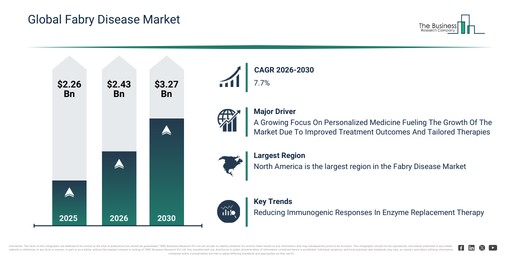
    The fabry disease market size has experienced robust expansion in recent years. It is projected to expand from $2.26 billion in 2025 to $2.43 billion in 2026, demonstrating a compound annual growth rate (CAGR) of 7.7%. Factors contributing to this historical growth include heightened awareness of rare genetic disorders, the approval of enzyme replacement therapies, the proliferation of specialty clinics, advancements in genetic screening programs, and an increase in diagnosis rates.

    The Fabry disease market is set to experience significant growth in the coming years. It is projected to expand to $3.27 billion by 2030, driven by a compound annual growth rate (CAGR) of 7.7%. This anticipated growth can be attributed to advancements in gene-based therapies, the expansion of newborn screening programs, increased healthcare spending on rare diseases, the rise of personalized medicine, and the development of next-generation oral therapies. Key trends during the forecast period include a growing adoption of enzyme replacement therapy, an increased focus on rare disease diagnosis, the expanding use of genetic testing for early detection, the proliferation of oral and adjunct therapies, and the implementation of more patient-centric treatment approaches.

    Access Your Free Sample Report for In-Depth Market Insights:

    https://www.thebusinessresearchcompany.com/sample.aspx?id=24218&type=smp

    Which Drivers Are Expected To Impact The Fabry Disease Market During The Forecast Period?

    The fabry disease market is expected to experience growth in the future due to an increasing focus on personalized medicine. This approach to treatment involves using information regarding a person’s genes, environment, and lifestyle to specifically tailor medical care and therapies for better outcomes. The rising emphasis on personalized medicine is driven by its ability to improve treatment effectiveness and reduce side effects by customizing therapies to individual patient needs. Personalized medicine assists in tailoring treatment plans based on a patient’s specific genetic mutation and disease severity, leading to improved outcomes and minimizing unnecessary side effects. For instance, in February 2024, the Personalized Medicine Coalition, a US-based non-profit organization, reported that in 2023, the FDA granted approval for 16 new personalized treatments for rare disease patients, marking a substantial increase from the six approvals in 2022. Consequently, a growing focus on personalized medicine is a key driver for the growth of the fabry disease market.

    Which Segments Are Driving Activity In The Fabry Disease Market?

    The fabry disease market covered in this report is segmented –

    1) By Type: Type 1, Type 2, Other Types

    2) By Treatment: Enzyme Replacement Therapy, Oral Therapy, Adjunct Therapy, Other Treatments

    3) By Diagnosis: Blood Test, Genetic Test, Other Diagnosis

    4) By Distribution Channel: Hospital Pharmacy, Online Pharmacy, Retail Pharmacy

    5) By End User: Hospitals, Homecare, Specialty Clinics, Other End Users

    Subsegments:

    1) By Type 1: Classic Fabry Disease, Later-Onset Fabry Disease

    2) By Type 2: Cardiovascular-Focused Fabry Disease, Renal-Focused Fabry Disease

    3) By Other Types: Variant Fabry Disease, X-linked Fabry Disease

    Which Competitive Trends Are Impacting The Structure Of The Fabry Disease Market?

    Major companies within the fabry disease market are actively pursuing the development of innovative therapies, such as PEGylated enzyme replacement therapy (ERT), with the goal of improving treatment efficacy, enhancing patient compliance, and mitigating the immunogenic responses linked to conventional ERTs. PEGylated enzyme replacement therapy (ERT) is an altered form of traditional ERT, where polyethylene glycol (PEG) chains are attached to the enzyme to boost its stability, extend its circulation time within the body, and lessen immune system reactions. For example, in May 2023, Chiesi Global Rare Diseases, a division of the Italy-based pharmaceutical company Chiesi Group, announced that the U.S. Food and Drug Administration (FDA), a US-based government agency, had approved PRX-102 (pegunigalsidase alfa) for treating adult Fabry disease patients. This approval was backed by a robust clinical program encompassing over 140 patients and long-term follow-up spanning up to 7.5 years, which established the therapy’s effectiveness in reducing renal Gb3 deposits and sustaining kidney function, while also demonstrating a favorable safety profile.

    Which Leading Companies Dominate The Fabry Disease Market Share?

    Major companies operating in the fabry disease market are Sanofi S.A., GlaxoSmithKline plc, Takeda Pharmaceutical Company Limited, JCR Pharmaceuticals Co. Ltd., Sumitomo Pharma Co. Ltd, Chiesi Farmaceutici S.p.A., Amicus Therapeutics Inc., Idorsia Pharmaceuticals Ltd, Sangamo Therapeutics Inc., uniQure N.V., Protalix BioTherapeutics Inc., Spur Therapeutics Inc., Exegenesis Bio Inc., ISU ABXIS Co. Ltd., Eleva GmbH, AceLink Therapeutics Inc., 4D Molecular Therapeutics Inc., iBio Inc., Freeline Therapeutics Holdings plc, Greenovation Biotech GmbH

    Access The Complete Report For Deeper Market Insights:

    https://www.thebusinessresearchcompany.com/report/fabry-disease-global-market-report

    How Does The Fabry Disease Market Perform Across Major Global Regions?

    North America was the largest region in the fabry disease market in 2025. Asia-Pacific is expected to be the fastest-growing region in the forecast period. The regions covered in the fabry disease market report are Asia-Pacific, South East Asia, Western Europe, Eastern Europe, North America, South America, Middle East, Africa.

    Request Your Customized Fabry Disease Market Research Report for Competitive Advantage:

    https://www.thebusinessresearchcompany.com/customise?id=24218&type=smp

    Browse Through More Reports Similar to the Global Fabry Disease Market 2026, By The Business Research Company

    Fabry Disease Treatment Market Report 2026

    https://www.thebusinessresearchcompany.com/report/fabry-disease-treatment-global-market-report

    Gauchers Disease Market Report 2026

    https://www.thebusinessresearchcompany.com/report/gauchers-disease-global-market-report

    Carcinoembryonic Antigen Market Report 2026

    https://www.thebusinessresearchcompany.com/report/carcinoembryonic-antigen-global-market-report

    Get in touch with us:

    The Business Research Company: https://www.thebusinessresearchcompany.com/

    Americas +1 310-496-7795

    Asia +44 7882 955267 & +91 8897263534

    Europe +44 7882 955267

    Email us at info@tbrc.info

    Follow us on:

    LinkedIn: https://in.linkedin.com/company/the-business-research-company

    YouTube: https://www.youtube.com/channel/UC24_fI0rV8cR5DxlCpgmyFQ

    Global Market Model: https://www.thebusinessresearchcompany.com/global-market-model
  • Eylea Market Growth Projection: Expected to Surpass $14.79 Billion by 2030 at 7.3% CAGR

    Eylea Market Growth Projection: Expected to Surpass $14.79 Billion by 2030 at 7.3% CAGR

    Uncover key drivers, emerging technologies, and competitive movements shaping the eylea market from 2026–2035 with trusted insights from The Business Research Company

    How much is the Eylea Market valued at in 2026, and what valuation is forecast for 2030?

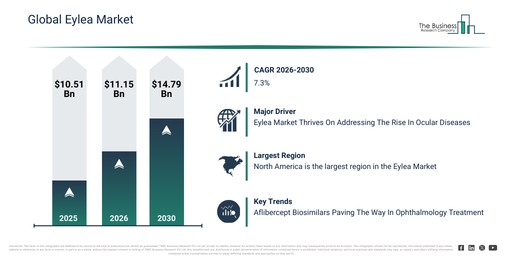
    The eylea market size has demonstrated substantial growth over recent years. This market is anticipated to expand from $10.51 billion in 2025 to $11.15 billion by 2026, exhibiting a compound annual growth rate (CAGR) of 6.2%. Historically, this expansion has been driven by factors such as the increasing prevalence of age-related macular degeneration, an aging global population, the strong clinical effectiveness of anti-VEGF drugs, a rise in ophthalmology specialty centers, and comprehensive reimbursement support for retinal therapies.

    The eylea market is anticipated to experience substantial growth over the next few years, with projections indicating it will reach $14.79 billion in 2030, achieving a compound annual growth rate (CAGR) of 7.3%. This expansion during the forecast period is attributable to an increasing diabetic population, the broadening of applications to additional retinal disorders, advancements in long-acting formulation development, improved drug delivery formats, and enhanced access in emerging markets. Major trends foreseen for this period include the development of extended-interval anti-VEGF therapies, a shift towards prefilled syringe adoption, growing application in diabetic retinopathy treatment, an increase in hospital-based intravitreal procedures, and a heightened focus on real-world evidence and outcomes.

    Access Your Free Sample Report for In-Depth Market Insights:

    https://www.thebusinessresearchcompany.com/sample.aspx?id=9155&type=smp

    What Drivers Are Influencing The Growth Of The Eylea Market?

    The increasing prevalence of ocular diseases is set to propel the Eylea market. These conditions refer to eye ailments that interfere with the eye’s proper functioning, negatively affecting vision and clarity. They often present no symptoms until they have reached an advanced stage. Eylea provides treatment for various ocular diseases, including wet age-related macular degeneration (AMD) and glaucoma, both of which damage the retina or macula, thus impacting vision. Eylea functions by blocking the protein responsible for the development of new, weaker blood vessels and by reducing the swelling in the retina caused by blockages in the blood vessels. For instance, in 2024, according to the BrightFocus Foundation, a U.S.-based nonprofit organization focused on macular degeneration and glaucoma research, approximately 80 million people globally are living with glaucoma, and this number is projected to rise to 111 million by 2040. Consequently, the escalating incidence of ocular diseases is a key factor driving the Eylea market.

    How Is The Eylea Market Organized Into Various Segments?

    The eylea market covered in this report is segmented –

    1) By Product: Prefilled Syringe Package, Vial Package

    2) By Disorder: Wet Age-Related Macular Degeneration (AMD), Diabetic Retinopathy, Other Disorders

    3) By Application: Hospitals, Retail Pharmacy, Other Applications

    Subsegments:

    1) By Prefilled Syringe Package: Single-Dose Prefilled Syringes, Multi-Dose Prefilled Syringes

    2) By Vial Package: Single-Dose Vials, Multi-Dose Vials

    What Industry Trends Are Transforming The Eylea Market?

    Leading companies in the eylea market are concentrating on developing biologic treatments, such as aflibercept biosimilars, to gain a competitive edge. An aflibercept biosimilar is a biologically similar version of the reference drug aflibercept, engineered to have no clinically significant differences and providing a cost-effective alternative for the management of specific eye conditions. For example, in September 2023, Biocon Biologics Ltd., an India-based biopharmaceutical firm, secured marketing authorization from the European Commission (EC) for YESAFILI, an aflibercept biosimilar, within the European Union (EU). This approval followed a positive opinion from the European Medicines Agency’s Committee for Medicinal Products for Human Use (CHMP) in July. YESAFILI is an ophthalmology product designed for treating various eye conditions, and its authorization confirms its comparability in terms of quality, safety, and efficacy to the reference product Eylea (aflibercept).

    Who Are The Major Companies Operating In The Eylea Market?

    Major companies operating in the eylea market are Regeneron Pharmaceuticals Inc., Bayer AG, Novartis AG, Roche Holding AG, Pfizer Inc., Amgen Inc., Sanofi S.A., AbbVie Inc., Alcon Inc., Genentech Inc., Johnson & Johnson, Samsung Bioepis Co. Ltd., Boehringer Ingelheim GmbH, Eisai Co. Ltd., Daiichi Sankyo Company Limited, Aerie Pharmaceuticals Inc., Otsuka Pharmaceutical Co. Ltd., Santen Pharmaceutical Co. Ltd., Allergan plc, BioMarin Pharmaceutical Inc.

    Access The Complete Report For Deeper Market Insights:

    https://www.thebusinessresearchcompany.com/report/eylea-global-market-report

    Which Region Is Anticipated To See The Fastest Growth In The Eylea Market?

    North America was the largest region in the eylea market in 2025. Asia-Pacific is expected to be the fastest-growing region in the eylea market during the forecast period. The regions covered in the eylea market report are Asia-Pacific, South East Asia, Western Europe, Eastern Europe, North America, South America, Middle East, Africa.

    Request Your Customized Eylea Market Research Report for Competitive Advantage:

    https://www.thebusinessresearchcompany.com/customise?id=9155&type=smp

    Browse Through More Reports Similar to the Global Eylea Market 2026, By The Business Research Company

    Eylea Market Report 2026

    https://www.thebusinessresearchcompany.com/report/eylea-global-market-report

    Xylene Market Report 2026

    https://www.thebusinessresearchcompany.com/report/xylene-global-market-report

    Vanadium Market Report 2026

    https://www.thebusinessresearchcompany.com/report/vanadium-global-market-report

    Get in touch with us:

    The Business Research Company: https://www.thebusinessresearchcompany.com/

    Americas +1 310-496-7795

    Asia +44 7882 955267 & +91 8897263534

    Europe +44 7882 955267

    Email us at info@tbrc.info

    Follow us on:

    LinkedIn: https://in.linkedin.com/company/the-business-research-company

    YouTube: https://www.youtube.com/channel/UC24_fI0rV8cR5DxlCpgmyFQ

    Global Market Model: https://www.thebusinessresearchcompany.com/global-market-model
  • Eye Drop Mist Market Forecast 2026–2035: How to Leverage Market Growth

    Eye Drop Mist Market Forecast 2026–2035: How to Leverage Market Growth

    Uncover key drivers, emerging technologies, and competitive movements shaping the eye drop mist market from 2026–2035 with trusted insights from The Business Research Company

    By how much is the Eye Drop Mist Market expected to grow between 2026 and 2030?

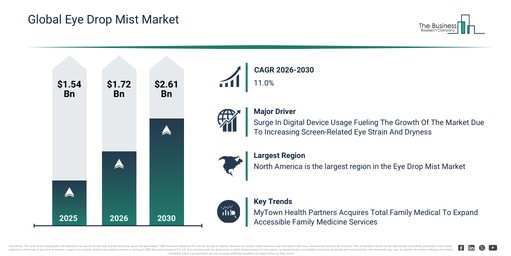
    The eye drop mist market has observed substantial expansion during recent years. Its size is projected to expand from $1.54 billion in 2025 to $1.72 billion in 2026, advancing at a compound annual growth rate (CAGR) of 11.3%. The historical upward trend is attributable to the rising incidence of dry eye syndrome, increased screen time exposure, the broadening use of contact lenses, enhanced understanding of eye hygiene, and the accessibility of over-the-counter eye care products.

    The eye drop mist market is projected to experience substantial expansion over the upcoming years, with its size forecast to reach $2.61 billion by 2030, demonstrating a compound annual growth rate (CAGR) of 11.0%. This anticipated growth is largely driven by factors such as the increasing demand for portable eye care items, a heightened focus on preservative-free formulations, the expanding eye care requirements of an aging demographic, the growing acceptance of innovative spray delivery methods, and a rising emphasis on daily eye comfort. Key trends for the forecast period include the increasing adoption of preservative-free eye mist formulations, a surging demand for accessible ocular hydration solutions, the broader use of multi-dose spray delivery systems, the expansion of medicated eye mist applications, and a greater emphasis on user-friendly eye care products.

    Access Your Free Sample Report for In-Depth Market Insights:

    https://www.thebusinessresearchcompany.com/sample.aspx?id=28217&type=smp

    Which Drivers Are Influencing Market Acceleration In The Eye Drop Mist Market?

    The eye drop mist market is anticipated to expand due to the escalating use of digital devices. Digital device usage encompasses individuals’ interaction and engagement with electronic gadgets like smartphones, tablets, computers, and wearables for various purposes such as communication, entertainment, work, or education. This surge in digital device usage is primarily driven by enhanced internet penetration, making online access more widespread and affordable for a larger demographic. Increased digital device usage leads to greater screen-related eye strain and dryness, thereby boosting the demand for eye drop mist products. These mists offer rapid hydration and relief, enhancing ocular comfort and mitigating irritation resulting from prolonged screen exposure. For example, data from October 2023, reported by the GSM Association, a UK-based non-profit organization, indicated that nearly 4.3 billion people (53% of the global population) utilized their personal smartphones to access the internet, with approximately 80% of mobile internet users now employing 4G or 5G smartphones, marking an increase of 330 million people from 2022 to 2023. Consequently, the rising prevalence of digital device usage is a key factor propelling the growth of the eye drop mist market.

    Eye Drop Mist Market Driver: Increasing Number Of Eye Surgeries Fueling The Growth Of The Market Due To Aging Population And Rising Surgical Procedures

    What Segments Are Identified Within The Structure Of The Eye Drop Mist Market?

    The eye drop mist market covered in this report is segmented –

    1) By Product Type: Preservative-Free Eye Drop Mist, Medicated Eye Drop Mist, Lubricating Eye Drop Mist, Other Product Types

    2) By Application: Dry Eye Syndrome, Allergies, Eye Fatigue, Other Applications

    3) By Distribution Channel: Hospital Pharmacies, Retail Pharmacies, Online Pharmacies, Other Distribution Channels

    4) By End-User: Hospitals, Clinics, Homecare, Other End-Users

    Subsegments:

    1) By Preservative-Free Eye Drop Mist: Single Dose Units, Multi Dose Systems

    2) By Medicated Eye Drop Mist: Allergy Relief, Anti Inflammatory, Antibiotic Formulation, Antihistamine Formulation, Glaucoma Treatment

    3) By Lubricating Eye Drop Mist: Dry Eye Relief, Contact Lens Rewetting, Redness Relief, Moisturizing Formulation

    4) By Other Product Types Eye Drop Mist: Herbal Formulation, Vitamin Enriched Formulation, Combination Therapy, Specialty Use Formulation

    What Trends Are Reshaping The Dynamics Of The Eye Drop Mist Market?

    Leading companies in the eye drop mist market are concentrating on developing innovative solutions, such as microdosing systems, to deliver precise, controlled eye medication or moisture with minimal waste. A microdosing system serves as a delivery mechanism that administers exact, controlled, and minimal amounts of medication or fluid to the eyes, ensuring uniform coverage and reducing wastage compared to traditional droppers. For instance, in March 2023, EYE-GO A/S, a Denmark-based MedTech company, introduced MistGo, an advanced microdosing delivery system for topical ophthalmic treatments. This system dispenses a precise, gentle mist of approximately 6 µL evenly over the cornea, maximizing drug absorption while preventing issues like overdosing, contamination, and incorrect application often associated with conventional eyedroppers. MistGo incorporates integrated eye interfaces that enable safe, contact-free administration, thereby enhancing patient adherence and improving therapeutic outcomes.

    Which Major Firms Are Strengthening Their Position In The Eye Drop Mist Market?

    Major companies operating in the eye drop mist market are Bausch + Lomb Incorporated, AptarGroup Inc., Laboratoires Théa, Similasan AG, Reckitt Benckiser Group plc, OCuSOFT Inc., Scope Ophthalmics Ltd., Medicom Healthcare Ltd., AFT Pharmaceuticals Ltd., Aero Pump GmbH, I-MED Pharma Inc., Eyeeco Inc., EYE-GO A/S, Iskon Remedies Pvt. Ltd., Max Concept Enterprises Ltd., Servocare Lifesciences Pvt. Ltd., Dry Eye Shop LLC, Eyenovia Inc., KBIDI Co. Ltd., Swissvision Pharmaceuticals Pvt. Ltd.

    Access The Complete Report For Deeper Market Insights:

    https://www.thebusinessresearchcompany.com/report/eye-drop-mist-global-market-report

    Which Region Shows The Strongest Potential For Future Expansion In The Eye Drop Mist Market?

    North America was the largest region in the eye drop mist market in 2025. Asia-Pacific is expected to be the fastest-growing region in the forecast period. The regions covered in the eye drop mist market report are Asia-Pacific, South East Asia, Western Europe, Eastern Europe, North America, South America, Middle East, Africa.

    Request Your Customized Eye Drop Mist Market Research Report for Competitive Advantage:

    https://www.thebusinessresearchcompany.com/customise?id=28217&type=smp

    Browse Through More Reports Similar to the Global Eye Drop Mist Market 2026, By The Business Research Company

    Ophthalmic Eye Dropper Market Report 2026

    https://www.thebusinessresearchcompany.com/report/ophthalmic-eye-dropper-global-market-report

    Otc Dry Eye Drops Market Report 2026

    https://www.thebusinessresearchcompany.com/report/otc-dry-eye-drops-global-market-report

    Dry Eye Medication Market 2026

    https://www.thebusinessresearchcompany.com/report/dry-eye-medication-market

    Get in touch with us:

    The Business Research Company: https://www.thebusinessresearchcompany.com/

    Americas +1 310-496-7795

    Asia +44 7882 955267 & +91 8897263534

    Europe +44 7882 955267

    Email us at info@tbrc.info

    Follow us on:

    LinkedIn: https://in.linkedin.com/company/the-business-research-company

    YouTube: https://www.youtube.com/channel/UC24_fI0rV8cR5DxlCpgmyFQ

    Global Market Model: https://www.thebusinessresearchcompany.com/global-market-model
  • Global Eye Allergy Therapeutics Market 2026–2030: Forecast Insights for Business Planning

    Global Eye Allergy Therapeutics Market 2026–2030: Forecast Insights for Business Planning

    Uncover key drivers, emerging technologies, and competitive movements shaping the eye allergy therapeutics market from 2026–2035 with trusted insights from The Business Research Company

    What is the estimated market size of the Eye Allergy Therapeutics Market by the end of 2030?

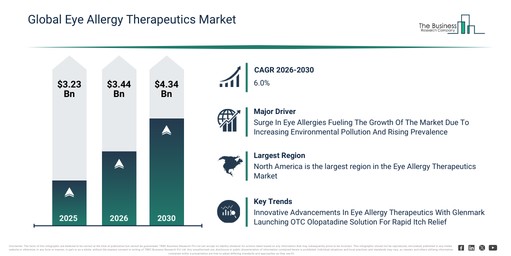
    The eye allergy therapeutics market size has experienced significant expansion in recent years. It is projected to increase from $3.23 billion in 2025 to $3.44 billion in 2026, achieving a compound annual growth rate (CAGR) of 6.5%. The historical growth can be linked to factors such as limited treatment options available for eye allergies, a reliance on traditional antihistamines, the increasing prevalence of allergic conjunctivitis, a rise in ophthalmology clinic visits, and greater awareness regarding ocular allergy management.

    The eye allergy therapeutics market is expected to experience significant expansion in the coming years. It is projected to achieve a size of $4.34 billion by 2030, exhibiting a compound annual growth rate (CAGR) of 6.0%. This anticipated growth during the forecast period is driven by factors such as the development of dual-action and biologic therapies, the broadening of immunotherapy options, increased research into innovative ocular drug delivery methods, the rising uptake of homecare treatment models, and the incorporation of digital health tools for allergy surveillance. Prominent trends throughout the forecast period include the increasing occurrence of seasonal and perennial eye allergies, a greater adoption of dual-action agents and new drug formulations, an expansion in homecare and self-administration therapies, the growth of online and retail pharmacy channels, and a stronger focus on patient-centered treatment and safety.

    Access Your Free Sample Report for In-Depth Market Insights:

    https://www.thebusinessresearchcompany.com/sample.aspx?id=25765&type=smp

    What Drivers Are Shaping Future Opportunities In The Eye Allergy Therapeutics Market?

    The increasing occurrence of eye allergies is projected to fuel the expansion of the eye allergy therapeutics market moving forward. Eye allergies are characterized as immune system reactions that cause inflammation and irritation of the eyes in response to allergens. The growing prevalence of eye allergies can be attributed to increased environmental pollution, which exposes individuals to a higher quantity of airborne allergens, thereby triggering more allergic reactions. Eye allergy therapeutics effectively manage eye allergies by reducing inflammation, easing itching and redness, and blocking allergic reactions to provide significant symptom relief. For instance, in May 2025, as reported by the National Library of Medicine, a US-based biomedical library, ocular allergy (OA) affected 49.3% (n=207) of cases, with seasonal allergic conjunctivitis (SAC) making up 90.3%, primarily seen in 14-year-olds (23.4%) and females (58.8%). Therefore, the escalating prevalence of eye allergies is driving the growth of the eye allergy therapeutics market.

    Which Segments Are Gaining Traction In The Eye Allergy Therapeutics Market?

    The eye allergy therapeutics market covered in this report is segmented –

    1) By Drug Class: Antihistamines, Mast Cell Stabilizers, Dual-Action Agents, Corticosteroids, Immunotherapy, Other Drug Classes

    2) By Allergy Type: Seasonal Allergic Conjunctivitis (SAC), Perennial Allergic Conjunctivitis (PAC), Vernal Keratoconjunctivitis (VKC), Atopic Keratoconjunctivitis (AKC), Giant Papillary Conjunctivitis

    3) By Route of Administration: Topical, Oral, Injectable, Ocular, Systemic

    4) By Distribution Channel: Hospital Pharmacies, Retail Pharmacies, Online Pharmacies, Other Channels

    5) By End User: Hospitals, Clinics, Homecare Settings, Pharmacies, Research Institutions

    Subsegments:

    1) By Antihistamines: Olopatadine, Ketotifen, Emedastine, Levocabastine, Bepotastine

    2) By Mast Cell Stabilizers: Cromolyn Sodium, Nedocromil, Lodoxamide, Pemirolast

    3) By Dual-action Agents: Olopatadine, Ketotifen Fumarate, Azelastine, Alcaftadine

    4) By Corticosteroids: Loteprednol Etabonate, Prednisolone Acetate, Dexamethasone, Fluorometholone

    5) By Immunotherapy: Subcutaneous Immunotherapy, Sublingual Immunotherapy, Allergen-specific Desensitization Drops

    6) By Other Drug Classes: Nonsteroidal Anti-inflammatory Drugs, Biologics

    How Are New Market Trends Shaping The Landscape Of The Eye Allergy Therapeutics Market?

    Major companies in the eye allergy therapeutics market are concentrating on developing innovative solutions, such as eye allergy itch relief therapeutics, to deliver faster symptom alleviation, enhance patient comfort, and expand access through over-the-counter availability. Eye allergy itch relief therapeutics are treatments specifically formulated to alleviate itching caused by allergic reactions in the eyes. For instance, in August 2024, Glenmark Pharmaceuticals Limited, an India-based pharmaceutical company, introduced Olopatadine Hydrochloride Ophthalmic Solution USP, 0.1% (OTC), designed to relieve eye allergy symptoms. This formulation is intended for twice-daily use and offers rapid and long-lasting relief from allergic conjunctivitis symptoms like itching, redness, and watery eyes. The over-the-counter availability aligns with the increasing demand for self-care solutions and supports broader consumer reach in the eye care segment.

    Who Are The Primary Competitors In The Global Eye Allergy Therapeutics Market?

    Major companies operating in the eye allergy therapeutics market are Novartis AG, Teva Pharmaceutical Industries Limited, Alcon Inc., Bausch Health Companies Inc., Sun Pharmaceutical Industries Limited, Santen Pharmaceutical Co. Ltd., Ocular Therapeutix Inc., Nicox S.A.

    Access The Complete Report For Deeper Market Insights:

    https://www.thebusinessresearchcompany.com/report/eye-allergy-therapeutics-global-market-report

    Which Global Regions Are Shaping The Competitive Landscape Of The Eye Allergy Therapeutics Market?

    North America was the largest region in the eye allergy therapeutics market in 2025. The regions covered in the eye allergy therapeutics market report are Asia-Pacific, South East Asia, Western Europe, Eastern Europe, North America, South America, Middle East, Africa.

    Request Your Customized Eye Allergy Therapeutics Market Research Report for Competitive Advantage:

    https://www.thebusinessresearchcompany.com/customise?id=25765&type=smp

    Browse Through More Reports Similar to the Global Eye Allergy Therapeutics Market 2026, By The Business Research Company

    Anemia And Other Blood Disorder Drugs Market Report 2026

    https://www.thebusinessresearchcompany.com/report/anemia-and-other-blood-disorder-drugs-global-market-report

    Allergy Treatment Market Report 2026

    https://www.thebusinessresearchcompany.com/report/allergy-treatment-global-market-report

    Ocular Inflammation Treatment Market Report 2026

    https://www.thebusinessresearchcompany.com/report/ocular-inflammation-treatment-global-market-report

    Get in touch with us:

    The Business Research Company: https://www.thebusinessresearchcompany.com/

    Americas +1 310-496-7795

    Asia +44 7882 955267 & +91 8897263534

    Europe +44 7882 955267

    Email us at info@tbrc.info

    Follow us on:

    LinkedIn: https://in.linkedin.com/company/the-business-research-company

    YouTube: https://www.youtube.com/channel/UC24_fI0rV8cR5DxlCpgmyFQ

    Global Market Model: https://www.thebusinessresearchcompany.com/global-market-model
  • Extended-Release Drugs Market Outlook 2026–2035: Growth Drivers and Industry Forecast

    Extended-Release Drugs Market Outlook 2026–2035: Growth Drivers and Industry Forecast

    Uncover key drivers, emerging technologies, and competitive movements shaping the extended-release drugs market from 2026–2035 with trusted insights from The Business Research Company

    What was the valuation of the Extended-Release Drugs Market in 2026, and what figure is it projected to hit by 2030?

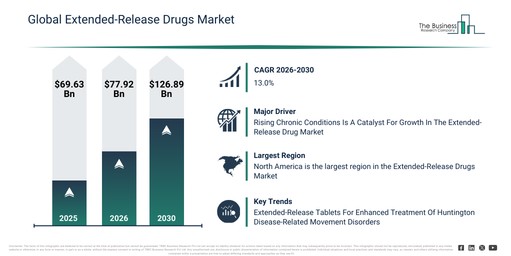
    The market size for extended-release drugs has expanded rapidly in recent years. This segment is projected to grow from $69.63 billion in 2025 to $77.92 billion in 2026, at a compound annual growth rate (CAGR) of 11.9%. Historically, this growth can be attributed to factors such as the increasing prevalence of chronic diseases, a demand for patient-centric drug formulations, the inherent limitations of immediate-release drugs, rising healthcare expenditure, and advancements in pharmaceutical excipients.

    The extended-release drugs market size is anticipated to undergo significant growth in the coming years. It is projected to expand to $126.89 billion by 2030, achieving a compound annual growth rate (CAGR) of 13.0%. This growth during the forecast period is primarily attributed to the progression of precision medicine, increased adoption of oral controlled-release formulations, the expansion of hospital and retail pharmacies, a rising geriatric population, and investments in new delivery technologies. Prominent trends for the forecast period include personalized dosage regimens, advanced drug delivery systems, optimization of patient adherence, innovative formulation technologies, and extended-release combination therapies.

    Access Your Free Sample Report for In-Depth Market Insights:

    https://www.thebusinessresearchcompany.com/sample.aspx?id=12675&type=smp

    Which Drivers Are Affecting Market Participation In The Extended-Release Drugs Market?

    The increasing prevalence of chronic conditions is projected to stimulate the expansion of the extended-release drug market moving forward. Chronic conditions are defined as ailments that persist for a year or longer and require continuous medical care, restrict daily activities, or both. Heart disease, cancer, obesity, and diabetes serve as illustrative examples. Extended-release drug delivery systems are designed to ensure a relatively constant level of medication in the body for an extended period. This helps maintain a consistent therapeutic effect and prevents the fluctuations in drug levels that can occur with immediate-release medications. For instance, in January 2023, according to the National Center for Biotechnology Information (NCBI), a US-based National Library of Medicine, it was predicted that by the year 2050, the number of individuals aged 50 years and older who have at least one chronic illness will surge by 99.5%, escalating to 142.66 million. Therefore, the rising incidence of chronic conditions is a key factor driving the growth of the extended-release drug market.

    What Segment Categories Are Covered In The Extended-Release Drugs Market?

    The extended-release drugs market covered in this report is segmented –

    1) By Type: Sustained Release Drug, Controlled Release Drug

    2) By Mode: Over-The-Counter, Prescription

    3) By Distribution Channel: Hospital Pharmacies, Retail Pharmacies, Mail Order Pharmacies, Drug Stores

    Subsegments:

    1) By Sustained Release Drug: Matrix Systems, Coating Systems

    2) By Controlled Release Drug: Osmotic Systems, Microencapsulation Systems, Targeted Delivery Systems

    Which Trends Are Expected To Influence The Extended-Release Drugs Market In The Upcoming Years?

    Leading companies within the extended-release drugs market are actively developing innovative products, including next-generation extended-release tablets, to enhance their offerings and secure a competitive advantage. Extended-release tablets represent a pharmaceutical formulation designed to gradually release their active ingredients over an extended timeframe. For instance, in February 2023, Teva Pharmaceutical Industries Ltd., an Israel-based pharmaceutical firm, received authorization from the U.S. Food and Drug Administration (FDA) for austedo XR (deutetrabenazine). Austedo XR is prescribed for adults experiencing chorea and tardive dyskinesia associated with Huntington disease. It is supplied in dosages of 6, 12, and 24 mg. With the approval of austedo XR, patients diagnosed with tardive dyskinesia and Huntington disease chorea now have an additional effective treatment option. This enables individuals to manage these disorders with medication administered once daily. The development of austedo XR, which offers a practical and efficient therapeutic alternative for those with specific movement disorders, signifies a considerable advancement in the management of these conditions.

    Which Key Market Players Are Investing In Expansion And Innovation Within The Extended-Release Drugs Market?

    Major companies operating in the extended-release drugs market are Pfizer Inc., AbbVie Inc., Novartis AG, Sanofi SA, GlaxoSmithKline PLC, AstraZeneca Plc, Gilead Sciences Inc., Boehringer Ingelheim International GmbH, Viatris Inc., Teva Pharmaceuticals Inc., Sun Pharmaceutical Industries Limited, Purdue Pharma LP, Amneal Pharmaceuticals Inc., Endo Pharmaceuticals Inc., Mallinckrodt LLC, Allergan plc, Janssen Pharmaceuticals Inc., Noven Pharmaceuticals Inc., Mayne Pharma Group Ltd., Neos Therapeutics Inc., Oakwood Laboratories LLC, Roxane Laboratories Inc., Watson Pharmaceuticals Inc.

    Access The Complete Report For Deeper Market Insights:

    https://www.thebusinessresearchcompany.com/report/extended-release-drugs-global-market-report

    Which Regions Are Poised For Strategic Growth In The Extended-Release Drugs Market?

    North America was the largest region in the extended-release drugs market in 2025. Asia-Pacific is expected to be the fastest-growing region in the forecast period. The regions covered in the extended-release drugs market report are Asia-Pacific, South East Asia, Western Europe, Eastern Europe, North America, South America, Middle East, Africa.

    Request Your Customized Extended-Release Drugs Market Research Report for Competitive Advantage:

    https://www.thebusinessresearchcompany.com/customise?id=12675&type=smp

    Browse Through More Reports Similar to the Global Extended-Release Drugs Market 2026, By The Business Research Company

    Extended Release Drugs Market Report 2026

    https://www.thebusinessresearchcompany.com/report/extended-release-drugs-global-market-report

    Controlled Release Drug Delivery Market Report 2026

    https://www.thebusinessresearchcompany.com/report/controlled-release-drug-delivery-global-market-report

    Pharmaceutical Drug Delivery Market Report 2026

    https://www.thebusinessresearchcompany.com/report/pharmaceutical-drug-delivery-global-market-report

    Get in touch with us:

    The Business Research Company: https://www.thebusinessresearchcompany.com/

    Americas +1 310-496-7795

    Asia +44 7882 955267 & +91 8897263534

    Europe +44 7882 955267

    Email us at info@tbrc.info

    Follow us on:

    LinkedIn: https://in.linkedin.com/company/the-business-research-company

    YouTube: https://www.youtube.com/channel/UC24_fI0rV8cR5DxlCpgmyFQ

    Global Market Model: https://www.thebusinessresearchcompany.com/global-market-model
  • Exocrine Pancreatic Insufficiency (EPI) Therapeutics And Diagnostics Market 2026–2030: Emerging Trends and Forecast Opportunities

    Exocrine Pancreatic Insufficiency (EPI) Therapeutics And Diagnostics Market 2026–2030: Emerging Trends and Forecast Opportunities

    Uncover key drivers, emerging technologies, and competitive movements shaping the exocrine pancreatic insufficiency (epi) therapeutics and diagnostics market from 2026–2035 with trusted insights from The Business Research Company

    What are the forecasted starting (2026) and ending (2030) market sizes for the Exocrine Pancreatic Insufficiency (EPI) Therapeutics And Diagnostics Market?

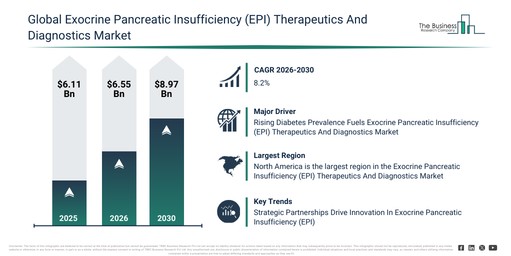
    The exocrine pancreatic insufficiency (epi) therapeutics and diagnostics market size has experienced robust expansion in recent years. This market is projected to increase from $6.11 billion in 2025 to $6.55 billion in 2026, demonstrating a compound annual growth rate (CAGR) of 7.1%. The historical growth of the market is primarily due to factors such as the increasing prevalence of chronic pancreatitis, a rising awareness concerning digestive disorders, limited access to specialized diagnostics, the adoption of nutritional supplements, and the growth in home healthcare services.

    The exocrine pancreatic insufficiency (epi) therapeutics and diagnostics market size is projected to experience robust expansion in the coming years. This market is anticipated to reach $8.97 billion by 2030, exhibiting a compound annual growth rate (CAGR) of 8.2%. Factors contributing to this growth during the forecast period include progress in personalized enzyme therapies, the incorporation of AI into diagnostics, an increasing need for non-invasive imaging, the widening scope of telehealth services, and a heightened emphasis on patient-focused nutritional management. Key trends shaping the forecast period encompass advanced pancreatic enzyme replacement therapies, point-of-care diagnostic solutions, tailored nutritional management programs, non-invasive imaging methods for epi, and the integration of telehealth into epi management.

    Access Your Free Sample Report for In-Depth Market Insights:

    https://www.thebusinessresearchcompany.com/sample.aspx?id=12992&type=smp

    What Drivers Are Supporting Technological Adoption In The Exocrine Pancreatic Insufficiency (EPI) Therapeutics And Diagnostics Market?

    The growing population affected by diabetes is projected to stimulate the expansion of the exocrine pancreatic insufficiency (EPI) therapeutics and diagnostics market in the future. Diabetes is defined as a long-term metabolic ailment marked by sustained elevated blood sugar levels (hyperglycemia), arising from the body’s failure to produce sufficient insulin or utilize it effectively. Exocrine pancreatic insufficiency (EPI) therapy, which includes pancreatic enzyme replacement therapy (PERT), can enhance nutrient absorption for individuals with both diabetes and EPI, and also aid in better glycemic control for diabetic patients. As an illustration, in June 2024, The National Health Service (NHS England), a UK public healthcare system, reported that the number of people identified with pre-diabetes in England climbed to 3,615,330 in 2023, representing an 18% rise from 3,065,825 in 2022. Furthermore, for those under 40, cases increased by nearly 25%, from 173,166 in 2022 to 216,440 in 2023. Consequently, the rising incidence of diabetes among the populace is propelling the growth of the exocrine pancreatic insufficiency (EPI) therapeutics and diagnostics market.

    Which Segments Are Contributing To The Growth Of The Exocrine Pancreatic Insufficiency (EPI) Therapeutics And Diagnostics Market?

    The exocrine pancreatic insufficiency (epi) therapeutics and diagnostics market covered in this report is segmented –

    1) By Therapies: Nutritional Management, Pancreatic Enzyme Replacement Therapy (PERT), Lifestyle Modifications Approach

    2) By Diagnostics: Blood Tests, Magnetic Resonance Imaging (MRI), Endoscopic Ultra-Sonography (EUS), Computerized Tomography (CT) Scanning

    3) By Drug Type: Generic, Branded

    4) By Distribution Channel: Direct Tender, Retail Pharmacy , Third-Party Distributor, Other Distribution Channels

    5) By End User: Hospitals, Specialty Clinics, Homecare, Diagnostic Center, Research And Academic Institutes, Other End Users

    Subsegments:

    1) By Nutritional Management: Dietary Modifications, Nutritional Supplements

    2) By Pancreatic Enzyme Replacement Therapy (PERT): Capsule Formulations, Tablet Formulations, Powder Formulations

    3) By Lifestyle Modifications Approach: Weight Management, Physical Activity Recommendations, Smoking Cessation Programs

    What Trends Are Driving The Growth Trajectory Of The Exocrine Pancreatic Insufficiency (EPI) Therapeutics And Diagnostics Market?

    Leading firms within the exocrine pancreatic insufficiency (EPI) therapeutics and diagnostics market are increasingly employing strategic partnerships to boost technological integration and broaden their market presence. Such partnerships involve cooperative arrangements between multiple entities, pooling their collective resources, knowledge, and endeavors to attain shared aims. An illustrative example occurred in February 2023, when Codexis, Inc., a US-based protein engineering firm, and Nestlé Health Science, a nutrition science company based in Switzerland, disclosed preliminary outcomes from their Phase 1 clinical trial for CDX-7108, an experimental treatment designed for exocrine pancreatic insufficiency (EPI). These Phase 1 trial results create opportunities for subsequent research that holds the potential to substantially enhance treatment alternatives for individuals afflicted with EPI.

    Who Are The Core Companies Influencing Trends In The Exocrine Pancreatic Insufficiency (EPI) Therapeutics And Diagnostics Market?

    Major companies operating in the exocrine pancreatic insufficiency (epi) therapeutics and diagnostics market are Abbott Laboratories, Metagenics LLC, Chiesi Farmaceutici S.p.A., Nordmark Arzneimittel GmbH & Co. KG, Digestive Care Inc., Bioserv Diagnostics Gmbh, Aptalis Pharma Inc., EagleBiosciences Inc., ScheBo Biotech AG, Solvay S.A., Codexis Inc., ChiRhoClin Inc., Alcresta Therapeutics Inc., Cilian AG, First Wave BioPharma Inc., Laboratory Corporation of America Holdings, Organon, Vivus Inc., Anthera Pharmaceuticals Inc., Teva Pharmaceutical Industries Ltd

    Access The Complete Report For Deeper Market Insights:

    https://www.thebusinessresearchcompany.com/report/exocrine-pancreatic-insufficiency-epi-therapeutics-and-diagnostics-global-market-report

    Which Regions Are Projected To Dominate The Exocrine Pancreatic Insufficiency (EPI) Therapeutics And Diagnostics Market In The Coming Years?

    North America was the largest region in the exocrine pancreatic insufficiency (EPI) therapeutics and diagnostics market in 2025. The regions covered in the exocrine pancreatic insufficiency (epi) therapeutics and diagnostics market report are Asia-Pacific, South East Asia, Western Europe, Eastern Europe, North America, South America, Middle East, Africa.

    Request Your Customized Exocrine Pancreatic Insufficiency (EPI) Therapeutics And Diagnostics Market Research Report for Competitive Advantage:

    https://www.thebusinessresearchcompany.com/customise?id=12992&type=smp

    Browse Through More Reports Similar to the Global Exocrine Pancreatic Insufficiency (EPI) Therapeutics And Diagnostics Market 2026, By The Business Research Company

    Exocrine Pancreatic Insufficiency Epi Therapeutics And Diagnostics Market Report 2026

    https://www.thebusinessresearchcompany.com/report/exocrine-pancreatic-insufficiency-epi-therapeutics-and-diagnostics-global-market-report

    Exocrine Pancreatic Insufficiency Market Report 2026

    https://www.thebusinessresearchcompany.com/report/exocrine-pancreatic-insufficiency-global-market-report

    Acute Pancreatitis Market Report 2026

    https://www.thebusinessresearchcompany.com/report/acute-pancreatitis-global-market-report

    Get in touch with us:

    The Business Research Company: https://www.thebusinessresearchcompany.com/

    Americas +1 310-496-7795

    Asia +44 7882 955267 & +91 8897263534

    Europe +44 7882 955267

    Email us at info@tbrc.info

    Follow us on:

    LinkedIn: https://in.linkedin.com/company/the-business-research-company

    YouTube: https://www.youtube.com/channel/UC24_fI0rV8cR5DxlCpgmyFQ

    Global Market Model: https://www.thebusinessresearchcompany.com/global-market-model
  • Global Ethical Pharmaceuticals Market Forecast 2026–2035: Long-Term Growth Insights

    Global Ethical Pharmaceuticals Market Forecast 2026–2035: Long-Term Growth Insights

    Uncover key drivers, emerging technologies, and competitive movements shaping the ethical pharmaceuticals market from 2026–2035 with trusted insights from The Business Research Company

    What upper market value could the Ethical Pharmaceuticals Market reach by 2030 starting from 2026 levels?

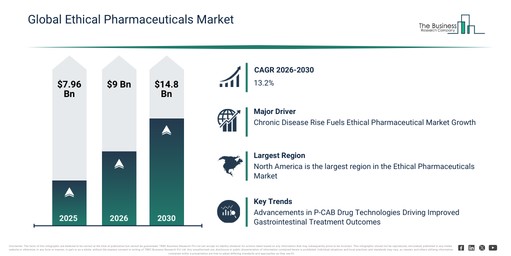
    The ethical pharmaceuticals market has experienced rapid expansion recently. It is projected to grow from $7.96 billion in 2025 to $9 billion in 2026, achieving a compound annual growth rate (CAGR) of 13.1%. This historical growth can be attributed to several factors, including an increase in chronic and lifestyle diseases, the expansion of hospital and clinical infrastructure, a rising physician preference for prescription drugs, regulatory enforcement of prescription-only medicines, and increasing healthcare expenditure.

    The ethical pharmaceuticals market is poised for significant expansion in the coming years, with its size projected to reach $14.8 billion in 2030, demonstrating a robust compound annual growth rate (CAGR) of 13.2%. This anticipated growth can be attributed to factors such as an aging population with increasing long-term medication requirements, the greater adoption of specialty ethical drugs, the expansion of hospital pharmacy networks, growing awareness regarding preventive and therapeutic drugs, and increased investments in pharmaceutical research and development. Furthermore, major trends anticipated during this period include the broadening of prescription-based therapies for chronic diseases, intensified regulatory scrutiny alongside compliance standardization, a rising demand for branded generics and ethical formulations, the strengthening of hospital-centric drug dispensing models, and an elevated focus on drug safety, efficacy, and pharmacovigilance.

    Access Your Free Sample Report for In-Depth Market Insights:

    https://www.thebusinessresearchcompany.com/sample.aspx?id=8258&type=smp

    Which Drivers Are Influencing Long-Term Growth In The Ethical Pharmaceuticals Market?

    An increase in the occurrence of chronic diseases serves as a key factor driving the ethical pharmaceutical market forward. These conditions are characterized by lasting for at least a year and requiring continuous medical attention, with examples such as diabetes, cancer, and heart disease. Given that ethical pharmaceutical medications are frequently prescribed for the extended management of chronic ailments, this correlation consequently boosts the demand for these pharmaceuticals. A relevant illustration comes from June 2024 data, where the National Health Service, a UK-based government department, reported that 3,615,330 individuals registered with a general practitioner (GP) received a diagnosis of non-diabetic hyperglycemia or pre-diabetes (a state of elevated blood sugar levels, insufficient for a diabetes diagnosis) in 2023. This figure represents an 18% rise compared to the 3,065,825 cases recorded in 2022. Consequently, the expanding prevalence of chronic illnesses is anticipated to stimulate growth within the ethical pharmaceutical market.

    How Is The Ethical Pharmaceuticals Market Divided Into Segments?

    The ethical pharmaceuticals market covered in this report is segmented –

    1) By Type: Lipid Regulators, Narcotic Analgesics, ACE Inhibitors, Respiratory Agents, Diuretics, Calcium Antagonists, Hormonal Contraceptives, Penicillin, Vitamin, Minerals

    2) By Distribution Channel: Hospital Pharmacy, Retail Pharmacies, Other Distribution Channels

    3) By Application: Hospitals And Clinics, Pharmaceutical Company

    Subsegments:

    1) By Lipid Regulators: Statins, Fibrates, Omega-3 Fatty Acids

    2) By Narcotic Analgesics: Opioids, Combination Pain Relievers

    3) By ACE Inhibitors: Enalapril, Lisinopril, Ramipril

    4) By Respiratory Agents: Bronchodilators, Corticosteroids, Leukotriene Receptor Antagonists

    5) By Diuretics: Thiazide Diuretics, Loop Diuretics, Potassium-Sparing Diuretics

    6) By Calcium Antagonists: Dihydropyridines, Non-Dihydropyridines

    7) By Hormonal Contraceptives: Oral Contraceptives, Intrauterine Devices (IUDs), Injectable Contraceptives

    8) By Penicillin: Natural Penicillin, Aminopenicillin, Penicillinase-Resistant Penicillin

    9) By Vitamins: Water-Soluble Vitamins, Water-Soluble Vitamins

    10) By Minerals: Calcium, Iron, Magnesium

    What Upcoming Trends Are Likely To Define The Future Path Of The Ethical Pharmaceuticals Market?

    Major companies active in the ethical pharmaceuticals market are directing their efforts towards advancements in drug development technologies, exemplified by compounds like Abeprazan, to elevate treatment effectiveness and improve patient outcomes. Abeprazan functions as a novel potassium-competitive acid blocker (P-CAB) specifically formulated to achieve rapid and lasting suppression of gastric acid secretion for conditions such as erosive esophagitis, gastroesophageal reflux disease, and other acid-mediated ailments. For instance, in April 2025, Sun Pharmaceutical Industries Limited, an India-based pharmaceutical company, released fexuprazan in India. This product is intended to provide superior acid suppression and effective relief for patients experiencing erosive esophagitis and related gastrointestinal disorders. This launch signifies a next-generation P-CAB therapy that offers a quicker onset and more enduring acid suppression compared to traditional proton pump inhibitors. Additionally, it contributes to improved symptom relief and mucosal healing in erosive esophagitis, thus fostering better treatment outcomes for patients.

    Which Major Industry Participants Are Leading The Ethical Pharmaceuticals Market Growth?

    Major companies operating in the ethical pharmaceuticals market are Johnson & Johnson Services Inc., GlaxoSmithKline PLC, Teva Pharmaceutical Industries Ltd., Merck & Co. Inc., Novartis AG, AstraZeneca PLC, Bristol-Myers Squibb Company, Eli Lilly and Company, Mylan NV, Pfizer Inc., Sanofi S.A., AbbVie Inc., Amgen Inc., Biogen Inc., Boehringer Ingelheim International GmbH, Gilead Sciences Inc., Novo Nordisk A/S, Regeneron Pharmaceuticals Inc., Roche Holding AG, Takeda Pharmaceutical Company Limited, Abbott Laboratories, Bayer AG, Daiichi Sankyo Company Limited, Eisai Co. Ltd., Ipsen Biopharmaceuticals Inc., Kyowa Kirin Co. Ltd., Mallinckrodt Pharmaceuticals, Sun Pharmaceutical Industries Ltd., Amarin Corporation PLC, Vertex Pharmaceuticals Incorporated, Aimmune Therapeutics Inc.

    Access The Complete Report For Deeper Market Insights:

    https://www.thebusinessresearchcompany.com/report/ethical-pharmaceuticals-global-market-report

    Which Region Is Expected To Experience The Fastest Growth In The Ethical Pharmaceuticals Market?

    North America was the largest region in the ethical pharmaceutical market share in 2025. Asia-Pacific is expected to be the fastest-growing region in the forecast period. The regions covered in the ethical pharmaceuticals market report are Asia-Pacific, South East Asia, Western Europe, Eastern Europe, North America, South America, Middle East, Africa.

    Request Your Customized Ethical Pharmaceuticals Market Research Report for Competitive Advantage:

    https://www.thebusinessresearchcompany.com/customise?id=8258&type=smp

    Browse Through More Reports Similar to the Global Ethical Pharmaceuticals Market 2026, By The Business Research Company

    Ethical Pharmaceuticals Market Report 2026

    https://www.thebusinessresearchcompany.com/report/ethical-pharmaceuticals-global-market-report

    Pharmaceuticals Market 2026

    https://www.thebusinessresearchcompany.com/report/pharmaceuticals-market

    Veterinary Pharmaceuticals Market Report 2026

    https://www.thebusinessresearchcompany.com/report/veterinary-pharmaceuticals-global-market-report

    Get in touch with us:

    The Business Research Company: https://www.thebusinessresearchcompany.com/

    Americas +1 310-496-7795

    Asia +44 7882 955267 & +91 8897263534

    Europe +44 7882 955267

    Email us at info@tbrc.info

    Follow us on:

    LinkedIn: https://in.linkedin.com/company/the-business-research-company

    YouTube: https://www.youtube.com/channel/UC24_fI0rV8cR5DxlCpgmyFQ

    Global Market Model: https://www.thebusinessresearchcompany.com/global-market-model
  • Estrogen Replacement Therapy Market 2026–2030: Forecasting Business Opportunities Ahead

    Estrogen Replacement Therapy Market 2026–2030: Forecasting Business Opportunities Ahead

    Uncover key drivers, emerging technologies, and competitive movements shaping the estrogen replacement therapy market from 2026–2035 with trusted insights from The Business Research Company

    What level of CAGR-driven expansion is anticipated in the Estrogen Replacement Therapy Market between 2026 and 2030?

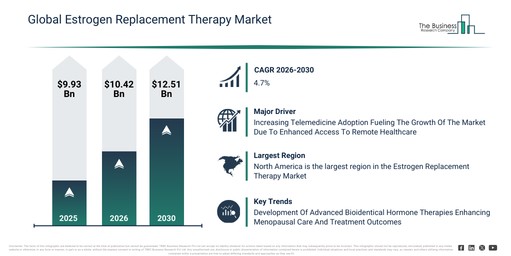
    The estrogen replacement therapy market size has experienced consistent expansion in recent years. It is anticipated to increase from $9.93 billion in 2025 to $10.42 billion in 2026, demonstrating a compound annual growth rate (CAGR) of 4.9%. The historical growth of this market can be linked to factors such as limited public understanding of hormone replacement benefits, a reliance on oral estrogen formulations, an expanding aging female demographic, a rise in clinical research focused on menopause, and the broadening of hospital and clinic networks.

    The estrogen replacement therapy market size is anticipated to show consistent growth over the coming years, with projections indicating it will reach $12.51 billion by 2030, advancing at a compound annual growth rate (CAGR) of 4.7%. This expansion during the forecast period is fueled by developments in transdermal and vaginal delivery systems, the increasing adoption of personalized and bioidentical estrogen therapies, the proliferation of online and retail pharmacy channels, a rise in regulatory approvals for new dosage forms, and a heightened focus on managing osteoporosis and hypogonadism. Significant trends for this period include an escalating demand for menopause management therapies, a growing preference for non-oral estrogen delivery methods, the expansion of homecare and remote patient monitoring, an intensified concentration on treating osteoporosis and hypogonadism, and the integration of personalized hormone replacement therapies.

    Access Your Free Sample Report for In-Depth Market Insights:

    https://www.thebusinessresearchcompany.com/sample.aspx?id=25764&type=smp

    What Drivers Are Affecting Demand-Supply Dynamics In The Estrogen Replacement Therapy Market?

    The expanding application of telemedicine is expected to drive the growth of the estrogen replacement therapy market in the coming years. Telemedicine involves delivering healthcare services remotely through digital communication technologies, enabling patients to receive medical consultations and treatment without needing to be physically present. Its use is increasing due to improved accessibility, particularly for individuals in remote or underserved areas who can now connect with healthcare professionals more easily. The rising adoption of telemedicine supports the demand for estrogen replacement therapy, as it allows women to consult specialists and obtain prescriptions for hormone treatments without the need for frequent in-person visits, especially where gynecological care is limited. For instance, in November 2025, according to the Australian Bureau of Statistics (ABS), an Australia-based government statistical agency, 22.5% of Australians used telehealth services in 2024–25. Among those who had a telehealth consultation, 90.3% reported they would use telehealth again if offered, up from 89.2% in 2023–24, indicating growing acceptance and continued uptake. Thus, the increasing use of telemedicine is propelling the growth of the estrogen replacement therapy market.

    What Segments Are Included Within The Estrogen Replacement Therapy Market?

    The estrogen replacement therapy market covered in this report is segmented –

    1) By Type: Oral, Topical, Transdermal, Vaginal, Parenteral

    2) By Dosage Form: Tablets, Patches, Gels, Implants, Injections, Suppositories

    3) By Distribution Channel: Hospital Pharmacies, Retail Pharmacies, Online Pharmacies, Other Distribution Channels

    4) By Application: Menopause, Hypogonadism, Osteoporosis, Other Applications

    5) By End-User: Hospitals, Clinics, Homecare, Other End-Users

    Subsegments:

    1) By Oral: Conjugated Estrogens Tablets, Estradiol Tablets, Estropipate Tablets, Combined Estrogen-Progestin Tablets

    2) By Topical: Estrogen Creams, Estrogen Gels, Estrogen Sprays, Estrogen Emulsions

    3) By Transdermal: Transdermal Patches, Transdermal Gels, Microneedle Patches

    4) By Vaginal: Vaginal Creams, Vaginal Tablets Or Inserts, Vaginal Rings, Vaginal Suppositories

    5) By Parenteral: Intramuscular Injections, Subcutaneous Implants, Intravenous Formulations

    Which Trends Are Shaping Activity Within The Estrogen Replacement Therapy Market?

    Leading companies within the estrogen replacement therapy market are concentrating on developing sophisticated solutions, such as bioidentical estradiol, to address specific hormonal requirements and dosage needs. Bioidentical estradiol is a laboratory-produced type of estrogen with an identical molecular structure to the estrogen naturally produced by the human body, frequently employed in hormone therapy. For instance, in May 2024, Jagsonpal Pharmaceuticals Limited, an India-based pharmaceutical company, introduced MemUp, a hormone replacement therapy (HRT) option that provides a single daily oral dose combining bioidentical estradiol and bioidentical progesterone, both having United States Food and Drug Administration approval. This marks a notable progression in women’s healthcare, engineered to effectively manage menopause-associated symptoms like hot flashes, night sweats, and sleep disturbances. It satisfies the increasing demand for contemporary and efficient hormone therapy solutions. By utilizing a combination closely resembling the body’s own hormones, it delivers a more natural and balanced therapeutic method. Its convenient, single-capsule formulation also contributes to enhanced patient consistency and treatment success.

    Who Are The Prominent Global Companies Shaping The Estrogen Replacement Therapy Market Landscape?

    Major companies operating in the estrogen replacement therapy market are Pfizer Inc., Merck & Co. Inc., Bayer AG, AstraZeneca PLC, Abbott Laboratories Inc., Novartis AG, Novo Nordisk A/S, Viatris Inc., Teva Pharmaceutical Industries Ltd., Perrigo Company Plc, Gedeon Richter Plc, Orion Corporation, Hisamitsu Pharmaceutical Co. Inc., ANI Pharmaceuticals Inc., Theramex Limited, Noven Pharmaceuticals Inc., Besins Healthcare S.A., TherapeuticsMD Inc., Montage Labs Inc., Gynogen GmbH.

    Access The Complete Report For Deeper Market Insights:

    https://www.thebusinessresearchcompany.com/report/estrogen-replacement-therapy-global-market-report

    Which Geographic Areas Are Emerging As Strong Markets For The Estrogen Replacement Therapy Market?

    North America was the largest region in the estrogen replacement therapy market in 2025. Asia-Pacific is expected to be the fastest-growing region in the forecast period. The regions covered in the estrogen replacement therapy market report are Asia-Pacific, South East Asia, Western Europe, Eastern Europe, North America, South America, Middle East, Africa.

    Request Your Customized Estrogen Replacement Therapy Market Research Report for Competitive Advantage:

    https://www.thebusinessresearchcompany.com/customise?id=25764&type=smp

    Browse Through More Reports Similar to the Global Estrogen Replacement Therapy Market 2026, By The Business Research Company

    Drugs For Hormonal Replacement Therapy Market Report 2026

    https://www.thebusinessresearchcompany.com/report/drugs-for-hormonal-replacement-therapy-global-market-report

    Testosterone Replacement Therapy Market Report 2026

    https://www.thebusinessresearchcompany.com/report/testosterone-replacement-therapy-global-market-report

    Hormone Therapy Market Report 2026

    https://www.thebusinessresearchcompany.com/report/hormone-therapy-global-market-report

    Get in touch with us:

    The Business Research Company: https://www.thebusinessresearchcompany.com/

    Americas +1 310-496-7795

    Asia +44 7882 955267 & +91 8897263534

    Europe +44 7882 955267

    Email us at info@tbrc.info

    Follow us on:

    LinkedIn: https://in.linkedin.com/company/the-business-research-company

    YouTube: https://www.youtube.com/channel/UC24_fI0rV8cR5DxlCpgmyFQ

    Global Market Model: https://www.thebusinessresearchcompany.com/global-market-model
  • Global Estrogen Receptor Modulators Market Report 2026–2035: Key Forecasts and Growth Areas

    Global Estrogen Receptor Modulators Market Report 2026–2035: Key Forecasts and Growth Areas

    Uncover key drivers, emerging technologies, and competitive movements shaping the estrogen receptor modulators market from 2026–2035 with trusted insights from The Business Research Company

    What long-term size projections exist for the Estrogen Receptor Modulators Market covering 2026–2035?

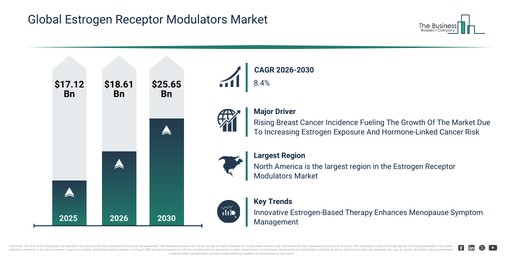
    The estrogen receptor modulators market size has shown robust expansion over recent years. It is anticipated to increase from $17.12 billion in 2025 to $18.61 billion in 2026, achieving a compound annual growth rate (CAGR) of 8.7%. The historical growth of this market can be linked to factors such as the prevalence of breast cancer, the widespread use of tamoxifen, the acceptance of hormone therapy, successful approvals of oncology drugs, and the general growth of oncology services within hospitals.

    The market for estrogen receptor modulators is projected to experience substantial expansion in the coming years, anticipated to reach a valuation of $25.65 billion by 2030, exhibiting a compound annual growth rate (CAGR) of 8.4%. Factors driving this growth during the projected period include advancements in oral SERD development, the rise of precision oncology, an increasing aging female demographic, broader oncology applications, and the expansion of specialty pharmacies. Key trends expected within this forecast timeframe encompass the increasing adoption in breast cancer therapy, the proliferation of oral SERDs, broader applications for osteoporosis, a heightened emphasis on targeted hormonal treatments, and the wider availability of generic drugs.

    Access Your Free Sample Report for In-Depth Market Insights:

    https://www.thebusinessresearchcompany.com/sample.aspx?id=24529&type=smp

    Which Drivers Are Impacting The Competitive Landscape Of The Estrogen Receptor Modulators Market?

    The increasing prevalence of breast cancer is projected to propel the expansion of the estrogen receptor modulators market moving forward. Breast cancer is a condition characterized by the uncontrolled multiplication of abnormal cells in the breast, forming a tumor that can invade nearby tissues or spread throughout the body. The rising incidence of breast cancer is attributed to an increase in women delaying childbirth, which results in altered hormone levels and prolonged exposure to estrogen, thereby elevating cancer risk. Estrogen receptor modulators are employed in breast cancer treatment to block or modify the effects of estrogen on breast cancer cells, consequently slowing or stopping their growth and reducing the potential for cancer progression or recurrence. For example, as reported by the United Nations, a US-based intergovernmental organization, in February 2025, breast cancer accounted for approximately 2.3 million new cases and 670,000 deaths globally in 2022. By 2050, worldwide estimates anticipate a 38% increase in the number of new cases and a 68% rise in annual deaths, emphasizing a significantly growing burden of the disease. Therefore, the escalating prevalence of breast cancer is driving the growth of the estrogen receptor modulators market.

    What Leading Segments Are Studied In The Estrogen Receptor Modulators Market?

    The estrogen receptor modulators market covered in this report is segmented –

    1) By Type: Select Estrogen Receptor Modulators, Non-Selective Estrogen Receptor Modulators, Selective Estrogen Receptor Downregulators (SERDs)

    2) By Route Of Administration: Oral, Injectable, Topical

    3) By Application: Breast Cancer Treatment, Osteoporosis Treatment, Infertility Treatment, Hormone Replacement Therapy (HRT)

    4) By Distribution Channel: Hospital Pharmacy, Online Pharmacy, Retail Pharmacy

    5) By End-Users: Homecare, Speciality Centres, Other End Users

    Subsegments:

    1) By Select Estrogen Receptor Modulators: Tamoxifen, Raloxifene, Toremifene, Bazedoxifene, Lasofoxifene

    2) By Non-Selective Estrogen Receptor Modulators: Clomiphene, Diethylstilbestrol (DES), Other Non-Selective Modulators

    3) By Selective Estrogen Receptor Downregulators (SERDs): Fulvestrant, Elacestrant, OP-1250 (Investigational), Other Oral SERDs

    Which Trends Are Influencing The Development Of The Estrogen Receptor Modulators Market?

    Companies active in the estrogen receptor modulators market are concentrating on creating novel solutions, such as estrogen-based menopause hormone therapy. These innovations are designed to effectively address menopausal symptoms like hot flashes while simultaneously reducing the risk of hormone-related cancers and cardiovascular complications. Estrogen-based menopause hormone therapy is defined as a medical treatment involving the administration of estrogen, either alone or in combination with progestin, to relieve symptoms associated with menopause. For example, in June 2023, Pfizer Inc., a US-based pharmaceutical and biotechnology company, launched DUAVEE (conjugated estrogens/bazedoxifene), a hormone therapy intended for postmenopausal women with a uterus, which is now back in stock with enhanced packaging. This product integrates conjugated estrogens with bazedoxifene, a selective estrogen receptor modulator, offering an alternative to traditional estrogen-progestin therapies by lessening the risk of uterine lining thickening. The medication is taken as a once-daily oral tablet and is advised for the shortest duration necessary to manage symptoms, with frequently observed side effects including muscle spasms, nausea, and stomach discomfort.

    Which Key Players Are Driving Competition In The Estrogen Receptor Modulators Market?

    Major companies operating in the estrogen receptor modulators market are Gedeon Richter Plc., Pfizer CentreOne, Viatris Inc., Amneal Pharmaceuticals Inc., Lupin Limited, Cipla Limited, Hikma Pharmaceuticals PLC, Zydus Lifesciences Ltd., Dr. Reddy’s Laboratories Ltd., Glenmark Pharmaceuticals Ltd., Torrent Pharmaceuticals Ltd., Natco Pharma Ltd., Cadila Healthcare Ltd., Mylan N.V., Accord Healthcare Ltd., Intas Pharmaceuticals Ltd., Sunovion Pharmaceuticals Inc., Taiho Pharmaceutical Co. Ltd., Radius Health Inc., Menarini Group, Chugai Pharmaceutical Co. Ltd., Eisai Co. Ltd., Jiangsu Chia Tai Tianqing Pharmaceutical Co. Ltd., Shanghai Fosun Pharmaceutical Group Co. Ltd., Zhejiang Hisun Pharmaceutical Co. Ltd., Laurus Labs Ltd., Strides Pharma Science Ltd., Alembic Pharmaceuticals Ltd., Wockhardt Ltd., Emcure Pharmaceuticals Ltd., Macleods Pharmaceuticals Ltd., Biocon Ltd.

    Access The Complete Report For Deeper Market Insights:

    https://www.thebusinessresearchcompany.com/report/estrogen-receptor-modulators-global-market-report

    Which Region Is Projected To Lead The Estrogen Receptor Modulators Market During The Forecast Period?

    North America was the largest region in the estrogen receptor modulators market in 2025. Asia-Pacific is expected to be the fastest-growing region in the forecast period. The regions covered in the estrogen receptor modulators market report are Asia-Pacific, South East Asia, Western Europe, Eastern Europe, North America, South America, Middle East, Africa.

    Request Your Customized Estrogen Receptor Modulators Market Research Report for Competitive Advantage:

    https://www.thebusinessresearchcompany.com/customise?id=24529&type=smp

    Browse Through More Reports Similar to the Global Estrogen Receptor Modulators Market 2026, By The Business Research Company

    Synthetic Hormones Market Report 2026

    https://www.thebusinessresearchcompany.com/report/synthetic-hormones-global-market-report

    Bioidentical Hormones Market Report 2026

    https://www.thebusinessresearchcompany.com/report/bioidentical-hormones-global-market-report

    Hormone Therapy Market Report 2026

    https://www.thebusinessresearchcompany.com/report/hormone-therapy-global-market-report

    Get in touch with us:

    The Business Research Company: https://www.thebusinessresearchcompany.com/

    Americas +1 310-496-7795

    Asia +44 7882 955267 & +91 8897263534

    Europe +44 7882 955267

    Email us at info@tbrc.info

    Follow us on:

    LinkedIn: https://in.linkedin.com/company/the-business-research-company

    YouTube: https://www.youtube.com/channel/UC24_fI0rV8cR5DxlCpgmyFQ

    Global Market Model: https://www.thebusinessresearchcompany.com/global-market-model