Month: March 2026

  • Muscle Wasting Disorders Market Future Outlook 2026: Key Drivers and Growth Potential

    Muscle Wasting Disorders Market Future Outlook 2026: Key Drivers and Growth Potential

    Uncover key drivers, emerging technologies, and competitive movements shaping the muscle wasting disorders market from 2026–2035 with trusted insights from The Business Research Company

    What is the expected shift in the Muscle Wasting Disorders Market’s size between 2026 and 2030?

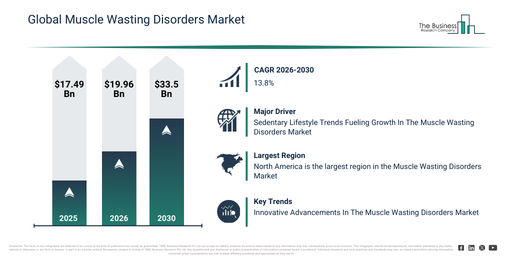
    Recently, the market size for muscle wasting disorders has expanded considerably. Projections show it will expand from $17.49 billion in 2025 to $19.96 billion in 2026, achieving a compound annual growth rate (CAGR) of 14.2%. Key factors contributing to this historical growth include the prevalence of muscular dystrophy and als, the increased use of physical therapy, a rise in nutritional supplement usage, the early adoption of anti-inflammatory treatments, and the growth in hospital-based rehabilitation services.

    The muscle wasting disorders market is projected to experience significant expansion shortly. By 2030, this market is anticipated to reach a valuation of $33.5 billion, demonstrating a compound annual growth rate (CAGR) of 13.8%. This projected growth is driven by several factors, including progress in gene therapy techniques, increasing financial commitment to regenerative medicine, the proliferation of specialized rehabilitation facilities, a heightened need for customized treatment approaches, and an elevated emphasis on dietary interventions. Key trends during this period are expected to encompass the growing uptake of gene therapy for muscle regeneration, an increasing reliance on nutritional and protein supplements, a surge in demand for physical rehabilitation programs, the development of more targeted treatments for muscular dystrophy, and a greater application of hormonal and and anti-inflammatory drugs.

    Access Your Free Sample Report for In-Depth Market Insights:

    https://www.thebusinessresearchcompany.com/sample.aspx?id=13706&type=smp

    Which Drivers Are Shaping Strategic Decisions In The Muscle Wasting Disorders Market?

    The increasing adoption of a sedentary lifestyle is anticipated to drive the expansion of the muscle wasting disorders market in the future. This lifestyle is characterized by physical inactivity, with individuals engaging in minimal or no physical movement or exercise. Such behavior negatively affects muscle function, resulting in reduced muscle strength and endurance, thereby contributing to muscle wasting disorders and hindering individuals’ ability to preserve muscle mass and overall function. For instance, in March 2025, as per NHS England, a UK-based executive non-departmental public body, over one-quarter of adults were categorized as inactive, concurrently, in 2023, nearly one-third of children and young people (30.2 percent) performed less than 30 minutes of physical activity each day. Consequently, the increasing adherence to a sedentary lifestyle is propelling the growth of the muscle wasting disorders market.

    What Segment Categories Are Covered In The Muscle Wasting Disorders Market?

    The muscle wasting disorders market covered in this report is segmented –

    1) By Treatment Type: Medications, Physical Therapy, Nutritional Therapy, Surgery, Gene Therapy, Other Treatment Types

    2) By Disorder Type: Muscular Dystrophy, Amyotrophic Lateral Sclerosis (ALS), Other Disorder Types

    3) By End-User: Hospitals, Rehab Centers, Specialty Clinics, Other End-Users

    Subsegments:

    1) By Medications: Anabolic Steroids, Hormonal Treatments, Anti-Inflammatory Drugs, Immunomodulatory Agents

    2) By Physical Therapy: Resistance Training, Stretching Exercises, Aerobic Conditioning, Rehabilitation Programs

    3) By Nutritional Therapy: Protein Supplements, Nutritional Counseling, Dietary Modifications, Micronutrient Supplements

    4) By Surgery: Surgical Interventions For Muscle Repair, Orthopedic Surgeries, Procedures For Underlying Conditions

    5) By Gene Therapy: Gene Replacement Therapy, CRISPR-Based Approaches, RNA Interference Techniques

    6) By Other Treatment Types: Complementary Therapies, Psychological Support, Assistive Devices

    Which Trends Are Guiding The Evolution Of The Muscle Wasting Disorders Market?

    Leading companies active in the muscle wasting disorders market are developing innovative offerings, such as novel gene therapy, to better serve affected patients. Novel gene therapy refers to a medical technology designed to achieve a therapeutic impact by manipulating gene expression or altering the biological characteristics of living cells. As an illustration, in June 2023, Sarepta Therapeutics, a US-based biotechnology company, introduced Elevidys, which represents the first gene therapy sanctioned by the U.S. Food and Drug Administration (FDA) for addressing Duchenne muscular dystrophy (DMD) in pediatric patients between the ages of 4 and 5 years old. Elevidys is a recombinant gene therapy engineered to deliver a gene into the body that results in a truncated protein containing selected domains of the dystrophin protein found in normal muscle cells. This product is administered through a single intravenous infusion.

    Which Major Industry Participants Are Leading The Muscle Wasting Disorders Market Growth?

    Major companies operating in the muscle wasting disorders market are Pfizer Inc., F. Hoffmann-La Roche Ltd., Roche Holding AG, Novartis AG, Sanofi, GlaxoSmithKline (GSK), Regeneron Pharmaceuticals, Acceleron Pharma Inc., Biogen Inc., Santhera Pharmaceuticals Holding AG, Mitsubishi Tanabe Pharma, Sarepta Therapeutics Inc., PTC Therapeutics Inc., Ionis Pharmaceuticals Inc., Cytokinetics Incorporated, Scholar Rock, Akashi Therapeutics, aTyr Pharma, MyoTherix Inc., Pephexia Therapeutics, Biophytis SA, TNF Pharmaceuticals Inc., Rejuvenate Biomed, Edgewise Therapeutics

    Access The Complete Report For Deeper Market Insights:

    https://www.thebusinessresearchcompany.com/report/muscle-wasting-disorders-global-market-report

    Which Region Currently Holds The Largest Share Of The Muscle Wasting Disorders Market?

    North America was the largest region in the muscle wasting disorder market in 2025. Asia-Pacific is expected to be the fastest-growing region in the forecast period. The regions covered in the muscle wasting disorders market report are Asia-Pacific, South East Asia, Western Europe, Eastern Europe, North America, South America, Middle East, Africa.

    Request Your Customized Muscle Wasting Disorders Market Research Report for Competitive Advantage:

    https://www.thebusinessresearchcompany.com/customise?id=13706&type=smp

    Browse Through More Reports Similar to the Global Muscle Wasting Disorders Market 2026, By The Business Research Company

    Muscle Pain Treatment Market Report 2026

    https://www.thebusinessresearchcompany.com/report/muscle-pain-treatment-global-market-report

    Muscle Spasticity Market Report 2026

    https://www.thebusinessresearchcompany.com/report/muscle-spasticity-global-market-report

    Duchenne Muscular Dystrophy Market Report 2026

    https://www.thebusinessresearchcompany.com/report/duchenne-muscular-dystrophy-global-market-report

    Get in touch with us:

    The Business Research Company: https://www.thebusinessresearchcompany.com/

    Americas +1 310-496-7795

    Asia +44 7882 955267 & +91 8897263534

    Europe +44 7882 955267

    Email us at info@tbrc.info

    Follow us on:

    LinkedIn: https://in.linkedin.com/company/the-business-research-company

    YouTube: https://www.youtube.com/channel/UC24_fI0rV8cR5DxlCpgmyFQ

    Global Market Model: https://www.thebusinessresearchcompany.com/global-market-model
  • Muscle Tension Dysphonia Treatment Market Trends and Insights: Global Forecast to 2030

    Muscle Tension Dysphonia Treatment Market Trends and Insights: Global Forecast to 2030

    Uncover key drivers, emerging technologies, and competitive movements shaping the muscle tension dysphonia treatment market from 2026–2035 with trusted insights from The Business Research Company

    What growth pattern is forecast for the Muscle Tension Dysphonia Treatment Market size between 2026 and 2035?

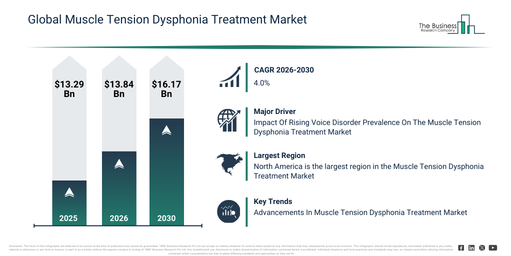
    The muscle tension dysphonia treatment market has demonstrated consistent expansion over recent years. This market is anticipated to expand from $13.29 billion in 2025 to $13.84 billion in 2026, registering a compound annual growth rate (CAGR) of 4.1%. Historically, this upward trend has been propelled by factors such as an increase in vocal strain cases, enhanced awareness regarding speech therapy, a rise in ear, nose, and throat (ENT) clinical visits, the early adoption of NSAIDs for voice disorders, and the widespread prevalence of vocal issues associated with chronic stress.

    The muscle tension dysphonia treatment market size is anticipated to show consistent growth over the coming years, with projections indicating an expansion to $16.17 billion by 2030, maintaining a compound annual growth rate (CAGR) of 4.0%. This forecasted increase is driven by advancements in digital voice therapy tools, the growing adoption of telehealth services for vocal treatment, an escalating demand for personalized vocal rehabilitation, the increasing integration of behavioral therapy, and the expansion of home-based therapeutic programs. Significant trends within this forecast period are expected to include a rise in the adoption of voice therapy programs, an increased demand for behavioral counseling, a greater use of anti-inflammatory medications, expanding utilization of proton-pump inhibitors, and an enhanced focus on stress and anxiety management.

    Access Your Free Sample Report for In-Depth Market Insights:

    https://www.thebusinessresearchcompany.com/sample.aspx?id=18683&type=smp

    Which Drivers Are Impacting Market Performance In The Muscle Tension Dysphonia Treatment Market?

    The muscle tension dysphonia treatment market is projected to expand due to the rising occurrence of voice disorders. These conditions, which influence the pitch, volume, tone, and overall quality of a person’s voice, are seeing an increase in prevalence. This rise is attributed to various factors, including increased vocal strain from extensive speaking, exposure to loud environments, and the growing demand from professions that heavily rely on voice. Treatment for muscle tension dysphonia effectively addresses voice disorders by mitigating excessive muscle tension around the larynx through interventions such as voice therapy, physical exercises, and stress management techniques. For instance, in March 2024, data from the National Institutes of Health, a US-based government agency, revealed that in the preceding year, approximately 17.9 million U.S. adults aged 18 or older, constituting 7.6% of the population, reported experiencing voice problems, with about 9.4 million (4.0%) facing issues lasting a week or more. Therefore, the increasing prevalence of voice disorders is a significant factor driving the growth of the muscle tension dysphonia treatment market.

    Which Segments Are Contributing To The Growth Of The Muscle Tension Dysphonia Treatment Market?

    The muscle tension dysphonia treatment market covered in this report is segmented –

    1) By Treatment Type: Nonsteroidal Anti-Inflammatory Drugs (NSAIDs), Analgesics, Voice Therapy, Behavioral Counseling

    2) By Age Group: Pediatrics, Adults, Elderly

    3) By Cause: Muscle Tension, Vocal Cord Damage, Other Causes

    4) By Distribution Channel: Institutional Sales, Hospitals, Clinics, Specialized Centers, Retail Sales, Retail Pharmacies, Online Pharmacies, Drug Store

    Subsegments:

    1) By Nonsteroidal Anti-Inflammatory Drugs (NSAIDs): Ibuprofen, Naproxen, Aspirin

    2) By Analgesics: Acetaminophen, Opioid Analgesics, Combination Analgesics

    3) By Voice Therapy: Resonant Voice Therapy, Semi-Occluded Vocal Tract Exercises, Lee Silverman Voice Treatment (LSVT)

    4) By Behavioral Counseling: Stress Management Techniques, Cognitive Behavioral Therapy (CBT), Relaxation Training

    What Trends Are Projected To Support The Growth Of The Muscle Tension Dysphonia Treatment Market?

    Leading companies within the muscle tension dysphonia treatment market are concentrating on developing advanced medical solutions, such as medications for cervical dystonia, with the goal of enhancing treatment effectiveness and patient outcomes for conditions like cervical dystonia. Cervical dystonia is characterized as a neurological condition where involuntary muscle contractions in the neck result in abnormal movements and postures. As an illustration, in August 2023, Daxxify, a US-based pharmaceutical company, secured FDA approval for its initial therapeutic indication to treat cervical dystonia in adults. This approval stems from data collected during phase 3 clinical trials, specifically ASPEN-1 and ASPEN-OLS. In ASPEN-1, which involved 382 participants, the primary endpoint was successfully met, demonstrating significant improvement in the Toronto Western Spasmodic Torticollis Rating Scale (TWSTRS) at weeks 4 and 6. The median duration of effect was recorded as 20.3 weeks for the high-dose group and 24.0 weeks for the low-dose group. Common treatment-related adverse events noted were dysphagia, muscular weakness, and injection site pain. Similarly, in ASPEN-OLS, 357 participants were administered up to 4 sequential doses of Daxxify, showing improvements in TWSTRS with a median duration of 19.9 to 26.0 weeks. The common adverse events observed in this study included injection site pain, headache, and injection site erythema.

    Who Are The Prominent Global Companies Shaping The Muscle Tension Dysphonia Treatment Market Landscape?

    Major companies operating in the muscle tension dysphonia treatment market are Mayo Clinic, Cleveland Clinic, Mount Sinai Health System, Johns Hopkins Medicine, NYU Langone Hospitals, University of Michigan Health System, UCLA Health, Children’s Hospital of Philadelphia, Emory Healthcare, Massachusetts General Hospital, American Laryngological Association, Weill Cornell Medicine, Duke University Health System, The Center for Voice Northwestern Medicine, UT Southwestern Medical Center Voice Care, IU Health Voice Disorders, Lions Voice Clinic University of Minnesota, Royal National ENT and Eastman Dental Hospitals, UCL Ear Institute, Medical Voice Center Russia, British Voice Association, The Voice Foundation, Karnataka ENT Hospital Voice Clinic

    Access The Complete Report For Deeper Market Insights:

    https://www.thebusinessresearchcompany.com/report/muscle-tension-dysphonia-treatment-global-market-report

    How Does The Muscle Tension Dysphonia Treatment Market Perform Across Major Global Regions?

    North America was the largest region in the muscle tension dysphonia treatment market in 2025. Europe is expected to be the fastest-growing region in the forecast period. The regions covered in the muscle tension dysphonia treatment market report are Asia-Pacific, South East Asia, Western Europe, Eastern Europe, North America, South America, Middle East, Africa.

    Request Your Customized Muscle Tension Dysphonia Treatment Market Research Report for Competitive Advantage:

    https://www.thebusinessresearchcompany.com/customise?id=18683&type=smp

    Browse Through More Reports Similar to the Global Muscle Tension Dysphonia Treatment Market 2026, By The Business Research Company

    Muscle Spasticity Market Report 2026

    https://www.thebusinessresearchcompany.com/report/muscle-spasticity-global-market-report

    Spasmodic Dysphonia Treatment Market Report 2026

    https://www.thebusinessresearchcompany.com/report/spasmodic-dysphonia-treatment-global-market-report

    Muscle Pain Treatment Market Report 2026

    https://www.thebusinessresearchcompany.com/report/muscle-pain-treatment-global-market-report

    Get in touch with us:

    The Business Research Company: https://www.thebusinessresearchcompany.com/

    Americas +1 310-496-7795

    Asia +44 7882 955267 & +91 8897263534

    Europe +44 7882 955267

    Email us at info@tbrc.info

    Follow us on:

    LinkedIn: https://in.linkedin.com/company/the-business-research-company

    YouTube: https://www.youtube.com/channel/UC24_fI0rV8cR5DxlCpgmyFQ

    Global Market Model: https://www.thebusinessresearchcompany.com/global-market-model
  • Global Muscle Spasticity Market Report 2026–2030: Data-Driven Growth Insights

    Global Muscle Spasticity Market Report 2026–2030: Data-Driven Growth Insights

    Uncover key drivers, emerging technologies, and competitive movements shaping the muscle spasticity market from 2026–2035 with trusted insights from The Business Research Company

    How much larger will the Muscle Spasticity Market be in 2030 compared with 2026?

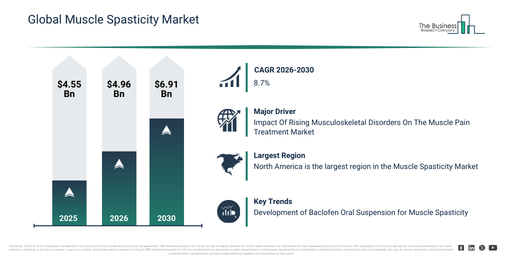
    The muscle spasticity market has experienced significant expansion recently. Projections indicate its value will increase from $4.55 billion in 2025 to $4.96 billion in 2026, demonstrating a compound annual growth rate (CAGR) of 8.8%. This historical growth is attributable to several factors, including an increase in neurological injury cases, a higher prevalence of spinal cord disorders, more post-stroke complications, the early adoption of oral muscle relaxants, and restricted access to specific targeted therapies.

    The muscle spasticity market size is anticipated to experience substantial growth in the coming years. It is projected to expand to $6.91 billion by 2030, at a compound annual growth rate (CAGR) of 8.7%. The expansion throughout the forecast period is primarily driven by advancements in drug delivery systems, a rising adoption of botox-based treatments, an increase in home-based rehabilitation solutions, growing investment in neurological care, and broadening clinical research in spasticity therapies. Notable trends during this forecast period encompass a rising preference for botulinum toxin treatments, increased adoption of intrathecal baclofen therapy, burgeoning demand for oral muscle relaxants, the expansion of rehabilitation and physical therapy programs, and an amplified focus on personalized spasticity management.

    Access Your Free Sample Report for In-Depth Market Insights:

    https://www.thebusinessresearchcompany.com/sample.aspx?id=18411&type=smp

    What Drivers Are Guiding Growth Patterns In The Muscle Spasticity Market?

    The expanding occurrence of musculoskeletal disorders is projected to propel the growth of the muscle spasticity market in the future. Musculoskeletal disorders are defined as ailments impacting the body’s muscles, bones, and joints, frequently leading to discomfort, rigidity, and reduced mobility. The growing number of musculoskeletal instances stems from factors like older populations, inactive lifestyles, and the rising incidence of chronic illnesses. The muscle spasticity market’s offerings seek to mitigate the effects of musculoskeletal disorders through pain reduction, improved movement, complication prevention, and an uplift in patients’ general quality of life and functional capacities. To illustrate, data from January 2024, provided by the Office for Health Improvement and Disparities, a UK-based government department, revealed that in 2023, 18.4% of individuals aged 16 and over stated they had a long-term musculoskeletal condition. This marked a slight increase from 17.6% in 2022. Such conditions were reported less often by males (15.8%) when contrasted with females (20.9%). Consequently, the expanding occurrence of musculoskeletal disorders is a key driver for the muscle spasticity market.

    How Is The Muscle Spasticity Market Divided Into Segments?

    The muscle spasticity market covered in this report is segmented –

    1) By Drug Type: Baclofen, Botulinum Toxin, Diazepam, Dantrolene Sodium, Other Drugs

    2) By Route Of Administration: Oral, Intramuscular, Other Routes Of Administrations

    3) By Distribution Channel: Hospital Pharmacies, Retail Pharmacies, Online Pharmacies

    Subsegments:

    1) By Baclofen: Oral Baclofen, Intrathecal Baclofen (Pump)

    2) By Botulinum Toxin: Botox (Botulinum Toxin Type A), Dysport (Botulinum Toxin Type A), Xeomin (Botulinum Toxin Type A), Myobloc (Botulinum Toxin Type B)

    3) By Diazepam: Oral Diazepam, Injectable Diazepam

    4) By Dantrolene Sodium: Oral Dantrolene, Injectable Dantrolene

    5) By Other Drugs: Tizanidine, Clonidine, Gabapentin

    Which Trends Are Influencing The Performance And Direction Of The Muscle Spasticity Market?

    Major companies operating in the muscle spasticity market are concentrating on developing innovative oral muscle-relaxant formulations to enhance dosing flexibility, improve patient adherence, and address the requirements of individuals who have difficulty swallowing conventional solid-dose treatments. Novel oral muscle-relaxant formulations encompass liquid or otherwise altered oral dosage forms designed to deliver established antispasmodic agents in a more accessible, patient-centric format that supports precise dosing and improved tolerability. For instance, in April 2024, ANI Pharmaceuticals, a US-based pharmaceutical manufacturing company, launched baclofen oral suspension. This baclofen oral suspension, a generic version of fleqsuvy, is employed to alleviate muscle spasms caused by conditions such as multiple sclerosis and spinal cord injuries by aiding in muscle relaxation.

    Which Key Players Are Driving Competition In The Muscle Spasticity Market?

    Major companies operating in the muscle spasticity market are F. Hoffmann-La Roche AG, AbbVie Inc., Abbott Laboratories, Novartis AG, Teva Pharmaceutical Industries Ltd., Ipsen Pharma, Endo Pharmaceuticals Inc., Neurocrine Biosciences Inc., Merz Pharmaceuticals GmbH, Revance Therapeutics Inc., Acorda Therapeutics Inc., Zydus Cadila, Pfizer Inc., Merck & Co. Inc., Sanofi S.A., UCB Pharma S.A., Jazz Pharmaceuticals plc, Daiichi Sankyo Company Limited, GlaxoSmithKline plc, InMed Pharmaceuticals Inc., MediciNova Inc., Genentech Inc., Beximco Pharmaceuticals Ltd., Sun Pharmaceutical Industries Ltd., Taj Pharmaceuticals Limited

    Access The Complete Report For Deeper Market Insights:

    https://www.thebusinessresearchcompany.com/report/muscle-spasticity-global-market-report

    Which Region Is Anticipated To See The Fastest Growth In The Muscle Spasticity Market?

    North America was the largest region in the muscle spasticity market in 2025. Asia-Pacific is expected to be the fastest-growing region in the forecast period. The regions covered in the muscle spasticity market report are Asia-Pacific, South East Asia, Western Europe, Eastern Europe, North America, South America, Middle East, Africa.

    Request Your Customized Muscle Spasticity Market Research Report for Competitive Advantage:

    https://www.thebusinessresearchcompany.com/customise?id=18411&type=smp

    Browse Through More Reports Similar to the Global Muscle Spasticity Market 2026, By The Business Research Company

    Muscle Pain Treatment Market Report 2026

    https://www.thebusinessresearchcompany.com/report/muscle-pain-treatment-global-market-report

    Muscle Wasting Disorders Market Report 2026

    https://www.thebusinessresearchcompany.com/report/muscle-wasting-disorders-global-market-report

    Muscle Tension Dysphonia Treatment Market Report 2026

    https://www.thebusinessresearchcompany.com/report/muscle-tension-dysphonia-treatment-global-market-report

    Get in touch with us:

    The Business Research Company: https://www.thebusinessresearchcompany.com/

    Americas +1 310-496-7795

    Asia +44 7882 955267 & +91 8897263534

    Europe +44 7882 955267

    Email us at info@tbrc.info

    Follow us on:

    LinkedIn: https://in.linkedin.com/company/the-business-research-company

    YouTube: https://www.youtube.com/channel/UC24_fI0rV8cR5DxlCpgmyFQ

    Global Market Model: https://www.thebusinessresearchcompany.com/global-market-model
  • Muscle Pain Treatment Market Dynamics 2026: Future Outlook and Key Insights

    Muscle Pain Treatment Market Dynamics 2026: Future Outlook and Key Insights

    Uncover key drivers, emerging technologies, and competitive movements shaping the muscle pain treatment market from 2026–2035 with trusted insights from The Business Research Company

    Starting from its 2026 valuation, what market size is the Muscle Pain Treatment Market expected to reach by 2030?

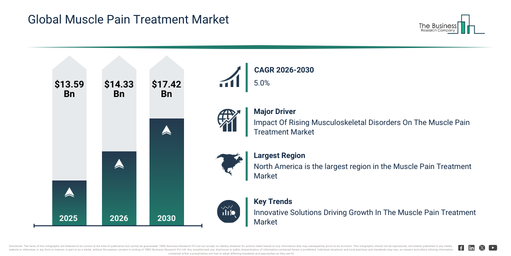
    The muscle pain treatment market size has experienced robust growth in recent years. It is anticipated to increase from $13.59 billion in 2025 to $14.33 billion in 2026, demonstrating a compound annual growth rate (CAGR) of 5.4%. This historical expansion can be linked to a rise in physical injuries, the growing occurrence of strenuous work conditions, the early adoption of over-the-counter pain relievers, an increase in sports-related muscle strain cases, and limited public awareness of non-pharmacological therapies.

    The muscle pain treatment market is projected to experience substantial expansion in the coming years. This market is set to reach $17.42 billion by 2030, exhibiting a compound annual growth rate (CAGR) of 5.0%. Factors contributing to this anticipated growth include advancements in topical formulations, a growing demand for personalized pain management solutions, the expanding application of muscle relaxants in clinical settings, the proliferation of physiotherapy centers, and increased investment in alternative pain therapies. Key trends observed during the forecast period encompass an increasing demand for topical analgesic products, the rising application of muscle relaxants to address acute pain, wider acceptance of physical and massage therapy, the expansion of available over-the-counter pain relief options, and a heightened emphasis on combination therapy for persistent muscle pain.

    Access Your Free Sample Report for In-Depth Market Insights:

    https://www.thebusinessresearchcompany.com/sample.aspx?id=17206&type=smp

    What Drivers Are Driving Adoption Within The Muscle Pain Treatment Market?

    A rising occurrence of musculoskeletal conditions is projected to propel the muscle pain treatment market in the future. These disorders encompass ailments impacting the body’s muscles, bones, and joints, frequently leading to discomfort, rigidity, and restricted mobility. The surge in such cases stems from influences like an aging demographic, inactive routines, and a rise in chronic illnesses. The objective of muscle pain treatment is to mitigate the symptoms of musculoskeletal disorders through pain reduction, enhanced mobility, complication prevention, and an improvement in patients’ general well-being and functional capacity. For example, data from January 2024, released by the Office for Health Improvement and Disparities, a UK government body, indicated that in 2023, 18.4% of individuals aged 16 and over reported a long-term musculoskeletal condition, marking a slight increase from 17.6% in 2022. Males reported these conditions less often, at 15.8%, compared to females, at 20.9%. Consequently, the rising occurrence of musculoskeletal disorders is a key driver for the muscle pain treatment market.

    What Segments Are Included Within The Muscle Pain Treatment Market?

    The muscle pain treatment market covered in this report is segmented –

    1) By Pharmacological Treatment: Analgesics, Muscle Relaxants, Topical Analgesics, Other Pharmacological Treatments

    2) By Non-Pharmacological Treatment: Physical Therapy, Massage Therapy, Acupuncture, Heat And Cold Therapy, Exercise And Stretching, Other Non-Pharmacological Treatments

    3) By Type Of Pain: Acute Muscle Pain, Chronic Muscle Pain

    4) By Cause Of Muscle Pain: Overuse And Strain, Injury Or Trauma, Inflammatory Conditions, Neurological Conditions, Infections, Other Cause Of Muscle Pains

    5) By Application: Hospital, Clinic, Other Applications

    Subsegments:

    1) By Analgesics: Nonsteroidal Anti-Inflammatory Drugs (NSAIDs), Acetaminophen

    2) By Muscle Relaxants: Centrally Acting Muscle Relaxants, Peripherally Acting Muscle Relaxants

    3) By Topical Analgesics: Creams & Ointments, Gels & Sprays, Patches

    4) By Other Pharmacological Treatments: Corticosteroids, Antidepressants, Anticonvulsants

    What Long-Term Trends Are Expected To Shape The Future Of The Muscle Pain Treatment Market?

    Major companies within the muscle pain treatment market are concentrating on developing innovative solutions, such as topical analgesic products, to boost their effectiveness and user convenience. These topical analgesic products are medications applied directly to the skin to alleviate pain by targeting the specific affected area and are commonly utilized for conditions including muscle aches, arthritis, and minor injuries. For instance, in July 2024, Wellness Formulations LLC, a US-based company providing health and wellness products, launched Ralli Rapid Pain Relief, a new offering that combines menthol’s pain-relieving benefits with advanced penetration enhancers and skin conditioners. It delivers efficient pain relief without leaving a greasy residue, providing fast and enduring comfort for muscle aches, joint pain, arthritis, strains, and sprains. Available in gel, spray, and roll-on formats, it ensures convenient application directly to the painful spot, removing the need for rubbing or massaging.

    Who Are The Top-Performing Companies In The Muscle Pain Treatment Market In Recent Years?

    Major companies operating in the muscle pain treatment market are Pfizer Inc., Johnson & Johnson, Roche Holding AG, Merck & Co. Inc., AbbVie Inc., Bayer AG, Sanofi SA, Bristol Myers Squibb Company, AstraZeneca PLC, Novartis International AG, GlaxoSmithKline plc (GSK), Eli Lilly and Company, Amgen Inc., Teva Pharmaceutical Industries Ltd., Baxter International Inc., Haleon Plc, Select Medical Holdings Corporation, Purdue Pharma, Endo Pharmaceuticals Inc., Concentra Inc., Athletico Physical Therapy, ATI Physical Therapy Inc., Physiotherapy Associates Inc, NovaCare Rehabilitation Inc, CORA Health Services Inc., Select Physical Therapy Holdings Inc., ProActive Physical Therapy

    Access The Complete Report For Deeper Market Insights:

    https://www.thebusinessresearchcompany.com/report/muscle-pain-treatment-global-market-report

    Which Region Is Anticipated To See The Fastest Growth In The Muscle Pain Treatment Market?

    North America was the largest region in the muscle pain treatment market in 2025. Asia-Pacific is expected to be the fastest-growing region in the forecast period. The regions covered in the muscle pain treatment market report are Asia-Pacific, South East Asia, Western Europe, Eastern Europe, North America, South America, Middle East, Africa.

    Request Your Customized Muscle Pain Treatment Market Research Report for Competitive Advantage:

    https://www.thebusinessresearchcompany.com/customise?id=17206&type=smp

    Browse Through More Reports Similar to the Global Muscle Pain Treatment Market 2026, By The Business Research Company

    Fibromyalgia Treatment Market Report 2026

    https://www.thebusinessresearchcompany.com/report/fibromyalgia-treatment-global-market-report

    Neuralgia Treatment Market Report 2026

    https://www.thebusinessresearchcompany.com/report/neuralgia-treatment-global-market-report

    Pain Management Drugs Market Report 2026

    https://www.thebusinessresearchcompany.com/report/pain-management-drugs-global-market-report

    Get in touch with us:

    The Business Research Company: https://www.thebusinessresearchcompany.com/

    Americas +1 310-496-7795

    Asia +44 7882 955267 & +91 8897263534

    Europe +44 7882 955267

    Email us at info@tbrc.info

    Follow us on:

    LinkedIn: https://in.linkedin.com/company/the-business-research-company

    YouTube: https://www.youtube.com/channel/UC24_fI0rV8cR5DxlCpgmyFQ

    Global Market Model: https://www.thebusinessresearchcompany.com/global-market-model
  • Muscarinic Acetylcholine Receptor Market Research: Growth Projections and Trends 2030

    Muscarinic Acetylcholine Receptor Market Research: Growth Projections and Trends 2030

    Uncover key drivers, emerging technologies, and competitive movements shaping the muscarinic acetylcholine receptor market from 2026–2035 with trusted insights from The Business Research Company

    Across 2026–2030, what is the expected market valuation path of the Muscarinic Acetylcholine Receptor Market?

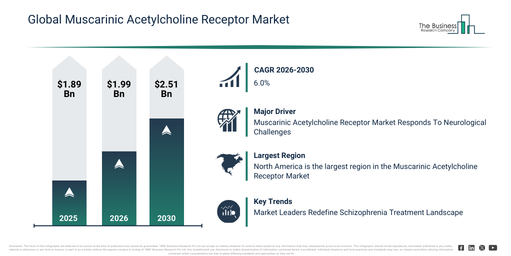
    The muscarinic acetylcholine receptor market size has seen significant expansion in recent years. It is projected to increase from $1.89 billion in 2025 to $1.99 billion in 2026, with a compound annual growth rate (CAGR) of 5.5%. This growth observed in the past can be ascribed to several factors, including the increased prevalence of nervous system disorders, early investigations into G protein pathways, a rising demand for respiratory condition treatments, advancements in pharmaceutical research and development, and the limited availability of selective receptor targeting options.

    The muscarinic acetylcholine receptor market is projected to experience substantial expansion in the coming years, with expectations to reach $2.51 billion by 2030, exhibiting a compound annual growth rate (CAGR) of 6.0%. Factors driving this growth during the projection period include advancements in receptor-specific drug discovery, increased investment in therapies for neurodegenerative diseases, the broadening scope of personalized medicine, the creation of combination receptor products, and a growing emphasis on targeted molecular modulation. Key trends expected within this period encompass a heightened focus on selective receptor targeting, an escalating demand for neurological disorder treatments, increased research into G protein-coupled receptor modulation, the expansion of drug development efforts for memory impairment, and a rising interest in combination receptor modulators.

    Access Your Free Sample Report for In-Depth Market Insights:

    https://www.thebusinessresearchcompany.com/sample.aspx?id=10861&type=smp

    Which Drivers Are Supporting The Rise Of The Muscarinic Acetylcholine Receptor Market?

    The escalating prevalence of neurological disorders is projected to drive the expansion of the muscarinic acetylcholine receptor market moving forward. These medical conditions impact the nervous system, encompassing the brain, spinal cord, and peripheral nerves. Muscarinic acetylcholine receptors (mAChR) are crucial for regulating complex behaviors, including cognition, locomotion, and reward, making them appropriate therapeutic targets for a range of neurological illnesses. As an illustration, in October 2023, the World Federation of Neurology, a UK-based charity, highlighted that, indicative of a rapidly increasing global health burden, neurological disorders now constitute the second-leading cause of death and the primary cause of disability worldwide. More than 40 percent of the global population was affected in 2023, and the number of individuals living with brain disease is anticipated to nearly double by 2050. This surge in neurological disorders is consequently fueling the growth of the muscarinic acetylcholine receptor market.

    What Leading Segments Are Studied In The Muscarinic Acetylcholine Receptor Market?

    The muscarinic acetylcholine receptor market covered in this report is segmented –

    1) By Type: M1 Receptor, M4 Receptor, M5 Receptor, Other Types

    2) By Distribution Channel: Hospitals, Clinics, Retail Pharmacies, Online Pharmacies, Specialty Centers

    3) By Application: Chronic Obstructive Pulmonary Disease, Attention Deficit Hyperactivity Disorder, Alzheimer’s Disease, Memory Impairment, Psychiatric Disorders, Other Applications

    Subsegments:

    1) By M1 Receptor: Centrally Acting Antagonists, Centrally Acting Agonists, Peripherally Acting Compounds

    2) By M4 Receptor: Selective Agonists, Selective Antagonists, Non-Selective Agents

    3) By M5 Receptor: Agonists, Antagonists

    4) By Other Types: M2 Receptor, M3 Receptor, Combination Receptor Products

    Which Market Trends Are Opening Growth Opportunities In The Muscarinic Acetylcholine Receptor Market?

    Leading companies operating in the muscarinic acetylcholine receptor market are concentrating on creating innovative products to enhance their market presence and obtain regulatory clearance for addressing schizophrenia. Schizophrenia is a severe mental illness that impacts an individual’s thoughts, emotions, and conduct. Individuals suffering from schizophrenia might appear to be out of touch with reality, which can be distressing for both them and their families. For example, in September 2023, Karuna Therapeutics, Inc., a US-based clinical-stage biopharmaceutical company, disclosed the submission of a New Drug Application (NDA) to the FDA for KarXT (xanomeline-trospium), which is purposed for the treatment of schizophrenia. The company is dedicated to identifying, developing, and providing novel therapeutic options for people with neurological and psychiatric conditions.

    Which Leading Companies Dominate The Muscarinic Acetylcholine Receptor Market Share?

    Major companies operating in the muscarinic acetylcholine receptor market are Heptares Therapeutics Ltd., Sumitomo Dainippon Pharma Co. Ltd., Anavex Life Sciences Corp., NeuroHealing Pharmaceuticals Inc., AstraZeneca plc, Karuna Pharmaceuticals Inc., Anven AlzDx Inc., Merck & Co Inc., Eli Lilly and Co., GlaxoSmithKline plc, Johnson & Johnson, Pfizer Inc., Novartis AG, AbbVie Inc., Boehringer Ingelheim International GmbH, Takeda Pharmaceutical Company Limited, Teva Pharmaceutical Industries Ltd., F. Hoffmann-La Roche Ltd., Eisai Co. Ltd., Astellas Pharma Inc., Sanofi SA, Sun Pharmaceutical Industries Ltd.

    Access The Complete Report For Deeper Market Insights:

    https://www.thebusinessresearchcompany.com/report/muscarinic-acetylcholine-receptor-global-market-report

    Which Global Regions Are Shaping The Competitive Landscape Of The Muscarinic Acetylcholine Receptor Market?

    North America was the largest region in the muscarinic acetylcholine receptor market in 2025.Asia-Pacific is expected to be the fastest-growing region in the global muscarinic acetylcholine receptor market during the forecast period. The regions covered in the muscarinic acetylcholine receptor market report are Asia-Pacific, South East Asia, Western Europe, Eastern Europe, North America, South America, Middle East, Africa.

    Request Your Customized Muscarinic Acetylcholine Receptor Market Research Report for Competitive Advantage:

    https://www.thebusinessresearchcompany.com/customise?id=10861&type=smp

    Browse Through More Reports Similar to the Global Muscarinic Acetylcholine Receptor Market 2026, By The Business Research Company

    Glp 1 Receptor Agonist Market Report 2026

    https://www.thebusinessresearchcompany.com/report/glp-1-receptor-agonist-global-market-report

    Muscarinic Acetylcholine Receptor Market Report 2026

    https://www.thebusinessresearchcompany.com/report/muscarinic-acetylcholine-receptor-global-market-report

    Cholinergic Drugs Market Report 2026

    https://www.thebusinessresearchcompany.com/report/cholinergic-drugs-global-market-report

    Get in touch with us:

    The Business Research Company: https://www.thebusinessresearchcompany.com/

    Americas +1 310-496-7795

    Asia +44 7882 955267 & +91 8897263534

    Europe +44 7882 955267

    Email us at info@tbrc.info

    Follow us on:

    LinkedIn: https://in.linkedin.com/company/the-business-research-company

    YouTube: https://www.youtube.com/channel/UC24_fI0rV8cR5DxlCpgmyFQ

    Global Market Model: https://www.thebusinessresearchcompany.com/global-market-model
  • Global Multiplex Biomarker Imaging Industry Insights: Key Trends and Growth Estimates

    Global Multiplex Biomarker Imaging Industry Insights: Key Trends and Growth Estimates

    Uncover key drivers, emerging technologies, and competitive movements shaping the multiplex biomarker imaging market from 2026–2035 with trusted insights from The Business Research Company

    What size range is anticipated for the Multiplex Biomarker Imaging Market from 2026 to 2030?

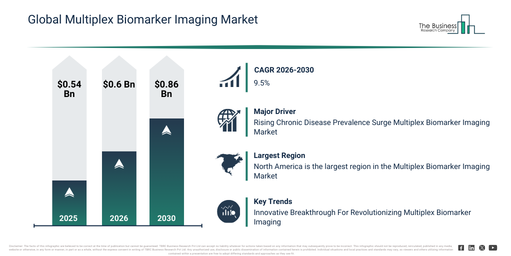
    The multiplex biomarker imaging market size has seen swift expansion in recent years. It is forecast to increase from $0.54 billion in 2025 to $0.6 billion in 2026, demonstrating a compound annual growth rate (CAGR) of 10.8%. The historic period’s growth can be attributed to a rise in cancer research studies, an increased necessity for biomarker-based analysis, the early adoption of fluorescence imaging, the limitations of single-marker analysis capabilities, and the growth of molecular pathology testing.

    The multiplex biomarker imaging market is anticipated to experience substantial expansion over the upcoming years. This market is projected to reach $0.86 billion by 2030, exhibiting a compound annual growth rate (CAGR) of 9.5%. Several factors will drive this growth during the forecast period, including innovations in imaging platforms, an increasing need for personalized medicine, broader applications of multiplex assays, the expansion of pharmaceutical biomarker programs, and greater investment in spatial biology research. Key trends anticipated during this period encompass the expanded application of multiplex imaging in oncology research, a growing requirement for high-resolution tissue mapping, wider adoption of advanced immunofluorescence techniques, the proliferation of automated image analysis solutions, and the incorporation of multiplex imaging into drug discovery platforms.

    Access Your Free Sample Report for In-Depth Market Insights:

    https://www.thebusinessresearchcompany.com/sample.aspx?id=16127&type=smp

    What Drivers Are Affecting Demand In The Multiplex Biomarker Imaging Market?

    The escalating incidence of chronic illnesses is anticipated to boost the expansion of the multiplex biomarker imaging market moving forward. These conditions represent enduring health challenges that persist or reoccur, often stemming from intricate causes, multiple risk factors, and extended latency periods. The heightened occurrence of chronic diseases can be attributed to several factors, including the swift aging of the population, improved methods for identifying and detecting cases, advancements in disease treatment and management, and evolving lifestyle and environmental risk factors. Multiplex biomarker imaging finds application in the management of chronic diseases by facilitating comprehensive analysis and characterization of how diseases progress and how patients respond to treatment. For instance, in January 2023, a report from the National Institutes of Health (NIH), a US-based biomedical research agency, projected that the number of people aged 50 and older with at least one chronic illness is expected to increase by 99.5%, from 71.52 million in 2020 to 142.66 million in 2050. Therefore, the rising prevalence of chronic diseases is significantly driving the growth of the multiplex biomarker imaging market.

    Which Segment Groups Are Influencing The Multiplex Biomarker Imaging Market?

    The multiplex biomarker imaging market covered in this report is segmented –

    1) By Component Type: Instruments, Software, Services

    2) By Imaging Techniques: Immunofluorescence (IF) Assay, Tissue Microarray (TMA) Assay, Immunohistochemistry (IHC) Assay, Fluorescent In Situ Hybridization (FISH) Assay, Toponome Imaging System (TIS)

    3) By Application: Drug Safety, Oncology Studies, Genetic Characterization Studies

    4) By End User: Research Institutes, Government And Private, Clinical Labs, Pharmaceutical And Biotechnology

    Subsegments:

    1) By Instruments: Imaging Systems (Microscopes, Scanners), Detection Devices, Reagents And Kits

    2) By Software: Image Analysis Software, Data Management Software, Visualization And Interpretation Software

    3) By Services: Technical Support And Maintenance, Consultation And Training, Imaging And Analysis Services

    How Are Emerging Trends Affecting The Progression Of The Multiplex Biomarker Imaging Market?

    Leading companies in the multiplex biomarker imaging market are concentrating on offering innovative slides, such as automated slide loaders, to provide advanced imaging solutions and better serve customers. Automated slide loaders streamline sample handling, reducing hands-on time and enhancing throughput, which is crucial for high-volume multiplex biomarker imaging experiments. For instance, in April 2024, Standard BioTools Inc., a US-based provider of analytical systems and instruments, launched a Hyperion XTi Imaging System with a new high-throughput multiplexed whole slide to add automation and flexibility. It has three modes for rapid analysis, including preview, tissue, and cell modes, enabling researchers to quickly visualize tissue heterogeneity and conduct deeper analysis. This novel whole slide imaging method using imaging mass cytometry (IMC) offers up to 10 times higher throughput than cyclic immunofluorescent imaging. Additionally, a new automated slide loader facilitates high-throughput imaging, reducing manual effort and enabling standardization. These innovations are aimed at accelerating breakthroughs in spatial proteomics, providing reliable insights into health and disease.

    Who Are The Major Companies Operating In The Multiplex Biomarker Imaging Market?

    Major companies operating in the multiplex biomarker imaging market are Merck KGaA, Thermo Fisher Scientific Inc., Danaher Corporation, Becton Dickinson and Company (BD), Carl Zeiss AG, Illumina Inc, PerkinElmer Inc., Bio-Rad Laboratories Inc, Bruker Corporation, Bio-Techne Corporation, Leica Biosystems Nussloch GmbH, Abcam Plc, Meso Scale Diagnostics LLC, Fluidigm Corporation, NanoString Technologies, Quanterix Corporation, Akoya Biosciences, Enzo Biochem Inc, Cisbio Bioassays, Flagship Biosciences, Aushon BioSystems Ltd, Ionpath Inc., Biosims Technologies

    Access The Complete Report For Deeper Market Insights:

    https://www.thebusinessresearchcompany.com/report/multiplex-biomarker-imaging-global-market-report

    Which Regions Are Poised For Strategic Growth In The Multiplex Biomarker Imaging Market?

    North America was the largest region in the multiplex biomarker imaging market in 2025. Asia-Pacific is expected to be the fastest-growing region in the forecast period. The regions covered in the multiplex biomarker imaging market report are Asia-Pacific, South East Asia, Western Europe, Eastern Europe, North America, South America, Middle East, Africa.

    Request Your Customized Multiplex Biomarker Imaging Market Research Report for Competitive Advantage:

    https://www.thebusinessresearchcompany.com/customise?id=16127&type=smp

    Browse Through More Reports Similar to the Global Multiplex Biomarker Imaging Market 2026, By The Business Research Company

    Biomarkers Market Report 2026

    https://www.thebusinessresearchcompany.com/report/biomarkers-global-market-report

    Clinical Biomarkers Market Report 2026

    https://www.thebusinessresearchcompany.com/report/clinical-biomarkers-global-market-report

    Multiplex Assays Market 2026

    https://www.thebusinessresearchcompany.com/report/multiplex-assays-market

    Get in touch with us:

    The Business Research Company: https://www.thebusinessresearchcompany.com/

    Americas +1 310-496-7795

    Asia +44 7882 955267 & +91 8897263534

    Europe +44 7882 955267

    Email us at info@tbrc.info

    Follow us on:

    LinkedIn: https://in.linkedin.com/company/the-business-research-company

    YouTube: https://www.youtube.com/channel/UC24_fI0rV8cR5DxlCpgmyFQ

    Global Market Model: https://www.thebusinessresearchcompany.com/global-market-model

  • Enteral Feeding Formula Market Report 2026: Strategic Insights and Revenue Outlook

    Uncover key drivers, emerging technologies, and competitive movements shaping the enteral feeding formula market from 2026–2035 with trusted insights from The Business Research Company

    What are the forecasted starting (2026) and ending (2030) market sizes for the Enteral Feeding Formula Market?

    The enteral feeding formula market size has experienced significant expansion in recent years. This market is expected to grow from $7.09 billion in 2025 to $7.81 billion in 2026, at a compound annual growth rate (CAGR) of 10.1%. The market’s historical growth can be linked to several factors, including increasing ICU admissions, the rising prevalence of chronic diseases, an expanding aging population, the development of hospital infrastructure, and heightened awareness of clinical nutrition.

    The enteral feeding formula market is projected to experience substantial expansion over the coming years, reaching $11.52 billion by 2030, driven by a compound annual growth rate (CAGR) of 10.2%. This anticipated growth during the forecast period can be attributed to several factors, including the expansion of home healthcare nutrition, a rise in cases of cancer and neurological disorders, increasing demand for customized nutrition, advancements in feeding tube and pump technology, and broadened healthcare accessibility in developing economies. Key trends anticipated during this period encompass a growing need for disease-specific enteral formulas, increased adoption of high-protein and specialized nutritional products, a rise in pediatric enteral nutrition usage, wider application of enteral feeding in home care environments, and continuous innovation aimed at enhancing taste, texture, and patient tolerance.

    Access Your Free Sample Report for In-Depth Market Insights:

    https://www.thebusinessresearchcompany.com/sample.aspx?id=7744&type=smp

    What Drivers Are Supporting Technological Adoption In The Enteral Feeding Formula Market?

    The escalating need for home care services is projected to stimulate the market for enteral feeding formulas. Home care services involve a broad spectrum of assistance for individuals requiring help with daily activities while choosing to remain in their homes. Enteral feeding is progressively being adopted in home-based care for patients who need prolonged nutritional support. For instance, in November 2024, the U.S. Bureau of Labor Statistics, a U.S.-based federal agency, indicated that in May 2023, New York had 60 home health and personal care aide jobs per 1,000, which stood at 2.5 times above the national average of 24 per 1,000. Therefore, the heightened demand for home care services will propel the growth of the enteral feeding formula market.

    What Segment Types Are Examined In The Enteral Feeding Formula Market?

    The enteral feeding formula market covered in this report is segmented –

    1) By Product: Standard Formulas, Disease-Specific Formulas

    2) By Stage: Adults, Pediatrics

    3) By Application: Oncology, Gastroenterology, Neurology, Diabetes, Critical Care, Other Applications

    4) By End User: Hospitals, Long-Term Care Facilities

    Subsegments:

    1) By Standard Formulas: Polymer-Based Formulas, Oligomeric Formulas, High-Protein Formulas

    2) By Disease-Specific Formulas: Diabetic Formulas, Renal Formulas, Pulmonary Formulas, Oncology Formulas

    What Upcoming Trends Are Likely To Define The Future Path Of The Enteral Feeding Formula Market?

    Leading businesses within the enteral feeding formulas sector are innovating with advanced technologies, including enteral feeding pumps, to improve their range of available products. This type of pump is a medical instrument that precisely and controllably delivers liquid sustenance directly into a patient’s stomach or intestines via a feeding tube, essential for those unable to consume food orally. An example of this innovation is Cardinal Health, a US healthcare firm, introducing the Kangaroo OMNI enteral feeding pump in September 2023. This device aims to offer customized and improved options for enteral feeding patients, distinguished by its portability and adaptability for administering thick formulas and hydration in diverse medical environments. Furthermore, it boasts improved water resistance, enabling cleaning under running water, and includes complementary accessories such as a pole clamp and table stand. Moreover, the pump’s screen content is viewable in 19 different languages.

    Who Are The Primary Competitors In The Global Enteral Feeding Formula Market?

    Major companies operating in the enteral feeding formula market are Abbott Laboratories, Nestlé S.A., Danone S.A., Fresenius Kabi AG, B. Braun Melsungen AG, Meiji Holdings Co. Ltd., Real Food Blends, Ajinomoto Cambrooke Inc., Otsuka Pharmaceutical Co. Ltd., Medtrition Inc., Nutri-Force Nutrition, Global Health Product Inc., VICTUS, Kate Farms, Baxter International Inc., Perrigo Nutritionals LLC, Reckitt Benckiser Group plc, Bio-Serv Inc., Nutrabalace Ltd., Med-Diet Laboratories Inc., Precision Foods-Kent Corporation, SimplyThick LLC, Vitaflow LLC

    Access The Complete Report For Deeper Market Insights:

    https://www.thebusinessresearchcompany.com/report/enteral-feeding-formula-global-market-report

    Which Global Regions Are Shaping The Competitive Landscape Of The Enteral Feeding Formula Market?

    North America was the largest region in the enteral feeding formula market in 2025. Asia-Pacific is expected to be the fastest-growing region in the forecast period. The regions covered in the enteral feeding formula market report are Asia-Pacific, South East Asia, Western Europe, Eastern Europe, North America, South America, Middle East, Africa.

    Request Your Customized Enteral Feeding Formula Market Research Report for Competitive Advantage:

    https://www.thebusinessresearchcompany.com/customise?id=7744&type=smp

    Browse Through More Reports Similar to the Global Enteral Feeding Formula Market 2026, By The Business Research Company

    Enteral Feeding Formula Market Report 2026

    https://www.thebusinessresearchcompany.com/report/enteral-feeding-formula-global-market-report

    Enteral Nutrition Market Report 2026

    https://www.thebusinessresearchcompany.com/report/enteral-nutrition-global-market-report

    Enteral Feeding Devices Market Report 2026

    https://www.thebusinessresearchcompany.com/report/enteral-feeding-devices-global-market-report

    Get in touch with us:

    The Business Research Company: https://www.thebusinessresearchcompany.com/

    Americas +1 310-496-7795

    Asia +44 7882 955267 & +91 8897263534

    Europe +44 7882 955267

    Email us at info@tbrc.info

    Follow us on:

    LinkedIn: https://in.linkedin.com/company/the-business-research-company

    YouTube: https://www.youtube.com/channel/UC24_fI0rV8cR5DxlCpgmyFQ

    Global Market Model: https://www.thebusinessresearchcompany.com/global-market-model

  • Global Entecavir Industry Trends and Market Forecast 2026–2030

    Uncover key drivers, emerging technologies, and competitive movements shaping the entecavir market from 2026–2035 with trusted insights from The Business Research Company

    What upper market value could the Entecavir Market reach by 2030 starting from 2026 levels?

    The entecavir market has demonstrated a steady increase in its size over recent years. The market is anticipated to expand from $0.74 billion in 2025 to $0.77 billion in 2026, recording a compound annual growth rate (CAGR) of 4.2%. Factors contributing to this historical growth include the widespread global prevalence of hepatitis B, the proven clinical efficacy of nucleoside analogs, the broadening of antiviral treatment guidelines, better hepatitis B diagnosis rates, and an escalating burden of liver disease.

    The entecavir market is projected to experience consistent expansion in the coming years, forecast to reach a size of $0.9 billion by 2030, demonstrating a compound annual growth rate (CAGR) of 4.1%. This anticipated growth during the forecast period is primarily driven by factors such as an expanding pool of chronic hepatitis B patients, improved access to antiviral treatments in developing regions, the wider implementation of long-term viral suppression approaches, the enlargement of public health initiatives focused on hepatitis, and an increasing need for cost-effective generic medications. Key trends anticipated for this period encompass a surge in the embrace of long-term antiviral therapies, a heightened emphasis on managing chronic hepatitis B, a rising preference for oral antiviral drugs, the broader availability of generic entecavir, and enhanced surveillance of viral load suppression.

    Access Your Free Sample Report for In-Depth Market Insights:

    https://www.thebusinessresearchcompany.com/sample.aspx?id=21183&type=smp

    Which Drivers Are Influencing Long-Term Growth In The Entecavir Market?

    The growing incidence of hepatitis B is anticipated to drive the expansion of the entecavir market. This liver-affecting viral infection can cause symptoms like jaundice, tiredness, and abdominal discomfort, potentially progressing to chronic liver disease or cancer without treatment. Factors contributing to the rise in hepatitis B infections include unsafe sexual practices, shared needle use, perinatal transmission from mother to child, and inadequate vaccination rates in specific areas. Entecavir, a treatment for hepatitis B, functions by preventing the hepatitis B virus (HBV) DNA from replicating, thereby lowering the viral load and safeguarding the liver from harm. As an illustration, in August 2025, the U.S. government agency, Centers for Disease Control and Prevention, reported that in 2023, new chronic hepatitis B cases among non-Hispanic Asian/Pacific Islander individuals were almost 10 times more frequent than among non-Hispanic White individuals. Consequently, the rising occurrence of hepatitis B is propelling the expansion of the entecavir market.

    Which Segments Are Driving Activity In The Entecavir Market?

    The entecavir market covered in this report is segmented –

    1) By Product Type: Tablets, Oral Solution

    2) By Application: Hepatitis B Treatment, Liver Transplantation, Other Applications

    3) By Distribution Channel: Hospital Pharmacies, Retail Pharmacies, Online Pharmacies

    Subsegments:

    1) By Tablets: Standard Dose Tablets, High Dose Tablets

    2) By Oral Solution: Ready-to-Use Liquid Solution, Powder For Oral Solution

    Which Trends Are Shaping Activity Within The Entecavir Market?

    Major companies in the entecavir market are developing innovative drugs through clinical trials to enhance the efficacy and treatment outcomes for patients with chronic hepatitis B, with the aim of reducing resistance and improving long-term viral suppression. Clinical trials are research studies that evaluate the safety, efficacy, and potential side effects of new treatments, drugs, or therapies in human participants. For instance, in October 2024, Aligos Therapeutics Inc., a US-based biotechnology company, is conducting a phase 2 clinical trial for ALG-000184 for the treatment of hepatitis B. ALG-000184 is a capsid assembly modulator, a therapy that disrupts the formation of the capsid, which is the protective shell surrounding a virus’s genetic material. The study’s fourth phase is currently assessing the long-term effects of ALG-000184 (300 mg), either as a standalone treatment or in combination with the approved antiviral entecavir, in patients with chronic hepatitis B. The combination of ALG-000184 and entecavir led to more significant reductions in viral load compared to entecavir alone, with ALG-000184 demonstrating similar effectiveness whether used alongside entecavir or not. The virus remained consistently suppressed throughout the study, in both HBeAg-positive and HBeAg-negative patients.

    Which Key Market Players Are Investing In Expansion And Innovation Within The Entecavir Market?

    Major companies operating in the entecavir market are Bristol-Myers Squibb Company, GSK plc, Teva Pharmaceutical Industries Ltd., Qingfeng Pharmaceutical Group, Aurobindo Pharma Ltd., ScinoPharm Taiwan Ltd., Dr. Reddy’s Laboratories Ltd., Cipla Inc., Zhejiang Huahai Pharmaceuticals Co. Ltd., Qianjin Group, Genix Pharma Ltd., Dawnrays Pharmaceutical Holidings Ltd., Zhejiang Ausun Pharmaceutical Co. Ltd., Hunan Warrant Chiral Pharmaceutical Co. Ltd., Camber Pharmaceuticals Inc., Century Pharmaceuticals Ltd., Aligos Therapeutics Inc. , HRV Global Life Sceince, Solco Healthcare LLC, Accela ChemBio Inc.

    Access The Complete Report For Deeper Market Insights:

    https://www.thebusinessresearchcompany.com/report/entecavir-global-market-report

    Which Regions Are Poised For Strategic Growth In The Entecavir Market?

    Asia-Pacific was the largest region in the entecavir market in 2025. North America is expected to be the fastest-growing region in the forecast period. The regions covered in the entecavir market report are Asia-Pacific, South East Asia, Western Europe, Eastern Europe, North America, South America, Middle East, Africa.

    Request Your Customized Entecavir Market Research Report for Competitive Advantage:

    https://www.thebusinessresearchcompany.com/customise?id=21183&type=smp

    Browse Through More Reports Similar to the Global Entecavir Market 2026, By The Business Research Company

    Excavator Market Report 2026

    https://www.thebusinessresearchcompany.com/report/excavator-global-market-report

    Caviar Market Report 2026

    https://www.thebusinessresearchcompany.com/report/caviar-global-market-report

    Encoder Market Report 2026

    https://www.thebusinessresearchcompany.com/report/encoder-global-market-report

    Get in touch with us:

    The Business Research Company: https://www.thebusinessresearchcompany.com/

    Americas +1 310-496-7795

    Asia +44 7882 955267 & +91 8897263534

    Europe +44 7882 955267

    Email us at info@tbrc.info

    Follow us on:

    LinkedIn: https://in.linkedin.com/company/the-business-research-company

    YouTube: https://www.youtube.com/channel/UC24_fI0rV8cR5DxlCpgmyFQ

    Global Market Model: https://www.thebusinessresearchcompany.com/global-market-model

  • Ensartinib Market Size and Demand Forecast 2026–2030

    Uncover key drivers, emerging technologies, and competitive movements shaping the ensartinib market from 2026–2035 with trusted insights from The Business Research Company

    What level of CAGR-driven expansion is anticipated in the Ensartinib Market between 2026 and 2030?

    The ensartinib market has experienced rapid expansion in recent years. It is anticipated to increase in value from $1.09 billion in 2025 to $1.21 billion in 2026, achieving a compound annual growth rate (CAGR) of 11.2%. This historical growth can be attributed to several factors, including the rising incidence of ALK-positive lung cancer, the inherent limitations of first-generation ALK inhibitors, the proliferation of oncology specialty clinics, an increase in molecular diagnostic testing, and a heightened awareness of targeted cancer therapies.

    The ensartinib market is projected to experience swift expansion over the coming years. By 2030, its size is anticipated to reach $1.83 billion, demonstrating a compound annual growth rate (CAGR) of 10.9%. This anticipated growth during the forecast period stems from factors such as the broadening of biomarker-driven treatment methods, a rise in approvals for targeted oncology medications, increasing demand for second- and third-line cancer treatments, growing financial commitment to precision medicine research, and an intensified focus on enhancing patient survival rates. Key trends shaping the forecast period encompass a greater uptake of next-generation ALK inhibitors, an increasing emphasis on precision oncology interventions, expanded application of targeted therapy in resistant NSCLC scenarios, the proliferation of personalized cancer treatment guidelines, and improved clinical oversight of treatment results.

    Access Your Free Sample Report for In-Depth Market Insights:

    https://www.thebusinessresearchcompany.com/sample.aspx?id=28213&type=smp

    What Drivers Are Affecting Demand-Supply Dynamics In The Ensartinib Market?

    The rising occurrence of lung cancer is anticipated to fuel the expansion of the ensartinib market moving forward. Lung cancer is a condition characterized by the uncontrolled proliferation of atypical cells within the lungs, frequently resulting in tumor formation that impedes normal respiratory function and can metastasize. Its rise is attributed to sustained exposure to air pollution, specifically fine particulate matter, which damages lung tissue over time. Ensartinib addresses lung cancer by inhibiting the anomalous function of the ALK gene, thereby managing tumor progression in patients with ALK-positive non-small cell lung cancer. For example, data from June 2025, provided by the US-based government agency, the Centers for Disease Control and Prevention, showed that new lung cancer diagnoses in the United States grew from 218,893 in 2022 to 238,340 in 2023. Consequently, the growing occurrence of lung cancer is propelling the ensartinib market.

    How Is The Ensartinib Market Organized Into Various Segments?

    The ensartinib market covered in this report is segmented –

    1) By Drug Type: Oral, Injectable

    2) By Patient Demographics: Pediatric Patients, Adult Patients, Geriatric Patients

    3) By Indication: Non-Small Cell Lung Cancer (NSCLC), Other Lung Cancers, Potential New Indications

    4) By Treatment Line: First-Line Treatment, Second-Line Treatment, Third-Line And Beyond Treatment

    5) By End-User: Hospitals, Specialty Clinics, Other End-Users

    Subsegments:

    1) By Oral: Capsules, Tablets, Liquid Formulations, Powder For Oral Suspension

    2) By Injectable: Vials, Prefilled Syringes, Lyophilized Powder, Solution For Injection

    Which Trends Are Influencing The Development Of The Ensartinib Market?

    Leading companies in the ensartinib market are concentrating on securing regulatory clearances to broaden patient access across key global regions and obtain label expansions to support additional indications for ALK-positive NSCLC. Such regulatory approvals represent the formal authorization from health authorities that permits a drug, like ensartinib, to be marketed and prescribed after demonstrating its safety, efficacy, and quality. For example, in December 2024, Xcovery Holdings, Inc., a US-based biopharmaceutical firm, gained FDA approval for ensartinib (marketed as Ensacove) for the treatment of adult patients with anaplastic lymphoma kinase (ALK)-positive locally advanced or metastatic non-small cell lung cancer (NSCLC) who have not previously been treated with an ALK inhibitor. This approval was granted based on the phase 3 eXALT3 trial, where ensartinib showed a significant improvement in progression-free survival compared to crizotinib (median 25.8 vs 12.7 months), although overall survival was found to be similar between the groups. Ensartinib is a second-generation ALK inhibitor designed to overcome resistance and target abnormal ALK proteins, with common adverse effects including rash, muscle pain, constipation, cough, itching, nausea, swelling, fever, and fatigue.

    Who Are The Core Companies Influencing Trends In The Ensartinib Market?

    Major companies operating in the ensartinib market are Xcovery Holdings Inc., Betta Pharmaceuticals Co. Ltd.

    Access The Complete Report For Deeper Market Insights:

    https://www.thebusinessresearchcompany.com/report/ensartinib-global-market-report

    Which Regions Are Projected To Dominate The Ensartinib Market In The Coming Years?

    North America was the largest region in the ensartinib market in 2025. Asia-Pacific is expected to be the fastest-growing region in the forecast period. The regions covered in the ensartinib market report are Asia-Pacific, South East Asia, Western Europe, Eastern Europe, North America, South America, Middle East, Africa.

    Request Your Customized Ensartinib Market Research Report for Competitive Advantage:

    https://www.thebusinessresearchcompany.com/customise?id=28213&type=smp

    Browse Through More Reports Similar to the Global Ensartinib Market 2026, By The Business Research Company

    Osimertinib Drugs Market Report 2026

    https://www.thebusinessresearchcompany.com/report/osimertinib-drugs-global-market-report

    Narcotic Drugs Market Report 2026

    https://www.thebusinessresearchcompany.com/report/narcotic-drugs-global-market-report

    Sarcoma Drugs Market Report 2026

    https://www.thebusinessresearchcompany.com/report/sarcoma-drugs-global-market-report

    Get in touch with us:

    The Business Research Company: https://www.thebusinessresearchcompany.com/

    Americas +1 310-496-7795

    Asia +44 7882 955267 & +91 8897263534

    Europe +44 7882 955267

    Email us at info@tbrc.info

    Follow us on:

    LinkedIn: https://in.linkedin.com/company/the-business-research-company

    YouTube: https://www.youtube.com/channel/UC24_fI0rV8cR5DxlCpgmyFQ

    Global Market Model: https://www.thebusinessresearchcompany.com/global-market-model

  • Endometrial Cancer Treatment Market Outlook: Growth and Forecast Highlights 2030

    Uncover key drivers, emerging technologies, and competitive movements shaping the endometrial cancer treatment market from 2026–2035 with trusted insights from The Business Research Company

    What long-term size projections exist for the Endometrial Cancer Treatment Market covering 2026–2035?

    The endometrial cancer treatment market has demonstrated significant expansion in recent years. It is projected to increase from $32.09 billion in 2025 to $33.85 billion in 2026, at a compound annual growth rate (CAGR) of 5.5%. This historical growth can be attributed to a rising incidence of endometrial cancer, limited early diagnostic tools, a preference for conventional chemotherapy, a lack of targeted therapies, and low awareness about preventive care.

    The endometrial cancer treatment market is expected to witness robust expansion over the next few years. It is forecast to grow to $43.44 billion by 2030, exhibiting a compound annual growth rate (CAGR) of 6.4%. The increase during this forecast period can be attributed to advancements in genomics and precision medicine, the rising adoption of AI-driven diagnostics, the growth of targeted and immunotherapy drugs, an aging global population, and improvements in healthcare infrastructure. Prominent trends for the forecast period include individualized treatment plans, minimally invasive surgical procedures, the ongoing development of targeted therapies, combination therapy approaches, and enhanced patient monitoring and follow-up care.

    Access Your Free Sample Report for In-Depth Market Insights:

    https://www.thebusinessresearchcompany.com/sample.aspx?id=10735&type=smp

    Which Drivers Are Impacting The Competitive Landscape Of The Endometrial Cancer Treatment Market?

    The increasing occurrence of endometrial cancer is anticipated to propel the expansion of the endometrial cancer treatment market in the future. The prevalence of endometrial cancer signifies a rise in the number of diagnosed cases within a given population or over a specific period. This trend is a result of evolving risk factors, improved detection and diagnostic methods, heightened awareness, and an aging population. Endometrial cancer treatments play a vital role in early detection, offering targeted therapies, preventing recurrence, and advancing options through clinical trials and research studies. As the incidence of endometrial cancer continues its upward trajectory and therapeutic innovations broaden, the endometrial cancer treatment market is expected to grow. For instance, in 2023, Cancer.Net, an oncologist-approved cancer information website, estimated that 66,200 people in the United States would be diagnosed with uterine, or endometrial cancer. Consequently, the rising prevalence of endometrial cancer is a key driver for the growth of the endometrial cancer treatment market.

    What Segments Are Identified Within The Structure Of The Endometrial Cancer Treatment Market?

    The endometrial cancer treatment market covered in this report is segmented –

    1) By Type: Adenocarcinoma, Uterine Carcinosarcoma, Squamous Cell Carcinoma, Small Cell Carcinoma, Transitional Carcinoma, Serous Carcinoma, Other Types

    2) By Diagnosis Method: Biopsy, Pelvic Ultrasound, Hysteroscopy, CT Scan, Other Diagnosis Methods

    3) By Route Of Administration: Oral, Intravenous

    4) By Distribution Channel: Hospital Pharmacies, Retail Pharmacies, Online Pharmacies

    Subsegments:

    1) By Adenocarcinoma: Endometrioid Adenocarcinoma, Non-Endometrioid Adenocarcinoma

    2) By Uterine Carcinosarcoma: High-Grade Uterine Carcinosarcoma, Low-Grade Uterine Carcinosarcoma

    3) By Squamous Cell Carcinoma: Keratinizing Squamous Cell Carcinoma, Non-Keratinizing Squamous Cell Carcinoma

    4) By Small Cell Carcinoma: Small Cell Neuroendocrine Carcinoma

    5) By Transitional Carcinoma: Transitional Cell Carcinoma Of The Uterus

    6) By Serous Carcinoma: High-Grade Serous Carcinoma, Low-Grade Serous Carcinoma

    7) By Other Types: Mixed Cell Type Carcinomas, Undifferentiated Carcinoma, Other Rare Histological Types

    What Trends Are Expected To Impact The Competitive Landscape Of The Endometrial Cancer Treatment Market?

    Major companies in the endometrial cancer treatment market are prioritizing the development of advanced solutions, such as PD-1 pathway blocking immunotherapy, to boost treatment effectiveness and the durability of patient responses. This immunotherapy operates by preventing cancer cells from utilizing the PD-1 mechanism to evade immune detection, thereby enabling immune cells to identify and attack tumors with greater precision. This method provides a targeted solution for advanced or recurrent disease where traditional chemotherapy has often offered limited long-term benefits. For instance, in August 2025, GSK Plc, a UK-based biopharma company, launched Jemperli, which incorporates a PD-1 blocking mechanism. This therapy is India’s first approved immunotherapy for the second-line treatment of mismatch repair deficient or microsatellite instability high advanced endometrial cancer, having demonstrated an objective response rate of 45.5 percent in the GARNET trial. It maintains strong probabilities of sustained response at 12 and 24 months and offers an acceptable safety profile. This launch addresses a critical unmet need in India, where a significant number of patients present with advanced disease and require more effective and predictable treatment options.

    Which Major Industry Participants Are Leading The Endometrial Cancer Treatment Market Growth?

    Major companies operating in the endometrial cancer treatment market are Novartis AG, GlaxoSmithKline plc, F. Hoffmann-La Roche AG, Merck & Co. Inc., Sanofi-Aventis, Teva Pharmaceutical Industries Limited, AstraZeneca plc, Pfizer Inc., Bristol-Myers Squibb Company, Eisai Co. Ltd., AbbVie Inc., Roche Holding AG, Janssen Biotech Inc., Takeda Pharmaceutical Company Limited, Amgen Inc., Bayer AG, Eli Lilly and Company, Varian Medical Systems Inc., Seattle Genetics Inc., Spectrum Pharmaceuticals Inc., Stemline Therapeutics Inc.

    Access The Complete Report For Deeper Market Insights:

    https://www.thebusinessresearchcompany.com/report/endometrial-cancer-treatment-global-market-report

    Which Region Is Expected To Experience The Fastest Growth In The Endometrial Cancer Treatment Market?

    North America was the largest region in the endometrial cancer treatment market in 2025. Asia-Pacific is expected to be the fastest-growing region in the global endometrial cancer treatment market report during the forecast period. The regions covered in the endometrial cancer treatment market report are Asia-Pacific, South East Asia, Western Europe, Eastern Europe, North America, South America, Middle East, Africa.

    Request Your Customized Endometrial Cancer Treatment Market Research Report for Competitive Advantage:

    https://www.thebusinessresearchcompany.com/customise?id=10735&type=smp

    Browse Through More Reports Similar to the Global Endometrial Cancer Treatment Market 2026, By The Business Research Company

    Endometrial Cancer Treatment Market Report 2026

    https://www.thebusinessresearchcompany.com/report/endometrial-cancer-treatment-global-market-report

    Endometriosis Market Report 2026

    https://www.thebusinessresearchcompany.com/report/endometriosis-global-market-report

    Gynecological Cancer Drugs Market Report 2026

    https://www.thebusinessresearchcompany.com/report/gynecological-cancer-drugs-global-market-report

    Get in touch with us:

    The Business Research Company: https://www.thebusinessresearchcompany.com/

    Americas +1 310-496-7795

    Asia +44 7882 955267 & +91 8897263534

    Europe +44 7882 955267

    Email us at info@tbrc.info

    Follow us on:

    LinkedIn: https://in.linkedin.com/company/the-business-research-company

    YouTube: https://www.youtube.com/channel/UC24_fI0rV8cR5DxlCpgmyFQ

    Global Market Model: https://www.thebusinessresearchcompany.com/global-market-model