Month: May 2026

  • Increasing Prevalence Of Cancer Fueling The Growth Of The Market Due To Rising Cancer Cases Driven By Lifestyle And Environmental Risk Factors Is Supporting Development Across The T Cell Receptor (TCR) Based Antibody Market

    Increasing Prevalence Of Cancer Fueling The Growth Of The Market Due To Rising Cancer Cases Driven By Lifestyle And Environmental Risk Factors Is Supporting Development Across The T Cell Receptor (TCR) Based Antibody Market

    The Business Research Company’s 2026 market reports feature advanced enhancements such as market attractiveness analysis, total addressable market evaluation, company benchmarking matrices, interactive Excel dashboards, expanded supply chain intelligence, emerging startup coverage, and detailed product insights, delivering more actionable and strategically valuable research.

    How Will The Market Value Of The T Cell Receptor (TCR) Based Antibody Market Change Between 2026 And 2030?

    The t cell receptor (tcr) based antibody market has experienced substantial growth in recent years. It is anticipated to increase from $3.04 billion in 2025 to $3.58 billion in 2026, achieving a compound annual growth rate (CAGR) of 17.8%. This historical growth can be linked to several factors, including limited access to tcr-based antibody technologies, a prevalent reliance on conventional monoclonal antibody therapies, the rising incidence of cancer and autoimmune diseases, intensified research in immunotherapy, and regulatory approvals for initial tcr antibody candidates.

    The t cell receptor (tcr) based antibody market size is anticipated to experience substantial growth in the upcoming years. Its value is set to reach $6.86 billion in 2030, demonstrating a compound annual growth rate (CAGR) of 17.7%. This expansion during the forecast period can be attributed to the advancement of bispecific and conjugated antibodies, a rise in the adoption of personalized and dual-targeting therapies, the expansion of clinical trials for cancer and infectious diseases, increasing collaboration between biotech and research institutes, and the integration of AI and digital tools in antibody design and testing. Prominent trends for the forecast period include the advancement of tcr-based monoclonal and bispecific antibodies, an increase in cancer immunotherapy applications, growth in dual-targeting and cytotoxic t-cell therapies, rising investment in diagnostic testing and personalized medicine, and the development of conjugated antibody therapeutics.

    Download A Free Sample Report For Comprehensive Market Insights:

    https://www.thebusinessresearchcompany.com/sample.aspx?id=27428&type=smp

    What Major Growth Factors Are Impacting The T Cell Receptor (TCR) Based Antibody Market?

    The rising incidence of cancer is anticipated to fuel the expansion of the T-cell receptor-based antibody market moving forward. Cancer prevalence signifies the overall count of individuals, encompassing both recent and prior diagnoses, who are currently living with a history of the disease at a given moment. This increase in cancer prevalence stems from lifestyle factors like unhealthy eating habits, tobacco use, alcohol intake, and exposure to environmental contaminants, which heighten the risk of developing diverse cancers. T-cell receptor-based antibodies improve cancer therapy by precisely targeting tumor cells, thereby enhancing treatment accuracy. These antibodies empower the immune system to more efficiently identify and eliminate cancerous cells, leading to greater treatment effectiveness and fewer adverse reactions. As an illustration, in January 2023, the American Cancer Society (ACS), a US-based non-profit body, projected approximately 1,958,310 new cancer diagnoses and 609,820 cancer-related fatalities in the United States for 2023. Consequently, the expanding prevalence of cancer is a key driver for the growth of the T-cell receptor-based antibody market.

    Which Segment-Based Categories Are Covered In The T Cell Receptor (TCR) Based Antibody Market?

    The t cell receptor (tcr) based antibody market covered in this report is segmented –

    1) By Type Of Antibody: Monoclonal Antibodies, Bispecific Antibodies, Conjugated Antibodies

    2) By Target Antigen: Tumor-Associated Antigens, Viral Antigens, Autoimmune Antigens, Other Target Antigens

    3) By Therapeutic Approach: Cytotoxic T-Cell Therapies, Regulator T-Cell Therapies, Dual-Targeting Therapies

    4) By Application: Cancer Immunotherapy, Infectious Diseases, Autoimmune Diseases, Transplant Rejection

    5) By End-Users: Hospitals, Research Institutes, Specialty Clinics, Other End-Users

    Subsegments:

    1) By Monoclonal Antibodies: Fully Human Antibodies, Humanized Antibodies, Chimeric Antibodies, Murine Antibodies

    2) By Bispecific Antibodies: Tandem Single Chain Variable Fragment Antibodies, Dual Variable Domain Immunoglobulin Antibodies, Bispecific T Cell Engager Antibodies, Dual Affinity Re-Targeting Antibodies

    3) By Conjugated Antibodies: Antibody Drug Conjugates, Radioimmunoconjugates, Immunotoxins, Fluorescent Conjugated Antibodies

    Which Trends Are Affecting The T Cell Receptor (TCR) Based Antibody Market Framework?

    Leading companies in the T Cell Receptor (TCR) Based Antibody market are concentrating on developing innovative solutions, such as fully human TCR-mimic antibodies, designed to specifically target intracellular tumor antigens. These engineered fully human TCR mimic antibodies emulate T cell receptors to identify peptide antigens displayed by HLA molecules. This capability enables them to precisely target intracellular tumor antigens inaccessible to conventional antibodies, significantly improving the accuracy and efficacy of cancer immunotherapy. As an illustration, in December 2023, Biocytogen Pharmaceuticals (Beijing) Co., Ltd., a biotechnology company from China, showcased a fully human TCR-mimic antibody targeting NY-ESO-1/HLA-A02 during the SITC 2023 conference. This specific antibody, developed via Biocytogen’s proprietary RenTCR-mimic mouse platform, demonstrates strong affinity and specificity for the NY-ESO-1 peptide–HLA complex, facilitating targeted cell death in HLA-A02-positive, NY-ESO-1-expressing tumor cells. Its distinct characteristics encompass a fully human sequence, which minimizes immunogenicity, and its capacity to target intracellular tumor antigens, thereby expanding the array of potential drug targets. Furthermore, it holds promise for application in T-cell engagers, bispecifics, or CAR-T formats. Preclinical findings confirmed its ability to specifically eliminate NY-ESO-1+/HLA-A02+ cells, suggesting its potential as a groundbreaking cancer immunotherapy.

    Who Are The Prominent Players Across The T Cell Receptor (TCR) Based Antibody Market?

    Major companies operating in the t cell receptor (tcr) based antibody market are Pfizer Inc., Bristol-Myers Squibb Company, Novartis AG, GSK plc, Amgen Inc., GenScript Biotech Corporation, Biocytogen Pharmaceuticals Co. Ltd., Immunocore Holdings plc, Xencor Inc., Fate Therapeutics Inc., Eureka Therapeutics Inc., TScan Therapeutics Inc., Alloy Therapeutics Inc., Affini-T Therapeutics Inc., Medigene AG, 3T Biosciences Inc., Nona Biosciences, Alithea Biotechnology GmbH, Nextera Therapeutics Inc., TCRCure Biopharma Ltd.

    Access The Complete T Cell Receptor (TCR) Based Antibody Market Report:

    https://www.thebusinessresearchcompany.com/report/t-cell-receptor-tcr-based-antibody-global-market-report

    Which Region Holds The Largest Share In The T Cell Receptor (TCR) Based Antibody Market?

    North America was the largest region in the T cell receptor (TCR)-based antibody market in 2025. Asia-Pacific is expected to be the fastest-growing region in the forecast period. The regions covered in the t cell receptor (tcr) based antibody market report are Asia-Pacific, South East Asia, Western Europe, Eastern Europe, North America, South America, Middle East, Africa.

    Access T Cell Receptor (TCR) Based Antibody Market Report for Deeper Competitive Insights

    https://www.thebusinessresearchcompany.com/sample.aspx?id=27428&type=smp

    Browse Through More Reports Similar to the Global T Cell Receptor (TCR) Based Antibody Market 2026, By The Business Research Company

    Steam Turbine Market Report 2026

    https://www.thebusinessresearchcompany.com/report/steam-turbine-global-market-report

    Steam Turbine Market Report 2026

    https://www.thebusinessresearchcompany.com/report/steam-turbine-global-market-report

    Steam And Air Conditioning Supply Market Report 2026

    https://www.thebusinessresearchcompany.com/report/steam-and-air-conditioning-supply-global-market-report

    Get in touch with us:

    The Business Research Company: https://www.thebusinessresearchcompany.com/

    Americas: +1 310-496-7795

    Asia: +44 7882 955267 & +91 8897263534

    Europe: +44 7882 955267

    Email us at: marketing@tbrc.info

    Follow us on:

    LinkedIn: https://in.linkedin.com/company/the-business-research-company

    YouTube: https://www.youtube.com/channel/UC24_fI0rV8cR5DxlCpgmyFQ

    Global Market Model: https://www.thebusinessresearchcompany.com/global-market-model

  • Rising Incidence Of Autoimmune Disorders Fuels Growth In The Systemic Lupus Erythematosus Treatment Market Is Supporting Development Across The Systemic Lupus Erythematosus Treatment Market

    Rising Incidence Of Autoimmune Disorders Fuels Growth In The Systemic Lupus Erythematosus Treatment Market Is Supporting Development Across The Systemic Lupus Erythematosus Treatment Market

    The Business Research Company’s 2026 market reports feature advanced enhancements such as market attractiveness analysis, total addressable market evaluation, company benchmarking matrices, interactive Excel dashboards, expanded supply chain intelligence, emerging startup coverage, and detailed product insights, delivering more actionable and strategically valuable research.

    What Is The Forecasted Rise In Market Size Of The Systemic Lupus Erythematosus Treatment Market During The Forecast Period?

    The systemic lupus erythematosus treatment market size has experienced rapid growth in recent years. It is projected to increase from $3.31 billion in 2025 to $3.68 billion in 2026, demonstrating a compound annual growth rate (CAGR) of 11.2%. The expansion observed in the historic period can be attributed to the rising prevalence of systemic lupus erythematosus, enhanced awareness about autoimmune diseases, innovations in immunosuppressive drugs, the growth of hospital and retail pharmacy networks, and an increase in chronic disease management programs.

    The systemic lupus erythematosus treatment market size is projected for substantial expansion over the upcoming years. This market is anticipated to reach $5.66 billion by 2030, exhibiting a compound annual growth rate (CAGR) of 11.3%. This forecasted expansion is largely due to the increasing adoption of biologics and targeted treatments, the incorporation of AI and digital health technologies, a rise in both government and private investment for lupus research, the proliferation of telemedicine services, and advancements in personalized medicine and biomarker-guided therapies. Significant developments expected during this period involve personalized immunosuppressive treatments, the ongoing creation of biologic drugs for lupus, the widespread use of telemedicine and remote patient monitoring, initiatives for patient adherence and medication management, and sophisticated diagnostic and biomarker tools.

    Download A Free Sample Report For Comprehensive Market Insights:

    https://www.thebusinessresearchcompany.com/sample.aspx?id=9163&type=smp

    What Market Drivers Are Helping Shape The Systemic Lupus Erythematosus Treatment Market Expansion?

    The increasing prevalence of autoimmune disorders is anticipated to propel the expansion of the systemic lupus erythematosus treatment market going forward. An autoimmune disease occurs when a patient’s immune system incorrectly attacks their own body, mistaking parts of it as foreign and releasing autoantibodies that damage healthy cells. Systemic lupus erythematosus is an autoimmune condition where the immune system targets its own tissues, causing extensive inflammation and damage in affected organs such as the joints, skin, brain, lungs, kidneys, and blood vessels. For instance, in May 2023, the University of Oxford, a UK-based research university, reported that autoimmune disorders affect 10% of the world’s population, with 13% of women and 7% of males being impacted. Thus, the rising number of autoimmune disorders is a significant factor driving the growth of the systemic lupus erythematosus treatment market.

    What Are The Major Segment Categories Within The Systemic Lupus Erythematosus Treatment Market?

    The systemic lupus erythematosus treatment market covered in this report is segmented –

    1) By Drug: Antimalarial Drugs, Non-Steroidal Anti-Inflammatory Drugs (NSAIDS), Corticosteroids, Immunosuppressive Drugs

    2) By Route Of Administration: Sub-Cutaneous, Oral, Intravenous

    3) By Application: Hospital Pharmacies, Retail Pharmacies, Online Sales

    Subsegments:

    1) By Antimalarial Drugs: Hydroxychloroquine, Chloroquine

    2) By Non-Steroidal Anti-Inflammatory Drugs (NSAIDs): Ibuprofen, Naproxen, Aspirin

    3) By Corticosteroids: Prednisone, Methylprednisolone

    4) By Immunosuppressive Drugs: Azathioprine, Mycophenolate Mofetil, Cyclophosphamide, Belimumab

    What Trends Are Influencing The Systemic Lupus Erythematosus Treatment Market?

    Major companies within the systemic lupus erythematosus (SLE) treatment market are concentrating their investments on advanced therapies, including monoclonal antibodies and oral immunomodulators, to elevate treatment efficacy and fulfill the unmet needs of patients dealing with this chronic autoimmune condition. These groundbreaking treatments involve biologics, small molecules, and various other therapeutic modalities that precisely target pathways implicated in immune dysregulation. For example, in March 2023, NImmune Biopharma, a US-based biopharmaceutical company, launched NIM-1324. This therapy is specifically formulated to address the underlying immune dysregulation linked to Systemic Lupus Erythematosus (SLE), aiming to provide patients suffering from this autoimmune disease with a more effective and targeted therapeutic option. NIM-1324, an oral therapeutic candidate poised for Phase-2, targets the LANCL2 pathway and enhances immunoregulatory functions, striving to offer a safer and more effective treatment for Systemic Lupus Erythematosus (SLE) and Rheumatoid Arthritis (RA). The development of NIM-1324 is integral to NImmune’s broader strategy of utilizing advanced computational modeling and bioinformatics to streamline the drug discovery and development process.

    Which Companies Form The Competitive Landscape Of The Systemic Lupus Erythematosus Treatment Market?

    Major companies operating in the systemic lupus erythematosus treatment market are GlaxoSmithKline plc, Pfizer Inc, Merck & Co Inc, Bristol-Myers Squibb Company Inc, Sanofi SA, Eli Lilly and Company, Johnson & Johnson Services Inc, Novartis International AG, AbbVie Inc, Viatris Inc, Horizon Therapeutics plc, EMD Serono Inc, Kyowa Kirin Co. Ltd, ImmuPharma plc, Aurinia Pharmaceuticals Inc, UCB Pharma, Amgen Inc, Anthera Pharmaceuticals Inc, Kezar Life Sciences, Vera Therapeutics Inc.

    Access The Complete Systemic Lupus Erythematosus Treatment Market Report:

    https://www.thebusinessresearchcompany.com/report/systemic-lupus-erythematosus-treatment-global-market-report

    Which Region Is The Dominant Market In The Systemic Lupus Erythematosus Treatment Market?

    North America was the largest region in the systemic lupus erythematosus treatment market in 2025. The regions covered in the systemic lupus erythematosus treatment market report are Asia-Pacific, South East Asia, Western Europe, Eastern Europe, North America, South America, Middle East, Africa.

    Access Systemic Lupus Erythematosus Treatment Market Report for Deeper Competitive Insights

    https://www.thebusinessresearchcompany.com/sample.aspx?id=9163&type=smp

    Browse Through More Reports Similar to the Global Systemic Lupus Erythematosus Treatment Market 2026, By The Business Research Company

    Systemic Lupus Erythematosus Treatment Market Report 2026

    https://www.thebusinessresearchcompany.com/report/systemic-lupus-erythematosus-treatment-global-market-report

    Lupus Therapeutics Market Report 2026

    https://www.thebusinessresearchcompany.com/report/lupus-therapeutics-global-market-report

    Cutaneous Lupus Erythematosus Market Report 2026

    https://www.thebusinessresearchcompany.com/report/cutaneous-lupus-erythematosus-global-market-report

    Get in touch with us:

    The Business Research Company: https://www.thebusinessresearchcompany.com/

    Americas: +1 310-496-7795

    Asia: +44 7882 955267 & +91 8897263534

    Europe: +44 7882 955267

    Email us at: marketing@tbrc.info

    Follow us on:

    LinkedIn: https://in.linkedin.com/company/the-business-research-company

    YouTube: https://www.youtube.com/channel/UC24_fI0rV8cR5DxlCpgmyFQ

    Global Market Model: https://www.thebusinessresearchcompany.com/global-market-model
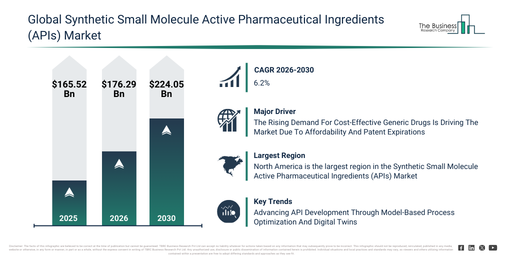
  • The Rising Demand For Cost-Effective Generic Drugs Is Driving The Market Due To Affordability And Patent Expirations Is Supporting Development Across The Synthetic Small Molecule Active Pharmaceutical Ingredients (APIs) Market

    The Rising Demand For Cost-Effective Generic Drugs Is Driving The Market Due To Affordability And Patent Expirations Is Supporting Development Across The Synthetic Small Molecule Active Pharmaceutical Ingredients (APIs) Market

    The Business Research Company’s 2026 market reports feature advanced enhancements such as market attractiveness analysis, total addressable market evaluation, company benchmarking matrices, interactive Excel dashboards, expanded supply chain intelligence, emerging startup coverage, and detailed product insights, delivering more actionable and strategically valuable research.

    How Is The Synthetic Small Molecule Active Pharmaceutical Ingredients (APIs) Market’s Market Value Anticipated To Evolve From 2026 To 2030?

    The market size for synthetic small molecule active pharmaceutical ingredients (APIs) has demonstrated significant growth in recent years. This market is projected to expand from $165.52 billion in 2025 to $176.29 billion in 2026, registering a compound annual growth rate (CAGR) of 6.5%. Historically, this growth has been driven by factors such as the rise of oral solid dosage formulations, the increasing presence of generic pharmaceuticals, well-established chemical synthesis capabilities, the cost-effectiveness of small molecule drugs, and the rising incidence of chronic diseases.

    The market for synthetic small molecule active pharmaceutical ingredients (APIs) is projected to experience substantial growth in the upcoming years. It is anticipated to reach $224.05 billion in 2030, with a compound annual growth rate (CAGR) of 6.2%. This expansion during the forecast period is primarily driven by factors such as an increase in oncology and CNS drug pipelines, the implementation of advanced manufacturing technologies, a heightened demand for high-potency APIs, the broadened scope of outsourced pharmaceutical manufacturing, and an intensified regulatory focus on the transparency of supply chains. Key trends anticipated during this period encompass a surging demand for synthetic small molecule APIs in the treatment of chronic diseases, a rise in the outsourcing of API manufacturing to specialized contract manufacturers, the expanding integration of continuous flow chemistry and biocatalysis techniques, the escalation of generic drug production alongside patent expirations, and a reinforced regulatory emphasis on API quality and traceability.

    Download A Free Sample Report For Comprehensive Market Insights:

    https://www.thebusinessresearchcompany.com/sample.aspx?id=25919&type=smp

    Which Significant Factors Are Encouraging Growth In The Synthetic Small Molecule Active Pharmaceutical Ingredients (APIs) Market?

    The increasing need for affordable generic drugs is anticipated to stimulate the expansion of the synthetic small molecule active pharmaceutical ingredients (APIs) market in the future. These generics are economically priced medications containing identical active ingredients and delivering comparable therapeutic outcomes to their branded counterparts. The uptake of cost-effective generic drugs is climbing, driven by the expanding incidence of long-term diseases necessitating ongoing and economical treatment options. Synthetic small molecule active pharmaceutical ingredients (APIs) facilitate the creation of affordable generic drugs through scalable, streamlined production methods that lower manufacturing expenses without compromising medicinal effectiveness. For example, reports from September 2024 by the US-based trade association, the Association for Accessible Medicines (AAM), indicated that savings generated from biosimilar utilization increased by over 30% to $12.4 billion in 2023. Concurrently, overall savings from both generics and biosimilars expanded by $37 billion, achieving $445 billion, an increase from $408 billion in 2022. Consequently, the heightened demand for cost-effective generic drugs is propelling the growth of the synthetic small molecule active pharmaceutical ingredients (APIs) market.

    How Is The Synthetic Small Molecule Active Pharmaceutical Ingredients (APIs) Market Distributed Across Key Segments?

    The synthetic small molecule active pharmaceutical ingredients (apis) market covered in this report is segmented –

    1) By Type: Active Pharmaceutical Ingredients (APIs), Key Starting Materials (KSMs), Intermediates

    2) By Manufacturing Process: Synthetic Processes, Biocatalysis, Continuous Flow Chemistry, Batch Processing

    3) By Manufacturer: In-House, Outsourced

    4) By Application: Cardiovascular Diseases, Oncology, CNS And Neurology, Orthopedic, Endocrinology, Pulmonology, Gastroenterology, Nephrology, Ophthalmology, Other Applications

    Subsegments:

    1) By Active Pharmaceutical Ingredients (APIs): Anti-diabetic APIs, Antihypertensive APIs, Antihistamines, Anticoagulants

    2) By Key Starting Materials (KSMs): Benzene Derivatives, Pyridine Derivatives, Heterocyclic Compounds, Halogenated Compounds

    3) By Intermediates: Chiral Intermediates, Acylation Intermediates, Alkylation Intermediates, Amination Intermediates

    Which Trends Are Guiding The Development Of The Synthetic Small Molecule Active Pharmaceutical Ingredients (APIs) Market?

    Major companies in the synthetic small molecule active pharmaceutical ingredients (APIs) market are concentrating on introducing advanced solutions, including model-based process optimization platforms, to expedite the development and boost the efficiency of API manufacturing processes. A model-based process optimization platform is a digital innovation that integrates predictive modeling and experimental design tools to streamline and enhance chemical process development with minimal physical experimentation. For instance, in May 2025, Lonza Group, a Switzerland-based contract development and manufacturing organization (CDMO), launched Design2Optimize, a model-based process optimization platform. This platform employs a combination of physicochemical and statistical modeling within an optimization framework to reduce the number of physical experiments needed during process development. By creating a digital twin of each process and facilitating virtual scenario testing, the platform enables faster, more efficient development of complex synthetic pathways for small molecule active pharmaceutical ingredients.

    Who Are The Key Market Participants In The Synthetic Small Molecule Active Pharmaceutical Ingredients (APIs) Market?

    Major companies operating in the synthetic small molecule active pharmaceutical ingredients (apis) market are Pfizer Inc., Johnson & Johnson, Hoffmann-La Roche Ltd., Merck & Co. Inc., AbbVie Inc., Sanofi S.A., Bristol-Myers Squibb Company, AstraZeneca plc, Novartis AG, Eli Lilly and Company, Boehringer Ingelheim International GmbH, Teva Pharmaceutical Industries Ltd., Daiichi Sankyo Co. Ltd., Dr. Reddy’s Laboratories Ltd., Curia Inc., Nanjing King-Friend Biochemical Pharmaceutical Co. Ltd., Accord Healthcare Ltd.

    Access The Complete Synthetic Small Molecule Active Pharmaceutical Ingredients (APIs) Market Report:

    https://www.thebusinessresearchcompany.com/report/synthetic-small-molecule-active-pharmaceutical-ingredients-apis-global-market-report

    Which Area Represents The Largest Portion Of The Synthetic Small Molecule Active Pharmaceutical Ingredients (APIs) Market?

    North America was the largest region in the synthetic small molecule active pharmaceutical ingredients (APIs) market in 2025. Asia-Pacific is expected to be the fastest-growing region in the forecast period. The regions covered in the synthetic small molecule active pharmaceutical ingredients (apis) market report are Asia-Pacific, South East Asia, Western Europe, Eastern Europe, North America, South America, Middle East, Africa.

    Access Synthetic Small Molecule Active Pharmaceutical Ingredients (APIs) Market Report for Deeper Competitive Insights

    https://www.thebusinessresearchcompany.com/sample.aspx?id=25919&type=smp

    Browse Through More Reports Similar to the Global Synthetic Small Molecule Active Pharmaceutical Ingredients (APIs) Market 2026, By The Business Research Company

    Small Molecule Active Pharmaceutical Ingredient Market Report 2026

    https://www.thebusinessresearchcompany.com/report/small-molecule-active-pharmaceutical-ingredient-global-market-report

    Active Pharmaceutical Ingredients Market Report 2026

    https://www.thebusinessresearchcompany.com/report/active-pharmaceutical-ingredients-global-market-report

    Pharmaceuticals Market 2026

    https://www.thebusinessresearchcompany.com/report/pharmaceuticals-market

    Get in touch with us:

    The Business Research Company: https://www.thebusinessresearchcompany.com/

    Americas: +1 310-496-7795

    Asia: +44 7882 955267 & +91 8897263534

    Europe: +44 7882 955267

    Email us at: marketing@tbrc.info

    Follow us on:

    LinkedIn: https://in.linkedin.com/company/the-business-research-company

    YouTube: https://www.youtube.com/channel/UC24_fI0rV8cR5DxlCpgmyFQ

    Global Market Model: https://www.thebusinessresearchcompany.com/global-market-model

  • The Rise In Hormonal Imbalances Fueling The Growth Of The Market Due To Increasing Demand For Hormone Replacement Therapies Is Supporting Development Across The Synthetic Hormones Market

    The Rise In Hormonal Imbalances Fueling The Growth Of The Market Due To Increasing Demand For Hormone Replacement Therapies Is Supporting Development Across The Synthetic Hormones Market

    The Business Research Company’s 2026 market reports feature advanced enhancements such as market attractiveness analysis, total addressable market evaluation, company benchmarking matrices, interactive Excel dashboards, expanded supply chain intelligence, emerging startup coverage, and detailed product insights, delivering more actionable and strategically valuable research.

    By 2030, How Much Growth In Market Size Is Expected For The Synthetic Hormones Market?

    The synthetic hormones market has experienced consistent growth in recent years. It is projected to expand from $6.71 billion in 2025 to $7 billion in 2026, demonstrating a compound annual growth rate (CAGR) of 4.4%. The expansion observed in prior periods can be attributed to various factors such as advancements in chemical synthesis, a rising incidence of hormonal disorders, increased awareness regarding hormone replacement therapy, the broadening reach of hospital and retail pharmacy networks, and the early adoption of insulin and growth hormones.

    The synthetic hormones market is anticipated to experience consistent expansion over the coming years. By 2030, its value is projected to reach $8.34 billion, exhibiting a compound annual growth rate (CAGR) of 4.5%. This growth during the forecast period is propelled by factors such as the incorporation of AI in hormone therapy, advancements in oral and non-invasive hormone delivery methods, the rise of personalized medicine, the proliferation of online pharmacy platforms, and breakthroughs in peptide and amino acid derivative hormones. Key developments expected in this period encompass the evolution of personalized hormone therapy, sophisticated drug delivery systems, novel synthetic hormone formulations, increased adoption of hormone replacement therapy, and adherence to regulatory compliance and quality standards.

    Download A Free Sample Report For Comprehensive Market Insights:

    https://www.thebusinessresearchcompany.com/sample.aspx?id=14515&type=smp

    What Core Drivers Are Transforming The Synthetic Hormones Market?

    An increasing occurrence of hormonal imbalances is anticipated to drive the expansion of the synthetic hormones market in the future. These imbalances manifest when the body produces an inadequate or excessive amount of specific hormones, leading to disruptions stemming from factors like aging, stress, lifestyle choices, or underlying health conditions. Therapeutic intervention is often required for these conditions, with synthetic hormones serving a critical function by either supplementing or replacing deficient hormones to reinstate normal physiological processes and alleviate related symptoms. The growing need for hormone replacement therapy (HRT) underscores the increasing prevalence of these issues. For example, in January 2025, the World Health Organization, an intergovernmental organization based in Switzerland, highlighted polycystic ovary syndrome as a major public health concern and one of the most widespread hormonal disorders among women of reproductive age, affecting an estimated 6–13%, with up to 70% of cases remaining undiagnosed. Thus, the escalating incidence of hormonal imbalances is propelling the growth of the synthetic hormones market.

    How Does Segment Analysis Break Down The Synthetic Hormones Market Structure?

    The synthetic hormones market covered in this report is segmented –

    1) By Product Type: Steroid Hormones, Peptide Hormone, Amino Acid Derivatives, Other Product Types

    2) By Route of Administration: Oral, Nasal, Topical, Intravenous

    3) By Application: Growth Hormone Deficiency, Thyroid Hormone Deficiency, Menopause, Male Hypogonadism, Other Applications

    4) By End User: Hospital Pharmacies, Retail Pharmacies, Online Pharmacies

    Subsegments:

    1) By Steroid Hormones: Corticosteroids, Estrogens and Progesterone, Androgens, Progestins

    2) By Peptide Hormones: Insulin, Growth Hormones, Thyroid Stimulating Hormones, Leptin

    3) By Amino Acid Derivatives: Thyroxine (T4), Epinephrine (Adrenaline), Melatonin

    4) By Other Product Types: Vitamin D Derivatives, Prostaglandins, Gonadotropins

    What Trends Are Influencing The Future Of The Synthetic Hormones Market?

    Major companies operating within the synthetic hormone market are strategically focusing on creating advanced biosimilar formulations, notably high-concentration recombinant human growth hormone (rhGH), to meet the growing demand for more accessible and affordable therapeutic options for growth-hormone deficiency and short stature. High-concentration rhGH describes a form of synthetic growth hormone, typically somatropin, generated using recombinant DNA technology, which boasts an increased drug content per volume. This innovation leads to smaller injection volumes, enhanced convenience, and potentially greater adherence to treatment compared to conventional lower-concentration versions. For example, in May 2025, Sandoz AG, a Switzerland-based leader in generics and biosimilars, launched OMNITROPE in a novel 15 mg / 1.5 mL concentration tailored for the Egyptian market. This particular formulation features somatropin produced via recombinant DNA technology in bacteria, which is functionally identical to human endogenous growth hormone. It is presented in a more concentrated format to alleviate injection burden and minimize treatment interruptions. OMNITROPE is indicated for pediatric short stature (e.g., in Turner syndrome, small-for-gestational-age children, Prader–Willi syndrome) and adult GH deficiency, and its pricing is structured to broaden access under Egypt’s Vision 2030 public-health initiative.

    Which Organizations Are Operating Within The Synthetic Hormones Market?

    Major companies operating in the synthetic hormones market are Pfizer Inc., Johnson & Johnson, AbbVie Inc., Bristol Myers Squibb Company, Sanofi SA, AstraZeneca PLC, Novartis AG, GlaxoSmithKline PLC, Boehringer Ingelheim International GmbH, Novo Nordisk A/S, Merck & Co. Inc, Teva Pharmaceutical Industries Ltd., Ferring B.V., Endo Pharmaceuticals Inc., Lupin Pharmaceuticals Inc., IBSA Institute Biochimique SA, American Regent Inc., McGuff Pharmaceuticals Inc., Anhui Anke Biotechnology Co.Ltd, Acerus Pharmaceuticals Corporation, Slayback Pharma LLC

    Access The Complete Synthetic Hormones Market Report:

    https://www.thebusinessresearchcompany.com/report/synthetic-hormones-global-market-report

    Which Region Commands The Largest Share Of The Synthetic Hormones Market?

    North America was the largest region in the synthetic hormones market in 2025. Asia-Pacific is expected to be the fastest-growing region in the forecast period. The regions covered in the synthetic hormones market report are Asia-Pacific, South East Asia, Western Europe, Eastern Europe, North America, South America, Middle East, Africa.

    Access Synthetic Hormones Market Report for Deeper Competitive Insights

    https://www.thebusinessresearchcompany.com/sample.aspx?id=14515&type=smp

    Browse Through More Reports Similar to the Global Synthetic Hormones Market 2026, By The Business Research Company

    Synthetic Hormones Market Report 2026

    https://www.thebusinessresearchcompany.com/report/synthetic-hormones-global-market-report

    Bioidentical Hormones Market Report 2026

    https://www.thebusinessresearchcompany.com/report/bioidentical-hormones-global-market-report

    Hormone Therapy Market Report 2026

    https://www.thebusinessresearchcompany.com/report/hormone-therapy-global-market-report

    Get in touch with us:

    The Business Research Company: https://www.thebusinessresearchcompany.com/

    Americas: +1 310-496-7795

    Asia: +44 7882 955267 & +91 8897263534

    Europe: +44 7882 955267

    Email us at: marketing@tbrc.info

    Follow us on:

    LinkedIn: https://in.linkedin.com/company/the-business-research-company

    YouTube: https://www.youtube.com/channel/UC24_fI0rV8cR5DxlCpgmyFQ

    Global Market Model: https://www.thebusinessresearchcompany.com/global-market-model
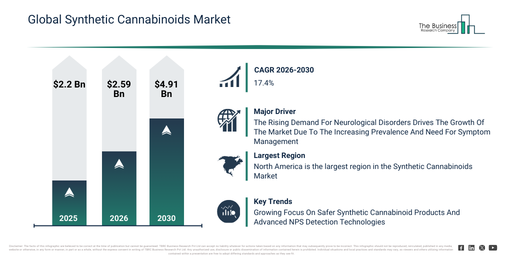
  • The Rising Demand For Neurological Disorders Drives The Growth Of The Market Due To The Increasing Prevalence And Need For Symptom Management Is Supporting Development Across The Synthetic Cannabinoids Market

    The Rising Demand For Neurological Disorders Drives The Growth Of The Market Due To The Increasing Prevalence And Need For Symptom Management Is Supporting Development Across The Synthetic Cannabinoids Market

    The Business Research Company’s 2026 market reports feature advanced enhancements such as market attractiveness analysis, total addressable market evaluation, company benchmarking matrices, interactive Excel dashboards, expanded supply chain intelligence, emerging startup coverage, and detailed product insights, delivering more actionable and strategically valuable research.

    What Market Value Trend Is Expected For The Synthetic Cannabinoids Market From 2026 To 2030?

    The market for synthetic cannabinoids has experienced substantial expansion in recent times. This market is projected to expand from $2.2 billion in 2025 to $2.59 billion in 2026, demonstrating a compound annual growth rate (CAGR) of 17.6%. Key factors contributing to its historical growth include the constraints of plant-derived cannabinoids, the necessity for potency regulation, requirements for pharmaceutical research, the rise in pain management treatments, and specific regional regulatory acceptances.

    The synthetic cannabinoids market size is projected to experience substantial growth in the upcoming years. It is anticipated to reach a valuation of $4.91 billion by 2030, exhibiting a compound annual growth rate (CAGR) of 17.4%. This projected expansion during the forecast period is due to factors such as the broader availability of medical cannabis, the rise in controlled cannabinoid therapeutics, the need for precision dosing, the scalability of synthetic APIs, and increased pharmaceutical R&D investments. Significant developments expected in this period encompass the spread of pharmaceutical-grade cannabinoids, expanding research into synthetic cannabinoids, a rising need for high-purity products, a move towards regulated medical applications, and improvements in controlled synthesis methods.

    Download A Free Sample Report For Comprehensive Market Insights:

    https://www.thebusinessresearchcompany.com/sample.aspx?id=23536&type=smp

    Which Growth Factors Are Strengthening The Synthetic Cannabinoids Market Landscape?

    The escalating requirement for treatments targeting neurological disorders is projected to propel the future expansion of the synthetic cannabinoids market. These conditions encompass diseases of the brain, spinal cord, and nerves, which disrupt movement, sensation, cognition, or overall bodily function. The rising occurrence of neurological disorders is predominantly attributed to the global aging population, as ailments like Alzheimer’s grow more prevalent with age due to cerebral aging and cumulative cellular damage. Synthetic cannabinoids engage cannabinoid receptors in the brain, aiding in the regulation of neurotransmitter activity and potentially mitigating symptoms linked to neurological disorders. For example, in September 2024, the European Brain Council, a health organization based in Belgium, reported that 7 million people in Europe currently live with Alzheimer’s disease, a figure expected to double to 14 million by 2030 due to an aging population, making it a considerable global public health challenge. Consequently, the increasing demand for neurological disorder treatments is driving the growth of the synthetic cannabinoids market.

    What Segment Types Are Included In The Synthetic Cannabinoids Market Analysis?

    The synthetic cannabinoids market covered in this report is segmented –

    1) By Product Type: High-Pure Synthetic Cannabinoids, Ultra-Pure Synthetic Cannabinoids

    2) By Formulation: Oil, Capsules, Edibles, Vapes, Topicals

    3) By Indication: Pain Management, Nausea Or Vomiting, Neurological Disorder Management, Other Indications

    4) By Application: Pharmaceuticals, Research, Recreational Use, Agriculture, Nutraceuticals

    5) By Distribution Channel: Hospital Pharmacies, Retail Pharmacies, Online Pharmacies

    Subsegments:

    1) By High-Pure Synthetic Cannabinoids: Pharmaceutical-Grade Cannabinoids, Research-Grade Cannabinoids, Industrial-Use Cannabinoids

    2) By Ultra-Pure Synthetic Cannabinoids: Medical-Grade Cannabinoids, Biotechnology-Grade Cannabinoids, Analytical-Standard Cannabinoids

    Which Trends Are Contributing To Changes In The Synthetic Cannabinoids Market?

    Key players within the synthetic cannabinoids market are concentrating their efforts on creating secure and superior products, including novel psychoactive substances, with the aim of minimizing associated health dangers and enhancing their market standing. Novel psychoactive substances are defined as designer drugs fabricated in laboratories, designed to imitate the effects of conventional illegal drugs, yet employing modified chemical structures to bypass detection and regulatory oversight. Illustratively, in December 2023, Quest Diagnostics Inc., a US-based healthcare company, introduced an innovative 88-compound Novel Psychoactive Substance (NPS) Test Panel, facilitating more precise identification of various synthetic cannabinoids and other designer drugs. This novel mass-spectrometry-based testing solution offers enhanced detection for evolving synthetic cannabinoids, thereby assisting healthcare providers in gaining a clearer comprehension of patient exposure and optimizing treatment choices. The implementation of these advanced diagnostic tools underscores an increasing demand for dependable monitoring mechanisms as synthetic cannabinoids continue their progression, thereby guaranteeing elevated safety, clarity, and adherence to regulations throughout the market.

    Who Are The Businesses Driving Activity In The Synthetic Cannabinoids Market?

    Major companies operating in the synthetic cannabinoids market are Cayman Chemical, Cerilliant Corporation, Restek Corporation, Chiron AS, BayMedica, CB Therapeutics Inc., Skye Bioscience, Zynerba Pharmaceuticals Inc., Botanix Pharmaceuticals, Kannalife Sciences Inc., SciSparc Ltd., Tetra Bio-Pharma Inc., Canntab Therapeutics Ltd., BioVectra, Noramco Inc., Purisys LLC, Lygos Inc., Johnson Matthey, Almac Group, Cambrex Corporation

    Access The Complete Synthetic Cannabinoids Market Report:

    https://www.thebusinessresearchcompany.com/report/synthetic-cannabinoids-global-market-report

    Which Region Accounts For The Highest Share Of The Synthetic Cannabinoids Market?

    North America was the largest region in the synthetic cannabinoids market in 2025. Asia-Pacific is expected to be the fastest-growing region in the forecast period. The regions covered in the synthetic cannabinoids market report are Asia-Pacific, South East Asia, Western Europe, Eastern Europe, North America, South America, Middle East, Africa.

    Access Synthetic Cannabinoids Market Report for Deeper Competitive Insights

    https://www.thebusinessresearchcompany.com/sample.aspx?id=23536&type=smp

    Browse Through More Reports Similar to the Global Synthetic Cannabinoids Market 2026, By The Business Research Company

    Cannabinoids Market Report 2026

    https://www.thebusinessresearchcompany.com/report/cannabinoids-global-market-report

    Cannabis Capsule Market Report 2026

    https://www.thebusinessresearchcompany.com/report/cannabis-capsule-global-market-report

    Cannabis Extract Market Report 2026

    https://www.thebusinessresearchcompany.com/report/cannabis-extract-global-market-report

    Get in touch with us:

    The Business Research Company: https://www.thebusinessresearchcompany.com/

    Americas: +1 310-496-7795

    Asia: +44 7882 955267 & +91 8897263534

    Europe: +44 7882 955267

    Email us at: marketing@tbrc.info

    Follow us on:

    LinkedIn: https://in.linkedin.com/company/the-business-research-company

    YouTube: https://www.youtube.com/channel/UC24_fI0rV8cR5DxlCpgmyFQ

    Global Market Model: https://www.thebusinessresearchcompany.com/global-market-model

  • Surge In Demand For Personalized Medicine Drives Growth In The Sustained-Release Excipients Market Is Supporting Development Across The Sustained Release Excipients Market

    Surge In Demand For Personalized Medicine Drives Growth In The Sustained-Release Excipients Market Is Supporting Development Across The Sustained Release Excipients Market

    The Business Research Company’s 2026 market reports feature advanced enhancements such as market attractiveness analysis, total addressable market evaluation, company benchmarking matrices, interactive Excel dashboards, expanded supply chain intelligence, emerging startup coverage, and detailed product insights, delivering more actionable and strategically valuable research.

    How Does The Forecasted Market Size Of The Sustained Release Excipients Market Compare Between 2026 And 2030?

    The sustained release excipients market has demonstrated strong expansion over recent years. It is projected to increase from $1.51 billion in 2025 to $1.63 billion in 2026, achieving a compound annual growth rate (CAGR) of 8.2%. This historical growth can be ascribed to several contributing factors, including the rising prevalence of chronic diseases, the greater utilization of modified release tablets, advancements in polymer chemistry, the expansion of generic drug manufacturing, and the regulatory acceptance of sustained release formulations.

    The sustained release excipients market size is anticipated to experience substantial growth over the next few years. Its valuation is projected to reach $2.3 billion by 2030, exhibiting a compound annual growth rate (CAGR) of 8.9%. This expansion during the forecast period is primarily driven by an increasing demand for long-acting injectables, the rise of biologics and specialty drugs, greater investment in drug delivery research and development, the need for patient-centric formulations, and the expansion of pharmaceutical manufacturing operations in developing markets. Significant trends expected in the forecast period involve a growing preference for controlled drug delivery systems, the increased utilization of polymers in sustained release formulations, wider adoption of oral sustained release dosage forms, the advancement of microencapsulation and coacervation technologies, and a focus on enhancing patient compliance through reduced dosing frequency.

    Download A Free Sample Report For Comprehensive Market Insights:

    https://www.thebusinessresearchcompany.com/sample.aspx?id=10822&type=smp

    What Important Drivers Are Powering The Sustained Release Excipients Market Growth?

    The sustained-release excipients market is projected to grow as the demand for personalized medicine continues to rise. Personalized medicine, also termed personalized care, involves medical professionals examining patients’ unique genes, proteins, and other biological components to deliver and organize tailored care using precision medicine. Sustained-release excipients are crucial in personalized medicine because they enable the development of drug formulations customized to meet individual patient needs. For instance, in February 2024, the Personalised Medicine Coalition, a US-based hospital and health care organization, reported that in 2023, the FDA approved 16 new personalized treatments for rare disease patients, which is an increase from 6 in 2022. Thus, the escalating demand for personalized medicine is propelling the expansion of the sustained-release excipients market.

    Which Segment Divisions Form The Structure Of The Sustained Release Excipients Market?

    The sustained release excipients market covered in this report is segmented –

    1) By Product: Gelatin, Polymers, Minerals, Chitosan

    2) By Route of Administration: Oral, Intramuscular, Subcutaneous, Transdermal, Vaginal, Ophthalmic, Intravenous, Other Routes of Administration

    3) By Technology: Targeted Delivery, Micro Encapsulation, Wurster Technique, Transdermal, Implants, Coacervation

    Subsegments:

    1) By Gelatin: Type A Gelatin, Type B Gelatin

    2) By Polymers: Natural Polymers, Synthetic Polymers

    3) By Minerals: Calcium Compounds, Magnesium Compounds, Other Mineral Excipients

    4) By Chitosan: Low Molecular Weight Chitosan, High Molecular Weight Chitosan

    What Trends Are Shaping The Sustained Release Excipients Market Structure?

    Leading companies within the sustained release excipients market are prioritizing the development of advanced solutions, such as multifunctional polymer platforms, to enhance drug formulation efficiency, decrease delivery duration, and support controlled-release profiles. Multifunctional polymer platforms denote excipients capable of enabling immediate, delayed, and sustained drug release, while remaining compatible with formulation technologies like hot melt extrusion and solubility-enhancing spray drying. For example, in September 2024, Evonik, a company based in Germany, began operating a new spray drying facility at its Darmstadt location specifically for EUDRAGIT polymers. This facility boosts production capacity, shortens delivery times, and integrates completely with existing production networks. It employs green electricity and steam derived from local waste incineration to cut CO2 emissions by over 1,000 tons each year. Adhering to IPEC-GMP pharmaceutical guidelines and being directly connected to the production of aqueous dispersions, the facility reduces transportation and streamlines the supply chain. The polymers manufactured there support immediate, delayed, and sustained release formulations, thereby solidifying Evonik’s global hub for oral drug delivery solutions and strengthening its capability to efficiently support innovative pharmaceutical development.

    Which Firms Are Competing In The Sustained Release Excipients Market?

    Major companies operating in the sustained release excipients market are BASF SE, Ashland Global Holdings Inc, Colorcon Inc, Evonik Industries AG, Lubrizol Corporation, Merck KGaA, Roquette Freres, Shin Etsu Chemical Co Ltd, JRS Pharma GmbH Co KG, SPI Pharma Inc, Croda International Plc, Lonza Group AG, Chemische Fabrik Budenheim KG, Asahi Kasei Corporation, DuPont de Nemours Inc, Dow Chemical Company, Eastman Chemical Company, Gattefosse SAS, Balchem Corporation, Associated British Foods plc, Ransom Naturals Ltd, Cellulose Solutions Private Limited

    Access The Complete Sustained Release Excipients Market Report:

    https://www.thebusinessresearchcompany.com/report/sustained-release-excipients-global-market-report

    Which Region Is The Primary Market For The Sustained Release Excipients Market?

    North America was the largest region in the global sustained release excipients market in 2025. Asia-Pacific is expected to be the fastest-growing region in the forecast period. The regions covered in the sustained release excipients market report are Asia-Pacific, South East Asia, Western Europe, Eastern Europe, North America, South America, Middle East, Africa.

    Access Sustained Release Excipients Market Report for Deeper Competitive Insights

    https://www.thebusinessresearchcompany.com/sample.aspx?id=10822&type=smp

    Browse Through More Reports Similar to the Global Sustained Release Excipients Market 2026, By The Business Research Company

    Sustained Release Excipients Market Report 2026

    https://www.thebusinessresearchcompany.com/report/sustained-release-excipients-global-market-report

    Pharmaceutical Excipient Market Report 2026

    https://www.thebusinessresearchcompany.com/report/pharmaceutical-excipient-global-market-report

    Controlled Release Drug Delivery Market Report 2026

    https://www.thebusinessresearchcompany.com/report/controlled-release-drug-delivery-global-market-report

    Get in touch with us:

    The Business Research Company: https://www.thebusinessresearchcompany.com/

    Americas: +1 310-496-7795

    Asia: +44 7882 955267 & +91 8897263534

    Europe: +44 7882 955267

    Email us at: marketing@tbrc.info

    Follow us on:

    LinkedIn: https://in.linkedin.com/company/the-business-research-company

    YouTube: https://www.youtube.com/channel/UC24_fI0rV8cR5DxlCpgmyFQ

    Global Market Model: https://www.thebusinessresearchcompany.com/global-market-model
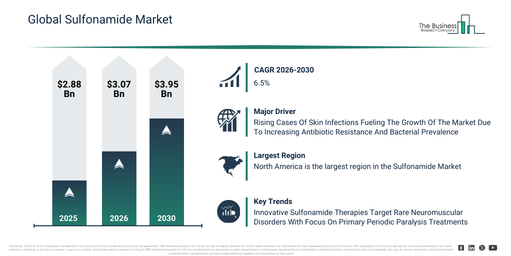
  • Rising Cases Of Skin Infections Fueling The Growth Of The Market Due To Increasing Antibiotic Resistance And Bacterial Prevalence Is Supporting Development Across The Sulfonamide Market

    Rising Cases Of Skin Infections Fueling The Growth Of The Market Due To Increasing Antibiotic Resistance And Bacterial Prevalence Is Supporting Development Across The Sulfonamide Market

    The Business Research Company’s 2026 market reports feature advanced enhancements such as market attractiveness analysis, total addressable market evaluation, company benchmarking matrices, interactive Excel dashboards, expanded supply chain intelligence, emerging startup coverage, and detailed product insights, delivering more actionable and strategically valuable research.

    What Increase In Market Value Is Predicted For The Sulfonamide Market During The 2026–2030 Period?

    The size of the sulfonamide market has seen significant growth over recent years. It is anticipated to expand from $2.88 billion in 2025 to $3.07 billion in 2026, progressing at a compound annual growth rate (CAGR) of 6.5%. The historical growth of this market can be ascribed to early antibiotic development, broad-spectrum efficacy, hospital infection management, generic drug production, and burn treatment usage.

    The sulfonamide market is projected for substantial expansion over the upcoming years. It is anticipated to reach a valuation of $3.95 billion by 2030, demonstrating a compound annual growth rate (CAGR) of 6.5%. This projected increase during the forecast timeframe stems from factors such as antibiotic stewardship initiatives, the need for combination therapies, the enlargement of the generic market, the prevalence of infectious diseases, and expanding healthcare accessibility. Significant developments expected during this period encompass the sustained application in combination antibiotic treatments, rising demand within healthcare environments with limited resources, the proliferation of generic sulfonamide medications, their application in dermatology and burn treatment, and an emphasis on economical antimicrobial solutions.

    Download A Free Sample Report For Comprehensive Market Insights:

    https://www.thebusinessresearchcompany.com/sample.aspx?id=24411&type=smp

    Which Major Factors Are Contributing To The Development Of The Sulfonamide Market?

    The escalating occurrence of skin infections is anticipated to boost the expansion of the sulfonamide market going forward. Skin infections are conditions resulting from bacteria, viruses, fungi, or parasites penetrating the skin, manifesting symptoms such as redness, swelling, discomfort, itching, or pus development. The widespread nature of these infections stems from the increase in antibiotic-resistant bacteria, which renders common infections more challenging to treat and prone to wider dissemination. Sulfonamide aids in treating skin infections by hindering bacterial multiplication and interfering with folic acid synthesis, proving effective against various susceptible bacteria. For instance, in February 2025, according to the American Academy of Dermatology, a US-based non-profit organization, approximately 50 million Americans suffer from acne each year, establishing it as the most prevalent skin ailment in the country. Consequently, the rising incidence of skin infections is propelling the growth of the sulfonamide market.

    How Are Different Segment Groups Identified Within The Sulfonamide Market?

    The sulfonamide market covered in this report is segmented –

    1) By Product Type: Oral Sulfonamides, Topical Sulfonamides, Injectable Sulfonamides

    2) By Chemical Structure: Sulfanilamide, Sulfacetamide, Sulfamethoxazole

    3) By Application: Antibacterial, Antifungal, Antiviral, Diuretics, Antidiabetic, Other Applications

    4) By End-User: Hospitals, Clinics, Research Laboratories, Other End Users

    Subsegments:

    1) By Oral Sulfonamides: Sulfamethoxazole, Sulfisoxazole, Sulfadiazine, Sulfalene

    2) By Topical Sulfonamides: Sulfacetamide Sodium, Silver Sulfadiazine, Sulfamylon, Sulfadiazine Cream

    3) By Injectable Sulfonamides: Sulfamethoxazole, Sulfadiazine Sodium, Sulfamethoxypyridazine

    Which Trends Are Supporting The Evolution Of The Sulfonamide Market?

    Leading companies in the sulfonamide market are concentrating on developing innovative solutions, such as primary periodic paralysis (PPP) therapies, to expand the therapeutic applications of sulfonamide-based drugs and address unmet needs in rare neuromuscular disorders. Primary periodic paralysis (PPP) therapies denote treatments formulated to manage a group of rare, inherited neuromuscular disorders identified by episodes of muscle weakness or paralysis, which are provoked by shifts in blood potassium levels. For instance, in May 2024, Cycle Pharmaceuticals Limited, a UK-based pharmaceutical company, unveiled the medication ORMALVITM (dichlorphenamide) as a therapeutic choice for individuals experiencing hypokalemic periodic paralysis (HypoPP), hyperkalemic periodic paralysis (HyperPP), and related conditions. This FDA-approved therapy presents a specialized answer for patients dealing with these genetic conditions, characterized by occurrences of muscle weakness or paralysis connected to fluctuations in potassium levels. A distinctive element of this product launch is Cycle’s emphasis on patient-centric care, aiming to improve accessibility and adherence through bespoke support services.

    Who Are The Major Companies Operating In The Sulfonamide Market?

    Major companies operating in the sulfonamide market are Abbott Laboratories, Novartis AG, Teva Pharmaceutical Industries Limited, Intas Pharmaceuticals Limited, Cadila Pharmaceuticals Limited, Amneal Pharmaceuticals LLC, Lupin Limited, Bimeda Holdings PLC, Virchow Laboratories Limited, Hebei Veyong Bio-Chemical Co. Ltd., Interchemie Werken De Adelaar B.V., AdvaCare Pharma, VetOne, Zydus Cadila Healthcare Limited, Sun Pharmaceutical Industries Limited, Aurobindo Pharma Limited, Cipla Limited, Alkem Laboratories Limited, Torrent Pharmaceuticals Limited, Alembic Pharmaceuticals Limited, Glenmark Pharmaceuticals Limited, Hikma Pharmaceuticals PLC, Mylan N.V. (Viatris), Wockhardt Limited, Pfizer Inc.

    Access The Complete Sulfonamide Market Report:

    https://www.thebusinessresearchcompany.com/report/sulfonamide-global-market-report

    Which Geographic Region Represents The Largest Sulfonamide Market Share?

    North America was the largest region in the sulfonamide market in 2025. Asia-Pacific is expected to be the fastest-growing region in the forecast period. The regions covered in the sulfonamide market report are Asia-Pacific, South East Asia, Western Europe, Eastern Europe, North America, South America, Middle East, Africa.

    Access Sulfonamide Market Report for Deeper Competitive Insights

    https://www.thebusinessresearchcompany.com/sample.aspx?id=24411&type=smp

    Browse Through More Reports Similar to the Global Sulfonamide Market 2026, By The Business Research Company

    Sulfur Market Report 2026

    https://www.thebusinessresearchcompany.com/report/sulfur-global-market-report

    Naphthalene Sulfonate Market Report 2026

    https://www.thebusinessresearchcompany.com/report/naphthalene-sulfonate-global-market-report

    Vinyl Sulfone Market Report 2026

    https://www.thebusinessresearchcompany.com/report/vinyl-sulfone-global-market-report

    Get in touch with us:

    The Business Research Company: https://www.thebusinessresearchcompany.com/

    Americas: +1 310-496-7795

    Asia: +44 7882 955267 & +91 8897263534

    Europe: +44 7882 955267

    Email us at: marketing@tbrc.info

    Follow us on:

    LinkedIn: https://in.linkedin.com/company/the-business-research-company

    YouTube: https://www.youtube.com/channel/UC24_fI0rV8cR5DxlCpgmyFQ

    Global Market Model: https://www.thebusinessresearchcompany.com/global-market-model

  • Impact Of Secondary Immunodeficiency Diseases On The Subcutaneous Immunoglobulin Market Is Supporting Development Across The Subcutaneous Immunoglobulin (SCIG) Market

    Impact Of Secondary Immunodeficiency Diseases On The Subcutaneous Immunoglobulin Market Is Supporting Development Across The Subcutaneous Immunoglobulin (SCIG) Market

    The Business Research Company’s 2026 market reports feature advanced enhancements such as market attractiveness analysis, total addressable market evaluation, company benchmarking matrices, interactive Excel dashboards, expanded supply chain intelligence, emerging startup coverage, and detailed product insights, delivering more actionable and strategically valuable research.

    How Will The Market Size Of The Subcutaneous Immunoglobulin (SCIG) Market Progress Through 2030?

    The subcutaneous immunoglobulin (scig) market size has experienced significant growth in recent years. It is forecast to expand from $14.39 billion in 2025 to $16.32 billion in 2026, at a compound annual growth rate (CAGR) of 13.4%. The growth observed historically is a result of factors such as the increasing diagnosis of primary immunodeficiency disorders, the limitations associated with intravenous immunoglobulin therapy, a heightened demand for long-term immune support, the enhanced safety profile of scig, and a rising patient preference for care received at home.

    The subcutaneous immunoglobulin (scig) market is anticipated to experience substantial growth in the coming years. It is projected to reach $25.71 billion by 2030, demonstrating a compound annual growth rate (CAGR) of 12.0%. This expansion during the forecast period is fueled by several factors, such as the broadening of scig applications beyond immunodeficiency, a heightened healthcare focus on homecare options, innovations in infusion device technology, the increasing occurrence of autoimmune and neurological conditions, and a growing desire for patient-focused treatment approaches. Noteworthy trends predicted for this timeframe include a clear shift from IVIG to SCIG therapies, an increased embrace of home-based immunoglobulin administration, a rising preference for devices allowing self-administration, the wider utilization of scig in managing chronic immune disorders, and a greater requirement for ongoing immune replacement therapy.

    Download A Free Sample Report For Comprehensive Market Insights:

    https://www.thebusinessresearchcompany.com/sample.aspx?id=15935&type=smp

    What Key Growth Drivers Are Influencing The Subcutaneous Immunoglobulin (SCIG) Market?

    The rising occurrence of secondary immunodeficiency diseases is projected to drive the expansion of the subcutaneous immunoglobulin market in the future. These diseases involve a weakened or compromised immune system originating from factors external to the immune system itself. Key contributors to the prevalence of secondary immunodeficiency diseases include aging populations, the use of immunosuppressive therapies, and exposure to environmental toxins. Subcutaneous immunoglobulin therapy delivers antibodies to reinforce the impaired immune system, particularly in chronic conditions like HIV or autoimmune diseases, helping to prevent infections and maintain immunological function throughout treatment. For example, in October 2024, data from the HIV i-Base, a UK-based treatment activist organization, revealed that in 2023, new HIV diagnoses saw a 36% increase among heterosexual men, climbing from 445 in 2022 to 605, and a 30% increase among heterosexual women, from 602 in 2022 to 780. Consequently, the growing prevalence of secondary immunodeficiency diseases is fueling the growth of the subcutaneous immunoglobulin market.

    Subcutaneous Immunoglobulin (SCIG) Market Driver: Rising Neurological Disorders Fuel Growth In The Subcutaneous Immunoglobulin Market

    The growing incidence of neurological disorders is anticipated to stimulate the expansion of the subcutaneous immunoglobulin market in the future. A neurological disorder refers to any condition affecting the nervous system, characterized by anatomical, biochemical, or electrical irregularities in the brain, spinal cord, or peripheral nerves, encompassing ailments such as acute spinal cord injury, Alzheimer’s dementia, amyotrophic lateral sclerosis (ALS), ataxia, and brain tumors. The rise in neurological disorders is attributable to several elements, including an aging global population, exposure to environmental toxins, genetic predispositions, and evolving lifestyle patterns. Subcutaneous immunoglobulin therapy offers advantages in managing neurological disorders by supplying antibodies that can regulate immune responses, alleviate inflammation, and stabilize neuromuscular junctions, potentially decelerating disease progression and enhancing symptom management. As an illustration, in March 2023, the Alzheimer’s Association, a US-based nonprofit voluntary health organization, reported that 6.7 million Americans aged 65 and older are currently living with Alzheimer’s dementia, with forecasts suggesting this figure could reach 13.8 million by 2060. Consequently, the increasing prevalence of neurological disorders is a significant factor propelling the growth of the subcutaneous immunoglobulin market.

    What Segment Categories Are Evaluated In The Subcutaneous Immunoglobulin (SCIG) Market Study?

    The subcutaneous immunoglobulin (scig) market covered in this report is segmented –

    1) By Product Type: Immunoglobulin A (IgA), Immunoglobulin G (IgG)

    2) By Application: Primary Immunodeficiency Disorders, Autoimmune Diseases, Neurological Disorders, Other Applications

    3) By End-Use: Clinics, Hospitals, Homecare, Other End-Uses

    Subsegments:

    1) By Immunoglobulin A (IgA): IgA1, IgA2

    2) By Immunoglobulin G (IgG): IgG1, IgG2, IgG3, IgG4

    What Trends Are Affecting The Growth Of The Subcutaneous Immunoglobulin (SCIG) Market?

    Leading companies within the subcutaneous immunoglobulin (SCIG) market are concentrating on creating sophisticated solutions, including ready-to-use prefilled formulations, with the goal of increasing treatment convenience, facilitating self-administration, and elevating the overall patient journey. These ready-to-use SCIG formulations are defined as stable, premeasured immunoglobulin products specifically designed for subcutaneous administration, enabling individuals suffering from primary immunodeficiency and other immune conditions to manage their therapy with greater ease beyond traditional clinical environments. An illustrative example occurred in April 2023 when the U.S. Food and Drug Administration (FDA) gave its approval to a 50 mL / 10 g prefilled syringe version of Hizentra (Immune Globulin Subcutaneous [Human] 20%), thereby offering patients a straightforward, prepared-for-use alternative that promotes easier home infusion and boosts compliance with treatment regimens.

    Which Companies Are Influencing The Subcutaneous Immunoglobulin (SCIG) Market?

    Major companies operating in the subcutaneous immunoglobulin (scig) market are CSL Behring, Grifols S.A., Octapharma AG, Kedrion Biopharma, LFB Group, Biotest AG, Bio Products Laboratory Ltd., ADMA Biologics Inc., Kamada Pharmaceuticals, Takeda Pharmaceutical Company Limited, Baxter International Inc., Bharat Serums and Vaccines Limited, Emergent BioSolutions Inc., Pfizer Inc., Johnson & Johnson, Lonza Group, Argenx SE, CinnaGen Co., Intas Pharmaceuticals Ltd., Dr. Reddy’s Laboratories Ltd.

    Access The Complete Subcutaneous Immunoglobulin (SCIG) Market Report:

    https://www.thebusinessresearchcompany.com/report/subcutaneous-immunoglobulin-scig-global-market-report

    Which Region Leads The Subcutaneous Immunoglobulin (SCIG) Market By Size?

    North America was the largest region in the subcutaneous immunoglobulin market in 2025. Asia-Pacific is expected to be the fastest-growing region in the forecast period. The regions covered in the subcutaneous immunoglobulin (scig) market report are Asia-Pacific, South East Asia, Western Europe, Eastern Europe, North America, South America, Middle East, Africa.

    Access Subcutaneous Immunoglobulin (SCIG) Market Report for Deeper Competitive Insights

    https://www.thebusinessresearchcompany.com/sample.aspx?id=15935&type=smp

    Browse Through More Reports Similar to the Global Subcutaneous Immunoglobulin (SCIG) Market 2026, By The Business Research Company

    Subcutaneous Immunoglobulin Scig Market Report 2026

    https://www.thebusinessresearchcompany.com/report/subcutaneous-immunoglobulin-scig-global-market-report

    Immunoglobulins Market Report 2026

    https://www.thebusinessresearchcompany.com/report/immunoglobulins-global-market-report

    Intravenous Immunoglobulin Market Report 2026

    https://www.thebusinessresearchcompany.com/report/intravenous-immunoglobulin-global-market-report

    Get in touch with us:

    The Business Research Company: https://www.thebusinessresearchcompany.com/

    Americas: +1 310-496-7795

    Asia: +44 7882 955267 & +91 8897263534

    Europe: +44 7882 955267

    Email us at: marketing@tbrc.info

    Follow us on:

    LinkedIn: https://in.linkedin.com/company/the-business-research-company

    YouTube: https://www.youtube.com/channel/UC24_fI0rV8cR5DxlCpgmyFQ

    Global Market Model: https://www.thebusinessresearchcompany.com/global-market-model

  • Rising Prevalence Of Diabetes And Cardiovascular Diseases Boosts Growth In Subcutaneous Drug Delivery Device Market Is Supporting Development Across The Subcutaneous Drug Delivery Devices Market

    Rising Prevalence Of Diabetes And Cardiovascular Diseases Boosts Growth In Subcutaneous Drug Delivery Device Market Is Supporting Development Across The Subcutaneous Drug Delivery Devices Market

    The Business Research Company’s 2026 market reports feature advanced enhancements such as market attractiveness analysis, total addressable market evaluation, company benchmarking matrices, interactive Excel dashboards, expanded supply chain intelligence, emerging startup coverage, and detailed product insights, delivering more actionable and strategically valuable research.

    What Is The Expected Market Size Of The Subcutaneous Drug Delivery Devices Market In 2026 And How Much Will It Reach By 2030?

    The market for subcutaneous drug delivery devices has demonstrated significant growth in recent years. This market is forecast to expand from $29.77 billion in 2025 to $32.03 billion in 2026, at a compound annual growth rate (CAGR) of 7.6%. The historical growth of this market can be attributed to several factors, including the rising prevalence of diabetes and chronic diseases, the increasing use of insulin pens and pen needles, the expansion of hospital and clinic infrastructure, the limited availability of advanced delivery technologies, and increasing awareness of subcutaneous drug administration.

    The subcutaneous drug delivery devices market is poised for significant expansion over the next few years. Its valuation is predicted to reach $42.42 billion in 2030, growing at a compound annual growth rate (CAGR) of 7.3%. This anticipated growth during the forecast period is influenced by factors such as the rise in biologics and oncology treatments, a greater embrace of smart auto-injectors, the broadening of homecare settings, advancements in implantable pump technologies, and an increasing need for patient-centered drug delivery solutions. Key trends during this period are expected to include the growing adoption of auto-injectors and smart injection devices, a preference for at-home and self-administered therapies, an escalating demand for minimally invasive drug delivery methods, the expansion of biologic and biosimilar drug delivery uses, and improved patient adherence facilitated by user-friendly device designs.

    Download A Free Sample Report For Comprehensive Market Insights:

    https://www.thebusinessresearchcompany.com/sample.aspx?id=19723&type=smp

    Which Core Factors Are Supporting The Expansion Of The Subcutaneous Drug Delivery Devices Market?

    The rising occurrence of diabetes and cardiovascular diseases (CVD) is anticipated to fuel the expansion of the subcutaneous drug delivery devices market in the future. This growing incidence of diabetes and cardiovascular diseases stems from factors such as aging populations, poor dietary habits, inactive lifestyles, obesity, disparities in socioeconomic status, stress, environmental influences, and insufficient access to preventive medical care. For individuals with diabetes, subcutaneous drug delivery devices facilitate the administration of insulin and other medications to manage blood sugar levels, while in the context of cardiovascular diseases, they deliver drugs like anticoagulants or lipid-lowering agents, thereby offering an accessible and regulated approach for handling these persistent health issues. As an illustration, in October 2024, data from the Centers for Disease Control and Prevention, a US federal agency, indicated that in 2023, 919,032 people died from cardiovascular disease, which accounts for 1 in every 3 deaths. Consequently, the expanding occurrence of diabetes and cardiovascular diseases (CVD) is stimulating market growth for subcutaneous drug delivery devices.

    How Is The Subcutaneous Drug Delivery Devices Market Examined Through Segment Analysis?

    The subcutaneous drug delivery devices market covered in this report is segmented –

    1) By Product Type: Insulin Pens, Pen Needles, Injector Pens, Auto-Injectors, Implantable Pumps

    2) By Application: Diabetes, Fertility, Oncology

    3) By End-User: Hospitals And Clinics, Homecare Settings, Ambulatory Surgical Centers

    Subsegments:

    1) By Insulin Pens: Disposable Insulin Pens, Reusable Insulin Pens

    2) By Pen Needles: Standard Pen Needles, Safety Pen Needles

    3) By Injector Pens: Disposable Injector Pens, Reusable Injector Pens

    4) By Auto-Injectors: Manual Auto-Injectors, Smart Auto-Injectors

    5) By Implantable Pumps: Insulin Pumps, Drug Infusion Pumps

    Which Trends Are Influencing The Direction Of The Subcutaneous Drug Delivery Devices Market?

    Leading companies in the subcutaneous drug delivery devices market are focusing on developing innovative products, such as miniature digital liquid flow sensors, to improve the safety and precision of subcutaneous drug delivery by supplying accurate, customizable flow sensors for large-volume injectors. Miniature digital liquid flow sensors are compact instruments that accurately measure the flow rate of liquids in small-scale applications, providing digital output for precise monitoring and control. For instance, in May 2024, Sensirion AG, a Switzerland-based provider of environmental and flow sensors, introduced the SLD3x series sensor platform. This sensor series features highly accurate digital liquid flow sensors with customizable solutions, providing exact flow measurement, occlusion detection, in-line air bubble identification, and liquid temperature monitoring. These miniature sensors are ideal for large-scale medical device manufacturing, ensuring optimal dosing and enhanced patient safety in subcutaneous drug delivery.

    Who Are The Companies Shaping The Subcutaneous Drug Delivery Devices Market Landscape?

    Major companies operating in the subcutaneous drug delivery devices market are Pfizer Inc., Sanofi S.A., Roche Holdings Inc., Medtronic plc, Eli Lilly and Company, Amgen Inc., Novo Nordisk A/S, Becton Dickinson and Company, West Pharmaceutical Services Inc., Gerresheimer AG, Insulet Corporation, SHL Medical AG, Tandem Diabetes Care Inc., Ypsomed Holding AG, Nemera, Elcam Medical Ltd., Owen Mumford Ltd., Haselmeier GmbH, Sensile Medical AG, Enable Injections Inc., Unilife Corporation, PharmaJet, Oval Medical Technologies Ltd.

    Access The Complete Subcutaneous Drug Delivery Devices Market Report:

    https://www.thebusinessresearchcompany.com/report/subcutaneous-drug-delivery-devices-global-market-report

    Which Region Has The Strongest Presence In The Subcutaneous Drug Delivery Devices Market?

    North America was the largest region in the subcutaneous drug delivery devices market in 2025. Asia-Pacific is expected to be the fastest-growing region in the market going forward. The regions covered in the subcutaneous drug delivery devices market report are Asia-Pacific, South East Asia, Western Europe, Eastern Europe, North America, South America, Middle East, Africa.

    Access Subcutaneous Drug Delivery Devices Market Report for Deeper Competitive Insights

    https://www.thebusinessresearchcompany.com/sample.aspx?id=19723&type=smp

    Browse Through More Reports Similar to the Global Subcutaneous Drug Delivery Devices Market 2026, By The Business Research Company

    Drug Delivery Devices Market Report 2026

    https://www.thebusinessresearchcompany.com/report/drug-delivery-devices-global-market-report

    Implantable Drug Delivery Devices Market Report 2026

    https://www.thebusinessresearchcompany.com/report/implantable-drug-delivery-devices-global-market-report

    Liposomal Drug Delivery Devices Market Report 2026

    https://www.thebusinessresearchcompany.com/report/liposomal-drug-delivery-devices-global-market-report

    Get in touch with us:

    The Business Research Company: https://www.thebusinessresearchcompany.com/

    Americas: +1 310-496-7795

    Asia: +44 7882 955267 & +91 8897263534

    Europe: +44 7882 955267

    Email us at: marketing@tbrc.info

    Follow us on:

    LinkedIn: https://in.linkedin.com/company/the-business-research-company

    YouTube: https://www.youtube.com/channel/UC24_fI0rV8cR5DxlCpgmyFQ

    Global Market Model: https://www.thebusinessresearchcompany.com/global-market-model
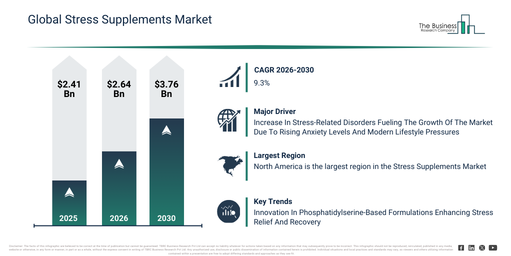
  • Increase In Stress-Related Disorders Fueling The Growth Of The Market Due To Rising Anxiety Levels And Modern Lifestyle Pressures Is Supporting Development Across The Stress Supplements Market

    Increase In Stress-Related Disorders Fueling The Growth Of The Market Due To Rising Anxiety Levels And Modern Lifestyle Pressures Is Supporting Development Across The Stress Supplements Market

    The Business Research Company’s 2026 market reports feature advanced enhancements such as market attractiveness analysis, total addressable market evaluation, company benchmarking matrices, interactive Excel dashboards, expanded supply chain intelligence, emerging startup coverage, and detailed product insights, delivering more actionable and strategically valuable research.

    What Market Size Is Forecasted For The Stress Supplements Market By 2030 Based On Its 2026 Value?

    The stress supplements market size has shown significant growth in recent years. It is projected to expand from $2.41 billion in 2025 to $2.64 billion in 2026, achieving a compound annual growth rate (CAGR) of 9.4%. Historically, this growth has been fueled by factors such as increasing awareness of mental health management, heightened stress levels associated with urban lifestyles, a rise in dietary supplement consumption, the growing use of herbal and nutraceutical products, and improved accessibility of various stress management products.

    The stress supplements market is set to experience significant expansion over the next few years. It is projected to achieve a value of $3.76 billion in 2030, reflecting a compound annual growth rate (CAGR) of 9.3%. This anticipated growth is influenced by factors such as the increasing need for comprehensive wellness solutions, a heightened emphasis on preventive mental health care, the development of personalized nutrition platforms, the rising adoption of online supplement retail channels, and ongoing innovation in functional ingredient combinations. Prominent trends for the forecast period include a growing consumer demand for natural and adaptogenic components, an increasing preference for tailored stress support products, the expansion of clean-label supplement formulations, a stronger focus on mood and cognitive well-being, and the proliferation of direct-to-consumer supplement brands.

    Download A Free Sample Report For Comprehensive Market Insights:

    https://www.thebusinessresearchcompany.com/sample.aspx?id=30413&type=smp

    What Are The Main Drivers Accelerating The Growth Of The Stress Supplements Market?

    The projected expansion of the stress supplements market is driven by the growing incidence of stress-related disorders. These disorders are defined as mental or physical ailments resulting from sustained or excessive stress, impacting both emotional health and physiological processes. A rise in work-related pressures and rapid contemporary living patterns contribute to the escalation of these conditions. In addressing stress-related disorders, stress supplements serve to manage cortisol levels, alleviate anxiety, and foster mental calm. An illustrative example comes from May 2024, when the American Psychiatric Association, a professional body for psychiatrists in the US, reported that 43% of adults experienced anxiety, an increase from 37% in 2023 and 32% in 2022. Consequently, the expanding occurrence of stress-related disorders is fueling the expansion of the stress supplements market.

    Which Segment Groups Define The Stress Supplements Market Landscape?

    The stress supplements market covered in this report is segmented –

    1) By Formulation Type: Tablets, Capsules, Powders, Liquids, Chewable

    2) By Type: Rhodiola Rosea Supplement, Melatonin Supplement, Vitamin D Supplement, Ashwagandha Supplement, L-Theanine Supplement, B-Complex Vitamins Supplement, Magnesium Supplement, Other Types

    3) By Purpose Of Use: Stress Reduction, Sleep Support, Anxiety Relief, Enhanced Mood, Cognitive Function Improvement

    4) By Distribution Channel: Online Retail, Pharmacies, Supermarkets And Hypermarkets, Specialty Stores

    5) By Application: Children, Adults

    Subsegments:

    1) By Tablets: Multivitamin Tablets, Herbal Extract Tablets, Adaptogen Tablets, Amino Acid Tablets, Mineral-Enriched Tablets

    2) By Capsules: Softgel Capsules, Hard Gelatin Capsules, Herbal Blend Capsules, Omega-3 Or Fatty Acid Capsules, Probiotic Capsules

    3) By Powders: Protein-Based Powders With Stress Relief Ingredients, Herbal Adaptogen Powders, Functional Beverage Mix Powders, Nootropic Powders, Collagen With Relaxation Additives

    4) By Liquids: Herbal Tinctures, Vitamin And Mineral Liquid Blends, Botanical Extract Tonics, Ready-To-Drink Relaxation Beverages, Functional Shots

    5) By Chewable: Gummies, Effervescent Chewable, Lozenges, Functional Candies, Flavored Nutraceutical Chews

    What Trends Are Driving Changes In The Stress Supplements Market?

    Major companies operating in the stress supplements market are concentrating on creating innovative formulations that incorporate phosphatidylserine to regulate cortisol levels, enhance recovery, and promote mental well-being using natural and functional ingredients. Phosphatidylserine is a phospholipid essential for maintaining healthy brain cells and reducing stress through its role in regulating cortisol levels. For example, in July 2025, KA-EX, a Switzerland-based food and beverage company, introduced its fast-acting cortisol stress reducer beverage in the U.S., marking a significant expansion in the stress supplements segment. KA-EX has become popular among consumers, including athletes and active individuals, for its documented ability to decrease cortisol levels by 36% within 48 hours, contributing to stress reduction, improved sleep, and enhanced energy. Formulated with phosphatidylserine, amino acids, and anti-inflammatory ingredients, the drink supports overall mental well-being and stress management. It is packaged in a patented dual-compartment bottle designed to preserve ingredient stability until activation. KA-EX’s debut in the U.S. reinforces its standing as a science-driven solution within the stress supplements market, catering to consumers looking for effective ways to manage stress and improve overall recovery.

    Which Industry Players Are Present In The Stress Supplements Market?

    Major companies operating in the stress supplements market are Bayer AG, Sanofi S.A., GlaxoSmithKline plc, Glanbia plc, Amway Corporation, Nature’s Bounty Inc., GNC Holdings LLC, Dabur India Limited, Alkermes plc, Patanjali Ayurveda, NOW Health Group Inc., The Himalaya Drug Company, Nutramax Laboratories Consumer Care Inc, Jarrow Formulas Inc., Nature’s Way Products LLC, Swanson Health Products Inc., BioGaia AB, Bluebonnet Nutrition Corporation, Allergy Research Group, KA-EX

    Access The Complete Stress Supplements Market Report:

    https://www.thebusinessresearchcompany.com/report/global-stress-supplements-market-report

    Which Region Stands As The Largest Contributor To The Stress Supplements Market?

    North America was the largest region in the stress supplements market in 2025. Asia-Pacific is expected to be the fastest-growing region in the forecast period. The regions covered in the stress supplements market report are Asia-Pacific, South East Asia, Western Europe, Eastern Europe, North America, South America, Middle East, Africa.

    Access Stress Supplements Market Report for Deeper Competitive Insights

    https://www.thebusinessresearchcompany.com/sample.aspx?id=30413&type=smp

    Browse Through More Reports Similar to the Global Stress Supplements Market 2026, By The Business Research Company

    Stress Tests Equipment Market Report 2026

    https://www.thebusinessresearchcompany.com/report/stress-tests-equipment-global-market-report

    Wellness Supplements Market Report 2026

    https://www.thebusinessresearchcompany.com/report/wellness-supplements-global-market-report

    Cardiovascular Health Supplements Market Report 2026

    https://www.thebusinessresearchcompany.com/report/cardiovascular-health-supplements-global-market-report

    Get in touch with us:

    The Business Research Company: https://www.thebusinessresearchcompany.com/

    Americas: +1 310-496-7795

    Asia: +44 7882 955267 & +91 8897263534

    Europe: +44 7882 955267

    Email us at: marketing@tbrc.info

    Follow us on:

    LinkedIn: https://in.linkedin.com/company/the-business-research-company

    YouTube: https://www.youtube.com/channel/UC24_fI0rV8cR5DxlCpgmyFQ

    Global Market Model: https://www.thebusinessresearchcompany.com/global-market-model