Month: May 2026

  • Rising Prevalence Of Cancer Fueling The Growth Of The Market Due To Increasing Lifestyle-Related Risk Factors Is Supporting Development Across The Cancer Antibody Drug Conjugates Market

    Rising Prevalence Of Cancer Fueling The Growth Of The Market Due To Increasing Lifestyle-Related Risk Factors Is Supporting Development Across The Cancer Antibody Drug Conjugates Market

    The Business Research Company’s 2026 market reports feature advanced enhancements such as market attractiveness analysis, total addressable market evaluation, company benchmarking matrices, interactive Excel dashboards, expanded supply chain intelligence, emerging startup coverage, and detailed product insights, delivering more actionable and strategically valuable research.

    What Market Size Is Forecasted For The Cancer Antibody Drug Conjugates Market By 2030 Based On Its 2026 Value?

    The cancer antibody drug conjugates market has experienced significant growth in recent years. This market is projected to expand from $9.17 billion in 2025 to $10.24 billion in 2026, achieving a compound annual growth rate (CAGR) of 11.7%. Historically, this growth can be attributed to advancements in monoclonal antibody engineering, increasing cancer incidence rates, the rising adoption of targeted oncology therapies, the expansion of clinical research in biologics, and regulatory approvals for early ADC therapies.

    The cancer antibody drug conjugates market is anticipated to expand rapidly in the coming years, reaching a valuation of $15.77 billion in 2030, with a compound annual growth rate (CAGR) of 11.4%. This growth over the forecast period is attributed to increased investment in precision oncology pipelines, the rising adoption of combination cancer therapies, the extension of ADC indications beyond solid tumors, a growing need for safer targeted treatments, and continuous advancements in linker and payload technologies. Significant trends during this period include the accelerated development of next-generation antibody drug conjugates, a heightened focus on tumor-specific targeting mechanisms, the expanding use of cleavable linker technologies, the diversification of ADC applications across various cancer types, and an increased emphasis on improving the therapeutic index.

    Download A Free Sample Report For Comprehensive Market Insights:

    https://www.thebusinessresearchcompany.com/sample.aspx?id=30217&type=smp

    Which Major Factors Are Contributing To The Development Of The Cancer Antibody Drug Conjugates Market?

    An anticipated surge in cancer cases is poised to boost the expansion of the cancer antibody drug conjugates market. Cancer prevalence is defined as the total count of individuals, encompassing both recent and prior diagnoses, who are living with a cancer history at a given moment. This increase in prevalence stems from lifestyle factors like unhealthy diets, smoking, alcohol use, and exposure to environmental contaminants, which heighten the likelihood of developing different types of cancer. Cancer antibody-drug conjugates assist in treating cancer by directly administering powerful chemotherapy agents to cancerous cells, thereby reducing damage to healthy tissues. Furthermore, these conjugates improve treatment accuracy through precise targeting of tumor antigens, leading to enhanced therapeutic outcomes and fewer adverse effects for patients. For example, Cancer Australia, a government agency located in Australia, reported in February 2025 that 4,641 new cases of pancreatic cancer were recorded in 2024, comprising 2,414 in males and 2,227 in females. Consequently, the growing incidence of cancer is propelling the demand within the cancer antibody drug conjugates market.

    How Is Segment Classification Applied In The Cancer Antibody Drug Conjugates Market?

    The cancer antibody drug conjugates market covered in this report is segmented –

    1) By Type Of Antibody: Monoclonal Antibodies, Bispecific Antibodies, Low Molecular Weight Antibodies, Polyclonal Antibodies

    2) By Mechanism Of Action: Cell Death Signal (CDS) Inducers, Microtubule Disruptors, Deoxyribonucleic Acid (DNA) Damage Inducers, Immune Checkpoint Inhibitors

    3) By Technology: Cleavable Linker, Non-Cleavable Linker

    4) By Disease Indication: Breast Cancer, Blood Cancers, Lung Cancer, Gastrointestinal Cancers, Prostate Cancer

    5) By End-User: Hospitals, Specialty Clinics, Research Institutes

    Subsegments:

    1) By Monoclonal Antibodies: Fully Human Monoclonal Antibodies, Humanized Monoclonal Antibodies, Chimeric Monoclonal Antibodies, Murine Monoclonal Antibodies

    2) By Bispecific Antibodies: T Cell Engager Bispecific Antibodies, Dual Specific Antigen Targeting Bispecific Antibodies, Immune Checkpoint Modulating Bispecific Antibodies, Cytokine Redirecting Bispecific Antibodies

    3) By Low Molecular Weight Antibodies: Single Chain Variable Fragment Antibodies, Nanobody Antibodies, Antibody Fragment Antibodies, Domain Antibodies

    4) By Polyclonal Antibodies: Purified Polyclonal Antibodies, Recombinant Polyclonal Antibodies, Animal Derived Polyclonal Antibodies, Human Derived Polyclonal Antibodies

    What Trends Are Driving Changes In The Cancer Antibody Drug Conjugates Market?

    Leading firms within the cancer antibody-drug conjugates market are prioritizing the creation of cutting-edge solutions, including cleavable tumor-activated linker technology, aimed at improving targeted delivery, the exactness of treatment, and patient safety. This cleavable tumor-activated linker technology describes a specialized chemical system employed in antibody-drug conjugates (ADCs) that links the cytotoxic drug to the antibody, ensuring its release exclusively upon the ADC’s arrival at the tumor microenvironment. An example of this is the United States Food and Drug Administration (FDA) approval granted in June 2025 to Daiichi Sankyo Co. Ltd., a biopharmaceutical company from Japan, for Datroway (datopotamab deruxtecan-dlnk). This product is a trophoblast cell surface antigen 2 (TROP-2)-directed antibody-drug conjugate utilizing a cleavable linker, specifically developed for treating adult patients suffering from locally advanced or metastatic EGFR-mutated non-small cell lung cancer (NSCLC) who have previously undergone EGFR-directed therapy and platinum-based chemotherapy. The product offers features such as precise payload release, improved tumour-cell killing, encompassing bystander activity, and better treatment tolerability. Furthermore, it enhances the accuracy of drug delivery and broadens the range of therapeutic choices available for challenging solid tumours.

    Who Are The Major Companies Operating In The Cancer Antibody Drug Conjugates Market?

    Major companies operating in the cancer antibody drug conjugates market are Johnson & Johnson, Roche Holding AG, Merck and Co. Inc., Pfizer Inc., AbbVie Inc., Bayer AG, Sanofi S.A., AstraZeneca PLC, Bristol-Myers Squibb Company, GlaxoSmithKline PLC, Eli Lilly and Company, Takeda Pharmaceutical Company Limited, Amgen Inc., Gilead Sciences Inc., Astellas Pharma Inc., Daiichi Sankyo Company Limited, Byondis BV, Adienne Pharma and Biotech SA, Helix BioPharma Corp., Adcytherix SAS

    Access The Complete Cancer Antibody Drug Conjugates Market Report:

    https://www.thebusinessresearchcompany.com/report/global-cancer-antibody-drug-conjugates-market-report

    Which Region Contributes The Most To The Cancer Antibody Drug Conjugates Market?

    North America was the largest region in the cancer antibody drug conjugates market in 2025. Asia-Pacific is expected to be the fastest-growing region in the forecast period. The regions covered in the cancer antibody drug conjugates market report are Asia-Pacific, South East Asia, Western Europe, Eastern Europe, North America, South America, Middle East, Africa.

    Access Cancer Antibody Drug Conjugates Market Report for Deeper Competitive Insights

    https://www.thebusinessresearchcompany.com/sample.aspx?id=30217&type=smp

    Browse Through More Reports Similar to the Global Cancer Antibody Drug Conjugates Market 2026, By The Business Research Company

    Antibody Drug Conjugates Market Report 2026

    https://www.thebusinessresearchcompany.com/report/antibody-drug-conjugates-global-market-report

    Anti Cancer Mabs Market Report 2026

    https://www.thebusinessresearchcompany.com/report/anti-cancer-mabs-global-market-report

    Metastatic Cancer Drugs Market Report 2026

    https://www.thebusinessresearchcompany.com/report/metastatic-cancer-drugs-global-market-report

    Get in touch with us:

    The Business Research Company: https://www.thebusinessresearchcompany.com/

    Americas: +1 310-496-7795

    Asia: +44 7882 955267 & +91 8897263534

    Europe: +44 7882 955267

    Email us at: marketing@tbrc.info

    Follow us on:

    LinkedIn: https://in.linkedin.com/company/the-business-research-company

    YouTube: https://www.youtube.com/channel/UC24_fI0rV8cR5DxlCpgmyFQ

    Global Market Model: https://www.thebusinessresearchcompany.com/global-market-model

  • Surge In Need Of Dietary Supplements Fueling The Growth Of The Market Due To Increasing Health Awareness Is Supporting Development Across The Calorie Supplements Market

    Surge In Need Of Dietary Supplements Fueling The Growth Of The Market Due To Increasing Health Awareness Is Supporting Development Across The Calorie Supplements Market

    The Business Research Company’s 2026 market reports feature advanced enhancements such as market attractiveness analysis, total addressable market evaluation, company benchmarking matrices, interactive Excel dashboards, expanded supply chain intelligence, emerging startup coverage, and detailed product insights, delivering more actionable and strategically valuable research.

    How Is The Market Value Of The Calorie Supplements Market Projected To Expand During 2026–2030?

    The calorie supplements market has experienced significant growth in recent years. It is projected to expand from $1.31 billion in 2025 to $1.44 billion in 2026, at a compound annual growth rate (CAGR) of 9.8%. This historical growth can be ascribed to the increasing prevalence of malnutrition and undernutrition, greater utilization of nutritional supplementation in clinical care, the expanding elderly population with heightened energy requirements, the development of sports and fitness nutrition markets, and the wider availability of fortified nutritional products.

    The calorie supplements market is set to undergo significant expansion in the coming years. It is projected to achieve a value of $2.08 billion in 2030, demonstrating a compound annual growth rate (CAGR) of 9.5%. This forecasted increase is driven by factors such as a greater emphasis on personalized nutrition solutions, a rising preference for convenient nutritional formats, an expanding awareness of preventive healthcare nutrition, the widening reach of e-commerce-based supplement distribution, and ongoing innovation in clean-label calorie supplements. Notable trends expected during this period include an increased demand for high-calorie medical nutrition products, a growing adoption of ready-to-drink energy supplements, a heightened focus on balanced macronutrient formulations, the expansion of online nutritional supplement sales, and enhanced product customization to meet specific health needs.

    Download A Free Sample Report For Comprehensive Market Insights:

    https://www.thebusinessresearchcompany.com/sample.aspx?id=30216&type=smp

    What Key Growth Drivers Are Influencing The Calorie Supplements Market?

    The increasing demand for dietary supplements is projected to drive the expansion of the calorie supplements market in the future. Dietary supplements are defined as products consumed orally, comprising nutrients or various substances designed to complement one’s diet. This rising demand for dietary supplements stems from heightened health consciousness, with more individuals aiming to fulfill their nutritional needs and preserve general well-being. Within this market, calorie supplements represent a vital segment, offering concentrated energy sources and crucial nutrients, thereby assisting people in more efficiently satisfying their daily calorie and nutrient demands. For example, in September 2025, the Australian Bureau of Statistics, an Australia-based government department, disclosed that 33.6% of individuals utilized dietary supplements in 2023, where vitamin and mineral supplements (29.7%) were the most prevalent. This highlights a significant consumer emphasis on nutritional supplementation, which in turn supports wider categories like calorie supplements. Consequently, the escalating need for dietary supplements is fueling the expansion of the calorie supplements market.

    What Are The Core Segment Classifications In The Calorie Supplements Market?

    The calorie supplements market covered in this report is segmented –

    1) By Form: Ready to Drink, Ready to Mix

    2) By Packaging: Carton, Canister, Bottle, Cups, Cans, Box (Packets), Tub, Jars

    3) By Flavor: Unflavored, Flavored

    4) By Sales Channel: Offline Sales Channel, Online Sales Channel

    Subsegments:

    1) By Ready To Drink: Energy Drinks, Nutritional Shakes, Protein Beverages, Meal Replacement Drinks

    2) By Ready To Mix: Powdered Protein Mix, Nutrient Fortified Powder, Instant Meal Mix, Calorie Dense Powder

    Which Trends Are Shaping The Calorie Supplements Market Landscape?

    Leading companies within the calorie supplements market are concentrating on developing novel formulations and complete nutritional offerings, including superior proteins, aimed at fostering overall health, boosting energy, and filling nutritional deficiencies in everyday diets. Superior proteins are defined as those possessing all necessary amino acids in adequate quantities to facilitate growth, repair, and proper body function. For example, in July 2025, the Indian pharmaceutical firm, Torrent Pharmaceuticals Ltd., unveiled Shelcal Total, an adult nutrition powder grounded in scientific research, which brings together protein, calcium, magnesium, vitamins D3 and K2, glucosamine, and bamboo shoot extract. This supplement aids bone, joint, muscle, immunity, gut, brain, and skin health, incorporating vegetarian components without added sugar or artificial colors, making it suitable for adults attentive to their calorie consumption. Such innovative, convenient, and exhaustive nutritional solutions effectively tackle contemporary dietary problems, encourage complete well-being, and enhance consumer confidence in scientifically supported supplement choices.

    Which Companies Are Influencing The Calorie Supplements Market?

    Major companies operating in the calorie supplements market are Abbott Laboratories, Danone S.A., Nestlé Health Science, Glanbia plc, Amway Corporation, MyProtein, Orgain Inc., Garden of Life LLC, MusclePharm Corp, MuscleTech, Instasure, Optimum Nutrition Inc., Nutricia International Pvt Ltd, Patanjali Foods Ltd, NOW Foods, Isopure, Pro 360, Dymatize Enterprises LLC, Herbaland Naturals Inc., Bright Lifecare Pvt Ltd

    Access The Complete Calorie Supplements Market Report:

    https://www.thebusinessresearchcompany.com/report/global-calorie-supplements-market-report

    Which Regional Market Leads The Calorie Supplements Market?

    North America was the largest region in the calorie supplements market in 2025. The regions covered in the calorie supplements market report are Asia-Pacific, South East Asia, Western Europe, Eastern Europe, North America, South America, Middle East, Africa.

    Access Calorie Supplements Market Report for Deeper Competitive Insights

    https://www.thebusinessresearchcompany.com/sample.aspx?id=30216&type=smp

    Browse Through More Reports Similar to the Global Calorie Supplements Market 2026, By The Business Research Company

    Nutritional Supplements Market Report 2026

    https://www.thebusinessresearchcompany.com/report/nutritional-supplements-global-market-report

    Weight Loss Supplements Market Report 2026

    https://www.thebusinessresearchcompany.com/report/weight-loss-supplements-global-market-report

    Digestive Health Supplements Market Report 2026

    https://www.thebusinessresearchcompany.com/report/digestive-health-supplements-global-market-report

    Get in touch with us:

    The Business Research Company: https://www.thebusinessresearchcompany.com/

    Americas: +1 310-496-7795

    Asia: +44 7882 955267 & +91 8897263534

    Europe: +44 7882 955267

    Email us at: marketing@tbrc.info

    Follow us on:

    LinkedIn: https://in.linkedin.com/company/the-business-research-company

    YouTube: https://www.youtube.com/channel/UC24_fI0rV8cR5DxlCpgmyFQ

    Global Market Model: https://www.thebusinessresearchcompany.com/global-market-model
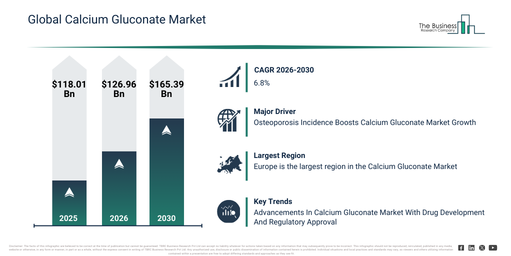
  • Osteoporosis Incidence Boosts Calcium Gluconate Market Growth Is Supporting Development Across The Calcium Gluconate Market

    Osteoporosis Incidence Boosts Calcium Gluconate Market Growth Is Supporting Development Across The Calcium Gluconate Market

    The Business Research Company’s 2026 market reports feature advanced enhancements such as market attractiveness analysis, total addressable market evaluation, company benchmarking matrices, interactive Excel dashboards, expanded supply chain intelligence, emerging startup coverage, and detailed product insights, delivering more actionable and strategically valuable research.

    What Are The Forecasted Market Size Figures For The Calcium Gluconate Market In 2026 And 2030?

    The calcium gluconate market has experienced substantial growth in recent years. This market is expected to expand from $118.01 billion in 2025 to $126.96 billion in 2026, exhibiting a compound annual growth rate (CAGR) of 7.6%. The historical expansion of this market can be linked to the increasing occurrence of calcium deficiency, a rise in osteoporosis cases among the elderly, the development of hospital and clinical infrastructure, the expansion of pharmaceutical distribution networks, and a growing awareness about bone health.

    The calcium gluconate market is anticipated to undergo significant expansion in the next few years. It is projected to reach $165.39 billion by 2030, demonstrating a compound annual growth rate (CAGR) of 6.8%. This growth during the forecast period is primarily fueled by the escalating demand for nutraceuticals and dietary supplements, advancements in injectable calcium formulations, the expanding sectors of geriatric care and pediatric healthcare, the adoption of preventive healthcare strategies, and the robust development of emerging markets, particularly within the Asia-Pacific region. Key trends influencing this period include an increasing incidence of hypocalcemia, a rise in osteoporosis awareness programs, the wider acceptance of intravenous supplements, the broadening of nutraceutical and functional food markets, and the creation of specialized calcium formulations for pediatric and geriatric populations.

    Download A Free Sample Report For Comprehensive Market Insights:

    https://www.thebusinessresearchcompany.com/sample.aspx?id=16005&type=smp

    Which Core Factors Are Supporting The Expansion Of The Calcium Gluconate Market?

    The escalating prevalence of osteoporosis is projected to fuel the expansion of the calcium gluconate market moving forward. Osteoporosis is identified as a medical condition marked by diminished bone density and strength, subsequently elevating the risk of fractures. The increasing occurrence of osteoporosis can be linked to sedentary lifestyles, inadequate calcium consumption, hormonal imbalances, and natural age-related physiological shifts. The calcium gluconate market aids in the management of osteoporosis by supplying an auxiliary source of calcium, thereby contributing to improved bone strength and a reduced risk of fractures. For example, in March 2025, according to the British Pharmacological Society, a UK-based Association, a significant proportion of patients receiving osteoporosis treatments in 2023 were females: 90.9% for denosumab, 80.8% for bisphosphonates, 98.9% for SERMs, 99% for tibolone, and 86.8% for teriparatide. Hence, the rising incidence of osteoporosis is a primary driver behind the growth of the calcium gluconate market. The increasing investment in healthcare is projected to boost the expansion of the calcium gluconate market in the coming years. Healthcare refers to the organized network of medical services, professionals, facilities, and resources designed to maintain and improve the physical and mental well-being of individuals. Healthcare spending is on the rise due to an aging global population, the escalating burden of chronic diseases, advancements in medical technology, and a growing desire for high-quality healthcare provisions. The calcium gluconate market serves healthcare needs by offering a vital treatment option for conditions stemming from low calcium levels, including hypocalcemia, cardiac complications, and certain toxicities. For instance, in 2024, economic forecasts from the Office for Budget Responsibility (OBR) and the UK Treasury, a UK-based non-departmental public body, predicted that the UK’s planned health spending would reach £192 billion ($244.43 billion) in the 2024/25 period, an increase from £182 billion ($231.70 billion) in 2022/23. Therefore, the escalating expenditure on healthcare is driving the growth of the calcium gluconate market.

    How Is The Calcium Gluconate Market Structured Across Different Market Segments?

    The calcium gluconate market covered in this report is segmented –

    1) By Form: Liquid, Tablet, Powder, Gel

    2) By Grade: Pharmaceutical Grade, Food Grade

    3) By Application: Food And Beverage Manufacturers, Pharmaceutical, Nutraceutical, Cosmetic And Personal Care, Other Applications

    4) By End Use: Emulsifier, Bulking Agent, Thickening Agent

    Subsegments:

    1) By Liquid: Injectable Solution, Oral Liquid, IV Infusion

    2) By Tablet: Standard Tablets, Effervescent Tablets

    3) By Powder: Oral Powder, Injectable Powder

    4) By Gel: Topical Gel, Transdermal Gel

    What Trends Are Influencing The Calcium Gluconate Market Outlook?

    Entities significantly involved in the calcium gluconate market are prioritizing the development and subsequent approval of new calcium gluconate drug formulations. This strategic focus aims to improve the availability of treatment options, ensure access to high-quality therapeutic solutions, and more effectively manage calcium deficiencies along with associated acute conditions. The comprehensive process of drug development and approval is a multi-stage endeavor, encompassing discovery, preclinical evaluation, clinical testing, and regulatory scrutiny. This rigorous sequence ultimately ensures that a medication is safe, effective, and adheres to health authority standards before it reaches patients. As an illustration, in September 2023, Amneal Pharmaceuticals Inc., a US-based generics and specialty pharmaceutical company, obtained U.S. FDA abbreviated new drug application (ANDA) approval for its calcium gluconate in sodium chloride injection. This product also received Competitive Generic Therapy designation, which included a 180-day exclusivity period, and is supplied in 1000 mg/50 mL and 2000 mg/100 mL small-volume parenteral bags for the treatment of acute symptomatic hypocalcemia in both pediatric and adult patients.

    Who Are The Companies Shaping The Calcium Gluconate Market Landscape?

    Major companies operating in the calcium gluconate market are Merck & Co. Inc., Thermo Fisher Scientific Inc., Abbott Laboratories, Novartis AG, Eli Lilly and Company, Solvay, Viatris Inc., Baxter International Inc., Fresenius Kabi USA, Hikma Pharmaceuticals Inc., Amneal Pharmaceuticals Private Limited, Amphastar Pharmaceuticals, Jost Chemical Co., American Regent Inc., Coyne Chemical, Anhui Xingzhou Medicine Food Co. Ltd., Westco Chemicals Inc., Noah chemicals, ND Biotech Pvt Ltd, Global Calcium Private Limited, Foodchem, Pharma Cure Laboratories, Nivagen Pharmaceuticals Inc., Tianyi Food Additives Co. Ltd

    Access The Complete Calcium Gluconate Market Report:

    https://www.thebusinessresearchcompany.com/report/calcium-gluconate-global-market-report

    Which Region Holds The Largest Share In The Calcium Gluconate Market?

    Europe was the largest region in the calcium gluconate market in 2025. Asia-Pacific is expected to be the fastest-growing region in the forecast period. The regions covered in the calcium gluconate market report are Asia-Pacific, South East Asia, Western Europe, Eastern Europe, North America, South America, Middle East, Africa.

    Access Calcium Gluconate Market Report for Deeper Competitive Insights

    https://www.thebusinessresearchcompany.com/sample.aspx?id=16005&type=smp

    Browse Through More Reports Similar to the Global Calcium Gluconate Market 2026, By The Business Research Company

    Calcium Gluconate Market Report 2026

    https://www.thebusinessresearchcompany.com/report/calcium-gluconate-global-market-report

    Calcium Aluminosilicate Market Report 2026

    https://www.thebusinessresearchcompany.com/report/calcium-aluminosilicate-global-market-report

    Calcium Hypochlorite Market Report 2026

    https://www.thebusinessresearchcompany.com/report/calcium-hypochlorite-global-market-report

    Get in touch with us:

    The Business Research Company: https://www.thebusinessresearchcompany.com/

    Americas: +1 310-496-7795

    Asia: +44 7882 955267 & +91 8897263534

    Europe: +44 7882 955267

    Email us at: marketing@tbrc.info

    Follow us on:

    LinkedIn: https://in.linkedin.com/company/the-business-research-company

    YouTube: https://www.youtube.com/channel/UC24_fI0rV8cR5DxlCpgmyFQ

    Global Market Model: https://www.thebusinessresearchcompany.com/global-market-model

  • Rising Prevalence Of Cardiovascular Diseases Propels Growth In The Calcium Channel Blocker Market Is Supporting Development Across The Calcium Channel Blocker Market

    Rising Prevalence Of Cardiovascular Diseases Propels Growth In The Calcium Channel Blocker Market Is Supporting Development Across The Calcium Channel Blocker Market

    The Business Research Company’s 2026 market reports feature advanced enhancements such as market attractiveness analysis, total addressable market evaluation, company benchmarking matrices, interactive Excel dashboards, expanded supply chain intelligence, emerging startup coverage, and detailed product insights, delivering more actionable and strategically valuable research.

    How Much Larger Will The Calcium Channel Blocker Market Become By 2030 Compared To 2026?

    The calcium channel blocker market has experienced robust growth in recent years. Its size is projected to expand from $16.46 billion in 2025 to $17.61 billion in 2026, achieving a compound annual growth rate (CAGR) of 7.0%. The historical period’s growth can be ascribed to elements such as the increasing prevalence of hypertension, a rise in cardiovascular disorders, the expanding aging population, the early adoption of dihydropyridine drugs, and awareness campaigns by healthcare providers.

    The calcium channel blocker market size is projected to experience substantial expansion in the coming years. This market is anticipated to reach $23.12 billion by 2030, exhibiting a compound annual growth rate (CAGR) of 7.0%. Key factors contributing to this growth during the projected period include advancements in sustained-release formulations, a heightened emphasis on personalized medicine, the widespread adoption of digital cardiac monitoring, the growth of homecare services, and increased investments in combination therapies. Significant trends anticipated for this forecast period encompass personalized hypertension management strategies, the evolution of combination therapies, sophisticated cardiac safety monitoring technologies, specialized pediatric and geriatric formulations, and the emergence of oral sustained-release formulations.

    Download A Free Sample Report For Comprehensive Market Insights:

    https://www.thebusinessresearchcompany.com/sample.aspx?id=9428&type=smp

    What Are The Main Drivers Accelerating The Growth Of The Calcium Channel Blocker Market?

    The rising incidence of cardiovascular diseases is anticipated to drive the future expansion of the calcium channel blocker market. Cardiovascular disease encompasses conditions affecting the heart or blood vessels. Calcium channel blockers (CCBs) are utilized to reduce the likelihood of heart failure and stroke. As a result, the growing prevalence of cardiovascular diseases will lead to an increased demand for calcium channel blockers. For example, in January 2024, the American Heart Association, a US-based non-profit organization, noted that the age-adjusted death rate from cardiovascular disease escalated to 233.3 per 100,000 in 2024, representing an increase of 4.0% from 224.4 per 100,000 in 2023. Consequently, the increasing prevalence rate of cardiovascular diseases is propelling the growth of the calcium channel blocker market.

    Which Segment-Based Categories Are Covered In The Calcium Channel Blocker Market?

    The calcium channel blocker market covered in this report is segmented –

    1) By Drug Class: Dihydropyridine, Benzothiazepine, Phenylalkylamine, Other Drug Classes

    2) By Disease Indications: Hypertension, Chest Pain, Arrhythmias

    3) By Route Of Administration: Oral, Parenteral, Other Route Of Administration

    4) By End User: Hospitals, Homecare, Specialty Clinics, Other End Users

    Which Trends Are Expected To Shape The Calcium Channel Blocker Market?

    Leading companies within the calcium channel blocker market are focused on developing technological advancements, such as self-administered nasal spray formulations for acute arrhythmia management. These innovations aim to achieve rapid symptom control, enhance patient convenience, and reduce the frequency of hospital visits. A nasal spray formulation facilitates direct delivery of the active calcium channel blocker through the nasal mucosa, leading to faster absorption compared to traditional oral tablets and eliminating the necessity for intravenous administration in clinical environments. For instance, in July 2025, Milestone Pharmaceuticals, a U.S.-based biopharmaceutical company, received FDA acceptance for the review of its Cardamyst (etripamil) nasal spray, which is designed for paroxysmal supraventricular tachycardia (PSVT) and atrial fibrillation with rapid ventricular rate (AFib RVR). This product is a fast-acting, non-dihydropyridine L-type calcium channel blocker delivered intranasally, enabling rapid AV node conduction modulation, restoring normal rhythm without requiring hospital supervision, and allowing patients to manage episodes in their home setting.

    Which Industry Players Are Present In The Calcium Channel Blocker Market?

    Major companies operating in the calcium channel blocker market are Pfizer Inc., GlaxoSmithKline plc, Novartis AG, Bausch Health Companies Inc., Lupin Pharmaceuticals Inc., Cadila Healthcare Limited, Covis Pharma BV, Glenmark Pharmaceuticals Inc., Amneal Pharmaceuticals LLC, Sofgen Pharmaceuticals, Teva Pharmaceutical Industries Ltd., Knoll Healthcare Private Limited, Sanofi S.A., Clearsynth Labs Ltd., Searle LLC, Bayer AG, AstraZeneca plc, Wyeth-Ayerst Lederle Inc., AbbVie Inc., Silvergate Pharmaceuticals Inc., Sun Pharmaceutical Industries Ltd.

    Access The Complete Calcium Channel Blocker Market Report:

    https://www.thebusinessresearchcompany.com/report/calcium-channel-blocker-global-market-report

    Which Region Is The Dominant Market In The Calcium Channel Blocker Market?

    North America was the largest region in the calcium channel blocker market in 2025. The regions covered in the calcium channel blocker market report are Asia-Pacific, South East Asia, Western Europe, Eastern Europe, North America, South America, Middle East, Africa.

    Access Calcium Channel Blocker Market Report for Deeper Competitive Insights

    https://www.thebusinessresearchcompany.com/sample.aspx?id=9428&type=smp

    Browse Through More Reports Similar to the Global Calcium Channel Blocker Market 2026, By The Business Research Company

    Calcium Channel Blocker Market Report 2026

    https://www.thebusinessresearchcompany.com/report/calcium-channel-blocker-global-market-report

    Calcium Gluconate Market Report 2026

    https://www.thebusinessresearchcompany.com/report/calcium-gluconate-global-market-report

    Calcium Carbide Market Report 2026

    https://www.thebusinessresearchcompany.com/report/calcium-carbide-global-market-report

    Get in touch with us:

    The Business Research Company: https://www.thebusinessresearchcompany.com/

    Americas: +1 310-496-7795

    Asia: +44 7882 955267 & +91 8897263534

    Europe: +44 7882 955267

    Email us at: marketing@tbrc.info

    Follow us on:

    LinkedIn: https://in.linkedin.com/company/the-business-research-company

    YouTube: https://www.youtube.com/channel/UC24_fI0rV8cR5DxlCpgmyFQ

    Global Market Model: https://www.thebusinessresearchcompany.com/global-market-model
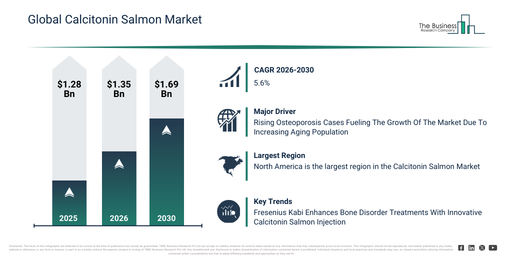
  • Rising Osteoporosis Cases Fueling The Growth Of The Market Due To Increasing Aging Population Is Supporting Development Across The Calcitonin Salmon Market

    Rising Osteoporosis Cases Fueling The Growth Of The Market Due To Increasing Aging Population Is Supporting Development Across The Calcitonin Salmon Market

    The Business Research Company’s 2026 market reports feature advanced enhancements such as market attractiveness analysis, total addressable market evaluation, company benchmarking matrices, interactive Excel dashboards, expanded supply chain intelligence, emerging startup coverage, and detailed product insights, delivering more actionable and strategically valuable research.

    What Growth In Market Value Is Anticipated For The Calcitonin Salmon Market Between 2026 And 2030?

    The calcitonin salmon market has demonstrated significant expansion in recent years. Its size is anticipated to rise from $1.28 billion in 2025 to $1.35 billion in 2026, registering a compound annual growth rate (CAGR) of 6.0%. This historical growth can be attributed to several factors including the prevalence of osteoporosis, hospital-based injectable therapies, the existence of calcium metabolism disorders, a growing aging population, and the limited availability of alternative bone therapies.

    The calcitonin salmon market is projected to experience substantial expansion in the upcoming years. Its value is anticipated to reach $1.69 billion by 2030, exhibiting a compound annual growth rate (CAGR) of 5.6%. This growth over the forecast period can be primarily attributed to factors such as an increasing geriatric population, a rising preference for non-invasive drug delivery methods, advancements in synthetic peptide technology, greater awareness of bone health, and specialized endocrinology care. Key trends anticipated during this period encompass the ongoing application in osteoporosis management, a growing inclination towards nasal spray formulations, a transition towards synthetic and recombinant product types, an expansion in treatments for bone disorders affecting the elderly, and consistent demand for hypercalcemia management.

    Download A Free Sample Report For Comprehensive Market Insights:

    https://www.thebusinessresearchcompany.com/sample.aspx?id=24491&type=smp

    Which Growth Drivers Are Expected To Support The Calcitonin Salmon Market Forward?

    The calcitonin salmon market is projected to grow as osteoporosis becomes more common. Osteoporosis is a medical condition marked by reduced bone density and a higher risk of fractures, primarily affecting older individuals, particularly women after menopause. Its increasing prevalence is linked to longer life expectancies, which result in a larger elderly population more susceptible to bone density loss. Calcitonin salmon aids in managing osteoporosis by preventing bone resorption, thereby slowing down bone deterioration and assisting in maintaining bone density in those affected. For instance, Healthy Bones Australia reported in August 2024 that an estimated 6.2 million Australians aged 50 and above, representing about 67 percent of that demographic, suffered from poor bone health in 2023, with approximately 23 percent of these individuals diagnosed with osteoporosis. Consequently, the growing incidence of osteoporosis is fueling the expansion of the calcitonin salmon market. Future growth in the calcitonin salmon market is anticipated due to increasing investments in healthcare infrastructure. Healthcare infrastructure encompasses the essential physical and organizational assets, such as hospitals, clinics, medical equipment, and capital assets of health systems, necessary for providing health services. The rise in healthcare infrastructure investment stems from greater government funding allocated for facility modernization and expanding system capacity. As healthcare infrastructure investment grows, expanding clinical facilities and improving patient access, calcitonin salmon therapies become more widely available and utilized. For example, the Centers for Medicare and Medicaid Services (CMS) reported in December 2024 that U.S. healthcare spending increased by 7.5% in 2023, reaching $4.9 trillion, or $14,570 per person, and constituted 17.6% of the nation’s GDP. Hence, the increasing investments in healthcare infrastructure are propelling the growth of the calcitonin salmon market.

    What Are The Major Segment Categories Within The Calcitonin Salmon Market?

    The calcitonin salmon market covered in this report is segmented –

    1) By Type: Spray, Injection

    2) By Dosage Form: Intravenous, Subcutaneous, Nasal Spray, Other Dosage Forms

    3) By Distribution Channel: Hospital Pharmacies, Retail Pharmacies, Online Pharmacies

    4) By Application: Osteoporosis, Paget’s Disease Of Bone, Hypercalcemia, Myeloma, Other Applications

    5) By End User: Hospitals, Clinics, Pharmacies, Online Pharmacies, Other End Users

    Subsegments:

    1) By Spray: Nasal Spray, Oral Spray

    2) By Injection: Subcutaneous Injection, Intramuscular Injection, Intravenous Injection

    What Trends Are Affecting The Calcitonin Salmon Market Dynamics?

    Leading companies in the calcitonin salmon market are concentrating on developing innovative solutions, such as calcium regulators, to enhance treatment effectiveness and improve patient outcomes. A calcium regulator is a substance or mechanism that assists in controlling calcium levels in the blood and bones, ensuring proper bone formation, maintenance, and metabolic balance. For instance, in February 2025, Fresenius Kabi, a Germany-based pharmaceutical company, launched calcitonin salmon injection, USP synthetic, designed to treat symptomatic Paget’s disease of the bone and hypercalcemia. This synthetic formulation is indicated for symptomatic Paget’s disease of the bone, hypercalcemia, and postmenopausal osteoporosis when alternative treatments are unsuitable. Packaged in 400 I.U./2 mL (200 I.U./mL) multi-dose vials, the product is entirely formulated, filled, and packaged in the United States, underscoring Fresenius Kabi’s commitment to strengthening domestic pharmaceutical manufacturing and supply chains. The introduction of this injection expands the company’s generic injectables portfolio, aiming to provide affordable and reliable treatment options for patients.

    Which Organizations Are Involved In The Calcitonin Salmon Market?

    Major companies operating in the calcitonin salmon market are Sanofi S.A, Boehringer Ingelheim International GmbH, Viatris Inc., Fresenius Kabi AG, Sun Pharmaceutical Industries Limited, Dr. Reddy’s Laboratories Limited, Cipla Limited, Hikma Pharmaceuticals plc, Endo International plc, Asahi Kasei Pharma Corporation, Anhui Anke Biotechnology (Group) Co. Ltd., Hybio Pharmaceutical Co. Ltd., Tokyo Chemical Industry Co. Ltd., Santa Cruz Biotechnology Inc., HRV Global Life Sciences Private Limited, AdvaCare Pharma USA LLC, BCN Peptides S.L., Leucadia Pharmaceuticals Inc., Polypeptide Group AB, LKT Laboratories Inc.

    Access The Complete Calcitonin Salmon Market Report:

    https://www.thebusinessresearchcompany.com/report/calcitonin-salmon-global-market-report

    Which Area Represents The Largest Portion Of The Calcitonin Salmon Market?

    North America was the largest region in the calcitonin salmon market in 2025. Asia-Pacific is expected to be the fastest-growing region in the forecast period. The regions covered in the calcitonin salmon market report are Asia-Pacific, South East Asia, Western Europe, Eastern Europe, North America, South America, Middle East, Africa.

    Access Calcitonin Salmon Market Report for Deeper Competitive Insights

    https://www.thebusinessresearchcompany.com/sample.aspx?id=24491&type=smp

    Browse Through More Reports Similar to the Global Calcitonin Salmon Market 2026, By The Business Research Company

    Aquaculture Feed Market Report 2026

    https://www.thebusinessresearchcompany.com/report/aquaculture-feed-global-market-report

    Smart Aquaculture Market Report 2026

    https://www.thebusinessresearchcompany.com/report/smart-aquaculture-global-market-report

    Aquaculture Market Report 2026

    https://www.thebusinessresearchcompany.com/report/aquaculture-global-market-report

    Get in touch with us:

    The Business Research Company: https://www.thebusinessresearchcompany.com/

    Americas: +1 310-496-7795

    Asia: +44 7882 955267 & +91 8897263534

    Europe: +44 7882 955267

    Email us at: marketing@tbrc.info

    Follow us on:

    LinkedIn: https://in.linkedin.com/company/the-business-research-company

    YouTube: https://www.youtube.com/channel/UC24_fI0rV8cR5DxlCpgmyFQ

    Global Market Model: https://www.thebusinessresearchcompany.com/global-market-model
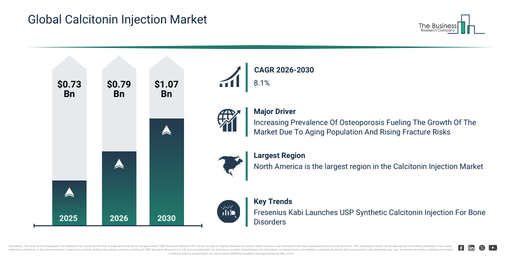
  • Increasing Prevalence Of Osteoporosis Fueling The Growth Of The Market Due To Aging Population And Rising Fracture Risks Is Supporting Development Across The Calcitonin Injection Market

    Increasing Prevalence Of Osteoporosis Fueling The Growth Of The Market Due To Aging Population And Rising Fracture Risks Is Supporting Development Across The Calcitonin Injection Market

    The Business Research Company’s 2026 market reports feature advanced enhancements such as market attractiveness analysis, total addressable market evaluation, company benchmarking matrices, interactive Excel dashboards, expanded supply chain intelligence, emerging startup coverage, and detailed product insights, delivering more actionable and strategically valuable research.

    What Is The Expected Market Value Outlook For The Calcitonin Injection Market Through 2030?

    The market size for calcitonin injections has shown strong growth in recent years. It is projected to expand from $0.73 billion in 2025 to $0.79 billion in 2026, advancing at a compound annual growth rate (CAGR) of 8.4%. Factors such as osteoporosis prevalence, hospital injectable therapies, fracture management protocols, calcium metabolism disorders, and an aging population are identified as contributors to its historical growth.

    The calcitonin injection market is projected to experience substantial expansion in the coming years. This market is set to reach $1.07 billion by 2030, exhibiting a compound annual growth rate (CAGR) of 8.1%. Factors contributing to this anticipated growth during the forecast period include an increasing elderly population, a rising demand for injectable treatments, heightened awareness of bone diseases, advancements in synthetic peptide development, and the expansion of specialty care services. Key developments expected during this period involve the sustained application in osteoporosis management, the proliferation of injectable therapies for bone conditions, the broadening of hypercalcemia treatment options, an increased focus on bone health in the elderly, and a shift towards synthetic calcitonin formulations.

    Download A Free Sample Report For Comprehensive Market Insights:

    https://www.thebusinessresearchcompany.com/sample.aspx?id=24490&type=smp

    What Influential Factors Are Boosting The Calcitonin Injection Market Demand?

    The rising incidence of osteoporosis is projected to boost the calcitonin injection market. Osteoporosis is a medical condition marked by reduced bone density and a greater likelihood of fractures, mainly impacting older individuals, particularly women after menopause. This rise in osteoporosis cases is linked to an aging global population, where increased longevity naturally results in bone density loss and a higher risk of developing the condition. Calcitonin injections support osteoporosis treatment by managing calcium levels and slowing bone deterioration, thereby effectively preserving bone density. These injections offer a focused treatment that is simple to administer, which enhances patient adherence and lowers the risk of fractures. For example, in August 2024, data from Healthy Bones Australia, an Australian non-profit dedicated to osteoporosis prevention and bone health, revealed that an estimated 6.2 million Australians aged 50 and above—approximately 67 percent of this demographic—experienced poor bone health in 2023, with around 23 percent of them suffering from osteoporosis. Consequently, the growing prevalence of osteoporosis is stimulating expansion in the calcitonin injection market.

    Calcitonin Injection Market Driver: Expansion Of Home Healthcare Services Fuelling The Growth Of The Market Amid The Accelerating Transition From Hospital To Home-Based Care

    How Is The Calcitonin Injection Market Distributed Across Key Segments?

    The calcitonin injection market covered in this report is segmented –

    1) By Type Of Calcitonin: Salmon Calcitonin, Human Calcitonin, Synthetic Calcitonin

    2) By Route Of Administration: Intravenous (IV) Injection, Subcutaneous Injection, Intramuscular Injection

    3) By Distribution Channel: Direct Sales, Online Pharmacy, Retail Pharmacy, Healthcare Institutions

    4) By Therapeutic Application: Osteoporosis Treatment, Pagets Disease Management, Hypercalcemia Control, Bone Metastases Therapy

    5) By End-User: Hospitals, Specialty Clinics, Geriatric Care Facilities, Home Healthcare

    Subsegments:

    1) By Salmon Calcitonin, Synthetic Salmon Calcitonin, Recombinant Salmon Calcitonin

    2) By Human Calcitonin, Recombinant Human Calcitonin, Synthetic Human Calcitonin

    3) By Synthetic Calcitonin, Peptide-Based Synthetic Calcitonin, Analog Synthetic Calcitonin

    Which Trends Are Influencing The Expansion Of The Calcitonin Injection Market?

    Leading companies in the calcitonin injection market are concentrating on developing innovative products, such as USP synthetic injections, to boost treatment effectiveness and improve patient outcomes. USP Synthetic Injections are injectable medications containing synthetically produced active ingredients that adhere to the stringent quality, purity, strength, and identity standards set by the United States Pharmacopeia (USP). These injections are manufactured under regulated conditions to ensure their safety and effectiveness for therapeutic use. For instance, in February 2025, Fresenius Kabi, a Germany-based pharmaceutical company, launched calcitonin salmon injection, a USP synthetic, for treating symptomatic Paget’s disease of the bone and hypercalcemia. It is a sterile solution designed for intramuscular or subcutaneous injection, available with a strength of 200 USP units per mL and packaged in a 2 mL multi-dose vial containing 400 USP units. It requires refrigerated storage between 2°C and 8°C. This injectable medication functions as a calcium regulator and is indicated for the treatment of symptomatic Paget’s disease of bone when alternative treatments are unsuitable, hypercalcemia, and postmenopausal osteoporosis when other options are not appropriate.

    Who Are The Firms Contributing To The Calcitonin Injection Market Ecosystem?

    Major companies operating in the calcitonin injection market are Pfizer Inc., AbbVie Inc., Teva Pharmaceutical Industries Ltd., Lupin Limited, Aurobindo Pharma Limited, Zydus Lifesciences Limited, Glenmark Pharmaceuticals Limited, Alembic Pharmaceuticals Limited, Alkem Laboratories Limited, Intas Pharmaceuticals Limited, Emcure Pharmaceuticals Limited, Wockhardt Limited, Accord Healthcare Ltd., Sandoz International GmbH, Amneal Pharmaceuticals LLC, Apotex Inc., Mylan N.V., Cadila Pharmaceuticals Limited, Macleods Pharmaceuticals Ltd., Bharat Parenterals Limited

    Access The Complete Calcitonin Injection Market Report:

    https://www.thebusinessresearchcompany.com/report/calcitonin-injection-global-market-report

    Which Region Commands The Largest Share Of The Calcitonin Injection Market?

    North America was the largest region in the calcitonin injection market in 2025. Asia-Pacific is expected to be the fastest-growing region in the forecast period. The regions covered in the calcitonin injection market report are Asia-Pacific, South East Asia, Western Europe, Eastern Europe, North America, South America, Middle East, Africa.

    Access Calcitonin Injection Market Report for Deeper Competitive Insights

    https://www.thebusinessresearchcompany.com/sample.aspx?id=24490&type=smp

    Browse Through More Reports Similar to the Global Calcitonin Injection Market 2026, By The Business Research Company

    Companion Animal Pharmaceuticals Market Report 2026

    https://www.thebusinessresearchcompany.com/report/companion-animal-pharmaceuticals-global-market-report

    Pharmaceutical Excipient Market Report 2026

    https://www.thebusinessresearchcompany.com/report/pharmaceutical-excipient-global-market-report

    Pharmaceutical Drug Delivery Market Report 2026

    https://www.thebusinessresearchcompany.com/report/pharmaceutical-drug-delivery-global-market-report

    Get in touch with us:

    The Business Research Company: https://www.thebusinessresearchcompany.com/

    Americas: +1 310-496-7795

    Asia: +44 7882 955267 & +91 8897263534

    Europe: +44 7882 955267

    Email us at: marketing@tbrc.info

    Follow us on:

    LinkedIn: https://in.linkedin.com/company/the-business-research-company

    YouTube: https://www.youtube.com/channel/UC24_fI0rV8cR5DxlCpgmyFQ

    Global Market Model: https://www.thebusinessresearchcompany.com/global-market-model

  • Rising Migraine Prevalence Fueling Growth Of The Market Due To Chronic Stress Is Supporting Development Across The Calcitonin Gene-Related Peptide Receptor Antagonist Market

    Rising Migraine Prevalence Fueling Growth Of The Market Due To Chronic Stress Is Supporting Development Across The Calcitonin Gene-Related Peptide Receptor Antagonist Market

    The Business Research Company’s 2026 market reports feature advanced enhancements such as market attractiveness analysis, total addressable market evaluation, company benchmarking matrices, interactive Excel dashboards, expanded supply chain intelligence, emerging startup coverage, and detailed product insights, delivering more actionable and strategically valuable research.

    How Will The Market Value Of The Calcitonin Gene-Related Peptide Receptor Antagonist Market Increase Between 2026 And 2030?

    The calcitonin gene-related peptide receptor antagonist market size has experienced rapid expansion in recent years. It is projected to increase from $2.3 billion in 2025 to $2.55 billion in 2026, demonstrating a compound annual growth rate (CAGR) of 11.2%. Historically, this growth can be attributed to the limited availability of targeted migraine therapies, a reliance on traditional painkillers, growing awareness of migraine conditions, an increase in hospital and clinic-based treatments, and early research on CGRP pathways.

    The market for calcitonin gene-related peptide receptor antagonists is projected to experience substantial expansion over the upcoming years. This market is forecast to reach $3.85 billion by 2030, exhibiting a compound annual growth rate (CAGR) of 10.9%. This expansion during the projection period is primarily driven by the introduction of innovative small molecule antagonists, the wider availability of peptide-based CGRP treatments, an increase in homecare treatment acceptance, greater pharmaceutical funding for migraine therapies, and a growing patient inclination for medications with fewer adverse effects. Key developments anticipated within this timeframe involve a rise in the occurrence of migraines and cluster headaches, the wider embrace of targeted CGRP therapies, an expansion in homecare and outpatient care environments, the development of additional monoclonal antibody-based treatments, and a heightened emphasis on pain management centered around the patient.

    Download A Free Sample Report For Comprehensive Market Insights:

    https://www.thebusinessresearchcompany.com/sample.aspx?id=25715&type=smp

    Which Drivers Are Advancing The Calcitonin Gene-Related Peptide Receptor Antagonist Market Growth?

    The rising occurrence of migraine is anticipated to fuel the expansion of the calcitonin gene-related peptide receptor antagonist market in the future. Migraine is characterized as a severe headache frequently causing pulsating pain, typically localized to one side of the head. The growing incidence of migraine is primarily due to heightened exposure to ongoing stress, which interferes with neural pathways and elevates the probability of experiencing more frequent and intense migraine episodes. Calcitonin gene-related peptide receptor antagonists alleviate migraine symptoms by inhibiting CGRP, a protein responsible for dilating blood vessels and conveying pain signals during a migraine episode, consequently diminishing headache discomfort and associated symptoms. For example, a report from December 2025, issued by the National Center for Biotechnology Information (NCBI), a part of the US-based National Library of Medicine (NLM), indicated that approximately 2.9 billion individuals globally suffered from headache disorders in 2023, with migraine specifically representing about 487.5 cases per 100,000 population. Consequently, the expanding occurrence of migraine is a significant catalyst for the growth of the calcitonin gene-related peptide receptor antagonist market.

    How Does Segment Analysis Break Down The Calcitonin Gene-Related Peptide Receptor Antagonist Market Structure?

    The calcitonin gene-related peptide receptor antagonist market covered in this report is segmented –

    1) By Type: Small Molecule Antagonists, Monoclonal Antibodies, Peptide-Based Antagonists

    2) By Drug Type: Zavegepant, Ubrogepant, Olcegepant, Telcegepant, Rimegepant, Other Drug Types

    3) By Application: Migraine Treatment, Pain Management, Cardiovascular Conditions, Bone Disorders

    4) By End-Users: Hospitals, Clinics, Homecare Settings, Pharmaceutical Companies

    Subsegments:

    1) By Small Molecule Antagonists: Oral Small Molecule Antagonists, Intranasal Small Molecule Antagonists, Injectable Small Molecule Antagonists

    2) By Monoclonal Antibodies: Erenumab, Fremanezumab, Galcanezumab, Eptinezumab

    3) By Peptide-Based Antagonists: CGRP Fragment-Based Antagonists, Peptidomimetic CGRP Antagonists

    What Trends Are Impacting The Calcitonin Gene-Related Peptide Receptor Antagonist Market?

    Companies operating within the calcitonin gene-related peptide receptor antagonist market are concentrating on securing approvals for innovative offerings, such as oral CGRP receptor antagonists, to improve the effectiveness of migraine treatment, broaden their therapeutic applications, and provide more convenient administration methods. These oral CGRP receptor antagonists are small-molecule medications designed to block CGRP, a protein associated with migraine attacks, thereby assisting in migraine prevention. For instance, in April 2023, AbbVie Inc., a US-based biotech company, obtained approval from the U.S. Food and Drug Administration (FDA) for QULIPTA (atogepant) to treat chronic migraine in adults. QULIPTA (atogepant) is an oral, once-daily calcitonin gene-related peptide (CGRP) receptor antagonist developed for the preventive treatment of migraine in adults, now approved for both episodic and chronic migraine in the United States. It functions by inhibiting the activity of CGRP, a protein that elevates during migraine attacks and contributes to pain signaling and inflammation in the brain. QULIPTA is offered in 10 mg, 30 mg, and 60 mg tablet strengths, with the 60 mg dose particularly evaluated for chronic migraine prevention.

    Which Key Players Are Active In The Calcitonin Gene-Related Peptide Receptor Antagonist Market?

    Major companies operating in the calcitonin gene-related peptide receptor antagonist market are AbbVie Inc, Novartis AG, Eli Lilly and Company, Amgen Inc, Alder BioPharmaceuticals Inc, Satsuma Pharmaceuticals Inc, Allergan plc

    Access The Complete Calcitonin Gene-Related Peptide Receptor Antagonist Market Report:

    https://www.thebusinessresearchcompany.com/report/calcitonin-gene-related-peptide-receptor-antagonist-global-market-report

    Which Region Accounts For The Highest Share Of The Calcitonin Gene-Related Peptide Receptor Antagonist Market?

    North America was the largest region in the calcitonin gene-related peptide receptor antagonist market in 2025. Asia-Pacific is expected to be the fastest-growing region in the forecast period. The regions covered in the calcitonin gene-related peptide receptor antagonist market report are Asia-Pacific, South East Asia, Western Europe, Eastern Europe, North America, South America, Middle East, Africa.

    Access Calcitonin Gene-Related Peptide Receptor Antagonist Market Report for Deeper Competitive Insights

    https://www.thebusinessresearchcompany.com/sample.aspx?id=25715&type=smp

    Browse Through More Reports Similar to the Global Calcitonin Gene-Related Peptide Receptor Antagonist Market 2026, By The Business Research Company

    Peptide Therapeutics Market Report 2026

    https://www.thebusinessresearchcompany.com/report/peptide-therapeutics-global-market-report

    Cc Chemokine Receptor Type 5 Market Report 2026

    https://www.thebusinessresearchcompany.com/report/cc-chemokine-receptor-type-5-global-market-report

    Muscarinic Acetylcholine Receptor Market Report 2026

    https://www.thebusinessresearchcompany.com/report/muscarinic-acetylcholine-receptor-global-market-report

    Get in touch with us:

    The Business Research Company: https://www.thebusinessresearchcompany.com/

    Americas: +1 310-496-7795

    Asia: +44 7882 955267 & +91 8897263534

    Europe: +44 7882 955267

    Email us at: marketing@tbrc.info

    Follow us on:

    LinkedIn: https://in.linkedin.com/company/the-business-research-company

    YouTube: https://www.youtube.com/channel/UC24_fI0rV8cR5DxlCpgmyFQ

    Global Market Model: https://www.thebusinessresearchcompany.com/global-market-model

  • Increasing Prevalence Of Migraine Fueling The Growth Of The Market Due To Increasing Stress Levels And Improved Treatment Options Is Supporting Development Across The Calcitonin Gene-Related Peptide (CGRP) Inhibitors Market

    Increasing Prevalence Of Migraine Fueling The Growth Of The Market Due To Increasing Stress Levels And Improved Treatment Options Is Supporting Development Across The Calcitonin Gene-Related Peptide (CGRP) Inhibitors Market

    The Business Research Company’s 2026 market reports feature advanced enhancements such as market attractiveness analysis, total addressable market evaluation, company benchmarking matrices, interactive Excel dashboards, expanded supply chain intelligence, emerging startup coverage, and detailed product insights, delivering more actionable and strategically valuable research.

    What Will Be The Estimated Market Size Of The Calcitonin Gene-Related Peptide (CGRP) Inhibitors Market By 2030?

    The calcitonin gene-related peptide (cgrp) inhibitors market size has shown substantial growth in recent years. It is projected to expand from $3.14 billion in 2025 to $3.45 billion in 2026, exhibiting a compound annual growth rate (CAGR) of 9.9%. This historical growth can be ascribed to several factors, including the increasing prevalence of migraine disorders, the limitations inherent in conventional migraine drugs, the growing clinical validation of the CGRP pathway, enhanced adoption by neurologists, and advantageous reimbursement conditions in developed markets.

    The calcitonin gene-related peptide (cgrp) inhibitors market is projected to experience substantial expansion in the coming years. It is anticipated to reach a valuation of $5.02 billion by 2030, exhibiting a compound annual growth rate (CAGR) of 9.8%. This anticipated growth during the forecast period is primarily driven by factors such as an expanding population of individuals with chronic migraine, the ongoing development of oral CGRP inhibitors, a rising need for enduring migraine prevention strategies, enhanced patient compliance with specific treatments, and increased availability in developing regions. Key trends expected during this period involve the increasing uptake of specialized migraine treatments, a growing inclination towards preventative approaches for migraine management, a heightened preference for pain relief options that are not opioid-based, the proliferation of oral CGRP small molecule inhibitors, and improved recognition and diagnosis of chronic migraine.

    Download A Free Sample Report For Comprehensive Market Insights:

    https://www.thebusinessresearchcompany.com/sample.aspx?id=24182&type=smp

    What Primary Factors Are Fueling The Expansion Of The Calcitonin Gene-Related Peptide (CGRP) Inhibitors Market?

    The expanding occurrence of migraine is anticipated to fuel the expansion of the calcitonin gene-related peptide (CGRP) inhibitors market in the foreseeable future. Migraine itself is characterized by severe headaches, frequently involving pulsating pain, often localized to one side of the head. These headaches are typically accompanied by symptoms such as nausea, vomiting, and heightened sensitivity to light and sound. The escalation in migraine cases stems from elevated stress levels, given that prolonged stress triggers specific neural pathways. Calcitonin gene-related peptide (CGRP) inhibitors contribute to managing migraine through a targeted, preventive approach, suitable for both acute and chronic treatment plans. By effectively blocking CGRP receptors, these inhibitors lessen the frequency and intensity of headaches, thereby enhancing patients’ quality of life and day-to-day activities. For illustration, a report from January 2023 by the National Library of Medicine, a US-based health information institution, indicated that the global prevalence of migraine ranges from 14% to 15%, accounting for 4.9% of the total global disease burden. Consequently, the rising occurrence of migraine is propelling the growth within the calcitonin gene-related peptide (CGRP) inhibitors market.

    What Segment Types Are Included In The Calcitonin Gene-Related Peptide (CGRP) Inhibitors Market Analysis?

    The calcitonin gene-related peptide (cgrp) inhibitors market covered in this report is segmented –

    1) By Type Of Inhibitor: Monoclonal Antibodies, Small Molecules, Peptides

    2) By Mechanism Of Action: Anti-Calcitonin Gene-Related Peptide (CGRP) Ligand, Calcitonin Gene-Related Peptide (CGRP) Receptor Antagonist

    3) By Route of Administration: Oral, Nasal, Intravenous

    4) By Treatment: Preventive Migraine Treatment, Acute Migraine Treatment

    5) By End User: Hospitals, Specialty Clinics, Mail Order Pharmacies, Retail Pharmacies

    Subsegments:

    1) By Monoclonal Antibodies: Erenumab (Aimovig), Eptinezumab (Vyepti), Fremanezumab (Ajovy), Galcanezumab (Emgality)

    2) By Small Molecules: Ubrogepant, Rimegepant, Atogepant, Zavegepant

    3) By Peptides: Calcitonin Gene-Related Peptide (CGRP) Antagonist Peptides, Modified Calcitonin Gene-Related Peptide (CGRP) Analogs, Intranasal Peptide Formulations, Peptide-Based Delivery Systems

    Which Trends Are Affecting The Calcitonin Gene-Related Peptide (CGRP) Inhibitors Market Framework?

    Leading companies in the calcitonin gene-related peptide (CGRP) inhibitors market are concentrating on creating novel products to secure approvals, such as calcitonin gene-related peptide (CGRP) receptor antagonists, with goals to boost the effectiveness of migraine treatment, expand their therapeutic reach, and provide more convenient ways to administer drugs, including oral and intranasal formulations. A calcitonin gene-related peptide (CGRP) receptor antagonist functions by inhibiting the calcitonin gene-related peptide (CGRP) receptor, thereby blocking pain signals linked to migraines. For example, in April 2023, AbbVie Inc., a US-based biotech company, obtained approval from the U.S. Food and Drug Administration (FDA) for QULIPTA (atogepant) specifically for treating chronic migraine in adults. QULIPTA is an oral calcitonin gene-related peptide (CGRP) receptor antagonist that operates by obstructing calcitonin gene-related peptide (CGRP) receptors implicated in migraine pathophysiology, thus assisting in the prevention of migraine attacks.

    Who Are The Leading Firms Participating In The Calcitonin Gene-Related Peptide (CGRP) Inhibitors Market?

    Major companies operating in the calcitonin gene-related peptide (cgrp) inhibitors market are Pfizer Inc., F. Hoffmann-La Roche AG, Merck & Co. Inc., AbbVie Inc., Bristol Myers Squibb Company, AstraZeneca plc, Novartis AG, Eli Lilly and Company, Amgen Inc., Otsuka Holdings Co. Ltd., Teva Pharmaceutical Industries Ltd., H. Lundbeck A/S, Kissei Pharmaceutical Co. Ltd., Shanghai Junshi Biosciences Co. Ltd., Shin Nippon Biomedical Laboratories Ltd., Sosei Group Corporation, Nuvie Bio Inc., Vaxxinity Inc., Acherx LLC, AfaSci Inc.

    Access The Complete Calcitonin Gene-Related Peptide (CGRP) Inhibitors Market Report:

    https://www.thebusinessresearchcompany.com/report/calcitonin-gene-related-peptide-cgrp-inhibitors-global-market-report

    Which Region Is The Primary Market For The Calcitonin Gene-Related Peptide (CGRP) Inhibitors Market?

    North America was the largest region in the calcitonin gene-related peptide (CGRP) inhibitors market in 2025. Asia-Pacific is expected to be the fastest-growing region in the forecast period. The regions covered in the calcitonin gene-related peptide (cgrp) inhibitors market report are Asia-Pacific, South East Asia, Western Europe, Eastern Europe, North America, South America, Middle East, Africa.

    Access Calcitonin Gene-Related Peptide (CGRP) Inhibitors Market Report for Deeper Competitive Insights

    https://www.thebusinessresearchcompany.com/sample.aspx?id=24182&type=smp

    Browse Through More Reports Similar to the Global Calcitonin Gene-Related Peptide (CGRP) Inhibitors Market 2026, By The Business Research Company

    Peptide Therapeutics Market Report 2026

    https://www.thebusinessresearchcompany.com/report/peptide-therapeutics-global-market-report

    Peptide Based Metabolic Disorders Therapeutics Market Report 2026

    https://www.thebusinessresearchcompany.com/report/peptide-based-metabolic-disorders-therapeutics-global-market-report

    Cc Chemokine Receptor Type 5 Market Report 2026

    https://www.thebusinessresearchcompany.com/report/cc-chemokine-receptor-type-5-global-market-report

    Get in touch with us:

    The Business Research Company: https://www.thebusinessresearchcompany.com/

    Americas: +1 310-496-7795

    Asia: +44 7882 955267 & +91 8897263534

    Europe: +44 7882 955267

    Email us at: marketing@tbrc.info

    Follow us on:

    LinkedIn: https://in.linkedin.com/company/the-business-research-company

    YouTube: https://www.youtube.com/channel/UC24_fI0rV8cR5DxlCpgmyFQ

    Global Market Model: https://www.thebusinessresearchcompany.com/global-market-model

  • Rise In Organ Transplants Driving The Growth Of The Market Due To Increasing Prevalence Of Chronic Diseases Is Supporting Development Across The Calcineurin Inhibitors Market

    Rise In Organ Transplants Driving The Growth Of The Market Due To Increasing Prevalence Of Chronic Diseases Is Supporting Development Across The Calcineurin Inhibitors Market

    The Business Research Company’s 2026 market reports feature advanced enhancements such as market attractiveness analysis, total addressable market evaluation, company benchmarking matrices, interactive Excel dashboards, expanded supply chain intelligence, emerging startup coverage, and detailed product insights, delivering more actionable and strategically valuable research.

    What Is The Estimated Growth In Market Size Of The Calcineurin Inhibitors Market During 2026–2030?

    The calcineurin inhibitors market has experienced significant expansion in recent years. Its valuation is expected to increase from $9.49 billion in 2025 to $10.23 billion in 2026, demonstrating a compound annual growth rate (CAGR) of 7.8%. The historical growth trajectory can be linked to several factors, including an increase in organ transplant operations, the widespread clinical adoption of immunosuppressants, their sustained application in chronic autoimmune conditions, the establishment of more hospital-based transplant facilities, and the presence of branded product alternatives.

    The calcineurin inhibitors market is projected to experience substantial expansion in the coming years. It is anticipated to reach $13.78 billion by 2030, exhibiting a compound annual growth rate (CAGR) of 7.7%. This anticipated growth during the forecast period can be linked to factors such as an increase in transplant waiting lists, the escalating prevalence of autoimmune diseases, the expansion of generic drug production, enhanced accessibility in developing markets, and advancements in delivery formulations. Key trends identified for the forecast period encompass their ongoing application in organ transplant management, an expanding uptake in the treatment of autoimmune conditions, an increasing demand for generic and biosimilar variants, a growing utilization of topical formulations, and an emphasis on refined dosing strategies and safety characteristics.

    Download A Free Sample Report For Comprehensive Market Insights:

    https://www.thebusinessresearchcompany.com/sample.aspx?id=23336&type=smp

    Which Strategic Drivers Are Supporting The Calcineurin Inhibitors Market Development?

    The rising frequency of organ transplants is projected to fuel the expansion of the calcineurin inhibitors market throughout the forecast period. Organ transplants refer to a surgical intervention that replaces a damaged or failing organ with a healthy one obtained from a donor. The occurrence of organ transplants is increasing mainly due to the growing prevalence of chronic conditions like diabetes and hypertension, which lead to organ failure and subsequently drive the need for transplantation. Calcineurin inhibitors are vital in organ transplantation as they block T-cell activation, thereby preventing the immune system from recognizing the transplanted organ as foreign and attacking it. This action reduces the risk of rejection and supports the long-term survival of the graft. For instance, in January 2025, according to the Organ Procurement and Transplantation Network (OPTN), a US-based transplant information database, organ transplants surpassed 48,000 in 2024, marking a 3.3% increase compared to 2023. Consequently, the growing incidences of organ transplants are propelling the growth of the calcineurin inhibitors market.

    Which Segment Divisions Form The Structure Of The Calcineurin Inhibitors Market?

    The calcineurin inhibitors market covered in this report is segmented –

    1) By Product: Branded, Generic

    2) By Dosage: Tablets And Capsules, Ointments, Injections, Other Dosages

    3) By Indication: Organ Transplantation, Autoimmune Disease, Other Indications

    4) By End User: Hospitals, Homecare Settings, Pharmacies

    Subsegments:

    1) By Branded: Patented Drugs, Proprietary Formulations

    2) By Generic: Off-Patent Equivalents, Biosimilars

    What Trends Are Influencing The Calcineurin Inhibitors Market?

    Leading companies within the calcineurin inhibitors market are prioritizing the development of immunosuppressive treatments, such as therapies for autoimmune conditions, aiming to manage excessive immune responses, alleviate inflammation, and prevent tissue damage. Medications for autoimmune diseases are pharmaceutical agents designed to regulate the immune system by either suppressing overactive immune responses or modifying immune function to lessen inflammation and tissue harm. These include corticosteroids, immunosuppressants, biologics, and disease-modifying antirheumatic drugs (DMARDs). For example, in April 2024, Biocon Limited, an India-based biopharmaceutical company, obtained approval from the South African Health Products Regulatory Authority (SAHPRA) for Tacrolimus. Tacrolimus is a calcineurin inhibitor and immunosuppressant prescribed to prevent organ rejection in transplant recipients. Its proven effectiveness has led to its widespread use in renal transplant cases for over two decades. Tacrolimus operates by binding to the immunophilin FKBP-12, forming a complex that impedes calcineurin activity. This inhibition in turn prevents NF-AT dephosphorylation, which reduces interleukin-2 (IL-2) production and T-cell proliferation, both vital elements in the immune response directed against transplanted organs.

    Which Companies Are Engaged In The Calcineurin Inhibitors Market Environment?

    Major companies operating in the calcineurin inhibitors market are Pfizer Inc., Roche Holding AG, Bristol-Myers Squibb Company, Novartis AG, Viatris Inc., Astellas Pharma Inc., Bausch Health Companies Inc., Huadong Medicine Co. Ltd., Sun Pharmaceutical Industries Ltd., Apotex Inc., Dr. Reddy’s Laboratories Ltd., Cipla Ltd., Lupin Pharmaceutical Inc., Zydus Cadila, Biocon Limited, Glenmark Pharmaceuticals Ltd., Accord Healthcare Ltd., Strides Pharma Science Limited, Harrow Inc., Panacea Biotec Ltd.

    Access The Complete Calcineurin Inhibitors Market Report:

    https://www.thebusinessresearchcompany.com/report/calcineurin-inhibitors-global-market-report

    Which Geographic Region Represents The Largest Calcineurin Inhibitors Market Share?

    North America was the largest region in the calcineurin inhibitors market in 2025. Asia-Pacific is expected to be the fastest-growing region in the forecast period. The regions covered in the calcineurin inhibitors market report are Asia-Pacific, South East Asia, Western Europe, Eastern Europe, North America, South America, Middle East, Africa.

    Access Calcineurin Inhibitors Market Report for Deeper Competitive Insights

    https://www.thebusinessresearchcompany.com/sample.aspx?id=23336&type=smp

    Browse Through More Reports Similar to the Global Calcineurin Inhibitors Market 2026, By The Business Research Company

    Enzyme Inhibitor Market Report 2026

    https://www.thebusinessresearchcompany.com/report/enzyme-inhibitor-global-market-report

    Calciphylaxis Treatment Market Report 2026

    https://www.thebusinessresearchcompany.com/report/calciphylaxis-treatment-global-market-report

    Tyrosine Kinase Inhibitors Market Report 2026

    https://www.thebusinessresearchcompany.com/report/tyrosine-kinase-inhibitors-global-market-report

    Get in touch with us:

    The Business Research Company: https://www.thebusinessresearchcompany.com/

    Americas: +1 310-496-7795

    Asia: +44 7882 955267 & +91 8897263534

    Europe: +44 7882 955267

    Email us at: marketing@tbrc.info

    Follow us on:

    LinkedIn: https://in.linkedin.com/company/the-business-research-company

    YouTube: https://www.youtube.com/channel/UC24_fI0rV8cR5DxlCpgmyFQ

    Global Market Model: https://www.thebusinessresearchcompany.com/global-market-model

  • Rising Prevalence Of Chronic Diseases Driving The Demand For The Market Due To Increasing Cases Of Immune-Mediated Disorders Is Supporting Development Across The C5 Complement Inhibitors Market

    Rising Prevalence Of Chronic Diseases Driving The Demand For The Market Due To Increasing Cases Of Immune-Mediated Disorders Is Supporting Development Across The C5 Complement Inhibitors Market

    The Business Research Company’s 2026 market reports feature advanced enhancements such as market attractiveness analysis, total addressable market evaluation, company benchmarking matrices, interactive Excel dashboards, expanded supply chain intelligence, emerging startup coverage, and detailed product insights, delivering more actionable and strategically valuable research.

    What Market Value Expansion Is Expected For The C5 Complement Inhibitors Market Over The Forecast Period?

    The c5 complement inhibitors market has expanded considerably in recent years. It is forecast to rise from $7.84 billion in 2025 to $8.93 billion in 2026, demonstrating a compound annual growth rate (CAGR) of 13.9%. This past growth can be attributed to the approval of first-in-class complement inhibitors, an increase in the diagnosis of rare hematological disorders, enhanced clinical awareness of complement pathways, the expansion of specialty treatment centers, and robust biologics development pipelines.

    The c5 complement inhibitors market size is anticipated to experience significant expansion over the next few years, with projections indicating a rise to $14.93 billion by 2030, demonstrating a compound annual growth rate (CAGR) of 13.7%. This expansion during the forecast period is fueled by several factors, including the increasing prevalence of autoimmune and rare diseases, the broadening scope of personalized medicine approaches, a growing pipeline of next-generation inhibitors, an increase in biologics manufacturing capacity, and supportive regulatory pathways designed for orphan drugs. Key trends expected in the forecast period encompass the increasing adoption of targeted immunotherapies, a surge in their use for rare complement-mediated disorders, a growing preference for long-acting formulations, the expansion of combination treatment strategies, and a heightened focus on early diagnosis and intervention.

    Download A Free Sample Report For Comprehensive Market Insights:

    https://www.thebusinessresearchcompany.com/sample.aspx?id=23334&type=smp

    What Major Growth Factors Are Impacting The C5 Complement Inhibitors Market?

    The C5 complement inhibitors market is anticipated to expand due to the rising occurrence of chronic diseases. These enduring medical conditions develop gradually and persist over time, frequently necessitating ongoing healthcare and management to prevent further issues. Lifestyle factors such as unhealthy eating, lack of exercise, smoking, and stress contribute significantly to the growing incidence of chronic diseases, leading to long-term health decline. C5 complement inhibitors assist individuals with chronic conditions by impeding the excessive activation of the complement system, thereby mitigating inflammation, averting tissue damage, and enhancing patient outcomes in ailments like PNH, aHUS, and other complement-mediated disorders. For example, in April 2025, the International Diabetes Federation, a non-profit organization based in Belgium, reported that in 2024, over 9.5 million individuals were living with type 1 diabetes, which included 1.9 million children and adolescents under 20. The global diabetes population is projected to reach 853 million by 2050. Consequently, the rising prevalence of chronic diseases is fueling the growth of the C5 complement inhibitors market.

    How Are Different Segment Groups Identified Within The C5 Complement Inhibitors Market?

    The c5 complement inhibitors market covered in this report is segmented –

    1) By Product: Long Acting C5 Inhibitors, Short Acting C5 Inhibitors

    2) By Drug: Eculizumab, Ravulizumab, Other Drugs

    3) By Route Of Administration: Intravenous, Subcutaneous

    4) By Distribution Channel: Hospital Pharmacies, Retail Pharmacies

    5) By Application: Paroxysmal Noctural Hemoglobuinuria, Atyptical Hemolytic Uremic Syndrome, Generalized Myasthenia Gravis, Neuromyelitis Optics Spectrum Disorder, Other Applications

    Subsegments:

    1) By Long Acting C5 Inhibitors: Crovalimab, Pozelimab, Tesidolumab, Other Long-Acting C5 Inhibitors

    2) By Short Acting C5 Inhibitors: Zilucoplan, Cemdisiran, Nomacopan, Other Short-Acting C5 Inhibitors

    Which Trends Are Guiding The Development Of The C5 Complement Inhibitors Market?

    Leading firms within the C5 complement inhibitors market are concentrating on creating innovative treatments, including patient-administered C5 inhibitors, to broaden therapeutic choices for generalized myasthenia gravis. These self-administered C5 inhibitors are specialized therapeutic agents engineered for patient use, designed to block the complement C5 protein, thereby mitigating inflammation and immune system-induced harm, applicable for conditions like paroxysmal nocturnal hemoglobinuria and atypical hemolytic uremic syndrome. As an illustration, in October 2023, Union Chimique Belge (UCB) SA, a biopharmaceutical company headquartered in Belgium, revealed the Food and Drug Administration (FDA), a US-based government regulatory agency, had approved Zilbrysq (zilucoplan) for the management of adults with generalized myasthenia gravis (gMG). This specific approval is intended for patients identified as anti-acetylcholine receptor (AChR) antibody-positive, which represents a prevalent manifestation of the condition. Zilbrysq functions as a once-daily, subcutaneous C5 complement inhibitor that patients can administer themselves, thus presenting a novel therapeutic avenue for gMG sufferers. This endorsement enhances UCB’s neurological product offerings, increasing the available treatment selections for those afflicted with autoimmune neuromuscular disorders.

    Who Are The Prominent Players Across The C5 Complement Inhibitors Market?

    Major companies operating in the c5 complement inhibitors market are AstraZeneca plc, F. Hoffmann-La Roche AG, Chugai Pharmaceutical Co. Ltd., Swedish Orphan Biovitrum AB, Alnylam Pharmaceuticals Inc., BioCryst Pharmaceuticals Inc., Omeros Corporation, Dianthus Therapeutics Inc., Akari Therapeutics Plc, Regeneron Pharmaceuticals Inc., UCB Pharma SA, Astellas Pharma Inc., InflaRx NV, Alexion Pharmaceuticals Inc., Ra Pharmaceuticals Inc., ChemoCentryx Inc., Annexon Biosciences Inc., Iveric Bio Inc., Apellis Pharmaceuticals Inc., Kira Pharmaceuticals Inc.

    Access The Complete C5 Complement Inhibitors Market Report:

    https://www.thebusinessresearchcompany.com/report/c5-complement-inhibitors-global-market-report

    Which Region Leads The C5 Complement Inhibitors Market By Size?

    North America was the largest region in the C5 complement inhibitors market in 2025. Asia-Pacific is expected to be the fastest-growing region in the forecast period. The regions covered in the c5 complement inhibitors market report are Asia-Pacific, South East Asia, Western Europe, Eastern Europe, North America, South America, Middle East, Africa.

    Access C5 Complement Inhibitors Market Report for Deeper Competitive Insights

    https://www.thebusinessresearchcompany.com/sample.aspx?id=23334&type=smp

    Browse Through More Reports Similar to the Global C5 Complement Inhibitors Market 2026, By The Business Research Company

    Cc Chemokine Receptor Type 5 Market Report 2026

    https://www.thebusinessresearchcompany.com/report/cc-chemokine-receptor-type-5-global-market-report

    Ace Inhibitors Market Report 2026

    https://www.thebusinessresearchcompany.com/report/ace-inhibitors-global-market-report

    Kinase Inhibitors Market Report 2026

    https://www.thebusinessresearchcompany.com/report/kinase-inhibitors-global-market-report

    Get in touch with us:

    The Business Research Company: https://www.thebusinessresearchcompany.com/

    Americas: +1 310-496-7795

    Asia: +44 7882 955267 & +91 8897263534

    Europe: +44 7882 955267

    Email us at: marketing@tbrc.info

    Follow us on:

    LinkedIn: https://in.linkedin.com/company/the-business-research-company

    YouTube: https://www.youtube.com/channel/UC24_fI0rV8cR5DxlCpgmyFQ

    Global Market Model: https://www.thebusinessresearchcompany.com/global-market-model