Month: May 2026

  • Increasing Adoption Of Personalized Medicine Is Fueling The Growth Of The Market Due To Its Demand For Precise And Tailored Molecular Analysis Is Influencing The Next-Generation Mass Spectrometer Market

    Increasing Adoption Of Personalized Medicine Is Fueling The Growth Of The Market Due To Its Demand For Precise And Tailored Molecular Analysis Is Influencing The Next-Generation Mass Spectrometer Market

    The Business Research Company’s 2026 market reports feature advanced enhancements such as market attractiveness analysis, total addressable market evaluation, company benchmarking matrices, interactive Excel dashboards, expanded supply chain intelligence, emerging startup coverage, and detailed product insights, delivering more actionable and strategically valuable research.

    What Market Size Is Forecasted For The Next-Generation Mass Spectrometer Market By 2030 Based On Its 2026 Value?

    The next-generation mass spectrometer market has seen rapid expansion in recent years. It is projected to increase from $3.6 billion in 2025 to $3.96 billion in 2026, achieving a compound annual growth rate (CAGR) of 10.1%. The growth observed in prior periods can be attributed to several factors, including the constrained sensitivity and resolution of early mass spectrometers, a reliance on conventional ion trap and quadrupole systems, an increase in pharmaceutical and biotech research activities, a rising need for precise molecular analysis, and the substantial operational complexity and maintenance expenses associated.

    The next-generation mass spectrometer market is projected to experience substantial expansion over the coming years. This market is anticipated to reach a valuation of $5.75 billion by 2030, demonstrating a compound annual growth rate (CAGR) of 9.8%. Several factors will drive this growth during the forecast period, including the advancement of next-generation FT-MS and Orbitrap systems, the incorporation of AI-based data interpretation, the broadening scope of clinical diagnostics and forensic uses, increased environmental monitoring and food safety assessments, and the need for high-throughput and automated mass spectrometry solutions. Key trends anticipated within this period encompass a growing preference for high-resolution mass spectrometry, the integration of real-time data processing and analytical tools, the expansion of research in proteomics and metabolomics, a greater uptake in environmental and food testing applications, and an emphasis on making instruments smaller and more sensitive.

    Download A Free Sample Report For Comprehensive Market Insights:

    https://www.thebusinessresearchcompany.com/sample.aspx?id=27364&type=smp

    What Primary Factors Are Fueling The Expansion Of The Next-Generation Mass Spectrometer Market?

    The increasing focus on personalized medicine is projected to boost the expansion of the next-generation mass spectrometer market in the future. Personalized medicine represents a healthcare strategy that customizes treatments and medical choices based on an individual’s distinct genetic makeup, environmental influences, and lifestyle habits, aiming for enhanced effectiveness. This rising importance of personalized medicine stems from the necessity to deliver bespoke therapies that enhance patient results, minimize adverse reactions, and optimize healthcare system efficiency by considering individual genetic and lifestyle data. Next-generation mass spectrometers aid personalized medicine through their capacity for highly accurate and extensive molecular analysis, which assists in pinpointing individual biomarkers, tracking treatment efficacy, and informing customized treatment strategies, leading to better patient outcomes. For example, a report from the US-based non-profit organization, Personalized Medicine Coalition, released in February 2024, indicated that the Food and Drug Administration (FDA), a US-based federal agency, approved 16 novel personalized medicines for patients with rare diseases in 2023, a significant increase from six approvals in 2022. Consequently, the heightened focus on personalized medicine is set to fuel the growth of the next-generation mass spectrometer market.

    Which Segment-Based Categories Are Covered In The Next-Generation Mass Spectrometer Market?

    The next-generation mass spectrometer market covered in this report is segmented –

    1) By Type: Fourier Transform, Linear Ion Trap Mass Spectrometry, Other Types

    2) By Application: Pharmaceuticals, Biotechnology, Clinical Diagnostics, Environmental Analysis, Food And Beverage Testing, Forensic Science, Other Applications

    3) By End User: Research Laboratories, Academic Institutions, Pharmaceutical Companies, Biotechnology Firms, Clinical Laboratories, Government Agencies

    Subsegments:

    1) By Fourier Transform: Fourier Transform Ion Cyclotron Resonance (FT-ICR), Fourier Transform Orbitrap Mass Spectrometry, Hybrid FT-MS Systems, High-Resolution Accurate Mass (HRAM) FT-MS

    2) By Linear Ion Trap Mass Spectrometry: Quadrupole Ion Trap, Three-Dimensional Linear Ion Trap, Dual-Pressure Linear Ion Trap, Linear Ion Trap-Time Of Flight (LIT-TOF) Hybrid

    3) By Other Types: Time-Of-Flight Mass Spectrometry (TOF-MS), Quadrupole Mass Spectrometry, Orbitrap Mass Spectrometry (Non-FT Applications), Magnetic Sector Mass Spectrometry, Ion Mobility Mass Spectrometry, Hybrid Mass Spectrometers

    Which Trends Are Expected To Shape The Next-Generation Mass Spectrometer Market?

    Leading companies within the next-generation mass spectrometer market are concentrating on developing highly efficient instruments. These devices empower researchers to analyze intricate biological samples with unparalleled accuracy and speed. Such innovations aim to enhance biomarker identification, facilitate the early detection of diseases, and accelerate the creation of personalized treatments. For instance, in June 2023, Thermo Fisher Scientific Inc., a US-based clinical research company, unveiled the Orbitrap Astral mass spectrometer. This instrument boasts rapid throughput, high sensitivity, and extensive proteome coverage, representing one of the most significant mass spectrometry advancements in 15 years. This cutting-edge instrument allows researchers to identify previously inaccessible low-abundance proteins by integrating ultra-fast scan speeds, exceptional sensitivity, and deep proteome coverage, thus substantially advancing large-scale proteomic analysis. Additionally, it incorporates improved ion transmission efficiency, an expanded dynamic range, and up to four times higher throughput, which enables quicker biomarker discovery, precise quantification, and the development of targeted therapies for a wide array of diseases.

    Who Are The Leading Firms Participating In The Next-Generation Mass Spectrometer Market?

    Major companies operating in the next-generation mass spectrometer market are Hitachi Ltd., Thermo Fisher Scientific Inc., Danaher Corporation, Agilent Technologies Inc., PerkinElmer Inc., Shimadzu Corporation, Waters Corporation, Bruker Corporation, HORIBA Ltd., JEOL Ltd., Rigaku Corporation, LECO Corporation, Hiden Analytical Ltd., Scion Instruments Ltd., MOBILion Systems Inc., Jiangsu Skyray Instrument Co. Ltd., Advion Inc., Postnova Analytics GmbH, Kore Technology Ltd., Variolytics GmbH, Spectroswiss, Excellims Corporation, 908 Devices Inc.

    Access The Complete Next-Generation Mass Spectrometer Market Report:

    https://www.thebusinessresearchcompany.com/report/next-generation-mass-spectrometer-global-market-report

    Which Area Represents The Largest Portion Of The Next-Generation Mass Spectrometer Market?

    North America was the largest region in the next-generation mass spectrometer market in 2025. Asia-Pacific is expected to be the fastest-growing region in the forecast period. The regions covered in the next-generation mass spectrometer market report are Asia-Pacific, South East Asia, Western Europe, Eastern Europe, North America, South America, Middle East, Africa.

    Access a Next-Generation Mass Spectrometer Market Report for Deeper Competitive Insights

    https://www.thebusinessresearchcompany.com/report/next-generation-mass-spectrometer-global-market-report

    Browse Through More Reports Similar to the Global Next-Generation Mass Spectrometer Market 2026, By The Business Research Company

    Restaurant Point Of Sale Pos Software Market Report 2026

    https://www.thebusinessresearchcompany.com/report/restaurant-point-of-sale-pos-software-global-market-report

    Cloud Point Of Sale Pos Market Report 2026

    https://www.thebusinessresearchcompany.com/report/cloud-point-of-sale-pos-global-market-report

    Electronic Cash Register Market Report 2026

    https://www.thebusinessresearchcompany.com/report/electronic-cash-register-global-market-report

    Get in touch with us:

    The Business Research Company: https://www.thebusinessresearchcompany.com/

    Americas: +1 310-496-7795

    Asia: +44 7882 955267 & +91 8897263534

    Europe: +44 7882 955267

    Email us at: marketing@tbrc.info

    Follow us on:

    LinkedIn: https://in.linkedin.com/company/the-business-research-company

    YouTube: https://www.youtube.com/channel/UC24_fI0rV8cR5DxlCpgmyFQ

    Global Market Model: https://www.thebusinessresearchcompany.com/global-market-model
  • Rising Demand For Personalized Medicine Fuelling The Growth Of The Next-Generation In Vitro Diagnostics (IVD) Market Due To Increasing Availability Of Genomic Data Continues To Impact The Growth Of The Next-Generation In Vitro Diagnostics (IVD) Market

    Rising Demand For Personalized Medicine Fuelling The Growth Of The Next-Generation In Vitro Diagnostics (IVD) Market Due To Increasing Availability Of Genomic Data Continues To Impact The Growth Of The Next-Generation In Vitro Diagnostics (IVD) Market

    The Business Research Company’s 2026 market reports feature advanced enhancements such as market attractiveness analysis, total addressable market evaluation, company benchmarking matrices, interactive Excel dashboards, expanded supply chain intelligence, emerging startup coverage, and detailed product insights, delivering more actionable and strategically valuable research.

    How Is The Market Value Of The Next-Generation In Vitro Diagnostics (IVD) Market Projected To Expand During 2026–2030?

    The next-generation in vitro diagnostics (ivd) market has experienced rapid expansion in recent years. This market is projected to grow from $117.97 billion in 2025 to $129.89 billion in 2026, at a compound annual growth rate (CAGR) of 10.1%. The growth observed in the historical period stems from the increasing prevalence of infectious diseases, the rising burden of chronic conditions, a greater uptake of molecular diagnostics, the enlargement of clinical laboratory infrastructure, and government financial support for diagnostic programs.

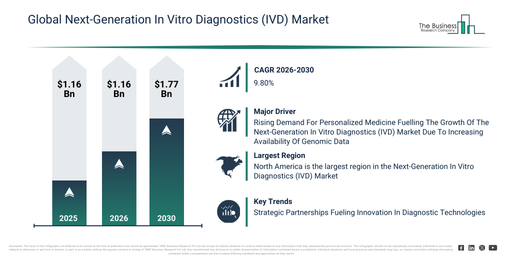
    The next-generation in vitro diagnostics (ivd) market is projected to experience substantial expansion over the coming years. By 2030, this market is anticipated to reach $188.69 billion, demonstrating a compound annual growth rate (CAGR) of 9.8%. This projected growth is driven by factors such as the rising demand for precision medicine, the broadening applications of genomic testing, increased uptake of point-of-care diagnostics, advancing healthcare digitization, and greater investments in diagnostic research and development. Key trends expected during this forecast period encompass a move towards personalized and companion diagnostics, widespread acceptance of point-of-care and decentralized testing, the incorporation of multiplex and high-throughput assays, an escalating need for early disease detection and screening, and the expansion of non-invasive and liquid biopsy diagnostics.

    Download A Free Sample Report For Comprehensive Market Insights:

    https://www.thebusinessresearchcompany.com/sample.aspx?id=25848&type=smp

    Which Strategic Drivers Are Supporting The Next-Generation In Vitro Diagnostics (IVD) Market Development?

    The next-generation in vitro diagnostics (IVD) market’s future growth is expected to be propelled by the increasing demand for personalized medicine. Precision medicine is a healthcare methodology that customizes disease prevention and treatment based on an individual’s genetic profile, environment, and lifestyle. The rise of personalized medicine is due to the expanding availability of genomic data, which enables healthcare providers to develop targeted treatments specific to a person’s unique genetic makeup, resulting in more effective care. Next-generation in vitro diagnostics (IVD) aids personalized medicine by offering precise molecular and genetic insights crucial for tailoring treatment and prevention strategies for individual patients. For example, in February 2024, the Personalized Medicine Coalition, a US-based hospital and health care organization, stated that in 2023, the FDA approved 16 new personalized treatments for rare disease patients, an increase from six in 2022. Hence, the rising demand for personalized medicine is a key factor driving the expansion of the next-generation in vitro diagnostics (IVD) market.

    What Are The Major Segment Categories Within The Next-Generation In Vitro Diagnostics (IVD) Market?

    The next-generation in vitro diagnostics (ivd) market covered in this report is segmented –

    1) By Product Type: Consumables, Instruments, Software

    2) By Diagnostic Modality: Core Laboratory Diagnostics, Point-Of-Care Testing, Molecular Diagnostics

    3) By Application: Oncology Or Cancer, Infectious Diseases, Diabetes, Cardiology , Other Applications

    4) By End-User: Hospitals And Clinics, Diagnostic Laboratories, Academic And Research Institutions, Other End Users

    Subsegments:

    1) By Consumables: Assay Kits And Reagents, Specimen Bags and Tubes, Seals and Caps

    2) By Instruments: Automated Sample Preparation Systems, High-Throughput Molecular Diagnostic Analyzers, Next-Generation Sequencing Platforms, Integrated Diagnostic Workstations And Analysis Platforms, Digital PCR Systems And Advanced Real-Time PCR Instruments

    3) By Software: Laboratory Information Management Systems, Specimen Tracking Software Modules, Cloud-Based Tracking Software

    What Trends Are Affecting The Next-Generation In Vitro Diagnostics (IVD) Market Dynamics?

    Leading companies in the next-generation in vitro diagnostics (IVD) market are increasingly utilizing strategic partnerships. Within next-generation IVD, this approach entails collaborating with technology providers, research institutions, and healthcare organizations to accelerate innovation, enhance diagnostic precision, and expand access to advanced testing solutions for individuals, businesses, and governments. Essentially, strategic partnerships allow companies to leverage each other’s strengths and resources to achieve mutual benefits and success. For instance, in October 2024, Yourgene Health, a UK-based biotechnology firm, partnered with Genetix, a human genetic diagnosis company from Colombia, to launch Colombia’s inaugural local non-invasive prenatal testing (NIPT) service. This initiative represents a significant step forward in regional prenatal care, providing expectant parents with faster, more dependable, and cost-effective access to sophisticated genetic screening. The service employs Yourgene Health’s IONA Nx NIPT Workflow, a comprehensive, CE-marked in vitro diagnostic (IVD) solution. This workflow is notably flexible and scalable, suitable for varying sample volumes, thereby enabling Genetix to offer a quality-assured prenatal screening service within Colombia.

    Which Companies Are Engaged In The Next-Generation In Vitro Diagnostics (IVD) Market Environment?

    Major companies operating in the next-generation in vitro diagnostics (ivd) market are F Hoffmann La Roche AG, Thermo Fisher Scientific Inc, Abbott Laboratories, Becton Dickinson And Company, Agilent Technologies Inc, Illumina Inc, Sysmex Corporation, Bio Rad Laboratories Inc, Revvity Inc, Exact Sciences Corporation, QIAGEN NV, DiaSorin SpA, Singular Genomics Systems Inc, Guardant Health Inc, Pacific Biosciences Of California Inc, Transasia Bio Medicals Ltd, J Mitra And Co Pvt Ltd, Roche Diagnostics International AG, Hologic Inc, Genetron Health Inc, Seegene Inc, BGI Genomics Co Ltd, Oxford Nanopore Technologies plc

    Access The Complete Next-Generation In Vitro Diagnostics (IVD) Market Report:

    https://www.thebusinessresearchcompany.com/report/next-generation-in-vitro-diagnostics-ivd-global-market-report

    Which Region Commands The Largest Share Of The Next-Generation In Vitro Diagnostics (IVD) Market?

    North America was the largest region in the next-generation in vitro diagnostics (IVD) market in 2025. Asia-Pacific is expected to be the fastest-growing region in the forecast period. The regions covered in the next-generation in vitro diagnostics (ivd) market report are Asia-Pacific, South East Asia, Western Europe, Eastern Europe, North America, South America, Middle East, Africa.

    Access a Next-Generation In Vitro Diagnostics (IVD) Market Report for Deeper Competitive Insights

    https://www.thebusinessresearchcompany.com/report/next-generation-in-vitro-diagnostics-ivd-global-market-report

    Browse Through More Reports Similar to the Global Next-Generation In Vitro Diagnostics (IVD) Market 2026, By The Business Research Company

    In Vitro Diagnostics Market Report 2026

    https://www.thebusinessresearchcompany.com/report/in-vitro-diagnostics-global-market-report

    In Vitro Diagnostic Ivd In Cardiology And Neurology Market Report 2026

    https://www.thebusinessresearchcompany.com/report/in-vitro-diagnostic-ivd-in-cardiology-and-neurology-global-market-report

    Bioinformatics In In Vitro Diagnostics Ivd Testing Market Report 2026

    https://www.thebusinessresearchcompany.com/report/bioinformatics-in-in-vitro-diagnostics-ivd-testing-global-market-report

    Get in touch with us:

    The Business Research Company: https://www.thebusinessresearchcompany.com/

    Americas: +1 310-496-7795

    Asia: +44 7882 955267 & +91 8897263534

    Europe: +44 7882 955267

    Email us at: marketing@tbrc.info

    Follow us on:

    LinkedIn: https://in.linkedin.com/company/the-business-research-company

    YouTube: https://www.youtube.com/channel/UC24_fI0rV8cR5DxlCpgmyFQ

    Global Market Model: https://www.thebusinessresearchcompany.com/global-market-model
  • Next Generation Surgical Robotics Market Outlook Through 2030 With Analysis Of Industry Trends And Developments

    Next Generation Surgical Robotics Market Outlook Through 2030 With Analysis Of Industry Trends And Developments

    The Business Research Company’s 2026 market reports feature advanced enhancements such as market attractiveness analysis, total addressable market evaluation, company benchmarking matrices, interactive Excel dashboards, expanded supply chain intelligence, emerging startup coverage, and detailed product insights, delivering more actionable and strategically valuable research.

    What Are The Forecasted Market Size Figures For The Next Generation Surgical Robotics Market In 2026 And 2030?

    The next generation surgical robotics market has experienced substantial growth in recent years. It is anticipated to increase from $6.29 billion in 2025 to $7.84 billion in 2026, achieving a compound annual growth rate (CAGR) of 24.7%. The expansion observed in prior periods can be attributed to the significant expense of traditional surgical operations, limited surgeon expertise with robotic systems, reliance on manual surgical tools, the early stages of robotic technology adoption, and the gradual integration of AI in surgeries.

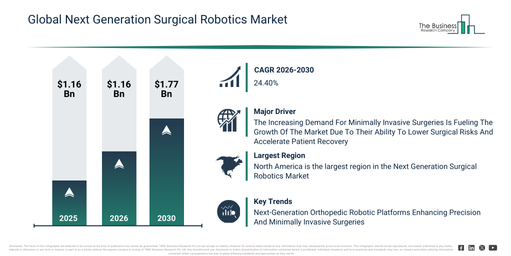
    The next generation surgical robotics market is projected to experience substantial growth in the coming years. This market is anticipated to reach $18.8 billion by 2030, demonstrating a compound annual growth rate (CAGR) of 24.4%. Key factors driving this expansion during the forecast period include advancements in AI and machine learning for surgical applications, the development of telesurgical and semi-autonomous robots, a rising global volume of surgical procedures, increased hospital investments in robotics, and the broadening of software integration and support services. Major trends identified for the forecast period encompass the increasing adoption of minimally invasive procedures, the integration of haptic feedback and precision control, an expansion of training and education programs for surgeons, a heightened focus on patient safety and surgical outcomes, and growing investment in robotic-assisted surgery infrastructure.

    Download A Free Sample Report For Comprehensive Market Insights:

    https://www.thebusinessresearchcompany.com/sample.aspx?id=27362&type=smp

    What Major Growth Factors Are Impacting The Next Generation Surgical Robotics Market?

    The future expansion of the next-generation surgical robotics market is anticipated to be driven by the growing need for minimally invasive surgeries. These procedures entail conducting operations via small cuts with specialized instruments, aiming to lessen discomfort, accelerate healing, and decrease surgical dangers. The increasing appeal of minimally invasive surgeries stems from their capacity to reduce incisions, thereby alleviating patient pain, diminishing infection risks, shortening hospital durations, and quickening recovery. Next-generation surgical robotics elevates minimally invasive surgeries by providing surgeons with enhanced accuracy, better visual feedback, and superior command over instruments, simultaneously minimizing mistakes, reducing tissue harm, and hastening patient recuperation. A relevant example illustrates this trend: in June 2024, the American Society of Plastic Surgeons (ASPS), a US-based non-profit professional society, reported that in 2023, minimally invasive procedures increased by 7%, outperforming surgical procedures by 2%. Consequently, the rising demand for minimally invasive surgeries is a key factor propelling the growth of the next-generation surgical robotics market.

    How Is The Next Generation Surgical Robotics Market Distributed Across Key Segments?

    The next generation surgical robotics market covered in this report is segmented –

    1) By Components: Systems, Accessories, Services

    2) By Technology: Master-Slave Robotic Technology, Minimally Invasive Robotic Technology, Robotic-Assisted Laparoscopy, Artificial Intelligence And Machine Learning Integration

    3) By Application: Gynecological Surgery, Urological Surgery, Neurosurgery, Orthopedic Surgery, General Surgery, Other Applications

    4) By End-User: Hospitals, Ambulatory Surgical Centers, Other End-Users

    Subsegments:

    1) By Systems: Autonomous Surgical Robots, Semi-Autonomous Surgical Robots, Telesurgical Robots, Haptic Feedback Robots

    2) By Accessories: Surgical Instrument Sets, Endoscopic Tools, Robotic Arms And Graspers, Visualization And Imaging Modules

    3) By Services: Maintenance And Support Services, Training And Education Services, Software Updates And Integration Services, Consulting And Implementation Services

    Which Trends Are Influencing The Expansion Of The Next Generation Surgical Robotics Market?

    Leading firms within the next-generation surgical robotics market are concentrating their efforts on creating groundbreaking technologies, particularly orthopedic robotic platforms, aimed at achieving superior patient results through minimally invasive methods. These sophisticated orthopedic robotic platforms aid surgeons in executing highly accurate bone and joint operations, simultaneously enhancing implant positioning and facilitating minimally invasive interventions. As an illustration, in March 2025, Stryker Corporation, a US-based medical technology enterprise, introduced Mako 4, which represents the fourth iteration of their Mako SmartRobotics system. This system incorporates sophisticated three-dimensional CT-based planning along with the company’s fourth-generation Q Guidance System, thereby broadening its utility across hip, knee, spine, and shoulder surgical procedures. Mako 4 is engineered to support surgeons in both initial and corrective procedures by providing customized surgical planning, real-time guidance during operations, and improved workflow efficiency, furthermore extending its capabilities to intricate scenarios like robotic hip revision through features such as augment and screw planning, real-time screw trajectory guidance, and compatibility with various revision implant collections.

    Who Are The Prominent Players Across The Next Generation Surgical Robotics Market?

    Major companies operating in the next generation surgical robotics market are Johnson & Johnson Services Inc., Medtronic plc, Stryker Corporation, Zimmer Biomet Holdings Inc., Smith & Nephew plc, Intuitive Surgical Inc., Accuray Incorporated, Medical Microinstruments Inc., PROCEPT BioRobotics Corporation, CMR Surgical Ltd., Noah Medical Inc., Distalmotion SA, Stereotaxis Inc., Neocis Inc., Moon Surgical SAS, Quantum Surgical SAS, Activ Surgical Inc., THINK Surgical Inc., Mendaera Inc., Galen Robotics Inc.

    Access The Complete Next Generation Surgical Robotics Market Report:

    https://www.thebusinessresearchcompany.com/report/next-generation-surgical-robotics-global-market-report

    Which Region Accounts For The Highest Share Of The Next Generation Surgical Robotics Market?

    North America was the largest region in the next-generation surgical robotics market in 2025. Asia-Pacific is expected to be the fastest-growing region in the forecast period. The regions covered in the next generation surgical robotics market report are Asia-Pacific, South East Asia, Western Europe, Eastern Europe, North America, South America, Middle East, Africa.

    Access a Next Generation Surgical Robotics Market Report for Deeper Competitive Insights

    https://www.thebusinessresearchcompany.com/report/next-generation-surgical-robotics-global-market-report

    Browse Through More Reports Similar to the Global Next Generation Surgical Robotics Market 2026, By The Business Research Company

    Bridges Gateways And Routers Market Report 2026

    https://www.thebusinessresearchcompany.com/report/bridges-gateways-and-routers-global-market-report

    Downhole Tools Market Report 2026

    https://www.thebusinessresearchcompany.com/report/downhole-tools-global-market-report

    Woodworking And Paper Machinery Market Report 2026

    https://www.thebusinessresearchcompany.com/report/woodworking-and-paper-machinery-global-market-report

    Get in touch with us:

    The Business Research Company: https://www.thebusinessresearchcompany.com/

    Americas: +1 310-496-7795

    Asia: +44 7882 955267 & +91 8897263534

    Europe: +44 7882 955267

    Email us at: marketing@tbrc.info

    Follow us on:

    LinkedIn: https://in.linkedin.com/company/the-business-research-company

    YouTube: https://www.youtube.com/channel/UC24_fI0rV8cR5DxlCpgmyFQ

    Global Market Model: https://www.thebusinessresearchcompany.com/global-market-model

  • Next Generation Sequencing Market Revenue Anticipated To Reach $28.59 Billion By 2030 With 15.1% CAGR

    Next Generation Sequencing Market Revenue Anticipated To Reach $28.59 Billion By 2030 With 15.1% CAGR

    The Business Research Company’s 2026 market reports feature advanced enhancements such as market attractiveness analysis, total addressable market evaluation, company benchmarking matrices, interactive Excel dashboards, expanded supply chain intelligence, emerging startup coverage, and detailed product insights, delivering more actionable and strategically valuable research.

    How Much Larger Will The Next Generation Sequencing Market Become By 2030 Compared To 2026?

    The next generation sequencing market size has seen a rapid increase in recent years. It is forecast to grow from $14.2 billion in 2025 to $16.31 billion in 2026, demonstrating a compound annual growth rate (CAGR) of 14.9%. The expansion observed historically can be credited to increasing research activity in genomics, the declining costs associated with sequencing technologies, the expansion of molecular diagnostics laboratories, a rising demand for disease-associated genetic analysis, and the availability of advanced sequencing reagents.

    The next generation sequencing market is anticipated to experience substantial growth over the coming years. It is projected to reach $28.59 billion by 2030, exhibiting a compound annual growth rate (CAGR) of 15.1%. This growth during the forecast period is fueled by several factors, including the rising implementation of precision medicine initiatives, increased financial commitments to population genomics research, the broader application of NGS in cancer diagnostics, a heightened need for swift sequencing methods, and the greater incorporation of sequencing data into clinical decision-making systems. Key trends anticipated during the same period encompass the wider embrace of high-throughput sequencing platforms, an escalating requirement for clinical diagnostic sequencing, the increasing incorporation of AI-powered bioinformatics tools, an enlargement of targeted and personalized medicine uses, and a stronger emphasis on economically efficient sequencing workflows.

    Download A Free Sample Report For Comprehensive Market Insights:

    https://www.thebusinessresearchcompany.com/sample.aspx?id=3990&type=smp

    What Market Drivers Are Helping Shape The Next Generation Sequencing Market Expansion?

    The rising demand for personalized medicine is anticipated to propel the expansion of the next-generation sequencing market moving forward. Personalized medicine, also known as precision medicine, is an innovative medical and healthcare approach that considers an individual’s distinct genetic, environmental, and lifestyle factors to customize medical decisions and treatments. Next-generation sequencing serves as a foundational technology in personalized medicine, facilitating the precise assessment of a person’s genetic makeup and the creation of tailored healthcare strategies. For instance, in February 2024, the Personalised Medicine Coalition, a US-based hospital and health care organization, reported that the FDA approved 16 new personalized treatments for rare disease patients in 2023, an increase from 6 in 2022. Consequently, the growing demand for personalized medicine is driving the growth of the next-generation sequencing market.

    How Does Segment Analysis Break Down The Next Generation Sequencing Market Structure?

    The next generation sequencing market covered in this report is segmented –

    1) By Product: Instruments, Reagents And Kits, Software

    2) By Technology: Sequencing by Synthesis, Ion Semiconductor Sequencing, Single-molecule Real-time Sequencing, Nanopore Sequencing, Other Sequencing Technologies

    3) By Application: Diagnostics, Drug Discovery, Other Applications

    Subsegments:

    1) By Instruments: Sequencing Systems, Library Preparation Instruments, Quality Control Instruments

    2) By Reagents And Kits: Sequencing Reagents, Library Preparation Kits, Amplification Kits

    3) By Software: Data Analysis Software, Bioinformatics Software, Workflow Management Software

    What Trends Are Impacting The Next Generation Sequencing Market?

    Leading companies within the next-generation sequencing market are concentrating on creating advanced solutions, including hybrid long- and short-read sequencing, to improve genomic resolution and accuracy. This hybrid sequencing approach integrates the benefits of short reads, known for their high throughput and minimal error rates, with the structural information and comprehensive coverage offered by long reads. An illustrative example occurred in March 2023 when Illumina, a biotechnology company headquartered in the US, introduced the Illumina Complete Long Read Prep, Human assay, which incorporates its innovative Complete Long Read technology. This assay facilitates the generation of both long- and short-read data using a single Illumina instrument and is designed to be compatible with NovaSeq X Plus, NovaSeq X, and NovaSeq 6000 systems. Notable characteristics of the product encompass a more streamlined workflow requiring significantly less DNA input than other long-read platforms. It also integrates Illumina sequencing-by-synthesis (SBS) chemistry with DRAGEN secondary analysis, ensuring highly accurate whole-genome sequencing and providing access to difficult-to-map, challenging genic regions. Furthermore, it comes with a promotional price of US $1,350 per genome (when utilizing NovaSeq X Plus with a 25B flow cell), a cost that covers long- and short-read library preparation, sequencing, and cloud-based analysis.

    Which Companies Form The Competitive Landscape Of The Next Generation Sequencing Market?

    Major companies operating in the next generation sequencing market are Illumina Inc, Thermo Fisher Scientific Inc, Pacific Biosciences of California Inc, Oxford Nanopore Technologies Ltd, QIAGEN NV, Agilent Technologies Inc, PerkinElmer Inc, BGI Group, 10x Genomics Inc, Takara Bio Inc, New England Biolabs Inc, Twist Bioscience Corp, Element Biosciences Inc, Ultima Genomics Inc, SeqWell Inc, Integrated DNA Technologies Inc, LGC Limited, Bio-Rad Laboratories Inc, Zymo Research Corporation, NimaGen BV

    Access The Complete Next Generation Sequencing Market Report:

    https://www.thebusinessresearchcompany.com/report/next-generation-sequencing-global-market-report

    Which Region Is The Primary Market For The Next Generation Sequencing Market?

    North America was the largest region in the next generation sequencing market in 2025. Asia-Pacific is expected to be the fastest-growing region in the forecast period. The regions covered in the next generation sequencing market report are Asia-Pacific, South East Asia, Western Europe, Eastern Europe, North America, South America, Middle East, Africa.

    Access a Next Generation Sequencing Market Report for Deeper Competitive Insights

    https://www.thebusinessresearchcompany.com/report/next-generation-sequencing-global-market-report

    Browse Through More Reports Similar to the Global Next Generation Sequencing Market 2026, By The Business Research Company

    Clinical Oncology Next Generation Sequencing Market Report 2026

    https://www.thebusinessresearchcompany.com/report/clinical-oncology-next-generation-sequencing-global-market-report

    Clinical Next Generation Sequencing Ngs Data Analysis Market Report 2026

    https://www.thebusinessresearchcompany.com/report/clinical-next-generation-sequencing-ngs-data-analysis-global-market-report

    Dna Sequencing Market Report 2026

    https://www.thebusinessresearchcompany.com/report/dna-sequencing-global-market-report

    Get in touch with us:

    The Business Research Company: https://www.thebusinessresearchcompany.com/

    Americas: +1 310-496-7795

    Asia: +44 7882 955267 & +91 8897263534

    Europe: +44 7882 955267

    Email us at: marketing@tbrc.info

    Follow us on:

    LinkedIn: https://in.linkedin.com/company/the-business-research-company

    YouTube: https://www.youtube.com/channel/UC24_fI0rV8cR5DxlCpgmyFQ

    Global Market Model: https://www.thebusinessresearchcompany.com/global-market-model

  • Newborn Eye Imaging Systems Market Outlook Assessing Future Opportunities And Growth Prospects

    Newborn Eye Imaging Systems Market Outlook Assessing Future Opportunities And Growth Prospects

    The Business Research Company’s 2026 market reports feature advanced enhancements such as market attractiveness analysis, total addressable market evaluation, company benchmarking matrices, interactive Excel dashboards, expanded supply chain intelligence, emerging startup coverage, and detailed product insights, delivering more actionable and strategically valuable research.

    What Growth In Market Value Is Anticipated For The Newborn Eye Imaging Systems Market Between 2026 And 2030?

    The newborn eye imaging systems market size has seen robust growth in recent years. It is projected to increase from $2.19 billion in 2025 to $2.36 billion in 2026, achieving a compound annual growth rate (CAGR) of 7.6%. The expansion observed in the historic period stems from factors such as the increasing prevalence of congenital eye disorders, the ongoing expansion of neonatal intensive care units, a rising awareness of early vision screening, the availability of digital ophthalmic imaging systems, and the growing importance of pediatric ophthalmology.

    The newborn eye imaging systems market is projected to experience significant expansion in the coming years, with its size expected to reach $3.19 billion by 2030, growing at a compound annual growth rate (CAGR) of 7.8%. This growth during the forecast period is driven by factors such as increasing investments in neonatal screening programs, a rising adoption of AI-based diagnostic imaging, the expansion of tele-ophthalmology services, a growing emphasis on preventive pediatric healthcare, and an increasing demand for portable imaging systems. Major trends anticipated in this period include the rising adoption of AI-assisted retinal imaging, increased use of wide-field digital fundus cameras, the growing deployment of wireless eye imaging devices, an expansion of early screening programs for neonates, and an enhanced focus on image accuracy and portability.

    Download A Free Sample Report For Comprehensive Market Insights:

    https://www.thebusinessresearchcompany.com/sample.aspx?id=9933&type=smp

    Which Significant Factors Are Encouraging Growth In The Newborn Eye Imaging Systems Market?

    An increasing number of infants experiencing eye issues is projected to fuel the expansion of the newborn eye imaging systems market in the future. Eye problems encompass various forms of vision impairment, including complete blindness, partial sight loss, or other common vision-related defects. Newborn eye impairments can originate congenitally, often due to genetic anomalies or intrauterine harm, or they can be acquired after birth. Maternal diabetes can contribute to ocular abnormalities in children, and cocaine use has been associated with both superficial and profound hemorrhages as well as vascular disruption in the newborn retina. Consequently, this situation generates a need for diagnosing and treating eye conditions in newborns, thereby boosting the demand for newborn eye imaging systems. As an illustration, data from October 2024, provided by Operation Eyesight Universal, a Canada-based nonprofit organization focused on preventing blindness, indicated that worldwide, 450 million children had a treatable eye condition, with 90 million experiencing sight loss. Additionally, almost 40% of childhood blindness was deemed preventable through early actions such as imaging and prompt medical attention. Hence, the increasing prevalence of eye problems among infants is fueling the expansion of the newborn eye imaging systems market.

    What Segment Types Are Included In The Newborn Eye Imaging Systems Market Analysis?

    The newborn eye imaging systems market covered in this report is segmented –

    1) By Disease Type: Retinopathy Of Prematurity (ROP), Congenital Retinal Disorders, Congenital Cataract And Lens Abnormalities, Congenital Anterior Segment Disorders, Other Disease Types

    2) By Imaging Modality: Red Reflex Screening Systems, Wide-Field Digital Retinal Imaging Systems, External Eye Examination Imaging Systems, Fundus Imaging Systems

    3) By Device Type: Tethered Imaging Systems, Wireless Or Portable Imaging Systems

    4) By Application: Screening And Early Detection, Diagnostic Imaging, Disease Monitoring And Follow-Up

    5) By End User: Hospitals And Neonatal Intensive Care Units, Ophthalmology And Pediatric Eye Clinics, Specialty Eye Care Centers, Other Neonatal Care Facilities

    Subsegments:

    1) By Retinopathy Of Prematurity (ROP): ROP Screening, ROP Staging And Severity Assessment, Post-Treatment Monitoring

    2) By Congenital Retinal Disorders: Retinal Coloboma, Congenital Retinal Dysplasia, Familial Exudative Vitreoretinopathy (FEVR), Congenital Retinal Hemorrhage

    3) By Congenital Cataract And Lens Abnormalities: Unilateral Congenital Cataract, Bilateral Congenital Cataract, Congenital Lens Subluxation Or Dislocation

    4) By Congenital Anterior Segment Disorders: Congenital Glaucoma, Anterior Segment Dysgenesis, Congenital Corneal Opacities, Persistent Pupillary Membrane

    5) By Other Disease Types: Retinoblastoma Screening, Ocular Infections In Newborns, Persistent Fetal Vasculature (PFV)

    Which Trends Are Affecting The Newborn Eye Imaging Systems Market Framework?

    Leading companies in the newborn eye-imaging systems market are focused on integrating advanced imaging technologies, such as portable wide-field fluorescein angiography (FA), to boost screening efficiency, diagnostic precision, and the early detection of retinal conditions in neonatal and pediatric settings. Portable wide-field FA utilizes a handheld or compact imaging device that provides illumination and captures high-resolution images of the retina’s blood vessels. This capability enables extensive retinal visualization, bedside imaging, and high-contrast imaging on darkly pigmented fundi. For instance, in September 2023, NeoLight LLC, a US-based neonatal-care medical-device company, secured FDA 510(k) clearance (Class II) for ICON GO. This portable FA-enabled retinal imaging system is designed to support neonatal/pediatric retinal imaging, featuring 100° wide-field imaging, direct illumination technology for high contrast, and a low-light LED handpiece with a complementary metal–oxide–semiconductor (CMOS) sensor to reduce infant stress. ICON GO enhances bedside imaging access, improves image quality, and supports earlier clinician decision-making in neonatal retinal care.

    Who Are The Key Market Participants In The Newborn Eye Imaging Systems Market?

    Major companies operating in the newborn eye imaging systems market are Natus Medical Incorporated, RetCam, Welch Allyn, Optos, Zeiss, Canon Medical Systems Corporation, Heidelberg Engineering, Leica Microsystems, Topcon, NIDEK, Bioptigen, Visunex Medical Systems Inc., Intelligent Retinal Imaging Systems, Remidio Innovative Solutions Pvt. Ltd., Kowa American Corporation, Clarity Medical Systems Inc., EYE-PACS, RetiVue, Eyenuk, iCare, Visionix, DigitalOptics, D-EYE SRL

    Access The Complete Newborn Eye Imaging Systems Market Report:

    https://www.thebusinessresearchcompany.com/report/newborn-eye-imaging-systems-global-market-report

    Which Geographic Region Represents The Largest Newborn Eye Imaging Systems Market Share?

    North America was the largest region in the newborn eye imaging systems market in 2025. The regions covered in the newborn eye imaging systems market report are Asia-Pacific, South East Asia, Western Europe, Eastern Europe, North America, South America, Middle East, Africa.

    Access a Newborn Eye Imaging Systems Market Report for Deeper Competitive Insights

    https://www.thebusinessresearchcompany.com/report/newborn-eye-imaging-systems-global-market-report

    Browse Through More Reports Similar to the Global Newborn Eye Imaging Systems Market 2026, By The Business Research Company

    Eye Testing Equipment Market Report 2026

    https://www.thebusinessresearchcompany.com/report/eye-testing-equipment-global-market-report

    Veterinary Eye Care Market Report 2026

    https://www.thebusinessresearchcompany.com/report/veterinary-eye-care-global-market-report

    Eye Health Supplements Market Report 2026

    https://www.thebusinessresearchcompany.com/report/eye-health-supplements-global-market-report

    Get in touch with us:

    The Business Research Company: https://www.thebusinessresearchcompany.com/

    Americas: +1 310-496-7795

    Asia: +44 7882 955267 & +91 8897263534

    Europe: +44 7882 955267

    Email us at: marketing@tbrc.info

    Follow us on:

    LinkedIn: https://in.linkedin.com/company/the-business-research-company

    YouTube: https://www.youtube.com/channel/UC24_fI0rV8cR5DxlCpgmyFQ

    Global Market Model: https://www.thebusinessresearchcompany.com/global-market-model

  • Neurovascular Embolization Devices Market Industry Forecast Reflecting Growth To $1.91 Billion By 2030

    Neurovascular Embolization Devices Market Industry Forecast Reflecting Growth To $1.91 Billion By 2030

    The Business Research Company’s 2026 market reports feature advanced enhancements such as market attractiveness analysis, total addressable market evaluation, company benchmarking matrices, interactive Excel dashboards, expanded supply chain intelligence, emerging startup coverage, and detailed product insights, delivering more actionable and strategically valuable research.

    What Is The Expected Market Value Outlook For The Neurovascular Embolization Devices Market Through 2030?

    The neurovascular embolization devices market has experienced significant expansion in recent years. It is projected to grow from $1.38 billion in 2025 to $1.47 billion in 2026, at a compound annual growth rate (CAGR) of 6.2%. This historical growth can be attributed to factors such as the increasing prevalence of cerebral aneurysms, the expansion of neurointerventional procedures, the rising availability of skilled neurovascular specialists, growing hospital investments in advanced neurocare, and the wider adoption of minimally invasive stroke treatments.

    The neurovascular embolization devices market size is anticipated to undergo significant expansion over the forthcoming years. It is projected to climb to $1.91 billion by 2030, progressing at a compound annual growth rate (CAGR) of 6.8%. This expansion during the forecast period stems from factors such as increasing demand for advanced stroke management solutions, rising investments in neurovascular research and development, the growing aging population afflicted with vascular disorders, wider adoption of next-generation embolization devices, and an enhanced focus on improving procedural outcomes. Noteworthy trends expected in this period include the increasing uptake of flow diversion stents, the growing utilization of liquid embolic systems, a rising preference for minimally invasive neurointerventions, the development of coil technologies with advanced coatings, and an intensified focus on precision neurovascular devices.

    Download A Free Sample Report For Comprehensive Market Insights:

    https://www.thebusinessresearchcompany.com/sample.aspx?id=15871&type=smp

    What Core Drivers Are Transforming The Neurovascular Embolization Devices Market?

    An increasing occurrence of hemorrhages is anticipated to drive the growth of the neurovascular embolization devices market in the future. These are characterized by unusual, unmanageable bleeding, either internally within the body or externally via a disruption in the skin or mucous membrane. The widespread occurrence of hemorrhages stems from various elements, including an aging populace, a higher frequency of hypertension, and the broader application of anticoagulant drugs. In cases of hemorrhagic strokes, neurovascular embolization devices are employed to block atypical blood vessels, thereby minimizing blood loss and averting additional cerebral harm. For example, findings from King’s College London, a public research university located in the UK, revealed in February 2024 that both the incidence and fatalities resulting from intracerebral hemorrhage (ICH), a particular form of hemorrhage, are projected to rise by 59.4% among individuals aged 70 to 95 throughout the UK by the year 2050. Consequently, the increasing frequency of hemorrhages is a key factor propelling the expansion of the neurovascular embolization devices market.

    Which Segment Divisions Form The Structure Of The Neurovascular Embolization Devices Market?

    The neurovascular embolization devices market covered in this report is segmented –

    1) By Product: Embolization Coils, Liquid Embolic Systems, Flow Diversion Stents, Aneurysm Clips, Other Products

    2) By Treatment: Neurovascular Hemorrhage Management, Hemorrhagic Stroke Solutions

    3) By Indication: Brain Aneurysms, Arteriovenous Malformation, Other Indications

    4) By End User: Hospitals, Ambulatory Surgical Centers, Other End Users

    Subsegments:

    1) By Embolization Coils: Detachable Coils, Bare Platinum Coils, Coils With Hydrogel Coatings

    2) By Liquid Embolic Systems: N-Butyl Cyanoacrylate-Based Embolics, Onyx Liquid Embolic System

    3) By Flow Diversion Stents: Stents With Dual-Layer Technology, Flow Diverters For Aneurysm Treatment

    4) By Aneurysm Clips: Titanium Clips, Stainless Steel Clips

    5) By Other Products: Balloons For Embolization, Microcatheters

    What Trends Are Influencing The Neurovascular Embolization Devices Market?

    Leading companies active in the neurovascular embolization devices market are concentrating on developing advanced solutions, such as next-generation flow diverters, with the aim of replacing traditional approaches to aneurysm treatment. A next-generation flow diverter is characterized as a device that boosts procedural safety and effectiveness by improving vessel wall apposition, lowering the risk of clotting, and enabling easier deployment within complex aneurysm anatomies. For example, in July 2025, Stryker Corporation, a US-based medical technology company, launched the Surpass Elite Flow Diverter as an addition to its neurovascular portfolio. This innovation serves to supersede older aneurysm treatment devices by providing a minimally invasive flow diversion therapy for managing large or giant unruptured intracranial aneurysms. It delivers superior thrombo-resistance and an optimized braid design, allowing physicians to achieve better procedural outcomes with less manipulation. Integrated with Stryker’s training and physician support programs, it offers a seamless clinical experience. The Surpass Elite Flow Diverter enhances patient safety, streamlines procedural workflows, and helps expand the adoption of flow diversion therapy in neurovascular care.

    Which Organizations Are Operating Within The Neurovascular Embolization Devices Market?

    Major companies operating in the neurovascular embolization devices market are Johnson & Johnson, Abbott Laboratories, Medtronic plc, Stryker Corporation, Boston Scientific Corporation, Kaneka Corporation, Terumo Corporation, B Braun Melsungen AG, Cook Medical LLC, Integer Holdings Corporation, Merit Medical Systems Inc, Penumbra Inc, Asahi Intecc Co Ltd, MicroVention Inc, Balt USA LLC, Imperative Care Inc, Acandis GmbH & Co KG, Rapid Medical Ltd, Vesalio LLC, Phenox GmbH, Cerenovus, Sequent Medical Inc

    Access The Complete Neurovascular Embolization Devices Market Report:

    https://www.thebusinessresearchcompany.com/report/neurovascular-embolization-devices-global-market-report

    Which Region Leads The Neurovascular Embolization Devices Market By Size?

    North America was the largest region in the neurovascular embolization devices market in 2025. Asia-Pacific is expected to be the fastest-growing region in the forecast period. The regions covered in the neurovascular embolization devices market report are Asia-Pacific, South East Asia, Western Europe, Eastern Europe, North America, South America, Middle East, Africa.

    Access a Neurovascular Embolization Devices Market Report for Deeper Competitive Insights

    https://www.thebusinessresearchcompany.com/report/neurovascular-embolization-devices-global-market-report

    Browse Through More Reports Similar to the Global Neurovascular Embolization Devices Market 2026, By The Business Research Company

    Tumor Embolization Devices Market Report 2026

    https://www.thebusinessresearchcompany.com/report/tumor-embolization-devices-global-market-report

    Transcatheter Embolization And Occlusion Devices Market Report 2026

    https://www.thebusinessresearchcompany.com/report/transcatheter-embolization-and-occlusion-devices-global-market-report

    Vascular Embolization Market Report 2026

    https://www.thebusinessresearchcompany.com/report/vascular-embolization-global-market-report

    Get in touch with us:

    The Business Research Company: https://www.thebusinessresearchcompany.com/

    Americas: +1 310-496-7795

    Asia: +44 7882 955267 & +91 8897263534

    Europe: +44 7882 955267

    Email us at: marketing@tbrc.info

    Follow us on:

    LinkedIn: https://in.linkedin.com/company/the-business-research-company

    YouTube: https://www.youtube.com/channel/UC24_fI0rV8cR5DxlCpgmyFQ

    Global Market Model: https://www.thebusinessresearchcompany.com/global-market-model
  • Neurovascular Catheters Market Forecast Analysis Through 2030 With Insights On Industry Expansion

    Neurovascular Catheters Market Forecast Analysis Through 2030 With Insights On Industry Expansion

    The Business Research Company’s 2026 market reports feature advanced enhancements such as market attractiveness analysis, total addressable market evaluation, company benchmarking matrices, interactive Excel dashboards, expanded supply chain intelligence, emerging startup coverage, and detailed product insights, delivering more actionable and strategically valuable research.

    How Will The Market Value Of The Neurovascular Catheters Market Increase Between 2026 And 2030?

    The market for neurovascular catheters has expanded considerably in recent years. Projections indicate it will grow from $4.87 billion in 2025 to $5.38 billion in 2026, exhibiting a compound annual growth rate (CAGR) of 10.5%. This historical expansion can be attributed to the rising incidence of neurovascular disorders, increased adoption of minimally invasive neurosurgeries, growing availability of interventional neuroradiology services, advancements in catheter material science, and the expansion of stroke treatment centers.

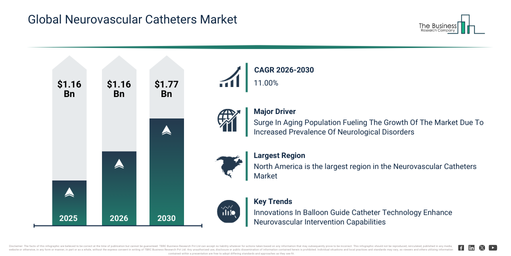
    The neurovascular catheters market is projected to experience substantial expansion over the coming years. By 2030, this market is anticipated to reach a valuation of $8.17 billion, exhibiting a compound annual growth rate (CAGR) of 11.0%. This anticipated growth during the forecast timeframe is primarily driven by factors such as the increasing demand for thrombectomy procedures, a rising aging population facing cerebrovascular risks, growing investments in neurointerventional technologies, the expansion of advanced imaging-assisted interventions, and an increasing preference for minimally invasive brain therapies. Key trends emerging in this forecast period encompass the increasing adoption of steerable micro catheters, a rising utilization of minimally invasive neurovascular procedures, a growing demand for advanced embolization catheters, the expansion of image-guided catheter navigation, and an enhanced emphasis on device flexibility and precision.

    Download A Free Sample Report For Comprehensive Market Insights:

    https://www.thebusinessresearchcompany.com/sample.aspx?id=10382&type=smp

    Which Growth Factors Are Strengthening The Neurovascular Catheters Market Landscape?

    The expanding aging population is projected to fuel the growth of the neurovascular catheter market moving forward. An aging population describes a demographic transformation marked by an increasing proportion of older individuals within a society across time. Neurovascular catheters are essential for the aging demographic, as they are used to treat various neurological conditions that become more widespread as people age. For instance, in January 2024, the Population Reference Bureau, a US-based nonprofit organization specializing in collecting and supplying statistics, reported that the number of Americans ages 65 and older is projected to increase from 58 million in 2022 to 82 million by 2050 (a 47% increase), and this 65-and-older age group’s share of the total population is projected to rise from 17% to 23%. Thus, the growing aging population is a primary driver for the neurovascular catheter market.

    How Are Different Segment Groups Identified Within The Neurovascular Catheters Market?

    The neurovascular catheters market covered in this report is segmented –

    1) By Type: Micro catheters, Balloon Catheters, Access Catheters, Embolization Catheters, Other Types

    2) By Application: Embolic Stroke, Brain Aneurysm, Arteriovenous Malformations, Other Applications

    3) By End-Use: Hospitals, Clinics, Ambulatory Surgical Centers, Diagnostic Centers

    Subsegments:

    1) By Micro Catheters: Steerable Micro Catheters, Non-steerable Micro Catheters

    2) By Balloon Catheters: Distal Balloon Catheters, Proximal Balloon Catheters

    3) By Access Catheters: Diagnostic Access Catheters, Interventional Access Catheters

    4) By Embolization Catheters: Soft Embolization Catheters, Stiff Embolization Catheters

    5) By Other Types: Coil Catheters, Reinforced Catheters, Hydrophilic Catheters

    Which Trends Are Guiding The Development Of The Neurovascular Catheters Market?

    Leading firms within the neurovascular catheter market are concentrating on creating sophisticated solutions, including balloon guide catheters (BGCs), to bolster procedural assistance, distal navigation, and the accuracy of treatment in neurovascular procedures. This medical instrument is employed in interventional neuroradiology and neurointerventional surgery to facilitate the secure and effective management of cerebrovascular conditions, such as stroke. As an example, in March 2023, Q’Apel Medical Inc., a US-based neurovascular device company, obtained CE Mark approval for its Walrus Balloon Guide Catheter (BGC). Featuring a 0.087 inner diameter, this device delivers enhanced proximal stability, distal trackability, and compatibility with intricate stroke interventions, thereby fostering improved procedural outcomes and clinical decision-making. Q’Apel Medical is recognized for its specialization in high-precision neurovascular devices, aiming to advance interventional treatment alternatives.

  • Neurosurgical Robotics Market Growth Outlook Indicating Expansion To $8.04 Billion By 2030

    Neurosurgical Robotics Market Growth Outlook Indicating Expansion To $8.04 Billion By 2030

    The Business Research Company’s 2026 market reports feature advanced enhancements such as market attractiveness analysis, total addressable market evaluation, company benchmarking matrices, interactive Excel dashboards, expanded supply chain intelligence, emerging startup coverage, and detailed product insights, delivering more actionable and strategically valuable research.

    What Will Be The Estimated Market Size Of The Neurosurgical Robotics Market By 2030?

    The neurosurgical robotics market has experienced substantial expansion in recent years. Projections indicate its size will increase from $4.14 billion in 2025 to $4.74 billion in 2026, advancing at a compound annual growth rate (CAGR) of 14.5%. Historically, this growth was influenced by factors including limited availability of neurosurgical robotic systems, high cost of precision robotic devices, reliance on traditional surgical methods, growing prevalence of brain and spinal disorders, and early adoption in specialized hospitals.

    The neurosurgical robotics market size is anticipated to expand rapidly over the coming years, with projections indicating it will reach $8.04 billion by 2030, exhibiting a compound annual growth rate (CAGR) of 14.1%. This growth during the forecast period is primarily driven by advancements in AI-enabled surgical robots, the broadening application of image-guided navigation technologies, increasing investments in robotic-assisted neurosurgery, a rising preference for minimally invasive procedures, and greater adoption in ambulatory surgical centers and hospitals. Prominent trends expected in this period include the increasing use of minimally invasive neurosurgical procedures, the integration of high-resolution imaging into robotic systems, growth in deep brain stimulation and spine surgery applications, a growing demand for precision robotic systems, and an intensified focus on surgical safety and accuracy.

    Download A Free Sample Report For Comprehensive Market Insights:

    https://www.thebusinessresearchcompany.com/sample.aspx?id=27359&type=smp

    What Important Drivers Are Powering The Neurosurgical Robotics Market Growth?

    The escalating requirement for minimally invasive surgical approaches is projected to stimulate the expansion of the neurosurgical robotics market moving forward. Minimally invasive surgery encompasses techniques that limit the extent and quantity of incisions, thereby diminishing physical trauma during operations. This rising inclination towards minimally invasive surgical (MIS) procedures is fueled by advantages such as accelerated patient recovery, as these methods inflict less trauma, leading to shorter durations of hospital stay, reduced discomfort, and a swifter return to routine activities. Neurosurgical robotics facilitates minimally invasive surgical (MIS) procedures by boosting surgical accuracy, stability, and control, empowering surgeons to operate through smaller entry points with enhanced precision and a lower likelihood of complications. For example, in June 2024, statistics from the American Society of Plastic Surgeons, a US-based association of board-certified plastic surgeons, indicated a 7% growth in minimally invasive procedures during 2023, with the total volume surpassing 25 million. Hence, the increasing need for minimally invasive surgical procedures is serving as a catalyst for the growth of the neurosurgical robotics market.

    What Segment Categories Are Evaluated In The Neurosurgical Robotics Market Study?

    The neurosurgical robotics market covered in this report is segmented –

    1) By Type Of Robot: Precision Robotic Systems, Navigation Systems, Surgical Assist Systems

    2) By Surgery Type: Minimally Invasive, Open Surgery

    3) By Application: Brain Tumor Resection, Deep Brain Stimulation (DBS), Spine Surgery

    4) By End User: Hospitals, Ambulatory Surgical Centers

    Subsegments:

    1) By Precision Robotic Systems: Robotic Tumor Resection Systems, Robotic Biopsy Devices, Robotic Laser Ablation Systems

    2) By Navigation Systems: Image-Guided Navigation Platforms, Electromagnetic Tracking Systems, Optical Tracking Navigation Systems

    3) By Surgical Assist Systems: Robotic Arm Positioning Devices, Endoscopic Assistance Robots, Instrument Guidance And Stabilization Systems

    What Trends Are Influencing The Future Of The Neurosurgical Robotics Market?

    Leading firms within the neurosurgical robotics market are prioritizing the creation of sophisticated technologies, like robotic exoscope systems, aimed at boosting surgical accuracy, improved visualization, and minimally invasive techniques for intricate cranial and spinal operations. A robotic exoscope system is defined as a cutting-edge surgical visualization tool that combines a high-resolution external scope with robot-assisted controls, enabling superior hands-free imaging during operations. For example, in September 2024, Zeiss Medical Technology, a German provider of medical technology, introduced the Kinevo 900 S robotic visualization system designed for neurosurgery. The ZEISS KINEVO 900 S robotic visualization system incorporates distinct functionalities that markedly improve neurosurgical accuracy and operational efficiency. It integrates high-resolution 4K 3D hybrid visualization, which permits surgeons to effortlessly alternate between optical and digital perspectives, leading to enhanced comfort and precision. The system also features advanced cobotic capabilities including PointLock, PositionMemory, and AutoCenter, facilitating hands-free, AI-assisted positioning of the surgical field. Its DepthPro mode, activated with a single click, improves the depth of field, ensuring a larger portion of the surgical area remains in sharp focus.

    Which Firms Are Competing In The Neurosurgical Robotics Market?

    Major companies operating in the neurosurgical robotics market are Medtronic Plc, Renishaw Plc, Brainlab AG, Monteris Medical Inc., Synaptive Medical Inc., ClearPoint Neuro Inc., Galen Robotics Limited, Axilum Robotics SA, Brain Navi Biotechnology Co. Ltd., Intuitive Surgical Inc., Globus Medical Inc., HOZ Medical (China), Freehand Surgical Robotics Corporation, Surgical Theater Inc., Corindus Vascular Robotics Inc., Carl Zeiss Meditec AG, IMRIS Inc., Othersight Medical Robotics Inc., Nio Medical Robotics Ltd., Horizon Robotics Surgical Systems Inc., Medrobotics Corp., Think Surgical Inc., Titan Medical Inc., Distalmotion SA, Noah Medical Robotics Inc.

    Access The Complete Neurosurgical Robotics Market Report:

    https://www.thebusinessresearchcompany.com/report/neurosurgical-robotics-global-market-report

    Which Region Stands As The Largest Contributor To The Neurosurgical Robotics Market?

    North America was the largest region in the neurosurgical robotics market in 2025. Asia-Pacific is expected to be the fastest-growing region in the forecast period. The regions covered in the neurosurgical robotics market report are Asia-Pacific, South East Asia, Western Europe, Eastern Europe, North America, South America, Middle East, Africa.

    Access a Neurosurgical Robotics Market Report for Deeper Competitive Insights

    https://www.thebusinessresearchcompany.com/report/neurosurgical-robotics-global-market-report

    Browse Through More Reports Similar to the Global Neurosurgical Robotics Market 2026, By The Business Research Company

    Plastic Pipes And Pipe Fittings Market Report 2026

    https://www.thebusinessresearchcompany.com/report/plastic-pipes-and-pipe-fittings-global-market-report

    Polyethylene Pipes Market Report 2026

    https://www.thebusinessresearchcompany.com/report/polyethylene-pipes-global-market-report

    Lined Valve Market Report 2026

    https://www.thebusinessresearchcompany.com/report/lined-valve-global-market-report

    Get in touch with us:

    The Business Research Company: https://www.thebusinessresearchcompany.com/

    Americas: +1 310-496-7795

    Asia: +44 7882 955267 & +91 8897263534

    Europe: +44 7882 955267

    Email us at: marketing@tbrc.info

    Follow us on:

    LinkedIn: https://in.linkedin.com/company/the-business-research-company

    YouTube: https://www.youtube.com/channel/UC24_fI0rV8cR5DxlCpgmyFQ

    Global Market Model: https://www.thebusinessresearchcompany.com/global-market-model
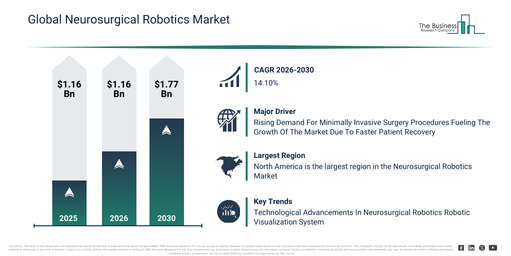
  • Global Neurosurgery Devices And Equipment Market Anticipated To Grow To $18.54 Billion By 2030 At 14.3% CAGR

    Global Neurosurgery Devices And Equipment Market Anticipated To Grow To $18.54 Billion By 2030 At 14.3% CAGR

    The Business Research Company’s 2026 market reports feature advanced enhancements such as market attractiveness analysis, total addressable market evaluation, company benchmarking matrices, interactive Excel dashboards, expanded supply chain intelligence, emerging startup coverage, and detailed product insights, delivering more actionable and strategically valuable research.

    What Is The Estimated Growth In Market Size Of The Neurosurgery Devices And Equipment Market During 2026–2030?

    The market for neurosurgery devices and equipment has experienced swift growth recently. This market is projected to expand from $9.56 billion in 2025 to $10.88 billion in 2026, exhibiting a compound annual growth rate (CAGR) of 13.7%. Historically, this expansion has been driven by factors such as a greater occurrence of neurological conditions, the increase in intricate brain and spinal surgical procedures, a heightened need for better surgical results, the availability of sophisticated imaging technologies, and the proliferation of specialized neurosurgical facilities.

    The neurosurgery devices and equipment market is projected to experience substantial expansion over the coming years. This market is set to reach $18.55 billion by 2030, exhibiting a compound annual growth rate (CAGR) of 14.3%. This growth during the forecast period is fueled by factors such as increased investments in robotic neurosurgery platforms, the growing acceptance of AI-assisted surgical planning tools, the expansion of outpatient neurosurgical procedures, an intensified focus on real-time intraoperative imaging, and a rising demand for sophisticated neurosurgical training technologies. Key trends anticipated for the forecast period include the increasing uptake of image-guided neurosurgical systems, a greater utilization of minimally invasive neurosurgical tools, the expanding integration of robotic-assisted neurosurgery, the proliferation of advanced navigation and visualization platforms, and an elevated emphasis on surgical precision and safety.

    Download A Free Sample Report For Comprehensive Market Insights:

    https://www.thebusinessresearchcompany.com/sample.aspx?id=2434&type=smp

    Which Major Factors Are Contributing To The Development Of The Neurosurgery Devices And Equipment Market?

    The escalating size of the geriatric population is significantly driving the neurosurgery devices market. This demographic refers to individuals aged 65 years and older, who are particularly prone to age-related neurological and degenerative disorders. The expansion of the geriatric population is attributed to increased life expectancy and improved overall survival, resulting in a larger proportion of older adults globally. Neurosurgery devices play a vital role in assisting the geriatric population by enabling surgical intervention, disease management, and functional restoration for conditions such as Alzheimer’s, Parkinson’s, and stroke-related complications. For instance, in June 2024 according to the United Nations Department of Economic and Social Affairs, a US-based international organization, it is estimated that by the mid-2030s, there will be 265 million individuals aged 80 and older, exceeding the number of infants, and even rapidly growing nations are projected to see a rise in their elderly population over the next 30 years. Thus, the increasing geriatric population is a primary catalyst for the growth of the neurosurgery devices market.

    How Is The Neurosurgery Devices And Equipment Market Examined Through Segment Analysis?

    The neurosurgery devices and equipment market covered in this report is segmented –

    1) By Device Type: Neuroendoscope, Stereotactic Systems, Aneurysm Clips, Neurostimulation Devices, Cerebrospinal Fluid Management Devices, Neurosurgical Evacuation Device, Neurosurgical Navigation Systems, Neurosurgery Surgical Power Tools, Other Device Types

    2) By Surgery Type: Intracranial Surgery, Endonasal Neurosurgery, Spinal Surgery

    3) By End User: Hospitals, Ambulatory Surgical Centers

    Subsegments:

    1) By Neuroendoscope: Rigid Neuroendoscopes, Flexible Neuroendoscopes

    2) By Stereotactic Systems: Frame-based Systems, Frameless Systems

    3) By Aneurysm Clips: Titanium Aneurysm Clips, Stainless Steel Aneurysm Clips

    4) By Neurostimulation Devices: Spinal Cord Stimulation (SCS) Devices, Deep Brain Stimulation (DBS) Devices, Vagus Nerve Stimulation (VNS) Devices, Sacral Nerve Stimulation (SNS) Devices

    5) By Cerebrospinal Fluid (CSF) Management Devices: Shunts, Drainage Systems

    6) By Neurosurgical Evacuation Devices: Hematoma Evacuation Devices, Suction Evacuation Systems

    7) By Neurosurgical Navigation Systems: Optical Navigation Systems, Electromagnetic Navigation Systems, Hybrid Navigation Systems

    8) By Neurosurgery Surgical Power Tools: Drills, Saws, Shavers

    9) By Other Device Types: Ultrasonic Aspirators, Surgical Instruments

    Which Trends Are Contributing To Changes In The Neurosurgery Devices And Equipment Market?

    Leading companies in the neurosurgery devices and equipment market are concentrating on image-guided surgical systems to boost procedural accuracy and lessen tissue trauma. Image-guided surgical systems are devices that integrate real-time imaging and navigation technologies to assist neurosurgeons in precisely locating and treating pathological areas while minimizing harm to surrounding healthy tissue. For instance, in March 2024, Royal Philips, a Netherlands-based healthcare technology company, unveiled the Azurion Neuro biplane interventional platform. This platform features high-resolution 2D/3D imaging, optimized X-ray detector positioning for complex neurovascular procedures, and ClarityIQ low-dose imaging for reduced patient exposure. This platform empowers neurosurgeons to perform precise endovascular interventions, including aneurysm repair and stroke treatment, while simultaneously improving patient safety and workflow efficiency.

    Who Are The Major Companies Operating In The Neurosurgery Devices And Equipment Market?

    Major companies operating in the neurosurgery devices and equipment market are Medtronic plc, Boston Scientific Corporation, Stryker Corporation, Conmed Corporation, Smith & Nephew plc, Integra LifeSciences, Olympus Corporation, Karl Storz GmbH & Co. KG, Richard Wolf GmbH, Johnson & Johnson Services Inc., B. Braun Melsungen AG, Terumo Corporation, Boiotronic Inc., Abbott Laboratories, DePuy Synthes Companies, BrainLAB AG, Zimmer Biomet Holdings Inc., GE Healthcare, NuVasive Inc., ArthroCare Corporation, Vycor Medical Inc., Penumbra Inc., Leica Camera, Carl Zeiss AG, Moller-wedel Optical GmbH, Synaptive Medical Inc., Mizuho OSI, Monteris Medical Inc., NeuroLogica Corporation, NeuroPoint Alliance (NPA), Neurosurgery Research and Education Foundation (NREF), AiM Medical Robotics, Inner Cosmos Inc., AcureX Therapeutics, Novadip Biosciences, Rebstock Instruments GmbH, AKTORmed GmbH

    Access The Complete Neurosurgery Devices And Equipment Market Report:

    https://www.thebusinessresearchcompany.com/report/neurosurgery-devices-and-equipment-global-market-report

    What Is The Largest Regional Market In The Neurosurgery Devices And Equipment Market?

    North America was the largest region in the global neurosurgery devices and equipment market in 2025. Asia-Pacific was the second-largest region in the neurosurgery devices and equipment market. The regions covered in the neurosurgery devices and equipment market report are Asia-Pacific, South East Asia, Western Europe, Eastern Europe, North America, South America, Middle East, Africa.

    Access a Neurosurgery Devices And Equipment Market Report for Deeper Competitive Insights

    https://www.thebusinessresearchcompany.com/report/neurosurgery-devices-and-equipment-global-market-report

    Browse Through More Reports Similar to the Global Neurosurgery Devices And Equipment Market 2026, By The Business Research Company

    Neurology Devices Market Report 2026

    https://www.thebusinessresearchcompany.com/report/neurology-devices-global-market-report

    Spinal Surgery Devices And Equipment Market Report 2026

    https://www.thebusinessresearchcompany.com/report/spinal-surgery-devices-and-equipment-global-market-report

    Neurology Devices Market Report 2026

    https://www.thebusinessresearchcompany.com/report/neurology-devices-global-market-report

    Get in touch with us:

    The Business Research Company: https://www.thebusinessresearchcompany.com/

    Americas: +1 310-496-7795

    Asia: +44 7882 955267 & +91 8897263534

    Europe: +44 7882 955267

    Email us at: marketing@tbrc.info

    Follow us on:

    LinkedIn: https://in.linkedin.com/company/the-business-research-company

    YouTube: https://www.youtube.com/channel/UC24_fI0rV8cR5DxlCpgmyFQ

    Global Market Model: https://www.thebusinessresearchcompany.com/global-market-model
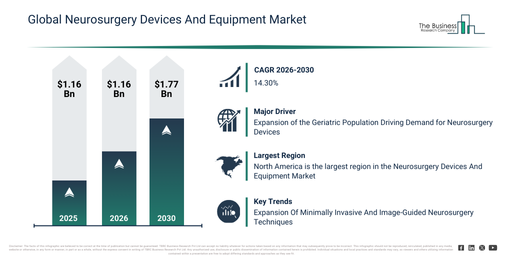
  • Neurostimulation Devices Market Future Analysis Covering Industry Shifts And Growth Potential

    Neurostimulation Devices Market Future Analysis Covering Industry Shifts And Growth Potential

    The Business Research Company’s 2026 market reports feature advanced enhancements such as market attractiveness analysis, total addressable market evaluation, company benchmarking matrices, interactive Excel dashboards, expanded supply chain intelligence, emerging startup coverage, and detailed product insights, delivering more actionable and strategically valuable research.

    What Market Value Expansion Is Expected For The Neurostimulation Devices Market Over The Forecast Period?

    The neurostimulation devices market has seen rapid expansion in recent years. Its size is projected to increase from $6.86 billion in 2025 to $7.64 billion in 2026, at a compound annual growth rate (CAGR) of 11.4%. The historical development of this market is linked to factors such as the rising incidence of chronic neurological disorders, broader clinical acceptance of implantable stimulation therapies, the broadening of pain management treatment protocols, increasing rates of neurological disease diagnosis, and the accessibility of advanced implant technologies.

    The neurostimulation devices market is anticipated to experience substantial growth over the next few years, with its value projected to reach $12.03 billion by 2030, demonstrating a compound annual growth rate (CAGR) of 12.0%. This expansion during the forecast period is primarily driven by an escalating demand for personalized neuromodulation therapies, the increasing adoption of minimally invasive neurostimulation devices, rising investments in brain-computer interface research, the expansion of home-based neuromodulation treatments, and a growing number of regulatory approvals for new stimulation indications. Noteworthy trends identified for this period include the wider implementation of closed-loop neurostimulation systems, a greater prevalence of personalized neuromodulation therapies, the increasing integration of wireless and miniaturized implants, the expansion of external non-invasive stimulation devices, and an enhanced focus on long-term therapy adjustability.

    Download A Free Sample Report For Comprehensive Market Insights:

    https://www.thebusinessresearchcompany.com/sample.aspx?id=2539&type=smp

    What Key Growth Drivers Are Influencing The Neurostimulation Devices Market?

    The neurostimulation devices market is anticipated to expand due to increasing demand within the healthcare sector. This industry represents a broad and diverse economic domain, comprising numerous organizations, experts, and establishments focused on delivering medical care, health-related goods, and enhancing public well-being. Neurostimulation devices are vital within healthcare, especially for addressing and controlling diverse neurological ailments and persistent pain. As an illustration, in May 2023, according to a report published by the Office for National Statistics, a UK-based government department, between 2022 and 2023, healthcare spending in the UK increased by 5.6% compared with growth of 0.9% in 2022. Specifically, the UK healthcare expenditure was around $ 322.152 billion (£292 billion) in 2023. Consequently, the expansion of the healthcare sector is fueling the rise of the neurostimulation devices market.

    Which Segment Groups Define The Neurostimulation Devices Market Landscape?

    The neurostimulation devices market covered in this report is segmented –

    1) By Product: Implantable Devices, External Devices

    2) By Application: Pain Management, Epilepsy, Essential Tremor, Urinary and Fecal Incontinence, Depression, Dystonia, Gastroparesis, Parkinson’s Disease

    3) By End User: Hospitals, Rehabilitation Centers, Medical Clinic

    Subsegments:

    1) By Implantable Devices: Spinal Cord Stimulators (SCS), Deep Brain Stimulators (DBS), Vagus Nerve Stimulators (VNS), Sacral Nerve Stimulators (SNS)

    2) By External Devices: Transcranial Magnetic Stimulation (TMS) Devices, Transcranial Direct Current Stimulation (tDCS) Devices, Cranial Electrotherapy Stimulation (CES) Devices

    What Trends Are Shaping The Neurostimulation Devices Market Structure?

    Major companies within the neurostimulation devices market are emphasizing closed loop spinal cord stimulation (SCS) systems to deliver adaptive therapy that more effectively matches patients’ daily movements. Closed loop SCS refers to technology that senses physiological signals along the spinal cord and automatically adjusts stimulation in real time, rather than delivering continuous fixed-output electrical pulses. For instance, in April 2024, Medtronic plc, a US based healthcare technology company, obtained FDA approval for its Inceptiv closed-loop rechargeable spinal cord stimulator. This device features real time sensing of biological signals, automatically modifies stimulus intensity, provides multiple waveforms (including its proprietary DTM therapy), and allows full body 3T MRI access.

    Which Companies Are Influencing The Neurostimulation Devices Market?

    Major companies operating in the neurostimulation devices market are Medtronic plc, Cyberonics Inc., Boston Scientific Corporation, Abbott Laboratories, Nevro Corporation, Neuronetics Inc., NeuroPace Inc., NeuroSigma Inc., NDI Medical LLC, Synapse Biomedical Inc., MED-EL, LivaNova PLC, Aleva Neurotherapeutics, BrainsWay, Cortec Corporation, Endonovo Therapeutics Inc., Inspire Medical Systems Inc., The Magstim Company Limited, Mainstay Medical Limited, MicroTransponder Inc., MindMaze, NeuroMetrix, Nexeon MedSystems, Nuvectra, Saluda Medical, SPR Therapeutics Inc., Uro Medical Corporation

    Access The Complete Neurostimulation Devices Market Report:

    https://www.thebusinessresearchcompany.com/report/neurostimulation-devices-global-market-report

    Which Region Contributes The Most To The Neurostimulation Devices Market?

    North America was the largest region in the global neurostimulation devices market in 2025. Asia-Pacific was the second-largest region in the neurostimulation devices market. The regions covered in the neurostimulation devices market report are Asia-Pacific, South East Asia, Western Europe, Eastern Europe, North America, South America, Middle East, Africa.

    Access a Neurostimulation Devices Market Report for Deeper Competitive Insights

    https://www.thebusinessresearchcompany.com/report/neurostimulation-devices-global-market-report

    Browse Through More Reports Similar to the Global Neurostimulation Devices Market 2026, By The Business Research Company

    Internal Neuromodulation Devices Market Report 2026

    https://www.thebusinessresearchcompany.com/report/internal-neuromodulation-devices-global-market-report

    Implantable Neurostimulation Devices Market Report 2026

    https://www.thebusinessresearchcompany.com/report/implantable-neurostimulation-devices-global-market-report

    Internal Neuromodulation Devices Market Report 2026

    https://www.thebusinessresearchcompany.com/report/internal-neuromodulation-devices-global-market-report

    Get in touch with us:

    The Business Research Company: https://www.thebusinessresearchcompany.com/

    Americas: +1 310-496-7795

    Asia: +44 7882 955267 & +91 8897263534

    Europe: +44 7882 955267

    Email us at: marketing@tbrc.info

    Follow us on:

    LinkedIn: https://in.linkedin.com/company/the-business-research-company

    YouTube: https://www.youtube.com/channel/UC24_fI0rV8cR5DxlCpgmyFQ

    Global Market Model: https://www.thebusinessresearchcompany.com/global-market-model