Month: May 2026

  • Rising Prevalence Of Chronic And Infectious Diseases Fueling The Market Due To Increasing Diagnostic Needs Is Supporting Development Across The In Vitro Diagnostic Packaging Market

    Rising Prevalence Of Chronic And Infectious Diseases Fueling The Market Due To Increasing Diagnostic Needs Is Supporting Development Across The In Vitro Diagnostic Packaging Market

    The Business Research Company’s 2026 market reports feature advanced enhancements such as market attractiveness analysis, total addressable market evaluation, company benchmarking matrices, interactive Excel dashboards, expanded supply chain intelligence, emerging startup coverage, and detailed product insights, delivering more actionable and strategically valuable research.

    What Growth In Market Value Is Anticipated For The In Vitro Diagnostic Packaging Market Between 2026 And 2030?

    The in vitro diagnostic packaging market has demonstrated substantial growth in recent years. This market is anticipated to expand from $10.04 billion in 2025 to $10.82 billion by 2026, at a compound annual growth rate (CAGR) of 7.8%. The historical growth can be attributed to the increasing adoption of in vitro diagnostic testing, the expansion of clinical laboratory infrastructure, a heightened demand for accurate disease diagnosis, the global increase in healthcare expenditure, and the availability of advanced packaging materials.

    The in vitro diagnostic packaging market size is anticipated to experience substantial growth in the upcoming years. This market is projected to reach $14.51 billion by 2030, exhibiting a compound annual growth rate (CAGR) of 7.6%. Several factors will drive this expansion during the forecast period, including the accelerating development of point-of-care diagnostics, a heightened emphasis on sustainable medical packaging, the broadening of molecular diagnostics testing, escalating investments in healthcare infrastructure, and an increased focus on the safety and integrity of the supply chain. Key trends anticipated for this period encompass a surging demand for sterile and contamination-resistant packaging, the growing uptake of tamper-evident IVD packaging solutions, an increased utilization of high-barrier plastic and glass materials, the expansion of customized packaging specifically for diagnostic kits, and a more pronounced focus on packaging designs that comply with regulatory standards.

    Download A Free Sample Report For Comprehensive Market Insights:

    https://www.thebusinessresearchcompany.com/sample.aspx?id=24250&type=smp

    Which Growth Drivers Are Expected To Support The In Vitro Diagnostic Packaging Market Forward?

    The in vitro diagnostic (IVD) packaging market is projected to expand in the future due to an increasing occurrence and spread of chronic diseases and infections. These are defined as long-lasting health conditions or illnesses caused by pathogens that persist over time, often resulting in long-term medical complications. This increase in incidence and prevalence can be attributed to heightened exposure to pathogens, with lifestyle factors, particularly poor diet and lack of physical activity, playing a significant role. IVD packaging addresses these conditions by ensuring the secure, reliable, and efficient delivery of diagnostic tests, which enables early detection and timely treatment, ultimately enhancing patient outcomes and healthcare efficiency. For example, according to data published by the UK Health Security Agency in March 2025, the UK Health Security Agency (UKHSA) in England reported 368 measles cases in 2023, marking a nearly sevenfold increase from the 53 cases recorded in 2022. The West Midlands accounted for 44% of these cases, while London was responsible for 33%. Therefore, the rising incidence and prevalence of chronic diseases and infections are a key driver for the in vitro diagnostic packaging market.

    Which Segment Divisions Form The Structure Of The In Vitro Diagnostic Packaging Market?

    The in vitro diagnostic packaging market covered in this report is segmented –

    1) By Packaging Type: Primary Packaging, Secondary Packaging, Tertiary Packaging

    2) By Product: Bottles And Vials, Tubes, Petri Dishes, Closures, Other Products

    3) By Material Type: Plastic, Glass, Metal, Composite Materials

    4) By Application Area: Biochemistry, Microbiology, Immunology, Molecular Diagnostics

    5) By End User: Hospitals, Laboratories, Academic Institutes, Other End Users

    Subsegments:

    1) By Primary Packaging: Cartridges, Microplates, Sample Collection Containers, Reagent Reservoirs, Diagnostic Cassettes, Dropper Bottles

    2) By Secondary Packaging: Folding Cartons, Paperboard Sleeves, Trays, Multi-Compartment Boxes, Label Sets, Instruction Leaflets

    3) By Tertiary Packaging: Corrugated Shipping Boxes, Pallets, Insulated Shippers, Foam Inserts Or Cushioning, Tamper-Evident Seals, Bulk Transport Containers

    What Trends Are Influencing The Future Of The In Vitro Diagnostic Packaging Market?

    Companies operating within the in vitro diagnostic packaging market are prioritizing the development of innovative products, such as sustainable IVD packaging solutions, to enhance environmental responsibility and lessen the ecological impact of diagnostic product packaging. A sustainable IVD (in vitro diagnostic) packaging solution signifies the utilization of environmentally friendly materials and methods in the packaging of diagnostic products, with the goal of reducing environmental harm while maintaining product safety and integrity. For example, in March 2025, Oxford Gene Technology IP Limited, a UK-based provider of diagnostic genomic solutions, introduced an environmentally sustainable packaging solution for its CytoCell product line. This pioneering packaging incorporates biodegradable and recyclable materials, consistent with the increasing industry shift towards eco-friendly practices. The redesigned packaging not only facilitates a more sustainable approach to product disposal but also simplifies processes for laboratories through streamlined and accessible digital documentation. This action reinforces the company’s dedication to reducing waste while improving operational efficiency in the clinical and diagnostic sectors.

    Which Organizations Are Involved In The In Vitro Diagnostic Packaging Market?

    Major companies operating in the in vitro diagnostic packaging market are Thermo Fisher Scientific Inc., Siemens Healthineers, Amcor plc, Corning Incorporated, QuidelOrtho Corporation, Bio-Rad Laboratories Inc., ProAmpac, DiaSorin S.p.A., Stevanato Group S.p.A., Sarstedt AG & Co. KG, Greiner AG, Phillips Medisize, Scantibodies Laboratory Inc., Sanner GmbH, DWK Life Sciences, MML Diagnostics Packaging Inc., TCS Biosciences Ltd., Thousand Peak Glass Bottle Co. Ltd., Gerresheimer AG, SCHOTT AG, Berry Global Inc., West Pharmaceutical Services Inc., SGD Pharma, Nipro Corporation

    Access The Complete In Vitro Diagnostic Packaging Market Report:

    https://www.thebusinessresearchcompany.com/report/in-vitro-diagnostic-packaging-global-market-report

    Which Region Accounts For The Highest Share Of The In Vitro Diagnostic Packaging Market?

    North America was the largest region in the in vitro diagnostic packaging market in 2025. Asia-Pacific is expected to be the fastest-growing region in the forecast period. The regions covered in the in vitro diagnostic packaging market report are Asia-Pacific, South East Asia, Western Europe, Eastern Europe, North America, South America, Middle East, Africa.

    Access a In Vitro Diagnostic Packaging Market Report for Deeper Competitive Insights

    https://www.thebusinessresearchcompany.com/report/in-vitro-diagnostic-packaging-global-market-report

    Browse Through More Reports Similar to the Global In Vitro Diagnostic Packaging Market 2026, By The Business Research Company

    In Vitro Diagnostics Market Report 2026

    https://www.thebusinessresearchcompany.com/report/in-vitro-diagnostics-global-market-report

    Pharmaceutical Packaging Testing Equipment Market Report 2026

    https://www.thebusinessresearchcompany.com/report/pharmaceutical-packaging-testing-equipment-global-market-report

    Healthcare Packaging Market Report 2026

    https://www.thebusinessresearchcompany.com/report/healthcare-packaging-global-market-report

    Get in touch with us:

    The Business Research Company: https://www.thebusinessresearchcompany.com/

    Americas: +1 310-496-7795

    Asia: +44 7882 955267 & +91 8897263534

    Europe: +44 7882 955267

    Email us at: marketing@tbrc.info

    Follow us on:

    LinkedIn: https://in.linkedin.com/company/the-business-research-company

    YouTube: https://www.youtube.com/channel/UC24_fI0rV8cR5DxlCpgmyFQ

    Global Market Model: https://www.thebusinessresearchcompany.com/global-market-model

  • Enhancing Cancer Diagnosis With AI-Driven Digital Pathology Solution Is Affecting The Direction Of The In Vitro Cancer Diagnostics Market

    Enhancing Cancer Diagnosis With AI-Driven Digital Pathology Solution Is Affecting The Direction Of The In Vitro Cancer Diagnostics Market

    The Business Research Company’s 2026 market reports feature advanced enhancements such as market attractiveness analysis, total addressable market evaluation, company benchmarking matrices, interactive Excel dashboards, expanded supply chain intelligence, emerging startup coverage, and detailed product insights, delivering more actionable and strategically valuable research.

    What Is The Expected Market Value Outlook For The In Vitro Cancer Diagnostics Market Through 2030?

    The in vitro cancer diagnostics market has demonstrated considerable growth in recent years. It is projected to expand from $11.49 billion in 2025 to $12.36 billion in 2026, registering a compound annual growth rate (CAGR) of 7.6%. This market’s past expansion can be ascribed to several contributing factors, including an increase in cancer prevalence, the widespread adoption of molecular diagnostics, the ongoing development of immunoassay kits, the proliferation of diagnostic laboratories, and advancements in reagent technologies.

    The in vitro cancer diagnostics market is anticipated to experience substantial expansion over the coming years. Its size is projected to reach $16.78 billion by 2030, exhibiting a compound annual growth rate (CAGR) of 7.9%. This projected growth during the forecast period can be attributed to several factors, including AI-enabled predictive analytics, the broadening of personalized oncology, advancements in high-throughput sequencing platforms, the rise of point-of-care diagnostics, and the increased adoption of cloud-based diagnostic software. Key trends for the same period encompass biomarker-based detection, genetic profiling tools, the evolution of multiplex assay development, integration with laboratory information systems (LIMS), and the availability of rapid diagnostic kits.

    Download A Free Sample Report For Comprehensive Market Insights:

    https://www.thebusinessresearchcompany.com/sample.aspx?id=29090&type=smp

    What Influential Factors Are Boosting The In Vitro Cancer Diagnostics Market Demand?

    The increased utilization of liquid biopsy technologies is projected to spur the expansion of the in vitro cancer diagnostics market. These technologies are characterized as minimally invasive diagnostic approaches that identify and analyze biomarkers, such as circulating tumor DNA (ctDNA), circulating tumor cells (CTCs), or exosomes, found in bodily fluids like blood, urine, or saliva. This analysis helps monitor disease presence, progression, or response to treatment, particularly in cancer. The expansion of liquid biopsy technologies is propelled by breakthroughs in isolating and examining circulating tumor DNA and circulating tumor cells from blood and other body fluids. Consequently, in vitro cancer diagnostic solutions are experiencing heightened demand as the swift proliferation of liquid biopsy technologies prompts companies to embrace non-invasive, real-time molecular profiling tools for cancer detection and treatment guidance. For example, in May 2025, NHS England, a UK-based public healthcare system, commenced the initial rollout of a new liquid biopsy blood test in the UK. This initiative is anticipated to benefit up to 15,000 patients with suspected lung cancer and 5,000 women with advanced breast cancer annually, with testing scaling rapidly from approximately 2,200 patients during the early 2025 rollout to an estimated 20,000 patients per year by 2028. Therefore, the growing acceptance of liquid biopsy technologies is stimulating demand for the in vitro cancer diagnostics market.

    How Are Different Segment Groups Identified Within The In Vitro Cancer Diagnostics Market?

    The in vitro cancer diagnostics market covered in this report is segmented –

    1) By Product Type: Kits, Instruments, Reagents, Software, Consumables

    2) By Technology: Polymerase Chain Reaction (PCR), Next-Generation Sequencing (NGS), Fluorescence In Situ Hybridization (FISH), Immunohistochemistry, Other Technologies

    3) By Application: Breast Cancer, Lung Cancer, Colorectal Cancer, Prostate Cancer, Other Applications

    4) By End User: Hospitals, Diagnostic Laboratories, Research Institutes, Other End Users

    Subsegments:

    1) By Kits: Immunoassay Kits, Polymerase Chain Reaction (PCR) Kits, Enzyme-Linked Immunosorbent Assay (ELISA) Kits, Flow Cytometry Kits

    2) By Instruments: Polymerase Chain Reaction (PCR) Instruments, Sequencers, Flow Cytometers, Imaging Systems

    3) By Reagents: Enzymes, Buffers, Probes, Stains

    4) By Software: Data Analysis Software, Imaging Software, Laboratory Information Management System (LIMS) Software, Diagnostic Reporting Software

    5) By Consumables: Microplates, Pipette Tips, Tubes, Slides

    Which Trends Are Contributing To Changes In The In Vitro Cancer Diagnostics Market?

    Leading firms in the in vitro cancer diagnostics market are prioritizing the development of AI-powered cancer diagnostics to elevate patient care and advance personalized healthcare. This type of AI-driven diagnostic involves utilizing artificial intelligence to analyze medical and molecular data from patient samples, imaging, or genetic tests, thereby enabling more accurate detection, diagnosis, and prediction of cancer. For instance, in September 2024, Roche, a Switzerland-based pharmaceutical company, unveiled the Digital Pathology Open Environment. This collaborative platform securely integrates advanced AI-based image analysis tools from Roche as well as multiple third-party developers. The platform empowers pathologists to access innovative algorithms within Roche’s Navify Digital Pathology enterprise software, enhancing diagnostic precision and improving workflow efficiency. By fostering collaboration and data sharing, the platform accelerates innovation in cancer diagnostics and research, supports precision medicine, and facilitates targeted treatments, ultimately broadening access to cutting-edge digital pathology tools worldwide.

    Who Are The Firms Contributing To The In Vitro Cancer Diagnostics Market Ecosystem?

    Major companies operating in the in vitro cancer diagnostics market are F. Hoffmann-La Roche Ltd, Danaher Corporation, Abbott Laboratories, Thermo Fisher Scientific, Siemens Healthineers AG, Illumina Inc, Hologic Inc, Qiagen N.V, Bio-Rad Laboratories Inc, Agilent Technologies, Becton, Dickinson and Company (BD), Sysmex Corporation, LabCorp Holding Corp., Guardant Health, Quest Diagnostics, Exact Sciences, Myriad Genetics Inc, Natera Inc., NeoGenomics Laboratories, NanoString Technologies Inc, Caris Life Sciences, Transasia Bio-Medicals Ltd, Autobio Diagnostics Co Ltd, QuidelOrtho Corporation, Cancer Diagnostics Inc, Predicine Inc, Strata Oncology, Biocept Inc, Lucence Diagnostics

    Access The Complete In Vitro Cancer Diagnostics Market Report:

    https://www.thebusinessresearchcompany.com/report/in-vitro-cancer-diagnostics-global-market-report

    Which Region Is The Primary Market For The In Vitro Cancer Diagnostics Market?

    North America was the largest region in the in vitro cancer diagnostics market in 2025. Asia-Pacific is expected to be the fastest-growing region in the forecast period. The regions covered in the in vitro cancer diagnostics market report are Asia-Pacific, South East Asia, Western Europe, Eastern Europe, North America, South America, Middle East, Africa.

    Access a In Vitro Cancer Diagnostics Market Report for Deeper Competitive Insights

    https://www.thebusinessresearchcompany.com/report/in-vitro-cancer-diagnostics-global-market-report

    Browse Through More Reports Similar to the Global In Vitro Cancer Diagnostics Market 2026, By The Business Research Company

    Cancer Diagnostics Market Report 2026

    https://www.thebusinessresearchcompany.com/report/cancer-diagnostics-global-market-report

    In Vitro Diagnostics Enzymes Market Report 2026

    https://www.thebusinessresearchcompany.com/report/in-vitro-diagnostics-enzymes-global-market-report

    Bioinformatics In In Vitro Diagnostics Ivd Testing Market Report 2026

    https://www.thebusinessresearchcompany.com/report/bioinformatics-in-in-vitro-diagnostics-ivd-testing-global-market-report

    Get in touch with us:

    The Business Research Company: https://www.thebusinessresearchcompany.com/

    Americas: +1 310-496-7795

    Asia: +44 7882 955267 & +91 8897263534

    Europe: +44 7882 955267

    Email us at: marketing@tbrc.info

    Follow us on:

    LinkedIn: https://in.linkedin.com/company/the-business-research-company

    YouTube: https://www.youtube.com/channel/UC24_fI0rV8cR5DxlCpgmyFQ

    Global Market Model: https://www.thebusinessresearchcompany.com/global-market-model
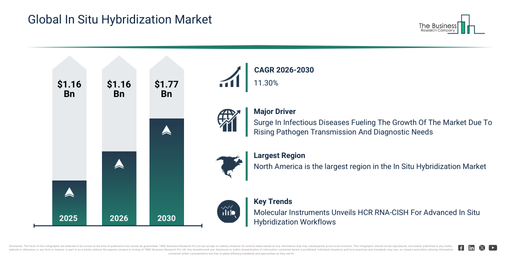
  • The In Situ Hybridization Market Is Advancing With Support From Surge In Infectious Diseases Fueling The Growth Of The Market Due To Rising Pathogen Transmission And Diagnostic Needs

    The In Situ Hybridization Market Is Advancing With Support From Surge In Infectious Diseases Fueling The Growth Of The Market Due To Rising Pathogen Transmission And Diagnostic Needs

    The Business Research Company’s 2026 market reports feature advanced enhancements such as market attractiveness analysis, total addressable market evaluation, company benchmarking matrices, interactive Excel dashboards, expanded supply chain intelligence, emerging startup coverage, and detailed product insights, delivering more actionable and strategically valuable research.

    How Will The Market Value Of The In Situ Hybridization Market Increase Between 2026 And 2030?

    The market for in situ hybridization has experienced swift expansion recently. This market is projected to expand from $1.81 billion in 2025 to $2.01 billion in 2026, demonstrating a compound annual growth rate (CAGR) of 10.8%. Historically, this growth has been driven by factors such as the broadening of molecular pathology research, a rise in demand for cancer diagnostics, the proliferation of cytogenetic testing applications, the accessibility of sophisticated laboratory infrastructure, and the increasing embrace of FISH techniques.

    The in situ hybridization market is projected to experience substantial growth in the coming years. It is forecast to expand to $3.08 billion by 2030, achieving an 11.3% compound annual growth rate (CAGR). This growth during the forecast period is propelled by factors such as the increasing demand for personalized medicine diagnostics, the rising integration of AI-based image analysis, the expansion of companion diagnostics applications, growing investments in genomic research, and the increased application of in situ hybridization in infectious disease detection. Prominent trends expected during this forecast period encompass the increasing adoption of fluorescence-based hybridization techniques, a heightened demand for molecular diagnostic accuracy, the growing utilization of automated imaging and analysis systems, the expansion of cancer diagnostic applications, and the enhanced integration of digital pathology tools.

    Download A Free Sample Report For Comprehensive Market Insights:

    https://www.thebusinessresearchcompany.com/sample.aspx?id=24571&type=smp

    Which Drivers Are Advancing The In Situ Hybridization Market Growth?

    The in-situ hybridization market is anticipated to expand due to the rising incidence of infectious diseases. These diseases are characterized by their transmission between people, often through contaminated food and drink, or via agents like viruses, bacteria, fungi, and parasites. In situ hybridization (ISH) functions by employing specific labeled nucleic acid sequences (probes) to locate complementary nucleic acid sequences within tissue, thereby aiding in the identification of infectious organisms. Consequently, the surge in infectious diseases is stimulating the growth of the in-situ hybridization market. For example, data released in March 2024 by the Centers for Disease Control and Prevention, a US government agency, indicated a rise in tuberculosis cases from 8,320 in 2022 to 9,615 in 2023, representing an increase of 1,295 cases. This demonstrates that the expansion of infectious diseases is a key factor propelling the in-situ hybridization market forward.

    What Segment Categories Are Evaluated In The In Situ Hybridization Market Study?

    The in situ hybridization market covered in this report is segmented –

    1) By Product: Analytical Instruments, Kits and Reagents, Software and Services

    2) By Technique: Fluorescence In Situ Hybridization (FISH), Chromogenic In Situ Hybridization (CISH)

    3) By Probe: Deoxyribonucleic Acid (DNA), Ribonucleic Acid (RNA)

    4) By Application: Cancer, Cytogenetics, Developmental Biology, Infectious Diseases

    5) By End Use: Research And Diagnostic Laboratories, Contract Research Organization (CROs), Academic Institutes

    Subsegments:

    1) By Analytical Instruments: Fluorescence Microscopes, Imaging Systems, Hybridization Systems

    2) By Kits and Reagents: Hybridization Kits, Detection Kits, Probes And Reagents

    3) By Software and Services: Image Analysis Software, Data Management Software, Consulting And Support Services

    What Trends Are Shaping The In Situ Hybridization Market Structure?

    Leading companies in the in situ hybridization market are prioritizing innovative product solutions, such as HCR RNA-CISH (Hybridization Chain Reaction RNA Chromogenic in situ Hybridization), to increase their market profitability. Hybridization chain Reaction RNA chromogenic in situ hybridization describes a technique that facilitates the visualization of RNA molecules within cells and tissues with high resolution and sensitivity. For instance, in February 2023, Molecular Instruments (MI), a biotech spinout from the California Institute of Technology, launched HCR RNA-CISH to enhance automated chromogenic in situ hybridization (ISH) workflows that rely on RNAscope. The HCR RNA-CISH kits offer superior performance compared to any existing chromogenic in situ hybridization approach, featuring double the turnaround time and half the cost. It also includes native support for IHC (Immunohistochemistry) codetection and full compatibility with all major automation platforms.

    Which Key Players Are Active In The In Situ Hybridization Market?

    Major companies operating in the in situ hybridization market are Thermo Fisher Scientific Inc., Bio SB Inc., BioGenex Laboratories, Advanced Cell Diagnostics Inc., Exiqon A/S, Agilent Technologies Inc., F. Hoffmann-La Roche AG, Abbott Laboratories Inc., Merck KGaA, PerkinElmer Inc., Biocare Medical LLC, Genemed Biotechnologies, Danaher Corporation, Leica Biosystems Nussloch GmbH, Bio-Rad Laboratories Inc., Oxford Gene Technology, Qiagen, Bio-Techne Corporation, Cytocell Ltd., Enzo Life Sciences Inc., Eurofins Scientific SE, Zytomed System GmbH, Akoya Biosciences Inc., Becton Dickinson and Company (BD), DAKO Systemtechnik und Service GmbH & Co, NanoString Technologies Inc., Visiopharm A/S

    Access The Complete In Situ Hybridization Market Report:

    https://www.thebusinessresearchcompany.com/report/in-situ-hybridization-global-market-report

    Which Geographic Region Represents The Largest In Situ Hybridization Market Share?

    North America was the largest region in the in situ hybridization market in 2025. Asia-Pacific is expected to be the fastest-growing region in the global in situ hybridization market during the forecast period. The regions covered in the in situ hybridization market report are Asia-Pacific, South East Asia, Western Europe, Eastern Europe, North America, South America, Middle East, Africa.

    Access a In Situ Hybridization Market Report for Deeper Competitive Insights

    https://www.thebusinessresearchcompany.com/report/in-situ-hybridization-global-market-report

    Browse Through More Reports Similar to the Global In Situ Hybridization Market 2026, By The Business Research Company

    Hybrid Seeds Market Report 2026

    https://www.thebusinessresearchcompany.com/report/hybrid-seeds-global-market-report

    Biocomposites Market Report 2026

    https://www.thebusinessresearchcompany.com/report/biocomposites-global-market-report

    Hybrid Cloud Market Report 2026

    https://www.thebusinessresearchcompany.com/report/hybrid-cloud-global-market-report

    Get in touch with us:

    The Business Research Company: https://www.thebusinessresearchcompany.com/

    Americas: +1 310-496-7795

    Asia: +44 7882 955267 & +91 8897263534

    Europe: +44 7882 955267

    Email us at: marketing@tbrc.info

    Follow us on:

    LinkedIn: https://in.linkedin.com/company/the-business-research-company

    YouTube: https://www.youtube.com/channel/UC24_fI0rV8cR5DxlCpgmyFQ

    Global Market Model: https://www.thebusinessresearchcompany.com/global-market-model

  • Increasing Adoption Of Rising Air Travel Driving The Growth Of The Market Due To Increasing Demand For Onboard Medical Support Is Influencing The In Flight Telemedicine System Market

    Increasing Adoption Of Rising Air Travel Driving The Growth Of The Market Due To Increasing Demand For Onboard Medical Support Is Influencing The In Flight Telemedicine System Market

    The Business Research Company’s 2026 market reports feature advanced enhancements such as market attractiveness analysis, total addressable market evaluation, company benchmarking matrices, interactive Excel dashboards, expanded supply chain intelligence, emerging startup coverage, and detailed product insights, delivering more actionable and strategically valuable research.

    What Will Be The Estimated Market Size Of The In Flight Telemedicine System Market By 2030?

    The in-flight telemedicine system market size has expanded rapidly over recent years. It is forecast to increase from $1.71 billion in 2025 to $1.99 billion in 2026, representing a compound annual growth rate (CAGR) of 16.4%. The historical growth can be linked to an increase in long-haul air travel, a rising incidence of in-flight medical emergencies, the availability of satellite communication technologies, early adoption of telemedicine platforms, and a growing airline focus on passenger safety.

    The market for in-flight telemedicine systems is projected to experience substantial expansion over the upcoming years. This market is anticipated to reach a valuation of $3.62 billion by 2030, exhibiting a compound annual growth rate (CAGR) of 16.1%. The anticipated growth during this period stems from several factors, including escalating investments in networked aircraft systems, a heightened need for distant medical care options, broader telemedicine regulations within the aviation sector, the expanding application of AI-powered diagnostic instruments, and greater partnerships between airlines and medical service providers. Key trends for the forecast duration involve the increasing implementation of live in-flight medical consultation platforms, the wider incorporation of portable health tracking gadgets, the broadening scope of satellite-enabled medical communication, a surging requirement for urgent medical assistance during air travel, and a reinforced emphasis on securing data and safeguarding patient confidentiality.

    Download A Free Sample Report For Comprehensive Market Insights:

    https://www.thebusinessresearchcompany.com/sample.aspx?id=24248&type=smp

    What Primary Factors Are Fueling The Expansion Of The In Flight Telemedicine System Market?

    The projected growth of the in-flight telemedicine system market going forward is expected to be propelled by an increasing number of air travelers. Air travelers are individuals who use air transportation to reach domestic or international destinations for various purposes, such as business, leisure, or transit. The number of air travelers is increasing as sustained economic growth and rising disposable incomes are enabling a larger portion of the population to afford air travel, turning it from a luxury into a more accessible mode of transportation for both business and leisure purposes. An in-flight telemedicine system is highly useful for air travelers, as it enables real-time medical assistance during a flight by connecting onboard crew with ground-based healthcare professionals. For instance, in December 2024, according to Eurostat, a Luxembourg-based government agency, air travel in the EU reached a total of 973 million passengers in 2023, marking a 19.3% increase from the 816 million recorded in 2022. Therefore, the increasing number of air travelers is driving the growth of the in-flight telemedicine system market.

    How Is The In Flight Telemedicine System Market Examined Through Segment Analysis?

    The in flight telemedicine system market covered in this report is segmented –

    1) By Component: Hardware, Software, Services

    2) By Technology: Video Conferencing Systems, Mobile Health Applications, Wearable Medical Devices, Mobile Telemedicine Kits, Integrated Ground Support Systems

    3) By Patient Demographics: Pediatric Patients, Adult Patients, Geriatric Patients, Patients With Chronic Illnesses, Patients Needing Psychiatric Services

    4) By Application: Routine Check-Ups, Emergency Medical Services, Chronic Disease Management, Health Education And Promotion, Medication Management Services

    5) By End-User: Airlines, Aerospace Health Services, Private Aviation Companies, Government Agencies, Insurance Providers

    Subsegments:

    1) By Hardware: Satellite Communication Systems, Onboard Medical Devices, Camera And Video Systems, In-Flight Connectivity Equipment, Display And Interface Units

    2) By Software: Telemedicine Platform Software, Real-Time Health Monitoring Applications, Data Encryption And Cybersecurity Software, Electronic Health Records (EHR) Integration Tools, Diagnostic Decision-Support Systems

    3) By Services: Installation And Integration Services, Training And Education Services, Maintenance And Support Services, Remote Monitoring Services, Data Analytics And Reporting Services

    Which Trends Are Supporting The Evolution Of The In Flight Telemedicine System Market?

    Leading companies within the in-flight telemedicine system market are prioritizing the development of innovative solutions, such as in-flight diagnostic platforms, to improve real-time medical support for passengers and enhance health outcomes during high-altitude emergencies. In-flight diagnostic platforms refer to medical systems situated onboard that enable real-time monitoring and remote diagnosis of the health conditions of passengers throughout a flight. For example, in April 2025, Aircare International, an aviation company based in the US, introduced the Aircare Emergency Diagnostic Platform (AEDP), an advanced in-flight telemedicine solution tailored for business aviation. This tablet-based system utilizes wireless sensors to transmit live patient data and encrypted video to board-certified physicians located on the ground, facilitating immediate remote medical support during emergencies. By integrating with Aircare’s 24/7 global telemedicine services, the AEDP significantly boosts in-flight safety and emergency medical care for both passengers and crew.

    Who Are The Leading Firms Participating In The In Flight Telemedicine System Market?

    Major companies operating in the in flight telemedicine system market are Airbus Group, Honeywell International Inc., Thales S.A., International SOS Pte Ltd, Viasat Inc., Sierra Nevada Corporation, Inmarsat Group Limited, Gogo Business Aviation LLC, American Well Corporation, MedAire Inc., Air Care International Ltd, MD Onboard, Blue Sky Network LLC, Brotecs Technologies Ltd, Parsys Telemedecine SAS, SnapMD Inc., MIME Technologies Limited, Philips Healthcare (Telehealth Solutions), GE HealthCare Digital, Siemens Healthineers Digital Health, SITAONAIR, Panasonic Avionics Corporation

    Access The Complete In Flight Telemedicine System Market Report:

    https://www.thebusinessresearchcompany.com/report/in-flight-telemedicine-system-global-market-report

    Which Region Leads The In Flight Telemedicine System Market By Size?

    North America was the largest region in the in-flight telemedicine system market in 2025. Asia-Pacific is expected to be the fastest-growing region in the forecast period. The regions covered in the in flight telemedicine system market report are Asia-Pacific, South East Asia, Western Europe, Eastern Europe, North America, South America, Middle East, Africa.

    Access a In Flight Telemedicine System Market Report for Deeper Competitive Insights

    https://www.thebusinessresearchcompany.com/report/in-flight-telemedicine-system-global-market-report

    Browse Through More Reports Similar to the Global In Flight Telemedicine System Market 2026, By The Business Research Company

    Telemedicine Services Market 2026

    https://www.thebusinessresearchcompany.com/report/telemedicine-services-market

    Telemedicine Equipment Market Report 2026

    https://www.thebusinessresearchcompany.com/report/telemedicine-equipment-global-market-report

    Aerospace And Defense Telemetry Market Report 2026

    https://www.thebusinessresearchcompany.com/report/aerospace-and-defense-telemetry-global-market-report

    Get in touch with us:

    The Business Research Company: https://www.thebusinessresearchcompany.com/

    Americas: +1 310-496-7795

    Asia: +44 7882 955267 & +91 8897263534

    Europe: +44 7882 955267

    Email us at: marketing@tbrc.info

    Follow us on:

    LinkedIn: https://in.linkedin.com/company/the-business-research-company

    YouTube: https://www.youtube.com/channel/UC24_fI0rV8cR5DxlCpgmyFQ

    Global Market Model: https://www.thebusinessresearchcompany.com/global-market-model
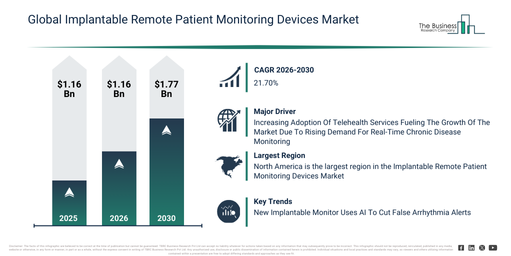
  • Increasing Adoption Of Telehealth Services Fueling The Growth Of The Market Due To Rising Demand For Real-Time Chronic Disease Monitoring Continues To Impact The Growth Of The Implantable Remote Patient Monitoring Devices Market

    Increasing Adoption Of Telehealth Services Fueling The Growth Of The Market Due To Rising Demand For Real-Time Chronic Disease Monitoring Continues To Impact The Growth Of The Implantable Remote Patient Monitoring Devices Market

    The Business Research Company’s 2026 market reports feature advanced enhancements such as market attractiveness analysis, total addressable market evaluation, company benchmarking matrices, interactive Excel dashboards, expanded supply chain intelligence, emerging startup coverage, and detailed product insights, delivering more actionable and strategically valuable research.

    What Is The Estimated Growth In Market Size Of The Implantable Remote Patient Monitoring Devices Market During 2026–2030?

    The implantable remote patient monitoring devices market size has seen significant expansion in recent years. It is anticipated to ascend from $10.26 billion in 2025 to $12.51 billion in 2026, exhibiting a compound annual growth rate (CAGR) of 21.9%. The market’s historical growth was influenced by factors such as a lack of understanding regarding the benefits of remote monitoring, a dependence on traditional in-hospital monitoring, the gradual uptake of implantable devices, limitations in wireless connectivity, and the high initial expense of early monitoring devices.

    The implantable remote patient monitoring devices market is projected to experience substantial expansion in the coming years, reaching $27.48 billion by 2030, driven by a compound annual growth rate (CAGR) of 21.7%. This projected increase is primarily due to several factors, including ongoing technological progress in implantable sensors, the growing occurrence of chronic illnesses, the incorporation of telemedicine platforms, an expanding elderly demographic, and favorable government reimbursement frameworks. Key trends anticipated during this period encompass the wider acceptance of continuous glucose monitoring devices, the expansion of implantable cardiac monitoring systems, an increase in the utilization of smart weight monitoring devices, the broadening of remote home care monitoring options, and a heightened emphasis on real-time data transfer and patient well-being.

    Download A Free Sample Report For Comprehensive Market Insights:

    https://www.thebusinessresearchcompany.com/sample.aspx?id=27316&type=smp

    Which Strategic Drivers Are Supporting The Implantable Remote Patient Monitoring Devices Market Development?

    The rising adoption of telehealth services is projected to drive the expansion of the implantable remote patient monitoring devices market in the future. Telehealth encompasses healthcare provided remotely through phones, video calls, or applications, allowing patients to consult doctors without needing to visit a clinic or hospital. This increasing acceptance of telehealth services is driven by the growing demand for continuous and real-time health monitoring for individuals with chronic conditions, which enables timely medical interventions without numerous hospital visits. Telehealth services enhance implantable remote patient monitoring devices by facilitating real-time data transmission between patients and healthcare providers, thus supporting prompt medical decisions and reducing the need for in-person appointments. They further improve chronic disease management by offering ongoing monitoring and early intervention, contributing to greater healthcare efficiency and patient convenience. For instance, in April 2023, according to FAIR Health Inc., a US-based non-profit organization, national telehealth use saw an increase of 7.3% in 2023, rising from 5.5% of medical claim lines in December 2022 to 5.9% in January 2023. As a result, the increasing adoption of telehealth services is fueling the growth of the implantable remote patient monitoring devices market.

    Which Segment Groups Define The Implantable Remote Patient Monitoring Devices Market Landscape?

    The implantable remote patient monitoring devices market covered in this report is segmented –

    1) By Device Type: Implantable Glucose Monitoring Devices, Implantable Cardiac Monitoring Devices, Implantable Multiparameter And Specialty Monitors

    2) By Technology: Continuous Glucose Monitoring (Cgm), Implantable Loop Recorders, Implantable Respiratory Monitors, Implantable Temperature Monitors, Implantable Neuromonitoring Devices, Implantable Multiparameter Monitors

    3) By Patient Age Group: Adults (Aged 18-64), Seniors (Aged 65 And Above), Pediatric Patients (Aged 0-17), Middle-Aged Adults (Aged 45-64)

    4) By Distribution Channel: Direct Sales, Online Sales, Health Care Institutions, Ambulatory Surgery Centers

    5) By End User: Hospitals, Home Care Settings, Ambulatory Surgery Centers, Other End Users

    Subsegments:

    1) By Implantable Glucose Monitoring Devices: Continuous Glucose Monitoring (Cgm) Devices, Long-Term Implantable Cgm Devices

    2) By Implantable Cardiac Monitoring Devices: Implantable Loop Recorders, Implantable Cardiac Telemetry Devices

    3) By Implantable Multiparameter And Specialty Monitors: Implantable Respiratory Monitoring Devices, Implantable Temperature Monitoring Devices, Implantable Neuromonitoring Devices, Implantable Multiparameter Monitors

    What Trends Are Affecting The Growth Of The Implantable Remote Patient Monitoring Devices Market?

    Companies operating in the implantable remote patient monitoring devices market are concentrating on developing advanced products, such as implantable cardiac monitors, to improve targeting efficiency in monitoring for cardiac arrhythmias. An implantable cardiac monitor (ICM), also referred to as an implantable loop recorder (ILR), is a small device positioned just under the skin, usually on the left side of the chest, to continuously track and record the heart’s electrical activity over a prolonged period. For example, in June 2023, Biotronik AG, a Switzerland-based medical technology company, introduced its BIOMONITOR IV implantable cardiac monitor. This advanced ICM combines BIOTRONIK’s SmartECG technology with artificial intelligence to decrease all false positive detections by 86% while maintaining 98% of true episodes. This monitor can also differentiate between premature atrial contractions (PACs) and premature ventricular contractions (PVCs) to provide healthcare professionals with better tools for risk stratification and diagnosis.

    Which Companies Are Engaged In The Implantable Remote Patient Monitoring Devices Market Environment?

    Major companies operating in the implantable remote patient monitoring devices market are Abbott Laboratories, Medtronic plc, Boston Scientific Corporation, Dexcom Inc., LivaNova PLC, MicroPort Scientific Corporation, NeuroPace Inc., Profusa Inc., Senseonics Holdings Inc., Xeltis AG, GlySens Inc., Biotronik SE & Co KG, Impulse Dynamics NV, CVRx Inc., Vectorious Medical Technologies, EBR Systems Inc., Axonics Modulation Technologies Inc., Synchron Inc., Neuralink Corp, Orchestra BioMed Holdings Inc., Second Sight Medical Products Inc.

    Access The Complete Implantable Remote Patient Monitoring Devices Market Report:

    https://www.thebusinessresearchcompany.com/report/implantable-remote-patient-monitoring-devices-global-market-report

    Which Region Has The Strongest Presence In The Implantable Remote Patient Monitoring Devices Market?

    North America was the largest region in the implantable remote patient monitoring devices market in 2025. The regions covered in the implantable remote patient monitoring devices market report are Asia-Pacific, South East Asia, Western Europe, Eastern Europe, North America, South America, Middle East, Africa.

    Access a Implantable Remote Patient Monitoring Devices Market Report for Deeper Competitive Insights

    https://www.thebusinessresearchcompany.com/report/implantable-remote-patient-monitoring-devices-global-market-report

    Browse Through More Reports Similar to the Global Implantable Remote Patient Monitoring Devices Market 2026, By The Business Research Company

    Motor Insurance Market Report 2026

    https://www.thebusinessresearchcompany.com/report/motor-insurance-global-market-report

    Car Insurance Aggregators Market Report 2026

    https://www.thebusinessresearchcompany.com/report/car-insurance-aggregators-global-market-report

    Automobile Insurance Carriers Market Report 2026

    https://www.thebusinessresearchcompany.com/report/automobile-insurance-carriers-global-market-report

    Get in touch with us:

    The Business Research Company: https://www.thebusinessresearchcompany.com/

    Americas: +1 310-496-7795

    Asia: +44 7882 955267 & +91 8897263534

    Europe: +44 7882 955267

    Email us at: marketing@tbrc.info

    Follow us on:

    LinkedIn: https://in.linkedin.com/company/the-business-research-company

    YouTube: https://www.youtube.com/channel/UC24_fI0rV8cR5DxlCpgmyFQ

    Global Market Model: https://www.thebusinessresearchcompany.com/global-market-model
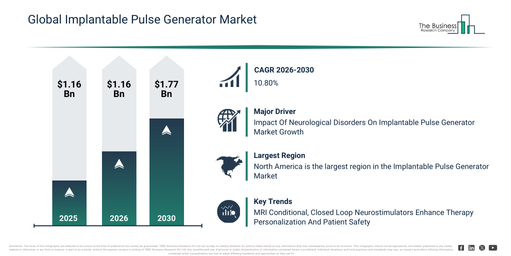
  • Implantable Pulse Generator Market Outlook Through 2030 With Analysis Of Industry Trends And Developments

    Implantable Pulse Generator Market Outlook Through 2030 With Analysis Of Industry Trends And Developments

    The Business Research Company’s 2026 market reports feature advanced enhancements such as market attractiveness analysis, total addressable market evaluation, company benchmarking matrices, interactive Excel dashboards, expanded supply chain intelligence, emerging startup coverage, and detailed product insights, delivering more actionable and strategically valuable research.

    What Market Value Expansion Is Expected For The Implantable Pulse Generator Market Over The Forecast Period?

    The implantable pulse generator market has expanded considerably in recent years. This market is set to increase from $147.01 billion in 2025 to $162.9 billion in 2026, at a compound annual growth rate (CAGR) of 10.8%. The historical growth of this market is attributable to the rising prevalence of chronic pain conditions, an increasing incidence of cardiovascular diseases, the growing adoption of implantable medical devices, the expansion of hospital-based surgical procedures, and heightened awareness of neuromodulation therapies.

    The market for implantable pulse generators is projected to experience swift expansion over the coming years. By 2030, this market is anticipated to reach $245.56 billion, expanding at a compound annual growth rate (CAGR) of 10.8%. Factors driving this growth during the projection period include a heightened need for minimally invasive procedures, an expanding elderly demographic, the escalating prevalence of neurological conditions, broader availability of sophisticated implantable treatments, and a greater emphasis on sustained disease management. Key trends identified for the forecast timeframe encompass the increasing acceptance of neuromodulation therapies, the growing application of implantable pulse generators for managing chronic pain, a rising preference for rechargeable implantable pulse generators, the broadening scope of implantable pulse generator uses in movement disorders, and the escalating demand for long-term implantable stimulation devices.

    Download A Free Sample Report For Comprehensive Market Insights:

    https://www.thebusinessresearchcompany.com/sample.aspx?id=18639&type=smp

    What Major Growth Factors Are Impacting The Implantable Pulse Generator Market?

    The increasing occurrence of neurological disorders is projected to boost the expansion of the implantable pulse generator market moving ahead. These disorders are defined as ailments impacting the brain, spinal cord, and nervous system, thereby affecting functions like movement, sensation, and cognition. The growing number of neurological disorder cases is frequently linked to elements such as an aging global population, shifts in lifestyle, environmental factors, and enhanced diagnostic methods. Implantable pulse generators assist in managing neurological disorders through the delivery of focused electrical impulses, which serve to regulate irregular neural activity and diminish symptoms. For example, data from October 2023, published by the World Federation of Neurology, a UK-based non-profit organization, indicated that more than 40% of the worldwide population presently lives with a neurological condition, and this prevalence is anticipated to nearly double in the foreseeable future. Consequently, the increased incidence of neurological disorders is fueling the expansion of the implantable pulse generator market.

    What Key Segment Areas Are Included In The Implantable Pulse Generator Market Assessment?

    The implantable pulse generator market covered in this report is segmented –

    1) By Product Type: Functional Electrical Stimulation (FES) Devices for Motor Function Restoration, Spinal Cord Stimulation (SCS) Devices, Deep Brain Stimulation (DBS) Devices, Vagus Nerve Stimulation (VNS) Devices, Sacral Nerve Stimulation (SNS) Devices

    2) By Charging Type: Rechargeable, Non-Rechargeable

    3) By Application: Movement Disorders, Chronic Pain Management, Neurological Disorders, Other Applications

    4) By End User: Hospitals, Ambulatory Surgical Centers, Clinics, Home Care and Remote Monitoring Settings

    Subsegments:

    1) By Functional Electrical Stimulation (FES) Devices: For Motor Function Restoration, For Muscle Strengthening, For Rehabilitation Post-Stroke or Injury

    2) By Spinal Cord Stimulation (SCS) Devices: Conventional SCS Systems, High-Frequency SCS Systems, Burst SCS Systems

    3) By Deep Brain Stimulation (DBS) Devices: Parkinson’s Disease DBS Systems, Essential Tremor DBS Systems, Dystonia DBS Systems, Other Neurological Disorder DBS Systems

    4) By Vagus Nerve Stimulation (VNS) Devices: Epilepsy Treatment VNS Devices, Depression Treatment VNS Devices

    5) By Sacral Nerve Stimulation (SNS) Devices: Urinary Incontinence SNS Devices, Fecal Incontinence SNS Devices, Other Pelvic Floor Disorder SNS Devices

    Which Trends Are Influencing The Direction Of The Implantable Pulse Generator Market?

    Leading firms within the implantable pulse generator (IPG) market are focusing on MRI conditional neurostimulators, including rechargeable IPGs equipped with sensing capabilities, to enhance their market position. As an illustration, in April 2024, Medtronic, a US healthcare enterprise, secured FDA approval for its Inceptiv closed-loop spinal cord stimulator. This device continuously monitors evoked compound action potentials (ECAPs) 50 times per second to dynamically modify stimulation and supports full-body 1.5 T and 3 T MRI examinations. Likewise, in January 2024, Medtronic launched the Percept RC, a rechargeable deep brain stimulation neurostimulator that incorporates BrainSense sensing technology, offers a 15-year battery life, and is fully compatible with 1.5 T and 3 T MRI scans even while therapy is active. Such innovations improve individualized therapy and patient safety, although they might incur increased development and device expenses.

    Who Are The Prominent Players Across The Implantable Pulse Generator Market?

    Major companies operating in the implantable pulse generator market are Abbott Laboratories, Boston Scientific Corporation, Medtronic PLC, Nevro Corp, LivaNova PLC, NeuroPace Inc, NeuroSigma Inc, Saluda Medical Pty Ltd, Synapse Biomedical Inc, Nuvectra Medical Inc, MainStay Medical International PLC, Aleva Neurotherapeutics SA, Bioness Inc, EnteroMedics Inc, Neuronetics Inc, Axonics Inc, Sceneray Co Ltd, Cirtec Medical, BlueWind Medical, Syntach AB, Osaka Medical Devices, Gimer Medical, Saluda Medical

    Access The Complete Implantable Pulse Generator Market Report:

    https://www.thebusinessresearchcompany.com/report/implantable-pulse-generator-global-market-report

    Which Region Stands As The Largest Contributor To The Implantable Pulse Generator Market?

    North America was the largest region in the implantable pulse generator market in 2025. The regions covered in the implantable pulse generator market report are Asia-Pacific, South East Asia, Western Europe, Eastern Europe, North America, South America, Middle East, Africa.

    Access a Implantable Pulse Generator Market Report for Deeper Competitive Insights

    https://www.thebusinessresearchcompany.com/report/implantable-pulse-generator-global-market-report

    Browse Through More Reports Similar to the Global Implantable Pulse Generator Market 2026, By The Business Research Company

    Implantable Heart Pacemaker Market Report 2026

    https://www.thebusinessresearchcompany.com/report/implantable-heart-pacemaker-global-market-report

    Implantable Cardiac Rhythm Management Device Market Report 2026

    https://www.thebusinessresearchcompany.com/report/implantable-cardiac-rhythm-management-device-global-market-report

    Cardiovascular Implants Market Report 2026

    https://www.thebusinessresearchcompany.com/report/cardiovascular-implants-global-market-report

    Get in touch with us:

    The Business Research Company: https://www.thebusinessresearchcompany.com/

    Americas: +1 310-496-7795

    Asia: +44 7882 955267 & +91 8897263534

    Europe: +44 7882 955267

    Email us at: marketing@tbrc.info

    Follow us on:

    LinkedIn: https://in.linkedin.com/company/the-business-research-company

    YouTube: https://www.youtube.com/channel/UC24_fI0rV8cR5DxlCpgmyFQ

    Global Market Model: https://www.thebusinessresearchcompany.com/global-market-model
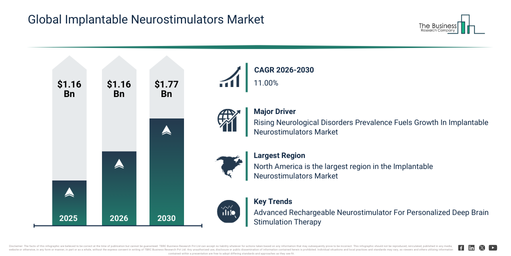
  • Implantable Neurostimulators Market Revenue Anticipated To Reach $11.43 Billion By 2030 With 11% CAGR

    Implantable Neurostimulators Market Revenue Anticipated To Reach $11.43 Billion By 2030 With 11% CAGR

    The Business Research Company’s 2026 market reports feature advanced enhancements such as market attractiveness analysis, total addressable market evaluation, company benchmarking matrices, interactive Excel dashboards, expanded supply chain intelligence, emerging startup coverage, and detailed product insights, delivering more actionable and strategically valuable research.

    How Will The Market Value Of The Implantable Neurostimulators Market Change Between 2026 And 2030?

    The implantable neurostimulators market has seen rapid expansion in recent years. It is forecast to grow from $6.76 billion in 2025 to $7.52 billion in 2026, exhibiting a compound annual growth rate (CAGR) of 11.4%. The historical growth of this market can be ascribed to several factors, including the increasing occurrence of chronic pain conditions, the swift adoption of spinal cord stimulation therapies, a lack of alternatives to pharmacological pain management, a rise in neurological disorder diagnosis rates, and an increase in hospital-based neurosurgical procedures.

    The implantable neurostimulators market is projected to experience swift expansion in the coming years, reaching $11.44 billion by 2030, with a compound annual growth rate (CAGR) of 11.0%. This anticipated growth is driven by several factors, including developments in neurostimulation technology, broader applications for conditions such as Parkinson’s disease and epilepsy, a growing elderly population suffering from neurological issues, increasing clinical data favoring neuromodulation, and better reimbursement policies and healthcare accessibility. Key trends during this period are expected to involve the wider use of implantable neurostimulators for managing chronic pain, a greater inclination towards rechargeable neurostimulation units, an increasing need for less invasive neuromodulation treatments, a broadening of therapeutic indications beyond pain and movement disorders, and a heightened emphasis on the durability of devices and patient well-being.

    Download A Free Sample Report For Comprehensive Market Insights:

    https://www.thebusinessresearchcompany.com/sample.aspx?id=20566&type=smp

    What Market Drivers Are Helping Shape The Implantable Neurostimulators Market Expansion?

    The increasing occurrence of neurological disorders is poised to fuel the expansion of the implantable neurostimulators market. These disorders are conditions that impact the nervous system, including the brain and spinal cord, thereby influencing functions such as movement and cognition. The surge in neurological disorders is largely due to the aging population, as extended lifespans render individuals more susceptible to conditions like Alzheimer’s and Parkinson’s. Neurostimulators are implanted devices engineered to deliver electrical impulses, controlling symptoms such as tremors and pain, commonly seen in conditions like epilepsy and Parkinson’s. For instance, in October 2023, the World Federation of Neurology, a UK-based association of national neurological societies, indicated that over 40% of the global population currently endures some neurological condition, and this burden is forecasted to nearly double by 2050. Thus, the escalating prevalence of neurological disorders is a significant impetus for the growth of the implantable neurostimulators market.

    How Is Segment Classification Applied In The Implantable Neurostimulators Market?

    The implantable neurostimulators market covered in this report is segmented –

    1) By Product Type: Spinal Cord Stimulators, Deep Brain Stimulators, Sacral Nerve Stimulators, Vagus Nerve Stimulators, Other Product Types

    2) By Application: Pain Management, Parkinson’s Disease, Urinary And Fecal Incontinence, Epilepsy, Gastroparesis, Other Applications

    3) By End-Use: Hospitals, Ambulatory Surgical Centers (ASCs), Other End-Uses

    Subsegments:

    1) By Spinal Cord Stimulators: Conventional Spinal Cord Stimulators, Rechargeable Spinal Cord Stimulators, Non-Rechargeable Spinal Cord Stimulators, High-Frequency Spinal Cord Stimulators

    2) By Deep Brain Stimulators: Single Lead Deep Brain Stimulators, Dual Lead Deep Brain Stimulators, Rechargeable Deep Brain Stimulators, Non-Rechargeable Deep Brain Stimulators

    3) By Sacral Nerve Stimulators: Rechargeable Sacral Nerve Stimulators, Non-Rechargeable Sacral Nerve Stimulators, Implantable Pulse Generators For Sacral Nerve Stimulation

    4) By Vagus Nerve Stimulators: Rechargeable Vagus Nerve Stimulators, Non-Rechargeable Vagus Nerve Stimulators, Vagus Nerve Stimulation Systems For Epilepsy Treatment

    5) By Other Product Types: Transcranial Magnetic Stimulation (TMS) Devices, Peripheral Nerve Stimulators, Cochlear Implants

    What Trends Are Driving Changes In The Implantable Neurostimulators Market?

    Leading companies in the implantable neurostimulators market are focusing on advanced innovations, including next-generation rechargeable systems that enhance existing Deep Brain Stimulation (DBS) solutions and support more personalized treatment for movement-disorder patients. These new devices offer extended battery life, customizable therapy settings, and real-time brain-signal sensing in a compact, patient-friendly format. For instance, in December 2024, Medtronic, a US-based medical technology company, launched its FDA-approved Percept RC neurostimulator in India for conditions such as Parkinson’s disease, essential tremor, dystonia, and epilepsy. The Percept RC is the smallest and thinnest dual-channel rechargeable neurostimulator, equipped with BrainSense technology to record and interpret brain activity for optimized, individualized therapy adjustments. It features a long-lasting battery designed to exceed 15 years, fast recharging, full-body MRI compatibility under specific guidelines, and software-update readiness for future enhancements, ultimately enabling more data-driven and adaptive deep brain stimulation therapy.

    Which Companies Form The Competitive Landscape Of The Implantable Neurostimulators Market?

    Major companies operating in the implantable neurostimulators market are Abbott Laboratories, Medtronic plc, Boston Scientific Corporation, LivaNova plc, Inspire Medical Systems Inc., Nevro Corporation, Axonics Inc., Cirtec Medical Systems LLC, SPR Therapeutics Inc., BlueWind Medical Ltd., NeuroPace Inc., Bioness Inc., ReShape Lifesciences Inc., Synapse Biomedical Inc., Autonomic Technologies Inc., Comphya SA, Mainstay Medical Holdings plc, Sigenics Inc., Nalu Medical Inc., Aleva Neurotherapeutics SA, Nuvectra Corporation

    Access The Complete Implantable Neurostimulators Market Report:

    https://www.thebusinessresearchcompany.com/report/implantable-neurostimulators-global-market-report

    What Is The Largest Regional Market In The Implantable Neurostimulators Market?

    North America was the largest region in the implantable neurostimulators market in 2025. Asia-Pacific is expected to be the fastest-growing region in the forecast period. The regions covered in the implantable neurostimulators market report are Asia-Pacific, South East Asia, Western Europe, Eastern Europe, North America, South America, Middle East, Africa.

    Access a Implantable Neurostimulators Market Report for Deeper Competitive Insights

    https://www.thebusinessresearchcompany.com/report/implantable-neurostimulators-global-market-report

    Browse Through More Reports Similar to the Global Implantable Neurostimulators Market 2026, By The Business Research Company

    Pediatric Neurology Device Market Report 2026

    https://www.thebusinessresearchcompany.com/report/pediatric-neurology-device-global-market-report

    Neurology Devices Market Report 2026

    https://www.thebusinessresearchcompany.com/report/neurology-devices-global-market-report

    Interventional Neurology Devices And Equipment Market Report 2026

    https://www.thebusinessresearchcompany.com/report/interventional-neurology-devices-and-equipment-global-market-report

    Get in touch with us:

    The Business Research Company: https://www.thebusinessresearchcompany.com/

    Americas: +1 310-496-7795

    Asia: +44 7882 955267 & +91 8897263534

    Europe: +44 7882 955267

    Email us at: marketing@tbrc.info

    Follow us on:

    LinkedIn: https://in.linkedin.com/company/the-business-research-company

    YouTube: https://www.youtube.com/channel/UC24_fI0rV8cR5DxlCpgmyFQ

    Global Market Model: https://www.thebusinessresearchcompany.com/global-market-model

  • Implantable Neurostimulation Devices Market Outlook Assessing Future Opportunities And Growth Prospects

    Implantable Neurostimulation Devices Market Outlook Assessing Future Opportunities And Growth Prospects

    The Business Research Company’s 2026 market reports feature advanced enhancements such as market attractiveness analysis, total addressable market evaluation, company benchmarking matrices, interactive Excel dashboards, expanded supply chain intelligence, emerging startup coverage, and detailed product insights, delivering more actionable and strategically valuable research.

    What Is The Forecasted Rise In Market Size Of The Implantable Neurostimulation Devices Market During The Forecast Period?

    The market size for implantable neurostimulation devices has expanded considerably in recent years. It is anticipated to increase from $5.62 billion in 2025 to $6.27 billion in 2026, achieving a compound annual growth rate (CAGR) of 11.7%. The expansion observed in the past can be linked to factors such as the increasing occurrence of neurological conditions, the wider availability of pain management treatments, the adoption of implantable stimulation technologies, the rising clinical acceptance of neuromodulation, and the accessibility of implantable electronic systems.

    The market for implantable neurostimulation devices is projected to experience substantial expansion over the coming years. This market is anticipated to reach $10.02 billion by 2030, exhibiting a compound annual growth rate (CAGR) of 12.4%. Factors contributing to this growth during the forecast period include a heightened demand for non-drug treatments, a stronger emphasis on precise neuromodulation, the proliferation of outpatient neurological care, increasing investment into brain-machine interface studies, and advancements in stimulation algorithm innovation. Key trends expected within this timeframe involve the wider implementation of sophisticated neurostimulation methods, an increase in the uptake of rechargeable stimulation units, the expanding application of tailored neuromodulation therapies, the broadening of neurostimulation systems for multiple conditions, and a greater emphasis on the enduring efficacy of treatments.

    Download A Free Sample Report For Comprehensive Market Insights:

    https://www.thebusinessresearchcompany.com/sample.aspx?id=19520&type=smp

    Which Significant Factors Are Encouraging Growth In The Implantable Neurostimulation Devices Market?

    The increasing incidence of neurological conditions is anticipated to drive the expansion of the implantable neurostimulation device market in the future. Neurological disorders are defined as ailments impacting the structure or function of the nervous system, leading to symptoms like paralysis, seizures, and difficulties with cognition. Greater exposure to risk factors, including elevated blood pressure, congenital anomalies, or physical trauma, contributes to an increase in the diagnosis of neurological disorders. When other therapeutic options prove ineffective or insufficient, implantable neurostimulation devices are employed for neurological disorders to modify nerve activity and reduce symptoms. As an illustration, in 2024, data from the Alzheimer’s Association, a non-profit health organization based in the US, indicates that approximately 6.9 million Americans aged 65 and above are afflicted with Alzheimer’s disease, with 73% of these individuals being 75 years or older. This figure is forecast to reach 12.7 million by 2050. Consequently, the growing occurrence of neurological disorders will propel the implantable neurostimulation device market.

    What Are The Core Segment Classifications In The Implantable Neurostimulation Devices Market?

    The implantable neurostimulation devices market covered in this report is segmented –

    1) By Type: Spinal Cord Stimulation (SCS), Gastric Electric Stimulation (GES), Deep Brain Stimulation (DBS), Sacral Nerve Stimulation (SNS), Vagus Nerve Stimulation (VNS), Other Types

    2) By Application: Pain Management, Parkinson’s Disease, Urinary And Fecal Incontinence, Epilepsy, Gastroparesis, Other Applications

    3) By End-User: Hospitals, Clinics, Ambulatory Surgical Centers

    Subsegments:

    1) By Spinal Cord Stimulation (SCS): Rechargeable SCS Devices, Non-Rechargeable SCS Devices

    2) By Gastric Electric Stimulation (GES): Implantable Gastric Stimulators, Adjustable Gastric Stimulators

    3) By Deep Brain Stimulation (DBS): DBS Devices for Movement Disorders, DBS Devices for Psychiatric Disorders

    4) By Sacral Nerve Stimulation (SNS): SNS Devices for Urinary Incontinence, SNS Devices for Fecal Incontinence

    5) By Vagus Nerve Stimulation (VNS): VNS Devices for Epilepsy, VNS Devices for Depression

    6) By Other Types: Peripheral Nerve Stimulation (PNS), Cortical Stimulation Devices, Novel Neurostimulation Technologies

    Which Trends Are Shaping The Implantable Neurostimulation Devices Market Landscape?

    Leading firms within the implantable neurostimulation devices market are concentrating on creating sophisticated systems, including rechargeable brain-sensing neurostimulators, aimed at providing more tailored and responsive treatment for individuals afflicted with movement and neurological conditions. These rechargeable brain-sensing neurostimulators are implanted devices engineered to log brain signals in real-time, simultaneously delivering focused stimulation, thereby allowing medical professionals to fine-tune therapy with greater accuracy according to specific neural activity and evolving treatment requirements. As an illustration, during January 2024, Medtronic, a medical device company situated in the US, publicized the U.S. Food and Drug Administration (FDA) clearance for its Percept RC neurostimulator. This rechargeable deep brain stimulation (DBS) system incorporates proprietary BrainSense technology, which monitors and records brain signals to facilitate the optimization of individualized therapy. This particular device boasts an extended operational lifespan of at least 15 years, offers versatile and directional stimulation programming, and includes quick recharging functionalities, presenting patients with a more enduring and adaptable treatment choice for handling movement disorders.

    Who Are The Key Market Participants In The Implantable Neurostimulation Devices Market?

    Major companies operating in the implantable neurostimulation devices market are Abbott Laboratories, Medtronic PLC, Boston Scientific Corporation, St. Jude Medical LLC, LivaNova PLC, Nevro Corp., Axonics Inc., NeuroPace Inc., Bioness Inc., Saluda Medical Pty Ltd., SceneRay Co. Ltd., NeuroMetrix Inc., Synapse Biomedical Inc., NeuroSigma Inc., Nuvectra Corporation, MicroTransponder Inc., Curonix LLC, Inspire Medical Systems Inc., SetPoint Medical Corporation, ElectroCore Inc.

    Access The Complete Implantable Neurostimulation Devices Market Report:

    https://www.thebusinessresearchcompany.com/report/implantable-neurostimulation-devices-global-market-report

    Which Region Contributes The Most To The Implantable Neurostimulation Devices Market?

    North America was the largest region in the implantable neurostimulation devices market in 2025. Asia-Pacific is expected to be the fastest-growing region in the forecast period. The regions covered in the implantable neurostimulation devices market report are Asia-Pacific, South East Asia, Western Europe, Eastern Europe, North America, South America, Middle East, Africa.

    Access a Implantable Neurostimulation Devices Market Report for Deeper Competitive Insights

    https://www.thebusinessresearchcompany.com/report/implantable-neurostimulation-devices-global-market-report

    Browse Through More Reports Similar to the Global Implantable Neurostimulation Devices Market 2026, By The Business Research Company

    Neurostimulation Devices Market Report 2026

    https://www.thebusinessresearchcompany.com/report/neurostimulation-devices-global-market-report

    Internal Neuromodulation Devices Market Report 2026

    https://www.thebusinessresearchcompany.com/report/internal-neuromodulation-devices-global-market-report

    Neural Implants Market Report 2026

    https://www.thebusinessresearchcompany.com/report/neural-implants-global-market-report

    Get in touch with us:

    The Business Research Company: https://www.thebusinessresearchcompany.com/

    Americas: +1 310-496-7795

    Asia: +44 7882 955267 & +91 8897263534

    Europe: +44 7882 955267

    Email us at: marketing@tbrc.info

    Follow us on:

    LinkedIn: https://in.linkedin.com/company/the-business-research-company

    YouTube: https://www.youtube.com/channel/UC24_fI0rV8cR5DxlCpgmyFQ

    Global Market Model: https://www.thebusinessresearchcompany.com/global-market-model

  • Implantable Medical Devices Market Industry Forecast Reflecting Growth To $148.87 Billion By 2030

    Implantable Medical Devices Market Industry Forecast Reflecting Growth To $148.87 Billion By 2030

    The Business Research Company’s 2026 market reports feature advanced enhancements such as market attractiveness analysis, total addressable market evaluation, company benchmarking matrices, interactive Excel dashboards, expanded supply chain intelligence, emerging startup coverage, and detailed product insights, delivering more actionable and strategically valuable research.

    How Is The Implantable Medical Devices Market’s Market Value Anticipated To Evolve From 2026 To 2030?

    The implantable medical devices market has experienced robust growth in recent years. It is anticipated to expand from $109.97 billion in 2025 to $117.13 billion in 2026, reflecting a compound annual growth rate (CAGR) of 6.5%. The historic period’s growth can be attributed to factors such as the limited availability of advanced implant materials, a reliance on conventional metallic and polymer implants, the growing prevalence of cardiovascular and orthopedic disorders, an increase in surgical procedures performed in hospitals, and heightened awareness of implant-based therapies.

    The implantable medical devices market size is anticipated to experience robust expansion over the coming years. It is projected to reach $148.87 billion by 2030, exhibiting a compound annual growth rate (CAGR) of 6.2%. This projected growth can be ascribed to several factors, including the advancement of bioresorbable and smart implants, an increasing need for tailored and patient-specific implants, the proliferation of minimally invasive surgical methods, the broadening application of cochlear and neural interface implants, and the incorporation of AI with digital monitoring technologies. Key trends anticipated during this period encompass a surge in the uptake of cardiovascular and orthopedic implants, a growing preference for minimally invasive implant procedures, the evolution of personalized and customizable implants, wider use of neurostimulator and drug delivery implants, and improved adherence to regulatory compliance and safety standards.

    Download A Free Sample Report For Comprehensive Market Insights:

    https://www.thebusinessresearchcompany.com/sample.aspx?id=24569&type=smp

    What Core Drivers Are Transforming The Implantable Medical Devices Market?

    The future expansion of the implantable medical devices market is expected to be propelled by the increasing demand for minimally invasive surgical procedures. These procedures refer to medical interventions performed through small incisions or openings, thereby reducing patient trauma and recovery time. The growing demand for minimally invasive surgical procedures is attributed to their benefits, including shorter recovery times, reduced risks of complications, less pain, and smaller scars, which makes them more attractive to patients seeking quicker and safer treatment options. Implantable medical devices enhance minimally invasive surgical procedures by enabling targeted treatment delivery and real-time monitoring. They facilitate faster recovery, decrease the risk of complications, and improve long-term patient outcomes through personalized, precise interventions. For instance, in November 2024, according to the American Society of Plastic Surgeons, a US-based non-profit organization, the total number of cosmetic minimally invasive procedures reached 25,442,640 in 2023, marking a 7% increase from 23,672,269 in 2022. Consequently, the rising demand for minimally invasive surgical procedures is a significant driver for the growth of the implantable medical devices market.

    How Is The Implantable Medical Devices Market Structured Across Different Market Segments?

    The implantable medical devices market covered in this report is segmented –

    1) By Product Type: Cardiovascular Implants, Orthopedic Implants, Ophthalmology Implants, Dental Implants, Cochlear Implants, Microchip Implants, Other Product Types

    2) By Biomaterial: Ceramic, Metallic, Polymers, Natural

    3) By End Use: Hospitals, Ambulatory Surgical Centers, Multi-Specialty Centers, Clinics, Other End Uses

    Subsegments:

    1) By Cardiovascular Implants: Pacemakers, Implantable Cardioverter Defibrillators, Stents, Heart Valves, Cardiac Resynchronization Therapy Devices

    2) By Orthopedic Implants: Hip Implants, Knee Implants, Spinal Implants, Shoulder Implants, Trauma Implants

    3) By Ophthalmology Implants: Intraocular Lenses, Glaucoma Drainage Implants, Corneal Implants, Retinal Implants

    4) By Dental Implants: Endosteal Implants, Subperiosteal Implants, Zygomatic Implants, Mini Dental Implants

    5) By Cochlear Implants: Unilateral Cochlear Implants, Bilateral Cochlear Implants

    6) By Microchip Implants: Radiofrequency Identification Implants, Biosensor Microchips, Neural Interface Microchips

    7) By Other Product Types: Neurostimulators, Contraceptive Implants, Drug Delivery Implants, Breast Implants, Penile Implants

    What Trends Are Influencing The Implantable Medical Devices Market Outlook?

    Leading companies within the implantable medical devices market are concentrating on creating cutting-edge products and securing necessary approvals, including advancements like bioelectric medicine. This initiative aims to improve treatment effectiveness, minimize adverse effects, and provide customized, less invasive therapeutic options. Bioelectric medicine represents a domain that utilizes electrical impulses to identify, treat, or stimulate the body’s nervous system, thereby enhancing health and managing various illnesses. An example is Boston Scientific Corporation, a US-based biotechnology firm, which in July 2023 obtained U.S. Food and Drug Administration (FDA) approval for its Vercise Neural Navigator 5 Software. This software, when integrated with Vercise Genus deep brain stimulation (DBS) systems, furnishes clinicians with straightforward and practical data for effective programming during the treatment of individuals with Parkinson’s disease or essential tremor. The software further offers improved programming flexibility, facilitating customized treatment strategies that can adjust to the distinct symptoms and requirements of individual patients.

    Which Organizations Are Operating Within The Implantable Medical Devices Market?

    Major companies operating in the implantable medical devices market are Johnson & Johnson, Abbott Laboratories, Medtronic plc, Stryker Corporation, Boston Scientific Corporation, Alcon Inc., Zimmer Biomet Holdings Inc., Terumo Corporation, Terumo Medical Corporation, Smith & Nephew plc, W. L. Gore & Associates Inc., Edwards Lifesciences Corporation, Dentsply Sirona Inc., Demant A S, Institut Straumann AG, Biotronik SE & Co. KG, Integra LifeSciences Holdings Corporation, Globus Medical Inc., LivaNova Public Limited Company, MicroPort Scientific Corporation, B. Braun Melsungen Aktiengesellschaft, Cochlear Limited

    Access The Complete Implantable Medical Devices Market Report:

    https://www.thebusinessresearchcompany.com/report/implantable-medical-devices-global-market-report

    Which Regional Market Leads The Implantable Medical Devices Market?

    North America was the largest region in the implantable medical devices market in 2025. Asia-Pacific is expected to be the fastest-growing region in the forecast period. The regions covered in the implantable medical devices market report are Asia-Pacific, South East Asia, Western Europe, Eastern Europe, North America, South America, Middle East, Africa.

    Access a Implantable Medical Devices Market Report for Deeper Competitive Insights

    https://www.thebusinessresearchcompany.com/report/implantable-medical-devices-global-market-report

    Browse Through More Reports Similar to the Global Implantable Medical Devices Market 2026, By The Business Research Company

    Implantable Drug Delivery Devices Market Report 2026

    https://www.thebusinessresearchcompany.com/report/implantable-drug-delivery-devices-global-market-report

    Microelectronic Medical Implants Market Report 2026

    https://www.thebusinessresearchcompany.com/report/microelectronic-medical-implants-global-market-report

    Smart Implants Market Report 2026

    https://www.thebusinessresearchcompany.com/report/smart-implants-global-market-report

    Get in touch with us:

    The Business Research Company: https://www.thebusinessresearchcompany.com/

    Americas: +1 310-496-7795

    Asia: +44 7882 955267 & +91 8897263534

    Europe: +44 7882 955267

    Email us at: marketing@tbrc.info

    Follow us on:

    LinkedIn: https://in.linkedin.com/company/the-business-research-company

    YouTube: https://www.youtube.com/channel/UC24_fI0rV8cR5DxlCpgmyFQ

    Global Market Model: https://www.thebusinessresearchcompany.com/global-market-model

  • Implantable Loop Recorders Market Forecast Analysis Through 2030 With Insights On Industry Expansion

    Implantable Loop Recorders Market Forecast Analysis Through 2030 With Insights On Industry Expansion

    The Business Research Company’s 2026 market reports feature advanced enhancements such as market attractiveness analysis, total addressable market evaluation, company benchmarking matrices, interactive Excel dashboards, expanded supply chain intelligence, emerging startup coverage, and detailed product insights, delivering more actionable and strategically valuable research.

    By 2030, How Much Growth In Market Size Is Expected For The Implantable Loop Recorders Market?

    The implantable loop recorders market size has experienced significant expansion over recent years. Its projected growth is from $1.91 billion in 2025 to $2.21 billion in 2026, achieving a compound annual growth rate (CAGR) of 16.0%. This historical increase is primarily due to the rising prevalence of cardiac arrhythmias, greater adoption of implantable monitoring devices, the expansion of cardiac care facilities, continuous advancements in device miniaturization, and an increase in remote patient monitoring.

    The market for implantable loop recorders is projected to experience substantial expansion in the coming years. This market is anticipated to reach $3.97 billion by 2030, exhibiting a compound annual growth rate (CAGR) of 15.8%. This projected growth is driven by factors such as a heightened demand for prompt arrhythmia detection, the increasing implementation of telecardiology solutions, the broadening scope of home-based cardiac monitoring, advancements in battery life technology, and greater investments in digital cardiac health initiatives. Key trends during this period encompass the wider acceptance of remote cardiac monitoring devices, the escalating utilization of continuous rhythm monitoring systems, the increasing incorporation of AI-based arrhythmia detection, the development of minimally invasive cardiac diagnostics, and an intensified emphasis on extended patient monitoring.

    Download A Free Sample Report For Comprehensive Market Insights:

    https://www.thebusinessresearchcompany.com/sample.aspx?id=8737&type=smp

    Which Growth Factors Are Strengthening The Implantable Loop Recorders Market Landscape?

    An anticipated surge in cardiac conditions is projected to boost the implantable loop recorder market in the coming years. These conditions, which impact the heart and its vascular system, represent a primary global contributor to illness and fatalities. The increase in cardiac health issues stems from factors including an aging global population, inactive lifestyles, and a higher incidence of co-existing conditions like diabetes and hypertension, thereby escalating the necessity for ongoing heart rhythm surveillance. Implantable loop recorders play a crucial role in cardiac care, facilitating extended surveillance of patients’ heart functions and aiding in prompt diagnosis and therapeutic interventions. For example, data from January 2024 published by the American Heart Association, a US-based non-profit, indicated that the age-adjusted mortality rate for cardiovascular disease reached 233.3 per 100,000 in 2024, showing a 4.0% rise from 224.4 per 100,000 recorded in 2023. Consequently, the worldwide increase in cardiac illnesses is stimulating the expansion of the implantable loop recorder market.

    Implantable Loop Recorders Market Driver: Rising Aging Population Fuels Surge In Demand For Implantable Loop Recorders

    Which Segment-Based Categories Are Covered In The Implantable Loop Recorders Market?

    The implantable loop recorders market covered in this report is segmented –

    1) By Product: Manual, Automatic

    2) By Application: Atrial fibrillation, Cardiac Arrhythmia, Cardiac Syncope

    3) By End Users: Hospitals, Cardiac Centers And Clinics, Ambulatory Surgical Centers

    Subsegments:

    1) By Manual: Manual Activation Loop Recorders, Handheld Programming Devices

    2) By Automatic: Continuous Monitoring Loop Recorders, Event-Triggered Loop Recorders

    Which Trends Are Expected To Shape The Implantable Loop Recorders Market?

    Key companies in the implantable loop recorder market are prioritizing the development of innovative solutions, such as artificial intelligence (AI)-driven cardiac monitors, to enhance the detection and accurate diagnosis of cardiac arrhythmias. An AI-based cardiac monitor functions as a medical device that constantly oversees heart activity, leveraging AI algorithms to process data in real-time, identify anomalies, and anticipate potential cardiac events for timely medical intervention. For example, in September 2023, BIOTRONIK SE & Co. KG, a medical device company based in Germany, released the BIOMONITOR IV implantable cardiac monitor (ICM), which combines its SmartECG technology with artificial intelligence (AI) to revolutionize cardiac arrhythmia monitoring. The BIOMONITOR IV aims to offer exceptional efficiency in identifying and diagnosing cardiac irregularities.

    Who Are The Businesses Driving Activity In The Implantable Loop Recorders Market?

    Major companies operating in the implantable loop recorders market are Abbott Laboratories, Medtronic PLC, BIOTRONIK, Boston Scientific Corporation, Vectorious, Angel Medical Systems Inc., Implicity, EBR Systems Inc., Cardiac Insight Inc., iRhythm Technologies Inc., Acutus Medical Inc., LifeWatch AG, Osypka Medical GmbH, BioTelemetry Inc., Philips Healthcare, GE HealthCare Technologies Inc., Siemens Healthineers, ZOLL Medical Corporation, CardioNet, AliveCor

    Access The Complete Implantable Loop Recorders Market Report:

    https://www.thebusinessresearchcompany.com/report/implantable-loop-recorders-global-market-report

    Which Region Holds The Largest Share In The Implantable Loop Recorders Market?

    North America was the largest region in the implantable loop recorder market in 2025. Asia-Pacific is expected to be the fastest-growing region in the forecast period. The regions covered in the implantable loop recorders market report are Asia-Pacific, South East Asia, Western Europe, Eastern Europe, North America, South America, Middle East, Africa.

    Access a Implantable Loop Recorders Market Report for Deeper Competitive Insights

    https://www.thebusinessresearchcompany.com/report/implantable-loop-recorders-global-market-report

    Browse Through More Reports Similar to the Global Implantable Loop Recorders Market 2026, By The Business Research Company

    Active Implantable Medical Devices Market Report 2026

    https://www.thebusinessresearchcompany.com/report/active-implantable-medical-devices-global-market-report

    Smart Implants Market Report 2026

    https://www.thebusinessresearchcompany.com/report/smart-implants-global-market-report

    Implantable Drug Delivery Devices Market Report 2026

    https://www.thebusinessresearchcompany.com/report/implantable-drug-delivery-devices-global-market-report

    Get in touch with us:

    The Business Research Company: https://www.thebusinessresearchcompany.com/

    Americas: +1 310-496-7795

    Asia: +44 7882 955267 & +91 8897263534

    Europe: +44 7882 955267

    Email us at: marketing@tbrc.info

    Follow us on:

    LinkedIn: https://in.linkedin.com/company/the-business-research-company

    YouTube: https://www.youtube.com/channel/UC24_fI0rV8cR5DxlCpgmyFQ

    Global Market Model: https://www.thebusinessresearchcompany.com/global-market-model