Month: May 2026

  • Global Biofeedback Devices Market Forecast Highlighting Expansion And Competitive Dynamics

    Global Biofeedback Devices Market Forecast Highlighting Expansion And Competitive Dynamics

    The Business Research Company’s 2026 market reports feature enhanced tools like market attractiveness analysis, TAM assessment, and company scoring matrices, along with interactive dashboards, deeper supply chain insights, and startup coverage strengthening the depth, usability, and strategic value of insights.

    How Will The Market Value Of The Biofeedback Devices Market Change Between 2026 And 2030?

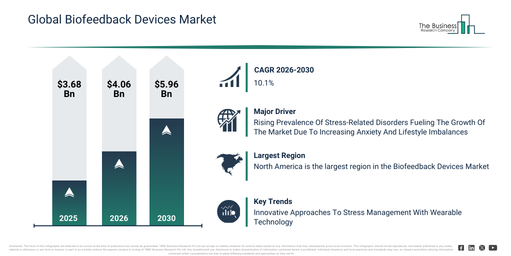
    The biofeedback devices market has experienced significant expansion recently. Projections indicate it will increase from $3.68 billion in 2025 to $4.06 billion in 2026, at a compound annual growth rate (CAGR) of 10.3%. This historical growth can be attributed to heightened awareness of mind-body therapies, a rise in the adoption of non-pharmacological treatments, the expansion of wellness and rehabilitation programs, advancements in sensor accuracy, and the increasing availability of consumer biofeedback devices.

    The biofeedback devices market size is projected to experience significant growth over the next few years. It is anticipated to expand to $5.96 billion by 2030, achieving a compound annual growth rate (CAGR) of 10.1%. This expansion during the forecast period is propelled by factors such as the increasing demand for digital mental health solutions, the widening adoption of telehealth and remote therapy, the rising integration of AI-driven feedback analytics, a growing focus on preventive healthcare, and increasing consumer interest in self-regulation technologies. Concurrently, major developments expected in this period include the rising adoption of wearable biofeedback devices, increased use of remote physiological monitoring solutions, the growing integration of mobile health platforms, the expansion of home-based biofeedback therapies, and an enhanced emphasis on stress and mental health management.

    Download A Free Sample Report For Comprehensive Market Insights:

    https://www.thebusinessresearchcompany.com/sample.aspx?id=24170&type=smp

    Which Major Factors Are Contributing To The Development Of The Biofeedback Devices Market?

    The increasing incidence of stress-related conditions is projected to drive the expansion of the biofeedback devices market in the future. These disorders refer to mental and physical health issues that arise from prolonged or excessive stress. The growing prevalence of stress-related disorders is attributed to escalating work-related pressures and lifestyle imbalances in modern society. Biofeedback devices are utilized in these conditions to assist individuals in monitoring and regulating physiological responses, such as heart rate and brainwaves, thereby promoting relaxation and reducing stress. For instance, in May 2024, according to the American Psychiatric Association, a US-based professional organization of psychiatrists dedicated to advancing mental health care, in 2024, the percentage of US adults experiencing heightened anxiety reached 43%, marking a rise from 37% in 2023 and 32% in 2022. Consequently, the rising prevalence of stress-related disorders is a key factor propelling the biofeedback devices market.

    What Segment Categories Are Evaluated In The Biofeedback Devices Market Study?

    The biofeedback devices market covered in this report is segmented –

    1) By Type: Brainwaves, Heart Rate, Muscle Tone, Sweat Glands, Temperature

    2) By Technology: Electromyography (EMG), Electroencephalography (EEG), Heart Rate Variability (HRV)

    3) By Distribution Channel: Online Retail, Physical Retail, Direct Sales

    4) By Application: Home Use, Hospital, Clinic, Rehabilitation Centers, Research Institutions

    5) By End-User: Individuals, Healthcare Providers

    Subsegments:

    1) By Brainwaves: Alpha Waves, Beta Waves, Delta Waves, Theta Waves, Gamma Waves

    2) By Heart Rate: Heart Rate Variability (HRV), Resting Heart Rate Monitoring

    3) By Muscle Tone: Surface Electromyography (sEMG), Pelvic Floor EMG, Facial EMG

    4) By Sweat Glands: Galvanic Skin Response (GSR), Electrodermal Activity (EDA)

    5) By Temperature: Peripheral Skin Temperature Monitoring, Core Body Temperature Monitoring

    What Trends Are Influencing The Future Of The Biofeedback Devices Market?

    Leading companies within the biofeedback devices market are prioritizing technological advancements, particularly in wearable biofeedback devices, to optimize real-time monitoring, enrich user experiences, and deliver individualized data-driven insights beneficial for managing stress, improving mental well-being, and fostering overall health. These portable wearable biofeedback devices function by tracking physiological signals, such as heart rate, skin temperature, or brain activity, to offer immediate feedback aimed at enhancing health and mitigating stress. As an illustration, BramhAnsh Technologies, an India-based company, launched SOONYAM in January 2024, a wearable biofeedback device that assesses mental states via Galvanic Skin Response (GSR) technology. This particular device observes electrodermal activity to yield real-time understanding of psychological arousal, stress levels, and cognitive effort. Crafted for individuals, counselors, and practitioners, it features an accessible interface and seamlessly integrates into everyday practices like meditation and sleep tracking.

    Who Are The Major Companies Operating In The Biofeedback Devices Market?

    Major companies operating in the biofeedback devices market are Thought Technology Ltd., BrainMaster Technologies Inc., Mind Media B.V., HeartMath LLC, NeuroSky Inc., Great Lakes NeuroTechnologies Inc., BEE Medic GmbH, Fisiocomputer S.r.l., Mindfield Biosystems Ltd., InteraXon Inc., Neurocare Group AG, mTrigger LLC, Zynex Medical Inc., ELMIKO Medical Equipment, Quantum World Vision Inc., QX World Ltd., MediTouch Ltd., Laborie Inc., Mohans Electronics & Illuminators, Medicaid Systems Pvt. Ltd.

    Access The Complete Biofeedback Devices Market Report:

    https://www.thebusinessresearchcompany.com/report/biofeedback-devices-global-market-report

    Which Region Accounts For The Highest Share Of The Biofeedback Devices Market?

    North America was the largest region in the biofeedback devices market in 2025. Asia-Pacific is expected to be the fastest-growing region in the forecast period. The regions covered in the biofeedback devices market report are Asia-Pacific, South East Asia, Western Europe, Eastern Europe, North America, South America, Middle East, Africa.

    Access Biofeedback Devices Market Report for Deeper Competitive Insights

    https://www.thebusinessresearchcompany.com/customise?id=24170&type=smp

    Browse Through More Reports Similar to the Global Biofeedback Devices Market 2026, By The Business Research Company

    Ecg Devices Global Market Report 2026

    https://www.thebusinessresearchcompany.com/report/ecg-devices-global-market-report

    Sleep Tech Devices Global Market Report 2026

    https://www.thebusinessresearchcompany.com/report/sleep-tech-devices-global-market-report

    Biocontrol Global Market Report 2026

    https://www.thebusinessresearchcompany.com/report/biocontrol-global-market-report

    Get in touch with us:

    The Business Research Company: https://www.thebusinessresearchcompany.com/

    Americas: +1 310-496-7795

    Asia: +44 7882 955267 & +91 8897263534

    Europe: +44 7882 955267

    Email us at: marketing@tbrc.info

    Follow us on:

    LinkedIn: https://in.linkedin.com/company/the-business-research-company

    YouTube: https://www.youtube.com/channel/UC24_fI0rV8cR5DxlCpgmyFQ

    Global Market Model: https://www.thebusinessresearchcompany.com/global-market-model

  • Bioengineered Skin Substitutes Market Analysis Through 2030 Focusing On Demand Trends And Growth Drivers

    Bioengineered Skin Substitutes Market Analysis Through 2030 Focusing On Demand Trends And Growth Drivers

    The Business Research Company’s 2026 market reports feature enhanced tools like market attractiveness analysis, TAM assessment, and company scoring matrices, along with interactive dashboards, deeper supply chain insights, and startup coverage strengthening the depth, usability, and strategic value of insights.

    What Is The Forecasted Rise In Market Size Of The Bioengineered Skin Substitutes Market During The Forecast Period?

    The bioengineered skin substitutes market has witnessed rapid expansion in recent years. This market is set to expand from $2.48 billion in 2025 to $2.82 billion in 2026, registering a compound annual growth rate (CAGR) of 13.7%. Historically, this growth can be attributed to several factors including the rising occurrence of burn injuries, an increasing prevalence of chronic wounds, the broadening of reconstructive surgical procedures, continuous advancements in tissue engineering techniques, and the wider availability of skin substitute products.

    The bioengineered skin substitutes market is projected for substantial expansion in the coming years, reaching $4.66 billion by 2030, driven by a compound annual growth rate (CAGR) of 13.4%. This anticipated growth during the forecast period is fueled by several factors, including the escalating demand for regenerative medicine solutions, the growing embrace of personalized wound care therapies, the expanding demographic of elderly individuals suffering from chronic wounds, increased investments in tissue engineering research, and the rising clinical acceptance of bioengineered skin substitutes. Key trends shaping the market in the forecast period involve a greater uptake of bioactive skin regeneration products, the increasing utilization of advanced wound healing materials, an escalating need for chronic wound treatment solutions, the broadening application of personalized skin grafting techniques, and an intensified emphasis on biocompatibility and patient healing outcomes.

    Download A Free Sample Report For Comprehensive Market Insights:

    https://www.thebusinessresearchcompany.com/sample.aspx?id=19336&type=smp

    What Key Growth Drivers Are Influencing The Bioengineered Skin Substitutes Market?

    An escalating number of burn injuries is projected to stimulate the expansion of the bioengineered skin substitute market moving forward. Burn cases refer to damage sustained by the skin or other organic tissues, primarily caused by heat, radiation, electricity, friction, or chemicals. These occurrences often stem from inadequate safety measures, the irresponsible use of flammable materials, and a lack of awareness about fire hazards and appropriate safety protocols. Bioengineered skin substitutes serve as a temporary or permanent replacement for damaged skin, facilitating healing, minimizing infection risk, and improving both functional and cosmetic results. For instance, data from October 2023, provided by the International Burn Injury Database (iBID), a UK-based national registry covering all national health service (NHS) specialised burn services in England and Wales, showed that burn and scald injuries to children in the first six months of 2023 increased by 45% compared with the same period in 2022, and burns and scalds to adults and the elderly from hot water bottles rose by 19%. Thus, the growing incidence of burn cases is propelling the growth of the bioengineered skin substitute market.

    How Is The Bioengineered Skin Substitutes Market Examined Through Segment Analysis?

    The bioengineered skin substitutes market covered in this report is segmented –

    1) By Product: Acellular, Allogeneic, Xenogeneic, Autologous, Other Products

    2) By Application: Acute Wounds, Chronic Wounds

    3) By End User: Wound Care Centers, Hospitals, Specialty Clinics, Other End Users

    Subsegments:

    1) By Acellular Skin Substitutes: Acellular Dermal Matrix, Acellular Epidermal Matrix

    2) By Allogeneic Skin Substitutes: Allogeneic Dermal Grafts, Allogeneic Epidermal Grafts

    3) By Xenogeneic Skin Substitutes: Porcine-Derived Skin Substitutes, Bovine-Derived Skin Substitutes

    4) By Autologous Skin Substitutes: Autologous Skin Grafts, Cultured Autologous Skin Cells

    5) By Other Products: Bi-layered Skin Substitutes, Bioactive Skin Substitutes, Synthetic Skin Substitutes

    Which Trends Are Contributing To Changes In The Bioengineered Skin Substitutes Market?

    Leading companies in the bioengineered skin substitute market are actively developing fish skin grafts to improve the efficacy and versatility of skin substitutes. A fish-skin graft is a wound-healing material created from processed fish skin, designed to support tissue regeneration and repair. For instance, in February 2024, Kerecis, an Iceland-based wound care company, launched Shield Standard. This bioengineered skin substitute combines intact fish skin with a silicone backing. Sourced from fish skin, it acts as a natural scaffold for healing. Kerecis employs patented technology that involves minimal processing to preserve the beneficial components of fish skin, which enhance tissue regeneration. It provides unique features such as biocompatibility with human skin, natural moisture retention, and the capacity to reduce the risk of infection, making it a promising choice for treating various wound types, including both chronic and acute injuries.

    Which Companies Are Influencing The Bioengineered Skin Substitutes Market?

    Major companies operating in the bioengineered skin substitutes market are Smith & Nephew Plc, ConvaTec Group PLC, Integra LifeSciences Holdings Corporation, Gunze Limited, Organogenesis Inc., LifeNet Health Inc., MiMedx Group Inc., Vericel Corporation, AlloSource Inc., Sientra Inc., PolyNovo Limited, Avita Medical Limited, Tissue Regenix Group, Amarantus Bioscience Holdings Inc., PolarityTE, Promethean LifeSciences Inc., Medline Industries, Mölnlycke Health Care, DermTech Inc., Acelity Inc., Kerecis, Stratatech Corporation

    Access The Complete Bioengineered Skin Substitutes Market Report:

    https://www.thebusinessresearchcompany.com/report/bioengineered-skin-substitutes-global-market-report

    Which Region Is The Primary Market For The Bioengineered Skin Substitutes Market?

    North America was the largest region in the bioengineered skin substitutes market in 2025. The regions covered in the bioengineered skin substitutes market report are Asia-Pacific, South East Asia, Western Europe, Eastern Europe, North America, South America, Middle East, Africa.

    Access Bioengineered Skin Substitutes Market Report for Deeper Competitive Insights

    https://www.thebusinessresearchcompany.com/customise?id=19336&type=smp

    Browse Through More Reports Similar to the Global Bioengineered Skin Substitutes Market 2026, By The Business Research Company

    Healthcare Advertising Global Market Report 2026

    https://www.thebusinessresearchcompany.com/report/healthcare-advertising-global-market-report

    Minimally Invasive Vertebral Compression Fracture Treatment Global Market Report 2026

    https://www.thebusinessresearchcompany.com/report/minimally-invasive-vertebral-compression-fracture-treatment-global-market-report

    Clinical Data Management Systems Cdms Global Market Report 2026

    https://www.thebusinessresearchcompany.com/report/clinical-data-management-systems-cdms-global-market-report

    Get in touch with us:

    The Business Research Company: https://www.thebusinessresearchcompany.com/

    Americas: +1 310-496-7795

    Asia: +44 7882 955267 & +91 8897263534

    Europe: +44 7882 955267

    Email us at: marketing@tbrc.info

    Follow us on:

    LinkedIn: https://in.linkedin.com/company/the-business-research-company

    YouTube: https://www.youtube.com/channel/UC24_fI0rV8cR5DxlCpgmyFQ

    Global Market Model: https://www.thebusinessresearchcompany.com/global-market-model
  • Bioelectric Medicine Market Projected To Surpass $39.19 Billion By 2030 At 7.6% CAGR

    Bioelectric Medicine Market Projected To Surpass $39.19 Billion By 2030 At 7.6% CAGR

    The Business Research Company’s 2026 market reports feature enhanced tools like market attractiveness analysis, TAM assessment, and company scoring matrices, along with interactive dashboards, deeper supply chain insights, and startup coverage strengthening the depth, usability, and strategic value of insights.

    How Is The Bioelectric Medicine Market’s Market Value Anticipated To Evolve From 2026 To 2030?

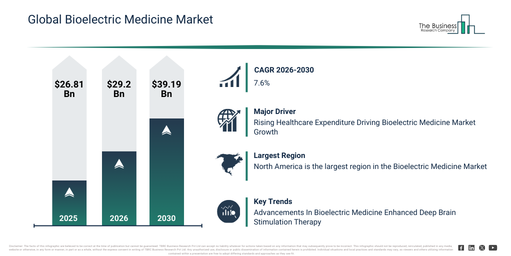
    The bioelectric medicine market has experienced substantial growth in recent years. This market is expected to expand from $26.81 billion in 2025 to $29.2 billion in 2026, at a compound annual growth rate (CAGR) of 8.9%. Historically, this growth can be attributed to the increasing prevalence of neurological disorders, the rising adoption of cardiac rhythm management devices, advancements in neuromodulation technologies, growing acceptance of device-based therapies, and improvements in implantable device safety.

    The bioelectric medicine market is anticipated to experience substantial expansion in the coming years. By 2030, this market is projected to reach $39.19 billion, demonstrating a compound annual growth rate (CAGR) of 7.6%. This projected growth is driven by several factors, including a heightened demand for personalized medicine, the broadening availability of minimally invasive treatment choices, increased capital directed towards electroceutical research, the expanding integration of digital health platforms, and an intensified focus on solutions for long-term disease management. Key trends anticipated during the forecast period involve the growing acceptance of implantable neuromodulation devices, the increasing application of non-invasive electroceutical therapies, the expanding integration of AI-guided stimulation protocols, the development of more personalized bioelectric treatments, and a greater emphasis on managing chronic diseases.

    Download A Free Sample Report For Comprehensive Market Insights:

    https://www.thebusinessresearchcompany.com/sample.aspx?id=15523&type=smp

    Which Core Factors Are Supporting The Expansion Of The Bioelectric Medicine Market?

    A rise in healthcare spending is anticipated to boost the expansion of the bioelectric medicine market in the future. This expenditure refers to the aggregate sum allocated to health services and resources over a specified period. Factors such as an aging population, innovations in medical technology, and a growing prevalence of chronic diseases contribute to this increase in healthcare spending. Higher healthcare spending favorably influences bioelectric medicine through encouraging more investment in its research, development, and the adoption of new bioelectric treatments. As an illustration, data from the Office for National Statistics, a national statistical body based in the UK, indicated that in 2023, UK healthcare expenditure was approximately $382.5 billion (£292 billion), an increase from $370.7 billion (£283 billion) in 2022, as reported in May 2024. Consequently, the growing expenditure on healthcare is projected to propel the bioelectric medicine market in the coming years.

    Which Segment Groups Define The Bioelectric Medicine Market Landscape?

    The bioelectric medicine market covered in this report is segmented –

    1) By Mode of Administration: Implantable Electroceutical Devices, Non-Invasive Electroceutical Devices

    2) By Product: Implantable Cardioverter-Defibrillators, Cardiac Pacemakers, Cochlear Implants, Spinal Cord Stimulators, Deep Brain Stimulators, Transcutaneous Electrical Nerve Stimulators (TENS), Sacral Nerve Stimulators, Vagus Nerve Stimulators, Other Products

    3) By Application: Arrhythmia, Pain Management, Sensorineural Hearing Loss, Parkinson’s Disease, Tremor, Depression, Treatment-Resistant Depression, Epilepsy, Other Applications

    Subsegments:

    1) By Implantable Electroceutical Devices: Cochlear Implants, Deep Brain Stimulation (DBS) Devices, Spinal Cord Stimulation (SCS) Devices, Vagus Nerve Stimulation (VNS) Devices, Retinal Implants, Neuromodulation Devices

    2) By Non-Invasive Electroceutical Devices: Transcranial Magnetic Stimulation (TMS) Devices, Transcutaneous Electrical Nerve Stimulation (TENS) Devices, Electroceutical Wearables

    What Trends Are Shaping The Bioelectric Medicine Market Structure?

    Key companies operating within the bioelectric medicine market are prioritizing technological advancements, such as software-enabled general wellness bioelectric medicines, to achieve a competitive advantage. This software offers users precise guidance for deep brain stimulation therapy procedures and supports surgical planning, intraoperative electrode placement, and customized programming for deep brain stimulation therapy. For instance, in July 2023, Boston Scientific Corporation, a US-based bioelectric medicine and wellness company, announced the US FDA approval for its Vercise Neural Navigator 5 Software. This software delivers advanced functionalities for accurate targeting and programming of deep brain stimulation (DBS) therapy. It integrates imaging data with stimulation parameters, facilitating tailored treatment for neurological disorders. This leads to accurate electrode placement, detailed guidance in surgical planning, and customized programming, thereby enhancing treatment outcomes and patient satisfaction.

    Who Are The Companies Shaping The Bioelectric Medicine Market Landscape?

    Major companies operating in the bioelectric medicine market are Abbott Laboratories, Medtronic PLC, Boston Scientific Corporation, Biotronik SE & Co KG, Cochlear Ltd, LivaNova PLC, Inspire Medical Systems Inc, Nevro Corporation, Axonics Inc, NeuroPace Inc, Zynex Inc, ElectroCore Inc, NeuroMetrix Inc, Soterix Medical Inc, Galvani Bioelectronics, MicroTransponder Inc, BioElectronics Corporation, Cerbomed GmbH, SetPoint Medical, Blackrock Neurotech, ONWARD Medical, Nalu Medical

    Access The Complete Bioelectric Medicine Market Report:

    https://www.thebusinessresearchcompany.com/report/bioelectric-medicine-global-market-report

    Which Geographic Region Represents The Largest Bioelectric Medicine Market Share?

    North America was the largest region in the bioelectric medicine market in 2025. Asia-Pacific is expected to be the fastest-growing region in the forecast period. The regions covered in the bioelectric medicine market report are Asia-Pacific, South East Asia, Western Europe, Eastern Europe, North America, South America, Middle East, Africa.

    Access Bioelectric Medicine Market Report for Deeper Competitive Insights

    https://www.thebusinessresearchcompany.com/customise?id=15523&type=smp

    Browse Through More Reports Similar to the Global Bioelectric Medicine Market 2026, By The Business Research Company

    Medical Electronics Global Market Report 2026

    https://www.thebusinessresearchcompany.com/report/medical-electronics-global-market-report

    Medical Electrodes Global Market Report 2026

    https://www.thebusinessresearchcompany.com/report/medical-electrodes-global-market-report

    Medical Biomimetics Global Market Report 2026

    https://www.thebusinessresearchcompany.com/report/medical-biomimetics-global-market-report

    Get in touch with us:

    The Business Research Company: https://www.thebusinessresearchcompany.com/

    Americas: +1 310-496-7795

    Asia: +44 7882 955267 & +91 8897263534

    Europe: +44 7882 955267

    Email us at: marketing@tbrc.info

    Follow us on:

    LinkedIn: https://in.linkedin.com/company/the-business-research-company

    YouTube: https://www.youtube.com/channel/UC24_fI0rV8cR5DxlCpgmyFQ

    Global Market Model: https://www.thebusinessresearchcompany.com/global-market-model
  • Biodefense Market Forecast Through 2030 Featuring Industry Drivers And Opportunities

    Biodefense Market Forecast Through 2030 Featuring Industry Drivers And Opportunities

    The Business Research Company’s 2026 market reports feature enhanced tools like market attractiveness analysis, TAM assessment, and company scoring matrices, along with interactive dashboards, deeper supply chain insights, and startup coverage strengthening the depth, usability, and strategic value of insights.

    By 2030, How Much Growth In Market Size Is Expected For The Biodefense Market?

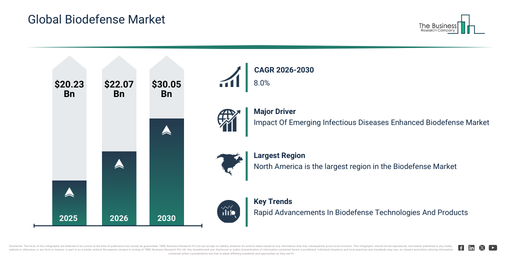
    The biodefense market size has experienced substantial growth in recent years. This market is anticipated to expand from $20.23 billion in 2025 to $22.07 billion in 2026, reflecting a compound annual growth rate (CAGR) of 9.1%. The expansion observed in the past can be attributed to several factors, including increased government funding for biodefense, escalating global health security concerns, the broadening of national stockpiling programs, advancements in vaccine research platforms, and the reinforcement of biosurveillance capabilities.

    The biodefense market is anticipated to experience substantial expansion in the upcoming years. It is projected to reach $30.05 billion by 2030, demonstrating a compound annual growth rate (CAGR) of 8.0%. This growth during the forecast period is driven by increasing geopolitical instability risks, the expansion of global disease monitoring networks, rising investments in next-generation vaccines, the growing adoption of AI-driven threat analytics, and an increasing focus on rapid response biodefense systems. Major trends expected in this period include the increasing deployment of rapid biothreat detection systems, the rising development of advanced medical countermeasures, growing investment in pandemic preparedness infrastructure, the expansion of integrated emergency response platforms, and an enhanced focus on biothreat surveillance networks.

    Download A Free Sample Report For Comprehensive Market Insights:

    https://www.thebusinessresearchcompany.com/sample.aspx?id=15993&type=smp

    What Are The Main Drivers Accelerating The Growth Of The Biodefense Market?

    The ongoing danger from emerging infectious diseases is anticipated to drive expansion in the biodefense market moving ahead. Infectious illnesses are defined as health conditions resulting from pathogenic microorganisms like bacteria, viruses, parasites, or fungi, capable of transmitting directly or indirectly between individuals. This renewed threat of emerging infectious diseases underscores increasing difficulties related to pathogens, the need for quick action, worldwide collaboration, and readiness in the field of biodefense. Biodefense is vital for managing infectious diseases, as it improves readiness, allows for early identification, and facilitates a swift reaction to biological threats, consequently reducing the public health consequences of outbreaks. For example, in July 2024, the World Health Organization, an intergovernmental organization based in Switzerland, reported that in 2023, it addressed 72 health emergencies, among which were 19 “grade-3” high-threat outbreaks, indicating a continuous rise in emerging infectious diseases annually. Consequently, the persistent danger from infectious diseases is fueling the expansion of the biodefense market.

    What Key Segment Areas Are Included In The Biodefense Market Assessment?

    The biodefense market covered in this report is segmented –

    1) By Type: Anthrax, Smallpox, Botulism, Other Types

    2) By Biothreat Detection Device: Samplers, Detectors Or Triggering Devices, Identifiers, Assays, Other Biothreat Detection Devices

    3) By Application: Hospitals And Clinics, Ambulatory Care Centers, Other Applications

    Subsegments:

    1) By Anthrax: Bacillus Anthracis Vaccine, Anthrax Therapeutics

    2) By Smallpox: Smallpox Vaccine, Antiviral Drugs For Smallpox

    3) By Botulism: Botulism Antitoxin, Botulism Vaccine, Botulinum Neurotoxin Inhibitors

    4) By Other Types: Ricin, Plague, Tularemia, Viral Hemorrhagic Fevers

    Which Trends Are Supporting The Evolution Of The Biodefense Market?

    Leading companies within the biodefense market are concentrating on creating advanced solutions, including nasal COVID-19 vaccines, aimed at strengthening worldwide readiness for biological threats. Such vaccines contribute to improved biodefense capabilities through simplified administration, the possibility of inducing mucosal immunity, diminished dependence on needles, greater accessibility, and potentially a superior immune response. As an example, in January 2023, the India-based biotechnology firm Bharat Biotech International Limited introduced its iNCOVACC Nasal COVID-19 vaccine. This vaccine employs a recombinant replication-deficient adenovirus vector and incorporates a pre-fusion stabilized spike protein. Following the successful completion of phase I, II, and III clinical trials, this particular vaccine is formulated for intranasal administration using nasal drops. Its administration involves a total of 8 drops (0.5 mL per dose), with 4 drops delivered into each nostril, provided as a 2-dose series separated by 4 weeks.

    Which Industry Players Are Present In The Biodefense Market?

    Major companies operating in the biodefense market are Pfizer Inc., Johnson & Johnson, Merck & Co., Sanofi SA, Bristol-Myers Squibb Company, AstraZeneca Plc, GSK plc, Gilead Sciences Inc, Novavax Inc, Ichor Medical Systems, Emergent BioSolutions Inc., Alnylam Pharmaceuticals Inc., Dynavax Technologies, Bavarian Nordic, Siga Technologies Inc., Elusys Therapeutics Inc., Ology Bioservices, Altimmune Inc., Hytest Limited, XOMA Corporation, Cleveland BioLabs Inc., Inovio Pharmaceuticals Inc, Dynport Vaccine Company, ViralClear Pharmaceuticals

    Access The Complete Biodefense Market Report:

    https://www.thebusinessresearchcompany.com/report/biodefense-global-market-report

    Which Region Leads The Biodefense Market By Size?

    North America was the largest region in the biodefense market in 2025. Asia-Pacific is expected to be the fastest-growing region in the forecast period. The regions covered in the biodefense market report are Asia-Pacific, South East Asia, Western Europe, Eastern Europe, North America, South America, Middle East, Africa.

    Access Biodefense Market Report for Deeper Competitive Insights

    https://www.thebusinessresearchcompany.com/customise?id=15993&type=smp

    Browse Through More Reports Similar to the Global Biodefense Market 2026, By The Business Research Company

    Biopesticides Global Market Report 2026

    https://www.thebusinessresearchcompany.com/report/biopesticides-global-market-report

    Biocides Global Market Report 2026

    https://www.thebusinessresearchcompany.com/report/biocides-global-market-report

    Biotech Ingredient Global Market Report 2026

    https://www.thebusinessresearchcompany.com/report/biotech-ingredient-global-market-report

    Get in touch with us:

    The Business Research Company: https://www.thebusinessresearchcompany.com/

    Americas: +1 310-496-7795

    Asia: +44 7882 955267 & +91 8897263534

    Europe: +44 7882 955267

    Email us at: marketing@tbrc.info

    Follow us on:

    LinkedIn: https://in.linkedin.com/company/the-business-research-company

    YouTube: https://www.youtube.com/channel/UC24_fI0rV8cR5DxlCpgmyFQ

    Global Market Model: https://www.thebusinessresearchcompany.com/global-market-model
  • Rising Demand For Personalized Medicine Fuels Growth In The Market With Advances In Genomics And Targeted Therapies Is Supporting Development Across The Biocompatible 3D Printing Materials Market

    Rising Demand For Personalized Medicine Fuels Growth In The Market With Advances In Genomics And Targeted Therapies Is Supporting Development Across The Biocompatible 3D Printing Materials Market

    The Business Research Company’s 2026 market reports feature enhanced tools like market attractiveness analysis, TAM assessment, and company scoring matrices, along with interactive dashboards, deeper supply chain insights, and startup coverage strengthening the depth, usability, and strategic value of insights.

    What Market Value Trend Is Expected For The Biocompatible 3D Printing Materials Market From 2026 To 2030?

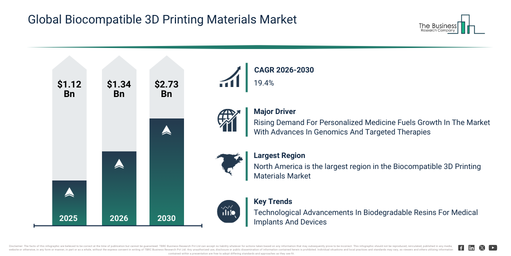
    The biocompatible 3d printing materials market size has seen rapid expansion in recent years. It is anticipated to grow from $1.12 billion in 2025 to $1.34 billion in 2026, at a compound annual growth rate (CAGR) of 19.7%. This historic period’s growth can be attributed to advancements in additive manufacturing technologies, the increasing use of 3d printed medical devices, an expansion of research in tissue engineering, the availability of medical-grade polymers, and the rising adoption of customized implants.

    The market for biocompatible 3D printing materials is projected to experience substantial growth in the coming years. This market is anticipated to reach $2.73 billion by 2030, demonstrating a compound annual growth rate (CAGR) of 19.4%. This projected expansion is primarily driven by heightened investments in regenerative medicine, an increasing demand for personalized healthcare solutions, the proliferation of hospital-based 3D printing laboratories, wider acceptance of bio-inks and hydrogels, and technological improvements in multi-material printing. Significant trends identified for this forecast period encompass the greater adoption of biodegradable printing materials, an increase in patient-specific implant printing, a surging requirement for tissue engineering scaffolds, the broadening scope of medical 3D printing applications, and a reinforced emphasis on material biocompatibility.

    Download A Free Sample Report For Comprehensive Market Insights:

    https://www.thebusinessresearchcompany.com/sample.aspx?id=21324&type=smp

    Which Growth Drivers Are Expected To Support The Biocompatible 3D Printing Materials Market Forward?

    The increasing need for personalized medicine is anticipated to drive the biocompatible 3D printing materials market forward. Personalized medicine is a medical approach that customizes treatments and therapies based on an individual’s genetic, environmental, and lifestyle factors to improve healthcare outcomes. The rising demand for personalized medicine is due to advancements in genomics, molecular diagnostics, and AI-driven data analysis, which enable tailored treatments based on individual genetic profiles, enhancing efficacy and reducing adverse effects. Biocompatible 3D printing materials support personalized medicine by facilitating the creation of patient-specific implants, prosthetics, and tissue scaffolds that boost treatment precision, biocompatibility, and overall patient outcomes. For instance, in February 2024, the Personalized Medicine Coalition, a US-based non-profit organization, reported that in 2023, the FDA approved 16 new personalized treatments for rare disease patients, an increase from six in 2022. Among these approvals, seven were cancer drugs, while three targeted other diseases and conditions. Therefore, the expanding demand for personalized medicine is stimulating the growth of the biocompatible 3D printing materials market.

    How Is Segment Classification Applied In The Biocompatible 3D Printing Materials Market?

    The biocompatible 3d printing materials market covered in this report is segmented –

    1) By Product Type: Polymer, Metal, Other Product Types

    2) By Printing Technology: Fused Deposition Modeling (FDM), Selective Laser Sintering (SLS), Stereolithography (SLA), Multi-Jet Modeling (MJM)

    3) By Property: Biocompatibility, Strength, Durability, Porosity, Flexibility

    4) By Form: Powder, Liquid, Other Forms

    Subsegments:

    1) By Polymer: Biodegradable Polymers, Photopolymer Resins, Thermoplastic Polymers

    2) By Metal: Titanium And Titanium Alloys, Stainless Steel, Cobalt-Chrome Alloys

    3) By Other Product Types: Ceramic-Based Materials, Bio-Ink And Hydrogels, Composite Materials

    What Trends Are Affecting The Growth Of The Biocompatible 3D Printing Materials Market?

    Companies operating within the biocompatible 3D printing materials market are concentrating on developing innovative products like biodegradable resin for light-based (bio) printing to boost sustainability and expand its use in medical and tissue engineering. Biodegradable resin for light-based (bio)printing is a photocurable material employed in 3D printing techniques such as stereolithography (SLA), digital light processing (DLP), or two-photon polymerization (TPP). For example, in June 2024, BIO INX BV, a Belgium-based bioprinting materials company, introduced DEGRES INX, which is the first biodegradable and biocompatible resin with shape memory properties specifically for light-based (bio)printing. This sophisticated material permits deformation into a temporary shape after 3D printing, then reverts to its initial form when subjected to body temperature, thus enabling groundbreaking applications in biomedical engineering. This development supports the creation of smart medical implants and tissue scaffolds, paving the path for future bioprinting applications.

    Which Organizations Are Involved In The Biocompatible 3D Printing Materials Market?

    Major companies operating in the biocompatible 3d printing materials market are 3D Systems, Stratasys, EOS GmbH, Formlabs, Carbon Inc., Materialise NV, Lithoz GmbH, SINTX Technologies Inc., UpNano GmbH, Liqcreate, Boston Micro Fabrication, Organovo Holdings Inc., Aspect Biosystems, Poietis SA, Advanced BioMatrix Inc., BioInk Solutions Inc., Markforged Inc., Detax GmbH Co KG, RegenHU, Nanoscribe GmbH, Regemat 3D, Xilloc Medical

    Access The Complete Biocompatible 3D Printing Materials Market Report:

    https://www.thebusinessresearchcompany.com/report/biocompatible-3d-printing-materials-global-market-report

    Which Region Has The Strongest Presence In The Biocompatible 3D Printing Materials Market?

    North America was the largest region in the biocompatible 3D printing materials market in 2025. Asia-Pacific is expected to be the fastest-growing region in the forecast period. The regions covered in the biocompatible 3d printing materials market report are Asia-Pacific, South East Asia, Western Europe, Eastern Europe, North America, South America, Middle East, Africa.

    Access Biocompatible 3D Printing Materials Market Report for Deeper Competitive Insights

    https://www.thebusinessresearchcompany.com/customise?id=21324&type=smp

    Browse Through More Reports Similar to the Global Biocompatible 3D Printing Materials Market 2026, By The Business Research Company

    3D Printing In Healthcare Global Market Report 2026

    https://www.thebusinessresearchcompany.com/report/3d-printing-in-healthcare-global-market-report

    3D Printed Medical Devices Global Market Report 2026

    https://www.thebusinessresearchcompany.com/report/3d-printed-medical-devices-global-market-report

    3D Bioprinting Global Market Report 2026

    https://www.thebusinessresearchcompany.com/report/3d-bioprinting-global-market-report

    Get in touch with us:

    The Business Research Company: https://www.thebusinessresearchcompany.com/

    Americas: +1 310-496-7795

    Asia: +44 7882 955267 & +91 8897263534

    Europe: +44 7882 955267

    Email us at: marketing@tbrc.info

    Follow us on:

    LinkedIn: https://in.linkedin.com/company/the-business-research-company

    YouTube: https://www.youtube.com/channel/UC24_fI0rV8cR5DxlCpgmyFQ

    Global Market Model: https://www.thebusinessresearchcompany.com/global-market-model
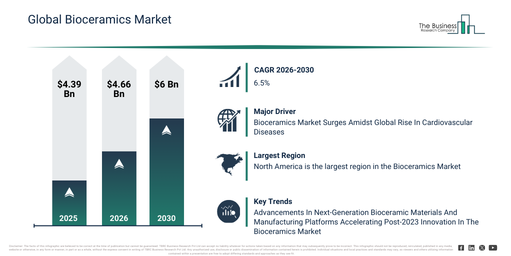
  • Bioceramics Market Surges Amidst Global Rise In Cardiovascular Diseases  Is Affecting The Direction Of The Bioceramics Market

    Bioceramics Market Surges Amidst Global Rise In Cardiovascular Diseases Is Affecting The Direction Of The Bioceramics Market

    The Business Research Company’s 2026 market reports feature enhanced tools like market attractiveness analysis, TAM assessment, and company scoring matrices, along with interactive dashboards, deeper supply chain insights, and startup coverage strengthening the depth, usability, and strategic value of insights.

    How Does The Forecasted Market Size Of The Bioceramics Market Compare Between 2026 And 2030?

    The bioceramics market size has experienced robust growth over recent years. It is anticipated to expand from $4.39 billion in 2025 to $4.66 billion in 2026, demonstrating a compound annual growth rate (CAGR) of 6.3%. Historically, this expansion has been driven by an increase in orthopedic surgical procedures, the growing occurrence of bone and joint disorders, the adoption of ceramic-based dental restorations, advancements in material science research, and an increase in implant manufacturing capabilities.

    The bioceramics market is anticipated to show significant expansion over the next few years. It is projected to reach $6 billion by 2030, exhibiting a compound annual growth rate (CAGR) of 6.5%. This growth within the forecast period is primarily due to an escalating demand for minimally invasive implants, a heightened focus on designs tailored for individual patients, the broadening of regenerative medicine uses, increasing investments in cutting-edge biomaterials, and progress in ceramic processing technology. Noteworthy trends expected during this period include the expanding application of bioceramics in orthopedic implants, a growing acceptance of dental ceramic implants, an increasing need for bioresorbable materials, the development of customized implant options, and a greater emphasis on biocompatibility and long-term performance.

    Download A Free Sample Report For Comprehensive Market Insights:

    https://www.thebusinessresearchcompany.com/sample.aspx?id=13387&type=smp

    What Influential Factors Are Boosting The Bioceramics Market Demand?

    An increasing occurrence of cardiovascular diseases is anticipated to boost the expansion of the bioceramics market in the future. Cardiovascular diseases (CVDs) are defined as a category of conditions impacting the heart and blood vessels, encompassing coronary heart disease, cerebrovascular disease, peripheral arterial disease, and aortic atherosclerosis. Bioceramics are crucial in addressing cardiovascular diseases, functioning as implantable substances within medical devices such as artificial heart valves and stents, thereby enhancing biocompatibility and longevity in heart-related procedures. For instance, a report from September 2024 by the British Heart Foundation (BHF), a UK charity focused on funding research and promoting awareness of heart and circulatory conditions, revealed that approximately 7.6 million individuals in the UK are currently living with heart and circulatory diseases. Projections indicate that by 2030, the population in the UK affected by these conditions could grow by 1 million, and by 2040, this number might further climb by 2 million, adding to current totals. Consequently, the escalating prevalence of cardiovascular diseases is fueling the development of the bioceramics market.

    What Are The Core Segment Classifications In The Bioceramics Market?

    The bioceramics market covered in this report is segmented –

    1) By Type: Bioinert, Bioactive, Bioresorbable

    2) By Material: Aluminum Oxide, Zirconia, Calcium Phosphate, Other Materials

    3) By Application: Orthopedic, Dental Implants, Biomedical, Other Applications

    Subsegments:

    1) By Bioinert: Alumina-based Bioinert Ceramics, Zirconia-Based Bioinert Ceramics

    2) By Bioactive: Hydroxyapatite-Based Bioactive Ceramics, Bioglass-Based Bioactive Ceramics

    3) By Bioresorbable: Tricalcium Phosphate-Based Bioresorbable Ceramics, Magnesium-Based Bioresorbable Ceramics

    Which Trends Are Influencing The Direction Of The Bioceramics Market?

    Leading companies active in the bioceramics market are introducing advanced bioceramic solutions that elevate clinical performance, manufacturing precision, and application versatility. A primary emphasis is placed on next-generation materials and production platforms that expand the capabilities of 3D-printed, patient-specific implants. For instance, in May 2024, Himed, a US-based biomaterials manufacturer, and Lithoz, an Austria-based ceramic 3D-printing technology company, launched a new Bioceramics Center of Excellence, aiming to accelerate the development and commercialization of advanced bioceramic materials for medical applications. According to the companies, the center will support innovation in high-performance calcium phosphate materials, next-generation hydroxyapatite formulations, and additive manufacturing workflows designed for orthopedic, dental, and regenerative medicine solutions.

    Who Are The Firms Contributing To The Bioceramics Market Ecosystem?

    Major companies operating in the bioceramics market are Stryker Corporation, Zimmer Biomet, Kyocera Corporation, DSM Firmenich, Dentsply Sirona, Straumann Group, CeramTec, Morgan Advanced Materials, Saint Gobain, CamBioceramics, Bonesupport AB, Berkeley Advanced BioTypes, CaP Biomaterials, BIOMATCAN, Sagemax Bioceramics, Doceram Medical Ceramics, Jyoti Ceramic Industries, Ivoclar, GC Corporation, Tosoh Ceramics

    Access The Complete Bioceramics Market Report:

    https://www.thebusinessresearchcompany.com/report/bioceramics-global-market-report

    Which Region Stands As The Largest Contributor To The Bioceramics Market?

    North America was the largest region in the bioceramics market in 2025. Asia-Pacific is expected to be the fastest-growing region in the forecast period. The regions covered in the bioceramics market report are Asia-Pacific, South East Asia, Western Europe, Eastern Europe, North America, South America, Middle East, Africa.

    Access Bioceramics Market Report for Deeper Competitive Insights

    https://www.thebusinessresearchcompany.com/customise?id=13387&type=smp

    Browse Through More Reports Similar to the Global Bioceramics Market 2026, By The Business Research Company

    Biorational Global Market Report 2026

    https://www.thebusinessresearchcompany.com/report/biorational-global-market-report

    Biohacking Global Market Report 2026

    https://www.thebusinessresearchcompany.com/report/biohacking-global-market-report

    Biosurgery Global Market Report 2026

    https://www.thebusinessresearchcompany.com/report/biosurgery-global-market-report

    Get in touch with us:

    The Business Research Company: https://www.thebusinessresearchcompany.com/

    Americas: +1 310-496-7795

    Asia: +44 7882 955267 & +91 8897263534

    Europe: +44 7882 955267

    Email us at: marketing@tbrc.info

    Follow us on:

    LinkedIn: https://in.linkedin.com/company/the-business-research-company

    YouTube: https://www.youtube.com/channel/UC24_fI0rV8cR5DxlCpgmyFQ

    Global Market Model: https://www.thebusinessresearchcompany.com/global-market-model
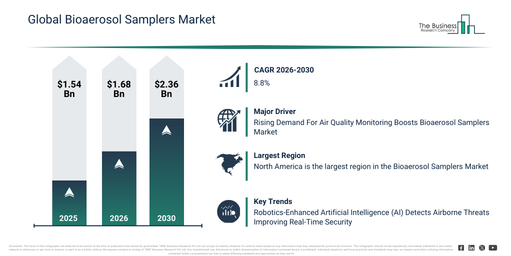
  • The Bioaerosol Samplers Market Is Advancing With Support From Rising Demand For Air Quality Monitoring Boosts Bioaerosol Samplers Market

    The Bioaerosol Samplers Market Is Advancing With Support From Rising Demand For Air Quality Monitoring Boosts Bioaerosol Samplers Market

    The Business Research Company’s 2026 market reports feature enhanced tools like market attractiveness analysis, TAM assessment, and company scoring matrices, along with interactive dashboards, deeper supply chain insights, and startup coverage strengthening the depth, usability, and strategic value of insights.

    What Increase In Market Value Is Predicted For The Bioaerosol Samplers Market During The 2026–2030 Period?

    The bioaerosol samplers market has experienced robust growth in recent years. Projections indicate it will expand from $1.54 billion in 2025 to $1.68 billion in 2026, demonstrating a compound annual growth rate (CAGR) of 9.2%. The historical increase in this market can be linked to factors such as a greater understanding of airborne disease transmission, the expansion of environmental monitoring initiatives, stricter occupational health regulations, the growing application of air quality testing in healthcare environments, and innovations in bioaerosol detection technologies.

    The bioaerosol samplers market is projected to experience substantial expansion over the upcoming years, with its size anticipated to reach $2.36 billion by 2030, exhibiting a compound annual growth rate (CAGR) of 8.8%. This growth during the forecast period is fueled by factors such as greater investments in intelligent environmental monitoring, a surge in demand for instantaneous pathogen detection, the broadening of public health surveillance infrastructure, the increasing acceptance of interconnected air monitoring solutions, and an intensified focus on pandemic readiness. Key trends expected throughout this period encompass the increased implementation of portable bioaerosol monitoring equipment, a growing need for continuous airborne pathogen surveillance, the expanded utilization of high-volume sampling technologies, the development of real-time air quality analysis offerings, and a heightened emphasis on safety within workplaces and public spaces.

    Download A Free Sample Report For Comprehensive Market Insights:

    https://www.thebusinessresearchcompany.com/sample.aspx?id=20509&type=smp

    Which Drivers Are Advancing The Bioaerosol Samplers Market Growth?

    The expanding need for air quality monitoring is anticipated to drive the future expansion of the bioaerosol samplers market. This monitoring involves the measurement and analysis of atmospheric pollutants and particulate matter, serving to evaluate environmental health and ensure adherence to regulatory guidelines. The increasing requirement for air quality checks stems from greater environmental consciousness, more stringent rules, elevated public worry over pollution-related health dangers, and the imperative to tackle urbanization and industrial discharges. Within air quality monitoring, bioaerosol samplers are employed to gather airborne biological elements like bacteria, fungi, and viruses, enabling their analysis and evaluation for environmental and public health threats. A notable example is provided by the 2023 World Air Quality Report from IQAir, a Switzerland-based air quality technology firm, released in December 2023, which indicated that air quality monitoring sites in 2023 rose to 7,812 across 134 countries, regions, and territories, an increase from 7,323 locations spanning 131 countries, regions, and territories in 2022. Consequently, the escalating need for air quality monitoring is propelling the bioaerosol samplers market.

    How Is The Bioaerosol Samplers Market Structured Across Different Market Segments?

    The bioaerosol samplers market covered in this report is segmented –

    1) By Type: Portable Bioaerosol Samplers, Stationary Bioaerosol Samplers, High-Volume Bioaerosol Samplers

    2) By Flow Rate: Higher Than 10L/Min, Less Than 10L/Min

    3) By Application: Disease Prevention And Control, Industrial Production, Other Applications

    4) By End-User: Research And Academic Institutions, Government And Environmental Agencies, Pharmaceutical And Biotechnology Companies, Hospitals And Clinics

    Subsegments:

    1) By Portable Bioaerosol Samplers: Battery-Powered Portable Samplers, Handheld Bioaerosol Samplers, Backpack Bioaerosol Samplers

    2) By Stationary Bioaerosol Samplers: Continuous Flow Bioaerosol Samplers, Time-Integrated Bioaerosol Samplers, Passive Bioaerosol Samplers

    3) By High-Volume Bioaerosol Samplers: High-Volume Impactors, High-Volume Cyclone Samplers, High-Volume Filtration Samplers

    What Trends Are Driving Changes In The Bioaerosol Samplers Market?

    Leading companies within the bioaerosol samplers market are prioritizing the incorporation of AI, particularly robotics-enhanced AI-driven bioaerosol detection, to enable real-time monitoring. This integration aims to bolster critical infrastructure security through automated, real-time identification of biological and chemical threats in intricate settings. This technology, known as robotics-enhanced AI-driven bioaerosol detection, involves deploying robots outfitted with artificial intelligence to independently identify and assess airborne biological elements like viruses, bacteria, or allergens. This is performed in real-time for purposes ranging from environmental oversight to public health initiatives. An illustrative example occurred in August 2023 when BioFlyte, Inc., a US-based firm specializing in biodefense and microbial identification, introduced its BioTOF z200 bioaerosol identifier. The BioTOF z200 identifier operates by automatically gathering and examining aerosol samples. It leverages a matrix-assisted laser desorption ionization (MALDI) time-of-flight mass spectrometer, robotics, and artificial intelligence (AI)/machine learning (ML) algorithms to continuously pinpoint over 1,100 toxins, viruses, and bacteria, achieving an accuracy of up to 95%. With its swift five-minute detection sequence, this device facilitates immediate threat identification, thereby markedly improving response capabilities and operational security within crucial infrastructure environments like airports.

    Which Key Players Are Active In The Bioaerosol Samplers Market?

    Major companies operating in the bioaerosol samplers market are Thermo Fisher Scientific Inc., bioMerieux SA, SARSTEDT AG & Co. KG, TSI Incorporated, Mesa Labs, Bertin Technologies, Emtek LLC, Lighthouse Worldwide Solutions, Zefon International, Air-Met Scientific, Cherwell Laboratories Ltd, Climet Instruments, Tesscorn AeroFluid, Tisch Environmental Inc., PLAIR SA, Aquaria srl, Guangdong Huankai Microbial Sci. & Tech. Co. Ltd, IUL Instruments, Micron View Limited, Multitech Enviro Analytical LLP, SKC Inc., InnovaPrep LLC, TCR Tecora, Cantium Scientific

    Access The Complete Bioaerosol Samplers Market Report:

    https://www.thebusinessresearchcompany.com/report/bioaerosol-samplers-global-market-report

    What Is The Largest Regional Market In The Bioaerosol Samplers Market?

    North America was the largest region in the bioaerosol samplers market in 2025. The regions covered in the bioaerosol samplers market report are Asia-Pacific, South East Asia, Western Europe, Eastern Europe, North America, South America, Middle East, Africa.

    Access Bioaerosol Samplers Market Report for Deeper Competitive Insights

    https://www.thebusinessresearchcompany.com/customise?id=20509&type=smp

    Browse Through More Reports Similar to the Global Bioaerosol Samplers Market 2026, By The Business Research Company

    Antibacterial Products Global Market Report 2026

    https://www.thebusinessresearchcompany.com/report/antibacterial-products-global-market-report

    Rhizobium Bacteria Fertilizers Global Market Report 2026

    https://www.thebusinessresearchcompany.com/report/rhizobium-bacteria-fertilizers-global-market-report

    Bacteria Based Agricultural Microbials Global Market Report 2026

    https://www.thebusinessresearchcompany.com/report/bacteria-based-agricultural-microbials-global-market-report

    Get in touch with us:

    The Business Research Company: https://www.thebusinessresearchcompany.com/

    Americas: +1 310-496-7795

    Asia: +44 7882 955267 & +91 8897263534

    Europe: +44 7882 955267

    Email us at: marketing@tbrc.info

    Follow us on:

    LinkedIn: https://in.linkedin.com/company/the-business-research-company

    YouTube: https://www.youtube.com/channel/UC24_fI0rV8cR5DxlCpgmyFQ

    Global Market Model: https://www.thebusinessresearchcompany.com/global-market-model
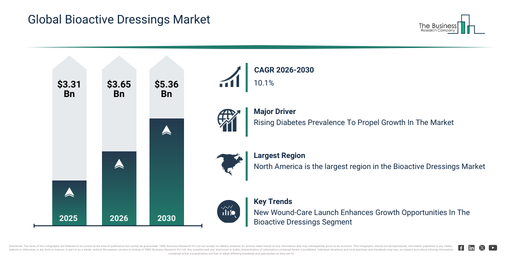
  • Increasing Adoption Of Rising Diabetes Prevalence To Propel Growth In The Market Is Influencing The Bioactive Dressings Market

    Increasing Adoption Of Rising Diabetes Prevalence To Propel Growth In The Market Is Influencing The Bioactive Dressings Market

    The Business Research Company’s 2026 market reports feature enhanced tools like market attractiveness analysis, TAM assessment, and company scoring matrices, along with interactive dashboards, deeper supply chain insights, and startup coverage strengthening the depth, usability, and strategic value of insights.

    How Will The Market Size Of The Bioactive Dressings Market Progress Through 2030?

    The market size for bioactive dressings has seen rapid expansion in recent years. It is anticipated to expand from $3.31 billion in 2025 to $3.65 billion in 2026, achieving a compound annual growth rate (CAGR) of 10.4%. This growth observed historically can be attributed to several factors, including the increasing occurrence of diabetic foot ulcers, a rise in surgical procedures, the development of hospital wound care programs, an expanding aging population, and heightened clinical understanding of advanced dressings.

    The bioactive dressings market is expected to witness significant expansion in the upcoming years. It is projected to achieve a value of $5.36 billion by 2030, growing at a compound annual growth rate (CAGR) of 10.1%. This anticipated growth throughout the forecast period can be attributed to several factors, including the increasing demand for bioengineered wound solutions, a rise in the adoption of home care wound management, the expansion of outpatient wound care centers, a growing emphasis on achieving faster healing outcomes, and continuous advancements in bioactive material formulations. Key trends anticipated during this period include a greater use of antimicrobial wound care products, an increase in the adoption of collagen and hydrogel dressings, rising demand for chronic wound management solutions, the expansion of advanced burn care applications, and an enhanced focus on infection prevention.

    Download A Free Sample Report For Comprehensive Market Insights:

    https://www.thebusinessresearchcompany.com/sample.aspx?id=21115&type=smp

    What Primary Factors Are Fueling The Expansion Of The Bioactive Dressings Market?

    The increasing occurrence of diabetes is projected to drive the expansion of the bioactive dressings market. Diabetes is a chronic medical condition where the body either produces insufficient insulin or cannot effectively use the insulin it generates, leading to elevated blood glucose levels. The rise in diabetes rates stems from growing sedentary lifestyles, unhealthy eating habits, and an increase in obesity. Diabetic patients opt for bioactive dressings due to their effectiveness in promoting faster healing, minimizing infection risks, and improving wound management. For instance, data from November 2024, provided by the Centers for Disease Control and Prevention, a US-based national public health agency, revealed that the total prevalence rate of diabetes in the USA was 15.8%; within US adults, the diagnosed diabetes rate stood at 11.3%, with undiagnosed diabetes at 4.5%. Therefore, the widespread prevalence of diabetes is expected to significantly propel the growth of the bioactive dressings market.

    Which Segment-Based Categories Are Covered In The Bioactive Dressings Market?

    The bioactive dressings market covered in this report is segmented –

    1) By Product Type: Bioactive Dressings, Skin Substitutes

    2) By Application: Chronic Wounds, Acute Wounds

    3) By End User: Hospitals And Clinics, Home Care Setting, Long Term Care Facilities, Other End Users

    Subsegments:

    1) By Bioactive Dressings: Alginate Dressings, Collagen Dressings

    2) By Skin Substitutes: Bioengineered Skin Substitutes, Acellular Dermal Matrices, Xenografts, Allografts

    Which Trends Are Shaping The Bioactive Dressings Market Landscape?

    Leading companies active in the bioactive dressings market are concentrating on developing innovative solutions, such as smart hydrogels integrated with sensors, to secure a competitive edge. These hydrogels combine a biocompatible polymer network with embedded miniaturized sensors that detect shifts in the wound environment, including pH, temperature, or exudate, consequently modulating the real-time release of bioactive agents like growth factors, antimicrobials, or extracellular-matrix proteins. For example, in June 2023, JeNaCell, a Germany-based biotech company (Evonik), launched its epicite® balance wound dressing, which incorporates a biosynthetic cellulose matrix designed to maintain a moist setting, absorb low-to-medium exudate, and reactivate healing processes in chronic wounds that heal slowly. This progression enhances personalized wound care by merging diagnostics and therapeutics within a single dressing, despite ongoing challenges related to sensor stability, regulatory approval, and manufacturing costs.

    Who Are The Leading Firms Participating In The Bioactive Dressings Market?

    Major companies operating in the bioactive dressings market are Cardinal Health Inc., 3M Company, Medline Industries Inc., Evonik Industries AG, Covalon Technologies Ltd., Smith And Nephew plc, Hartmann Group, ConvaTec Group Plc, Mölnlycke Health Care AB, Integra LifeSciences Holdings Corporation, Hollister Incorporated, Lohmann & Rauscher GmbH & Co. KG, Organogenesis Inc., MiMedx Group Inc., LifeNet Health Inc., Advanced Tissue Technologies Inc., Advancis Medical Limited, Healthium Medtech Pvt Ltd., BSN Medical GmbH, Alliqua BioMedical Inc.

    Access The Complete Bioactive Dressings Market Report:

    https://www.thebusinessresearchcompany.com/report/bioactive-dressings-global-market-report

    Which Region Contributes The Most To The Bioactive Dressings Market?

    North America was the largest region in the bioactive dressings market in 2025. The regions covered in the bioactive dressings market report are Asia-Pacific, South East Asia, Western Europe, Eastern Europe, North America, South America, Middle East, Africa.

    Access Bioactive Dressings Market Report for Deeper Competitive Insights

    https://www.thebusinessresearchcompany.com/customise?id=21115&type=smp

    Browse Through More Reports Similar to the Global Bioactive Dressings Market 2026, By The Business Research Company

    Moist Wound Dressings Global Market Report 2026

    https://www.thebusinessresearchcompany.com/report/moist-wound-dressings-global-market-report

    Absorbent Dressings Global Market Report 2026

    https://www.thebusinessresearchcompany.com/report/absorbent-dressings-global-market-report

    Traditional Radio Advertising Global Market Report 2026

    https://www.thebusinessresearchcompany.com/report/traditional-radio-advertising-global-market-report

    Get in touch with us:

    The Business Research Company: https://www.thebusinessresearchcompany.com/

    Americas: +1 310-496-7795

    Asia: +44 7882 955267 & +91 8897263534

    Europe: +44 7882 955267

    Email us at: marketing@tbrc.info

    Follow us on:

    LinkedIn: https://in.linkedin.com/company/the-business-research-company

    YouTube: https://www.youtube.com/channel/UC24_fI0rV8cR5DxlCpgmyFQ

    Global Market Model: https://www.thebusinessresearchcompany.com/global-market-model
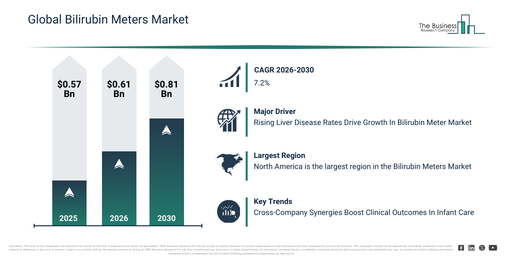
  • Rising Liver Disease Rates Drive Growth In Bilirubin Meter Market Continues To Impact The Growth Of The Bilirubin Meters Market

    Rising Liver Disease Rates Drive Growth In Bilirubin Meter Market Continues To Impact The Growth Of The Bilirubin Meters Market

    The Business Research Company’s 2026 market reports feature enhanced tools like market attractiveness analysis, TAM assessment, and company scoring matrices, along with interactive dashboards, deeper supply chain insights, and startup coverage strengthening the depth, usability, and strategic value of insights.

    What Is The Expected Market Size Of The Bilirubin Meters Market In 2026 And How Much Will It Reach By 2030?

    The bilirubin meters market size has experienced robust expansion over recent years. Forecasts indicate it will expand from $0.57 billion in 2025 to reach $0.61 billion in 2026, exhibiting a compound annual growth rate (CAGR) of 7.6%. This historical growth is attributable to several factors, including the rising prevalence of neonatal jaundice, the expansion of hospital diagnostic infrastructure, increased adoption of laboratory-based bilirubin testing, heightened awareness of liver-related disorders, and advancements in optical sensing technologies.

    The bilirubin meters market is projected to experience substantial growth in the coming years, anticipated to reach $0.81 billion by 2030, demonstrating a compound annual growth rate (CAGR) of 7.2%. This expansion during the forecast period is primarily attributed to an increasing demand for home-based monitoring devices, the rising adoption of connected diagnostic equipment, the expansion of neonatal screening programs, a growing utilization of digital diagnostics platforms, and technological advancements enhancing non-invasive measurement accuracy. Key trends influencing this period include the increasing adoption of non-invasive transcutaneous devices, a rising demand for portable and handheld meters, greater integration with digital health records, the expansion of point-of-care testing solutions, and an enhanced focus on neonatal care applications.

    Download A Free Sample Report For Comprehensive Market Insights:

    https://www.thebusinessresearchcompany.com/sample.aspx?id=18254&type=smp

    Which Strategic Drivers Are Supporting The Bilirubin Meters Market Development?

    The rising occurrence of liver conditions is anticipated to fuel the expansion of the bilirubin meter market in the future. Liver diseases encompass various ailments that compromise liver function, frequently presenting as inflammation, scarring, or damage, attributable to elements such as infections, toxins, genetic conditions, or persistent illnesses. The surge in liver diseases is attributed to the growing incidence of risk factors like obesity, heavy alcohol intake, viral infections, and lifestyle-associated disorders, alongside advancements in diagnostic methods. Bilirubin meters are essential for liver diseases to precisely and non-invasively quantify bilirubin levels, aiding in the diagnosis, monitoring, and treatment of conditions linked to impaired liver function and jaundice. As an illustration, data from April 2024, provided by the UK’s Office for Health Improvement and Disparities (OHID), a governmental unit within the UK’s Department of Health and Social Care, indicates a continued increase in hospital admissions resulting from liver disease. Specifically, in the financial year ending 2023, the rate climbed to 155.2 (152.9 to 157.5) per 100,000 population, up from 150.6 (148.2 to 152.9) in the preceding financial year. Consequently, the rising prevalence of liver diseases is a key factor propelling the expansion of the bilirubin meter market.

    What Are The Major Segment Categories Within The Bilirubin Meters Market?

    The bilirubin meters market covered in this report is segmented –

    1) By Product: Transcutaneous Devices, Benchtop

    2) By Age Group: Neonates, Adults

    3) By Indication: Jaundice, Hepatitis, Other Indications

    4) By Application: Hospital, Medical Center, Other Applications

    Subsegments:

    1) By Transcutaneous Devices: Handheld Transcutaneous Bilirubin Meters, Portable Transcutaneous Bilirubin Meters

    2) By Benchtop: Single-Channel Benchtop Bilirubin Meters, Multi-Channel Benchtop Bilirubin Meters

    What Trends Are Influencing The Bilirubin Meters Market Outlook?

    Major companies operating in the bilirubin meters market are adopting a strategic partnership approach to enhance technology integration and expand market reach. A strategic partnership typically refers to a collaborative relationship between two or more organizations where they combine their resources, expertise, and efforts to achieve common goals or objectives. For instance, in July 2024, Konica Minolta, a Japan-based technology company, and Picterus AS, a Norway-based medical-technology company, announced a strategic collaboration to advance non-invasive jaundice screening technologies for newborn care. Leveraging Konica Minolta’s leadership in transcutaneous bilirubin measurement through its JM-105 jaundice meter and Picterus’ smartphone-based Picterus Jaundice Pro solution, the partnership aims to enhance early detection of pathological jaundice, reduce reliance on invasive blood tests, and strengthen clinical outcomes by preventing severe bilirubin-related complications in infants.

    Which Companies Are Engaged In The Bilirubin Meters Market Environment?

    Major companies operating in the bilirubin meters market are Hoffmann-La Roche Ltd., Abbott Laboratories, Siemens Healthineers AG, Koninklijke Philips N.V., GE Healthcare, Shenzhen Mindray Bio-Medical Electronics Co. Ltd., PerkinElmer, Drägerwerk AG & Co., Sysmex Corporation, Konica Minolta Business Solutions Inc., Masimo Corp., Beckman Coulter Inc., Nova Biomedical, Ningbo David Medical Device Co. Ltd., Reichert Inc., A. Menarini Diagnostics Srl, Delta Medical International Ltd., AVI Healthcare Pvt Ltd., Olidef, Micro Lab Instruments, Aegis Medical Innovations Inc., Medi Waves Inc., Ginevri Srl

    Access The Complete Bilirubin Meters Market Report:

    https://www.thebusinessresearchcompany.com/report/bilirubin-meters-global-market-report

    Which Regional Market Leads The Bilirubin Meters Market?

    North America was the largest region in the bilirubin meters market in 2025. Asia-Pacific is expected to be the fastest-growing region in the forecast period. The regions covered in the bilirubin meters market report are Asia-Pacific, South East Asia, Western Europe, Eastern Europe, North America, South America, Middle East, Africa.

    Access Bilirubin Meters Market Report for Deeper Competitive Insights

    https://www.thebusinessresearchcompany.com/customise?id=18254&type=smp

    Browse Through More Reports Similar to the Global Bilirubin Meters Market 2026, By The Business Research Company

    Bilirubin Blood Test Global Market Report 2026

    https://www.thebusinessresearchcompany.com/report/bilirubin-blood-test-global-market-report

    Blood Glucose Meters Global Market Report 2026

    https://www.thebusinessresearchcompany.com/report/blood-glucose-meters-global-market-report

    Water Meter Global Market Report 2026

    https://www.thebusinessresearchcompany.com/report/water-meter-global-market-report

    Get in touch with us:

    The Business Research Company: https://www.thebusinessresearchcompany.com/

    Americas: +1 310-496-7795

    Asia: +44 7882 955267 & +91 8897263534

    Europe: +44 7882 955267

    Email us at: marketing@tbrc.info

    Follow us on:

    LinkedIn: https://in.linkedin.com/company/the-business-research-company

    YouTube: https://www.youtube.com/channel/UC24_fI0rV8cR5DxlCpgmyFQ

    Global Market Model: https://www.thebusinessresearchcompany.com/global-market-model

  • Biliary Tract Cancer Market Outlook Through 2030 With Analysis Of Industry Trends And Developments

    Biliary Tract Cancer Market Outlook Through 2030 With Analysis Of Industry Trends And Developments

    The Business Research Company’s 2026 market reports feature enhanced tools like market attractiveness analysis, TAM assessment, and company scoring matrices, along with interactive dashboards, deeper supply chain insights, and startup coverage strengthening the depth, usability, and strategic value of insights.

    What Market Size Is Forecasted For The Biliary Tract Cancer Market By 2030 Based On Its 2026 Value?

    The biliary tract cancer market has experienced substantial expansion in recent years. It is anticipated to increase from $0.72 billion in 2025 to $0.77 billion in 2026, growing at a compound annual growth rate (CAGR) of 7.3%. This historical growth can be ascribed to several factors, including the rising occurrence of biliary tract malignancies, the restricted efficacy of conventional chemotherapy, advancements in molecular profiling techniques, increasing awareness among healthcare professionals, and the expansion of oncology treatment infrastructure.

    The biliary tract cancer market size is anticipated to experience substantial expansion over the upcoming years. This market is projected to reach a value of $1.01 billion by 2030, exhibiting a compound annual growth rate (CAGR) of 7.0%. Factors driving this growth during the forecast period include the increasing number of approvals for new targeted drugs, a rise in investments dedicated to rare cancer research, the expanding acceptance of personalized medicine, the broader availability of biomarker-based diagnostics, and enhanced patient access to sophisticated oncology care. Key trends identified for the forecast period encompass a greater uptake of targeted therapy methods, the increasing incorporation of immunotherapy into treatment plans, a heightened emphasis on programs for early diagnosis and screening, the widening scope of precision oncology research, and intensified clinical trial endeavors for rare cancers.

    Download A Free Sample Report For Comprehensive Market Insights:

    https://www.thebusinessresearchcompany.com/sample.aspx?id=21114&type=smp

    What Major Growth Factors Are Impacting The Biliary Tract Cancer Market?

    The escalating incidence of obesity is projected to boost the expansion of the biliary tract cancer market. Obesity, defined as a persistent medical state marked by an excessive buildup of body fat, can detrimentally impact health. This rise in obesity rates stems from various elements such as a lack of physical activity, psychological influences, advanced age, and genetic and biological predispositions. It instigates chronic inflammation, resistance to insulin, and heightened bile acid secretion, which subsequently contribute to DNA damage and the development of tumors. Furthermore, obesity interferes with hormonal balance and metabolic processes, thereby creating an environment within the biliary tract that is conducive to cancer. As an illustration, in September 2024, data from the Centers for Disease Control and Prevention (CDC), a U.S.-based government agency, indicated an increase in the number of states where adult obesity prevalence reached 35% or more, rising from 22 states in 2022 to 23 states in 2023. Consequently, the expanding prevalence of obesity is a key driver for the growth of the biliary tract cancer market.

    How Is The Biliary Tract Cancer Market Distributed Across Key Segments?

    The biliary tract cancer market covered in this report is segmented –

    1) By Cancer Type: Intrahepatic Bile Duct Cancer, Extrahepatic Bile Duct Cancer, Gallbladder Cancer

    2) By Treatment: Chemotherapy, Targeted Therapy, Immunotherapy

    3) By End-User: Hospitals, Specialty Cancer Centres, Ambulatory Surgical Centres, Other End-Users

    Subsegments:

    1) By Intrahepatic Bile Duct Cancer: Peripheral Intrahepatic Bile Duct Cancer, Hilar Intrahepatic Bile Duct Cancer

    2) By Extrahepatic Bile Duct Cancer: Perihilar Bile Duct Cancer, Distal Bile Duct Cancer

    3) By Gallbladder Cancer: Localized Gallbladder Cancer, Advanced Gallbladder Cancer

    Which Trends Are Expected To Shape The Biliary Tract Cancer Market?

    Leading companies in the biliary tract cancer market are concentrating on developing advanced combination treatments to enhance their effectiveness and improve patient outcomes. Combination therapy involves the simultaneous use of two or more medications or treatment modalities to address a single disease. For example, in November 2023, Merck & Co. Inc., a US-based pharmaceutical company, secured U.S. Food and Drug Administration (FDA) approval for KEYTRUDA (pembrolizumab) in conjunction with gemcitabine and cisplatin. This approval is for treating patients with locally advanced unresectable or metastatic biliary tract cancer (BTC). The decision was supported by findings from the Phase 3 KEYNOTE-966 trial, which demonstrated a statistically significant enhancement in overall survival, reducing the risk of death by 17% compared to chemotherapy alone. The median overall survival for patients receiving the combination therapy was 12.7 months, as opposed to 10.9 months for those on only chemotherapy, signifying a substantial advancement in treatment options for this challenging form of cancer.

    Who Are The Prominent Players Across The Biliary Tract Cancer Market?

    Major companies operating in the biliary tract cancer market are Pfizer Inc., F. Hoffmann-La Roche Ltd., Merck & Co. Inc., Bayer AG, Bristol-Myers Squibb Company, AstraZeneca Plc, Eli Lily and Company, Boehringer Ingelheim International GmbH, Eisai Co. Ltd., Servier Pharmaceuticals, Jazz Pharmaceuticals plc, Incyte Corporation, BeiGene LTD., Zymeworks, Basilea Pharmaceutica Ltd., Taiho Oncology Inc., RenovoRx Inc., TransThera Sciences Inc., QED Therapeutics Inc., Helsinn Group

    Access The Complete Biliary Tract Cancer Market Report:

    https://www.thebusinessresearchcompany.com/report/biliary-tract-cancer-global-market-report

    Which Region Holds The Largest Share In The Biliary Tract Cancer Market?

    North America was the largest region in the biliary tract cancer market in 2025. Asia-Pacific is expected to be the fastest-growing region in the forecast period. The regions covered in the biliary tract cancer market report are Asia-Pacific, South East Asia, Western Europe, Eastern Europe, North America, South America, Middle East, Africa.

    Access Biliary Tract Cancer Market Report for Deeper Competitive Insights

    https://www.thebusinessresearchcompany.com/customise?id=21114&type=smp

    Browse Through More Reports Similar to the Global Biliary Tract Cancer Market 2026, By The Business Research Company

    Urinary Tract Cancer Global Market Report 2026

    https://www.thebusinessresearchcompany.com/report/urinary-tract-cancer-global-market-report

    Tumor Ablation Global Market Report 2026

    https://www.thebusinessresearchcompany.com/report/tumor-ablation-global-market-report

    Penile Cancer Global Market Report 2026

    https://www.thebusinessresearchcompany.com/report/penile-cancer-global-market-report

    Get in touch with us:

    The Business Research Company: https://www.thebusinessresearchcompany.com/

    Americas: +1 310-496-7795

    Asia: +44 7882 955267 & +91 8897263534

    Europe: +44 7882 955267

    Email us at: marketing@tbrc.info

    Follow us on:

    LinkedIn: https://in.linkedin.com/company/the-business-research-company

    YouTube: https://www.youtube.com/channel/UC24_fI0rV8cR5DxlCpgmyFQ

    Global Market Model: https://www.thebusinessresearchcompany.com/global-market-model