Month: May 2026

  • Chikungunya Market Projected To Surpass $1 Billion By 2030 At 9.1% CAGR

    Chikungunya Market Projected To Surpass $1 Billion By 2030 At 9.1% CAGR

    The Business Research Company’s 2026 market reports feature enhanced tools like market attractiveness analysis, TAM assessment, and company scoring matrices, along with interactive dashboards, deeper supply chain insights, and startup coverage strengthening the depth, usability, and strategic value of insights.

    How Much Larger Will The Chikungunya Market Become By 2030 Compared To 2026?

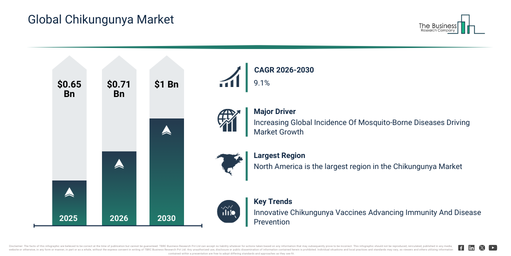
    The chikungunya market has observed substantial growth in recent years. It is anticipated to increase from $0.65 billion in 2025 to $0.71 billion in 2026, exhibiting a compound annual growth rate (CAGR) of 9.4%. Key drivers for this growth in previous periods include an elevated incidence of mosquito-borne viral infections, the expansion of endemic areas influenced by climate variability, the restricted availability of approved vaccines, a strong reliance on symptomatic treatment methods, and public health monitoring initiatives.

    The chikungunya market is anticipated to experience substantial expansion over the next few years. It is projected to reach $1 billion by 2030, exhibiting a compound annual growth rate (CAGR) of 9.1%. This growth during the forecast period is fueled by several factors, including escalating investments in vaccine research, a heightened emphasis on preventive healthcare, the broadening of vector control initiatives, increasing demand for prompt diagnostic tools, and enhanced global health funding directed towards emerging diseases. Key trends expected throughout this period encompass the accelerated development of chikungunya vaccines, the wider adoption of antiviral treatment strategies, an increased focus on early disease detection, the expansion of supportive care options, and improved surveillance efforts for mosquito-borne illnesses.

    Download A Free Sample Report For Comprehensive Market Insights:

    https://www.thebusinessresearchcompany.com/sample.aspx?id=21137&type=smp

    Which Core Factors Are Supporting The Expansion Of The Chikungunya Market?

    The increasing occurrence of mosquito-borne diseases is projected to drive the expansion of the chikungunya market. These illnesses, including chikungunya, dengue, and zika virus, are transmitted to humans by infected Aedes mosquitoes and pose considerable global public health challenges. The rising worldwide incidence of such diseases is attributable to factors like climate change, urbanization, deforestation, stagnant water accumulation, inadequate vector control strategies, increased international travel, and insecticide resistance. Chikungunya treatment aids patients suffering from mosquito-borne diseases by alleviating symptoms such as fever, joint pain, and inflammation, thereby enhancing overall comfort and mobility, reducing complication risks, and promoting recovery through hydration, pain management, and supportive care. For example, in December 2024, the UK Health Security Agency, a UK-based government body, reported that dengue cases among returning travelers in England, Wales, and Northern Ireland surged to 473 between January and June 2024. This marked a 201% increase compared to the 157 cases recorded during the identical period in 2023. Thus, the escalating global incidence of mosquito-borne diseases is propelling the growth of the chikungunya market.

    How Is The Chikungunya Market Structured Across Different Market Segments?

    The chikungunya market covered in this report is segmented –

    1) By Type: Antiviral Drugs, Herbal And Complementary Treatments, Supportive Care, Vaccines

    2) By Product Form: Liquid Form, Powder, Solid Form

    3) By Disease Stage: Acute, Chronic, Post-Infection

    4) By Sales Channel: Hospital Pharmacies, Online Pharmacies, Retail Pharmacies, Supermarkets

    5) By End User: Caregivers, Healthcare Professionals, Patients

    Subsegments:

    1) By Antiviral Drugs: Nucleoside Analogues, Protease Inhibitors

    2) By Herbal And Complementary Treatments: Ayurvedic Remedies, Homeopathic Treatments, Traditional Chinese Medicine

    3) By Supportive Care: Pain Relievers (NSAIDs, Acetaminophen), Fluid Therapy, Physiotherapy

    4) By Vaccines: Live-Attenuated Vaccines, Inactivated Vaccines, mRNA-Based Vaccines

    Which Trends Are Influencing The Expansion Of The Chikungunya Market?

    Leading companies in the chikungunya market are concentrating on creating novel vaccines to boost immunity, prevent disease outbreaks, and tackle the increasing global health impact of chikungunya virus infections. A live attenuated chikungunya vaccine employs a reduced-strength version of the chikungunya virus to trigger an immune response without inducing the illness, thereby offering sustained defense. As an illustration, in November 2023, Valneva SE, a French biotechnology firm, disclosed IXCHIQ, a live attenuated chikungunya vaccine that received approval from the US government agency, the Food and Drug Administration (FDA). This particular approval was granted under an accelerated process, predicated on anti-CHIKV neutralizing antibody titers, with ongoing approval subject to confirmation of clinical benefits through subsequent studies. Valneva obtained a Priority Review Voucher (PRV) from the FDA, which the company plans to sell to fund its research and development initiatives. Ixchiq is administered via a single intramuscular injection and incorporates a live, attenuated form of the chikungunya virus, which might induce symptoms in individuals resembling those of chikungunya illness.

    Who Are The Companies Shaping The Chikungunya Market Landscape?

    Major companies operating in the chikungunya market are F Hoffmann-La Roche Ltd, Merck & Co Inc, Takeda Pharmaceutical Company Limited, Evotec SE, Valneva SE, Vaxart Inc, Inovio Pharmaceuticals Inc, Bharat Biotech International Limited, Moderna Inc, Emergent BioSolutions Inc, GlaxoSmithKline plc, Sanofi Pasteur, Instituto Butantan, Indian Immunologicals Limited, Zydus Lifesciences, BioNTech SE, Novavax Inc, Bavarian Nordic A S, Auro Vaccines LLC, Najit Technologies Inc, Clayton Biotechnologies Inc, Medigen Vaccine Biologics Corp

    Access The Complete Chikungunya Market Report:

    https://www.thebusinessresearchcompany.com/report/chikungunya-global-market-report

    Which Area Represents The Largest Portion Of The Chikungunya Market?

    North America was the largest region in the chikungunya market in 2025. Asia-Pacific is expected to be the fastest-growing region in the forecast period. The regions covered in the chikungunya market report are Asia-Pacific, South East Asia, Western Europe, Eastern Europe, North America, South America, Middle East, Africa.

    Access Chikungunya Market Report for Deeper Competitive Insights

    https://www.thebusinessresearchcompany.com/customise?id=21137&type=smp

    Browse Through More Reports Similar to the Global Chikungunya Market 2026, By The Business Research Company

    Chemotherapy Induced Anemia Global Market Report 2026

    https://www.thebusinessresearchcompany.com/report/chemotherapy-induced-anemia-global-market-report

    Chemotherapy Induced Myelosuppression Treatment Global Market Report 2026

    https://www.thebusinessresearchcompany.com/report/chemotherapy-induced-myelosuppression-treatment-global-market-report

    Chemotherapy Induced Peripheral Neuropathy Treatment Global Market Report 2026

    https://www.thebusinessresearchcompany.com/report/chemotherapy-induced-peripheral-neuropathy-treatment-global-market-report

    Get in touch with us:

    The Business Research Company: https://www.thebusinessresearchcompany.com/

    Americas: +1 310-496-7795

    Asia: +44 7882 955267 & +91 8897263534

    Europe: +44 7882 955267

    Email us at: marketing@tbrc.info

    Follow us on:

    LinkedIn: https://in.linkedin.com/company/the-business-research-company

    YouTube: https://www.youtube.com/channel/UC24_fI0rV8cR5DxlCpgmyFQ

    Global Market Model: https://www.thebusinessresearchcompany.com/global-market-model

  • Chemotherapy-Induced Neutropenia Treatment Market Forecast Through 2030 Featuring Industry Drivers And Opportunities

    Chemotherapy-Induced Neutropenia Treatment Market Forecast Through 2030 Featuring Industry Drivers And Opportunities

    The Business Research Company’s 2026 market reports feature enhanced tools like market attractiveness analysis, TAM assessment, and company scoring matrices, along with interactive dashboards, deeper supply chain insights, and startup coverage strengthening the depth, usability, and strategic value of insights.

    What Growth In Market Value Is Anticipated For The Chemotherapy-Induced Neutropenia Treatment Market Between 2026 And 2030?

    The chemotherapy-induced neutropenia treatment market size has shown significant expansion in recent years. It is anticipated to grow from $0.62 billion in 2025 to $0.65 billion in 2026, registering a compound annual growth rate (CAGR) of 5.3%. This historical growth can be attributed to several factors including an elevated incidence of chemotherapy-induced neutropenia, the broader implementation of aggressive cancer treatment protocols, the accessibility of colony-stimulating factors, advancements in clinical monitoring practices, and the increasing number of oncology treatment facilities.

    The chemotherapy-induced neutropenia treatment market is anticipated to experience substantial expansion in the coming years. This market is projected to reach a valuation of $0.79 billion by 2030, demonstrating a compound annual growth rate (CAGR) of 5.1%. This projected growth throughout the forecast period stems from factors such as the increasing adoption of long-acting growth factors, a rising focus on outpatient neutropenia management, the expansion of biosimilar g-csf usage, growing investment in infection prevention strategies, and advancements in immunomodulatory therapies. Key trends anticipated during this period encompass the increasing adoption of prophylactic g-csf therapy, a rising use of early intervention treatment models, a growing emphasis on infection risk reduction, the expansion of personalized neutropenia management, and enhanced monitoring of white blood cell levels.

    Download A Free Sample Report For Comprehensive Market Insights:

    https://www.thebusinessresearchcompany.com/sample.aspx?id=24190&type=smp

    What Are The Main Drivers Accelerating The Growth Of The Chemotherapy-Induced Neutropenia Treatment Market?

    The increasing prevalence of cancer is anticipated to drive the expansion of the chemotherapy-induced neutropenia treatment market in the coming years. Cancer is identified as a class of conditions marked by the uncontrolled proliferation and spread of abnormal cells within the body. The escalation in cancer diagnoses stems from the aging demographic, as older individuals face a greater likelihood of developing cancer due to accumulated genetic mutations and a decline in immune function over time. Chemotherapy-induced neutropenia treatment assists in cancer management by mitigating infection risks through bolstering immune defenses, thereby allowing patients to maintain their chemotherapy regimens with less frequent breaks. Furthermore, it improves therapeutic results by reducing adverse events, consequently elevating overall patient safety and their quality of life. For instance, in July 2024, as reported by the Australian Institute of Health and Welfare, an Australia-based government agency, an estimated 165,000 Australians were newly diagnosed with cancer in 2023, which equates to over 450 cases each day, and males represented about 55% of these diagnoses. Consequently, the growing incidence of cancer is a key driver for the chemotherapy-induced neutropenia treatment market.

    Which Segment-Based Categories Are Covered In The Chemotherapy-Induced Neutropenia Treatment Market?

    The chemotherapy-induced neutropenia treatment market covered in this report is segmented –

    1) By Type: Antibiotic Therapy, Granulocyte Colony-Stimulating Factor Therapy (G-CSF), Granulocyte Transfusion, Other Types

    2) By Route of Administration: Subcutaneous, Intravenous

    3) By Indication: Solid Tumors, Hematological Malignancies, Other Indications

    4) By Distribution Channel: Hospital Pharmacies, Retail Pharmacies, Online Pharmacies

    5) By End-User: Hospitals, Specialty Clinics, Homecare Settings

    Subsegments:

    1) By Antibiotic Therapy: Broad-Spectrum Antibiotics, Narrow-Spectrum Antibiotics, Prophylactic Antibiotics

    2) By Granulocyte Colony-Stimulating Factor Therapy (G-CSF): Filgrastim, Pegfilgrastim, Lenograstim

    3) By Granulocyte Transfusion: Allogeneic Granulocyte Transfusion, Autologous Granulocyte Transfusion

    4) By Other Types: Antifungal Therapy, Stem Cell Therapy, Immunomodulatory Therapy

    Which Trends Are Expected To Shape The Chemotherapy-Induced Neutropenia Treatment Market?

    Leading companies in the chemotherapy-induced neutropenia treatment market are actively working on developing and securing approvals for innovative products, particularly long-acting formulations, to enhance patient convenience, reduce the frequency of dosing, and improve treatment adherence. Such long-acting formulations represent drug preparations engineered to slowly release active ingredients over an extended period, thereby reducing the necessity for frequent administration. For instance, in December 2023, Coherus BioSciences Inc., a US-based biopharmaceutical company, obtained U.S. Food and Drug Administration (FDA) approval for Udenyca Onbody, an innovative, ready-to-use on-body injector. This specific device, which incorporates a long-acting formulation, automatically delivers pegfilgrastim approximately 27 hours following chemotherapy, thus eliminating the requirement for a next-day injection. Udenyca Onbody significantly enhances the patient experience by ensuring prompt prophylactic treatment of chemotherapy-induced neutropenia while simultaneously decreasing clinic visits and fostering better adherence.

    Which Industry Players Are Present In The Chemotherapy-Induced Neutropenia Treatment Market?

    Major companies operating in the chemotherapy-induced neutropenia treatment market are Pfizer Inc., Johnson & Johnson, Merck & Co. Inc., GSK plc, Bristol-Myers Squibb Company, Novartis AG, Takeda Pharmaceutical Company Limited, Amgen Inc., Teva Pharmaceutical Industries Ltd., Astellas Pharma Inc., Biogen Inc., Baxter Inteational, Fresenius Kabi, Eisai Co. Ltd., Dr. Reddy’s Laboratories Ltd., Exelixis Inc., Biocon Biologics Limited, Coherus BioSciences Inc., G1 Therapeutics, Enzychem Lifesciences Corporation

    Access The Complete Chemotherapy-Induced Neutropenia Treatment Market Report:

    https://www.thebusinessresearchcompany.com/report/chemotherapy-induced-neutropenia-treatment-global-market-report

    Which Region Commands The Largest Share Of The Chemotherapy-Induced Neutropenia Treatment Market?

    North America was the largest region in the chemotherapy-induced neutropenia treatment market in 2025. Asia-Pacific is expected to be the fastest-growing region in the forecast period. The regions covered in the chemotherapy-induced neutropenia treatment market report are Asia-Pacific, South East Asia, Western Europe, Eastern Europe, North America, South America, Middle East, Africa.

    Access Chemotherapy-Induced Neutropenia Treatment Market Report for Deeper Competitive Insights

    https://www.thebusinessresearchcompany.com/customise?id=24190&type=smp

    Browse Through More Reports Similar to the Global Chemotherapy-Induced Neutropenia Treatment Market 2026, By The Business Research Company

    Chemotherapy Global Market Report 2026

    https://www.thebusinessresearchcompany.com/report/chemotherapy-global-market-report

    Chemotherapy Induced Anemia Global Market Report 2026

    https://www.thebusinessresearchcompany.com/report/chemotherapy-induced-anemia-global-market-report

    Chemotherapy Induced Peripheral Neuropathy Treatment Global Market Report 2026

    https://www.thebusinessresearchcompany.com/report/chemotherapy-induced-peripheral-neuropathy-treatment-global-market-report

    Get in touch with us:

    The Business Research Company: https://www.thebusinessresearchcompany.com/

    Americas: +1 310-496-7795

    Asia: +44 7882 955267 & +91 8897263534

    Europe: +44 7882 955267

    Email us at: marketing@tbrc.info

    Follow us on:

    LinkedIn: https://in.linkedin.com/company/the-business-research-company

    YouTube: https://www.youtube.com/channel/UC24_fI0rV8cR5DxlCpgmyFQ

    Global Market Model: https://www.thebusinessresearchcompany.com/global-market-model

  • Chemotherapy-Induced Nausea and Vomiting (CINV) Market Analysis Through 2030 Focusing On Demand Trends And Growth Drivers

    Chemotherapy-Induced Nausea and Vomiting (CINV) Market Analysis Through 2030 Focusing On Demand Trends And Growth Drivers

    The Business Research Company’s 2026 market reports feature enhanced tools like market attractiveness analysis, TAM assessment, and company scoring matrices, along with interactive dashboards, deeper supply chain insights, and startup coverage strengthening the depth, usability, and strategic value of insights.

    What Are The Forecasted Market Size Figures For The Chemotherapy-Induced Nausea and Vomiting (CINV) Market In 2026 And 2030?

    The market for chemotherapy-induced nausea and vomiting (cinv) has experienced substantial growth in recent years. This market is expected to expand from $3.13 billion in 2025 to $3.35 billion in 2026, achieving a compound annual growth rate (CAGR) of 7.0%. Historically, this growth can be attributed to the increased application of highly emetogenic chemotherapy, a growing understanding of treatment side effects, the accessibility of advanced antiemetic drugs, the expansion of oncology treatment programs, and refined clinical guidelines for cinv management.

    The market size for chemotherapy-induced nausea and vomiting (cinv) is projected to experience robust expansion over the next few years. It is expected to reach $4.57 billion by 2030, demonstrating a compound annual growth rate (CAGR) of 8.0%. This anticipated growth can be attributed to several factors, including the increasing demand for advanced antiemetics, the rising adoption of personalized antiemetic therapies, the expansion of outpatient chemotherapy services, a heightened focus on adherence to treatment protocols, and advancements in sustained-release formulations. Significant trends during the forecast period are expected to include the wider adoption of combination antiemetic regimens, increased utilization of long-acting cinv drugs, an evolving focus on patient-centric treatment approaches, the broadening of preventive cinv management protocols, and an enhanced emphasis on quality-of-life outcomes.

    Download A Free Sample Report For Comprehensive Market Insights:

    https://www.thebusinessresearchcompany.com/sample.aspx?id=13031&type=smp

    What Key Growth Drivers Are Influencing The Chemotherapy-Induced Nausea and Vomiting (CINV) Market?

    The expanding incidence of cancer is projected to fuel the chemotherapy-induced nausea and vomiting (CINV) market in the future. Cancer describes a condition where certain bodily cells proliferate uncontrollably and metastasize to other areas. With the ongoing rise in cancer diagnoses, there is an enhanced drive to create more potent and focused anti-emetic treatments to mitigate CINV, a challenging adverse effect of chemotherapy. This increased emphasis on CINV management has fostered progress in comprehending its fundamental mechanisms and in pioneering new therapies. For example, in January 2023, the American Cancer Society (ACS), a US-based volunteer health organization dedicated to eradicating cancer, estimated that the United States would see 1.9 million new cancer cases (around 5,370 cases daily) and 609,820 cancer deaths (approximately 1,670 deaths each day) in 2023. Consequently, the rising prevalence of cancer is set to propel the chemotherapy-induced nausea and vomiting (CINV) market.

    What Key Segment Areas Are Included In The Chemotherapy-Induced Nausea and Vomiting (CINV) Market Assessment?

    The chemotherapy-induced nausea and vomiting (cinv) market covered in this report is segmented –

    1) By Form: Injectables, Oral, Transdermal Patches

    2) By Drug Class: 5-HT3 Receptor Antagonists, Neurokinin-1 Receptor Antagonists, Corticosteroids, Cannabinoids, Other Drug Classes

    3) By Emetogenic Risk: Highly Emetogenic Chemotherapy (HEC), Moderately Emetogenic Chemotherapy (MEC), Low Emetogenic Chemotherapy (LEC)

    4) By Distribution Channel: CINV Hospitals, Cancer Research Institute, Retail Pharmacies, Online Pharmacies, Drug Stores

    5) By Application: Gynecology, Urology, Gastrointestinal Surgery, Other Applications

    Subsegments:

    1) By Injectables: Intravenous (IV) Solutions, Intramuscular (IM) Injections

    2) By Oral: Tablets, Capsules, Liquid Formulations

    3) By Transdermal Patches: Fentanyl Patches, Scopolamine Patches

    Which Trends Are Affecting The Chemotherapy-Induced Nausea and Vomiting (CINV) Market Framework?

    Key entities active within the chemotherapy-induced nausea and vomiting (CINV) market are focusing on novel product innovations, including fixed intravenous antiemetics, to secure a competitive edge. This type of antiemetic involves a pre-set quantity of medicine delivered intravenously to manage or avert nausea and vomiting, frequently employed in contexts like chemotherapy or following surgical procedures. For example, in January 2023, Glenmark Pharmaceuticals Limited, an India-based producer of pharmaceuticals, generics, and over-the-counter (OTC) products, launched AKYNZEO I.V. in India, marking it as the initial fixed intravenous antiemetic combination specifically formulated to prevent chemotherapy-induced nausea and vomiting (CINV). The product integrates netupitant and palonosetron, effectively addressing both the acute and delayed manifestations of nausea and vomiting. It provides the benefit of single-dose administration, contributes to higher complete response rates, and elevates the quality of life for individuals battling cancer. Clinical research has indicated its distinct advantage for patients receiving highly emetogenic chemotherapy.

    Which Companies Are Influencing The Chemotherapy-Induced Nausea and Vomiting (CINV) Market?

    Major companies operating in the chemotherapy-induced nausea and vomiting (cinv) market are Pfizer Inc., Roche Holding AG, Merck & Co. Inc., AbbVie Inc., Novartis AG, AstraZeneca plc, GlaxoSmithKline plc, Baxter International Inc., Teva Pharmaceuticals Industries Ltd., Bausch Health Companies Inc., Eisai Co. Ltd., Jazz Pharmaceuticals plc, Ono Pharmaceutical Co. Ltd., Dr. Reddy’s Laboratories Ltd., Kyowa Kirin Inc., Amneal Pharmaceuticals Inc., Mundipharma International Limited, Insys Therapeutics Inc., Lupin Limited, Helsinn Holding S.A., Heron Therapeutics Inc., Camurus AB, Cadila Pharmaceuticals Limited, Acacia Pharma Ltd., Soligenix Inc.

    Access The Complete Chemotherapy-Induced Nausea and Vomiting (CINV) Market Report:

    https://www.thebusinessresearchcompany.com/report/chemotherapy-induced-nausea-and-vomiting-cinv-global-market-report

    Which Region Leads The Chemotherapy-Induced Nausea and Vomiting (CINV) Market By Size?

    North America was the largest region in the chemotherapy-induced nausea and vomiting (CINV) market in 2025. The regions covered in the chemotherapy-induced nausea and vomiting (cinv) market report are Asia-Pacific, South East Asia, Western Europe, Eastern Europe, North America, South America, Middle East, Africa.

    Access Chemotherapy-Induced Nausea and Vomiting (CINV) Market Report for Deeper Competitive Insights

    https://www.thebusinessresearchcompany.com/customise?id=13031&type=smp

    Browse Through More Reports Similar to the Global Chemotherapy-Induced Nausea and Vomiting (CINV) Market 2026, By The Business Research Company

    Myeloproliferative Disorders Drugs Global Market Report 2026

    https://www.thebusinessresearchcompany.com/report/myeloproliferative-disorders-drugs-global-market-report

    Chemotherapy Induced Anemia Global Market Report 2026

    https://www.thebusinessresearchcompany.com/report/chemotherapy-induced-anemia-global-market-report

    Chemotherapy Global Market Report 2026

    https://www.thebusinessresearchcompany.com/report/chemotherapy-global-market-report

    Get in touch with us:

    The Business Research Company: https://www.thebusinessresearchcompany.com/

    Americas: +1 310-496-7795

    Asia: +44 7882 955267 & +91 8897263534

    Europe: +44 7882 955267

    Email us at: marketing@tbrc.info

    Follow us on:

    LinkedIn: https://in.linkedin.com/company/the-business-research-company

    YouTube: https://www.youtube.com/channel/UC24_fI0rV8cR5DxlCpgmyFQ

    Global Market Model: https://www.thebusinessresearchcompany.com/global-market-model
  • Chemotherapy-Induced Myelosuppression Treatment Market Projected To Surpass $10.23 Billion By 2030 At 4% CAGR

    Chemotherapy-Induced Myelosuppression Treatment Market Projected To Surpass $10.23 Billion By 2030 At 4% CAGR

    The Business Research Company’s 2026 market reports feature enhanced tools like market attractiveness analysis, TAM assessment, and company scoring matrices, along with interactive dashboards, deeper supply chain insights, and startup coverage strengthening the depth, usability, and strategic value of insights.

    How Much Larger Will The Chemotherapy-Induced Myelosuppression Treatment Market Become By 2030 Compared To 2026?

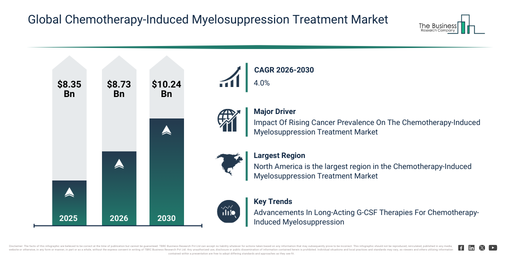
    The chemotherapy-induced myelosuppression treatment market size has demonstrated consistent expansion in recent years. This market is anticipated to expand from $8.35 billion in 2025 to $8.73 billion in 2026, achieving a compound annual growth rate (CAGR) of 4.6%. Its growth during the preceding period was fueled by factors such as the increasing intensity of chemotherapy regimens, the rising incidence of treatment-related cytopenias, the expansion of hospital-based oncology care, the availability of supportive hematology treatments, and improvements in diagnostic capabilities.

    The market size for chemotherapy-induced myelosuppression treatment is anticipated to experience consistent expansion in the upcoming years. This market is projected to reach $10.24 billion by 2030, exhibiting a compound annual growth rate (CAGR) of 4.0%. Factors contributing to this growth during the forecast period include an elevated focus on long-acting hematopoietic agents, a surge in personalized dosing strategy adoption, the expansion of outpatient supportive care services, increased investment in biologic drug development, and progress in bone marrow support therapies. Key trends anticipated over the forecast period encompass a greater uptake of growth factor therapies, an increased utilization of prophylactic treatment strategies, a heightened emphasis on infection prevention protocols, broader personalized myelosuppression management, and improved monitoring of blood cell counts.

    Download A Free Sample Report For Comprehensive Market Insights:

    https://www.thebusinessresearchcompany.com/sample.aspx?id=16372&type=smp

    Which Core Factors Are Supporting The Expansion Of The Chemotherapy-Induced Myelosuppression Treatment Market?

    The future expansion of the chemotherapy-induced myelosuppression treatment market is anticipated to be driven by the increasing incidence of cancer. Cancer is characterized by uncontrolled cell growth and dissemination, frequently invading nearby tissues and organs, thereby impairing their normal operations and endangering an individual’s general health. Factors contributing to cancer’s widespread occurrence include exposure to pollutants, radiation, specific chemicals, and carcinogens. In cancer management, chemotherapy-induced myelosuppression treatment plays a crucial role in addressing the blood-related adverse effects resulting from chemotherapy, a common therapeutic approach for diverse cancers. As an illustration, in July 2024, the Australian Institute of Health and Welfare, an Australia-based government agency, reported that approximately 165,000 Australians received a new cancer diagnosis in 2023, translating to more than 450 new cases daily, with males accounting for roughly 55% of these diagnoses. Consequently, the increasing prevalence of cancer is propelling the chemotherapy-induced myelosuppression treatment market.

    How Is Segment Classification Applied In The Chemotherapy-Induced Myelosuppression Treatment Market?

    The chemotherapy-induced myelosuppression treatment market covered in this report is segmented –

    1) By Indication: Anemia, Neutropenia, Thrombocytopenia

    2) By Drug Class: Growth Factors, Erythropoietin Stimulating Agents, Thrombopoietic Agents, Iron Supplements, Other Drug Classes

    3) By Route Of Administration: Oral, Injectable

    4) By Distribution Channel: Hospital Pharmacies, Retail Pharmacies, Online Pharmacies

    Subsegments:

    1) By Anemia: Erythropoiesis-Stimulating Agents (Esas), Iron Supplements, Blood Transfusion

    2) By Neutropenia: Granulocyte Colony-Stimulating Factors (G-Csfs), Granulocyte-Macrophage Colony-Stimulating Factors (Gm-Csfs), Antibiotic Prophylaxis

    3) By Thrombocytopenia: Thrombopoietin Receptor Agonists (Tpo-Ras), Platelet Transfusion, Growth Factors For Platelet Production

    What Trends Are Influencing The Chemotherapy-Induced Myelosuppression Treatment Market?

    Leading companies operating within the chemotherapy-induced myelosuppression treatment market are concentrating on developing innovative solutions, such as long-acting G-CSF, to boost patient convenience, enhance treatment adherence, reduce injection frequency, and optimize overall clinical outcomes for cancer patients undergoing chemotherapy. A long-acting G-CSF (Granulocyte Colony-Stimulating Factor) is a biological medication designed to stimulate the bone marrow to produce more neutrophils (a type of white blood cell) over an extended period. For instance, in May 2025, Mabwell, a China-based biopharmaceutical company, received NMPA approval for Albipagrastim Alfa for Injection (Mailisheng), which is a recombinant human G-CSF fused with albumin, developed to prolong its half-life and improve neutrophil recovery. The product’s formulation includes recombinant human serum albumin (HSA), providing a sustained effect that allows less frequent administration while maintaining effective stimulation of neutrophil production, marking a significant improvement over traditional G-CSF therapies that demand daily dosing.

    Who Are The Companies Shaping The Chemotherapy-Induced Myelosuppression Treatment Market Landscape?

    Major companies operating in the chemotherapy-induced myelosuppression treatment market are Merck & Co. Inc., Bayer AG, Sanofi SA, Abbott Laboratories, Novartis AG, Glaxo Smith Kline plc, Amgen Inc., Viatris Inc., Biogen SA, Bausch Health Companies Inc., Cipla Inc., Hikma Pharmaceuticals PLC,Lupin Ltd, Seagen Inc, Mission Pharmacal Company, G1 Therapeutics Inc., Spectrum Pharmaceuticals Inc., Partner Therapeutics Inc., Myelo Therapeutics GmbH, Evive Biotech Inc.

    Access The Complete Chemotherapy-Induced Myelosuppression Treatment Market Report:

    https://www.thebusinessresearchcompany.com/report/chemotherapy-induced-myelosuppression-treatment-global-market-report

    Which Region Has The Strongest Presence In The Chemotherapy-Induced Myelosuppression Treatment Market?

    North America was the largest region in the chemotherapy-induced myelosuppression treatment market in 2025. Asia Pacific is expected to be the fastest-growing region in the forecast period. The regions covered in the chemotherapy-induced myelosuppression treatment market report are Asia-Pacific, South East Asia, Western Europe, Eastern Europe, North America, South America, Middle East, Africa.

    Access Chemotherapy-Induced Myelosuppression Treatment Market Report for Deeper Competitive Insights

    https://www.thebusinessresearchcompany.com/customise?id=16372&type=smp

    Browse Through More Reports Similar to the Global Chemotherapy-Induced Myelosuppression Treatment Market 2026, By The Business Research Company

    Anemia And Other Blood Disorder Drugs Global Market Report 2026

    https://www.thebusinessresearchcompany.com/report/anemia-and-other-blood-disorder-drugs-global-market-report

    Chemotherapy Global Market Report 2026

    https://www.thebusinessresearchcompany.com/report/chemotherapy-global-market-report

    Chemotherapy Induced Myelosuppression Treatment Global Market Report 2026

    https://www.thebusinessresearchcompany.com/report/chemotherapy-induced-myelosuppression-treatment-global-market-report

    Get in touch with us:

    The Business Research Company: https://www.thebusinessresearchcompany.com/

    Americas: +1 310-496-7795

    Asia: +44 7882 955267 & +91 8897263534

    Europe: +44 7882 955267

    Email us at: marketing@tbrc.info

    Follow us on:

    LinkedIn: https://in.linkedin.com/company/the-business-research-company

    YouTube: https://www.youtube.com/channel/UC24_fI0rV8cR5DxlCpgmyFQ

    Global Market Model: https://www.thebusinessresearchcompany.com/global-market-model
  • Chemotherapy-Induced Anemia Market Forecast Through 2030 Featuring Industry Drivers And Opportunities

    Chemotherapy-Induced Anemia Market Forecast Through 2030 Featuring Industry Drivers And Opportunities

    The Business Research Company’s 2026 market reports feature enhanced tools like market attractiveness analysis, TAM assessment, and company scoring matrices, along with interactive dashboards, deeper supply chain insights, and startup coverage strengthening the depth, usability, and strategic value of insights.

    What Growth In Market Value Is Anticipated For The Chemotherapy-Induced Anemia Market Between 2026 And 2030?

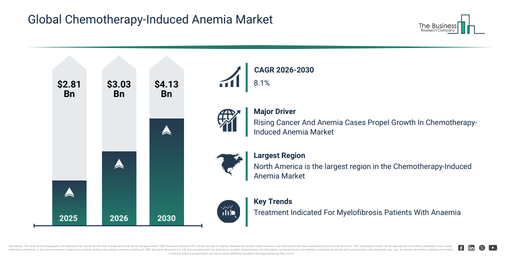
    The chemotherapy-induced anemia market has experienced significant expansion recently. This market is set to expand from $2.81 billion in 2025 to $3.03 billion in 2026, progressing at a compound annual growth rate (CAGR) of 7.7%. The historical growth of this market can be ascribed to factors like the escalating application of intensive chemotherapy regimens, a growing occurrence of treatment-related anemia, the enlargement of oncology treatment centers, better access to blood transfusion services, and the widespread availability of supportive cancer care therapies.

    The market size for chemotherapy-induced anemia is anticipated to show robust expansion in the upcoming years. It is projected to reach $4.13 billion by 2030, growing at a compound annual growth rate (CAGR) of 8.1%. The expected growth over the forecast period is driven by factors such as an escalating demand for long-acting anemia therapies, a heightened focus on reducing reliance on transfusions, the broadening scope of personalized oncology care, an increasing embrace of home-based treatment approaches, and advances in drugs for anemia management. Prominent trends observed during the forecast period include the wider adoption of erythropoiesis-stimulating agents, the increasing utilization of personalized anemia management plans, a growing inclination towards early intervention therapies, the expansion of outpatient settings for anemia treatment, and an elevated emphasis on patient quality of life.

    Download A Free Sample Report For Comprehensive Market Insights:

    https://www.thebusinessresearchcompany.com/sample.aspx?id=12513&type=smp

    What Are The Main Drivers Accelerating The Growth Of The Chemotherapy-Induced Anemia Market?

    The significant occurrence of cancer and anemia is anticipated to drive future expansion within the chemotherapy-induced anemia market. Cancer is characterized by the uncontrolled proliferation of cells, which then disseminate to various parts of the body. Both cancer itself and chemotherapy-induced anemia (CIA) commonly affect cancer patients undergoing intensive chemotherapy, regardless of whether they also receive radiation therapy. This condition, chemotherapy-induced anemia, can be managed by medication that boosts red blood cell production within the bone marrow. As an illustration, data from Cancer Research UK, an independent UK cancer research body, indicated that in 2023, the incidence of head and neck cancer in the UK was forecast to increase by 3% from 2023 to 2025. Concurrently, fatalities from head and neck cancers were predicted to climb by 12% during the same 2023 to 2025 period. Consequently, the widespread presence of cancer and anemia acts as a primary catalyst for the expansion of the chemotherapy-induced anemia market.

    What Are The Core Segment Classifications In The Chemotherapy-Induced Anemia Market?

    The chemotherapy-induced anemia market covered in this report is segmented –

    1) By Anemia: Mild Anemia, Moderate Anemia, Severe Anemia, Life-Threatening Anemia

    2) By Treatment Type: RBC (Red Blood Cells) Transfusion, Erythropoiesis-Stimulating Agents (ESAs), Iron Supplementation

    3) By End-User: Hospitals, Ambulatory Surgical Centers, Multispecialty Clinics, Cancer Research Centers, Cancer Rehabilitation Centers

    Subsegments:

    1) By Mild Anemia: Hemoglobin Levels 10-12 Grams Per Deciliter (g/dL), Symptomatic Treatments

    2) By Moderate Anemia: Hemoglobin Levels 8-10 Grams Per Deciliter (g/dL), Erythropoiesis-stimulating Agents (ESAs), Blood Transfusion Management

    3) By Severe Anemia: Hemoglobin Levels 6.5-8 Grams Per Deciliter (g/dL), Intensive ESA Treatments, Frequent Blood Transfusions

    4) By Life-Threatening Anemia: Hemoglobin Levels Below 6.5 Grams Per Deciliter (g/dL), Emergency interventions, Critical Care And Monitoring

    Which Trends Are Guiding The Development Of The Chemotherapy-Induced Anemia Market?

    Major companies in the chemotherapy-induced anemia market are prioritizing the development of technological advancements, such as Ojjaara (momelotinib), to improve treatment alternatives and enhance patient outcomes for those affected by anemia stemming from cancer therapies. The name ‘Ojjaara’ derives from the word ‘Ojaara,’ suggesting a link to the concept of healing or well-being. For example, in September 2023, Ojjaara (momelotinib) was developed by GSK (GlaxoSmithKline), an England-based company; this drug serves as a treatment for myelofibrosis, particularly in patients presenting with anemia. Ojjaara (momelotinib) stands as a pioneering treatment for myelofibrosis patients with anemia, functioning by inhibiting key pathways to improve blood counts, elevate the quality of life, and lessen the need for blood transfusions, making it the first and only therapy specifically indicated for this condition.

    Which Industry Players Are Present In The Chemotherapy-Induced Anemia Market?

    Major companies operating in the chemotherapy-induced anemia market are Pfizer Inc., Johnson & Johnson, F. Hoffmann-La Roche Ltd., Merck & Co. Inc., Novartis AG, Sanofi S.A., Bristol-Myers Squibb Company, AstraZeneca plc, Takeda Pharmaceutical Company Limited, Eli Lilly and Company, Amgen Inc., Baxter International Inc., Fresenius Kabi AG, Biocon Ltd., Vifor Pharma Group, Pharmacosmos A/S, Daiichi Sankyo Company Limited, Bayer AG, Akebia Therapeutics Inc, Otsuka Pharmaceutical Co Ltd, Zydus Lifesciences Ltd, Viatris Inc, Shield Therapeutics plc, Keros Therapeutics Inc

    Access The Complete Chemotherapy-Induced Anemia Market Report:

    https://www.thebusinessresearchcompany.com/report/chemotherapy-induced-anemia-global-market-report

    Which Region Stands As The Largest Contributor To The Chemotherapy-Induced Anemia Market?

    North America was the largest region in the chemotherapy-induced anemia market in 2025. Asia-Pacific is expected to be the fastest-growing region in the forecast period. The regions covered in the chemotherapy-induced anemia market report are Asia-Pacific, South East Asia, Western Europe, Eastern Europe, North America, South America, Middle East, Africa.

    Access Chemotherapy-Induced Anemia Market Report for Deeper Competitive Insights

    https://www.thebusinessresearchcompany.com/customise?id=12513&type=smp

    Browse Through More Reports Similar to the Global Chemotherapy-Induced Anemia Market 2026, By The Business Research Company

    Peripheral Neuropathy Global Market Report 2026

    https://www.thebusinessresearchcompany.com/report/peripheral-neuropathy-global-market-report

    Diabetic Neuropathy Global Market Report 2026

    https://www.thebusinessresearchcompany.com/report/diabetic-neuropathy-global-market-report

    Neuropathic Pain Global Market Report 2026

    https://www.thebusinessresearchcompany.com/report/neuropathic-pain-global-market-report

    Get in touch with us:

    The Business Research Company: https://www.thebusinessresearchcompany.com/

    Americas: +1 310-496-7795

    Asia: +44 7882 955267 & +91 8897263534

    Europe: +44 7882 955267

    Email us at: marketing@tbrc.info

    Follow us on:

    LinkedIn: https://in.linkedin.com/company/the-business-research-company

    YouTube: https://www.youtube.com/channel/UC24_fI0rV8cR5DxlCpgmyFQ

    Global Market Model: https://www.thebusinessresearchcompany.com/global-market-model

  • Rising Cancer Prevalence Boosts Chemotherapy-Induced Peripheral Neuropathy Treatment Market Is Supporting Development Across The Chemotherapy Induced Peripheral Neuropathy Treatment Market

    Rising Cancer Prevalence Boosts Chemotherapy-Induced Peripheral Neuropathy Treatment Market Is Supporting Development Across The Chemotherapy Induced Peripheral Neuropathy Treatment Market

    The Business Research Company’s 2026 market reports feature enhanced tools like market attractiveness analysis, TAM assessment, and company scoring matrices, along with interactive dashboards, deeper supply chain insights, and startup coverage strengthening the depth, usability, and strategic value of insights.

    What Is The Expected Market Value Outlook For The Chemotherapy Induced Peripheral Neuropathy Treatment Market Through 2030?

    The market size for chemotherapy induced peripheral neuropathy treatment has experienced robust expansion over recent years. This market is projected to expand from $1.75 billion in 2025 to reach $1.86 billion in 2026, exhibiting a compound annual growth rate (CAGR) of 6.2%. Historically, this growth can be ascribed to several factors, including the escalating use of neurotoxic chemotherapy agents, improved cancer survival rates, heightened awareness of chemotherapy side effects, the existence of symptomatic treatment options, and the broader development of oncology care infrastructure.

    The chemotherapy induced peripheral neuropathy treatment market size is anticipated to undergo significant growth in the forthcoming years. It is forecast to expand to $2.37 billion by 2030, demonstrating a compound annual growth rate (CAGR) of 6.2%. This projected expansion during the forecast period can be attributed to increased capital allocation towards targeted neuropathy therapies, a growing emphasis on personalized oncology supportive care, the broadening of clinical trials for cipn drugs, an escalating demand for treatments that improve quality of life, and advancements in biomarker-based diagnosis. Key trends for the forecast period encompass an increased focus on neuroprotective drug development, a rising adoption of combination therapy approaches, greater importance placed on early diagnosis and symptom management, the expansion of personalized treatment protocols, and intensified clinical research on cipn management.

    Download A Free Sample Report For Comprehensive Market Insights:

    https://www.thebusinessresearchcompany.com/sample.aspx?id=11967&type=smp

    Which Growth Drivers Are Expected To Support The Chemotherapy Induced Peripheral Neuropathy Treatment Market Forward?

    The future expansion of the chemotherapy-induced peripheral neuropathy treatment market is anticipated due to the rising incidence of cancer. Cancer defines a condition marked by the unregulated proliferation and dissemination of atypical cells within the body. Chemotherapy-induced peripheral neuropathy represents a possible adverse reaction associated with specific chemotherapy medications administered for cancer therapy. Consequently, the chemotherapy-induced peripheral neuropathy treatment market is poised for expansion driven by the global surge in cancer occurrences. For example, data from July 2024, sourced from the Australian Institute of Health and Welfare, an Australia-based government agency, indicated that an estimated 165,000 Australians received a new cancer diagnosis in 2023, translating to more than 450 cases daily, with males constituting approximately 55% of these diagnoses. Hence, the expanding occurrence of cancers is a primary factor fueling the growth of the chemotherapy-induced peripheral neuropathy treatment market.

    How Is The Chemotherapy Induced Peripheral Neuropathy Treatment Market Structured Across Different Market Segments?

    The chemotherapy induced peripheral neuropathy treatment market covered in this report is segmented –

    1) By Drug Class: Nerve Protective Therapy, Anti-Inflammatory Therapy, Neurotransmitter Based Therapy, Antioxidant, Other Drug Classes

    2) By Treatment: Medication, Therapy, Other Treatments

    3) By Drug Type: Branded, Generic

    4) By Distribution Channel: Hospital Pharmacy, Retail Pharmacy, Online Pharmacies, Other Distribution Channels

    5) By End-User: Hospitals, Research Institutes, Specialty Clinics

    Subsegments:

    1) By Nerve Protective Therapy: Vitamin B Complex, Alpha-Lipoic Acid, Acetyl-L-Carnitine

    2) By Anti-Inflammatory Therapy: Corticosteroids, Non-Steroidal Anti-Inflammatory Drugs (NSAIDs)

    3) By Neurotransmitter Based Therapy: Gabapentin, Pregabalin, Duloxetine

    4) By Antioxidant: N-acetylcysteine, Glutathione, Coenzyme Q10

    5) By Other Drug Classes: Topical Treatments, Opioids, Herbal Remedies

    What Trends Are Influencing The Future Of The Chemotherapy Induced Peripheral Neuropathy Treatment Market?

    Major companies within the chemotherapy-induced peripheral neuropathy treatment market are concentrating on developing innovative products to enhance their observation power and sustain their market position. For instance, in March 2023, AlgoTx, a clinical-stage company specializing in complex pain management, announced the FDA’s approval of the Investigational New Drug Application (IND) for ATX01, their Phase 2 first-in-class candidate. This novel treatment is intended for individuals with erythromelalgia. Meanwhile, the first patients in the ATX01 for the Pain of Chemotherapy (ACT) study of chemotherapy-induced peripheral neuropathy (CIPN) have undergone randomization. Both programs have been granted fast-track designation by the FDA.

    Which Organizations Are Involved In The Chemotherapy Induced Peripheral Neuropathy Treatment Market?

    Major companies operating in the chemotherapy induced peripheral neuropathy treatment market are Midatech Pharma PLC, Novartis AG, Hoffmann-La Roche Ltd., Lee’s Pharmaceutical Holdings Limited, RELIEF THERAPEUTICS Holding SA, WEX Pharmaceuticals Inc., MediciNova Inc., Solasia Pharma K.K., ESTEVE, Novaremed AG, MAKScientific LLC, Sova Pharmaceuticals Inc., Kineta Inc., Aptinyx Inc., Apexian Pharmaceuticals Inc., Alexion Pharmaceuticals Inc., Sanofi, Takeda Pharmaceutical Company Limited, Vertex Pharmaceuticals Incorporated, Abbott Laboratories, Acorda Therapeutics Inc., Galena Biopharma Inc., Incyte Corporation, ChromaDex Inc., Eurofins Advinus, Asahi Kasei Corporation, WinSanTor Inc., Apollo Endosurgery Inc.

    Access The Complete Chemotherapy Induced Peripheral Neuropathy Treatment Market Report:

    https://www.thebusinessresearchcompany.com/report/chemotherapy-induced-peripheral-neuropathy-treatment-global-market-report

    What Is The Largest Regional Market In The Chemotherapy Induced Peripheral Neuropathy Treatment Market?

    North America was the largest region in the chemotherapy induced peripheral neuropathy treatment market in 2025. Asia-Pacific and Europe are expected to be the fastest-growing regions in the forecast period. The regions covered in the chemotherapy induced peripheral neuropathy treatment market report are Asia-Pacific, South East Asia, Western Europe, Eastern Europe, North America, South America, Middle East, Africa.

    Access Chemotherapy Induced Peripheral Neuropathy Treatment Market Report for Deeper Competitive Insights

    https://www.thebusinessresearchcompany.com/customise?id=11967&type=smp

    Browse Through More Reports Similar to the Global Chemotherapy Induced Peripheral Neuropathy Treatment Market 2026, By The Business Research Company

    Chemotherapy Global Market Report 2026

    https://www.thebusinessresearchcompany.com/report/chemotherapy-global-market-report

    Community Oncology Services Global Market Report 2026

    https://www.thebusinessresearchcompany.com/report/community-oncology-services-global-market-report

    Cancer Supportive Care Drugs Global Market Report 2026

    https://www.thebusinessresearchcompany.com/report/cancer-supportive-care-drugs-global-market-report

    Get in touch with us:

    The Business Research Company: https://www.thebusinessresearchcompany.com/

    Americas: +1 310-496-7795

    Asia: +44 7882 955267 & +91 8897263534

    Europe: +44 7882 955267

    Email us at: marketing@tbrc.info

    Follow us on:

    LinkedIn: https://in.linkedin.com/company/the-business-research-company

    YouTube: https://www.youtube.com/channel/UC24_fI0rV8cR5DxlCpgmyFQ

    Global Market Model: https://www.thebusinessresearchcompany.com/global-market-model

  • Growing Cancer Rates Propel Demand For Home-Based Chemotherapy Services Is Affecting The Direction Of The Chemotherapy At Home Services Market

    Growing Cancer Rates Propel Demand For Home-Based Chemotherapy Services Is Affecting The Direction Of The Chemotherapy At Home Services Market

    The Business Research Company’s 2026 market reports feature enhanced tools like market attractiveness analysis, TAM assessment, and company scoring matrices, along with interactive dashboards, deeper supply chain insights, and startup coverage strengthening the depth, usability, and strategic value of insights.

    How Will The Market Value Of The Chemotherapy At Home Services Market Increase Between 2026 And 2030?

    The chemotherapy at home services market has experienced substantial growth in its size over recent years. It is projected to expand from $1.94 billion in 2025 to $2.16 billion in 2026, demonstrating a compound annual growth rate (CAGR) of 11.1%. This historical growth can be attributed to several factors, including the expansion of outpatient cancer treatment programs, an increasing demand for patient-centric care, the availability of portable infusion pumps, growing pressures regarding healthcare costs, and advancements in oncology drug formulations.

    The chemotherapy at home services market is projected to experience substantial expansion in the coming years. This market is set to reach $3.14 billion by 2030, demonstrating a compound annual growth rate (CAGR) of 9.8%. This anticipated growth during the forecast period stems from several key factors, such as increased funding in home healthcare provisions, wider acceptance of digital tools for oncology monitoring, the broadening scope of targeted cancer treatments, a growing inclination towards decentralized healthcare models, and enhanced reimbursement support for in-home chemotherapy. Prominent developments anticipated during this period encompass a greater embrace of home-based oncology care frameworks, an uptick in the utilization of portable infusion devices, deeper integration of remote patient surveillance, the development of individualized chemotherapy treatment plans, and a heightened emphasis on ensuring patient comfort and safety.

    Download A Free Sample Report For Comprehensive Market Insights:

    https://www.thebusinessresearchcompany.com/sample.aspx?id=15762&type=smp

    What Influential Factors Are Boosting The Chemotherapy At Home Services Market Demand?

    The anticipated expansion of the chemotherapy-at-home services market is largely driven by the growing incidence of cancer. This condition involves the unchecked multiplication and dissemination of atypical cells within the body. The rise in cancer cases stems from various factors, including an aging global population, shifts in lifestyle, environmental influences, inherent genetic susceptibilities, and enhanced detection capabilities owing to advanced diagnostics. Such at-home chemotherapy options provide cancer patients with the convenience of receiving care in their residences, thereby elevating their quality of life. For example, data from January 2023 released by the National Center for Biotechnology Information, a US-based intergovernmental organization, indicated that the United States was projected to have 1,958,310 new cancer cases and 609,820 cancer deaths in 2023. Consequently, the escalating prevalence of cancer acts as a significant impetus for the growth of chemotherapy at-home services. The growth of the chemotherapy at home services market is anticipated to be significantly propelled by increasing healthcare spending. Healthcare expenditure encompasses the aggregate financial outlay by individuals, entities, or governments towards the prevention, treatment, and management of various health issues. This expenditure is on an upward trend, primarily attributed to advancements in medical technology, where novel diagnostic instruments, therapies, and inventive treatments frequently incur higher expenses, thus contributing to a larger total outlay in healthcare. Increased healthcare spending fosters the expansion of chemotherapy-at-home services by facilitating investments in economical, patient-focused cancer care approaches, broadening reimbursement options, and enhancing the necessary infrastructure for providing secure oncology treatments in patients’ homes. As an illustration, figures from December 2024, provided by the Centers for Medicare & Medicaid Services, a US-based agency overseeing Medicare and Medicaid programs, showed that U.S. health care expenditures rose by 7.5% in 2023, reaching $4.9 trillion, which translates to approximately $14,570 per person. Consequently, the escalation in healthcare expenditure is a key factor stimulating the growth of the chemotherapy at home services market.

    Which Segment-Based Categories Are Covered In The Chemotherapy At Home Services Market?

    The chemotherapy at home services market covered in this report is segmented –

    1) By Product: Chemotherapy Drugs, Chemotherapy Infusion Pumps

    2) By Administration: Oral, Intravenous

    3) By Application: Breast Cancer, Blood Cancer, Ovarian Cancer, Colorectal Cancer

    Subsegments:

    1) By Chemotherapy Drugs: Oral Chemotherapy Drugs, Injectable Chemotherapy Drugs, Targeted Therapy Drugs, Chemotherapy Regimen Combinations

    2) By Chemotherapy Infusion Pumps: Portable Infusion Pumps, Home Infusion Therapy Pumps, Electronic Infusion Pumps, Ambulatory Infusion Pumps

    Which Trends Are Contributing To Changes In The Chemotherapy At Home Services Market?

    Major companies operating in the chemotherapy at home services market are increasingly prioritizing the expansion of patient-centric care models. This is achieved through technology-enabled home-based oncology programs, which aim to improve treatment accessibility, enhance patient comfort, and reduce the burden on hospital systems. These programs integrate remote monitoring, virtual oncology support, and in-home nursing services to facilitate the safe and compliant delivery of chemotherapy outside traditional clinical settings. For instance, in April 2025, Reimagine Care, a US-based provider of technology-driven home-based oncology solutions, launched an at-home cancer care pilot in collaboration with MedStar Health. This initiative is designed to extend oncology services, including symptom management, treatment support, and continuous virtual monitoring, directly into patients’ homes. By leveraging digital platforms, care navigation tools, and trained clinical teams, the pilot endeavors to enhance patient experience, decrease hospital visits, and support more efficient delivery of oncology care across the MedStar Health network.

    Who Are The Firms Contributing To The Chemotherapy At Home Services Market Ecosystem?

    Major companies operating in the chemotherapy at home services market are CVS Health Corporation, Optum Inc, Fresenius Kabi, Medtronic plc, Amgen, Penn Medicine, Advocate Health Care, Medibank Private Limited, Option Care Health Inc., Amedisys Inc., Lincare Holdings Inc., Cancer Treatment Centers of America (CTCA), BioScrip Inc., Shanghai MicroPort Lifesciences Co. Ltd., Accredo Health Group Inc., LloydsPharmacy Clinical Homecare, InfuSystem Holdings Inc., Portea Medical, Amerita Inc., Jivika Healthcare, Vitalis Health and Home Care Pty Ltd, Ubiqare Health Pvt. Ltd., View Health Pty Ltd group, Sciensus Pharma Services Limited, TCP Homecare

    Access The Complete Chemotherapy At Home Services Market Report:

    https://www.thebusinessresearchcompany.com/report/chemotherapy-at-home-services-global-market-report

    Which Region Contributes The Most To The Chemotherapy At Home Services Market?

    North America was the largest region in the chemotherapy at-home services market in 2025. Asia-Pacific is expected to be the fastest-growing region in the forecast period. The regions covered in the chemotherapy at home services market report are Asia-Pacific, South East Asia, Western Europe, Eastern Europe, North America, South America, Middle East, Africa.

    Access Chemotherapy At Home Services Market Report for Deeper Competitive Insights

    https://www.thebusinessresearchcompany.com/customise?id=15762&type=smp

    Browse Through More Reports Similar to the Global Chemotherapy At Home Services Market 2026, By The Business Research Company

    Commercial Services Global Market Report 2026

    https://www.thebusinessresearchcompany.com/report/commercial-services-global-market-report

    Legal Services Global Market Report 2026

    https://www.thebusinessresearchcompany.com/report/legal-services-global-market-report

    Services Procurement Global Market Report 2026

    https://www.thebusinessresearchcompany.com/report/services-procurement-global-market-report

    Get in touch with us:

    The Business Research Company: https://www.thebusinessresearchcompany.com/

    Americas: +1 310-496-7795

    Asia: +44 7882 955267 & +91 8897263534

    Europe: +44 7882 955267

    Email us at: marketing@tbrc.info

    Follow us on:

    LinkedIn: https://in.linkedin.com/company/the-business-research-company

    YouTube: https://www.youtube.com/channel/UC24_fI0rV8cR5DxlCpgmyFQ

    Global Market Model: https://www.thebusinessresearchcompany.com/global-market-model
  • The Chemiluminescence Immunoassay Market Is Advancing With Support From Growing Prevalence Of Infectious Diseases Fueling The Growth Of The Market Due To Rising Antimicrobial Resistance

    The Chemiluminescence Immunoassay Market Is Advancing With Support From Growing Prevalence Of Infectious Diseases Fueling The Growth Of The Market Due To Rising Antimicrobial Resistance

    The Business Research Company’s 2026 market reports feature enhanced tools like market attractiveness analysis, TAM assessment, and company scoring matrices, along with interactive dashboards, deeper supply chain insights, and startup coverage strengthening the depth, usability, and strategic value of insights.

    What Will Be The Estimated Market Size Of The Chemiluminescence Immunoassay Market By 2030?

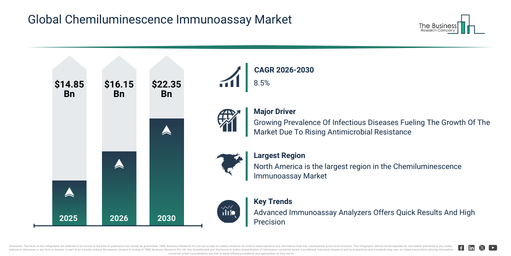
    The chemiluminescence immunoassay market size has experienced robust expansion in recent years. It is projected to expand from $14.85 billion in 2025 to $16.15 billion in 2026, achieving a compound annual growth rate (CAGR) of 8.8%. The historical increase can be ascribed to the increasing prevalence of infectious and chronic diseases, the expansion of centralized diagnostic laboratories, the escalating demand for accurate biomarker detection, the broader adoption of automated laboratory systems, and the growing application of immunoassays in clinical diagnostics.

    The chemiluminescence immunoassay market is anticipated to experience substantial expansion in the coming years, with projections indicating it will reach $22.35 billion by 2030, driven by a compound annual growth rate (CAGR) of 8.5%. This growth during the forecast period is primarily attributed to a heightened demand for prompt disease identification, the increasing embrace of personalized medicine diagnostics, the proliferation of decentralized testing models, the expanding integration of AI-assisted diagnostic interpretation, and greater investment in advanced clinical laboratory infrastructure. Furthermore, significant trends expected over this period include a wider uptake of fully automated immunoassay analyzers, an escalating requirement for high-sensitivity diagnostic kits, the broadening application of multiplex testing capabilities, the spread of rapid and point-of-care CLIA systems, and a sharpened emphasis on standardized reagent performance.

    Download A Free Sample Report For Comprehensive Market Insights:

    https://www.thebusinessresearchcompany.com/sample.aspx?id=27252&type=smp

    Which Drivers Are Advancing The Chemiluminescence Immunoassay Market Growth?

    The increasing occurrence of infectious diseases is projected to drive the expansion of the chemiluminescence immunoassay market in the future. Infectious diseases are defined as illnesses resulting from detrimental microorganisms, including bacteria, viruses, fungi, or parasites, capable of spreading between individuals directly or indirectly. The rise in antimicrobial resistance, which makes standard treatments ineffective and permits infections to linger and spread, is contributing to the growing prevalence of these diseases. Chemiluminescence immunoassays support the diagnosis of infectious diseases through highly sensitive and specific detection of biomarkers, facilitating the prompt and precise identification of pathogens. They minimize diagnostic wait times by offering quick and dependable outcomes, thus enhancing patient care and therapeutic results. For instance, in February 2024, the UK Health Security Agency, a UK-based government agency, reported that tuberculosis (a contagious bacterial infection primarily affecting the lungs) cases in England climbed to 4,850 in 2023, marking an increase of 10.7% from 4,380 cases in 2022. Consequently, the rising prevalence of infectious diseases is fueling the growth of the chemiluminescence immunoassay market.

    What Are The Major Segment Categories Within The Chemiluminescence Immunoassay Market?

    The chemiluminescence immunoassay market covered in this report is segmented –

    1) By Product Type: Analyzers, Kits, Reagents

    2) By Sample Type: Blood, Saliva, Urine, Other Samples

    3) By Technology: Chemiluminescence Enzyme Technology (CLEIA), Electrochemiluminescence Immunoassay (ECLI), Microparticle Chemiluminescence Immunoassay

    4) By Application: Therapeutic Drug Monitoring, Oncology, Cardiology, Endocrinology, Infectious Disease, Autoimmune Disease, Other Applications

    5) By End-User: Hospitals, Pharmaceutical And Biotechnology Companies, Clinical Laboratories, Other End-Users

    Subsegments:

    1) By Analyzers: Fully Automated Analyzers, Semi Automated Analyzers, Portable Analyzers

    2) By Kits: Detection Kits, Quantitative Kits, Qualitative Kits, Multiparameter Kits

    3) By Reagents: Luminol Reagents, Isoluminol Reagents, Acridinium Ester Reagents, Other Reagents

    What Trends Are Shaping The Chemiluminescence Immunoassay Market Structure?

    Major companies operating in the chemiluminescence immunoassay market are prioritizing the development of advanced products, such as sophisticated chemiluminescence immunoassay analyzers, to improve test accuracy, increase throughput, and deliver faster diagnostic results for a broad spectrum of clinical applications. Chemiluminescence immunoassay analyzers are automated instruments designed to detect and quantify light emitted during chemical reactions, enabling accurate identification of specific biomarkers in diagnostic tests. For instance, in July 2023, Fapon Biotech Inc., a biotechnology company based in China, introduced the Shine i8000/9000, a chemiluminescence immunoassay analyzer. This system is tailored for medium to large laboratories, providing rapid preliminary results within 10 minutes and ensuring high precision, all within a compact, stable, and user-friendly design. Its notable features include a 360-degree large-span display, a one-touch bulk loading system for reaction cups, a dual-tube backup substrate system, and automated reaction cup disposal to minimize contamination. The fully automated workflow lessens manual intervention, while advanced algorithms improve result consistency, making it well-suited for high-volume diagnostic settings.

    Which Key Players Are Active In The Chemiluminescence Immunoassay Market?

    Major companies operating in the chemiluminescence immunoassay market are F. Hoffmann-La Roche AG, Thermo Fisher Scientific Inc., Abbott Laboratories, Danaher Corporation, Siemens Healthineers AG, Shenzhen Mindray Bio-Medical Electronics Co. Ltd., QuidelOrtho Corporation, Sysmex Corporation, Bio-Rad Laboratories Inc., Revvity Inc., DiaSorin S.p.A., Tecan Group Ltd., Euroimmun AG, Randox Laboratories Ltd., Autobio Diagnostics Co. Ltd., Wondfo Biotech Co. Ltd., Fujirebio Diagnostics Inc., Trivitron Healthcare Pvt. Ltd., Getein Biotech Inc., Fapon Biotech Inc., Diazyme Laboratories Inc.

    Access The Complete Chemiluminescence Immunoassay Market Report:

    https://www.thebusinessresearchcompany.com/report/chemiluminescence-immunoassay-global-market-report

    Which Regional Market Leads The Chemiluminescence Immunoassay Market?

    North America was the largest region in the chemiluminescence immunoassay market in 2025. Asia-Pacific is expected to be the fastest-growing region in the forecast period. The regions covered in the chemiluminescence immunoassay market report are Asia-Pacific, South East Asia, Western Europe, Eastern Europe, North America, South America, Middle East, Africa.

    Access Chemiluminescence Immunoassay Market Report for Deeper Competitive Insights

    https://www.thebusinessresearchcompany.com/customise?id=27252&type=smp

    Browse Through More Reports Similar to the Global Chemiluminescence Immunoassay Market 2026, By The Business Research Company

    Healthcare Chatbots Global Market Report 2026

    https://www.thebusinessresearchcompany.com/report/healthcare-chatbots-global-market-report

    Chatbot Global Market Report 2026

    https://www.thebusinessresearchcompany.com/report/chatbot-global-market-report

    Artificial Intelligence Ai Chatbot Global Market Report 2026

    https://www.thebusinessresearchcompany.com/report/artificial-intelligence-ai-chatbot-global-market-report

    Get in touch with us:

    The Business Research Company: https://www.thebusinessresearchcompany.com/

    Americas: +1 310-496-7795

    Asia: +44 7882 955267 & +91 8897263534

    Europe: +44 7882 955267

    Email us at: marketing@tbrc.info

    Follow us on:

    LinkedIn: https://in.linkedin.com/company/the-business-research-company

    YouTube: https://www.youtube.com/channel/UC24_fI0rV8cR5DxlCpgmyFQ

    Global Market Model: https://www.thebusinessresearchcompany.com/global-market-model
  • Increasing Adoption Of Rise In Mental Health Demand Fuels Growth Of The Chatbots For Mental Health And Therapy Market  Is Influencing The Chatbots For Mental Health And Therapy Market

    Increasing Adoption Of Rise In Mental Health Demand Fuels Growth Of The Chatbots For Mental Health And Therapy Market Is Influencing The Chatbots For Mental Health And Therapy Market

    The Business Research Company’s 2026 market reports feature enhanced tools like market attractiveness analysis, TAM assessment, and company scoring matrices, along with interactive dashboards, deeper supply chain insights, and startup coverage strengthening the depth, usability, and strategic value of insights.

    What Is The Estimated Growth In Market Size Of The Chatbots For Mental Health And Therapy Market During 2026–2030?

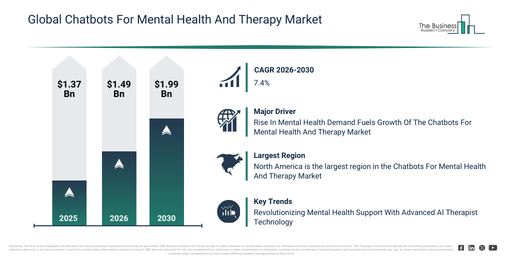
    The market size for chatbots utilized in mental health and therapy has seen considerable growth in recent years. It is anticipated to increase from $1.37 billion in 2025 to $1.49 billion in 2026, achieving a compound annual growth rate (CAGR) of 8.8%. The expansion observed in the past can be linked to elevated global awareness of mental health issues, the broadening of digital health platforms, a rise in smartphone usage, greater acceptance of virtual therapeutic methods, and the early incorporation of conversational AI tools.

    The market for chatbots dedicated to mental health and therapy is projected to experience substantial expansion in the coming years, reaching $1.99 billion by 2030, driven by a compound annual growth rate (CAGR) of 7.4%. This anticipated growth during the forecast period is primarily fueled by a rising demand for scalable mental health solutions, the proliferation of personalized digital therapy models, increased investments in AI healthcare startups, a heightened emphasis on preventive mental wellness, and enhanced regulatory frameworks for digital therapeutics. Key trends expected within this period encompass the expanded deployment of AI-driven mental health chatbots, an uptick in the adoption of NLP-based therapeutic platforms, greater integration with telehealth services, the broadening of emotion recognition functionalities, and a strengthened commitment to data privacy and security.

    Download A Free Sample Report For Comprehensive Market Insights:

    https://www.thebusinessresearchcompany.com/sample.aspx?id=14666&type=smp

    What Primary Factors Are Fueling The Expansion Of The Chatbots For Mental Health And Therapy Market?

    The increasing need for mental health services is projected to fuel the expansion of chatbots within the mental health and therapy markets moving forward. This demand signifies a growing requirement for mental health provisions, resources, and support structures to combat the rising incidence of mental health conditions and associated difficulties across populations. The escalating demand for mental health support stems from greater public awareness of mental health concerns, improved access and availability of services, the impact of trauma and adverse experiences, and heightened workplace stress. Chatbots offer psychoeducational materials, self-help utilities, and proven therapeutic approaches, helping users acquire knowledge and competencies for effective mental health management. Furthermore, they ensure continuous availability, enabling individuals to access assistance at any moment, irrespective of their geographical location or time zone. An illustrative example is from November 2023, where the National Health Service, a UK-based government department, reported that in 2023, approximately one in five individuals aged 8 to 25 years were estimated to have a probable mental disorder, affecting 20.3% of 8 to 16-year-olds, 23.3% of 17 to 19-year-olds, and 21.7% of 20 to 25-year-olds. Consequently, the escalating requirement for mental health support is a key factor propelling the expansion of chatbots in the mental health and therapy market.

    How Is The Chatbots For Mental Health And Therapy Market Distributed Across Key Segments?

    The chatbots for mental health and therapy market covered in this report is segmented –

    1) By Type: Conversational AI Or Virtual Assistant Chatbots, Symptom Monitoring Chatbots, Therapy Support Chatbots, Self-help Or Wellness Chatbots

    2) By Technology: Artificial Intelligence (AI)-Based Chatbots, Rule-Based Chatbots, Hybrid Chatbots

    3) By Deployment Mode: Cloud-Based Chatbots, On-Premise Chatbots

    4) By Application: Stress And Anxiety Management, Depression And Mood Disorders Support, Sleep And Wellness Assistance, Post-Traumatic Stress Disorder (PTSD) Support, Employee Assistance Programs (EAPs), Therapist Assistance And Patient Monitoring

    5) By End-User: Individual Users, Healthcare Providers, Enterprises And Organizations, Educational Institutions

    Subsegments:

    1) By Conversational AI Or Virtual Assistant Chatbots: Guided CBT Support Chatbots, General Mental Health Check-in Chatbots

    2) By Symptom Monitoring Chatbots: Mood Tracking Chatbots, Anxiety And Stress Monitoring Chatbots

    3) By Therapy Support Chatbots: Pre-Session Questionnaire Chatbots, Post-Session Follow-Up Chatbots

    4) By Self-help Or Wellness Chatbots: Meditation Chatbots, Daily Wellness Exercise Chatbots

    Which Trends Are Supporting The Evolution Of The Chatbots For Mental Health And Therapy Market?

    Leading companies in the chatbots for mental health and therapy market are focusing on creating advanced solutions by integrating technological innovations, such as sophisticated natural language processing algorithms, to gain a competitive edge. These NLP algorithms empower mental health chatbots to comprehend, empathize, and communicate effectively with users, fostering more natural, personalized, and supportive interactions that aid in mental health care and therapy. For instance, in July 2023, TalkThru, a US-based professional therapy digitally accessible platform, launched an AI therapist, which is an advanced mental health chatbot. It employs innovative natural language processing algorithms, allowing it to engage in sensitive and meaningful interactions with users. Utilizing this AI therapist enables individuals to access private and confidential treatment sessions whenever and wherever they prefer. This solution provides 24/7 accessibility, personalized support, and helps reduce stigma. Its user-friendly design ensures people can easily understand the platform and participate in therapeutic sessions, making mental health support more accessible and effective.

    Who Are The Leading Firms Participating In The Chatbots For Mental Health And Therapy Market?

    Major companies operating in the chatbots for mental health and therapy market are Talkspace Online Therapy Inc, International Business Machines Corporation, Cisco Systems Inc, Oracle Corporation, Twilio Inc, Teladoc Health Inc, BetterHelp, Calm.com Inc, American Well Corp, Headspace Inc, Doctor On Demand Inc, MDLIVE, HelloSelf Limited, Mindstrong Inc, Lyra Health Inc, Valant, Welligent, Sensely Inc, LISSUN, Wysa Ltd, Happify Inc.

    Access The Complete Chatbots For Mental Health And Therapy Market Report:

    https://www.thebusinessresearchcompany.com/report/chatbots-for-mental-health-and-therapy-global-market-report

    Which Region Holds The Largest Share In The Chatbots For Mental Health And Therapy Market?

    North America was the largest region in the chatbots for mental health and therapy market in 2025. Asia-Pacific is expected to be the fastest-growing region in the forecast period. The regions covered in the chatbots for mental health and therapy market report are Asia-Pacific, South East Asia, Western Europe, Eastern Europe, North America, South America, Middle East, Africa.

    Access Chatbots For Mental Health And Therapy Market Report for Deeper Competitive Insights

    https://www.thebusinessresearchcompany.com/customise?id=14666&type=smp

    Browse Through More Reports Similar to the Global Chatbots For Mental Health And Therapy Market 2026, By The Business Research Company

    Ankylosing Spondylitis Global Market Report 2026

    https://www.thebusinessresearchcompany.com/report/ankylosing-spondylitis-global-market-report

    Axial Spondyloarthritis Axspa Global Market Report 2026

    https://www.thebusinessresearchcompany.com/report/axial-spondyloarthritis-axspa-global-market-report

    Cervical Total Disc Replacement Device Global Market Report 2026

    https://www.thebusinessresearchcompany.com/report/cervical-total-disc-replacement-device-global-market-report

    Get in touch with us:

    The Business Research Company: https://www.thebusinessresearchcompany.com/

    Americas: +1 310-496-7795

    Asia: +44 7882 955267 & +91 8897263534

    Europe: +44 7882 955267

    Email us at: marketing@tbrc.info

    Follow us on:

    LinkedIn: https://in.linkedin.com/company/the-business-research-company

    YouTube: https://www.youtube.com/channel/UC24_fI0rV8cR5DxlCpgmyFQ

    Global Market Model: https://www.thebusinessresearchcompany.com/global-market-model

  • The Role Of Escalating Healthcare Expenditure In Driving Growth Of The Cervical Spondylosis Treatment Market Continues To Impact The Growth Of The Cervical Spondylosis Treatment Market

    The Role Of Escalating Healthcare Expenditure In Driving Growth Of The Cervical Spondylosis Treatment Market Continues To Impact The Growth Of The Cervical Spondylosis Treatment Market

    The Business Research Company’s 2026 market reports feature enhanced tools like market attractiveness analysis, TAM assessment, and company scoring matrices, along with interactive dashboards, deeper supply chain insights, and startup coverage strengthening the depth, usability, and strategic value of insights.

    What Market Value Expansion Is Expected For The Cervical Spondylosis Treatment Market Over The Forecast Period?

    The cervical spondylosis treatment market has shown robust expansion in recent years. It is anticipated to increase from $6.3 billion in 2025 to $6.71 billion in 2026, growing at a compound annual growth rate (CAGR) of 6.5%. The notable growth observed historically can be ascribed to factors such as the rise in the aging population, the increasing occurrence of degenerative spine disorders, enhanced accessibility to imaging diagnostics, a surge in the adoption of physical therapy interventions, and the expansion of orthopedic care facilities.

    The cervical spondylosis treatment market is anticipated to experience substantial expansion over the coming years. This market is projected to reach $8.74 billion by 2030, exhibiting a compound annual growth rate (CAGR) of 6.8%. Several factors will drive this growth during the forecast period, including heightened investments in spinal surgery innovations, an increased emphasis on non-opioid pain management, the proliferation of outpatient spine care services, a surge in the use of digital posture correction tools, and enhanced rehabilitation outcomes. Key trends anticipated for the forecast period encompass a greater reliance on non-surgical pain management therapies, the increasing embrace of advanced physical therapy methods, a growing preference for minimally invasive surgical interventions, the broadening of personalized spine care initiatives, and a stronger emphasis on early diagnosis and preventive measures.

    Download A Free Sample Report For Comprehensive Market Insights:

    https://www.thebusinessresearchcompany.com/sample.aspx?id=12220&type=smp

    Which Strategic Drivers Are Supporting The Cervical Spondylosis Treatment Market Development?

    An anticipated increase in healthcare spending is projected to stimulate expansion within the cervical spondylosis treatment market in the future. This spending encompasses all financial outlays related to delivering health services, family planning, nutritional support, and emergency assistance, all centered on health. Greater healthcare investment leads to improved patient knowledge, earlier identification, and thorough management of cervical spondylosis. As an illustration, the Centers for Medicare & Medicaid Services, a US-based organization overseeing Medicare and Medicaid programs, reported in December 2024 that U.S. health care expenditures rose by 7.5% in 2023, reaching $4.9 trillion, equivalent to approximately $14,570 per person. Consequently, the escalating healthcare expenditure serves as a key impetus for the cervical spondylosis treatment market.

    How Does Segment Analysis Break Down The Cervical Spondylosis Treatment Market Structure?

    The cervical spondylosis treatment market covered in this report is segmented –

    1) By Type Of Treatment: Medications, Physical Therapy, Surgery

    2) By Application: Youth, Elderly

    3) By End User: Hospitals, Ambulatory Surgical Centers, Homecare Settings

    Subsegments:

    1) By Medications: Analgesics, Non-Steroidal Anti-Inflammatory Drugs (Nsaids), Muscle Relaxants, Corticosteroids, Neuropathic Pain Medications

    2) By Physical Therapy: Manual Therapy, Exercise Therapy, Traction, Electrotherapy, Posture Training

    3) By Surgery: Discectomy, Cervical Fusion, Laminectomy, Foraminotomy, Artificial Disc Replacement

    What Trends Are Affecting The Growth Of The Cervical Spondylosis Treatment Market?

    Leading firms in the cervical spondylosis market are concentrating on creating sophisticated products, like spinal support systems, to meet changing patient demands and technological progress. Such a system is engineered to offer support, stabilize, and immobilize the cervical spine. An example is the introduction of the VRTX System by Aspen Medical Products, a US-based pain and mobility management solution provider, in October 2023. This cutting-edge spine support solution is built to encompass the whole spine, from the cervical region down to the sacrum. The VRTX System seeks to transform acute spinal care. Its intuitive prefabricated design and easily customizable sizing help healthcare practitioners quickly fit patients and stabilize their spines. This immediately usable product is expected to shorten hospital admissions and lessen complication risks, simultaneously optimizing hospital operations through enhanced time and inventory control. Made up of prefabricated parts including CTO, TLSO, LSO, and CTLSO, every component of the VRTX System guarantees maximum motion restriction and can be tailored for individual patient requirements. This modular methodology promotes the standardization of offerings and services within hospitals, thereby boosting staff effectiveness and improving comprehensive patient care.

    Which Companies Are Engaged In The Cervical Spondylosis Treatment Market Environment?

    Major companies operating in the cervical spondylosis treatment market are Johnson & Johnson, Medtronic PLC, Stryker Corporation, B. Braun SE, Zimmer Biomet Holdings Inc., Integra LifeSciences, NuVasive Inc., Globus Medical Inc., Orthofix Medical Inc., Aesculap Implant Systems LLC, Titan Spine Inc., Exactech Inc., SeaSpine Inc., RTI Surgical, Xtant Medical Holdings Inc., Zavation Medical Products LLC, Wenzel Spine Inc., Life Spine Inc., Spineology Inc., VGI Medical LLC, Dynamic Spine Inc., Synthes Holding AG, ZygoFix Ltd.

    Access The Complete Cervical Spondylosis Treatment Market Report:

    https://www.thebusinessresearchcompany.com/report/cervical-spondylosis-treatment-global-market-report

    Which Region Is The Dominant Market In The Cervical Spondylosis Treatment Market?

    North America was the dominant region in the cervical spondylosis treatment market in 2025. The regions covered in the cervical spondylosis treatment market report are Asia-Pacific, South East Asia, Western Europe, Eastern Europe, North America, South America, Middle East, Africa.

    Access Cervical Spondylosis Treatment Market Report for Deeper Competitive Insights

    https://www.thebusinessresearchcompany.com/customise?id=12220&type=smp

    Browse Through More Reports Similar to the Global Cervical Spondylosis Treatment Market 2026, By The Business Research Company

    Concrete Materials Global Market Report 2026

    https://www.thebusinessresearchcompany.com/report/concrete-materials-global-market-report

    Polished Concrete Global Market Report 2026

    https://www.thebusinessresearchcompany.com/report/polished-concrete-global-market-report

    Ready Mix Concrete Global Market Report 2026

    https://www.thebusinessresearchcompany.com/report/ready-mix-concrete-global-market-report

    Get in touch with us:

    The Business Research Company: https://www.thebusinessresearchcompany.com/

    Americas: +1 310-496-7795

    Asia: +44 7882 955267 & +91 8897263534

    Europe: +44 7882 955267

    Email us at: marketing@tbrc.info

    Follow us on:

    LinkedIn: https://in.linkedin.com/company/the-business-research-company

    YouTube: https://www.youtube.com/channel/UC24_fI0rV8cR5DxlCpgmyFQ

    Global Market Model: https://www.thebusinessresearchcompany.com/global-market-model