Month: May 2026

  • Protein Degradation Therapy Market Expected To Grow Steadily And Approach $4.1 Billion By 2030

    Protein Degradation Therapy Market Expected To Grow Steadily And Approach $4.1 Billion By 2030

    The Business Research Company’s 2026 market reports feature enhanced tools like market attractiveness analysis, TAM assessment, and company scoring matrices, along with interactive dashboards, deeper supply chain insights, and startup coverage strengthening the depth, usability, and strategic value of insights.

    What Expansion In Market Value Is Forecasted For The Protein Degradation Therapy Market Between 2026 And 2030?

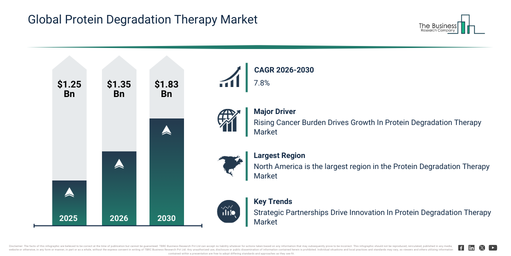
    The protein degradation therapy market size has demonstrated significant expansion in recent years. This market is set to expand from $1.25 billion in 2025 to $1.35 billion in 2026, progressing at a compound annual growth rate (CAGR) of 8.1%. Factors contributing to this historical growth include advancements in molecular biology research, the widening scope of targeted cancer therapies, a deeper understanding of protein dysfunction in illnesses, initial successes in clinical trials, and an increase in venture capital funding for biotechnology.

    The protein degradation therapy market is projected to experience substantial expansion over the upcoming years. This market is anticipated to reach $1.83 billion by 2030, exhibiting a compound annual growth rate (CAGR) of 7.8%. Factors contributing to this growth during the projected timeframe include a rising demand for new cancer treatments, increasing financial commitments to precision oncology, the broadening of protein degradation platforms, heightened clinical trial engagement, and enhanced regulatory backing for pioneering therapeutics. Key trends expected over the forecast period encompass the accelerated development of targeted protein degraders, a greater emphasis on oncology applications, increased capital flowing into protac-based therapies, an expanding pipeline of clinical candidates, and strengthened partnerships between pharmaceutical and biotechnology companies.

    Access Your Free Sample Report For In-Depth Market Analysis:

    https://www.thebusinessresearchcompany.com/sample.aspx?id=20603&type=smp

    What Key Drivers Are Fueling The Growth Of The Protein Degradation Therapy Market?

    The protein degradation therapy market is anticipated to grow due to the increasing global burden of cancer. Cancer refers to a collection of diseases characterized by the uncontrolled growth and spread of abnormal cells within the body. The rise in cancer rates is largely attributed to a combination of factors, notably the aging population, which is a significant contributor. Additionally, lifestyle elements such as smoking, unhealthy diets, insufficient physical activity, and escalating obesity rates have heightened the risk of various cancers. Protein degradation therapy is essential for cancer treatment because it specifically targets and eliminates proteins that promote cancer growth and survival, potentially overcoming resistance to existing treatments. For instance, in February 2024, a report published by the World Health Organization, a Switzerland-based intergovernmental organization, projected that over 35 million new cancer cases are expected by 2050, representing a 77% increase from the estimated 20 million cases in 2022. Moreover, high human development index (HDI) countries are forecast to experience the largest absolute increase, with an additional 4.8 million new cases predicted in 2050 compared with 2022 estimates. Therefore, the growing incidence of cancer is a key driver for the protein degradation therapy market’s expansion.

    Which Segments Define The Protein Degradation Therapy Market Segment Structure?

    The protein degradation therapy market covered in this report is segmented –

    1) By Type: Bavdegalutamide (ARV – 110), Vepdegestrant (ARV – 471)

    2) By Application: Oncology, Neurodegenerative Diseases, Infectious Diseases, Other Applications

    3) By End-User: Pharmaceutical Companies, Biotechnology Companies, Academic And Research Institutes

    Subsegments:

    1) By Bavdegalutamide (ARV-110): Androgen Receptor Degraders, Prostate Cancer Therapy

    2) By Vepdegestrant (ARV-471): Estrogen Receptor Degraders, Breast Cancer Therapy

    What Trends Are Affecting The Direction Of The Protein Degradation Therapy Market?

    Leading companies within the protein degradation therapy market are adopting a strategic partnership approach to cultivate advanced therapies, leverage diverse expertise, pool resources, and accelerate the identification and progression of new drug candidates aimed at disease-causing proteins. These collaborations involve firms utilizing each other’s strengths and assets to achieve reciprocal benefits and collective success. For example, in February 2024, Arvinas, a U.S.-based biotechnology company, unveiled its initial oral PROTAC degrader, ARV-102, engineered to traverse the blood-brain barrier and specifically target LRRK2 for applications in neurodegenerative diseases. The ARV-102 molecule possesses oral bioavailability, a brain-penetrant characteristic, and strong specificity for LRRK2. This innovation enhances company pipelines by addressing targets previously considered undruggable, yet challenges persist regarding long-term safety, manufacturing complexities, and pharmacokinetic optimization given its larger molecular structure.

    Who Are The Established Players Within The Protein Degradation Therapy Market?

    Major companies operating in the protein degradation therapy market are Relay Therapeutics, Arvinas Holding Company LLC, Kymera Therapeutics, Nurix Therapeutics, Vividion Therapeutics, Mission Therapeutics Ltd., C4 Therapeutics Inc., Cullgen Inc., Frontier Medicines, Foghorn Therapeutics, Aileron Therapeutics, Ribometrix Inc., Nimbus Therapeutics, Jnana Therapeutics, KSQ Therapeutics, Stoke Therapeutics, Flare Therapeutics, Accent Therapeutics, Monte Rosa Therapeutics, Lycia Therapeutics, Dialectic Therapeutics, Amphista Therapeutics, Biotheryx Inc., Cedilla Therapeutics, Dewpoint Therapeutics Inc

    Get The Full Protein Degradation Therapy Market Report:

    https://www.thebusinessresearchcompany.com/report/protein-degradation-therapy-global-market-report

    Which Region Holds The Highest Market Share In The Protein Degradation Therapy Market?

    North America was the largest region in the protein degradation therapy market in 2025. Asia-Pacific is expected to be the fastest-growing region in the forecast period. The regions covered in the protein degradation therapy market report are Asia-Pacific, South East Asia, Western Europe, Eastern Europe, North America, South America, Middle East, Africa.

    Request A Customized Protein Degradation Therapy Market Report For Competitive Insights:

    https://www.thebusinessresearchcompany.com/report/protein-degradation-therapy-global-market-report

    Browse Through More Reports Similar to the Global Protein Degradation Therapy Market 2026, By The Business Research Company

    Home Infusion Therapy Market Report 2026

    https://www.thebusinessresearchcompany.com/report/home-infusion-therapy-global-market-report

    Car T Therapy Market Report 2026

    https://www.thebusinessresearchcompany.com/report/car-t-therapy-global-market-report

    Aromatherapy Market Report 2026

    https://www.thebusinessresearchcompany.com/report/aromatherapy-global-market-report

    Get in touch with us:

    The Business Research Company: https://www.thebusinessresearchcompany.com/

    Americas +1 310-496-7795

    Asia +44 7882 955267 & +91 8897263534

    Europe +44 7882 955267

    Email us at: marketing@tbrc.info

    Follow us on:

    LinkedIn: https://in.linkedin.com/company/the-business-research-company

    YouTube: https://www.youtube.com/channel/UC24_fI0rV8cR5DxlCpgmyFQ

    Global Market Model: https://www.thebusinessresearchcompany.com/global-market-model
  • Proteasome Inhibitors Market Expansion Forecast Reaching $3.27 Billion By 2030 At 7.7% CAGR

    Proteasome Inhibitors Market Expansion Forecast Reaching $3.27 Billion By 2030 At 7.7% CAGR

    The Business Research Company’s 2026 market reports feature enhanced tools like market attractiveness analysis, TAM assessment, and company scoring matrices, along with interactive dashboards, deeper supply chain insights, and startup coverage strengthening the depth, usability, and strategic value of insights.

    How Large Will The Proteasome Inhibitors Market Be By 2030 Compared To Its 2026 Market Size?

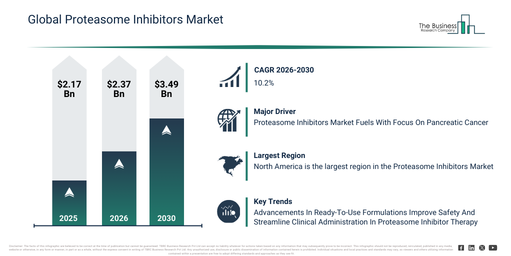
    The proteasome inhibitors market has experienced robust expansion recently. This market is projected to expand from $2.17 billion in 2025 to $2.37 billion in 2026, achieving a compound annual growth rate (CAGR) of 9.2%. Historically, this growth can be attributed to the approval of the initial proteasome inhibitors, the increasing prevalence of multiple myeloma, rising investment in oncology research, advancements in cancer diagnostics, and the expansion of hospital oncology departments.

    The proteasome inhibitors market is projected to experience substantial expansion over the upcoming years, with its size forecast to reach $3.49 billion by 2030, driven by a compound annual growth rate (CAGR) of 10.2%. This growth in the forecast period is primarily attributed to the broadening of the proteasome inhibitor pipeline, the integration of AI in drug discovery, a rising demand for combination therapies, the development of oral formulations, and the expansion of emerging oncology markets. Significant trends anticipated during this period include personalized cancer therapies, targeted proteasome inhibition, the ongoing development of combination therapies, improved drug delivery systems, and an expansion of clinical trials.

    Access Your Free Sample Report For In-Depth Market Analysis:

    https://www.thebusinessresearchcompany.com/sample.aspx?id=12251&type=smp

    Which Drivers Are Supporting The Proteasome Inhibitors Market Growth?

    The growing occurrence of pancreatic cancer is projected to boost the expansion of the proteasome inhibitors market moving forward. This malignancy originates in the pancreas, an organ situated in the abdomen behind the stomach. Proteasome inhibitors are chiefly employed in treating pancreatic cancer, as proteasomes significantly contribute to cancer cell survival and proliferation by breaking down proteins that govern cell cycle and apoptosis. These inhibitors impede the survival of cancer cells and restrict tumor development and spread. For example, reports from the American Cancer Society, a US-based health body, indicated in January 2024 that approximately 64,050 adults in the US had been diagnosed with pancreatic cancer by 2023, with 50,550 deaths from the disease. Subsequently, these figures climbed to 66,440 diagnoses and 51,750 deaths. Consequently, the rising incidence of pancreatic cancer is a key factor propelling the expansion of the proteasome inhibitors market.

    How Is The Proteasome Inhibitors Market Segmented Across Different Segment Categories?

    The proteasome inhibitors market covered in this report is segmented –

    1) By Product: Velcade, Kyprolis, Ninlaro, Other Products

    2) By Drugs: Bortezomib, Carfilzomib, Ixazomib

    3) By Indication: Lymphoma, Mantle Cell Lymphoma, Multiple Myeloma

    4) By Distribution Channel: Hospital Pharmacy, Online Pharmacy, Retail Pharmacy

    5) By End-User: Hospital, Specialty Clinics, Other End-Users

    Subsegments:

    1) By Velcade: Injectable Velcade (Bortezomib), Oral Formulations

    2) By Kyprolis: Injectable Kyprolis (Carfilzomib), Combination Therapies With Kyprolis

    3) By Ninlaro: Oral Ninlaro (Ixazomib), Combination Therapies With Ninlaro

    4) By Other Products: Investigational Proteasome Inhibitors, Combination Products

    What Trends Are Influencing The Evolution Of The Proteasome Inhibitors Market?

    Companies operating within the proteasome inhibitors market are concentrating on introducing advanced, pre-prepared formulations to enhance treatment efficacy, simplify clinical administration, and improve patient safety. Ready-to-use injectable products eliminate the necessity for on-site reconstitution, thereby reducing preparation time, minimizing dosing errors, and supporting more streamlined oncology care. For instance, in April 2025, Amneal Pharmaceuticals Inc., a US-based specialty pharmaceutical company, launched BORUZU, the first ready-to-use bortezomib injection indicated for multiple myeloma and mantle cell lymphoma. This formulation is designed to improve clinical workflow by enabling direct administration without reconstitution, assisting healthcare providers in delivering faster and more reliable proteasome inhibitor therapy in outpatient and hospital settings.

    Which Organizations Play A Role In The Proteasome Inhibitors Market Landscape?

    Major companies operating in the proteasome inhibitors market are Pfizer Inc., Johnson And Johnson, Onyx Pharmaceuticals Inc., Progenra Inc., Nurix Inc., Cephalon Inc., Cleave Therapeutics, Apotex Inc., Amgen Inc., Takeda Pharmaceutical Company Limited, Millennium Pharmaceuticals, Bristol-Myers Squibb Company, Janssen Pharmaceuticals, AbbVie, Karyopharm Therapeutics, OncoArendi Therapeutics, Novartis AG, GlaxoSmithKline plc, Sanofi S.A., Eli Lilly and Company

    Get The Full Proteasome Inhibitors Market Report:

    https://www.thebusinessresearchcompany.com/report/proteasome-inhibitors-global-market-report

    Where Is The Proteasome Inhibitors Market Most Concentrated Geographically?

    North America was the largest region in the proteasome inhibitors market in 2025. The regions covered in the proteasome inhibitors market report are Asia-Pacific, South East Asia, Western Europe, Eastern Europe, North America, South America, Middle East, Africa.

    Request A Customized Proteasome Inhibitors Market Report For Competitive Insights:

    https://www.thebusinessresearchcompany.com/report/proteasome-inhibitors-global-market-report

    Browse Through More Reports Similar to the Global Proteasome Inhibitors Market 2026, By The Business Research Company

    Proteasome Inhibitors Market Report 2026

    https://www.thebusinessresearchcompany.com/report/proteasome-inhibitors-global-market-report

    Proteases Market Report 2026

    https://www.thebusinessresearchcompany.com/report/proteases-global-market-report

    Serine Proteases Market Report 2026

    https://www.thebusinessresearchcompany.com/report/serine-proteases-global-market-report

    Get in touch with us:

    The Business Research Company: https://www.thebusinessresearchcompany.com/

    Americas +1 310-496-7795

    Asia +44 7882 955267 & +91 8897263534

    Europe +44 7882 955267

    Email us at: marketing@tbrc.info

    Follow us on:

    LinkedIn: https://in.linkedin.com/company/the-business-research-company

    YouTube: https://www.youtube.com/channel/UC24_fI0rV8cR5DxlCpgmyFQ

    Global Market Model: https://www.thebusinessresearchcompany.com/global-market-model
  • Prostate Cancer Therapeutics Market Revenue Projected To Hit $14.79 Billion By 2030 With 7.3% CAGR

    Prostate Cancer Therapeutics Market Revenue Projected To Hit $14.79 Billion By 2030 With 7.3% CAGR

    The Business Research Company’s 2026 market reports feature enhanced tools like market attractiveness analysis, TAM assessment, and company scoring matrices, along with interactive dashboards, deeper supply chain insights, and startup coverage strengthening the depth, usability, and strategic value of insights.

    What Is The Projected Increase In Market Value Of The Prostate Cancer Therapeutics Market During 2026–2030?

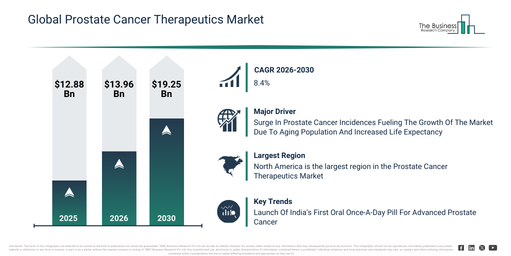
    The prostate cancer therapeutics market size has observed substantial growth in recent years. It is projected to expand from $12.88 billion in 2025 to $13.96 billion in 2026, at a compound annual growth rate (CAGR) of 8.4%. The increase during the historical period is attributable to a rising incidence of prostate cancer, an aging male demographic, advancements in oncology drugs, the provision of hospital-based cancer care, and increased cancer screening efforts.

    The prostate cancer therapeutics market is anticipated to show significant expansion in the coming years. Its size is projected to reach $19.25 billion by 2030, exhibiting a compound annual growth rate (CAGR) of 8.4%. This growth during the forecast period is propelled by factors such as the adoption of precision oncology, the emergence of biomarker-driven therapies, the rise in oral oncology drugs, an expanding pipeline of immunotherapies, and increased healthcare expenditure. Notable trends expected in this period involve the increasing uptake of targeted therapies, a rise in the use of PARP inhibitors, the broader application of immunotherapy in oncology, a transition towards oral cancer medications, and treatment selection guided by precision medicine.

    Access Your Free Sample Report For In-Depth Market Analysis:

    https://www.thebusinessresearchcompany.com/sample.aspx?id=24389&type=smp

    What Key Factors Are Affecting The Prostate Cancer Therapeutics Market Demand?

    The increasing occurrence of prostate cancer is projected to drive the growth of the prostate cancer therapeutics market in the coming years. Prostate cancer is a condition where malignant cells develop within the tissues of the prostate gland, typically impacting older men. The incidence of prostate cancer is rising due to an aging population, as the risk of developing this disease substantially increases with age, and longer life expectancy means more men live long enough to be affected. Prostate cancer therapeutics aid in managing the disease by targeting cancer cells, decelerating its progression, and improving the quality of life through treatments such as surgery, radiation, hormone therapy, and contemporary alternatives like immunotherapy. For instance, in January 2025, according to Prostate Cancer UK, a UK-based nonprofit cancer research and advocacy organization, the number of men diagnosed with prostate cancer rose from 50,751 cases in 2022 to 55,033 cases in 2023. Therefore, the escalating incidence of prostate cancer is stimulating the expansion of the prostate cancer therapeutics market.

    What Are The Main Segments Within The Prostate Cancer Therapeutics Market Segment Structure?

    The prostate cancer therapeutics market covered in this report is segmented –

    1) By Therapy: Hormonal Therapy, Chemotherapy, Immunotherapy, Targeted Therapy, Other Therapies

    2) By Drug Class: Androgen Receptor Inhibitors, GnRH Receptor Antagonists, PARP Inhibitors, Immune Checkpoint Inhibitors, Other Drug Classes

    3) By Route Of Administration: Oral, Injectable

    4) By Distribution Channel: Hospital Pharmacies, Retail Pharmacies

    5) By End User: Clinics, Hospitals, Other End Users

    Subsegments:

    1) By Hormonal Therapy: Luteinizing Hormone-Releasing Hormone (LHRH) Agonists, LHRH Antagonists, Anti-Androgens, Androgen Synthesis Inhibitors

    2) By Chemotherapy: Docetaxel, Cabazitaxel, Mitoxantrone, Combination Chemotherapy Regimens

    3) By Immunotherapy: Sipuleucel-T, Immune Checkpoint Inhibitors, Cancer Vaccines

    4) By Targeted Therapy: PARP Inhibitors, Radioligand Therapy

    5) By Other Therapies: Radiotherapy, Bone-Targeted Therapies, Cryotherapy, High-Intensity Focused Ultrasound

    Which Trends Are Impacting The Progress Of The Prostate Cancer Therapeutics Market?

    Leading companies within the prostate cancer therapeutics market are concentrating on developing advanced innovative treatments, such as an oral daily pill for advanced prostate cancer, to improve patient adherence and overall treatment results. This oral once-a-day pill for advanced prostate cancer refers to therapies designed for daily intake to manage metastatic castration-resistant prostate cancer by inhibiting testosterone’s impact on cancer cells. For example, in January 2024, Zydus Lifesciences, an India-based company, launched Rexigo, India’s first oral once-a-day pill containing relugolix for patients with advanced prostate cancer. This convenient and affordable substitute for injectable hormone therapies swiftly lowers testosterone, assisting in the control of cancer growth while also providing an enhanced cardiovascular safety profile. Being an oral therapy, it eliminates the requirement for injectable treatments that necessitate administration by healthcare providers, thus offering greater convenience for patients. This introduction marks a substantial progression in prostate cancer management in India, presenting patients and doctors with a novel, convenient, safe, and cost-effective therapeutic option.

    Who Are The Companies Participating In The Prostate Cancer Therapeutics Market?

    Major companies operating in the prostate cancer therapeutics market are Johnson & Johnson, Merck & Co. Inc., AbbVie Inc., Novartis AG, AstraZeneca plc, Sanofi S.A., Astellas Pharma Inc., Jiangsu Hengrui Medicine Co. Ltd., Telix Pharmaceuticals, Bayer AG, Curium Pharma SAS, Dendreon Pharmaceuticals, Myovant Sciences GmbH, Clovis Oncology Inc., Ipsen S.A., Veru Inc., Bristol-Myers Squibb Company, F. Hoffmann-La Roche Ltd, Dendreon Pharmaceuticals LLC, Pfizer Inc., Ferring B.V.

    Get The Full Prostate Cancer Therapeutics Market Report:

    https://www.thebusinessresearchcompany.com/report/prostate-cancer-therapeutics-global-market-report

    Which Region Dominates The Prostate Cancer Therapeutics Market By Market Share?

    North America was the largest region in the prostate cancer therapeutics market in 2025. Asia-Pacific is expected to be the fastest-growing region in the forecast period. The regions covered in the prostate cancer therapeutics market report are Asia-Pacific, South East Asia, Western Europe, Eastern Europe, North America, South America, Middle East, Africa.

    Request A Customized Prostate Cancer Therapeutics Market Report For Competitive Insights:

    https://www.thebusinessresearchcompany.com/report/prostate-cancer-therapeutics-global-market-report

    Browse Through More Reports Similar to the Global Prostate Cancer Therapeutics Market 2026, By The Business Research Company

    Prostate Cancer Drugs Market Report 2026

    https://www.thebusinessresearchcompany.com/report/prostate-cancer-drugs-global-market-report

    Metastatic Cancer Drugs Market Report 2026

    https://www.thebusinessresearchcompany.com/report/metastatic-cancer-drugs-global-market-report

    Urothelial Cancer Drugs Market Report 2026

    https://www.thebusinessresearchcompany.com/report/urothelial-cancer-drugs-global-market-report

    Get in touch with us:

    The Business Research Company: https://www.thebusinessresearchcompany.com/

    Americas +1 310-496-7795

    Asia +44 7882 955267 & +91 8897263534

    Europe +44 7882 955267

    Email us at: marketing@tbrc.info

    Follow us on:

    LinkedIn: https://in.linkedin.com/company/the-business-research-company

    YouTube: https://www.youtube.com/channel/UC24_fI0rV8cR5DxlCpgmyFQ

    Global Market Model: https://www.thebusinessresearchcompany.com/global-market-model
  • Global Prostate Cancer Drugs Market Set To Expand To $2.61 Billion By 2030 At 11% CAGR

    Global Prostate Cancer Drugs Market Set To Expand To $2.61 Billion By 2030 At 11% CAGR

    The Business Research Company’s 2026 market reports feature enhanced tools like market attractiveness analysis, TAM assessment, and company scoring matrices, along with interactive dashboards, deeper supply chain insights, and startup coverage strengthening the depth, usability, and strategic value of insights.

    How Is The Market Size Of The Prostate Cancer Drugs Market Expected To Change From 2026 To 2030?

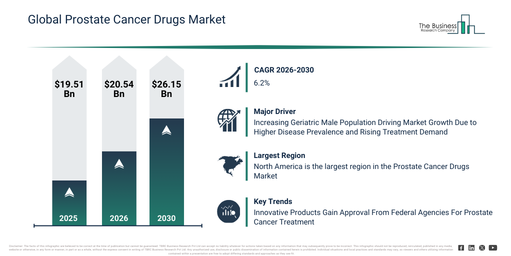
    The prostate cancer drugs market has experienced substantial growth in recent times. Projections indicate it will expand from $19.51 billion in 2025 to $20.54 billion by 2026, demonstrating a compound annual growth rate (CAGR) of 5.3%. Historically, this expansion is attributable to factors such as an aging male population, increased prostate cancer screening, widespread hormone therapy adoption, the expansion of oncology clinics, and rising cancer awareness.

    The prostate cancer drugs market size is projected to experience robust expansion over the coming years. Its value is anticipated to reach $26.15 billion by 2030, exhibiting a compound annual growth rate (CAGR) of 6.2%. This anticipated growth during the forecast period stems from factors such as an increase in targeted and immunotherapy medications, a rising prevalence of advanced prostate cancer cases, enhanced personalization of treatments, wider availability of healthcare, and increased expenditure on oncology. Key developments expected in this period include the increased application of hormonal therapy in initial treatments, greater uptake of targeted prostate cancer drugs, an intensified focus on castration-resistant prostate cancer, the broader implementation of combination therapy strategies, and an expansion of hospital-centric prostate cancer services.

    Access Your Free Sample Report For In-Depth Market Analysis:

    https://www.thebusinessresearchcompany.com/sample.aspx?id=2592&type=smp

    Which Primary Drivers Are Impacting The Prostate Cancer Drugs Market Growth?

    The increasing men geriatric population is expected to propel the growth of the prostate cancer drugs market going forward. This demographic refers to males aged 65 and older, who typically experience a higher prevalence of age-related health conditions and require specialized medical attention. The rise in this aging male population is attributed to improved healthcare access, declining mortality rates, and longer lifespans globally. This growing geriatric male population supports the prostate cancer drugs market by expanding the pool of patients needing hormonal therapies, immunotherapies, chemotherapy, and targeted medicines for disease management and enhanced survival. For instance, in February 2025, according to the World Health Organization, a Switzerland-based international public health organization, global life expectancy at birth reached 73.3 years in 2024, and the number of people aged 60 and older worldwide is projected to increase from 1.1 billion in 2023 to 1.4 billion by 2030. Therefore, the increasing men geriatric population is driving the growth of the prostate cancer market.

    How Is Segmentation Applied In The Prostate Cancer Drugs Market Segment Analysis?

    The prostate cancer drugs market covered in this report is segmented –

    1) By Type: Hormone Sensitive Prostate Cancer, Hormone Refractory Prostate Cancer

    2) By Therapy: Hormonal Therapy, Chemotherapy, Immunotherapy, Targeted Therapy

    3) By End User: Hospitals, Clinics, Other End-Users

    Subsegments:

    1) By Hormone Sensitive Prostate Cancer: Early-Stage Prostate Cancer, Locally Advanced Prostate Cancer, Metastatic Prostate Cancer

    2) By Hormone Refractory Prostate Cancer: Castration-Resistant Prostate Cancer (CRPC), Metastatic Castration-Resistant Prostate Cancer (mCRPC)

    What Trends Are Transforming The Prostate Cancer Drugs Market?

    Leading firms in the prostate cancer drugs market coordinate their initiatives to launch novel products and secure regulatory approval, aiming to boost their market earnings. The journey of drug creation and its subsequent approval is protracted and intricate, making it crucial for pharmaceutical developers to grasp the regulatory frameworks and commercialization strategies required to guarantee adequate safety and efficacy. A case in point is June 2023, when UK-based AstraZeneca PLC and US-based Merck & Co. Inc. jointly declared that the United States Food and Drug Administration’s (USFDA), a US federal agency under the Department of Health and Human Services, had approved LYNPARZA (olaparib) Plus Abiraterone and Prednisone or Prednisolone for the treatment of adult patients with BRCA-Mutated Metastatic Castration-Resistant Prostate Cancer (mCRPC). LYNPARZAplus abi/pred exhibited notable clinical advancements in both radiographic progression-free survival (rPFS) and overall survival (OS) when contrasted with abi/pred used alone in patients with BRCAm mCRPC. This finding stemmed from an exploratory subgroup analysis of the Phase 3 PROpel trial, which was instrumental in securing this approval.

    Who Are The Companies Participating In The Prostate Cancer Drugs Market Environment?

    Major companies operating in the prostate cancer drugs market are Astellas Pharma Inc., AstraZeneca PLC, Johnson & Johnson, Sanofi S.A., Bayer AG, Abbott Laboratories, Pfizer Inc., Novartis International AG, F. Hoffmann-La Roche Ltd., Tolmar Inc., AbbVie Inc., Siemens Healthineers AG, Genomic Health Inc., OPKO Health Inc., Siemens Healthcare GmbH, MDxHealth SA, Myriad Genetics Inc., Janssen Biotech Inc., Clovis Oncology Inc., Merck Sharp & Dohme Corp., Dendreon Corporation, Ferring Pharmaceuticals Inc., Ipsen Biopharmaceuticals Inc., Merck & Co. Inc., Eli Lilly and Company Inc., Bristol-Myers Squibb Company, Takeda Pharmaceutical Company Limited, Novartis AG, Amgen Inc., Regeneron Pharmaceuticals Inc., Exelixis Inc.

    Get The Full Prostate Cancer Drugs Market Report:

    https://www.thebusinessresearchcompany.com/report/prostate-cancer-drugs-global-market-report

    Which Region Is The Largest In The Prostate Cancer Drugs Market?

    North America was the largest region in the prostate cancer drugs market in 2025. Middle East is expected to be the fastest-growing region in the prostate cancer drugs market during the forecast period. The regions covered in the prostate cancer drugs market report are Asia-Pacific, South East Asia, Western Europe, Eastern Europe, North America, South America, Middle East, Africa.

    Request A Customized Prostate Cancer Drugs Market Report For Competitive Insights:

    https://www.thebusinessresearchcompany.com/report/prostate-cancer-drugs-global-market-report

    Browse Through More Reports Similar to the Global Prostate Cancer Drugs Market 2026, By The Business Research Company

    Prostate Cancer Drugs Market Report 2026

    https://www.thebusinessresearchcompany.com/report/prostate-cancer-drugs-global-market-report

    Metastatic Cancer Drugs Market Report 2026

    https://www.thebusinessresearchcompany.com/report/metastatic-cancer-drugs-global-market-report

    Bladder Cancer Drugs Market Report 2026

    https://www.thebusinessresearchcompany.com/report/bladder-cancer-drugs-global-market-report

    Get in touch with us:

    The Business Research Company: https://www.thebusinessresearchcompany.com/

    Americas +1 310-496-7795

    Asia +44 7882 955267 & +91 8897263534

    Europe +44 7882 955267

    Email us at: marketing@tbrc.info

    Follow us on:

    LinkedIn: https://in.linkedin.com/company/the-business-research-company

    YouTube: https://www.youtube.com/channel/UC24_fI0rV8cR5DxlCpgmyFQ

    Global Market Model: https://www.thebusinessresearchcompany.com/global-market-model
  • Propranolol Drug Market Growth Expected To Reach $4.34 Billion By 2030 At 6% CAGR

    Propranolol Drug Market Growth Expected To Reach $4.34 Billion By 2030 At 6% CAGR

    The Business Research Company’s 2026 market reports feature enhanced tools like market attractiveness analysis, TAM assessment, and company scoring matrices, along with interactive dashboards, deeper supply chain insights, and startup coverage strengthening the depth, usability, and strategic value of insights.

    From Its 2026 Market Size, What Value Is The Propranolol Drug Market Projected To Reach By 2030?

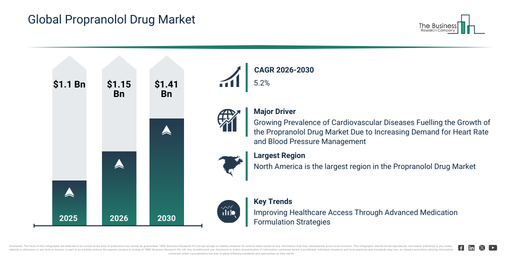
    The propranolol drug market size has experienced substantial growth in recent years. It is anticipated to increase from $1.1 billion in 2025 to $1.15 billion in 2026, achieving a compound annual growth rate (CAGR) of 5.2%. The expansion observed in the historic period can be attributed to the significant prevalence of hypertension, extensive epilepsy treatment options, the drug’s low-cost availability, its common hospital-based prescribing, and its incorporation into national formularies.

    The propranolol drug market is anticipated to experience significant expansion over the coming years. Its valuation is projected to reach $1.41 billion by 2030, demonstrating a compound annual growth rate (CAGR) of 5.2%. This projected growth is driven by factors such as an aging demographic, the increase in mental health conditions, the need for economical treatments, the broadening of generic drug markets, and enhanced outpatient care services. Key trends anticipated during this period encompass a steady requirement for treatments for cardiovascular ailments, rising application in managing anxiety and migraines, the proliferation of generic propranolol options, the development of extended-release formulations, and its incorporation into essential medicines initiatives.

    Access Your Free Sample Report For In-Depth Market Analysis:

    https://www.thebusinessresearchcompany.com/sample.aspx?id=24388&type=smp

    What Significant Factors Are Influencing The Propranolol Drug Market Expansion?

    The increasing incidence of cardiovascular diseases is anticipated to fuel the expansion of the propranolol drug market moving forward. Cardiovascular diseases (CVDs) refer to a collection of conditions impacting the heart and blood vessels, including ailments such as coronary artery disease, heart failure, and stroke. The escalation in cardiovascular diseases can be linked to unhealthy dietary habits, where consuming excessive amounts of processed foods and fats leads to higher cholesterol levels, thereby elevating heart risks. The propranolol drug aids in managing cardiovascular conditions by regulating heart rate and lowering blood pressure, making it suitable for individuals with hypertension and arrhythmias. It enhances cardiac function and reduces the likelihood of heart attacks and strokes, thus improving overall cardiovascular health. For instance, in October 2024, information from the Centers for Disease Control and Prevention (CDC), a US-based government public health agency, indicated that 919,032 people in the US died from cardiovascular disease in 2023, accounting for approximately one in every three deaths nationwide. Consequently, the rising occurrence of cardiovascular diseases is stimulating the growth of the propranolol drug market.

    What Segment Categories Shape The Propranolol Drug Market Segment Landscape?

    The propranolol drug market covered in this report is segmented –

    1) By Dosage: Tablets, Injectable Solutions, Extended-Release Capsules, Oral Solution

    2) By Indication-Based: Hypertension, Angina Pectoris, Migraine Prevention, Post-Traumatic Stress Disorder (PTSD), Essential Tremors, Therapeutic Options In Anxiety Disorders

    3) By End-User: Hospitals, Clinics, Home Healthcare Settings, Nursing Homes

    Subsegments:

    1) By Tablets: Standard Tablets, Chewable Tablets, Film-Coated Tablets

    2) By Injectable Solutions: Intravenous Solutions, Intramuscular Solutions, Pre-Filled Syringes

    3) By Extended-Release Capsules: 60 Milligrams (mg), 80 Milligrams (mg), 120 Milligrams (mg), 160 Milligrams (mg)

    4) By Oral Solution: Liquid Suspension, Concentrated Oral Solution, Ready-To-Use Oral Solution

    What Trends Are Shaping The Future Of The Propranolol Drug Market?

    Leading companies within the propranolol drug market are concentrating on developing sophisticated products, such as propranolol drugs employing extended-release formulations, aiming to bolster patient adherence and elevate overall therapeutic outcomes. These extended-release formulations are specifically designed to gradually release the medication over an extended period, thereby ensuring sustained therapeutic effects and diminishing the necessity for frequent dosing, consequently improving patient adherence and treatment efficacy. A notable example is the launch of Propranolol long-acting capsules by Lupin Pharma Canada Ltd., a Canada-based pharmaceutical company, in August 2023, addressing the discontinuation of Inderal long-acting (LA). This new extended-release formulation, available in doses of 60 mg, 80 mg, 120 mg, and 160 mg, provides Canadian patients with consistent symptom relief and enhanced adherence, ultimately improving overall treatment outcomes and healthcare access.

    Who Are The Companies Operating Across The Propranolol Drug Market Value Chain?

    Major companies operating in the propranolol drug market are Pfizer Inc., Teva Pharmaceutical Industries Ltd., Boehringer Ingelheim International GmbH, Sandoz Group AG, Fresenius Kabi AG, Cipla Limited, Hikma Pharmaceuticals PLC, Amneal Pharmaceuticals Inc., Lupin Limited, Alkem Laboratories Ltd., Torrent Pharmaceuticals Ltd., Ipca Laboratories Limited, Mankind Pharma Ltd., Lannett Company Inc., Jubilant Pharma Holdings Inc., Actiza Pharmaceutical Private Limited, Mylan Laboratories Inc., Neurocon Inc., Neuracle Lifesciences Pvt. Ltd., Yabang Pharmaceutical Group Co. Ltd.

    Get The Full Propranolol Drug Market Report:

    https://www.thebusinessresearchcompany.com/report/propranolol-drug-global-market-report

    Which Region Leads The Propranolol Drug Market In Terms Of Market Share?

    North America was the largest region in the propranolol drug market in 2025. The regions covered in the propranolol drug market report are Asia-Pacific, South East Asia, Western Europe, Eastern Europe, North America, South America, Middle East, Africa.

    Request A Customized Propranolol Drug Market Report For Competitive Insights:

    https://www.thebusinessresearchcompany.com/report/propranolol-drug-global-market-report

    Browse Through More Reports Similar to the Global Propranolol Drug Market 2026, By The Business Research Company

    Propanol Market Report 2026

    https://www.thebusinessresearchcompany.com/report/propanol-global-market-report

    Theranostics Market Report 2026

    https://www.thebusinessresearchcompany.com/report/theranostics-global-market-report

    Osimertinib Drugs Market Report 2026

    https://www.thebusinessresearchcompany.com/report/osimertinib-drugs-global-market-report

    Get in touch with us:

    The Business Research Company: https://www.thebusinessresearchcompany.com/

    Americas +1 310-496-7795

    Asia +44 7882 955267 & +91 8897263534

    Europe +44 7882 955267

    Email us at: marketing@tbrc.info

    Follow us on:

    LinkedIn: https://in.linkedin.com/company/the-business-research-company

    YouTube: https://www.youtube.com/channel/UC24_fI0rV8cR5DxlCpgmyFQ

    Global Market Model: https://www.thebusinessresearchcompany.com/global-market-model
  • Programmed Death (PD)-1 Non-Small Cell Lung Cancer Market Forecast 2026–2030 Highlighting Expansion Across Industries

    Programmed Death (PD)-1 Non-Small Cell Lung Cancer Market Forecast 2026–2030 Highlighting Expansion Across Industries

    The Business Research Company’s 2026 market reports feature enhanced tools like market attractiveness analysis, TAM assessment, and company scoring matrices, along with interactive dashboards, deeper supply chain insights, and startup coverage strengthening the depth, usability, and strategic value of insights.

    How Much Growth In Market Value Is Expected For The Programmed Death (PD)-1 Non-Small Cell Lung Cancer Market Between 2026 And 2030?

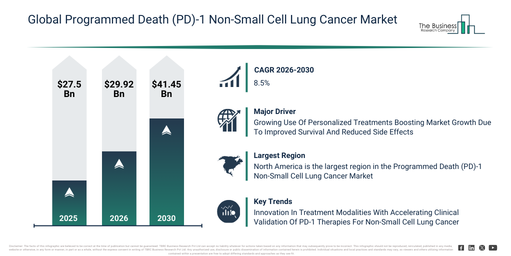
    The programmed death (pd)-1 non-small cell lung cancer market size has experienced significant expansion in recent years. This market is anticipated to increase from $27.5 billion in 2025 to $29.92 billion in 2026, registering a compound annual growth rate (CAGR) of 8.8%. Historically, the growth can be ascribed to elements such as limited pd-1 inhibitors approved for nsclc, the rising incidence of lung cancer, heightened physician awareness concerning immune checkpoint therapies, the reliance on chemotherapy as standard care, and the initial clinical trial successes of pembrolizumab and nivolumab.

    The programmed death (pd)-1 non-small cell lung cancer market size is anticipated to experience robust growth in the coming years. It is projected to expand to $41.45 billion by 2030, demonstrating a compound annual growth rate (CAGR) of 8.5%. This growth during the forecast period is attributable to the development of novel combination therapies, the broadening of biomarker-driven personalized treatments, increased adoption of mRNA vaccine-based therapies, rising investment in immuno-oncology research, and greater government and private funding for cancer immunotherapy. Prominent trends expected in this period include an increased uptake of pd-1 monotherapy for nsclc, an expansion of combination therapies involving chemotherapy, ctla-4 inhibitors, and vegf inhibitors, increased investment in targeted therapy and mrna vaccine research, an extension of first-line and second-line treatment options, and the integration of personalized medicine along with biomarker testing into treatment planning.

    Access Your Free Sample Report For In-Depth Market Analysis:

    https://www.thebusinessresearchcompany.com/sample.aspx?id=25888&type=smp

    Which Important Drivers Are Guiding The Programmed Death (PD)-1 Non-Small Cell Lung Cancer Market Growth?

    The increasing integration of personalized treatments is anticipated to drive forward the growth of the programmed death (PD)-1 non-small cell lung cancer market. These treatments are medical approaches specifically tailored to an individual’s genetic profile, lifestyle, and distinct disease characteristics to achieve more effective and targeted outcomes. The escalating demand for personalized treatments stems from the wider availability of genomic profiling and biomarker testing. These technologies are instrumental in identifying specific mutations and biological markers, thereby enabling clinicians to select therapies that are more likely to be efficacious for each patient. Personalized treatments benefit programmed death (PD)-1 non-small cell lung cancer (NSCLC) by customizing therapies based on a patient’s genetic profile, tumor attributes, and immune response. For instance, in February 2024, the US Food and Drug Administration (FDA) approved 16 new personalized treatments for rare diseases in 2023, significantly more than the 6 approved in the year 2022, according to the Personalized Medicine Coalition, a US-based non-profit organization. Thus, the rising adoption of personalized treatments is a primary factor fueling the expansion of the programmed death (PD)-1 non-small cell lung cancer market.

    Which Segment Types Are Examined In The Programmed Death (PD)-1 Non-Small Cell Lung Cancer Market Segment Study?

    The programmed death (pd)-1 non-small cell lung cancer market covered in this report is segmented –

    1) By Drug Type: Monotherapy, Combination Therapy

    2) By Line of Therapy: First-line Treatment, Second-line And Beyond

    3) By End User: Hospitals, Specialty Cancer Centers, Academic And Research Institutes, Other End Users

    Subsegments:

    1) By Monotherapy: Pembrolizumab (Keytruda), Nivolumab (Opdivo), Cemiplimab (Libtayo), Toripalimab, Tislelizumab, Camrelizumab, Dostarlimab, Other Monotherapy Drug Types

    2) By Combination Therapy: Programmed Death (PD)-1 Inhibitor And Chemotherapy, Programmed Death (PD)-1 Inhibitor And Cytotoxic T-Lymphocyte Associated Protein (CTLA)-4 Inhibitor, Programmed Death (PD)-1 Inhibitor And Vascular Endothelial Growth Factor (VEGF) Inhibitor, Programmed Death (PD)-1 Inhibitor And Targeted Therapy, Programmed Death (PD)-1 Inhibitor And Radiation Therapy, Triple Combination Therapy, Programmed Death (PD)-1 Inhibitor And Messenger Ribonucleic Acid (mRNA) Vaccine, Other Combination Drug Types

    Which Trends Are Contributing To Changes In The Programmed Death (PD)-1 Non-Small Cell Lung Cancer Market?

    Leading firms within the programmed death (PD)-1 non-small cell lung cancer market are prioritizing clinical investigations into novel treatments, including monotherapy, aimed at enhancing patient results. Monotherapy involves employing a singular medication or therapeutic method to address an illness or ailment. As an illustration, Akeso, Inc., a biopharmaceutical firm based in China, revealed favorable findings in March 2025 from its Phase III HARMONi-2 trial, which assessed Ivonescimab (AK112) alongside chemotherapy for the initial treatment of advanced non-small cell lung cancer (NSCLC). This investigation achieved its main objective by considerably prolonging progression-free survival in contrast to pembrolizumab, underscoring the therapeutic promise of the dual-targeted bispecific antibody.

    Which Players Are Part Of The Competitive Landscape Of The Programmed Death (PD)-1 Non-Small Cell Lung Cancer Market?

    Major companies operating in the programmed death (pd)-1 non-small cell lung cancer market are F. Hoffmann-La Roche Ltd, Merck & Co. Inc., Sanofi S.A., Novartis AG, GlaxoSmithKline plc, Regeneron Pharmaceuticals Inc., Incyte Corporation, Ono Pharmaceutical Co. Ltd., BeiGene Ltd., BioNTech SE, Shanghai Junshi Biosciences Co. Ltd., Akeso Inc., Arcus Biosciences Inc., Shandong Boan Biotechnology Co. Ltd., CStone Pharmaceuticals, iTeos Therapeutics Inc., Summit Therapeutics Inc., Shanghai Henlius Biotech Inc.

    Get The Full Programmed Death (PD)-1 Non-Small Cell Lung Cancer Market Report:

    https://www.thebusinessresearchcompany.com/report/programmed-death-pd-1-non-small-cell-lung-cancer-global-market-report

    Which Region Leads The Programmed Death (PD)-1 Non-Small Cell Lung Cancer Market In Overall Market Size?

    North America was the largest region in the programmed death (PD)-1 non-small cell lung cancer market in 2025. Asia-Pacific is expected to be the fastest-growing region in the forecast period. The regions covered in the programmed death (pd)-1 non-small cell lung cancer market report are Asia-Pacific, South East Asia, Western Europe, Eastern Europe, North America, South America, Middle East, Africa.

    Request A Customized Programmed Death (PD)-1 Non-Small Cell Lung Cancer Market Report For Competitive Insights:

    https://www.thebusinessresearchcompany.com/report/programmed-death-pd-1-non-small-cell-lung-cancer-global-market-report

    Browse Through More Reports Similar to the Global Programmed Death (PD)-1 Non-Small Cell Lung Cancer Market 2026, By The Business Research Company

    Pd 1 And Pdl1 Inhibitors Or Immune Checkpoint Inhibitors Market Report 2026

    https://www.thebusinessresearchcompany.com/report/pd-1-and-pdl1-inhibitors-or-immune-checkpoint-inhibitors-global-market-report

    Non Small Cell Lung Cancer Nsclc Market Report 2026

    https://www.thebusinessresearchcompany.com/report/non-small-cell-lung-cancer-nsclc-global-market-report

    Small Cell Lung Cancer Therapeutics Market Report 2026

    https://www.thebusinessresearchcompany.com/report/small-cell-lung-cancer-therapeutics-global-market-report

    Get in touch with us:

    The Business Research Company: https://www.thebusinessresearchcompany.com/

    Americas +1 310-496-7795

    Asia +44 7882 955267 & +91 8897263534

    Europe +44 7882 955267

    Email us at: marketing@tbrc.info

    Follow us on:

    LinkedIn: https://in.linkedin.com/company/the-business-research-company

    YouTube: https://www.youtube.com/channel/UC24_fI0rV8cR5DxlCpgmyFQ

    Global Market Model: https://www.thebusinessresearchcompany.com/global-market-model
  • Global Progesterone Market Analysis For 2026–2030 With Strategic Insights

    Global Progesterone Market Analysis For 2026–2030 With Strategic Insights

    The Business Research Company’s 2026 market reports feature enhanced tools like market attractiveness analysis, TAM assessment, and company scoring matrices, along with interactive dashboards, deeper supply chain insights, and startup coverage strengthening the depth, usability, and strategic value of insights.

    What Is The Estimated Market Size Of The Progesterone Market In 2026, And How Will Its Value Evolve By 2030?

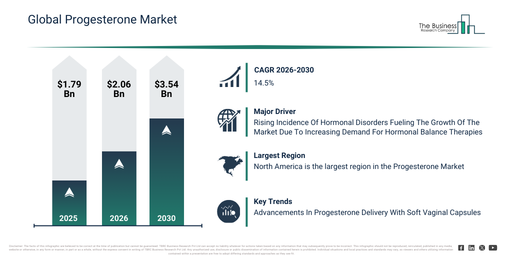
    The progesterone market size has seen significant expansion in recent years. It is forecast to rise from $1.79 billion in 2025 to $2.06 billion in 2026, achieving a compound annual growth rate (CAGR) of 14.8%. The increase observed in the past can be linked to the scarcity of natural progesterone, a reliance on branded products, heightened knowledge of menopausal treatments, a rise in dysfunctional uterine bleeding cases, and the acceptance of standard oral contraceptives.

    The progesterone market is projected to experience swift growth over the upcoming years. Its value is expected to reach $3.54 billion by 2030, growing at a compound annual growth rate (CAGR) of 14.5%. The expansion during this forecast period is attributed to the advancement of synthetic progestins and sophisticated delivery systems, an increasing need for personalized hormone therapy, the proliferation of fertility and contraceptive clinics, escalating research into endometrial cancer treatment, and the adoption of minimally invasive administration methods. Significant trends identified for this period include a heightened demand for natural progesterone formulations, an increase in hormone replacement therapy (HRT) utilization, broader adoption of injectable and transdermal routes, the expansion of contraceptive and fertility treatments, and a strong focus on personalized medicine and endometrial health.

    Access Your Free Sample Report For In-Depth Market Analysis:

    https://www.thebusinessresearchcompany.com/sample.aspx?id=24671&type=smp

    What Major Factors Are Driving The Progesterone Market Forward?

    Future expansion of the progesterone market is anticipated due to the rising incidence of hormonal disorders. These conditions are characterized by imbalances or malfunctions within the body’s endocrine system, which is responsible for hormone production and regulation of crucial functions like metabolism, growth, reproduction, and mood. The surge in these disorders stems from contemporary lifestyle elements, such as inadequate diet, ongoing stress, insufficient exercise, and exposure to environmental pollutants. Progesterone plays a crucial role in managing hormonal imbalances by re-establishing equilibrium, normalizing menstrual cycles, and alleviating symptoms associated with estrogen dominance. Furthermore, it aids the functionality of other hormones, including estrogen and cortisol, thereby contributing to the stabilization of general endocrine system function and mitigating conditions like polycystic ovary syndrome (PCOS) and premenstrual syndrome (PMS). As an illustration, data from January 2025 by the World Health Organization, an intergovernmental body located in Switzerland, highlights polycystic ovary syndrome as a major public health concern and a prevalent hormonal disorder among women of reproductive age, impacting approximately 6–13% yearly. Consequently, the expanding occurrence of hormonal disorders is a key driver for the expansion of the progesterone market.

    How Are Different Segments Classified In The Progesterone Market Segment Analysis?

    The progesterone market covered in this report is segmented –

    1) By Product Type: Natural Progesterone, Synthetic Progesterone

    2) By Drug Type: Branded, Generic

    3) By Route Of Administration: Injectable, Oral, Transdermal, Other Routes Of Administration

    4) By Application: Menopause, Contraception, Dysfunctional Uterine Bleeding, Hyperplastic Precursor Lesions, Endometrial Cancer, Other Applications

    5) By End-User: Hospitals, Clinics, Research Institutes, Other End-Users

    Subsegments:

    1) By Natural Progesterone: Oral Capsules, Vaginal Gels, Creams, Injections, Suppositories

    2) By Synthetic Progesterone: Progestins, Oral Contraceptives, Hormone Replacement Therapy (HRT) Formulations, Injectable Contraceptives, Intrauterine Devices

    What Market Trends Are Affecting The Progesterone Market?

    Major companies in the progesterone market are concentrating on developing advanced formulations, such as soft vaginal capsules, to improve patient adherence and drug absorption. Soft vaginal capsules are smooth, gel-like inserts for vaginal use that deliver medication directly to the vaginal area for treating infections, supporting hormonal balance, or maintaining overall vaginal health. For example, in April 2024, Besins Healthcare (UK) Limited, a UK-based pharmaceutical manufacturer, introduced Prometrium 400mg soft vaginal capsules. These are designed for preventing miscarriage in women with early pregnancy bleeding and a history of recurrent miscarriage. This pioneering formulation is the first licensed product in the UK, created to boost patient compliance and therapeutic outcomes through a targeted, non-invasive delivery method that enhances progesterone absorption at the site of action.

    Who Are The Companies Driving Activity In The Progesterone Market?

    Major companies operating in the progesterone market are Pfizer Inc., Johnson & Johnson, Merck & Co Inc., Allergan plc, AbbVie Inc., Bayer AG, Teva Pharmaceutical Industries Ltd., Sun Pharmaceutical Industries Ltd, Gedeon Richter Plc., Dr. Reddy’s Laboratories Ltd., Cipla Limited, Cadila Pharmaceuticals Ltd., Aspen Pharmacare, BIOCON Ltd., Zhejiang Xianju Pharmaceutical Co. Ltd., Beximco Pharmaceuticals Ltd., Besins healthcare (UK) limited., Sichuan Deebio Pharmaceutical Co. Ltd., Changzhou Siyao Pharmaceuticals Co. Ltd., Shanghai Shyndec Pharmaceutical Co. Ltd.

    Get The Full Progesterone Market Report:

    https://www.thebusinessresearchcompany.com/report/progesterone-global-market-report

    Which Region Is The Top Contributor To The Progesterone Market By Share?

    North America was the largest region in the progesterone market in 2025. Asia-Pacific is expected to be the fastest-growing region in the forecast period. The regions covered in the progesterone market report are Asia-Pacific, South East Asia, Western Europe, Eastern Europe, North America, South America, Middle East, Africa.

    Request A Customized Progesterone Market Report For Competitive Insights:

    https://www.thebusinessresearchcompany.com/report/progesterone-global-market-report

    Browse Through More Reports Similar to the Global Progesterone Market 2026, By The Business Research Company

    Gestational Trophoblastic Disease Market Report 2026

    https://www.thebusinessresearchcompany.com/report/gestational-trophoblastic-disease-global-market-report

    Contraceptives Market Report 2026

    https://www.thebusinessresearchcompany.com/report/contraceptives-global-market-report

    Fetal Monitoring Market Report 2026

    https://www.thebusinessresearchcompany.com/report/fetal-monitoring-global-market-report

    Get in touch with us:

    The Business Research Company: https://www.thebusinessresearchcompany.com/

    Americas +1 310-496-7795

    Asia +44 7882 955267 & +91 8897263534

    Europe +44 7882 955267

    Email us at: marketing@tbrc.info

    Follow us on:

    LinkedIn: https://in.linkedin.com/company/the-business-research-company

    YouTube: https://www.youtube.com/channel/UC24_fI0rV8cR5DxlCpgmyFQ

    Global Market Model: https://www.thebusinessresearchcompany.com/global-market-model
  • Process Analytical Technology Market Outlook 2026–2030 Driven By Growth Factors And Projections

    Process Analytical Technology Market Outlook 2026–2030 Driven By Growth Factors And Projections

    The Business Research Company’s 2026 market reports feature enhanced tools like market attractiveness analysis, TAM assessment, and company scoring matrices, along with interactive dashboards, deeper supply chain insights, and startup coverage strengthening the depth, usability, and strategic value of insights.

    How Does The Market Size Of The Process Analytical Technology Market Compare Between 2026 And 2030?

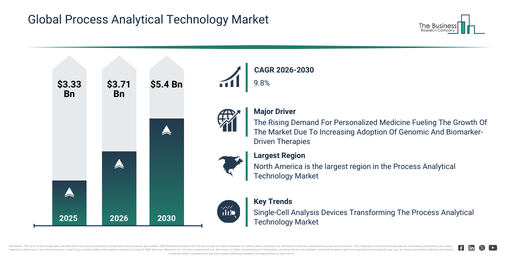
    The process analytical technology market has witnessed rapid expansion in its size over recent years. It is projected to grow from $3.33 billion in 2025 to $3.71 billion in 2026, achieving a compound annual growth rate (CAGR) of 11.6%. The historical growth can be attributed to the adoption of quality-by-design principles, increasing pharmaceutical manufacturing complexity, rising demand for consistent product quality, integration of analytical instruments in batch processes, and the growth of large molecule therapeutics.

    The process analytical technology market is projected to experience robust expansion over the coming years. Its value is anticipated to reach $5.4 billion by 2030, demonstrating a compound annual growth rate (CAGR) of 9.8%. This projected growth during the forecast period stems from factors such as the broadening of continuous manufacturing, the introduction of real-time release testing, innovations in sensor and probe technologies, the rising embrace of AI-powered process control, and regulatory support for the deployment of process analytical technology. Key trends identified for the forecast timeframe encompass real-time process oversight, anticipatory quality management, sophisticated process optimization, the merging of analytical instruments with manufacturing execution systems, alongside adherence to regulations and the standardization of processes.

    Access Your Free Sample Report For In-Depth Market Analysis:

    https://www.thebusinessresearchcompany.com/sample.aspx?id=14777&type=smp

    Which Key Drivers Are Affecting The Process Analytical Technology Market Development?

    The growing need for personalized medicine is anticipated to propel the expansion of the process analytical technology (PAT) market in the future. Personalized medicine represents an approach that customizes healthcare and treatment plans according to an individual’s genetic profile, environmental factors, and lifestyle behaviors, thereby enabling more targeted and effective therapeutic outcomes. Progress in genomics and biomarker-driven technologies is accelerating the adoption of personalized medicine by facilitating the development of highly customized treatments. PAT assists in this transition by providing real-time monitoring, analysis, and control of critical manufacturing parameters for precision therapies, such as gene therapies and individualized biologics, ensuring product quality, accuracy, and batch consistency. For instance, in February 2024, according to the Personalized Medicine Coalition, a US-based non-profit organization, in 2023, the FDA approved 16 new personalized therapies for patients with rare diseases, marking a substantial rise from the 6 approvals recorded in 2022. Therefore, the increasing demand for personalized medicine is driving the growth of the process analytical technology market.

    How Is The Process Analytical Technology Market Categorized Across Its Segment Groups?

    The process analytical technology market covered in this report is segmented –

    1) By Product: Analyzers, Sensors And Probes, Samplers, Software And Services

    2) By Technique: Spectroscopy, Chromatography, Particle Size Analysis, Electrophoresis, Other Techniques

    3) By Application: Small Molecules, Large Molecules, Manufacturing Applications, Other Applications

    4) By End-User: Pharmaceutical Companies, Biotechnology Companies, Other End-Users

    Subsegments:

    1) By Analyzers: Gas Analyzers, Liquid Analyzers, Particle Size Analyzers, Spectrometers, Chromatographs, Others (Moisture Analyzers, PH Meters)

    2) By Sensors And Probes: Temperature Sensors, Pressure Sensors, pH Sensors, Conductivity Sensors, Optical Sensors, Others (Flow Sensors, Humidity Sensors)

    3) By Samplers: Manual Samplers, Automated Samplers, Online Samplers, Batch Samplers

    4) By Software And Services: Software (Data Analytics, Process Control Software), Cloud-based Solutions, Support And Maintenance Services, Consulting Services, Installation And Integration Services

    Which Trends Are Influencing Demand In The Process Analytical Technology Market?

    Leading companies in the process analytical technology market are developing innovative offerings, such as new compact radiance instruments, to achieve a competitive advantage. This new compact radiance instrument evaluates individual cells within a population, enabling high-resolution examination of cellular diversity, responses, and behavior in real time during production. For instance, in October 2023, LumaCyte Inc., a US-based biotechnology company, introduced a new compact radiance instrument specifically created for advanced therapy biomanufacturing and quality control environments. The radiance instrument serves as a high-content, label-free microfluidic cell analyzer and sorter, capable of performing single-cell analysis and sorting. This inventive instrument stands out for its compact footprint, requiring only 16 inches of bench space while retaining sophisticated technological abilities. This technology is crucial for applications in biomanufacturing and quality control environments due to its efficient and precise analytical capacities.

    Which Firms Are Influencing Competition In The Process Analytical Technology Market?

    Major companies operating in the process analytical technology market are Siemens AG, Thermo Fisher Scientific Inc, Danaher Corporation, ABB Ltd, GE Healthcare, Emerson Electric Co, Agilent Technologies Inc, Teledyne Technologies Incorporated, Sartorius AG, Mettler-Toledo, PerkinElmer Inc, Shimadzu Corporation, Waters Corporation, Bruker Corporation, HORIBA Ltd, Carl Zeiss AG, Nova Biomedical, TECAN Group Ltd, Repligen Corporation, Hamilton Company, Oxford Instruments plc, Malvern Panalytical, Hitachi High-Tech Analytical Science, JEOL Ltd, Yokogawa Electric Corporation

    Get The Full Process Analytical Technology Market Report:

    https://www.thebusinessresearchcompany.com/report/process-analytical-technology-global-market-report

    Which Region Represents The Largest Share Of The Process Analytical Technology Market?

    North America was the largest region in the process analytical technology market in 2025. Asia-Pacific is expected to be the fastest-growing region in the forecast period. The regions covered in the process analytical technology market report are Asia-Pacific, South East Asia, Western Europe, Eastern Europe, North America, South America, Middle East, Africa.

    Request A Customized Process Analytical Technology Market Report For Competitive Insights:

    https://www.thebusinessresearchcompany.com/report/process-analytical-technology-global-market-report

    Browse Through More Reports Similar to the Global Process Analytical Technology Market 2026, By The Business Research Company

    Process Analytical Technology Market Report 2026

    https://www.thebusinessresearchcompany.com/report/process-analytical-technology-global-market-report

    Process Analyzer Market Report 2026

    https://www.thebusinessresearchcompany.com/report/process-analyzer-global-market-report

    Process Spectroscopy Market Report 2026

    https://www.thebusinessresearchcompany.com/report/process-spectroscopy-global-market-report

    Get in touch with us:

    The Business Research Company: https://www.thebusinessresearchcompany.com/

    Americas +1 310-496-7795

    Asia +44 7882 955267 & +91 8897263534

    Europe +44 7882 955267

    Email us at: marketing@tbrc.info

    Follow us on:

    LinkedIn: https://in.linkedin.com/company/the-business-research-company

    YouTube: https://www.youtube.com/channel/UC24_fI0rV8cR5DxlCpgmyFQ

    Global Market Model: https://www.thebusinessresearchcompany.com/global-market-model
  • Primary Progressive Multiple Sclerosis (PPMS) Treatment Market Developments And Opportunities Across 2026–2030

    Primary Progressive Multiple Sclerosis (PPMS) Treatment Market Developments And Opportunities Across 2026–2030

    The Business Research Company’s 2026 market reports feature enhanced tools like market attractiveness analysis, TAM assessment, and company scoring matrices, along with interactive dashboards, deeper supply chain insights, and startup coverage strengthening the depth, usability, and strategic value of insights.

    What Is The Forecasted Market Size Trajectory Of The Primary Progressive Multiple Sclerosis (PPMS) Treatment Market From 2026 To 2030?

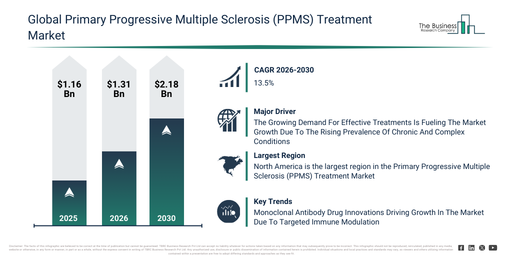
    The primary progressive multiple sclerosis (ppms) treatment market size has seen swift expansion in recent years. It is anticipated to increase from $1.16 billion in 2025 to $1.31 billion in 2026, achieving a compound annual growth rate (CAGR) of 13.7%. This historical growth can be linked to factors including restricted treatment options for ppms, a reliance on corticosteroids for managing symptoms, limited patient awareness of ppms, an underdeveloped hospital pharmacy infrastructure, and the slow integration of immunosuppressants.

    The primary progressive multiple sclerosis (ppms) treatment market is projected to experience substantial expansion in the coming years. This market is anticipated to reach $2.18 billion by 2030, exhibiting a compound annual growth rate (CAGR) of 13.5%. Factors contributing to this projected growth include the introduction of targeted monoclonal antibodies, a rise in research and development efforts for neurodegenerative disorders, the expansion of hospital and online pharmacy channels, an increase in regulatory approvals for new treatments, and enhanced patient awareness along with early diagnosis initiatives. Key trends anticipated during this period encompass the growing acceptance of monoclonal antibodies for PPMS, a heightened emphasis on symptom control and improving patients’ quality of life, a rising preference for intravenous drug delivery, the enlargement of hospital and specialty pharmacy avenues, and the innovation of new therapeutics and combined treatment approaches.

    Access Your Free Sample Report For In-Depth Market Analysis:

    https://www.thebusinessresearchcompany.com/sample.aspx?id=24670&type=smp

    What Factors Are Contributing To The Growth Of The Primary Progressive Multiple Sclerosis (PPMS) Treatment Market?

    The future expansion of the primary progressive multiple sclerosis (PPMS) treatment market is anticipated to be fueled by the increasing need for efficacious therapies. Such therapies represent medical interventions designed to alleviate symptoms, enhance patient results, or eradicate a disease or ailment. This escalating requirement for effective treatments primarily stems from the growing incidence of chronic and intricate health issues, which necessitate ongoing management and sophisticated therapeutic approaches to elevate patient outcomes and living standards. For primary progressive multiple sclerosis (PPMS), effective treatments are instrumental in decelerating disease progression by addressing inflammation and safeguarding neurological function. This, in turn, leads to an improved long-term quality of life, diminished disability progression, and a greater capacity for patients to independently and stably conduct daily activities. As an illustration, in January 2024, the American Society of Gene & Cell Therapy, a US-based organization for gene and cell therapy, reported that gene therapies in Phase III clinical trials totaled 33 Phase III gene therapy trials in 2023, reflecting a 10% rise from 2022 and marking the initial quarterly increase since Q3 2022. Consequently, the rising demand for effective treatments is a key driver for the growth of the primary progressive multiple sclerosis (PPMS) treatment market.

    How Are Segments Identified Within The Primary Progressive Multiple Sclerosis (PPMS) Treatment Market Segment Framework?

    The primary progressive multiple sclerosis (ppms) treatment market covered in this report is segmented –

    1) By Drug Type: Monoclonal Antibodies, Immunosuppressants, Corticosteroids, Other Drug Types

    2) By Route Of Administration: Oral, Intravenous, Other Route Of Administrations

    3) By Distribution Channel: Hospital Pharmacies, Retail Pharmacies, Online Pharmacies, Other Distribution Channels

    Subsegments:

    1) By Monoclonal Antibodies: Ocrelizumab, Rituximab, Ofatumumab, Ublituximab

    2) By Immunosuppressants: Methotrexate, Azathioprine, Mycophenolate Mofetil, Cyclophosphamide

    3) By Corticosteroids: Methylprednisolone, Prednisone, Dexamethasone, Hydrocortisone

    4) By Other Drug Types: Biotin, Ibudilast, Laquinimod, Idebenone

    What Emerging Trends Are Seen In The Primary Progressive Multiple Sclerosis (PPMS) Treatment Market?

    Leading companies within the primary progressive multiple sclerosis (PPMS) treatment market are intensifying their efforts to develop cutting-edge formulations, such as monoclonal antibody drugs, to improve multiple sclerosis therapy. A monoclonal antibody drug works in multiple sclerosis by targeting specific immune cells or proteins that contribute to inflammation and nerve damage, thereby decreasing disease activity and slowing symptom progression. For instance, in February 2024, Roche Pharma India, an India-based pharmaceutical company, launched Ocrevus (ocrelizumab), a monoclonal antibody drug, for the treatment of multiple sclerosis (MS) in India. Ocrevus is significant as the first and only approved disease-modifying therapy (DMT) available in the country for both relapsing-remitting multiple sclerosis (RRMS) and primary progressive multiple sclerosis (PPMS). The medication operates by targeting CD20-positive B cells, an immune cell type involved in the aberrant immune response observed in MS. It is administered via a twice-yearly intravenous infusion lasting only two hours, offering patients a more convenient and effective treatment choice.

    Who Are The Companies Competing Within The Primary Progressive Multiple Sclerosis (PPMS) Treatment Market?

    Major companies operating in the primary progressive multiple sclerosis (ppms) treatment market are F. Hoffmann-La Roche Ltd., Biogen Inc., Novartis AG, Teva Pharmaceutical Industries Ltd., Acorda Therapeutics Inc., Apitope International N.V., Atara Biotherapeutics Inc., Kyverna Therapeutics Inc., Clene Inc., Mapi Pharma Ltd., Abata Therapeutics Inc., MediciNova Inc., MedDay Pharmaceuticals SAS, AB Science S.A., Immunic AG, BrainStorm Cell Therapeutics Inc., TG Therapeutics Inc., EMD Serono Inc. (Merck KGaA), Mitsubishi Tanabe Pharma Corporation, Sanofi Genzyme, Alexion Pharmaceuticals (AstraZeneca Rare Disease), Viela Bio (Horizon Therapeutics), Receptos (Celgene/Bristol-Myers Squibb), Forward Pharma A/S, InnoCare Pharma, NervGen Pharma Corp., Priovant Therapeutics, Tiziana Life Sciences, Reata Pharmaceuticals, Biohaven Pharmaceutical Holding Company, Anokion SA

    Get The Full Primary Progressive Multiple Sclerosis (PPMS) Treatment Market Report:

    https://www.thebusinessresearchcompany.com/report/primary-progressive-multiple-sclerosis-ppms-treatment-global-market-report

    Which Geographic Region Dominates The Primary Progressive Multiple Sclerosis (PPMS) Treatment Market?

    North America was the largest region in the primary progressive multiple sclerosis (PPMS) treatment market in 2025. Asia-Pacific is expected to be the fastest-growing region in the forecast period. The regions covered in the primary progressive multiple sclerosis (ppms) treatment market report are Asia-Pacific, South East Asia, Western Europe, Eastern Europe, North America, South America, Middle East, Africa.

    Request A Customized Primary Progressive Multiple Sclerosis (PPMS) Treatment Market Report For Competitive Insights:

    https://www.thebusinessresearchcompany.com/report/primary-progressive-multiple-sclerosis-ppms-treatment-global-market-report

    Browse Through More Reports Similar to the Global Primary Progressive Multiple Sclerosis (PPMS) Treatment Market 2026, By The Business Research Company

    Multiple Sclerosis Drugs Market Report 2026

    https://www.thebusinessresearchcompany.com/report/multiple-sclerosis-drugs-global-market-report

    Atherosclerosis Drugs Market Report 2026

    https://www.thebusinessresearchcompany.com/report/atherosclerosis-drugs-global-market-report

    Focal Segmental Glomerulosclerosis Drugs Market Report 2026

    https://www.thebusinessresearchcompany.com/report/focal-segmental-glomerulosclerosis-drugs-global-market-report

    Get in touch with us:

    The Business Research Company: https://www.thebusinessresearchcompany.com/

    Americas +1 310-496-7795

    Asia +44 7882 955267 & +91 8897263534

    Europe +44 7882 955267

    Email us at: marketing@tbrc.info

    Follow us on:

    LinkedIn: https://in.linkedin.com/company/the-business-research-company

    YouTube: https://www.youtube.com/channel/UC24_fI0rV8cR5DxlCpgmyFQ

    Global Market Model: https://www.thebusinessresearchcompany.com/global-market-model
  • Primary Myelofibrosis Market Forecast 2026–2030 Presenting Long-Term Industry Insights

    Primary Myelofibrosis Market Forecast 2026–2030 Presenting Long-Term Industry Insights

    The Business Research Company’s 2026 market reports feature enhanced tools like market attractiveness analysis, TAM assessment, and company scoring matrices, along with interactive dashboards, deeper supply chain insights, and startup coverage strengthening the depth, usability, and strategic value of insights.

    How Much Will The Market Value Of The Primary Myelofibrosis Market Grow Between 2026 And 2030?

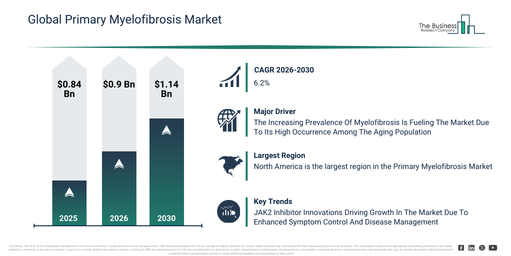
    The market size for primary myelofibrosis has demonstrated substantial growth in recent years. It is projected to expand from $0.84 billion in 2025 to $0.9 billion in 2026, at a compound annual growth rate (CAGR) of 6.4%. The expansion observed historically can be attributed to several factors including limited available therapeutic options, instances of delayed diagnosis and misdiagnosis, insufficient disease awareness, a dependence on conventional treatments, and a restricted patient population.

    The primary myelofibrosis market is anticipated to experience substantial expansion over the upcoming years. This market is projected to reach $1.14 billion by 2030, exhibiting a compound annual growth rate (CAGR) of 6.2%. This projected increase can be attributed to several factors, including the emergence of innovative targeted treatments, a rise in clinical trial engagement, progress in genetic and molecular diagnostic methods, increased funding for hematology research, and the expanding implementation of personalized medicine. Key developments anticipated during this timeframe involve heightened awareness and earlier detection of primary myelofibrosis, an expansion of targeted therapies and individualized treatment strategies, broader use of sophisticated diagnostic instruments, an increase in clinical studies and research endeavors, and a greater emphasis on patient support initiatives and disease management.

    Access Your Free Sample Report For In-Depth Market Analysis:

    https://www.thebusinessresearchcompany.com/sample.aspx?id=24669&type=smp

    Which Strong Drivers Are Impacting The Primary Myelofibrosis Market Growth?

    The growing incidence of myelofibrosis is poised to stimulate the expansion of the primary myelofibrosis market in the future. Myelofibrosis is defined as an uncommon form of bone marrow cancer which interferes with the body’s standard blood cell production, causing significant scarring within the bone marrow, and manifesting as severe anemia, weakness, tiredness, and an enlarged spleen. The heightened prevalence of myelofibrosis largely stems from an aging population, given that the ailment predominantly impacts those above 60 years old, with extended life expectancies contributing to an elevated count of identified instances. An escalating occurrence of myelofibrosis facilitates advancements in the management of primary myelofibrosis by stimulating research, refining early detection, broadening available treatments, and encouraging superior clinical protocols and specialized services. For example, in November 2024, the National Institute for Health and Care Excellence, an independent executive non-departmental public body situated in the UK, reported that myelofibrosis affects 3.2 per 100,000 people in the UK and has an incidence rate of 0.6 per 100,000. Consequently, the growing incidence of myelofibrosis is fueling the expansion of the primary myelofibrosis market.

    What Are The Key Segment Divisions In The Primary Myelofibrosis Market Segment Structure?

    The primary myelofibrosis market covered in this report is segmented –

    1) By Type: Spinocerebellar Primary Myelofibrosiss, Primary Myelofibrosis-Telangiectasia, Episodic Primary Myelofibrosis, Other Types

    2) By Services: Treatment, Diagnosis

    3) By Dosage Forms: Solid, Liquids, Other Dosage Forms

    4) By Age: Adult, Child, Geriatric

    5) By End User: Hospitals, Clinics, Other End Users

    Subsegments:

    1) By Spinocerebellar Primary Myelofibrosis: Spinocerebellar Ataxia With Myelofibrosis, Hereditary Spinocerebellar Degeneration With Bone Marrow Fibrosis, Neurodegenerative Spinocerebellar Syndromes With Fibrotic Manifestations

    2) By Primary Myelofibrosis-Telangiectasia: Cutaneous Telangiectasia With Myelofibrosis, Hereditary Hemorrhagic Telangiectasia With Marrow Fibrosis, Ocular Telangiectasia-Associated Myelofibrosis

    3) By Episodic Primary Myelofibrosis: Intermittent Marrow Fibrosis Episodes, Periodic Cytopenia With Fibrosis Flare, Cyclical Myelofibrosis In Autoimmune Disorders

    4) By Other Types: Familial Primary Myelofibrosis, Idiopathic Myelofibrosis, Therapy-Related Primary Myelofibrosis, Juvenile Primary Myelofibrosis

    Which Trends Are Guiding The Direction Of The Primary Myelofibrosis Market?

    Leading companies within the primary myelofibrosis market are prioritizing the development of innovative products, such as Janus kinase 2 inhibiting tablets, to enhance symptom management and slow disease progression. Janus kinase 2 (JAK2) inhibiting tablets are oral medications that block the activity of the JAK2 enzyme, which plays a role in the abnormal signaling pathways leading to excessive blood cell production in primary myelofibrosis. These tablets help reduce spleen size, alleviate symptoms like fatigue and bone pain, and decelerate the disease’s advancement. For example, in March 2025, GlaxoSmithKline Korea (GSK Korea) Ltd., a Korea-based pharmaceutical and biotechnology company, launched Omjjara (momelotinib), a new treatment for myelofibrosis. This medication is approved by South Korea’s Ministry of Food and Drug Safety and is intended for adult patients with intermediate- or high-risk primary or secondary myelofibrosis who also experience moderate to severe anemia. Omjjara is an oral medication that inhibits Janus kinases (JAK1 and JAK2) and activin A receptor type 1 (ACVR1), proving effective in addressing symptoms such as anemia, enlarged spleen, and fatigue. Its approval is backed by clinical trial data that demonstrated significant improvements in anemia, spleen size, and overall symptoms compared to existing treatments.

    Which Organizations Are Engaged In The Primary Myelofibrosis Market?

    Major companies operating in the primary myelofibrosis market are Merck & Co. Inc., AbbVie Inc., Bristol-Myers Squibb Company, Sumitomo Pharma Oncology Inc., Incyte Corporation, Nippon Shinyaku Co. Ltd., MorphoSys AG, Keros Therapeutics Inc., Geron Corporation, Lynk Pharmaceuticals Co. Ltd., Pharmaxis Ltd, Kartos Therapeutics Inc., Disc Medicine Inc., Galecto Inc., Cellenkos Inc., Chia Tai Tianqing Pharmaceutical Group Co. Ltd., Taiga Biotechnologies Inc., Suzhou Zelgen Biopharmaceuticals Co. Ltd., Telios Pharma Inc., Samus Therapeutics Inc., Jacobio Pharmaceuticals Co. Ltd.

    Get The Full Primary Myelofibrosis Market Report:

    https://www.thebusinessresearchcompany.com/report/primary-myelofibrosis-global-market-report

    Which Region Is The Leading Market For The Primary Myelofibrosis Market?

    North America was the largest region in the primary myelofibrosis market in 2025. Asia-Pacific is expected to be the fastest-growing region in the forecast period. The regions covered in the primary myelofibrosis market report are Asia-Pacific, South East Asia, Western Europe, Eastern Europe, North America, South America, Middle East, Africa.

    Request A Customized Primary Myelofibrosis Market Report For Competitive Insights:

    https://www.thebusinessresearchcompany.com/report/primary-myelofibrosis-global-market-report

    Browse Through More Reports Similar to the Global Primary Myelofibrosis Market 2026, By The Business Research Company

    Myelodysplastic Syndrome Drugs Market Report 2026

    https://www.thebusinessresearchcompany.com/report/myelodysplastic-syndrome-drugs-global-market-report

    Myeloproliferative Disorders Drugs Market Report 2026

    https://www.thebusinessresearchcompany.com/report/myeloproliferative-disorders-drugs-global-market-report

    Thrombectomy Devices Market Report 2026

    https://www.thebusinessresearchcompany.com/report/thrombectomy-devices-global-market-report

    Get in touch with us:

    The Business Research Company: https://www.thebusinessresearchcompany.com/

    Americas +1 310-496-7795

    Asia +44 7882 955267 & +91 8897263534

    Europe +44 7882 955267

    Email us at: marketing@tbrc.info

    Follow us on:

    LinkedIn: https://in.linkedin.com/company/the-business-research-company

    YouTube: https://www.youtube.com/channel/UC24_fI0rV8cR5DxlCpgmyFQ

    Global Market Model: https://www.thebusinessresearchcompany.com/global-market-model