Month: May 2026

  • Plasma Therapy Market Forecast 2026–2030 Highlighting Expansion Across Industries

    Plasma Therapy Market Forecast 2026–2030 Highlighting Expansion Across Industries

    The Business Research Company’s 2026 market reports feature enhanced tools like market attractiveness analysis, TAM assessment, and company scoring matrices, along with interactive dashboards, deeper supply chain insights, and startup coverage strengthening the depth, usability, and strategic value of insights.

    What Is The Estimated Market Size Of The Plasma Therapy Market In 2026, And How Will Its Value Evolve By 2030?

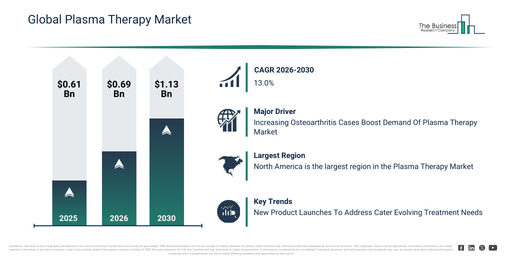
    The plasma therapy market has experienced swift expansion recently. Projections indicate its value will increase from $0.61 billion in 2025 to $0.69 billion by 2026, achieving a compound annual growth rate (CAGR) of 12.6%. Historically, this expansion was driven by several factors, including insufficient understanding of plasma therapy’s advantages, a preference for traditional medical approaches, the rising number of orthopedic and sports medicine interventions, an expansion in hospital and clinic facilities, and the initial integration of PRP in cosmetic applications.

    The plasma therapy market is projected to experience swift expansion over the coming years. By 2030, its valuation is anticipated to reach $1.13 billion, exhibiting a compound annual growth rate (CAGR) of 13.0%. This projected growth stems from several factors, including the creation of advanced prp and prf formulations, increasing research in regenerative medicine, broadening applications of plasma therapy for chronic and cardiac injuries, greater acceptance in dermatology and dental care, and an increase in clinical trials and research institutes. Key developments anticipated during this period involve the rising uptake of platelet-rich plasma (prp) and platelet-rich fibrin (prf) treatments, wider use in regenerative medicine and orthopedic contexts, expanded application in dermatology, hair restoration, and plastic surgery, a growing need for injectable and membrane-based fibrin products, and the merging of research with clinical trials to improve therapeutic results.

    Access Your Free Sample Report For In-Depth Market Analysis:

    https://www.thebusinessresearchcompany.com/sample.aspx?id=3278&type=smp

    What Factors Are Contributing To The Growth Of The Plasma Therapy Market?

    The expanding incidence of osteoarthritis is projected to propel the plasma therapy market throughout the forecast period. Platelet-rich plasma (PRP), a variant of plasma therapy, is recognized as a safe and effective method for treating osteoarthritis. This concentrated autologous blood growth factor is administered directly into the joint to offer symptomatic relief by mitigating inflammation and decelerating the condition’s progression. For example, in September 2023, the Journal of Elsevier, a Netherlands-based publishing company, reported projections for osteoarthritis cases globally by 2050, indicating a rise of 74.9% (ranging from 59.4% to 89.9%) for the knee, 48.6% (ranging from 35.9% to 67.1%) for the hand, 78.6% (ranging from 57.7% to 105.3%) for the hip, and 95.1% (ranging from 68.1% to 135.0%) for other osteoarthritis types. Autologous chondrocyte implantation and scaffold implants are among the other widely utilized treatments for osteoarthritis. Hence, the increasing prevalence of osteoarthritis is set to drive the plasma therapy market.

    Which Segment Categories Are Included In The Plasma Therapy Market Segment Analysis?

    The plasma therapy market covered in this report is segmented –

    1) By Type: Pure PRP, Leukocyte-rich PRP, Pure Platelet-rich Fibrin (PRF), Leukocyte-rich Fibrin (L-PRF)

    2) By Application: Orthopedics, Arthritis, Chronic Tendinitis, Bone Repair & Regeneration, Dermatology, Androgenic Alopecia, Plastic Surgery, Dental, Cardiac Muscle Injury, Other Applications

    3) By End-Users: Hospitals & Clinics, Laboratories: Research Institutes

    Subsegments:

    1) By Pure PRP: High Concentration PRP, Low Concentration PRP

    2) By Leukocyte-Rich PRP: PRP With White Blood Cells, PRP With Growth Factors

    3) By Pure Platelet-rich Fibrin (PRF): Injectable PRF, Membrane PRF

    4) By Leukocyte-rich Fibrin (L-PRF): L-PRF Clots, L-PRF Membranes

    What Trends Are Influencing The Plasma Therapy Market?

    Leading companies active in the plasma therapy market are launching innovative products like the ESG-410 to address evolving patient needs and improve therapeutic choices. The ESG-410 functions as an Electrosurgical Generator, engineered to provide flexibility and effectiveness in the treatment of NMIBC (non-muscle-invasive bladder cancer) and benign prostatic hyperplasia. As an illustration, in June 2023, Olympus Corporation, a Japan-based medical technology firm, introduced its advanced electrosurgical generator, the ESG-410. This device is utilized for managing bladder cancer and an enlarged prostate. The ESG-410 incorporates sophisticated design features, such as improved capacitors, which ensure exceptional plasma stability during ignition. It boasts quick ignition and optimized plasma stability, marking an upgrade from the ESG-400, especially when deployed with various loop sizes and oval buttons. Furthermore, the ESG-410 Electrosurgical Generator offers enhanced treatment solutions for NMIBC and BPH by supplying a comprehensive selection of resection loops, electrodes, and vaporization instruments.

    Who Are The Active Companies Shaping The Plasma Therapy Market?

    Major companies operating in the plasma therapy market are Takeda Pharmaceutical Company Limited, Bio Products Laboratory Ltd., Arthrex Inc., Biotest AG, China Biologic Products Holdings Inc., DePuy Synthes Companies, CSL Limited, Grifols S.A., Octapharma AG, Terumo BCT Inc., Pfizer Inc., Kedrion Biopharma, ADMA Biologics Inc., SK Plasma Co. Ltd., Kamada Ltd., Fusion HealthCare, LFB Plasma, Baxter International Inc., Bayer AG, GC Biopharma Corp, Hualan Biological Engineering Inc., Japan Blood Products Organization, PlasmaCare Inc., ProMetic Life Sciences Inc., Sanquin, Shanghai RAAS Blood Products Co. Ltd., Canadian Plasma Resources, B Positive Plasma, Proesis Biologics Inc.

    Get The Full Plasma Therapy Market Report:

    https://www.thebusinessresearchcompany.com/report/plasmas-therapy-global-market-report

    Where Is The Plasma Therapy Market Most Concentrated Geographically?

    North America was the largest region in the plasma therapy market in 2025. The Middle East is expected to be the fastest-growing region in the global plasma therapy market share during the forecast period. The regions covered in the plasma therapy market report are Asia-Pacific, South East Asia, Western Europe, Eastern Europe, North America, South America, Middle East, Africa.

    Request A Customized Plasma Therapy Market Report For Competitive Insights:

    https://www.thebusinessresearchcompany.com/report/plasmas-therapy-global-market-report

    Browse Through More Reports Similar to the Global Plasma Therapy Market 2026, By The Business Research Company

    Apheresis Consumables And Equipment Market Report 2026

    https://www.thebusinessresearchcompany.com/report/apheresis-consumables-and-equipment-global-market-report

    Blood Transfusion Diagnostics Market Report 2026

    https://www.thebusinessresearchcompany.com/report/blood-transfusion-diagnostics-global-market-report

    Hematology Analyzers And Reagents Market Report 2026

    https://www.thebusinessresearchcompany.com/report/hematology-analyzers-and-reagents-global-market-report

    Get in touch with us:

    The Business Research Company: https://www.thebusinessresearchcompany.com/

    Americas +1 310-496-7795

    Asia +44 7882 955267 & +91 8897263534

    Europe +44 7882 955267

    Email us at: marketing@tbrc.info

    Follow us on:

    LinkedIn: https://in.linkedin.com/company/the-business-research-company

    YouTube: https://www.youtube.com/channel/UC24_fI0rV8cR5DxlCpgmyFQ

    Global Market Model: https://www.thebusinessresearchcompany.com/global-market-model
  • Global Plasma Protein Therapeutics Market Analysis For 2026–2030 With Strategic Insights

    Global Plasma Protein Therapeutics Market Analysis For 2026–2030 With Strategic Insights

    The Business Research Company’s 2026 market reports feature enhanced tools like market attractiveness analysis, TAM assessment, and company scoring matrices, along with interactive dashboards, deeper supply chain insights, and startup coverage strengthening the depth, usability, and strategic value of insights.

    How Does The Market Size Of The Plasma Protein Therapeutics Market Compare Between 2026 And 2030?

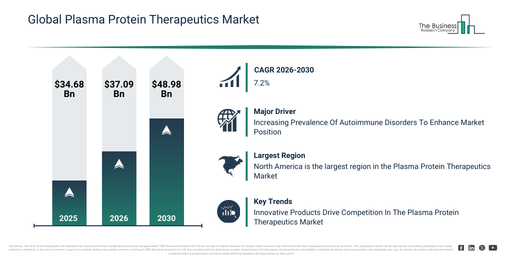
    The plasma protein therapeutics market has robustly expanded in recent years. Forecasts indicate it will enlarge from $34.68 billion in 2025 to reach $37.09 billion in 2026, registering a compound annual growth rate (CAGR) of 6.9%. The historical expansion of this market stems from several factors, including the increasing prevalence of primary immunodeficiency disorder, rising demand for immunoglobulin therapies, limited plasma donation infrastructure, advancements in protein purification technologies, and regulatory approvals for plasma-derived therapies.

    The plasma protein therapeutics market size is anticipated to undergo significant growth in the coming years, with expectations to reach $48.98 billion by 2030, exhibiting a compound annual growth rate (CAGR) of 7.2%. This projected expansion during the forecast period is primarily attributed to the rise in recombinant albumin and coagulation factors, the increasing availability of subcutaneous administration methods, growing healthcare expenditure in emerging economies, technological innovations within precision medicine, and an uptick in public-private collaborations for plasma collection. Prominent trends throughout this period are expected to include the development of personalized plasma protein therapies, an increase in recombinant protein production, wider acceptance of subcutaneous administration, rising awareness of rare blood disorders, and improved supply chain along with cold chain logistics.

    Access Your Free Sample Report For In-Depth Market Analysis:

    https://www.thebusinessresearchcompany.com/sample.aspx?id=9213&type=smp

    Which Strong Drivers Are Impacting The Plasma Protein Therapeutics Market Growth?

    The increasing incidence of autoimmune disorders is projected to fuel the expansion of the plasma protein therapeutics market. An autoimmune disorder manifests when the body’s immune system erroneously attacks and destroys its own healthy cells. Therapeutic plasma exchange is employed to treat these autoimmune conditions, which arise when the body misidentifies a part of itself as alien and generates proteins known as autoantibodies to attack that misidentified component. For instance, in May 2023, a study conducted by the University of Glasgow, a UK-based public university, involving 22 million people, determined that autoimmune disorders affect about 10% of the UK’s population, exceeding earlier estimates from 2022. This increasing prevalence of autoimmune disorders is, therefore, driving the growth of the plasma protein therapeutics market going forward.

    How Is The Plasma Protein Therapeutics Market Broken Down By Segment Categories?

    The plasma protein therapeutics market covered in this report is segmented –

    1) By Product: Immunoglobulin, Albumin, Coagulation Factor, C1-esterase Inhibitors, Other Products

    2) By Route Of Administration: Intravenous, Subcutaneous

    3) By Applications: Primary Immunodeficiency Disorder (PID), Idiopathic Thrombocytopenic Purpura, Secondary Immunodeficiency, Hereditary Angioedema, Other Applications

    Subsegments:

    1) By Immunoglobulin: Intravenous Immunoglobulin (IVIG), Subcutaneous Immunoglobulin (SCIG)

    2) By Albumin: Human Serum Albumin, Recombinant Albumin

    3) By Coagulation Factor: Factor VIII, Factor IX, Prothrombin Complex Concentrates

    4) By C1-Esterase Inhibitors: Human C1-Esterase Inhibitors, Recombinant C1-Esterase Inhibitors

    5) By Other Products: Fibrinogen, Alpha-1 Antitrypsin, Clotting Factor Concentrates

    Which Trends Are Shaping Growth In The Plasma Protein Therapeutics Market?

    Leading companies operating within the plasma protein therapeutics market are focusing on developing innovative solutions, such as lyophilized plasma formulations, to satisfy the growing demand for portable, stable, and rapidly usable blood products in emergency and pre-hospital care settings. Lyophilized plasma products are freeze-dried formulations that provide an extended shelf life, simpler storage, and quicker reconstitution when compared to traditional frozen plasma, rendering them highly appropriate for trauma, emergency medicine, and field environments. For instance, in October 2023, Octapharma AG, a pharmaceutical company based in Switzerland, secured approval from European medical authorities for the lyophilized version of its octaplasLG product. This advanced formulation allows for convenient pre-hospital transfusion, offering rapid availability, simplified handling, and enhanced stability for critical care situations. The product supports the effective management of trauma and bleeding emergencies, showcasing Octapharma’s dedication to advancing patient care through innovative plasma-based therapies.

    Which Players Are Present In The Plasma Protein Therapeutics Market Space?

    Major companies operating in the plasma protein therapeutics market are CSL Behring LLC, Grifols SA, China Biologic Products Holdings Inc., Takeda Pharmaceutical Company Limited, Baxter International Inc., Kedrion SpA, LFB SA, Emergent BioSolutions Inc., Reliance Life Sciences Private Limited, ADMA Biologics Inc., Prothya Biosolutions BV, Bio Products Laboratory Ltd., Biotest AG, Taibang Biological Group Co Ltd, Octapharma Plasma Inc., Green Cross Corporation, China National Biotec Group Company Limited, Kamada Ltd., Shire PLC, Octapharma AG

    Get The Full Plasma Protein Therapeutics Market Report:

    https://www.thebusinessresearchcompany.com/report/plasma-protein-therapeutics-global-market-report

    Which Region Dominates The Plasma Protein Therapeutics Market By Market Share?

    North America was the largest region in the plasma protein therapeutics market in 2025. Asia-Pacific is expected to be the fastest-growing region in the forecast period. The regions covered in the plasma protein therapeutics market report are Asia-Pacific, South East Asia, Western Europe, Eastern Europe, North America, South America, Middle East, Africa.

    Request A Customized Plasma Protein Therapeutics Market Report For Competitive Insights:

    https://www.thebusinessresearchcompany.com/report/plasma-protein-therapeutics-global-market-report

    Browse Through More Reports Similar to the Global Plasma Protein Therapeutics Market 2026, By The Business Research Company

    Plasma Protein Therapeutics Market Report 2026

    https://www.thebusinessresearchcompany.com/report/plasma-protein-therapeutics-global-market-report

    Therapeutic Plasma Exchange Market Report 2026

    https://www.thebusinessresearchcompany.com/report/therapeutic-plasma-exchange-global-market-report

    Peptide Therapeutics Market Report 2026

    https://www.thebusinessresearchcompany.com/report/peptide-therapeutics-global-market-report

    Get in touch with us:

    The Business Research Company: https://www.thebusinessresearchcompany.com/

    Americas +1 310-496-7795

    Asia +44 7882 955267 & +91 8897263534

    Europe +44 7882 955267

    Email us at: marketing@tbrc.info

    Follow us on:

    LinkedIn: https://in.linkedin.com/company/the-business-research-company

    YouTube: https://www.youtube.com/channel/UC24_fI0rV8cR5DxlCpgmyFQ

    Global Market Model: https://www.thebusinessresearchcompany.com/global-market-model
  • Plasma Powder Market Outlook 2026–2030 Driven By Growth Factors And Projections

    Plasma Powder Market Outlook 2026–2030 Driven By Growth Factors And Projections

    The Business Research Company’s 2026 market reports feature enhanced tools like market attractiveness analysis, TAM assessment, and company scoring matrices, along with interactive dashboards, deeper supply chain insights, and startup coverage strengthening the depth, usability, and strategic value of insights.

    What Is The Forecasted Market Size Trajectory Of The Plasma Powder Market From 2026 To 2030?

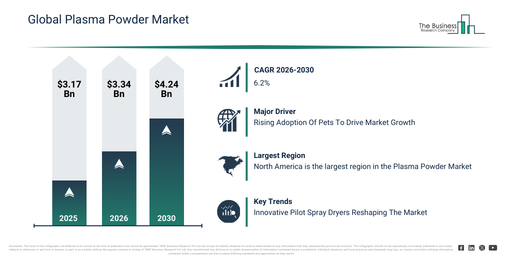
    The plasma powder market size has experienced substantial expansion in recent years. Its value is anticipated to climb from $3.17 billion in 2025 to $3.34 billion in 2026, demonstrating a compound annual growth rate (CAGR) of 5.3%. The market’s past growth can be attributed to several factors including the increase in industrial livestock farming, the rising incorporation of animal protein in feed formulations, a global increase in pet ownership, the proven advantages of plasma proteins for animal health, and the expansion of commercial feed manufacturing.

    The plasma powder market is projected to experience significant expansion over the next few years, with its size anticipated to reach $4.24 billion in 2030, growing at a compound annual growth rate (CAGR) of 6.2%. This growth throughout the forecast period is primarily driven by factors such as the increasing demand for high-performance animal nutrition, the rise of premium and functional pet food products, a sharpened focus on feed efficiency and gut health, the expansion of aquaculture feed markets, and continuous innovation in animal-derived protein processing. Noteworthy trends during this period include the growing utilization of plasma powder in premium pet nutrition, its increasing adoption in young animal and weaning diets, an emerging preference for functional protein ingredients, the broadening of plasma powder applications in aqua feed, and a rising demand for enhanced feed palatability and digestibility.

    Access Your Free Sample Report For In-Depth Market Analysis:

    https://www.thebusinessresearchcompany.com/sample.aspx?id=12355&type=smp

    What Key Factors Are Shaping The Plasma Powder Market Landscape?

    The burgeoning trend of pet adoption is anticipated to fuel the expansion of the plasma powder market in the future. Pet adoption involves securing a lasting home and guardianship for an animal, frequently sourced from animal shelters or dedicated rescue groups. As a premium protein source derived from blood plasma, plasma powder finds application in pet food. When integrated into pet food recipes, it delivers vital amino acids and nutrients, thereby enhancing the comprehensive nutritional value and health of pets. For example, in March 2025, the American Pet Products Association, a non-profit organization located in the US, reported that 94 million households in the U.S. currently possess at least one pet, an increase from 82 million households recorded in 2023. Consequently, the rising rate of pet adoption is a significant impetus behind the growth of the plasma powder market.

    What Are The Different Segment Types In The Plasma Powder Market Segment Breakdown?

    The plasma powder market covered in this report is segmented –

    1) By Source: Bovine, Porcine, Ovine, Other Sources

    2) By Form: Dry, Wet

    3) By Sales Channel: Online, Offline

    4) By Application: Pet Food, Pig Feed, Poultry Feed, Aqua Feed, Ruminant Feed, Human Food, Other Applications

    Subsegments:

    1) By Bovine: Bovine Serum Powder, Bovine Plasma Protein

    2) By Porcine: Porcine Serum Powder, Porcine Plasma Protein

    3) By Ovine: Ovine Serum Powder, Ovine Plasma Protein

    4) By Other Sources: Equine (Horse), Avian (Chicken), Other Animal Sources

    What Trends Are Affecting The Direction Of The Plasma Powder Market?

    Leading companies within the plasma powder market are actively developing novel pilot spray dryers to strengthen their competitive standing. Pilot spray dryers represent miniature versions of industrial spray dryers, utilized for producing powdered or granulated substances from liquid or slurry raw materials. An illustrative example is RELCO LLC, a US-based food processing equipment company, which launched its Parvus pilot spray dryer in April 2023, specifically designed for diverse food applications. This system is offered in two distinct models: Parvus Nomad, a single-stage dryer ideal for trial batches and smaller output, and Parvus Multi-Stage, featuring a wide-body configuration for higher production volumes. The pilot spray dryer delivers adaptability for initial testing and allows for scaling, facilitating its integration with other pilot technologies for complete full-scale planning. It provides comparable moisture control and powder manipulation functionalities to full-scale systems, yet it caters to smaller-scale and experimental requirements. The system is engineered for straightforward setup and dismantling, and its compact dimensions accommodate spatial restrictions and ease of shipping. This particular pilot spray dryer aims to address evolving opportunities in markets including plant protein, fermentation, and collagen.

    Who Are The Well-Known Companies In The Plasma Powder Market?

    Major companies operating in the plasma powder market are Takeda, CSL Behring, Darling Ingredients, Grifols, Octapharma, Valley Proteins Inc., Proliant Biologicals, Veos Group, Uruguayan Animal Proteins, Haripro SpA, Lihme Protein Solutions, Saria SE & Co. KG, Acontex GmbH, APC Inc., British Aqua Feeds, Shenzhen Taier Biotechnology Co. Ltd, Animix LLC, Kraeber & Co GmbH, Rocky Mountain Biologicals, MB Sugars & Pharmaceuticals Limited

    Get The Full Plasma Powder Market Report:

    https://www.thebusinessresearchcompany.com/report/plasma-powder-global-market-report

    Which Region Is The Largest In The Plasma Powder Market?

    North America was the largest region in the plasma powder market in 2025. Asia-Pacific is expected to be the fastest-growing region in the forecast period. The regions covered in the plasma powder market report are Asia-Pacific, South East Asia, Western Europe, Eastern Europe, North America, South America, Middle East, Africa.

    Request A Customized Plasma Powder Market Report For Competitive Insights:

    https://www.thebusinessresearchcompany.com/report/plasma-powder-global-market-report

    Browse Through More Reports Similar to the Global Plasma Powder Market 2026, By The Business Research Company

    Plasma Powder Market Report 2026

    https://www.thebusinessresearchcompany.com/report/plasma-powder-global-market-report

    Cold Plasma Market Report 2026

    https://www.thebusinessresearchcompany.com/report/cold-plasma-global-market-report

    Plasma Feed Market Report 2026

    https://www.thebusinessresearchcompany.com/report/plasma-feed-global-market-report

    Get in touch with us:

    The Business Research Company: https://www.thebusinessresearchcompany.com/

    Americas +1 310-496-7795

    Asia +44 7882 955267 & +91 8897263534

    Europe +44 7882 955267

    Email us at: marketing@tbrc.info

    Follow us on:

    LinkedIn: https://in.linkedin.com/company/the-business-research-company

    YouTube: https://www.youtube.com/channel/UC24_fI0rV8cR5DxlCpgmyFQ

    Global Market Model: https://www.thebusinessresearchcompany.com/global-market-model
  • Plasma Fractionation Market Developments And Opportunities Across 2026–2030

    Plasma Fractionation Market Developments And Opportunities Across 2026–2030

    The Business Research Company’s 2026 market reports feature enhanced tools like market attractiveness analysis, TAM assessment, and company scoring matrices, along with interactive dashboards, deeper supply chain insights, and startup coverage strengthening the depth, usability, and strategic value of insights.

    How Much Will The Market Value Of The Plasma Fractionation Market Grow Between 2026 And 2030?

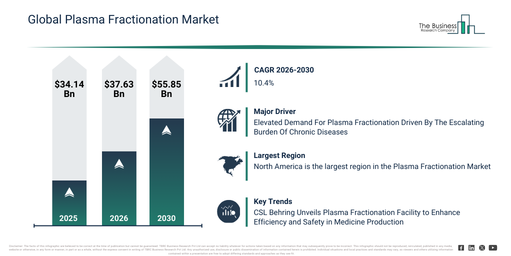
    The plasma fractionation market has experienced significant expansion recently. This market is projected to increase from $34.14 billion in 2025 to $37.63 billion by 2026, demonstrating a compound annual growth rate (CAGR) of 10.2%. Historically, this expansion was driven by factors such as an escalating demand for immunoglobulins, a higher incidence of hematological disorders, continuous technological improvements in plasma fractionation, the enlargement of hospital and clinical facilities, and greater public understanding of plasma-derived treatments.

    The plasma fractionation market is projected for substantial expansion in the upcoming years. This market is anticipated to reach $55.85 billion by 2030, demonstrating a compound annual growth rate (CAGR) of 10.4%. The expansion throughout the forecast period can be attributed to the rising adoption of precision medicine, the incorporation of AI into plasma manufacturing, the broadening of global biopharmaceutical collaborations, increased investments in plasma collection centers, and the development of new plasma-derived therapies. Prominent trends for the forecast period include advanced plasma fractionation techniques, diversification of biopharmaceutical products, enhanced quality control and regulatory compliance, the expansion of contract manufacturing organizations (CMOs/CDMOs), and optimized supply chains for plasma products.

    Access Your Free Sample Report For In-Depth Market Analysis:

    https://www.thebusinessresearchcompany.com/sample.aspx?id=7543&type=smp

    Which Factors Are Influencing The Growth Of The Plasma Fractionation Market?

    A rising incidence of chronic illnesses is anticipated to drive expansion in the plasma fractionation market in the future. Chronic illnesses are defined as conditions persisting for a year or longer, necessitating continuous medical care, with examples encompassing ailments like heart disease, cancer, and diabetes. Providing plasma products for the treatment of individuals with chronic conditions decreases illness, enhances their quality of life, and offers economic benefits, thereby boosting the demand for plasma fractionation. As an illustration, GOV.UK, a UK-based non-profit government body, reported in March 2025 that the prevalence of type 2 diabetes among adults, specifically those aged 17 and over in England, was recorded by GPs as 7.0% in March 2024, representing an increase from 6.8% in March 2023. Consequently, the growing prevalence of chronic diseases across all age groups is projected to stimulate the growth of the plasma fractionation market.

    Which Segment Classifications Are Used In The Plasma Fractionation Market Segment Analysis?

    The plasma fractionation market covered in this report is segmented –

    1) By Product: Immunoglobulins, Coagulation Factors, Albumin, Protease Inhibitors

    2) By Application: Immunology, Hematology, Neurology, Critical Care, Hemato-Oncology, Rheumatology

    3) By End User: Hospitals and Clinics, Clinical Research Laboratories, Academic Institutes

    Subsegments:

    1) By Immunoglobulins: Intravenous Immunoglobulin (IVIG), Subcutaneous Immunoglobulin (SCIG)

    2) By Coagulation Factors: Factor VIII, Factor IX, Prothrombin Complex Concentrates (PCC)

    3) By Albumin: Human Albumin, Bovine Serum Albumin (BSA)

    4) By Protease Inhibitors: Alpha-1 Antitrypsin (AAT), C1 Esterase Inhibitor (C1-INH)

    What Trends Are Influencing The Evolution Of The Plasma Fractionation Market?

    Major companies in the market are implementing new technologies, including high-tech facility processes that transform donated human plasma into crucial medicines, utilizing advanced technology to enhance both efficiency and safety. For instance, in March 2023, CSL Behring, a German-based company, launched a new $470 million plasma fractionation facility. This facility employs cutting-edge technology to improve the efficiency and safety of plasma processing, thereby ensuring higher quality and more reliable medicines. By expanding the supply of these vital medicines, the facility helps to satisfy the rising demand, guaranteeing greater patient access to life-saving treatments. With its advanced automation and self-cleaning systems, it minimizes the risk of contamination and improves overall hygienic conditions, consequently enhancing patient safety.

    Which Firms Are Contributing To The Plasma Fractionation Market Ecosystem?

    Major companies operating in the plasma fractionation market are Baxter International Inc., Bio Products Laboratory Limited, Biotest AG, CSL Limited, Grifols S. A, ADMA Biologics Inc., Green Cross Corporation, Hualan Bioengineering Inc., Intas Pharmaceuticals Ltd., Japan Blood Products Organization, Kedrion S. P. A., Kamada Ltd., LFB Biomedicaments S. A. S, Octapharma AG, Sanquin Plasma Products B. V., Shanghai Raas Blood Products Co. Ltd., Takeda Pharmaceutical Company, Terumo BCT, China Biologic Products Holdings Inc., China National Biotec Group, Emergent BioSolutions Inc., Bharat Serum Vaccines Limited, Plasma Therapeutics, Prothya Biosolutions B. V., BioPharma Plasma LLC, BioLife Plasma Services LP

    Get The Full Plasma Fractionation Market Report:

    https://www.thebusinessresearchcompany.com/report/plasma-fractionation-global-market-report

    Which Region Leads The Plasma Fractionation Market In Terms Of Market Share?

    North America was the largest region in the plasma fractionation market in 2025.Asia-Pacific is expected to be the fastest-growing region in the forecast period. The regions covered in the plasma fractionation market report are Asia-Pacific, South East Asia, Western Europe, Eastern Europe, North America, South America, Middle East, Africa.

    Request A Customized Plasma Fractionation Market Report For Competitive Insights:

    https://www.thebusinessresearchcompany.com/report/plasma-fractionation-global-market-report

    Browse Through More Reports Similar to the Global Plasma Fractionation Market 2026, By The Business Research Company

    Plasma Fractionation Market Report 2026

    https://www.thebusinessresearchcompany.com/report/plasma-fractionation-global-market-report

    Plasma Powder Market Report 2026

    https://www.thebusinessresearchcompany.com/report/plasma-powder-global-market-report

    Blood Plasma Derivatives Market Report 2026

    https://www.thebusinessresearchcompany.com/report/blood-plasma-derivatives-global-market-report

    Get in touch with us:

    The Business Research Company: https://www.thebusinessresearchcompany.com/

    Americas +1 310-496-7795

    Asia +44 7882 955267 & +91 8897263534

    Europe +44 7882 955267

    Email us at: marketing@tbrc.info

    Follow us on:

    LinkedIn: https://in.linkedin.com/company/the-business-research-company

    YouTube: https://www.youtube.com/channel/UC24_fI0rV8cR5DxlCpgmyFQ

    Global Market Model: https://www.thebusinessresearchcompany.com/global-market-model
  • Plant-Based Vaccines Market Forecast 2026–2030 Presenting Long-Term Industry Insights

    Plant-Based Vaccines Market Forecast 2026–2030 Presenting Long-Term Industry Insights

    The Business Research Company’s 2026 market reports feature enhanced tools like market attractiveness analysis, TAM assessment, and company scoring matrices, along with interactive dashboards, deeper supply chain insights, and startup coverage strengthening the depth, usability, and strategic value of insights.

    What Changes In Market Value Are Expected For The Plant-Based Vaccines Market Over The 2026–2030 Period?

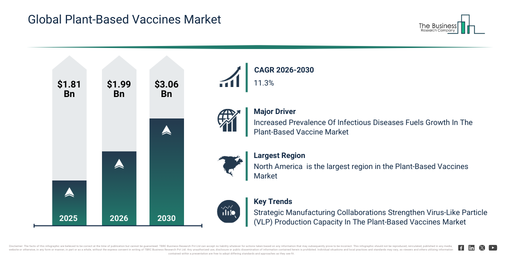
    The plant-based vaccines market has seen swift expansion in recent years. It is projected to increase from $1.81 billion in 2025 to $1.99 billion in 2026, exhibiting a compound annual growth rate (CAGR) of 10.2%. The historical growth can be attributed to several factors, including inadequate cold chain infrastructure in developing regions, the high expense of conventional vaccine production, the rising incidence of zoonotic diseases, initial academic research in plant molecular farming, and governmental support for alternative biologics.

    The plant-based vaccines market size is projected to undergo substantial growth in the forthcoming years. It is anticipated to expand to $3.06 billion by 2030, driven by a compound annual growth rate (CAGR) of 11.3%. This expansion during the forecast period is attributable to an escalating demand for scalable vaccine platforms, an increase in pandemic preparedness initiatives, rising investments in plant biotechnology startups, the need for cost-effective veterinary vaccines, and developments in the regulatory landscape for novel vaccine platforms. Key trends anticipated during the forecast period encompass the broadening of recombinant antigen expression in plants, a heightened adoption of plant-based platforms for veterinary vaccines, an amplified focus on developing oral and edible vaccines, growing public and private financial support for alternative vaccine platforms, and advancements in downstream processing and purification technologies.

    Access Your Free Sample Report For In-Depth Market Analysis:

    https://www.thebusinessresearchcompany.com/sample.aspx?id=12144&type=smp

    What Leading Drivers Are Supporting The Plant-Based Vaccines Market Expansion?

    The widespread occurrence of infectious diseases is expected to propel the growth of the plant-based vaccines market going forward. These illnesses are caused by pathogenic microorganisms such as bacteria, viruses, or parasites, which can spread directly or indirectly and present significant health risks worldwide. The increasing number of infectious disease cases is driven by factors like greater global mobility, urban crowding, and weakened immunity in certain populations. Plant-based vaccines offer innovative platforms that can be rapidly scaled and adapted to address these rising health challenges. For instance, in March 2024, according to the Centers for Disease Control and Prevention (CDC), a US-based federal agency, the number of tuberculosis (TB) cases rose from 8,320 in 2022 to 9,615 in 2023, an increase of 1,295 cases. Therefore, the high prevalence of infectious diseases is driving the expansion of the plant-based vaccines market.

    How Is The Plant-Based Vaccines Market Organized By Segment Classification?

    The plant-based vaccines market covered in this report is segmented –

    1) By Vaccine Type: Bacterial Vaccines, Viral Vaccines, Parasite Vaccines, Other Vaccine Types

    2) By Source: Tobacco Plant, Maize, Potato, Other Sources

    3) By Application: Influenza, Zika Virus, Ebola Virus, Poultry Disease, Other Applications

    Subsegments:

    1) By Bacterial Vaccines: Recombinant Bacterial Vaccines, Conjugate Bacterial Vaccines, DNA-Based Bacterial Vaccines

    2) By Viral Vaccines: Inactivated Viral Vaccines, Live Attenuated Viral Vaccines, Subunit Viral Vaccines

    3) By Parasite Vaccines: Recombinant Parasite Vaccines, DNA-Based Parasite Vaccines

    4) By Other Vaccine Types: Fungal Vaccines, Multivalent Vaccines, Toxin-Based Vaccines

    Which Trends Are Impacting The Progress Of The Plant-Based Vaccines Market?

    Leading companies within the plant-based vaccines market are engaging in strategic manufacturing collaborations to expand clinical-stage production capabilities and hasten the advancement of next-generation VLP-based vaccines. These strategic manufacturing partnerships are designed to improve downstream processing efficiency, guarantee GMP-compliant manufacturing, and facilitate a seamless transition from early-stage research to clinical development. For instance, in December 2024, Aramis Biotechnologies Inc., a Canada-based company specializing in plant-based biomanufacturing of innovative vaccines, partnered with Biodextris Inc., a Canada-based CDMO specializing in cGMP complex biologic products, to support Phase 1 and Phase 2 clinical trials. Under this collaboration, the partner will perform purification, formulation, and fill-finish activities for plant-expressed VLP vaccine candidates, leading to faster scale-up, improved production quality, and strengthened readiness for advanced clinical evaluation.

    Who Are The Industry Participants Involved In The Plant-Based Vaccines Market?

    Major companies operating in the plant-based vaccines market are British American Tobacco PLC, Medicago Inc., Creative Biolabs Inc., Fraunhofer USA Inc., Biodextris Inc., Avesthagen Limited, Calyxt Inc., Mapp Biopharmaceutical Inc., Kentucky BioProcessing Inc., Planet Biotechnology Inc., Icon Genetics GmbH, PlantForm Corporation, LenioBio GmbH, iBio Inc., Lumen Bioscience Inc., Baiya Phytopharm Co. Ltd., Greenovation Biotech GmbH, Pevion Biotech AG, Zyus Life Sciences Inc., Agenus Inc.

    Get The Full Plant-Based Vaccines Market Report:

    https://www.thebusinessresearchcompany.com/report/plant-based-vaccines-global-market-report

    Which Region Leads The Plant-Based Vaccines Market In Overall Market Size?

    North America was the largest region in the plant-based vaccines market in 2025. The regions covered in the plant-based vaccines market report are Asia-Pacific, South East Asia, Western Europe, Eastern Europe, North America, South America, Middle East, Africa.

    Request A Customized Plant-Based Vaccines Market Report For Competitive Insights:

    https://www.thebusinessresearchcompany.com/report/plant-based-vaccines-global-market-report

    Browse Through More Reports Similar to the Global Plant-Based Vaccines Market 2026, By The Business Research Company

    Plant Based Proteins Market 2026

    https://www.thebusinessresearchcompany.com/report/plant-based-proteins-market

    Vaccines Market Report 2026

    https://www.thebusinessresearchcompany.com/report/vaccines-global-market-report

    Preventive Vaccines Market Report 2026

    https://www.thebusinessresearchcompany.com/report/preventive-vaccines-global-market-report

    Get in touch with us:

    The Business Research Company: https://www.thebusinessresearchcompany.com/

    Americas +1 310-496-7795

    Asia +44 7882 955267 & +91 8897263534

    Europe +44 7882 955267

    Email us at: marketing@tbrc.info

    Follow us on:

    LinkedIn: https://in.linkedin.com/company/the-business-research-company

    YouTube: https://www.youtube.com/channel/UC24_fI0rV8cR5DxlCpgmyFQ

    Global Market Model: https://www.thebusinessresearchcompany.com/global-market-model
  • Plant-Based Protein Supplements Market Growth Analysis 2026–2030 Highlighting Innovation And Competitive Landscape

    Plant-Based Protein Supplements Market Growth Analysis 2026–2030 Highlighting Innovation And Competitive Landscape

    The Business Research Company’s 2026 market reports feature enhanced tools like market attractiveness analysis, TAM assessment, and company scoring matrices, along with interactive dashboards, deeper supply chain insights, and startup coverage strengthening the depth, usability, and strategic value of insights.

    By 2030, What Market Size Is The Plant-Based Protein Supplements Market Expected To Reach Based On Its 2026 Value?

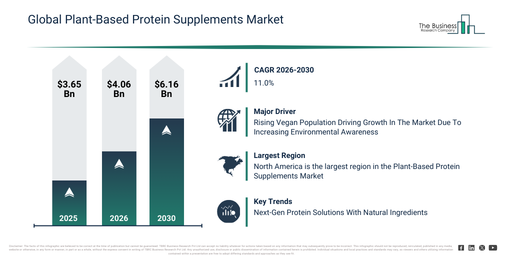
    The plant-based protein supplements market has seen swift growth in recent years. Looking ahead, it is projected to expand from $3.65 billion in 2025 to $4.06 billion in 2026, achieving a compound annual growth rate (CAGR) of 11.3%. This historical expansion can be attributed to several factors, including a growing vegetarian and vegan population, increasing awareness of protein nutrition, limited availability of plant protein sources, early adoption in sports nutrition, and rising lactose intolerance concerns.

    The plant-based protein supplements market size is set for significant expansion in the coming years, projected to reach $6.16 billion by 2030 at a compound annual growth rate (CAGR) of 11.0%. This growth during the forecast period is primarily driven by the broader application of functional foods, increasing consumer demand for sustainable protein sources, advancements in plant protein extraction technologies, the proliferation of online retail channels, and a heightened awareness regarding health and wellness. Key trends anticipated in this period include a pronounced consumer shift towards vegan and plant-based diets, a growing preference for clean label and non-GMO protein supplements, an expansion in sports and fitness nutrition consumption, ongoing product innovation in terms of flavor and texture, and an increasing demand for allergen-free and gluten-free proteins.

    Access Your Free Sample Report For In-Depth Market Analysis:

    https://www.thebusinessresearchcompany.com/sample.aspx?id=24658&type=smp

    Which Key Factors Are Driving The Plant-Based Protein Supplements Market Growth?

    The expansion of the vegan population is anticipated to fuel the future growth of the plant-based protein supplements market. A vegan population consists of individuals in a particular area, nation, or worldwide who adopt a vegan diet and lifestyle. This rise in the vegan population stems from heightened environmental consciousness, leading more people to embrace vegan diets to lessen their carbon footprint and mitigate the ecological effects of animal farming. Plant-based protein supplements serve the vegan population effectively by offering an accessible, premium source of vital nutrients and protein necessary for muscle development, recuperation, and general well-being, all while upholding a vegan lifestyle free from animal products. As an illustration, in January 2025, Finder UK, a financial comparison website based in the UK, reported that by early 2024, around 2.5 million adults in the UK, accounting for 4.7% of the populace, followed a vegan diet, indicating a significant annual rise of 1.1 million individuals. Consequently, the expanding vegan demographic is a key factor propelling the expansion of the plant-based protein supplements market.

    Which Segments Define The Plant-Based Protein Supplements Market Segment Structure?

    The plant-based protein supplements market covered in this report is segmented –

    1) By Type: Soy Protein, Wheat Protein, Pea Protein, Other Types

    2) By Product Form: Protein Powder, Protein Bars, Ready-To-Drink, Other Product Forms

    3) By Distribution Channel: Mass Merchandisers, Pharmacies Or Drugstores, Specialty Stores, Online Retail, Other Distribution Channels

    4) By Application: Sports Nutrition, Functional Food, Other Applications

    Subsegments:

    1) By Soy Protein: Concentrate, Isolate, Hydrolysate

    2) By Wheat Protein: Gluten, Hydrolyzed Wheat Protein, Wheat Protein Isolate

    3) By Pea Protein: Pea Protein Isolate, Pea Protein Concentrate

    4) By Other Types: Rice Protein, Hemp Protein, Pumpkin Seed Protein, Chia Protein

    What Trends Are Transforming The Plant-Based Protein Supplements Market?

    Leading companies in the plant-based protein supplements market are prioritizing product innovation, particularly plant-based protein powder, to strengthen their market presence and satisfy evolving consumer demands. Plant-based protein powder refers to a dietary supplement created entirely from botanical sources, designed to offer a concentrated form of protein for those seeking alternatives to animal-derived proteins. For example, in January 2025, Zyra Protein, a Columbia-based wellness and fitness services firm, launched a plant-based protein powder notable for its simplicity and purity, containing only four natural, allergen-free ingredients without artificial flavors or sweeteners such as monk fruit, stevia, or sucralose. It is also gluten-free, soy-free, and vegan, making it suitable for diverse dietary preferences.

    Who Are The Established Players Within The Plant-Based Protein Supplements Market?

    Major companies operating in the plant-based protein supplements market are Abbott Laboratories, Glanbia plc, NOW Foods Inc., Garden of Life LLC, Myprotein, Huel Ltd, Ghost Lifestyle LLC, Bulk Ltd, Ritual Inc., Nutiva Inc., Sunwarrior LLC, TB12 Sports Inc., Nutrabay Online Services Pvt. Ltd., Naked Nutrition, Ka’Chava Inc., MuscleBlaze, Plantigo Nutritional Supplements Pvt Ltd, Ora Organic Inc., Vega, Genetic Nutrition Pvt Ltd, Amazing Grass, Orgain, Vega Sport, KOS Naturals, Aloha, Four Sigmatic, Prana Organic, PlantFusion, True Nutrition, MyVegan, Tone It Up, Purely Inspired, Bob’s Red Mill, Nature’s Way, Future Kind.

    Get The Full Plant-Based Protein Supplements Market Report:

    https://www.thebusinessresearchcompany.com/report/plant-based-protein-supplements-global-market-report

    Which Region Is The Top Contributor To The Plant-Based Protein Supplements Market By Share?

    North America was the largest region in the plant-based protein supplements market in 2025. The regions covered in the plant-based protein supplements market report are Asia-Pacific, South East Asia, Western Europe, Eastern Europe, North America, South America, Middle East, Africa.

    Request A Customized Plant-Based Protein Supplements Market Report For Competitive Insights:

    https://www.thebusinessresearchcompany.com/report/plant-based-protein-supplements-global-market-report

    Browse Through More Reports Similar to the Global Plant-Based Protein Supplements Market 2026, By The Business Research Company

    Plantbasedmeat Market Report 2026

    https://www.thebusinessresearchcompany.com/report/plantbasedmeat-global-market-report

    Plant Based Protein Market Report 2026

    https://www.thebusinessresearchcompany.com/report/plant-based-protein-global-market-report

    Plant Based Vaccines Market Report 2026

    https://www.thebusinessresearchcompany.com/report/plant-based-vaccines-global-market-report

    Get in touch with us:

    The Business Research Company: https://www.thebusinessresearchcompany.com/

    Americas +1 310-496-7795

    Asia +44 7882 955267 & +91 8897263534

    Europe +44 7882 955267

    Email us at: marketing@tbrc.info

    Follow us on:

    LinkedIn: https://in.linkedin.com/company/the-business-research-company

    YouTube: https://www.youtube.com/channel/UC24_fI0rV8cR5DxlCpgmyFQ

    Global Market Model: https://www.thebusinessresearchcompany.com/global-market-model
  • Plant-Based Active Pharmaceutical Ingredients (API) Market Forecast Through 2030 With Insights On Market Patterns And Developments

    Plant-Based Active Pharmaceutical Ingredients (API) Market Forecast Through 2030 With Insights On Market Patterns And Developments

    The Business Research Company’s 2026 market reports feature enhanced tools like market attractiveness analysis, TAM assessment, and company scoring matrices, along with interactive dashboards, deeper supply chain insights, and startup coverage strengthening the depth, usability, and strategic value of insights.

    What Is The Anticipated Rise In Market Value Of The Plant-Based Active Pharmaceutical Ingredients (API) Market During The Forecast Period?

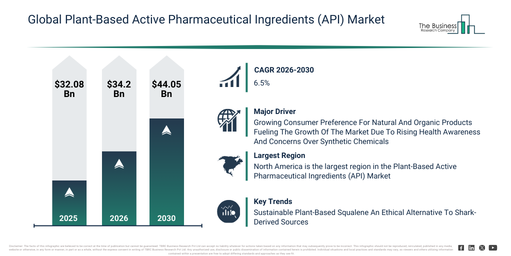
    The plant-based active pharmaceutical ingredients (API) market size has shown robust growth in recent years. Projections indicate it will expand from $32.08 billion in 2025 to $34.2 billion in 2026, achieving a compound annual growth rate (CAGR) of 6.6%. The historical surge in this market can be attributed to the adoption of traditional medicine, the accessibility of medicinal plants, cost advantages compared to synthetic APIs, the increasing development of herbal drug formulations, and a rising consumer preference for natural products.

    The plant-based active pharmaceutical ingredients (API) market is projected to experience substantial expansion in the coming years, reaching a size of $44.05 billion by 2030, with a compound annual growth rate (CAGR) of 6.5%. This anticipated growth during the forecast period is driven by factors such as sustainability-focused API sourcing, an increasing number of plant-based drugs in development, the growing convergence between nutraceuticals and pharmaceuticals, advancements in standardization methods, and a worldwide demand for environmentally friendly pharmaceuticals. Significant developments foreseen for this period encompass a heightened need for natural and herbal APIs, the proliferation of phytochemical extraction technologies, increased application of plant-derived APIs in treatments for chronic conditions, greater regulatory acceptance of herbal APIs, and a general shift towards more sustainable methods for API procurement.

    Access Your Free Sample Report For In-Depth Market Analysis:

    https://www.thebusinessresearchcompany.com/sample.aspx?id=23477&type=smp

    What Primary Drivers Are Shaping The Plant-Based Active Pharmaceutical Ingredients (API) Market?

    The increasing consumer demand for natural and organic products is anticipated to significantly boost the expansion of the plant-based active pharmaceutical ingredients (API) market moving forward. These products are defined as those created from naturally obtained components, undergoing minimal processing, and devoid of synthetic chemicals and genetically modified organisms (GMOs). This rising consumer inclination towards natural and organic options stems from heightened health consciousness and anxieties regarding synthetic chemicals, as individuals become more aware of the potential dangers linked with artificial ingredients. Plant-based APIs complement natural and organic products by delivering potent, chemical-free therapeutic advantages, thus meeting consumer expectations for pure, secure, and environmentally friendly healthcare alternatives. As an illustration, the Organic Trade Association, a US-based business group, reported in April 2025 that U.S. sales of certified organic products experienced substantial growth in 2024, increasing by 5.2%, which was more than double the 2.5% growth rate observed in the broader market. Total organic sales also reached an unprecedented $71.6 billion during that year. Consequently, the increasing consumer preference for natural and organic products is a key driver for the growth of the plant-based active pharmaceutical ingredients (API) market.

    How Is The Plant-Based Active Pharmaceutical Ingredients (API) Market Segmented Across Different Segment Categories?

    The plant-based active pharmaceutical ingredients (api) market covered in this report is segmented –

    1) By Product Type: Alkaloids, Glycosides, Cannabinoids, Flavonoid, Terpenes And Terpenoids, Polyphenols, Saponins, Other Product Types

    2) By Source: Leaves, Roots, Bark, Flowers, Seeds, Fruits, Resin And Gums, Other Sources

    3) By Distribution Channel: Online Retailers, Supermarkets Or Hypermarkets, Specialty Food Stores, Foodservice

    4) By End-Use: Pharmaceuticals, Nutraceuticals, Herbal Based Industries, Other End-Uses

    Subsegments:

    1) By Alkaloids: Morphine Alkaloids, Tropane Alkaloids, Quinolizidine Alkaloids, Indole Alkaloids, Isoquinoline Alkaloids, Pyrrolizidine Alkaloids

    2) By Glycosides: Cardiac Glycosides, Anthraquinone Glycosides, Flavonoid Glycosides, Saponin Glycosides, Cyanogenic Glycosides

    3) By Cannabinoids: Tetrahydrocannabinol (THC), Cannabidiol (CBD), Cannabigerol (CBG), Cannabichromene (CBC), Cannabinol (CBN)

    4) By Flavonoid: Flavones, Flavonols, Isoflavones, Flavanones, Anthocyanins

    5) By Terpenes And Terpenoids: Monoterpenes, Sesquiterpenes, Diterpenes, Triterpenes, Tetraterpenes

    6) By Polyphenols: Phenolic Acids, Stilbenes, Lignans, Flavonoid Polyphenols

    7) By Saponins: Steroidal Saponins, Triterpenoid Saponins

    8) By Other Product Types: Coumarins, Tannins, Lignins, Phenolic Glycosides

    What Trends Are Shaping The Future Of The Plant-Based Active Pharmaceutical Ingredients (API) Market?

    Leading companies operating within the plant-based active pharmaceutical ingredients (API) market are concentrating on creating novel products, such as plant-based squalene, to present environmentally friendly and ethically sound options compared to conventional animal-derived sources. Plant-based squalene serves as a sustainable and ethical substitute for squalene obtained from sharks, being sourced from plants including amaranth, olives, and sugarcane for diverse applications in pharmaceuticals, cosmetics, and vaccines. As an illustration, in October 2023, Evonik Industries AG, a specialty chemicals firm based in Germany, unveiled PhytoSquene, recognized as the initial GMP-quality, plant-derived squalene extracted from amaranth oil. This innovation provides an eco-conscious alternative to shark-sourced squalene, guaranteeing exceptional purity, uniformity across batches, and adherence to European Pharmacopoeia (Ph. Eur.) specifications. Squalene plays a vital role in vaccine adjuvants, enhancing the immune response. By introducing a plant-based choice, PhytoSquene addresses concerns regarding biodiversity, lessens dependence on animal resources, and accommodates cultural and religious preferences.

    Which Organizations Play A Role In The Plant-Based Active Pharmaceutical Ingredients (API) Market Landscape?

    Major companies operating in the plant-based active pharmaceutical ingredients (api) market are Indena S.p.A., Centroflora Group, Alkaloids Corporation, Alchem International Pvt. Ltd., C2 Pharma, Brains Bioceutical Corp., Bright Green Corporation, Sichuan Xieli Pharmaceutical Co. Ltd., Roquette Frères, Koninklijke DSM N.V., Evonik Industries AG, Sun Pharmaceutical Industries Ltd., Aurobindo Pharma Limited, Alembic Pharmaceuticals Ltd., Seppic, PAI Pharma, SCL Lifesciences Ltd., AMGIS Lifescience Ltd., Organotechnie, HimPharm

    Get The Full Plant-Based Active Pharmaceutical Ingredients (API) Market Report:

    https://www.thebusinessresearchcompany.com/report/plant-based-active-pharmaceutical-ingredients-api-global-market-report

    Which Region Represents The Largest Share Of The Plant-Based Active Pharmaceutical Ingredients (API) Market?

    North America was the largest region in the plant-based active pharmaceutical ingredients (API) market in 2025. Asia-Pacific is expected to be the fastest-growing region in the forecast period. The regions covered in the plant-based active pharmaceutical ingredients (api) market report are Asia-Pacific, South East Asia, Western Europe, Eastern Europe, North America, South America, Middle East, Africa.

    Request A Customized Plant-Based Active Pharmaceutical Ingredients (API) Market Report For Competitive Insights:

    https://www.thebusinessresearchcompany.com/report/plant-based-active-pharmaceutical-ingredients-api-global-market-report

    Browse Through More Reports Similar to the Global Plant-Based Active Pharmaceutical Ingredients (API) Market 2026, By The Business Research Company

    Active Pharmaceutical Ingredients Market Report 2026

    https://www.thebusinessresearchcompany.com/report/active-pharmaceutical-ingredients-global-market-report

    Pharmaceuticals Market 2026

    https://www.thebusinessresearchcompany.com/report/pharmaceuticals-market

    Veterinary Active Pharmaceutical Ingredients Manufacturing Market Report 2026

    https://www.thebusinessresearchcompany.com/report/veterinary-active-pharmaceutical-ingredients-manufacturing-global-market-report

    Get in touch with us:

    The Business Research Company: https://www.thebusinessresearchcompany.com/

    Americas +1 310-496-7795

    Asia +44 7882 955267 & +91 8897263534

    Europe +44 7882 955267

    Email us at: marketing@tbrc.info

    Follow us on:

    LinkedIn: https://in.linkedin.com/company/the-business-research-company

    YouTube: https://www.youtube.com/channel/UC24_fI0rV8cR5DxlCpgmyFQ

    Global Market Model: https://www.thebusinessresearchcompany.com/global-market-model
  • Pimozide Tablet Market Outlook For 2026–2030 Covering Growth Drivers And Industry Trends

    Pimozide Tablet Market Outlook For 2026–2030 Covering Growth Drivers And Industry Trends

    The Business Research Company’s 2026 market reports feature enhanced tools like market attractiveness analysis, TAM assessment, and company scoring matrices, along with interactive dashboards, deeper supply chain insights, and startup coverage strengthening the depth, usability, and strategic value of insights.

    How Is The Market Size Of The Pimozide Tablet Market Expected To Scale Between 2026 And 2030?

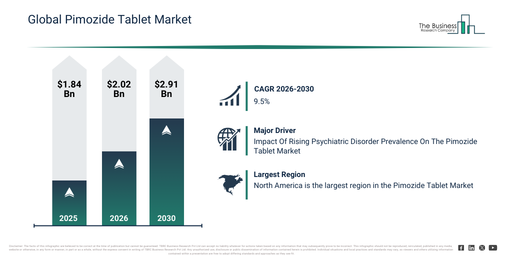
    The market for pimozide tablets has shown robust expansion in recent years. It is projected to increase from $1.84 billion in 2025 to $2.02 billion in 2026, achieving a compound annual growth rate (CAGR) of 9.9%. The drivers behind its past growth include the limited therapeutic alternatives for Tourette’s syndrome, the increasing incidence of chronic schizophrenia, improvements in hospital and clinic infrastructure, heightened awareness of antipsychotic treatments, and a continued reliance on conventional offline pharmacies.

    The pimozide tablet market is anticipated to experience robust expansion over the coming years, with projections indicating it will reach a value of $2.91 billion by 2030, driven by a compound annual growth rate (CAGR) of 9.5%. This projected increase can be ascribed to several factors, including the creation of low-dose and unit-dose pimozide tablets, the proliferation of online pharmacy platforms, a rise in the adoption of home healthcare, growing government efforts in mental health, and the incorporation of digital tools for adherence monitoring. Key developments expected during this period encompass a greater understanding of Tourette’s syndrome and chronic schizophrenia, a growing inclination towards oral antipsychotic medications, an increase in mental health care and therapy delivered at home, the broadening of online channels for pharmaceutical distribution, and the emergence of tailored dosing and packaging solutions.

    Access Your Free Sample Report For In-Depth Market Analysis:

    https://www.thebusinessresearchcompany.com/sample.aspx?id=19655&type=smp

    Which Major Drivers Are Influencing The Expansion Of The Pimozide Tablet Market?

    The expanding occurrence of psychiatric conditions is projected to boost the growth of the pimozide tablet market. Psychiatric disorders are mental health issues marked by significant disturbances in thoughts, feelings, or behaviors, leading to distress or impaired functioning. The rising prevalence of psychiatric disorders is largely due to factors such as elevated stress levels, shifting societal norms, enhanced awareness and diagnosis, and genetic predispositions. Pimozide tablets are used in psychiatric disorders to manage symptoms like delusions and tics by blocking dopamine receptors, thereby helping to reduce abnormal brain activity. For instance, in August 2025, data from the Substance Abuse and Mental Health Services Administration (SAMHSA), a US-based federal agency, showed that 23.4% of adults aged 18 or older (approximately 61.5 million people) experienced any mental illness (AMI), with about 5.6 % reporting a serious mental illness (SMI). In comparison, in 2023, 22.8 % (58.7 million people) and 5.7 % (14.6 million people) of adults reported AMI and SMI, respectively. Therefore, the increasing prevalence of psychiatric disorders is a key driver for the pimozide tablet market.

    What Are The Main Segments Within The Pimozide Tablet Market Segment Structure?

    The pimozide tablet market covered in this report is segmented –

    1) By Type: 1 Milligram, 2 Milligram, 4 Milligram

    2) By Distribution Channel: Online, Offline

    3) By Application: Tourette’s Syndrome, Chronic Schizophrenia

    4) By End User: Hospitals, Clinics, Home Use

    Which Trends Are Contributing To Changes In The Pimozide Tablet Market?

    Who Are The Companies Participating In The Pimozide Tablet Market?

    Major companies operating in the pimozide tablet market are Pfizer Inc., Johnson & Johnson, AbbVie Inc., Novartis AG, Bristol-Myers Squibb, GlaxoSmithKline plc, C.H. Boehringer Sohn AG & Co. KG, Teva Pharmaceutical Industries Ltd., Hetero Drugs, Sun Pharmaceutical Industries Ltd., Jazz Pharmaceuticals, Aurobindo Pharma, Cipla Limited, Apotex Inc., H. Lundbeck A/S, Dr. Reddy’s Laboratories, Hikma Pharmaceuticals, Amneal Pharmaceuticals, Endo International, Lupin Limited, Zydus Cadila, Alkem Laboratories, Torrent Pharmaceuticals, Glenmark Pharmaceuticals, Mallinckrodt Pharmaceuticals, Jubilant Life Sciences, Alembic Pharmaceuticals, Wockhardt, AA Pharma, Taj Pharmaceuticals

    Get The Full Pimozide Tablet Market Report:

    https://www.thebusinessresearchcompany.com/report/pimozide-tablet-global-market-report

    Which Geographic Region Dominates The Pimozide Tablet Market?

    North America was the largest region in the pimozide tablet market in 2025. The regions covered in the pimozide tablet market report are Asia-Pacific, South East Asia, Western Europe, Eastern Europe, North America, South America, Middle East, Africa.

    Request A Customized Pimozide Tablet Market Report For Competitive Insights:

    https://www.thebusinessresearchcompany.com/report/pimozide-tablet-global-market-report

    Browse Through More Reports Similar to the Global Pimozide Tablet Market 2026, By The Business Research Company

    Smart Phone Tablet Games Market Report 2026

    https://www.thebusinessresearchcompany.com/report/smart-phone-tablet-games-global-market-report

    Tablets Market Report 2026

    https://www.thebusinessresearchcompany.com/report/tablets-global-market-report

    Multivitamin Capsules And Tablets Market Report 2026

    https://www.thebusinessresearchcompany.com/report/multivitamin-capsules-and-tablets-global-market-report

    Get in touch with us:

    The Business Research Company: https://www.thebusinessresearchcompany.com/

    Americas +1 310-496-7795

    Asia +44 7882 955267 & +91 8897263534

    Europe +44 7882 955267

    Email us at: marketing@tbrc.info

    Follow us on:

    LinkedIn: https://in.linkedin.com/company/the-business-research-company

    YouTube: https://www.youtube.com/channel/UC24_fI0rV8cR5DxlCpgmyFQ

    Global Market Model: https://www.thebusinessresearchcompany.com/global-market-model
  • Rising Aging And Postmenopausal Female Population Driving Growth Due To Increased Need For Hormonal Balance And Symptom Management Is Supporting Expansion In The Phytogenic Feed Additives Market

    Rising Aging And Postmenopausal Female Population Driving Growth Due To Increased Need For Hormonal Balance And Symptom Management Is Supporting Expansion In The Phytogenic Feed Additives Market

    The Business Research Company’s 2026 market reports feature enhanced tools like market attractiveness analysis, TAM assessment, and company scoring matrices, along with interactive dashboards, deeper supply chain insights, and startup coverage strengthening the depth, usability, and strategic value of insights.

    What Level Of Market Value Growth Is Predicted For The Phytogenic Feed Additives Market From 2026 To 2030?

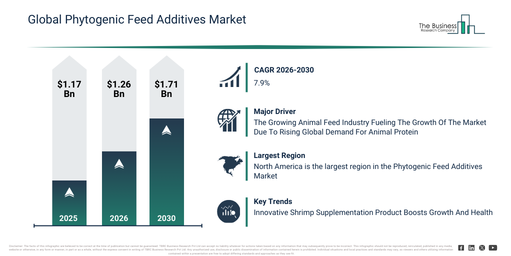
    The phytogenic feed additives market has demonstrated significant growth in recent years. This market is expected to expand from $1.17 billion in 2025 to $1.26 billion in 2026, achieving a compound annual growth rate (CAGR) of 7.9%. The market’s expansion during the historical period stems from factors such as regulatory bans on antibiotic growth promoters, an increasing demand for animal protein, the traditional incorporation of herbs and spices in feed, the proliferation of commercial livestock farming, and a heightened awareness of animal gut health.

    The phytogenic feed additives market is projected to experience substantial expansion in the coming years. Its size is anticipated to reach $1.71 billion by 2030, exhibiting a compound annual growth rate (CAGR) of 7.9%. This projected growth is driven by factors such as the rise of sustainable animal farming practices, a growing consumer preference for antibiotic-free meat products, broader applications in aquaculture feed, innovations in plant extract technologies, and an increased emphasis on animal welfare. Key trends anticipated during this period encompass the wider integration of these additives as alternatives to antibiotics in animal feed, a heightened interest in natural growth promoters, their increased incorporation into poultry and livestock diets, the proliferation of organic and sustainable feed options, and a greater emphasis on improving gut health and feed efficiency.

    Access Your Free Sample Report For In-Depth Market Analysis:

    https://www.thebusinessresearchcompany.com/sample.aspx?id=24379&type=smp

    What Key Drivers Are Fueling The Growth Of The Phytogenic Feed Additives Market?

    The expansion of the animal feed industry is anticipated to boost the growth of the phytogenic feed additives market in the future. This industry encompasses the creation, manufacturing, and supply of feed designed to fulfill the dietary requirements of animals such as livestock, poultry, and those in aquaculture. The primary reason for the animal feed industry’s growth is the increasing worldwide demand for animal protein, fueled by a rising global population and evolving dietary habits. Phytogenic feed additives benefit the animal feed sector by providing natural, plant-derived options that enhance animal well-being and productivity. These additives support digestive health, strengthen immune systems, and optimize growth, thereby facilitating sustainable and efficient livestock farming. For example, data from July 2024, released by the UK government’s Department for Environment, Food and Rural Affairs, showed that overall animal feed production hit 31,128 tonnes in 2023, an increase from 29,397 tonnes in 2022. Consequently, the expanding animal feed industry is a key factor propelling the phytogenic feed additives market’s expansion.

    How Is Segmentation Applied In The Phytogenic Feed Additives Market Segment Analysis?

    The phytogenic feed additives market covered in this report is segmented –

    1) By Type: Essential Oils, Flavonoids, Saponins, Oleoresins, Other Types

    2) By Form: Powder, Liquid, Granules

    3) By Application: Antimicrobial Effect, Digestion Enhancement, Growth Promotion, Other Applications

    4) By End-Use Industry: Animal Feed Industry, Pet Food Industry, Aquaculture Industry

    Subsegments:

    1) By Essential Oils: Thyme Oil, Oregano Oil, Peppermint Oil, Eucalyptus Oil, Garlic Oil

    2) By Flavonoids: Citrus Flavonoids, Soy Flavonoids, Tea Flavonoids

    3) By Saponins: Quillaja Saponins, Yucca Saponins

    4) By Oleoresins: Capsicum Oleoresin, Turmeric Oleoresin, Paprika Oleoresin, Ginger Oleoresin

    5) By Other Types: Tannins, Alkaloids, Limonoids, Terpenoids

    What Market Trends Are Affecting The Phytogenic Feed Additives Market?

    Leading companies in the phytogenic feed additives market are concentrating on developing innovative items, such as shrimp supplementation products, to boost growth, enhance immune health, and improve overall shrimp production efficiency. A shrimp supplementation product is defined as a feed additive or nutritional supplement specifically created to enhance the growth, health, immunity, and general performance of shrimp in aquaculture. For example, in April 2023, Kemin AquaScience, a US-based biotechnology research company, launched Pathorol, a natural phytogenic feed additive, to improve the health of farmed shrimp. This product is a shrimp supplementation designed to support the health of the hepatopancreas, a vital organ in shrimp digestion. It enhances feed digestibility and growth performance and reduces size variability in shrimp, ultimately fostering healthy growth and increased productivity.

    Who Are The Companies Participating In The Phytogenic Feed Additives Market Environment?

    Major companies operating in the phytogenic feed additives market are Cargill Incorporated, Archer-Daniels-Midland Company, BASF SE, SHV Holdings, DuPont de Nemours Inc., DSM-Firmenich AG, Land O’Lakes Inc., Alltech Inc., Kemin Industries Inc., Synthite Industries Private Limited, Natural Remedies Pvt. Ltd., Esseco Group, Biovet, Nutrex N.V, Camlin Fine Sciences Ltd, Phytobiotics Futterzusatzstoffe GmbH?, Growell India Private Limited, Indian Herbs Specialities Pvt. Ltd., Green Pharma, Phytosynthese S.A.S.

    Get The Full Phytogenic Feed Additives Market Report:

    https://www.thebusinessresearchcompany.com/report/phytogenic-feed-additives-global-market-report

    Which Region Is The Leading Market For The Phytogenic Feed Additives Market?

    North America was the largest region in the phytogenic feed additives market in 2025. Asia-Pacific is expected to be the fastest-growing region in the forecast period. The regions covered in the phytogenic feed additives market report are Asia-Pacific, South East Asia, Western Europe, Eastern Europe, North America, South America, Middle East, Africa.

    Request A Customized Phytogenic Feed Additives Market Report For Competitive Insights:

    https://www.thebusinessresearchcompany.com/report/phytogenic-feed-additives-global-market-report

    Browse Through More Reports Similar to the Global Phytogenic Feed Additives Market 2026, By The Business Research Company

    Nutritional Feed Additives Market Report 2026

    https://www.thebusinessresearchcompany.com/report/nutritional-feed-additives-global-market-report

    Feed Additives Market Report 2026

    https://www.thebusinessresearchcompany.com/report/feed-additives-global-market-report

    Medical Feed Additives Market Report 2026

    https://www.thebusinessresearchcompany.com/report/medical-feed-additives-global-market-report

    Get in touch with us:

    The Business Research Company: https://www.thebusinessresearchcompany.com/

    Americas +1 310-496-7795

    Asia +44 7882 955267 & +91 8897263534

    Europe +44 7882 955267

    Email us at: marketing@tbrc.info

    Follow us on:

    LinkedIn: https://in.linkedin.com/company/the-business-research-company

    YouTube: https://www.youtube.com/channel/UC24_fI0rV8cR5DxlCpgmyFQ

    Global Market Model: https://www.thebusinessresearchcompany.com/global-market-model
  • Chronic Diseases Drive Growth Of Erectile Dysfunction Drug Is Contributing To Changes In The Phytoestrogen Supplements Market

    Chronic Diseases Drive Growth Of Erectile Dysfunction Drug Is Contributing To Changes In The Phytoestrogen Supplements Market

    The Business Research Company’s 2026 market reports feature enhanced tools like market attractiveness analysis, TAM assessment, and company scoring matrices, along with interactive dashboards, deeper supply chain insights, and startup coverage strengthening the depth, usability, and strategic value of insights.

    How Will The Market Value Of The Phytoestrogen Supplements Market Progress Between 2026 And 2030?

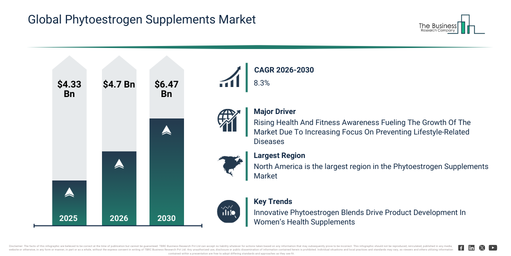
    The phytoestrogen supplements market has demonstrated significant expansion in recent years. Its valuation is projected to increase from $4.33 billion in 2025 to $4.7 billion by 2026, reflecting a compound annual growth rate (CAGR) of 8.5%. This historic period’s growth can be ascribed to factors such as limited public awareness regarding phytoestrogen benefits, reliance on conventional hormone replacement therapies, an expanding aging female demographic, the rising prevalence of menopausal symptoms, and the growth of the health and wellness market.

    The phytoestrogen supplements market size is anticipated to experience robust expansion over the next few years. It is projected to reach $6.47 billion by 2030, growing at a compound annual growth rate (CAGR) of 8.3%. This projected growth throughout the forecast period stems from factors such as increasing demand for plant-based supplements, the development of innovative phytoestrogen formulations, the proliferation of online nutraceutical platforms, escalating government and healthcare initiatives focused on women’s health, and the integration of personalized nutrition solutions. Significant trends during the forecast period include a rising demand for menopause and hormonal health supplements, an increase in plant-based and natural dietary products, heightened consumer awareness concerning bone and cardiovascular health, the expansion of online and retail distribution channels for nutraceuticals, and the creation of targeted phytoestrogen formulations and combinations.

    Access Your Free Sample Report For In-Depth Market Analysis:

    https://www.thebusinessresearchcompany.com/sample.aspx?id=27383&type=smp

    Which Drivers Are Supporting The Phytoestrogen Supplements Market Growth?

    The burgeoning emphasis on health and well-being is projected to boost the expansion of the phytoestrogen supplements market in the foreseeable future. Health and well-being encompass sustaining complete physical and mental wellness via consistent physical activity, balanced diet, and sound lifestyle decisions. This concentration on health and fitness is escalating because a greater number of individuals are recognizing the dangers linked to diseases stemming from lifestyle choices, including obesity, diabetes, and cardiovascular ailments. Phytoestrogen supplements aid health and fitness through fostering hormonal equilibrium, strengthening bone integrity, and boosting overall vigor, especially for women. As an illustration, in Jun 2024, data from the International Food Information Council (IFIC), a US based non-profit organization, indicated that the percentage of Americans adhering to a particular diet or eating regimen over the last year stayed substantial at 54%. A majority of individuals seek to augment their protein consumption, with this interest rising from 59% in 2022 to 67% in 2023, and reaching 71% in 2024. Furthermore, approximately half of consumers intend to consume more fresh foods, which are broadly regarded as the most nutritious choices. Consequently, the heightened emphasis on health and fitness is spurring the expansion of the phytoestrogen supplements market.

    What Segment Categories Shape The Phytoestrogen Supplements Market Segment Landscape?

    The phytoestrogen supplements market covered in this report is segmented –

    1) By Type: Flavonoids, Daidzen, Denistein, Glycitein, Biochanin A, Coumestans, Prenyl Flavonoids, Lignans, Stilbenes, Other Types

    2) By Source: Nuts And Oilseeds, Soy Products, Cereal And Bread, Legumes, Meat Products, Other Sources

    3) By Distribution Channel: Online Stores, Pharmacies, Health Stores, Other Distribution Channel

    4) By Application: Food And Beverages, Nutraceuticals, Cosmetics, Other Applications

    5) By End-User: Hospital And Clinics, Wellness Centers, Other End-Users

    Subsegments:

    1) By Flavonoids: Isoflavones, Flavonols, Flavanones

    2) By Daidzen: Natural Daidzein Extracts, Synthetic Daidzein Compounds

    3) By Denistein: Fermented Soy-Derived Genistein, Non-Fermented Soy Genistein

    4) By Glycitein: Soy-Based Glycitein, Red Clover-Based Glycitein

    5) By Biochanin A: Red Clover Extracts, Chickpea-Derived Biochanin A

    6) By Coumestans: Coumestrol, Coumestan-Rich Legume Extracts

    7) By Prenyl Flavonoids: 8-Prenylnaringenin, Xanthohumol

    8) By Lignans: Flaxseed-Derived Lignans, Sesame Seed-Derived Lignans

    9) By Stilbenes: Resveratrol, Pterostilbene

    10) By Other Types: Mycoestrogens, Enterolignans, Phlorotannins

    Which Trends Are Influencing Demand In The Phytoestrogen Supplements Market?

    Major companies in the phytoestrogen supplements market are concentrating on developing innovative solutions, such as phytoestrogen blends, to improve the effectiveness and absorption of their products. Phytoestrogen blends are defined as supplements that integrate various plant-based estrogenic compounds to enhance hormonal support and overall health advantages. For instance, in August 2023, Designs for Health, a US-based provider of high-quality nutritional supplements, released a phytoestrogen blend as part of its new women’s health supplement line, aiming to offer natural support for hormonal balance and relief from menopausal symptoms. This blend utilizes plant-derived compounds known as phytoestrogens, which imitate or regulate estrogen activity in the body to address women’s health needs, including managing menopausal symptoms, promoting bone health, and fostering overall well-being. The introduction of this product indicates the increasing demand for natural alternatives to conventional hormone therapies and highlights Designs for Health’s commitment to research-backed, practitioner-recommended solutions for women at all stages of life.

    Who Are The Companies Operating Across The Phytoestrogen Supplements Market Value Chain?

    Major companies operating in the phytoestrogen supplements market are Archer Daniels Midland Company, Herbalife Ltd., GNC Holdings Inc., Helios Lifestyle Private Limited, NOW Health Group Inc., Blackmores Limited, Vitacost.com Inc., Nature’s Way, Swanson Health Products, Gaia Herbs Inc., Natural Organics Inc., Solaray LLC, Nutra Green Biotechnology Co. Ltd., Medisys Biotech Pvt. Ltd., Frutarom Ltd., HerboNutra, Tradichem S.L., Aushadhi Herbal.

    Get The Full Phytoestrogen Supplements Market Report:

    https://www.thebusinessresearchcompany.com/report/phytoestrogen-supplements-global-market-report

    Where Is The Phytoestrogen Supplements Market Primarily Concentrated By Region?

    North America was the largest region in the phytoestrogen supplements market in 2025. Asia-Pacific is expected to be the fastest-growing region in the forecast period. The regions covered in the phytoestrogen supplements market report are Asia-Pacific, South East Asia, Western Europe, Eastern Europe, North America, South America, Middle East, Africa.

    Request A Customized Phytoestrogen Supplements Market Report For Competitive Insights:

    https://www.thebusinessresearchcompany.com/report/phytoestrogen-supplements-global-market-report

    Browse Through More Reports Similar to the Global Phytoestrogen Supplements Market 2026, By The Business Research Company

    Trade Management Software Market Report 2026

    https://www.thebusinessresearchcompany.com/report/trade-management-software-global-market-report

    Algorithmic Trading Market Report 2026

    https://www.thebusinessresearchcompany.com/report/algorithmic-trading-global-market-report

    Automated Algo Trading Market Report 2026

    https://www.thebusinessresearchcompany.com/report/automated-algo-trading-global-market-report

    Get in touch with us:

    The Business Research Company: https://www.thebusinessresearchcompany.com/

    Americas +1 310-496-7795

    Asia +44 7882 955267 & +91 8897263534

    Europe +44 7882 955267

    Email us at: marketing@tbrc.info

    Follow us on:

    LinkedIn: https://in.linkedin.com/company/the-business-research-company

    YouTube: https://www.youtube.com/channel/UC24_fI0rV8cR5DxlCpgmyFQ

    Global Market Model: https://www.thebusinessresearchcompany.com/global-market-model