Month: May 2026

  • Modular Fill-Finish Micro-Factory Market Growth Patterns And Forecast Outlook Through 2030

    Modular Fill-Finish Micro-Factory Market Growth Patterns And Forecast Outlook Through 2030

    The Business Research Company’s 2026 market reports feature enhanced tools like market attractiveness analysis, TAM assessment, and company scoring matrices, along with interactive dashboards, deeper supply chain insights, and startup coverage strengthening the depth, usability, and strategic value of insights.

    How Is The Market Size Of The Modular Fill-Finish Micro-Factory Market Expected To Scale Between 2026 And 2030?

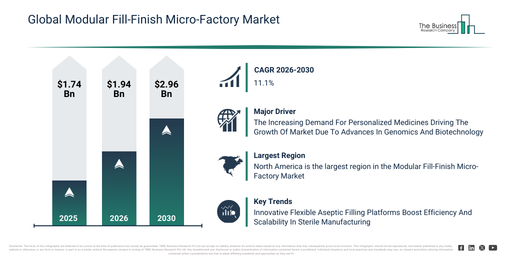
    The modular fill-finish micro-factory market has experienced swift expansion in recent years. This market is projected to grow from $1.74 billion in 2025 to $1.94 billion in 2026, showcasing a compound annual growth rate (CAGR) of 11.4%. Historically, its growth has been influenced by the expansion of biologics manufacturing, increasing vaccine production requirements, the broadening of contract manufacturing services, rising demand for sterile injectable drugs, and the initial adoption of modular production concepts.

    The modular fill-finish micro-factory market is anticipated to undergo significant expansion in the coming years. Its value is projected to climb to $2.96 billion by 2030, demonstrating a compound annual growth rate (CAGR) of 11.1%. This progression during the forecast period stems from increased capital allocation to decentralized manufacturing, an escalating requirement for facilities capable of producing rapid-response vaccines, the broadening scope of personalized medicine fabrication, an intensified concentration on operational versatility, and the increasing acceptance of modular setups by regulatory bodies. Noteworthy trends for the forecast period encompass a wider rollout of modular sterile manufacturing units, the growing adoption of robotic fill-finish systems, an escalating need for expedited manufacturing scale-up, the growth of prefabricated GMP facilities, and a sharpened emphasis on adaptable production capacities.

    Access Your Free Sample Report For In-Depth Market Analysis:

    https://www.thebusinessresearchcompany.com/sample.aspx?id=29131&type=smp

    What Leading Drivers Are Supporting The Modular Fill-Finish Micro-Factory Market Expansion?

    The escalating need for personalized medicines is projected to fuel the expansion of the modular fill-finish micro-factory market moving forward. Personalized medicine defines a medical methodology that customizes the prevention, diagnosis, and treatment of illnesses according to an individual’s genetic, environmental, and lifestyle elements. The heightened desire for personalized medicines stems from breakthroughs in genomics and biotechnology, enabling treatments specifically tailored to a person’s genetic makeup for enhanced effectiveness and safety. Modular fill-finish micro-factories facilitate the production of personalized medicines by allowing for adaptable, small-scale, and rapid manufacturing processes designed to suit individual patient requirements. For instance, in February 2024, as per the Personalized Medicine Coalition, a US-based non-profit organization, in 2023, the FDA approved 16 new personalized therapies for patients with rare diseases, indicating a considerable increase from the six approvals recorded in 2022. Thus, the rising demand for personalized medicines is propelling the growth of the modular fill-finish micro-factory market.

    Which Segment Classifications Are Used In The Modular Fill-Finish Micro-Factory Market Segment Analysis?

    The modular fill-finish micro-factory market covered in this report is segmented –

    1) By Product Type: Automated Modular Fill-Finish Systems, Semi-Automated Modular Fill-Finish Systems, Manual Modular Fill-Finish Systems

    2) By Scale: Clinical, Commercial

    3) By Application: Pharmaceuticals, Biotechnology, Contract Manufacturing Organizations, Other Applications

    4) By End-User: Pharmaceutical Companies, Biotech Companies, Research Institutes, Other End-Users

    Subsegments:

    1) By Automated Modular Fill-Finish Systems: Robotic Filling Units, Automated Capping Units, Automated Labeling Units, Sterile Transfer Systems, Integrated Packaging Modules

    2) By Semi-Automated Modular Fill-Finish Systems: Semi-Automated Filling Machines, Semi-Automated Capping Machines, Semi-Automated Labeling Machines, Semi-Automated Transfer Systems, Partially Integrated Packaging Units

    3) By Manual Modular Fill-Finish Systems: Manual Filling Stations, Manual Capping Stations, Manual Labeling Stations, Manual Transfer Tools, Manual Packaging Workstations

    Which Trends Are Impacting The Progress Of The Modular Fill-Finish Micro-Factory Market?

    Leading companies in the modular fill-finish micro-factory market are concentrating on developing innovative solutions, such as flexible and interchangeable aseptic filling platforms, to improve production efficiency, precision, and scalability in sterile manufacturing. These advanced systems are engineered to handle multiple container types and batch sizes within a sterile environment, enabling rapid configuration changes to support diverse product and production needs. For example, in February 2025, Recipharm AB, a Sweden-based contract development and manufacturing organization, introduced a new modular sterile filling system. This system is designed to support process development, pilot-scale, and clinical supply manufacturing, operating within a Grade A isolator and fully complying with Good Manufacturing Practice (GMP) standards to facilitate a completely GMP-compliant aseptic filling process. Optimized for small-batch production, ranging from 500 to 50,000 units per batch, it offers exceptional flexibility through interchangeable modules compatible with various product types, including syringes and vials. Its cost-efficient design limits high-value product loss to less than 500 mL, making it particularly suitable for clinical development projects in rare diseases, cell and gene therapies, and other advanced modalities.

    Which Firms Are Contributing To The Modular Fill-Finish Micro-Factory Market Ecosystem?

    Major companies operating in the modular fill-finish micro-factory market are Groninger And Co. GmbH, Lonza Group AG, Sartorius AG, Turner Industries Group LLC, ATS Life Sciences Systems Inc., IMA Group S.p.A., Recipharm AB, Syntegon Technology GmbH, Truking Technology Limited, Optima Packaging Group GmbH, Marchesini Group SPA, Tofflon Science and Technology Co. Ltd., Comecer S.p.A., G-CON Manufacturing Inc., Aseptic Technologies S.A., Steriline S.r.l., Colanar AG, Litek Pharma Solutions Co. Ltd., SKAN AG, Modular Mobile Facility.

    Get The Full Modular Fill-Finish Micro-Factory Market Report:

    https://www.thebusinessresearchcompany.com/report/modular-fill-finish-micro-factory-global-market-report

    Which Geographic Region Dominates The Modular Fill-Finish Micro-Factory Market?

    North America was the largest region in the modular fill-finish micro-factory market in 2025. Asia-Pacific is expected to be the fastest-growing region in the forecast period. The regions covered in the modular fill-finish micro-factory market report are Asia-Pacific, South East Asia, Western Europe, Eastern Europe, North America, South America, Middle East, Africa.

    Request A Customized Modular Fill-Finish Micro-Factory Market Report For Competitive Insights:

    https://www.thebusinessresearchcompany.com/report/modular-fill-finish-micro-factory-global-market-report

    Browse Through More Reports Similar to the Global Modular Fill-Finish Micro-Factory Market 2026, By The Business Research Company

    Fill Finish Manufacturing Market Report 2026

    https://www.thebusinessresearchcompany.com/report/fill-finish-manufacturing-global-market-report

    Fill Finish Pharmaceutical Contract Manufacturing Market Report 2026

    https://www.thebusinessresearchcompany.com/report/fill-finish-pharmaceutical-contract-manufacturing-global-market-report

    Filling Machines Market Report 2026

    https://www.thebusinessresearchcompany.com/report/filling-machines-global-market-report

    Get in touch with us:

    The Business Research Company: https://www.thebusinessresearchcompany.com/

    Americas +1 310-496-7795

    Asia +44 7882 955267 & +91 8897263534

    Europe +44 7882 955267

    Email us at: marketing@tbrc.info

    Follow us on:

    LinkedIn: https://in.linkedin.com/company/the-business-research-company

    YouTube: https://www.youtube.com/channel/UC24_fI0rV8cR5DxlCpgmyFQ

    Global Market Model: https://www.thebusinessresearchcompany.com/global-market-model
  • Minimal Residual Disease Testing Market Insights On Growth Drivers, Trends, And Opportunities

    Minimal Residual Disease Testing Market Insights On Growth Drivers, Trends, And Opportunities

    The Business Research Company’s 2026 market reports feature enhanced tools like market attractiveness analysis, TAM assessment, and company scoring matrices, along with interactive dashboards, deeper supply chain insights, and startup coverage strengthening the depth, usability, and strategic value of insights.

    What Level Of Market Value Growth Is Predicted For The Minimal Residual Disease Testing Market From 2026 To 2030?

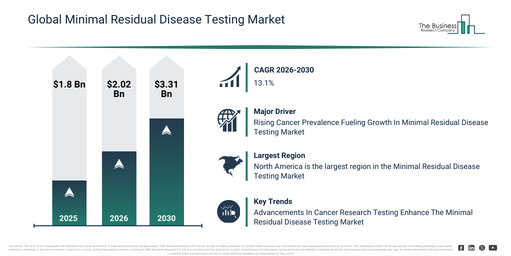
    The minimal residual disease testing market has experienced substantial expansion in recent years. It is projected to increase from $1.8 billion in 2025 to $2.02 billion in 2026, exhibiting a compound annual growth rate (CAGR) of 12.5%. The historical growth of this market can be attributed to the rising prevalence of hematological malignancies, advancements in molecular diagnostic technologies, heightened awareness about minimal residual disease, increased adoption of precision medicine, and supportive government healthcare initiatives.

    The minimal residual disease testing market is projected to experience substantial expansion in the coming years. It is anticipated to reach $3.31 billion by 2030, demonstrating a compound annual growth rate (CAGR) of 13.1%. This growth during the forecast period can be attributed to factors such as technological progress in nGS and digital PCR, increased funding for cancer research, growing partnerships between diagnostic and pharmaceutical firms, the escalating need for personalized treatment oversight, and the development of healthcare infrastructure in emerging markets. Key trends anticipated for this period encompass the widespread adoption of liquid biopsy, customized cancer monitoring, enhancements in early detection and prognosis, the incorporation of molecular diagnostics, and the broadening of oncology research.

    Access Your Free Sample Report For In-Depth Market Analysis:

    https://www.thebusinessresearchcompany.com/sample.aspx?id=9970&type=smp

    Which Key Factors Are Driving The Minimal Residual Disease Testing Market Growth?

    The escalating incidence of cancer is projected to propel the expansion of the minimal residual disease testing market moving forward. Cancer describes a state where certain body cells multiply uncontrollably and spread to other areas of the body. Minimal residual disease testing, a highly sensitive technique for identifying cancer cells in the human body, is primarily utilized for detecting cancer stages. This capability assists cancer patients in preventing the disease at an early stage, thereby boosting the minimal residual disease testing market. For instance, in January 2023, the National Institutes of Health (NIH), a U.S.-based government agency, reported that 1,958,310 new cancer cases and 609,820 cancer deaths occurred in the United States during 2023. Consequently, the increasing prevalence of cancer is a significant driver for the growth of the minimal residual disease testing market.

    How Is The Minimal Residual Disease Testing Market Organized By Segment Classification?

    The minimal residual disease testing market covered in this report is segmented –

    1) By Test Type: DNA – Based Test, RNA- Based Test, Immunological Test

    2) By Technology: Flow Cytometry, Polymerase Chain Reaction (PCR), Next-Generation Sequencing (NGS), Other Technologies

    3) By Application: Hematological Malignancies, Leukemia, Lymphoma, Solid Tumors, Other Application

    4) By End User: Hospitals And Specialty Clinics, Diagnostic Laboratories, Academic And Research Institutes, Other End Users

    Subsegments:

    1) By DNA-Based Test: Polymerase Chain Reaction (PCR) Tests, Next-Generation Sequencing (NGS), Digital PCR

    2) By RNA-Based Test: Reverse Transcription PCR (RT-PCR), RNA Sequencing, Quantitative PCR (qPCR)

    3) By Immunological Test: Flow Cytometry, Enzyme-Linked Immunosorbent Assay (ELISA), Immunohistochemistry

    What Trends Are Transforming The Minimal Residual Disease Testing Market?

    Leading firms within the minimal residual disease testing market are introducing cancer research testing solutions designed to boost detection sensitivity, refine treatment monitoring, and further precision medicine strategies for improved patient results. The IDT Archer FUSIONPlex Core Solid Tumor Panel is a targeted next-generation sequencing assay employed for identifying gene fusions and mutations in solid tumors, thereby supporting precision oncology and choices regarding treatment. For example, in April 2023, Integrated DNA Technologies (IDT), a US-based genomic solutions provider, introduced the IDT Archer FUSIONPlex Core Solid Tumor Panel, an improved cancer research testing solution that now provides broadened and optimized coverage for single nucleotide variants (SNVs) and indels. This RNA-based sequencing assay streamlines the detection of fusions and variant calling in solid tumors, requiring only a single sample input and presenting researchers with a scalable, user-friendly option that conserves time, resources, and expenses.

    Who Are The Industry Participants Involved In The Minimal Residual Disease Testing Market?

    Major companies operating in the minimal residual disease testing market are Natera Inc., Guardant Health Inc., Laboratory Corporation of America Holdings, QIAGEN NV, F. Hoffmann-La Roche Ltd., Bio-Techne Corporation, Bio-Rad Laboratories Inc., Sysmex Corporation, Exact Sciences Corporation, GRAIL LLC, Veracyte Inc., Cergentis B.V, Mdxhealth SA, NeoGenomics Laboratories Inc., Adaptive Biotechnologies, Thermo Fisher Scientific Inc., Siemens Healthineers AG, PerkinElmer Inc., Agilent Technologies Inc., ArcherDx Inc., Asuragen Inc., Becton Dickinson and Company, Cepheid Inc., Fluidigm Corporation, Illumina Inc., Invitae Corporation, Luminex Corporation, Menarini Silicon Biosystems S.p.A.

    Get The Full Minimal Residual Disease Testing Market Report:

    https://www.thebusinessresearchcompany.com/report/minimal-residual-disease-testing-global-market-report

    Which Region Is The Leading Market For The Minimal Residual Disease Testing Market?

    North America was the largest region in the minimal residual disease testing market in 2025. The regions covered in the minimal residual disease testing market report are Asia-Pacific, South East Asia, Western Europe, Eastern Europe, North America, South America, Middle East, Africa.

    Request A Customized Minimal Residual Disease Testing Market Report For Competitive Insights:

    https://www.thebusinessresearchcompany.com/report/minimal-residual-disease-testing-global-market-report

    Browse Through More Reports Similar to the Global Minimal Residual Disease Testing Market 2026, By The Business Research Company

    Minimal Residual Disease Testing Market Report 2026

    https://www.thebusinessresearchcompany.com/report/minimal-residual-disease-testing-global-market-report

    Rare Disease Diagnostics Market Report 2026

    https://www.thebusinessresearchcompany.com/report/rare-disease-diagnostics-global-market-report

    Infectious Disease Diagnostics Testing Market Report 2026

    https://www.thebusinessresearchcompany.com/report/infectious-disease-diagnostics-testing-global-market-report

    Get in touch with us:

    The Business Research Company: https://www.thebusinessresearchcompany.com/

    Americas +1 310-496-7795

    Asia +44 7882 955267 & +91 8897263534

    Europe +44 7882 955267

    Email us at: marketing@tbrc.info

    Follow us on:

    LinkedIn: https://in.linkedin.com/company/the-business-research-company

    YouTube: https://www.youtube.com/channel/UC24_fI0rV8cR5DxlCpgmyFQ

    Global Market Model: https://www.thebusinessresearchcompany.com/global-market-model
  • Mineral Supplements Market Developments Shaping Growth Across The Forecast Period

    Mineral Supplements Market Developments Shaping Growth Across The Forecast Period

    The Business Research Company’s 2026 market reports feature enhanced tools like market attractiveness analysis, TAM assessment, and company scoring matrices, along with interactive dashboards, deeper supply chain insights, and startup coverage strengthening the depth, usability, and strategic value of insights.

    How Will The Market Value Of The Mineral Supplements Market Progress Between 2026 And 2030?

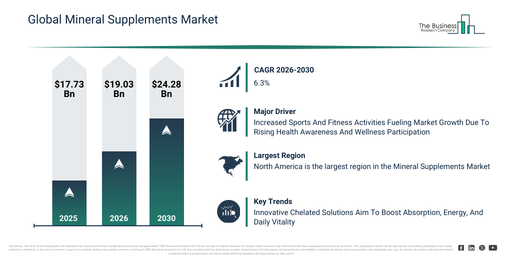
    The mineral supplements market size has demonstrated robust growth in recent years. It is anticipated to expand from $17.73 billion in 2025 to $19.03 billion in 2026, at a compound annual growth rate (CAGR) of 7.3%. This historical expansion can be attributed to several factors including the high prevalence of mineral deficiencies across populations, the longstanding use of calcium and iron supplements, an increasing public health focus on nutrition, physician recommendations for mineral supplementation, and the widespread retail availability of mineral products.

    The mineral supplements market is anticipated to show significant expansion in the coming years, with its size projected to reach $24.28 billion by 2030, demonstrating a compound annual growth rate (CAGR) of 6.3%. This projected growth throughout the forecast period stems from factors such as a globally aging population with elevated mineral needs, a growing emphasis on immunity and bone health, the increasing embrace of personalized nutrition, heightened health consciousness among younger demographics, and the broadening of online sales channels for supplements. Concurrently, major trends expected during this period include a rising consumer awareness regarding micronutrient deficiencies, an increasing demand for both preventive and daily health supplements, the diversification of mineral supplements into various formulations, a greater focus on bone, immunity, and metabolic health, and the widespread availability of affordable generic mineral supplements.

    Access Your Free Sample Report For In-Depth Market Analysis:

    https://www.thebusinessresearchcompany.com/sample.aspx?id=15609&type=smp

    What Primary Drivers Are Shaping The Mineral Supplements Market?

    Growing participation in sports and fitness pursuits is anticipated to propel the expansion of the mineral supplements market moving forward. Sports and fitness activities encompass a wide array of physical endeavors aimed at enhancing overall health, improving physical conditioning, and boosting athletic performance. The increase in sports and fitness involvement is fueled by a growing awareness of health benefits, improved access to fitness facilities, and a stronger societal focus on personal well-being. Mineral supplements support active individuals by helping to meet the elevated mineral needs associated with intense or prolonged physical activity, thereby promoting optimal muscle function, energy metabolism, and recovery. For instance, in February 2024, according to the Sports And Fitness Industry Association, a US-based Trade Association, in 2023, 78.8% of Americans aged six and older, totaling 242 million people, engaged in at least one sports or fitness activity, representing a 2.2% increase from 2022. Therefore, the heightened sports and fitness activities are driving the growth of the mineral supplements market.

    Which Segments Define The Mineral Supplements Market Segment Structure?

    The mineral supplements market covered in this report is segmented –

    1) By Product: Calcium, Magnesium, Iron, Potassium, Zinc, Chromium, Selenium, Other Products

    2) By Formulation: Capsule, Tablet, Powder, Liquid Or Gel, Other Formulations

    3) By Sales Channel: Pharmacies And Drug Stores, Supermarkets And Hypermarkets, Online Channels

    4) By Application: General Health, Bone And Joint Health, Gastrointestinal Health, Immunity, Other Applications

    5) By End Use: Adults, Geriatric, Pregnant Women, Children, Infants

    Subsegments:

    1) By Calcium: Calcium Carbonate, Calcium Citrate, Calcium Gluconate, Calcium Lactate

    2) By Magnesium: Magnesium Citrate, Magnesium Oxide, Magnesium Glycinate, Magnesium Sulfate

    3) By Iron: Ferrous Sulfate, Ferrous Fumarate, Ferrous Gluconate, Iron Polysaccharide Complex

    4) By Potassium: Potassium Chloride, Potassium Citrate, Potassium Gluconate

    5) By Zinc: Zinc Gluconate, Zinc Sulfate, Zinc Picolinate, Zinc Acetate

    6) By Chromium: Chromium Picolinate, Chromium Chloride, Chromium Nicotinate

    7) By Selenium: Selenium Methionine, Sodium Selenite, Selenomethionine

    8) By Other Products: Manganese Supplements, Copper Supplements, Iodine Supplements, Phosphorus Supplements

    What Trends Are Shaping The Future Of The Mineral Supplements Market?

    Leading companies in the mineral supplement market are focusing on the development of innovative chelated mineral solutions to significantly enhance bioavailability and improve absorption when compared to traditional mineral forms. Chelated mineral solutions are defined as mineral supplements where minerals are chemically bound to amino acids or organic molecules, thereby improving their absorption and bioavailability over conventional inorganic mineral types. For example, in July 2025, Bayer AG, a Germany-based life sciences company, launched Supradyn Naturals Ginseng, its first-ever multivitamin specifically formulated for men and marketed with the tagline “Morning Wala. Josh, Poore Din.” This supplement contains 30% more active ginseng and antioxidants from grape seed extract, designed to relieve fatigue and boost daily vitality and stamina. It also supports mental clarity and overall wellness, aiming to empower men to sustain energy and focus throughout the day to effectively manage professional and personal demands. The product incorporates essential vitamins like B12, C, and D3, and minerals such as calcium, magnesium, and zinc, positioning it as a comprehensive solution for men’s daily energy needs and cognitive health.

    Who Are The Established Players Within The Mineral Supplements Market?

    Major companies operating in the mineral supplements market are Cargill Incorporated, Nestlé S.A., Archer Daniels Midland Company, Pfizer Inc., BASF SE, Bayer AG, Sanofi SA, Abbott Laboratories, GlaxoSmithKline PLC, Otsuka Holdings Co. Ltd., DSM (Koninklijke DSM NV), Amway Corp., Glanbia plc., Orkla, Herbalife International of America Inc., GNC Holdings Inc., Kirkland Signature, Nature’s Way Products LLC, Atrium Innovations Inc., NOW Health Group Inc., Himalaya Wellness Company, Blackmores Limited, Vitabiotics Ltd., MegaFood, Pharmavite LLC

    Get The Full Mineral Supplements Market Report:

    https://www.thebusinessresearchcompany.com/report/mineral-supplements-global-market-report

    Where Is The Mineral Supplements Market Primarily Concentrated By Region?

    North America was the largest region in the mineral supplements market in 2025. The regions covered in the mineral supplements market report are Asia-Pacific, South East Asia, Western Europe, Eastern Europe, North America, South America, Middle East, Africa.

    Request A Customized Mineral Supplements Market Report For Competitive Insights:

    https://www.thebusinessresearchcompany.com/report/mineral-supplements-global-market-report

    Browse Through More Reports Similar to the Global Mineral Supplements Market 2026, By The Business Research Company

    Mineral Supplements Market Report 2026

    https://www.thebusinessresearchcompany.com/report/mineral-supplements-global-market-report

    Water Soluble Vitamin And Mineral Feed Supplements Market Report 2026

    https://www.thebusinessresearchcompany.com/report/water-soluble-vitamin-and-mineral-feed-supplements-global-market-report

    Therapeutic Nutrients And Minerals Market Report 2026

    https://www.thebusinessresearchcompany.com/report/therapeutic-nutrients-and-minerals-global-market-report

    Get in touch with us:

    The Business Research Company: https://www.thebusinessresearchcompany.com/

    Americas +1 310-496-7795

    Asia +44 7882 955267 & +91 8897263534

    Europe +44 7882 955267

    Email us at: marketing@tbrc.info

    Follow us on:

    LinkedIn: https://in.linkedin.com/company/the-business-research-company

    YouTube: https://www.youtube.com/channel/UC24_fI0rV8cR5DxlCpgmyFQ

    Global Market Model: https://www.thebusinessresearchcompany.com/global-market-model
  • Milk Protein Concentrate (MPC) Market Forecast With Insights On Demand And Industry Growth

    Milk Protein Concentrate (MPC) Market Forecast With Insights On Demand And Industry Growth

    The Business Research Company’s 2026 market reports feature enhanced tools like market attractiveness analysis, TAM assessment, and company scoring matrices, along with interactive dashboards, deeper supply chain insights, and startup coverage strengthening the depth, usability, and strategic value of insights.

    What Are The Market Size Estimates For The Milk Protein Concentrate (MPC) Market In 2026 And 2030?

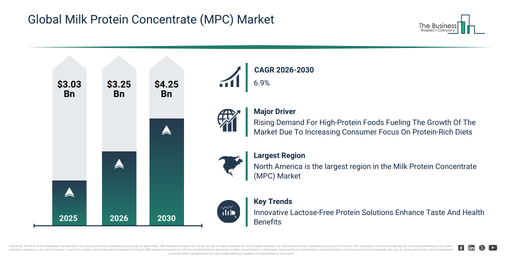
    The milk protein concentrate (mpc) market size has demonstrated significant expansion in recent years. It is anticipated to expand from $3.03 billion in 2025 to $3.25 billion in 2026, achieving a compound annual growth rate (CAGR) of 7.2%. This historical growth can be ascribed to progress in dairy processing, the increasing demand for food fortification, the development of sports nutrition, various infant formula applications, and the effective utilization of whey and casein.

    The market for milk protein concentrate (mpc) is projected to experience substantial expansion in the coming years. This market is anticipated to reach a valuation of $4.25 billion by 2030, demonstrating a compound annual growth rate (CAGR) of 6.9%. Several factors contribute to this growth during the forecast period, including advancements in plant-dairy blends, the increasing demand for protein-fortified foods, the expansion of medical nutrition applications, sustainable dairy processing methods, and rising consumption in emerging markets. Key trends observed over the forecast period encompass a surging need for high-protein nutritional products, the proliferation of sports and clinical nutrition offerings, greater integration into functional foods, a broadening of dairy ingredient uses, and a growing inclination towards clean-label protein alternatives.

    Access Your Free Sample Report For In-Depth Market Analysis:

    https://www.thebusinessresearchcompany.com/sample.aspx?id=24606&type=smp

    Which Major Drivers Are Influencing The Expansion Of The Milk Protein Concentrate (MPC) Market?

    The anticipated growth of the Milk protein concentrate (MPC) market is propelled by the increasing consumer demand for high-protein foods. This growing demand signifies that consumers are progressively prioritizing protein as a fundamental component of their diet, with health awareness and fitness trends motivating individuals to seek foods that provide lasting satiety and support muscle maintenance. Milk protein concentrate effectively supports this demand by offering a concentrated, functional source of dairy protein, which food manufacturers can readily integrate into protein-fortified products. For instance, in July 2025, the International Food Information Council (IFIC), a US-based nutrition non-profit, indicated that 70% of Americans reported making an effort to consume more protein, and 23% stated they had adhered to a high-protein diet in the past year, a rise from 18% in 2023. Therefore, the escalating demand for high-protein foods is a key driver for the expansion of the Milk protein concentrate (MPC) market.

    How Is The Milk Protein Concentrate (MPC) Market Segmented Across Different Segment Categories?

    The milk protein concentrate (mpc) market covered in this report is segmented –

    1) By Composition: Milk Protein Concentrate 40%, Milk Protein Concentrate 70%, Milk Protein Concentrate 85%

    2) By Ingredient Type: Total Milk Proteins, Co-Precipitates, Milk Protein Isolates, Blends, Other Ingredient Types

    3) By Nature: Organic, Conventional

    4) By Form: Liquid, Powder

    5) By End-User Industry: Healthcare, Food And Beverage, Automotive, Electronics, Chemicals And Materials

    Subsegments:

    1) By Milk Protein Concentrate 40%: Standard MPC 40% Powder, Instantized MPC 40%, Low-Lactose MPC 40%, Conventional MPC 40%

    2) By Milk Protein Concentrate 70%: Standard MPC 70% Powder, Instantized MPC 70%, High-Functional MPC 70%, Low-Fat MPC 70%

    3) By Milk Protein Concentrate 85%: Ultra-Filtered MPC 85%, High-Purity MPC 85%, Instantized MPC 85%, Sports And Clinical Nutrition Grade MPC 85%

    Which Trends Are Contributing To Changes In The Milk Protein Concentrate (MPC) Market?

    Major companies operating in the milk protein concentrate market are primarily focused on developing novel products, such as lactose-free milk protein, to serve lactose-intolerant consumers and expand their market reach. Lactose-free milk protein refers to milk protein concentrate that has undergone special processing to remove lactose, making it appropriate for individuals with lactose intolerance. As an illustration, in November 2023, Valio Ltd., a US-based dairy company, launched Valio Eila MPC 65, a protein concentrate created to enhance the taste and health benefits of high-protein products. This concentrate combines the inherent whey and casein proteins and amino acids found in milk, allowing manufacturers to produce high-protein items with a smooth texture and pleasant milky flavor, thus avoiding the gritty consistency and off-flavors common in many protein powders. It also supports simpler ingredient declarations, is suitable for diverse applications from beverages to desserts, and aids in streamlining production by eliminating the need for extra processing steps.

    Which Organizations Play A Role In The Milk Protein Concentrate (MPC) Market Landscape?

    Major companies operating in the milk protein concentrate (mpc) market are Lactalis Group, Arla Foods, Fonterra Co-operative Group Limited, Saputo Inc., Royal FrieslandCampina N.V., Agropur Dairy Cooperative, Valio Ltd., Glanbia Nutritionals, Actus Nutrition Inc., California Dairies Inc., Ingredia SA, Numidia Dairy Company, Idaho Milk Products LLC, BioHealth Products Inc., Paras Dairy Foods Pvt. Ltd., Open Country Dairy LLC, Interfood Group A/S, Eurial Coopérative Laitière, Amco Proteins Ltd., Agrocomplex Group

    Get The Full Milk Protein Concentrate (MPC) Market Report:

    https://www.thebusinessresearchcompany.com/report/milk-protein-concentrate-mpc-global-market-report

    Which Region Has The Greatest Market Share In The Milk Protein Concentrate (MPC) Market?

    North America was the largest region in the milk protein concentrate market in 2025. The regions covered in the milk protein concentrate (mpc) market report are Asia-Pacific, South East Asia, Western Europe, Eastern Europe, North America, South America, Middle East, Africa.

    Request A Customized Milk Protein Concentrate (MPC) Market Report For Competitive Insights:

    https://www.thebusinessresearchcompany.com/report/milk-protein-concentrate-mpc-global-market-report

    Browse Through More Reports Similar to the Global Milk Protein Concentrate (MPC) Market 2026, By The Business Research Company

    Milk Protein Market Report 2026

    https://www.thebusinessresearchcompany.com/report/milk-protein-global-market-report

    Egg Protein Powder Market Report 2026

    https://www.thebusinessresearchcompany.com/report/egg-protein-powder-global-market-report

    Concentrated Milk Fat Market Report 2026

    https://www.thebusinessresearchcompany.com/report/concentrated-milk-fat-global-market-report

    Get in touch with us:

    The Business Research Company: https://www.thebusinessresearchcompany.com/

    Americas +1 310-496-7795

    Asia +44 7882 955267 & +91 8897263534

    Europe +44 7882 955267

    Email us at: marketing@tbrc.info

    Follow us on:

    LinkedIn: https://in.linkedin.com/company/the-business-research-company

    YouTube: https://www.youtube.com/channel/UC24_fI0rV8cR5DxlCpgmyFQ

    Global Market Model: https://www.thebusinessresearchcompany.com/global-market-model
  • Migraine Drugs Market Outlook Highlighting Key Drivers And Market Evolution

    Migraine Drugs Market Outlook Highlighting Key Drivers And Market Evolution

    The Business Research Company’s 2026 market reports feature enhanced tools like market attractiveness analysis, TAM assessment, and company scoring matrices, along with interactive dashboards, deeper supply chain insights, and startup coverage strengthening the depth, usability, and strategic value of insights.

    What Expansion In Market Value Is Forecasted For The Migraine Drugs Market Between 2026 And 2030?

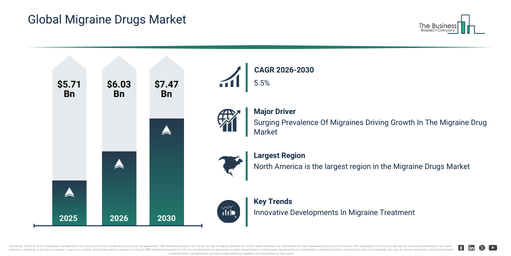
    The migraine drugs market has experienced substantial growth in recent years. This market is anticipated to expand from $5.71 billion in 2025 to reach $6.03 billion in 2026, exhibiting a compound annual growth rate (CAGR) of 5.5%. Its historical growth can be attributed to several factors, including the increasing global prevalence of migraine, the limited availability of targeted therapies, heightened awareness of migraine disorders, a rise in neuropharmacology research, and the expansion of hospital and pharmacy networks.

    The migraine drugs market is projected to experience substantial expansion over the upcoming years. This market is set to reach $7.47 billion by 2030, exhibiting a compound annual growth rate (CAGR) of 5.5%. This anticipated growth is driven by several factors, including innovations in biologics for migraine treatment, the uptake of digital health solutions and wearable technologies, intensified research and development into CGRP inhibitors, a growing need for personalized medicine, and an increase in online pharmacy sales. Key developments expected during this forecast period encompass tailored migraine therapies, the creation of CGRP antagonists, monitoring devices worn for headaches, the wider availability of over-the-counter migraine remedies, and the incorporation of telemedicine into migraine care.

    Access Your Free Sample Report For In-Depth Market Analysis:

    https://www.thebusinessresearchcompany.com/sample.aspx?id=13484&type=smp

    What Key Drivers Are Fueling The Growth Of The Migraine Drugs Market?

    The rising incidence of migraine is projected to fuel the expansion of the migraine drug market in the coming years. A migraine headache is characterized by recurrent episodes of pounding and pulsing pain, ranging from mild to severe, typically affecting one side of the brain. The increasing occurrence of migraines stimulates demand for related medications, encouraging innovation and growth in sales as pharmaceutical companies develop and deliver effective therapies to serve the expanding patient population. For instance, in March 2023, findings from the Migraine Australia 2022–23 Pre-Budget Submissions, a report published by the Australian Treasury, an Australia-based economic agency, indicated that Australia experienced one of the world’s highest migraine rates (28%). This condition impacts one in every four people, surpassing the combined prevalence of type 2 diabetes, epilepsy, and asthma. Consequently, the growing prevalence of migraine is a primary driver for the migraine drug market.

    What Are The Main Segments Within The Migraine Drugs Market Segment Structure?

    The migraine drugs market covered in this report is segmented –

    1) By Drug Class: Triptans, Betablockers, Angiotensin Blockers, Tricyclics, Anticonvulsants

    2) By Route of Administration: Oral, Injectable, Other Routes

    3) By End-User: Hospitals And Clinics, Retail Pharmacy, Online Pharmacy, Other End Users

    Subsegments:

    1) By Triptans: Sumatriptan, Rizatriptan, Zolmitriptan, Eletriptan

    2) By Beta Blockers: Propranolol, Metoprolol, Timolol

    3) By Angiotensin Blockers: Candesartan, Losartan

    4) By Tricyclics: Amitriptyline, Nortriptyline

    5) By Anticonvulsants: Topiramate, Valproate

    What Market Trends Are Affecting The Migraine Drugs Market?

    Leading companies within the migraine drugs market are concentrating on creating novel products, like Zavzpret, to more effectively assist patients and achieve a competitive advantage. Zavzpret is a pharmaceutical nasal spray formulated for the immediate management of migraines, regardless of the presence of aura, in adult individuals. An example of this is in March 2023, when Pfizer, a pharmaceutical firm based in the US, secured approval for Zavzpret from the Food and Drug Administration, a US federal agency. This product stands as the inaugural and sole approved zavegepant (CGRP receptor antagonist) nasal spray intended for the acute relief of migraine. Its mechanism involves targeting the calcitonin gene-related peptide (CGRP), specifically designed for the acute intervention of migraine. The authorization of Zavzpret introduces an additional therapeutic choice for people suffering from migraines, particularly beneficial for those experiencing nausea and vomiting during migraine episodes, and for those unable to utilize triptans due to existing cardiovascular risks.

    Who Are The Companies Participating In The Migraine Drugs Market?

    Major companies operating in the migraine drugs market are Pfizer Inc., Johnson & Johnson Services Inc., Bayer AG, Merck & Co. Inc., AbbVie Inc., Sanofi SA, Novartis AG, AstraZeneca, Abbott Laboratories, GlaxoSmithKline plc., Eli Lilly and Company, Amgen Inc., Otsuka Holdings Co. Ltd., Teva Pharmaceutical Industries Ltd., Bausch Health Companies Inc., Eisai Co. Ltd., Dr Reddys Laboratories Ltd., H. Lundbeck A/S, Amneal Pharmaceuticals Inc., Endo Pharmaceuticals Inc., Neurelis Inc., ALDER BIOPHARMACEUTICALS INC.

    Get The Full Migraine Drugs Market Report:

    https://www.thebusinessresearchcompany.com/report/migraine-drugs-global-market-report

    Which Region Accounts For The Largest Portion Of The Migraine Drugs Market?

    North America was the largest region in the migraine market in 2025. Asia-Pacific is expected to be the fastest-growing region in the forecast period. The regions covered in the migraine drugs market report are Asia-Pacific, South East Asia, Western Europe, Eastern Europe, North America, South America, Middle East, Africa.

    Request A Customized Migraine Drugs Market Report For Competitive Insights:

    https://www.thebusinessresearchcompany.com/report/migraine-drugs-global-market-report

    Browse Through More Reports Similar to the Global Migraine Drugs Market 2026, By The Business Research Company

    Migraine Drugs Market Report 2026

    https://www.thebusinessresearchcompany.com/report/migraine-drugs-global-market-report

    Migraine Treatment Market Report 2026

    https://www.thebusinessresearchcompany.com/report/migraine-treatment-global-market-report

    Migraine Market Report 2026

    https://www.thebusinessresearchcompany.com/report/migraine-global-market-report

    Get in touch with us:

    The Business Research Company: https://www.thebusinessresearchcompany.com/

    Americas +1 310-496-7795

    Asia +44 7882 955267 & +91 8897263534

    Europe +44 7882 955267

    Email us at: marketing@tbrc.info

    Follow us on:

    LinkedIn: https://in.linkedin.com/company/the-business-research-company

    YouTube: https://www.youtube.com/channel/UC24_fI0rV8cR5DxlCpgmyFQ

    Global Market Model: https://www.thebusinessresearchcompany.com/global-market-model
  • Mid-Size Pharmaceuticals Market Overview 2026–2030 With Insights On Industry Developments

    Mid-Size Pharmaceuticals Market Overview 2026–2030 With Insights On Industry Developments

    The Business Research Company’s 2026 market reports feature enhanced tools like market attractiveness analysis, TAM assessment, and company scoring matrices, along with interactive dashboards, deeper supply chain insights, and startup coverage strengthening the depth, usability, and strategic value of insights.

    How Large Will The Mid-Size Pharmaceuticals Market Be By 2030 Compared To Its 2026 Market Size?

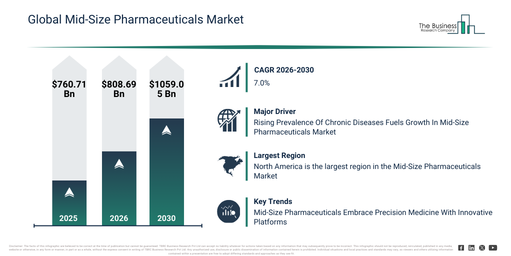
    The mid-size pharmaceuticals market has experienced robust expansion in recent times. This market is projected to expand from $760.71 billion in 2025 to reach $808.69 billion in 2026, exhibiting a compound annual growth rate (CAGR) of 6.3%. Historically, this growth can be ascribed to a combination of factors including heightened r&d investments, wider expansion into emerging markets, the adoption of generic drug production, an increase in regional partnerships, and the rising prevalence of chronic diseases.

    The mid-size pharmaceuticals market size is projected to experience substantial expansion over the upcoming years, with an expected growth to $1059.05 billion in 2030 at a compound annual growth rate (CAGR) of 7.0%. This anticipated growth during the forecast period is primarily driven by factors such as progress in personalized medicine, the rise in outsourcing for CROs & CMOs, the integration of AI in drug discovery, the expansion of digital health platforms, and an increase in specialty pharmaceuticals. Key trends expected within this period encompass a focus on niche drug development, the expansion into new regional markets, the formation of strategic partnerships and collaborations, an uptick in generic drug manufacturing, and the optimization of contract manufacturing processes.

    Access Your Free Sample Report For In-Depth Market Analysis:

    https://www.thebusinessresearchcompany.com/sample.aspx?id=12045&type=smp

    Which Drivers Are Supporting The Mid-Size Pharmaceuticals Market Growth?

    The rising incidence of long-term health conditions is projected to stimulate the expansion of the mid-size pharmaceuticals market moving ahead. These enduring medical conditions, also referred to as non-communicable diseases, necessitate continuous management and care, thereby generating a significant need for pharmaceuticals. Techniques involving mass spectrometry are utilized for identifying, quantifying, and analyzing biomarkers and metabolites linked to chronic illnesses. An increase in the occurrence of chronic diseases will further foster the development of the mid-size pharmaceuticals market. For example, in June 2024, data from the National Health Service, a government department based in the UK, indicated that 3,615,330 people registered with a general practitioner were diagnosed with non-diabetic hyperglycemia or pre-diabetes (a state with elevated blood sugar levels, not high enough to be classified as diabetes) in 2023, representing an 18% rise from 3,065,825 cases in 2022. Consequently, the expanding prevalence of chronic diseases is indeed propelling the growth of the mid-size pharmaceuticals market.

    How Is Segmentation Applied In The Mid-Size Pharmaceuticals Market Segment Analysis?

    The mid-size pharmaceuticals market covered in this report is segmented –

    1) By Drug Development Type: In-House, Outsource

    2) By Type: Prescription, Over The Counter

    3) By Formulation: Tablets, Capsules, Injectables, Sprays, Other Formulations

    4) By Application: Cardiovascular Diseases, Pain Management, Diabetes, Cancer, Other Conditions

    Subsegments:

    1) By In-House: Research And Development (R&D) Departments, Clinical Trials Management

    2) By Outsource: Contract Research Organizations (CROs), Contract Manufacturing Organizations (CMOs)

    Which Trends Are Influencing Demand In The Mid-Size Pharmaceuticals Market?

    Leading companies in mid-size pharmaceuticals are concentrating on developing and launching products, such as precision medicine platforms, to maintain their market position. A precision medicine platform is an advanced technological system designed to customize medical treatments and interventions for the specific characteristics of individual patients. For example, in February 2023, C4X Discovery Holdings PLC, a UK-based mid-size pharmaceutical company, introduced its innovative precision medicine platform, PatientSeek. This platform is intended to identify patients most likely to respond favorably to a particular medication, based on their genetic makeup. The unveiling of PatientSeek follows its successful validation in patient stratification, where a subgroup of patients who responded positively to treatment was identified during a retrospective analysis of a Phase 3 clinical trial for Parkinson’s disease. This development represents a significant stride in utilizing genetics for targeted and effective medication strategies, highlighting precision medicine’s potential to optimize treatment outcomes.

    Who Are The Companies Participating In The Mid-Size Pharmaceuticals Market Environment?

    Major companies operating in the mid-size pharmaceuticals market are Baxter International Inc., Teva Pharmaceutical Industries Ltd., Otsuka Pharmaceutical Co Ltd., Astellas Pharma Inc., Daiichi Sankyo Co. Ltd., Alexion Pharmaceuticals Inc., UCB S.A., Sun Pharmaceutical Industries Ltd., Eisai Co. Ltd., Les Laboratoires Servier S.A., Perrigo Co Plc, Aurobindo Pharma Limited., Cipla Limited, Hikma Pharmaceuticals, Endo International plc, Taisho Pharmaceutical Holdings Co. Ltd., BioMarin Pharmaceutical Inc., Mallinckrodt Plc, Exelixis Inc., Mylan Pharmaceuticals Inc., Neurocrine Biosciences Inc., Kyowa Kirin Co. Ltd., Emergent BioSolutions Inc.

    Get The Full Mid-Size Pharmaceuticals Market Report:

    https://www.thebusinessresearchcompany.com/report/mid-size-pharmaceuticals-global-market-report

    Which Region Holds The Highest Market Share In The Mid-Size Pharmaceuticals Market?

    North America was the largest region in the mid-size pharmaceutical market in 2025. Asia-Pacific is expected to be the fastest-growing region in the forecast period. The regions covered in the mid-size pharmaceuticals market report are Asia-Pacific, South East Asia, Western Europe, Eastern Europe, North America, South America, Middle East, Africa.

    Request A Customized Mid-Size Pharmaceuticals Market Report For Competitive Insights:

    https://www.thebusinessresearchcompany.com/report/mid-size-pharmaceuticals-global-market-report

    Browse Through More Reports Similar to the Global Mid-Size Pharmaceuticals Market 2026, By The Business Research Company

    Mid Size Pharmaceuticals Market Report 2026

    https://www.thebusinessresearchcompany.com/report/mid-size-pharmaceuticals-global-market-report

    Pharmaceuticals Market 2026

    https://www.thebusinessresearchcompany.com/report/pharmaceuticals-market

    Small Molecule Active Pharmaceutical Ingredient Market Report 2026

    https://www.thebusinessresearchcompany.com/report/small-molecule-active-pharmaceutical-ingredient-global-market-report

    Get in touch with us:

    The Business Research Company: https://www.thebusinessresearchcompany.com/

    Americas +1 310-496-7795

    Asia +44 7882 955267 & +91 8897263534

    Europe +44 7882 955267

    Email us at: marketing@tbrc.info

    Follow us on:

    LinkedIn: https://in.linkedin.com/company/the-business-research-company

    YouTube: https://www.youtube.com/channel/UC24_fI0rV8cR5DxlCpgmyFQ

    Global Market Model: https://www.thebusinessresearchcompany.com/global-market-model
  • Microtubule Inhibitor Chemotherapy Drugs Market Forecast Highlighting Key Trends And Expansion Potential

    Microtubule Inhibitor Chemotherapy Drugs Market Forecast Highlighting Key Trends And Expansion Potential

    The Business Research Company’s 2026 market reports feature enhanced tools like market attractiveness analysis, TAM assessment, and company scoring matrices, along with interactive dashboards, deeper supply chain insights, and startup coverage strengthening the depth, usability, and strategic value of insights.

    What Is The Projected Increase In Market Value Of The Microtubule Inhibitor Chemotherapy Drugs Market During 2026–2030?

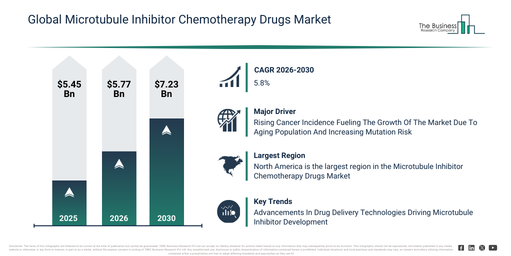
    The microtubule inhibitor chemotherapy drugs market size has demonstrated significant growth in recent years. It is anticipated to increase from $5.45 billion in 2025 to $5.77 billion in 2026, achieving a compound annual growth rate (CAGR) of 5.8%. The expansion observed in the historic period can be ascribed to the extensive adoption of taxanes and vinca alkaloids, the escalating global cancer incidence, the well-established effectiveness of microtubule inhibitors, the broadening of oncology treatment infrastructure, and augmented clinical oncology research.

    The microtubule inhibitor chemotherapy drugs market is projected to experience substantial expansion over the upcoming years. This market is anticipated to reach $7.23 billion by 2030, demonstrating a compound annual growth rate (CAGR) of 5.8%. This projected growth is driven by several factors, including the global rise in cancer prevalence, a growing need for combination oncology treatments, innovations in drug delivery methods, increasing capital allocation towards oncology drug creation, and the broader application of personalized cancer treatment approaches. Key trends foreseen during this period involve the expanded application of microtubule inhibitors within combination therapies, the ongoing creation of new synthetic microtubule inhibitors, a greater embrace of targeted chemotherapy protocols, the broadening of indications across various cancer types, and an increased emphasis on mitigating the adverse effects of chemotherapy.

    Access Your Free Sample Report For In-Depth Market Analysis:

    https://www.thebusinessresearchcompany.com/sample.aspx?id=24323&type=smp

    What Key Factors Are Affecting The Microtubule Inhibitor Chemotherapy Drugs Market Demand?

    The expanding occurrence of cancer is projected to propel the microtubule inhibitor chemotherapy drugs market’s growth into the future. Cancer is defined as a group of illnesses distinguished by uncontrolled cell proliferation, capable of infiltrating adjacent tissues or metastasizing throughout the body. An aging demographic contributes to this surge in cancer diagnoses, as elderly individuals are more prone to acquiring genetic mutations and prolonged exposure to carcinogens, thereby heightening their vulnerability to the disease. Microtubule inhibitor chemotherapy drugs function in cancer therapy by impeding cell division; they achieve this by targeting microtubules, which are vital for mitosis, consequently halting the swift multiplication of cancer cells. For instance, in February 2024, the World Health Organization, a Switzerland-based intergovernmental organization, projected a substantial increase in cancer cases, moving from 20 million in 2022 to an additional over 35 million by 2050. Consequently, the growing incidence of cancer is a key factor propelling the expansion of the microtubule inhibitor chemotherapy drugs market.

    What Segment Categories Shape The Microtubule Inhibitor Chemotherapy Drugs Market Segment Landscape?

    The microtubule inhibitor chemotherapy drugs market covered in this report is segmented –

    1) By Drug Type: Vinca Alkaloids, Taxanes, Epothilones, Other Drug Types

    2) By Mechanism Of Action: Spindle Poisoning Agents, Microtubule Stabilizers, Microtubule Destabilizers, Dual-Action Inhibitors

    3) By Administration Route: Intravenous (IV), Oral, Subcutaneous, Intraperitoneal

    4) By Patient Demographics: Pediatric Patients, Adult Patients, Geriatric Patients, Gender-Specific Considerations

    5) By Application Area: Breast Cancer, Lung Cancer, Ovarian Cancer, Lymphomas, Other Application Areas

    Subsegments:

    1) By Vinca Alkaloids: Vincristine, Vinblastine, Vinorelbine, Vindesine

    2) By Taxanes: Paclitaxel, Docetaxel, Cabazitaxel, Nab-paclitaxel

    3) By Epothilones: Ixabepilone, Epothilone B

    4) By Other Drug Types: Eribulin, Estramustine, Novel Synthetic Microtubule Inhibitors

    What Emerging Trends Are Seen In The Microtubule Inhibitor Chemotherapy Drugs Market?

    Major companies within the microtubule inhibitor chemotherapy drugs market are prioritizing the development of advanced solutions, such as albumin-bound formulations, aimed at improving drug delivery to tumors. These albumin-bound formulations represent drug preparations where the active pharmaceutical ingredient is coupled with albumin, a protein beneficial for enhancing drug solubility, stability, and targeted delivery to cancer cells. For example, in October 2024, Sandoz AG, a Switzerland-based pharmaceutical company, declared the U.S. introduction of its generic paclitaxel. The recently launched formulation is presented as a lyophilized powder for injection, provided in a single-dose 100 mg vial. Paclitaxel protein-bound particles for injectable suspension (albumin-bound), a microtubule inhibitor, is prescribed for treating metastatic breast cancer in patients who have not responded to combination chemotherapy for metastatic disease or who have experienced a relapse within six months after adjuvant chemotherapy.

    Who Are The Companies Operating Across The Microtubule Inhibitor Chemotherapy Drugs Market Value Chain?

    Major companies operating in the microtubule inhibitor chemotherapy drugs market are Pfizer Inc., Sanofi S.A., Bristol-Myers Squibb Company, Fresenius Kabi AG, Eli Lilly and Company, Teva Pharmaceutical Industries Ltd., Intas Pharmaceuticals Ltd., Sun Pharmaceutical Industries Limited, Eisai Co. Ltd., Aurobindo Pharma Limited, Dr. Reddy’s Laboratories Ltd., Cipla Limited, Hikma Pharmaceuticals PLC, Zydus Lifesciences Limited, Gland Pharma Limited, Natco Pharma Limited, Minakem, Selleck Chemicals LLC, Accord Healthcare Ltd., Focus Biomolecules LLC

    Get The Full Microtubule Inhibitor Chemotherapy Drugs Market Report:

    https://www.thebusinessresearchcompany.com/report/microtubule-inhibitor-chemotherapy-drugs-global-market-report

    Where Is The Microtubule Inhibitor Chemotherapy Drugs Market Most Concentrated Geographically?

    North America was the largest region in the microtubule inhibitor chemotherapy drugs market in 2025. Asia-Pacific is expected to be the fastest-growing region in the forecast period. The regions covered in the microtubule inhibitor chemotherapy drugs market report are Asia-Pacific, South East Asia, Western Europe, Eastern Europe, North America, South America, Middle East, Africa.

    Request A Customized Microtubule Inhibitor Chemotherapy Drugs Market Report For Competitive Insights:

    https://www.thebusinessresearchcompany.com/report/microtubule-inhibitor-chemotherapy-drugs-global-market-report

    Browse Through More Reports Similar to the Global Microtubule Inhibitor Chemotherapy Drugs Market 2026, By The Business Research Company

    Chemotherapy Market Report 2026

    https://www.thebusinessresearchcompany.com/report/chemotherapy-global-market-report

    Oncology Drugs Market 2026

    https://www.thebusinessresearchcompany.com/report/oncology-drugs-market

    Oncology Drugs Market 2026

    https://www.thebusinessresearchcompany.com/report/oncology-drugs-market

    Get in touch with us:

    The Business Research Company: https://www.thebusinessresearchcompany.com/

    Americas +1 310-496-7795

    Asia +44 7882 955267 & +91 8897263534

    Europe +44 7882 955267

    Email us at: marketing@tbrc.info

    Follow us on:

    LinkedIn: https://in.linkedin.com/company/the-business-research-company

    YouTube: https://www.youtube.com/channel/UC24_fI0rV8cR5DxlCpgmyFQ

    Global Market Model: https://www.thebusinessresearchcompany.com/global-market-model
  • Microcarrier Beads Market Analysis Covering Growth Drivers And Future Outlook

    Microcarrier Beads Market Analysis Covering Growth Drivers And Future Outlook

    The Business Research Company’s 2026 market reports feature enhanced tools like market attractiveness analysis, TAM assessment, and company scoring matrices, along with interactive dashboards, deeper supply chain insights, and startup coverage strengthening the depth, usability, and strategic value of insights.

    How Is The Market Size Of The Microcarrier Beads Market Expected To Change From 2026 To 2030?

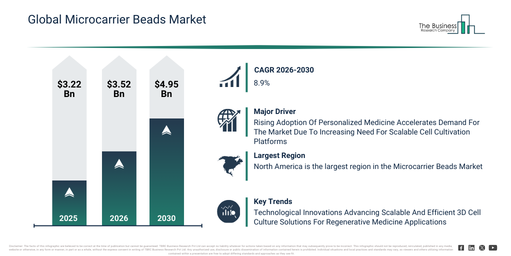
    The microcarrier beads market size has shown robust expansion in recent years. It is anticipated to increase from $3.22 billion in 2025 to $3.52 billion in 2026, demonstrating a compound annual growth rate (CAGR) of 9.2%. The historical growth can be attributed to the limited availability of standardized microcarriers, a reliance on small-scale cell culture techniques, the increasing demand for vaccine production, a rise in biopharmaceutical research and development, and the adoption of basic tissue engineering methods.

    The microcarrier beads market is projected to experience substantial expansion over the upcoming years. Its valuation is set to reach $4.95 billion by the year 2030, exhibiting a compound annual growth rate (CAGR) of 8.9%. This anticipated growth during the forecast period stems from factors such as the creation of advanced and modified microcarriers, the broadening scope of gene therapy and regenerative medicine, the growing integration of scalable bioreactor systems, increasing investments in biotechnology, and the advancement of personalized medicine and protein therapeutics. Key trends foreseen for the forecast period encompass a heightened need for large-scale cell culture expansion, an uptick in vaccine and gene therapy manufacturing, the wider application of microcarriers in tissue engineering and protein generation, the embrace of customized and altered microcarrier beads, and the broadening of academic and research uses for cell-based investigations.

    Access Your Free Sample Report For In-Depth Market Analysis:

    https://www.thebusinessresearchcompany.com/sample.aspx?id=27345&type=smp

    Which Primary Drivers Are Impacting The Microcarrier Beads Market Growth?

    The microcarrier beads market is anticipated to expand, driven by the increasing adoption of personalized medicine. This approach tailors healthcare decisions and treatments to each patient’s unique attributes, including their genetic makeup and biological indicators. Personalized medicine is gaining momentum due to advancements in genomic technologies, which enable rapid and cost-efficient analysis of individual genetic data to inform targeted therapies. Microcarrier beads support personalized medicine by providing a scalable system for cultivating patient-specific cells essential for customized treatments. For instance, in February 2024, the Personalized Medicine Coalition, a US-based non-profit organization, reported that the FDA approved 16 new personalized treatments for rare disease patients in 2023, an increase from 6 in 2022. The 2023 approvals also encompassed seven cancer therapies and three for other medical conditions. Therefore, the growing trend of personalized medicine is driving the growth of the microcarrier beads market.

    Which Segment Types Are Examined In The Microcarrier Beads Market Segment Study?

    The microcarrier beads market covered in this report is segmented –

    1) By Type: Cytodex Microcarriers, Cultispher Microcarriers, Microcarriers MC10, Microcarriers MC3T3, Microcarriers MC3T3-E1

    2) By Size: Small Microcarriers, Medium Microcarriers, Large Microcarriers

    3) By Distribution Channel: Direct Sales, Distributors Or Resellers, Online Platforms, Catalogs And Magazines

    4) By Application: Cell Culture Expansion, Vaccine Production, Gene Therapy, Tissue Engineering, Protein Production

    5) By End-User: Biotechnology Companies, Pharmaceutical Companies, Academic And Research Institutions, Contract Research Organizations (CROs), Other End Users

    Subsegments:

    1) By Cytodex Microcarriers: Cytodex 1, Cytodex 3, Cytodex 4

    2) By CultiSpher Microcarriers: CultiSpher-S, CultiSpher-G, CultiSpher-GM

    3) By Microcarriers MC10: MC10 Standard, MC10 Modified

    4) By Microcarriers MC3T3: MC3T3 Alpha, MC3T3 Beta

    5) By Microcarriers MC3T3-E1: MC3T3-E1 Standard, MC3T3-E1 Enhanced

    Which Trends Are Guiding The Direction Of The Microcarrier Beads Market?

    Leading companies in the microcarrier beads market are focusing on the development of advanced solutions, such as hydrophilic polymer-based beads, to enhance cell attachment, proliferation, and scalability within bioreactor-based cell culture systems. Hydrophilic polymer-based beads are microcarrier beads made from polymers that readily absorb water, creating a hydrated environment similar to natural cellular conditions, which thereby improves cell viability, proliferation, and functionality during large-scale cell culture processes. For example, in April 2024, Kuraray Co. Ltd., a Japan-based chemical manufacturing company, introduced PVA (polyvinyl alcohol) hydrogel microcarriers for cell culture applications, specifically aimed at regenerative medicine. These highly elastic, damage-resistant bead-like scaffolds facilitate efficient, large-scale 3D cell culture, offering easy cell recovery, improved proliferation, and enhanced safety for regenerative medicine. Their swelling characteristic increases the surface area, thus reducing the amount of microcarriers needed and enabling clear microscopic observation of cells during the culture process.

    Which Players Are Part Of The Competitive Landscape Of The Microcarrier Beads Market?

    Major companies operating in the microcarrier beads market are Thermo Fisher Scientific Inc., Merck KGaA, Asahi Kasei Corporation, Corning Incorporated, Lonza Corporation, Cytiva Life Sciences, KURARAY CO. LTD., Sartorius AG, Bio-Techne Corporation, Pall Corporation, Ilex Life Sciences Ltd., ReproCELL Inc., HiMedia Laboratories Pvt. Ltd., Synthecon Inc., Beaver Biomedical Engineering Co. Ltd., Percell Biolytica.

    Get The Full Microcarrier Beads Market Report:

    https://www.thebusinessresearchcompany.com/report/microcarrier-beads-global-market-report

    Which Region Dominates The Microcarrier Beads Market By Market Share?

    North America was the largest region in the microcarrier beads market in 2025. Asia-Pacific is expected to be the fastest-growing region in the forecast period. The regions covered in the microcarrier beads market report are Asia-Pacific, South East Asia, Western Europe, Eastern Europe, North America, South America, Middle East, Africa.

    Request A Customized Microcarrier Beads Market Report For Competitive Insights:

    https://www.thebusinessresearchcompany.com/report/microcarrier-beads-global-market-report

    Browse Through More Reports Similar to the Global Microcarrier Beads Market 2026, By The Business Research Company

    Payment Processor Market Report 2026

    https://www.thebusinessresearchcompany.com/report/payment-processor-global-market-report

    Payment As A Service Market Report 2026

    https://www.thebusinessresearchcompany.com/report/payment-as-a-service-global-market-report

    Payment Processing Solutions Market Report 2026

    https://www.thebusinessresearchcompany.com/report/payment-processing-solutions-global-market-report

    Get in touch with us:

    The Business Research Company: https://www.thebusinessresearchcompany.com/

    Americas +1 310-496-7795

    Asia +44 7882 955267 & +91 8897263534

    Europe +44 7882 955267

    Email us at: marketing@tbrc.info

    Follow us on:

    LinkedIn: https://in.linkedin.com/company/the-business-research-company

    YouTube: https://www.youtube.com/channel/UC24_fI0rV8cR5DxlCpgmyFQ

    Global Market Model: https://www.thebusinessresearchcompany.com/global-market-model
  • Non-Hormonal Contraceptives Market Forecast With Insights On Demand And Industry Growth

    Non-Hormonal Contraceptives Market Forecast With Insights On Demand And Industry Growth

    The Business Research Company’s 2026 market reports feature enhanced tools like market attractiveness analysis, TAM assessment, and company scoring matrices, along with interactive dashboards, deeper supply chain insights, and startup coverage strengthening the depth, usability, and strategic value of insights.

    What Level Of Market Value Growth Is Predicted For The Non-Hormonal Contraceptives Market From 2026 To 2030?

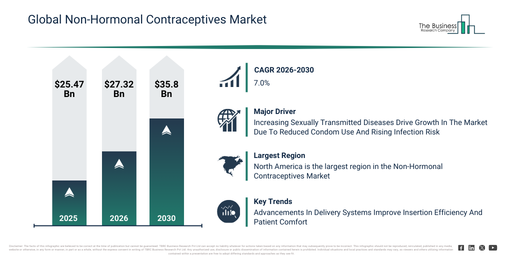
    The non-hormonal contraceptives market has experienced robust expansion in recent years. It is projected to grow from $25.47 billion in 2025 to $27.32 billion in 2026, demonstrating a compound annual growth rate (CAGR) of 7.3%. Historically, the market’s growth can be attributed to elements such as the limited availability of non-hormonal contraceptive methods, a reliance on surgical sterilization, increasing awareness of reproductive health, a rise in female healthcare initiatives, and the adoption of barrier devices in clinics.

    The non-hormonal contraceptives market size is projected to experience substantial growth over the next few years. It is forecast to expand to $35.8 billion by 2030, achieving a compound annual growth rate (CAGR) of 7.0%. This anticipated growth can be attributed to several factors, including the development of advanced non-hormonal devices, a rising demand for reversible and minimally invasive sterilization procedures, the expansion of family planning programs, increasing awareness of safety and compliance standards, and the integration of smart contraceptive monitoring systems. Prominent trends observed during this forecast period include a growing preference for non-hormonal contraceptive methods, the increasing adoption of barrier and mechanical devices, greater awareness regarding reversible sterilization options, the expansion of minimally invasive contraceptive devices, and a strong focus on safety, compliance, and patient-centric design.

    Access Your Free Sample Report For In-Depth Market Analysis:

    https://www.thebusinessresearchcompany.com/sample.aspx?id=25849&type=smp

    Which Strong Drivers Are Impacting The Non-Hormonal Contraceptives Market Growth?

    The increasing incidence of sexually transmitted diseases is anticipated to boost the non-hormonal contraceptives market’s expansion. Sexually transmitted diseases (STDs) are infections primarily transmitted via sexual contact, caused by various agents like bacteria, viruses, or parasites. The rise in STDs is significantly linked to reduced condom use, which elevates the risk of infection during unprotected sexual activity. Non-hormonal birth control methods, such as male and female condoms, aid in preventing STD transmission by acting as a physical barrier that stops the transfer of bodily fluids during sex. As an illustration, the Minnesota Department of Health (MDH), a US-based state health agency, reported in April 2025 that the percentage of HIV cases in males aged 35 to 39 saw a rise from 10% in 2023 to 17% in 2024. Consequently, the escalating occurrence of sexually transmitted diseases is fueling the expansion of the non-hormonal contraceptives market.

    How Are Different Segments Classified In The Non-Hormonal Contraceptives Market Segment Analysis?

    The non-hormonal contraceptives market covered in this report is segmented –

    1) By Type: Devices, Sterilization, Other Product Types

    2) By Mechanism Of Action: Antagonist, Agonist, Inhibitor, Modulator

    3) By Route of Administration: Intramuscular, Intravaginal, Intravenous, Oral, Subcutaneous, Topical, Transdermal, Other Route Of Administrations

    4) By Purpose Of Therapy: Treatment Of Disease, Management Of Symptoms

    5) By Target Indication: Bacterial Vaginosis, Contraception, Endometriosis, Postmenopausal Osteoporosis, Uterine Fibroids, Vaginitis, Other Target Indications

    Subsegments:

    1) By Devices: Surgical Instruments, Ligation Clips, Tubal Rings

    2) By Sterilization: Permanent Sterilization, Reversible Sterilization, Mechanical Sterilization Devices

    3) By Other Product Types: Non-Surgical Barrier Devices, Implantable Plugs, Intrauterine Permanent Devices

    Which Trends Are Contributing To Changes In The Non-Hormonal Contraceptives Market?

    Leading companies in the non-hormonal contraceptives market are dedicated to developing innovative solutions, such as preloaded intrauterine device delivery systems, to streamline insertion, enhance user convenience, and improve clinical efficiency. A preloaded intrauterine device (IUD) delivery system is a pre-assembled, ready-to-use device that integrates the preloaded IUD and its inserter into a single unit, specifically designed to simplify the insertion process, reduce setup time, and minimize the risk of contamination or handling errors. For instance, in September 2024, CooperSurgical Inc., a US-based medical device and fertility company, launched the Paragard Single-Handed Inserter, aiming to boost insertion efficiency and patient comfort during non-hormonal preloaded intrauterine device placement. This device offers over 99% effective, long-term birth control for up to 10 years by preventing sperm from fertilizing an egg. Its key benefits include immediate and reversible contraception, hormone-free suitability, and low maintenance once inserted.

    Who Are The Companies Driving Activity In The Non-Hormonal Contraceptives Market?

    Major companies operating in the non-hormonal contraceptives market are Church & Dwight Co., Okamoto Industries, CooperSurgical Inc., PSI India Pvt Ltd., Karex Berhad, Fuji Latex Co. Ltd., PREGNA INTERNATIONAL LTD., Cupid Limited, Global Protection Corp., SMB Corporation of India, HLL Lifecare Limited, Contraline Inc.

    Get The Full Non-Hormonal Contraceptives Market Report:

    https://www.thebusinessresearchcompany.com/report/non-hormonal-contraceptives-global-market-report

    Which Region Is The Top Contributor To The Non-Hormonal Contraceptives Market By Share?

    North America was the largest region in the non-hormonal contraceptives market in 2025. Asia-Pacific is expected to be the fastest-growing region in the forecast period. The regions covered in the non-hormonal contraceptives market report are Asia-Pacific, South East Asia, Western Europe, Eastern Europe, North America, South America, Middle East, Africa.

    Request A Customized Non-Hormonal Contraceptives Market Report For Competitive Insights:

    https://www.thebusinessresearchcompany.com/report/non-hormonal-contraceptives-global-market-report

    Browse Through More Reports Similar to the Global Non-Hormonal Contraceptives Market 2026, By The Business Research Company

    Hormonal Contraceptives Market Report 2026

    https://www.thebusinessresearchcompany.com/report/hormonal-contraceptives-global-market-report

    Contraceptives Market Report 2026

    https://www.thebusinessresearchcompany.com/report/contraceptives-global-market-report

    Oral Contraceptive Pills Market Report 2026

    https://www.thebusinessresearchcompany.com/report/oral-contraceptive-pills-global-market-report

    Get in touch with us:

    The Business Research Company: https://www.thebusinessresearchcompany.com/

    Americas +1 310-496-7795

    Asia +44 7882 955267 & +91 8897263534

    Europe +44 7882 955267

    Email us at: marketing@tbrc.info

    Follow us on:

    LinkedIn: https://in.linkedin.com/company/the-business-research-company

    YouTube: https://www.youtube.com/channel/UC24_fI0rV8cR5DxlCpgmyFQ

    Global Market Model: https://www.thebusinessresearchcompany.com/global-market-model
  • Non-Alcoholic Steatohepatitis Treatment Market Outlook Highlighting Key Drivers And Market Evolution

    Non-Alcoholic Steatohepatitis Treatment Market Outlook Highlighting Key Drivers And Market Evolution

    The Business Research Company’s 2026 market reports feature enhanced tools like market attractiveness analysis, TAM assessment, and company scoring matrices, along with interactive dashboards, deeper supply chain insights, and startup coverage strengthening the depth, usability, and strategic value of insights.

    How Will The Market Value Of The Non-Alcoholic Steatohepatitis Treatment Market Progress Between 2026 And 2030?

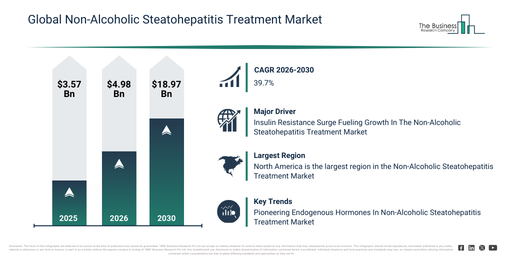
    The non-alcoholic steatohepatitis treatment market has seen rapid expansion in its size over recent years. It is anticipated to expand from $3.57 billion in 2025 to $4.98 billion in 2026, exhibiting a compound annual growth rate (CAGR) of 39.6%. Factors contributing to this historical expansion include the escalating prevalence of obesity, a surge in the incidence of type 2 diabetes, considerable intake of processed foods, insufficient understanding of liver health, and constrained therapeutic choices for early-stage nash.

    The non-alcoholic steatohepatitis treatment market is projected to experience rapid expansion over the coming years. This market is forecast to reach $18.97 billion by 2030, exhibiting a compound annual growth rate (CAGR) of 39.7%. Factors contributing to this growth during the outlook period include progress in precision medicine, the creation of innovative NASH drugs, the uptake of digital health monitoring instruments, governmental efforts aimed at preventing liver disease, and rising investment in liver disease research. Key trends anticipated for this forecast timeframe encompass individualized lifestyle and diet management, innovations in non-invasive diagnostics, initiatives for fatty liver disease awareness, at-home liver health monitoring, and the evolution of new pharmacological agents.

    Access Your Free Sample Report For In-Depth Market Analysis:

    https://www.thebusinessresearchcompany.com/sample.aspx?id=8595&type=smp

    What Key Factors Are Shaping The Non-Alcoholic Steatohepatitis Treatment Market Landscape?

    The non-alcoholic steatohepatitis treatment market is experiencing growth driven by a rising occurrence of insulin resistance. Insulin resistance manifests when the body’s muscle, fat, and liver cells fail to react sufficiently to insulin, impeding the effortless uptake of glucose from the bloodstream, which leads to elevated blood sugar levels. Factors such as an unhealthy lifestyle, excessive sugar intake, and genetic predispositions are associated with its development. The incidence of insulin resistance has expanded considerably, attributable to a rise in diabetes and various liver conditions, both of which are addressed by non-alcoholic steatohepatitis treatment. For example, in July 2025, PubMed, a free biomedical literature database based in the US and maintained by the U.S. National Library of Medicine, indicated a significant increase in the prevalence rates of general obesity, abdominal obesity, severe obesity, and insulin resistance, with these rates rising from 34.9% to 41.4%, 62.5% to 67.0%, 5.2% to 11.5%, and 22.5% to 30.2%, respectively. Consequently, the growing prevalence of insulin resistance, stemming from numerous liver and diabetes diseases, is set to propel the non-alcoholic steatohepatitis treatment market.

    How Is The Non-Alcoholic Steatohepatitis Treatment Market Categorized Across Its Segment Groups?

    The non-alcoholic steatohepatitis treatment market covered in this report is segmented –

    1) By Drug Type: Vitamin E And Pioglitazone, Ocaliva, Elafibranor, Selonsertib And cenicriviroc, Obeticholic Acid, Other Drugs Types

    2) By Test Type: Blood Tests, Liver Biopsy, Imaging Procedures

    3) By End User: Hospital Pharmacies, Retail And Specialty Pharmacies, Other End Users

    Subsegments:

    1) By Vitamin E And Pioglitazone: Vitamin E Supplements, Pioglitazone-Based Formulations.

    2) By Ocaliva: Ocaliva (Obeticholic Acid) For NASH

    3) By Elafibranor: Elafibranor Monotherapy, Elafibranor Combination Therapy

    4) By Selonsertib And Cenicriviroc: Selonsertib Formulations, Cenicriviroc Formulations

    5) By Obeticholic Acid: Immediate-Release Obeticholic Acid, Extended-Release Obeticholic Acid

    6) By Other Drug Types: Novel Agents In Clinical Trials, Combination Therapies

    What Market Trends Are Affecting The Non-Alcoholic Steatohepatitis Treatment Market?

    Leading companies within the non-alcoholic steatohepatitis treatment market are actively developing innovative products, such as endogenous hormones, to cater to broader customer bases, boost sales, and increase revenue. Endogenous hormones are naturally occurring substances produced internally by various glands, tissues, or organs, playing vital roles in regulating physiological processes. For instance, in September 2023, 89bio Inc., a US-based biotechnology company, announced that the U.S. Food and Drug Administration (FDA) granted Breakthrough Therapy Designation (BTD) for Pegozafermin for individuals diagnosed with nonalcoholic steatohepatitis (NASH). Pegozafermin is distinct given it is an engineered glycoPEGylated analog of fibroblast growth factor 21. This specifically designed formulation is currently under development to address non-alcoholic steatohepatitis (NASH) and severe hypertriglyceridemia (SHTG). Pegozafermin’s uniqueness lies in its use of specialized glycoPEGylated technology, which ensures an extended half-life while maintaining its potency. This innovative approach enhances the product’s effectiveness in modulating key factors associated with lipid metabolism, NASH, and hypertriglyceridemia, including triglyceride reduction, glycemic control, steatosis, inflammation, and fibrosis.

    Which Firms Are Influencing Competition In The Non-Alcoholic Steatohepatitis Treatment Market?

    Major companies operating in the non-alcoholic steatohepatitis treatment market are AstraZeneca PLC, Galmed Pharmaceuticals Ltd., Genfit S.A., Zydus Cadila Healthcare Limited, Bristol-Myers Squibb Company, Gilead Sciences Inc., Novo Nordisk A/S, Inventiva Pharma SA, NGM Biopharmaceuticals Inc., Galectin Therapeutics Inc., Madrigal Pharmaceuticals Corporation, Intercept Pharmaceuticals Inc., Cirius Therapeutics Inc., Viking Therapeutics Inc., Eli Lilly and Company, Terns Pharmaceuticals Inc., AbbVie Inc., Johnson & Johnson Private Limited, Sanofi S.A., F. Hoffmann-La Roche Ltd., C.H. Boehringer Sohn AG & Co. KG

    Get The Full Non-Alcoholic Steatohepatitis Treatment Market Report:

    https://www.thebusinessresearchcompany.com/report/non-alcoholic-steatohepatitis-treatment-global-market-report

    Which Region Represents The Largest Share Of The Non-Alcoholic Steatohepatitis Treatment Market?

    North America was the largest region in the non-alcoholic steatohepatitis treatment market share in 2025. The regions covered in the non-alcoholic steatohepatitis treatment market report are Asia-Pacific, South East Asia, Western Europe, Eastern Europe, North America, South America, Middle East, Africa.

    Request A Customized Non-Alcoholic Steatohepatitis Treatment Market Report For Competitive Insights:

    https://www.thebusinessresearchcompany.com/report/non-alcoholic-steatohepatitis-treatment-global-market-report

    Browse Through More Reports Similar to the Global Non-Alcoholic Steatohepatitis Treatment Market 2026, By The Business Research Company

    Non Alcoholic Steatohepatitis Treatment Market Report 2026

    https://www.thebusinessresearchcompany.com/report/non-alcoholic-steatohepatitis-treatment-global-market-report

    Non Alcoholic Steatohepatitis Treatment Market Report 2026

    https://www.thebusinessresearchcompany.com/report/non-alcoholic-steatohepatitis-treatment-global-market-report

    Non Alcoholic Steatohepatitis Biomarkers Market Report 2026

    https://www.thebusinessresearchcompany.com/report/non-alcoholic-steatohepatitis-biomarkers-global-market-report

    Get in touch with us:

    The Business Research Company: https://www.thebusinessresearchcompany.com/

    Americas +1 310-496-7795

    Asia +44 7882 955267 & +91 8897263534

    Europe +44 7882 955267

    Email us at: marketing@tbrc.info

    Follow us on:

    LinkedIn: https://in.linkedin.com/company/the-business-research-company

    YouTube: https://www.youtube.com/channel/UC24_fI0rV8cR5DxlCpgmyFQ

    Global Market Model: https://www.thebusinessresearchcompany.com/global-market-model