Month: June 2026

  • Genomics Market Trends And Growth Drivers Point To Strong Future Potential

    Genomics Market Trends And Growth Drivers Point To Strong Future Potential

    Through market attractiveness analysis, total addressable market evaluation, company benchmarking matrices, interactive Excel dashboards, expanded supply chain intelligence, emerging startup coverage, and detailed product insights, The Business Research Company’s 2026 market reports provide more actionable and strategically valuable research.

    Genomics Market Forecast Highlighting Growth From $58.43 Billion To $107.56 Billion

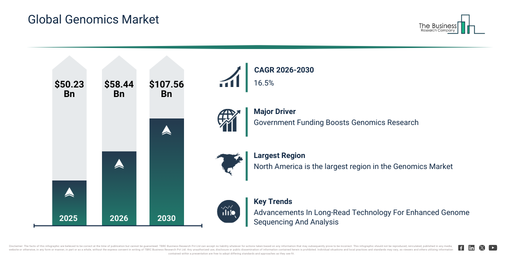
    The genomics sector has experienced substantial expansion lately, with projections indicating a continued upward trend. During the period from 2025 to 2026, the market is anticipated to expand from $50.23 billion to $58.44 billion, reflecting a compound annual growth rate of 16.3%. This past growth trajectory was fueled by key developments such as the culmination of the human genome project, significant strides in sequencing technologies, an increase in academic research within the genomics field, supportive government funding programs, and a noticeable decrease in the cost of sequencing.

    The genomics sector is poised for substantial expansion in the coming years, projected to reach a market valuation of $107.56 billion by 2030, driven by a compound annual growth rate (CAGR) of 16.5%. This anticipated growth trajectory is largely fueled by the burgeoning field of population genomics, its increasing integration with established healthcare systems, the widening scope of agricultural genomics applications, heightened investment from the biopharmaceutical industry, and advancements in multi-omics platforms. Key developments anticipated within this forecast period encompass the scaling up of extensive genomic research undertakings, a greater embrace of next-generation sequencing technologies, a climbing demand for personalized medicine approaches, the escalating application of genomics in the realm of drug discovery, and a significant uplift in investments dedicated to genomic infrastructure.

    Download A Free Sample Report For Comprehensive Market Insights:

    https://www.thebusinessresearchcompany.com/sample.aspx?id=2813&type=smp

    Genomics Market Opportunity Drivers: What Is Creating New Revenue Potential?

    Government investment in genomic research is fueling the expansion of the single-cell genomics sector, as these funds are directed towards unraveling the complexities of the human genome, pinpointing the genomic underpinnings of health and illness, and ensuring the secure application of genomics to improve patient outcomes and societal well-being via coordinated efforts from governmental, public, and private entities. For example, the National Human Genome Research Institute, a US governmental research body, indicated in March 2024 that the President’s Budget request for Fiscal Year 2025 allocated $663.7 million to the NHGRI, representing a $3.2 million uptick from the finalized Fiscal Year 2023 budget, thus, escalating governmental financial backing for genomics research is anticipated to propel the growth of the genomics market.

    Genomics Market Categorization By Product Type And Application

    The genomics market covered in this report is segmented –

    1) By Product Type: Instrument, Reagents

    2) By Process: Cell Isolation, Sample Preparation, Genomic Analysis

    3) By End User: Academic Institutes, Biopharmaceutical Companies, Clinical Research Institutes

    Subsegments:

    1) By Instrument: Systems, Service Contracts, Software

    2) By Reagents: Kits, Consumables

    Genomics Market Innovation Trends Driving Future Development

    Illumina Inc., a prominent US biotechnology firm, has introduced Illumina’s Complete Long Read Prep in March 2023, a development aimed at revolutionizing genome sequencing by leveraging long read technology. This innovative approach facilitates the analysis of more extensive and intricate genetic areas, leading to superior accuracy in genome sequencing and uncovering subtle genetic differences previously challenging to identify. By sequencing extended DNA or RNA fragments, long read technology offers a more comprehensive genetic examination, proving instrumental in pinpointing complex variations and disease indicators. This particular advancement streamlines the whole-genome sequencing process, presenting an efficient, minimal-input method that simultaneously generates both long- and short-read data from a single instrument, simplifying laboratory procedures and reducing material requirements considerably when contrasted with alternative methodologies.

    Genomics Market Company Landscape And Strategic Competition

    Major companies operating in the genomics market are 10X Genomics Inc., Qiagen NV, Standard BioTools Inc., Illumina Inc., Affymetrix Inc., Angle plc, Denovo Sciences Inc., Diagnologix LLC, DNA Electronics Ltd., Epic Sciences, Kellbenx Inc., Resolution Bioscience Inc., Wafergen Bio-systems Inc., Yikon Genomics Co. Ltd., Thermo Fisher Scientific Inc., Beckman Coulter Inc., Bio-Rad Laboratories Inc., Cell Microsystems Inc., CellSorter, CYTENA GmbH, Dolomite Bio Limited, Agilent Technologies Inc., Fluxion Biosciences Inc., BGI Group, Oxford Nanopore Technologies Ltd., Pacific Biosciences of California Inc., Eurofins Scientific SE, PerkinElmer Inc.

    Access The Complete Genomics Market Report:

    https://www.thebusinessresearchcompany.com/report/genomics-global-market-report

    Genomics Market Geographic Analysis: Where Is Demand Growing The Fastest?

    North Americawas the largest region in the genomics market in 2025. Western Europewas the second largest region in the genomics market. The regions covered in the genomics market report are Asia-Pacific, South East Asia, Western Europe, Eastern Europe, North America, South America, Middle East, Africa.

    Get in touch with us:

    The Business Research Company: https://www.thebusinessresearchcompany.com/

    Americas: +1 310-496-7795

    Asia: +44 7882 955267 & +91 8897263534

    Europe: +44 7882 955267

    Email us at: marketing@tbrc.info

    Follow us on:

    LinkedIn: https://in.linkedin.com/company/the-business-research-company

    YouTube: https://www.youtube.com/channel/UC24_fI0rV8cR5DxlCpgmyFQ

    Global Market Model: https://www.thebusinessresearchcompany.com/global-market-model

  • Genomic Urine Testing Market Expansion Is Reshaping Competitive Dynamics Across The Industry

    Genomic Urine Testing Market Expansion Is Reshaping Competitive Dynamics Across The Industry

    Delivering more actionable and strategically valuable research, The Business Research Company’s 2026 market reports feature market attractiveness analysis, total addressable market evaluation, company benchmarking matrices, interactive Excel dashboards, expanded supply chain intelligence, emerging startup coverage, and detailed product insights.

    Genomic Urine Testing Market Revenue Growth Supported By A CAGR Of 1.79% Through 2030

    The market for genomic urine testing has experienced significant expansion lately. Projections indicate it will rise from a valuation of $1.01 billion in 2025 to $1.13 billion in 2026, reflecting a compound annual growth rate of 12.5%. Factors contributing to this historical growth trajectory include breakthroughs in molecular diagnostic technologies, an increasing demand for less invasive testing methods, pioneering research into early biomarkers, the wider integration of genomic assays by laboratories, and the overall expansion of the oncology diagnostics sector.

    The market for genomic urine testing is projected for substantial expansion in the coming years, anticipating a rise to $1.8 billion by 2030, driven by a compound annual growth rate of 12.2%. This growth trajectory is expected to be fueled by several key factors, including its incorporation into standard health check-ups, its broadened application in identifying infectious diseases, advancements in testing sensitivity, a growing need for individualized health monitoring, and ongoing clinical validation research. Furthermore, significant market shifts anticipated during this period involve a greater acceptance of diagnostic methods that do not require invasive procedures, an increased reliance on genomic markers for pinpointing diseases, a higher demand for early-stage cancer detection instruments, the wider implementation of tailored diagnostic strategies, and intensified investigations into the profiling of urinary genomics.

    Download A Free Sample Report For Comprehensive Market Insights:

    https://www.thebusinessresearchcompany.com/sample.aspx?id=23408&type=smp

    Genomic Urine Testing Market Growth Momentum: Which Factors Are Influencing Demand?

    The escalating challenge posed by chronic kidney disease is poised to fuel the expansion of the genomic urine testing market. This persistent condition, characterized by compromised kidney function and an inability to adequately cleanse the bloodstream, results in the accumulation of toxins and excess fluid. The growing prevalence of diabetes, a major contributor to this increase, exacerbates kidney damage as elevated glucose levels harm the delicate blood vessels within the kidneys, thereby hindering their filtering capacity. Genomic urine testing plays a crucial role in managing chronic kidney disease by facilitating the early identification of specific genetic indicators, which in turn enables prompt therapeutic actions and tailored management strategies. This leads to improved patient results through enhanced diagnostic precision and a mitigation of the disease’s advancement. Illustratively, based on a report from The American Journal of Managed Care in November 2025, an estimated 788 million adults in the United States, aged 20 and above, were identified as having CKD in the year 2023. Consequently, the expanding impact of chronic kidney disease serves as a significant impetus for the growth of the genomic urine testing sector.

    Genomic Urine Testing Market Segment Analysis And Revenue Opportunities

    The genomic urine testing market covered in this report is segmented –

    1) By Testing Type: Deoxyribonucleic Acid (DNA) Testing, Ribonucleic Acid (RNA) Testing, Microbial Testing, Epigenetic Testing

    2) By Distribution Channel: Hospital Pharmacies, Mail Order Pharmacies, Speciality Pharmacies

    3) By Application: Cancer Diagnosis, Infectious Diseases, Genetic Disorder Screening, Health Monitoring

    4) By End-User: Hospitals And Clinics, Diagnostic Laboratories, Research And Academic Institutions, Other End Users

    Subsegments:

    1) By Deoxyribonucleic Acid Testing: Germline Mutation Analysis, Somatic Mutation Detection, Copy Number Variation (CNV) Testing, Single Nucleotide Polymorphism Analysis

    2) By Ribonucleic Acid Testing: Gene Expression Profiling, Messenger Ribonucleic Acid Analysis, Non-coding Ribonucleic Acid Detection, Fusion Transcript Detection

    3) By Microbial Testing: Urinary Microbiome Profiling, Pathogen Identification, Antimicrobial Resistance Gene Detection, Quantitative Microbial Load Analysis

    4) By Epigenetic Testing: Deoxyribonucleic Acid Methylation Analysis, Histone Modification Profiling, Chromatin Accessibility Testing

    Genomic Urine Testing Market Trends Reshaping Industry Growth

    In the realm of genomic urine testing, key players are concentrating on forging pioneering approaches, including the implementation of next-generation sequencing (NGS), to elevate the precision, responsiveness, and early identification potential of non-invasive diagnostic methodologies for a spectrum of ailments. This sophisticated DNA sequencing technology, NGS, facilitates swift, precise, and extensive examination of genetic components by concurrently sequencing vast quantities of DNA segments. As an illustration, consider the introduction in May of 2023 by Convergent Genomics Inc., a biotechnology firm headquartered in the United States, of their genomic urine assay, UroAmp. Employing next-generation DNA sequencing, this test scrutinizes alterations in 60 genes linked to bladder cancer, thereby facilitating its early detection, potentially up to a dozen years prior to the manifestation of clinical signs. The assay furnishes comprehensive genetic intelligence to inform diagnostic processes, therapeutic choices, and the surveillance of disease recurrence, presenting a greater degree of accuracy compared to established techniques such as cytology and cystoscopy.

    Genomic Urine Testing Market Leading Players Shaping Industry Direction

    Major companies operating in the genomic urine testing market are Eurofins Scientific SE, Thermo Fisher Scientific, Abbott Laboratories, Laboratory Corporation of America Holdings, Hologic Inc., Illumina Inc., Myriad Genetics Inc., ARUP Laboratories, MedGenome Labs Ltd, GENETWORx LLC, MDxHealth SA, Nucleix Ltd., ?Pacific Edge Ltd, Convergent Genomics Inc., LynxDx Inc., miR Scientific, RYND Biotech, UGenDx Ltd

    Access The Complete Genomic Urine Testing Market Report:

    https://www.thebusinessresearchcompany.com/report/genomic-urine-testing-global-market-report

    Genomic Urine Testing Market Global Footprint: Which Region Holds Market Leadership?

    North Americawas the largest region in the genomic urine testing market in 2025. Asia-Pacificis expected to be the fastest-growing region in the forecast period. The regions covered in the genomic urine testing market report are Asia-Pacific, South East Asia, Western Europe, Eastern Europe, North America, South America, Middle East, Africa.

    Get in touch with us:

    The Business Research Company: https://www.thebusinessresearchcompany.com/

    Americas: +1 310-496-7795

    Asia: +44 7882 955267 & +91 8897263534

    Europe: +44 7882 955267

    Email us at: marketing@tbrc.info

    Follow us on:

    LinkedIn: https://in.linkedin.com/company/the-business-research-company

    YouTube: https://www.youtube.com/channel/UC24_fI0rV8cR5DxlCpgmyFQ

    Global Market Model: https://www.thebusinessresearchcompany.com/global-market-model

  • Genomic Selection Platform Market Forecast Reveals Where Future Industry Value Will Be Created

    Genomic Selection Platform Market Forecast Reveals Where Future Industry Value Will Be Created

    Enhanced with market attractiveness analysis, total addressable market evaluation, company benchmarking matrices, interactive Excel dashboards, expanded supply chain intelligence, emerging startup coverage, and detailed product insights, The Business Research Company’s 2026 market reports deliver more actionable and strategically valuable research.

    Genomic Selection Platform Market Value Expansion And Long-Term Growth Outlook

    Within the realm of genomic selection platforms, a significant expansion has been observed recently. Projections indicate a robust increase from $2.27 billion in 2025 to an estimated $2.66 billion by 2026, reflecting a compound annual growth rate of 17.1%. This upward trajectory during the preceding period was fueled by several key factors, including the widespread implementation of molecular breeding initiatives, the advancing accessibility of genotyping techniques, the integration of statistical genomics models, a growing need for accelerated breeding processes, and escalating financial commitments to genetic research.

    The market for genomic selection platforms is poised for substantial expansion over the coming years, projected to reach $4.96 billion by 2030 with a compound annual growth rate of 16.8%. This projected growth is fueled by several key factors, including the increasing integration of genomic selection within agricultural practices, a heightened reliance on predictive analytics for breeding initiatives, the burgeoning field of sustainable agriculture and livestock development, the growing synergy between genomics and precision agriculture, and the ongoing evolution of cloud-native genomic solutions. During this forecast period, prominent trends will involve a greater embrace of AI-powered genomic prediction models, expanded utilization of high-throughput genotyping technologies, deeper integration of cloud-based breeding analytics, the proliferation of predictive breeding decision support systems, and a more concentrated emphasis on achieving superior accuracy in trait-based selection.

    Download A Free Sample Report For Comprehensive Market Insights:

    https://www.thebusinessresearchcompany.com/sample.aspx?id=28237&type=smp

    Genomic Selection Platform Market Expansion Drivers: What Is Shaping Future Growth?

    A significant catalyst for the expansion of the genomic selection platform market is the increasing emphasis on personalized medicine. This approach customizes healthcare strategies based on an individual’s distinct genetic profile, habits, and surroundings. The growing prevalence of personalized medicine stems largely from innovations in genomics, which allow for the accurate identification of genetic variations and the development of individualized therapies. Genomic selection platforms play a crucial role in facilitating personalized medicine by offering detailed genetic insights, thereby enabling the precise tailoring of treatments to each patient. By predicting responses to various interventions, these platforms minimize the hit-or-miss nature of treatment selection, leading to more effective therapies and better patient results. For example, the Personalized Medicine Coalition (PMC) noted that in 2023, the U.S. Food and Drug Administration (FDA) authorized 26 new personalized medicines, a notable increase from the 12 approved in 2022, highlighting the growing momentum of this field and, consequently, the demand for genomic selection platforms.

    Genomic Selection Platform Market Driver: Increasing Crop Yields Fueling The Growth Of The Market Due To Enhancing Agricultural Productivity And Efficient Breeding

    The anticipated rise in crop yields is poised to stimulate the expansion of the genomic selection platform market. Crop yield, representing the agricultural output per unit of land, is experiencing an upswing thanks to progress in agricultural biotechnology that strengthens plant genetics and their capacity to withstand environmental challenges. Genomic selection platforms contribute to augmenting crop yields by facilitating the accurate identification and selection of superior plant varieties, making them invaluable tools for contemporary agriculture and breeding initiatives. These platforms streamline the breeding process, reducing both the time and expenses associated with traditional methods through precise genetic forecasting, ultimately boosting agricultural productivity and bolstering global food security. Illustrating this trend, the Central Statistics Office of Ireland reported in May 2025 that potato production saw a substantial annual increase of 46,100 tonnes, reaching 368,300 tonnes in 2024. Furthermore, potato yield per hectare grew by 1.0% to 39.6 tonnes, with the cultivation area expanding by 1,100 hectares (13.2%) compared to the previous year, covering 9,300 hectares in 2024. This demonstrable growth in crop yields underscores the market-driving influence of increased agricultural output on the genomic selection platform sector.

    Genomic Selection Platform Market Segmentation And Category Breakdown

    The genomic selection platform market covered in this report is segmented –

    1) By Component: Software, Hardware, Services

    2) By Deployment Mode: On-Premises, Cloud-Based

    3) By Application: Plant Breeding, Animal Breeding, Human Genomics, Other Applications

    4) By End-User: Research Institutes, Biotechnology Companies, Agricultural Organizations, Other End-Users

    Subsegments:

    1) By Software: Genomic Data Management Software, Bioinformatics And Statistical Analysis Tools, DNA Or RNA Sequencing Data Processing Software, Genomic Prediction And Modeling Software, Cloud-Based Genomic Platforms, Workflow Automation And Integration Tools

    2) By Hardware: Next-Generation Sequencing (NGS) Systems, Polymerase Chain Reaction (PCR) Instruments, Microarray Analyzers, High-Performance Computing (HPC) Systems, Data Storage Servers, Laboratory Automation And Robotics

    3) By Services: Sequencing And Genotyping Services, Data Analysis And Interpretation Services, Cloud Hosting And Data Storage Services, Custom Bioinformatics Solutions, Training And Technical Support Services, Consulting And Implementation Services

    Genomic Selection Platform Market Strategic Trends: What Is Defining The Next Phase Of Growth?

    Companies prominent within the genomic selection platform sector are dedicating their efforts toward creating novel solutions, including sophisticated targeted sequencing platforms, with the aim of enhancing trait prediction accuracy and expediting the progression of breeding initiatives. These targeted sequencing platforms represent advanced genomic technologies and systems engineered for the precise sequencing of predetermined genomic areas, rather than encompassing the entirety of the genome. Illustrating this trend, in October 2024, Element Biosciences Inc., a biotechnology firm headquartered in the United States, introduced Trinity, a revolutionary targeted sequencing platform. This innovative system simplifies the process of exome capture by incorporating steps that were previously intricate directly into their AVITI System. The Trinity platform eradicates the requirement for specialized instrumentation, curtails manual labor by as much as five hours, and provides a hybridization option that can yield results within a single hour, thus proving exceptionally beneficial for time-critical research. Furthermore, Trinity accommodates custom panels catering to a broad spectrum of applications, including oncology, respiratory ailments, and the detection of minimal residual disease (MRD), thereby facilitating quicker, more economical, and readily accessible sequencing, signifying a significant leap forward in exome capture technology.

    Genomic Selection Platform Market Competitive Analysis Of Major Industry Participants

    Major companies operating in the genomic selection platform market are F. Hoffmann-La Roche Ltd, Thermo Fisher Scientific Inc., GE Healthcare Technologies Inc., Eurofins Scientific SE, Agilent Technologies Inc., Illumina Inc., Beckman Coulter Inc., Bio-Rad Laboratories Inc., QIAGEN N.V., MGI Tech Co. Ltd., Azenta Inc., 10x Genomics Inc., Oxford Nanopore Technologies plc, Ultima Genomics Inc., Element Biosciences Inc., DNAnexus Inc., Deep Genomics Inc., Epigene Labs Inc., Quotient Therapeutics Inc., Evogene Ltd., Nebula Genomics Inc., Verinomics Inc., InEdita Bio Inc., GenEmbryomics Inc., Enigma Genomics Inc.

    Access The Complete Genomic Selection Platform Market Report:

    https://www.thebusinessresearchcompany.com/report/genomic-selection-platform-global-market-report

    Genomic Selection Platform Market Regional Distribution: Which Areas Drive Market Expansion?

    North Americawas the largest region in the genomic selection platform market in 2025. The regions covered in the genomic selection platform market report are Asia-Pacific, South East Asia, Western Europe, Eastern Europe, North America, South America, Middle East, Africa.

    Get in touch with us:

    The Business Research Company: https://www.thebusinessresearchcompany.com/

    Americas: +1 310-496-7795

    Asia: +44 7882 955267 & +91 8897263534

    Europe: +44 7882 955267

    Email us at: marketing@tbrc.info

    Follow us on:

    LinkedIn: https://in.linkedin.com/company/the-business-research-company

    YouTube: https://www.youtube.com/channel/UC24_fI0rV8cR5DxlCpgmyFQ

    Global Market Model: https://www.thebusinessresearchcompany.com/global-market-model

  • Genomic Data Clean-Room Platforms Market Growth Through 2030 Creates New Strategic Opportunities

    Genomic Data Clean-Room Platforms Market Growth Through 2030 Creates New Strategic Opportunities

    Through market attractiveness analysis, total addressable market evaluation, company benchmarking matrices, interactive Excel dashboards, expanded supply chain intelligence, emerging startup coverage, and detailed product insights, The Business Research Company’s 2026 market reports provide more actionable and strategically valuable research.

    Genomic Data Clean-Room Platforms Market Expected To Reach $5.26 Billion By 2030 At 22.7% CAGR

    The market for genomic data clean-room platforms has experienced substantial expansion lately, projected to ascend from $1.89 billion in 2025 to $2.32 billion in 2026, reflecting a compound annual growth rate of 22.7%. This growth trajectory observed historically is propelled by several key factors, including the escalating volume of genomic sequencing data being generated, mounting demands for data privacy and regulatory adherence, a surge in collaborative efforts within biomedical research, the increasing integration of cloud computing within the life sciences sector, and a heightened need for robust and secure frameworks for data sharing.

    The market for genomic data clean-room platforms is poised for substantial expansion, with projections indicating a surge to $5.27 billion by 2030, driven by a compelling compound annual growth rate of 22.7%. This accelerated growth throughout the projected timeframe is underpinned by several key factors, including escalating financial commitments to precision medicine initiatives, a greater acceptance of federated data analysis methodologies, the broadening scope of large-scale population genomics studies, an intensifying emphasis on international research partnerships, and the continuous enhancement of privacy-preserving computation technologies. Concurrently, significant market developments anticipated during this period involve a heightened embrace of collaboration platforms designed to protect genomic data privacy, a growing incorporation of secure multi-party computation systems, a wider implementation of cloud-based genomic clean-room infrastructures, the development of regulatory-compliant data governance frameworks, and a more concentrated effort on secure genomic analysis across different organizations.

    Download A Free Sample Report For Comprehensive Market Insights:

    https://www.thebusinessresearchcompany.com/sample.aspx?id=28236&type=smp

    Genomic Data Clean-Room Platforms Market Development Factors: Which Trends Are Supporting Demand?

    The intensifying need for secure methods of exchanging genomic information is anticipated to be a primary catalyst for the expansion of the genomic data clean-room platforms market. Secure genomic data sharing encompasses the transmission and utilization of genetic details in a manner that safeguards personal privacy and adheres to established regulatory frameworks. This increased requirement for secure sharing stems from amplified collaborative research efforts, as it facilitates wider accessibility to anonymized genomic datasets while upholding patient confidentiality. Genomic data clean-room platforms are instrumental in fulfilling this demand by offering controlled environments where researchers can interact with and scrutinize sensitive genomic information, thereby ensuring privacy, regulatory adherence, and data integrity. A notable development occurred in June 2024, as reported by the National Library of Medicine, a governmental entity in the United States, when South Korea revised its healthcare data protocols, removing the “reserved” stipulation for pseudonymized genomic data. This change, supported by the consensus of over 90% of experts, permits the utilization of data from 872 individuals, including 642,563 Single Nucleotide Polymorphisms (SNPs) and 13 Short Tandem Repeats (STRs), with an impressive genomic match rate where 90–98% of STRs corresponded with SNPs, escalating to 99–100% accuracy when 30 STRs were considered. Consequently, the escalating demand for secure genomic data sharing stands poised to invigorate the market for genomic data clean-room platforms.

    Genomic Data Clean-Room Platforms Market Segment Outlook: Which Categories Are Expanding The Fastest?

    The genomic data clean-room platforms market covered in this report is segmented –

    1) By Component: Software, Services

    2) By Deployment Mode: On-Premises, Cloud-Based

    3) By Application: Pharmaceutical And Biotechnology Companies, Research And Academic Institutions, Healthcare Providers, Contract Research Organizations, Other Applications

    4) By End-User: Hospitals, Research Centers, Diagnostic Laboratories, Other End-Users

    Subsegments:

    1) By Software: Data Integration, Data Analysis, Security And Compliance, Visualization Tools, Workflow Management

    2) By Services: Consulting, Implementation, Support And Maintenance, Training, Custom Development

    Genomic Data Clean-Room Platforms Market Transformation Trends: Which Innovations Are Driving Change?

    Cloud-based offerings are seeing significant growth among leading companies in the genomic data clean-room platforms sector, aiming to boost scalability, security, and collaborative capabilities in managing genomic information. These cloud-native infrastructures allow for the hosting, storage, and analysis of genomic datasets exclusively within cloud ecosystems, thus furnishing adaptable computational capabilities, robust security measures, and combined storage solutions, obviating the requirement for on-premises hardware. As an illustration, SOPHiA GENETICS, a healthcare technology firm headquartered in Switzerland specializing in cloud-native solutions, unveiled an advanced analytics suite for whole genome sequencing in 2024, harnessing cloud platforms to furnish researchers and medical professionals with expedited, secure, and scalable analytical findings. These advancements are instrumental in promoting efficient, privacy-conscious genomic data examination, fostering joint research endeavors, and stimulating expansion within the genomic data clean-room platforms market.

    Genomic Data Clean-Room Platforms Market Key Companies And Competitive Benchmarking

    Major companies operating in the genomic data clean-room platforms market are Amazon Web Services Incorporated, BC Platforms Aktiengesellschaft, IQVIA Incorporated, Illumina Incorporated, Snowflake Incorporated, Palantir Technologies Incorporated, Qiagen, Datavant Incorporated, Databricks Incorporated, Foundation Medicine Incorporated, Flatiron Health Incorporated, Verily Life Sciences LLC, Genomics England Limited, Velsera, Elucidata Incorporated, DNAnexus Incorporated, Lifebit Biotech Limited, Congenica, Genestack Limited, KnetMiner

    Access The Complete Genomic Data Clean-Room Platforms Market Report:

    https://www.thebusinessresearchcompany.com/report/genomic-data-clean-room-platforms-global-market-report

    Genomic Data Clean-Room Platforms Market Leading Geography: Which Region Generates The Most Revenue?

    North Americawas the largest region in the genomic data clean-room platforms market in 2025. The regions covered in the genomic data clean-room platforms market report are Asia-Pacific, South East Asia, Western Europe, Eastern Europe, North America, South America, Middle East, Africa.

    Get in touch with us:

    The Business Research Company: https://www.thebusinessresearchcompany.com/

    Americas: +1 310-496-7795

    Asia: +44 7882 955267 & +91 8897263534

    Europe: +44 7882 955267

    Email us at: marketing@tbrc.info

    Follow us on:

    LinkedIn: https://in.linkedin.com/company/the-business-research-company

    YouTube: https://www.youtube.com/channel/UC24_fI0rV8cR5DxlCpgmyFQ

    Global Market Model: https://www.thebusinessresearchcompany.com/global-market-model
  • Genomic Data Analysis And Interpretation Market Size Projected To Increase From $2.48 Billion To $4.04 Billion During The Forecast Period

    Genomic Data Analysis And Interpretation Market Size Projected To Increase From $2.48 Billion To $4.04 Billion During The Forecast Period

    Delivering more actionable and strategically valuable research, The Business Research Company’s 2026 market reports feature market attractiveness analysis, total addressable market evaluation, company benchmarking matrices, interactive Excel dashboards, expanded supply chain intelligence, emerging startup coverage, and detailed product insights.

    Genomic Data Analysis And Interpretation Market Size And Revenue Forecast Through 2030

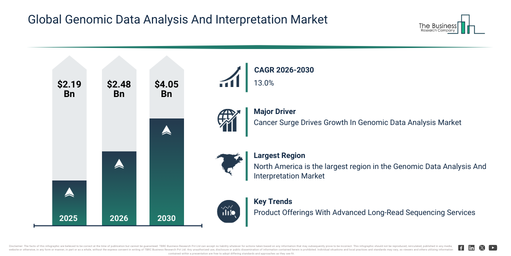
    The market for genomic data analysis and interpretation has experienced significant expansion, projecting a rise from $2.19 billion in 2025 to $2.48 billion in 2026, propelled by a compound annual growth rate (CAGR) of 13.1%. This upward trajectory in the historical period is underpinned by several key factors, including the proliferation of next-generation sequencing technologies, the increasing scope of genomic databases, the early integration of bioinformatics tools, robust demand from academic research initiatives, and a continuous reduction in the cost of sequencing.

    The market for analyzing and interpreting genomic data is poised for substantial expansion in the coming years, projected to reach $4.05 billion by 2030, reflecting a compound annual growth rate (CAGR) of 13.0%. This anticipated surge is fueled by several key factors, including the proliferation of population genomics initiatives, the seamless integration of genomic information with electronic health records, a growing need for immediate data processing capabilities, significant advancements in artificial intelligence algorithms, and the broadening scope of precision medicine. During this projected period, prominent trends expected to shape the market include a greater uptake of bioinformatics software solutions, augmented utilization of AI for discerning genetic variations, an increasing preference for cloud-based genomic analysis services, the wider application of personalized medicine strategies, and a more profound incorporation of genomic insights into clinical decision-making processes.

    Download A Free Sample Report For Comprehensive Market Insights:

    https://www.thebusinessresearchcompany.com/sample.aspx?id=15575&type=smp

    Genomic Data Analysis And Interpretation Market Industry Drivers: What Is Driving Revenue Growth?

    The expansion of the market for genomic data analysis and interpretation is anticipated to be fueled by the escalating incidence of cancer. Cancer, characterized by the unregulated proliferation and dissemination of aberrant cells that can encroach upon other bodily tissues and organs, is experiencing an upswing in occurrences. This rise is attributable to several factors, including a growing elderly demographic, shifts in lifestyle such as tobacco use and less healthy dietary habits, environmental contamination, and advancements in diagnostic technologies facilitating earlier detection. Genomic data analysis and interpretation play a crucial role in oncology by assisting in the pinpointing of genetic alterations, identification of biomarkers, and the development of tailored therapeutic approaches aimed at enhancing patient prognoses. Illustratively, as of May 2024, the United States harbored approximately 18.1 million cancer survivors, a statistic reported by the National Cancer Institute, a U.S. federal entity. Projections indicate this number will climb to 22.5 million by the year 2032. Furthermore, by 2040, it is estimated that annual new cancer diagnoses will reach 29.9 million, with an accompanying projected increase in cancer-related fatalities to 15.3 million. Consequently, the mounting prevalence of cancer cases directly stimulates the growth trajectory of the genomic data analysis and interpretation market.

    Genomic Data Analysis And Interpretation Market Segment Landscape: Which Areas Lead Market Development?

    The genomic data analysis and interpretation market covered in this report is segmented –

    1) By Product: Software, Services

    2) By Application: Functional Genomics, Real-time Polymerase Chain Reaction (PCR), Transfection, Single Nucleotide Polymorphisms (SNP) Analysis, Mutational Analysis, Microarray Analysis, Ribonucleic Acid (RNA) Interference, Pathway Analysis

    3) By End User: Research And Academic Institutions, Biotechnology And Biopharmaceutical Companies, Hospitals And Diagnostic Laboratories, Contract Research Organizations, Forensic Laboratories, Other End Users

    Subsegments:

    1) By Software: Data Analysis Software, Genome Sequencing Software, Bioinformatics Software, Variant Analysis Software, Cloud-Based Genomic Software, Other Software Solutions

    2) By Services: Genomic Data Analysis Services, Genome Sequencing Services, Bioinformatics Services, Consulting Services, Interpretation And Reporting Services, Cloud-Based Genomic Services, Other Services

    #Genomic Data Analysis And Interpretation Market Growth Trends: What Is Influencing The Future Outlook?

    Companies actively participating in the genomic data analysis and interpretation sector are prioritizing the creation of novel offerings, including sophisticated long-read sequencing solutions, as a means to enhance their market position. This advanced long-read sequencing methodology employs state-of-the-art techniques for examining genetic material, yielding more extensive sequence reads that facilitate a richer and more precise depiction of both DNA and RNA. Illustrating this trend, Clinical-Microbiomics A/S, a biotechnology firm headquartered in Denmark, introduced its Advanced Long-Read 16S, ITS, 18S, Isolate, and metagenomics sequencing services in April 2024. Catering to the requirements of researchers in academic, clinical, and industrial settings, these services aim to deliver superior resolution when investigating microbial populations. By producing longer reads, these solutions enable better differentiation among closely related species and the association of particular functionalities with these organisms, thereby offering more detailed comprehension of the microbial environment and aiding in the assembly of robust metagenome-assembled genomes for a more accurate and comprehensive ecological overview.

    Genomic Data Analysis And Interpretation Market Industry Leaders And Market Competition

    Major companies operating in the genomic data analysis and interpretation market are F. Hoffmann-La Roche AG, Thermo Fisher Scientific Inc., Agilent Technologies Inc., Illumina Inc., Bio-Rad Laboratories Inc., QIAGEN N.V., Beijing Genomics Institute (BGI) Genomics Co. Ltd, Guardant Health Inc., 10x Genomics Inc., Oxford Nanopore Technologies Inc., Pacific Biosciences of California Inc., SOPHiA GENETICS Inc., DNAnexus Inc., Seven Bridges Genomics Inc., ASURAGEN INC., Fabric Genomics Inc., DNASTAR Inc., Genoox, Golden Helix Inc., Partek Inc., SoftGenetics LLC, Cantada Bio, Geneyx Genomex Ltd., Freenome Holdings Inc, BlueBee Inc.

    Access The Complete Genomic Data Analysis And Interpretation Market Report:

    https://www.thebusinessresearchcompany.com/report/genomic-data-analysis-and-interpretation-global-market-report

    Genomic Data Analysis And Interpretation Market Regional Outlook: Where Are The Largest Opportunities Located?

    North Americawas the largest region in the genomic data analysis and interpretation market in 2025. Asia-Pacificis expected to be the fastest-growing region in the forecast period. The regions covered in the genomic data analysis and interpretation market report are Asia-Pacific, South East Asia, Western Europe, Eastern Europe, North America, South America, Middle East, Africa.

    Get in touch with us:

    The Business Research Company: https://www.thebusinessresearchcompany.com/

    Americas: +1 310-496-7795

    Asia: +44 7882 955267 & +91 8897263534

    Europe: +44 7882 955267

    Email us at: marketing@tbrc.info

    Follow us on:

    LinkedIn: https://in.linkedin.com/company/the-business-research-company

    YouTube: https://www.youtube.com/channel/UC24_fI0rV8cR5DxlCpgmyFQ

    Global Market Model: https://www.thebusinessresearchcompany.com/global-market-model
  • Genomic Biomarkers Market Growth Outlook Reveals A CAGR Of 17.2% And A Market Value Of $19.32 Billion By 2030

    Genomic Biomarkers Market Growth Outlook Reveals A CAGR Of 17.2% And A Market Value Of $19.32 Billion By 2030

    Enhanced with market attractiveness analysis, total addressable market evaluation, company benchmarking matrices, interactive Excel dashboards, expanded supply chain intelligence, emerging startup coverage, and detailed product insights, The Business Research Company’s 2026 market reports deliver more actionable and strategically valuable research.

    Genomic Biomarkers Market Growth From $10.24 Billion In 2026 To $19.32 Billion By 2030 At A CAGR Of 17.2%

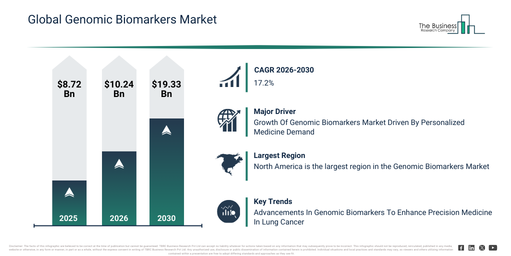
    The market for genomic biomarkers has experienced substantial expansion, projecting a rise from $8.72 billion in 2025 to $10.24 billion in 2026, reflecting a compound annual growth rate of 17.5%. This growth trajectory is underpinned by key factors observed during the earlier period, including significant progress in genomic sequencing techniques, a broader focus on biomarker research within oncology, the escalating use of tailored therapeutic strategies, enhancements in the structures for clinical validation, and the increasing accessibility of genomic data repositories.

    The genomic biomarkers market is projected for swift expansion in the upcoming years. Anticipated to reach $19.33 billion by 2030, this growth trajectory reflects a compound annual growth rate (CAGR) of 17.2%. Multiple factors are expected to fuel this increase during the forecast period, including augmented funding for precision medicine initiatives, a heightened need for diagnostic tools enabling earlier disease identification, the broadening scope of drug development reliant on biomarkers, greater incorporation of artificial intelligence into genomic analysis, and escalating regulatory endorsement of individualized treatment approaches. Key developments anticipated within this timeframe involve a surge in the application of biomarker-directed precision medicine, increased utilization of genomic information in guiding clinical choices, a more prevalent use of companion diagnostics, the proliferation of multi-omics platforms for biomarker discovery, and a stronger emphasis on establishing robust clinical validation standards.

    Download A Free Sample Report For Comprehensive Market Insights:

    https://www.thebusinessresearchcompany.com/sample.aspx?id=19485&type=smp

    Genomic Biomarkers Market Growth Factors: Which Forces Are Supporting Market Expansion?

    The elevated need for healthcare tailored to individual patients, referred to as personalized or precision medicine, is poised to be a significant driver for the expansion of the genomic biomarkers market. This tailored medical strategy leverages an individual’s genetic and genomic profile to inform healthcare choices and treatment plans. Key contributors to this rising demand include a greater focus on patient-centered healthcare, continuous advancements in genetic sequencing and analysis technologies, and the integration of Electronic Health Records for robust data management and interpretation. Genomic biomarkers are instrumental in this paradigm, empowering clinicians to customize therapies based on a patient’s specific genetic composition, thereby enhancing treatment efficacy and mitigating adverse reactions. A notable illustration of this trend is the U.S. Food and Drug Administration’s approval of 16 new personalized treatments for rare disease patients in 2023, a substantial increase from the six approvals in 2022, as highlighted by the Personalized Medicine Coalition in February 2024. Consequently, the growing imperative for personalized medicine directly fuels the growth trajectory of the genomic biomarkers market.

    Genomic Biomarkers Market Segments: Where Are The Largest Growth Opportunities?

    The genomic biomarkers market covered in this report is segmented –

    1) By Type: Predictive Biomarkers, Prognostic Biomarkers

    2) By Disease Indication: Oncology, Cardiovascular Diseases, Neurological Diseases, Renal Disorders, Other Disease Indications

    3) By Validation: Analytical Validation, Clinical Validation, Clinical Utility

    4) By End-User: Hospitals, Diagnostic Centers, Other End-Users

    Subsegments:

    1) By Predictive Biomarkers: Drug Response Biomarkers, Companion Diagnostics Biomarkers, Pharmacodynamic Biomarkers, Predictive Genetic Markers for Disease Susceptibility

    2) By Prognostic Biomarkers: Cancer Prognostic Biomarkers, Cardiovascular Disease Prognostic Biomarkers, Neurodegenerative Disease Prognostic Biomarkers, Infectious Disease Prognostic Biomarkers

    Genomic Biomarkers Market Industry Trends: What Changes Are Reshaping Demand?

    Key players within the genomic biomarkers sector are concentrating their efforts on the creation of novel offerings, such as reagents for lung cancer diagnostics, aimed at refining the identification of particular genetic anomalies, boosting the precision of diagnoses, and enabling tailored therapeutic strategies through the application of cutting-edge genomic techniques. These specialized lung reagents, which are chemical or biological agents crucial for diagnostic assays, investigative studies, or therapeutic interventions concerning the lungs, play a vital role in advancing precision medicine by informing treatment decisions based on an individual’s unique cancer genetic makeup. As an illustration, in December 2023, Biofidelity, a United Kingdom enterprise dedicated to the advancement of sophisticated genomic testing and diagnostic accuracy, introduced its ASPYRE-Lung reagents. The purpose of the ASPYRE-Lung reagents is to pinpoint significant genetic mutations and changes within lung cancer, which are instrumental in directing the selection of targeted treatments and personalized care plans.

    Genomic Biomarkers Market Major Participants And Competitive Dynamics

    Major companies operating in the genomic biomarkers market are Thermo Fisher Scientific Inc., Roche Diagnostics International Ltd., Illumina Inc., PerkinElmer Inc., Almac Group, Azenta Inc., Novogene Corporation, Oxford Nanopore Technologies Ltd., Celerion, Quanterix Corporation, Bio-Rad Laboratories Inc., NantHealth Inc., Centogene N.V., Sophia Genetics SA, Envisagenics, Deep Genomics, Creative Diagnostics, Macrogen Inc., Guardant Health Inc., Sema4

    Access The Complete Genomic Biomarkers Market Report:

    https://www.thebusinessresearchcompany.com/report/genomic-biomarkers-global-market-report

    Genomic Biomarkers Market Geographic Landscape: Which Region Dominates Industry Growth?

    North Americawas the largest region in the genomic biomarkers market in 2025. Asia-Pacificis expected to be the fastest-growing region in the forecast period. The regions covered in the genomic biomarkers market report are Asia-Pacific, South East Asia, Western Europe, Eastern Europe, North America, South America, Middle East, Africa.

    Get in touch with us:

    The Business Research Company: https://www.thebusinessresearchcompany.com/

    Americas: +1 310-496-7795

    Asia: +44 7882 955267 & +91 8897263534

    Europe: +44 7882 955267

    Email us at: marketing@tbrc.info

    Follow us on:

    LinkedIn: https://in.linkedin.com/company/the-business-research-company

    YouTube: https://www.youtube.com/channel/UC24_fI0rV8cR5DxlCpgmyFQ

    Global Market Model: https://www.thebusinessresearchcompany.com/global-market-model

  • Genome-Wide Association Studies Market Forecast Highlights Expansion From $2.57 Billion To $4.25 Billion Through 2030

    Genome-Wide Association Studies Market Forecast Highlights Expansion From $2.57 Billion To $4.25 Billion Through 2030

    Through market attractiveness analysis, total addressable market evaluation, company benchmarking matrices, interactive Excel dashboards, expanded supply chain intelligence, emerging startup coverage, and detailed product insights, The Business Research Company’s 2026 market reports provide more actionable and strategically valuable research.

    Genome-Wide Association Studies Market Expansion Outlook: What Revenue Opportunities Lie Ahead?

    The genome-wide association studies sector has experienced significant expansion historically, with its market value projected to climb from $2.27 billion in 2025 to $2.58 billion in 2026, reflecting a compound annual growth rate of 13.7%. This past growth trajectory can be attributed to several key factors, including the burgeoning of genetic research endeavors, a greater abundance of accessible genomic data, an increase in population-based academic studies, the heightened adoption of genotyping techniques, and advancements in the realm of data analytics.

    Anticipating substantial expansion in the forthcoming years, the market for genome-wide association studies is poised for vigorous advancement, projecting a valuation of $4.26 billion by 2030, fueled by a compound annual growth rate of 13.4%. This projected trajectory is underpinned by several key drivers: a heightened need for insights derived from precision medicine, escalating investments channeled into genomic analytics platforms, the broader application of AI in genetic research, burgeoning pharmaceutical interest in identifying novel drug targets, and a greater emphasis on healthcare models geared toward prediction. Furthermore, several significant trends are expected to shape this market during the forecast period, including the increasing implementation of large-scale population genomics initiatives, a greater reliance on sophisticated bioinformatics platforms, the deeper integration of GWAS into the drug discovery pipeline, the expansion of research endeavors focused on personalized medicine, and an intensified focus on predicting disease susceptibility.

    Download A Free Sample Report For Comprehensive Market Insights:

    https://www.thebusinessresearchcompany.com/sample.aspx?id=28234&type=smp

    Genome-Wide Association Studies Market Demand Drivers: What Is Fueling Industry Growth?

    The expansion of the genome-wide association studies sector is anticipated due to the escalating need for individualized medical care. Personalized medicine, which involves customizing treatment and preventative measures based on an individual’s specific genetic composition, habits, and surroundings, is seeing increased uptake. This growing trend is largely fueled by progress in the field of genomics, allowing for the accurate detection of genetic differences and the development of bespoke therapies. Genome-wide association studies (GWAS) offer a significant advantage to personalized medicine by pinpointing genetic variations associated with specific ailments, thereby facilitating the creation of focused treatment plans. These studies contribute to better health results by offering clarity on individual susceptibility to diseases and backing the use of precise medical interventions. As a testament to this, the U.S. Food and Drug Administration (FDA) sanctioned 26 novel personalized medicines in 2023, a notable surge from the 12 approved in the preceding year, as reported in February 2024 by the Personalized Medicine Coalition (PMC), a non-profit entity based in the United States. Consequently, the rising preference for personalized medicine is a key catalyst for the growth of the genome-wide association studies market.

    Genome-Wide Association Studies Market Segment Analysis: What Are The Major Market Categories?

    The genome-wide association studies market covered in this report is segmented –

    1) By Product Type: Genotyping Services, Genotyping Kits And Reagents, Software And Data Analysis Tools, Other Product Types

    2) By Application: Drug Discovery, Disease Risk Assessment, Personalized Medicine, Other Applications

    3) By End-User: Pharmaceutical And Biotechnology Companies, Academic And Research Institutes, Hospitals And Clinics, Other End-Users

    Subsegments:

    1) By Genotyping Services: Whole Genome Sequencing (Wgs), Exome Sequencing, Targeted Genotyping

    2) By Genotyping Kits And Reagents: Dna Extraction Kits, Sequencing Reagents, Library Preparation Kits

    3) By Software And Data Analysis Tools: Bioinformatics Platforms, Data Visualization Tools, Statistical Analysis Software

    4) By Other Product Types: Sample Collection Devices, Quality Control Tools, Laboratory Consumables

    Genome-Wide Association Studies Market Innovation Trends: Which Developments Are Transforming The Industry?

    In the realm of genome-wide association studies, key players are prioritizing the creation of novel offerings, including sophisticated research platforms designed to expedite disease identification and facilitate personalized medicine. Such a platform represents a cohesive assembly of instruments and technologies crucial for high-volume genomic data production, examination, and comprehension within GWAS. Illustratively, in January 2025, the American biotechnology firm 23andMe Holding Co. introduced Discover23, a consumer-oriented portal for exploring genetic predispositions and ancestral origins. This platform empowers biopharmaceutical partners to engage with extensive genetic information within a secure setting underpinned by Lifebit’s technology. It delivers readily analyzable GWAS data encompassing over 1,000 disease groups, compiled from vast quantities of phenotypic information contributed by millions of willing individuals. The overarching objective of this advanced research platform is to hasten therapeutic breakthroughs by assisting scientists in uncovering new disease mechanisms and prospective therapeutic targets, thereby enhancing clinical trial outcomes while rigorously safeguarding participant confidentiality.

    Genome-Wide Association Studies Market Leading Companies Driving Competitive Growth

    Major companies operating in the genome-wide association studies market are F. Hoffmann-La Roche AG, AstraZeneca plc, Thermo Fisher Scientific Inc., GlaxoSmithKline plc, Regeneron Pharmaceuticals Inc., Eurofins Scientific SE, Laboratory Corporation of America Holdings, Daiichi Sankyo Company Limited, Agilent Technologies Inc., Illumina Inc., Revvity Inc., QIAGEN N.V., Databricks Inc., Broad Institute of MIT and Harvard, BGI Genomics Co. Ltd., deCODE genetics Inc., Genomics England Ltd., CD Genomics Inc., Veritas Genetics Inc., Finngen, The Wellcome Sanger Institute

    Access The Complete Genome-Wide Association Studies Market Report:

    https://www.thebusinessresearchcompany.com/report/genome-wide-association-studies-global-market-report

    Genome-Wide Association Studies Market Largest Region: Which Geography Holds The Highest Market Share?

    North Americawas the largest region in the genome-wide association studies market in 2025. The regions covered in the genome-wide association studies market report are Asia-Pacific, South East Asia, Western Europe, Eastern Europe, North America, South America, Middle East, Africa.

    Get in touch with us:

    The Business Research Company: https://www.thebusinessresearchcompany.com/

    Americas: +1 310-496-7795

    Asia: +44 7882 955267 & +91 8897263534

    Europe: +44 7882 955267

    Email us at: marketing@tbrc.info

    Follow us on:

    LinkedIn: https://in.linkedin.com/company/the-business-research-company

    YouTube: https://www.youtube.com/channel/UC24_fI0rV8cR5DxlCpgmyFQ

    Global Market Model: https://www.thebusinessresearchcompany.com/global-market-model

  • Genome Editing/Genome Engineering Market Expected To Reach $24.52 Billion By 2030 As Growth Accelerates At 19.2% CAGR

    Genome Editing/Genome Engineering Market Expected To Reach $24.52 Billion By 2030 As Growth Accelerates At 19.2% CAGR

    Delivering more actionable and strategically valuable research, The Business Research Company’s 2026 market reports feature market attractiveness analysis, total addressable market evaluation, company benchmarking matrices, interactive Excel dashboards, expanded supply chain intelligence, emerging startup coverage, and detailed product insights.

    Genome Editing/Genome Engineering Market Growth Potential: How Will Market Size Change Through 2030?

    The sector dedicated to genome editing and engineering has experienced significant expansion lately, with projections indicating a rise from $10.17 billion in 2025 to $12.15 billion in 2026, reflecting a compound annual growth rate of 19.5%. Factors fueling this past growth include the advent of genome editing methodologies, initial research applications, the proliferation of molecular biology instrumentation, increased investment in academic research, and a heightened need for disease modeling.

    The field of genome editing, also referred to as genome engineering, is projected to experience substantial expansion in the upcoming years, reaching an estimated market value of $24.53 billion by 2030. This impressive growth trajectory is underpinned by a compound annual growth rate (CAGR) of 19.2%, fueled by several key drivers. These include the progression of gene editing therapies into clinical applications, the broadening scope of agricultural genomics, advancements leading to more precise editing capabilities, the establishment of ethical guidelines, and the increasing commercial availability of genome editing services. Furthermore, several significant trends are anticipated to shape this market during the forecast period, such as a greater reliance on CRISPR-based editing technologies, the expanding application of genome editing within disease research, a rise in the utilization of cell line engineering for various purposes, a growing need for highly accurate gene modification techniques, and increased investment in academic and governmental research initiatives.

    Download A Free Sample Report For Comprehensive Market Insights:

    https://www.thebusinessresearchcompany.com/sample.aspx?id=8010&type=smp

    Genome Editing/Genome Engineering Market Growth Drivers: What Factors Are Accelerating Expansion?

    The expansion of the genome editing and genome engineering sector is anticipated to be propelled by a rise in scientific investigations. These investigations encompass structured endeavors undertaken by individuals, groups, or organizations aimed at acquiring, examining, interpreting, and producing novel understanding within a specific domain. Genome editing and engineering technologies are now central to the burgeoning volume of research, reshaping how scientific inquiry is conducted. Such advanced methodologies enable scientists to precisely alter and understand the complex genetic makeup of living things, providing exceptional accuracy and adaptability. For example, the National Institute of Neurological Disorders and Stroke, a US government research body, announced in July 2023 that the NIH was allocating over $140 million to expedite the translation of genome editing techniques from laboratory settings to clinical applications. Consequently, an escalation in research initiatives serves as a primary impetus for the growth of the genome editing and genome engineering market.

    Genome Editing/Genome Engineering Market Segment Breakdown: Which Categories Generate The Most Revenue?

    The genome editing/genome engineering market covered in this report is segmented –

    1) By Product And Service: Reagents And Consumables, Software And Systems, Services

    2) By Technology: CRISPR, TALEN, ZFN, Antisense, Other Technologies

    3) By Application: Cell Line Engineering, Genetic Engineering, Diagnostic Applications, Drug Discovery And Development, Other Applications

    4) By End User: Biotechnology Companies, Pharmaceutical Companies, Academic And Government Research Institutes

    Subsegments:

    1) By Reagents And Consumables: CRISPR Or Cas9 Kits, TALENs Kits, Zinc Finger Nucleases (ZFNs), Donor DNA Templates, Nucleotide Reagents

    2) By Software And Systems: Genome Editing Design Software, Analysis And Visualization Tools, Workflow Management Systems

    3) By Services: Gene Synthesis And Cloning Services, Custom Genome Editing Services, Consulting Services For Genome Editing Projects

    Genome Editing/Genome Engineering Market Trends: What Is Shaping Future Industry Growth?

    In the competitive landscape of genome editing and genome engineering, prominent entities frequently engage in alliances to enhance their market standing. Such strategic business partnerships signify formal cooperative arrangements among multiple commercial organizations, typically formalized through contractual agreements. An illustrative example occurred in April 2024 when Regeneron Pharmaceuticals, an American biopharmaceutical firm dedicated to pioneering treatments for immunological disorders, cancers, and genetic conditions, joined forces with Mammoth Biosciences, a US biotechnology enterprise co-founded by Jennifer Doudna and renowned for its specialization in CRISPR gene editing. Through this collaboration, Regeneron intends to harness Mammoth’s exceptionally compact CRISPR technologies alongside Regeneron’s established delivery systems to expedite the creation of in vivo gene editing interventions targeting tissues outside the liver, consequently broadening Regeneron’s scope of therapeutic offerings and technological capabilities. Mammoth Biosciences, a company headquartered in the United States, furnishes CRISPR-driven genome editing solutions, encompassing its proprietary compact Cas enzymes, for both therapeutic and diagnostic purposes.

    Genome Editing/Genome Engineering Market Key Players And Strategic Industry Positioning

    Major companies operating in the genome editing/genome engineering market are Thermo Fisher Scientific Inc., Merck Group, Genscript Biotech Corp, Sangamo Therapeutics Inc., Lonza Group AG, Editas Medicine Inc., CRISPR Therapeutics AG, Agilent Technologies Inc., Intellia Therapeutics, bluebird bio Inc., Transposagen Biopharmaceuticals Inc., Tecan Trading AG, Precision BioSciences, PerkinElmer Inc., Cellectis S.A, Applied StemCell Inc., Bio-Rad Laboratories Inc., Bio-Techne, Creative Biogene, Cyagen Biosciences, Dharmacon Inc., Eurofins Genomics LLC, Evotec SE, GeneCopoeia Inc., Genewiz, Horizon Discovery Group PLC, Inscripta Inc., Integrated DNA Technologies Inc., MaxCyte Inc., New England Biolabs, Novartis International AG.

    Access The Complete Genome Editing/Genome Engineering Market Report:

    https://www.thebusinessresearchcompany.com/report/genome-editing-or-genome-engineering-global-market-report

    Genome Editing/Genome Engineering Market Regional Analysis: Which Region Leads By Revenue?

    North Americawas the largest region in the gene editing/genome engineering market in 2025. Asia-Pacificis expected to be the fastest-growing region in the genome editing/genome engineering market report during the forecast period. The regions covered in the genome editing/genome engineering market report are Asia-Pacific, South East Asia, Western Europe, Eastern Europe, North America, South America, Middle East, Africa.

    Get in touch with us:

    The Business Research Company: https://www.thebusinessresearchcompany.com/

    Americas: +1 310-496-7795

    Asia: +44 7882 955267 & +91 8897263534

    Europe: +44 7882 955267

    Email us at: marketing@tbrc.info

    Follow us on:

    LinkedIn: https://in.linkedin.com/company/the-business-research-company

    YouTube: https://www.youtube.com/channel/UC24_fI0rV8cR5DxlCpgmyFQ

    Global Market Model: https://www.thebusinessresearchcompany.com/global-market-model

  • Facial Injectable Market Growth Through 2030 Creates New Strategic Opportunities

    Enhanced with market attractiveness analysis, total addressable market evaluation, company benchmarking matrices, interactive Excel dashboards, expanded supply chain intelligence, emerging startup coverage, and detailed product insights, The Business Research Company’s 2026 market reports deliver more actionable and strategically valuable research.

    Facial Injectable Market CAGR Analysis And Future Market Development

    The market for facial injectables has experienced substantial expansion. Projections indicate a rise from $14.95 billion in 2025 to $16.5 billion in 2026, reflecting a compound annual growth rate (CAGR) of 10.3%. Factors contributing to this past growth include heightened consumer interest in aesthetics, increased discretionary spending, a proliferation of cosmetic treatment centers, the impact of social media trends, and improvements in injectable product development.

    The market for facial injectables is projected for substantial expansion over the forthcoming years, anticipated to reach a valuation of $23.14 billion by the year 2030, exhibiting a compound annual growth rate (CAGR) of 8.8%. This upward trajectory during the projected period is fueled by several key factors, including an escalating demand for customized aesthetic treatments, advancements in dermal fillers designed for extended longevity, a growing number of male patients opting for these procedures, an increase in medical tourism, and the broader proliferation of minimally invasive cosmetic interventions. Key market dynamics that will shape this period include a heightened preference for non-surgical aesthetic options, the increasing prevalence of hyaluronic acid-based fillers, greater acceptance among younger age groups, the expanding network of dermatology and cosmetic practices, and a clear inclination towards subtle, less invasive facial improvements.

    Download A Free Sample Report For Comprehensive Market Insights:

    https://www.thebusinessresearchcompany.com/sample.aspx?id=15567&type=smp

    Facial Injectable Market Growth Drivers And Industry Catalysts

    Driven by the escalating popularity of cosmetic treatments, the facial injectable market is poised for considerable expansion; cosmetic treatments encompass medical interventions designed to improve aesthetics with minimal bodily alteration, often characterized by less invasive techniques suitable for outpatient settings. This surge in demand stems from a heightened societal focus on appearance, continuous technological progress that enhances procedure safety and accessibility, and a pervasive aspiration for personal betterment and amplified self-assurance. Facial injectables play a crucial role in these cosmetic applications, effectively diminishing wrinkles, augmenting specific facial regions, and refining contours through the targeted administration of substances like botulinum toxin or dermal fillers. Illustratively, data from the American Society of Plastic Surgeons (ASPS) revealed that in 2023, minimally invasive cosmetic procedures saw a 7 percent increase compared to the previous year, underscoring the trend that fuels the expansion of the facial injectable market.

    Facial Injectable Market Segments: Where Are The Largest Growth Opportunities?

    The facial injectable market covered in this report is segmented –

    1) By Type: Botulinum Toxin, Collagen, Hyaluronic Acid, Calcium Hydroxyapatite, Polylactic Acid, Polymethyl-Methacrylate Microspheres (PMMA), Fat Injection, Other Types

    2) By Application: Wrinkle Reduction, Facelift, Acne Scar Treatment, Lipoatrophy Treatment, Lip Enhancement, Other Applications

    3) By End-User: Hospitals And Ambulatory Surgery Centers, Dermatology And Cosmetic Clinics, Other End-Users

    Subsegments:

    1) By Botulinum Toxin: Botulinum Toxin Type A (Botox, Dysport, Xeomin), Botulinum Toxin Type B (Myobloc, Neurobloc)

    2) By Collagen: Bovine Collagen, Human Collagen, Synthetic Collagen

    3) By Hyaluronic Acid: Cross-linked Hyaluronic Acid, Non-Cross-Linked Hyaluronic Acid

    4) By Calcium Hydroxyapatite: Radiesse (Calcium Hydroxyapatite-Based Fillers)

    5) By Polylactic Acid: Sculptra (Polylactic Acid-Based Fillers)

    6) By Polymethyl Methacrylate Microspheres (PMMA): Artefill (PMMA-Based Fillers)

    7) By Fat Injection: Autologous Fat Transfer (Liposuction And Injection), Fat Grafting For Volume Restoration

    8) By Other Types: Poly-L-Lactic Acid, Polycaprolactone-Based Fillers, Other Emerging Injectable Fillers

    #Facial Injectable Market Trends Influencing Long-Term Demand

    Leading entities within the facial injectable sector are actively engaged in creating advanced offerings, including enduring hyaluronic acid (HA) fillers, to address the escalating consumer preference for subtle aesthetic interventions that yield authentic and sustained outcomes. These cosmetic injectables, known as HA fillers, serve the purpose of reinstating fullness, diminishing fine lines, and refining facial structure by replenishing the skin’s native components. As an illustration, Allergan plc, a pharmaceutical firm headquartered in Ireland, introduced JUVEDERM VOLUX XC in January 2023; this specific HA filler is engineered to augment jawline contours for individuals aged 21 and older who are experiencing significant loss of definition. Providing effects that persist for up to a year, JUVEDERM VOLUX XC is geared towards achieving natural-looking improvements. Its minimally invasive application contributes to reduced recovery periods for those pursuing non-surgical cosmetic alternatives. Supported by comprehensive studies and high levels of patient contentment, this novel filler empowers aesthetic professionals to tailor treatment strategies.

    Facial Injectable Market Major Participants And Competitive Dynamics

    Major companies operating in the facial injectable market are AbbVie Inc., Ipsen Pharma, Galderma S.A., Merz Pharma GmbH & Co. KGaA, Sinclair Pharma Plc, Revance Therapeutics Inc., Suneva Medical Inc., Prollenium Medical Technologies, Anteis S.A., Anika Therapeutics Inc., Q-Med AB, Bloomage BioTechnology, Medytox Inc., Teoxane Laboratories, Alphaeon Corporation, Hugel Inc., Evolus Inc., Croma-Pharma GmbH, Sientra Inc., Grex Pharma SaS, Daewoong Pharmaceuticals, LG Life Sciences

    Access The Complete Facial Injectable Market Report:

    https://www.thebusinessresearchcompany.com/report/facial-injectable-global-market-report

    Facial Injectable Market Largest Region: Which Geography Holds The Highest Market Share?

    North Americawas the largest region in the facial injectable market in 2025. Asia-Pacificis expected to be the fastest-growing region in the forecast period. The regions covered in the facial injectable market report are Asia-Pacific, South East Asia, Western Europe, Eastern Europe, North America, South America, Middle East, Africa.

    Get in touch with us:

    The Business Research Company: https://www.thebusinessresearchcompany.com/

    Americas: +1 310-496-7795

    Asia: +44 7882 955267 & +91 8897263534

    Europe: +44 7882 955267

    Email us at: marketing@tbrc.info

    Follow us on:

    LinkedIn: https://in.linkedin.com/company/the-business-research-company

    YouTube: https://www.youtube.com/channel/UC24_fI0rV8cR5DxlCpgmyFQ

    Global Market Model: https://www.thebusinessresearchcompany.com/global-market-model

  • Fabry Disease Treatment Market Size Projected To Increase From $2.47 Billion To $3.34 Billion During The Forecast Period

    Through market attractiveness analysis, total addressable market evaluation, company benchmarking matrices, interactive Excel dashboards, expanded supply chain intelligence, emerging startup coverage, and detailed product insights, The Business Research Company’s 2026 market reports provide more actionable and strategically valuable research.

    Fabry Disease Treatment Market Expansion From $2.47 Billion In 2026 To $3.34 Billion In 2030

    The market for Fabry disease treatments experienced robust expansion recently, projected to increase from $2.27 billion in 2025 to $2.48 billion in 2026, reflecting a compound annual growth rate of 8.8%. Key drivers behind this historical growth include heightened awareness of uncommon genetic conditions, the successful introduction of enzyme replacement therapies, broader access to genetic diagnostics, a rise in specialized medical facilities, and the concerted efforts of patient advocacy groups.

    The market for Fabry disease treatments is poised for substantial expansion over the upcoming years, projecting a reach of $3.34 billion by 2030 with a compound annual growth rate of 7.8%. This anticipated growth throughout the forecast period is largely fueled by pioneering developments in gene therapy, the increasing integration of personalized medicine, enhancements in newborn screening initiatives, the wider availability of oral treatment options, and augmented financial support for rare diseases. Key trends shaping this period include a greater reliance on enzyme replacement therapy, a heightened emphasis on timely genetic identification of the condition, the broader implementation of oral chaperone therapies, intensified research into gene therapy methodologies, and improved patient access to treatments for rare disorders.

    Download A Free Sample Report For Comprehensive Market Insights:

    https://www.thebusinessresearchcompany.com/sample.aspx?id=16421&type=smp

    Fabry Disease Treatment Market Opportunity Drivers: What Is Creating New Revenue Potential?

    The expanding number of kidney ailment cases is poised to drive the development of the fabry disease treatment sector in the foreseeable future. Kidney ailments, or renal conditions, encompass any disorder that compromises the kidneys’ operational capacity. This rise in renal disease occurrences is attributable to a confluence of factors including inherited predispositions, lifestyle decisions, environmental influences, and pre-existing medical circumstances. Fabry disease itself stems from the buildup of globotriaosylceramide (Gb3) within kidney cells, which consequently results in cellular damage and impaired function, underscoring the vital importance of prompt diagnosis and therapeutic action to avert severe kidney damage. To illustrate this point, in March 2023, the International Society of Nephrology (ISN), a professional organization headquartered in Belgium, reported that an estimated 850 million individuals globally were affected by chronic kidney disease (CKD), a figure representing an escalation from previous data. Consequently, the heightened incidence of renal diseases is a significant catalyst for the expansion of the fabry disease treatment market.

    Fabry Disease Treatment Market Segment Analysis: What Are The Major Market Categories?

    The fabry disease treatment market covered in this report is segmented –

    1) By Treatment: Substrate Reduction Therapy, Enzyme Replacement Therapy, Chaperone Treatment, Other Treatments

    2) By Route Of Administration: Oral Route, Intravenous Route

    3) By Disease Severity: Classic Fabry Disease, Late-Onset Fabry Disease

    4) By Distribution Channel: Hospital Pharmacies, Retail Pharmacies, Online Pharmacies

    Subsegments:

    1) By Substrate Reduction Therapy: Migalastat Hydrochloride (Galafold), Other Substrate Reduction Therapies

    2) By Enzyme Replacement Therapy: Agalsidase Beta (Fabrazyme), Agalsidase Alfa (Replagal), Other Enzyme Replacement Therapies

    3) By Chaperone Treatment: Migalastat Hydrochloride (Galafold), Other Chaperone Therapies

    4) By Other Treatments: Gene Therapy, Symptomatic Treatment

    Fabry Disease Treatment Market Innovation Trends Driving Future Development

    Leading entities within the Fabry disease treatment sector are actively pursuing the creation of therapies derived from plant cells. The objective is to elevate treatment effectiveness, decrease associated expenses, and foster better results for patients by embracing innovative and environmentally sound methodologies. This approach centers on utilizing plant cells to manufacture the enzymes that are deficient in individuals diagnosed with Fabry disease. These plant-originated enzymes then serve as a therapeutic intervention, intended to substitute for the body’s absent or malfunctioning enzymes, thereby alleviating disease symptoms and enhancing the well-being of those affected. A notable development occurred in May 2023 when Chiesi Global Rare Diseases, a pharmaceutical firm headquartered in Italy, in collaboration with Protalix BioTherapeutics Inc., an Israeli pharmaceutical entity, secured approval for ELFABRIO, offering a novel therapeutic avenue for Fabry disease patients. ELFABRIO functions as an enzyme replacement therapy (ERT), with the recombinant human a-Galactosidase-A enzyme being cultivated in plant cell cultures and subsequently modified via PEGylation to substantially prolong its presence in the body. This advanced treatment translates to a reduced dosing schedule, greater patient convenience, and an improved framework for managing Fabry disease, ultimately leading to a heightened quality of life for patients.

    Fabry Disease Treatment Market Leading Companies Driving Competitive Growth

    Major companies operating in the fabry disease treatment market are Sanofi S.A., Takeda Pharmaceutical Company Limited, Ultragenyx Pharmaceutical Inc., Sangamo Therapeutics Inc., Protalix BioTherapeutics, Avrobio Inc., Freeline Therapeutics Holdings PLC, M6P Therapeutics Inc., Yuhan Corporation, Orchard Therapeutics Ltd., Regenxbio Inc., Synlogic Inc., AceLink Therapeutics Inc., Greenovation Biotech GmbH, CANbridge Life Sciences Ltd., Sigilon Therapeutics Inc., BioMarin Pharmaceutical Inc., Sarepta Therapeutics Inc., Daiichi Sankyo Company Ltd., Audentes Therapeutics Inc., Genesis Therapeutics Inc., Idorsia Pharmaceuticals Ltd., JCR Pharmaceuticals Co Ltd., ISU Abxis Co Ltd.

    Access The Complete Fabry Disease Treatment Market Report:

    https://www.thebusinessresearchcompany.com/report/fabry-disease-treatment-global-market-report

    Fabry Disease Treatment Market Regional Analysis: Which Region Leads By Revenue?

    North Americawas the largest region in the fabry disease treatment market in 2025. Asia-Pacificis expected to be the fastest-growing region in the forecast period. The regions covered in the fabry disease treatment market report are Asia-Pacific, South East Asia, Western Europe, Eastern Europe, North America, South America, Middle East, Africa.

    Get in touch with us:

    The Business Research Company: https://www.thebusinessresearchcompany.com/

    Americas: +1 310-496-7795

    Asia: +44 7882 955267 & +91 8897263534

    Europe: +44 7882 955267

    Email us at: marketing@tbrc.info

    Follow us on:

    LinkedIn: https://in.linkedin.com/company/the-business-research-company

    YouTube: https://www.youtube.com/channel/UC24_fI0rV8cR5DxlCpgmyFQ

    Global Market Model: https://www.thebusinessresearchcompany.com/global-market-model