Month: June 2026

  • Cloud-Based Rare Disease Family Registry Market Forecast Highlights Expansion From $1.64 Billion To $3.14 Billion Through 2030

    Cloud-Based Rare Disease Family Registry Market Forecast Highlights Expansion From $1.64 Billion To $3.14 Billion Through 2030

    Delivering more actionable and strategically valuable research, The Business Research Company’s 2026 market reports feature market attractiveness analysis, total addressable market evaluation, company benchmarking matrices, interactive Excel dashboards, expanded supply chain intelligence, emerging startup coverage, and detailed product insights.

    Cloud-Based Rare Disease Family Registry Market Expansion From $1.64 Billion In 2026 To $3.14 Billion In 2030

    The market for cloud-based rare disease family registries has experienced substantial expansion recently, with a projected increase from $1.4 billion in 2025 to $1.65 billion in 2026, reflecting a compound annual growth rate of 17.7%. This upward trajectory during the historical period is largely attributable to the proliferation of rare disease research endeavors, heightened engagement from patient advocacy groups, the broadening of clinical trial infrastructures, greater utilization of electronic data capture technologies, and the fundamental requirement for unified systems to manage patient information.

    The market for cloud-based rare disease family registries is projected for significant expansion in the coming years, anticipating an increase to $3.15 billion by 2030, fueled by a compound annual growth rate (CAGR) of 17.5%. This projected increase during the forecast period is largely a consequence of heightened investments directed towards the development of orphan drugs, a surge in the need for real-world evidence, the broadening scope of precision medicine research, the increasing application of AI in data analysis, and a greater emphasis on research models centered around the patient. Key developments anticipated within this timeframe include a greater uptake of cloud-based patient registries, expanded utilization of digital platforms for rare disease research endeavors, enhanced integration between genomic and clinical data sets, improvements in global clinical trial recruitment instruments, and a more pronounced focus on safeguarding data through secure sharing practices.

    Download A Free Sample Report For Comprehensive Market Insights:

    https://www.thebusinessresearchcompany.com/sample.aspx?id=28178&type=smp

    Cloud-Based Rare Disease Family Registry Market Demand Drivers: What Is Fueling Industry Growth?

    The expansion of the cloud-based rare disease family registry market is anticipated to be driven by the growing emphasis on precision medicine. This approach to healthcare involves customizing treatment and preventative measures based on an individual’s genetic predispositions, surrounding environmental influences, and personal lifestyle choices. Advances in genomic sequencing technology have significantly contributed to the rise of precision medicine, enabling healthcare professionals to gain a more precise understanding of a patient’s genetic composition. Cloud-based registries for rare diseases play a crucial role in facilitating precision medicine by gathering and consolidating comprehensive patient data, encompassing genetic profiles, clinical histories, and therapeutic interventions. A compelling illustration of this trend emerged in February 2024 when the Personalized Medicine Coalition, a nonprofit entity based in the United States, announced that the U.S. Food and Drug Administration (FDA) had approved 16 novel personalized therapies for individuals suffering from rare diseases during 2023, a substantial increase from the six approvals recorded in 2022; among these newly sanctioned treatments, seven were specifically developed for cancer indications, while three addressed other ailments and conditions. Consequently, the escalating adoption of precision medicine is a key factor spurring the growth within the market for cloud-based rare disease family registries.

    Cloud-Based Rare Disease Family Registry Market Categorization By Product Type And Application

    The cloud-based rare disease family registry market covered in this report is segmented –

    1) By Component: Software, Services

    2) By Deployment Mode: Public Cloud, Private Cloud, Hybrid Cloud

    3) By Application: Patient Data Management, Research, Clinical Trials, Genetic Data Collection, Other Applications

    4) By End-User: Hospitals And Clinics, Research Institutes, Pharmaceutical And Biotechnology Companies, Patient Advocacy Groups, Other End-Users

    Subsegments:

    1) By Software: Electronic Data Capture, Data Management Platform, Analytics And Reporting Tools, Patient Engagement Tools, Clinical Trial Management System

    2) By Services: Implementation And Integration, Training And Support, Data Hosting And Security, Consulting Services, Maintenance And Upgrades

    Cloud-Based Rare Disease Family Registry Market Innovation Trends: Which Developments Are Transforming The Industry?

    Leading entities within the cloud-based rare disease family registry sector are actively pursuing technological advancements, including the implementation of bilingual federated registries, aiming to furnish patients, families, and researchers with robust, geographically dispersed data environments that foster greater engagement and facilitate immediate data gathering and examination. Such a bilingual federated registry represents a cloud-hosted architecture enabling data localization while accommodating diverse linguistic needs and adherence to local privacy mandates and consent protocols. By way of example, the National Organization for Rare Disorders (NORD), a non-profit organization based in the United States, had scheduled for June 2025 the introduction of two patient registries in Canada, specifically for PKU and MPS. These registries, conceived in partnership with Canadian patient advocacy organizations, researchers, and medical professionals, mark the inaugural instances within the IAMRARE Program to be situated beyond the U.S. Their design prioritizes compliance with provincial consent stipulations, empowers collaborative, real-time data acquisition and analysis, and aims to expedite research initiatives, deepen insights into rare metabolic conditions, and streamline the identification of suitable candidates for clinical studies.

    Cloud-Based Rare Disease Family Registry Market Company Landscape And Strategic Competition

    Major companies operating in the cloud-based rare disease family registry market are Thermo Fisher Scientific Inc., IQVIA Holdings Inc., ICON plc, Syneos Health Inc., Parexel International Corp., Medidata Solutions Inc., FIGMD Inc., OM1 Inc., Mission Health Labs Inc., TREAT-NMD Global Registries Platform, Seqster PDM Inc., ArborMetrix Inc., OpenClinica LLC, Pulse Infoframe Inc., Oracle Healthcare Pvt. Ltd., QuesGen Systems Inc., FTD Disorders Registry, Castor LLC, Data Registry Services LLC, Fibrolamellar Registry, Rare Central

    Access The Complete Cloud-Based Rare Disease Family Registry Market Report:

    https://www.thebusinessresearchcompany.com/report/cloud-based-rare-disease-family-registry-global-market-report

    Cloud-Based Rare Disease Family Registry Market Geographic Landscape: Which Region Dominates Industry Growth?

    North Americawas the largest region in the cloud-based rare disease family registry market in 2025. Asia-Pacific is expected to be the fastest-growing region in the forecast period. The regions covered in the cloud-based rare disease family registry market report are Asia-Pacific, South East Asia, Western Europe, Eastern Europe, North America, South America, Middle East, Africa.

    Get in touch with us:

    The Business Research Company: https://www.thebusinessresearchcompany.com/

    Americas: +1 310-496-7795

    Asia: +44 7882 955267 & +91 8897263534

    Europe: +44 7882 955267

    Email us at: marketing@tbrc.info

    Follow us on:

    LinkedIn: https://in.linkedin.com/company/the-business-research-company

    YouTube: https://www.youtube.com/channel/UC24_fI0rV8cR5DxlCpgmyFQ

    Global Market Model: https://www.thebusinessresearchcompany.com/global-market-model
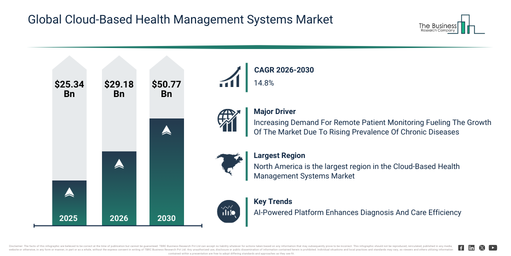
  • Cloud-Based Health Management Systems Market Expected To Reach $50.76 Billion By 2030 As Growth Accelerates At 14.8% CAGR

    Cloud-Based Health Management Systems Market Expected To Reach $50.76 Billion By 2030 As Growth Accelerates At 14.8% CAGR

    Enhanced with market attractiveness analysis, total addressable market evaluation, company benchmarking matrices, interactive Excel dashboards, expanded supply chain intelligence, emerging startup coverage, and detailed product insights, The Business Research Company’s 2026 market reports deliver more actionable and strategically valuable research.

    Cloud-Based Health Management Systems Market Forecast Highlighting Growth From $29.18 Billion To $50.76 Billion

    Demand for cloud-based health management systems has surged recently, projecting a significant expansion from $25.34 billion in 2025 to $29.18 billion by 2026, reflecting a compound annual growth rate (CAGR) of 15.1%. This accelerated growth trajectory during the past period was propelled by several key factors, including the widespread integration of electronic health records, mounting government and industry efforts toward healthcare digitalization, a heightened need for effective care coordination solutions, the proliferation of chronic disease management programs, and the increasing embrace of cloud computing technologies within the healthcare sector.

    The sector for health management systems hosted on the cloud is poised for substantial expansion over the forthcoming years, projecting a market valuation of $50.77 billion by the year 2030, driven by a compound annual growth rate of 14.8%. This anticipated upswing throughout the projection period is fueled by several key factors: escalating investments in digital health infrastructure, the broadened application of AI-powered clinical decision support, the proliferation of virtual care frameworks, an elevated need for population health analytics, and a heightened emphasis on delivering value-based healthcare. Furthermore, prominent developments anticipated in this timeframe encompass the increasing integration of cloud-based health platforms, a greater utilization of remote patient monitoring technologies, a growing requirement for health data systems that facilitate interoperability, the burgeoning expansion of telemedicine and virtual care provisions, and a reinforced commitment to data security and privacy measures.

    Download A Free Sample Report For Comprehensive Market Insights:

    https://www.thebusinessresearchcompany.com/sample.aspx?id=28177&type=smp

    Cloud-Based Health Management Systems Market Growth Drivers: What Factors Are Accelerating Expansion?

    The expansion of the market for cloud-based health management systems is anticipated to be significantly influenced by a surge in the adoption of remote patient monitoring. This method involves leveraging digital tools to gather and convey patient health information from environments outside of conventional healthcare facilities to medical professionals for evaluation and care delivery. The heightened need for remote patient monitoring stems from the rising incidence of chronic conditions, necessitating ongoing surveillance and prompt actions for individuals managing long-term illnesses to achieve better health results. Cloud solutions are instrumental in facilitating remote patient monitoring through their capacity to offer immediate access to health metrics, thereby enabling continuous patient health oversight. These systems foster improved care coordination by backing proactive interventions, ultimately leading to superior treatment results and a reduction in hospital readmissions. To illustrate, the National Library of Medicine (NLM) reported that in June 2025, the deployment of remote patient monitoring services within physician office settings witnessed a substantial increase, documenting 5,118,772 service instances in 2023, underscoring the escalating trend that is fueling the growth of the cloud-based health management systems sector.

    Cloud-Based Health Management Systems Market Segment Analysis And Revenue Opportunities

    The cloud-based health management systems market covered in this report is segmented –

    1) By Type: Electronic Health Records (EHR), Patient Portals, Telemedicine Solutions, Population Health Management, Remote Patient Monitoring

    2) By Size Of Organization: Small And Medium-Sized Enterprises (SMEs), Large Enterprises

    3) By Deployment Model: Public Cloud, Private Cloud, Hybrid Cloud

    4) By Application: Chronic Disease Management, Mental Health Management, Emergency Care Management, Rehabilitation Management, Wellness Management

    5) By End-User: Hospitals, Clinics, Insurance Companies, Pharmaceutical Companies, Research Organizations

    Subsegments:

    1) By Electronic Health Records: Inpatient Electronic Health Records, Outpatient Electronic Health Records, Ambulatory Electronic Health Records, Specialty Electronic Health Records, Cloud-Based Electronic Health Records

    2) By Patient Portals: Appointment Scheduling, Medical Records Access, Prescription Refill Requests, Patient-Provider Communication, Billing And Payments

    3) By Telemedicine Solutions: Video Consultations, Store-and-Forward Telemedicine, Remote Patient Monitoring Telemedicine, Mobile Health Applications, Telepsychiatry

    4) By Population Health Management: Risk Stratification, Care Coordination, Patient Engagement, Analytics And Reporting, Chronic Disease Management

    5) By Remote Patient Monitoring: Wearable Devices, Mobile Health Monitoring, In-Home Monitoring Systems, Chronic Condition Monitoring, Post-Acute Care Monitoring

    Cloud-Based Health Management Systems Market Trends: What Is Shaping Future Industry Growth?

    Leading players within the cloud-based health management systems market are preoccupied with engineering sophisticated functionalities, particularly AI-driven systems offering non-invasive diagnostic features, aiming to elevate diagnostic precision, patient outcomes, and the overall effectiveness of healthcare delivery. These AI-powered systems with non-invasive diagnostic capabilities essentially encompass artificial intelligence technologies designed to identify and track health statuses through information gathered from medical imaging, sensor devices, or wearable technology, bypassing the need for intrusive medical interventions. A noteworthy instance of this trend occurred in July 2025 when Blue Cloud Softech Solutions Ltd., an IT service provider based in India, introduced the BluHealth Platform v2.0, an enhanced digital healthcare ecosystem that integrates artificial intelligence functionalities with non-invasive diagnostic methodologies. This platform is specifically engineered for deployment across various healthcare settings, including hospitals, community health clinics, and mobile healthcare units, and boasts features such as AI-assisted clinical decision-making, automatic patient prioritization, remote monitoring of physiological signs, facial analysis for health assessments, and non-invasive measurement of HbA1c levels. The BluHealth Platform v2.0 functions via a protected cloud framework, thereby guaranteeing the security and availability of patient data while simultaneously augmenting the efficiency and patient journey within healthcare administration.

    Cloud-Based Health Management Systems Market Leading Players Shaping Industry Direction

    Major companies operating in the cloud-based health management systems market are UnitedHealth Group Incorporated, Oracle Corporation, Philips Healthcare, General Electric Healthcare, Epic Systems Corporation, Athenahealth Incorporated, N. Harris Computer Corporation, eClinicalWorks LLC, Medical Information Technology Incorporated, EverCommerce, Health Catalyst Incorporated, Greenway Health LLC, AdvancedMD Incorporated, CareCloud Incorporated, HelloHealth, Amazing Charts LLC, Microsoft Azure for Health, Populus Health Technologies

    Access The Complete Cloud-Based Health Management Systems Market Report:

    https://www.thebusinessresearchcompany.com/report/cloud-based-health-management-systems-global-market-report

    #Cloud-Based Health Management Systems Market Largest Region: Which Geography Holds The Highest Market Share?

    North Americawas the largest region in the cloud-based health management systems market in 2025. Asia-Pacific is expected to be the fastest-growing region in the forecast period. The regions covered in the cloud-based health management systems market report are Asia-Pacific, South East Asia, Western Europe, Eastern Europe, North America, South America, Middle East, Africa.

    Get in touch with us:

    The Business Research Company: https://www.thebusinessresearchcompany.com/

    Americas: +1 310-496-7795

    Asia: +44 7882 955267 & +91 8897263534

    Europe: +44 7882 955267

    Email us at: marketing@tbrc.info

    Follow us on:

    LinkedIn: https://in.linkedin.com/company/the-business-research-company

    YouTube: https://www.youtube.com/channel/UC24_fI0rV8cR5DxlCpgmyFQ

    Global Market Model: https://www.thebusinessresearchcompany.com/global-market-model
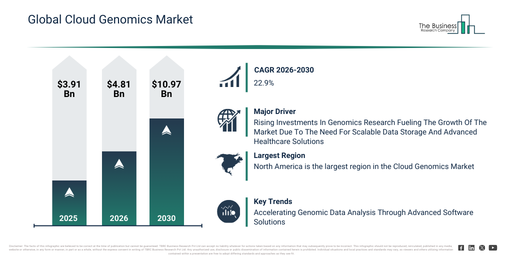
  • Cloud Genomics Market Set To Grow From $4.81 Billion In 2026 To $10.97 Billion By 2030 At A CAGR Of 22.9%

    Cloud Genomics Market Set To Grow From $4.81 Billion In 2026 To $10.97 Billion By 2030 At A CAGR Of 22.9%

    Through market attractiveness analysis, total addressable market evaluation, company benchmarking matrices, interactive Excel dashboards, expanded supply chain intelligence, emerging startup coverage, and detailed product insights, The Business Research Company’s 2026 market reports provide more actionable and strategically valuable research.

    Cloud Genomics Market Revenue Growth Supported By A CAGR Of 10.97% Through 2030

    The cloud genomics market has experienced remarkable expansion recently, projecting a rise from $3.91 billion in 2025 to $4.81 billion in 2026, which represents a compound annual growth rate of 23.2%. This growth trajectory, evident in past performance, is fueled by significant progress in DNA sequencing methods, a surge in the quantity of genomic data produced, expanded research efforts in both academic and clinical genomics, the growing adoption of bioinformatics software, and a continuous need for powerful computing infrastructure.

    The cloud genomics market is poised for significant expansion over the coming years, projecting a reach of $10.97 billion by 2030, driven by a compound annual growth rate of 22.9%. This surge is anticipated to be fueled by several key factors, including the widespread embrace of precision medicine, bolstered investments in genomics research infrastructure, the escalating integration of artificial intelligence into genetic analysis, the broadening scope of large-scale genomic studies, and a heightened demand for interconnected cloud platforms. Key developments expected during this period involve a greater uptake of cloud-based genomic data solutions, increased utilization of AI for genomic insights, a rising need for adaptable data storage, the proliferation of collaborative research settings in genomics, and a concentrated effort on ensuring data security and regulatory adherence.

    Download A Free Sample Report For Comprehensive Market Insights:

    https://www.thebusinessresearchcompany.com/sample.aspx?id=28176&type=smp

    Cloud Genomics Market Growth Factors Supporting Long-Term Expansion

    Increased financial backing for genomics studies is poised to stimulate the expansion of the cloud genomics sector. Genomics investigation entails a comprehensive examination of an organism’s complete DNA blueprint to understand gene activities, interdependencies, and their influence on biological mechanisms. The surge in genomics research investment stems from its capacity to facilitate tailor-made medical approaches, leading to more precise diagnoses and treatments customized to a person’s genetic profile. Consequently, this heightened investment translates into increased reliance on cloud genomics solutions, as the immense volume of generated genomic data necessitates robust, efficient, and economical cloud-based systems for both storage and processing. Illustratively, in March 2024, the National Human Genome Research Institute (NHGRI), a U.S. federal research body, disclosed a budget proposal of $663.7 million for the 2025 fiscal year, marking a modest increase from previous periods, with this sustained financial support underpinning cutting edge human genomics research, technological advancements, and the incorporation of clinical genomics. Thus, escalating investments in genomics research are directly fueling the advancement of the cloud genomics market.

    Cloud Genomics Market Segmentation And Category Breakdown

    The cloud genomics market covered in this report is segmented –

    1) By Component: Software, Hardware, Services

    2) By Deployment Mode: Public Cloud, Private Cloud, Hybrid Cloud

    3) By Application: Clinical Diagnostics, Drug Discovery And Development, Personalized Medicine, Research, Other Applications

    4) By End-User: Hospitals And Clinics, Research And Academic Institutions, Pharmaceutical And Biotechnology Companies, Other End-Users

    Subsegments:

    1) By Software: Genomic Data Analysis Software, Bioinformatics Tools, Laboratory Information Management Systems (LIMS), Data Visualization Software, Workflow Automation Software

    2) By Hardware: High-Performance Computing (HPC) Systems, Servers, Storage Systems, Sequencing Instruments, Networking Equipment

    3) By Services: Cloud Storage And Data Management Services, Data Analysis And Interpretation Services, Consulting And Implementation Services, Software-As-A-Service (SaaS) Solutions, Maintenance And Support Services

    Cloud Genomics Market Industry Trends Shaping Future Revenue Growth

    Leading cloud genomics market players are investing in cutting-edge tools, exemplified by software accelerators, to expedite the creation and implementation of sophisticated applications, with QIAGEN Digital Insights (QDI) demonstrating this trend. These accelerators are designed to boost the performance of software by streamlining data handling and computational processes. A prime illustration is QDI’s January 2023 release of QIAGEN CLC Genomics Workbench Premium, a solution engineered to overcome the analytical delays inherent in next-generation sequencing (NGS). This premium offering drastically shortens analysis times for the examination and interpretation of data from whole genome sequencing (WGS), whole exome sequencing (WES), and extensive panel sequencing. At its core is LightSpeed technology, a software accelerator skilled at swiftly transforming raw FASTQ sequence data from any paired-end short-read system into actionable genetic variant lists in VCF format. Notably, within conventional cloud settings, this technology facilitates the analysis of a complete human genome at 34x coverage on a typical computer in a mere 25 minutes, and a 50x whole exome in just 90 seconds. This technological advancement enables laboratories to conduct whole genome sequencing at a cost-effective price of approximately $1 per genome and whole exome sequencing for mere cents per exome, leveraging cloud infrastructure. Furthermore, QIAGEN CLC LightSpeed exhibits versatility, capable of operating effectively on present local hardware while delivering comparable high-speed results.

    Cloud Genomics Market Competitive Analysis Of Major Industry Participants

    Major companies operating in the cloud genomics market are Microsoft Corp., Amazon Web Services Inc., F. Hoffmann-La Roche Ltd., IBM Corporation, Oracle Corporation, Thermo Fisher Scientific Inc., Illumina Inc., PerkinElmer Inc., QIAGEN N.V., Element Biosciences Inc., Human Longevity Inc., Seven Bridges Genomics, DNAnexus Inc., Lifebit Biotech Ltd., Fabric Genomics Inc., PierianDx Inc., Veritas Genetics Inc., WuXi, NantOmics LLC, Saphetor SA, Nebula Genomics, Gene by Gene Ltd.

    Access The Complete Cloud Genomics Market Report:

    https://www.thebusinessresearchcompany.com/report/cloud-genomics-global-market-report

    Cloud Genomics Market Regional Analysis: Which Region Leads By Revenue?

    North Americawas the largest region in the cloud genomics market in 2025. Asia-Pacific is expected to be the fastest-growing region in the forecast period. The regions covered in the cloud genomics market report are Asia-Pacific, South East Asia, Western Europe, Eastern Europe, North America, South America, Middle East, Africa.

    Get in touch with us:

    The Business Research Company: https://www.thebusinessresearchcompany.com/

    Americas: +1 310-496-7795

    Asia: +44 7882 955267 & +91 8897263534

    Europe: +44 7882 955267

    Email us at: marketing@tbrc.info

    Follow us on:

    LinkedIn: https://in.linkedin.com/company/the-business-research-company

    YouTube: https://www.youtube.com/channel/UC24_fI0rV8cR5DxlCpgmyFQ

    Global Market Model: https://www.thebusinessresearchcompany.com/global-market-model

  • Closed-Back Nursing Shoes Market Opportunities Are Emerging Beyond Traditional Growth Areas

    Closed-Back Nursing Shoes Market Opportunities Are Emerging Beyond Traditional Growth Areas

    Delivering more actionable and strategically valuable research, The Business Research Company’s 2026 market reports feature market attractiveness analysis, total addressable market evaluation, company benchmarking matrices, interactive Excel dashboards, expanded supply chain intelligence, emerging startup coverage, and detailed product insights.

    Closed-Back Nursing Shoes Market Value Expansion And Long-Term Growth Outlook

    The market for closed-back nursing shoes has experienced significant expansion recently, projecting a rise from its 2025 valuation of $1.84 billion to $2.05 billion by 2026, demonstrating a compound annual growth rate of 11.3%. This historical growth trajectory is largely a consequence of the burgeoning healthcare workforce, a heightened consciousness regarding workplace safety regulations, the prevalence of extended working hours within the medical sector, the continuous development of hospital facilities, and a growing demand for sanitary professional attire.

    The market for closed-back nursing shoes is poised for substantial expansion over the upcoming years, projecting a reach of $3.13 billion by 2030, driven by a compound annual growth rate (CAGR) of 11.1%. This anticipated surge is largely fueled by escalating investments in healthcare facilities, a heightened awareness of employee comfort and well-being, the increasing embrace of higher-quality nursing footwear, the proliferation of in-home healthcare options, and a stronger emphasis on rigorous infection control protocols. Key developments shaping this market during the forecast period include a surging demand for footwear that offers superior slip resistance and protection, a growing trend toward ergonomically designed shoes, a preference for materials that are simple to maintain and clean, the increasing availability of lightweight and breathable shoe options, and a more pronounced focus on adhering to workplace safety regulations.

    Download A Free Sample Report For Comprehensive Market Insights:

    https://www.thebusinessresearchcompany.com/sample.aspx?id=28174&type=smp

    #Closed-Back Nursing Shoes Market Demand Drivers Creating New Revenue Opportunities

    A surge in healthcare sector employment is poised to be a significant catalyst for the expansion of the closed-back nursing shoes market. This burgeoning employment within healthcare encompasses professionals dedicated to delivering a spectrum of medical, clinical, and supportive services essential for individual and community well-being. Such an upswing in healthcare jobs can be attributed to a growing incidence of chronic health conditions, consequently elevating the need for medical attention, continuous therapies, and sustained patient care. Offering improved safety and comfort in professional environments, these specialized shoes indirectly bolster healthcare employment by mitigating exhaustion, preventing injuries, and ultimately reducing staff attrition rates. An illustrative projection from the Bureau of Labor Statistics in August 2025 indicates that between 2024 and 2034, employment for registered nurses is anticipated to grow by 5 percent, outpacing the average growth rate across all professions. Consequently, the expanding healthcare workforce is a primary driver fueling the closed-back nursing shoes market.

    The expanding landscape of healthcare infrastructure, marked by heightened investments, is anticipated to spearhead the advancement of the closed-back nursing shoes market. Such substantial capital injections into healthcare infrastructure involve the strategic deployment of finances and resources aimed at enhancing, enlarging, and updating medical centers, diagnostic tools, and operational frameworks to elevate the standards and reach of healthcare services. This upward trend in infrastructure investment is largely a consequence of an aging global population that necessitates more frequent and specialized medical interventions, thereby spurring the expansion and modernization of healthcare facilities. Consequently, these infrastructural upgrades, including the development of new hospitals and clinics, translate into a greater demand for robust, comfortable, and secure footwear like closed-back nursing shoes for the medical personnel. Providing a concrete example, the American Health Care Association in the US reported in May 2023 that the nation’s hospital count had risen by 0.591% year-over-year, increasing from 6,093 to 6,129 facilities. Thus, the escalating investment in healthcare infrastructure directly fuels the growth trajectory of the closed-back nursing shoes market.

    Closed-Back Nursing Shoes Market Segment Outlook: Which Categories Are Expanding The Fastest?

    The closed-back nursing shoes market covered in this report is segmented –

    1) By Product Type: Slip-resistant Shoes, Orthopedic Shoes, Waterproof Shoes, Breathable Shoes, Lightweight Shoes

    2) By Material: Leather, Synthetic Materials, Mesh Fabrics, Rubber Soles, Memory Foam

    3) By Purpose Of Use: Clinical Environments, Hospital Settings, Long-term Care Facilities, Home Care Assistance, Public Health Services

    4) By Distribution Channel: Online Stores, Supermarkets Or Hypermarkets, Specialty Stores, Other Distributions Channels

    5) By End-User: Hospitals, Clinics, Home Healthcare, Other End-Users

    Subsegments:

    1) By Slip-Resistant Shoes: Rubber Outsole, Textured Sole, Oil Resistant Sole, Non Marking Sole

    2) By Orthopedic Shoes: Arch Support Shoes, Extra Depth Shoes, Wide Toe Box Shoes, Cushioning Support Shoes

    3) By Waterproof Shoes: Water Repellent Coated Shoes, Seam Sealed Shoes, Synthetic Upper Shoes, Slip On Waterproof Shoes

    4) By Breathable Shoes: Mesh Upper Shoes, Ventilated Panel Shoes, Moisture Wicking Lining Shoes, Perforated Design Shoes

    5) By Lightweight Shoes: Foam Sole Shoes, Minimalist Design Shoes, Flexible Material Shoes, Low Profile Sole Shoes

    Closed-Back Nursing Shoes Market Key Companies And Competitive Benchmarking

    Major companies operating in the closed-back nursing shoes market are Skechers U.S.A. Inc., Birkenstock Holding plc, Rocky Brands Inc., Sanita Footwear A/S, Aetrex Worldwide Inc., Shoes For Crews LLC, Dansko LLC, Cherokee Global Brands Inc., Alpro Footwear GmbH, SafeTstep Footwear, Clove Shoes Inc., Alegria by PG Lite Inc., Lavoro Footwear S.A., Vionic Group LLC, Xiamen Seatyle Import And Export Co. Ltd., Latitudes Inc., Crocs Inc., NursingShoes.com Inc., Toffeln Ltd., Anywear Inc.

    Access The Complete Closed-Back Nursing Shoes Market Report:

    https://www.thebusinessresearchcompany.com/report/closed-back-nursing-shoes-global-market-report

    Closed-Back Nursing Shoes Market Geographic Distribution And Regional Opportunities

    North Americawas the largest region in the closed-back nursing shoes market in 2025. The regions covered in the closed-back nursing shoes market report are Asia-Pacific, South East Asia, Western Europe, Eastern Europe, North America, South America, Middle East, Africa.

    Get in touch with us:

    The Business Research Company: https://www.thebusinessresearchcompany.com/

    Americas: +1 310-496-7795

    Asia: +44 7882 955267 & +91 8897263534

    Europe: +44 7882 955267

    Email us at: marketing@tbrc.info

    Follow us on:

    LinkedIn: https://in.linkedin.com/company/the-business-research-company

    YouTube: https://www.youtube.com/channel/UC24_fI0rV8cR5DxlCpgmyFQ

    Global Market Model: https://www.thebusinessresearchcompany.com/global-market-model
  • Clopidogrel Market Expansion Is Opening New Pathways For Strategic Investment

    Clopidogrel Market Expansion Is Opening New Pathways For Strategic Investment

    Enhanced with market attractiveness analysis, total addressable market evaluation, company benchmarking matrices, interactive Excel dashboards, expanded supply chain intelligence, emerging startup coverage, and detailed product insights, The Business Research Company’s 2026 market reports deliver more actionable and strategically valuable research.

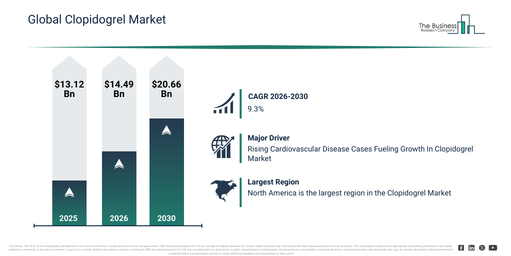
    Clopidogrel Market Expected To Reach $20.66 Billion By 2030 At 9.3% CAGR

    The clopidogrel market experienced substantial expansion, projecting a rise from $13.12 billion in 2025 to $14.49 billion by 2026, fueled by a compound annual growth rate (CAGR) of 10.5%. This upward trajectory in the historical period was significantly influenced by the escalating incidence of cardiovascular ailments, the broad acceptance and implementation of antiplatelet therapy regimens, a steadily increasing elderly demographic, advancements in hospital-based cardiac treatment facilities, and the presence of well-defined clinical directives.

    Anticipate robust expansion within the clopidogrel market over the coming years, with projections indicating a rise to $20.66 billion by 2030, driven by a compound annual growth rate of 9.3%. This projected advancement stems from several key factors, including a heightened emphasis on tailored cardiovascular treatments, a greater prevalence of combined antithrombotic strategies, the broadening availability in developing economies, an escalating commitment to strategies aimed at long-term risk mitigation, and a growing acceptance of digital tools for monitoring treatment adherence. Throughout this forecast period, prominent market dynamics will include a surge in demand for generic antiplatelet options, an increased focus on economically viable cardiovascular interventions, a wider embrace of combination therapy approaches, expanded applications in long-term secondary prevention, and a more concentrated effort on ensuring patient adherence to treatment.

    Download A Free Sample Report For Comprehensive Market Insights:

    https://www.thebusinessresearchcompany.com/sample.aspx?id=16376&type=smp

    Clopidogrel Market Expansion Supported By Key Demand Factors

    The escalating incidence of cardiovascular ailments is poised to stimulate the expansion of the clopidogrel market in the future. These conditions encompass a spectrum of heart-related issues affecting its structure or function, leading to compromised blood flow, irregular heartbeats, or other cardiac complications, attributed to factors such as demographic shifts and an aging populace, lifestyle choices, elevated stress levels, sedentary habits, strains on healthcare systems, and the interplay of genetic and environmental influences. Clopidogrel plays a crucial role in mitigating cardiovascular risks by inhibiting platelet aggregation, thereby diminishing the likelihood of clot formation, proving especially valuable in managing acute coronary syndromes, post-percutaneous coronary intervention care, stroke prevention, and peripheral arterial disease. Illustratively, a projection from the National Center for Biotechnology Information (NCBI) in August 2025 forecasts a substantial rise in cardiovascular prevalence by 90.0%, a 73.4% surge in crude mortality, and a 54.7% increase in crude Disability-Adjusted Life Years (DALYs) between 2025 and 2050, with an anticipated 35.6 million cardiovascular deaths occurring by 2050, up from 20.5 million in 2025, underscoring how the increasing burden of cardiovascular disease is fueling the clopidogrel market’s growth.

    The growing demographic of older adults is anticipated to be a key driver for the clopidogrel market’s advancement. This demographic shift, characterized by a larger proportion of individuals aged 65 and above, stems from enhanced longevity and decreasing birth rates. The heightened demand for clopidogrel within this segment of the population is crucial for the prevention of blood clots and the reduction of risks associated with heart attacks, strokes, and other cardiovascular events, which are more common in older individuals. As an illustration, the UK Parliament’s House of Commons Library reported in July 2024 that individuals aged 65 and over constituted 19% of the UK’s total population in 2022, numbering 12.7 million, and this figure is projected to reach 22.1 million, representing 27% of the population, by 2072, thereby confirming that the expanding elderly population is a significant contributor to the growth trajectory of the clopidogrel market.

    Clopidogrel Market Segment Landscape: Which Areas Lead Market Development?

    The clopidogrel market covered in this report is segmented –

    1) By Type: 25 Milligram (Mg), 75 Milligram (Mg), 300 Milligram (Mg)

    2) By Sales Channel: Direct Sale, Indirect Sale

    3) By Application: Hospitals, Private Clinics, Retail Pharmacies, Online Pharmacies, Other Applications

    4) By End-User: Heart Attack And Strokes, Peripheral Vascular Disease, Coronary Artery Disease, Cerebrovascular Disease, Other End-Users

    Subsegments:

    1) By 25 Milligram (mg) Clopidogrel: Standard 25 Milligram (mg) Tablets, Chewable 25 Milligram (mg) Tablets, Coated 25 Milligram (mg) Tablets, Combination 25 Milligram (mg) Formulations

    2) By 75 Milligram (mg) Clopidogrel: Standard 75 Milligram (mg) Tablets, Chewable 75 Milligram (mg) Tablets, Coated 75 Milligram (mg) Tablets, Combination 75 Milligram (mg) Formulations

    3) By 300 Milligram (mg) Clopidogrel: Standard 300 Milligram (mg) Tablets, Chewable 300 Milligram (mg) Tablets, Coated 300 Milligram (mg) Tablets, Combination 300 Milligram (mg) Formulations

    Clopidogrel Market Industry Leaders And Market Competition

    Major companies operating in the clopidogrel market are Johnson & Johnson, Bayer AG, Sanofi SA, Novartis AG, Bristol-Myers Squibb, Sun Pharmaceutical Industries Ltd, Dr. Reddy’s Laboratories Ltd, Cipla Inc, Torrent Pharmaceuticals GmbH, Lupin Limited, Glenmark Pharmaceuticals, Zydus Cadila Healthcare Ltd, Alkem Laboratories Ltd, Teva Pharmaceutical Industries Ltd, Pfizer Inc, Hetero Drugs Ltd, Wockhardt Ltd, Alembic Pharmaceuticals Ltd, Micro Labs Ltd, Unichem Laboratories Ltd, Jubilant Life Sciences Ltd, CSPC Pharmaceutical Group Ltd, Nanjing Chia-Tai Tianqing Pharmaceutical Co Ltd, Sihuan Pharmaceutical Holdings Group Ltd, Lepu Medical Technology Co Ltd, Gate Pharmaceuticals Ltd, KRKA d.d, Roxane Laboratories Ltd

    Access The Complete Clopidogrel Market Report:

    https://www.thebusinessresearchcompany.com/report/clopidogrel-global-market-report

    Clopidogrel Market Largest Region By Revenue And Market Share

    North Americawas the largest region in the clopidogrel market in 2025. Asia-Pacificis expected to be the fastest-growing region in the forecast period. The regions covered in the clopidogrel market report are Asia-Pacific, South East Asia, Western Europe, Eastern Europe, North America, South America, Middle East, Africa.

    Get in touch with us:

    The Business Research Company: https://www.thebusinessresearchcompany.com/

    Americas: +1 310-496-7795

    Asia: +44 7882 955267 & +91 8897263534

    Europe: +44 7882 955267

    Email us at: marketing@tbrc.info

    Follow us on:

    LinkedIn: https://in.linkedin.com/company/the-business-research-company

    YouTube: https://www.youtube.com/channel/UC24_fI0rV8cR5DxlCpgmyFQ

    Global Market Model: https://www.thebusinessresearchcompany.com/global-market-model

  • Clinical Communication And Collaboration Market Trends Are Creating New Opportunities For Industry Leaders

    Clinical Communication And Collaboration Market Trends Are Creating New Opportunities For Industry Leaders

    Through market attractiveness analysis, total addressable market evaluation, company benchmarking matrices, interactive Excel dashboards, expanded supply chain intelligence, emerging startup coverage, and detailed product insights, The Business Research Company’s 2026 market reports provide more actionable and strategically valuable research.

    #Clinical Communication And Collaboration Market Size And Revenue Forecast Through 2030

    The market for clinical communication and collaboration has experienced a significant expansion. Projections indicate a rise from $3.64 billion in 2025 to $4.35 billion in 2026, demonstrating a compound annual growth rate of 19.4%. This upward trajectory is fueled by several key factors observed during the historical period, including the increasing integration of digital technologies into hospital communication frameworks, a heightened demand for seamless care coordination among different healthcare departments, the widespread implementation of electronic health records, a greater emphasis on patient safety measures, and the growing utilization of mobile devices by healthcare professionals.

    The market for clinical communication and collaboration is poised for significant expansion, projecting a reach of $8.75 billion by 2030, fueled by a robust compound annual growth rate of 19.1%. This upward trajectory in the forecasted period is propelled by several key factors: escalating investments in connected healthcare infrastructure, a heightened need for immediate clinical collaboration, the expanding utilization of cloud-based healthcare solutions, the proliferation of telehealth and virtual care services, and a heightened emphasis on ensuring interoperability among diverse clinical systems. Key developments anticipated within this timeframe encompass a greater uptake of secure messaging platforms, increased implementation of mobile tools for clinical communication, the growing integration of real-time location services, the broader adoption of unified communication systems within hospital settings, and a strengthened focus on tools designed for workflow automation.

    Download A Free Sample Report For Comprehensive Market Insights:

    https://www.thebusinessresearchcompany.com/sample.aspx?id=19372&type=smp

    #Clinical Communication And Collaboration Market Growth Drivers And Industry Catalysts

    The increasing trend of receiving medical services at home is poised to be a significant catalyst for the expansion of the clinical communication and collaboration market. Home healthcare, which involves delivering a variety of medical treatments—such as chronic condition management, recovery therapies, intravenous treatments, and tailored care strategies—within a patient’s residence, offers a comfortable and economically viable alternative to traditional hospital settings. This move towards in-home care is largely a consequence of medical technology’s progress, an increasing elderly demographic, a desire for individualized and convenient treatment options, the inherent cost efficiencies over inpatient hospital care, and enhancements in remote patient monitoring and telemedicine capabilities. Effective clinical communication and collaboration are instrumental in bolstering home healthcare operations by facilitating smooth coordination among medical professionals and ensuring that patients receive prompt and efficient care management within their own homes. Illustrating this, data from the Bureau of Labor Statistics, a US government entity, indicated in April 2024 that roughly 12 million individuals across the United States benefit from home healthcare services each year, with a substantial 86% of these individuals being 65 years of age or older. Consequently, the growing reliance on home healthcare directly fuels the growth trajectory of the clinical communication and collaboration market.

    Clinical Communication And Collaboration Market Segments: Where Are The Largest Growth Opportunities?

    The clinical communication and collaboration market covered in this report is segmented –

    1) By Component: Solution, Services

    2) By Deployment: Hosted, On-Premise

    3) By End User: Hospitals, Clinical Labs, Physicians, Other End Users

    Subsegments:

    1) By Solution: Mobile Communication Solutions, Secure Messaging Platforms, Real-Time Location Services (RTLS), Video Conferencing Solutions, Unified Communication Systems, Patient Engagement Solutions, Clinical Workflow Automation Tools

    2) By Services: Implementation And Integration Services, Consulting Services For Clinical Communication, Managed Services For Communication Systems, Support And Maintenance Services, Training And Education Services

    #Clinical Communication And Collaboration Market Trends Influencing Long-Term Demand

    Leading entities within the clinical communication and collaboration sector are actively engaged in the creation of pioneering tools, including specialized language and communication platforms, aimed at bolstering remote patient oversight and virtual medical consultations while simultaneously fortifying data protection and user privacy. These sophisticated platforms incorporate cutting-edge functionalities such as secure messaging, immediate status notifications, and effortless integration with electronic health records (EHRs) to foster improved teamwork among medical professionals. For example, Canopy Innovations Inc., a digital health enterprise situated in the United States, introduced CanopySpeak in February 2024. This innovative language and communication solution is designed to streamline interactions between healthcare practitioners and patients who face language barriers. CanopySpeak facilitates instant, multi-language conversations between providers and patients, thereby promoting more efficient and effective healthcare services. By employing sophisticated language translation mechanisms, this application effectively overcomes communication obstacles and guarantees the precise transmission of vital information, even within demanding clinical environments.

    Clinical Communication And Collaboration Market Major Participants And Competitive Dynamics

    Major companies operating in the clinical communication and collaboration market are Microsoft Corporation, Cisco Systems Inc., Oracle Corporation, NEC Corporation, Siemens Healthineers AG, Koninklijke Philips N.V., Zebra Technologies Corporation, Epic Systems Corporation, Hill-Rom Holdings Inc., Avaya Holdings Corp., Nuance Communications Inc., BlackBerry Limited, Everbridge Inc., Ascom Holding AG, Jive Software Inc., Spok Holdings Inc., Orion Health Group Limited, G2 Inc., TeleTracking Technologies Inc., PerfectServe Inc., NantHealth Inc., Mobile Heartbeat Inc.

    Access The Complete Clinical Communication And Collaboration Market Report:

    https://www.thebusinessresearchcompany.com/report/clinical communication-and-collaboration-global-market-report

    Clinical Communication And Collaboration Market Regional Analysis And Leading Geography

    North Americawas the largest region in the clinical communication and collaboration market in 2025. Asia-Pacificis expected to be the fastest-growing region in the forecast period. The regions covered in the clinical communication and collaboration market report are Asia-Pacific, South East Asia, Western Europe, Eastern Europe, North America, South America, Middle East, Africa.

    Get in touch with us:

    The Business Research Company: https://www.thebusinessresearchcompany.com/

    Americas: +1 310-496-7795

    Asia: +44 7882 955267 & +91 8897263534

    Europe: +44 7882 955267

    Email us at: marketing@tbrc.info

    Follow us on:

    LinkedIn: https://in.linkedin.com/company/the-business-research-company

    YouTube: https://www.youtube.com/channel/UC24_fI0rV8cR5DxlCpgmyFQ

    Global Market Model: https://www.thebusinessresearchcompany.com/global-market-model

  • Clinical Workflow Solutions Market Growth Is Reshaping Competitive Advantage Across The Industry

    Clinical Workflow Solutions Market Growth Is Reshaping Competitive Advantage Across The Industry

    Delivering more actionable and strategically valuable research, The Business Research Company’s 2026 market reports feature market attractiveness analysis, total addressable market evaluation, company benchmarking matrices, interactive Excel dashboards, expanded supply chain intelligence, emerging startup coverage, and detailed product insights.

    Clinical Workflow Solutions Market Growth From $14.61 Billion In 2026 To $23.96 Billion By 2030 At A CAGR Of 13.2%

    The market for clinical workflow solutions has experienced substantial expansion lately, with projections indicating continued robust growth. This sector is anticipated to expand from $12.8 billion in 2025 to $14.61 billion in 2026, demonstrating a compound annual growth rate (CAGR) of 14.2%. Key factors driving this historical growth trajectory include the escalating digitization within healthcare operations, a surge in the adoption of electronic health records, the mounting demand for tools that facilitate care coordination, the broadening scope of hospital workflows across multiple departments, and a heightened emphasis on enhancing clinical efficiency.

    The market for clinical workflow solutions is projected for substantial expansion in the coming years, with an anticipated reach of $23.97 billion by 2030, marking a compound annual growth rate of 13.2%. This upward trajectory during the projected period is fueled by several key factors: the increasing integration of AI-powered workflow tools, a heightened need for predictive analytics in healthcare provision, the broadened scope of telehealth-integrated workflows, escalating investments in the digital transformation of hospitals, and a more pronounced emphasis on optimizing patient outcomes. Throughout this forecast interval, significant trends are expected to shape the market, including a greater embrace of workflow automation platforms, a rising demand for clinical systems that can seamlessly exchange data, deeper integration of real-time communication technologies, the expansion of analytical tools for clinical decision support, and an intensified focus on minimizing errors and improving care coordination.

    Download A Free Sample Report For Comprehensive Market Insights:

    https://www.thebusinessresearchcompany.com/sample.aspx?id=6932&type=smp

    Clinical Workflow Solutions Market Opportunity Drivers: What Is Creating New Revenue Potential?

    The increasing incidence of various ailments is anticipated to be a significant catalyst for the expansion of the clinical workflow solutions market. A disease, characterized by its disruption of normal bodily functions and identifiable signs and symptoms, necessitates improved healthcare delivery. Clinical workflow solutions are instrumental in enhancing the healthcare system’s efficiency and patient experience for individuals grappling with diverse conditions. Illustratively, data from July 2023, as reported by the Office for National Statistics in the UK, revealed that over 2.5 million individuals were economically inactive due to chronic health issues, marking an increase of more than 400,000 since the pandemic began. Furthermore, within the first quarter of 2023, a substantial portion of those absent from the workforce due to long-term sickness, specifically over 1.35 million (53%), indicated suffering from depression, anxiety, or nervous disorders, with a notable majority exceeding 1 million attributing these mental health conditions as secondary to primary health concerns. Consequently, the escalating rate of disease is directly fueling the development and adoption of clinical workflow solutions.

    Clinical Workflow Solutions Market Segment Analysis: What Are The Major Market Categories?

    The clinical workflow solutions market covered in this report is segmented –

    1) By Type: Real-Time Communication Solutions, Data Integration Solutions, Workflow Automation Solutions, Enterprise Reporting And Analytics Solutions, Care Collaboration Solutions

    2) By Application: Diagnostic Applications, Research Applications, Therapeutic Applications

    3) By End-User: Ambulatory Care Centers, Long-Term Care Facilities, Hospitals

    Subsegments:

    1) By Real-Time Communication Solutions: Secure Messaging Systems, Voice Over IP (VoIP) Solutions, Mobile Communication Applications

    2) By Data Integration Solutions: Interoperability Solutions, Health Information Exchange (HIE) Platforms, Data Aggregation Tools

    3) By Workflow Automation Solutions: Task Management Systems, Electronic Health Record (EHR) Integration, Appointment Scheduling Solutions

    4) By Enterprise Reporting And Analytics Solution: Business Intelligence Tools, Performance Dashboards, Predictive Analytics Platforms

    5) By Care Collaboration Solutions: Team Collaboration Tools, Remote Patient Monitoring Solutions, Care Coordination Platforms

    Clinical Workflow Solutions Market Innovation Trends Driving Future Development

    To attain a more advantageous position within the clinical workflow solutions sector, leading entities are prioritizing the development and deployment of cloud-based systems designed for automating clinical processes. These cloud solutions are engineered to streamline repetitive clinical tasks and transition existing manual procedures into digital, web-accessible workflows, thereby eradicating the reliance on paper documentation and manual data input. A pertinent illustration of this trend is the introduction of WorkflowRT in January 2023 by CenTrak Inc., a US-based healthcare device supplier. This scalable, cloud-powered platform is specifically designed to automate both workflow management and inter-staff communication, ultimately enhancing clinical workflow efficiency across all healthcare environments. By utilizing CenTrak’s premier real-time location systems (RTLS) and location sensors, WorkflowRT eliminates the necessity for healthcare personnel to inquire about patient location within the treatment continuum, search physical spaces, or await manual updates. The platform features adaptable, pre-established workflow templates that can be customized to align with the distinctive operational needs of individual healthcare facilities. WorkflowRT functions autonomously in the background, significantly contributing to operational improvements by eliminating non-value-adding steps.

    Clinical Workflow Solutions Market Leading Companies Driving Competitive Growth

    Major companies operating in the clinical workflow solutions market are Allscripts Healthcare Solutions Inc., Ascom Holding AG, Cerner Corporation, Cisco Systems Inc., GE Healthcare, Hill-Rom Holdings Inc., Infor Inc., Koninklijke Philips NV, Mckesson Corporation, NXGN Management LLC, Spok Inc., Vocera Communications Inc., Capsule Technologies Inc., Veradigm Inc., NEXTGEN HEALTHCARE INC., Atenahealth Inc., STANLEY Healthcare, Gestalt Diagnostics LLC, Xoran Technologies LLC, PatientKeeper, Smart Data Solutions, Inpeco designs lab automation systems, Aiforia Technologies Oyj, Checkit plc, EmOpti, Healthcare Control Systems, Keena Healthcare Technology, Laurel Bridge Software Inc., Medtronic plc, Siemens Healthineers, Becton, Dickinson and Company

    Access The Complete Clinical Workflow Solutions Market Report:

    https://www.thebusinessresearchcompany.com/report/clinical-workflow-solutions-global-market-report

    Clinical Workflow Solutions Market Geographic Analysis: Where Is Demand Growing The Fastest?

    North Americawas the largest region in the clinical workflow solutions market in 2025. Asia-Pacificis expected to be the fastest-growing region in the forecast period. The regions covered in the clinical workflow solutions market report are Asia-Pacific, South East Asia, Western Europe, Eastern Europe, North America, South America, Middle East, Africa.

    Get in touch with us:

    The Business Research Company: https://www.thebusinessresearchcompany.com/

    Americas: +1 310-496-7795

    Asia: +44 7882 955267 & +91 8897263534

    Europe: +44 7882 955267

    Email us at: marketing@tbrc.info

    Follow us on:

    LinkedIn: https://in.linkedin.com/company/the-business-research-company

    YouTube: https://www.youtube.com/channel/UC24_fI0rV8cR5DxlCpgmyFQ

    Global Market Model: https://www.thebusinessresearchcompany.com/global-market-model
  • Clinical Trial Support Services Market Forecast Signals New Revenue Opportunities Through 2030

    Clinical Trial Support Services Market Forecast Signals New Revenue Opportunities Through 2030

    Enhanced with market attractiveness analysis, total addressable market evaluation, company benchmarking matrices, interactive Excel dashboards, expanded supply chain intelligence, emerging startup coverage, and detailed product insights, The Business Research Company’s 2026 market reports deliver more actionable and strategically valuable research.

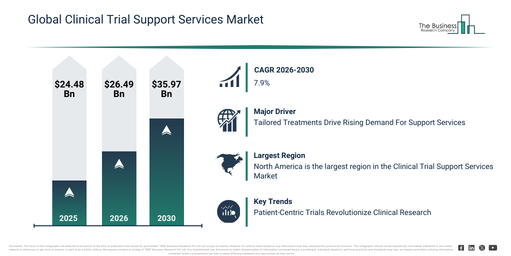
    Clinical Trial Support Services Market Expansion Outlook: What Revenue Opportunities Lie Ahead?

    The global market for clinical trial support services has experienced robust expansion lately. Projections indicate this sector will expand from its 2025 valuation of $24.48 billion to $26.49 billion by 2026, demonstrating a compound annual growth rate of 8.2%. Factors contributing to this historical growth trajectory include an escalating volume of clinical research endeavors, the intensification of regulatory stipulations, a heightened dependency on externalized trial support, the proliferation of multi-site clinical investigations, and a growing need for adept personnel within the trial management domain.

    The market for services that assist in clinical trials is poised for considerable expansion in the upcoming years, with projections indicating a rise to $35.97 billion by 2030, reflecting a compound annual growth rate of 7.9%. This anticipated surge is fueled by several key drivers, including a greater embrace of decentralized trial methodologies, the increasing application of artificial intelligence for analyzing trial data, a broader deployment of digital tools designed to engage patients, escalating investments in comprehensive trial support systems, and a heightened emphasis on refining operational efficiency. Leading trends anticipated during this forecast period encompass a growing reliance on centralized data management, a climbing demand for sophisticated patient recruitment strategies, more extensive utilization of remote monitoring and virtual trial assistance, the development of unified trial management platforms, and a more rigorous focus on ensuring adherence to regulatory requirements.

    Download A Free Sample Report For Comprehensive Market Insights:

    https://www.thebusinessresearchcompany.com/sample.aspx?id=21151&type=smp

    Clinical Trial Support Services Market Growth Momentum: Which Factors Are Influencing Demand?

    Anticipated advancements in personalized medicine are poised to significantly boost the clinical trial support services market. This innovative approach to healthcare focuses on customizing treatments for each patient by considering their unique genetic makeup, environmental influences, and lifestyle choices, with the ultimate goals of enhancing treatment efficacy and elevating the standard of care. The increasing adoption of personalized medicine is fueled by several key developments, including breakthroughs in genomic research, the expanding accessibility of diagnostic tools that identify biomarkers, sophisticated data analysis capabilities, and a growing desire for therapies that are both precise and highly effective. Clinical trial support services play a crucial role in the advancement of personalized medicine by streamlining patient selection processes, facilitating the design of trials that incorporate biomarkers, and ensuring adherence to regulatory standards, all of which are essential for creating targeted treatments aligned with individual genetic and disease characteristics. To illustrate this trend, the Personalized Medicine Coalition (PMC) reported in February 2024 that the U.S. Food and Drug Administration (FDA) authorized 26 novel personalized therapies in 2023, representing a substantial leap from the 12 such treatments approved in the preceding year. Consequently, the burgeoning field of personalized medicine serves as a primary catalyst for the expansion of the clinical trial support services sector.

    Clinical Trial Support Services Market Segment Breakdown: Which Categories Generate The Most Revenue?

    The clinical trial support services market covered in this report is segmented –

    1) By Service: Clinical Trial Site Management, Data Management, Patient Recruitment Management, Administrative Staff, Institutional Review Board (IRB), Other Services

    2) By Phases: Preclinical Studies, Phase I, Phase II, Phase III, Phase IV

    3) By Application: Oncology, Central Nervous System (CNS) And Mental Disorders, Cardiovascular Diseases, Infectious Diseases, Bood Disorders, Other Applications

    Subsegments:

    1) By Clinical Trial Site Management: Site Selection, Site Initiation, Site Monitoring, Site Close-Out

    2) By Data Management: Data Collection, Data Validation, Electronic Data Capture (EDC), Statistical Analysis

    3) By Patient Recruitment Management: Patient Screening, Enrollment Strategy, Retention Services

    4) By Administrative Staff: Clinical Research Coordinators, Project Managers, Regulatory Affairs Specialists

    5) By Institutional Review Board (IRB): Ethical Review, Protocol Review, Compliance Monitoring

    6) By Other Services: Regulatory Consulting, Quality Assurance, Medical Writing, Investigator Training

    Clinical Trial Support Services Market Trends Reshaping Industry Growth

    Leading entities within the clinical trial support services sector are prioritizing the implementation of patient-focused trial designs, a strategic move aimed at bolstering candidate acquisition, increasing participant commitment, alleviating participant challenges, and cultivating a more welcoming and equitable journey for a broad spectrum of individuals facing various health conditions. These patient-directed studies are conceived from the ground up with the patient’s requirements, inclinations, and overall experience at the forefront, with the ultimate goal of enhancing ease of access, fostering deeper involvement, and elevating participant contentment throughout every stage of the investigation. As an illustration, a significant development occurred in March of 2023 when Leal Health, a digital health firm based in the United States with a strong emphasis on patient welfare, unveiled a pioneering analytics tool specifically designed for patient-centric programs. This platform is intended for seamless integration with the online portals of pharmaceutical firms dedicated to clinical studies, empowering them to devise and deploy successful, patient-oriented initiatives that not only identify suitable candidates of high caliber but also expedite recruitment periods and achieve streamlined operational performance, thereby contributing to a superior patient journey from beginning to end. The core function of this innovative platform is to facilitate the creation of impactful, patient-centric strategies that guarantee the identification of high-quality candidates suitable for participation in clinical trials.

    Clinical Trial Support Services Market Key Players And Strategic Industry Positioning

    Major companies operating in the clinical trial support services market are Thermo Fisher Scientific Inc., IQVIA Inc., Laboratory Corporation of America Holdings (Labcorp), ICON plc, SGS S.A., Eurofins Scientific SE, WuXi AppTec, Syneos Health, Catalent Inc., Charles River Laboratories International Inc., Medpace Holdings Inc., Pharmaron, MARKEN Ltd., Novotech, ClinChoice Private Limited, Medidata Solutions Inc., Premier Research, Quotient Sciences Ltd., Caidya, MMS Holdings Inc., Celerion Inc., Parexel International (MA) Corporation, Alcura Health, Almac Group

    Access The Complete Clinical Trial Support Services Market Report:

    https://www.thebusinessresearchcompany.com/report/clinical-trial-support-services-global-market-report

    Clinical Trial Support Services Market Global Footprint: Which Region Holds Market Leadership?

    North Americawas the largest region in the clinical trial support services market in 2025. Asia-Pacificis expected to be the fastest-growing region in the forecast period. The regions covered in the clinical trial support services market report are Asia-Pacific, South East Asia, Western Europe, Eastern Europe, North America, South America, Middle East, Africa.

    Get in touch with us:

    The Business Research Company: https://www.thebusinessresearchcompany.com/

    Americas: +1 310-496-7795

    Asia: +44 7882 955267 & +91 8897263534

    Europe: +44 7882 955267

    Email us at: marketing@tbrc.info

    Follow us on:

    LinkedIn: https://in.linkedin.com/company/the-business-research-company

    YouTube: https://www.youtube.com/channel/UC24_fI0rV8cR5DxlCpgmyFQ

    Global Market Model: https://www.thebusinessresearchcompany.com/global-market-model

  • Clinical Trial Supply And Logistics Market Growth Is Accelerating As Industry Transformation Continues

    Clinical Trial Supply And Logistics Market Growth Is Accelerating As Industry Transformation Continues

    Through market attractiveness analysis, total addressable market evaluation, company benchmarking matrices, interactive Excel dashboards, expanded supply chain intelligence, emerging startup coverage, and detailed product insights, The Business Research Company’s 2026 market reports provide more actionable and strategically valuable research.

    Clinical Trial Supply And Logistics Market Growth Potential: How Will Market Size Change Through 2030?

    The global clinical trial supply and logistics market has experienced robust expansion recently, exhibiting significant growth. Projections indicate a further increase from $5.1 billion in 2025 to $5.56 billion in 2026, driven by a compound annual growth rate of 8.9%. This historical growth trajectory is linked to several key factors, including a rise in the volume of international clinical trials, the proliferation of complex, multinational study designs, escalating intricacy in trial protocols, a heightened need for specialized temperature-controlled supply chains, and a growing trend toward outsourcing essential trial supply management functions.

    The market for clinical trial supply and logistics is projected for substantial expansion over the forthcoming years, reaching an estimated $7.92 billion by 2030, driven by a compound annual growth rate (CAGR) of 9.3%. This projected growth is fueled by several key factors, including the increasing embrace of decentralized clinical trial methodologies, a heightened demand for patient-focused supply strategies, the ongoing expansion of trials involving biologics and cell therapies, amplified investments in digital platforms for trial logistics, and a greater emphasis on real-time oversight of supply chains. During this forecast period, significant trends are anticipated, such as the wider adoption of unified cold chain logistics solutions, a growing requirement for comprehensive visibility across the entire trial supply chain, increased utilization of centralized inventory management systems, the expansion of direct-to-patient supply approaches, and a more pronounced concentration on mitigating risks and ensuring supply chain resilience.

    Download A Free Sample Report For Comprehensive Market Insights:

    https://www.thebusinessresearchcompany.com/sample.aspx?id=12633&type=smp

    Clinical Trial Supply And Logistics Market Expansion Drivers: What Is Shaping Future Growth?

    The expansion of the clinical trial supply and logistics sector is anticipated to be fueled by the rising volume of research studies. These clinical trials encompass investigations involving human subjects aimed at assessing the efficacy and safety of novel medical therapies, treatments, or diagnostic methods. To facilitate the seamless execution of these research endeavors, clinical trial supply and logistics services provide essential materials and support, including the collection and transport of biological samples, investigational pharmaceuticals and kits, specialized knowledge, and assistance with regulatory approvals and customs procedures. Illustratively, data from ClinicalTrials.gov, a U.S. government-maintained database for clinical research managed by the U.S. National Library of Medicine, revealed that as of July 2023, the count of registered clinical trials had climbed to 437,533, a rise from the 2022 total of 399,499, spanning all fifty states and 221 nations worldwide. Furthermore, it was noted that 141,513 trials (constituting 31% of the overall figure) are registered solely within the U.S., with an additional 244,707 trials (representing 53% of the total) located outside the United States. Consequently, the escalating number of clinical trials serves as a primary catalyst for the growth observed in the clinical trial supply and logistics market.

    Clinical Trial Supply And Logistics Market Segmentation: How Is The Market Structured Across Key Categories?

    The clinical trial supply and logistics market covered in this report is segmented –

    1) By Service: Logistics And Distribution, Storage And Retention, Packaging Labelling And Blinding, Manufacturing, Comparator Sourcing, Other Services

    2) By Phase: Phase I, Phase II, Phase III, Phase IV

    3) By Area: Oncology, Cardiovascular Diseases, Respiratory Diseases, CNS And Mental Disorders, Other Areas

    4) By End-User: Pharmaceuticals, Biologicals, Medical Device

    Subsegments:

    1) By Logistics And Distribution: Transportation Management, Cold Chain Logistics, Customs Clearance, Inventory Management

    2) By Storage And Retention: Controlled Storage, Long-Term Storage, Short-Term Storage

    3) By Packaging Labeling, And Blinding: Primary Packaging, Secondary Packaging, Label Design And Printing, Blinding Solutions

    4) By Manufacturing: Clinical Supply Manufacturing, Batch Production, Quality Control And Assurance

    5) By Comparator Sourcing: Sourcing Services, Regulatory Compliance, Inventory Management For Comparators

    6) By Other Services: Regulatory Affairs Consulting, Clinical Trial Management, Data Management And Analysis, Training And Support Services

    Clinical Trial Supply And Logistics Market Strategic Trends: What Is Defining The Next Phase Of Growth?

    Companies actively participating in the Clinical Trial Supply and Logistics Market are prioritizing technological advancements, including specialized temperature-controlled shipping for healthcare products, aiming to bolster the consistency and dependability of their offerings during transit. This focus is crucial for adherence to regulatory mandates and ultimately for improving patient results. Such temperature-controlled healthcare shipments entail the transportation of medical goods, medications, and biological substances that necessitate precise temperature maintenance to preserve their potency and safety. This complex operation relies on the use of advanced packaging, integrated monitoring technologies, and tailored logistics strategies to guarantee that products stay within their designated temperature parameters from origin to destination. As an illustration, in February of 2024, the American logistics enterprise, FedEx Corporation, introduced its FedEx Life Science Center, featuring FedEx Customized Freight (FCF) specifically designed for the shipment of critical pharmaceutical consignments. This service incorporates elements like paramount boarding priority, comprehensive oversight throughout the entire journey, and bespoke delivery choices crafted to uphold product integrity during transit. Furthermore, clients can leverage FedEx Priority Alert Plus, a service providing real-time tracking of time-sensitive shipments, complete with provisions for replenishing essential cooling agents like dry ice or gel packs.

    Clinical Trial Supply And Logistics Market Competitive Landscape And Leading Companies

    Major companies operating in the clinical trial supply and logistics market are United Parcel Service, DHL Group, FedEx Corporation, Thermo Fisher Scientific Inc., IQVIA, ICON plc, Eurofins Scientific, Catalent Inc., Intertek Group plc, Parexel International Corporation, UDG Healthcare PLC., Almac Group, World Courier, Piramal Pharma Solutions, Sharp Clinical Services Ltd., Clinigen Group, PCI Pharma Services, Movianto Group, Cold Chain Technologies, Biocair International Limited, QuickSTAT, Wasdell Group, Klifo A/S, TrakCel, Packaging Coordinators Inc., Biotec Services International Limited, Proventa International, Inceptua Group

    Access The Complete Clinical Trial Supply And Logistics Market Report:

    https://www.thebusinessresearchcompany.com/report/clinical-trial-supply-and-logistics-global-market-report

    Clinical Trial Supply And Logistics Market Regional Distribution: Which Areas Drive Market Expansion?

    North Americawas the largest region in the clinical trial supply and logistics market in 2025. Asia-Pacificis expected to be the fastest-growing region in the forecast period. The regions covered in the clinical trial supply and logistics market report are Asia-Pacific, South East Asia, Western Europe, Eastern Europe, North America, South America, Middle East, Africa.

    Get in touch with us:

    The Business Research Company: https://www.thebusinessresearchcompany.com/

    Americas: +1 310-496-7795

    Asia: +44 7882 955267 & +91 8897263534

    Europe: +44 7882 955267

    Email us at: marketing@tbrc.info

    Follow us on:

    LinkedIn: https://in.linkedin.com/company/the-business-research-company

    YouTube: https://www.youtube.com/channel/UC24_fI0rV8cR5DxlCpgmyFQ

    Global Market Model: https://www.thebusinessresearchcompany.com/global-market-model

  • Clinical Trial Software Market Outlook Highlights The Next Major Growth Opportunities

    Clinical Trial Software Market Outlook Highlights The Next Major Growth Opportunities

    Delivering more actionable and strategically valuable research, The Business Research Company’s 2026 market reports feature market attractiveness analysis, total addressable market evaluation, company benchmarking matrices, interactive Excel dashboards, expanded supply chain intelligence, emerging startup coverage, and detailed product insights.

    Clinical Trial Software Market Value Analysis: What Growth Is Expected Over The Forecast Period?

    The clinical trial software sector has experienced substantial expansion, projecting a rise from $1.32 billion in 2025 to $1.51 billion in 2026, fueled by a compound annual growth rate of 14.1%. This upward trajectory during the historical period—and continuing into the forecast—stems from several key factors, including the increasing adoption of digital technologies in clinical research operations, a burgeoning quantity of data generated by trials, a heightened demand for immediate insights into trial progress, the broadening scope of worldwide clinical research endeavors, and the proliferation of sophisticated software solutions.

    The global market for clinical trial software is poised for significant expansion, projected to reach $2.53 billion by the year 2030, driven by a robust compound annual growth rate of 13.8%. This anticipated surge is largely fueled by the accelerating embrace of virtual and decentralized clinical trial methodologies, alongside escalating investments in Software as a Service (SaaS) based solutions for trial management. Furthermore, the growing integration of artificial intelligence within trial processes, the proliferation of remote patient monitoring technologies, and an intensified regulatory emphasis on data integrity are all contributing factors to this upward trajectory. Key developments anticipated during this forecast period include a greater reliance on cloud-based clinical trial software, an increased utilization of AI-driven data analytics tools, a heightened demand for platforms supporting decentralized trials, the development of more integrated Electronic Data Capture (EDC) and Clinical Trial Management System (CTMS) solutions, and a strengthened focus on data security and regulatory compliance.

    Download A Free Sample Report For Comprehensive Market Insights:

    https://www.thebusinessresearchcompany.com/sample.aspx?id=21150&type=smp

    Clinical Trial Software Market Development Factors: Which Trends Are Supporting Demand?

    The expansion of the clinical trial software sector is predicted to be driven by heightened investments in research and development initiatives. These R&D efforts encompass the methodical exploration, creation, and evaluation of novel products or technologies aimed at fostering innovation, enhancing current offerings, or developing entirely new solutions. A surge in R&D is observable across various sectors, spurred by technological progress, competitive market demands, and the imperative for sustainable approaches, prompting entities to allocate greater resources toward the advancement of new products, methodologies, and services. Clinical trial software plays a pivotal role in these R&D endeavors by optimizing the planning, implementation, and oversight of clinical trials, which are indispensable for validating new pharmaceuticals and therapeutic treatments. Illustrating this trend, data from the UK’s Office for National Statistics revealed that in 2023, the UK government’s net expenditure on R&D reached £17.4 billion (equivalent to $22.1 billion), an increase from £16.1 billion ($20.45 billion) in 2022, signifying an 8.2% upswing. Consequently, the escalating scale of research and development activities directly fuels the growth trajectory of the clinical trial software market.

    Clinical Trial Software Market Segmentation Trends And Revenue Drivers

    The clinical trial software market covered in this report is segmented –

    1) By Deployment: On-Premises, Web-Based Clinical Trial Software, Cloud-Based Clinical Trial Software, Other Deployments

    2) By Software: Electronic Data Capture (EDC), Electronic Clinical Outcome Assessment (eCOA) Or Electronic Patient-Reported Outcome (ePRO), Electronic Informed Consent

    3) By End-User: Pharmaceutical And Biotechnology Companies, Contract Research Organizations (CROs), Medical Device Manufacturers, Other End-Users

    Subsegments:

    1) By On-Premises: Enterprise Clinical Trial Management Systems, Site-Based Clinical Trial Solutions

    2) By Web-Based Clinical Trial Software: Electronic Data Capture (EDC) Systems, Clinical Trial Management Systems (CTMS), Randomization And Trial Supply Management (RTSM)

    3) By Cloud-Based Clinical Trial Software: Software-as-a-Service (SaaS) Platforms, AI-Powered Clinical Trial Solutions, Remote Monitoring And Decentralized Trial Systems

    4) By Other Deployments: Hybrid Clinical Trial Solutions, Custom-Built Clinical Trial Software

    Clinical Trial Software Market Transformation Trends: Which Innovations Are Driving Change?

    Leading entities within the clinical trial software sector are prioritizing the creation of cutting-edge solutions, including integrated trial management systems, aimed at optimizing data acquisition and consolidation, elevating participant involvement, simplifying trial operations, achieving cost efficiencies, and expediting the entire drug discovery trajectory. A Unified Trial Solution represents an all-encompassing digital framework engineered to optimize and enrich the clinical trial lifecycle. As an illustration, during November 2023, AstraZeneca plc, a pharmaceutical giant headquartered in the United Kingdom, launched Evinova, a platform designed to harness the power of artificial intelligence in clinical research. This pioneering platform is equipped with distinctive functionalities like automated patient identification, which employs AI algorithms to rapidly align potential participants with trial prerequisites, consequently diminishing recruitment durations. Furthermore, it incorporates predictive analytics capabilities that scrutinize past and current data to anticipate patient outcomes, thereby refining trial methodologies and improving their effectiveness. The intuitive design of the platform cultivates enhanced participant engagement through digital channels that facilitate interaction and feedback, empowering individuals to articulate their experiences with greater ease.

    #Clinical Trial Software Market Industry Leaders: Which Organizations Are Driving Competition?

    Major companies operating in the clinical trial software market are Oracle Corporation, Veeva Systems, Medidata Solutions, Signant Health Inc., Clario Inc., Greenphire Inc., Medrio Inc., Arisglobal LLC, Anju Software Inc., ClinCapture Inc., OpenClinica LLC, Castor, Viedoc, Clinion, OmniComm (TrialMaster), Curebase, Clinevo, RealTime-CTMS, REDCap Cloud, Zelta, Trialytix, Florence eBinders, Dot Compliance, ClinPlus CTMS, nQuery, Jeeva Clinical Trials

    Access The Complete Clinical Trial Software Market Report:

    https://www.thebusinessresearchcompany.com/report/clinical-trial-software-global-market-report

    Clinical Trial Software Market Leading Geography: Which Region Generates The Most Revenue?

    North Americawas the largest region in the clinical trial software market in 2025. Europeis expected to be the fastest-growing region in the forecast period. The regions covered in the clinical trial software market report are Asia-Pacific, South East Asia, Western Europe, Eastern Europe, North America, South America, Middle East, Africa.

    Get in touch with us:

    The Business Research Company: https://www.thebusinessresearchcompany.com/

    Americas: +1 310-496-7795

    Asia: +44 7882 955267 & +91 8897263534

    Europe: +44 7882 955267

    Email us at: marketing@tbrc.info

    Follow us on:

    LinkedIn: https://in.linkedin.com/company/the-business-research-company

    YouTube: https://www.youtube.com/channel/UC24_fI0rV8cR5DxlCpgmyFQ

    Global Market Model: https://www.thebusinessresearchcompany.com/global-market-model