Month: June 2026

  • Leber Hereditary Optic Neuropathy Treatment Market Growth Outlook Reveals A CAGR Of 7.6% And A Market Value Of $0.56 Billion By 2030

    Leber Hereditary Optic Neuropathy Treatment Market Growth Outlook Reveals A CAGR Of 7.6% And A Market Value Of $0.56 Billion By 2030

    Enhanced with market attractiveness analysis, total addressable market evaluation, company benchmarking matrices, interactive Excel dashboards, expanded supply chain intelligence, emerging startup coverage, and detailed product insights, The Business Research Company’s 2026 market reports deliver more actionable and strategically valuable research.

    Leber Hereditary Optic Neuropathy Treatment Market Size Forecast: How Large Could The Market Become By 2030?

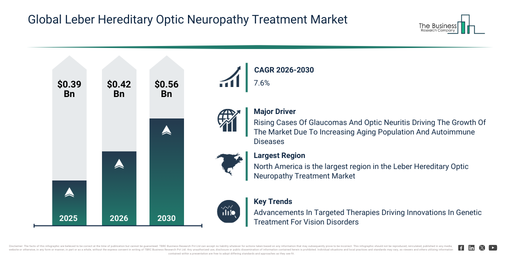
    The global leber hereditary optic neuropathy treatment market experienced robust expansion, projecting a rise from $0.39 billion in 2025 to $0.42 billion in 2026, fueled by a compound annual growth rate of 7.9%. This historical growth trajectory has been significantly influenced by factors such as the scarcity of effective treatments for mitochondrial conditions, a rise in the identification of inherited optic neuropathies, the preemptive implementation of idebenone therapies, amplified public awareness regarding genetic ocular diseases, and ongoing progress in neuro-ophthalmological studies.

    The market for treating Leber hereditary optic neuropathy is poised for significant expansion over the upcoming years, projected to reach $0.56 billion by 2030, driven by a compound annual growth rate of 7.6%. This anticipated expansion is underpinned by several key factors, including augmented investments in the field of mitochondrial medicine research, a surge in ongoing clinical trials for both gene and stem cell therapies, the broader implementation of precision medicine strategies, enhanced accessibility to genetic testing, and an increasing emphasis on proactive intervention approaches. Furthermore, the forecast period is expected to witness notable trends such as a ramp-up in research concerning mitochondrial gene therapy, a greater utilization of antioxidant-based pharmaceutical interventions, increased engagement in genetic counseling and family risk evaluations, a heightened focus on molecular diagnosis at an early stage, and significant advancements in stem cell technology for optic nerve regeneration.

    Download A Free Sample Report For Comprehensive Market Insights:

    https://www.thebusinessresearchcompany.com/sample.aspx?id=23438&type=smp

    Leber Hereditary Optic Neuropathy Treatment Market Growth Factors: Which Forces Are Supporting Market Expansion?

    The increasing prevalence of conditions like glaucoma and optic neuritis is anticipated to fuel the expansion of the Leber hereditary optic neuropathy (LHON) treatment market. Both glaucoma and optic neuritis significantly affect the optic nerve, with glaucoma often stemming from elevated intraocular pressure and optic neuritis typically arising from inflammatory processes, frequently associated with autoimmune disorders, ultimately leading to diminished vision. The rise in these conditions can be attributed to an aging global populace and advancements in diagnostic capabilities. Specifically, as the world’s population ages, the likelihood of developing glaucoma, a condition where heightened intraocular pressure damages the optic nerve, escalates considerably. Given that both glaucoma and optic neuritis involve damage to the optic nerve and subsequent vision loss, they share commonalities with LHON. Consequently, the increasing occurrence of these conditions is drawing greater attention and stimulating research into therapeutic strategies targeting optic nerve degeneration, which can directly benefit LHON treatment as the underlying mechanisms of optic nerve damage are fundamental to all three ailments. For example, data from the Centers for Disease Control and Prevention in October 2024 indicated that over 3 million individuals in the United States currently live with glaucoma, a figure expected to climb to 6.3 million by 2050, largely due to the aging demographic within the U.S., thereby underscoring how the expanding incidence of glaucoma and optic neuritis is contributing to the growth trajectory of the LHON treatment market.

    Leber Hereditary Optic Neuropathy Treatment Market Segment Breakdown: Which Categories Generate The Most Revenue?

    The leber hereditary optic neuropathy treatment market covered in this report is segmented –

    1) By Treatment: Medication, Stem Cell Therapy, Gene Therapy, Genetic Counseling

    2) By Route Of Administration: Intramuscular, Oral, Other Routes Of Administration

    3) By Diagnosis: Molecular Genetic Testing, Magnetic Resonance Imaging (MRI), Blood tests, Other Diagnosis

    4) By Distribution Channel: Hospital Pharmacy, Retail Pharmacy, Online Pharmacy

    5) By End-Users: Clinic, Hospital, Other End-Users

    Subsegments:

    1) By Medication: Idebenone, Antioxidants, Mitochondrial-Targeted Therapies, Neuroprotective Agents

    2) By Stem Cell Therapy: Autologous Stem Cell Therapy, Allogeneic Stem Cell Therapy, Induced Pluripotent Stem Cell (iPSC) Therapy

    3) By Gene Therapy: Adeno-Associated Virus (AAV)-Mediated Therapy, Mitochondrial Gene Editing, RNA-Based Therapies

    4) By Genetic Counseling: Carrier Screening, Predictive Testing, Family Risk Assessment, Pre-Symptomatic Genetic Counseling

    Leber Hereditary Optic Neuropathy Treatment Market Industry Trends: What Changes Are Reshaping Demand?

    In the landscape of treatments for Leber hereditary optic neuropathy (LHON), key industry players are directing their efforts towards pioneering advancements, notably through gene therapy clinical trials, with the overarching goals of enhancing therapeutic effectiveness, reinstating mitochondrial functionality, and tackling the fundamental genetic origins of the condition. These gene therapy investigations are designed to reinstate visual capacity by delivering functional versions of compromised mitochondrial genes, including ND4, with rigorous testing phases – encompassing preclinical work, Phase 1, Phase 2, and Phase 3 trials – preceding any bid for regulatory authorization. Illustratively, in August of 2023, Neurophth Therapeutics, a gene therapy firm headquartered in China, commenced a Phase I/II clinical investigation in both China and the United States aimed at addressing leber hereditary optic neuropathy by targeting the ND1-LHON gene. This particular study is intended to assess the safety, tolerance profile, and overall effectiveness of their therapeutic agent, NFS-02, subsequent to obtaining the green light from regulatory bodies such as the U.S. FDA and China’s NMPA, and with the administration of the first dose to a patient representing a significant step in Neurophth’s international endeavors toward expedited drug approval and market introduction, the company is also actively broadening patient recruitment and investigating further potential uses for gene therapy in other areas lacking adequate medical solutions.

    Leber Hereditary Optic Neuropathy Treatment Market Key Players And Strategic Industry Positioning

    Major companies operating in the leber hereditary optic neuropathy treatment market are GenSight Biologics S.A., Chiesi Farmaceutici S.p.A., Stealth BioTherapeutics Corp., Astellas Pharma Inc., BridgeBio Pharma Inc., Reneo Pharmaceuticals Inc., Abliva AB, Khondrion B.V., Mitotech S.A.P., Neurophth Therapeutics Co. Ltd., Genethon, F. Hoffmann-La Roche Ltd, Novartis AG, Pfizer Inc., Sanofi S.A., Bayer AG, Takeda Pharmaceutical Company Limited, AbbVie Inc., Johnson & Johnson, Biogen Inc.

    Access The Complete Leber Hereditary Optic Neuropathy Treatment Market Report:

    https://www.thebusinessresearchcompany.com/report/leber-hereditary-optic-neuropathy-treatment-global-market-report

    Leber Hereditary Optic Neuropathy Treatment Market Regional Analysis And Leading Geography

    North Americawas the largest region in the leber hereditary optic neuropathy treatment market in 2025. Asia-Pacificis expected to be the fastest-growing region in the forecast period. The regions covered in the leber hereditary optic neuropathy treatment market report are Asia-Pacific, South East Asia, Western Europe, Eastern Europe, North America, South America, Middle East, Africa.

    Get in touch with us:

    The Business Research Company: https://www.thebusinessresearchcompany.com/

    Americas: +1 310-496-7795

    Asia: +44 7882 955267 & +91 8897263534

    Europe: +44 7882 955267

    Email us at: marketing@tbrc.info

    Follow us on:

    LinkedIn: https://in.linkedin.com/company/the-business-research-company

    YouTube: https://www.youtube.com/channel/UC24_fI0rV8cR5DxlCpgmyFQ

    Global Market Model: https://www.thebusinessresearchcompany.com/global-market-model
  • Leber Congenital Amaurosis Market Forecast Highlights Expansion From $1.11 Billion To $1.38 Billion Through 2030

    Leber Congenital Amaurosis Market Forecast Highlights Expansion From $1.11 Billion To $1.38 Billion Through 2030

    Through market attractiveness analysis, total addressable market evaluation, company benchmarking matrices, interactive Excel dashboards, expanded supply chain intelligence, emerging startup coverage, and detailed product insights, The Business Research Company’s 2026 market reports provide more actionable and strategically valuable research.

    Leber Congenital Amaurosis Market Revenue Outlook: What CAGR Is Expected Through 2030?

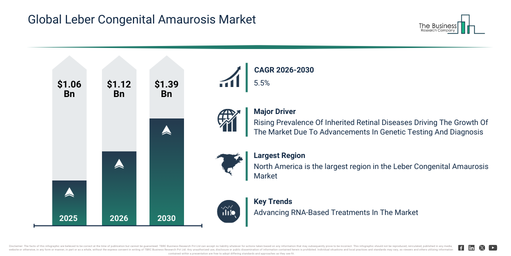
    The market for Leber congenital amaurosis has experienced robust expansion recently, projecting a rise from $1.06 billion in 2025 to $1.12 billion in 2026, reflecting a compound annual growth rate of 5.5%. This growth during the historical period is largely due to a scarcity of therapeutic interventions for inherited retinal conditions, a heightened understanding of rare genetic ocular ailments, progress in retinal imaging techniques, an increase in pediatric ophthalmology services, and early successful investigations into gene replacement therapies.

    The Leber congenital amaurosis market is poised for significant expansion over the coming years, projected to reach $1.39 billion by 2030 with a compound annual growth rate of 5.5%. This anticipated growth is fueled by several key factors, including increased investment in ophthalmic gene therapy research, the broadening scope of precision medicine, a greater number of regulatory green lights for rare disease treatments, wider utilization of sophisticated genetic testing, and improved healthcare accessibility for individuals with rare genetic disorders. Key developments anticipated during this forecast period involve an increase in gene therapy approvals for inherited retinal conditions, a heightened emphasis on early genetic screening and diagnosis, an upswing in clinical trials for innovative retinal regeneration therapies, deeper penetration of assistive vision technologies, and significant progress in retinal prosthesis and bionic eye solutions.

    Download A Free Sample Report For Comprehensive Market Insights:

    https://www.thebusinessresearchcompany.com/sample.aspx?id=22033&type=smp

    Leber Congenital Amaurosis Market Demand Drivers: What Is Fueling Industry Growth?

    The leber congenital amaurosis (LCA) market is poised for expansion, largely driven by the rising incidence of hereditary retinal disorders that affect vision by targeting the light-sensitive tissue at the rear of the eye. This upsurge in genetic eye conditions is linked to enhanced capabilities in genetic diagnostics, increased public and medical awareness, and extended lifespans, which facilitate earlier and more accurate identification of these conditions. Progress in genetic testing methodologies has significantly improved the diagnosis of inherited retinal diseases, uncovering a greater number of affected individuals. LCA plays a crucial role in advancing knowledge regarding these disorders by illuminating the specific genetic alterations and pathological processes involved, thereby paving the way for the development of specialized interventions and therapies. For example, as reported by the UK Parliament’s House of Commons Library in January 2025, the United Kingdom saw an estimated 25,000 individuals impacted by inherited retinal diseases in 2024, reflecting a consistent annual growth rate of 2%. Consequently, the growing number of people affected by inherited retinal diseases is a key factor fueling the leber congenital amaurosis market.

    Leber Congenital Amaurosis Market Segmentation: How Is The Market Structured Across Key Categories?

    The leber congenital amaurosis market covered in this report is segmented –

    1) By Treatment Type: Gene Therapy, Pharmaceutical Drugs, Retinal Prosthesis, Assistive Devices, Other Treatments

    2) By Age Of Onset: Congenital Leber Congenital Amaurosis (LCA) (From Birth), Early Childhood Leber Congenital Amaurosis (LCA) (1-5 Years), Late-Onset Leber Congenital Amaurosis (LCA) (6 Years And Above)

    3) By Distribution Channel: Direct Tender, Retail Sales

    4) By End User: Hospitals, Specialized Eye Clinics, Ophthalmology Research Centers, Home Care Settings, Other End Users

    Subsegments:

    1) By Gene Therapy: RPE65 Gene Replacement Therapy, CRISPR-Based Gene Editing, AAV (Adeno-Associated Virus) Vector Therapy, Emerging Experimental Gene Therapies

    2) By Pharmaceutical Drugs: Retinoid-Based Therapies, Neuroprotective Agents, Anti-Inflammatory Drugs, Antioxidant Therapies

    3) By Retinal Prosthesis: Implantable Retinal Chips, Artificial Retinal Stimulation Devices, Bionic Eye Technology

    4) By Assistive Devices: Low Vision Aids, Screen Readers and Braille Devices, Mobility Aids for Vision Impairment

    5) By Other Treatments: Stem Cell Therapy, Optogenetics-Based Treatments, Visual Rehabilitation Programs, Nutritional and Dietary Interventions

    Leber Congenital Amaurosis Market Innovation Trends: Which Developments Are Transforming The Industry?

    The leber congenital amaurosis market sees key players concentrating on pioneering treatments, with a particular emphasis on RNA-based modalities for enhancing vision recovery and managing the condition. These advanced RNA treatments, which involve employing RNA molecules to influence genetic pathways for therapeutic purposes, encompass a range of approaches like mRNA vaccines, siRNA therapies, antisense oligonucleotides, and RNA aptamers. Illustrating this trend, Laboratoires Théa S.A.S., a French pharmaceutical entity, established Sepul Bio in January 2025; this specialized division is dedicated to propelling RNA-based therapies forward for inherited retinal diseases, specifically zeroing in on sepofarsen for leber congenital amaurosis 10 (LCA10) and ultevursen for USH2A-linked retinitis pigmentosa. The commencement of patient dosing in the LUNA Phase 2b clinical trial for ultevursen positions Sepul Bio to make substantial progress in tackling these uncommon genetic ailments.

    Leber Congenital Amaurosis Market Competitive Landscape And Leading Companies

    Major companies operating in the leber congenital amaurosis market are Sanofi S.A., Novartis AG, Astellas Pharma Inc., Invitae Corporation, Novelion Therapeutics Inc., Andelyn Biosciences Inc., CD Genomics Inc., Editas Medicine Inc., MeiraGTx Holdings plc, Sangamo Therapeutics Inc., LKC Technologies Inc., Aldeyra Therapeutics Inc., Asper Biogene OÜ, Allergan Inc., ProQR Therapeutics N.V., GenSight Biologics S.A., Ocugen Inc., Ophthotech Corporation, Atsena Therapeutics Inc., HuidaGene Therapeutics Co. Ltd.

    Access The Complete Leber Congenital Amaurosis Market Report:

    https://www.thebusinessresearchcompany.com/report/leber-congenital-amaurosis-global-market-report

    Leber Congenital Amaurosis Market Geographic Analysis: Where Is Demand Growing The Fastest?

    North Americawas the largest region in the leber congenital amaurosis market in 2025. Asia-Pacificis expected to be the fastest-growing region in the forecast period. The regions covered in the leber congenital amaurosis market report are Asia-Pacific, South East Asia, Western Europe, Eastern Europe, North America, South America, Middle East, Africa.

    Get in touch with us:

    The Business Research Company: https://www.thebusinessresearchcompany.com/

    Americas: +1 310-496-7795

    Asia: +44 7882 955267 & +91 8897263534

    Europe: +44 7882 955267

    Email us at: marketing@tbrc.info

    Follow us on:

    LinkedIn: https://in.linkedin.com/company/the-business-research-company

    YouTube: https://www.youtube.com/channel/UC24_fI0rV8cR5DxlCpgmyFQ

    Global Market Model: https://www.thebusinessresearchcompany.com/global-market-model
  • Leadless Pacemakers Market Expected To Reach $1.3 Billion By 2030 As Growth Accelerates At 13.9% CAGR

    Leadless Pacemakers Market Expected To Reach $1.3 Billion By 2030 As Growth Accelerates At 13.9% CAGR

    Delivering more actionable and strategically valuable research, The Business Research Company’s 2026 market reports feature market attractiveness analysis, total addressable market evaluation, company benchmarking matrices, interactive Excel dashboards, expanded supply chain intelligence, emerging startup coverage, and detailed product insights.

    Leadless Pacemakers Market Growth Analysis: How Will Revenue Expand During The Forecast Period?

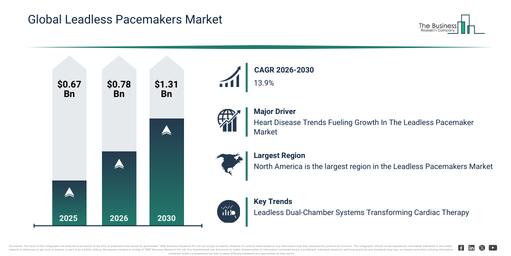
    The market for leadless pacemakers has experienced significant expansion recently, with projections indicating a substantial increase from $0.67 billion in 2025 to $0.78 billion in 2026, reflecting a compound annual growth rate (CAGR) of 15.6%. This upward trajectory during the historical period is largely attributable to factors such as the inherent drawbacks of conventional lead-based pacemakers, an escalating prevalence of cardiac arrhythmias, a burgeoning elderly demographic, heightened awareness concerning complications associated with pacemaker leads, and ongoing innovations in the miniaturization of cardiac devices.

    The leadless pacemakers sector is poised for substantial expansion in the coming years, projected to reach $1.31 billion by 2030 with a compound annual growth rate of 13.9%. This predicted surge is fueled by several key drivers: the escalating demand for less invasive heart treatments, significant technological progress in enhancing battery life and device durability, increasing utilization of remote patient monitoring solutions, the proliferation of electrophysiology centers, and augmented investments directed towards pioneering cardiac devices. During this forecast period, prominent trends will involve a greater acceptance of leadless cardiac pacing systems, a movement towards cardiac implantation procedures that are less invasive, a higher inclination towards devices that present a diminished risk of infection, advancements in the development of dual-chamber leadless pacemakers, and closer integration of remote cardiac monitoring capabilities.

    Download A Free Sample Report For Comprehensive Market Insights:

    https://www.thebusinessresearchcompany.com/sample.aspx?id=15846&type=smp

    Leadless Pacemakers Market Growth Drivers: What Factors Are Accelerating Expansion?

    The escalating prevalence of heart conditions is anticipated to stimulate the expansion of the leadless pacemaker market. Heart diseases encompass a spectrum of maladies impacting the heart’s architecture or functionality, resulting in compromised circulation, irregular heartbeats, or other cardiac issues. Factors contributing to the rise in cardiovascular diseases include demographic shifts and an aging population, lifestyle choices, elevated stress levels coupled with physical inactivity, complexities within healthcare systems, and both inherited and environmental influences. Leadless pacemakers present notable benefits in managing specific cardiac ailments by delivering efficient pacing while simultaneously mitigating the risks associated with lead complications and offering a less intrusive implantation method. For example, the World Health Organization (WHO), an international body headquartered in Switzerland, projected in February 2024 that cancer cases would exceed 35 million by 2050, marking a 77% increase from the estimated 20 million cases in 2022. Consequently, the increasing incidence of heart disease is a key driver for the leadless pacemaker market.

    The increasing inclination towards minimally invasive interventions is poised to accelerate the expansion of the leadless pacemaker market. Such procedures involve medical actions executed through minute incisions or natural bodily orifices, employing specialized tools and imaging for guidance to minimize tissue trauma, alleviate pain, and shorten recovery periods while achieving desired diagnostic or therapeutic results. This heightened preference for less invasive methods stems largely from their capacity to lessen recuperation durations and diminish post-operative discomfort, prompting more individuals and medical professionals to opt for these techniques over conventional open surgeries. Leadless pacemakers facilitate these minimally invasive approaches by negating the necessity for surgical pockets and leads inserted through veins, enabling implantation via a slender, catheter-based technique that causes less tissue disturbance and hastens recovery. Illustratively, the American Society of Plastic Surgeons (ASPS), a professional medical association in the United States, reported in March 2024 that total minimally invasive cosmetic procedures climbed from 23,672,269 in 2022 to 25,442,640 in 2023, signifying a 7% annual increase. Therefore, the growing adoption of minimally invasive procedures is propelling the leadless pacemaker market forward.

    Leadless Pacemakers Market Segmentation Trends And Revenue Drivers

    The leadless pacemakers market covered in this report is segmented –

    1) By Product Type: Ventricular Leadless Pacemakers, Atrioventricular (AV) Synchronous Leadless Pacemakers, Dual-Chamber Leadless Pacemaker Systems

    2) By Fixation Mechanism: Passive Fixation, Active Fixation

    3) By Indication: Bradycardia, Atrioventricular Block, Atrial Fibrillation with Slow Ventricular Response, Other Indications

    4) By End User: Hospitals, Cardiac Specialty Clinics, Ambulatory Surgical Centers

    Subsegments:

    1) By Ventricular Leadless Pacemakers: VVI-Mode Leadless Pacemakers, Rate-Responsive Ventricular Leadless Pacemakers (VVIR), Single-Module Ventricular Leadless Pacemakers

    2) By Atrioventricular (AV) Synchronous Leadless Pacemakers: Accelerometer-Based AV Synchronous Leadless Pacemakers, Algorithm-Driven AV Synchrony Leadless Pacemakers, Single-Module AV Synchronous Leadless Pacemakers

    3) By Dual-Chamber Leadless Pacemaker Systems: Modular Dual-Chamber Leadless Pacemaker Systems, Communicating Leadless Atrial and Ventricular Pacemaker Systems, Wireless Synchronized Dual-Chamber Leadless Pacemakers

    Leadless Pacemakers Market Trends: What Is Shaping Future Industry Growth?

    Leading firms within the leadless pacemaker sector are preoccupied with crafting advanced solutions, such as dual-chamber devices, aiming to elevate both the effectiveness of cardiac pacing and the recovery of patients. A dual-chamber system functions by concurrently observing and activating both the upper (atrial) and lower (ventricular) chambers of the heart. This synchronized action is crucial for preserving the correct sequence between these chambers, thereby enhancing blood circulation, averting abnormal heart rhythms, and ultimately boosting the heart’s overall performance and the patient’s well-being. Illustratively, in July 2023, Abbott Laboratories, a prominent American medical technology firm, secured approval from the US Food and Drug Administration (FDA) for its AVEIR DR dual-chamber leadless pacemaker system. This breakthrough system allows two diminutive devices, one positioned in the atrium and the other in the ventricle, to synchronize their pacing through an implant-to-implant (i2i) communication system. The elimination of traditional transvenous leads substantially curtails the likelihood of infections and the issues associated with mechanical components, all while delivering pacing that more closely mimics natural heart function. With an increasing acceptance of dual-chamber leadless pacemakers, these groundbreaking advancements are anticipated to broaden the scope of patients suitable for less invasive cardiac pacing procedures and contribute to better long-term health results.

    Leadless Pacemakers Market Industry Leaders: Which Organizations Are Driving Competition?

    Major companies operating in the leadless pacemakers market are Medtronic Plc, Abbott Laboratories, Boston Scientific Corporation, BIOTRONIK SE & Co. KG, MicroPort Scientific Corporation, LivaNova PLC, EBR Systems Inc., Cairdac, Imricor Medical Systems Inc., Osypka Medical GmbH, Shree Pacetronix Ltd., Lepu Medical Technology Co. Ltd., Terumo Corporation, MEDICO S.p.A., Vitatron Holding B.V., Oscor Inc., CathRx Ltd., Japan Lifeline Co. Ltd., Cardiac Pacemakers Inc., NVT AG

    Access The Complete Leadless Pacemakers Market Report:

    https://www.thebusinessresearchcompany.com/report/leadless-pacemakers-global-market-report

    Leadless Pacemakers Market Global Footprint: Which Region Holds Market Leadership?

    North Americawas the largest region in the leadless pacemakers market in 2025. Asia-Pacificis expected to be the fastest-growing region in the forecast period. The regions covered in the leadless pacemakers market report are Asia-Pacific, South East Asia, Western Europe, Eastern Europe, North America, South America, Middle East, Africa.

    Get in touch with us:

    The Business Research Company: https://www.thebusinessresearchcompany.com/

    Americas: +1 310-496-7795

    Asia: +44 7882 955267 & +91 8897263534

    Europe: +44 7882 955267

    Email us at: marketing@tbrc.info

    Follow us on:

    LinkedIn: https://in.linkedin.com/company/the-business-research-company

    YouTube: https://www.youtube.com/channel/UC24_fI0rV8cR5DxlCpgmyFQ

    Global Market Model: https://www.thebusinessresearchcompany.com/global-market-model
  • Laser Therapy Market Set To Grow From $4.96 Billion In 2026 To $6.47 Billion By 2030 At A CAGR Of 6.9%

    Laser Therapy Market Set To Grow From $4.96 Billion In 2026 To $6.47 Billion By 2030 At A CAGR Of 6.9%

    Enhanced with market attractiveness analysis, total addressable market evaluation, company benchmarking matrices, interactive Excel dashboards, expanded supply chain intelligence, emerging startup coverage, and detailed product insights, The Business Research Company’s 2026 market reports deliver more actionable and strategically valuable research.

    Laser Therapy Market Forecast: What Market Value Is Expected By 2030?

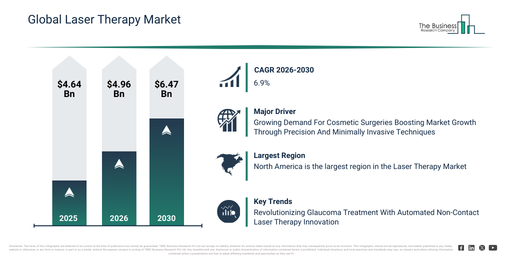
    The laser therapy sector has witnessed substantial expansion recently, with its market value projected to climb from $4.64 billion in 2025 to $4.96 billion in 2026, indicating a compound annual growth rate (CAGR) of 7.0%. Key factors driving this historical growth include a rise in chronic pain conditions, greater acceptance of minimally invasive surgical techniques, an increasing demand for dermatological treatments, broadened applications in dentistry and ophthalmology, and significant progress in laser device technology.

    The laser therapy sector is poised for substantial expansion in the upcoming years, projecting a market valuation of $6.47 billion by 2030, driven by a compound annual growth rate (CAGR) of 6.9%. This anticipated surge is fueled by several key factors, including a heightened preference for non-invasive treatment modalities, ongoing innovations in laser technology enhancing precision and control, amplified investments directed towards healthcare infrastructure development, growing public consciousness regarding the benefits of laser-based medical interventions, and the proliferation of outpatient surgical facilities. During this forecast period, significant trends are expected to shape the market, such as the increasing preference for minimally invasive laser procedures, the broadening application scope of lasers across diverse medical fields, a surge in demand for laser treatments in aesthetic and cosmetic applications, a greater reliance on laser therapy for pain management solutions, and continuous improvements in the precision and safety profiles of laser systems.

    Download A Free Sample Report For Comprehensive Market Insights:

    https://www.thebusinessresearchcompany.com/sample.aspx?id=24273&type=smp

    Laser Therapy Market Growth Factors Supporting Long-Term Expansion

    An increasing preference for aesthetic modifications is anticipated to significantly boost the laser therapy market’s trajectory. These elective surgical interventions, designed to refine or change an individual’s looks through facial sculpting, body shaping, or skin renewal for aesthetic betterment, are experiencing heightened interest. The societal emphasis, amplified by media representation, on appearance, coupled with technological progress in less invasive methods and increased accessibility, is contributing to the popularity of cosmetic procedures. Laser therapy plays a crucial role in these procedures by enabling accuracy, minimizing invasiveness, facilitating quicker recovery, lessening scar formation, and improving skin revitalization results. To illustrate, in June 2024, data released by the American Society of Plastic Surgeons (ASPS) indicated that liposuction was the leading plastic surgery in 2023, with approximately 350,000 procedures completed, marking a 7% increase from 2022; hand surgeries numbered 207,887, showing a 2% increase, and maxillofacial surgeries reached 52,868, a 1% rise year-over-year. Consequently, the escalating demand for cosmetic surgeries is acting as a primary catalyst for the expansion of the laser therapy market.

    Laser Therapy Market Segment Analysis Highlighting Growth Areas

    The laser therapy market covered in this report is segmented –

    1) By Type: Diode Lasers, Solid State Lasers, Liquid Lasers, Semiconductor Lasers, Gas Lasers, Dye Lasers, Other Types

    2) By Mode Of Delivery: Contact Mode, Non-Contact Mode

    3) By Application: Dermatology And Aesthetics, Dental, Ophthalmology, Urology, Cardiovascular, Oncology

    4) By End User: Hospitals, Specialized Clinics, Ambulatory Surgical Centers, Other End Users

    Subsegments:

    1) By Diode Lasers: Low-Level Diode Lasers, High-Intensity Diode Lasers, Aesthetic Diode Lasers, Dental Diode Lasers

    2) By Solid State Lasers: Neodymium-Doped Yttrium Aluminum Garnet Lasers, Erbium-Doped Yttrium Aluminum Garnet Lasers, Holmium-Doped Yttrium Aluminum Garnet Lasers, Alexandrite Lasers

    3) By Liquid Lasers: Dye-Based Liquid Lasers, Tunable Liquid Lasers

    4) By Semiconductor Lasers: Vertical-Cavity Surface-Emitting Lasers, Distributed Feedback Lasers, Quantum Cascade Lasers

    5) By Gas Lasers: Carbon Dioxide Lasers, Helium-Neon Lasers, Argon Lasers, Excimer Lasers

    6) By Dye Lasers: Rhodamine Dye Lasers, Coumarin Dye Lasers

    7) By Other Types: Fiber Lasers, Ultrafast Lasers, Hybrid Laser Systems

    Laser Therapy Market Industry Trends Shaping Future Revenue Growth

    Leading players in the laser therapy sector are prioritizing the creation of novel offerings, including automated, non-contact laser treatment apparatuses, with the aim of broadening the availability of effective and user-friendly laser-centered therapeutic interventions. These advanced non-contact laser treatment setups represent sophisticated medical apparatuses engineered to apply laser energy to specific bodily regions without direct epidermal contact; they utilize pre-programmed functionalities and automated or robotic systems to guarantee uniform, autonomous administration for healing objectives like alleviating discomfort, mitigating inflammation, and fostering tissue repair. As an illustration, in February 2025, Alcon, a prominent Swiss enterprise specializing in ophthalmic surgical goods, introduced its Voyager Direct Selective Laser Trabeculoplasty (DSLT) system to the American market for addressing glaucoma and elevated intraocular pressure. This technology employs proprietary eye-tracking capabilities to precisely administer laser impulses, thereby obviating the necessity for a goniolens and manual aiming. Such advancements significantly optimize treatment protocols, improve therapeutic reach, and elevate laser therapy’s standing as a more practical initial choice for a wider patient demographic.

    Laser Therapy Market Leading Companies: Who Holds Significant Market Presence?

    Major companies operating in the laser therapy market are Coherent Corp., IPG Photonics Corporation, El.En. S.p.A., Lumenis Ltd., Candela Medical, Cynosure, Alma Lasers, Fotona, Biolase Inc., Iridex Corporation, AngioDynamics Inc., Erchonia, Convergent Dental, biolitec Group, BTL Industries, Asclepion Laser Technologies, Quanta System, Dornier MedTech, LightScalpel, Ziemer Ophthalmic Systems

    Access The Complete Laser Therapy Market Report:

    https://www.thebusinessresearchcompany.com/report/laser-therapy-global-market-report

    Laser Therapy Market Regional Distribution: Which Areas Drive Market Expansion?

    North Americawas the largest region in the laser therapy market in 2025. Asia-Pacificis expected to be the fastest-growing region in the forecast period. The regions covered in the laser therapy market report are Asia-Pacific, South East Asia, Western Europe, Eastern Europe, North America, South America, Middle East, Africa.

    Get in touch with us:

    The Business Research Company: https://www.thebusinessresearchcompany.com/

    Americas: +1 310-496-7795

    Asia: +44 7882 955267 & +91 8897263534

    Europe: +44 7882 955267

    Email us at: marketing@tbrc.info

    Follow us on:

    LinkedIn: https://in.linkedin.com/company/the-business-research-company

    YouTube: https://www.youtube.com/channel/UC24_fI0rV8cR5DxlCpgmyFQ

    Global Market Model: https://www.thebusinessresearchcompany.com/global-market-model
  • Laryngeal Cancer Therapeutics Market Opportunities Are Emerging Beyond Traditional Growth Areas

    Laryngeal Cancer Therapeutics Market Opportunities Are Emerging Beyond Traditional Growth Areas

    Through market attractiveness analysis, total addressable market evaluation, company benchmarking matrices, interactive Excel dashboards, expanded supply chain intelligence, emerging startup coverage, and detailed product insights, The Business Research Company’s 2026 market reports provide more actionable and strategically valuable research.

    Laryngeal Cancer Therapeutics Market Size Outlook: How Fast Will Revenue Grow Through 2030?

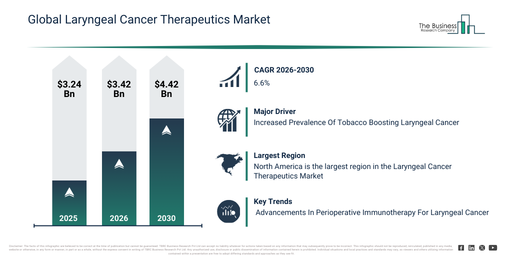
    Demonstrating robust expansion lately, the market for laryngeal cancer therapeutics is projected to ascend from $3.24 billion in 2025 to $3.42 billion in 2026, signifying a compound annual growth rate of 5.5%. Factors fueling this historical growth trajectory include the significant prevalence of tobacco and alcohol use, an escalating occurrence of head and neck cancers, a broader application of chemotherapy and radiation treatments, the proliferation of specialized oncology care facilities, and enhancements in cancer detection capabilities.

    The market for laryngeal cancer therapeutics is poised for substantial expansion in the upcoming years, projecting a reach of $4.42 billion by 2030, driven by a compound annual growth rate of 6.6%. This anticipated growth stems from several key factors including the escalating use of immunotherapy, continued progress in the development of targeted therapies, increased healthcare investment in oncology, heightened public awareness regarding early cancer detection, and the proliferation of specialized cancer treatment facilities. Over the forecast period, significant trends will shape the market, including a greater reliance on immunotherapy for laryngeal cancer treatment, a move towards therapeutic strategies that preserve organ function, the increasing application of combination therapy protocols, an intensified emphasis on managing cancer in its early stages, and the growing sophistication of personalized treatment planning.

    Download A Free Sample Report For Comprehensive Market Insights:

    https://www.thebusinessresearchcompany.com/sample.aspx?id=13238&type=smp

    Laryngeal Cancer Therapeutics Market Demand Drivers Creating New Revenue Opportunities

    The escalating consumption of tobacco is anticipated to serve as a primary catalyst for the expansion of the market focused on laryngeal cancer treatments. Tobacco, derived from the leaves of Nicotiana plants, undergoes preparation for diverse applications such as smoking, chewing, and inhalation as snuff. This habit is recognized as a substantial contributor to the risk of developing laryngeal cancer and profoundly influences its progression and the efficacy of available treatments. Consequently, the therapeutic landscape for laryngeal cancer must contend with the ramifications of tobacco usage on the disease and its subsequent management. Illustrating this point, data from the 2024 National Youth Tobacco Survey, released in October 2024 by the U.S. Food and Drug Administration (USFDA), indicated that 1.1% of all surveyed students, translating to an estimated 2.25 million individuals, currently use tobacco products. Specifically, 10.1% of high school students (approximately 1.58 million) and 5.4% of middle school students (around 640,000) reported such use. Furthermore, the survey revealed that 2.8% of students (an estimated 760,000) currently use any form of combustible tobacco, and 3.0% (approximately 840,000) engage with multiple tobacco product types. This pervasive tobacco use, therefore, directly fuels the growth observed within the laryngeal cancer therapeutics sector.

    Laryngeal Cancer Therapeutics Market Segment Performance And Strategic Opportunities

    The laryngeal cancer therapeutics market covered in this report is segmented –

    1) By Treatment Type: Chemotherapy, Immunotherapy, Other Treatments

    2) By Route Of Administration: Oral, Parenteral

    3) By Distribution Channel: Hospital Pharmacy, Online Pharmacy, Retail Pharmacy

    4) By End-User: Hospitals, Homecare, Specialty Centers, Other End-Users

    Subsegments:

    1) By Chemotherapy: Neoadjuvant Chemotherapy, Adjuvant Chemotherapy, Palliative Chemotherapy

    2) By Immunotherapy: Checkpoint Inhibitors, Monoclonal Antibodies, Cancer Vaccines

    3) By Other Treatments: Radiation Therapy, Targeted Therapy, Surgery

    Laryngeal Cancer Therapeutics Market Trends Driving Strategic Industry Expansion

    Within the competitive landscape of the laryngeal cancer therapeutics market, key industry players are prioritizing the creation of novel treatments, specifically perioperative checkpoint inhibitor therapies, with the central aim of enhancing patient longevity and mitigating disease relapse. These advanced therapeutic approaches, administered in the perioperative period, harness the power of immune checkpoint inhibitors to amplify the body’s natural defenses against malignant cells, thereby facilitating tumor reduction, preventing recurrence, and ultimately improving survival rates. A prime illustration of this trend emerged in June 2025 when the US pharmaceutical giant Merck & Co. Inc. secured FDA approval for its groundbreaking drug Keytruda (pembrolizumab). This approval designates Keytruda for use as both a neoadjuvant and adjuvant treatment in cases of resectable locally advanced head and neck squamous cell carcinoma (HNSCC) that exhibit PD-L1 expression with a CPS score of 1 or higher. The regimen involves administering Keytruda prior to surgical intervention (neoadjuvant) and continuing its application post-surgery (adjuvant), in conjunction with radiotherapy, optionally incorporating cisplatin, all designed to diminish the likelihood of recurrence and improve progression-free survival. This significant advancement, which capitalizes on the patient’s own immune system to combat residual cancer cells while seamlessly integrating with established surgical and radiation methodologies, heralds a new era of personalized healthcare, promises superior treatment efficacy, and signifies a strategic pivot towards integrated immunotherapy strategies for the effective management of laryngeal and other cancers affecting the head and neck region.

    Laryngeal Cancer Therapeutics Market Key Players: Which Companies Shape Industry Competition?

    Major companies operating in the laryngeal cancer therapeutics market are Pfizer Inc., F. Hoffmann La Roche Ltd., Merck & Co., AbbVie Inc., Novartis AG , Bayer AG, Sanofi-Aventis LLC , Bristol Myers Squibb, AstraZeneca plc, GlaxoSmithKline plc, Eli Lilly and Company, Amgen Inc., C.H. Boehringer Sohn AG & Co. KG., Regeneron Pharmaceuticals Inc., Incyte Corporation, Aurobindo Pharma Ltd., Cipla Inc., Hikma Pharmaceuticals plc, Amneal Pharmaceuticals LLC, Lupin Limited , Seagen Inc., Exelixis Pharmaceuticals Inc., BeiGene Ltd., Taiho Pharmaceutical Co. Ltd., Genentech Inc., Mirati Therapeutics Inc.

    Access The Complete Laryngeal Cancer Therapeutics Market Report:

    https://www.thebusinessresearchcompany.com/report/laryngeal-cancer-therapeutics-global-market-report

    Laryngeal Cancer Therapeutics Market Leading Geography: Which Region Generates The Most Revenue?

    North Americawas the largest region in the laryngeal cancer therapeutics market in 2025. Asia-Pacificis expected to be the fastest-growing region in the forecast period. The regions covered in the laryngeal cancer therapeutics market report are Asia-Pacific, South East Asia, Western Europe, Eastern Europe, North America, South America, Middle East, Africa.

    Get in touch with us:

    The Business Research Company: https://www.thebusinessresearchcompany.com/

    Americas: +1 310-496-7795

    Asia: +44 7882 955267 & +91 8897263534

    Europe: +44 7882 955267

    Email us at: marketing@tbrc.info

    Follow us on:

    LinkedIn: https://in.linkedin.com/company/the-business-research-company

    YouTube: https://www.youtube.com/channel/UC24_fI0rV8cR5DxlCpgmyFQ

    Global Market Model: https://www.thebusinessresearchcompany.com/global-market-model
  • Large Volume Parenteral (LVP) Market Expansion Is Opening New Pathways For Strategic Investment

    Large Volume Parenteral (LVP) Market Expansion Is Opening New Pathways For Strategic Investment

    Delivering more actionable and strategically valuable research, The Business Research Company’s 2026 market reports feature market attractiveness analysis, total addressable market evaluation, company benchmarking matrices, interactive Excel dashboards, expanded supply chain intelligence, emerging startup coverage, and detailed product insights.

    Large Volume Parenteral (LVP) Market Size, Value And Growth Trends Through 2030

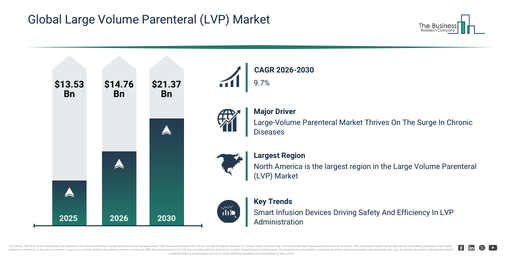
    The global market for large volume parenteral (LVP) solutions has experienced robust expansion lately. Projections indicate this sector will expand from $13.53 billion in 2025 to $14.76 billion in 2026, reflecting a compound annual growth rate of 9.1%. Key factors contributing to this growth during the preceding period include an upward trend in hospital admissions, increased reliance on intravenous fluid therapies, a rise in the number of surgical interventions, enhancements in critical care facilities, and advancements in managing infectious diseases.

    The global market for large volume parenteral (LVP) solutions is poised for significant expansion, projected to reach $21.37 billion by the year 2030, registering a compound annual growth rate of 9.7% through the forecasted period. This upward trajectory is primarily fueled by an increasing elderly demographic, a higher incidence of long-term health conditions, a greater need for nutritional support via parenteral routes, the development of healthcare facilities in developing economies, and an increased provision of emergency and trauma medical services. Key developments shaping this market in the coming years include a surge in preference for environmentally friendly and PVC-free LVP containers, a greater availability of pre-prepared and mixed infusion products, an intensified emphasis on maintaining sterile conditions and preventing contamination, a broader application of LVPs in critical care settings and emergency medicine, and an overall increase in the volume of intravenous therapies administered within hospitals.

    Download A Free Sample Report For Comprehensive Market Insights:

    https://www.thebusinessresearchcompany.com/sample.aspx?id=12195&type=smp

    Large Volume Parenteral (LVP) Market Expansion Supported By Key Demand Factors

    The escalating incidence of long-term illnesses is anticipated to be a significant catalyst for the expansion of the large-volume parenteral market in the future. Chronic diseases, characterized by conditions persisting for three months or more and potentially progressing over time, are largely attributed to factors such as tobacco consumption, exposure to secondhand smoke, and inadequate dietary habits. Patients suffering from these ailments necessitate a balanced intake of vital nutrients essential for maintaining bodily strength, and parenteral administration proves advantageous by ensuring direct absorption of pharmaceutical dosages into the bloodstream, bypassing the digestive tract. Illustratively, the World Health Organization reported in September 2023 that non-communicable diseases, or chronic conditions, were responsible for 41 million deaths annually worldwide, accounting for 74% of all fatalities. Consequently, the increased prevalence of chronic diseases serves as a primary driver for the growth observed in the large-volume parenteral market.

    Augmenting healthcare spending is projected to significantly boost the large-volume parenteral market in the coming period. This increase in financial investment towards healthcare encompasses a broader allocation of resources for medical services, research, and public health initiatives. Enhanced financial commitment often correlates with the development and fortification of healthcare infrastructure, including the establishment of new medical centers and facilities, thereby increasing the capacity for service delivery and consequently stimulating the demand for large-volume parenteral products. As an example, the American Medical Association indicated in April 2025 that US healthcare spending experienced a substantial rise of 7.5% in 2023, reaching $4.9 trillion or $14,570 per individual, a notable uptick from the 4.6% growth noted in the preceding year. Hence, the upward trend in healthcare expenditure is a key factor propelling the expansion of the large-volume parenteral market.

    Large Volume Parenteral (LVP) Market Segment Landscape And Growth Potential

    The large volume parenteral (lvp) market covered in this report is segmented –

    1) By Type: Soft Bag LVP, Plastic Bag LVP, Glass Bottle LVP

    2) By Volume: 100 ML – 250 ML, 250 ML – 500 ML, 500 ML – 1000 ML, 1000 ML -2000 ML, 2000 And More

    3) By Application: Basic Infusion, Therapeutics Infusion, Nutritious Infusion

    4) By End-User: Hospital, Medical Centers, Other End Users

    Subsegments:

    1) By Soft Bag LVP: PVC Soft Bags, Non-PVC Soft Bags

    2) By Plastic Bag LVP: Polypropylene Bags, Polyethylene Bags

    3) By Glass Bottle LVP: Single-Use Glass Bottles, Multi-Dose Glass Bottles

    Large Volume Parenteral (LVP) Market Growth Trends Influencing Competitive Dynamics

    Global leaders in the large volume parenteral (LVP) market are prioritizing the creation of smart infusion device advancements, specifically intelligent large-volume infusion pumps, to address the growing need for enhanced safety, automation, and connectivity in intravenous therapy. This trend is fueled by the expansion of hospital-based infusion services, the rise of remote patient monitoring, and the industry-wide drive for standardized, error-minimizing medication administration. An intelligent large-volume infusion pump distinguishes itself from conventional devices by incorporating dose-error reduction software, smart drug library capabilities, and advanced alarm management, going beyond the manual programming and basic automation of older models. These sophisticated pumps are engineered to deliver substantial IV fluid volumes while actively preventing medication errors, easing healthcare professionals’ workloads, and seamlessly integrating with hospital information technology infrastructures. As a prime example, Baxter International Inc. secured U.S. FDA approval in April 2024 for its Novum IQ Large-Volume Infusion Pump, featuring the integrated Dose IQ smart-dose software. This innovative pump facilitates rapid fluid delivery, including extensive volume infusions, and boasts safety mechanisms like drug library integration to mitigate dosing inaccuracies, alongside the capability to link with hospital electronic health records and intelligent monitoring systems, ultimately empowering clinicians to enhance infusion precision, diminish the likelihood of dosage errors, and optimize workflows for high-volume IV therapies, ensuring safer and more efficient patient care.

    Large Volume Parenteral (LVP) Market Competitive Landscape: Who Are The Leading Companies?

    Major companies operating in the large volume parenteral (lvp) market are Pfizer Inc., Fresenius Kabi AG, Abbott Laboratories Inc., Otsuka Holdings Co. Ltd., Baxter International Inc., B. Braun Melsungen AG, Grifols S.A., Cipla Limited, ICU Medical Inc., Biocon Limited, Sichuan Kelun Pharmaceutical Co. Ltd., Alembic Pharmaceuticals Limited, Cadila Healthcare Ltd., Gland Pharma Limited, Akums Drugs & Pharmaceuticals Ltd., Beximco Pharmaceutical Ltd., Taj Pharmaceuticals Limited, Albert David Ltd., Amanta Healthcare Ltd., Unique Pharmaceutical Laboratories Ltd., Ahlcon Parenterals India Ltd., Parenteral Drugs Limited, Abaris Healthcare Pvt. Ltd., BML Parenteral Drugs, Denis Chem Lab Ltd., Pentagon Labs Ltd., DJ Labs Pvt. Ltd., Higgs Healthcare

    Access The Complete Large Volume Parenteral (LVP) Market Report:

    https://www.thebusinessresearchcompany.com/report/large-volume-parenteral-lvp-global-market-report

    Large Volume Parenteral (LVP) Market Regional Outlook: Where Are The Largest Opportunities Located?

    North America was the largest region in the large volume parenteral (LVP) market in 2025. Asia-Pacific is expected to be the fastest-growing region in the forecast period. The regions covered in the large volume parenteral (lvp) market report are Asia-Pacific, South East Asia, Western Europe, Eastern Europe, North America, South America, Middle East, Africa.

    Get in touch with us:

    The Business Research Company: https://www.thebusinessresearchcompany.com/

    Americas: +1 310-496-7795

    Asia: +44 7882 955267 & +91 8897263534

    Europe: +44 7882 955267

    Email us at: marketing@tbrc.info

    Follow us on:

    LinkedIn: https://in.linkedin.com/company/the-business-research-company

    YouTube: https://www.youtube.com/channel/UC24_fI0rV8cR5DxlCpgmyFQ

    Global Market Model: https://www.thebusinessresearchcompany.com/global-market-model
  • Large Molecule Bioanalytical Technologies Market Trends Are Creating New Opportunities For Industry Leaders

    Large Molecule Bioanalytical Technologies Market Trends Are Creating New Opportunities For Industry Leaders

    Enhanced with market attractiveness analysis, total addressable market evaluation, company benchmarking matrices, interactive Excel dashboards, expanded supply chain intelligence, emerging startup coverage, and detailed product insights, The Business Research Company’s 2026 market reports deliver more actionable and strategically valuable research.

    Large Molecule Bioanalytical Technologies Market CAGR Analysis And Future Market Development

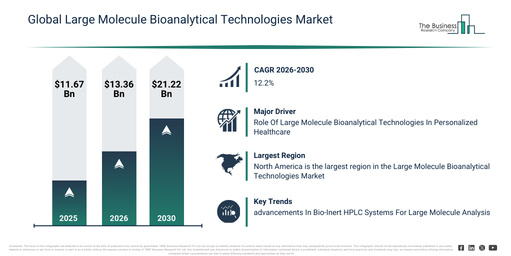
    The market for large molecule bioanalytical technologies has experienced significant expansion lately, projected to increase from $11.67 billion in 2025 to $13.36 billion in 2026, reflecting a compound annual growth rate of 14.5%. This upward trend historically stems from advancements in biologic development, the wider application of chromatography methods, intensified focus on protein characterization, greater utilization of ELISA techniques, and expanded investment in pharmaceutical research and development.

    The market for large molecule bioanalytical technologies is poised for substantial expansion in the coming years, projected to reach $21.22 billion by 2030, exhibiting a compound annual growth rate of 12.2%. This anticipated growth over the forecast period will be driven by several key factors, including a burgeoning pipeline of monoclonal antibodies, advancements in cell and gene therapy research, an elevated need for biomarker validation, the increasing intricacy of biologic drugs, and the widening scope of bioanalytical outsourcing. Prominent trends shaping this market during the forecast period are expected to involve the increasing embrace of sophisticated mass spectrometry methods, a rising demand for highly sensitive bioanalytical assays, greater utilization of multiplex and high-throughput testing methodologies, expanded bioanalytical support for cell and gene therapies, and a growing trend of outsourcing large molecule bioanalysis to contract research organizations (CROs).

    Download A Free Sample Report For Comprehensive Market Insights:

    https://www.thebusinessresearchcompany.com/sample.aspx?id=15596&type=smp

    Large Molecule Bioanalytical Technologies Market Growth Drivers And Industry Catalysts

    The increasing emphasis on tailored medical treatments is anticipated to be a significant driver for the expansion of the large molecule bioanalytical technologies market. Personalized medicine, which involves tailoring healthcare and treatment strategies to an individual’s specific characteristics like their genetic profile, biological markers, lifestyle, and environmental influences, aims for optimum effectiveness and minimized adverse reactions. This trend is fueled by considerations such as variations in individual disease vulnerability, the movement toward healthcare systems that reward outcomes, and a greater emphasis on patient-centric approaches. Furthermore, large-molecule bioanalytical technologies play a crucial role in the creation of pharmaceuticals, enabling the examination of how drugs like monoclonal antibodies or gene therapies are absorbed, distributed, metabolized, and excreted by the body, as well as their biological effects. Illustrating this, data from the Personalized Medicine Coalition in February 2024 indicated that the US Food and Drug Administration (FDA) approved sixteen novel personalized medicines for individuals with rare diseases in 2023, a notable increase from the six approvals seen in 2022. Consequently, the growing momentum behind personalized medicine is directly stimulating the growth within the large molecule bioanalytical technologies sector.

    Large Molecule Bioanalytical Technologies Market Categorization By Product Type And Application

    The large molecule bioanalytical technologies market covered in this report is segmented –

    1) By Product And Services: Instruments, Reagents And Consumables, Software, Services

    2) By Technology: Chromatography, Mass Spectrometry, Enzyme-Linked Immunosorbent Assay, Electrophoresis, Polymerase Chain Reaction, Western Blot, Flow Cytometry

    3) By Application: Biologics, Oligonucleotide Derived Drugs And Molecules, Viral Vector, Cell And Gene Therapy, Nanoparticles And Polymers, Disease Diagnosis, Other Applications

    Subsegments:

    1) By Instruments: Mass Spectrometers, Chromatography Systems, Immunoassay Analyzers

    2) By Reagents And Consumables: Antibodies, Enzyme-Linked Immunosorbent Assay (Elisa) Kits

    3) By Software: Data Analysis Software, Visualization Software

    4) By Services: Analytical Testing Services, Contract Research Organization (CRO) Services, Method Development And Validation Services, Stability Testing Services

    #Large Molecule Bioanalytical Technologies Market Trends Influencing Long-Term Demand

    The large molecule bioanalytical technologies sector is witnessing a significant trend among key players who are prioritizing the creation of chromatography and detection systems that are both bio-inert and highly accurate. This strategic emphasis stems from the escalating need for reliable, consistent, and sensitive bioanalytical methods, propelled by advancements in biologics research and development, more stringent regulatory requirements, and the emergence of sophisticated therapeutic types like monoclonal antibodies, bispecific antibodies, and gene therapies. A bio-inert HPLC system functions by reducing unintended interactions between large biological molecules and the internal components of the chromatographic equipment, leading to better sample recovery, diminished peak distortion, and more precise quantification, a marked improvement over conventional HPLC systems that can lead to analyte degradation and inconsistent results due to metal adsorption. Demonstrating this innovation, Waters Corporation, an American provider of analytical instruments, unveiled its Alliance iS Bio HPLC System in April 2024; this system incorporates MaxPeak High-Performance Surface (HPS) technology to ensure bio-inert flow paths, mitigate undesirable analyte interactions, and enhance sensitivity, while simultaneously reducing common quality control laboratory mistakes by as much as 40%, and integrates with Empower chromatography software for regulated data recording, supports advanced column technologies, and facilitates method migration through its intelligent method translation capabilities, ultimately enabling biologics quality control labs to accelerate testing, boost reproducibility, and decrease the likelihood of out-of-specification outcomes through its combination of surface inertness, intuitive design, and inherent error mitigation.

    Large Molecule Bioanalytical Technologies Market Company Landscape And Strategic Competition

    Major companies operating in the large molecule bioanalytical technologies market are Thermo Fisher Scientific Inc., Danaher Corporation, Laboratory Corporation of America Holdings, Agilent Technologies Inc., Charles River Laboratories International Inc., Intertek Group plc, Shimadzu Corporation, Bio-Rad Laboratories Inc., Qiagen N.V., HORIBA Ltd., SCIEX, Bio-Techne Corporation, Hamilton Company, Promega Corporation, Verder Group, Solvias AG, Analytik Jena AG, Genedata AG, Wyatt Technology Corporation, Nanalysis Corporation, Avomeen Analytical Services, Cergentis B.V., Halo Labs Inc., Hitachi High-Technologies Corporation, Precision NanoSystems Inc.

    Access The Complete Large Molecule Bioanalytical Technologies Market Report:

    https://www.thebusinessresearchcompany.com/report/large-molecule-bioanalytical-technologies-global-market-report

    Large Molecule Bioanalytical Technologies Market Geographic Landscape: Which Region Dominates Industry Growth?

    North Americawas the largest region in the large molecule bioanalytical technologies market in 2025. Asia-Pacificis expected to be the fastest-growing region in the forecast period. The regions covered in the large molecule bioanalytical technologies market report are Asia-Pacific, South East Asia, Western Europe, Eastern Europe, North America, South America, Middle East, Africa.

    Get in touch with us:

    The Business Research Company: https://www.thebusinessresearchcompany.com/

    Americas: +1 310-496-7795

    Asia: +44 7882 955267 & +91 8897263534

    Europe: +44 7882 955267

    Email us at: marketing@tbrc.info

    Follow us on:

    LinkedIn: https://in.linkedin.com/company/the-business-research-company

    YouTube: https://www.youtube.com/channel/UC24_fI0rV8cR5DxlCpgmyFQ

    Global Market Model: https://www.thebusinessresearchcompany.com/global-market-model
  • Large And Small-Scale Bioprocessing Market Growth Is Reshaping Competitive Advantage Across The Industry

    Large And Small-Scale Bioprocessing Market Growth Is Reshaping Competitive Advantage Across The Industry

    Through market attractiveness analysis, total addressable market evaluation, company benchmarking matrices, interactive Excel dashboards, expanded supply chain intelligence, emerging startup coverage, and detailed product insights, The Business Research Company’s 2026 market reports provide more actionable and strategically valuable research.

    Large And Small-Scale Bioprocessing Market Expansion From $76.72 Billion In 2026 To $119.99 Billion In 2030

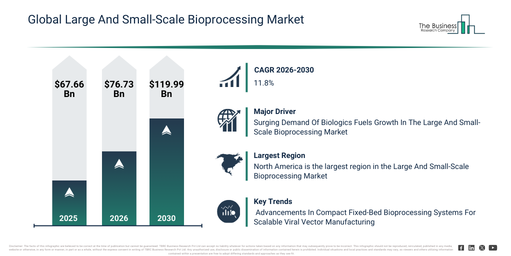
    The bioprocessing market, encompassing both large and small-scale operations, has experienced swift expansion lately. Projections indicate a rise from $67.66 billion in 2025 to $76.73 billion in 2026, reflecting a compound annual growth rate of 13.4%. Key factors driving this expansion during the historical period include the burgeoning biopharmaceutical manufacturing sector, escalating investments in biotechnology research and development, the wider adoption of fermentation-based production methods, an increased reliance on cell culture technologies, and advancements in the development of large-scale stainless steel bioreactors.

    The bioprocessing market, encompassing both large and small-scale operations, is poised for substantial expansion in the coming years, projecting a market value of $119.99 billion by 2030, driven by an impressive compound annual growth rate of 11.8%. This projected upswing is underpinned by several key factors including a burgeoning demand for biologic drugs and their biosimilar counterparts, a growing embrace of single-use technologies, the advancement of personalized and precision medicine approaches, the increasing availability of contract development and manufacturing organization (CDMO) services, and a heightened emphasis on environmentally conscious bioprocessing techniques. Significant developments anticipated within this forecast period involve a greater incorporation of single-use and adaptable bioprocessing systems, a heightened need for versatile small-scale bioprocessing solutions in research and development endeavors, the expansion of contract biomanufacturing and externalized production models, a strong focus on achieving seamless scalability from laboratory experimentation to full-scale commercial production, and an intensified integration of both upstream and downstream bioprocessing procedures.

    Download A Free Sample Report For Comprehensive Market Insights:

    https://www.thebusinessresearchcompany.com/sample.aspx?id=15845&type=smp

    Large And Small-Scale Bioprocessing Market Opportunity Drivers: What Is Creating New Revenue Potential?

    The increasing need for biologic medicines, which are derived from living organisms or their parts like vaccines, blood products, gene therapies, tissues, and manufactured proteins, is anticipated to fuel the expansion of both large and small-scale bioprocessing sectors. This surge in demand for biologics is a direct result of progress in biotechnology, a deepened comprehension of how diseases function, and the escalating requirement for treatments tailored to individual patients and specific targets. Both industrial-scale and laboratory-scale bioprocessing are absolutely crucial for bringing biologic products from conception to market successfully. Small-scale bioprocessing is vital during the initial phases of product development, for refining processes, and for conducting viability assessments. Conversely, large-scale bioprocessing is necessary to manufacture biologics in sufficient quantities, ensuring they are produced reliably, consistently, and in adherence to all official regulations required for their widespread availability. For example, as reported by the National Library of Medicine in February 2024, the US Food and Drug Administration (FDA) authorized 55 new medications in 2023, comprising 29 novel chemical compounds and 25 novel biological substances, representing a substantial 50% rise from the 37 approvals recorded in 2022. Consequently, the mounting demand for biologics acts as a primary driver for the growth within the large and small-scale bioprocessing market.

    Large And Small-Scale Bioprocessing Market Segment Analysis And Revenue Opportunities

    The large and small-scale bioprocessing market covered in this report is segmented –

    1) By Product: Bioreactors Or Fermenters, Cell Culture Products, Filtration Assemblies, Bioreactors Accessories, Bags And Containers, Other Products

    2) By Mode: In-house, Outsourced

    3) By Workflow: Downstream Processing, Fermentation, Upstream Processing

    4) By Scale: Industrial Scale, Small Scale

    5) By Application: Biopharmaceuticals, Specialty Industrial Chemicals, Environmental Aids

    Subsegments:

    1) Bioreactors Or Fermenters: Single-Use Bioreactors, Stainless Steel Bioreactors, Glass Bioreactors

    2) Cell Culture Products: Cell Culture Media, Sera And Supplements, Reagents

    3) Filtration Assemblies: Membrane Filters, Depth Filters, Tangential Flow Filtration Systems

    4) Bioreactor Accessories: Spargers, Impellers, Sensors And Probes

    5) Bags And Containers: Single-Use Bags, Storage Containers, Transfer Bags

    6) Other Products: Mixers, Tubing And Connectors, Sampling Systems

    Large And Small-Scale Bioprocessing Market Innovation Trends Driving Future Development

    Key players within the expansive bioprocessing sector are channeling their efforts toward pioneering advancements, exemplified by the creation of compact, fixed-bed bioreactor controllers, aimed at satisfying the escalating need for highly productive, economically viable, and scalable manufacturing of viral vectors and cutting-edge therapies fueled by the surge in gene therapies, vaccines, and biologics. This type of bioreactor controller specifically addresses the management of extensive cell cultures within fixed-bed systems, providing an efficient, user-friendly, and streamlined fluid management solution, which stands in stark contrast to the substantial space requirements, considerable initial investment, and intricate infrastructure associated with conventional large-scale stirred-tank bioreactors. Illustrating this trend, Univercells Technologies SA, a bioprocessing entity based in Belgium, introduced the scale-X Nitro Controller in May 2025, engineered for their 200 m² and 600 m² scale-X Nitro fixed-bed bioreactors. This controller, presented as a convenient, mobile unit with a modest footprint of 1.6 m² that can navigate standard cleanroom doorways, is capable of supporting both adherent and suspension cell cultivation and features exceptionally straightforward operational controls. It facilitates swift scaling from research and development phases to commercial production within approximately eight months, simultaneously achieving a reduction in cost of goods by 36–82% when compared to established adherent processes. Through its synergy of substantial output and an uncomplicated, space-conserving configuration, the scale-X Nitro Controller empowers biomanufacturers, particularly contract development and manufacturing organizations (CDMOs) and vaccine developers, to expedite their development schedules and diminish the financial obstacles associated with large-scale viral production.

    Large And Small-Scale Bioprocessing Market Leading Players Shaping Industry Direction

    Major companies operating in the large and small-scale bioprocessing market are F. Hoffmann-La Roche AG, Novartis AG, Sanofi S.A., Pfizer Inc., Merck & Co. Inc., Bristol Myers Squibb Company, AstraZeneca PLC, GlaxoSmithKline PLC, Takeda Pharmaceutical Company Ltd., Eli Lilly and Company, AbbVie Inc., Amgen Inc., Biogen Inc., Regeneron Pharmaceuticals Inc., Genentech Inc., Gilead Sciences Inc., Novo Nordisk A/S, CSL Limited, UCB S.A., Samsung Biologics, WuXi Biologics, Boehringer Ingelheim

    Access The Complete Large And Small-Scale Bioprocessing Market Report:

    https://www.thebusinessresearchcompany.com/report/large-and-small-scale-bioprocessing-global-market-report

    Large And Small-Scale Bioprocessing Market Largest Region: Which Geography Holds The Highest Market Share?

    North Americawas the largest region in the large and small-scale bioprocessing market in 2025. Asia-Pacificis expected to be the fastest-growing region in the forecast period. The regions covered in the large and small-scale bioprocessing market report are Asia-Pacific, South East Asia, Western Europe, Eastern Europe, North America, South America, Middle East, Africa.

    Get in touch with us:

    The Business Research Company: https://www.thebusinessresearchcompany.com/

    Americas: +1 310-496-7795

    Asia: +44 7882 955267 & +91 8897263534

    Europe: +44 7882 955267

    Email us at: marketing@tbrc.info

    Follow us on:

    LinkedIn: https://in.linkedin.com/company/the-business-research-company

    YouTube: https://www.youtube.com/channel/UC24_fI0rV8cR5DxlCpgmyFQ

    Global Market Model: https://www.thebusinessresearchcompany.com/global-market-model
  • Laparoscopic Gynecological Procedures Market Forecast Signals New Revenue Opportunities Through 2030

    Laparoscopic Gynecological Procedures Market Forecast Signals New Revenue Opportunities Through 2030

    Delivering more actionable and strategically valuable research, The Business Research Company’s 2026 market reports feature market attractiveness analysis, total addressable market evaluation, company benchmarking matrices, interactive Excel dashboards, expanded supply chain intelligence, emerging startup coverage, and detailed product insights.

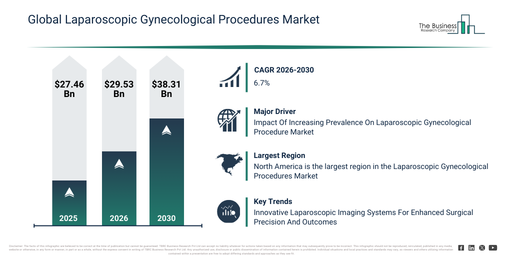
    Laparoscopic Gynecological Procedures Market Forecast Highlighting Growth From $29.53 Billion To $38.3 Billion

    The market for laparoscopic gynecological procedures has experienced robust expansion lately, with its value projected to increase from $27.46 billion in 2025 to $29.53 billion in 2026, reflecting a compound annual growth rate of 7.6%. This historical growth trajectory has been propelled by significant advancements in laparoscopic surgical methodologies, a rising incidence of gynecological conditions, the increasing adoption of minimally invasive surgical approaches, the enhancement of hospital surgical facilities, and an augmented number of gynecologic surgeons who have completed specialized training.

    The market for laparoscopic gynecological procedures is poised for substantial expansion over the upcoming years, projected to reach $38.31 billion by 2030, reflecting a compound annual growth rate of 6.7%. This anticipated growth trajectory is fueled by several key factors, including an aging female demographic, heightened emphasis on patient safety and minimizing surgical complications, the increasing integration of robotic-assisted laparoscopy, the proliferation of ambulatory surgery centers, and ongoing technological advancements in both imaging and surgical instruments. Furthermore, the coming years will likely witness significant trends such as a greater embrace of minimally invasive gynecological interventions, a growing preference for quicker patient recovery and reduced hospitalizations, escalating demand for sophisticated laparoscopic surgical equipment, the further development of outpatient and ambulatory gynecological services, and enhancements in surgical accuracy and visualization methods.

    Download A Free Sample Report For Comprehensive Market Insights:

    https://www.thebusinessresearchcompany.com/sample.aspx?id=15844&type=smp

    Laparoscopic Gynecological Procedures Market Growth Momentum: Which Factors Are Influencing Demand?

    The increasing incidence of gynecological cancers is anticipated to be a significant driver for the expansion of the laparoscopic gynecological procedures market. Gynecological cancer encompasses malignancies originating in a woman’s reproductive system, including cancers of the ovaries, uterus, cervix, vagina, and vulva. Factors contributing to this rise include an aging demographic with increased longevity, higher rates of obesity, prevalent smoking habits, and sedentary lifestyles. Laparoscopic gynecological procedures play a crucial role in addressing gynecological cancer by facilitating treatment and disease management, mitigating the likelihood of recurrence, and enhancing patient prognoses through various therapeutic interventions. Illustrating this, data from the American Cancer Society indicated that in 2023, an estimated 19,710 new cases of ovarian cancer were projected in the United States, with an unfortunate projection of 13,270 fatalities attributed to the disease. Consequently, the substantial burden of gynecological cancer directly fuels the growth trajectory of the market for laparoscopic gynecological procedures.

    Laparoscopic Gynecological Procedures Market Segmentation And Category Breakdown

    The laparoscopic gynecological procedures market covered in this report is segmented –

    1) By Procedure: Laparoscopic Hysterectomy, Laparoscopic Myomectomy, Laparoscopic Colpopexy, Laparoscopic Endometrial Excision, Laparoscopic Adnexal

    2) By Product: Surgical Devices, Gynecological Imaging Devices, Portable Tools

    3) By End-Use: Hospitals, Clinics, Ambulatory Surgery Centers (ASCs)

    Subsegments:

    1) By Laparoscopic Hysterectomy: Total Laparoscopic Hysterectomy (TLH), Laparoscopic Supracervical Hysterectomy (LSH), Laparoscopically Assisted Vaginal Hysterectomy (LAVH)

    2) By Laparoscopic Myomectomy: Single Myomectomy, Multiple Myomectomy

    3) By Laparoscopic Colpopexy: Sacrocolpopexy, Sacrocervicopexy

    4) By Laparoscopic Endometrial Excision: Deep Excision, Superficial Excision

    5) By Laparoscopic Adnexal: Oophorectomy, Salpingo-oophorectomy, Cystectomy

    Laparoscopic Gynecological Procedures Market Trends Reshaping Industry Growth

    Within the laparoscopic gynecological surgery landscape, key players are concentrating their efforts on pioneering novel technologies, including state-of-the-art laparoscopic imaging systems, with the ultimate goal of improving surgical accuracy, visual clarity, and patient recovery. These sophisticated imaging systems represent advanced technological tools and apparatus employed to offer unparalleled clarity, precision, and intricate detail of the operative area during minimally invasive gynecological procedures. Illustratively, in May of 2023, B. Braun, a prominent medical device firm based in Germany, introduced its new laparoscopic imaging solution, the AESCULAP EinsteinVision 3.0 FI, specifically engineered to support minimally invasive surgical interventions. This sophisticated system incorporates 3D fluorescence imaging (FI) capabilities, facilitating live visualization across three distinct FI overlay configurations. It is purposefully crafted for a spectrum of minimally invasive surgical uses, encompassing the evaluation of blood vessel or organ perfusion, the detailed depiction of bile duct structures, and the identification of sentinel lymph nodes. The package comes complete with a camera processor equipped for built-in recording, a premium display screen, and a stereo endoscope that delivers exceptional visual fidelity, thereby boosting both the effectiveness of surgical procedures and overall operational efficiency.

    Laparoscopic Gynecological Procedures Market Competitive Analysis Of Major Industry Participants

    Major companies operating in the laparoscopic gynecological procedures market are Johnson & Johnson, Medtronic plc, Stryker Corporation, Boston Scientific, B. Braun Melsungen, Intuitive Surgical, Smith & Nephew, Hologic Inc., CooperSurgical, W. L. Gore & Associates, Teleflex Incorporated, Karl Storz GmbH, Cook Medical, ConMed Corporation, KLS Martin Group, Applied Medical, Aesculap Inc., Richard Wolf GmbH, Lumenis Ltd., ERBE Elektromedizin GmbH

    Access The Complete Laparoscopic Gynecological Procedures Market Report:

    https://www.thebusinessresearchcompany.com/report/laparoscopic-gynecological-procedures-global-market-report

    Laparoscopic Gynecological Procedures Market Regional Analysis: Which Region Leads By Revenue?

    North Americawas the largest region in the laparoscopic gynecological procedures market in 2025. Asia-Pacificis expected to be the fastest-growing region in the forecast period. The regions covered in the laparoscopic gynecological procedures market report are Asia-Pacific, South East Asia, Western Europe, Eastern Europe, North America, South America, Middle East, Africa.

    Get in touch with us:

    The Business Research Company: https://www.thebusinessresearchcompany.com/

    Americas: +1 310-496-7795

    Asia: +44 7882 955267 & +91 8897263534

    Europe: +44 7882 955267

    Email us at: marketing@tbrc.info

    Follow us on:

    LinkedIn: https://in.linkedin.com/company/the-business-research-company

    YouTube: https://www.youtube.com/channel/UC24_fI0rV8cR5DxlCpgmyFQ

    Global Market Model: https://www.thebusinessresearchcompany.com/global-market-model
  • Lactose Monohydrate Market Growth Is Accelerating As Industry Transformation Continues

    Lactose Monohydrate Market Growth Is Accelerating As Industry Transformation Continues

    Enhanced with market attractiveness analysis, total addressable market evaluation, company benchmarking matrices, interactive Excel dashboards, expanded supply chain intelligence, emerging startup coverage, and detailed product insights, The Business Research Company’s 2026 market reports deliver more actionable and strategically valuable research.

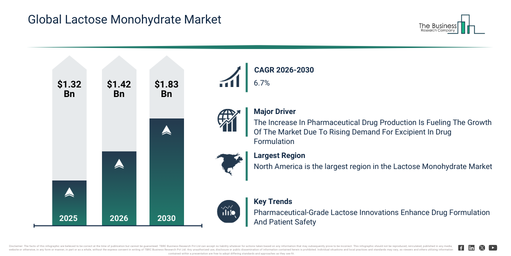
    Lactose Monohydrate Market Revenue Growth Supported By A CAGR Of 1.83% Through 2030

    The market for lactose monohydrate has experienced robust expansion lately, with projections indicating a significant increase from $1.32 billion in 2025 to $1.42 billion in 2026, reflecting a compound annual growth rate of 7.0%. This historical growth trajectory has been propelled by several key factors, including the expanding production of pharmaceutical tablets, the extensive application of lactose as an excipient, advancements in the processing of dairy-derived components, the existence of substantial lactose refining capabilities, and the consistent demand emanating from the food formulation sectors.

    The market for lactose monohydrate is poised for substantial expansion over the forthcoming years, projecting a rise to $1.83 billion by 2030 with a compound annual growth rate (CAGR) of 6.7%. This anticipated growth is fueled by several key factors, including escalating pharmaceutical production output, a burgeoning demand for specialized excipients, the growth of nutraceutical manufacturing operations, a heightened emphasis on ensuring the stability of drug formulations, and the increasing integration of co-processed excipient technologies. During this forecast period, prominent market trends will encompass a greater need for pharmaceutical-grade lactose, its increased utilization in the creation of solid oral dosage forms, a growing preference for excipients of high purity, the expanded application of spray-dried lactose, and a more dedicated approach to precisely controlling particle size.

    Download A Free Sample Report For Comprehensive Market Insights:

    https://www.thebusinessresearchcompany.com/sample.aspx?id=24583&type=smp

    Lactose Monohydrate Market Expansion Drivers: What Is Shaping Future Growth?

    An escalating demand for pharmaceutical drug manufacturing is anticipated to be a primary catalyst for the expansion of the lactose monohydrate market. This manufacturing process, which entails the meticulous production of medications under stringent guidelines to ensure patient safety, therapeutic efficacy, and consistent quality, is experiencing a surge due to an increasing elderly demographic that necessitates sophisticated interventions for effective management of long-term health conditions, and lactose monohydrate plays a crucial role in this sector as an excipient, serving as a bulking agent and adhesive to ensure uniform dispersion of active pharmaceutical components, while its enhanced compacting properties facilitate efficient tablet creation and dependable drug outcomes; for example, the European Federation of Pharmaceutical Industries and Associations (EFPIA) reported that European pharmaceutical production reached $422,803 million in 2023, an increase from $393,857 million in 2022, underscoring the direct correlation between augmented

    Lactose Monohydrate Market Segment Outlook: Which Categories Are Expanding The Fastest?

    The lactose monohydrate market covered in this report is segmented –

    1) By Product Type: Crystalline Lactose Monohydrate, Amorphous Lactose Monohydrate

    2) By Purity: Food Grade, Pharmaceutical Grade

    3) By Distribution Channel: Online Stores, Supermarkets Or Hypermarkets, Specialty Stores, Other Distribution Channels

    4) By Application: Pharmaceuticals, Food And Beverages, Nutraceuticals, Cosmetics And Personal Care, Animal Feed

    Subsegments:

    1) By Crystalline Lactose Monohydrate: a-Lactose Monohydrate, ß-Lactose Anhydrous, Spray-Dried Crystalline Lactose, Milled Crystalline Lactose

    2) By Amorphous Lactose Monohydrate: Spray-Dried Amorphous Lactose, Co-Processed Amorphous Lactose, Glassy Lactose, Hygroscopic Amorphous Lactose

    Lactose Monohydrate Market Strategic Trends: What Is Defining The Next Phase Of Growth?

    In the landscape of the lactose monohydrate market, leading entities are concentrating their efforts on innovating sophisticated offerings, notably pharmaceutical-grade lactose, a move aimed at bolstering patient well-being and adhering to rigorous compliance requirements; this specialized lactose, a refined variant, is meticulously crafted for integration into medicinal preparations, functioning as a crucial excipient that ensures safety, consistency, and seamless integration with active pharmaceutical ingredients; exemplifying this trend, in October of 2023, Lactalis Ingredients, a French producer of dairy-derived components, introduced Lactalpha, a collection of lactose monohydrate products processed through milling and sieving, signifying their strategic extension from food-grade lactose into the pharmaceutical domain by providing a product with precisely managed particle dimensions, superior handling properties, and exceptional compressibility, rendering them optimal choices as excipients for solid dosage forms such as tablets, capsules, and sachets in pharmaceutical contexts.

    Lactose Monohydrate Market Key Companies And Competitive Benchmarking

    Major companies operating in the lactose monohydrate market are DFE Pharma, Kerry Group, MEGGLE GmbH & Co KG, Lactose India Limited, Lactalis Ingredients, BASF SE, Merck KGaA, Armor Pharma, Hilmar Ingredients, Glanbia plc, Fonterra Co-operative Group Limited, Arla Foods Ingredients, Milei GmbH, Saputo Inc, Molvest Group, Tatua Co-operative Dairy Company Ltd, Valio Ltd

    Access The Complete Lactose Monohydrate Market Report:

    https://www.thebusinessresearchcompany.com/report/lactose-monohydrate-global-market-report

    Lactose Monohydrate Market Geographic Distribution And Regional Opportunities

    North Americawas the largest region in the lactose monohydrate market in 2025. Asia-Pacificis expected to be the fastest-growing region in the forecast period. The regions covered in the lactose monohydrate market report are Asia-Pacific, South East Asia, Western Europe, Eastern Europe, North America, South America, Middle East, Africa.

    Get in touch with us:

    The Business Research Company: https://www.thebusinessresearchcompany.com/

    Americas: +1 310-496-7795

    Asia: +44 7882 955267 & +91 8897263534

    Europe: +44 7882 955267

    Email us at: marketing@tbrc.info

    Follow us on:

    LinkedIn: https://in.linkedin.com/company/the-business-research-company

    YouTube: https://www.youtube.com/channel/UC24_fI0rV8cR5DxlCpgmyFQ

    Global Market Model: https://www.thebusinessresearchcompany.com/global-market-model