Month: June 2026

  • Deep Brain Stimulation Systems Market Forecast Reveals Where Future Industry Value Will Be Created

    Deep Brain Stimulation Systems Market Forecast Reveals Where Future Industry Value Will Be Created

    Through market attractiveness analysis, total addressable market evaluation, company benchmarking matrices, interactive Excel dashboards, expanded supply chain intelligence, emerging startup coverage, and detailed product insights, The Business Research Company’s 2026 market reports provide more actionable and strategically valuable research.

    The deep brain stimulation systems market is experiencing swift growth, driven by advances in technology and rising demand for effective neurological treatments. As the prevalence of neurological disorders increases globally, this market is set to expand significantly. Let’s explore the current market size, key growth drivers, segmentation, leading companies, and regional outlook shaping this promising industry.

    Market Size and Growth Potential of the Deep Brain Stimulation Systems Market

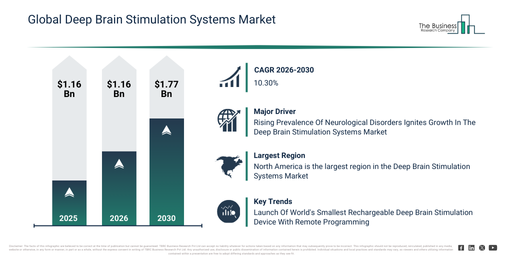
    The market for deep brain stimulation systems has seen a rapid rise in recent years. It is projected to grow from $2.77 billion in 2025 to $3.05 billion in 2026, representing a compound annual growth rate (CAGR) of 10.2%. This growth during the historical period is largely fueled by the increasing prevalence of neurological disorders, greater clinical acceptance of neuromodulation therapies, technological advancements in implantable medical devices, expansion of neurology specialty centers, and improved long-term patient outcomes. Looking ahead, the market is expected to reach $4.52 billion by 2030, maintaining a robust CAGR of 10.3%. Factors contributing to this forecast include increased investment in next-generation neurostimulation devices, growing interest in personalized neurological treatments, expanding indications for deep brain stimulation beyond movement disorders, greater integration of AI-driven programming, and a rising focus on remote patient monitoring.

    Download A Free Sample Report For Comprehensive Market Insights:

    https://www.thebusinessresearchcompany.com/sample.aspx?id=13834&type=smp

    Primary Drivers Behind Expansion in the Deep Brain Stimulation Systems Market

    One of the main factors propelling the deep brain stimulation systems market is the rising incidence of neurological disorders worldwide. These disorders encompass a diverse set of conditions affecting the autonomic, peripheral, and central nervous systems. Deep brain stimulation devices are used in neurosurgical procedures to deliver electrical impulses to specific brain regions, modulating neural activity in a reversible and adjustable manner to achieve therapeutic effects. According to the World Federation of Neurology in October 2023, over 40% of the global population suffers from some form of neurological condition, and this number is expected to nearly double by 2050. This escalating burden significantly drives demand for effective deep brain stimulation treatments.

    Another important growth catalyst is the increasing adoption of neuromodulation therapies as viable alternatives to traditional treatments. Advances in implantable device technology have enhanced safety, precision, and patient outcomes, encouraging wider clinical acceptance. Expansion in specialized neurology centers and improved long-term efficacy further support market growth, as more patients gain access to these innovative treatment options.

    Access The Complete Deep Brain Stimulation Systems Market Report:

    https://www.thebusinessresearchcompany.com/report/deep-brain-stimulation-systems-global-market-report

    Deep Brain Stimulation Systems Market Segmentation and Growth Areas

    This market is segmented by product, application, and end user to provide a detailed understanding of its scope. By product, the market includes Single Channel and Dual Channel systems. Single Channel systems are further divided into Unilateral Deep Brain Stimulation (DBS) Systems, Single Lead DBS Systems, Targeted Single Nucleus DBS Systems, and Standard Single Channel Neurostimulation Systems. Dual Channel systems comprise Bilateral DBS Systems, Dual Lead DBS Systems, Multi-Nucleus Targeted DBS Systems, and Advanced Dual Channel Neurostimulation Systems.

    By application, the market covers Parkinson’s Disease, Essential Tremor, Obsessive Compulsive Disorder, Epilepsy, Dystonia, and other neurological conditions. End users include Hospitals, Ambulatory Surgical Centers, Neurological Clinics, and other healthcare providers. This segmentation highlights key growth opportunities across various treatment areas and healthcare settings.

    Innovations and Strategic Advances Shaping the Deep Brain Stimulation Systems Market

    Major players in the deep brain stimulation market are focusing on developing cutting-edge technologies to improve patient care and expand treatment possibilities. Deep brain stimulation involves implanting a device that sends electrical currents directly to targeted brain regions to manage movement disorders and other neurological conditions. For example, in January 2024, Abbott Laboratories introduced the Liberta RC DBS system, the world’s smallest rechargeable DBS device with remote programming capabilities. This innovation allows patients to stay connected with their healthcare providers, ensuring optimal device configuration and enabling remote updates to treatment settings without the need for in-person visits, a first in the US market.

    Leading Companies with a Strong Footprint in the Deep Brain Stimulation Systems Market

    The market features several key players dominating the landscape, including Medtronic plc, Abbott Laboratories, Boston Scientific Corporation, Aleva Neurotherapeutics SA, Beijing PINS Medical Co Ltd, SceneRay Corporation Ltd, NeuroPace Inc, LivaNova PLC, NeuroSigma Inc, Functional Neuromodulation Ltd, Synapse Biomedical Inc, Soterix Medical Inc, FHC Inc, Newronika S.p.A, Renishaw plc, Deep Brain Innovations LLC, BlueWind Medical Ltd, Magstim Company Ltd, Sapiens Steering Brain Stimulation, Bioinduction Ltd, and Alpha Omega Engineering. These companies are investing heavily in research and development to deliver innovative products and expand their presence in the global market.

    Regional Dynamics and Market Expansion Patterns of the Deep Brain Stimulation Systems Market

    In 2025, North America accounted for the largest share of the deep brain stimulation systems market, driven by advanced healthcare infrastructure, high patient awareness, and strong clinical adoption. Looking forward, the Asia-Pacific region is expected to be the fastest growing market during the forecast period, fueled by increasing healthcare investments, growing neurological disorder prevalence, and expanding medical device adoption. Other regions covered in the market analysis include South East Asia, Western Europe, Eastern Europe, South America, the Middle East, and Africa, providing a comprehensive global perspective on market trends and growth opportunities.

    Get in touch with us:

    The Business Research Company: https://www.thebusinessresearchcompany.com/

    Americas: +1 310-496-7795

    Asia: +44 7882 955267 & +91 8897263534

    Europe: +44 7882 955267

    Email us at: marketing@tbrc.info

    Follow us on:

    LinkedIn: https://in.linkedin.com/company/the-business-research-company

    YouTube: https://www.youtube.com/channel/UC24_fI0rV8cR5DxlCpgmyFQ

    Global Market Model: https://www.thebusinessresearchcompany.com/global-market-model
  • Deep Brain Stimulation Device Market Growth Through 2030 Creates New Strategic Opportunities

    Deep Brain Stimulation Device Market Growth Through 2030 Creates New Strategic Opportunities

    Delivering more actionable and strategically valuable research, The Business Research Company’s 2026 market reports feature market attractiveness analysis, total addressable market evaluation, company benchmarking matrices, interactive Excel dashboards, expanded supply chain intelligence, emerging startup coverage, and detailed product insights.

    The deep brain stimulation device market is experiencing significant growth, driven by advancements in medical technology and rising demand for effective neurological disorder treatments. As more clinical centers adopt these devices and research expands, the market is set to continue its upward trajectory. Here’s a detailed overview of the current market size, key drivers, major players, and emerging innovations shaping this sector.

    Current Market Size and Projected Growth in the Deep Brain Stimulation Device Market

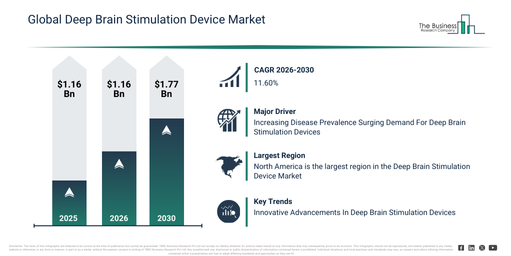
    The market for deep brain stimulation devices has expanded swiftly in recent years, with revenues expected to increase from $1.7 billion in 2025 to $1.9 billion in 2026, representing a compound annual growth rate (CAGR) of 11.3%. This historic growth has been supported by the rising incidence of neurological disorders, broader acceptance of deep brain stimulation in clinical practice, the growth of neurosurgical specialty centers, improved safety of implantable devices, and the availability of advanced neuroimaging tools. Looking ahead, the market is forecasted to reach $2.94 billion by 2030, growing at an accelerated CAGR of 11.6%. The anticipated expansion is driven by a stronger focus on precision neuromodulation therapies, increasing investment in neurotechnology research, a broader range of treatment indications beyond movement disorders, greater use of remote programming options, and ongoing innovation in implantable electronics.

    Download A Free Sample Report For Comprehensive Market Insights:

    https://www.thebusinessresearchcompany.com/sample.aspx?id=10733&type=smp

    Factors Fueling Growth in the Deep Brain Stimulation Device Market

    One of the primary factors encouraging market growth is the rising prevalence of neurological diseases worldwide. These disorders, which impact the central and peripheral nervous systems, often cause abnormal brain activity and chemical imbalances that deep brain stimulation devices aim to correct. For example, in March 2023, the Alzheimer’s Association reported that approximately 6.7 million Americans aged 65 and older are living with Alzheimer’s dementia, a figure expected to nearly double to 13.8 million by 2060. Such statistics highlight the increasing need for effective neurological treatments, which is a significant driver for the adoption of deep brain stimulation devices.

    Additional Drivers Boosting Market Expansion

    Beyond disease prevalence, wider clinical acceptance and technological progress are also propelling the market forward. The expansion of specialized neurosurgical centers has improved access to these devices, while enhanced safety profiles and advances in neuroimaging contribute to better patient outcomes. These factors collectively support the increasing demand and usage of deep brain stimulation therapies across various neurological conditions.

    Access The Complete Deep Brain Stimulation Device Market Report:

    https://www.thebusinessresearchcompany.com/report/deep-brain-stimulation-device-global-market-report

    Deep Brain Stimulation Device Market Segmentation and Strategic Opportunities

    This market can be categorized into several key segments based on product type, application, and end user. By product, the market includes single-channel and dual-channel deep brain stimulators, each further divided into implantable pulse generators, electrode leads, and accessories. Applications cover a wide range of neurological conditions such as epilepsy, essential tremor, obsessive-compulsive disorder (OCD), dystonia, Parkinson’s disease, and others. End users include hospitals, neurology clinics, ambulatory surgical centers, and research centers. These segments highlight diverse opportunities for manufacturers and healthcare providers to tailor solutions based on specific clinical needs and settings.

    Innovations and Technological Advances Transforming the Market

    Leading companies in the deep brain stimulation device market are focusing on connected care technologies to improve patient management and treatment outcomes. Connected care integrates digital platforms that facilitate continuous communication between patients and healthcare teams, enabling remote programming and enhanced monitoring. For instance, in January 2024, Abbott Laboratories secured FDA approval for its Liberta RC DBS system, the smallest rechargeable deep brain stimulation device designed for movement disorders. This device features remote programming via the NeuroSphere Virtual Clinic, requires only 10 recharges annually, and boasts a size 31% smaller than comparable devices. Its wireless charging system allows recharging every 37 days and offers customizable controls through Abbott’s patient controller or compatible iOS devices.

    Key Market Players Driving Competition in the Deep Brain Stimulation Device Sector

    Several prominent companies shape the competitive landscape of the deep brain stimulation device market. These include Medtronic plc, Abbott Laboratories, Boston Scientific Corporation, LivaNova plc, Aleva Neurotherapeutics SA, Beijing PINS Medical Co. Ltd., SceneRay Corporation, MicroPort NeuroTech, Precisis AG, Neuralink Corporation, Sapiens Neuro, Functional Neuromodulation Ltd., Deep Brain Innovation LLC, Renishaw plc, NeuroOne Medical Technologies Corporation, CorTec GmbH, INBRAIN Neuroelectronics S.L., Synchron Inc., Rune Labs Inc., and CereGate GmbH. Their ongoing research and development efforts continue to push the boundaries of what these devices can achieve.

    Regional Market Leaders and Growth Prospects

    In 2025, North America accounted for the largest share of the deep brain stimulation device market. Meanwhile, the Asia-Pacific region is anticipated to experience the fastest growth during the forecast period. Other key regions examined in the market include South East Asia, Western Europe, Eastern Europe, South America, the Middle East, and Africa, providing a comprehensive global outlook on market trends and expansion opportunities.

    Get in touch with us:

    The Business Research Company: https://www.thebusinessresearchcompany.com/

    Americas: +1 310-496-7795

    Asia: +44 7882 955267 & +91 8897263534

    Europe: +44 7882 955267

    Email us at: marketing@tbrc.info

    Follow us on:

    LinkedIn: https://in.linkedin.com/company/the-business-research-company

    YouTube: https://www.youtube.com/channel/UC24_fI0rV8cR5DxlCpgmyFQ

    Global Market Model: https://www.thebusinessresearchcompany.com/global-market-model
  • Declotting Devices Market Size Projected To Increase From $2.4 Billion To $3.1 Billion During The Forecast Period

    Declotting Devices Market Size Projected To Increase From $2.4 Billion To $3.1 Billion During The Forecast Period

    Enhanced with market attractiveness analysis, total addressable market evaluation, company benchmarking matrices, interactive Excel dashboards, expanded supply chain intelligence, emerging startup coverage, and detailed product insights, The Business Research Company’s 2026 market reports deliver more actionable and strategically valuable research.

    The declotting devices market has been gaining considerable traction lately due to rising health concerns related to blood clots. With increasing cases of vascular complications and advancements in medical technology, this market is set to experience steady growth over the coming years. Let’s explore the market size, key factors driving expansion, influential players, and emerging trends shaping the future of this vital healthcare segment.

    Declotting Devices Market Size and Growth Forecast

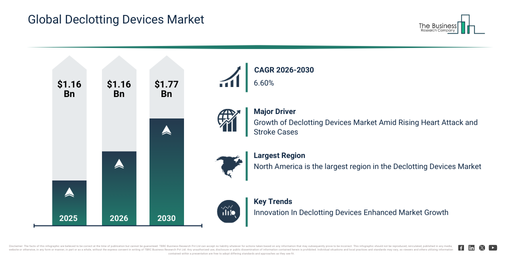
    The declotting devices market has witnessed significant expansion in recent years. It is projected to grow from $2.26 billion in 2025 to $2.41 billion in 2026, reflecting a compound annual growth rate (CAGR) of 6.6%. This growth during the historical period has been driven by factors such as the rising incidence of deep vein thrombosis and pulmonary embolism, enhanced awareness about clot-related complications, an increase in emergency vascular interventions, the expansion of hospital-based interventional facilities, and improved clinical outcomes associated with mechanical declotting methods.

    Looking ahead, the market is expected to reach $3.1 billion by 2030, maintaining the same 6.6% CAGR. This forecasted growth stems from an increasing prevalence of cardiovascular and thrombotic diseases, higher demand for rapid emergency treatments, wider adoption of minimally invasive vascular procedures, expansion of interventional radiology and cardiology centers, and better availability of advanced thrombectomy devices. Notable trends expected to shape the market include growing preference for minimally invasive declotting techniques, increased use of mechanical thrombectomy over pharmacological options, emphasis on quick clot removal during emergencies, rising application of declotting procedures in acute vascular disorders, and heightened demand for precision and safety in thrombus extraction.

    Download A Free Sample Report For Comprehensive Market Insights:

    https://www.thebusinessresearchcompany.com/sample.aspx?id=18562&type=smp

    Growing Incidence of Vascular Disorders as a Key Market Driver

    One of the primary factors fueling the declotting devices market growth is the rising incidence of vascular disorders. These conditions affect blood vessels such as arteries, veins, and capillaries, disrupting normal blood flow and leading to severe health issues. The prevalence of vascular disorders is increasing due to risk factors like obesity, sedentary lifestyles, and aging populations. Declotting devices play a critical role in these conditions by enabling rapid and effective removal or dissolution of blood clots, restoring proper circulation and avoiding serious complications.

    For example, in January 2025, the National Institutes of Health (NIH) reported that the global economic burden of stroke exceeds US$890 billion annually, accounting for roughly 0.66% of the world’s GDP, with expectations that this figure will nearly double by 2050. This growing health and economic impact highlights why demand for declotting devices continues to rise steadily.

    Breakdown of the Declotting Devices Market Segments

    This report categorizes the declotting devices market into various segments to provide a detailed overview:

    1) By Product Type: Mechanical Declotting Devices and Embolectomy Balloons

    2) By Thrombectomy Device: Aspiration Thrombectomy Devices, Percutaneous Mechanical Thrombectomy Devices, and Other Thrombectomy Devices

    3) By End Use: Hospitals, Clinics, and Other End Users

    Additional subsegments include specific types of mechanical declotting devices such as thrombectomy devices, rotational thrombectomy devices, aspiration catheters, stent retriever devices, as well as rotational and suction-based thrombectomy devices. For embolectomy balloons, subcategories include single-lumen and dual-lumen balloons, as well as high-pressure and low-pressure variants.

    Access The Complete Declotting Devices Market Report:

    https://www.thebusinessresearchcompany.com/report/declotting-devices-global-market-report

    Innovations and Trends Shaping the Declotting Devices Market

    Leading companies in the declotting devices field are concentrating on the development of sophisticated technologies like computer-aided thrombectomy devices aimed at improving the accuracy and effectiveness of clot removal procedures. These advanced medical instruments assist clinicians in efficiently extracting blood clots with minimal complications.

    For instance, in June 2023, US-based Penumbra Inc. introduced Lightning Bolt 7, an innovative arterial thrombectomy system. This device employs a novel clot removal method called modulated aspiration, combining Lightning Intelligent Aspiration technology with a cutting-edge microprocessor algorithm. Lightning Bolt 7 is engineered to rapidly extract large and fibrous arterial clots while minimizing blood loss, making it particularly effective for conditions such as acute limb ischemia (ALI), hibernating thrombus, and visceral occlusions. This launch represents a significant leap forward in declotting device technology by providing physicians with a more precise and efficient tool for thrombectomy interventions.

    Key Players Leading the Declotting Devices Market

    The declotting devices sector features several major companies driving innovation and market expansion. Prominent participants include Medtronic plc, Stryker Corporation, Penumbra Inc, Boston Scientific Corporation, Terumo Corporation, Abbott Laboratories, Teleflex Incorporated, Argon Medical Devices Inc, B Braun Melsungen, Phenox GmbH, Acandis GmbH & Co KG, Rapid Medical Inc, AngioDynamics Inc, Imperative Care Inc, Balt Extrusion SAS, Vesalio LLC, Merit Medical Systems Inc, Natec Medical Ltd, Control Medical Technology LLC, and Sino Medical Sciences Technology Inc. These firms are instrumental in advancing product development and expanding the availability of declotting solutions globally.

    Regional Market Overview and Growth Prospects

    In 2025, North America held the largest share of the declotting devices market, reflecting strong healthcare infrastructure and high adoption rates of advanced medical technologies. Meanwhile, the Asia-Pacific region is anticipated to record the fastest growth over the forecast period. Factors such as rising healthcare expenditure, increasing cardiovascular disease prevalence, and expanding interventional facilities contribute to this rapid regional development. Other important regions covered in the market analysis include South East Asia, Western Europe, Eastern Europe, South America, the Middle East, and Africa, each offering unique opportunities and challenges for market players.

    Get in touch with us:

    The Business Research Company: https://www.thebusinessresearchcompany.com/

    Americas: +1 310-496-7795

    Asia: +44 7882 955267 & +91 8897263534

    Europe: +44 7882 955267

    Email us at: marketing@tbrc.info

    Follow us on:

    LinkedIn: https://in.linkedin.com/company/the-business-research-company

    YouTube: https://www.youtube.com/channel/UC24_fI0rV8cR5DxlCpgmyFQ

    Global Market Model: https://www.thebusinessresearchcompany.com/global-market-model
  • Cyberknife Market Growth Outlook Reveals A CAGR Of 16.6% And A Market Value Of $1.55 Billion By 2030

    Cyberknife Market Growth Outlook Reveals A CAGR Of 16.6% And A Market Value Of $1.55 Billion By 2030

    Through market attractiveness analysis, total addressable market evaluation, company benchmarking matrices, interactive Excel dashboards, expanded supply chain intelligence, emerging startup coverage, and detailed product insights, The Business Research Company’s 2026 market reports provide more actionable and strategically valuable research.

    The CyberKnife market is experiencing a swift expansion, driven by advancements in medical technology and increasing demand for precise cancer treatments. As healthcare providers and patients seek less invasive options with better outcomes, this sector is set to witness significant growth and innovation. Let’s explore the current market size, key growth drivers, emerging trends, major players, and regional dynamics shaping the future of CyberKnife technology.

    CyberKnife Market Size and Growth Projections

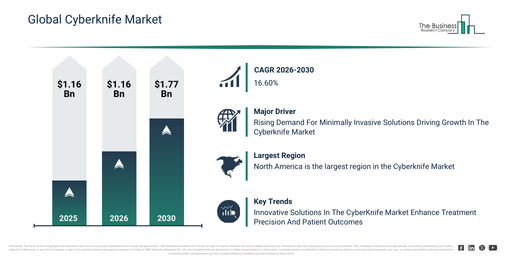
    The CyberKnife market has seen notable growth in recent years and is projected to continue on this upward trajectory. From a valuation of $0.72 billion in 2025, it is expected to reach $0.84 billion in 2026, demonstrating a strong compound annual growth rate (CAGR) of 16.4%. Historical growth has been supported by factors such as the rising number of cancer cases globally, expansion of radiation oncology facilities, broader acceptance of stereotactic radiosurgery, availability of sophisticated treatment planning software, and advancements in robotic medical technologies.

    Download A Free Sample Report For Comprehensive Market Insights:

    https://www.thebusinessresearchcompany.com/sample.aspx?id=10562&type=smp

    Looking ahead, the market is forecasted to accelerate even further, reaching $1.56 billion by 2030 at a CAGR of 16.6%. This surge will be fueled by increased investment in precision oncology, growing preference for outpatient cancer care, proliferation of advanced cancer treatment centers, integration of artificial intelligence (AI) into radiation therapy planning, and a heightened focus on customizing therapies to individual patient needs. Key trends expected to shape the market include wider adoption of robotic radiosurgery systems, enhanced use of image-guided radiation therapy, rising demand for non-invasive tumor treatments, development of precision radiation platforms, and a stronger emphasis on treatment accuracy and patient safety.

    Factors Propelling Growth in the CyberKnife Market

    One of the main forces driving the CyberKnife market is the growing preference for non-invasive or minimally invasive medical procedures. These interventions are designed to minimize disruption to normal bodily structures while effectively targeting disease. The CyberKnife robotic radiosurgery system offers notable advantages in this regard, including highly precise tumor targeting, adaptability to tumors that move during treatment, fewer treatment sessions, and enhanced patient comfort.

    Access The Complete Cyberknife Market Report:

    https://www.thebusinessresearchcompany.com/report/cyberknife-global-market-report

    For example, data released in June 2024 by the American Society of Plastic Surgeons showed a 7% increase in minimally invasive procedures in 2023, outpacing the growth of surgical procedures by 2%. Specifically, hand surgeries such as those for carpal tunnel syndrome, arthritis, and trigger finger totaled 207,887 procedures, marking a 2% increase from the previous year. These trends highlight the expanding acceptance and demand for minimally invasive options, which in turn supports the growth of the CyberKnife market.

    Breakdown of the CyberKnife Market by Product and Application

    This report segments the CyberKnife market into several categories based on system configuration, application, anatomical site, and end user:

    – By System Configuration: Fixed CyberKnife Systems, Robotic-Arm CyberKnife Systems, and Upgraded & Refurbished CyberKnife Systems

    – By Application: Cancer Treatment, Benign Tumor Treatment, Vascular Malformations, Functional and Other Neurological Disorders

    – By Anatomical Site: Brain and Central Nervous System, Spine and Spinal Cord, Lung and Thoracic Region, Prostate and Pelvic Region, Liver and Abdominal Region, Other Anatomical Sites

    – By End User: Hospitals, Dedicated Radiotherapy Centers, Cancer Specialty Centers, Academic and Research Institutes

    Further subcategories detail system types such as single-room fixed systems, shielded bunker-based systems, multi-axis robotic-arm systems, AI-enabled robotic systems, as well as various software and hardware upgrade options.

    Emerging Industry Trends Reshaping the CyberKnife Market

    Leading companies in the CyberKnife sector are focusing heavily on innovation, including the development of specialized medical training programs. These initiatives aim to improve the precision of treatments, enhance patient outcomes, and broaden the spectrum of conditions that can be managed with fewer side effects compared to traditional radiation therapies. Medical training programs involve structured education designed to increase healthcare professionals’ expertise in specific technologies and treatment methodologies.

    For example, in September 2024, Accuray Incorporated, a US-based manufacturer of radiation therapy systems, launched a dedicated CyberKnife S7 System training facility. This education center provides tailored training and hands-on experience for medical professionals working with CyberKnife and Radixact systems, helping to raise treatment standards and expand clinical capabilities.

    Key Players Driving Competition in the CyberKnife Market

    The CyberKnife market features several prominent companies competing and innovating in this space. Notable market participants include Accuray Incorporated, Elekta AB, Siemens Healthineers AG, Canon Medical Systems Corporation, Hitachi Ltd., Mitsubishi Electric Corporation, Ion Beam Applications S.A., Mevion Medical Systems Inc., Zap Surgical Systems Inc., ViewRay Inc., RefleXion Medical Inc., Shinva Medical Instrument Co. Ltd., Best Theratronics Ltd., Advanced Oncotherapy PLC, Sumitomo Heavy Industries Ltd., ProTom International Inc., GE HealthCare Technologies Inc., Nordion Inc., Theragenics Corporation, and IsoRay Medical Inc.

    Regional Overview and Market Leadership

    In 2025, North America accounted for the largest share of the CyberKnife market. Other regions covered in the market report include Asia-Pacific, South East Asia, Western Europe, Eastern Europe, South America, the Middle East, and Africa. While North America currently leads the market, emerging regions are expected to see significant growth in adoption of CyberKnife technologies in the coming years.

    Get in touch with us:

    The Business Research Company: https://www.thebusinessresearchcompany.com/

    Americas: +1 310-496-7795

    Asia: +44 7882 955267 & +91 8897263534

    Europe: +44 7882 955267

    Email us at: marketing@tbrc.info

    Follow us on:

    LinkedIn: https://in.linkedin.com/company/the-business-research-company

    YouTube: https://www.youtube.com/channel/UC24_fI0rV8cR5DxlCpgmyFQ

    Global Market Model: https://www.thebusinessresearchcompany.com/global-market-model
  • Cutter Stapler Market Forecast Highlights Expansion From $3.32 Billion To $4.4 Billion Through 2030

    Cutter Stapler Market Forecast Highlights Expansion From $3.32 Billion To $4.4 Billion Through 2030

    Delivering more actionable and strategically valuable research, The Business Research Company’s 2026 market reports feature market attractiveness analysis, total addressable market evaluation, company benchmarking matrices, interactive Excel dashboards, expanded supply chain intelligence, emerging startup coverage, and detailed product insights.

    The cutter stapler market is witnessing robust growth as advancements in surgical technology and rising healthcare demands continue to shape the industry. With increasing surgical procedures and evolving patient needs, this sector is set to experience significant expansion through 2030. Let’s explore the current market size, key drivers, segmentation, innovation trends, major players, and regional dynamics shaping the cutter stapler market.

    Market Size Trajectory and Growth Outlook for the Cutter Stapler Market

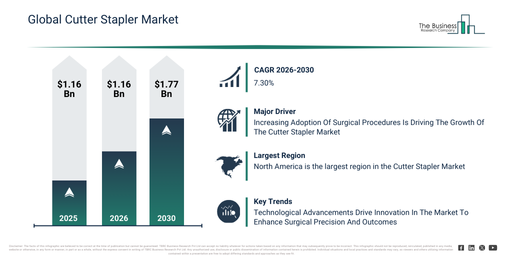
    The cutter stapler market has demonstrated strong growth in recent years and is projected to continue this trend. From $3.08 billion in 2025, the market is expected to increase to $3.32 billion in 2026, marking an annual growth rate of 8.0%. This previous expansion was driven by a rise in surgical procedures, a higher prevalence of chronic and lifestyle diseases, enhanced hospital infrastructure, greater adoption of advanced surgical tools, and improved outcomes linked to stapling technology. Looking ahead, the market is forecasted to reach $4.4 billion by 2030, growing at a compound annual growth rate (CAGR) of 7.3%. Factors contributing to this growth include increasing demand for minimally invasive surgeries, preference for single-use devices, growth in ambulatory surgical centers, emphasis on shortening operative times, and investments in cutting-edge surgical technologies. Emerging trends during this period highlight a surge in combined cutting and stapling instruments, greater use of disposable staplers for infection control, expansion into various surgical specialties, and a growing focus on precision and efficiency.

    Download A Free Sample Report For Comprehensive Market Insights:

    https://www.thebusinessresearchcompany.com/sample.aspx?id=15779&type=smp

    Primary Factors Fueling Cutter Stapler Market Expansion

    The rise in the number of surgical procedures globally is a significant force behind the cutter stapler market’s growth. Surgical procedures involve medical operations where surgeons use instruments to diagnose, treat, or remove pathological conditions. This increase is influenced by factors such as an aging population, a growing incidence of chronic diseases, surgical advancements, and higher healthcare facility investments. Cutter staplers, which simultaneously cut and staple tissue during surgeries like bowel or lung resections, enable faster and safer tissue closure by minimizing bleeding and leakage risks. Their capability to deliver precise closures is especially valuable in procedures requiring rapid surgical intervention. For example, according to a January 2023 report from the International Society of Aesthetic Plastic Surgery (ISAPS), the total number of surgical and non-surgical procedures rose by 3.4% in 2023, reaching 34.9 million, further underlining the increasing surgical volume fueling demand for cutter staplers.

    The Impact of Lifestyle-Related Diseases on Cutter Stapler Demand

    Another key element driving market growth is the increasing prevalence of lifestyle-related diseases. These illnesses develop due to prolonged behaviors and habits such as physical inactivity, poor diet, and substance use. Sedentary lifestyles are contributing to rising obesity rates, metabolic disorders, and associated health complications. Cutter staplers play a crucial role in the surgical management of such conditions, improving precision and efficiency during operations for obesity and digestive system diseases. This helps lower complication rates and supports better patient recovery. For instance, data from the National Center for Biotechnology Information in December 2023 indicated that chronic obstructive pulmonary disease (COPD) cases are expected to surge by 112 million by 2050, totaling 592 million cases, which represents 9.5% of the eligible population. This growing burden of lifestyle diseases is thus a significant factor propelling the cutter stapler market.

    Access The Complete Cutter Stapler Market Report:

    https://www.thebusinessresearchcompany.com/report/cutter-stapler-global-market-report

    Detailed Segmentation and Revenue Opportunities in the Cutter Stapler Market

    This report divides the cutter stapler market into several segments for deeper analysis:

    1) Product Type: Endo Cutter Stapler, Open Cutter Stapler, Other Product Types

    2) Usage Type: Reusable, Disposable

    3) Application: Abdominal Surgery, Obstetrics and Gynecological Surgeries, Cardiac and Thoracic Surgeries, Orthopedic Surgery, Other Applications

    4) End Use: Hospitals and Clinics, Ambulatory Surgical Centers, Other End Uses

    Further subcategories include:

    – Endo Cutter Staplers: Single-Use and Reusable options

    – Open Cutter Staplers: Manual and Powered types

    – Other Product Types: Linear Cutter Staplers, Circular Cutter Staplers

    This segmentation allows manufacturers and healthcare providers to target specific surgical needs and usage scenarios, optimizing clinical outcomes and business potential.

    Innovations Shaping the Future of the Cutter Stapler Market

    Companies in the cutter stapler industry are investing heavily in developing advanced stapling technologies that enhance surgical precision, reduce complications, and improve patient safety. These innovations focus on improving staple formation, cutting mechanics, and integrating safety mechanisms to minimize leakage and improve closure reliability. A notable example is Ethicon’s launch in May 2024 of the ECHELON LINEAR Cutter, a surgical stapler designed to reduce staple-line leaks by 47%. This device features optimized staple formation and cutting efficiency, aiding surgeons in performing safer and more consistent tissue management during operations. Such advancements emphasize the ongoing shift towards high-precision surgical stapling instruments that support better clinical outcomes and procedural confidence.

    Key Industry Players Driving Market Progress

    The cutter stapler market is shaped by several prominent companies, including Medtronic plc, B Braun Melsungen AG, Intuitive Surgical Inc, Purple Surgical International Ltd, ConMed Corporation, Reach Surgical Inc, Frankenman International Ltd, Grena Ltd, Meril Life Sciences Pvt Ltd, Welfare Medical Ltd, XNY Medical, CAK Medical, Lantex Medical, Lepu Medical Technology Co Ltd, Zimmer Biomet Holdings Inc, Smith & Nephew plc, Teleflex Incorporated, Standard Bariatrics Inc, Surgnova Healthcare Technologies, and Solventum Corporation. These entities focus on innovation, expanding market reach, and improving surgical technologies to meet evolving healthcare demands.

    Regional Market Leadership and Growth Hotspots

    In 2025, North America held the largest market share in the cutter stapler sector due to advanced healthcare infrastructure and high surgical volumes. However, the Asia-Pacific region is expected to be the fastest-growing market during the forecast period, owing to rising healthcare investments, expanding hospital networks, and increasing awareness of minimally invasive surgical techniques. The market report covers significant regions including Asia-Pacific, South East Asia, Western Europe, Eastern Europe, North America, South America, the Middle East, and Africa, providing a comprehensive view of global market dynamics.

    Get in touch with us:

    The Business Research Company: https://www.thebusinessresearchcompany.com/

    Americas: +1 310-496-7795

    Asia: +44 7882 955267 & +91 8897263534

    Europe: +44 7882 955267

    Email us at: marketing@tbrc.info

    Follow us on:

    LinkedIn: https://in.linkedin.com/company/the-business-research-company

    YouTube: https://www.youtube.com/channel/UC24_fI0rV8cR5DxlCpgmyFQ

    Global Market Model: https://www.thebusinessresearchcompany.com/global-market-model
  • Custom Procedure Kits Market Expected To Reach $13.59 Billion By 2030 As Growth Accelerates At 9.9% CAGR

    Custom Procedure Kits Market Expected To Reach $13.59 Billion By 2030 As Growth Accelerates At 9.9% CAGR

    Enhanced with market attractiveness analysis, total addressable market evaluation, company benchmarking matrices, interactive Excel dashboards, expanded supply chain intelligence, emerging startup coverage, and detailed product insights, The Business Research Company’s 2026 market reports deliver more actionable and strategically valuable research.

    The custom procedure kits market has witnessed significant growth recently, driven by advancements in surgical practices and efficiency improvements in healthcare settings. As demand for tailored surgical solutions rises, this market is expected to continue its upward trajectory in the coming years. The following overview delves into market size, key growth factors, segmentation, emerging trends, prominent companies, and regional dynamics shaping the industry.

    Custom Procedure Kits Market Size and Future Growth Outlook

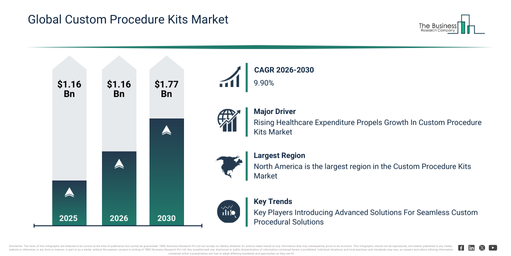
    The market for custom procedure kits has experienced robust expansion, growing from $8.5 billion in 2025 to an anticipated $9.32 billion in 2026, representing a compound annual growth rate (CAGR) of 9.6%. This increase during the historical period is largely due to rising surgical procedure volumes, a stronger emphasis on optimizing workflows, hospital cost containment efforts, greater adoption of standardized surgical supplies, and the proliferation of ambulatory surgical centers. Looking ahead, the market is projected to reach $13.6 billion by 2030, with a slightly faster CAGR of 9.9%. Factors fueling this forecasted growth include increased investments in value-based healthcare, higher demand for procedure-specific custom kits, expansion of outpatient surgeries, initiatives to reduce waste in operating rooms, and advancements in digital inventory management systems. Notable trends in the forecast period comprise wider use of disposable surgical kits, growing focus on operating room efficiency, standardization of specialty-specific trays, and an intensified emphasis on infection control.

    Download A Free Sample Report For Comprehensive Market Insights:

    https://www.thebusinessresearchcompany.com/sample.aspx?id=12155&type=smp

    Factors Contributing to Market Expansion: Rising Healthcare Spending

    One of the key drivers accelerating the custom procedure kits market is the steady increase in healthcare expenditure. This spending, aimed at promoting, restoring, and maintaining health, facilitates the acquisition of advanced medical equipment and specialized supplies, including custom procedure kits. Healthcare facilities are allocating more resources to improve patient outcomes and operational efficiency, which in turn supports market growth. For example, in May 2024, the UK’s Office of National Statistics reported a 5.6% nominal rise in total healthcare expenditure from 2022 to 2023, a significant jump compared to the 0.9% growth in 2022. This upward trend in healthcare spending is a major factor propelling the custom procedure kits market forward.

    Additional Drivers Behind Market Growth

    Beyond healthcare expenditure, the market benefits from increasing focus on workflow optimization within surgical environments. Hospitals and surgical centers are adopting standardized and procedure-specific kits to streamline operations, reduce procedural errors, and improve cost efficiency. Additionally, the rise of ambulatory surgical centers, which emphasize outpatient surgical procedures, is expanding demand for tailor-made kits designed for specific surgeries and clinical needs.

    Access The Complete Custom Procedure Kits Market Report:

    https://www.thebusinessresearchcompany.com/report/custom-procedure-kits-global-market-report

    Breakdown of Custom Procedure Kits Market Segments

    This market is segmented across several categories to address diverse surgical requirements:

    1) By Procedure Type: Colorectal, Thoracic, Orthopedic, Ophthalmology, Neurosurgery, Cardiac Surgery, Gynecology, General Surgery, and Urology

    2) By Product Type: Disposable and Reusable kits

    3) By End-User: Hospitals, Ambulatory Surgical Centers, Clinics, and Other End Users

    Further subsegments include specific kits such as Colon Resection and Anorectal Surgery kits for colorectal procedures; Lung Resection and Thoracotomy kits for thoracic surgeries; Joint Replacement and Fracture Fixation kits under orthopedics; Cataract and Retinal Surgery kits for ophthalmology; Cranial and Spinal Surgery kits in neurosurgery; Coronary Artery Bypass and Valve Replacement kits for cardiac surgery; Hysterectomy and Endometrial Ablation kits in gynecology; Laparotomy and Hernia Repair kits for general surgery; and Cystectomy and Nephrectomy kits in urology.

    Emerging Trends and Innovations Influencing Market Development

    Key players in the custom procedure kits market are focusing on launching sophisticated, customizable solutions to simplify procurement and enhance clinical efficiency. One notable innovation is the introduction of interventional procedural packs — pre-assembled, sterile, single-use kits containing all necessary instruments and consumables for specific procedures. These packs help healthcare providers reduce preparation time and streamline workflows.

    For instance, in June 2023, Belgium-based SYNDEO Medical unveiled the SATURN Inflation Device, an advanced platform designed to offer interventional physicians enhanced flexibility and a broad selection of tools. Integrated with the customizable SYNDEOPack, this system combines multiple device functions into one streamlined procedural kit, delivering an all-in-one solution that enhances procedural efficiency and adaptability in clinical settings.

    Key Industry Players Driving Market Competition

    The competitive landscape of the custom procedure kits market includes several established companies such as B. Braun Melsungen AG, Mölnlycke Health Care AB, Paul Hartmann AG, Lohmann & Rauscher International GmbH & Co KG, Smiths Medical International Ltd, Teleflex Incorporated, Medtronic plc, Terumo Cardiovascular Systems Corporation, Pennine Healthcare Limited, Unisurge International Limited, Stradis Healthcare LLC, Custom Assemblies Inc, ITL Healthcare Pty Ltd, Med-Italia Biomedica SRL, CPT Medical Inc, STS Medical Group, Multigate Medical Products Pty Ltd, Priontex SA Pty Ltd, China Huamei Medical Instrument Co Ltd, Zibo Qichuang Medical Products Co Ltd, and Hubei Zhongbao Protective Products Co Ltd. These companies invest heavily in research and development to offer innovative, customizable kits that meet evolving surgical needs.

    Regional Performance and Market Leadership Insights

    In 2025, North America held the largest share of the custom procedure kits market, benefiting from advanced healthcare infrastructure and high adoption of innovative medical technologies. Meanwhile, the Asia-Pacific region is forecasted to be the fastest-growing market over the coming years, driven by increasing healthcare investments, expanding surgical volumes, and growing awareness of the benefits of customized surgical kits. The market report covers key regions including Asia-Pacific, South East Asia, Western Europe, Eastern Europe, North America, South America, Middle East, and Africa, offering a comprehensive global perspective.

    In summary, the custom procedure kits market is poised for substantial growth fueled by rising healthcare expenditures, enhanced surgical workflows, and technological advancements in customizable solutions. With strong regional opportunities and active innovation from major players, the market is well-positioned to meet the increasing demand for efficient, procedure-specific surgical kits worldwide.

    Get in touch with us:

    The Business Research Company: https://www.thebusinessresearchcompany.com/

    Americas: +1 310-496-7795

    Asia: +44 7882 955267 & +91 8897263534

    Europe: +44 7882 955267

    Email us at: marketing@tbrc.info

    Follow us on:

    LinkedIn: https://in.linkedin.com/company/the-business-research-company

    YouTube: https://www.youtube.com/channel/UC24_fI0rV8cR5DxlCpgmyFQ

    Global Market Model: https://www.thebusinessresearchcompany.com/global-market-model
  • Continuous Lactate Monitor Sensor Market Opportunities Are Emerging Beyond Traditional Growth Areas

    Continuous Lactate Monitor Sensor Market Opportunities Are Emerging Beyond Traditional Growth Areas

    Through market attractiveness analysis, total addressable market evaluation, company benchmarking matrices, interactive Excel dashboards, expanded supply chain intelligence, emerging startup coverage, and detailed product insights, The Business Research Company’s 2026 market reports provide more actionable and strategically valuable research.

    The continuous lactate monitor sensor market has been rapidly evolving, driven by growing demand for advanced health monitoring technologies. With increasing awareness of metabolic health and technological innovations, this market is set to experience significant expansion in the coming years. Let’s explore the current market valuation, key growth drivers, important segments, major players, and regional dynamics shaping its future.

    Current Market Size and Expected Growth Trajectory for Continuous Lactate Monitor Sensors

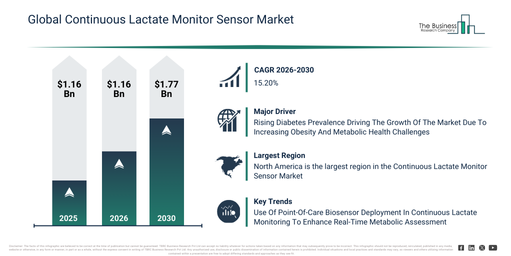
    The continuous lactate monitor sensor market has witnessed swift growth recently, valued at $1.69 billion in 2025 and projected to rise to $1.96 billion by 2026, reflecting a compound annual growth rate (CAGR) of 15.5%. Historically, this growth was somewhat restrained due to limited options for continuous monitoring, high costs of sensors, reliance on blood sampling, low patient awareness, and fragmented device interoperability. Moving forward, the market is forecasted to expand even more rapidly, reaching $3.45 billion by 2030, with a CAGR of 15.2%. This acceleration is largely driven by rising interest in sports and fitness analytics, increased demand for chronic disease monitoring, advances in sensor miniaturization, the integration of AI for predictive analysis, and the broadening of homecare monitoring services. Key trends expected to influence the market include real-time lactate tracking, wearable sensor integration, remote patient monitoring, predictive insights into metabolic health, and seamless compatibility with fitness and medical platforms.

    Download A Free Sample Report For Comprehensive Market Insights:

    https://www.thebusinessresearchcompany.com/sample.aspx?id=29000&type=smp

    Factors Fueling the Expansion of the Continuous Lactate Monitor Sensor Market

    One significant factor propelling market growth is the increasing prevalence of diabetes worldwide. Diabetes, a chronic disease involving impaired blood sugar regulation due to insufficient or ineffective insulin, continues to rise, driven largely by escalating obesity rates. Excess body fat disrupts insulin’s effectiveness, raising blood sugar levels and increasing the risk of Type 2 diabetes. Continuous lactate monitor sensors play a crucial role in managing diabetes by providing real-time data on metabolic stress and glucose usage, which aids in adjusting insulin doses more effectively and preventing complications. For example, in March 2025, the UK’s Office for Health Improvement & Disparities reported that the prevalence of Type 2 diabetes among adults aged 17 and older in England climbed to 7.0% in March 2024, up from 6.8% the previous year. This growing disease burden is directly contributing to the rising demand for continuous lactate monitoring technology.

    Continuous Lactate Monitor Sensor Market Segmentation Highlighting Key Growth Areas

    The market for continuous lactate monitor sensors is divided across several important segments:

    1) Product Type: Wearable Sensors and Implantable Sensors

    2) Technology: Electrochemical, Optical, Enzymatic, and Other Technologies

    3) Distribution Channel: Online and Offline

    4) Application: Sports and Fitness, Critical Care, Research, and Other uses

    5) End-Users: Hospitals and Clinics, Homecare Settings, Sports Organizations, Research Institutes, and other end-users

    Access The Complete Continuous Lactate Monitor Sensor Market Report:

    https://www.thebusinessresearchcompany.com/report/continuous-lactate-monitor-sensor-global-market-report

    Further subcategories include wearable sensors such as wrist-worn, arm-band, and patch sensors. Implantable sensors are broken down into subcutaneous and intravenous types. This segmentation reflects the diverse applications and growing adoption of these devices across multiple fields.

    Industry Innovations and Trends Shaping Demand for Continuous Lactate Monitor Sensors

    Leading companies in this market are focusing on improving sensor technologies, particularly through the deployment of point-of-care biosensors that allow for real-time metabolic monitoring and more informed clinical decisions. Point-of-care biosensors are devices used near the patient that provide rapid measurement of biological markers like glucose and lactate, supporting timely health interventions and ongoing monitoring. For instance, in July 2024, EKF Diagnostics from the UK introduced the Biosen C-Line glucose and lactate analyzer. This advanced benchtop device utilizes enzymatic sensor technology to measure glucose and lactate levels in whole blood, plasma, and serum with remarkable accuracy, delivering results within 20 to 45 seconds and maintaining less than 3% coefficient of variation. The instrument features a modern color touchscreen and robust connectivity options such as USB and encrypted Ethernet, enabling seamless integration with hospital and laboratory information systems through EKF Link middleware for secure, real-time data management. Its application spans diabetes diagnosis and management, as well as monitoring metabolic responses in elite athletes, thereby optimizing patient care and athletic performance.

    Key Players Holding Prominent Positions in the Continuous Lactate Monitor Sensor Market

    Several major companies dominate the continuous lactate monitor sensor market, including Masimo Corporation, Nova Biomedical Corporation, Drägerwerk AG & Co. KGaA, EKF Diagnostics Holdings plc, Arkray Inc., VitalConnect Inc., BioIntelliSense Inc., PercuSense Inc., PKvitality SAS, Quantune Technologies GmbH, Innovosens Ltd., Zimmer & Peacock Ltd., Equivital Ltd., TaiDoc Technology Corporation, BST Bio Sensor Technology GmbH, 908 Devices Inc., Nemaura Medical Inc., Supersapiens Inc., Epicore Biosystems, and Biolinq Inc. These organizations play crucial roles in advancing sensor technologies and expanding market reach.

    Regional Market Distribution and Growth Opportunities for Continuous Lactate Monitor Sensors

    In 2025, North America accounted for the largest share of the continuous lactate monitor sensor market. However, the Asia-Pacific region is poised to be the fastest-growing market during the forecast period. The comprehensive market analysis includes detailed coverage of regions such as Asia-Pacific, South East Asia, Western Europe, Eastern Europe, North America, South America, the Middle East, and Africa, outlining global market trends and growth prospects.

    Get in touch with us:

    The Business Research Company: https://www.thebusinessresearchcompany.com/

    Americas: +1 310-496-7795

    Asia: +44 7882 955267 & +91 8897263534

    Europe: +44 7882 955267

    Email us at: marketing@tbrc.info

    Follow us on:

    LinkedIn: https://in.linkedin.com/company/the-business-research-company

    YouTube: https://www.youtube.com/channel/UC24_fI0rV8cR5DxlCpgmyFQ

    Global Market Model: https://www.thebusinessresearchcompany.com/global-market-model
  • Cryostat Market Set To Grow From $2.88 Billion In 2026 To $3.88 Billion By 2030 At A CAGR Of 7.7%

    Cryostat Market Set To Grow From $2.88 Billion In 2026 To $3.88 Billion By 2030 At A CAGR Of 7.7%

    Through market attractiveness analysis, total addressable market evaluation, company benchmarking matrices, interactive Excel dashboards, expanded supply chain intelligence, emerging startup coverage, and detailed product insights, The Business Research Company’s 2026 market reports provide more actionable and strategically valuable research.

    The cryostat market has been experiencing significant growth and shows promising potential for continued expansion in the coming years. As advancements in medical diagnostics, biotechnology, and research continue to accelerate, the demand for cryostats is rising steadily. Let’s explore the market size, driving factors, key segments, notable trends, and regional outlook of this evolving sector.

    Cryostat Market Size and Growth Projections Through 2030

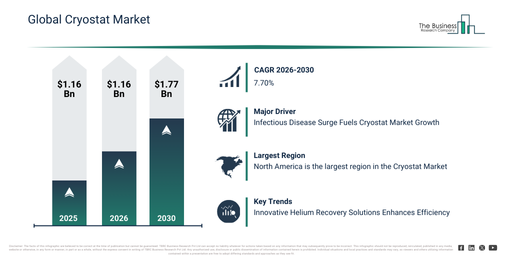
    The cryostat market has demonstrated strong growth recently and is expected to maintain this momentum. Forecasts indicate the market will increase from $2.68 billion in 2025 to $2.89 billion in 2026, growing at a compound annual growth rate (CAGR) of 7.8%. This expansion during the past years is largely due to the growing utilization of frozen section diagnostics, the proliferation of pathology laboratories, heightened demand for sophisticated histological analyses, growth in biomedical research, and the availability of liquid nitrogen infrastructure. Looking ahead, the market is projected to reach $3.88 billion by 2030 at a CAGR of 7.7%. The anticipated growth is driven by rising demand for quick intraoperative diagnostic tools, higher investments in automation of laboratories, greater emphasis on precision medicine, expanding biotechnology applications, and continuous technological improvements in cryogenic systems. Key trends shaping the future include wider adoption of precision cryosectioning devices, growing use of automated temperature control features, integration of digital monitoring systems, development of multi-stage cryostat setups, and a stronger focus on maintaining sample integrity.

    Download A Free Sample Report For Comprehensive Market Insights:

    https://www.thebusinessresearchcompany.com/sample.aspx?id=9055&type=smp

    How Increasing Infectious Disease Cases Affect Cryostat Market Growth

    The surge in infectious disease prevalence is playing a major role in boosting the cryostat market. Infectious diseases, caused by pathogens such as viruses, bacteria, fungi, or parasites, require careful handling of tissue samples to prevent risk exposure. Cryostats are essential in managing these samples safely during diagnosis and research. For example, between week 40 of 2022 and week 15 of 2023, 108 NHS trusts in England reported 1,681 critical care admissions for confirmed influenza cases, a significant increase compared to previous years. This rising burden of infectious diseases underscores the need for efficient cryostat systems in clinical settings, which is expected to fuel market demand further.

    Cryostat Market Segmentation and Fastest Growing Categories

    This report segments the cryostat market by various key categories:

    1) By Type: Closed-Cycle Cryostats, Continuous-Flow Cryostats, Bath Cryostats, Multistage Cryostats

    2) By System Component: Dewars, Transfer Tubes, Gas Flow Pumps, Temperature Controllers, High Vacuum Pumps, Microtome Blades

    3) By Cryogen Type: Helium, Nitrogen

    4) By End-Use Industry: Healthcare, Energy and Power, Aerospace, Metallurgy, Biotechnology, Forensic Science, Marine Biology

    Access The Complete Cryostat Market Report:

    https://www.thebusinessresearchcompany.com/report/cryostat-global-market-report

    Within these groups, subcategories include specific types such as Helium and Nitrogen Closed-Cycle Cryostats, Flowing Helium and Nitrogen Continuous-Flow Cryostats, Liquid Helium and Nitrogen Bath Cryostats, as well as Two-Stage and Three-Stage Multistage Cryostats. This detailed segmentation helps identify high-growth opportunities across different technologies and application areas.

    Innovations and Industry Trends Shaping the Cryostat Market

    Leading players in the cryostat industry are focusing on introducing innovative products to enhance system efficiency and sustainability. A notable advancement is the development of helium recovery solutions designed to capture and recycle helium—a scarce and costly resource widely used in cryogenic applications. For instance, Bluefors, a UK-based cryogenic systems manufacturer, launched the Cryomech HeRL02-RM in April 2024. This helium recovery system is tailored for single Nuclear Magnetic Resonance (NMR) devices, creating a closed-loop setup that collects boiled-off helium from NMR magnets, liquefies it using a Pulse Tube Cryocooler, and returns it to the magnet’s helium bath. Such innovations help reduce operational costs while supporting environmental sustainability.

    Key Players Competing in the Cryostat Market

    The cryostat market features several prominent companies driving innovation and growth. Leading firms include Lake Shore Cryotronics Inc, Cryomech Inc, Epredia, Hacker Instruments & Industries Inc, Histo-Line Laboratories Srl, Jinhua YIDI Medical Appliance Co Ltd, SLEE Medical GmbH, Leica Biosystems, MEDITE Medical GmbH, Boeckeler Instruments Inc, Bright Instruments Ltd, Precision Cryogenics Systems Inc, Biobase Biodusty Co Ltd, Thermo Fisher Scientific Inc, Oxford Instruments, Quantum Design, ICE Oxford, Cryogenic Limited, Bluefors, Cryoquip, CryoMagnetics, and Vacree Technologies. These companies are continuously enhancing product capabilities and expanding market reach.

    Regional Overview and Growth Potential in the Cryostat Market

    In 2025, North America accounted for the largest share of the cryostat market, benefiting from advanced healthcare infrastructure and strong research activities. Meanwhile, Asia-Pacific is anticipated to be the fastest-growing region during the forecast period, driven by increasing investments in healthcare, biotechnology, and industrial applications. Other regions covered in the market analysis include South East Asia, Western Europe, Eastern Europe, South America, the Middle East, and Africa, all contributing to the global cryostat market’s growth prospects.

    Get in touch with us:

    The Business Research Company: https://www.thebusinessresearchcompany.com/

    Americas: +1 310-496-7795

    Asia: +44 7882 955267 & +91 8897263534

    Europe: +44 7882 955267

    Email us at: marketing@tbrc.info

    Follow us on:

    LinkedIn: https://in.linkedin.com/company/the-business-research-company

    YouTube: https://www.youtube.com/channel/UC24_fI0rV8cR5DxlCpgmyFQ

    Global Market Model: https://www.thebusinessresearchcompany.com/global-market-model
  • Continuous Glucose Monitoring Devices Market Expansion Is Opening New Pathways For Strategic Investment

    Continuous Glucose Monitoring Devices Market Expansion Is Opening New Pathways For Strategic Investment

    Delivering more actionable and strategically valuable research, The Business Research Company’s 2026 market reports feature market attractiveness analysis, total addressable market evaluation, company benchmarking matrices, interactive Excel dashboards, expanded supply chain intelligence, emerging startup coverage, and detailed product insights.

    The continuous glucose monitoring (CGM) devices market is experiencing significant growth, driven by advancements in technology and an increasing number of individuals living with diabetes. As healthcare shifts toward more personalized and data-driven management approaches, the demand for effective glucose monitoring solutions continues to rise. Let’s explore the market’s current scale, key factors fueling its expansion, important segments, innovative trends, leading companies, and regional performance.

    Continuous Glucose Monitoring Devices Market Size and Growth Outlook

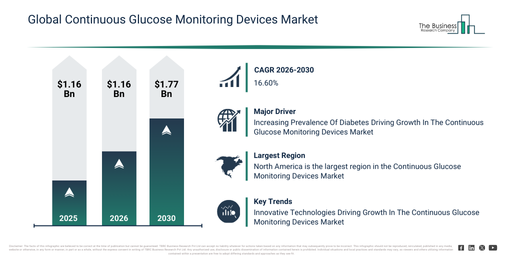
    The market for continuous glucose monitoring devices has expanded swiftly in recent years. It is projected to grow from $9.79 billion in 2025 to $11.45 billion in 2026, representing a compound annual growth rate (CAGR) of 16.9%. This growth during the historical period is largely due to the rising prevalence of diabetes across various age groups, greater adoption of home-based glucose monitoring systems, advancements in sensor miniaturization, increasing patient preference for continuous glucose monitoring, and the growing use of digital health technologies.

    Download A Free Sample Report For Comprehensive Market Insights:

    https://www.thebusinessresearchcompany.com/sample.aspx?id=20733&type=smp

    Looking ahead, the market is expected to maintain a robust expansion, reaching $21.13 billion by 2030 with a CAGR of 16.6%. Key factors propelling this forecast include increased demand for interoperable diabetes management devices, rising investments in artificial intelligence-driven glucose prediction tools, growth in remote diabetes care models, a stronger focus on data-driven treatment optimization, and wider adoption of next-generation sensor materials. Prominent trends shaping the market involve greater acceptance of non-invasive CGM technologies, a surge in cloud-connected glucose monitoring systems, expanded use of predictive glucose analytics, development of long-wear sensor solutions, and improvements in user-friendly device designs.

    Factors Propelling the Expansion of the Continuous Glucose Monitoring Devices Market

    The increasing number of diabetes cases worldwide is a major driver of CGM device market growth. Diabetes, characterized by the body’s inability to properly regulate blood sugar due to insufficient insulin or insulin resistance, is becoming more common because of unhealthy diets, sedentary lifestyles, obesity, aging populations, and genetic factors. CGM devices assist in managing this condition by delivering real-time glucose level information, enabling timely adjustments to treatment and lifestyle.

    Access The Complete Continuous Glucose Monitoring Devices Market Report:

    https://www.thebusinessresearchcompany.com/report/continuous-glucose-monitoring-devices-global-market-report

    For instance, data from the UK’s Office for Health Improvement & Disparities in March 2024 indicated that between March 2022 and March 2023, the proportion of type 1 diabetes patients receiving all eight recommended care processes increased by 22%, while for type 2 diabetes, it rose by 21%. Additionally, the percentage of patients achieving target HbA1c levels reached 37.9%, the highest ever recorded by the National Diabetes Audit. These improvements highlight enhanced diabetes management efforts, which in turn boost demand for continuous glucose monitoring devices.

    Breaking Down the Continuous Glucose Monitoring Devices Market Segments

    The continuous glucose monitoring devices market can be categorized based on several key factors:

    1) Component types such as transmitters, sensors, and receivers;

    2) Connectivity options including Bluetooth and 4G;

    3) Demographic groups like child and adult populations;

    4) Application areas covering gestational diabetes, type-2 diabetes, and type-1 diabetes;

    5) End-use settings such as hospitals, homecare environments, and other users.

    Within the component segment, transmitters include Bluetooth-enabled transmitters, wireless transmitters, and integrated transmitter-receiver systems. Sensor types feature enzyme-based sensors, electrochemical sensors, and non-invasive sensors. Receivers consist of smartphone-integrated devices, standalone receivers, and cloud-synced data receivers.

    Innovative Trends Transforming the Continuous Glucose Monitoring Devices Industry

    Leading companies in the CGM market are prioritizing the development of cutting-edge technologies aimed at improving user accessibility, accuracy, and convenience. One notable advancement is the introduction of over-the-counter continuous glucose monitors, which allow individuals to track their glucose levels without a prescription.

    For example, in September 2024, Abbott Laboratories launched the Lingo continuous glucose monitoring system, designed to provide real-time glucose information throughout the day. This device features a sleek and user-friendly design with easy-to-read displays, delivering continuous feedback on blood sugar levels. It also integrates smoothly with mobile applications to help users monitor trends and receive alerts, enhancing the overall management experience.

    Key Players Driving the Continuous Glucose Monitoring Devices Market Competition

    The continuous glucose monitoring devices industry is shaped by several prominent companies, including Johnson & Johnson, F. Hoffmann-La Roche AG, Sanofi S.A., Abbott Laboratories, Medtronic Public Limited Company, Novo Nordisk A/S, Becton Dickinson and Company, A. Menarini Diagnostics S.r.l., Dexcom Inc., Bionime Corporation, Insulet Corporation, Ascensia Diabetes Care Holdings AG, Tandem Diabetes Care Inc., i-Sens Inc., Senseonics Holdings Inc., Medtrum Technologies Inc., Biolinq Inc., GlySens Incorporated, Glucotrack Inc., and Nemaura Medical Inc.

    Regional Market Insights with Focus on Revenue and Growth

    In 2025, North America was the leading region in terms of revenue and market share for continuous glucose monitoring devices. However, the Asia-Pacific region is anticipated to experience the fastest growth during the forecast period. The market report covers a comprehensive range of regions, including Asia-Pacific, South East Asia, Western Europe, Eastern Europe, North America, South America, the Middle East, and Africa, providing a global perspective on market trends and development opportunities.

    Get in touch with us:

    The Business Research Company: https://www.thebusinessresearchcompany.com/

    Americas: +1 310-496-7795

    Asia: +44 7882 955267 & +91 8897263534

    Europe: +44 7882 955267

    Email us at: marketing@tbrc.info

    Follow us on:

    LinkedIn: https://in.linkedin.com/company/the-business-research-company

    YouTube: https://www.youtube.com/channel/UC24_fI0rV8cR5DxlCpgmyFQ

    Global Market Model: https://www.thebusinessresearchcompany.com/global-market-model
  • Continuous Glucose Monitoring Market Trends Are Creating New Opportunities For Industry Leaders

    Continuous Glucose Monitoring Market Trends Are Creating New Opportunities For Industry Leaders

    Enhanced with market attractiveness analysis, total addressable market evaluation, company benchmarking matrices, interactive Excel dashboards, expanded supply chain intelligence, emerging startup coverage, and detailed product insights, The Business Research Company’s 2026 market reports deliver more actionable and strategically valuable research.

    The continuous glucose monitoring (CGM) market has seen remarkable growth recently, driven by advancements in technology and an increasing global focus on diabetes management. As more people seek effective and convenient ways to monitor their blood sugar levels, this market is set to expand significantly over the coming years. Let’s explore the market’s current size, growth drivers, major players, evolving trends, and segmentation to understand the landscape in greater detail.

    Continuous Glucose Monitoring Market Size and Growth Projections

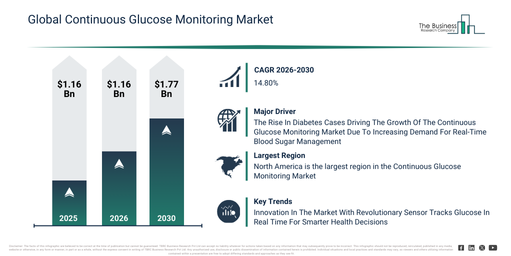
    The continuous glucose monitoring market has been growing rapidly and is expected to continue this trend. From a market size of $9.44 billion in 2025, it is projected to reach $10.87 billion in 2026, representing a healthy compound annual growth rate (CAGR) of 15.1%. This expansion during the historical period stems from factors like limited availability of real-time glucose monitoring devices, the high price of earlier CGM systems, increasing awareness of diabetes care, reliance on traditional finger-prick testing, and wider adoption of monitoring solutions in hospitals. Looking further ahead, the market is forecasted to reach $18.86 billion by 2030, growing at a CAGR of 14.8%. The anticipated growth is driven by innovations in implantable and wearable sensors, integration with mobile health and telemedicine technologies, a rising global diabetes population, development of non-invasive glucose monitoring methods, and the growing use of home healthcare and remote patient monitoring services.

    Download A Free Sample Report For Comprehensive Market Insights:

    https://www.thebusinessresearchcompany.com/sample.aspx?id=24512&type=smp

    Key Factors Fueling the Growth of the CGM Market

    One of the most significant forces behind the rapid growth of the continuous glucose monitoring market is the increasing prevalence of diabetes worldwide. Diabetes, a chronic condition characterized by insufficient insulin production or ineffective insulin use, results in elevated blood sugar levels. The surge in diabetes cases is largely linked to unhealthy diets rich in sugars, fats, and processed foods, which contribute to obesity and insulin resistance. Continuous glucose monitoring offers a valuable tool in managing diabetes by providing real-time insights into blood sugar trends, allowing patients to make timely decisions regarding diet, medication, and physical activity to improve glucose control.

    For example, in June 2024, the UK’s National Health Service reported that 3,615,330 people registered with general practitioners were diagnosed with non-diabetic hyperglycemia or pre-diabetes in 2023, marking an 18% increase from 3,065,825 cases in 2022. This rise in pre-diabetes highlights the growing need for effective glucose monitoring technologies, which is a key market driver.

    Continuous Glucose Monitoring Market Segmentation and Growth Opportunities

    The CGM market is categorized by several segments, which help to define the scope and potential of this industry. The main divisions include:

    1) Component Type: Transmitters, Sensors, and Receivers

    2) Age Group: Adults and Children

    3) End Use: Hospitals, Home Care Settings, Diagnostic Centers and Clinics, and Other End Uses

    Further breakdown includes transmitter types such as reusable, disposable, and rechargeable transmitters; various sensor types like implantable, transcutaneous, disposable, and real-time sensors; and receiver types including standalone devices, integrated receivers, and wearable display units. These segments pave the way for targeted product development and service delivery catering to different patient needs and healthcare environments.

    Access The Complete Continuous Glucose Monitoring Market Report:

    https://www.thebusinessresearchcompany.com/report/continuous-glucose-monitoring-global-market-report

    Trends Driving Innovation in the Continuous Glucose Monitoring Market

    Leading companies in the CGM sector are heavily investing in innovative technologies aimed at improving accuracy, ease of use, and patient experience. Sensor-based glucose monitors, which continuously track glucose levels through sensors placed under the skin, are a major focus area for product development.

    For instance, in August 2024, DexCom, Inc., a US-based healthcare firm, launched Stelo, the first over-the-counter continuous glucose monitor designed for adults who do not use insulin. Stelo provides 24/7 real-time glucose readings from a small sensor worn on the back of the upper arm, transmitting data directly to a smartphone without requiring prescriptions or fingerstick calibration. It offers personalized insights and trend analysis to help users understand how factors like diet, exercise, and sleep impact glucose levels, supporting smarter decisions. The sensor has a lifespan of up to 15 days and integrates with health applications. This product is ideal for individuals with Type 2 diabetes not on insulin, those with prediabetes, or people interested in monitoring their glucose health.

    Who Are the Key Players Shaping the Continuous Glucose Monitoring Market

    The CGM market features several prominent companies that dominate the competitive landscape. These include Roche Diabetes Care, Abbott Laboratories, Medtronic plc, Dexcom Inc, Insulet Corporation, Tandem Diabetes Care Inc, Ypsomed AG, Nova Biomedical, Ascensia Diabetes Care, Bionime Corporation, Biolinq Inc, Beta Bionics Inc, AgaMatrix Inc, A Menarini Diagnostics SRL, Senseonics Holdings Inc, Medtrum Technologies Inc, Nemaura Medical Inc, LifeScan Inc, EOFlow Co Ltd, and POCTech Co Ltd. These companies are continuously advancing CGM technology and expanding their product portfolios to meet diverse patient needs worldwide.

    Regional Overview and Market Growth by Geography

    In 2025, North America held the largest share of the continuous glucose monitoring market, reflecting the region’s well-established healthcare infrastructure and high adoption rates of advanced medical devices. Meanwhile, the Asia-Pacific region is expected to experience the fastest growth over the forecast period. This surge is driven by increasing diabetes prevalence, improving healthcare systems, rising disposable incomes, and expanding access to medical technology in countries across Asia-Pacific. The continuous glucose monitoring market report also covers other key regions such as South East Asia, Western Europe, Eastern Europe, South America, the Middle East, and Africa, providing a comprehensive view of global market dynamics.

    Get in touch with us:

    The Business Research Company: https://www.thebusinessresearchcompany.com/

    Americas: +1 310-496-7795

    Asia: +44 7882 955267 & +91 8897263534

    Europe: +44 7882 955267

    Email us at: marketing@tbrc.info

    Follow us on:

    LinkedIn: https://in.linkedin.com/company/the-business-research-company

    YouTube: https://www.youtube.com/channel/UC24_fI0rV8cR5DxlCpgmyFQ

    Global Market Model: https://www.thebusinessresearchcompany.com/global-market-model