Month: July 2026

  • Serum Market Set To Grow From $1.72 Billion In 2026 To $2.55 Billion By 2030 At A CAGR Of 10.4%

    Serum Market Set To Grow From $1.72 Billion In 2026 To $2.55 Billion By 2030 At A CAGR Of 10.4%

    Through market attractiveness analysis, total addressable market evaluation, company benchmarking matrices, interactive Excel dashboards, expanded supply chain intelligence, emerging startup coverage, and detailed product insights, The Business Research Company’s 2026 market reports provide more actionable and strategically valuable research.

    Serum Market Forecast Highlighting Growth From $1.72 Billion To $2.55 Billion

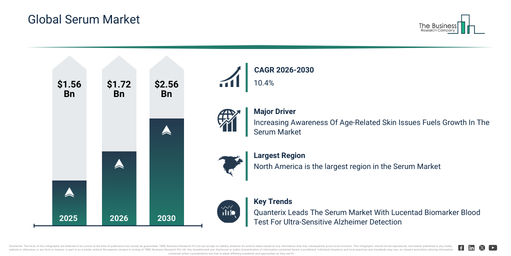
    The serum market has experienced rapid expansion in recent years. It is projected to increase from $1.56 billion in 2025 to $1.72 billion in 2026, reflecting a compound annual growth rate (CAGR) of 10.5%. Historically, this growth has been driven by factors such as rising funding for academic research, the broader adoption of cell culture methods, heightened usage of bovine serum in laboratory settings, a higher volume of diagnostic tests, and the initial development of biopharmaceutical manufacturing.

    The serum market is projected to experience substantial expansion in the coming years, reaching a value of $2.56 billion by 2030, driven by a compound annual growth rate (CAGR) of 10.4%. This growth trajectory during the forecast period is fueled by factors such as a surge in vaccine and biologics production, a growing embrace of precision medicine, the widening scope of cell-based research pipelines, an elevated need for high-purity serum grades, and an overall enhancement in global biopharmaceutical manufacturing capacity. Key developments anticipated in this period encompass a heightened demand for serum within cell culture media, a movement towards standardization of serum quality, a broadening application of heat-inactivated serum products, the expansion of serum utilization in vaccine development, and an increased preference for serum sources that are fully traceable and certified.

    Download A Free Sample Report For Comprehensive Market Insights:

    https://www.thebusinessresearchcompany.com/sample.aspx?id=9432&type=smp&utm_source=BlogsPR&utm_medium=Paid&utm_campaign=Jul_PR

    Serum Market Growth Factors Supporting Long-Term Expansion

    The growing awareness surrounding skin conditions linked to aging is set to drive the expansion of the serum market in the coming period. These age-related skin issues encompass common problems experienced by older individuals, like wrinkles and facial expression lines. Serums are designed to address such concerns, including dullness, hyperpigmentation, dehydration, and loss of firmness, while also helping to even skin tone, brighten it, reduce visible imperfections, and nourish the skin. For example, Cancer Australia, a government agency based in Australia, reported in 2023 that roughly 8,257 new melanoma cases related to skin cancer were identified, representing 2.6% of all cancer-related deaths. As a result, the increasing focus on age-related skin conditions is fueling market growth for serums.

    Serum Market Segment Breakdown: Which Categories Generate The Most Revenue?

    The serum market covered in this report is segmented –

    1) By Type: Bovine Serum, Fetal bovine serum (FBS), Other Types

    2) By Inactivation Technique: Heat Inactivated, Non-Heat Inactivated

    3) By Application: Biological Products, Research, Cell Culture, Biopharmaceutical Drugs, Vaccine Products, Diagnostic Products, Other Applications

    Subsegments:

    1) By Bovine Serum: Raw Bovine Serum, Processed Bovine Serum, Fetal Bovine Serum (FBS)

    2) By Fetal Bovine Serum (FBS): FBS (Heat-Inactivated), FBS (Non-Heat-Inactivated)

    3) By Other Types: Equine Serum, Porcine Serum, Human Serum

    Serum Market Industry Trends Shaping Future Revenue Growth

    Leading enterprises in the serum sector are concentrating on developing innovative offerings, such as ultrasensitive biomarker detection, to secure a market advantage. This detection method refers to the capacity to identify and quantify biomarkers at very low levels, facilitating earlier disease diagnosis. For example, in July 2023, Quanterix, a US firm specializing in digital biomarker analysis, introduced the LucentAD Biomarker Blood Test. This assay measures a specific phosphorylated tau protein isoform in plasma, designed to assist medical professionals in diagnosing Alzheimer’s disease. The test relies on a serum sample, and its findings are interpreted alongside additional diagnostic procedures. By enhancing both the precision and efficiency of Alzheimer’s identification, this solution ultimately benefits patients and the healthcare system alike.

    Serum Market Key Players And Strategic Industry Positioning

    Major companies operating in the serum market are Merck Group, Thermo Fisher Scientific Inc., Danaher Corp, Corning Incorporated, Sartorius AG, Bio-Techne Corporation, Takara Bio Inc., Atlas Biologicals Inc., Proliant Health & Biologicals, Seracare Life Sciences Inc., Lampire Biological Labs Inc., Altogen Labs, Innovative Research Inc., Lee Biosolutions Inc., Bovogen Biologicals Pty. Ltd., Caisson Labs Inc., Gemini BioProducts Holding Inc., Valley Biomedical Products & Services Inc., Equitech-Bio Inc., Rocky Mountain Biologicals, PAN-Biotech GmbH, BIOWEST SAS, Moregate Biotech, Tissue Culture Biologicals, Kerafast Inc., Access Biologicals LLC, Animal Technologies Inc., Cell Applications Inc., Cell Sciences Inc.

    Access The Complete Serum Market Report:

    https://www.thebusinessresearchcompany.com/report/serum-global-market-report?utm_source=BlogsPR&utm_medium=Paid&utm_campaign=Jul_PR

    Serum Market Regional Analysis: Which Region Leads By Revenue?

    North America was the largest region in the serum market in 2025. The regions covered in the serum market report are Asia-Pacific, South East Asia, Western Europe, Eastern Europe, North America, South America, Middle East, Africa.

    Get in touch with us:

    The Business Research Company: https://www.thebusinessresearchcompany.com/?utm_source=BlogsPR&utm_medium=Paid&utm_campaign=home_page_test

    Americas: +1 310-496-7795

    Asia: +44 7882 955267 & +91 8897263534

    Europe: +44 7882 955267

    Email us at: marketing@tbrc.info

    Follow us on:

    LinkedIn: https://in.linkedin.com/company/the-business-research-company

    YouTube: https://www.youtube.com/channel/UC24_fI0rV8cR5DxlCpgmyFQ

    Global Market Model: https://www.thebusinessresearchcompany.com/global-market-model
  • Sensorineural In Hearing Loss Disease Treatment Market Opportunities Are Emerging Beyond Traditional Growth Areas

    Sensorineural In Hearing Loss Disease Treatment Market Opportunities Are Emerging Beyond Traditional Growth Areas

    Delivering more actionable and strategically valuable research, The Business Research Company’s 2026 market reports feature market attractiveness analysis, total addressable market evaluation, company benchmarking matrices, interactive Excel dashboards, expanded supply chain intelligence, emerging startup coverage, and detailed product insights.

    Sensorineural In Hearing Loss Disease Treatment Market Revenue Growth Supported By A CAGR Of 11.08% Through 2030

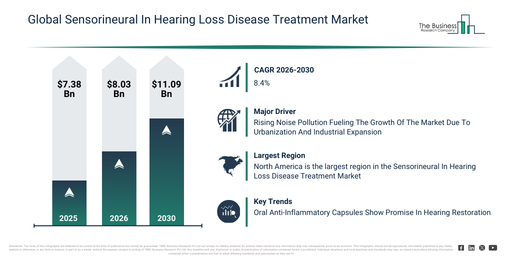
    The sensorineural hearing loss therapeutics market has experienced robust expansion in recent years, with projections indicating an increase from $7.38 billion in 2025 to $8.03 billion in 2026, reflecting a compound annual growth rate (CAGR) of 8.7%. This growth during the historical period can be linked to factors such as the restricted accessibility of advanced hearing devices, a growing elderly demographic, limited public understanding of treatment options for sensorineural hearing loss, reliance on conventional corticosteroid-based therapies, and the rising prevalence of otology clinics.

    The market for sensorineural hearing loss disease treatment is projected to experience robust expansion in the coming years. By 2030, its value is anticipated to reach $11.09 billion, reflecting a compound annual growth rate (CAGR) of 8.4%. This forecast period growth is driven by factors such as the development of cochlear implants for both children and adults, progress in hearing aid technology, heightened research into stem cell therapies, the proliferation of mobile and app-based solutions for tinnitus management, and the incorporation of digital and AI-driven hearing healthcare systems. Key trends shaping this period include the growing uptake of hearing aids and cochlear implants, a rising incidence of age-related and noise-induced hearing loss, intensified stem cell therapy research aimed at sensorineural hearing loss, improvements in tinnitus management tools and mobile applications, and the broadening of services in ambulatory and otology clinics.

    Download A Free Sample Report For Comprehensive Market Insights:

    https://www.thebusinessresearchcompany.com/sample.aspx?id=24694&type=smp&utm_source=BlogsPR&utm_medium=Paid&utm_campaign=Jul_PR

    Sensorineural In Hearing Loss Disease Treatment Market Demand Drivers Creating New Revenue Opportunities

    The growing problem of noise pollution is anticipated to accelerate expansion in the sensorineural hearing loss disease treatment market. This pollution is defined by the presence of excessive or intrusive sounds in the environment, which harm human health, wildlife, and overall living conditions. Its rise stems from rapid urbanization, heightened transportation, and increased industrial activities, as expanding cities bring more vehicles, construction sites, and factories that amplify noise levels. Treatments for sensorineural hearing loss address these harmful effects by restoring auditory function and lessening the enduring impact of environmental noise on hearing health. For example, in 2023, the Environmental Protection Department, a US-based federal environmental agency, reported a rise in noise pollution cases from 5,590 in 2022 to 5,858 in 2023—a 5% increase in complaints specifically tied to noise pollution. Thus, the escalation of noise pollution is fueling growth in the sensorineural hearing loss disease treatment market.

    Sensorineural In Hearing Loss Disease Treatment Market Segmentation: How Is The Market Structured Across Key Categories?

    The sensorineural in hearing loss disease treatment market covered in this report is segmented –

    1) By Treatment Type: Hearing Aids, Cochlear Implants, Corticosteroids, Stem Cell Therapy, Tinnitus Management Tools

    2) By Application: Age-Related Hearing Loss (Presbycusis), Noise-Induced Hearing Loss, Sudden Sensorineural Hearing Loss (SSNHL), Congenital Sensorineural Hearing Loss, Ototoxicity-Induced Hearing Loss

    3) By End Use: Hospitals, Otology Clinics, Ambulatory Clinics

    Subsegments:

    1) By Hearing Aids: Behind-The-Ear (BTE), In-The-Ear (ITE), In-The-Canal (ITC), Completely-In-Canal (CIC), Receiver-In-Canal (RIC), Invisible-In-Canal (IIC)

    2) By Cochlear Implants: Unilateral Cochlear Implants, Bilateral Cochlear Implants, Adult Cochlear Implants, Pediatric Cochlear Implants

    3) By Corticosteroids: Oral Corticosteroids, Intratympanic Corticosteroids, Intravenous Corticosteroids

    4) By Stem Cell Therapy: Embryonic Stem Cells, Adult Stem Cells, Induced Pluripotent Stem Cells (iPSCs)

    5) By Tinnitus Management Tools: Sound Therapy Devices, Cognitive Behavioral Therapy (CBT) Programs, Tinnitus Maskers, Biofeedback Tools, Mobile App-Based Tinnitus Management Systems

    Sensorineural In Hearing Loss Disease Treatment Market Trends Driving Strategic Industry Expansion

    Key players in the sensorineural hearing loss treatment market are placing significant emphasis on clinical trials aimed at creating cutting-edge products, including oral anti-inflammatory capsules, with the goal of enhancing hearing recovery and mitigating inflammation in the inner ear. These capsules, taken orally, are designed to reduce bodily inflammation, especially within the inner ear, and address sensorineural hearing loss by minimizing inflammation-induced harm to auditory cells, thereby potentially boosting hearing capability and preventing additional hearing decline. An example is Sound Pharmaceuticals, Inc., a pharmaceutical firm based in the United States, which in December 2024 revealed the positive conclusion of its Phase 3 clinical trial for SPI-1005, an oral anti-inflammatory capsule containing ebselen. This trial showcased notable gains in hearing restoration and speech discrimination among individuals suffering from Meniere’s disease, a variant of sensorineural hearing loss. The study, designated STOPMD-3, included 221 participants in a randomized, double-blind, placebo-controlled setting, successfully meeting its co-primary efficacy endpoints and demonstrating statistically meaningful progress in low-frequency hearing thresholds and word recognition amidst noise.

    Sensorineural In Hearing Loss Disease Treatment Market Competitive Landscape And Leading Companies

    Major companies operating in the sensorineural in hearing loss disease treatment market are Novartis AG, Astellas Pharma Inc., Contineum Therapeutics, Akouos Inc., Frequency Therapeutics, Sensorion, Myrtelle Inc., Heyu (Suzhou) Pharmaceutical Technology, Otonomy Inc., Acousia Therapeutics, Audion Therapeutics BV, Sound Pharmaceuticals Inc., Cilcare, Autifony Therapeutics Ltd., NeurAegis Inc., Prime Medicine Inc., ReNeuron Group Plc, AudioCure Pharma, Cochlear Limited, MED-EL Elektromedizinische Geräte GmbH, Advanced Bionics AG, Sonova Holding AG, GN Hearing A/S, Starkey Laboratories Inc., Oticon Medical, Envoy Medical Corporation, Eargo Inc.

    Access The Complete Sensorineural In Hearing Loss Disease Treatment Market Report:

    https://www.thebusinessresearchcompany.com/report/sensorineural-in-hearing-loss-disease-treatment-global-market-report?utm_source=BlogsPR&utm_medium=Paid&utm_campaign=Jul_PR

    Sensorineural In Hearing Loss Disease Treatment Market Geographic Distribution And Regional Opportunities

    North America was the largest region in the sensorineural in hearing loss disease treatment market in 2025. Asia-Pacific is expected to be the fastest-growing region in the forecast period. The regions covered in the sensorineural in hearing loss disease treatment market report are Asia-Pacific, South East Asia, Western Europe, Eastern Europe, North America, South America, Middle East, Africa.

    Get in touch with us:

    The Business Research Company: https://www.thebusinessresearchcompany.com/?utm_source=BlogsPR&utm_medium=Paid&utm_campaign=home_page_test

    Americas: +1 310-496-7795

    Asia: +44 7882 955267 & +91 8897263534

    Europe: +44 7882 955267

    Email us at: marketing@tbrc.info

    Follow us on:

    LinkedIn: https://in.linkedin.com/company/the-business-research-company

    YouTube: https://www.youtube.com/channel/UC24_fI0rV8cR5DxlCpgmyFQ

    Global Market Model: https://www.thebusinessresearchcompany.com/global-market-model
  • Sensitive Tooth Serum Market Expansion Is Opening New Pathways For Strategic Investment

    Sensitive Tooth Serum Market Expansion Is Opening New Pathways For Strategic Investment

    Enhanced with market attractiveness analysis, total addressable market evaluation, company benchmarking matrices, interactive Excel dashboards, expanded supply chain intelligence, emerging startup coverage, and detailed product insights, The Business Research Company’s 2026 market reports deliver more actionable and strategically valuable research.

    Sensitive Tooth Serum Market Value Expansion And Long-Term Growth Outlook

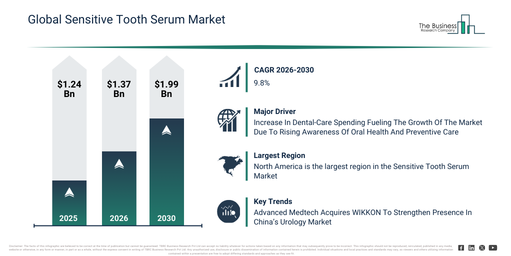
    In recent years, the market for sensitive tooth serum has experienced rapid expansion. Its value is projected to rise from $1.24 billion in 2025 to $1.37 billion in 2026, achieving a compound annual growth rate (CAGR) of 10.1%. This historical growth has been driven by a higher incidence of tooth sensitivity, heightened awareness regarding oral hygiene, a broader range of over-the-counter dental care options, the widespread availability of fluoride-based products, and increased consumer expenditure on oral health.

    The sensitive tooth serum market is anticipated to experience robust expansion over the coming years, with projections indicating it will reach $1.99 billion by 2030, reflecting a compound annual growth rate (CAGR) of 9.8%. This forecasted growth is driven by factors such as a rising need for non-invasive dental care solutions, a growing inclination towards natural oral care products, the expansion of online channels for oral care retail, an increased emphasis on enamel remineralization, and a heightened focus on preventive dental health awareness. Key trends shaping the market during this period include a surge in demand for formulations that strengthen enamel, a greater adoption of natural and herbal ingredients, a growing preference for at-home treatments targeting tooth sensitivity, the development of multi-action oral care serums, and a stronger emphasis on preventive dental care practices.

    Download A Free Sample Report For Comprehensive Market Insights:

    https://www.thebusinessresearchcompany.com/sample.aspx?id=28326&type=smp&utm_source=BlogsPR&utm_medium=Paid&utm_campaign=Jul_PR

    Sensitive Tooth Serum Market Expansion Supported By Key Demand Factors

    Growth in dental-care expenditures is anticipated to boost the sensitive tooth serum market in the coming period. Dental-care spending encompasses the overall money individuals or households allocate to oral health goods and services, covering treatments, prevention, and hygiene products. This spending rise is largely fueled by heightened focus on oral health awareness and preventive measures. Increased investment in dental care encourages the use of sensitive tooth serum by directing consumer funds toward preventive oral health items. It stimulates demand for innovative solutions like enamel-restoring and sensitivity-soothing serums, leading to better dental health results. For example, in December 2024, the American Dental Association (ADA), a U.S.-based professional body, reported that American dental costs rose by $4 billion, reflecting a 2.5% year-over-year increase from 2022 to 2023. Consequently, the uptick in dental-care spending is pushing the sensitive tooth serum market forward.

    The growth of e-commerce is forecasted to accelerate the sensitive tooth serum market in the future. E-commerce involves online trade transactions via the internet. Its expansion is driven by broader internet access, offering consumers reliable online platforms that facilitate shopping at any time and place. Online retail improves the availability of sensitive tooth serum through easy purchasing channels, allowing customers to find and buy advanced oral care products with less effort. It delivers diverse product selections, affordable prices, and home delivery, boosting consumer ease and product uptake. As an illustration, in February 2025, the United States Census Bureau, a U.S. government entity, noted that total e-commerce sales in 2024 hit $1,192.6 billion, representing an 8.1% growth over 2023. Hence, the rise in e-commerce is driving the sensitive tooth serum market’s expansion.

    Sensitive Tooth Serum Market Segmentation Trends And Revenue Drivers

    The sensitive tooth serum market covered in this report is segmented –

    1) By Product Type: Whitening Serum, Repair Serum, Herbal Or Natural Serum, Fluoride-Based Serum, Other Product Types

    2) By Ingredient Type: Potassium Nitrate, Stannous Fluoride, Herbal Extracts, Other Ingredient Types

    3) By Distribution Channel: Online Retail, Pharmacies Or Drug Stores, Supermarkets Or Hypermarkets, Other Distribution Channels

    4) By Application: Home Use, Dental Clinics, Other Applications

    Subsegments:

    1) By Whitening Serum: Enamel-Safe Whitening Serum, Nano-Hydroxyapatite Whitening Serum, Herbal Whitening Serum

    2) By Repair Serum: Enamel Repair Serum, Dentin Tubule Sealing Serum, Calcium And Phosphate Remineralizing Serum

    3) By Herbal Or Natural Serum: Aloe Vera-Based Serum, Chamomile Extract Serum, Green Tea Extract Serum, Ayurvedic Or Traditional Herbal Serum

    4) By Fluoride-Based Serum: Sodium Fluoride Serum, Stannous Fluoride Serum, Amine Fluoride Serum

    5) By Other Product Types: Multi-Action Serum, Enzyme-Based Serum, Probiotic Oral Serum

    Sensitive Tooth Serum Market Growth Trends Influencing Competitive Dynamics

    Key players in the sensitive tooth serum market are emphasizing the creation of cutting-edge items, including hydroxyapatite-based formulas, aimed at effectively restoring enamel, minimizing tooth sensitivity, and boosting overall oral care. Hydroxyapatite-based serum is defined as a dental product that incorporates hydroxyapatite, a biomimetic mineral capable of remineralizing enamel, alleviating sensitivity, and guarding against tooth decay. As an example, in July 2024, Enlighten Smiles, a UK-based firm specializing in professional teeth whitening solutions, introduced Enlighten Serum, a dental sensitivity product marketed as an enamel repair toothpaste. This formula is specifically designed to manage dentin hypersensitivity, rebuild enamel structure, and improve whitening results. It contains hydroxyapatite, a biomimetic substance that constitutes 97% of natural tooth enamel, and facilitates the restoration of enamel from wear, erosion, and micro-damage while offering focused sensitivity mitigation and sustained enamel fortification.

    Sensitive Tooth Serum Market Industry Leaders: Which Organizations Are Driving Competition?

    Major companies operating in the sensitive tooth serum market are Colgate-Palmolive Company, Sunstar Suisse S.A., Win Medicare Ltd., BioMin Technologies Ltd., SDI Limited, S4S Dental Design Co. Ltd., GC Corporation, Smile Brilliant LLC, Sensodyne, White Wash Laboratories Ltd., Crest, PerioSciences Inc., Enlighten Global Pty Ltd, Lumineux Global Inc., Moon Oral Care LLC, Auraglow LLC, CosmoLab Ltd., MySweetSmile LLC, Chipper Consumer Private Limited, Purexa Global Private Limited, Bio-Atoms Co. Ltd., Molar Values Private Limited

    Access The Complete Sensitive Tooth Serum Market Report:

    https://www.thebusinessresearchcompany.com/report/sensitive-tooth-serum-global-market-report?utm_source=BlogsPR&utm_medium=Paid&utm_campaign=Jul_PR

    Sensitive Tooth Serum Market Largest Region By Revenue And Market Share

    North America was the largest region in the sensitive tooth serum market in 2025. Asia-Pacific is expected to be the fastest-growing region in the forecast period. The regions covered in the sensitive tooth serum market report are Asia-Pacific, South East Asia, Western Europe, Eastern Europe, North America, South America, Middle East, Africa.

    Get in touch with us:

    The Business Research Company: https://www.thebusinessresearchcompany.com/?utm_source=BlogsPR&utm_medium=Paid&utm_campaign=home_page_test

    Americas: +1 310-496-7795

    Asia: +44 7882 955267 & +91 8897263534

    Europe: +44 7882 955267

    Email us at: marketing@tbrc.info

    Follow us on:

    LinkedIn: https://in.linkedin.com/company/the-business-research-company

    YouTube: https://www.youtube.com/channel/UC24_fI0rV8cR5DxlCpgmyFQ

    Global Market Model: https://www.thebusinessresearchcompany.com/global-market-model
  • Semaglutides Market Trends Are Creating New Opportunities For Industry Leaders

    Semaglutides Market Trends Are Creating New Opportunities For Industry Leaders

    Through market attractiveness analysis, total addressable market evaluation, company benchmarking matrices, interactive Excel dashboards, expanded supply chain intelligence, emerging startup coverage, and detailed product insights, The Business Research Company’s 2026 market reports provide more actionable and strategically valuable research.

    Semaglutides Market Expected To Reach $45.42 Billion By 2030 At 12% CAGR

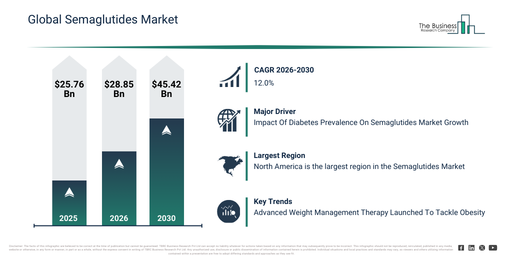
    The semaglutides market has experienced rapid expansion over the past few years, with projections indicating an increase from $25.76 billion in 2025 to $28.85 billion in 2026, reflecting a compound annual growth rate (CAGR) of 12.0%. During the historical period, this growth was driven by several key factors, including the rising incidence of type 2 diabetes, climbing obesity rates worldwide, the constraints associated with conventional antidiabetic medications, the proven clinical efficacy of GLP-1 receptor agonists, and a growing level of trust among physicians in injectable treatment options.

    The semaglutides market is projected to experience substantial growth over the coming years, with its value anticipated to reach $45.42 billion by 2030, reflecting a compound annual growth rate (CAGR) of 12.0%. This forecasted expansion is driven by several factors, including the broadening of indications for obesity management, heightened demand for effective weight-loss medications, increased awareness of cardiometabolic advantages, the advancement of pipeline next-generation GLP-1 therapies, and a stronger healthcare emphasis on preventive metabolic care. Key trends shaping this period encompass the rapid uptake of GLP-1 receptor agonists, an expanding role for semaglutide in treating obesity beyond its use in diabetes, a growing preference for once-weekly injectable options, greater adoption of oral GLP-1 formulations, and an escalating need for long-term metabolic disease management.

    Download A Free Sample Report For Comprehensive Market Insights:

    https://www.thebusinessresearchcompany.com/sample.aspx?id=18720&type=smp&utm_source=BlogsPR&utm_medium=Paid&utm_campaign=Jul_PR

    Semaglutides Market Growth Drivers And Industry Catalysts

    The increasing occurrence of diabetes is anticipated to drive expansion in the semaglutide market moving forward. This chronic condition involves abnormally high blood glucose levels due to the body’s failure to produce or utilize insulin effectively. Its prevalence is rising because of climbing obesity rates, sedentary ways of living, and poor eating practices. Semaglutide assists in managing diabetes by imitating the GLP-1 hormone, which boosts insulin production, decreases glucagon secretion, and decelerates gastric emptying, thus reducing blood sugar levels and supporting weight loss. For example, in February 2023, Diabetes Canada, a non-profit organization based in Canada, reported that around 2.4 million individuals in Canada had diabetes or prediabetes in 2023, with projections indicating an increase to 3 million by 2033. Consequently, the rising prevalence of diabetes is fueling growth in the semaglutide market.

    Semaglutides Market Segment Analysis Highlighting Growth Areas

    The semaglutides market covered in this report is segmented –

    1) By Brands: Ozempic, Wegovy, Rybelsus

    2) By Route Of Administration: Oral, Injection

    3) By Application: Type 2 Diabetes, Obesity Management

    4) By End-User: Hospitals Pharmacies, Retail Pharmacies, Online Pharmacies

    Semaglutides Market Trends Influencing Long-Term Demand

    Leading industry players in the semaglutide market are concentrating on creating innovative products, specifically next-generation, long-acting, and patient-friendly formulations, to enhance weight management, glycemic control, and cardiovascular health. These advanced drug versions are engineered to provide prolonged effectiveness, require fewer doses, and simplify treatment for greater patient convenience. For example, in July 2025, Novo Nordisk A/S, a pharmaceutical firm based in Denmark, introduced Wegovy (semaglutide), a new anti-obesity medication, in India to tackle chronic weight management. This drug delivers substantial weight loss outcomes supported by clinical research and comes in various dosage options. To improve affordability, Novo Nordisk cut the price of Wegovy by 37%, making it more accessible amidst India’s growing obesity epidemic.

    Semaglutides Market Leading Companies: Who Holds Significant Market Presence?

    Major companies operating in the semaglutides market are Novo Nordisk A/S, Eli Lilly and Company, Biocon Limited, Dr. Reddy’s Laboratories Ltd., Cipla Limited, Teva Pharmaceutical Industries Ltd., Sun Pharmaceutical Industries Ltd., Aurobindo Pharma Limited, Lupin Limited, Glenmark Pharmaceuticals Limited, Intas Pharmaceuticals Ltd., Torrent Pharmaceuticals Ltd., Hanmi Pharmaceutical Co. Ltd., Samsung Bioepis, Celltrion Healthcare Co. Ltd., Alvotech, Sandoz Group AG, Zydus Lifesciences Ltd., Amneal Pharmaceuticals LLC, Adocia SA

    Access The Complete Semaglutides Market Report:

    https://www.thebusinessresearchcompany.com/report/semaglutides-global-market-report?utm_source=BlogsPR&utm_medium=Paid&utm_campaign=Jul_PR

    Semaglutides Market Regional Analysis And Leading Geography

    North America was the largest region in the semaglutides market in 2025. Asia-Pacific is expected to be the fastest-growing region in the forecast period. The regions covered in the semaglutides market report are Asia-Pacific, South East Asia, Western Europe, Eastern Europe, North America, South America, Middle East, Africa.

    Get in touch with us:

    The Business Research Company: https://www.thebusinessresearchcompany.com/?utm_source=BlogsPR&utm_medium=Paid&utm_campaign=home_page_test

    Americas: +1 310-496-7795

    Asia: +44 7882 955267 & +91 8897263534

    Europe: +44 7882 955267

    Email us at: marketing@tbrc.info

    Follow us on:

    LinkedIn: https://in.linkedin.com/company/the-business-research-company

    YouTube: https://www.youtube.com/channel/UC24_fI0rV8cR5DxlCpgmyFQ

    Global Market Model: https://www.thebusinessresearchcompany.com/global-market-model
  • Seed Protein Supplements Market Growth Is Reshaping Competitive Advantage Across The Industry

    Seed Protein Supplements Market Growth Is Reshaping Competitive Advantage Across The Industry

    Delivering more actionable and strategically valuable research, The Business Research Company’s 2026 market reports feature market attractiveness analysis, total addressable market evaluation, company benchmarking matrices, interactive Excel dashboards, expanded supply chain intelligence, emerging startup coverage, and detailed product insights.

    Seed Protein Supplements Market Size And Revenue Forecast Through 2030

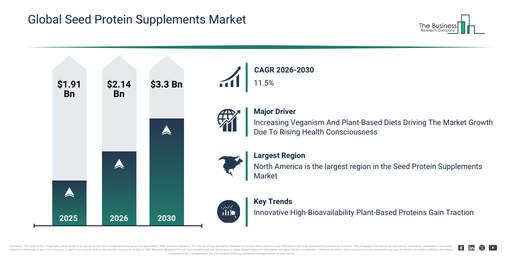
    The market for seed protein supplements has experienced a period of rapid expansion in recent years. Projections indicate an increase in value from $1.91 billion in 2025 to $2.14 billion by 2026, reflecting a compound annual growth rate (CAGR) of 11.7%. This historical growth trajectory has been driven by several key factors, including a growing consumer awareness regarding the benefits of plant-based nutrition, an uptick in the adoption of fitness-oriented lifestyles, a notable expansion in the number of individuals following vegan and vegetarian diets, an enhanced accessibility of raw materials used for seed protein production, and a corresponding rise in the consumption of sports nutrition products.

    The seed protein supplements market is projected to undergo significant expansion in the coming years, with an anticipated rise to $3.3 billion by 2030, reflecting a compound annual growth rate (CAGR) of 11.5%. This growth during the forecast period is driven by several factors, including a heightened demand for sustainable protein sources, a growing interest in personalized nutrition, the increasing prevalence of e-commerce platforms for supplement sales, a stronger emphasis on environmentally friendly food options, and ongoing advancements in plant protein extraction technologies. Key trends expected to shape the forecast period encompass a surge in demand for plant-based protein alternatives, a greater adoption of clean-label nutritional products, a rising popularity of sustainable protein sources, the development of more functional protein supplement formulas, and an intensified focus on allergen-free protein offerings.

    Download A Free Sample Report For Comprehensive Market Insights:

    https://www.thebusinessresearchcompany.com/sample.aspx?id=30385&type=smp&utm_source=BlogsPR&utm_medium=Paid&utm_campaign=Jul_PR

    Seed Protein Supplements Market Opportunity Drivers: What Is Creating New Revenue Potential?

    The growing adoption of veganism and plant-based eating habits is expected to fuel expansion in the seed protein supplements market. Veganism and plant-based diets are defined as eating patterns that exclude or greatly limit animal-derived products, emphasizing foods sourced from plants like seeds, nuts, legumes, and grains. This dietary shift is gaining momentum due to rising health awareness, as more individuals acknowledge the advantages of plant-based nutrition in lowering the chances of chronic conditions, including heart disease and diabetes. The increasing prevalence of plant-based diets leads to a heightened need for seed protein supplements, since those who adopt or follow such regimens actively look for dense, premium plant protein sources to efficiently fulfill their nutritional needs and sustain sufficient protein consumption. For example, in February 2023, Veganuary, a UK nonprofit organization encouraging vegan lifestyles via its January initiative, reported that official participants grew from 629,000 in 2022 to 706,965 in 2023, indicating a rise in engagement. Hence, the uptick in veganism and plant-based diets is propelling the seed protein supplements market forward.

    Seed Protein Supplements Market Segment Performance And Strategic Opportunities

    The seed protein supplements market covered in this report is segmented –

    1) By Seed Type: Hemp, Pumpkin, Sunflower, Other Seeds Types

    2) By Form: Powder, Protein Bars, Ready-To-Drink Shakes, Other Forms

    3) By Distribution Channel: Online Or E-commerce, Chemists Or Pharmacies, Hypermarkets And Supermarkets, Health Food Shops, Other Distribution Channels

    4) By End Use: Sports Nutrition, Supplement Nutrition

    Subsegments:

    1) By Hemp: Hemp Seed Protein Powder, Hemp Protein Isolate, Organic Hemp Protein, Flavored Hemp Protein Supplements

    2) By Pumpkin: Pumpkin Seed Protein Powder, Pumpkin Protein Isolate, Organic Pumpkin Protein, Flavored Pumpkin Protein Supplements

    3) By Sunflower: Sunflower Seed Protein Powder, Sunflower Protein Isolate, Organic Sunflower Protein, Flavored Sunflower Protein Supplements

    4) By Other Seed Types: Chia Seed Protein Powder, Flaxseed Protein Supplements, Sesame Seed Protein, Mixed Seed Protein Blends

    Seed Protein Supplements Market Innovation Trends Driving Future Development

    Major players in the seed protein supplements industry are prioritizing the development of cutting-edge products, such as plant-based proteins with high bioavailability, to address rising consumer interest in sustainable, easy-to-digest, and nutrient-dense protein options. These high-bioavailability plant-based proteins originate from botanical sources and are specifically designed for optimal absorption and efficient utilization of amino acids within the body, thereby enhancing muscle recovery, energy levels, and overall nutritional value when set against standard plant proteins. For example, in August 2025, NNB Nutrition Co., Ltd., a manufacturing firm based in China, introduced TruSeed P and TruSeed W, advanced protein powders sourced from pumpkin seeds and watermelon seeds, respectively. These formulations are created through proprietary extraction and filtration methods that safeguard vital nutrients, boost digestibility, and improve amino acid absorption. Both TruSeed P and W are free from allergens, facilitate muscle recovery, support digestive health, and deliver consistent energy, positioning them as suitable for sports nutrition, functional foods, and wellness supplements. By providing a clean-label, ecologically friendly substitute for conventional protein sources, these products respond to the increasing consumer need for superior, plant-derived nutrition.

    Seed Protein Supplements Market Key Players: Which Companies Shape Industry Competition?

    Major companies operating in the seed protein supplements market are Orgain Inc., Garden of Life LLC, Huel Ltd., Nutiva Inc., Bioriginal Food & Science Corporation, NutraBio Labs Inc., Sunwarrior Inc., Medikonda Nutrients Pvt. Ltd., BulkSupplements LLC, Perfect Supplements Inc., Green Source Organics Inc., Happy Viking Inc., Future Kind Ltd., Sprout Living Inc., Anthony’s Goods LLC, Ora Organic Inc., Nuzest Ltd., NNB Nutrition Inc., ZEGO Foods Inc., Bombay Hemp Company Pvt. Ltd.

    Access The Complete Seed Protein Supplements Market Report:

    https://www.thebusinessresearchcompany.com/report/global-seed-protein-supplements-market-report?utm_source=BlogsPR&utm_medium=Paid&utm_campaign=Jul_PR

    Seed Protein Supplements Market Geographic Analysis: Where Is Demand Growing The Fastest?

    North America was the largest region in the seed protein supplements market in 2025. The regions covered in the seed protein supplements market report are Asia-Pacific, South East Asia, Western Europe, Eastern Europe, North America, South America, Middle East, Africa.

    Get in touch with us:

    The Business Research Company: https://www.thebusinessresearchcompany.com/?utm_source=BlogsPR&utm_medium=Paid&utm_campaign=home_page_test

    Americas: +1 310-496-7795

    Asia: +44 7882 955267 & +91 8897263534

    Europe: +44 7882 955267

    Email us at: marketing@tbrc.info

    Follow us on:

    LinkedIn: https://in.linkedin.com/company/the-business-research-company

    YouTube: https://www.youtube.com/channel/UC24_fI0rV8cR5DxlCpgmyFQ

    Global Market Model: https://www.thebusinessresearchcompany.com/global-market-model
  • Sedative-Hypnotic Drugs Market Forecast Signals New Revenue Opportunities Through 2030

    Sedative-Hypnotic Drugs Market Forecast Signals New Revenue Opportunities Through 2030

    Enhanced with market attractiveness analysis, total addressable market evaluation, company benchmarking matrices, interactive Excel dashboards, expanded supply chain intelligence, emerging startup coverage, and detailed product insights, The Business Research Company’s 2026 market reports deliver more actionable and strategically valuable research.

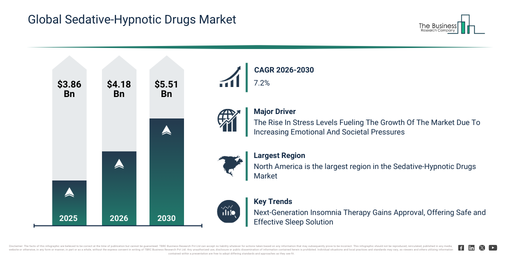
    Sedative-Hypnotic Drugs Market Growth From $4.17 Billion In 2026 To $5.51 Billion By 2030 At A CAGR Of 7.2%

    In recent years, the market for sedative-hypnotic drugs has experienced robust expansion. Projections indicate it will increase from $3.86 billion in 2025 to $4.18 billion in 2026, reflecting a compound annual growth rate (CAGR) of 8.3%. This historical growth has been largely driven by several factors, including the high frequency of sleep disorders, the broad application of benzodiazepines for managing anxiety, a growing number of surgical interventions necessitating anesthesia, an uptick in stress-related conditions, and the accessibility of affordable generic sedatives.

    The sedative-hypnotic drugs market readies for notable expansion over the coming years. By 2030, it is projected to reach $5.51 billion, reflecting a compound annual growth rate of 7.2%. This anticipated growth is driven largely by a rising prevalence of insomnia and other sleep disorders, an increasingly older population, a greater demand for long-term sleep medications with improved safety, the broader availability of nonbenzodiazepine drug classes, and heightened awareness around mental health conditions. Key developments shaping this market during the forecast period include a marked movement toward nonbenzodiazepine sleep aids, a heightened preference for short-acting sedative options, an increased emphasis on reducing both dependency and abuse potential, the growth of at-home sleep disorder management solutions, and a stronger focus on ensuring safety with chronic medication use.

    Download A Free Sample Report For Comprehensive Market Insights:

    https://www.thebusinessresearchcompany.com/sample.aspx?id=15666&type=smp&utm_source=BlogsPR&utm_medium=Paid&utm_campaign=Jul_PR

    Sedative-Hypnotic Drugs Market Growth Momentum: Which Factors Are Influencing Demand?

    The growing prevalence of stress is anticipated to drive the sedative-hypnotic drugs market in the coming period. Stress is defined as the emotional or mental strain arising from demanding or uncertain conditions, such as economic difficulties, work-related pressures, political instability, and various social or psychological hardships. This rise in stress levels stems from factors like financial uncertainty, increasing job demands, and ongoing societal disruptions, which have together led to greater emotional burden among adults. By lowering anxiety, fostering relaxation, and enhancing sleep quality, sedative-hypnotic drugs support mental health and help manage the mounting stress that individuals face. As an example, in May 2024, the American Psychiatric Association, a US-based organization, reported that 43% of US adults in 2024 felt more anxious than the previous year, up from 37% in 2023 and 32% in 2022, pointing to a rising pattern in anxiety. Consequently, the escalating stress levels are fueling expansion in the sedative-hypnotic drugs market.

    Sedative-Hypnotic Drugs Market Driver: The Rise In Geriatric Population Driving The Growth Of The Market Due To Increasing Life Expectancy And Age-Related Healthcare Needs

    The expansion of the sedative-hypnotic drugs market is expected to be driven by the growing geriatric population going forward. The geriatric population describes individuals typically aged 65 and older, representing older adults who often have distinct healthcare, social, and physiological requirements linked to aging. This demographic increase is largely attributed to higher life expectancy, with more people living longer due to advancements in healthcare, better management of diseases, and improved living conditions. Sedative-hypnotic drugs aid the geriatric population by enhancing sleep quality, reducing agitation during nighttime, and supporting overall cognitive and physical health in older individuals. For example, in July 2024, the UK Parliament’s House of Commons Library, a government administration body, stated that in 2022, there were 12.7 million people aged 65 or older in the UK, making up 19% of the total population. This figure is predicted to increase to 22.1 million by 2072, representing 27% of the population. Thus, the rising geriatric population is propelling growth in the sedative-hypnotic drugs market.

    Sedative-Hypnotic Drugs Market Segment Landscape And Growth Potential

    The sedative-hypnotic drugs market covered in this report is segmented –

    1) By Drug Class: Benzodiazepines, Barbiturates, Antihistamines, Nonbenzodiazepine, Other Drug Classes

    2) By Route of Administration: Oral, Parenteral, Other Routes of Administration

    3) By Disease Type: Sleep Disorders, Anesthesia, Pain, Other Disease Types

    4) By Distribution Channel: Hospital Pharmacy, Retail Pharmacy, Online Pharmacy, Other Distribution Channels

    5) By End-Users: Hospitals, Specialty Clinics, Homecare, Other End-Users

    Subsegments:

    1) By Benzodiazepines: Diazepam, Lorazepam, Alprazolam

    2) By Barbiturates: Phenobarbital, Thiopental, Pentobarbital

    3) By Antihistamines: Diphenhydramine, Hydroxyzine

    4) By Nonbenzodiazepine: Zolpidem, Eszopiclone, Zaleplon

    5) By Other Drug Classes: Melatonin Receptor Agonists, Orexin Receptor Antagonists

    Sedative-Hypnotic Drugs Market Trends Reshaping Industry Growth

    Key players in the sedative-hypnotic drug industry are concentrating on developing cutting-edge solutions, including next-generation insomnia therapies, to enhance sleep quality and ensure greater safety. These advanced treatments aim to improve rest and security by focusing on specific sleep pathways while minimizing the side effects commonly linked to conventional sedative-hypnotics. For example, in June 2025, Simcere Pharmaceutical Group Limited, a biopharmaceutical firm based in China, entered into an agreement with Idorsia Ltd., a biopharmaceutical company from Switzerland, to introduce QUVIVIQ (Daridorexant Hydrochloride Tablets), an anti-insomnia medication, into the Chinese market. This drug received approval from the National Medical Products Administration (NMPA) for treating adult patients experiencing insomnia with symptoms such as trouble falling asleep or maintaining sleep. Importantly, QUVIVIQ is not classified under psychotropic drug control, providing a therapeutic alternative free from the regulatory constraints that are generally imposed on sedative-hypnotics.

    Sedative-Hypnotic Drugs Market Competitive Landscape: Who Are The Leading Companies?

    Major companies operating in the sedative-hypnotic drugs market are Pfizer Inc., Sun Pharmaceutical Industries Inc., F. Hoffmann-La Roche Ltd., Merck & Co. Inc., Sanofi-Aventis AG, AstraZeneca Plc, GlaxoSmithKline plc, Takeda Pharmaceutical Company Limited, Boehringer Ingelheim International GmbH, Eli Lilly and Co., Teva Pharmaceutical Industries Ltd., Mylan N.V., Aurobindo Pharma Limited, Cipla Inc., Dr. Reddy’s Laboratories Ltd., Hikma Pharmaceuticals plc, Lupin Pharmaceuticals Inc., Glenmark Pharmaceuticals Inc., Torrent Pharmaceuticals Ltd., Abbott Laboratories

    Access The Complete Sedative-Hypnotic Drugs Market Report:

    https://www.thebusinessresearchcompany.com/report/sedative-hypnotic-drugs-global-market-report?utm_source=BlogsPR&utm_medium=Paid&utm_campaign=Jul_PR

    Sedative-Hypnotic Drugs Market Global Footprint: Which Region Holds Market Leadership?

    North America was the largest region in the sedative-hypnotic drugs market in 2025. The regions covered in the sedative-hypnotic drugs market report are Asia-Pacific, South East Asia, Western Europe, Eastern Europe, North America, South America, Middle East, Africa.

    Get in touch with us:

    The Business Research Company: https://www.thebusinessresearchcompany.com/?utm_source=BlogsPR&utm_medium=Paid&utm_campaign=home_page_test

    Americas: +1 310-496-7795

    Asia: +44 7882 955267 & +91 8897263534

    Europe: +44 7882 955267

    Email us at: marketing@tbrc.info

    Follow us on:

    LinkedIn: https://in.linkedin.com/company/the-business-research-company

    YouTube: https://www.youtube.com/channel/UC24_fI0rV8cR5DxlCpgmyFQ

    Global Market Model: https://www.thebusinessresearchcompany.com/global-market-model
  • Schizophrenia Drugs Market Growth Is Accelerating As Industry Transformation Continues

    Schizophrenia Drugs Market Growth Is Accelerating As Industry Transformation Continues

    Through market attractiveness analysis, total addressable market evaluation, company benchmarking matrices, interactive Excel dashboards, expanded supply chain intelligence, emerging startup coverage, and detailed product insights, The Business Research Company’s 2026 market reports provide more actionable and strategically valuable research.

    Schizophrenia Drugs Market Expansion Outlook: What Revenue Opportunities Lie Ahead?

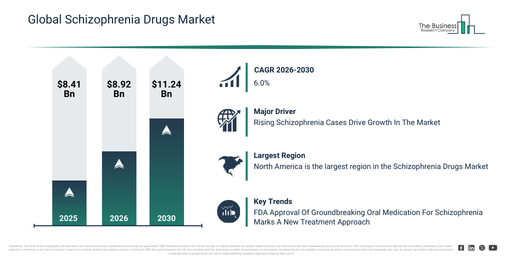
    The schizophrenia drugs market has experienced significant expansion in recent years, with its size projected to increase from $8.41 billion in 2025 to $8.92 billion in 2026, reflecting a compound annual growth rate (CAGR) of 6.0%. During the historic period, this growth was driven by a rise in schizophrenia diagnoses, broader use of atypical antipsychotics, the development of more psychiatric hospitals, heightened public awareness of mental health issues, and an uptick in the availability of generic medications.

    Strong expansion is anticipated in the schizophrenia drugs market over the coming years. By 2030, the market is projected to reach $11.24 billion, reflecting a compound annual growth rate (CAGR) of 6.0%. Several factors are expected to fuel this growth during the forecast period, including a rising mental health burden, the expansion of injectable therapies, improved access to psychiatric care, the integration of digital mental health solutions, and increased healthcare funding. Key trends shaping the forecast period involve a growing preference for second and third-generation antipsychotics, broader uptake of long-acting injectable treatments, a stronger emphasis on chronic disease management, the widening reach of community-based mental health services, and a heightened focus on medication adherence.

    Download A Free Sample Report For Comprehensive Market Insights:

    https://www.thebusinessresearchcompany.com/sample.aspx?id=20948&type=smp&utm_source=BlogsPR&utm_medium=Paid&utm_campaign=Jul_PR

    Schizophrenia Drugs Market Expansion Drivers: What Is Shaping Future Growth?

    The anticipated increase in schizophrenia cases is expected to fuel expansion in the market for schizophrenia drugs moving forward. This long-term mental disorder is characterized by disruptions in thought processes, perceptions, emotional regulation, and behavior, often manifesting as hallucinations and delusions. Contributing factors to the growing incidence include genetic vulnerabilities, environmental pressures, substance misuse, and imbalances in brain chemistry. Medications for schizophrenia are employed to manage symptoms effectively, thereby lessening the disorder’s interference with patients’ daily routines and enhancing overall therapeutic results. As an example, in February 2024, the National Library of Medicine, a biomedical library based in the United States, reported that the prevalence of schizophrenia and related psychotic disorders among the U.S. population fell between 0.25% and 0.64%. Moreover, in January 2024, the British Columbia Schizophrenia Society, a Canadian nonprofit organization, noted that schizophrenia significantly contributes to mental health hospitalizations, accounting for 19.9% of general hospital admissions and 30.9% of psychiatric hospital stays. Consequently, the rising number of schizophrenia cases is set to drive the growth of the schizophrenia drugs market.

    Schizophrenia Drugs Market Categorization By Product Type And Application

    The schizophrenia drugs market covered in this report is segmented –

    1) By Therapeutic Class: Second Generation, Third Generation, Other Therapeutic Classes

    2) By Treatment: Oral, Injectable

    3) By Distribution Channel: Hospital Pharmacies, Retail Pharmacies, Online Pharmacies, Other Distribution Channels

    Subsegments:

    1) By Second Generation: Risperidone, Olanzapine, Quetiapine, Aripiprazole, Paliperidone, Ziprasidone, Others

    2) By Third Generation: Brexpiprazole, Cariprazine, Others

    3) By Other Therapeutic Classes: First-Generation Antipsychotics, Combination Therapies, Others

    Schizophrenia Drugs Market Strategic Trends: What Is Defining The Next Phase Of Growth?

    Leading market participants in the schizophrenia drugs sector are committed to creating cutting-edge offerings, particularly oral schizophrenia medications, aimed at improving patient care and treatment results. Oral therapies for schizophrenia are ingested pills that address the condition’s manifestations, frequently relying on antipsychotics that help regulate mood, cognition, and perception. As an example, in September 2024, Bristol Myers Squibb, an American biopharmaceutical firm, revealed that the U.S. Food and Drug Administration (FDA) had authorized Cobenfy, a groundbreaking oral treatment for adult schizophrenia. This innovative pharmaceutical merges xanomeline with trospium chloride, representing a substantial shift from conventional antipsychotics by acting on cholinergic receptors rather than dopamine receptors. Such a novel method holds promise for alleviating signs like hallucinations and confused thinking, while also minimizing typical adverse effects tied to older antipsychotics, making Cobenfy a compelling option in the schizophrenia therapeutic field.

    Schizophrenia Drugs Market Company Landscape And Strategic Competition

    Major companies operating in the schizophrenia drugs market are Pfizer Inc., Johnson & Johnson Services Inc., Merck & Co., Novartis AG, Sanofi S.A., Bristol Myers Squibb, AstraZeneca PLC, Eli Lilly and Company, F. Hoffmann-La Roche Ltd., Teva Pharmaceutical Industries Ltd., UCB S.A., Sun Pharmaceutical Industries Ltd., AbbVie Inc., H. Lundbeck A/S, Cipla Ltd., Lupin Limited, Alkermes plc, Vanda Pharmaceuticals Inc., Sumitomo Pharma Co. Ltd., Mylan NV, Otsuka Pharmaceutical Co. Ltd., Reviva Pharmaceuticals Holdings Inc., Lifegenix, Flagship Biotech International Pvt. Ltd.

    Access The Complete Schizophrenia Drugs Market Report:

    https://www.thebusinessresearchcompany.com/report/schizophrenia-drugs-global-market-report?utm_source=BlogsPR&utm_medium=Paid&utm_campaign=Jul_PR

    Schizophrenia Drugs Market Regional Distribution: Which Areas Drive Market Expansion?

    North America was the largest region in the schizophrenia drugs market in 2025. Asia-Pacific is expected to be the fastest-growing region in the forecast period. The regions covered in the schizophrenia drugs market report are Asia-Pacific, South East Asia, Western Europe, Eastern Europe, North America, South America, Middle East, Africa.

    Get in touch with us:

    The Business Research Company: https://www.thebusinessresearchcompany.com/?utm_source=BlogsPR&utm_medium=Paid&utm_campaign=home_page_test

    Americas: +1 310-496-7795

    Asia: +44 7882 955267 & +91 8897263534

    Europe: +44 7882 955267

    Email us at: marketing@tbrc.info

    Follow us on:

    LinkedIn: https://in.linkedin.com/company/the-business-research-company

    YouTube: https://www.youtube.com/channel/UC24_fI0rV8cR5DxlCpgmyFQ

    Global Market Model: https://www.thebusinessresearchcompany.com/global-market-model
  • Scar Treatment Market Outlook Highlights The Next Major Growth Opportunities

    Scar Treatment Market Outlook Highlights The Next Major Growth Opportunities

    Delivering more actionable and strategically valuable research, The Business Research Company’s 2026 market reports feature market attractiveness analysis, total addressable market evaluation, company benchmarking matrices, interactive Excel dashboards, expanded supply chain intelligence, emerging startup coverage, and detailed product insights.

    Scar Treatment Market Growth Potential: How Will Market Size Change Through 2030?

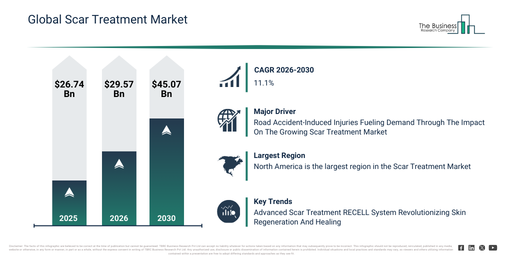
    The scar treatment market has experienced strong expansion in recent years. Projected to rise from $26.74 billion in 2025 to $29.57 billion in 2026, this growth reflects a compound annual growth rate (CAGR) of 10.6%. Factors driving the historical period include a higher prevalence of acne and surgical interventions, heightened consciousness about cosmetic appearance, a surge in dermatology and aesthetic clinic numbers, the widespread availability of both topical remedies and laser-based options, along with urbanization and lifestyle-linked skin injuries.

    The scar treatment market is projected to experience robust expansion in the coming years, reaching an estimated $45.07 billion by 2030 with a compound annual growth rate (CAGR) of 11.1%. This forecasted growth is driven by factors such as progress in laser and regenerative technologies, increased medical tourism for cosmetic procedures, higher disposable incomes in developing nations, growing demand for tailored scar management options, and the broadening of e-commerce distribution channels. Key trends influencing this period include a rising preference for minimally invasive scar treatments, greater adoption of laser and energy-based therapies, an increased focus on combination therapy approaches, expanded use of injectable and dermal filler-based solutions, and the emergence of over-the-counter and at-home scar care products.

    Download A Free Sample Report For Comprehensive Market Insights:

    https://www.thebusinessresearchcompany.com/sample.aspx?id=10572&type=smp&utm_source=BlogsPR&utm_medium=Paid&utm_campaign=Jul_PR

    Scar Treatment Market Development Factors: Which Trends Are Supporting Demand?

    The upward trend in road traffic accidents is anticipated to accelerate the expansion of the scar treatment market in the coming period. Such accidents are defined as events involving at least one vehicle on a public roadway where one or more individuals sustain injuries or lose their lives. When the skin suffers accidental burns, abrasions, scrapes, or cuts, the body undergoes a natural healing process and tissue replacement that often leads to scarring. Specialized scar treatments, which target the damaged skin layers and deliver visible improvements, can substantially diminish the appearance of these marks. For example, Transport Canada, a government agency based in Canada, reported in May 2025 that motor vehicle fatalities in 2023 reached 1,964, reflecting a 1.7% rise from the 1,931 deaths recorded in 2022. Consequently, the growing frequency of road accidents is fueling the advancement of the scar treatment market.

    Scar Treatment Market Segment Analysis And Revenue Opportunities

    The scar treatment market covered in this report is segmented –

    1) By Scar Type: Atrophic Scars, Hypertrophic And Keloid Scars, Contracture Scars, Other Scar Types

    2) By Treatment Type: Topical, Laser, Surface, Surgical, Injectable

    3) By End User: Hospitals, Clinics, Pharmacies and Drug Store, E-commerce

    Subsegments:

    1) By Atrophic Scars: Acne Scars, Surgical Scars, Other Atrophic Scars

    2) By Hypertrophic And Keloid Scars: Hypertrophic Scars, Keloid Scars

    3) By Contracture Scars: Post-Burn Contracture Scars, Other Contracture Scars

    4) By Other Scar Types: Stretch Marks, Other Types of Scars

    Scar Treatment Market Transformation Trends: Which Innovations Are Driving Change?

    Leading industry players in the scar treatment space are directing their efforts toward advanced innovations like the RECELL System, which is designed to speed up skin regeneration, enhance the healing of scars, and deliver customized treatment approaches. This regenerative medicine device works by taking a minute piece of the patient’s own skin and processing it into a suspension of skin cells, thereby encouraging quicker healing and minimizing scar formation in cases involving burns and wounds. A notable example occurred in June 2023, when the U.S. Food and Drug Administration granted approval to AVITA Medical—an American medical device firm—for using the RECELL System on full-thickness skin defects, thereby extending its application beyond thermal burn injuries alone. This clearance now permits the treatment of serious wound categories such as traumatic injuries, surgical excisions, and resections related to skin cancer. With its Spray-On Skin technology, the system can be applied immediately at the care site, which lessens the dependency on donor skin grafts and helps avoid complications frequently linked to conventional autografting, including pain, infection, and prolonged healing periods.

    Scar Treatment Market Leading Players Shaping Industry Direction

    Major companies operating in the scar treatment market are Smith & Nephew plc, Lumenis Ltd, Merz Pharmaceuticals GmbH, Sonoma Pharmaceuticals Inc, Cynosure LLC, Avita Medical Limited, Mölnlycke Health Care AB, Sientra Inc, Sisram Medical Ltd, Scarguard Labs LLC, Scar Heal Inc, Syneron Medical Ltd, Beijing Toplaser Technology Co Ltd, Suneva Medical Inc, Stratpharma AG, Galderma Laboratories LP, Acelity LP Inc, Advanced Medical Solutions Group plc, Apyx Medical Corporation, Cutera Inc, Derma Sciences Inc, Ellipse AS, EndyMed Medical Ltd, Erchonia Corporation, Fotona doo, InMode Ltd, Lutronic Corporation

    Access The Complete Scar Treatment Market Report:

    https://www.thebusinessresearchcompany.com/report/scar-treatment-global-market-report?utm_source=BlogsPR&utm_medium=Paid&utm_campaign=Jul_PR

    Scar Treatment Market Leading Geography: Which Region Generates The Most Revenue?

    North America was the largest region in the scar treatment market in 2025. Asia-Pacific is expected to be the fastest-growing region in the global scar treatment market report during the forecast period. The regions covered in the scar treatment market report are Asia-Pacific, South East Asia, Western Europe, Eastern Europe, North America, South America, Middle East, Africa.

    Get in touch with us:

    The Business Research Company: https://www.thebusinessresearchcompany.com/?utm_source=BlogsPR&utm_medium=Paid&utm_campaign=home_page_test

    Americas: +1 310-496-7795

    Asia: +44 7882 955267 & +91 8897263534

    Europe: +44 7882 955267

    Email us at: marketing@tbrc.info

    Follow us on:

    LinkedIn: https://in.linkedin.com/company/the-business-research-company

    YouTube: https://www.youtube.com/channel/UC24_fI0rV8cR5DxlCpgmyFQ

    Global Market Model: https://www.thebusinessresearchcompany.com/global-market-model
  • Sustained Release Excipients Market Expansion Is Opening New Pathways For Strategic Investment

    Sustained Release Excipients Market Expansion Is Opening New Pathways For Strategic Investment

    Delivering more actionable and strategically valuable research, The Business Research Company’s 2026 market reports feature market attractiveness analysis, total addressable market evaluation, company benchmarking matrices, interactive Excel dashboards, expanded supply chain intelligence, emerging startup coverage, and detailed product insights.

    Sustained Release Excipients Market Expansion Outlook: What Revenue Opportunities Lie Ahead?

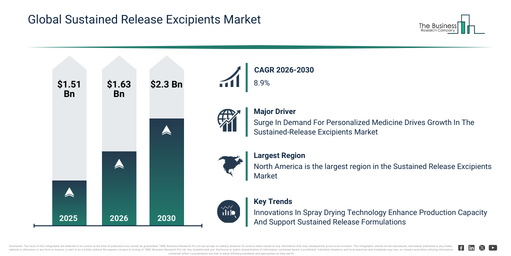
    The market for sustained release excipients has seen robust expansion over the past few years. Its value is projected to climb from $1.51 billion in 2025 to $1.63 billion in 2026, reflecting a compound annual growth rate (CAGR) of 8.2%. During the historic period, this growth has been driven by several factors, including rising rates of chronic diseases, a greater adoption of modified release tablets, progress in polymer chemistry, increased production of generic drugs, and wider regulatory acceptance of sustained release formulations.

    The sustained release excipients market is projected to experience significant expansion over the coming years. By 2030, its value is anticipated to reach $2.3 billion, reflecting a compound annual growth rate (CAGR) of 8.9%. This upward trajectory during the forecast period is driven by several factors, including a heightened need for long-acting injectables, the expansion of biologics and specialty pharmaceuticals, increased funding for drug delivery research and development, a shift toward patient-focused formulations, and the growth of pharmaceutical production in emerging economies. Key developments shaping the market include a growing preference for controlled drug release systems, wider application of polymers in sustained release products, greater uptake of oral sustained release dosage forms, advancements in microencapsulation and coacervation techniques, and an emphasis on improving patient adherence while lowering dosing frequency.

    Download A Free Sample Report For Comprehensive Market Insights:

    https://www.thebusinessresearchcompany.com/sample.aspx?id=10822&type=smp&utm_source=BlogsPR&utm_medium=Paid&utm_campaign=Jul_PR

    Sustained Release Excipients Market Demand Drivers: What Is Fueling Industry Growth?

    The increasing need for tailored therapeutic approaches is anticipated to boost expansion within the sustained-release excipients market in the coming period. This method, known as personalized medicine or individualized care, involves healthcare providers examining a patient’s distinct genetic makeup, proteins, and other biological characteristics to design and implement specifically customized treatment through precision-based techniques. Sustained-release excipients are integral to this field, as they facilitate the creation of drug delivery systems that are specifically adapted to the unique requirements of each person. For example, data from the Personalised Medicine Coalition, a healthcare organization located in the United States, indicates that in February 2024, the number of newly approved personalized treatments for rare diseases by the FDA reached 16 in 2023, a significant increase from the 6 recorded in 2022. Consequently, the rising demand for individualized medicine is fueling the onward development of the sustained-release excipients market.

    Sustained Release Excipients Market Segment Analysis Highlighting Growth Areas

    The sustained release excipients market covered in this report is segmented –

    1) By Product: Gelatin, Polymers, Minerals, Chitosan

    2) By Route of Administration: Oral, Intramuscular, Subcutaneous, Transdermal, Vaginal, Ophthalmic, Intravenous, Other Routes of Administration

    3) By Technology: Targeted Delivery, Micro Encapsulation, Wurster Technique, Transdermal, Implants, Coacervation

    Subsegments:

    1) By Gelatin: Type A Gelatin, Type B Gelatin

    2) By Polymers: Natural Polymers, Synthetic Polymers

    3) By Minerals: Calcium Compounds, Magnesium Compounds, Other Mineral Excipients

    4) By Chitosan: Low Molecular Weight Chitosan, High Molecular Weight Chitosan

    Sustained Release Excipients Market Innovation Trends: Which Developments Are Transforming The Industry?

    Leading players in the sustained release excipients sector are prioritizing the creation of sophisticated solutions, particularly multifunctional polymer platforms, aimed at improving drug formulation efficiency, shortening delivery timelines, and enabling controlled-release mechanisms. These platforms serve as excipients capable of facilitating immediate, delayed, and sustained drug release while maintaining compatibility with formulation techniques such as hot melt extrusion and solubility-enhancing spray drying. A case in point is September 2024, when Evonik—a Germany-based company—commenced operations at a new spray drying facility located at its Darmstadt site, dedicated to EUDRAGIT polymers. This facility boosts production capacity, cuts delivery durations, and is seamlessly incorporated into existing production networks. It relies on green electricity and steam sourced from local waste incineration, achieving an annual reduction in CO2 emissions exceeding 1,000 tons. Adhering to IPEC-GMP pharmaceutical guidelines and directly linked to the production of aqueous dispersions, the facility lessens transportation needs and optimizes supply chain flow. The polymers produced here enable immediate, delayed, and sustained release formulations, thereby bolstering Evonik’s status as a global center for oral drug delivery solutions and reinforcing its capacity to efficiently support innovative pharmaceutical development.

    Sustained Release Excipients Market Leading Companies: Who Holds Significant Market Presence?

    Major companies operating in the sustained release excipients market are BASF SE, Ashland Global Holdings Inc, Colorcon Inc, Evonik Industries AG, Lubrizol Corporation, Merck KGaA, Roquette Freres, Shin Etsu Chemical Co Ltd, JRS Pharma GmbH Co KG, SPI Pharma Inc, Croda International Plc, Lonza Group AG, Chemische Fabrik Budenheim KG, Asahi Kasei Corporation, DuPont de Nemours Inc, Dow Chemical Company, Eastman Chemical Company, Gattefosse SAS, Balchem Corporation, Associated British Foods plc, Ransom Naturals Ltd, Cellulose Solutions Private Limited

    Access The Complete Sustained Release Excipients Market Report:

    https://www.thebusinessresearchcompany.com/report/sustained-release-excipients-global-market-report?utm_source=BlogsPR&utm_medium=Paid&utm_campaign=Jul_PR

    Sustained Release Excipients Market Geographic Analysis: Where Is Demand Growing The Fastest?

    North America was the largest region in the global sustained release excipients market in 2025. Asia-Pacific is expected to be the fastest-growing region in the forecast period. The regions covered in the sustained release excipients market report are Asia-Pacific, South East Asia, Western Europe, Eastern Europe, North America, South America, Middle East, Africa.

    Get in touch with us:

    The Business Research Company: https://www.thebusinessresearchcompany.com/?utm_source=BlogsPR&utm_medium=Paid&utm_campaign=home_page_test

    Americas: +1 310-496-7795

    Asia: +44 7882 955267 & +91 8897263534

    Europe: +44 7882 955267

    Email us at: marketing@tbrc.info

    Follow us on:

    LinkedIn: https://in.linkedin.com/company/the-business-research-company

    YouTube: https://www.youtube.com/channel/UC24_fI0rV8cR5DxlCpgmyFQ

    Global Market Model: https://www.thebusinessresearchcompany.com/global-market-model
  • Sulfonamide Market Trends Are Creating New Opportunities For Industry Leaders

    Sulfonamide Market Trends Are Creating New Opportunities For Industry Leaders

    Enhanced with market attractiveness analysis, total addressable market evaluation, company benchmarking matrices, interactive Excel dashboards, expanded supply chain intelligence, emerging startup coverage, and detailed product insights, The Business Research Company’s 2026 market reports deliver more actionable and strategically valuable research.

    Sulfonamide Market Growth Potential: How Will Market Size Change Through 2030?

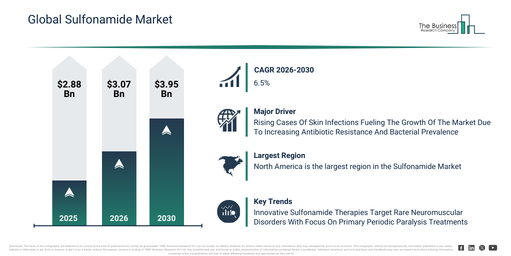
    The sulfonamide market has experienced robust expansion in recent years, with projections indicating an increase from $2.88 billion in 2025 to $3.07 billion in 2026, reflecting a compound annual growth rate (CAGR) of 6.5%. This historical growth has been driven by factors such as the early development of antibiotics, their broad-spectrum effectiveness, the management of hospital-acquired infections, the production of generic medications, and their application in treating burns.

    The sulfonamide market is anticipated to experience robust expansion over the coming years, with projections indicating a rise to $3.95 billion by 2030, reflecting a compound annual growth rate (CAGR) of 6.5%. This forecasted growth is driven by factors such as antibiotic stewardship initiatives, increasing demand for combination therapies, the widening availability of generic products, a rising burden of infectious diseases, and improved healthcare access. Major developments shaping this period include the sustained application of sulfonamides in combination antibiotic regimens, their heightened usage in healthcare environments with limited resources, the proliferation of generic sulfonamide formulations, their role in dermatological treatments and burn care, and a growing emphasis on cost-effective antimicrobial solutions.

    Download A Free Sample Report For Comprehensive Market Insights:

    https://www.thebusinessresearchcompany.com/sample.aspx?id=24411&type=smp&utm_source=BlogsPR&utm_medium=Paid&utm_campaign=Jul_PR

    Sulfonamide Market Growth Drivers: What Factors Are Accelerating Expansion?

    The sulfonamide market is expected to expand due to a growing incidence of skin infections. These infections result from bacteria, viruses, fungi, or parasites that invade the skin, causing redness, swelling, pain, itching, or pus. Their rising prevalence is linked to antibiotic-resistant bacteria, which complicate treatment and facilitate the spread of common infections. By inhibiting bacterial growth and folic acid synthesis, sulfonamides effectively address various susceptible bacteria responsible for these conditions. For example, in February 2025, the American Academy of Dermatology, a U.S.-based nonprofit, reported that about 50 million Americans experience acne annually, making it the nation’s most common skin disorder. Hence, the sulfonamide market is being propelled by this increased prevalence of skin infections.

    Sulfonamide Market Segment Performance And Strategic Opportunities

    The sulfonamide market covered in this report is segmented –

    1) By Product Type: Oral Sulfonamides, Topical Sulfonamides, Injectable Sulfonamides

    2) By Chemical Structure: Sulfanilamide, Sulfacetamide, Sulfamethoxazole

    3) By Application: Antibacterial, Antifungal, Antiviral, Diuretics, Antidiabetic, Other Applications

    4) By End-User: Hospitals, Clinics, Research Laboratories, Other End Users

    Subsegments:

    1) By Oral Sulfonamides: Sulfamethoxazole, Sulfisoxazole, Sulfadiazine, Sulfalene

    2) By Topical Sulfonamides: Sulfacetamide Sodium, Silver Sulfadiazine, Sulfamylon, Sulfadiazine Cream

    3) By Injectable Sulfonamides: Sulfamethoxazole, Sulfadiazine Sodium, Sulfamethoxypyridazine

    Sulfonamide Market Trends: What Is Shaping Future Industry Growth?

    Major players within the sulfonamide market are actively working on creating cutting-edge solutions, including therapies for primary periodic paralysis (PPP), in order to broaden the clinical uses of sulfonamide-based drugs and tackle unmet requirements in uncommon neuromuscular disorders. Primary periodic paralysis (PPP) therapies are designed to address a set of rare, inherited neuromuscular conditions that manifest as recurrent attacks of muscle weakness or paralysis, often triggered by changes in blood potassium levels. A concrete example occurred in May 2024, when the UK-based pharmaceutical firm Cycle Pharmaceuticals Limited launched ORMALVITM (dichlorphenamide) as a treatment for patients with hypokalemic periodic paralysis (HypoPP), hyperkalemic periodic paralysis (HyperPP), and related disorders. This medication, which has received FDA approval, provides a targeted option for individuals dealing with these genetic conditions, which involve episodes of muscle weakness or paralysis linked to potassium level variations. Notably, this product introduction highlights Cycle’s commitment to patient-centered care, with an emphasis on improving treatment accessibility and adherence via customized support services.

    Sulfonamide Market Key Players: Which Companies Shape Industry Competition?

    Major companies operating in the sulfonamide market are Abbott Laboratories, Novartis AG, Teva Pharmaceutical Industries Limited, Intas Pharmaceuticals Limited, Cadila Pharmaceuticals Limited, Amneal Pharmaceuticals LLC, Lupin Limited, Bimeda Holdings PLC, Virchow Laboratories Limited, Hebei Veyong Bio-Chemical Co. Ltd., Interchemie Werken De Adelaar B.V., AdvaCare Pharma, VetOne, Zydus Cadila Healthcare Limited, Sun Pharmaceutical Industries Limited, Aurobindo Pharma Limited, Cipla Limited, Alkem Laboratories Limited, Torrent Pharmaceuticals Limited, Alembic Pharmaceuticals Limited, Glenmark Pharmaceuticals Limited, Hikma Pharmaceuticals PLC, Mylan N.V. (Viatris), Wockhardt Limited, Pfizer Inc.

    Access The Complete Sulfonamide Market Report:

    https://www.thebusinessresearchcompany.com/report/sulfonamide-global-market-report?utm_source=BlogsPR&utm_medium=Paid&utm_campaign=Jul_PR

    Sulfonamide Market Global Footprint: Which Region Holds Market Leadership?

    North America was the largest region in the sulfonamide market in 2025. Asia-Pacific is expected to be the fastest-growing region in the forecast period. The regions covered in the sulfonamide market report are Asia-Pacific, South East Asia, Western Europe, Eastern Europe, North America, South America, Middle East, Africa.

    Get in touch with us:

    The Business Research Company: https://www.thebusinessresearchcompany.com/?utm_source=BlogsPR&utm_medium=Paid&utm_campaign=home_page_test

    Americas: +1 310-496-7795

    Asia: +44 7882 955267 & +91 8897263534

    Europe: +44 7882 955267

    Email us at: marketing@tbrc.info

    Follow us on:

    LinkedIn: https://in.linkedin.com/company/the-business-research-company

    YouTube: https://www.youtube.com/channel/UC24_fI0rV8cR5DxlCpgmyFQ

    Global Market Model: https://www.thebusinessresearchcompany.com/global-market-model