Month: July 2026

  • Oral Rehydration Solution Market Forecast Highlights Expansion From $4.83 Billion To $6.91 Billion Through 2030

    Oral Rehydration Solution Market Forecast Highlights Expansion From $4.83 Billion To $6.91 Billion Through 2030

    Delivering more actionable and strategically valuable research, The Business Research Company’s 2026 market reports feature market attractiveness analysis, total addressable market evaluation, company benchmarking matrices, interactive Excel dashboards, expanded supply chain intelligence, emerging startup coverage, and detailed product insights.

    Oral Rehydration Solution Market Forecast Highlighting Growth From $4.83 Billion To $6.91 Billion

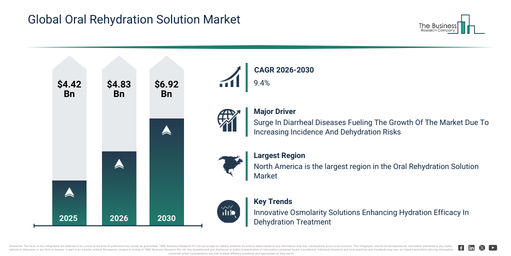
    The oral rehydration solution market has experienced solid expansion over the past several years. Projections indicate it will rise from $4.42 billion in 2025 to $4.83 billion in 2026, achieving a compound annual growth rate (CAGR) of 9.3%. This historical growth has been fueled by a high frequency of diarrheal illnesses, worldwide public health campaigns, extensive use of ORS in low-resource areas, broader pharmacy distribution networks, and a greater focus on childhood healthcare initiatives.

    The oral rehydration solution market is set to experience significant expansion over the next several years, projected to reach a valuation of $6.92 billion by 2030 with a compound annual growth rate (CAGR) of 9.4%. This anticipated growth during the forecast period is driven by several factors, including heightened awareness of preventive healthcare, a rise in dehydration risks linked to climate change, an expanding pediatric population across emerging economies, improvements in rural healthcare accessibility, and innovations in ORS product formulations. Key trends shaping this period encompass a growing demand for ready-to-use ORS products, increased adoption of pediatric-focused ORS formulations, a stronger emphasis on managing dehydration at the community level, the introduction of flavored and enhanced ORS variants, and a notable expansion of distribution networks via e-commerce platforms.

    Download A Free Sample Report For Comprehensive Market Insights:

    https://www.thebusinessresearchcompany.com/sample.aspx?id=24349&type=smp&utm_source=BlogsPR&utm_medium=Paid&utm_campaign=Jul_PR

    Oral Rehydration Solution Market Demand Drivers: What Is Fueling Industry Growth?

    The oral rehydration solution market is anticipated to grow due to the rising prevalence of diarrheal diseases. Diarrheal disease involves frequent, loose stools that can lead to dehydration and abdominal pain, often caused by poor sanitation and contaminated water. Oral rehydration solution helps manage dehydration by restoring essential fluids and electrolytes, reducing the risk of severe complications and mortality. For example, data from March 2024 by the World Health Organization reveals that diarrhea annually claims around 443,832 children under five and 50,851 children aged 5 to 9. Thus, the growing number of diarrheal cases is fueling expansion in the oral rehydration solution market.

    Oral Rehydration Solution Market Segment Performance And Strategic Opportunities

    The oral rehydration solution market covered in this report is segmented –

    1) By Product Type: Ready-To-Use Oral Rehydration Solution Packets, Oral Rehydration Solution Powder For Reconstitution

    2) By Indication: Diarrhea, Gastroenteritis, Electrolyte Imbalance, Other Indications

    3) By Packaging Type: Pouches, Bottles, Bulk Packages, Single-Serve Sachets, Cans

    4) By Distribution Channel: Online Stores, Pharmacies, Supermarkets OR Hypermarkets, Specialty Stores, Other Distribution Channels

    5) By End-User: Children, Adults, Elderly

    Subsegments:

    1) By Ready-To-Use Oral Rehydration Solution Packets: Flavored Oral Rehydration Solution Liquids, Unflavored Oral Rehydration Solution Liquids, Pediatric Formulations, Adult Formulations

    2) By Oral Rehydration Solution Powder For Reconstitution: Sachets For Pediatric Use, Sachets For Adult Use, Glucose-Based Oral Rehydration Solution Powders, Rice-Based Oral Rehydration Solution Powders

    Oral Rehydration Solution Market Innovation Trends: Which Developments Are Transforming The Industry?

    Key players in the oral rehydration solution industry are placing significant emphasis on technological advancements, particularly in achieving precise osmolarity, to boost hydration efficiency, maintain ideal electrolyte levels, and enhance therapeutic results for conditions stemming from dehydration. This focus on accurate osmolarity involves ensuring that the solute concentrations—such as salts and sugars—within the solution are correctly aligned, thereby mirroring the body’s natural fluid equilibrium. As an example, in January 2025, Kenvue Inc., a consumer health entity based in the United States, introduced WHO ORS, a ready-to-drink oral rehydration solution designed specifically to address dehydration caused by diarrhea. This product leverages balanced electrolytes and carefully calibrated osmolarity to improve fluid absorption, speed up recovery, and deliver better outcomes in managing diarrhea-associated dehydration, offering a reliable approach to hydration with its optimized formulation.

    Oral Rehydration Solution Market Key Players: Which Companies Shape Industry Competition?

    Major companies operating in the oral rehydration solution market are Abbott Laboratories, Otsuka Pharmaceutical Co. Ltd., Intas Pharmaceuticals Ltd., Zydus Cadila Healthcare Ltd., Mankind Pharma Limited, Cipla Limited, Dr. Reddy’s Laboratories Ltd., Sun Pharmaceutical Industries Ltd., Lupin Limited, Alkem Laboratories Limited, Ajanta Pharma Limited, Shreya Life Sciences Pvt. Ltd., Renata Limited, FDC Limited, ACME Laboratories Ltd., Wallace Pharmaceuticals Pvt. Ltd., Halewood Laboratories Pvt. Ltd., Cian Healthcare Limited, Ziska Pharmaceuticals Ltd., Torrent Pharmaceuticals Ltd.

    Access The Complete Oral Rehydration Solution Market Report:

    https://www.thebusinessresearchcompany.com/report/oral-rehydration-solution-global-market-report?utm_source=BlogsPR&utm_medium=Paid&utm_campaign=Jul_PR

    Oral Rehydration Solution Market Leading Geography: Which Region Generates The Most Revenue?

    North America was the largest region in the oral rehydration solution market in 2025. Asia-Pacific is expected to be the fastest-growing region in the forecast period. The regions covered in the oral rehydration solution market report are Asia-Pacific, South East Asia, Western Europe, Eastern Europe, North America, South America, Middle East, Africa.

    Get in touch with us:

    The Business Research Company: https://www.thebusinessresearchcompany.com/?utm_source=BlogsPR&utm_medium=Paid&utm_campaign=home_page_test

    Americas: +1 310-496-7795

    Asia: +44 7882 955267 & +91 8897263534

    Europe: +44 7882 955267

    Email us at: marketing@tbrc.info

    Follow us on:

    LinkedIn: https://in.linkedin.com/company/the-business-research-company

    YouTube: https://www.youtube.com/channel/UC24_fI0rV8cR5DxlCpgmyFQ

    Global Market Model: https://www.thebusinessresearchcompany.com/global-market-model
  • Oral Proteins And Peptides Market Expected To Reach $4.26 Billion By 2030 As Growth Accelerates At 22.2% CAGR

    Oral Proteins And Peptides Market Expected To Reach $4.26 Billion By 2030 As Growth Accelerates At 22.2% CAGR

    Enhanced with market attractiveness analysis, total addressable market evaluation, company benchmarking matrices, interactive Excel dashboards, expanded supply chain intelligence, emerging startup coverage, and detailed product insights, The Business Research Company’s 2026 market reports deliver more actionable and strategically valuable research.

    Oral Proteins And Peptides Market Revenue Growth Supported By A CAGR Of 4.26% Through 2030

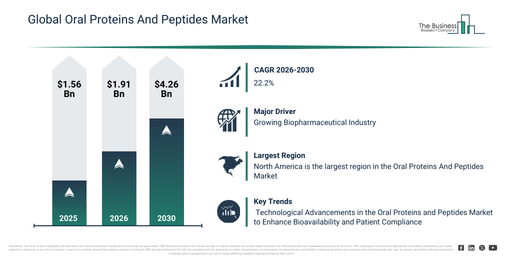
    Over the recent period, the market for oral proteins and peptides has experienced rapid expansion. Projected to rise from $1.56 billion in 2025 to $1.91 billion in 2026, it is expected to achieve a compound annual growth rate (CAGR) of 22.5%. This historical growth has been driven by factors such as the restricted oral bioavailability of proteins and peptides, a heavy dependence on injectable delivery methods, an increasing incidence of diabetes and gastrointestinal conditions, heightened research efforts in peptide therapeutics, and the granting of regulatory approvals for early-stage oral peptide medications.

    The oral proteins and peptides market is anticipated to experience substantial expansion in the coming years. By 2030, it is projected to reach a value of $4.26 billion, reflecting a compound annual growth rate (CAGR) of 22.2%. This forecasted growth is driven by the creation of innovative delivery technologies for oral proteins, the broadening of chronic disease management initiatives, a growing preference for personalized and combination therapies, increased healthcare spending on metabolic and hormonal conditions, and the incorporation of digital adherence and monitoring systems. Key developments during this period are likely to feature the widespread use of oral insulin and other therapeutic peptides, progress in personalized medicine with targeted oral protein treatments, a heightened emphasis on therapies for gastrointestinal disorders, the broadening of oral protein solutions for diabetes and metabolic diseases, and improvements in long-lasting and combination oral protein products.

    Download A Free Sample Report For Comprehensive Market Insights:

    https://www.thebusinessresearchcompany.com/sample.aspx?id=19629&type=smp&utm_source=BlogsPR&utm_medium=Paid&utm_campaign=Jul_PR

    Oral Proteins And Peptides Market Growth Drivers: What Factors Are Accelerating Expansion?

    The expansion of the biopharmaceutical sector is anticipated to drive forward the oral proteins and peptides market. This sector, a subset of the wider pharmaceutical industry, is dedicated to creating, manufacturing, and marketing drugs sourced from biological materials. Its growth is fueled by innovations in biotechnology, a heightened demand for tailored medical treatments, a rising incidence of chronic illnesses, and increased funding for research and development. Oral proteins and peptides within biopharmaceuticals present a means for non-invasive drug delivery, boosting patient adherence and minimizing the reliance on injections. These compounds can address particular diseases, offering improved stability and absorption within the gastrointestinal tract. To illustrate, according to the Bioscience and Health Technology Sector, a UK governmental statistics body, in October 2025, the UK life sciences field contained 6,170 businesses out of 7,320 companies during 2023/2024. These enterprises employed 359,600 individuals and produced a turnover of £146.9 billion ($169.69 billion). Consequently, the flourishing biopharmaceutical industry is propelling the oral proteins and peptides market forward.

    Oral Proteins And Peptides Market Segment Landscape And Growth Potential

    The oral proteins and peptides market covered in this report is segmented –

    1) By Drug Type: Linaclotide, Calcitonin, Insulin, Plecanatide, Octreotide

    2) By Biological Target: Guanylate Cyclase-C (GC-C), Insulin Receptor, Other Biological Targets

    3) By Mechanism Of Action: Receptor Stimulation, Substrate Degradation, Other Mechanisms Of Action

    4) By Application: Gastrointestinal Disorders, Bone Disease, Neurological Disorders, Diabetes, Metabolic Disorders, Hormonal Disorder, Cancer

    Subsegments:

    1) By Linaclotide: Indications For Irritable Bowel Syndrome (IBS), Indications For Chronic Idiopathic Constipation (CIC)

    2) By Calcitonin: Calcitonin-Salmon, Synthetic Calcitonin, Calcitonin for Osteoporosis Treatment

    3) By Insulin: Long-Acting Insulin, Combination Insulin Products, Oral Insulin Formulations

    4) By Plecanatide: Indications For Chronic Idiopathic Constipation (CIC), Indications For Irritable Bowel Syndrome With Constipation (IBS-C)

    5) By Octreotide: Long-Acting Octreotide Formulations, Short-Acting Octreotide Formulations, Indications For Acromegaly And Neuroendocrine Tumors

    Oral Proteins And Peptides Market Trends: What Is Shaping Future Industry Growth?

    Leading enterprises in the oral proteins and peptides market are prioritizing the creation of novel formulation technologies aimed at boosting peptide stability, permeability, and bioavailability within oral dosage forms. These efforts strive to overcome persistent obstacles like enzymatic breakdown and insufficient absorption in the gastrointestinal tract. As an example, in August 2025, BioMed X, a biomedical research institute headquartered in Germany, initiated a new partnership with Novo Nordisk, a pharmaceutical company based in Denmark, designed to expedite progress in next-generation oral peptide delivery technologies. Through this collaboration, fresh molecular strategies and delivery mechanisms are being investigated to facilitate the development of safe, effective, and patient-friendly oral peptide therapeutics. By merging BioMed X’s early-stage research strengths with Novo Nordisk’s proficiency in peptide-based drugs, this alliance seeks to propel groundbreaking oral drug delivery methods forward and broaden the application of peptide therapies for metabolic and chronic conditions.

    Oral Proteins And Peptides Market Competitive Landscape: Who Are The Leading Companies?

    Major companies operating in the oral proteins and peptides market are Pfizer Inc., Merck & Co. Inc., AbbVie Inc., Sanofi S.A., AstraZeneca PLC, Eli Lilly and Company, Novo Nordisk A/S, Ipsen S.A., Biocon Limited, Xeris Pharmaceuticals Inc., Adocia S.A., Zealand Pharma A/S, Diabetology Ltd., Oramed Pharmaceuticals Inc., Palatin Technologies Inc., Entera Bio Ltd.

    Access The Complete Oral Proteins And Peptides Market Report:

    https://www.thebusinessresearchcompany.com/report/oral-proteins-and-peptides-global-market-report?utm_source=BlogsPR&utm_medium=Paid&utm_campaign=Jul_PR

    Oral Proteins And Peptides Market Regional Outlook: Where Are The Largest Opportunities Located?

    North America was the largest region in the oral proteins and peptides market in 2025. Asia-Pacific is expected to be the fastest-growing region in the forecast period. The regions covered in the oral proteins and peptides market report are Asia-Pacific, South East Asia, Western Europe, Eastern Europe, North America, South America, Middle East, Africa.

    Get in touch with us:

    The Business Research Company: https://www.thebusinessresearchcompany.com/?utm_source=BlogsPR&utm_medium=Paid&utm_campaign=home_page_test

    Americas: +1 310-496-7795

    Asia: +44 7882 955267 & +91 8897263534

    Europe: +44 7882 955267

    Email us at: marketing@tbrc.info

    Follow us on:

    LinkedIn: https://in.linkedin.com/company/the-business-research-company

    YouTube: https://www.youtube.com/channel/UC24_fI0rV8cR5DxlCpgmyFQ

    Global Market Model: https://www.thebusinessresearchcompany.com/global-market-model
  • Oral Mucositis Treatment Market Set To Grow From $2.35 Billion In 2026 To $3.44 Billion By 2030 At A CAGR Of 9.9%

    Oral Mucositis Treatment Market Set To Grow From $2.35 Billion In 2026 To $3.44 Billion By 2030 At A CAGR Of 9.9%

    Through market attractiveness analysis, total addressable market evaluation, company benchmarking matrices, interactive Excel dashboards, expanded supply chain intelligence, emerging startup coverage, and detailed product insights, The Business Research Company’s 2026 market reports provide more actionable and strategically valuable research.

    Oral Mucositis Treatment Market Value Expansion And Long-Term Growth Outlook

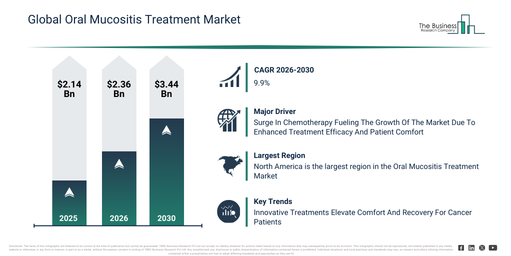
    The market for treating oral mucositis has shown robust expansion over the past few years, projected to increase from $2.14 billion in 2025 to $2.36 billion in 2026—achieving a compound annual growth rate (CAGR) of 10.0%. This historical growth has been driven by a greater reliance on chemotherapy and radiotherapy, a significant frequency of mucositis resulting from these treatments, the broadening of supportive oncology care, the widespread availability of oral rinses, and an uptick in hospital-based oncology services.

    The oral mucositis treatment market is projected to experience substantial expansion in the coming years. By 2030, its valuation is expected to reach $3.44 billion, advancing at a compound annual growth rate (CAGR) of 9.9%. This anticipated growth during the forecast period is driven by rising cancer treatment volumes, broader implementation of laser therapy, a heightened emphasis on supportive oncology care, progress in mucosal healing agents, and the growth of outpatient cancer care services. Key trends shaping this period include the increased application of laser therapy to manage oral mucositis, the widespread adoption of preventive oral care routines, greater demand for topical and supportive treatment options, the extension of home-based oral mucositis management, and a stronger commitment to enhancing the quality of life for cancer patients.

    Download A Free Sample Report For Comprehensive Market Insights:

    https://www.thebusinessresearchcompany.com/sample.aspx?id=24348&type=smp&utm_source=BlogsPR&utm_medium=Paid&utm_campaign=Jul_PR

    Oral Mucositis Treatment Market Growth Factors Supporting Long-Term Expansion

    The growing adoption of chemotherapy is anticipated to drive expansion of the oral mucositis treatment market moving forward. Chemotherapy involves the use of potent chemicals to eliminate or hinder the proliferation of malignant cells. This treatment approach has gained traction because of its ability to effectively target cancerous cells, giving patients a greater possibility of remission and enhanced survival outcomes. Oral mucositis therapy alleviates discomfort, supports tissue regeneration, and avoids adverse effects linked to chemotherapy, thereby enhancing patient well-being throughout the treatment process. As an example, University College London—a multidisciplinary public research university based in the UK—reported in February 2025 that chemotherapy utilization among lung cancer patients was lower in the UK (27.7%) compared to Canada (35.0%), Norway (45.3%), and Australia (41.4%). Consequently, the rising prevalence of chemotherapy is fueling growth in the oral mucositis treatment market.

    Oral Mucositis Treatment Market Categorization By Product Type And Application

    The oral mucositis treatment market covered in this report is segmented –

    1) By Treatment Type: Pharmaceutical Drugs, Laser Therapy, Cryotherapy, Oral Rinses And Mouthwashes, Other Treatment Types

    2) By Route Of Administration: Oral, Intravenous, Subcutaneous, Topical, Other Routes Of Administration

    3) By Indication: Chemotherapy-induced Oral Mucositis, Radiotherapy-induced Oral Mucositis, Other Indications

    4) By Distribution Channel: Online Pharmacies, Retail Pharmacies, Hospital Pharmacies, Direct Sales

    5) By End-User: Hospitals, Homecare Settings, Ambulatory Surgical Centers, Long-term Care Facilities

    Subsegments:

    1) By Pharmaceutical Drugs: Prescription Drugs, Over-the-counter (OTC) Drugs, Biologics, Small Molecule Drugs

    2) By Laser Therapy: Low-Level Laser Therapy (LLLT), High-Level Laser Therapy (HLLT)

    3) By Cryotherapy: Ice Chips, Cryotherapy Devices

    4) By Oral Rinses and Mouthwashes: Antiseptic Rinses, Antifungal Rinses, Antiviral Rinses, Natural Or Herbal Rinses

    5) By Other Treatment Types: Nutritional Supplements, Topical Gels and Ointments, Acupuncture

    Oral Mucositis Treatment Market Industry Trends Shaping Future Revenue Growth

    Key players in the oral mucositis treatment market are prioritizing the development of advanced products designed for fast pain relief, aiming to boost patient comfort, improve adherence to therapy, and facilitate more favorable recovery outcomes. In this context, quick pain relief products refer to treatments capable of rapidly reducing pain and sustaining that relief over time without causing any sharp, burning, or irritating sensations upon application. For example, in October 2024, Jaguar Health, a company headquartered in the United States, launched Gelclair, an FDA-approved prescription product specifically for managing and alleviating oral mucositis pain. This innovative treatment employs a protective gel mechanism and offers a soothing application process, effectively reducing pain and preserving oral function in cancer patients. Gelclair stands out due to its high efficacy, delivering rapid pain relief and mucosal protection, which makes it an optimal choice for treating oral mucositis in oncology patients by enhancing overall comfort and supporting oral function throughout therapy.

    Oral Mucositis Treatment Market Company Landscape And Strategic Competition

    Major companies operating in the oral mucositis treatment market are Sanofi S.A., Alliance Pharma plc, Galera Therapeutics Inc., Soligenix Inc., Innovation Pharmaceuticals Inc., EUSA Pharma, Norgine B.V., Aspen Pharmacare Holdings Limited, Enzychem Lifesciences Corporation, EpicentRx Inc., Monopar Therapeutics Inc., Oragenics Inc., Soleva Pharma LLC, Colgate-Palmolive Company, Sunstar Group, Camurus AB, Swedish Orphan Biovitrum AB (Sobi), Jaguar Health Inc., CANbridge Pharmaceuticals Inc., Amgen Inc.

    Access The Complete Oral Mucositis Treatment Market Report:

    https://www.thebusinessresearchcompany.com/report/oral-mucositis-treatment-global-market-report?utm_source=BlogsPR&utm_medium=Paid&utm_campaign=Jul_PR

    Oral Mucositis Treatment Market Geographic Landscape: Which Region Dominates Industry Growth?

    North America was the largest region in the oral mucositis treatment market in 2025. Asia-Pacific is expected to be the fastest-growing region in the forecast period. The regions covered in the oral mucositis treatment market report are Asia-Pacific, South East Asia, Western Europe, Eastern Europe, North America, South America, Middle East, Africa.

    Get in touch with us:

    The Business Research Company: https://www.thebusinessresearchcompany.com/?utm_source=BlogsPR&utm_medium=Paid&utm_campaign=home_page_test

    Americas: +1 310-496-7795

    Asia: +44 7882 955267 & +91 8897263534

    Europe: +44 7882 955267

    Email us at: marketing@tbrc.info

    Follow us on:

    LinkedIn: https://in.linkedin.com/company/the-business-research-company

    YouTube: https://www.youtube.com/channel/UC24_fI0rV8cR5DxlCpgmyFQ

    Global Market Model: https://www.thebusinessresearchcompany.com/global-market-model
  • Oral Hypoglycemic Agents Market Opportunities Are Emerging Beyond Traditional Growth Areas

    Oral Hypoglycemic Agents Market Opportunities Are Emerging Beyond Traditional Growth Areas

    Delivering more actionable and strategically valuable research, The Business Research Company’s 2026 market reports feature market attractiveness analysis, total addressable market evaluation, company benchmarking matrices, interactive Excel dashboards, expanded supply chain intelligence, emerging startup coverage, and detailed product insights.

    Oral Hypoglycemic Agents Market Expected To Reach $75.62 Billion By 2030 At 4.9% CAGR

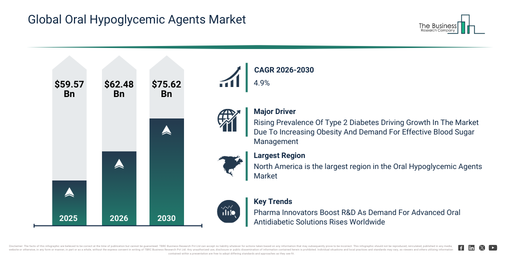
    The market for oral hypoglycemic agents has experienced consistent expansion over the past few years. It is projected to increase from $59.57 billion in 2025 to $62.48 billion in 2026, reflecting a compound annual growth rate (CAGR) of 4.9%. Several factors contributed to this growth during the historical period, including the escalating global incidence of diabetes, the extensive prescription of metformin, broader accessibility of generic alternatives, heightened screening efforts for diabetes, and the growing dominance of hospital pharmacy channels.

    The oral hypoglycemic agents market is projected to experience consistent expansion over the coming years. By 2030, its value is anticipated to reach $75.62 billion, representing a compound annual growth rate (CAGR) of 4.9%. This growth during the forecast period is driven by factors such as the increasing prevalence of diabetes linked to lifestyle changes, heightened demand in developing markets, progress in the development of oral drug formulations, the broadening of preventive diabetes care efforts, and the rise of comprehensive long-term diabetes management initiatives. Notable trends shaping the future of this market include a growing preference for combination oral therapies, a heightened reliance on metformin-based treatment plans, a stronger emphasis on the early management of type 2 diabetes, the development of extended-release oral formulations, and an increased focus on affordable diabetes medications.

    Download A Free Sample Report For Comprehensive Market Insights:

    https://www.thebusinessresearchcompany.com/sample.aspx?id=24347&type=smp&utm_source=BlogsPR&utm_medium=Paid&utm_campaign=Jul_PR

    Oral Hypoglycemic Agents Market Demand Drivers Creating New Revenue Opportunities

    The growing prevalence of type 2 diabetes is anticipated to drive the expansion of the oral hypoglycemic agents market in the coming period. This condition is a chronic metabolic disorder where the body fails to utilize insulin efficiently, resulting in excessive blood sugar levels. Its incidence is climbing due to the widespread adoption of sedentary habits, which curtail physical activity and foster obesity along with insulin resistance. Oral hypoglycemic agents are employed to control type 2 diabetes by reducing blood glucose through diverse approaches, including boosting insulin sensitivity, promoting insulin release, or limiting glucose uptake. As reported in April 2025 by the International Diabetes Federation (IDF), a non-profit entity based in Belgium, around 589 million adults aged 20 to 79 globally are currently affected by diabetes, with projections indicating a substantial increase to 853 million by 2050. Consequently, the escalating frequency of type 2 diabetes is fueling demand within the oral hypoglycemic agents market.

    Oral Hypoglycemic Agents Market Segment Analysis And Revenue Opportunities

    The oral hypoglycemic agents market covered in this report is segmented –

    1) By Product Type: Sulfonylureas, Metformin, Thiazolidinediones, Alpha-Glucosidase Inhibitors

    2) By Administration Route: Oral Tablets, Oral Liquids, Extended-Release Formulations, Combination Therapy Formulations

    3) By Patient Type: Type 2 Diabetes Mellitus Patients, Pre-diabetic Patients, Obese Or Overweight Patients, Patients with Multiple Comorbidities

    4) By Distribution Channel: Hospital Pharmacies, Retail Pharmacies, Online Pharmacies, Nursing Homes and Long-Term Care Facilities

    5) By End Users: Hospitals, Clinics

    Subsegments:

    1) By Sulfonylureas: Glipizide, Glyburide, Glimepiride, Chlorpropamide, Tolbutamide

    2) By Metformin: Immediate-Release Metformin, Extended-Release Metformin (XR), Combination Metformin

    3) By Thiazolidinediones (TZDs): Pioglitazone, Rosiglitazone

    4) By Alpha-Glucosidase Inhibitors: Acarbose, Miglitol, Voglibose

    Oral Hypoglycemic Agents Market Trends Driving Strategic Industry Expansion

    Major players in the oral hypoglycemic agents space are concentrating their efforts on creating innovative therapies, specifically sodium-glucose cotransporter 2 inhibitors (SGLT2 inhibitors), aimed at enhancing blood sugar management and minimizing complications tied to diabetes. SGLT2 inhibitors function as a category of oral drugs that reduce blood glucose levels by blocking the kidneys from reabsorbing sugar, leading to its elimination through urine; this process supports improved glycemic control, facilitates weight reduction, and decreases the likelihood of cardiac and renal issues for those with type-2 diabetes. A notable example occurred in June 2024, when AstraZeneca plc, a biopharmaceutical firm based in the UK, secured approval from the US Food and Drug Administration (FDA) for Farxiga (dapagliflozin). This oral SGLT2 inhibitor is intended to assist in managing pediatric type 2 diabetes among individuals aged 10 years and older. The approval entails a once-daily oral regimen, proven safety and effectiveness in pediatric studies, and a pioneering mode of action within its class. Farxiga enhances the availability of treatment, fosters superior long-term glucose regulation, and broadens the range of therapeutic choices in the oral hypoglycemic market.

    Oral Hypoglycemic Agents Market Leading Players Shaping Industry Direction

    Major companies operating in the oral hypoglycemic agents market are Merck Sharp & Dohme Corp., AstraZeneca plc, Boehringer Ingelheim Ltd., Takeda Pharmaceuticals Limited, Bayer AG, Pfizer Inc., Novartis AG, Sanofi S.A., Eli Lilly and Company, Astellas Pharma Inc., Sun Pharmaceutical Industries Ltd., Cipla Limited, Dr. Reddy’s Laboratories Ltd., Lupin Limited, Torrent Pharmaceuticals Ltd., Zydus Lifesciences Ltd., Huadong Medicine Co. Ltd., Wanbang Biopharmaceuticals Co. Ltd., Tonghua Dongbao Pharmaceutical Co. Ltd., Biocon Limited

    Access The Complete Oral Hypoglycemic Agents Market Report:

    https://www.thebusinessresearchcompany.com/report/oral-hypoglycemic-agents-global-market-report?utm_source=BlogsPR&utm_medium=Paid&utm_campaign=Jul_PR

    Oral Hypoglycemic Agents Market Largest Region: Which Geography Holds The Highest Market Share?

    North America was the largest region in the oral hypoglycemic agents market in 2025. Asia-Pacific is expected to be the fastest-growing region in the forecast period. The regions covered in the oral hypoglycemic agents market report are Asia-Pacific, South East Asia, Western Europe, Eastern Europe, North America, South America, Middle East, Africa.

    Get in touch with us:

    The Business Research Company: https://www.thebusinessresearchcompany.com/?utm_source=BlogsPR&utm_medium=Paid&utm_campaign=home_page_test

    Americas: +1 310-496-7795

    Asia: +44 7882 955267 & +91 8897263534

    Europe: +44 7882 955267

    Email us at: marketing@tbrc.info

    Follow us on:

    LinkedIn: https://in.linkedin.com/company/the-business-research-company

    YouTube: https://www.youtube.com/channel/UC24_fI0rV8cR5DxlCpgmyFQ

    Global Market Model: https://www.thebusinessresearchcompany.com/global-market-model
  • Oral Contraceptive Pills Market Expansion Is Opening New Pathways For Strategic Investment

    Oral Contraceptive Pills Market Expansion Is Opening New Pathways For Strategic Investment

    Enhanced with market attractiveness analysis, total addressable market evaluation, company benchmarking matrices, interactive Excel dashboards, expanded supply chain intelligence, emerging startup coverage, and detailed product insights, The Business Research Company’s 2026 market reports deliver more actionable and strategically valuable research.

    Oral Contraceptive Pills Market Size And Revenue Forecast Through 2030

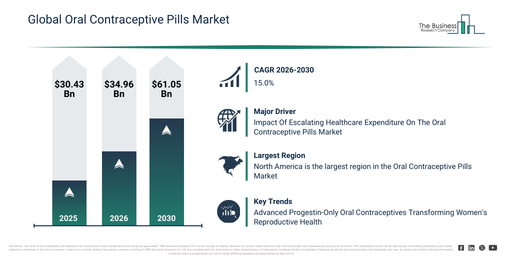
    The market for oral contraceptive pills has experienced rapid expansion in recent years, with projections indicating an increase from $30.43 billion in 2025 to $34.96 billion in 2026, reflecting a compound annual growth rate (CAGR) of 14.9%. This historical growth has been driven by heightened awareness of family planning, the widespread availability of generic alternatives, favorable government healthcare initiatives, a rising incidence of unintended pregnancies, and the broadening reach of hospital pharmacy networks.

    The market for oral contraceptive pills is projected to experience robust expansion over the coming years. By 2030, its value is anticipated to reach $61.05 billion, reflecting a compound annual growth rate (CAGR) of 15.0%. This forecasted growth is driven by several factors: the emergence of digital healthcare platforms, innovations in drug delivery systems, stronger initiatives targeting women’s health, the growth of online retail channels, and a rising need for customized contraceptive options. Key trends shaping this period include heightened awareness around hormonal contraception, a growing shift toward purchasing contraceptives through online pharmacies, an increased availability of generic oral contraceptives, a greater emphasis on low-dose and non-hormonal pill variants, and the broader expansion of programs dedicated to women’s health.

    Download A Free Sample Report For Comprehensive Market Insights:

    https://www.thebusinessresearchcompany.com/sample.aspx?id=3900&type=smp&utm_source=BlogsPR&utm_medium=Paid&utm_campaign=Jul_PR

    Oral Contraceptive Pills Market Expansion Supported By Key Demand Factors

    The growth of the oral contraceptive pill market is anticipated to be driven by increasing healthcare spending. Healthcare expenditure encompasses the total resources, including financial outlays, dedicated to healthcare goods and services over a given timeframe. As healthcare spending rises, it improves overall access to medical care, which in turn supports greater use of oral contraceptive pills by facilitating better availability of family planning services, medical consultations, and affordable prescriptions, all of which contribute to market growth. For example, in December 2024, the Centers for Medicare & Medicaid Services—a U.S. federal agency overseeing Medicare and Medicaid—reported that healthcare expenditures in the United States grew by 7.5% in 2023, reaching $4.9 trillion, equating to roughly $14,570 per person. Consequently, the upward trend in healthcare spending is fueling the expansion of the oral contraceptive pill market.

    Oral Contraceptive Pills Market Segmentation And Category Breakdown

    The oral contraceptive pills market covered in this report is segmented –

    1) By Type: Combination, Progestin Only, Other Types

    2) By Category: Generic, Branded

    3) By Distribution Channel: Hospital Pharmacy, Retail Pharmacy, Clinics, Online Channel, Public Channel And NGO, Other Distribution Channels

    Subsegments:

    1) By Combination Pills: Monophasic Combination Pills, Multiphasic Combination Pills, Extended-Cycle Combination Pills

    2) By Progestin-Only Pills: Daily Progestin-Only Pills, Progestin-Only Emergency Contraceptive Pills

    3) By Other Types: Low-Dose Oral Contraceptive Pills, High-Dose Oral Contraceptive Pills, Non-Hormonal Oral Contraceptives (In Development Or Alternative Formulations)

    Oral Contraceptive Pills Market Growth Trends Influencing Competitive Dynamics

    Key players in the oral contraceptive pill market are concentrating on the creation of innovative products, including progestin-only oral contraceptives, aimed at reaching broader customer segments, boosting sales figures, and driving revenue growth. These contraceptives consist solely of a synthetic version of the hormone progestin. A notable example occurred in July 2023, when Perrigo Company PLC, an Ireland-based manufacturer of oral contraceptive pills, obtained U.S. Food and Drug Administration (FDA) approval for Opill. As the first over-the-counter birth control pill available in the United States, Opill represents a major breakthrough in women’s reproductive health. Being a progestin-only formulation, it not only ensures effective prevention of pregnancy but also introduces a new standard of convenience and access for women. The ability to obtain it without a prescription has the potential to fundamentally transform how contraception is accessed, marking a crucial advancement in women’s reproductive autonomy. Opill’s launch highlights Perrigo’s strong commitment to providing groundbreaking solutions that meaningfully improve lives, underscoring a dedication to spearheading significant innovations within healthcare.

    Oral Contraceptive Pills Market Competitive Analysis Of Major Industry Participants

    Major companies operating in the oral contraceptive pills market are Pfizer Inc., Johnson & Johnson, Merck & Co. Inc., Bayer AG, Zydus Lifesciences Ltd., Sun Pharmaceutical Industries Ltd., Teva Pharmaceutical Industries Ltd., Aurobindo Pharma Limited, Cipla Inc., Dr. Reddy’s Laboratories Ltd., Amneal Pharmaceuticals LLC, Lupin Pharmaceuticals Inc., Glenmark Pharmaceuticals, Mankind Pharma Ltd., Mayne Pharma, HLL Lifecare Limited, Famy Care Ltd., Mylan N.V., GlaxoSmithKline plc, Piramal Enterprises Ltd., Syzygy Healthcare, V Care Pharma

    Access The Complete Oral Contraceptive Pills Market Report:

    https://www.thebusinessresearchcompany.com/report/oral-contraceptive-pills-global-market-report?utm_source=BlogsPR&utm_medium=Paid&utm_campaign=Jul_PR

    Oral Contraceptive Pills Market Regional Analysis: Which Region Leads By Revenue?

    North America was the largest region in the oral contraceptive pills market in 2025. The Middle East is expected to be the largest growing region in the forecast period. The regions covered in the oral contraceptive pills market report are Asia-Pacific, South East Asia, Western Europe, Eastern Europe, North America, South America, Middle East, Africa.

    Get in touch with us:

    The Business Research Company: https://www.thebusinessresearchcompany.com/?utm_source=BlogsPR&utm_medium=Paid&utm_campaign=home_page_test

    Americas: +1 310-496-7795

    Asia: +44 7882 955267 & +91 8897263534

    Europe: +44 7882 955267

    Email us at: marketing@tbrc.info

    Follow us on:

    LinkedIn: https://in.linkedin.com/company/the-business-research-company

    YouTube: https://www.youtube.com/channel/UC24_fI0rV8cR5DxlCpgmyFQ

    Global Market Model: https://www.thebusinessresearchcompany.com/global-market-model
  • Oral Clinical Nutrition Supplement Market Trends Are Creating New Opportunities For Industry Leaders

    Oral Clinical Nutrition Supplement Market Trends Are Creating New Opportunities For Industry Leaders

    Through market attractiveness analysis, total addressable market evaluation, company benchmarking matrices, interactive Excel dashboards, expanded supply chain intelligence, emerging startup coverage, and detailed product insights, The Business Research Company’s 2026 market reports provide more actionable and strategically valuable research.

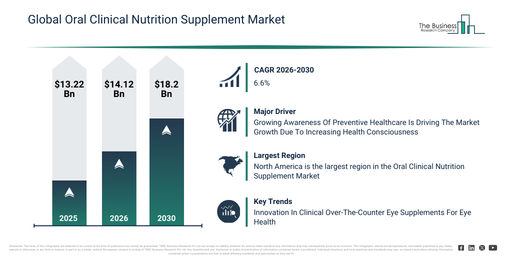
    Oral Clinical Nutrition Supplement Market Growth From $14.12 Billion In 2026 To $18.2 Billion By 2030 At A CAGR Of 6.6%

    The oral clinical nutrition supplement market has experienced robust expansion in recent years. Its valuation is projected to increase from $13.22 billion in 2025 to $14.12 billion in 2026, representing a compound annual growth rate (CAGR) of 6.8%. Factors driving historic growth include the restricted supply of clinical nutrition products, a growing incidence of malnutrition, an expansion in hospital and home care offerings, heightened awareness regarding nutritional supplementation, and a rising need for formulations tailored to specific age groups.

    Strong expansion is anticipated for the oral clinical nutrition supplement market in the coming years. By 2030, its value is projected to reach $18.2 billion, reflecting a compound annual growth rate (CAGR) of 6.6%. This forecast period growth can be explained by the creation of ready-to-drink and gel supplements, the broadening of customized nutrition approaches, a greater reliance on e-commerce platforms for distribution, rising numbers of elderly and pediatric patients, and the incorporation of digital health monitoring into nutrition regimens. Key trends defining this era include heightened demand for specialized nutrition aimed at chronic disease sufferers, increased utilization of supplements in home care and long-term care settings, a growing preference for high-protein and fiber-enriched products, the spread of both online and physical retail outlets, and an emphasis on tailoring nutrition for children, adults, and the elderly.

    Download A Free Sample Report For Comprehensive Market Insights:

    https://www.thebusinessresearchcompany.com/sample.aspx?id=27372&type=smp&utm_source=BlogsPR&utm_medium=Paid&utm_campaign=Jul_PR

    Oral Clinical Nutrition Supplement Market Growth Drivers And Industry Catalysts

    The increasing emphasis on preventive healthcare is anticipated to drive the expansion of the oral clinical nutrition supplement market in the coming period. Preventive healthcare involves medical approaches and lifestyle practices designed to avert diseases, facilitate early detection of health issues, and foster overall well-being. This field is gaining momentum as individuals grow more conscious of chronic diseases, leading them to take proactive measures to avoid health complications and curtail medical expenses. By supplying essential nutrients, oral clinical nutrition supplements contribute to preventive healthcare by strengthening immunity, maintaining a healthy body weight, and reducing the likelihood of malnutrition, while also aiding in the management of chronic conditions and enhancing general health. For example, in October 2025, Eurostat, a government agency based in Luxembourg, reported that preventive care constituted the second-largest category, accounting for 3.7% of total healthcare expenditure in the EU in 2023. Among EU member states, the highest proportion was observed in the Netherlands at 5.2%, whereas Malta recorded the lowest at 0.9%. Consequently, the heightened focus on preventive healthcare is fostering growth in the oral clinical nutrition supplement market.

    Oral Clinical Nutrition Supplement Market Segment Outlook: Which Categories Are Expanding The Fastest?

    The oral clinical nutrition supplement market covered in this report is segmented –

    1) By Type: Liquid Supplements, Powder Supplements, Ready-To-Drink Supplements, Gel Supplements

    2) By Indication: Inflammatory Bowel Disease And Gastrointestinal Disorders, Neurological Disorders, Respiratory Disorders, General Well-Being, Diabetes, Dysphagia, Renal Disorders, Hepatic Disorders, Oncology Nutrition, Other Indications

    3) By Distribution Channel: Hospital Pharmacies, Retail Pharmacies, Online Pharmacies, Other Distribution Channels

    4) By Application: Hospital, Home Care, Long-Term Care, Other Applications

    5) By End-User: Adults, Children, Elderly, Patients With Chronic Diseases

    Subsegments:

    1) By Liquid Supplements: Bottled Liquid, Concentrated Liquid, Reconstitutable Liquid

    2) By Powder Supplements: Whey Protein Powder, Casein Protein Powder, Soy Protein Powder

    3) By Ready To Drink Supplements: High Protein Ready To Drink, Low Calorie Ready To Drink, Fiber Enriched Ready To Drink

    4) By Gel Supplements: Protein Gels, Vitamin Infused Gels

    Oral Clinical Nutrition Supplement Market Trends Influencing Long-Term Demand

    Leading firms in the oral clinical nutrition supplement sector are prioritizing the development of cutting-edge products, specifically clinical over-the-counter eye supplements, aimed at bolstering eye health and addressing rising consumer demand for targeted nutritional options. A clinical over-the-counter eye supplement refers to a non-prescription nutritional formula that supports eye health and contributes to clear vision by offering essential vitamins, minerals, and antioxidants to alleviate eye strain, decelerate age-related deterioration, and safeguard overall visual function. As an example, in June 2024, Bausch + Lomb Corporation, an eye health company headquartered in Canada, introduced Blink Nutritears. This innovative product is crafted to foster healthy tear production and enhance ocular health using a unique nutrient blend. This oral clinical nutrition supplement contains a specific combination of bioactive compounds, features improved absorption, and is backed by clinically proven effectiveness, facilitating better ocular health, symptom management, and overall nutritional welfare. Blink Nutritears delivers robust results by utilizing a distinct mix of nutrients that stabilize the tear film and ensure prolonged eye hydration, thereby improving comfort and protection.

    Oral Clinical Nutrition Supplement Market Key Companies And Competitive Benchmarking

    Major companies operating in the oral clinical nutrition supplement market are Abbott Laboratories, Danone S.A., Medline Industries LP, Otsuka Pharmaceutical Co. Ltd., Ajinomoto Cambrooke Inc., Fresenius Kabi Aktiengesellschaft, Nestlé Health Science S.A, Metagenics Inc., B. Braun SE, Kate Farms Inc., Medtrition Inc., Medifood International SA, Victus Inc., Nualtra Limited

    Access The Complete Oral Clinical Nutrition Supplement Market Report:

    https://www.thebusinessresearchcompany.com/report/oral-clinical-nutrition-supplement-global-market-report?utm_source=BlogsPR&utm_medium=Paid&utm_campaign=Jul_PR

    Oral Clinical Nutrition Supplement Market Geographic Distribution And Regional Opportunities

    North America was the largest region in the oral clinical nutrition supplement market in 2025. Asia-Pacific is expected to be the fastest-growing region in the forecast period. The regions covered in the oral clinical nutrition supplement market report are Asia-Pacific, South East Asia, Western Europe, Eastern Europe, North America, South America, Middle East, Africa.

    Get in touch with us:

    The Business Research Company: https://www.thebusinessresearchcompany.com/?utm_source=BlogsPR&utm_medium=Paid&utm_campaign=home_page_test

    Americas: +1 310-496-7795

    Asia: +44 7882 955267 & +91 8897263534

    Europe: +44 7882 955267

    Email us at: marketing@tbrc.info

    Follow us on:

    LinkedIn: https://in.linkedin.com/company/the-business-research-company

    YouTube: https://www.youtube.com/channel/UC24_fI0rV8cR5DxlCpgmyFQ

    Global Market Model: https://www.thebusinessresearchcompany.com/global-market-model
  • Oral Biologics & Biosimilars Market Growth Is Reshaping Competitive Advantage Across The Industry

    Oral Biologics & Biosimilars Market Growth Is Reshaping Competitive Advantage Across The Industry

    Delivering more actionable and strategically valuable research, The Business Research Company’s 2026 market reports feature market attractiveness analysis, total addressable market evaluation, company benchmarking matrices, interactive Excel dashboards, expanded supply chain intelligence, emerging startup coverage, and detailed product insights.

    Oral Biologics & Biosimilars Market Expansion Outlook: What Revenue Opportunities Lie Ahead?

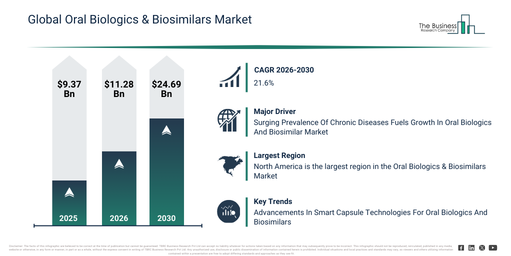
    The market for oral biologics and biosimilars has seen exponential expansion over recent years, climbing from $9.37 billion in 2025 to $11.28 billion in 2026—a compound annual growth rate (CAGR) of 20.3%. During the historic period, this growth was driven by several factors including the scarce supply of oral biologic options, the steep price of biologic treatments, a continued preference for injectable forms, rising rates of chronic illnesses, and the expansion of both hospital and retail pharmacy networks.

    Over the coming years, the oral biologics and biosimilars market is anticipated to experience explosive expansion. By 2030, its value is projected to hit $24.69 billion, fueled by a compound annual growth rate of 21.6%. This projected growth is primarily driven by the advancement of biosimilars and combination therapies, a broadening pipeline of oral biologics, a growing preference among patients for oral drug formats, increased use of digital tools to support medication adherence, and stronger financial backing and reimbursement frameworks from governments. Key trends shaping this period include the increasing application of oral biologics and biosimilars for managing chronic illnesses, a surge in targeted therapeutic approaches for conditions like diabetes, arthritis, and cancer, heightened development of oral treatments based on monoclonal antibodies, the widening reach of hospital, retail, and online pharmacy channels, and a sharper focus on ensuring patient compliance and developing tailored treatment regimens.

    Download A Free Sample Report For Comprehensive Market Insights:

    https://www.thebusinessresearchcompany.com/sample.aspx?id=6830&type=smp&utm_source=BlogsPR&utm_medium=Paid&utm_campaign=Jul_PR

    Oral Biologics & Biosimilars Market Opportunity Drivers: What Is Creating New Revenue Potential?

    The increasing occurrence of long-term illnesses is anticipated to boost the expansion of the oral biologics and biosimilars market moving forward. Chronic diseases are persistent medical conditions that tend to advance slowly, including diabetes, heart disease, and respiratory ailments like asthma. This uptick in chronic conditions is mainly fueled by sedentary habits, as extended periods of physical inactivity elevate the likelihood of obesity, heart problems, type 2 diabetes, and some forms of cancer. Oral biologics and biosimilars facilitate this transition by offering more reachable, economically viable, and easier treatment options for individuals managing ongoing health issues. For example, in January 2023, the Centers for Disease Control and Prevention (CDC), a federal agency in the United States, reported that 76.4% of American adults—about 194 million people—had at least one chronic condition in 2023, with rates of 59.5% among young adults, 78.4% among middle-aged adults, and 93.0% among older adults. As a result, the growing prevalence of chronic diseases is fueling the growth of the oral biologics and biosimilars market.

    Oral Biologics & Biosimilars Market Segment Landscape: Which Areas Lead Market Development?

    The oral biologics & biosimilars market covered in this report is segmented –

    1) By Therapy: Lymphocyte Modulators, Immunostimulants, GPCR Modulators, Other Therapies

    2) By Disease: Diabetes, Arthritis and Crohn’s Disease, Cancer, Infectious Disease, Other Autoimmune Disease, Other Diseases

    3) By Molecule Type: Vaccines, Proteins and Peptides, Other Molecule Types

    4) By Distribution Channel: Hospital Pharmacies, Retail Pharmacies, Online Pharmacies

    Subsegments:

    1) By Lymphocyte Modulators: T-Cell Modulators, B-Cell Modulators, Sphingosine-1-Phosphate Receptor Modulators

    2) By Immunostimulants: Cytokines, Immune Checkpoint Inhibitors, Adjuvants

    3) By GPCR Modulators: Agonists, Antagonists, Biased Ligands

    4) By Other Therapies: Cell-Based Therapies, Gene Therapies, Combination Therapies

    Oral Biologics & Biosimilars Market Innovation Trends Driving Future Development

    Key players in the oral biologics and biosimilars market are prioritizing the creation of advanced solutions, such as tailored smart capsule development services, to enhance the oral delivery of biologics, improve bioavailability, and provide a more patient-friendly alternative to conventional injectable formulations. These smart capsules incorporate sophisticated coatings, controlled-release matrices, or protective excipients that shield biologics from degradation within the gastrointestinal tract and facilitate absorption in specific intestinal regions, offering a non-invasive option that boosts patient adherence to treatment. For example, in December 2024, Lonza Group AG, a Swiss contract development and manufacturing organization (CDMO), unveiled a specialized service for smart capsule development, aimed at advancing oral biologics. This service includes personalized formulation design, careful selection of protective excipients, and capsule engineering to maintain biologic stability and targeted release; it operates by increasing the oral bioavailability of sensitive biomolecules while ensuring therapeutic effectiveness. Distinctive features encompass comprehensive support from concept through preclinical testing, adaptability to various biologic types (such as proteins, peptides, and nucleic acids), and scalable manufacturing options. Its applications extend to the oral delivery of monoclonal antibodies, therapeutic peptides, and vaccines. Benefits encompass enhanced patient convenience, decreased dependence on injections, better treatment compliance, and faster development timelines for oral biologic treatments.

    Oral Biologics & Biosimilars Market Industry Leaders And Market Competition

    Major companies operating in the oral biologics & biosimilars market are Merck & Co. Inc., GlaxoSmithKline, Novo Nordisk, BiosanaPharma, AstraZeneca, Bayer, Boehringer Ingelheim, Sanofi, Microgen, Geropharm, Valenta, NovaMedica, SynBio, Roche, Rani Therapeutics, Eli Lilly and Company, Emisphere Technologies Inc., Enteris BioPharma, Allena Pharmaceuticals, Abbvie, Johnson & Johnson, Pfizer Inc., Biogen Inc., Aché, Eurofarma, Teva Pharmaceuticals, Oramed Pharmaceuticals, Entera Bio, Julphar, Hikma Pharmaceuticals, Altis Biologics, Cipla Medpro South Africa, Genzyme

    Access The Complete Oral Biologics & Biosimilars Market Report:

    https://www.thebusinessresearchcompany.com/report/oral-biologics-and-biosimilars-global-market-report?utm_source=BlogsPR&utm_medium=Paid&utm_campaign=Jul_PR

    Oral Biologics & Biosimilars Market Largest Region By Revenue And Market Share

    North America was the largest region in the oral biologics and biosimilar drugs market in 2025. The Middle East is expected to be the fastest-growing region in the forecast period. The regions covered in the oral biologics & biosimilars market report are Asia-Pacific, South East Asia, Western Europe, Eastern Europe, North America, South America, Middle East, Africa.

    Get in touch with us:

    The Business Research Company: https://www.thebusinessresearchcompany.com/?utm_source=BlogsPR&utm_medium=Paid&utm_campaign=home_page_test

    Americas: +1 310-496-7795

    Asia: +44 7882 955267 & +91 8897263534

    Europe: +44 7882 955267

    Email us at: marketing@tbrc.info

    Follow us on:

    LinkedIn: https://in.linkedin.com/company/the-business-research-company

    YouTube: https://www.youtube.com/channel/UC24_fI0rV8cR5DxlCpgmyFQ

    Global Market Model: https://www.thebusinessresearchcompany.com/global-market-model
  • Oral Biologics & Biosimilar Drugs Market Forecast Signals New Revenue Opportunities Through 2030

    Oral Biologics & Biosimilar Drugs Market Forecast Signals New Revenue Opportunities Through 2030

    Enhanced with market attractiveness analysis, total addressable market evaluation, company benchmarking matrices, interactive Excel dashboards, expanded supply chain intelligence, emerging startup coverage, and detailed product insights, The Business Research Company’s 2026 market reports deliver more actionable and strategically valuable research.

    Oral Biologics & Biosimilar Drugs Market Growth Potential: How Will Market Size Change Through 2030?

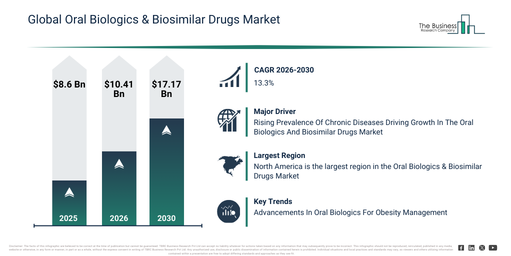
    The market for oral biologics and biosimilar drugs has experienced remarkable expansion in recent years, with projections showing an increase from $8.6 billion in 2025 to $10.41 billion in 2026, reflecting a compound annual growth rate (CAGR) of 21.0%. This historical growth has been driven by factors such as the scarce availability of oral biologics, a heavy dependence on injectable biologics, a growing incidence of autoimmune and inflammatory conditions, heightened patient demand for affordable treatment options, and the early regulatory approvals granted to monoclonal antibody drugs.

    The oral biologics and biosimilar drugs market is poised for significant expansion in the coming years. Projections indicate it will reach $17.17 billion by 2030, growing at a compound annual growth rate (CAGR) of 13.3%. This forward momentum is driven by several key factors: the creation of next-generation oral biologics, an expanding biosimilar pipeline, a growing preference for combination therapies, the increasing role of digital health platforms in patient monitoring, and heightened regulatory support for biosimilar approvals. Furthermore, notable trends shaping this period include the rising uptake of oral biologics and biosimilars, a strengthened focus on managing chronic diseases with biologics, broader distribution networks through hospital and retail pharmacies, improved patient understanding and acceptance of biosimilars, and the advancement of targeted treatments for autoimmune and inflammatory conditions.

    Download A Free Sample Report For Comprehensive Market Insights:

    https://www.thebusinessresearchcompany.com/sample.aspx?id=3792&type=smp&utm_source=BlogsPR&utm_medium=Paid&utm_campaign=Jul_PR

    Oral Biologics & Biosimilar Drugs Market Growth Momentum: Which Factors Are Influencing Demand?

    The increasing frequency of chronic conditions like arthritis, asthma, and cancer is anticipated to significantly influence the oral biologics and biosimilar market. Factors such as extended work schedules, sedentary lifestyles, and poor dietary and drinking habits contribute to the onset of these diseases, and biologics are being employed more frequently in their management. These therapies function by stimulating immune responses to target cancer cells, supporting the body’s ability to eliminate them. For example, as reported in a United Nations article from May 2023, chronic diseases are forecast to account for 70% of all global deaths by 2030, with the worldwide burden of such illnesses expected to approach approximately 60%. Consequently, this growing prevalence of chronic diseases is expected to boost demand for biologics and biosimilars, thereby fueling the expansion of the oral biologics and biosimilar drugs market.

    Oral Biologics & Biosimilar Drugs Market Segments: Where Are The Largest Growth Opportunities?

    The oral biologics & biosimilar drugs market covered in this report is segmented –

    1) By Therapy: Lymphocyte Modulators, Interleukin Inhibitors, Tumor Necrosis Factor-Alpha Inhibitors

    2) By Disease: Asthma, Crohn’s Disease, Carcinoma, Arthritis, Diabetes, Multiple Myeloma, Enterocolitis, Multiple Sclerosis, Sarcoma, Psoriasis and Others

    3) By Molecule Type: Proteins & Peptides, Monoclonal Antibodies, Other Molecule Types

    4) By Distribution Channel: Hospital Pharmacies, Retail Pharmacies, Online Pharmacies

    Subsegments:

    1) By Lymphocyte Modulators: Fingolimod, Ocrelizumab, Natalizumab

    2) By Interleukin Inhibitors: Ustekinumab, Secukinumab, Guselkumab

    3) By Tumor Necrosis Factor-Alpha Inhibitors: Adalimumab, Certolizumab Pegol, Golimumab

    Oral Biologics & Biosimilar Drugs Market Trends Reshaping Industry Growth

    Key industry players in the oral biologics and biosimilar markets are concentrating on innovative products like incretin triagonists, aiming to enhance patient outcomes, boost drug effectiveness, and deliver substitutes for injectable therapies. These triagonists are medications that activate three hormone receptors simultaneously—GLP-1, GIP, and glucagon—which assist in controlling blood sugar, appetite, and metabolic processes. For example, in October 2024, Rani Therapeutics Holdings Inc., a biotechnology firm based in the US, unveiled fresh preclinical pharmacokinetic data supporting the transenteric administration of a GLP-1 incretin triagonist. Their RaniPill, an oral capsule crafted for delivering biologics that traditionally necessitate injections, effectively administered a triagonist targeting GLP-1, GIP, and glucagon receptors—crucial targets in obesity management. The RaniPill showed comparable effectiveness to subcutaneous injections, providing a needle-free option with high bioavailability and flexible dosing, positioning it as a viable candidate for obesity medications.

    Oral Biologics & Biosimilar Drugs Market Major Participants And Competitive Dynamics

    Major companies operating in the oral biologics & biosimilar drugs market are Novartis International AG, Rani Therapeutics Holdings Inc., Eli Lilly and Company, AstraZeneca plc, Novo Nordisk A/S, Biocon Limited, Oramed Pharmaceuticals Inc., BiosanaPharma, Entera Bio Ltd., Allergan plc, Emisphere Technologies Inc., Enteris BioPharma Inc., Chiasma Inc., Allena Pharmaceuticals Inc., Gelgen Corporation, 3SBio Inc., Innovent Biologics Inc., GlaxoSmithKline PLC, Concord Biotech Limited, Sanofi S.A., F. Hoffmann-La Roche Ltd., Allergan Pharmaceuticals International Limited, Mylan N.V., Pfizer Inc., Sandoz International GmbH, Teva Pharmaceutical Industries Ltd.

    Access The Complete Oral Biologics & Biosimilar Drugs Market Report:

    https://www.thebusinessresearchcompany.com/report/oral-biologics-and-biosimilar-drug-global-market-report?utm_source=BlogsPR&utm_medium=Paid&utm_campaign=Jul_PR

    Oral Biologics & Biosimilar Drugs Market Regional Analysis And Leading Geography

    North America was the largest region in the oral biologics and biosimilar drugs market in 2025. The Middle East is expected to be the fastest growing region in the oral biologics & biosimilar drugs market report during the forecast period. The regions covered in the oral biologics & biosimilar drugs market report are Asia-Pacific, South East Asia, Western Europe, Eastern Europe, North America, South America, Middle East, Africa.

    Get in touch with us:

    The Business Research Company: https://www.thebusinessresearchcompany.com/?utm_source=BlogsPR&utm_medium=Paid&utm_campaign=home_page_test

    Americas: +1 310-496-7795

    Asia: +44 7882 955267 & +91 8897263534

    Europe: +44 7882 955267

    Email us at: marketing@tbrc.info

    Follow us on:

    LinkedIn: https://in.linkedin.com/company/the-business-research-company

    YouTube: https://www.youtube.com/channel/UC24_fI0rV8cR5DxlCpgmyFQ

    Global Market Model: https://www.thebusinessresearchcompany.com/global-market-model
  • Oral Antidiabetic Drugs Market Growth Is Accelerating As Industry Transformation Continues

    Oral Antidiabetic Drugs Market Growth Is Accelerating As Industry Transformation Continues

    Through market attractiveness analysis, total addressable market evaluation, company benchmarking matrices, interactive Excel dashboards, expanded supply chain intelligence, emerging startup coverage, and detailed product insights, The Business Research Company’s 2026 market reports provide more actionable and strategically valuable research.

    Oral Antidiabetic Drugs Market Value Analysis: What Growth Is Expected Over The Forecast Period?

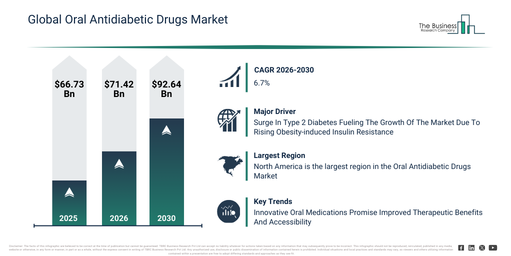
    The market for oral antidiabetic drugs has seen robust expansion in recent times. It is projected to increase from $66.73 billion in 2025 to $71.42 billion in 2026, reflecting a compound annual growth rate (CAGR) of 7.0%. Historically, this growth has been driven by a restricted range of oral antidiabetic drug categories, a heavy dependence on traditional biguanides and sulfonylureas, a rising prevalence of type 2 diabetes, broader distribution networks in hospitals and pharmacies, and heightened awareness regarding diabetes management.

    The oral antidiabetic drugs market is projected to experience significant expansion in the coming years, reaching an estimated value of $92.64 billion by 2030, with a compound annual growth rate (CAGR) of 6.7%. This anticipated growth during the forecast period is driven by factors such as the development of novel DPP-4 inhibitors and SGLT2 inhibitors, the broadening of combination therapies, a rising emphasis on personalized medicine approaches, the expansion of online pharmacy and telemedicine platforms, and increased government initiatives aimed at diabetes care. Key trends shaping this period include the growing prevalence of type 2 diabetes, a higher uptake of combination oral antidiabetic drugs, the widening reach of online and retail pharmacy channels, a stronger focus on tailored diabetes management, and improved awareness and education surrounding diabetes care.

    Download A Free Sample Report For Comprehensive Market Insights:

    https://www.thebusinessresearchcompany.com/sample.aspx?id=25854&type=smp&utm_source=BlogsPR&utm_medium=Paid&utm_campaign=Jul_PR

    Oral Antidiabetic Drugs Market Expansion Drivers: What Is Shaping Future Growth?

    The rising prevalence of type 2 diabetes is anticipated to drive the expansion of the oral antidiabetic drugs market in the near future. Type 2 diabetes is a chronic disorder characterized by the body’s resistance to insulin or its insufficient production to sustain standard glucose levels. This increase in type 2 diabetes stems from growing obesity rates, as excessive body fat contributes to insulin resistance and disrupted glucose regulation. Oral antidiabetic drugs are utilized to control type 2 diabetes by boosting insulin sensitivity, increasing insulin secretion, or decreasing glucose production and absorption, thus ensuring optimal blood sugar levels. As an example, in March 2025, the Office for Health Improvement and Disparities, a UK government entity, noted that the prevalence of type 2 diabetes among adults aged 17 and older in England climbed to 7.0%, compared to 6.8% in March 2023. Consequently, the escalating incidence of type 2 diabetes is fueling the growth of the oral antidiabetic drugs market.

    Oral Antidiabetic Drugs Market Segment Analysis: What Are The Major Market Categories?

    The oral antidiabetic drugs market covered in this report is segmented –

    1) By Drug Class: Biguanides, Dipeptidyl Peptidase-4 Inhibitors, Sodium Glucose Transport Protein -2 Inhibitors, Sulfonylureas, Thiazolidinediones, Megalitinides, Alpha Glucosidase Inhibitors, Other Drug Classes

    2) By Route Of Administration: Oral, Sublingual, Buccal

    3) By Therapeutic Area: Type 2 Diabetes, Gestational Diabetes, Type 1 Diabetes

    4) By Distribution Channel: Hospital Pharmacies, Retail Pharmacies, Online Pharmacies, Other Channels

    5) By End User: Hospitals, Pharmact Store, Drug Store, Diabetes Treatment Centers, Other End Users

    Subsegments:

    1) By Biguanides: Metformin Hydrochloride, Metformin Extended Release, Combination Products

    2) By Dipeptidyl Peptidase-4 (DPP-4) Inhibitors: Sitagliptin, Saxagliptin, Linagliptin, Alogliptin, Vildagliptin

    3) By Sodium Glucose Transport Protein-2 (SGLT2) Inhibitors: Canagliflozin, Dapagliflozin, Empagliflozin, Ertugliflozin

    4) By Sulfonylureas: Glipizide, Glyburide, Glimepiride, Chlorpropamide, Tolbutamide

    5) By Thiazolidinediones: Pioglitazone, Rosiglitazone

    6) By Meglitinides: Repaglinide, Nateglinide

    7) By Alpha Glucosidase Inhibitors: Acarbose, Miglitol, Voglibose

    8) By Other Drug Classes: Bromocriptine, Colesevelam

    Oral Antidiabetic Drugs Market Strategic Trends: What Is Defining The Next Phase Of Growth?

    Major companies in the oral antidiabetic drugs market are actively conducting clinical trials to create more effective and safer therapies, broaden their product offerings, and obtain regulatory clearance for advanced treatments. These trials are structured research studies involving human participants that assess the safety, efficacy, and adverse effects of novel medications or interventions. In April 2025, for example, Eli Lilly and Company, a pharmaceutical firm based in the United States, unveiled Orforglipron—a once-daily oral small-molecule GLP-1 receptor agonist—following a successful phase 3 trial aimed at streamlining diabetes care. This oral therapy is intended to match the effectiveness and safety of injectable alternatives while boosting patient compliance. Over a 40-week period in clinical studies, orforglipron reduced HbA1c, a key indicator of blood glucose control, by an average of 1.3% to 1.6% across various dosage levels.

    Oral Antidiabetic Drugs Market Leading Companies Driving Competitive Growth

    Major companies operating in the oral antidiabetic drugs market are Pfizer Inc., Johnson & Johnson, Merck & Co. Inc., Bayer AG, Novartis AG, Sanofi S.A., Bristol-Myers Squibb Company, AstraZeneca plc, GlaxoSmithKline plc, Takeda Pharmaceutical Company Limited, Eli Lilly and Company, Novo Nordisk A/S, C.H. Boehringer Sohn AG & Co. KG, Viatris Inc., Teva Pharmaceutical Industries Limited, Astellas Pharma Inc., Sun Pharmaceutical Industries Limited, Cipla Limited

    Access The Complete Oral Antidiabetic Drugs Market Report:

    https://www.thebusinessresearchcompany.com/report/oral-antidiabetic-drugs-global-market-report?utm_source=BlogsPR&utm_medium=Paid&utm_campaign=Jul_PR

    Oral Antidiabetic Drugs Market Geographic Analysis: Where Is Demand Growing The Fastest?

    North America was the largest region in the oral antidiabetic drugs market in 2025. Asia-Pacific is expected to be the fastest-growing region in the forecast period. The regions covered in the oral antidiabetic drugs market report are Asia-Pacific, South East Asia, Western Europe, Eastern Europe, North America, South America, Middle East, Africa.

    Get in touch with us:

    The Business Research Company: https://www.thebusinessresearchcompany.com/?utm_source=BlogsPR&utm_medium=Paid&utm_campaign=home_page_test

    Americas: +1 310-496-7795

    Asia: +44 7882 955267 & +91 8897263534

    Europe: +44 7882 955267

    Email us at: marketing@tbrc.info

    Follow us on:

    LinkedIn: https://in.linkedin.com/company/the-business-research-company

    YouTube: https://www.youtube.com/channel/UC24_fI0rV8cR5DxlCpgmyFQ

    Global Market Model: https://www.thebusinessresearchcompany.com/global-market-model
  • Opioids Market Outlook Highlights The Next Major Growth Opportunities

    Opioids Market Outlook Highlights The Next Major Growth Opportunities

    Delivering more actionable and strategically valuable research, The Business Research Company’s 2026 market reports feature market attractiveness analysis, total addressable market evaluation, company benchmarking matrices, interactive Excel dashboards, expanded supply chain intelligence, emerging startup coverage, and detailed product insights.

    Opioids Market Size Forecast: How Large Could The Market Become By 2030?

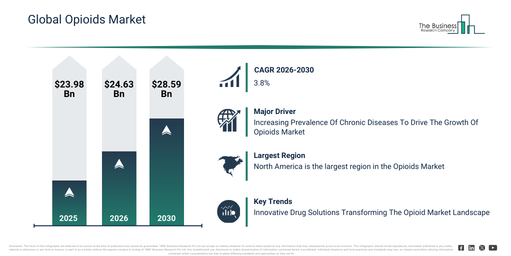
    The opioids market has seen consistent expansion in recent times. Its value is projected to reach $23.98 billion in 2025 and then climb to $24.63 billion in 2026, representing a compound annual growth rate (CAGR) of 2.7%. This historical growth was driven by several factors: the frequent occurrence of post-surgical pain, a higher incidence of cancer, extensive opioid prescribing patterns, a shortage of alternative treatments for pain, and a significant reliance on opioids within hospital environments.

    The opioids market is projected to experience consistent expansion in the coming years, reaching a value of $28.59 billion by 2030, with a compound annual growth rate (CAGR) of 3.8%. This anticipated growth during the forecast period is driven by factors such as an increasing number of individuals living with chronic pain, the creation of opioid formulations with improved safety profiles, the widening of palliative care services, more defined regulatory frameworks concerning controlled substances, and a heightened need for effective pain relief solutions among older populations. Key developments shaping the industry in the forecast period involve the advancement of precision-based opioid therapies, the incorporation of digital monitoring systems for prescriptions, a transition toward abuse-deterrent product designs, a growing emphasis on long-acting and extended-release opioid options, and a rising utilization of opioids for managing pain associated with cancer.

    Download A Free Sample Report For Comprehensive Market Insights:

    https://www.thebusinessresearchcompany.com/sample.aspx?id=13021&type=smp&utm_source=BlogsPR&utm_medium=Paid&utm_campaign=Jul_PR

    Opioids Market Development Factors: Which Trends Are Supporting Demand?

    The rising incidence of chronic diseases is anticipated to drive expansion in the opioids market moving forward. Chronic diseases, often referred to as non-communicable diseases (NCDs), are long-term health conditions that typically advance slowly and endure over an extended timeframe. These conditions can last for years or even a lifetime and generally do not resolve spontaneously. The growing frequency of chronic diseases significantly influences the opioids market. As more individuals develop chronic illnesses and suffer from persistent pain, the demand for opioids escalates. The application of opioids in managing chronic diseases represents a complex and evolving field of medicine, offering effective pain relief. For example, in June 2024, data from the National Health Service, a UK government agency, revealed that 3,615,330 people registered with a general practitioner (GP) were diagnosed with non-diabetic hyperglycemia or pre-diabetes (a condition characterized by elevated blood sugar levels not yet reaching diabetes thresholds) in 2023, reflecting an 18% rise from 3,065,825 cases in 2022. Consequently, the increasing prevalence of chronic diseases is fueling growth in the opioids market.

    Opioids Market Segment Breakdown: Which Categories Generate The Most Revenue?

    The opioids market covered in this report is segmented –

    1) By Product Type: Methadone, Codeine, Fentanyl, Oxycodone, Morphine, Hydrocodone, Other Product Types

    2) By Receptor Binding: Strong Agonist, Mild To Moderate Agonist

    3) By Basis Of Indication: Inflammatory Condition, Musculoskeletal Pain, Neuropathic Pain, Cancer Pain

    4) By Distribution Channel: Hospital, Retail Pharmacies, Online Pharmacies

    5) By Application: Pain Management, Cough Treatment, Diarrhea Treatment

    Subsegments:

    1) By Methadone: Methadone Tablets, Methadone Oral Solution

    2) By Codeine: Codeine Phosphate Tablets, Codeine Liquid Formulations

    3) By Fentanyl: Fentanyl Patch, Fentanyl Injection, Fentanyl Sublingual Tablets

    4) By Oxycodone: Oxycodone Tablets, Oxycodone Extended-Release Formulations

    5) By Morphine: Morphine Sulfate Tablets, Morphine Injection, Morphine Extended-Release Capsules

    6) By Hydrocodone: Hydrocodone/Acetaminophen Tablets, Hydrocodone Liquid Formulations

    7) By Other Product Types: Buprenorphine, Tramadol, Other Combination Products

    Opioids Market Transformation Trends: Which Innovations Are Driving Change?

    Leading players within the opioid sector are concentrating on developing cutting-edge pharmaceutical solutions to strengthen their market standing. The creation of novel drugs has the potential to address illnesses while advancing medical knowledge and healthcare outcomes. As an example, in May 2023, Braeburn Pharmaceuticals Inc., a company based in the United States specializing in treatments for opioid addiction, announced that the US Food and Drug Administration had approved Brixadi (buprenorphine) as an extended-release injectable for subcutaneous administration (under the skin) to manage moderate to severe opioid use disorder (OUD). This product is the first and only weekly and monthly subcutaneous injectable for moderate to severe OUD, as well as the first buprenorphine injectable that employs FluidCrystal Injection Depot Technology. Patients currently using oral buprenorphine-based medications can be switched to corresponding doses when the prescribing guidelines are adhered to.

    Opioids Market Key Players And Strategic Industry Positioning

    Major companies operating in the opioids market are Pfizer Inc., Johnson & Johnson Inc., AbbVie Inc., Sanofi S.A, AstraZeneca Plc, Viatris Inc., Teva Pharmaceutical Industries Limited, Sandoz Inc., Sun Pharmaceutical Industries Limited, Aurobindo Pharma Limited, Purdue Pharma L.P., Dr. Reddy’s Laboratories Ltd., Hikma Pharmaceuticals plc, Endo Pharmaceuticals Inc., Amneal Pharmaceuticals Inc., Mallinckrodt Pharmaceuticals plc, Alkermes plc, Lannett Co Inc., Par Pharmaceutical Inc., Mayne Pharma Group Ltd., Cephalon LLC, Insys Therapeutics Inc., Janssen Pharmaceuticals Inc., Rhodes Pharmaceuticals L.P, KVK Tech Inc.

    Access The Complete Opioids Market Report:

    https://www.thebusinessresearchcompany.com/report/opioids-global-market-report?utm_source=BlogsPR&utm_medium=Paid&utm_campaign=Jul_PR

    Opioids Market Global Footprint: Which Region Holds Market Leadership?

    North America was the largest region in the opioids market in 2025. Asia-Pacific is expected to be the fastest-growing region in the forecast period. The regions covered in the opioids market report are Asia-Pacific, South East Asia, Western Europe, Eastern Europe, North America, South America, Middle East, Africa.

    Get in touch with us:

    The Business Research Company: https://www.thebusinessresearchcompany.com/?utm_source=BlogsPR&utm_medium=Paid&utm_campaign=home_page_test

    Americas: +1 310-496-7795

    Asia: +44 7882 955267 & +91 8897263534

    Europe: +44 7882 955267

    Email us at: marketing@tbrc.info

    Follow us on:

    LinkedIn: https://in.linkedin.com/company/the-business-research-company

    YouTube: https://www.youtube.com/channel/UC24_fI0rV8cR5DxlCpgmyFQ

    Global Market Model: https://www.thebusinessresearchcompany.com/global-market-model