Month: July 2026

  • Norovirus Treatment Market Size Projected To Increase From $2.15 Billion To $3.21 Billion During The Forecast Period

    Norovirus Treatment Market Size Projected To Increase From $2.15 Billion To $3.21 Billion During The Forecast Period

    Delivering more actionable and strategically valuable research, The Business Research Company’s 2026 market reports feature market attractiveness analysis, total addressable market evaluation, company benchmarking matrices, interactive Excel dashboards, expanded supply chain intelligence, emerging startup coverage, and detailed product insights.

    Norovirus Treatment Market Size Outlook: How Fast Will Revenue Grow Through 2030?

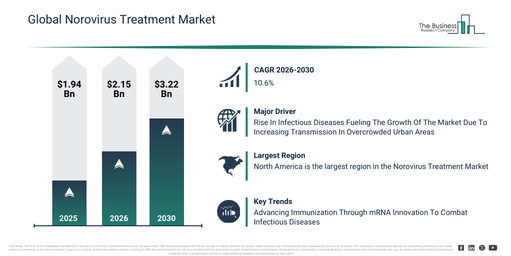
    The size of the norovirus treatment market has experienced rapid expansion in recent years. It is projected to increase from $1.94 billion in 2025 to $2.15 billion in 2026, reflecting a compound annual growth rate (CAGR) of 10.9%. This historical growth has been driven by factors such as limited public understanding of norovirus management, a strong dependence on hospital-based care, inadequate homecare infrastructure, the absence of standardized approaches for managing symptoms, and minimal use of probiotics and zinc supplementation.

    The norovirus treatment sector is anticipated to experience rapid expansion over the coming years. By 2030, the market value is projected to reach $3.22 billion, with a compound annual growth rate (CAGR) of 10.6%. This forecasted growth is driven by rising demand for oral rehydration solutions, the expansion of homecare services and telemedicine, a heightened focus on pediatric and elderly populations, the development of targeted supportive care therapies, and increased healthcare spending alongside awareness campaigns. Key trends shaping this period include a greater adoption of oral rehydration therapies, more frequent use of intravenous fluids for severe cases, the growth of homecare and remote treatment alternatives, expanded utilization of anti-diarrheal and symptom management medications, and an emphasis on norovirus care for children and older adults.

    Download A Free Sample Report For Comprehensive Market Insights:

    https://www.thebusinessresearchcompany.com/sample.aspx?id=24629&type=smp&utm_source=BlogsPR&utm_medium=Paid&utm_campaign=Jul_PR

    Norovirus Treatment Market Opportunity Drivers: What Is Creating New Revenue Potential?

    The rising occurrence of infectious diseases is anticipated to drive the expansion of the norovirus treatment market in the coming period. Infectious diseases, including influenza, tuberculosis, HIV/AIDS, malaria, and norovirus, are conditions triggered by bacteria, viruses, fungi, or parasites that are transmitted between individuals. This rise in infectious diseases is fueled by urban overcrowding, which accelerates the transmission of pathogens within densely populated areas. Norovirus treatment mitigates the effects of these diseases by effectively managing symptoms and curbing transmission through adequate hydration, hygiene, and isolation protocols. By way of illustration, the World Health Organization—an intergovernmental body headquartered in Switzerland—reported in March 2025 that approximately 10.8 million people globally, consisting of 6.0 million males, 3.6 million females, and 1.3 million children, contracted tuberculosis in 2023. Consequently, the growing prevalence of infectious diseases is propelling the growth of the norovirus treatment market.

    Norovirus Treatment Market Segmentation And Category Breakdown

    The norovirus treatment market covered in this report is segmented –

    1) By Treatment: Electrolytes, Intravenous Fluids, Antipyretics, Analgesics, Anti-Diarrheal, Other Treatments

    2) By Diagnosis: Bacteria Culture Test, Stool Tests, Other Diagnosis

    3) By Route Of Administration: Oral, Intravenous

    4) By End User: Hospitals, Clinics, Homecare Settings

    Subsegments:

    1) By Electrolytes: Oral Rehydration Salts (ORS), Sports Drinks, Pediatric Electrolyte Solutions

    2) By Intravenous Fluids: Crystalloids, Colloids, Lactated Ringer’s Solution

    3) By Antipyretics: Acetaminophen (Paracetamol), Ibuprofen, Aspirin

    4) By Analgesics: Nonsteroidal Anti-Inflammatory Drugs (NSAIDs), Opioid Analgesics, Acetaminophen-Based Analgesics

    5) By Anti-Diarrheal: Loperamide, Bismuth Subsalicylate, Diphenoxylate-Atropine

    6) By Other Treatments: Antiemetics, Probiotics, Zinc Supplements

    Norovirus Treatment Market Innovation Trends Driving Future Development

    Major industry players in the norovirus treatment sector are actively pursuing innovative advancements, particularly next-generation mRNA vaccines, with the goal of accelerating the creation of targeted immunizations, bolstering protection against severe infections, and lessening the worldwide impact of norovirus-related health issues. These advanced mRNA vaccines represent a new class of immunizations that utilize specially engineered messenger RNA to direct cells in producing distinct proteins, thereby eliciting a precise immune response characterized by enhanced stability, effectiveness, and flexibility in combating diverse infectious diseases. An example of this progress occurred in October 2024, when Moderna Inc., a US-based biotechnology firm, collaborated with the UK Health Security Agency (UKHSA), a UK governmental body, to initiate the globe’s first Phase 3 clinical trial of an mRNA norovirus vaccine (mRNA-1403) in the UK. This trial introduces a vaccine crafted to target the highly transmissible norovirus by prompting the body to generate viral proteins, stimulating a robust immune reaction without employing live virus particles. Distinctive attributes of this launch include the use of stabilized mRNA for prolonged durability, rapid development capacity in adapting to emerging viral strains, and the capacity to trigger both antibody-based and T-cell-mediated immune responses.

    Norovirus Treatment Market Competitive Analysis Of Major Industry Participants

    Major companies operating in the norovirus treatment market are Abbott Laboratories, Reckitt Benckiser Group plc, Nestlé Health Science, Otsuka Pharmaceutical Co. Ltd., Dr. Reddy’s Laboratories Ltd., Cipla Limited, Sun Pharmaceutical Industries Ltd., Aurobindo Pharma Limited, Lupin Limited, Mylan (Viatris Inc.), Perrigo Company plc, Haleon plc, Church & Dwight Co. Inc., GlaxoSmithKline Consumer Healthcare, Sanofi Consumer Healthcare, Pfizer Consumer Healthcare, Ferring Pharmaceuticals, Fresenius Kabi AG, Baxter International Inc., B. Braun Melsungen AG, Hikma Pharmaceuticals PLC, Torrent Pharmaceuticals Ltd., Alkem Laboratories Ltd., Zydus Lifesciences Ltd., Glenmark Pharmaceuticals Ltd., Pfizer Healthcare India Pvt. Ltd., Mead Johnson Nutrition (Reckitt), Danone Nutricia, Amneal Pharmaceuticals Inc., Ajanta Pharma Ltd.

    Access The Complete Norovirus Treatment Market Report:

    https://www.thebusinessresearchcompany.com/report/norovirus-treatment-global-market-report?utm_source=BlogsPR&utm_medium=Paid&utm_campaign=Jul_PR

    Norovirus Treatment Market Geographic Analysis: Where Is Demand Growing The Fastest?

    North America was the largest region in the norovirus treatment market in 2025. The regions covered in the norovirus treatment market report are Asia-Pacific, South East Asia, Western Europe, Eastern Europe, North America, South America, Middle East, Africa.

    Get in touch with us:

    The Business Research Company: https://www.thebusinessresearchcompany.com/?utm_source=BlogsPR&utm_medium=Paid&utm_campaign=home_page_test

    Americas: +1 310-496-7795

    Asia: +44 7882 955267 & +91 8897263534

    Europe: +44 7882 955267

    Email us at: marketing@tbrc.info

    Follow us on:

    LinkedIn: https://in.linkedin.com/company/the-business-research-company

    YouTube: https://www.youtube.com/channel/UC24_fI0rV8cR5DxlCpgmyFQ

    Global Market Model: https://www.thebusinessresearchcompany.com/global-market-model
  • Non-Viral Gene Delivery Technologies Market Growth Outlook Reveals A CAGR Of 15.1% And A Market Value Of $9.26 Billion By 2030

    Non-Viral Gene Delivery Technologies Market Growth Outlook Reveals A CAGR Of 15.1% And A Market Value Of $9.26 Billion By 2030

    Enhanced with market attractiveness analysis, total addressable market evaluation, company benchmarking matrices, interactive Excel dashboards, expanded supply chain intelligence, emerging startup coverage, and detailed product insights, The Business Research Company’s 2026 market reports deliver more actionable and strategically valuable research.

    Non-Viral Gene Delivery Technologies Market Size, Value And Growth Trends Through 2030

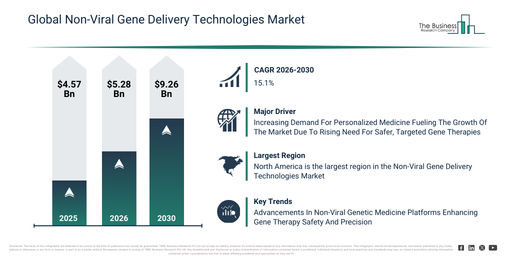
    The market for non-viral gene delivery technologies has experienced substantial expansion over the last few years. Projections indicate it will rise from $4.57 billion in 2025 to $5.28 billion in 2026, achieving a compound annual growth rate (CAGR) of 15.5%. This historic growth was driven by factors such as a dependence on viral delivery methods, a constrained supply of non-viral transfection reagents, heightened interest in gene therapy research, greater utilization of plasmid DNA and mRNA delivery kits, and the adoption of electroporation alongside physical delivery techniques.

    The market for non-viral gene delivery technologies is projected to expand rapidly over the coming years. By 2030, its value is anticipated to reach $9.26 billion, reflecting a compound annual growth rate (CAGR) of 15.1%. This forecasted growth is driven by the development of advanced lipid and polymer nanoparticles, the spread of pre-formulated nanoparticle technologies, higher investment in gene editing and RNAi therapeutics, growing demand for personalized gene therapy solutions, and the integration of high-throughput and automated delivery platforms. Key trends shaping the period include an increasing reliance on lipid-based and polymer-based non-viral delivery systems, the rise of CRISPR and Cas9 gene editing applications, greater demand for RNAi and DNA vaccine delivery platforms, expansion of both ex-vivo and in-vivo gene therapy studies, and the creation of cell-specific and targeted gene delivery reagents.

    Download A Free Sample Report For Comprehensive Market Insights:

    https://www.thebusinessresearchcompany.com/sample.aspx?id=27367&type=smp&utm_source=BlogsPR&utm_medium=Paid&utm_campaign=Jul_PR

    Non-Viral Gene Delivery Technologies Market Growth Momentum: Which Factors Are Influencing Demand?

    The expansion of the non-viral gene delivery technologies market is being propelled by the growing appetite for personalized medicine. This medical strategy tailors prevention, diagnosis, and treatment to an individual’s genetic makeup, lifestyle, and environmental context. Its rise is fueled by innovations in genomic sequencing, which enable more precise diagnostics, targeted therapies, and better outcomes custom-fit for each patient. The heightened emphasis on personalized medicine is boosting demand for non-viral gene delivery technologies, as these methods offer safer and more versatile ways to deliver therapeutic genes that match a person’s genetic profile, sidestepping the hazards associated with viral vectors. As an example, in February 2024, the Personalized Medicine Coalition—a US-based nonprofit—announced that the FDA approved 16 new personalized treatments for rare diseases in 2023, compared to six in 2022. Hence, the increasing adoption of personalized medicine is driving growth in the non-viral gene delivery technologies market.

    Non-Viral Gene Delivery Technologies Market Segment Outlook: Which Categories Are Expanding The Fastest?

    The non-viral gene delivery technologies market covered in this report is segmented –

    1) By Product: Reagents And Kits, Delivery Devices, Pre-Formulated Nanoparticles

    2) By Delivery: In-Vitro, In-Vivo, Ex-Vivo

    3) By Technology: Electroporation, Lipid-Based Transfection, Polymer-Based Transfection, Physical Methods (Microinjection, Gene Gun), Nanoparticles

    4) By Application: Gene Therapy, Deoxyribonucleic Acid (DNA) Vaccines, Ribonucleic Acid Interference (RNAi), Clustered Regularly Interspaced Short Palindromic Repeats (CRISPR) Or Cas9 Gene Editing, Protein Expression

    5) By End-Use: Biotechnology And Biopharmaceutical Companies, Research And Academic Institutes, Other End-Uses

    Subsegments:

    1) By Reagents And Kits: Transfection Reagents, Plasmid Deoxyribonucleic Acid (DNA) Kits, Messenger Ribonucleic Acid (RNA) Delivery Kits, Small Interfering Ribonucleic Acid (RNA) Delivery Kits, Clustered Regularly Interspaced Short Palindromic Repeats Associated Protein Reagents, Cell-Specific Delivery Reagents

    2) By Delivery Devices: Electroporation Systems, Microinjection Systems, Gene Guns Or Biolistic Delivery Devices, Ultrasound-Mediated Delivery Devices, Hydrodynamic Gene Delivery Systems

    3) By Pre-Formulated Nanoparticles: Lipid-Based Nanoparticles, Polymer-Based Nanoparticles, Gold-Based Nanoparticles, Dendrimer-Based Nanoparticles, Carbon Nanotube-Based Nanoparticles, Inorganic Compound-Based Nanoparticles

    Non-Viral Gene Delivery Technologies Market Trends Reshaping Industry Growth

    Major players in the non-viral gene delivery market are increasingly prioritizing the development of innovative solutions, like non-viral genetic medicine platforms, to enhance both the safety and effectiveness of gene therapies. A non-viral genetic medicine platform is a technique that delivers therapeutic genes or nucleic acids into cells without relying on viruses, thereby minimizing immune responses and safety risks while enabling precise and controlled gene therapy administration for a range of diseases. For example, in October 2023, Generation Bio Co., a U.S.-based biotechnology firm specializing in genetic medicine, introduced immune-quiet DNA (iqDNA). This novel DNA represents an optimized variant of their closed-ended DNA (ceDNA) that avoids detection by the innate immune system, demonstrating cytokine levels and tolerability comparable to those of chemically modified mRNA in both mice and non-human primates when administered using their lipid nanoparticle (LNP) delivery system. Thanks to iqDNA’s improved tolerability, Generation Bio is now advancing it as the primary DNA cargo across all its initiatives, including its lead program targeting hemophilia A.

    Non-Viral Gene Delivery Technologies Market Key Companies And Competitive Benchmarking

    Major companies operating in the non-viral gene delivery technologies market are Thermo Fisher Scientific Inc., Danaher Corporation, Merck KGaA, Evonik Industries AG, Moderna Inc., Lonza Group AG, Bio-Rad Laboratories Inc., Takara Bio Inc., GenScript Biotech Corporation, ReCode Therapeutics Inc., Altogen Biosystems Inc., Generation Bio, Indee Labs Inc.

    Access The Complete Non-Viral Gene Delivery Technologies Market Report:

    https://www.thebusinessresearchcompany.com/report/non-viral-gene-delivery-technologies-global-market-report?utm_source=BlogsPR&utm_medium=Paid&utm_campaign=Jul_PR

    Non-Viral Gene Delivery Technologies Market Global Footprint: Which Region Holds Market Leadership?

    North America was the largest region in the non-viral gene delivery technologies market in 2025. Asia-Pacific is expected to be the fastest-growing region in the forecast period. The regions covered in the non-viral gene delivery technologies market report are Asia-Pacific, South East Asia, Western Europe, Eastern Europe, North America, South America, Middle East, Africa.

    Get in touch with us:

    The Business Research Company: https://www.thebusinessresearchcompany.com/?utm_source=BlogsPR&utm_medium=Paid&utm_campaign=home_page_test

    Americas: +1 310-496-7795

    Asia: +44 7882 955267 & +91 8897263534

    Europe: +44 7882 955267

    Email us at: marketing@tbrc.info

    Follow us on:

    LinkedIn: https://in.linkedin.com/company/the-business-research-company

    YouTube: https://www.youtube.com/channel/UC24_fI0rV8cR5DxlCpgmyFQ

    Global Market Model: https://www.thebusinessresearchcompany.com/global-market-model
  • Non-Viral Drug Delivery Systems Market Forecast Highlights Expansion From $11.25 Billion To $19.07 Billion Through 2030

    Non-Viral Drug Delivery Systems Market Forecast Highlights Expansion From $11.25 Billion To $19.07 Billion Through 2030

    Through market attractiveness analysis, total addressable market evaluation, company benchmarking matrices, interactive Excel dashboards, expanded supply chain intelligence, emerging startup coverage, and detailed product insights, The Business Research Company’s 2026 market reports provide more actionable and strategically valuable research.

    Non-Viral Drug Delivery Systems Market CAGR Analysis And Future Market Development

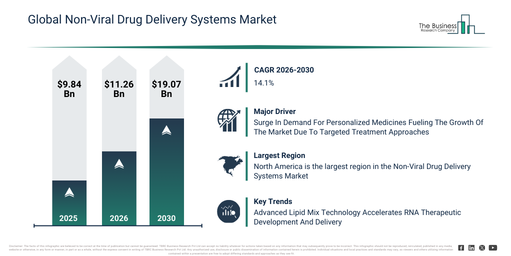
    The non-viral drug delivery systems market has experienced substantial expansion in recent times, with its valuation rising from $9.84 billion in 2025 to an expected $11.26 billion by 2026, reflecting a compound annual growth rate (CAGR) of 14.4%. This upward trajectory during the historical period has been driven by factors such as a continued dependence on viral delivery methods, a relatively low level of awareness regarding non-viral alternatives, the ongoing development of emerging biologics, the establishment of early-stage regulatory frameworks for drug delivery, and a initial academic research emphasis on nanoparticles.

    The market for non-viral drug delivery systems is projected to experience rapid expansion in the coming years. By 2030, its value is anticipated to reach $19.07 billion, reflecting a compound annual growth rate (CAGR) of 14.1%. Forecasted growth is driven by several factors, including progress in polymer-based carriers, the expansion of RNA and DNA therapeutics, rising funding for personalized medicine, growth in contract development and manufacturing organizations (CDMOs), and strengthened partnerships between pharmaceutical firms and academic institutions. Key developments expected during this period include increased use of non-viral delivery platforms for targeted therapies, expanded application of nanoparticles and liposome-based carriers, efforts to minimize immune responses while boosting safety, further advancement of personalized medicine and targeted treatments, and continued growth in CDMO operations and academic research collaborations.

    Download A Free Sample Report For Comprehensive Market Insights:

    https://www.thebusinessresearchcompany.com/sample.aspx?id=24628&type=smp&utm_source=BlogsPR&utm_medium=Paid&utm_campaign=Jul_PR

    Non-Viral Drug Delivery Systems Market Expansion Drivers: What Is Shaping Future Growth?

    The growing interest in tailored therapeutics is anticipated to boost the non-viral drug delivery systems market in the coming period. Personalized medicine, a healthcare strategy that customizes treatment based on an individual’s genetic profile, lifestyle, and environmental factors, is experiencing heightened demand because it enables more targeted and effective interventions for each patient’s unique disease causes. Non-viral drug delivery platforms support this approach by facilitating the safe transfer of drugs or genetic material into cells, thereby minimizing risks and enhancing treatment accuracy. A case in point is provided by the Personalized Medicine Coalition, a U.S.-based nonprofit organization, which reported in February 2024 that the FDA approved 16 new personalized therapies for rare diseases in 2023, a substantial rise from just 6 approvals in 2022. Consequently, the rising demand for personalized medicine is propelling the expansion of the non-viral drug delivery systems market.

    Non-Viral Drug Delivery Systems Market Segment Landscape: Which Areas Lead Market Development?

    The non-viral drug delivery systems market covered in this report is segmented –

    1) By Type Of Molecule Delivered: Biologics, Small Molecules

    2) By Type Of Biologics Delivered: Ribonucleic Acid (RNA), Deoxyribonucleic Acid (DNA), Proteins or Peptides, Antibodies

    3) By End User: Pharmaceutical And Biotechnology Companies, Academic And Research Institutes, Contract Development And Manufacturing Organizations (CDMOs), Hospitals And Clinics

    Subsegments:

    1) By Biologics: Peptides, Proteins, Monoclonal Antibodies, RNA-based Therapeutics, DNA-based Therapies

    2) By Small Molecules: Chemotherapeutics, Anti-inflammatories, Antivirals, Antibiotics, Hormonal Drugs

    Non-Viral Drug Delivery Systems Market Strategic Trends: What Is Defining The Next Phase Of Growth?

    Leading players in the non-viral drug delivery system market are increasingly prioritizing cutting-edge technologies like pre-optimized ionizable lipid mix systems to accelerate the creation and deployment of RNA-based treatments. This formulation technology facilitates the effective enclosure of RNA molecules within lipid nanoparticles, offering enhanced stability, secure payload transport, and precise delivery for gene-targeted therapies. As an example, in September 2024, Cytiva, a biotechnology firm based in the United States, introduced an RNA delivery LNP kit designed for use with its NanoAssemblr Ignite and Ignite+ platforms. The system contains a pre-formulated ionizable lipid mix that enables quick testing of RNA compounds and efficient verification of delivery efficacy, particularly for developing vaccines against infectious diseases. It operates seamlessly with automated microfluidic devices, supports consistent large-scale production using GMP-certified materials, and provides step-by-step instructions along with supporting data to guide researchers from initial exploration through clinical assessment.

    Non-Viral Drug Delivery Systems Market Industry Leaders And Market Competition

    Major companies operating in the non-viral drug delivery systems market are Evonik Industries AG, Cytiva, Arcturus Therapeutics Holdings Inc., CureVac N.V., PolyPid Ltd, Ethris GmbH, Entos Pharmaceuticals Inc., Liquidia Technologies Inc., ReCode Therapeutics Inc., Enable Injections Inc., GenEdit Inc., N4 Pharma Plc, Hopewell Therapeutics Inc., Tiba Biotech LLC, Vesigen Therapeutics Inc., Carmine Therapeutics Inc., Evox Therapeutics Ltd, InnoCore Pharmaceuticals BV, Nanomerics Ltd, DelSiTech Ltd, Curapath Inc.

    Access The Complete Non-Viral Drug Delivery Systems Market Report:

    https://www.thebusinessresearchcompany.com/report/non-viral-drug-delivery-systems-global-market-report?utm_source=BlogsPR&utm_medium=Paid&utm_campaign=Jul_PR

    Non-Viral Drug Delivery Systems Market Regional Distribution: Which Areas Drive Market Expansion?

    North America was the largest region in the non-viral drug delivery systems market in 2025. Asia-Pacific is expected to be the fastest-growing region in the forecast period. The regions covered in the non-viral drug delivery systems market report are Asia-Pacific, South East Asia, Western Europe, Eastern Europe, North America, South America, Middle East, Africa.

    Get in touch with us:

    The Business Research Company: https://www.thebusinessresearchcompany.com/?utm_source=BlogsPR&utm_medium=Paid&utm_campaign=home_page_test

    Americas: +1 310-496-7795

    Asia: +44 7882 955267 & +91 8897263534

    Europe: +44 7882 955267

    Email us at: marketing@tbrc.info

    Follow us on:

    LinkedIn: https://in.linkedin.com/company/the-business-research-company

    YouTube: https://www.youtube.com/channel/UC24_fI0rV8cR5DxlCpgmyFQ

    Global Market Model: https://www.thebusinessresearchcompany.com/global-market-model
  • Non-Therapeutic Biomolecules Market Expected To Reach $56.42 Billion By 2030 As Growth Accelerates At 10.7% CAGR

    Non-Therapeutic Biomolecules Market Expected To Reach $56.42 Billion By 2030 As Growth Accelerates At 10.7% CAGR

    Delivering more actionable and strategically valuable research, The Business Research Company’s 2026 market reports feature market attractiveness analysis, total addressable market evaluation, company benchmarking matrices, interactive Excel dashboards, expanded supply chain intelligence, emerging startup coverage, and detailed product insights.

    Non-Therapeutic Biomolecules Market Expansion From $37.58 Billion In 2026 To $56.42 Billion In 2030

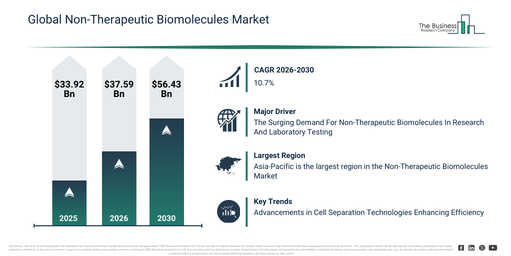
    The market for non-therapeutic biomolecules has experienced rapid expansion over the past few years. By 2025, its size is projected to reach $33.92 billion, and it is expected to climb to $37.59 billion in 2026, reflecting a compound annual growth rate (CAGR) of 10.8%. Several factors drove this historic growth, such as a growing requirement for research biomolecules, heightened usage in in vitro diagnostics, an uptick in pharmaceutical research, progress in recombinant protein technology, and an increase in partnerships among biotechnology companies.

    The non-therapeutic biomolecules sector is projected to experience rapid expansion over the coming years. By 2030, its valuation is forecasted to reach $56.43 billion, reflecting a compound annual growth rate (CAGR) of 10.7%. This anticipated increase during the forecast period is driven by factors such as the broadening scope of synthetic biomolecule uses, heightened investment in precision medicine, greater adoption in agricultural biotechnology, an intensified emphasis on sustainable and scalable production processes, and advancements in automated systems for biomolecule synthesis. Key trends shaping this period involve sophisticated protein engineering, high-throughput screening tools, eco-friendly biomolecule manufacturing, cell-free synthesis methods, and the emergence of adaptable biomolecule platforms.

    Download A Free Sample Report For Comprehensive Market Insights:

    https://www.thebusinessresearchcompany.com/sample.aspx?id=8769&type=smp&utm_source=BlogsPR&utm_medium=Paid&utm_campaign=Jul_PR

    Non-Therapeutic Biomolecules Market Development Factors: Which Trends Are Supporting Demand?

    A surge in research activities and laboratory testing is anticipated to drive the expansion of the non-therapeutic biomolecules market in the coming years. Laboratory testing involves medical procedures where samples such as blood or urine are analyzed to diagnose diseases, monitor health conditions, and develop treatment plans, while research entails creating new knowledge or applying existing knowledge innovatively to generate fresh concepts and understandings. In laboratory testing, non-therapeutic biomolecules are employed to detect or quantify biomarker molecules indicative of disease, thereby improving test sensitivity and specificity. For example, in July 2024, the National Health Service (NHS), a healthcare provider in the UK, reported that diagnostic activity exceeded pre-pandemic levels in 2023, with a 21% rise in tests performed in May 2024 compared to the previous year. Consequently, the rapid increase in research and laboratory testing is fueling growth in the non-therapeutic biomolecules market.

    Non-Therapeutic Biomolecules Market Segments: Where Are The Largest Growth Opportunities?

    The non-therapeutic biomolecules market covered in this report is segmented –

    1) By Trad Pharma: Enzymes, Recombinant Proteins, Plasmids, Peptides, Oligonucleotides, Monoclonal Antibodies

    2) By End User: Research, Pharma, In Vitro Diagnostics(IVD)

    3) By Application: Diagnostic Equipment, Therapeutic Equipment, Monitoring Or Imaging Equipment, Laboratory Or Research Equipment, Rehabilitation Or Mobility Support

    Subsegments:

    1) By Enzymes: Industrial Enzymes, Diagnostic Enzymes

    2) By Recombinant Proteins: Antigens, Cytokines, Growth Factors

    3) By Plasmids: Research Plasmids, Expression Plasmids

    4) By Peptides: Antimicrobial Peptides, Signaling Peptides

    5) By Oligonucleotides: Antisense Oligonucleotides, RNAi Oligonucleotides

    6) By Monoclonal Antibodies: Research Antibodies, Diagnostic Antibodies

    Non-Therapeutic Biomolecules Market Transformation Trends: Which Innovations Are Driving Change?

    Leading players in the non-therapeutic biomolecules sector are actively advancing novel cell separation technologies aimed at boosting throughput and refining processes, thereby securing a competitive edge. This exclusive research-only kit is designed to address critical biological and lab workflow challenges faced by scientists. For example, in May 2023, AcouSort AB, a biotechnology firm based in Sweden, introduced the AcouTrap 3 system. By merging acoustofluidics—where sound waves are integrated with microfluidics—this system provides an efficient approach for isolating cells and extracellular vesicles within a single workflow. Leveraging gentle acoustic trapping technology, the AcouTrap 3 enables researchers to process increased sample volumes while achieving superior cell viability and reduced loss when compared to conventional column- or bead-based methods, thus enhancing productivity and streamlining laboratory functions.

    Non-Therapeutic Biomolecules Market Major Participants And Competitive Dynamics

    Major companies operating in the non-therapeutic biomolecules market are Amgen Inc., Genentech Inc., Merck KGaA, Lonza Group AG, Bio-Rad Laboratories Inc., Thermo Fisher Scientific Inc., Agilent Technologies Inc., Charles River Laboratories International Inc., GE Healthcare Life Sciences, Fujifilm Diosynth Biotechnologies, Evonik Industries AG, Seikagaku Corporation, Takeda Pharmaceutical Company Limited, MilliporeSigma, Covance Inc., Sartorius AG, Sanofi S.A., CordenPharma International, Bayer AG, WuXi AppTec, Ginkgo Bioworks, Eppendorf AG, Bio-Techne Corporation, Vectalys, Avid Bioservices Inc.

    Access The Complete Non-Therapeutic Biomolecules Market Report:

    https://www.thebusinessresearchcompany.com/report/non-therapeutic-biomolecules-global-market-report?utm_source=BlogsPR&utm_medium=Paid&utm_campaign=Jul_PR

    Non-Therapeutic Biomolecules Market Leading Geography: Which Region Generates The Most Revenue?

    Asia-Pacific was the largest region in the non-therapeutic biomolecules market share in 2025. The regions covered in the non-therapeutic biomolecules market report are Asia-Pacific, South East Asia, Western Europe, Eastern Europe, North America, South America, Middle East, Africa.

    Get in touch with us:

    The Business Research Company: https://www.thebusinessresearchcompany.com/?utm_source=BlogsPR&utm_medium=Paid&utm_campaign=home_page_test

    Americas: +1 310-496-7795

    Asia: +44 7882 955267 & +91 8897263534

    Europe: +44 7882 955267

    Email us at: marketing@tbrc.info

    Follow us on:

    LinkedIn: https://in.linkedin.com/company/the-business-research-company

    YouTube: https://www.youtube.com/channel/UC24_fI0rV8cR5DxlCpgmyFQ

    Global Market Model: https://www.thebusinessresearchcompany.com/global-market-model
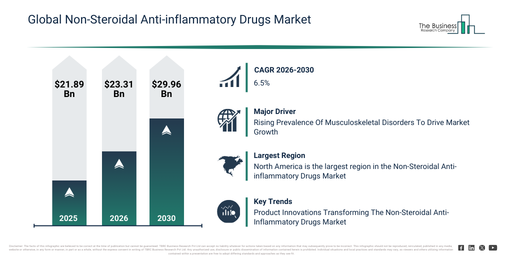
  • Non-Steroidal Anti-inflammatory Drugs Market Set To Grow From $23.31 Billion In 2026 To $29.95 Billion By 2030 At A CAGR Of 6.5%

    Non-Steroidal Anti-inflammatory Drugs Market Set To Grow From $23.31 Billion In 2026 To $29.95 Billion By 2030 At A CAGR Of 6.5%

    Enhanced with market attractiveness analysis, total addressable market evaluation, company benchmarking matrices, interactive Excel dashboards, expanded supply chain intelligence, emerging startup coverage, and detailed product insights, The Business Research Company’s 2026 market reports deliver more actionable and strategically valuable research.

    Non-Steroidal Anti-inflammatory Drugs Market Forecast Highlighting Growth From $23.31 Billion To $29.95 Billion

    The market valuation for non-steroidal anti-inflammatory drugs has experienced robust expansion in recent years, projected to increase from $21.89 billion in 2025 to $23.31 billion in 2026, achieving a compound annual growth rate (CAGR) of 6.5%. This historical growth has been driven by a higher incidence of arthritis and musculoskeletal conditions, enhanced understanding of pain management treatments, growth within the elderly demographic, a broader network of retail pharmacies, and improvements in drug formulation technologies.

    Analysts anticipate considerable expansion for the market of non-steroidal anti-inflammatory drugs over the coming years. By 2030, the market is projected to reach $29.96 billion, reflecting a compound annual growth rate (CAGR) of 6.5%. This upward trajectory in the forecast period is largely influenced by factors such as the embrace of personalized medicine, the growing prominence of e-pharmacy platforms, heightened research and development efforts into innovative NSAID formulations, a higher prevalence of chronic inflammatory conditions, and the incorporation of digital health technologies for pain tracking. Key developments shaping this period include tailored approaches to pain management, an increased preference for over-the-counter anti-inflammatory medications, the introduction of fast-acting drug versions, a concentrated effort on managing chronic pain and arthritis, and the broadening reach of online pharmacies.

    Download A Free Sample Report For Comprehensive Market Insights:

    https://www.thebusinessresearchcompany.com/sample.aspx?id=8023&type=smp&utm_source=BlogsPR&utm_medium=Paid&utm_campaign=Jul_PR

    Non-Steroidal Anti-inflammatory Drugs Market Industry Drivers: What Is Driving Revenue Growth?

    The anticipated expansion of the non-steroidal anti-inflammatory drug market is being driven by the growing frequency of musculoskeletal disorders. Musculoskeletal disorders (MSDs) encompass a wide range of conditions affecting the musculoskeletal system, including muscles, bones, tendons, ligaments, joints, and connective tissues. Non-steroidal anti-inflammatory drugs (NSAIDs) are essential for alleviating pain and inflammation linked to disorders like arthritis, osteoarthritis, and rheumatoid arthritis. Key factors fueling this expansion include an aging population, heightened awareness and diagnosis of musculoskeletal issues, orthopedic surgeries, sports injuries, and the persistent nature of these ailments. For example, in January 2024, data from GOV.UK, a UK government agency, indicated that 18.4% of individuals aged 16 and older reported having a long-term musculoskeletal (MSK) condition in 2023, up from 17.6% in 2022. Consequently, the rising incidence of musculoskeletal disorders is fueling growth in the non-steroidal anti-inflammatory drugs market.

    The growth of the non-steroidal anti-inflammatory drugs (NSAIDs) market and related pain management solutions is being propelled by the escalating rate of chronic pain. Chronic pain is defined as ongoing or recurring pain lasting three months or longer, originating from conditions like arthritis, fibromyalgia, back pain, neuropathic pain, and other musculoskeletal disorders. Such conditions profoundly impact patients’ quality of life, often necessitating long-term management through medication, physical therapy, and supportive care. The increasing occurrence of chronic pain raises the demand for effective pain relief options, including NSAIDs and other analgesic products. As reported in October 2024 by the National Center for Biotechnology Information, a US-based federal research entity, 24.3% of adults experienced chronic pain, with 8.5% facing high-impact chronic pain that restricts daily activities. Hence, the expanding population of individuals enduring chronic pain is expected to boost the need for pain management therapies, thereby fostering the expansion of the NSAIDs market and associated products.

    Non-Steroidal Anti-inflammatory Drugs Market Segment Analysis: What Are The Major Market Categories?

    The non-steroidal anti-inflammatory drugs market covered in this report is segmented –

    1) By Route Of Administration: Oral, Topical, Other Route Of Administration

    2) By Disease Indication: Arthritis, Migraine, Ophthalmic Diseases, Other Disease Indications

    3) By Distribution Channel: Hospital Pharmacy, Retail Pharmacy, Online Pharmacy

    Subsegments:

    1) By Oral: Tablets, Capsules, Liquids Or Solutions

    2) By Topical: Gels, Creams, Patches

    3) By Other Route Of Administration: Injectable (Intravenous And Intramuscular), Suppositories

    Non-Steroidal Anti-inflammatory Drugs Market Growth Trends: What Is Influencing The Future Outlook?

    Major players in the non-steroidal anti-inflammatory drugs (NSAIDs) market are increasingly prioritizing the creation of advanced products like combination analgesic–gastroprotective formulations to address the growing need for effective pain management that comes with lower gastrointestinal risks, a common concern linked to extended NSAID usage. By integrating an NSAID with a protective compound, these innovative systems preserve anti-inflammatory benefits while reducing stomach discomfort, presenting a safer option compared to conventional single-component NSAIDs. A notable example is Endo International plc, a pharmaceutical company based in Ireland, which introduced ibuprofen-famotidine 800 mg/26.6 mg tablets in March 2024. This sophisticated formulation merges the pain-relieving and anti-inflammatory properties of ibuprofen with the stomach-protective abilities of famotidine, aiming to deliver relief while lowering side effects like ulcers or irritation that frequently accompany prolonged NSAID treatment, thereby boosting safety and encouraging better patient compliance.

    Non-Steroidal Anti-inflammatory Drugs Market Leading Companies Driving Competitive Growth

    Major companies operating in the non-steroidal anti-inflammatory drugs market are Pfizer Inc., Bayer AG, Johnson & Johnson, Sun Pharmaceutical Industries Ltd., Assertio Therapeutics Inc., Iroko Pharmaceuticals Inc., Perrigo Company PLC, Hikma Pharmaceuticals PLC, Glenmark Pharmaceuticals Limited, Aspen Pharmacare Holdings Limited, Sagent Pharmaceuticals Inc., Advanced Pharma Inc., Akorn Operating Company LLC, Alembic Pharmaceuticals Limited, Torrent Pharmaceuticals Limited, Lupin Limited, Cipla Limited, Zydus Cadila Healthcare Limited, Aurobindo Pharma Limited, Sanofi S.A., GlaxoSmithKline PLC, Horizon Therapeutics PLC, Novartis AG, Roche Holding AG, AbbVie Inc., Bristol-Myers Squibb Company

    Access The Complete Non-Steroidal Anti-inflammatory Drugs Market Report:

    https://www.thebusinessresearchcompany.com/report/non-steroidal-anti-inflammatory-drugs-global-market-report?utm_source=BlogsPR&utm_medium=Paid&utm_campaign=Jul_PR

    Non-Steroidal Anti-inflammatory Drugs Market Regional Outlook: Where Are The Largest Opportunities Located?

    North America was the largest region in the non-steroidal anti-inflammatory drugs market in 2025. Asia-Pacific is expected to be the fastest-growing region in the non-steroidal anti-inflammatory drugs market during the forecast period. The regions covered in the non-steroidal anti-inflammatory drugs market report are Asia-Pacific, South East Asia, Western Europe, Eastern Europe, North America, South America, Middle East, Africa.

    Get in touch with us:

    The Business Research Company: https://www.thebusinessresearchcompany.com/?utm_source=BlogsPR&utm_medium=Paid&utm_campaign=home_page_test

    Americas: +1 310-496-7795

    Asia: +44 7882 955267 & +91 8897263534

    Europe: +44 7882 955267

    Email us at: marketing@tbrc.info

    Follow us on:

    LinkedIn: https://in.linkedin.com/company/the-business-research-company

    YouTube: https://www.youtube.com/channel/UC24_fI0rV8cR5DxlCpgmyFQ

    Global Market Model: https://www.thebusinessresearchcompany.com/global-market-model
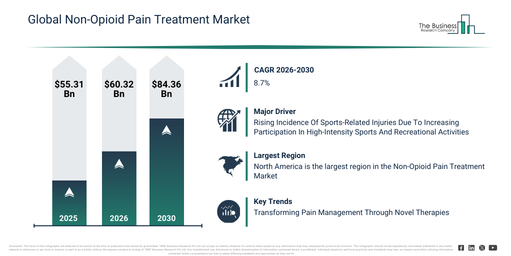
  • Non-Opioid Pain Treatment Market Opportunities Are Emerging Beyond Traditional Growth Areas

    Non-Opioid Pain Treatment Market Opportunities Are Emerging Beyond Traditional Growth Areas

    Through market attractiveness analysis, total addressable market evaluation, company benchmarking matrices, interactive Excel dashboards, expanded supply chain intelligence, emerging startup coverage, and detailed product insights, The Business Research Company’s 2026 market reports provide more actionable and strategically valuable research.

    Non-Opioid Pain Treatment Market Revenue Growth Supported By A CAGR Of 84.35% Through 2030

    The market for non-opioid pain treatments has experienced robust expansion over recent years. Valued at $55.31 billion in 2025, it is projected to reach $60.32 billion by 2026, reflecting a compound annual growth rate (CAGR) of 9.1%. This historical growth has been driven by a rising incidence of chronic pain conditions, greater public awareness of the dangers linked to opioid use, a constrained supply of non-opioid options, an uptick in orthopedic and musculoskeletal surgeries, and the development of enhanced hospital and clinic facilities dedicated to pain management.

    The global non-opioid pain treatment market is projected to experience robust expansion over the coming years, reaching an estimated value of $84.36 billion by 2030 at a compound annual growth rate (CAGR) of 8.7%. This anticipated growth during the forecast period is driven by factors such as the emergence of novel non-opioid therapeutic options, the broader implementation of digital health monitoring and telemedicine solutions for pain management, a rising preference for combination treatment approaches, enhanced governmental support for pain relief initiatives, and greater funding directed toward personalized pain care and alternative therapies. Key developments shaping the market landscape include a growing shift toward non-opioid pain management strategies, heightened utilization of medical cannabis and omega-3 fatty acid supplements, an expanding range of topical and injectable pain relief offerings, the proliferation of dedicated pain management services in clinical and hospital settings, and the incorporation of non-pharmacological methods such as acupuncture and transcutaneous electrical nerve stimulation (TENS) into standard care protocols.

    Download A Free Sample Report For Comprehensive Market Insights:

    https://www.thebusinessresearchcompany.com/sample.aspx?id=27366&type=smp&utm_source=BlogsPR&utm_medium=Paid&utm_campaign=Jul_PR

    #Non-Opioid Pain Treatment Market Growth Factors: Which Forces Are Supporting Market Expansion?

    The projected expansion of the non-opioid pain treatment market is anticipated to be driven forward by the growing frequency of sports-related injuries. These injuries are physical harms that happen during or due to participation in sports or exercise. This upsurge is linked to a higher involvement in demanding athletic and recreational pursuits, which puts athletes at an increased danger of physical harm. Managing such injuries benefits from non-opioid pain therapies, which deliver efficient pain alleviation and decreased inflammation while avoiding the dangers tied to opioid usage, thereby promoting quicker recovery, enhanced functionality, and safer extended care. As an example, in October 2024, a report from Howden Group Holdings Ltd, a UK-based insurance intermediary firm, indicated that Europe’s five primary football leagues recorded 4,123 injuries during the 2023-2024 season, representing a 4% rise from the prior season. Consequently, the heightened occurrence of sports-related injuries is fueling growth in the non-opioid pain treatment market.

    Non-Opioid Pain Treatment Market Segment Breakdown: Which Categories Generate The Most Revenue?

    The non-opioid pain treatment market covered in this report is segmented –

    1) By Product: Medical Cannabis, Menthol-Containing, Omega 3 Fatty Acid-Containing, Botulinum Toxins, Capsaicin-Derived, Other Products

    2) By Drug Class: Nonsteroidal Anti-Inflammatory Drugs (Nsaids), Acetaminophen, Local Anesthetics, Antidepressants, Anticonvulsants, Corticosteroids, Other Drug Classes

    3) By Route Of Administration: Oral, Topical, Injectable, Other Route Of Administrations

    4) By Distribution Channel: Hospitals Pharmacies, Retail Pharmacies, Drug Stores, Mail Order Pharmacies

    5) By Application: Orthopedic And Musculoskeletal Pain, Postoperative Pain, Cancer Pain, Neuropathic Pain, Other Applications

    Subsegments:

    1) By Medical Cannabis: Cannabidiol Based Products, Tetrahydrocannabinol Based Products, Combined Cannabinoid Products

    2) By Menthol Containing: Topical Creams, Gels, Sprays

    3) By Omega 3 Fatty Acid Containing: Fish Oil Derived Supplements, Algae Derived Supplements, Krill Oil Derived Supplements

    4) By Botulinum Toxins: Onabotulinumtoxin A, Abobotulinumtoxin A, Incobotulinumtoxin A

    5) By Capsaicin Derived: Low Concentration Creams, High Concentration Patches, Nasal Sprays

    6) By Other Products: Magnesium Based Products, Acupuncture Devices, Transcutaneous Electrical Nerve Stimulation Devices

    Non-Opioid Pain Treatment Market Industry Trends: What Changes Are Reshaping Demand?

    Major players in the non-opioid pain treatment industry are concentrating on advances in drug development, including non-opioid oral therapies that offer effective pain relief while reducing the dangers associated with opioid use and addiction. Non-opioid oral treatment involves pain-relieving medications taken by mouth that exclude opioids and work through different pathways, like decreasing inflammation, altering nerve signaling, or targeting certain receptors, to control pain without the risk of addiction or respiratory depression typically connected to opioids. For example, in July 2025, Vertex Pharmaceuticals Incorporated, a biotechnology firm based in the United States, launched JOURNAVX, a pioneering non-opioid therapy that delivers significant relief for moderate-to-severe acute pain. This innovative non-opioid solution uses targeted pain pathway modulation, boasts a positive safety profile, and provides fast-acting effects, ensuring robust pain control, lower addictive potential, and improved patient outcomes. It guarantees precise pain management, diminishes addiction risks, and promotes quicker recovery and an enhanced quality of life for individuals dealing with acute pain.

    Non-Opioid Pain Treatment Market Key Players And Strategic Industry Positioning

    Major companies operating in the non-opioid pain treatment market are Pfizer Inc., Johnson & Johnson Services Inc., AbbVie Inc, Novartis AG, GSK plc, Amgen Inc., Teva Pharmaceutical Industries Limited, Vertex Pharmaceuticals Incorporated, SUN PHARMACEUTICAL INDUSTRIES LIMITED, Perrigo Company Public Limited Company, Dr. Reddy’s Laboratories, HIKMA PHARMACEUTICALS PUBLIC LIMITED COMPANY, Pacira BioSciences Inc, Heron Therapeutics Inc, AFT Pharmaceuticals Limited, Vivozon Pharmaceutical Co. Ltd, Levicept Ltd, Algiax Pharmaceuticals GmbH, Latigo Biotherapeutics Inc, Hyloris Pharmaceuticals SA

    Access The Complete Non-Opioid Pain Treatment Market Report:

    https://www.thebusinessresearchcompany.com/report/non-opioid-pain-treatment-global-market-report?utm_source=BlogsPR&utm_medium=Paid&utm_campaign=Jul_PR

    Non-Opioid Pain Treatment Market Geographic Landscape: Which Region Dominates Industry Growth?

    North America was the largest region in the non-opioid pain treatment market in 2025. Asia-Pacific is expected to be the fastest-growing region in the forecast period. The regions covered in the non-opioid pain treatment market report are Asia-Pacific, South East Asia, Western Europe, Eastern Europe, North America, South America, Middle East, Africa.

    Get in touch with us:

    The Business Research Company: https://www.thebusinessresearchcompany.com/?utm_source=BlogsPR&utm_medium=Paid&utm_campaign=home_page_test

    Americas: +1 310-496-7795

    Asia: +44 7882 955267 & +91 8897263534

    Europe: +44 7882 955267

    Email us at: marketing@tbrc.info

    Follow us on:

    LinkedIn: https://in.linkedin.com/company/the-business-research-company

    YouTube: https://www.youtube.com/channel/UC24_fI0rV8cR5DxlCpgmyFQ

    Global Market Model: https://www.thebusinessresearchcompany.com/global-market-model
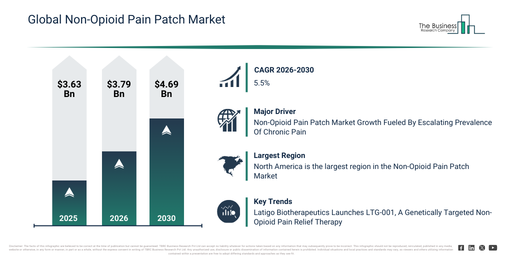
  • Non-Opioid Pain Patch Market Expansion Is Opening New Pathways For Strategic Investment

    Non-Opioid Pain Patch Market Expansion Is Opening New Pathways For Strategic Investment

    Delivering more actionable and strategically valuable research, The Business Research Company’s 2026 market reports feature market attractiveness analysis, total addressable market evaluation, company benchmarking matrices, interactive Excel dashboards, expanded supply chain intelligence, emerging startup coverage, and detailed product insights.

    Non-Opioid Pain Patch Market Value Expansion And Long-Term Growth Outlook

    The market for non-opioid pain patches has experienced consistent expansion over the past few years. Projections indicate an increase from $3.63 billion in 2025 to $3.79 billion in 2026, reflecting a compound annual growth rate (CAGR) of 4.6%. This historical growth has been driven by factors such as rising concerns about opioid dependence, a higher prevalence of musculoskeletal conditions, an expanding elderly demographic, broader retail pharmacy availability, and a tendency among physicians to favor localized pain management approaches.

    The non-opioid pain patch industry is anticipated to experience significant expansion in the coming years. Its value is projected to reach $4.69 billion by 2030, achieving a compound annual growth rate (CAGR) of 5.5%. This forecasted growth is driven by several factors, including a higher incidence of chronic pain conditions, stronger regulatory backing for non-opioid treatment options, progress in transdermal drug delivery systems, greater public awareness of addiction-free pain relief methods, and an extension of applications into neuropathic pain management. Key developments shaping this period encompass a growing preference for non-addictive pain control techniques, an increased use of topical and localized therapies, the introduction of hybrid patches available both over-the-counter and by prescription, heightened demand for solutions addressing chronic pain, and innovations in patch adhesion and the duration of drug release.

    Download A Free Sample Report For Comprehensive Market Insights:

    https://www.thebusinessresearchcompany.com/sample.aspx?id=12230&type=smp&utm_source=BlogsPR&utm_medium=Paid&utm_campaign=Jul_PR

    Non-Opioid Pain Patch Market Demand Drivers: What Is Fueling Industry Growth?

    The growing incidence of chronic pain is anticipated to drive expansion in the non-opioid pain patch market moving forward. Chronic pain is defined as persistent, severe discomfort that lasts for an extended duration or occurs alongside another medical condition. Non-opioid pain patches are utilized to alleviate mild to moderate pain, addressing issues such as headaches, muscle aches, arthritis, backaches, and various other types of pain. As an example, in November 2024, the Centers for Disease Control and Prevention, a US-based national public health agency, reported that an estimated 24.3% of adults experienced chronic pain in 2023, with 8.5%—roughly one-third of those affected—experiencing high-impact chronic pain, and a higher prevalence observed among women compared to men. Consequently, the increasing prevalence of chronic pain is fueling growth in the non-opioid pain patch market.

    Non-Opioid Pain Patch Market Segmentation: How Is The Market Structured Across Key Categories?

    The non-opioid pain patch market covered in this report is segmented –

    1) By Patch: Lidocaine Patches, Diclofenac Patches, Capsaicin Patches, Ketoprofen Patches, Other Patches

    2) By Distribution Channel: Hospital Pharmacies, Retail Pharmacies, Other Distribution Channels

    3) By Indication: Musculoskeletal Pain, Neuropathic Pain

    Subsegments:

    1) By Lidocaine Patches: 5% Lidocaine Patch, Other Concentrations

    2) By Diclofenac Patches: 1.3% Diclofenac Patch, Other Concentrations

    3) By Capsaicin Patches: 8% Capsaicin Patch, Other Concentrations

    4) By Ketoprofen Patches: 5% Ketoprofen Patch, Other Concentrations

    5) By Other Patches: Combination Patches, Herbal Extract Patches, Other Non-Opioid Patches

    Non-Opioid Pain Patch Market Innovation Trends: Which Developments Are Transforming The Industry?

    Major players in the non-opioid pain patch sector are focusing on the creation of advanced solutions, such as those based on genetically validated targets. This approach relies on designing drugs that act on biological mechanisms clearly implicated in illness, as supported by robust genetic data. Such a strategy improves therapeutic outcomes and minimizes the likelihood of adverse reactions. A relevant example is the launch of LTG-001 in February 2024 by Latigo Biotherapeutics Inc., a biotechnology firm from the United States. This drug works as a selective inhibitor of the Nav1.8 sodium channel, a protein mainly found in peripheral neurons. By specifically acting on this channel, LTG-001 seeks to intercept pain signals right where they originate, delivering substantial relief without impacting the central nervous system. Findings from Phase 1 clinical trials showed that LTG-001 reaches its maximum concentration (Tmax) in about 1.5 hours, indicating a quick initiation of pain relief. This property is highly valuable for controlling both sudden and persistent pain. Additionally, LTG-001 is intended to be taken orally, offering ease of use compared to injections or topical products, which could improve patient adherence and simplify daily management.

    Non-Opioid Pain Patch Market Competitive Landscape And Leading Companies

    Major companies operating in the non-opioid pain patch market are Hisamitsu Pharmaceutical Co. Inc., Teikoku Pharma USA Inc., Noven Pharmaceuticals Inc., Johnson & Johnson Services Inc., Pfizer Inc., Grünenthal GmbH, Mylan N.V., Teva Pharmaceutical Industries Ltd., Bayer AG, Iroko Pharmaceuticals LLC, Scilex Pharmaceuticals Inc., Zosano Pharma Corporation, Adynxx Inc., BioElectronics Corporation, NeuroMetrix Inc., Virpax Pharmaceuticals Inc., Novartis AG, DURECT Corporation, Eli Lilly and Company, Endo Pharmaceuticals Inc.

    Access The Complete Non-Opioid Pain Patch Market Report:

    https://www.thebusinessresearchcompany.com/report/non-opioid-pain-patch-global-market-report?utm_source=BlogsPR&utm_medium=Paid&utm_campaign=Jul_PR

    Non-Opioid Pain Patch Market Largest Region: Which Geography Holds The Highest Market Share?

    North America was the largest region in the non-opioid pain patch market in 2025. Asia-Pacific is expected to be the fastest-growing region in the non-opioid pain patch market report during the forecast period. The regions covered in the non-opioid pain patch market report are Asia-Pacific, South East Asia, Western Europe, Eastern Europe, North America, South America, Middle East, Africa.

    Get in touch with us:

    The Business Research Company: https://www.thebusinessresearchcompany.com/?utm_source=BlogsPR&utm_medium=Paid&utm_campaign=home_page_test

    Americas: +1 310-496-7795

    Asia: +44 7882 955267 & +91 8897263534

    Europe: +44 7882 955267

    Email us at: marketing@tbrc.info

    Follow us on:

    LinkedIn: https://in.linkedin.com/company/the-business-research-company

    YouTube: https://www.youtube.com/channel/UC24_fI0rV8cR5DxlCpgmyFQ

    Global Market Model: https://www.thebusinessresearchcompany.com/global-market-model
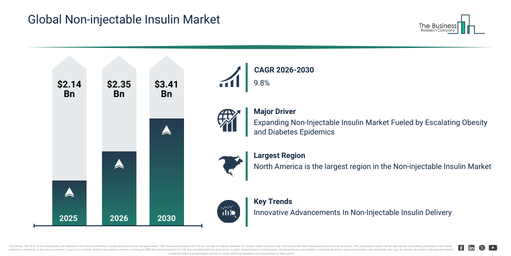
  • Non-injectable Insulin Market Trends Are Creating New Opportunities For Industry Leaders

    Non-injectable Insulin Market Trends Are Creating New Opportunities For Industry Leaders

    Enhanced with market attractiveness analysis, total addressable market evaluation, company benchmarking matrices, interactive Excel dashboards, expanded supply chain intelligence, emerging startup coverage, and detailed product insights, The Business Research Company’s 2026 market reports deliver more actionable and strategically valuable research.

    Non-injectable Insulin Market Expected To Reach $3.4 Billion By 2030 At 9.8% CAGR

    The market for non-injectable insulin has experienced robust expansion in recent years. Valued at $2.14 billion in 2025, it is anticipated to climb to $2.35 billion by 2026, representing a compound annual growth rate (CAGR) of 9.9%. Several key drivers have fueled this historical progress, such as the growing incidence of diabetes, an increased patient demand for needle-free treatment options, breakthroughs in insulin formulation technologies, public health efforts that promote better diabetes care, and a deeper understanding of the illness’s complications.

    The non-injectable insulin market is projected to experience robust expansion over the coming years, reaching $3.41 billion by 2030 with a compound annual growth rate (CAGR) of 9.8%. This forecasted growth is driven by advances in oral and inhalable insulin technologies, the incorporation of digital health tools, an increasing elderly population, improved healthcare systems in developing nations, and tailored diabetes therapies. Key developments shaping the period ahead encompass oral insulin delivery platforms, pulmonary inhalers for insulin administration, diabetes care focused on patient needs, non-invasive methods for monitoring and dosing, and formulation breakthroughs designed to enhance bioavailability.

    Download A Free Sample Report For Comprehensive Market Insights:

    https://www.thebusinessresearchcompany.com/sample.aspx?id=13888&type=smp&utm_source=BlogsPR&utm_medium=Paid&utm_campaign=Jul_PR

    Non-injectable Insulin Market Growth Drivers: What Factors Are Accelerating Expansion?

    The growing prevalence of obesity and diabetes is set to drive expansion in the non-injectable insulin market in the coming years. Obesity involves an abnormal buildup of body fat, often stemming from a mismatch between caloric intake and energy use, while diabetes mellitus, commonly shortened to diabetes, refers to a set of metabolic conditions marked by sustained high blood glucose levels. Non-injectable insulin serves as a treatment option for both diabetes and obesity, offering the potential to improve disease management by overcoming obstacles to insulin use, assisting with weight control, and delivering more convenient therapeutic choices. For example, in June 2023, the Institute for Health Metrics and Evaluation, a public health research institute based in the United States, reported that over 500 million people around the world were living with diabetes. That figure is projected to more than double by 2050, reaching 1.3 billion individuals. Consequently, the rising rates of obesity and diabetes are fueling growth in the market for non-injectable insulin.

    Non-injectable Insulin Market Segmentation Trends And Revenue Drivers

    The non-injectable insulin market covered in this report is segmented –

    1) By Insulin Type: Oral Insulin, Inhaled Insulin, Nasal Insulin, Buccal Or Sublingual Insulin, Transdermal Insulin

    2) By Product: Pills, Sprays, Other Products

    3) By Distribution Channel: Hospital Pharmacies, Online Pharmacies, Drug Stores

    Subsegments:

    1) By Oral Insulin: Oral Insulin Tablets, Oral Insulin Capsules, Enteric-Coated Oral Insulin, Nanoparticle-Based Oral Insulin

    2) By Inhaled Insulin: Dry Powder Inhaled Insulin, Aerosolized Insulin, Pulmonary Insulin Delivery Systems

    3) By Nasal Insulin: Nasal Spray Insulin, Nasal Gel Insulin, Nasal Powder Insulin

    4) By Buccal Or Sublingual Insulin: Buccal Spray Insulin, Sublingual Insulin Films, Oral Mucosal Insulin Drops

    5) By Transdermal Insulin: Insulin Patches, Microneedle-Free Transdermal Systems, Iontophoresis-Based Insulin Delivery

    Non-injectable Insulin Market Trends: What Is Shaping Future Industry Growth?

    Leading players in the non-injectable insulin sector are concentrating on novel breakthroughs in drug delivery systems—including needle-free oral insulin sprays—aimed at enhancing the quality of life for individuals managing diabetes through multiple daily injections. As a painless and injection-free method for controlling blood sugar, a needle-free insulin spray provides a practical solution since doses can be administered directly into the oral cavity. For example, in November 2023, NiedlFree Technologies, a tech firm based in India, launched Ozulin, an oral insulin spray. This product is designed to offer a more accessible option for diabetic patients, especially those who struggle with conventional injectable insulin methods. Should it receive approval, Ozulin could transform diabetes management by delivering a more convenient and discomfort-free substitute for injectable insulin.

    Non-injectable Insulin Market Industry Leaders: Which Organizations Are Driving Competition?

    Major companies operating in the non-injectable insulin market are Novo Nordisk A/S, Eli Lilly and Company, Sanofi S.A., Pfizer Inc., Novartis AG, Merck & Co. Inc., AstraZeneca, Takeda Pharmaceutical, Abbott Laboratories, MannKind Corporation, Biocon Limited, Sun Pharmaceutical Industries Ltd., Dr. Reddy’s Laboratories Limited, Cipla Limited, Lupin Pharmaceuticals, Glenmark Pharmaceuticals, Torrent Pharmaceuticals, Wockhardt Limited, Teva Pharmaceutical Industries Ltd., F. Hoffmann-La Roche Ltd.

    Access The Complete Non-injectable Insulin Market Report:

    https://www.thebusinessresearchcompany.com/report/non-injectable-insulin-global-market-report?utm_source=BlogsPR&utm_medium=Paid&utm_campaign=Jul_PR

    Non-injectable Insulin Market Regional Analysis: Which Region Leads By Revenue?

    North America was the largest region in the non-injectable insulin market in 2025. Asia-Pacific is expected to be the fastest-growing region in the forecast period. The regions covered in the non-injectable insulin market report are Asia-Pacific, South East Asia, Western Europe, Eastern Europe, North America, South America, Middle East, Africa.

    Get in touch with us:

    The Business Research Company: https://www.thebusinessresearchcompany.com/?utm_source=BlogsPR&utm_medium=Paid&utm_campaign=home_page_test

    Americas: +1 310-496-7795

    Asia: +44 7882 955267 & +91 8897263534

    Europe: +44 7882 955267

    Email us at: marketing@tbrc.info

    Follow us on:

    LinkedIn: https://in.linkedin.com/company/the-business-research-company

    YouTube: https://www.youtube.com/channel/UC24_fI0rV8cR5DxlCpgmyFQ

    Global Market Model: https://www.thebusinessresearchcompany.com/global-market-model
  • Non-Hormonal Contraceptives Market Growth Is Reshaping Competitive Advantage Across The Industry

    Non-Hormonal Contraceptives Market Growth Is Reshaping Competitive Advantage Across The Industry

    Through market attractiveness analysis, total addressable market evaluation, company benchmarking matrices, interactive Excel dashboards, expanded supply chain intelligence, emerging startup coverage, and detailed product insights, The Business Research Company’s 2026 market reports provide more actionable and strategically valuable research.

    Non-Hormonal Contraceptives Market Size And Revenue Forecast Through 2030

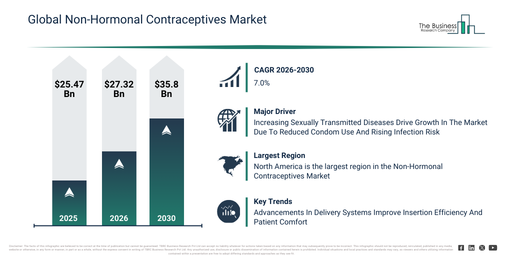
    The market size for non-hormonal contraceptives has demonstrated robust growth over recent years. Specifically, it is projected to expand from $25.47 billion in 2025 to $27.32 billion in 2026, reflecting a compound annual growth rate (CAGR) of 7.3%. This historical growth has been driven by factors such as the restricted accessibility of non-hormonal contraceptive options, a dependence on surgical sterilization procedures, heightened awareness surrounding reproductive health, an upsurge in female healthcare initiatives, and the increasing utilization of barrier devices within clinical settings.

    The non-hormonal contraceptives market is projected to experience robust expansion in the coming years, reaching an estimated $35.8 billion by 2030 with a compound annual growth rate (CAGR) of 7.0%. This anticipated growth during the forecast period stems from several key factors, including the creation of more sophisticated non-hormonal devices, a higher demand for sterilization procedures that are both reversible and minimally invasive, broader implementation of family planning initiatives, growing consciousness regarding adherence to safety and compliance norms, and the incorporation of smart monitoring systems within contraceptive technologies. Additionally, significant trends influencing this timeframe feature a growing inclination toward non-hormonal birth control methods, an increased uptake of barrier-based and mechanical tools, heightened awareness surrounding reversible sterilization choices, a broader availability of minimally invasive contraceptive instruments, and an intensified emphasis on ensuring safety, adhering to regulations, and designing with patient needs at the forefront.

    Download A Free Sample Report For Comprehensive Market Insights:

    https://www.thebusinessresearchcompany.com/sample.aspx?id=25849&type=smp&utm_source=BlogsPR&utm_medium=Paid&utm_campaign=Jul_PR

    Non-Hormonal Contraceptives Market Growth Factors Supporting Long-Term Expansion

    The rising incidence of sexually transmitted diseases is anticipated to accelerate the expansion of the non-hormonal contraceptives market in the coming period. Sexually transmitted diseases (STDs) are infections primarily spread through sexual contact, triggered by bacteria, viruses, or parasites. This increase in STDs is largely driven by reduced condom use, which heightens the infection risk during unprotected sexual encounters. Non-hormonal contraceptives, such as male and female condoms, act as a physical barrier that blocks the transfer of bodily fluids during sex, thereby lowering the risk of STD transmission. As an example, in April 2025, the Minnesota Department of Health (MDH), a state health agency in the US, reported that HIV cases among men aged 35 to 39 rose from 10% in 2023 to 17% in 2024. Consequently, the escalating prevalence of sexually transmitted diseases is fueling the growth of the non-hormonal contraceptives market.

    Non-Hormonal Contraceptives Market Segment Analysis Highlighting Growth Areas

    The non-hormonal contraceptives market covered in this report is segmented –

    1) By Type: Devices, Sterilization, Other Product Types

    2) By Mechanism Of Action: Antagonist, Agonist, Inhibitor, Modulator

    3) By Route of Administration: Intramuscular, Intravaginal, Intravenous, Oral, Subcutaneous, Topical, Transdermal, Other Route Of Administrations

    4) By Purpose Of Therapy: Treatment Of Disease, Management Of Symptoms

    5) By Target Indication: Bacterial Vaginosis, Contraception, Endometriosis, Postmenopausal Osteoporosis, Uterine Fibroids, Vaginitis, Other Target Indications

    Subsegments:

    1) By Devices: Surgical Instruments, Ligation Clips, Tubal Rings

    2) By Sterilization: Permanent Sterilization, Reversible Sterilization, Mechanical Sterilization Devices

    3) By Other Product Types: Non-Surgical Barrier Devices, Implantable Plugs, Intrauterine Permanent Devices

    Non-Hormonal Contraceptives Market Industry Trends Shaping Future Revenue Growth

    Key players in the non-hormonal contraceptives market are concentrating on creating advanced products, including preloaded intrauterine device delivery systems, to simplify fitting processes, boost user convenience, and enhance clinical effectiveness. A preloaded intrauterine device (IUD) delivery system is a factory-assembled, immediately usable tool that combines the IUD and its inserter within one component, intended to make the insertion smoother, cut down on preparation time, and lower the likelihood of contamination or errors during handling. As an example, in September 2024, CooperSurgical Inc., a medical device and fertility firm headquartered in the United States, unveiled the Paragard Single-Handed Inserter, which is designed to improve insertion speed and patient comfort when placing non-hormonal preloaded intrauterine devices. This system delivers more than 99% effectiveness as a long-term contraceptive solution, lasting up to ten years, by stopping sperm from reaching an egg. Its key advantages involve immediate and reversible protection, being free of hormones, and requiring little upkeep after placement.

    Non-Hormonal Contraceptives Market Leading Companies: Who Holds Significant Market Presence?

    Major companies operating in the non-hormonal contraceptives market are Church & Dwight Co., Okamoto Industries, CooperSurgical Inc., PSI India Pvt Ltd., Karex Berhad, Fuji Latex Co. Ltd., PREGNA INTERNATIONAL LTD., Cupid Limited, Global Protection Corp., SMB Corporation of India, HLL Lifecare Limited, Contraline Inc.

    Access The Complete Non-Hormonal Contraceptives Market Report:

    https://www.thebusinessresearchcompany.com/report/non-hormonal-contraceptives-global-market-report?utm_source=BlogsPR&utm_medium=Paid&utm_campaign=Jul_PR

    Non-Hormonal Contraceptives Market Geographic Distribution And Regional Opportunities

    North America was the largest region in the non-hormonal contraceptives market in 2025. Asia-Pacific is expected to be the fastest-growing region in the forecast period. The regions covered in the non-hormonal contraceptives market report are Asia-Pacific, South East Asia, Western Europe, Eastern Europe, North America, South America, Middle East, Africa.

    Get in touch with us:

    The Business Research Company: https://www.thebusinessresearchcompany.com/?utm_source=BlogsPR&utm_medium=Paid&utm_campaign=home_page_test

    Americas: +1 310-496-7795

    Asia: +44 7882 955267 & +91 8897263534

    Europe: +44 7882 955267

    Email us at: marketing@tbrc.info

    Follow us on:

    LinkedIn: https://in.linkedin.com/company/the-business-research-company

    YouTube: https://www.youtube.com/channel/UC24_fI0rV8cR5DxlCpgmyFQ

    Global Market Model: https://www.thebusinessresearchcompany.com/global-market-model
  • Non-Alcoholic Steatohepatitis Treatment Market Forecast Signals New Revenue Opportunities Through 2030

    Non-Alcoholic Steatohepatitis Treatment Market Forecast Signals New Revenue Opportunities Through 2030

    Delivering more actionable and strategically valuable research, The Business Research Company’s 2026 market reports feature market attractiveness analysis, total addressable market evaluation, company benchmarking matrices, interactive Excel dashboards, expanded supply chain intelligence, emerging startup coverage, and detailed product insights.

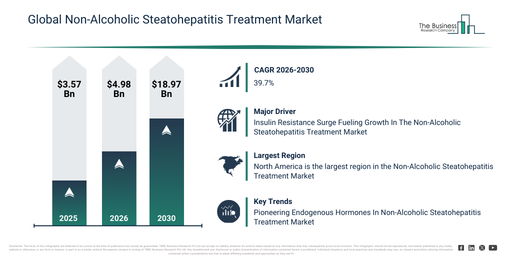
    Non-Alcoholic Steatohepatitis Treatment Market Growth From $4.98 Billion In 2026 To $18.97 Billion By 2030 At A CAGR Of 39.7%

    The market for non-alcoholic steatohepatitis treatments has seen explosive expansion in recent years. Valued at $3.57 billion in 2025, it is projected to reach $4.98 billion by 2026, reflecting a compound annual growth rate (CAGR) of 39.6%. This historic growth has been driven by factors such as the growing prevalence of obesity, a rising number of type 2 diabetes cases, high intake of processed foods, insufficient awareness regarding liver health, and a scarcity of therapeutic options for early-stage NASH.

    The non-alcoholic steatohepatitis treatment market is projected to experience substantial expansion in the coming years, with its value anticipated to reach $18.97 billion by 2030, representing a compound annual growth rate (CAGR) of 39.7%. This upward trajectory during the forecast period is largely driven by progress in precision medicine, the creation of innovative NASH therapies, the integration of digital health monitoring technologies, governmental efforts aimed at preventing liver disease, and heightened funding for liver disease research. Key developments shaping this period include a focus on tailored lifestyle and dietary plans, progress in non-invasive diagnostic techniques, initiatives to raise awareness about fatty liver disease, at-home liver health monitoring solutions, and the emergence of new pharmacological agents.

    Download A Free Sample Report For Comprehensive Market Insights:

    https://www.thebusinessresearchcompany.com/sample.aspx?id=8595&type=smp&utm_source=BlogsPR&utm_medium=Paid&utm_campaign=Jul_PR

    Non-Alcoholic Steatohepatitis Treatment Market Demand Drivers Creating New Revenue Opportunities

    The rising prevalence of insulin resistance is a key driver behind the expansion of the non-alcoholic steatohepatitis treatment market. Insulin resistance is a condition where muscle, fat, and liver cells fail to respond appropriately to insulin, making it difficult for the body to absorb glucose from the bloodstream and often resulting in elevated blood sugar levels. This condition is frequently linked to factors such as poor lifestyle choices, excessive sugar intake, and genetic predisposition. Due to the growing incidence of diabetes and other liver-related disorders, the use of non-alcoholic steatohepatitis treatments has increased substantially to manage insulin resistance. For example, data from PubMed—a free biomedical literature database managed by the U.S. National Library of Medicine—released in July 2025 showed notable rises in the prevalence of general obesity (from 34.9% to 41.4%), abdominal obesity (from 62.5% to 67.0%), severe obesity (from 5.2% to 11.5%), and insulin resistance (from 22.5% to 30.2%). As a result, the growing frequency of insulin resistance, driven by rising rates of liver diseases and diabetes, is expected to propel the non-alcoholic steatohepatitis treatment market forward.

    Non-Alcoholic Steatohepatitis Treatment Market Segment Performance And Strategic Opportunities

    The non-alcoholic steatohepatitis treatment market covered in this report is segmented –

    1) By Drug Type: Vitamin E And Pioglitazone, Ocaliva, Elafibranor, Selonsertib And cenicriviroc, Obeticholic Acid, Other Drugs Types

    2) By Test Type: Blood Tests, Liver Biopsy, Imaging Procedures

    3) By End User: Hospital Pharmacies, Retail And Specialty Pharmacies, Other End Users

    Subsegments:

    1) By Vitamin E And Pioglitazone: Vitamin E Supplements, Pioglitazone-Based Formulations.

    2) By Ocaliva: Ocaliva (Obeticholic Acid) For NASH

    3) By Elafibranor: Elafibranor Monotherapy, Elafibranor Combination Therapy

    4) By Selonsertib And Cenicriviroc: Selonsertib Formulations, Cenicriviroc Formulations

    5) By Obeticholic Acid: Immediate-Release Obeticholic Acid, Extended-Release Obeticholic Acid

    6) By Other Drug Types: Novel Agents In Clinical Trials, Combination Therapies

    Non-Alcoholic Steatohepatitis Treatment Market Trends Driving Strategic Industry Expansion

    Key players in the non-alcoholic steatohepatitis treatment market are focusing on the creation of advanced solutions like endogenous hormones to attract a broader customer base, boost sales, and drive revenue growth. Endogenous hormones are naturally produced within the body by various glands, tissues, or organs and are essential for regulating physiological functions. For example, in September 2023, 89bio Inc., a biotechnology firm based in the United States, revealed that the U.S. Food and Drug Administration (FDA) had granted Breakthrough Therapy Designation (BTD) to Pegozafermin for patients with nonalcoholic steatohepatitis (NASH). Pegozafermin is a unique product, distinguished by its engineered glycoPEGylated analog of fibroblast growth factor 21. This specially designed formulation is being developed to treat non-alcoholic steatohepatitis (NASH) and severe hypertriglyceridemia (SHTG). Its distinctiveness lies in the application of a specialized glycoPEGylated technology, which provides an extended half-life while maintaining its effectiveness. This innovative method improves the product’s ability to influence critical factors associated with lipid metabolism, NASH, and hypertriglyceridemia, such as reducing triglycerides, controlling blood sugar, and addressing steatosis, inflammation, and fibrosis.

    Non-Alcoholic Steatohepatitis Treatment Market Key Players: Which Companies Shape Industry Competition?

    Major companies operating in the non-alcoholic steatohepatitis treatment market are AstraZeneca PLC, Galmed Pharmaceuticals Ltd., Genfit S.A., Zydus Cadila Healthcare Limited, Bristol-Myers Squibb Company, Gilead Sciences Inc., Novo Nordisk A/S, Inventiva Pharma SA, NGM Biopharmaceuticals Inc., Galectin Therapeutics Inc., Madrigal Pharmaceuticals Corporation, Intercept Pharmaceuticals Inc., Cirius Therapeutics Inc., Viking Therapeutics Inc., Eli Lilly and Company, Terns Pharmaceuticals Inc., AbbVie Inc., Johnson & Johnson Private Limited, Sanofi S.A., F. Hoffmann-La Roche Ltd., C.H. Boehringer Sohn AG & Co. KG

    Access The Complete Non-Alcoholic Steatohepatitis Treatment Market Report:

    https://www.thebusinessresearchcompany.com/report/non-alcoholic-steatohepatitis-treatment-global-market-report?utm_source=BlogsPR&utm_medium=Paid&utm_campaign=Jul_PR

    Non-Alcoholic Steatohepatitis Treatment Market Largest Region By Revenue And Market Share

    North America was the largest region in the non-alcoholic steatohepatitis treatment market share in 2025. The regions covered in the non-alcoholic steatohepatitis treatment market report are Asia-Pacific, South East Asia, Western Europe, Eastern Europe, North America, South America, Middle East, Africa.

    Get in touch with us:

    The Business Research Company: https://www.thebusinessresearchcompany.com/?utm_source=BlogsPR&utm_medium=Paid&utm_campaign=home_page_test

    Americas: +1 310-496-7795

    Asia: +44 7882 955267 & +91 8897263534

    Europe: +44 7882 955267

    Email us at: marketing@tbrc.info

    Follow us on:

    LinkedIn: https://in.linkedin.com/company/the-business-research-company

    YouTube: https://www.youtube.com/channel/UC24_fI0rV8cR5DxlCpgmyFQ

    Global Market Model: https://www.thebusinessresearchcompany.com/global-market-model