Month: July 2026

  • Gene Expression Market Forecast Highlights Expansion From $14.15 Billion To $22.22 Billion Through 2030

    Gene Expression Market Forecast Highlights Expansion From $14.15 Billion To $22.22 Billion Through 2030

    Delivering more actionable and strategically valuable research, The Business Research Company’s 2026 market reports feature market attractiveness analysis, total addressable market evaluation, company benchmarking matrices, interactive Excel dashboards, expanded supply chain intelligence, emerging startup coverage, and detailed product insights.

    Gene Expression Market Size Outlook: How Fast Will Revenue Grow Through 2030?

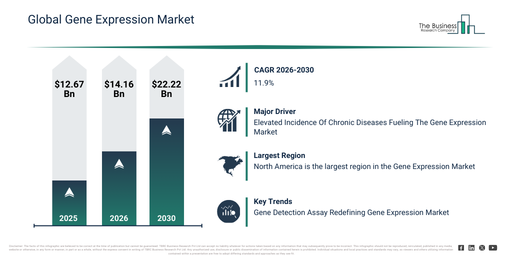
    The market for gene expression experienced significant expansion over the last few years, increasing from $12.67 billion in 2025 to $14.16 billion in 2026, representing a compound annual growth rate (CAGR) of 11.7%. This historical growth was driven by several factors, including higher funding for academic genomics research, a growing frequency of chronic and genetic disorders, the early implementation of microarray technologies, the widening of pharmaceutical research and development pipelines, and the increased utilization of PCR-based methods.

    The gene expression market is anticipated to experience substantial growth over the coming years. By 2030, it is projected to reach a valuation of $22.22 billion, driven by a compound annual growth rate (CAGR) of 11.9%. This upward trajectory in the forecast period is fueled by progress in RNA sequencing technologies, a heightened emphasis on precision medicine, the expansion of clinical diagnostic applications, the incorporation of artificial intelligence into gene expression data analysis, and growing investments within the biotechnology sector. Key developments shaping the forecast period involve the broadening scope of single-cell gene expression analysis, the rising application of spatial transcriptomics, the escalating need for high-throughput PCR platforms, an increased uptake of multi-omics integration, and the establishment of standardized gene expression workflows.

    Download A Free Sample Report For Comprehensive Market Insights:

    https://www.thebusinessresearchcompany.com/sample.aspx?id=9156&type=smp&utm_source=BlogsPR&utm_medium=Paid&utm_campaign=Jul_PR

    Gene Expression Market Demand Drivers: What Is Fueling Industry Growth?

    The increasing prevalence of chronic illnesses is anticipated to boost the gene expression market in the coming years. Chronic diseases are extended medical conditions that last for a lengthy duration, typically three months or more. Gene expression analysis is applied to such diseases to decipher the molecular processes behind them, detect possible biomarkers, and create targeted treatments. For example, in June 2024, the National Health Service, a UK government agency, reported that 3,615,330 patients registered with a general practitioner were identified with non-diabetic hyperglycemia or pre-diabetes—a condition characterized by high blood sugar levels that do not yet meet diabetes criteria—in 2023. This figure reflects an 18% rise compared to 3,065,825 cases documented in 2022. Consequently, the growing incidence of chronic diseases is set to fuel the expansion of the gene expression market.

    Gene Expression Market Segmentation Trends And Revenue Drivers

    The gene expression market covered in this report is segmented –

    1) By Product: Kits And Reagents, DNA Chip Or Microarray, Other Products

    2) By Process: Sample Collection, Purification, cDNA Synthesis And Conversion, PCR Analysis, Data Analysis And Interpretation

    3) By Technique: RNA Exp, Promoter Analysis, Protein Exp. And Posttranslational Modification Analysis

    4) By Application: Drug Discovery And Development, Clinical Diagnostics, Biotechnology And Microbiology, Other Applications

    Subsegments:

    1) By Kits And Reagents: RNA Isolation Kits, cDNA Synthesis Kits, qPCR Kits, Reverse Transcription Kits, Other Reagents

    2) By DNA Chip Or Microarray: Expression Microarrays, Genotyping Microarrays, Comparative Genomic Hybridization Arrays

    3) By Other Products: Software For Data Analysis, Lab Instruments, Consumables

    Gene Expression Market Innovation Trends: Which Developments Are Transforming The Industry?

    Major industry players in the gene expression space are concentrating on creating cutting-edge products like gene detection assays to secure a market edge and boost their earnings. A gene detection assay within gene expression refers to a technique used to identify and measure the presence of genetic molecules, offering clarity on the activity and abundance of particular genes. In January 2023, for example, Bio-Techne Corporation, a biotech firm headquartered in the US that specializes in research instruments, broadened its Advanced Cell Diagnostics (ACD) branded RNAscope in situ hybridization (ISH) lineup by unveiling the RNAscope Plus smRNA-RNA detection assay. This novel assay enables the simultaneous fluorescent detection of a small regulatory RNA along with three target RNAs or RNA biomarkers within a single tissue section, achieving resolution at the single-cell and subcellular level. Created to support large-scale studies, the assay works seamlessly with the Leica Bond Rx platform and is also offered as a manual assay for ease of use. Such therapeutic nucleic acids hold the capacity to alter the expression and function of specific target genes, paving the way for the development of personalized treatments for inherited or acquired diseases that have resisted conventional approaches.

    Gene Expression Market Industry Leaders: Which Organizations Are Driving Competition?

    Major companies operating in the gene expression market are Thermo Fisher Scientific Inc., Qiagen NV, Illumina Inc., Bio-Rad Laboratories Inc., Agilent Technologies Inc., PerkinElmer Inc., GE Healthcare, F Hoffmann-La Roche Ltd, Oxford Gene Technology IP Limited, Promega Corporation, OriGene Technologies Inc., Luminex Corporation, Takara Bio Inc., Danaher Corporation, ELITechGroup, Biocartis Group NV, Integragen SA, Oxford Nanopore Technologies Limited, Phalanx Biotech Group, Roche Holding AG, Sengenics Corporation Pte Ltd., GenXPro GmbH, Twist Bioscience Corporation, Zymo Research Corporation, Abcam plc., Bio-Techne Corporation

    Access The Complete Gene Expression Market Report:

    https://www.thebusinessresearchcompany.com/report/gene-expression-global-market-report?utm_source=BlogsPR&utm_medium=Paid&utm_campaign=Jul_PR

    Gene Expression Market Largest Region By Revenue And Market Share

    North America was the largest region in the gene expression market in 2025. Asia-Pacific is expected to be the fastest-growing region in the gene expression market in the forecast period. The regions covered in the gene expression market report are Asia-Pacific, South East Asia, Western Europe, Eastern Europe, North America, South America, Middle East, Africa.

    Get in touch with us:

    The Business Research Company: https://www.thebusinessresearchcompany.com/?utm_source=BlogsPR&utm_medium=Paid&utm_campaign=home_page_test

    Americas: +1 310-496-7795

    Asia: +44 7882 955267 & +91 8897263534

    Europe: +44 7882 955267

    Email us at: marketing@tbrc.info

    Follow us on:

    LinkedIn: https://in.linkedin.com/company/the-business-research-company

    YouTube: https://www.youtube.com/channel/UC24_fI0rV8cR5DxlCpgmyFQ

    Global Market Model: https://www.thebusinessresearchcompany.com/global-market-model
  • Gene Circuit Therapeutics Market Expected To Reach $5.03 Billion By 2030 As Growth Accelerates At 22.3% CAGR

    Gene Circuit Therapeutics Market Expected To Reach $5.03 Billion By 2030 As Growth Accelerates At 22.3% CAGR

    Enhanced with market attractiveness analysis, total addressable market evaluation, company benchmarking matrices, interactive Excel dashboards, expanded supply chain intelligence, emerging startup coverage, and detailed product insights, The Business Research Company’s 2026 market reports deliver more actionable and strategically valuable research.

    Gene Circuit Therapeutics Market Size, Value And Growth Trends Through 2030

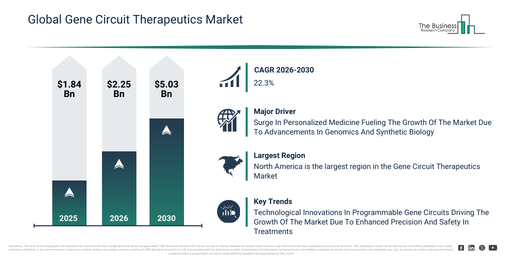
    The market for gene circuit therapeutics has experienced substantial expansion over the past few years. Its value is projected to rise from $1.84 billion in 2025 to $2.25 billion in 2026, reflecting a compound annual growth rate (CAGR) of 22.3%. This historical growth has been driven by progress in synthetic biology research, the early achievements of gene editing tools, enhanced funding for academic studies, a deeper comprehension of cellular signaling mechanisms, and the broadening scope of immuno-oncology investigations.

    The gene circuit therapeutics market is anticipated to experience rapid expansion over the coming years, with projections indicating it will reach $5.03 billion by 2030, driven by a compound annual growth rate (CAGR) of 22.3%. This forecasted growth is fueled by a rising number of gene circuit therapies advancing into clinical settings, an increased demand for precision-focused treatment options, broader implementation of programmable cellular therapies, an expanding portfolio of gene therapies targeting rare diseases, and heightened investment in next-generation genetic innovations. Key developments shaping this period include the accelerated creation of customizable gene circuits, the growing application of logic-gated cellular approaches, deeper incorporation of synthetic biology frameworks, the advancement of fine-tuned gene expression control technologies, and a stronger emphasis on engineering safety switch mechanisms.

    Download A Free Sample Report For Comprehensive Market Insights:

    https://www.thebusinessresearchcompany.com/sample.aspx?id=28230&type=smp&utm_source=BlogsPR&utm_medium=Paid&utm_campaign=Jul_PR

    Gene Circuit Therapeutics Market Growth Drivers: What Factors Are Accelerating Expansion?

    The gene circuit therapeutics market is anticipated to expand in the coming period, driven by the increasing need for personalized medicine. This approach customizes medical care to each patient’s distinct traits, typically based on genetic, biomarker, or molecular data. Its rising popularity stems from progress in genomics and synthetic biology, which allow for more accurate disease targeting and enhanced treatment outcomes. Gene circuit therapeutics significantly aid personalized medicine by engineering cells and microbes to have programmable logic, enabling them to sense, process, and react to particular disease states, resulting in treatments that are safer, more effective, and tailored to the individual. For example, data from NHS England’s Genomics Statistical Commentary—a UK governmental body—shows that personalized genomic test numbers hit 65,884 in 2024, a 14% rise from 2023, underscoring the escalating demand for personalized approaches. Hence, the surge in personalized medicine demand is fueling growth in the gene circuit therapeutics market.

    Gene Circuit Therapeutics Market Segment Analysis Highlighting Growth Areas

    The gene circuit therapeutics market covered in this report is segmented –

    1) By Product Type: Synthetic Gene Circuits, Programmable Cell Therapies, Gene Editing Tools, Other Product Types

    2) By Technology: Clustered Regularly Interspaced Short Palindromic Repeats (CRISPR), Transcription Activator-Like Effector Nuclease (TALEN), Zinc Finger Nucleases, Other Technologies

    3) By Application: Oncology, Rare Diseases, Infectious Diseases, Regenerative Medicine, Other Applications

    4) By End-User: Pharmaceutical And Biotechnology Companies, Academic And Research Institutes, Hospitals And Clinics, Other End-Users

    Subsegments:

    1) By Synthetic Gene Circuits: Switch-based Circuits, Logic Gate Circuits, Oscillatory Circuits, Memory Circuits

    2) By Programmable Cell Therapies: CAR-T Cell Therapy, TCR-T Cell Therapy, NK Cell Therapy, Stem Cell-Based Therapies

    3) By Gene Editing Tools: CRISPR-Cas Systems, TALENs, Zinc Finger Nucleases (ZFNs), Meganucleases

    4) By Others: RNA-Based Therapeutics, Antisense Oligonucleotides, Epigenome Editing Tools

    Gene Circuit Therapeutics Market Trends: What Is Shaping Future Industry Growth?

    Key industry players in the gene circuit therapeutics market are prioritizing the creation of programmable gene circuits to enhance disease targeting accuracy, enable controlled therapeutic effects, and boost safety profiles. These programmable circuits consist of engineered genetic frameworks derived from DNA, RNA, and regulatory proteins that emulate computational functions inside cells, allowing them to detect biological signals, analyze information, and trigger particular responses. A case in point occurred in May 2023, when Synlogic, Inc., a clinical-stage biotechnology firm based in the US, unveiled fresh findings at the Synthetic Biology: Engineering, Evolution & Design (SEED) Conference regarding SYNB1353, a Synthetic Biotic drug candidate aimed at homocystinuria (HCU). This therapeutic agent utilizes genetically modified probiotic bacteria equipped with metabolic gene circuits engineered to target methionine consumption and lower dangerous homocysteine concentrations. This example demonstrates the application of programmable circuits beyond cancer treatment to rare metabolic conditions, underscoring their capacity to deliver targeted, long-lasting, and patient-centric therapeutic solutions.

    Gene Circuit Therapeutics Market Leading Companies: Who Holds Significant Market Presence?

    Major companies operating in the gene circuit therapeutics market are GenScript Biotech, Agilent Technologies, Cellectis S.A., CRISPR Therapeutics, Beam Therapeutics, Twist Bioscience, Ginkgo Bioworks, Sangamo Therapeutics, Senti Biosciences, Editas Medicine, BlueRock Therapeutics, Synthego Corporation, Manus Bio, Strand Therapeutics, Dyno Therapeutics, Obsidian Therapeutics, Rubius Therapeutics, Precigen Inc., Aurealis Therapeutics, Synlogic Inc., Azalea Therapeutics

    Access The Complete Gene Circuit Therapeutics Market Report:

    https://www.thebusinessresearchcompany.com/report/gene-circuit-therapeutics-global-market-report?utm_source=BlogsPR&utm_medium=Paid&utm_campaign=Jul_PR

    Gene Circuit Therapeutics Market Regional Analysis And Leading Geography

    North America was the largest region in the gene circuit therapeutics market in 2025. Asia-Pacific is expected to be the fastest-growing region in the forecast period. The regions covered in the gene circuit therapeutics market report are Asia-Pacific, South East Asia, Western Europe, Eastern Europe, North America, South America, Middle East, Africa.

    Get in touch with us:

    The Business Research Company: https://www.thebusinessresearchcompany.com/?utm_source=BlogsPR&utm_medium=Paid&utm_campaign=home_page_test

    Americas: +1 310-496-7795

    Asia: +44 7882 955267 & +91 8897263534

    Europe: +44 7882 955267

    Email us at: marketing@tbrc.info

    Follow us on:

    LinkedIn: https://in.linkedin.com/company/the-business-research-company

    YouTube: https://www.youtube.com/channel/UC24_fI0rV8cR5DxlCpgmyFQ

    Global Market Model: https://www.thebusinessresearchcompany.com/global-market-model
  • Gemcitabine Hydrochloride Market Set To Grow From $0.88 Billion In 2026 To $1.14 Billion By 2030 At A CAGR Of 6.6%

    Gemcitabine Hydrochloride Market Set To Grow From $0.88 Billion In 2026 To $1.14 Billion By 2030 At A CAGR Of 6.6%

    Through market attractiveness analysis, total addressable market evaluation, company benchmarking matrices, interactive Excel dashboards, expanded supply chain intelligence, emerging startup coverage, and detailed product insights, The Business Research Company’s 2026 market reports provide more actionable and strategically valuable research.

    Gemcitabine Hydrochloride Market CAGR Analysis And Future Market Development

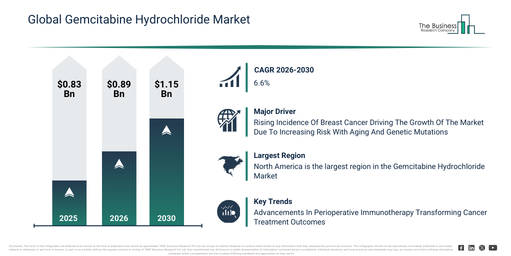
    Over recent years, the gemcitabine hydrochloride market has experienced robust growth. Its value is projected to increase from $0.83 billion in 2025 to $0.89 billion in 2026, reflecting a compound annual growth rate (CAGR) of 6.7%. This expansion during the historic period was driven by rising cancer incidence rates, the regulatory approval of gemcitabine-based treatment protocols, the growth in the number of oncology hospitals, greater use of chemotherapy, and increased funding allocated to cancer research.

    The market for gemcitabine hydrochloride is projected to experience robust expansion in the coming years. By 2030, it is anticipated to reach a value of $1.15 billion, advancing at a compound annual growth rate of 6.6%. This growth during the forecast period can be linked to factors such as the rise in combination oncology therapies, the broadening of cancer care facilities, the increasing frequency of solid tumors, the creation of biosimilars, and enhanced accessibility to oncology pharmaceuticals. Key developments observed in this period encompass a greater reliance on combination chemotherapy, a heightened need for injectable anticancer agents, the growth of hospital-centered cancer treatments, a more pronounced emphasis on precision medicine, and broader application across diverse cancer categories.

    Download A Free Sample Report For Comprehensive Market Insights:

    https://www.thebusinessresearchcompany.com/sample.aspx?id=24223&type=smp&utm_source=BlogsPR&utm_medium=Paid&utm_campaign=Jul_PR

    Gemcitabine Hydrochloride Market Growth Factors Supporting Long-Term Expansion

    The expected growth of the gemcitabine hydrochloride market is being driven forward by the increasing prevalence of breast cancer. Breast cancer is defined as a malignancy that originates in breast tissue, most often within the milk ducts or glands. This rising number of cases is linked to longer life expectancy, as aging provides more opportunities for genetic mutations to build up, thereby heightening the likelihood of developing the disease. Gemcitabine hydrochloride plays a crucial role in treating breast cancer by disrupting DNA replication, which effectively slows down the uncontrolled growth of abnormal cells. To illustrate, the International Agency For Research On Cancer, a health organization based in the US, projected in February 2025 that by 2050, annual new breast cancer cases will reach 3.2 million. Consequently, the growing occurrence of breast cancer is set to fuel expansion in the gemcitabine hydrochloride market.

    Gemcitabine Hydrochloride Market Segment Performance And Strategic Opportunities

    The gemcitabine hydrochloride market covered in this report is segmented –

    1) By Product Type: Injection, Solution, Other Product Types

    2) By Distribution Channel: Hospital Pharmacies, Retail Pharmacies, Online Pharmacies, Specialty Clinics

    3) By Application: Pancreatic Cancer, Non-Small Cell Lung Cancer, Bladder Cancer, Breast Cancer, Ovarian Cancer, Other Applications

    Subsegments:

    1) By Injection: Single-Dose Vials, Multi-Dose Vials, Prefilled Syringes

    2) By Solution: Ready-To-Use Liquid Solutions, Concentrated Solutions For Dilution

    3) By Other Product Types: Lyophilized Powder, Combination Formulations With Other Chemotherapeutic Agents

    Gemcitabine Hydrochloride Market Industry Trends Shaping Future Revenue Growth

    Key players in the gemcitabine hydrochloride market are concentrating on the development of cutting-edge treatment strategies such as perioperative immunotherapy to boost therapeutic effectiveness. This approach involves administering cancer therapy prior to surgery (neoadjuvant) and following it (adjuvant) to lower recurrence rates and enhance patient outcomes. A notable example occurred in March 2025, when AstraZeneca, a pharmaceutical firm headquartered in the UK, secured approval from the US Food and Drug Administration (FDA) for Imfinzi (durvalumab). This represented the first and only perioperative immunotherapy authorized for muscle-invasive bladder cancer (MIBC). The regimen pairs Imfinzi with chemotherapy agents gemcitabine and cisplatin before surgery, followed by Imfinzi used alone after the procedure. Evidence from clinical trials demonstrated improved survival figures and diminished recurrence risks.

    Gemcitabine Hydrochloride Market Key Players: Which Companies Shape Industry Competition?

    Major companies operating in the gemcitabine hydrochloride market are Fresenius Kabi, Eli Lilly and Company, Teva Pharmaceutical Industries Ltd., Intas Pharmaceuticals Ltd., Mylan NV, Accord Healthcare, Sandoz Group AG, Sun Pharmaceutical Industries Ltd., Apotex Inc., Dr. Reddy’s Laboratories, Cipla Ltd., Amneal Pharmaceuticals, Alkem Laboratories, Gland Pharma Ltd., Strides Pharma Science Ltd., Shilpa Medicare Ltd., ScinoPharm Taiwan Ltd., Orchid Pharma Ltd., Arevipharma GmbH, Qilu Pharmaceutical Co. Ltd.

    Access The Complete Gemcitabine Hydrochloride Market Report:

    https://www.thebusinessresearchcompany.com/report/gemcitabine-hydrochloride-global-market-report?utm_source=BlogsPR&utm_medium=Paid&utm_campaign=Jul_PR

    Gemcitabine Hydrochloride Market Geographic Analysis: Where Is Demand Growing The Fastest?

    North America was the largest region in the gemcitabine hydrochloride market in 2025. Asia-Pacific is expected to be the fastest-growing region in the forecast period. The regions covered in the gemcitabine hydrochloride market report are Asia-Pacific, South East Asia, Western Europe, Eastern Europe, North America, South America, Middle East, Africa.

    Get in touch with us:

    The Business Research Company: https://www.thebusinessresearchcompany.com/?utm_source=BlogsPR&utm_medium=Paid&utm_campaign=home_page_test

    Americas: +1 310-496-7795

    Asia: +44 7882 955267 & +91 8897263534

    Europe: +44 7882 955267

    Email us at: marketing@tbrc.info

    Follow us on:

    LinkedIn: https://in.linkedin.com/company/the-business-research-company

    YouTube: https://www.youtube.com/channel/UC24_fI0rV8cR5DxlCpgmyFQ

    Global Market Model: https://www.thebusinessresearchcompany.com/global-market-model
  • G-CSF (Granulocyte Colony Stimulating Factors) Market Opportunities Are Emerging Beyond Traditional Growth Areas

    G-CSF (Granulocyte Colony Stimulating Factors) Market Opportunities Are Emerging Beyond Traditional Growth Areas

    Delivering more actionable and strategically valuable research, The Business Research Company’s 2026 market reports feature market attractiveness analysis, total addressable market evaluation, company benchmarking matrices, interactive Excel dashboards, expanded supply chain intelligence, emerging startup coverage, and detailed product insights.

    G-CSF (Granulocyte Colony Stimulating Factors) Market Expansion From $9.94 Billion In 2026 To $12.21 Billion In 2030

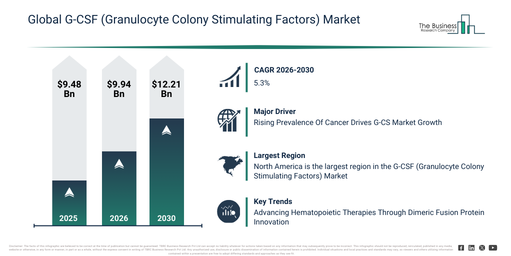
    The granulocyte colony-stimulating factor market has experienced consistent expansion in recent times. In 2025, it was valued at $9.48 billion, and it is projected to reach $9.94 billion by 2026, reflecting a compound annual growth rate of 4.8%. This historical growth has been driven by several factors, including the restricted availability of G-CSF treatments, an increasing incidence of chemotherapy-related neutropenia, a growing number of cancer patients, regulatory endorsements for initial G-CSF therapies, and the uptake of injectable formulations.

    The granulocyte colony-stimulating factors (G-CSF) market is projected to experience robust expansion over the next several years. By 2030, its value is anticipated to reach $12.21 billion, reflecting a compound annual growth rate (CAGR) of 5.3%. This forecasted growth is driven by several factors, including the introduction of innovative G-CSF products, the growing availability of biosimilars in developing markets, a heightened use of combination therapies, an increased preference for pre-filled syringe delivery systems, and amplified investment in supportive care and neutropenia management programs. Key developments shaping the market during this period involve a strong uptick in the demand for G-CSF biosimilars, greater utilization of pre-filled syringes and injectable formats, a rising trend of combining G-CSF with other growth factors, an expanded application of these products in oncology and blood disorder treatments, and an improved understanding of neutropenia management alongside supportive care practices.

    Download A Free Sample Report For Comprehensive Market Insights:

    https://www.thebusinessresearchcompany.com/sample.aspx?id=3466&type=smp&utm_source=BlogsPR&utm_medium=Paid&utm_campaign=Jul_PR

    G-CSF (Granulocyte Colony Stimulating Factors) Market Demand Drivers Creating New Revenue Opportunities

    The anticipated expansion of the G-CSF (granulocyte colony stimulating factor) market is being driven forward by the growing incidence of cancer. This disease is defined by the unregulated proliferation and dissemination of abnormal cells, which can impair normal bodily processes and ultimately cause death. The increasing prevalence of cancer results from factors including aging demographics, shifts in lifestyle habits, and environmental exposures that heighten cancer risk. The G-CSF market aligns with this trend by offering growth factors that boost white blood cell production, thereby lowering infection and sepsis risks in cancer patients receiving chemotherapy. As an example, in October 2025, the National Health Service (NHS), a UK-based government health agency, reported 354,820 new cancer diagnoses in 2023—an average of 972 per day—which was 8,605 more than in 2022. Consequently, the rising prevalence of cancer is fueling growth in the G-CSF market.

    G-CSF (Granulocyte Colony Stimulating Factors) Market Segment Landscape And Growth Potential

    The g-csf (granulocyte colony stimulating factors) market covered in this report is segmented –

    1) By Type: Pegfilgrastim, Lenograstim, Filgrastim, Other Types

    2) By Product Form: Tablet, Capsule, Other Product Forms

    3) By Application: Oncological Diseases, Blood Disorders, Chronic And Autoimmune Disorders, Other Applications

    Subsegments:

    1) By Pegfilgrastim: Pre-filled Syringes, Vial Formulations, Biosimilars Of Pegfilgrastim

    2) By Lenograstim: Injectable Formulations, Vial Formulations, Combination Therapies

    3) By Filgrastim: Injectable Formulations, Pre-filled Syringes, Biosimilars Of Filgrastim

    4) By Other Types: Filgrastim-sndz (Biosimilar), Novel G-CSF Products In Development, Combination Therapies With Other Growth Factors

    G-CSF (Granulocyte Colony Stimulating Factors) Market Trends Driving Strategic Industry Expansion

    Key players in the G-CSF (granulocyte colony stimulating factor) market are prioritizing technological advancements in hematopoietic therapies, including the development of dimeric fusion proteins aimed at boosting neutrophil production while minimizing immunogenicity in long-acting G-CSF formulations. This approach involves merging two G-CSF molecules into a single protein structure to prolong its half-life and enhance receptor activation, bypassing the need for PEGylation. A notable example occurred in November 2023, when Evive Biotech Inc., a biopharmaceutical firm based in Singapore, secured U.S. Food and Drug Administration (FDA) approval for Ryzneuta (efbemalenograstim alfa). This long-acting biosimilar G-CSF is designed to shorten the duration of neutropenia and febrile neutropenia in adults receiving cytotoxic chemotherapy. As a modified recombinant G-CSF, Ryzneuta promotes neutrophil generation in the bone marrow, thereby speeding up the restoration of neutrophil levels. Its standout attributes include infrequent dosing, compatibility with various chemotherapy protocols, and a convenient prefilled syringe ready for use. Indicated for preventing chemotherapy-induced neutropenia, mobilizing stem cells, and providing supportive care to immunocompromised patients, it delivers advantages such as reduced injection frequency, enhanced treatment adherence, and superior overall outcomes for individuals.

    G-CSF (Granulocyte Colony Stimulating Factors) Market Competitive Landscape: Who Are The Leading Companies?

    Major companies operating in the g-csf (granulocyte colony stimulating factors) market are Amgen Inc., Coherus Biosciences Inc., Sandoz, Biocon/Mylan, Teva Pharmaceuticals Inc., Chugai Pharma, Intalfarmaco Group, Pfizer, Sun Pharmaceutical Industries Limited, Cipla.

    Access The Complete G-CSF (Granulocyte Colony Stimulating Factors) Market Report:

    https://www.thebusinessresearchcompany.com/report/g-csf-global-market-report?utm_source=BlogsPR&utm_medium=Paid&utm_campaign=Jul_PR

    G-CSF (Granulocyte Colony Stimulating Factors) Market Global Footprint: Which Region Holds Market Leadership?

    North America was the largest region in the G-CSF (granulocyte colony-stimulating factors) market in 2025. The regions covered in the g-csf (granulocyte colony stimulating factors) market report are Asia-Pacific, South East Asia, Western Europe, Eastern Europe, North America, South America, Middle East, Africa.

    Get in touch with us:

    The Business Research Company: https://www.thebusinessresearchcompany.com/?utm_source=BlogsPR&utm_medium=Paid&utm_campaign=home_page_test

    Americas: +1 310-496-7795

    Asia: +44 7882 955267 & +91 8897263534

    Europe: +44 7882 955267

    Email us at: marketing@tbrc.info

    Follow us on:

    LinkedIn: https://in.linkedin.com/company/the-business-research-company

    YouTube: https://www.youtube.com/channel/UC24_fI0rV8cR5DxlCpgmyFQ

    Global Market Model: https://www.thebusinessresearchcompany.com/global-market-model
  • Gastroparesis Drugs Market Expansion Is Opening New Pathways For Strategic Investment

    Gastroparesis Drugs Market Expansion Is Opening New Pathways For Strategic Investment

    Enhanced with market attractiveness analysis, total addressable market evaluation, company benchmarking matrices, interactive Excel dashboards, expanded supply chain intelligence, emerging startup coverage, and detailed product insights, The Business Research Company’s 2026 market reports deliver more actionable and strategically valuable research.

    Gastroparesis Drugs Market Forecast Highlighting Growth From $6.02 Billion To $7.36 Billion

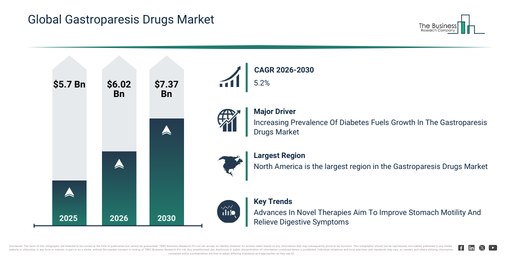
    The gastroparesis drugs market has experienced robust expansion over recent years. Projections indicate a rise from $5.7 billion in 2025 to $6.02 billion in 2026, reflecting a compound annual growth rate (CAGR) of 5.7%. This historical growth has been driven by factors such as a higher number of diabetic gastroparesis diagnoses, the prolonged use of prokinetic and antiemetic agents, an increase in gastrointestinal disorders linked to diabetes, the availability of both over-the-counter and prescription symptom management options, and a broader reach of gastroenterology healthcare services.

    The market for gastroparesis medications is projected to experience substantial expansion over the coming years. By 2030, its value is anticipated to reach $7.37 billion, reflecting a compound annual growth rate (CAGR) of 5.2%. This anticipated growth during the forecast period is driven by several key factors: the increasing global incidence of diabetes, a heightened recognition of gastroparesis as a persistent medical issue, a growing need for reliable solutions that deliver sustained symptom relief, enhanced availability of specialized gastrointestinal healthcare services, and the persistent demand for more effective therapies that improve gastric motility. Among the notable developments shaping this forecast period are a stronger dependence on prokinetic drugs to manage symptoms, a higher adoption of combined drug regimens specifically for gastroparesis, an increase in treatments requiring a prescription, the evolution of therapeutic strategies focused more directly on symptom alleviation, and the wider use of oral medications intended for extended care management.

    Download A Free Sample Report For Comprehensive Market Insights:

    https://www.thebusinessresearchcompany.com/sample.aspx?id=15812&type=smp&utm_source=BlogsPR&utm_medium=Paid&utm_campaign=Jul_PR

    Gastroparesis Drugs Market Expansion Supported By Key Demand Factors

    The rising incidence of diabetes is anticipated to drive expansion in the gastroparesis drugs market moving forward. Diabetes is a chronic metabolic condition marked by high blood glucose levels due to insufficient insulin production or ineffective insulin use. Its prevalence is climbing because of sedentary lifestyles, poor dietary habits, genetic factors, urbanization, aging populations, and increasing obesity rates. The gastroparesis drugs market aids diabetes management by offering medications that alleviate symptoms like nausea, vomiting, and delayed gastric emptying—common gastrointestinal issues linked to diabetic gastroparesis. For example, in March 2024, the Office for Health Improvement & Disparities, a UK government agency, reported that from March 2022 to March 2023, the number of type 1 diabetes patients receiving all eight recommended care processes grew by 22%, type 2 diabetes patients saw a 21% rise, and the proportion achieving target HbA1c levels reached 37.9%, the highest ever recorded by the National Diabetes Audit. Consequently, the growing prevalence of diabetes is fueling the gastroparesis drugs market’s growth.

    Gastroparesis Drugs Market Categorization By Product Type And Application

    The gastroparesis drugs market covered in this report is segmented –

    1) By Drug Type: Over-the-counter (OTC) Drugs, Prescription Drugs

    2) By Drug Class: Prokinetic Agents, Antiemetic Drugs, Proton Pump Inhibitors, Other Drug Classes

    3) By Disease Type: Diabetic Gastroparesis, Post-Surgical Gastroparesis, Idiopathic Gastroparesis, Other Disease Types

    4) By Route Of Administration: Oral, Injectables, Other Routes Of Administration

    5) By Distribution Channel: Hospitals, Pharmacies, Clinics, E-commerce

    Subsegments:

    1) By Over-the-counter (OTC) Drugs: Antacids, Anti-Nausea Medications, Antiemetics, Digestive Enzyme Supplements

    2) By Prescription Drugs: Prokinetic Agents, Antiemetic Drugs, Antibiotics, Antidepressants

    Gastroparesis Drugs Market Growth Trends Influencing Competitive Dynamics

    Key players in the gastroparesis drugs market are actively developing advanced treatments, including novel prokinetic therapies aimed at improving gastric motility and alleviating symptoms. These therapies, which are newly formulated medications, work by stimulating and enhancing the natural movement of the stomach and intestines to facilitate more efficient food passage. For example, in December 2023, Vanda Pharmaceuticals Inc., a biopharmaceutical company based in the United States, secured approval from the U.S. Food and Drug Administration (FDA) for the submission of its New Drug Application (NDA) for tradipitant to address gastroparesis symptoms. This approval specifically pertains to tradipitant, an investigational oral neurokinin-1 receptor antagonist designed to treat gastroparesis, a severe digestive disorder for which existing treatment options are limited. This acceptance represents a crucial regulatory achievement for Vanda as it moves forward in seeking marketing authorization for tradipitant among patients suffering from gastroparesis.

    Gastroparesis Drugs Market Company Landscape And Strategic Competition

    Major companies operating in the gastroparesis drugs market are Evoke Pharma Inc., Takeda Pharmaceutical Inc., AbbVie Inc., Salix Pharmaceuticals Inc., Pfizer Inc., Sanofi SA, AstraZeneca plc, Teva Pharmaceutical Inc., Bausch Health Companies Inc., Abbott Laboratories, GSK plc, Eisai Co. Ltd., Vanda Pharmaceuticals Inc., Theravance Biopharma Inc., ANI Pharmaceuticals Inc., Cadila Pharmaceuticals, Cipla Ltd., Ipca Laboratories Ltd., Neurogastrx Inc., Processa Pharmaceuticals Inc.

    Access The Complete Gastroparesis Drugs Market Report:

    https://www.thebusinessresearchcompany.com/report/gastroparesis-drugs-global-market-report?utm_source=BlogsPR&utm_medium=Paid&utm_campaign=Jul_PR

    Gastroparesis Drugs Market Regional Distribution: Which Areas Drive Market Expansion?

    North America was the largest region in the gastroparesis drugs market in 2025. Asia-Pacific is expected to be the fastest-growing region in the forecast period. The regions covered in the gastroparesis drugs market report are Asia-Pacific, South East Asia, Western Europe, Eastern Europe, North America, South America, Middle East, Africa.

    Get in touch with us:

    The Business Research Company: https://www.thebusinessresearchcompany.com/?utm_source=BlogsPR&utm_medium=Paid&utm_campaign=home_page_test

    Americas: +1 310-496-7795

    Asia: +44 7882 955267 & +91 8897263534

    Europe: +44 7882 955267

    Email us at: marketing@tbrc.info

    Follow us on:

    LinkedIn: https://in.linkedin.com/company/the-business-research-company

    YouTube: https://www.youtube.com/channel/UC24_fI0rV8cR5DxlCpgmyFQ

    Global Market Model: https://www.thebusinessresearchcompany.com/global-market-model
  • Gastrointestinal Therapeutics Market Trends Are Creating New Opportunities For Industry Leaders

    Gastrointestinal Therapeutics Market Trends Are Creating New Opportunities For Industry Leaders

    Through market attractiveness analysis, total addressable market evaluation, company benchmarking matrices, interactive Excel dashboards, expanded supply chain intelligence, emerging startup coverage, and detailed product insights, The Business Research Company’s 2026 market reports provide more actionable and strategically valuable research.

    Gastrointestinal Therapeutics Market Revenue Growth Supported By A CAGR Of 55.21% Through 2030

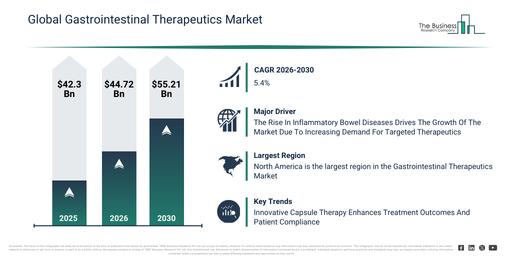
    The gastrointestinal therapeutics market has experienced robust expansion in recent years, with its value projected to increase from $42.3 billion in 2025 to $44.72 billion in 2026, reflecting a compound annual growth rate (CAGR) of 5.7%. This historic period’s growth has been driven by factors such as the constrained availability of biologics and advanced gastrointestinal treatments, a rising occurrence of acid reflux and ulcers, a dependency on hospital and clinic-based care, heightened awareness of digestive health, and the prevailing influence of conventional over-the-counter antacids and laxatives.

    The gastrointestinal therapeutics market is projected to experience robust expansion over the coming years, with an anticipated value of $55.21 billion by 2030, reflecting a compound annual growth rate (CAGR) of 5.4%. This forecasted rise is driven by advancements in targeted biologics and immunotherapies, the growing presence of ambulatory surgical centers and diagnostic labs, increased use of oral and intravenous delivery methods, greater penetration of online pharmacies, and new developments in probiotics and digestive enzyme products. Key trends shaping this period include the growing frequency of gastrointestinal conditions, a higher adoption rate of biologics and novel therapies, a broader availability of over-the-counter treatments, a stronger emphasis on personalized care for gastrointestinal issues, and the expanding role of online and retail pharmacy channels.

    Download A Free Sample Report For Comprehensive Market Insights:

    https://www.thebusinessresearchcompany.com/sample.aspx?id=25768&type=smp&utm_source=BlogsPR&utm_medium=Paid&utm_campaign=Jul_PR

    Gastrointestinal Therapeutics Market Growth Drivers And Industry Catalysts

    A surge in inflammatory bowel diseases is anticipated to accelerate the expansion of the gastrointestinal therapeutics market in the coming period. These conditions, such as Crohn’s disease and ulcerative colitis, are chronic disorders that lead to inflammation within the digestive tract. Their growing prevalence is linked to genetic factors that trigger an abnormal immune reaction against gut microbes. Treatment options in gastrointestinal therapeutics aim to manage these diseases by addressing the root inflammation, supporting digestive processes, and lessening symptoms to enhance patient well-being. Data from December 2023, released by the UK-based non-profit IBD Registry, showed that more than 5,300 people with these conditions were added to their registry, reflecting a rise of over 3,000 individuals compared to the previous year. Consequently, this uptick in inflammatory bowel disease cases is fueling market growth for gastrointestinal therapeutics.

    Gastrointestinal Therapeutics Market Segment Analysis And Revenue Opportunities

    The gastrointestinal therapeutics market covered in this report is segmented –

    1) By Product: Over-The-Counter Gastrointestinal Therapeutics, Prescription-Based Gastrointestinal Therapeutics

    2) By Route Of Administration: Oral, Intravenous, Other Routes Of Administration

    3) By Application: Inflammatory Bowel Disease, Gastroesophageal Reflux Disease, Peptic Ulcer Disease, Irritable Bowel Syndrome, Other Applications

    4) By Distribution Channel: Hospital Pharmacies, Retail Pharmacies, Online Pharmacies

    5) By End-User: Hospitals, Clinics, Ambulatory Surgical Centers, Diagnostic Laboratories, Other End-Users

    Subsegments:

    1) By Over-The-Counter Gastrointestinal Therapeutics: Antacids, Laxatives, Anti-Diarrheal Agents, Digestive Enzymes, Probiotics, H2-Receptor Antagonists, Simethicone Products

    2) By Prescription-Based Gastrointestinal Therapeutics: Proton Pump Inhibitors, Antibiotics For H. pylori, Aminosalicylates, Biologics, Corticosteroids, Immunosuppressants, Antiemetics

    Gastrointestinal Therapeutics Market Trends Influencing Long-Term Demand

    Major players in the gastrointestinal therapeutics market are prioritizing the development of advanced treatment options, including sustained-release (SR) fixed-dose combination capsules, which are designed to boost patient adherence and optimize therapeutic outcomes. These capsules are oral medications that steadily deliver multiple active ingredients over a prolonged period, ensuring stable drug levels in the body and minimizing the need for frequent dosing. A notable example occurred in June 2024 when Akums Drugs and Pharmaceuticals Limited, a pharmaceutical manufacturing company based in India, introduced rabeprazole + levosulpiride SR capsules for managing gastrointestinal disorders within the country. This innovative formulation pairs rabeprazole, a proton pump inhibitor that reduces stomach acid production, with levosulpiride, a prokinetic agent that enhances gut motility. By working together, these components provide significant relief from symptoms like heartburn, acid reflux, bloating, and indigestion. This combination is frequently prescribed to address conditions such as gastroesophageal reflux disease, peptic ulcers, and various other gastrointestinal (GI) issues.

    Gastrointestinal Therapeutics Market Leading Players Shaping Industry Direction

    Major companies operating in the gastrointestinal therapeutics market are Abbott Laboratories, Novartis AG, Takeda Pharmaceutical Company Limited., Boehringer Ingelheim International GmbH, Otsuka Holdings Co. Ltd., Daiichi Sankyo Company Limited., Bausch Health Companies Inc, UCB S.A., Eisai Co. Ltd., Aurobindo Pharma Limited., Dr. Reddy’s Laboratories Limited., Ironwood Pharmaceuticals Inc, Salix Pharmaceuticals Ltd., Ferring Pharmaceuticals A/S, Jubilant Pharma Limited., Sebela Pharmaceuticals Inc, Cosmo Pharmaceuticals N.V., Tillotts Pharma AG, Mitsubishi Tanabe Pharma Corporation

    Access The Complete Gastrointestinal Therapeutics Market Report:

    https://www.thebusinessresearchcompany.com/report/gastrointestinal-therapeutics-global-market-report?utm_source=BlogsPR&utm_medium=Paid&utm_campaign=Jul_PR

    Gastrointestinal Therapeutics Market Leading Geography: Which Region Generates The Most Revenue?

    North America was the largest region in the gastrointestinal therapeutics market in 2025. Asia-Pacific is expected to be the fastest-growing region in the forecast period. The regions covered in the gastrointestinal therapeutics market report are Asia-Pacific, South East Asia, Western Europe, Eastern Europe, North America, South America, Middle East, Africa.

    Get in touch with us:

    The Business Research Company: https://www.thebusinessresearchcompany.com/?utm_source=BlogsPR&utm_medium=Paid&utm_campaign=home_page_test

    Americas: +1 310-496-7795

    Asia: +44 7882 955267 & +91 8897263534

    Europe: +44 7882 955267

    Email us at: marketing@tbrc.info

    Follow us on:

    LinkedIn: https://in.linkedin.com/company/the-business-research-company

    YouTube: https://www.youtube.com/channel/UC24_fI0rV8cR5DxlCpgmyFQ

    Global Market Model: https://www.thebusinessresearchcompany.com/global-market-model
  • Gastrointestinal Over-The-Counter (OTC) Drugs Market Growth Is Reshaping Competitive Advantage Across The Industry

    Gastrointestinal Over-The-Counter (OTC) Drugs Market Growth Is Reshaping Competitive Advantage Across The Industry

    Delivering more actionable and strategically valuable research, The Business Research Company’s 2026 market reports feature market attractiveness analysis, total addressable market evaluation, company benchmarking matrices, interactive Excel dashboards, expanded supply chain intelligence, emerging startup coverage, and detailed product insights.

    Gastrointestinal Over-The-Counter (OTC) Drugs Market Value Expansion And Long-Term Growth Outlook

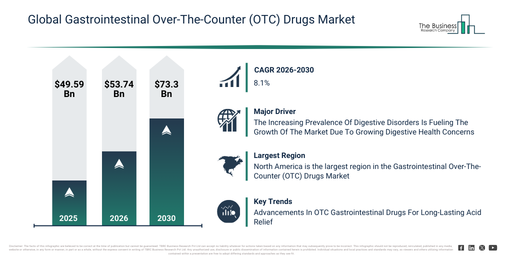
    The market for gastrointestinal over-the-counter (OTC) medications has experienced significant expansion in recent years. Projected to rise from $49.59 billion in 2025 to $53.74 billion in 2026, it reflects a compound annual growth rate (CAGR) of 8.4%. This historical growth has been driven by factors such as the high prevalence of digestive disorders, increased availability of OTC treatments, the broadening footprint of pharmacy retail chains, evolving urban lifestyles, and changes in dietary habits.

    The gastrointestinal over-the-counter (OTC) drugs market is projected to experience robust expansion in the coming years, with an anticipated market value reaching $73.3 billion by 2030, representing a compound annual growth rate (CAGR) of 8.1%. This forecasted growth is driven by several key factors, including an increasing adoption of preventive digestive care, the rapid expansion of e-commerce platforms, rising consumer demand for clean-label OTC products, the effects of an aging population, and heightened awareness surrounding digestive health. Notable trends shaping the future landscape include a growing tendency toward self-medication for digestive issues, an escalating preference for fast-acting OTC relief solutions, a greater integration of combination gastrointestinal products, the broadening reach of online pharmacy sales, and an increasing inclination toward herbal and enzyme-based alternatives.

    Download A Free Sample Report For Comprehensive Market Insights:

    https://www.thebusinessresearchcompany.com/sample.aspx?id=24547&type=smp&utm_source=BlogsPR&utm_medium=Paid&utm_campaign=Jul_PR

    Gastrointestinal Over-The-Counter (OTC) Drugs Market Opportunity Drivers: What Is Creating New Revenue Potential?

    The growing occurrence of digestive ailments is anticipated to fuel the expansion of the gastrointestinal over-the-counter drugs market in the coming period. Digestive ailments encompass various conditions impacting the gastrointestinal system, such as the stomach, intestines, and related organs. This rise is primarily attributed to increased consumption of processed, low-fiber foods that disrupt gut health and hinder proper digestion. OTC gastrointestinal medications alleviate symptoms of these disorders by lowering stomach acid, controlling bowel movements, and improving gut health. They deliver fast, accessible relief for common issues like acid reflux, constipation, and indigestion. For example, in December 2023, data from IBD Registry Ltd., a UK non-profit, showed that the number of individuals with inflammatory bowel disease (IBD) surpassed 5,300, reflecting an increase of over 3,000 members compared to 2022. Thus, the escalating prevalence of digestive disorders is propelling the gastrointestinal OTC drugs market forward.

    Gastrointestinal Over-The-Counter (OTC) Drugs Market Segmentation And Category Breakdown

    The gastrointestinal over-the-counter (otc) drugs market covered in this report is segmented –

    1) By Product: Antacid, Laxatives, Anti-Diarrheal, Anti-Emetics, Other Products

    2) By Formulation: Tablets, Capsules, Liquids, Other Formulations

    3) By Indications: Heartburn, Diarrhoea, Constipation, Gastroesophageal Reflux Disease (GERD), Nausea, Vomiting, Motion Sickness, Other Indications

    4) By Distribution Channel: Hospital Pharmacy, Retail Pharmacy, Online Pharmacy, Other Distribution Channels

    5) By End-Users: Hospitals, Clinics, Home Healthcare, Other End-Users

    Subsegments:

    1) By Antacid: Proton Pump Inhibitors (PPIs), H2-Receptor Antagonists, Calcium Carbonate, Magnesium Hydroxide, Sodium Bicarbonate, Combination Antacids

    2) By Laxatives: Bulk-Forming Laxatives, Stimulant Laxatives, Osmotic Laxatives, Stool Softeners, Lubricant Laxatives

    3) By Anti-Diarrheal: Loperamide, Bismuth Subsalicylate, Probiotics, Electrolyte Solutions

    4) By Anti-Emetics: Antihistamines, Bismuth Subsalicylate, Phosphorated Carbohydrate Solution, Ginger Supplements

    5) By Other Products: Digestive Enzymes, Simethicone, Herbal Remedies, Activated Charcoal

    Gastrointestinal Over-The-Counter (OTC) Drugs Market Innovation Trends Driving Future Development

    Leading players in the gastrointestinal OTC drugs market are increasingly prioritizing the development of innovative products, like over-the-counter proton pump inhibitors (PPIs), designed to deliver potent and sustained relief for acid-related conditions. These nonprescription PPIs work by suppressing stomach acid production and are widely used to manage issues including frequent heartburn, gastroesophageal reflux disease (GERD), and gastric ulcers. A notable example occurred in March 2025, when Eisai Co., Ltd., a Japanese pharmaceutical firm, secured regulatory approval in Japan to transition its Pariet S (rabeprazole sodium 10 mg) from prescription-only to OTC availability, marking the country’s first OTC PPI featuring the identical active ingredient and dosage as its prescription counterpart. Pariet S is intended for alleviating stomach discomfort, heartburn, and bloating, providing around-the-clock relief through a single daily dose in an easy-to-swallow tablet, and it aims to meet the rising demand for effective gastric acid therapies driven by evolving lifestyles and demographic shifts.

    Gastrointestinal Over-The-Counter (OTC) Drugs Market Competitive Analysis Of Major Industry Participants

    Major companies operating in the gastrointestinal over-the-counter (otc) drugs market are Pfizer Inc., Procter & Gamble Co., Johnson & Johnson, Merck & Co. Inc., Bayer AG, Novartis AG, Sanofi S.A., AstraZeneca plc, Abbott Laboratories, GlaxoSmithKline plc, Takeda Pharmaceutical Company Limited, Teva Pharmaceutical Industries Ltd., Reckitt Benckiser Group plc, Boehringer Ingelheim GmbH, Haleon plc, Sandoz AG, Bausch Health Companies Inc., Sun Pharmaceutical Industries Ltd., Perrigo Company plc, Dr. Reddy’s Laboratories Ltd.

    Access The Complete Gastrointestinal Over-The-Counter (OTC) Drugs Market Report:

    https://www.thebusinessresearchcompany.com/report/gastrointestinal-over-the-counter-otc-drugs-global-market-report?utm_source=BlogsPR&utm_medium=Paid&utm_campaign=Jul_PR

    Gastrointestinal Over-The-Counter (OTC) Drugs Market Regional Outlook: Where Are The Largest Opportunities Located?

    North America was the largest region in the gastrointestinal over-the-counter (OTC) drugs market in 2025. Asia-Pacific is expected to be the fastest-growing region in the forecast period. The regions covered in the gastrointestinal over-the-counter (otc) drugs market report are Asia-Pacific, South East Asia, Western Europe, Eastern Europe, North America, South America, Middle East, Africa.

    Get in touch with us:

    The Business Research Company: https://www.thebusinessresearchcompany.com/?utm_source=BlogsPR&utm_medium=Paid&utm_campaign=home_page_test

    Americas: +1 310-496-7795

    Asia: +44 7882 955267 & +91 8897263534

    Europe: +44 7882 955267

    Email us at: marketing@tbrc.info

    Follow us on:

    LinkedIn: https://in.linkedin.com/company/the-business-research-company

    YouTube: https://www.youtube.com/channel/UC24_fI0rV8cR5DxlCpgmyFQ

    Global Market Model: https://www.thebusinessresearchcompany.com/global-market-model
  • Gastroesophageal Reflux Disease Therapeutics Market Forecast Signals New Revenue Opportunities Through 2030

    Gastroesophageal Reflux Disease Therapeutics Market Forecast Signals New Revenue Opportunities Through 2030

    Enhanced with market attractiveness analysis, total addressable market evaluation, company benchmarking matrices, interactive Excel dashboards, expanded supply chain intelligence, emerging startup coverage, and detailed product insights, The Business Research Company’s 2026 market reports deliver more actionable and strategically valuable research.

    Gastroesophageal Reflux Disease Therapeutics Market Expected To Reach $8.38 Billion By 2030 At 6.9% CAGR

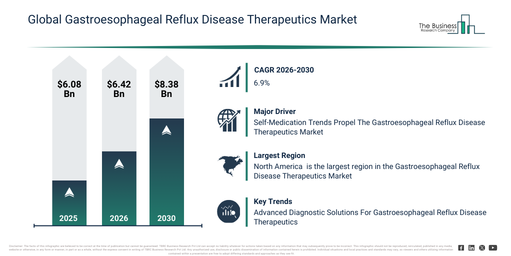
    The market for gastroesophageal reflux disease therapeutics has experienced robust expansion in recent years. Its value is projected to rise from $6.08 billion in 2025 to $6.42 billion in 2026, reflecting a compound annual growth rate (CAGR) of 5.6%. This historical growth has been driven by factors such as the increasing incidence of GERD, widespread use of proton pump inhibitors, heightened awareness regarding digestive health, the growth of hospital pharmacies, and the expanding elderly population.

    The gastroesophageal reflux disease therapeutics market is anticipated to experience substantial expansion in the coming years. By 2030, its value is projected to reach $8.38 billion, reflecting a compound annual growth rate (CAGR) of 6.9%. This forecasted growth is driven by factors such as advancements in drug formulations, the rise of e-pharmacies, the growing use of telemedicine for gastrointestinal care, increased investment in precision medicine, and a rising preference for minimally invasive treatments. Key trends shaping this period include the emergence of personalized approaches to GERD management, the creation of innovative drug delivery systems, a growing demand for over-the-counter GERD medications, an intensified emphasis on gut health and microbiome balance, and the incorporation of remote patient monitoring with telehealth services.

    Download A Free Sample Report For Comprehensive Market Insights:

    https://www.thebusinessresearchcompany.com/sample.aspx?id=12058&type=smp&utm_source=BlogsPR&utm_medium=Paid&utm_campaign=Jul_PR

    Gastroesophageal Reflux Disease Therapeutics Market Growth Momentum: Which Factors Are Influencing Demand?

    Self-medication practices are playing a major role in expanding the gastroesophageal reflux disease therapeutics market. This approach involves the use of drugs or other substances to manage a medical condition without seeking guidance from a healthcare professional. It is particularly effective in helping individuals identify and avoid trigger foods, manage stress, and quit smoking, all of which can lead to a notable improvement in GERD symptoms. As an example, in July 2024, the Proprietary Association of Great Britain (PAGB), a trade association based in the UK, reported that 64 million UK residents experienced at least one self-treatable condition in 2023. During this period, the proportion of cases where GP advice encouraged a shift to over-the-counter self-care rose from 58% in 2023 to 75% in 2024, while consumer confidence in using such medications climbed to 89%, an 8-point increase from the prior year. Consequently, the growing preference for self-medication is fueling the expansion of the gastroesophageal reflux disease therapeutics market.

    Gastroesophageal Reflux Disease Therapeutics Market Segment Outlook: Which Categories Are Expanding The Fastest?

    The gastroesophageal reflux disease therapeutics market covered in this report is segmented –

    1) By Type: Branded, Generic

    2) By Drug Class: Antacids, Proton Pump Inhibitors, Histamine Blockers, Pro-Kinetic Agents, Other Drugs Class

    3) By Distribution Channel: Hospital Pharmacy, Drug Stores, General Stores, Supermarkets

    Subsegments:

    1) By Branded: Proton Pump Inhibitors (PPIs), H2-Receptor Antagonists, Antacids, Coating Agents

    2) By Generic: Generic Proton Pump Inhibitors (PPIs), Generic H2-Receptor Antagonists, Generic Antacids, Generic Coating Agents

    Gastroesophageal Reflux Disease Therapeutics Market Trends Reshaping Industry Growth

    Within the gastroesophageal reflux disease therapeutics market, key players are focusing on creating innovative solutions, particularly wireless pH-capsule reflux testing systems designed for diagnosing and tracking GERD and related issues. For example, in April 2023, Laborie Medical Technologies Corp., a US-based medical testing equipment manufacturer, introduced the alpHaONE system. This wireless pH-capsule reflux testing device is specifically tailored to diagnose GERD, offering up to 96 hours of data monitoring to ensure precise and dependable results. The alpHaONE stands out with its ergonomic and compact design, featuring large, easy-to-press buttons and a fail-safe capsule delivery system engineered to protect the patient’s esophagus.

    Gastroesophageal Reflux Disease Therapeutics Market Key Companies And Competitive Benchmarking

    Major companies operating in the gastroesophageal reflux disease therapeutics market are Pfizer Inc., Johnson and Johnson, Novartis AG, Sanofi S.A., AstraZeneca plc, GlaxoSmithKline plc, Eisai Co. Ltd., Takeda Pharmaceutical Company Limited, Teva Pharmaceutical Industries, Dr. Reddy’s Laboratories Ltd., Amneal Pharmaceuticals LLC, CHEPLAPHARM Arzneimittel GmbH, Daewoong Pharmaceutical Co. Ltd, Ironwood Pharmaceuticals Inc., Sebela Pharmaceuticals Inc., Camber Pharmaceuticals Inc., Sun Pharmaceutical Industries Ltd., RaQualia Pharma Inc, TWi Pharmaceuticals Inc., Astellas Pharma Inc., SFJ Pharmaceuticals Group, Boehringer Ingelheim International GmbH, Cadila Pharmaceuticals Limited

    Access The Complete Gastroesophageal Reflux Disease Therapeutics Market Report:

    https://www.thebusinessresearchcompany.com/report/gastroesophageal-reflux-disease-therapeutics-global-market-report?utm_source=BlogsPR&utm_medium=Paid&utm_campaign=Jul_PR

    Gastroesophageal Reflux Disease Therapeutics Market Geographic Landscape: Which Region Dominates Industry Growth?

    North America was the largest region in the gastroesophageal reflux disease therapeutics market in 2025. Asia-Pacific is expected to be the fastest-growing region in the forecast period. The regions covered in the gastroesophageal reflux disease therapeutics market report are Asia-Pacific, South East Asia, Western Europe, Eastern Europe, North America, South America, Middle East, Africa.

    Get in touch with us:

    The Business Research Company: https://www.thebusinessresearchcompany.com/?utm_source=BlogsPR&utm_medium=Paid&utm_campaign=home_page_test

    Americas: +1 310-496-7795

    Asia: +44 7882 955267 & +91 8897263534

    Europe: +44 7882 955267

    Email us at: marketing@tbrc.info

    Follow us on:

    LinkedIn: https://in.linkedin.com/company/the-business-research-company

    YouTube: https://www.youtube.com/channel/UC24_fI0rV8cR5DxlCpgmyFQ

    Global Market Model: https://www.thebusinessresearchcompany.com/global-market-model
  • Gastric Cancer Therapy Market Growth Is Accelerating As Industry Transformation Continues

    Gastric Cancer Therapy Market Growth Is Accelerating As Industry Transformation Continues

    Through market attractiveness analysis, total addressable market evaluation, company benchmarking matrices, interactive Excel dashboards, expanded supply chain intelligence, emerging startup coverage, and detailed product insights, The Business Research Company’s 2026 market reports provide more actionable and strategically valuable research.

    Gastric Cancer Therapy Market Size And Revenue Forecast Through 2030

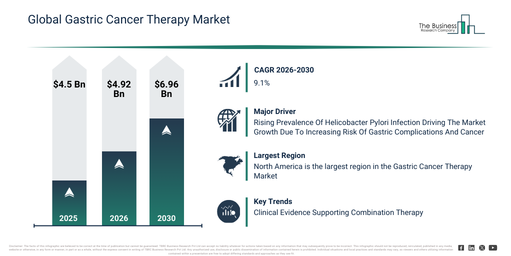
    The gastric cancer treatment market has experienced robust expansion over recent years. Valued at $4.5 billion in 2025, it is projected to reach $4.92 billion by 2026, reflecting a compound annual growth rate (CAGR) of 9.3%. This historical growth has been driven by factors such as the scarcity of targeted therapies, a heavy dependence on traditional chemotherapy and surgical interventions, a rising incidence of gastric cancer, the ongoing development of oncology facilities in hospitals, and heightened awareness surrounding early detection initiatives.

    The gastric cancer therapy market is anticipated to experience substantial growth in the coming years, with its value projected to reach $6.96 billion by 2030, expanding at a compound annual growth rate (CAGR) of 9.1%. This forecasted growth is driven by factors such as the development of novel immunotherapies and checkpoint inhibitors, a rising focus on precision medicine, the expansion of outpatient oncology services, increased funding for gastric cancer research, and the integration of digital health tools for patient monitoring. Key trends shaping this period include a growing emphasis on targeted and personalized therapies, the increasing use of combination treatment strategies, the expansion of early detection and screening initiatives, broader availability of home care and ambulatory treatment options, and a heightened focus on reducing side effects while enhancing patient quality of life.

    Download A Free Sample Report For Comprehensive Market Insights:

    https://www.thebusinessresearchcompany.com/sample.aspx?id=25767&type=smp&utm_source=BlogsPR&utm_medium=Paid&utm_campaign=Jul_PR

    Gastric Cancer Therapy Market Expansion Drivers: What Is Shaping Future Growth?

    The growing incidence of helicobacter pylori infection is anticipated to drive expansion in the gastric cancer therapy market moving forward. As a bacterial infection primarily impacting the stomach lining, helicobacter pylori is a major contributor to chronic gastritis and gastric cancer. Its prevalence is on the rise mainly due to poor sanitation, where inadequate hygiene and contaminated food or water enable its transmission through oral-oral or fecal-oral routes. Gastric cancer therapy is employed to lower the risk of stomach cancer linked to this infection by addressing the infection itself, reducing gastric inflammation and cellular harm, and halting the development of chronic gastritis and atrophic changes that may result in malignant transformation of the stomach lining. A November 2024 report from the Government of Canada, a federal administration based in Canada, indicated that as of January 2023, the recurrence rate of H. pylori infection can reach as high as 19%, though this figure varies by geographic area and age group. Consequently, the increasing prevalence of helicobacter pylori infection is fueling growth in the gastric cancer therapy market.

    Gastric Cancer Therapy Market Segment Landscape: Which Areas Lead Market Development?

    The gastric cancer therapy market covered in this report is segmented –

    1) By Therapy Type: Chemotherapy, Targeted Therapy, Immunotherapy, Radiation Therapy, Surgery

    2) By Drug Class: Cytotoxic Agents, Monoclonal Antibodies, Tyrosine Kinase Inhibitors, Checkpoint Inhibitors, Miscellaneous Agents

    3) By Administration Route: Oral, Intravenous, Intramuscular, Subcutaneous

    4) By Stage of Disease: Early Stage, Locally Advanced Stage, Metastatic Stage

    5) By End User: Hospitals, Oncology Clinics, Ambulatory Surgical Centers, Research Institutions, Home Care Settings

    Subsegments:

    1) By Chemotherapy: Neoadjuvant Chemotherapy (NAC), Adjuvant Chemotherapy (AC), Palliative Chemotherapy (PC), Combination Chemotherapy, Monotherapy

    2) By Targeted Therapy: Human Epidermal Growth Factor Receptor 2 (HER2) Targeted Therapy, Vascular Endothelial Growth Factor (VEGF) Inhibitors, Fibroblast Growth Factor Receptor (FGFR) Inhibitors, Mesenchymal-Epithelial Transition (MET) Inhibitors, Claudin 18 Isoform 2 Inhibitors

    3) By Immunotherapy: Immune Checkpoint Inhibitors, Cancer Vaccines, Adoptive Cell Transfer, Cytokine Therapy, Combination Immunotherapy

    4) By Radiation Therapy: External Beam Radiation Therapy (EBRT), Intensity-Modulated Radiation Therapy (IMRT), Three-Dimensional Conformal Radiation Therapy (3D-CRT), Brachytherapy

    5) By Surgery: Endoscopic Mucosal Resection (EMR), Endoscopic Submucosal Dissection (ESD), Subtotal Gastrectomy, Total Gastrectomy, Lymphadenectomy

    Gastric Cancer Therapy Market Strategic Trends: What Is Defining The Next Phase Of Growth?

    Major players in the gastric cancer therapy market are concentrating on the creation of novel treatments, particularly combination therapies, aimed at boosting treatment effectiveness and enhancing patient results. Combination therapy refers to the simultaneous application of multiple treatment modalities—such as chemotherapy, targeted therapy, or immunotherapy—to amplify overall efficacy. A notable example occurred in December 2024, when BeOne Medicines Ltd., a Chinese pharmaceutical firm previously called BeiGene, secured U.S. Food and Drug Administration (FDA) approval for Tevimbra (tislelizumab-jsgr) paired with platinum- and fluoropyrimidine-based chemotherapy. This regimen is indicated for the first-line management of adults suffering from unresectable or metastatic HER2-negative gastric or gastroesophageal junction (G/GEJ) adenocarcinoma where tumor PD-L1 expression is at least 1%. The approval was grounded in findings from the Phase 3 RATIONALE-305 trial, which revealed that the combined treatment extended median overall survival to 15.0 months, versus 12.9 months with chemotherapy alone, thereby cutting the risk of death by 20%. This achievement underscores an escalating focus among leading pharmaceutical entities on investing in advanced, multimodal therapeutic strategies that merge immunotherapy with standard chemotherapy approaches to elevate clinical results, slow disease advancement, and boost survival prospects for individuals facing advanced gastric cancer.

    Gastric Cancer Therapy Market Industry Leaders And Market Competition

    Major companies operating in the gastric cancer therapy market are Pfizer Inc., F. Hoffmann-La Roche Ltd., Merck & Co. Inc., Sanofi S.A., Bristol-Myers Squibb Company, AstraZeneca PLC, Novartis AG, Eli Lilly and Company, Amgen Inc., Astellas Pharma Inc., Jiangsu Hengrui Pharmaceuticals Co. Ltd., BeiGene Ltd., Celltrion Healthcare Co. Ltd., Hutchison MediPharma Limited, Shanghai Henlius Biotech Inc.

    Access The Complete Gastric Cancer Therapy Market Report:

    https://www.thebusinessresearchcompany.com/report/gastric-cancer-therapy-global-market-report?utm_source=BlogsPR&utm_medium=Paid&utm_campaign=Jul_PR

    Gastric Cancer Therapy Market Largest Region: Which Geography Holds The Highest Market Share?

    North America was the largest region in the gastric cancer therapy market in 2025. Asia-Pacific is expected to be the fastest-growing region in the forecast period. The regions covered in the gastric cancer therapy market report are Asia-Pacific, South East Asia, Western Europe, Eastern Europe, North America, South America, Middle East, Africa.

    Get in touch with us:

    The Business Research Company: https://www.thebusinessresearchcompany.com/?utm_source=BlogsPR&utm_medium=Paid&utm_campaign=home_page_test

    Americas: +1 310-496-7795

    Asia: +44 7882 955267 & +91 8897263534

    Europe: +44 7882 955267

    Email us at: marketing@tbrc.info

    Follow us on:

    LinkedIn: https://in.linkedin.com/company/the-business-research-company

    YouTube: https://www.youtube.com/channel/UC24_fI0rV8cR5DxlCpgmyFQ

    Global Market Model: https://www.thebusinessresearchcompany.com/global-market-model
  • Gastric Cancer Drugs Market Outlook Highlights The Next Major Growth Opportunities

    Gastric Cancer Drugs Market Outlook Highlights The Next Major Growth Opportunities

    Delivering more actionable and strategically valuable research, The Business Research Company’s 2026 market reports feature market attractiveness analysis, total addressable market evaluation, company benchmarking matrices, interactive Excel dashboards, expanded supply chain intelligence, emerging startup coverage, and detailed product insights.

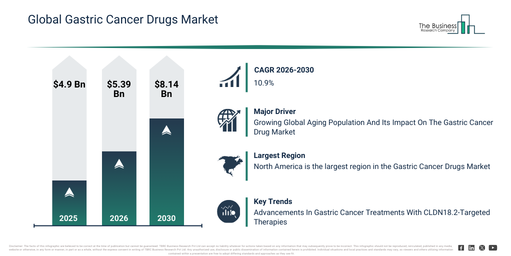
    Gastric Cancer Drugs Market Growth From $5.38 Billion In 2026 To $8.14 Billion By 2030 At A CAGR Of 10.9%

    The market for gastric cancer therapeutics has recorded significant expansion over recent years, with its valuation increasing from $4.9 billion in 2025 to an anticipated $5.39 billion in 2026, reflecting a compound annual growth rate of 9.9%. A number of factors drove this growth during the historical period, including the rising incidence of gastric cancer, insufficient public knowledge about early detection methods, a continued dependence on traditional chemotherapy approaches, a growing preference for treatment within hospital settings, and the considerable expense associated with branded pharmaceutical products.

    The market for gastric cancer drugs is anticipated to experience rapid expansion in the coming years, reaching a projected value of $8.14 billion by 2030, driven by a compound annual growth rate (CAGR) of 10.9%. This forecast period’s growth is fueled by improvements in targeted therapies, a rising uptake of immunotherapies, broader application of precision medicine, the creation of both oral and injectable drug forms, and increased financial support from governments and private entities for cancer research. Key developments shaping this period include the emergence of customized treatments for gastric cancer, the innovation of targeted drug delivery mechanisms, a greater emphasis on combining multiple treatment approaches, the growth of chemotherapy services offered outside hospital settings, and an enhanced focus on supportive care and managing patient symptoms.

    Download A Free Sample Report For Comprehensive Market Insights:

    https://www.thebusinessresearchcompany.com/sample.aspx?id=2603&type=smp&utm_source=BlogsPR&utm_medium=Paid&utm_campaign=Jul_PR

    Gastric Cancer Drugs Market Development Factors: Which Trends Are Supporting Demand?

    The anticipated expansion of the gastric cancer drug market is expected to be driven forward by the rising number of older individuals worldwide. An aging population describes a demographic scenario where a substantial portion of a country or region’s inhabitants are elderly, generally those aged 65 and above. This trend is brought about by a consistent extension of life expectancy alongside a decline in birth rates, leading to a larger share of seniors relative to the overall populace. Elderly patients often have a reduced ability to endure certain cancer therapies, like surgical procedures or chemotherapy. Consequently, there arises a demand for more customized treatment options, including pharmaceutical agents, that cater to the distinct requirements and tolerance levels of older patients. As an illustration, in July 2024, data from the UK Parliament’s House of Commons Library, a governmental body in the United Kingdom, showed that in 2022, 12.7 million people in the UK were aged 65 or over, which made up 19% of the total population. That figure is forecasted to increase to 22.1 million by 2072, representing 27% of the population. As a result, the gastric cancer drug market is predicted to undergo growth in the coming period, fueled by the expanding elderly population.

    Gastric Cancer Drugs Market Segments: Where Are The Largest Growth Opportunities?

    The gastric cancer drugs market covered in this report is segmented –

    1) By Type: Imatinib, Trastuzumab, Other Types

    2) By Route of Administration: Oral, Parenteral

    3) By End User: Hospitals, Clinics, Cancer Speciality Centers

    Subsegments:

    1) By Imatinib: Oral Formulations, Injectable Formulations, Combination Therapies

    2) By Trastuzumab: Monotherapy, Combination Therapy With Chemotherapy, Biosimilars Of Trastuzumab

    3) By Other Types: Chemotherapy Agents, Targeted Therapy Agents, Immunotherapy Agents, Supportive Care Medications

    Gastric Cancer Drugs Market Transformation Trends: Which Innovations Are Driving Change?

    Many pharmaceutical firms in the gastric cancer drugs sector are concentrating on creating advanced products, such as therapies aimed at CLDN18.2, to boost treatment effectiveness and deliver more customized patient options. CLDN18.2-focused therapy involves treatments that zero in on claudin 18.2 (CLDN18.2), a protein predominantly found on certain epithelial tissues like the gastric lining. As an example, in October 2024, Astellas Pharma Inc., headquartered in Japan, secured approval from the US Food and Drug Administration (FDA)—an agency devoted to safeguarding public health—for VYLOY (zolbetuximab). This drug, VYLOY (zolbetuximab), stands as the first CLDN18.2-directed treatment specifically designed for advanced gastric and gastroesophageal junction cancer cases where the tumors are CLDN18.2 positive. It is given alongside chemotherapy regimens built on fluoropyrimidine and platinum. The indication covers adults diagnosed with locally advanced, non-surgical, negative gastric or gastroesophageal junction adenocarcinoma.

    Gastric Cancer Drugs Market Major Participants And Competitive Dynamics

    Major companies operating in the gastric cancer drugs market are F. Hoffmann-La Roche, Eli Lilly and Company, Jiangsu HengRui Medicine, Biocon, Sanofi, PV Pharma Healthcare (India), Novartis Oncology, Arlak Biotech (India), CStone Pharma (China), CARsgen Therapeutics (China), JW Therapeutics (China), BeiGene (China), Takeda Pharmaceuticals (Japan), Astellas Pharma Inc. (Japan), Daiichi Sankyo, AstraZeneca plc, GlaxoSmithKline plc, Biocad, Bristol-Myers Squibb, Celon Pharma, Celltrion Inc., Merck & Co. Inc., Pfizer Inc., Sandoz AG (Novartis), Eurofarma Laboratórios S.A., TUTEUR Argentina / Pierre Fabre Group, Johnson & Johnson, Teva Pharmaceutical Industries Ltd., Mylan Laboratories, Gilead Sciences, BMS

    Access The Complete Gastric Cancer Drugs Market Report:

    https://www.thebusinessresearchcompany.com/report/gastric-cancer-drugs-global-market-report?utm_source=BlogsPR&utm_medium=Paid&utm_campaign=Jul_PR

    Gastric Cancer Drugs Market Regional Analysis: Which Region Leads By Revenue?

    North America was the largest region in the gastric cancer drugs market in 2025. Middle East is expected to be the largest growing region in the global gastric cancer drugs market share during the forecast period. The regions covered in the gastric cancer drugs market report are Asia-Pacific, South East Asia, Western Europe, Eastern Europe, North America, South America, Middle East, Africa.

    Get in touch with us:

    The Business Research Company: https://www.thebusinessresearchcompany.com/?utm_source=BlogsPR&utm_medium=Paid&utm_campaign=home_page_test

    Americas: +1 310-496-7795

    Asia: +44 7882 955267 & +91 8897263534

    Europe: +44 7882 955267

    Email us at: marketing@tbrc.info

    Follow us on:

    LinkedIn: https://in.linkedin.com/company/the-business-research-company

    YouTube: https://www.youtube.com/channel/UC24_fI0rV8cR5DxlCpgmyFQ

    Global Market Model: https://www.thebusinessresearchcompany.com/global-market-model