Month: July 2026

  • Chimeric Antibody Market Growth Through 2030 Creates New Strategic Opportunities

    Chimeric Antibody Market Growth Through 2030 Creates New Strategic Opportunities

    Through market attractiveness analysis, total addressable market evaluation, company benchmarking matrices, interactive Excel dashboards, expanded supply chain intelligence, emerging startup coverage, and detailed product insights, The Business Research Company’s 2026 market reports provide more actionable and strategically valuable research.

    Chimeric Antibody Market Size Outlook: How Fast Will Revenue Grow Through 2030?

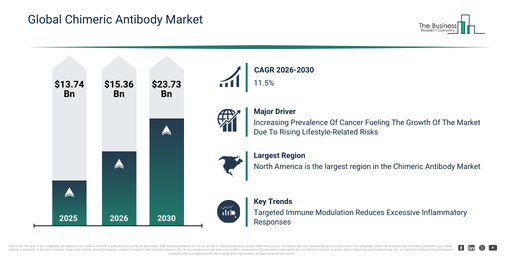
    The chimeric antibody market has experienced rapid expansion in recent years, rising from $13.74 billion in 2025 to $15.36 billion in 2026, reflecting a compound annual growth rate (CAGR) of 11.8%. This historical growth was driven by the early achievements of monoclonal antibody treatments, dependency on murine antibody technologies, a higher incidence of cancer, the increasing occurrence of autoimmune diseases, and the broadening scope of immunological research.

    The chimeric antibody market is projected to experience rapid expansion over the coming years, reaching a value of $23.73 billion by 2030, with a compound annual growth rate (CAGR) of 11.5%. This anticipated growth during the forecast period is driven by progress in antibody engineering methods, a growing number of biologic drug approvals, the broader application of personalized medicine, heightened investment in biopharmaceutical research and development, and an expanding clinical pipeline for chimeric antibodies. Key trends influencing this period include a heightened uptake of chimeric antibodies in oncology treatments, their growing application in managing autoimmune and inflammatory conditions, rising demand for monoclonal antibody therapies with precise targeting, advances in recombinant DNA and phage display technologies, and a better safety profile with less immunogenicity relative to murine antibodies.

    Download A Free Sample Report For Comprehensive Market Insights:

    https://www.thebusinessresearchcompany.com/sample.aspx?id=27253&type=smp&utm_source=BlogsPR&utm_medium=Paid&utm_campaign=Jul_PR

    Chimeric Antibody Market Growth Drivers And Industry Catalysts

    The rising incidence of cancer is anticipated to accelerate the expansion of the chimeric antibody market moving forward. The term “prevalence of cancer” describes the total count of individuals—encompassing both newly diagnosed patients and those with a prior diagnosis—who are currently alive with a history of cancer at a given moment. This prevalence is on the rise due to lifestyle-influenced risks, including unhealthy diets, smoking, alcohol consumption, and exposure to environmental contaminants, which collectively heighten the likelihood of developing various forms of cancer. Chimeric antibodies are improving cancer treatment approaches by delivering targeted therapies that prove effective against specific tumor cells. These antibodies help minimize adverse effects by precisely targeting malignant cells, thereby enhancing patient outcomes and treatment efficiency. As an example, in October 2025, data from the National Health Service (NHS), a UK-based government health agency, revealed that 354,820 new cancer diagnoses were recorded in 2023, equating to an average of 972 cases per day and representing an increase of 8,605 compared to 2022. Consequently, the growing prevalence of cancer is fueling the expansion of the chimeric antibody market.

    Chimeric Antibody Market Segmentation Trends And Revenue Drivers

    The chimeric antibody market covered in this report is segmented –

    1) By Type Of Antibody: Immunoglobulin G Chimeric Antibodies, Fragment Antigen-Binding Chimeric Antibodies, Single-Chain Variable Fragment Chimeric Antibodies

    2) By Manufacturing Process: Recombinant Deoxyribonucleic Acid (DNA) Technology, Hybridoma Technology, Phage Display Technology

    3) By Mode Of Administration: Intravenous (IV) Administration, Subcutaneous Administration, Intramuscular Administration

    4) By Application: Cancer Therapy, Autoimmune Diseases, Infectious Diseases, Transplant Rejection

    5) By End User: Pharmaceutical Companies, Research Institutes, Clinics And Hospitals

    Subsegments:

    1) By Immunoglobulin G Chimeric Antibodies: Full Length Immunoglobulin G (IgG), Engineered Immunoglobulin G 1 (IgG1), Engineered Immunoglobulin G4 (IgG4)

    2) By Fragment Antigen-Binding Chimeric Antibodies: Bivalent Fragment Antigen-Binding (Fab) Fragments, Monovalent Fragment Antigen-Binding (Fab) Fragments, Conjugated Fragment Antigen-Binding (Fab) Fragments, Pegylated Fragment Antigen-Binding (Fab) Fragments

    3) By Single-Chain Variable Fragment Chimeric Antibodies: Standard Single-Chain Fragment Variable, Tandem Single-Chain Fragment Variable, Bispecific Single-Chain Fragment Variable, Multivalent Single-Chain Fragment Variable

    Chimeric Antibody Market Trends Influencing Long-Term Demand

    Key players in the chimeric antibody market are prioritizing cutting-edge treatments, particularly monoclonal antibodies, to boost therapeutic efficacy, increase patient survival rates, and tackle serious health conditions. Monoclonal antibodies are lab-created proteins designed to replicate the immune system’s natural capacity to combat harmful pathogens, such as viruses and inflammatory agents. For example, in June 2023, InflaRx N.V., a biopharmaceutical firm based in Germany, introduced Gohibic (vilobelimab) to the market. This chimeric monoclonal antibody targets C5a within the complement system, thereby inhibiting C5a-triggered immune responses to mitigate excessive inflammation, and it is indicated for treating COVID-19 in hospitalized adults when given within 48 hours of starting invasive mechanical ventilation (IMV) or extracorporeal membrane oxygenation (ECMO). This novel therapy marks a major breakthrough in addressing hyperinflammation during severe infections, providing a fresh therapeutic avenue for high-risk patients.

    Chimeric Antibody Market Industry Leaders: Which Organizations Are Driving Competition?

    Major companies operating in the chimeric antibody market are Pfizer Inc., Johnson & Johnson, F. Hoffmann-La Roche Ltd., AbbVie Inc., Sanofi S.A., Bristol-Myers Squibb Company, AstraZeneca PLC, Novartis AG, Amgen Inc., Merck KGaA, BioNTech SE, Regeneron Pharmaceuticals Inc., Biogen Inc.

    Access The Complete Chimeric Antibody Market Report:

    https://www.thebusinessresearchcompany.com/report/chimeric-antibody-global-market-report?utm_source=BlogsPR&utm_medium=Paid&utm_campaign=Jul_PR

    Chimeric Antibody Market Regional Analysis And Leading Geography

    North America was the largest region in the chimeric antibody market in 2025. Asia-Pacific is expected to be the fastest-growing region in the forecast period. The regions covered in the chimeric antibody market report are Asia-Pacific, South East Asia, Western Europe, Eastern Europe, North America, South America, Middle East, Africa.

    Get in touch with us:

    The Business Research Company: https://www.thebusinessresearchcompany.com/?utm_source=BlogsPR&utm_medium=Paid&utm_campaign=home_page_test

    Americas: +1 310-496-7795

    Asia: +44 7882 955267 & +91 8897263534

    Europe: +44 7882 955267

    Email us at: marketing@tbrc.info

    Follow us on:

    LinkedIn: https://in.linkedin.com/company/the-business-research-company

    YouTube: https://www.youtube.com/channel/UC24_fI0rV8cR5DxlCpgmyFQ

    Global Market Model: https://www.thebusinessresearchcompany.com/global-market-model
  • Chickenpox Vaccine Market Size Projected To Increase From $4 Billion To $5.12 Billion During The Forecast Period

    Chickenpox Vaccine Market Size Projected To Increase From $4 Billion To $5.12 Billion During The Forecast Period

    Delivering more actionable and strategically valuable research, The Business Research Company’s 2026 market reports feature market attractiveness analysis, total addressable market evaluation, company benchmarking matrices, interactive Excel dashboards, expanded supply chain intelligence, emerging startup coverage, and detailed product insights.

    Chickenpox Vaccine Market Size, Value And Growth Trends Through 2030

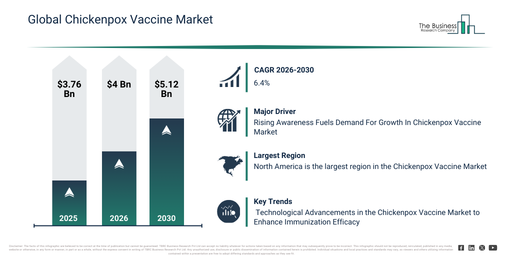
    The chickenpox vaccine market has experienced notable expansion in recent times. Projections indicate it will rise from $3.76 billion in 2025 to $4 billion in 2026, reflecting a compound annual growth rate (CAGR) of 6.4%. This historical growth has been driven by several factors, including an increasing number of chickenpox cases among children, restricted public knowledge about vaccination advantages during the early 2000s, the creation of single-strain varicella vaccines, vaccination programs spearheaded by governmental bodies, and a significant incidence of hospitalizations linked to varicella.

    Projections indicate that the chickenpox vaccine market will experience robust expansion in the coming years, reaching an estimated value of $5.12 billion by 2030, driven by a compound annual growth rate of 6.4%. This anticipated growth during the forecast period is fueled by several factors, including heightened government support for immunization initiatives, the launch of combination vaccines like MMRV, improved pediatric healthcare access in developing economies, progress in vaccine delivery technologies, and stronger public-private collaborations within the healthcare sector. Key developments shaping the market outlook include a greater emphasis on pediatric vaccination campaigns, the growing prevalence of combined varicella vaccines, the production of live attenuated varicella vaccines, broader immunization coverage in emerging markets, and rising public awareness of preventive health measures.

    Download A Free Sample Report For Comprehensive Market Insights:

    https://www.thebusinessresearchcompany.com/sample.aspx?id=8581&type=smp&utm_source=BlogsPR&utm_medium=Paid&utm_campaign=Jul_PR

    Chickenpox Vaccine Market Opportunity Drivers: What Is Creating New Revenue Potential?

    Growing public understanding of vaccination advantages is anticipated to fuel expansion in the chickenpox vaccine market moving forward. Essentially, a vaccination involves a medical process where a weakened or inactive version of a virus or bacteria is administered into the body. Heightened awareness surrounding the chickenpox vaccine contributes to elevated vaccination rates, which in turn lowers the disease’s overall prevalence. As an example, according to a November 2023 survey conducted by the UK Health Security Agency (UKHSA), a government body in the United Kingdom, around 86 percent of parents concurred that “vaccines function effectively,” 80 percent considered them safe, and 78 percent expressed trust in vaccines. Thus, the rising consciousness regarding vaccination benefits is driving growth in the chickenpox vaccine market.

    Chickenpox Vaccine Market Segment Analysis Highlighting Growth Areas

    The chickenpox vaccine market covered in this report is segmented –

    1) By Vaccine: Monovalent Varicella Vaccine, Combination Varicella Vaccine

    2) By Application: Mumps, Measles, Rubella, And Varicella Immunization, Herpes Zoster Immunization, Chickenpox Vaccination

    3) By End-Users: Hospitals, Clinics, Other End-Users

    Chickenpox Vaccine Market Innovation Trends Driving Future Development

    Key players in the chickenpox vaccine market are prioritizing innovations like two-dose live attenuated varicella vaccines to address growing needs for better immunization effectiveness and fewer breakthrough infections. This approach delivers two separate doses of a weakened varicella-zoster virus, providing stronger and more durable protection than the standard single-dose regimen. As an example, in September 2025, SK bioscience, a biotechnology firm headquartered in South Korea, introduced SKYVaricella through a two-dose clinical development pathway, representing an advanced next-generation varicella vaccine released after 2022. SKYVaricella is a lyophilized live-attenuated vaccine based on the Oka strain, reconstituted prior to administration, and engineered to elicit robust immune responses. It offers improved safety characteristics, sustained antibody levels, and adaptability for broad immunization initiatives. This vaccine targets a reduction in breakthrough varicella infections, aligns with updated worldwide vaccination guidelines, and enhances preventive coverage among children.

    Chickenpox Vaccine Market Leading Companies: Who Holds Significant Market Presence?

    Major companies operating in the chickenpox vaccine market are Merck & Co., Sanofi Pasteur, Takeda Pharmaceutical Company Limited, CSL Limited, Pfizer Inc., Seqirus, Serum Institute of India Pvt. Ltd., Bharat Biotech, Emergent BioSolutions Inc., Hualan Biological Engineering Inc., Shenzhen Kangtai Biological Products Co., Ltd., Chongqing Zhifei Biological Products Co., Ltd., Beijing Minhai Biotechnology Co., Ltd., Adimmune Corporation, Biological E. Limited, Walvax Biotechnology Co., Ltd., Zydus Cadila, Indian Immunologicals Ltd., Panacea Biotec Ltd., Bio Farma, PT Kalbe Farma Tbk, CanSino Biologics

    Access The Complete Chickenpox Vaccine Market Report:

    https://www.thebusinessresearchcompany.com/report/chickenpox-vaccine-global-market-report?utm_source=BlogsPR&utm_medium=Paid&utm_campaign=Jul_PR

    Chickenpox Vaccine Market Geographic Analysis: Where Is Demand Growing The Fastest?

    North America was the largest region in the chickenpox vaccine market share in 2025. Asia-Pacific is expected to be the fastest-growing region in the forecast period. The regions covered in the chickenpox vaccine market report are Asia-Pacific, South East Asia, Western Europe, Eastern Europe, North America, South America, Middle East, Africa.

    Get in touch with us:

    The Business Research Company: https://www.thebusinessresearchcompany.com/?utm_source=BlogsPR&utm_medium=Paid&utm_campaign=home_page_test

    Americas: +1 310-496-7795

    Asia: +44 7882 955267 & +91 8897263534

    Europe: +44 7882 955267

    Email us at: marketing@tbrc.info

    Follow us on:

    LinkedIn: https://in.linkedin.com/company/the-business-research-company

    YouTube: https://www.youtube.com/channel/UC24_fI0rV8cR5DxlCpgmyFQ

    Global Market Model: https://www.thebusinessresearchcompany.com/global-market-model
  • Chiari Malformation Market Growth Outlook Reveals A CAGR Of 6% And A Market Value Of $0.86 Billion By 2030

    Chiari Malformation Market Growth Outlook Reveals A CAGR Of 6% And A Market Value Of $0.86 Billion By 2030

    Enhanced with market attractiveness analysis, total addressable market evaluation, company benchmarking matrices, interactive Excel dashboards, expanded supply chain intelligence, emerging startup coverage, and detailed product insights, The Business Research Company’s 2026 market reports deliver more actionable and strategically valuable research.

    Chiari Malformation Market CAGR Analysis And Future Market Development

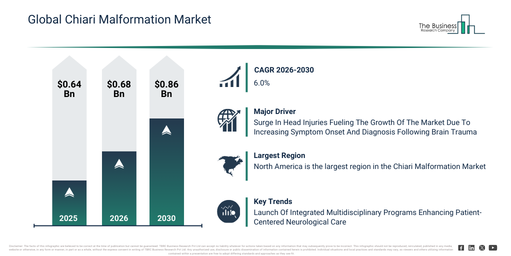
    The market for chiari malformation has experienced robust expansion in recent years. Valued at $0.64 billion in 2025, it is projected to reach $0.68 billion by 2026, reflecting a compound annual growth rate (CAGR) of 6.3%. This historical growth has been driven by several factors, including enhanced access to MRI technology, better diagnosis of congenital disorders, progress in neurosurgical techniques, the expansion of pediatric neurology, and increased specialist referrals.

    The market for Chiari malformation is anticipated to experience robust expansion in the coming years. By 2030, it is projected to reach a value of $0.86 billion, achieving a compound annual growth rate (CAGR) of 6.0%. This forecasted growth is driven by factors such as early detection initiatives, advances in surgical techniques, the establishment of long-term care pathways, the expansion of pediatric healthcare services, and increased funding for neurological research. Key trends shaping the forecast period involve the greater adoption of advanced neuroimaging tools, a rise in surgical decompression procedures, heightened public awareness about congenital neurological conditions, the growth of specialized pediatric neurosurgery offerings, and the incorporation of ongoing symptom management strategies.

    Download A Free Sample Report For Comprehensive Market Insights:

    https://www.thebusinessresearchcompany.com/sample.aspx?id=24502&type=smp&utm_source=BlogsPR&utm_medium=Paid&utm_campaign=Jul_PR

    Chiari Malformation Market Growth Momentum: Which Factors Are Influencing Demand?

    The anticipated rise in head injury cases is expected to drive expansion within the chiari malformation market over the coming years. Head injuries, defined as physical traumas affecting the scalp, skull, or brain resulting from external impact or force, are becoming more frequent due to a growing number of road traffic accidents. Higher vehicle density and increased speeding significantly elevate the likelihood of head trauma during collisions. Chiari malformation, particularly Type I, is a structural disorder where part of the brain extends into the spinal canal, and it can become more problematic following a head injury. Such trauma may trigger or exacerbate symptoms like headaches, dizziness, or balance issues by raising pressure near the skull base or disrupting cerebrospinal fluid flow. For example, in May 2025, Headway The Brain Injury Association, a UK-based charity, reported 123,969 hospital admissions for head injuries in the UK during 2023–24, equating to roughly one case every four minutes. Consequently, the increasing prevalence of head injuries is set to propel growth in the chiari malformation market.

    The chiari malformation market is expected to be propelled forward by rising healthcare expenditure in the near future. Healthcare expenditure encompasses total spending on medical services, supplies, and activities aimed at maintaining or improving health. This spending is increasing due to the development and adoption of advanced medical technologies, which entail high costs for research, equipment, and specialized training, thereby elevating overall healthcare service expenses. Growing healthcare expenditure boosts demand for chiari malformation treatment by facilitating investment in advanced diagnostic tools and specialized surgical care, thereby enhancing treatment access and quality for a broader patient base. As an illustration, in April 2025, the Office for National Statistics, a UK government agency, noted that healthcare spending rose by 6.5% between 2023 and 2024, a modest increase compared to the 6.3% rise from 2023. Thus, the surge in healthcare expenditure is poised to accelerate growth in the chiari malformation market.

    Chiari Malformation Market Segment Performance And Strategic Opportunities

    The chiari malformation market covered in this report is segmented –

    1) By Type: Chiari Malformation Type I, Chiari Malformation Type II, Chiari Malformation Type III, Chiari Malformation Type IV

    2) By Diagnosis Method: Magnetic Resonance Imaging, Computed Tomography

    3) By Treatment Modality: Surgical Treatment, Medication

    4) By Age Group: Pediatric, Adult

    Subsegments:

    1) By Chiari Malformation Type I: Congenital Type I, Acquired Type I, Asymptomatic Type I, Symptomatic Type I

    2) By Chiari Malformation Type II: Classic Arnold-Chiari Malformation, Associated with Myelomeningocele, Associated with Hydrocephalus

    3) By Chiari Malformation Type III: High Cervical Encephalocele, Occipital Encephalocele

    4) By Chiari Malformation Type IV: Cerebellar Hypoplasia, Cerebellar Aplasia

    Chiari Malformation Market Trends Reshaping Industry Growth

    Major industry players in the chiari malformation market are actively designing innovative initiatives—particularly comprehensive care programs—as a strategy to minimize fragmentation within healthcare delivery. These structured plans ensure coordinated support across a wide array of medical and support services, addressing the full spectrum of a patient’s health and wellness requirements. For example, in January 2023, Duke University Health System, an academic healthcare organization based in the United States, introduced the Chiari Malformation Program. This represents the southeastern U.S.’s first program exclusively focused on chiari malformation, offering care for both pediatric and adult patients. The program employs a collaborative, team-oriented approach, bringing together specialists like neurosurgeons, neurologists, neuro-ophthalmologists, neuroradiologists, interventional radiologists, pain management experts, and psychologists. Through close cooperation among these experts, it aims to deliver customized, comprehensive treatment plans. A notable aspect that sets it apart is the integration of both child and adult care within a single program—a feature rarely seen in comparable facilities across the country.

    Chiari Malformation Market Key Players: Which Companies Shape Industry Competition?

    Major companies operating in the chiari malformation market are St. Luke’s Health, University of Pittsburgh Medical Center, Mayo Clinic Health System, Massachusetts General Hospital, Johns Hopkins Medicine, Northwestern Medicine, NYU Langone Health, Cleveland Clinic Foundation, Mount Sinai Health System, University of Michigan Health, Cedars-Sinai Medical Center, Houston Methodist Hospital, Duke University Health System, Children’s Hospital of Philadelphia, Emory Healthcare, Stanford Health Care, Rush University Medical Center, Weill Cornell Medical College, UCSF Medical Center, Barrow Neurological Institute

    Access The Complete Chiari Malformation Market Report:

    https://www.thebusinessresearchcompany.com/report/chiari-malformation-global-market-report?utm_source=BlogsPR&utm_medium=Paid&utm_campaign=Jul_PR

    Chiari Malformation Market Global Footprint: Which Region Holds Market Leadership?

    North America was the largest region in the chiari malformation market in 2025. Asia-Pacific is expected to be the fastest-growing region in the forecast period. The regions covered in the chiari malformation market report are Asia-Pacific, South East Asia, Western Europe, Eastern Europe, North America, South America, Middle East, Africa.

    Get in touch with us:

    The Business Research Company: https://www.thebusinessresearchcompany.com/?utm_source=BlogsPR&utm_medium=Paid&utm_campaign=home_page_test

    Americas: +1 310-496-7795

    Asia: +44 7882 955267 & +91 8897263534

    Europe: +44 7882 955267

    Email us at: marketing@tbrc.info

    Follow us on:

    LinkedIn: https://in.linkedin.com/company/the-business-research-company

    YouTube: https://www.youtube.com/channel/UC24_fI0rV8cR5DxlCpgmyFQ

    Global Market Model: https://www.thebusinessresearchcompany.com/global-market-model
  • Chemotherapy Market Forecast Highlights Expansion From $41.95 Billion To $68.43 Billion Through 2030

    Chemotherapy Market Forecast Highlights Expansion From $41.95 Billion To $68.43 Billion Through 2030

    Through market attractiveness analysis, total addressable market evaluation, company benchmarking matrices, interactive Excel dashboards, expanded supply chain intelligence, emerging startup coverage, and detailed product insights, The Business Research Company’s 2026 market reports provide more actionable and strategically valuable research.

    Chemotherapy Market Expansion From $41.95 Billion In 2026 To $68.43 Billion In 2030

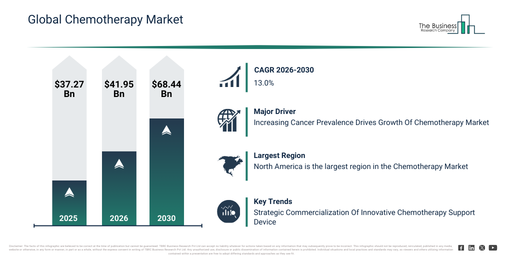
    Over recent years, the chemotherapy market has undergone a rapid expansion in size, with its value projected to rise from $37.27 billion in 2025 to $41.95 billion in 2026, reflecting a compound annual growth rate (CAGR) of 12.5%. This historical growth was driven by factors including a higher incidence of cancer cases, growing government spending on healthcare services, progress in the development of chemotherapeutic drugs, improvements in hospital facilities, and the increased use of intravenous chemotherapy treatments.

    The size of the chemotherapy market is forecasted to expand quickly over the coming years. By 2030, its value is projected to reach $68.44 billion, reflecting a compound annual growth rate (CAGR) of 13.0%. This anticipated growth during the forecast period stems from the broadening scope of precision medicine, progress in creating targeted therapies, heightened awareness of home-based chemotherapy options, the incorporation of digital health tools, and a growing preference for combination treatments. Key developments shaping the period include the rise of individualized chemotherapy schedules, an increased uptake of oral chemotherapeutic agents, the advancement of combination drug therapies, the provision of chemotherapy in home settings, and the evolution of sophisticated infusion device technologies.

    Download A Free Sample Report For Comprehensive Market Insights:

    https://www.thebusinessresearchcompany.com/sample.aspx?id=9219&type=smp&utm_source=BlogsPR&utm_medium=Paid&utm_campaign=Jul_PR

    Chemotherapy Market Expansion Drivers: What Is Shaping Future Growth?

    Rising rates of cancer are anticipated to accelerate the expansion of the chemotherapy market in the coming period. This condition occurs when abnormal body cells multiply without control and invade other tissues. Treatment involves the use of potent chemicals, either alone or in combination, aimed at destroying rapidly dividing cancer cells. As cancer becomes more common, the need for chemotherapy treatments grows accordingly. Data from the World Health Organization, a United Nations agency headquartered in Switzerland, released in February 2024, projects that by 2025 there will be over 35 million new cancer diagnoses, representing a 77% surge compared to the approximately 20 million cases estimated for 2022. Consequently, the upward trend in cancer prevalence is fueling demand within the chemotherapy sector.

    Chemotherapy Market Segment Landscape And Growth Potential

    The chemotherapy market covered in this report is segmented –

    1) By Product Type: Pump, Cannula, Catheter, Other Product Types

    2) By Service: Blood Cancer, Throat Cancer, Lung Cancer, Ovarian Cancer, Stomach Cancer

    3) By Drugs: Alkylating Agents, Antimetabolites, Anti-Tumor Antibiotics, Topoisomerase Inhibitors, Mitotic Inhibitors, Other Drugs

    4) By Route Of Administration: Oral, Intravenous

    5) By End User: Hospitals, Research Institutes, Other End Users

    Subsegments:

    1) By Pump: Infusion Pumps, Portable Pumps, Ambulatory Pumps

    2) By Cannula: Peripheral Cannulas, Central Venous Catheters, Implantable Ports

    3) By Catheter: Chemotherapy Catheters, PICC Lines

    4) By Other Product Types: Safety Devices, IV Sets, Administration Sets

    Chemotherapy Market Strategic Trends: What Is Defining The Next Phase Of Growth?

    Leading market players within the chemotherapy sector are actively pursuing strategic collaborations to facilitate the commercial rollout of advanced medical devices designed to enhance chemotherapy services. These alliances are crafted to combine the distinct capabilities and resources of each entity, aiming to expedite advancements in cancer care, elevate patient outcomes, and tackle unmet therapeutic needs. A case in point occurred in March 2023 when EVERSANA, a US-based life sciences service provider, joined forces with ChemoMouthpiece LLC, an American medical device firm, to back the market introduction and commercialization of the Chemo Mouthpiece, a device intended to aid oncology patients nationwide. This intraoral ice pack administers cryotherapy to the oral cavity of individuals undergoing chemotherapy, serving to both prevent and treat oral mucositis, a frequent and severe side effect of the treatment.

    Chemotherapy Market Competitive Landscape: Who Are The Leading Companies?

    Major companies operating in the chemotherapy market are GlaxoSmithKline plc, Eli Lilly and Company, F. Hoffmann-La Roche Ltd., Novartis AG, Pfizer Inc., Merck & Co Inc., Sanofi SA, Celgene Corporation, Bristol-Myers Squibb Company, Amgen Inc., Bayer AG, Almatic Pharma LLC, AstraZeneca Pharmaceuticals, Astellas Pharma Inc., Puma Biotechnology Inc., Clovis Oncology Inc., Takeda Pharmaceutical Company Limited, Johnson & Johnson Services Inc., Mylan NV, Teva Pharmaceutical Industries Ltd., AbbVie Inc., Gilead Sciences Inc., Biogen Inc., Eisai Co. Ltd., Ipsen SA, Spectrum Pharmaceuticals Inc., Seattle Genetics Inc., Exelixis Inc., Karyopharm Therapeutics Inc., Incyte Corporation, Agios Pharmaceuticals Inc., Epizyme Inc., Blueprint Medicines Corporation, Array BioPharma Inc., BeiGene Ltd., Halozyme Therapeutics Inc., MacroGenics Inc., Immunomedics Inc., TG Therapeutics Inc., Verastem Inc.

    Access The Complete Chemotherapy Market Report:

    https://www.thebusinessresearchcompany.com/report/chemotherapy-global-market-report?utm_source=BlogsPR&utm_medium=Paid&utm_campaign=Jul_PR

    Chemotherapy Market Regional Distribution: Which Areas Drive Market Expansion?

    North America was the largest region in the chemotherapy market in 2025. Asia-Pacific is expected to be the fastest-growing region in the chemotherapy market report during the forecast period. The regions covered in the chemotherapy market report are Asia-Pacific, South East Asia, Western Europe, Eastern Europe, North America, South America, Middle East, Africa.

    Get in touch with us:

    The Business Research Company: https://www.thebusinessresearchcompany.com/?utm_source=BlogsPR&utm_medium=Paid&utm_campaign=home_page_test

    Americas: +1 310-496-7795

    Asia: +44 7882 955267 & +91 8897263534

    Europe: +44 7882 955267

    Email us at: marketing@tbrc.info

    Follow us on:

    LinkedIn: https://in.linkedin.com/company/the-business-research-company

    YouTube: https://www.youtube.com/channel/UC24_fI0rV8cR5DxlCpgmyFQ

    Global Market Model: https://www.thebusinessresearchcompany.com/global-market-model
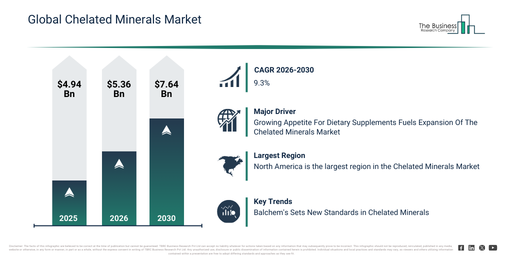
  • Chelated Minerals Market Expected To Reach $7.63 Billion By 2030 As Growth Accelerates At 9.3% CAGR

    Chelated Minerals Market Expected To Reach $7.63 Billion By 2030 As Growth Accelerates At 9.3% CAGR

    Delivering more actionable and strategically valuable research, The Business Research Company’s 2026 market reports feature market attractiveness analysis, total addressable market evaluation, company benchmarking matrices, interactive Excel dashboards, expanded supply chain intelligence, emerging startup coverage, and detailed product insights.

    Chelated Minerals Market Forecast Highlighting Growth From $5.35 Billion To $7.63 Billion

    The chelated minerals market has experienced robust expansion in recent years, with projections indicating an increase from $4.94 billion in 2025 to $5.36 billion in 2026, reflecting a compound annual growth rate (CAGR) of 8.4%. This historical growth has been driven by heightened recognition of mineral deficiencies, a growing incidence of malnutrition, a surge in dietary supplement manufacturing, the broadening of the animal feed sector, and technological progress in mineral chelation processes.

    The chelated minerals market is anticipated to experience robust expansion over the coming years, with projections indicating it will reach a value of $7.64 billion by 2030, driven by a compound annual growth rate (CAGR) of 9.3%. This forecasted growth is fueled by several factors, including a heightened consumer emphasis on personalized nutrition, a growing appetite for functional foods, broader pharmaceutical uses, advancements in animal health and feed supplements, and innovations in chelation techniques that improve bioavailability. Key trends shaping this period encompass a rising demand for enhanced nutrient absorption, a greater uptake of functional foods and beverages, expanded applications of chelated minerals in animal nutrition, their increasing role in pharmaceuticals, and a concentrated effort on supplements targeting bone and muscle health.

    Download A Free Sample Report For Comprehensive Market Insights:

    https://www.thebusinessresearchcompany.com/sample.aspx?id=10182&type=smp&utm_source=BlogsPR&utm_medium=Paid&utm_campaign=Jul_PR

    Chelated Minerals Market Development Factors: Which Trends Are Supporting Demand?

    An upward trend in the consumption of nutritional supplements is anticipated to drive expansion in the chelated minerals market. These supplements are designed to enhance daily nutritional intake. Compared to standard mineral options, chelated variants are promoted as being more easily absorbed by the body, offering superior bioavailability. This growing preference for dietary supplements thus fuels demand within the chelated minerals sector. Data from October 2023, as cited in the Council for Responsible Nutrition’s Consumer Survey, an organization based in the United States, indicates widespread usage: 74% of American adults consume supplements, with 55% being regular users. Furthermore, 92% of these users acknowledge the importance of such products for sustaining their health. Consequently, this rising demand for dietary supplements is a key factor propelling the chelated minerals market forward.

    Increased global output of aquatic animals is forecasted to stimulate growth within the chelated minerals market. These creatures, which include fish, amphibians, and marine mammals, spend significant portions of their life cycles in water. By delivering essential minerals in a more readily absorbable form, chelated varieties contribute to improved nutrient uptake and general wellbeing for these species. According to a June 2023 report from the Food and Agriculture Organization, a specialized agency of the United Nations based in Canada, worldwide aquatic animal production saw an estimated 1.2% increase in 2022, followed by an additional 0.6% rise in 2023. This expansion in global output is therefore a significant driver for the chelated minerals market.

    Chelated Minerals Market Categorization By Product Type And Application

    The chelated minerals market covered in this report is segmented –

    1) By Type: Calcium Chelated Minerals, Copper Chelated Minerals, Zinc Chelated Minerals, Chromium Chelated Minerals, Iron Chelated Minerals, Other Chelated Minerals

    2) By Chelating Agent: Amino Acid, Polysaccharide Complex, Proteinate, Other Chelating Agents

    3) By Form: Powder, Liquid

    4) By Application: Animal Feed, Dietary Supplements, Pharmaceutical, Functional Food And Beverages, Other Applications

    Subsegments:

    1) By Calcium Chelated Minerals: Calcium Citrate, Calcium Aspartate, Calcium Gluconate

    2) By Copper Chelated Minerals: Copper Gluconate, Copper Citrate, Copper Aspartate

    3) By Zinc Chelated Minerals: Zinc Citrate, Zinc Picolinate, Zinc Glycinate

    4) By Chromium Chelated Minerals: Chromium Picolinate, Chromium Nicotinate, Chromium Polynicotinate

    5) By Iron Chelated Minerals: Iron Glycinate, Iron Bisglycinate, Iron Picolinate

    6) By Other Chelated Minerals: Manganese Chelates, Magnesium Chelates, Selenium Chelates

    Chelated Minerals Market Transformation Trends: Which Innovations Are Driving Change?

    Leading players within the chelated minerals sector are currently focusing on creating new ingredient solutions aimed at boosting nutrient absorption, increasing bioavailability, and meeting the rising demand for organic and environmentally friendly farming methods. These innovative ingredients are defined as novel or enhanced substances that improve the performance, effectiveness, or attractiveness of products across multiple industries. A relevant example is Balchem Corporation, an American specialty chemicals firm, which unveiled Optifolin+ in May 2024. This new chelated mineral formulation is intended to enhance how crops take up nutrients. Through cutting-edge chelation technology, Optifolin+ binds vital minerals together, making them more soluble and accessible to plants. This creative approach is designed to tackle growing worries about soil nutrient depletion and to support the shift toward more sustainable agricultural practices.

    Chelated Minerals Market Company Landscape And Strategic Competition

    Major companies operating in the chelated minerals market are Archer Daniel Midland Company, Koninklijke DSM N.V., Balchem Inc., Nutreco N.V., BASF SE, Kemin Industries Inc., Alltech Inc., Cargill Incorporated, Maru Chem Industries, Novus International Inc., Glanbia plc, Virbac Corporation, LMF Feeds Inc., Zinpro Corporation, Novotech Nutraceuticals Inc., Invivo Group, Bluestar Adisseo Co. Ltd., Phoenix Nutrition, Phibro Animal Health Corporation, Lehmann&Voss&Co., Prathista Industries Limited, Titan Biotech Ltd., Cypress Systems Inc., CCL Healthcare

    Access The Complete Chelated Minerals Market Report:

    https://www.thebusinessresearchcompany.com/report/chelated-minerals-global-market-report?utm_source=BlogsPR&utm_medium=Paid&utm_campaign=Jul_PR

    Chelated Minerals Market Leading Geography: Which Region Generates The Most Revenue?

    North America was the largest region in the chelated minerals market in 2025. The regions covered in the chelated minerals market report are Asia-Pacific, South East Asia, Western Europe, Eastern Europe, North America, South America, Middle East, Africa.

    Get in touch with us:

    The Business Research Company: https://www.thebusinessresearchcompany.com/?utm_source=BlogsPR&utm_medium=Paid&utm_campaign=home_page_test

    Americas: +1 310-496-7795

    Asia: +44 7882 955267 & +91 8897263534

    Europe: +44 7882 955267

    Email us at: marketing@tbrc.info

    Follow us on:

    LinkedIn: https://in.linkedin.com/company/the-business-research-company

    YouTube: https://www.youtube.com/channel/UC24_fI0rV8cR5DxlCpgmyFQ

    Global Market Model: https://www.thebusinessresearchcompany.com/global-market-model
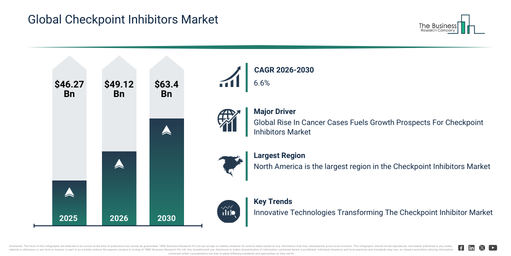
  • Checkpoint Inhibitors Market Set To Grow From $49.11 Billion In 2026 To $63.4 Billion By 2030 At A CAGR Of 6.6%

    Checkpoint Inhibitors Market Set To Grow From $49.11 Billion In 2026 To $63.4 Billion By 2030 At A CAGR Of 6.6%

    Enhanced with market attractiveness analysis, total addressable market evaluation, company benchmarking matrices, interactive Excel dashboards, expanded supply chain intelligence, emerging startup coverage, and detailed product insights, The Business Research Company’s 2026 market reports deliver more actionable and strategically valuable research.

    Checkpoint Inhibitors Market Revenue Growth Supported By A CAGR Of 63.4% Through 2030

    The market for checkpoint inhibitors has experienced substantial expansion in recent years, with projections indicating growth from $46.27 billion in 2025 to $49.12 billion in 2026, reflecting a compound annual growth rate (CAGR) of 6.2%. Historically, this development was driven by factors such as the restricted access to checkpoint inhibitors, a heavy dependence on traditional chemotherapy and radiotherapy, a growing prevalence of cancer cases, heightened public knowledge about immunotherapy alternatives, and the regulatory endorsement of first-generation inhibitors.

    There is an expectation of robust expansion in the market for checkpoint inhibitors over the coming years. By 2030, its valuation is projected to reach $63.4 billion, reflecting a compound annual growth rate of 6.6%. Several factors are driving this anticipated growth during the forecast period, including the introduction of innovative PD-1, PD-L1, and CTLA-4 inhibitors, the broadening of CAR T-cell therapies, increased research into combination treatment approaches, a greater uptake of personalized cancer care, and heightened funding for digital health initiatives focused on oncology. Key developments shaping the market going forward encompass the growing utilization of PD-1 and PD-L1 inhibitors for various cancer types, the rise of combination regimens that incorporate checkpoint inhibitors, the widening application of CAR T-cell therapy in oncology, a surge in clinical studies dedicated to next-generation checkpoint inhibitors, and an emphasis on personalized immunotherapy along with targeted cancer interventions.

    Download A Free Sample Report For Comprehensive Market Insights:

    https://www.thebusinessresearchcompany.com/sample.aspx?id=3413&type=smp&utm_source=BlogsPR&utm_medium=Paid&utm_campaign=Jul_PR

    Checkpoint Inhibitors Market Industry Drivers: What Is Driving Revenue Growth?

    The growing prevalence of cancer worldwide is set to drive the expansion of the checkpoint inhibitors market in the coming years. Cancer encompasses a range of diseases marked by the abnormal, uncontrolled growth and dissemination of cells throughout the body, which may infiltrate adjacent tissues and potentially metastasize to other organs. This increase in cancer cases is fueled by factors like aging populations, unhealthy habits such as smoking and poor diet, environmental hazards including pollution and radiation, inherited genetic risks, and infections like HPV and hepatitis. Checkpoint inhibitors function by inhibiting proteins that suppress immune cells, thereby empowering the immune system to better detect and target cancer cells for destruction. As an example, in September 2024, the American Cancer Society, a professional organization headquartered in the US, reported that by 2050, global cancer cases among men are expected to rise by 84%, climbing from 10.3 million in 2022 to 19 million, while cancer-related deaths are projected to surge by 93%, increasing from 5.4 million in 2022 to 10.5 million. Consequently, the rising incidence of cancer across the globe is anticipated to boost demand for the checkpoint inhibitors market.

    Checkpoint Inhibitors Market Segment Analysis And Revenue Opportunities

    The checkpoint inhibitors market covered in this report is segmented –

    1) By Drug: PD-1 Inhibitors, PD-L1 Inhibitors, CTLA-4, Other Drugs

    2) By Application: Lung Cancer, Renal Cancer, Blood Cancer, Bladder Cancer, Melanoma, Other Applications

    3) By End-Users: Hospitals Pharmacies, Retail Pharmacies, Online Pharmacies

    Checkpoint Inhibitors Market Growth Trends: What Is Influencing The Future Outlook?

    Key players within the checkpoint inhibitor market are advancing their efforts in developing innovative technologies, including oral checkpoint inhibitors. Since many cancer patients fail to respond to immune checkpoint inhibitors, oral alternatives represent a significant therapeutic advance. These drugs, taken orally, function by blocking immune checkpoints such as PD-1/PD-L1, thereby enabling the immune system to better identify and attack cancer cells. In September 2024, OmRx Oncology, a US biopharmaceutical firm, introduced OX-4224, an oral checkpoint inhibitor designed for the PD-1/PD-L1 pathway in non-small cell lung cancer (NSCLC). The investigational agent aims to offer a cost-effective substitute for biologic checkpoint inhibitors, thereby expanding global access to cancer immunotherapy. A Phase 2 trial in India will evaluate its safety and efficacy in treating advanced NSCLC. OmRx also intends to extend its availability to low- and middle-income nations, with a focus on enhancing cancer immunotherapy access on a worldwide scale.

    Checkpoint Inhibitors Market Leading Players Shaping Industry Direction

    Major companies operating in the checkpoint inhibitors market are AstraZeneca plc, Bristol-Myers Squibb Company, Merck & Co. Inc., Roche Holding AG, Pfizer Inc., Incyte Corporation, Novartis AG, GlaxoSmithKline plc, Innate Pharma S.A., Ono Pharmaceutical Co. Ltd., Eli Lilly and Company, Sanofi S.A, AbbVie Inc., Amgen Inc., Astellas Pharma Inc., Bayer AG, Boehringer Ingelheim International GmbH, Celgene Corporation, Daiichi Sankyo Company Limited, Eisai Co. Ltd., Gilead Sciences Inc., Kyowa Kirin Co. Ltd., Johnson & Johnson, Regeneron Pharmaceuticals Inc., Takeda Pharmaceutical Company Limited, Zai Lab Limited

    Access The Complete Checkpoint Inhibitors Market Report:

    https://www.thebusinessresearchcompany.com/report/checkpoint-inhibitor-global-market-report?utm_source=BlogsPR&utm_medium=Paid&utm_campaign=Jul_PR

    Checkpoint Inhibitors Market Regional Outlook: Where Are The Largest Opportunities Located?

    North America was the largest region in the checkpoint inhibitors market in 2025. The Middle East is expected to be the fastest growing region in the global checkpoint inhibitors market share during the forecast period. The regions covered in the checkpoint inhibitors market report are Asia-Pacific, South East Asia, Western Europe, Eastern Europe, North America, South America, Middle East, Africa.

    Get in touch with us:

    The Business Research Company: https://www.thebusinessresearchcompany.com/?utm_source=BlogsPR&utm_medium=Paid&utm_campaign=home_page_test

    Americas: +1 310-496-7795

    Asia: +44 7882 955267 & +91 8897263534

    Europe: +44 7882 955267

    Email us at: marketing@tbrc.info

    Follow us on:

    LinkedIn: https://in.linkedin.com/company/the-business-research-company

    YouTube: https://www.youtube.com/channel/UC24_fI0rV8cR5DxlCpgmyFQ

    Global Market Model: https://www.thebusinessresearchcompany.com/global-market-model
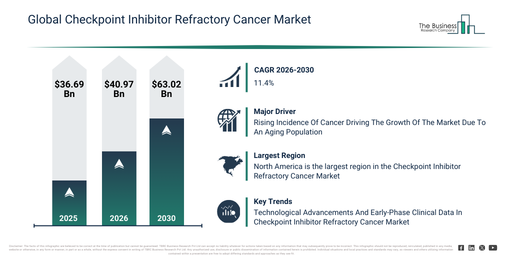
  • Checkpoint Inhibitor Refractory Cancer Market Opportunities Are Emerging Beyond Traditional Growth Areas

    Checkpoint Inhibitor Refractory Cancer Market Opportunities Are Emerging Beyond Traditional Growth Areas

    Through market attractiveness analysis, total addressable market evaluation, company benchmarking matrices, interactive Excel dashboards, expanded supply chain intelligence, emerging startup coverage, and detailed product insights, The Business Research Company’s 2026 market reports provide more actionable and strategically valuable research.

    Checkpoint Inhibitor Refractory Cancer Market Value Expansion And Long-Term Growth Outlook

    The checkpoint inhibitor refractory cancer market has experienced significant expansion over the past few years. Its value is projected to increase from $36.69 billion in 2025 to $40.97 billion in 2026, reflecting a compound annual growth rate (CAGR) of 11.7%. This historical growth has been driven by factors such as the greater utilization of immune checkpoint inhibitors in cancer care, higher rates of advanced-stage cancer diagnoses, a scarcity of available therapies once immunotherapy proves ineffective, an increase in oncology drug approvals, and the proliferation of specialized cancer treatment facilities.

    The market for checkpoint inhibitor refractory cancers is anticipated to experience substantial expansion in the coming years. By 2030, its value is projected to reach $63.02 billion, reflecting a compound annual growth rate (CAGR) of 11.4%. This forecasted growth is driven by factors such as the advancement of next-generation immunotherapies, increased investments in combination and targeted treatments, broader adoption of precision oncology, the expansion of global clinical trials in oncology, and a heightened emphasis on personalized cancer care strategies. Key trends shaping the forecast period include a growing focus on addressing both primary and acquired resistance to checkpoint inhibitors, wider utilization of combination immunotherapy approaches, development of targeted therapies specifically for immunotherapy-resistant cancers, an increase in clinical trials exploring novel and experimental treatments, and a rising demand for patient stratification based on individual tumor characteristics.

    Download A Free Sample Report For Comprehensive Market Insights:

    https://www.thebusinessresearchcompany.com/sample.aspx?id=27251&type=smp&utm_source=BlogsPR&utm_medium=Paid&utm_campaign=Jul_PR

    #Checkpoint Inhibitor Refractory Cancer Market Growth Factors: Which Forces Are Supporting Market Expansion?

    The growing prevalence of cancer is anticipated to drive expansion in the checkpoint inhibitor refractory cancer market moving forward. Cancer is defined as a condition involving the uncontrolled division and proliferation of abnormal cells within the body. This increase in cancer cases is largely attributed to an aging population, as extended life expectancy raises the probability of developing the disease over time. Identifying checkpoint inhibitor refractory cancer plays a crucial role in cancer management by facilitating early detection of treatment resistance, enabling clinicians to adjust therapies promptly and explore alternative strategies that may improve patient outcomes. For example, in February 2025, the United Nations, a US-based intergovernmental organization, reported that approximately 2.3 million new breast cancer cases were diagnosed in 2022, leading to 670,000 deaths, with global forecasts predicting a 38% rise in cases and a 68% increase in annual fatalities by 2050. Consequently, the escalating incidence of cancer is fueling growth in the checkpoint inhibitor refractory cancer market.

    Checkpoint Inhibitor Refractory Cancer Market Segmentation And Category Breakdown

    The checkpoint inhibitor refractory cancer market covered in this report is segmented –

    1) By Therapy: Immune Checkpoint Inhibitors, Combination Therapies, Targeted Therapies

    2) By Cancer Type: Non-Small Cell Lung Cancer (NSCLC), Melanoma, Renal Cell Carcinoma (RCC), Head And Neck Squamous Cell Carcinoma (HNSCC), Urothelial Carcinoma, Triple-Negative Breast Cancer (TNBC), Colorectal Cancer, Other Cancer Types

    3) By Mechanism Of Action: Programmed Cell Death Protein (PD)-1 Inhibitors, Programmed Death-Ligand (PD)-L1 Inhibitors, Cytotoxic T-Lymphocyte–Associated Protein (CTLA)-4 Inhibitors, Other Mechanism Of Actions

    4) By Administration Route: Intravenous (IV), Oral

    5) By End-User: Hospital Pharmacies, Retail Pharmacies, Online Pharmacies

    Subsegments:

    1) By Immune Checkpoint Inhibitors (ICIs): PD-1 Inhibitors, PD-L1 Inhibitors, CTLA-4 Inhibitors

    2) By Combination Therapies: Checkpoint Inhibitor + Chemotherapy, Checkpoint Inhibitor + Targeted Therapy, Checkpoint Inhibitor + Other Immunotherapies, Dual Checkpoint Inhibitor Combinations

    3) By Targeted Therapies: Tyrosine Kinase Inhibitors (TKIs), Monoclonal Antibodies Targeting Specific Cancer Markers

    Checkpoint Inhibitor Refractory Cancer Market Industry Trends: What Changes Are Reshaping Demand?

    Key players in the checkpoint inhibitor refractory cancer market are concentrating on advancing novel products like dual selective inhibitors, which aim to lower the risk of drug resistance by simultaneously blocking two essential pathways involved in disease advancement. These inhibitors are substances that target two separate biological pathways or targets concurrently while minimizing effects on unrelated ones. For example, in March 2025, Pliant Therapeutics Inc., a clinical-stage biopharmaceutical company based in the US, released interim Phase 1 findings for PLN-101095 in individuals with immune checkpoint inhibitor–refractory advanced solid tumors. According to these results, PLN-101095 exhibited promising early efficacy and a tolerable safety profile. At the maximum tested dose of 1,000 mg taken twice daily alongside pembrolizumab, the study observed a 50% objective response rate, which included confirmed partial responses in patients with non-small cell lung cancer, cholangiocarcinoma, and melanoma, alongside notable tumor shrinkage. The medication was generally well tolerated, with most treatment-related adverse events being mild or moderate in severity. The trial remains underway, with higher-dosage groups now being enrolled, and further results are anticipated by the conclusion of 2025.

    Checkpoint Inhibitor Refractory Cancer Market Competitive Analysis Of Major Industry Participants

    Major companies operating in the checkpoint inhibitor refractory cancer market are Pfizer Inc., Johnson & Johnson Private Limited, Merck & Co. Inc., AbbVie Inc., Novartis International AG, Sanofi S.A., Bristol-Myers Squibb Company, AstraZeneca PLC, GlaxoSmithKline Plc, Eli Lilly and Company, Gilead Sciences Inc., Amgen Inc., Regeneron Pharmaceuticals Inc., Eisai Co. Ltd., Exelixis Inc., Exicure Inc., ImmunityBio Inc., ENB Therapeutics Inc., Kartos Therapeutics Inc., Pliant Therapeutics Inc.

    Access The Complete Checkpoint Inhibitor Refractory Cancer Market Report:

    https://www.thebusinessresearchcompany.com/report/checkpoint-inhibitor-refractory-cancer-global-market-report?utm_source=BlogsPR&utm_medium=Paid&utm_campaign=Jul_PR

    Checkpoint Inhibitor Refractory Cancer Market Geographic Landscape: Which Region Dominates Industry Growth?

    North America was the largest region in the checkpoint inhibitor refractory cancer market in 2025. Asia-Pacific is expected to be the fastest-growing region in the forecast period. The regions covered in the checkpoint inhibitor refractory cancer market report are Asia-Pacific, South East Asia, Western Europe, Eastern Europe, North America, South America, Middle East, Africa.

    Get in touch with us:

    The Business Research Company: https://www.thebusinessresearchcompany.com/?utm_source=BlogsPR&utm_medium=Paid&utm_campaign=home_page_test

    Americas: +1 310-496-7795

    Asia: +44 7882 955267 & +91 8897263534

    Europe: +44 7882 955267

    Email us at: marketing@tbrc.info

    Follow us on:

    LinkedIn: https://in.linkedin.com/company/the-business-research-company

    YouTube: https://www.youtube.com/channel/UC24_fI0rV8cR5DxlCpgmyFQ

    Global Market Model: https://www.thebusinessresearchcompany.com/global-market-model
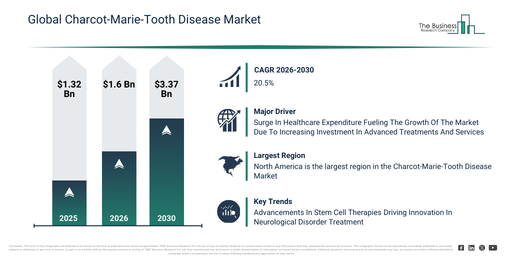
  • Charcot-Marie-Tooth Disease Market Expansion Is Opening New Pathways For Strategic Investment

    Charcot-Marie-Tooth Disease Market Expansion Is Opening New Pathways For Strategic Investment

    Delivering more actionable and strategically valuable research, The Business Research Company’s 2026 market reports feature market attractiveness analysis, total addressable market evaluation, company benchmarking matrices, interactive Excel dashboards, expanded supply chain intelligence, emerging startup coverage, and detailed product insights.

    Charcot-Marie-Tooth Disease Market Expected To Reach $3.36 Billion By 2030 At 20.5% CAGR

    The market for Charcot-Marie-Tooth disease has seen remarkable exponential expansion in recent times. Valued at $1.32 billion in 2025, it is projected to reach $1.6 billion by 2026, reflecting a compound annual growth rate (CAGR) of 20.8%. This historical growth has been driven by heightened awareness of genetic disorders, the broadening of neurology clinics, increased utilization of pain management strategies, the incorporation of physical therapy, and a dedicated emphasis on supportive care.

    The market for Charcot-Marie-Tooth disease is projected to experience rapid expansion over the coming years. By 2030, its value is anticipated to reach $3.37 billion, driven by a compound annual growth rate (CAGR) of 20.5%. This forecasted growth is fueled by advances in gene therapy research, the rise of precision neurology, early genetic screening programs, increased rare disease funding, and patient advocacy initiatives. Key developments shaping the market include a heightened emphasis on therapies that manage symptoms, broader use of genetic testing and diagnostics, greater application of supportive pharmacological treatments, intensified investigation into disease-modifying therapies, and the emergence of multidisciplinary care frameworks.

    Download A Free Sample Report For Comprehensive Market Insights:

    https://www.thebusinessresearchcompany.com/sample.aspx?id=24501&type=smp&utm_source=BlogsPR&utm_medium=Paid&utm_campaign=Jul_PR

    Charcot-Marie-Tooth Disease Market Demand Drivers: What Is Fueling Industry Growth?

    The anticipated increase in healthcare spending is expected to drive growth in the Charcot-Marie-Tooth disease market moving forward. Healthcare expenditure refers to total outlays on medical services, supplies, and activities designed to preserve or enhance health. This spending is climbing due to the creation and implementation of cutting-edge medical technologies, which entail significant costs for research, equipment, and specialized training, thus raising overall healthcare service expenses. The growth in healthcare spending supports demand for Charcot-Marie-Tooth disease treatment by facilitating greater investment in targeted therapies, diagnostic tools, and supportive care services, thereby enhancing access to comprehensive disease management. For example, in April 2025, the Office for National Statistics, a UK government agency, reported that healthcare spending increased by 6.5% between 2023 and 2024, a modest uptick compared to the 6.3% rise observed in 2023. Consequently, the surge in healthcare expenditure will propel the expansion of the Charcot-Marie-Tooth disease market.

    Charcot-Marie-Tooth Disease Market Segment Outlook: Which Categories Are Expanding The Fastest?

    The charcot-marie-tooth disease market covered in this report is segmented –

    1) By Disease Type: CMT 1, CMT 2, CMT 3, Other Disease Types

    2) By Drug Type: Nonsteroidal Anti-Inflammatory Drugs, Cyclooxygenase-2 Inhibitors, Tricyclic Antidepressants, Anticonvulsants, Analgesics, Pipeline Drug

    3) By Distribution Channel: Hospital Pharmacies, Retail Pharmacies, Online Pharmacies

    Charcot-Marie-Tooth Disease Market Innovation Trends: Which Developments Are Transforming The Industry?

    Leading firms in the Charcot-Marie-Tooth disease market are prioritizing the creation of cutting-edge treatments like mesenchymal stem cell therapies, chosen for their ability to be easily harvested and multiplied from diverse tissue origins. These therapies harness multipotent cells that can transform into various cell types, promoting tissue repair and mitigating inflammation across numerous medical conditions. A notable example occurred in March 2025, when ENCell Co. Ltd., a biopharmaceutical company based in South Korea, received orphan drug designation from the U.S. Food and Drug Administration for its therapy EN001. This mesenchymal stem cell treatment is designed to combat Charcot-Marie-Tooth (CMT) disease through mechanisms that boost cell viability and increase the secretion of beneficial molecules. Once delivered, it works to mend damaged nerves, stimulate the production of reparative factors, and facilitate remyelination of nerve fibers. Safety, tolerability, and dosage optimization were assessed in a phase 1 open-label, dose-escalation clinical trial (NCT05333406) involving patients with type 1a CMT. Over 16 weeks, the study employed a 3+3 design, with low-dose subjects receiving an intravenous injection on the initial day.

    Charcot-Marie-Tooth Disease Market Key Companies And Competitive Benchmarking

    Major companies operating in the charcot-marie-tooth disease market are Applied Therapeutics Inc., PTC Therapeutics Inc., Wave Life Sciences Ltd., Atalanta Therapeutics, Taysha Gene Therapies, Passage Bio Inc., Solid Biosciences Inc., Reata Pharmaceuticals, AskBio (Bayer subsidiary), Sarepta Gene Therapy, Forge Biologics, Neurogene Inc., Regenxbio Inc., Bluebird Bio Inc., GenSight Biologics SA, Rocket Pharmaceuticals Inc., Krystal Biotech Inc., Amicus Therapeutics Inc., Orchard Therapeutics plc, Anokion SA, Neurocrine Biosciences Inc., VectivBio Holding AG, Biomarin Pharmaceutical Inc., Travere Therapeutics Inc., Ascendis Pharma A/S

    Access The Complete Charcot-Marie-Tooth Disease Market Report:

    https://www.thebusinessresearchcompany.com/report/charcot-marie-tooth-disease-global-market-report?utm_source=BlogsPR&utm_medium=Paid&utm_campaign=Jul_PR

    Charcot-Marie-Tooth Disease Market Largest Region: Which Geography Holds The Highest Market Share?

    North America was the largest region in the charcot-marie-tooth disease market in 2025. Asia-Pacific is expected to be the fastest-growing region in the forecast period. The regions covered in the charcot-marie-tooth disease market report are Asia-Pacific, South East Asia, Western Europe, Eastern Europe, North America, South America, Middle East, Africa.

    Get in touch with us:

    The Business Research Company: https://www.thebusinessresearchcompany.com/?utm_source=BlogsPR&utm_medium=Paid&utm_campaign=home_page_test

    Americas: +1 310-496-7795

    Asia: +44 7882 955267 & +91 8897263534

    Europe: +44 7882 955267

    Email us at: marketing@tbrc.info

    Follow us on:

    LinkedIn: https://in.linkedin.com/company/the-business-research-company

    YouTube: https://www.youtube.com/channel/UC24_fI0rV8cR5DxlCpgmyFQ

    Global Market Model: https://www.thebusinessresearchcompany.com/global-market-model
  • Cervical Cancer Vaccine Market Trends Are Creating New Opportunities For Industry Leaders

    Cervical Cancer Vaccine Market Trends Are Creating New Opportunities For Industry Leaders

    Enhanced with market attractiveness analysis, total addressable market evaluation, company benchmarking matrices, interactive Excel dashboards, expanded supply chain intelligence, emerging startup coverage, and detailed product insights, The Business Research Company’s 2026 market reports deliver more actionable and strategically valuable research.

    Cervical Cancer Vaccine Market Size And Revenue Forecast Through 2030

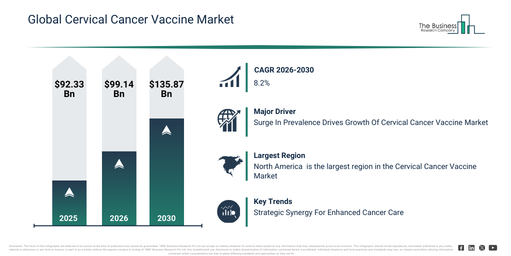
    The cervical cancer vaccine market has experienced robust expansion in recent years. Projections indicate it will rise from $92.33 billion in 2025 to $99.14 billion in 2026, reflecting a compound annual growth rate (CAGR) of 7.4%. This historical growth has been driven by a higher incidence of HPV infections, the early rollout of HPV vaccines, government-led immunization initiatives, growing public awareness about cervical cancer, and the availability of vaccination infrastructure.

    The market for cervical cancer vaccines is projected to experience robust expansion in the coming years, reaching an estimated value of $135.87 billion by 2030, with a compound annual growth rate (CAGR) of 8.2%. This forecasted growth is driven by factors such as improvements in vaccine technology, the broadening of immunization efforts in developing nations, partnerships between public and private sectors for vaccination campaigns, the launch of single-dose HPV vaccines, and increased spending on preventive healthcare. Key trends shaping this period include the expansion of HPV vaccination initiatives, growing public awareness of cervical cancer prevention, the creation of next-generation HPV vaccines, immunization programs led by governments and non-governmental organizations, and collaborative efforts between pharmaceutical and biotech firms.

    Download A Free Sample Report For Comprehensive Market Insights:

    https://www.thebusinessresearchcompany.com/sample.aspx?id=11886&type=smp&utm_source=BlogsPR&utm_medium=Paid&utm_campaign=Jul_PR

    Cervical Cancer Vaccine Market Growth Drivers: What Factors Are Accelerating Expansion?

    The anticipated growth of the cervical cancer vaccine market is expected to be fueled by the increasing incidence of cervical cancer. This type of cancer occurs in the cervix, which is the lower part of the uterus connecting to the upper vagina. A lack of human papillomavirus (HPV) vaccination, inadequate hygiene practices, and limited awareness and understanding of cervical cancer are key reasons behind the rising case numbers. Cervical cancer vaccines are highly effective, as they target high-risk strains of HPV to prevent the disease from developing. In January 2023, the American Cancer Society, a US-based nonprofit focused on cancer advocacy, indicated that 13,960 new cases of cervical cancer were reported in the United States. As a result, the growing prevalence of this condition is driving expansion in the cervical cancer vaccine market.

    Cervical Cancer Vaccine Market Segment Landscape: Which Areas Lead Market Development?

    The cervical cancer vaccine market covered in this report is segmented –

    1) By Type: Cervarix, Gardasil, Gardasil 9

    2) By Distribution Channels: Hospital Pharmacies, Retail Pharmacies, Online Pharmacies

    3) By End-Users: Hospital, Other End-Users

    Cervical Cancer Vaccine Market Trends: What Is Shaping Future Industry Growth?

    Key players in the cervical cancer vaccines market are increasingly turning to collaboration and partnerships as a strategy to enhance and ensure dependable service delivery to customers. A strategic partnership typically refers to a formal relationship between two or more businesses, forged through one or more binding agreements or contracts. As an example, in June 2023, Nykode Therapeutics ASA, which is headquartered in Norway and specializes in next-generation vaccine development, announced an expanded collaboration with Roche Holding AG, a Swiss healthcare firm, focused on advancing VB10.16—a ready-to-use therapeutic cancer vaccine. These partners intend to evaluate VB10.16 when used together with Roche’s atezolizumab (Tecentriq), an anti-PD-L1 immunotherapeutic agent, specifically for patients suffering from advanced cervical cancer. This collaboration holds significant promise for creating a novel and effective therapeutic solution for a cancer type that currently faces limited treatment alternatives and carries a poor prognosis.

    Cervical Cancer Vaccine Market Industry Leaders And Market Competition

    Major companies operating in the cervical cancer vaccine market are Merck & Co Inc, GlaxoSmithKline plc, Serum Institute of India Pvt Ltd, Beijing Wantai Biological Pharmacy Enterprise Co Ltd, Walvax Biotechnology Co Ltd, Xiamen Innovax Biotech Co Ltd, THERAVECTYS, ViciniVax, Recbio, Yuxi Zerun Biotech, BioVaxys Technology Corp, Procare Health Iberia SL, R-Pharm LLC, PathoVax LLC, PT Biofarma, Instituto Butantan, Sinergium Biotech, CSL Limited, UCB SA, Bharat Biotech International Ltd

    Access The Complete Cervical Cancer Vaccine Market Report:

    https://www.thebusinessresearchcompany.com/report/cervical-cancer-vaccine-global-market-report?utm_source=BlogsPR&utm_medium=Paid&utm_campaign=Jul_PR

    Cervical Cancer Vaccine Market Regional Analysis: Which Region Leads By Revenue?

    North America was the largest region in the cervical cancer vaccine market in 2025. Asia-Pacific is expected to be the fastest-growing region in the forecast period. The regions covered in the cervical cancer vaccine market report are Asia-Pacific, South East Asia, Western Europe, Eastern Europe, North America, South America, Middle East, Africa.

    Get in touch with us:

    The Business Research Company: https://www.thebusinessresearchcompany.com/?utm_source=BlogsPR&utm_medium=Paid&utm_campaign=home_page_test

    Americas: +1 310-496-7795

    Asia: +44 7882 955267 & +91 8897263534

    Europe: +44 7882 955267

    Email us at: marketing@tbrc.info

    Follow us on:

    LinkedIn: https://in.linkedin.com/company/the-business-research-company

    YouTube: https://www.youtube.com/channel/UC24_fI0rV8cR5DxlCpgmyFQ

    Global Market Model: https://www.thebusinessresearchcompany.com/global-market-model
  • Cervical Cancer Drugs Market Growth Is Reshaping Competitive Advantage Across The Industry

    Cervical Cancer Drugs Market Growth Is Reshaping Competitive Advantage Across The Industry

    Through market attractiveness analysis, total addressable market evaluation, company benchmarking matrices, interactive Excel dashboards, expanded supply chain intelligence, emerging startup coverage, and detailed product insights, The Business Research Company’s 2026 market reports provide more actionable and strategically valuable research.

    Cervical Cancer Drugs Market Growth From $27.23 Billion In 2026 To $32.67 Billion By 2030 At A CAGR Of 4.7%

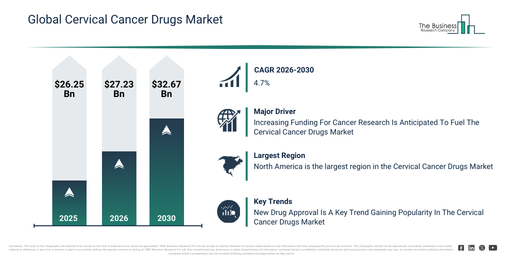
    The market for cervical cancer medications has experienced consistent expansion over the past few years. Projections indicate a rise from $26.25 billion in 2025 to $27.23 billion in 2026, reflecting a compound annual growth rate (CAGR) of 3.7%. This historical growth has been driven by a higher prevalence of cervical cancer, improvements in healthcare facilities, greater use of chemotherapy agents, heightened awareness initiatives, and the increased accessibility of generic pharmaceuticals.

    Over the coming years, the cervical cancer drugs market is anticipated to experience consistent expansion. By 2030, its value is projected to reach $32.67 billion, reflecting a compound annual growth rate (CAGR) of 4.7%. This upward trajectory in the forecast period is largely driven by progress in targeted therapies, growing funding for immunotherapy, the broader application of precision medicine, rising activity in developing markets, and the introduction of innovative drug delivery systems. Key developments shaping this period encompass the creation of new targeted treatments, the refinement of combination chemotherapy regimens, wider acceptance of immunotherapies, a shift toward personalized medicine, and an increase in both hospital and retail distribution channels.

    Download A Free Sample Report For Comprehensive Market Insights:

    https://www.thebusinessresearchcompany.com/sample.aspx?id=2589&type=smp&utm_source=BlogsPR&utm_medium=Paid&utm_campaign=Jul_PR

    Cervical Cancer Drugs Market Growth Factors Supporting Long-Term Expansion

    The cervical cancer drug market is anticipated to expand due to rising financial support for cancer research. Cancer research involves systematic scientific investigations into the origins, development, and therapies for the disease. Cervical cancer medications are crucial in this field, as they uncover mechanisms behind cancer progression, identify therapeutic targets, and enhance disease treatment and management. For example, in March 2023, the American Association for Cancer Research, a US-based organization dedicated to cancer-related studies, stated that the NIH budget for cancer research grew by $2.5 billion (5.6%), reaching $47.5 billion. Consequently, this growth in research funding is fueling the cervical cancer drug market.

    Cervical Cancer Drugs Market Segments: Where Are The Largest Growth Opportunities?

    The cervical cancer drugs market covered in this report is segmented –

    1) By Cancer Type: Squamous Cell Cancer, Adenocarcinoma

    2) By Drug Type: Avastin, Bevacizumab, Bleomycin, Blenoxane, Other Drug Types

    3) By Distribution Channel: Hospitals Pharmacies, Retail Pharmacies, Other Distribution Channels

    Cervical Cancer Drugs Market Industry Trends Shaping Future Revenue Growth

    Leading players in the cervical cancer drugs market are securing approvals for treatments that pair chemotherapy with agents like KEYTRUDA (pembrolizumab) Plus Chemotherapy, aimed at managing PD-L1 expression in cervical cancer tumors, thereby boosting their market earnings. By obstructing the PD-1 and its ligands interaction, this drug regimen facilitates a stronger immune response to detect and eliminate cancer cells, while chemotherapy directly inhibits or reduces cancer cell proliferation. A notable example occurred in April 2024, when Pfizer Inc., a pharmaceutical giant headquartered in the US, alongside Genmab A/S, a Danish biotechnology firm, introduced TIVDAK (tisotumab vedotin-tftv) following FDA approval for treating recurrent or metastatic cervical cancer, based on a global Phase 3 trial that showed significant survival enhancements compared to chemotherapy alone. This therapy functions by attaching to the Tissue Factor protein found on cancer cells, then delivering a chemotherapy agent directly inside the cell, which disrupts its internal structure and triggers cell death, thereby minimizing harm to healthy tissues while focusing on malignant ones. This venture is a collaboration between Pfizer Inc., a US-based leader in pharmaceuticals and biotechnology, and Genmab A/S, a European biotechnology company.

    Cervical Cancer Drugs Market Major Participants And Competitive Dynamics

    Major companies operating in the cervical cancer drugs market are Pfizer Inc., Johnson & Johnson Services Inc., F. Hoffmann-La Roche Ltd., Merck & Co. Inc., Bayer AG, Novartis AG, Sanofi S.A., Bristol Myers Squibb Company, AstraZeneca plc, GlaxoSmithKline plc, Eli Lilly and Company, Amgen Inc., Teva Pharmaceutical Industries Ltd., Mylan NV, Hetero Drugs Limited, Sun Pharmaceutical Industries Limited, Genentech Inc., Seagen Inc., Akeso Biopharma Co. Ltd., Biocad Corp., Betta Pharmaceuticals Co. Ltd., Biocon Limited, ADC Therapeutics SA, Clovis Oncology Inc., Agenus Inc., Iovance Biotherapeutics Inc., MacroGenics Inc.

    Access The Complete Cervical Cancer Drugs Market Report:

    https://www.thebusinessresearchcompany.com/report/cervical-cancer-drugs-global-market-report?utm_source=BlogsPR&utm_medium=Paid&utm_campaign=Jul_PR

    Cervical Cancer Drugs Market Geographic Distribution And Regional Opportunities

    North America was the largest region in the cervical cancer drugs market in 2025. Middle East is expected to be the fastest-growing region in the global cervical cancer drugs market share during the forecast period. The regions covered in the cervical cancer drugs market report are Asia-Pacific, South East Asia, Western Europe, Eastern Europe, North America, South America, Middle East, Africa.

    Get in touch with us:

    The Business Research Company: https://www.thebusinessresearchcompany.com/?utm_source=BlogsPR&utm_medium=Paid&utm_campaign=home_page_test

    Americas: +1 310-496-7795

    Asia: +44 7882 955267 & +91 8897263534

    Europe: +44 7882 955267

    Email us at: marketing@tbrc.info

    Follow us on:

    LinkedIn: https://in.linkedin.com/company/the-business-research-company

    YouTube: https://www.youtube.com/channel/UC24_fI0rV8cR5DxlCpgmyFQ

    Global Market Model: https://www.thebusinessresearchcompany.com/global-market-model