Month: July 2026

  • Allogeneic T Cell Therapies Market Growth Through 2030 Creates New Strategic Opportunities

    Allogeneic T Cell Therapies Market Growth Through 2030 Creates New Strategic Opportunities

    Through market attractiveness analysis, total addressable market evaluation, company benchmarking matrices, interactive Excel dashboards, expanded supply chain intelligence, emerging startup coverage, and detailed product insights, The Business Research Company’s 2026 market reports provide more actionable and strategically valuable research.

    Allogeneic T Cell Therapies Market CAGR Analysis And Future Market Development

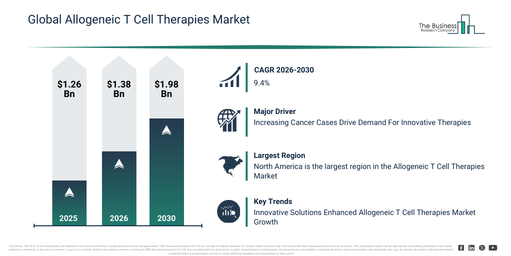
    The market for allogeneic T cell therapies has experienced robust expansion in recent times. Projected to rise from $1.26 billion in 2025 to $1.38 billion in 2026, it represents a compound annual growth rate (CAGR) of 9.4%. Historical growth has been driven by constraints associated with autologous approaches, promising early outcomes from CAR-T treatments, an increasing incidence of cancer, significant progress in immunotherapy research, and the broadening of hospital-based oncology services.

    The market for allogeneic t cell therapies is anticipated to experience significant expansion over the coming years. By 2030, it is projected to reach a value of $1.98 billion, with a compound annual growth rate (CAGR) of 9.4%. This projected growth is driven by factors such as the increasing need for affordable cell-based treatments, the broadening of oncology drug development programs, advancements in donor compatibility techniques, favorable regulatory frameworks for cellular therapies, and the rising number of specialized cancer treatment facilities. Key developments shaping this period include a transition toward readily available off-the-shelf cell therapies, a surge in oncology-related clinical investigations, a heightened emphasis on scalable manufacturing processes for cells, greater financial commitments to cellular engineering, and the proliferation of dedicated treatment centers.

    Download A Free Sample Report For Comprehensive Market Insights:

    https://www.thebusinessresearchcompany.com/sample.aspx?id=18952&type=smp&utm_source=BlogsPR&utm_medium=Paid&utm_campaign=Jul_PR

    Allogeneic T Cell Therapies Market Growth Drivers And Industry Catalysts

    The rising prevalence of cancer is anticipated to drive growth in the allogeneic T cell therapies market in the coming period. Cancer is defined as a set of diseases marked by the abnormal proliferation and dissemination of cells within the body. Its incidence is climbing due to extended life expectancies, shifts in lifestyle, environmental contaminants, infectious agents, hereditary predispositions, and evolving reproductive habits, all of which amplify both the frequency and identification of the condition. Allogeneic T cell therapies combat cancer by infusing donor-derived T cells, which are genetically modified to identify and eliminate specific tumor antigens in patients. As an illustration, in May 2024, the National Cancer Institute—a U.S. federal agency—reported approximately 18.1 million cancer survivors in the nation. This number is forecasted to reach 22.5 million by 2032, and by 2040, annual new cancer cases are projected to hit 29.9 million, with mortality likely climbing to 15.3 million. Consequently, the uptick in cancer occurrences fuels the expansion of the allogeneic T cell therapies marketplace.

    Allogeneic T Cell Therapies Market Segmentation And Category Breakdown

    The allogeneic t cell therapies market covered in this report is segmented –

    1) By Product Type: Chimeric Antigen Receptor (CAR) T Cell Therapies, T Cell Receptor (TCR) Therapies

    2) By Antigen Type: CD 19, CD 20, Egfrvlll, GD2, CD22, CD30, CD33, Meso, HER1, Other Antigen Types

    3) By Therapeutics Indications: Cancer, Autoimmune Diseases, Infectious Diseases, Other Therapeutics Indications

    4) By End-User: Hospitals, Specialty Clinics, Research Institutes, Other End-Users

    Subsegments:

    1) By Chimeric Antigen Receptor (CAR) T Cell Therapies: CD19-targeted CAR T Therapies, BCMA-targeted CAR T Therapies, CD22-targeted CAR T Therapies

    2) By T Cell Receptor (TCR) Therapies: Neoantigen-targeted TCR Therapies, Viral Antigen-targeted TCR Therapies

    Allogeneic T Cell Therapies Market Trends Influencing Long-Term Demand

    Key players in the allogeneic T cell therapy space are advancing product development through gene-edited, donor-derived CAR-T and TCR T cell therapies, aiming to strengthen their market position. These therapies involve immune-effector T cells obtained from healthy donors and genetically modified—by knocking out T cell receptor (TCR) and HLA genes, inserting CAR or TCR constructs, and incorporating safety switches—to create universal off-the-shelf solutions that can be mass-produced, cryopreserved, and administered quickly without needing patient-specific customization. For example, in January 2024, Allogene Therapeutics, a U.S.-based cell therapy company, unveiled its 2024 platform strategy centered on ALPHA3, the first pivotal trial in the industry testing an allogeneic CAR-T application employing gene-editing to remove graft-versus-host disease (GvHD) risks and enable swift donor-based delivery. Key characteristics of this product include T cells sourced from donors that are modified to eliminate native TCR and HLA molecules, reducing host immune rejection and GvHD; a chimeric antigen receptor aimed at a tumour antigen for immediate anticancer response; and a cryopreserved, infusion-ready format that accelerates treatment timelines relative to autologous approaches.

    Allogeneic T Cell Therapies Market Competitive Analysis Of Major Industry Participants

    Major companies operating in the allogeneic t cell therapies market are Allogene Therapeutics Inc., Cellectis SA, Fate Therapeutics Inc., Poseida Therapeutics Inc., Atara Biotherapeutics Inc., Autolus Therapeutics Plc, Adaptimmune Therapeutics Plc, Immatics NV, Medigene AG, Celyad Oncology SA, Bristol-Myers Squibb Company, Novartis AG, Gilead Sciences Inc., Sangamo Therapeutics Inc., MaxCyte Inc., Tessa Therapeutics Pte Ltd., Cell Medica Inc., Bellicum Pharmaceuticals Inc., Enlivex Therapeutics Ltd., Sorrento Therapeutics Inc.

    Access The Complete Allogeneic T Cell Therapies Market Report:

    https://www.thebusinessresearchcompany.com/report/allogeneic-t-cell-therapies-global-market-report?utm_source=BlogsPR&utm_medium=Paid&utm_campaign=Jul_PR

    Allogeneic T Cell Therapies Market Geographic Distribution And Regional Opportunities

    North America was the largest region in the allogeneic T cell therapies market in 2025. The regions covered in the allogeneic t cell therapies market report are Asia-Pacific, South East Asia, Western Europe, Eastern Europe, North America, South America, Middle East, Africa.

    Get in touch with us:

    The Business Research Company: https://www.thebusinessresearchcompany.com/?utm_source=BlogsPR&utm_medium=Paid&utm_campaign=home_page_test

    Americas: +1 310-496-7795

    Asia: +44 7882 955267 & +91 8897263534

    Europe: +44 7882 955267

    Email us at: marketing@tbrc.info

    Follow us on:

    LinkedIn: https://in.linkedin.com/company/the-business-research-company

    YouTube: https://www.youtube.com/channel/UC24_fI0rV8cR5DxlCpgmyFQ

    Global Market Model: https://www.thebusinessresearchcompany.com/global-market-model
  • Allergy Conjunctivitis Market Size Projected To Increase From $2.78 Billion To $3.51 Billion During The Forecast Period

    Allergy Conjunctivitis Market Size Projected To Increase From $2.78 Billion To $3.51 Billion During The Forecast Period

    Delivering more actionable and strategically valuable research, The Business Research Company’s 2026 market reports feature market attractiveness analysis, total addressable market evaluation, company benchmarking matrices, interactive Excel dashboards, expanded supply chain intelligence, emerging startup coverage, and detailed product insights.

    Allergy Conjunctivitis Market Expansion From $2.78 Billion In 2026 To $3.51 Billion In 2030

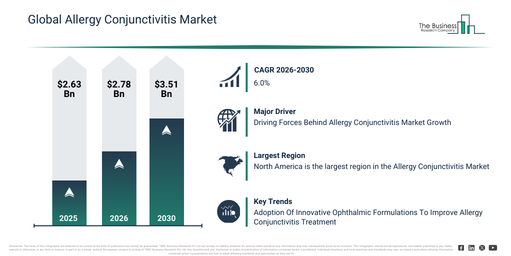
    The allergy conjunctivitis market has experienced notable expansion in recent years. Projections indicate it will rise from $2.63 billion in 2025 to $2.78 billion in 2026, reflecting a compound annual growth rate (CAGR) of 5.9%. Historically, this growth has been driven by factors such as a rising incidence of allergic conditions, low awareness of advanced treatment options, widespread reliance on conventional antihistamines, unequal healthcare access across different regions, and a strong dependence on hospital pharmacies.

    The allergy conjunctivitis market is projected to experience significant expansion in the coming years. By 2030, its value is anticipated to reach $3.51 billion, reflecting a compound annual growth rate (CAGR) of 6.0%. This upward trajectory during the forecast period is driven by several factors, including the growing use of biologics and immunotherapies, the rise of telemedicine and digital health platforms, the expansion of e-commerce in the pharmaceutical sector, heightened government initiatives aimed at improving eye care, and breakthroughs in patient-specific drug delivery systems. Key developments shaping the market include a higher prevalence of seasonal allergies, a growing preference for non-steroidal treatment options, the proliferation of online pharmacy channels, increased focus on eye health and preventive care, and the broadening of allergy management services for both pediatric and geriatric populations.

    Download A Free Sample Report For Comprehensive Market Insights:

    https://www.thebusinessresearchcompany.com/sample.aspx?id=8806&type=smp&utm_source=BlogsPR&utm_medium=Paid&utm_campaign=Jul_PR

    Allergy Conjunctivitis Market Opportunity Drivers: What Is Creating New Revenue Potential?

    The growing incidence of eye disorders is anticipated to drive the allergy conjunctivitis market forward. An eye disorder is defined as any abnormal condition affecting the eye’s structure or function, which may cause vision impairment or other health-related symptoms. Within the range of eye disorders, allergic conjunctivitis is especially relevant, particularly when it arises from allergic responses. This condition involves inflammation of the conjunctiva—the thin membrane covering the eye—and is frequently triggered by allergens like pollen, dust, or pet dander. Increased levels of environmental pollutants and chemicals have contributed to a rise in allergic conjunctivitis cases. For example, in August 2023, the World Health Organization, a United Nations agency headquartered in Switzerland, released an article stating that at least 2.2 billion people globally suffer from near or distance vision impairment. Among these, 1 billion individuals have conditions leading to distance vision impairment or blindness, including cataracts (94 million), refractive error (88.4 million), age-related macular degeneration (8 million), glaucoma (7.7 million), and diabetic retinopathy (3.9 million). Consequently, the high prevalence of eye disorders is fueling growth in the allergy conjunctivitis market.

    Allergy Conjunctivitis Market Segment Outlook: Which Categories Are Expanding The Fastest?

    The allergy conjunctivitis market covered in this report is segmented –

    1) By Drug Class: Antihistamines And Mast Cell Stabilizers, Corticosteroids, Other Drug Classes

    2) By Disease Type: Mild, Severe

    3) By Distribution Channel: Hospital Pharmacies, Drug Stores And Retail Pharmacies, Online Pharmacies

    Subsegments:

    1) By Antihistamines And Mast Cell Stabilizers: Topical Antihistamines, Oral Antihistamines, Mast Cell Stabilizers

    2) By Corticosteroids: Topical Corticosteroids, Systemic Corticosteroids

    3) By Other Drug Classes: Non-Steroidal Anti-Inflammatory Drugs (NSAIDs), Combination Therapy, Immunotherapy, Leukotriene Receptor Antagonists

    Allergy Conjunctivitis Market Innovation Trends Driving Future Development

    Key industry players in the allergy conjunctivitis space are advancing eyelid-applied cream technologies to optimize drug delivery, boost patient adherence, and cut down on dosing frequency. Instead of administering medication directly into the eyes, this cream is gently applied to the eyelids, enabling a steady release of antihistamines that lowers irritation and improves treatment compliance compared with conventional eye drops. In May 2024, Santen Pharmaceutical, a Japanese ophthalmology specialist, introduced Alesion Eyelid Cream 0.5% designed for allergic conjunctivitis patients. This formulation supplies epinastine hydrochloride through the eyelids, effectively minimizing itching and redness, requires just once-daily use, and maintains a strong safety profile during extended treatment periods.

    Allergy Conjunctivitis Market Key Companies And Competitive Benchmarking

    Major companies operating in the allergy conjunctivitis market are Allergan PLC, AbbVie Inc., Ajanta Pharma Limited, Akron Operating Company LLC, Alcon Inc., Alembic Pharmaceuticals Ltd., Atopix Therapeutics Ltd., Auven Therapeutics Management LLLP, Bausch & Lomb, Cipla Ltd., Grevis Pharmaceutical Private Limited, Indoco Remedies Ltd., Jabs Biotech Pvt. Ltd., JAWA Pharmaceuticals Pvt. Ltd., Novartis AG, Ocular Therapeutix Inc., Santen Pharmaceutical Co. Ltd., Sun Pharmaceutical Industries Ltd., Laboratoires Thea SAS, Aciex Therapeutics Inc., Bausch Health Companies Inc., C.H. Boehringer Sohn AG & Co. KG, Eyevance Pharmaceuticals LLC, Johnson & Johnson Services Inc., Mylan N.V., Nicox S.A., Omeros Corporation, Otsuka Pharmaceutical Co. Ltd., Pfizer Inc., Regeneron Pharmaceuticals Inc., Shire PLC, Teva Pharmaceutical Industries Ltd., Zydus Cadila

    Access The Complete Allergy Conjunctivitis Market Report:

    https://www.thebusinessresearchcompany.com/report/allergy-conjunctivitis-global-market-report?utm_source=BlogsPR&utm_medium=Paid&utm_campaign=Jul_PR

    Allergy Conjunctivitis Market Largest Region By Revenue And Market Share

    North America was the largest region in the allergy conjunctivitis market share in 2025. The regions covered in the allergy conjunctivitis market report are Asia-Pacific, South East Asia, Western Europe, Eastern Europe, North America, South America, Middle East, Africa.

    Get in touch with us:

    The Business Research Company: https://www.thebusinessresearchcompany.com/?utm_source=BlogsPR&utm_medium=Paid&utm_campaign=home_page_test

    Americas: +1 310-496-7795

    Asia: +44 7882 955267 & +91 8897263534

    Europe: +44 7882 955267

    Email us at: marketing@tbrc.info

    Follow us on:

    LinkedIn: https://in.linkedin.com/company/the-business-research-company

    YouTube: https://www.youtube.com/channel/UC24_fI0rV8cR5DxlCpgmyFQ

    Global Market Model: https://www.thebusinessresearchcompany.com/global-market-model
  • Allergic Rhinitis Drugs Market Growth Outlook Reveals A CAGR Of 4.2% And A Market Value Of $20 Billion By 2030

    Allergic Rhinitis Drugs Market Growth Outlook Reveals A CAGR Of 4.2% And A Market Value Of $20 Billion By 2030

    Enhanced with market attractiveness analysis, total addressable market evaluation, company benchmarking matrices, interactive Excel dashboards, expanded supply chain intelligence, emerging startup coverage, and detailed product insights, The Business Research Company’s 2026 market reports deliver more actionable and strategically valuable research.

    Allergic Rhinitis Drugs Market Forecast Highlighting Growth From $16.94 Billion To $20 Billion

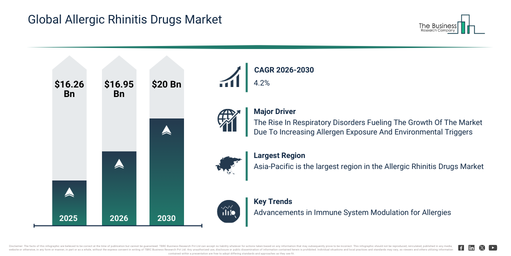
    The market for allergic rhinitis drugs has experienced consistent expansion in recent years. Projections indicate it will rise from $16.26 billion in 2025 to $16.95 billion in 2026, reflecting a compound annual growth rate (CAGR) of 4.2%. This historical growth is driven by several factors, including a higher incidence of both seasonal and perennial allergic rhinitis, restricted knowledge about and access to allergy therapies, continued dependence on traditional antihistamines and corticosteroids, escalating environmental allergens and pollution, and an expanding urban population that faces greater allergen exposure.

    The market for allergic rhinitis medications is anticipated to experience consistent expansion over the coming years. By 2030, its value is projected to reach $20 billion, reflecting a compound annual growth rate (CAGR) of 4.2%. This growth during the forecast period is driven by progress in biologics and immunotherapy, a greater reliance on digital health tools for managing allergies, heightened research and development efforts in pediatric and precision medicine, the widening reach of e-commerce and online pharmacy channels, and increasing government initiatives aimed at raising allergy awareness and promoting early diagnosis. Key trends shaping the forecast period encompass the emergence of customized allergy treatments, the expansion of biologic-based drugs for allergic rhinitis, the increased prevalence of online pharmacies and e-pharmacy platforms, a greater emphasis on managing pediatric allergic rhinitis, and the uptake of non-steroidal anti-inflammatory therapies.

    Download A Free Sample Report For Comprehensive Market Insights:

    https://www.thebusinessresearchcompany.com/sample.aspx?id=18218&type=smp&utm_source=BlogsPR&utm_medium=Paid&utm_campaign=Jul_PR

    Allergic Rhinitis Drugs Market Growth Momentum: Which Factors Are Influencing Demand?

    The anticipated expansion of the allergic rhinitis drug market is expected to be fueled by the rising incidence of respiratory conditions in the coming years. Chronic ailments such as asthma, which impact the lungs and airways, are becoming more widespread due to factors like deteriorating air quality, elevated concentrations of airborne allergens, and shifts in climate-related environmental conditions. The increase in respiratory diseases, particularly asthma and COPD on a global scale, is being driven by worsening air pollution that harms lung tissue and precipitates chronic respiratory problems. Drugs designed for allergic rhinitis aid in managing these conditions by alleviating nasal inflammation and congestion, thereby improving airflow and facilitating easier breathing while also preventing lower respiratory tract complications. To illustrate, the Centers for Disease Control and Prevention (CDC), a U.S.-based federal agency, reported in January 2025 that approximately 81.7% of American adults exhibited current asthma, based on findings from the 2023 Behavioral Risk Factor Surveillance System Asthma Call-Back Survey (ACBS). Consequently, the growing prevalence of respiratory disorders is propelling the expansion of the allergic rhinitis drug market.

    Allergic Rhinitis Drugs Market Segment Landscape: Which Areas Lead Market Development?

    The allergic rhinitis drugs market covered in this report is segmented –

    1) By Disease: Seasonal Allergic Rhinitis, Perennial Allergic Rhinitis, Occupational Allergic Rhinitis

    2) By Treatment: Antihistamines, Immunotherapy, Corticosteroids, Decongestants, Other Treatments

    3) By Route Of Administration: Oral, Nasal, Intraocular

    4) By Distribution Channel: Retail Pharmacies, Hospital Pharmacies, Online Channel

    Subsegments:

    1) By Seasonal Allergic Rhinitis: Hay Fever, Pollen Allergy, Spring And Summer Allergies

    2) By Perennial Allergic Rhinitis: Dust Mite Allergy, Pet Dander Allergy, Mold Allergy

    3) By Occupational Allergic Rhinitis: Chemical Exposure Allergies, Occupational Dust And Fume Allergies, Allergies Related To Specific Work Environments

    Allergic Rhinitis Drugs Market Trends Reshaping Industry Growth

    Leading players in the allergic rhinitis drugs sector are prioritizing the creation of advanced solutions, including innovative probiotics designed to boost immune function and effectively mitigate allergy symptoms. These new probiotics are being investigated for their capacity to regulate the immune system and lessen the impact of allergic rhinitis. By fostering a healthy gut microbiome, they provide a possible natural substitute for conventional therapies. As an example, in March 2024, Entod Pharma, a pharmaceutical firm based in India, introduced Lactoshield RH to address nasal allergies, including allergic rhinitis. This formulation incorporates scientifically tested probiotic strains aimed at balancing intestinal microbiota and influencing immune reactions, which could help reduce symptoms related to nasal allergies.

    Allergic Rhinitis Drugs Market Industry Leaders And Market Competition

    Major companies operating in the allergic rhinitis drugs market are Pfizer Inc., Johnson & Johnson, Merck & Co., Bayer AG, Sanofi SA, AstraZeneca plc, Novartis AG, GlaxoSmithKline PLC, Boehringer Ingelheim International GmbH, Viatris Inc., Teva Pharmaceutical Industries Ltd., Regeneron Pharmaceuticals Inc., Bausch Health Companies Inc., Sun Pharmaceuticals Industries Ltd., Perrigo Company plc, Dr. Reddy’s Laboratories, Apotex Inc., Meda AB, Amneal Pharmaceuticals Inc., Glenmark Pharmaceuticals Ltd, ALK-Abelló A/S, Stallergenes Greer plc, Himalaya Wellness Company, Aytu BioPharma Inc., Allergy Therapeutics PLC

    Access The Complete Allergic Rhinitis Drugs Market Report:

    https://www.thebusinessresearchcompany.com/report/allergic-rhinitis-drugs-global-market-report?utm_source=BlogsPR&utm_medium=Paid&utm_campaign=Jul_PR

    Allergic Rhinitis Drugs Market Regional Analysis And Leading Geography

    Asia-Pacific was the largest region in the allergic rhinitis drugs market in 2025. The regions covered in the allergic rhinitis drugs market report are Asia-Pacific, South East Asia, Western Europe, Eastern Europe, North America, South America, Middle East, Africa.

    Get in touch with us:

    The Business Research Company: https://www.thebusinessresearchcompany.com/?utm_source=BlogsPR&utm_medium=Paid&utm_campaign=home_page_test

    Americas: +1 310-496-7795

    Asia: +44 7882 955267 & +91 8897263534

    Europe: +44 7882 955267

    Email us at: marketing@tbrc.info

    Follow us on:

    LinkedIn: https://in.linkedin.com/company/the-business-research-company

    YouTube: https://www.youtube.com/channel/UC24_fI0rV8cR5DxlCpgmyFQ

    Global Market Model: https://www.thebusinessresearchcompany.com/global-market-model
  • Alkylating Agents Market Forecast Highlights Expansion From $5.63 Billion To $6.9 Billion Through 2030

    Alkylating Agents Market Forecast Highlights Expansion From $5.63 Billion To $6.9 Billion Through 2030

    Through market attractiveness analysis, total addressable market evaluation, company benchmarking matrices, interactive Excel dashboards, expanded supply chain intelligence, emerging startup coverage, and detailed product insights, The Business Research Company’s 2026 market reports provide more actionable and strategically valuable research.

    Alkylating Agents Market Revenue Growth Supported By A CAGR Of 6.9% Through 2030

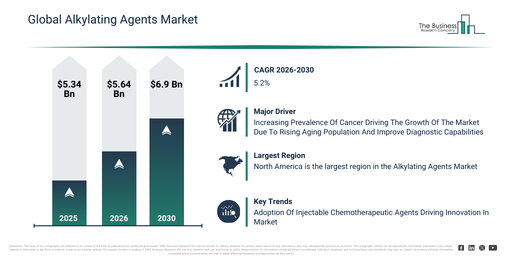
    The alkylating agents market has experienced robust expansion over the past few years. This sector is projected to increase from $5.34 billion in 2025 to $5.64 billion in 2026, reflecting a compound annual growth rate of 5.5%. Key drivers behind this historical growth include rising cancer rates, standard hospital practices in oncology, widespread use of chemotherapy treatments, the accessibility of alkylating medications, and ongoing research efforts in the field of oncology.

    The alkylating agents market is anticipated to experience substantial expansion over the coming years, with projections indicating it will reach a value of $6.9 billion by 2030, reflecting a compound annual growth rate (CAGR) of 5.2%. This forecasted growth is driven by several key factors, including the expanding oncology drug pipeline, the rising availability of biosimilars, the increasing uptake of combination therapy approaches, an aging global population, and the implementation of more widespread cancer screening initiatives. Prominent trends shaping the market during this period encompass the persistent reliance on alkylating agents within chemotherapy protocols, heightened demand in treating hematological malignancies, the growing prominence of combination cancer treatments, the broader availability of generic oncology medications, and a stronger emphasis on developing better strategies for managing treatment-related toxicity.

    Download A Free Sample Report For Comprehensive Market Insights:

    https://www.thebusinessresearchcompany.com/sample.aspx?id=24457&type=smp&utm_source=BlogsPR&utm_medium=Paid&utm_campaign=Jul_PR

    Alkylating Agents Market Expansion Drivers: What Is Shaping Future Growth?

    The rising occurrence of cancer is anticipated to drive the expansion of the alkylating agents market. Cancer is defined as the abnormal and unregulated multiplication of cells within the body, capable of invading or harming healthy tissue; it can originate in nearly any organ or tissue and may extend to other bodily regions via the bloodstream or lymphatic system. This growing incidence of cancer is largely attributed to an aging demographic, as the likelihood of developing cancer rises substantially with age—older individuals typically have endured longer exposure to risk factors, and their cells accrue genetic damage over time. Alkylating agents function as cancer treatments by attaching alkyl groups to the DNA of malignant cells, thereby disrupting their capacity for replication, leading to cell death and a reduction in tumor growth. To illustrate, in October 2025, data from the National Health Service (NHS), a UK-based governmental health organization, indicated 354,820 newly diagnosed cancer cases in 2023, averaging 972 per day—a total 8,605 higher than the previous year. Consequently, this increased prevalence of cancer is fueling the growth of the alkylating agent market.

    Alkylating Agents Market Segments: Where Are The Largest Growth Opportunities?

    The alkylating agents market covered in this report is segmented –

    1) By Type: Nitrogen Mustards, Nitrosoureas, Aziridines, Ethylenimines, Triazines, Alkyl Sulfonates

    2) By Route Of Administration: Oral, Intravenous, Other Route Of Administrations

    3) By Application: Oncology, Hematology, Other Applications

    4) By End-Users: Hospitals, Specialty Clinics, Homecare, Other End-Users

    Subsegments:

    1) By Nitrogen Mustards: Mechlorethamine, Cyclophosphamide, Ifosfamide, Melphalan, Chlorambucil

    2) By Nitrosoureas: Carmustine, Lomustine, Streptozocin, Semustine

    3) By Aziridines: Thiotepa, Mitomycin C

    4) By Ethylenimines: Hexamethylmelamine (HMM), Altretamine

    5) By Triazines: Dacarbazine, Temozolomide

    6) By Alkyl Sulfonates: Busulfan, Sulfur Mustard

    Alkylating Agents Market Strategic Trends: What Is Defining The Next Phase Of Growth?

    Major players within the alkylating agents sector are prioritizing the creation of novel products, particularly injectable chemotherapeutic agents designed to improve portability and simplicity of administration across diverse healthcare environments. These injectable chemotherapeutic agents are delivered intravenously or through injection, introducing cancer-fighting drugs directly into either the bloodstream or tissues to enable swift absorption and precise tumor targeting. A case in point occurred in January 2024, when Avenacy Inc., a pharmaceutical manufacturer based in the United States, introduced Melphalan Hydrochloride—a well-established alkylating agent employed in chemotherapy for cancer treatment. This product includes a 50 mg vial of lyophilized melphalan along with a 10 mL vial of sterile diluent, formulated for storage at room temperature to facilitate easier transport and accessibility in clinical settings. Melphalan Hydrochloride features exclusive packaging and labeling that ensure accurate medication selection, serving as a therapeutic equivalent generic to Alkeran for Injection, specifically indicated for the palliative management of multiple myeloma patients when oral therapy is unsuitable.

    Alkylating Agents Market Major Participants And Competitive Dynamics

    Major companies operating in the alkylating agents market are Pfizer Inc., Merck KGaA, AstraZeneca PLC, Novartis AG, Fresenius Kabi AG, Teva Pharmaceuticals USA Inc., Baxter Healthcare Corporation, Apotex Inc., Jiangsu Hengrui Pharmaceuticals Co. Ltd., Dr. Reddy’s Laboratories Ltd., Hikma Pharmaceuticals PLC, Cipla Limited, Aspen Pharmacare Holdings Limited, Zydus Lifesciences Limited, Emcure Pharmaceuticals Ltd., KRKA d. d. Novo mesto, Sagent Pharmaceuticals Inc., Debiopharm International SA, Accord Healthcare Ltd., NextSource Biotechnology LLC

    Access The Complete Alkylating Agents Market Report:

    https://www.thebusinessresearchcompany.com/report/alkylating-agents-global-market-report?utm_source=BlogsPR&utm_medium=Paid&utm_campaign=Jul_PR

    Alkylating Agents Market Geographic Analysis: Where Is Demand Growing The Fastest?

    North America was the largest region in the alkylating agents market in 2025. Asia-Pacific is expected to be the fastest-growing region in the forecast period. The regions covered in the alkylating agents market report are Asia-Pacific, South East Asia, Western Europe, Eastern Europe, North America, South America, Middle East, Africa.

    Get in touch with us:

    The Business Research Company: https://www.thebusinessresearchcompany.com/?utm_source=BlogsPR&utm_medium=Paid&utm_campaign=home_page_test

    Americas: +1 310-496-7795

    Asia: +44 7882 955267 & +91 8897263534

    Europe: +44 7882 955267

    Email us at: marketing@tbrc.info

    Follow us on:

    LinkedIn: https://in.linkedin.com/company/the-business-research-company

    YouTube: https://www.youtube.com/channel/UC24_fI0rV8cR5DxlCpgmyFQ

    Global Market Model: https://www.thebusinessresearchcompany.com/global-market-model
  • Alkaloid Based Drugs Market Expected To Reach $4.79 Billion By 2030 As Growth Accelerates At 8.8% CAGR

    Alkaloid Based Drugs Market Expected To Reach $4.79 Billion By 2030 As Growth Accelerates At 8.8% CAGR

    Delivering more actionable and strategically valuable research, The Business Research Company’s 2026 market reports feature market attractiveness analysis, total addressable market evaluation, company benchmarking matrices, interactive Excel dashboards, expanded supply chain intelligence, emerging startup coverage, and detailed product insights.

    Alkaloid Based Drugs Market Value Expansion And Long-Term Growth Outlook

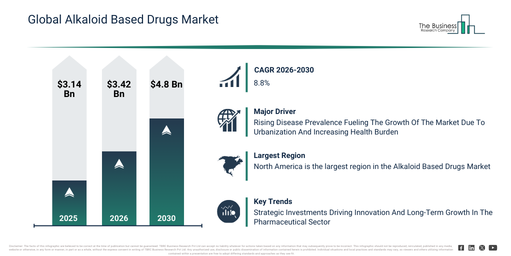
    The market for alkaloid-based drugs has experienced robust expansion over recent years. Its value is projected to rise from $3.14 billion in 2025 to $3.42 billion in 2026, achieving a compound annual growth rate (CAGR) of 9.0%. Several factors contributed to growth during the historical period, including the traditional utilization of alkaloid compounds, clinical confirmation of the efficacy of medicines derived from alkaloids, an increasing array of cancer therapy options, heightened demand for analgesics, and the accessibility of natural raw materials.

    The alkaloid-based drugs market is anticipated to experience robust expansion in the coming years, reaching a value of $4.8 billion by 2030, reflecting a compound annual growth rate (CAGR) of 8.8%. This projected growth in the forecast period is driven by factors such as the advancement of phytopharmaceutical research, a heightened preference for drugs sourced from nature, progress in extraction and purification technologies, a growing worldwide incidence of cancer, and the widening of regulatory frameworks for herbal medicines. Key developments anticipated during this period encompass a surging demand for therapeutics derived from plants, their heightened application in oncology and pain management, an upswing in natural product drug development efforts, a growing inclination toward bioactive compounds, and intensified investigations into alkaloid extraction methods.

    Download A Free Sample Report For Comprehensive Market Insights:

    https://www.thebusinessresearchcompany.com/sample.aspx?id=23302&type=smp&utm_source=BlogsPR&utm_medium=Paid&utm_campaign=Jul_PR

    Alkaloid Based Drugs Market Development Factors: Which Trends Are Supporting Demand?

    The rising incidence of infectious diseases is anticipated to drive the expansion of the alkaloid-based drugs market. These diseases stem from pathogenic microorganisms such as bacteria, viruses, parasites, or fungi, and can be transmitted either directly or indirectly between individuals. Their growing prevalence is largely fueled by expanded global travel, which facilitates the swift spread of pathogens across various regions and continents, resulting in more frequent and severe outbreaks. Alkaloid-based drugs play a crucial role in addressing these infections due to their powerful bioactive compounds, which are effective at inhibiting or destroying pathogens, thereby aiding in infection control and elimination. For example, a December 2024 report from the World Health Organization (WHO), a specialized agency based in Switzerland, highlighted that an estimated 263 million malaria cases and 597,000 related deaths occurred globally in 2023—an increase of roughly 11 million cases compared to 2022, though the mortality rate remained relatively unchanged. Consequently, the mounting burden of infectious diseases is set to boost the alkaloid-based drugs market.

    Alkaloid Based Drugs Market Segment Analysis: What Are The Major Market Categories?

    The alkaloid based drugs market covered in this report is segmented –

    1) By Type: True Alkaloids, Protoalkaloids, Pseudoalkaloids

    2) By Route Of Administration: Oral, Intravenous, Other Routes Of Administration

    3) By Application: Analgesic, Antimalarial, Antibacterial, Anticancer, Cholinomimetic, Antiasthma, Antiarrhythmic, Vasodilatory, Antihyperglycemic

    4) By End User: Clinic, Hospital, Other End Users

    Subsegments:

    1) By True Alkaloids: Indole Alkaloids, Isoquinoline Alkaloids, Pyrrolizidine Alkaloids, Tropane Alkaloids, Quinolizidine Alkaloids

    2) By Protoalkaloids: Phenethylamine Alkaloids, Purine Alkaloids, Imidazole Alkaloids

    3) By Pseudoalkaloids, Terpenoid Alkaloids, Steroidal Alkaloids, Peptide Alkaloids

    Alkaloid Based Drugs Market Transformation Trends: Which Innovations Are Driving Change?

    Leading players in the alkaloid-based drugs market are making deliberate capital investments to pursue long-term objectives, including equity injections designed to foster strategic collaboration and broaden regional influence. This type of investment involves a company providing funds to another entity in return for ownership shares or stakes, typically aimed at building alliances, entering new markets, or acquiring innovative technologies. Consider October 2024, when Alkaloid AD Skopje, a US-based producer of alkaloid-derived therapies, allocated $1 million to Rophibio, a South Korean research and development firm, to facilitate the market introduction of biosimilar medications. Through this $1 million investment, ALKALOID AD secures an ownership interest and first-refusal rights for product licensing within the region. As a result, ALKALOID AD fortifies its standing in the biopharmaceutical industry, gaining entry to novel drug development capabilities via Rophibio, which is making strides in biosimilar advancement. This collaboration supports ALKALOID AD’s strategic aims, propelling growth and improving its competitive edge in developing markets.

    Alkaloid Based Drugs Market Leading Companies Driving Competitive Growth

    Major companies operating in the alkaloid based drugs market are Pfizer Inc., Johnson & Johnson, Bayer AG, Novartis AG, Sanofi SA, Bristol-Myers Squibb Company, GlaxoSmithKline Plc, Eli Lilly and Company, Merck Group, Boehringer Ingelheim, Mylan NV, Astellas Pharma Inc., Sun Pharmaceutical Industries Ltd., Cipla Limited, Zydus Cadila, Lupin Limited, Alchem International Pvt. Ltd., Verve Health Care LTD., AdvaCare Pharma, Vital Laboratories Pvt Ltd

    Access The Complete Alkaloid Based Drugs Market Report:

    https://www.thebusinessresearchcompany.com/report/alkaloid-based-drugs-global-market-report?utm_source=BlogsPR&utm_medium=Paid&utm_campaign=Jul_PR

    Alkaloid Based Drugs Market Global Footprint: Which Region Holds Market Leadership?

    North America was the largest region in the alkaloid-based drugs market in 2025. Asia-Pacific is expected to be the fastest-growing region in the forecast period. The regions covered in the alkaloid based drugs market report are Asia-Pacific, South East Asia, Western Europe, Eastern Europe, North America, South America, Middle East, Africa.

    Get in touch with us:

    The Business Research Company: https://www.thebusinessresearchcompany.com/?utm_source=BlogsPR&utm_medium=Paid&utm_campaign=home_page_test

    Americas: +1 310-496-7795

    Asia: +44 7882 955267 & +91 8897263534

    Europe: +44 7882 955267

    Email us at: marketing@tbrc.info

    Follow us on:

    LinkedIn: https://in.linkedin.com/company/the-business-research-company

    YouTube: https://www.youtube.com/channel/UC24_fI0rV8cR5DxlCpgmyFQ

    Global Market Model: https://www.thebusinessresearchcompany.com/global-market-model
  • Alexipharmic Drugs Market Set To Grow From $3.36 Billion In 2026 To $4.02 Billion By 2030 At A CAGR Of 4.5%

    Alexipharmic Drugs Market Set To Grow From $3.36 Billion In 2026 To $4.02 Billion By 2030 At A CAGR Of 4.5%

    Enhanced with market attractiveness analysis, total addressable market evaluation, company benchmarking matrices, interactive Excel dashboards, expanded supply chain intelligence, emerging startup coverage, and detailed product insights, The Business Research Company’s 2026 market reports deliver more actionable and strategically valuable research.

    Alexipharmic Drugs Market Expected To Reach $4.02 Billion By 2030 At 4.5% CAGR

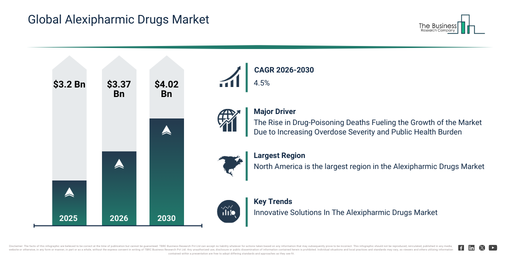
    Over recent years, the market for alexipharmic drugs has experienced robust expansion. From $3.2 billion in 2025, it is projected to reach $3.37 billion by 2026, reflecting a compound annual growth rate (CAGR) of 5.2%. This historical growth has been driven by factors such as a scarcity of antidotes, a high incidence of chemical and drug poisonings, dependence on hospital-based care, insufficient rapid diagnostic tools, and regulatory approvals supporting conventional antidotes.

    The market for alexipharmic drugs is projected to experience consistent expansion over the coming years. By 2030, its value is anticipated to reach $4.02 billion, reflecting a compound annual growth rate (CAGR) of 4.5%. This forecasted growth is driven by several factors, including progress in antidote development technologies, a growing preference for homecare solutions, heightened public awareness regarding poisoning prevention, the incorporation of artificial intelligence and digital tools to enable swift diagnosis, and expanded research into enzyme- and receptor-based antidotes. Key developments shaping the forecast period encompass a higher frequency of poisoning incidents, the emergence of innovative enzyme-derived antidotes, broader implementation of antidote administration in homecare settings, enhanced education and training in toxicology management, and an uptick in antidote services provided by hospitals and specialty clinics.

    Download A Free Sample Report For Comprehensive Market Insights:

    https://www.thebusinessresearchcompany.com/sample.aspx?id=15507&type=smp&utm_source=BlogsPR&utm_medium=Paid&utm_campaign=Jul_PR

    Alexipharmic Drugs Market Industry Drivers: What Is Driving Revenue Growth?

    The anticipated increase in fatalities caused by drug poisoning is set to fuel the expansion of the alexipharmic drugs market in the near future. Drug poisoning, stemming from the ingestion of harmful or excessive amounts of substances like opioids, stimulants, or synthetic psychoactive agents, continues to be a significant contributor to preventable deaths. This upward trend is influenced by heightened exposure to strong synthetic drugs, the use of multiple substances concurrently, and insufficient availability of prompt addiction care or harm-reduction programs. Alexipharmic medications, such as opioid blockers like naloxone, are essential for countering severe toxicity and lowering the risk of fatalities during overdose incidents. By way of illustration, in October 2025, the Office for National Statistics (ONS), which functions as an executive office under the UK Statistics Authority, reported that 5,448 drug-poisoning deaths were recorded in England and Wales during 2023, reflecting an 11.0% rise compared to 2022. Consequently, the growing incidence of drug-poisoning deaths is propelling the advancement of the alexipharmic drugs market. The growing number of clinical trials is anticipated to drive the alexipharmic drugs market forward in the coming period. A clinical trial refers to a research endeavor performed with human participants to assess the safety, efficacy, and probable adverse effects of medical interventions, pharmaceuticals, vaccines, or diagnostic procedures. The uptick in clinical trials is largely fueled by the escalating prevalence of chronic illnesses, which heightens the demand for novel treatments, enhanced therapies, and scientifically validated medical approaches. These trials bolster alexipharmic drugs by producing reliable data regarding their safety, effectiveness, and appropriate dosage levels, thus confirming their medical utility and speeding up their regulatory endorsement and clinical application. For example, in December 2024, the Association of the British Pharmaceutical Industry (ABPI), an entity based in the UK, noted that the volume of industry-led pharmaceutical trials initiated in the UK grew for the second year in a row, climbing from 411 in 2022 to 426 in 2023. Hence, the increasing prevalence of clinical trials is accelerating the expansion of the alexipharmic drugs market.

    Alexipharmic Drugs Market Segment Breakdown: Which Categories Generate The Most Revenue?

    The alexipharmic drugs market covered in this report is segmented –

    1) By Type: Chemical Antidote, Physical Antidote, Pharmacological Antidote

    2) By Route Of Administration: Oral, Topical, Injectable, Other Routes Of Administration

    3) By Application: Opioid Overdose, Alcohol Overdose, Cyanide Poisoning, Lead Poisoning, Benzodiazepine Overdose, Other Applications

    4) By End Use: Hospital, Homecare, Specialty Clinics, Other End Uses

    Subsegments:

    1) By Chemical Antidote: Chelating Agents, Reactive Chemicals

    2) By Physical Antidote: Dilution Agents, Filtration And Absorption Agents

    3) By Pharmacological Antidote: Enzyme-Based Antidotes, Receptor-Based Antidotes

    Alexipharmic Drugs Market Growth Trends: What Is Influencing The Future Outlook?

    Leading players in the alexipharmic drugs sector are intensifying their efforts to create cutting-edge solutions, like the first over-the-counter (OTC) opioid overdose reversal medication, in order to achieve a market advantage. This OTC medication is defined as one that can be obtained without a prescription and serves to neutralize the impacts of opioid overdose, offering emergency life-saving intervention. As an example, in August 2023, Emergent BioSolutions, a biopharmaceutical firm based in the USA, made it public that NARCAN Naloxone HCl Nasal Spray 4 mg would become accessible without a prescription. It retains the same reliable and potent 4 mg strength, device configuration, and original prescription-level efficacy, featuring a straightforward two-step nasal delivery method to counter opioid effects, including those from fentanyl. Such a development markedly broadens naloxone availability, lessens stigma, and fosters public readiness, thus enabling a greater number of people to act effectively during opioid crises, ultimately aiding in saving lives and tackling the opioid epidemic within the alexipharmic drugs marketplace.

    Alexipharmic Drugs Market Key Players And Strategic Industry Positioning

    Major companies operating in the alexipharmic drugs market are Pfizer Inc., Johnson & Johnson, Roche Holding AG, Merck & Co. Inc., Sanofi S.A., Bristol Myers Squibb Company (Bristol-Myers Squibb Company), AstraZeneca, Novartis AG, GlaxoSmithKline plc, Gilead Sciences Inc., Teva Pharmaceutical Industries Ltd., Fresenius SE & Co. KGaA (Fresenius Kabi), Bausch Health Companies Inc., UCB S.A., Sun Pharmaceutical Industries Ltd., B. Braun SE, Aurobindo Pharma, Cipla Inc., Hikma Pharmaceuticals, Amneal Pharmaceuticals, Vifor Pharma Group, Lupin Limited, Emergent BioSolutions, Ethypharm S.A., Accord Healthcare, BTG plc, Apotex Inc.

    Access The Complete Alexipharmic Drugs Market Report:

    https://www.thebusinessresearchcompany.com/report/alexipharmic-drugs-global-market-report?utm_source=BlogsPR&utm_medium=Paid&utm_campaign=Jul_PR

    Alexipharmic Drugs Market Regional Distribution: Which Areas Drive Market Expansion?

    North America was the largest region in the alexipharmic drugs market in 2025. Asia-Pacific is expected to be the fastest-growing region in the forecast period. The regions covered in the alexipharmic drugs market report are Asia-Pacific, South East Asia, Western Europe, Eastern Europe, North America, South America, Middle East, Africa.

    Get in touch with us:

    The Business Research Company: https://www.thebusinessresearchcompany.com/?utm_source=BlogsPR&utm_medium=Paid&utm_campaign=home_page_test

    Americas: +1 310-496-7795

    Asia: +44 7882 955267 & +91 8897263534

    Europe: +44 7882 955267

    Email us at: marketing@tbrc.info

    Follow us on:

    LinkedIn: https://in.linkedin.com/company/the-business-research-company

    YouTube: https://www.youtube.com/channel/UC24_fI0rV8cR5DxlCpgmyFQ

    Global Market Model: https://www.thebusinessresearchcompany.com/global-market-model
  • Alcohol-Free Disinfectant Foam Market Opportunities Are Emerging Beyond Traditional Growth Areas

    Alcohol-Free Disinfectant Foam Market Opportunities Are Emerging Beyond Traditional Growth Areas

    Through market attractiveness analysis, total addressable market evaluation, company benchmarking matrices, interactive Excel dashboards, expanded supply chain intelligence, emerging startup coverage, and detailed product insights, The Business Research Company’s 2026 market reports provide more actionable and strategically valuable research.

    Alcohol-Free Disinfectant Foam Market Size And Revenue Forecast Through 2030

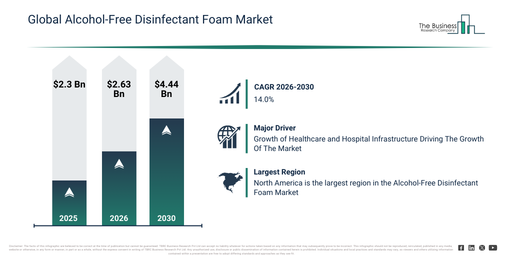
    The market for alcohol-free disinfectant foam has experienced rapid expansion in recent years. Projections indicate it will increase from $2.3 billion in 2025 to $2.63 billion in 2026, achieving a compound annual growth rate (CAGR) of 14.3%. This historical growth has been driven by heightened hygiene awareness during health emergencies, the accessibility of non-alcohol antimicrobial agents, the broadening of healthcare sanitation protocols, a growing consumer inclination toward mild disinfectants, and the expansion of personal care hygiene markets.

    The market for alcohol-free disinfectant foam is projected to experience substantial expansion over the coming years. By 2030, its value is anticipated to reach $4.44 billion, reflecting a compound annual growth rate (CAGR) of 14.0%. This upward trajectory during the forecast period is driven by a heightened need for disinfectants that cause minimal irritation, along with their growing application in healthcare settings and food processing areas. Furthermore, the development of more sustainable formulations is being advanced, while there is an intensified focus on products designed for frequent use that promote hygiene. Stricter regulatory attention to chemical safety is also contributing to this growth. Key evolving trends in the market include a rising preference for hygiene solutions that contain no alcohol, an increasing uptake of disinfectant formulas gentle on the skin, and their expanding use in sensitive environments and those serving pediatric populations. Additionally, foam-based application methods are becoming more widespread, accompanied by a stronger emphasis on formulations that offer moisturizing and protective benefits.

    Download A Free Sample Report For Comprehensive Market Insights:

    https://www.thebusinessresearchcompany.com/sample.aspx?id=28116&type=smp&utm_source=BlogsPR&utm_medium=Paid&utm_campaign=Jul_PR

    #Alcohol-Free Disinfectant Foam Market Growth Factors: Which Forces Are Supporting Market Expansion?

    The expansion of healthcare and hospital infrastructure is anticipated to drive growth in the alcohol-free disinfectant foam market. This infrastructure encompasses physical facilities, buildings, equipment, and resources essential for medical service delivery, such as hospitals, clinics, diagnostic centers, and broader healthcare systems. Its growth is being fueled by increasing healthcare demand from aging populations, broader insurance coverage, and government investments aimed at modernizing and expanding medical facilities to address public health needs. Higher healthcare spending promotes the uptake of alcohol-free disinfectant foams by enabling medical institutions to adopt safer, innovative hygiene products that lower infection risks and enhance patient safety. For example, according to the Centers for Medicare & Medicaid Services in December 2024, U.S. healthcare spending rose by 7.5% in 2023 to $4.9 trillion, approximately $14,570 per person. Consequently, the development of healthcare and hospital infrastructure is propelling the alcohol-free disinfectant foam market forward.

    Alcohol-Free Disinfectant Foam Market Segmentation: How Is The Market Structured Across Key Categories?

    The alcohol-free disinfectant foam market covered in this report is segmented –

    1) By Product Type: Hand Disinfectant Foam, Surface Disinfectant Foam, Multi-Purpose Disinfectant Foam, Other Product Types

    2) By Distribution Channel: Online Stores, Supermarkets Or Hypermarkets, Specialty Stores, Pharmacies, Other Distribution Channels

    3) By Application: Healthcare, Food And Beverage, Household, Commercial, Industrial, Other Applications

    4) By End-User: Hospitals And Clinics, Schools, Offices, Residential, Other End-Users

    Subsegments:

    1) By Hand Disinfectant Foam: Alcohol Free Hand Foam, Moisturizing Or Skincare Hand Foam, Pediatric Or Sensitive Skin Hand Foam

    2) By Surface Disinfectant Foam: Household Surface Foam, Healthcare Surface Foam, Industrial Or Commercial Surface Foam, Food Contact Safe Surface Foam

    3) By Multi-Purpose Disinfectant Foam: Household Cleaning Foam, Institutional, Portable Multi Use Foam, Biodegradable Foam

    4) By Other Product Types: Veterinary Disinfectant Foam, Transport Disinfectant Foam, Fabric Disinfectant Foam, Customized Formulations

    Alcohol-Free Disinfectant Foam Market Competitive Landscape And Leading Companies

    Major companies operating in the alcohol-free disinfectant foam market are Kimberly-Clark Corporation, Ecolab Inc., S. C. Johnson & Son Inc., The Clorox Company, Paul Hartmann AG, Zep Inc., Saraya Co Ltd., GOJO Industries Inc., Betco Corporation, Lion Corporation, Kutol Products Company Inc., BODE Chemie GmbH, Bioguard Hygiene LLP, Diversey Holdings Ltd., Whiteley Corporation Pty Ltd., CleanWell LLC, Prevest DenPro Limited , Valtec Industries Inc. , RBT Global LLC, Tork

    Access The Complete Alcohol-Free Disinfectant Foam Market Report:

    https://www.thebusinessresearchcompany.com/report/alcohol-free-disinfectant-foam-global-market-report?utm_source=BlogsPR&utm_medium=Paid&utm_campaign=Jul_PR

    Alcohol-Free Disinfectant Foam Market Leading Geography: Which Region Generates The Most Revenue?

    North America was the largest region in the alcohol-free disinfectant foam market in 2025. Asia-Pacific is expected to be the fastest-growing region in the forecast period. The regions covered in the alcohol-free disinfectant foam market report are Asia-Pacific, South East Asia, Western Europe, Eastern Europe, North America, South America, Middle East, Africa.

    Get in touch with us:

    The Business Research Company: https://www.thebusinessresearchcompany.com/?utm_source=BlogsPR&utm_medium=Paid&utm_campaign=home_page_test

    Americas: +1 310-496-7795

    Asia: +44 7882 955267 & +91 8897263534

    Europe: +44 7882 955267

    Email us at: marketing@tbrc.info

    Follow us on:

    LinkedIn: https://in.linkedin.com/company/the-business-research-company

    YouTube: https://www.youtube.com/channel/UC24_fI0rV8cR5DxlCpgmyFQ

    Global Market Model: https://www.thebusinessresearchcompany.com/global-market-model
  • Alcohol Excipients Market Expansion Is Opening New Pathways For Strategic Investment

    Alcohol Excipients Market Expansion Is Opening New Pathways For Strategic Investment

    Delivering more actionable and strategically valuable research, The Business Research Company’s 2026 market reports feature market attractiveness analysis, total addressable market evaluation, company benchmarking matrices, interactive Excel dashboards, expanded supply chain intelligence, emerging startup coverage, and detailed product insights.

    Alcohol Excipients Market Growth From $3.4 Billion In 2026 To $4.66 Billion By 2030 At A CAGR Of 8.2%

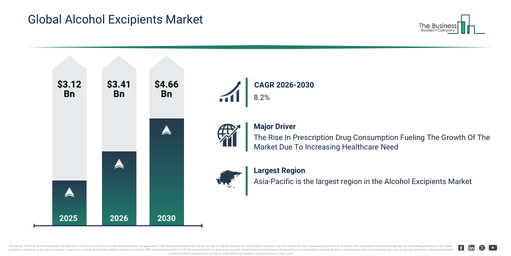
    The alcohol excipients market has experienced robust expansion in recent years. Projections indicate an increase from $3.12 billion in 2025 to $3.41 billion in 2026, reflecting a compound annual growth rate (CAGR) of 9.1%. This historical growth has been driven by factors such as heightened pharmaceutical manufacturing, a surge in demand for oral and injectable medications, progress in formulation techniques, regulatory clearances for excipients, and intensified research and development efforts in drug delivery systems.

    The alcohol excipients market is projected to experience robust expansion over the coming years, reaching a valuation of $4.66 billion by 2030, driven by a compound annual growth rate (CAGR) of 8.2%. This anticipated growth during the forecast period is fueled by factors such as an aging population, the rise of personalized medicine, the expansion of biologics and vaccines, the adoption of novel excipient-based formulations, and a surge in pharmaceutical exports. Key trends shaping this period include improved drug solubility and absorption, enhanced formulation stability, controlled and regulated drug release, a growing demand for inactive pharmaceutical ingredients, and an intensified focus on patient-centric drug delivery systems.

    Download A Free Sample Report For Comprehensive Market Insights:

    https://www.thebusinessresearchcompany.com/sample.aspx?id=15975&type=smp&utm_source=BlogsPR&utm_medium=Paid&utm_campaign=Jul_PR

    Alcohol Excipients Market Demand Drivers: What Is Fueling Industry Growth?

    The growing consumption of pharmaceutical drugs is anticipated to boost the expansion of the alcohol excipients market in the coming period. With an increasing number of individuals relying on prescription medications due to demographic shifts, enhanced healthcare accessibility, and the growing medicalization of everyday life, there is a heightened demand for excipients that improve drug delivery. Alcohol excipients play a key role in enhancing solubility, stability, and formulation acceptability, making medications more effective and user-friendly. As an illustration, in June 2025, according to the NHS Business Services Authority (NHSBSA), a UK-based executive non-departmental public body, the number of prescription items dispensed in the community increased from 1.21 billion in 2023 to 1.26 billion in 2024, representing a 4% rise. Consequently, the escalating consumption of medical drugs is fueling the growth trajectory of the alcohol excipients market.

    The increasing incidence of chronic illnesses is expected to drive the growth of the alcohol excipients market in the future. Chronic diseases are defined as enduring medical conditions like diabetes, hypertension, and cardiovascular disorders that necessitate persistent treatment, ongoing medication use, and regular medical supervision. The growth in the prevalence of these diseases is influenced by aging populations, lifestyle-related health hazards, and rising cases of metabolic disorders. Alcohol excipients aid in managing chronic conditions by improving the solubility, stability, and absorption of long-term medications, thereby ensuring more reliable therapeutic outcomes for patients dealing with continuous health issues. For example, in June 2024, as reported by the National Health Service, a UK-based government department, 3,615,330 individuals registered with a general practitioner (GP) were diagnosed with non-diabetic hyperglycemia or pre-diabetes (a condition marked by elevated blood sugar levels not yet reaching diabetes thresholds) in 2023, reflecting an 18% increase from 3,065,825 cases in 2022. Thus, the rising prevalence of chronic diseases is accelerating the growth of the alcohol excipients market.

    Alcohol Excipients Market Segmentation Trends And Revenue Drivers

    The alcohol excipients market covered in this report is segmented –

    1) By Type: Sorbitol, Mannitol, Propylene Glycol, Glycerin, Other Types

    2) By Application: Pharmaceutical, Personal Care, Cosmetics, Other Applications

    3) By Distribution Channel: Direct Tender, Retail Sales, Other Distribution Channels

    Subsegments:

    1) By Sorbitol: Liquid Sorbitol, Powdered Sorbitol

    2) By Mannitol: Crystalline Mannitol, Powdered Mannitol

    3) By Propylene Glycol: Pharmaceutical Grade Propylene Glycol, Food Grade Propylene Glycol

    4) By Glycerin: Vegetable Glycerin, Synthetic Glycerin

    5) By Other Types: Ethanol, Isopropyl Alcohol, Polyethylene Glycol, Other Alcohol-based Excipients

    Alcohol Excipients Market Industry Leaders: Which Organizations Are Driving Competition?

    Major companies operating in the alcohol excipients market are Cargill Inc., Archer Daniels Midland Company, The Dow Chemical Company, Honeywell International Inc., Mitsubishi Chemical Holdings Corporation, Merck KGaA, Kerry Group plc, Lonza Group Ltd., The Lubrizol Corporation, Clariant AG, IMCD NV, Azelis Group NV, Roquette Frères SA, Croda International Plc, BASF SE, ABITEC Corporation, Duchefa Farma B.V., Signet Chemical Corporation Pvt. Ltd., Pharm Rx Chemical Corporation, HRV Global Life Sciences Private Limited

    Access The Complete Alcohol Excipients Market Report:

    https://www.thebusinessresearchcompany.com/report/alcohol-excipients-global-market-report?utm_source=BlogsPR&utm_medium=Paid&utm_campaign=Jul_PR

    Alcohol Excipients Market Regional Outlook: Where Are The Largest Opportunities Located?

    Asia-Pacific was the largest region in the alcohol excipients market in 2025. The regions covered in the alcohol excipients market report are Asia-Pacific, South East Asia, Western Europe, Eastern Europe, North America, South America, Middle East, Africa.

    Get in touch with us:

    The Business Research Company: https://www.thebusinessresearchcompany.com/?utm_source=BlogsPR&utm_medium=Paid&utm_campaign=home_page_test

    Americas: +1 310-496-7795

    Asia: +44 7882 955267 & +91 8897263534

    Europe: +44 7882 955267

    Email us at: marketing@tbrc.info

    Follow us on:

    LinkedIn: https://in.linkedin.com/company/the-business-research-company

    YouTube: https://www.youtube.com/channel/UC24_fI0rV8cR5DxlCpgmyFQ

    Global Market Model: https://www.thebusinessresearchcompany.com/global-market-model
  • Albuterol Sulfate Metered Dose Inhalers Market Trends Are Creating New Opportunities For Industry Leaders

    Albuterol Sulfate Metered Dose Inhalers Market Trends Are Creating New Opportunities For Industry Leaders

    Enhanced with market attractiveness analysis, total addressable market evaluation, company benchmarking matrices, interactive Excel dashboards, expanded supply chain intelligence, emerging startup coverage, and detailed product insights, The Business Research Company’s 2026 market reports deliver more actionable and strategically valuable research.

    Albuterol Sulfate Metered Dose Inhalers Market Expansion Outlook: What Revenue Opportunities Lie Ahead?

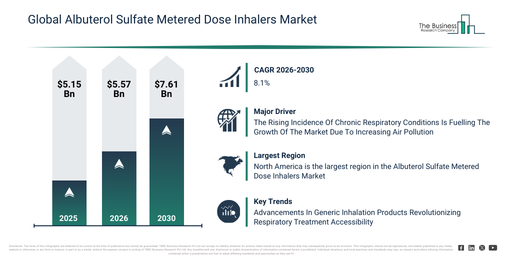
    The market for albuterol sulfate metered dose inhalers has experienced robust expansion over the past few years. Projections indicate an increase from $5.15 billion in 2025 to $5.57 billion in 2026, reflecting a compound annual growth rate (CAGR) of 8.1%. This historical growth has been driven by the phase-out of CFC inhalers, a rise in asthma prevalence, the adoption of respiratory care in hospital settings, a growing demand for portable inhalers, and adherence to regulatory standards.

    The albuterol sulfate metered dose inhalers market is projected to experience robust expansion over the coming years, with its value forecasted to reach $7.61 billion by 2030, reflecting a compound annual growth rate (CAGR) of 8.1%. This anticipated growth during the forecast period is driven by factors such as the development of eco-friendly inhalers, an increase in chronic respiratory conditions, the growing adoption of inhalers for homecare settings, a focus on patient-centric device designs, and the approval of generic inhalers. Key trends shaping this period include a movement toward hydrofluoroalkane-based inhalers, higher utilization of portable respiratory devices, widening use of breath-activated inhalers, expansion of the generic metered dose inhaler market, and an intensified emphasis on improving patient adherence.

    Download A Free Sample Report For Comprehensive Market Insights:

    https://www.thebusinessresearchcompany.com/sample.aspx?id=24139&type=smp&utm_source=BlogsPR&utm_medium=Paid&utm_campaign=Jul_PR

    Albuterol Sulfate Metered Dose Inhalers Market Growth Drivers: What Factors Are Accelerating Expansion?

    An anticipated increase in respiratory diseases is set to boost the albuterol sulfate metered-dose inhalers market in the coming period. These diseases, affecting the lungs and airways, cause breathing difficulties and decreased oxygen absorption, encompassing asthma, chronic obstructive pulmonary disease (COPD), pneumonia, bronchitis, and lung infections. Their growing occurrence is linked to worsening air pollution, which heightens contact with harmful irritants that aggravate airways and impair lung performance. By relaxing airway muscles, enhancing airflow, and easing respiration, albuterol sulfate metered-dose inhalers relieve symptoms like wheezing, coughing, and shortness of breath, delivering rapid relief. In June 2025, the Switzerland-based World Health Organization reported that 81.7 million people worldwide suffer from chronic respiratory diseases, with 6.8 million new diagnoses annually. Consequently, the rising incidence of respiratory conditions is propelling expansion in the albuterol sulfate metered-dose inhalers market.

    Albuterol Sulfate Metered Dose Inhalers Market Segment Analysis Highlighting Growth Areas

    The albuterol sulfate metered dose inhalers market covered in this report is segmented –

    1) By Product Type: Pressurized Metered Dose Inhalers (pMDIs), Breath-Activated Metered Dose Inhalers

    2) By Formulation: Single-Unit Dose Inhalers, Multiple-Unit Dose Inhalers

    3) By Distribution Channel: Hospital Pharmacies, Retail Pharmacies, Online Pharmacies, Other Distribution Channels

    4) By Application: Asthma, Chronic Obstructive Pulmonary Disease (COPD), Other Applications

    Subsegments:

    1) By Pressurized Metered Dose Inhalers (pMDIs): Chlorofluorocarbon-Based Pressurized Metered Dose Inhalers, Hydrofluoroalkane-Based Pressurized Metered Dose Inhalers

    2) By Breath-Activated Metered Dose Inhalers: Passive Breath-Activated Inhalers, Active Breath-Activated Inhalers

    Albuterol Sulfate Metered Dose Inhalers Market Trends: What Is Shaping Future Industry Growth?

    Leading firms within the albuterol sulfate metered-dose inhaler sector are concentrating on creating innovative offerings, including generic inhalation products, in order to enhance availability for patients suffering from persistent respiratory ailments. These generic inhalation products are unbranded versions of inhaled medications, designed to provide identical active ingredients, strengths, and clinical outcomes as their branded equivalents, generally at a reduced price. As an example, in May 2024, Amphastar Pharmaceuticals Inc., a pharmaceutical enterprise based in the United States, secured approval from the Food and Drug Administration (FDA) for its abbreviated new drug application (ANDA) covering Albuterol Sulfate inhalation aerosol. This product is intended for managing or averting bronchospasm in individuals aged four years or older. By relaxing bronchial muscles to widen airways and enhance airflow, the albuterol sulfate inhalation aerosol offers swift symptom alleviation, addressing issues like wheezing and breathlessness linked to conditions such as asthma.

    Albuterol Sulfate Metered Dose Inhalers Market Leading Companies: Who Holds Significant Market Presence?

    Major companies operating in the albuterol sulfate metered dose inhalers market are Teva Pharmaceutical Industries Ltd., Sandoz Group AG, Cipla Limited, Lupin Limited, Zydus Pharmaceuticals Inc., Viatris Inc., Mylan N.V., Amneal Pharmaceuticals Inc., Perrigo Company plc, Prasco Laboratories, Sun Pharmaceutical Industries Ltd., Aurobindo Pharma Limited, Dr. Reddy’s Laboratories Ltd., Glenmark Pharmaceuticals Limited, Hikma Pharmaceuticals PLC, Apotex Inc., Accord Healthcare Limited, Intas Pharmaceuticals Ltd., Chiesi Farmaceutici S.p.A., Nephron Pharmaceuticals Corporation

    Access The Complete Albuterol Sulfate Metered Dose Inhalers Market Report:

    https://www.thebusinessresearchcompany.com/report/albuterol-sulfate-metered-dose-inhalers-global-market-report?utm_source=BlogsPR&utm_medium=Paid&utm_campaign=Jul_PR

    Albuterol Sulfate Metered Dose Inhalers Market Geographic Landscape: Which Region Dominates Industry Growth?

    North America was the largest region in the albuterol sulfate metered dose inhalers market in 2025. Asia-Pacific is expected to be the fastest-growing region in the forecast period. The regions covered in the albuterol sulfate metered dose inhalers market report are Asia-Pacific, South East Asia, Western Europe, Eastern Europe, North America, South America, Middle East, Africa.

    Get in touch with us:

    The Business Research Company: https://www.thebusinessresearchcompany.com/?utm_source=BlogsPR&utm_medium=Paid&utm_campaign=home_page_test

    Americas: +1 310-496-7795

    Asia: +44 7882 955267 & +91 8897263534

    Europe: +44 7882 955267

    Email us at: marketing@tbrc.info

    Follow us on:

    LinkedIn: https://in.linkedin.com/company/the-business-research-company

    YouTube: https://www.youtube.com/channel/UC24_fI0rV8cR5DxlCpgmyFQ

    Global Market Model: https://www.thebusinessresearchcompany.com/global-market-model
  • Albuterol Market Growth Is Reshaping Competitive Advantage Across The Industry

    Albuterol Market Growth Is Reshaping Competitive Advantage Across The Industry

    Through market attractiveness analysis, total addressable market evaluation, company benchmarking matrices, interactive Excel dashboards, expanded supply chain intelligence, emerging startup coverage, and detailed product insights, The Business Research Company’s 2026 market reports provide more actionable and strategically valuable research.

    Albuterol Market Growth Potential: How Will Market Size Change Through 2030?

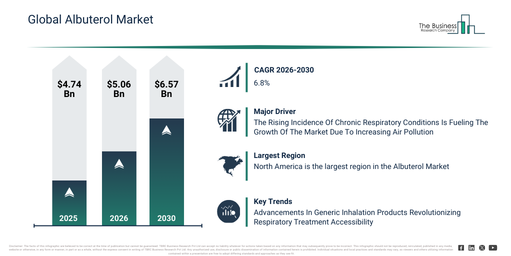
    The albuterol market has experienced robust expansion over recent years, with its valuation climbing from $4.74 billion in 2025 to $5.06 billion in 2026, reflecting a compound annual growth rate (CAGR) of 6.7%. This upward trajectory during the historical period was driven by several factors, including a rise in asthma prevalence, increased reliance on emergency bronchodilators, wider acceptance of inhalation therapy, heightened demand for respiratory care in hospital settings, and the approval of generic drug alternatives.

    The albuterol market is anticipated to experience significant expansion over the coming years, with projections indicating a rise to $6.57 billion by 2030, reflecting a compound annual growth rate (CAGR) of 6.8%. This forecasted growth is driven by factors such as an increase in respiratory conditions linked to air pollution, the broadening of homecare treatment options, the management of pediatric asthma, improved availability of emergency inhalers, and the rising prevalence of chronic respiratory diseases. Key developments expected during this period involve a growing preference for fast-acting bronchodilators, the extension of respiratory care delivered at home, the proliferation of generic inhaled therapies, higher rates of COPD and asthma diagnoses, and a stronger emphasis on respiratory management in children.

    Download A Free Sample Report For Comprehensive Market Insights:

    https://www.thebusinessresearchcompany.com/sample.aspx?id=24138&type=smp&utm_source=BlogsPR&utm_medium=Paid&utm_campaign=Jul_PR

    Albuterol Market Growth Factors Supporting Long-Term Expansion

    The anticipated expansion of the albuterol market is significantly fueled by the growing prevalence of chronic respiratory diseases. These are long-term ailments impacting the lungs and airways, leading to persistent breathing difficulties, including asthma, chronic obstructive pulmonary disease (COPD), and bronchitis. Their increasing frequency is largely attributed to rising air pollution, which heightens exposure to harmful irritants that compromise airway function. By relaxing bronchial muscles, albuterol effectively eases respiratory symptoms, enhances airflow, and facilitates more comfortable breathing, providing rapid relief from wheezing, coughing, and breathlessness. For example, the World Health Organization, based in Switzerland, reported in June 2025 that 81.7 million individuals currently suffer from chronic respiratory conditions, with 6.8 million new diagnoses occurring annually. Consequently, the escalating rate of these illnesses is propelling the growth trajectory of the albuterol market.

    Albuterol Market Segment Performance And Strategic Opportunities

    The albuterol market covered in this report is segmented –

    1) By Product Type: Inhalers, Nebulizers, Tablets, Syrups

    2) By Route Of Administration: Inhalation, Oral, Intravenous

    3) By Distribution Channel: Hospital Pharmacies, Retail Pharmacies, Online Pharmacies, Other Distribution Channels

    4) By Application: Asthma, Chronic Obstructive Pulmonary Disease (COPD), Bronchospasm, Other Applications

    5) By End-User: Hospitals, Clinics, Home Care Settings, Pharmacies

    Subsegments:

    1) By Inhalers: Metered Dose Inhalers (MDIs), Dry Powder Inhalers (DPIs), Soft Mist Inhalers (SMIs)

    2) By Nebulizers: Jet Nebulizers, Ultrasonic Nebulizers, Mesh Nebulizers

    3) By Tablets: Immediate-Release Tablets, Extended-Release Tablets

    4) By Syrups: Pediatric Formulation, Adult Formulation

    Albuterol Market Industry Trends Shaping Future Revenue Growth

    Major players in the albuterol sector are prioritizing the creation of innovative solutions, particularly generic inhaled products, to enhance access for individuals dealing with chronic respiratory diseases. These generic inhalation items are unbranded versions of aerosolized medicines that offer identical active components, doses, and therapeutic benefits as their name-brand equivalents, typically at a reduced price. For example, in May 2024, Amphastar Pharmaceuticals Inc., a pharmaceutical firm based in the United States, secured an abbreviated new drug application (ANDA) clearance from the Food and Drug Administration (FDA) for Albuterol Sulfate inhalation aerosol. This product is designed to treat or prevent bronchospasm in patients aged four and older, functioning by relaxing airway muscles to widen them, thereby improving airflow and delivering fast relief from symptoms like wheezing and breath shortness in conditions such as asthma.

    Albuterol Market Key Players: Which Companies Shape Industry Competition?

    Major companies operating in the albuterol market are Viatris Inc., Teva Pharmaceutical Industries Ltd., Mylan N.V., Sandoz Group AG, Cipla Limited, Hikma Pharmaceuticals PLC, Amneal Pharmaceuticals Inc., Lupin Limited, Zydus Lifesciences Limited, Nephron Pharmaceuticals Corporation, Amphastar Pharmaceuticals Inc., Sun Pharmaceutical Industries Ltd., Perrigo Company plc, Glenmark Pharmaceuticals Limited, Aurobindo Pharma Limited, Dr. Reddy’s Laboratories Ltd., Accord Healthcare Limited, Apotex Inc., Intas Pharmaceuticals Ltd., Chiesi Farmaceutici S.p.A.

    Access The Complete Albuterol Market Report:

    https://www.thebusinessresearchcompany.com/report/albuterol-global-market-report?utm_source=BlogsPR&utm_medium=Paid&utm_campaign=Jul_PR

    Albuterol Market Largest Region: Which Geography Holds The Highest Market Share?

    North America was the largest region in the albuterol market in 2025. Asia-Pacific is expected to be the fastest-growing region in the forecast period. The regions covered in the albuterol market report are Asia-Pacific, South East Asia, Western Europe, Eastern Europe, North America, South America, Middle East, Africa.

    Get in touch with us:

    The Business Research Company: https://www.thebusinessresearchcompany.com/?utm_source=BlogsPR&utm_medium=Paid&utm_campaign=home_page_test

    Americas: +1 310-496-7795

    Asia: +44 7882 955267 & +91 8897263534

    Europe: +44 7882 955267

    Email us at: marketing@tbrc.info

    Follow us on:

    LinkedIn: https://in.linkedin.com/company/the-business-research-company

    YouTube: https://www.youtube.com/channel/UC24_fI0rV8cR5DxlCpgmyFQ

    Global Market Model: https://www.thebusinessresearchcompany.com/global-market-model