Month: September 2026

  • Blood Collection, Processing, Management Devices Market Analysis Through 2030: Market Size, Growth Trends And Industry Outlook

    Blood Collection, Processing, Management Devices Market Analysis Through 2030: Market Size, Growth Trends And Industry Outlook

    Backed by market attractiveness analysis, total addressable market sizing, company benchmarking matrices, interactive Excel dashboards, wider supply chain intelligence, emerging startup coverage, and detailed product-level insights, The Business Research Company’s 2026 market reports are designed to offer research that is more actionable and strategically valuable than ever.

    Blood Collection, Processing, Management Devices Market Size Forecast: How Big Could The Market Get By 2030?

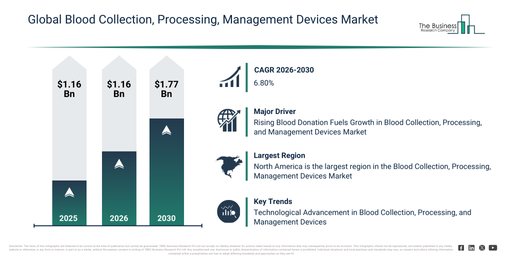
    The market size for blood collection, processing, and management devices has experienced strong growth in recent years. It is forecast to expand from $4.06 billion in 2025 to $4.37 billion in 2026, demonstrating a compound annual growth rate (CAGR) of 7.7%. This historical growth can be attributed to an increase in diagnostic testing volumes, the expansion of blood donation and transfusion programs, a greater standardization of blood collection protocols, the early adoption of centrifuges and separation units, and a growing emphasis on safe sample handling practices.

    The market for blood collection, processing, and management devices is projected to experience robust expansion over the coming years. It is expected to grow to $5.7 billion in 2030 at a compound annual growth rate (CAGR) of 6.8%. This growth during the forecast period is driven by factors such as the rising demand for automated blood processing workflows, increasing implementation of digital blood management software, expansion of therapeutic and research applications, higher investment in traceability and inventory control solutions, and the growing integration of advanced consumables and closed blood handling systems. Key trends in the forecast period include the increasing integration of digital blood management and tracking systems, a rising adoption of automated blood processing and separation devices, the growing use of closed-system blood collection and handling solutions, an expansion of advanced storage, monitoring, and quality control technologies, and a strong focus on enhancing patient safety, regulatory compliance, and sample integrity.

    Get A Free Sample Report With In-Depth Market Insights:

    https://thebusinessresearchcompany.com/sample_request?id=86097062&type=smp&name=Blood%20Collection%2C%20Processing%2C%20Management%20Devices%20Market%20Report%202026&utm_source=Blogs&utm_medium=Paid&utm_campaign=Sep_PR

    Blood Collection, Processing, Management Devices Market Industry Drivers: What’s Behind The Revenue Growth?

    Increased public understanding and the growing need for blood donations are anticipated to boost the expansion of the blood collection, processing, and management devices market. This expanding recognition and requirement for blood donations stem from several interconnected factors, including advancements in medical therapies, accidents, and emergencies, as well as the necessity for blood transfusions for complex procedures and managing chronic illnesses, particularly within older demographics. Blood collection, processing, and management devices are essential in supporting the blood donation sector. These instruments streamline the entire operation, guaranteeing safety, effectiveness, and reliability from securing donors to supplying blood products to patients. As an illustration, in June 2025, data from the Pan American Health Organization (PAHO/WHO) indicated that Latin America and the Caribbean gathered 9,212,861 units of blood in 2023, representing significant growth compared to the prior report of 7,776,198 units. Consequently, the increased knowledge and demand for blood donations will fuel the blood collection, processing, and management device market.

    Blood Collection, Processing, Management Devices Market Segments: Where Is Growth Concentrated?

    The blood collection, processing, management devices market covered in this report is segmented –

    1) By Product: Devices, Consumables, Software, Servicing

    2) By Application: Diagnostics, Therapeutics, Research, Other Applications

    3) By End-user: Hospitals, Diagnostic Laboratories, Academic And Research Laboratories, Blood And Blood Component Banks, Ambulatory Surgical Center, Other End-Users

    Subsegments:

    1) By Devices: Blood Collection Needles, Blood Collection Tubes, Blood Separation Units, Centrifuges, Blood Bag Systems, Blood Processing Systems, Blood Warmers

    2) By Consumables: Blood Collection Bags, Blood Tubes, Filters and Separators, Reagents And Additives For Blood Processing

    3) By Software: Blood Management Software, Laboratory Information Management Systems (LIMS), Patient Tracking and Monitoring Software, Data Analytics Software For Blood Management

    4) By Servicing: Installation and Setup Services, Maintenance and Calibration Services, Training and Support Services, Repair and Replacement Services

    #Blood Collection, Processing, Management Devices Market Growth Trends: What’s Shaping The Future Outlook?

    Companies at the forefront of the blood collection, processing, and management devices market are developing cutting-edge products with advanced technologies, such as RightGauge technology, to boost precision and efficiency in blood collection processes. RightGauge technology represents a creative approach to blood collection, ensuring accurate needle placement and minimizing patient discomfort. For instance, in March 2024, Becton, Dickinson and Company (BD), a US-based medical technology company, introduced the BD Vacutainer UltraTouch Push Button Blood Collection Set in India. This innovative device, leveraging BD RightGauge technology, utilizes a thinner needle to ensure continuous blood flow, thereby reducing patient discomfort. It also incorporates a push-button mechanism for needle retraction post-collection, enhancing safety for healthcare professionals.

    Blood Collection, Processing, Management Devices Market Competitive Overview And Top Companies

    Major companies operating in the blood collection, processing, management devices market are McKesson Corporation, Cardinal Health Inc., Thermo Fisher Scientific Inc., Abbott Laboratories, Fresenius SE & Co. KGaA, Becton Dickinson and Company, Medline Industrie LP, Avantor Inc., Grifols S.A., Terumo Corporation, PerkinElmer Inc., Nipro Corporation, Bio-Rad Laboratories Inc., Haemonetics Corporation, Sarstedt AG & Co. KG, Greiner Bio-One International GmbH, Macopharma, Immucor, Trivitron Healthcare, HemoCue AB

    View The Full Blood Collection, Processing, Management Devices Market Report:

    https://thebusinessresearchcompany.com/report/blood-collection-processing-management-devices-global-market-report?utm_source=Blogs&utm_medium=Paid&utm_campaign=Sep_PR

    Blood Collection, Processing, Management Devices Market Top Region: Where Does Most Revenue Come From?

    North America was the largest region in the blood collection, processing, management devices market in 2025. The regions covered in the blood collection, processing, management devices market report are Asia-Pacific, South East Asia, Western Europe, Eastern Europe, North America, South America, Middle East, Africa.

    Reach Out To Our Team:

    The Business Research Company: https://www.thebusinessresearchcompany.com/

    Americas: +1 310-496-7795

    Asia: +44 7882 955267 & +91 8897263534

    Europe: +44 7882 955267

    Email us at: marketing@tbrc.info

    Follow us on:

    LinkedIn: https://in.linkedin.com/company/the-business-research-company

    YouTube: https://www.youtube.com/channel/UC24_fI0rV8cR5DxlCpgmyFQ

    Global Market Model: https://www.thebusinessresearchcompany.com/global-market-model
  • Blood Collection Tubes Market Outlook From 2026 To 2030: Key Growth Factors And Future Opportunities

    Blood Collection Tubes Market Outlook From 2026 To 2030: Key Growth Factors And Future Opportunities

    Featuring market attractiveness scoring, total addressable market sizing, company benchmarking matrices, interactive Excel dashboards, deeper supply chain intelligence, emerging startup tracking, and granular product-level insights, The Business Research Company’s 2026 market reports are built to deliver research that is both more actionable and more strategically valuable.

    Blood Collection Tubes Market Revenue Outlook: What CAGR Lies Ahead Through 2030?

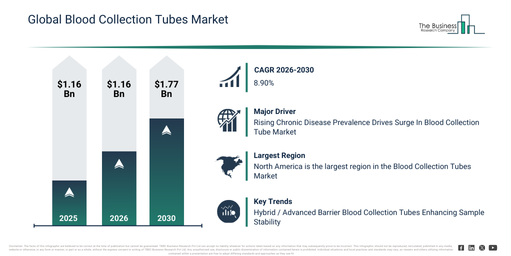
    The blood collection tubes market has seen substantial growth in recent years. It is projected to expand from $6.87 billion in 2025 to $7.45 billion in 2026, demonstrating a compound annual growth rate (CAGR) of 8.4%. This historic growth can be ascribed to factors such as the expansion of diagnostic testing volumes, the growth of hospital laboratory services, an increasing prevalence of chronic diseases, the broader adoption of standardized blood collection protocols, and the availability of mass-produced plastic tubes.

    The market for blood collection tubes is anticipated to experience substantial expansion over the upcoming years. Projections indicate it will reach $10.49 billion by 2030, demonstrating a compound annual growth rate (CAGR) of 8.9%. This growth during the forecast period is driven by several factors, including a greater need for sophisticated diagnostic procedures, the increasing integration of automated lab processes, the expansion of facilities for outpatient and ambulatory testing, a heightened emphasis on managing samples without contamination, and ongoing advancements in tube components and additives. Key developments expected in this period encompass a wider acceptance of plastic blood collection tubes, a surge in demand for tubes that are pre-labeled and color-coded, an increase in the utilization of vacuum-based collection methods, the proliferation of specialized diagnostic tubes, and an intensified commitment to ensuring sample integrity and safety.

    Get A Free Sample Report With In-Depth Market Insights:

    https://thebusinessresearchcompany.com/sample_request?id=91441338&type=smp&name=Blood%20Collection%20Tubes%20Market%20Report%202026&utm_source=Blogs&utm_medium=Paid&utm_campaign=Sep_PR

    Blood Collection Tubes Market Growth Factors: What’s Supporting Expansion?

    The growing occurrence of chronic illnesses is propelling the expansion of the blood collection tube market in the coming period. These are persistent health issues that typically develop gradually. Common examples like diabetes, cancer, and tuberculosis necessitate blood collection and sampling for diagnosis. Unhealthy lifestyles, encompassing tobacco use, exposure to smoke, poor nutrition (such as meals high in salt and saturated fats but low in fruits and vegetables), and physical inactivity, are leading to a continuous rise in the incidence of infectious diseases. The subsequent diagnostic activities for these conditions are projected to enhance the demand for blood collection devices. For example, data from February 2024 by the World Health Organization, a United Nations agency based in Switzerland, forecasts more than 35 million new cancer cases by 2050, representing a 77% surge from the approximate 20 million cases recorded in 2022. Consequently, the growing occurrence of chronic diseases is set to heighten the need for blood collection tubes throughout the projected timeframe.

    Blood Collection Tubes Market Segment Analysis: What Are The Core Market Categories?

    The blood collection tubes market covered in this report is segmented –

    1) By Product Type: Plasma Separating Tube, Serum Separating Tube, Heparin Tubes, EDTA Tubes, Rapid Serum Tubes

    2) By Material: Glass, Plastic

    3) By End User: Hospitals, Clinics, Ambulatory Surgical Centers, Other End-Users

    Subsegments:

    1) By Plasma Separating Tube: Gel Plasma Separating Tubes, Non-Gel Plasma Separating Tubes

    2) By Serum Separating Tube: Gel Serum Separating Tubes, Non-Gel Serum Separating Tubes

    3) By Heparin Tubes: Lithium Heparin Tubes, Sodium Heparin Tubes

    4) By EDTA Tubes: K2 EDTA Tubes, K3 EDTA Tubes

    5) By Rapid Serum Tubes: Standard Rapid Serum Tubes, Clot Activator Rapid Serum Tubes

    Blood Collection Tubes Market Industry Trends: What’s Reshaping Demand?

    Leading entities within the blood collection tube market are concentrating on creating sophisticated solutions, including hybrid or barrier-coating technologies, with the aim of improving sample stability, mitigating pre-analytical variability, and preserving the integrity of biomarkers in ambient or demanding environments. These hybrid or barrier-coating technologies represent specific formulations integrated into blood collection tubes, designed to limit cellular degradation, inhibit protein interference, and sustain analyte concentrations from the point of collection to subsequent analysis. An illustrative example occurred in April 2024, when Streck, Inc., a biotechnology firm based in the US, introduced Protein Plus BCT. This product is a whole blood collection tube, designed for direct draw, which aims to maintain the initial concentrations of plasma proteins during storage at ambient temperatures. The tube features a unique preservative that diminishes ex vivo hemolysis and platelet activation, consequently inhibiting the expulsion of intracellular proteins and facilitating more accurate measurement of protein biomarkers across both clinical and research uses.

    Blood Collection Tubes Market Competitive Landscape: Which Companies Lead The Industry?

    Major companies operating in the blood collection tubes market are Becton Dickinson and Company, Greiner AG, Sarstedt AG & Co. KG, Terumo Corporation, FL Medical Srl, Sekisui Chemical Co. Ltd., Nipro Medical Corporation, Hindustan Syringes & Medical Devices Ltd., Haematonics, Chengdu Rich Science Industry Co. Ltd., CDRICH Corporation, Narang Medical Limited, CML Biotech Pvt. Ltd., InterVacTechnology Inc., Improve Medical Instruments Co. Ltd., Jiangsu Kangbao Medical Equipment Co. Ltd., Shandong Weigao Group Medical Polymer Co. Ltd., Vitromed Healthcare, Medline Industries Inc., Poly Medicure Ltd.

    View The Full Blood Collection Tubes Market Report:

    https://thebusinessresearchcompany.com/report/blood-collection-tubes-global-market-report?utm_source=Blogs&utm_medium=Paid&utm_campaign=Sep_PR

    Blood Collection Tubes Market Regional Breakdown: Where Is Demand Concentrated?

    North America was the largest region in the blood collection tube market in 2025. Asia-Pacific is expected to be the fastest-growing region in the global blood collection tube market report during the forecast period. The regions covered in the blood collection tubes market report are Asia-Pacific, South East Asia, Western Europe, Eastern Europe, North America, South America, Middle East, Africa.

    Reach Out To Our Team:

    The Business Research Company: https://www.thebusinessresearchcompany.com/

    Americas: +1 310-496-7795

    Asia: +44 7882 955267 & +91 8897263534

    Europe: +44 7882 955267

    Email us at: marketing@tbrc.info

    Follow us on:

    LinkedIn: https://in.linkedin.com/company/the-business-research-company

    YouTube: https://www.youtube.com/channel/UC24_fI0rV8cR5DxlCpgmyFQ

    Global Market Model: https://www.thebusinessresearchcompany.com/global-market-model
  • Blood Collection Devices Market Growth Forecast: Market Size, Key Trends And Emerging Opportunities Through 2030

    Blood Collection Devices Market Growth Forecast: Market Size, Key Trends And Emerging Opportunities Through 2030

    Built to provide research that’s more actionable and strategically valuable, The Business Research Company’s 2026 market reports include market attractiveness analysis, total addressable market sizing, company benchmarking matrices, interactive Excel dashboards, broader supply chain intelligence, emerging startup tracking, and in-depth product insights.

    Blood Collection Devices Market Growth Analysis: How Will Revenue Trend Over The Forecast Period?

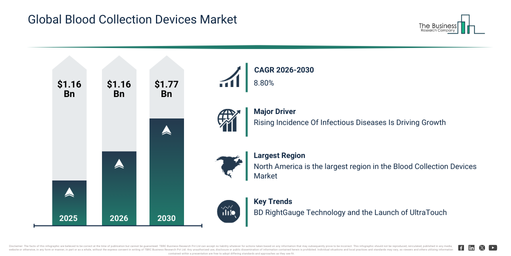
    The blood collection devices market has experienced robust expansion in recent years. It is anticipated to expand from $8.48 billion in 2025 to $9.26 billion in 2026, achieving a compound annual growth rate (CAGR) of 9.1%. The historical growth of this market is attributable to the rising volume of diagnostic testing, an increase in the prevalence of chronic diseases, the development of hospital and diagnostic infrastructure, heightened blood donation initiatives, and the standardization of phlebotomy practices.

    The blood collection devices market is projected to undergo significant expansion in the upcoming years. This sector is forecast to reach $12.95 billion in 2030, demonstrating a compound annual growth rate (CAGR) of 8.8%. The anticipated growth during this period stems from various factors, such as the rising demand for minimally invasive sampling techniques, the increasing adoption of automated collection devices, the broadening scope of home-based diagnostics, a heightened focus on patient safety standards, and improvements in blood collection material technologies. Prominent trends expected in this forecast period include the expanding use of safety-engineered blood collection devices, an increasing need for automated blood collection systems, the growing application of micro-volume blood sampling tools, the widespread availability of single-use disposable collection products, and an enhanced emphasis on infection control and patient comfort.

    Get A Free Sample Report With In-Depth Market Insights:

    https://thebusinessresearchcompany.com/sample_request?id=89366325&type=smp&name=Blood%20Collection%20Devices%20Market%20Report%202026&utm_source=Blogs&utm_medium=Paid&utm_campaign=Sep_PR

    Blood Collection Devices Market Demand Drivers: What’s Powering Industry Growth?

    The escalating incidence of infectious diseases is propelling the growth of the blood collection devices market. Infectious diseases are illnesses caused by bacteria, viruses, fungi, or parasites. Diagnosing infectious disorders such as hepatitis B (HBV), hepatitis C (HCV), the human immunodeficiency virus (HIV), malaria, syphilis, and brucellosis involves blood collection and sampling. The continuous rise in infectious disease cases and related diagnostic efforts is expected to boost the utilization of blood collection devices. For example, in February 2024, the UK Health Security Agency, a UK-based government organization, reported that tuberculosis (a contagious bacterial infection primarily affecting the lungs) cases in England increased to 4,850 in 2023, which signifies a 10.7% rise from 4,380 cases in 2022. Therefore, the increasing prevalence of infectious diseases is anticipated to heighten demand for blood collection devices throughout the forecast period.

    Blood Collection Devices Market Segment Breakdown: Which Categories Lead On Revenue?

    The blood collection devices market covered in this report is segmented –

    1) By Type: Blood Collection Tubes, Lancet, Micro Container Tubes

    2) By Method: Manual Blood Collection, Automatic Blood Collection

    3) By Material: Glass, Stainless Steel, Plastic

    4) By End User: Hospitals, Blood Donation Centers, Diagnostic Center

    Subsegments:

    1) By Blood Collection Tubes: Vacuum Blood Collection Tubes, Serum Separator Tubes, EDTA Tubes

    2) By Lancet: Safety Lancets, Manual Lancets, Automatic Lancets

    3) By Micro Container Tubes: Capillary Tubes, Microtainer Tubes, Hematocrit Tubes

    Blood Collection Devices Market Innovation Trends: What Developments Are Reshaping The Industry?

    Leading companies in the blood collection devices market are implementing technological advancements such as BD RightGauge Technology, BD PentaPoint Technology, and BD Push Button Technology to boost patient comfort, safety, and operational efficiency during blood collection. BD RightGauge, a technology developed by Becton, Dickinson, and Company (BD), centers on designing finer needles for this purpose. An illustration of this is the launch of UltraTouch by Becton Dickinson India Private Limited, an India-based manufacturing firm specializing in veterinary instruments and apparatus, in April 2024. UltraTouch incorporates BD RightGauge technology, which facilitates the use of a thinner needle. This particular design is aimed at substantially lowering insertion pain, thereby rendering the blood collection process less traumatic for patients.

    Blood Collection Devices Market Competitive Landscape: Who Leads The Industry?

    Major companies operating in the blood collection devices market are Becton Dickinson and Company, Greiner Holding AG, Kabe Labortechnik GmbH, Sarstedt AG & Company, ICU Medical Inc., Terumo BCT Inc., Fresenius Kabi AG, Grifols S.A., Haematonics, Nipro Medical Corporation, Macopharma SA, Smiths Medical International Ltd., Cardinal Health Inc., Retractable Technologies Inc., Sekisui Medical Co. Ltd., Qiagen NV, PT. Adi Buana Mandiri, Covidien Ltd., Kawasumi Laboratories Inc., F.L. Medical SRL, Ajosha Bio Teknik Pvt. Ltd., A-M Systems Ltd., Commonwealth Serum Laboratories Behring, Teleflex Medical Inc., Abbott Laboratories, Denova Sciences Pte. Ltd., VedaLab SA

    View The Full Blood Collection Devices Market Report:

    https://thebusinessresearchcompany.com/report/blood-collection-devices-global-market-report?utm_source=Blogs&utm_medium=Paid&utm_campaign=Sep_PR

    Blood Collection Devices Market Geographic Landscape: Which Region Dominates Industry Growth?

    North America was the largest region in the blood collection devices market in 2025. Asia-Pacific is expected to be the fastest-growing region in the forecast period. The regions covered in the blood collection devices market report are Asia-Pacific, South East Asia, Western Europe, Eastern Europe, North America, South America, Middle East, Africa.

    Reach Out To Our Team:

    The Business Research Company: https://www.thebusinessresearchcompany.com/

    Americas: +1 310-496-7795

    Asia: +44 7882 955267 & +91 8897263534

    Europe: +44 7882 955267

    Email us at: marketing@tbrc.info

    Follow us on:

    LinkedIn: https://in.linkedin.com/company/the-business-research-company

    YouTube: https://www.youtube.com/channel/UC24_fI0rV8cR5DxlCpgmyFQ

    Global Market Model: https://www.thebusinessresearchcompany.com/global-market-model
  • Blood And Fluid Warmer Market CAGR Forecast Through 2030: Key Trends Shaping Industry Expansion

    Blood And Fluid Warmer Market CAGR Forecast Through 2030: Key Trends Shaping Industry Expansion

    Backed by market attractiveness analysis, total addressable market sizing, company benchmarking matrices, interactive Excel dashboards, wider supply chain intelligence, emerging startup coverage, and detailed product-level insights, The Business Research Company’s 2026 market reports are designed to offer research that is more actionable and strategically valuable than ever.

    Blood Clot Retrieval Devices Market Forecast: What Value Will The Market Reach By 2030?

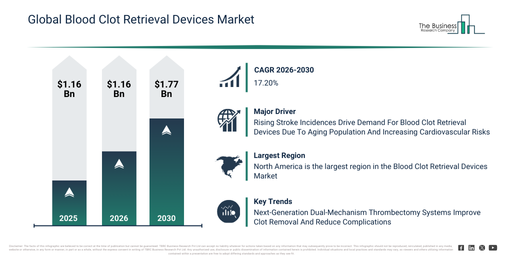
    The blood clot retrieval devices market has experienced rapid expansion in recent years. Its valuation is projected to increase from $2.37 billion in 2025 to $2.78 billion in 2026, demonstrating a compound annual growth rate (CAGR) of 17.5%. Historically, this growth can be attributed to a high incidence of ischemic stroke, limited treatment options, the inherent limitations of conventional thrombectomy, a lack of portable devices, and the low adoption of imaging-guided procedures.

    The blood clot retrieval devices market is set for considerable expansion in the near future. It is forecasted to reach $5.25 billion in 2030, demonstrating a compound annual growth rate (CAGR) of 17.2%. This projected increase is fueled by factors such as the widespread adoption of AI-assisted medical devices, the rise of minimally invasive surgical techniques, the incorporation of real-time imaging capabilities, the emergence of portable thrombectomy systems, and the global establishment of specialized stroke centers. Significant developments anticipated during this period encompass AI-powered thrombectomy systems, the refinement of minimally invasive instruments, advancements in catheter and stent technology, the seamless integration of real-time imaging, and innovative portable solutions for blood clot extraction.

    Get A Free Sample Report With In-Depth Market Insights:

    https://thebusinessresearchcompany.com/sample_request?id=17196553&type=smp&name=Blood%20Clot%20Retrieval%20Devices%20Market%20Report%202026&utm_source=Blogs&utm_medium=Paid&utm_campaign=Sep_PR

    Blood Clot Retrieval Devices Market Growth Drivers: What’s Behind The Acceleration?

    An anticipated increase in stroke cases is set to boost the expansion of the blood clot retrieval devices market moving ahead. A stroke is a medical event where the brain’s blood supply is disrupted or diminished, depriving brain tissue of vital oxygen and nutrients. This increase in strokes is primarily due to an aging demographic, given that elderly individuals are more susceptible to hypertension and vascular diseases, both of which raise the likelihood of stroke. For stroke sufferers, blood clot retrieval devices facilitate swift removal of obstructing clots from cerebral arteries, thereby reinstating blood flow and mitigating the danger of lasting impairment. To illustrate, data from May 2024, provided by the US-based government body, the Centers for Disease Control and Prevention, indicates that approximately 795,000 individuals in the US experience a stroke annually. Consequently, the growing frequency of strokes is stimulating the growth within the blood clot retrieval devices market.

    Blood Clot Retrieval Devices Market Segmentation: How Does The Market Break Down By Category?

    The blood clot retrieval devices market covered in this report is segmented –

    1) By Device Type: Mechanical Embolus Removal Device, Penumbra Blood Clot Retrieval Devices, Stent Retrievers, Aspiration Device, Ultrasound Assisted Devices

    2) By Technology: Mechanical Thrombectomy, Chemical Thrombectomy, Ultrasound-Assisted Thrombectomy, Laser-Assisted Thrombectomy

    3) By Stroke Type: Ischemic Stroke, Pulmonary Embolism, Deep Vein Thrombosis, Transient Ischemic Attack, Other Stroke Types

    4) By Application: Coronary Arteries, Peripheral Arteries, Cerebral Arteries

    5) By End-User: Hospitals, Diagnostic Centers, Specialty Clinics, Ambulatory Surgical Centers, Other End Users

    Subsegments:

    1) By Mechanical Embolus Removal Device: Rotational Thrombectomy Systems, Suction Based Systems, Rheolytic Thrombectomy Systems

    2) By Penumbra Blood Clot Retrieval Devices: Aspiration Systems, Separator Devices, Reperfusion Catheters

    3) By Stent Retrievers: Self Expanding Stent Retrievers, Retrievable Stent Systems, Balloon Expandable Stent Retrievers

    4) By Aspiration Device: Large Bore Aspiration Catheters, Vacuum Assisted Aspiration Systems, Manual Aspiration Syringe Systems

    6) By Ultrasound Assisted Devices: External Ultrasound Assisted Thrombolysis Systems, Catheter Directed Ultrasound Assisted Systems, Portable Ultrasound Assisted Devices

    Blood Clot Retrieval Devices Market Trends: What’s Defining The Industry’s Next Phase?

    Leading companies within the blood clot retrieval devices sector are concentrating on creating advanced solutions, including dual-mechanism thrombectomy systems, to enhance the effectiveness of clot removal and decrease complications during procedures. These systems integrate both mechanical clot extraction and aspiration (suction) methods into a singular device, thereby enabling more efficient removal of both acute and chronic blood clots, reducing the likelihood of clot migration, and lessening the necessity for repeated interventions. As an illustration, Inari Medical Inc., a US-based medical technologies firm, introduced the Artix Thrombectomy System in March 2025. This dual-mechanism arterial thrombectomy device is engineered to treat various arterial clots. The system unifies aspiration and mechanical clot extraction within a single procedure, incorporating an over-the-wire mechanical component, a low-profile, kink-resistant sheath, and a covered nitinol mesh funnel aimed at minimizing clot displacement. This device seeks to offer medical professionals enhanced procedural control and adaptability, facilitating the effective clearance of both acute and chronic clots while ensuring vessel access is maintained throughout the entire intervention.

    Blood Clot Retrieval Devices Market Company Landscape And Competitive Strategy

    Major companies operating in the blood clot retrieval devices market are Johnson & Johnson, Abbott Laboratories, Medtronic plc, Becton Dickinson and Company, Stryker Corporation, Boston Scientific Corporation, Terumo Corporation, Edwards Lifesciences Corporation, Cook Medical LLC, Merit Medical Systems Inc., Penumbra Inc., Surmodics Inc., AngioDynamics Inc., B. Braun Melsungen AG, Acandis GmbH, Phenox GmbH, Rapid Medical Ltd., Argon Medical Devices Inc., Shape Memory Medical Inc., Vesalio Inc.

    View The Full Blood Clot Retrieval Devices Market Report:

    https://thebusinessresearchcompany.com/report/blood-clot-retrieval-devices-global-market-report?utm_source=Blogs&utm_medium=Paid&utm_campaign=Sep_PR

    Blood Clot Retrieval Devices Market Largest Region: Which Geography Holds The Highest Market Share?

    North America was the largest region in the blood clot retrieval devices market in 2025. Asia-Pacific is expected to be the fastest-growing region in the forecast period. The regions covered in the blood clot retrieval devices market report are Asia-Pacific, South East Asia, Western Europe, Eastern Europe, North America, South America, Middle East, Africa.

    Reach Out To Our Team:

    The Business Research Company: https://www.thebusinessresearchcompany.com/

    Americas: +1 310-496-7795

    Asia: +44 7882 955267 & +91 8897263534

    Europe: +44 7882 955267

    Email us at: marketing@tbrc.info

    Follow us on:

    LinkedIn: https://in.linkedin.com/company/the-business-research-company

    YouTube: https://www.youtube.com/channel/UC24_fI0rV8cR5DxlCpgmyFQ

    Global Market Model: https://www.thebusinessresearchcompany.com/global-market-model
  • Blood And Fluid Warmer Market To Witness 7.6% CAGR Growth Through 2030: Key Industry Drivers

    Blood And Fluid Warmer Market To Witness 7.6% CAGR Growth Through 2030: Key Industry Drivers

    Featuring market attractiveness scoring, total addressable market sizing, company benchmarking matrices, interactive Excel dashboards, deeper supply chain intelligence, emerging startup tracking, and granular product-level insights, The Business Research Company’s 2026 market reports are built to deliver research that is both more actionable and more strategically valuable.

    Blood And Fluid Warmer Market Size Outlook: How Quickly Will Revenue Expand Through 2030?

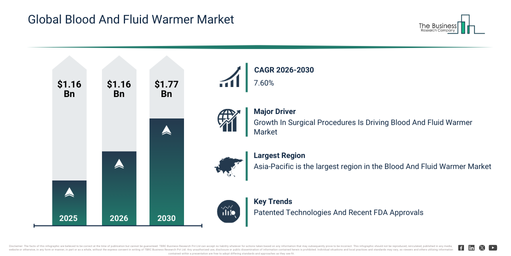
    The blood and fluid warmer market size has experienced strong growth in recent years. It is projected to increase from $1.22 billion in 2025 to $1.32 billion in 2026, with a compound annual growth rate (CAGR) of 8.5%. The growth observed in the historic period stems from factors such as an increase in surgical procedure volumes, growing awareness of intraoperative hypothermia risks, the early adoption of surface and fluid warming systems in hospitals, the expansion of critical care and trauma care infrastructure, and a rising emphasis on patient temperature management protocols.

    The blood and fluid warmer market is anticipated to experience substantial expansion over the coming years. It is projected to reach $1.78 billion by 2030, demonstrating a compound annual growth rate (CAGR) of 7.6%. This projected growth during the forecast period is primarily driven by factors such as the increasing need for portable and automated IV fluid warmers, the expanding application of warming systems in prehospital and transport environments, greater usage in neonatal and perioperative care, an intensified emphasis on patient safety and improved recovery, and the broader integration of warming technology in homecare and specialized medical facilities. Key trends anticipated during this period encompass the increased deployment of blood and fluid warmers in surgical and critical care scenarios, a rising preference for portable and point-of-care warming devices, their expanding role in emergency, trauma, and transport medical services, the wider availability of warming options for managing newborns and preoperative patients, and a sustained focus on preventing hypothermia while enhancing procedural effectiveness.

    Get A Free Sample Report With In-Depth Market Insights:

    https://thebusinessresearchcompany.com/sample_request?id=16631&type=smp&name=Blood%20And%20Fluid%20Warmer%20Market%20Report%202026&utm_source=Blogs&utm_medium=Paid&utm_campaign=Sep_PR

    Blood And Fluid Warmer Market Growth Factors Behind Sustained Expansion

    The expected increase in surgical interventions is projected to drive the future expansion of the blood and fluid warmer market. These interventions involve medical actions performed by trained healthcare professionals to treat diseases, injuries, or deformities through either incisions or minimally invasive techniques. Several factors contribute to the rise in surgical procedures, such as advancements in surgical methods, greater access to healthcare services, an aging demographic necessitating more medical care, and the growth of specialized surgical procedures for complex conditions. In surgical settings, blood and fluid warmers are essential for maintaining patient safety and optimizing outcomes by preventing hypothermia and ensuring fluids are at ideal temperatures, which enhances surgical efficacy and recovery. For instance, in January 2024, Intuitive Surgical (a US-based robotic surgery firm) reported that approximately 2,286,000 surgical procedures were performed with its da Vinci systems in 2023, representing an increase of 22% from 1,875,000 in 2022. Consequently, the growing number of surgical procedures is a key driver for the growth of the blood and fluid warmer market.

    Blood And Fluid Warmer Market Segment Trends And Revenue Contributors

    The blood and fluid warmer market covered in this report is segmented –

    1) By Product: Patient Warming Accessories, Intravenous Warming System, Surface Warming System

    2) By Application: Homecare, Acute Care, Newborn Care, Preoperative Care, Other Applications

    3) By End-User: Clinics, Hospitals, Specialty Centers, Other End Users

    Subsegments:

    1) By Patient Warming Accessories: Warming Blankets, Warming Pads, Warming Jackets, Heat Retention Covers

    2) By Intravenous Warming System: IV Fluid Warmers (Single-use), IV Fluid Warmers (Reusable), Portable IV Fluid Warmers, Automated IV Fluid Warmers

    3) By Surface Warming System: Convective Warming Systems, Conductive Warming Systems, Heating Mattresses, Forced Air Warming Systems

    Blood And Fluid Warmer Market Industry Trends Fueling Future Revenue Growth

    Leading firms within the blood and fluid warmer market are prioritizing the creation of sophisticated solutions, particularly those employing patented warming technology, to boost operational effectiveness and patient safety in healthcare environments and fulfill the essential requirement of keeping fluids at ideal temperatures. Such systems leverage inventive, patent-protected heating techniques to deliver precise and effective warming across diverse applications, encompassing medical devices, as well as uses in food preservation and outdoor equipment. An illustration of this trend is seen in June 2024, when MEQU A/S, a medical technology manufacturer based in Denmark, secured 510(k) approval from the US Food and Drug Administration (FDA) for its M Warmer System, a portable device designed for warming blood and IV-fluids. This M Warmer is capable of rapidly heating infusion fluids from cold to body temperature in under 10 seconds. Additionally, the AC powered M Station serves as an in-hospital power solution supporting the M Warmer System, suitable for deployment in settings like emergency rooms, operating theatres, intensive care units, and X-ray/CT scan facilities.

    Blood And Fluid Warmer Market Key Players Shaping Industry Direction

    Major companies operating in the blood and fluid warmer market are 3M Company, Stryker Corporation, Baxter International Inc., Belmont Instrument Corporation, Barkey GmbH & Co KG, Stihler Electronic GmbH, Biegler GmbH, EMIT Corporation, Estill Medical Technologies, Enthermics Medical Systems, Vyaire Medical Inc, Sino Medical‑Device Technology Co Ltd, Keewell Medical Technology Co Ltd, Geratherm Medical AG, Life Warmer Inc, QinFlow Ltd, The 37 Company, Cincinnati Sub‑Zero Products LLC, Gentherm Incorporated, MEQU A/S

    View The Full Blood And Fluid Warmer Market Report:

    https://thebusinessresearchcompany.com/report/blood-and-fluid-warmer-global-market-report?utm_source=Blogs&utm_medium=Paid&utm_campaign=Sep_PR

    Blood And Fluid Warmer Market Regional Analysis: Which Region Leads By Revenue?

    Asia-Pacific was the largest region in the blood and fluid warmer market in 2025. North America is expected to be the fastest-growing region in the forecast period. The regions covered in the blood and fluid warmer market report are Asia-Pacific, South East Asia, Western Europe, Eastern Europe, North America, South America, Middle East, Africa.

    Reach Out To Our Team:

    The Business Research Company: https://www.thebusinessresearchcompany.com/

    Americas: +1 310-496-7795

    Asia: +44 7882 955267 & +91 8897263534

    Europe: +44 7882 955267

    Email us at: marketing@tbrc.info

    Follow us on:

    LinkedIn: https://in.linkedin.com/company/the-business-research-company

    YouTube: https://www.youtube.com/channel/UC24_fI0rV8cR5DxlCpgmyFQ

    Global Market Model: https://www.thebusinessresearchcompany.com/global-market-model
  • Bipolar Electrosurgical Devices Market Projected For Strong Expansion Through 2030: Key Trends And Future Outlook

    Bipolar Electrosurgical Devices Market Projected For Strong Expansion Through 2030: Key Trends And Future Outlook

    Built to provide research that’s more actionable and strategically valuable, The Business Research Company’s 2026 market reports include market attractiveness analysis, total addressable market sizing, company benchmarking matrices, interactive Excel dashboards, broader supply chain intelligence, emerging startup tracking, and in-depth product insights.

    Bipolar Electrosurgical Devices Market Size, Value And Growth Trajectory Through 2030

    The bipolar electrosurgical devices market has seen rapid expansion in recent years. It is anticipated to increase from $5.74 billion in 2025 to $6.32 billion in 2026, achieving a compound annual growth rate (CAGR) of 10.1%. The historical development in this market can be attributed to factors such as a reliance on monopolar electrosurgical methods, a rising volume of surgical procedures, ongoing advancements in hospital infrastructure, the initial adoption of bipolar forceps in open surgeries, and the demand for reduced bleeding during operations.

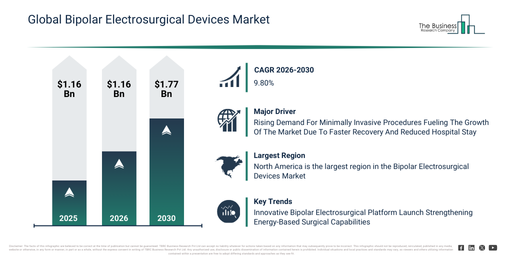
    The market for bipolar electrosurgical devices is projected to experience substantial expansion in the coming years, with its size reaching $9.19 billion in 2030 at a compound annual growth rate (CAGR) of 9.8%. This anticipated growth is driven by factors such as the increasing prevalence of robotic and laparoscopic surgical procedures, a heightened demand for sophisticated vessel sealing instruments, the growing occurrence of chronic and lifestyle-related diseases, greater investment in developing innovative surgical technologies, and a more stringent regulatory emphasis on surgical safety. Key developments expected during this period involve the increasing embrace of minimally invasive surgeries, a greater need for accurate and regulated energy application, the expansion of disposable and single-use bipolar tools, continuous improvements in vessel sealing technologies, and an enhanced emphasis on patient safety coupled with minimizing thermal tissue damage.

    Get A Free Sample Report With In-Depth Market Insights:

    https://thebusinessresearchcompany.com/sample_request?id=66811659&type=smp&name=Bipolar%20Electrosurgical%20Devices%20Market%20Report%202026&utm_source=Blogs&utm_medium=Paid&utm_campaign=Sep_PR

    Bipolar Electrosurgical Devices Market Demand Drivers Opening New Revenue Streams

    An anticipated increase in the demand for minimally invasive surgical procedures is poised to drive the expansion of the bipolar electrosurgical devices market in the future. These surgeries involve medical interventions conducted via small incisions, employing specialized tools and methods to lessen bodily trauma, leading to quicker healing and reduced pain post-operation. The increasing desire for minimally invasive surgeries stems from patients’ preference for treatments that alleviate discomfort, shorten recuperation periods, and decrease hospital durations, all while delivering effective results with less physical harm. Bipolar electrosurgical devices facilitate minimally invasive operations by enabling accurate tissue cutting and sealing with limited thermal diffusion, which lessens harm to adjacent tissues and aids in more rapid patient recovery. As an illustration, in September 2023, the American Society of Plastic Surgeons, a US-based non-profit organization, reported a 7% rise in minimally invasive operations in 2023 compared to 2022, alongside the performance of 4.7 million procedures utilizing botulinum toxin type A treatments (such as Botox, Dysport, and Xeomin), marking a 6% increase from 2022. Consequently, the heightened demand for minimally invasive surgical interventions is propelling the expansion of the bipolar electrosurgical devices market.

    Bipolar Electrosurgical Devices Market Segment Analysis Spotlighting Growth Areas

    The bipolar electrosurgical devices market covered in this report is segmented –

    1) By Product: Bipolar Forceps, Advanced Vessel Sealing Devices, Other Products

    2) By Surgery: General Surgery, Gynecological Surgery, Cardiovascular Surgery, Orthopedic Surgery, Oncological Surgery, Cosmetic Surgery, Neurological Surgery, Urological Surgery, Other Surgeries

    3) By End Users: Hospitals, Ambulatory Surgical Centers, Specialized Clinics, Other End Users

    Subsegments:

    1) By Bipolar Forceps: Reusable Bipolar Forceps, Disposable Bipolar Forceps, Bayonet Bipolar Forceps, Straight Bipolar Forceps

    2) By Advanced Vessel Sealing Devices: Handheld Vessel Sealing Instruments, Laparoscopic Vessel Sealing Devices, Robotic-Compatible Vessel Sealers, Energy-Based Combination Sealers

    3) By Other Products: Bipolar Electrosurgical Generators, Bipolar Cables And Accessories, Bipolar Electrode Pencils, Bipolar Loop Electrodes

    Bipolar Electrosurgical Devices Market Trends Powering Strategic Industry Growth

    Major companies operating in the bipolar electrosurgical devices market are increasingly focused on integrating digital and connected energy-management systems, such as advanced surgical-energy platforms, to elevate efficiency, streamline workflow integration, and refine surgical precision. These sophisticated platforms represent integrated electrosurgical systems that merge modality control, automatic instrument recognition, and real-time energy optimization, thereby facilitating capabilities like dynamic power adjustment, real-time device monitoring, and automated mode selection. As an illustration, in April 2025, Erbe Elektromedizin GmbH, a Germany-based surgical-technology company, unveiled VIO seal, an advanced bipolar-energy platform specifically engineered to aid vessel sealing and bipolar dissection. This platform features digital instrument recognition, mode-specific energy delivery optimized for various tissue types, and workflow automation for more rapid operating room (OR) integration. VIO seal notably enhances energy-delivery precision, procedural efficiency, and the overall consistency of bipolar surgical outcomes.

    Bipolar Electrosurgical Devices Market Competitive Analysis Of Leading Industry Participants

    Major companies operating in the bipolar electrosurgical devices market are Johnson And Johnson, Medtronic plc, Stryker Corporation, Boston Scientific Corporation, Olympus Corporation, Smith And Nephew plc, Karl Storz SE And Co KG, Integra LifeSciences Holdings Corporation, ConMed Corporation, KLS Martin Group, Erbe Elektromedizin GmbH, B Braun Melsungen AG, Advanced Instrumentations Inc, Kirwan Surgical Products LLC, XcelLance Medical Technologies Pvt Ltd, LED SpA, Encision Inc, KENTAMED Ltd, BOWA electronic GmbH And Co KG, Aesculap AG, Ethicon Endo Surgery, Soring GmbH

    View The Full Bipolar Electrosurgical Devices Market Report:

    https://thebusinessresearchcompany.com/report/bipolar-electrosurgical-devices-global-market-report?utm_source=Blogs&utm_medium=Paid&utm_campaign=Sep_PR

    Bipolar Electrosurgical Devices Market Geographic Distribution And Regional Opportunities

    North America was the largest region in the bipolar electrosurgical devices market in 2025. The regions covered in the bipolar electrosurgical devices market report are Asia-Pacific, South East Asia, Western Europe, Eastern Europe, North America, South America, Middle East, Africa.

    Reach Out To Our Team:

    The Business Research Company: https://www.thebusinessresearchcompany.com/

    Americas: +1 310-496-7795

    Asia: +44 7882 955267 & +91 8897263534

    Europe: +44 7882 955267

    Email us at: marketing@tbrc.info

    Follow us on:

    LinkedIn: https://in.linkedin.com/company/the-business-research-company

    YouTube: https://www.youtube.com/channel/UC24_fI0rV8cR5DxlCpgmyFQ

    Global Market Model: https://www.thebusinessresearchcompany.com/global-market-model
  • Biotechnology Instruments Market Outlook 2026–2030: Growth Trends, Market Dynamics And Emerging Opportunities

    Biotechnology Instruments Market Outlook 2026–2030: Growth Trends, Market Dynamics And Emerging Opportunities

    Backed by market attractiveness analysis, total addressable market sizing, company benchmarking matrices, interactive Excel dashboards, wider supply chain intelligence, emerging startup coverage, and detailed product-level insights, The Business Research Company’s 2026 market reports are designed to offer research that is more actionable and strategically valuable than ever.

    Biotechnology Instruments Market CAGR Outlook And Future Development

    The biotechnology instruments market size has experienced significant growth in recent years. It is projected to increase from $80.9 billion in 2025 to $86.43 billion in 2026, demonstrating a compound annual growth rate (CAGR) of 6.8%. The expansion during the past period can be attributed to factors such as restricted automation in biotechnology laboratories, dependence on manual sample processing, expanding pharmaceutical and biotech research, the adoption of conventional diagnostic instruments, and a rising demand for laboratory consumables.

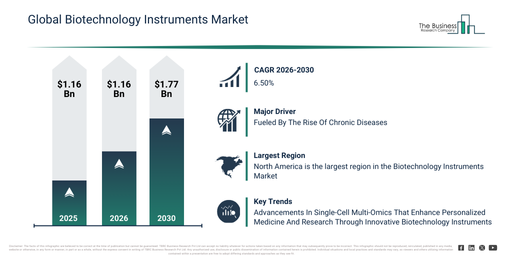
    The biotechnology instruments market is anticipated to experience robust expansion over the coming years. It is projected to reach $111.27 billion in 2030, exhibiting a compound annual growth rate (CAGR) of 6.5%. This growth during the forecast period is fueled by several factors, such as the creation of advanced lab automation tools, the incorporation of AI and robotics into research processes, the broadening scope of genomics and proteomics investigations, increased financial commitment to pharmaceutical R&D, and the implementation of cloud-based data management systems. Key developments expected within this period encompass the increased use of lab automation instruments, a surging need for high-throughput screening and analysis, the continued expansion of proteomics and genomics research, the growing application of IVD instruments in clinical diagnostics, and a heightened emphasis on quality control and adherence to regulations.

    Get A Free Sample Report With In-Depth Market Insights:

    https://thebusinessresearchcompany.com/sample_request?id=57799073&type=smp&name=Biotechnology%20Instruments%20Market%20Report%202026&utm_source=Blogs&utm_medium=Paid&utm_campaign=Sep_PR

    Biotechnology Instruments Market Growth Backed By Core Demand Fundamentals

    The expanding occurrence of chronic diseases is projected to drive the future expansion of the biotechnology instruments market. These persistent health issues, also referred to as chronic conditions or illnesses, endure for prolonged durations, commonly extending beyond three months. Factors contributing to the widespread nature of chronic diseases include detrimental lifestyle decisions, an increasingly older demographic, and improved detection and diagnostic capabilities. Biotechnology instruments contribute to an enhanced quality of life for individuals suffering from chronic diseases by refining diagnostic precision, streamlining therapeutic approaches, and facilitating more effective disease oversight. Moreover, these instruments aid in identifying prospective drug compounds and deciphering their impact on chronic ailments. For instance, the National Health Service, a UK-based government department, reported in June 2024 that 3,615,330 individuals registered with a general practitioner (GP) were diagnosed with non-diabetic hyperglycemia or pre-diabetes (a condition where blood sugar levels are elevated but not high enough for a diabetes diagnosis) in 2023. This figure showed an 18% rise from the 3,065,825 cases recorded in 2022. Consequently, the escalating need stemming from chronic diseases is fueling the expansion of the biotechnology instruments market.

    Biotechnology Instruments Market Segment Performance And Emerging Opportunities

    The biotechnology instruments market covered in this report is segmented –

    1) By Product: Lab Automation Instruments, Life Science Consumables, In Vitro Diagnostic (IVD) Instruments

    2) By Application: Clinical Diagnostics, Drug Discovery And Development, Proteomics And genomics, Cell Analysis, Other Applications

    3) By End-user: Pharmaceutical And Biotechnology Companies, Hospitals And Diagnostic Laboratories, Academic And Research Institutes, Other End Users

    Subsegments:

    1) By Lab Automation Instruments: Robotic Liquid Handlers, Automated Plate Readers, Automated Workstations, Lab Sample Storage Systems

    2) By Life Science Consumables: Reagents And Chemicals, Sample Collection And Transport Devices, Laboratory Plasticware, Culture Media And Kits

    3) By In Vitro Diagnostic (IVD) Instruments: Molecular Diagnostic Instruments, Clinical Chemistry Analyzers, Hematology Analyzers, Immunoassay Analyzers

    Biotechnology Instruments Market Growth Trends Reshaping The Competitive Landscape

    Leading companies within the biotechnology instruments market are prioritizing the creation of novel products, such as single-cell multi-omics offerings, to advance personalized medicine approaches and further genomics, proteomics, and metabolomics research. Single-cell multi-omics products are sophisticated technologies designed to analyze various types of biological data from individual cells, integrating information across multiple omics layers like genomics, transcriptomics, proteomics, and metabolomics. As an illustration, in June 2023, Singleron Biotechnologies, a Germany-based biotechnology company, introduced two innovative instruments, the NEO and the Python Junior, intended to improve the standardization of single-cell analysis workflows. The Neo system is capable of processing up to half a million cells in one run across four independent channels, thereby enabling high throughput and flexibility for handling diverse applications simultaneously. Meanwhile, the Python Junior instrument is dedicated to dissociating solid tissues into high-quality single-cell suspensions, employing a blend of mechanical treatment and enzymatic digestion to enhance the efficiency of the dissociation process.

    Biotechnology Instruments Market Leading Companies And Competitive Benchmarking

    Major companies operating in the biotechnology instruments market are Thermo Fisher Scientific Inc., Abbott Laboratories, Danaher Corporation, Siemens Healthineers AG, Merck KGaA, Quest Diagnostics Inc., Avantor Inc., Agilent Technologies, Illumina Inc., Sartorius AG, Mettler Toledo, Perkin Elmer Inc., Shimadzu Corporation, Bruker Corporation, Zeiss Group, QIAGEN N.V., Novanta Inc., Cynosure LLC, Bio-Rad Laboratories Inc, Ori Biotech Limited, Hudson Robotics

    View The Full Biotechnology Instruments Market Report:

    https://thebusinessresearchcompany.com/report/biotechnology-instruments-global-market-report?utm_source=Blogs&utm_medium=Paid&utm_campaign=Sep_PR

    Biotechnology Instruments Market Largest Region By Revenue And Market Share

    North America was the largest region in the biotechnology instruments market in 2025. Asia-Pacific is expected to be the fastest-growing region in the forecast period. The regions covered in the biotechnology instruments market report are Asia-Pacific, South East Asia, Western Europe, Eastern Europe, North America, South America, Middle East, Africa.

    Reach Out To Our Team:

    The Business Research Company: https://www.thebusinessresearchcompany.com/

    Americas: +1 310-496-7795

    Asia: +44 7882 955267 & +91 8897263534

    Europe: +44 7882 955267

    Email us at: marketing@tbrc.info

    Follow us on:

    LinkedIn: https://in.linkedin.com/company/the-business-research-company

    YouTube: https://www.youtube.com/channel/UC24_fI0rV8cR5DxlCpgmyFQ

    Global Market Model: https://www.thebusinessresearchcompany.com/global-market-model
  • Biotechnology Equipment Market Growth Outlook From $87.03 Billion In 2026 To $157.49 Billion By 2030

    Biotechnology Equipment Market Growth Outlook From $87.03 Billion In 2026 To $157.49 Billion By 2030

    Featuring market attractiveness scoring, total addressable market sizing, company benchmarking matrices, interactive Excel dashboards, deeper supply chain intelligence, emerging startup tracking, and granular product-level insights, The Business Research Company’s 2026 market reports are built to deliver research that is both more actionable and more strategically valuable.

    Biotechnology Equipment Market Set To Climb From $87.03 Billion In 2026 To $157.49 Billion By 2030

    The biotechnology equipment market has experienced rapid expansion in recent years. It is anticipated to increase from $74.83 billion in 2025 to $87.03 billion in 2026, showing a compound annual growth rate (CAGR) of 16.3%. The growth observed in prior periods stemmed from factors including manual laboratory processes, a lack of widespread automation, expanding life science research, rising demand for clinical diagnostics, and traditional cell culture techniques.

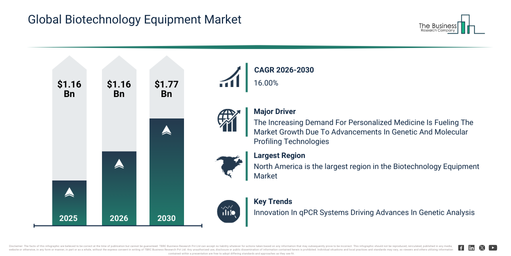
    The biotechnology equipment market is poised for substantial expansion in the coming years. Its valuation is projected to reach $157.49 billion by 2030, demonstrating a robust compound annual growth rate (CAGR) of 16.0%. This anticipated growth can be attributed to factors such as the integration of AI and robotics in laboratories, a surge in pharmaceutical R&D investments, the increasing adoption of high-throughput screening, the continued expansion of genomics and precision medicine, and the utilization of advanced bioprocessing equipment. Significant trends anticipated during this period encompass a greater uptake of lab automation instruments, an escalating demand for life science consumables, the broadening of in vitro diagnostics (IVD) applications, the increasing use of medical lasers in clinical procedures, and rising investments in bioreactors, fermenters, and chromatography systems.

    Get A Free Sample Report With In-Depth Market Insights:

    https://thebusinessresearchcompany.com/sample_request?id=86100075&type=smp&name=Biotechnology%20Equipment%20Market%20Report%202026&utm_source=Blogs&utm_medium=Paid&utm_campaign=Sep_PR

    Biotechnology Equipment Market Growth Catalysts And Demand Drivers

    The future expansion of the biotechnology equipment market is anticipated to be propelled by the rising demand for personalized medicine. This medical approach involves customizing treatment plans to individual characteristics like genetic makeup, lifestyle, and environment, aiming to boost treatment efficacy and minimize adverse reactions. The heightened need for personalized medicine largely arises from advancements in genetic and molecular profiling technologies, which facilitate tailored treatments based on an individual’s unique biological composition, thereby improving effectiveness and reducing side effects. Biotechnology equipment supports personalized medicine by offering precise tools for the analysis of genetic and molecular data, enabling customized treatments that enhance patient outcomes and mitigate adverse effects. For instance, in February 2024, the US-based non-profit organization, Personalized Medicine Coalition, reported that the FDA approved 16 new personalized treatments for patients with rare diseases in 2023, a significant increase from the six approvals observed in 2022. Of these 2023 approvals, seven were cancer drugs, and three addressed other diseases and conditions. Therefore, the growing demand for personalized medicine is a key driver for the biotechnology equipment market’s growth.

    Biotechnology Equipment Market Segment Landscape And Growth Outlook

    The biotechnology equipment market covered in this report is segmented –

    1) By Product: Lab Automation Instruments, Life Science Consumables, In Vitro Diagnostics (IVD) Instruments, Other Products

    2) By Application: Life Science, Clinical Diagnostics, Quality Management, Food And Beverage Testing

    3) By End-User: Pharmaceutical Companies, Government And Academic Institutions, Hospitals And Healthcare Facilities, Other End-Users

    Subsegments:

    1) By Lab Automation Instruments: Liquid Handling Systems, Automated Microplate Handling Systems, Automated Sample Preparation Systems, Robotic Workstations, Automated Nucleic Acid Extraction Systems

    2) By Life Science Consumables: Pipette Tips, Microplates And Polymerase Chain Reaction Plates, Cell Culture Products, Filtration Devices And Membranes, Reagents And Enzymes

    3) By In Vitro Diagnostics (IVD) Instruments: Immunoassay Analyzers, Molecular Diagnostics Instruments, Hematology Analyzers, Clinical Chemistry Analyzers, Coagulation Analyzers

    4) By Other Products: Bioreactors And Fermenters, Chromatography Systems, Spectroscopy Instruments, Centrifuges, Incubators And Ovens

    Biotechnology Equipment Market Trends Shaping Long-Term Demand

    Leading companies in the biotechnology equipment market are concentrating on developing innovative systems, such as qPCR systems, to improve accuracy, speed, and efficiency in genetic analysis. Quantitative polymerase chain reaction (qPCR) systems are laboratory instruments designed to amplify and simultaneously quantify targeted DNA or RNA molecules in real time; they aid biotechnology by enabling precise gene expression analysis, mutation detection, and disease diagnostics, thereby accelerating research, clinical testing, and the development of targeted therapies. For instance, in September 2024, Takara Bio USA, Inc., a US-based manufacturing company, launched the SmartChip ND Real-Time PCR System, a high-throughput, automated qPCR platform engineered to advance broad surveillance of antimicrobial resistance through flexible, nanoliter-scale reactions and reduced hands-on time. This next-generation system supports high-throughput monitoring by enabling up to 5,184 nanoliter-scale reactions per chip, while requiring less than 30 minutes of hands-on time. The system eliminates the need for preamplification, which reduces both reagent costs and experimental variability. With its compact design and flexible configuration options, the SmartChip ND system is particularly well-suited for environmental surveillance laboratories aiming to monitor large panels of AMR-related genes at low cost.

    Biotechnology Equipment Market Industry Leaders And Competitive Landscape

    Major companies operating in the biotechnology equipment market are Hoffmann La Roche Aktiengesellschaft, Thermo Fisher Scientific Inc, Danaher Corporation, Becton Dickinson and Company, Avantor Inc, Agilent Technologies Inc, Illumina Inc, Sartorius Aktiengesellschaft, PerkinElmer Inc, Mettler Toledo International Inc, Shimadzu Corporation, Waters Corporation, Bio Rad Laboratories Inc, Bruker Corporation, Buchi Labortechnik AG, Eppendorf SE, BioTek Instruments Inc, bioMerieux SA, Analytik Jena AG, Tecan Group AG

    View The Full Biotechnology Equipment Market Report:

    https://thebusinessresearchcompany.com/report/biotechnology-equipment-global-market-report?utm_source=Blogs&utm_medium=Paid&utm_campaign=Sep_PR

    Biotechnology Equipment Market Regional Analysis And Leading Geography

    North America was the largest region in the biotechnology equipment market in 2025. The regions covered in the biotechnology equipment market report are Asia-Pacific, South East Asia, Western Europe, Eastern Europe, North America, South America, Middle East, Africa.

    Reach Out To Our Team:

    The Business Research Company: https://www.thebusinessresearchcompany.com/

    Americas: +1 310-496-7795

    Asia: +44 7882 955267 & +91 8897263534

    Europe: +44 7882 955267

    Email us at: marketing@tbrc.info

    Follow us on:

    LinkedIn: https://in.linkedin.com/company/the-business-research-company

    YouTube: https://www.youtube.com/channel/UC24_fI0rV8cR5DxlCpgmyFQ

    Global Market Model: https://www.thebusinessresearchcompany.com/global-market-model
  • Biopsy Needle Market Forecast To Reach $2.06 Billion By 2030: Key Growth Drivers And Industry Trends

    Biopsy Needle Market Forecast To Reach $2.06 Billion By 2030: Key Growth Drivers And Industry Trends

    Built to provide research that’s more actionable and strategically valuable, The Business Research Company’s 2026 market reports include market attractiveness analysis, total addressable market sizing, company benchmarking matrices, interactive Excel dashboards, broader supply chain intelligence, emerging startup tracking, and in-depth product insights.

    Biopsy Needle Market Forecast: Value Set To Climb From $1.52 Billion To $2.06 Billion

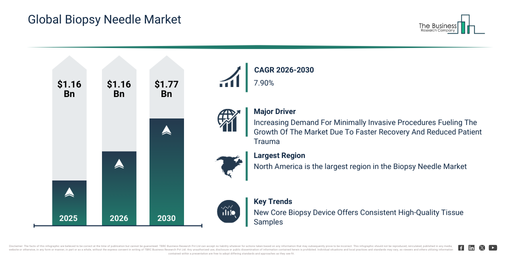
    The biopsy needle market has experienced robust growth in recent years. It is projected to expand from $1.41 billion in 2025 to $1.52 billion in 2026, at a compound annual growth rate (CAGR) of 7.8%. This historical growth can be attributed to factors including the continued reliance on traditional core needle biopsy methods, the limited availability of vacuum-assisted biopsy devices, the increasing prevalence of cancer cases, an expansion in hospital and surgical center infrastructure, and a growing awareness of early diagnostic procedures.

    The biopsy needle market size is expected to experience significant expansion over the next few years. It is projected to grow to $2.06 billion in 2030, demonstrating a compound annual growth rate (CAGR) of 7.9%. This increase during the forecast period is primarily driven by technological advancements in image-guided and vacuum-assisted devices, the creation of innovative disposable needle designs, the proliferation of diagnostic clinics and pathology laboratories, increasing investment in research and academic institutions, and the integration of AI and digital tools for precise diagnostics. Significant trends anticipated in the forecast period encompass the increasing adoption of image-guided biopsy procedures, a rising preference for disposable biopsy needles, the growth of minimally invasive diagnostic techniques, the expansion of cancer and tumor screening programs, and an enhanced focus on patient safety and sterility standards.

    Get A Free Sample Report With In-Depth Market Insights:

    https://thebusinessresearchcompany.com/sample_request?id=68389889&type=smp&name=Biopsy%20Needle%20Market%20Report%202026&utm_source=Blogs&utm_medium=Paid&utm_campaign=Sep_PR

    Biopsy Needle Market Opportunity Drivers: What’s Unlocking New Revenue Potential?

    The escalating preference for minimally invasive procedures is projected to spur the expansion of the biopsy needle market moving forward. These medical techniques are carried out through minor incisions or openings, thereby reducing patient trauma and accelerating recovery. The appeal of minimally invasive surgical procedures stems from their capacity to offer quicker recuperation periods, diminished complication risks, less pain, and smaller scars, thus making them more attractive to patients seeking swifter and safer treatment options. Biopsy needles are instrumental in minimally invasive procedures, enabling precise tissue sampling and reducing the necessity for extensive surgical intervention. They contribute to faster diagnoses and recovery times, enhancing patient comfort and improving procedural efficiency. For example, in November 2024, the American Society of Plastic Surgeons, a US-based non-profit organization, stated that the total number of cosmetic minimally invasive procedures reached 25,442,640 in 2023, representing a 7% increase from 23,672,269 in 2022. Therefore, the increasing demand for minimally invasive procedures is a key factor driving the growth of the biopsy needle market.

    Biopsy Needle Market Breakdown By Product Type And Application

    The biopsy needle market covered in this report is segmented –

    1) By Usage: Disposable, Non-Disposable

    2) By Product: Needle Based Biopsy Guns, Vacuum-Assisted Biopsy Devices, Fine Needle Aspiration Biopsy Devices, Core Needle Biopsy Devices

    3) By Procedure: Image-Guided Procedures, Non-Image-Guided Procedures

    4) By Application: Cancer Or Tumor, Breast, Lung, Prostate, Colon, Stomach, Liver, Rectum, Cervix Uteri, Other Applications

    5) By End-User: Hospitals And Surgical Centers, Diagnostic Clinics And Pathology Laboratories, Ambulatory Care Centers, Research And Academic Institutes

    Subsegments:

    1) By Disposable: Coaxial Biopsy Needles, Chiba Needles, Jamshidi Needles

    2) By Non-Disposable: Reusable Tru-Cut Biopsy Needles, Reusable Menghini Needles, Reusable Francine Needles

    Biopsy Needle Market Innovation Trends Shaping Future Development

    Major companies in the biopsy needle market are concentrating on developing technologically advanced products, such as semi-automatic core biopsy instruments, to improve precision and ease of tissue sampling in minimally invasive procedures. Semi-automatic core biopsy instruments are medical devices that utilize a spring-loaded mechanism to quickly and accurately gather tissue samples with minimal manual effort during a biopsy procedure. For example, in May 2023, Argon Medical Devices Inc., a US-based medical device manufacturer, introduced the SuperCore Advantage semi-automatic biopsy instrument. This is a semi-automatic, disposable core biopsy needle designed to provide consistent, high-quality tissue samples for accurate diagnosis. It incorporates an ergonomic design, a sharp cutting edge for clean specimen retrieval, and an adjustable throw length to suit varying lesion depths. The device also improves biopsy precision while minimizing patient discomfort, offering better diagnostic options for patients.

    Biopsy Needle Market Key Participants And Competitive Landscape

    Major companies operating in the biopsy needle market are Cardinal Health Inc., Medtronic plc, Becton Dickinson and Company, Stryker Corporation, Boston Scientific Corporation, Olympus Corporation, Hologic Inc., Cook Medical, Halma plc, Merit Medical Systems Inc., ConMed Corporation, Devicor Medical Products Inc., Shandong Weigao Group Medical Polymer Company Limited, Remington Medical Inc., Advin Health Care, Nikotech Healthcare Pvt. Ltd., Argon Medical Devices Inc., Geotek Medical Products Co. Ltd., Biomedical Srl, Hakko Co. Ltd., INRAD Inc.

    View The Full Biopsy Needle Market Report:

    https://thebusinessresearchcompany.com/report/biopsy-needle-global-market-report?utm_source=Blogs&utm_medium=Paid&utm_campaign=Sep_PR

    Biopsy Needle Market Geographic Analysis: Where Is Demand Accelerating Fastest?

    North America was the largest region in the biopsy needle market in 2025. Asia-Pacific is expected to be the fastest-growing region in the forecast period. The regions covered in the biopsy needle market report are Asia-Pacific, South East Asia, Western Europe, Eastern Europe, North America, South America, Middle East, Africa.

    Reach Out To Our Team:

    The Business Research Company: https://www.thebusinessresearchcompany.com/

    Americas: +1 310-496-7795

    Asia: +44 7882 955267 & +91 8897263534

    Europe: +44 7882 955267

    Email us at: marketing@tbrc.info

    Follow us on:

    LinkedIn: https://in.linkedin.com/company/the-business-research-company

    YouTube: https://www.youtube.com/channel/UC24_fI0rV8cR5DxlCpgmyFQ

    Global Market Model: https://www.thebusinessresearchcompany.com/global-market-model
  • Biopsy Devices Market Research 2026: Market Size, Trends, Segments And Growth Forecast

    Biopsy Devices Market Research 2026: Market Size, Trends, Segments And Growth Forecast

    Backed by market attractiveness analysis, total addressable market sizing, company benchmarking matrices, interactive Excel dashboards, wider supply chain intelligence, emerging startup coverage, and detailed product-level insights, The Business Research Company’s 2026 market reports are designed to offer research that is more actionable and strategically valuable than ever.

    Biopsy Devices Market Revenue Growth On Track For A 8.8% CAGR Through 2030

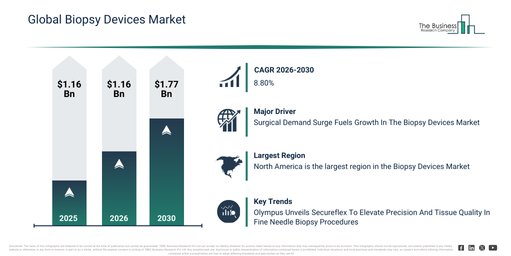
    The biopsy devices market has experienced substantial growth in recent years. Projections indicate its value will increase from $3.24 billion in 2025 to $3.53 billion in 2026, demonstrating a compound annual growth rate (CAGR) of 9.1%. This historical development is primarily due to several factors, including an increase in cancer screening rates, the proliferation of diagnostic imaging centers, a greater adoption of biopsy procedures for early detection, the introduction of sophisticated imaging technologies, and enhanced diagnostic capacities within hospitals.

    The biopsy devices market is projected to experience robust expansion in the coming years. It is anticipated to reach $4.95 billion by 2030, demonstrating a compound annual growth rate (CAGR) of 8.8%. This growth during the forecast period is primarily driven by the increasing integration of AI-assisted biopsy guidance, a rising demand for outpatient diagnostic procedures, the expansion of precision oncology practices, a growing emphasis on early disease detection, and increasing investments in advanced biopsy technologies. Key trends anticipated in this period include the wider adoption of image-guided biopsy systems, a rising use of minimally invasive biopsy techniques, a growing demand for precision sampling devices, the expansion of automated biopsy guidance technologies, and an enhanced focus on diagnostic accuracy.

    Get A Free Sample Report With In-Depth Market Insights:

    https://thebusinessresearchcompany.com/sample_request?id=44223154&type=smp&name=Biopsy%20Devices%20Market%20Report%202026&utm_source=Blogs&utm_medium=Paid&utm_campaign=Sep_PR

    Biopsy Devices Market Growth Momentum: What Factors Are Shaping Demand?

    The anticipated increase in surgical procedures is projected to fuel the expansion of the biopsy devices market. Surgery encompasses a medical field dedicated to treating injuries, diseases, and diverse conditions using both manual techniques and specialized instruments. During surgical operations, biopsy tools are commonly utilized to obtain a small tissue specimen or cell collection for later examination in a laboratory. For example, data from July 2025, provided by the American Med Spa Association (a US-based entity offering legal, compliance, and business support for medical spas and aesthetic practices), indicates a 42.5% surge in cosmetic procedure volumes over the last four years, amounting to 20.5 million non-surgical treatments and 17.4 million surgical procedures by 2024. Consequently, the rising volume of surgeries is propelling the future growth of the biopsy devices market.

    Biopsy Devices Market Segment Analysis And Revenue Potential

    The biopsy devices market covered in this report is segmented –

    1) By Product Type: Needle-Based Biopsy Guns, Biopsy Forceps, Biopsy Guidance Systems, Biopsy Needles, Other Products

    2) By Image Guiding Technology: MRI-Guided Biopsy, Stereotactic-Guided Biopsy, Ultrasound-Guided Biopsy, Other Imaging Technologies

    3) By Application: Breast Biopsy, Gynecological Biopsy, Prostate Biopsy, Blood Cancers Biopsy, Skin Biopsy, Kidney Biopsy, Gastroenterology Biopsy, Other Applications

    4) By End User: Diagnostics And Imaging Centers, Hospitals, Other End User

    Subsegments:

    1) By Needle-Based Biopsy Guns: Spring-Loaded Biopsy Guns, Vacuum-Assisted Biopsy Guns

    2) By Biopsy Forceps: Endoscopic Biopsy Forceps, Surgical Biopsy Forceps

    3) By Biopsy Guidance Systems: Ultrasound-Guided Biopsy Systems, CT-Guided Biopsy Systems, MRI-Guided Biopsy Systems

    4) By Biopsy Needles: Core Needles, Fine Needle Aspiration (FNA) Needles, Coaxial Needles

    5) By Other Products: Biopsy Sutures, Biopsy Markers, Biopsy Storage Solutions

    Biopsy Devices Market Trends Redefining Industry Growth

    Major companies operating in the biopsy devices market are increasingly focused on developing advanced solutions, such as fine-needle biopsy precision technology, to enhance diagnostic accuracy and improve sample quality. This technology pertains to the creation of needles with specialized tips and durable materials designed to optimize tissue extraction while preserving cellular architecture, thereby supporting dependable pathology analysis. For instance, in October 2025, Olympus, a Japan-based medical-technology company, introduced its SecureFlex single-use fine-needle biopsy device, which features nitinol construction and a dual-beveled Raptor Tip. This tip facilitates the collection of larger, intact tissue specimens by minimizing tissue escape and boosting puncture performance. The device’s construction also includes a multi-layer sheath, enabling consistent access to complex anatomical structures like the pancreatic head and uncinate process without the need for frequent scope adjustments. SecureFlex supports fine-needle biopsy via EUS-FNB for gastrointestinal lesions, allowing physicians to obtain high-quality tissue for precise diagnosis and treatment planning. This device contributes to improved sample quality, procedural efficiency, and safety in endoscopic biopsy procedures.

    Biopsy Devices Market Top Companies Driving Competitive Growth

    Major companies operating in the biopsy devices market are Becton Dickinson and Company, Hologic Inc, Boston Scientific Corporation, Cook Medical LLC, Argon Medical Devices Inc, Olympus Corporation, Medtronic plc, Stryker Corporation, B Braun Melsungen AG, INRAD Inc, TSK Laboratory, Mauna Kea Technologies, Veran Medical Technologies, Merit Medical Systems Inc, ConMed Corporation, DTR Medical, Gallini Srl, TransMed7 LLC, MDL Srl, Biopsybell Srl

    View The Full Biopsy Devices Market Report:

    https://thebusinessresearchcompany.com/report/biopsy-devices-global-market-report?utm_source=Blogs&utm_medium=Paid&utm_campaign=Sep_PR

    Biopsy Devices Market Global Footprint: Which Region Leads The Industry?

    North America was the largest region in the biopsy devices market in 2025. Asia-Pacific was the second largest region in the global biopsy devices market report share. The regions covered in the biopsy devices market report are Asia-Pacific, South East Asia, Western Europe, Eastern Europe, North America, South America, Middle East, Africa.

    Reach Out To Our Team:

    The Business Research Company: https://www.thebusinessresearchcompany.com/

    Americas: +1 310-496-7795

    Asia: +44 7882 955267 & +91 8897263534

    Europe: +44 7882 955267

    Email us at: marketing@tbrc.info

    Follow us on:

    LinkedIn: https://in.linkedin.com/company/the-business-research-company

    YouTube: https://www.youtube.com/channel/UC24_fI0rV8cR5DxlCpgmyFQ

    Global Market Model: https://www.thebusinessresearchcompany.com/global-market-model