Month: October 2026

  • Vinca Alkaloid Active Pharmaceutical Ingredient (API) Market Growth Outlook: Why Analysts Expect Continued Expansion

    Vinca Alkaloid Active Pharmaceutical Ingredient (API) Market Growth Outlook: Why Analysts Expect Continued Expansion

    Backed by market attractiveness analysis, total addressable market sizing, company benchmarking matrices, interactive Excel dashboards, wider supply chain intelligence, emerging startup coverage, and detailed product-level insights, The Business Research Company’s 2026 market reports are designed to offer research that is more actionable and strategically valuable than ever.

    Vinca Alkaloid Active Pharmaceutical Ingredient (API) Market Revenue Growth On Track For A 7% CAGR Through 2030

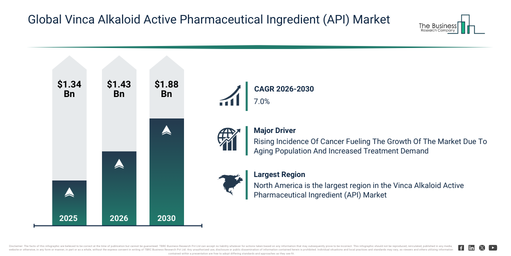
    The vinca alkaloid active pharmaceutical ingredient (api) market size has shown significant growth over recent years. This market is anticipated to increase from $1.34 billion in 2025 to $1.43 billion in 2026, exhibiting a compound annual growth rate (CAGR) of 7.0%. The expansion observed in past periods can be linked to the global cancer burden, plant-derived oncology drugs, chemotherapy standard protocols, api manufacturing growth, and hospital oncology demand.

    The vinca alkaloid active pharmaceutical ingredient (API) market size is projected to experience substantial growth over the next few years. It is forecast to grow to $1.88 billion in 2030 at a compound annual growth rate (CAGR) of 7.0%. This expansion during the forecast period can be attributed to the increasing oncology drug pipeline, biosimilar market growth, CDMO outsourcing, the rising need for affordable cancer treatment, and regulatory harmonization efforts. Major trends for the forecast period include the sustained use in chemotherapy regimens, an increase in oncology API outsourcing, the demand for high-purity injectable APIs, the proliferation of generic cancer drugs, and a concentrated focus on manufacturing that adheres to regulations.

    Get A Free Sample Report With In-Depth Market Insights:

    https://thebusinessresearchcompany.com/sample_request?id=39219914&type=smp&name=Vinca%20Alkaloid%20Active%20Pharmaceutical%20Ingredient%20%28API%29%20Market%20Report%202026&utm_source=Blogs&utm_medium=Paid&utm_campaign=Oct_PR

    Vinca Alkaloid Active Pharmaceutical Ingredient (API) Market Growth Momentum: What Factors Are Shaping Demand?

    The increasing prevalence of cancer is anticipated to fuel the expansion of the vinca alkaloid active pharmaceutical ingredient (API) market. Cancer involves the unregulated proliferation and dissemination of abnormal cells within the body, with its rising occurrence often attributed to an aging populace, who face an elevated risk due to accumulated genetic mutations and diminished immune function. Vinca alkaloid APIs are crucial in cancer therapy, effectively disrupting cell division to combat rapidly growing tumors and enhancing chemotherapy by targeting microtubules for better treatment results. For example, the World Health Organization (WHO) reported in February 2024 that global new cancer cases are expected to exceed 35 million by 2050, marking a 77% rise from the approximately 20 million cases estimated in 2022. Consequently, the growing incidence of cancer is a key factor propelling the vinca alkaloid active pharmaceutical ingredient (API) market. Anticipated to fuel the expansion of the vinca alkaloid active pharmaceutical ingredient (API) market is the rise in healthcare spending. Healthcare expenditure encompasses all funds allocated to medical services, treatments, facilities, research, and public health efforts aimed at enhancing health outcomes. The escalation in healthcare demand primarily stems from the rising prevalence of chronic conditions such as cancer, which necessitate extensive and expensive long-term care. This spending bolsters the development of Vinca Alkaloid active pharmaceutical ingredients (API) through research and development funding, guaranteeing access to vital cancer treatments, fostering innovation in drug formulations for better therapeutic results, and advancing personalized medicine. For instance, data from the Centers for Medicare & Medicaid Services (CMS) in December 2024 revealed that national health expenditures (NHE) expanded by 7.5% to reach $4.9 trillion in 2023, constituting 17.6% of the gross domestic product (GDP). Furthermore, NHE is forecast to grow annually by an average of 5.6% between 2023 and 2032, pushing the health spending share of GDP from 17.3% in 2022 to 19.7% in 2032. Thus, heightened healthcare expenditure is a significant driver for the vinca alkaloid active pharmaceutical ingredient (API) market.

    Vinca Alkaloid Active Pharmaceutical Ingredient (API) Market Segmentation: How Does The Market Break Down By Category?

    The vinca alkaloid active pharmaceutical ingredient (api) market covered in this report is segmented –

    1) By Type Of Vinca Alkaloid: Vincristine, Vinblastine, Vindesine, Vinorelbine, Other Types Of Vinca Alkaloid

    2) By Formulation Type: Sterile Formulations, Non-Sterile Formulations

    3) By Application: Lung Cancer, Breast Cancer, Lymphoma, Other Applications

    4) By End User: Pharmaceutical Companies, Research Institutions, Contract Development And Manufacturing Organizations (CDMOs), Oncology Clinics

    Vinca Alkaloid Active Pharmaceutical Ingredient (API) Market Competitive Overview And Top Companies

    Major companies operating in the vinca alkaloid active pharmaceutical ingredient (api) market are Zhejiang Hisun Pharmaceutical Co. Ltd., Qilu Pharmaceutical Co. Ltd., Guangzhou Hanfang Pharmaceutical Co. Ltd., Hubei Honch Pharmaceutical Co. Ltd., Hainan Periwinkle Pharmaceutical Co. Ltd., Hetero Drugs Limited, Aurobindo Pharma Limited, Laurus Labs Limited, Cipla Limited, Dr. Reddy’s Laboratories Limited, MSN Laboratories Private Limited, Sun Pharmaceutical Industries Limited, Cadila Pharmaceuticals Limited, Lupin Limited, Alkem Laboratories Limited, Emcure Pharmaceuticals Limited, Intas Pharmaceuticals Limited, Glenmark Pharmaceuticals Limited, Zydus Lifesciences Limited, Alembic Pharmaceuticals Limited, Apotex Inc., Hikma Pharmaceuticals PLC, Fresenius Kabi AG, Pfizer CentreOne, Teva Active Pharmaceutical Ingredients Ltd.

    View The Full Vinca Alkaloid Active Pharmaceutical Ingredient (API) Market Report:

    https://thebusinessresearchcompany.com/report/vinca-alkaloid-active-pharmaceutical-ingredient-api-global-market-report?utm_source=Blogs&utm_medium=Paid&utm_campaign=Oct_PR

    Vinca Alkaloid Active Pharmaceutical Ingredient (API) Market Regional Breakdown: Where Is Demand Concentrated?

    North America was the largest region in the vinca alkaloid active pharmaceutical ingredient (API) market in 2025. Asia-Pacific is expected to be the fastest-growing region in the forecast period. The regions covered in the vinca alkaloid active pharmaceutical ingredient (api) market report are Asia-Pacific, South East Asia, Western Europe, Eastern Europe, North America, South America, Middle East, Africa.

    Reach Out To Our Team:

    The Business Research Company: https://www.thebusinessresearchcompany.com/

    Americas: +1 310-496-7795

    Asia: +44 7882 955267 & +91 8897263534

    Europe: +44 7882 955267

    Email us at: marketing@tbrc.info

    Follow us on:

    LinkedIn: https://in.linkedin.com/company/the-business-research-company

    YouTube: https://www.youtube.com/channel/UC24_fI0rV8cR5DxlCpgmyFQ

    Global Market Model: https://www.thebusinessresearchcompany.com/global-market-model
  • Vesicular Monoamine Transporter 2 (VMAT2) Inhibitor Market Forecast Insights: The Road To $2 Billion By 2030

    Vesicular Monoamine Transporter 2 (VMAT2) Inhibitor Market Forecast Insights: The Road To $2 Billion By 2030

    Featuring market attractiveness scoring, total addressable market sizing, company benchmarking matrices, interactive Excel dashboards, deeper supply chain intelligence, emerging startup tracking, and granular product-level insights, The Business Research Company’s 2026 market reports are built to deliver research that is both more actionable and more strategically valuable.

    Vesicular Monoamine Transporter 2 (VMAT2) Inhibitor Market Value Growth And Long-Term Outlook

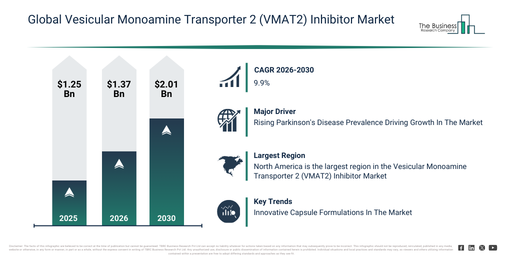
    The market size for vesicular monoamine transporter 2 (vmat2) inhibitors has experienced rapid growth in recent years. It is projected to expand from $1.25 billion in 2025 to $1.37 billion in 2026, at a compound annual growth rate (CAGR) of 10.2%. This historical growth can be attributed to the approval of tetrabenazine, an increase in antipsychotic usage, more frequent diagnosis of movement disorders, the availability of hospital-based neurology care, and the limited range of alternative therapies.

    The vesicular monoamine transporter 2 (vmat2) inhibitor market size is anticipated to undergo robust growth over the next few years. It is forecast to expand to $2.01 billion in 2030, with a compound annual growth rate (CAGR) of 9.9%. This projected expansion can be attributed to several factors including the rising prevalence of tardive dyskinesia, the increased use of deutetrabenazine, growing awareness of neurological disorders, the development of specialty neurology clinics, and a greater preference for oral medications. Prominent trends for the forecast period include an increasing application of targeted neurotransmitter modulation, enhanced treatment approaches for tardive dyskinesia, the broadening of oral neurological therapies, a concentrated focus on managing movement disorders, and the wider adoption of long-term neurology drugs.

    Get A Free Sample Report With In-Depth Market Insights:

    https://thebusinessresearchcompany.com/sample_request?id=63571341&type=smp&name=Vesicular%20Monoamine%20Transporter%202%20%28VMAT2%29%20Inhibitor%20Market%20Report%202026&utm_source=Blogs&utm_medium=Paid&utm_campaign=Oct_PR

    Vesicular Monoamine Transporter 2 (VMAT2) Inhibitor Market Expansion Drivers: What’s Shaping Future Growth?

    The rising occurrence of Parkinson’s disease is anticipated to drive expansion in the vesicular monoamine transporter 2 (VMAT2) inhibitor market in the future. Parkinson’s disease is defined as a progressive neurological condition impacting movement, resulting from the degeneration of dopamine-generating cells within the brain. This growing prevalence of Parkinson’s disease is primarily attributed to an aging demographic, improved diagnostic methods, environmental elements like toxins, genetic predispositions, and enhanced understanding of the illness. VMAT2 inhibitors contribute to managing Parkinson’s symptoms through the regulation of dopamine release, thereby alleviating tremors and dyskinesia. As an illustration, in October 2025, Parkinson’s UK, a research and support charity based in the UK, indicated that by 2030, Parkinson’s cases in the UK are anticipated to hit 173,000. Furthermore, approximately 28,000 individuals are projected to receive a diagnosis in 2025, equating to one new diagnosis every 20 minutes as the population expands and ages. Consequently, the heightened incidence of Parkinson’s disease is stimulating expansion within the vesicular monoamine transporter 2 (VMAT2) inhibitor market.

    Vesicular Monoamine Transporter 2 (VMAT2) Inhibitor Market Segment Trends And Revenue Contributors

    The vesicular monoamine transporter 2 (vmat2) inhibitor market covered in this report is segmented –

    1) By Drugs: Tetrabenazine, Deutetrabenazine, Valbenazine, Other Drugs

    2) By Route Of Administration: Oral, Other Administrations

    3) By Distribution Channel: Hospital Pharmacy, Online Pharmacy, Retail Pharmacy

    4) By Application: Huntington’s Disease, Tardive Dyskinesia, Other Applications

    5) By End User: Hospitals, Homecare, Specialty Clinics, Other End Users

    Subsegments:

    1) By Tetrabenazine: Huntington’s Disease Treatment, Tardive Dyskinesia Management, Tourette Syndrome Treatment

    2) By Deutetrabenazine: Huntington’s Disease Chorea, Tardive Dyskinesia Treatment, Off-Label Movement Disorders

    3) By Valbenazine: Tardive Dyskinesia Treatment, Tourette Syndrome Research, Other Hyperkinetic Movement Disorders

    4) By Other Drugs: Investigational VMAT2 Inhibitors, Emerging Therapies For Movement Disorders, Off-Label Use In Neurological Conditions

    Vesicular Monoamine Transporter 2 (VMAT2) Inhibitor Market Strategic Trends: What Defines The Next Growth Phase?

    Leading companies within the vesicular monoamine transporter 2 (VMAT2) inhibitors market are concentrating on creating innovative formulations, such as capsules, to bolster patient compliance, elevate drug stability, and maximize therapeutic efficacy. Capsules, a solid dosage form encased in a gelatin or HPMC shell, assist VMAT2 inhibitors by enhancing drug stability, guaranteeing accurate dosing, and improving patient adherence. For instance, in July 2024, Neurocrine Biosciences Inc., a US-based biopharmaceutical company, introduced Ingrezza Sprinkle (valbenazine) capsules, a novel formulation of the VMAT2 inhibitor Ingrezza developed to simplify administration for adults with tardive dyskinesia and chorea associated with Huntington’s disease who experience dysphagia or difficulty swallowing. Ingrezza Sprinkle offers the same effective dosing options as Ingrezza and can be administered by sprinkling the capsule’s contents onto soft food or by ingesting the capsule whole.

    Vesicular Monoamine Transporter 2 (VMAT2) Inhibitor Market Competitive Landscape: Which Companies Lead The Industry?

    Major companies operating in the vesicular monoamine transporter 2 (vmat2) inhibitor market are Neurocrine Biosciences Inc., H. Lundbeck A/S, Teva Pharmaceutical Industries Ltd., Sun Pharmaceutical Industries Limited, Bausch Health Companies Inc., Luye Pharma Group Ltd., Mitsubishi Tanabe Pharma Corporation, Sumitomo Dainippon Pharma, Dr. Reddy’s Laboratories Ltd., Hikma Pharmaceuticals plc, Lupin Limited, Otsuka Pharmaceutical Co. Ltd., Astellas Pharma Inc., Eli Lilly and Company, Merck KGaA, Johnson & Johnson, Pfizer Inc., AbbVie Inc., Takeda Pharmaceutical Company Limited, Biogen Inc

    View The Full Vesicular Monoamine Transporter 2 (VMAT2) Inhibitor Market Report:

    https://thebusinessresearchcompany.com/report/vesicular-monoamine-transporter-2-vmat2-inhibitor-global-market-report?utm_source=Blogs&utm_medium=Paid&utm_campaign=Oct_PR

    Vesicular Monoamine Transporter 2 (VMAT2) Inhibitor Market Geographic Landscape: Which Region Dominates Industry Growth?

    North America was the largest region in the vesicular monoamine transporter 2 (VMAT2) inhibitor market in 2025. The regions covered in the vesicular monoamine transporter 2 (vmat2) inhibitor market report are Asia-Pacific, South East Asia, Western Europe, Eastern Europe, North America, South America, Middle East, Africa.

    Reach Out To Our Team:

    The Business Research Company: https://www.thebusinessresearchcompany.com/

    Americas: +1 310-496-7795

    Asia: +44 7882 955267 & +91 8897263534

    Europe: +44 7882 955267

    Email us at: marketing@tbrc.info

    Follow us on:

    LinkedIn: https://in.linkedin.com/company/the-business-research-company

    YouTube: https://www.youtube.com/channel/UC24_fI0rV8cR5DxlCpgmyFQ

    Global Market Model: https://www.thebusinessresearchcompany.com/global-market-model
  • Venlafaxine Market Explained: What Is Fueling Growth To $4.3 Billion By 2030?

    Venlafaxine Market Explained: What Is Fueling Growth To $4.3 Billion By 2030?

    Built to provide research that’s more actionable and strategically valuable, The Business Research Company’s 2026 market reports include market attractiveness analysis, total addressable market sizing, company benchmarking matrices, interactive Excel dashboards, broader supply chain intelligence, emerging startup tracking, and in-depth product insights.

    Venlafaxine Market Poised To Hit $4.3 Billion By 2030 With A 4.5% CAGR

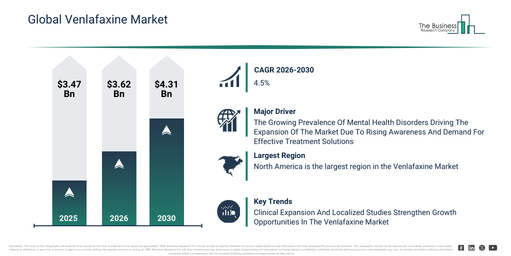
    The venlafaxine market has experienced consistent expansion in recent years. This market is projected to expand from $3.47 billion in 2025 to $3.62 billion in 2026, demonstrating a compound annual growth rate (CAGR) of 4.5%. The historical growth can be attributed to factors such as the high prevalence of depression, limitations of SSRI treatments, an increase in psychiatrist prescriptions, the approval of generic drugs, and enhanced mental health awareness.

    The venlafaxine market size is anticipated to show consistent growth over the coming years. It is projected to expand to $4.31 billion by 2030, achieving a compound annual growth rate (CAGR) of 4.5%. This growth in the forecast period is influenced by several factors, including an increase in anxiety disorder cases, the expansion of telepsychiatry services, a greater focus on geriatric mental health, the demand for chronic therapies, and wider access to healthcare. Significant trends expected during this period involve an increased adoption of extended-release formulations, a rising demand for anxiety disorder treatment, the growth of generic antidepressants, an enhanced emphasis on long-term mental health care, and a shift towards personalized psychiatry.

    Get A Free Sample Report With In-Depth Market Insights:

    https://thebusinessresearchcompany.com/sample_request?id=62127780&type=smp&name=Venlafaxine%20Market%20Report%202026&utm_source=Blogs&utm_medium=Paid&utm_campaign=Oct_PR

    Venlafaxine Market Development Factors: What’s Supporting Demand?

    The venlafaxine market is anticipated to experience growth in the future due to the increasing occurrence of mental health disorders. These conditions are defined as states affecting an individual’s thought processes, emotions, actions, or mood, often leading to personal distress or functional impairment in daily routines. The rise in mental health disorders is linked to excessive social media usage, which promotes unrealistic comparisons, cyberbullying, and reduced direct interactions, subsequently increasing levels of anxiety and depression. Venlafaxine effectively manages mental health disorders by elevating serotonin and norepinephrine concentrations within the brain. This dual mechanism helps to regulate mood and contributes to alleviating symptoms associated with depression, anxiety disorders, and panic disorder. For instance, in October 2025, data from the Centre for Mental Health, a US-based non-profit organization, indicated that in England, one in five adults (20.2%) experience a common mental health problem, with higher incidences observed in women (24.2%) compared to men (15.4%). Furthermore, children from the poorest 20% of households are four times more likely to encounter serious mental health issues by age 11 than children from the wealthiest families. Therefore, the expanding prevalence of mental health disorders is a significant factor driving the expansion of the venlafaxine market.

    Venlafaxine Market Segment Analysis Spotlighting Growth Areas

    The venlafaxine market covered in this report is segmented –

    1) By Formulation: Extended-Release Capsules, Immediate-Release Tablets, Oral Solution

    2) By Drug Class: Antidepressant, Selective Serotonin And Norepinephrine Reuptake Inhibitors (SNRIs)

    3) By Demographic: Adult, Pediatric, Geriatric

    4) By Application: Panic Disorder, Depression, Anxiety, Social Anxiety Disorder, Other Application

    5) By End-User: Clinic, Hospital, Other End-Users

    Subsegments:

    1) By Extended-Release Capsules: 37.5 Mg Capsules, 75 Mg Capsules, 150 Mg Capsules, 225 Mg Capsules

    2) By Immediate-Release Tablets: 25 Mg Tablets, 37.5 Mg Tablets, 50 Mg Tablets, 75 Mg Tablets, 100 Mg Tablets

    3) By Oral Solution: 25 Mg/Ml Oral Solution, 37.5 Mg/Ml Oral Solution, 50 Mg/Ml Oral Solution

    Venlafaxine Market Transformation Trends: What Innovations Are Driving Change?

    Major companies within the venlafaxine market are concentrating on clinical expansion and localized efficacy studies. This involves demonstrating the anxiolytic effectiveness and safety of extended-release venlafaxine in populations not previously treated, aiming to address unmet mental health needs in regions lacking approved therapies. Evaluating venlafaxine in specific populations enables its evidence-based adoption for generalized anxiety disorder (GAD), confirming both its efficacy and tolerability, which supports regulatory approval and broader market access. For instance, in October 2024, Viatris Inc., a U.S.-based healthcare company, announced positive top-line results from its Phase 3 study of EFFEXOR (venlafaxine) in Japanese adults with GAD. The trial met its primary endpoint, showing significant improvement on the Hamilton Anxiety Rating Scale compared to placebo at eight weeks, and all seven secondary endpoints were also achieved. EFFEXOR was well tolerated, with low discontinuation rates and no serious adverse events, emphasizing its potential as a significant treatment option in Japan, where currently no therapies for GAD are approved.

    Venlafaxine Market Leading Companies: Who Holds The Strongest Market Presence?

    Major companies operating in the venlafaxine market are Viatris Inc., Teva Pharmaceutical Industries Ltd., Sun Pharmaceutical Industries Ltd., Aurobindo Pharma Limited, Dr. Reddy’s Laboratories Ltd., Zydus Cadila, Lupin Pharmaceuticals Ltd., Torrent Pharmaceuticals Ltd., Stada Arzneimittel AG, Cipla Limited, Glenmark Pharmaceuticals Ltd., Intas Pharmaceuticals Ltd., Alkem Laboratories Ltd., Apotex Inc., Mylan N.V., Hikma Pharmaceuticals plc, Alembic Pharmaceuticals Ltd., Hetero Drugs Ltd., Macleods Pharmaceuticals Ltd., Suzhou Pharmaceutical Co. Ltd.

    View The Full Venlafaxine Market Report:

    https://thebusinessresearchcompany.com/report/venlafaxine-global-market-report?utm_source=Blogs&utm_medium=Paid&utm_campaign=Oct_PR

    Venlafaxine Market Largest Region: Which Geography Holds The Highest Market Share?

    North America was the largest region in the venlafaxine market in 2025. The regions covered in the venlafaxine market report are Asia-Pacific, South East Asia, Western Europe, Eastern Europe, North America, South America, Middle East, Africa.

    Reach Out To Our Team:

    The Business Research Company: https://www.thebusinessresearchcompany.com/

    Americas: +1 310-496-7795

    Asia: +44 7882 955267 & +91 8897263534

    Europe: +44 7882 955267

    Email us at: marketing@tbrc.info

    Follow us on:

    LinkedIn: https://in.linkedin.com/company/the-business-research-company

    YouTube: https://www.youtube.com/channel/UC24_fI0rV8cR5DxlCpgmyFQ

    Global Market Model: https://www.thebusinessresearchcompany.com/global-market-model
  • VELETRI Market Forecast To Reach $2.07 Billion By 2030: Key Trends Explained

    VELETRI Market Forecast To Reach $2.07 Billion By 2030: Key Trends Explained

    Backed by market attractiveness analysis, total addressable market sizing, company benchmarking matrices, interactive Excel dashboards, wider supply chain intelligence, emerging startup coverage, and detailed product-level insights, The Business Research Company’s 2026 market reports are designed to offer research that is more actionable and strategically valuable than ever.

    VELETRI Market Size And Revenue Outlook Through 2030

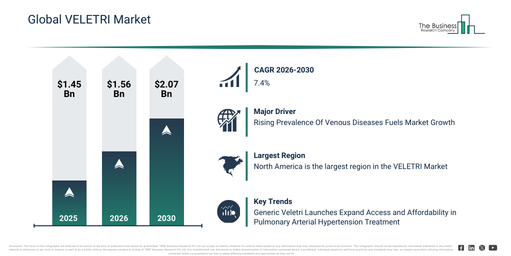
    The veletri market has demonstrated strong growth in recent years. It is anticipated to increase from $1.45 billion in 2025 to $1.56 billion in 2026, exhibiting a compound annual growth rate (CAGR) of 7.7%. This historical growth can be attributed to the clinical effectiveness of epoprostenol, a rise in the diagnosis of PAH, the dependence of hospitals on IV prostacyclins, the restricted availability of oral alternatives, and enhanced PAH survival rates.

    The veletri market size is projected to exhibit robust growth in the coming years, with an anticipated increase to $2.07 billion by 2030, demonstrating a compound annual growth rate (CAGR) of 7.4%. This expansion during the forecast period can be attributed to factors such as a rise in PAH prevalence, the development of more specialty PAH centers, an increasing demand for stable formulations, the wider adoption of infusion therapy, and enhanced awareness of PAH. Key trends observed in this period include the growing acceptance of non-refrigerated prostacyclin therapies, a greater utilization of continuous infusion PAH treatments, a rising need for advanced PAH vasodilators, the expansion of hospital-based PAH management approaches, and an increased focus on improving PAH patient mobility.

    Get A Free Sample Report With In-Depth Market Insights:

    https://thebusinessresearchcompany.com/sample_request?id=92425415&type=smp&name=VELETRI%20Market%20Report%202026&utm_source=Blogs&utm_medium=Paid&utm_campaign=Oct_PR

    VELETRI Market Industry Drivers: What’s Behind The Revenue Growth?

    The growing occurrence of venous conditions is anticipated to stimulate the expansion of the VELETRI market in the future. These diseases involve compromised blood circulation within veins, resulting in symptoms such as swelling, discomfort, and potential complications like varicose veins and deep vein thrombosis. Key contributors to this rising prevalence include an aging demographic, inactive living habits, increased obesity rates, and advancements in diagnostic methods. VELETRI serves to enhance physical activity tolerance and alleviate symptoms for individuals suffering from venous disorders impacting the pulmonary blood vessels. As an illustration, data from the Centers for Disease Control and Prevention, a US-based government body, indicated that annually, as of January 2025, up to 900,000 individuals in the United States are affected by venous thromboembolism (VTE), a condition involving blood clots, leading to an estimated 60,000 to 100,000 deaths each year. Consequently, the expanding incidence of venous diseases is a significant impetus behind the VELETRI market’s growth.

    VELETRI Market Segment Performance And Emerging Opportunities

    The veletri market covered in this report is segmented –

    1) By Formulation Stability Type: Room-Temperature Stable Formulation, Refrigeration-Required Formulation

    2) By Treatment Setting: Hospitals, Specialized Pulmonary Hypertension Centers

    3) By Distribution Channel: Hospital Pharmacies, Specialty Pharmacies

    Subsegments:

    1) By Room-Temperature Stable Formulation: Ready-to-Use Formulation, Extended Stability Infusion Solution

    2) By Refrigeration-Required Formulation: Reconstituted Cold-Chain Formulation, Limited-Stability Infusion Solution

    #VELETRI Market Growth Trends: What’s Shaping The Future Outlook?

    Leading companies in the Veletri market are focusing on expanding availability through generic formulations, such as the FDA-approved epoprostenol sodium injection, to provide economical treatment options for patients with pulmonary arterial hypertension. Generic Veletri refers to therapeutically equivalent versions of the brand-name epoprostenol product that meet FDA standards for quality, safety, and efficacy, offering the same clinical benefits at a lower cost. For example, in October 2025, Mylan Pharmaceuticals, a US-based pharmaceutical company, received FDA approval for its generic Veletri (epoprostenol sodium) injection. The product is provided in multiple vial strengths, including 20 mg/20 mL, 50 mg/20 mL, 100 mg/20 mL, and 200 mg/20 mL, and delivers the identical prostacyclin mimetic activity as the branded version, assisting in improving exercise tolerance and managing symptoms in PAH patients.

    VELETRI Market Key Players: Which Companies Lead Industry Competition?

    Major companies operating in the veletri market are Johnson & Johnson, Bayer Pharma AG, Novartis AG, GlaxoSmithKline plc, Gilead Sciences Inc., Teva Pharmaceutical Industries Ltd., Boehringer Ingelheim International GmbH, Sandoz International GmbH, Sun United Therapeutics Corporation, Actelion Pharmaceuticals Ltd., Bayer Pharma AG, GlaxoSmithKline plc, Novartis AG, Pfizer Inc., Johnson & Johnson, Sandoz International GmbH, Teva Pharmaceutical Industries Ltd., Sun Pharmaceutical Industries Ltd., Euroapi S.A., Pfizer CentreOne, Sai Life Sciences Limited, Zhejiang Ausun Pharmaceutical Co. Ltd., Yonsung Fine Chemicals Co. Ltd., Cayman Pharma S.r.o., Nichi-Iko Pharmaceutical Co. Ltd., Dr. Reddy’s Laboratories Ltd., Aurobindo Pharma Ltd., Hikma Pharmaceuticals plc

    View The Full VELETRI Market Report:

    https://thebusinessresearchcompany.com/report/veletri-global-market-report?utm_source=Blogs&utm_medium=Paid&utm_campaign=Oct_PR

    VELETRI Market Regional Analysis: Which Region Leads By Revenue?

    North America was the largest region in the VELETRI market in 2025. Asia-Pacific is expected to be the fastest-growing region in the forecast period. The regions covered in the veletri market report are Asia-Pacific, South East Asia, Western Europe, Eastern Europe, North America, South America, Middle East, Africa.

    Reach Out To Our Team:

    The Business Research Company: https://www.thebusinessresearchcompany.com/

    Americas: +1 310-496-7795

    Asia: +44 7882 955267 & +91 8897263534

    Europe: +44 7882 955267

    Email us at: marketing@tbrc.info

    Follow us on:

    LinkedIn: https://in.linkedin.com/company/the-business-research-company

    YouTube: https://www.youtube.com/channel/UC24_fI0rV8cR5DxlCpgmyFQ

    Global Market Model: https://www.thebusinessresearchcompany.com/global-market-model
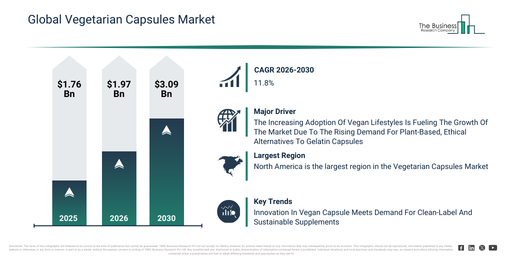
  • Vegetarian Capsules Market Analysis: Understanding The Drivers Behind 11.8% CAGR Through 2030 Growth

    Vegetarian Capsules Market Analysis: Understanding The Drivers Behind 11.8% CAGR Through 2030 Growth

    Featuring market attractiveness scoring, total addressable market sizing, company benchmarking matrices, interactive Excel dashboards, deeper supply chain intelligence, emerging startup tracking, and granular product-level insights, The Business Research Company’s 2026 market reports are built to deliver research that is both more actionable and more strategically valuable.

    Vegetarian Capsules Market Growth From $1.97 Billion In 2026 To $3.08 Billion By 2030 At A CAGR Of 11.8%

    The vegetarian capsules market has experienced significant growth in its size during recent years. Its value is anticipated to rise from $1.76 billion in 2025 to $1.97 billion in 2026, achieving a compound annual growth rate (CAGR) of 12.1%. This historical growth can be linked to factors including the past reliance on gelatin capsules, insufficient awareness of vegetarian alternatives, increasing consumption of dietary supplement products, the rise in pharmaceutical formulations, and the adoption of herbal and plant-based ingredients.

    The vegetarian capsules market is projected to experience significant expansion in the coming years, reaching $3.09 billion by 2030, demonstrating a compound annual growth rate (CAGR) of 11.8%. This anticipated growth during the forecast period is fueled by factors such as an increasing global vegan and vegetarian population, advancements in HPMC and pullulan technology, the expanding nutraceutical and functional food sectors, favorable regulatory frameworks for plant-derived ingredients, and the emergence of delayed-release and probiotic capsule formulations. Key trends expected over the forecast period encompass a growing consumer preference for plant-based capsules, wider acceptance of HPMC and pullulan capsules, a boost in the dietary supplements and nutraceuticals segments, broader applications in functional foods and beverages, and a heightened emphasis on clean label and acid-resistant capsule solutions.

    Get A Free Sample Report With In-Depth Market Insights:

    https://thebusinessresearchcompany.com/sample_request?id=77161412&type=smp&name=Vegetarian%20Capsules%20Market%20Report%202026&utm_source=Blogs&utm_medium=Paid&utm_campaign=Oct_PR

    Vegetarian Capsules Market Growth Factors: What’s Supporting Expansion?

    The expanding embrace of vegan lifestyles is anticipated to boost the growth of the vegetarian capsules market in the foreseeable future. A vegan lifestyle involves the exclusion of all products derived from animals, prioritizing plant-based nutrition and making ethical, cruelty-free decisions for health and environmental advantages. The escalation in vegan living is attributed to increasing awareness of animal rights, prompting more individuals to opt out of animal products to prevent harm. Vegetarian capsules serve as a plant-derived alternative to gelatin capsules, consistent with vegan dietary and ethical principles, enabling vegans to consume supplements without animal-based components. For instance, in January 2024, according to Finder, a US-based personal finance comparison site, approximately 2.5 million individuals in the UK are vegan, making up 4.7% of the population, up from 1.4 million vegans (2.5%) in 2023. Consequently, the rising adoption of vegan lifestyles is propelling the growth of the vegetarian capsules market.

    Vegetarian Capsules Market Segment Landscape And Growth Outlook

    The vegetarian capsules market covered in this report is segmented –

    1) By Product: Hydroxypropyl Methyl Cellulose, Pullulan

    2) By Ingredient Type: Plant-Based Extracts, Herbal Ingredients, Vitamins And Minerals, Amino Acids, Probiotics

    3) By Capsule Type: Hard Shell Capsules, Soft Gel Capsules, Liquid-Filled Capsules, Delayed-Release Capsules

    4) By Distribution Channel: Online Retail, Pharmacies And Drugstores, Health Food Stores, Supermarkets And Hypermarkets

    5) By Application: Dietary Supplements, Pharmaceuticals, Nutraceuticals, Functional Foods And Beverages

    Subsegments:

    1) By Hydroxypropyl Methyl Cellulose (HPMC): Hydroxypropyl Methyl Cellulose (HPMC) With Gelling Agent, Hydroxypropyl Methyl Cellulose (HPMC) Without Gelling Agent, Delayed-Release Hydroxypropyl Methyl Cellulose (HPMC) Capsules, Acid-Resistant Hydroxypropyl Methyl Cellulose (HPMC) Capsules, Hydroxypropyl Methyl Cellulose (HPMC) Capsules For Nutraceutical Applications, Hydroxypropyl Methyl Cellulose (HPMC) Capsules For Pharmaceutical Applications

    2) By Pullulan: Pullulan Capsules With Plant-Based Plasticizers, Starch-Free Pullulan Capsules, Acid-Resistant Pullulan Capsules, Pullulan Capsules For Clean Label Products, Pullulan Capsules For Moisture-Sensitive Formulations, Pullulan Capsules For Probiotic Delivery

    Vegetarian Capsules Market Industry Trends: What’s Reshaping Demand?

    Leading companies in the vegetarian capsules market are concentrating on developing advanced products, such as plant-based polymer capsules, to satisfy the increasing consumer desire for clean-label, vegan-compatible supplements. These plant-based polymer capsules are constructed from natural, animal-free components like cellulose or starch, providing a biodegradable and vegan-compliant substitute for conventional gelatin capsules. As an illustration, in February 2025, ACG Capsules, an India-based pharmaceutical company, launched the world’s first fully vegan printed capsules. Composed of hydroxypropyl methylcellulose (HPMC), these capsules have received certifications from Vegan Action and The Vegetarian Society, verifying that both the capsule shell and its printing method contain no animal-derived ingredients whatsoever. This breakthrough addresses the rising need for sustainable, cruelty-free, and clear choices in pharmaceuticals and nutraceuticals, allowing brands to personalize their messages using vegan-approved inks in green, black, or brown colors, thereby representing a notable leap forward in ethical and environmentally aware healthcare provisions.

    Vegetarian Capsules Market Competitive Landscape: Who Leads The Industry?

    Major companies operating in the vegetarian capsules market are Lonza Group, ACG Worldwide, SIRIO Pharma Co. Ltd., Robinson Pharma Inc., Hunan Er-Kang Pharmaceutical Co. Ltd., Procaps Laboratories, Qualicaps Inc., HealthCaps India Ltd., Zhejiang Yuexi Capsule Co. Ltd., Farmacapsulas S.A., CapsCanada Corporation, Natural Capsules Limited, Bahrain Pharma, Sunil Healthcare Limited, Bright Pharma Caps, PATCO EXPORTS PVT. LTD, Horbaach, Shaoxing Kangke Capsule Co. Ltd., Dah Feng Capsule Co. Ltd., Anhui Huangshan Capsule Co. Ltd.

    View The Full Vegetarian Capsules Market Report:

    https://thebusinessresearchcompany.com/report/vegetarian-capsules-global-market-report?utm_source=Blogs&utm_medium=Paid&utm_campaign=Oct_PR

    Vegetarian Capsules Market Geographic Distribution And Regional Opportunities

    North America was the largest region in the vegetarian capsules market in 2025. Asia-Pacific is expected to be the fastest-growing region in the forecast period. The regions covered in the vegetarian capsules market report are Asia-Pacific, South East Asia, Western Europe, Eastern Europe, North America, South America, Middle East, Africa.

    Reach Out To Our Team:

    The Business Research Company: https://www.thebusinessresearchcompany.com/

    Americas: +1 310-496-7795

    Asia: +44 7882 955267 & +91 8897263534

    Europe: +44 7882 955267

    Email us at: marketing@tbrc.info

    Follow us on:

    LinkedIn: https://in.linkedin.com/company/the-business-research-company

    YouTube: https://www.youtube.com/channel/UC24_fI0rV8cR5DxlCpgmyFQ

    Global Market Model: https://www.thebusinessresearchcompany.com/global-market-model
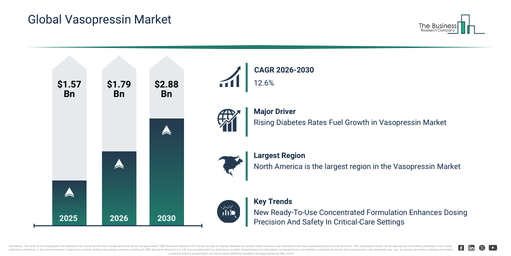
  • Vasopressin Market Growth To $2.87 Billion By 2030: What’s Driving The Expansion?

    Vasopressin Market Growth To $2.87 Billion By 2030: What’s Driving The Expansion?

    Built to provide research that’s more actionable and strategically valuable, The Business Research Company’s 2026 market reports include market attractiveness analysis, total addressable market sizing, company benchmarking matrices, interactive Excel dashboards, broader supply chain intelligence, emerging startup tracking, and in-depth product insights.

    Vasopressin Market Expansion Outlook: What Revenue Opportunities Are Ahead?

    The vasopressin market has witnessed rapid growth in recent years. It is projected to expand from $1.57 billion in 2025 to $1.79 billion in 2026, achieving a compound annual growth rate (CAGR) of 14.0%. Historically, this expansion is attributable to its established function in antidiuretic hormone deficiency, its widespread utilization in gastrointestinal bleeding, the increase in intensive care units, its proven effectiveness in shock management, and the broadened scope of hospital emergency services.

    The vasopressin market is anticipated to experience substantial growth in the coming years, with its valuation projected to reach $2.88 billion by 2030, growing at a compound annual growth rate (CAGR) of 12.6%. This expansion during the forecast period is attributed to several factors, including the increasing occurrence of septic shock, a rise in ICU admissions, continuous advancements in critical care protocols, heightened awareness of hormonal disorders, and the expansion of emergency medicine infrastructure. Key trends for the forecast period involve a rising application in critical care and shock management, increased demand within sepsis and intensive care units, broader adoption in the treatment of hormonal deficiencies, the proliferation of injectable hormone therapies, and a greater emphasis on emergency care applications.

    Get A Free Sample Report With In-Depth Market Insights:

    https://thebusinessresearchcompany.com/sample_request?id=60058103&type=smp&name=Vasopressin%20Market%20Report%202026&utm_source=Blogs&utm_medium=Paid&utm_campaign=Oct_PR

    Vasopressin Market Demand Drivers: What’s Powering Industry Growth?

    The increasing occurrence of diabetes is anticipated to drive the expansion of the vasopressin market in the future. Diabetes is a persistent health issue marked by high blood glucose (sugar) levels, stemming from the body’s incapacity to generate or properly utilize insulin. The widespread nature of diabetes is attributed to rising obesity figures, stress and mental well-being concerns, and hereditary elements. Vasopressin plays a vital role in treating central diabetes insipidus, aiding in the restoration of normal water balance and mitigating signs of excessive urination and thirst. For example, in June 2024, the National Health Service (NHS), a UK-based government department, reported an increase in diabetes cases among individuals under 40, climbing from 173,166 in 2022 to 216,440 in 2023. This substantial rise underscores a worrying pattern in this demographic, with the data indicating a swift surge in diabetes prevalence within younger cohorts. Consequently, the rising prevalence of diabetes is propelling the vasopressin market.

    Vasopressin Market Driver: The Growing Geriatric Population Driving The Growth Of The Market Due To Increased Demand For Cardiovascular And Renal Support In Older Adults

    Vasopressin Market Breakdown By Product Type And Application

    The vasopressin market covered in this report is segmented –

    1) By Product Type: Intravenous Injection, Intramuscular Injection, Subcutaneous Injection

    2) By Application: Anti-Diuretic Hormone Deficiency, Vasodilatory Shock, Gastrointestinal Bleeding, Ventricular Tachycardia And Fibrillation

    3) By End-User: Hospitals, Clinics, Other End Users

    Subsegments:

    1) By Intravenous Injection: Standard Iv Vasopressin Injection, High-Dose Iv Vasopressin Injection, Iv Vasopressin For Sepsis And Shock Treatment, Iv Vasopressin For Post-Operative Care

    2) By Intramuscular Injection: Standard Im Vasopressin Injection, Intramuscular Vasopressin For Hormonal Imbalance, Vasopressin Injection For Acute Hemorrhage Control

    3) By Subcutaneous Injection: Subcutaneous Vasopressin For Diabetes Insipidus

    Vasopressin Market Innovation Trends: What Developments Are Reshaping The Industry?

    Leading companies in the vasopressin market are creating innovative solutions, such as higher-concentration ready-to-use vasopressin formulations, to enhance dosing precision, shorten preparation time, and improve safety in critical-care environments. Higher-concentration ready-to-use vasopressin denotes a premixed intravenous formulation with an increased unit-per-mL ratio, which removes the necessity for bedside dilution, supports quicker treatment initiation, and minimizes dosing errors during the management of vasodilatory shock. For instance, in March 2024, Baxter Healthcare Corporation, a US-based pharmaceutical and medical device company, secured FDA approval for Vasopressin in 0.9% Sodium Chloride Injection, 50 units/50 mL (1 unit/mL). This concentrated, ready-to-use vasopressin formulation features a consistent 1-unit/mL strength, reducing the need for frequent bag changes. Its premixed single-dose presentation eliminates compounding steps, and its compatibility with standard infusion systems simplifies administration in emergency and intensive-care settings.

    Vasopressin Market Company Landscape And Competitive Strategy

    Major companies operating in the vasopressin market are Pfizer Inc., Baxter International Inc., Otsuka Pharmaceutical Co. Ltd., Ferring Pharmaceuticals, Amphastar Pharmaceuticals Inc., Mallinckrodt Pharmaceuticals Inc., Eagle Pharmaceuticals Inc., Par Pharmaceutical Holdings Inc., Fresenius Kabi, Nordic Pharma Inc., Aurobindo Pharma Limited, Dr. Reddy’s Laboratories Ltd., Apotex Inc., Amneal Pharmaceuticals Inc., Bachem Holding AG, BCN Peptides SA, Laboratorio ELEA S.A.C.I.F. y A., Hainan Zhonghe Pharmaceutical Co. Ltd., Cumberland Pharmaceuticals Inc., AMOMED Pharma GmbH

    View The Full Vasopressin Market Report:

    https://thebusinessresearchcompany.com/report/vasopressin-global-market-report?utm_source=Blogs&utm_medium=Paid&utm_campaign=Oct_PR

    Vasopressin Market Largest Region By Revenue And Market Share

    North America was the largest region in the vasopressin market in 2025. The regions covered in the vasopressin market report are Asia-Pacific, South East Asia, Western Europe, Eastern Europe, North America, South America, Middle East, Africa.

    Reach Out To Our Team:

    The Business Research Company: https://www.thebusinessresearchcompany.com/

    Americas: +1 310-496-7795

    Asia: +44 7882 955267 & +91 8897263534

    Europe: +44 7882 955267

    Email us at: marketing@tbrc.info

    Follow us on:

    LinkedIn: https://in.linkedin.com/company/the-business-research-company

    YouTube: https://www.youtube.com/channel/UC24_fI0rV8cR5DxlCpgmyFQ

    Global Market Model: https://www.thebusinessresearchcompany.com/global-market-model
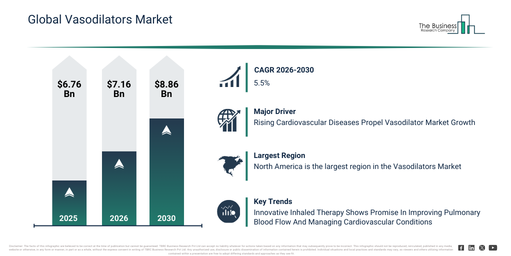
  • Vasodilators Market Trends Reshaping Industry Growth Through 2030

    Vasodilators Market Trends Reshaping Industry Growth Through 2030

    Backed by market attractiveness analysis, total addressable market sizing, company benchmarking matrices, interactive Excel dashboards, wider supply chain intelligence, emerging startup coverage, and detailed product-level insights, The Business Research Company’s 2026 market reports are designed to offer research that is more actionable and strategically valuable than ever.

    Vasodilators Market Growth Potential: How Will Market Size Shift Through 2030?

    The vasodilators market has shown robust growth over recent years. This market is anticipated to expand from $6.76 billion in 2025 to $7.16 billion in 2026, achieving a compound annual growth rate (CAGR) of 6.0%. Historically, this expansion was driven by factors such as a rise in hypertension cases, the well-established clinical application of nitrates, improvements in hospital infrastructure, a greater incidence of heart failure, and the broad availability of oral vasodilators.

    The vasodilators market is projected to experience substantial expansion over the upcoming years. It is anticipated to reach $8.86 billion by 2030, exhibiting a compound annual growth rate (CAGR) of 5.5%. This forecasted growth stems from several factors, including an aging global populace, an increasing incidence of lifestyle-related ailments, the proliferation of specialized cardiac centers, a heightened emphasis on timely diagnosis, and improved availability of cardiovascular medications. Key developments expected during this period involve a surge in cardiovascular disease prevalence, greater utilization of combination drug therapies, wider acceptance of generic vasodilators, an increase in hospital-based cardiovascular care, and an elevated need for managing hypertension over the long term.

    Get A Free Sample Report With In-Depth Market Insights:

    https://thebusinessresearchcompany.com/sample_request?id=52876238&type=smp&name=Vasodilators%20Market%20Report%202026&utm_source=Blogs&utm_medium=Paid&utm_campaign=Oct_PR

    Vasodilators Market Growth Drivers: What’s Behind The Acceleration?

    The increasing incidence of cardiovascular conditions is projected to fuel expansion in the vasodilators market in the future. These conditions encompass a range of ailments impacting the heart and its associated blood vessels, including examples like coronary artery disease, heart failure, and stroke. The growing occurrence of cardiovascular diseases stems from escalating obesity levels, which are further exacerbated by inadequate dietary habits and inactive lifestyles. The vasodilators market plays a crucial role in managing cardiovascular diseases by facilitating blood vessel relaxation, reducing blood pressure, and enhancing general blood flow. As an illustration, data from the American Heart Association, a US-based non-profit, indicated that the age-adjusted mortality rate for cardiovascular disease rose to 233.3 per 100,000 in 2024, marking a 4.0% increase from 224.4 per 100,000 in 2023, as reported in January 2024. Consequently, the expanding prevalence of cardiovascular diseases is a key factor propelling the growth of the vasodilators market.

    Vasodilators Market Segment Analysis And Revenue Potential

    The vasodilators market covered in this report is segmented –

    1) By Type: Arterial Dilators, Venous Dilators, Mixed Dilators

    2) By Drugs: Nitroglycerin, Alprostadil, Minoxidil, Sorbitrate, Other Drugs

    3) By Indication: Hypertension, Angina, Heart Failure, Other Indications

    4) By Route Of Administration: Oral, Parenteral, Other Routes Of Administration

    5) By End User: Hospitals, Homecare, Specialty Centers, Other End Users

    Subsegments:

    1) By Arterial Dilators: Calcium Channel Blockers, Nitric Oxide Donors, Potassium Channel Activators

    2) By Venous Dilators: Nitrates, Nitrites, Phosphodiesterase Inhibitors (PDE5 Inhibitors)

    3) By Mixed Dilators: Alpha-Adrenergic Antagonists, Angiotensin II Receptor Blockers (ARBs), ACE Inhibitors (Angiotensin-Converting Enzyme Inhibitors)

    Vasodilators Market Trends: What’s Defining The Industry’s Next Phase?

    Leading companies within the vasodilators market are progressively concentrating on creating novel solutions, such as inhaled soluble guanylate cyclase (sGC) activators, aimed at enhancing pulmonary blood flow and managing cardiovascular ailments with greater efficacy. Inhaled sGC activators function as medications that, upon inhalation, activate the sGC enzyme, leading to blood vessel relaxation and improved circulation, particularly within the lungs. For instance, in September 2024, Roivant Sciences Ltd., a US-based biopharmaceutical and healthcare technology firm, launched mosliciguat, a once-daily, inhaled sGC activator delivered through a dry powder inhaler (DPI), developed by its subsidiary Pulmovant. Mosliciguat is designed for lung-specific administration, stimulating sGC without reliance on heme and NO, which could help maintain its effectiveness even during oxidative stress. A Phase 1b “ATMOS” study revealed that it achieved average-maximum reductions in pulmonary vascular resistance (PVR) of up to ~38% in patients suffering from pulmonary hypertension. The drug was generally well-received, showing minimal adverse events, and its pharmacokinetic characteristics support its once-daily inhalation due to a prolonged half-life and minimal absorption into the wider circulatory system. Pulmovant has commenced a global Phase 2 “PHocus” trial involving approximately ~120 patients with PH-ILD to conduct further evaluation of its safety and effectiveness.

    Vasodilators Market Key Players Shaping Industry Direction

    Major companies operating in the vasodilators market are Pfizer Inc., Novartis AG, Sanofi S.A., Bristol-Myers Squibb Company, AbbVie Inc., Abbott Laboratories, AstraZeneca, Bayer AG, Boehringer Ingelheim International GmbH, Merck & Co. Inc., GlaxoSmithKline plc, Eli Lilly and Company, Viatris Inc., Teva Pharmaceutical Industries Ltd., Novo Nordisk A/S, Astellas Pharma Inc., Amgen Inc., Gilead Sciences Inc., Biogen, Sun Pharmaceutical Industries Limited

    View The Full Vasodilators Market Report:

    https://thebusinessresearchcompany.com/report/vasodilators-global-market-report?utm_source=Blogs&utm_medium=Paid&utm_campaign=Oct_PR

    Vasodilators Market Regional Analysis And Leading Geography

    North America was the largest region in the vasodilators market in 2025. Asia-Pacific is expected to be the fastest-growing region in the forecast period. The regions covered in the vasodilators market report are Asia-Pacific, South East Asia, Western Europe, Eastern Europe, North America, South America, Middle East, Africa.

    Reach Out To Our Team:

    The Business Research Company: https://www.thebusinessresearchcompany.com/

    Americas: +1 310-496-7795

    Asia: +44 7882 955267 & +91 8897263534

    Europe: +44 7882 955267

    Email us at: marketing@tbrc.info

    Follow us on:

    LinkedIn: https://in.linkedin.com/company/the-business-research-company

    YouTube: https://www.youtube.com/channel/UC24_fI0rV8cR5DxlCpgmyFQ

    Global Market Model: https://www.thebusinessresearchcompany.com/global-market-model
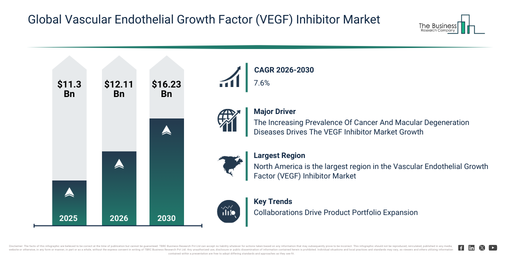
  • Vascular Endothelial Growth Factor (VEGF) Inhibitor Market Growth To $16.22 Billion Creates New Opportunities Across The Industry

    Vascular Endothelial Growth Factor (VEGF) Inhibitor Market Growth To $16.22 Billion Creates New Opportunities Across The Industry

    Featuring market attractiveness scoring, total addressable market sizing, company benchmarking matrices, interactive Excel dashboards, deeper supply chain intelligence, emerging startup tracking, and granular product-level insights, The Business Research Company’s 2026 market reports are built to deliver research that is both more actionable and more strategically valuable.

    Vascular Endothelial Growth Factor (VEGF) Inhibitor Market Value Analysis: What Growth Lies Ahead Over The Forecast Period?

    The vascular endothelial growth factor (vegf) inhibitor market has demonstrated robust expansion over the past few years. It is expected to grow from $11.3 billion in 2025 to $12.11 billion in 2026, achieving a compound annual growth rate (CAGR) of 7.2%. This historical growth can be linked to several factors, including the increasing occurrence of cancer and retinal disorders, the scarcity of treatment alternatives before monoclonal antibodies, enhanced understanding of the benefits of anti-angiogenic therapy, wider adoption of targeted therapies by medical professionals, and the regulatory approvals granted to early-generation vegf inhibitors.

    The vascular endothelial growth factor (vegf) inhibitor market is projected to experience substantial expansion over the coming years. Its valuation is anticipated to reach $16.23 billion by 2030, exhibiting a compound annual growth rate (CAGR) of 7.6%. This projected increase is driven by factors such as the creation of advanced vegf inhibitors, the broadening scope of immuno-oncology combinations, the growing acceptance of personalized medical treatments, increased financial commitments to ophthalmic drug development, and the incorporation of digital tracking and AI-powered treatment evaluations. Key developments expected during this period involve the increased application of vegf inhibitors in cancer and eye conditions, the continued advancement of monoclonal antibodies and anti-angiogenic treatments, the wider use of intravitreal and intravenous delivery methods, the expansion of individualized medicine and targeted therapeutic strategies, and a surge in clinical trials and research for new vegf inhibitors.

    Get A Free Sample Report With In-Depth Market Insights:

    https://thebusinessresearchcompany.com/sample_request?id=49764237&type=smp&name=Vascular%20Endothelial%20Growth%20Factor%20%28VEGF%29%20Inhibitor%20Market%20Report%202026&utm_source=Blogs&utm_medium=Paid&utm_campaign=Oct_PR

    Vascular Endothelial Growth Factor (VEGF) Inhibitor Market Growth Factors Behind Sustained Expansion

    The increasing occurrence of cancer and macular degeneration is anticipated to propel the expansion of the VEGF inhibitor market. Cancer is characterized by the unrestrained proliferation of abnormal cells, which can potentially disseminate throughout the body, while macular degeneration, conversely, is a medical ailment causing the central retina to degrade, impairing eyesight. The rising incidence of these conditions stems from factors like an aging demographic and lifestyle risk factors, consequently boosting the need for efficacious treatments and health solutions. Vascular endothelial growth factor (VEGF) Inhibitors address cancer by preventing the development of new blood vessels essential for tumor growth and dissemination, thus curbing tumor expansion and metastasis. As an illustration, the World Health Organization, an international body based in Switzerland focused on global health policy and public health, projected in February 2024 that more than 35 million new cancer cases are expected by 2050, representing a 77% surge from the approximately 20 million cases in 2022. Consequently, the increasing prevalence of both cancer and macular degeneration is stimulating the growth of the VEGF inhibitor market.

    Vascular Endothelial Growth Factor (VEGF) Inhibitor Market Segmentation And Category Overview

    The vascular endothelial growth factor (vegf) inhibitor market covered in this report is segmented –

    1) By Drugs Type: Avastin, Tecentriq, Lucentis, Cometriq, Eylea, Other Drug Types

    2) By Route Of Administration: Oral, Intravenous, Intravitreal

    3) By Application: Oncology, Ophthalmology, Other Applications

    Subsegments:

    1) By Avastin: Oncology Applications, Ophthalmology Applications

    2) By Tecentriq: Non-Small Cell Lung Cancer, Small Cell Lung Cancer, Bladder Cancer, Triple-Negative Breast Cancer

    3) By Lucentis: Wet Age-Related Macular Degeneration (AMD), Diabetic Retinopathy, Retinal Vein Occlusion

    4) By Cometriq: Medullary Thyroid Cancer, Renal Cell Carcinoma

    5) By Eylea: Wet Age-Related Macular Degeneration (AMD), Diabetic Macular Edema (DME), Retinal Vein Occlusion (RVO)

    6) By Other Drug Types: Immuno-Oncology Drugs, Anti-Angiogenic Agents, Other Monoclonal Antibodies

    Vascular Endothelial Growth Factor (VEGF) Inhibitor Market Industry Trends Fueling Future Revenue Growth

    Companies within the VEGF inhibitor market are intently focused on developing innovative ophthalmic treatments, specifically higher-concentration intravitreal injection solutions, with the goal of extending dosing intervals and reducing the overall treatment burden for patients. These higher-concentration intravitreal injection solutions are specialized eye medications that contain an increased amount of active drug per dose, which effectively helps to decrease the frequency of necessary injections while maintaining therapeutic effectiveness and easing the demands of treatment on patients. As an illustration, in April 2024, Santen Pharmaceutical Co. Ltd., a pharmaceutical company based in Japan, in collaboration with Bayer Yakuhin, another Japanese pharmaceutical and life sciences company, introduced the Ophthalmic VEGF Inhibitor Eylea 8mg Solution for Intravitreal Injection 114.3 mg/mL. These solutions serve as standard treatments for debilitating eye conditions such as age-related macular degeneration (nAMD) and diabetic macular edema (DME), both of which have the potential to cause blindness. Eylea 8mg, distinguished by its higher concentration compared to its predecessor, provides the benefit of an extended dosing interval of up to 16 weeks, thereby lessening the number of intravitreal injections required while ensuring continued efficacy and safety. This significant advancement is designed to alleviate the treatment burden on patients and set a new benchmark for patient care. It also signifies a strategic partnership aimed at broadening the accessibility and reach of this innovative ophthalmic treatment.

    Vascular Endothelial Growth Factor (VEGF) Inhibitor Market Competitive Analysis Of Leading Industry Participants

    Major companies operating in the vascular endothelial growth factor (vegf) inhibitor market are F. Hoffmann-La Roche AG, Bayer AG, Regeneron Pharmaceuticals Inc., AstraZeneca Plc., Novartis AG, Pfizer Inc., Eli Lilly and Company, Exelixis Inc., Amgen Inc., Sanofi S.A., Cipla Limited, Biocon, Dr. Reddy’s Laboratories, Innovent Biologics, Daiichi Sankyo, Chugai Pharmaceutical Co. Ltd, Boehringer Ingelheim International GmbH, GlaxoSmithKline plc, Ipsen, Oxurion, Pharmstandard Group, Zentiva, Coherus BioSciences Inc., AVEO pharmaceuticals, Eisai Co. Ltd.

    View The Full Vascular Endothelial Growth Factor (VEGF) Inhibitor Market Report:

    https://thebusinessresearchcompany.com/report/vascular-endothelial-growth-factor-inhibitors-global-market-report?utm_source=Blogs&utm_medium=Paid&utm_campaign=Oct_PR

    Vascular Endothelial Growth Factor (VEGF) Inhibitor Market Geographic Analysis: Where Is Demand Accelerating Fastest?

    North America was the largest region in the vascular endothelial growth factor (VEGF) inhibitor market in 2025. Middle East is expected to be the fastest-growing region in the vascular endothelial growth factor (VEGF) inhibitor market share during the forecast period. The regions covered in the vascular endothelial growth factor (vegf) inhibitor market report are Asia-Pacific, South East Asia, Western Europe, Eastern Europe, North America, South America, Middle East, Africa.

    Reach Out To Our Team:

    The Business Research Company: https://www.thebusinessresearchcompany.com/

    Americas: +1 310-496-7795

    Asia: +44 7882 955267 & +91 8897263534

    Europe: +44 7882 955267

    Email us at: marketing@tbrc.info

    Follow us on:

    LinkedIn: https://in.linkedin.com/company/the-business-research-company

    YouTube: https://www.youtube.com/channel/UC24_fI0rV8cR5DxlCpgmyFQ

    Global Market Model: https://www.thebusinessresearchcompany.com/global-market-model
  • Vaginitis Therapeutics Market Forecast: Breaking Down The Numbers Behind Future Expansion

    Vaginitis Therapeutics Market Forecast: Breaking Down The Numbers Behind Future Expansion

    Built to provide research that’s more actionable and strategically valuable, The Business Research Company’s 2026 market reports include market attractiveness analysis, total addressable market sizing, company benchmarking matrices, interactive Excel dashboards, broader supply chain intelligence, emerging startup tracking, and in-depth product insights.

    Vaginitis Therapeutics Market Size Forecast: How Big Could The Market Get By 2030?

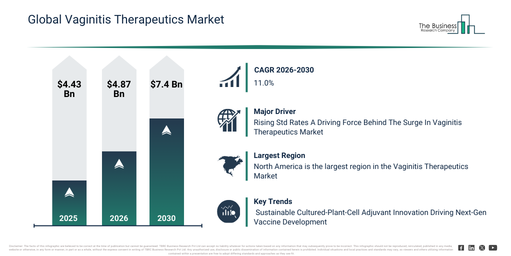
    The vaginitis therapeutics market size has experienced swift expansion in recent years. This market is projected to grow from $4.43 billion in 2025 to $4.87 billion in 2026, at a compound annual growth rate (CAGR) of 10.0%. The historical period’s growth can be attributed to several factors including the increasing prevalence of bacterial vaginosis, limited awareness regarding vaginal health, continued reliance on traditional antifungal and antibiotic treatments, an expanding female population within reproductive age, and a rise in hospital visits for gynecological issues.

    The vaginitis therapeutics market size is projected to experience substantial growth in the upcoming years. It is expected to expand to $7.4 billion in 2030, achieving a compound annual growth rate (CAGR) of 11.0%. This projected increase can be attributed to the advancement of precision medicine and targeted therapies, the wider availability of telehealth services, enhanced patient awareness and education, the rise of over-the-counter (OTC) and home-based treatment options, and the incorporation of digital monitoring tools in gynecological healthcare. Key trends during this period encompass personalized vaginitis treatment approaches, an increasing preference for non-antibiotic therapeutics, the adoption of telemedicine for gynecological consultations, a surge in over-the-counter vaginitis remedies, and a concentrated effort to reduce the recurrence of vaginal infections.

    Get A Free Sample Report With In-Depth Market Insights:

    https://thebusinessresearchcompany.com/sample_request?id=58225760&type=smp&name=Vaginitis%20Therapeutics%20Market%20Report%202026&utm_source=Blogs&utm_medium=Paid&utm_campaign=Oct_PR

    Vaginitis Therapeutics Market Demand Drivers Opening New Revenue Streams

    The rising incidence of sexually transmitted diseases (STDs) is projected to drive the expansion of the vaginitis therapeutics market in the future. STDs are infections transmitted via sexual interaction between infected and uninfected persons. These diseases often result in vaginitis, characterized by vaginal inflammation and discomfort. Vaginitis therapeutics offer relief from symptoms of STD-induced vaginitis in women, thereby boosting the consumption of vaginitis drugs. As an illustration, data from July 2024 by the UK Health Security Agency, a UK-based government agency, indicated 401,800 diagnoses of new STIs in 2023, marking a 4.7% rise from 2022 (383,789). Consequently, the growing occurrence of STDs will stimulate the vaginitis therapeutics market growth.

    Vaginitis Therapeutics Market Segment Outlook: Which Categories Are Growing Fastest?

    The vaginitis therapeutics market covered in this report is segmented –

    1) By Drug Type: Nitroimidazole Compound, Lincosamide Antibiotics, Triazoles, Imidazoles

    2) By Route Of Administration: Oral, Cutaneous, Vaginal

    3) By Indication Type: Bacterial Vaginosis, Trichomoniasis, Vulvovaginal Candidiasis, Other Types

    4) By End Users: Hospitals, Ambulatory Surgical Centers, Specialized Gynecology Centers, Clinics

    Subsegments:

    1) By Nitroimidazole Compound: Metronidazole, Tinidazole

    2) By Lincosamide Antibiotics: Clindamycin

    3) By Triazoles: Fluconazole, Itraconazole

    4) By Imidazoles: Clotrimazole, Miconazole

    Vaginitis Therapeutics Market Trends Powering Strategic Industry Growth

    Leading companies within the vaginitis therapeutics market are prioritizing technological advancements, such as scientifically backed vaginal symptom relief products, to address the escalating demand for safer, non-systemic treatments that restore vaginal health and mitigate symptoms like dryness, odor, and irritation. These products employ specific formulations crafted to support the natural vaginal microbiome and pH balance, presenting a more personalized and microbiome-compatible choice over traditional over-the-counter creams or systemic antibiotics that could disrupt vaginal flora. As an illustration, in November 2024, Evvy, a US-based women’s health company, introduced its prescription vaginal healthcare product line, an innovative collection of treatments designed to offer symptom relief without requiring systemic therapy. This product line features boric acid suppositories, hyaluronic acid suppositories, anti-itch vulva cream, and soothing vulva cream, all formulated with input from OBGYNs and experts in the vaginal microbiome. These offerings function by re-establishing a healthy vaginal pH, alleviating irritation, and supporting a balanced microbiome, thus providing both therapeutic and preventative benefits. This methodology allows for effective symptom management while diminishing the risk of antimicrobial resistance or disruption to the natural vaginal ecosystem.

    Vaginitis Therapeutics Market Leading Companies And Competitive Benchmarking

    Major companies operating in the vaginitis therapeutics market are Pfizer Inc., Merck & Co Inc., Bayer AG, Lupin Pharmaceuticals Inc., Symbiomix Therapeutics Inc., Mission Pharmacal Company, Teva Pharmaceutical Industries Ltd., Janssen Pharmaceuticals Inc., GlaxoSmithKline plc, Sanofi SA, TherapeuticsMD Inc., Scynexis Inc., Sebela Pharmaceuticals Inc., Daré Bioscience Inc., Mylan N.V., Cidara Therapeutics Inc., Imprimis Pharmaceuticals Inc., Innovus Pharmaceuticals Inc., Evofem Biosciences Inc., Mycovia Pharmaceuticals, Perrigo Company plc, Mithra Pharmaceuticals, Ferring Pharmaceuticals Inc.

    View The Full Vaginitis Therapeutics Market Report:

    https://thebusinessresearchcompany.com/report/vaginitis-therapeutics-global-market-report?utm_source=Blogs&utm_medium=Paid&utm_campaign=Oct_PR

    Vaginitis Therapeutics Market Global Footprint: Which Region Leads The Industry?

    North America was the largest region in the global vaginitis therapeutics market in 2025. The regions covered in the vaginitis therapeutics market report are Asia-Pacific, South East Asia, Western Europe, Eastern Europe, North America, South America, Middle East, Africa.

    Reach Out To Our Team:

    The Business Research Company: https://www.thebusinessresearchcompany.com/

    Americas: +1 310-496-7795

    Asia: +44 7882 955267 & +91 8897263534

    Europe: +44 7882 955267

    Email us at: marketing@tbrc.info

    Follow us on:

    LinkedIn: https://in.linkedin.com/company/the-business-research-company

    YouTube: https://www.youtube.com/channel/UC24_fI0rV8cR5DxlCpgmyFQ

    Global Market Model: https://www.thebusinessresearchcompany.com/global-market-model
  • Vaccine Adjuvants Market Expected To Grow At 9.5% CAGR Through 2030: What Businesses Need To Know

    Vaccine Adjuvants Market Expected To Grow At 9.5% CAGR Through 2030: What Businesses Need To Know

    Backed by market attractiveness analysis, total addressable market sizing, company benchmarking matrices, interactive Excel dashboards, wider supply chain intelligence, emerging startup coverage, and detailed product-level insights, The Business Research Company’s 2026 market reports are designed to offer research that is more actionable and strategically valuable than ever.

    Vaccine Adjuvants Market Revenue Outlook: What CAGR Lies Ahead Through 2030?

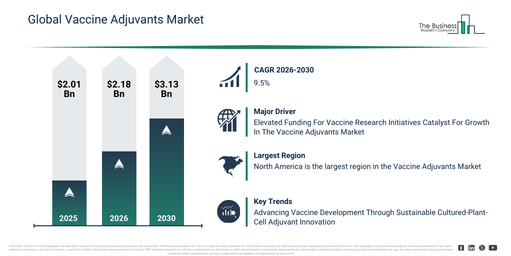
    The vaccine adjuvants market has experienced robust expansion in recent years. It is projected to grow from $2.01 billion in 2025 to $2.18 billion in 2026, at a compound annual growth rate (CAGR) of 8.4%. Historically, this market’s expansion can be attributed to the increasing prevalence of infectious diseases, greater government funding for vaccine research, the rising adoption of traditional vaccines, the development of oil-in-water and water-in-oil emulsions, and technological advancements in pathogen component adjuvants.

    The vaccine adjuvants market size is anticipated to undergo significant expansion in the coming years, with its valuation expected to climb to $3.13 billion in 2030, marking a compound annual growth rate (CAGR) of 9.5%. This projected growth during the forecast period stems from factors such as increasing demand for human and veterinary vaccines, a growing emphasis on immunotherapies for cancer and infectious diseases, innovations in nanoparticle and liposome adjuvants, regulatory encouragement for novel adjuvants, and the broadening of biologics manufacturing infrastructure. Key developments expected within this period include personalized vaccine adjuvant development, the introduction of novel immunostimulatory compounds, multi-disease targeted adjuvants, enhanced safety and efficacy profiles, and rapid vaccine formulation platforms.

    Get A Free Sample Report With In-Depth Market Insights:

    https://thebusinessresearchcompany.com/sample_request?id=72469107&type=smp&name=Vaccine%20Adjuvants%20Market%20Report%202026&utm_source=Blogs&utm_medium=Paid&utm_campaign=Oct_PR

    Vaccine Adjuvants Market Growth Backed By Core Demand Fundamentals

    Increased investment in vaccine research is anticipated to boost the expansion of the vaccine adjuvants market. These activities encompass extensive scientific efforts focused on creating, evaluating, and enhancing vaccines to combat infectious diseases. Such research is crucial for identifying, assessing, and refining possible adjuvant candidates derived from diverse origins, such as natural substances, man-made compounds, or even microorganisms like bacteria and viruses. As an illustration, in October 2023, the United States Department of Health and Human Services, a US federal agency delivering key human services, unveiled Project NextGen. This initiative involved a $500 million investment designated for initiating the development of phase 2b clinical trial blueprints and pioneering technologies for advanced next-generation vaccination and treatment solutions. Consequently, the rising financial support for vaccine research is propelling the expansion of the vaccine adjuvants market.

    Vaccine Adjuvants Market Segment Landscape: Which Areas Lead Development?

    The vaccine adjuvants market covered in this report is segmented –

    1) By Product Type: Adjuvant Emulsions, Pathogen Components, Particulate Adjuvants, Combination Adjuvants, Other Product Types

    2) By Route of Application: Human Vaccine Adjuvants, Veterinary Vaccine Adjuvants

    3) By Route of Administration: Oral, Intramuscular, Intranasal, Subcutaneous, Intradermal

    4) By Disease: Cancer, Infectious Diseases, Other Diseases

    Subsegments:

    1) By Adjuvant Emulsions: Oil-In-Water Emulsions, Water-In-Oil Emulsions

    2) By Pathogen Components: Bacterial Components, Viral Components

    3) By Particulate Adjuvants: Liposomes, Nanoparticles, Microparticles

    4) By Combination Adjuvants: Mixed Emulsions, Multiple Component Systems

    5) By Other Product Types: Synthetic Adjuvants, Natural Adjuvants

    Vaccine Adjuvants Market Growth Trends Reshaping The Competitive Landscape

    Leading companies in the vaccine adjuvants market are directing their efforts toward technological advancements, including cultured-plant-cell QS-21 (cpcQS-21), to satisfy the rising demand for more sustainable and scalable production of potent immune-stimulatory adjuvants. QS-21 is a powerful saponin adjuvant traditionally extracted from Quillaja saponaria tree bark; distinct from conventional aluminum-based adjuvants, QS-21 activates both robust antibody and cellular immune responses, yet its availability is restricted by limited tree bark supply and varying quality. In August 2024, SaponiQx, a US-based biomanufacturing company, launched STIMULON cultured plant cell QS-21, a cpcQS-21 adjuvant now offered for commercial acquisition through InvivoGen. This product is manufactured using plant cell culture rather than tree bark, ensuring a consistent and scalable supply; it also provides high purity, batch-to-batch uniformity, and a reduced environmental impact. Functionally, STIMULON cpcQS-21 maintains the identical immunostimulatory potency as tree-derived QS-21 in driving both humoral and cellular immune responses, making it appropriate for use in vaccines targeting infectious diseases such as malaria, shingles, and RSV.

    Vaccine Adjuvants Market Industry Leaders And Competitive Landscape

    Major companies operating in the vaccine adjuvants market are GlaxoSmithKline Plc., Novavax Inc., Agenus Inc., CSL Limited, Adjuvatis, Merck KGaA, Seppic Inc., Virometix AG, Adjuvance Technologies Inc., Novartis AG, Vaxine Pty Ltd., Statens Serum Institute, GSK Vaccines, VaxLiant LLC, VaxForm LLC, Serum Institute of India, Dynavax Technologies Corporation, Vaxcyte Inc., VBI Vaccines Inc., Medicago Inc.

    View The Full Vaccine Adjuvants Market Report:

    https://thebusinessresearchcompany.com/report/vaccine-adjuvants-global-market-report?utm_source=Blogs&utm_medium=Paid&utm_campaign=Oct_PR

    Vaccine Adjuvants Market Regional Distribution: Which Areas Power Market Growth?

    North America was the largest region in the vaccine adjuvants market in 2025.Asia-Pacific is expected to be the fastest-growing region in the global vaccine adjuvants market report during the forecast period. The regions covered in the vaccine adjuvants market report are Asia-Pacific, South East Asia, Western Europe, Eastern Europe, North America, South America, Middle East, Africa.

    Reach Out To Our Team:

    The Business Research Company: https://www.thebusinessresearchcompany.com/

    Americas: +1 310-496-7795

    Asia: +44 7882 955267 & +91 8897263534

    Europe: +44 7882 955267

    Email us at: marketing@tbrc.info

    Follow us on:

    LinkedIn: https://in.linkedin.com/company/the-business-research-company

    YouTube: https://www.youtube.com/channel/UC24_fI0rV8cR5DxlCpgmyFQ

    Global Market Model: https://www.thebusinessresearchcompany.com/global-market-model